


-
SARS-CoV-2 Infection and COVID-19 Vaccine Antibody Responses in Two Canadian Cohorts of Persons Living with HIV -
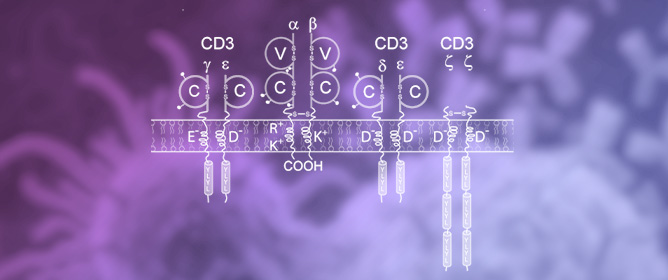
IMGT® Nomenclature of Immunoglobulins (IG) or Antibodies and T Cell Receptors (TR): A Common Language for Immunoinformatics and Artificial Intelligence (AI) -
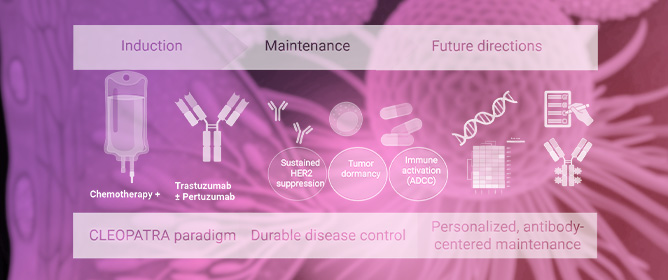
Post-Chemotherapy Antibody-Based Continuation and Maintenance Strategies in HER2-Positive Metastatic Breast Cancer: A Translational Narrative Review -
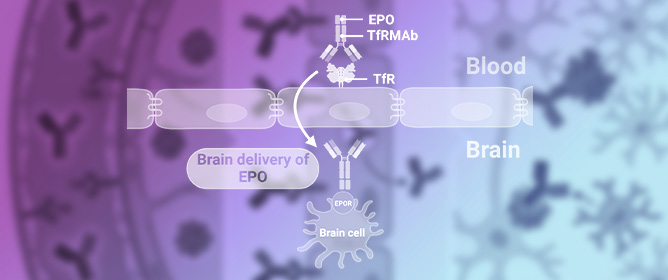
Brain Delivery of Antibody-Derived Biologicals for Alzheimer’s Disease: An Updated Narrative Review -
Two Highly Specific Mouse Monoclonal Antibodies to the Putative C-Telopeptide of Human Collagen XIα1, a Cancer Biomarker
Journal Description
Antibodies
Antibodies
is an international, peer-reviewed, open access journal on immunoglobulins, published bimonthly online by MDPI.
- Open Access— free for readers, with article processing charges (APC) paid by authors or their institutions.
- High Visibility: indexed within Scopus, ESCI (Web of Science), PubMed, PMC, Embase, CAPlus / SciFinder, and other databases.
- Journal Rank: CiteScore - Q2 (Immunology and Allergy)
- Rapid Publication: manuscripts are peer-reviewed and a first decision is provided to authors approximately 22.7 days after submission; acceptance to publication is undertaken in 4.8 days (median values for papers published in this journal in the first half of 2026).
- Recognition of Reviewers: Reviewers whose reports are timely and of high quality receive an APC discount voucher for a future publication in an MDPI journal. Become a reviewer.
- Journal Cluster of Immunology: Vaccines, Antibodies, Immuno, Rheumato, Lymphatics and
Inflammation Journal.
Impact Factor:
3.3 (2025);
5-Year Impact Factor:
4.1 (2025)
Latest Articles
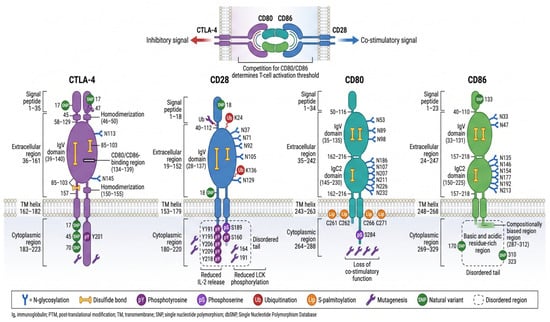
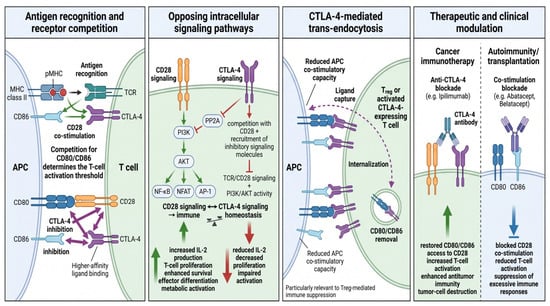
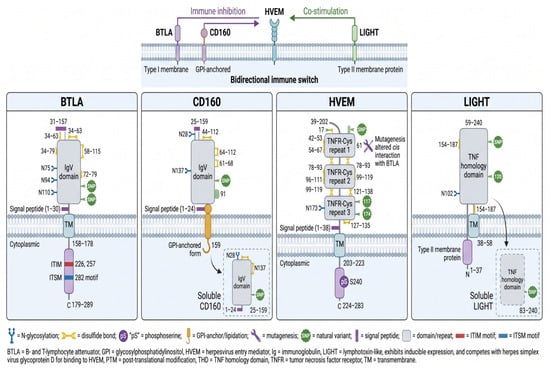
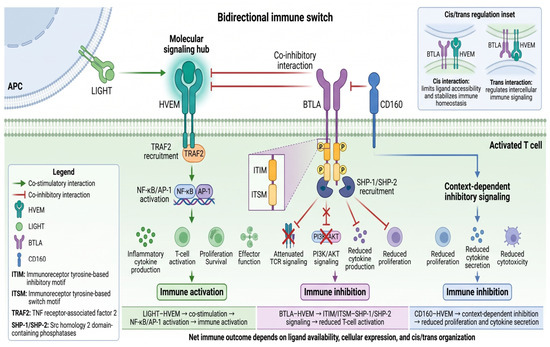
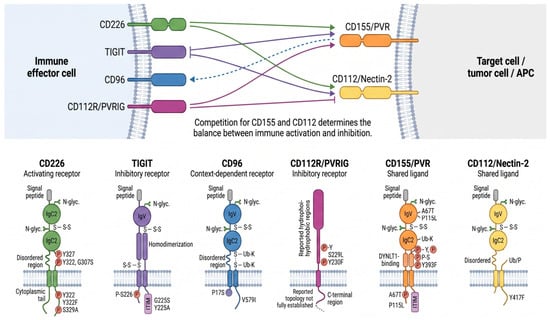
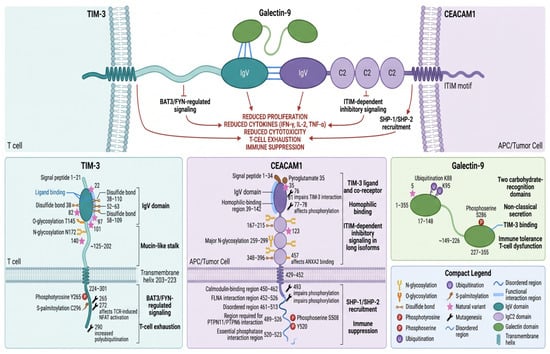
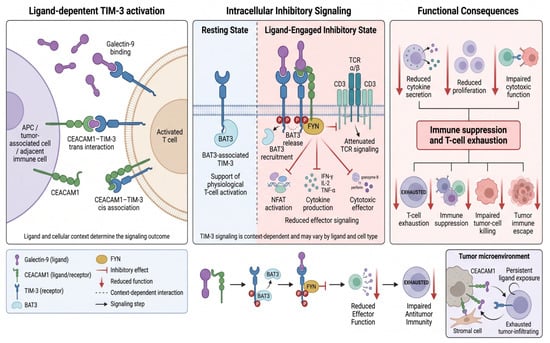
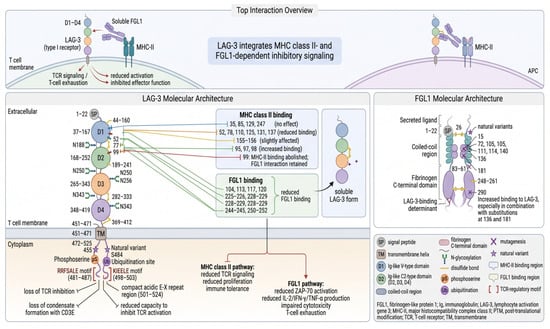
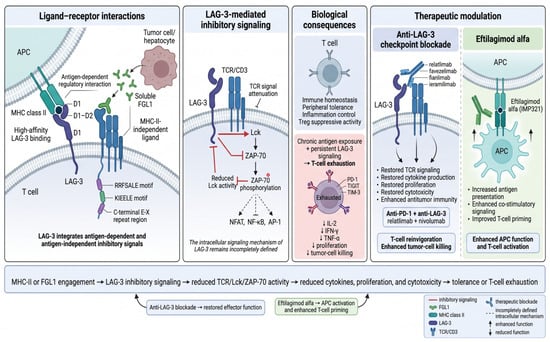
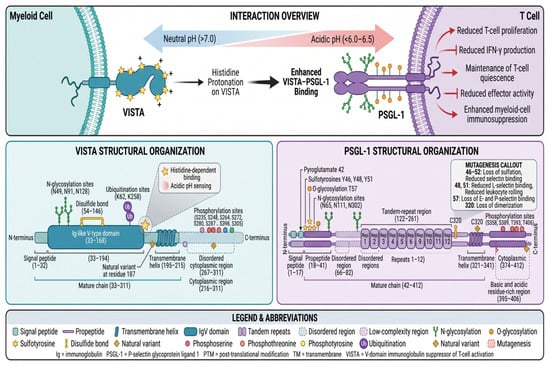
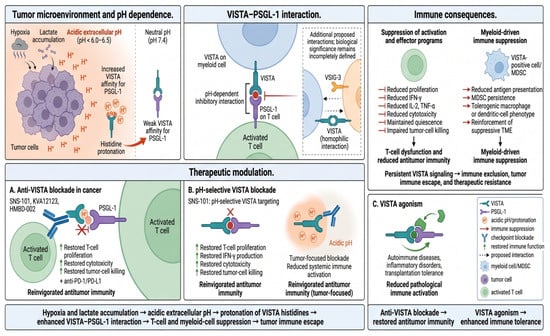
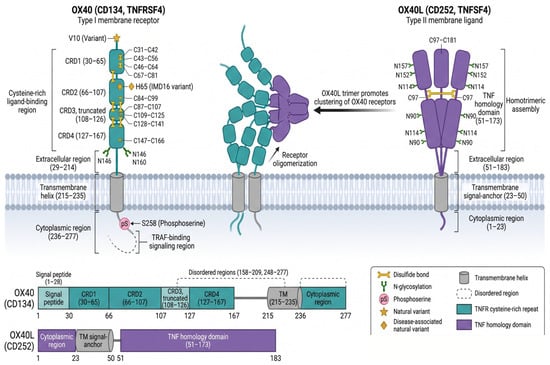
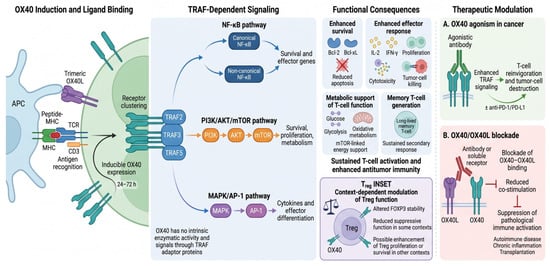
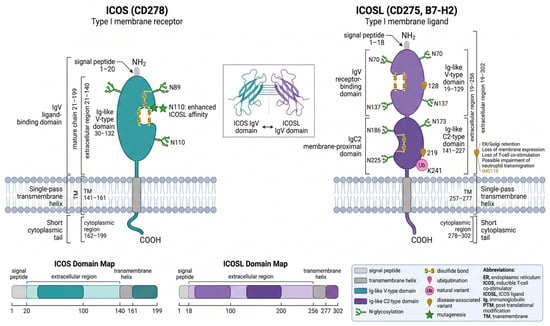
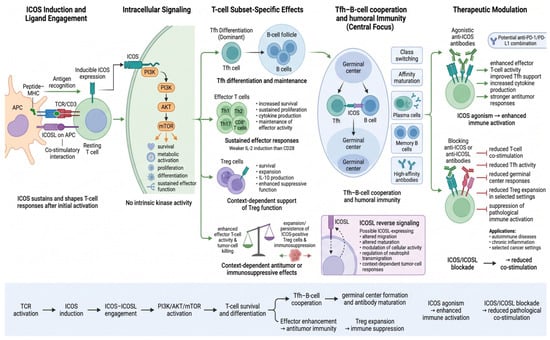
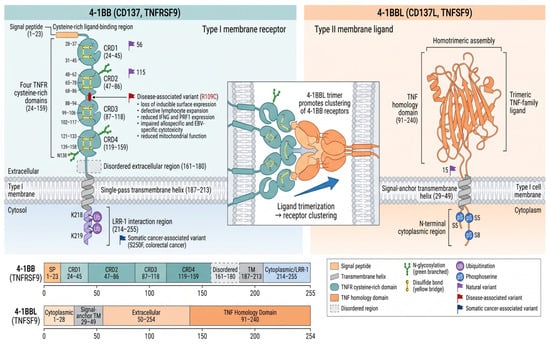
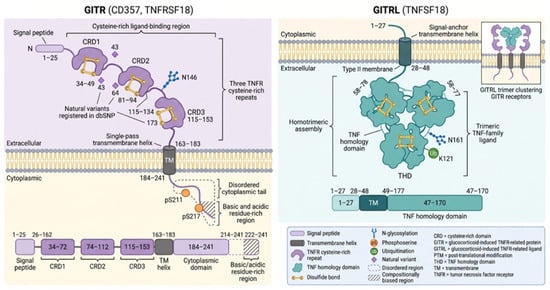
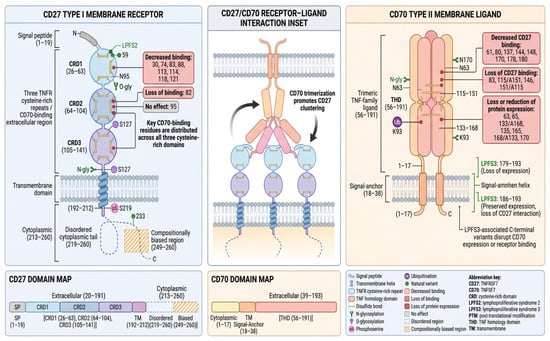
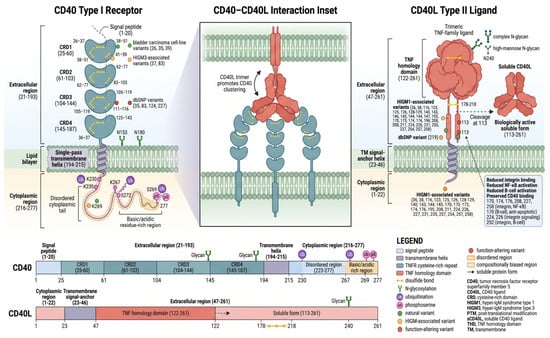
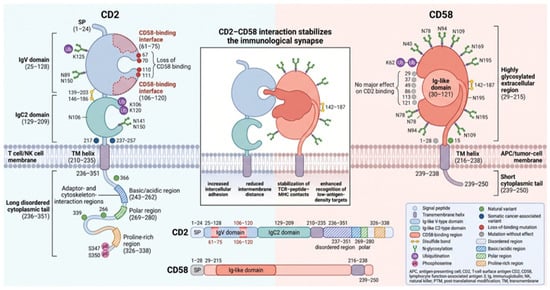
Molecular Architecture and Clinical Landscape of Immune Checkpoint Receptors and Ligands
Antibodies 2026, 15(5), 84; https://doi.org/10.3390/antib15050084 - 9 Sep 2026
Abstract
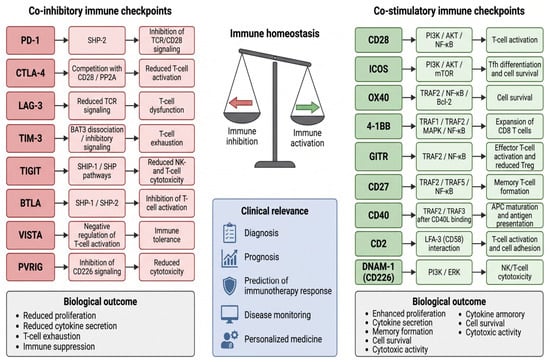
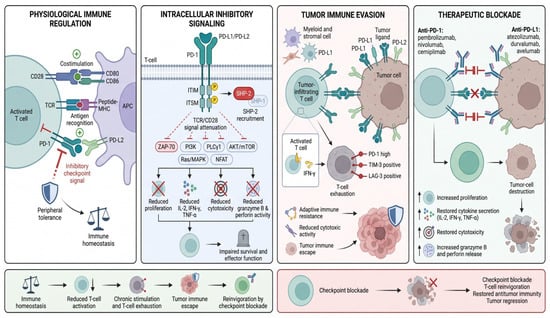
Immune checkpoints (ICPs) are essential regulators of immune homeostasis, maintaining the balance between effective immune responses and tolerance to self-antigens. Dysregulation of ICP signaling may contribute to impaired immune surveillance, immune evasion, chronic inflammation, autoimmunity, persistent infections, and tumor progression. Consequently, ICP molecules
[...] Read more.
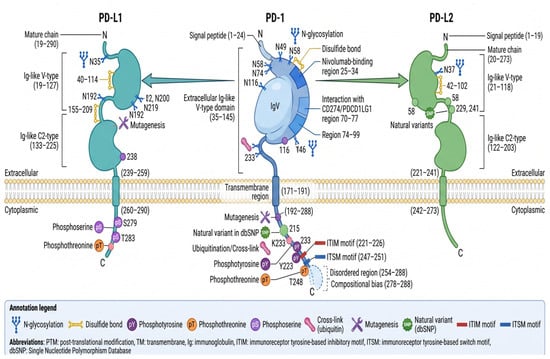
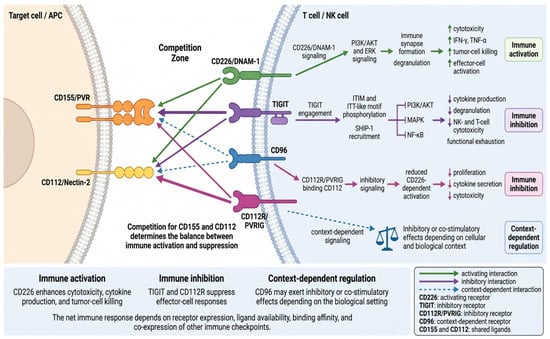
Immune checkpoints (ICPs) are essential regulators of immune homeostasis, maintaining the balance between effective immune responses and tolerance to self-antigens. Dysregulation of ICP signaling may contribute to impaired immune surveillance, immune evasion, chronic inflammation, autoimmunity, persistent infections, and tumor progression. Consequently, ICP molecules are increasingly recognized not only as therapeutic targets but also as potential diagnostic, prognostic, predictive, and treatment-monitoring biomarkers. This review provides a comprehensive overview of the biological functions, signaling mechanisms, and clinical significance of major co-inhibitory and co-stimulatory ICP pathways, including PD-1/PD-L1/PD-L2, CTLA-4/CD28/CD80/CD86, LAG-3, TIM-3, TIGIT, BTLA, VISTA, ICOS, OX40, 4-1BB, GITR, CD27, CD40, and CD2, together with their corresponding ligands. Particular emphasis is placed on their biomarker potential in cancer and immune-mediated diseases. In addition, the review presents a bioinformatic characterization of ICP receptors and ligands based primarily on data available in UniProtKB and complementary bioinformatic resources. The analysis includes protein sequence length, molecular weight, theoretical isoelectric point, amino acid composition, subcellular localization, conserved and functional domains, protein family classification, post-translational modifications, isoforms, and selected structural features. Collectively, the available evidence indicates that ICPs constitute a structurally and functionally diverse group of immunoregulatory molecules with substantial biomarker potential. Integrating their molecular, structural, functional, and bioinformatic characteristics may improve disease classification, prognosis, patient stratification, treatment selection, and therapeutic monitoring. Such an integrated approach may also support the identification of novel biomarkers and therapeutic targets and contribute to the further development of precision and personalized medicine.
Full article
(This article belongs to the Special Issue Overcoming Resistance to Immune Checkpoint Blockade: Mechanisms and Novel Therapeutics)
►
Show Figures
Open AccessArticle
Ca16Mab-56, a Novel Anti-Cadherin-16/Ksp-Cadherin Monoclonal Antibody for Multiple Applications
by
Yukari Ogura, Hiroyuki Suzuki, Mika K. Kaneko and Yukinari Kato
Antibodies 2026, 15(5), 83; https://doi.org/10.3390/antib15050083 - 7 Sep 2026
Abstract
Background/Objectives: Cadherin-16 (CDH16, Ksp-cadherin) possesses unique seven extracellular cadherin repeats, and its expression is restricted to normal kidney epithelium. CDH16 is downregulated in renal cell carcinoma (RCC) and is associated with poor prognosis. Therefore, developing mAbs that specifically recognize cell-surface CDH16 is essential
[...] Read more.
Background/Objectives: Cadherin-16 (CDH16, Ksp-cadherin) possesses unique seven extracellular cadherin repeats, and its expression is restricted to normal kidney epithelium. CDH16 is downregulated in renal cell carcinoma (RCC) and is associated with poor prognosis. Therefore, developing mAbs that specifically recognize cell-surface CDH16 is essential for tumor diagnosis and for isolating CDH16-positive renal epithelial cells. Methods: Anti-human CDH16 mAbs (designated as Ca16Mabs) were developed by immunizing mice with CDH16-overexpressed tumor cells, followed by a high-throughput flow cytometry-based screening. Results: Among the 58 established Ca16Mabs, a clone, Ca16Mab-56 (IgG1, κ), specifically recognized CDH16-overexpressed Chinese hamster ovary-K1 (CHO/CDH16) cells with no detectable cross-reactivity to 21 other CDHs in flow cytometry. Ca16Mab-56 also detected endogenous CDH16 in human RCC cell lines (OS-RC-2 and KMRC-20) and normal kidney epithelial cell lines. The dissociation constant (KD) values of Ca16Mab-56 for CHO/CDH16 and OS-RC-2 were determined as 6.5 × 10⁻⁹ M and 1.2 × 10⁻⁹ M, respectively. Furthermore, Ca16Mab-56 detected endogenous CDH16 by Western blotting and showed potent staining in normal kidney tubular epithelium and clear membranous staining in renal cell carcinoma in immunohistochemistry. Conclusions: Ca16Mab-56 is a versatile tool for detecting CDH16 and has potential for tumor diagnosis.
Full article
(This article belongs to the Section Antibody Discovery and Engineering)
►▼
Show Figures

Figure 1
Open AccessArticle
Seroprevalence of IgG Antibodies to Measles, Mumps, Rubella and Varicella in Adolescents with Documented Two-Dose MMR Vaccination: Cross-Sectional Study
by
Mikhail P. Kostinov, Ivan S. Samolygo, Aristitsa M. Kostinova, Natalya L. Starikova, Marina A. Manina, Valentina B. Polishchuk, Albina S. Pestova, Pavel I. Zhuravlev, Anton S. Antishin and Svetlana I. Erdes
Antibodies 2026, 15(5), 82; https://doi.org/10.3390/antib15050082 - 4 Sep 2026
Abstract
Background: Measles, mumps, and rubella outbreaks continue to occur despite high vaccination coverage, raising concerns about long-term vaccine-induced immunity. This study assessed serological protection against measles, mumps, rubella, and varicella in fully vaccinated Russian adolescents to identify immunity gaps and inform revaccination
[...] Read more.
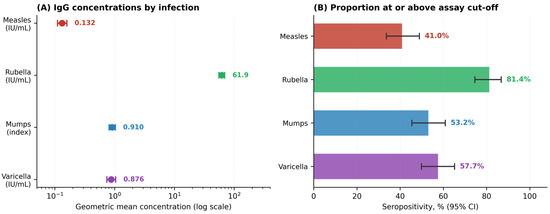
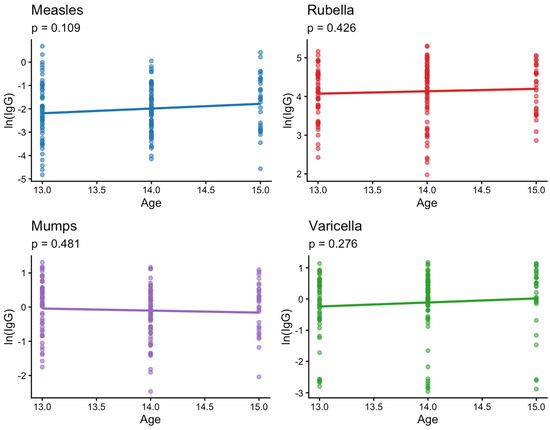
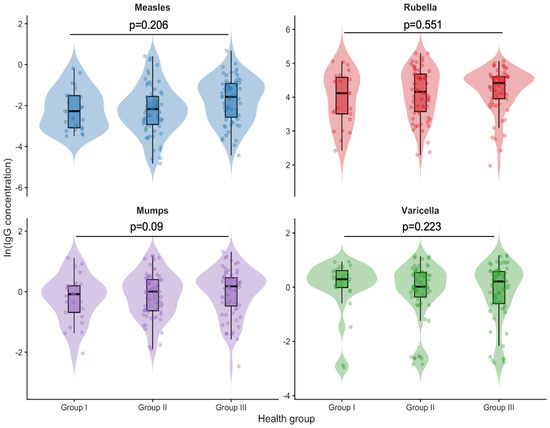
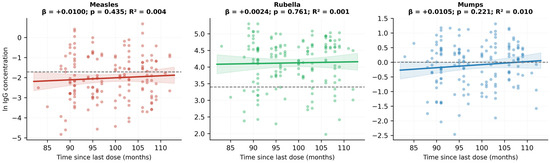
Background: Measles, mumps, and rubella outbreaks continue to occur despite high vaccination coverage, raising concerns about long-term vaccine-induced immunity. This study assessed serological protection against measles, mumps, rubella, and varicella in fully vaccinated Russian adolescents to identify immunity gaps and inform revaccination strategies. Methods: Serum IgG was quantified by commercial ELISA. Analytical cut-offs were: measles ≥ 0.18 IU/mL, rubella ≥ 30 IU/mL, mumps index ≥ 1.0 (index = OD/0.467), and varicella ≥ 1.0 IU/mL; equivocal results were classified as negative in the primary analysis and as positive in a sensitivity analysis. Geometric mean concentrations (GMC) were computed on the natural-logarithm scale. Results: Seropositivity differed markedly between infections (χ2 55.1; p < 0.001): rubella 81.4% (95% CI 74.6–86.7), varicella 57.7% (95% CI 49.8–65.2), mumps 53.2% (95% CI 45.4–60.9) and measles 41.0% (95% CI 33.6–48.9). GMC was lowest for measles (0.132; 95% CI 0.111–0.158) and highest for rubella (61.9; 95% CI 55.3–69.2). The measles estimate was sensitive to the treatment of equivocal results, rising to 53.2% (95% CI 45.4–60.9) at the manufacturer’s cut-off of ≥0.12 IU/mL; rubella rose to 94.9% at ≥16 IU/mL. Conclusions: Lower seropositivity rates for measles and mumps were identified among fully vaccinated adolescents, which fall below standard epidemiological benchmarks. In contrast, rubella seropositivity was robust at 81.4%. Because the measles estimate depended strongly on the assay cut-off applied, and because enzyme immunoassays are known to underestimate seroprevalence relative to neutralization testing, these findings describe the distribution of circulating antibody rather than the prevalence of susceptibility and warrant confirmation in larger representative samples with neutralization testing.
Full article
(This article belongs to the Special Issue Antiviral Antibody Immune Responses in the Context of Vaccination and Infection)
►▼
Show Figures

Figure 1

Open AccessReview
The Evolution of Artificial Intelligence in Antibody Design: From Structure-Based Engineering to Generative Models
by
Ida Szataniak and Kacper Packi
Antibodies 2026, 15(5), 81; https://doi.org/10.3390/antib15050081 - 2 Sep 2026
Abstract
Background/Objectives: Artificial intelligence (AI) has transformed computational antibody engineering by enabling accurate prediction of antibody structures, rational optimization of therapeutic properties, and de novo antibody design. Recent advances in deep learning, protein language models, and generative AI have fundamentally changed the way
[...] Read more.
Background/Objectives: Artificial intelligence (AI) has transformed computational antibody engineering by enabling accurate prediction of antibody structures, rational optimization of therapeutic properties, and de novo antibody design. Recent advances in deep learning, protein language models, and generative AI have fundamentally changed the way antibodies are discovered and engineered. This review aims to present the historical evolution of computational antibody engineering, from early structure-based design strategies to modern AI-driven approaches, while highlighting the major computational tools, publicly available databases, current limitations, and future directions of the field. Methods: A comprehensive narrative review of the literature was conducted using PubMed, Scopus, Web of Science, and Google Scholar. Original research articles, methodological studies, and review papers published between 1985 and 2026 were evaluated. Publications were selected according to their scientific relevance, methodological quality, and contribution to the historical development of computational antibody engineering. Results: The review describes the progression of antibody engineering from phage display and structure-based computational methods to machine learning, deep learning, protein language models, and generative artificial intelligence. It summarizes key public databases supporting antibody research, discusses advances in antibody structure prediction and developability assessment, and reviews recent generative models capable of designing antibody sequences and structures. Current challenges, including limited experimental validation, dataset bias, prediction of highly flexible regions, model interpretability, and clinical translation, are also discussed. Conclusions: Artificial intelligence has fundamentally reshaped computational antibody engineering by integrating sequence, structural, and functional information into increasingly accurate predictive and generative frameworks. Although important challenges remain, recent developments indicate that AI-driven approaches will play an increasingly central role in the discovery and optimization of next-generation therapeutic antibodies.
Full article
(This article belongs to the Section Antibody Discovery and Engineering)
Open AccessReview
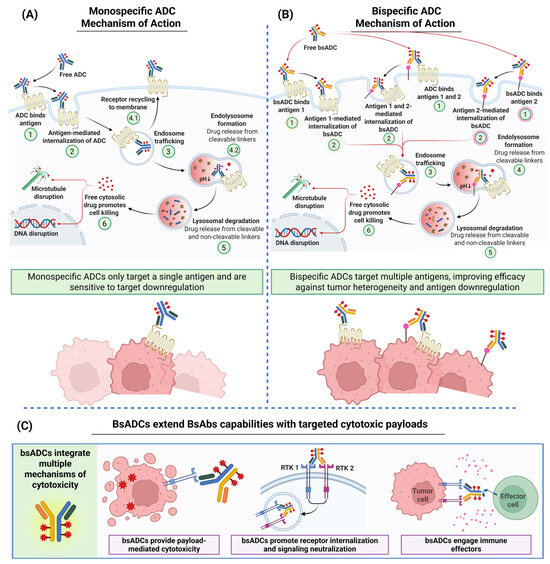
Advances in Bispecific Antibodies and Antibody–Drug Conjugates for Colorectal Cancer Treatment
by
Maya G. Cappellino, Sean P. Sullivan, Peyton C. High, Tiffani A. Blackburn and Kendra S. Carmon
Antibodies 2026, 15(5), 80; https://doi.org/10.3390/antib15050080 - 1 Sep 2026
Abstract
Bispecific antibodies (bsAbs) and bispecific antibody–drug conjugates (bsADCs) represent promising classes of emerging targeted therapeutics with the potential to overcome tumor heterogeneity and resistance in colorectal cancer (CRC). BsAbs can simultaneously engage multiple tumor antigens or immune cells or bind two distinct epitopes
[...] Read more.
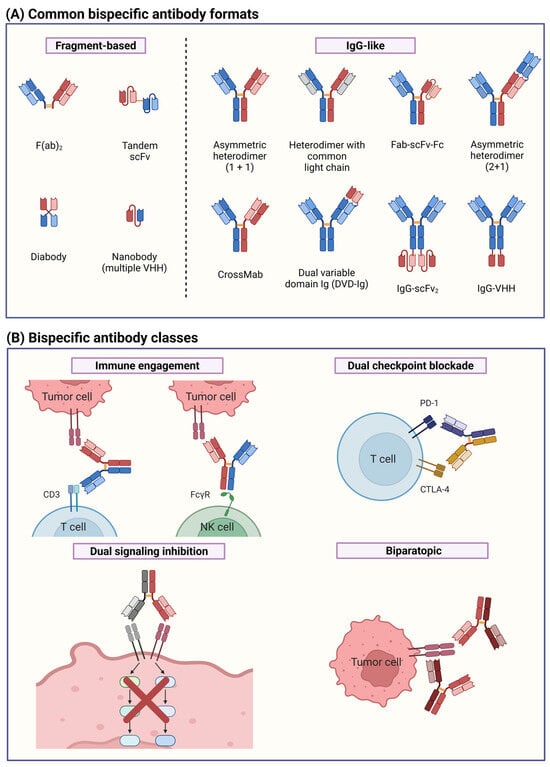
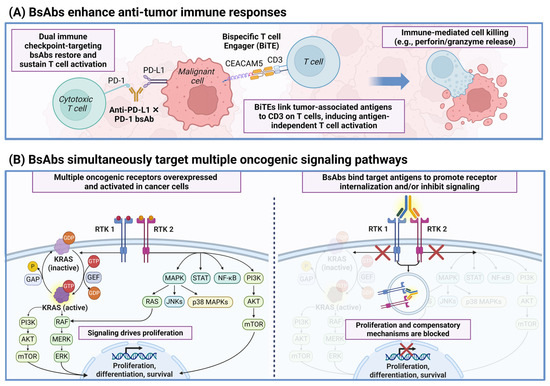
Bispecific antibodies (bsAbs) and bispecific antibody–drug conjugates (bsADCs) represent promising classes of emerging targeted therapeutics with the potential to overcome tumor heterogeneity and resistance in colorectal cancer (CRC). BsAbs can simultaneously engage multiple tumor antigens or immune cells or bind two distinct epitopes within a single target, enabling mechanisms of action beyond the capabilities of monoclonal antibodies. Bispecific T cell engagers facilitate targeted destruction of tumors through immune cell recruitment, while dual immune checkpoint inhibitors enhance immune activation by blocking T cell inhibitory signals. Furthermore, bsAbs can mediate dual signaling pathway inhibition through binding multiple receptor tyrosine kinase receptors or other tumor cell surface proteins. BsADCs integrate the dual-antigen recognition of bsAbs with targeted payload delivery, utilizing receptor-mediated endocytosis to deliver potent cytotoxic payloads selectively to CRC cells, while minimizing systemic toxicity. Recent advances in bsAb engineering, linker chemistry, site-specific conjugation, and payload design have accelerated the development of bsADCs for solid tumors, including CRC. BsAbs and bsADCs provide opportunities to improve tumor selectivity, enhance internalization, overcome antigen escape, and expand the population of CRC patients eligible for targeted therapy. Emerging preclinical studies demonstrate encouraging anti-tumor activity for bispecific modalities in CRC, while early clinical trials are beginning to establish their translational potential. This review summarizes the current landscape of bsAbs and bsADCs in therapeutic development for CRC, highlighting key biological targets, engineering strategies, mechanisms of action, and clinical status. We also discuss the major challenges facing clinical translation and provide perspectives on future directions for bispecific therapies in CRC.
Full article
(This article belongs to the Section Antibody-Based Therapeutics)
►▼
Show Figures

Figure 1

Open AccessArticle
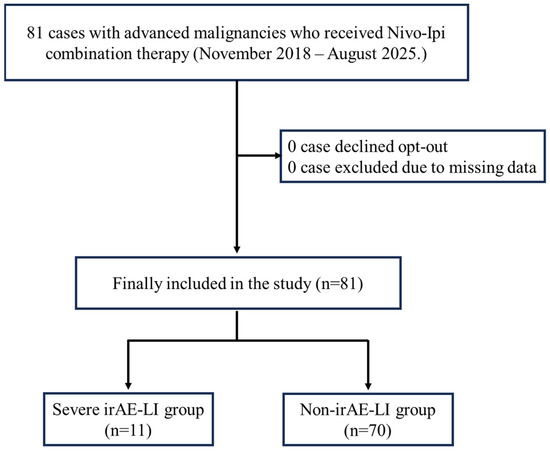
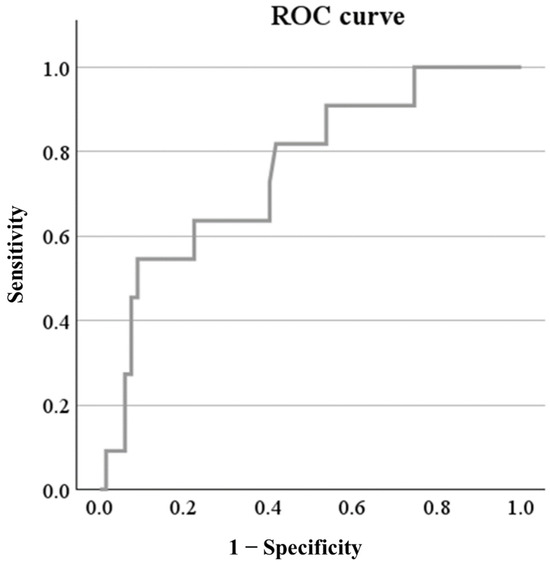
Clinical Characteristics and Risk Factors for Severe Immune-Related Liver Injury Following Nivolumab and Ipilimumab Combination Therapy
by
Yuichi Yamazaki, Satoru Kakizaki, Yuki Tamura, Yumeo Tateyama, Tatsuma Murakami, Takuya Adachi, Hiroki Tojima and Toshio Uraoka
Antibodies 2026, 15(5), 79; https://doi.org/10.3390/antib15050079 - 1 Sep 2026
Abstract
Background: Combination therapy with nivolumab and ipilimumab (Nivo-Ipi) has substantially improved outcomes in several advanced malignancies but is frequently associated with early-onset, severe immune-related liver injury (irAE-LI). This study aimed to identify pretreatment predictors of severe irAE-LI and to characterize its clinical
[...] Read more.
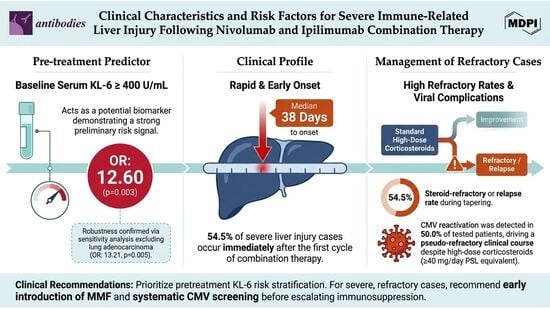
Background: Combination therapy with nivolumab and ipilimumab (Nivo-Ipi) has substantially improved outcomes in several advanced malignancies but is frequently associated with early-onset, severe immune-related liver injury (irAE-LI). This study aimed to identify pretreatment predictors of severe irAE-LI and to characterize its clinical course. Methods: We retrospectively analyzed 81 patients who received Nivo-Ipi combination therapy between 2018 and 2025. Severe irAE-LI was defined as liver injury requiring systemic corticosteroid therapy. Results: Severe irAE-LI developed in 11 patients (13.6%), with a median onset of 38 days after treatment initiation. More than half of the cases occurred after the first treatment cycle. This exploratory multivariable analysis identified baseline serum Krebs von den Lungen-6 (KL-6) levels of ≥400 U/mL as a potential biomarker associated with a strong preliminary risk signal for severe irAE-LI (odds ratio, 12.60; 95% confidence interval, 2.32–68.60; p = 0.003), whereas conventional liver function tests and inflammatory markers showed no significant association. The robustness of this signal was further confirmed by a sensitivity analysis excluding patients with lung adenocarcinoma (odds ratio 13.21, p = 0.005). Clinically, 54.5% of affected patients experienced steroid-refractory disease or relapse during corticosteroid tapering despite guideline-recommended high-dose corticosteroid therapy. Cytomegalovirus (CMV) reactivation was detected in 50.0% of patients tested on the basis of clinical indicators such as cytopenia or gastrointestinal symptoms, which may have contributed to a pseudo-refractory clinical course in some cases. Conclusions: Pretreatment KL-6 measurement may facilitate risk stratification before Nivo-Ipi therapy. In patients with steroid-refractory or relapsing severe irAE-LI, early introduction of mycophenolate mofetil together with CMV screening may improve clinical management.
Full article
(This article belongs to the Topic Antibody-Mediated Therapy and Other Emerging Therapies in Cancer Treatment)
►▼
Show Figures

Graphical abstract
Open AccessEditorial
A Festschrift Celebrating Dr. Dimiter Stanchev Dimitrov: Antibodies, Innovation, and Impact on Infectious Disease and Cancer Research
by
Ponraj Prabakaran, Tianlei Ying and Wei Li
Antibodies 2026, 15(5), 78; https://doi.org/10.3390/antib15050078 - 1 Sep 2026
Abstract
Antibody therapeutics now span across oncology, infectious disease, and autoimmunity, and the molecules entering development are increasingly being engineered rather than merely selected [...]
Full article
(This article belongs to the Special Issue A Festschrift Celebrating Dr. Dimiter Stanchev Dimitrov: Antibodies, Innovation, and Impact on Infectious Disease and Cancer Research)
Open AccessArticle
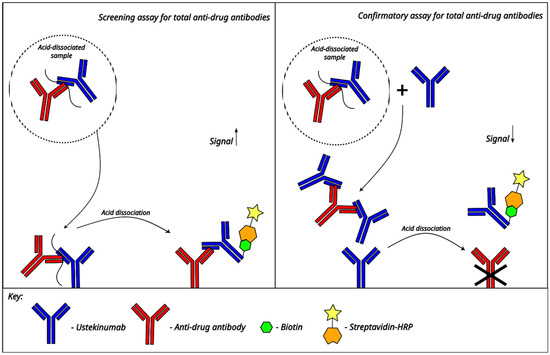
An Open-Label, Comparative, Parallel Clinical Trial of the Safety, Pharmacokinetics and Immunogenicity of the Ustekinumab Biosimilar GNR-068 and the Originally Developed Ustekinumab as a Reference Drug After a Single Subcutaneous Administration in Healthy Male Volunteers
by
Ivan Lyagoskin, Alena Agafonova, Ivan Shevchenko, Nina Akhtyamova-Givirovskaya, Oksana Markova, Marina Pantyushenko, Rakhim Shukurov and Ravil Khamitov
Antibodies 2026, 15(4), 77; https://doi.org/10.3390/antib15040077 - 12 Aug 2026
Abstract
GNR-068 is a proposed biosimilar to the ustekinumab reference product (RP), which works through the antagonism of interleukin 12 and interleukin 23. Ustekinumab RP is used for the treatment of chronic inflammatory conditions, including certain forms of plaque psoriasis, psoriatic arthritis, Crohn’s disease,
[...] Read more.
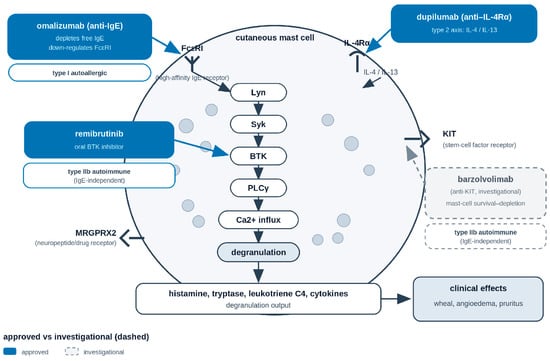
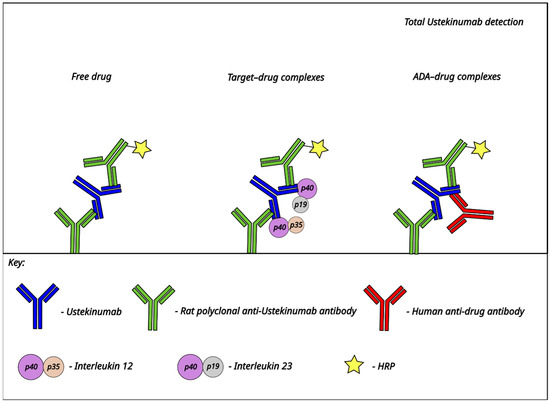
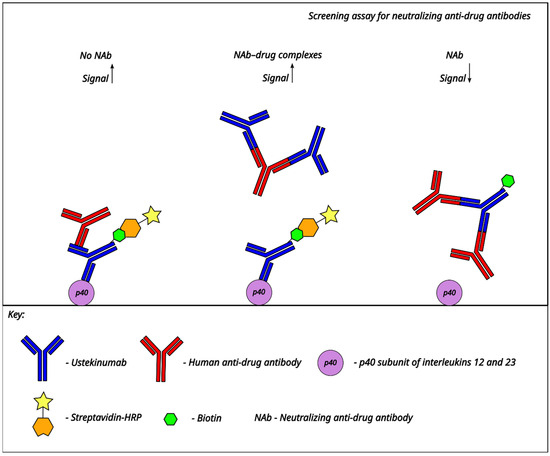
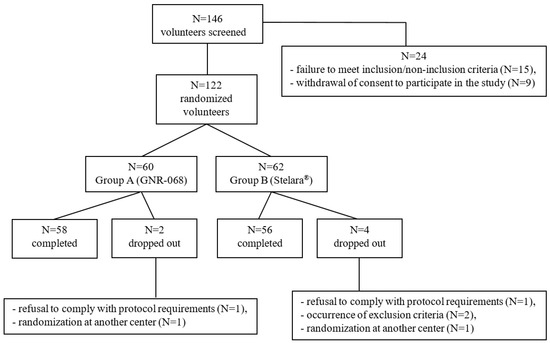
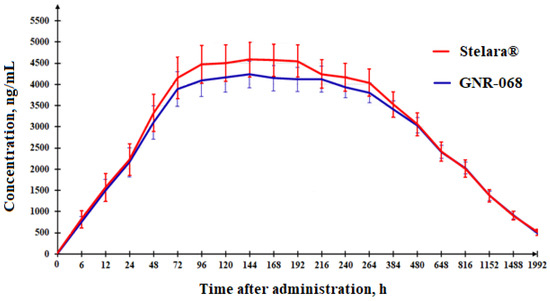
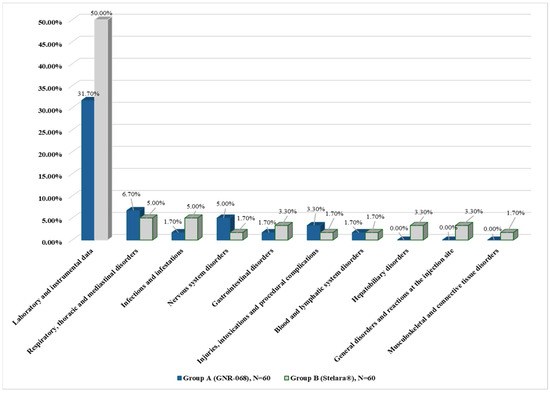
GNR-068 is a proposed biosimilar to the ustekinumab reference product (RP), which works through the antagonism of interleukin 12 and interleukin 23. Ustekinumab RP is used for the treatment of chronic inflammatory conditions, including certain forms of plaque psoriasis, psoriatic arthritis, Crohn’s disease, and ulcerative colitis. Objectives: The purpose of the study is to study the safety, pharmacokinetics, and immunogenicity of the ustekinumab biosimilar GNR-068 and the reference drug Stelara® after a single subcutaneous administration in healthy male volunteers. Methods: This was an open-label, randomized, comparative, parallel-group clinical trial of the safety, pharmacokinetics (PK), and immunogenicity of GNR-068 (JSC GENERIUM) and Stelara® (Manufacturer: Silag AG, Switzerland; RU Holder: JOHNSON & JOHNSON) after a single subcutaneous administration of 45 mg in healthy volunteers. During the trial, 146 volunteers were screened, and 122 were randomized. Results: The results showed that PK similarity was established based on 90% confidence intervals (CIs) for the ratios of geometric means of the primary endpoints of area under the concentration-time curve from time 0 extrapolated to infinity (AUC0–∞) and maximum observed serum concentration (Cmax) being contained within the pre-specified margin of 80.00–125.00%. The incidence of total ADA was lower in the GNR-068 group compared with the reference product group. Adverse events were similar between treatment groups and consistent with the safety profile of the ustekinumab RP. Conclusions: These results indicate that GNR-068 and the ustekinumab RP share similar PK and safety profiles.
Full article
(This article belongs to the Special Issue Immune Phenomena in Autoimmune Skin Disorders)
►▼
Show Figures

Figure 1
Open AccessArticle
A CSF-1R Ig4-5 Domain-Targeting Antibody for the Treatment of Idiopathic Pulmonary Fibrosis
by
Wusong Luo, Zhe Shao, Tao Wang, Kenghoe Lok, Rongjing Zhang and Yao Li
Antibodies 2026, 15(4), 76; https://doi.org/10.3390/antib15040076 - 11 Aug 2026
Abstract
Background: Idiopathic pulmonary fibrosis (IPF) is closely associated with fibroblast proliferation, macrophage polarization, and the accumulation of extracellular matrix (ECM). Targeting CSF-1R can rebalance macrophages, reduce ECM deposition, and block pro-fibrotic signaling. Methods: A Fab fragment targeting CSF-1R was screened via phage display.
[...] Read more.
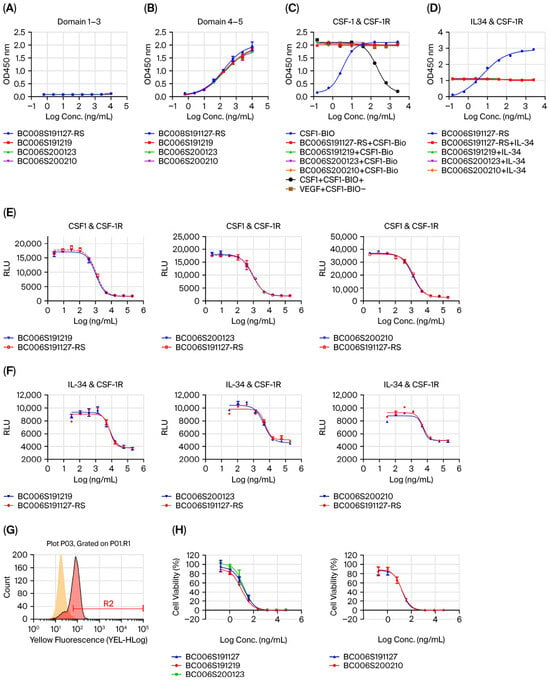
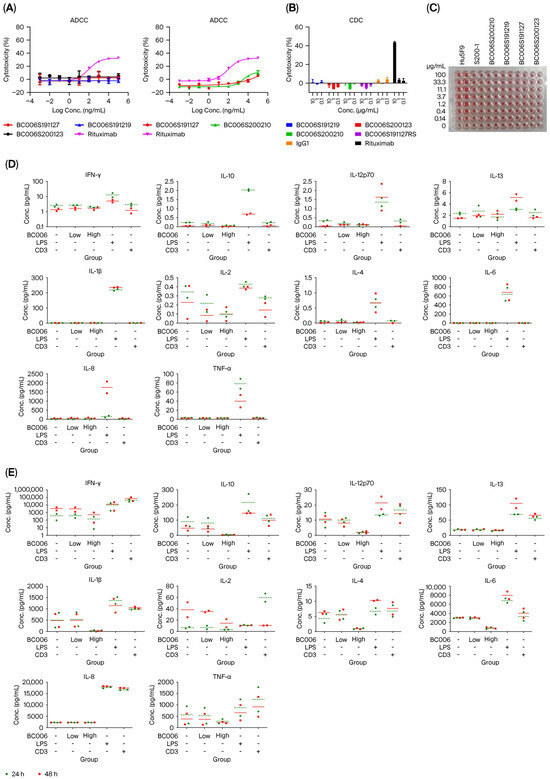
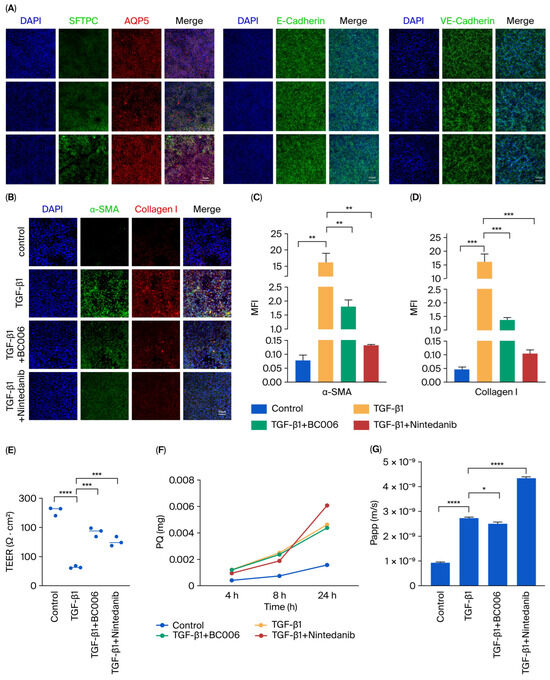
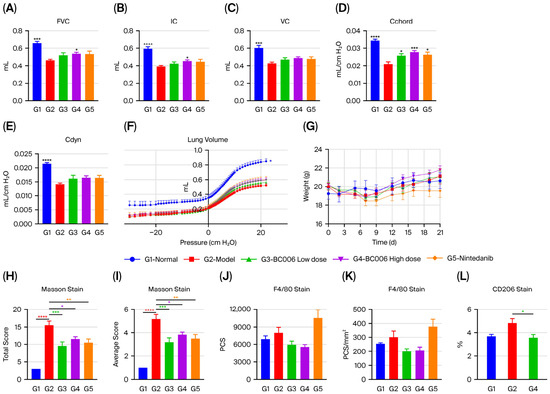
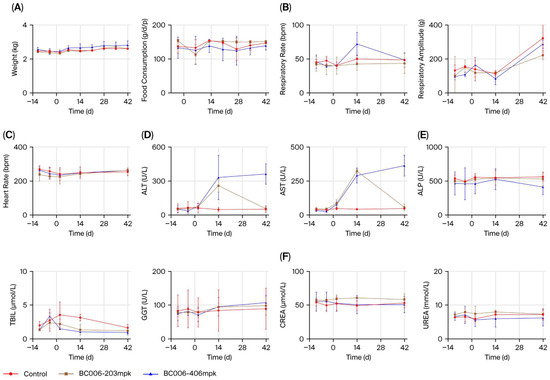
Background: Idiopathic pulmonary fibrosis (IPF) is closely associated with fibroblast proliferation, macrophage polarization, and the accumulation of extracellular matrix (ECM). Targeting CSF-1R can rebalance macrophages, reduce ECM deposition, and block pro-fibrotic signaling. Methods: A Fab fragment targeting CSF-1R was screened via phage display. After sequence optimization, it was constructed into an IgG1 antibody (BC006). In vitro activity, domain binding, and signaling blockade were investigated, and in vitro safety indicators were evaluated. Efficacy was assessed using an induced IPF organoid-on-a-chip and bleomycin-induced mouse model. In vivo safety evaluation was conducted in cynomolgus monkeys. Results: BC006 showed an EC50 value of 226 ± 57 nM and a KD of 30 ± 2 nM. It specifically bound to the Ig4-5 domain of CSF-1R by inhibiting receptor dimerization without blocking ligand binding. It could dose-dependently inhibit the differentiation of monocytes into M2 macrophages and exert anti-IPF effects. In the induced IPF organoid-on-a-chip model, BC006 maintained lung barrier function and decreased α-SMA and Collagen I. It also improved lung function and attenuated the degree of fibrosis in the mouse model. Moreover, BC006 had no ADCC, CDC, cytokine release, or hemagglutination, and demonstrated favorable safety profiles in cynomolgus monkeys. Conclusions: BC006 is a novel anti-fibrosis antibody specifically targeting the CSF-1R Ig4-5 domain and offers a new therapeutic strategy for IPF.
Full article
(This article belongs to the Section Antibody-Based Therapeutics)
►▼
Show Figures

Figure 1

Open AccessReview
Advances in the Development of a Universal Influenza Vaccine
by
Preanka Mudaly, Max Lee, Aishwarya Bhatta and Craig Thompson
Antibodies 2026, 15(4), 75; https://doi.org/10.3390/antib15040075 - 11 Aug 2026
Abstract
Influenza remains a persistent global health threat, accounting for an estimated one billion infections and 350,000–600,000 deaths worldwide annually. Beyond substantial mortality and morbidity, influenza imposes major socio-economic costs through healthcare utilisation and productivity losses, amounting to tens of billions of dollars each
[...] Read more.
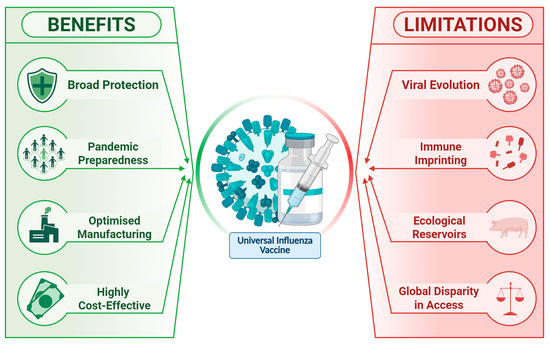
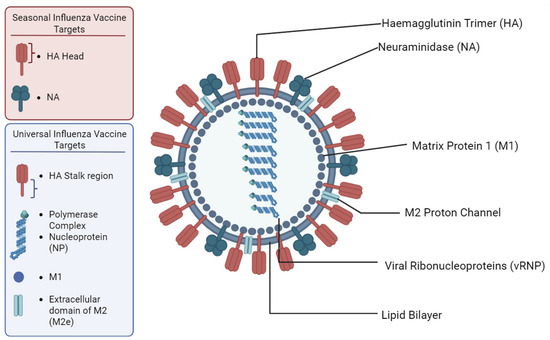
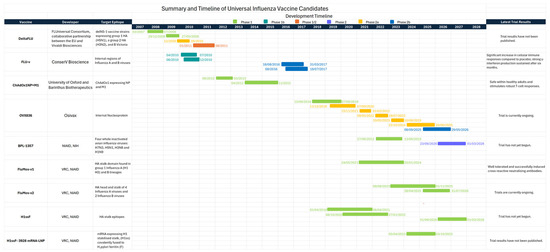
Influenza remains a persistent global health threat, accounting for an estimated one billion infections and 350,000–600,000 deaths worldwide annually. Beyond substantial mortality and morbidity, influenza imposes major socio-economic costs through healthcare utilisation and productivity losses, amounting to tens of billions of dollars each year. Current seasonal vaccination strategies are constrained by rapid antigenic evolution, which necessitates frequent vaccine reformulation and contributes to suboptimal vaccine efficacy across seasons. These drawbacks highlight the need for a universal influenza vaccine (UIV) that protects against all seasonal and potential pandemic influenza strains via a single dose. This review evaluates the feasibility of a UIV as an alternative to a seasonal influenza vaccine (SIV) by consolidating evidence from current UIV candidates in preclinical and clinical development across a diverse range of platforms and target epitopes. Preclinical studies and clinical trials have demonstrated the safety and tolerability of multiple candidates, as well as their ability to elicit broadly cross-reactive immune responses. However, several challenges remain regarding the long-term efficacy of these vaccines. In particular, pre-existing host immunity can shape subsequent vaccine responses, with immune imprinting introducing biases toward previously encountered influenza strains, potentially reducing vaccine effectiveness. In addition, the genetic plasticity of influenza viruses, driven by ongoing mutations and genetic reassortment, raises concerns about the ability of a single vaccine formulation to maintain broad and durable protection. Overall, several UIV candidates have shown promising early results. Although ecological and immunological barriers remain, a UIV could become a viable alternative to, or eventual replacement, for SIVs.
Full article
(This article belongs to the Section Antibody-Based Therapeutics)
►▼
Show Figures

Graphical abstract
Open AccessArticle
Real-World Effectiveness of Secukinumab in Congenital Ichthyoses: A Retrospective Monocentric Case Series
by
Orsola Crespi, Umberto Santaniello, Luca Cangialosi, Ambra Bonvicino, Michela Ortoncelli, Francois Rosset, Luca Mastorino, Simone Ribero and Pietro Quaglino
Antibodies 2026, 15(4), 74; https://doi.org/10.3390/antib15040074 - 11 Aug 2026
Abstract
Background/Objectives: Congenital ichthyoses (CI) are inherited disorders of keratinization characterized by epidermal barrier dysfunction, abnormal desquamation, and variable degrees of inflammation. Increasing evidence suggests a role for IL-23/Th17-mediated immune dysregulation in some CI subtypes, providing a rationale for targeted biologic therapies. Secukinumab, an
[...] Read more.
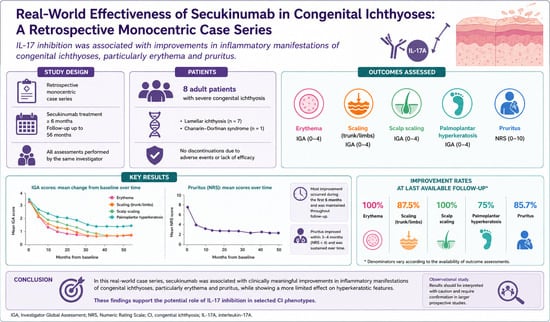
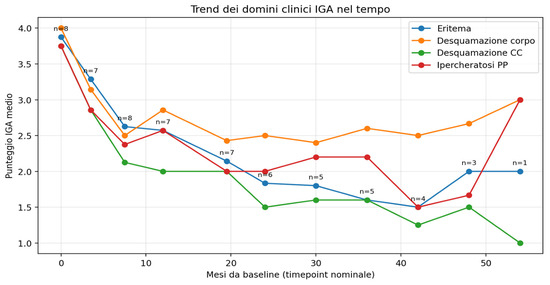
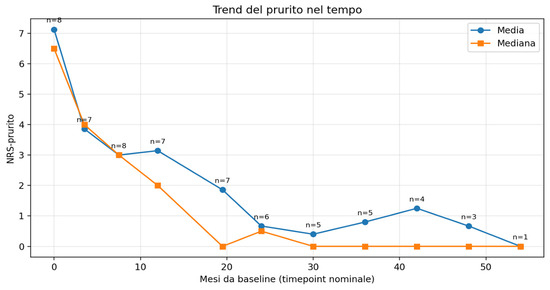
Background/Objectives: Congenital ichthyoses (CI) are inherited disorders of keratinization characterized by epidermal barrier dysfunction, abnormal desquamation, and variable degrees of inflammation. Increasing evidence suggests a role for IL-23/Th17-mediated immune dysregulation in some CI subtypes, providing a rationale for targeted biologic therapies. Secukinumab, an anti-IL-17A monoclonal antibody, has emerged as a potential therapeutic option, although real-world evidence remains limited. This study evaluated the effectiveness of secukinumab in adult patients with severe CI. Methods: We performed a retrospective monocentric case series including eight adult patients with severe congenital ichthyosis treated with secukinumab for at least six months and followed for up to 56 months. Clinical outcomes included Investigator Global Assessment (IGA) scores for erythema, scaling, scalp involvement, and palmoplantar hyperkeratosis, together with pruritus assessed by Numeric Rating Scale (NRS). Results: Erythema and scaling showed most of their improvement during the first six months of treatment, after which mean clinical scores remained relatively stable throughout follow-up. At the last available assessment, improvement rates were 100% for erythema, 87.5% for trunk and limb scaling, 100% for scalp scaling, and 75% for palmoplantar hyperkeratosis. Hyperkeratosis showed a less pronounced response than inflammatory manifestations. Pruritus improved within the first 3–4 months of treatment and was sustained over time, with mean NRS scores decreasing from 6.5 at baseline to below 4 within 3–4 months. No discontinuations due to adverse events or lack of efficacy were recorded. Conclusions: Secukinumab was associated with clinically meaningful improvements in inflammatory manifestations of CI, particularly erythema and pruritus, while showing a more limited effect on hyperkeratotic features. These findings support the potential role of IL-17 inhibition in selected CI phenotypes.
Full article
(This article belongs to the Section Antibody-Based Therapeutics)
►▼
Show Figures

Graphical abstract
Open AccessArticle
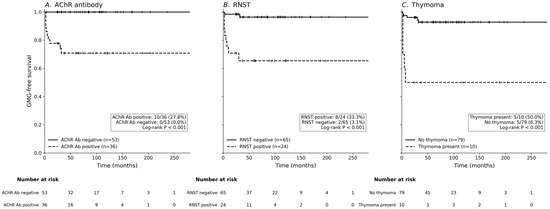
Acetylcholine Receptor Antibody Positivity, RNST Abnormality, and Thymoma Predict Generalization in Ocular Myasthenia Gravis: A South Korean Cohort Study
by
Hyun Jin Shin, Chaerin Kwon and Jeeyoung Oh
Antibodies 2026, 15(4), 73; https://doi.org/10.3390/antib15040073 - 11 Aug 2026
Abstract
Background: Ocular myasthenia gravis (OMG) can remain restricted to ocular symptoms or progress to generalized myasthenia gravis (GMG). However, the rate of generalization and its predictors may vary across populations, and data on South Korean patients remain inadequate. This study investigated the conversion
[...] Read more.
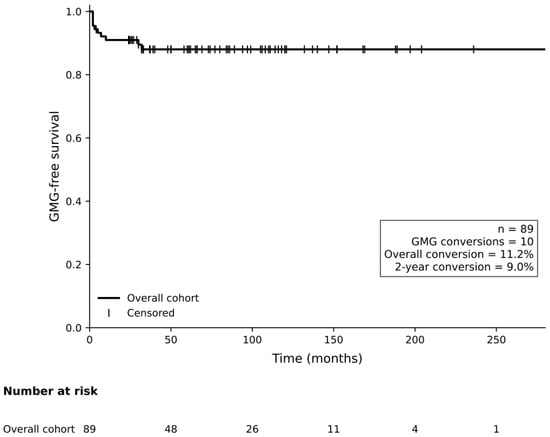
Background: Ocular myasthenia gravis (OMG) can remain restricted to ocular symptoms or progress to generalized myasthenia gravis (GMG). However, the rate of generalization and its predictors may vary across populations, and data on South Korean patients remain inadequate. This study investigated the conversion rate from OMG to GMG and identified clinical, serologic, electrophysiologic, and thymic predictors of this generalization in a South Korean cohort. Methods: This retrospective cohort study included 89 patients who initially presented with OMG and were followed up for at least 2 years. The primary outcome was conversion to GMG during follow-up. The investigated predictors included demographic variables, initial ocular manifestations, acetylcholine receptor antibody (AChR-Ab) status and titer, repetitive nerve stimulation test (RNST) findings, thymic abnormalities, and immunosuppressive treatment. Kaplan–Meier analyses and Cox proportional-hazards models were used to evaluate the GMG-free survival rate and risk factors for conversion. Results: During follow-up, 10 patients (11.2%) progressed to GMG, with this conversion occurring within 2 years in 8 patients (9.0%). All converters were AChR-Ab positive. AChR-Ab positivity, RNST positivity, thymic abnormality, and thymoma were associated with GMG conversion in univariable analyses. RNST positivity in any tested muscle (hazard ratio [HR] = 12.66, 95% confidence interval [CI] = 2.68–59.76, p = 0.001) and thymoma (HR = 10.67, 95% CI = 3.06–37.27, p < 0.001) was associated with generalization. These associations persisted in the restricted multivariable Cox model. Conclusions: The rate of GMG conversion was relatively low in this South Korean OMG cohort, and most conversions occurred within 2 years. The presence of AChR-Ab positivity, RNST abnormality, or thymoma may characterize high-risk patients who require closer monitoring during the early disease course.
Full article
(This article belongs to the Section Antibody-Based Diagnostics)
►▼
Show Figures

Figure 1

Open AccessArticle
Endogenous Sex Hormones Explain Variation in Long-Term SARS-CoV-2 Antibody Persistence Beyond Biological Sex
by
Nicole Ivaska and Laura Rothschild
Antibodies 2026, 15(4), 72; https://doi.org/10.3390/antib15040072 - 7 Aug 2026
Abstract
Background: Sex-related differences in SARS-CoV-2 viral susceptibility, severity, and recovery are prevalent. Factors such as age and biological variation provide some explanation for immune response, yet the use of biological sex as a variable may limit understanding of underlying individual mechanisms related
[...] Read more.
Background: Sex-related differences in SARS-CoV-2 viral susceptibility, severity, and recovery are prevalent. Factors such as age and biological variation provide some explanation for immune response, yet the use of biological sex as a variable may limit understanding of underlying individual mechanisms related to endocrine–immune function involved in long-term immune memory. Endogenous sex hormone concentrations provide a means to assess the magnitude or durability of antibody persistence and disease recovery. Objective: This study examined salivary concentrations of 17β-estradiol and testosterone, as well as the number of weeks since prior SARS-CoV-2 viral infection. The study aimed to determine whether endogenous sex hormones contributed additional explanatory value to antibody persistence beyond biological sex. Methods: A cross-sectional study included 75 college students (63% female) who reported weeks since previous SARS-CoV-2 infection (M = 15.41, SD = 7.13), confirmed through a positive SARS-CoV-2 anti-N rapid antibody test. Participants provided saliva samples, which were tested for concentration of 17β-estradiol and testosterone. Hierarchical multiple regression analyses examined the effects of biological sex and endogenous sex hormones on the persistence of SARS-CoV-2 antibodies following natural infection. Results: 17β-estradiol was the strongest positive predictor of SARS-CoV-2 antibody persistence (β = 0.63, p < 0.001). Departing from previous findings, biological sex was not a significant predictor of antibodies targeting the SARS-CoV-2 N protein. Conclusions: Findings underscored the role of estradiol on immune recovery in a healthy young adult population. Individual hormone variation appears more informative than sex classification for understanding antibody persistence and immune response.
Full article
(This article belongs to the Special Issue Antiviral Antibody Immune Responses in the Context of Vaccination and Infection)
Open AccessReview
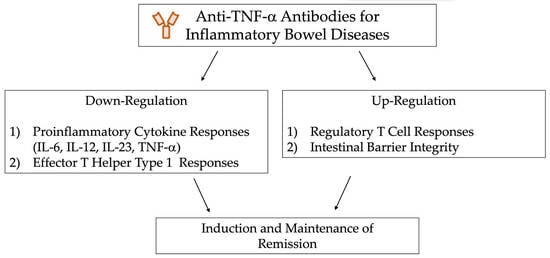
Multiple Modes of Action of Anti-TNF-α Antibodies for Inflammatory Bowel Diseases Beyond TNF-α Neutralization
by
Tomohiro Watanabe and Masatoshi Kudo
Antibodies 2026, 15(4), 71; https://doi.org/10.3390/antib15040071 - 6 Aug 2026
Abstract
Inflammatory bowel diseases (IBDs), chronic inflammatory disorders of the gastrointestinal tract, are classified into Crohn’s disease (CD) and ulcerative colitis (UC). Despite differing clinical manifestations, both CD and UC share a common immunopathogenesis, involving excessive production of proinflammatory cytokines by macrophages and dendritic
[...] Read more.
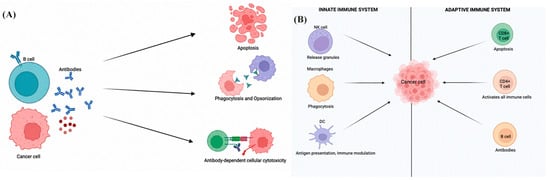
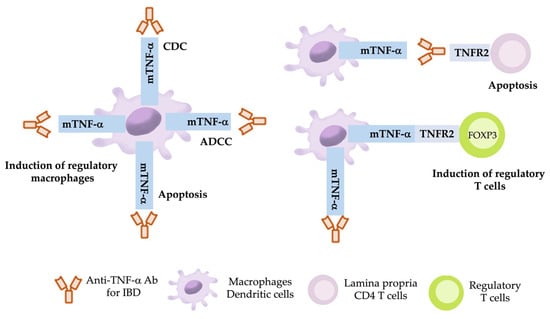
Inflammatory bowel diseases (IBDs), chronic inflammatory disorders of the gastrointestinal tract, are classified into Crohn’s disease (CD) and ulcerative colitis (UC). Despite differing clinical manifestations, both CD and UC share a common immunopathogenesis, involving excessive production of proinflammatory cytokines by macrophages and dendritic cells. Tumor necrosis factor-α (TNF-α), interleukin-12 (IL-12), and IL-23 are prototypical proinflammatory cytokines associated with CD and UC development, and biologics targeting these cytokines are widely used for treating patients with IBD. Antibodies (Abs) against IL-12 and IL-23 decrease intestinal inflammation by binding to the soluble forms of IL-12 and IL-23, respectively. Notably, anti-TNF-α Abs induce remission by neutralizing soluble TNF-α as well as membrane-bound TNF-α (mTNF-α). The binding of anti-TNF-α Abs to mTNF-α enables the diverse functions of IBD-specific TNF-α-inhibitors. Multiple modes of action of anti-TNF-α Abs for IBD include complement-dependent cytotoxicity, Ab-dependent cellular cytotoxicity, apoptosis of cells expressing mTNF-α, apoptosis of lamina propria T cells, and induction of regulatory T cells and macrophages. In this article, we introduce the diverse actions of anti-TNF-α Abs beyond TNF-α neutralization and discuss how these unique properties of anti-TNF-α Abs contribute to the efficient downregulation of IBD-associated inflammation.
Full article
(This article belongs to the Section Antibody-Based Therapeutics)
►▼
Show Figures

Graphical abstract
Open AccessReview
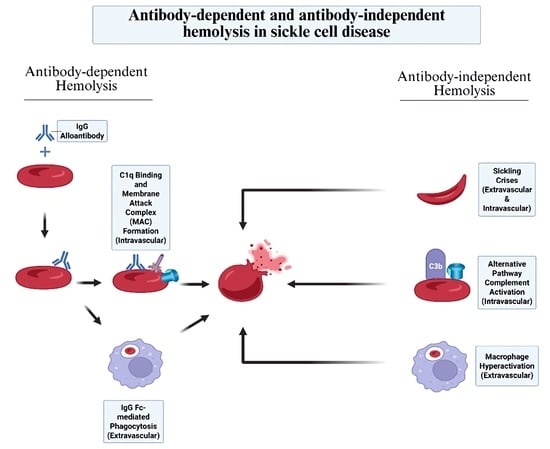
Antibody-Dependent and Antibody-Independent Hemolysis in Sickle Cell Disease
by
Raeshun T. Glover and Robert W. Maitta
Antibodies 2026, 15(4), 70; https://doi.org/10.3390/antib15040070 - 6 Aug 2026
Abstract
Sickle cell disease (SCD) represents one of the most complex hematological diseases leading to a lifetime of physiological crises characterized by chronic hemolysis, inflammation, hypoxia, and anemia with changes to body systems that result in patients having shorter lifespans. Transfusions, either simple or
[...] Read more.
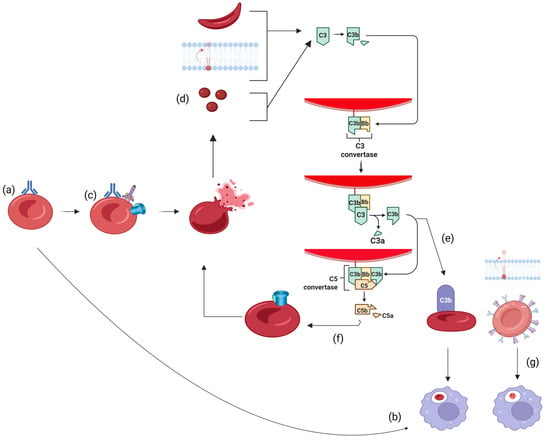
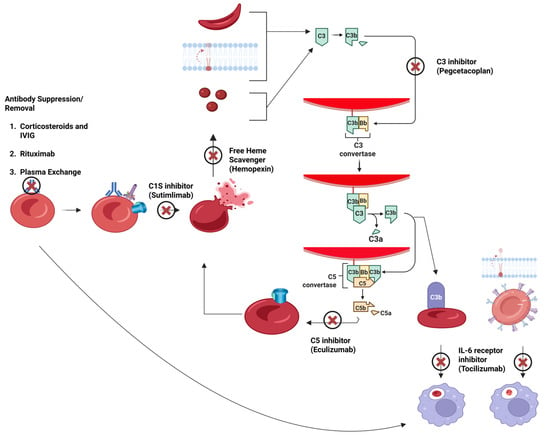
Sickle cell disease (SCD) represents one of the most complex hematological diseases leading to a lifetime of physiological crises characterized by chronic hemolysis, inflammation, hypoxia, and anemia with changes to body systems that result in patients having shorter lifespans. Transfusions, either simple or as part of red cell exchanges, are often needed to lower the hemoglobin S levels to minimize the possibility of sickling of red blood cells (RBCs) and provide patients with greater oxygen carrying capacity. However, hemolysis in SCD patients is a common finding/presentation of the disease, especially during acute crises. One of the ensuing complications of a life of transfusions is the development of alloantibodies to RBC antigens despite partial or extended matching. This is further complicated by formation of autoantibodies even in the setting of RBC matching, suggesting that a hyperactive immune response in these patients is primed to respond with formation of antibodies. In a sub-cohort of patients, no antibodies are detected despite extensive investigation, and the ensuing hemolysis requires minimizing exposure to RBC transfusions to avoid developing a greater hemolytic process. Instead, immunosuppression or monoclonals that target complement or cytokines shown to be involved in this type of hemolysis are necessary. In this context, this narrative review will present antibody-dependent and antibody-independent mechanisms of hemolysis in SCD, including therapeutic approaches that target specific areas of the immune response that are possibly involved in the destruction of RBCs.
Full article
(This article belongs to the Section Humoral Immunity)
►▼
Show Figures

Graphical abstract
Open AccessReview
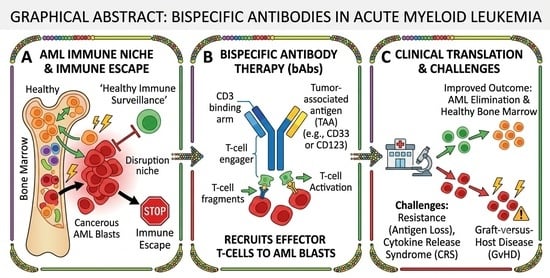
Bispecific Antibodies for Acute Myeloid Leukemia: From Bone Marrow Immune Niche to Clinical Translation
by
Antonella Bruzzese, Enrica Antonia Martino, Santino Caserta, Maria Eugenia Alvaro, Nicola Amodio, Eugenio Lucia, Virginia Olivito, Caterina Labanca, Francesco Mendicino, Fortunato Morabito, Ernesto Vigna and Massimo Gentile
Antibodies 2026, 15(4), 69; https://doi.org/10.3390/antib15040069 - 4 Aug 2026
Abstract
Acute myeloid leukemia (AML) is a heterogeneous hematologic malignancy characterized by the clonal expansion of myeloid blasts and the persistence of leukemic stem cells (LSCs) within a profoundly remodeled bone marrow (BM) microenvironment. Despite advances in molecular stratification and the introduction of targeted
[...] Read more.
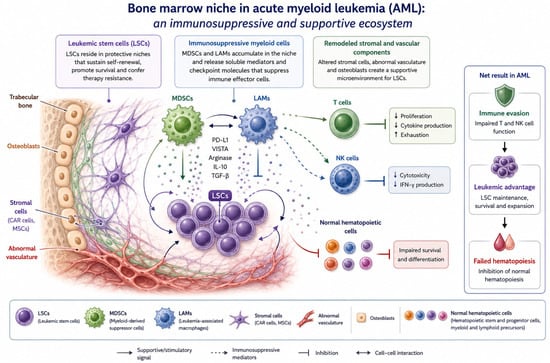
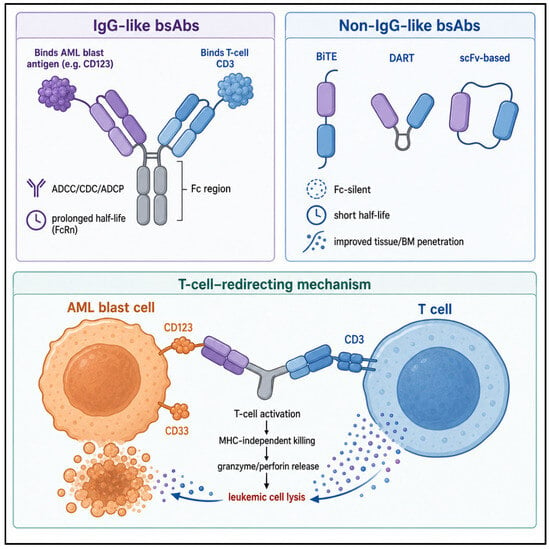
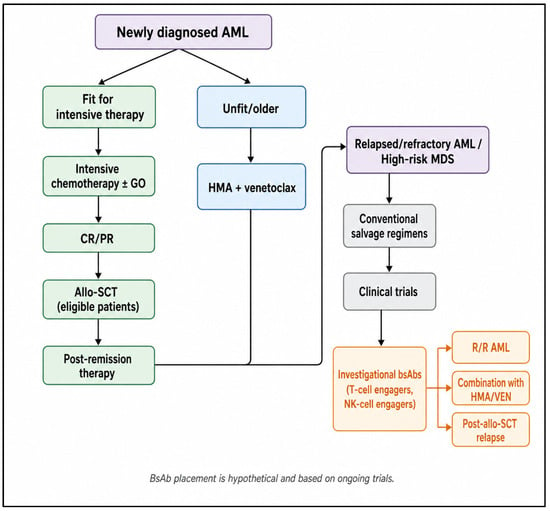
Acute myeloid leukemia (AML) is a heterogeneous hematologic malignancy characterized by the clonal expansion of myeloid blasts and the persistence of leukemic stem cells (LSCs) within a profoundly remodeled bone marrow (BM) microenvironment. Despite advances in molecular stratification and the introduction of targeted agents, long-term outcomes remain unsatisfactory, particularly in older and high-risk patients. Increasing evidence indicates that leukemogenesis and treatment resistance are critically sustained by a permissive immune milieu, in which LSCs, myeloid-derived suppressor cells, leukemia-associated macrophages, and dysfunctional T and NK cells shape an immunosuppressive “leukemic niche.” This evolving understanding has renewed interest in immune-based strategies capable of restoring effective antitumor immunity. Bispecific antibodies (bsAbs) are engineered molecules designed to engage AML-associated antigens while simultaneously recruiting and activating immune effector cells, most commonly T cells or NK cells. By promoting immune synapse formation independently of major histocompatibility complex expression and conventional co-stimulatory pathways, bsAbs can overcome several mechanisms of immune escape. In this review, we summarize the biological rationale for immunotherapy in AML, with a focus on the role of the BM microenvironment and immune dysregulation. We then discuss the structural and functional properties of IgG-like and non-IgG-like bsAbs, key antigenic targets such as CD33, CD123, CD70 and others, and the main T-cell- and NK-cell-engaging platforms under clinical investigation. Finally, we highlight emerging clinical data, principal toxicities, and the challenges of integrating bsAbs into existing treatment algorithms, including combinations with hypomethylating agents, BCL-2 inhibitors, and allogeneic stem cell transplantation. A deeper understanding of AML immune biology and antigen expression patterns will be essential to optimize bsAb design, maximize therapeutic benefit, and minimize on-target off-tumor toxicity.
Full article
(This article belongs to the Section Antibody-Based Therapeutics)
►▼
Show Figures

Graphical abstract
Open AccessArticle
Correlation of AHR Activation-Induced Suppression of PWM-Stimulated IgG and IgG-Triggered Signaling in Human PBMCs
by
Arpita Deb and Barbara L. F. Kaplan
Antibodies 2026, 15(4), 68; https://doi.org/10.3390/antib15040068 - 4 Aug 2026
Abstract
Background/Objectives: Aryl hydrocarbon receptor (AHR) ligands are known to suppress antibody production. However, it remains unclear whether this suppression translates into altered antibody-mediated Fcγ receptor signaling in human cells. This study aimed to investigate the effects and mechanisms by which AHR ligands regulate
[...] Read more.
Background/Objectives: Aryl hydrocarbon receptor (AHR) ligands are known to suppress antibody production. However, it remains unclear whether this suppression translates into altered antibody-mediated Fcγ receptor signaling in human cells. This study aimed to investigate the effects and mechanisms by which AHR ligands regulate antibody production and antibody-triggered responses in human peripheral blood mononuclear cells (PBMCs). Methods: PBMCs were isolated from blood obtained from anonymous healthy donors. PBMCs were stimulated with pokeweed mitogen (PWM) to induce IgG1 production or Strept-Biotin IgG1/IgG2 immune complexes to induce antibody-triggered signaling. Before any stimulation, cells were pretreated with vehicle (0.01% DMSO) or AHR ligands TCDD (2,3,7,8-tetrachlorodibenzo-p-dioxin), ITE (2-(1H-indol-3-ylcarbonyl)-4-thiazolecarboxylic acid methyl ester), or FICZ (6-formylindolo[3,2-b]carbazole), or the proligand I3C (indole-3-carbinol). Results: Our data revealed that PWM stimulation significantly increased IL6 and IL1B gene expression and PWM-induced IL-6 cytokine secretion, which was significantly suppressed by TCDD, ITE, FICZ, and I3C. However, only TCDD was able to suppress PWM-stimulated IgG1 antibody production. Transcriptomic analysis using I3C revealed upregulated AHR-responsive genes such as CYP1A1, CYP1B1, AHRR and TIPARP in PWM-stimulated human PBMCs. Notably, I3C downregulated genes TRAPPC9 and C1QTNF3, which play a role in NF-κB-associated inflammatory signaling. It also revealed potential sex differences in I3C-mediated gene modulation associated with B cell function, Ig expression, FcγR signaling, and inflammatory pathways. Lastly, IgG1 and IgG2 immune complex-stimulated IL-6 cytokine secretion was significantly suppressed by TCDD, whereas I3C showed modest, although not statistically significant, suppression. Conclusions: Overall, these findings demonstrate that AHR activation by TCDD suppressed antibody production and IgG-mediated immune signaling in human PBMCs.
Full article
(This article belongs to the Section Humoral Immunity)
►▼
Show Figures

Figure 1
Open AccessReview
Functional Parameters of Hybridoma Cells: Methods of Evaluation and Biotechnological Relevance
by
Tatiana Bezukladnikova, Svetlana Zamorina, Sergey Lazarev and Mikhail Rayev
Antibodies 2026, 15(4), 67; https://doi.org/10.3390/antib15040067 - 4 Aug 2026
Abstract
Hybridoma technology remains one of the most reliable and widely used platforms for generating highly specific monoclonal antibodies for use in diagnostics, fundamental research, and clinical practice. Moreover, the combination of unlimited proliferative capacity with the preservation of a key B-lymphocyte function, antibody
[...] Read more.
Hybridoma technology remains one of the most reliable and widely used platforms for generating highly specific monoclonal antibodies for use in diagnostics, fundamental research, and clinical practice. Moreover, the combination of unlimited proliferative capacity with the preservation of a key B-lymphocyte function, antibody production, enables hybridoma cells to support a comprehensive functional evaluation of cellular responses. Thus, by integrating analysis of proliferation, viability, and productivity, hybridoma-based approaches enable the detection of differential modulatory effects and offer a nuanced assessment of compound bioactivity. This review provides a comprehensive analysis of the functional parameters of hybridoma cells: viability, proliferation, and productivity, as well as the methods used for their evaluation. The main stages of hybridoma cell generation, advances in hybridoma technology, and current applications of hybridoma cells are also reviewed. A key aspect of this review is the differential modulation of functional parameters of hybridoma cells. Modulation of culture conditions and bioactive compounds can differentially influence growth dynamics and specific antibody yield, often revealing an inverse relationship between proliferation and productivity.
Full article
(This article belongs to the Section Antibody Discovery and Engineering)
►▼
Show Figures

Graphical abstract
Open AccessArticle
Fc-Silenced CD89 × EGFR Bispecific Antibodies Promote Neutrophil and Macrophage Antitumor Activity
by
Felix Meiser, Julia Harwardt, Christoph Hahn, Marta Lustig, Thomas Valerius and Harald Kolmar
Antibodies 2026, 15(4), 66; https://doi.org/10.3390/antib15040066 - 29 Jul 2026
Abstract
Background/Objectives: CD89 (FcaRI), the receptor for immunoglobulin A (IgA), is expressed on myeloid cells, including neutrophils, monocytes, and macrophages. It is known to mediate potent effector functions against tumor cells, but the clinical development of IgA-based therapeutics is hindered by manufacturing challenges and
[...] Read more.
Background/Objectives: CD89 (FcaRI), the receptor for immunoglobulin A (IgA), is expressed on myeloid cells, including neutrophils, monocytes, and macrophages. It is known to mediate potent effector functions against tumor cells, but the clinical development of IgA-based therapeutics is hindered by manufacturing challenges and IgA’s short plasma half-life. Methods: Using yeast display, we generated EGFR × CD89 bispecific common light chain antibodies and investigated their biophysical properties, neutrophil-mediated cytotoxicity and macrophage phagocytosis in vitro. Results: CD89-targeting constructs induced potent neutrophil cytotoxicity and macrophage phagocytosis in vitro. A symmetric 2 + 2 IgG1 Fc-silenced variant showed the most consistent potency across neutrophil and macrophage effector functions. Fc silencing enhanced neutrophil ADCC and did not induce detectable neutrophil or PBMC fratricide under the conditions tested, suggesting a limited propensity for off-target immune cell killing. Conclusions: These findings support further preclinical evaluation of CD89-targeting bispecific antibodies and indicate that Fc silencing may differentially shape neutrophil- and macrophage-mediated antitumor activity.
Full article
(This article belongs to the Section Antibody Discovery and Engineering)
►▼
Show Figures

Figure 1
Open AccessArticle
Biopsy-Confirmed Acute Interstitial Nephritis in Patients Treated with Immune Checkpoint Inhibitors: A Single-Center Retrospective Case Series
by
Ioannis Ogrotis, Konstantinos Drouzas, Evangelia Pantzopoulou, Petros Nikolopoulos, Ioannis Kotsantis, Amanda Psyrri, George Liapis and Sophia Lionaki
Antibodies 2026, 15(4), 65; https://doi.org/10.3390/antib15040065 - 27 Jul 2026
Abstract
Background/Objectives: Acute interstitial nephritis (AIN) is a cause of acute kidney injury (AKI) during immune checkpoint inhibitor (ICI) therapy, but biopsy-confirmed data are limited. We estimated institutional proportions of biopsy-confirmed AIN clinically attributed to ICI exposure (ICI-AIN) and characterized its presentation, pathology,
[...] Read more.
Background/Objectives: Acute interstitial nephritis (AIN) is a cause of acute kidney injury (AKI) during immune checkpoint inhibitor (ICI) therapy, but biopsy-confirmed data are limited. We estimated institutional proportions of biopsy-confirmed AIN clinically attributed to ICI exposure (ICI-AIN) and characterized its presentation, pathology, treatment, and renal outcomes. Methods: We retrospectively reviewed native renal biopsies performed at Attikon University Hospital from February 2021 through December 2025. Cases were included when ICI exposure preceded AKI and the treating nephrology team documented clinicopathologic attribution to ICI exposure. Results: AIN was identified in 15 of 339 native renal biopsies; 12 cases were attributed to ICI exposure, representing 3.5% of native renal biopsies and 0.8% of 1472 unique ICI-treated patients. Median serum creatinine increased from 1.05 mg/dL at baseline to 3.50 mg/dL at biopsy assessment. During the AKI episode, 10 patients (83.3%) met Kidney Disease: Improving Global Outcomes (KDIGO) criteria for stage 3 AKI. All patients had pyuria, negative urine cultures, and subnephrotic proteinuria. Hematuria and peripheral eosinophilia occurred in four and two patients, respectively. All patients received corticosteroids, and none required kidney replacement therapy. Complete, partial, and absent recovery occurred in eight, two, and two patients, respectively; under the stricter baseline-relative definition, the corresponding numbers were five, five, and two. Conclusions: Biopsy-confirmed ICI-AIN was infrequently detected. Severe AKI was common, urinary findings were nonspecific, and residual renal dysfunction frequently persisted after corticosteroid treatment.
Full article
(This article belongs to the Section Antibody-Based Therapeutics)
►▼
Show Figures

Graphical abstract
Journal Menu
► ▼ Journal Menu-
- Antibodies Home
- Aims & Scope
- Editorial Board
- Topical Advisory Panel
- Instructions for Authors
- Special Issues
- Topics
- Sections & Collections
- Article Processing Charge
- Indexing & Archiving
- Editor’s Choice Articles
- Most Cited & Viewed
- Journal Statistics
- Journal History
- Journal Awards
- Conferences
- Editorial Office
Journal Browser
► ▼ Journal BrowserHighly Accessed Articles
Latest Books
E-Mail Alert
News
Topics
Topic in
Cancers, CIMB, Current Oncology, Sci. Pharm., Antibodies, IJMS, IJTM
Antibody-Mediated Therapy and Other Emerging Therapies in Cancer Treatment
Topic Editors: Won Sup Lee, Yaewon Yang, Seil GoDeadline: 31 December 2026
Topic in
Antibodies, BioMedInformatics, Cells, Molecules
Structural Determinants of Antigen Recognition by T Cell Receptors and Antibodies
Topic Editors: Ciro Leonardo Pierri, Salvatrice Ciccarese, Pietro D'AddabboDeadline: 15 June 2027
Topic in
Antibodies, CIMB, Current Oncology, Hematology Reports, IJMS
Unmet Needs and Emerging Challenges in Multiple Myeloma
Topic Editors: Chung Hoow Kok, Cindy H. S. Lee, Claudio CerchioneDeadline: 31 July 2027
Conferences
Special Issues
Special Issue in
Antibodies
Therapeutic Antibodies: New Trends in Discovery, Developability and Characterization
Guest Editors: Anne Zeck, David J VanceDeadline: 20 October 2026
Special Issue in
Antibodies
Antiviral Antibody Immune Responses in the Context of Vaccination and Infection
Guest Editors: Jagadeesh Bayry, Guglielmo LuccheseDeadline: 20 October 2026
Special Issue in
Antibodies
Immune Phenomena in Autoimmune Skin Disorders
Guest Editors: Marian Dmochowski, Justyna Gornowicz-PorowskaDeadline: 20 November 2026
Special Issue in
Antibodies
The Role of Antibodies in Combating Bacterial Infections and Antibiotic Resistance
Guest Editors: Mattias Collin, Pontus NordenfeltDeadline: 30 November 2026
Topical Collections
Topical Collection in
Antibodies
Computational Antibody and Antigen Design
Collection Editor: Buyong Ma