


Journal Description
Alloys
Alloys
is an international, peer-reviewed, open access journal on all aspects of alloys science and engineering, published quarterly online by MDPI.
- Open Access— free for readers, with article processing charges (APC) paid by authors or their institutions.
- High Visibility: indexed within Scopus and other databases.
- Journal Rank: CiteScore - Q2 (Metals and Alloys)
- Rapid Publication: manuscripts are peer-reviewed and a first decision is provided to authors approximately 24 days after submission; acceptance to publication is undertaken in 5 days (median values for papers published in this journal in the first half of 2026).
- Recognition of Reviewers: APC discount vouchers, optional signed peer review, and reviewer names published annually in the journal.
- Alloys is a companion journal of Metals.
Latest Articles
Influence of Process Control Agents, Mill Type, and Elemental Substitution on the Mechanosynthesis of Selected High-Entropy Alloys
Alloys 2026, 5(3), 15; https://doi.org/10.3390/alloys5030015 - 24 Jun 2026
Abstract
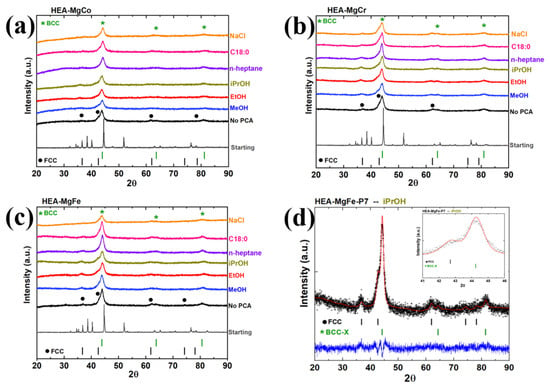
High-entropy alloys (HEAs) are a transformative class of materials with remarkable structural and functional properties. Solid-state processing techniques, such as high-energy ball milling, are being increasingly used for their production. In these processes, the use of a process control agent (PCA) seems to
[...] Read more.
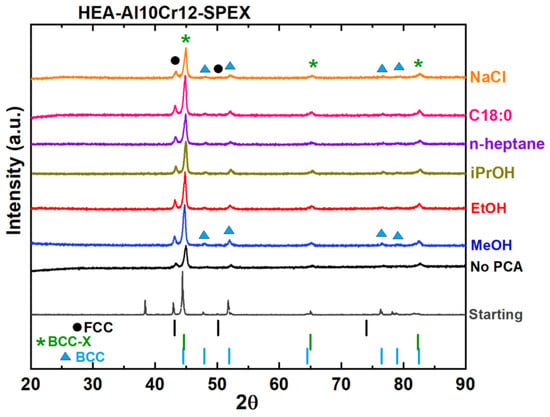
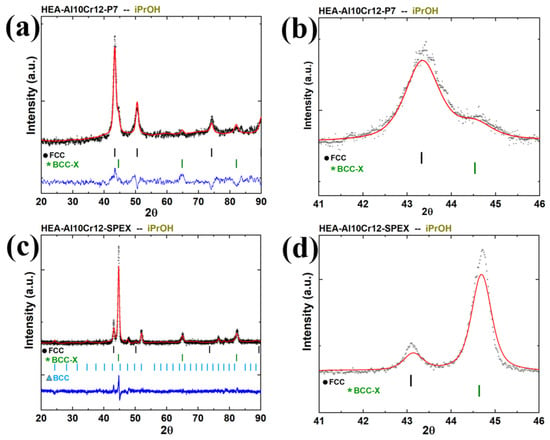
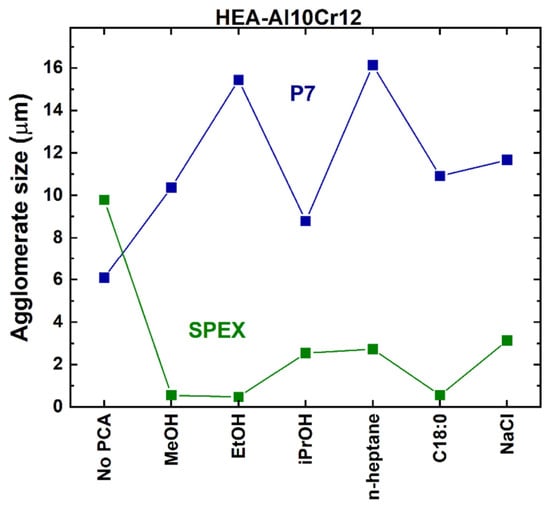
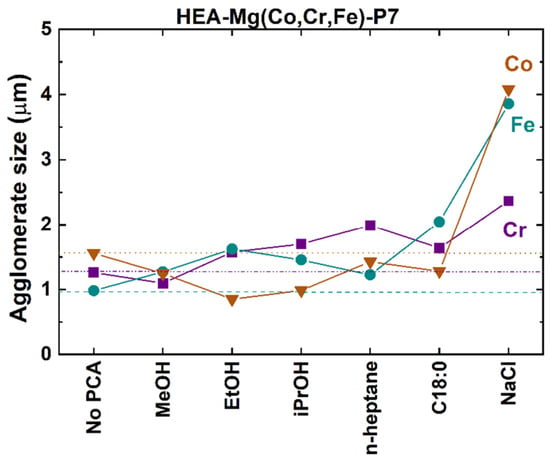
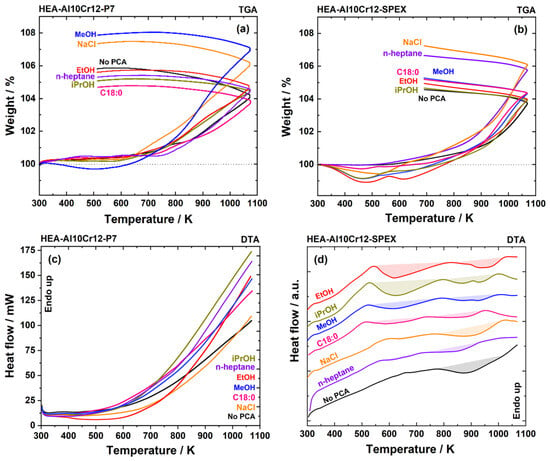
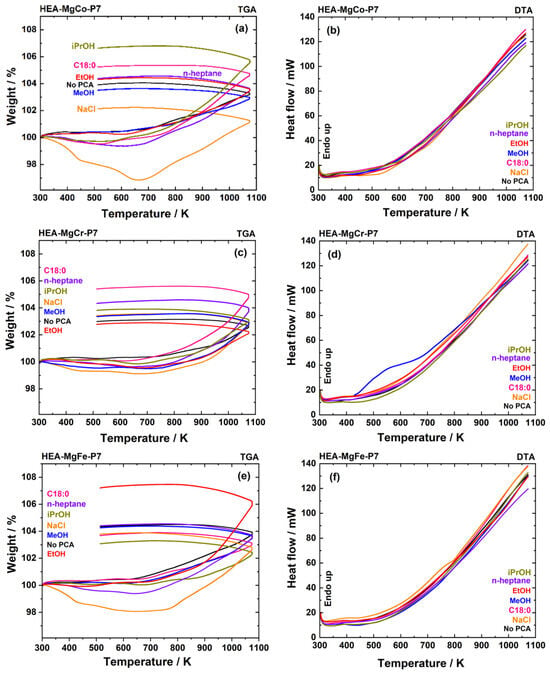
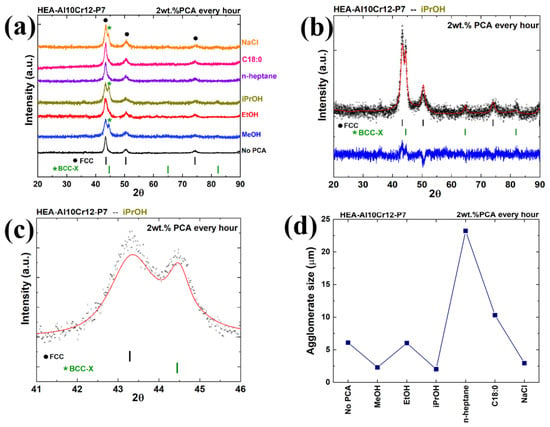
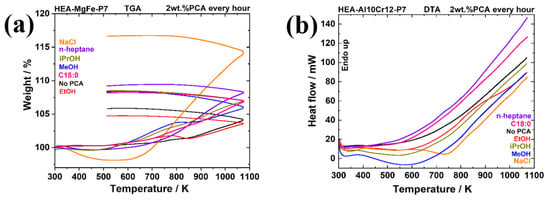
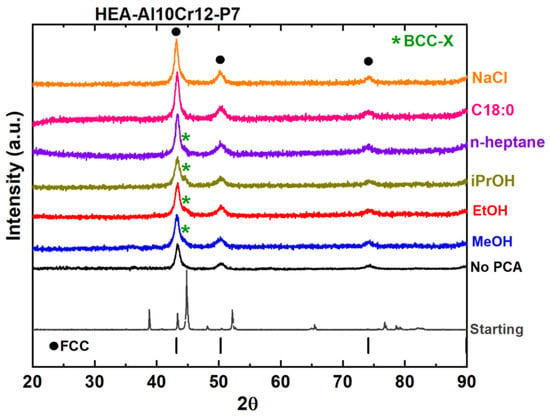
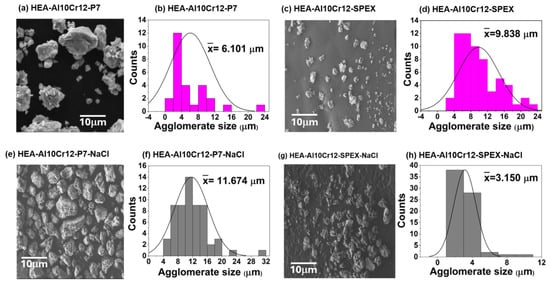
High-entropy alloys (HEAs) are a transformative class of materials with remarkable structural and functional properties. Solid-state processing techniques, such as high-energy ball milling, are being increasingly used for their production. In these processes, the use of a process control agent (PCA) seems to be essential to prevent excessive cold welding and agglomeration; however, the influence of different PCAs on alloy formation remains insufficiently understood. This study systematically examined the effects of the PCA type, milling configuration, and elemental substitution on HEAs mechanosynthesis. A non-equiatomic alloy, Al10Cr12Fe35Mn23Ni20 (selected for its known single-phase Face Center Cubic (FCC) behavior), was used to explore the PCA and mill-type effects. The alloy was synthesized in a planetary mill (Fritsch Pulverisette 7) and a vibratory mill (SPEX 8000M) using diverse PCAs, including liquid (methanol, ethanol, isopropyl, and n-heptane) and solid (stearic acid and sodium chloride) agents. In addition, lightweight equiatomic alloys MgAlTiNi(Co,Cr,Fe) were used to explore the influence of different PCAs and the effect of elemental substitution under similar PCA conditions as those used with the equiatomic alloy. The products were characterized using X-ray diffraction, scanning electron microscopy, thermogravimetric analysis, and differential thermal analysis techniques. The results highlighted that the PCA selection, milling configuration, and alloy chemistry influenced the phase evolution, particle size distribution, and thermal behavior. The results provide insights into the mechanosynthesis of selected high-entropy alloys produced under different PCA and milling conditions.
Full article
(This article belongs to the Collection Feature Paper Collection on Solidification, Deformation, and Mechanical Properties of Alloys)
►
Show Figures
Open AccessArticle
Surface Modification of Multicomponent Ti-Ta-Zr-Nb Alloys by Plasma Electrolytic Oxidation
by
Nahuel Eduardo Spallanzani, Mariana Correa Rossi, Felype Narciso de Mattos, Conrado Ramos Moreira Afonso and Pedro Akira Bazaglia Kuroda
Alloys 2026, 5(3), 14; https://doi.org/10.3390/alloys5030014 - 23 Jun 2026
Abstract
►▼
Show Figures
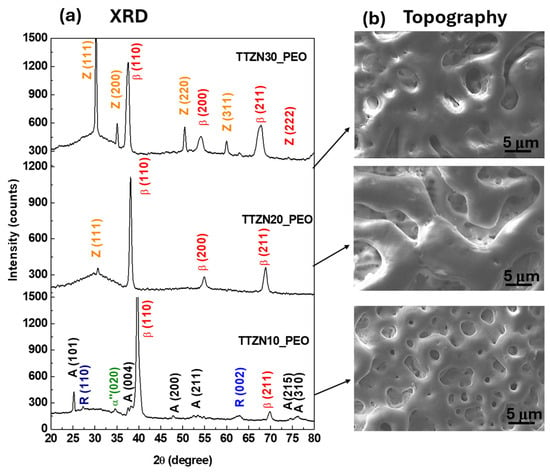
Quaternary β-Ti-xTa-xZr-xNb (TTZN) alloys (x = 10, 20, and 30 wt%) were surface-modified by plasma electrolytic oxidation (PEO) to improve their surface properties. This treatment promotes the incorporation of bioactive ions, such as Ca and P, and favors the formation of a porous
[...] Read more.
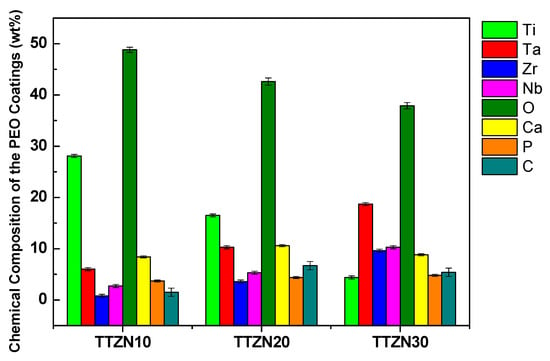
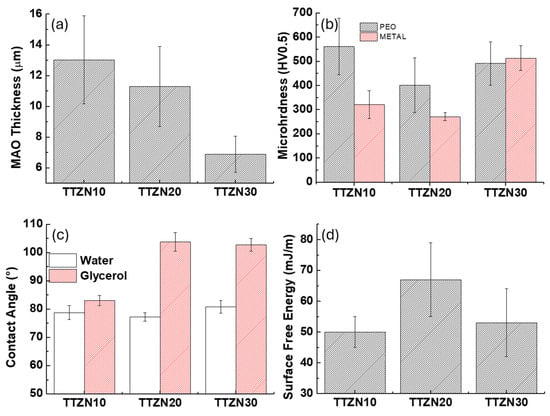
Quaternary β-Ti-xTa-xZr-xNb (TTZN) alloys (x = 10, 20, and 30 wt%) were surface-modified by plasma electrolytic oxidation (PEO) to improve their surface properties. This treatment promotes the incorporation of bioactive ions, such as Ca and P, and favors the formation of a porous anodic surface resulting from the oxidation of the precursor metals. This study investigated how the addition of alloying elements (Zr, Ta, and Nb) influences oxide formation, PEO-induced pore morphology, wettability, and coating hardness. The surfaces were characterized by X-ray diffraction (XRD), scanning electron microscopy (SEM) coupled with energy-dispersive X-ray spectroscopy (EDS), Vickers microhardness testing, and wettability analysis. XRD analysis revealed that the TTZN10 alloy exhibited crystalline TiO2 phases in the form of anatase and rutile. In contrast, the TTZN20 and TTZN30 alloys exhibited only cubic ZrO2 diffraction peaks, while no TiO2 peaks were detected within the detection limits of the XRD technique. Micrographs showed micrometric pores on all alloy surfaces. The TTZN20 alloy exhibited the highest porosity (31.8%), which correlated with lower hydrophilicity (θ = 79°) and high surface free energy (67 mJ/m2). After PEO treatment, all surfaces exhibited high hardness values ranging from 491 to 561 HV. The highest hardness was observed for TTZN10, attributed to the mixed anatase/rutile TiO2 phase composition.
Full article

Figure 1
Open AccessArticle
Tensile Behavior of V-Notched Ductile Steel Sheets: Experimental, Numerical and Machine Learning Modeling
by
Md Ahad Israq, Rounakul Islam Fayed, Md Al Mamun, Md Mazedur Rahman, Gyula Varga and Saiaf Bin Rayhan
Alloys 2026, 5(2), 13; https://doi.org/10.3390/alloys5020013 - 2 Jun 2026
Abstract
►▼
Show Figures
Commercial ductile steel sheet is widely used in engineering applications because of its favorable combination of strength, ductility, machinability, and mechanical versatility. However, its structural integrity is frequently compromised by geometric discontinuities, specifically notches. These stress raisers negatively affect fracture toughness and fatigue
[...] Read more.
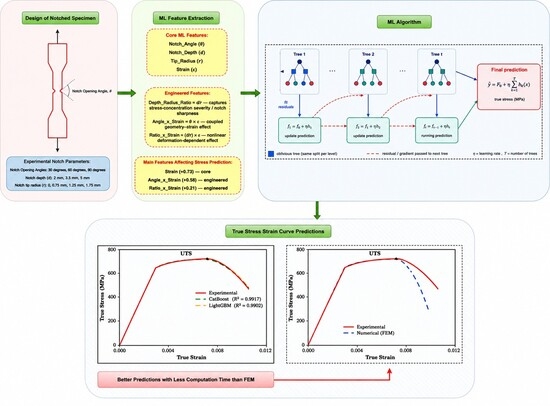
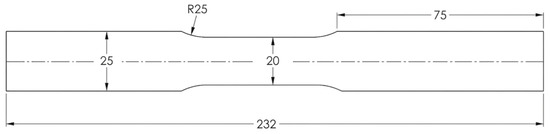
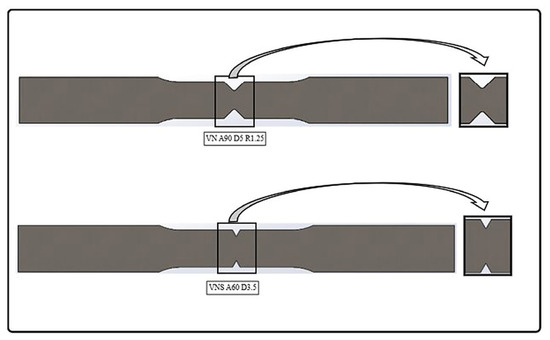
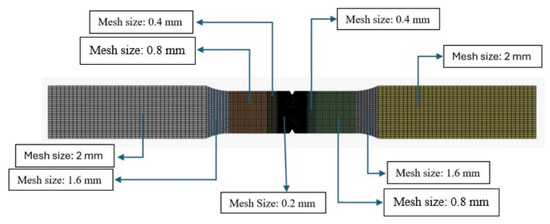
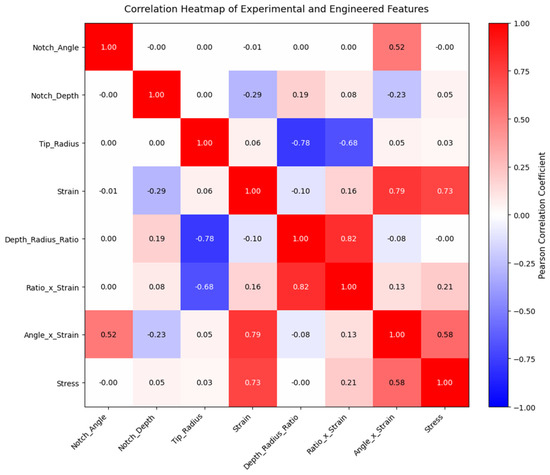
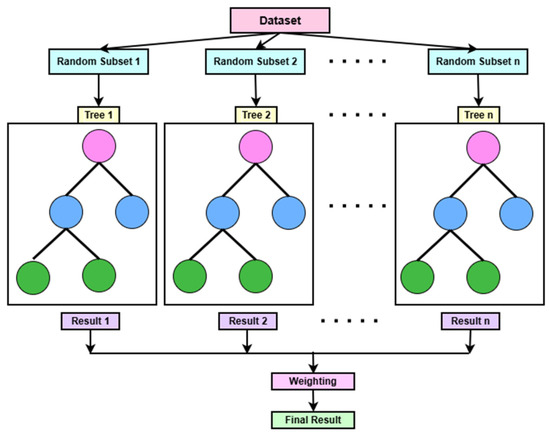
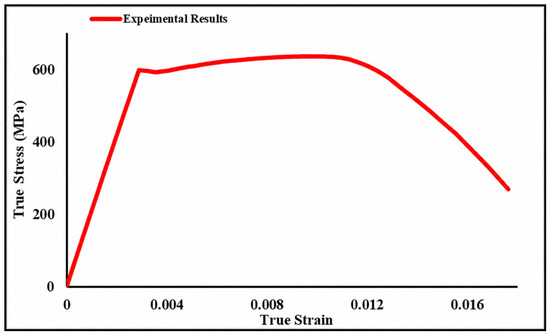
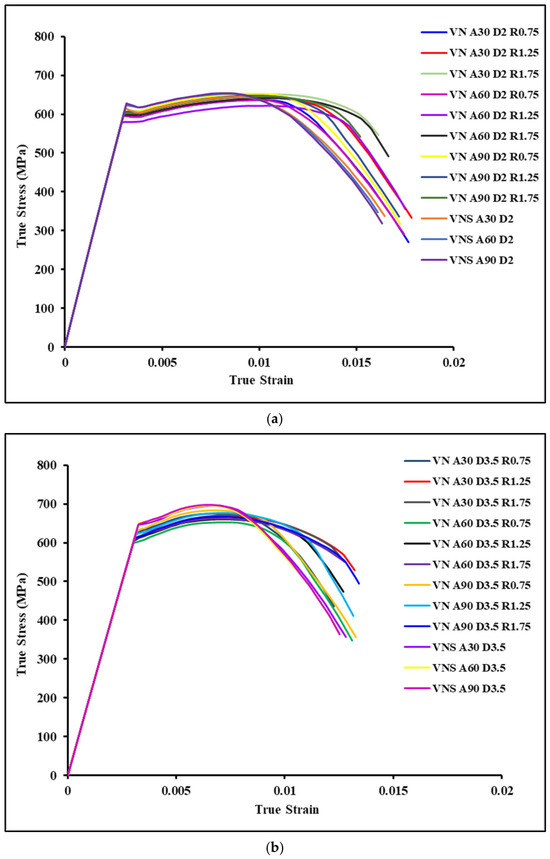
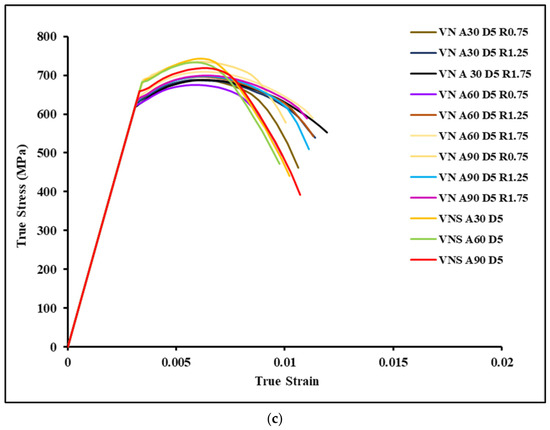
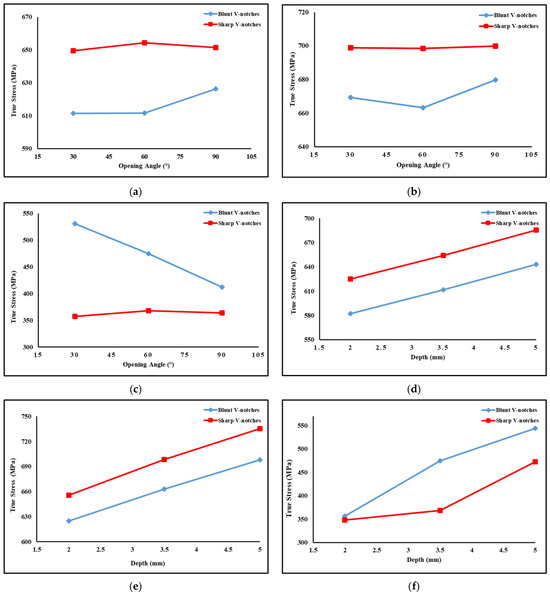
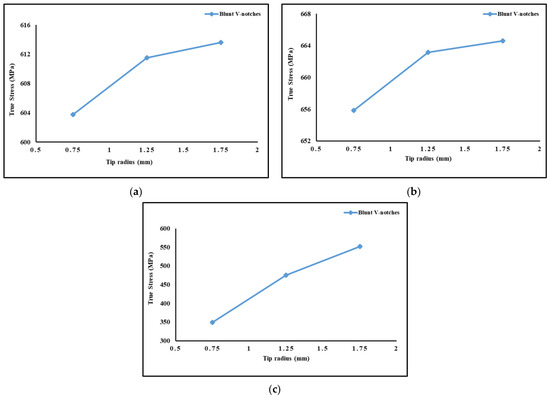
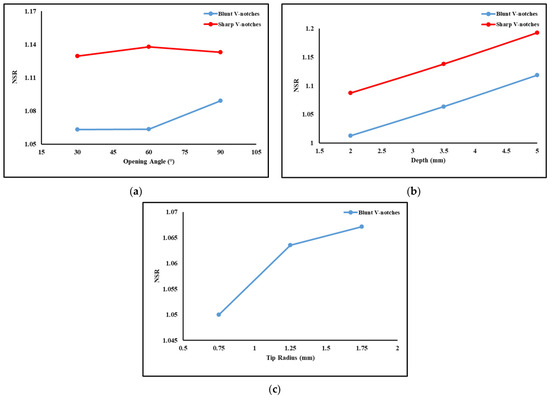
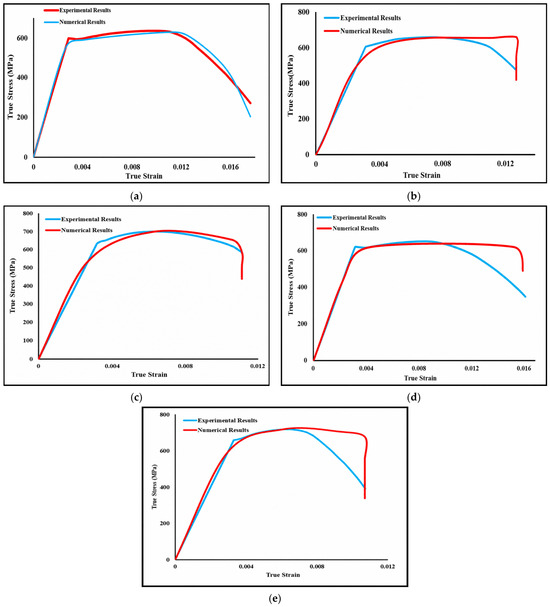
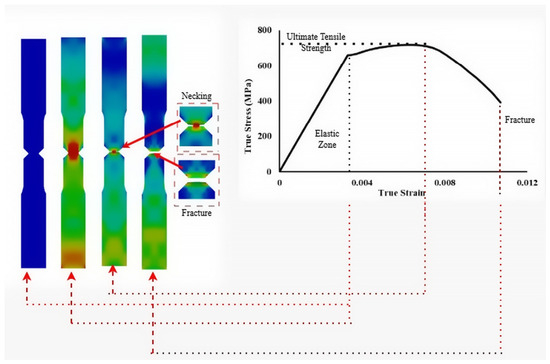
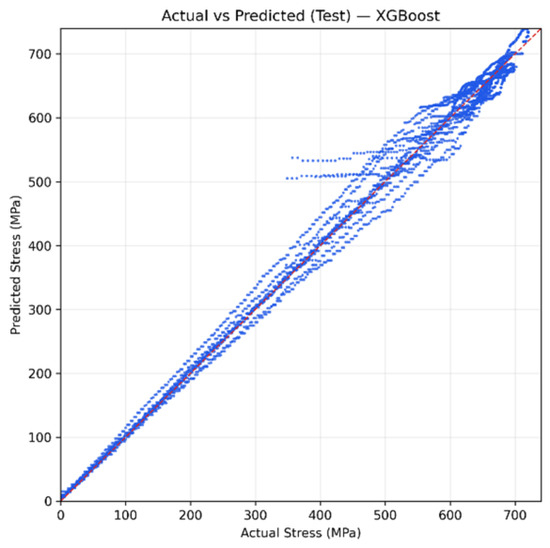
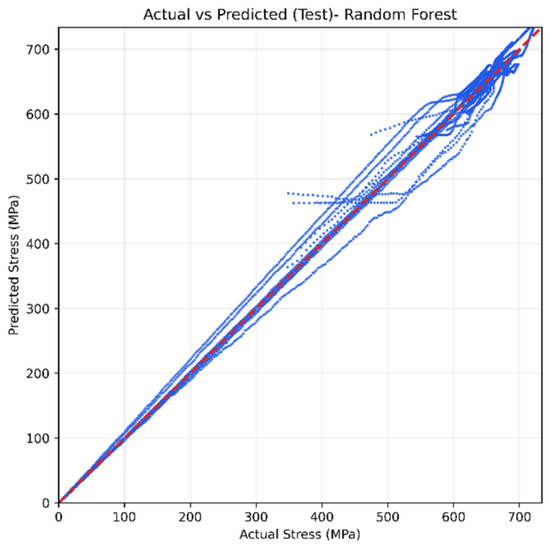
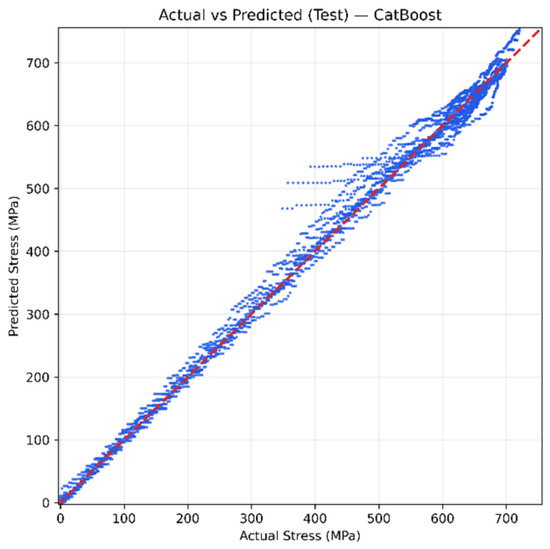
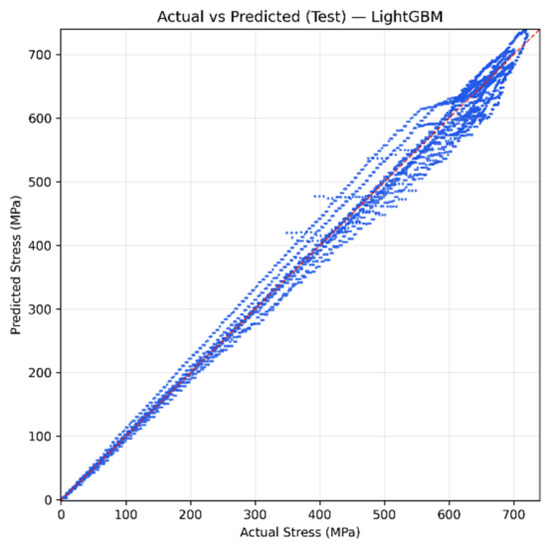
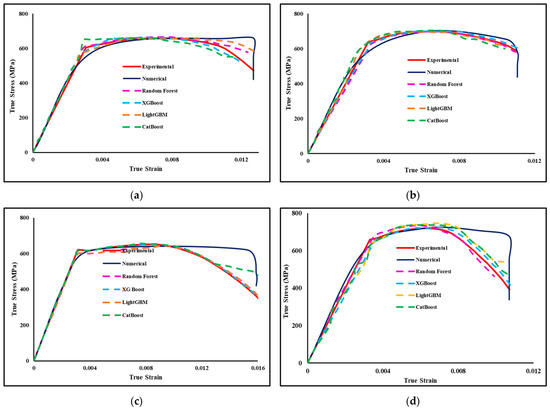
Commercial ductile steel sheet is widely used in engineering applications because of its favorable combination of strength, ductility, machinability, and mechanical versatility. However, its structural integrity is frequently compromised by geometric discontinuities, specifically notches. These stress raisers negatively affect fracture toughness and fatigue strength. The V-notch is particularly prevalent and critical in structural failure analysis. This study presents an experimental, numerical, and machine-learning investigation of the tensile properties of ductile steel sheet, focusing on various V-notch geometries. A systematic experimental study of 36 distinct specimens isolated the effects of geometric variations. Tensile tests were conducted in accordance with ASTM E8 standards to ensure reliability. Experimental results quantified tensile property degradation due to stress concentration, revealing severely compromised ductility in notched specimens. A validated numerical method subsequently captured necking and fracture behavior, reducing the need for expensive destructive experiments. Additionally, experimental data established a predictive framework for untested geometries. Random Forest, LightGBM, CatBoost, and XGBoost ensemble algorithms were employed for training and validation. Engineered features and hyperparameter tuning trained the models to effectively capture the nonlinear stress–strain region. CatBoost and LightGBM (R2 = 0.9917 and 0.9902, respectively) provided the most stable predictive performance. This study establishes a validated baseline for V-notch behavior while demonstrating the effectiveness of data-driven models in minimizing extensive destructive testing.
Full article

Graphical abstract
Open AccessArticle
Evolution of Microstructural Features and Electrochemical Corrosion Assessment of Ga-Doped CoCrFeNi High-Entropy Alloys: A Comparative Study
by
Emmanuel Georgatis, Anthoula Poulia, Stavros Kiape, Aikaterini Lefa, Christina Prosili, Margarita Ziavra, Theodore E. Matikas and Alexander E. Karantzalis
Alloys 2026, 5(2), 12; https://doi.org/10.3390/alloys5020012 - 30 May 2026
Abstract
This study investigates the microstructural evolution of the CoCrFeNi system after incorporating Gallium (Ga) at varying concentrations (0, 15, and 20 at.%). The systems were synthesized by Vacuum Arc Melting (VAM) and characterized through X-ray Diffraction diffraction (XRD) and Scanning Electron Microscopy (SEM/EDS).
[...] Read more.
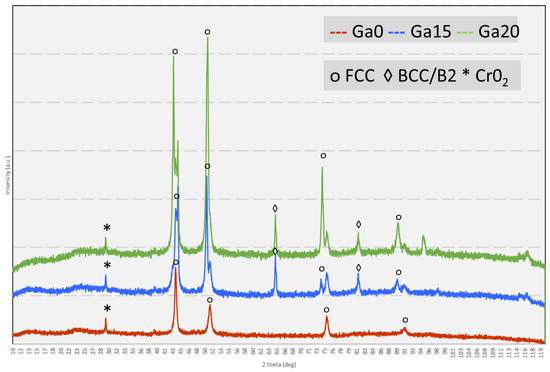
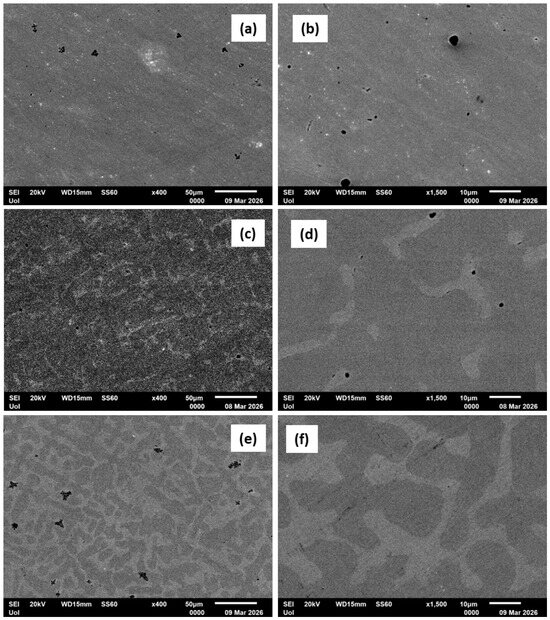
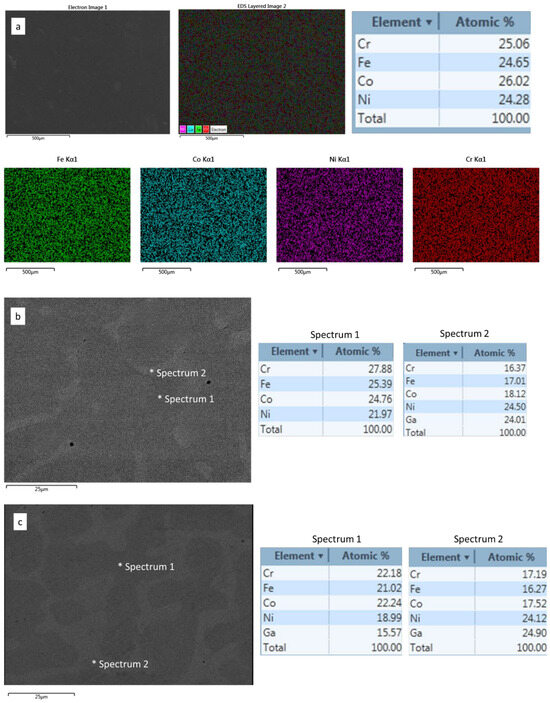
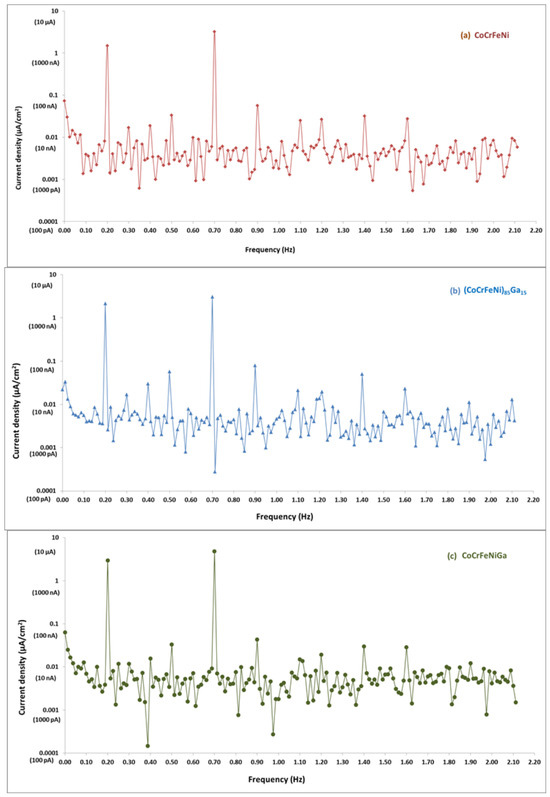
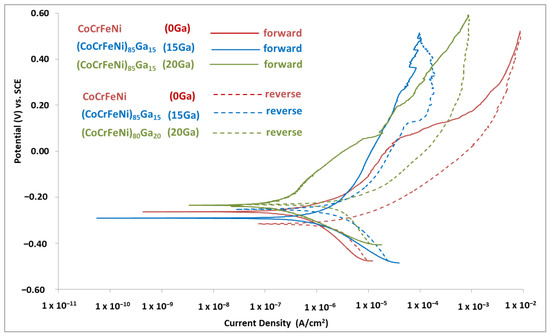
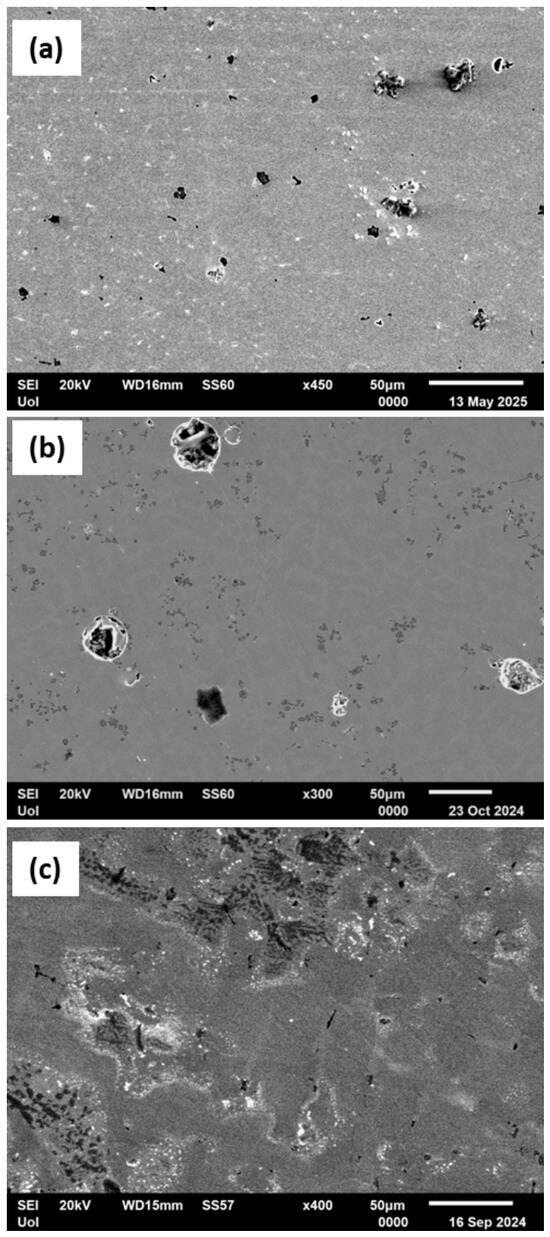
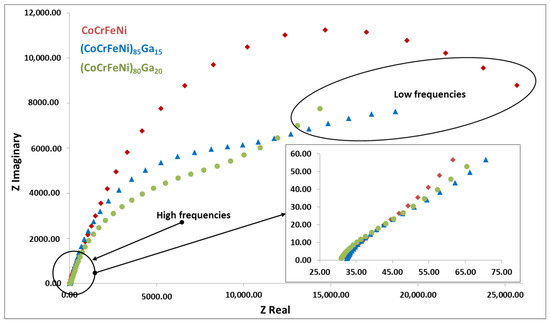
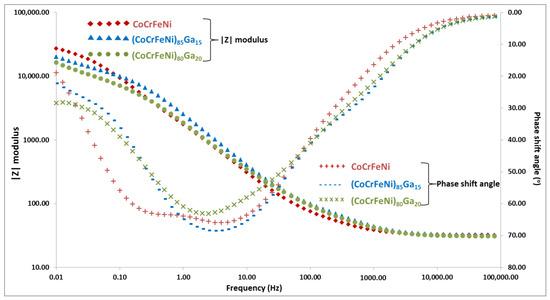
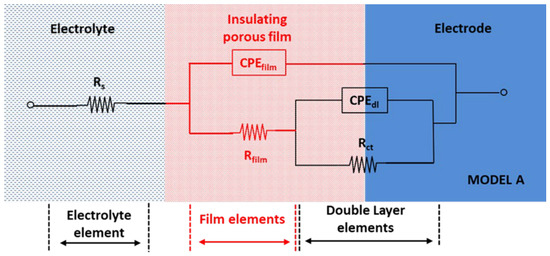
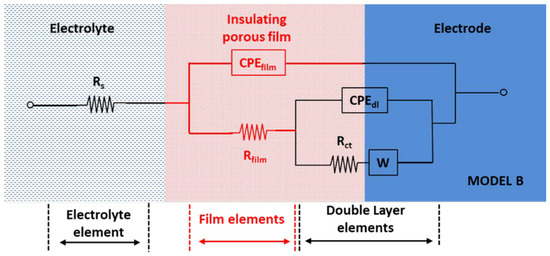
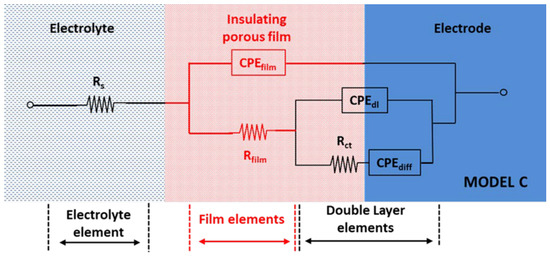
This study investigates the microstructural evolution of the CoCrFeNi system after incorporating Gallium (Ga) at varying concentrations (0, 15, and 20 at.%). The systems were synthesized by Vacuum Arc Melting (VAM) and characterized through X-ray Diffraction diffraction (XRD) and Scanning Electron Microscopy (SEM/EDS). Findings showed that the CoCrFeNi medium medium-entropy alloy stabilizes in a single-phase Face-Centered Cubic (FCC) structure. Upon the addition of 15 at.% Ga a dendritic morphology with a transition towards a duplex FCC + BCC microstructure was induced, a trend which was further solified in the equiatomic FeCoNiCrGa system. In this case the proportion of the Ga-rich BCC phase was increased from 18–22% to 31–34% for the Ga15 and Ga20 systems respectively. A combined approach of Electrochemical Frequency Modulation (EFM), Cyclic Potentiodynamic Polarization (CPP), and Electrochemical Impedance Spectroscopy (EIS) was selected for studying the electrochemical corrosion behavior of the produced systems. EFM results indicated a progressive deterioration of corrosion resistance when increasing Ga concentration (Icorr: 4.142, 5.619 and 10.01 μA/cm2, and Rp: 12,035, 10,736 and 7254 Ω for the Ga0, Ga15 and Ga20 alloys respectively). Surface inhomogeneity, rapid passivation, and diffusion-controlled processes caused deviations from the ideal causality factors’ values. CPP measurements revealed increasing corrosion current densities with Ga addition within the Tafel region (2.81 × 10⁻⁷, 3.72 × 10⁻⁷ and 5.11 × 10⁻⁷A/cm2 for the Ga0, Ga15 and Ga20 alloys respectively). All alloys showed positive hysteresis loops and an absence of repassivation, indicating susceptibility to pitting corrosion. Nevertheless, detailed analysis of the forward polarization region highlighted a more complex aspect. Reverse polarization scans confirmed stable pit growth in all alloys, with the absence of a repassivation tendency. EIS tests, performed after the completion of CPP measurements, further clarified the corrosion mechanisms. Equivalent circuit modeling revealed that although Ga-containing alloys exhibited relatively improved film characteristics in the forward polarization stage, the charge transfer resistance (Rct) was highest for the CoCrFeNi alloy, followed by Ga15 and Ga20 (22,620, 11,380, 10,060 Ω respectively). The overall impedance ranking (Ga0 > Ga15 > Ga20, i.e., 27,139 > 20,279.5 > 16,341 ohms respectively) showed that, despite microstructural and entropic effects enhancing certain passivation aspects, the reduced Cr content highly impacted long-term corrosion resistance. This holistic electrochemical approach showcases the complex interactions between compositional alterations, phase structure, grain refinement, passive film chemistry, and diffusion trends in establishing the corrosion performance of Ga-modified CoCrFeNi HEAs.
Full article
(This article belongs to the Special Issue High-Entropy Alloys)
►▼
Show Figures

Figure 1
Open AccessArticle
Smelting of a Complex W-, Mo-, and Cr-Containing Alloy in an Induction Furnace via Metallothermic Reduction
by
Yerbolat Makhambetov, Amankeldy Akhmetov, Arnat Smagulov, Zhadiger Sadyk, Sultan Kabylkanov, Zhalgas Saulebek and Ruslan Toleukadyr
Alloys 2026, 5(2), 11; https://doi.org/10.3390/alloys5020011 - 28 May 2026
Abstract
►▼
Show Figures
This study investigates the possibility of producing a complex W–Mo–Cr-containing alloy via metallothermic reduction of oxide concentrates in the presence of direct reduced iron (DRI) in an induction furnace under atmospheric conditions. A complex FeAlSiCa alloy was used as a reductant due to
[...] Read more.
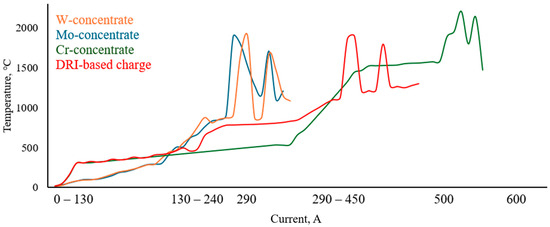
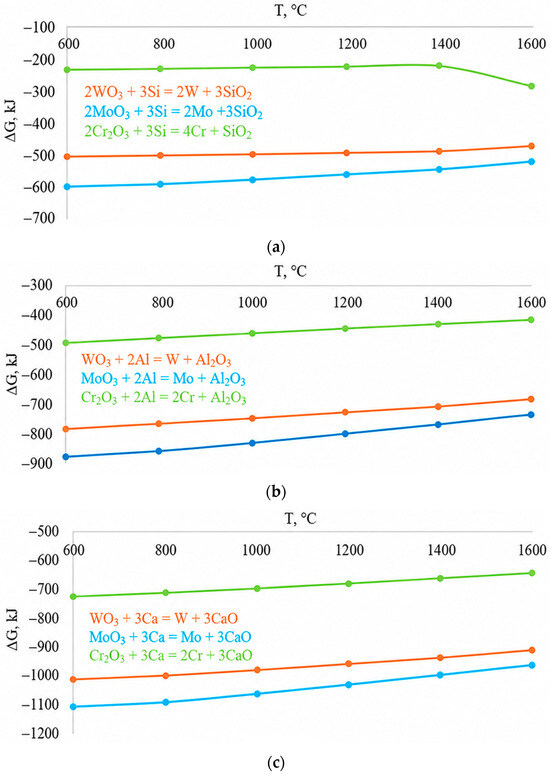
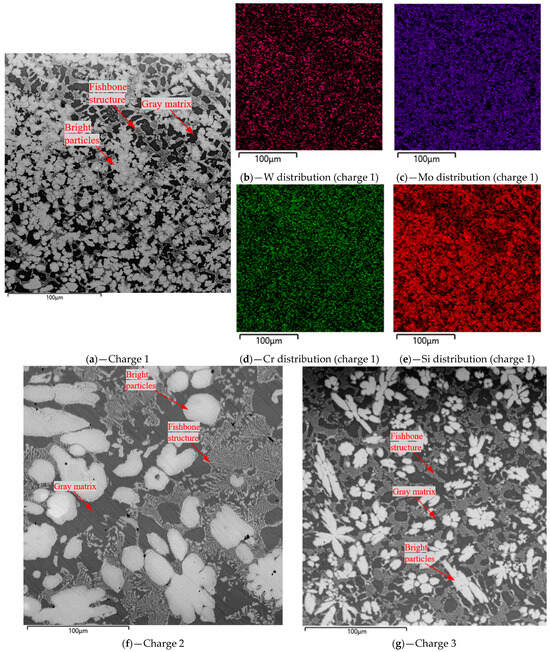
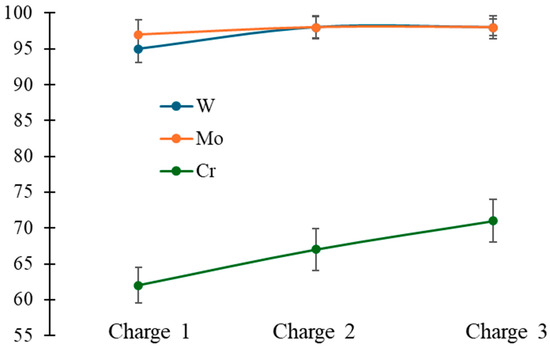
This study investigates the possibility of producing a complex W–Mo–Cr-containing alloy via metallothermic reduction of oxide concentrates in the presence of direct reduced iron (DRI) in an induction furnace under atmospheric conditions. A complex FeAlSiCa alloy was used as a reductant due to its high exothermicity and combined reducing potential. Thermodynamic analysis showed that the reduction of WO3 and MoO3 is more favorable compared to Cr2O3, which is reflected in the temperature profiles of the process. Experimental results confirmed that the addition of FeAlSiCa leads to intensive exothermic reactions and promotes melt formation. The estimated apparent recovery of W and Mo reached up to ~99%, while Cr estimated apparent recovery remained lower (up to ~70%) due to its higher thermodynamic stability and kinetic limitations. Microstructural analysis revealed a heterogeneous structure consisting of an Fe-based matrix and W–Mo-rich phases, including characteristic “fishbone” morphologies. An increase in reductant amount led to higher Si content in the alloy, indicating the need for composition optimization. The results demonstrate the feasibility of direct complex alloying as an alternative to conventional ferroalloy-based methods and highlight the potential for developing resource-efficient and low-carbon metallurgical technologies.
Full article

Figure 1
Open AccessReview
Mapping the Knowledge Landscape of 2xxx Series Al–Cu Alloys (2020–2025): A Bibliometric Analysis of Research Trends, Global Collaboration, and Future Frontiers
by
Mihail Kolev
Alloys 2026, 5(2), 10; https://doi.org/10.3390/alloys5020010 - 27 Apr 2026
Abstract
►▼
Show Figures
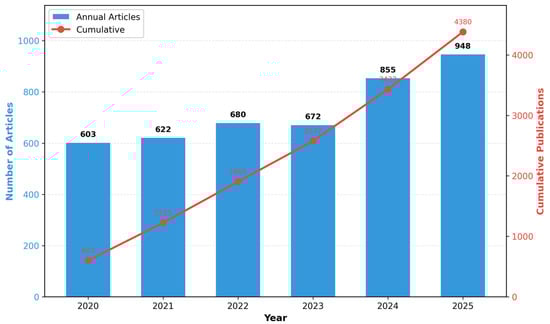
This study presents a comprehensive bibliometric analysis of research on 2xxx series aluminum–copper (Al–Cu) alloys published between 2020 and 2025. A complete analysis of 4380 documents from 747 sources indexed in Scopus reveals sustained research growth, with publications rising from 603 in 2020
[...] Read more.
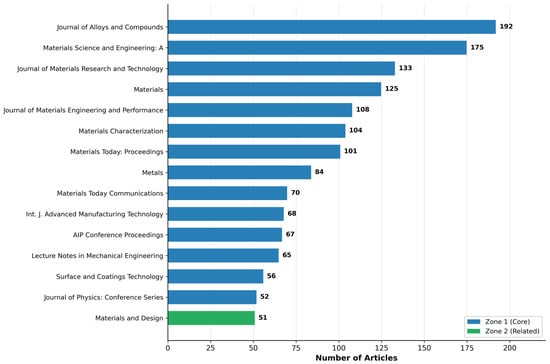
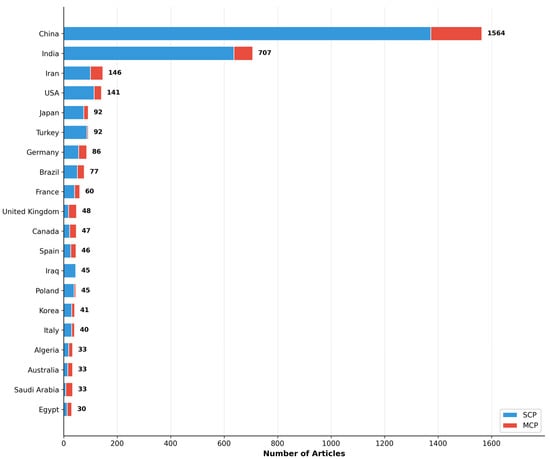
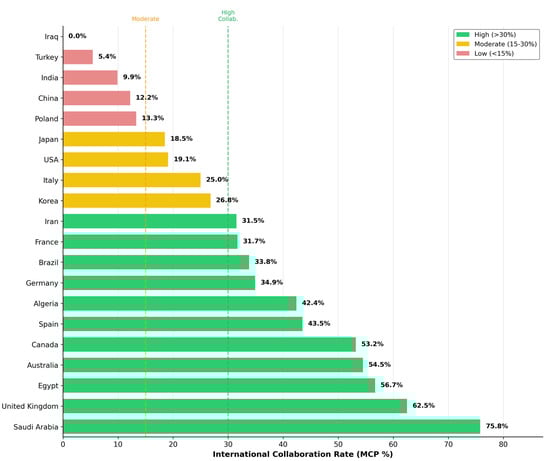
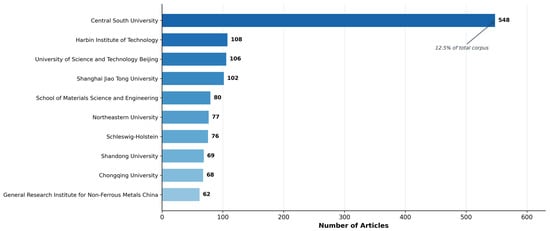
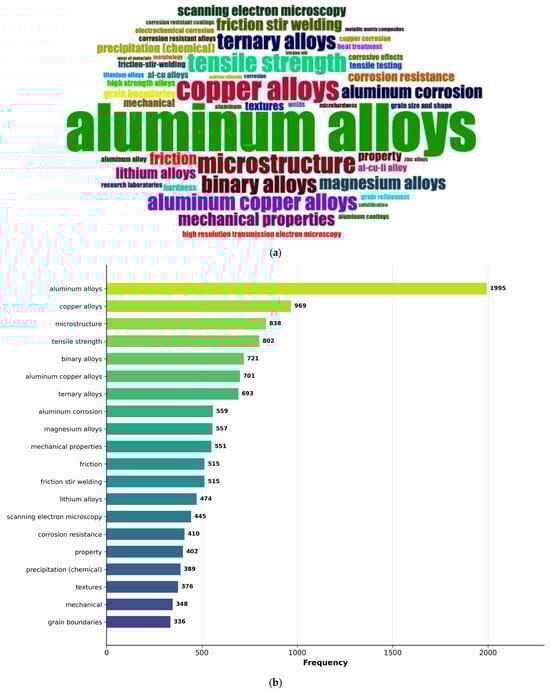
This study presents a comprehensive bibliometric analysis of research on 2xxx series aluminum–copper (Al–Cu) alloys published between 2020 and 2025. A complete analysis of 4380 documents from 747 sources indexed in Scopus reveals sustained research growth, with publications rising from 603 in 2020 to 948 in 2025 at a compound annual growth rate of 9.5%. China dominates global output, contributing 35.7% of publications with Central South University as the leading institution (548 articles). However, China’s international collaboration rate (12.2%) remains notably lower than Western counterparts such as the United Kingdom (62.5%) and Canada (53.2%). Core journals including the Journal of Alloys and Compounds, Materials Science and Engineering: A, and Journal of Materials Research and Technology collectively account for 11.4% of total publications, conforming to Bradford’s Law concentration patterns. Keyword co-occurrence analysis revealed five distinct thematic clusters centered on microstructure–property relationships, friction stir welding and joining technologies, corrosion mechanisms, Al–Cu–Li aerospace alloys, and additive manufacturing. While life cycle modeling (K = 5993; tm = 2022.84) indicates the field is approaching maturity, by identifying emerging frontiers such as machine learning-assisted alloy design, sustainable processing routes, and multi-material joining for electric vehicles, this study offers researchers a quantitative roadmap of the Al–Cu alloy knowledge landscape and highlights strategic opportunities for future investigation.
Full article

Figure 1
Open AccessArticle
Machine Learning-Driven Comparative Analysis and Optimization of Cu-Ni-Si and Cu Low Alloys: From Data-Driven Interpretation to Inverse Design
by
Mihail Kolev
Alloys 2026, 5(2), 9; https://doi.org/10.3390/alloys5020009 - 24 Apr 2026
Abstract
►▼
Show Figures
The development of high-performance copper alloys requires balancing mechanical strength and electrical conductivity, properties that are often inversely correlated due to competing strengthening mechanisms. This study presents a comparative machine learning analysis of Cu-Ni-Si and Cu low alloys using a curated dataset of
[...] Read more.
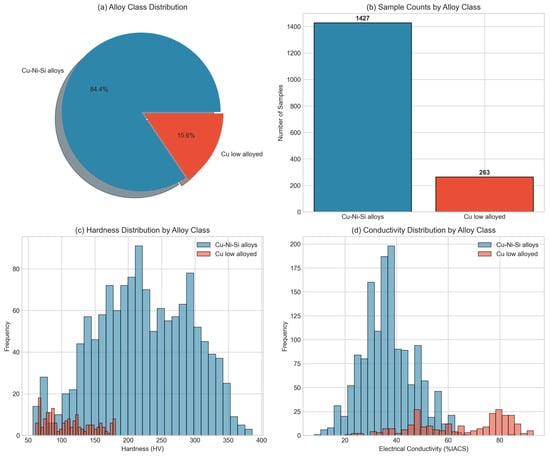
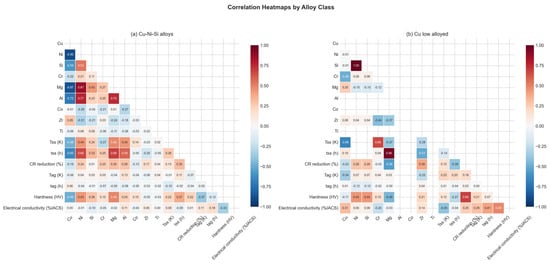
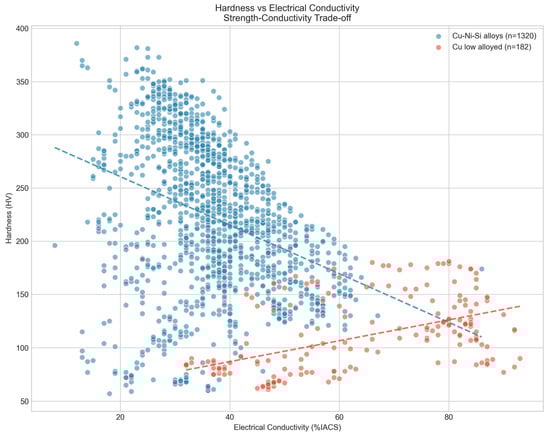
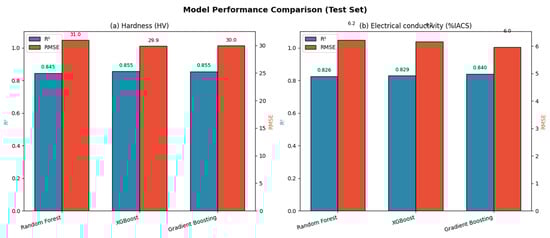
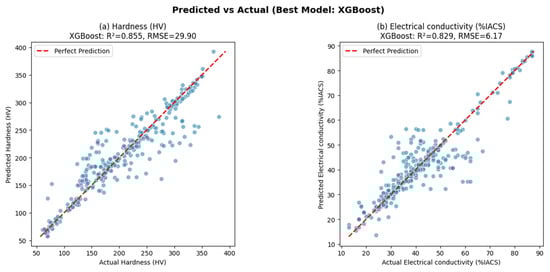
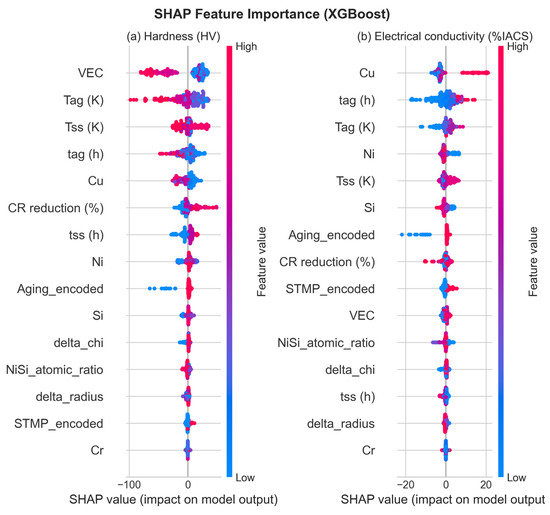
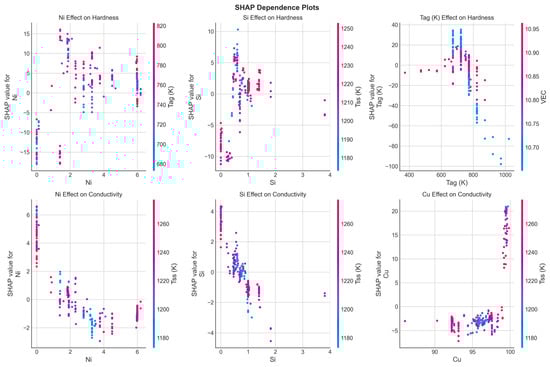
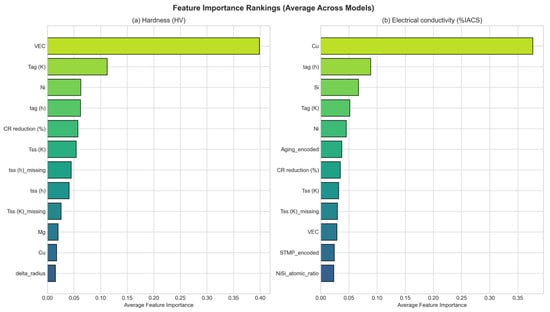
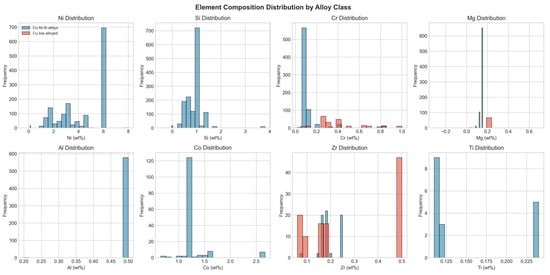
The development of high-performance copper alloys requires balancing mechanical strength and electrical conductivity, properties that are often inversely correlated due to competing strengthening mechanisms. This study presents a comparative machine learning analysis of Cu-Ni-Si and Cu low alloys using a curated dataset of 1690 entries derived from the Gorsse et al. database, comprising 1507 samples with hardness measurements and 1685 samples with electrical conductivity data. Three ensemble-based regression algorithms, Random Forest, XGBoost, and Gradient Boosting, were trained to predict Vickers hardness (HV) and electrical conductivity (%IACS) from an augmented feature set encompassing alloy composition, thermomechanical processing parameters, missingness indicators, and physics-informed descriptors (valence electron concentration, atomic size mismatch, electronegativity difference, and Ni:Si atomic ratio). XGBoost achieved optimal performance for hardness prediction (R2 = 0.8554, RMSE = 29.90 HV), while Gradient Boosting performed best for electrical conductivity (R2 = 0.8400, RMSE = 5.96%IACS). Averaged tree-based feature-importance analysis identified valence electron concentration as the most influential predictor for hardness (39.9%), followed by aging temperature (11.2%), while Cu content dominated conductivity prediction (37.7%), followed by aging time (8.9%). Complementary SHAP analysis confirmed these trends while revealing directional relationships and nonlinear feature interaction effects. Composition-grouped cross-validation by unique alloy formula (K = 10) yielded substantially lower performance, with grouped CV R2 = 0.438 for hardness and 0.293 for conductivity, indicating that generalization to unseen alloy formulations remains limited. The models were further applied for practical tasks, including property prediction for new alloy compositions, processing parameter optimization via differential evolution with metallurgical constraints (achieving hardness up to 293.9 HV or conductivity up to 45.7%IACS for the same base composition, with prediction intervals reported), and inverse design to identify alloy formulations meeting specified target properties. This work demonstrates the potential of interpretable machine learning to support copper alloy development by enabling rapid computational screening of the compositional and processing parameter space, subject to the generalization limitations identified herein.
Full article

Figure 1
Open AccessArticle
Investigation of Wear Behavior and LSTM-Based Friction Prediction in Cr/Nanodiamond-Coated Al10Cu Alloys
by
Mihail Kolev, Vladimir Petkov, Rumyana Lazarova, Veselin Petkov, Krasimir Kolev and Shaban Uzun
Alloys 2026, 5(1), 8; https://doi.org/10.3390/alloys5010008 - 23 Mar 2026
Abstract
►▼
Show Figures
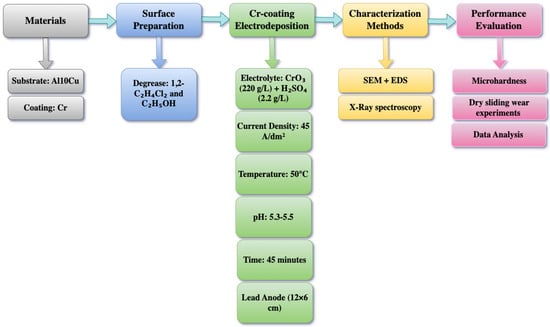
Cr-based composite coatings with superior wear resistance are in growing demand for high-performance applications in the automotive, aerospace, and general manufacturing sectors. In this study, an Al10Cu alloy produced via powder metallurgy was coated with a chromium/nanodiamond (Cr/ND) composite layer using an electrodeposition
[...] Read more.
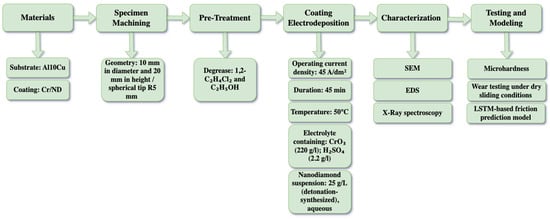
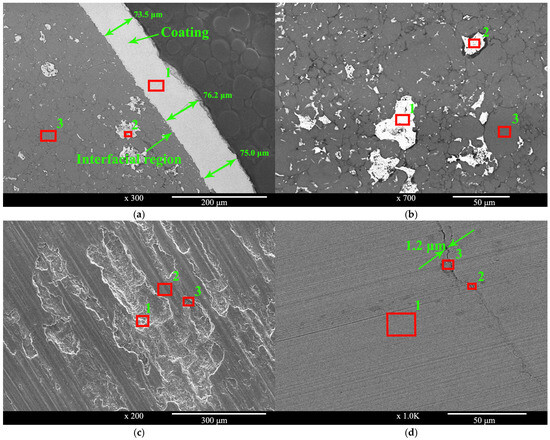
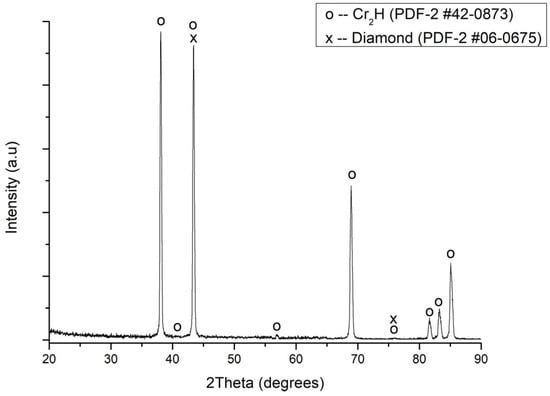
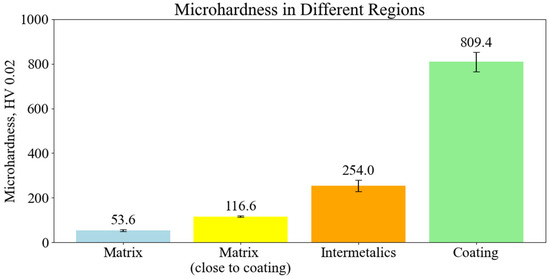
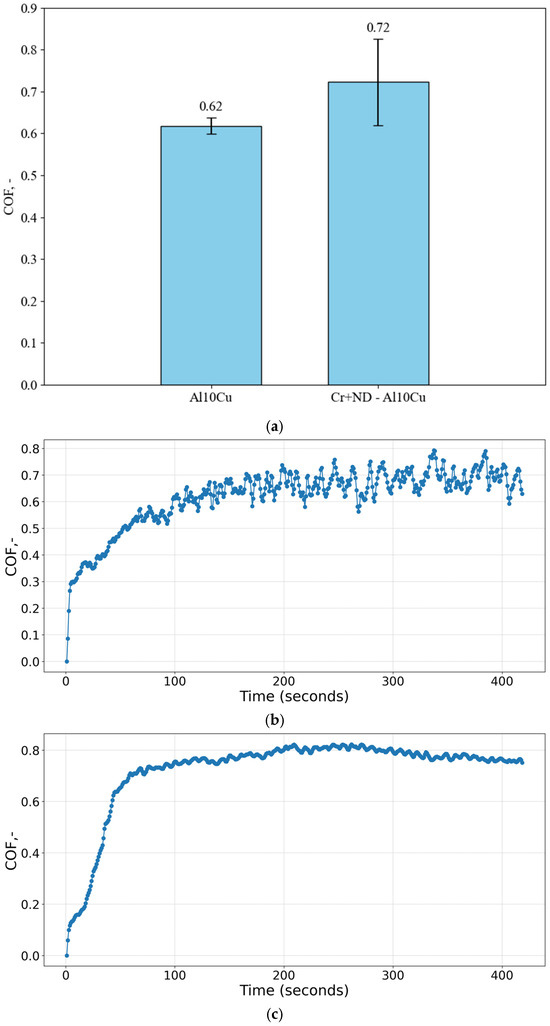
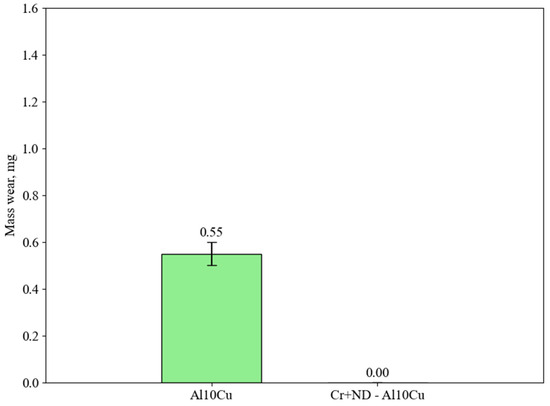
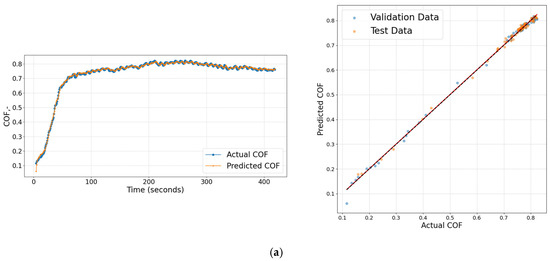
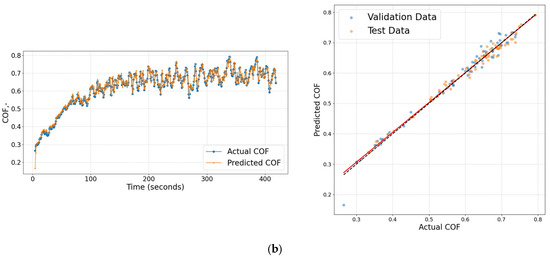
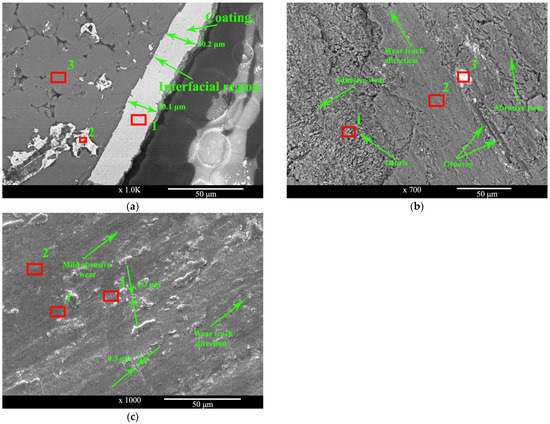
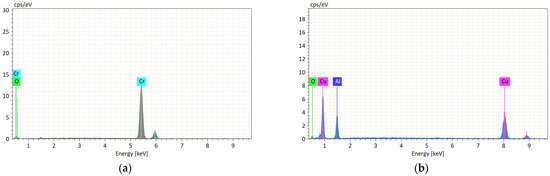
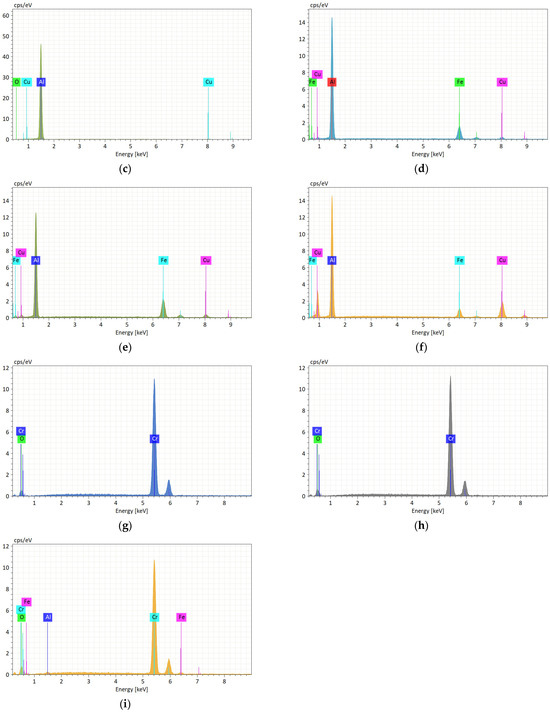
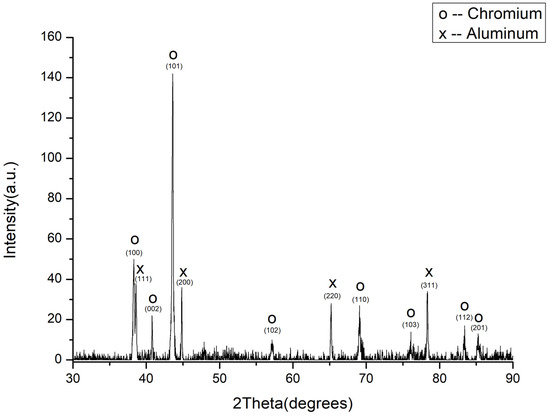
Cr-based composite coatings with superior wear resistance are in growing demand for high-performance applications in the automotive, aerospace, and general manufacturing sectors. In this study, an Al10Cu alloy produced via powder metallurgy was coated with a chromium/nanodiamond (Cr/ND) composite layer using an electrodeposition process to enhance its tribological performance. The coatings were characterized using scanning electron microscopy, energy-dispersive X-ray spectroscopy, and X-ray diffraction. The resulting Cr/ND layer exhibited a uniform thickness of 73.5–76.2 μm and markedly improved surface hardness (809.4 HV), representing a 15-fold increase over the uncoated alloy (53.6 HV). Pin-on-disk tribological testing under dry sliding conditions showed complete elimination of detectable mass loss (0.00 mg vs. 0.55 mg for uncoated) within the measurement system resolution, indicating excellent resistance to both abrasive and adhesive wear. XRD analysis revealed the formation of a hexagonal close-packed Cr2H phase with incorporated nanodiamond particles. To capture and predict the temporal evolution of the friction coefficient, a customized dual-layer long short-term memory neural network—optimized with a look-back window of 3 timesteps and ReLU-activated dense layers—was implemented. The model achieved superior predictive performance on the coated system, with validation and test R2 values of 0.9973 and 0.9965, respectively, demonstrating enhanced modeling accuracy for surface-engineered materials. These findings demonstrate a significant advancement in wear protection for aluminum alloys and introduce a robust data-driven approach for real-time friction prediction in engineered surfaces.
Full article

Figure 1
Open AccessReview
Machine Learning for Alloy Design: A Property-Oriented Review
by
Shamim Pourrahimi and Soroosh Hakimian
Alloys 2026, 5(1), 7; https://doi.org/10.3390/alloys5010007 - 6 Mar 2026
Cited by 1
Abstract
Machine learning (ML) is becoming an established part of alloy research, offering new ways to link composition, processing routes, and microstructure with measured properties. In this work, recent studies using ML for predicting or optimizing alloy behavior are reviewed, covering mechanical, corrosion, phase-related,
[...] Read more.
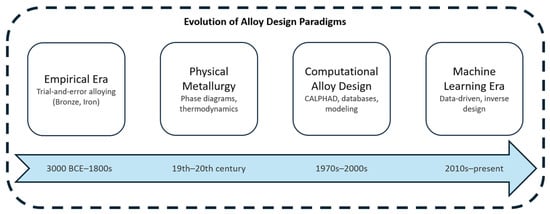
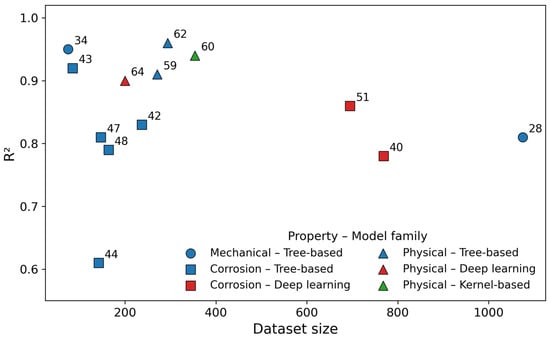
Machine learning (ML) is becoming an established part of alloy research, offering new ways to link composition, processing routes, and microstructure with measured properties. In this work, recent studies using ML for predicting or optimizing alloy behavior are reviewed, covering mechanical, corrosion, phase-related, and physical properties. Unlike previous reviews organized by alloy system or modeling approach, this review is structured by target property (mechanical, corrosion, phase/structure, and physical), which helps identify the input features commonly used to model each property and highlights existing gaps in data and validation. For each study, the main property of interest, dataset features, model type, algorithm choice, use of hyperparameter tuning, and validation strategy were examined. Comparing these reports shows that ensemble models such as random forest and XGBoost, together with deep neural networks, usually perform better than linear approaches. At the same time, issues related to small datasets and inconsistent reporting remain major challenges. Attention is also drawn to new directions, particularly physics-based learning and multi-objective optimization, that are changing how ML is applied in materials design. Overall, this review summarizes current practices and outlines areas where closer integration of data-driven and experimental methods could accelerate the development of next-generation alloys.
Full article
(This article belongs to the Topic Microstructure and Properties in Metals and Alloys, 3rd Volume)
►▼
Show Figures

Figure 1
Open AccessArticle
Evaluation of the Damage Value of Steel Alloys Using a CDM Model
by
Y. S. Upadhyaya, Afham Ahmad and Vishwanath Managuli
Alloys 2026, 5(1), 6; https://doi.org/10.3390/alloys5010006 - 3 Mar 2026
Abstract
►▼
Show Figures
Damage is a phenomenon experienced when a material is subjected to external factors such as load and temperature. Damage is quantified through the damage value of a material, and its value typically ranges from 0 to 1, with 1 indicating complete damage. The
[...] Read more.
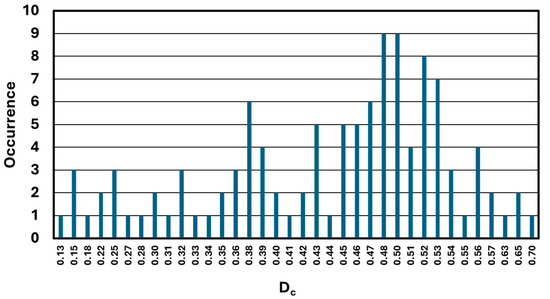
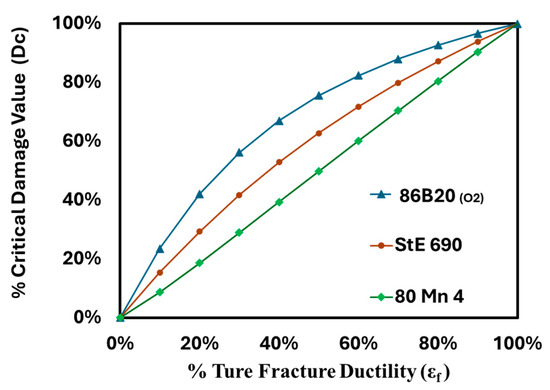
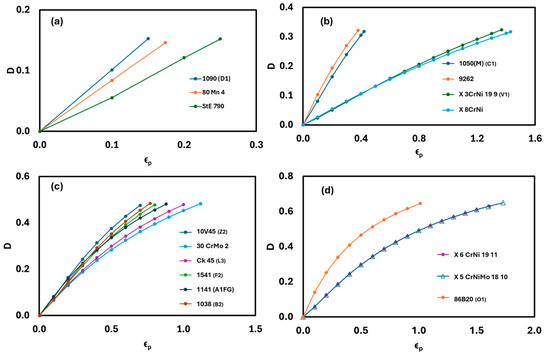
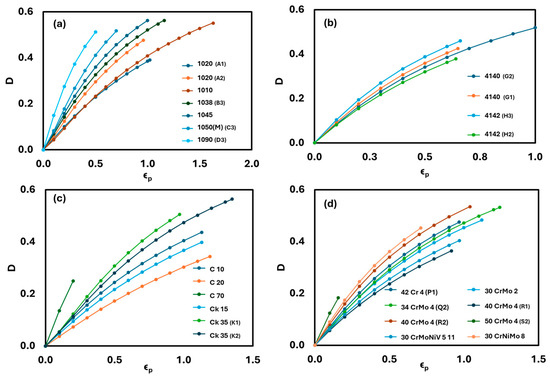
Damage is a phenomenon experienced when a material is subjected to external factors such as load and temperature. Damage is quantified through the damage value of a material, and its value typically ranges from 0 to 1, with 1 indicating complete damage. The damage value in this context primarily refers to the crack initiation condition, indicating failure. The damage value corresponding to this condition is referred to as critical damage. However, most materials tend to fail at a critical damage value of less than one. Researchers have developed different models to evaluate damage, and some of the prominent models are Lemaitre, Rice & Tracy, Gurson, and Bhattacharya & Ellingwood. This study uses the Bhattacharya & Ellingwood model to evaluate the damage value of 113 selected steel materials that play crucial roles in aerospace, automobile, and other industrial applications. This model uses monotonic properties of the material as the input and estimates the critical damage value (Dc). The study revealed that, for steel materials, the Dc value generally ranges from 0.1 to 0.7. This study highlights the variation in damage with plastic strain under monotonic loading, and this helps to quickly select a specific material when the damage criterion is crack initiation.
Full article

Figure 1
Open AccessArticle
A Study on the Bead Formation and Molten Pool Dynamics in Selective Arc Melting Additive Manufacturing of Inconel 718 and TiC/Inconel 718 Composite via High-Speed Photography
by
Weiran Xie, Xiaoming Duan and Xiaodong Yang
Alloys 2026, 5(1), 5; https://doi.org/10.3390/alloys5010005 - 27 Feb 2026
Abstract
In metal additive manufacturing, the molten pool directly influences the performance of the fabricated components. Therefore, a comprehensive understanding of the molten pool behavior is essential for improving the quality of the parts and mitigating the formation of defects. Selective arc melting (SAM)
[...] Read more.
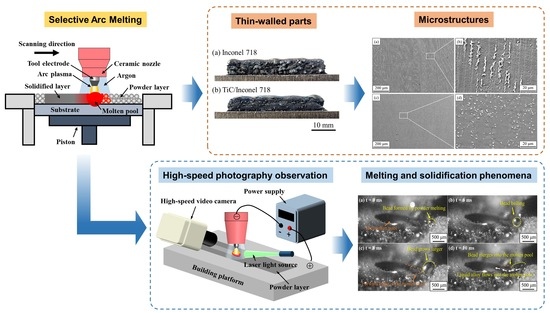
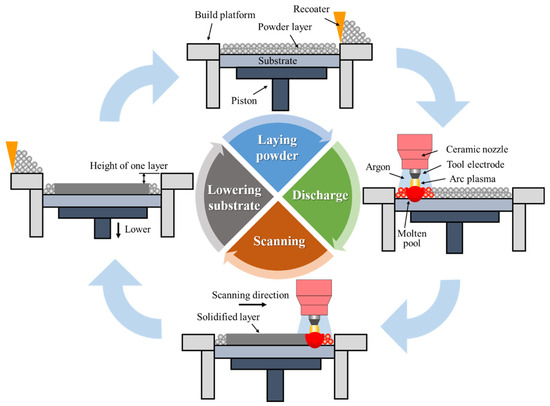
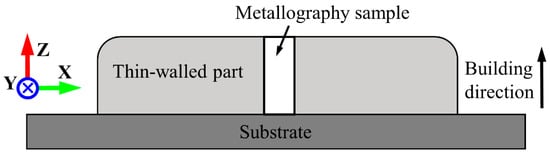
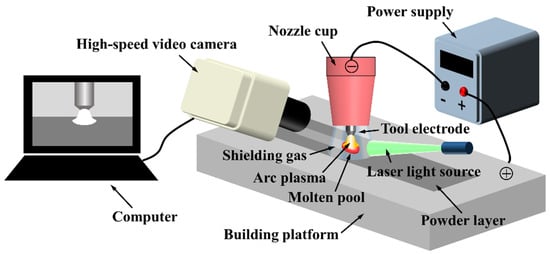
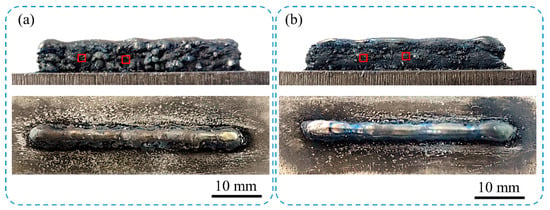
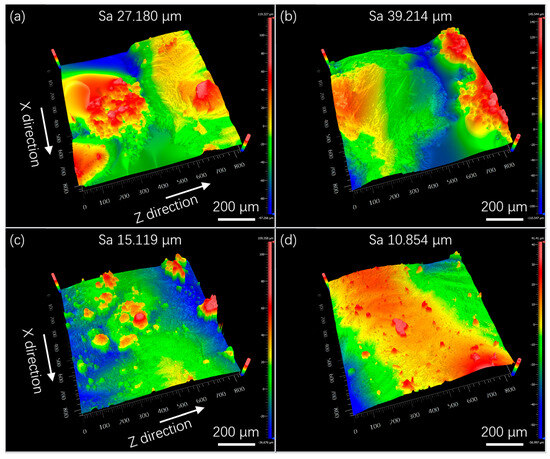
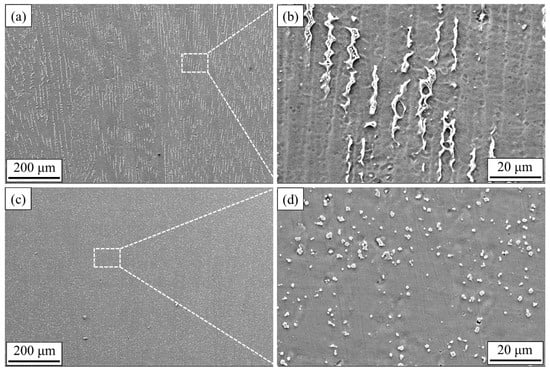
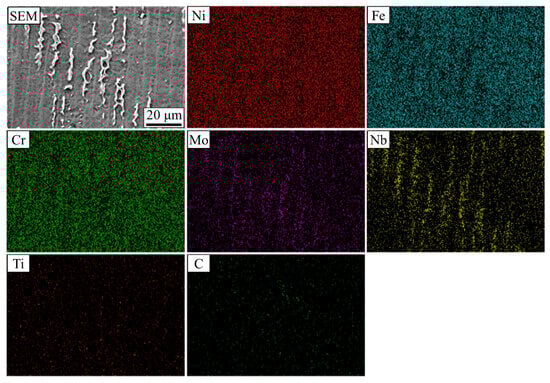
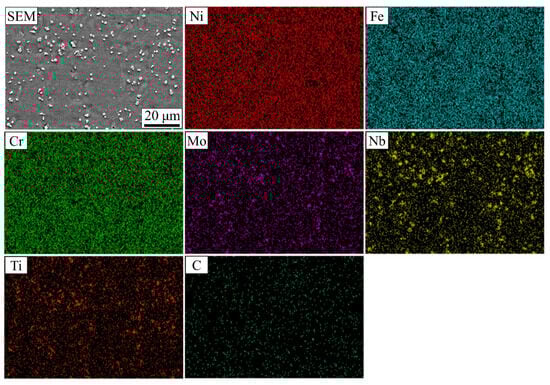
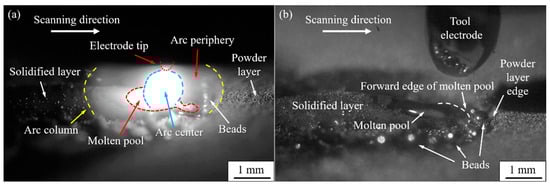
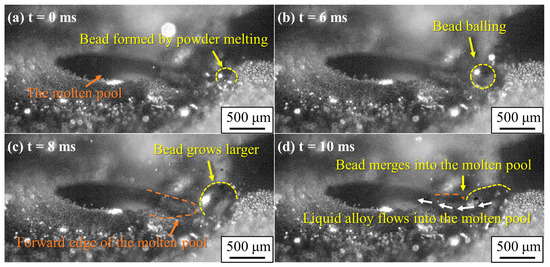
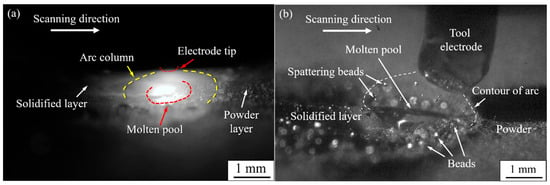
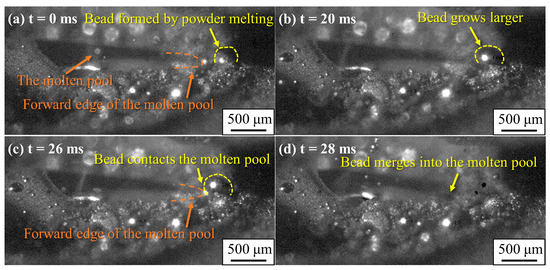
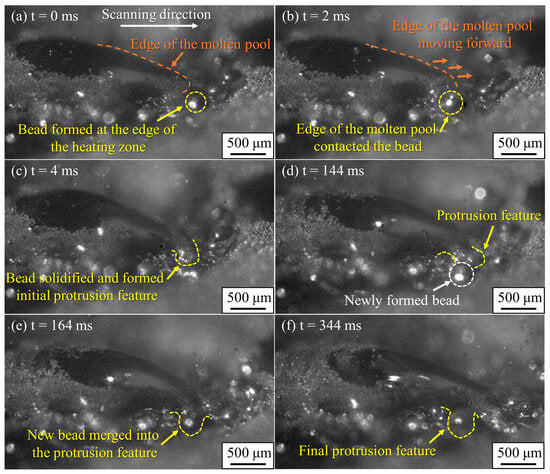
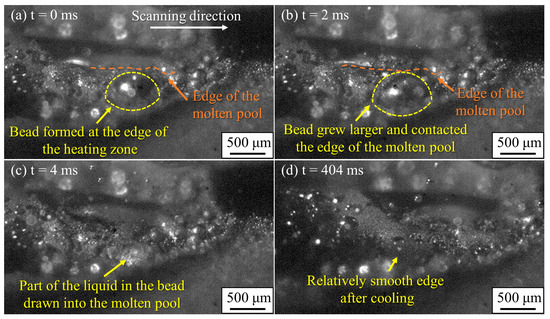
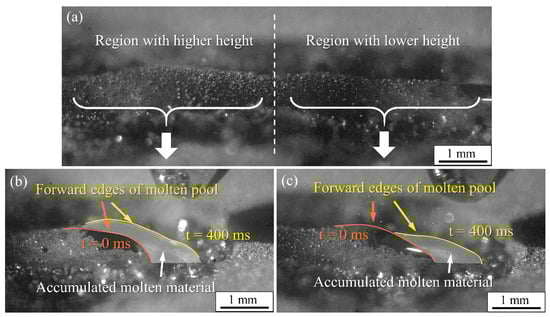
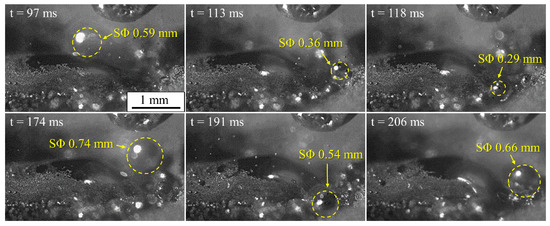
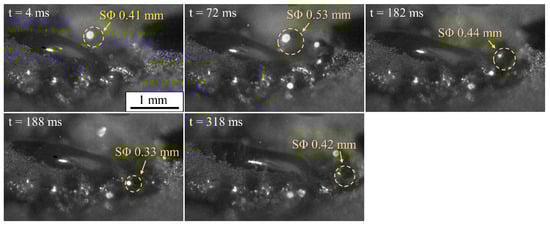
In metal additive manufacturing, the molten pool directly influences the performance of the fabricated components. Therefore, a comprehensive understanding of the molten pool behavior is essential for improving the quality of the parts and mitigating the formation of defects. Selective arc melting (SAM) is a promising additive manufacturing method for fabricating metal matrix composites. However, the melting and solidification process of the powder layer under the arc heat source remains unrevealed. This study aims to elucidate the formation mechanisms of surface morphology during SAM processing and the influence of carbide addition on the melting and solidification behavior of Inconel 718 powder. In this study, thin-walled parts of Inconel 718 and TiC/Inconel 718 composite were fabricated and their microstructures were studied. The melting and solidification behavior of Inconel 718 and TiC/Inconel 718 composite during single-track single-layer deposition was investigated using high-speed photography. Focusing on the differences in the sidewall surface morphology of the Inconel 718 and TiC/Inconel 718 composite parts, the edge feature formation of the deposition track of both materials was studied. Furthermore, the formation mechanism of the differences in forming height at different positions of the deposition track was explored. The results indicate that the melted material in the molten pool of Inconel 718 mainly comes from the mass transport of the beads generated around the molten pool, while the liquid material in the molten pool of TiC/Inconel 718 composite mainly comes from the in situ powder melted under the arc center. During the melting process of Inconel 718 powder, beads at the edge of the heating area come into contact with the boundary of the molten pool and solidify in situ, forming protrusion features. The randomness in the bead size leads to different volumes of molten material at different positions within the same time, thereby causing variations in building height.
Full article
(This article belongs to the Collection Feature Paper Collection on Solidification, Deformation, and Mechanical Properties of Alloys)
►▼
Show Figures

Graphical abstract
Open AccessArticle
The Experimental Determination of Parameters for the Modeling of the Stamping Process of AA6005C Aluminum Alloy
by
Luiza Emília Vila Nova Mazzoni, Fernanda Mariano Pereira, Estefani Alves da Silva Calabria, Luca de Paulo Ferreira, Alfredo Rocha de Faria, Tamires de Souza Nossa and Kahl Dick Zilnyk
Alloys 2026, 5(1), 4; https://doi.org/10.3390/alloys5010004 - 15 Feb 2026
Abstract
►▼
Show Figures
This study provides the first complete and experimentally validated Yoshida–Uemori (Y–U) parameter set for AA6005C aluminum alloy, enabling accurate constitutive modeling for stamping simulations. A comprehensive set of mechanical tests was conducted, comprising uniaxial tensile tests along 0°, 45°, and 90° to the
[...] Read more.
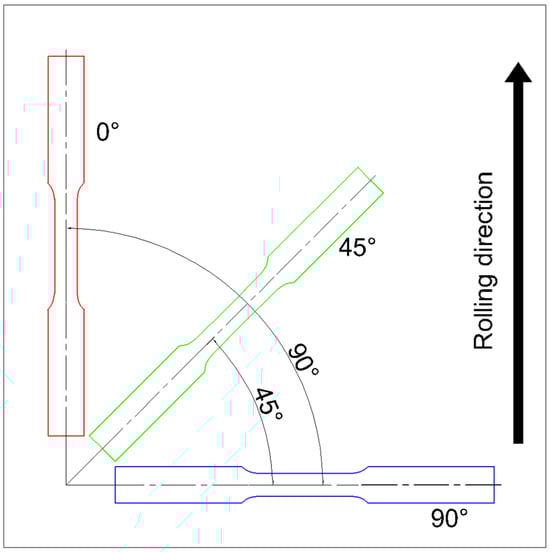
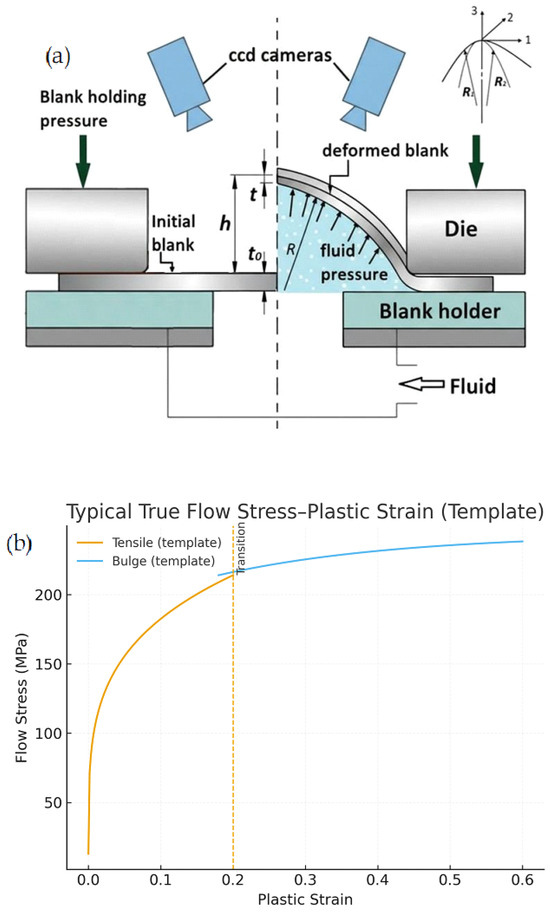
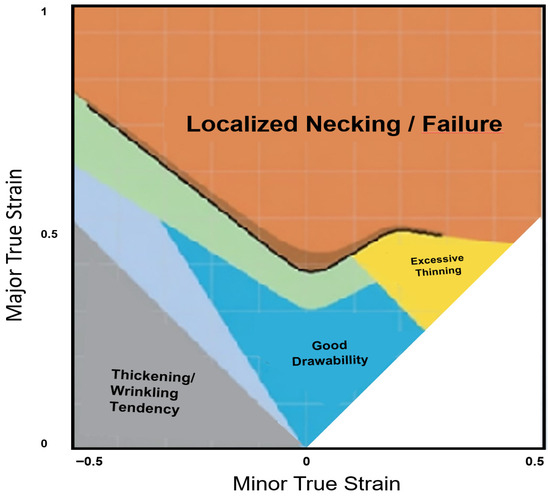
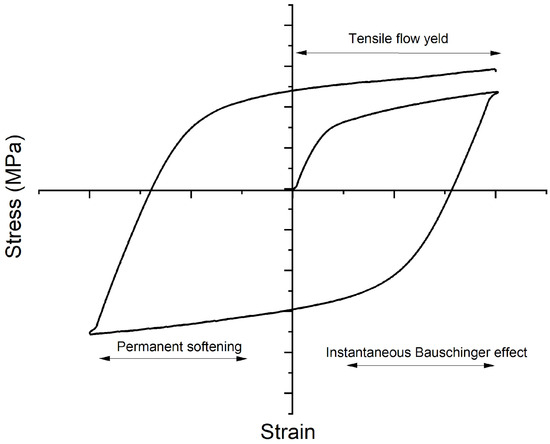
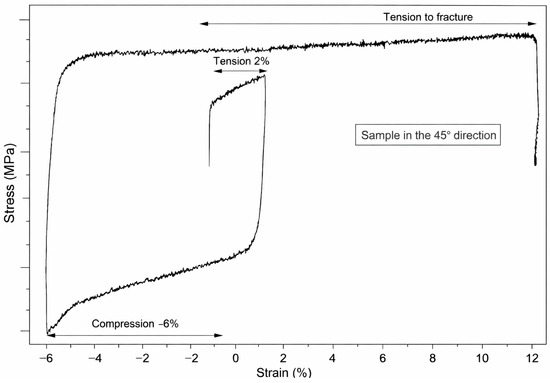
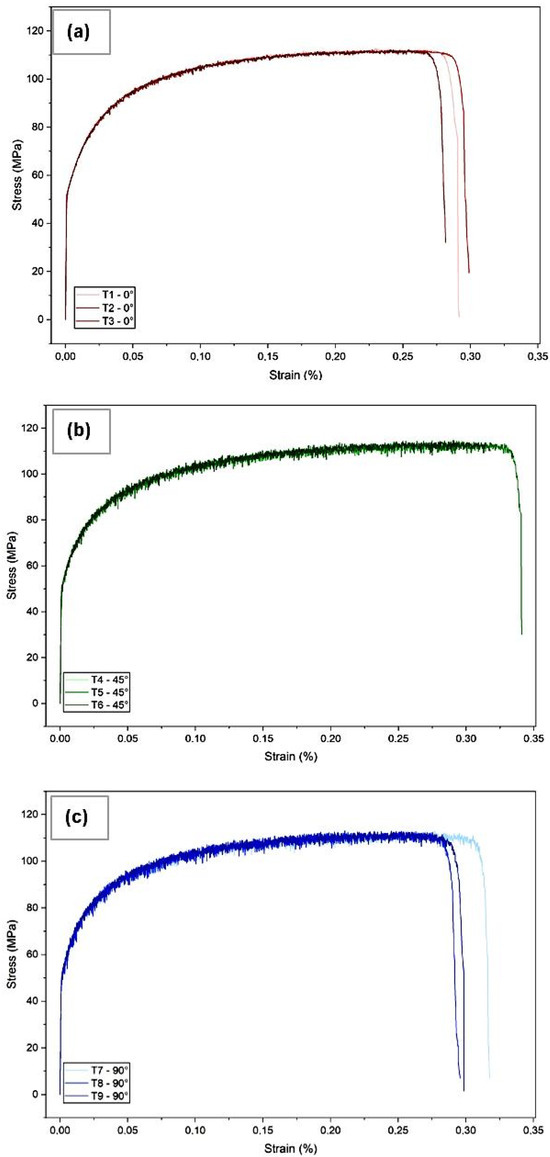
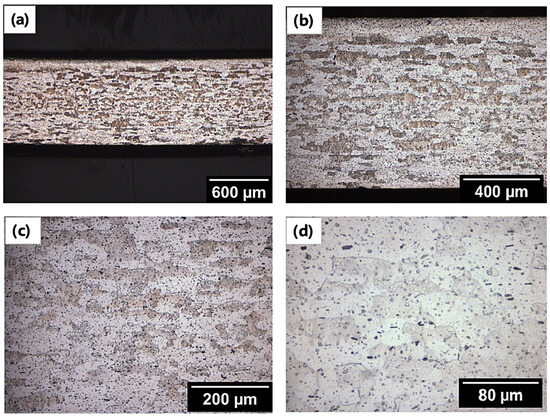
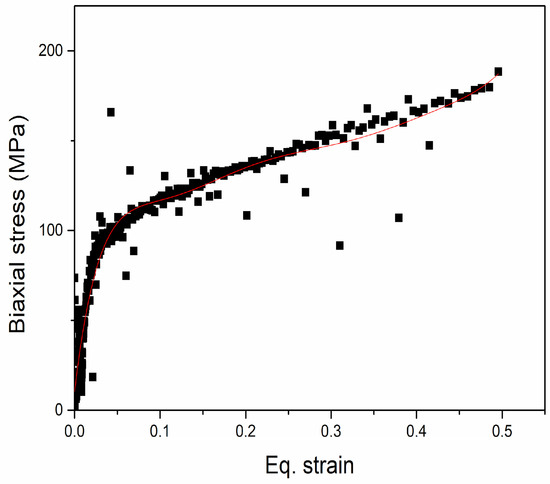
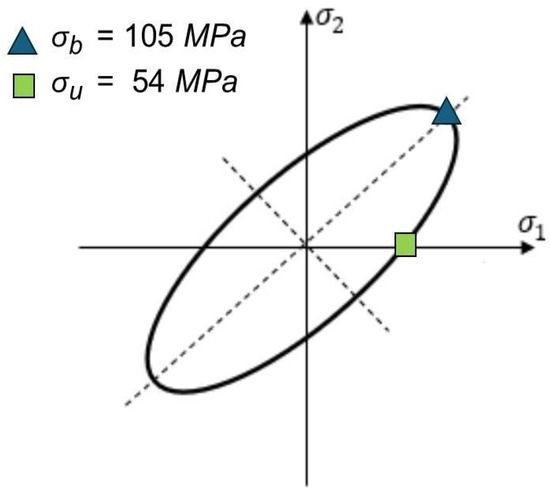
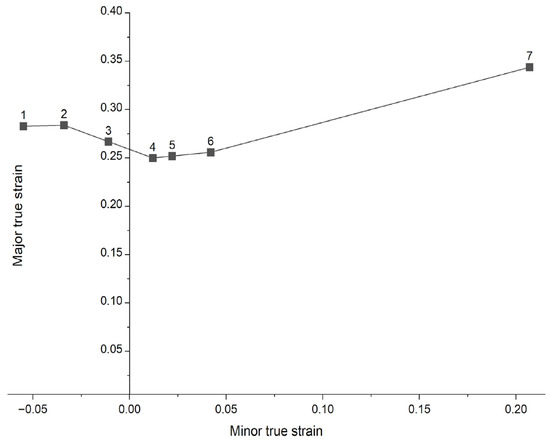
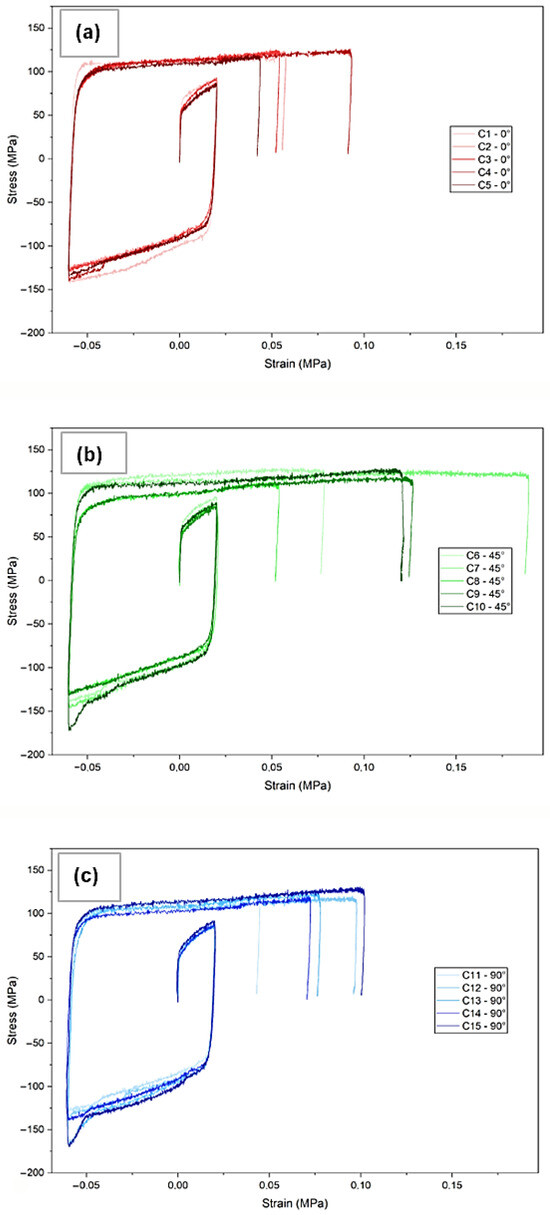
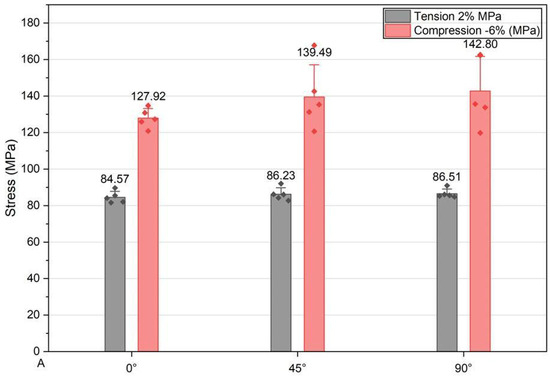
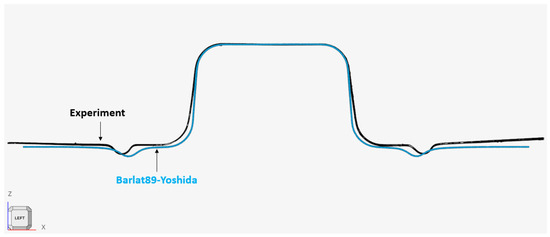
This study provides the first complete and experimentally validated Yoshida–Uemori (Y–U) parameter set for AA6005C aluminum alloy, enabling accurate constitutive modeling for stamping simulations. A comprehensive set of mechanical tests was conducted, comprising uniaxial tensile tests along 0°, 45°, and 90° to the rolling direction, hydraulic bulge tests, Nakajima tests for the forming limit curve (FLC), and cyclic tension-compression experiments. Results showed moderate planar anisotropy with R-values of 0.49–0.90, equi-biaxial yield stress around 105 MPa, and plane-strain FLC0 ≈ 0.25, typical for 6xxx-series alloys. The cyclic tests highlighted a strong Bauschinger effect and transient softening, which allowed precise calibration of the Yoshida-Uemori (Y-U) model. The resulting material parameters were validated using a U-bending case study, in which the predicted springback angle differed by only 2°, confirming the transferability of the calibrated model to forming conditions not used during parameter identification. The dataset generated in this work provides a robust foundation for finite element simulations of the AA6005C stamping processes and constitutes a practical reference for industrial implementation.
Full article

Figure 1
Open AccessReview
Compositional Design of High-Entropy Alloys: Advances in Structural and Hydrogen Storage Materials
by
Shaopeng Wu, Dongxin Wang, Nairan Wang, Xiaobo Ma, Zhongxiong Xu, Le Li, Mingda Han and Cheng Zhang
Alloys 2026, 5(1), 3; https://doi.org/10.3390/alloys5010003 - 7 Jan 2026
Cited by 5
Abstract
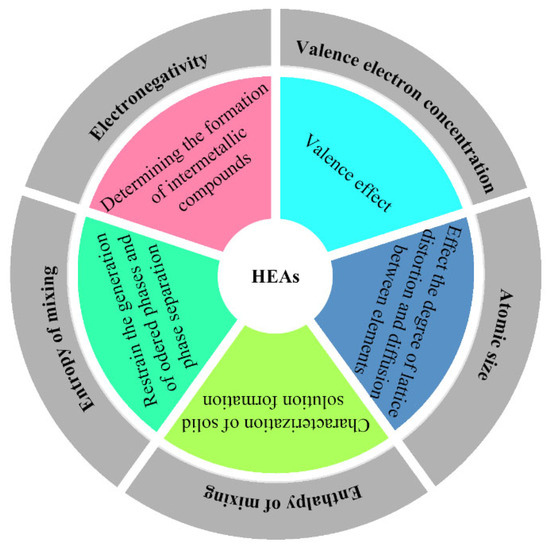
High-entropy alloys (HEAs) present a vast compositional design space, characterized by four core effects—high configurational entropy, sluggish diffusion, severe lattice distortion, and the cocktail effect—which collectively underpin their exceptional potential for both structural and hydrogen storage applications. This mini-review synthesizes recent advances in
[...] Read more.
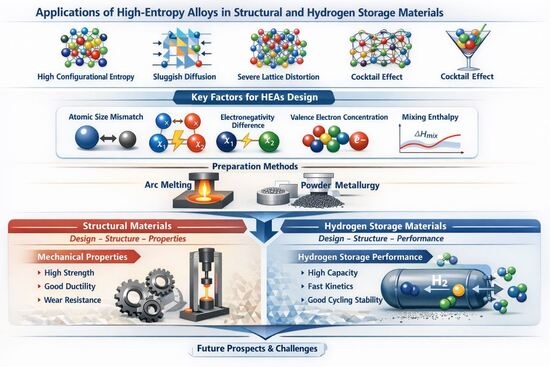
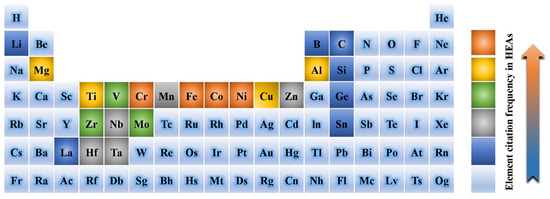
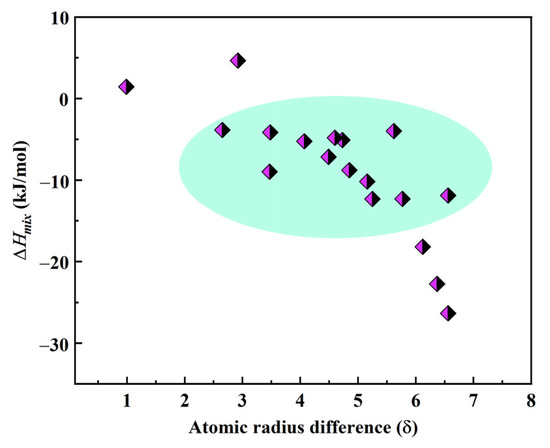
High-entropy alloys (HEAs) present a vast compositional design space, characterized by four core effects—high configurational entropy, sluggish diffusion, severe lattice distortion, and the cocktail effect—which collectively underpin their exceptional potential for both structural and hydrogen storage applications. This mini-review synthesizes recent advances in the compositional design of HEAs with emphasis on structural materials and hydrogen storage. Firstly, it provides an overview of the definition of HEAs and the roles of principal alloying elements, then synthesizes solid solution formation rules based on representative descriptors—atomic size mismatch, electronegativity difference, valence electron concentration, mixing enthalpy, and mixing entropy—together with their applicability limits and common failure scenarios. A brief introduction is provided to the preparation methods of arc melting and powder metallurgy, which have a strong interaction with the composition. The design–structure–property links are then consolidated for structural materials (mechanical properties) and for hydrogen storage materials (hydrogen storage performance). Furthermore, the rules for the combined design of control systems for HEAs and the associated challenges were further discussed, and the future development prospects of HEAs in structural materials and hydrogen storage were also envisioned.
Full article
(This article belongs to the Special Issue High-Entropy Alloys)
►▼
Show Figures

Graphical abstract
Open AccessArticle
A Novel Approach to Friction Extrusion of Aluminum Alloy 2024
by
Alexander Eliseev and Olga Novitskaya
Alloys 2026, 5(1), 2; https://doi.org/10.3390/alloys5010002 - 1 Jan 2026
Abstract
►▼
Show Figures
Friction extrusion technology was first developed and patented in 1991 at The Welding Institute, but it remained largely unexplored for many years. Over the past decade, this technology has gained popularity due to its ability to recycle chips and produce composite materials. Typically,
[...] Read more.
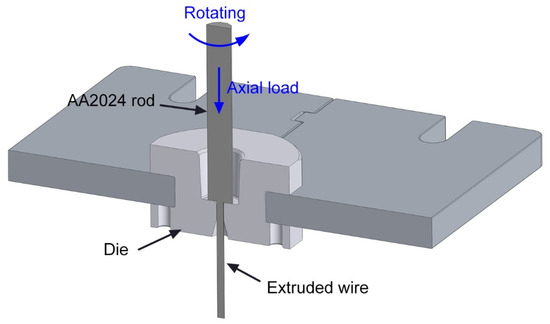
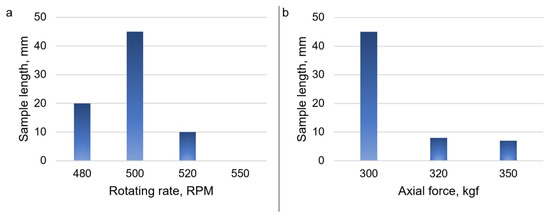
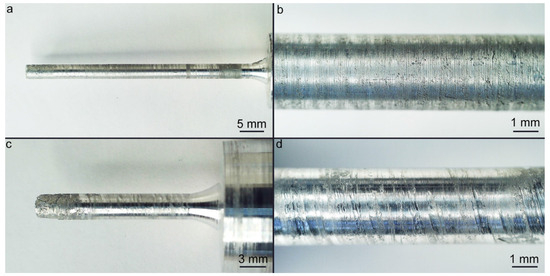
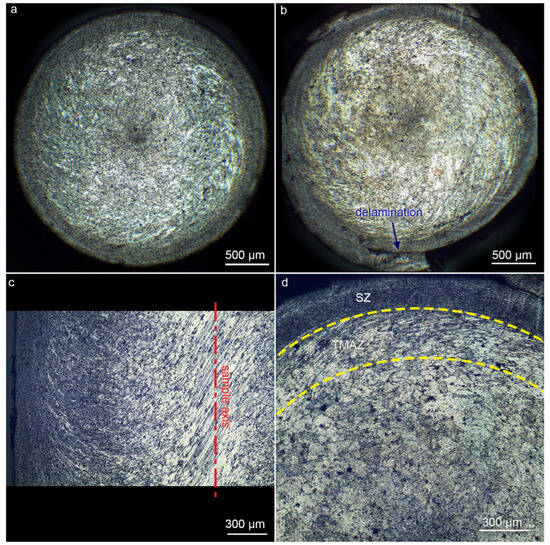
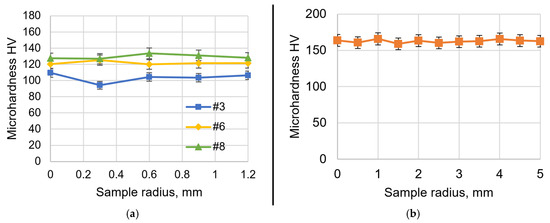
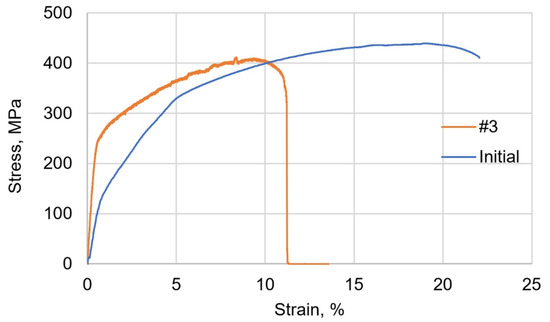
Friction extrusion technology was first developed and patented in 1991 at The Welding Institute, but it remained largely unexplored for many years. Over the past decade, this technology has gained popularity due to its ability to recycle chips and produce composite materials. Typically, in friction extrusion, the applied force and extrusion direction are opposite; this configuration is commonly referred to as reverse extrusion. Additionally, the tool feed rate is often used as a control parameter. However, this approach introduces technological challenges and results in a heterogeneous product structure. This paper proposes a novel friction extrusion method in which the applied force and extrusion direction are co-directional, and no tool is used. Moreover, a constant load is maintained throughout the extrusion process. Experimental results demonstrate that the proposed scheme is feasible and enables wire extrusion without macroscopic defects. Although the current efficiency is low and the maximum sample size achieved is 45 mm, the cross-sectional microhardness of the samples remains stable. The material strength reached approximately 90% of that of the initial 2024 aluminum alloy.
Full article

Figure 1
Open AccessArticle
DFT Calculation of the Electronic Properties of Cubic Ti3Sb Crystals with Adsorbed and/or Partially Substituted Nitrogen
by
Mirsalim M. Asadov, Solmaz N. Mustafaeva and Saida O. Mammadova
Alloys 2026, 5(1), 1; https://doi.org/10.3390/alloys5010001 - 24 Dec 2025
Abstract
►▼
Show Figures
Intermetallic alloys based on A15-type compounds, including cubic Ti3Sb, attract increasing interest due to their tunable electronic properties and potential for surface-related functional applications. Here, the interaction of nitrogen with Ti3Sb is systematically investigated using spin-polarized density functional theory
[...] Read more.
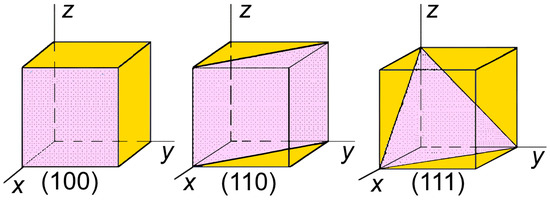
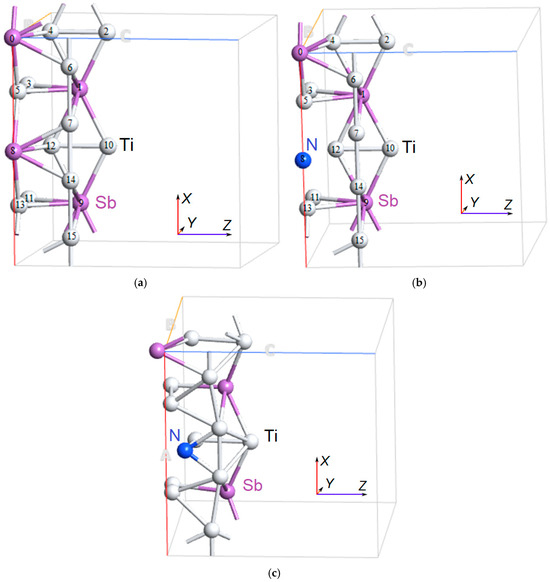
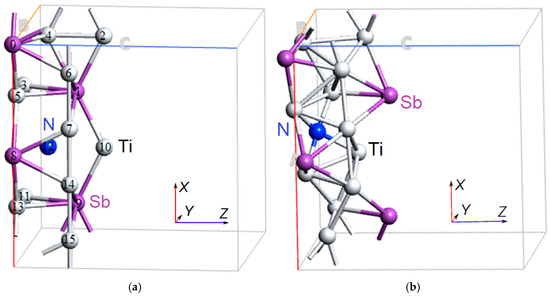
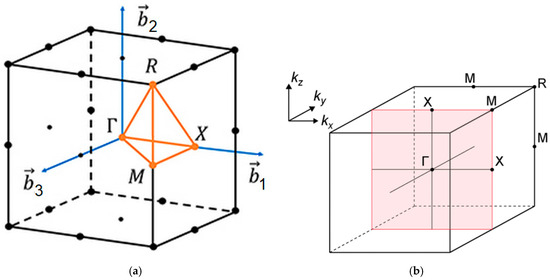
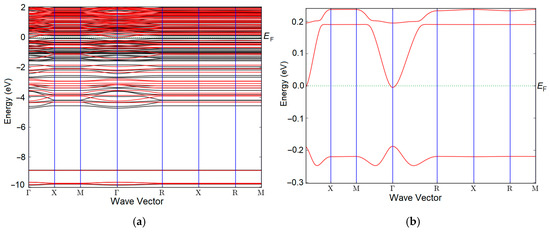
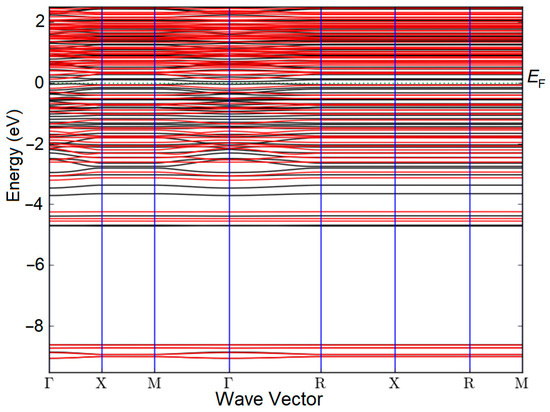
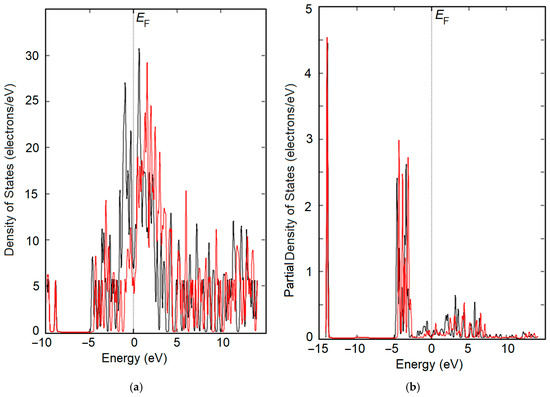
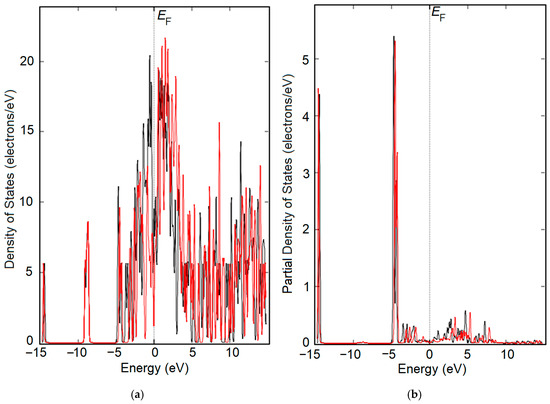
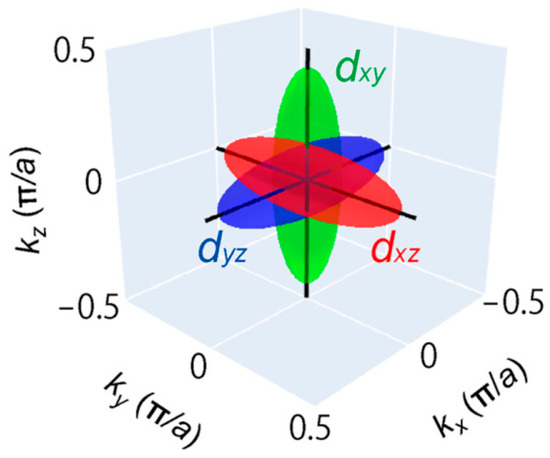
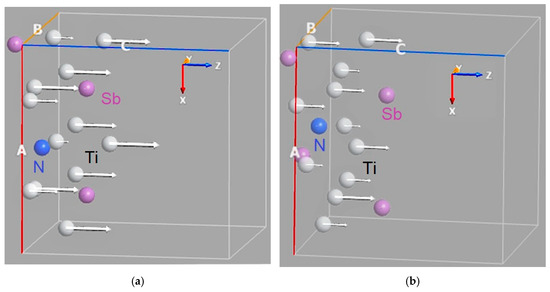
Intermetallic alloys based on A15-type compounds, including cubic Ti3Sb, attract increasing interest due to their tunable electronic properties and potential for surface-related functional applications. Here, the interaction of nitrogen with Ti3Sb is systematically investigated using spin-polarized density functional theory within the GGA-PBE approximation. Nitrogen adsorption was analyzed on the Ti3Sb (111), (100), and (110) surfaces by considering top, bridge, and hollow sites at different surface coverages. Low nitrogen coverage was found to minimize lateral adsorbate interactions, allowing reliable evaluation of single-atom adsorption energies. Among the studied configurations, nitrogen adsorption at the hollow site of the Ti3Sb (111) surface is energetically most favorable. In addition, partial substitution of Ti or Sb atoms by nitrogen in Ti3Sb supercells was examined to assess its effect on bulk electronic properties. Nitrogen incorporation leads to pronounced modifications of the electronic band structure, density of states, and local magnetic moments, with a strong dependence on crystallographic direction. The calculated results reveal distinct electronic anisotropies originating from direction-dependent band dispersion and associated effective carrier masses. These findings clarify the role of nitrogen in tailoring both surface and bulk electronic characteristics of Ti3Sb and provide a theoretical basis for the targeted design of A15-type intermetallic materials for sensing, catalytic, and energy-related applications.
Full article

Figure 1
Open AccessArticle
Directional Solidification of a Refractory Complex Concentrated Alloy (RCCA) Using Optical Floating Zone (OFZ) Solidification Processing: Implications for Alloy Design and Development
by
Nik Tankov, Claire Utton and Panos Tsakiropoulos
Alloys 2025, 4(4), 29; https://doi.org/10.3390/alloys4040029 - 18 Dec 2025
Cited by 1
Abstract
Some cast metallic alloys for ultra-high-temperature structural applications can have better mechanical properties compared with Ni-based superalloys. Research on the directional solidification (DS) of such alloys is limited. The production of DS components of these alloys with “tailor-made” microstructures in different parts of
[...] Read more.
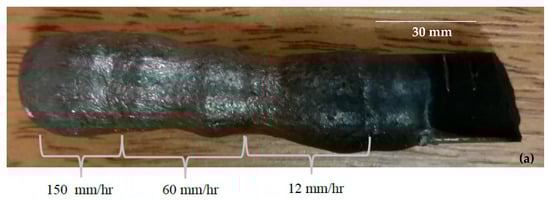
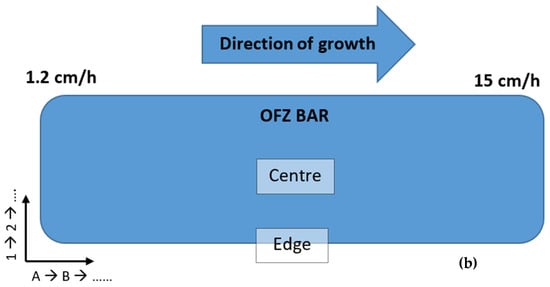
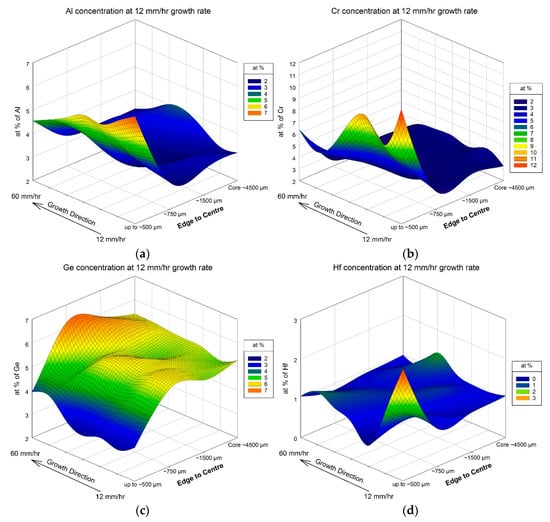
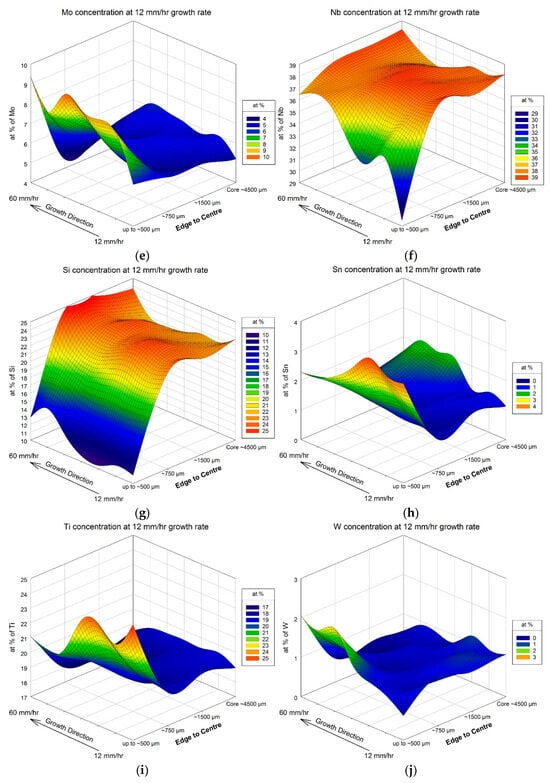
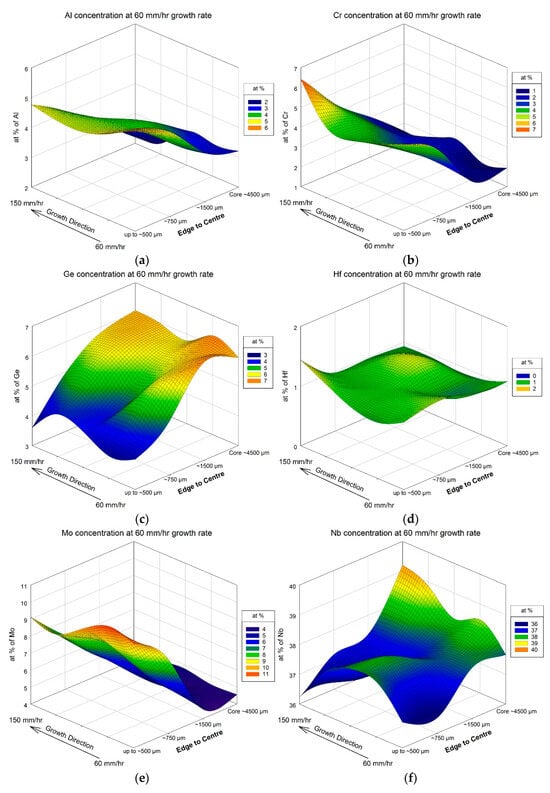
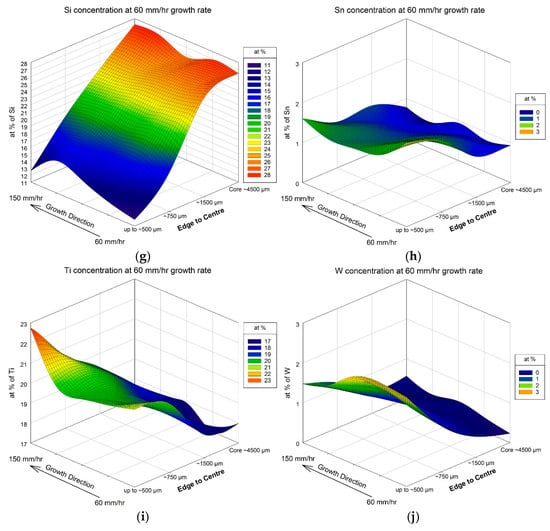
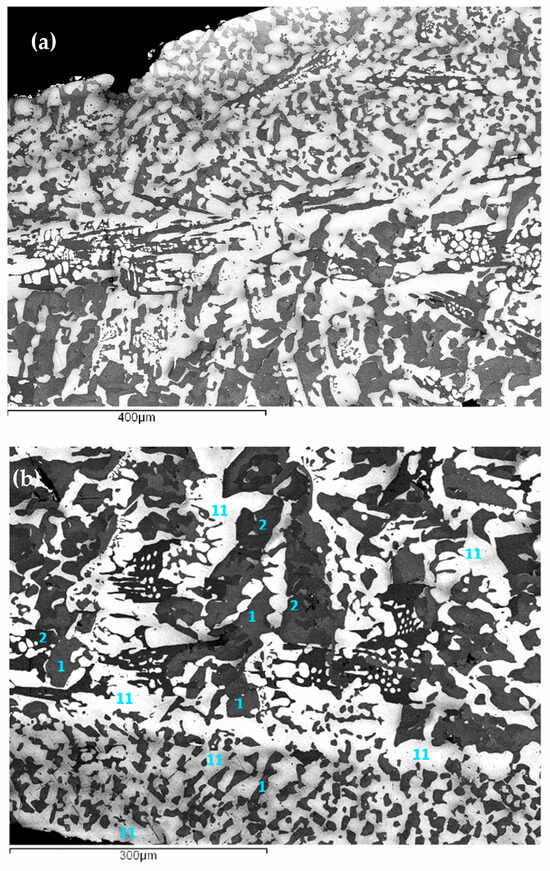
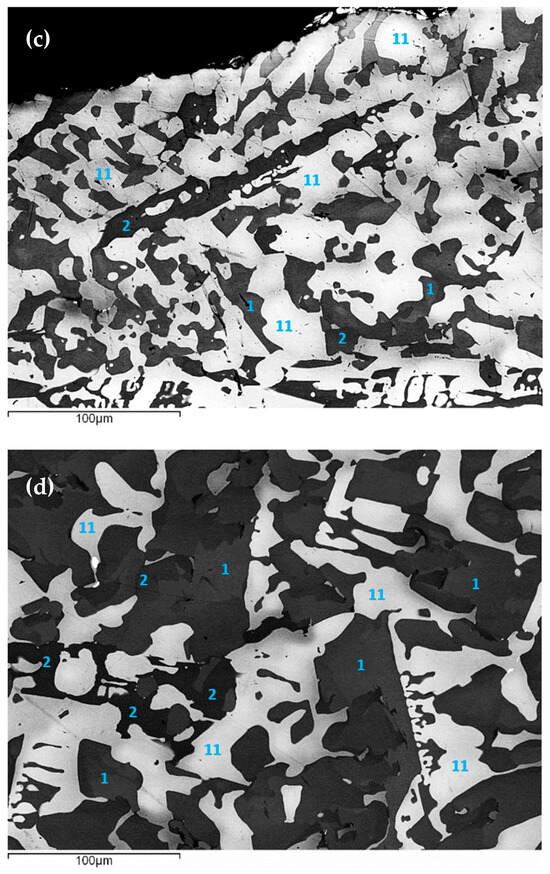
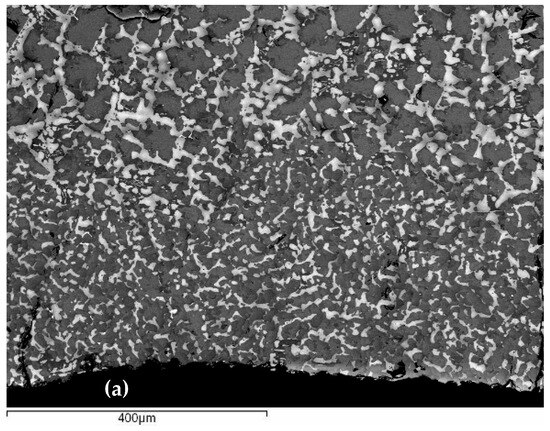
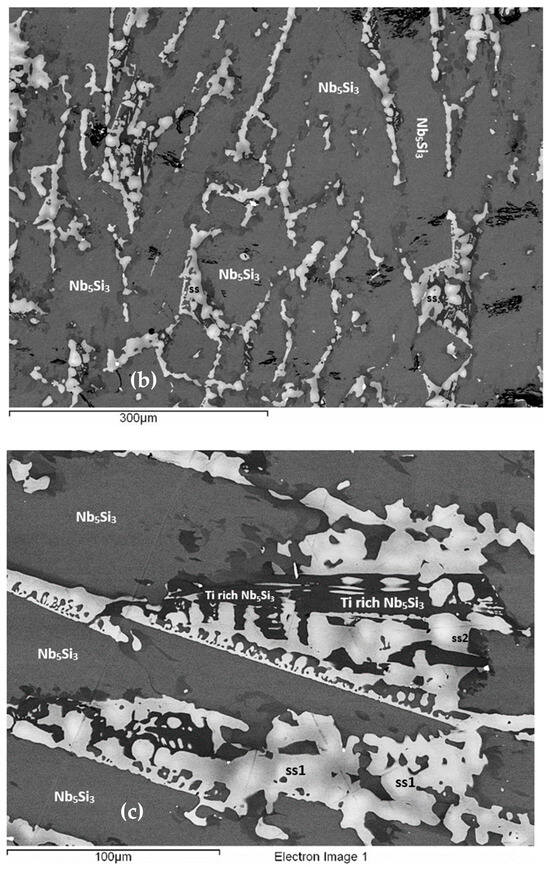
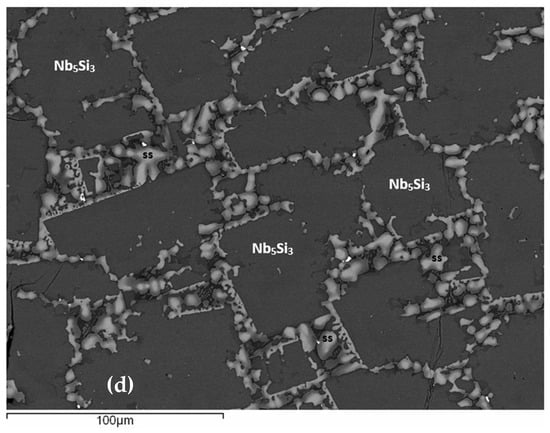
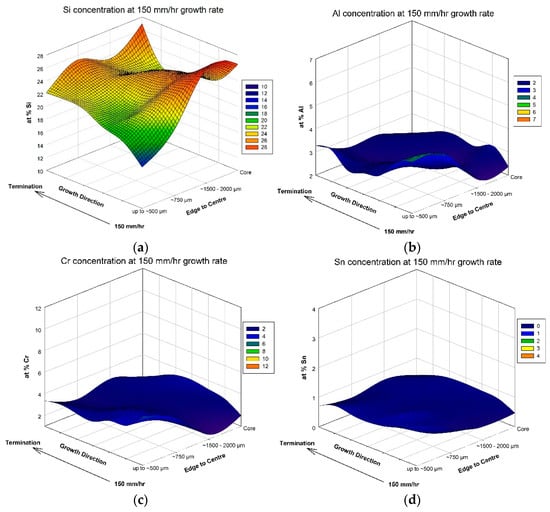
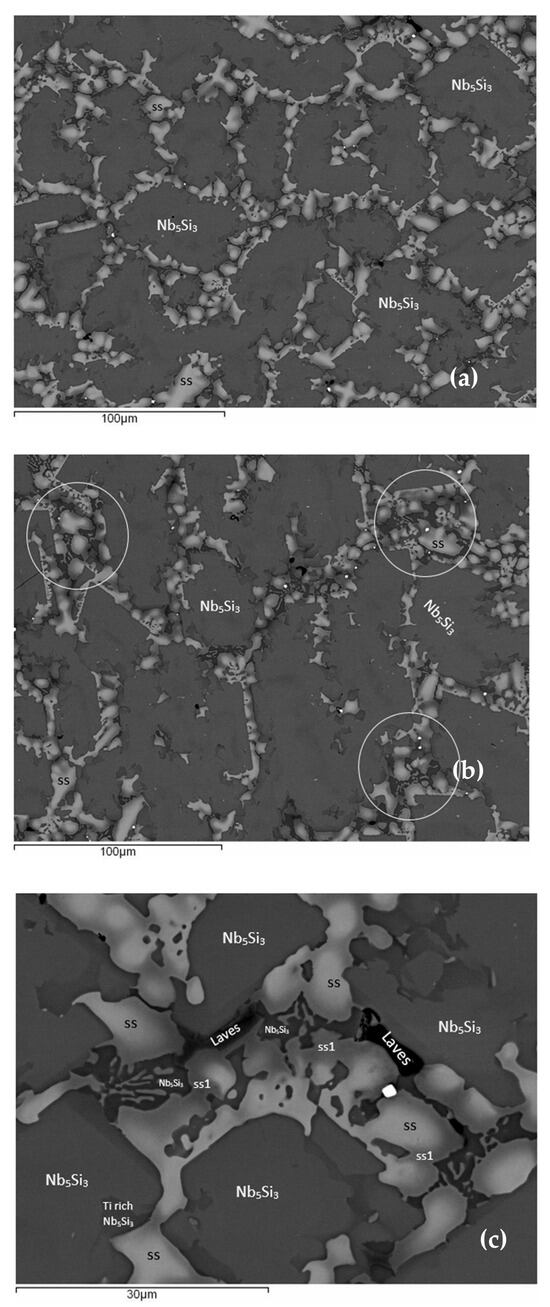
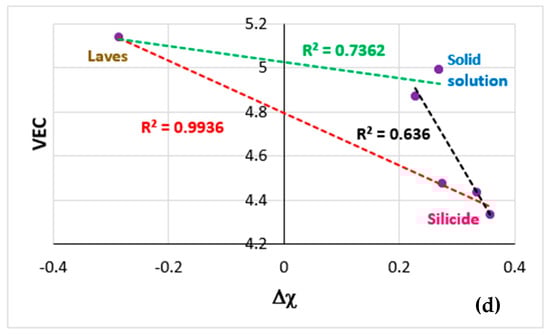
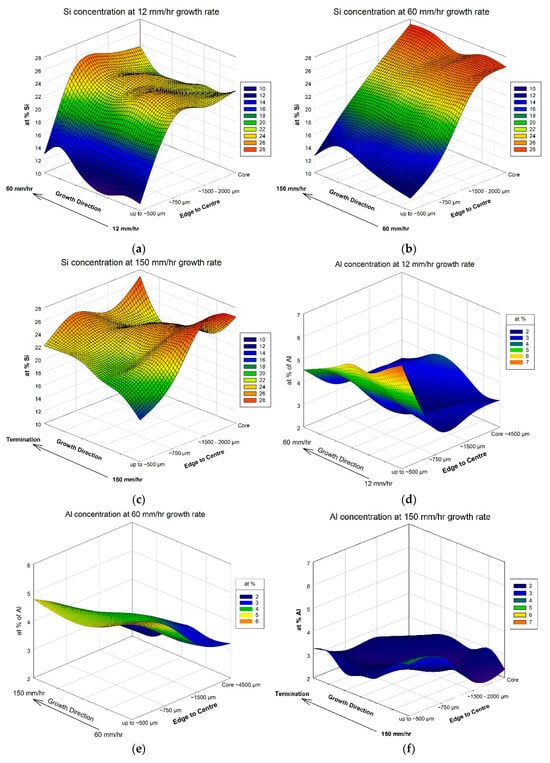
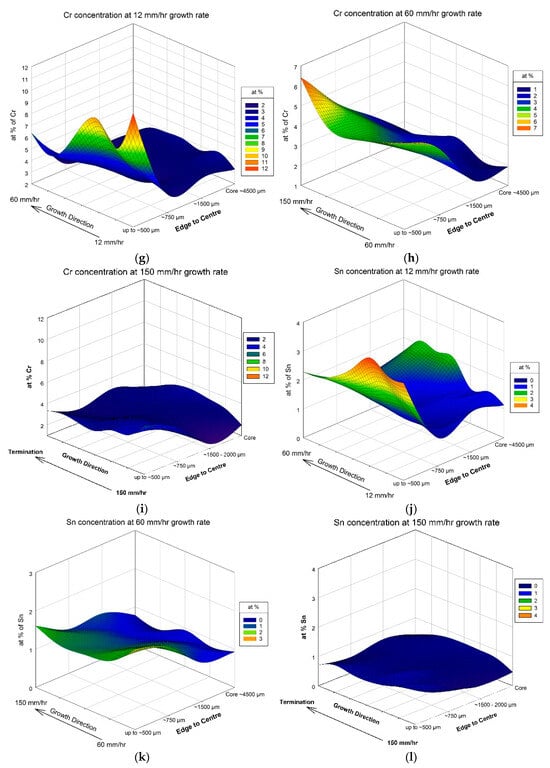
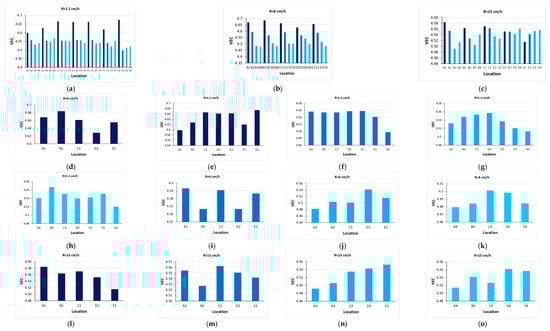
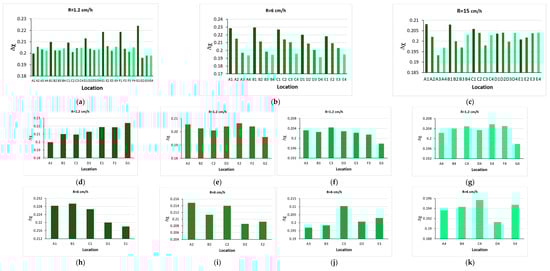
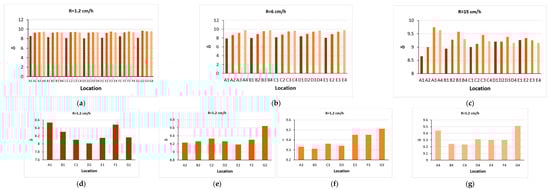
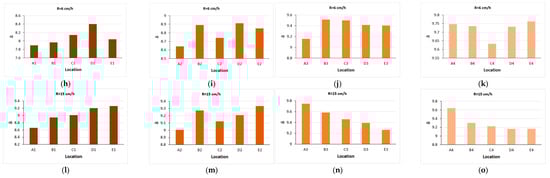
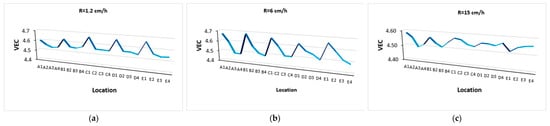
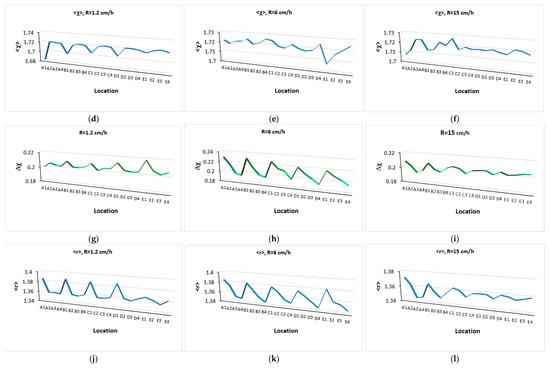
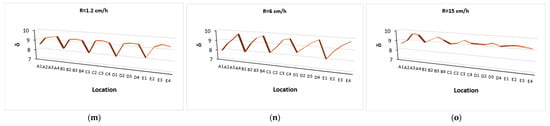
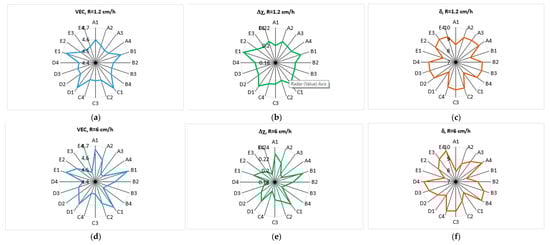
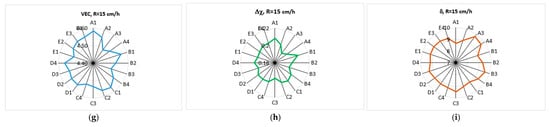
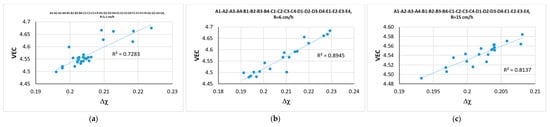
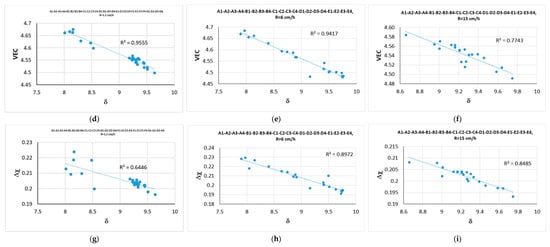
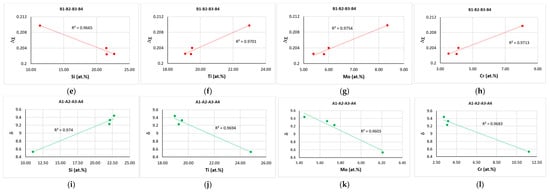
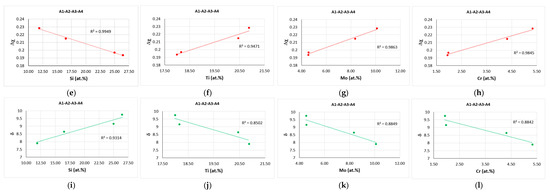
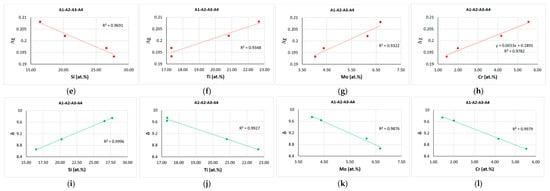
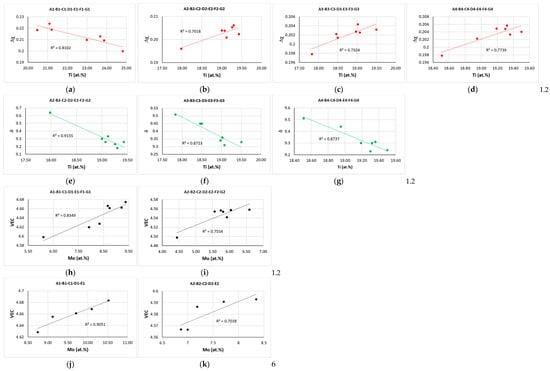
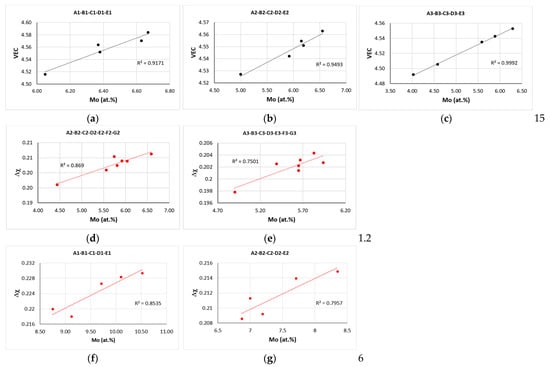
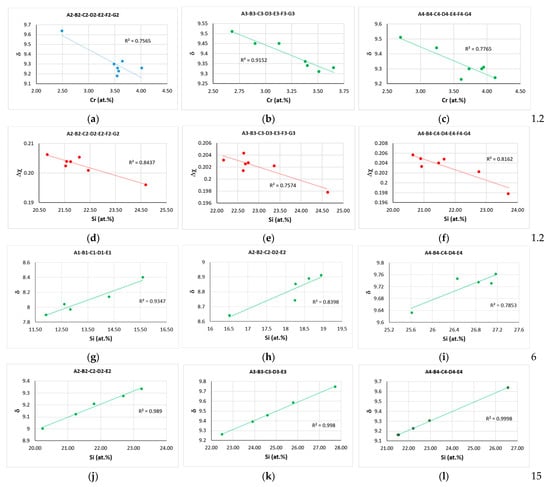
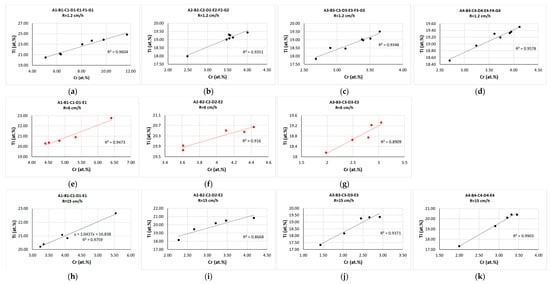
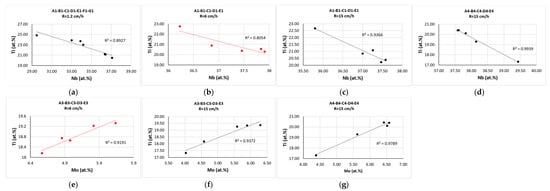
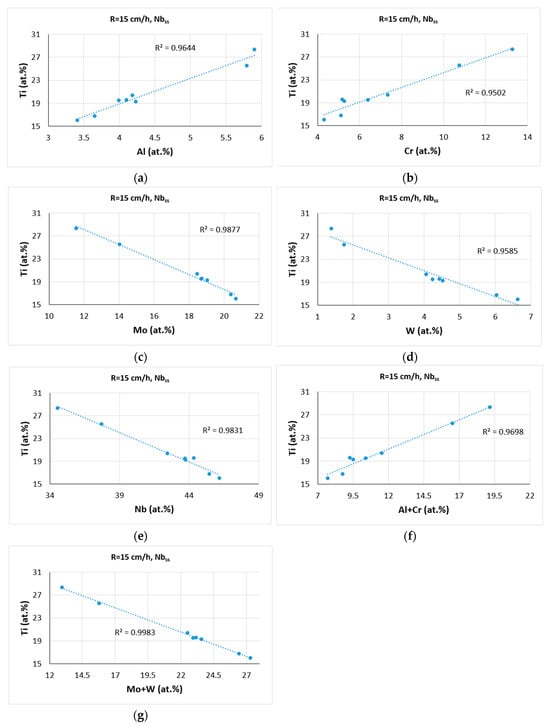
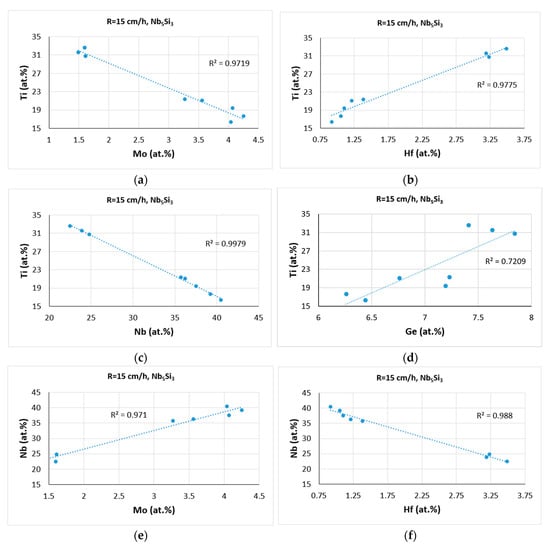
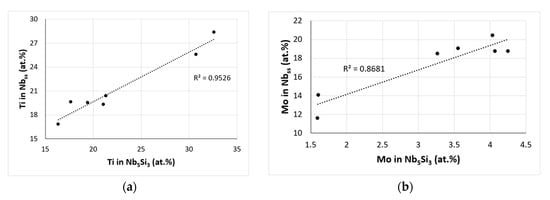
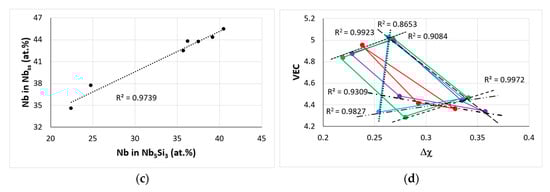
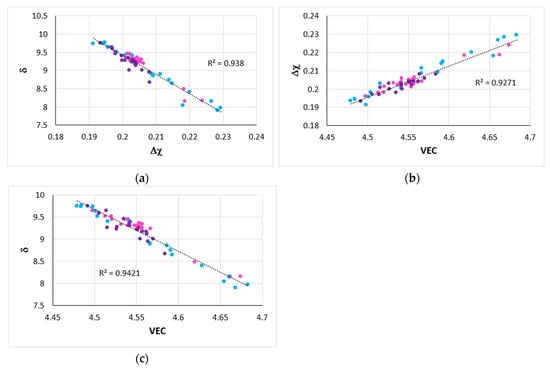
Some cast metallic alloys for ultra-high-temperature structural applications can have better mechanical properties compared with Ni-based superalloys. Research on the directional solidification (DS) of such alloys is limited. The production of DS components of these alloys with “tailor-made” microstructures in different parts of the component has not been considered. This paper attempts to address these issues. A bar of the RCCA/RM(Nb)IC with nominal composition 3.5Al–4Crc6Ge–1Hf–5Mo–36Nb–22Si–1.5Sn–20Ti–1W (at.%) was directionally grown using OFZ processing, where the growth rate R increased from 1.2 to 6 and then to 15 cm/h. The paper studies how the macrosegregation of the elements affected the microstructure in different parts of the bar. It was shown that the synergy of macrosegregation and growth rate produced microstructures from the edge to the centre of the OFZ bar and along the length of the OFZ bar that differed in type and chemical composition as R increased. Contamination with oxygen was confined to the “root” of the part of the bar that was grown with R = 1.2 cm/h. The concentrations of elements in the bar were related (a) to each of the parameters VEC, Δχ, and δ for different sections, (i) across the thickness and (ii) along the length of the bar, or to each other for different sections of the bar, and demonstrated the synergy and entanglement of processing, parameters, and elements. In the centre of the bar, the phases were the Nbss and Nb5Si3 for all R values. In the bar, the silicide formed with Nb/(Ti + Hf) less or greater than one. There was synergy of solutes in the solid solution and the silicide for all R values, and synergy and entanglement of the two phases. Owing to the synergy and entanglement of processing, parameters, elements, and phases, properties would “emerge” in each part of the bar. The creep and oxidation properties of the bar were calculated as guided by the alloy design methodology NICE. It was suggested that, in principle, a component based on a metallic UHTM with “functionally graded” composition, microstructure and properties could be directionally grown.
Full article
(This article belongs to the Collection Feature Paper Collection on Solidification, Deformation, and Mechanical Properties of Alloys)
►▼
Show Figures

Figure 1
Open AccessArticle
Structural, Mechanical and Corrosion Properties of AZ31 Alloy Produced by Electron-Beam Additive Manufacturing
by
Veronika Utyaganova, Alexey Goncharov, Andrey Sliva, Dmitry Shishkin, Boris Zotov, Leonid Fedorenko and Viktor Semin
Alloys 2025, 4(4), 28; https://doi.org/10.3390/alloys4040028 - 5 Dec 2025
Cited by 1
Abstract
►▼
Show Figures
A thin-walled product made of AZ31 magnesium alloy was successfully fabricated using wire-feed electron-beam additive manufacturing. The microstructure of the initial wire, used as a precursor, comprises a α-Mg(Al, Zn) solid solution and a minor amount of the Al8Mn5 intermetallic
[...] Read more.
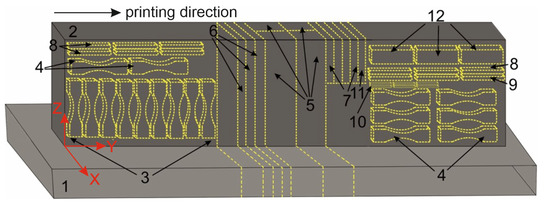
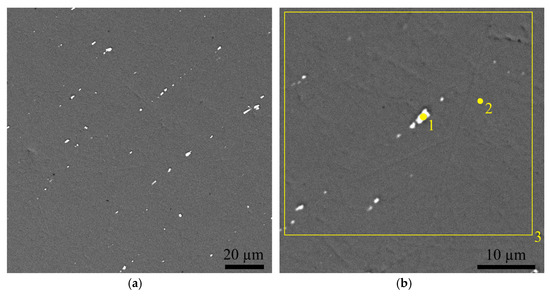
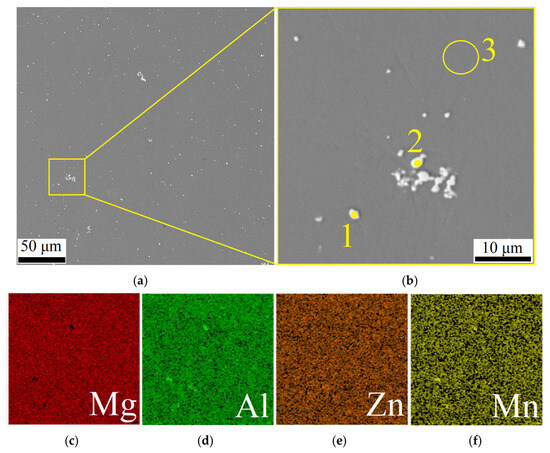
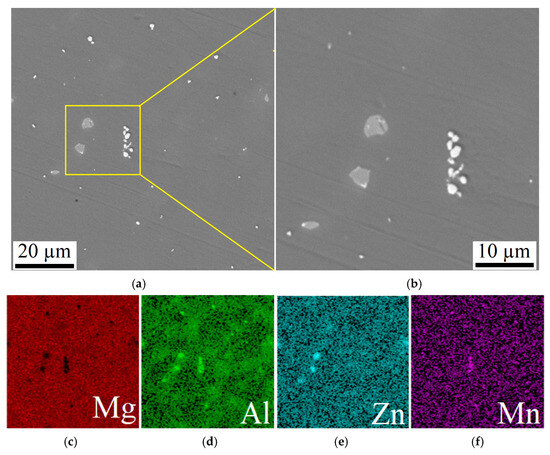
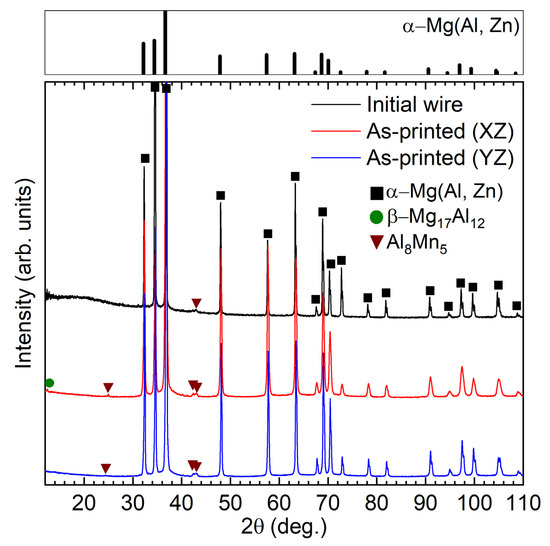
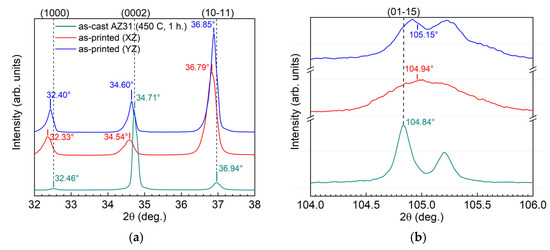
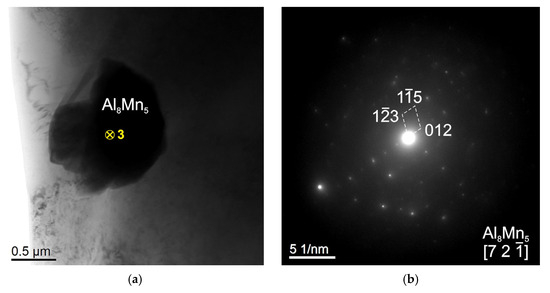
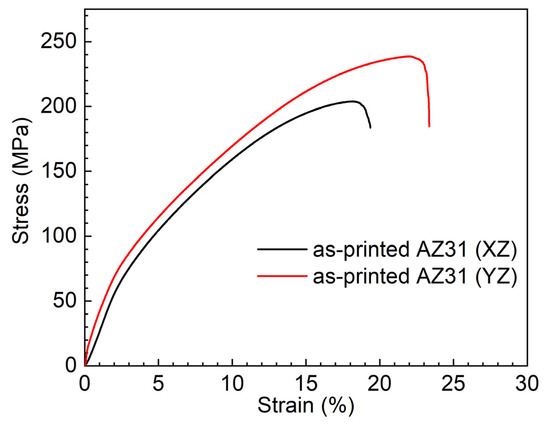
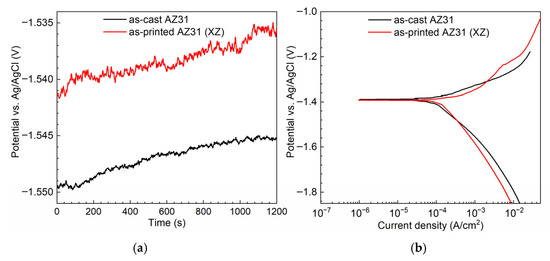
A thin-walled product made of AZ31 magnesium alloy was successfully fabricated using wire-feed electron-beam additive manufacturing. The microstructure of the initial wire, used as a precursor, comprises a α-Mg(Al, Zn) solid solution and a minor amount of the Al8Mn5 intermetallic phase. The microstructure of the as-printed AZ31 alloy exhibits a three-phase structure: α-Mg(Al, Zn), Al8Mn5, and β-Mg17Al12. It was proposed that the secondary β-phase was formed via a primary solidification process upon the cooling of the welded layers. The texture effect was evident in the <01 2> direction, corresponding to the printing direction, while other crystallographic orientations demonstrated near-equal pole densities as the XRD lines. The yield strength for the as-printed alloy was found to be 86 MPa; the tensile strength reached 240 MPa; and the relative elongation was 21.5%. For the first time, the corrosion resistance of an EBAM-fabricated AZ31 alloy was studied. It was revealed that the corrosion current density in the referenced as-cast and as-printed alloys was below 2·10−4 A/cm2.
Full article

Figure 1
Open AccessArticle
Dry Sliding Wear Behavior and Microstructural Characterization of Chromium-Coated Al10Cu Alloy
by
Mihail Kolev, Vladimir Petkov, Rumyana Lazarova, Veselin Petkov, Krasimir Kolev and Shaban Uzun
Alloys 2025, 4(4), 27; https://doi.org/10.3390/alloys4040027 - 3 Dec 2025
Cited by 1
Abstract
Aluminum–copper alloys have garnered significant attention in modern engineering applications due to their exceptional strength-to-weight ratio, corrosion resistance, and thermal conductivity properties. This study investigates the tribological performance optimization of Al10Cu alloys through chromium coating deposition, focusing on coefficient of friction and mass
[...] Read more.
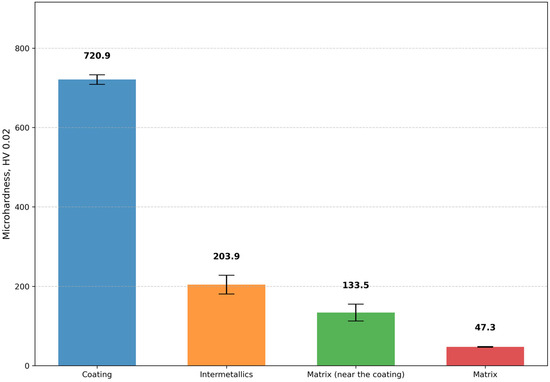
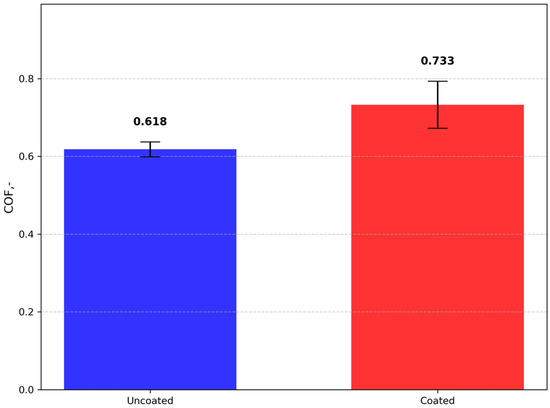
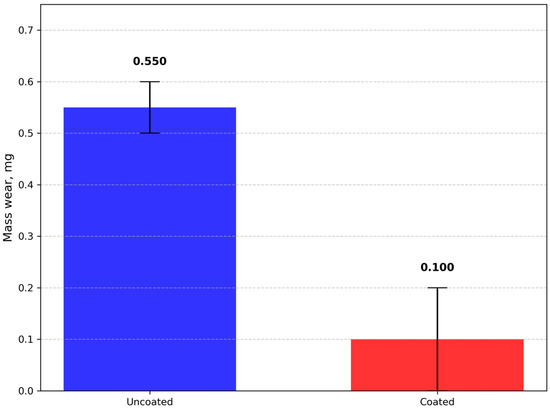
Aluminum–copper alloys have garnered significant attention in modern engineering applications due to their exceptional strength-to-weight ratio, corrosion resistance, and thermal conductivity properties. This study investigates the tribological performance optimization of Al10Cu alloys through chromium coating deposition, focusing on coefficient of friction and mass wear analysis in dry sliding conditions. Cr-coated Al10Cu alloys were fabricated through powder metallurgy and electrodeposition techniques, with comprehensive tribological characterization performed using scanning electron microscopy combined with energy-dispersive X-ray spectroscopy, X-ray diffraction analysis, microhardness measurements, and dry sliding wear testing. The chromium coating exhibited exceptional surface hardness of 720.9 HV, representing a remarkable 15-fold improvement over the uncoated Al10Cu matrix hardness. Tribological evaluation demonstrated outstanding wear resistance with the Cr-coated Al10Cu system achieving only 0.10 mg mass loss compared to 0.55 mg for the uncoated alloy, representing an exceptional 81.8% reduction in material removal. Despite a nominal increase in the coefficient of friction from 0.618 to 0.733, the chromium coating effectively transformed the wear mechanism from severe material removal to a controlled mild wear regime. The results establish the Cr-coated Al10Cu system as a highly effective solution for applications requiring extended operational lifespans under dry sliding conditions.
Full article
(This article belongs to the Collection Feature Paper Collection on Solidification, Deformation, and Mechanical Properties of Alloys)
►▼
Show Figures

Figure 1

Open AccessArticle
Reduction Kinetics of Vanadium-Titanium Magnetite Sinter When Shale Gas Is Injected into the Blast Furnace
by
Xudong Gao, Jian Chen and Yuelin Qin
Alloys 2025, 4(4), 26; https://doi.org/10.3390/alloys4040026 - 4 Nov 2025
Abstract
►▼
Show Figures
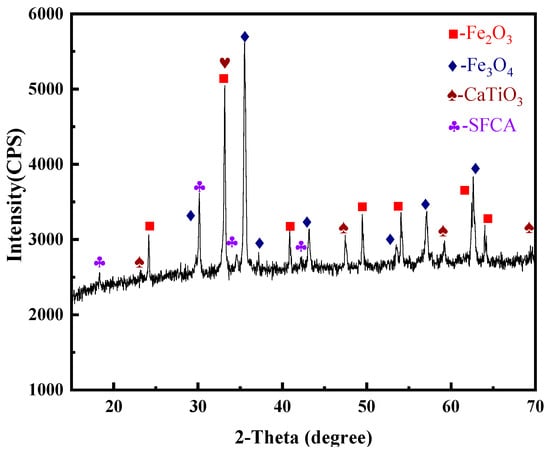
Although the composition of hearth gas in a blast furnace is still composed of CO, H2, and N2, after injecting shale gas, which replaces some pulverized coal, the proportion of CO, H2, and N2 in the
[...] Read more.
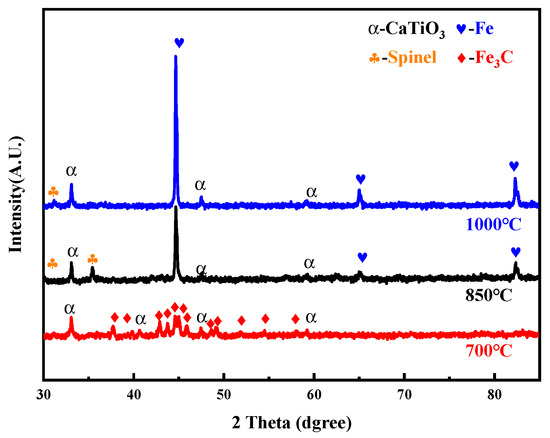
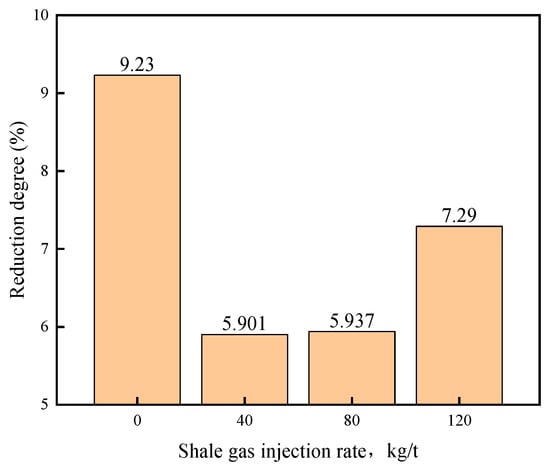
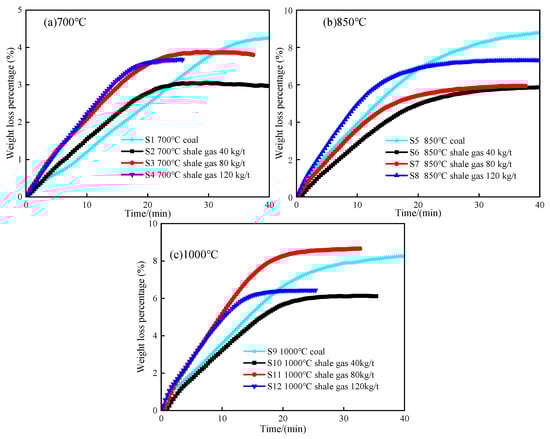
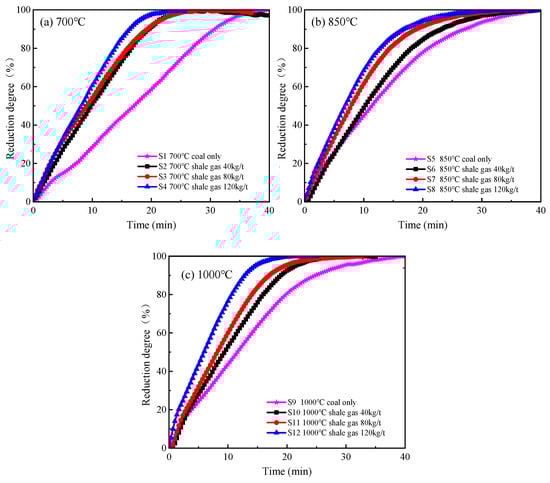
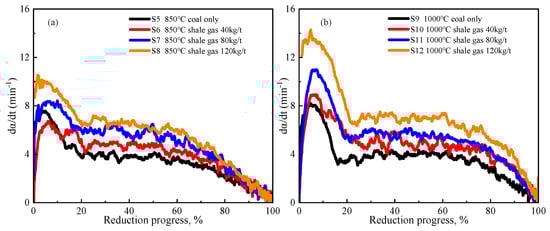
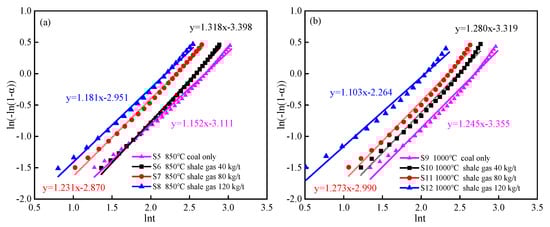
Although the composition of hearth gas in a blast furnace is still composed of CO, H2, and N2, after injecting shale gas, which replaces some pulverized coal, the proportion of CO, H2, and N2 in the hearth gas will change with the introduction of H2. Further, the reduction process of vanadium-titanium magnetite sinter (VTMS) will be significantly impacted. Hence, the energy–mass balance and replacement ratio model was used to calculate the composition of hearth gas under different injection conditions using production data from a VTM blast furnace in the Panxi area of China. In order to investigate how shale gas injection affects the reduction process, the weight loss rates of VTMS under various reduction atmospheres were obtained through a series of thermogravimetric experiments. Additionally, X-ray diffraction (XRD) analysis was performed on select reduced samples to determine the alterations in sinter phases before and after the reaction. The impact of shale gas injection on the reduction process of VTMS was analyzed by phase transformation and kinetic analysis. The results of the research show that the reduction process of VTMS is improved with the increase in shale gas injection. Using the ln-ln analytical method, the linear relationship between ln(−ln(1 − α)) and lnt under different cases was found. The reaction mechanism of VTMS under shale gas injection circumstances is characterized by random nucleation, which is subsequently followed by growth. The integration formula associated with its dynamic function is G(α) = [−ln(1 − α)]3/4.
Full article

Figure 1
Open AccessArticle
Structural and Phase Characteristics of LaNi5-Based Materials Modified with Ti, Mn, and Co
by
Arman Miniyazov, Mazhyn Skakov, Nuriya Mukhamedova, Igor Sokolov, Aisara Sabyrtayeva, Ospan Oken, Riza Zhakiya and Zhanna Ospanova
Alloys 2025, 4(4), 25; https://doi.org/10.3390/alloys4040025 - 4 Nov 2025
Cited by 3
Abstract
►▼
Show Figures
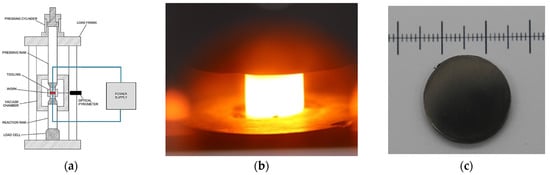
In this work, the results of the structural and phase state of LaNi5-based alloys modified with Ti, Mn, and Co elements, obtained by mechanical alloying and subsequent spark plasma sintering, are presented. X-ray diffraction analysis was carried out to determine the
[...] Read more.
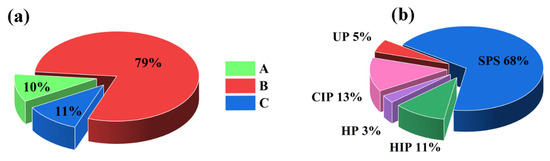
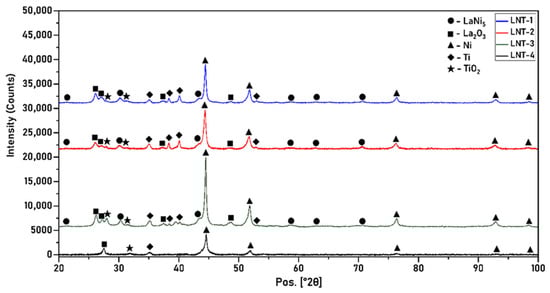
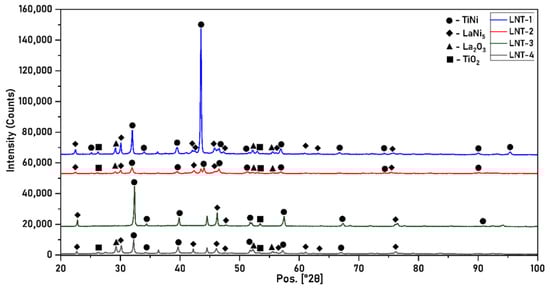
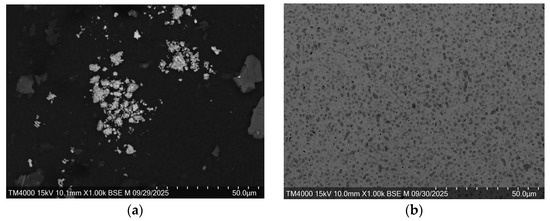
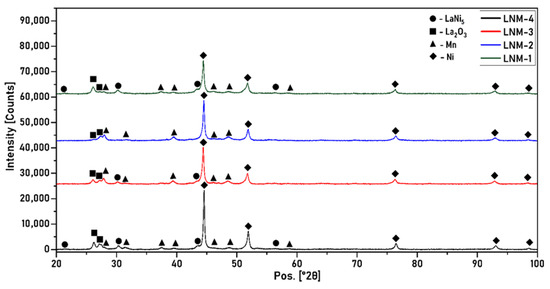
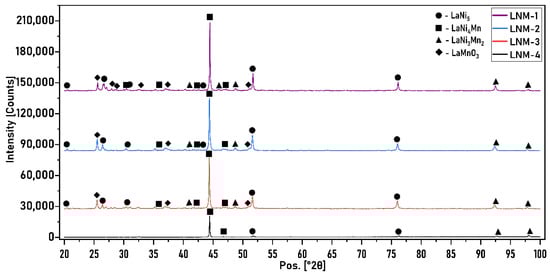
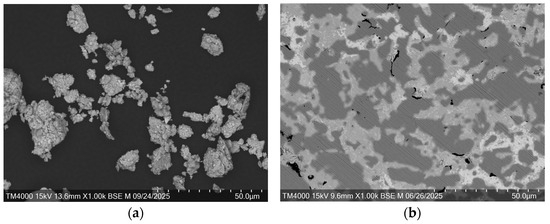
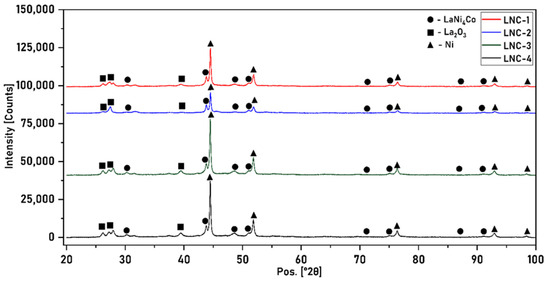
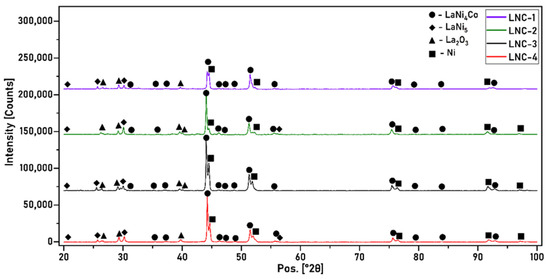
In this work, the results of the structural and phase state of LaNi5-based alloys modified with Ti, Mn, and Co elements, obtained by mechanical alloying and subsequent spark plasma sintering, are presented. X-ray diffraction analysis was carried out to determine the phase composition, lattice parameters, microstrain, and average crystallite size, as well as to study the morphology and microstructure of the synthesized samples. It was established that the ball-to-powder ratio (BPR) and the milling speed affect the degree of intermetallic phase formation and the level of accumulated microstrains. The optimal mechanical alloying parameters make it possible to form the necessary precursor components for subsequent spark plasma sintering (SPS). It was determined that the SPS process effectively promotes the formation of intermetallic phases such as TiNi, LaNi4Mn, LaNi3Mn2, and LaNi4Co, ensuring high crystallinity and a reduction in defects accumulated during mechanical alloying. The morphology and microstructure of the samples with titanium, manganese, and cobalt additions showed that at the mechanical alloying stage, all systems are characterized by a dispersed and agglomerated structure, a wide particle size distribution, and a developed surface. After SPS, all series exhibited material consolidation and the formation of a dense matrix with distinct grain boundaries.
Full article

Figure 1
Highly Accessed Articles
Latest Books
E-Mail Alert
News
Topics
Topic in
Materials, Metals, Applied Sciences, JMMP, Alloys
Numerical Modelling on Metallic Materials, 2nd Edition
Topic Editors: Shuwen Wen, Yongle Sun, Xin ChenDeadline: 31 August 2026
Topic in
Alloys, Materials, Metals
Development of Light Alloys with Excellent Mechanical Properties
Topic Editors: Zhirou Zhang, Isaac ChangDeadline: 10 October 2026
Topic in
Materials, Crystals, Metals, Coatings, Alloys
Microstructure and Properties in Metals and Alloys, 4th Edition
Topic Editors: Andrea Di Schino, Claudio Testani, Robert BidulskýDeadline: 31 October 2026
Topic in
Alloys, JETA, Materials, Metals, Sci, Applied Mechanics, Buildings
Advanced Failure Analysis of Materials
Topic Editors: Franco Concli, Isaac J. HongDeadline: 31 December 2026
Conferences
Special Issues
Special Issue in
Alloys
Lightweight Alloys
Guest Editor: Konstantinos GeorgarakisDeadline: 31 August 2026
Special Issue in
Alloys
High-Entropy Alloys
Guest Editors: Peter Hodgson, Daniel Fabijanic, Jithin JosephDeadline: 31 December 2026
Special Issue in
Alloys
New Alloys for Surface Engineered Coatings, Interfaces and Films
Guest Editors: Christopher C. Berndt, Andrew AngDeadline: 31 December 2026
Topical Collections
Topical Collection in
Alloys
Feature Paper Collection on Solidification, Deformation, and Mechanical Properties of Alloys
Collection Editors: Nikki Stanford, Panos Tsakiropoulos, Hans-Eckhardt Schaefer, Yingzhi Chen