Review

Review of Trends in Wavelets with Possible Maritime Applications

Signal Processing, Analysis and Advanced Diagnostics Research and Education Laboratory, Faculty of Maritime Studies, University of Split, 21000 Split, Croatia
*
Author to whom correspondence should be addressed.
Signals 2025, 6(4), 70; https://doi.org/10.3390/signals6040070 (registering DOI)
Submission received: 30 September 2025 / Revised: 11 November 2025 / Accepted: 17 November 2025 / Published: 1 December 2025

Abstract

The wavelet transform (WT) is an integral transform primarily used for processing and analyzing nonstationary signals due to its multiresolution property. Multiresolution analysis is one method that finds applications in many fields because of the characteristics of the transform. Over the years, WT has become standard and is integrated into many coding protocols and applications without special mention. Decades of research in the field of wavelets have revealed several stages of development. In the initial stage, the focus was on wavelet families, with scientists deriving new families for emerging applications. The second stage addressed implementation issues, emphasizing more efficient implementation techniques. The next stage involved artificial neural networks (ANNs) that perform WT. This paper reviews the development of WT with examples from maritime applications. We also provide an overview of cutting-edge trends in wavelets and propose the aforementioned stages as a new taxonomy of WT development.

1. Introduction

The wavelet transform (WT) has become a classic time-frequency method over the past decades. It is preferably used for non-stationary signals, while the Fourier transform (FT) is suited for stationary signals. WT is effective in identifying localized features in complex signals. Maritime applications of WT span many different fields. For example, maritime traffic is monitored using signals that can be applied for ship detection [1,2] or vessel tracking [3]. These examples cover the maritime traffic field as well as computer vision and remote sensing. In the natural sciences (e.g., oceanography), applications include sea level monitoring, current analysis, and wave loading on structures [4]. Communication technology is also a standard area of interest [5,6], encompassing diverse topics.
By leveraging WT capabilities, it is possible to accurately capture fine-grained features in maritime environments. This aids in identifying targets in augmented views during the ship detection phase in many algorithms. One of the earliest WT applications was in noise reduction, a standard process in signal pre-processing that can be applied to input signals for various maritime systems. WT feature extraction, such as wavelet-scale-invariant feature transform (SIFT) features, enhances vessel tracking systems [7] in traffic control and monitoring applications.
Maritime signal processing covers many topics. In underwater acoustic signal analysis it includes target classification, detection of biological vocalizations, and similar tasks [8]. Marine geophysics involves seismic data and bathymetry. As with other time series, WT can be used for studies in oceanography and hydrodynamics, such as analyzing ocean wave data.
The motivation for this review stems from search results indicating a lack of such reviews in recent years.
Given the diversity of references, as illustrated by the examples above, it is important to develop a methodology for categorizing articles on wavelets and to distribute articles on the application of wavelets in maritime science according to this new methodology.
The major contributions of this paper are as follows:
-
A new taxonomy for wavelets;
-
Categorization of maritime applications according to the new taxonomy;
-
Identification of research trends based on reference analysis.
This paper is organized as follows: the second section provides reference examples to illustrate the usefulness of this paper in analyzing and identifying trends in WT usage in maritime applications. The third section presents the proposed taxonomy. The fourth section explains the database search and filtration of potentially relevant references. The results are then presented. Finally, the discussion and conclusions are provided.

2. References Examples

To understand the current role of wavelets, we have selected several examples. It should be noted that these are only examples and that other papers could serve this purpose equally well.
This century began with a 2002 paper [9] that presented the advantages of using wavelet analysis. The study examined the dependence of sea level variability on meteorological parameters, using data collected at a sea level station on the northwestern coast of Malta. The results of discrete wavelet analysis (DWA) revealed significant differences in temporal development. Specifically, DWA of residual sea level showed temporal differences. To further apply DWA, the authors analyzed the air pressure field. In this case, the variability was mainly explained by wavelet decompositions. The results corresponded to central frequencies of 0.56 and 0.28 cpd. Two-level decomposition proved particularly useful for analyzing barometric pressure fluctuations during summer. Thus, it can be concluded that the classic approach to wavelets remained active in the 21st century.
Moving forward to 2020, digital signal processing (DSP) of complex configurations was considered in [10]. The reliability of a ship’s technical equipment during operation was qualitatively improved by processing the current values of diagnosable parameters. The proposed approximation method is based on the use of wavelets to explore the core nature of these parameters. Wavelets are used to approximate one-dimensional signals of elements and systems within a ship’s power complexes [10].
Paper [11] from 2022 proposed a real-time wavelet filtering approach in dynamic positioning (DP) controller design. Wave filtering techniques are important for DP controller design, which is complex due to multiple actuators. This research showed improved quality of the separated components, achieved by selecting the optimal decomposition level, optimal wavelet function parameters, and the threshold for denoising.
Research [12] from 2023 proposed the Adaptive Discrete Wavelet Transform Algorithm (ADWT) and the space-time Residual Recurrent Neural Network (RRNN). This hybrid method was introduced to accurately predict ship motion attitude in real time. Wavelets are justified due to the time-varying structure of the ship motion attitude prediction model.
Study [13] from 2023 compared the performance of a manual method, short-time Fourier transform (STFT), and wavelet transform (WT) in Cetacean acoustic signal detection. The results showed that WT performs better in click detection. Based on this, it was proposed to use STFT for whistle and burst-pulse marking and WT for click marking. The research is expected to facilitate studies on the habits and behaviors of Cetaceans and to provide information for developing methods to protect species and develop biological resources.
A modern approach to using wavelets is proposed in [14] from 2024. In this case, wavelet-transformed convolutional neural networks (CNNs) were used to improve object detection. The field of application was maritime border patrol. This approach improved the efficiency and accuracy of suspicious object and event detection.
A Matlab code was introduced in [15] published in 2024, which covered ocean tides in coastal and estuarine systems and can be used for solving non-stationary problems, including sea level rise, wetland habitat analyses, compound flooding, sediment transport, and similar issues. The solution is based on WT.
A hybrid wavelet-based model ([16], 2025) was introduced to compute the radar cross section (RCS) with applications in a maritime environment to improve the detection of metallic targets. In this research, the parabolic wave equation is solved in the wavelet domain using a flexible trade-off between computational efficiency and precision.
You Only Look Once with Star-topology Lightweight Ship detection (YOLO-StarLS) was presented in [17] in 2025. This detection framework is leveraging WT and multi-scale feature extraction through three core modules. A Wavelet Multi-scale Feature Extraction Network (WMFEN) is developed, which utilizes adaptive Haar wavelet decomposition with star-topology extraction. This approach preserves multi-frequency information, and WT features minimize detail loss.
As can be seen, there are a variety of applications, which is evidence to support the need for taxonomy in wavelet applications.

3. Proposed Taxonomy and Methodology

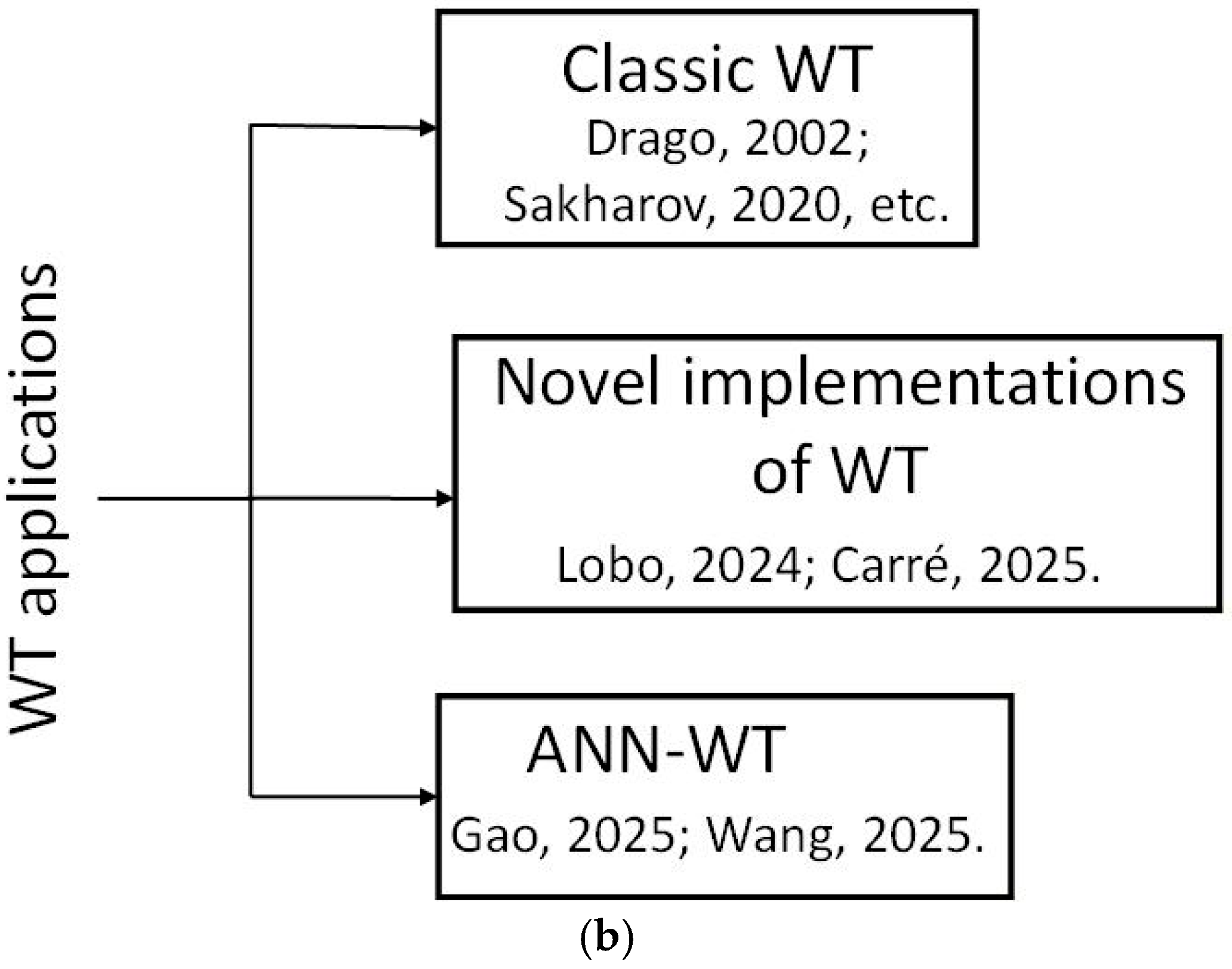
By reviewing the references, several phases in WT research can be identified. In the initial stages of WT development, wavelet families were the main focus. Scientists concentrated on deriving new wavelet families for emerging applications. This is represented in Figure 1a as the block “Classic WT.” The second stage addresses implementation issues, focusing on more efficient implementation techniques, which are covered in the block “Novel implementations of WT” in Figure 1a. This group includes improved implementation techniques for existing wavelets and new or advanced variations in WT (e.g., LWT, dual-tree DWT, or complex WT). The next stage involves ANN, which performs WT and hybrid methods combining ANN and WT, shown in Figure 1a as the block “ANN-WT.” However, these stages can overlap in various combinations.
Figure 1b illustrates how to apply the proposed taxonomy to the set of references, using the case study of references mentioned in Section 2.
Classic WT applications are also referred to as “Group 1” in the following sections, especially in diagrams. Novel implementations and novel WTs are referred to as “Group 2”, and the applications of ANNs with WTs are referred to as “Group 3”.
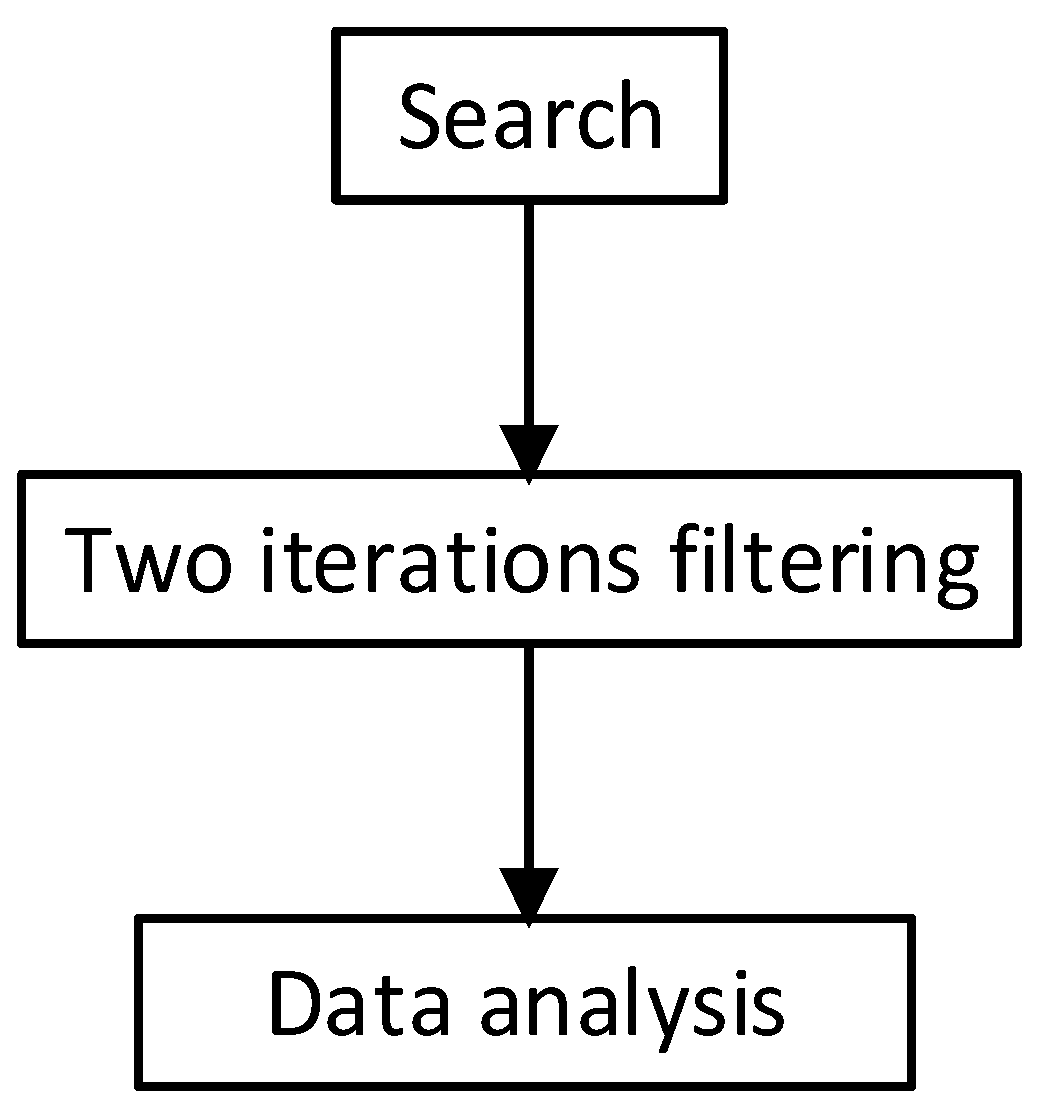
Figure 2 presents the research framework in easy-to-follow blocks. The search on the topic is the first stage. After this stage, the results should be filtered to narrow the number of papers. Filtering in the first stage is partly manual (the search engine operation is automatic, while everything else is manual), and filtering in the second iteration is completely manual. After these tasks, which are executed using the search engine tool, data analytics should be performed to draw final conclusions. Data analytics were performed manually.
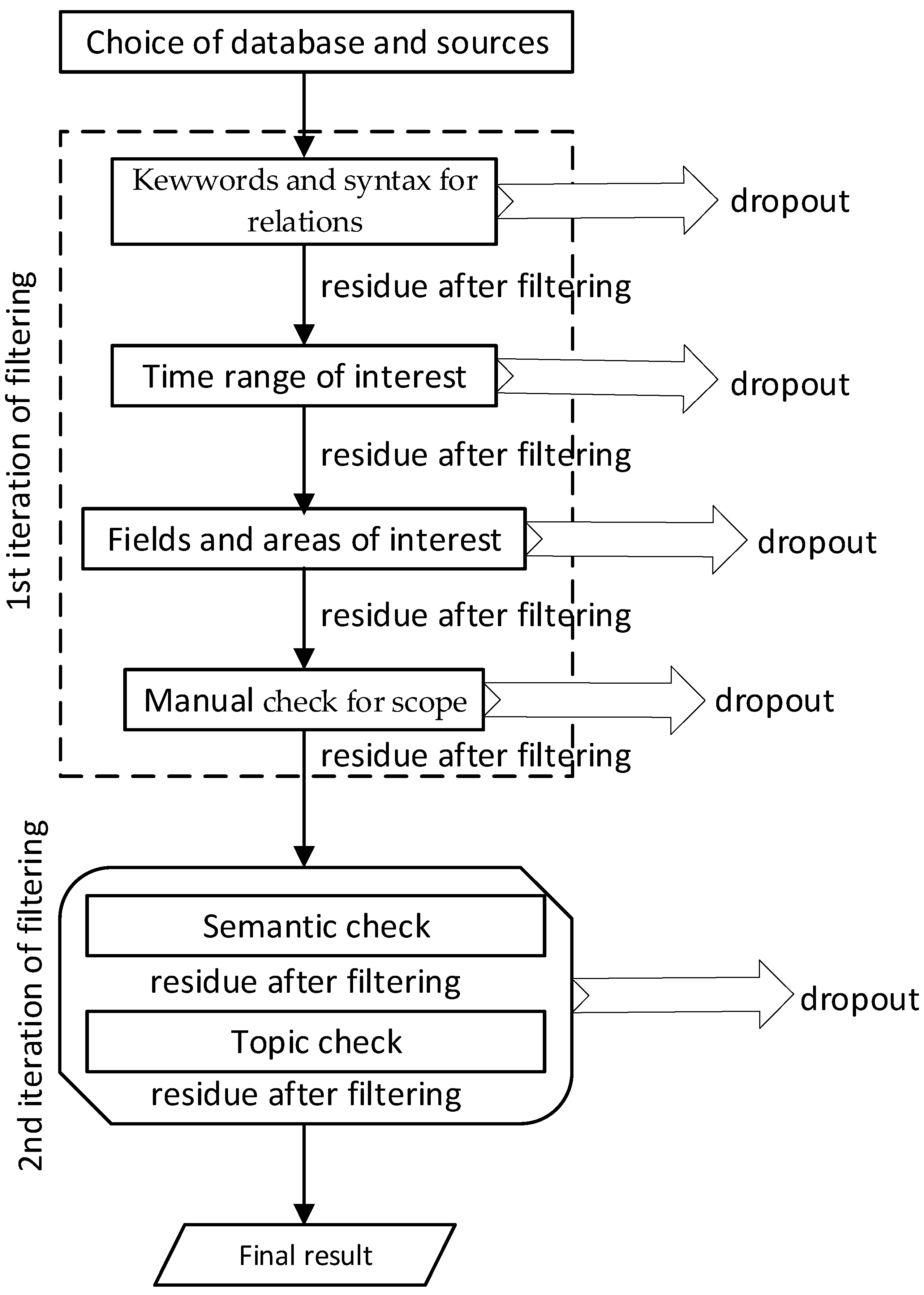
Figure 3 shows the steps performed in this research. There are two iterations of filtering the search results. Both iterations include steps, that is, applying filters in the search engine. These steps can be performed in any database and search engine.

4. Results

To search the Web of Science Core Collection (WoSCC) database for applications of wavelets in maritime research, we used the following search combination:
‘Wavelet’ AND ‘Maritime’,
The logic operator “AND” was used between the search keywords. The search resulted in 907 papers. Since we are interested in recent research, we filtered the papers to the time span from 2022 to 2026, narrowing the search results to 268 papers. Almost all of these are from the Science Citation Index Expanded (SCIE), Emerging Sources Citation Index (ESCI), and Social Sciences Citation Index (SSCI), totaling 256 papers.
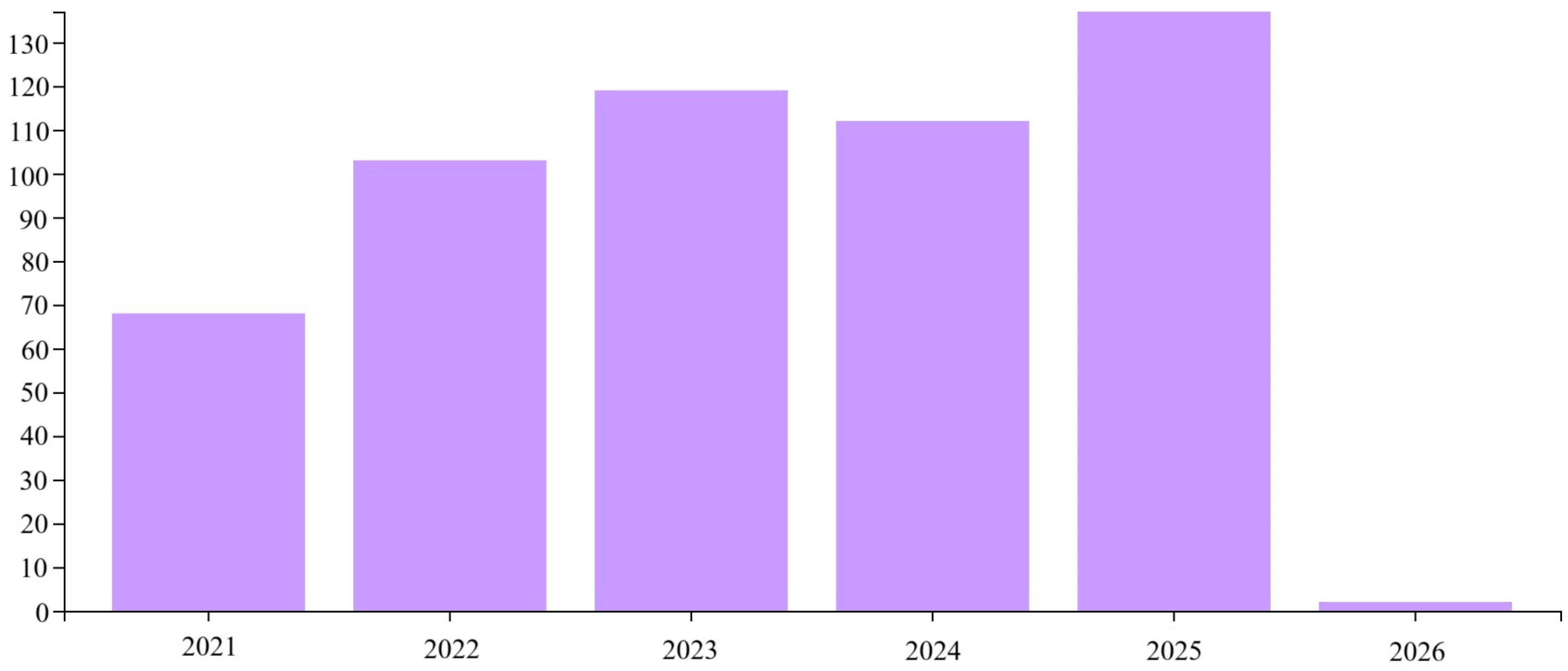
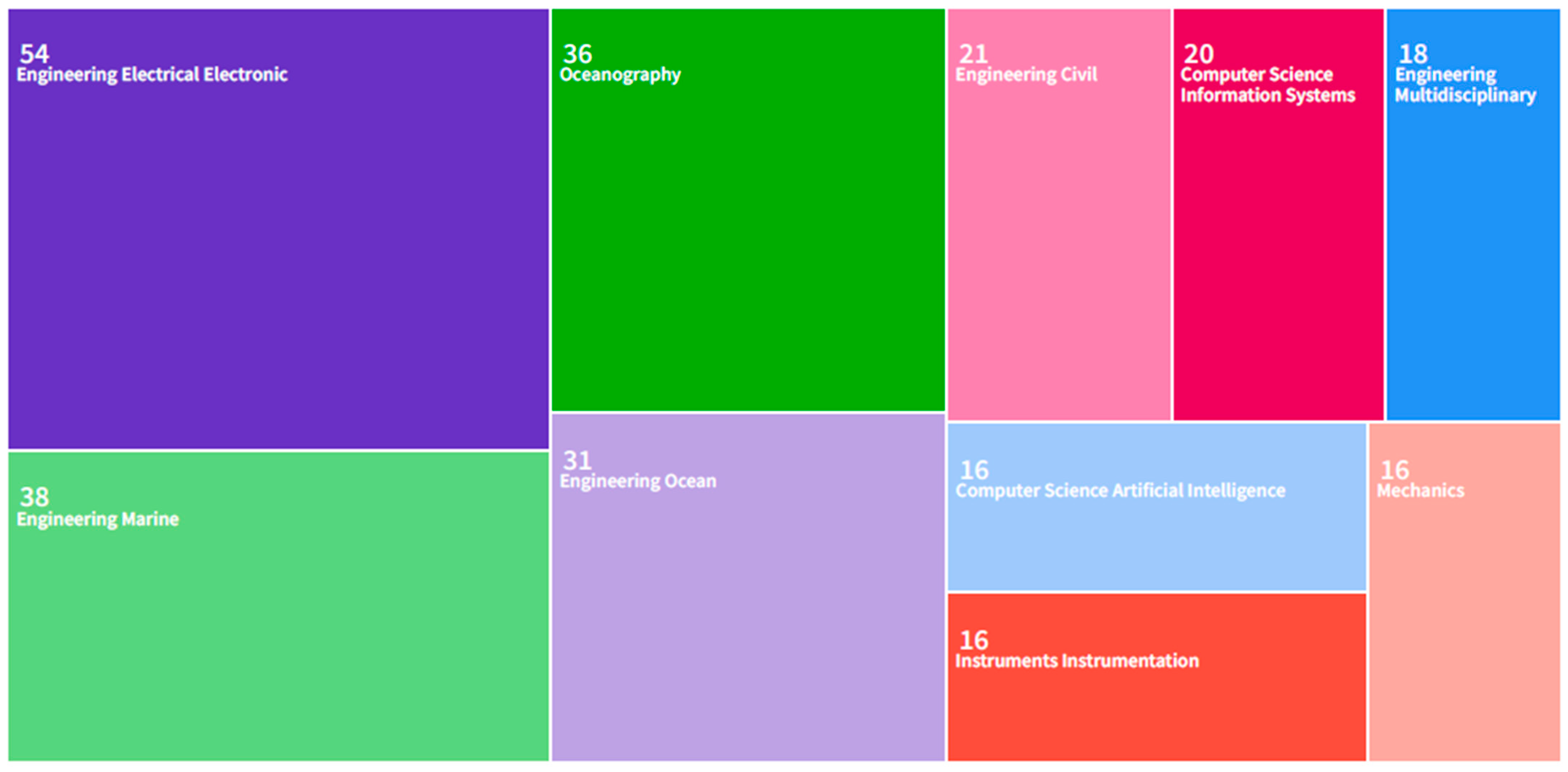
Figure 4 shows the distribution of publications. Notably, it is stable. It should be noted that 2026 is not included because it is currently 2025. Further, in 2026, there is only one web-first publication. Figure 5 shows the WoSCC categories of the papers: 38 papers are from “Engineering, Marine” and 31 from “Engineering, Ocean”, which could be relevant for our research, but there may also be relevant papers in other categories.

4.1. The First Iteration

The defined search keywords do not cover all maritime applications, so the search has to be expanded with other keywords. Hence, the real query should include ‘maritime’ or ‘marine’ to indicate the application area. To include wavelets, keywords should include “wavelet transform”, “wavelet network”, and pure “wavelet”. The search query in this research is as follows:
((ALL = “maritime”) OR (ALL = “marine”)) AND ((ALL = “wavelet”) OR (ALL = “wavelet transform”) OR (ALL = “wavelet network”))
The presented syntax in (2) is from the WoSCC search engine. The result is 3006 papers. Since the research focuses on recent trends, we limited the search to the period from 2021 to the present. This constraint yielded 1227 papers. As our research aims to investigate engineering, specifically marine and related areas, the next constraint was to limit the search to the following relevant WoSCC categories: Remote Sensing: containing 87 papers, Imaging Science Photographic Technology: containing 86 papers, Computer Science Information Systems: containing 58 papers, Instruments and Instrumentation: containing 55 papers, Engineering—Multidisciplinary: containing 52 papers, Computer Science—Artificial Intelligence: containing 51 papers, Telecommunications: containing 47 papers, Computer Science—Interdisciplinary Applications: containing 40 papers, Engineering—Electrical and Electronic: containing 181 papers, Engineering—Marine: containing 178 papers, Engineering—Ocean: containing 167 papers, Transportation Science—Technology: containing 6 papers, and Robotics: containing 4 papers. Notably, these numbers cannot be added together because some journals are in multiple categories. This resulted in a total of 548 papers. Since two papers were retracted, 546 papers remained for further study.
To check the results, we exported the full WoSCC record for the search. The next step was to verify the scope. If wavelets and maritime were not explicitly mentioned in the record, the paper was dismissed. Surprisingly, it was found that a lot of papers do not contain explicit keywords from the search. This was likely due to the use of the “ALL” option in the search. The search engine probably detected keywords in references or in non-scope content. However, if the words “ship” or “offshore” are mentioned, it indicates applications in the maritime field, and the paper should be included. The same applies to WT, which includes complex WT (CWT), discrete WT (DWT), stationary WT (SWT), dual-tree WT, lifting WT (LWT), etc. Therefore, the record should be carefully reviewed by the researcher. This approach resulted in 315 remaining “acceptable” papers. All the described procedures are called the first iteration.
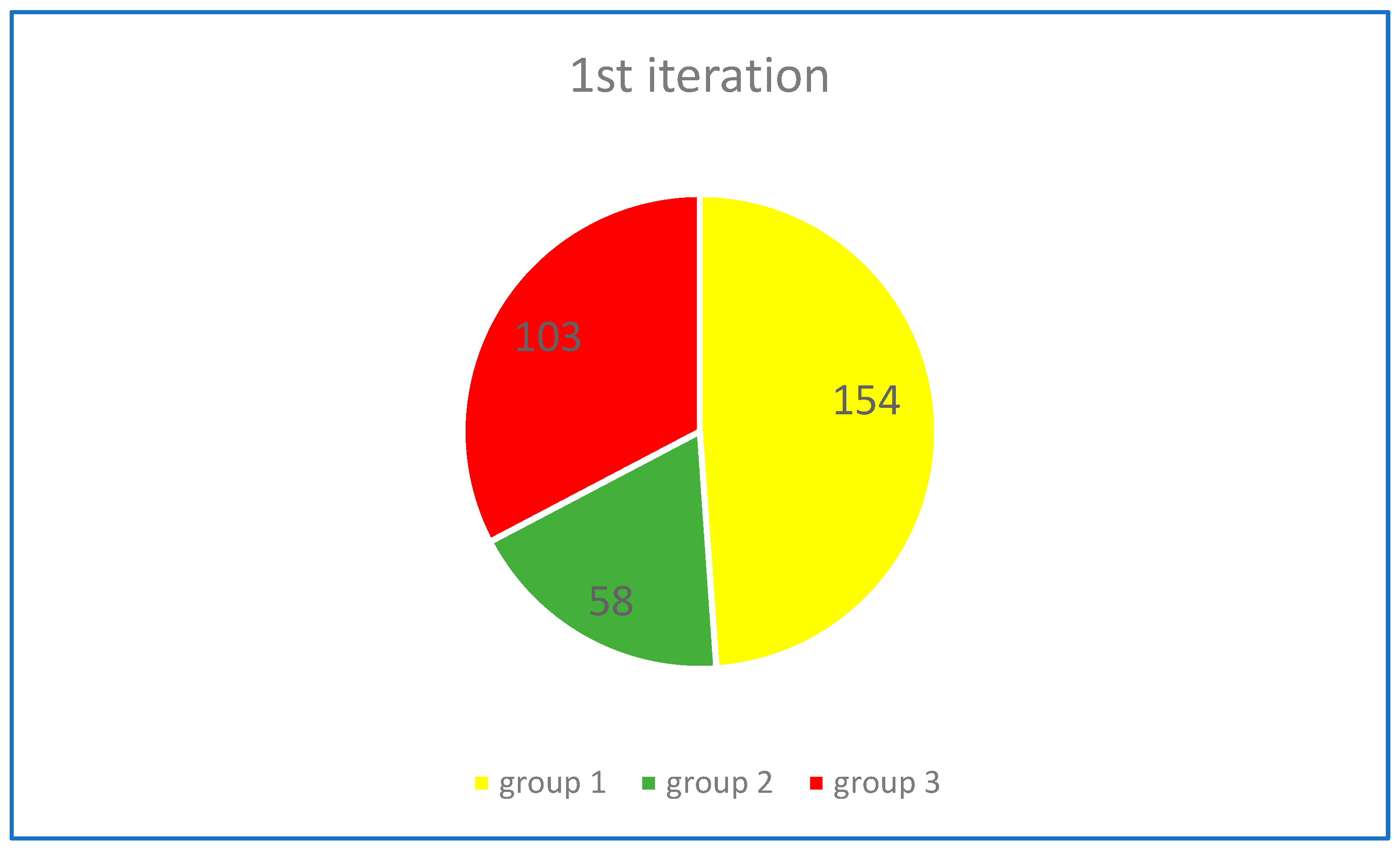
Figure 6 shows the results of the remaining papers grouped by the proposed taxonomy. As can be seen, 154 papers use a classical wavelet approach in their applications. Fifty-eight papers used some advanced WT, wavelet families, or alternative approaches based on the wavelet domain. The second largest group is the application of ANNs with wavelets, which could be wavelet networks or wavelets used as pre-filtering for the inputs to an ANN or similar methods. This means that almost half of the papers (48.88%) use the classic WT.
However, from the presented results, it is worth noting that many papers still remain for analysis. Therefore, we performed a second-stage iteration to further sift through the list of obtained papers for the analysis.

4.2. The Second Iteration

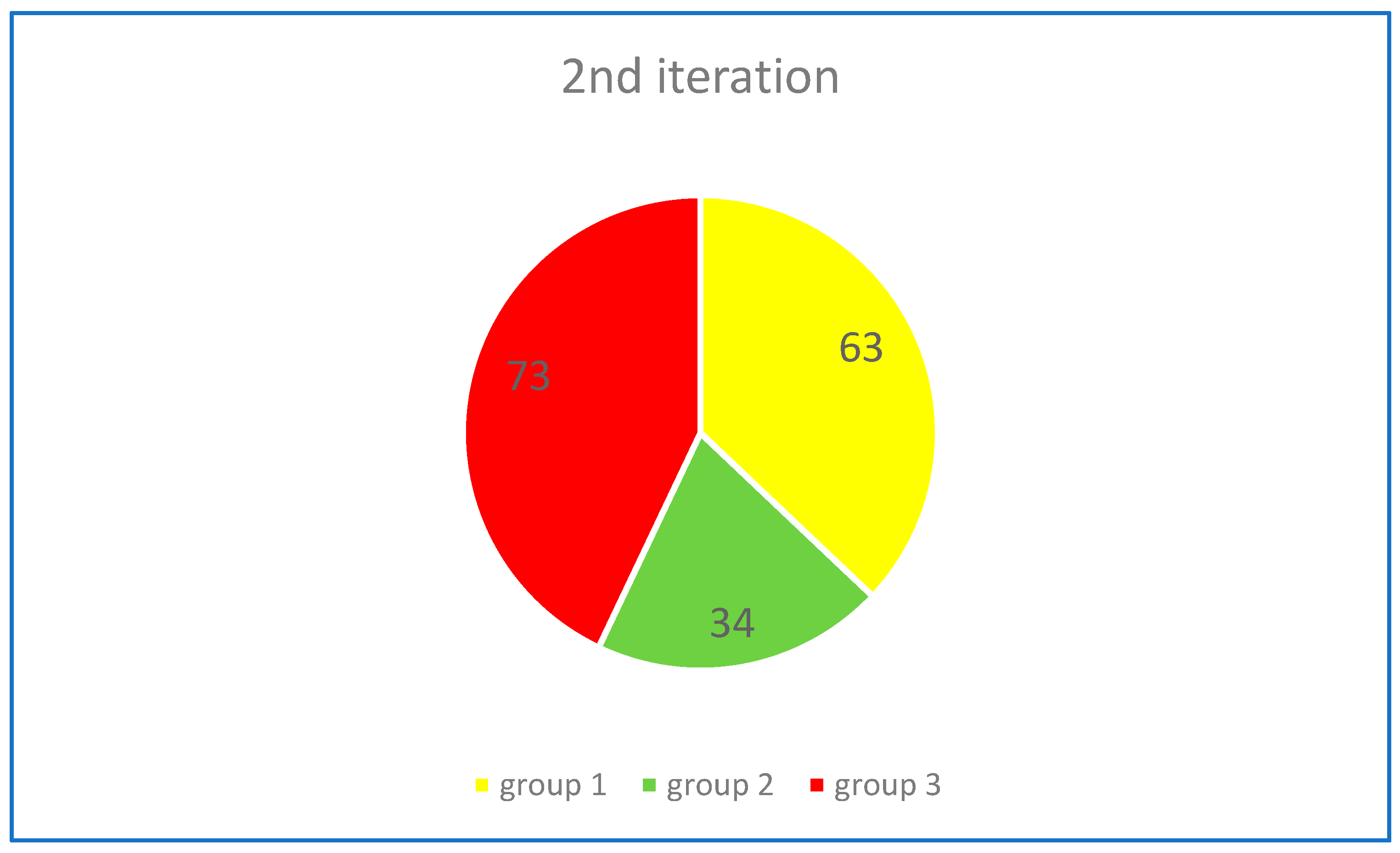
To further sift through the obtained papers on the list, the remaining papers needed to be studied. For example, some papers discuss “seismic wavelets” or “air gun wavelet”, which are unrelated to WT. We also excluded papers outside our scope, such as those on biology, climate change, seismology, geology, and medicine. This process resulted in 170 papers. The papers are categorized according to the proposed taxonomy, and the results are shown in Figure 7.
It can be seen that this shift resulted in a change in group representation. Notably, the most prominent is now the third group, which includes ANNs. This group accounts for 43% of the remaining papers.
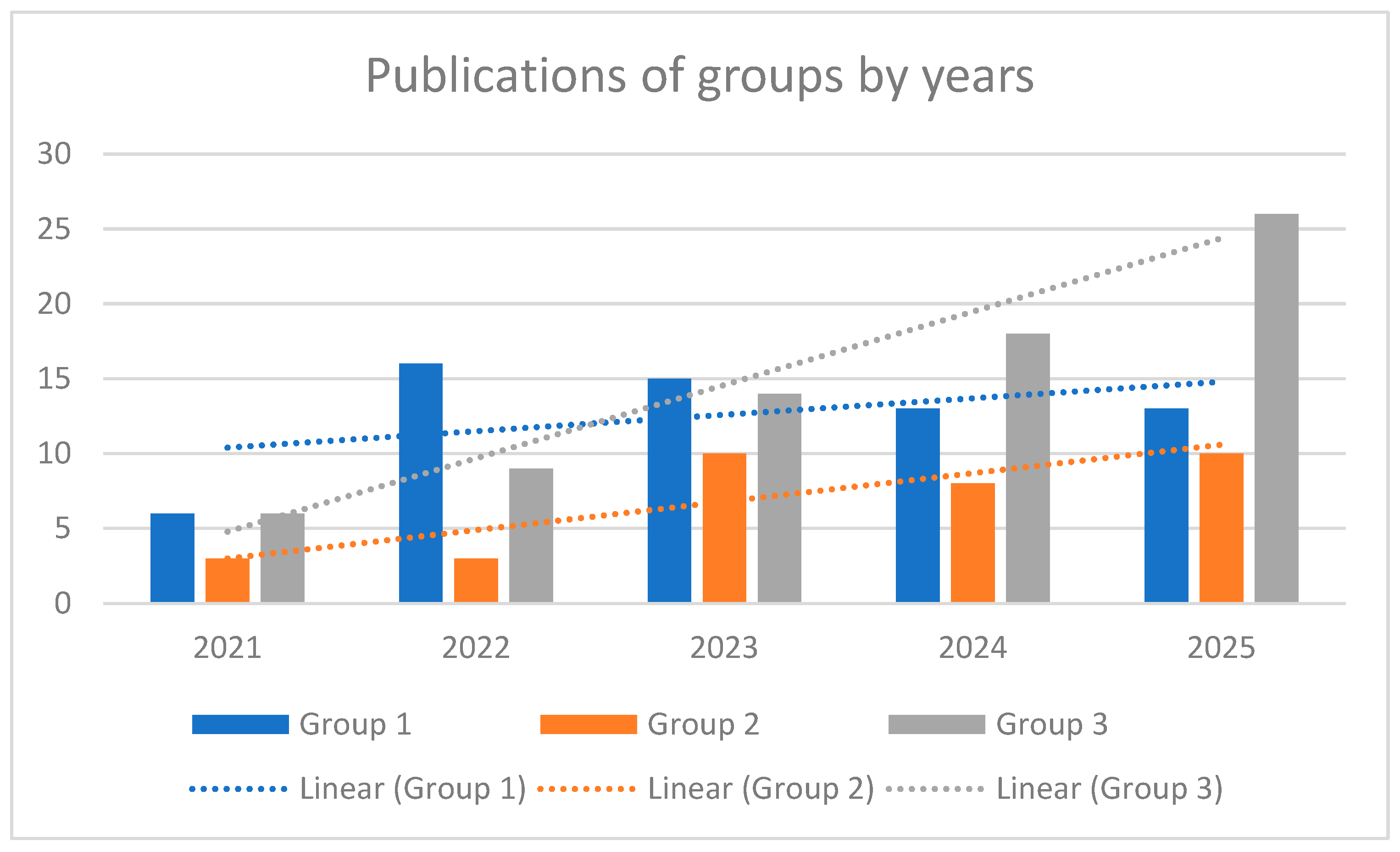
Further, we also examined changes in group representation over the past five years. The results for the refined set after the second iteration are presented in Figure 8.
It can be seen that Group 3 (ANN + WT) shows an increasing trend, i.e., a higher slope, while Group 1 slowly stagnates.

4.3. Data Analysis

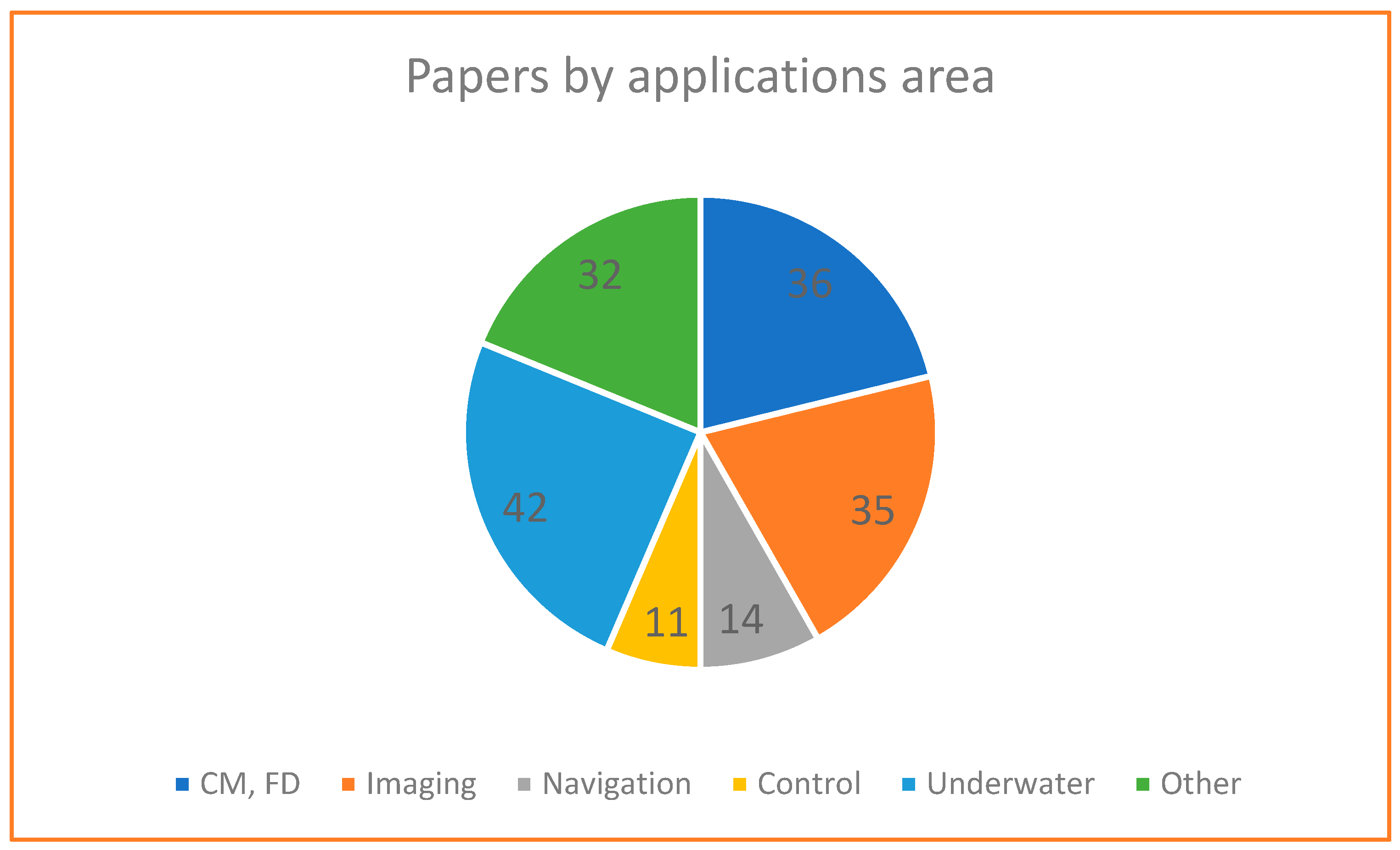
However, the research results so far do not provide insight into wavelet usage in maritime applications. To see the applications for which wavelets are used, they had to be studied further. The remaining papers address communications, condition monitoring, control, damage detection, fault diagnostics, imaging—whether infrared, radar, optical, underwater, or ultrasound—machine fault diagnosis, radar, and even monitoring human activity on the bridge or deck. It is observed that several topics are related and that certain applications are dominant.
The largest group is underwater applications, such as underwater imaging, whether sonar- or optical-based. It included 42 of 170 papers. The second group is primarily marine engineering applications, such as condition monitoring, fault detection, and damage detection, which are related. This group includes 36 of the 170 papers. The next group covers imaging (optical, infrared, or radar) and consists of 35 papers. Motion prediction and navigation applications are addressed in 14 papers, and control tasks are addressed in 11 papers.
Examples of underwater references from the research can be found in [18,19,20]. Examples of imaging applications can be found in [21,22,23,24]. Finally, there is a seemingly large group (shown as group “Other” in Figure 9). The “Other” papers are diverse, spanning many topics (one or two papers per topic).

4.4. Comparison with IEEE Xplore

The number of journals in the Web of Science Core Collection (WoSCC) is over 34,000, with the following specific numbers for each indexing database: the Science Citation Index Expanded (SCIE) has over 9200, the Social Sciences Citation Index (SSCI) has over 3400, the Arts and Humanities Citation Index (AHCI) has over 1800, and the Emerging Sources Citation Index (ESCI) has over 7800. Further, the Scopus database is one of the largest indexing platforms in the world, and in 2025, it included more than 28,000 active titles in science, technology, medicine, social sciences, and the arts. ScienceDirect hosts journals from over 2500 to over 2650 peer-reviewed journals, with some sources indicating that more than 5800 journals are available on the platform. For IEEE Xplore, there is no information available on the website.
To verify the conclusions reached from WoSCC, we used IEEE Xplore. It should be noted that relevant scientific journals are indexed in SCIE, and all other indexing databases contain the same journals as SCIE. The difference lies in emerging journals and less relevant journals. Hence, it can be assumed that IEEE Xplore is a subset of WoSCC.
An initial search for “wavelet” + “maritime” within the same time span in IEEE Xplore yielded 43 journal papers (excluding 70 conference papers when selected in WoSCC (SCIE, ESCI, and SSCI), compared to 268 results in WoSCC. There are four early access articles. This outcome is expected, as WoSCC was broadened by the introduction of ESCI several years ago. However, all IEEE Xplore journals should be included in WoSCC, so these papers are duplicates for our search.
A search was conducted in this database, and we manually cross-checked the results. It was found that 19 journal papers from IEEE Xplore were not detected in the WoSCC search results. We checked the following papers:
-
10.1049/cje.2015.10.018 was included in IEEE Xplore in 2025 but published in 2015. Therefore, it is natural that it did not appear in the WoSCC search.
-
10.1109/TAI.2025.3613670 was published after our initial WoSCC search.
-
10.1109/TTE.2025.3587948 was published in June, so it may not have been indexed by the WoSCC engine yet.
-
10.1109/TGRS.2022.3162833 has no “wavelet” in the metadata, so it is not relevant to our research criteria.
-
10.1109/TIM.2025.3569935 does not mention “wavelet” in the metadata, although it is present in the full paper for review purposes. Technically, both search engines are correct, but this paper should not be detected based on the presence of “wavelet” in the metadata.
-
10.1109/JOE.2025.3596359 is not relevant; no “wavelet” in the metadata.
-
10.1109/TIM.2023.3335515 is not relevant; no “wavelet” in the metadata.
-
10.1109/TIE.2023.3306395 does not mention “wavelet” in the metadata, although it is present in the full paper for review purposes. Technically, both search engines are correct, but this paper should not be detected based on the presence of “wavelet” in the metadata.
-
10.1109/LGRS.2023.3283151 is not relevant, as there is no mention of wavelets.
-
10.1109/TCE.2025.3603184 was published after the initial WoSCC search, so it could not be detected.
-
10.1109/TCSVT.2025.3532321 was probably not yet indexed by the WoSCC engine at the time of the initial search. It was published in June 2025 and might have been missed by the crawler and indexed later.
-
10.1109/TII.2023.3345462 was probably mistaken by the search engine for DTM and DTW. This could lead to a discussion about search engine models and their operation.
-
10.1109/TIM.2023.3282656 was not captured by WoSCC because it is not relevant.
-
10.1109/TIM.2024.3374306 is not relevant (no wavelets in the metadata).
-
10.1109/TGRS.2022.3196312 was probably confused by the search engine with “wavefield”.
-
10.1109/JSEN.2023.3308957 was probably confused by the search engine with “waveforms”.
-
10.1109/TGRS.2024.3422978 is not relevant (no wavelets in the metadata).
-
10.1109/TIM.2025.3569000 was probably not yet indexed by the WoSCC engine at the time of the initial search. It was published in May 2025 and might have been missed by the crawler and indexed later.
-
10.1109/JSTARS.2025.3604083 was probably not yet indexed by the WoSCC engine at the time of the initial search. It was published on 29 August 2025, and might have been missed by the crawler and indexed later.

5. Discussion and Conclusions

The motivation for this paper is the lack of similar publications on this topic. The only comparable reviews on the application of wavelets in maritime contexts are [25,26], which are outdated and do not cover the entire field of maritime engineering. One of the most relevant scientific databases is WoSCC, which includes the “Current Contents Connect” tag and SCIE, both of which are highly respected indexes. These are the reasons for choosing this database. Furthermore, many journals are included in both WoSCC and Scopus, while ScienceDirect includes only a limited number of publishers.
Our aim was to determine whether WT has a future in maritime applications. The increasing number of publications indicates that WT remains at the forefront of research. For example, the initial search found 34 published papers in 2021, 57 papers in 2022, 72 papers in 2023, 68 papers in 2024, 83 papers in 2025, and 1 online-first paper for 2026. However, we observed a shift in trends: maritime applications show an increase in the use of ANNs in combination with WT.
From the research data obtained, many other findings could be presented. For example, we noticed several papers that combine Group 1 methods and machine learning techniques without using ANNs. This issue should be investigated in future work.
Finally, regarding the methodology applied in this research, the filtering process was performed partly manually, which is time-consuming. It is conceivable that an AI language model could perform this task in the future. However, differences in search results produced by different search engines and databases—some of which are subsets of others—show that this remains a debatable topic at the current stage of AI development.

Author Contributions

Conceptualization, I.V. and J.Š.; methodology, I.V. and J.Š.; resources, I.G.M. and I.V.; writing—original draft preparation, I.V. and J.Š.; visualization, I.V. and I.G.M.; supervision, I.V. and J.Š. All authors have read and agreed to the published version of the manuscript.

Funding

This research received no external funding.

Data Availability Statement

No new data were created or analyzed in this study.

Conflicts of Interest

The authors declare no conflicts of interest.

Abbreviations

The following abbreviations are used in this manuscript:
ADWTAdaptive discrete wavelet transform algorithm
ANNArtificial neural network
CNNConvolutional neural networks
CWTContinuous wavelet transform
DWTDiscrete wavelet transform
ESCIEmerging Sources Citation Index
FTFourier transform
DPDynamic positioning
DSPDigital signal processing
DWADiscrete wavelet analysis
LWTLifting wavelet transform
RCSRadar cross-section
RRNNResidual recurrent neural network
SCIEScience Citation Index Expanded
SIFTScale-invariant feature transform
SSCISocial Sciences Citation Index
STFTShort-time Fourier transform
SWTStationary wavelet transform
WMFENWavelet multi-scale feature extraction network
WoSCCWeb of Science Core Collection
WTWavelet transform
YOLOYou only look once
YOLO-StarLSYou Only Look Once with Star-topology Lightweight Ship detection

References

  1. Zhou, W.; Xu, B.; Wu, H. Dual-branch wavelet-CNN architecture for enhanced small ship detection. Ocean. Eng. 2025, 339, 121967. [Google Scholar] [CrossRef]
  2. Y., S.A.; C., S.S. Utilizing elephant herd-inspired spiking neural networks for enhanced ship detection and classification in marine scene matching. Mar. Geod. 2024, 47, 503–525. [Google Scholar] [CrossRef]
  3. Huang, W.; Feng, H.; Xu, H.; Liu, X.; He, J.; Gan, L.; Wang, X.; Wang, S. Surface Vessels Detection and Tracking Method and Datasets with Multi-Source Data Fusion in Real-World Complex Scenarios. Sensors 2025, 25, 2179. [Google Scholar] [CrossRef]
  4. Kim, H.J.; Gu, Y.; Ha, Y.C.; Paik, J.K. A new method for determining the design values of wave-induced vertical bending moments acting on ship-shaped offshore installations in survival conditions. Sh. Offshore Struct. 2025, 1–10. [Google Scholar] [CrossRef]
  5. Motomura, S.; Semba, T.; Wakisaka, T.; Matsushima, T.; Fukumoto, Y.; Eguchi, K. Communication speed estimation of undersea wavelet-OFDM communication under EM noise environment. In Proceedings of the 2024 IEEE Joint International Symposium on Electromagnetic Compatibility, Signal & Power Integrity: EMC Japan/Asia-Pacific International Symposium on Electromagnetic Compatibility (EMC Japan/APEMC Okinawa), Ginowan, Japan, 20–24 May 2024; pp. 433–436. [Google Scholar] [CrossRef]
  6. Štambuk, I.; Malarić, K. Analysis of possibility of new generation satellite communications for navigation. Trans. Marit. Sci. 2024, 13, 6. [Google Scholar] [CrossRef]
  7. Kumar, N.A.M.; Sathidevi, P.S. Image match using wavelet—Colour SIFT features. In Proceedings of the 2012 IEEE 7th International Conference on Industrial and Information Systems (ICIIS), Chennai, India, 6–9 August 2012; pp. 1–6. [Google Scholar] [CrossRef]
  8. Aslam, M.A.; Irfan, M.; Wei, X.; Jun, W.; Hongfei, H.; Shiyu, W.; Liu, X.; Ali, S. Underwater acoustic classification across diverse sea environments using adaptive regularization and knowledge encoding. J. King Saud. Univ. Comput. Inf. Sci. 2025, 37, 99. [Google Scholar] [CrossRef]
  9. Drago, A.F.; Boxall, S.R. Use of the wavelet transform on hydro-meteorological data. Phys. Chem. Earth Parts A/B/C 2002, 27, 1387–1399. [Google Scholar] [CrossRef]
  10. Sakharov, V.; Chernyi, S.; Saburov, S.; Chertkov, A. Wavelet transforms of diagnosable signals from ship power complexes in a MATLAB environment. Designs 2020, 4, 52. [Google Scholar] [CrossRef]
  11. Liu, C.; Zhang, Y.; Gu, M.; Zhang, L.; Teng, Y.; Liu, Z.; Sun, Q.; Wei, N. Discrete wavelet transform-based approach of real-time wave filtering for dynamic positioning of marine vessels. Math. Probl. Eng. 2022, 2022, 5445420. [Google Scholar] [CrossRef]
  12. Gao, N.; Hu, A.; Hou, L.; Chang, X. Real-time ship motion prediction based on adaptive wavelet transform and dynamic neural network. Ocean. Eng. 2023, 280, 114466. [Google Scholar] [CrossRef]
  13. He, R.; Dai, Y.; Liu, S.; Yang, Y.; Wang, Y.; Fan, W.; Zhang, S. Application of Wavelet Transform for the Detection of Cetacean Acoustic Signals. Appl. Sci. 2023, 13, 4521. [Google Scholar] [CrossRef]
  14. Cong, N.T. Application of convolutional neural networks with wavelet transform to maritime border patrol tasks. In Proceedings of the 2024 International Seminar on Electron Devices Design and Production (SED), Sochi, Russian, 2–3 October 2024; pp. 1–3. [Google Scholar] [CrossRef]
  15. Lobo, M.; Jay, D.A.; Innocenti, S.; Talke, S.A.; Dykstra, S.L.; Matte, P. Implementing superresolution of nonstationary tides with wavelets: An introduction to CWT_Multi. J. Atmos. Oceanic Technol. 2024, 41, 969–989. [Google Scholar] [CrossRef]
  16. Carré, C.; Bonnafont, T.; Khenchaf, A. A fast wavelet-based hybrid method to model the RCS of metallic targets in maritime environment. In Proceedings of the 2025 19th European Conference on Antennas and Propagation (EuCAP), Stockholm, Sweden, 30 March–4 April 2025; pp. 1–5. [Google Scholar] [CrossRef]
  17. Wang, Y.; Zhang, S.; Xu, J.; Cheng, Z.; Du, G. YOLO-StarLS: A Ship Detection Algorithm Based on Wavelet Transform and Multi-Scale Feature Extraction for Complex Environments. Symmetry 2025, 17, 1116. [Google Scholar] [CrossRef]
  18. Guerrero-Chilabert, G.S.; Moreno-Salinas, D.; Sánchez-Moreno, J. Design and Development of an SVM-Powered Underwater Acoustic Modem. J. Mar. Sci. Eng. 2024, 12, 773. [Google Scholar] [CrossRef]
  19. Qian, J.; Chen, M. WDS-YOLO: A Marine Benthos Detection Model Fusing Wavelet Convolution and Deformable Attention. Appl. Sci. 2025, 15, 3537. [Google Scholar] [CrossRef]
  20. Khishe, M. DRW-AE: A deep recurrent-wavelet autoencoder for underwater target recognition. IEEE J. Ocean. Eng. 2022, 47, 1083–1098. [Google Scholar] [CrossRef]
  21. Lin, G.; Fang, S.; Li, M.; Wu, H.; Xue, C.; Zhang, Z. Application of a Dual-Stream Network Collaboratively Based on Wavelet and Spatial-Channel Convolution in the Inpainting of Blank Strips in Marine Electrical Imaging Logging Images: A Case Study in the South China Sea. J. Mar. Sci. Eng. 2025, 13, 997. [Google Scholar] [CrossRef]
  22. Wang, C.; Zhang, W. Image global K-SVD variational denoising method based on wavelet transform. J. Inf. Process Syst. 2023, 19, 275–288. [Google Scholar] [CrossRef]
  23. Jiang, Y.; Lan, G.; Zhang, Z. Ship engine detection based on wavelet neural network and FPGA image scanning. Alex. Eng. J. 2021, 60, 4287–4297. [Google Scholar] [CrossRef]
  24. Song, Z.; Yang, J.; Zhang, D.; Wang, S.; Li, Z. Semi-supervised dim and small infrared ship detection network based on Haar wavelet. IEEE Access 2021, 9, 29686–29695. [Google Scholar] [CrossRef]
  25. He, S.; Zhou, W. Wavelet Packet Transform Method and its Application in Analysing Ocean Signals. Appl. Mech. Mater. 2013, 239–240, 1142–1147. [Google Scholar] [CrossRef]
  26. Elsayed, M. An Overview of Wavelet Analysis and Its Application to Ocean Wind Waves. J. Coast. Res. 2010, 263, 535–540. [Google Scholar] [CrossRef]
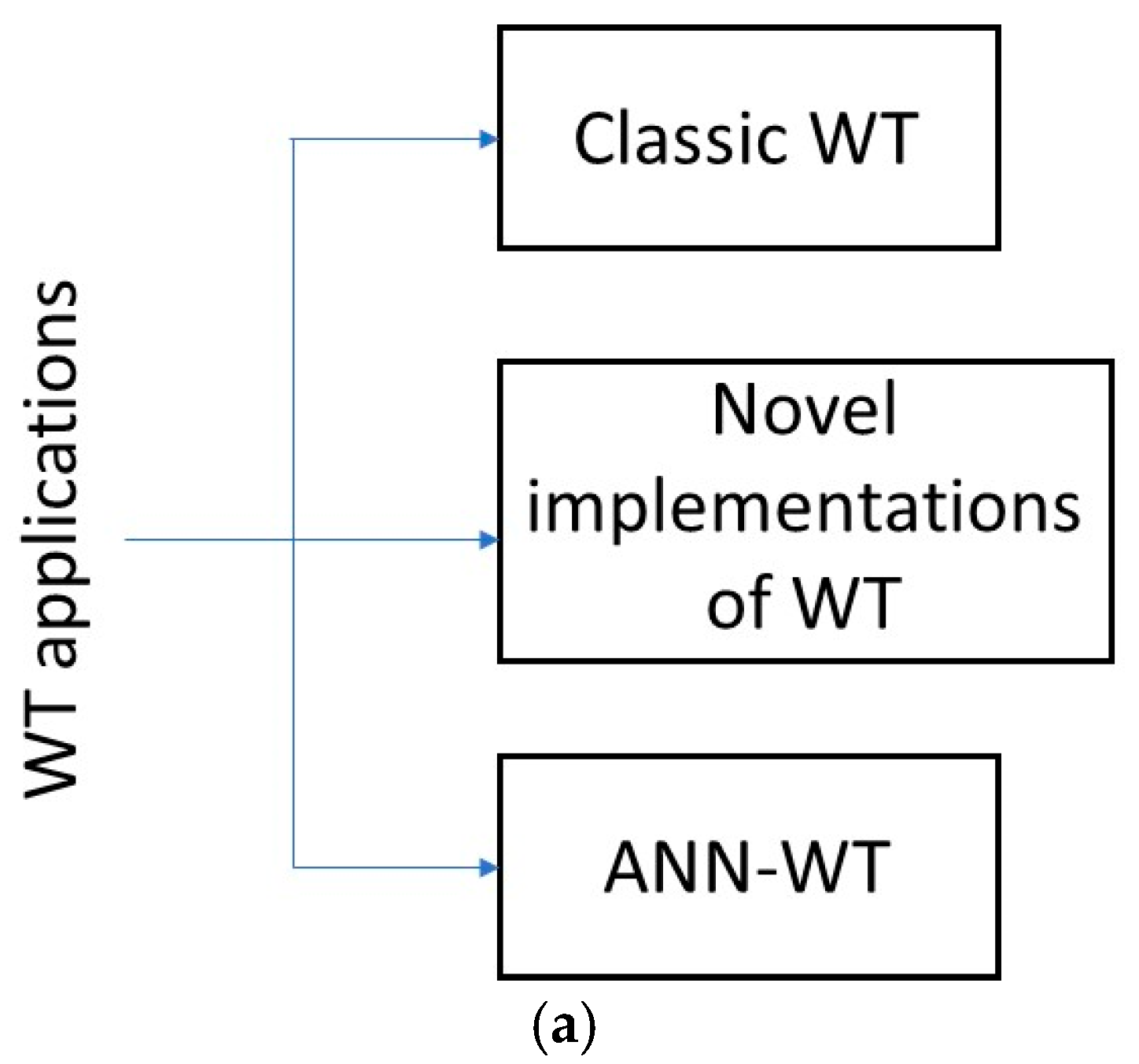
Figure 1. Proposed taxonomy: (a) ideal categorization, and (b) categorization of references from Section 2: classic WT [9,10,11,13], novel implementations [15,16], ANN+WT [12,17].
Signals 06 00070 g001aSignals 06 00070 g001b
Figure 2. Overall framework of the proposed research.
Signals 06 00070 g002
Figure 3. Methodology of the paper: filtering steps.
Signals 06 00070 g003
Figure 4. Distribution of the published papers per publication (2021–26) by WOSCC.
Signals 06 00070 g004
Figure 5. Published papers in WoSCC categories.
Signals 06 00070 g005
Figure 6. Results of the proposed taxonomy at the 1st level iteration.
Signals 06 00070 g006
Figure 7. Results of the proposed taxonomy at the 2nd iteration level.
Signals 06 00070 g007
Figure 8. Trends in publications over the last five years.
Signals 06 00070 g008
Figure 9. Analysis of papers’ applications after the 2nd iteration.
Signals 06 00070 g009
Disclaimer/Publisher’s Note: The statements, opinions and data contained in all publications are solely those of the individual author(s) and contributor(s) and not of MDPI and/or the editor(s). MDPI and/or the editor(s) disclaim responsibility for any injury to people or property resulting from any ideas, methods, instructions or products referred to in the content.