


Abstract
Research on road transport infrastructures is rapidly evolving as electrification, automation, and digital connectivity reshape how systems are designed, operated, and managed. This study presents a combined bibliometric, scientometric, and network analysis of 2755 publications published between 2021 and 2025 to map the intellectual structure, main contributors, and dominant technological themes shaping contemporary road transport research. Using data from the Web of Science Core Collection, co-occurrence mapping, thematic analysis, and collaboration networks were generated using Bibliometrix and VOSviewer. The results reveal strong growth in research output, with China, the United States, and Europe forming the core of high-impact publication and collaboration networks. Six bibliometric clusters were identified and consolidated into three overarching domains: road transport systems, emphasizing vehicle dynamics, control, and real-time computational frameworks; energy and efficiency-oriented mobility research, focusing on electrification, optimization, and infrastructure integration; and emerging digital technologies, including IoT, AI, and autonomous vehicles. The analysis highlights persistent research gaps related to interoperability, cybersecurity, large-scale deployment, and governance of intelligent transport infrastructures. Overall, the findings provide a data-driven overview of current research priorities and structural patterns shaping next-generation road transport systems.
1. Introduction
Over the years, road transport systems have undergone rapid transformation driven by advances in electrification, automation, and digital connectivity. These developments are reshaping how transport infrastructures are designed, operated, and governed, with increasing emphasis on intelligent systems, data-driven control, and integration with energy and communication networks. While sustainability-related objectives frequently appear in policy discourse and research framing, their interpretation and operationalization vary widely across technological, institutional, and geographic contexts [1,2].
Yet despite this momentum, the concept of sustainability remains contested and inconsistently operationalized across transport systems. In several emerging economies, transport policies have shifted from a focus on affordability and accessibility to highly technology-driven infrastructures, often prioritizing symbolic or political value over inclusivity and equitable mobility outcomes [3]. Parallel challenges linked to network capacity, energy inefficiency, and digital integration continue to hinder the adoption of advanced computing and smart manufacturing paradigms in transport systems, revealing persistent infrastructural and governance gaps [4].
In more developed contexts, sustainable mobility transitions are increasingly framed through the lens of smart, resilient, and data-driven transport infrastructures. However, a growing body of research cautions that technological advancement alone does not ensure sustainable mobility outcomes. While connected and automated vehicles (CAVs) may improve safety and operational efficiency, several studies indicate that automation can induce higher travel demand, increase vehicle kilometers traveled, and encourage urban sprawl if not accompanied by supportive land-use planning and regulatory measures. Reduced travel effort and cost may shift users away from more responsible modes and enable longer-distance commuting, particularly under scenarios dominated by private vehicle ownership. These findings underscore that the sustainability implications of smart mobility systems depend critically on their integration with planning, policy, and demand-management strategies rather than on technological deployment alone [5,6]. Digitalization and big data analytics, supported by Internet of Everything architectures, offer new opportunities to enhance the resilience, efficiency, and adaptability of urban road networks [7]. Research on connected and automated vehicles (CAVs) further demonstrates their potential to improve traffic flow, operational safety, and logistics performance when embedded within supportive physical and digital infrastructures [8]. At the same time, innovations in vehicle design, modular autonomous systems, and shared infrastructure optimization expand the sustainability discourse by linking technological advancement with emissions reduction and mobility inclusiveness [9,10]. Sociotechnical imaginaries surrounding electric, hybrid, and biogas mobility systems illustrate how visions of transport systems evolve across cultural and political environments [11].
Broader system-level transitions depend heavily on integrating road transport with renewable energy systems and multimodal mobility configurations. Studies on electric and hydrogen mobility highlight both the promise and complexity of achieving high renewable-penetration transport infrastructures, where storage capacity, dispatchable sources, and grid readiness remain main constraints [12]. Similarly, models combining public transit with autonomous electric vehicles reveal substantial optimization potential for cost, emissions, and accessibility in complex urban networks [13]. These developments underscore that sustainable mobility should not be understood merely as a vehicle-level or technological challenge, but rather as a multidimensional transformation of transport infrastructure systems, encompassing energy supply and distribution, network operations, land-use and spatial planning, governance and regulatory frameworks, behavioral change, social equity, and lifecycle environmental impacts.
Social and behavioral factors also influence the adoption and integration of transport technologies. Research on autonomous vehicle acceptance indicates that perceptions related to ownership models, trust, risk, and willingness to share affect how new technologies are incorporated into urban mobility systems and everyday travel practices [14]. In parallel, the growing use of digital substitutes for physical mobility highlights the increasing interdependence between data infrastructures, communication networks, and transport system planning, with implications for travel demand, network utilization, and infrastructure management [15,16].
Although research on environmentally friendly mobility and emerging transport technologies is expanding rapidly, existing reviews remain fragmented and rarely examine how these developments interact with road transport infrastructures. Most studies focus on individual components, such as electrification, autonomous driving, smart cities, or digital monitoring, without providing an integrated, data-driven assessment of their combined influence on infrastructure design, operation, and governance.
This study addresses this gap by offering a combined bibliometric, scientometric, and network analysis that maps the intellectual structure and thematic evolution of research on road transport infrastructures in relation to sustainability-oriented objectives and key technological developments. By quantifying research clusters, collaboration networks, and emerging themes associated with electrification, automation, IoT connectivity, and mobility management, the analysis provides evidence-based insights into how sustainability is currently operationalized in the literature, predominantly through technological and efficiency-oriented research, while broader socio-environmental and policy dimensions remain weakly integrated. These findings clarify how contemporary research trajectories are shaping the design and governance of future road transport infrastructures and their supporting digital ecosystems.
The remainder of the paper is structured as follows: Section 2 presents the current literature review; Section 3 details the data collection protocol and the bibliometric and network analysis methods employed; Section 4 outlines the performance analysis and identifies the most influential entities; Section 5 discusses the scientific mapping results, including thematic and intellectual networks; and Section 6 synthesizes the implications of the findings and presents the main conclusions.
2. Literature Review
The literature increasingly converges on the idea that road transport systems are undergoing a technological and systemic transformation. Advances in electrification, automation, and digitalization have redefined how infrastructures are conceptualized, managed, and optimized. Although many studies are framed within sustainability discourse, empirical analysis shows that research largely operationalizes these concepts through technological performance, energy efficiency, and system optimization metrics rather than through comprehensive socio-environmental assessment [17]. Similarly, the interconnection between electric vehicles (EVs) and renewable energy systems has emerged as a focal point of sustainability research, with analyses emphasizing the importance of smart charging architectures, grid-friendly control mechanisms, and interdisciplinary design for cleaner and more resilient urban transport infrastructures [18]. Complementary reviews expand this debate by exploring the social, infrastructural, and policy implications of large-scale EV adoption, stressing that the sustainability of e-mobility extends beyond technology to include equitable access, resource management, and long-term infrastructure planning [19].
Research on smart urban systems has underscored the role of digital and cyber-physical technologies in transforming transport infrastructures. The integration of urban digital twins, IoT-enabled sensors, and AI-driven analytics offers new pathways for optimizing mobility flows, predictive maintenance, infrastructure monitoring, and operational resilience within smart cities [20,21]. Parallel work on future urban roads highlights how human-centered design, automation, and multimodal efficiency can coexist to create safer, more adaptable, and technologically intelligent transport corridors [22]. Within the automotive industry, the infusion of artificial intelligence has accelerated the development of autonomous driving systems, real-time diagnostics, and predictive maintenance capabilities, further deepening the connection between intelligent manufacturing and sustainable mobility infrastructures [23].
Energy systems remain the backbone of responsible and smart transport development. Studies focusing on renewable energy integration, smart grids, and green IoT infrastructures emphasize that the transition toward low-carbon mobility depends on secure, adaptive, and energy-efficient power networks capable of supporting widespread vehicle electrification and the data-intensive demands of intelligent transport systems [24,25]. Together, these investigations portray a rapidly evolving research field in which transportation, energy, and digital technologies converge into an interconnected ecosystem of smart, data-driven, and decarbonized mobility infrastructures.
Recent bibliometric analyses highlight the growing intersection of sustainability, technology, and mobility. For example, ref. [26] mapped two decades of urban passenger transport research, identifying emerging themes such as electric mobility, air pollution, and social inclusion. Similarly, ref. [27] examined eco-driving studies, revealing trends in energy-efficient behavior, emissions reduction, and digital support tools for sustainable driving. The paper [28] extended this focus to smart cities, emphasizing how IoT, digital twins, and artificial intelligence enhance environmentally friendly mobility performance and infrastructure resilience. In parallel, ref. [29] analyzed smart grid technologies, showing their relevance for transport electrification and renewable energy integration. Complementary perspectives from refs. [30,31] linked Industry 4.0 and digital logistics innovations to green mobility, illustrating the broader technological transformation shaping transport infrastructures. Collectively, these reviews underscore the rapid convergence of clean energy, digitalization, and intelligent infrastructure in advancing durable road transport systems.
These contributions illustrate the multi-scalar and interdisciplinary nature of sustainable road transport research. They emphasize not only the proliferation of technological innovation but also the persistence of policy, behavioral, and infrastructural challenges. However, while these studies provide valuable depth, they often lack cross-domain synthesis, overlooking how emerging technologies interact and co-evolve to shape broader eco-mobility systems. Moreover, prior reviews, although systematic and conceptually rich, rarely employ quantitative bibliometric, scientometric, and network analysis techniques to map the evolving relationships between research clusters, institutions, countries, and infrastructure-relevant themes. This absence of a data-driven perspective constrains our ability to trace the intellectual evolution, collaboration structures, and technological interdependencies underlying transport systems’ innovation.
Bibliometric approaches offer an evidence-based means of examining the structure and evolution of scientific knowledge. By quantitatively assessing publication patterns, citation networks, and authorship dynamics, these methods reveal the intellectual foundations of a field and trace its emerging trajectories. Within the context of strong road transport systems and infrastructures, such analysis provides a rigorous framework for assessing how technological, environmental, and social dimensions have developed and converged over time.
To address the identified gaps in existing reviews and provide a systematic, infrastructure-oriented perspective, this study makes the following contributions:
- It quantitatively maps the recent evolution of research on sustainable road transport systems and emerging technologies by analyzing 2755 publications published between 2021 and 2025, revealing publication growth patterns and citation dynamics across regions and disciplines.
- It identifies the most influential authors, institutions, countries, and journals shaping the field, highlighting global research leadership, collaboration intensity, and geographic imbalances relevant to transport infrastructure development.
- It uncovers international and institutional collaboration structures through co-authorship and country-level network analysis, demonstrating how knowledge exchange supports the advancement of intelligent and responsible road transport infrastructures.
- It reveals the intellectual structure of the field through keyword co-occurrence and clustering analysis, identifying six bibliometric clusters consolidated into three overarching thematic domains: road transport systems, sustainability in road mobility, and emerging technologies for intelligent transport.
- It highlights underexplored research areas and structural blind spots, including interoperability, cybersecurity, socio-institutional integration, and large-scale infrastructure deployment, thereby providing evidence-based guidance for future research agendas and infrastructure planning strategies.
3. Materials and Methods
This section describes the methodological framework adopted to conduct the bibliometric, scientometric and network analysis. It follows a transparent and reproducible bibliometric review protocol consisting of four stages: data source selection, search strategy formulation, screening using PRISMA guidelines, and bibliometric and network analysis using validated tools. All procedures were designed to ensure methodological rigor and alignment with best practices in science mapping.
3.1. Data Source and Eligibility Criteria
The Web of Science (WoS) Core Collection was selected as the sole data source for this bibliometric review due to its standardized metadata structure, robust citation indexing, and suitability for reproducible scientometric and network analyses. The search was conducted across the Topic (TS) field in WoS, which encompasses title, abstract, author keywords, and Keywords Plus, ensuring comprehensive retrieval of thematically relevant publications. The specific search-field construction and Boolean logic are detailed in Section 3.2.
The analysis included records indexed in the Science Citation Index Expanded (SCI-EXPANDED), Social Sciences Citation Index (SSCI), and Emerging Sources Citation Index (ESCI) to capture both established and emerging research on durable road transport and intelligent infrastructure systems. For each record, the following metadata fields were exported in WoS Plain Text format to support bibliometric and network analysis: authors, article title, abstract, author keywords, Keywords Plus, affiliations, publication year, source title, cited references, and total citation counts.
To ensure relevance and scientific rigor, eligibility criteria were applied. Included documents comprised peer-reviewed journal articles, review papers, and conference proceedings, written in English and focused on environmentally friendly road transport, emerging transport technologies, or intelligent transportation systems. The inclusion of conference proceedings was justified by the rapid pace of innovation in fields such as autonomous vehicles, IoT-enabled infrastructure, and real-time transport systems, where early-stage and infrastructure-oriented advances are frequently disseminated through high-quality proceedings.
The publication period was restricted to 2021–2025 to capture recent developments related to transport digitalization, automation, and decarbonization, while ensuring sufficient data maturity for citation-based analysis.
The exclusion criteria removed: editorials, book reviews, notes, corrections, and meeting abstracts; non-English publications; and studies not directly related to road transport or technological aspects of mobility.
3.2. Search Strategy
To improve conceptual precision and address reviewer concerns regarding search-string structure, the final query was constructed using a three-block Boolean framework that reflects the intersection of: road transport systems, sustainability, and emerging technologies. Sustainability-related terms were included in the search strategy to reflect dominant terminology used in the literature and policy discourse, rather than to impose a normative sustainability framework on the analysis.
The final search string applied in WoS was: TS = (“road transport” OR “road traffic” OR “road mobility” OR “transport system”) AND (“sustainable” OR “low-carbon” OR “green transport” OR “environmental impact”) AND (“emerging technology” OR “smart transport” OR “intelligent transport system” OR “autonomous vehicle” OR “electric vehicle” OR “connected vehicle”).
The search was conducted on 2 November 2025, and all records were exported in WoS Plain Text format for compatibility with the visualization tools.
To ensure accuracy, the query underwent iterative pilot testing, during which the precision—recall balance was optimized by adjusting keyword combinations and Boolean operators. This process minimized the retrieval of irrelevant documents while preserving high coverage of the core research domain.
3.3. Screening and Data Refinement (PRISMA Workflow)
The document selection procedure followed the PRISMA 2020 recommendations to ensure transparency and reproducibility. The initial search retrieved 5436 records from the WoS Core Collection. In terms of screening, filters were applied sequentially: publication year (2021–2025) resulted in 3177 records, then document type (articles, reviews, proceedings) with 2772 records, and then language (English only) with 2763 records.
At the eligibility stage, 8 duplicates were removed through manual screening of titles and abstracts. Finally, a total of 2755 publications met all criteria and were retained for final analysis.
A PRISMA flow diagram summarizing the selection process is presented in Figure 1 (PRISMA Figure) [32].
Figure 1.
Literature screening process by PRISMA.
3.4. Bibliometric and Network Analysis
Two complementary bibliometric tools, Bibliometrix (R version 4.5.1) [33] and VOSviewer (version 1.6.20) [34], were employed to analyze the intellectual, social, and conceptual structures of research on environmentally friendly road transport systems and emerging technologies.
In Bibliometrix, performance analysis and science-mapping techniques were conducted using a full counting method, whereby each author, institution, or keyword occurrence was assigned equal weight. Citation-based indicators were computed without field-normalized scaling, reflecting absolute scholarly impact within the analyzed dataset. Keyword analysis was based on author keywords and Keywords Plus, enabling comprehensive coverage of both author-defined and index-generated thematic descriptors. The software was used to compute annual publication trends, most productive authors, institutions, and countries, citation and co-citation structures, thematic evolution, the Thematic Map (motor, niche, emerging, and basic themes), and the Conceptual Structure Map based on Multiple Correspondence Analysis (MCA).
In VOSviewer, network visualizations were generated using the full counting method and the association strength normalization, which is recommended for co-occurrence and co-authorship analyses to balance differences in publication volume. Keyword co-occurrence networks were constructed using a minimum occurrence threshold of ten, ensuring robust and interpretable thematic relationships while reducing noise from infrequent terms. The keyword source included author keywords and Keywords Plus.
To improve semantic consistency, a manual thesaurus file was applied in VOSviewer to merge synonyms, spelling variants, and singular–plural forms (e.g., “electric vehicle” and “electric vehicles”, “IoT” and “Internet of Things”), and to exclude generic or non-informative terms unrelated to the research scope.
The clustering of keyword networks was performed using the modularity-based clustering algorithm implemented in VOSviewer. The resolution parameter was set to 1.0 (default) to preserve interpretability while avoiding excessive fragmentation. Stability testing was conducted by varying the resolution parameter between 0.8 and 1.2, and the resulting cluster structures remained consistent, confirming the robustness of the identified thematic patterns.
3.5. Validity, Reliability, and Limitations
Several procedures were implemented to improve the validity and robustness of the bibliometric analysis. First, the search strategy was iteratively tested through pilot searches to balance precision and recall. Alternative keyword combinations were evaluated, and retrieved records were manually screened at the title and abstract level to confirm thematic relevance. This process resulted in a final dataset of 2755 publications, ensuring a focused yet comprehensive representation of recent research on durable road transport systems.
Second, the robustness of the keyword clustering results was assessed through a sensitivity analysis of the VOSviewer resolution parameter. The clustering algorithm was tested across a resolution range of 0.8 to 1.2, and the resulting thematic structures showed a high degree of stability. Core clusters related to road transport systems, sustainability in road mobility, and emerging technologies remained consistently identifiable across all tested settings, with only minor variations observed in peripheral terms. This stability indicates that the identified thematic patterns are not sensitive to small parameter changes.
Despite these validation measures, several limitations should be acknowledged. The analysis relied exclusively on the Web of Science Core Collection, which may introduce database bias by excluding relevant studies indexed to other sources. The restriction to English-language publications may lead to language bias, particularly for region-specific infrastructure and policy research. In addition, the selected time window (2021–2025) emphasizes recent technological developments but may underrepresent earlier foundational studies. Thus, the bibliometric focus on peer-reviewed literature may limit the visibility of policy reports and practitioner-oriented studies relevant to infrastructure planning and implementation.
4. Results
4.1. Publication Trends and Main Themes
The publication data for the period 2021–2025, summarized in Table 1, indicate a steady increase in the volume of research addressing road transport systems and related technological developments. The number of publications rose from 440 in 2021 to 676 in 2024, corresponding to an overall growth of approximately 54% over this four-year interval. The largest annual increase occurred between 2023 and 2024, when publications increased by 152 papers (approximately 29%). The lower count reported for 2025 reflects partial-year data, as records were collected in November 2025. Overall, these figures point to sustained scholarly attention to road transport infrastructures, digitalization, and mobility-related technologies, rather than to a completed or mature research phase.
Table 1.
Number of publications per year and annual growth.
Regarding the type of publication, the articles make up most of the publications as shown in Figure 2. This suggests that most of the work is presented in the form of standard research articles, which are typically peer-reviewed and form the main body of scholarly communication. Proceedings papers represent a smaller but still significant portion. These are often papers published in conference proceedings, indicating active participation in conferences and symposia, where preliminary or specialized results are shared. Review papers account for only a minor share. This shows that relatively few publications are literature reviews, which are usually broader, summarizing existing research rather than presenting new findings.
Figure 2.
Percentage of each type of paper considered.
The thematic map (Figure 3) identifies four major clusters positioned across the dimensions of centrality and density. The Motor Themes: electric vehicles, autonomous vehicles, and optimization, appear well developed and highly relevant, confirming their central role in durable and intelligent transport research. Niche Themes, including control, vehicle dynamics, and model predictive control, show strong internal development but limited overall relevance, indicating that they function as specialized, technical subdomains. In the Basic Themes quadrant, concepts such as management, energy, and framework emerge as foundational topics that support interdisciplinary transport research despite lower levels of thematic development. Finally, Emerging or Declining Themes, such as automated vehicles, mobility, and impact, exhibit low density and centrality, suggesting either early-stage conceptual growth or decreasing attention within the field.
Figure 3.
Thematic map by Bibliometrix.
4.2. Citation Analysis
Citation dynamics provide further insight into the temporal diffusion of scientific influence. As can be observed in Table 2, the total citations across all databases peaked in 2021 (10,550) and 2022 (10,321), reflecting the enduring impact of foundational and early-stage research published during or immediately after the COVID-19 recovery period.
Table 2.
Number of citations per year.
From 2023 onwards, citation counts began to decline (6110 in 2023 and 3780 in 2024), a typical trend in bibliometric cycles as newer publications require time to accumulate scholarly recognition. Notably, citations within the Web of Science Core Collection followed a similar trajectory, decreasing from 9264 in 2021 to 882 in 2025, aligning with the recency of publications and ongoing citation latency. Overall, while citation volume shows a temporal lag, the steady increase in annual publications underscores a clear research intensification and diversification trend within responsible road transport and emerging mobility technologies.
In Table 3 presents the top ten most cited papers in the transport systems field systems extracted from the Excel file generated by Clarivate—WoS.
Table 3.
Top 10 highly cited papers on Sustainable Road Transport Systems and Emerging Technologies.
The geographic analysis of the durable road transport systems literature reveals a strong concentration of research output and citation impact within a few leading countries (Figure 4). China emerges as the most influential contributor, with 8119 citations, accounting for the largest share of global impact. This dominance reflects the country’s strategic emphasis on electric mobility, smart infrastructure, and low-carbon innovation policies. The United States ranks second, with 3270 citations, driven by its strong presence in autonomous driving technologies, intelligent transport systems, and sustainable logistics research. India, the United Kingdom, and Republic of Korea follow, showing significant regional research activity supported by national sustainability agendas and industrial transitions toward cleaner transportation modes.
Figure 4.
Most cited countries by Bibliometrix.
European nations such as Italy, Germany, and Spain also demonstrate notable academic engagement, often emphasizing technological innovation, vehicle dynamics, and energy efficiency in transport operations.
4.3. Network Analysis
The VOSviewer co-authorship map in Figure 5 reveals that institutional collaboration in durable road transport research is highly concentrated among Chinese universities, which form the structural core of the global research network. Beijing Institute of Technology, Tsinghua University, Chongqing University, Southeast University, and Tongji University represent the most prominent and densely connected nodes, signifying their central role in driving both national and international collaborations. These institutions maintain strong partnerships with regional allies such as Jilin University and Jiangsu University, reinforcing an integrated domestic research ecosystem. Beyond national borders, active collaborations with Hong Kong Polytechnic University, National University of Singapore, Imperial College London, and Delft University of Technology illustrate China’s outward engagement with global research leaders, serving as intellectual bridges between Asian and Western clusters.
Figure 5.
Co-authorship network for the main institutional collaboration clusters.
The map also indicates several peripherals, yet strategically positioned institutions, including Seoul National University of Science and Technology, University of Texas at Austin, Qatar University, and Politecnico di Torino, which connect through secondary or specialized research networks. These linkages highlight emerging cross-continental partnerships, particularly between Asia, the Middle East, and Europe, reflecting growing internationalization in sustainable mobility research. Nevertheless, the visualization exposes clear structural imbalances: Chinese institutions dominate the central collaboration hub, while North American and European universities appear more fragmented, with weaker interlinkages across regions. This uneven network density suggests that although global cooperation is expanding, much of the intellectual exchange remains regionally concentrated. Strengthening trans-regional and interdisciplinary collaboration would be the main point towards fostering a more balanced and globally cohesive research landscape in sustainable road transport systems.
Building upon the co-authorship visualization, which underscores the centrality of Chinese universities in the global collaboration landscape, the analysis of Most Relevant Affiliations (Figure 6) further substantiates this institutional dominance in long-lived road transport research. The leading academic contributors, Tsinghua University, Tongji University, and Chongqing University, stand out with 85, 76, and 75 publications, respectively, collectively representing the intellectual core of China’s research activity in the field. These universities not only lead in publication volume but also act as primary knowledge producers driving innovation in intelligent mobility, electric vehicle technology, and connected transport systems. Their prominence reflects both the strategic prioritization of sustainable mobility in China’s national research agenda and the high degree of institutional collaboration revealed in the co-authorship network.
Figure 6.
Most relevant affiliation by university.
Beyond these top-tier institutions, Jilin University, Jiangsu University, and the School of Mechanical Engineering maintain substantial contributions, reinforcing the dense research ecosystem that supports technological advancement and academic continuity within China. Southeast University, Shanghai Jiao Tong University, and Zhejiang University also play notable roles, indicating a concentration of expertise within major technological and engineering universities. Together, these affiliations form a cohesive and competitive national research framework that continues to expand its global visibility and influence.
Outside mainland China, Hong Kong Polytechnic University and the National University of Singapore emerge as regional players linking Asian and international research communities. While their publication counts are lower compared to the major Chinese institutions, their positions within the collaboration network indicate strong cross-border connectivity and a bridging function between Eastern and Western research systems. The relative scarcity of top contributors from Europe and North America, however, points to an ongoing geographical imbalance in global research leadership. This pattern suggests both the strength of China’s coordinated institutional effort and an opportunity for broader international diversification to stimulate more inclusive and globally integrated research on long-lived and intelligent transport systems.
The three-field plot generated through Bibliometrix (Figure 7) provides an integrated view of how authors’ countries, leading researchers, and dominant research themes intersect within the durable road transport systems domain. The visualization reveals a clear structural concentration of academic productivity and influence, with China emerging as the principal driver of global research output. Prominent scholars such as Zhang Y., Wang Y., Liu Y., and Li Y. occupy central positions within the network, reflecting both their prolific publication activity and strong interconnections with important thematic areas. Their research predominantly focuses on autonomous and electric vehicles, optimization frameworks, and the Internet of Things (IoT), technological pillars that underpin China’s strategic orientation toward digitalized, data-driven, and low-carbon mobility systems. This thematic clustering underscores how Chinese research is advancing core technological enablers of next-generation transport, aligning academic priorities with national innovation policies and industrial transformation goals.
Figure 7.
Three-field plot of countries, authors, and keywords by Bibliometrix.
Beyond China, several other countries demonstrate meaningful, though less extensive, engagement in the field. The United States, India, the United Kingdom, Republic of Korea, and Canada constitute secondary hubs of research activity, often linking technological advancement with broader performance frameworks. Studies from these nations tend to emphasize complementary perspectives, including smart city integration, environmental governance, and cybersecurity within intelligent transportation infrastructures. This diversity enriches the global knowledge base but also highlights disparities in research capacity and focus areas. For example, Western contributions are more interdisciplinary, whereas Asian contributions remain strongly technology-oriented.
Overall, the three-field analysis reveals a high thematic concentration around intelligent and electric vehicle technologies, coupled with a geographical imbalance in global research participation. The dominance of Chinese scholars and institutions within both the publication and citation networks demonstrates strong regional leadership but also indicates limited cross-national diffusion of expertise. Strengthening collaboration across regions, particularly through partnerships involving underrepresented countries and multidisciplinary frameworks, could improve knowledge exchange, foster innovation equity, and accelerate the global transition toward sustainable and intelligent transport systems.
In continuation of these findings, the co-authorship network visualization (Figure 8) provides a complementary perspective by mapping how these research actors and institutions interact within the broader international landscape. The network highlights that the largest and most interconnected clusters are centered around China, the United States, and India, underscoring their roles as global hubs of knowledge exchange and innovation. European countries, particularly Germany, Italy, France, and the United Kingdom, form a secondary but tightly connected collaboration network, frequently partnering with Asian and Middle Eastern counterparts such as India, Saudi Arabia, Malaysia, and Republic of Korea. We mention that the country collaboration map reflects international co-authorship intensity rather than overall research capacity or national output. Consequently, some countries with strong domestic research ecosystems, such as Japan, do not appear prominently in the network due to comparatively lower levels of international co-authored publications within the analyzed dataset. This highlights structural differences in collaboration practices rather than differences in scientific relevance or contribution.
Figure 8.
Co-authorship network by VOSviewer.
4.4. Thematic Interpretation Based on Keyword Clusters
The co-occurrence analysis offers a structured view of the intellectual landscape within sustainable road transport research. To interpret the conceptual structure revealed by the six bibliometric clusters, the terms were consolidated into three broader and more coherent research domains: road transport systems, viability in road mobility, and emerging technologies for intelligent transport. This thematic grouping clarifies how core concepts interact, which areas hold central influence, and how technological, environmental, and operational dimensions converge within the field. By integrating cluster-specific terminology with representative studies identified in the dataset, the following subsections summarize the dominant conceptual patterns and highlight the scientific directions reflected in the bibliometric results.
In VOSviewer, three main indicators are used to interpret term co-occurrence networks:
- Occurrence refers to the number of times a particular keyword appears in the dataset. A higher occurrence value indicates that the concept is frequently discussed within the research field and likely represents a central or recurring theme.
- Links denote the number of direct co-occurrence connections a keyword has with other keywords. Each link represents a relationship between two terms that appear together in one or more documents.
- Total Link Strength (TLS) quantifies the cumulative strength of all links between a given keyword and others. A high TLS value signifies that the concept is not only frequently co-mentioned but also closely integrated with other research themes, indicating its role as a bridging or interdisciplinary concept within the field.
Cluster 1—Internet of Things (IoT) (Links: 81; TLS: 273; Occurrence: 103): This cluster reflects the growing integration of IoT-based solutions in intelligent transport systems (Figure 9). The moderate number of links and total link strength indicate that IoT research is well connected to other domains such as autonomous driving and smart infrastructure but remains focused on enabling technologies like sensors, connectivity, and data analytics. Its medium occurrence level suggests steady but specialized research attention.
Figure 9.
Cluster 1—IoT by VOSviewer.
The main keywords and the references related are presented in Table 4.
Table 4.
Cluster 1—IoT.
Cluster 2—Autonomous Vehicles (Links: 112; TLS: 454; Occurrence: 219): The autonomous vehicles cluster is the largest and most interconnected thematic group in the network (Figure 10), as reflected by its high occurrence and total link strength. This indicates that autonomous mobility constitutes a central technological pillar within contemporary road transport research, with strong interdisciplinary connections to artificial intelligence, road safety, communication systems, and human–machine interaction. However, the co-occurrence structure shows that explicit sustainability-related terms occupy a more peripheral position, suggesting that sustainability considerations are most often addressed indirectly through efficiency, safety, and automation-oriented research rather than as a primary analytical focus. This pattern highlights a gap between the prominence of autonomous vehicle technologies and their systematic integration with broader performance frameworks.
Figure 10.
Cluster 2—AV by VOSviewer.
The main keywords and the references related are presented in Table 5.
Table 5.
Cluster 2—AV.
Cluster 3—Optimization (Links: 105; TLS: 350; Occurrence: 89): Optimization-related studies focus on improving transport efficiency, route planning, energy consumption, and system performance (Figure 11). The high number of links and total link strength indicate that optimization functions as a core methodological foundation across multiple transport-related domains, supporting traffic management, energy-aware vehicle operation, and real-time system control. The co-occurrence structure suggests that sustainability considerations are largely implicit, emerging through efficiency gains and reduced energy consumption rather than through explicit environmental, social, or lifecycle-oriented frameworks. This pattern reinforces the observation that optimization research prioritizes technical performance, while broader sustainability dimensions remain weakly integrated.
Figure 11.
Cluster 3—Optimization by VOSviewer.
The main keywords and the references related are presented in Table 6.
Table 6.
Cluster 3—Optimization.
Cluster 4—Vehicle Dynamics (Links: 91; TLS: 462; Occurrence: 87): Despite its relatively lower occurrence, the vehicle dynamics cluster exhibits a high total link strength, reflecting its strong integration with control systems, performance modeling, and real-time vehicle operation (Figure 12). The cluster is predominantly engineering-oriented, focusing on trajectory tracking, model predictive control, stability analysis, and dynamic optimization for autonomous, electric, and hybrid vehicles. While these studies may contribute indirectly to sustainability objectives through improvements in efficiency, safety, and vehicle performance, explicit sustainability-related concepts are not structurally central within this cluster, indicating that sustainability considerations are typically secondary to technical performance goals.
Figure 12.
Cluster 4—Vehicle dynamics by VOSviewer.
The main keywords and the references related are presented in Table 7.
Table 7.
Cluster 4—Vehicle dynamics.
Cluster 5—Mobility Policy and Strategic Planning (Links: 20; TLS: 33; Occurrence: 19): This smaller cluster groups policy-oriented and conceptual terms related to mobility governance and strategic planning rather than to core technological development (Figure 13). The relatively low link strength indicates that these topics remain weakly integrated with the dominant technology-driven research clusters, suggesting that policy and planning discussions are most often treated as contextual background rather than as components embedded within technical research workflows.
Figure 13.
Cluster 5—Mobility Policy and Strategic Planning by VOSviewer.
The main keywords and the references related are presented in Table 8.
Table 8.
Cluster 5—Mobility Policy and Strategic Planning.
Cluster 6—Real-Time Systems (Links: 96; TLS: 293; Occurrence: 49): This cluster highlights the operational backbone of intelligent transport technologies. Real-time systems are essential for data-driven decision-making, vehicle control, and traffic optimization (Figure 14). Its moderate occurrence and link strength show that it supports several core clusters, especially IoT and autonomous systems, indicating its foundational but often underemphasized role in implementation.
Figure 14.
Cluster 6—Real-Time Systems by VOSviewer.
The main keywords and the references related are presented in Table 9.
Table 9.
Cluster 6—Real-Time Systems.
Road Transport Systems (Vehicle Dynamics + Real-Time Systems)
Research on road transport systems is anchored in clusters related to vehicle dynamics, control, trajectory tracking, and real-time operations. Keywords such as vehicle dynamics, roads, model predictive control, trajectory planning, wheels, and path following align closely with infrastructure-oriented studies that address stability, lane-changing, road–vehicle interaction, and dynamic modeling in autonomous and electric vehicles. The real-time systems cluster further reinforces this engineering foundation, with terms such as real-time systems, transportation, energy consumption, computational modeling, and resource management. These highlight the growing dependence of transport infrastructures on high-speed computation, perception pipelines, and control algorithms that ensure safe and efficient operation of vehicles within complex road networks. Together, these clusters illustrate a mature research domain focused on improving the robustness, responsiveness, and performance of digitally integrated transport infrastructures.
Energy and Efficiency-Oriented Mobility Research (Mobility Policy and Strategic Planning + Optimization)
The clusters associated with mobility policy and strategic planning and optimization primarily reflect research on energy use, batteries, renewable energy integration, vehicle-to-grid interactions, and cost-oriented performance metrics. These themes indicate a growing emphasis on infrastructure systems that enable energy-efficient and low-emission vehicle operation, such as charging networks, grid-integration mechanisms, and energy-aware mobility management. The optimization cluster is closely connected to these topics through terms such as optimization, state of charge, energy consumption, and transportation, highlighting the role of algorithmic and systems-engineering approaches in improving technical efficiency and operational performance. However, the co-occurrence structure suggests that sustainability is largely operationalized through efficiency and energy-management proxies, while broader environmental, social, and lifecycle perspectives remain weakly represented. Thus, these clusters point to a technically driven approach to sustainability in road mobility research, where infrastructure challenges are addressed primarily through performance optimization rather than through integrated sustainability frameworks.
Emerging Technologies for Intelligent Transport (IoT + Autonomous Vehicles)
Emerging technologies in road transport are represented by the two largest clusters: Internet of Things (IoT) and Autonomous Vehicles (AV). IoT-related keywords: IoT, sensors, AI, machine learning, connectivity, blockchain, smart cities, cybersecurity, cloud computing, reflect the digital transformation of transport infrastructures through real-time monitoring, data analytics, and connected roadside systems. The autonomous vehicles cluster includes autonomous vehicles, electric vehicles, sustainability, smart mobility, eco-driving, public transportation, and intelligent transport systems, indicating its central role in shaping future road networks. Together, these clusters highlight the evolution of intelligent mobility infrastructures supported by sensing technologies, communication networks, and automated decision-making systems. They show how automation, connectivity, and electrification converge to create integrated, cyber–physical transport infrastructures capable of supporting predictive operations, traffic coordination, and adaptive mobility services.
5. Discussion
This discussion chapter synthesizes the bibliometric, scientometric, and network analysis findings to assess how research on durable and intelligent road transport systems has evolved between 2021 and 2025. The results reveal a rapidly expanding yet uneven research landscape shaped by technological innovation, energy transitions, and global collaboration patterns.
5.1. Publication Overview
The publication trends demonstrate a sustained increase in research activity, driven by global investments in transport electrification, digitalization, and automation. This steady growth reflects the expanding relevance of technology-driven infrastructure modernization and intelligent transport development within the transport research community. As shown in Section 4, publications increased between 2021 and 2025. The most notable rise occurred between 2023 and 2024, signaling intensified global interest and collaboration in areas such as electric mobility, automation, and smart infrastructure. This steady growth reflects the expanding relevance of viability and technology-driven innovation within the transport research community.
Most publications were journal articles, confirming that peer-reviewed empirical studies dominate the field. Conference papers formed a smaller but active segment, emphasizing ongoing knowledge exchange through academic events. Meanwhile, review papers remained limited, suggesting that despite the surge in research activity, comprehensive syntheses and critical overviews are still underdeveloped. Overall, these trends point to a dynamic yet consolidating field, characterized by rapid technological progress and an emerging need for integrative analyses.
5.2. Citation Patterns
The citation landscape reveals how early contributions have shaped the intellectual foundation of intelligent and technology-oriented transport research. As shown in Table 2, citation activity peaked in 2021 and 2022, reflecting the continued influence of pioneering studies published during the post-pandemic recovery period. This high citation rate highlights the consolidation of digital transformation and automation as central research themes shaping contemporary road infrastructure studies. Although citations gradually declined after 2023 due to the natural lag in scholarly recognition, this does not indicate reduced relevance; rather, it underscores the time required for newer works to gain visibility. The overall pattern confirms that research on responsible and smart mobility is experiencing both intensification and diversification, supported by a steady growth in publication volume.
The top ten most-cited papers further illustrate the thematic and technological focus driving academic impact. Highly cited works such as “Impact of Digital Transformation on the Automotive Industry” and “Towards the Future of Smart Electric Vehicles: Digital Twin Technology” emphasize the role of digitalization, electrification, and automation in reshaping transport systems. Other influential studies, like “TP2SF: A Trustworthy Privacy-Preserving Secured Framework for Sustainable Smart Cities” and “Green Internet of Vehicles in the 6G Era”, reveal growing intersections between AI, IoT, and cybersecurity within intelligent mobility ecosystems. The dominance of Elsevier and IEEE publications reflects the technical and interdisciplinary nature of this field. Geographically, China leads in both output and citation impact, followed by the United States, India, and the United Kingdom, signaling global but uneven participation. Collectively, these trends indicate that research impact is concentrated in regions and topics where digital innovation and sustainability agendas converge most strongly.
5.3. Collaboration Landscapes
The collaboration patterns identified in this study highlight a research landscape characterized by strong regional concentration and uneven global participation. China, the United States, and several European countries form the core of the international collaboration network, with Chinese universities occupying many of the central nodes in co-authorship and institutional linkages. This dominance reflects the large—scale investments these regions have made in transport electrification, automation, and digital infrastructure research. However, the limited involvement of institutions from Africa, South America, and parts of Southeast Asia indicates persistent disparities in research capacity and access to emerging technological development.
For infrastructure planning, these collaboration asymmetries suggest that knowledge exchange and cross-regional partnerships remain essential for scaling and contextualizing transport innovations. Strengthening cooperation between high-output research hubs and underrepresented regions can accelerate the diffusion of intelligent mobility technologies, improve methodological diversity, and enhance the global relevance of scalable and intelligent road transport infrastructure solutions.
Beyond descriptive patterns, the collaboration networks also suggest differentiated strategies for strengthening cross-regional cooperation. Countries occupying highly central positions in the co-authorship network, like China, the United States, and several Western European nations, could act as coordination hubs by leading multinational research initiatives, shared infrastructure pilots, and standardized evaluation frameworks. In contrast, regions with lower network connectivity may benefit from targeted bilateral partnerships focused on specific technical competencies, including electrification, sensing technologies, traffic management, or digital infrastructure deployment. The observed network structure further indicates potential value in thematic specialization across regions, whereby countries concentrate on complementary aspects of road transport infrastructure research rather than duplicating efforts. Mechanisms such as shared testbeds, joint doctoral training programs, and coordinated demonstrator projects may support long-term collaboration, improve knowledge exchange, and improve participation from underrepresented regions, contributing to a more balanced global research landscape [110,111].
5.4. Insights from Keyword and Cluster Analysis
The keyword and cluster analysis identifies three interconnected research domains shaping current research on road transport infrastructures: transport systems engineering, energy- and efficiency-oriented mobility research, and emerging digital technologies. Rather than reiterating the thematic descriptions presented in Section 4.4, this section interprets how the relative prominence, connectivity, and positioning of themes reveal structural research imbalances and underdeveloped infrastructure challenges.
The transport systems engineering clusters occupy highly central positions in the keyword co-occurrence network, with terms such as vehicle dynamics, model predictive control, and real-time systems exhibiting high occurrence and total link strength values (Figure 10). This indicates a mature and well-integrated research base supporting infrastructure performance, operational reliability, and system-level control. Similarly, clusters related to electrification, energy management, and optimization appear as central or basic themes, reflecting strong methodological consolidation around efficiency-driven infrastructure operation and energy integration (Figure 11 and Figure 13).
In contrast, several infrastructure-critical topics remain weakly integrated across the network. Interoperability-related concepts, including system integration, standards, and cross-platform coordination, appear with low keyword frequency and limited centrality, indicating marginal linkage between otherwise strongly connected technical clusters (Figure 10 and Figure 11). Cybersecurity-related terms are positioned near the boundary between emerging and niche themes in the thematic map, characterized by low density and moderate centrality, suggesting fragmented and early-stage research despite their growing importance for connected and automated infrastructure systems (Figure 13). In addition, large-scale deployment and implementation frameworks are weakly represented, with deployment-oriented terms exhibiting low occurrence and peripheral network positioning, highlighting a persistent gap between algorithmic development and infrastructure-scale application.
Thus, the bibliometric evidence demonstrates that while research strongly emphasizes technological development and system-level optimization, cross-cutting infrastructure challenges, like interoperability, cybersecurity, and large-scale deployment, remain underexplored. These gaps, identified through quantitative indicators (Table 10) such as keyword frequency, centrality, total link strength, and thematic-map position, delineate priority areas for future research and investment aimed at enabling robust, scalable, and operationally integrated road transport infrastructures.
Table 10.
Identified Research Gaps and Supporting Bibliometric Evidence.
5.5. Journal Selection (Practical Contribution for Researchers)
The results of this bibliometric analysis (supported by Bibliometrix) provide a data-driven basis for supporting journal selection in research related to intelligent and technology-driven road transport infrastructures. By examining journal productivity and citation performance, the analysis enables researchers to identify publication outlets that combine thematic relevance with demonstrated scholarly impact.
Table 11 summarizes the leading journals in the dataset based on the number of publications and total citations. The results show that IEEE Access, Sustainability, Energies, and IEEE Transactions on Intelligent Transportation Systems account for a substantial share of research output and citation influence within the analyzed corpus. These journals collectively cover a broad range of topics related to intelligent transportation systems, transport electrification, digital infrastructure, and infrastructure-oriented policy and planning studies. Additional high-impact outlets, including IEEE Transactions on Transportation Electrification, IEEE Transactions on Vehicular Technology, Electronics, Sensors, and Applied Sciences, demonstrate strong thematic alignment with vehicle technologies, sensing and communication systems, and applied engineering solutions relevant to road transport infrastructures.
Table 11.
Leading Journals in Road Transport Infrastructure Research (2021–2025).
The thematic profiles reported in Table 11 support targeted journal selection strategies. High-volume, multidisciplinary journals such as IEEE Access, Electronics, and Applied Sciences are well suited for studies addressing integrated digital and electronic transport systems. Core transportation engineering and intelligent transportation systems journals, including IEEE Transactions on Intelligent Transportation Systems and IEEE Transactions on Vehicular Technology, represent appropriate outlets for data-driven, algorithmic, and system-level research on automation, control, and vehicular networks. Energy- and electrification-focused journals, such as Energies and IEEE Transactions on Transportation Electrification, provide specialized venues for research on electric mobility technologies and supporting infrastructure. Journals emphasizing sensing, connectivity, and smart infrastructure, including Sensors and World Electric Vehicle Journal, are suitable for applied studies on IoT-enabled monitoring and vehicle–infrastructure interaction.
Overall, the journal shortlist presented in Table 11 offers a transparent and reproducible reference for aligning manuscript scope with journal focus and impact characteristics. This evidence-based approach supports more effective publication planning and increases the likelihood of disseminating research findings to the most relevant scholarly audiences.
5.6. Emerging Technologies, Innovation Trends and Strategic Management Planning
The thematic patterns identified in this study highlight a rapid technological shift in road transport infrastructures, driven by the integration of IoT, AI, big data analytics, and autonomous vehicle systems. These technologies increasingly underpin real-time monitoring, predictive control, and adaptive traffic coordination, laying the foundation for smart corridors, connected road networks, and digitally enhanced mobility infrastructures. Trends such as digital twins, V2X (Vehicle-To-Everything) communication, and machine learning-based optimization further demonstrate how digitalization is reshaping infrastructure planning, asset management, and operational efficiency.
At the same time, research on autonomous driving and energy management shows a strong orientation toward electrified and low-emission transport architectures. Developments in hybrid physics–data-driven estimation, reinforcement learning for power optimization, and real-time trajectory tracking point toward infrastructures that support intelligent energy flows, smart charging, and vehicle—grid integration. However, despite technological progress, implementation remains constrained by limited real-world deployment, infrastructure readiness, and interoperability challenges. Many studies remain simulation-based, reinforcing the need for coordinated investment strategies, public–private partnerships, and harmonized standards to integrate emerging technologies into existing road networks at scale.
From a strategic management perspective, the growth of research clusters in autonomous systems, IoT, optimization, and real-time control provides clear signals for funding prioritization and long-term infrastructure planning. Geographic concentration of research leadership, particularly in China, the United States, the United Kingdom, India, and parts of Europe, offers useful benchmarks for institutional performance and collaboration opportunities. Co-authorship networks further illustrate how research institutions can strengthen visibility and capability by aligning with globally active partners.
Performance indicators such as publication output, citation impact, and thematic evolution support evidence-based decision-making in infrastructure research management, informing program evaluation, resource allocation, and strategic capacity building. Importantly, the bibliometric findings also reveal underexplored areas, cybersecurity for connected infrastructure, interoperability across digital mobility ecosystems, human–machine interaction, and large-scale deployment frameworks. Addressing these gaps is essential for ensuring that future transport infrastructures are not only technologically advanced but also secure, resilient, and accessible.
5.7. Limitations of the Study
While this bibliometric study provides a comprehensive overview of recent developments in responsible road transport systems and emerging technologies, several methodological limitations must be acknowledged. First, the analysis was restricted to publications indexed in the Web of Science Core Collection. Although WoS offers consistent metadata and high-quality citation indexing, it excludes relevant studies from other major databases such as Scopus, IEEE Xplore, ScienceDirect, and Google Scholar. As a result, interdisciplinary research, particularly engineering-, energy-, and policy-oriented contributions that strongly influence transport infrastructure planning may not be fully captured. The selected five-year time window (2021–2025) ensures a focus on contemporary innovation trends but may underrepresent earlier foundational work that shaped long-term developments in transport sustainability and intelligent mobility infrastructures.
Second, limiting the sample to English-language publications and specific document types (articles, reviews, conference proceedings) introduces potential linguistic and publication-type biases. Non-English research, especially from rapidly urbanizing regions or national infrastructure programs, may offer valuable insights into context-specific mobility transitions but was excluded due to accessibility constraints. Likewise, omitting book chapters, reports, and policy documents may overlook practice-oriented knowledge and institutional guidelines that frequently inform infrastructure deployment, regulatory frameworks, and real-world implementation.
These limitations indicate that, although the study successfully maps the academic structure and research frontiers of environmentally friendly road transport, its findings may underrepresent region-specific practices, infrastructure deployment strategies, and earlier technological trajectories that fall outside the selected databases, languages, and document categories.
Thus, the conceptual scope of this review emphasizes technological and systems-based dimensions, e.g., IoT integration, autonomous vehicles, optimization, and real-time control, while leaving other infrastructure-relevant areas underexplored. Research related to behavioral responses, social equity and accessibility, governance frameworks, transport economics, and environmental life-cycle assessment appear less represented in the dataset. Similarly, cross-modal innovations (e.g., rail, maritime, aviation) and energy–transport synergies receive limited coverage despite their importance for integrated infrastructure planning. Future studies should therefore incorporate multiple databases, multilingual sources, and extended temporal analyses to capture broader infrastructural, societal, and policy dimensions essential for understanding the long-term evolution of green road transport systems.
6. Conclusions
This study provided a comprehensive bibliometric, scientometric, and network-based examination of recent research on road transport infrastructures and emerging technologies. By analyzing 2755 publications published between 2021 and 2025, the study mapped the intellectual structure, collaboration patterns, and thematic evolution of a rapidly expanding research field characterized by electrification, automation, and digitalization.
The results reveal that current research is strongly oriented toward technological and systems-level innovation. Dominant themes focus on vehicle dynamics, real-time control, optimization frameworks, electric and autonomous vehicle systems, and digital infrastructure supported by sensing, connectivity, and artificial intelligence. These findings indicate a clear shift from isolated vehicle-level studies toward integrated transport infrastructures that combine physical assets, digital platforms, and energy systems.
The bibliometric networks further show that research activity is concentrated in a limited number of countries and institutions, with China, the United States, and several European nations acting as central hubs of scientific production and international collaboration. At the same time, the thematic and network analyses highlight persistent gaps in areas critical to real-world implementation, particularly interoperability across systems, cybersecurity, large-scale deployment frameworks, and governance of intelligent transport infrastructures.
From a methodological perspective, this study demonstrates the value of bibliometric and network analysis for revealing structural patterns, dominant research trajectories, and underexplored domains within complex infrastructure-related research fields. For researchers, the findings provide a clear overview of prevailing topics and methodological foundations, as well as opportunities for future investigation at the intersection of transport systems, digital infrastructure, and energy integration. For infrastructure agencies and planners, the results offer an evidence-based reference for understanding how research priorities align with the technical challenges associated with developing and managing next-generation road transport infrastructures.
Author Contributions
Conceptualization, C.G. and A.S.; methodology, C.G.; validation, A.S. and C.G.; investigation, C.G. and A.S.; resources, A.S.; data curation, C.G.; writing—original draft preparation, C.G. and A.S.; writing—review and editing, C.G. and A.S. All authors have read and agreed to the published version of the manuscript.
Funding
This research received no external funding.
Data Availability Statement
The bibliographic data analyzed in this study were retrieved from the Web of Science Core Collection, which is subject to licensing restrictions and therefore cannot be redistributed in raw form. Processed data supporting the findings of this study, including aggregated bibliometric indicators, keyword co-occurrence matrices, and network analysis outputs, as well as the scripts used for data processing and analysis (Bibliometrix and VOSviewer workflows), are available from the corresponding author upon reasonable request.
Conflicts of Interest
The authors declare no conflicts of interest.
References
- Ndhlovu, E.; Mhlanga, D.; Duri, B. Decarbonising Urban Transport: An Overview of Electric Vehicles, Public Transport, and Sustainable Infrastructure in Achieving Net-Zero Emissions. Discov. Glob. Soc. 2025, 3, 53. [Google Scholar] [CrossRef] [Scilit]
- ITF. Decarbonisation and the Pricing of Road Transport: Summary and Conclusions; ITF Roundtable Reports, No. 191; OECD Publishing: Paris, France, 2023. [Google Scholar]
- Joshi, R.; Arundhathi. The aspirational shift of urban transport infrastructure: The emerging mobility transition in India. J. Environ. Policy Plan. 2025, 1–15. [Google Scholar] [CrossRef] [Scilit]
- Bakam, G.; Mpofu, K.; Mbohwa, C. A Model for a Smart Transport Manufacturing Environment Based on Edge Computing, Fog Computing, and Cloud Computing in the South African Context. In Proceedings of the International Conference on Flexible Automation and Intelligent Manufacturing, Taichung, Taiwan, 23–26 June 2024; Springer Nature: Cham, Switzerland, 2024; pp. 333–340. [Google Scholar]
- Ahn, K.; Rakha, H.A.; Wang, J. The Rebound Effect of Autonomous Vehicles on Vehicle Miles Traveled: A Synthesis of Drivers, Impacts, and Policy Implications. Sustainability 2025, 17, 10089. [Google Scholar] [CrossRef] [Scilit]
- Booth, L.; Karl, C.; Farrar, V.; Pettigrew, S. Assessing the Impacts of Autonomous Vehicles on Urban Sprawl. Sustainability 2024, 16, 5551. [Google Scholar] [CrossRef] [Scilit]
- Bellini, E.; Bellini, P.; Cenni, D.; Nesi, P.; Pantaleo, G.; Paoli, I.; Paolucci, M. An IoE and big multimedia data approach for urban transport system resilience management in smart cities. Sensors 2021, 21, 435. [Google Scholar] [CrossRef] [Scilit]
- Curiel-Ramirez, L.A.; Adlon, T.; Burggräf, P.; Ramirez-Mendoza, R.A.; Beyer, M.; Gert, D. Optimizing industrial transport with a connected automated vehicle demonstrator for assembly systems and end-of-line production. Sci. Rep. 2024, 14, 8019. [Google Scholar] [CrossRef] [Scilit] [PubMed]
- Choromański, W.; Grabarek, I.; Kozłowski, M.; Czerepicki, A. Innovative Urban Transport System—Autonomous and Locally Low-Emission. Nauka Tekhnika 2021, 20, 243–247. [Google Scholar] [CrossRef] [Scilit]
- Slack-Smith, D.; Wijayaratna, K.P.; Zeibots, M. The Development of Modeling Shared Spaces to Support Sustainable Transport Systems: Introduction to the Integrated Pedestrian–Vehicle Model (IPVM). Sustainability 2024, 16, 4227. [Google Scholar] [CrossRef] [Scilit]
- Mutter, A.; Rohracher, H. Competing transport futures: Tensions between imaginaries of electrification and biogas fuel in Sweden. Sci. Technol. Hum. Values 2022, 47, 85–111. [Google Scholar] [CrossRef] [Scilit]
- Santana-Méndez, I.; García-Afonso, Ó.; González-Díaz, B. Full Road Transport Sector Transition Towards 100% Autonomous Renewable Energy Supply in Isolated Systems: Tenerife Island Test Case. Appl. Sci. 2024, 14, 9734. [Google Scholar] [CrossRef] [Scilit]
- Sharath, M.N.; Mehran, B.; Ashraf, A.; Grant-Muller, S.; Manley, E. Optimizing travel costs of feeder-integrated public transport system: A methodology. Transp. Res. Interdiscip. Perspect. 2024, 28, 101289. [Google Scholar] [CrossRef] [Scilit]
- Acheampong, R.A.; Cugurullo, F.; Gueriau, M.; Dusparic, I. Can autonomous vehicles enable sustainable mobility in future cities? Insights and policy challenges from user preferences over different urban transport options. Cities 2021, 112, 103134. [Google Scholar] [CrossRef] [Scilit]
- Kunze, O.; Frommer, F. The Matrix vs. the Fifth Element—Assessing Future Scenarios of Urban Transport from a Sustainability Perspective. Sustainability 2021, 13, 3531. [Google Scholar] [CrossRef] [Scilit]
- Consolati, D.; Marmaglio, P.; Canziani, L.; Tiboni, M.; Amici, C. Electric actuation of transport vehicles: Overview of technical characteristics and propulsion solutions through a systematic patent analysis. Actuators 2023, 13, 15. [Google Scholar] [CrossRef] [Scilit]
- Shaikh, P.W.; Mouftah, H.T. A Review of Dynamic Wireless Charging and Reservations for CAEV and UAV in 5G/6G ITS. In Proceedings of the ICC 2024—IEEE International Conference on Communications, Denver, CO, USA, 9–13 June 2024; IEEE: Piscataway, NJ, USA, 2024; pp. 5371–5376. [Google Scholar]
- Ullah, Z.; Kotb, K.M.; Elkadeem, M.R.; Yan, L.; Khan, T.; Qazi, H.S.; Abido, M.A. Integrating electric vehicles and renewable energy in modern power systems: A review of EV charging station design, control strategies, and emerging trends. Ain Shams Eng. J. 2025, 16, 103592. [Google Scholar] [CrossRef] [Scilit]
- Tilly, N.; Yigitcanlar, T.; Degirmenci, K.; Paz, A. How sustainable is electric vehicle adoption? Insights from a PRISMA review. Sustain. Cities Soc. 2024, 117, 105950. [Google Scholar] [CrossRef] [Scilit]
- Huang, H.; Tsou, J.Y. From Concept to Reality: A Systematic Review of Urban Digital Twin and Their Applications in Smart Cities. In Proceedings of the International Conference on Computing in Civil and Building Engineering, Montreal, QC, Canada, 25–28 August 2024; Springer Nature: Cham, Switzerland, 2024; pp. 536–557. [Google Scholar]
- Kandhikonda, U.M.; Bejgam, R.; Keshipeddi, S.B.; Sunkari, S. A Brief Review on Internet of Things (IoT). In Proceedings of the 2021 International Conference on Computer Communication and Informatics (ICCCI), Coimbatore, India, 27–29 January 2021; IEEE: Piscataway, NJ, USA, 2021; pp. 1–6. [Google Scholar]
- Tsigdinos, S.; Tzouras, P.G.; Bakogiannis, E.; Kepaptsoglou, K.; Nikitas, A. The future urban road: A systematic literature review-enhanced Q-method study with experts. Transp. Res. Part D Transp. Environ. 2022, 102, 103158. [Google Scholar] [CrossRef] [Scilit]
- Hossain, M.N.; Rahim, M.A.; Rahman, M.M.; Ramasamy, D. Artificial Intelligence Revolutionising the Automotive Sector: A Comprehensive Review of Current Insights, Challenges, and Future Scope. Comput. Mater. Contin. 2025, 82, 3643–3692. [Google Scholar] [CrossRef] [Scilit]
- Aghajari, H.A.; Niknam, T.; Shasadeghi, M.; Sharifhosseini, S.M.; Taabodi, M.H.; Sheybani, E.; Pourbehzadi, M. Analyzing complexities of integrating Renewable Energy Sources into Smart Grid: A comprehensive review. Appl. Energy 2025, 383, 125317. [Google Scholar] [CrossRef] [Scilit]
- Pandiyan, P.; Saravanan, S.; Kannadasan, R.; Krishnaveni, S.; Alsharif, M.H.; Kim, M.K. A comprehensive review of advancements in green IoT for smart grids: Paving the path to sustainability. Energy Rep. 2024, 11, 5504–5531. [Google Scholar] [CrossRef] [Scilit]
- Verano-Tacoronte, D.; Flores-Ureba, S.; Mesa-Mendoza, M.; Llorente-Munoz, V. Evolution of scientific production on urban passenger transport: A bibliometric analysis. Eur. Res. Manag. Bus. Econ. 2024, 30, 100239. [Google Scholar] [CrossRef] [Scilit]
- Chen, Z.; Xiong, S.; Chen, Q.; Zhang, Y.; Yu, J.; Jiang, J.; Wu, C. Eco-driving: A scientometric and bibliometric analysis. IEEE Trans. Intell. Transp. Syst. 2022, 23, 22716–22736. [Google Scholar] [CrossRef] [Scilit]
- Mohammed, A.S.; Pim-Wusu, M.; Amoah, C.; Benyi Ansah, N.; Twum Bobie, A.N.Y.; Agbevade, J.; Aryeetey, R. Bibliometric analysis of innovative technology use in sustainable facilities management for smart city development. Facilities 2025, 43, 939–969. [Google Scholar]
- Rasoulnia, M.; Yaghoubi, E.; Yaghoubi, E.; Hussain, A.; Kamwa, I. A Comprehensive Systematic and Bibliometric Review of Technologies and Measurement Tools for Power Quality Events Detection, Classification, and Fault Location in Smart Grids. Renew. Sustain. Energy Rev. 2026, 226, 116302. [Google Scholar] [CrossRef] [Scilit]
- Cetulean, M.; Grama, A.; Bakhaya, A. The Evolution of Digital Logistics: A Bibliometric Analysis of Research Frontiers. In Proceedings of the International Conference on Business Excellence, Bucharest, Romania, 20–22 March 2025; Sciendo: Warsaw, Poland, 2025; Volume 19, pp. 4026–4037. [Google Scholar]
- Yi, H.; Qu, T.; Zhang, K.; Li, M.; Huang, G.Q.; Chen, Z. Production logistics in industry 3.X: Bibliometric analysis, frontier case study, and future directions. Systems 2023, 11, 371. [Google Scholar] [CrossRef] [Scilit]
- Page, M.J.; McKenzie, J.E.; Bossuyt, P.M.; Boutron, I.; Hoffmann, T.C.; Mulrow, C.D.; Moher, D. The PRISMA 2020 statement: An updated guideline for reporting systematic reviews. BMJ 2021, 372, n71. [Google Scholar] [CrossRef] [Scilit] [PubMed]
- Bibliometrix. Available online: https://www.bibliometrix.org/home/index.php (accessed on 12 October 2025).
- VOSviewer. Available online: https://www.vosviewer.com/ (accessed on 13 October 2025).
- Llopis-Albert, C.; Rubio, F.; Valero, F. Impact of digital transformation on the automotive industry. Technol. Forecast. Soc. Change 2021, 162, 120343. [Google Scholar] [CrossRef] [Scilit]
- Allam, Z.; Sharifi, A.; Bibri, S.E.; Jones, D.S.; Krogstie, J. The metaverse as a virtual form of smart cities: Opportunities and challenges for environmental, economic, and social sustainability in urban futures. Smart Cities 2022, 5, 771–801. [Google Scholar] [CrossRef] [Scilit]
- Bhatti, G.; Mohan, H.; Singh, R.R. Towards the future of smart electric vehicles: Digital twin technology. Renew. Sustain. Energy Rev. 2021, 141, 110801. [Google Scholar] [CrossRef] [Scilit]
- Chen, J.; Shuai, Z.; Zhang, H.; Zhao, W. Path following control of autonomous four-wheel-independent-drive electric vehicles via second-order sliding mode and nonlinear disturbance observer techniques. IEEE Trans. Ind. Electron. 2020, 68, 2460–2469. [Google Scholar] [CrossRef] [Scilit]
- Kumar, P.; Gupta, G.P.; Tripathi, R. TP2SF: A Trustworthy Privacy-Preserving Secured Framework for sustainable smart cities by leveraging blockchain and machine learning. J. Syst. Archit. 2021, 115, 101954. [Google Scholar]
- Wang, J.; Zhu, K.; Hossain, E. Green Internet of Vehicles (IoV) in the 6G era: Toward sustainable vehicular communications and networking. IEEE Trans. Green Commun. Netw. 2021, 6, 391–423. [Google Scholar] [CrossRef] [Scilit]
- Abir, S.A.A.; Anwar, A.; Choi, J.; Kayes, A. IoT-enabled smart energy grid: Applications and challenges. IEEE Access 2021, 9, 50961–50981. [Google Scholar] [CrossRef] [Scilit]
- Wu, D.; Xie, Y.; Lyu, S. Disentangling the complex impacts of urban digital transformation and environmental pollution: Evidence from smart city pilots in China. Sustain. Cities Soc. 2023, 88, 104266. [Google Scholar] [CrossRef] [Scilit]
- Min, C.; Pan, Y.; Dai, W.; Kawsar, I.; Li, Z.; Wang, G. Trajectory optimization of an electric vehicle with minimum energy consumption using inverse dynamics model and servo constraints. Mech. Mach. Theory 2023, 181, 105185. [Google Scholar] [CrossRef] [Scilit]
- Miskolczi, M.; Földes, D.; Munkacsy, A.; Jaszberenyi, M. Urban mobility scenarios until the 2030s. Sustain. Cities Soc. 2021, 72, 103029. [Google Scholar] [CrossRef] [Scilit]
- Wang, K.; Zhao, Y.; Gangadhari, R.K.; Li, Z. Analyzing the adoption challenges of the Internet of Things (IoT) and artificial intelligence (AI) for smart cities in China. Sustainability 2021, 13, 10983. [Google Scholar] [CrossRef] [Scilit]
- Dui, H.; Zhang, S.; Liu, M.; Dong, X.; Bai, G. IoT-enabled real-time traffic monitoring and control management for intelligent transportation systems. IEEE Internet Things J. 2024, 11, 15842–15854. [Google Scholar] [CrossRef] [Scilit]
- Zeng, L.; An, Y.; Zhou, H.; Luo, Q.; Lin, Y.; Zhang, Z. A Hybrid Machine Learning-Based Data-Centric Cybersecurity Detection in the 5G-Enabled IoT. Secur. Priv. 2025, 8, e472. [Google Scholar] [CrossRef] [Scilit]
- Mohammadi, F.; Rashidzadeh, R. An overview of IoT-enabled monitoring and control systems for electric vehicles. IEEE Instrum. Meas. Mag. 2021, 24, 91–97. [Google Scholar] [CrossRef] [Scilit]
- Arunkumar, P.L.; Ramaswamy, M.; Murugesh, T.S. IoT-based speed control for semi-autonomous electric on-road cargo vehicle. Int. J. Adv. Comput. Sci. Appl. 2022, 13, 263–272. [Google Scholar] [CrossRef] [Scilit]
- Meng, X.; Zhu, L. Augmenting cybersecurity in smart urban energy systems through IoT and blockchain technology within the Digital Twin framework. Sustain. Cities Soc. 2024, 106, 105336. [Google Scholar] [CrossRef] [Scilit]
- Shwetha, D. Sustainable Solutions for a Greener Future: Energy Management through IoT. In Proceedings of the 2024 International Conference on Advances in Computing, Communication and Applied Informatics (ACCAI), Chennai, India, 9–10 May 2024; IEEE: Piscataway, NJ, USA, 2024; pp. 1–6. [Google Scholar]
- Bostani, A.; Baniamerian, A.; Zaher, A.; Al Shammari, M. Smart City Connectivity: Integrating LEO Satellites with 5G/6G for IoT and PV Monitoring. In Proceedings of the 2024 IEEE Smart Cities Futures Summit (SCFC), Marrakech, Morocco, 29–31 May 2024; IEEE: Piscataway, NJ, USA, 2024; pp. 1–6. [Google Scholar]
- Bharathi, S.H.; Reddy, Y.N.; Gopal, R. IoT-Based Battery Monitoring System for Electric Vehicle. Turk. J. Comput. Math. Educ. 2021, 12, 3524–3528. [Google Scholar]
- Sharma, P.; Sharma, S.; Pratap, R.; Chauhan, R.; Verma, S. Smart Mobility: AI’s Role in the Future of Traffic Management. Preprint 2025. Available online: https://ssrn.com/abstract=5223728 (accessed on 10 November 2025).
- Rojek, I.; Kotlarz, P.; Dorożyński, J.; Mikołajewski, D. Sixth-Generation (6G) Networks for Improved Machine-to-Machine (M2M) Communication in Industry 4.0. Electronics 2024, 13, 1832. [Google Scholar] [CrossRef] [Scilit]
- Li, W.; Xie, Z.; Wong, P.K.; Mei, X.; Zhao, J. Adaptive-event-trigger-based fuzzy nonlinear lateral dynamic control for autonomous electric vehicles under insecure communication networks. IEEE Trans. Ind. Electron. 2020, 68, 2447–2459. [Google Scholar] [CrossRef] [Scilit]
- Shi, S.; Cui, J.; Jiang, Z.; Yan, Z.; Xing, G.; Niu, J.; Ouyang, Z. VIPS: Real-time perception fusion for infrastructure-assisted autonomous driving. In Proceedings of the 28th Annual International Conference on Mobile Computing and Networking, Sydney, NSW, Australia, 17–21 October 2022; ACM: New York, NY, USA, 2022; pp. 133–146. [Google Scholar]
- Gao, F.; Li, C.; Zhang, B. A dynamic clustering algorithm for LiDAR obstacle detection of autonomous driving system. IEEE Sens. J. 2021, 21, 25922–25930. [Google Scholar] [CrossRef] [Scilit]
- Coppola, A.; Lui, D.G.; Petrillo, A.; Santini, S. Eco-driving control architecture for platoons of uncertain heterogeneous nonlinear connected autonomous electric vehicles. IEEE Trans. Intell. Transp. Syst. 2022, 23, 24220–24234. [Google Scholar] [CrossRef] [Scilit]
- Ibrahim, M.; Rassõlkin, A.; Vaimann, T.; Kallaste, A. Overview on digital twin for autonomous electrical vehicles propulsion drive system. Sustainability 2022, 14, 601. [Google Scholar] [CrossRef] [Scilit]
- Jain, S.; Ahuja, N.J.; Srikanth, P.; Bhadane, K.V.; Nagaiah, B.; Kumar, A.; Konstantinou, C. Blockchain and autonomous vehicles: Recent advances and future directions. IEEE Access 2021, 9, 130264–130328. [Google Scholar] [CrossRef] [Scilit]
- Huang, Y.; Qian, L. Understanding the potential adoption of autonomous vehicles in China: The perspective of behavioral reasoning theory. Psychol. Mark. 2021, 38, 669–690. [Google Scholar] [CrossRef] [Scilit]
- Foroughi, B.; Nhan, P.V.; Iranmanesh, M.; Ghobakhloo, M.; Nilashi, M.; Yadegaridehkordi, E. Determinants of intention to use autonomous vehicles: Findings from PLS-SEM and ANFIS. J. Retail. Consum. Serv. 2023, 70, 103158. [Google Scholar] [CrossRef] [Scilit]
- Xiao, J.; Goulias, K.G. Perceived usefulness and intentions to adopt autonomous vehicles. Transp. Res. Part A Policy Pract. 2022, 161, 170–185. [Google Scholar] [CrossRef] [Scilit]
- Mouratidis, K.; Serrano, V.C. Autonomous buses: Intentions to use, passenger experiences, and suggestions for improvement. Transp. Res. Part F Traffic Psychol. Behav. 2021, 76, 321–335. [Google Scholar] [CrossRef] [Scilit]
- Ercan, T.; Onat, N.C.; Keya, N.; Tatari, O.; Eluru, N.; Kucukvar, M. Autonomous electric vehicles can reduce carbon emissions and air pollution in cities. Transp. Res. Part D Transp. Environ. 2022, 112, 103472. [Google Scholar] [CrossRef] [Scilit]
- Guo, Z.; Meng, D.; Chakraborty, C.; Fan, X.R.; Bhardwaj, A.; Yu, K. Autonomous behavioral decision for vehicular agents based on cyber-physical social intelligence. IEEE Trans. Comput. Soc. Syst. 2022, 10, 2111–2122. [Google Scholar] [CrossRef] [Scilit]
- Sumitkumar, R.; Al-Sumaiti, A.S. Shared autonomous electric vehicle: Towards social economy of energy and mobility from power-transportation nexus perspective. Renew. Sustain. Energy Rev. 2024, 197, 114381. [Google Scholar] [CrossRef] [Scilit]
- Shamsuddoha, M.; Kashem, M.A.; Nasir, T. A Review of Transportation 5.0: Advancing Sustainable Mobility Through Intelligent Technology and Renewable Energy. Future Transp. 2025, 5, 8. [Google Scholar] [CrossRef] [Scilit]
- Mollah, M.B.; Zhao, J.; Niyato, D.; Guan, Y.L.; Yuen, C.; Sun, S.; Koh, L.H. Blockchain for the internet of vehicles towards intelligent transportation systems: A survey. IEEE Internet Things J. 2020, 8, 4157–4185. [Google Scholar] [CrossRef] [Scilit]
- Badshah, A.; Abbas, G.; Waqas, M.; Muhammad, F.; Abbas, Z.H.; Bilal, M.; Song, H. Blockchain-assisted lightweight authenticated key agreement security framework for smart vehicles-enabled intelligent transportation system. IEEE Trans. Autom. Sci. Eng. 2024, 21, 2425–2439. [Google Scholar] [CrossRef] [Scilit]
- AlEisa, H.N.; Alrowais, F.; Allafi, R.; Almalki, N.S.; Faqih, R.; Marzouk, R.; Ibrahim, S.S. Transforming transportation: Safe and secure vehicular communication and anomaly detection with intelligent cyber–physical system and deep learning. IEEE Trans. Consum. Electron. 2023, 70, 1736–1746. [Google Scholar] [CrossRef] [Scilit]
- Kumar, P.B.; Hariharan, K. Time series traffic flow prediction with hyper-parameter optimized ARIMA models for intelligent transportation system. J. Sci. Ind. Res. 2022, 81, 408–415. [Google Scholar] [CrossRef] [Scilit]
- Yuan, T.; da Rocha Neto, W.; Rothenberg, C.E.; Obraczka, K.; Barakat, C.; Turletti, T. Machine learning for next-generation intelligent transportation systems: A survey. Trans. Emerg. Telecommun. Technol. 2022, 33, e4427. [Google Scholar] [CrossRef] [Scilit]
- Han, X.; Meng, Z.; Xia, X.; Liao, X.; He, B.Y.; Zheng, Z.; Ma, J. Foundation intelligence for smart infrastructure services in transportation 5.0. IEEE Trans. Intell. Veh. 2024, 9, 39–47. [Google Scholar] [CrossRef] [Scilit]
- Nikitas, A.; Thomopoulos, N.; Milakis, D. The environmental and resource dimensions of automated transport: A nexus for enabling vehicle automation to support sustainable urban mobility. Annu. Rev. Environ. Resour. 2021, 46, 167–192. [Google Scholar] [CrossRef] [Scilit]
- Hrelja, R.; Rye, T. Decreasing the share of travel by car: Strategies for implementing ‘push’ or ‘pull’ measures in a traditionally car-centric transport and land use planning. Int. J. Sustain. Transp. 2023, 17, 446–458. [Google Scholar] [CrossRef] [Scilit]
- Ballo, L.; De Freitas, L.M.; Meister, A.; Axhausen, K.W. The E-Bike City as a radical shift toward zero-emission transport: Sustainable? Equitable? Desirable? J. Transp. Geogr. 2023, 111, 103663. [Google Scholar] [CrossRef] [Scilit]
- Li, Q.; Zhang, B.; He, H.; Wang, Y.; He, D.; Mo, S. A hybrid physics-data driven approach for vehicle dynamics state estimation. Mech. Syst. Signal Process. 2025, 225, 112249. [Google Scholar] [CrossRef] [Scilit]
- Zha, Y.; Deng, J.; Qiu, Y.; Zhang, K.; Wang, Y. A survey of intelligent driving vehicle trajectory tracking based on vehicle dynamics. SAE Int. J. Veh. Dyn. Stab. NVH 2023, 7, 221–248. [Google Scholar] [CrossRef] [Scilit]
- Liao, P.; Wang, T.; Tang, T.Q.; Liu, R. Two-stage lane-changing driving strategy based on driving habits and vehicle dynamics for autonomous electric vehicles. IEEE Trans. Intell. Transp. Syst. 2025; in press.
- Jerrelind, J.; Allen, P.; Gruber, P.; Berg, M.; Drugge, L. Contributions of vehicle dynamics to the energy efficient operation of road and rail vehicles. Veh. Syst. Dyn. 2021, 59, 1114–1147. [Google Scholar] [CrossRef] [Scilit]
- Guo, L.; Nie, S.; Liu, H.; Wan, H.; Liu, R.; Zhang, F.; Xiang, C. Co-optimization of power allocation and speed trajectory for autonomous HEVs in off-road scenarios considering vehicle dynamics. IEEE Trans. Veh. Technol. 2024, 73, 9878–9894. [Google Scholar] [CrossRef] [Scilit]
- Zhang, H.; Dong, J.; Lei, N.; Qin, Y.; Li, B.; Chen, C.; Chen, B. Optimal vehicle dynamics and powertrain control of carbon-free autonomous vehicles: Large language model assisted heterogeneous-agent learning. Energy 2025, 338, 138786. [Google Scholar] [CrossRef] [Scilit]
- Vertens, J.; Dorka, N.; Welschehold, T.; Thompson, M.; Burgard, W. Improving deep dynamics models for autonomous vehicles with multimodal latent mapping of surfaces. In Proceedings of the 2023 IEEE/RSJ International Conference on Intelligent Robots and Systems (IROS), Detroit, MI, USA, 1–5 October 2023; IEEE: Piscataway, NJ, USA, 2023; pp. 4299–4306. [Google Scholar]
- Patil, N.; Best, D.; Hollar, S. Brake system dynamics and control for an autonomous personal rapid transit vehicle. In Proceedings of the ASME International Mechanical Engineering Congress and Exposition, Columbus, OH, USA, 29 October–2 November 2023; ASME: New York, NY, USA, 2023; Volume 87639, p. V006T07A043. [Google Scholar]
- Musa, A.A.; Malami, S.I.; Alanazi, F.; Ounaies, W.; Alshammari, M.; Haruna, S.I. Sustainable traffic management for smart cities using internet-of-things-oriented intelligent transportation systems (ITS): Challenges and recommendations. Sustainability 2023, 15, 9859. [Google Scholar] [CrossRef] [Scilit]
- Anastasiadou, K. Sustainable mobility driven prioritization of new vehicle technologies based on a new decision-aiding methodology. Sustainability 2021, 13, 4760. [Google Scholar] [CrossRef] [Scilit]
- Dlugosch, O.; Brandt, T.; Neumann, D. Combining analytics and simulation methods to assess the impact of shared, autonomous electric vehicles on sustainable urban mobility. Inf. Manag. 2022, 59, 103285. [Google Scholar] [CrossRef] [Scilit]
- Pamucar, D.; Simic, V.; Lazarević, D.; Dobrodolac, M.; Deveci, M. Prioritization of sustainable mobility sharing systems using integrated fuzzy DIBR and fuzzy-rough EDAS model. Sustain. Cities Soc. 2022, 82, 103910. [Google Scholar] [CrossRef] [Scilit]
- Chen, C.; Zhang, Y.; Khosravi, M.R.; Pei, Q.; Wan, S. An intelligent platooning algorithm for sustainable transportation systems in smart cities. IEEE Sens. J. 2020, 21, 15437–15447. [Google Scholar] [CrossRef] [Scilit]
- Tahir, M.; Hu, S.; Khan, T.; Zhu, H. Sustainable hybrid station design framework for electric vehicle charging and hydrogen vehicle refueling based on multiple attributes. Energy Convers. Manag. 2024, 300, 117922. [Google Scholar] [CrossRef] [Scilit]
- Pérez-Moure, H.; Lampón, J.F.; Velando-Rodriguez, M.E.; Rodríguez-Comesaña, L. Revolutionizing the road: How sustainable, autonomous, and connected vehicles are changing digital mobility business models. Eur. Res. Manag. Bus. Econ. 2023, 29, 100230. [Google Scholar] [CrossRef] [Scilit]
- Chawla, U.; Mohnot, R.; Mishra, V.; Singh, H.V.; Singh, A.K. Factors influencing customer preference and adoption of electric vehicles in India: A journey towards more sustainable transportation. Sustainability 2023, 15, 7020. [Google Scholar] [CrossRef] [Scilit]
- Vilathgamuwa, M.; Mishra, Y.; Yigitcanlar, T.; Bhaskar, A.; Wilson, C. Mobile-Energy-as-a-Service (MEaaS): Sustainable electromobility via integrated energy–transport–urban infrastructure. Sustainability 2022, 14, 2796. [Google Scholar] [CrossRef] [Scilit]
- Zarbakhshnia, N.; Ma, Z. Critical success factors for the adoption of AVs in sustainable urban transportation. Transp. Policy 2024, 156, 62–76. [Google Scholar] [CrossRef] [Scilit]
- Roger, S.; Botella-Mascarell, C.; Martín-Sacristán, D.; García-Roger, D.; Monserrat, J.F.; Svensson, T. Sustainable mobility in B5G/6G: V2X technology trends and use cases. IEEE Open J. Veh. Technol. 2024, 5, 459–472. [Google Scholar] [CrossRef] [Scilit]
- Fong, B.; Fong, A.C.; Hong, G.Y. Sustainable micromobility management in smart cities. IEEE Trans. Intell. Transp. Syst. 2023, 24, 15890–15896. [Google Scholar] [CrossRef] [Scilit]
- Meng, D.; Chu, H.; Tian, M.; Gao, B.; Chen, H. Real-time high-precision nonlinear tracking control of autonomous vehicles using fast iterative model predictive control. IEEE Trans. Intell. Veh. 2024, 9, 3644–3657. [Google Scholar] [CrossRef] [Scilit]
- Guo, N.; Zhang, X.; Zou, Y. Real-time predictive control of path following to stabilize autonomous electric vehicles under extreme drive conditions. Automot. Innov. 2022, 5, 453–470. [Google Scholar] [CrossRef] [Scilit]
- Rajakumar Deshpande, S.; Gupta, S.; Gupta, A.; Canova, M. Real-time eco-driving control in electrified connected and autonomous vehicles using approximate dynamic programming. arXiv 2021, arXiv:2108.02652. [Google Scholar]
- Zha, M.; Wang, W.; Yang, C.; Li, Y. A two-layer real-time optimal control for intelligent hybrid electric vehicles with connectivity. In Proceedings of the 2022 IEEE 25th International Conference on Intelligent Transportation Systems (ITSC), Macau, China, 8–12 October 2022; IEEE: Piscataway, NJ, USA, 2022; pp. 2075–2079. [Google Scholar]
- He, H.; Liu, D.; Lu, X.; Xu, J. ECO driving control for intelligent electric vehicle with real-time energy. Electronics 2021, 10, 2613. [Google Scholar] [CrossRef] [Scilit]
- Chen, H.; Liu, Y.; Zhao, B.; Hu, C.; Zhang, X. Vision-based real-time online vulnerable traffic participants trajectory prediction for autonomous vehicle. IEEE Trans. Intell. Veh. 2022, 8, 2110–2122. [Google Scholar] [CrossRef] [Scilit]
- Karakan, A. Real-time detection of traffic signs with YOLO algorithms. Konya J. Eng. Sci. 2025, 13, 220–237. [Google Scholar] [CrossRef] [Scilit]
- Qin, Z.; Chen, L.; Fan, J.; Xu, B.; Hu, M.; Chen, X. An improved real-time slip model identification method for autonomous tracked vehicles using forward trajectory prediction compensation. IEEE Trans. Instrum. Meas. 2021, 70, 1–12. [Google Scholar] [CrossRef] [Scilit]
- Li, L.; Pantelidis, T.; Chow, J.Y.; Jabari, S.E. A real-time dispatching strategy for shared automated electric vehicles with performance guarantees. Transp. Res. Part E Logist. Transp. Rev. 2021, 152, 102392. [Google Scholar] [CrossRef] [Scilit]
- Lin, C.; Siampis, E.; Velenis, E. Real-time path-tracking MPC for an over-actuated autonomous electric vehicle. In Proceedings of the 2022 American Control Conference (ACC), Atlanta, GA, USA, 8–10 June 2022; IEEE: Piscataway, NJ, USA, 2022; pp. 2006–2011. [Google Scholar]
- Spano, M.; Anselma, P.G.; Musa, A.; Misul, D.A.; Belingardi, G. Optimal real-time velocity planner of a battery electric vehicle in V2V driving. In Proceedings of the 2021 IEEE Transportation Electrification Conference & Expo (ITEC), Chicago, IL, USA, 21–25 June 2021; IEEE: Piscataway, NJ, USA, 2021; pp. 194–199. [Google Scholar]
- Faye, I.; Lah, O.; Meyer, G. International Collaboration in the Area of Road-Transport Research: FUTURE-HORIZON Key Findings. In Transport Transitions: Advancing Sustainable and Inclusive Mobility; Lecture Notes in Mobility; McNally, C., Carroll, P., Martinez-Pastor, B., Ghosh, B., Efthymiou, M., Valantasis-Kanellos, N., Eds.; Springer: Cham, Switzerland, 2025; pp. 1–16. [Google Scholar]
- Joost, J.-M.; Lanzendorf, M.; Weicker, T. Mobility Transition through Labs in Real-World Contexts: The Contribution of Transdisciplinary Approaches in Creating Sustainable Transportation Systems. J. Transp. Geogr. 2025, 124, 104153. [Google Scholar] [CrossRef] [Scilit]
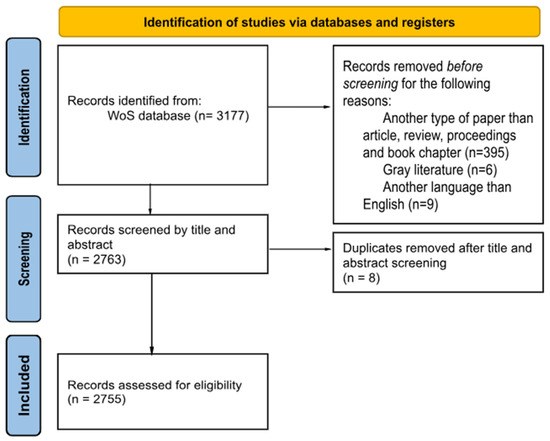
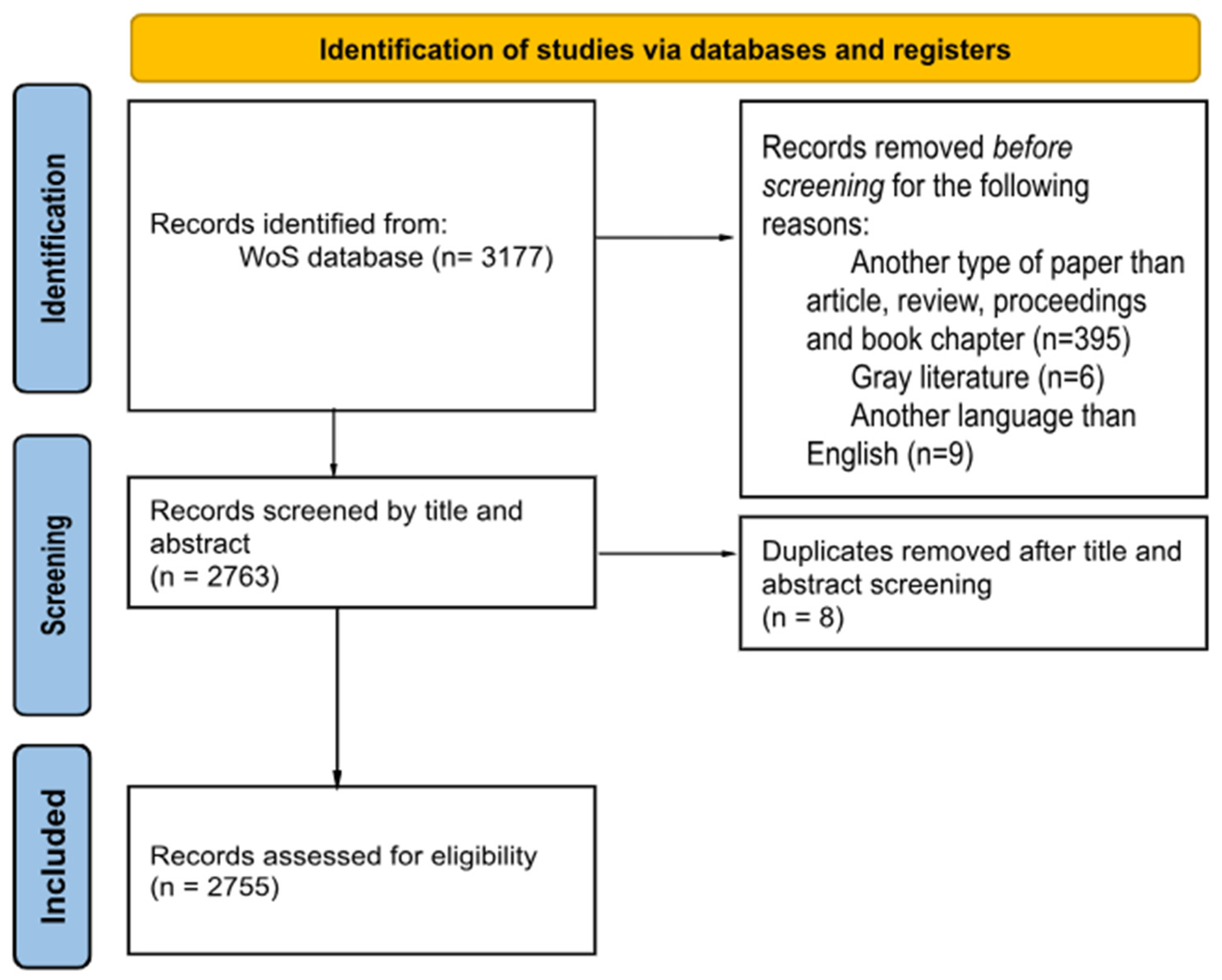
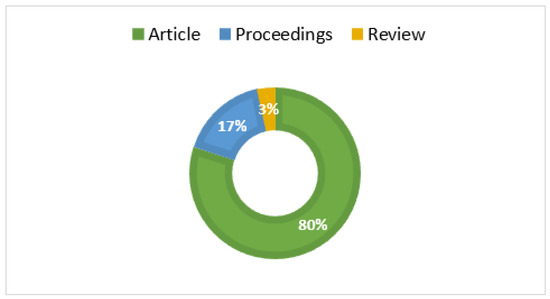
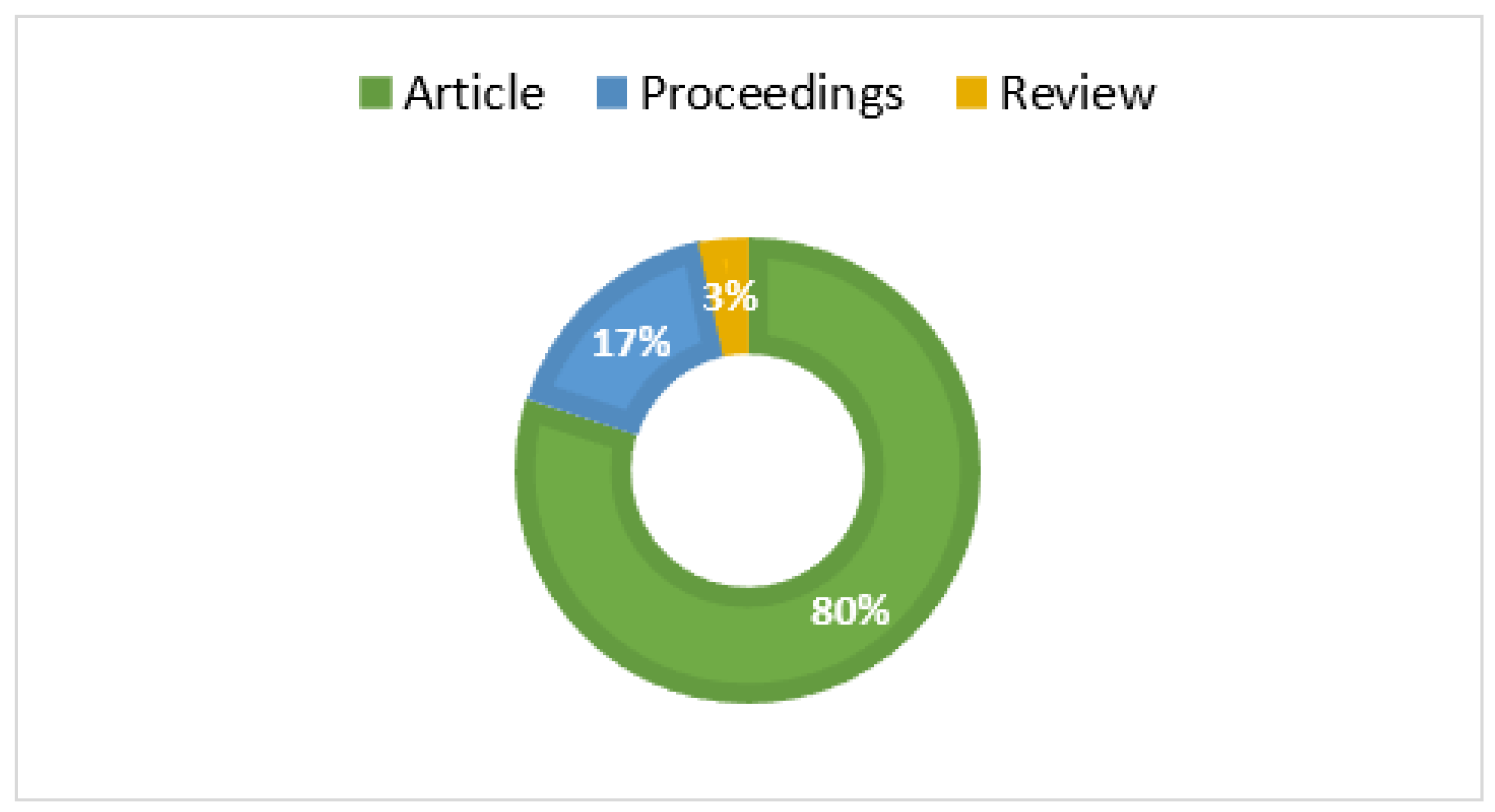
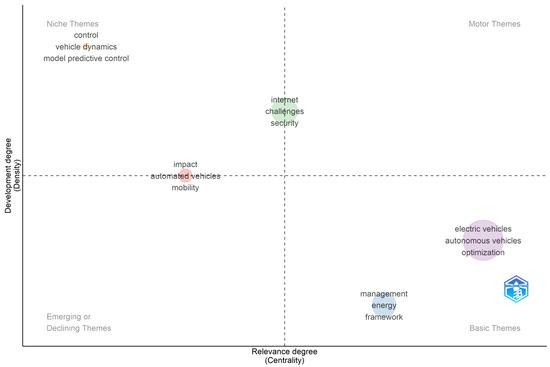
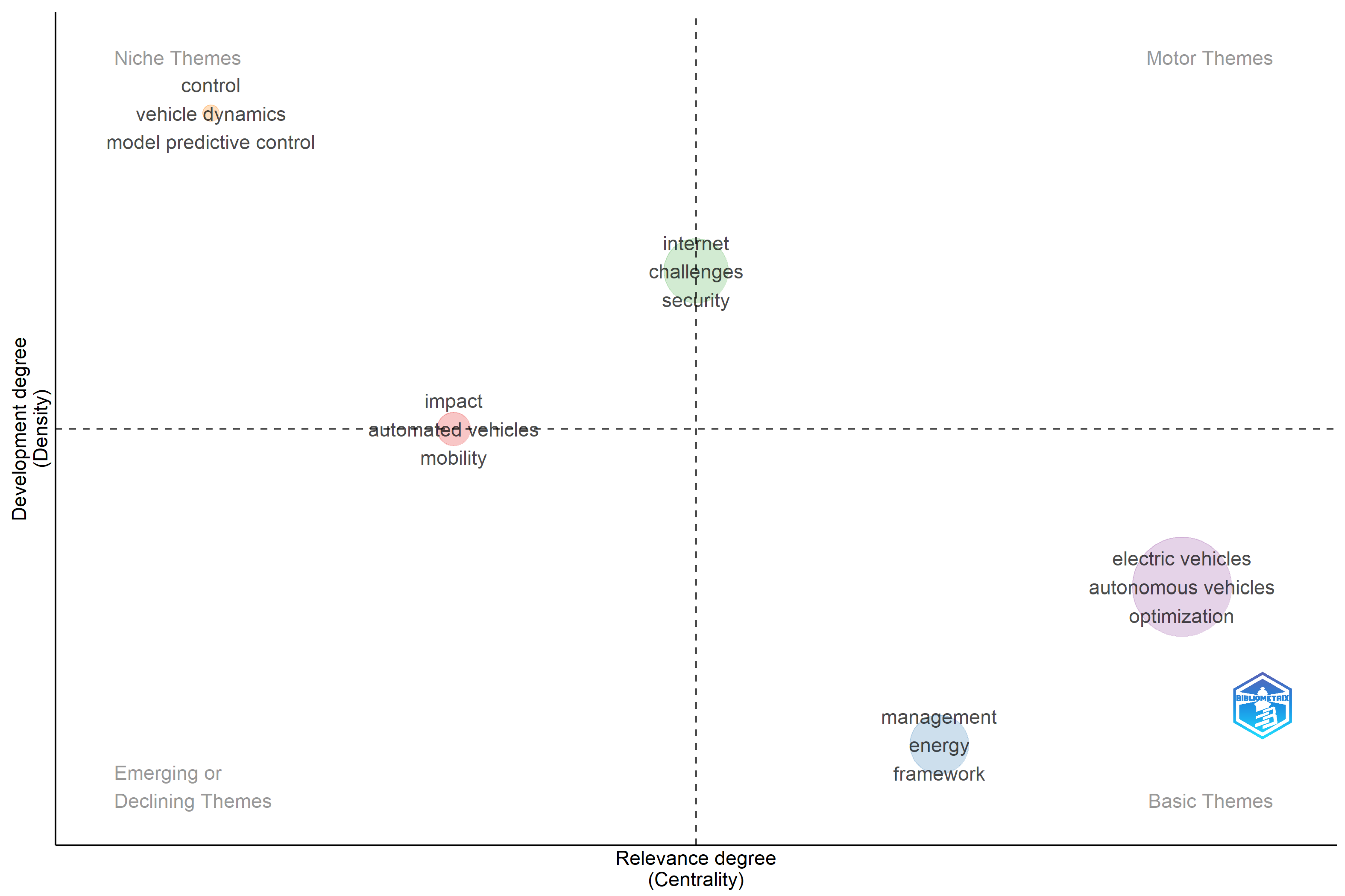
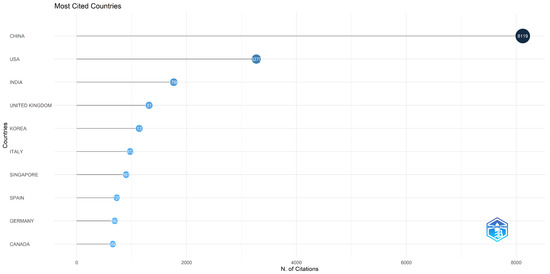
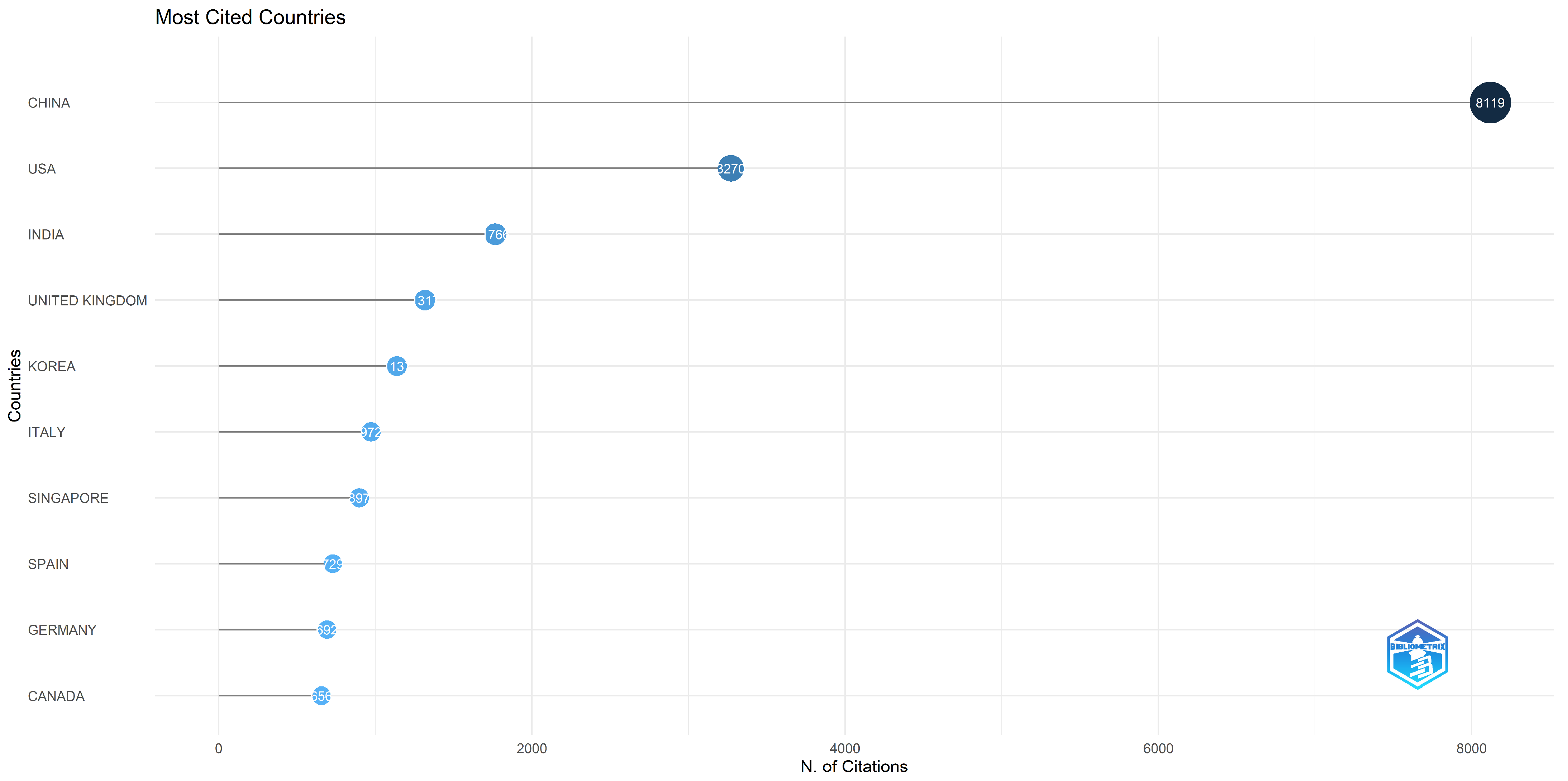
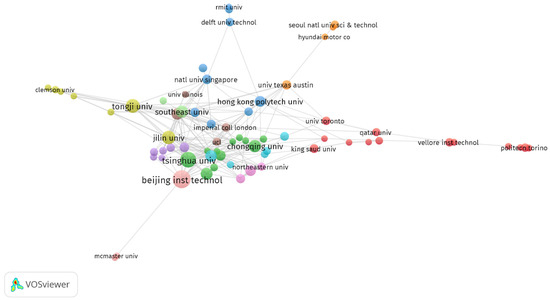
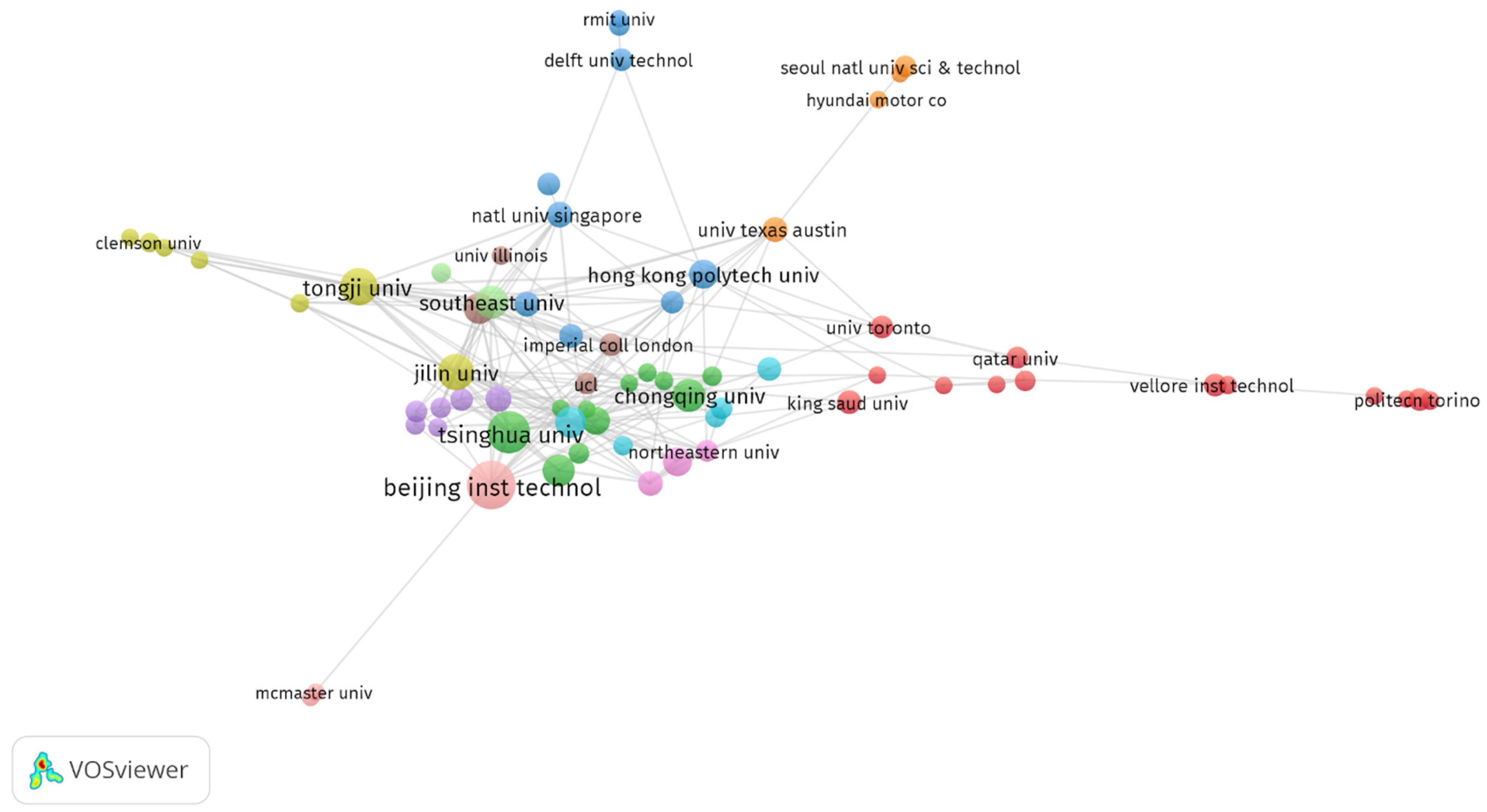
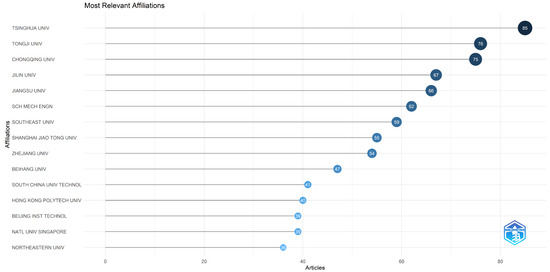
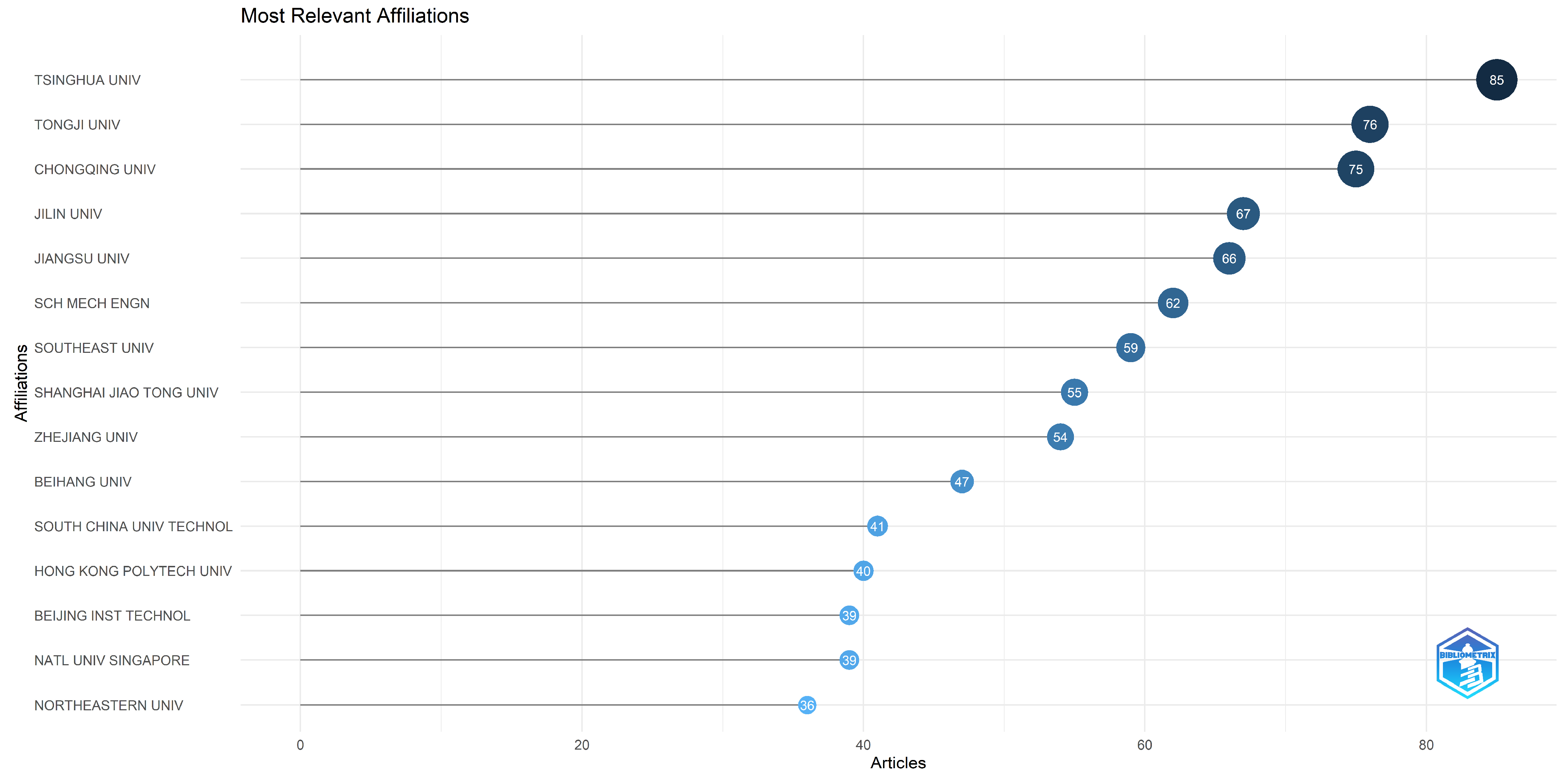
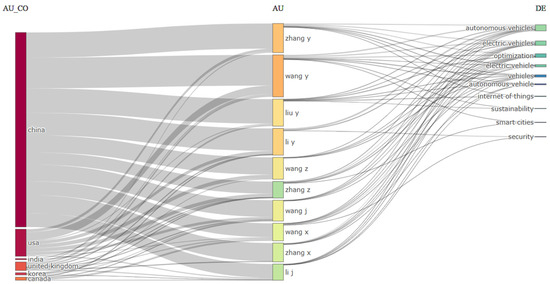
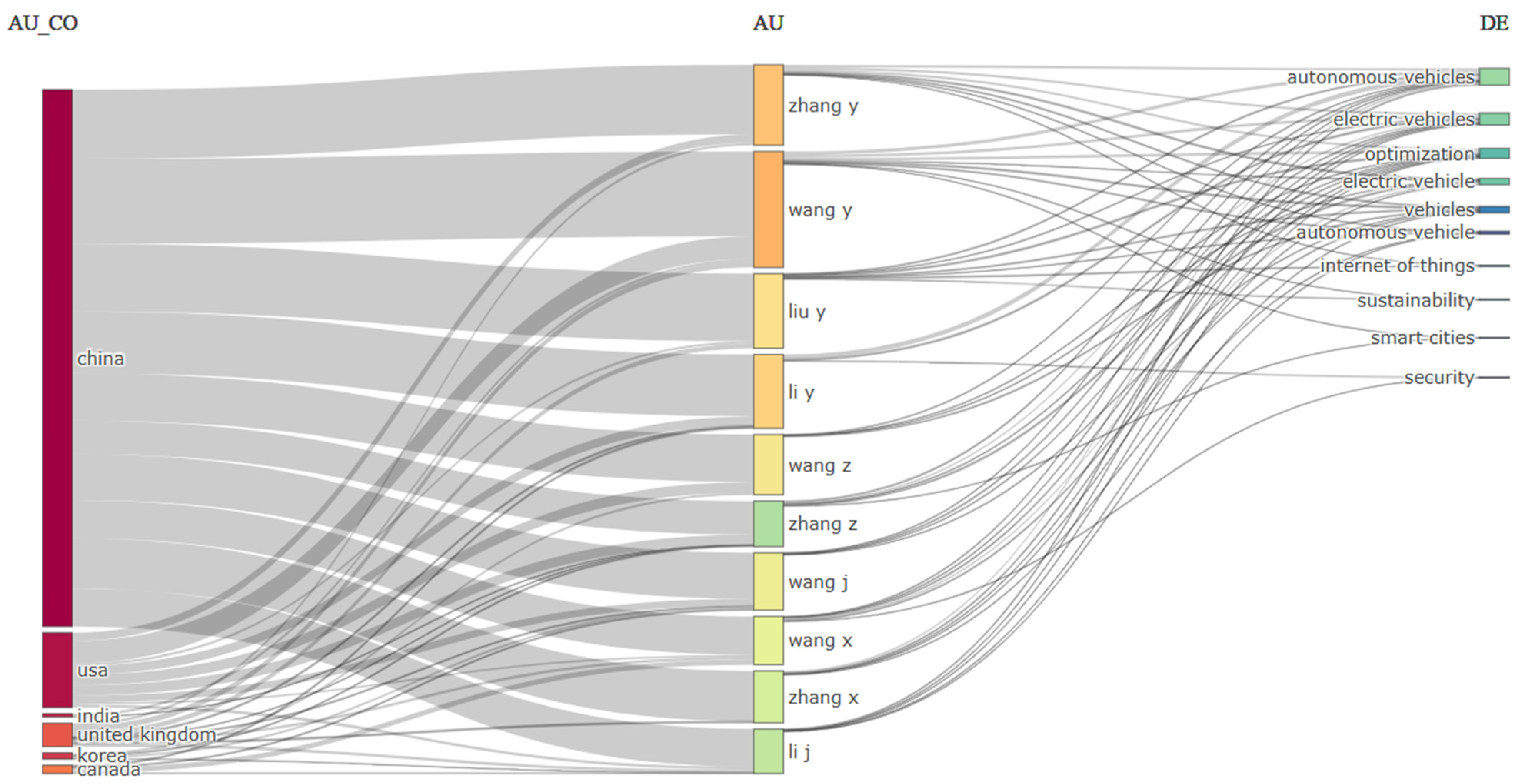
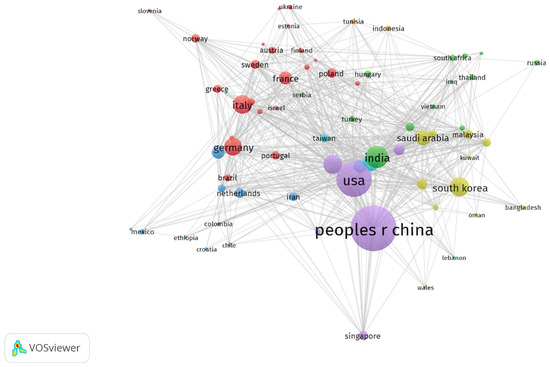
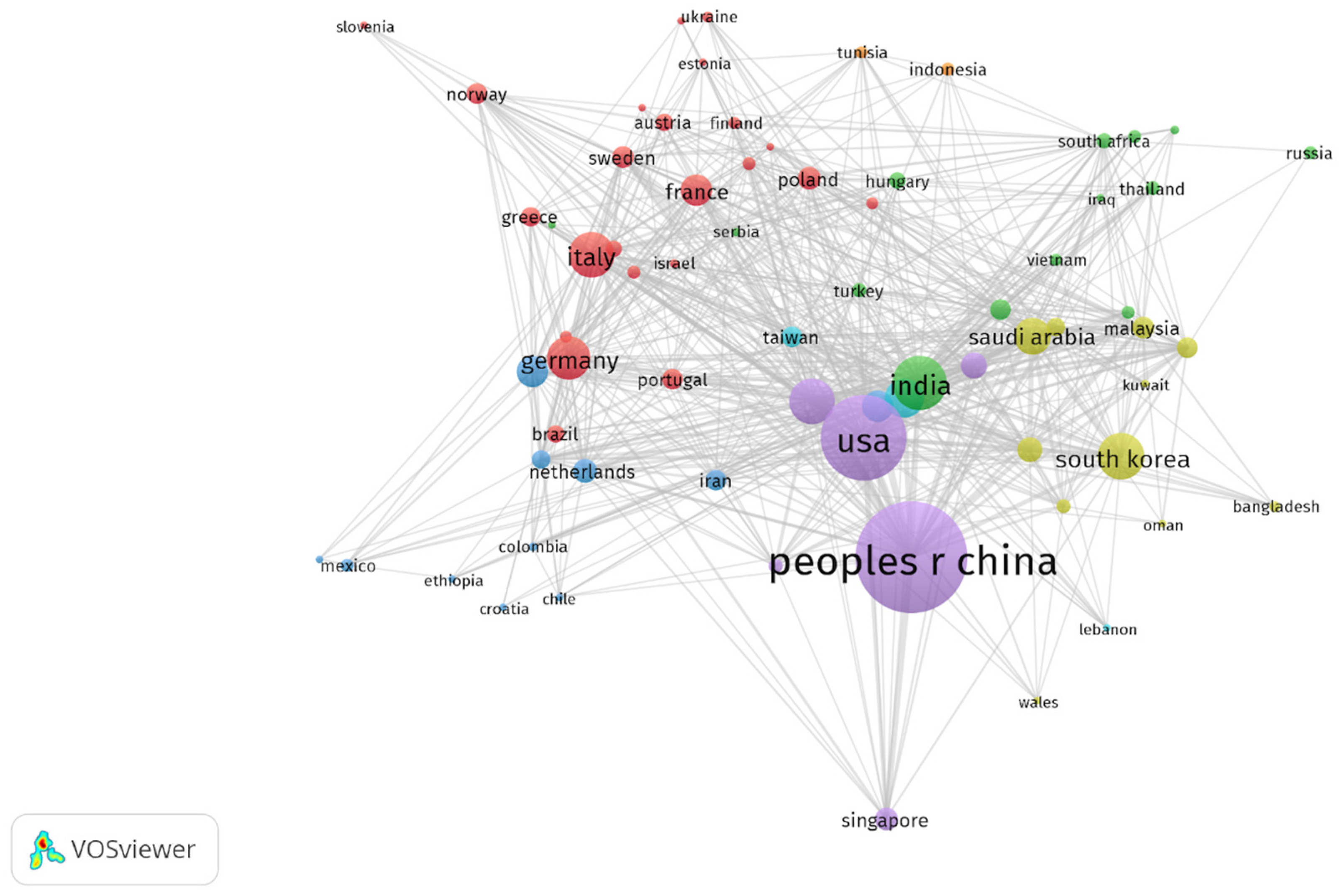
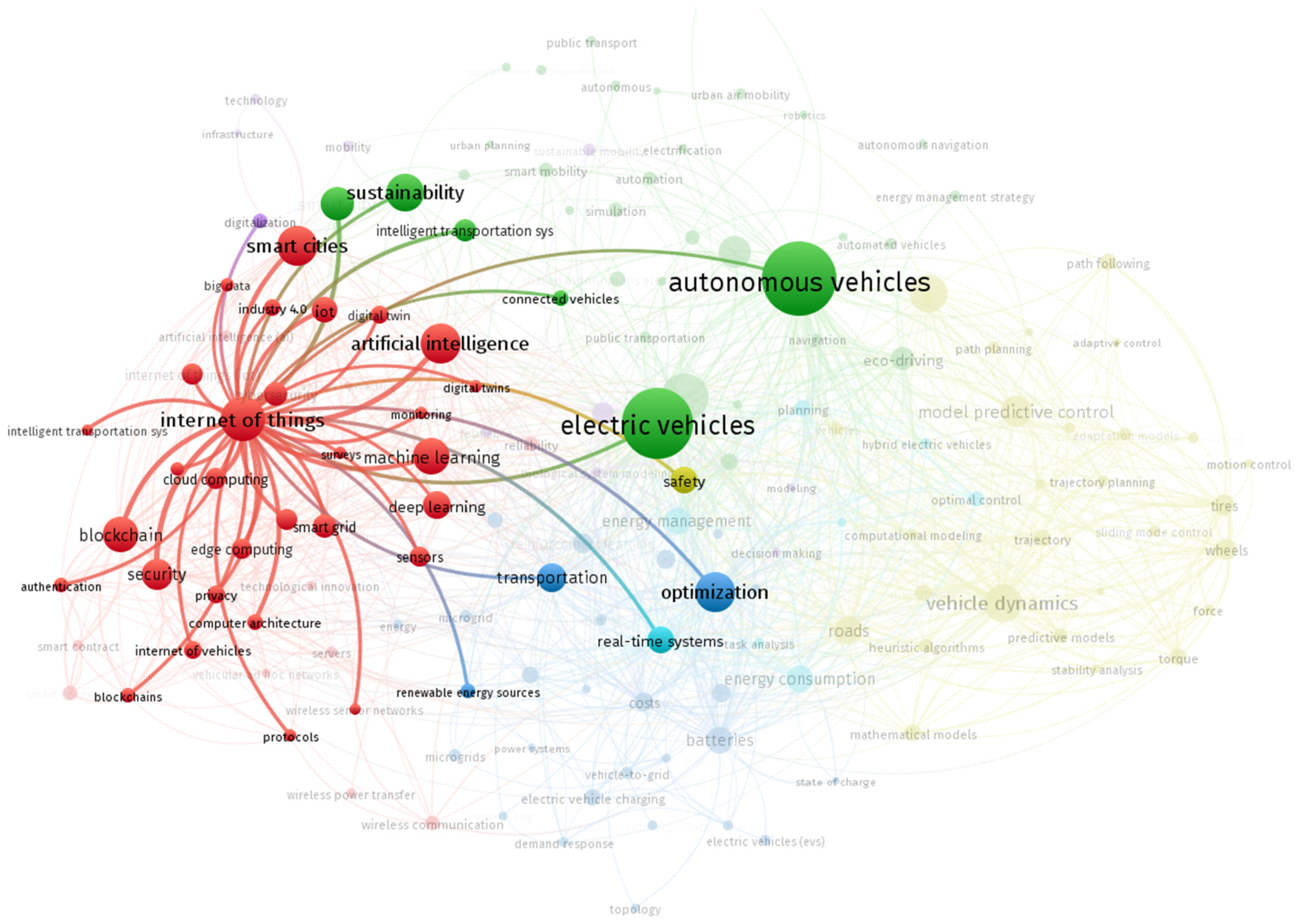
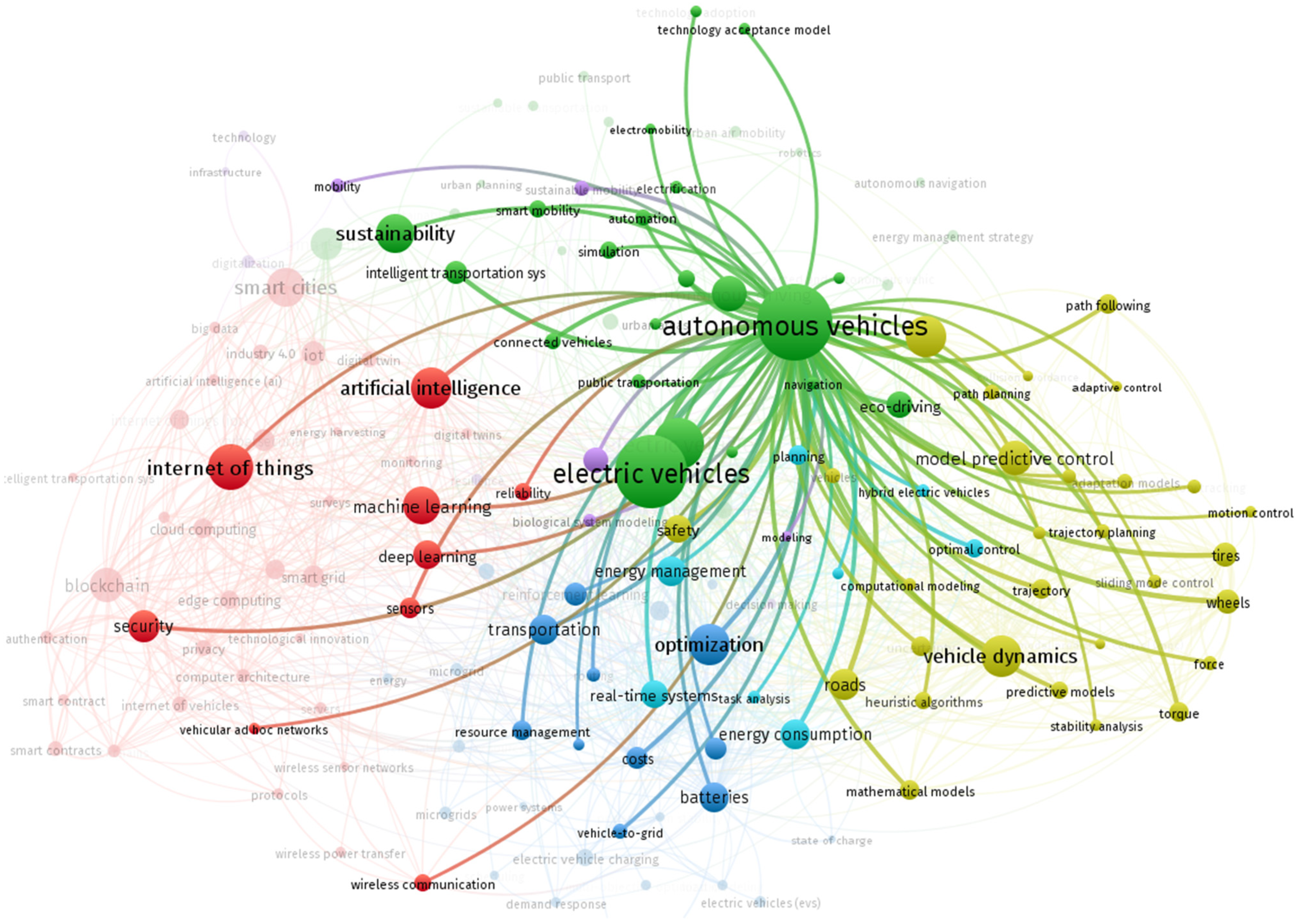
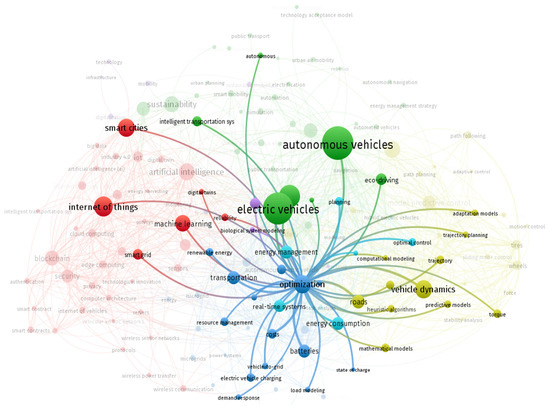
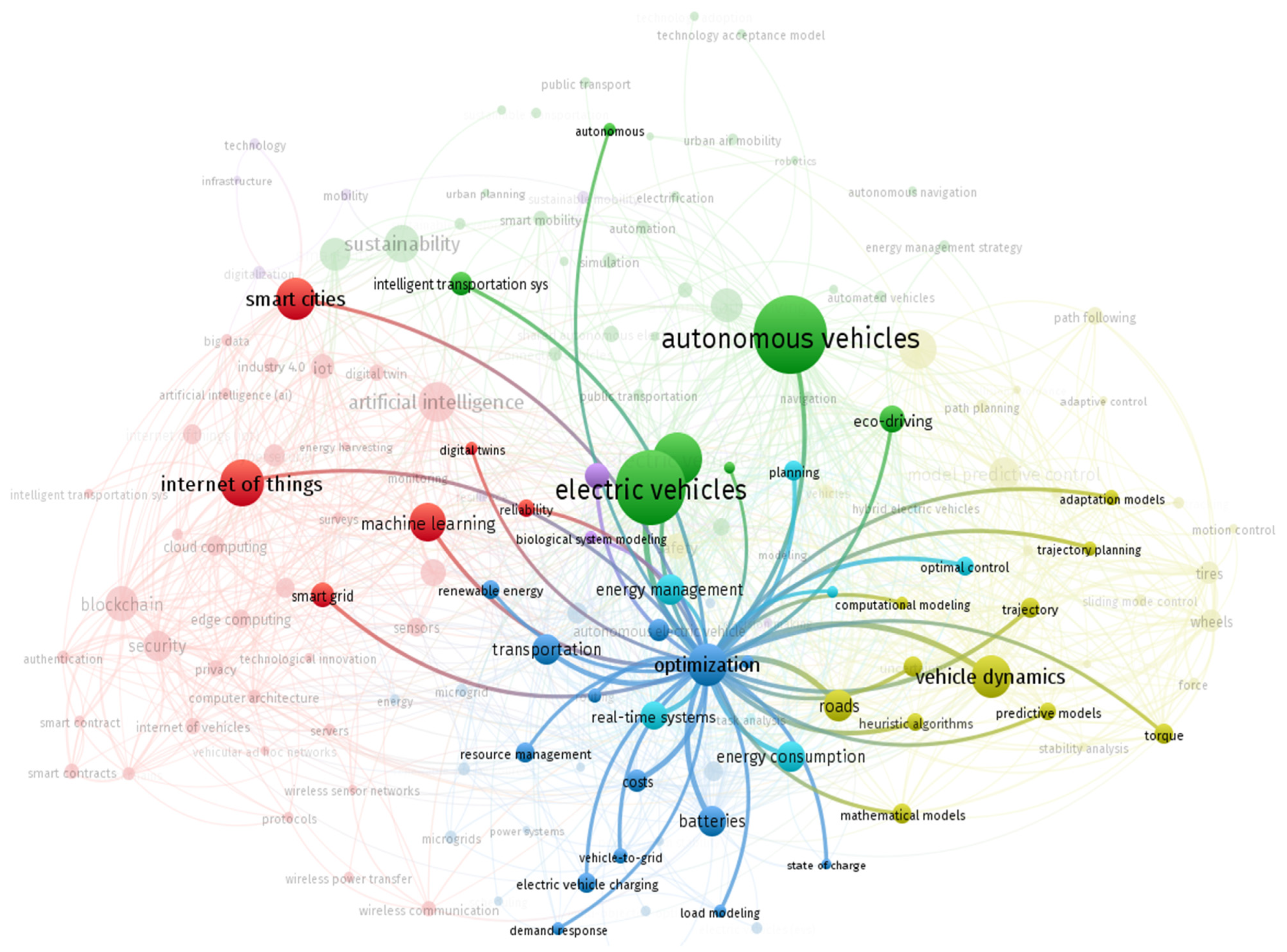
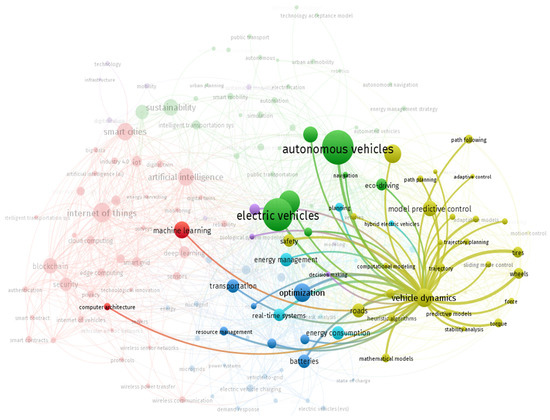
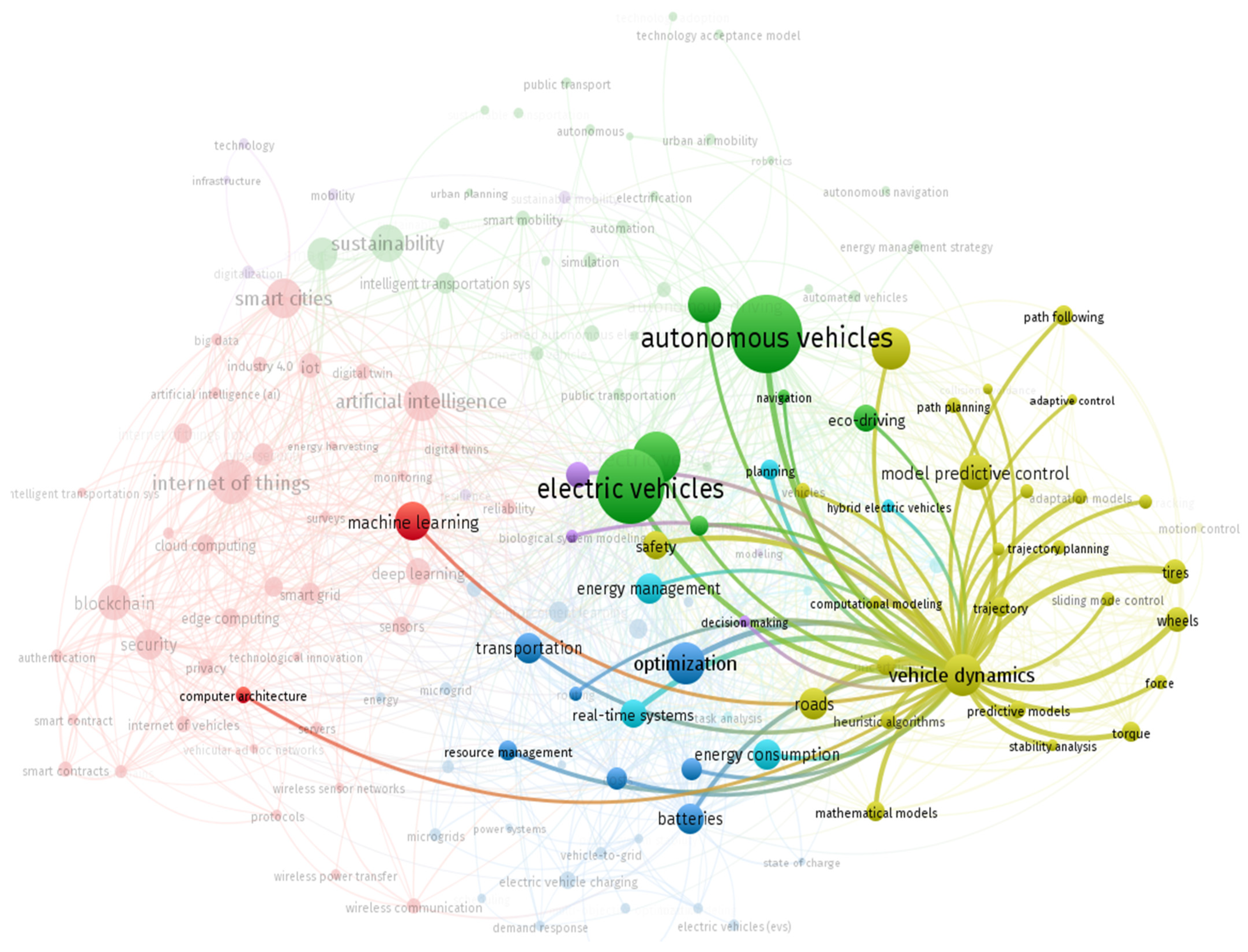
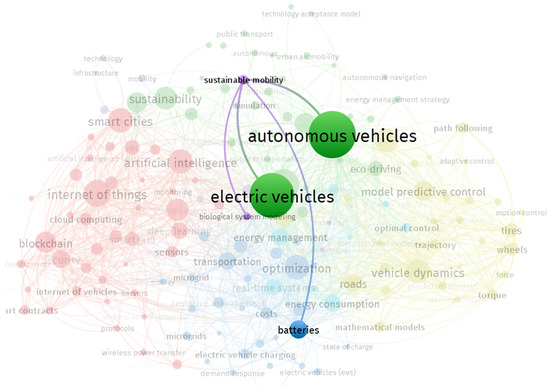
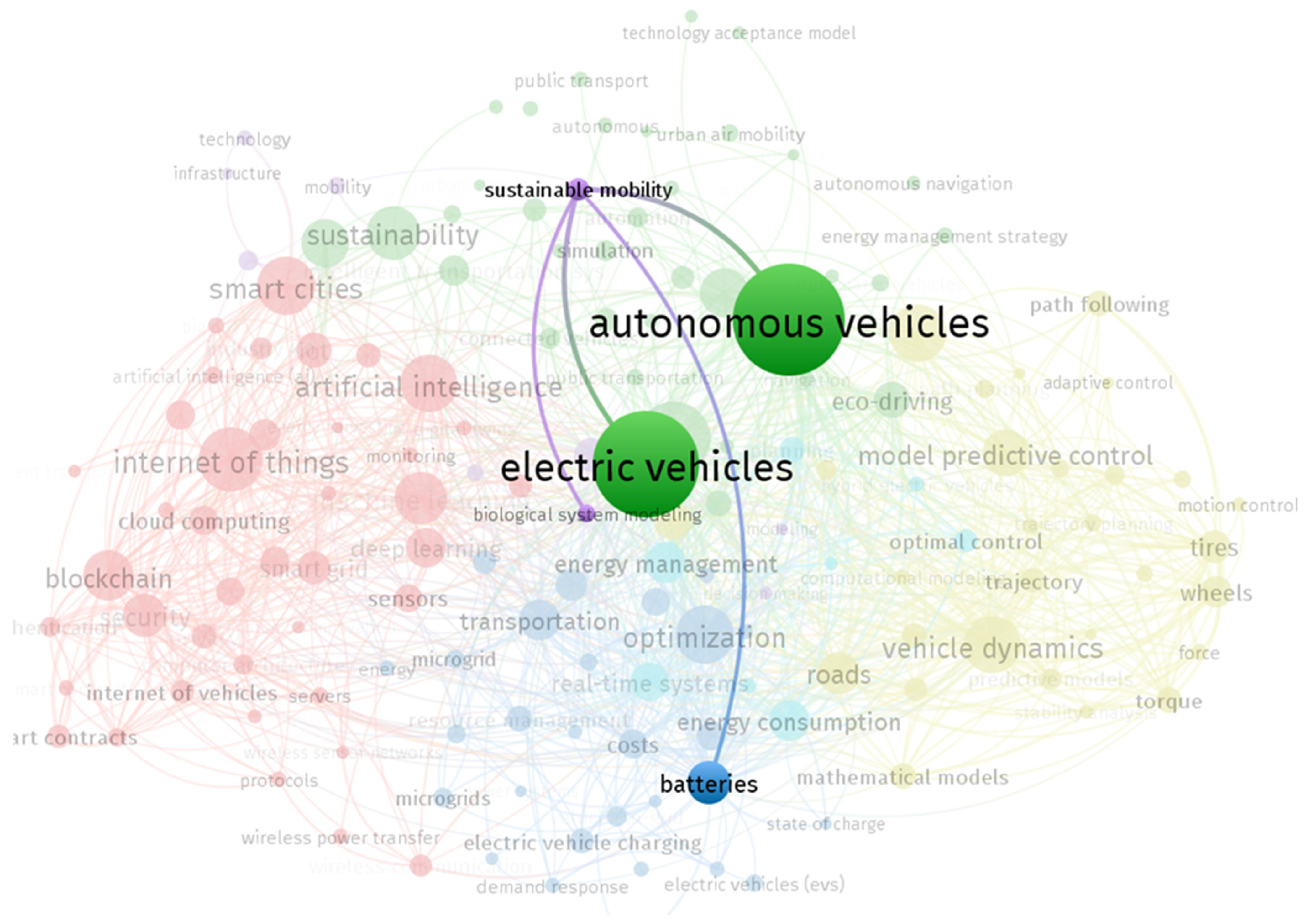
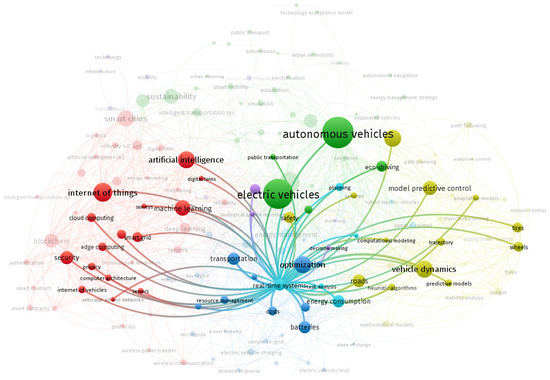
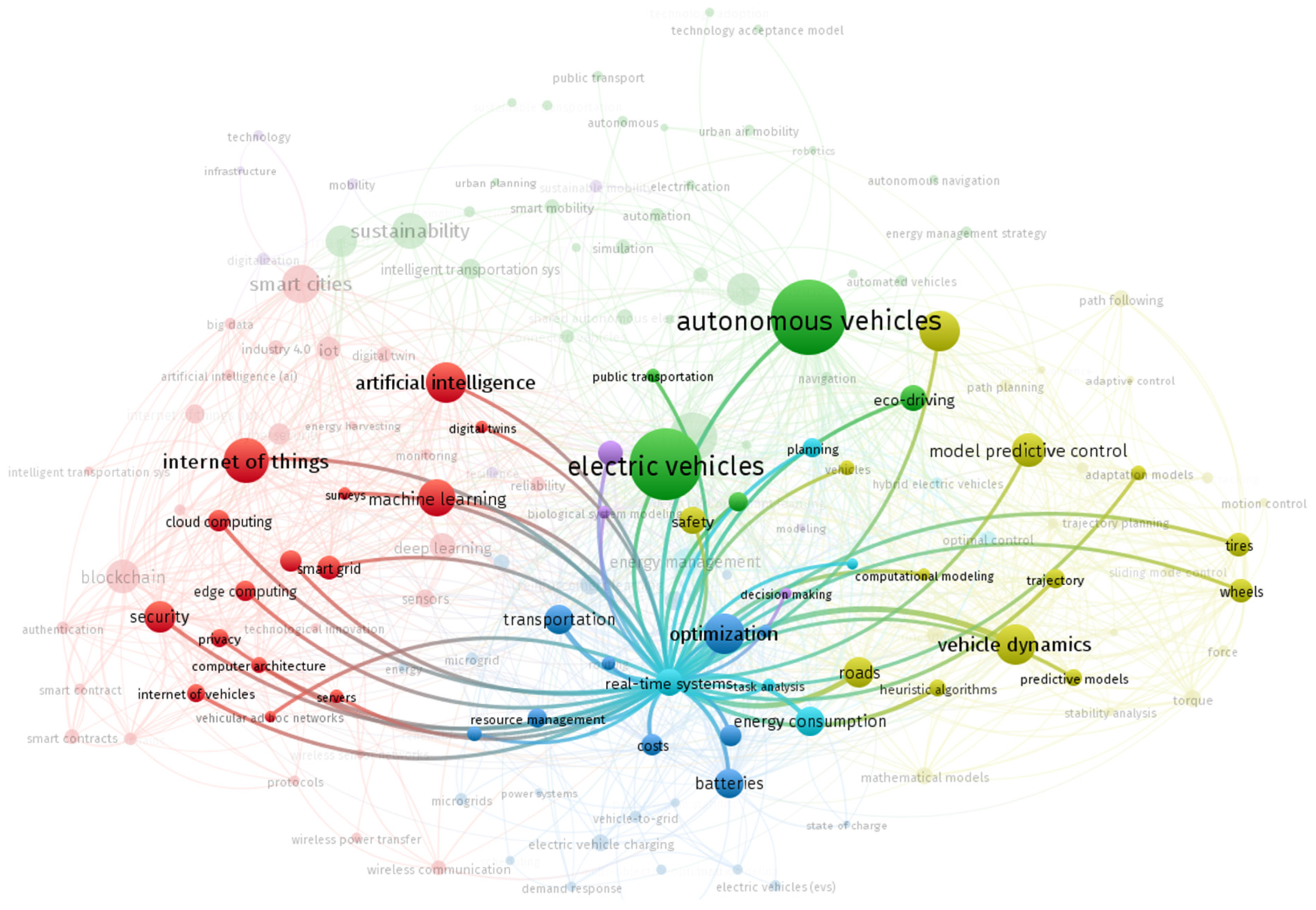

Disclaimer/Publisher’s Note: The statements, opinions and data contained in all publications are solely those of the individual author(s) and contributor(s) and not of MDPI and/or the editor(s). MDPI and/or the editor(s) disclaim responsibility for any injury to people or property resulting from any ideas, methods, instructions or products referred to in the content. |
© 2026 by the authors. Licensee MDPI, Basel, Switzerland. This article is an open access article distributed under the terms and conditions of the Creative Commons Attribution (CC BY) license.