


Abstract
The Chinese sturgeon (Acipenser sinensis) is a critically endangered species with significant ecological and economic value. This study investigates the effects of Angelica sinensis polysaccharides (ASPs) on the antioxidant and immune responses of juvenile Chinese sturgeon through physiological and molecular approaches. Healthy juvenile Chinese sturgeon (n = 120, mean body weight 356.50 ± 92.87 g) were fed diets supplemented with 0%, 0.5%, 1.0%, and 2.0% ASP for 36 days. Results showed that ASP, particularly at 2.0%, significantly enhanced serum antioxidant capacity by increasing activities of superoxide dismutase (SOD), catalase (CAT), and glutathione peroxidase (GSH-Px) and reduced malondialdehyde (MDA) content. Immune indices, including immunoglobulins (IgG and IgM), complement components (C3 and C4), lysozyme (LSZ) activity, and antimicrobial peptides (AMPs), were also significantly elevated in the 1.0% and 2.0% ASP groups. Transcriptome sequencing of spleen and kidney tissues from the control and 2.0% ASP groups identified 151 and 467 differentially expressed genes (DEGs), respectively, with significant enrichment in immune-related pathways such as phagocytosis and the MAPK signaling pathway. Ten candidate immune-related genes (e.g., PDIA4, H-2Q9α, TTC39B) were validated by qRT-PCR, confirming the reliability of the RNA-seq data. This study demonstrates that ASP can enhance the antioxidant and immune responses of juvenile Chinese sturgeon, providing a potential natural immunostimulant for aquaculture. These findings offer a scientific basis for the conservation and sustainable production of this endangered species and highlight the need for further research on the application of ASP in sturgeon aquaculture.
Keywords:
Chinese sturgeon; angelica sinensis polysaccharides; antioxidant response; immune regulation; transcriptome sequencing; conservation aquaculture Key Contribution:
We deliver the first comprehensive evidence that ASP supplementation at 2% of diet (i) simultaneously boosts antioxidant enzymes and multiple humoral immune effectors, and (ii) reprograms immune-relevant transcriptional networks in spleen and kidney of juvenile Chinese sturgeon. The work identifies ten robust ASP-responsive genes and four conserved immune pathways that can serve as molecular markers for future brood-stock management, captive-breeding protocols and conservation strategies for Chinese sturgeon.
1. Introduction
The Chinese sturgeon (Acipenser sinensis) is one of the oldest extant actinopterygian fishes, with a history dating back to the Upper Cretaceous period over 200 million years ago [1,2]. Native to China, this large anadromous fish is renowned as a living fossil and holds significant evolutionary, ecological, and economic value. However, the natural population of Chinese sturgeon has suffered a severe decline over the past decades due to multiple anthropogenic factors, such as habitat destruction, overexploitation, and water pollution [3,4,5]. Currently, the species is listed as critically endangered (CR) on the International Union for Conservation of Nature (IUCN) Red List, highlighting the urgent need for effective conservation and management strategies [6].
To address the decline of the Chinese sturgeon, considerable efforts have been invested in conservation strategies, including the establishment of artificial breeding programs since the early 1980s [3,7]. These programs aim to enhance the existing population through controlled propagation and the release of cultured juveniles into the wild. However, despite these efforts, the natural stock continues to face significant challenges, and the species remains critically endangered [6]. The success of these conservation programs depends on a comprehensive understanding of the species’ biology, ecology, and immunology.
In recent years, there has been a growing interest in the use of immunostimulants to enhance the disease resistance of cultured fish species. Immunostimulants, such as plant-derived polysaccharides, have shown promise in improving the immune response and overall health of fish [8].
Angelica sinensis (Oliv.) Diels, commonly known as “Danggui” in Traditional Chinese Medicine, has been widely used for centuries due to its significant therapeutic effects [9]. The root of A. sinensis contains a variety of bioactive constituents, among which polysaccharides are one of the most important [10]. These polysaccharides have garnered considerable attention for their diverse pharmacological activities, including antioxidant, anti-inflammatory, immunomodulatory, antitumor, and hepatoprotective effects [11,12,13,14].
Angelica sinensis polysaccharides (ASP) has been extensively studied for its immunomodulatory properties, which are critical for enhancing the body’s defense mechanisms. Studies have shown that ASP can significantly promote the proliferation and activity of immune cells such as macrophages, lymphocytes, and natural killer (NK) cells [15,16,17]. For instance, ASP has been found to enhance the phagocytic activity of macrophages and the cytotoxicity of NK cells, thereby strengthening the overall immune response [16,18]. Additionally, ASP has been reported to modulate the production of various cytokines, including tumor necrosis factor-α (TNF-α), interferon-γ (IFN-γ), and interleukin-2 (IL-2), which play key roles in immune regulation and inflammation [19].
In addition to its immunomodulatory effects, ASP has demonstrated significant antioxidant properties. These properties are attributed to its ability to scavenge reactive oxygen species (ROS) and reduce oxidative stress, which is often associated with various diseases [20]. For example, ASP has been shown to protect cells from oxidative damage by increasing the levels of antioxidant enzymes such as superoxide dismutase (SOD), catalase (CAT), and glutathione peroxidase (GSH-Px) [21].
The use of ASP in aquaculture has gained increasing attention due to its potential to enhance the health and immune status of fish. In recent years, several studies have explored the effects of ASP on the growth, immune response, and disease resistance of various fish species. For instance, ASP has been shown to improve the growth performance and feed efficiency in cultured fish [12,22]. Moreover, ASP has been reported to enhance the immune response of fish by increasing the levels of immunoglobulins (IgG and IgM), complement components (C3 and C4), and antimicrobial peptides (AMPs) [12].
In addition to its direct effects on fish health, ASP has been explored as a potential feed additive to mitigate the negative impacts of stress and disease in aquaculture systems. Stressful conditions, such as high stocking densities and poor water quality, can compromise the immune system of fish, making them more susceptible to diseases. Studies have demonstrated that the inclusion of ASP in diets can reduce the stress-induced immune suppression and improve disease resistance [12].
The study of the immune system of the Chinese sturgeon is still in its infancy, with limited sequence information available in public databases [23]. Recent advancements in next-generation sequencing (NGS) technologies have provided a powerful platform for rapidly and cost-effectively generating transcriptome assemblies [24]. This study utilizes NGS to characterize the immune-related transcriptome of the Chinese sturgeon, identifying candidate genes involved in immune defense. The availability of a large number of expressed sequence tags (ESTs) and nucleotide sequences will significantly enhance our understanding of the molecular mechanisms underlying the immune response in this ancient fish species. The Chinese sturgeon, with its unique evolutionary history and critical conservation status, presents a unique opportunity to explore the potential of immunostimulants in enhancing its immune system. This study aims to investigate the effects of Angelica polysaccharides on the immune response of Chinese sturgeon, providing a theoretical basis for the application of Angelica polysaccharides as an immunostimulant in sturgeon aquaculture.
2. Materials and Methods
2.1. Experimental Fish and Diets
All animal experiments were approved by the Animal Ethics Committee of the Chinese Sturgeon Research Institute (Approval No. CSRI-AEC-2022-008). All procedures were conducted in accordance with the Guidelines for the Care and Use of Laboratory Animals of China.
A total of 120 healthy, uninjured 9-month-old juvenile Chinese sturgeons (mean body weight 356.50 ± 92.87 g) were randomly divided into four groups with three replicates per group (10 fish per replicate). The basal diet was a powdered feed with the following nutritional composition: crude protein ≥43%, crude fat ≥5.0%, crude fiber ≤5%, crude ash ≤18%, calcium 2.0–5.0%, phosphorus 1.0–3.0%, and lysine ≥2.0%. ASP was purchased from Shaanxi Benhe Biotechnology Co., Ltd. (Xi’an, China), with a polysaccharide purity of 30% as declared by the manufacturer. The remaining 70% consists of maltodextrin carrier (≈65%) and moisture (≈5%). The ASP was added to diets at concentrations of 0.5%, 1.0%, and 2.0% of total feed weight, representing actual polysaccharide doses of 0.15%, 0.30%, and 0.60%, respectively. All dosage calculations in results refer to the active polysaccharide content. The feed was prepared by mixing ASP into the basal diet at designed concentrations, followed by granulation to produce 3–4 mm pellets, which were then air-dried and stored at −20 °C until use.
2.2. Rearing Management
The experiment was conducted in fiberglass tanks (diameter 2 m, water depth 0.6 m) over a period of 36 days. The rearing water was well-aerated and sedimented groundwater. During the trial, water temperature ranged from 22.3 to 24.9 °C. Water quality parameters, including dissolved oxygen, ammonia nitrogen, and nitrite nitrogen, were monitored daily. Water quality was maintained by water changes and removal of residual feed and feces, ensuring good rearing conditions (dissolved oxygen > 6.0 mg/L, ammonia nitrogen < 0.2 mg/L, nitrite nitrogen < 0.05 mg/L). Water temperature and dissolved oxygen were monitored and recorded three times daily at 08:00, 12:00, and 18:00.
2.3. Experimental Design
Four experimental groups were established: a control group (basal diet with 0.0% ASP) and three treatment groups with 0.5%, 1.0%, and 2.0% ASP added to the basal diet. Each group had three replicates, with ten fish per replicate. After a 7-day acclimation period with the basal diet, the formal trial began, and fish were fed according to the designed feeding schedule for 36 days.
2.4. Sample Collection and Detection
On day 36, five fish from each replicate were randomly selected, anesthetized, and blood was sampled from the caudal vein. Blood samples were centrifuged at 2500 r/min for 15 min to obtain serum, which was stored at −80 °C for subsequent analysis.
Serum biochemical indicators were measured using the following methods: superoxide dismutase (SOD), catalase (CAT), glutathione peroxidase (GSH-Px), total antioxidant capacity (T-AOC), and malondialdehyde (MDA) for antioxidant indicators; immunoglobulin G (IgG), immunoglobulin M (IgM), complement C3 (C3), complement C4 (C4), alkaline phosphatase (AKP), total protein (TP), interferon-γ (IFN-γ), lysozyme (LSZ), and antimicrobial peptides (AMPs) for immune indicators. Detection was performed using enzyme-linked immunosorbent assay (ELISA) kits (Shanghai Enzyme-Linked Biotechnology Co., Ltd. Shanghai, China).
Spleen and kidney tissues were collected from three fish per group, immediately immersed in liquid nitrogen, and then stored at −80 °C for subsequent RNA extraction.
2.5. RNA Extraction
Total RNA was extracted from spleen and kidney tissues collected from three fish per group, with one fish randomly selected from each of the three replicate tanks (n = 3 biological replicates). This design ensured representation across all experimental units while avoiding pseudoreplication. Tissues from each fish were processed separately and never pooled. The RNA Integrity Number (RIN) for all samples ranged from 8.2 to 9.6, as assessed using an Agilent Bioanalyzer 2100.
2.6. cDNA Library Construction and Sequencing
A total of 12 cDNA libraries (6 from spleen, 6 from kidney) were constructed, each representing a biological replicate (3 control + 3 treated per tissue). cDNA libraries were constructed for the spleen and kidney tissues of Chinese sturgeon. Libraries were sequenced on an Illumina NovaSeq 6000 platform using a 150 bp paired-end strategy, with an average sequencing depth of 20 million reads per sample. The quality of the libraries was assessed using an Agilent Bioanalyzer 2100 system. Qualified libraries were sequenced on the Illumina NovaSeq platform at BGI Genomics.
2.7. Transcriptome Data Analysis
Raw sequencing data were processed using the BMKCloud bioinformatics platform to obtain clean data. Clean reads were aligned to the Chinese sturgeon reference genome [25] using the HISAT2 software. Differential gene expression analysis was performed using the DEGseq2 software with a threshold of FDR < 0.01 and Fold Change ≥ 2. Gene Ontology (GO) classification and Kyoto Encyclopedia of Genes and Genomes (KEGG) pathway enrichment analyses were conducted using the clusterProfiler software.
2.8. qRT-PCR Validation
To verify the reliability of the transcriptomic sequencing results of the immune tissue regulatory effects of Angelica sinensis polysaccharides on Chinese sturgeon, qRT-PCR validation was performed on the differentially expressed genes related to immunity and disease resistance, using β-actin as the internal reference. qRT-PCR validation was performed on the identical RNA samples used for transcriptome sequencing (n = 3 per group from spleen and kidney tissues), using independent cDNA syntheses from the original RNA extracts. This direct 1:1 comparison ensures accurate validation without introducing additional biological variation. Additionally, we analyzed all four experimental groups (0%, 0.5%, 1.0%, 2.0% ASP) to validate dose-dependent expression patterns. Gene-specific primers (Table 1) were designed using Premier 5.0 software based on the de novo assembled transcript sequences from our RNA-seq data. β-actin was used as the reference gene, and the primers were synthesized by SBS Genetech Co., Ltd. (Wuhan, China). The qRT-PCR mix and reaction conditions were as follows: 7.5 μL of 2 × Universal Blue SYBR Green qPCR Master Mix, 2.5 μL of gene-specific primers (2.5 μmol/L each), 2.0 μL of cDNA, and 4.0 μL of nuclease-free water. The thermal cycling conditions were as follows: initial denaturation at 95 °C for 30 s, followed by 40 cycles of denaturation at 95 °C for 15 s, annealing and extension at 60 °C for 30 s. Melting curves were generated from 65 °C to 95 °C, with fluorescence detected at 0.5 °C increments. All qRT-PCR reactions were performed in triplicate. β-actin was selected as the reference gene based on its verified expression stability in Chinese sturgeon tissues under our experimental conditions. Its stability was confirmed by low variability in Ct values across all samples (CV < 5% within treatment groups). The strong concordance between qRT-PCR and RNA-seq results further supports the reliability of this normalization strategy.
Table 1.
Primer sequences used for qRT-PCR validation of immune-related differentially expressed genes in juvenile Chinese sturgeon. β-actin was used as the internal reference gene. All primers were designed based on transcriptome assemblies from this study, and corresponding NCBI accession numbers are provided.
2.9. Data Analysis
Data were first tested for normality (Shapiro–Wilk test, p > 0.05) and homogeneity of variances (Levene’s test). All antioxidant and immune indices met parametric assumptions and were analyzed by one-way ANOVA followed by Tukey’s HSD post hoc test for multiple comparisons. qRT-PCR data were analyzed by Student’s t-test (control vs. 2.0% ASP) and Dunnett’s test (dose–response validation). Statistical significance was set at p < 0.05. All analyses were performed using SPSS 25.0 software (IBM Corp., Armonk, NY, USA). Data are expressed as mean ± SD with individual data points shown in dot plots to demonstrate distribution. Relative expression levels of genes were calculated using the 2-ΔΔCt method based on qRT-PCR data.
3. Results
3.1. Effects of Angelica Sinensis Polysaccharides on Antioxidant and Immune Indices in Juvenile Chinese Sturgeon
The 2.0% Angelica sinensis polysaccharide group showed a significant increase in SOD activity compared to the control group (p < 0.05), while the 0.5% and 1.0% groups showed a trend towards increased SOD activity but without significant differences (p > 0.05) (Table 2). Similarly, the 1.0% and 2.0% groups exhibited a significant increase in CAT and GSH-Px activities (p < 0.05), whereas the 0.5% group did not show a significant difference (p > 0.05). All treatment groups (0.5%, 1.0%, and 2.0%) demonstrated a significant decrease in MDA content compared to the control group (p < 0.05).
Table 2.
Effects of dietary supplementation with ASP on serum antioxidant indices in juvenile Chinese sturgeon after 36 days of feeding.
Compared to the control group, the 1.0% and 2.0% groups showed a significant increase in IgG, IgM, C3, and C4 levels (p < 0.05),with the 2.0% group exhibiting a stronger effect than the 1.0% group on IgM and C4 levels (Table 3). While the 0.5%, 1.0%, and 2.0% groups did not show a significant impact on AKP and IFN-γ levels (p > 0.05), the 1.0% and 2.0% groups did show a significant increase in LSZ activity (p < 0.05). The 1.0% group also demonstrated a significant increase in TP content (p < 0.05). The 0.5% and 2.0% groups showed a significant increase in AMPs content (p < 0.05), while the 1.0% group did not.
Table 3.
Effects of dietary ASP on serum immune indices in juvenile Chinese sturgeon after 36 days of feeding.
3.2. Transcriptome Sequencing Results
The transcriptome sequencing was performed on the spleen and kidney tissues of juvenile Chinese sturgeon from the control group (CK) and the 2.0% Angelica sinensis polysaccharide group (D3). A total of 12 tissue samples were sequenced, yielding 76.14 Gb of clean data. The Q30 base percentage for each sample was no less than 92.93%, and the average GC content was approximately 45.5–46.2%. The average clean reads per sample were around 21.25 × 10⁶. The sequencing data statistics are provided in Table 4.
Table 4.
Statistical Data of Tissue Sequencing of Chinese Sturgeon.
The alignment of clean reads with the Chinese sturgeon reference genome showed that the alignment efficiency ranged from 82.95% to 87.02%, with 76.66–79.97% of reads aligning to unique genomic locations and 6.21–8.10% aligning to multiple genomic locations (Table 5).
Table 5.
Statistics of Sequence Alignment Results between Sample Sequencing Data and the Selected Reference Genome.
3.3. Differential Gene Expression Analysis
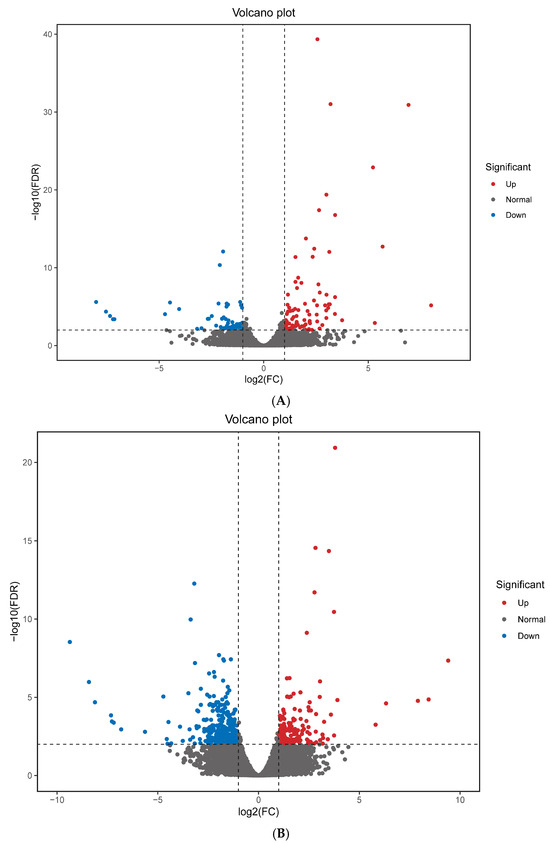
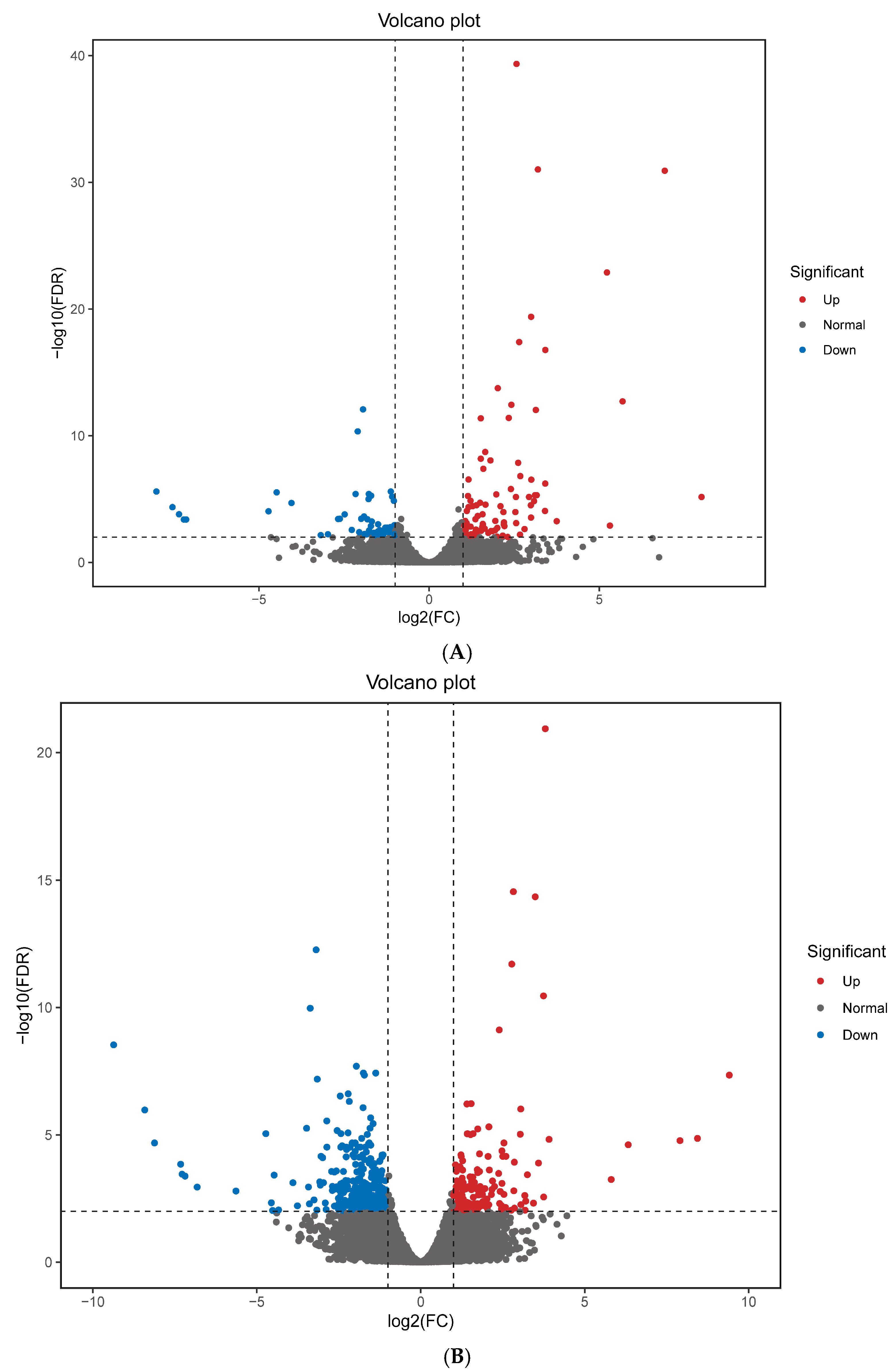
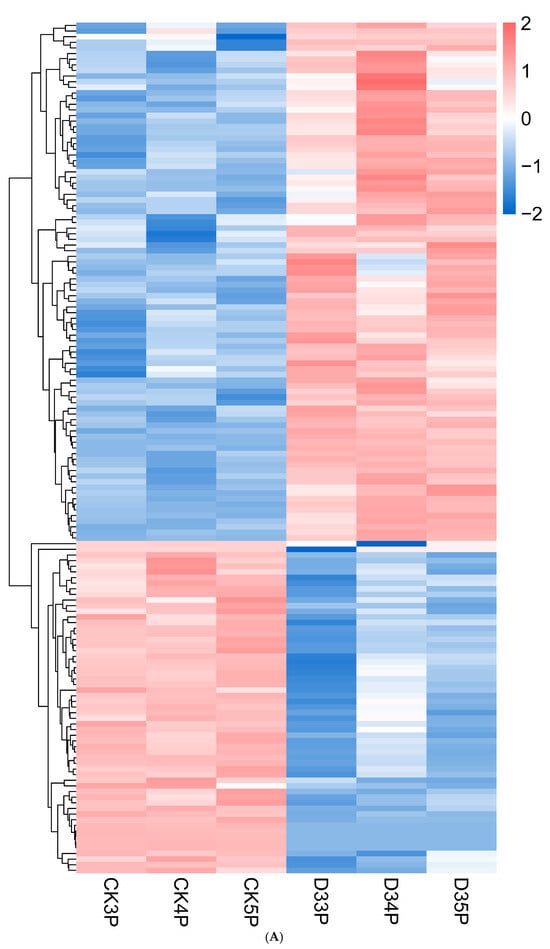
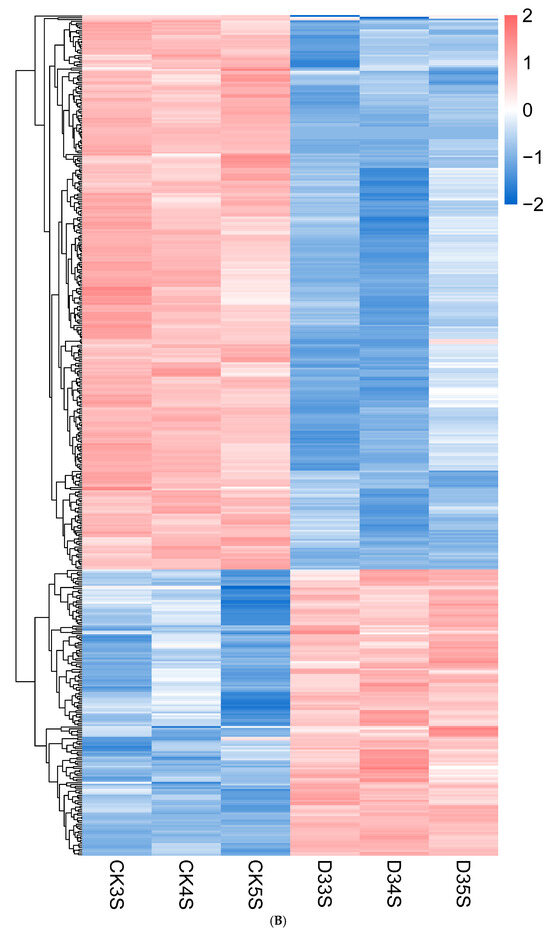
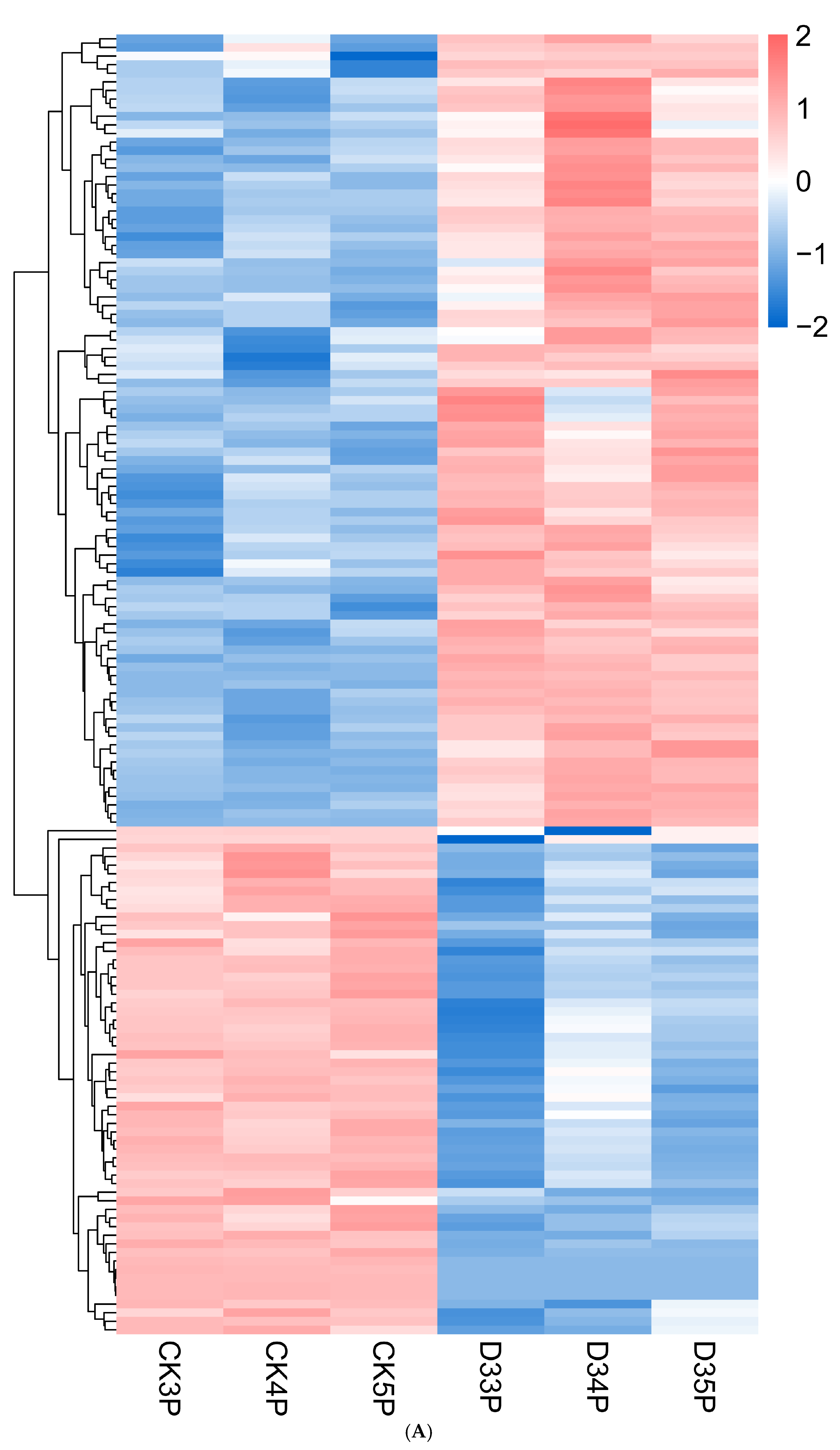
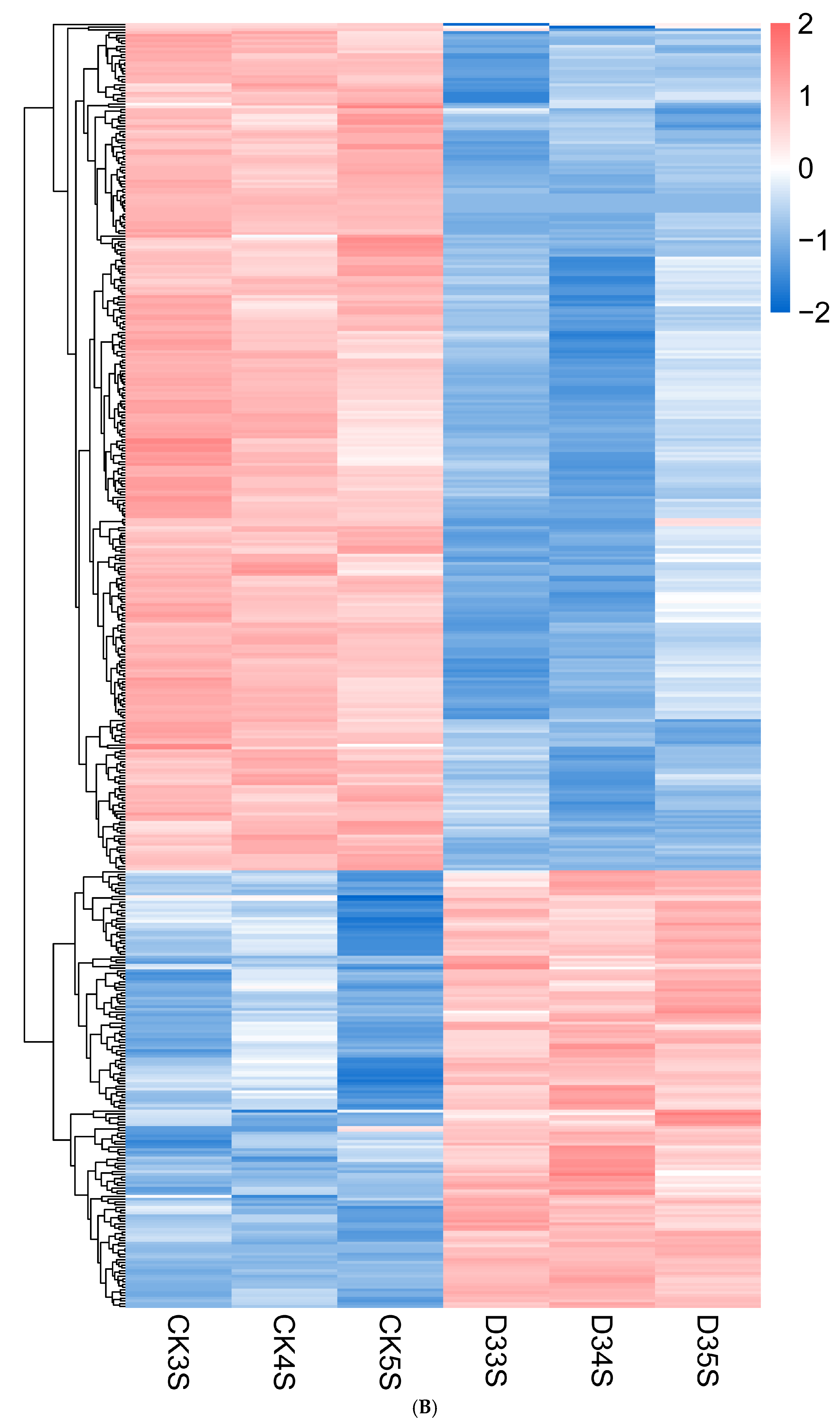
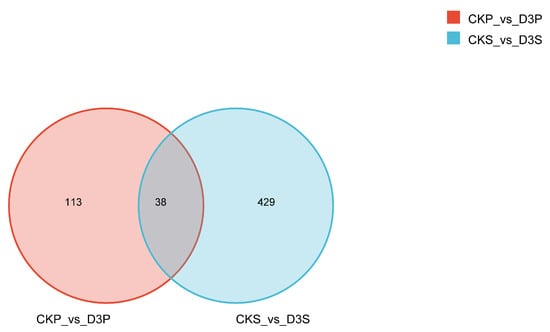
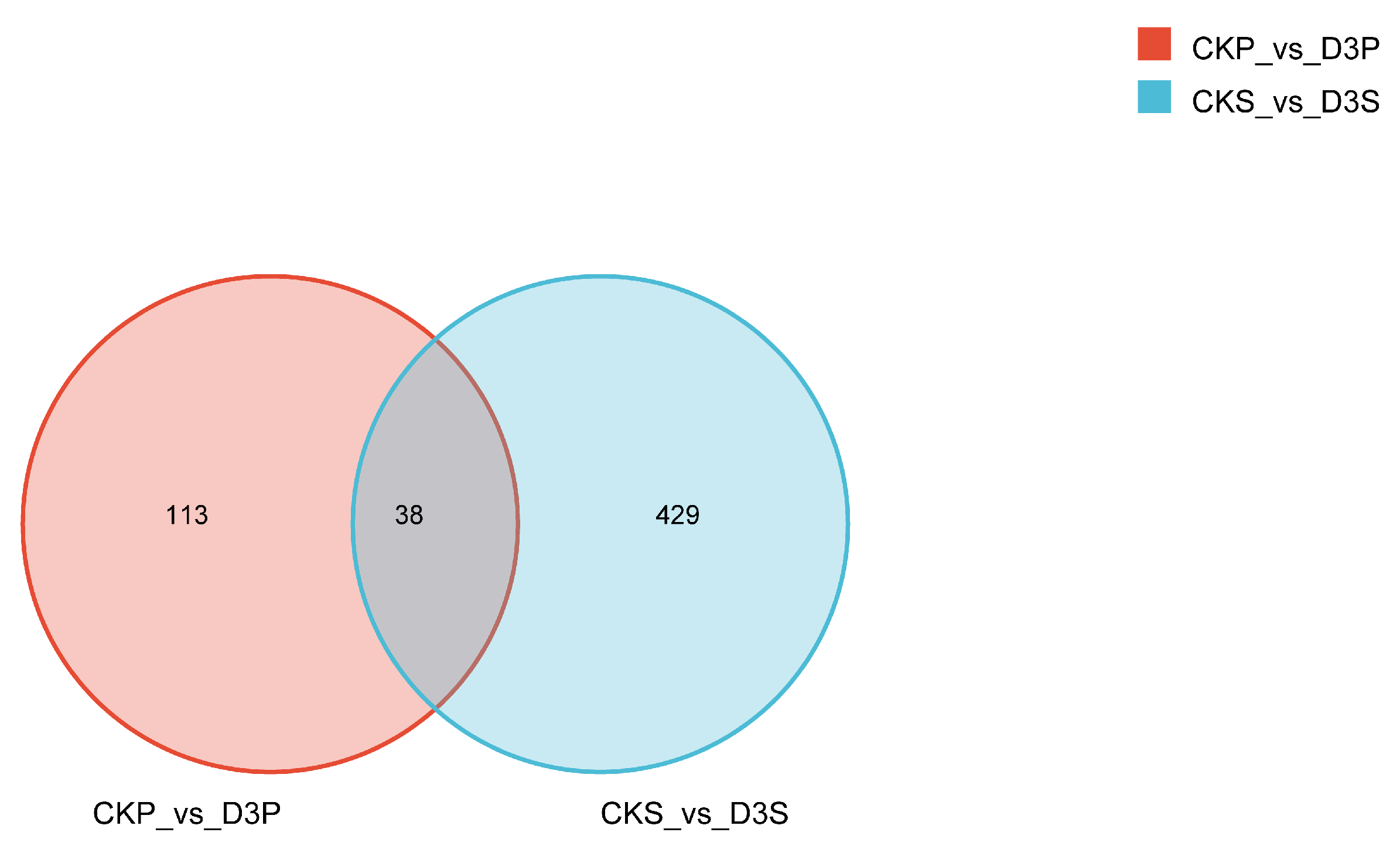
A total of 151 DEGs were identified in the spleen tissue of the CKP vs. D3P comparison group, with 92 upregulated and 59 downregulated genes. In the kidney tissue of the CKS vs. D3S comparison group, 467 DEGs were identified, including 159 upregulated and 308 downregulated genes (Figure 1). Hierarchical clustering showed that the expression patterns of DEGs differed significantly between the two comparison groups but were similar within each group (Figure 2). A Venn diagram analysis revealed a total of 580 DEGs, with 38 overlapping DEGs between the CKP vs. D3P and CKS vs. D3S groups (Figure 3).
Figure 1.
(A) Volcano plots of differentially expressed genes (DEGs) in spleen tissues of juvenile Chinese sturgeon fed a 2.0% ASP-supplemented diet (CKP vs. D3P). Red points represent significantly upregulated genes, blue points represent significantly downregulated genes (FDR < 0.01, |log2FC| ≥ 1). Gray points indicate non-significant genes. (B) Volcano plots of differentially expressed genes (DEGs) in kidney tissues of juvenile Chinese sturgeon fed a 2.0% ASP-supplemented diet (CKS vs. D3S). Red points represent significantly upregulated genes, blue points represent significantly downregulated genes (FDR < 0.01, |log2FC| ≥ 1). Gray points indicate non-significant genes.
Figure 2.
(A) Hierarchical clustering heatmaps of DEGs in spleen tissues. Rows represent DEGs, columns represent individual samples from control (CK) and 2.0% ASP-treated (D3) groups. Color scale indicates normalized expression levels (z-score). (B) Hierarchical clustering heatmaps of DEGs in kidney tissues. Rows represent DEGs, columns represent individual samples from control (CK) and 2.0% ASP-treated (D3) groups. Color scale indicates normalized expression levels (z-score).
Figure 3.
Venn diagram showing overlap of DEGs between spleen and kidney tissues. A total of 580 DEGs were identified across both tissues, with 38 genes commonly regulated in both spleen and kidney of ASP-treated sturgeon.
3.4. GO and KEGG Enrichment Analyses of Differentially Expressed Genes
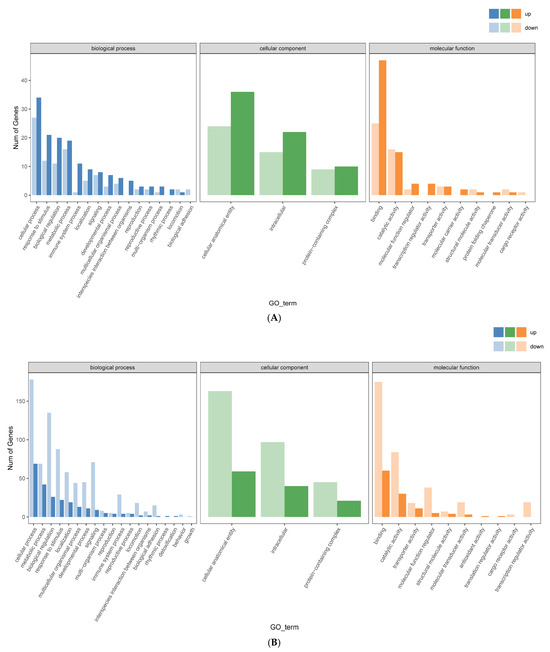
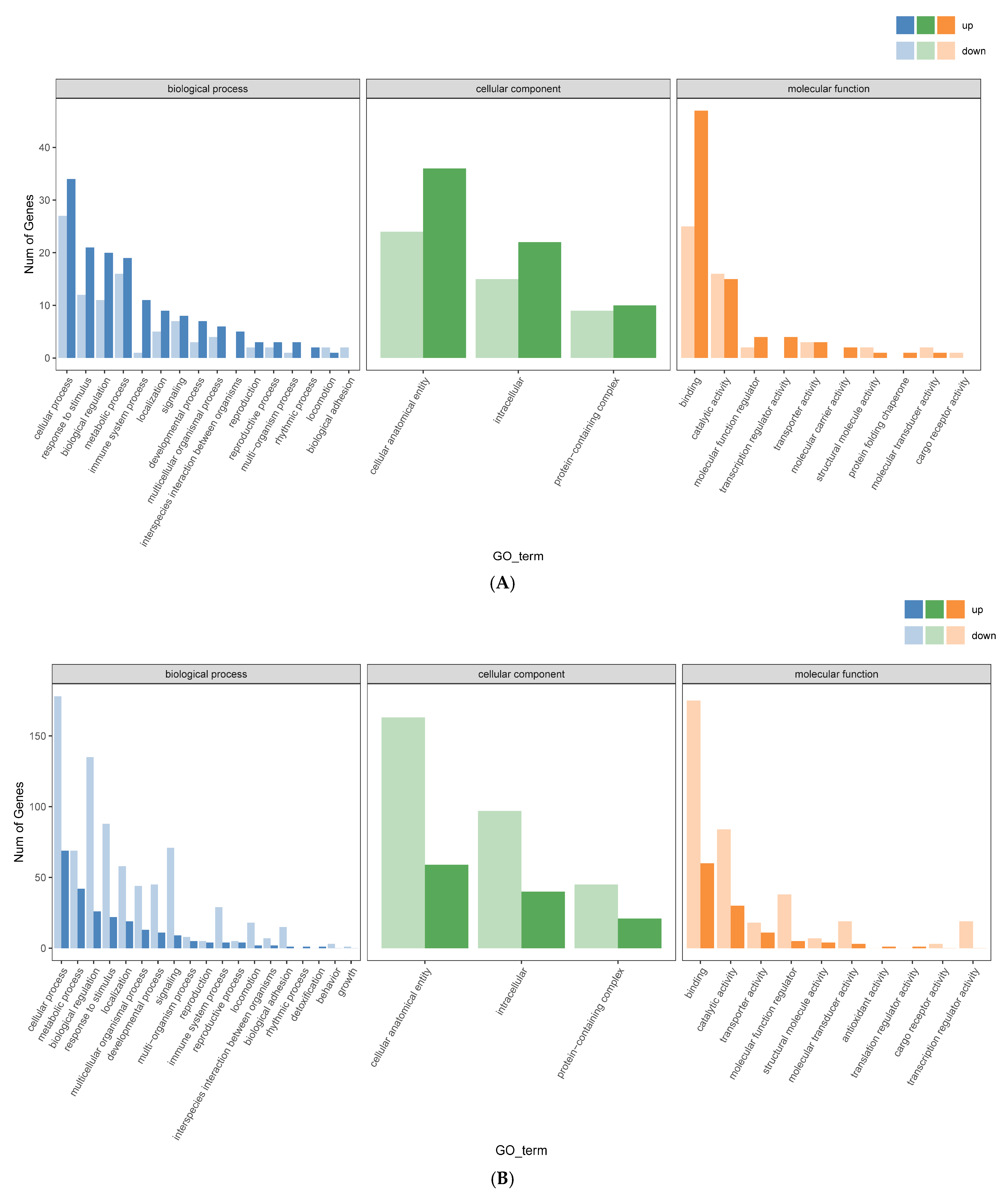
GO enrichment analysis showed that DEGs were primarily enriched in three categories: biological process (BP), molecular function (MF), and cellular component (CC) (Figure 4). In the BP category, DEGs were mainly involved in cellular processes, response to stimulus, biological regulation, metabolic processes, and immune system processes. Further analysis of the BP category revealed that in the CKP vs. D3P group, 17 immune-related terms were annotated, while in the CKS vs. D3S group, 55 immune-related terms were annotated. These included immune system processes, activation of immune response, neutrophil activation involved in immune response, myeloid cell activation involved in immune response, neutrophil-mediated immunity, immunoglobulin production, immune response, positive regulation of immunoglobulin biosynthetic processes, regulation of humoral immune responses, and humoral immune responses.
Figure 4.
(A) Gene Ontology (GO) enrichment analysis of DEGs in spleen tissues. Bars represent the number of DEGs enriched in biological process (BP), molecular function (MF), and cellular component (CC) categories. Immune-related terms are highlighted. (B) Gene Ontology (GO) enrichment analysis of DEGs in kidney tissues. Bars represent the number of DEGs enriched in biological process (BP), molecular function (MF), and cellular component (CC) categories. Immune-related terms are highlighted.
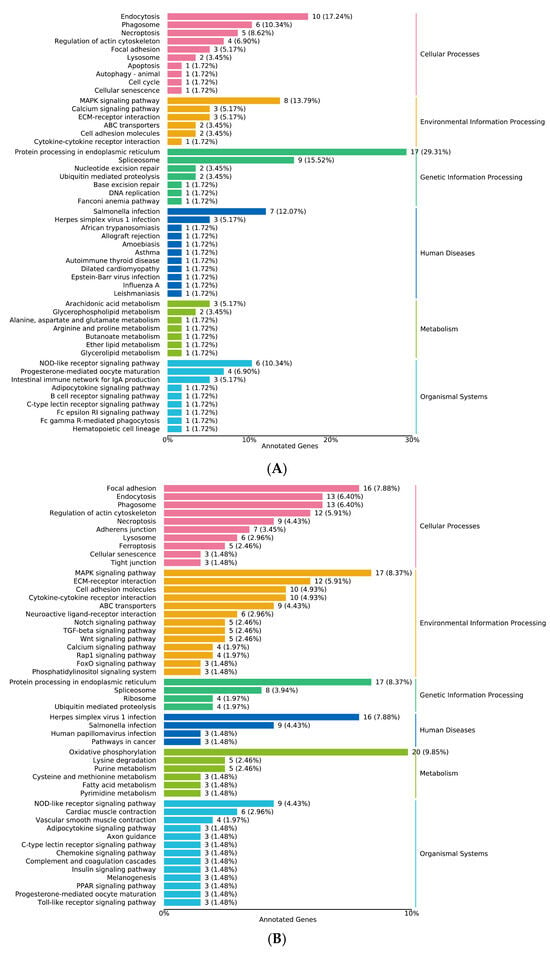
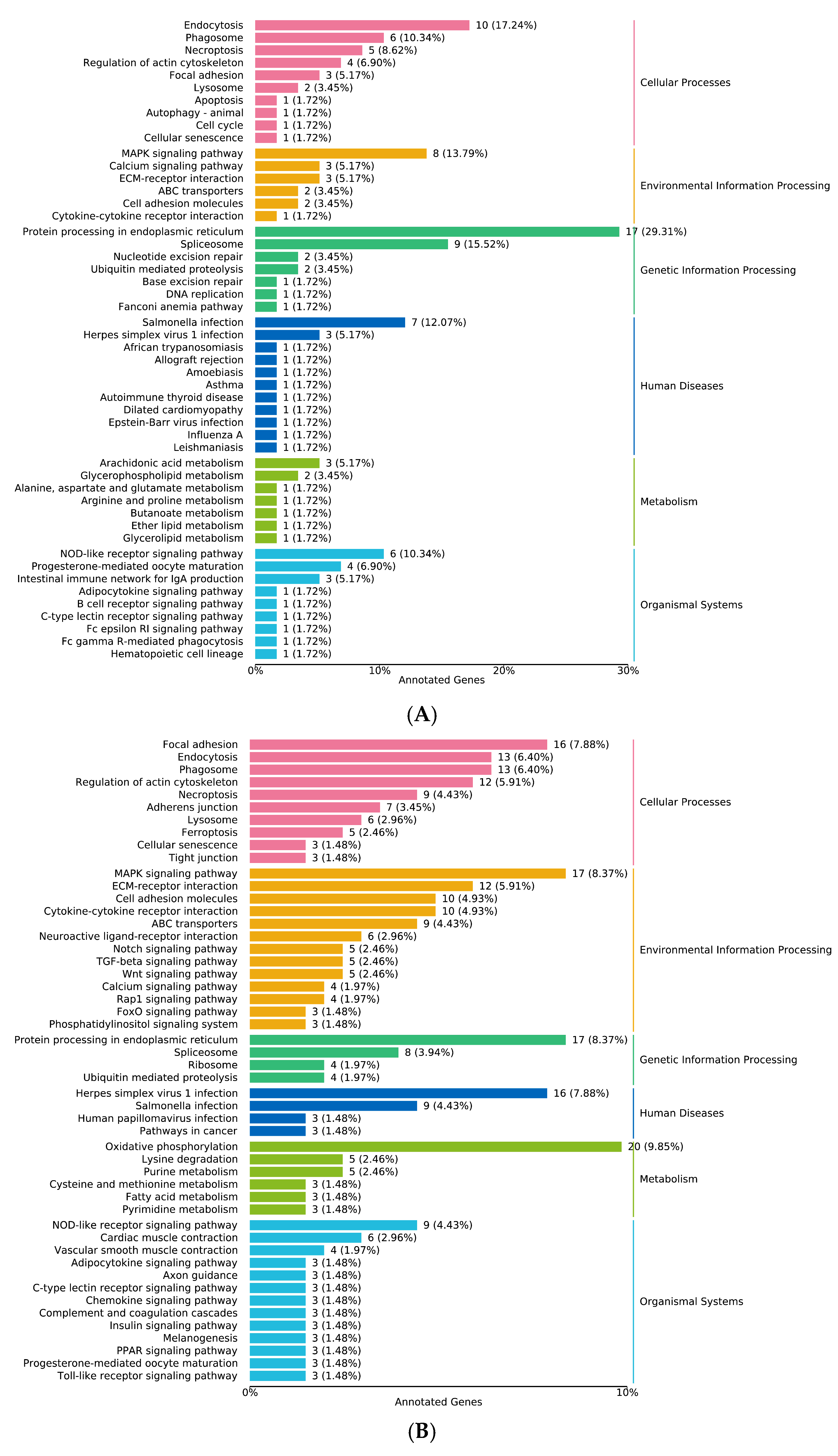
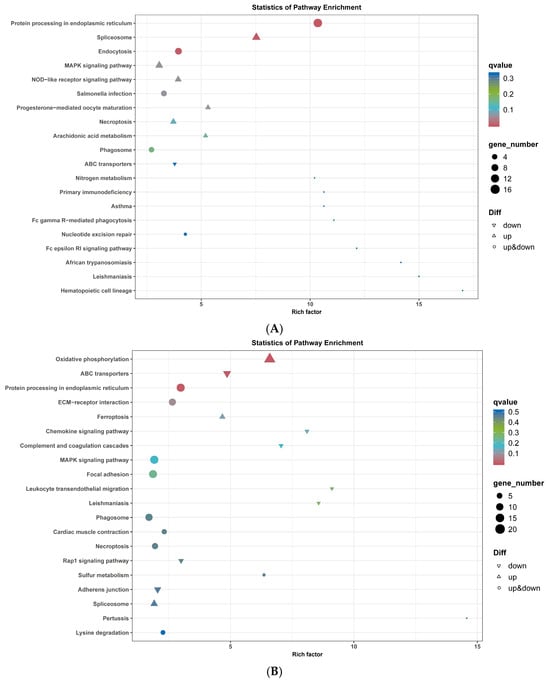
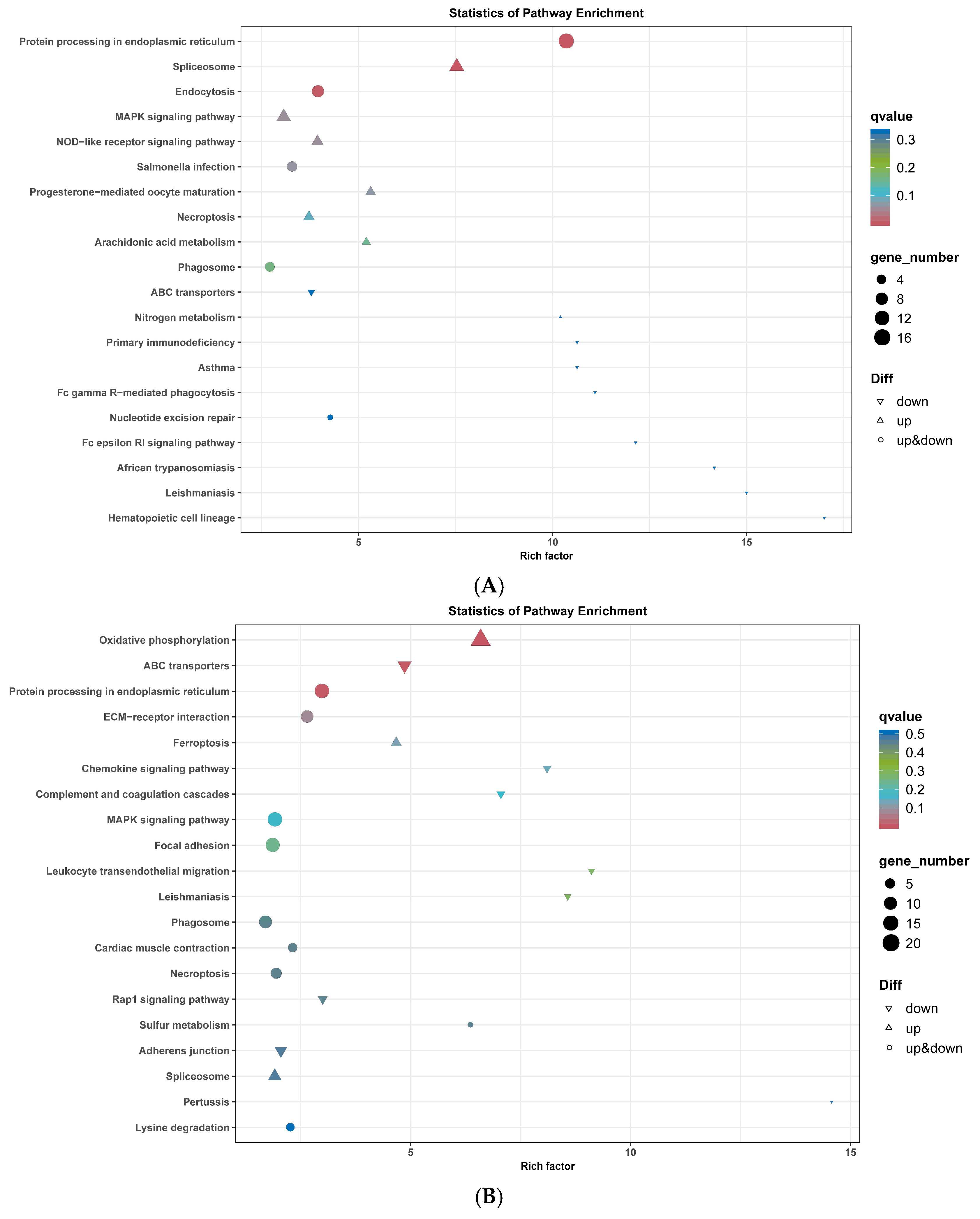
KEGG pathway enrichment analysis indicated that in the CKP vs. D3P group, DEGs were significantly enriched in 14 immune-related pathways among the top 20 pathways, including phagocytosis, the MAPK signaling pathway, NOD-like receptor signaling pathway, and Salmonella infection. In the CKS vs. D3S group, DEGs were significantly enriched in 12 immune-related pathways among the top 20 pathways, including protein processing in the endoplasmic reticulum, ECM-receptor interaction, ferroptosis, chemokine signaling pathway, complement and coagulation cascades, and the MAPK signaling pathway (Figure 5 and Figure 6). The enrichment of pathways such as ‘Salmonella infection’ and ‘NOD-like receptor signaling’ does not indicate active disease in our experimental fish. These KEGG modules encompass fundamental innate immune processes (phagosome maturation, bacterial recognition, antimicrobial peptide production) that are preventatively upregulated by ASP. This pattern is characteristic of immunostimulant-treated healthy fish, where the immune system is primed for rapid response to potential pathogens. The enrichment reflects enhanced immune surveillance capacity, not pathological infection.
Figure 5.
(A) Kyoto Encyclopedia of Genes and Genomes (KEGG) pathway classification of DEGs in spleen tissues. Top 20 enriched KEGG pathways are shown, with immune-related pathways indicated. (B) Kyoto Encyclopedia of Genes and Genomes (KEGG) pathway classification of DEGs in kidney tissues. Top 20 enriched KEGG pathways are shown, with immune-related pathways indicated.
Figure 6.
(A) KEGG pathway enrichment dot plot of DEGs in spleen tissues. Dot size represents the number of DEGs, and color indicates the enrichment significance (−log10(p-value)). Key immune pathways are labeled. (B) KEGG pathway enrichment dot plot of DEGs in kidney tissues. Dot size represents the number of DEGs, and color indicates the enrichment significance (−log10(p-value)). Key immune pathways are labeled.
3.5. Screening and Analysis of Immune-Related Differentially Expressed Genes
Based on GO annotation and KEGG pathway enrichment analyses, 10 candidate genes (PDIA4, H-2Q9α, TTC39B, SGT1-X1, TAO2, COL1A1, Ferritin subunit, C3-X1, IgH, HSP 90-α) related to the immune function of Chinese sturgeon were identified.
3.6. Validation of Differentially Expressed Genes by qRT-PCR
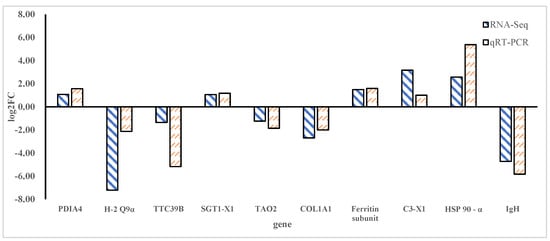
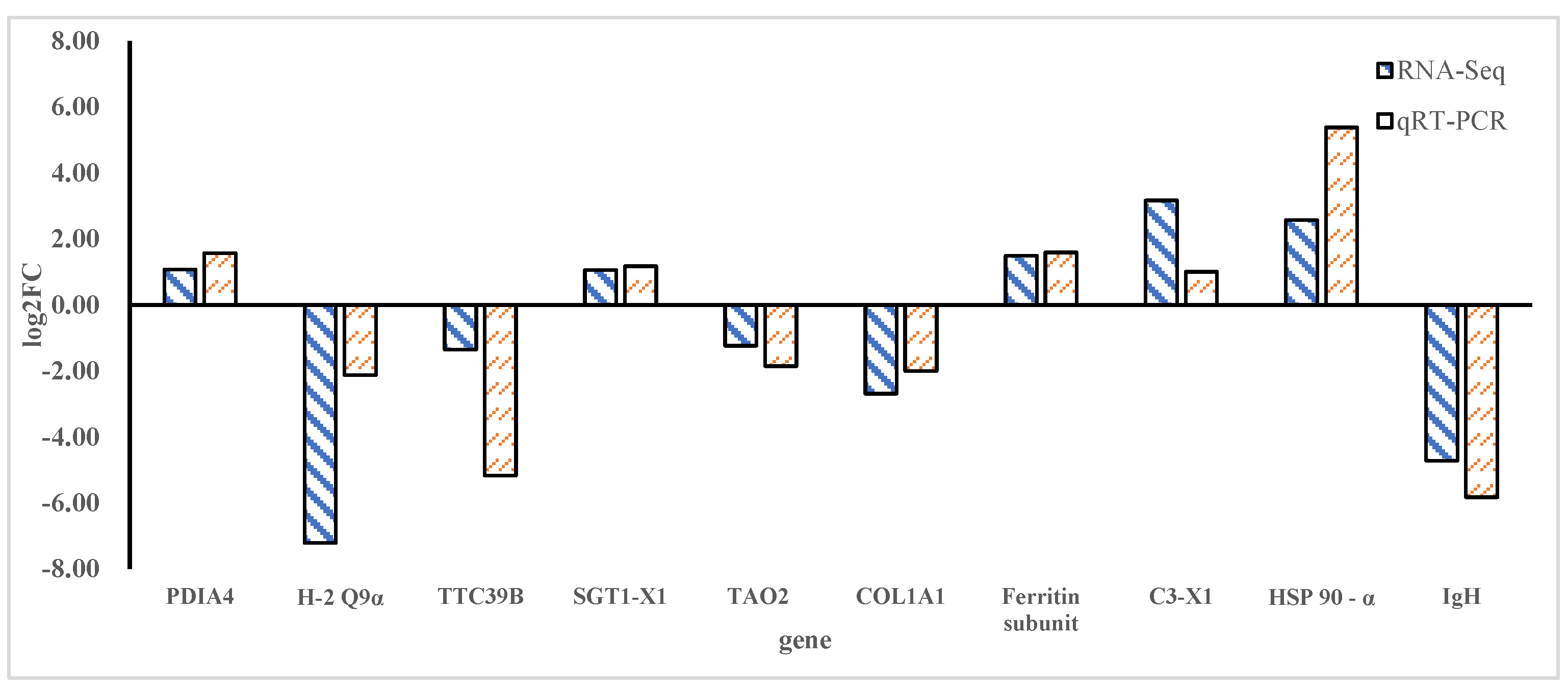
The results of qRT-PCR showed that the expression trends of the differentially expressed genes were consistent with those obtained from RNA-seq (Figure 7).
Figure 7.
qRT-PCR validation of selected immune-related DEGs. Expression levels of 10 candidate immune genes in spleen and kidney tissues of control and 2.0% ASP-treated groups. Data are presented as mean ± SD (n = 3). Asterisks indicate significant differences between control and treated groups. Gene expression was normalized to β-actin.
4. Discussion
The present study aimed to elucidate the mechanisms underlying the immunomodulatory effects of ASP in juvenile Chinese sturgeon through physiological and molecular approaches. The results demonstrated that ASP, particularly at a concentration of 2.0%, significantly enhanced the antioxidant and immune indices in the serum of juvenile Chinese sturgeon, as evidenced by increased activities of superoxide dismutase (SOD), catalase (CAT), and glutathione peroxidase (GSH-Px), as well as elevated levels of immunoglobulins (IgG and IgM), complement components (C3 and C4), and antimicrobial peptides (AMPs). These findings are consistent with previous studies that have reported the immunomodulatory and antioxidant properties of ASP in various fish species [8,12].
The significant increase in antioxidant enzyme activities and the decrease in malondialdehyde (MDA) levels observed in the 2.0% ASP group suggest that ASP can effectively mitigate oxidative stress in juvenile Chinese sturgeon. Oxidative stress is a major factor contributing to immune suppression and disease susceptibility in fish, especially under stressful aquaculture conditions [21]. By enhancing antioxidant defenses, ASP may help protect fish cells from oxidative damage, thereby supporting overall health and immune function. This is particularly important for the conservation of the critically endangered Chinese sturgeon, as improved health status can enhance survival rates and reproductive success in captive breeding programs [3].
The observed elevation in immune-related serum indicators, such as IgG, IgM, C3, and C4, indicates that ASP can significantly boost the humoral immune response in juvenile Chinese sturgeon. Mechanistic Explanation for Immunoglobulin Enhancement: The ASP-induced increase in IgM (39% at 2.0%) and IgG (37% at 2.0%) reflects multi-level immune activation: Direct B cell stimulation: ASP’s β-(1→4)-D-galactan backbone acts as a T-independent antigen in fish, binding to pattern recognition receptors (TLRs 2, 4, and 5) on B lymphocytes and plasma cells, triggering proliferation and antibody secretion without T cell help. Enhanced immunoglobulin processing: Our transcriptome data show upregulation of PDIA4 (protein disulfide isomerase) and IgH transcripts, indicating increased capacity for immunoglobulin folding, assembly, and secretion in the endoplasmic reticulum.
Cytokine modulation: ASP promotes Th2-biased cytokine profiles (IL-4, IL-10) that specifically drive humoral immunity, as evidenced by KEGG enrichment of ‘cytokine-cytokine receptor interaction’ pathway. Species-specific context: The stronger effect on IgM versus IgG aligns with teleost immunology where IgM is the primary systemic antibody. This mirrors findings in paddlefish and Siberian sturgeon treated with polysaccharides. This humoral enhancement is particularly valuable for Chinese sturgeon conservation, as maternally derived IgM is critical for larval survival in early life stages. Immunoglobulins and complement components play crucial roles in the recognition and neutralization of pathogens, as well as in the activation of the immune system [26]. The increase in lysozyme (LSZ) activity and AMPs levels further suggests that ASP can enhance the non-specific immune defense mechanisms, which are the first line of defense against infections [16]. These results are in line with previous studies demonstrating that plant-derived polysaccharides can modulate the immune system by upregulating the expression of immune-related genes and enhancing the activity of immune cells [27,28].
The transcriptome sequencing analysis provided deeper insights into the molecular mechanisms underlying the immunomodulatory effects of ASP in Chinese sturgeon. A total of 151 differentially expressed genes (DEGs) were identified in the spleen tissue, and 467 DEGs were found in the kidney tissue of juvenile Chinese sturgeon treated with 2.0% ASP. The significant enrichment of these DEGs in immune-related pathways, such as phagocytosis, the MAPK signaling pathway, and the NOD-like receptor signaling pathway, indicates that ASP can modulate multiple aspects of the immune response [24]. The identification of 10 candidate genes related to immune function, including PDIA4, H-2Q9α, TTC39B, SGT1-X1, TAO2, COL1A1, Ferritin subunit, C3-X1, IgH, and HSP 90-α, further highlights the potential of ASP to influence key components of the immune system in Chinese sturgeon [23].
The upregulation of genes involved in the MAPK signaling pathway is particularly noteworthy, as this pathway is crucial for the regulation of immune cell activation, proliferation, and cytokine production [11,29]. The MAPK pathway has been implicated in the immune response of various fish species, and its modulation by ASP suggests a potential mechanism for enhancing disease resistance [30]. Similarly, the enrichment of DEGs in the phagocytosis pathway indicates that ASP can enhance the ability of immune cells to engulf and destroy pathogens, thereby improving overall immune efficiency [8]. Gao et al. demonstrated ASP’s hepatoprotective properties via free radical-scavenging assays and a CCl4-induced liver injury murine model, which was achieved through suppression of MAPK signaling pathway protein expression [20].
The findings of this study have significant implications for the conservation and sustainable production of the Chinese sturgeon. The use of ASP as an immunostimulant in aquaculture can provide a natural and eco-friendly approach to enhance the health and immune status of this critically endangered species. By reducing the incidence of diseases and improving survival rates, ASP supplementation can contribute to the success of captive breeding programs and support the recovery of wild populations [3,7].
Furthermore, the results of this study provide a foundation for future research on the functional characterization of identified immune-related genes and the development of effective immunostimulants for use in sturgeon aquaculture. The identification of key genes and pathways involved in the immune response can guide the development of targeted interventions to enhance disease resistance and overall health in Chinese sturgeon [24]. Future studies should focus on the functional validation of these candidate genes and the exploration of their roles in the immune response to various pathogens.
In conclusion, the present study demonstrates that Angelica sinensis polysaccharides can significantly enhance the antioxidant and immune indices in juvenile Chinese sturgeon, as well as modulate the expression of immune-related genes at the molecular level. These findings highlight the potential of ASP as a natural immunostimulant in aquaculture and provide a scientific basis for its application in the conservation and sustainable production of the Chinese sturgeon. Further research is needed to fully elucidate the mechanisms of action and to explore the practical applications of ASP in sturgeon aquaculture.
5. Conclusions
This study provides the first integrated physiological and transcriptomic evidence that dietary Angelica sinensis polysaccharides (ASPs) significantly reinforce the antioxidant and immune competence of juvenile Chinese sturgeon. A 36-day feeding trial showed that 2% ASP inclusion maximally elevated serum activities of SOD, CAT and GSH-Px; reduced lipid peroxidation (MDA); and up-regulated key humoral factors (IgG, IgM, C3, C4, lysozyme and antimicrobial peptides). RNA-seq of spleen and kidney tissues revealed 618 differentially expressed genes, with 38 shared between organs; these genes were functionally enriched in phagocytosis, MAPK signaling, NOD-like receptor and complement cascades—core pathways of innate and adaptive immunity. qRT-PCR validated the transcriptomic data for ten candidate immune-related genes (PDIA4, H-2Q9α, TTC39B, SGT1-X1, TAO2, COL1A1, Ferritin subunit, C3-X1, IgH and HSP90-α), confirming ASP-dependent transcriptional reprogramming. Collectively, the results demonstrate that ASP acts as a potent natural immunostimulant and antioxidant for this critically endangered species, offering an immediate, eco-friendly feed additive to improve survival and health in conservation aquaculture.
Author Contributions
J.Z., W.J., R.H., D.Z., D.S. and Y.H. conceived and designed the research. J.Z., T.T. and Y.H. wrote the manuscript. All authors reviewed the manuscript. All authors have read and agreed to the published version of the manuscript.
Funding
This work was supported by the National Natural Science Foundation of China (grant number: 32403023), Hubei Science and Technology Research (grant number: 2024AFA036), Yichang city science and technology research and development project (grant number: B25-1-004), and China Three Gorges Corporation (grant number: WWKY-2021-0351).
Institutional Review Board Statement
All fish handling and experimental procedures in this study were approved by the Chinese Sturgeon Research Institute, the China Three Gorges Corporation, and the Hubei Key Laboratory of Three Gorges Project for Conservation of Fishes.(Approval Code: CSRI-2025-05-018; Approval Date: 18 May 2025).
Data Availability Statement
Data are available from the corresponding author upon reasonable request.
Conflicts of Interest
All authors were employed by Chinese Sturgeon Research Institute, China Three Gorges Corporation. The authors declare that this study received funding from China Three Gorges Corporation. The funder had the following involvement with the study: Conceptualization, Jianming Zhang, Wei Jiang and Yacheng Hu; Methodology, Jianming Zhang, Dezhi Zhang, Debin Shu, Wei Jiang and Yacheng Hu; Software, Tian Tian, Dezhi Zhang and Yacheng Hu; Validation, Wei Jiang and Yacheng Hu; Formal analysis, Dezhi Zhang and Yacheng Hu; Investigation, Tian Tian, Debin Shu, Wei Jiang and Yacheng Hu; Resources, Yacheng Hu; Data curation, Wei Jiang and Yacheng Hu; Writing—original draft, Jianming Zhang, Tian Tian, Rui He, Wei Jiang and Yacheng Hu; Writing—review and editing, Wei Jiang and Yacheng Hu; Visualization, Yacheng Hu; Supervision, Yacheng Hu; Project administration, Yacheng Hu; Funding acquisition, Yacheng Hu.
References
- Hu, J.; Zhang, Z.; Wei, Q.; Zhen, H.; Zhao, Y.; Peng, H.; Wan, Y.; Giesy, J.P.; Li, L.; Zhang, B. Malformations of the endangered Chinese sturgeon, Acipenser sinensis, and its causal agent. Proc. Natl. Acad. Sci. USA 2009, 106, 9339–9344. [Google Scholar] [CrossRef] [Scilit]
- Hu, Y.; Tan, R.; Zhu, X.; Wang, B.; Wang, J.; Guo, B.; Yang, Y. Genome-wide identification, phylogeny and expressional profile of the Dmrt gene family in Chinese sturgeon (Acipenser sinensis). Sci. Rep. 2024, 14, 4231. [Google Scholar] [CrossRef] [Scilit]
- Hu, Y.; Xiao, K.; Yang, J.; Liu, X.; Wang, B.; Zeng, Q.; Du, H. Effects of feeding frequency on juvenile Chinese sturgeon Acipenser sinensis. Sci. Rep. 2020, 10, 17399. [Google Scholar] [CrossRef] [Scilit]
- Zhu, J.; Guo, W.; Li, Z.; Jiang, W. First Insights into the Migration Route and Spatial Distribution of the Endangered Chinese Sturgeon (Acipenser sinensis) in the Yangtze River Estuary. Fishes 2024, 9, 321. [Google Scholar] [CrossRef] [Scilit]
- Chen, Z.; Zheng, Y.; Ji, K.; Shang, Y.; Wang, Y.; Hu, M. Blood-Chemistry Parameters Comparison among Different Age Stages of Chinese Sturgeon Acipenser sinensis. Fishes 2024, 9, 218. [Google Scholar] [CrossRef] [Scilit]
- IUCN. The IUCN Red List of Threatened Species, version 2014.3; IUCN, Species Survival Commission: Gland, Switzerland, 2014; Available online: http://www.iucnredlist.org (accessed on 15 May 2024).
- Guo, B.F.; Chang, J.B.; Xiao, H.; Zhu, B.; Wan, J.Y.; Tian, J.Y.; Shu, D.B. The reproductive biology of first filial generation of Acipenser sinensis growing up in the freshwater environment. Acta Hydrobiol. Sin. 2011, 35, 940–945. [Google Scholar] [CrossRef] [Scilit]
- Lombardi, L.; Maisetta, G.; Batoni, G.; Tavanti, A. Insights into the antimicrobial properties of hepcidins: Advantages and drawbacks as potential therapeutic agents. Molecules 2015, 20, 6319–6341. [Google Scholar] [CrossRef] [Scilit]
- Deng, S.; Chen, S.N.; Yao, P.; Nikolic, D.; van Breemen, R.B.; Bolton, J.L.; Fong, H.H.; Farnsworth, N.R.; Pauli, G.F. Serotonergic activity-guided phytochemical investigation of the roots of Angelica sinensis. J. Nat. Prod. 2006, 69, 536–541. [Google Scholar] [CrossRef] [Scilit] [PubMed]
- Chao, W.-W.; Lin, B.-F. Bioactivities of major constituents isolated from Angelica sinensis (Danggui). Chin. Med. 2011, 6, 29. [Google Scholar] [CrossRef] [Scilit]
- Zhang, Y.; Cheng, Y.; Wang, N.; Zhang, Q.; Wang, K. The action of JAK, SMAD and ERK signal pathways on hepcidin suppression by polysaccharides from Angelica sinensis in rats with iron deficiency anemia. Food Funct. 2014, 5, 1381–1388. [Google Scholar] [CrossRef] [Scilit]
- Zhang, Y.; Zhou, T.; Wang, H.; Cui, Z.; Cheng, F.; Wang, K. Structural characterization and in vitro antitumor activity of an acidic polysaccharide from Angelica sinensis (Oliv.) Diels. Carbohydr. Polym. 2016, 147, 401–408. [Google Scholar] [CrossRef] [Scilit]
- Zhang, Y.; He, Z.; Liu, X.; Chen, Z.; Sun, J.; Wu, Z.; Yang, X.; Chen, X.; Tang, Z.; Wang, K. Oral administration of Angelica sinensis polysaccharide protects against pancreatic islets failure in type 2 diabetic mice: Pancreatic β-cell apoptosis inhibition. J. Funct. Foods 2019, 54, 361–370. [Google Scholar] [CrossRef] [Scilit]
- Wang, K.; Tang, Z.; Zheng, Z.; Cao, P.; Shui, W.; Li, Q.; Zhang, Y. Protective effects of Angelica sinensis polysaccharide against hyperglycemia and liver injury in multiple low-dose streptozotocin-induced type 2 diabetic BALB/c mice. Food Funct. 2017, 7, 4889–4897. [Google Scholar] [CrossRef] [Scilit]
- Chen, Z.; Zeng, C.; Wang, A.; Wang, H.; Zhi, X.; Chen, Z.; Lv, H.; Qi, Q.; Wang, P.; Shao, J.; et al. Effects of Astragalus Polysaccharide and Isatis indigotica Extract Synergy on the Antioxidant Status, Inflammation, Autophagy, Apoptosis, and Intestinal Health of Larimichthys crocea Juveniles. Fishes 2025, 10, 593. [Google Scholar] [CrossRef] [Scilit]
- Wang, K.; Cao, P.; Wang, H.; Tang, Z.; Wang, N.; Wang, J.; Zhang, Y. Chronic administration of Angelica sinensis polysaccharide effectively improves fatty liver and glucose homeostasis in high-fat diet-fed mice. Sci. Rep. 2016, 6, 26229. [Google Scholar] [CrossRef] [Scilit] [PubMed]
- Ren, C.; Luo, Y.; Li, X.; Ma, L.; Wang, C.; Zhi, X.; Li, Y. Pharmacological action of Angelica sinensis polysaccharides: A review. Front. Pharmacol. 2025, 15, 1510976. [Google Scholar] [CrossRef] [Scilit] [PubMed]
- Hou, C.; Yin, M.; Lan, P.; Wang, H.; Nie, H.; Ji, X. Recent progress in the research of Angelica sinensis (Oliv.) Diels polysaccharides: Extraction, purification, structure and bioactivities. Chem. Biol. Technol. Agric. 2021, 8, 13. [Google Scholar] [CrossRef] [Scilit]
- Shen, J.; Zhang, M.; Zhang, K.; Qin, Y.; Liu, M.; Liang, S.; Peng, M. Effect of Angelica polysaccharide on mouse myeloid-derived suppressor cells. Front. Immunol. 2022, 13, 989230. [Google Scholar] [CrossRef] [Scilit]
- Gao, Z.; Zhang, C.; Tian, W.; Liu, K.; Hou, R.; Yue, C.; Wu, Y.; Wang, D.; Liu, J.; Hu, Y.; et al. The antioxidative and hepatoprotective effects comparison of Chinese Angelica polysaccharide (CAP) and selenizing CAP (sCAP) in CCl4 induced hepatic injury mice. Int. J. Biol. Macromol. 2017, 97, 46–54. [Google Scholar] [CrossRef] [Scilit]
- Zhang, M.; Zhao, Z.; He, L.; Wan, C. A meta-analysis of oxidative stress markers in schizophrenia. Sci. China Life Sci. 2010, 53, 112–124. [Google Scholar] [CrossRef] [Scilit]
- Tao, H.; Pei, J.; Yang, Q.; Kang, X.; Han, L. Hydroalcoholic gel of Angelica sinensis polysaccharides: Antioxidant activity and promotion of wound healing. Int. J. Biol. Macromol. 2025, 322, 146956. [Google Scholar] [CrossRef] [Scilit] [PubMed]
- Wang, D.; Zhong, L.; Wei, Q.; Gan, X.; He, S. Evolution of MHC class I genes in two ancient fish, paddlefish (Polyodon spathula) and Chinese sturgeon (Acipenser sinensis). FEBS Lett. 2010, 584, 3331–3339. [Google Scholar] [CrossRef] [Scilit]
- Qian, X.; Ba, Y.; Zhuang, Q.; Zhong, G. RNA-Seq technology and its application in fish transcriptomics. Omics 2014, 18, 98–110. [Google Scholar] [CrossRef] [Scilit] [PubMed]
- Wang, B.; Wu, B.; Liu, X.; Hu, Y.; Ming, Y.; Bai, M.; Liu, J.; Xiao, K.; Zeng, Q.; Yang, J.; et al. Whole-genome sequencing reveals autooctoploidy in Chinese sturgeon and its evolutionary trajectories. Genom. Proteom. Bioinform. 2024, 22, qzad002. [Google Scholar] [CrossRef] [Scilit] [PubMed]
- Wu, C.; Yang, H.; Yang, Y.; Yuan, Q.; Lv, W.; Ayana, G.U.; Li, M.; Su, D.; Zhou, W.; Zhang, Q. Dietary Supplementation of Astragalus Polysaccharides Modulates Growth Physiology, Metabolic Homeostasis, and Innate Immune Responses in Rice Field Eels (Monopterus albus). Fishes 2025, 10, 213. [Google Scholar] [CrossRef] [Scilit]
- Liu, W.; Xiao, K.; Ren, L.; Sui, Y.; Chen, J.; Zhang, T.; Li, X.-Q.; Cao, W. Leukemia cells apoptosis by a newly discovered heterogeneous polysaccharide from Angelica sinensis (Oliv) Diels. Carbohydr. Polym. 2014, 241, 116279. [Google Scholar] [CrossRef] [Scilit]
- Yang, C.M.; Han, Q.J.; Wang, K.L.; Xu, Y.L.; Lan, J.H.; Cao, G.T. Astragalus and ginseng polysaccharides improve developmental, intestinal morphological, and immune functional characters of weaned piglets. Front. Physiol. 2019, 10, 418. [Google Scholar] [CrossRef] [Scilit]
- Higham, A.; Singh, D. Dexamethasone and p38 MAPK inhibition of cytokine production from human lung fibroblasts. Fundam. Clin. Pharmacol. 2021, 35, 714–724. [Google Scholar] [CrossRef] [Scilit] [PubMed]
- Zhou, W.-J.; Wang, S.; Hu, Z.; Zhou, Z.-Y.; Song, C.-J. Angelica sinensis polysaccharides promotes apoptosis in human breast cancer cells via CREB-regulated caspase-3 activation. Biochem. Biophys. Res. Commun. 2015, 467, 562–569. [Google Scholar] [CrossRef] [Scilit] [PubMed]

Disclaimer/Publisher’s Note: The statements, opinions and data contained in all publications are solely those of the individual author(s) and contributor(s) and not of MDPI and/or the editor(s). MDPI and/or the editor(s) disclaim responsibility for any injury to people or property resulting from any ideas, methods, instructions or products referred to in the content. |
© 2025 by the authors. Licensee MDPI, Basel, Switzerland. This article is an open access article distributed under the terms and conditions of the Creative Commons Attribution (CC BY) license (https://creativecommons.org/licenses/by/4.0/).