
The Unnoticed Threat: Clinical Characteristics, Risk Factors, and Outcome of Mucormycosis in Solid Organ Transplantation

 , , and
Abstract
1. Introduction
2. Epidemiology
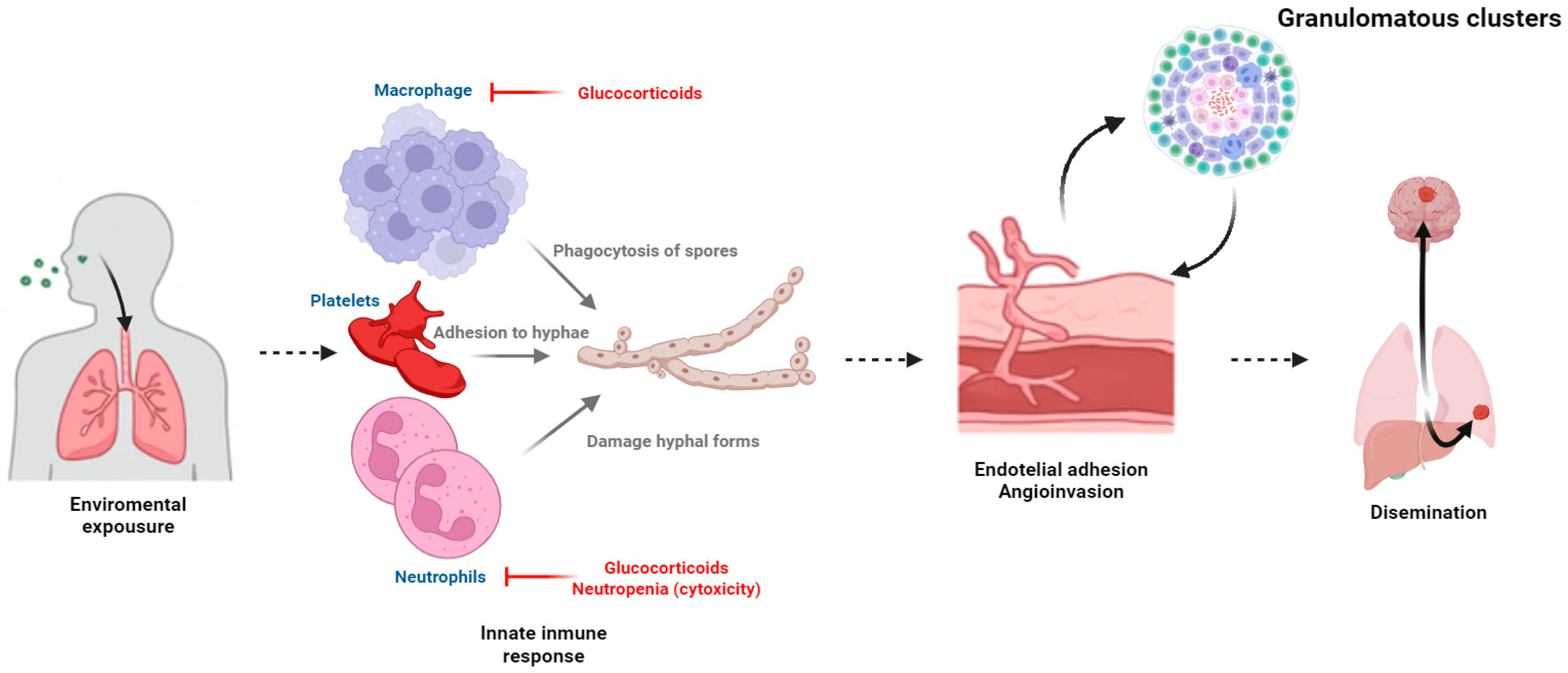
3. Pathogenesis
4. Risk Factors
5. Clinical Presentation
5.1. Pulmonary Mucormycosis
5.2. Rhino-Orbital-Cerebral Mucormycosis
5.3. Cutaneous and Soft Tissue Mucormycosis
6. Diagnostic Approaches
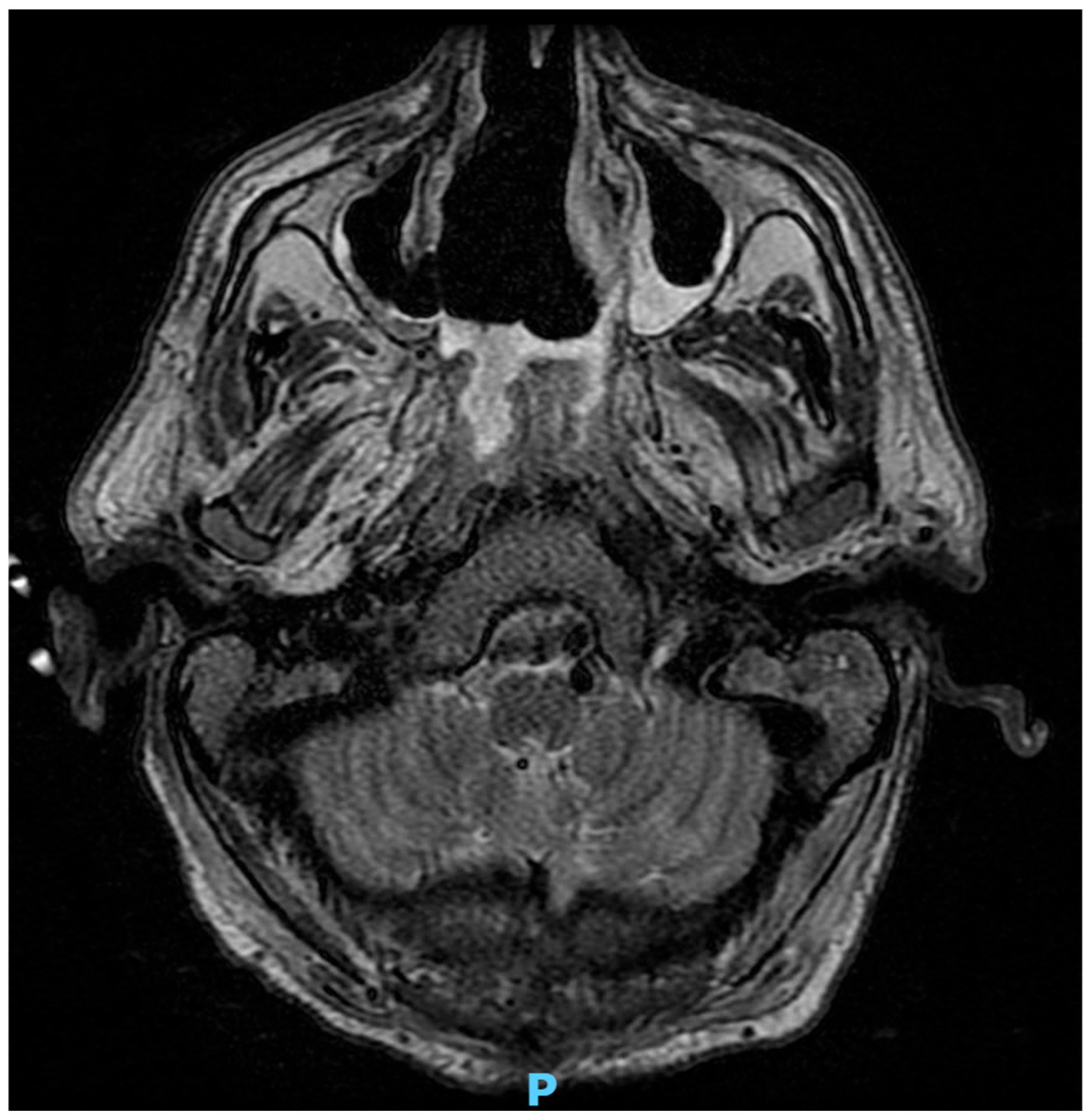
6.1. Imaging
6.2. Antigen Biomarkers
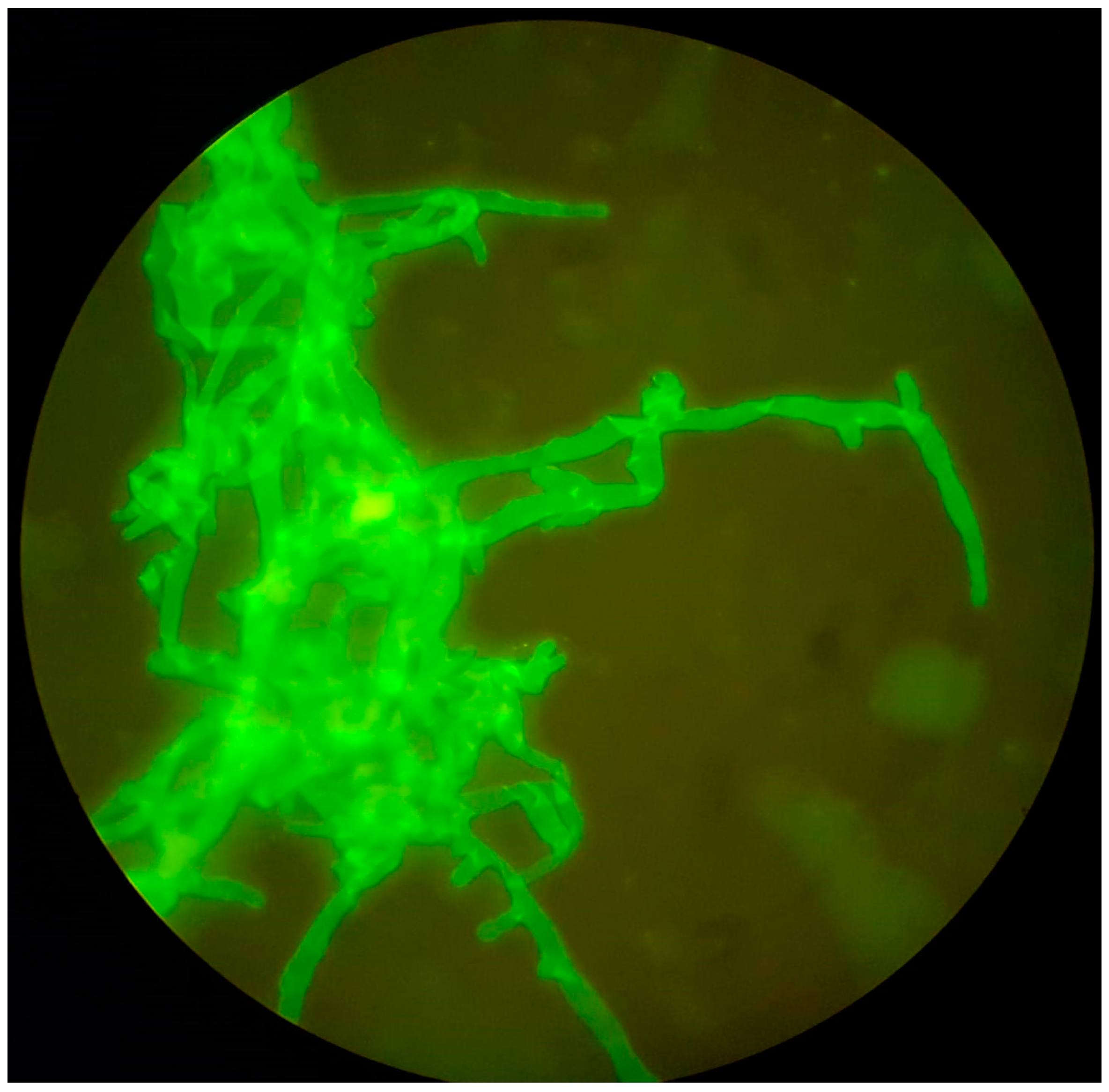
6.3. Conventional Diagnostic Methods
6.4. Molecular-Based Methods for Direct Detection
7. Treatment
8. Prevention
9. Outcomes
10. Conclusions
Funding
Data Availability Statement
Conflicts of Interest
Abbreviations
| AmB | amphotericin B |
| ABLC | amphotericin B lipid complex |
| BALF | bronchoalveolar lavage fluid |
| BDG | (1 → 3) ß-D-glucan |
| CNS | central nervous system |
| CotH | spore coat protein |
| COVID-19 | coronavirus disease 2019 |
| CT | computed tomography |
| D | donor |
| GFR | glomerular filtration rate |
| GM | galactomannan |
| HIV | human immunodeficiency virus |
| HSCT | hematopoietic stem-cell transplantation |
| HT | heart transplantation |
| ICU | intensive care unit |
| IFI | invasive fungal infection |
| IMI | invasive mold infection |
| ISA | isavuconazole |
| KT | kidney transplantation |
| L-AmB | liposomal amphotericin B |
| LT | liver transplantation |
| LuT | lung transplantation |
| MALDI-TOF | matrix-assisted laser desorption/ionization time-of-flight mass spectrometry |
| mNGS | metagenomic next-generation sequencing |
| MRI | magnetic resonance imaging |
| mTOR | mammalian Target of Rapamycin |
| NG | next-generation sequencing |
| NK | natural killer |
| PCR | polymerase chain reaction |
| PDGF | platelet-derived growth factor |
| POS | posaconazole |
| ROC | rhino-orbital-cerebral |
| SOT | solid organ transplantation |
| VORI | voriconazole |
References
- Ribes, J.A.; Vanover-Sams, C.L.; Baker, D.J. Zygomycetes in Human Disease. Clin. Microbiol. Rev. 2000, 13, 236–301. [Google Scholar] [CrossRef]
- Steinbrink, J.M.; Miceli, M.H. Mucormycosis. Infect. Dis. Clin. N. Am. 2021, 35, 435–452. [Google Scholar] [CrossRef]
- Petrikkos, G.; Skiada, A.; Drogari-Apiranthitou, M. Epidemiology of Mucormycosis in Europe. Clin. Microbiol. Infect. 2014, 20, 67–73. [Google Scholar] [CrossRef]
- Skiada, A.; Pagano, L.; Groll, A.; Zimmerli, S.; Dupont, B.; Lagrou, K.; Lass-Florl, C.; Bouza, E.; Klimko, N.; Gaustad, P.; et al. Zygomycosis in Europe: Analysis of 230 Cases Accrued by the Registry of the European Confederation of Medical Mycology (ECMM) Working Group on Zygomycosis between 2005 and 2007. Clin. Microbiol. Infect. 2011, 17, 1859–1867. [Google Scholar] [CrossRef]
- Roden, M.M.; Zaoutis, T.E.; Buchanan, W.L.; Knudsen, T.A.; Sarkisova, T.A.; Schaufele, R.L.; Sein, M.; Sein, T.; Chiou, C.C.; Chu, J.H.; et al. Epidemiology and Outcome of Zygomycosis: A Review of 929 Reported Cases. Clin. Infect. Dis. 2005, 41, 634–653. [Google Scholar] [CrossRef]
- Jeong, W.; Keighley, C.; Wolfe, R.; Lee, W.L.; Slavin, M.A.; Kong, D.C.M.; Chen, S.C.-A. The Epidemiology and Clinical Manifestations of Mucormycosis: A Systematic Review and Meta-Analysis of Case Reports. Clin. Microbiol. Infect. 2019, 25, 26–34. [Google Scholar] [CrossRef]
- Cornely, O.A.; Alastruey-Izquierdo, A.; Arenz, D.; Chen, S.C.A.; Dannaoui, E.; Hochhegger, B.; Hoenigl, M.; Jensen, H.E.; Lagrou, K.; Lewis, R.E.; et al. Global Guideline for the Diagnosis and Management of Mucormycosis: An Initiative of the European Confederation of Medical Mycology in Cooperation with the Mycoses Study Group Education and Research Consortium. Lancet Infect. Dis. 2019, 19, e405–e421. [Google Scholar] [CrossRef] [PubMed]
- Douglas, A.P.; Lamoth, F.; John, T.M.; Groll, A.H.; Shigle, T.L.; Papanicolaou, G.A.; Chemaly, R.F.; Carpenter, P.A.; Dadwal, S.S.; Walsh, T.J.; et al. American Society of Transplantation and Cellular Therapy Series: #8-Management and Prevention of Non-Aspergillus Molds in Hematopoietic Cell Transplantation Recipients. Transplant. Cell. Ther. 2025, 31, 194–223. [Google Scholar] [CrossRef] [PubMed]
- Tissot, F.; Agrawal, S.; Pagano, L.; Petrikkos, G.; Groll, A.H.; Skiada, A.; Lass-Flörl, C.; Calandra, T.; Viscoli, C.; Herbrecht, R. ECIL-6 Guidelines for the Treatment of Invasive Candidiasis, Aspergillosis and Mucormycosis in Leukemia and Hematopoietic Stem Cell Transplant Patients. Haematologica 2017, 102, 433–444. [Google Scholar] [CrossRef] [PubMed]
- Bitar, D.; Lortholary, O.; Le Strat, Y.; Nicolau, J.; Coignard, B.; Tattevin, P.; Che, D.; Dromer, F. Population-Based Analysis of Invasive Fungal Infections, France, 2001–2010. Emerg. Infect. Dis. 2014, 20, 1163–1169. [Google Scholar] [CrossRef]
- Slavin, M.; Van Hal, S.; Sorrell, T.C.; Lee, A.; Marriott, D.J.; Daveson, K.; Kennedy, K.; Hajkowicz, K.; Halliday, C.; Athan, E.; et al. Invasive Infections Due to Filamentous Fungi Other than Aspergillus: Epidemiology and Determinants of Mortality. Clin. Microbiol. Infect. 2015, 21, 490.e1–490.e10. [Google Scholar] [CrossRef]
- Park, B.J.; Pappas, P.G.; Wannemuehler, K.A.; Alexander, B.D.; Anaissie, E.J.; Andes, D.R.; Baddley, J.W.; Brown, J.M.; Brumble, L.M.; Freifeld, A.G.; et al. Invasive Non- Aspergillus Mold Infections in Transplant Recipients, United States, 2001–2006. Emerg. Infect. Dis. 2011, 17, 1855–1864. [Google Scholar] [CrossRef]
- Van Delden, C.; Stampf, S.; Hirsch, H.H.; Manuel, O.; Meylan, P.; Cusini, A.; Hirzel, C.; Khanna, N.; Weisser, M.; Garzoni, C.; et al. Burden and Timeline of Infectious Diseases in the First Year After Solid Organ Transplantation in the Swiss Transplant Cohort Study. Clin. Infect. Dis. 2020, 71, e159–e169. [Google Scholar] [CrossRef]
- Hosseini-Moghaddam, S.M.; Ouédraogo, A.; Naylor, K.L.; Bota, S.E.; Husain, S.; Nash, D.M.; Paterson, J.M. Incidence and Outcomes of Invasive Fungal Infection among Solid Organ Transplant Recipients: A Population-based Cohort Study. Transpl. Infect. Dis. 2020, 22, e13250. [Google Scholar] [CrossRef] [PubMed]
- Neofytos, D.; Fishman, J.A.; Horn, D.; Anaissie, E.; Chang, C.-H.; Olyaei, A.; Pfaller, M.; Steinbach, W.J.; Webster, K.M.; Marr, K.A. Epidemiology and Outcome of Invasive Fungal Infections in Solid Organ Transplant Recipients: Invasive Fungal Infections in SOT. Transpl. Infect. Dis. 2010, 12, 220–229. [Google Scholar] [CrossRef] [PubMed]
- Saxena, S.; Gee, J.; Klieger, S.; Kajon, A.; Petersen, H.; Zaoutis, T.; Fisher, B. Invasive Fungal Disease in Pediatric Solid Organ Transplant Recipients. J. Pediatr. Infect. Dis. Soc. 2018, 7, 219–225. [Google Scholar] [CrossRef]
- Gold, J.A.W.; Benedict, K.; Sajewski, E.; Chiller, T.; Lyman, M.; Toda, M.; Little, J.S.; Ostrosky-Zeichner, L. Invasive Fungal Disease in Solid Organ and Hematopoietic Cell Transplant Recipients, United States. Transpl. Infect. Dis. 2025, 27, e70077. [Google Scholar] [CrossRef]
- Pappas, P.G.; Alexander, B.D.; Andes, D.R.; Hadley, S.; Kauffman, C.A.; Freifeld, A.; Anaissie, E.J.; Brumble, L.M.; Herwaldt, L.; Ito, J.; et al. Invasive Fungal Infections among Organ Transplant Recipients: Results of the Transplant-Associated Infection Surveillance Network (TRANSNET). Clin. Infect. Dis. 2010, 50, 1101–1111. [Google Scholar] [CrossRef] [PubMed]
- Permpalung, N.; Chiang, T.P.-Y.; Manothummetha, K.; Ostrander, D.; Datta, K.; Segev, D.L.; Durand, C.M.; Mostafa, H.H.; Zhang, S.X.; Massie, A.B.; et al. Invasive Fungal Infections in Inpatient Solid Organ Transplant Recipients with COVID-19: A Multicenter Retrospective Cohort. Transplantation 2024, 108, 1613–1622. [Google Scholar] [CrossRef]
- Fayos, M.; Corbella, L.; Rodríguez-Goncer, I.; Trujillo, H.; López-Medrano, F.; González, E.; Hernández, A.; Ruiz-Merlo, T.; San-Juan, R.; Redondo, N.; et al. Infection Risk in Older Kidney Transplant Recipients: An Analysis in the Era of Expanded Age Limits. Transpl. Int. 2025, 38, 15594. [Google Scholar] [CrossRef]
- Palomba, E.; Colaneri, M.; Azzarà, C.; Fava, M.; Maccaro, A.; Renisi, G.; Viero, G.; Kaur, H.; Chakrabarti, A.; Gori, A.; et al. Epidemiology, Clinical Manifestations, and Outcome of Mucormycosis in Solid Organ Transplant Recipients: A Systematic Review of Reported Cases. Open Forum Infect. Dis. 2024, 11, ofae043. [Google Scholar] [CrossRef]
- Farmakiotis, D.; Kontoyiannis, D.P. Mucormycoses. Infect. Dis. Clin. N. Am. 2016, 30, 143–163. [Google Scholar] [CrossRef] [PubMed]
- Kontoyiannis, D.P.; Russell, E. Lewis Agents of Mucormycosis and Entomophthoramycosis. In Mandell, Douglas, and Bennett’s Principles and Practice of Infectious Diseases; Elsevier: Philadelphia, PA, USA, 2020; Volume 1, pp. 3117–3129. ISBN 978-0-323-48255-4. [Google Scholar]
- Ibrahim, A.S.; Voelz, K. The Mucormycete–Host Interface. Curr. Opin. Microbiol. 2017, 40, 40–45. [Google Scholar] [CrossRef] [PubMed]
- Bouchara, J.P.; Oumeziane, N.A.; Lissitzky, J.C.; Larcher, G.; Tronchin, G.; Chabasse, D. Attachment of Spores of the Human Pathogenic Fungus Rhizopus oryzae to Extracellular Matrix Components. Eur. J. Cell Biol. 1996, 70, 76–83. [Google Scholar]
- Ibrahim, A.S.; Spellberg, B.; Avanessian, V.; Fu, Y.; Edwards, J.E. Rhizopus oryzae Adheres to, Is Phagocytosed by, and Damages Endothelial Cells In Vitro. Infect. Immun. 2005, 73, 778–783. [Google Scholar] [CrossRef] [PubMed]
- Liu, M.; Spellberg, B.; Phan, Q.T.; Fu, Y.; Fu, Y.; Lee, A.S.; Edwards, J.E.; Filler, S.G.; Ibrahim, A.S. The Endothelial Cell Receptor GRP78 Is Required for Mucormycosis Pathogenesis in Diabetic Mice. J. Clin. Investig. 2010, 120, 1914–1924. [Google Scholar] [CrossRef]
- Chibucos, M.C.; Soliman, S.; Gebremariam, T.; Lee, H.; Daugherty, S.; Orvis, J.; Shetty, A.C.; Crabtree, J.; Hazen, T.H.; Etienne, K.A.; et al. An Integrated Genomic and Transcriptomic Survey of Mucormycosis-Causing Fungi. Nat. Commun. 2016, 7, 12218. [Google Scholar] [CrossRef]
- Gebremariam, T.; Liu, M.; Luo, G.; Bruno, V.; Phan, Q.T.; Waring, A.J.; Edwards, J.E.; Filler, S.G.; Yeaman, M.R.; Ibrahim, A.S. CotH3 Mediates Fungal Invasion of Host Cells during Mucormycosis. J. Clin. Investig. 2014, 124, 237–250. [Google Scholar] [CrossRef]
- Lucas, S.B. A Color Atlas and Textbook of the Histopathology of Mycotic Diseases. Histopathology 1990, 17, 383a–383. [Google Scholar] [CrossRef]
- Stergiopoulou, T.; Meletiadis, J.; Roilides, E.; Kleiner, D.E.; Schaufele, R.; Roden, M.; Harrington, S.; Dad, L.; Segal, B.; Walsh, T.J. Host-Dependent Patterns of Tissue Injury in Invasive Pulmonary Aspergillosis. Am. J. Clin. Pathol. 2007, 127, 349–355. [Google Scholar] [CrossRef]
- Ben-Ami, R.; Luna, M.; Lewis, R.E.; Walsh, T.J.; Kontoyiannis, D.P. A Clinicopathological Study of Pulmonary Mucormycosis in Cancer Patients: Extensive Angioinvasion but Limited Inflammatory Response. J. Infect. 2009, 59, 134–138. [Google Scholar] [CrossRef]
- Nicolás, F.E.; Murcia, L.; Navarro, E.; Navarro-Mendoza, M.I.; Pérez-Arques, C.; Garre, V. Mucorales Species and Macrophages. J. Fungi 2020, 6, 94. [Google Scholar] [CrossRef]
- Dogra, S.; Arora, A.; Aggarwal, A.; Passi, G.; Sharma, A.; Singh, G.; Barnwal, R.P. Mucormycosis Amid COVID-19 Crisis: Pathogenesis, Diagnosis, and Novel Treatment Strategies to Combat the Spread. Front. Microbiol. 2022, 12, 794176. [Google Scholar] [CrossRef]
- Ibrahim, A.S.; Kontoyiannis, D.P. Update on Mucormycosis Pathogenesis. Curr. Opin. Infect. Dis. 2013, 26, 508–515. [Google Scholar] [CrossRef] [PubMed]
- Ibrahim, A.S.; Spellberg, B.; Walsh, T.J.; Kontoyiannis, D.P. Pathogenesis of Mucormycosis. Clin. Infect. Dis. 2012, 54, S16–S22. [Google Scholar] [CrossRef] [PubMed]
- Chamilos, G.; Lewis, R.E.; Hu, J.; Xiao, L.; Zal, T.; Gilliet, M.; Halder, G.; Kontoyiannis, D.P. Drosophila melanogaster as a Model Host to Dissect the Immunopathogenesis of Zygomycosis. Proc. Natl. Acad. Sci. USA 2008, 105, 9367–9372. [Google Scholar] [CrossRef] [PubMed]
- Lionakis, M.S.; Kontoyiannis, D.P. Glucocorticoids and Invasive Fungal Infections. Lancet 2003, 362, 1828–1838. [Google Scholar] [CrossRef]
- Schmidt, S.; Tramsen, L.; Perkhofer, S.; Lass-Flörl, C.; Hanisch, M.; Röger, F.; Klingebiel, T.; Koehl, U.; Lehrnbecher, T. Rhizopus oryzae Hyphae Are Damaged by Human Natural Killer (NK) Cells, but Suppress NK Cell Mediated Immunity. Immunobiology 2013, 218, 939–944. [Google Scholar] [CrossRef]
- Waldorf, A.R.; Levitz, S.M.; Diamond, R.D. In Vivo Bronchoalveolar Macrophage Defense Against Rhizopus oryzae and Aspergillus fumigatus. J. Infect. Dis. 1984, 150, 752–760. [Google Scholar] [CrossRef]
- Chamilos, G.; Lewis, R.E.; Lamaris, G.; Walsh, T.J.; Kontoyiannis, D.P. Zygomycetes Hyphae Trigger an Early, Robust Proinflammatory Response in Human Polymorphonuclear Neutrophils through Toll-Like Receptor 2 Induction but Display Relative Resistance to Oxidative Damage. Antimicrob. Agents Chemother. 2008, 52, 722–724. [Google Scholar] [CrossRef]
- Diamond, R.D.; Haudenschild, C.C.; Erickson, N.F. Monocyte-Mediated Damage to Rhizopus oryzae Hyphae in Vitro. Infect. Immun. 1982, 38, 292–297. [Google Scholar] [CrossRef] [PubMed]
- Perkhofer, S.; Kainzner, B.; Kehrel, B.E.; Dierich, M.P.; Nussbaumer, W.; Lass-Flörl, C. Potential Antifungal Effects of Human Platelets against Zygomycetes In Vitro. J. Infect. Dis. 2009, 200, 1176–1179. [Google Scholar] [CrossRef]
- Jiménez, C.; Lumbreras, C.; Aguado, J.M.; Loinaz, C.; Paseiro, G.; Andrés, A.; Morales, J.M.; Sánchez, G.; García, I.; Del Palacio, A.; et al. Successful Treatment of Mucor Infection after Liver or Pancreas-kidney Transplantation. Transplantation 2002, 73, 476–480. [Google Scholar] [CrossRef]
- Moreira, J.; Varon, A.; Galhardo, M.C.; Santos, F.; Lyra, M.; Castro, R.; Oliveira, R.; Lamas, C.C. The Burden of Mucormycosis in HIV-Infected Patients: A Systematic Review. J. Infect. 2016, 73, 181–188. [Google Scholar] [CrossRef]
- Corbel, M.J.; Eades, S.M. Factors Determining the Susceptibility of Mice to Experimental Phycomycosis. J. Med. Microbiol. 1975, 8, 551–564. [Google Scholar] [CrossRef]
- Blaser, M.J.; Cohen, J.I.; Holland, S.M.; Doi, Y.; Falsey, A.R.; Garret, W.S.; Marr, K.A.; Mitre, E.; Wilson, E. (Eds.) Mandell, Douglas, and Bennett’s Principles and Practice of Infectious Diseases, 10th ed.; Elsevier: Philadelphia, PA, USA, 2025; ISBN 978-0-323-93499-2. [Google Scholar]
- Potenza, L.; Vallerini, D.; Barozzi, P.; Riva, G.; Forghieri, F.; Zanetti, E.; Quadrelli, C.; Candoni, A.; Maertens, J.; Rossi, G.; et al. Mucorales-Specific T Cells Emerge in the Course of Invasive Mucormycosis and May Be Used as a Surrogate Diagnostic Marker in High-Risk Patients. Blood 2011, 118, 5416–5419. [Google Scholar] [CrossRef] [PubMed]
- Schmidt, S.; Tramsen, L.; Perkhofer, S.; Lass-Flörl, C.; Röger, F.; Schubert, R.; Lehrnbecher, T. Characterization of the Cellular Immune Responses to Rhizopus oryzae with Potential Impact on Immunotherapeutic Strategies in Hematopoietic Stem Cell Transplantation. J. Infect. Dis. 2012, 206, 135–139. [Google Scholar] [CrossRef] [PubMed]
- Chamilos, G.; Ganguly, D.; Lande, R.; Gregorio, J.; Meller, S.; Goldman, W.E.; Gilliet, M.; Kontoyiannis, D.P. Generation of IL-23 Producing Dendritic Cells (DCs) by Airborne Fungi Regulates Fungal Pathogenicity via the Induction of TH-17 Responses. PLoS ONE 2010, 5, e12955. [Google Scholar] [CrossRef]
- Lynch, J.P.; Fishbein, M.C.; Abtin, F.; Zhanel, G.G. Part 1: Mucormycosis: Prevalence, Risk Factors, Clinical Features, and Diagnosis. Expert Rev. Anti Infect. Ther. 2023, 21, 723–736. [Google Scholar] [CrossRef]
- Taneja, J.; Chatterjee, K.; Sasidharan, J.; Abbas, S.Z.; Rai, A.K.; Raychaudhury, S.; Das, B.; Das, A. Post-COVID-19 Rhino-Orbito-Cerebral Mucormycosis-A Clinico-Mycological Study from North India. Med. Mycol. 2023, 61, myad067. [Google Scholar] [CrossRef]
- Dilek, A.; Ozaras, R.; Ozkaya, S.; Sunbul, M.; Sen, E.I.; Leblebicioglu, H. COVID-19-Associated Mucormycosis: Case Report and Systematic Review. Travel Med. Infect. Dis. 2021, 44, 102148. [Google Scholar] [CrossRef]
- Almyroudis, N.G.; Sutton, D.A.; Linden, P.; Rinaldi, M.G.; Fung, J.; Kusne, S. Zygomycosis in Solid Organ Transplant Recipients in a Tertiary Transplant Center and Review of the Literature. Am. J. Transplant. 2006, 6, 2365–2374. [Google Scholar] [CrossRef]
- Lemonovich, T.L. Mold Infections in Solid Organ Transplant Recipients. Infect. Dis. Clin. N. Am. 2018, 32, 687–701. [Google Scholar] [CrossRef]
- Czech, M.M.; Cuellar-Rodriguez, J. Mucormycosis. Infect. Dis. Clin. N. Am. 2025, 39, 121–144. [Google Scholar] [CrossRef]
- Llata, E.; Blossom, D.B.; Khoury, H.J.; Rao, C.Y.; Wannemuehler, K.A.; Noble-Wang, J.; Langston, A.A.; Ribner, B.S.; Lyon, G.M.; Arnold, K.E.; et al. A Cluster of Mucormycosis Infections in Hematology Patients: Challenges in Investigation and Control of Invasive Mold Infections in High-Risk Patient Populations. Diagn. Microbiol. Infect. Dis. 2011, 71, 72–80. [Google Scholar] [CrossRef]
- Ambrosioni, J.; Bouchuiguir-Wafa, K.; Garbino, J. Emerging Invasive Zygomycosis in a Tertiary Care Center: Epidemiology and Associated Risk Factors. Int. J. Infect. Dis. 2010, 14, e100–e103. [Google Scholar] [CrossRef]
- Downey, M.R.; Taskar, V.; Linder, D.F.; Baer, S.L.; Waller, J.L.; Bollag, W.B.; Kheda, M.; Mohammed, A.; Padala, S. Incidence and Risk Factors for Mucormycosis in Renal Transplant Patients. J. Investig. Med. 2022, 70, 396–401. [Google Scholar] [CrossRef] [PubMed]
- Huggins, J.P.; Arthur, D.; Chow, S.-C.; Pease, R.; Stanly, K.; Workman, A.; Reynolds, J.; Alexander, B.D. Risk Factors for Invasive Fungal Infection in Lung Transplant Recipients on Universal Antifungal Prophylaxis. Open Forum Infect. Dis. 2024, 11, ofad640. [Google Scholar] [CrossRef] [PubMed]
- Wand, O.; Unterman, A.; Izhakian, S.; Fridel, L.; Kramer, M.R. Mucormycosis in Lung Transplant Recipients: A Systematic Review of the Literature and a Case Series. Clin. Transplant. 2020, 34, e13774. [Google Scholar] [CrossRef] [PubMed]
- Chen, Y.S.; Chen, C.L.; Liu, P.P.; Chiang, Y.C.; Sun, C.K.; Eng, H.L. Successful Treatment of Invasive Mucormycosis Following Liver Transplantation. Transplant. Proc. 1996, 28, 1708–1709. [Google Scholar]
- Carpenter, C.F.; Subramanian, A.K. Cutaneous Zygomycosis (Mucormycosis). N. Engl. J. Med. 1999, 341, 1891. [Google Scholar] [CrossRef] [PubMed]
- Webb, M.; Dowdy, L.; Bundschu, C.; Nery, J.; Schiff, E.; Tzakis, A.G. Cerebral Mucormycosis after Liver Transplantation: A Case Report. Clin. Transplant. 1998, 12, 596–599. [Google Scholar] [CrossRef]
- Singh, N.; Gayowski, T.; Singh, J.; Yu, V.L. Invasive Gastrointestinal Zygomycosis in a Liver Transplant Recipient: Case Report and Review of Zygomycosis in Solid-Organ Transplant Recipients. Clin. Infect. Dis. 1995, 20, 617–620. [Google Scholar] [CrossRef]
- Mita, A.; Hirano, S.; Uehara, T.; Uehara, K.; Ohno, Y.; Kubota, K.; Masuda, Y.; Notake, T.; Yoshizawa, K.; Shimizu, A.; et al. Fatal Disseminated Mucormycosis Due to Cunninghamella bertholletiae Infection after ABO-Incompatible Living Donor Liver Transplantation: A Case Report. Surg. Case Rep. 2022, 8, 164. [Google Scholar] [CrossRef]
- Mazza, D.; Gugenheim, J.; Baldini, E.; Mouiel, J. Gastrointestinal Mucormycosis and Liver Transplantation; A Case Report and Review of the Literature. Transpl. Int. 1999, 12, 297–298. [Google Scholar] [CrossRef] [PubMed]
- Nimmo, G.R.; Whiting, R.F.; Strong, R.W. Disseminated Mucormycosis Due to Cunninghamella bertholletiae in a Liver Transplant Recipient. Postgrad. Med. J. 1988, 64, 82–84. [Google Scholar] [CrossRef] [PubMed][Green Version]
- Davari, H.R.; Malekhossini, S.A.; Salahi, H.; Bahador, A.; Saberifirozi, M.; Geramizadeh, B.; Lahsaee, S.M.; Khosravi, M.B.; Imanieh, M.H.; Bagheri, M.H. Outcome of Mucormycosis in Liver Transplantation: Four Cases and a Review of Literature. Exp. Clin. Transplant. Off. J. Middle East Soc. Organ Transplant. 2003, 1, 147–152. [Google Scholar]
- Zackariah, N.M.; Rajakrishnan, H.; Surendran, S.; Paulose, R.R. Gastrointestinal Mucormycosis Following Liver Transplantation: Lessons Learnt. BMJ Case Rep. 2023, 16, e253460. [Google Scholar] [CrossRef]
- Huprikar, S.; Shoham, S. Emerging Fungal Infections in Solid Organ Transplantation. Am. J. Transplant. 2013, 13, 262–271. [Google Scholar] [CrossRef]
- Sun, H.-Y.; Aguado, J.M.; Bonatti, H.; Forrest, G.; Gupta, K.L.; Safdar, N.; John, G.T.; Pursell, K.J.; Muñoz, P.; Patel, R.; et al. Pulmonary Zygomycosis in Solid Organ Transplant Recipients in the Current Era. Am. J. Transplant. 2009, 9, 2166–2171. [Google Scholar] [CrossRef]
- Sun, H.-Y.; Forrest, G.; Gupta, K.L.; Aguado, J.M.; Lortholary, O.; Julia, M.B.; Safdar, N.; Patel, R.; Kusne, S.; Singh, N. Rhino-Orbital-Cerebral Zygomycosis in Solid Organ Transplant Recipients. Transplantation 2010, 90, 85–92. [Google Scholar] [CrossRef]
- Kontoyiannis, D.P.; Lewis, R.E. Invasive Zygomycosis: Update on Pathogenesis, Clinical Manifestations, and Management. Infect. Dis. Clin. N. Am. 2006, 20, 581–607. [Google Scholar] [CrossRef]
- Kontoyiannis, D.P.; Wessel, V.C.; Bodey, G.P.; Rolston, K.V.I. Zygomycosis in the 1990s in a Tertiary-Care Cancer Center. Clin. Infect. Dis. 2000, 30, 851–856. [Google Scholar] [CrossRef]
- Chamilos, G.; Marom, E.M.; Lewis, R.E.; Lionakis, M.S.; Kontoyiannis, D.P. Predictors of Pulmonary Zygomycosis versus Invasive Pulmonary Aspergillosis in Patients with Cancer. Clin. Infect. Dis. 2005, 41, 60–66. [Google Scholar] [CrossRef]
- Chamilos, G.; Lewis, R.E.; Kontoyiannis, D.P. Delaying Amphotericin B–Based Frontline Therapy Significantly Increases Mortality among Patients with Hematologic Malignancy Who Have Zygomycosis. Clin. Infect. Dis. 2008, 47, 503–509. [Google Scholar] [CrossRef]
- Lee, F.Y.W.; Mossad, S.B.; Adal, K.A. Pulmonary Mucormycosis: The Last 30 Years. Arch. Intern. Med. 1999, 159, 1301. [Google Scholar] [CrossRef]
- Gupta, K.; Khullar, D.; Behera, D.; Radotra, B.; Sakhuja, V. Pulmonary Mucormycosis Presenting as Fatal Massive Haemoptysis in a Renal Transplant Recipient. Nephrol. Dial. Transplant. 1998, 13, 3258–3260. [Google Scholar] [CrossRef]
- Funada, H.; Matsuda, T. Pulmonary Mucormycosis in a Hematology Ward. Intern. Med. 1996, 35, 540–544. [Google Scholar] [CrossRef] [PubMed][Green Version]
- Petrikkos, G.; Skiada, A.; Lortholary, O.; Roilides, E.; Walsh, T.J.; Kontoyiannis, D.P. Epidemiology and Clinical Manifestations of Mucormycosis. Clin. Infect. Dis. 2012, 54, S23–S34. [Google Scholar] [CrossRef] [PubMed]
- Kontoyiannis, D.P.; Lewis, R.E. Treatment Principles for the Management of Mold Infections. Cold Spring Harb. Perspect. Med. 2015, 5, a019737. [Google Scholar] [CrossRef] [PubMed]
- Lanternier, F.; Sun, H.-Y.; Ribaud, P.; Singh, N.; Kontoyiannis, D.P.; Lortholary, O. Mucormycosis in Organ and Stem Cell Transplant Recipients. Clin. Infect. Dis. 2012, 54, 1–8. [Google Scholar] [CrossRef] [PubMed]
- Trifilio, S.M.; Bennett, C.L.; Yarnold, P.R.; McKoy, J.M.; Parada, J.; Mehta, J.; Chamilos, G.; Palella, F.; Kennedy, L.; Mullane, K.; et al. Breakthrough Zygomycosis after Voriconazole Administration among Patients with Hematologic Malignancies Who Receive Hematopoietic Stem-Cell Transplants or Intensive Chemotherapy. Bone Marrow Transplant. 2007, 39, 425–429. [Google Scholar] [CrossRef]
- Agrawal, R.; Yeldandi, A.; Savas, H.; Parekh, N.D.; Lombardi, P.J.; Hart, E.M. Pulmonary Mucormycosis: Risk Factors, Radiologic Findings, and Pathologic Correlation. RadioGraphics 2020, 40, 656–666. [Google Scholar] [CrossRef]
- Nam, B.D.; Kim, T.J.; Lee, K.S.; Kim, T.S.; Han, J.; Chung, M.J. Pulmonary Mucormycosis: Serial Morphologic Changes on Computed Tomography Correlate with Clinical and Pathologic Findings. Eur. Radiol. 2018, 28, 788–795. [Google Scholar] [CrossRef]
- Lanternier, F.; Dannaoui, E.; Morizot, G.; Elie, C.; Garcia-Hermoso, D.; Huerre, M.; Bitar, D.; Dromer, F.; Lortholary, O.; the French Mycosis Study Group. A Global Analysis of Mucormycosis in France: The RetroZygo Study (2005-2007). Clin. Infect. Dis. 2012, 54, S35–S43. [Google Scholar] [CrossRef]
- McNulty, J.S. Rhinocerebral mucormycosis: Predisposing Factors. Laryngoscope 1982, 92, 1140–1143. [Google Scholar] [CrossRef]
- Deweese, D.D.; Schleuning, A.J.; Robinson, L.B. Mucormycosis of the Nose and Paranasal Sinuses. Laryngoscope 1965, 75, 1398–1407. [Google Scholar] [CrossRef]
- Ferguson, B.J. Mucormycosis of the Nose and Paranasal Sinuses. Otolaryngol. Clin. N. Am. 2000, 33, 349–365. [Google Scholar] [CrossRef]
- Mallis, A.; Mastronikolis, S.N.; Naxakis, S.S.; Papadas, A.T. Rhinocerebral mucormycosis: An Update. Eur. Rev. Med. Pharmacol. Sci. 2010, 14, 987–992. [Google Scholar] [PubMed]
- Yohai, R.A.; Bullock, J.D.; Aziz, A.A.; Markert, R.J. Survival Factors in Rhino-Orbital-Cerebral Mucormycosis. Surv. Ophthalmol. 1994, 39, 3–22. [Google Scholar] [CrossRef] [PubMed]
- Frater, J.L.; Hall, G.S.; Procop, G.W. Histologic Features of Zygomycosis. Arch. Pathol. Lab. Med. 2001, 125, 375–378. [Google Scholar] [CrossRef]
- Ferguson, B.J. Is Your Case Report Really an Invasive Fungal Rhinosinusitis? Laryngoscope 2005, 115, 560. [Google Scholar] [CrossRef]
- Tsai, T.C.; Hou, C.C.; Chou, M.S.; Chen, W.H.; Liu, J.S. Rhinosino-Orbital Mucormycosis Causing Cavernous Sinus Thrombosis and Internal Carotid Artery Occlusion: Radiological Findings in a Patient with Treatment Failure. Kaohsiung J. Med. Sci. 1999, 15, 556–561. [Google Scholar]
- Sehgal, A.; Raghavendran, M.; Kumar, D.; Srivastava, A.; Dubey, D.; Kumar, A. Rhinocerebral mucormycosis Causing Basilar Artery Aneurysm with Concomitant Fungal Colonic Perforation in Renal Allograft Recipient: A Case Report. Transplantation 2004, 78, 949–950. [Google Scholar] [CrossRef]
- Delbrouck, C.; Jacobs, F.; Fernandez Aguilar, S.; Devroede, B.; Choufani, G.; Hassid, S. Carotid Artery Occlusion Due to Fulminant Rhinocerebral mucormycosis. Acta Otorhinolaryngol. Belg. 2004, 58, 135–140. [Google Scholar]
- Bhansali, A.; Bhadada, S.; Sharma, A.; Suresh, V.; Gupta, A.; Singh, P.; Chakarbarti, A.; Dash, R.J. Presentation and Outcome of Rhino-Orbital-Cerebral Mucormycosis in Patients with Diabetes. Postgrad. Med. J. 2004, 80, 670–674. [Google Scholar] [CrossRef] [PubMed]
- Fatterpekar, G.; Mukherji, S.; Arbealez, A.; Maheshwari, S.; Castillo, M. Fungal Diseases of the Paranasal Sinuses. Semin. Ultrasound CT MRI 1999, 20, 391–401. [Google Scholar] [CrossRef] [PubMed]
- Greenberg, M.R.; Lippman, S.M.; Grinnell, V.S.; Colman, M.F.; Edwards, J.E. Computed Tomographic Findings in Orbital Mucor. West. J. Med. 1985, 143, 102–103. [Google Scholar] [PubMed]
- Ryu, B.U.; Laylani, N.A.R.; Davila-Siliezar, P.; Lee, A.G. Rhino-Orbital Mucormycosis. Curr. Opin. Ophthalmol. 2022, 33, 501–506. [Google Scholar] [CrossRef]
- Page, A.V.; Evans, A.J.; Snell, L.; Liles, W.C. Primary Cutaneous Mucormycosis in a Lung Transplant Recipient: Case Report and Concise Review of the Literature. Transpl. Infect. Dis. 2008, 10, 419–425. [Google Scholar] [CrossRef]
- Lalayanni, C.; Baliakas, P.; Xochelli, A.; Apostolou, C.; Arabatzis, M.; Velegraki, A.; Anagnostopoulos, A. Outbreak of Cutaneous Zygomycosis Associated with the Use of Adhesive Tape in Haematology Patients. J. Hosp. Infect. 2012, 81, 213–215. [Google Scholar] [CrossRef]
- Alimagham, M.; Amini-Afshar, S.; Farahmand, S.; Pour-Kazemi, A.; Pour-Reza-Gholi, F.; Masood, S. Frequency of Infectious Skin Lesions in Kidney Transplant Recipients. Urol. J. 2005, 2, 193–196. [Google Scholar]
- Harada, A.S.; Lau, W. Successful Treatment and Limb Salvage of Mucor Necrotizing Fasciitis after Kidney Transplantation with Posaconazole. Hawaii Med. J. 2007, 66, 68–71. [Google Scholar]
- Quinio, D.; Karam, A.; Leroy, J.-P.; Moal, M.-C.; Bourbigot, B.; Masure, O.; Sassolas, B.; Le Flohic, A.-M. Zygomycosis Caused by Cunninghamella bertholletiae in a Kidney Transplant Recipient. Med. Mycol. 2004, 42, 177–180. [Google Scholar] [CrossRef]
- Kerbaul, F.; Guidon, C.; Collart, F.; Lépidi, H.; Cayatte, B.; Bonnet, M.; Bellezza, M.; Métras, D.; Gouin, F. Abdominal Wall Mucormycosis after Heart Transplantation. J. Cardiothorac. Vasc. Anesth. 2004, 18, 822–823. [Google Scholar] [CrossRef]
- Uçkay, I.; Chalandon, Y.; Sartoretti, P.; Rohner, P.; Berney, T.; Hadaya, K.; Van Delden, C. Invasive Zygomycosis in Transplant Recipients. Clin. Transplant. 2007, 21, 577–582. [Google Scholar] [CrossRef]
- Boyd, A.S.; Wiser, B.; Sams, H.H.; King, L.E. Gangrenous Cutaneous Mucormycosis in a Child with a Solid Organ Transplant: A Case Report and Review of the Literature. Pediatr. Dermatol. 2003, 20, 411–415. [Google Scholar] [CrossRef] [PubMed]
- McGuire, F.R.; Grinnan, D.C.; Robbins, M. Mucormycosis of the Bronchial Anastomosis: A Case of Successful Medical Treatment and Historic Review. J. Heart Lung Transplant. 2007, 26, 857–861. [Google Scholar] [CrossRef] [PubMed]
- Minz, M.; Sharma, A.; Kashyap, R.; Udgiri, N.; Heer, M.; Kumar, V.; Vaiphei, K. Isolated Renal Allograft Arterial Mucormycosis: An Extremely Rare Complication. Nephrol. Dial. Transplant. 2003, 18, 1034–1035. [Google Scholar] [CrossRef] [PubMed]
- Baraia, J.; Muñoz, P.; Bernaldo De Quirós, J.C.L.; Bouza, E. Cutaneous Mucormycosis in a Heart Transplant Patient Associated with a Peripheral Catheter. Eur. J. Clin. Microbiol. Infect. Dis. 1995, 14, 813–815. [Google Scholar] [CrossRef]
- Glazer, M.; Nusair, S.; Breuer, R.; Lafair, J.; Sherman, Y.; Berkman, N. The Role of BAL in the Diagnosis of Pulmonary Mucormycosis. Chest 2000, 117, 279–282. [Google Scholar] [CrossRef]
- Guarner, J.; Brandt, M.E. Histopathologic Diagnosis of Fungal Infections in the 21st Century. Clin. Microbiol. Rev. 2011, 24, 247–280. [Google Scholar] [CrossRef]
- Lass-Flörl, C. How to Make a Fast Diagnosis in Invasive Aspergillosis. Med. Mycol. 2019, 57, S155–S160. [Google Scholar] [CrossRef]
- Moosavi Movahed, M.; Hosamirudsari, H.; Mansouri, F.; Mohammadizia, F. Spontaneous Pneumothorax Followed by Reversed Halo Sign in Immunocompromised Patient with Pulmonary Mucormycosis. Med. Mycol. Case Rep. 2015, 9, 22–25. [Google Scholar] [CrossRef]
- Sharma, P.; Beltran, A.D. Reversed Halo Sign—Look for the Mold Within. J. Gen. Intern. Med. 2015, 30, 138. [Google Scholar] [CrossRef] [PubMed][Green Version]
- Georgiadou, S.P.; Sipsas, N.V.; Marom, E.M.; Kontoyiannis, D.P. The Diagnostic Value of Halo and Reversed Halo Signs for Invasive Mold Infections in Compromised Hosts. Clin. Infect. Dis. 2011, 52, 1144–1155. [Google Scholar] [CrossRef]
- Legouge, C.; Caillot, D.; Chrétien, M.-L.; Lafon, I.; Ferrant, E.; Audia, S.; Pagès, P.-B.; Roques, M.; Estivalet, L.; Martin, L.; et al. The Reversed Halo Sign: Pathognomonic Pattern of Pulmonary Mucormycosis in Leukemic Patients with Neutropenia? Clin. Infect. Dis. 2014, 58, 672–678. [Google Scholar] [CrossRef] [PubMed]
- Sassi, C.; Stanzani, M.; Lewis, R.E.; Facchini, G.; Bazzocchi, A.; Cavo, M.; Battista, G. The Utility of Contrast-Enhanced Hypodense Sign for the Diagnosis of Pulmonary Invasive Mould Disease in Patients with Haematological Malignancies. Br. J. Radiol. 2018, 91, 20170220. [Google Scholar] [CrossRef] [PubMed]
- Marty, F.M.; Koo, S. Role of (1→3)-β-D-Glucan in the Diagnosis of Invasive Aspergillosis. Med. Mycol. 2009, 47, S233–S240. [Google Scholar] [CrossRef]
- Choo, J.Y.; Park, C.M.; Lee, H.-J.; Lee, C.H.; Goo, J.M.; Im, J.-G. Sequential Morphological Changes in Follow-up CT of Pulmonary Mucormycosis. Diagn. Interv. Radiol. 2013, 20, 42–46. [Google Scholar] [CrossRef]
- Spellberg, B.; Kontoyiannis, D.P.; Fredricks, D.; Morris, M.I.; Perfect, J.R.; Chin-Hong, P.V.; Ibrahim, A.S.; Brass, E.P. Risk Factors for Mortality in Patients with Mucormycosis. Med. Mycol. 2012, 50, 611–618. [Google Scholar] [CrossRef]
- Koc, Z.; Koc, F.; Yerdelen, D.; Ozdogu, H. Rhino-orbital-cerebral Mucormycosis with Different Cerebral Involvements: Infarct, Hemorrhage, and Ophthalmoplegia. Int. J. Neurosci. 2007, 117, 1677–1690. [Google Scholar] [CrossRef]
- Mohindra, S.; Mohindra, S.; Gupta, R.; Bakshi, J.; Gupta, S.K. Rhinocerebral mucormycosis: The Disease Spectrum in 27 Patients. Mycoses 2007, 50, 290–296. [Google Scholar] [CrossRef]
- Reed, C.; Bryant, R.; Ibrahim, A.S.; Edwards, J., Jr.; Filler, S.G.; Goldberg, R.; Spellberg, B. Combination Polyene-Caspofungin Treatment of Rhino-Orbital-Cerebral Mucormycosis. Clin. Infect. Dis. 2008, 47, 364–371. [Google Scholar] [CrossRef] [PubMed]
- Herrera, D.; Dublin, A.; Ormsby, E.; Aminpour, S.; Howell, L. Imaging Findings of Rhinocerebral mucormycosis. Skull Base 2009, 19, 117–125. [Google Scholar] [CrossRef] [PubMed]
- Gamaletsou, M.N.; Sipsas, N.V.; Roilides, E.; Walsh, T.J. Rhino-Orbital-Cerebral Mucormycosis. Curr. Infect. Dis. Rep. 2012, 14, 423–434. [Google Scholar] [CrossRef]
- Angebault, C.; Lanternier, F.; Dalle, F.; Schrimpf, C.; Roupie, A.-L.; Dupuis, A.; Agathine, A.; Scemla, A.; Paubelle, E.; Caillot, D.; et al. Prospective Evaluation of Serum β-Glucan Testing in Patients with Probable or Proven Fungal Diseases. Open Forum Infect. Dis. 2016, 3, ofw128. [Google Scholar] [CrossRef]
- Egger, M.; Prüller, F.; Raggam, R.; Divjak, M.K.; Kurath-Koller, S.; Lackner, H.; Urban, C.; Strenger, V. False Positive Serum Levels of (1–3)-ß-D-Glucan after Infusion of Intravenous Immunoglobulins and Time to Normalisation. J. Infect. 2018, 76, 206–210. [Google Scholar] [CrossRef]
- Ibrahim, A.S.; Bowman, J.C.; Avanessian, V.; Brown, K.; Spellberg, B.; Edwards, J.E.; Douglas, C.M. Caspofungin Inhibits Rhizopus oryzae 1,3-β-d-Glucan Synthase, Lowers Burden in Brain Measured by Quantitative PCR, and Improves Survival at a Low but Not a High Dose during Murine Disseminated Zygomycosis. Antimicrob. Agents Chemother. 2005, 49, 721–727. [Google Scholar] [CrossRef]
- Liss, B.; Cornely, O.A.; Hoffmann, D.; Dimitriou, V.; Wisplinghoff, H. 1,3-ß-D-glucan Concentrations in Blood Products Predict False Positive Post-transfusion Results. Mycoses 2016, 59, 39–42. [Google Scholar] [CrossRef] [PubMed]
- Odabasi, Z.; Paetznick, V.L.; Rodriguez, J.R.; Chen, E.; McGinnis, M.R.; Ostrosky-Zeichner, L. Differences in Beta-Glucan Levels in Culture Supernatants of a Variety of Fungi. Med. Mycol. 2006, 44, 267–272. [Google Scholar] [CrossRef] [PubMed]
- Ostrosky-Zeichner, L.; Alexander, B.D.; Kett, D.H.; Vazquez, J.; Pappas, P.G.; Saeki, F.; Ketchum, P.A.; Wingard, J.; Schiff, R.; Tamura, H.; et al. Multicenter Clinical Evaluation of the (1->3) -D-Glucan Assay as an Aid to Diagnosis of Fungal Infections in Humans. Clin. Infect. Dis. 2005, 41, 654–659. [Google Scholar] [CrossRef]
- Lass-Florl, C.; Alastruey-Izquierdo, A.; Gupta, R.; Chakroborti, A. Interpretation, Pitfalls of Biomarkers in Diagnosis of Invasive Fungal Diseases. Indian J. Med. Microbiol. 2022, 40, 480–484. [Google Scholar] [CrossRef]
- Pickering, J.W.; Sant, H.W.; Bowles, C.A.P.; Roberts, W.L.; Woods, G.L. Evaluation of a (1→3)-β-d-Glucan Assay for Diagnosis of Invasive Fungal Infections. J. Clin. Microbiol. 2005, 43, 5957–5962. [Google Scholar] [CrossRef]
- Choi, S.; Song, J.S.; Kim, J.Y.; Cha, H.H.; Yun, J.H.; Park, J.W.; Jung, K.H.; Jo, K.M.; Jung, J.; Kim, M.J.; et al. Diagnostic Performance of Immunohistochemistry for the Aspergillosis and Mucormycosis. Mycoses 2019, 62, 1006–1014. [Google Scholar] [CrossRef]
- Mercier, T.; Guldentops, E.; Van Daele, R.; Maertens, J. Diagnosing Invasive Mold Infections: What Is Next. Curr. Fungal Infect. Rep. 2018, 12, 161–169. [Google Scholar] [CrossRef]
- Burnham-Marusich, A.R.; Hubbard, B.; Kvam, A.J.; Gates-Hollingsworth, M.; Green, H.R.; Soukup, E.; Limper, A.H.; Kozel, T.R. Conservation of Mannan Synthesis in Fungi of the Zygomycota and Ascomycota Reveals a Broad Diagnostic Target. mSphere 2018, 3, e00094-18. [Google Scholar] [CrossRef]
- Steinbach, A.; Cornely, O.A.; Wisplinghoff, H.; Schauss, A.C.; Vehreschild, J.J.; Rybniker, J.; Hamprecht, A.; Richter, A.; Bacher, P.; Scheffold, A.; et al. Mould-reactive T Cells for the Diagnosis of Invasive Mould Infection—A Prospective Study. Mycoses 2019, 62, 562–569. [Google Scholar] [CrossRef]
- Schelenz, S.; Barnes, R.A.; Barton, R.C.; Cleverley, J.R.; Lucas, S.B.; Kibbler, C.C.; Denning, D.W. British Society for Medical Mycology Best Practice Recommendations for the Diagnosis of Serious Fungal Diseases. Lancet Infect. Dis. 2015, 15, 461–474. [Google Scholar] [CrossRef] [PubMed]
- Schelenz, S.; Abdolrasouli, A.; Armstrong-James, D.; Ashbee, H.R.; Barton, R.; Bicanic, T.; Borman, A.; Brown, L.; Eades, C.; Ferreras-Antolin, L.; et al. British Society for Medical Mycology Best Practice Recommendations for the Diagnosis of Serious Fungal Diseases: 2025 Update. Lancet Infect. Dis. 2025; online ahead of print. [Google Scholar] [CrossRef]
- Rosam, K.; Steixner, S.; Bauer, A.; Lass-Flörl, C. Non-Conventional Diagnostic Methods for Invasive Fungal Infections. Expert Rev. Mol. Diagn. 2025, 25, 313–327. [Google Scholar] [CrossRef] [PubMed]
- Lass-Florl, C.; Resch, G.; Nachbaur, D.; Mayr, A.; Gastl, G.; Auberger, J.; Bialek, R.; Freund, M.C. The Value of Computed Tomography-Guided Percutaneous Lung Biopsy for Diagnosis of Invasive Fungal Infection in Immunocompromised Patients. Clin. Infect. Dis. 2007, 45, e101–e104. [Google Scholar] [CrossRef]
- Rickerts, V.; Mousset, S.; Lambrecht, E.; Tintelnot, K.; Schwerdtfeger, R.; Presterl, E.; Jacobi, V.; Just-Nubling, G.; Bialek, R. Comparison of Histopathological Analysis, Culture, and Polymerase Chain Reaction Assays to Detect Invasive Mold Infections from Biopsy Specimens. Clin. Infect. Dis. 2007, 44, 1078–1083. [Google Scholar] [CrossRef]
- Guinea, J.; Escribano, P.; Vena, A.; Muñoz, P.; Martínez-Jiménez, M.D.C.; Padilla, B.; Bouza, E. Increasing Incidence of Mucormycosis in a Large Spanish Hospital from 2007 to 2015: Epidemiology and Microbiological Characterization of the Isolates. PLoS ONE 2017, 12, e0179136. [Google Scholar] [CrossRef] [PubMed]
- Schwarz, P.; Bretagne, S.; Gantier, J.-C.; Garcia-Hermoso, D.; Lortholary, O.; Dromer, F.; Dannaoui, E. Molecular Identification of Zygomycetes from Culture and Experimentally Infected Tissues. J. Clin. Microbiol. 2006, 44, 340–349. [Google Scholar] [CrossRef]
- Lau, A.; Chen, S.; Sorrell, T.; Carter, D.; Malik, R.; Martin, P.; Halliday, C. Development and Clinical Application of a Panfungal PCR Assay to Detect and Identify Fungal DNA in Tissue Specimens. J. Clin. Microbiol. 2007, 45, 380–385. [Google Scholar] [CrossRef]
- Kasai, M.; Harrington, S.M.; Francesconi, A.; Petraitis, V.; Petraitiene, R.; Beveridge, M.G.; Knudsen, T.; Milanovich, J.; Cotton, M.P.; Hughes, J.; et al. Detection of a Molecular Biomarker for Zygomycetes by Quantitative PCR Assays of Plasma, Bronchoalveolar Lavage, and Lung Tissue in a Rabbit Model of Experimental Pulmonary Zygomycosis. J. Clin. Microbiol. 2008, 46, 3690–3702. [Google Scholar] [CrossRef]
- Hrncirova, K.; Lengerova, M.; Kocmanova, I.; Racil, Z.; Volfova, P.; Palousova, D.; Moulis, M.; Weinbergerova, B.; Winterova, J.; Toskova, M.; et al. Rapid Detection and Identification of Mucormycetes from Culture and Tissue Samples by Use of High-Resolution Melt Analysis. J. Clin. Microbiol. 2010, 48, 3392–3394. [Google Scholar] [CrossRef]
- Bernal-Martínez, L.; Buitrago, M.J.; Castelli, M.V.; Rodriguez-Tudela, J.L.; Cuenca-Estrella, M. Development of a Single Tube Multiplex Real-Time PCR to Detect the Most Clinically Relevant Mucormycetes Species. Clin. Microbiol. Infect. 2013, 19, E1–E7. [Google Scholar] [CrossRef] [PubMed]
- Buitrago, M.J.; Bernal-Martinez, L.; Castelli, M.V.; Rodriguez-Tudela, J.L.; Cuenca-Estrella, M. Performance of Panfungal- and Specific-PCR-Based Procedures for Etiological Diagnosis of Invasive Fungal Diseases on Tissue Biopsy Specimens with Proven Infection: A 7-Year Retrospective Analysis from a Reference Laboratory. J. Clin. Microbiol. 2014, 52, 1737–1740. [Google Scholar] [CrossRef] [PubMed]
- Alanio, A.; Garcia-Hermoso, D.; Mercier-Delarue, S.; Lanternier, F.; Gits-Muselli, M.; Menotti, J.; Denis, B.; Bergeron, A.; Legrand, M.; Lortholary, O.; et al. Molecular Identification of Mucorales in Human Tissues: Contribution of PCR Electrospray-Ionization Mass Spectrometry. Clin. Microbiol. Infect. 2015, 21, e1–e594. [Google Scholar] [CrossRef]
- Springer, J.; Goldenberger, D.; Schmidt, F.; Weisser, M.; Wehrle-Wieland, E.; Einsele, H.; Frei, R.; Löffler, J. Development and Application of Two Independent Real-Time PCR Assays to Detect Clinically Relevant Mucorales Species. J. Med. Microbiol. 2016, 65, 227–234. [Google Scholar] [CrossRef] [PubMed]
- Zaman, K.; Rudramurthy, S.M.; Das, A.; Panda, N.; Honnavar, P.; Kaur, H.; Chakrabarti, A. Molecular Diagnosis of Rhino-Orbito-Cerebral Mucormycosis from Fresh Tissue Samples. J. Med. Microbiol. 2017, 66, 1124–1129. [Google Scholar] [CrossRef]
- Dannaoui, E.; Schwarz, P.; Slany, M.; Loeffler, J.; Jorde, A.T.; Cuenca-Estrella, M.; Hauser, P.M.; Shrief, R.; Huerre, M.; Freiberger, T.; et al. Molecular Detection and Identification of Zygomycetes Species from Paraffin-Embedded Tissues in a Murine Model of Disseminated Zygomycosis: A Collaborative European Society of Clinical Microbiology and Infectious Diseases (ESCMID) Fungal Infection Study Group (EFISG) Evaluation. J. Clin. Microbiol. 2010, 48, 2043–2046. [Google Scholar] [CrossRef]
- Hammond, S.P.; Bialek, R.; Milner, D.A.; Petschnigg, E.M.; Baden, L.R.; Marty, F.M. Molecular Methods to Improve Diagnosis and Identification of Mucormycosis. J. Clin. Microbiol. 2011, 49, 2151–2153. [Google Scholar] [CrossRef]
- Buitrago, M.J.; Aguado, J.M.; Ballen, A.; Bernal-Martinez, L.; Prieto, M.; Garcia-Reyne, A.; Garcia-Rodriguez, J.; Rodriguez-Tudela, J.L.; Cuenca-Estrella, M. Efficacy of DNA Amplification in Tissue Biopsy Samples to Improve the Detection of Invasive Fungal Disease. Clin. Microbiol. Infect. 2013, 19, E271–E277. [Google Scholar] [CrossRef]
- Gade, L.; Hurst, S.; Balajee, S.A.; Lockhart, S.R.; Litvintseva, A.P. Detection of Mucormycetes and Other Pathogenic Fungi in Formalin Fixed Paraffin Embedded and Fresh Tissues Using the Extended Region of 28S rDNA. Med. Mycol. 2016, 55, 385–395. [Google Scholar] [CrossRef][Green Version]
- Salehi, E.; Hedayati, M.T.; Zoll, J.; Rafati, H.; Ghasemi, M.; Doroudinia, A.; Abastabar, M.; Tolooe, A.; Snelders, E.; Van Der Lee, H.A.; et al. Discrimination of Aspergillosis, Mucormycosis, Fusariosis, and Scedosporiosis in Formalin-Fixed Paraffin-Embedded Tissue Specimens by Use of Multiple Real-Time Quantitative PCR Assays. J. Clin. Microbiol. 2016, 54, 2798–2803. [Google Scholar] [CrossRef]
- Springer, J.; Lackner, M.; Ensinger, C.; Risslegger, B.; Morton, C.O.; Nachbaur, D.; Lass-Flörl, C.; Einsele, H.; Heinz, W.J.; Loeffler, J. Clinical Evaluation of a Mucorales-Specific Real-Time PCR Assay in Tissue and Serum Samples. J. Med. Microbiol. 2016, 65, 1414–1421. [Google Scholar] [CrossRef]
- Drogari-Apiranthitou, M.; Panayiotides, I.; Galani, I.; Konstantoudakis, S.; Arvanitidis, G.; Spathis, A.; Gouloumi, A.-R.; Tsakiraki, Z.; Tsiodras, S.; Petrikkos, G. Diagnostic Value of a Semi-Nested PCR for the Diagnosis of Mucormycosis and Aspergillosis from Paraffin-Embedded Tissue: A Single Center Experience. Pathol.—Res. Pract. 2016, 212, 393–397. [Google Scholar] [CrossRef] [PubMed]
- Millon, L.; Caillot, D.; Berceanu, A.; Bretagne, S.; Lanternier, F.; Morio, F.; Letscher-Bru, V.; Dalle, F.; Denis, B.; Alanio, A.; et al. Evaluation of Serum Mucorales Polymerase Chain Reaction (PCR) for the Diagnosis of Mucormycoses: The MODIMUCOR Prospective Trial. Clin. Infect. Dis. 2022, 75, 777–785. [Google Scholar] [CrossRef] [PubMed]
- Brown, L.; Tschiderer, L.; Alanio, A.; Barnes, R.A.; Chen, S.C.-A.; Cogliati, M.; Cruciani, M.; Donnelly, J.P.; Hagen, F.; Halliday, C.; et al. The Diagnosis of Mucormycosis by PCR in Patients at Risk: A Systematic Review and Meta-Analysis. eClinicalMedicine 2025, 81, 103115. [Google Scholar] [CrossRef]
- Rocchi, S.; Scherer, E.; White, P.L.; Guitton, A.; Alanio, A.; Botterel, F.; Bougnoux, M.E.; Buitrago, M.J.; Cogliati, M.; Cornu, M.; et al. Interlaboratory Assays from the Fungal PCR Initiative and the Modimucor Study Group to Improve qPCR Detection of Mucorales DNA in Serum: One More Step toward Standardization. J. Clin. Microbiol. 2025, 63, e01525-24. [Google Scholar] [CrossRef]
- Donnelly, J.P.; Chen, S.C.; Kauffman, C.A.; Steinbach, W.J.; Baddley, J.W.; Verweij, P.E.; Clancy, C.J.; Wingard, J.R.; Lockhart, S.R.; Groll, A.H.; et al. Revision and Update of the Consensus Definitions of Invasive Fungal Disease from the European Organization for Research and Treatment of Cancer and the Mycoses Study Group Education and Research Consortium. Clin. Infect. Dis. 2020, 71, 1367–1376. [Google Scholar] [CrossRef] [PubMed]
- Wang, W.; Yao, Y.; Li, X.; Zhang, S.; Zeng, Z.; Zhou, H.; Yang, Q. Clinical Impact of Metagenomic Next-Generation Sequencing of Peripheral Blood for the Diagnosis of Invasive Mucormycosis: A Single-Center Retrospective Study. Microbiol. Spectr. 2024, 12, e03553-23. [Google Scholar] [CrossRef]
- Wang, J.; Liu, L.; Li, J.; Feng, X.; Yi, H.; Jiang, E.; Zheng, Y.; Zhang, F.; Zhu, X.; Mi, Y.; et al. Clinical Characteristics, Prognosis Factors and Metagenomic Next-Generation Sequencing Diagnosis of Mucormycosis in patients with Hematologic Diseases. Mycopathologia. 2024, 189, 71. [Google Scholar] [CrossRef] [PubMed]
- Hai, L.; Li, P.; Xiao, Z.; Zhou, J.; Xiao, B.; Zhou, L. Rhizopus microsporus and Mucor racemosus Coinfection Following COVID-19 Detected by Metagenomics next-Generation Sequencing: A Case of Disseminated Mucormycosis. Heliyon 2024, 10, e25840. [Google Scholar] [CrossRef] [PubMed]
- Zhang, M.; Lu, W.; Xie, D.; Wang, J.; Xiao, X.; Pu, Y.; Meng, J.; Lyu, H.; Zhao, M. Metagenomic Next-Generation Sequencing for Diagnostically Challenging Mucormycosis in Patients with Hematological Malignancies. Infect. Drug Resist. 2022, 15, 7509–7517. [Google Scholar] [CrossRef] [PubMed]
- Trecourt, A.; Rabodonirina, M.; Mauduit, C.; Traverse-Glehen, A.; Devouassoux-Shisheboran, M.; Meyronet, D.; Dijoud, F.; Ginevra, C.; Chapey-Picq, E.; Josse, E.; et al. Fungal Integrated Histomolecular Diagnosis Using Targeted Next-Generation Sequencing on Formalin-Fixed Paraffin-Embedded Tissues. J. Clin. Microbiol. 2023, 61, e01520-22. [Google Scholar] [CrossRef]
- Kontoyiannis, D.P.; Lewis, R.E. How I Treat Mucormycosis. Blood 2011, 118, 1216–1224. [Google Scholar] [CrossRef]
- Fernández-Ruiz, M. Pharmacological Management of Invasive Mold Infections in Solid Organ Transplant Recipients. Expert Opin. Pharmacother. 2024, 25, 239–254. [Google Scholar] [CrossRef]
- Linden, P.; Williams, P.; Chan, K.M. Efficacy and Safety of Amphotericin B Lipid Complex Injection (ABLC) in Solid-organ Transplant Recipients with Invasive Fungal Infections. Clin. Transplant. 2000, 14, 329–339. [Google Scholar] [CrossRef]
- Forrest, G.N.; Mankes, K. Outcomes of Invasive Zygomycosis Infections in Renal Transplant Recipients. Transpl. Infect. Dis. 2007, 9, 161–164. [Google Scholar] [CrossRef]
- Song, Y.; Qiao, J.; Giovanni, G.; Liu, G.; Yang, H.; Wu, J.; Chen, J. Mucormycosis in Renal Transplant Recipients: Review of 174 Reported Cases. BMC Infect. Dis. 2017, 17, 283. [Google Scholar] [CrossRef]
- Edinger, S.; Abdala, E.; Ertürk, U.Ş.; Çelik, S.; Kaynar, L.; Rabagliati, R.; Badali, H.; Amanati, A.; Ruiz, A.M.H.; Meletiadis, J.; et al. Comparative Analysis of the Nephrotoxicity of Liposomal Amphotericin B and Amphotericin B Lipid Complex in Hematological Cancer Patients: A Multicenter Retrospective Study. Rev. Iberoam. Micol. 2025, 42, 60–65. [Google Scholar] [CrossRef]
- Greenberg, R.N.; Mullane, K.; Van Burik, J.-A.H.; Raad, I.; Abzug, M.J.; Anstead, G.; Herbrecht, R.; Langston, A.; Marr, K.A.; Schiller, G.; et al. Posaconazole as Salvage Therapy for Zygomycosis. Antimicrob. Agents Chemother. 2006, 50, 126–133. [Google Scholar] [CrossRef] [PubMed]
- Dekkers, B.G.J.; Bakker, M.; Van Der Elst, K.C.M.; Sturkenboom, M.G.G.; Veringa, A.; Span, L.F.R.; Alffenaar, J.-W.C. Therapeutic Drug Monitoring of Posaconazole: An Update. Curr. Fungal Infect. Rep. 2016, 10, 51–61. [Google Scholar] [CrossRef] [PubMed]
- Marty, F.M.; Ostrosky-Zeichner, L.; Cornely, O.A.; Mullane, K.M.; Perfect, J.R.; Thompson, G.R.; Alangaden, G.J.; Brown, J.M.; Fredricks, D.N.; Heinz, W.J.; et al. Isavuconazole Treatment for Mucormycosis: A Single-Arm Open-Label Trial and Case-Control Analysis. Lancet Infect. Dis. 2016, 16, 828–837. [Google Scholar] [CrossRef]
- Fernández-Ruiz, M.; Bodro, M.; Gutiérrez Martín, I.; Rodriguez-Álvarez, R.; Ruiz-Ruigómez, M.; Sabé, N.; López-Viñau, T.; Valerio, M.; Illaro, A.; Fortún, J.; et al. Isavuconazole for the Treatment of Invasive Mold Disease in Solid Organ Transplant Recipients: A Multicenter Study on Efficacy and Safety in Real-Life Clinical Practice. Transplantation 2023, 107, 762–773. [Google Scholar] [CrossRef]
- Samanta, P.; Clancy, C.J.; Marini, R.V.; Rivosecchi, R.M.; McCreary, E.K.; Shields, R.K.; Falcione, B.A.; Viehman, A.; Sacha, L.; Kwak, E.J.; et al. Isavuconazole Is as Effective as and Better Tolerated Than Voriconazole for Antifungal Prophylaxis in Lung Transplant Recipients. Clin. Infect. Dis. 2021, 73, 416–426. [Google Scholar] [CrossRef] [PubMed]
- Gebremariam, T.; Gu, Y.; Singh, S.; Kitt, T.M.; Ibrahim, A.S. Combination Treatment of Liposomal Amphotericin B and Isavuconazole Is Synergistic in Treating Experimental Mucormycosis. J. Antimicrob. Chemother. 2021, 76, 2636–2639. [Google Scholar] [CrossRef]
- Ortalli, G.; Oliva, E.; Cascio, G.L.; on Behalf of the Medical Mycology Committee (CoSM)—Italian Association of Clinical Microbiologists (AMCLI); Farina, C. In Vitro Activity of Isavuconazole and Amphotericin B in Association against Mucorales. Pathogens 2023, 12, 948. [Google Scholar] [CrossRef]
- Ganesan, P.; Ganapathy, D.; Sekaran, S.; Murthykumar, K.; Sundramoorthy, A.K.; Pitchiah, S.; Shanmugam, R. Molecular Mechanisms of Antifungal Resistance in Mucormycosis. BioMed Res. Int. 2022, 2022, 6722245. [Google Scholar] [CrossRef]
- Narreddy, S.; Manavathu, E.; Chandrasekar, P.H.; Alangaden, G.J.; Revankar, S.G. In Vitro Interaction of Posaconazole with Calcineurin Inhibitors and Sirolimus against Zygomycetes. J. Antimicrob. Chemother. 2010, 65, 701–703. [Google Scholar] [CrossRef]
- Schwarz, P.; Schwarz, P.V.; Felske-Zech, H.; Dannaoui, E. In Vitro Interactions between Isavuconazole and Tacrolimus, Cyclosporin A or Sirolimus against Mucorales. J. Antimicrob. Chemother. 2019, 74, 1921–1927. [Google Scholar] [CrossRef] [PubMed]
- Ishida, K.; Haraguchi, M.; Kimura, M.; Araoka, H.; Natori, A.; Reynolds, J.M.; Raja, M.; Natori, Y. Incidence of Breakthrough Fungal Infections in Patients with Isavuconazole Prophylaxis: A Systematic Review and Meta-Analysis. Open Forum Infect. Dis. 2025, 12, ofaf163. [Google Scholar] [CrossRef] [PubMed]
- Coste, A.; Conrad, A.; Porcher, R.; Poirée, S.; Peterlin, P.; Defrance, C.; Letscher-Bru, V.; Morio, F.; Gastinne, T.; Bougnoux, M.-E.; et al. Improving Diagnosis of Pulmonary Mucormycosis. Chest 2023, 164, 1097–1107. [Google Scholar] [CrossRef] [PubMed]



| Mucorales Identified | Park, 2011 [12] | Palomba, 2024 [21] |
|---|---|---|
| Nº of Cases (%) | Nº of Cases (%) | |
| Rhizopus spp. | 16 (57.1) | 52 (41.9) |
| Mucor spp. | 7 (25.0) | 35 (28.2) |
| Lichtheimia spp. | 0 (0.0) | 20 (16.1) |
| Cunninghamella spp. | 4 (14.3) | 6 (4.8) |
| Rhizomucor spp. | 0 (0.0) | 5 (4.0) |
| Apophysomyces elegans | 0 (0.0) | 4 (3.2) |
| Saksenaea complex | 0 (0.0) | 1 (0.8) |
| Author, Year | Study Setting and Period | SOT Population | Nº of Cases (Incidence) of Post-Transplant Mucormycosis |
|---|---|---|---|
| Pappas, 2010 [18] | 23 US centers (March 2001 to March 2006) | 1063 SOT recipients (339 LT, 305 KT, 202 LuT, 91 HT) | 28 (2.3%) |
| Neofytos, 2010 [15] | 17 US centers (March 2004 to September 2007) | 429 SOT recipients (108 LT, 106 LuT, 97 KT, 36 HT, 12 MVT) | 10 (1.9%) |
| Hosseini-Moghaddam, 2020 [14] | Canadian administrative healthcare database (April 2002 to March 2016) | 9326 SOT recipients (5685 KT, 1869 LT, 942 LuT, 453 HT, 333 KPT, 44 MVT) | 11 (2.4%) |
| van Delden, 2020 [13] | 7 Swiss centers (May 2008 to December 2014) | 2761 SOT recipients (1612 KT, 577 LT, 286 LuT, 213 HT, 73 KPT) | 4 (0.1%) |
| Permpalung, 2024 [19] | 5 US centers (March 2020 to March 2022) | 276 SOT recipients with COVID-19 (149 KT, 46 LT, 35 LuT, 28 HT) | 1 (0.4%) |
| Gold, 2025 [17] | US health insurance claims dataset (January 2018 to December 2022) | 9143 SOT recipients (5667 KT, 2025 LT, 759 HT, 650 LuT) | 7 (0.4 per 1000 person-years) |
| Saxena, 2018 [16] | Single US center (January 2000 to December 2013) | 584 pediatric SOT recipients (234 KT, 172 LT, 135 HT, 35 LuT) | 1 (0.2%) |
| Fayos, 2025 [20] | Single Spanish center (January 2000 to December 2013) | 712 KT recipients | 1 (0.1%) |
Disclaimer/Publisher’s Note: The statements, opinions and data contained in all publications are solely those of the individual author(s) and contributor(s) and not of MDPI and/or the editor(s). MDPI and/or the editor(s) disclaim responsibility for any injury to people or property resulting from any ideas, methods, instructions or products referred to in the content. |
© 2025 by the authors. Licensee MDPI, Basel, Switzerland. This article is an open access article distributed under the terms and conditions of the Creative Commons Attribution (CC BY) license (https://creativecommons.org/licenses/by/4.0/).
Share and Cite
Boán, J.; Fernández-Ruiz, M.; Aparicio-Minguijón, E.; Aguado, J.M. The Unnoticed Threat: Clinical Characteristics, Risk Factors, and Outcome of Mucormycosis in Solid Organ Transplantation. J. Fungi 2025, 11, 853. https://doi.org/10.3390/jof11120853
Boán J, Fernández-Ruiz M, Aparicio-Minguijón E, Aguado JM. The Unnoticed Threat: Clinical Characteristics, Risk Factors, and Outcome of Mucormycosis in Solid Organ Transplantation. Journal of Fungi. 2025; 11(12):853. https://doi.org/10.3390/jof11120853
Chicago/Turabian StyleBoán, Jorge, Mario Fernández-Ruiz, Eduardo Aparicio-Minguijón, and José María Aguado. 2025. "The Unnoticed Threat: Clinical Characteristics, Risk Factors, and Outcome of Mucormycosis in Solid Organ Transplantation" Journal of Fungi 11, no. 12: 853. https://doi.org/10.3390/jof11120853
APA StyleBoán, J., Fernández-Ruiz, M., Aparicio-Minguijón, E., & Aguado, J. M. (2025). The Unnoticed Threat: Clinical Characteristics, Risk Factors, and Outcome of Mucormycosis in Solid Organ Transplantation. Journal of Fungi, 11(12), 853. https://doi.org/10.3390/jof11120853