
Goose Astrovirus Type 2 Causes Intestinal Injury and Disrupts Homeostasis in Goslings

Simple Summary
Abstract
1. Introduction
2. Materials and Methods
2.1. Virus
2.2. Animal Experiments
2.3. Histopathological Analysis
2.4. Periodic Acid-Schiff (PAS) and Phloxine B Paneth Cell Staining
2.5. Virus Determination
2.6. Quantitative Real-Time PCR (qRT-PCR) Analysis
2.7. Immunohistochemical (IHC) Examination
2.8. Statistical Analysis
3. Results
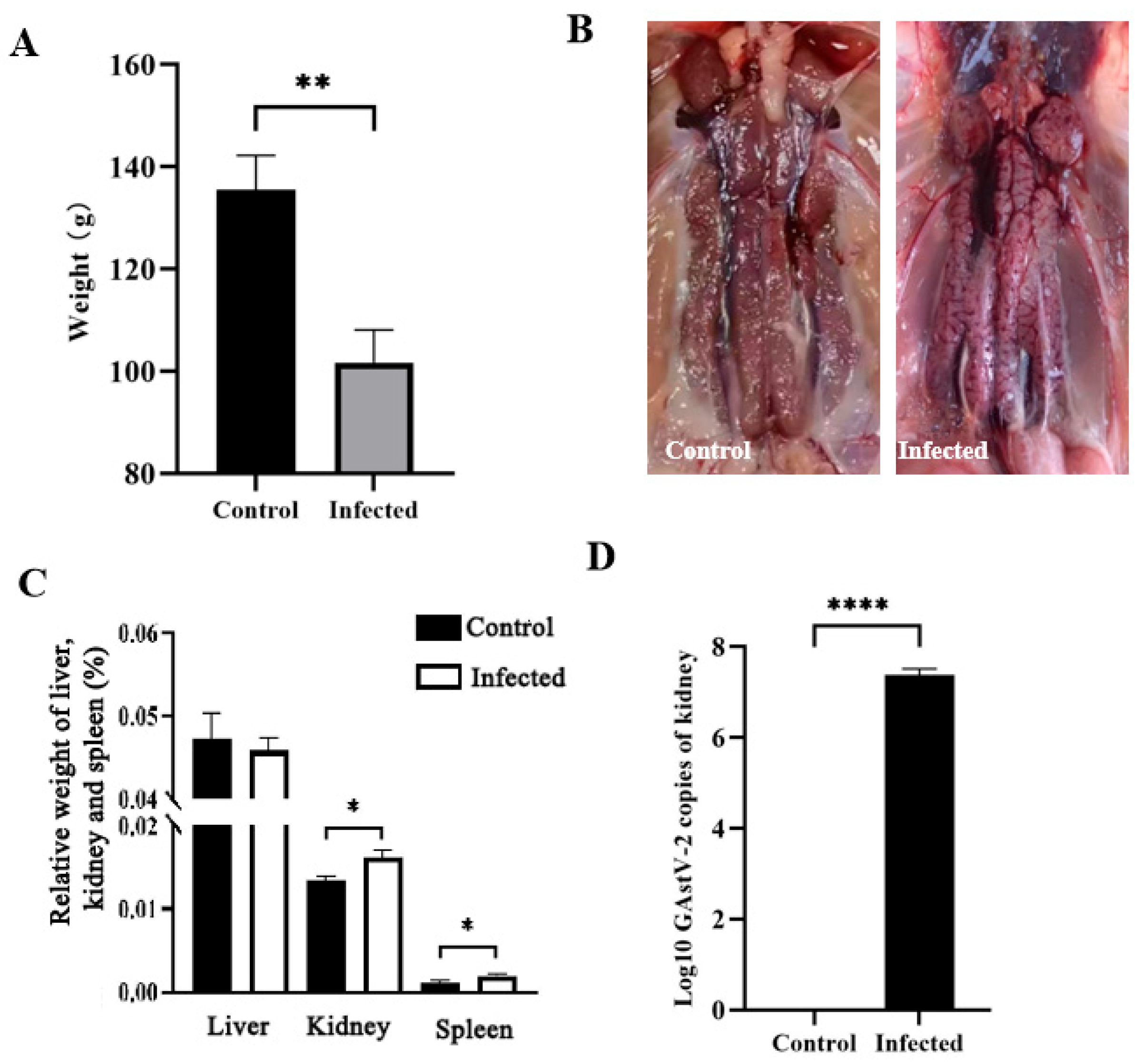
3.1. Clinical Changes and Confirmation of GAstV-2 Infection
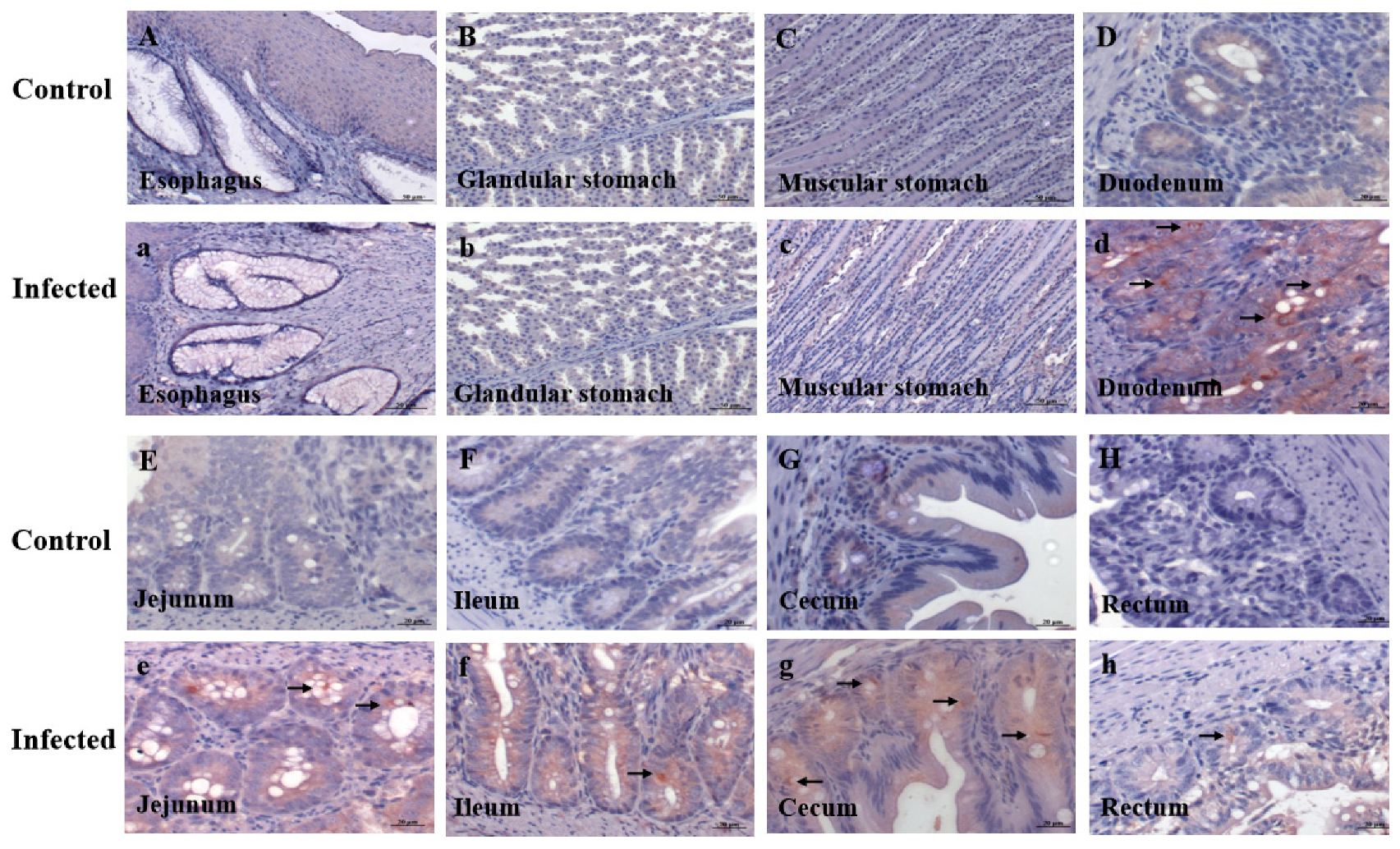
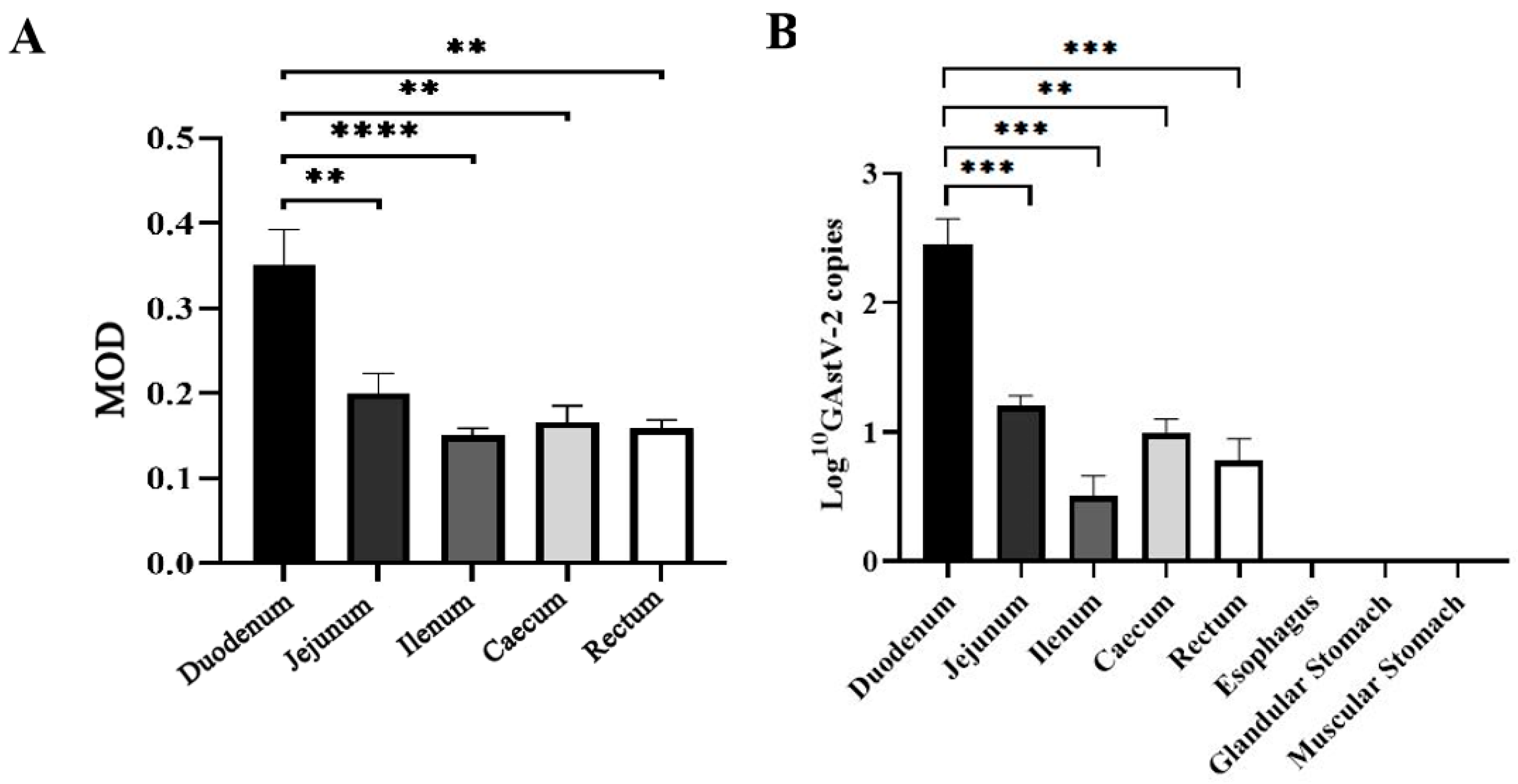
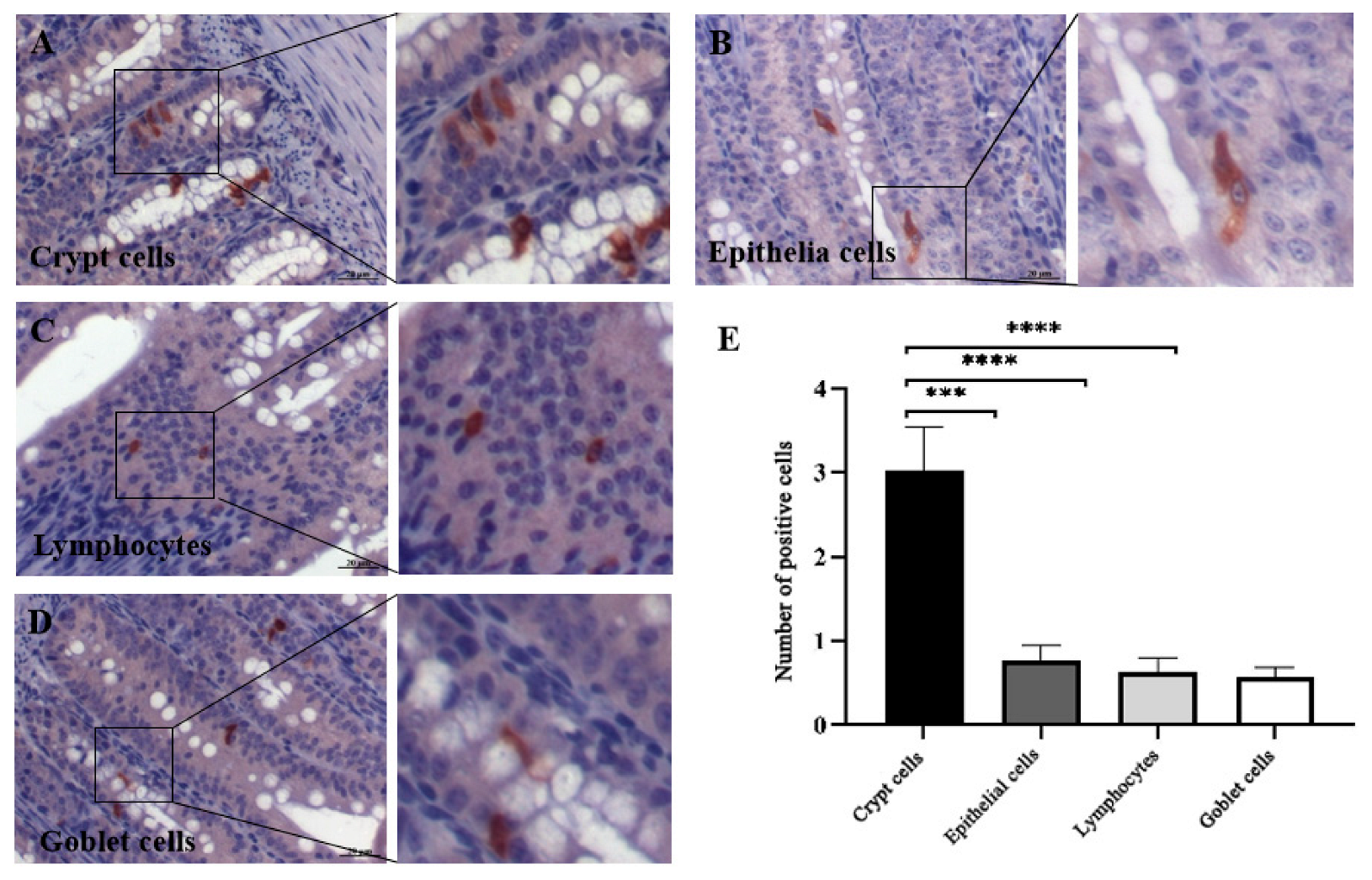
3.2. Distribution and Localization of GAstV-2 in Digestive Tissues
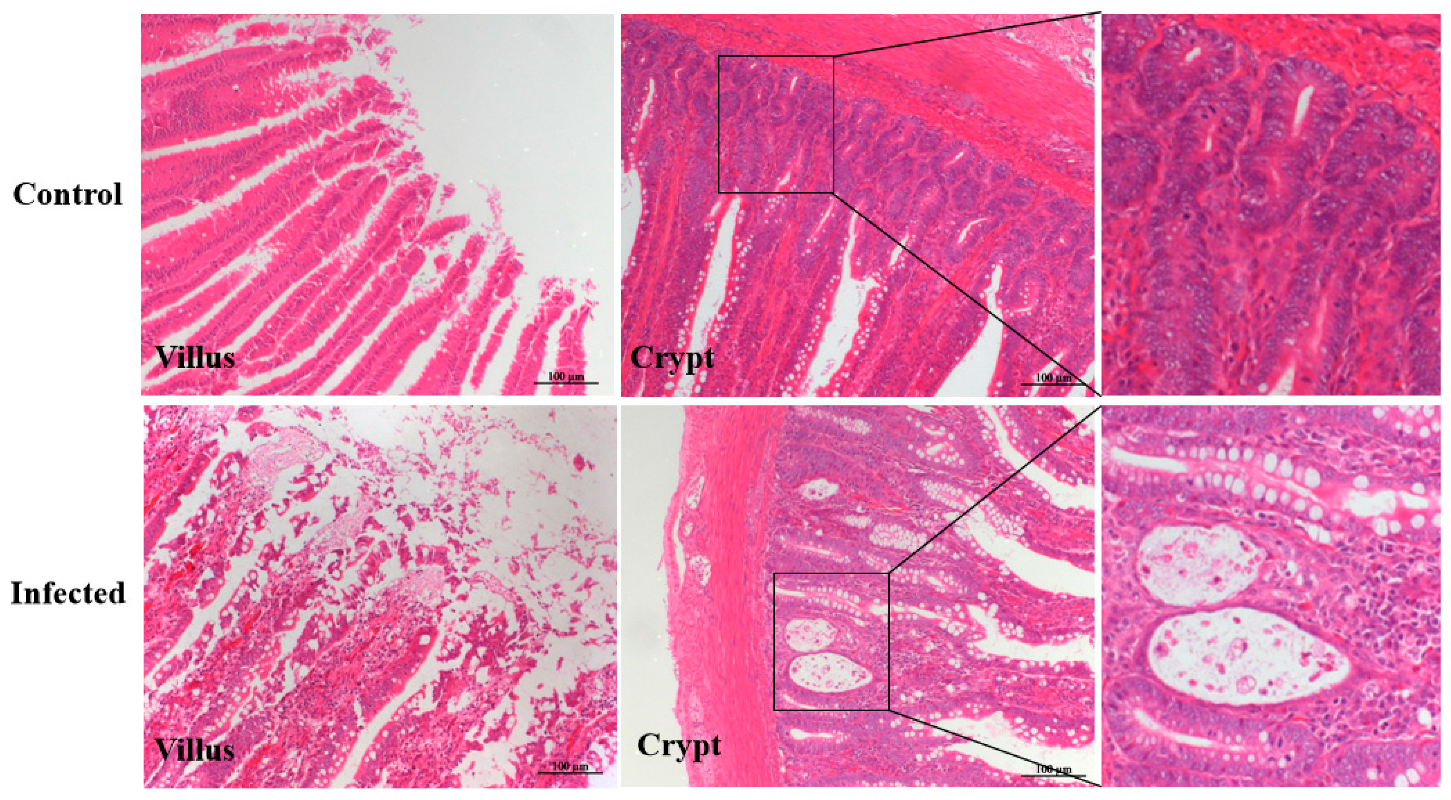
3.3. Histopathological Changes in the Duodenum
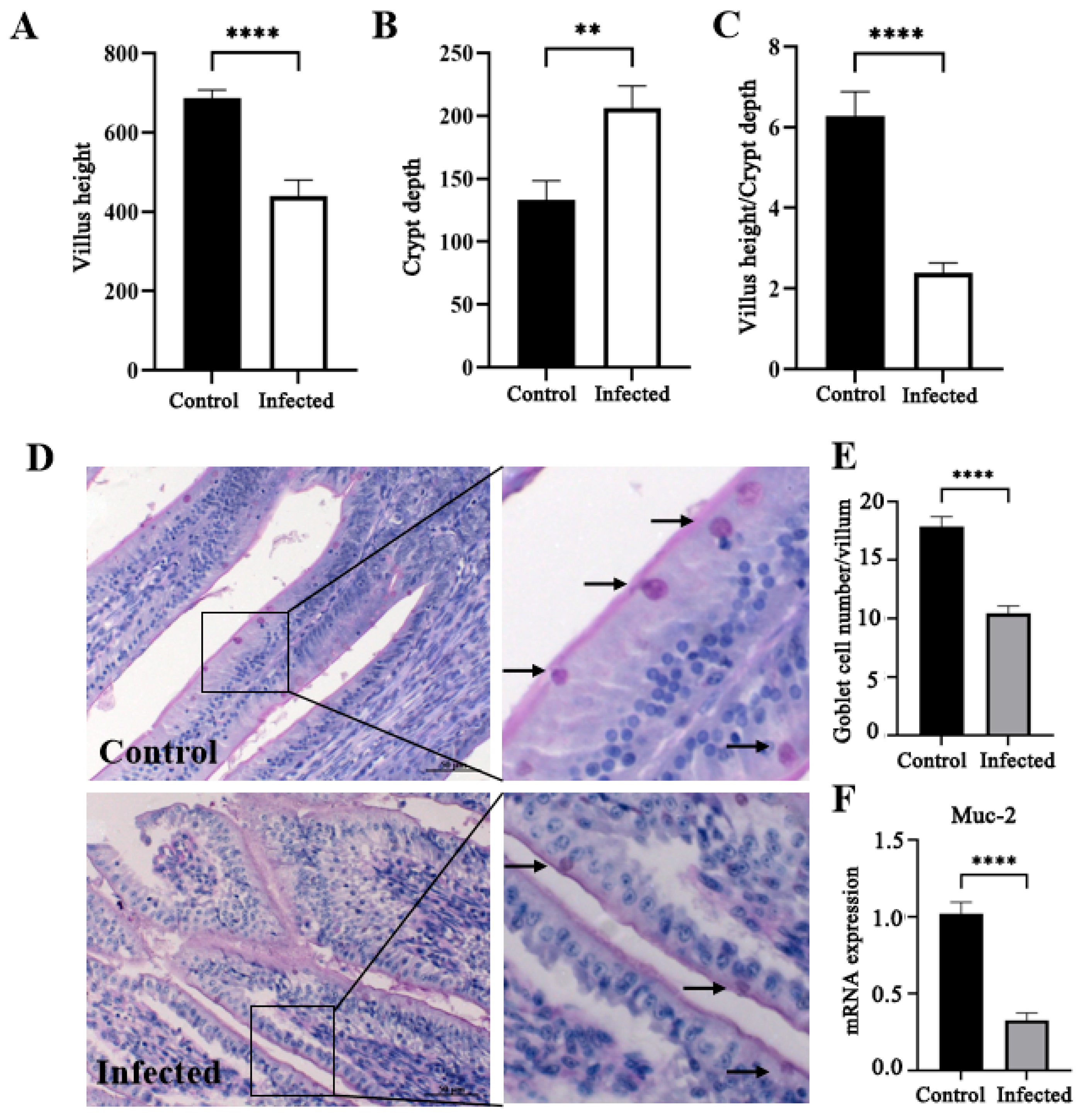
3.4. Effect of GAstV-2 on Villus Height, Crypt Depth, Goblet Cells, and Mucus Production
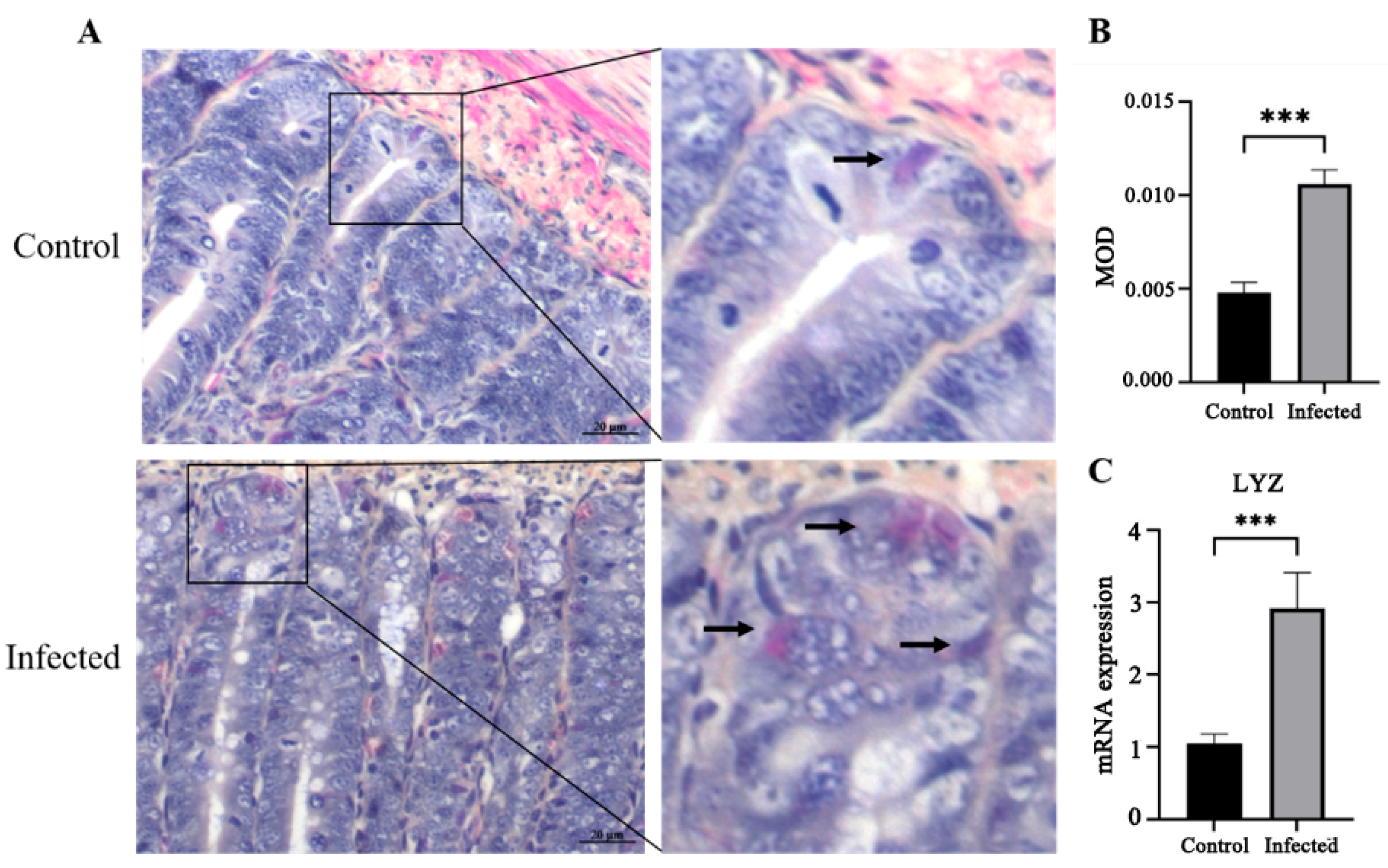
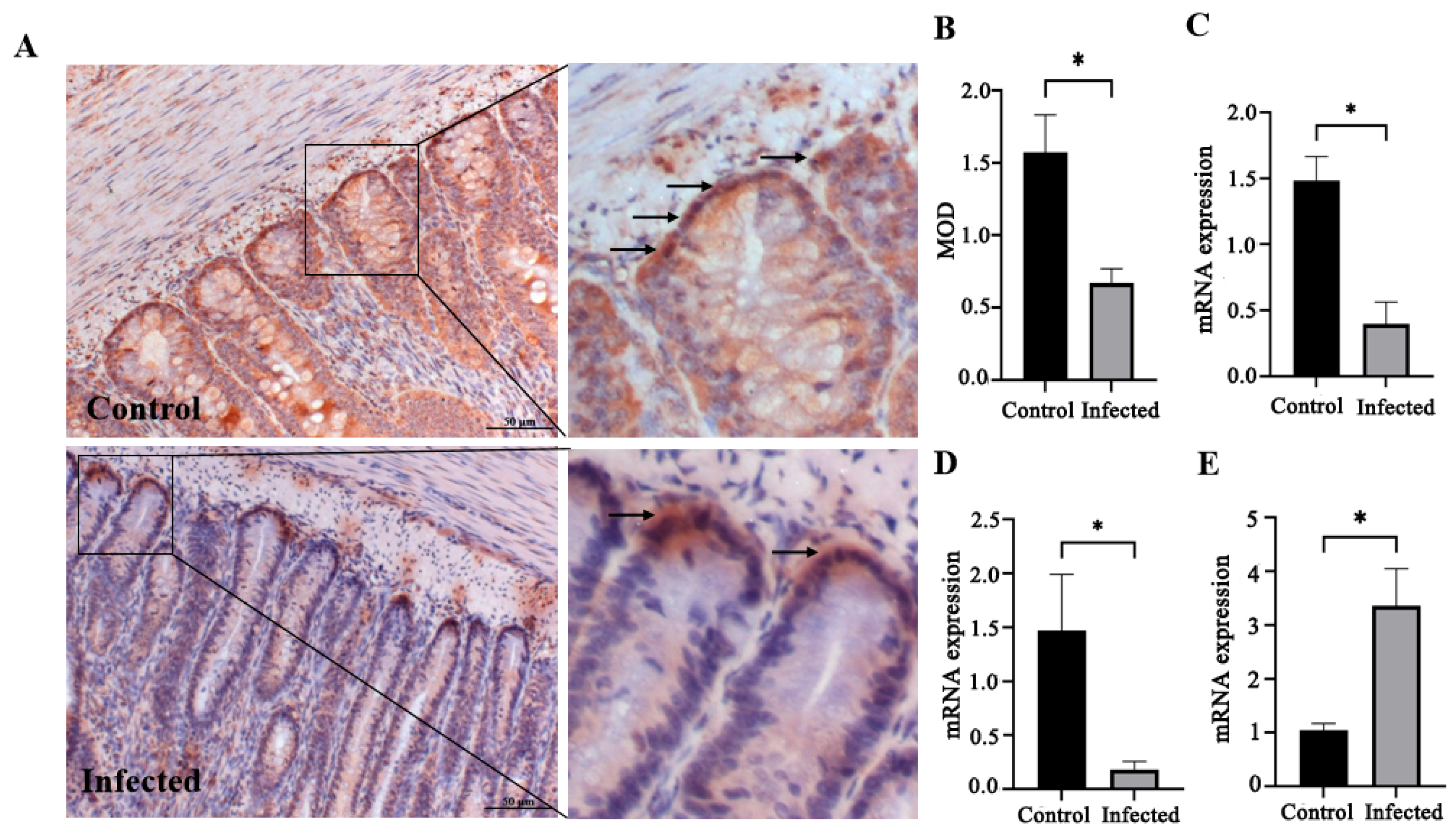
3.5. Effect of GAstV-2 on Paneth Cells and Intestinal Stem Cells
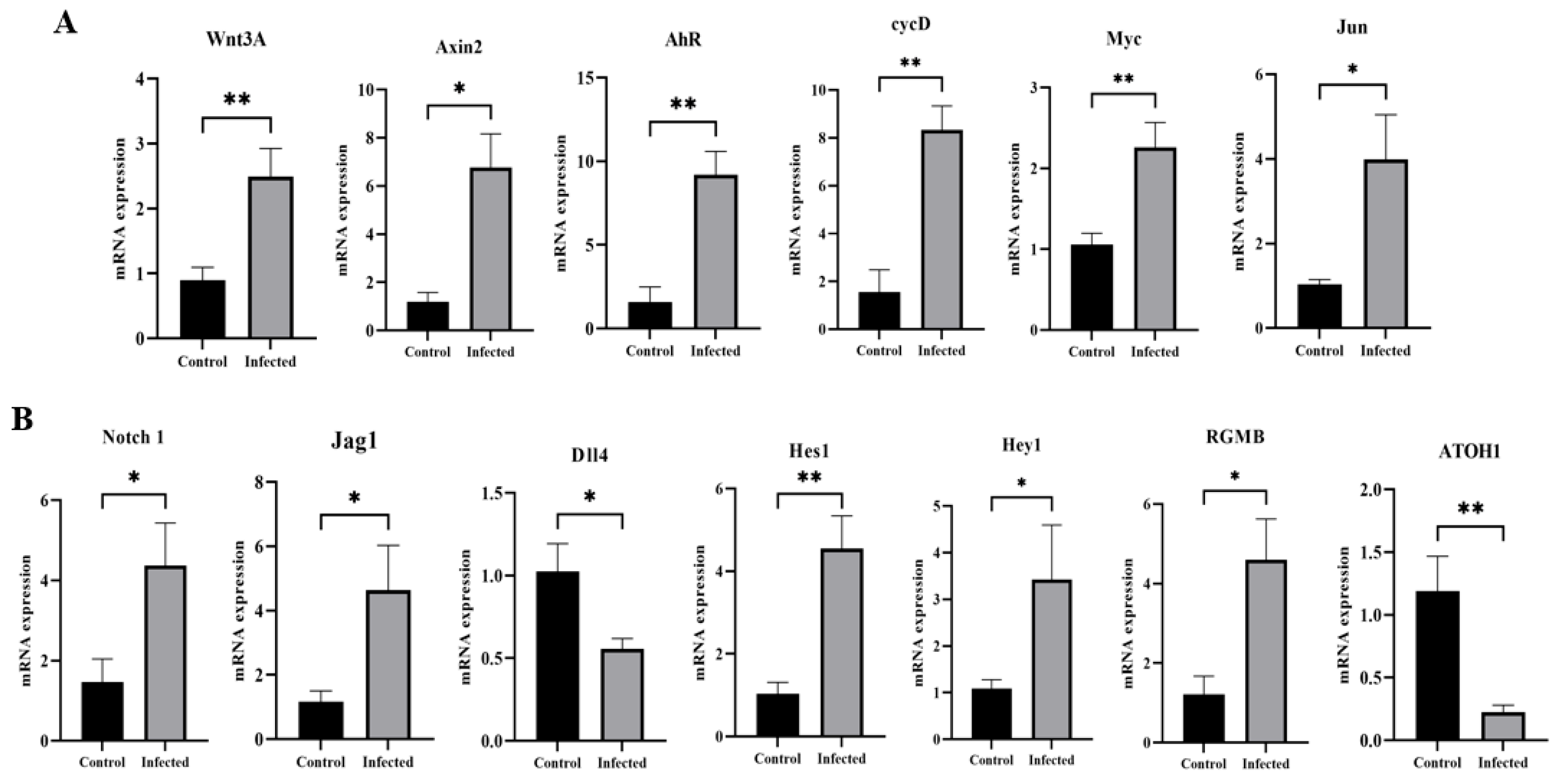
3.6. Effect of GAstV-2 on Notch and Wnt Signaling Pathways
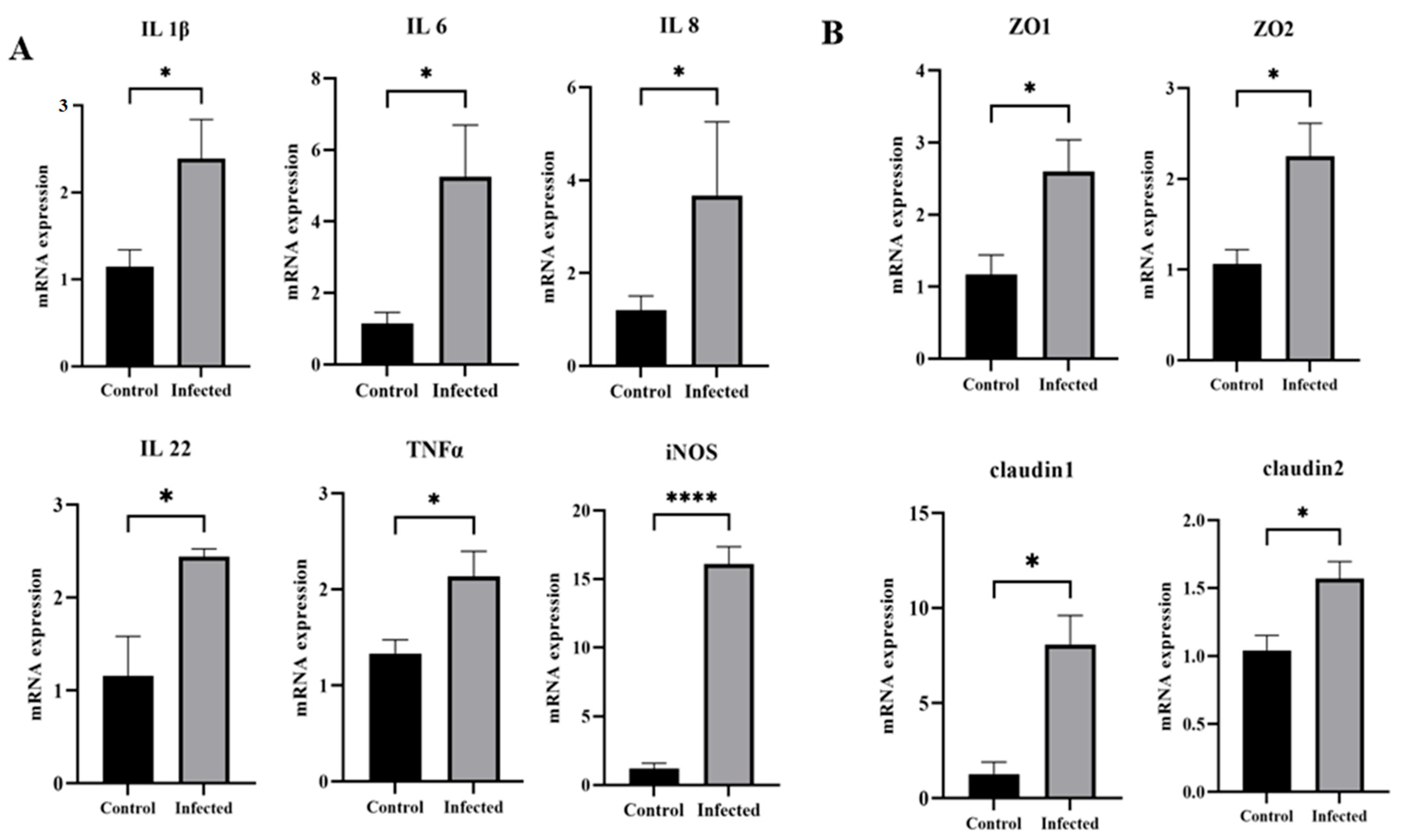
3.7. Effect of GAstV-2 on Inflammatory Cytokines and Tight Junction-Associated Genes
4. Discussion
5. Conclusions
Supplementary Materials
Author Contributions
Funding
Institutional Review Board Statement
Informed Consent Statement
Data Availability Statement
Conflicts of Interest
References
- Ren, D.; Zhang, H.; Ye, X.; Jia, X.; Chen, R.; Tang, T.; Ye, J.; Wu, S. Current situation of goose astrovirus in China: A review. Viruses 2025, 17, 84. [Google Scholar] [CrossRef]
- Xu, L.; Jiang, B.; Cheng, Y.; He, Y.; Wu, Z.; Wang, M.; Jia, R.; Zhu, D.; Liu, M.; Zhao, X.; et al. Infection and innate immune mechanism of goose astrovirus. Front. Microbiol. 2023, 14, 1121763. [Google Scholar] [CrossRef]
- Chen, Q.; Xu, X.; Yu, Z.; Sui, C.; Zuo, K.; Zhi, G.; Ji, J.; Yao, L.; Kan, Y.; Bi, Y.; et al. Characterization and genomic analysis of emerging astroviruses causing fatal gout in goslings. Transbound. Emerg. Dis. 2020, 67, 865–876. [Google Scholar] [CrossRef]
- Wang, A.; Wu, Z.; Zhou, Q.; Zhang, X.; Zhu, Y.; Xie, J.; Feng, Q.; Dong, H.; Cheng, Y.; Jia, W.; et al. Isolation, identification, and pathogenicity of a goose astrovirus 1 strain from goslings in Jiangsu province, China. Microb. Pathog. 2025, 200, 107324. [Google Scholar] [CrossRef] [PubMed]
- Chen, L.; Cui, H.; Li, J.; Zhang, Y.; Wang, H.; Yang, Y.; Wang, X.; Zhang, C.; Liu, J. Epidemiological investigation of goose astrovirus in Hebei province, China, 2019–2021. Microorganisms 2024, 12, 990. [Google Scholar] [CrossRef]
- Bi, Z.; Lv, X.; Zhang, Z.; Cai, L.; Zhang, M.; Li, W.; Ding, Y.; Liu, H.; Yang, K.; Zhu, Y.; et al. Emerging fatal gout disease in Chinese goslings linked to acute kidney injury induced by novel goose astrovirus infection. Front. Cell Infect. Microbiol. 2024, 14, 1470808. [Google Scholar]
- Zhang, Q.; Cao, Y.; Wang, J.; Fu, G.; Sun, M.; Zhang, L.; Meng, L.; Cui, G.; Huang, Y.; Hu, X.; et al. Isolation and characterization of an astrovirus causing fatal visceral gout in domestic goslings. Emerg. Microbes. Infect. 2018, 7, 71. [Google Scholar]
- Zhang, X.; Ren, D.; Li, T.; Zhou, H.; Liu, X.; Wang, X.; Lu, H.; Gao, W.; Wang, Y.; Zou, X.; et al. An emerging novel goose astrovirus associated with gosling gout disease, China. Emerg. Microbes. Infect. 2018, 7, 152. [Google Scholar] [PubMed]
- Yang, J.; Tian, J.; Tang, Y.; Diao, Y. Isolation and genomic characterization of gosling gout caused by a novel goose astrovirus. Transbound. Emerg. Dis. 2018, 65, 1689–1696. [Google Scholar] [CrossRef]
- Xu, L.; Wu, Z.; He, Y.; Jiang, B.; Cheng, Y.; Wang, M.; Jia, R.; Zhu, D.; Liu, M.; Zhao, X.; et al. Molecular characterization of a virulent goose astrovirus genotype-2 with high mortality in vitro and in vivo. Poult. Sci. 2024, 103, 103585. [Google Scholar] [CrossRef]
- Huang, H.; Ding, R.; Chen, Z.; Yi, Z.; Wang, H.; Lv, Y.; Bao, E. Goose nephritic astrovirus infection increases autophagy, destroys intercellular junctions in renal tubular epithelial cells, and damages podocytes in the kidneys of infected goslings. Vet. Microbiol. 2021, 263, 109244. [Google Scholar] [CrossRef] [PubMed]
- Ding, R.; Huang, H.; Wang, H.; Yi, Z.; Qiu, S.; Lv, Y.; Bao, E. Goose nephritic astrovirus infection of goslings induces lymphocyte apoptosis, reticular fiber destruction, and CD8 T-cell depletion in spleen tissue. Viruses 2021, 13, 1108. [Google Scholar] [CrossRef]
- Wei, F.; Jiang, X.; He, D.; Diao, Y.; Tang, Y. Localization and distribution of goose astrovirus 2 antigens in different tissues at different times. BMC Vet. Res. 2023, 19, 173. [Google Scholar] [CrossRef] [PubMed]
- Li, H.; Su, Q.; Fu, D.; Huang, H.; Lu, Z.; Huang, C.; Chen, Y.; Tan, M.; Huang, J.; Kang, Z.; et al. Alteration of gut microbiome in goslings infected with goose astrovirus. Poult. Sci. 2024, 103, 103869. [Google Scholar] [CrossRef]
- Cortez, V.; Meliopoulos, V.A.; Karlsson, E.A.; Hargest, V.; Johnson, C.; Schultz-Cherry, S. Astrovirus biology and pathogenesis. Annu. Rev. Virol. 2017, 4, 327–348. [Google Scholar] [CrossRef]
- Behling-Kelly, E.; Schultz-Cherry, S.; Koci, M.; Kelley, L.; Larsen, D.; Brown, C. Localization of astrovirus in experimentally infected turkeys as determined by in situ hybridization. Vet. Pathol. 2002, 39, 595–598. [Google Scholar] [CrossRef]
- Kang, K.I.; Linnemann, E.; Icard, A.H.; Durairaj, V.; Mundt, E.; Sellers, H.S. Chicken astrovirus as an aetiological agent of runting-stunting syndrome in broiler chickens. J. Gen. Virol. 2018, 99, 512–524. [Google Scholar] [CrossRef]
- Qiu, S.; Xu, R.; Guo, Y.; Lv, Y. Establishment of a SYBR Green I-based real-time PCR for goose nephritic astrovirus. Chin. Vet. Sci. 2020, 50, 300–306. [Google Scholar]
- Zhu, M.; Guo, Z.; Xu, H.; Li, X.; Chen, H.; Cao, R.; Lv, Y. Aminoguanidine alleviates gout in goslings experimentally infected with goose astrovirus-2 by reducing kidney lesions. Poult. Sci. 2024, 103, 103484. [Google Scholar] [CrossRef]
- Cortez, V.; Boyd, D.F.; Crawford, J.C.; Sharp, B.; Livingston, B.; Rowe, H.M.; Davis, A.; Alsallaq, R.; Robinson, C.G.; Vogel, P.; et al. Astrovirus infects actively secreting goblet cells and alters the gut mucus barrier. Nat. Commun. 2020, 11, 2097. [Google Scholar] [CrossRef] [PubMed]
- Ding, R.; Xu, H.; Huang, H.; Cao, R.; Lv, Y. Effects of Goose Astrovirus type 2 infection on peripheral blood lymphocyte and macrophage activity in vitro. Viral Immunol. 2024, 37, 139–148. [Google Scholar] [CrossRef]
- Beumer, J.; Clevers, H. Cell fate specification and differentiation in the adult mammalian intestine. Nat. Rev. Mol. Cell Biol. 2021, 22, 39–53. [Google Scholar]
- Santos, A.J.M.; Lo, Y.H.; Mah, A.T.; Kuo, C.J. The Intestinal Stem Cell Niche: Homeostasis and Adaptations. Trends Cell Biol. 2018, 28, 1062–1078. [Google Scholar] [CrossRef]
- VanDussen, K.L.; Samuelson, L.C. Mouse atonal homolog 1 directs intestinal progenitors to secretory cell rather than absorptive cell fate. Dev. Biol. 2010, 346, 215–223. [Google Scholar] [CrossRef] [PubMed]
- Suh, H.N.; Kim, M.J.; Jung, Y.S.; Lien, E.M.; Jun, S.; Park, J.I. Quiescence exit of Tert+ stem cells by Wnt/β-Catenin is indispensable for intestinal regeneration. Cell Rep. 2017, 21, 2571–2584. [Google Scholar]
- Moser, L.A.; Carter, M.; Schultz-Cherry, S. Astrovirus increases epithelial barrier permeability independently of viral replication. J. Virol. 2007, 81, 11937–11945. [Google Scholar] [CrossRef] [PubMed]
- Meliopoulos, V.A.; Marvin, S.A.; Freiden, P.; Moser, L.A.; Nighot, P.; Ali, R.; Blikslager, A.; Reddivari, M.; Heath, R.J.; Koci, M.D.; et al. Oral administration of astrovirus capsid protein is sufficient to Induce acute diarrhea in vivo. mBio 2016, 7, e01494-16. [Google Scholar] [CrossRef]
- Wang, H.; Zhu, Y.; Ye, W.; Hua, J.; Chen, L.; Ni, Z.; Yun, T.; Bao, E.; Zhang, C. Genomic and epidemiological characteristics provide insights into the phylogeographic spread of goose astrovirus in China. Transbound. Emerg. Dis. 2022, 69, e1865–e1876. [Google Scholar] [CrossRef]
- Wohlgemuth, N.; Honce, R.; Schultz-Cherry, S. Astrovirus evolution and emergence. Infect. Genet. Evol. 2019, 69, 30–37. [Google Scholar] [CrossRef]
- Wang, Z.; Li, L.; Liu, P.; Wang, C.; Lu, Q.; Liu, L.; Yang, Y.; Luo, Q.; Shao, H. Host innate immune responses of geese infected with goose origin nephrotic astrovirus. Microb. Pathog. 2021, 152, 104753. [Google Scholar] [CrossRef] [PubMed]
- Wu, W.; Qiu, S.; Huang, H.; Xu, R.; Bao, E.; Lv, Y. Immune-related gene expression in the kidneys and spleens of goslings infected with goose nephritic astrovirus. Poult. Sci. 2021, 100, 100990. [Google Scholar] [CrossRef] [PubMed]


Disclaimer/Publisher’s Note: The statements, opinions and data contained in all publications are solely those of the individual author(s) and contributor(s) and not of MDPI and/or the editor(s). MDPI and/or the editor(s) disclaim responsibility for any injury to people or property resulting from any ideas, methods, instructions or products referred to in the content. |
© 2025 by the authors. Licensee MDPI, Basel, Switzerland. This article is an open access article distributed under the terms and conditions of the Creative Commons Attribution (CC BY) license.
Share and Cite
Li, X.; Yang, W.; Zhu, M.; Xu, H.; Yang, J.; Yi, Z.; Lv, Y. Goose Astrovirus Type 2 Causes Intestinal Injury and Disrupts Homeostasis in Goslings. Vet. Sci. 2026, 13, 15. https://doi.org/10.3390/vetsci13010015
Li X, Yang W, Zhu M, Xu H, Yang J, Yi Z, Lv Y. Goose Astrovirus Type 2 Causes Intestinal Injury and Disrupts Homeostasis in Goslings. Veterinary Sciences. 2026; 13(1):15. https://doi.org/10.3390/vetsci13010015
Chicago/Turabian StyleLi, Xinyang, Wenhao Yang, Ming Zhu, Haoran Xu, Junjie Yang, Zewen Yi, and Yingjun Lv. 2026. "Goose Astrovirus Type 2 Causes Intestinal Injury and Disrupts Homeostasis in Goslings" Veterinary Sciences 13, no. 1: 15. https://doi.org/10.3390/vetsci13010015
APA StyleLi, X., Yang, W., Zhu, M., Xu, H., Yang, J., Yi, Z., & Lv, Y. (2026). Goose Astrovirus Type 2 Causes Intestinal Injury and Disrupts Homeostasis in Goslings. Veterinary Sciences, 13(1), 15. https://doi.org/10.3390/vetsci13010015