

Sulforaphane Pre-Treatment Improves Alveolar Macrophage Killing After Alcohol-Induced Phagocytic Dysfunction In Vitro and in Galleria mellonella Larvae
 ,
, 

 and
and 
Abstract
1. Introduction
2. Materials and Methods
2.1. Cell Culture
2.2. Cell Viability Assay
2.3. Intracellular Killing Assay
2.4. Enzyme-Linked Immunosorbent Assay (ELISA)
2.5. Galleria mellonella Model
2.6. Galleria mellonella Survival Curves
2.7. Monitoring and Infection of Galleria mellonella Larvae
2.8. Statistical Analysis
3. Results
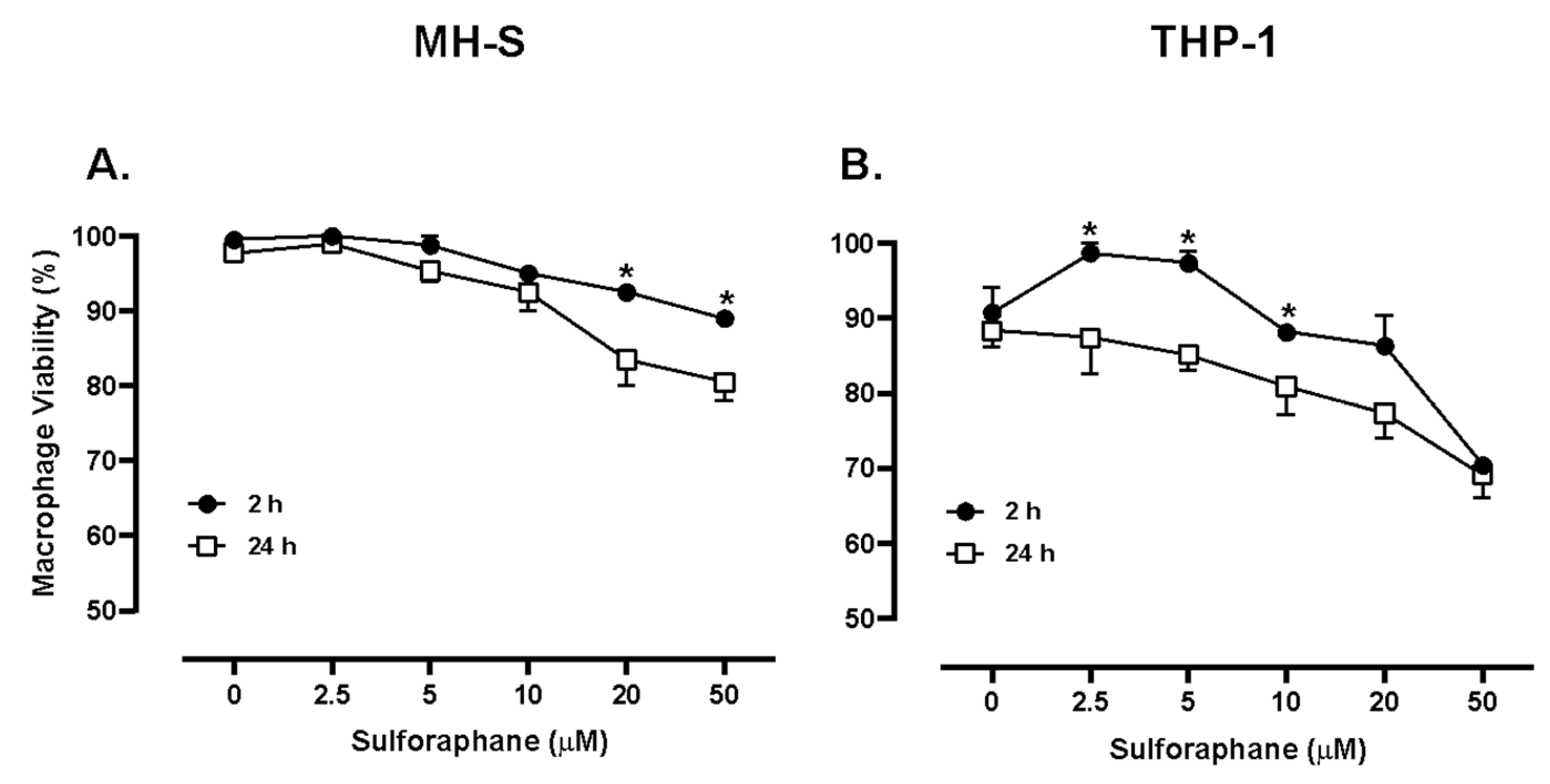
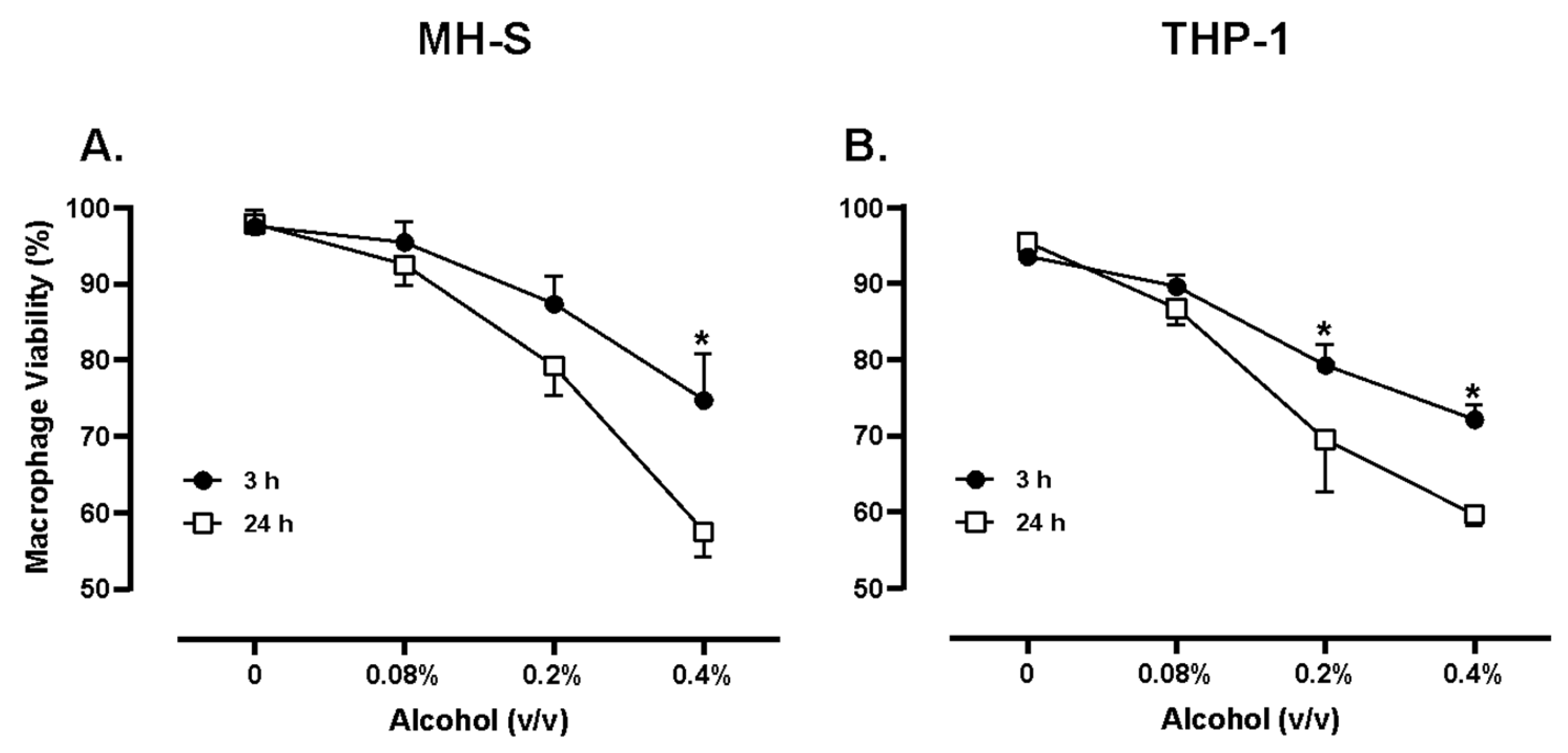
3.1. Cytotoxic and Temporal Effects of SFN and Alcohol Are Similar in MH-S and THP-1 Cells
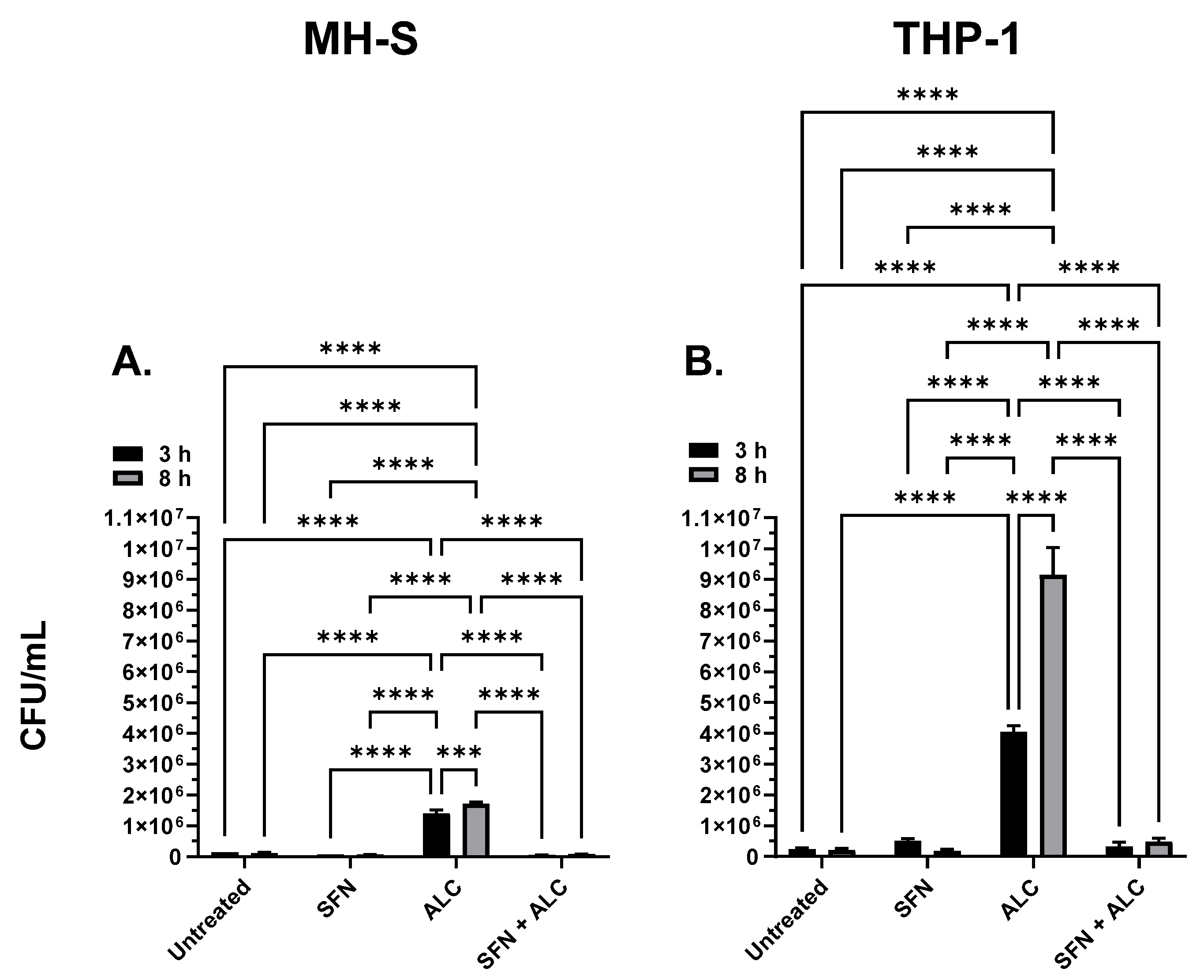
3.2. SFN Pre-Treatment Prevents Phagocytic Intracellular Killing Dysfunction
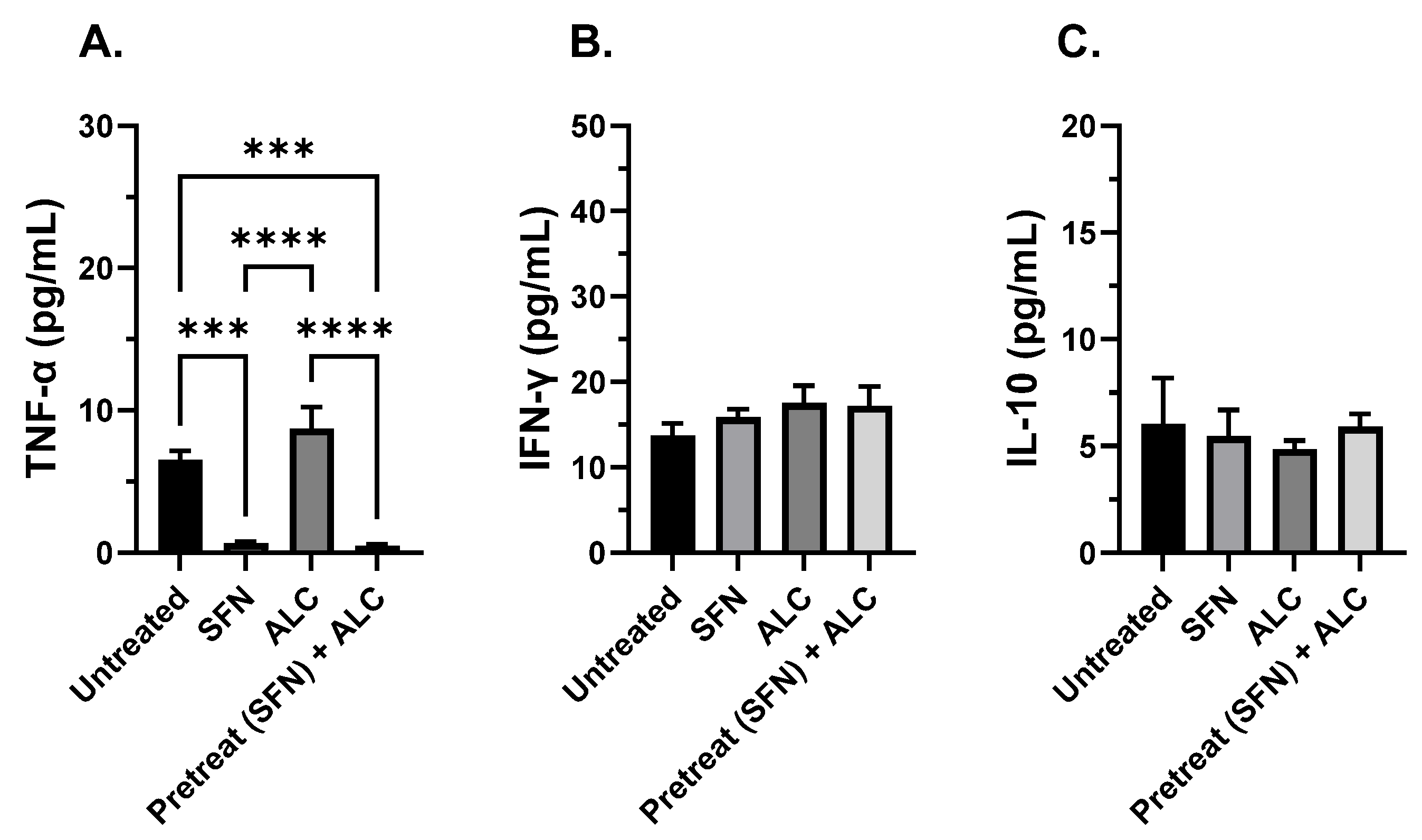
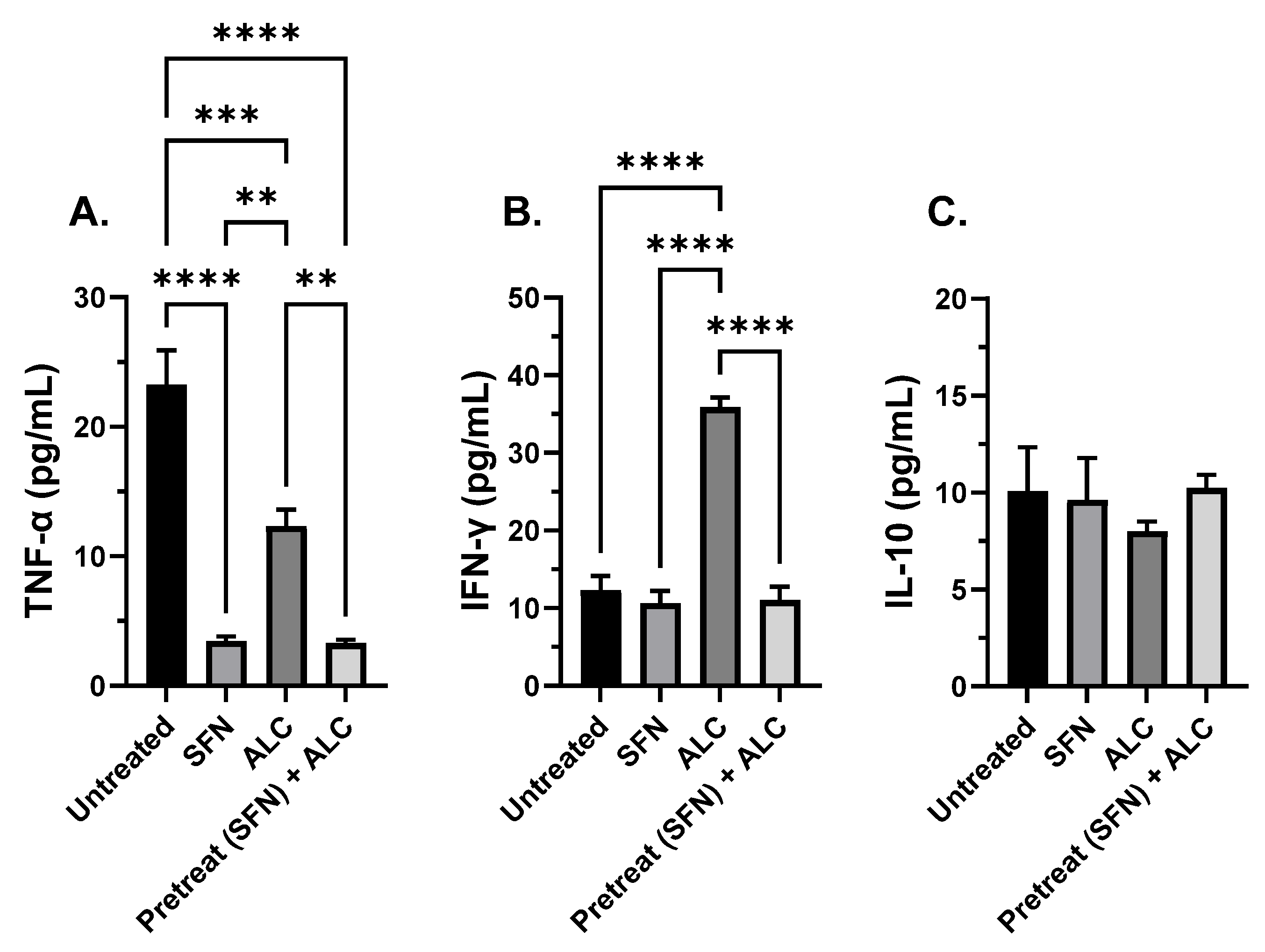
3.3. SFN Treatment Prior to Alcohol Exposure and Bacterial Challenge Decreases TNF-α
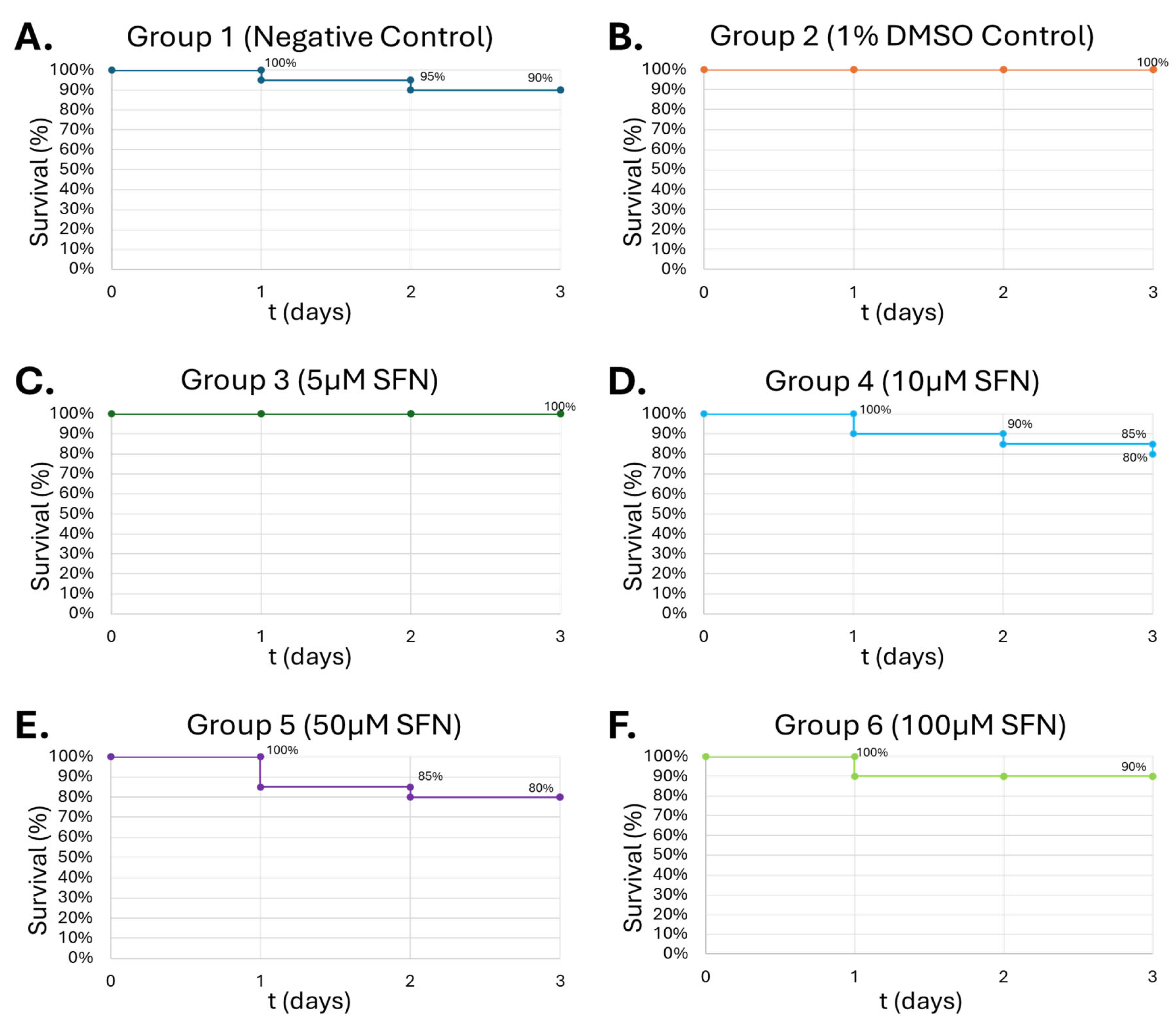
3.4. Selected SFN Doses Demonstrate High Tolerance in G. mellonella Larvae Model
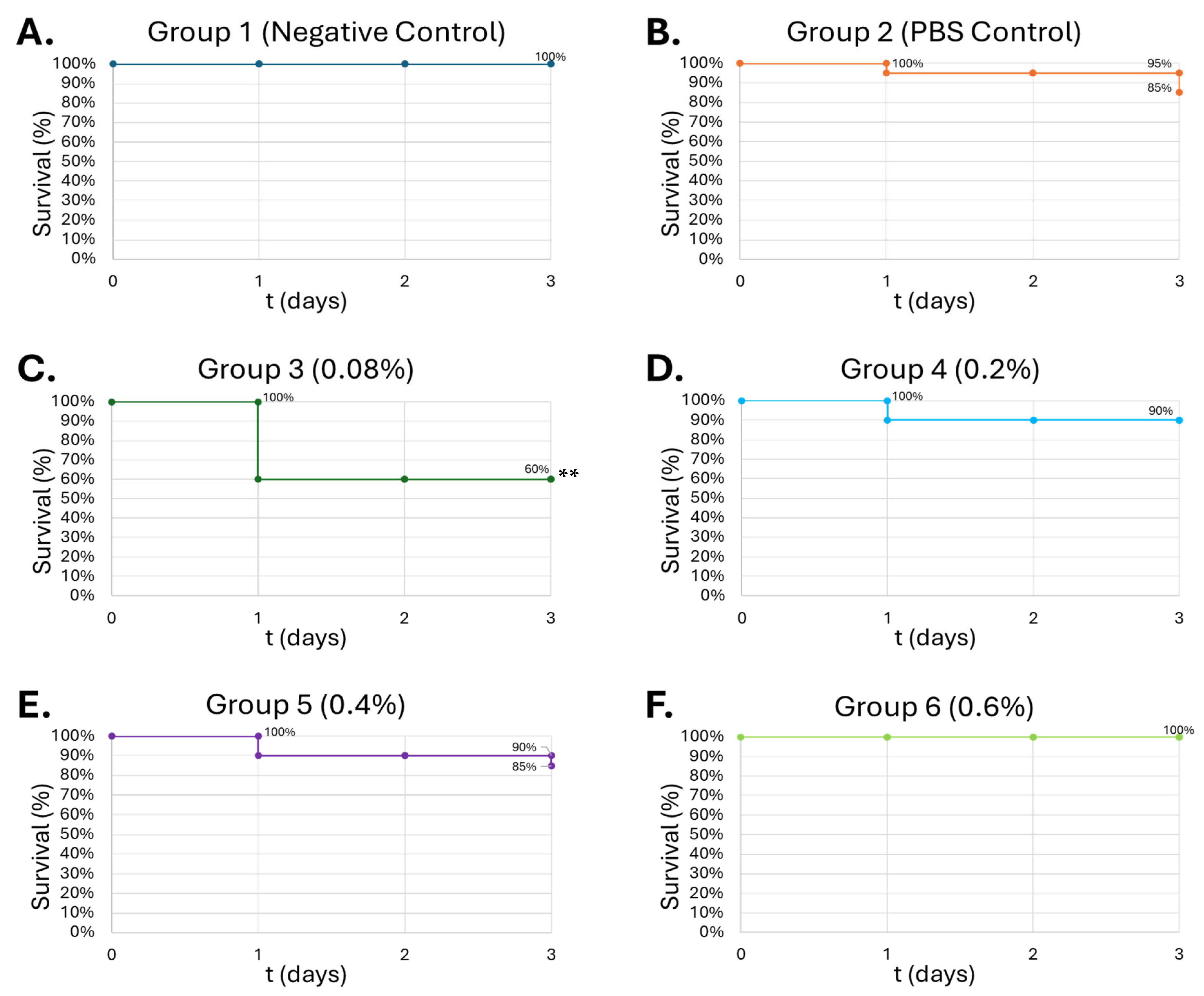
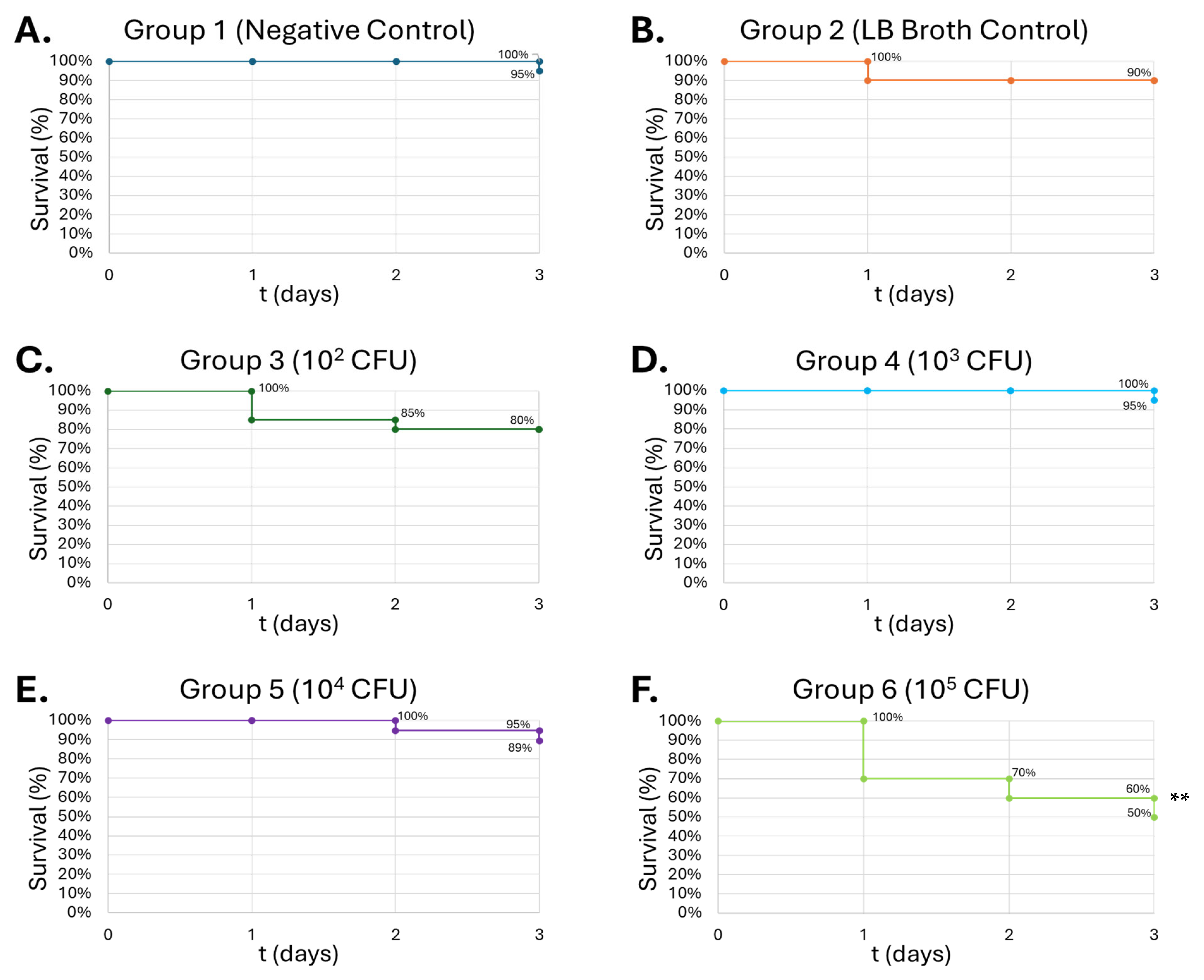
3.5. Alcohol Insult in G. mellonella Larvae Demonstrates Dose-Dependent Survival with Increasing Dose
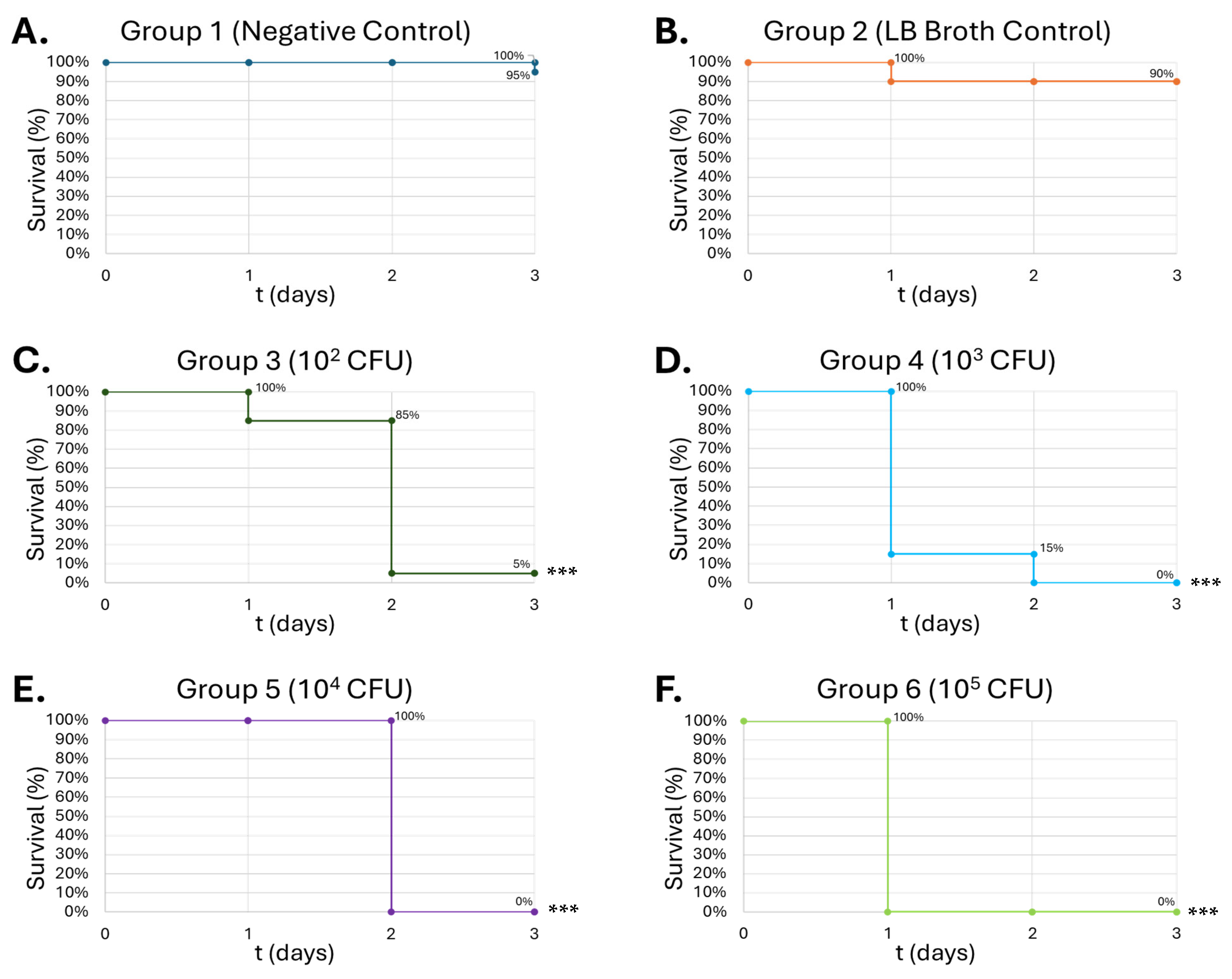
3.6. Pathogen Insult in G. mellonella Larvae Demonstrates Dose-Dependent Lethality
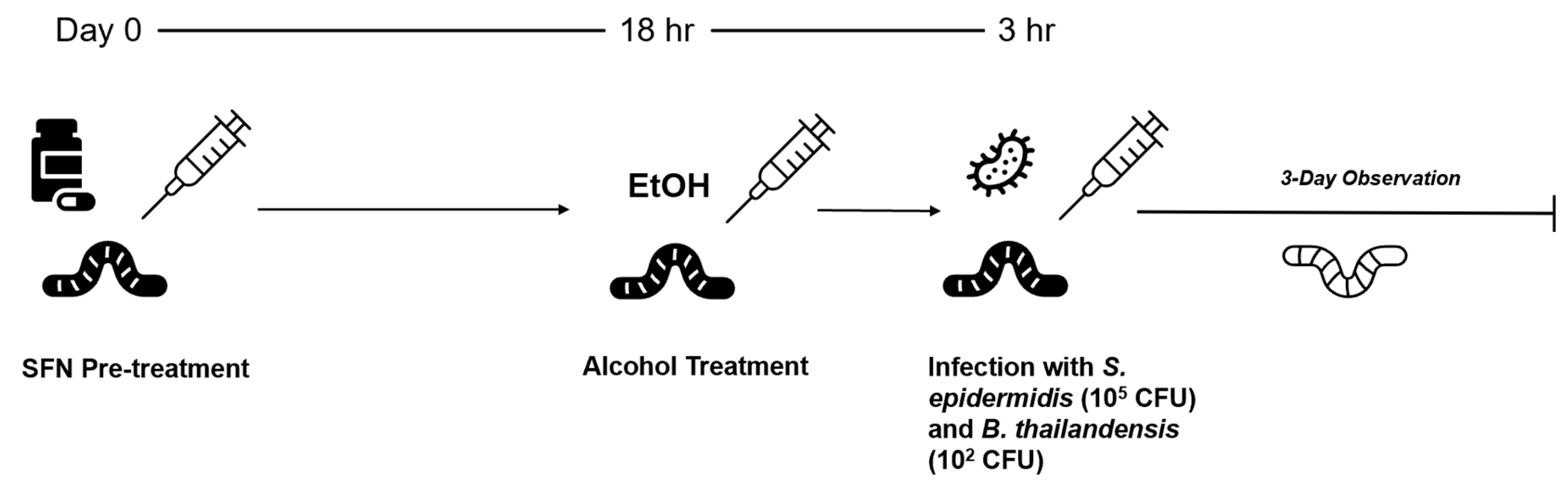
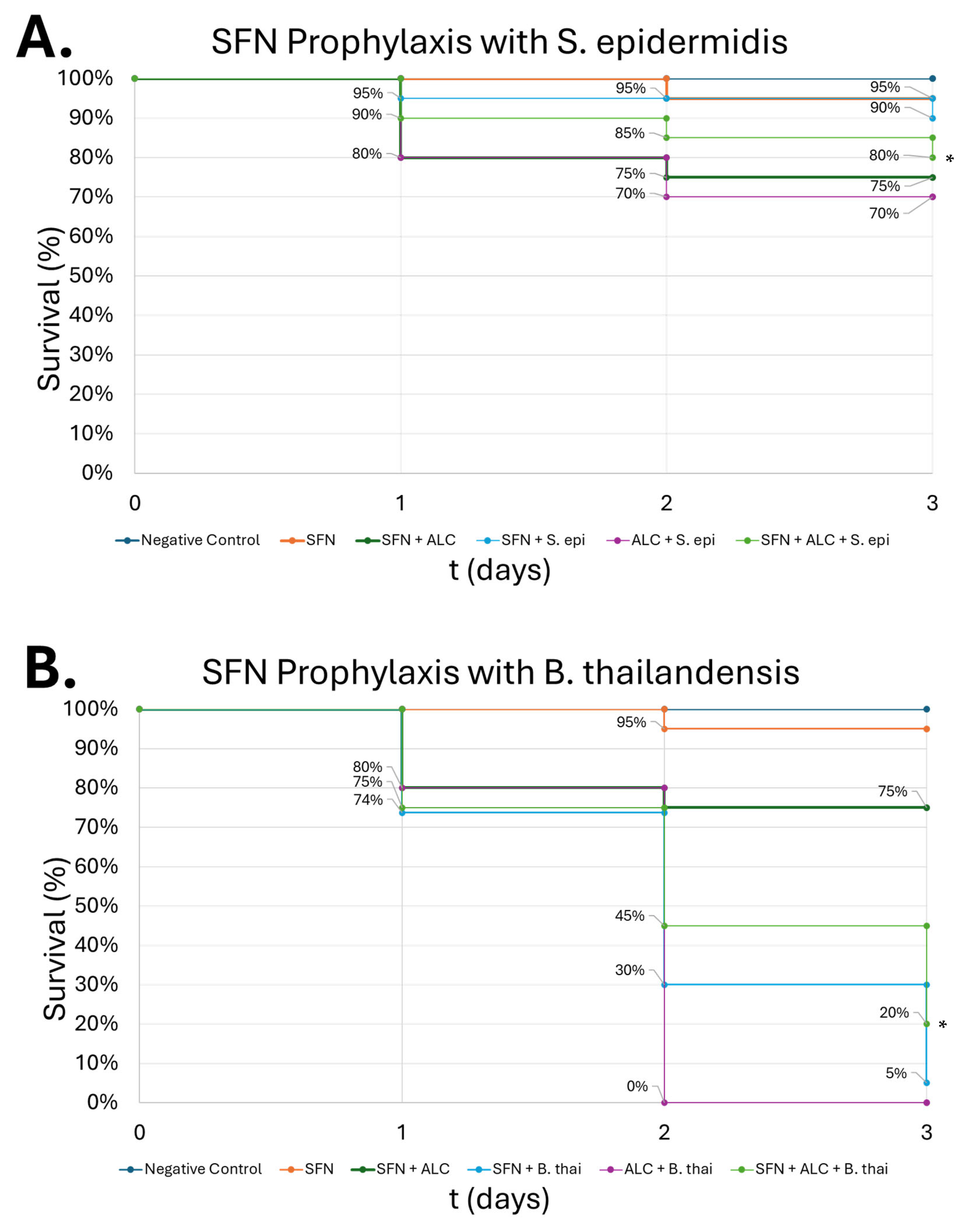
3.7. SFN Pre-Treatment Demonstrates Prophylactic Potential in G. mellonella Larvae Model
4. Discussion
5. Conclusions
Supplementary Materials
Author Contributions
Funding
Institutional Review Board Statement
Informed Consent Statement
Data Availability Statement
Acknowledgments
Conflicts of Interest
References
- Sudhinaraset, M.; Wigglesworth, C.; Takeuchi, D.T. Social and Cultural Contexts of Alcohol Use: Influences in a Social-Ecological Framework. Alcohol Res. 2016, 38, 35–45. [Google Scholar] [CrossRef] [PubMed] [PubMed Central]
- Grant, B.F.; Dawson, D.A.; Stinson, F.S.; Chou, S.; Dufour, M.C.; Pickering, R.P. The 12-month prevalence and trends in DSM-IV alcohol abuse and dependence: United States, 1991–1992 and 2001–2002. Drug Alcohol Depend. 2004, 74, 223–234. [Google Scholar] [CrossRef] [PubMed]
- Calina, D.; Hartung, T.; Mardare, I.; Mitroi, M.; Poulas, K.; Tsatsakis, A.; Rogoveanu, I.; Docea, A.O. COVID-19 pandemic and alcohol consumption: Impacts and interconnections. Toxicol. Rep. 2021, 8, 529–535, Erratum in Toxicol. Rep. 2021, 8, 1980. [Google Scholar] [CrossRef] [PubMed] [PubMed Central]
- Jensen, J.S.; Fan, X.; Guidot, D.M. Alcohol causes alveolar epithelial oxidative stress inhibiting the nuclear factor (Erythroid-Derived 2)-Like 2-antioxidant response element signaling pathway. Am. J. Respir. Cell Mol. Biol. 2013, 48, 511–517. [Google Scholar] [CrossRef]
- Raasch, C.E.; Zhang, P.; Siggins, R.W., 2nd; LaMotte, L.R.; Nelson, S.; Bagby, G.J. Acute alcohol intoxication impairs the hematopoietic precursor cell response to pneumococcal pneumonia. Alcohol Clin. Exp. Res. 2010, 34, 2035–2043. [Google Scholar] [CrossRef] [PubMed] [PubMed Central]
- Bhatty, M.; Tan, W.; Basco, M.; Pruett, S.; Nanduri, B. Binge alcohol consumption 18 h after induction of sepsis in a mouse model causes rapid overgrowth of bacteria, a cytokine storm, and decreased survival. Alcohol 2017, 63, 9–17. [Google Scholar] [CrossRef] [PubMed] [PubMed Central]
- Boé, D.M.; Nelson, S.; Zhang, P.; Bagby, G.J. Acute ethanol intoxication suppresses lung chemokine production following infection with Streptococcus pneumoniae. J. Infect. Dis. 2001, 184, 1134–1142. [Google Scholar] [CrossRef] [PubMed]
- U.S. Department of Health and Human Services. Drinking Levels Defined. National Institute on Alcohol Abuse and Alcoholism. Available online: https://www.niaaa.nih.gov/alcohol-health/overview-alcohol-consumption/moderate-binge-drinking#:~:text=NIAAA%20defines%20binge%20drinking%20as (accessed on 18 August 2025).
- Bermudez, L.E.; Young, L.S.; Martinelli, J.; Petrofsky, M. Exposure to ethanol up-regulates the expression of Mycobacterium avium complex proteins associated with bacterial virulence. J. Infect. Dis. 1993, 168, 961–968. Available online: https://www.jstor.org/stable/30113247 (accessed on 18 August 2025). [CrossRef]
- Camarena, L.; Bruno, V.; Euskirchen, G.; Poggio, S.; Snyder, M. Molecular mechanisms of ethanol-induced pathogenesis revealed by RNA-sequencing. PLoS Pathog. 2010, 6, e1000834. [Google Scholar] [CrossRef]
- Gordon, S.B.; Irving, G.R.B.; Lawson, R.A.; Lee, M.E.; Read, R.C. Intracellular Trafficking and Killing of Streptococcus pneumoniae by Human Alveolar Macrophages Are Influenced by 601 Opsonins. Infect. Immun. 2000, 68, 2286–2293. [Google Scholar] [CrossRef]
- Samuelson, D.R.; Shellito, J.E.; Maffei, V.J.; Tague, E.D.; Campagna, S.R.; Blanchard, E.E.; Luo, M.; Taylor, C.M.; Ronis, M.J.J.; Molina, P.E.; et al. Alcohol-associated intestinal dysbiosis impairs pulmonary host defense against Klebsiella pneumoniae. PLoS Pathog. 2017, 13, e1006426. [Google Scholar] [CrossRef] [PubMed] [PubMed Central]
- Pruett, S.B.; Schwab, C.; Zheng, Q.; Fan, R. Suppression of innate immunity by acute ethanol administration: A global perspective and a new mechanism beginning with inhibition of signaling through TLR3. J. Immunol. 2004, 173, 2715–2724. [Google Scholar] [CrossRef] [PubMed]
- Goral, J.; Karavitis, J.; Kovacs, E.J. Exposure-dependent effects of ethanol on the innate immune system. Alcohol 2008, 42, 237–247. [Google Scholar] [CrossRef] [PubMed] [PubMed Central]
- Mehta, A.J.; Guidot, D.M. Alcohol and the Lung. Alcohol Res. 2017, 38, 243–254. [Google Scholar] [CrossRef] [PubMed] [PubMed Central]
- Crowe, A.; McMahon, N.; Currie, B.J.; Baird, R.W. Current antimicrobial susceptibility of first-episode melioidosis Burkholderia pseudomallei isolates from the Northern Territory, Australia. Int. J. Antimicrob. Agents 2014, 44, 160–162. [Google Scholar] [CrossRef]
- Huemer, M.; Mairpady Shambat, S.; Brugger, S.D.; Zinkernagel, A.S. Antibiotic resistance and persistence-Implications for human health and treatment perspectives. EMBO Rep. 2020, 21, e51034. [Google Scholar] [CrossRef] [PubMed] [PubMed Central]
- Zar, H.J.; Cotton, M.F. Nosocomial Pneumonia in Pediatric Patients. Pediatr. Drugs 2002, 4, 73–83. [Google Scholar] [CrossRef]
- Muto, H.; Kaneko, S.; Machino, T.; Okoshi, Y.; Mukai, H.Y.; Suzukawa, K.; Hasegawa, Y.; Imagawa, S.; Kojima, H.; Ishii, Y.; et al. Quinupristin/dalfopristin and voriconazole controlled Staphylococcus epidermidis pneumonia and chronic necrotizing aspergillosis in a patient with severe lung degradation consequent to multiple treatments for Hodgkin’s lymphoma. J. Infect. Chemother. 2006, 12, 391–395. [Google Scholar] [CrossRef] [PubMed]
- Wu, W.; Liu, M.; Geng, J.-J.; Wang, M. Teicoplanin combined with conventional vancomycin therapy for the treatment of pulmonary methicillin-resistant Staphylococcus aureus and Staphylococcus epidermidis infections. World J. Clin. Cases 2021, 9, 10549–10556. [Google Scholar] [CrossRef] [PubMed] [PubMed Central]
- Vuong, C.; Otto, M. Staphylococcus epidermidis infections. Microbes Infect. 2002, 4, 481–489. [Google Scholar] [CrossRef] [PubMed]
- Hall, C.M.; Stone, N.E.; Martz, M.; Hutton, S.M.; Santana-Propper, E.; Versluis, L.; Guidry, K.; Ortiz, M.; Busch, J.D.; Maness, T.; et al. Burkholderia thailandensis Isolated from the Environment, United States. Emerg. Infect. Dis. 2023, 29, 618–621. [Google Scholar] [CrossRef] [PubMed] [PubMed Central]
- Jimenez, V., Jr.; Moreno, R.M.; Kaufman, E.; Hornstra, H.; Settles, E.; Curie, B.J.; Keim, P.; Monroy, F.P. Effects of binge alcohol exposure on Burkholderia thailandensis–alveolar macrophage interaction. Alcohol 2017, 64, 55–63. [Google Scholar] [CrossRef] [PubMed]
- Jimenez, V., Jr.; Moreno, R.M.; Settles, E.; Currie, B.J.; Keim, P.; Monroy, F.P. A mouse model of binge alcohol consumption and Burkholderia infection. PLoS ONE 2018, 13, e0208061. [Google Scholar] [CrossRef] [PubMed]
- Zhou, R.; Lin, J.; Wu, D. Sulforaphane induces Nrf2 and protects against CYP2E1-dependent binge alcohol-induced liver steatosis. Biochim. Biophys. Acta 2014, 1840, 209–218. [Google Scholar] [CrossRef]
- Houghton, C.A.; Fassett, R.G.; Coombes, J.S. Sulforaphane and Other Nutrigenomic Nrf2 Activators: Can the Clinician’s Expectation Be Matched by the Reality? Oxidative Med. Cell. Longev. 2016, 624, 7857186. [Google Scholar] [CrossRef]
- Cornblatt, B.S.; Ye, L.; Dinkova-Kostova, A.T.; Erb, M.; Fahey, J.W.; Singh, N.K.; Chen, M.-S.A.; Stierer, T.; Garrett-Mayer, E.; Argani, P.; et al. Preclinical and clinical evaluation of sulforaphane for chemoprevention in the breast. Carcinogenesis 2007, 28, 1485–1490. [Google Scholar] [CrossRef]
- Hanlon, N.; Coldham, N.; Gielbert, A.; Kuhnert, N.; Sauer, M.J.; King, L.J.; Ioannides, C. Absolute bioavailability and dose-dependent pharmacokinetic behaviour of dietary doses of the chemopreventive isothiocyanate sulforaphane in rat. Br. J. Nutr. 2008, 99, 559–564. [Google Scholar] [CrossRef]
- Staitieh, B.S.; Egea, E.E.; Fan, X.; Amah, A.; Guidot, D.M. Chronic Alcohol Ingestion Impairs Rat Alveolar Macrophage Phagocytosis via Disruption of RAGE Signaling. Am. J. Med. Sci. 2018, 355, 497–505. [Google Scholar] [CrossRef] [PubMed] [PubMed Central]
- Suganuma, H.; Fahey, J.W.; Bryan, K.E.; Talalay, P. Stimulation of phagocytosis by sulforaphane. Biochem. Biophys. Res. Commun. 2011, 405, 146–151. [Google Scholar] [CrossRef]
- Serrano, I.; Verdial, C.; Tavares, L.; Oliveira, M. The Virtuous Galleria mellonella Model for Scientific Experimentation. Antibiotics 2023, 12, 505. [Google Scholar] [CrossRef] [PubMed] [PubMed Central]
- Tsai, C.J.-Y.; Loh, J.M.S.; Proft, T. Galleria mellonella infection models for the study of bacterial diseases and for antimicrobial drug testing. Virulence 2016, 7, 214–229. [Google Scholar] [CrossRef] [PubMed] [PubMed Central]
- Jander, G.; Rahme, L.G.; Ausubel, F.M. Positive correlation between virulence of Pseudomonas aeruginosa mutants in mice and insects. J. Bacteriol. 2000, 182, 3843–3845. [Google Scholar] [CrossRef] [PubMed] [PubMed Central]
- Twittenhoff, C.; Heroven, A.K.; Mühlen, S.; Dersch, P.; Narberhaus, F. An RNA thermometer dictates production of a secreted bacterial toxin. PLoS Pathog. 2020, 16, e1008184. [Google Scholar] [CrossRef] [PubMed] [PubMed Central]
- Eren, E.; Tufekci, K.U.; Isci, K.B.; Tastan, B.; Genc, K.; Genc, S. Sulforaphane Inhibits Lipopolysaccharide-Induced Inflammation, Cytotoxicity, Oxidative Stress, and miR-155 Expression and Switches to Mox Phenotype through Activating Extracellular Signal-Regulated Kinase 1/2-Nuclear Factor Erythroid 2-Related Factor 2/Antioxidant Response Element Pathway in Murine Microglial Cells. Front. Immunol. 2018, 9, 36. [Google Scholar] [CrossRef] [PubMed] [PubMed Central]
- Tuttis, K.; Machado, A.R.T.; Santos, P.W.D.S.; Antunes, L.M.G. Sulforaphane Combined with Vitamin D Induces Cytotoxicity Mediated by Oxidative Stress, DNA Damage, Autophagy, and JNK/MAPK Pathway Modulation in Human Prostate Tumor Cells. Nutrients 2023, 15, 2742. [Google Scholar] [CrossRef] [PubMed] [PubMed Central]
- Schwab, M.; Reynders, V.; Loitsch, S.; Steinhilber, D.; Schröder, O.; Stein, J. The dietary histone deacetylase inhibitor sulforaphane induces human beta-defensin-2 in intestinal epithelial cells. Immunology 2008, 125, 241–251. [Google Scholar] [CrossRef] [PubMed] [PubMed Central]
- Myzak, M.C.; Dashwood, W.M.; Orner, G.A.; Ho, E.; Dashwood, R.H. Sulforaphane inhibits histone deacetylase in vivo and suppresses tumorigenesis in Apc-minus mice. FASEB J. 2006, 20, 506–508. [Google Scholar] [CrossRef] [PubMed] [PubMed Central]
- NIAAA. NIAAA council approves definition of binge drinking. In NIAAA Newsletter No. 3. Office of Research Translation and Communication, NIAAA, NIH, DHHS; Publication No. 04-5346; NIH Publication: Bethesda, MD, USA, 2004; number 3. [Google Scholar]
- Centers for Disease Control and Prevention. FASTSTATS—Body Measurements. Centers for Disease Control and Prevention. 10 September 2021. Available online: https://www.cdc.gov/nchs/fastats/body-measurements.htm (accessed on 18 September 2025).
- Moreira, M.T.; Smith, L.A.; Foxcroft, D. Social norms interventions to reduce alcohol misuse in university or college students. Cochrane Database Syst. Rev. 2009, 3, CD006748, Update in Cochrane Database Syst. Rev. 2015, 1, CD006748. [Google Scholar] [CrossRef] [PubMed]
- Bertola, A.; Mathews, S.; Ki, S.H.; Wang, H.; Gao, B. Mouse model of chronic and binge ethanol feeding (the NIAAA model). Nat. Protoc. 2013, 8, 627–637. [Google Scholar] [CrossRef] [PubMed] [PubMed Central]
- Dolganiuc, A.; Szabo, G. In vitro and in vivo models of acute alcohol exposure. World J. Gastroenterol. 2009, 15, 1168–1177. [Google Scholar] [CrossRef] [PubMed] [PubMed Central]
- Parameswaran, N.; Patial, S. Tumor necrosis factor-α signaling in macrophages. Crit. Rev. Eukaryot. Gene Expr. 2010, 20, 87–103. [Google Scholar] [CrossRef] [PubMed] [PubMed Central]
- Zhang, J.M.; An, J. Cytokines, inflammation, and pain. Int. Anesthesiol. Clin. 2007, 45, 27–37. [Google Scholar] [CrossRef] [PubMed] [PubMed Central]
- Kak, G.; Raza, M.; Tiwari, B.K. Interferon-gamma (IFN-γ): Exploring its implications in infectious diseases. Biomol. Concepts 2018, 9, 64–79. [Google Scholar] [CrossRef] [PubMed]
- Schütze, S.; Kaufmann, A.; Bunkowski, S.; Ribes, S.; Nau, R. Interferon-gamma impairs phagocytosis of Escherichia coli by primary murine peritoneal macrophages stimulated with LPS and differentially modulates proinflammatory cytokine release. Cytokine X 2021, 3, 100057. [Google Scholar] [CrossRef] [PubMed] [PubMed Central]
- Wu, D.; Cederbaum, A.I. Alcohol, oxidative stress, and free radical damage. Alcohol Res. Health 2003, 27, 277–284. [Google Scholar] [PubMed] [PubMed Central]
- Nowak, A.J.; Relja, B. The Impact of Acute or Chronic Alcohol Intake on the NF-κB Signaling Pathway in Alcohol-Related Liver Disease. Int. J. Mol. Sci. 2020, 21, 9407. [Google Scholar] [CrossRef] [PubMed] [PubMed Central]
- Negi, G.; Kumar, A.; Sharma, S.S. Nrf2 and NF-κB modulation by sulforaphane counteracts multiple manifestations of diabetic neuropathy in rats and high glucose-induced changes. Curr. Neurovasc. Res. 2011, 8, 294–304. [Google Scholar] [CrossRef] [PubMed]
- Heiss, E.; Herhaus, C.; Klimo, K.; Bartsch, H.; Gerhäuser, C. Nuclear factor kappa B is a molecular target for sulforaphane-mediated anti-inflammatory mechanisms. J. Biol. Chem. 2001, 276, 32008–32015. [Google Scholar] [CrossRef] [PubMed]
- Checker, R.; Gambhir, L.; Thoh, M.; Sharma, D.; Sandur, S.K. Sulforaphane, a naturally occurring isothiocyanate, exhibits anti-inflammatory effects by targeting GSK3β/Nrf-2 and NF-κB pathways in T cells. J. Funct. Foods 2015, 19, 426–438. [Google Scholar] [CrossRef]
- Capozzi, A.; Manganelli, V.; Riitano, G.; Caissutti, D.; Longo, A.; Garofalo, T.; Sorice, M.; Misasi, R. Advances in the Pathophysiology of Thrombosis in Antiphospholipid Syndrome: Molecular Mechanisms and Signaling through Lipid Rafts. J. Clin. Med. 2023, 12, 891. [Google Scholar] [CrossRef]
- Gasparello, J.; Marzaro, G.; Papi, C.; Gentili, V.; Rizzo, R.; Zurlo, M.; Scapoli, C.; Finotti, A.; Gambari, R. Effects of Sulforaphane on SARS-CoV-2 infection and NF-κB dependent expression of genes involved in the COVID-19 ‘cytokine storm’. Int. J. Mol. Med. 2023, 52, 76. [Google Scholar] [CrossRef] [PubMed] [PubMed Central]
- Saez, D.; Dushime, R.; Wu, H.; Ramos Cordova, L.B.; Shukla, K.; Brown-Harding, H.; Furdui, C.M.; Tsang, A.W. Sulforaphane promotes chlamydial infection by suppressing mitochondrial protein oxidation and activation of complement C3. Protein Sci. 2019, 28, 216–227. [Google Scholar] [CrossRef] [PubMed] [PubMed Central]
- Kubo, E.; Chhunchha, B.; Singh, P.; Sasaki, H.; Singh, D.P. Sulforaphane reactivates cellular antioxidant defense by inducing Nrf2/ARE/Prdx6 activity during aging and oxidative stress. Sci. Rep. 2017, 7, 14130. [Google Scholar] [CrossRef] [PubMed] [PubMed Central]
- Bai, Y.; Cui, W.; Xin, Y.; Miao, X.; Barati, M.T.; Zhang, C.; Chen, Q.; Tan, Y.; Cui, T.; Zheng, Y.; et al. Prevention by sulforaphane of diabetic cardiomyopathy is associated with up-regulation of Nrf2 expression and transcription activation. J. Mol. Cell Cardiol. 2013, 57, 82–95. [Google Scholar] [CrossRef] [PubMed]
- Nowicki, D.; Krause, K.; Karczewska, M.; Szalewska-Pałasz, A. Evaluation of the Anti-Shigellosis Activity of Dietary Isothiocyanates in Galleria mellonella Larvae. Nutrients 2021, 13, 3967. [Google Scholar] [CrossRef] [PubMed] [PubMed Central]
- Krause, K.; Pyrczak-Felczykowska, A.; Karczewska, M.; Narajczyk, M.; Herman-Antosiewicz, A.; Szalewska-Pałasz, A.; Nowicki, D. Dietary Isothiocyanates, Sulforaphane and 2-Phenethyl Isothiocyanate, Effectively Impair Vibrio cholerae Virulence. Int. J. Mol. Sci. 2021, 22, 10187. [Google Scholar] [CrossRef] [PubMed] [PubMed Central]
- Suay-García, B.; Alemán-López, P.A.; Bueso-Bordils, J.I.; Falcó, A.; Antón-Fos, G.; Pérez-Gracia, M.T. New solvent options for in vivo assays in the Galleria mellonella larvae model. Virulence 2019, 10, 776–782. [Google Scholar] [CrossRef] [PubMed] [PubMed Central]
- Thomas, R.J.; Hamblin, K.A.; Armstrong, S.J.; Müller, C.M.; Bokori-Brown, M.; Goldman, S.; Atkins, H.S.; Titball, R.W. Galleria mellonella as a model system to test the pharmacokinetics and efficacy of antibiotics against Burkholderia pseudomallei. Int. J. Antimicrob. Agents 2013, 41, 330–336. [Google Scholar] [CrossRef] [PubMed]
- Bouchebti, S.; Gershon, Y.; Gordin, A.; Huchon, D.; Levin, E. Tolerance and efficient metabolization of extremely high ethanol concentrations by a social wasp. Proc. Natl. Acad. Sci. USA 2024, 121, e2410874121. [Google Scholar] [CrossRef] [PubMed] [PubMed Central]
- Wand, M.E.; Müller, C.M.; Titball, R.W.; Michell, S.L. Macrophage and Galleria mellonella infection models reflect the virulence of naturally occurring isolates of B. pseudomallei, B. thailandensis and B. oklahomensis. BMC Microbiol. 2011, 11, 11. [Google Scholar] [CrossRef] [PubMed] [PubMed Central]
- Ménard, G.; Rouillon, A.; Cattoir, V.; Donnio, P.-Y. Galleria mellonella as a suitable model of bacterial infection: Increasing interest evidenced by infection model publications. Front. Cell. Infect. Microbiol. 2021, 11, 782733. [Google Scholar] [CrossRef]


Disclaimer/Publisher’s Note: The statements, opinions and data contained in all publications are solely those of the individual author(s) and contributor(s) and not of MDPI and/or the editor(s). MDPI and/or the editor(s) disclaim responsibility for any injury to people or property resulting from any ideas, methods, instructions or products referred to in the content. |
© 2026 by the authors. Licensee MDPI, Basel, Switzerland. This article is an open access article distributed under the terms and conditions of the Creative Commons Attribution (CC BY) license.
Share and Cite
Harrop, C.; Clark, N.; Darby, R.; James, D.; Quimby, S.; Black, B.; Tran, V.; Ostrom, E.; Traustadóttir, T.; Monroy, F.P.; et al. Sulforaphane Pre-Treatment Improves Alveolar Macrophage Killing After Alcohol-Induced Phagocytic Dysfunction In Vitro and in Galleria mellonella Larvae. Medicines 2026, 13, 8. https://doi.org/10.3390/medicines13010008
Harrop C, Clark N, Darby R, James D, Quimby S, Black B, Tran V, Ostrom E, Traustadóttir T, Monroy FP, et al. Sulforaphane Pre-Treatment Improves Alveolar Macrophage Killing After Alcohol-Induced Phagocytic Dysfunction In Vitro and in Galleria mellonella Larvae. Medicines. 2026; 13(1):8. https://doi.org/10.3390/medicines13010008
Chicago/Turabian StyleHarrop, Caleb, Nathan Clark, Robert Darby, Dallen James, Scott Quimby, Braydon Black, Vincent Tran, Ethan Ostrom, Tinna Traustadóttir, Fernando P. Monroy, and et al. 2026. "Sulforaphane Pre-Treatment Improves Alveolar Macrophage Killing After Alcohol-Induced Phagocytic Dysfunction In Vitro and in Galleria mellonella Larvae" Medicines 13, no. 1: 8. https://doi.org/10.3390/medicines13010008
APA StyleHarrop, C., Clark, N., Darby, R., James, D., Quimby, S., Black, B., Tran, V., Ostrom, E., Traustadóttir, T., Monroy, F. P., & Jimenez, V. M., Jr. (2026). Sulforaphane Pre-Treatment Improves Alveolar Macrophage Killing After Alcohol-Induced Phagocytic Dysfunction In Vitro and in Galleria mellonella Larvae. Medicines, 13(1), 8. https://doi.org/10.3390/medicines13010008