1. Introduction
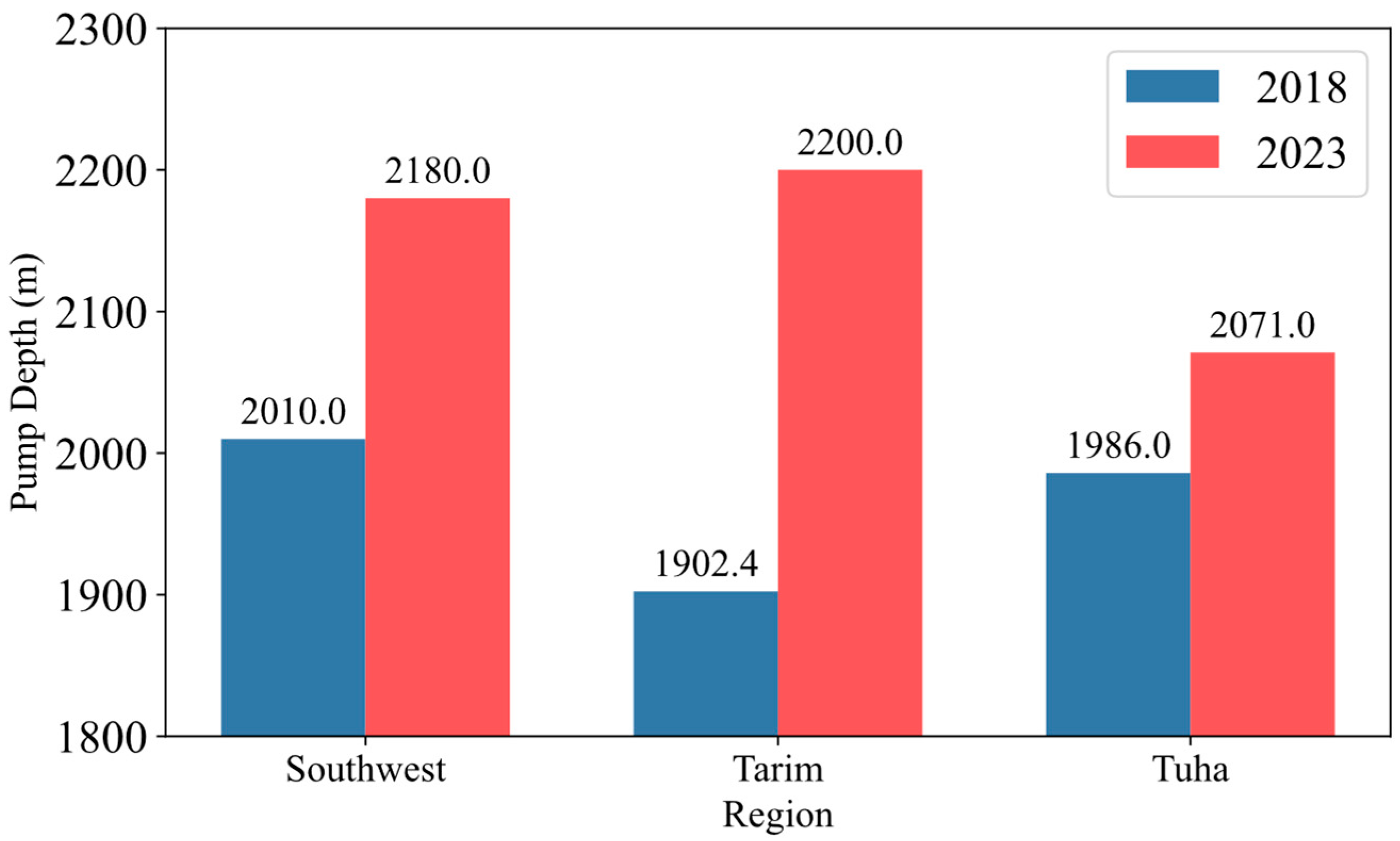
Driven by the progressive shift toward deeper drilling and the gradual depletion of natural reservoir drive in mature oilfields, pump-setting depths (PSDs) in rod-pumped wells have increased steadily in recent years. In major Chinese oilfields, this deepening trend is particularly evident. As shown in
Figure 1, the average PSDs in representative regions such as Tuha, Southwest China, and the Tarim Oilfield all exhibit a clear upward shift from 2018 to 2023. Among them, the Tarim Oilfield shows the most pronounced increase, with the average PSD rising to approximately 2200 m in 2023. The continuous increase in pump-setting depth inevitably leads to higher axial loads along the sucker-rod string, which significantly elevates the risks of rod parting, coupling failure, and other operational safety incidents. Under such increasingly demanding conditions, conventional all-steel rod strings face growing challenges in terms of load-bearing capacity, energy efficiency, and long-term service reliability, thereby placing stricter requirements on rod-string material selection and engineering design methodologies for deep-well applications.
To alleviate excessive suspension loads and improve energy efficiency in deep-well rod-pumping systems, fiber-reinforced polymer (FRP) sucker rods have been increasingly adopted in recent years. Owing to their low density, high tensile strength, and excellent corrosion resistance, FRP rods can significantly reduce the overall weight of the rod string and mitigate corrosion-related failures in aggressive downhole environments. As summarized in
Table 1, the density of FRP rods is less than one-third that of steel rods, resulting in substantially lower suspension loads and improved energy efficiency. Consistent with this advantage, field applications and experimental studies have reported that FRP rod strings can reduce energy consumption by approximately 15–20% compared with steel rods [
1], while maintaining satisfactory tensile performance in corrosive downhole environments. Moreover, FRP rods exhibit comparable or even higher tensile strength under moderate temperatures, which supports their application in tension-dominated sections of deep rod strings.
However,
Table 1 also reveals inherent limitations of FRP rods when compared with steel counterparts. The elastic modulus and flexural strength of FRP rods are significantly lower than those of steel rods, indicating reduced resistance to bending and compressive instability. In addition, the allowable operating temperature of FRP rods is restricted to a relatively narrow range, beyond which pronounced degradation of mechanical properties may occur. These characteristics suggest that direct replacement of steel rods with full-length FRP strings may introduce mechanical and thermal risks in deep-well applications, particularly in sections subjected to high-temperature and complex loading conditions.
The contrasting mechanical and thermal characteristics summarized in
Table 1 indicate that neither FRP rods nor steel rods alone can simultaneously satisfy the requirements of high load capacity, temperature tolerance, and energy efficiency in deep-well rod-pumping systems, which provides a fundamental motivation for hybrid rod-string configurations. Over the past two decades, extensive research has been conducted to investigate the mechanical behavior, failure mechanisms, and durability of composite sucker rods. Zhang Yanwen and co-workers [
2,
3,
4] systematically studied interfacial debonding and fracture in composite rod couplings, as well as interlaminar cracking and delamination in carbon/glass hybrid rods, using full-scale numerical models based on the cohesive zone model and Johnson–Cook constitutive relations, validated by pull-out experiments. Saponja [
5,
6,
7] developed recyclable fiber-reinforced thermoplastic sucker rods to overcome the high weight, poor corrosion resistance, and limited fatigue performance of conventional steel rods. Krechkovska and co-authors [
8,
9] investigated the fracture characteristics and fatigue-crack propagation of hybrid composite rods under corrosive environments, highlighting the complexity of fatigue-life prediction. Lv Xiaoxiao [
10,
11,
12,
13,
14] proposed dual-scale failure-assessment frameworks combining macro- and meso-scale finite-element models to clarify multiple failure modes of carbon–glass hybrid fiber-reinforced polymer rods and their couplings under complex loading conditions. Other studies addressed recycling technologies [
15,
16], environmental degradation effects [
17,
18], defect detection using deep learning [
19], service-life prediction models [
20,
21], and data-driven fatigue-life assessment methods [
22,
23]. In addition, glass-fiber sucker rods have been applied in late-stage reservoirs to enhance production and reduce energy consumption through modified API-based design approaches [
24], while failure analyses of fiberglass rods have revealed the combined effects of material degradation and eccentric wear [
25].
Beyond conventional glass-fiber reinforcement, recent studies have demonstrated that the incorporation of alternative or hybrid fiber systems—such as carbon fibers, basalt fibers, and aramid fibers—can introduce additive or synergistic effects on the mechanical performance of composite sucker rods. Carbon fibers are known to significantly enhance elastic modulus and fatigue resistance, while basalt and aramid fibers contribute to improved impact toughness, crack-arrest capability, and thermal stability. Through appropriate hybridization and fiber architecture design, these additive effects enable tailored combinations of stiffness, strength, and durability that cannot be achieved by single-fiber systems alone, thereby expanding the design space of composite sucker rods for demanding deep-well applications [
26,
27]. However, despite the increasing diversity of fiber systems and the demonstrated material-level performance enhancement, most existing studies primarily emphasize material characterization rather than their direct implications for engineering design of full-length rod strings.
Despite these significant advances, existing studies still exhibit several critical limitations when viewed from an engineering design perspective. First, most investigations focus on material-level properties or isolated failure mechanisms under laboratory conditions, whereas the coupled effects of downhole temperature, corrosion, cyclic loading, and compressive instability along the entire rod string are rarely incorporated into an integrated design framework. Consequently, a persistent gap remains between laboratory-based evaluations and actual downhole service conditions in deep and ultra-deep wells. Second, many experimental studies are limited by small sample sizes and narrow dimensional ranges, which restrict the generalizability of their conclusions across different well depths and operating regimes. Third, although valuable insights into damage mechanisms have been obtained, many studies stop short of addressing key engineering questions, such as compatibility with existing rod-pumping systems, optimization of hybrid rod-string configurations, and practical design constraints required for field-scale deployment. Moreover, limited disclosure of critical design parameters in some proprietary studies further hampers independent benchmarking and widespread application.
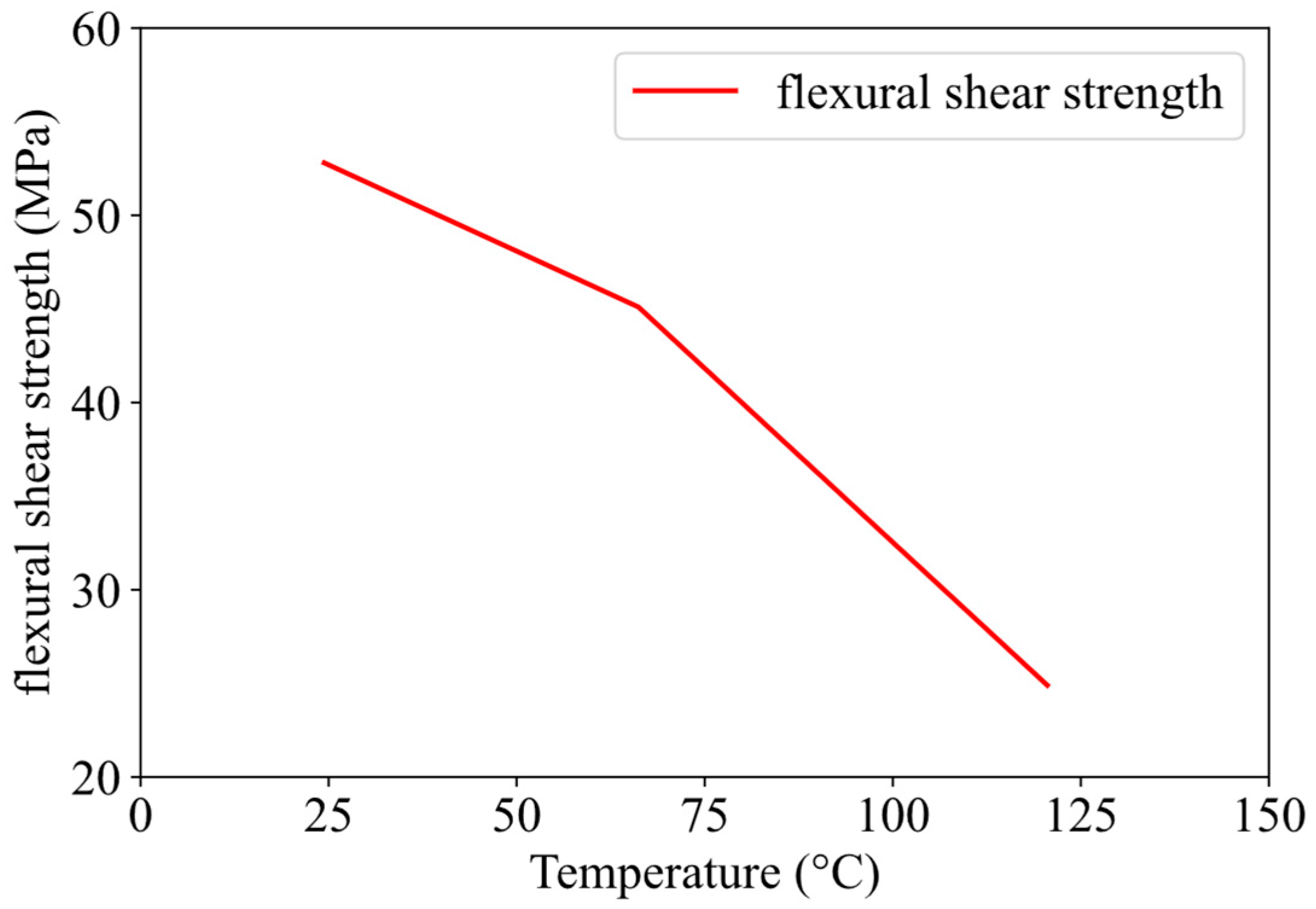
A particularly critical issue that has not been sufficiently addressed in existing design methodologies is the pronounced temperature sensitivity of FRP sucker rods. However, temperature is still commonly treated as a secondary or implicit factor in current rod-string design practices, rather than an explicit design constraint. While FRP rods exhibit excellent tensile performance at moderate temperatures, elevated downhole temperatures can significantly reduce their elastic modulus, shear strength, and long-term load-bearing capacity due to resin softening, interfacial degradation, and time-dependent creep. In deep wells, where high axial loads often coincide with elevated temperatures at greater depths, the indiscriminate use of full-length FRP rod strings may introduce hidden safety risks, such as excessive elongation, coupling separation, or premature rod failure. Conversely, relying solely on steel rod strings negates the potential benefits of FRP in reducing suspension loads and energy consumption.
In view of the complementary advantages and limitations of FRP and steel sucker rods, FRP–steel hybrid rod strings have emerged as a promising solution for deep-well rod-pumping systems. However, the rational design of such hybrid strings requires explicit consideration of temperature-dependent mechanical degradation of FRP rods and its implications for allowable deployment depth and load distribution along the rod string. To address this challenge, the present study proposes a temperature-aware design methodology for FRP–steel hybrid sucker-rod strings. By integrating a wellbore temperature distribution model with experimentally established temperature-dependent mechanical properties of FRP rods, the proposed approach explicitly constrains the permissible FRP section and optimizes hybrid rod-string configurations under established design criteria. The methodology is implemented in a dedicated design software module and validated through a field case study, demonstrating its practicality and engineering applicability for deep and ultra-deep rod-pumped wells.
3. Method
3.1. Temperature-Aware Design Framework
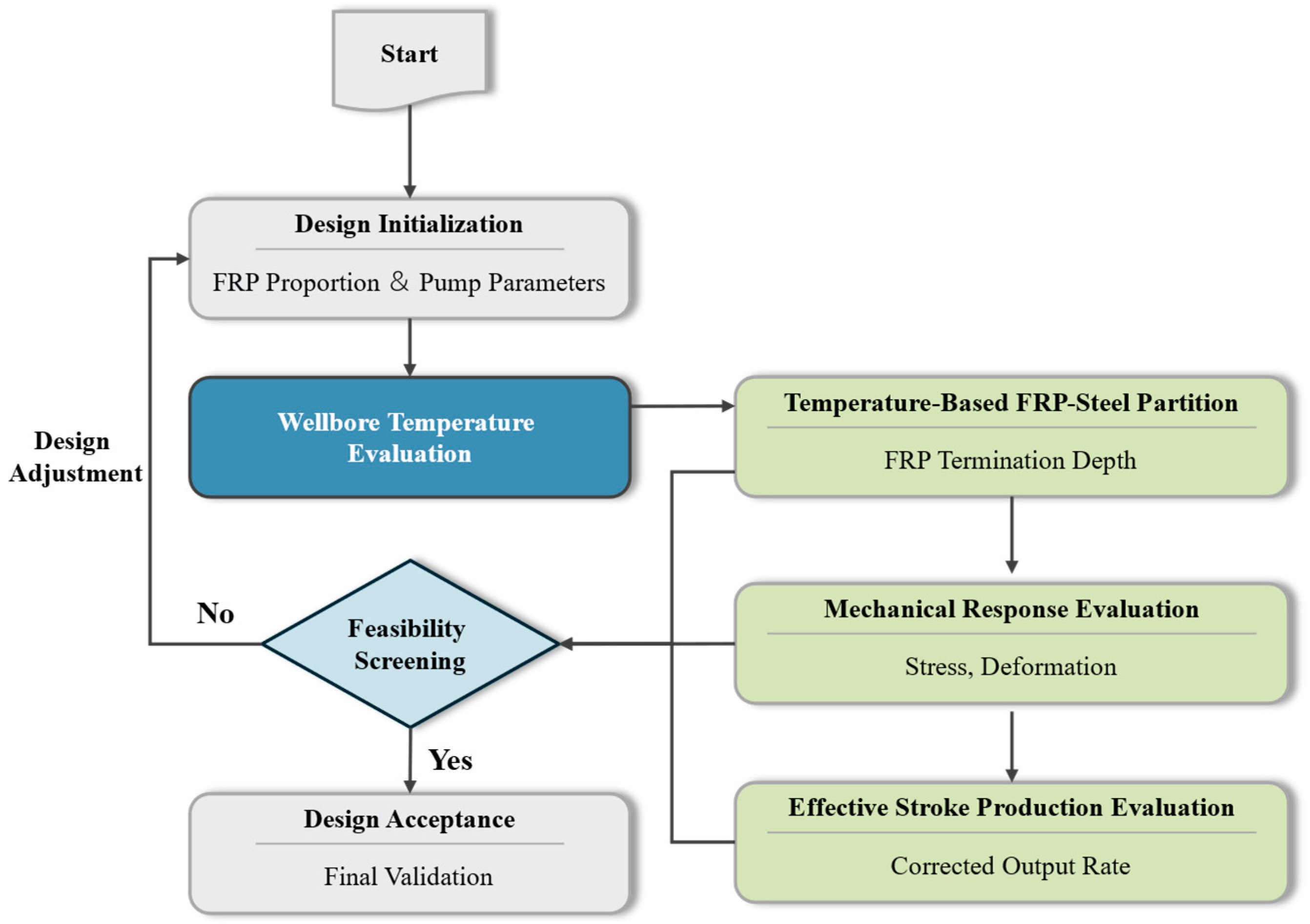
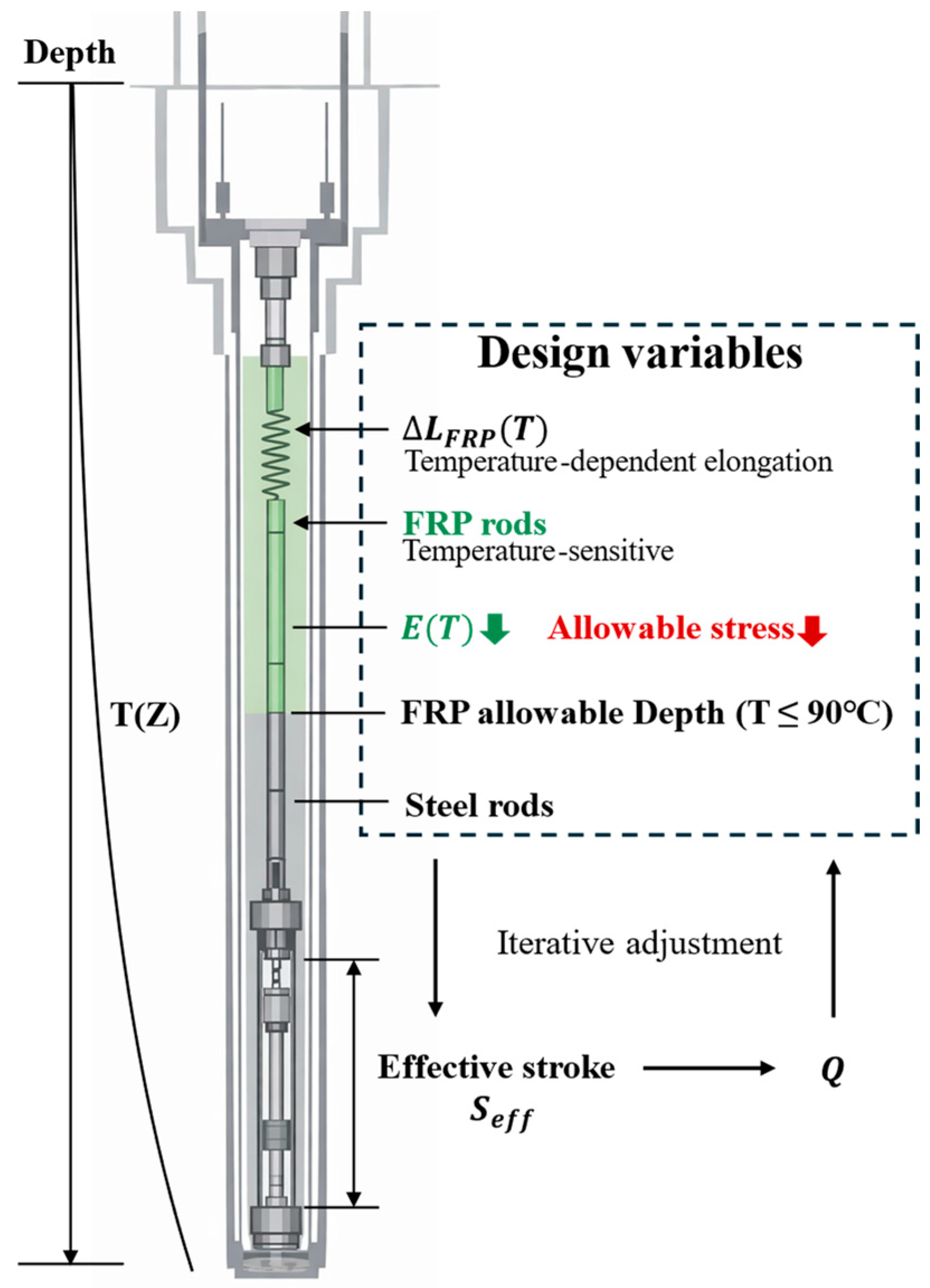
The design of an FRP–steel hybrid sucker-rod string is developed within a temperature-aware, closed-loop design framework, aiming to improve production performance while ensuring mechanical safety under deep-well thermal conditions. As schematically illustrated in
Figure 6, the proposed framework integrates operating parameters, temperature evaluation, structural response, and performance assessment into an iterative design process.
The hybrid rod string consists of an upper FRP section and a lower steel section. The hybrid configuration is characterized by the lengths of the FRP and steel sections, denoted as
and
, respectively, which satisfy
where
is the total rod-string length determined by the pump-setting depth and surface completion. The proportion of FRP rods is defined as
and serves as a key design parameter controlling material allocation along the wellbore.
In addition to the hybrid-string composition, pump operating parameters—including pump diameter , stroke length , pumping speed , and pump-setting depth —are incorporated into the design framework. These parameters influence both the mechanical loading of the rod string and the thermal environment through their impact on flow conditions and energy dissipation.
The wellbore temperature distribution is evaluated using the analytical thermal model presented in the preceding section and given by Equation (5). Within this framework, the mass flow rate and heat-generation terms are implicitly governed by the selected pump parameters. As a result, variations in operating conditions lead to corresponding changes in the temperature profile along the wellbore.
The temperature profile imposes a critical constraint on the allowable placement depth of FRP rods. To avoid excessive thermal degradation, the FRP section must satisfy
where
denotes the maximum allowable operating temperature of FRP rods. This constraint directly determines the feasible boundary between the FRP and steel sections within the hybrid rod string.
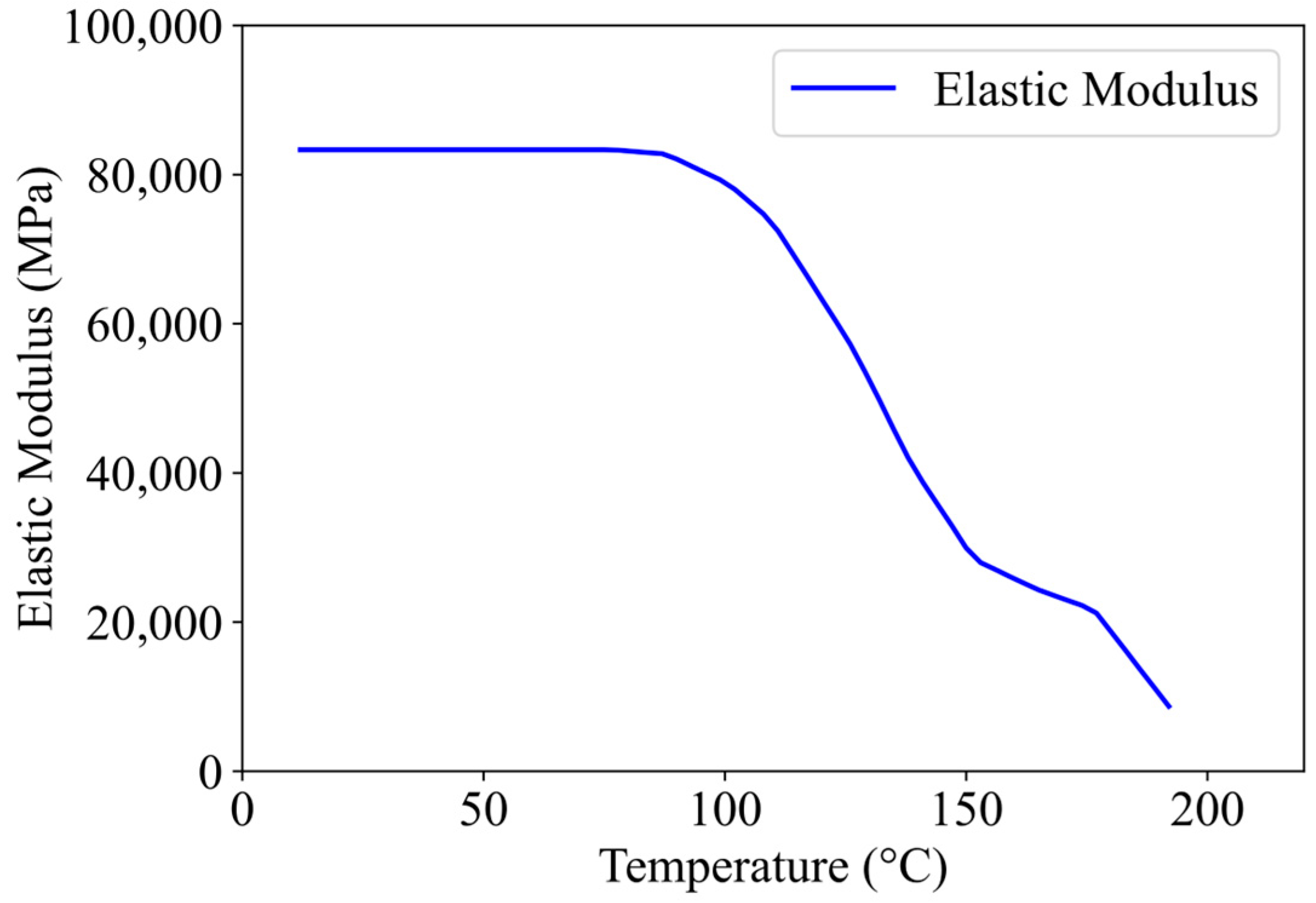
Under a given temperature distribution, the mechanical properties of FRP rods exhibit pronounced temperature dependence. In particular, the elastic modulus of FRP rods can be expressed as
which decreases with increasing temperature. As a result, the axial elongation of the rod string is dominated by the FRP section and can be approximated as
where
,
, and
denote the axial load, length, and cross-sectional area of the FRP section.
The elongation of the steel section, while also present, exhibits weaker sensitivity to temperature and is implicitly accounted for through the axial load distribution along the rod string. By explicitly resolving the temperature-dependent deformation of the FRP section and implicitly treating the steel-section contribution, the framework captures the dominant thermal–mechanical coupling without introducing unnecessary model complexity.
The combined elongation effect leads to a reduction in the effective plunger stroke, which is evaluated as
where
is the nominal stroke length. The reduction in effective stroke directly affects the liquid production rate, which is evaluated as
with
being the volumetric efficiency and
the plunger cross-sectional area. Production performance is subsequently adopted as the primary metric for guiding design adjustments.
Mechanical feasibility is ensured by evaluating the axial stress distribution along the rod string. The axial stress at depth
is given by
and the maximum operating stress is defined as
For FRP rods, the allowable stress is determined using a safety factor
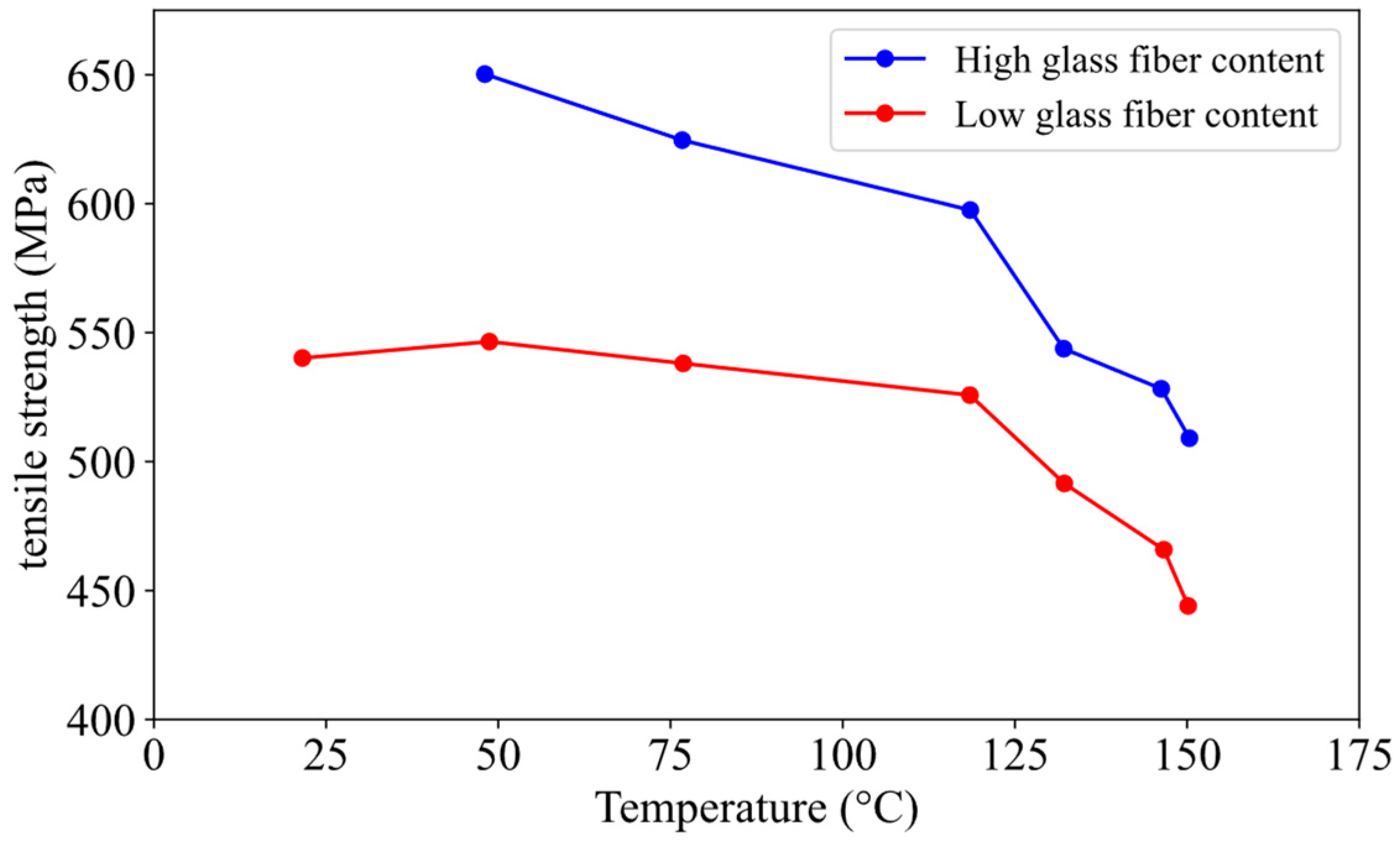
and the temperature-dependent material strength,
where
denotes the tensile strength at temperature
; both the stress constraint and the temperature constraint are checked within each design iteration.
From a design standpoint, the safety factor introduced for FRP rods is not only intended to account for uncertainty in instantaneous strength. Unlike conventional steel rods, whose safety margins are mainly governed by elastic strength limits and fatigue behavior, FRP rods exhibit additional temperature-dependent mechanisms, such as creep deformation and fiber–matrix interfacial weakening. Under sustained high-temperature and cyclic loading conditions, these mechanisms may lead to progressive performance degradation even when the instantaneous stress level remains below the nominal strength limit.
Accordingly, the safety factor adopted for FRP rods, together with stress-range and elongation constraints evaluated in the design process, is intended to provide a conservative margin that accounts for long-term reliability under thermally demanding and cyclic operating conditions. While a detailed fatigue-life assessment is not explicitly performed in this study, controlling stress amplitudes and limiting excessive deformation are employed as design-level measures to mitigate fatigue-related risks in an engineering-practical manner.
Within this framework, the hybrid rod-string design is carried out in a closed-loop manner, whereby production performance and constraint satisfaction are jointly evaluated and used to iteratively adjust the hybrid configuration and operating parameters. The overall workflow enables systematic refinement of the hybrid rod-string design while maintaining consistency among thermal evaluation, structural response, and production objectives.
3.2. Design Space and Applicability
The admissible hybrid designs are identified through a set of temperature-dependent feasibility checks that act as a practical filter on the candidate design space. Given the temperature profile from Equation (5), feasibility is evaluated in terms of the FRP placement boundary, section-wise strength utilization, and operational effectiveness. This formulation keeps the constraints concise while allowing any infeasibility to be attributed to a specific cause and rod segment, which is essential for subsequent design updates.
The first check determines the FRP termination depth by mapping the temperature profile to a structural boundary. Rather than re-stating the temperature inequality, the FRP placement is defined as the deepest location that remains within the allowable FRP operating temperature. Accordingly, the FRP termination depth
is obtained as
which directly converts the thermal environment into the FRP–steel partition. To account for modeling uncertainty and operational fluctuations, a conservative margin can be applied by replacing
with
, ensuring that the selected boundary is robust in long-term service.
Mechanical feasibility is then assessed using section-wise utilization factors, which provide an immediate indication of whether a violation originates from the FRP segment or the steel segment. For the FRP section, the utilization factor is evaluated by comparing the local stress demand to the temperature-dependent allowable stress,
and feasibility requires
. For the steel section, the corresponding utilization factor is
with
. This pair of metrics avoids redundant re-definition of stress relations while preserving a clear, implementable safety check that remains consistent with the local thermal state through
.
To prevent designs that are mechanically feasible yet operationally ineffective under elevated temperature, an additional feasibility requirement is imposed on displacement effectiveness. In particular, the effective stroke must remain above a minimum acceptable threshold, ; alternatively, when a minimum liquid-rate target is specified, the predicted production must satisfy . These conditions ensure that the design does not rely on nominal pump settings that are subsequently undermined by temperature-amplified compliance, leading to excessive stroke loss and poor volumetric delivery.
Finally, applicability screening is used to exclude scenarios where FRP limitations would dominate regardless of thermal feasibility. Since FRP rods are not intended to operate in compression- or bending-dominated regimes, the candidate design should ensure that the FRP interval remains predominantly tensile during operation and that well trajectory severity does not exceed the practical deployment envelope of FRP rods. In practice, these checks are implemented using load-envelope information together with basic survey indicators such as deviation angle or dogleg severity as preliminary geometric triggers. For well sections where trajectory-induced bending may become non-negligible, a simplified bending-stress verification is further introduced. Under small-deflection assumptions, the local bending stress of an FRP rod is estimated from wellbore curvature according to
where
denotes the temperature-dependent elastic modulus of the FRP rod,
is the rod radius, and
is the local wellbore curvature derived from directional survey data. The calculated bending stress is combined with the axial tensile stress to form an equivalent stress measure and is compared against the allowable FRP stress at the corresponding temperature. This treatment provides a lightweight yet quantitative applicability gate that preserves the intended scope of the proposed temperature-aware design framework.
3.3. Iterative Design Procedure
Based on the temperature-aware framework and feasibility criteria established in
Section 2.1 and
Section 2.2, the hybrid rod-string design is implemented through an iterative process that links operating conditions, thermal response, structural configuration, and production performance. The overall workflow is summarized in
Figure 7.
The design procedure starts from an initial specification of the FRP proportion and pump operating parameters. These initial values serve only as a starting point for the subsequent evaluation. Under the given operating conditions, the wellbore temperature distribution is first evaluated, as temperature acts as the governing field variable throughout the design process. The resulting temperature profile directly determines the allowable placement depth of FRP rods and defines the FRP–steel partition within the hybrid rod string.
With the temperature-constrained configuration established, the mechanical response of the hybrid rod string is evaluated. In this step, particular attention is given to the temperature-dependent deformation of the FRP section, which dominates the axial elongation of the rod string. The corresponding elongation is then used to correct the effective plunger stroke, from which the resulting production performance is obtained.
The thermally corrected mechanical and production responses are subsequently subjected to a system-level feasibility screening, including mechanical safety of both FRP and steel sections, displacement effectiveness, and applicability conditions. If all criteria are satisfied, the current configuration is accepted as a valid hybrid rod-string design. Otherwise, the design parameters are adjusted in a targeted manner, and the wellbore temperature distribution is re-evaluated under the updated conditions, thereby forming a temperature-driven closed-loop design process.
4. Practical Case Application
A temperature-aware design methodology for FRP–steel hybrid sucker-rod strings was implemented algorithmically and embedded into the sucker-rod pumping optimization module of PetroPE. PetroPE (Petroleum Production Engineering Optimization and Decision Support System, version 2.3) is an integrated production-optimization and design platform developed by PetroChina (Beijing, China) for oil and gas engineering applications. In addition to its native design and analysis capabilities, the implementation follows a standardized interface specification, allowing the proposed methodology to be integrated into existing production-analysis and decision-support systems without modifying their core architectures. This implementation approach facilitates practical deployment of the method within established engineering workflows.
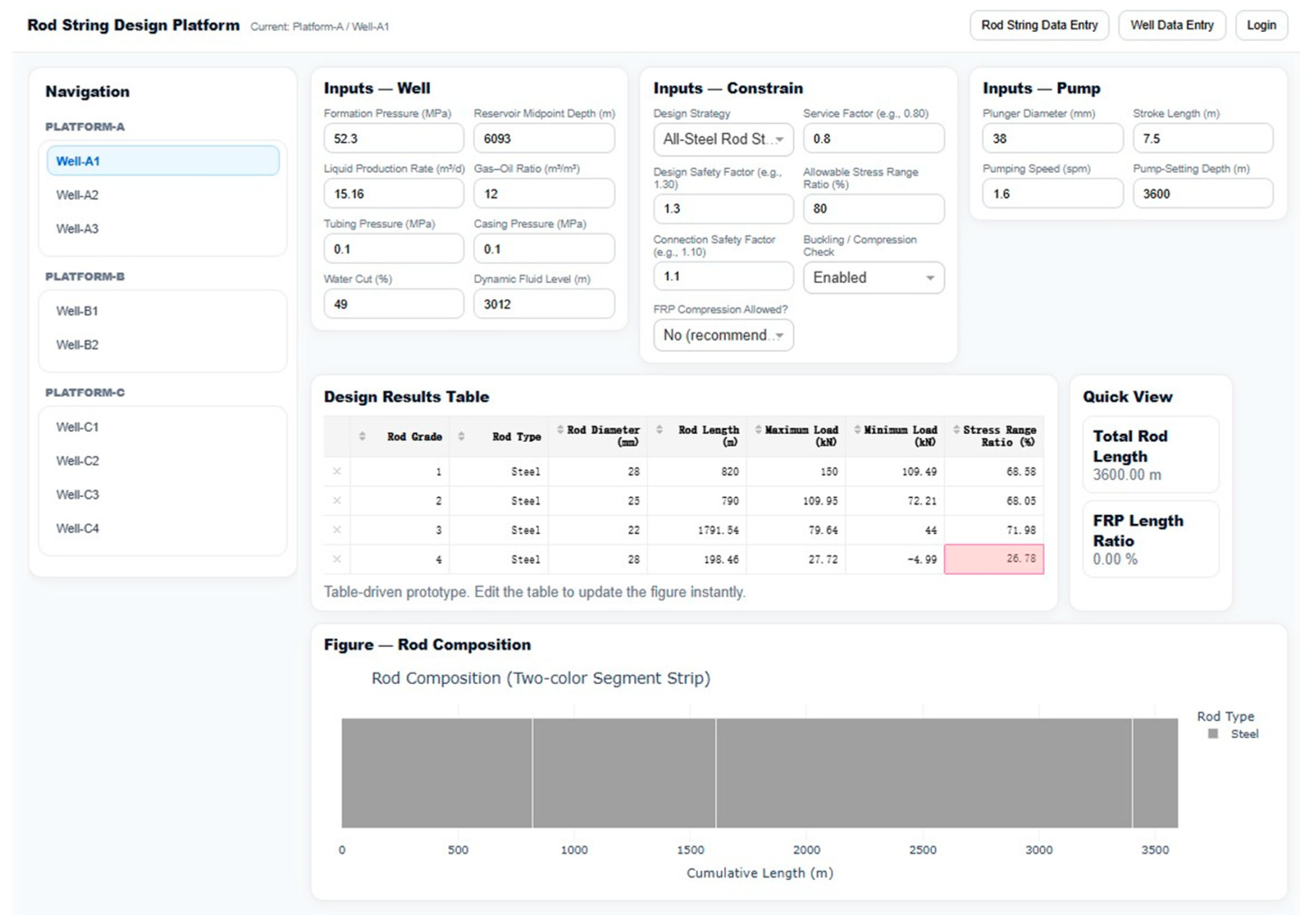
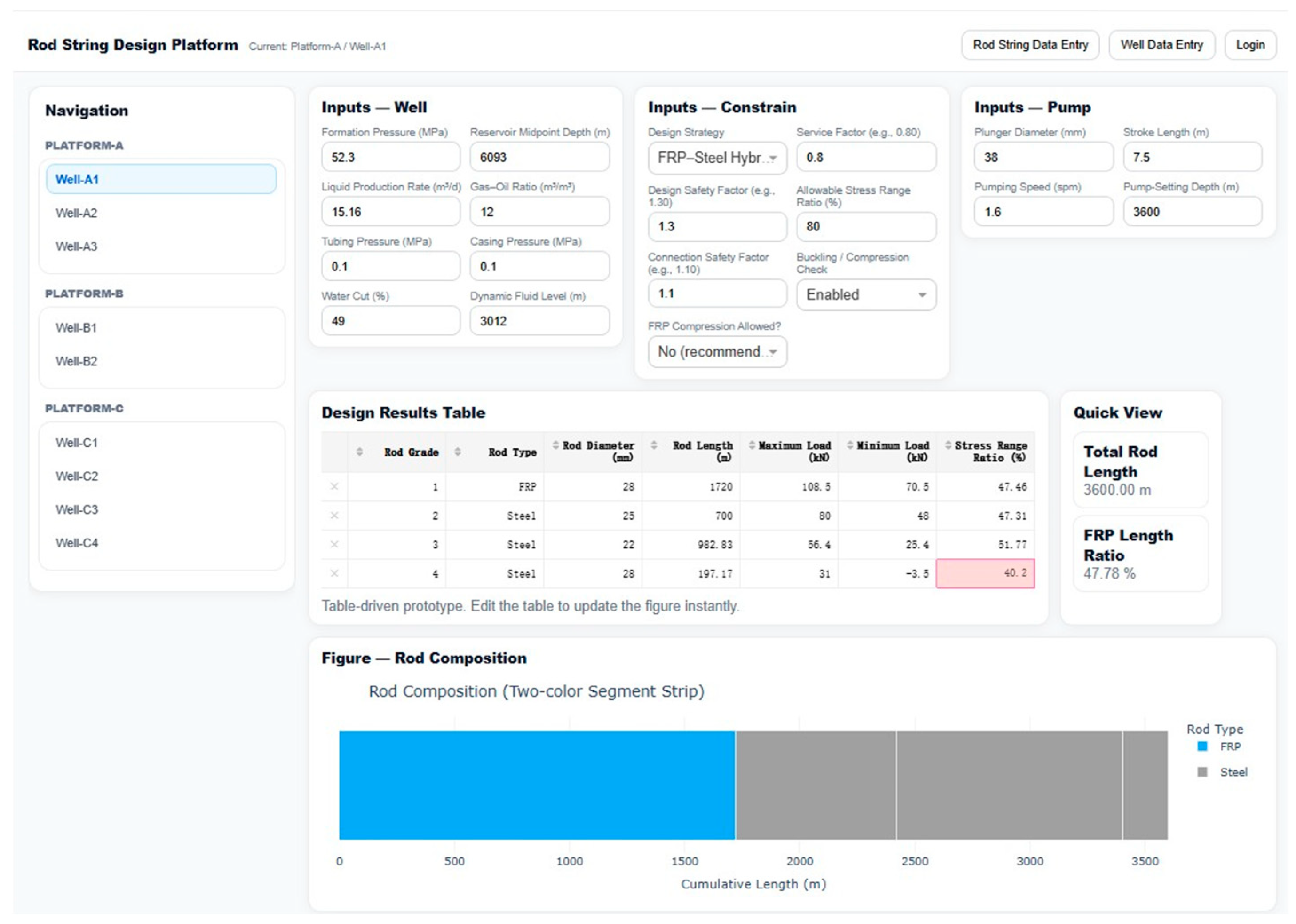
To verify the applicability and engineering feasibility of the proposed methodology under realistic operating conditions, a deep rod-pumped well from the Tarim Oilfield was selected as a field case. The well is characterized by a large pump-setting depth and elevated wellbore temperature, making it representative for evaluating temperature-related constraints on FRP rod-string design. The main operating parameters include a formation pressure of 52.3 MPa, a reservoir midpoint depth of 6093 m, a liquid production rate of 15.16 m
3/d, a gas–oil ratio of 12 m
3/m
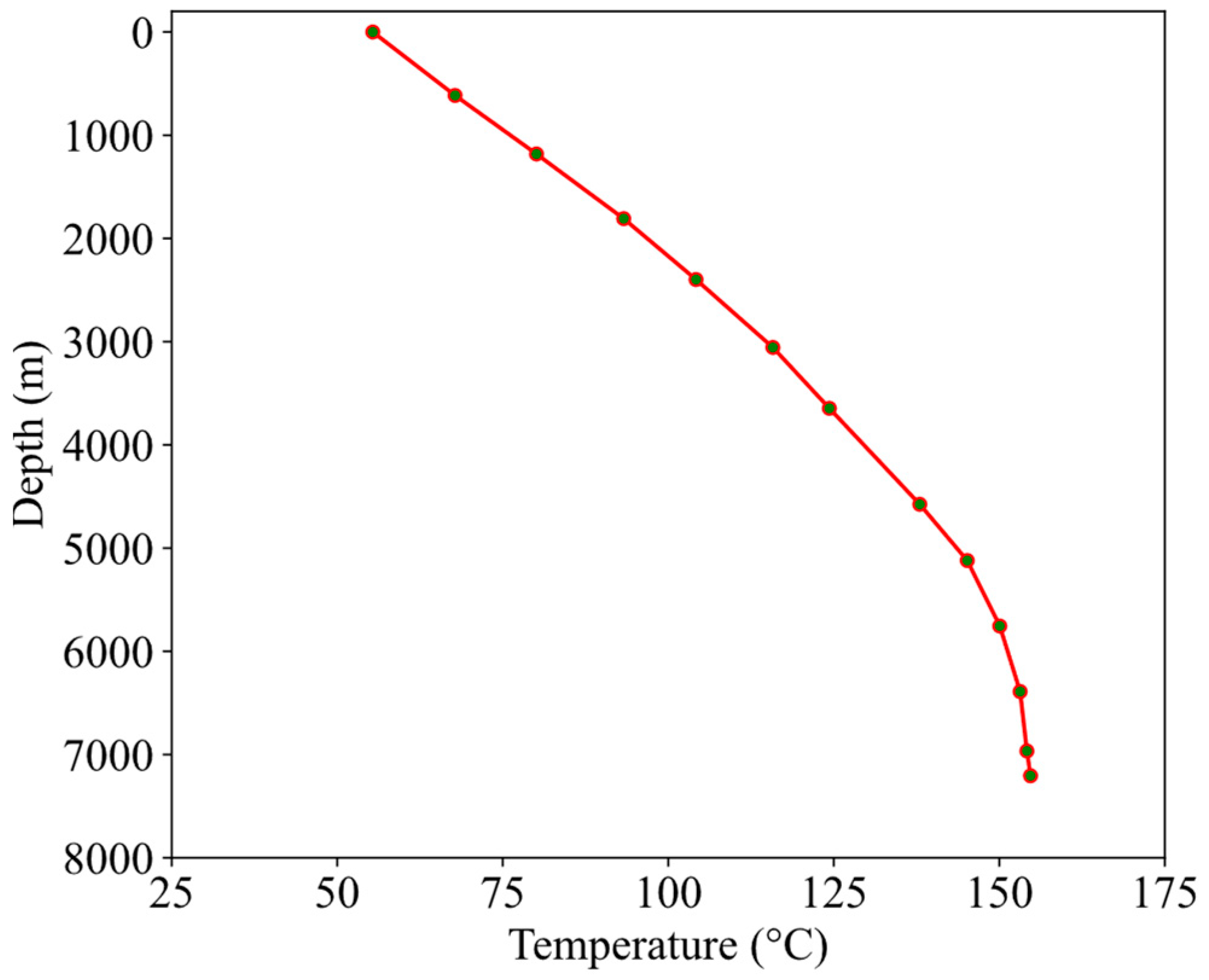
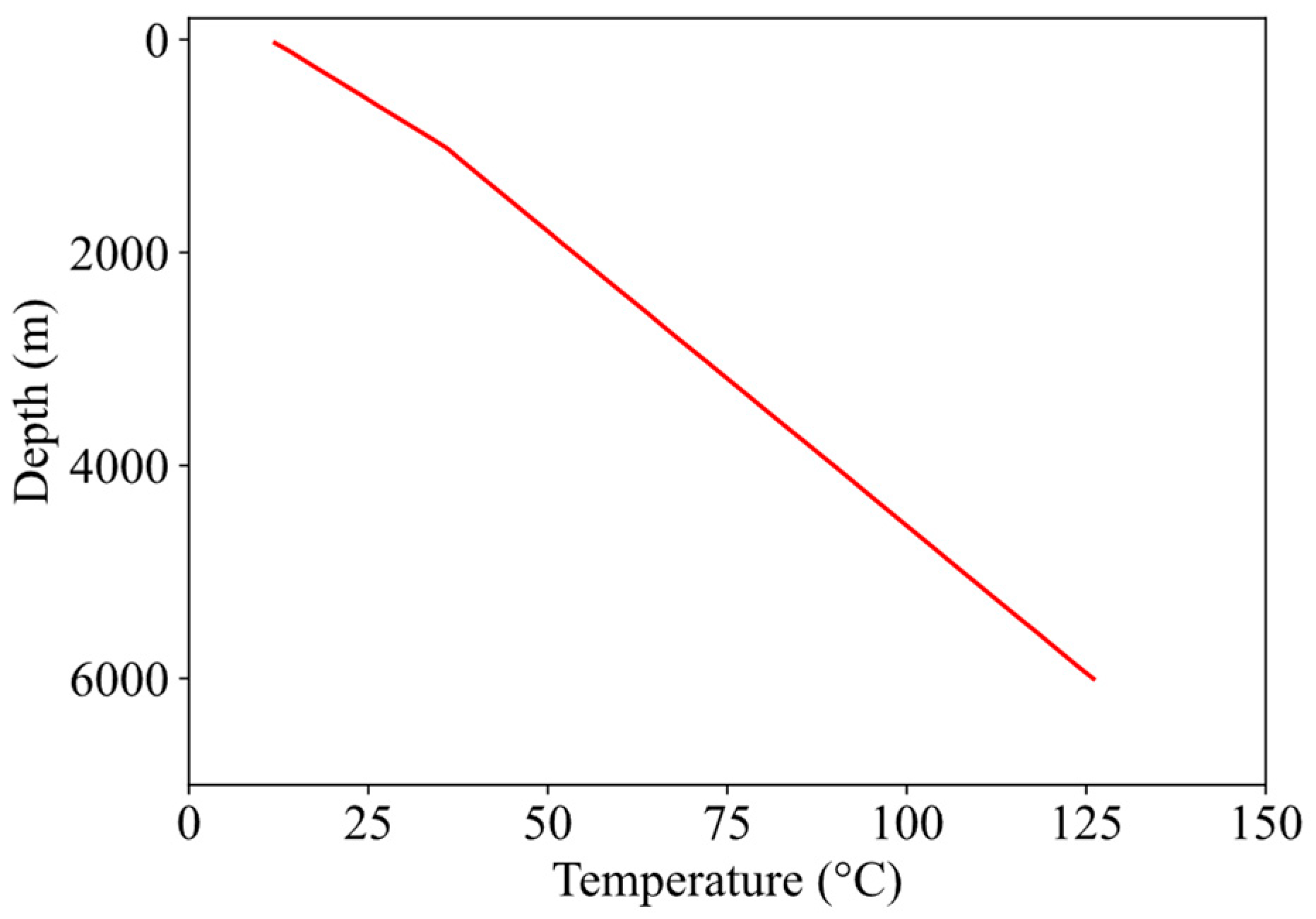
3, tubing and casing pressures of 0.1 MPa, a plunger diameter of 38 mm, a stroke length of 7.5 m, a pumping speed of 1.6 spm, a water cut of 49%, a dynamic fluid level of 3012 m, a pump-setting depth of 3600 m, tubing OD/ID of 73/62 mm, and a casing ID of 124 mm. The wellbore temperature distribution calculated under these conditions is shown in
Figure 8.
Under identical operating conditions and safety criteria, two rod-string design schemes were evaluated for comparison using the same software-based design platform. The design inputs include well parameters (pump-setting depth, dynamic fluid level, casing and tubing dimensions), production and operating parameters (liquid production rate, water cut, gas–oil ratio, stroke length, and pumping speed), pump specifications (plunger diameter and pump depth), and rod-string design constraints such as service factor, allowable stress–range ratio, and material selection. Temperature-related constraints are explicitly incorporated through the calculated wellbore temperature profile, which governs the allowable placement depth of FRP rods based on their permissible operating temperature. Certain engineering parameters that are not directly exposed in the graphical interface, including detailed wellbore structure and material property databases, are retrieved from the backend database of the platform and maintained by field engineers, ensuring consistency with actual field conditions.
Based on this unified set of inputs and constraints, a conventional all-steel rod string was first designed using a service factor of 0.8, with the allowable stress–range ratio limited to 80% of the rated strength. The rod string was configured as a four-grade tapered steel string, with heavy-weight rod sections incorporated in the lower part to satisfy mechanical and stability requirements. The resulting rod-string configuration, load distribution, and stress-response characteristics were generated by the software and are presented in the graphical interface shown in
Figure 9. The results indicate that, although the all-steel rod string satisfies the design constraints on maximum and minimum loads as well as stress–range ratios, the overall load level is relatively high, particularly in the upper rod sections, which imposes increased demands on surface pumping equipment and system energy consumption.
The proposed temperature-aware FRP–steel hybrid rod-string design methodology was then applied under the same conditions. In this scheme, the rod string was also configured as a four-grade tapered structure, with FRP rods placed in the uppermost section and steel rods used in the remaining lower sections, together with sinker bars as required. Importantly, the placement depth of the FRP section was not predefined but determined directly from the calculated wellbore temperature profile and the allowable operating temperature of the FRP material. The results show that the optimal termination depth of the FRP section is 1720 m, where the wellbore temperature is approximately 74 °C, well below the threshold for significant degradation of FRP mechanical properties. The corresponding hybrid rod-string configuration and load distribution are illustrated by the software interface in
Figure 10.
A comparison of the two design results shows that, in both the all-steel and hybrid schemes, the maximum and minimum rod-string loads, as well as the stress–range ratios, remain within allowable limits, satisfying the fundamental safety requirements. However, the FRP–steel hybrid rod string exhibits consistently lower stress–range ratios than the all-steel string, indicating more favorable cyclic loading conditions. In addition, the maximum load of the hybrid rod string is markedly lower than that of the all-steel design, which can effectively reduce the load on surface pumping equipment, lower energy consumption, and improve operational reliability in deep-well applications. These results demonstrate that, when guided by wellbore temperature constraints, the FRP–steel hybrid rod-string design achieves improved mechanical performance while maintaining engineering safety.
From an economic perspective, although the unit material cost of FRP rods is approximately three times that of steel rods, the hybrid design produces quantifiable operational cost benefits under deep-well conditions. In the present case, the maximum rod-string load of the FRP–steel hybrid configuration is reduced by approximately 25–30% compared with the all-steel design, which directly lowers the suspension load acting on the surface pumping unit. According to standard power-consumption correlations used in rod-pumped system engineering, such a reduction in suspension load typically results in a 15–20% decrease in surface motor power demand. Assuming continuous operation, this corresponds to an annual electricity saving on the order of 104–105 kWh for a single deep well, depending on pumping conditions. In addition, the stress–range ratio of the hybrid rod string is reduced by approximately 20–30%, which significantly decreases fatigue damage accumulation and is expected to extend rod-string service life and reduce workover frequency. When the combined effects of energy savings and reduced intervention costs are considered over a typical service period of several years, the additional upfront cost of FRP rods can be largely offset, rendering the FRP–steel hybrid rod string economically competitive for deep and ultra-deep rod-pumped wells.
In terms of field applicability, the field validation presented in this study is based on a single representative deep-well case and is primarily intended to demonstrate the feasibility and engineering effectiveness of the proposed temperature-aware FRP–steel hybrid rod-string design methodology. While the underlying framework is not restricted to this specific case, its applicability to highly deviated wells or more extreme high-temperature regimes has not been explicitly evaluated herein. This limitation is mainly associated with the availability of field data. Further investigations incorporating additional field cases, particularly those involving large deviation angles and higher bottomhole temperatures, will be conducted in future work to more comprehensively assess the generalizability of the proposed approach.
5. Conclusions
This study investigates the pronounced temperature sensitivity of FRP sucker rods in deep rod-pumped wells and proposes a temperature-aware design methodology for FRP–steel hybrid rod strings. By explicitly incorporating the wellbore temperature distribution into the design process, the method avoids empirical assumptions regarding FRP placement depth and establishes a physically grounded basis for rod-string configuration.
The results demonstrate that key mechanical properties of FRP rods, including elastic modulus, shear capacity, and tensile strength, degrade significantly with increasing temperature, indicating that temperature effects cannot be neglected in deep and ultra-deep wells. Accordingly, the proposed hybrid design framework treats the wellbore temperature profile as a primary constraint, clearly defining the applicable ranges and functional roles of FRP and steel rods along the string.
The methodology is implemented in an engineering design platform and validated through a field case from the Tarim Oilfield. Compared with a conventional all-steel rod string, the temperature-aware hybrid design satisfies all safety constraints while achieving lower maximum rod loads and stress–range levels, leading to improved cyclic loading conditions, reduced surface equipment demand, and lower energy consumption.
Overall, the proposed approach provides a practical and implementable engineering workflow for deep rod-pumped wells and has been verified under realistic field conditions. The results confirm its effectiveness and applicability, and the framework offers a solid basis for future extensions toward multi-objective optimization and intelligent rod-string design under more complex operating scenarios.




 ,
,