
Loss-Driven Design Methodology for MHz-Class GaN QSW Buck Converters with a PCB Air-Core Inductor in SWaP-Constrained Aerospace Applications


Abstract
1. Introduction
2. Theoretical Analysis of ZVS Operation and EMI Mechanisms
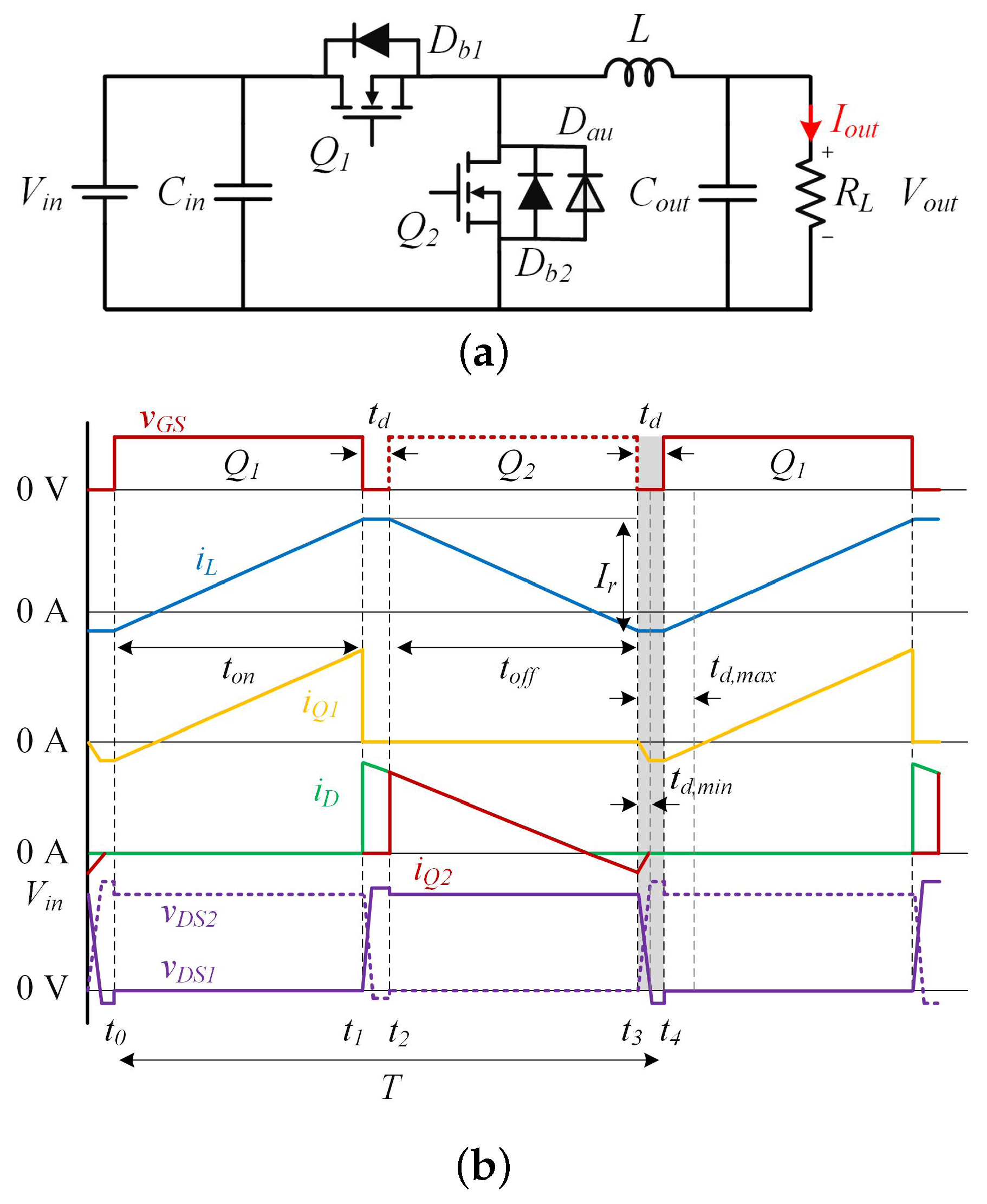
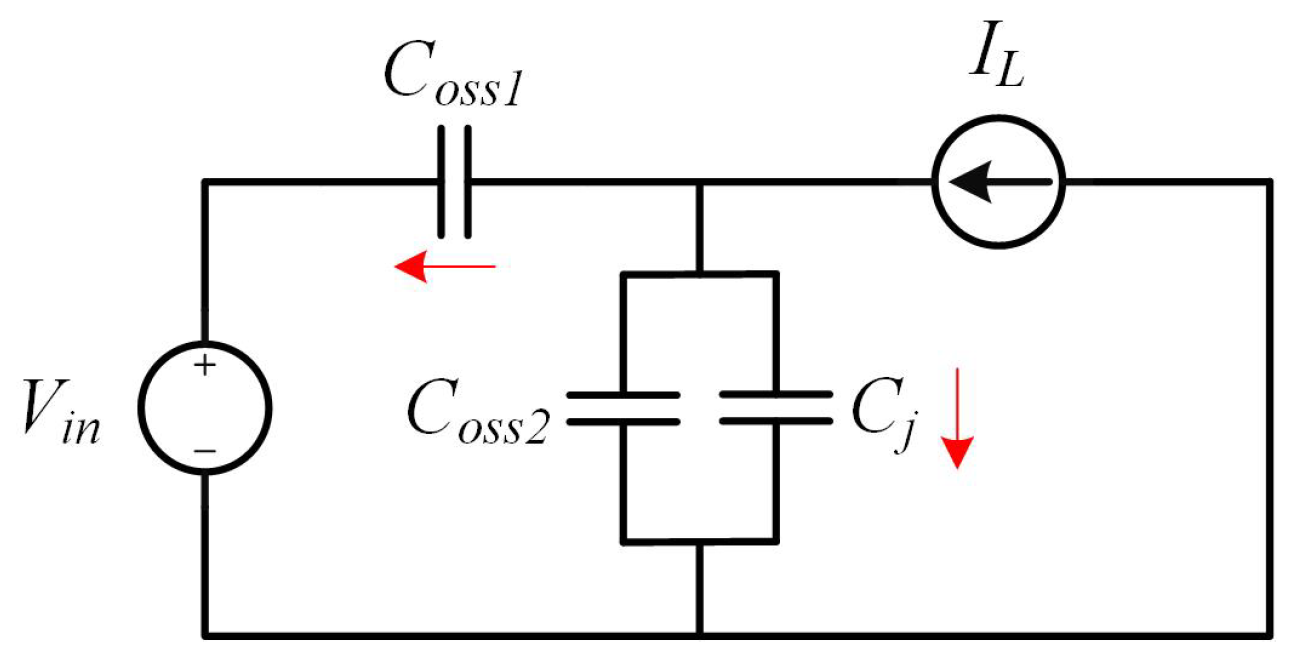
2.1. ZVS Transition Analysis
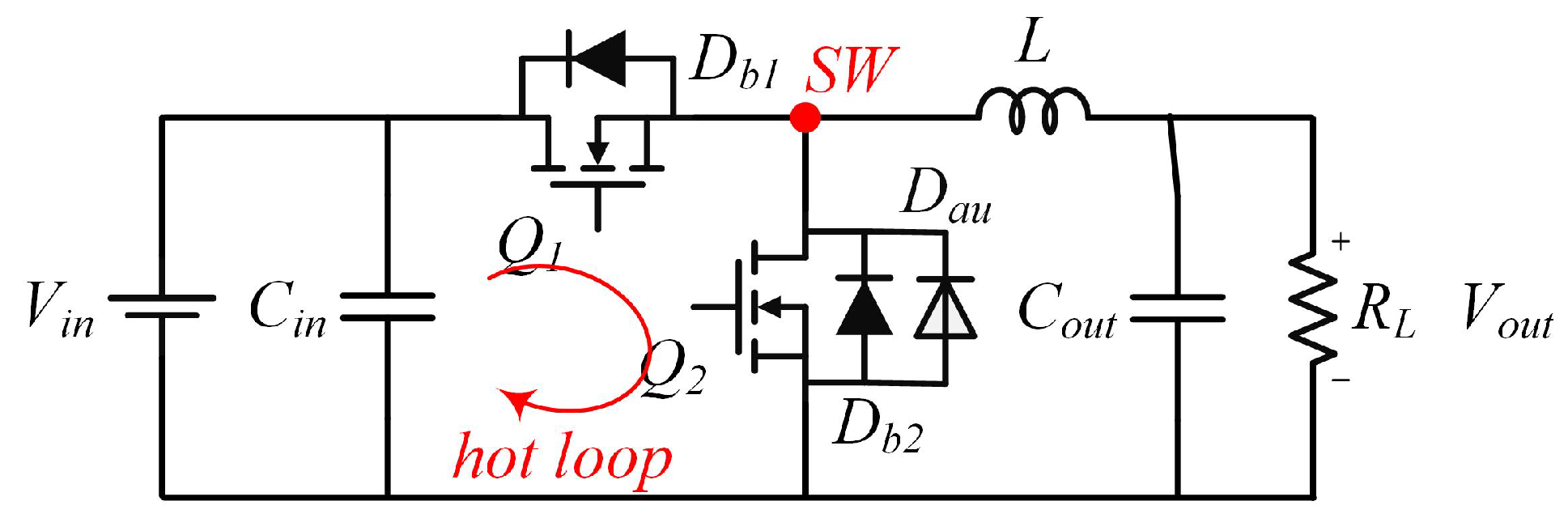
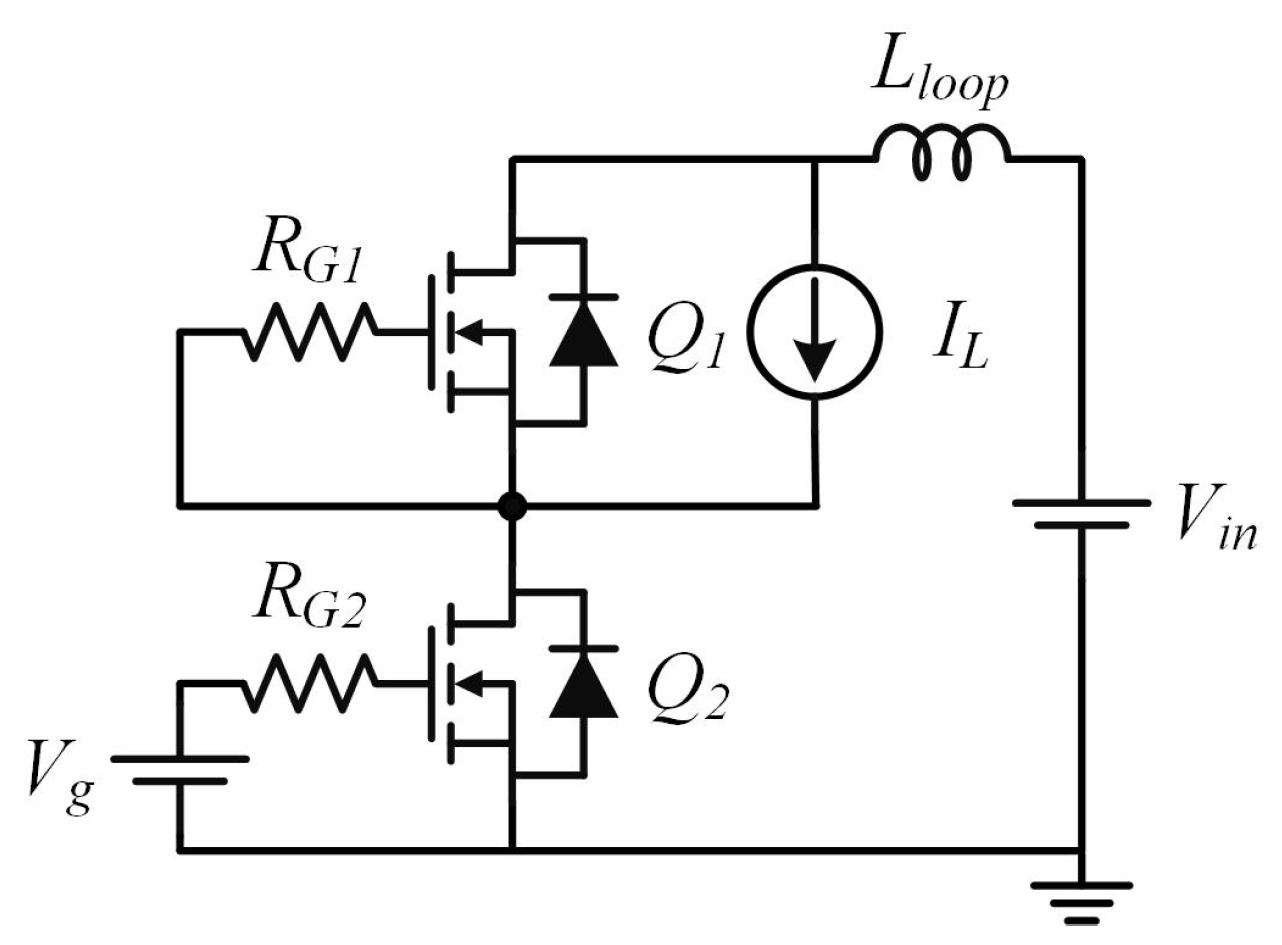
2.2. EMI Analysis and Mitigation Strategies
3. Evaluation of Power Loss
3.1. Device Power Loss Calculation
3.1.1. CtrlFET
3.1.2. SyncFET
3.1.3. Auxiliary Diode
3.1.4. Gate Driver
3.2. Inductor Loss Calculation
4. Converter Design Procedure
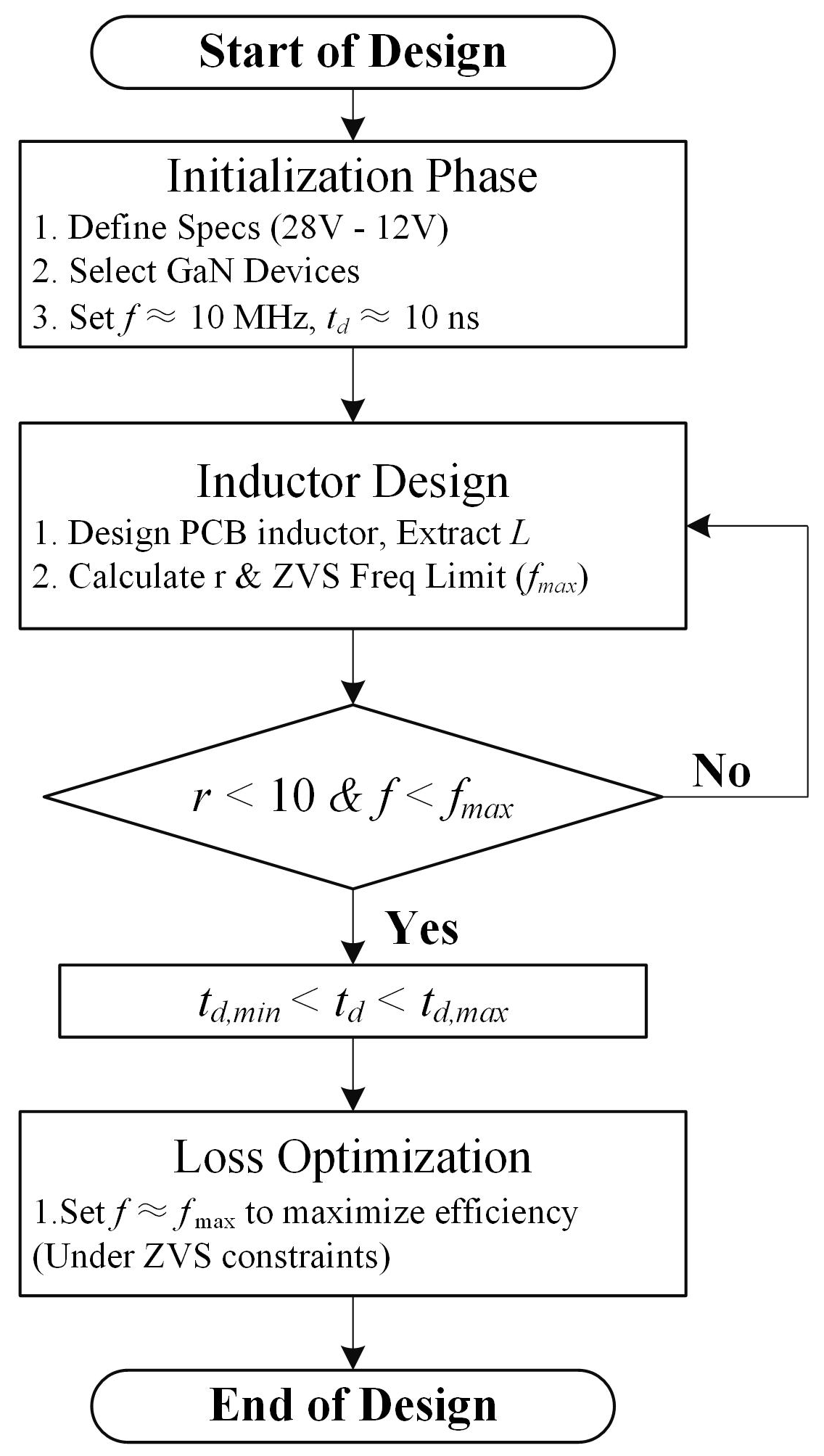
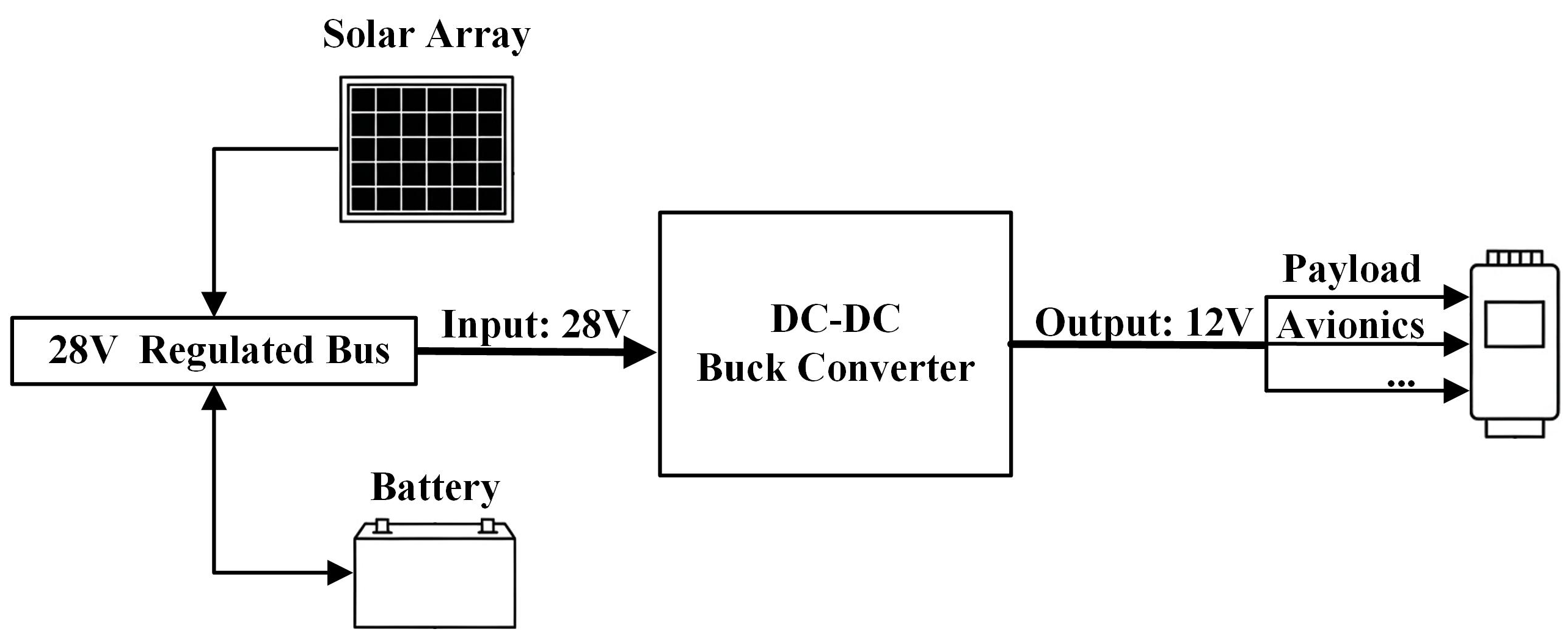
4.1. Design Specifications and Methodology
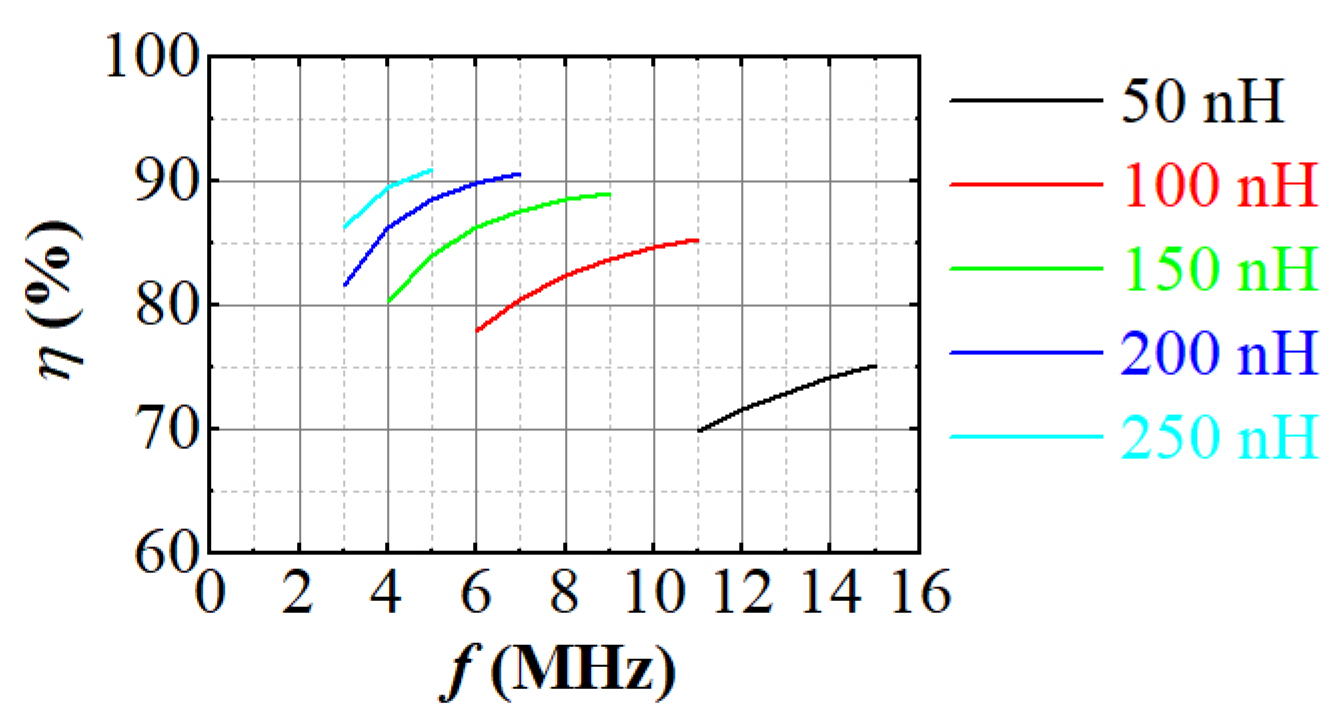
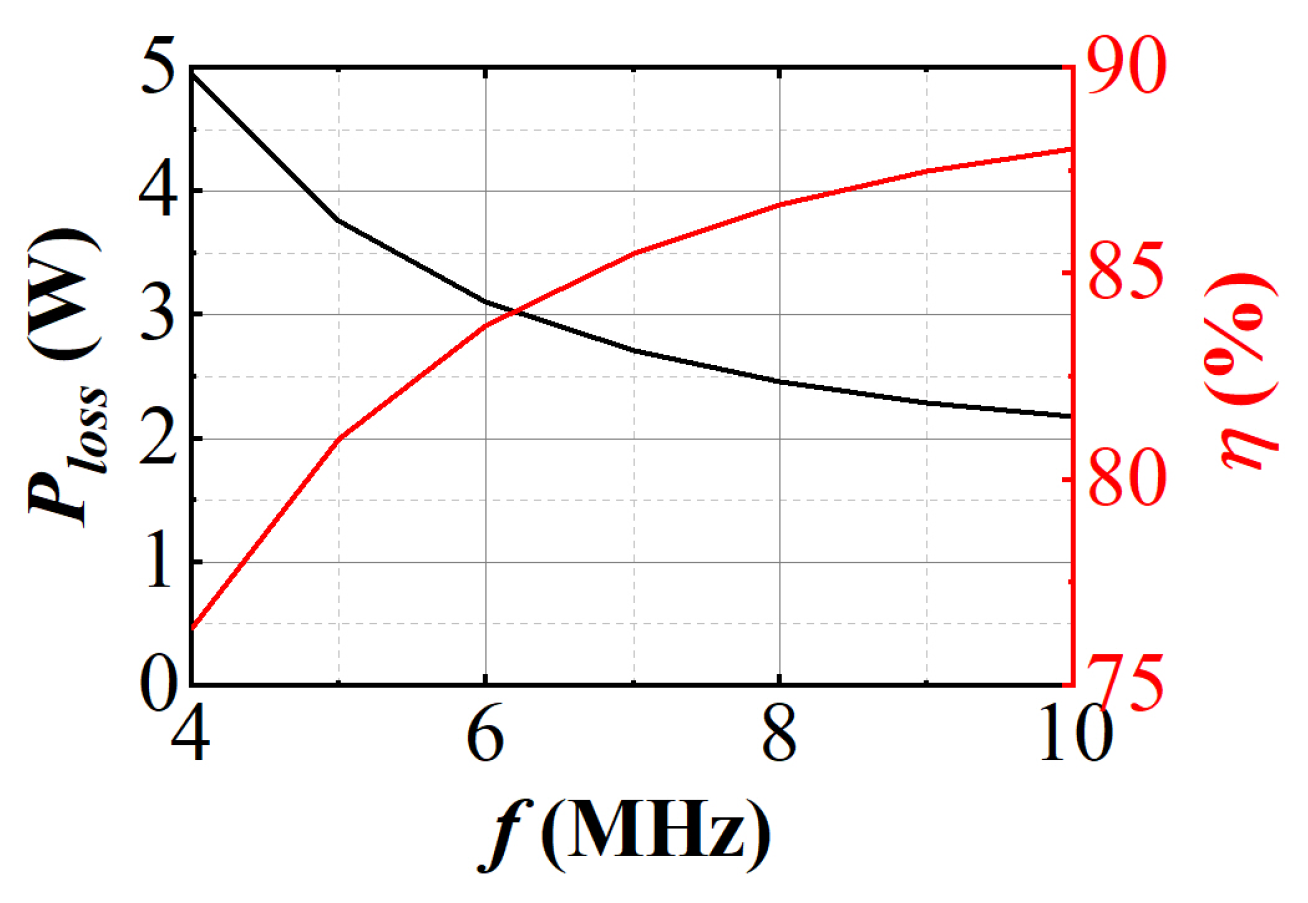
4.2. Parameter Optimization
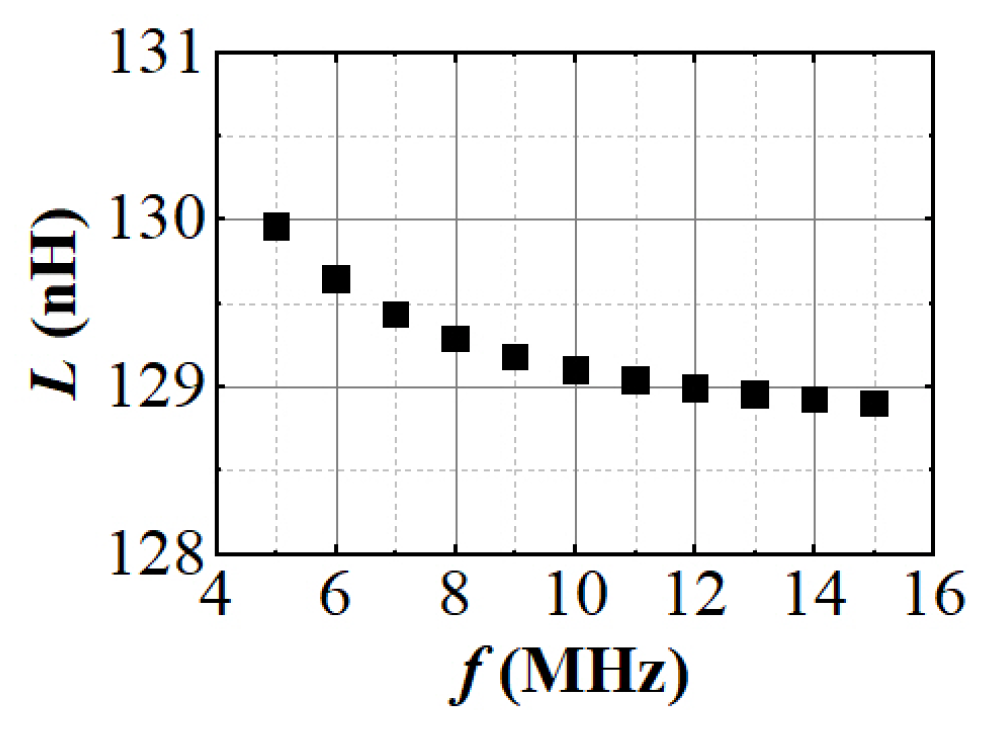
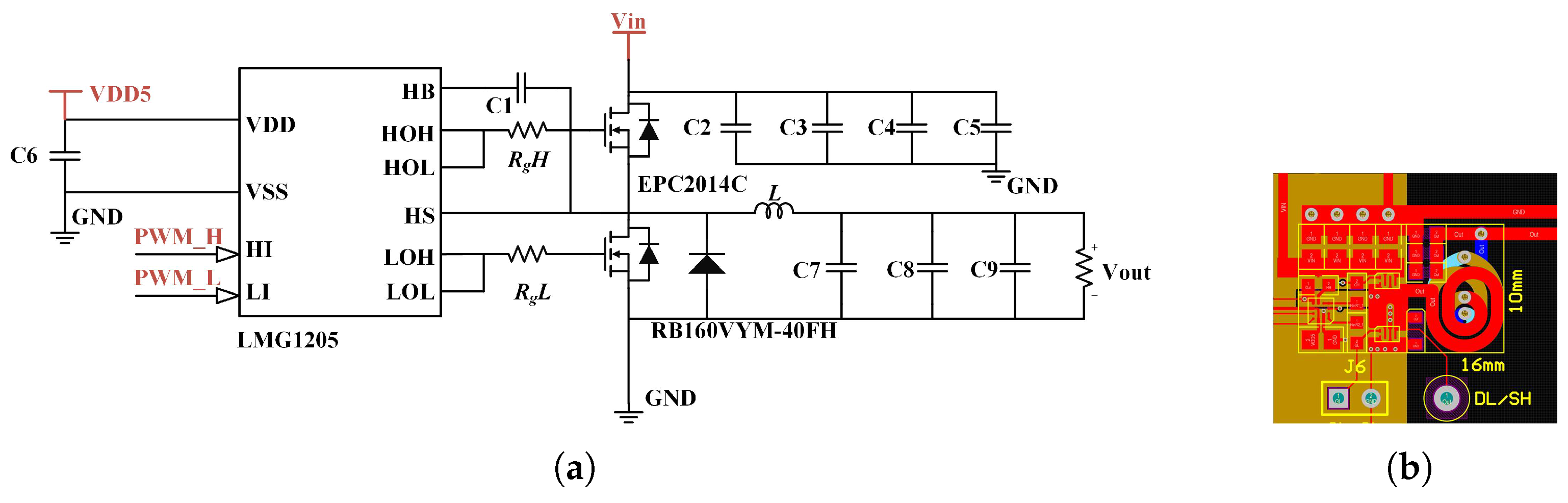
4.3. Prototype Implementation and Verification


5. Result and Discussion
5.1. Experimental Setup
5.2. Effect of Dead Time
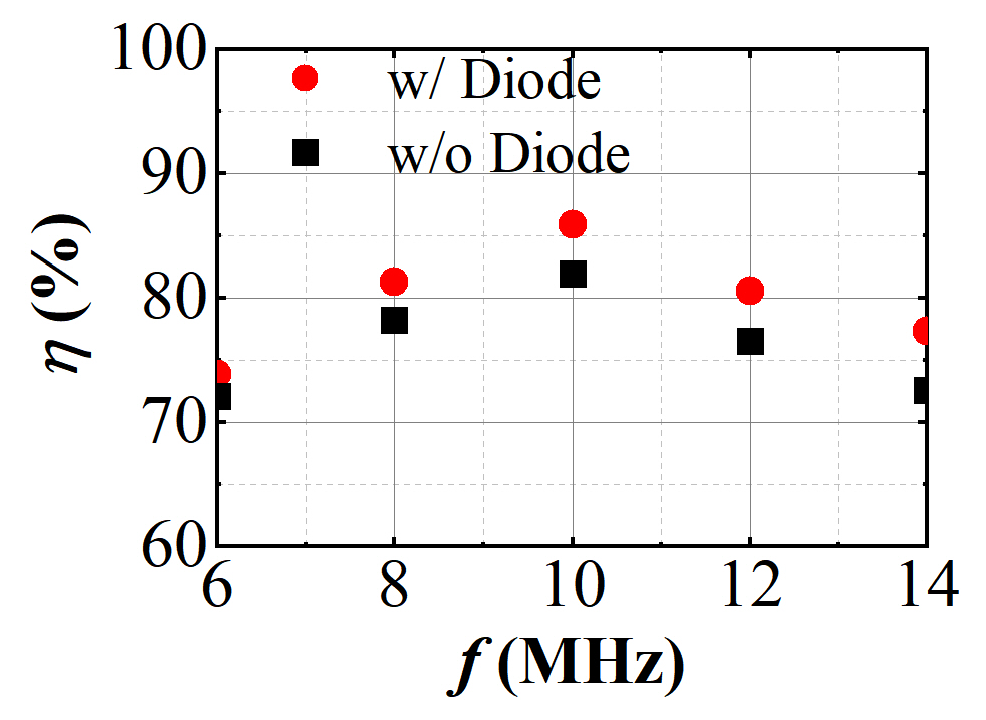
5.3. Effect of Auxiliary Diode
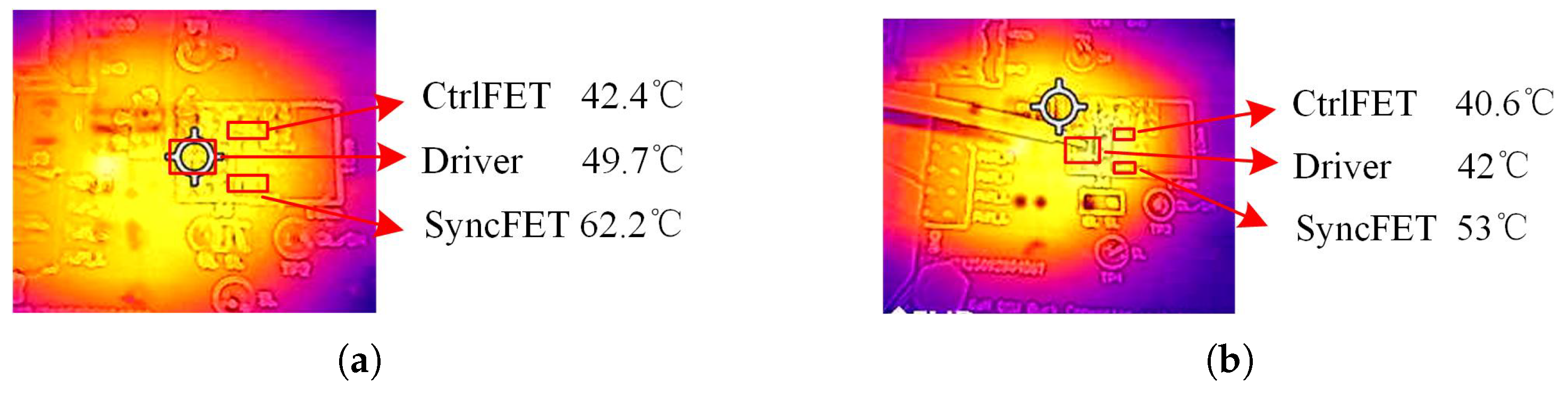
5.4. Thermal Performance and Derating Verification

6. Conclusions and Future Work
Author Contributions
Funding
Data Availability Statement
Conflicts of Interest
References
- Ni, K.; Liu, Y.; Mei, Z.; Wu, T.; Hu, Y.; Wen, H.; Wang, Y. Electrical and Electronic Technologies in More-Electric Aircraft: A Review. IEEE Access 2019, 7, 76145–76166. [Google Scholar] [CrossRef]
- The CubeSat Program, Cal Poly SLO. CubeSat Design Specification (CDS), Rev. 14.1; California Polytechnic State University: San Luis Obispo, CA, USA, 2022. Available online: https://www.nasa.gov/wp-content/uploads/2018/01/cubesatdesignspecificationrev14_12022-02-09.pdf (accessed on 1 December 2025).
- Edpuganti, A.; Khadkikar, V.; Moursi, M.S.E.; Zeineldin, H.; Al-Sayari, N.; Al Hosani, K. A Comprehensive Review on CubeSat Electrical Power System Architectures. IEEE Trans. Power Electron. 2022, 37, 3161–3177. [Google Scholar] [CrossRef]
- Ersoy, K. Review of Electronic Cooling and Thermal Management in Space and Aerospace Applications. Eng. Proc. 2025, 89, 42. [Google Scholar]
- Ravindran, R.; Massoud, A.M. State-of-the-Art DC-DC Converters for Satellite Applications: A Comprehensive Review. Aerospace 2025, 12, 97. [Google Scholar] [CrossRef]
- Wang, R.; Mao, S.; Yin, S.; Lin, J.; Liu, H.; Li, H.; Fan, J. Modeling and Analysis of MHz-Frequency PRC-LCLC Resonant Converter Utilizing Only Parasitic Capacitance From Planar Transformer and Cockcroft-Walton Voltage Multiplier as Parallel Capacitor. IEEE Trans. Power Electron. 2025, 40, 5400–5411. [Google Scholar] [CrossRef]
- Yang, D.; Huang, Z.; Xie, P.; Liu, M.; Wan, C. Research on the Reliability of GaN-Based Power Electronic Devices for Space Applications. In Proceedings of the 2025 6th International Conference on Radiation Effects of Electronic Devices (ICREED), Yangzhou, China, 16–18 April 2025; pp. 1–4. [Google Scholar]
- Kozak, J.P.; Zhang, R.; Porter, M.; Song, Q.; Liu, J.; Wang, B.; Wang, R.; Saito, W.; Zhang, Y. Stability, Reliability, and Robustness of GaN Power Devices: A Review. IEEE Trans. Power Electron. 2023, 38, 8442–8471. [Google Scholar] [CrossRef]
- Lidow, A.; Strydom, J.; de Rooij, M.; Reusch, D. GaN Transistors for Efficient Power Conversion, 3rd ed.; John Wiley & Sons: Hoboken, NJ, USA, 2019. [Google Scholar]
- Zhang, H.; Balog, R.S. Loss analysis during dead time and thermal study of gallium nitride devices. In Proceedings of the 2015 IEEE Applied Power Electronics Conference and Exposition (APEC), Charlotte, NC, USA, 15–19 March 2015; pp. 737–744. [Google Scholar]
- Han, D.; Sarlioglu, B. Deadtime effect on GaN-based synchronous boost converter and analytical model for optimal deadtime selection. IEEE Trans. Power Electron. 2016, 31, 601–612. [Google Scholar] [CrossRef]
- Vorpérian, V. Quasi-square-wave converters: Topologies and analysis. IEEE Trans. Power Electron. 1988, 3, 183–191. [Google Scholar] [CrossRef]
- Maksimovic, D. Design of the zero-voltage-switching quasi-square-wave resonant switch. In Proceedings of the IEEE Power Electronics Specialist Conference (PESC), Seattle, WA, USA, 20–24 June 1993; pp. 323–329. [Google Scholar]
- Nour, Y.; Orabi, M.; Lotfi, A. High frequency QSW-ZVS integrated buck converter utilizing an air-core inductor. In Proceedings of the 2012 Twenty-Seventh Annual IEEE Applied Power Electronics Conference and Exposition (APEC), Orlando, FL, USA, 5–9 February 2012; pp. 1319–1323. [Google Scholar] [CrossRef]
- Liu, Y.; Kumar, A.; Pervaiz, S.; Maksimovic, D.; Afridi, K.K. A high-power-density low-profile DC-DC converter for cellphone battery charging applications. In Proceedings of the IEEE Workshop Control Modeling Power Electron (COMPEL), Stanford, CA, USA, 9–12 July 2017; IEEE: Piscataway, NJ, USA, 2017; pp. 1–6. [Google Scholar]
- Bandyopadhyay, S.; Morroni, J. Quasi-square wave converters-modeling and performance benefits of GaN over Silicon. In Proceedings of the 2017 Applied Power Electronics Conference and Exhibition (APEC), Tampa, FL, USA, 26–30 March 2017; pp. 2700–2705. [Google Scholar]
- Dou, Y.; Ouyang, Z.; Andersen, M.A. High-Frequency GaN-Based QSW Buck Converter with Coupled Inductor and Integrated Current-Balancing Transformer for Battery Fast Charging Application. In Proceedings of the PCIM Europe, Nuremberg, Germany, 7–9 May 2019; pp. 1–8. [Google Scholar]
- Lee, W.; Han, D.; Morris, C.; Sarlioglu, B. Minimizing switching losses in high switching frequency GaN-based synchronous buck converter with zero-voltage resonant-transition switching. In Proceedings of the 2015 9th International Conference on Power Electronics and ECCE Asia (ICPE-ECCE Asia), Seoul, Republic of Korea, 1–5 June 2015; pp. 233–239. [Google Scholar]
- Orikawa, K.; Kanno, S.; Ogasawara, S. A Winding Structure of Air-Core Planar Inductors for Reducing High-Frequency Eddy Currents. IEEE Trans. Ind. Appl. 2022, 58, 7572–7580. [Google Scholar] [CrossRef]
- Luo, T.; Niasar, M.G.; Vaessen, P. 2-D Winding Losses Calculation for Round Conductor Coil. IEEE Trans. Power Electron. 2023, 38, 5107–5117. [Google Scholar] [CrossRef]
- Wu, J.; Zhang, Y.; Yang, B.; Li, S.; Song, H. Electromagnetic Fields Calculation and Optimization of Structural Parameters for Axial and Radial Helical Air-Core Inductors. Electronics 2024, 13, 3463. [Google Scholar] [CrossRef]
- Nour, Y.; Ouyang, Z.; Knott, A.; Jørgensen, I.H. Design and implementation of high frequency buck converter using multi-layer PCB inductor. In Proceedings of the 42nd Annual Conference of the IEEE Industrial Electronics Society (IECON), Florence, Italy, 23–26 October 2016; pp. 1313–1317. [Google Scholar]
- Lee, W.; Han, D.; Bobba, D.; Sarlioglu, B. Design of single-turn air-core integrated planar inductor for improved thermal performance of GaN HEMT-based synchronous buck converter. IEEE Trans. Ind. Appl. 2020, 56, 1543–1552. [Google Scholar] [CrossRef]
- Reusch, D.; Strydom, J. Understanding the effect of PCB layout on circuit performance in a high-frequency Gallium-Nitride-based point of load converter. IEEE Trans. Power Electron. 2014, 29, 2008–2015. [Google Scholar] [CrossRef]





| Parameter | Value |
|---|---|
| 12 mΩ | |
| 30 mΩ | |
| 2.2 V | |
| 2 nC | |
| 150 pF | |
| 5 V | |
| 135 mΩ | |
| 0.28 V | |
| 20 pF |
| Component | Loss Mechanism | Symbol | Power Loss (W) |
|---|---|---|---|
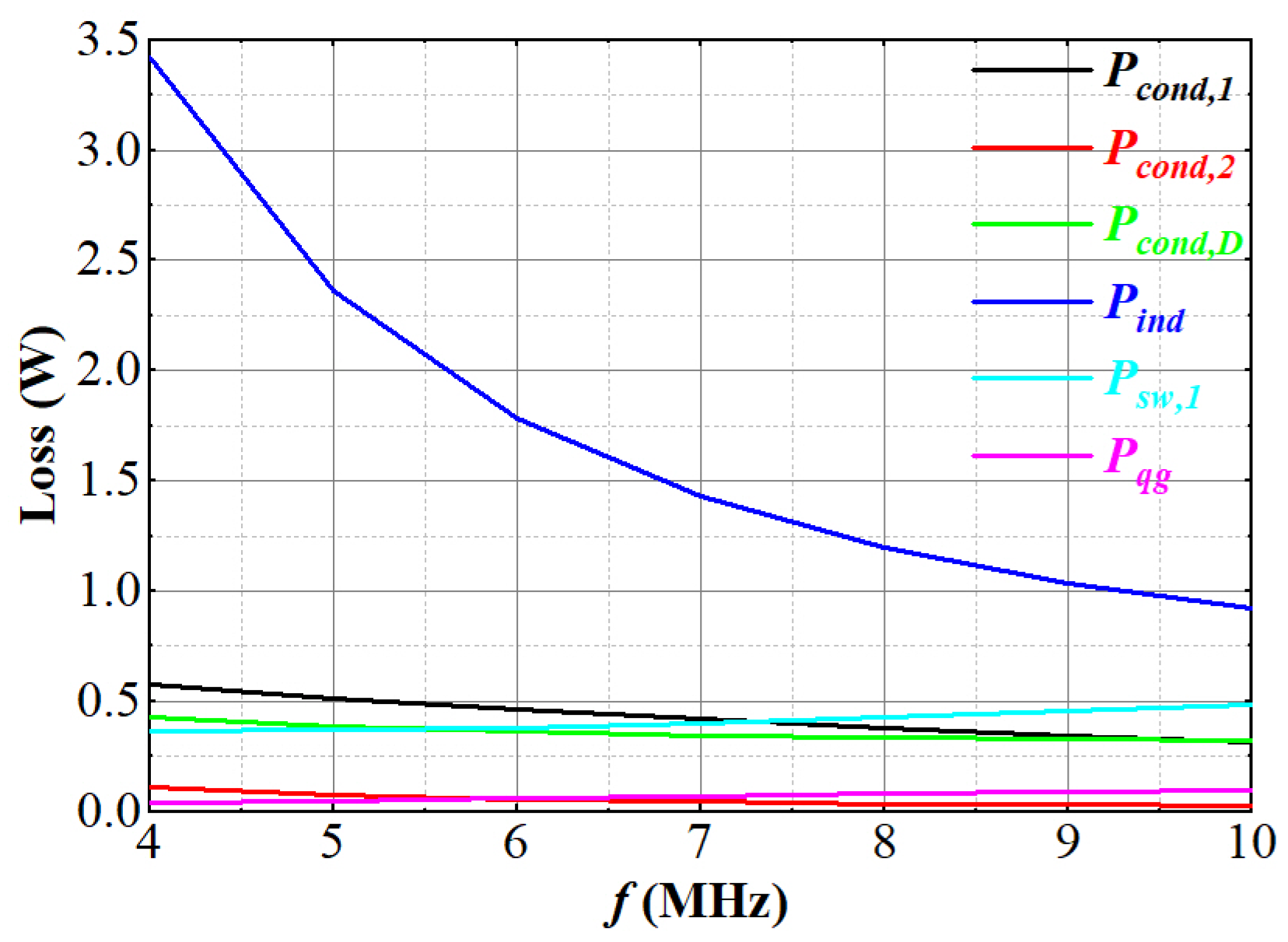
| Air-core Inductor | Winding Loss | 0.924 | |
| GaN Top FET () | Switching Loss | 0.484 | |
| Conduction Loss | 0.313 | ||
| GaN SyncFET () | Reverse Conduction | 0.324 | |
| Gate Charge Loss | 0.100 | ||
| Conduction Loss | 0.028 | ||
| Total | Sum | 2.173 |
| Parameter | Symbol | Value |
|---|---|---|
| Input Voltage | 28 V | |
| Output Voltage | 12 V | |
| Load Resistance | 8 | |
| Switching Frequency | 10 MHz | |
| Dead Time | 10 ns | |
| Current Ripple Ratio | r | <10 |
| Parameter | Symbol | Requirement/Standard | Measured Result | Conclusion |
|---|---|---|---|---|
| Input Voltage | 28 V (Sat. Bus) | 28 V | Compliant | |
| Output Voltage | 12 V (Load Req.) | 12.0 V | Regulated | |
| Case Temperature | < 110 °C (Derating) | 62.2 °C | Safe Margin | |
| Peak Efficiency | Maximized | 86.5% | Optimized | |
| Soft Switching | ZVS | Full ZVS Range | Achieved | Verified |
Disclaimer/Publisher’s Note: The statements, opinions and data contained in all publications are solely those of the individual author(s) and contributor(s) and not of MDPI and/or the editor(s). MDPI and/or the editor(s) disclaim responsibility for any injury to people or property resulting from any ideas, methods, instructions or products referred to in the content. |
© 2026 by the authors. Licensee MDPI, Basel, Switzerland. This article is an open access article distributed under the terms and conditions of the Creative Commons Attribution (CC BY) license.
Share and Cite
Lin, J.; Li, H.; Yin, S.; Liu, X.; Song, C.; Zhang, H.; Dong, M. Loss-Driven Design Methodology for MHz-Class GaN QSW Buck Converters with a PCB Air-Core Inductor in SWaP-Constrained Aerospace Applications. Aerospace 2026, 13, 105. https://doi.org/10.3390/aerospace13010105
Lin J, Li H, Yin S, Liu X, Song C, Zhang H, Dong M. Loss-Driven Design Methodology for MHz-Class GaN QSW Buck Converters with a PCB Air-Core Inductor in SWaP-Constrained Aerospace Applications. Aerospace. 2026; 13(1):105. https://doi.org/10.3390/aerospace13010105
Chicago/Turabian StyleLin, Jinshu, Hui Li, Shan Yin, Xi Liu, Chen Song, Honglang Zhang, and Minghai Dong. 2026. "Loss-Driven Design Methodology for MHz-Class GaN QSW Buck Converters with a PCB Air-Core Inductor in SWaP-Constrained Aerospace Applications" Aerospace 13, no. 1: 105. https://doi.org/10.3390/aerospace13010105
APA StyleLin, J., Li, H., Yin, S., Liu, X., Song, C., Zhang, H., & Dong, M. (2026). Loss-Driven Design Methodology for MHz-Class GaN QSW Buck Converters with a PCB Air-Core Inductor in SWaP-Constrained Aerospace Applications. Aerospace, 13(1), 105. https://doi.org/10.3390/aerospace13010105