1. Introduction
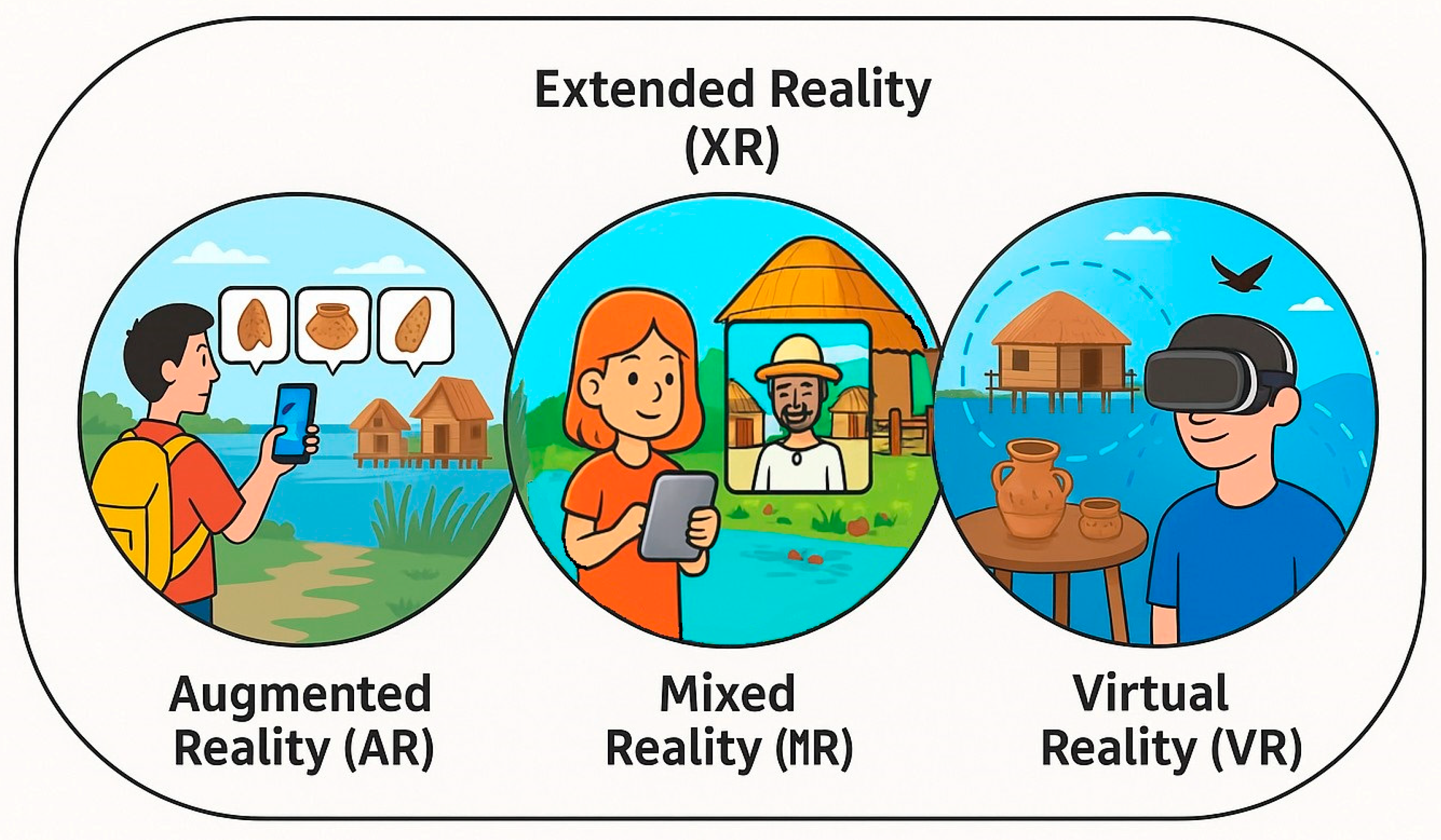
In recent years, the convergence of educational technology, cultural heritage, and environmental education has led to the development of innovative learning experiences that exceed the boundaries of traditional teaching. One of the most significant innovations is Extended Reality (XR), a comprehensive term that includes Augmented Reality (AR), Mixed Reality (MR), and Virtual Reality (VR) [
1,
2,
3].
Augmented Reality (AR) enhances the real environment with digital content, such as texts, images, videos, 3D models, or audio, which are displayed through smart mobile devices or portable AR systems. AR can be categorized into three principal forms [
4]:
Marker-based, where the augmentation is triggered by a virtual marker or object.
Markerless, in which the augmentation is situated on surfaces of the natural environment.
Location-based, in which the augmentation is triggered upon the user’s arrival at designated points of interest, with the assistance of GPS sensors.
Virtual Reality (VR) provides complete immersion in a three-dimensional virtual world, eliminating physical stimuli and enhancing the sense of presence (telepresence) [
5].
Mixed Reality (MR) facilitates the coexistence of tangible and virtual objects that interact in real time [
6].
XR applications have significantly progressed over the last decade, particularly in the sectors of education, tourism, and cultural heritage. Within the educational sector, XR technologies are fundamentally connected to the concepts of active and experiential learning, as they provide students with opportunities to engage in interactive, research-oriented, and multisensory experiences that enhance both cognitive and emotional engagement, thus moving the focus of learning from passive observation to active participation [
3,
7,
8,
9].
The current study highlights the development, application, and assessment of a thorough XR educational program, implemented at the Prehistoric Lakeside Settlement of Dispilio, situated in Kastoria. This archeological site, which can be traced back to the 6th millennium B.C., is a remarkable example of a Neolithic settlement that has been preserved along the shores of Lake Orestiada. Currently, the site acts as an open museum, presenting opportunities for experiential and environmental education.
The Education Center for the Environment and Sustainability (E.S.E.C.) of Kastoria, in collaboration with the Digital Media and Communication Strategy Laboratory of the Department of Communication and Digital Media at the University of Western Macedonia, has developed a series of XR digital applications that integrate archeological research, environmental education, and contemporary technology. For the systematic development of digital experiences, the ADDIE model (Analysis–Design–Development–Implementation–Evaluation) was applied [
10,
11,
12,
13,
14]. The program “Prehistoric Lakeside Settlement of Dispilio” was designed to engage students with the Neolithic past through processes of discovery, exploration, and creative interaction.
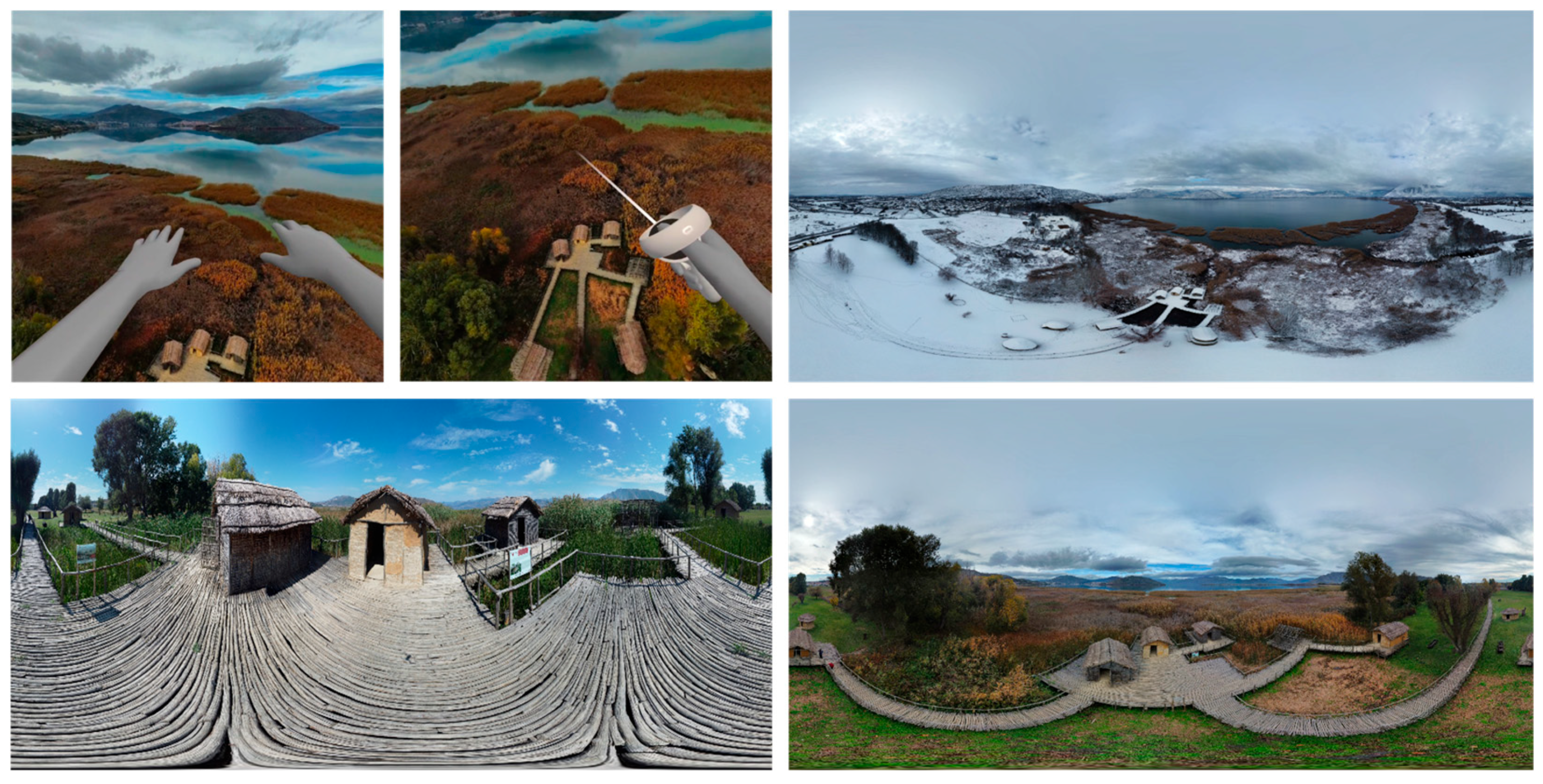
The applications that were developed include the following (
Figure 1):
Figure 1.
Extended Reality (XR)—The Case of Dispilio.
Figure 1.
Extended Reality (XR)—The Case of Dispilio.
The aforementioned digital applications are not functioning independently; instead, they are incorporated into a cohesive three-hour educational program within the framework of the Education Center for the Environment and Sustainability (E.S.E.C.) of Kastoria. The learning process encompasses:
Preparatory phase, involving guidance and familiarization with the applications.
Investigation of the field through AR/MR activities.
Immersion through VR videos.
Reflection and evaluation, accompanied by discussion, worksheets, and questionnaires.
The educational program is associated with several theoretical and pedagogical contexts:
Constructivism and experiential learning [
17,
18], which emphasize learning through action;
Situated learning [
19], where knowledge is constructed within the real context;
Game-based learning and storytelling [
20,
21], which enhance experiential engagement through puzzles, narratives, and missions.
Simultaneously, the educational approach of the program aligns with four Sustainable Development Goals (SDGs) of the UN [
22], contributing to:
quality education (Goal 4),
sustainable development and employment (Goal 8),
the preservation of cultural identity and sustainable communities (Goal 11), and
responsible consumption and production (Goal 12).
By integrating digital content, physical space, and experiential interaction, XR applications in Dispilio exemplify a holistic learning approach that connects technology, culture, and the environment. This study aims to highlight how digital storytelling and gamification, when integrated into authentic learning environments, can enhance cognitive understanding, foster empathy, and empower students’ connection to their cultural heritage.
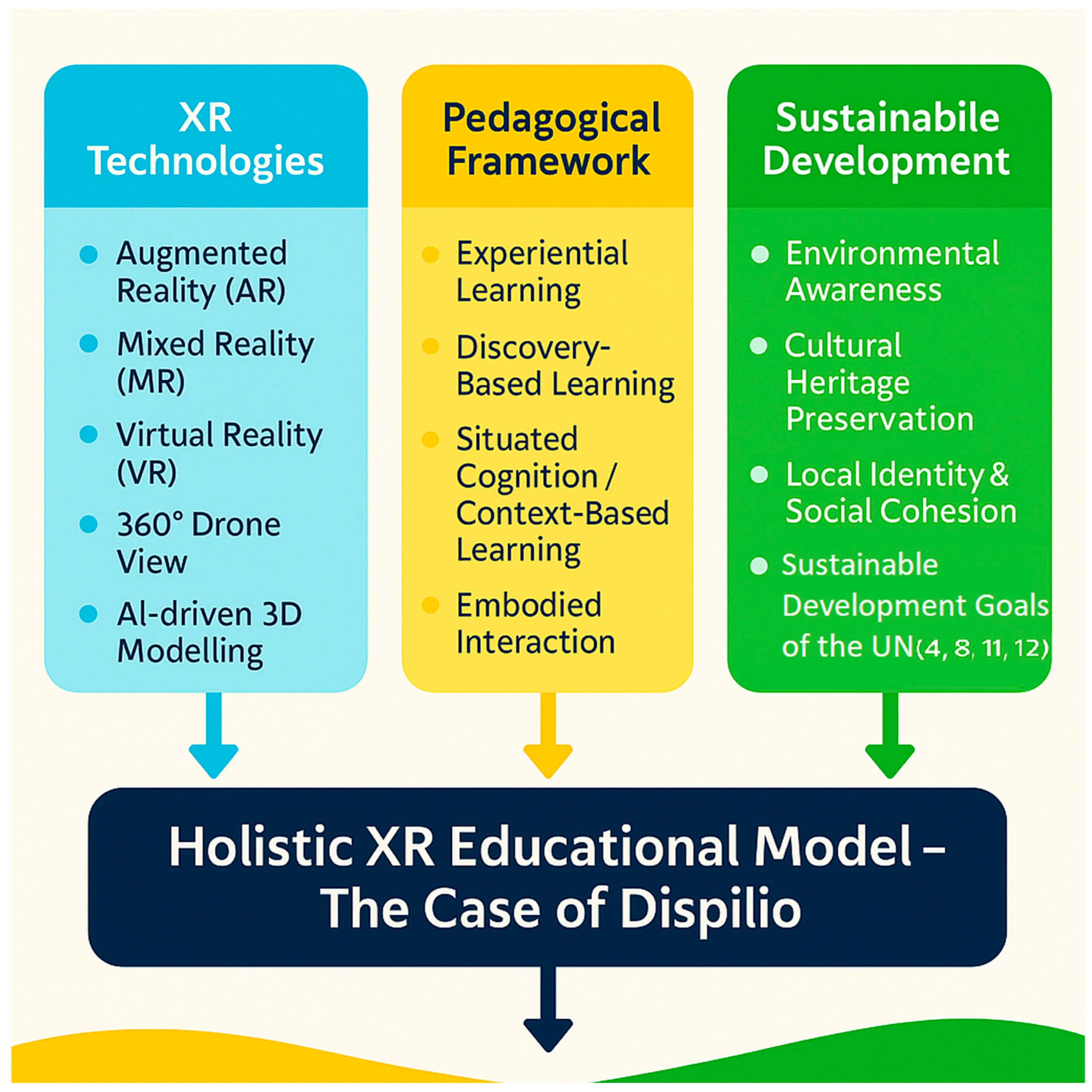
In summary, the proposed Holistic XR Educational Model (see
Figure 2) illustrates the interconnection of three fundamental pillars—technological, pedagogical, and sustainable—which collectively form a comprehensive framework for experiential learning through extended reality (XR) technologies in the Prehistoric Lakeside Settlement of Dispilio.
The convergence of the three axes results in a holistic XR learning model, where technology serves as a means of immersion and interactivity, pedagogy acts as a framework for meaning-making, and sustainability is the aim of social and cultural empowerment [
23,
24].
The present study is directed by the subsequent research inquiries:
To identify the appropriate software tools and technological platforms for the development of XR educational applications with a pedagogical focus.
To determine the key design principles that render an XR experience attractive, functional, and educationally effective.
To assess the educational, cultural, and social impact of XR applications within the context of environmental education and sustainable development.
The rest of the paper is structured as follows:
Section 2 provides a concise overview of the literature, while
Section 3 describes the educational program. Materials and methods are described in
Section 4.
Section 5 contains an extensive overview of XR digital applications. The evaluation process and the results of the evaluation are presented in
Section 6 and
Section 7, respectively. In
Section 8, the results and research findings are discussed, limitations are mentioned, and the final conclusions are presented.
3. The Educational Program
On the southern bank of Lake Kastoria, a Neolithic archeological site reveals to researchers an invaluable wealth of findings and information concerning the civilization of the people who resided in the area nearly 7500 years ago [
96].
The Prehistoric Lakeside Settlement of Dispilio is recognized as one of the most important instances of prehistoric settlement in a water environment, revealing how Neolithic humans coordinated their lives in close engagement with the natural surroundings.
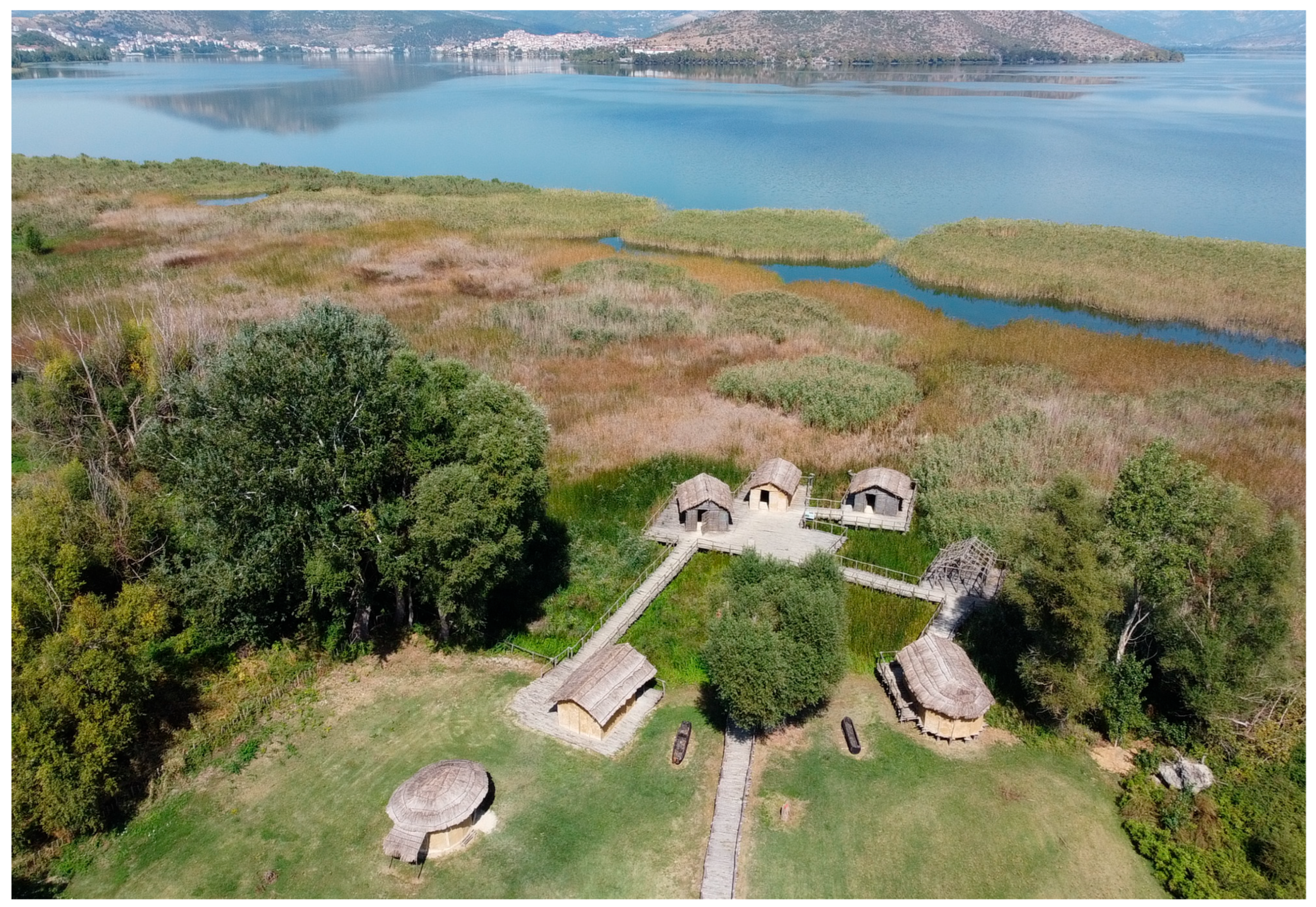
Situated close to the excavation site, the “Open Museum” of Dispilio presents a reconstruction of the settlement, giving visitors the opportunity to “explore” the past and understand the aspects of the social, productive, and cultural organization of the prehistoric community [
97,
98] (see
Figure 3).
The Education Center for the Environment and Sustainability (E.S.E.C.) of Kastoria, embracing contemporary global guidelines for promoting sustainable development and enhancing education regarding the environment and cultural heritage, has designed and implemented the educational program “Prehistoric Lakeside Settlement of Dispilio.”
The educational program explores the historical relationship between humans and the environment through the example of the Neolithic culture that developed along the shores of Lake Kastoria, providing students with an experiential connection to the past and local heritage.
In collaboration with the Department of Communication and Digital Media at the University of Western Macedonia, a series of extended reality (XR) digital applications has been developed, which have been organically integrated into the educational program, transforming the archeological site of Dispilio into an open learning laboratory.
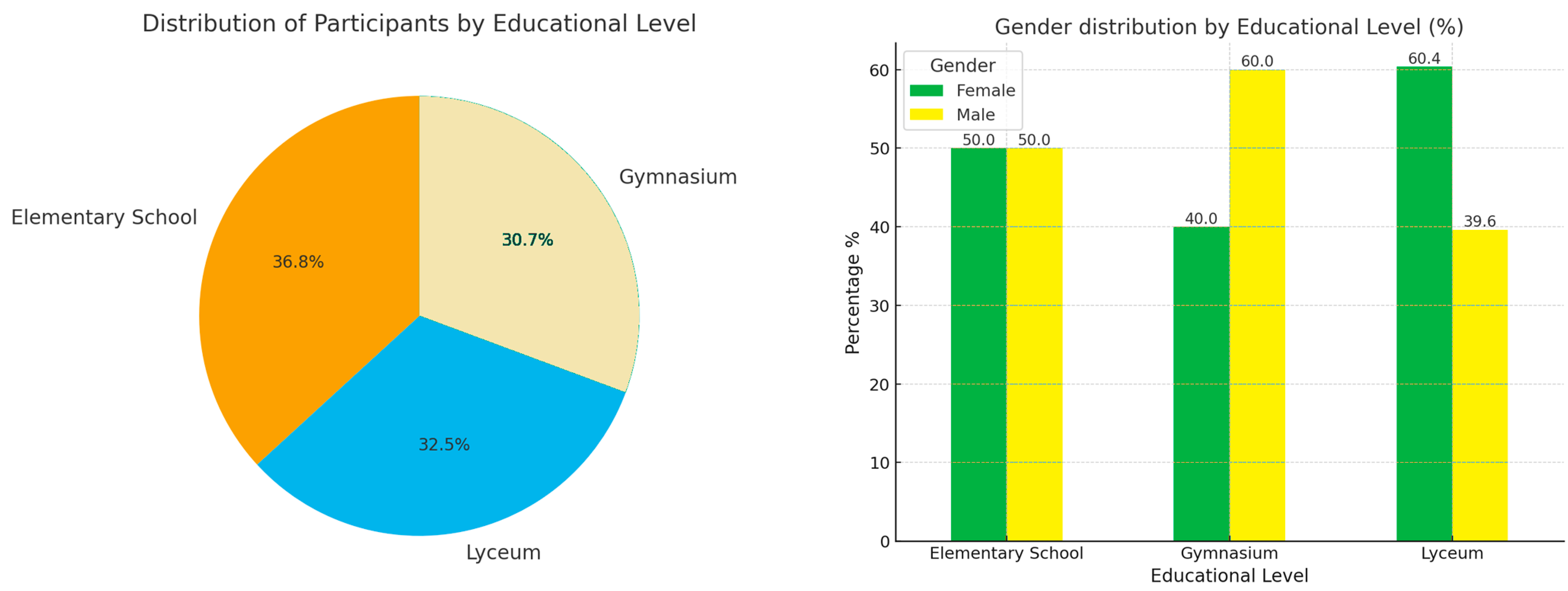
The program, lasting three instructional hours, takes place exclusively outdoors. The stages of implementing the educational activity are:
Stage 1: Exploration and Digital Immersion
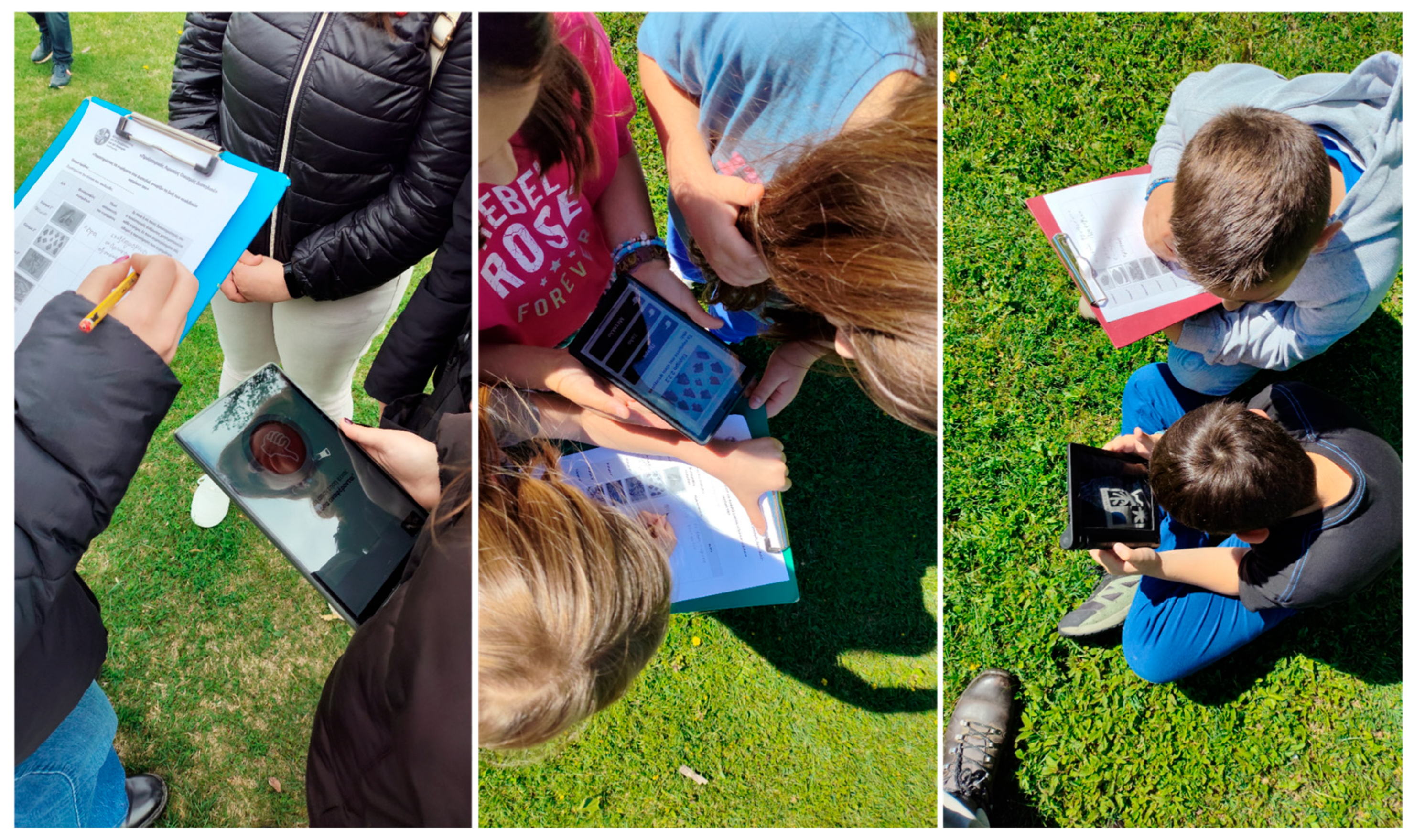
The learning activity commences with the utilization of three augmented reality (AR) applications: “Virtual Findings in Dispilio,” “Once Upon a Time in Dispilio,” and “Crime in the Lakeside Settlement”, which are based on location-based AR, guiding students in an exploratory investigation of the archeological site (see
Figure 4).
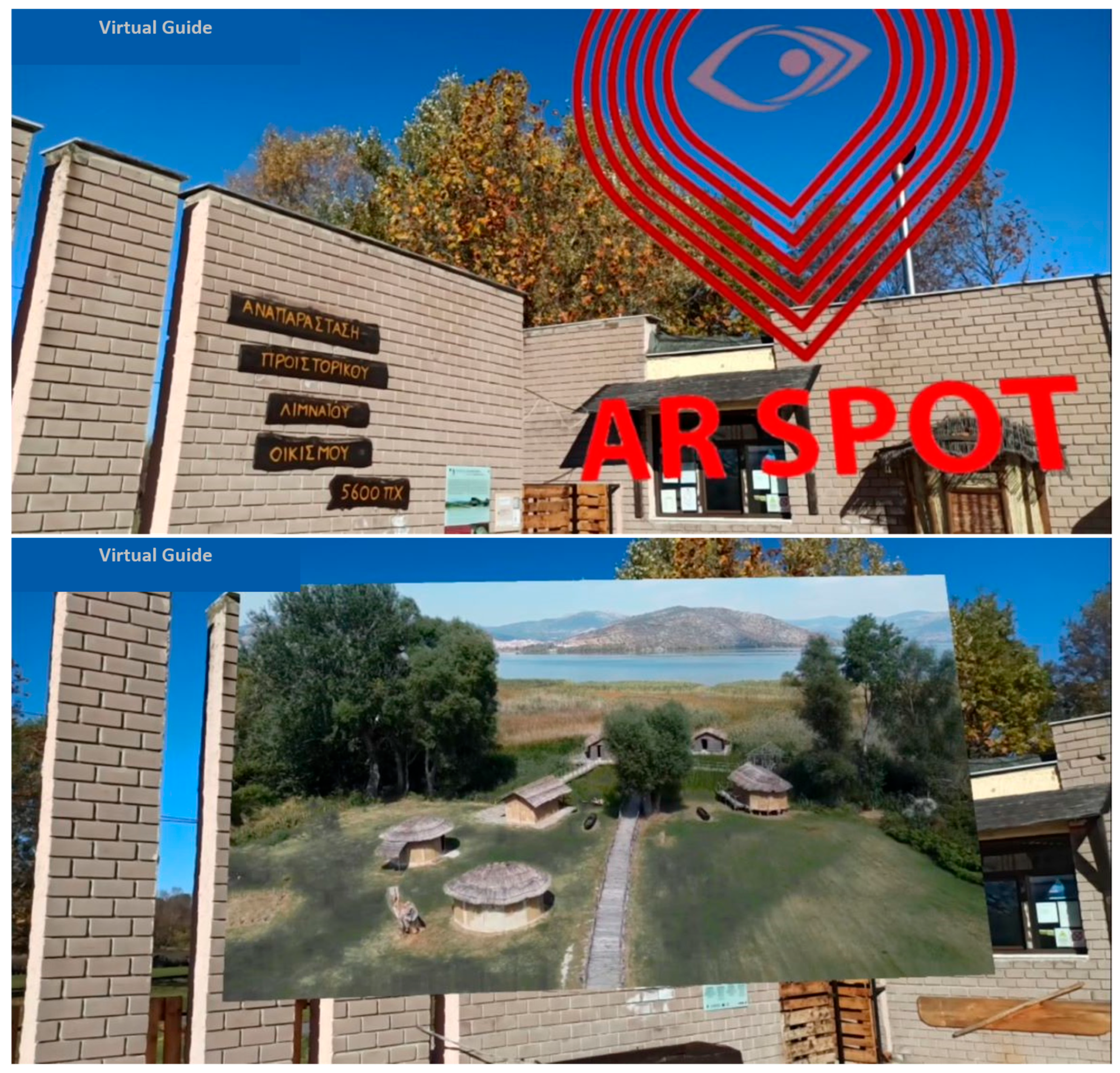
Subsequently, the students utilize the application “Virtual Guide for the Mountainous Areas of Western Macedonia,” which employs mixed reality (MR) technologies and location-based augmented reality (AR). Through this application, they gain access to three-dimensional (3D) models, multimedia content, transparent videos, and narratives featuring avatar characters that bring to life the daily life of the Neolithic period, allowing for the visualization of the constructions and activities of prehistoric inhabitants (see
Figure 5).
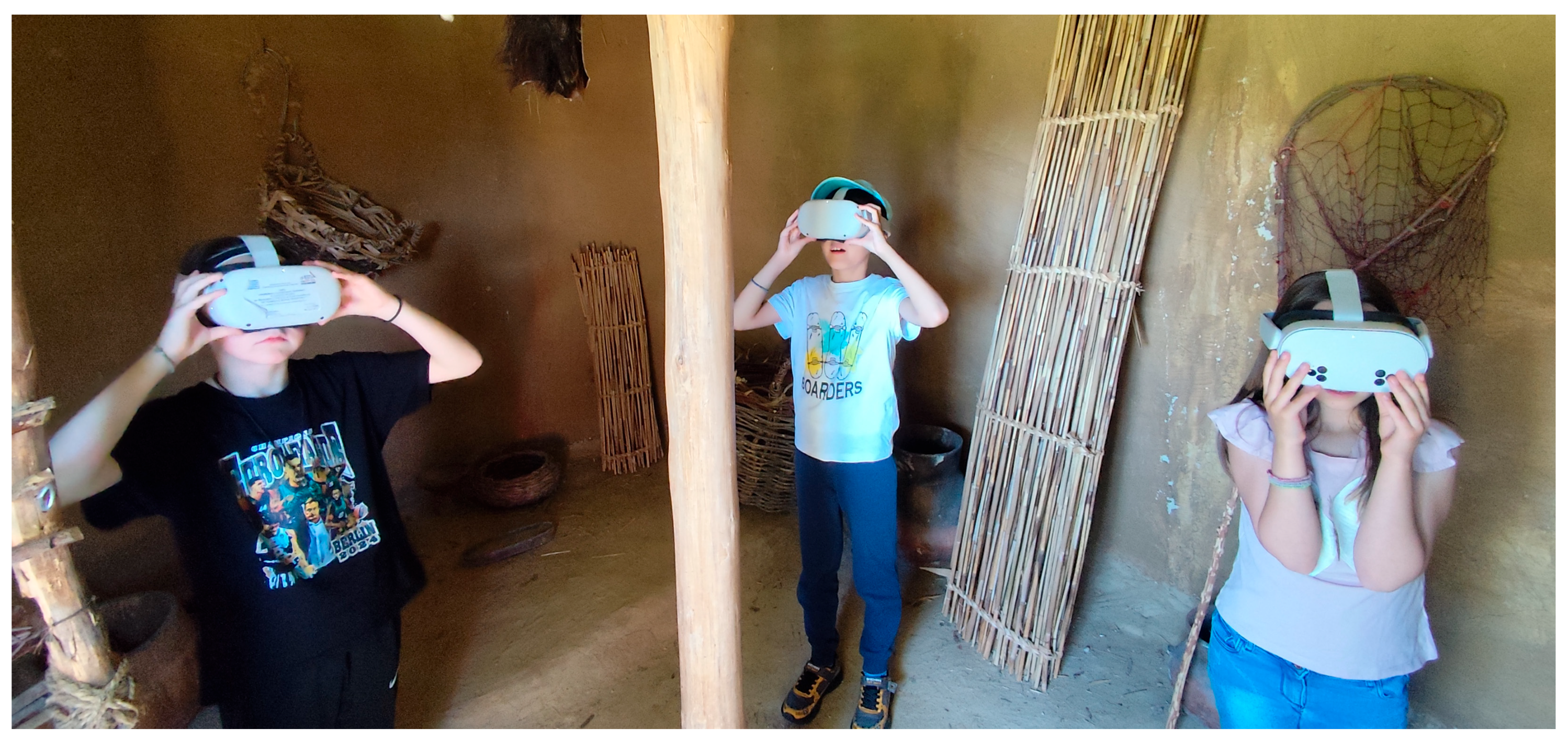
Finally, by wearing Oculus glasses, students experience a fully immersive virtual reality (VR) experience within a digitally reconstructed environment of a prehistoric lake settlement. This virtual environment includes human figures, animals, and objects, realistically depicting the daily life of the era. Additionally, the 360° panoramic experience “Through the Eyes of a Bird,” developed through drone aerial shots, provides an alternative visual approach to the landscape, linking spatial perception with emotional engagement and environmental awareness (
Figure 6).
Stage 2: Self-reflection and Cognitive Connection
Students are working with worksheets that encourage linking Neolithic life to today’s reality:
“The story of Linus Xelinos, a detective who solves riddles” (for elementary school students), linking Neolithic existence with natural resources and ecosystems
“Utilize It Again” (for Secondary Education students) examines sustainable management practices and compares the past with the principles of linear and circular economy.
Through this process, environmental sensitivity, systemic thinking, and empathy towards Neolithic society are cultivated.
Stage 3. Expression and Evaluation
The students express their conclusions concerning life and the organization of the prehistoric settlement, while the program’s evaluation is conducted through questionnaires that assess the usability, usefulness, and experiential value of XR applications.
4. Materials and Methods
4.1. Educational Activity Design Framework
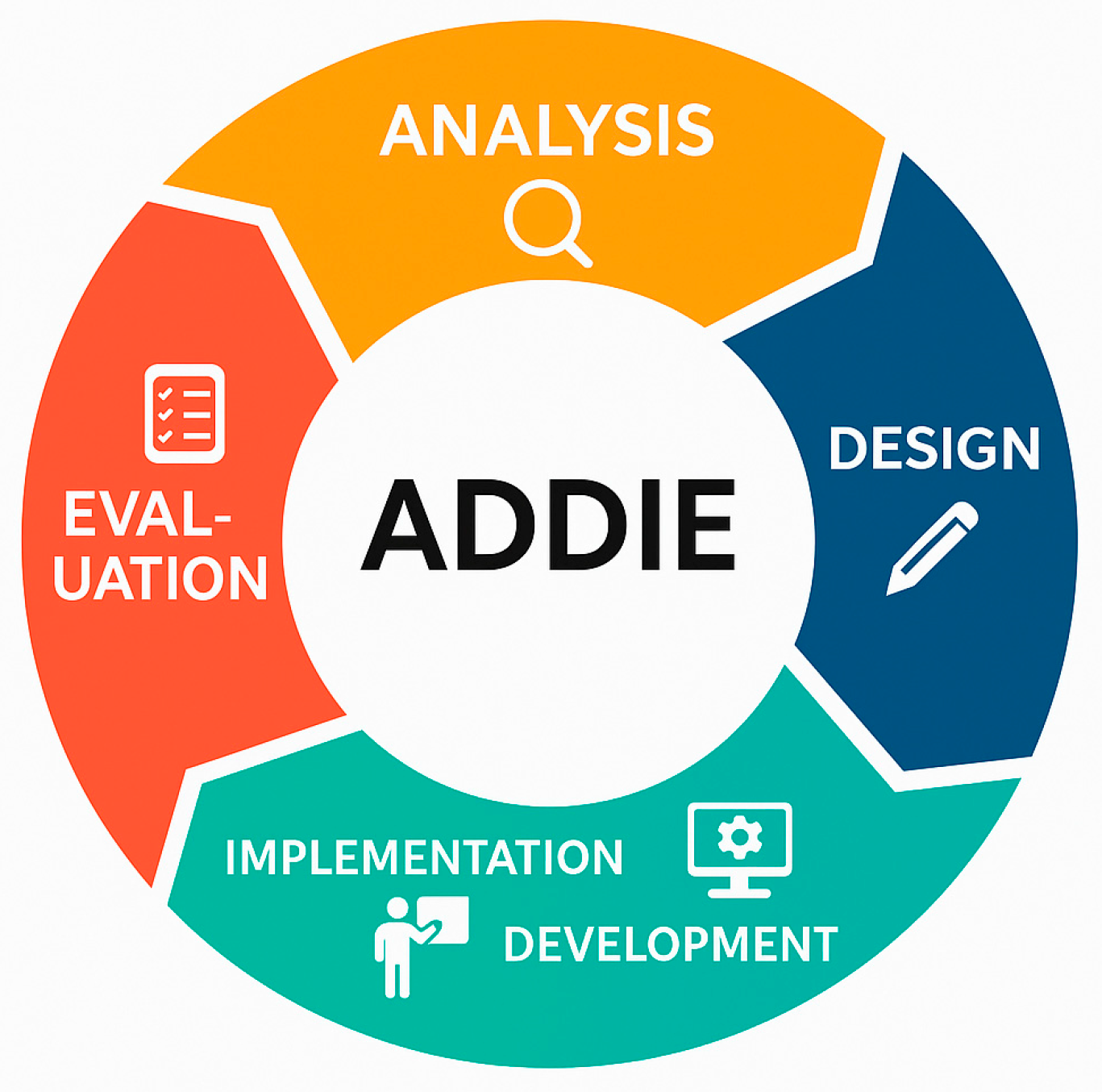
In the context of designing and developing extended reality (XR) applications for the educational program “Prehistoric Lakeside Settlement of Dispilio,” the ADDIE model [
10,
11,
12,
13,
14] (Analysis, Design, Development, Implementation, Evaluation) was employed as a reference point (see
Figure 7).
Throughout all phases of execution, the educational team members of the Education Center for the Environment and Sustainability (E.S.E.C.) of Kastoria worked in close partnership with the scientific personnel of the Digital Media and Communication Strategy Laboratory of the Department of Communication and Digital Media at the University of Western Macedonia. This collaboration ensured the integration of educational, technological, and cultural parameters at all stages of the project.
4.2. Analysis Stage
During the analysis phase, a thorough examination of the needs and prerequisites for the design of the XR educational experience was carried out, with the objective of:
the identification of instructional objectives and the intended learning results,
the evaluation of the level of knowledge and skills possessed by the participating students,
the assessment of technological parameters (GPS accuracy, connectivity, lighting, external conditions),
and ensuring the appropriateness and validity of the content based on its scientific and educational value.
Emphasis was placed on the flexibility of AR, MR, and VR technologies in outdoor environments, as well as their capacity to foster experiential learning, collaborative exploration, and a sense of empathy with the surroundings and historical context.
4.3. Design Phase
In the design stage, the framework for the learning activities and their associated XR applications was defined. The subsequent elements were reviewed:
the forms of interaction (tactile input, mobility, GPS activation, voice directives),
the narrative structure of each application (exploratory, narrative, mystery),
the various forms of multimedia content (3D models, sound, video, explanatory texts),
and the elements of gamification (points, challenges, puzzles, avatars, feedback).
The design was based on the principles of storytelling-based learning and context-based education, enhancing the connection between knowledge and the real-world environment.
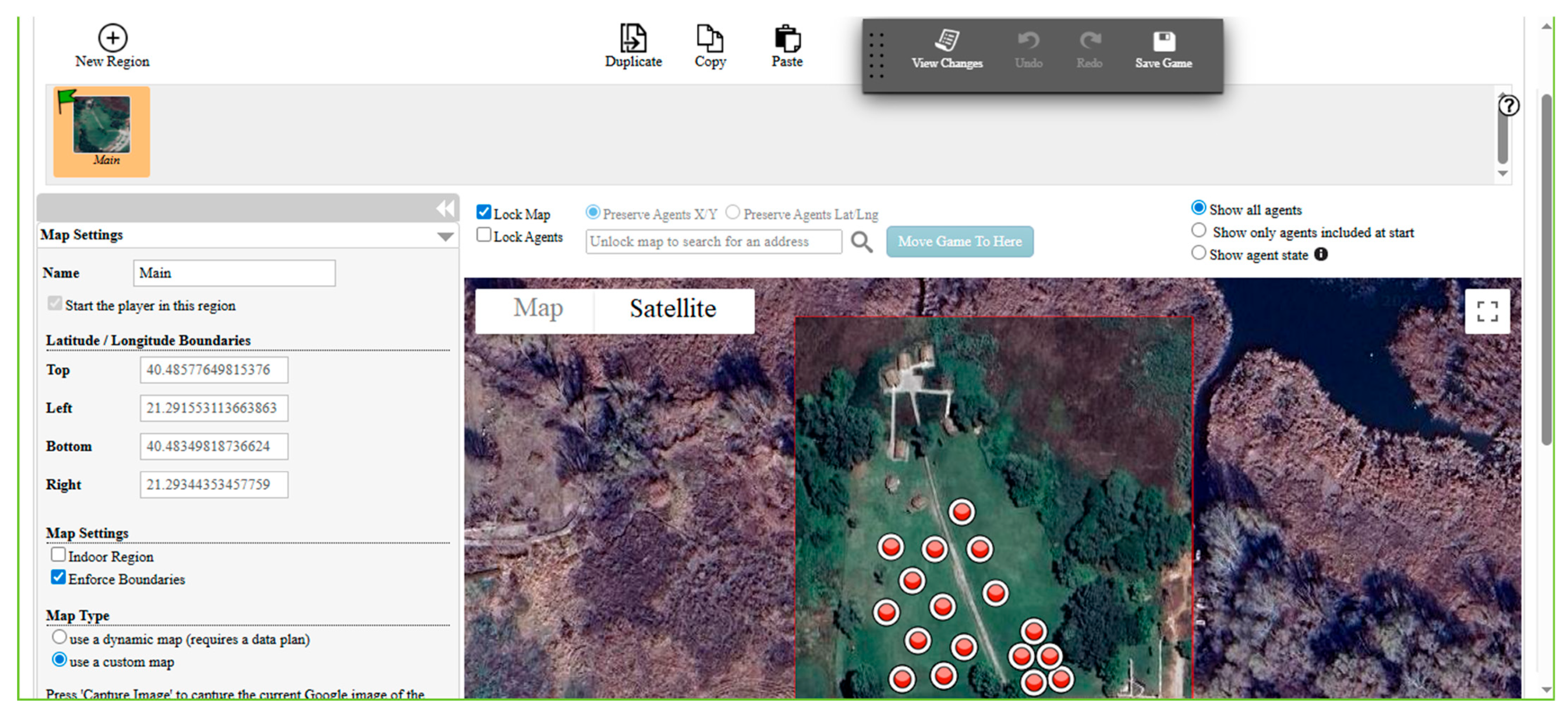
By employing the Google Maps API, the regions of interest were mapped out, and the Agents were specified, which are the points at which the digital content is engaged.
For instance, in the application “Virtual Discoveries at Dispilio,” these points correspond to virtual discoveries, whereas in the application “Crime in the Lakeside Settlement,” they serve as “nodes” of mystery and narrative.
4.4. Development Stage
In the course of the development stage, three applications of Augmented Reality (AR), one application of Mixed Reality (MR), and two applications of Virtual Reality (VR) were created, employing different software environments.
Each application operates independently and has not been integrated into a single unified XR system. However, it is pedagogically organized as an app-oriented XR ecosystem, where each application functions as a module within a broader narrative and learning flow. Thus, the XR experience was not implemented as a single-platform solution, but rather as an orchestrated sequence of autonomous XR applications, structured into distinct phases of learning: Exploration → Conceptual linking → Immersion.
The independent functioning of applications did not disrupt the educational experience; instead, it allowed for a flexible, expandable, and adaptable design that can be reshaped according to the context, the student audience, and the learning objectives. For instance, in younger age groups, a specific application is chosen from the three AR applications. Thus, the system is capable of functioning as both an integrated XR learning flow and a selective toolkit, appropriate for scaffolded implementation across different levels of familiarity.
For the development of AR/MR/VR applications, various software solutions were utilized.
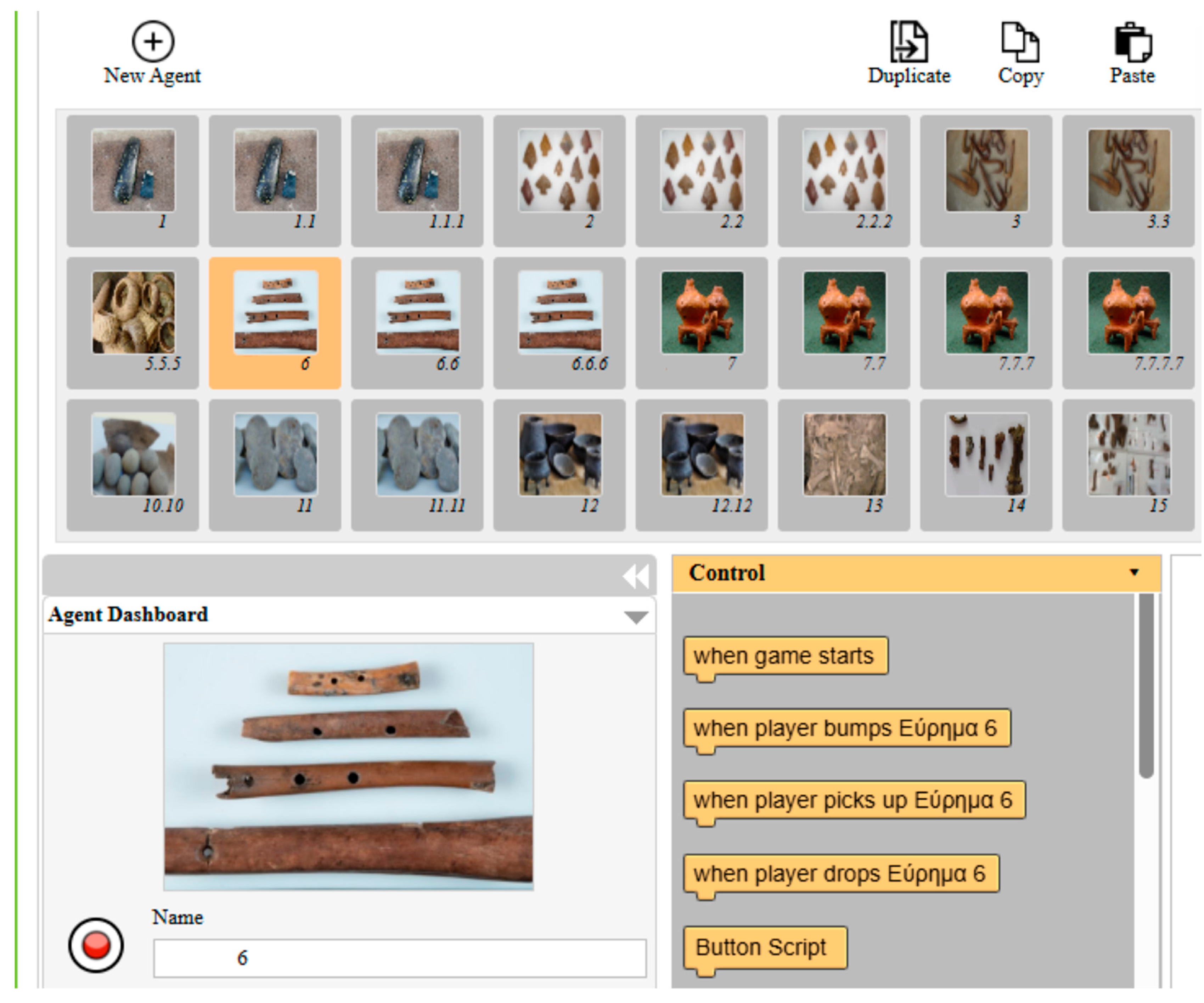
The TaleBlazer (MIT STEP Lab) was employed for the projects “Virtual Discoveries at Dispilio,” “Crime in the Lake Settlement,” and “Once upon a Time in Dispilio”. The foundation of TaleBlazer (
https://taleblazer.org/, accessed on 1 October 2025) lies in visual programming, which facilitates the creation of interactive games based on GPS, utilizing the elements of Regions and Agents. The Regions define the map of the area (see
Figure 8), while the Agents activate the content (texts, images, sounds, activities) when the user approaches the location (see
Figure 9). Tablet devices were equipped with the applications and evaluated in the setting of the prehistoric lake settlement to verify GPS accuracy, stability, and user-friendliness.
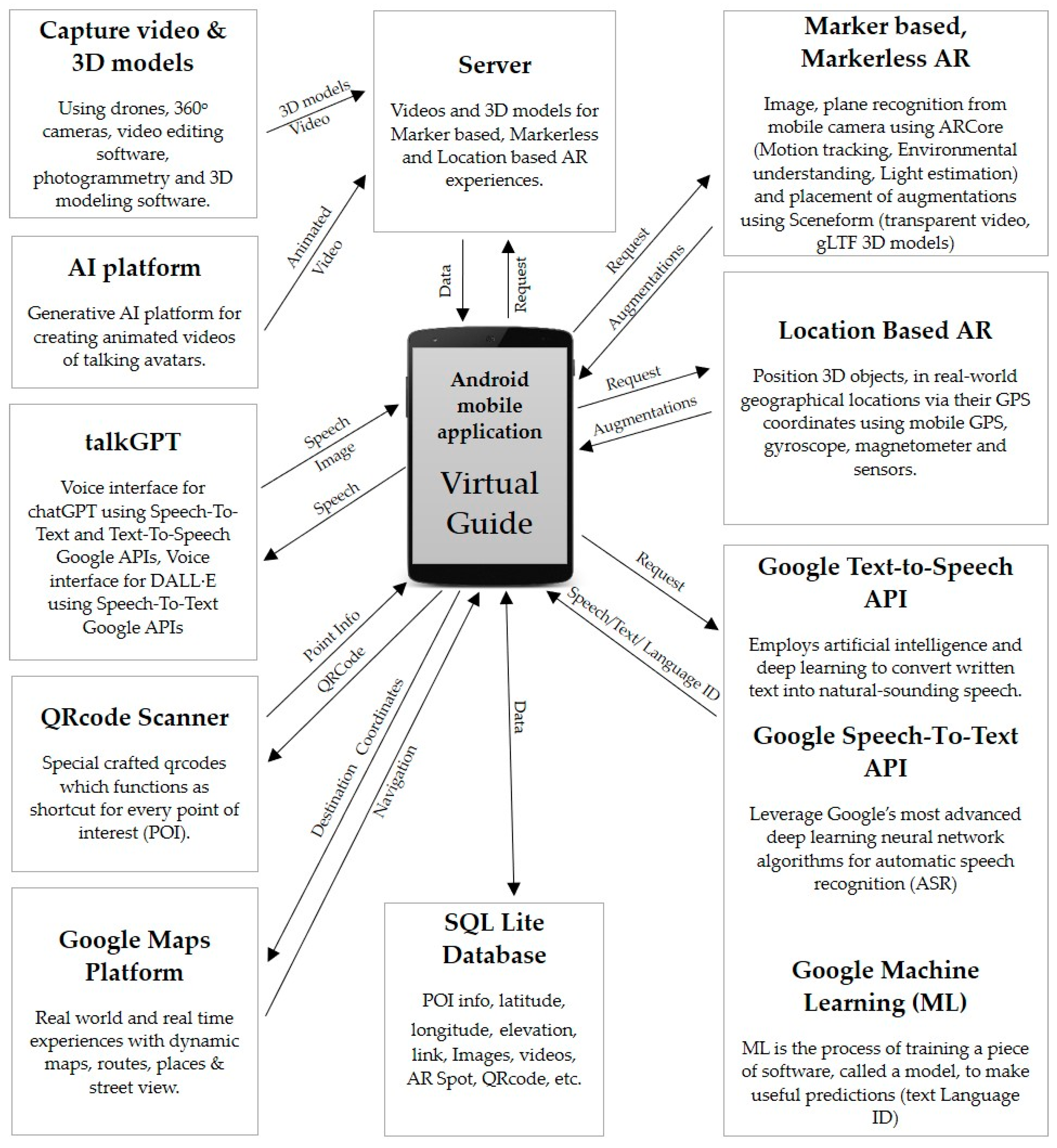
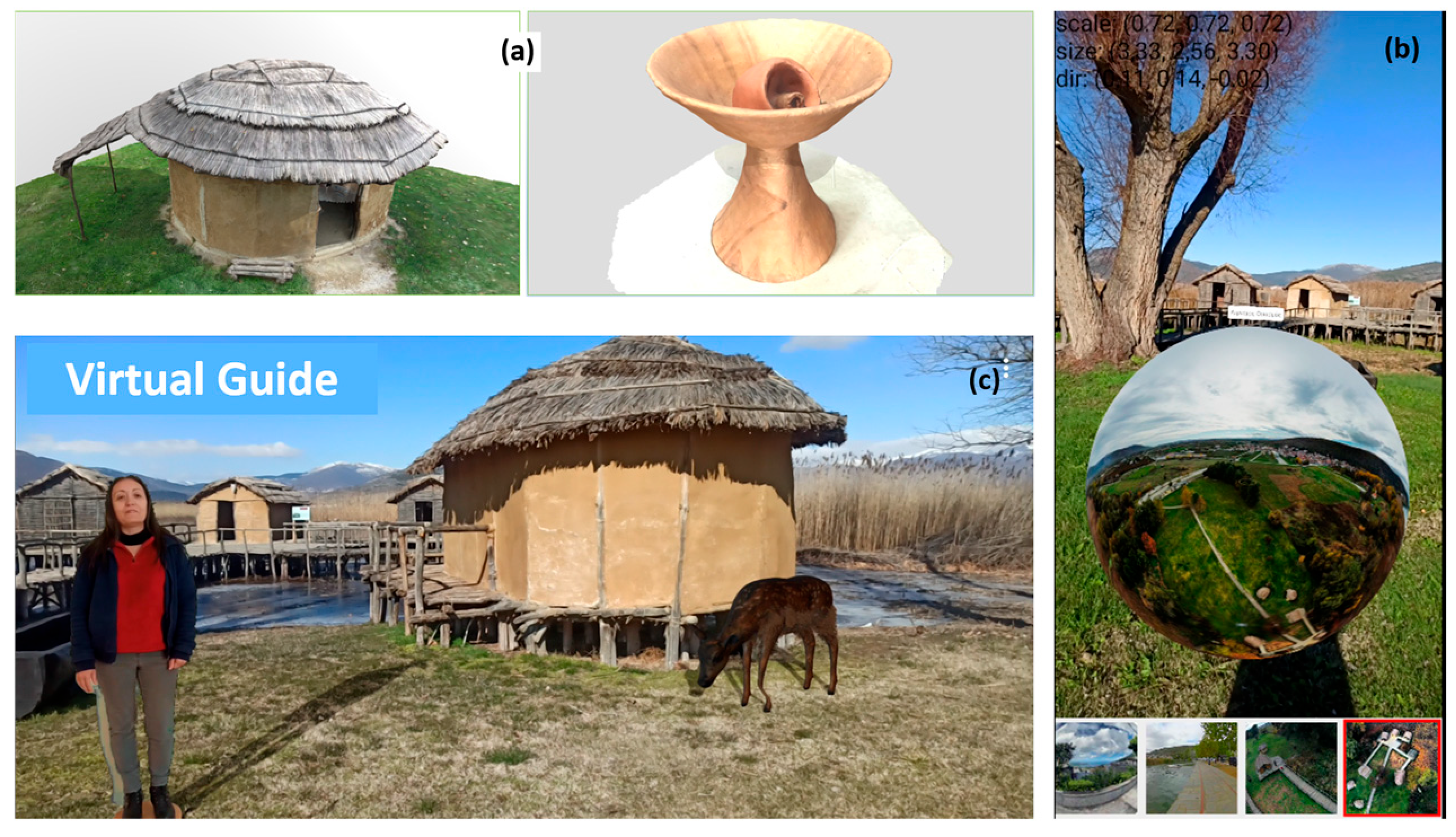
The Mixed Reality application “Virtual Guide” was developed using Android Studio and the ARCore SDK (
https://developers.google.com/ar, accessed on 1 October 2025), and it supports marker-based, marker-less, and location-based augmented reality. It includes 3D objects, transparent videos, Google Street View, audio narratives, and chatbot communication (ChatGPT 4.1) (see
Figure 10). The “Virtual Guide” was piloted in the representation of the prehistoric lake settlement of Dispilio, demonstrating the effectiveness of MR technology in cultural interpretation and educational immersion.
The development of Virtual Reality (VR) 3D video and 360° Drone View applications was accomplished through the use of Blender and Adobe Premiere Pro. The virtual reality experience illustrates the everyday lives of prehistoric residents via videos produced with the aid of artificial intelligence (AI-assisted modeling). Furthermore, the app “Through the Eyes of the Bird” includes panoramic aerial views of the settlement at different times of the year. These experiences were implemented on Oculus Quest glasses, offering full immersion and spatial comprehension.
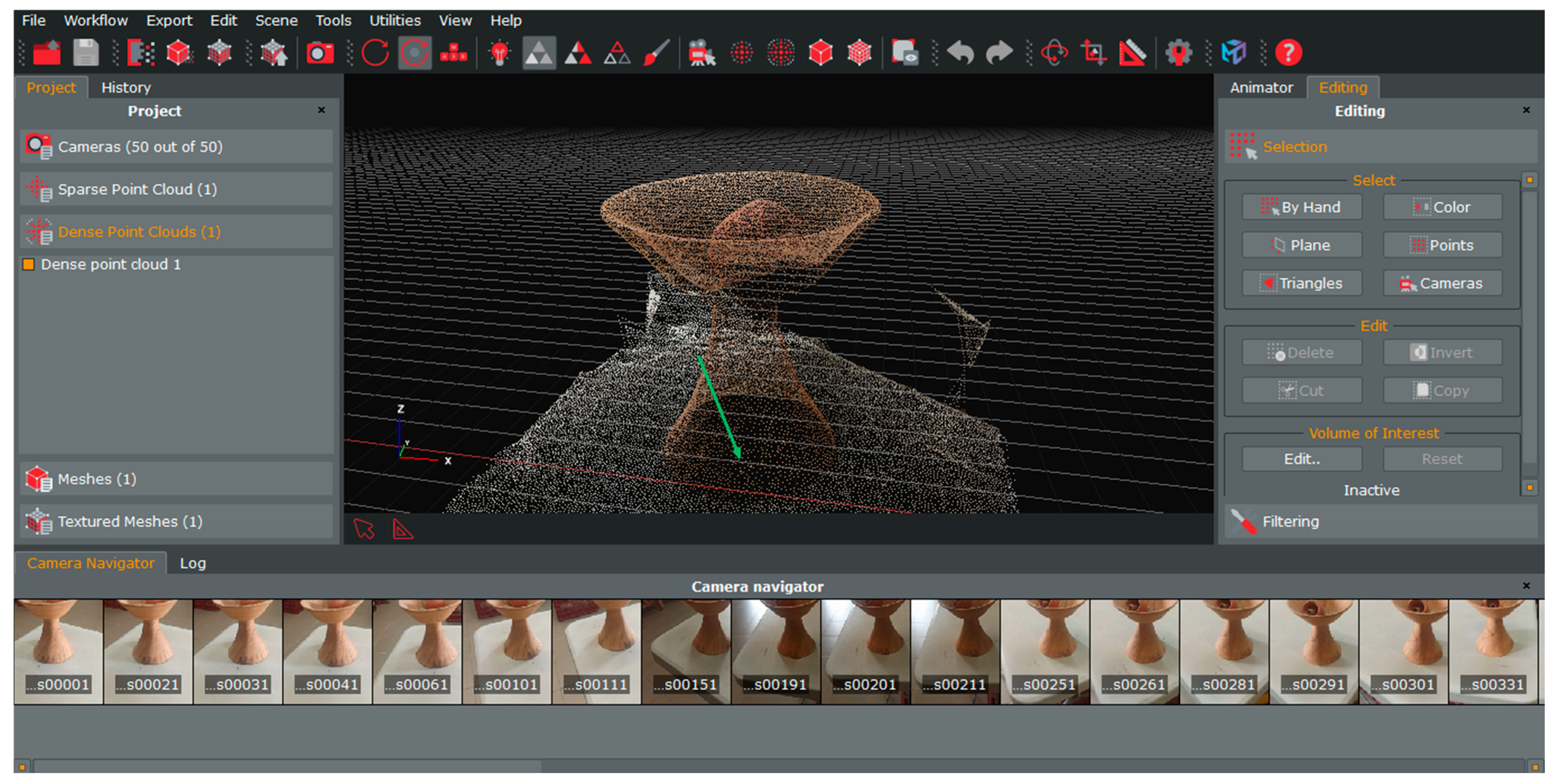
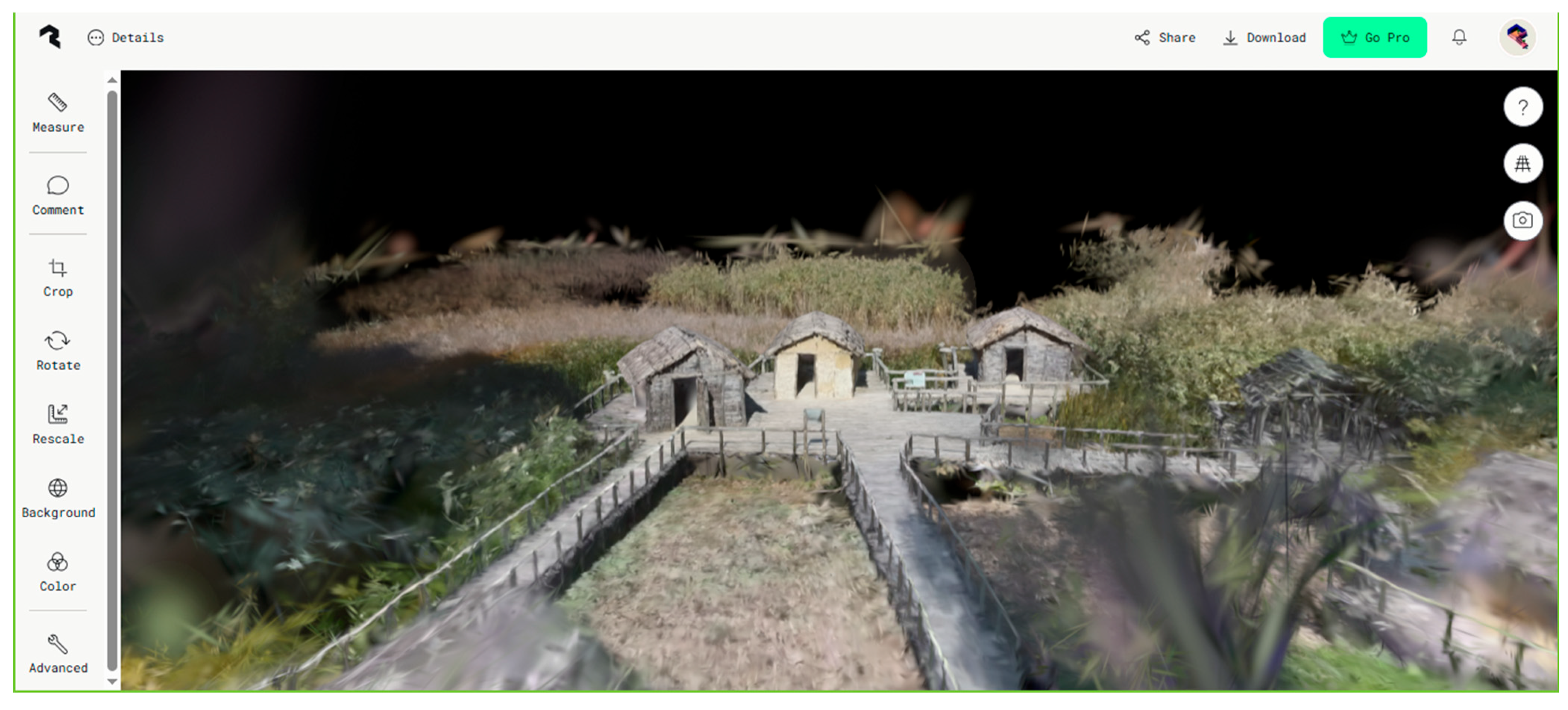
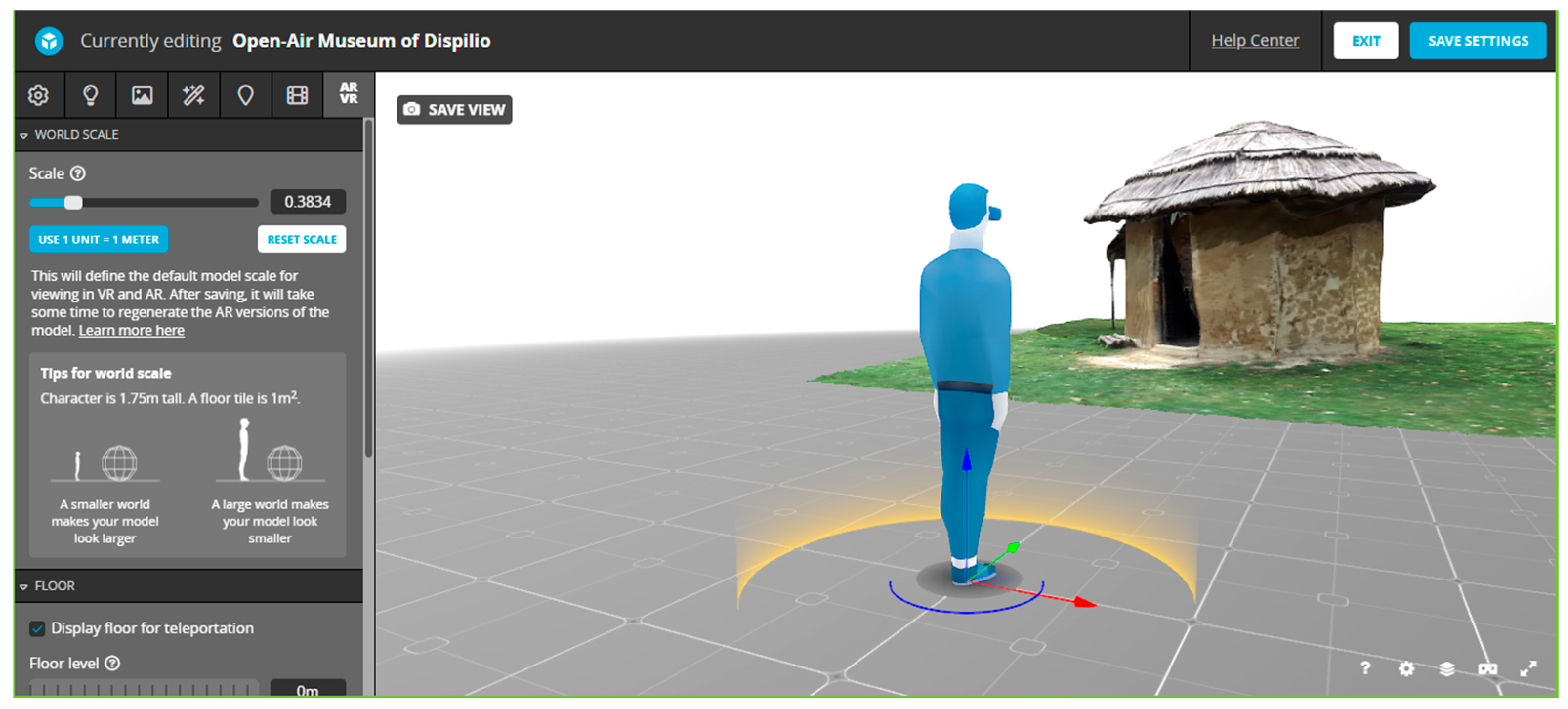
To generate the three-dimensional models of the Prehistoric Lakeside Settlement of Dispilio along with the archeological artifacts, a blend of photogrammetry methods and 3D modeling software was utilized, specifically 3DF Zephyr 7.507 (see
Figure 11), Blender 3.4, Polycam (see
Figure 12) (
https://poly.cam/, accessed on 1 October 2025) and Sketchfab (see
Figure 13) (
https://sketchfab.com/, accessed on 1 October 2025). This procedure included the acquisition of high-resolution images and videos, the creation of a dense point cloud, the production of a mesh and texture, and the optimization of models for application in XR environments (ARCore, TaleBlazer, and MR headsets). The software AI Heygen (
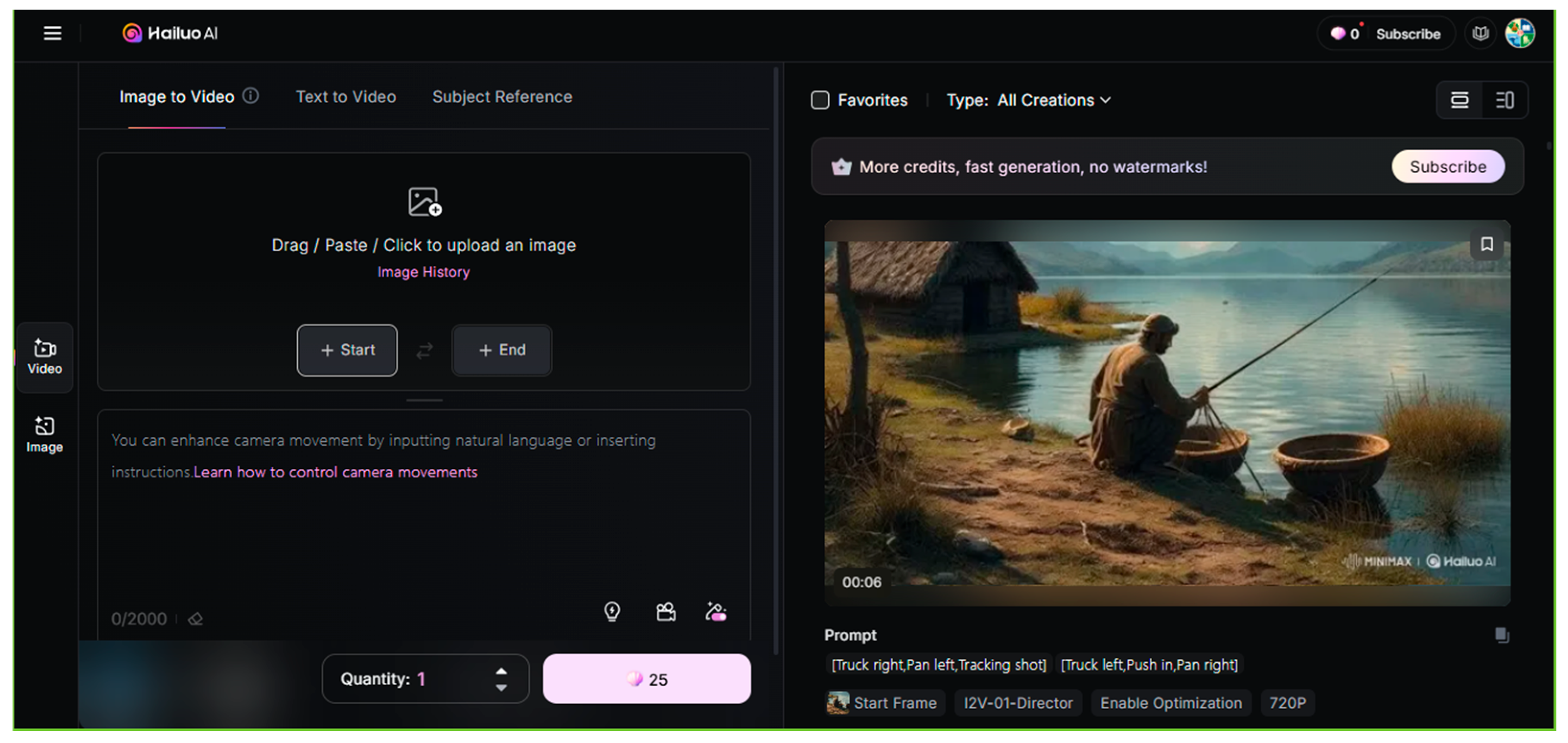
https://www.heygen.com/, accessed on 1 October 2025) and AI Hailuo (
https://hailuoai.video/, accessed on 1 October 2025) were utilized for the creation of virtual characters (see
Figure 14). The final models have been integrated into AR, MR, and VR applications, offering a high level of realism and interactivity.
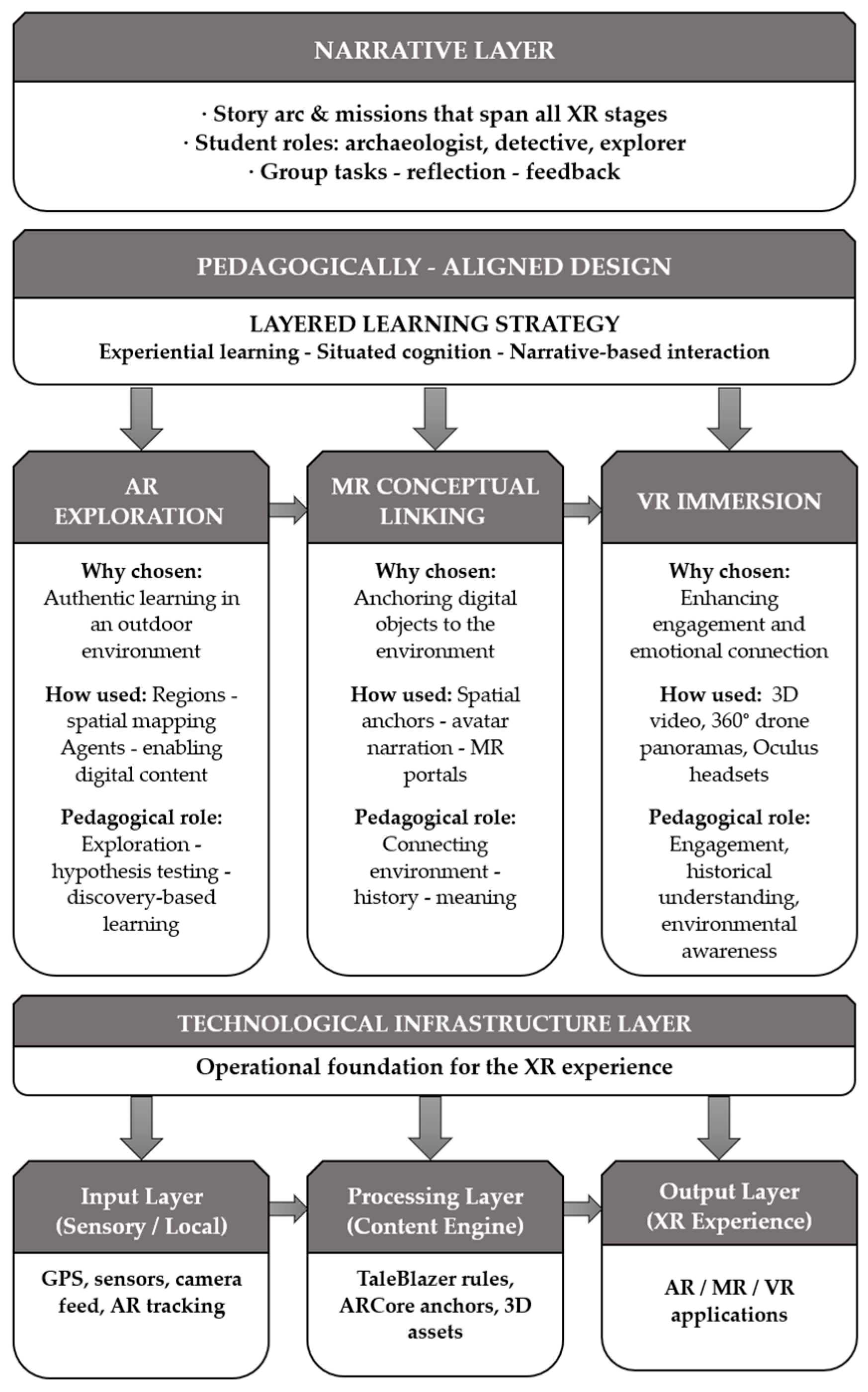
The selection of the aforementioned tools was not solely based on their availability or technical ease, but rather on a pedagogically substantiated design rationale that aligns with the principles of experiential learning, situated cognition, and narrative-based interaction.
The integration of the tools followed a layered design logic, where learning progresses gradually from exploration to deepening and ultimately to an embodied emotional understanding: AR Exploration → MR Conceptual Connection → VR Immersion.
4.4.1. Exploration Phase (AR)—TaleBlazer (MIT STEP Lab)
The selection of TaleBlazer was made because of its GPS-based visual programming architecture, enabling the entire archeological site to be approached as a learning map. The Regions and Agents converted the locations in space into narrative nodes and points of discovery, an aspect that is closely associated with the theories of situated learning and embodied interaction.
Introduced by Lave et al. [
19] in 1991, situated learning emphasized that learning should occur within the same context in which it will be applied, that is, an authentic, real-world setting. Unlike traditional classroom-based approaches, situated learning does not prioritize theoretical or abstract knowledge; instead, it encourages learners to engage with practical, real-world problems, fostering learning through hands-on experiences and active participation in authentic environments. The importance of context in learning has been known for many years [
99]. Collins et al. [
100], in their description of situated learning, emphasize the notion of learning and acquiring skills in contexts that resemble real-life situations.
Taleblazer is also an ideal tool for developing applications that involve narrative cartography. Research on narrative cartography has highlighted how mapping itself can become a medium for storytelling and cultural interpretation [
101,
102]. Narrative cartography may include, among other things:
maps with embedded stories, such as historical accounts, personal experiences, or cultural narratives,
spatial storytelling, where events or experiences unfold across geographic space, and
the expression of subjective or emotional experiences that are connected to specific places.
Reason for selection: It supports authentic learning in an outdoor environment through the use of geolocation.
How it was utilized: Regions → spatial mapping/Agents → enabling digital content.
Pedagogical role: Exploration—hypothesis—discovery-based learning.
4.4.2. Conceptual Connection Phase (MR)—ARCore and Android Studio
Following the initial exploration, ARCore, through the virtual guide application, facilitated the transition from observation to the interpretation of the space. The application of markerless AR, 3D models, Street View, and educational avatars has established a level of mixed reality (MR) through which students can “reconstruct” mentally the Neolithic settlement as it might have appeared in its original form.
The MR interaction provides the opportunity to incorporate digital elements that are no longer visible or accessible to the public, such as:
archeological findings that are stored in the laboratories,
digital guides (avatars) that provide information,
narrative characters that represent the inhabitants of the settlement and tell stories.
Thus, the space functions not merely as a location for observation but as a “narrative carrier,” allowing students to link history, place, and meaning through active, embodied, and cognitively centered exploration.
Reason for selection: The ability to anchor digital objects in space.
How it was utilized: Spatial anchors—avatar narration—MR portals.
Pedagogical role: Connecting environment—history—meaning.
4.4.3. Immersion Phase (VR)—Oculus Quest, Blender, and Premiere
The VR immersion was not introduced at the beginning, but rather at the end of the learning experience, serving as an emotional climax. The 3D videos and 360 aerial view (Drone View) have enhanced the sense of presence and confirmed that immersion can strengthen empathy, understanding, and reflective thinking.
Reason for selection: VR fosters engagement and emotional connection with the content.
How it was utilized: Video editing and spatial reconstruction.
Pedagogical role: Historical embodied understanding—environmental awareness.
4.4.4. Narration and Interaction (Narrative Support)—AI Heygen and Hailuo
Rather than employing a static audio commentary, avatars generated through generative AI were used to make the storytelling more human-centric and dialogic. The avatars functioned as “digital guides,” transforming the narrative from passive listening into co-presence, thereby making the experience more active and cognitively focused.
According to Mayer’s principles [
103] of Multimedia Learning, talking avatars (also called pedagogical agents) can support the personalization principle because they can increase engagement and enhance the sense of social presence in students, as they feel that a real person is guiding them through the learning process. When a character speaks in a conversational tone, learners feel more socially supported. Avatars can humanize the experience. A friendly, on-screen agent can make the material feel less abstract and more personal. Virtual agents with human appearance in XR applications have proved their effectiveness in many studies (e.g., [
104,
105,
106,
107]).
Reasons for selection: Pertinent to affective XR learning and embodied storytelling.
How they were utilized: Avatar narration—interactive “guides” in the space.
Pedagogical role: Engagement—identification—narrative with emotional depth.
In conclusion, the technologies of AR, MR, and VR were not utilized in isolation; rather, they were integrated into a sequential learning strategy (
Figure A1). AR enhanced exploratory investigation, MR facilitated conceptual connections with space, while VR offered emotional immersion and historical empathy. Avatars functioned as narrative agents, linking the various levels and enhancing the memory and involvement of the participants.
The development was accompanied by continuous testing, feedback, and optimization, with active participation from both educators and students, ensuring the functionality and pedagogical coherence of the applications.
4.5. Implementation Stage
In the initial phase of the educational activity, students receive fundamental information regarding the content of extended reality applications, as well as usage instructions on how they operate. This preparatory process ensures that students understand the capabilities of the applications, enabling them to actively participate without technical difficulties in the subsequent learning experience.
Following the initial phase, the student groups are provided with tablet devices that have pre-installed extended reality applications. Through the screens of their devices, students can access digital maps that depict the layout of the Prehistoric Lakeside Settlement. Displayed on the maps are colored dots, which represent the successive destination points in the area. Each point is accompanied by usage instructions to facilitate navigation and understanding of the activity. Consequently, the process is transformed into a guided exploration, wherein students undertake a journey of discovery in the space, while at the same time engaging with the digital elements that enhance the authentic experience.
4.6. Evaluation Stage
A structured questionnaire was designed for the evaluation of the XR experience, based on existing studies and models of educational technology and gamification [
11,
92,
108,
109,
110,
111,
112].
The questionnaire consisted of three sections:
Demographic information (gender, age, prior experience with XR technologies).
Evaluation of the educational activity (organization, participation, collaboration).
Evaluation of digital applications employing a five-point Likert scale, across the subsequent categories: Challenge, Satisfaction/Enjoyment, Ease of use, Usefulness/Knowledge, Interaction/Collaboration, and Intention to reuse.
The analysis of the data combined quantitative results from the Likert scales with qualitative comments from open-ended questions and perspectives of educators. Detailed presentation of the evaluation results can be found in
Section 7 and
Section 8.
5. Description of the XR Applications
Taking advantage of XR technology’s capabilities, the applications were designed with specific goals in mind:
To serve as innovative educational tools, integrating physical spaces with digital representations.
To recreate the daily life of prehistoric people by integrating 3D models of their homes, tools, and activities into the real setting of the settlement
To enhance experiential learning by allowing students to engage with historical contexts as if they were living in that period
To foster collaboration and active participation through the use of digital devices (mobile phones, tablets, and MR headsets) familiar to students.
To promote the development of observation skills, critical thinking, and digital literacy.
Although the applications primarily target students involved in educational programs, they also serve as an innovative cultural and tourist resource for every visitor to Dispilio, enhancing the understanding and attractiveness of the archeological site.
5.1. Augmented Reality (AR) Application—Virtual Discoveries at Dispilio
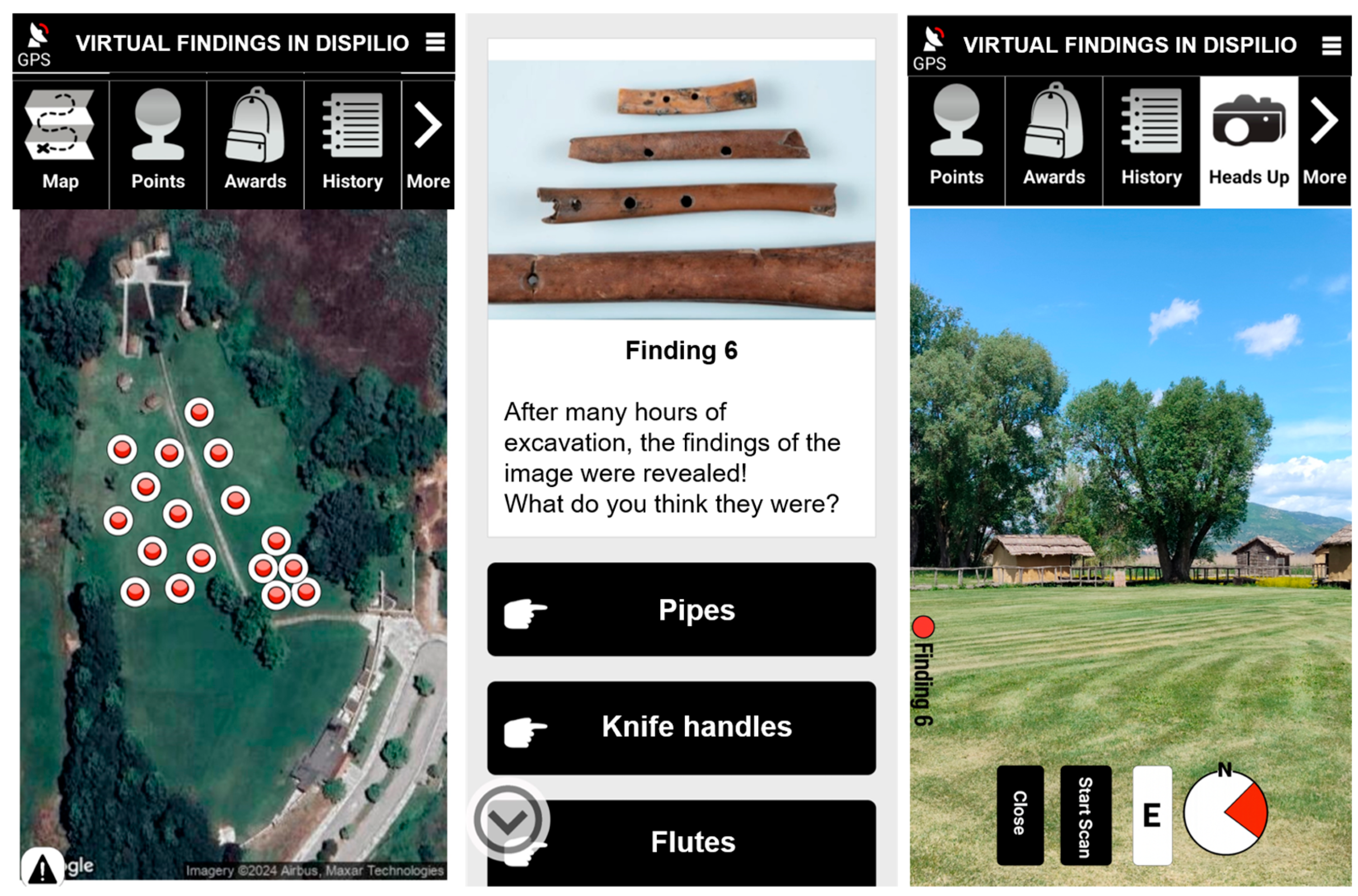
The augmented reality digital application “Virtual Discoveries at Dispilio” is an innovative educational resource aimed at promoting experiential learning and facilitating direct engagement of students with archeological research.
Participants take on the role of archeologist-researchers, navigating the site to identify virtual points and findings. At each location, participants are invited to discover an object, identify it, determine its possible material of construction (e.g., wood, bone, stone), and hypothesize its potential uses in the daily life of the prehistoric society of Dispilio. Through multiple-choice questions, students engage cognitively and participate in a playful exploration that integrates the physical space with the digital environment (see
Figure 15).
The theoretical framework of the application is based on the principles of experiential and discovery learning, where knowledge is not passively transmitted but acquired through active participation, exploration, and interaction. Simultaneously, the development of observation skills, critical thinking, and collaboration is being promoted, while the understanding of archeology as a science is being enhanced.
5.2. Augmented Reality (AR) Application—Crime in the Lake Settlement
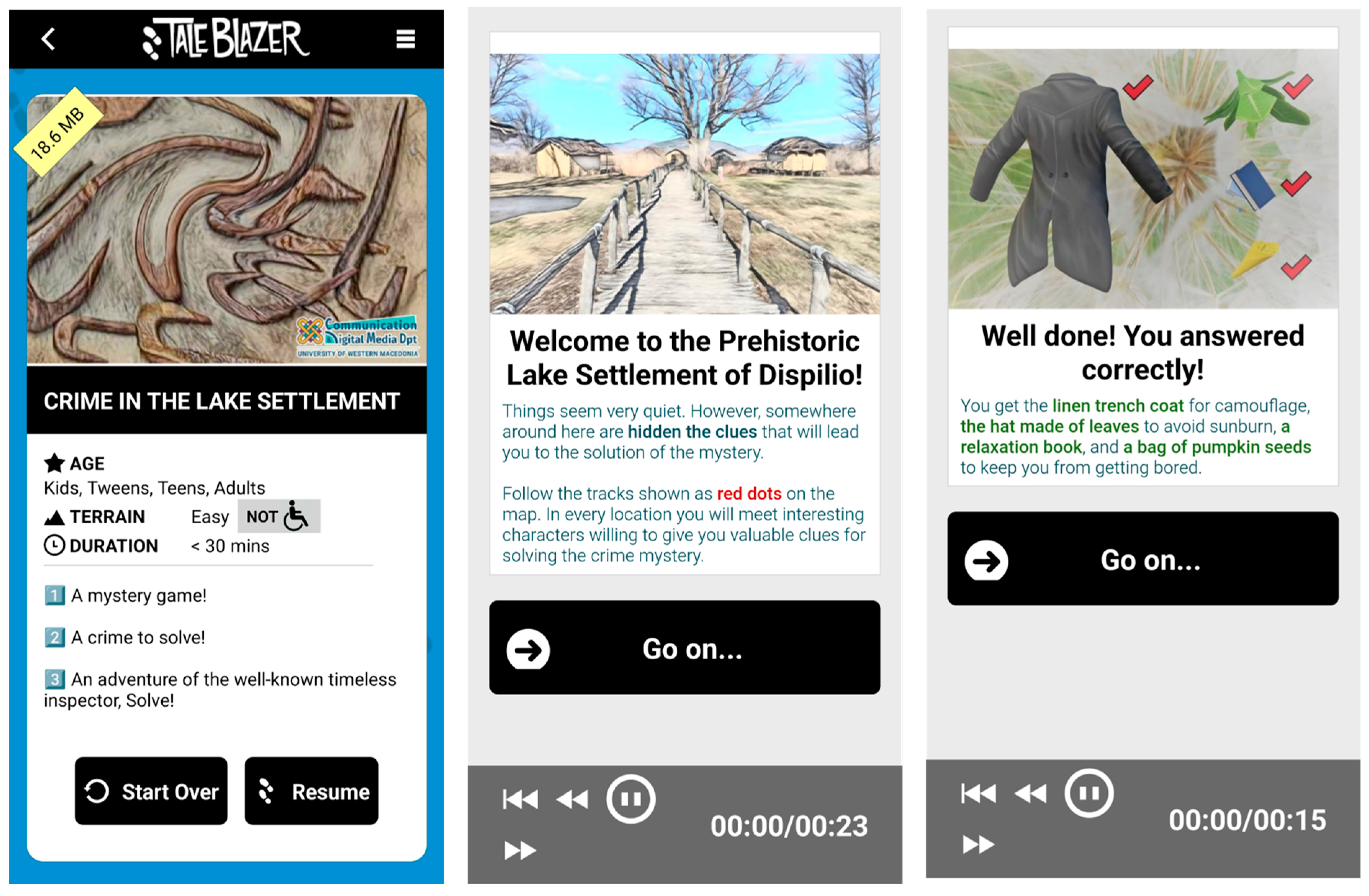
The augmented reality application “Crime in the Lake Settlement” offers students and visitors of the Prehistoric Lakeside Settlement of Dispilio a unique exploratory experience through a mystery game.
Participants assume the role of detectives and are invited to resolve a crime that seems to have taken place in the prehistoric community. Each point reveals signs, riddles, items, and characters that provide essential information and challenges to be addressed (see
Figure 16).
By following this procedure, the students:
participate in an interactive mystery adventure,
strengthen experiential learning by linking the physical environment to digital content,
cultivate observation skills, collaboration, and critical thinking,
discover elements of prehistoric life in Dispilio in a playful and engaging manner.
This application converts a visit to the archeological site into an educational journey of discovery, where the past is brought to life through games, exploration, and interaction.
5.3. Augmented Reality (AR) Application—Once upon a Time in Dispilio
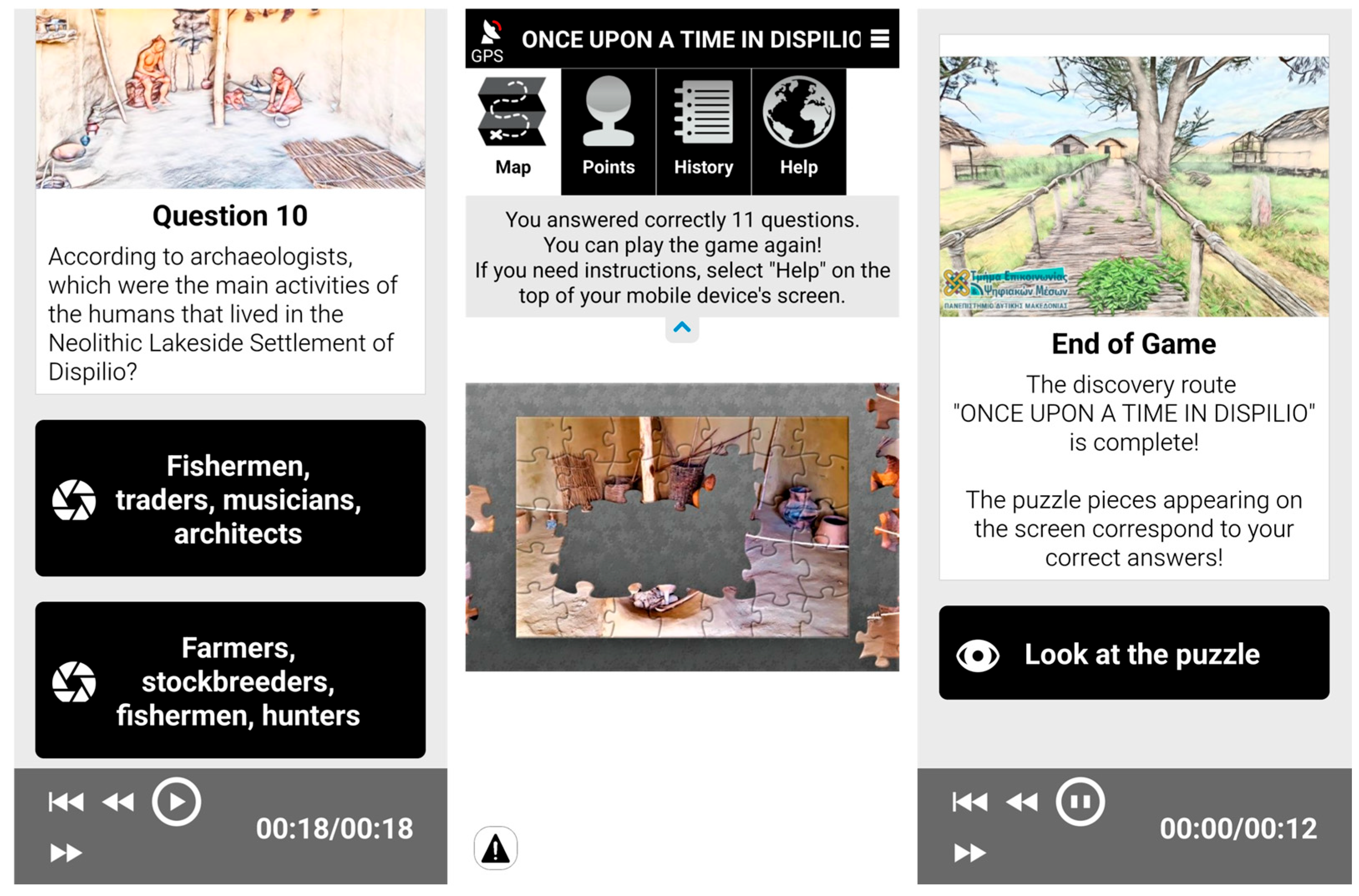
The augmented reality digital application “Once upon a Time in Dispilio” utilizes location-based AR and gamification elements to provide students with an interactive learning experience within the representation of the prehistoric lake settlement. Participants navigate the area, and at each point of interest, digital content (texts, images, sounds) is activated, accompanied by multiple-choice questions (see
Figure 17).
The procedure promotes attentive observation of the area and links information to the real components of the archeological setting. For every accurate response, learners accumulate points and segments of a puzzle, which is progressively filled in, offering a feeling of advancement and accomplishment.
Using the digital application, pupils are introduced to knowledge concerning:
the era when the settlement emerged and the methods for its chronological dating,
the archeologists engaged in the excavations,
the trees that existed in the area during the Neolithic period,
the rationale behind the building of houses on stilts,
the substances employed in the creation of the houses,
the daily activities of prehistoric inhabitants (fishing, hunting, agriculture, animal husbandry),
the outcomes of the archeological excavations (figurines, flutes, tools, etc.), the materials utilized in their making, and their significance.
The digital AR application “Once upon a Time in Dispilio” features 16 e-multiple-choice questions, providing feedback for each answer, so that the process serves not only as an assessment but also as a means of active learning.
5.4. Mixed Reality (MR) Application—Virtual Guide
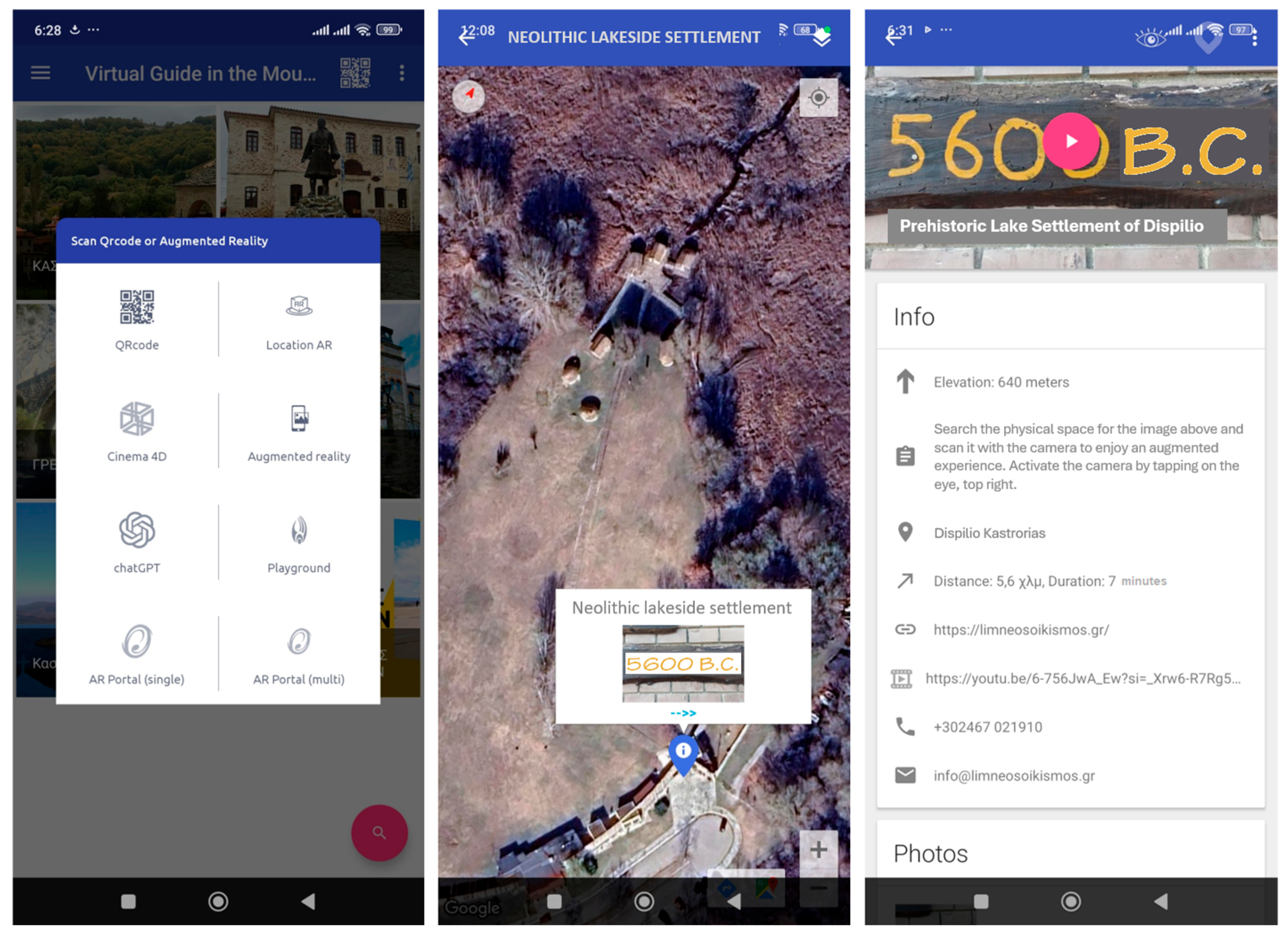
The digital application of mixed reality, “Virtual Guide for the Mountainous Regions of Western Macedonia and the City of Kastoria”, serves as an innovative digital guide based on Mixed Reality (MR) and Location-based augmented reality (AR), utilizing mobile devices. It was designed to guide visitors to points of cultural and environmental interest, providing personalized information and interactive experiences (see
Figure 18).
In the Prehistoric Lakeside Settlement of Dispilio, the application was utilized and piloted as a digital virtual guide, enhancing the educational visit with multimedia and three-dimensional content. The students were guided to selected points within the archeological site, where virtual elements were activated:
historical and archeological information,
3D models of objects, findings, and constructions,
audio narratives and storytelling by avatar characters,
videos related to the topic,
VR portals, or “gates,” that allow users to immerse themselves in 360° virtual scenes,
markerless AR models, capable of being placed in the physical space.
Participants walk among the huts of the prehistoric era, while around them, three-dimensional representations, videos, and avatar characters come to life, narrating stories from the past (see
Figure 19). Each point becomes a gateway to knowledge, where the real landscape meets the digital world, and learning transforms into discovery.
5.5. Virtual Reality (VR) Applications
Furthermore, in addition to the aforementioned applications of mixed and augmented reality, students have the opportunity to wear Oculus glasses and fully immerse themselves in virtual reality (VR) experiences.
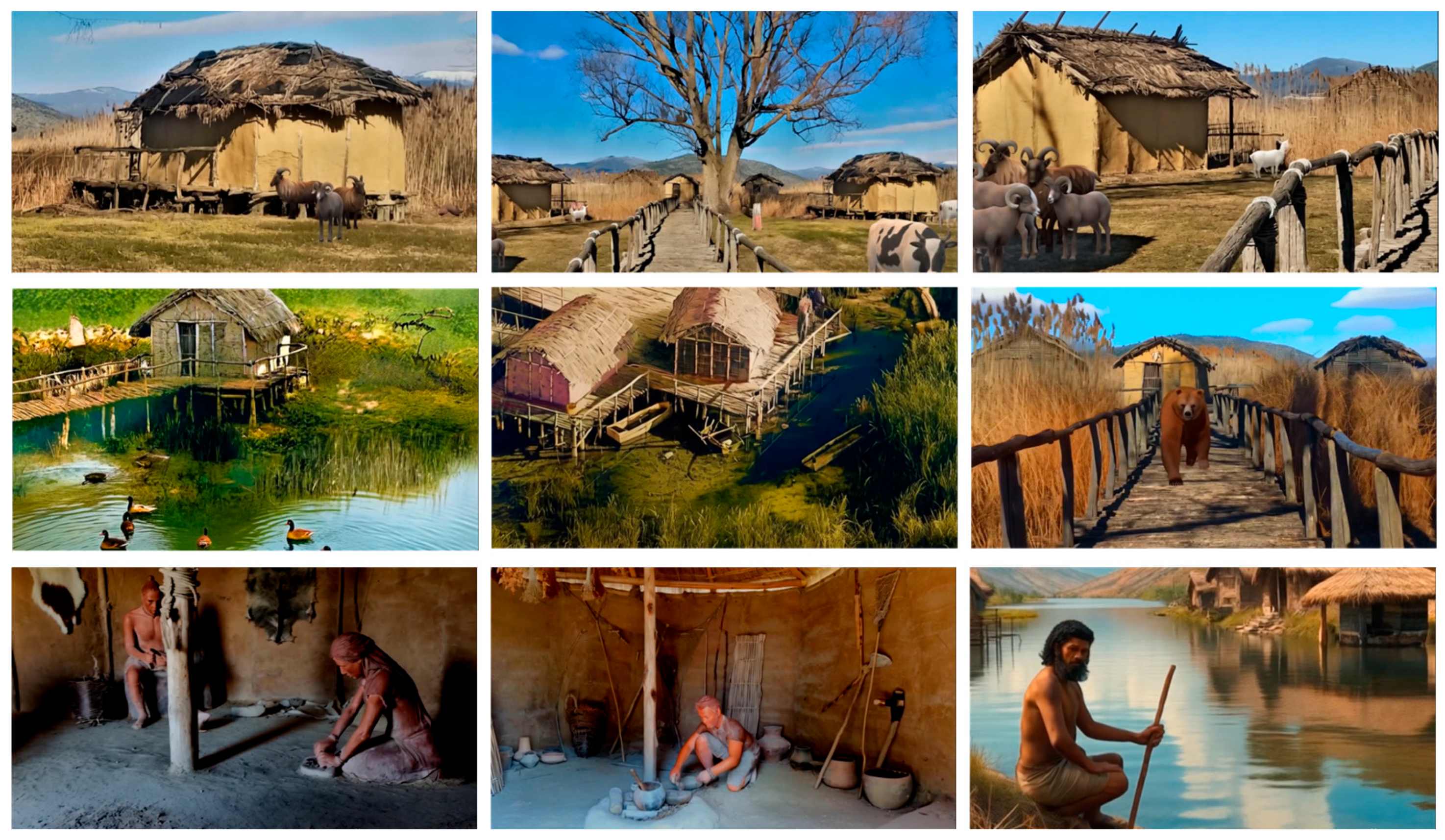
Through the specialized glasses, the students are transported to a digitally reconstructed environment of the prehistoric lake settlement. Depictions of individuals, animals, and artifacts of the era contribute to a sense of realism and movement, offering a unique opportunity for students to experience the daily life of the prehistoric inhabitants as if they were actually there (see
Figure 20).
Within the virtual landscape of the video, the settlement’s area is brought to life:
The huts are positioned on stilts within the lake, reflecting the architecture of the settlement.
People are depicted engaging in daily activities such as fishing, cooking, tool-making, etc.
Animals move through space, capturing the interaction between humans and the environment.
Objects and tools are presented in a manner that highlights their materials and potential uses.
This experience acts not just as a visual illustration, but it also transforms the student into an active observer of history. The immersion provided by the Oculus glasses enhances the sense of presence, creating the impression that the visitor is within the prehistoric settlement itself.
An additional application, 360° Drone View—“Through the Eyes of a Bird,” offers students the opportunity to explore the area of the Lakeside Settlement of Dispilio from a unique perspective. With the assistance of Oculus glasses, participants can ‘fly’ over the area, enjoying panoramic views throughout all seasons: the snow-covered winter landscape, the lush green landscapes of spring, the radiant light of summer, and the ambiance of autumn.
The 360° panoramic images create a virtual tour video in which students can rotate their view in all directions, observe the changes in the landscape over time, and connect the natural environment of the lake with its historical significance (see
Figure 21).
Beyond the pleasure of aesthetics, the experience provides considerable pedagogical value:
students become familiar with the geographical location of the settlement,
they recognize the strategic importance of the lake and its surroundings,
and they gain a better understanding of the conditions under which the prehistoric community developed.
Digital applications of virtual reality perfectly complement mixed and augmented reality applications, providing a holistic learning approach that combines research in the real world, interaction with digital elements, and complete immersion in the virtual realm.
8. Discussion—Conclusions
The integration of extended reality (XR) digital tools—including augmented (AR), mixed (MR), and virtual reality (VR) technologies—into the archeological site of the reconstructed Neolithic lakeside settlement in Dispilio confirmed the educational potential of such technologies. The applications functioned as a powerful medium for experiential and multisensory learning, significantly enhancing student engagement and contributing to the understanding and interpretation of cultural heritage in a contemporary, appealing, and pedagogically grounded manner.
8.1. Pedagogical Impact and Learning Outcomes
The extended reality (XR) applications fundamentally transform the learning process, shifting the focus from passive information reception to active, inquiry-based, and collaborative learning. Through activities that integrate location-based navigation, interactive exploration, and gamified elements, students become active investigators of space and co-constructors of knowledge rather than mere recipients of information.
Their engagement in processes such as identifying materials, interpreting findings, and analyzing the interaction between humans and the environment fosters critical thinking, cognitive reflection, and self-regulated learning. The spatial dimension of the activities cultivates spatial and temporal intelligence, enabling learners to contextualize cultural evolution in relation to geography and natural surroundings.
This experiential approach enhances conceptual understanding of historical, environmental, and social dimensions, rendering learning multimodal and emotionally engaging. Furthermore, the coexistence of multiple XR modalities —augmented reality (AR), mixed reality (MR), virtual reality (VR), and 360° immersive video— allows learners to navigate seamlessly between physical and virtual contexts. This process promotes multiliteracy, digital fluency, and the capacity to interpret and synthesize information across diverse media formats.
In this sense, XR applications serve not simply as technological tools but also as a means of enhancing the integration of knowledge, experience, collaboration, and creative exploration in authentic cultural environments.
8.2. Student Engagement and Motivation
The integration of gameful mechanics—such as point collection, puzzles, riddles, and cooperative missions—significantly contributes to sustained attention, active participation, and the creation of a flow experience, in which students perceive time and space differently through heightened immersion and intrinsic motivation.
Clear objectives, immediate feedback, and a sense of progression enhance both cognitive engagement and emotional investment in the learning process. The collaborative nature of the tasks fosters essential social and communication skills, including teamwork, negotiation, and collective decision-making.
Moreover, the use of familiar digital devices such as smartphones, tablets, and Oculus headsets establishes a meaningful bridge between entertainment and learning, situating knowledge within an environment that feels natural and engaging to students.
Consequently, the learning experience becomes playful, participatory, and emotionally resonant, promoting creativity, collaboration, and intrinsic motivation in the context of cultural and environmental education.
8.3. Cultural Heritage and Situated Learning
Learning does not take place in an isolated environment but within the very space itself—the reconstructed area of the Prehistoric Lake Settlement of Dispilio functions as an open-air learning laboratory. The XR applications reactivate the archeological site as a space of cultural narration and experiential exploration, highlighting the connection between past, present, and technology.
The coexistence of the physical environment and the digital layer of content creates a multilayered cognitive and emotional field, where students experience history as a living, dynamic process rather than as static information. This pedagogical approach is theoretically grounded in the principles of situated cognition and context-based learning, according to which knowledge is not simply transmitted but constructed through authentic contexts of action and experience.
Through embodied interaction and emotional engagement with the place, learners gain a deeper understanding of the historical and ecological significance of the site, while simultaneously cultivating a meaningful relationship with cultural heritage as a lived and evolving experience.
8.4. Registered Hypotheses and Regression Model Specifications
For the purpose of reinforcing methodological transparency, reproducibility, and research validity, a standardized protocol for data analysis was utilized, organized into five distinct steps (
Table 14).
All values were below conventional cutoffs (<5), indicating acceptable multicollinearity (
Table 15).
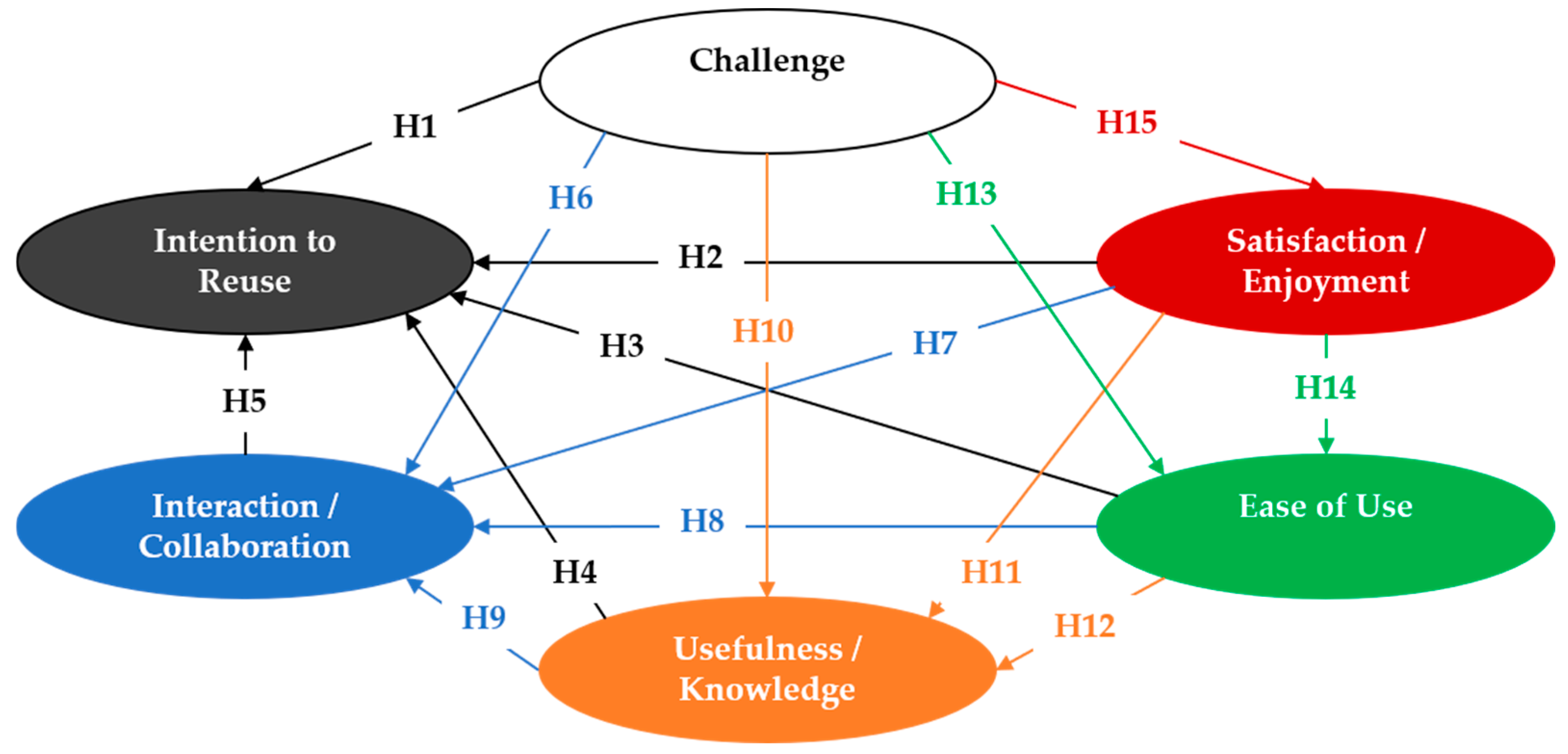
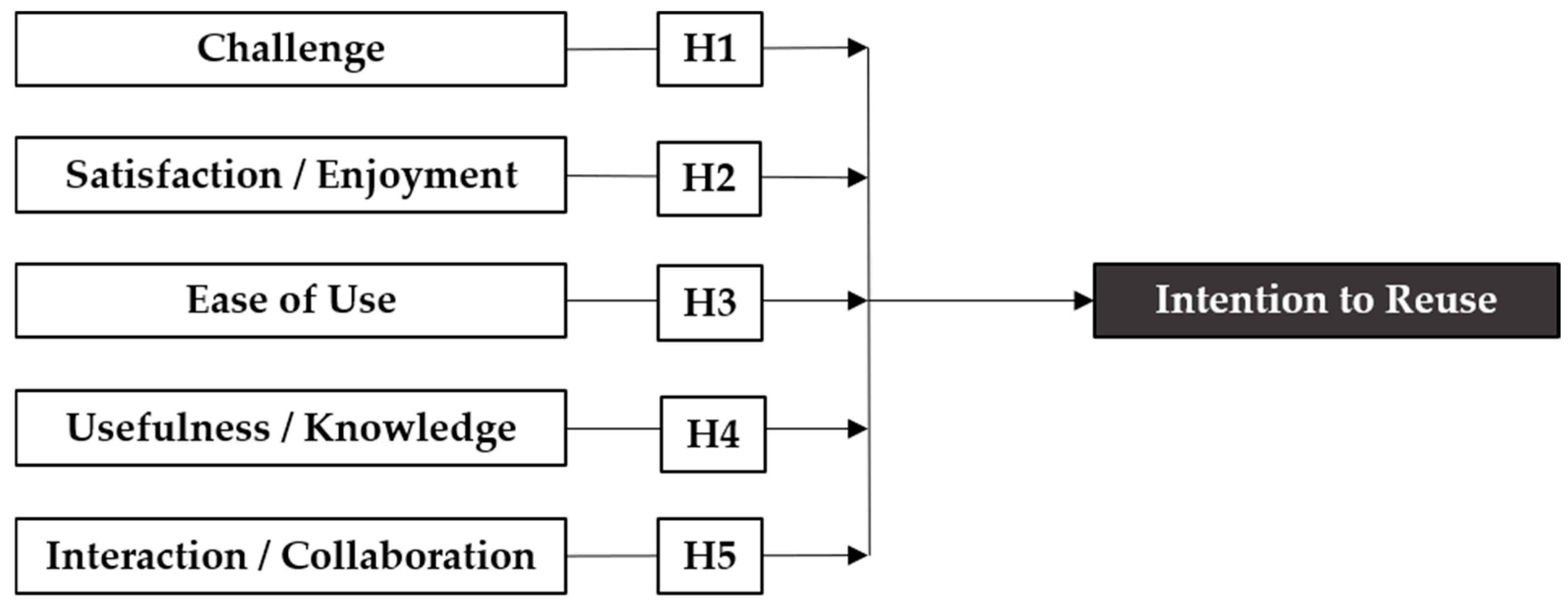
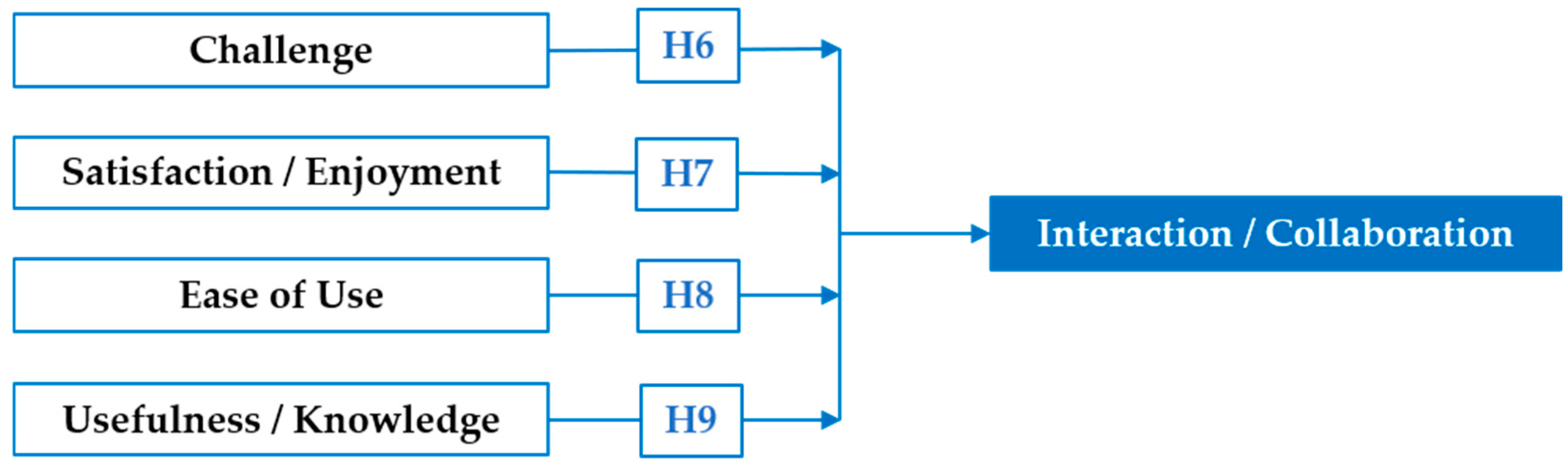
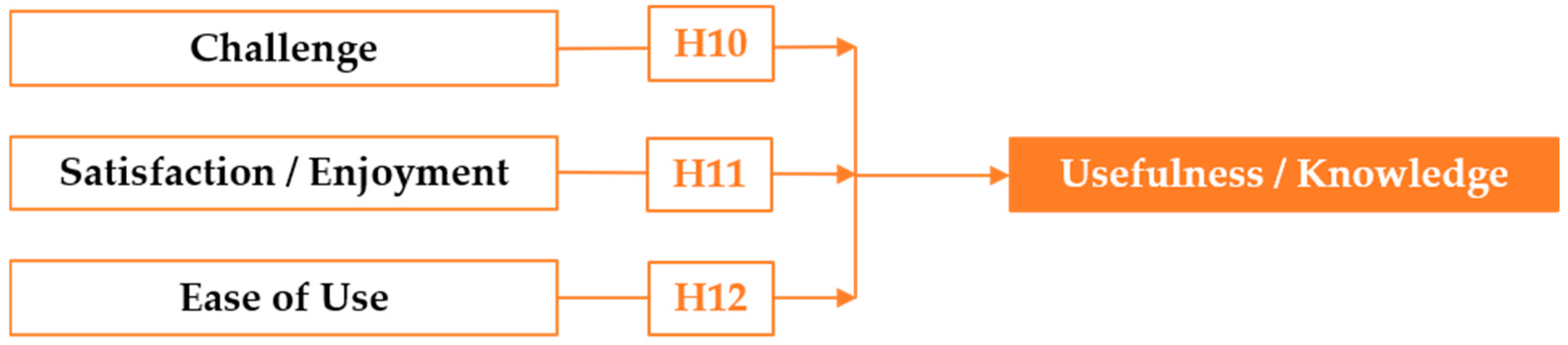
A set of pre-registered hypotheses (H1–H15) was established in advance, based on the operational definitions of the research variables: Challenge (CH), Satisfaction/Enjoyment (SE), Ease of Use (EU), Usefulness/Knowledge (UK), Interaction/Collaboration (IC), and Intention to Reuse (IR). These hypotheses were examined through multiple regression, as part of the analyses presented in
Section 7.2.3.
To study the internal structure of the conceptual model, five palindromic models were developed in accordance with the functional definitions of the variables (
Table 16).
The aforementioned research scheme contributed:
in the investigation of the strongest correlations between structures,
in the analysis of the profile of participants in an authentic outdoor learning environment,
in the documentation of the conceptual model based on empirical data.
This approach enhances methodological rigor and reproducibility while providing a well-documented research foundation for the study of XR in environmental education, cultural heritage, and location-based learning environments.
8.5. Evaluation and Research Implications
Integrating the results from the multiple regression analysis with the overall quantitative and qualitative findings from the evaluation questionnaire (
Table A1), a coherent picture emerges, highlighting the strong pedagogical value and positive impact of the XR-based educational program implemented at the Prehistoric Lakeside Settlement of Dispilio (
Table 1).
Key Insights:
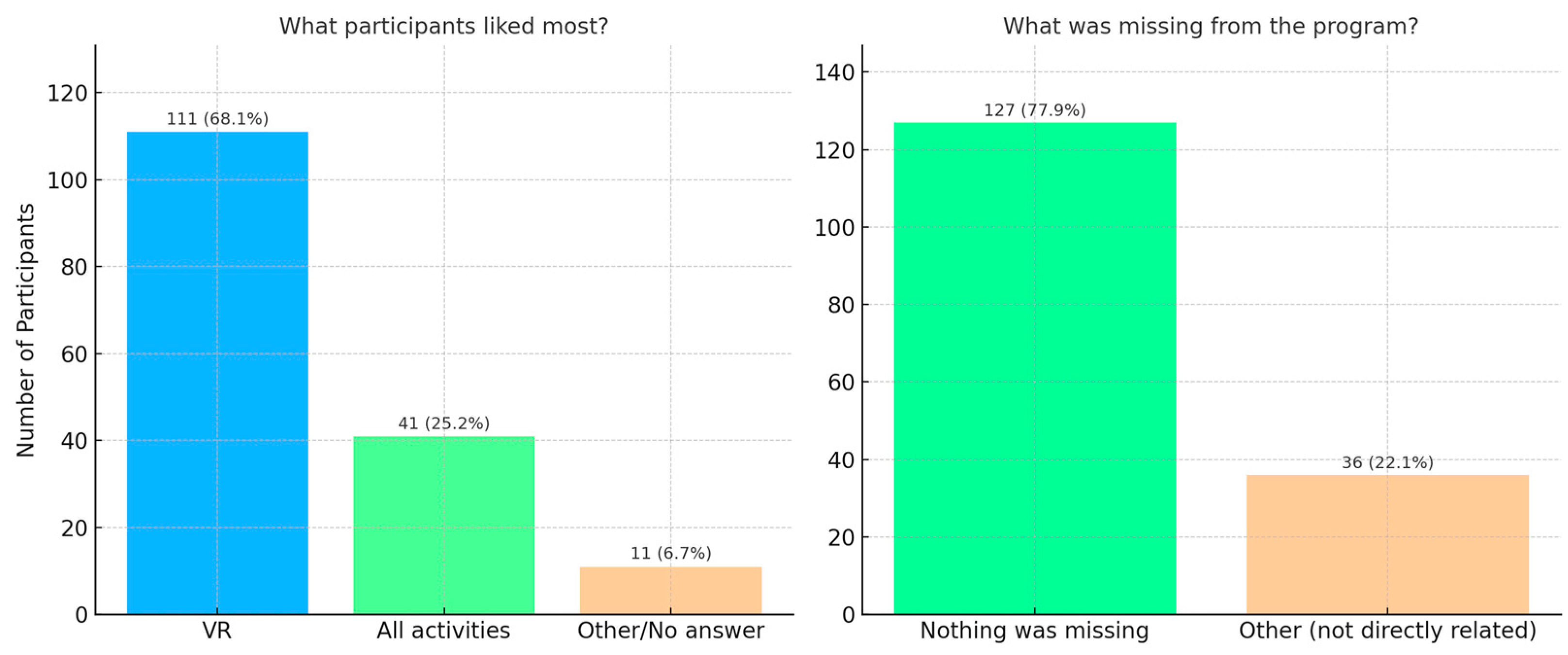
Virtual Reality (VR) was the most highly appreciated activity, with 68% of students naming it as the most enjoyable component (see
Figure 25).
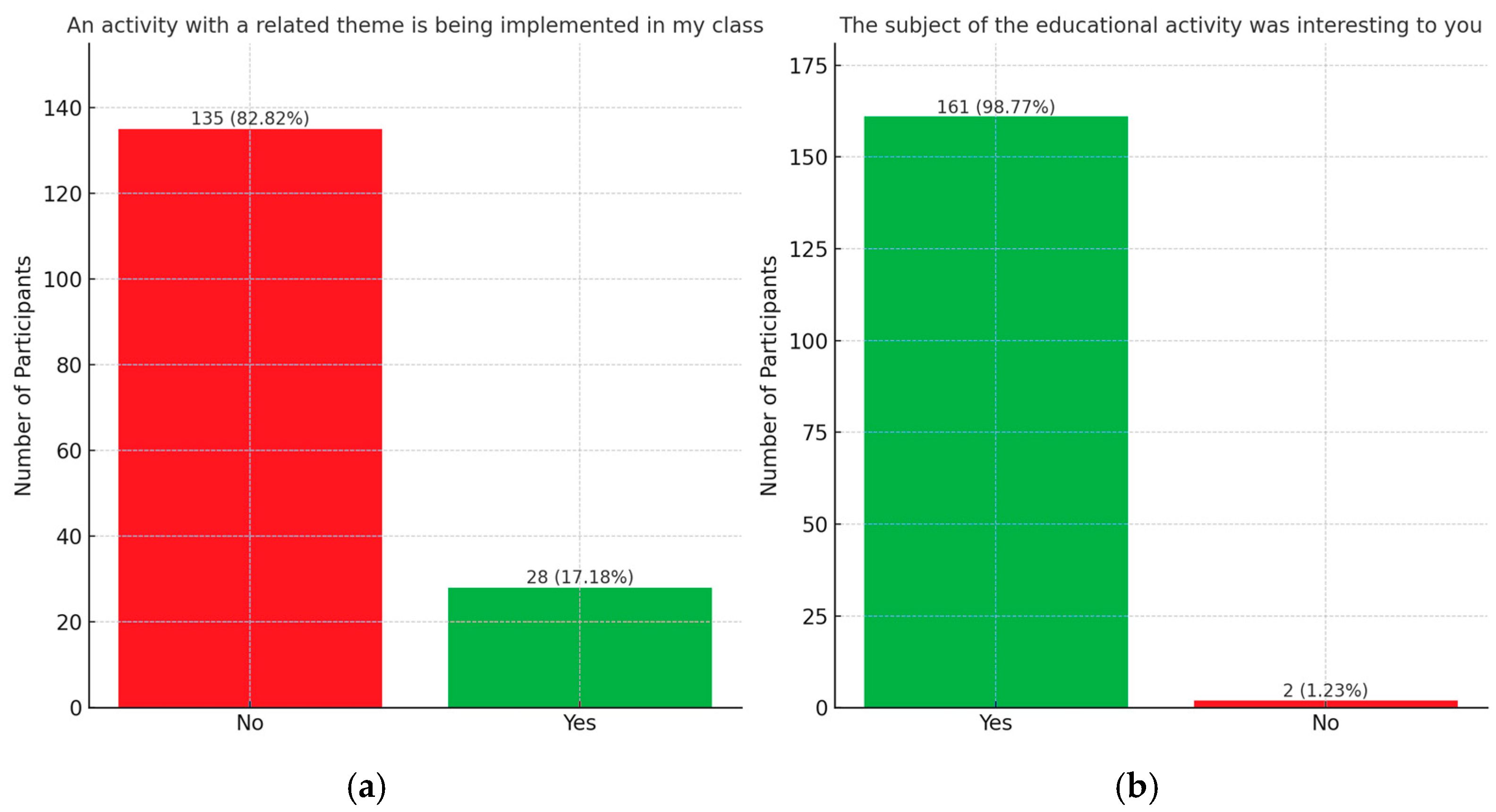
A vast majority (99%) of participants found the program engaging and interesting (see
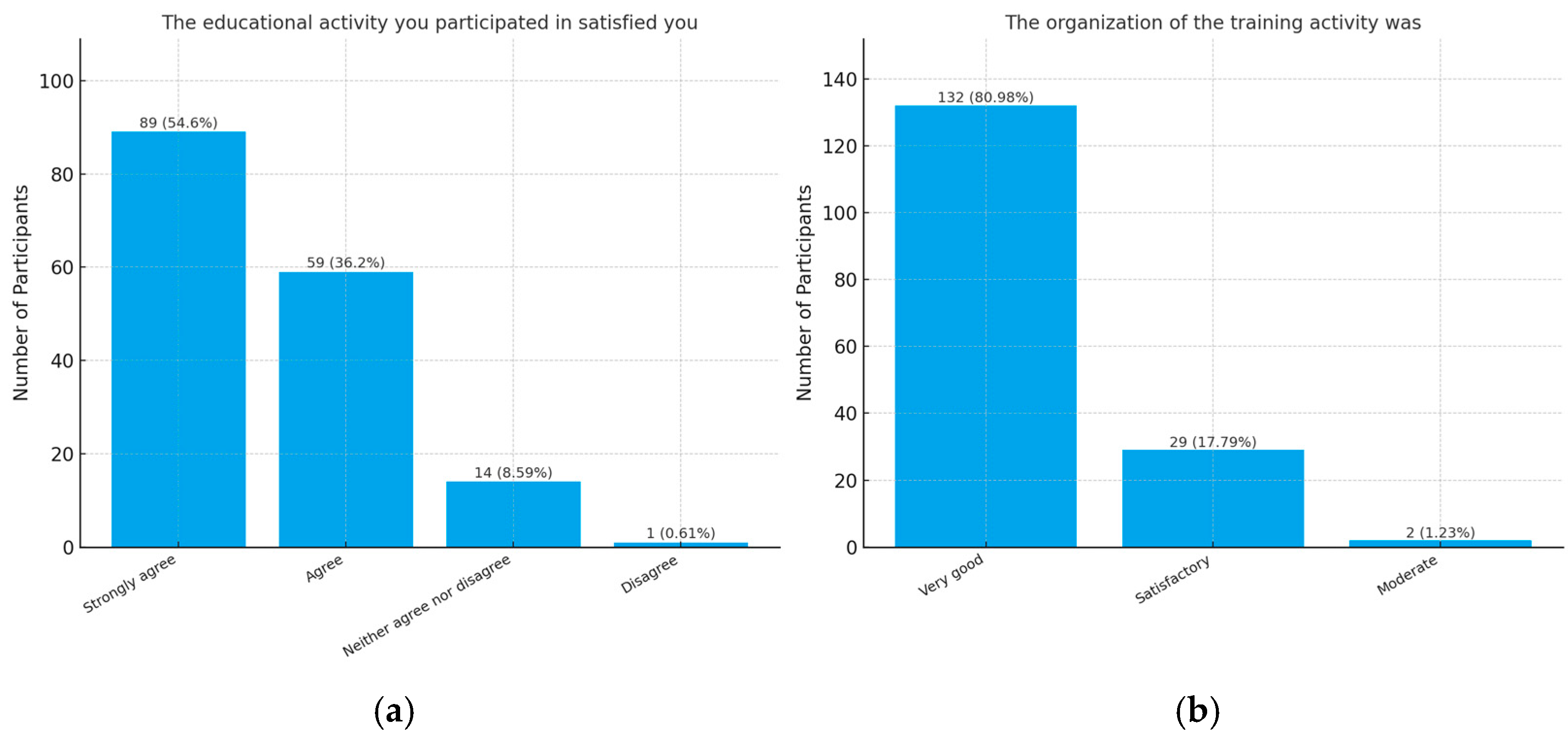
Figure 23), while 91% reported being very or extremely satisfied with the experience (see
Figure 24).
81% evaluated the overall organization of the program as excellent (see
Figure 24), and 78% identified no elements missing from the educational activities (see
Figure 25).
However, only 17% had previously participated in classroom activities related to prehistoric heritage, underlining the need to better integrate such immersive programs into formal curricula (see
Figure 23).
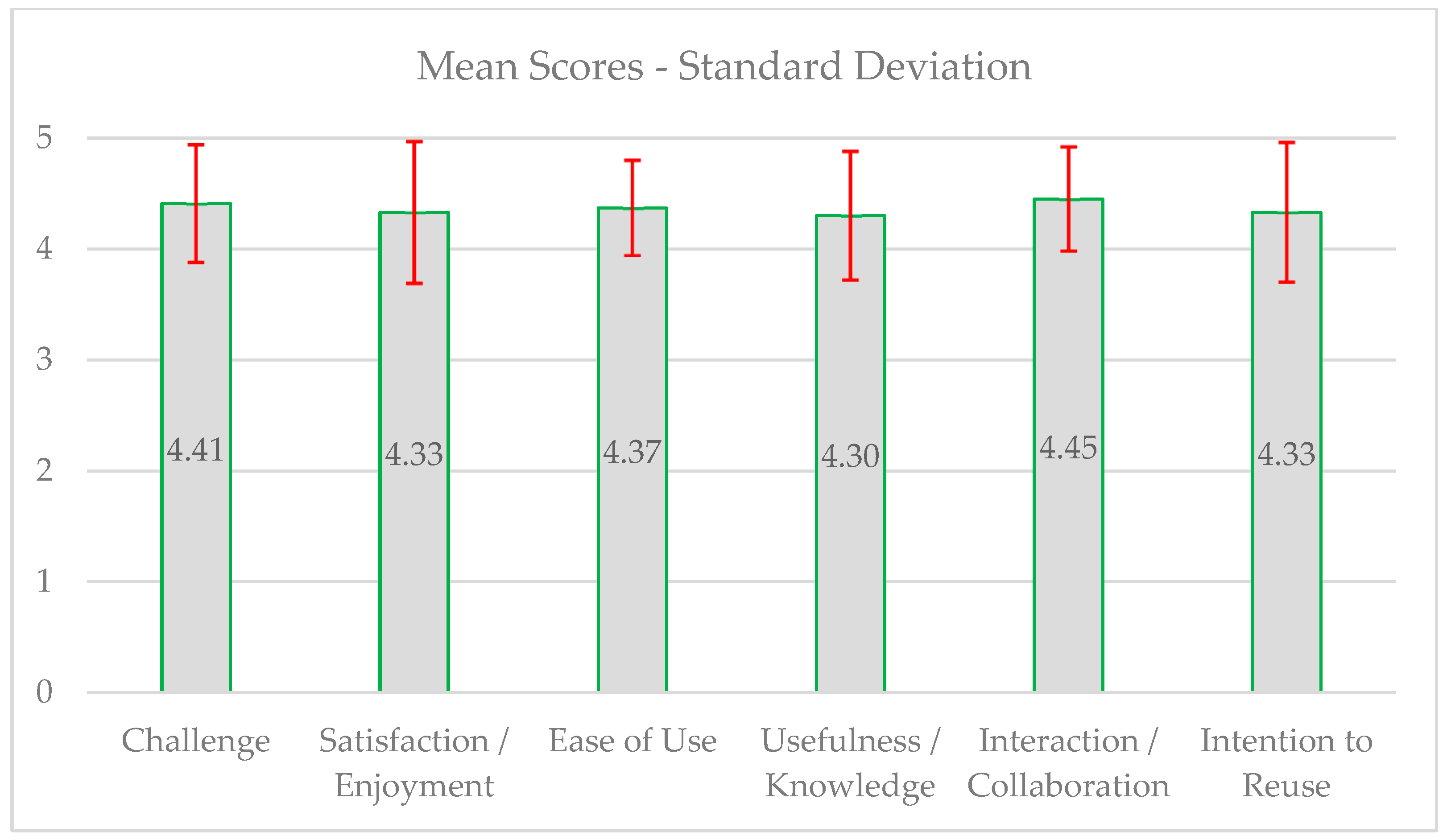
The evaluation instrument demonstrated high internal consistency (Cronbach’s α = 0.912), while all six constructs—challenge, satisfaction/enjoyment, ease of use, usefulness/knowledge, interaction/collaboration, and intention to reuse—scored high average ratings (M > 4.30), reflecting widespread student engagement and a positive overall experience (see
Figure 26).
The Pearson correlation analysis (
Table 3) revealed several strong and statistically significant relationships:
Challenge—Satisfaction/Enjoyment (r = 0.688)
Satisfaction/Enjoyment—Intention to Reuse (r = 0.651)
Usefulness/Knowledge—Intention to Reuse (r = 0.648).
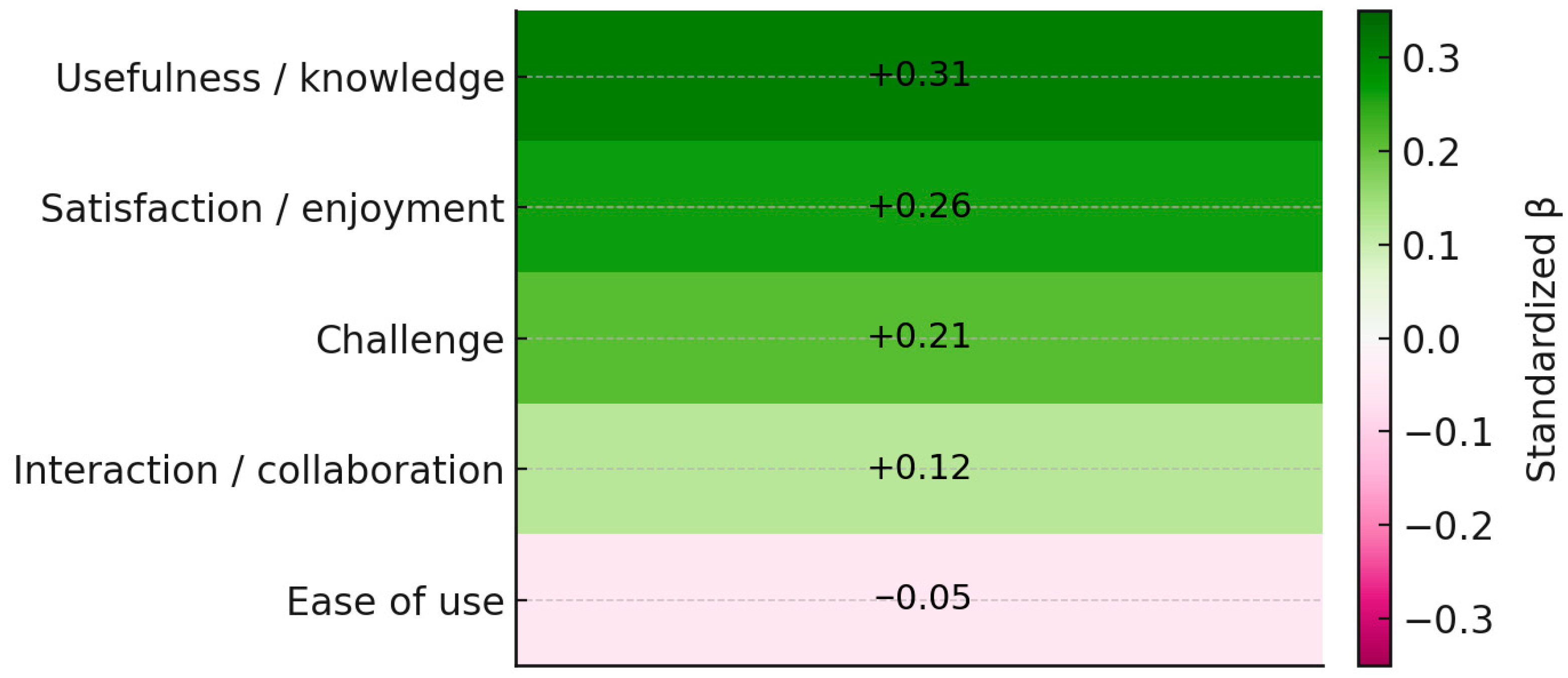
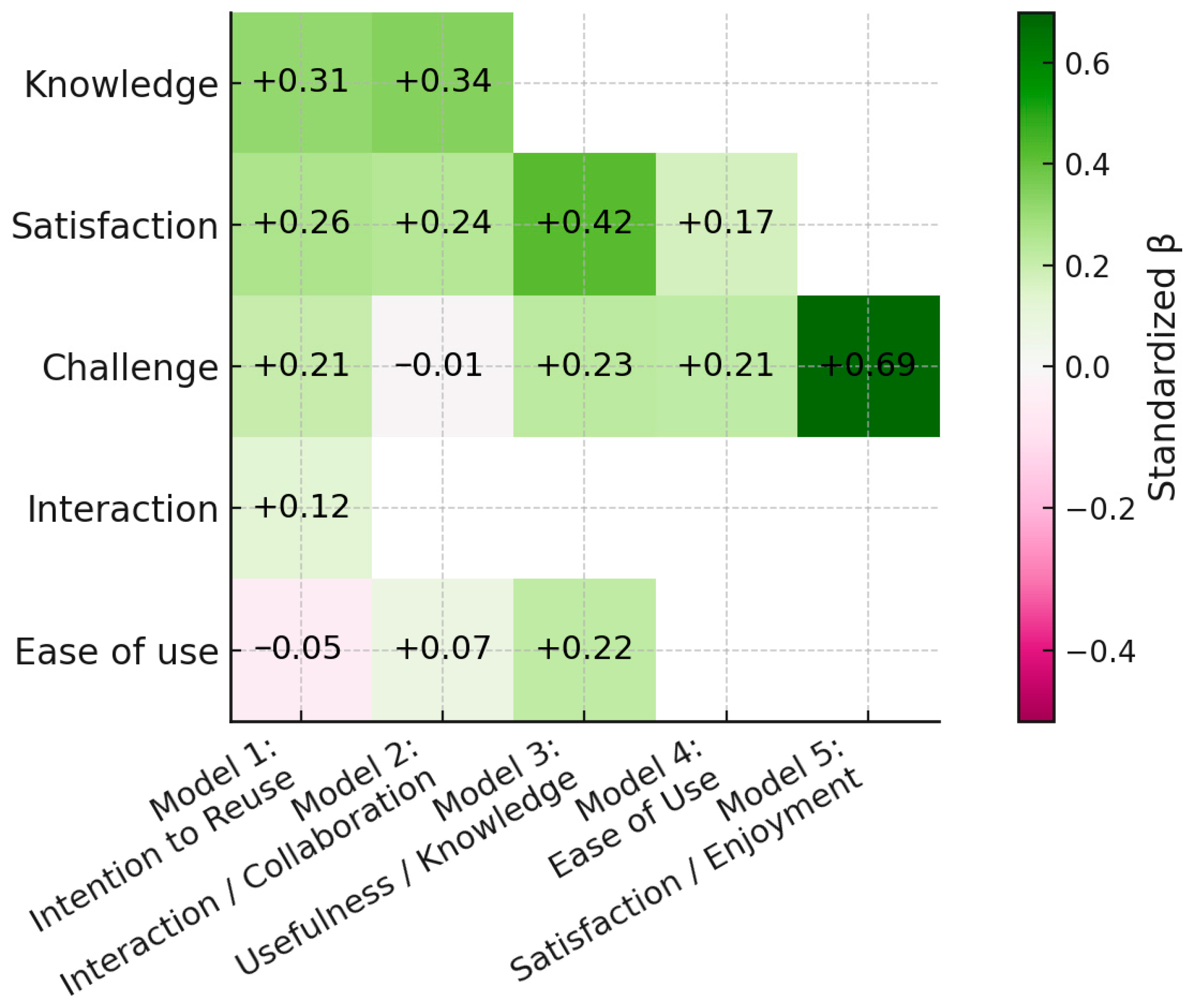
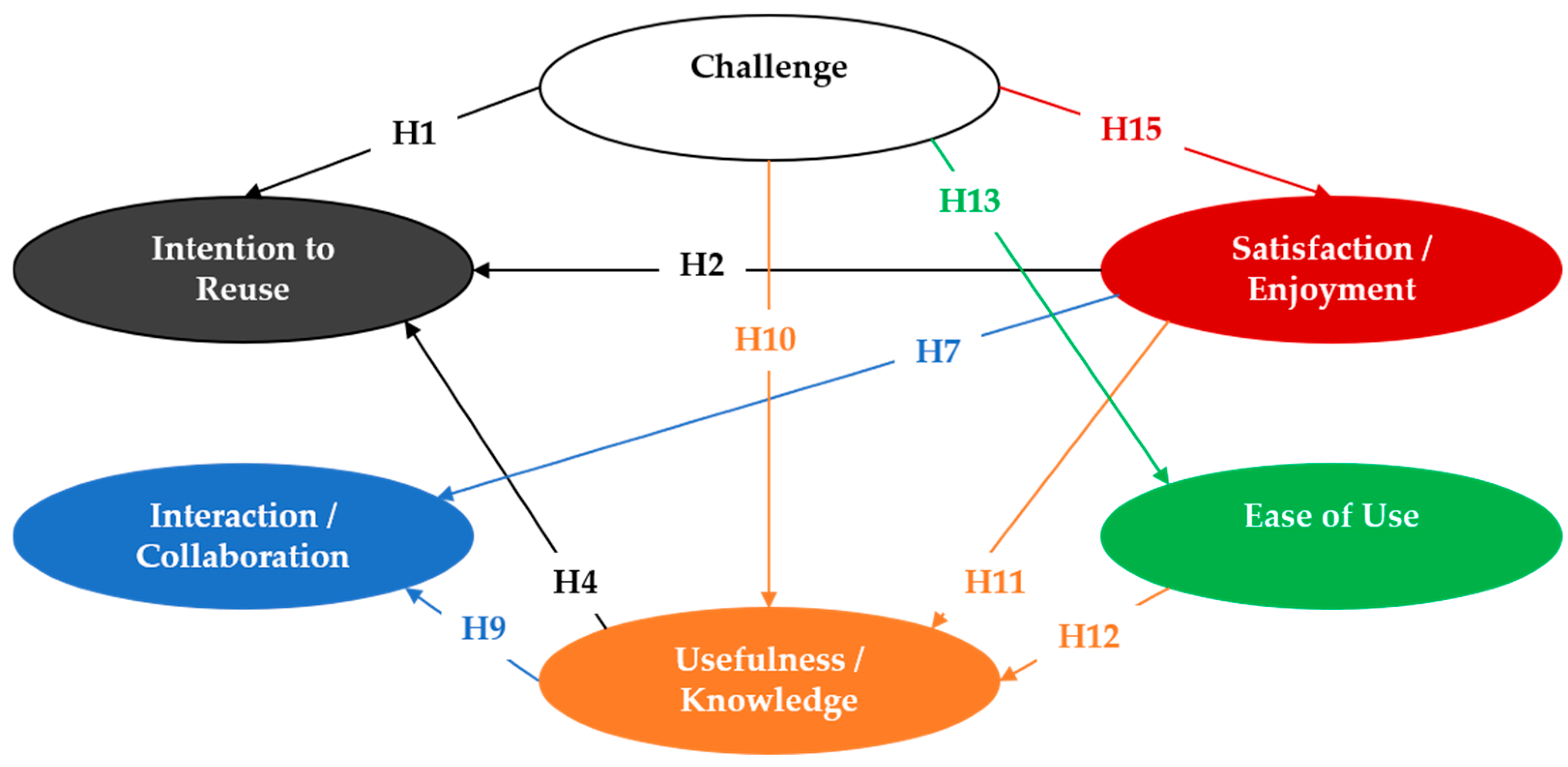
These correlations were further supported through multiple regression analyses across five models, based on a conceptual framework of hypothesized relationships (H1–H15; see
Figure 27). Ten out of fifteen hypotheses were statistically supported (see
Figure 31), revealing key predictors of meaningful engagement with XR applications in educational contexts.
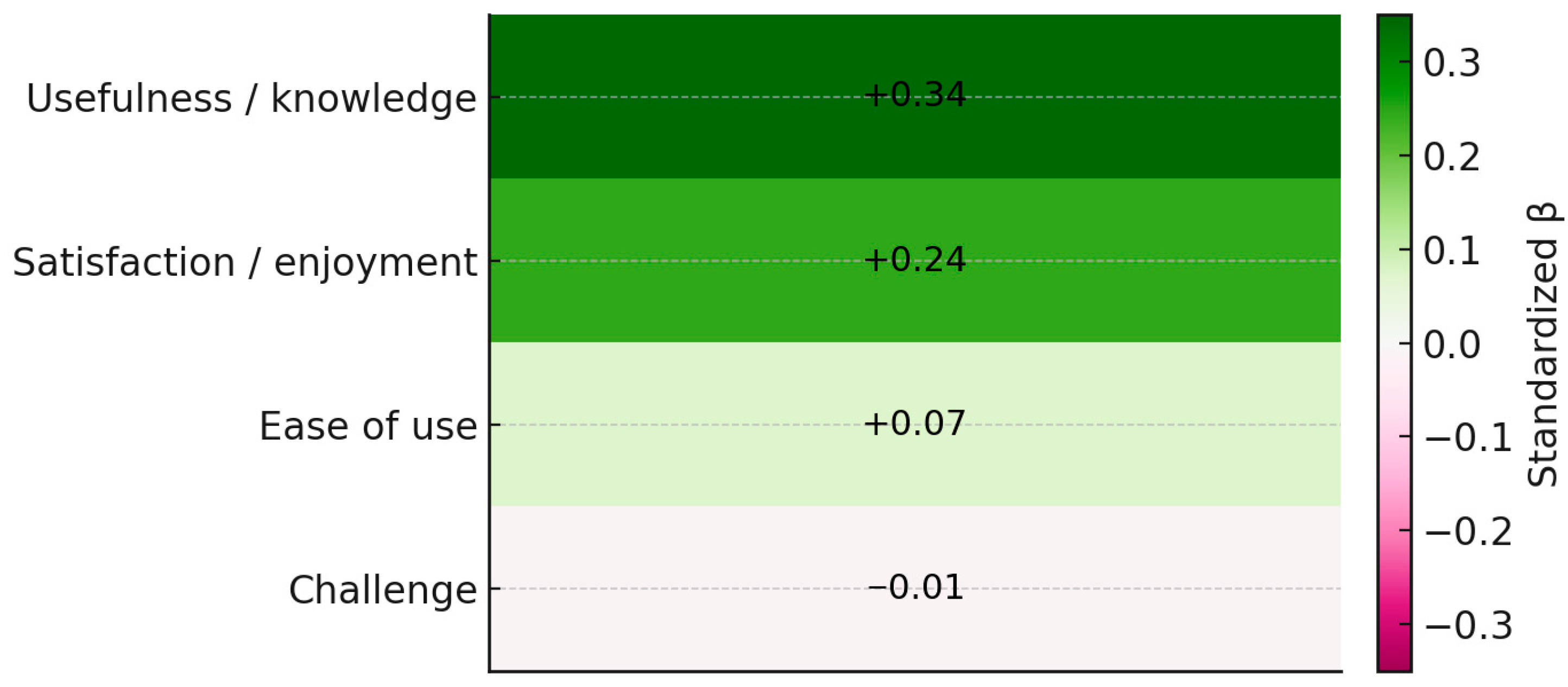
The Usefulness/Knowledge demonstrated the strongest statistical relationships with the variables Intention to Reuse (H4, β = 0.31) and Interaction/Collaboration (H9, β = 0.34). This finding suggests that higher levels of perceived usefulness and cognitive value of XR experiences are associated with increased intentions for reuse and collaborative engagement. This relationship aligns with the theoretical framework of the Technology Acceptance Model (TAM) [
108], which posits that perceived usefulness is a central dimension of technology acceptance and one of the most significant indicators of usage intention. The intention of reuse can therefore be regarded as an indication that participants recognize a lasting cognitive benefit from the XR experience, highlighting the importance of the cognitive dimension in the design of such activities. Thus, the emphasis is placed not only on the technological or sensory dimension of the experience, but also on how participants perceive and interpret the knowledge they acquire through its use.
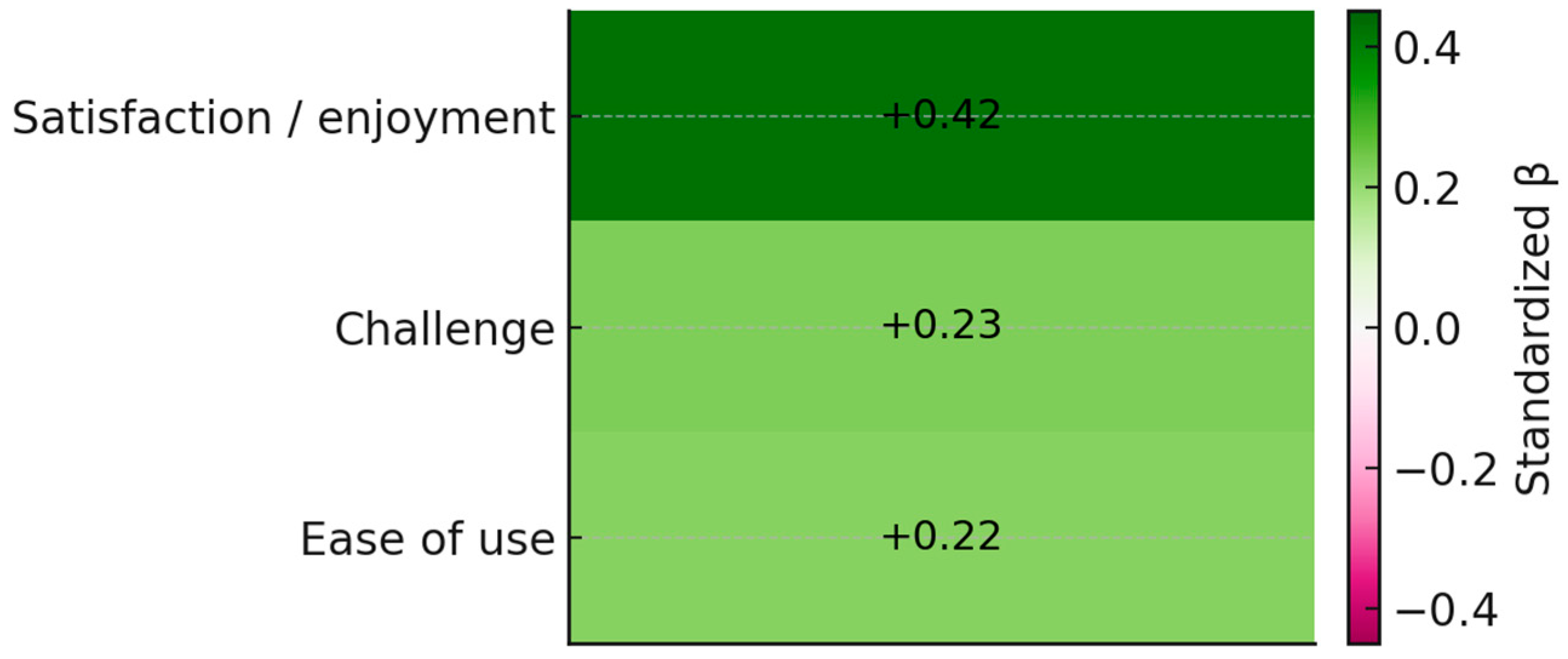
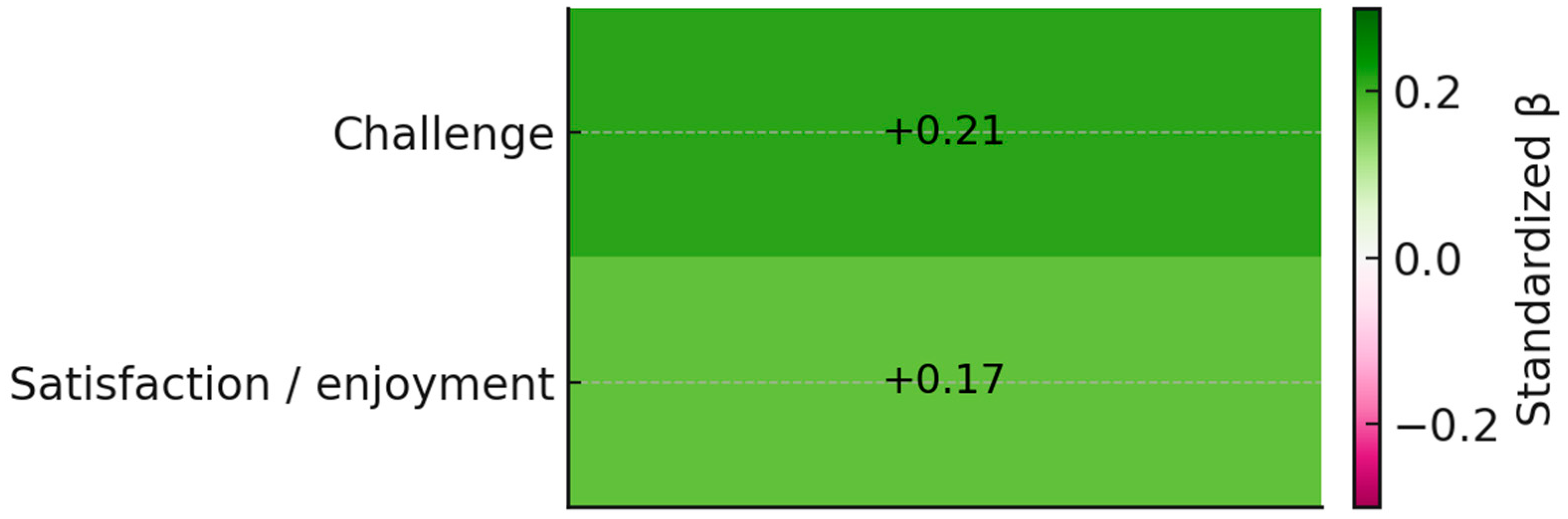
Satisfaction/Enjoyment shows significant statistical relationships with Intention to Reuse (H2, β = 0.26), Interaction/Collaboration (H7, β = 0.25), and Usefulness/Knowledge (H11, β = 0.42). The findings suggest that elevated satisfaction and enjoyment levels correlate with greater intentions for reuse, collaborative involvement, and perceived cognitive worth. This finding aligns with the theoretical framework of the Hedonic Motivation System Adoption Model [
113], which identifies emotional engagement as a key dimension in fostering a positive attitude towards technology use. In the context of XR experiences, aesthetic and emotional satisfaction factors appear to be linked to indicators of increased engagement and collaboration, contributing to the creation of positive learning experiences that combine enjoyment, participation, and meaningfulness of knowledge.
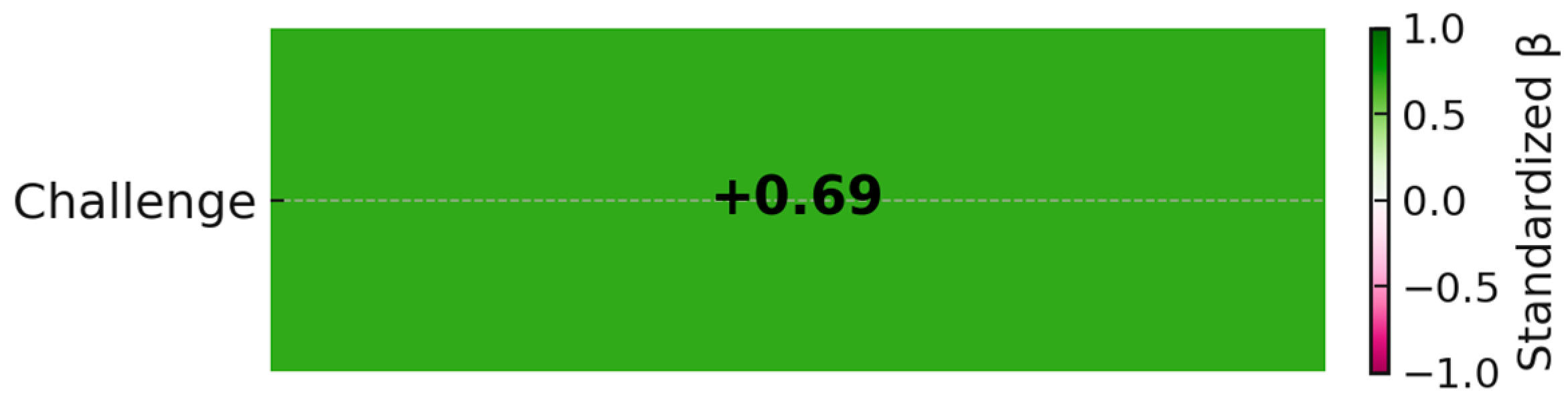
The Challenge demonstrates strong statistical correlations with Satisfaction/Enjoyment (H15, β = 0.69), as well as positive associations with Ease of Use (H13, β = 0.22), Intention to Reuse (H1, β = 0.21), and Usefulness/Knowledge (H10, β = 0.23). The strong correlation between challenge and enjoyment suggests that targeted activities requiring effort are associated with higher levels of positive experience. This result is in agreement with the Flow theory [
114], which defines learning engagement as a condition of balance between challenges and competencies. Within the framework of XR experiences, the relevant challenge is associated with metrics of cognitive activity and attention [
115]. Additionally, the relationship between challenge and perceived usability indicates that concentrated involvement could be linked to heightened familiarity and a feeling of control during the application’s use. The positive correlation between challenge and perceived usefulness or cognitive value of XR experiences refers to forms of active participation that characterize constructivist learning frameworks [
19]. Activities that necessitate investigation, critical thinking, and problem-solving are associated with higher levels of engagement and meaningfulness in the experience. Concurrently, the challenge is linked to indicators of the intention to repurpose, likely through emotional and cognitive mechanisms as detailed in the theory of intrinsic motivation and in models of engagement via gamification [
116,
117]. These correlations highlight the significance of challenge as a factor associated with the cognitive, emotional, and behavioral dimensions of engagement in XR learning environments.
The Ease of Use (perceived ease of use) demonstrated a positive statistical relationship with Usefulness/Knowledge (H12, β = 0.22), indicating that higher levels of usability are associated with increased perceived cognitive value. Nonetheless, there were no statistically significant correlations found with the variables Intention to Reuse (H3) and Interaction/Collaboration (H8). The result is in agreement with the theoretical framework of the Technology Acceptance Model (TAM) [
118], which indicates that ease of use is a factor linked to perceived usefulness, but does not independently establish attitudes or intentions for reuse. In conclusion, the convenience of use seems to correlate more with the effective interaction with the content and less with behavioral engagement metrics, underscoring the differentiation between cognitive and behavioral involvement in XR educational contexts.
The relationships between Interaction/Collaboration—Intention to Reuse (H5) and Challenge—Interaction/Collaboration (H6) did not demonstrate statistical significance in the current model. Based on the results, these two variables did not exhibit a linear correlation that exceeded the significance level established for the analysis. In contrast, other variables of the model exhibited higher levels of statistical correlation with individual indicators of learning experience. The lack of support for H5 and H6 in this particular sample may be associated with the characteristics of the measurement, the composition of the sample, or the nature of the variables. Possible interpretations include: that the variability of the specific indicators was limited, that the collaborative dimension or interaction manifested in a way that was not adequately captured by the measurement tools used, or that the participants did not differ sufficiently in terms of the specific behaviors for statistically detectable correlation patterns to emerge. Within the framework of this research, the two relationships failed to show statistically reliable patterns of coexistence, yet this does not suggest that they are absent in different samples or circumstances.
Summarizing:
Open-ended responses echoed the statistical findings. Students described the program as engaging, enjoyable, and well-organized, with VR cited most often as the highlight. Most participants identified no notable shortcomings, with the most common suggestion being greater classroom integration of the XR tools, emphasizing the importance of connecting immersive technologies to the formal curriculum and pedagogical practice.
The final conceptual model captures the intricate coexistence of emotional, cognitive, and functional dimensions within XR experiences. The variables of satisfaction, perceived usefulness, and challenge are identified in the sample as being most closely associated with indicators such as participation, collaboration, and the intention to repeat the experience.
These findings support the broader educational potential of XR technologies in cultural heritage and environmental education and offer valuable design implications for future immersive learning interventions.
8.6. Teachers’ Perspectives on the Pedagogical Value of the XR Educational Program
The results and feedback from the 15 accompanying educators with diverse specializations who participated, along with their students, in the educational program “Prehistoric Lakeside Settlement of Dispilio” are encouraging.
According to the results of the evaluation questionnaire, all educators (100%) rated the program’s content as highly interesting, while also affirming that the teaching and educational methods were appropriate for the students’ age and interests.
Some indicative responses from the accompanying educators to the question, “What did you like most about the pedagogical and teaching approaches?” were:
“The experiential approach and its functional support through digital XR applications”.
“The exploratory, discovery-oriented, and collaborative approach to acquiring new knowledge”.
“The interactive nature of applications and the entertaining method of acquiring knowledge and experiences”.
“Collaborative work, the utilization of tablets, and self-assessment have enhanced the active participation of students”.
The students became “archaeologists” and “explorers”, uncovering artifacts and gaining an understanding of the lives of people from the Neolithic era.
The active participation of students, collaborative work, interaction with digital media, and the experiential nature of the program were identified as the most positive aspects of the initiative by the majority of educators.
Additionally, 9 out of 15 educators stated that they would not change anything in the program, while the others suggested minimal improvements (such as enhancing dissemination and broader implementation in more schools).
Regarding the inquiry, “Do you think that your involvement in the educational program will aid you in executing comparable initiatives at your school?”:
A total of 12 out of 15 educators (80%) answered “Yes, very much”.
While 3 educators (20%) responded “Yes, to a significant extent.”
The overall responses indicate that educators acknowledged the significant pedagogical value and technological innovation of the program, as well as its potential to serve as a model for experiential education that integrates cultural heritage with modern technology.
The outcomes motivate us to persist in collecting data and qualitatively investigating the attitudes of educators, since one of the program’s indirect objectives is to inspire and empower teachers to integrate innovative XR methods into their instruction. The evidence shows that this aim has started to be fulfilled, even with a restricted number of participants.
8.7. Technical and Pedagogical Challenges
Despite the highly positive outcomes, several technical and pedagogical challenges emerged during the implementation of the XR-based learning activities.
One of the primary issues pertains to the accuracy of spatial tracking, as the utilization of GPS and SLAM in outdoor environments necessitates high reliability to ensure that virtual elements consistently align with the objects in the physical environment. The effectiveness of tracking is closely related to latency and the overall performance of the system, as students interact with dynamic elements in real time. Simultaneously, the ergonomics and coherence of the interface (UX) have proven to be crucial in supporting students from various age groups. The clarity of instructions, ease of handling, and reduction in cognitive load significantly influence how users interact with both digital and physical elements of their environment. Factors such as lighting intensity and weather conditions also influenced the stability of the system, highlighting the necessity for resilient technical solutions that can adapt to changing field conditions.
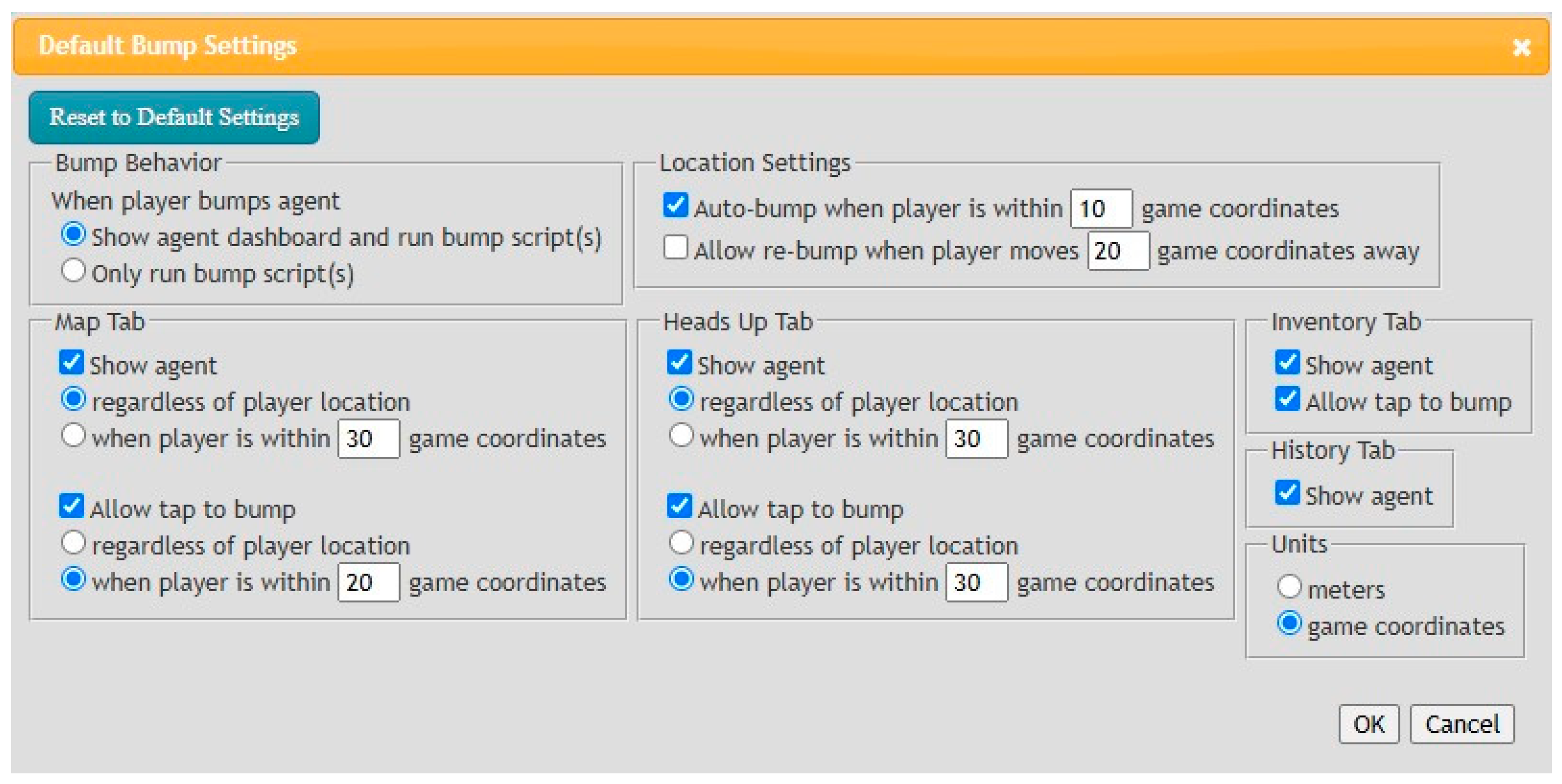
In the context of our work with the MIT TaleBlazer development environment, the “Settings” tab provides a collection of technical parameters that facilitate the customization of the user interface and the agents’ behavior while performing a location-based XR activity. The designer has the ability to enable or hide specific UI functions (such as Map, Player, Inventory, History), thereby customizing the level of information displayed to the students. The system also supports the tap-to-visit feature through password definition, allowing the application to be executed outside of a physical location—a particularly useful element for previewing or implementing in an indoor space. Additionally, settings are provided for the bump behavior, the activation limits for scenarios (auto-bump distance), as well as the appearance and activation of agents in Views such as Map and Heads-Up Display (see
Figure 40). The features provided render TaleBlazer a flexible instrument for crafting educational XR experiences, enabling accurate management of navigation, interaction, and comprehensive usage in the realm of environmental and cultural learning applications.
In addition, the documentation of location, the utilization of cameras, and engagements in public areas pose issues related to data privacy and student security. The development and implementation of XR activities in the field highlighted the necessity for clear consent procedures, adaptation to the regulatory frameworks for personal data protection (GDPR), and measures for ensuring the safe navigation of students in outdoor environments.
In our case, the educational environmental programs of the Center for Education on the Environment and Sustainability of Kastoria are scheduled following specific invitations sent to schools and are implemented after verification and approval from the Ministry of Education.
In the framework of this particular educational environmental initiative, particular attention was given to guarantee that all students could participate equally, irrespective of their technological background. To achieve this goal, tablets equipped with pre-installed XR applications are provided to all participants, which function completely in an offline setting, requiring no internet connection.
This specific option guarantees that:
no dependency emerges from the technological access that the student possesses,
social or economic inequalities are not reinforced,
the learning experience remains entirely equitable and accessible to all.
Additionally, the offline capability of XR applications was selected not solely for accessibility purposes but also for the security and safeguarding of students. The absence of an internet connection:
prevents the collection or sharing of personal data,
ensures that the applications are in accordance with the GDPR framework and the school rules,
reduces the risk of unwanted interruptions or distracting online stimuli,
ensures a controllable and pedagogically safe learning environment.
In this manner, the educators at the Education Center for the Environment and Sustainability (E.S.E.C.) in Kastoria maintain complete oversight of the learning process, free from external factors that could disrupt attention, safety, or the flow of activities.
Furthermore, the storytelling elements, images, and texts were grounded entirely in verified historical sources, in partnership with educators and cultural heritage experts who are actively involved in the promotion and preservation of the archeological site and its interpretive representation, to avert any simplification or misinterpretation of the Neolithic Settlement of Dispilio. A conscious approach of “respect for the landscape” was chosen, allowing XR technology to serve as an educational tool instead of a tool for mere impressiveness.
The organization and supervision of student groups require additional guidance and logistical coordination, while the training and digital readiness of educators constitute a key success factor for the effective use of XR environments.
Moreover, the continuous curation and updating of digital content is essential to maintain historical accuracy, scientific validity, and pedagogical coherence.
Addressing these challenges calls for interdisciplinary collaboration among educators, archeologists, digital media specialists, and cultural heritage institutions, within a framework of sustainable and evolving XR learning design.
8.8. Summary Gap Table and Future Research Directions
According to
Table 17 below, upcoming research ought to progress towards more sophisticated and multi-tiered methodological approaches that will bolster the interpretive validity of the outcomes. Firstly, the incorporation of experimental or quasi-experimental designs, featuring control groups and comparative conditions (e.g., XR vs. traditional visit), will facilitate the assessment of differences in performance, embodied engagement, and conceptual understanding. Secondly, the utilization of objective learning indicators—such as behavioral logs, eye-tracking, spatial analytics, or performance-based tasks—will complement self-reported data and provide a more comprehensive understanding of cognitive processes. Thirdly, it is necessary to expand the sample by including more students to enhance the generalizability of the results. Finally, the investigation into the longitudinal impact of XR experiences is particularly noteworthy, as is the comparison of various pedagogical models within the same environment.
Furthermore, the research findings highlight the necessity for a deeper understanding of collaboration as a multidimensional variable. The present research depicts collaboration through individual self-referential scales that primarily capture the subjective experience of participation, while not supplying information about the structure, quality, or dynamics of collaborative interactions. This approach is common in large field studies; however, it limits the ability to detect details such as role distribution, forms of collective problem-solving, or potential participation asymmetries. Future studies may systematically investigate: (a) whether all activities necessitate substantial collaboration, (b) if observational data, such as video recordings, field notes, and timed events, can provide in-depth insights into group processes, and (c) the utilization of more specialized tools for measuring the quality of collaboration, such as interaction analysis or behavioral coding. The thorough investigation of these aspects may play a crucial role in comprehending the social and cognitive processes that emerge in outdoor, game-oriented, and XR-enhanced learning environments.
Overall, expanding research in these directions may provide stronger conclusions regarding the role of XR technology in experiential environmental and cultural education.
8.9. Broader Impacts and Sustainability
The extended reality (XR) applications developed for the archeological site of Dispilio extend the notion of education beyond the boundaries of the classroom, embedding learning within the cultural and natural environment itself. In doing so, they establish an integrated connection between environmental education, cultural heritage, and experiential tourism, promoting new forms of participatory and experiential learning.
The XR implementations serve as a model of best practice for the pedagogically grounded integration of technology into authentic learning environments, where knowledge is linked to place, identity, and cultural experience. Through these applications, local identity, environmental awareness, and social cohesion are strengthened, while opportunities for intergenerational and community-based learning are also created.
For the long-term sustainability and evolution of these XR initiatives, several key actions are required:
Continuous updating and enrichment of digital content to ensure historical accuracy, pedagogical relevance, and scientific validity,
Systematic training and ongoing support for educators and facilitators, enabling them to critically and creatively utilize XR technologies; and
The development of modular and scalable XR systems that can be adapted and replicated in other cultural and environmental sites across Western Macedonia and beyond.
8.10. Conclusions
Pedagogical Conclusions
The extended reality (XR) applications developed and implemented at the Prehistoric Lake Settlement of Dispilio constitute a holistic model of experiential education that effectively integrates research, storytelling, and technology.
Through the combination of augmented reality (AR), mixed reality (MR), and virtual reality (VR), the learning process acquires a multisensory and multidimensional character, enhancing active participation, cognitive engagement, and emotional connection between learners and the cultural environment.
The integration of physical space, historical content, and interactive technologies transforms the archeological site into a space of inquiry, narration, and discovery, where learning emerges as a lived experience rather than a process of information transmission.
In this case, XR technologies—when applied with scientific accuracy and pedagogical intent—can make a substantial contribution to the preservation, promotion, and understanding of cultural heritage, while simultaneously strengthening students’ connection with place, history, and the local community.
Technological Conclusions
The integration of interactive XR technologies within the physical space of the archeological site highlights the potential of immersive systems to serve as a bridge between the real and digital environments.
The methodology for development and implementation can also be applied in other cultural or educational settings, promoting the establishment of a network of technology-enhanced learning experiences.
This initiative shows that XR is not only a technological advancement but also serves as a tool for enhancing cultural and environmental education in actual environments.
Organizational Conclusions
XR applications enhance the connection between education, culture, and sustainable tourism, acting as a means for local development and cultural empowerment.
The implemented methodology can be adopted by cultural institutions, educational establishments, and environmental education organizations, facilitating the organization of high-quality educational visits.
In parallel, the program shows that XR may assist in fostering collaboration among educators, archeologists, and cultural stakeholders, thereby contributing to the dissemination and sustainability of such initiatives.
Research Conclusions
The results of the current research demonstrate that the XR applications created for the environmental and cultural setting of Dispilio can substantially improve students’ active engagement, cognitive worth, and the willingness of students to reuse in authentic outdoor learning environments.
However, the results must be interpreted within the context of the research’s methodological framework, which is marked by high ecological validity but limited capacity for formulating causal conclusions. The exceptionally high values of factors such as challenge, satisfaction, and intention to reuse may reflect the overall experience of the program—which integrates XR technologies, experiential learning in an authentic outdoor environment, and social interaction—without being able to measure the impact of each individual component. The interaction of these factors is an inherent characteristic of field studies that examine complex learning ecosystems, highlighting the necessity for future research to systematically explore the individual mechanisms of influence.
In addition, the analysis of the existing gaps emphasizes the need for more thorough methodological strategies to bolster the interpretative power of the findings. Future applications and research can benefit from the combination of experimental or quasi-experimental designs, the use of objective learning indicators (such as behavioral data and spatial analytics), as well as from larger and more diverse samples that will enable stronger comparisons and higher generalizability. Furthermore, the systematic exploration of various pedagogical models, along with the enduring impact of XR experiences on memory and knowledge, can significantly contribute to understanding how XR technology supports experiential and embodied learning.
Based on our experience, the experience of the pedagogical team at the Center for Education on the Environment and Sustainability of Kastoria, as well as the views of the accompanying teachers, it appears that XR-based instruction leads students to show greater active participation during educational activities. XR activities seem to energize students, who demonstrate alertness, enthusiasm, and even competitive engagement between groups—something that did not occur with traditional instruction. This is further confirmed by the fact that students from the participating schools tend to choose the educational programs at the Center for Education on the Environment and Sustainability of Kastoria that include XR activities more often than those delivered through traditional teaching methods.
Overall, the study highlights the educational capabilities of XR as well as the research prospects that are still open, offering a robust background for the continued evolution and documentation of XR interventions in outdoor, environmental, and cultural settings.