Article

The Inflection Point of Single Event Transient in SiGe HBT at a Cryogenic Temperature

1
The Key Laboratory of Particle and Radiation Imaging, Ministry of Education, Department of Engineering Physics, Tsinghua University, Beijing 100084, China
2
State Key Laboratory of Intense Pulsed Radiation Simulation and Effect, Northwest Institute of Nuclear Technology, Xi’an 710024, China
3
The School of Material Science and Engineering, Xiangtan University, Xiangtan 411105, China
*
Author to whom correspondence should be addressed.
Electronics 2023, 12(3), 648; https://doi.org/10.3390/electronics12030648

Submission received: 7 December 2022 / Revised: 20 January 2023 / Accepted: 21 January 2023 / Published: 28 January 2023
(This article belongs to the Special Issue Radiation Effects of Advanced Electronic Devices and Circuits)

Abstract

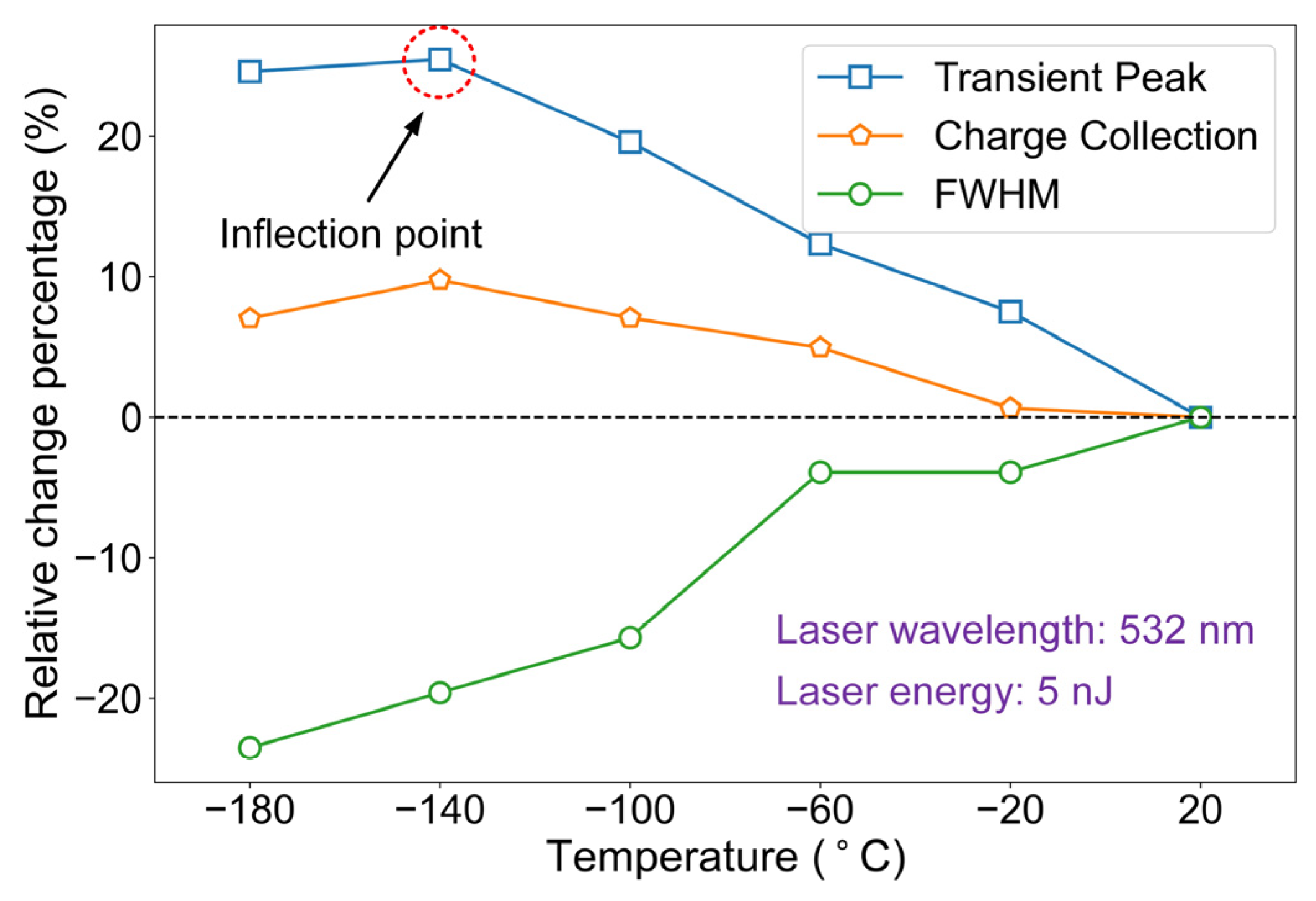
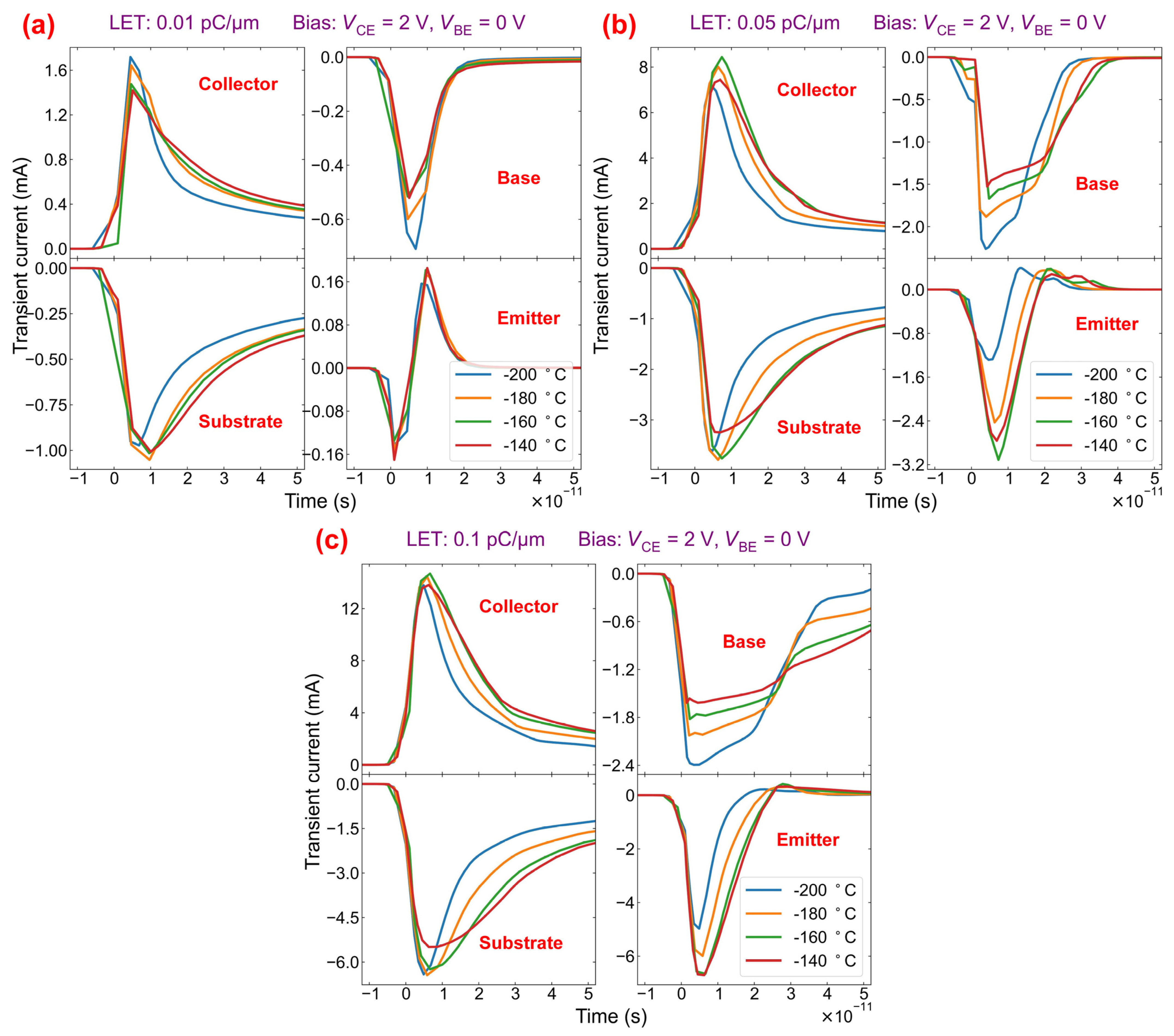
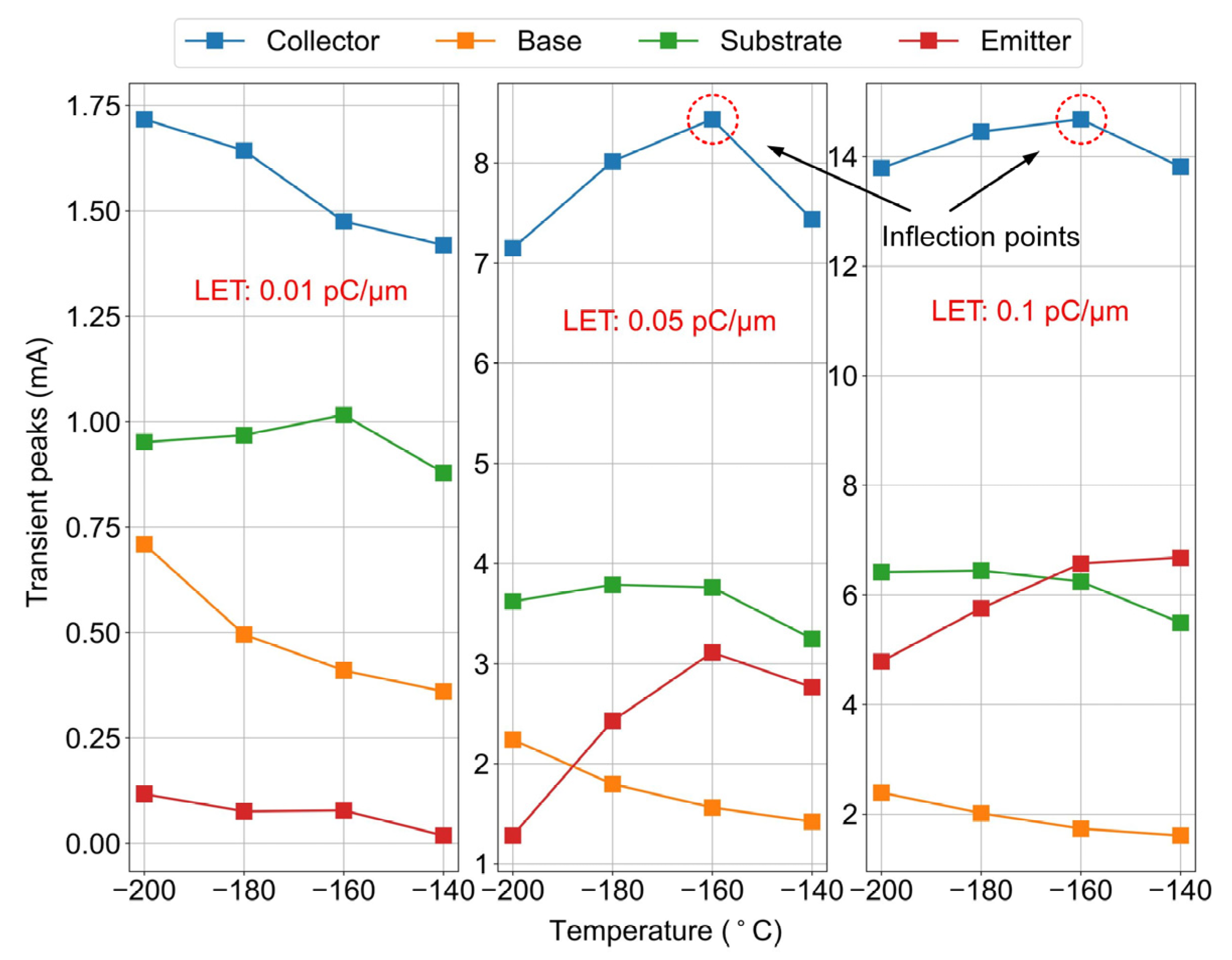
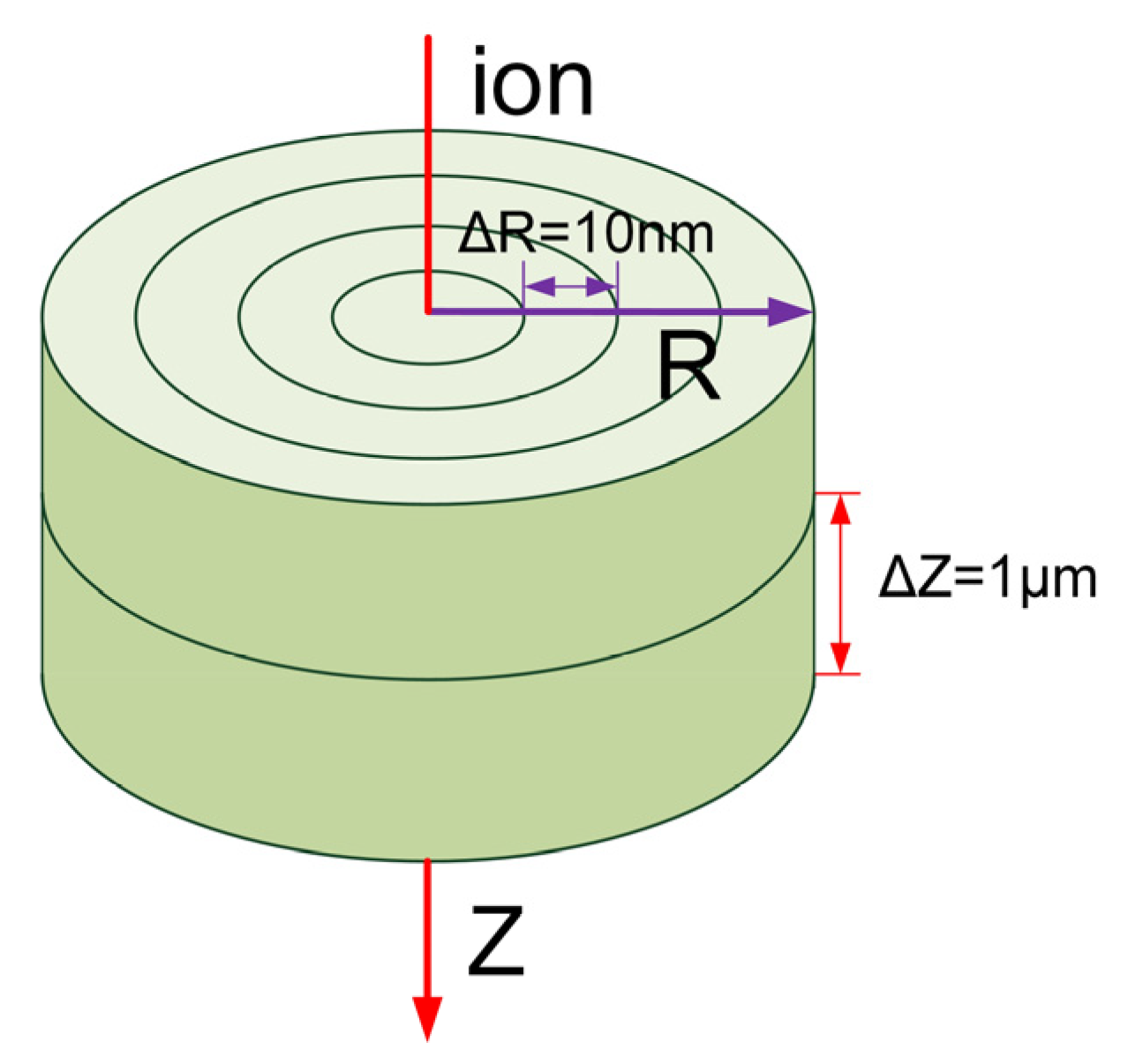
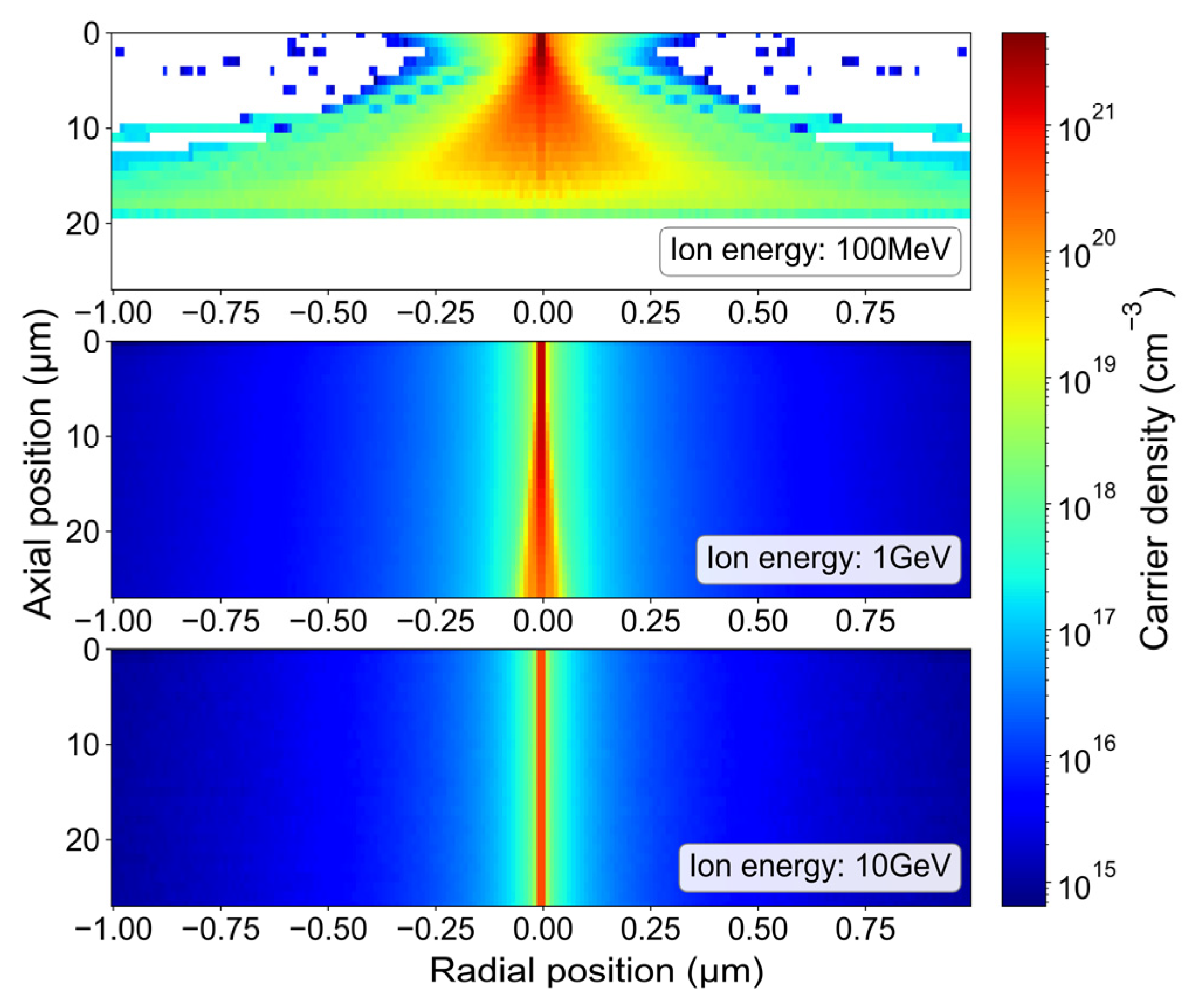
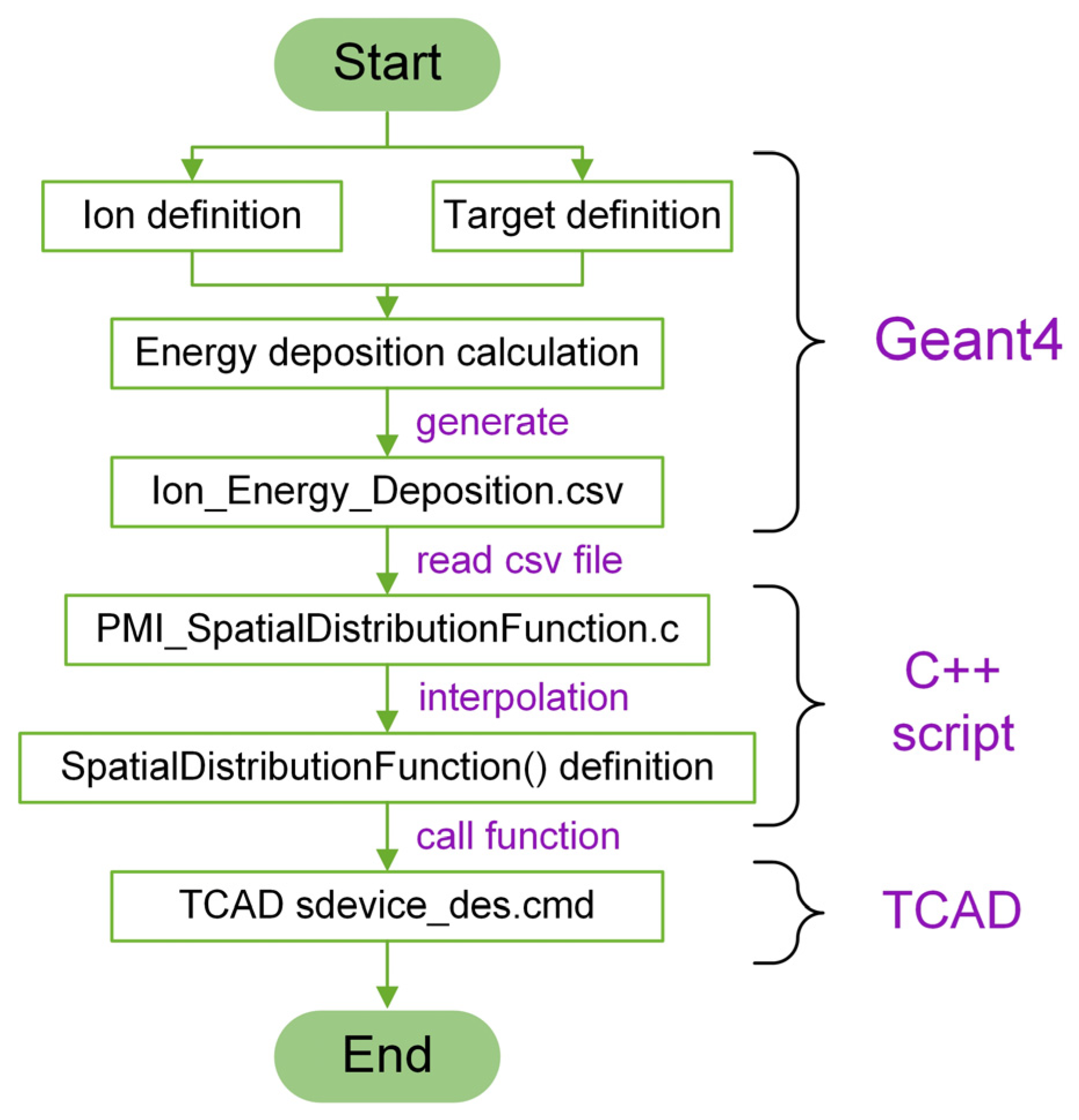
Basing our findings on our previous pulsed laser testing results, we have experimentally demonstrated that there is an inflection point of a single event transient (SET) in the silicon-germanium heterojunction bipolar transistors (SiGe HBTs) with a decreasing temperature from +20 °C to −180 °C. Additionally, the changes in the parasitic resistivity of the carrier collection pathway due to incomplete ionization could play a key role. In this paper, we found that the incident-heavy ion’s parameters could also have an important impact on the SET inflection point by introducing the ion track structures generated by Geant4 simulation to the TCAD transient simulation. Heavy ion with a low linear energy transfer (LET) will not trigger the ion shunt effect of SiGe HBT and the inflection point will not occur until −200 °C. For high LET ions’ incidence, the high-density electron-hole pairs (EHPs) could significantly affect the parasitic resistivity on the pathway and lead to an earlier inflection point. The present results and methods could provide a new reference for the effective evaluation of single-event effects in bipolar transistors and circuits at cryogenic temperatures and provide new evidence of the SiGe technology’s potential for applications in extreme cryogenic environments.
Keywords: SiGe HBT; Geant4; TCAD simulation; single event transient; cryogenic temperature SiGe HBT; Geant4; TCAD simulation; single event transient; cryogenic temperature