Article

Ultra Low Noise Poroelastic Road Surfaces
by
Jerzy A. Ejsmont
1,*,
Luc Goubert
2,
Grzegorz Ronowski
1 and
Beata Świeczko-Żurek
1
1
Mechanical Faculty, Technical University of Gdansk, Gdansk 80-233, Poland
2
Belgian Road Research Centre, Brussels1170, Belgium
*
Author to whom correspondence should be addressed.
Coatings 2016, 6(2), 18; https://doi.org/10.3390/coatings6020018

Submission received: 29 January 2016 / Revised: 7 March 2016 / Accepted: 5 April 2016 / Published: 8 April 2016
(This article belongs to the Special Issue Low-Noise Road Surfaces)

Abstract

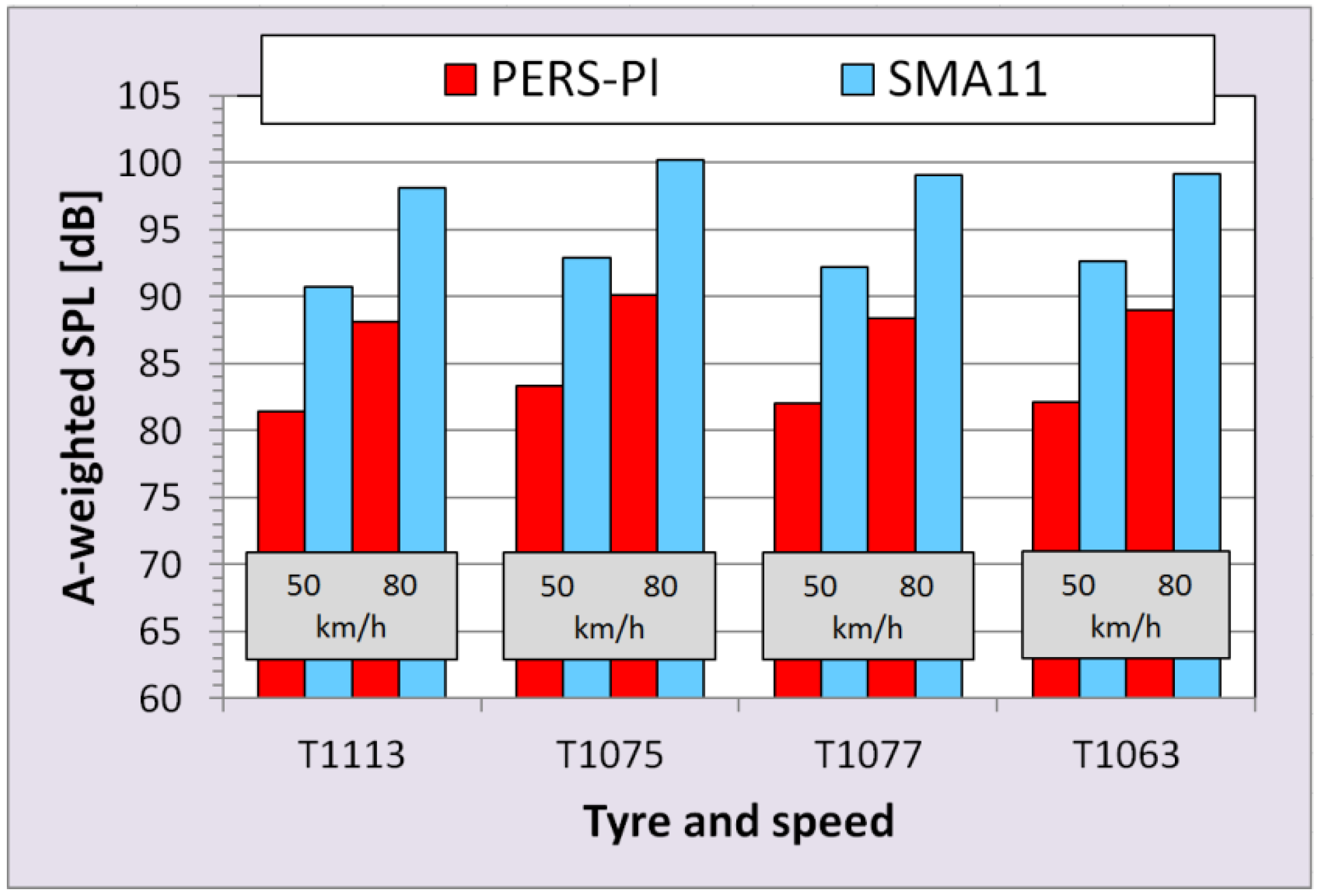
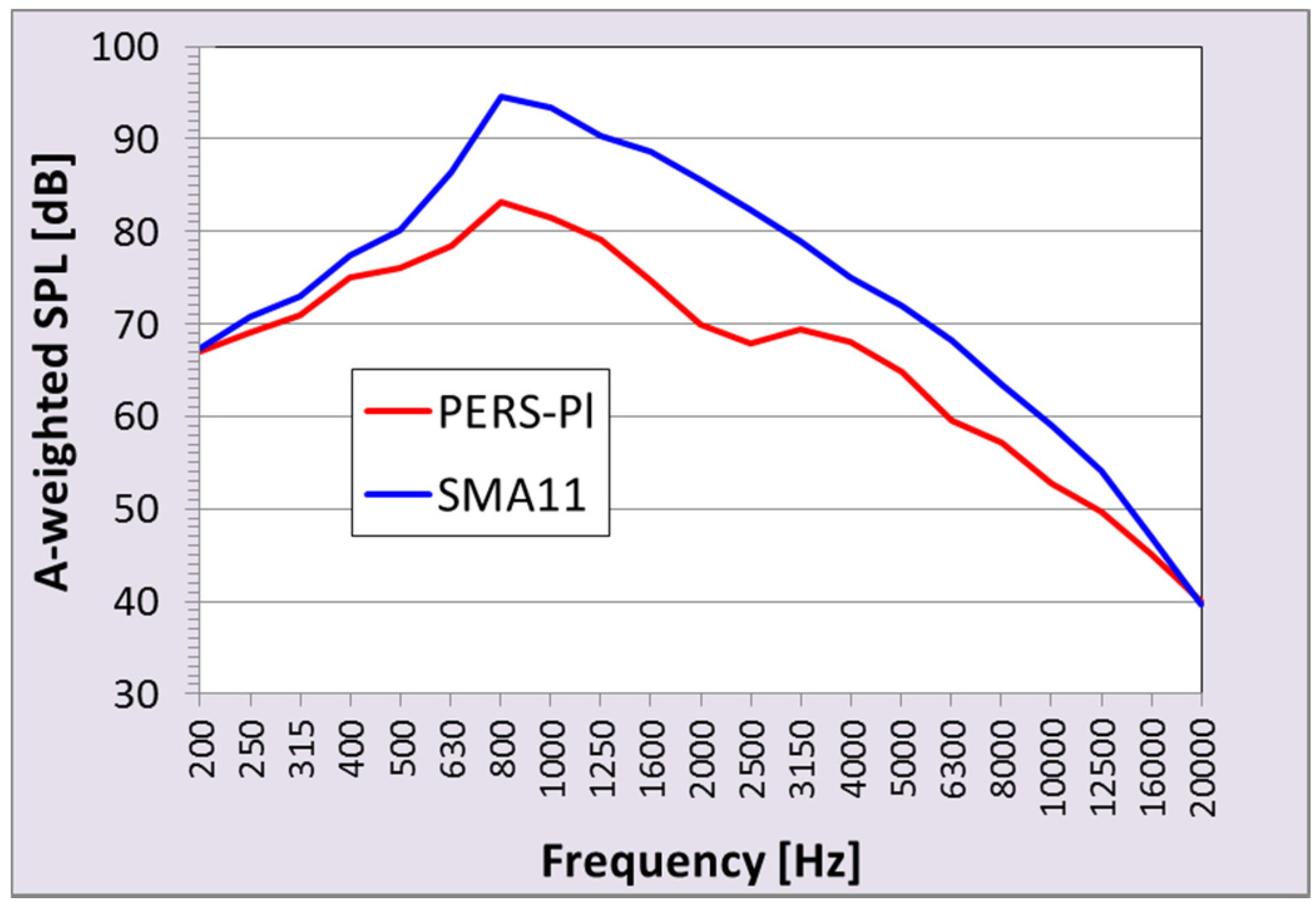
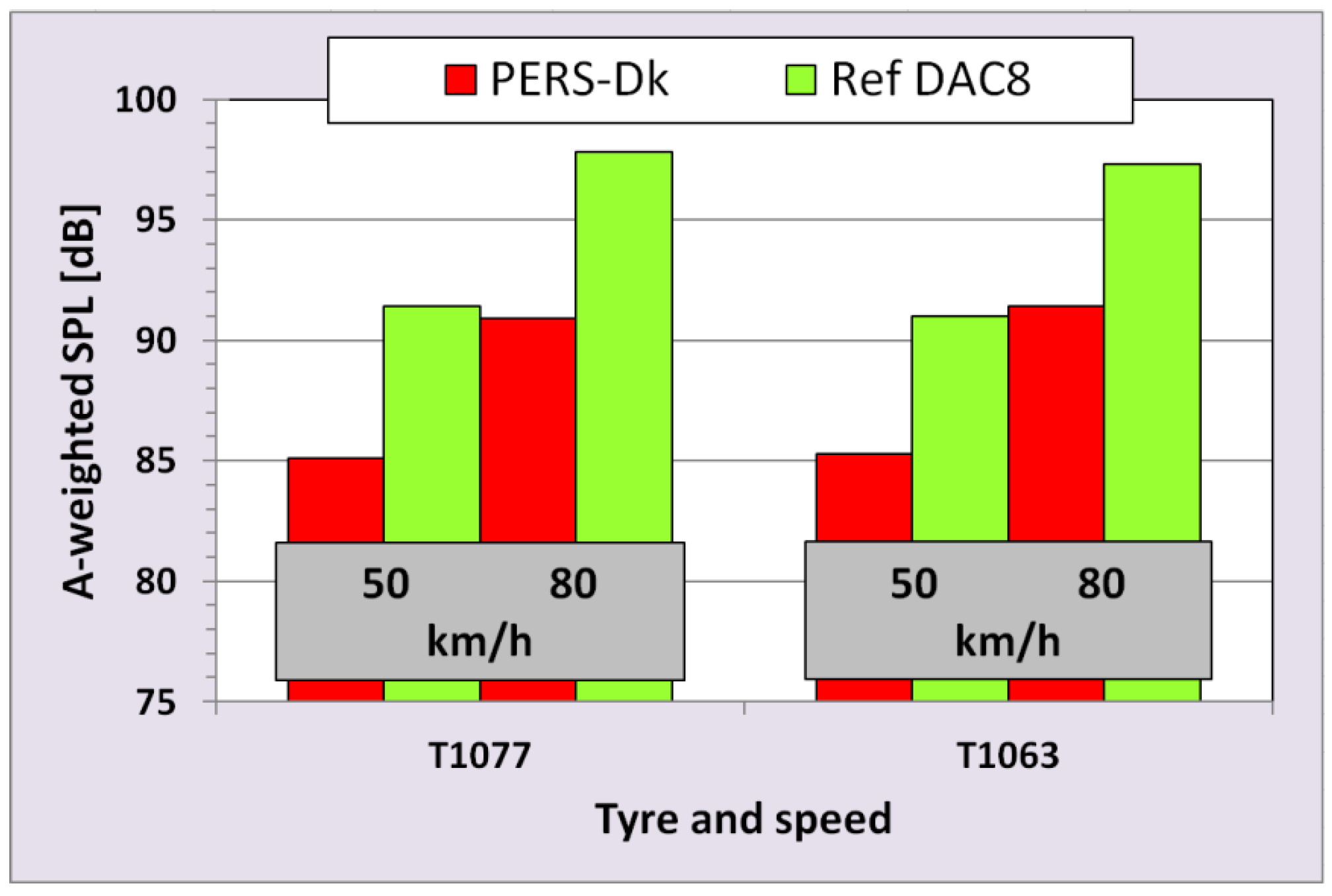
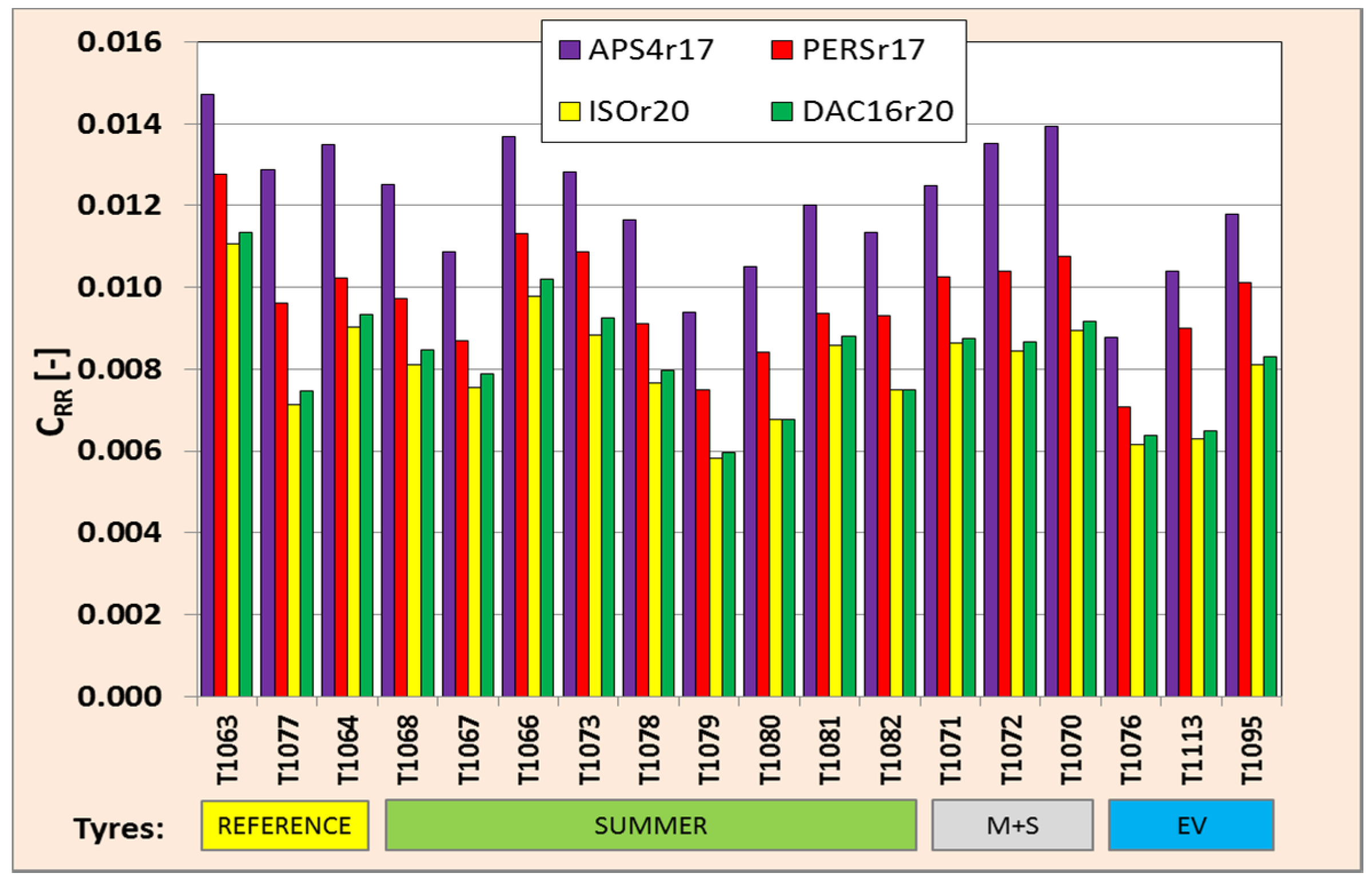
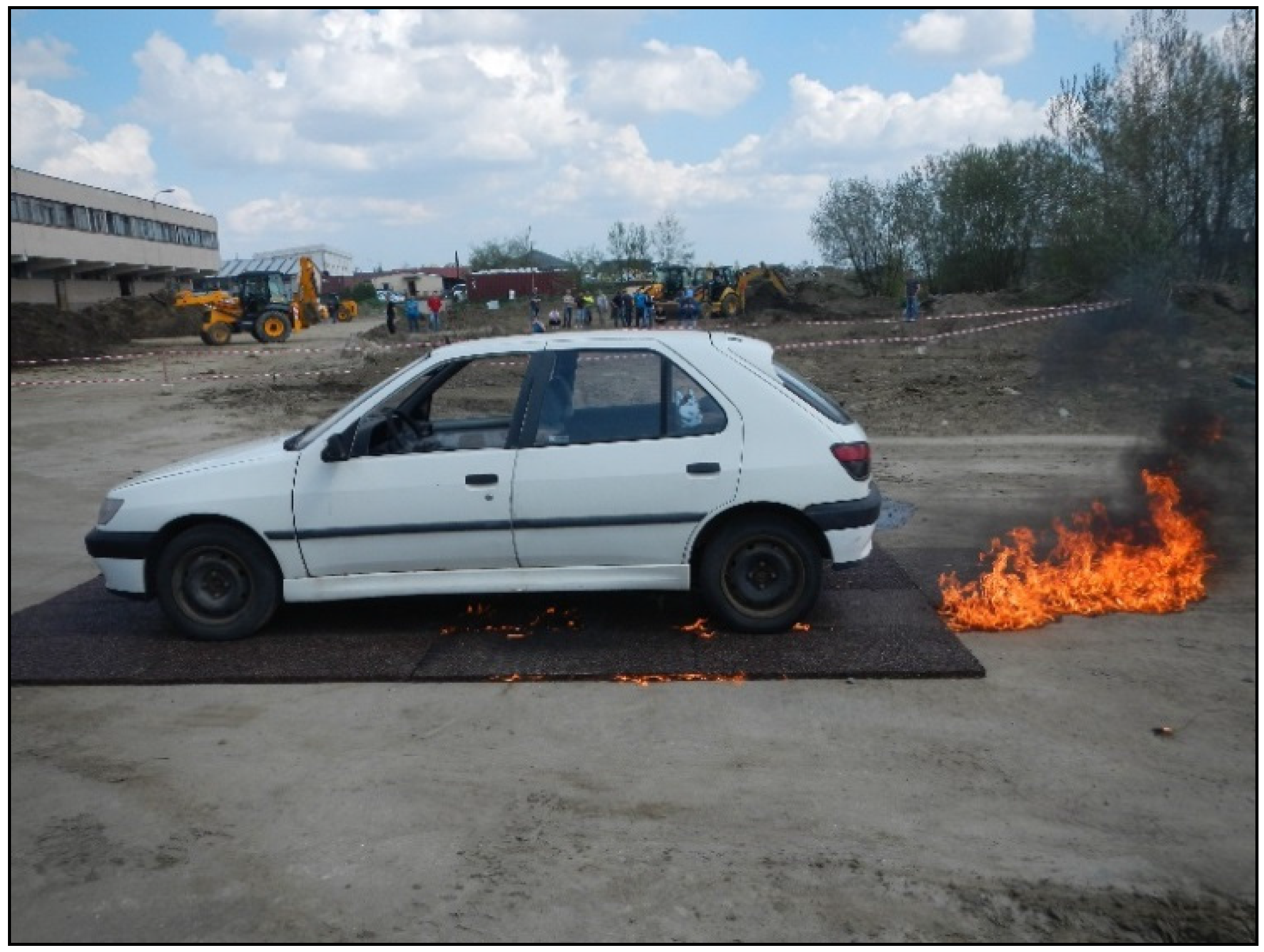
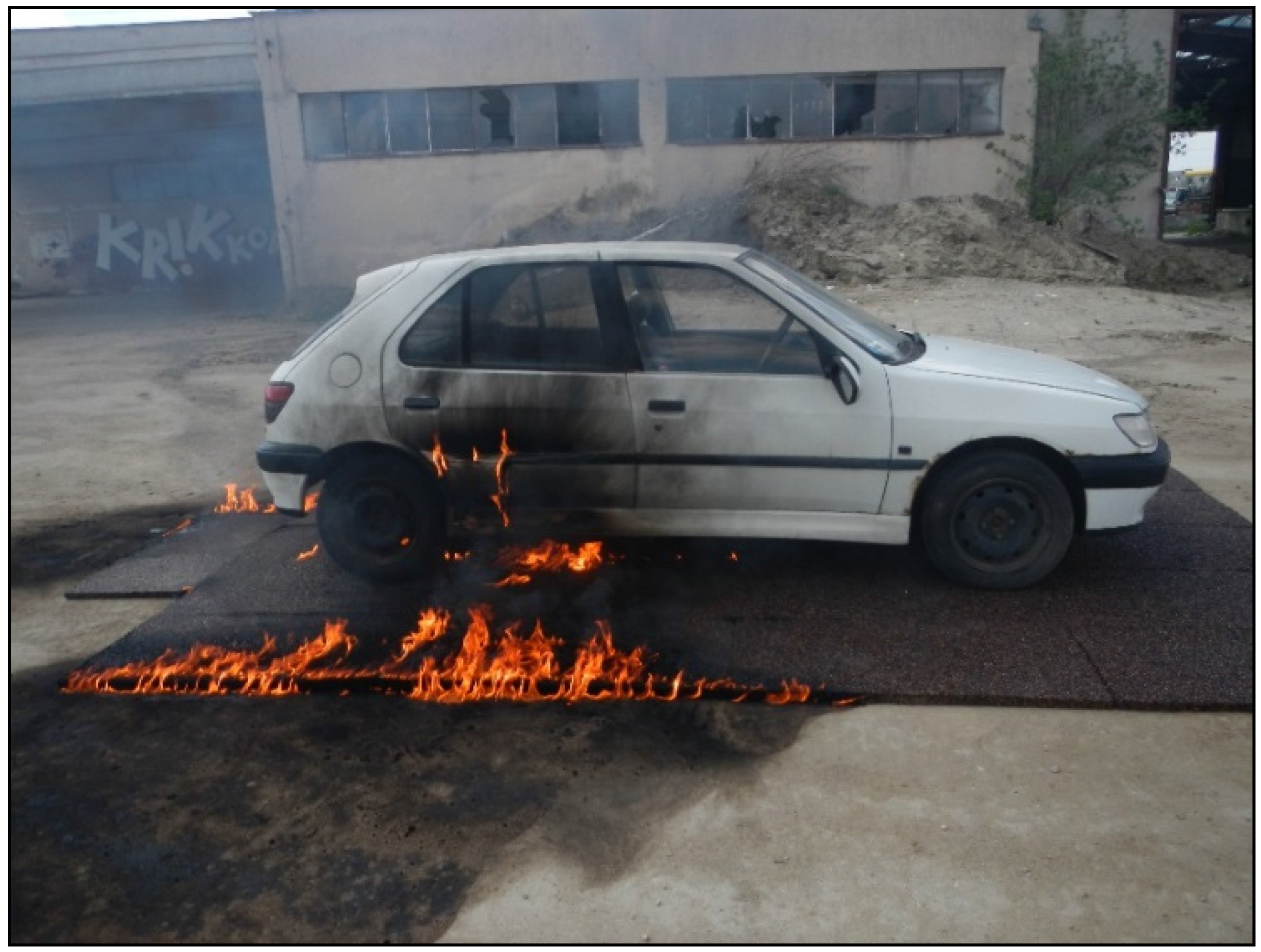
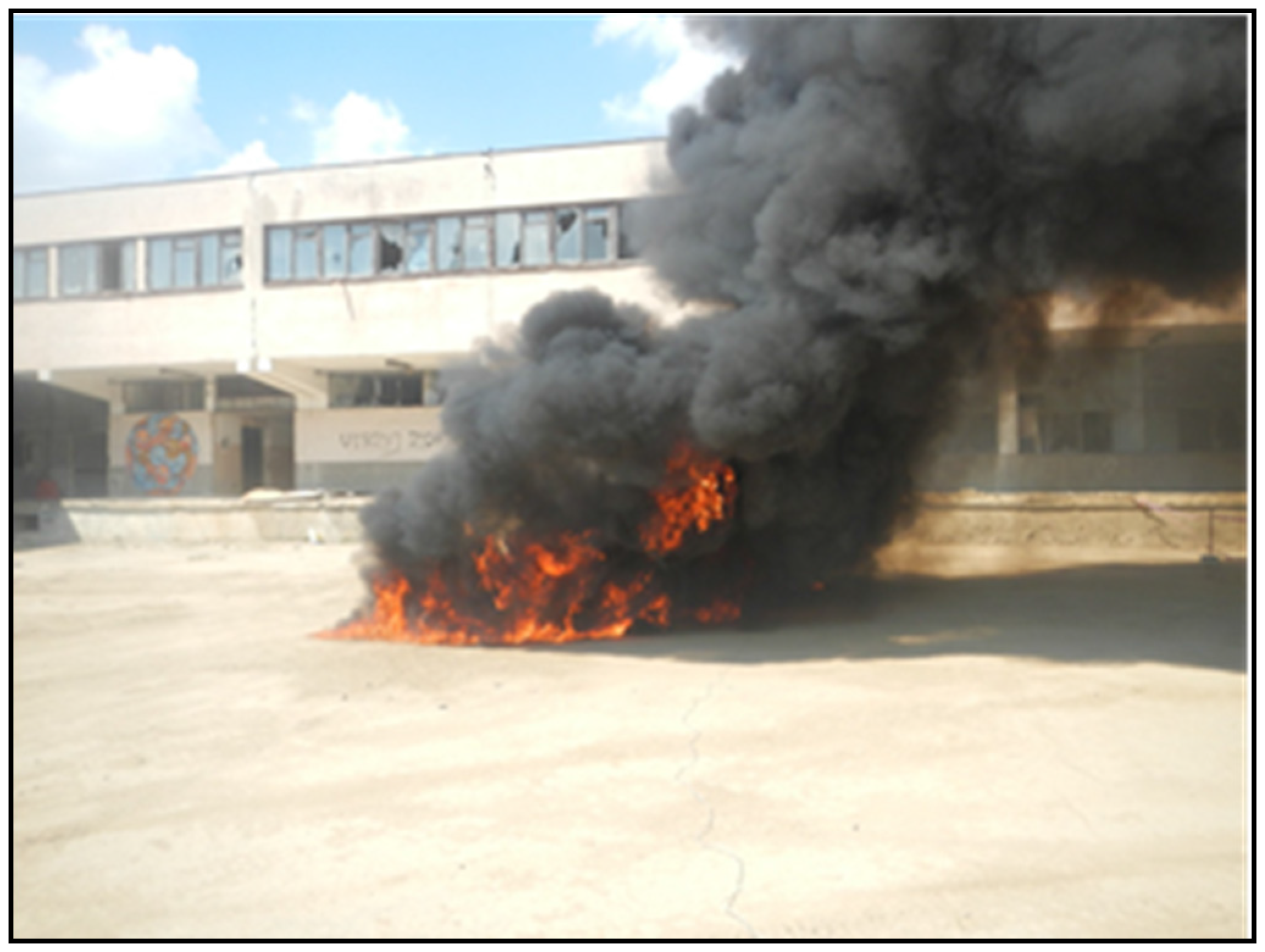
Noise is one of the most important environmental problems related to road traffic. During the last decades, the noise emitted by the engines and powertrains of vehicles was greatly reduced and tires became a clearly dominant noise source. The article describes the concept of low noise poroelastic road surfaces that are composed of mineral and rubber aggregate bound by polyurethane resin. Those surfaces have a porous structure and are much more flexible than standard asphalt or cement concrete pavements due to high content of rubber aggregate and elastic binder. Measurements performed in several European countries indicate that such surfaces decrease tire/road noise between 7 dB and 12 dB with respect to reference surfaces such as dense asphalt concrete or stone matrix asphalt. Furthermore, poroelastic road surfaces ascertain the rolling resistance of car tires, which is comparable to classic pavements. One of the unforeseen properties of the poroelastic road surfaces is their ability to decrease the risks related to car fires with fuel spills. The article presents the road and laboratory results of noise, rolling resistance, and fire tests performed on a few types of poroelastic road surfaces.
Keywords: poroelastic road surface; tire/road noise; rolling resistance; road pavement; fire risk poroelastic road surface; tire/road noise; rolling resistance; road pavement; fire risk