Sensing Performance and Mechanical Properties of Buckypaper Impregnated with Epoxy Resin

Abstract
1. Introduction
2. Experimental
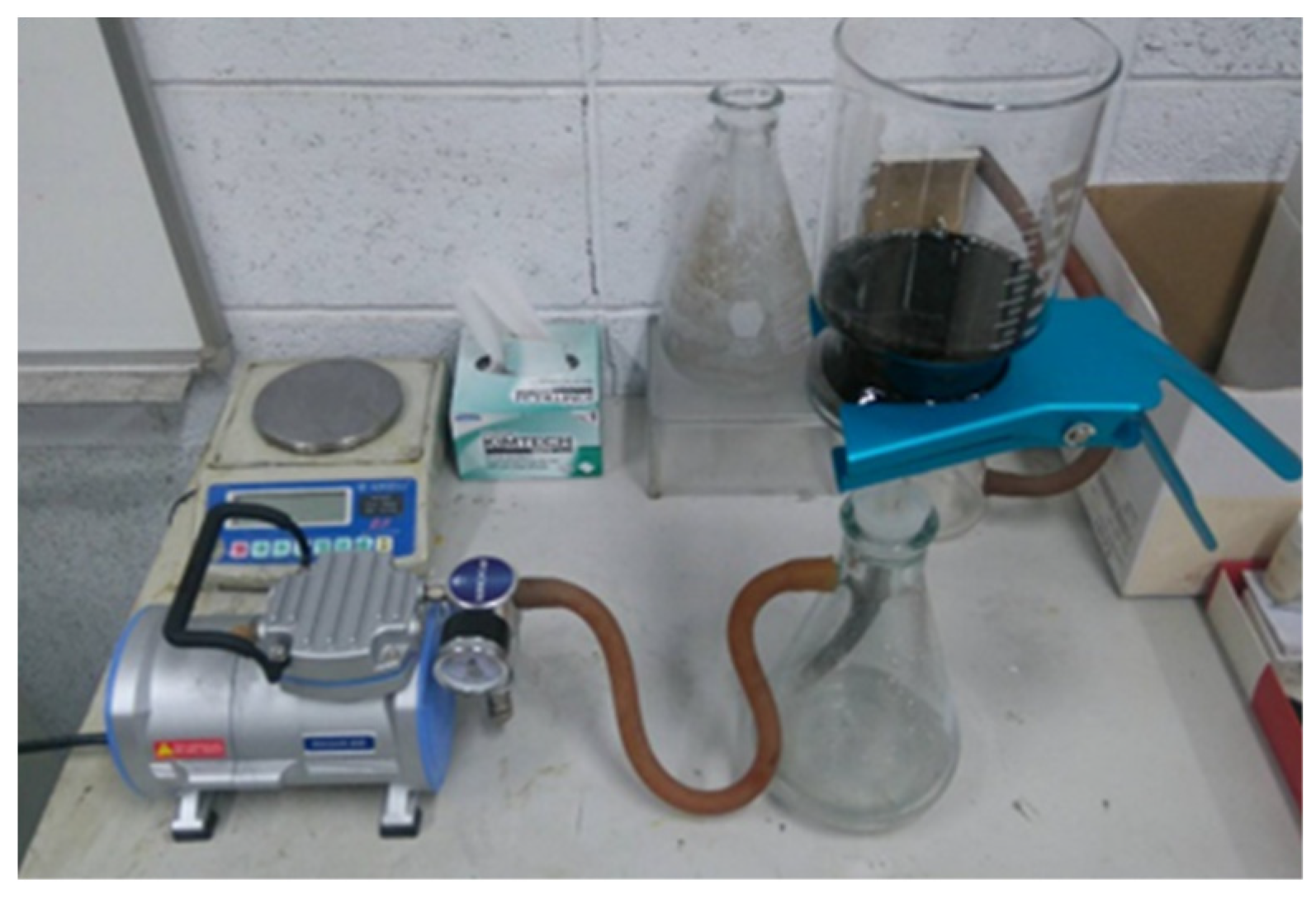
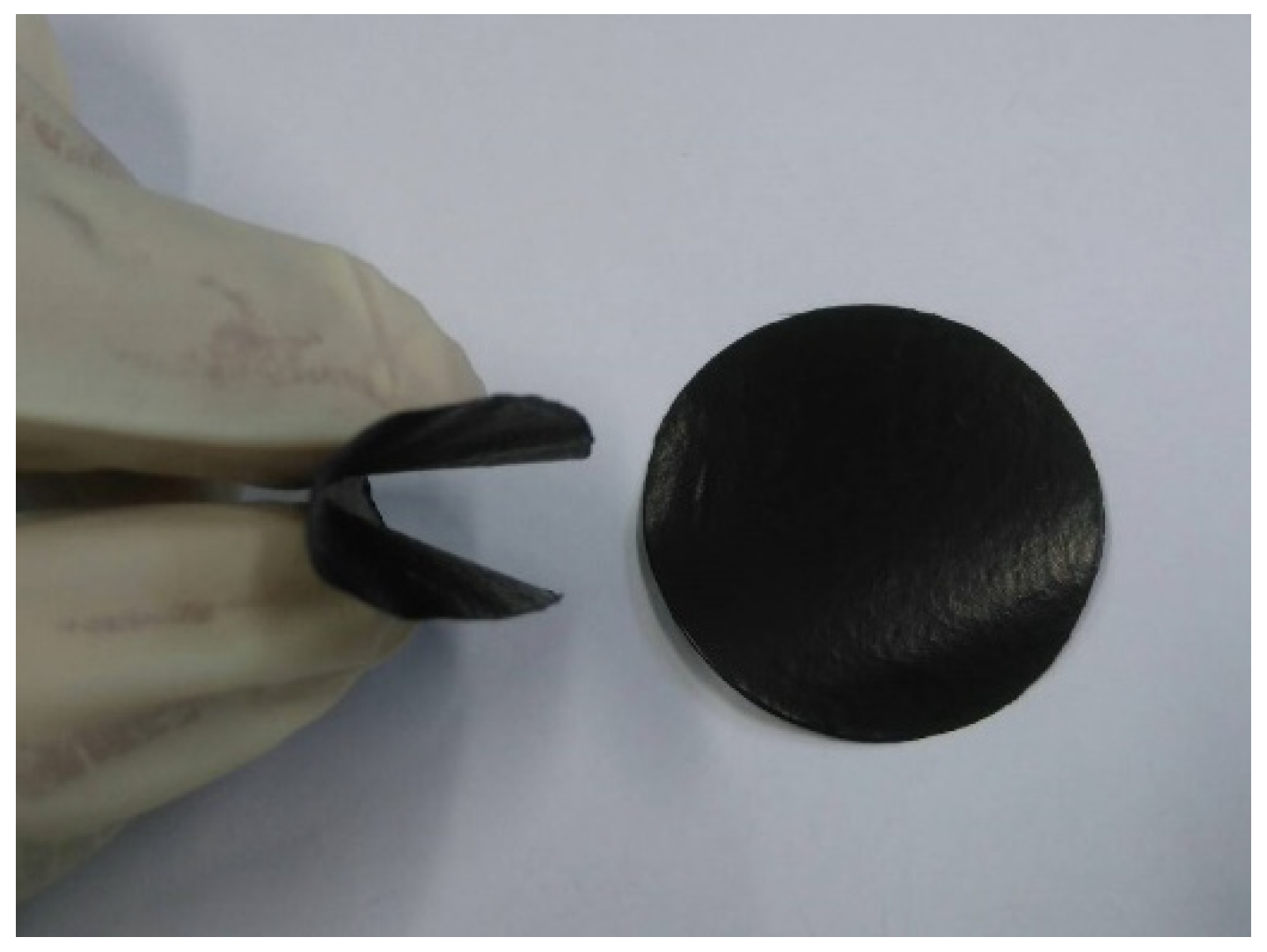
2.1. Preparation of Buckypaper
2.2. Buckypaper Impregnated with Epoxy
2.3. Characterization
3. Results and Discussions
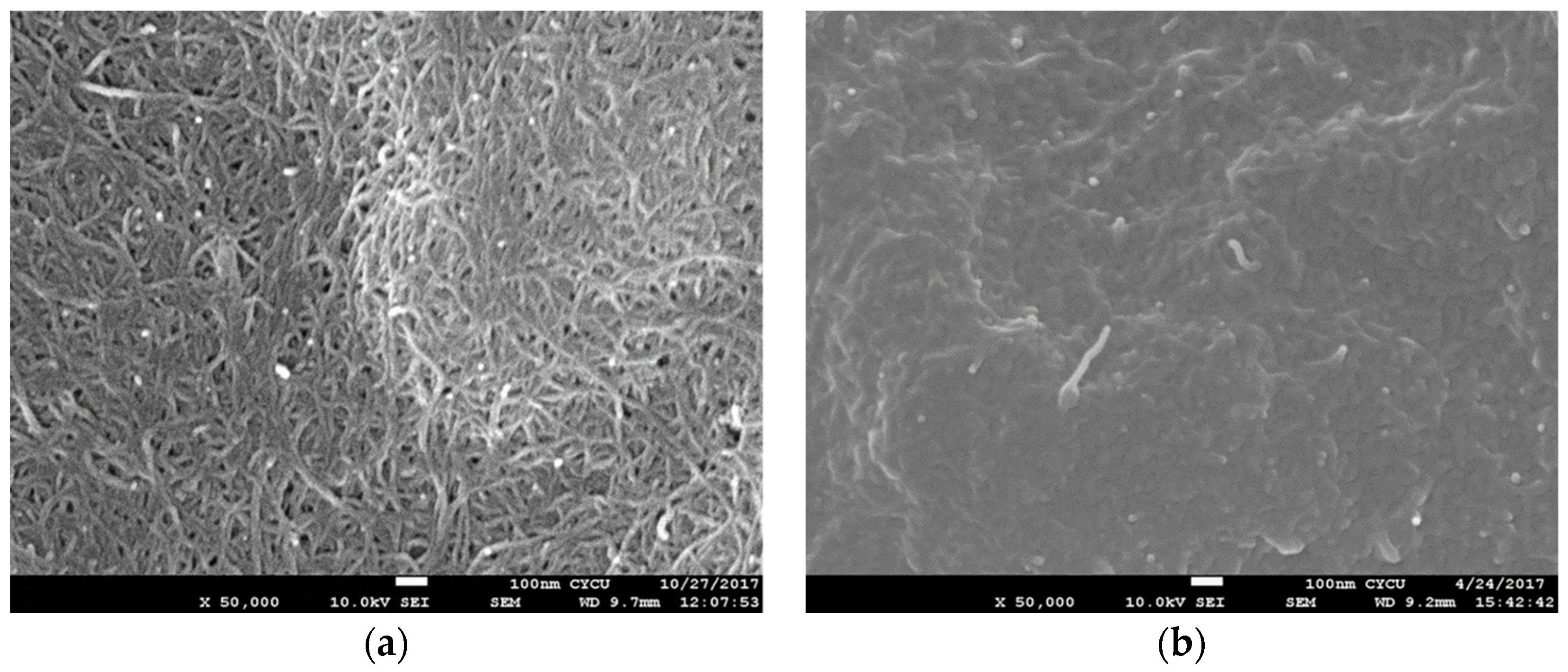
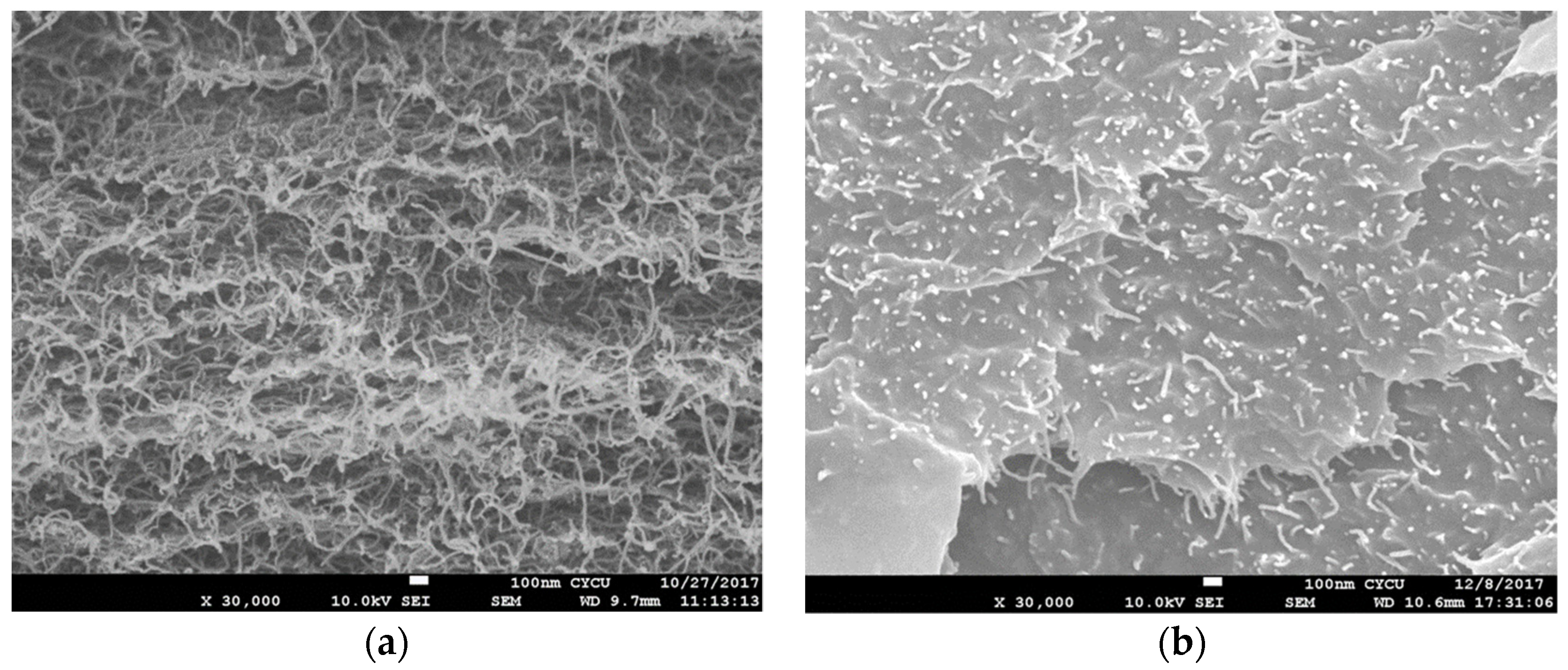
3.1. Surface and Cross-Section Morphologies
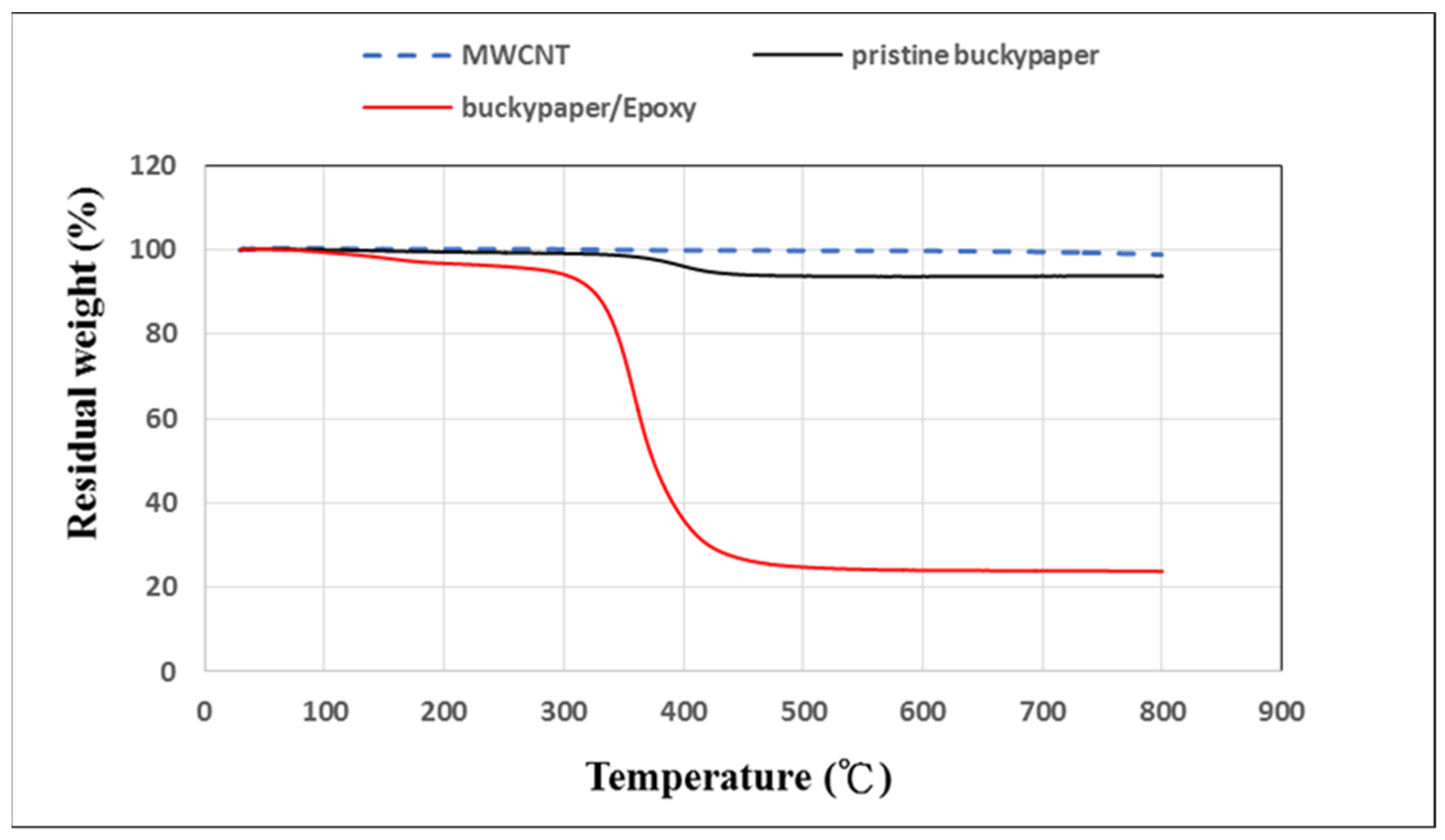
3.2. Thermal Stability
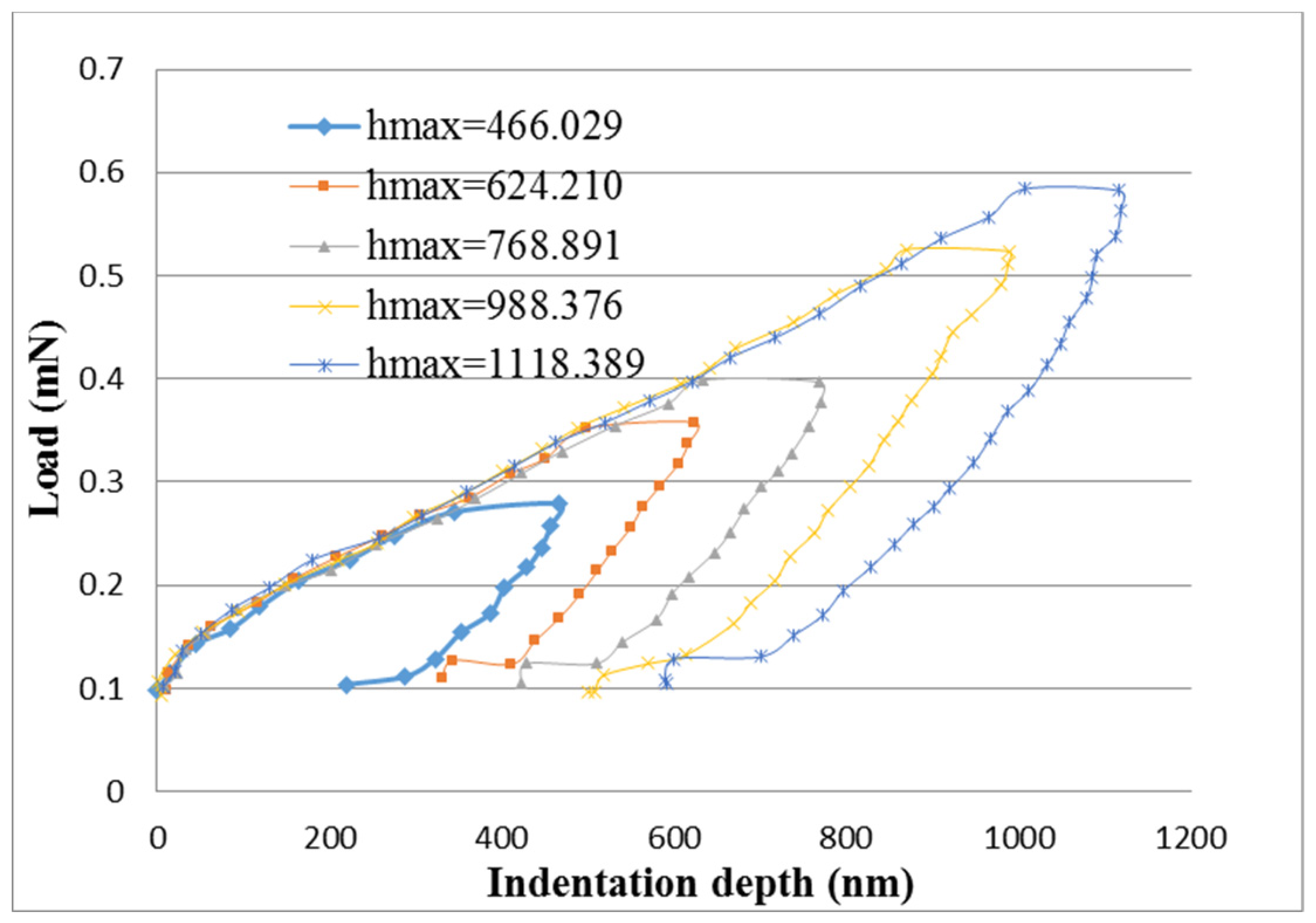
3.3. Tensile Properties
3.4. Strain Sensing
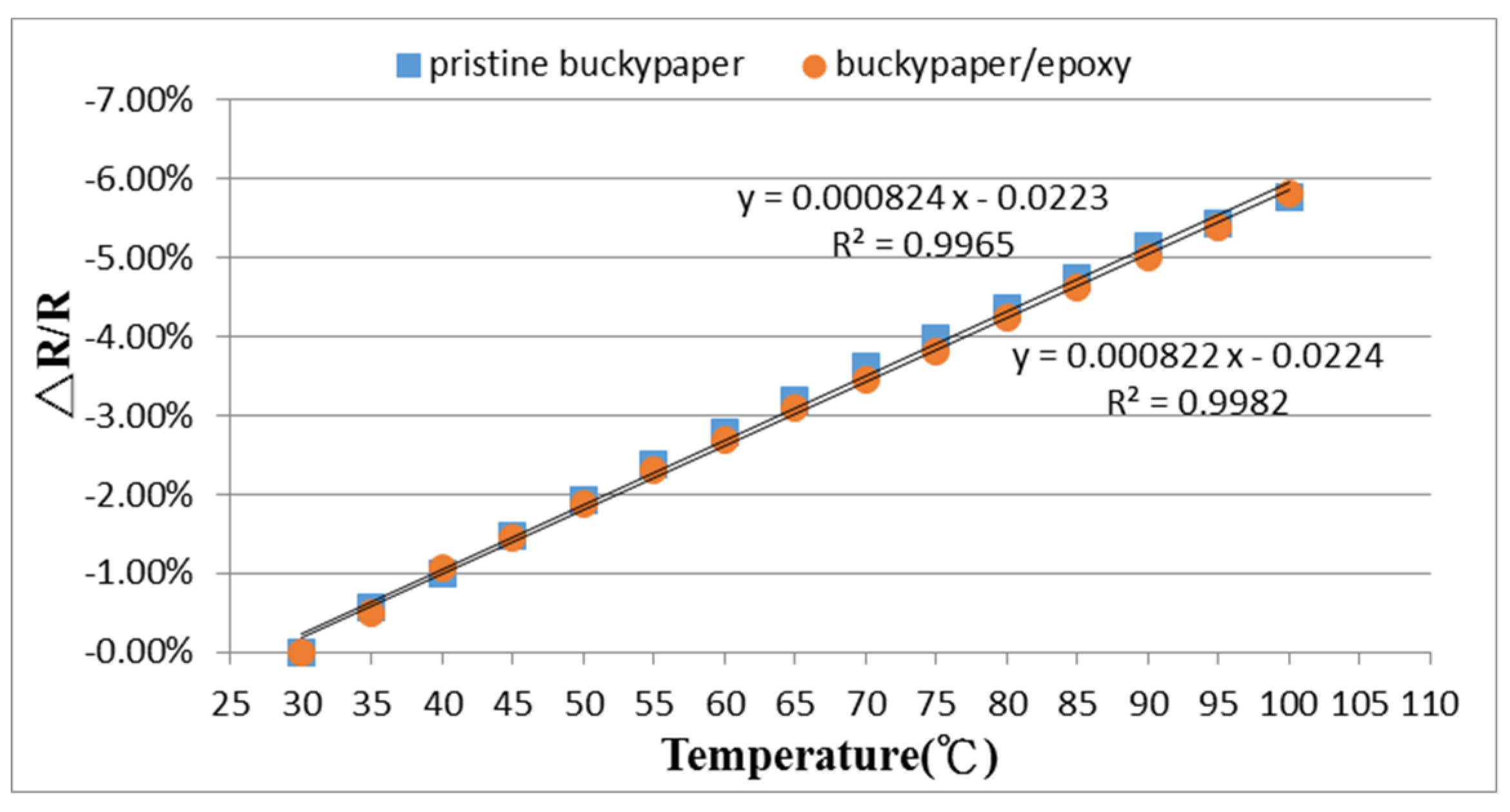
3.5. Temperature Sensing
4. Conclusions
Author Contributions
Funding
Conflicts of Interest
References
- Iijima, S. Helical microtubules of graphitic carbon. Nature 1991, 354, 56–58. [Google Scholar] [CrossRef]
- Gojny, F.H.; Wichmann, M.H.G.; Kopke, U. Carbon nanotube-reinforced epoxy-composites: Enhanced stiffness and fracture toughness at low nanotube content. Compos. Sci. Technol. 2004, 64, 2363–2371. [Google Scholar] [CrossRef]
- Aloui, W.; Ltaief, A.; Bouazizi, A. Transparent and conductive multi walled carbon nanotubes flexible electrodes for optoelectronic applications. Superlattices Microstruct. 2013, 64, 581–589. [Google Scholar] [CrossRef]
- Tombler, T.W.; Zhou, X.C.; Alexseyev, L.; Kong, J.; Dai, H.; Liu, L. Reversible electromechanical characteristics of carbon nanotubes under local-probe manipulation. Nature 2000, 405, 769–772. [Google Scholar] [CrossRef]
- Hu, C.-F.; Su, W.-S.; Fang, W.-L. Development of patterned carbon nanotubes on a 3D polymer substrate for the flexible tactile sensor application. J. Micromech. Microeng. 2011, 21, 115012. [Google Scholar] [CrossRef]
- Lai, Y.-T.; Chen, Y.-M.; Yang, Y.-J. A novel CNT–PDMS-based tactile sensing array with resistivity retaining and recovering by using dielectrophoresis effect. J. Microelectromech. Syst. 2012, 21, 217–223. [Google Scholar] [CrossRef]
- Baughman, R.H. Carbon nanotube actuators. Science 1999, 284, 1340–1344. [Google Scholar] [CrossRef]
- Che, J.; Chen, P.; Chan-Park, M.B. High-strength carbon nanotube buckypaper composites as applied to free-standing electrodes for supercapacitors. J. Mater. Chem. A 2013, 1, 4057–4066. [Google Scholar] [CrossRef]
- Chen, Y.W.; Cheng, C.Y.; Miao, H.Y.; Zhang, M.; Liang, R.; Zhang, C. Application of response surface methodology in the optimization of laser treatment buckypaper lighting for field emission displays. Int. J. Adv. Manuf. Technol. 2013, 64, 515–536. [Google Scholar] [CrossRef]
- Liu, J.H.; Miao, H.Y.; Saravanan, L.; Wang, L.C.; Tsai, R.H. Fabrication of metal alloy deposited flexible MWCNT buckypaper for thermoelectric applications. J. Nanomater. 2013, 6, 635647. [Google Scholar] [CrossRef]
- Wang, X.; Lu, S.; Ma, K.; Xiong, X.; Zhang, H.; Xu, M. Tensile strain sensing of buckypaper and buckypaper composites. Mater. Des. 2015, 88, 414–419. [Google Scholar] [CrossRef]
- Lu, S.; Chen, D.; Wang, X.; Xiong, X.; Ma, K.; Zhang, L.; Meng, Q. Monitoring the manufacturing process of glass fiber reinforced composites with carbon nanotube buckypaper sensor. Polym. Test. 2016, 52, 79–84. [Google Scholar] [CrossRef]
- Wang, G.D.; Li, N.; Melly, S.K.; Peng, T.; Li, Y.C.; Zhao, Q.D.; Ji, S.D. Monitoring the drilling process of GFRP laminates with carbon nanotube buckypaper sensor. Compos. Struct. 2019, 208, 114–126. [Google Scholar] [CrossRef]
- Lu, S.; Chen, D.; Wang, X.; Xiong, X.; Ma, K.; Zhang, L.; Meng, Q. Monitoring the glass transition temperature of polymeric composites with carbon nanotube buckypaper sensor. Polym. Test. 2017, 57, 12–16. [Google Scholar] [CrossRef]
- Zangrossi, F.; Xu, F.; Warrior, N.; Karapappas, P.; Hou, X. Electro-thermal and mechanical performance of multi-wall carbon nanotubes buckypapers embedded in fibre reinforced polymer composites for ice protection applications. J. Compos. Mater. 2020, 54, 3457–3469. [Google Scholar] [CrossRef]
- Sharma, S.; Singh, B.P.; Chauhan, S.S.; Jyoti, J.; Arya, A.K.; Dhakate, S.R.; Kumar, V.; Yokozeki, T. Enhanced thermomechanical and electrical properties of multiwalled carbon nanotube paper reinforced epoxy laminar composites. Compos. Part A 2018, 104, 129–138. [Google Scholar] [CrossRef]
- Datta, S.; Neerukatti, R.K.; Chattopadhyay, A. Buckypaper embedded self-sensing composite for real-time fatigue damage diagnosis and prognosis. Carbon 2018, 139, 353–360. [Google Scholar] [CrossRef]
- Kumara, V.; Sharma, S.; Pathak, A.; Singh, B.P.; Dhakate, S.R.; Yokozeki, T.; Okada, T.; Ogasawara, T. Interleaved MWCNT buckypaper between CFRP laminates to improve through-thickness electrical conductivity and reducing lightning strike damage. Compos. Struct. 2019, 210, 581–589. [Google Scholar] [CrossRef]
- Ashrafi, B.; Guan, J.; Mirjalili, V.; Hubert, P.; Simard, B.; Johnston, A. Correlation between Young’s modulus and impregnation quality of epoxy-impregnated SWCNT buckypaper. Compos. Part A 2010, 41, 1184–1191. [Google Scholar] [CrossRef]
- Li, M.; Wang, Z.; Liu, Q.; Wang, S.; Gu, Y.; Li, Y.; Zhang, Z. Carbon Nanotube Film/Epoxy Composites With High Strength and Toughness. Polym. Compos. 2017, 38, 588–596. [Google Scholar] [CrossRef]
- Oliver, W.C.; Pharr, G.M. An improved technique for determining hardness and elastic modulus using load and displacement sensing indentation experiments. J. Mater. Res. 1992, 7, 1564–1583. [Google Scholar] [CrossRef]
- Zhang, Y.; Sheehan, C.J.; Zhai, J.; Zou, G.; Luo, H.; Xiong, J.; Zhu, Y.T.; Jia, Q.X. Polymer-Embedded Carbon Nanotube Ribbons for Stretchable Conductors. Adv. Mater. 2010, 22, 3027–3031. [Google Scholar] [CrossRef] [PubMed]
- Luo, S.; Liu, T. SWCNT/Graphite Nanoplatelet Hybrid Thin Films for Self- Temperature-Compensated, Highly Sensitive, and Extensible Piezoresistive Sensors. Adv. Mater. 2013, 25, 5650–5657. [Google Scholar] [CrossRef] [PubMed]
- Gong, S.; Wang, Y.; Xiao, Z.; Li, Z.; Wang, Z.X.; Lei, R.S.; Zhu, Z.H. Effect of temperature on the electrical property of epoxy composites with carbon nanotube. Compos. Sci. Technol. 2017, 149, 48–54. [Google Scholar] [CrossRef]

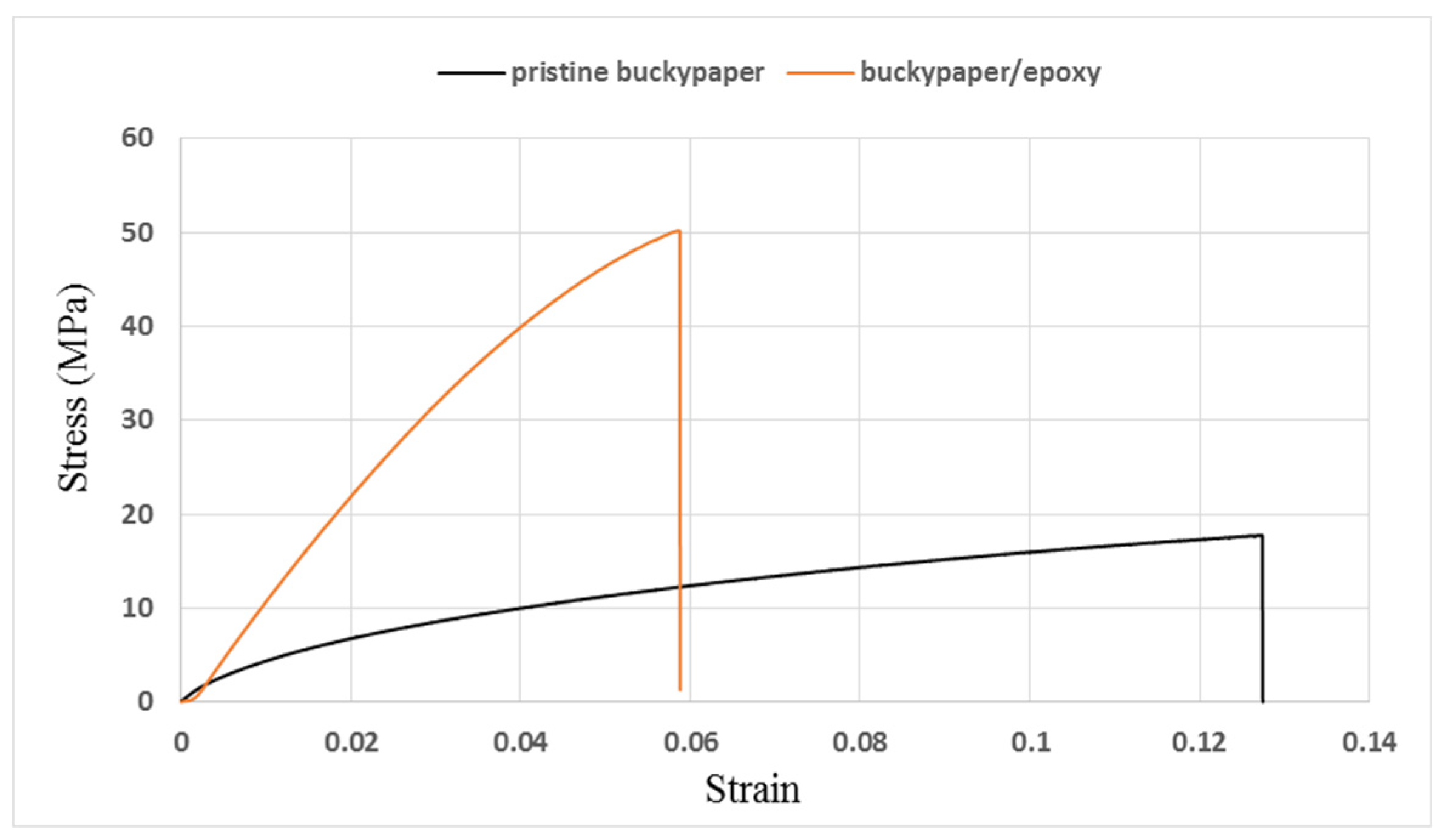


| Tensile Properties | Pristine Buckypaper | Buckypaper/Epoxy Composite | Epoxy |
|---|---|---|---|
| Elastic modulus GPa | 0.68 ± 0.025 | 1.24 ± 0.029 | 0.99 ± 0.01 |
| Ultimate strength MPa | 17.3 ± 0.29 | 50.8 ± 1.60 | 40.4 ± 0.23 |
| Fracture strain | 0.122 ± 0.003 | 0.060 ± 0.002 | 0.041 ± 0.0002 |
Publisher’s Note: MDPI stays neutral with regard to jurisdictional claims in published maps and institutional affiliations. |
© 2020 by the authors. Licensee MDPI, Basel, Switzerland. This article is an open access article distributed under the terms and conditions of the Creative Commons Attribution (CC BY) license (http://creativecommons.org/licenses/by/4.0/).
Share and Cite
Her, S.-C.; Hsu, W.-C. Sensing Performance and Mechanical Properties of Buckypaper Impregnated with Epoxy Resin. Nanomaterials 2020, 10, 2258. https://doi.org/10.3390/nano10112258
Her S-C, Hsu W-C. Sensing Performance and Mechanical Properties of Buckypaper Impregnated with Epoxy Resin. Nanomaterials. 2020; 10(11):2258. https://doi.org/10.3390/nano10112258
Chicago/Turabian StyleHer, Shiuh-Chuan, and Wei-Chun Hsu. 2020. "Sensing Performance and Mechanical Properties of Buckypaper Impregnated with Epoxy Resin" Nanomaterials 10, no. 11: 2258. https://doi.org/10.3390/nano10112258
APA StyleHer, S.-C., & Hsu, W.-C. (2020). Sensing Performance and Mechanical Properties of Buckypaper Impregnated with Epoxy Resin. Nanomaterials, 10(11), 2258. https://doi.org/10.3390/nano10112258