Article

Field Research on the Wind-Induced Response of a Super High-Rise Building under Typhoon


1
Key Laboratory of Building Safety and Efficiency of the Ministry of Education, Hunan University, Changsha 410082, Hunan, China
2
Civil Engineering College, Hunan University of Technology, Zhuzhou 412007, Hunan, China
3
School of Vocational Engineering, Health and Sciences, RMIT University, GPO Box 2476, Melbourne, VIC 3001, Australia
*
Author to whom correspondence should be addressed.
Appl. Sci. 2019, 9(11), 2180; https://doi.org/10.3390/app9112180
Submission received: 6 May 2019 / Revised: 21 May 2019 / Accepted: 24 May 2019 / Published: 28 May 2019
(This article belongs to the Special Issue Structural Damage Detection and Health Monitoring)

Abstract

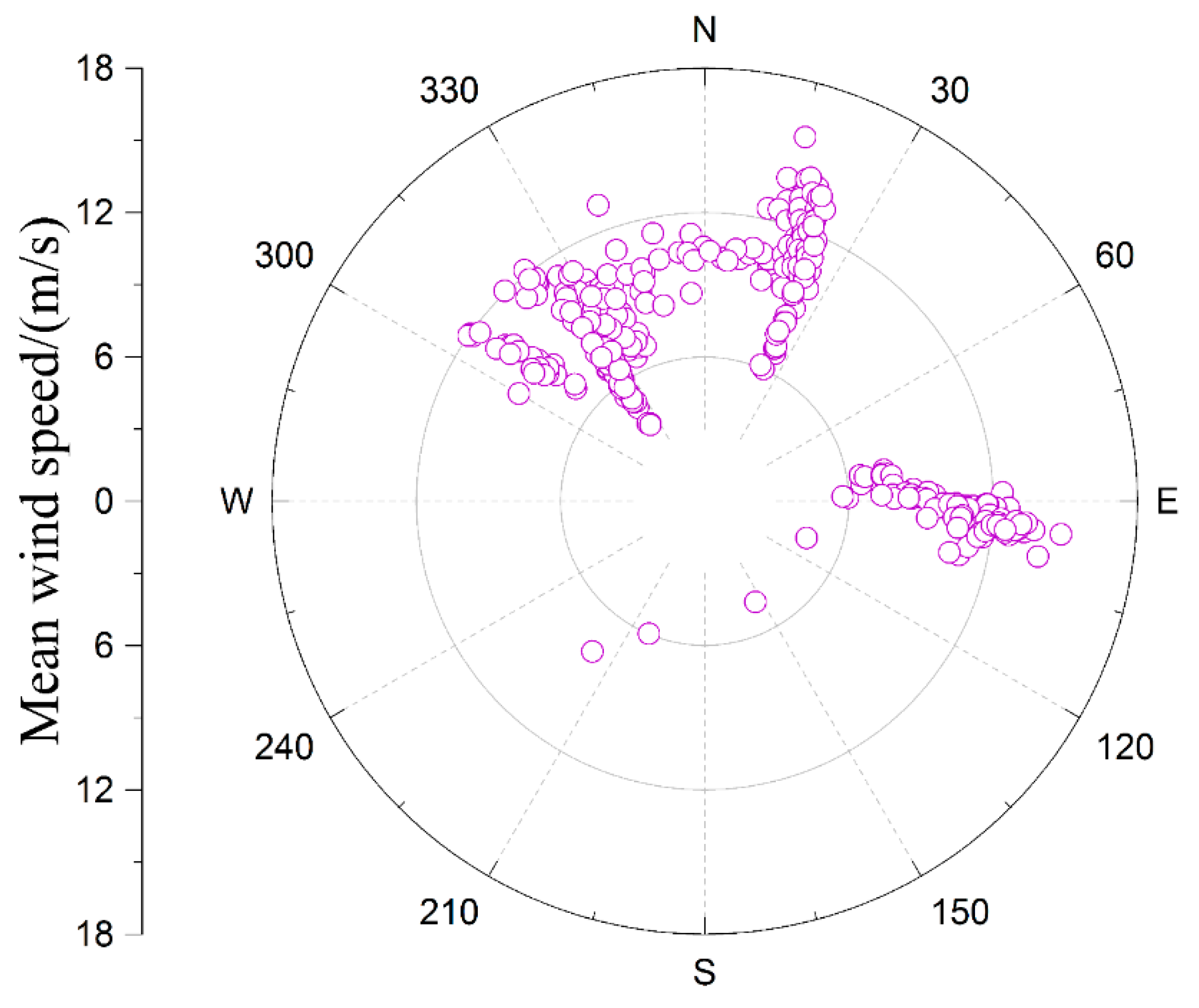
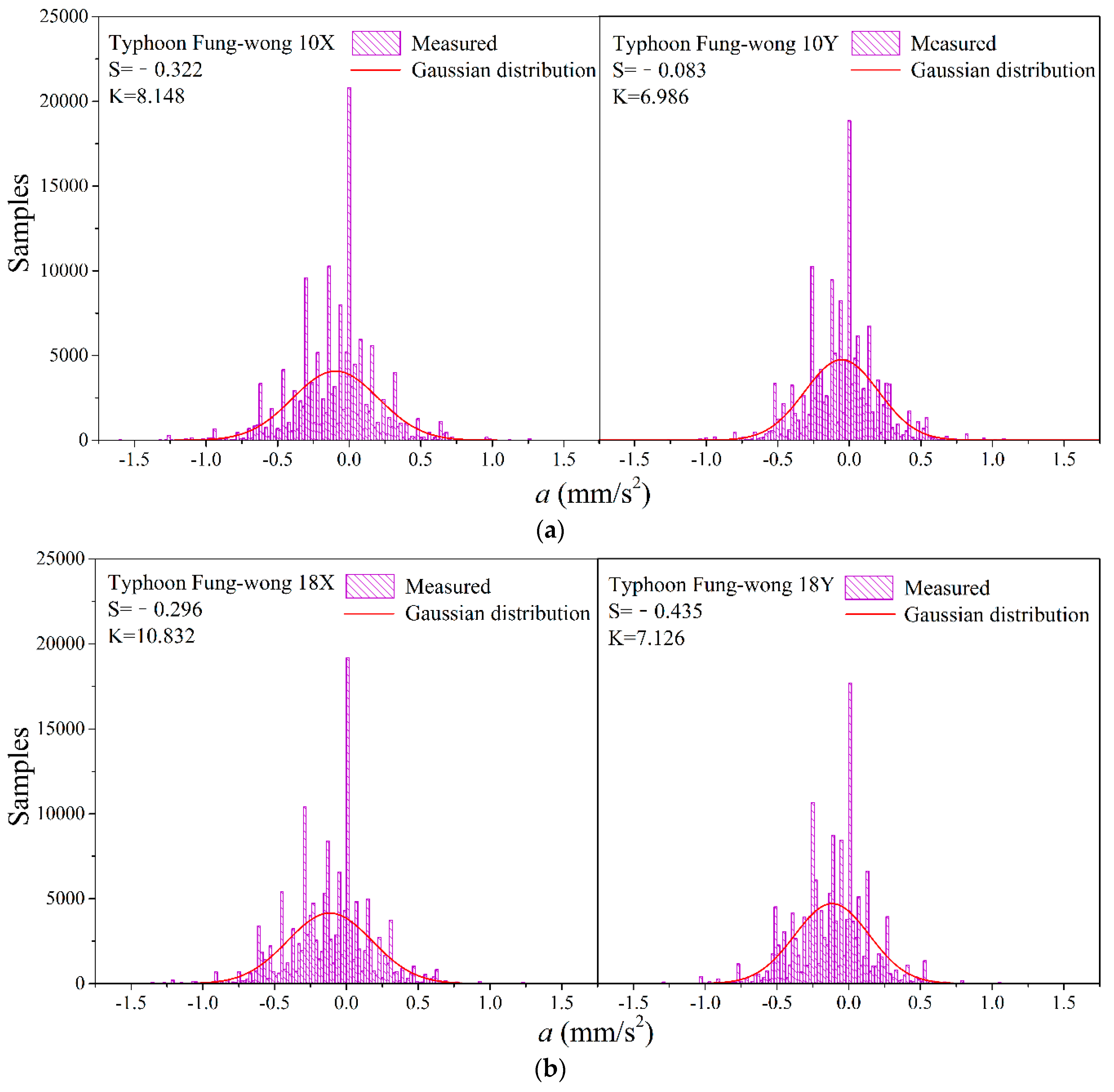
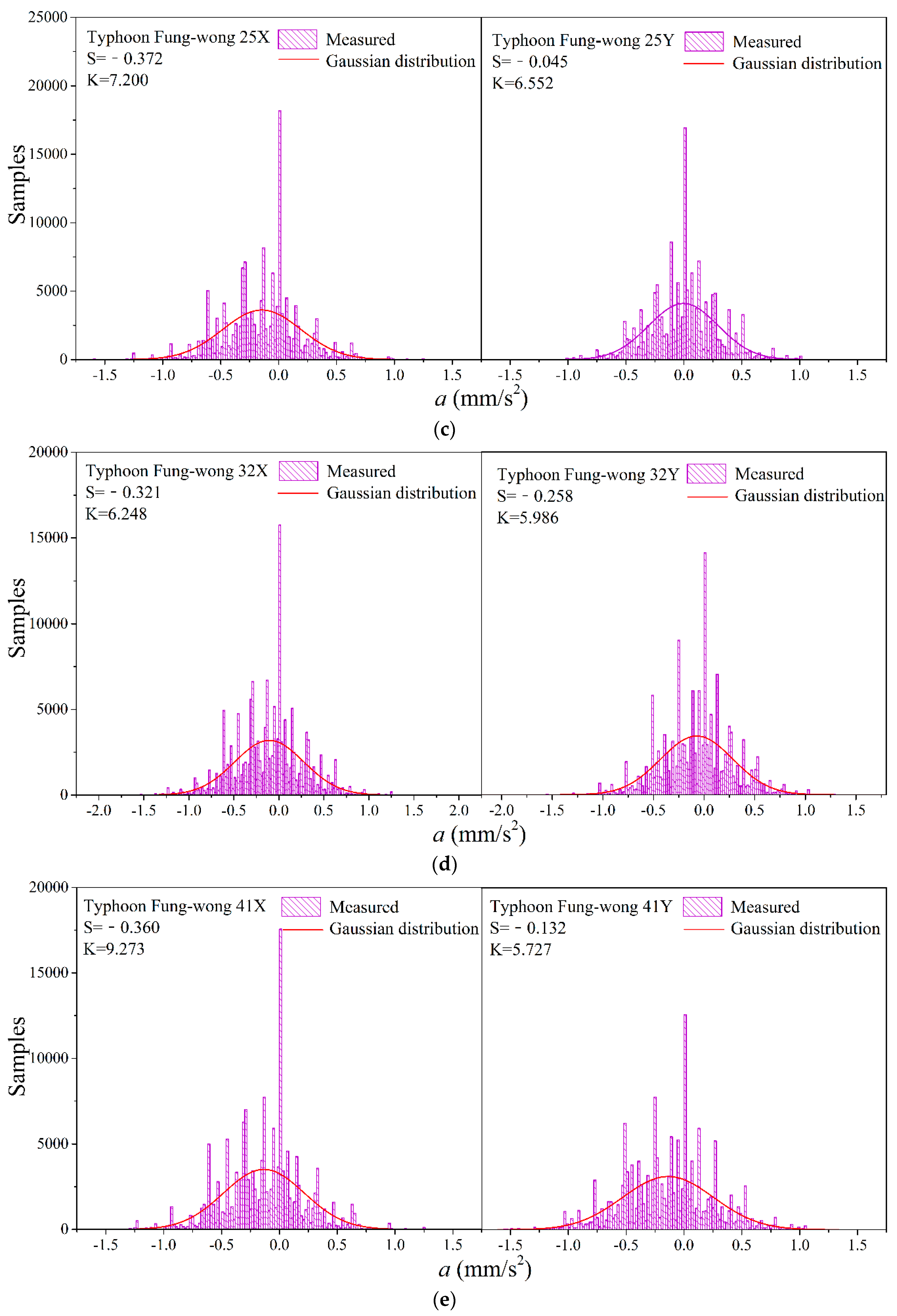
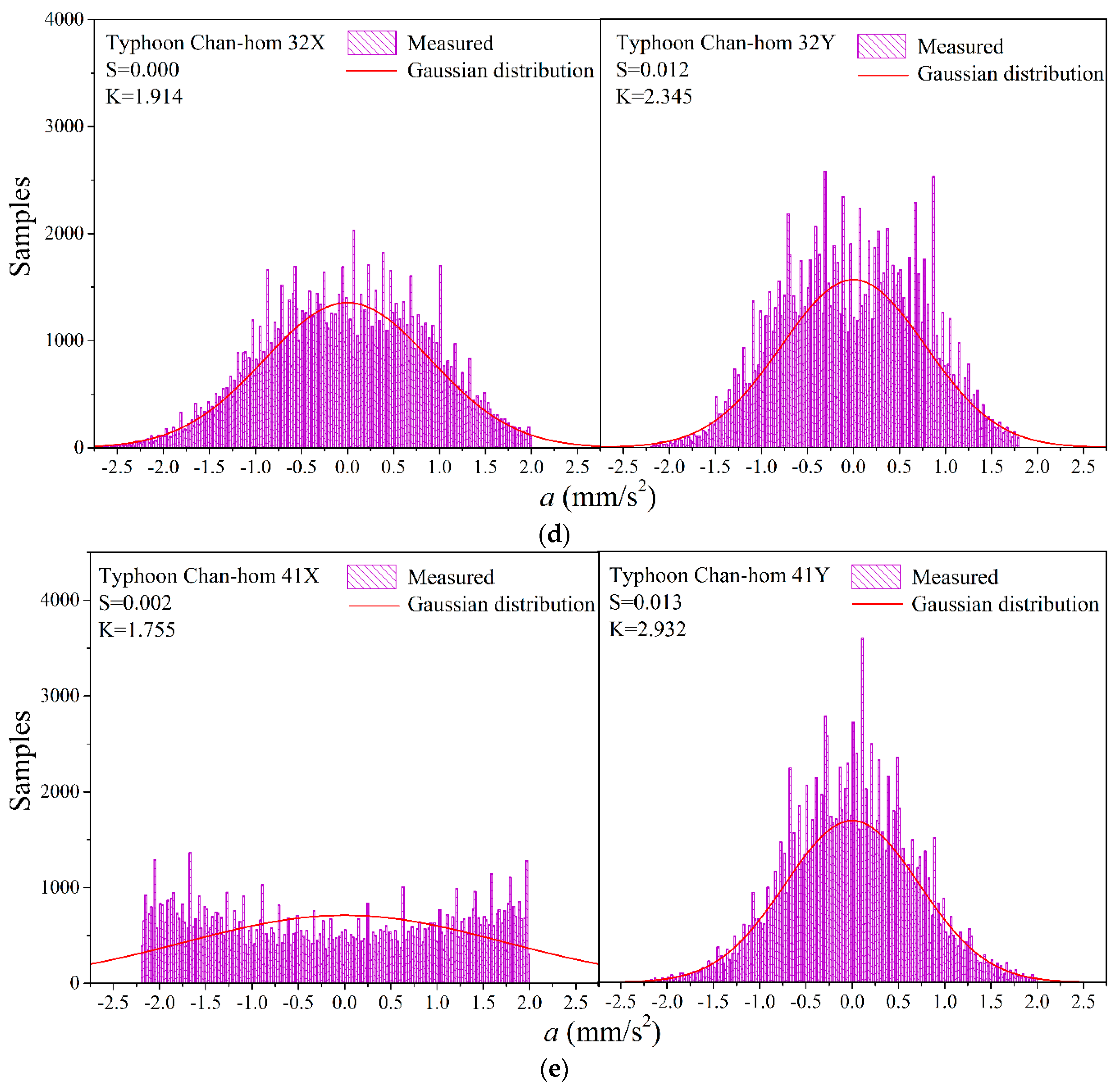
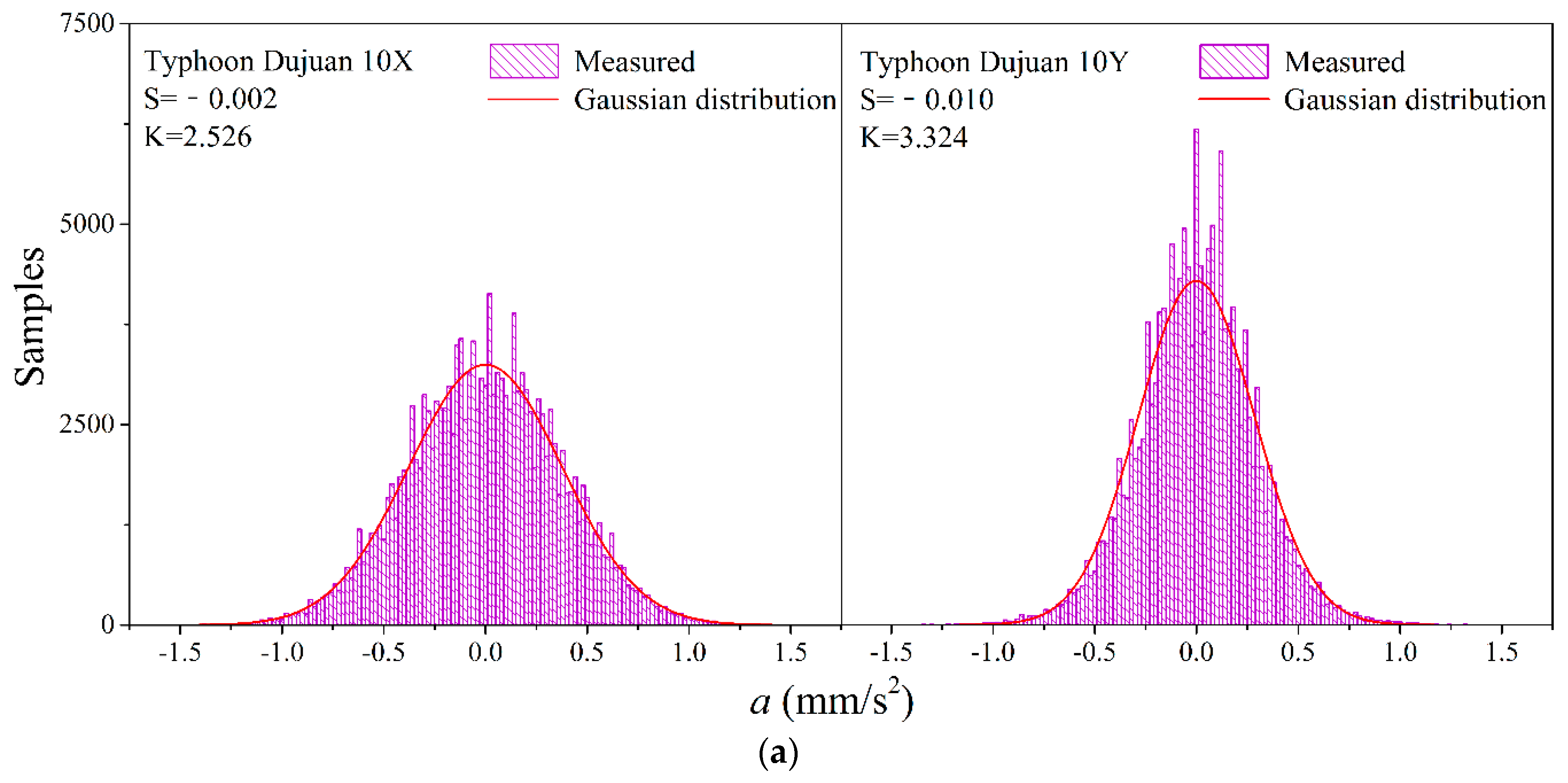
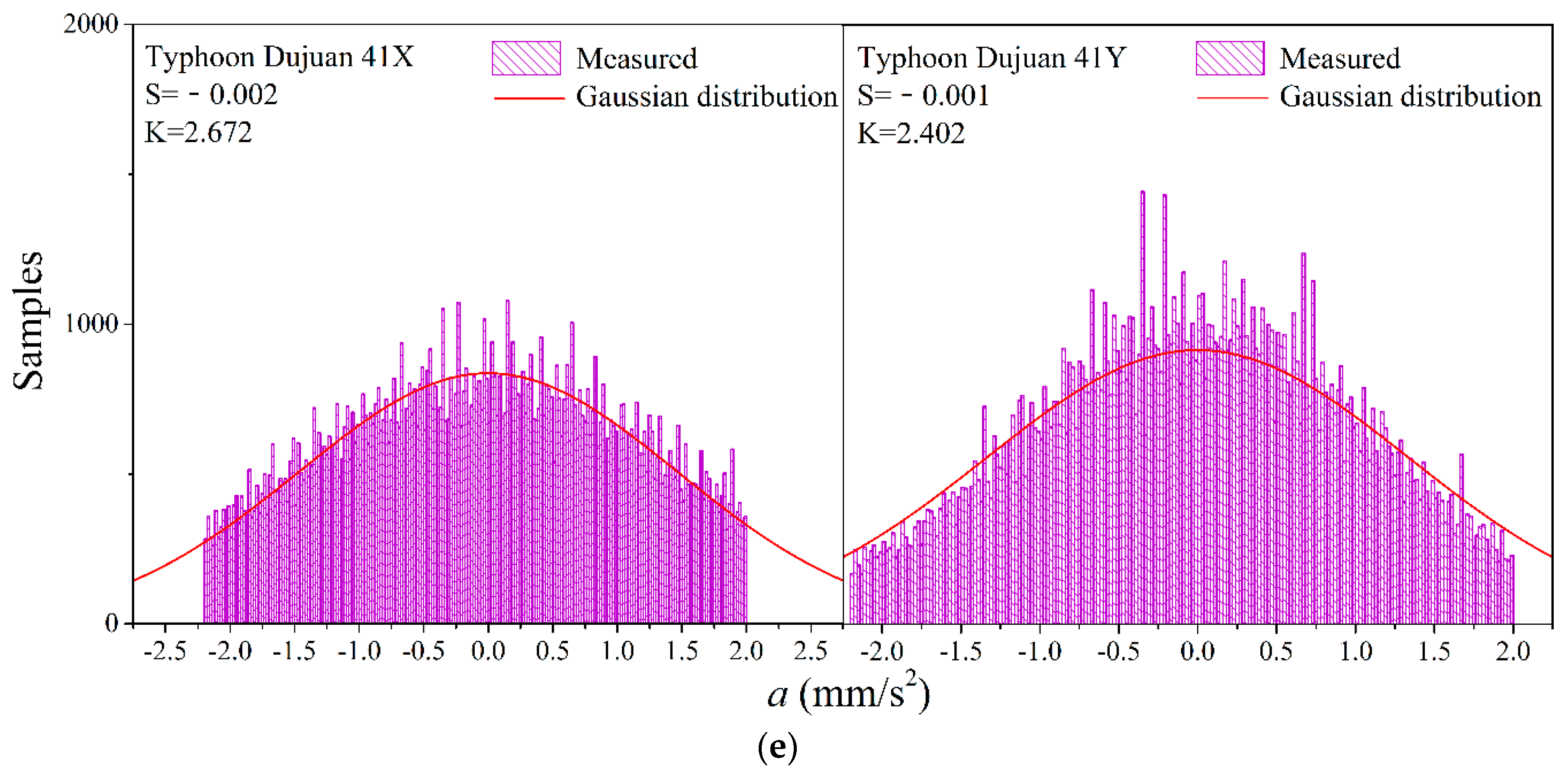
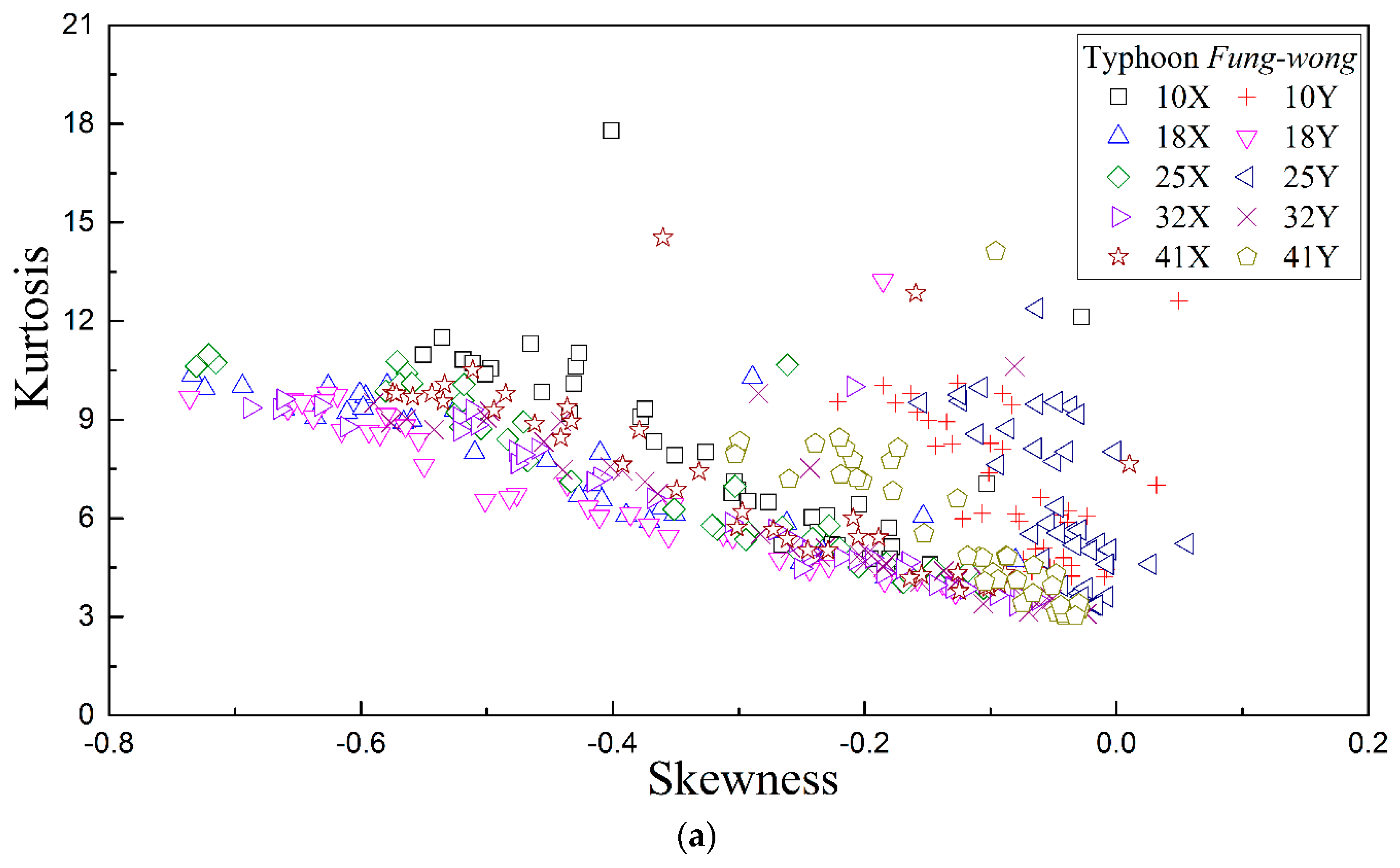
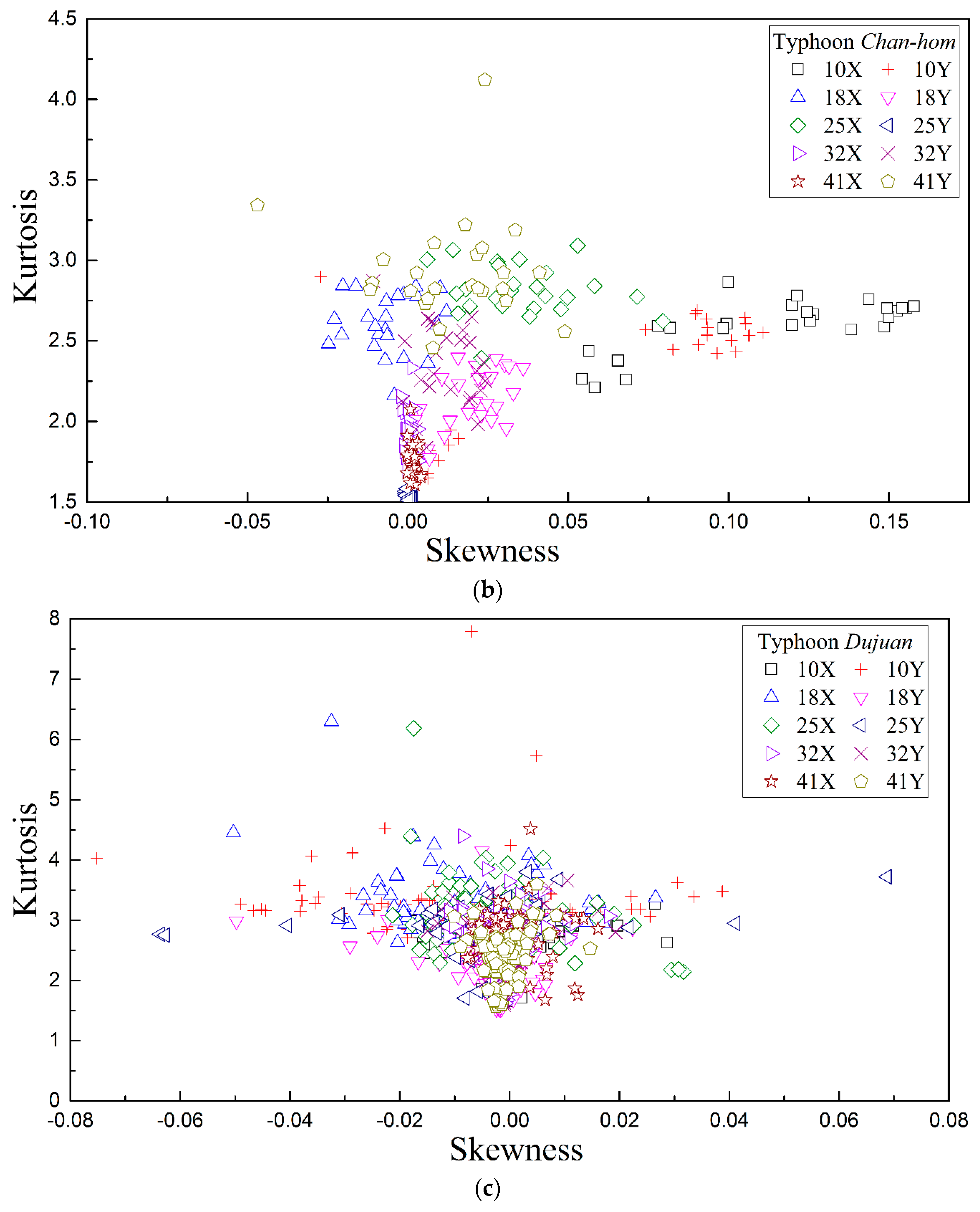
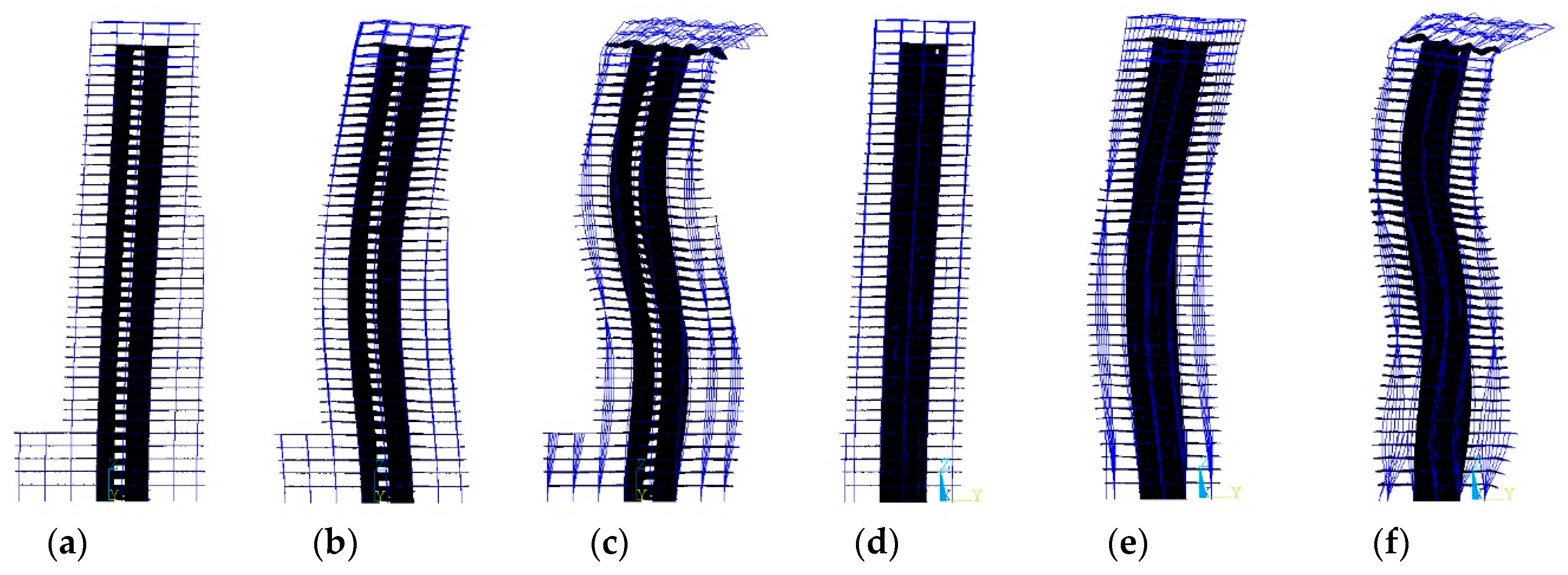
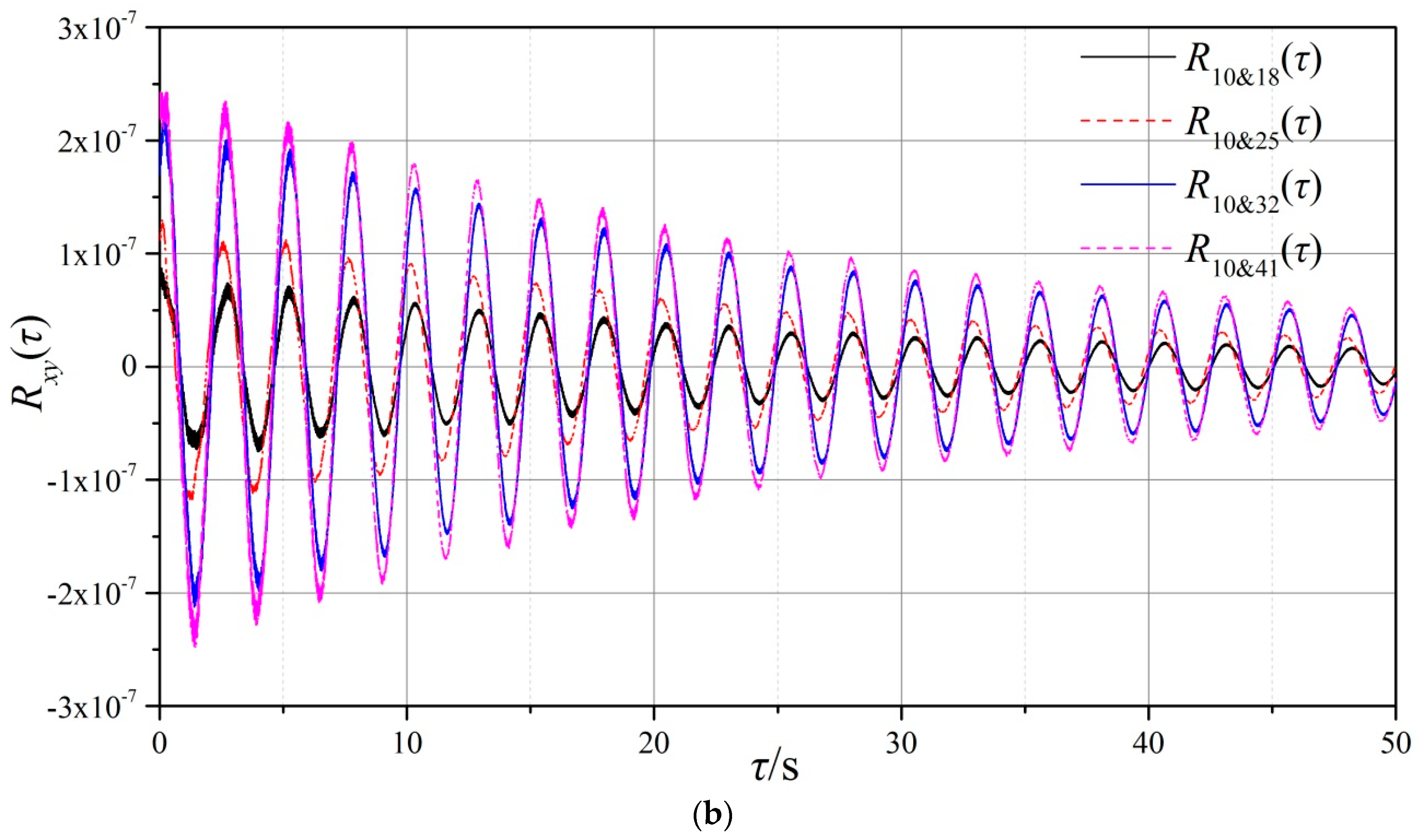
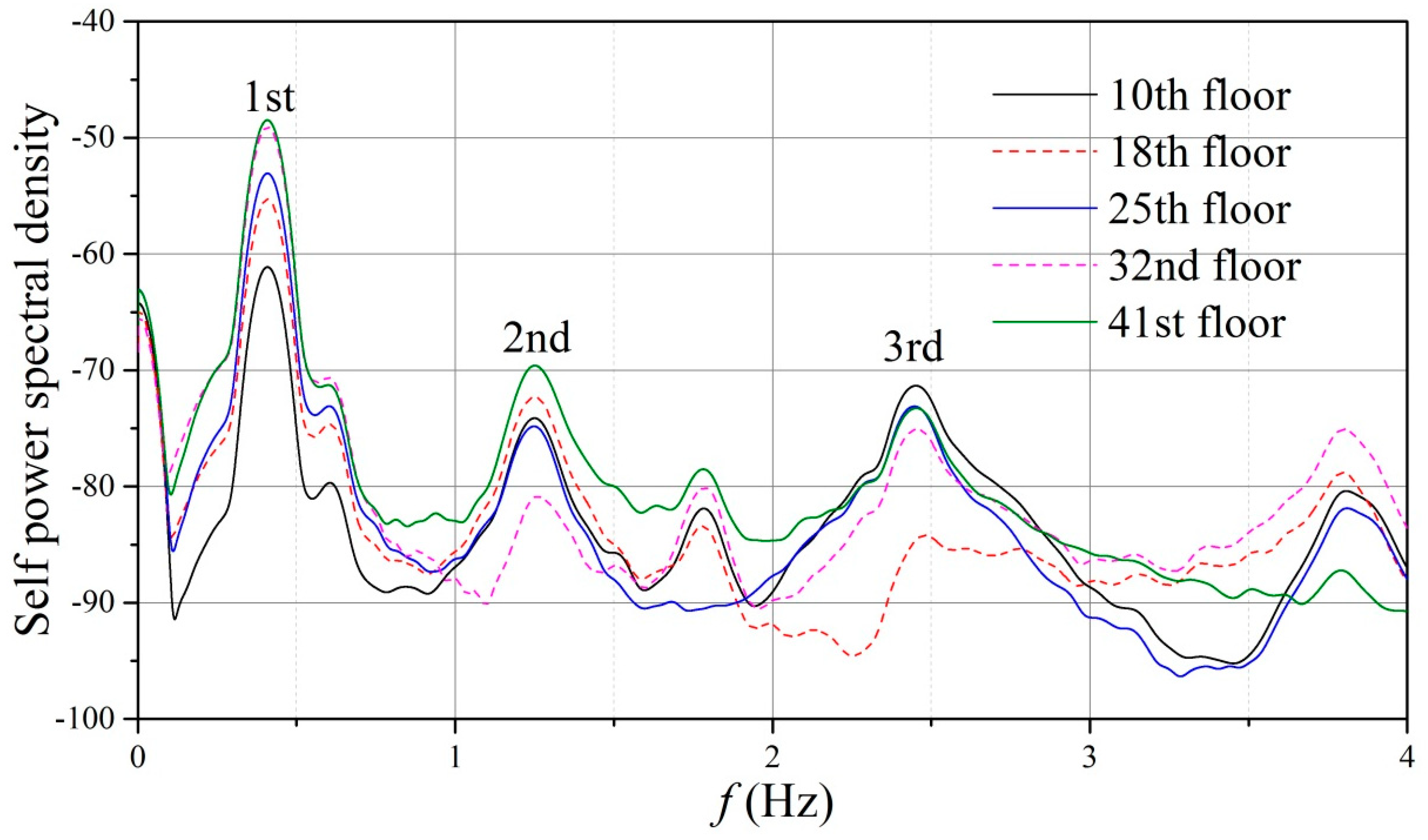
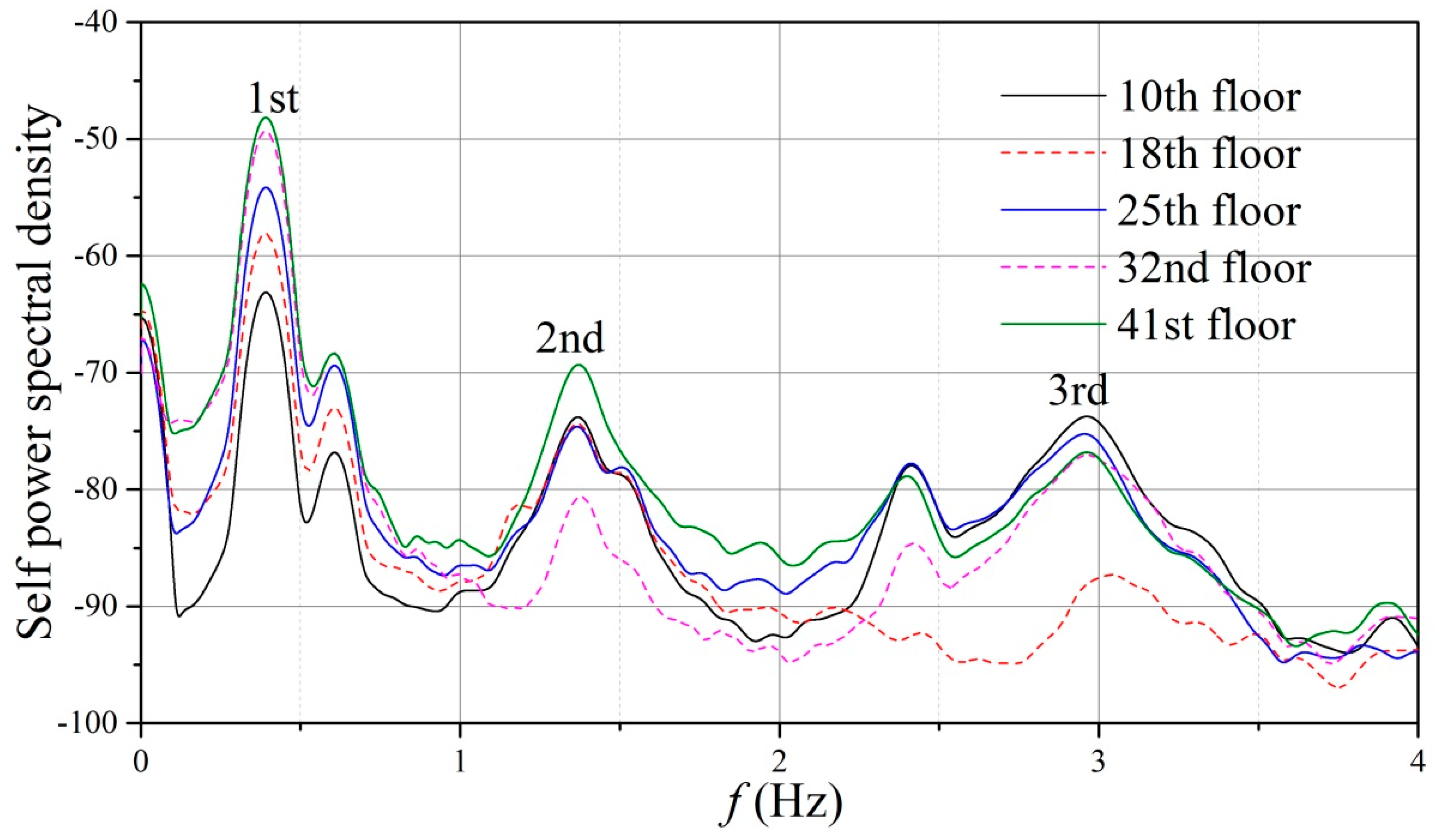
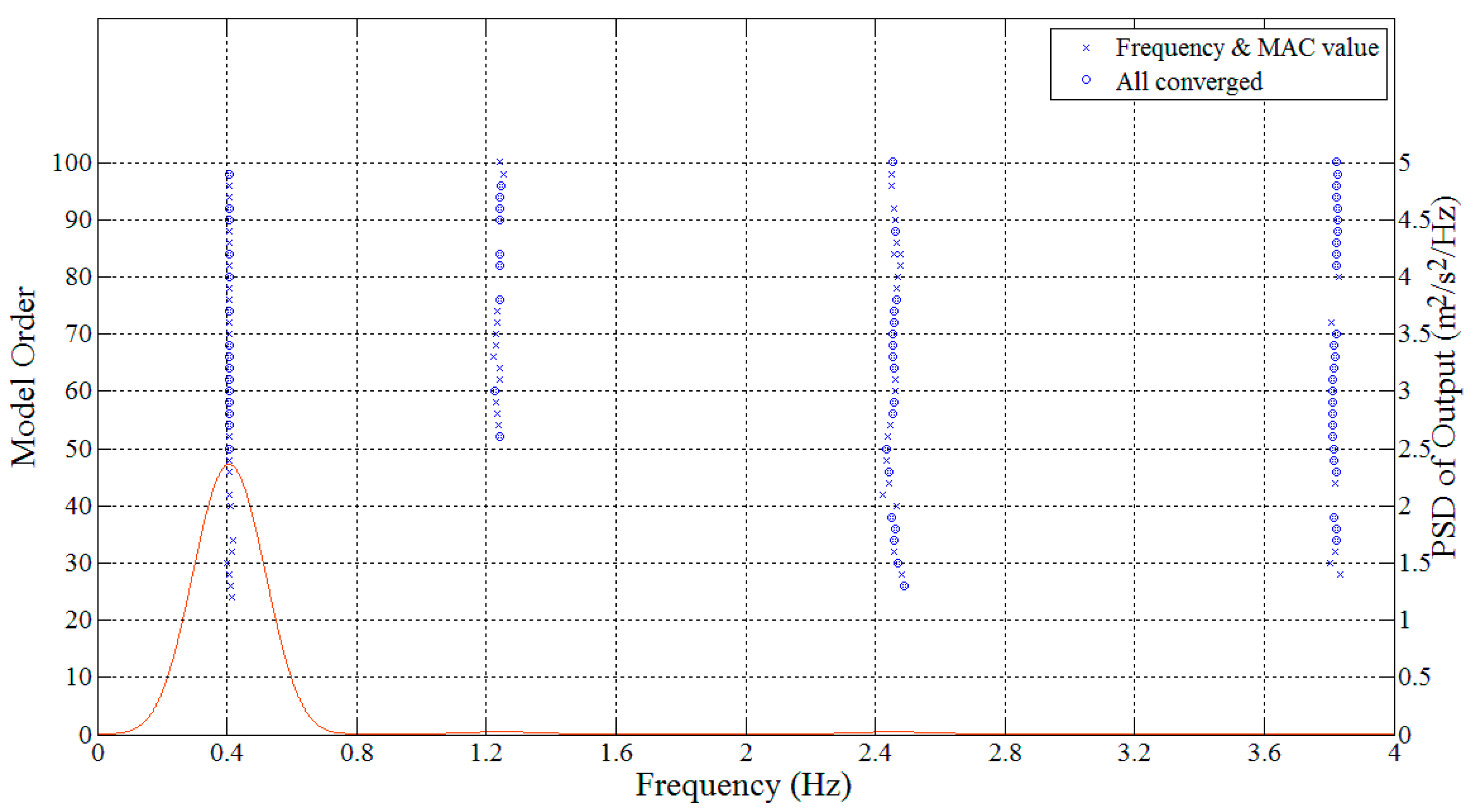
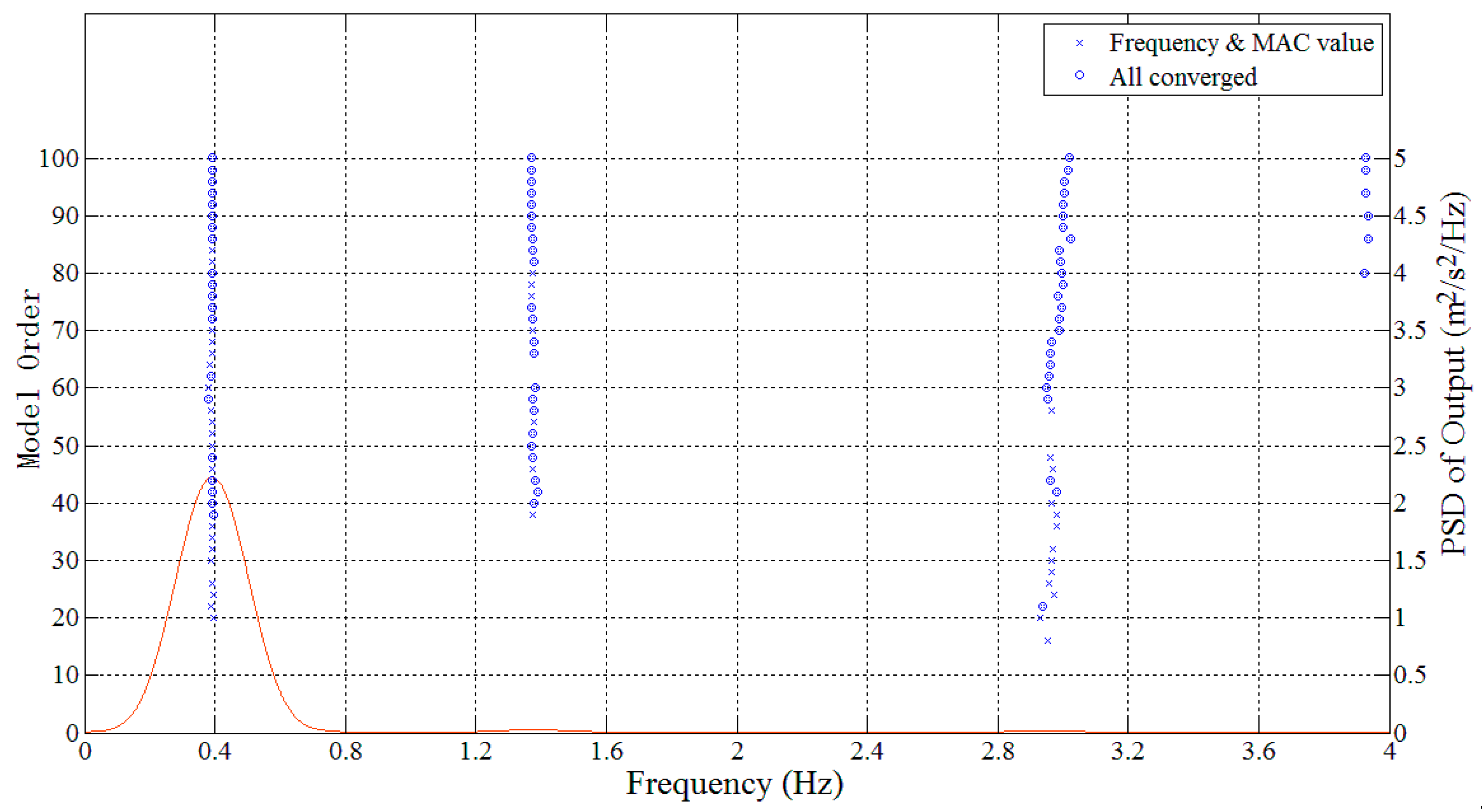
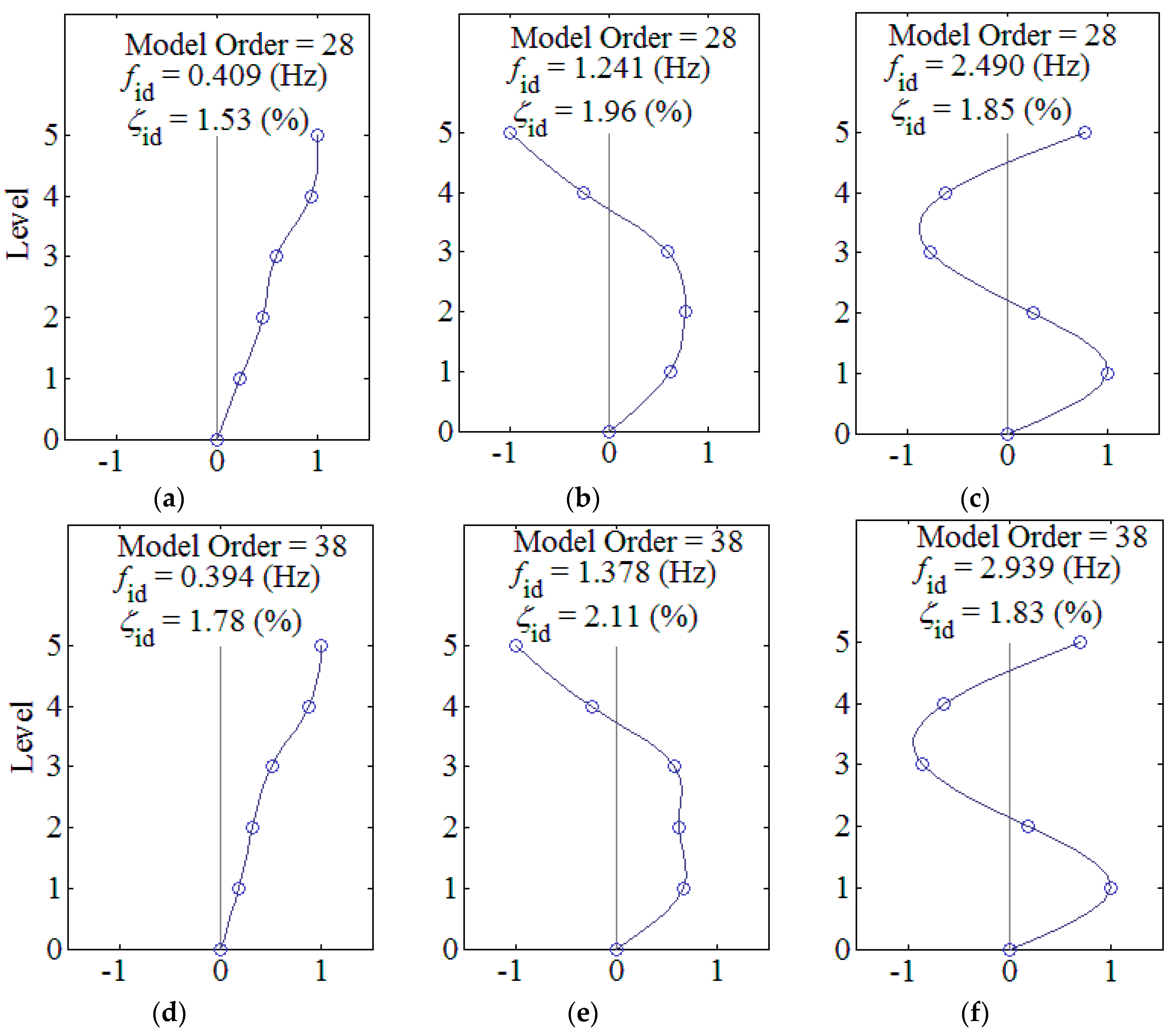
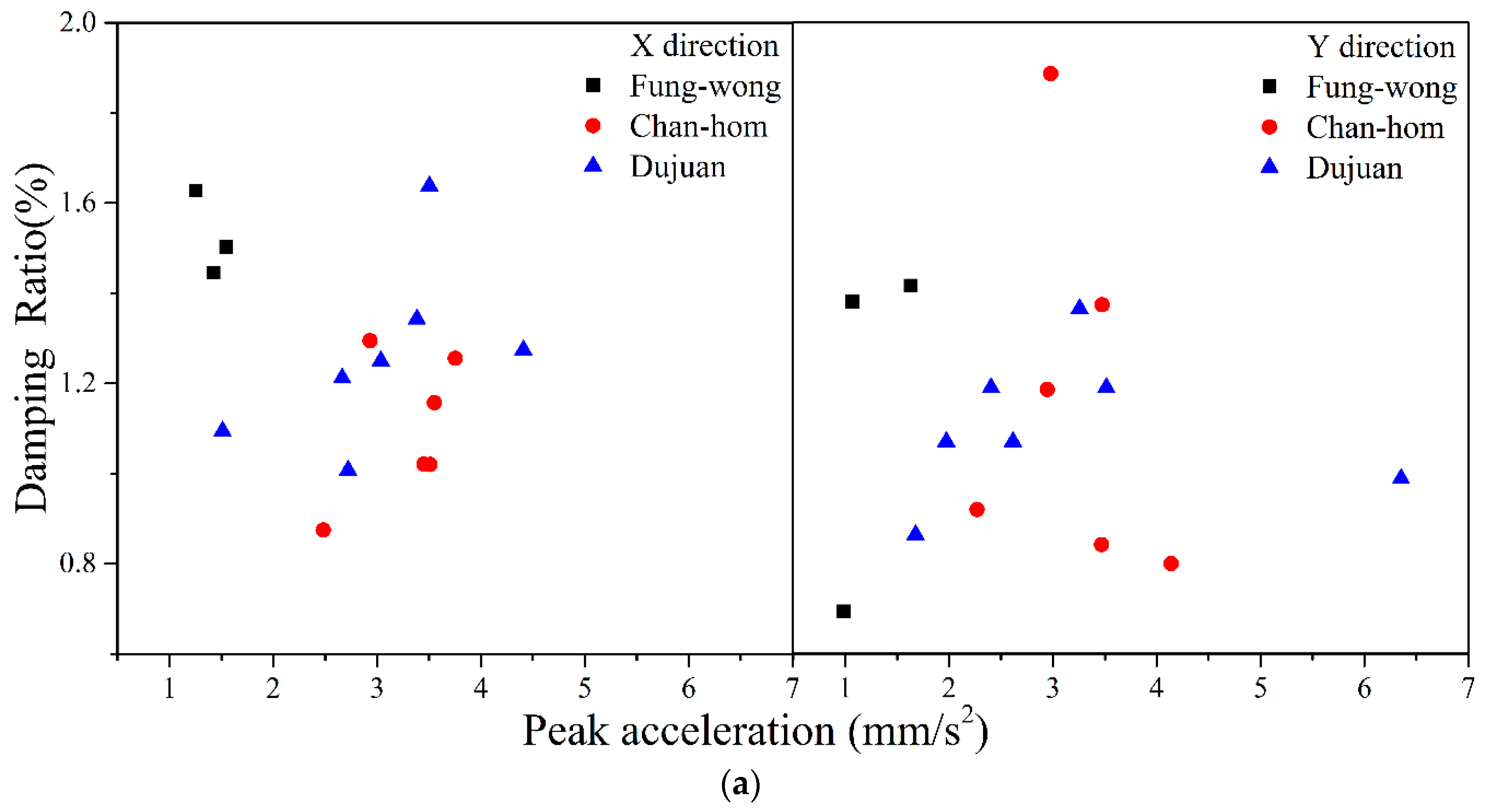
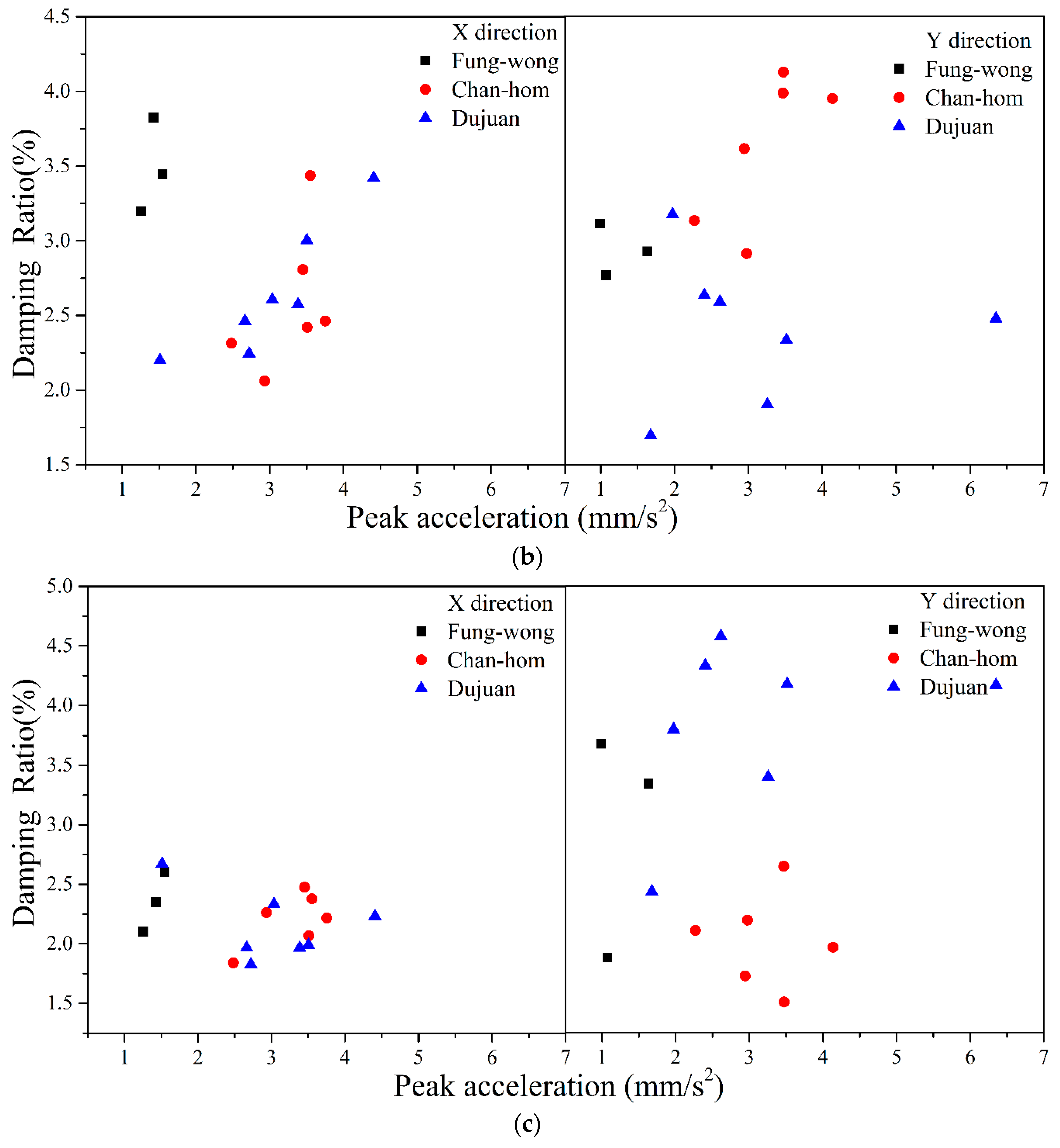
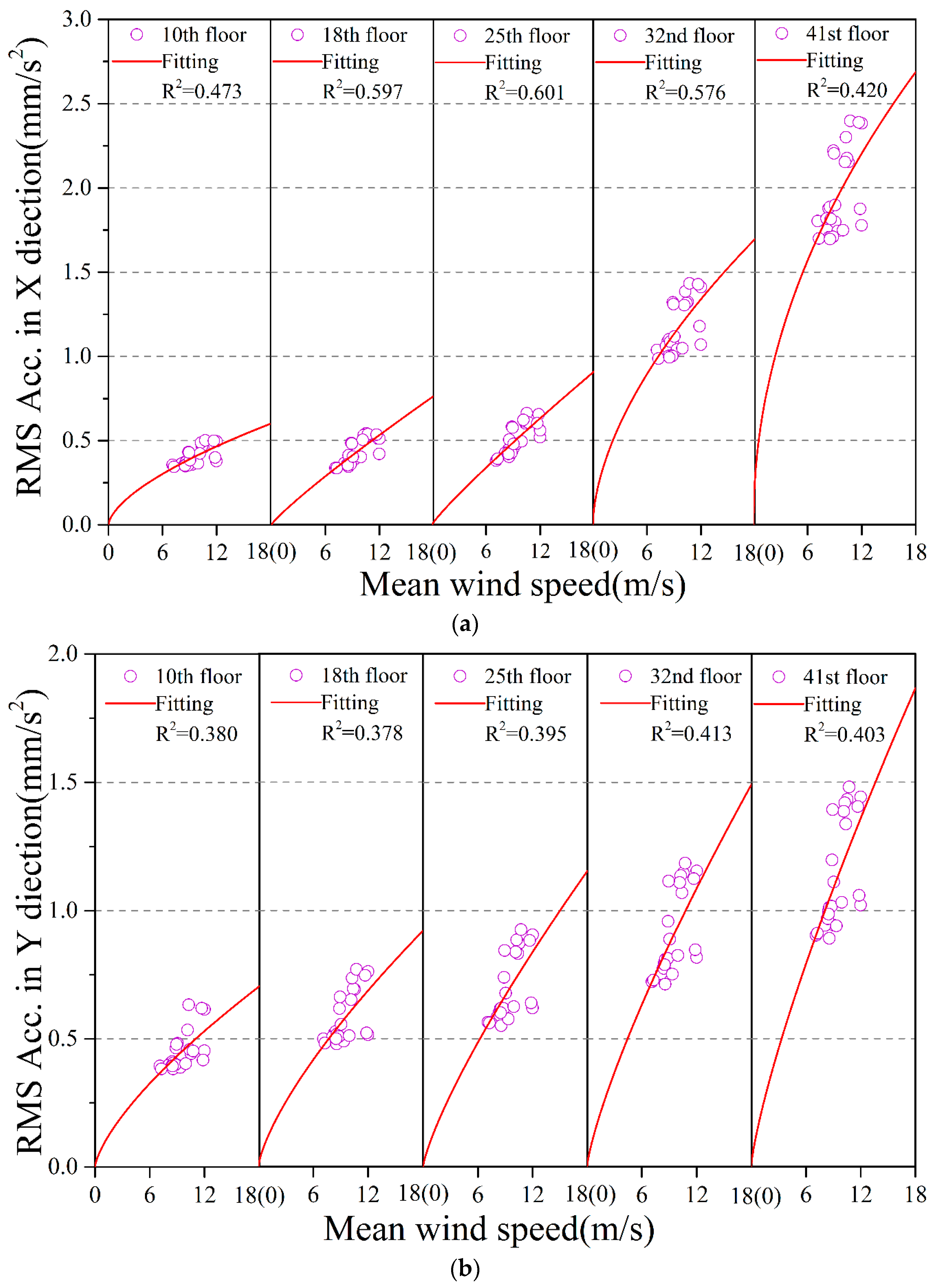
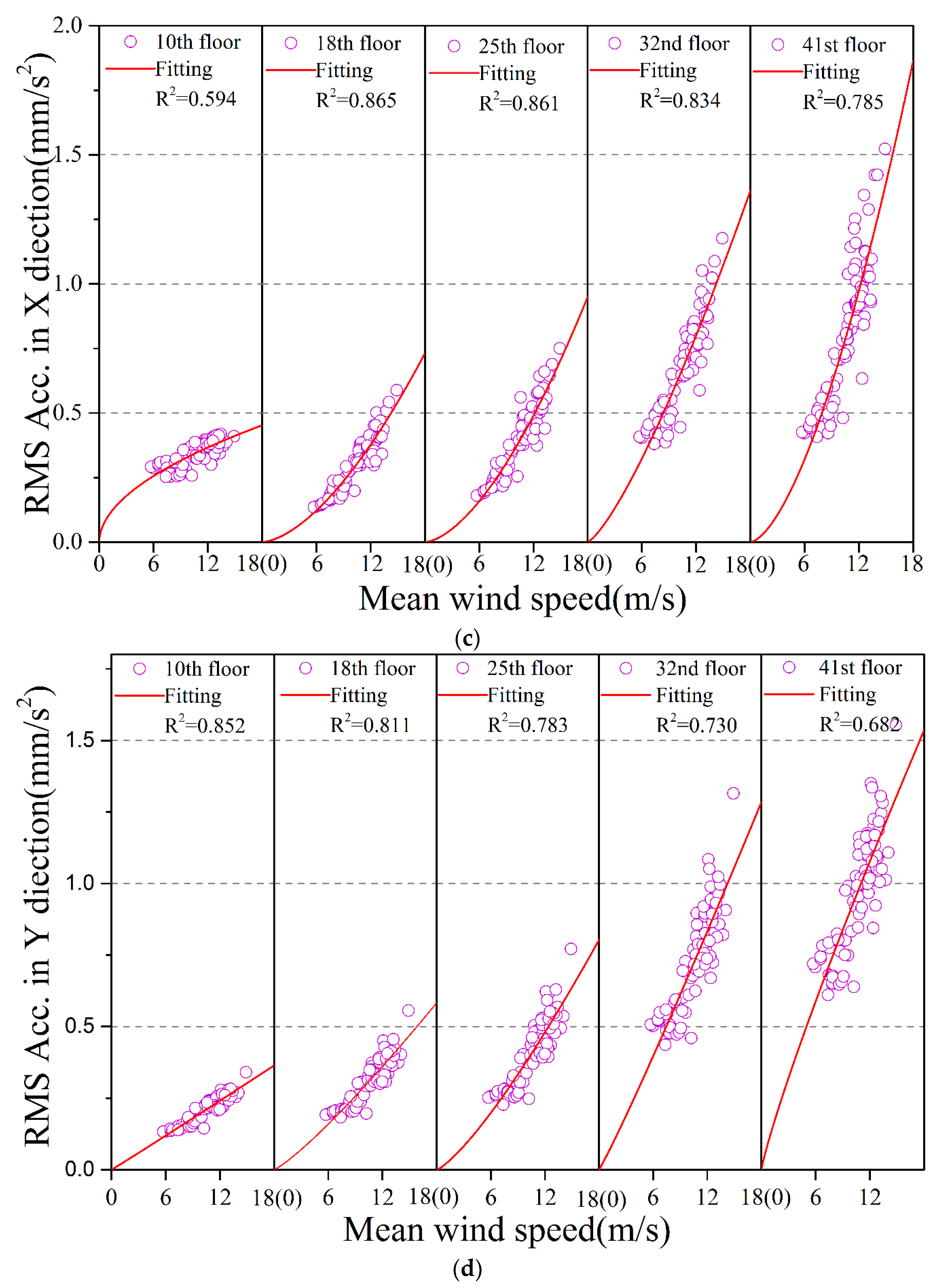
This paper simultaneously measures the characteristics of wind on the roof and the acceleration responses of the 10th, 18th, 25th, 32nd and 41st floors of a high-rise building in Wenzhou during the passing of typhoons between 2014 and 2016. This paper also analyses the dynamic characteristics and wind-induced response of buildings by using Welch and improved Natural Excitation Technique–Eigensystem Realisation Algorithm methods. The results show that the typhoons that affected Wenzhou are dominated by wind from the east, northeast and northwest. The acceleration response probability densities of different floors during Typhoons Chan-hom and Dujuan are similar to the Gaussian distribution. The first-order natural frequencies of the two wind directions of the test building are 0.390 and 0.409, which are in good agreement with Tamura’s prediction results. The relevant amplitude and frequency characteristics of the first three modes are investigated in detail according to the nonlinear characteristics of the measured building. The first-, second- and third-order damping ratios of the structure during Typhoons Chan-hom and Dujuan increased with the peak acceleration, whereas the damping during Typhoon Fung-wong remained almost unchanged. The root mean square of the acceleration response of the building structure during Typhoons Chan-hom and Dujuan increased with the wind speed. However, the increase rate of Typhoon Chan-hom was small, possibly because the angle between the incoming flow and the building is 45°, and the acceleration response in the downwind and crosswind directions is not apparent. The measured results show that the working environment of the staff at the top of the building under the influence of the typhoon also meets comfort requirements. The measured data and statistical parameters provide a valuable reference for the wind-resistant design of high-rise buildings in typhoon-prone areas.
Keywords: super high-rise building; field measurement; non-Gaussian distribution; dynamic characteristic; wind-induced response super high-rise building; field measurement; non-Gaussian distribution; dynamic characteristic; wind-induced response