


Abstract
Current power systems are facing noticeable power quality (PQ) performance deterioration, which has been attributed to nonlinear loads, distributed generation, and extensive renewable energy infiltration (REI). These conditions cause voltage sags, harmonic distortion, flicker, and disadvantageous power factors. The traditional PI/PID-based scheme of control, when applied to Flexible AC Transmission Systems (FACTSs), demonstrates low adaptability and low anticipatory functions, which are required to operate a grid in real-time and dynamic conditions. Artificial Intelligence (AI) opens proactive, reactive, or adaptive and self-optimizing control schemes, which reformulate FACTS to thoughtful, data-intensive power-system objects. This literature review systematically studies the convergence of AI and FACTS technology, with an emphasis on how AI can improve voltage stability, harmonic control, flicker control, and reactive power control in the grid formation of various types of grids. A new classification is proposed for the identification of AI methodologies, including deep learning, reinforcement learning, fuzzy logic, and graph neural networks, according to specific FQ goals and FACTS device categories. This study quantitatively compares AI-enhanced and traditional controllers and uses key performance indicators such as response time, total harmonic distortion (THD), precision of voltage regulation, and reactive power compensation effectiveness. In addition, the analysis discusses the main implementation obstacles, such as data shortages, computational time, readability, and regulatory limitations, and suggests mitigation measures for these issues. The conclusion outlines a clear future research direction towards physics-informed neural networks, federated learning, which facilitates decentralized control, digital twins, which facilitate real-time validation, and multi-agent reinforcement learning, which facilitates coordinated operation. Through the current research synthesis, this study provides researchers, engineers, and system planners with actionable information to create a next-generation AI-FACTS framework that can support resilient and high-quality power delivery.
1. Introduction
1.1. Power Quality Challenges in Modern Grids
In modern power grids, maintaining power quality (PQ) is challenging owing to the increased infiltration of nonlinear loads of various forms, distributed energy resources (DERs), and renewable energy sources. The efficient planning of electric power systems is essential to meet both the current and future energy demands. In this context, reinforcement learning (RL) has emerged as a promising tool for control problems modeled as Markov decision processes (MDPs). Recently, its application has been extended to the planning and operation of power systems. This study provides a systematic review of advances in the application of RL and deep reinforcement learning (DRL) in this field. The problems are classified into two main categories: Operation planning including optimal power flow (OPF), economic dispatch (ED), and unit commitment (UC) and expansion planning, focusing on transmission network expansion planning (TNEP) and distribution network expansion planning (DNEP). The theoretical foundations of RL and DRL are explored, followed by a detailed analysis of their implementation in each planning area. This includes the identification of learning algorithms, function approximators, action policies, agent types, performance metrics, reward functions, and pertinent case studies. Our review reveals that RL and DRL algorithms outperform conventional methods, especially in terms of efficiency in computational time. These results highlight the transformative potential of RL and DRL in addressing complex challenges within power systems. These factors cause voltage sags, flickers, harmonics, and poor power factors, thus negatively affecting industrial, commercial, and residential infrastructures [1,2,3,4,5,6]. Traditional proportional-integral (PI) or proportional-integral-derivative (PID) controllers often fail to adapt well to such dynamic conditions. This failure is especially severe in an industrial environment, such as semiconductor manufacturing, where a PQ lapse can cause losses of up to USD 90,000 to even USD 1 million hourly. The use of renewable energy sources can also cause additional complexities, such as harmonics generated by inverters and the introduction of stochastic changes in production. Modern microgrids are more susceptible to such disruptions, which may cause disruption of sensitive electronic components and interfere with the production processes. IEEE Standard 1159-2019 [7,8] categorizes power quality phenomena according to their magnitude, duration, and spectral characteristics, and establishes measurement protocols and acceptance thresholds for diverse operating environments. The installation of renewable energy sources creates further complications in the regulation of power quality, such as inverter-generated harmonics, fluctuations in resource production settings, and unaligned phases in distribution networks. Modern microgrids are particularly vulnerable to these disturbances and can experience fast transients (or even rapidly moving clouds) that disrupt sensitive electronic devices and manufacturing processes [9]. These challenges necessitate an intelligent adaptive control paradigm capable of operating under uncertainty, ensuring a real-time response, and maintaining consistent PQ in distributed systems. Traditional proportional integral (PI)/PID-based controllers are inadequate in these environments. This encourages the combination of power-electronic-based modern devices with Artificial Intelligence (AI), which has the potential to predict, self-optimize, and scale control strategies for power quality enhancement [10].
1.2. FACTS Devices, Principles and Capabilities
FACTS is a decisive element in the development of the quality of power and stability of systems by dynamically regulating the values of line parameters, such as voltage, impedance, and phase angle [11,12]. The power electronic controllers underneath it can quickly inject or accept reactive power, which is used to stabilize the voltage levels, increase the transmission capacity, and reduce transient disturbances [9,13]. Its main benefits include controlled load flow, reduced generation costs, enhanced stability, and minimized reactive power losses [12,14]. FACTS devices can be classified as shunt compensators (e.g., SVC and STATCOM), series compensators (e.g., TCSC), or hybrid devices (e.g., UPFC and IPFC), each designed to perform a unique role, such as voltage regulation, harmonic mitigation, and power flow management [15,16,17,18,19,20,21,22]. However, traditional FACTS control methods demonstrate limitations in flexibility, which supports the need for more innovative and data-targeted control paradigms in modern grids typified by high influxes of distributed energy resources [23,24,25,26,27]. As illustrated in Figure 1, power quality disturbances affect the stability of the grid and equipment operation.
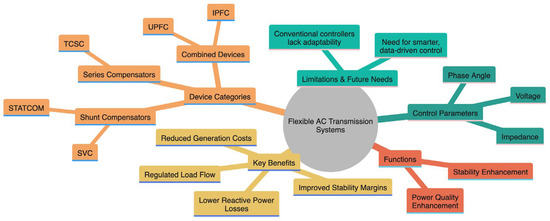
Figure 1.
Overview of Flexible AC Transmission Systems (FACTS).
1.3. Limitation of Conventional FACTS Control
Traditional FACTS control schemes, the models of which are usually based on PI regulators, rely on statistical parameters resulting from small-signal analyses and tuning through trial and error. These methods are satisfactory in the operating conditions of steady-state conditions, but display extreme deficiencies in modern power systems [11]. First, they are not predictable, particularly within the framework of integrating renewable energy, which leads respondents to not implement control policies. Second, the restrained flexibility requires manual retuning when the user changes the network settings and load profiles. Third, the approaches face challenges in multi-objective optimization when the power quality goals are incompatible with other operational goals [2,12]. These limitations highlight the need for intelligent controllers that not only react to but also allow the prevention of disturbances in advance, which artificial intelligence methods are beginning to provide [28,29].
1.4. Artificial Intelligence Controllers
FACTS control is being reshaped by artificial intelligence (AI) to allow real-time optimization with adaptive and predictive capabilities. Neural networks, fuzzy logic, and evolutionary algorithms can improve the performance of FACTS more than traditional methods can [15,30,31]. Unlike conventional methods, AI can use historical data to learn control and be optimized heuristically, thus proving to be especially effective in handling the issue of power quality under intricate grid conditions [11,12,31]. Recent studies have shown that AI can be utilized to enhance the audit of power quality, such as the control of harmonic distortion and the forecasting of voltage sag [32,33,34]. Such abilities can be particularly useful in microgrids and systems that typically use renewable resources, where dynamic variations and inverted power can occur [2,12,14]. Deep learning, fuzzy, and reinforcement learning have shown promising results; however, they have not been systematically analyzed to comprehend how various AI tools can be applied to tackle specific power quality concerns and the use of FACTS applications, particularly in light of practical implementation challenges such as explainability, real-time operation, and data requirements.
1.5. Research Gaps and Paper Contributions
This review determines the essential gaps in the research on AI integration with Flexible AC Transmission Systems (FACTS) in four main ways.
- Systematic Classification of AI Solutions to PQ-Focused FACTS Control: This study develops a new taxonomy based on which AI methods, including Long Short-Term Memory networks (LSTM), Convolutional Neural Networks (CNN), Graph Neural Networks (GNN), fuzzy logic, and reinforcement learning, are classified in respect to their ability to be used with a particular device and power quality targets. Taxonomy is classified in terms of control functionality, which can be voltage sag mitigation, harmonic suppression, and flicker reduction, consequently offering a guide on the relevant choice of AI models for each application.
- Quantitative analysis of AI-enhanced versus traditional Controllers: The study conducts a strict performance analysis of the AI-enhanced FACTSs in comparison to the traditional PI/PID controllers. Various power quality tests were analyzed, including the accuracy of voltage regulation, total harmonic distortion (THD) reduction, flicker reduction, response time, and effectiveness of reactive power compensation.
- Assessment of practical implementation issues: The authors evaluated the practical limitations of deployment, which comprise computational latency, model integrity, interpretability, and data quality, in addition to integration with the existing grid infrastructure. Special attention is paid to the differences in simulation results and hardware-in-the-loop (HIL) or field-level models.
- Roadmap to Future Research and Future Trends: Future promising research opportunities are nominated, including the use of digital twins to validate AI-FACTS, federated learning to create distributed intelligence, physics-based neural networks (PINNs) to create constraint-based control, and multi-agent reinforcement learning (MARL) to achieve coordinated microgrid control.
Together, these works address the gap between theoretical AI-FACTS studies and actual implementation and provide a new framework for future development of smart grids, in the presentation of applications of AI in smart grids. The remainder of this paper is structured as follows: Section 2 provides background information on the basic types of power quality disturbances and their effects on the performance of modern power grids. Section 3 provides an overview of the proposed advanced AI techniques, such as deep learning, reinforcement learning, and hybrid techniques, which are applied to power system control. Section 4 presents the manner in which such AI techniques have been combined with FACTS devices to enhance power quality parameters such as voltage stability, harmonic filtering, and flicker limitation. Section 5 describes the implementation issues, such as computational limitations, sensor accuracy, and interoperability. Section 6 concludes the paper, summarizes the findings, and lays out future ways in which intelligent and AI-assisted FACTSs can be achieved in a smart grid environment.
2. Overview of Power Quality Issues and FACTS Solutions
The definition of power quality (PQ) disturbances can incorporate a range of deviations in voltage, current, or frequency, with the capacity to impair the normal operation of equipment. In the current IEEE 1159-2019 standard [7]. PQ issues are categorized into several classes based on their severity, duration, and frequency of occurrence (FO). Such instabilities, whether transient or steady-state, are becoming increasingly significant problems in modern grids, especially those with large amounts of nonlinear loads and low renewable energy penetrations. In order to be able to plan effective control strategies, all these phenomena must be classified and their effect on grid reliability and operational efficiency understood.
2.1. Classification of Power Quality Disturbances and Cost Loss
PQ is defined as the set of electrical characteristics that allows electrical equipment to function properly without any significant loss of performance or life expectancy [12]. Various power quality disturbances are discussed in the following sections.
These disturbances have significant economic and operational impacts on industries worldwide. In industrial sections, equipment lifetime is reduced, and power losses are increased owing to problems that can affect the grid power quality. Interruption costs are related to faults in equipment repair, damaged products during the production stage, spoiled raw materials, protection systems, energy backup systems, and additional staff working hours. In some sectors, the loss can be staggering; per-minute interruption costs in the chemical sector reach approximately $135,000, in the food industry about $2500, and in the mechanical sector around $75,000 [35,36,37]. From a high-level perspective, power supply variations and voltage disturbances cost approximately $119 billion per year for industrial facilities in the US, according to an Electric Power Research Institute (EPRI) report. In the meantime, 25 EU states suffer the equivalent of $160 billion in financial losses per year due to improper ID PQ [38,39]. This classification is illustrated in Figure 2.
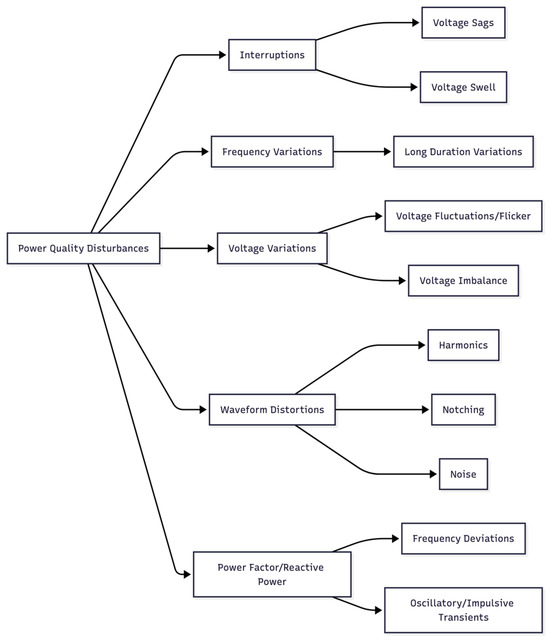
Figure 2.
Power quality disturbances.
2.1.1. Voltage Magnitude Variations
Voltage Sags (Dips)
The disturbance caused by a reduction in the root mean square (RMS) voltage at 0.1 to 0.9 per unit over 0.5 cycles up to 1 min is called a voltage sag. As shown in industry data, the percentage of power quality disturbances experienced in industrial premises is about 70 per cent due to voltage sag [11,40,41]. Sags are generally categorized based on the level (strength) and duration, with severity increasing with increasing levels [40]. The major sources of such agitation are system faults (line-to-line, line-to-ground, etc.), large motor starting (in-rush current), transformer energization, and heavy load switching [42]. The mathematical characterization of this phenomenon is as follows:
where is the sag voltage (between 0 and 1), is the actual voltage level measured during the sag event, and is the standard operating voltage of the electrical system.
Voltage Swells
It is a transient rise in RMS voltage between 1.1 and 1.8 per unit occurring over a duration of 0.5 cycles to 1 min [37]. The formula associated with this fault is identical to that of a voltage sag. They are less common than sags, but may be equally dangerous and comparable [35,40]. The usual causes are line-to-ground faults (no faulty phases), load rejection, capacitor bank energization, and incorrect tap-up/down settings of transformers.
Long-Duration Voltage Variations
A long-lasting voltage abnormality (less than 0.9 per unit or greater than 1.1 per unit) that takes more than one minute is considered a long-duration voltage variation. This is because of load variations, switching operations, and poor system voltage regulation rather than fault conditions.
2.1.2. Waveform Distortion
Harmonics
Periodic waveforms in which sinusoidal components have frequencies that are integer multiples of the fundamental frequency are referred to as harmonics. With the growth of nonlinear loads and the infiltration of renewable energy, harmonic distortion has become a ubiquitous challenge in contemporary power-grid systems. IEEE 519-2014 [43,44] recognized the limits of harmonic voltage and current distortion [40,45] at the PCC, with somewhat higher values and different conditions. The major causes of these disturbances are switch-mode power supplies, variable-frequency drives, LED lighting, arc furnaces, and battery chargers [40,42,46,47,48]. The measurement of this disturbance is followed by the following formula, which requires the Total Harmonic Distortion (THD):
where is the RMS voltage of harmonic order h and is the fundamental voltage. Another quantified method is for the Individual Harmonic Distortion (IHD), which is used as follows:
Beyond classical harmonics, recent studies highlight supraharmonics and common-mode EMI in the 9–150 kHz band of modern converter-rich systems, which can propagate through motor drives and distribution networks [40,43].
Interharmonics
Frequency components that are not integer multiples of the fundamental frequency have become increasingly common in modern power systems owing to the large-scale application of cycloconverters, arcing-type devices, induction motors operating at variable loads, and power electronic converters that utilize asynchronous switching. These Interharmonics may have a variety of negative effects, such as light flicker, thermal loading of capacitor banks, noise that interferes with control and protection signals, and interruptions in ripple control systems [49].
Notching
This phenomenon represents periodic voltage disturbances caused by the normal operation of power electronic devices during phase communication [50].
Noise
Noise is the voltage or current with spectral components below 200 kHz that are superimposed on the power waveform. Practically, this noise is typically divided into two categories: common mode noise, which propagates between the conductors and ground, and transverse mode noise, which influences the conductors of the line [9].
2.1.3. Voltage Fluctuations and Flicker
Voltage fluctuations refer to random changes in voltage, typically between 0.9 and 1.1. These changes in voltage often occur in the frequency range of 0.5–30 Hz, which can cause visible flicker [38,39]. The IEC 61000-3-7 and IEEE 1453-2015 [44] standards establish the planning and compatibility levels for flicker-severity assessments. Flicker severity was quantified using
- Short-term flicker severity (Pst): Measured over 10 min
- Long-term flicker severity (Plt): Measured over a 2 h period
Primary sources of voltage fluctuations include
- Arc furnaces
- Welding equipment
- Rolling mills
- Reciprocating pumps and compressors
- Wind turbines
- Large motor starting (repetitive)
2.1.4. Power System Imbalance
Voltage Unbalance
In the normal scenario of a three-phase voltage system, the magnitudes of the waves should be the same, with a 120° difference in their phases. However, an unbalanced voltage can occur because of abnormal grid conditions. Typical industry standards limit voltage unbalance to 2–3% [51]. This disturbance can be quantified using the following equation:
where V1 and V2 are the positive and negative sequence voltage components, respectively.
This phenomenon arises from several structural and operational factors in the power system. One key contributor is the uneven distribution of single-phase loads over the three phases, which can lead to current imbalance and voltage deviation. Moreover, open delta transformer configurations can often cause asymmetry in voltage magnitudes and related phase angles. Blown fuses in capacitors can also cause reactive power compensation disruption. In addition, asymmetric transformer impedances resulting from aging or manufacturing tolerances introduce unequal voltage drops under the load. Finally, non-transparent transmission lines contribute to mutual coupling, which distorts the problem throughout the entire network.
Current Unbalance
Similarly to voltage imbalance, current imbalance is a critical indicator of power-quality degradation. This term is often quantified as the Current Unbalance Factor (CUF), which is defined as [51]
where C1 and C2 are the positive and negative sequences of the current components, respectively.
This metric provides a percentage-based evaluation of asymmetry extension in the current waveform. A higher CUF indicates a greater deviation from the normal operation of the three-phase system, which can adversely affect various equipment, such as motors, transformers, and power electronic converters. Current and voltage imbalances can occur independently of each other. Even when the system voltage appears balanced, other factors such as unbalanced loading or nonlinear devices can cause issues with the CUF.
2.1.5. Power Frequency Variation
Power frequency deviations from the nominal 50 or 60 Hz beyond ±0.1 Hz indicate PQ issues. These arise from imbalances between generation and load [52]. Frequency stability encompasses steady-state variations and dynamic deviations caused by generator failures or load changes. Metrics such as the Rate of Change in Frequency (ROCOF), frequency nadir, and recovery time are used to assess performance and guide frequency control.
2.1.6. Transient Disturbances
Impulsive transients are sudden voltage or current changes with unidirectional polarity caused by lightning strikes, inductive switching, and electrostatics [53]. They have rapid rise times (1–10 µs), short durations (<50 µs), and high magnitudes (up to kV). Oscillatory transients affect both polarities and are categorized by frequency range: low (<5 kHz), medium (5–500 kHz), and high (500 kHz–5 MHz), which are related to switching and lightning events.
2.1.7. Power Factor and Reactive Power Issues
A low power factor has a high negative impact on both power quality and system efficiency [54]. These issues are caused by various factors, such as the current increment for the same active power transfer, high voltage drops across the lines, reduction in equipment capacity utilization, and increased system losses From a system-level perspective, improving PQ and efficiency in conversion chains complements broader sustainability goals identified by comparative life-cycle assessments of renewable electricity systems. For both sinusoidal (power factor, PF) and nonsinusoidal (displacement power factor, DPF) conditions, this occurrence can be quantified using the following equations:
where PF is the power factor; true PF is the actual power of the system considering both the displacement and distortion components; P is the active power; Q is the reactive power; S is the apparent power; Vrms is the effective voltage; Irms is the effective current; DPF is the displacement power factor, which is related to the phase angle between voltage and current; and THDI is a measure of the amount of harmonic distortion present in the current waveform. Table 1 summarizes the characteristics, sources, and economic impacts of major power quality disturbances. Representative waveforms for these disturbances are shown in Figure 3, which contrasts the normal and distorted profiles.

Table 1.
Power quality disturbances.
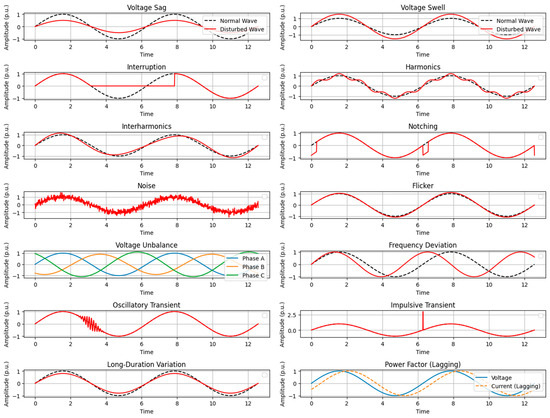
Figure 3.
Representative waveforms of major power quality disturbances.
2.2. FACTS Devices, Classifications and Operating Principles
FACTS devices represent a sophisticated family of power electronic-based controllers, and their design is primarily intended to enhance the controllability, stability, and power transfer capabilities of AC transmission systems. This chapter focuses on various aspects of FACTS devices and their impact on increasing the functionality of the grid by mitigating disturbances [56].
where P is the active power transmission, Qs is the reactive power at the sending end, ∣Vs∣ and ∣Vr∣ are the voltage magnitudes at the sending and receiving ends, respectively, δs and δr are the voltage phase angles, and X is the line reactance.
FACTS devices provide dynamic control over the three main parameters.
- Line impedance (X)
- Voltage magnitude (∣V∣)
- Phase angle (δ)
This dynamic control is achieved by inserting reactive elements (such as inductors and capacitors) or direct voltage and current injection using power electronic converters that typically operate at high switching frequencies [42].
2.2.1. FACTS Device Classifications
Series-Connected Controllers
These FACTS devices are connected in series with transmission lines through coupling transformers to control the impedance or voltage sources [11]. With this configuration, direct control of the power flow (i.e., relatively smaller ratings compared to shunt devices) is possible according to the following relationship:
where Xeffective is the effective line reactance after series compensation. Thyristor-controlled series reactors (TCSR) and thyristor-switched series reactors (TSSR) allow continuous adjustment of series inductive reactance using antiparallel thyristors, thereby providing dynamic power flow tuning [11]. A detailed comparative summary of FACTS categories, operating principles, and control objectives is provided in Appendix A.
2.2.2. Shunt-Connected FACTS Controllers
Shunt controllers [37] are connected in parallel with the system at specific points to have the most impact on the system (typical locations are at load buses or midpoints of long transmission lines), functioning as controllable current sources or variable impedances. It includes:
- Static Var Compensator (SVC): Comprised of thyristor-controlled reactors/capacitors, it provides fast voltage regulation and supports system stability under heavy or fluctuating loads [11].
- STATCOM (Static Synchronous Compensator): A voltage-source converter (VSC)-based shunt device offering rapid dynamic reactive compensation, harmonic filtering, flicker mitigation, and rapid support during faults [11]. The mathematical modeling details for these devices, including control equations and converter relationships, are summarized in Appendix A.1.
Practical PV-coupled deployments show that reduced-switch D-STATCOM topologies can maintain voltage and mitigate PQ issues while lowering switching burden, using modified SRF control in grid-tied operation [31].
2.2.3. Combined Series-Shunt Controllers
Combined devices integrate both series and shunt controls for multimodal power optimization.
- Unified Power Flow Controller (UPFC): Simultaneously manages voltage magnitude, impedance, and phase angle using dual VSCs sharing a common DC link; UPFCs represent the most flexible FACTS technology for power flow control and quality enhancement [11].
- Interline Power Flow Controller (IPFC): Coordinates the power flow across multiple transmission lines using several VSCs connected to a shared DC link, optimizing grid utilization, and compensating multiple lines collectively [11].
2.2.4. Operating Principles and PQ Enhancement
FACTS devices enhance real-time voltage profiles and stability of the system by requiring active control of the magnitude of voltages, impedance, and phase angle, minimizing transmission losses, and facilitating power transfer up to thermal constraints [11], alleviating the problem of power quality disturbances, including voltage sags, flickers, and harmonics, and offering adaptive load flow management to overcome the challenges of integrating renewable energy.
To make its description more complete and thorough, Table 2 summarizes, characterizes, and classifies each type of FACTS device according to Table 2 and provides a schematic diagram as a visualization to better understand them. An example is the STATCOMs, which offers voltage support as well as harmonic/flicker reduction and is therefore crucial in renewable and load-dominated grids [11]. As detailed in Table 3, various FACTS devices differ broadly in terms of their response time and harmonic filtering capacity.
Table 2.
FACTS characteristics.
Table 3.
FACTS connection types and their construction features.
3. Fundamental of Artificial Intelligence in Power Systems
Although FACTS devices can help diminish the impact of numerous PQ disruptions owing to real-time reactive power and voltage control, their capability is sometimes limited by the static control logic. The response times to various PQ phenomena are often rapid and unpredictable, particularly in renewable-rich systems, necessitating adaptive responses. This makes the field ripe for AI to improve the detection, classification, and control of these disturbances, so FACTS devices can become proactive rather than reactive.
AI [31] is now revolutionizing power system operations, control, and analysis, thereby improving grid resilience and reliability. The given discussion presents the key AI technologies that can be used in the power domain and further elaborates on their implementations with reference to Harmonic Distortion mitigation in power-grid applications.
3.1. Core AI Technologies for Power System Applications
AI comprises computational methods that mimic human decision-making. Several branches of AI have proven to be highly effective in power system applications.
Machine Learning (ML) [28,72] is the heart of AI-driven power system solutions. It aids the system decision-making process to enhance its performance on data rather than only on pre-defined rules. ML algorithms analyze historical operational data for pattern recognition and relationship analysis [73,74,75,76]. The learning process is as follows:
Here, f maps the inputs x (e.g., system measurements) to the outputs (e.g., load forecasts or equipment status) with parameter optimization through iterative training. It is a key subset of ML with wide-ranging applications in power systems. An artificial neuron [77,78] computes
where xi is the inputs, w is the associate weight to each input, b is the bias, and is the activation function.
In modern Deep Learning applications, it is useful to recognize two main architectures (feedforward networks to address a static prediction problem and recurrent networks to process temporal sequences) to address such intricate power problems. Another extension, hierarchical features, provides a more accurate and effective solution by combining information at multiple levels.
Such an approach to uncertainty management suggests the use of degrees of truth, rather than binary logic. Fuzzy Logic [79] instead of using the conventional grid classification assigns values of membership, thus enabling a more flexible classification of operating conditions and appropriate distribution of control responsibility. The reduction in instability that accompanied the resulting increase in operational efficiency was significant.
where A represents the fuzzy test, x represents an element belonging to the universal set X, X is the domain where elements x are drawn from, and is the membership function.
Nature-inspired algorithms and swarm-type intelligence are subsets of optimization techniques [80] that have been implemented to optimize power system performance. These techniques follow a repetitive process to improve the population of candidate solutions using selection and variation mechanisms to achieve optimal results. They are particularly effective when implemented for optimization problems with nonconvex, discontinuous, and mixed-integer search spaces, where traditional methods tend to provide suboptimal results.
3.2. AI Applications Across the Power System Value Chain
Artificial intelligence technologies will be used in the entire lifecycle, both in the creation and use stages. An overview of the AI methods applied for power-quality enhancement is presented in Table 4.
- Deep Learning Renewable Forecasting: Deep learning-based models combine historical weather data, measured irradiance, and power generation measurements to predict wind and solar generation for better grid and dispatch planning [81].
- Predictive Maintenance: AI models based on convolutional neural networks (CNNs) and recurrent neural networks (RNNs) use sensor compositions, such as vibration, temperature, and acoustic sensor readings, to identify early signs of equipment and component deterioration, thus facilitating cost-efficient maintenance plans [82].
- Dynamic Line Rating (DLR): Models of neural networks combine ambient and operating variables to forecast real-time transmission limits; therefore, the utilization of the grid is optimized, and grid congestion is avoidable [83].
- Distribution Operations: Graph neural networks (GNNs) can model the network topology, spatial and temporal dependencies in load prediction, outage detection, and non-technical loss detection [84,85].
- Microgrid and Adaptive Control: Reinforcement learning algorithms find control policies to use energy management in uncertain conditions, thus maximizing the utilization of a grid and reducing costs [86].
Table 4.
AI applications in the power industry.
Table 4.
AI applications in the power industry.
| AI Application Area | AI Techniques Used | Key Benefits |
|---|---|---|
| Power Generation—Forecasting | Deep Learning (incorporating G: solar irradiance, T: temperature, C: cloud coverage) | Improved forecast accuracy, reduced reserve requirements, lower integration costs |
| Power Generation—Predictive Maintenance | Convolutional Neural Networks (CNNs), Recurrent Neural Networks (RNNs) | Early malfunction detection, reduced breakdowns, minimized unnecessary servicing |
| Transmission System—Dynamic Line Rating | AI models analyzing ambient temperature, wind speed, solar irradiation | Increased transmission capacity, reduced grid congestion, enhanced renewable integration |
| Distribution Management—Load Forecasting and Loss Detection | Graph Neural Networks (GNNs) | Improved forecasting, better network reconfiguration, non-technical loss reduction |
| Microgrid Management—Optimal Control Policies | Reinforcement Learning (RL) | Optimized control policies, cost efficiency, reliability under uncertainty |
3.3. Advantages of AI in Power System Application
AI-driven approaches offer the following benefits.
- It has superior forecasting accuracy and reliability compared with traditional statistical methods.
- Adaptive modeling and control strategies continuously evolve as system patterns change, thereby reducing manual recalibration and operational overhead [81].
- Proactive fault detection, predictive disturbance mitigation, and dynamic optimization of conflicting objectives (quality, cost, and emissions) [87].
- Real-time optimization via gradient-based update rules:
3.4. Implementation Considerations and Challenges
The implementation of AI in power systems is affected by numerous obstacles that have been successfully addressed in previous studies. For uniformity, the specific PQ indices used for evaluating AI-based controllers are defined belowand in Appendix A.2.
- Data Quality and Integration: AI models require high-resolution, contextually relevant, and complete datasets. As mentioned in reference [88], the mitigation measures include advanced infrastructure for measurements, systematic data purification, and synthetic data generation.
- Model Interpretability: AI algorithms (many of which are opaque) compromise regulation and trust between operators. Explainable AI (XAI) techniques, including attention mechanisms, feature-importance analyses, and symbolic regression, are solutions to this issue and contribute to the understandability of the decision-making process.
- Computational Complexity and Latency: It centralizes AI solutions, high levels of latency and reliability issues can be expected. According to reference [89], edge AI platforms are used to compute on and around substations and control nodes, which is a significant improvement in the responsiveness and robustness of the system [90,91].
3.5. Regulatory and Organizational Challenges
In various scenarios, non-technical challenges pose greater barriers to AI adoption than technical ones. One major issue is that existing regulations are built around traditional rule-based control systems. AI-driven models that rely on probabilistic decision-making may not be easily accommodated in these frameworks. One approach to address this issue is to update policies and regulatory adjustments to ensure compliance and reliability of the data. Data fragmentation is a significant challenge. Various data-gathering organizations often manage their own isolated data sources. These entities may be reluctant to share critical information, and implementing AI across the entire system could be significantly complex and challenging. The lack of seamless data integration could hinder the full picture needed for optimal decision-making in AI models.
In addition to regulatory and data concerns, organizational resistance can slow AI adoption. Traditional operational frameworks have existed long enough for many power system professionals, who spend years working within them, and AI-driven decision-making system adoptability with new recruits is a challenging area. This requires new training, policy shifts, and changes in mindset. Resistance to change (because of a lack of trust in AI or concerns about job security) can cause an additional layer of difficulty in implementation [92].
3.6. Future Directions and Emerging Trends
With the growing adoption of AI in power system applications, various interceptional trends are expected to significantly influence future development. One of these is the hybrid AI methodology, which combines the strengths of different algorithms to improve the model’s performance and robustness. A notable example of this model is the use of Physics-Informed Neural Networks (PINNs) [93], which embeds physical power system equations directly into the neural network’s loss function. Utilizing this approach could enable the model to learn from both data and known system dynamics, while improving generalization and reducing the dependency on large datasets. The related function in the PINN framework is defined as
where represents the error based on the training data, encodes physical constraints derived from power system equations, and is a weighting factor that balances the influence of both terms. This combination allows AI models to maintain their alignment with physical laws while capturing complex data-driven patterns.
Another important learning method is federated learning [94], a decentralized training strategy that allows multiple local agents to collaboratively train a global model without any raw data sharing stage. This is useful for power systems, where data privacy and ownership are critical concerns across utilities and regions of interest. This model can be computed using the following formula:
where is the model trained on local dataset i, and N is the total number of participating agents. This approach provides users with sufficient assurance regarding data privacy, supports diverse operating conditions, and enables scalable model development without centralizing sensitive data.
In addition, digital twin technology [95] is evolving into a revolutionary concept in which AI-exploiting capabilities engage in real-time interactions with their physical counterparts. Such virtual copies can be used to perform large amounts of scenario testing, help in perfecting systems, and predict faults before they occur without risking real machinery. The mutual communication between physical and virtual systems results in the constant enhancement of both, making digital twins a critical instrument for smart grid advancement.
Finally, quantum computing [96] provides a futuristic method for addressing computational dilemmas in power system analysis. Quantum computing has the potential to solve optimization problems exponentially, which could enable a new level of capabilities in power grid management, planning, and control, particularly in situations in which classical algorithms cannot readily find a solution.
By expanding and developing these methods, AI’s role of AI will expand from supporting isolated system functions to orchestrating comprehensive interactions over different aspects of power systems (generation, distribution, and consumption). Table 5 provides a synthesized overview of state-of-the-art methods, including neural networks, support vector machines, fuzzy logic, deep reinforcement learning, and optimization metaheuristics, and their documented impacts on power quality disturbances, such as harmonics, voltage sags/swells, flicker, and imbalance.
Table 5.
AI techniques for power quality improvements.
4. AI Applications for Power Quality Enhancement, Monitoring, and Control
The incorporation of artificial intelligence (AI) into power quality (PQ) technologies has evolved the management practices in electrical distribution systems. Different power system issues, such as voltage sags, power factor correction, and real-time monitoring, have seen significant improvements owing to the utilization of AI-driven solutions. This section thoroughly explores this interconnected application, which offers the strength of AI methods to advance power quality management using detailed mathematical frameworks, comparative analysis, and sophisticated optimization strategies.
4.1. Advanced AI Technologies
4.1.1. Neural Network Architecture
Neural networks can be implemented in various PQ applications, where they leverage specialized structures that are suited to different scenarios.
Feedforward Neural Networks (FFNNs) are among the most fundamental architectures in deep learning, consisting of an input layer, one or more hidden layers, and an output layer [101]. In these networks, information travels in a single direction without feedback loops, rendering them suitable for tasks in which temporal dependencies are negligible. The output of each neuron is determined as follows.
where represents the input features, denotes the weight connecting input I to neuron j, is the bias term, and is the activation function.
Long Short-Term Memory (LSTM) networks are a type of recurrent neural network (RNNs) with structures that specifically address long-term dependency issues. They are particularly useful for forecasting voltage drops and time disruptions in power networks [97]. LSTMs have a long-term cell state that develops over time and is regulated by forget, input, and output gates. The update rule for the cell state is provided by
where ct is the cell state at time, ft is the forget gate’s output, it is the input gate’s output, and is the candidate cell state.
Convolutional Neural Networks (CNNs) are commonly used to extract spatial features from waveform (or image-based) data. CNNs are especially useful for disturbance classification in power quality applications for identifying patterns in voltage and current signals [98]. The convolution operation of each filter is expressed as
where is the output of the k-th convolutional filter, represents filter weights, and denotes input values within the filter window. The activation function is applied element-wise to the resulting sum.
For event recognition, hybrid wavelet–CNN pipelines have achieved accurate decomposition and classification of composite PQ disturbances, supporting near-real-time monitoring [102].
4.1.2. Fuzzy Logic Systems
Fuzzy logic controllers [11,79] are widely used for PQ applications owing to their ability to handle uncertainty and imprecise information. These controllers provide robust decision-making capabilities by mimicking human decision-making behavior and linguistic rules rather than relying solely on mathematical models. The fuzzy control process can be divided into four stages. The first is fuzzification, which involves transforming the numerical values of inputs into fuzzy sets with specific membership functions. Second, the input conditions were interpreted by applying a set of predetermined rules and fuzzy logic operators in the rule evaluation step. The aggregation step then integrates the outputs of each applicable rule into a single fuzzy response. Finally, defuzzification converts the combined fuzzy output to a crisp, implementable control signal that can be used within the system.
In PQ, especially for FACTS devices, fuzzy logic is instrumental in dynamically adjusting the control parameters. This method typically processes inputs, such as errors and changes in errors, to determine an appropriate control action. The mathematical representation of this procedure is as follows.
where , , are the membership functions representing the linguistic variables for the system inputs and outputs, e is the error, is the change in error, and is the appropriate control action.
These rules help optimize the performance of PQ devices, such as DVRs and DSTATCOMS, by ensuring real-time adaptive control.
4.1.3. Evolutionary and Swarm Intelligence Algorithms
Evolutionary computing and swarm intelligence algorithms have been widely applied to optimize and enhance the efficiency of PQ in control systems. By emulating biological processes and natural behaviors, these methods attempt to solve complex optimization problems efficiently.
PSO [98] is a population-based optimization technique inspired by the behaviors of birds and fish. This method attempts to refine the potential solutions using the particle velocity updates and positions according to the following mathematical equations:
Fuzzy logic controllers provide robust performance in power-quality applications by managing uncertainty and imprecision [103]. The basic fuzzy inference process involves the following:
where w is the inertia weight, c1 and c2 are acceleration coefficients, r1 and r2 are random values ensuring stochastic behavior, pbesti represents the personal best position of each particle, and gbest is the best global position found by the swarm.
This method has been widely used in PQ applications, such as voltage sag detection, harmonic compensation, and optimal placement of FACTS devices.
The genetic Algorithm (GA) provides robust optimization using the principles of natural selection, crossover, and mutation. By evolving candidate solutions to achieve optimal system performance, they can be used in power system quality control for various scenarios. Proportional–integral (PI) tuning in FACTS devices is a common application of this method. The goal of this optimization was to minimize the following fitness function:
where e(t) is the error signal between the desired and the actual value, u(t) is the control effort that is applied to the system, w1 and w2 are weighting accuracy for implementing the balance among accuracy and control energy.
With the optimization of control parameters, GA ensures improvement in transient response, reduces overshoot, and enhances stability in PQ devices. Combining this method with other AI techniques enables intelligent and adaptive power quality management, which significantly improves grid reliability [15].
4.2. AI Techniques for Voltage Sag Prediction and Mitigation
Voltage sag is a crucial issue in power systems that must be addressed. Its prediction and mitigation are vital for power quality management, where AI-driven techniques provide advanced predictive analytics and control mechanisms. Using these methods would enhance grid stability and reliability by enabling proactive responses to voltage disturbances. The representative test systems and simulation platforms referenced in this review are summarized below.
Predictive Analytics for Voltage Sag
In modern voltage sag prediction frameworks, multiple AI modules collaborate to perform specialized tasks, such as feature extraction, classification, and time-series forecasting [32].
For comprehensive voltage signal analysis, wavelet transform techniques are widely utilized [100] for feature extraction and selection; by breaking them down into multi-resolution components, they can effectively capture transient events. The mathematical formula is as follows:
where a is the scale parameter for the frequency resolution control, b is the translation parameter shifting the function in time, and is the mother wavelet function.
Support Vector Machines (SVMs) with Gaussian kernel functions are commonly used for power quality disturbance classification, as they provide high accuracy and robustness [104]. The kernel function is as follows.
The decision function is given by
where xi, xj are feature vectors representing different dataset points, is the squared Euclidean distance between the feature vectors, is a hyperparameter that controls the influence of a single training, is the LaGrange multiplier, is the class label for each training sample, is the kernel function output, and is the bias term that helps to define the decision boundary in the feature space.
The ability to identify and detect temporal patterns that are reflective in historical voltage measurements is a chief benefit of using Long Short-term Memory (LSTM) networks in the prediction of phenomena involving voltages [105]. Mathematically, the temporal change in the internal state of the cell in the LSTM unit is formalized as follows:
In this formulation:
where ht represents the latent state of the network at the specific time step t, defining the temporal discovered features; Wc is a matrix containing information on successions between two successive states; xt is the value of the input data at step t, and here is the voltage signal being considered; and ot indicates the opening of the output result, which decides the number of contributions of the changed cell condition to the concealer representation.
4.3. Advanced FACTS Devices with AI Control
FACTS devices equipped with AI-based controllers are capable of real-time adaptive solutions for mitigating voltage sags using adjustable reactive power [106]. AI can enhance the precision and efficiency of these controllers, ensuring a rapid response to any grid disturbances of varying severity.
4.3.1. Static Synchronous Compensator (STATCOM) with AI Control
The operation of AI integration to STATCOM [19] can be formulated as
where VPCC voltage at the Point of Common Coupling (PCC), C is the capacitance of the DC-link capacitor, iL is the current load drawn from power system, iSTATCOM is currently injected by the STATCOM to compensate for voltage sags and maintain the grid stability, Imag is the magnitude of the compensating current, is adjusted by the AI model, wt is the grid regular frequency term, is phase angle that is optimized by a neural network controller. At distribution level, ANN-trained D-STATCOM controllers have been shown to enhance voltage regulation, power factor, and harmonic mitigation under time-varying loads [107].
4.3.2. Dynamic Voltage Restorer (DVR) with AI-Enhanced Sliding Mode Control
DVRs utilize advanced Sliding Mode Control (SMC) with AI-optimized procedures to compensate for voltage sags [108,109]. The sliding surfaces for the direct and quadrature-axis error compensation are defined by the following mathematical equations:
where sd and sq are sliding surface variables in the direct (d) and quadrature (q) reference frames, respectively; ed and eq are voltage errors in the d-q frame; and kd and kq are control parameters tuned by the AI-based optimizer.
In the AI-enhanced novel reaching law, the rapid convergence of the sliding mode control is as follows:
where is the adaptation coefficient controlling the rate of system response, exponent regulating the nonlinear behavior of the reaching law, is the sing function ensuring the correct switching behavior.
4.3.3. Unified Power Quality Conditioner (UPQC) with AI Algorithm
The UPQC is a multifunctional power quality device that uses both series and parallel compensators for the simultaneous mitigation of voltage sags, harmonics, and power imbalances. AI-based controllers can optimize their performance using a series Active Power Filter by adjusting the reference compensation voltage [19,110]:
where is the reference compensation voltage injected by the series APF, is the desired load voltage after compensation, is the measured distorted source voltage before compensation.
4.4. AI-Driven Dynamic Power Factor Correction and Reactive Power Compensation
AI-based power factor correction [106,111] plays a major role in enhancing power quality with dynamic reactive power compensation. Neural network-driven approaches offer precise real-time adjustments to ensure system efficiency and stability improvement.
4.4.1. Neural Network-Controlled Shunt Active Power Filters
Shunt active power filters (SAPFs) equipped with neural network control are one of the integrations of AI and FACTS. In this system, harmonic currents compensate to improve the power factor and mitigate distortions. The fundamental compensation principle is expressed as
where represents the load current is the desired source current.
The neural network can determine the desired source current based on the fundamental power calculations:
By continuously adjusting the compensation current, the neural network controls the P and Q, which are the active and reactive powers, respectively, to maintain the unity power factor of the grid.
4.4.2. Adaptive Reactive Power Compensation Algorithms
For advanced reactive power compensation techniques [104,112] that incorporate instantaneous power theory enhanced using neural-network-based optimization, the active and reactive power can be mathematically quantified as follows:
where p represents the instantaneous active power, q represents the instantaneous reactive power, and are the transformed voltage components, and are the transformed current components.
The neural network plays a vital role in optimizing the extraction of oscillating components (q and q) to enable selective harmonic compensation while preserving the fundamental reactive power component required for unity power factor correction.
The reference current required for compensation is computed as
Utilizing this approach enables precise reactive power compensation while ensuring a unity power factor and minimizing harmonic distortion.
4.4.3. Distribution Static Compensators with Intelligent Control
A D-STATCOM with the aid of AI-based control strategies could demonstrate enhanced dynamic performance for power factor correction and reactive power compensation. AI-driven approaches can adapt to system conditions in real time, thereby improving response time and stability [107]. The compensating reactive power in the D-STATCOM system is given by
where is the compensating reactive power, is the system voltage, is the compensatory current, is the compensating phase angle.
Based on this equation, the D-STATCOM can rapidly adjust its angle to maintain the power factor close to unity to ensure efficient power delivery and reduced losses.
The Adaptive Neural Fuzzy Inference System (ANFIS) integrates fuzzy logic and Artificial Neural Networks (ANNs) for D-STATCOM improvement control. With this hybrid approach, the adaptability, learning capability, and robustness in handling nonlinear system behavior can be improved. The related equation can be quantified as follows:
where y is the ANFIS output, is the rule firing strength, is the output of individual fuzzy rules, and n is the total number of fuzzy rules.
Faster repose and better transient performance compared to traditional controllers can be considered as one of the benefits of this AI-driven controller.
4.5. Real-Time Power Quality Monitoring and Distributed Control
Rather than AI, the integration of other technologies, such as the Internet of Things (IoT) and edge computing, has revolutionized real-time power quality monitoring and control, allowing the system to lead to a more efficient and intelligent decision-making form of operation [100].
4.5.1. AI-Enhanced Disturbance Classification
Multistage AI structures have gained popularity in recent power quality monitoring systems as a means of realizing highly accurate classification of disturbances [32]. Our process starts with signal pre-processing, where we use techniques such as wavelet packet decomposition to extract the most critical features of the voltage waveforms. The next step is the feature selection phase, which uses a metric such as the Information Gain Ratio (IGR) to determine the most pertinent attributes to be used in the classification. Finally, the classification stage uses ensemble learning, in which the outputs of multiple models are integrated to improve the overall accuracy and robustness in detecting different disturbances of power quality.
The mathematical formulation for the IGR in features is as follows:
where IG(A) represents the information gain for attribute A and SplitInfo(A) measures the entropy of attribute A.
4.5.2. Disturbance Edge Computing Architecture
The utilization of edge computing, localized AI processing, and the distribution of computational tasks across multiple nodes enables [15]. This technology is important because it runs a lightweight neural network.
where is the output at the ith edge node, is the activation function, and with represent the weight matrix and input vector, respectively.
4.5.3. IOT-Integrated Monitoring System
In the framework of IoT-based monitoring [98], a top-down data processing strategy is used to guarantee efficient and scalable system operation. The sensor layer at the bottom measures high-resolution voltage and current waveforms in real time. This data is then sent to the edge processing layer, where the model performs a localized analysis with minimal latency. In addition, the fog computing layer integrates the data of several edge nodes and runs regional-level analytics to support intermediate decision-making. Finally, the cloud computing layer performs system-wide analysis and enables deeper insights and analysis, long-term trends, and global optimization of the entire grid infrastructure.
4.6. Optimization Strategies for Power Quality Systems
4.6.1. Multi-Objective Optimization for FACTS Device Placement
The suitable placement of FACTS devices employs multi-objective optimization to balance conflicting objectives [79]:
The common objective functions include:
- f1(x) is the voltage sag mitigation
- f2(x) is the installation and operational costs
- f3(x) is the power system losses
4.6.2. Metaheuristic Algorithms for Controller Parameter Optimization
Metaheuristic optimization techniques fine-tune the controller parameters in PQ systems for enhanced performance and reliability. Metaheuristics are also effective at wide-area damping controller tuning for FACTS; a Grey Wolf Optimizer demonstrated robust channel selection and controller design for oscillation damping. Teaching-Learning-Based Optimization (TLBO) is an approach in which the teacher and student are used for the TLBD algorithm to model the learning process [7]:
where represents the ith candidate solution, is the best-performing solution, is the population mean, is a randomly generated number, and is the teaching factor.
Gray Wolf Optimizer (GWO) algorithm which is inspired by the social hierarchy of gray wolves, the GWO algorithm upgrades its position using:
where is the current position of a gray wolf in the research space, is the position of the prey, or the current best solution, represents the distance vector between the prey and current wolf, and are the vector coefficient.
4.6.3. Deep Reinforcement Learning for Adaptive Control
Deep Learning (DRL) could enable the adaptive control that allows an agent to learn optimal control strategies through interactions with its environment [87]. This process involves selecting actions based on the states, receiving rewards, and adjusting actions by considering the experience of the agent. The State-Action-Reward-State-Action (SARSA) [113] algorithm updates the Q values each time through the following equation:
where is the current estimate of the Q-value for state is the learning rate, is the reward received after acting, is the discount factor, and are the next state and action.
The utilization of this algorithm helps the controller adaptively improve and take actions based on real-time outcomes. For more advanced scenarios, Deep Q-Networks (DQN) [99] are used to approximate the Q-values using a deep neural network, particularly when the state or action space has a large number of numbers to be handled with traditional methods:
where contains various parameters (e.g., weights and biases) of the neural network and is the optimal Q-value that network aims to approximate.
This method uses experience (the technique called experience replay), which stores and randomly samples past interactions to improve learning stability and efficiency.
For the model effectiveness evaluation [102], multiple performance indicators were employed across three core functionalities. Some key performance indicators of voltage sag compensation systems are numerous. The response time is the time lag between the detection of a sag and the commencement of the mitigating action. To determine the quality of the waveform after compensation, the Voltage Total Harmonic Distortion (THD) was measured to indicate the capability of the system to provide a less distorted waveform. The voltage recovery profile measures how well the system can recover the voltage to the nominal value after a disturbance occurs. In addition, energy usage is provided during the compensation assessment, which is relevant to systems that use energy-storing elements.
In the power factor correction (PFC) context, performance is determined by the magnitude of power factor correction achieved, with a view to ensuring that the power factor is as close to unity as practical. The current THD measures the quality of the present waveform following compensation, and the reactive power compensation accuracy measures the accuracy with which this system delivers the required reactive power. The transient response characteristics describe how the system reacts to sudden changes in the load or voltage. In addition, monitoring system features are important and are evaluated based on detection accuracy, classification precision, false positive/negative rates, and the computational efficiency of algorithms used to recognize and classify power quality disturbances. A consolidated mapping of AI algorithms to specific FACTS control objectives is presented in Table 5.
4.7. Real-World Applications of AI Technology in Power Quality Management
Neural networks, reinforcement learning, fuzzy logic, and metaheuristic optimization are artificial intelligence technologies that have gone beyond laboratory and theoretical experiments to produce real-world, substantive power system applications. Their performance capabilities in terms of scale-based data analysis, dynamic behavior under scenario changes, and addressing complex control issues make them especially localized to modern electrical grids that must deal with issues arising from the advent of renewable sources and load variability.
Advanced utilities have implemented artificial neural networks (ANNs) for the detection and classification of harmonics in sophisticated monitoring systems. As an example, a utility in Europe has deployed ANN-based predictors that take in all waveforms captured by smart sensors to predict harmonic distortions and, thus, allow a proactive correction of shunt compensators to prevent overheating and failure of equipment [97].
Auto-voltage controls and autonomous microgrids Pilot projects on reinforcement learning (RL) algorithms have been tested to offer autonomous energy management and voltage control. These systems have higher levels of reliability and efficiency than fixed, formal controls, which are made possible by learning the best battery dispatch schedules and inverter settings under changing conditions of renewable generation and load.
To optimize the deployment and tuning of FACTS apparatuses, such as STATCOMs and SVCs, several operators of transmission systems have used Particle Swarm Optimization (PSO) and Genetic Algorithms. Their search control systems are more efficient than manual tuning processes that minimize the loss of power and enhance stability in the voltage profile, and there are examples of their implementation in the North American and Asian market [101].
Fuzzy logic controllers have also been widely used in industrial factories that require high power regulation and reduction in flicker. Fuzzy systems with the ability to cater to sensor errors and nonlinear load behavior provide better compensator operation that is smooth and minimizes maintenance.
High-resolution monitoring and predictive maintenance of the grid with real-time AI and IoT grid sensors allow the incorporation of AI and IoT devices to reduce downtime and prolong asset life. Owing to the use of AI, a digital twin platform mimics real segments of the grid to analyze scenarios that boost operational planning and resilience [96]. Domain-specific applications, such as rail traction systems, report that AI-driven UPQC control improves voltage quality and power factor under highly dynamic loading profiles.
4.8. Comparative Case Studies
This subsection presents brief and to-the-point comparisons of AI-based controllers with conventional PI/PID controllers in typical FACTS applications, providing metrics such as response time, voltage-recovery responses, overall harmonic distortion, and control-point accuracy, evolved in identical operating-point research with an experimental or HIL study [45,46,114].
4.8.1. Flicker Mitigation (STATCOM)
Many experimental and peer-reviewed studies have shown that neuro-fuzzy/adaptive AI-controlled STATCOM attains better var-tracking, reduced overshoot, and additional power-quality indicators compared to suitably tuned PI/PID settings when comparing the performance over identical laboratory conditions, including conditions where the reactive power demand can be unbalanced or time varying. In distribution networks and wind-integrated systems, the coordinated control by STATCOM significantly enhances the voltage regulation and disruptive resilience as measured by quantifiable indices of power quality, which illustrate the out-of-depthless of the learning-based control schemes compared to the conventional baselines when the system is disturbed. These performance improvements become most visible when the device nonlinearities and cross-couplings are dominant, and anti-windup interactions together with saturation and protection boundaries are established in both AI-based and conventional implementations when there are significant events of major transient nature [18,95].
4.8.2. DVR of Voltage-Sag Compensation
According to both the experiment and HIL, the AI-controlled DVRs occupy the reported speeds of sags occurring during the experimental settings along with significantly lower overshoot and injected voltage THD relative to previously noted classical PI/PID representatives under the same disturbance libraries and instrumentation. Proper sag/swell operation and stable converter performance were also verified using well-established hardware testbeds, providing a strong empirical base for comparative claims regarding the recoveryy time, steady-state error, and harmonic distortion under equal operating conditions. Even in the case of safe deployment, which depends on the reliability of fault detection, phase-locked synchronization, and restriction of injected voltage or current with high rigidity constraints to meet thermal and protection criteria, regardless of the control paradigm used [93,94]. Comparative evaluations of DVR control strategies confirm measurable improvements in sag compensation dynamics and steady-state PQ indices across multiple controller designs.
4.8.3. New PQ Mitigation as a Combine Approach Using UPCQ
AI-coordinated UPQC controllers, including ANFIS/ANN hybrids, improve simultaneous harmonic rejection and voltage regulation, as well as DC-link stability and angularly couple series-shunt configuration of the microgrid, compared to decoupled PI/PID configurations in microgrid and feeder-level experimental systems. Relative studies systematically catalog the elimination of current and voltage THD and enhanced voltage-deviation qualities during compound disturbances, and workflow simulation-to-hardware validation demonstrates a consistent enhancement of multipurpose performance distributions compared to classical results. The benefits observed depend on the fidelity of the measurement, delay of communication, confidence-cognizant gating, and dangerous fallback protocols to independent loops, which reduce the risk in conditions of poor elaborate telemetry or high-speed topological changes in real-world deployments [89,92]. Table 6 consolidates improvements achieved by AI-controlled FACTS devices under the stated objective functions. As summarized in Figure 4, the comparison highlights AI-driven FACTS devices across case studies and baselines.
Table 6.
Improvements achieved by AI-controlled FACTS devices.
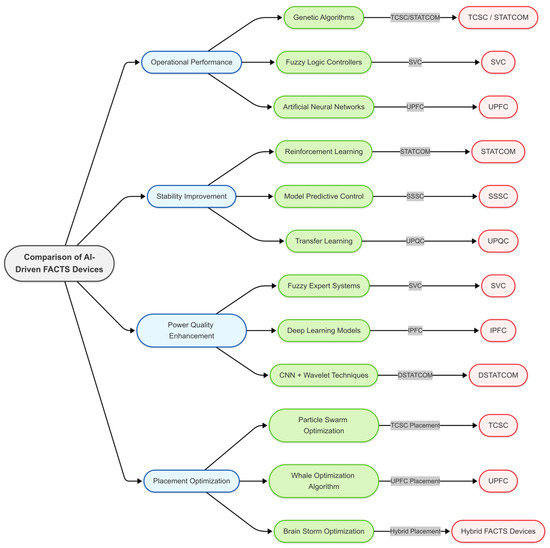
Figure 4.
Comparison of AI-driven FACTS devices.
5. Challenges, Future Research Directions, and Implications of AI-FACTS Integration
5.1. AI-FACTS Implication Challenges
Although significant progress has been made, there are considerable technical and practical challenges associated with the combination of artificial intelligence and FACTS devices in power quality management. The dependency on high-quality heterogeneous datasets is an important issue. The lack of sufficient data, noisy data, and prejudiced data undermine model generalization, causing failure under unobserved operating conditions. In addition, the high computational latency and resource demands also limit real-time applications, especially the demands in high-changing grid patterns with response times of less than a millisecond. The second salient challenge is model drift, in which the machine learning models gradually deteriorate in accuracy because of changes in the system, such as changes in the topology of the system, upgrading hardware, or alterations in the load profile. To reduce this drift, periodic retraining, adaptive algorithms, or the adoption of physics-based priors as part of hybrid models are required to maintain stability. In addition, the problem of AI model interpretability continues to interfere with operator confidence and regulatory adherence, highlighting the need to incorporate XAI systems into FACTS decision-making solutions.
5.2. Model Drift and Lifecycle Management
The operational constraints of AI-oriented FACTS controllers result from the mismatch between real-world conditions and the conditions used in training during seasonal load changes, changing mixes of DER, sensor recalibration or aging, and network reconfiguration. All of these individually create a shift in the distribution and affect the controller performance poorly if the conditions are not mitigated. To converter feeders, disturbance patterns and impedances change with topology and dispatch, thus requiring topology-dependent lifecycle reviews instead of offline tuning once [115,116,117].
5.2.1. Monitoring and Detection
Monitors and data should continually test feature-distribution drift by simple statistical procedures, such as the population stability index and Kolmogorov–Smirnov tests, and also through monitoring of residuals or errors between the outcomes of the model and data to detect consistent offered deviation at previously specified levels. Concurrently, Point of quality key performance indicators, such as THD, voltage-recovery time, overshoot of sags or swells, and flicker indices Pst and Plt, need to be plotted on control charts to identify performance degradation when operating in non-stationary mode [27].
5.2.2. Triggers and Policies
The drift tests, residual, and PQ key performance indicators (KPIs) should have quantitative thresholds igniting the alarms and launching the shadow mode of the candidate models on live data and rolling back to the known-good baseline to maintain the safety marginss. Vital data volumes and holdout situations as needed during revalidation must be defined in maintenance windows to ensure that revisions do not cause time constraints and that rare yet significant conditions are included in testing [17].
5.2.3. Failover and Risky Releases
Shadow deployment and A/B testing should be followed by model updates based on a proven baseline, and confidence-conscious gating should be implemented in such a manner that actuation returns to a safe deterministic policy if the confidence or data quality are found to be lower than the preset thresholds. There should be a deterministic contingency of classical controllers, such as PI/PID schemes with anti-windup and hard limits, which should be accessible at all times and guarantee voltage, current, and thermal limits during failover and recovery [17].
5.2.4. Edge-Cloud Orchestration
Algorithms that require a time-varying PQ control loop must run on the edge to achieve sub-cycles to tens to milliseconds latency, and consolidation, retraining, and validation must be performed in the cloud using signed artifacts and batched deployment to edge nodes. This division maintains local control when amputating communications and distributes the compute location with control importance within the distribution systems with FACTS and DERs.
5.2.5. Auditability, Diplomacy and Governance
Both versions of the model must be small but tracked by the provenance of training data, validation measures, and date of deployment, controller activities, and overrides are logged to assist in investigating incidents and regulatory audits. Explanations of the main actuation decisions made by operators are user-friendly and expedite root-cause analysis when the performance is poor in the field.
5.2.6. Retraining Strategy and Validation
Training must be planned proactively based on drift indicators and operation schedules using new data windows and holdout testing that resembles rare but crucial PQ actions in practice. Candidate models should be as effective as the baselines with respect to response time, voltage recovery quality, THD, and flicker, showing performance that meets or exceeds the performance of the baselines given the same disturbance libraries used in previous validation.
5.3. Future Research Directions
To cope with these issues, the further research agenda has several prospective orientations.
- Physics-constrained hybrid AI Hybrid models use data-driven learning models with analytical models to combine resilience to distributional change with reduced dependence on large labeled corpora in the application of PQ control mechanisms in complex grid architectures that use converters in many locations [68,118].
- PINNs incorporate power-system-level differential equations (including constraints on the network, networks, and modeling (and constraining) device dynamics) directly into the objective of the training task with the critical goals of ensuring feasibility and fast convergence [118].
- Federated and privacy-preserving learning models support multi-utility and multi-region model training without necessarily involving the exchange of raw data, preserving confidentiality, and meeting regulatory requirements while capturing the heterogeneity of operational regimes and enhancing the generalizability of AI-FACTS controllers [94].
- Federated architectures use cross-domain aggregation to support heterogeneity in sites, sensor arrays, and DER portfolios; using weighted client updates to reduce non-iid data distributions and concept drift, and this approach helps to increase the stability of globally deployed models that serve to reduce THD mitigation, sag/swell compensation, and properly flicker reduction [94].
- Digital twins and real-time simulations imply that temporally synchronized, high-fidelity, virtual copies of substations, feeders, and FACTS assets are created, such that controllers can be stress-tested in high-fidelity, physically sensitive, in silico, and alternative disturbances can be stress-tested in functions of a rarity database before any controllers can be deployed [12].
- Twin-guided adaptive control is an adaptive control technique that uses the closed-loop feedback of a pair of digital twins to tune artificial intelligence controllers to transiently provide a low-latency response and enhance voltage recovery statistics to mitigate production risk and alleviate response latency and voltage recovery requirements [39].
- Multi-agent reinforcement Learning The (MARL) determines the local juxtaposition goals of specific devices, including STATCOMs, DVRs, UPQCs, and DERs, and rallies the system-wide stability results through objective reinforcement and reward shaping actions in constrained communication among multiple agents [88].
- Safety-conscious grid control reinforcement learning, an explicit grid control problem, is combined with fallback and supervisory layers to ensure that the actions of the agents are within the voltage, current, and thermal parameters, and the responses with respect to the disturbance-rich environment meet the stringent and time-critical PQ feedback requirements [113].
- Decipherable and explicable artificial intelligence architectures provide interpretable attribution measures and post-facto reasoning about FACTS actuation judgments, which implicitly support operator trust, quick incident investigation, and allowance to meet industry norms and regulatory demands for AI-powered grid control.
- Authentic conforming and strong respect are achieved through a combination of formal verification and adversarial belligerence to stochastic noise, sensor flaws, and topology changes to compromise the AI controllers to PQ events and provide what can be confidently described as deterministic performance in the presence of uncertainty.
- Inference and control logic edge computing and distributed intelligence split their logic into local edge nodes, which contributes to sub-cycle to tens-of-milliseconds latency, reduced dependency on backhaul, and persistent provision of services in an intermittently connected scenario [88].
- Hierarchical orchestration is a combination of edge-level execution with regional coordination to offer frequency and voltage backup and make localized PQ remediation conform to the constraints of the bulk system and inter-area stability goals.
- Quantum-prepared optimization focuses on quantum-classical solutions of complex combinatorics optimization of scheduling, protection-constrained reconfigurations, and multi-objective optimal power flow to scale up problems in problem domains where classical algorithms exhibit limitations in scalability.
- Lifecycle and drift management involve keeping track of the distributions of features and residual anomalies and taking action by retraining pipelines with guarded retraining when drift owing to variations in the different seasons, changes in the DER mix, sensor recalibration, and scheduling are observed. Lifecycle and drift management involve monitoring feature distribution changes and residual anomalies and responding by retraining pipelines with rollback safeguards in response to drift detectors, such as seasonal variations, changes in the DER mix, or sensor recalibration [81].
- Open and privacy-protective benchmarking and hardware-in-the-loop verification develop open and privacy-safe benchmarks and testbeds that offer a relative evaluation of AI-FACTS controllers regarding metrics such as THD attenuation, voltage regulation accuracy, flicker mitigation, response latency of controllers, and their robustness at varied operating points [11].
- With a continuously growing collection of associations between methodological families with neural networks, support vendor machines, fuzzy logic, deep reinforcement learning, and meteorology, and with particular categories of the disturbance (harmonics, sags/swells, flicker, unbalance), a growing collection of such associations is integrated into a taxonomy and evidence-curation framework, whereby standard reporting of performance improvements and limitations on functionality are reported [79].
The combination of AI and FACTS equipment indicates that the power quality management policy is turning reactive and adaptive. The application of AI-FACTSs will deliver real-time disturbance detection, automatic compensation, and optimal grid operation in the scope of changing renewable energy infiltration. This development fosters resiliency, efficiency, and sustainability within grids. However, to achieve these benefits, it is necessary to overcome technical challenges, navigate regulatory systems, and establish cross-sectoral cooperation. Robustness, transparency, and security are the main requirements for the mass usage and profitable implementation of AI-enhanced FACTS technologies.
6. Conclusions and Discussion
This manuscript presents a systematic review of the research on the combination of artificial intelligence (AI) and Flexible AC Transmission Systems (FACTS) to improve the quality of power in modern electrical grids. The survey outlines several AI paradigms, such as neural networks, fuzzy logic, reinforcement learning, and metaheuristic optimization, highlighting their respective abilities in detecting disturbances, adaptive control, and operational efficiency [119,120,121].
However, several viable challenges hinder mass adoption. The problems of data quality, model drift, and operational demands do not have rapid computing requirements and require creative solutions, including hybrid modeling, federated learning, and digital twin platforms. In addition, continuous studies should focus on transparency and explanation to create stakeholder and regulatory trust [72,80].
Future studies should focus on the creation of hybrid, adaptive AI systems that integrate the laws of physical systems, enabling privacy-oriented cooperation and working on the network interface to meet real-time needs. These developments will provide greater resilience and flexibility to the power grid, as well as the capacity to absorb renewable energy sources and continue to maintain high power quality [77,79].
Overall, FACTS control with the help of AI can be characterized as a considerable chance of revolutionizing power quality management; however, further work is indispensable in overcoming the obstacles of operation and regulation. Drawing on the available research, additional tasks to be performed in the future encompass scalability, model sustainability, and it is under extreme operational environments. After disturbances to minimize quality degradation
- Continuous Self-optimization: Adapting to changing network conditions without human intervention
- Coordinated Response: Implementing multiple FACTS devices to achieve system-wide objectives
Although significant technical, regulatory, and organizational challenges remain, the trajectory of AI-FACTS integration points toward increasing autonomous power quality management systems, which will form the cornerstone of future smart grid implementations. The ongoing convergence of advanced sensing, communication technologies, and artificial intelligence promises to transform power quality from a reactive maintenance concern to a proactively managed asset, enabling the reliable integration of renewable resources and supporting the increasing electrification of the global economy [119].
Author Contributions
Conceptualization, M.K.; Methodology, H.A.; Software, M.K.; Validation, H.A.; Formal analysis, M.K. and H.A.; Investigation, M.K.; Resources, M.K.; Writing—original draft, M.K.; Writing—review & editing, H.A.; Visualization, M.K.; Supervision, H.A.; Project administration, H.A.; Funding acquisition, H.A. All authors have read and agreed to the published version of the manuscript.
Funding
This research received no external funding.
Data Availability Statement
No new data were created or analyzed in this study as it is a review paper.
Conflicts of Interest
The authors declare no conflict of interest.
Appendix A
A Thyristor-Controlled Series Reactor (TCSR) or Thyristor-Switched Series Reactor (TSSR) device consists of a fixed number of inductors in series with the transmission line, which is shunted using a pair of antiparallel thyristors. The specific construction allows continuous control of the inductive reactance by adjusting the thyristor firing angle, thereby enabling dynamic tuning of the effective line impedance. Another type of this device is a Thyristor-switched Reactor (TSR), where the existence of the inductor is controlled using a switch that turns it ON or OFF. The effective inductive reactance of the TCSR varies continuously with the angle.
Operating Modes:
- Full Conduction: Reactor is fully inserted in the (α = 0°).
- Partial Conduction: Partial conduction (0° < α < 90°).
- Blocked Mode: Thyristors off, no current through reactor, line sees zero added reactance (α = 90°).
- Inductive Vernier Mode: XTCSC < 0 (firing beyond resonance point, limited use).
TCSRs provide specific design and harmonic restrictions associated with operational characteristics. Because TCSRs switch incompletely, the non-sinusoidal current waveforms they inject can cause significant levels of harmonic distortion, which may require harmonic filtering to satisfy power quality requirements. Unlike other series compensation devices, TCSRs offer no capacitive reactance; instead of capacitive or inductive compensation, this limits the versatility of the reactive power of the TCSRs. Moreover, the thermal sizing of the reactor and thyristors must be ensured to provide safe and reliable operation with variable conduction intervals in the converter. Despite these drawbacks, TCSRs have several advantages in transmission systems. They provide controllable series inductive compensation to the transmission system to improve loadability and control power flow, reduce short-circuit currents during faults by enhancing effective series impedance, and increase the damping of oscillations and transient stability, particularly in long transmission corridors, where the variation in dynamic impedance is beneficial.
The Thyristor-Controlled Series Capacitor (TCSC) consists of a fixed number of capacitors in parallel with a Thyristor-Controlled Reactor (TCR), forming a controllable capacitive reactance [38,39,40]. Another type of this device is a Thyristor-Switched Series Capacitor (TSSC), which has only two operational modes: ON and OFF. Its operation involves two main stages.
A series capacitor (XC) in parallel with a TCR, comprising an inductor (XL) and a bidirectional thyristor valve. The effective impedance varies with thyristor firing (α) that ranges from its minimum (near resonance point) to 90 (fully conducting)
Operating Modes:
- Bypassed Mode: Thyristor fully conducting (α = 90°).
- Blocked Mode: blocked thyristors (equivalent to fixed capacitors).
- Capacitive Vernier Mode: XTCSC > XC (firing angle in inductive region).
- Inductive Vernier Mode: XTCSC < 0 (firing beyond resonance point, limited use).
Resonance Considerations: A forbidden region exists near the resonance condition, and operation in this region is avoided to prevent high-harmonic amplification.
TCSCs form an effective network control tool in transmission systems. TCSCs allow precise regulation of power flow (by varying the impedance of the series path, normally 20% to 70% of the line reactance) to accomplish controlled load balancing between parallel conductor-path sets. In addition, their dynamic impedance control behavior assures the damping of power oscillations, thereby increasing the system stability. An added advantage is that it reduces the possibility of sub-synchronous resonance (SSR), and specific control schemes attenuate unwanted frequency couplings between the synchronous generators and the grid network. Under fault conditions, the ability to rapidly increase the impedance governs the short-circuit current, thereby enhancing the system protection and resilience.
A Static Synchronous Series Compensator (SSSC) [42] employs a Voltage-Source Converter (VSC) to inject a controllable voltage in series with the transmission line, usually in quadrature with the line current, to emulate a controllable reactance. The VSC is connected to the transmission line through a series-coupling transformer with a DC capacitor that maintains the DC-bus voltage. The SSSC can inject Vq with a controllable magnitude and phase. In the following equation, θq = θi ± 90°, where θi is the phase angle of the line current:
Control Capabilities:
- Reactance Emulation: Maintains θq = θi ± 90 with variable |Vq|;
- Direct Phase Angle Control: Varies θq to directly influence power angle;
- Combined Control: Simulates control of reactance and phase angle;
- Multiline Control: When connected to multiple lines (IPFC configuration).
This allows the maintenance of independent reactive power control regardless of the line current level, which then allows stable voltage regulation at light and no loads. Unlike traditional compensators, it does not experience resonance effects, thereby providing further reliability to the system compared to traditional compensators. Moreover, its small physical size compared to the compensation capacity makes it desirable in terms of occupying limited space within a substation. The device exhibited stronger dynamic characteristics in the transients because it responded rapidly to changes in voltage. When merged with suitable energy storage or production solutions, it allows active power transmission and facilitates multifunctional grid support.
A Dynamic Voltage Restorer (DVR) [61] is a power quality device classified as a series-connected voltage controller, which was primarily designed for the mitigation of voltage sags and swells in sensitive distribution systems. Its configuration includes a Voltage Source Converter (VSC), series injection transformer, and DC energy storage system, which commonly comprises capacitors or supercapacitors, and a real-time control mechanism for the detection of supply side disturbances. In the event of a voltage anomaly, the DVR injects voltage into the distribution line to maintain the load voltage stability. Based on the error type, this device offers several compensation strategies for error correction, including in-phase, pre-sag, minimum energy, and zero active power compensations (ZAPCs). The fundamental operating equation for this compensator is as follows
where Vref is the desired voltage, the actual supply voltage was disturbed, SDVR represents the apparent power of the system, and is the complex conjugate of load current.
DVR systems can compensate for voltage sag and swell up to 50% compared to the nominal voltage, with a typical response time ranging from 10 to 25 ms and protection durations varying from a few cycles to several seconds based on the energy storage capacity. They can also provide active filtering capabilities for harmonic voltages, thereby improving the overall power quality.
AI techniques are used to transform every stage of the modern power system, from generation to consumption, with varying levels of implementation.
With the growing integration of Renewable Energy Sources (RES), such as solar and wind, the intermittent nature of these sources introduces significant uncertainty into power system operations. Advanced forecasting techniques are essential for mitigating uncertainties and ensuring reliable energy plans. Deep Learning (DL) models have shown strong potential for enhancing the accuracy in the renewable energy prediction accuracy with the utilization of weather data, historical generation patterns, and spatial correlations across distributed assets. These models can establish nonlinear relationships among input variables and future outputs, making them suitable for short-term and day-ahead predictions of solar power and wind power.
In addition to forecasting, AI is transforming generator condition monitoring and the predictive maintenance of generators. By developing more advanced DL models, such as Convolutional Neural Networks (CNNs) and Recurrent Neural Networks (RNNs), AI models can analyze high-dimensional sensor data, including vibration, acoustic, and thermal signals, for the early detection of signs of mechanical degradation or system abnormalities. This enables condition-based maintenance strategies that significantly reduce the occurrence of unexpected equipment breakdowns, optimize maintenance cycles, and minimize operational costs of the equipment.
where G is the solar irradiance, T is the temperature, and C is the cloud coverage.
With the help of these models, potential failures can be identified weeks or months in advance, enabling condition-based maintenance that can reduce unexpected breakdowns and unnecessary servicing [121,122].
AI-driven Dynamic Line Rating (DLR) prediction has emerged as one of the most critical tools for enhancing the utilization of transmission infrastructure. Unlike other ratings, which heavily rely on conservative assumptions, the DLR leverages real-time environmental and operational data, such as ambient temperature, wind speed and direction, solar radiation, and historical loading profiles, to estimate the actual thermal limits of overhead transmission lines. By considering the aforementioned parameters, neural network-based models can dynamically adjust the amount of line current capacity, enabling higher transmission throughout under severe conditions. This approach can optimize grid utilization and reduce the need for costly physical expansion, facilitating the greater integration of variable renewable energy resources. Consequently, the role of DLR in grid flexibility, congestion mitigation, and renewable penetration is vital [83].
where is the ambience temperature and represetns a trained neural network.
The Static Var Compensator (SVC) [63] is a shunt-connected FACTS device that is widely employed as a dynamic voltage regulator and reactive power compensator for high-voltage transmission and industrial networks. Its configuration typically comprises a Thyristor-Controlled Reactor (TCR), which provides a continuously variable inductive reactance by adjusting the thyristor firing angle, and a Thyristor-Switched Capacitor (TSC), which offers discrete switchable capacitive reactance to rapidly inject reactive power into the grid. Supporting components, such as Fixed Capacitors (FCs), also assist in baseline capacitive compensation with harmonic filtering, whereas Mechanically Switched Capacitors (MSCs) are used for slower and large-step adjustments to meet the steady-state requirements. Through the operation, the SVC enables precise regulation of bus voltage within 3% of the nominal levels, while also offering reactive power for the compensation that could scale up to several hundred megavolt-amperes reactive (MVAr). SVCs enhance dynamic system stability by modulating the impedance in response to system disturbances and mitigating voltage flicker using fast response times in the range of two to three cycles. For more advanced control scenarios, particularly under unbalanced system conditions, phase-independent control enables real-time correction of asymmetrical load conditions, ensuring balanced voltage profiles and improved power quality. These combined features make SVCs essential assets for maintaining power quality, enhancing system resilience, and supporting flexible operations under fluctuating load and generation scenarios. The reactive power absorption and voltage control characteristics are expressed as follows:
- TCR Operation: Reactive power absorption varies with the firing angle.
- Control characteristics: The voltage was as follows:
Appendix A.1. Static Synchronous Compensator (STATCOM)
The Static Synchronous Compensator (STATCOM) is a shunt-connected, Voltage Source Converter (VSC)-based FACTS device that can be used to regulate reactive power dynamically by adjusting the magnitude of its output voltage relative to the system voltage [46,47]. By operating through a VSC, the STATCOM can absorb and inject reactive power into the grid. The exchanged reactive power between the STATCOM and power system can be calculated using the following equation:
where QSTATCOM is the reactive power exchange, Vs is the system voltage, VSTATCOM is the converter output voltage, X is the coupling reactance, and δ is the phase angle between voltages.
Through various control modes, the STATCOM can be configured to operate in voltage regulation, reactive power control, power factor control, and var reserve control mode. The advancedd use of FACTS in complex grid environments includes positive-negative sequence control for compensating unbalanced loads, harmonic filtering, and subsynchronous damping via auxiliary modulation. Moreover, flicker mitigation is performed via high-speed reactive current modulation, which is beneficial for fluctuating industrial loads. In addition, the STATCOM offers a superior dynamic response, typically achieving full compensation in a short duration. The advantages of this technology include its compact footprint, minimal harmonic distortion, and the potential for active power exchange.
The Unified Power Flow Controller (UPFC) [49,50] has recently been recognized worldwide as a FACTS device with the broadest range of capabilities, capable of simultaneously controlling the three key parameters that determine power flow on an AC transmission system, namely, the voltage magnitude, phase angle, and line impedance. The UPFC is a structural combination of two VSC: one is a shunt series converter, which is a makeshift STATCOM by a functional characteristic, and the other is a series shunt converter, which is a makeshift Static Synchronous Series Compensator (SSSC) by a functional characteristic. These two converters have a common DC connection incorporating capacitor-based energy storage; therefore, they can exchange active power in both directions. A coordinated control system is used to coordinate the functioning of several control loops in a dynamic response to system conditions. The basis of its operation is to restrain the electrical magnitude of the voltages at the shunt side with the aid of a reactive power source and regulate the power flow at the series side by injecting an additional controllable magnitude and phase of the voltage. Mathematically, the injected voltage of the series converter can be represented as
where is the injection coefficient (typically between 0.5 and 0.55) and is the controllable angle.
The UPFC is used to improve system-wide power flow control by injecting the transmission line, and the voltage used changes the apparent impedance and line phase angle. This direct control over the line impedance and phase angle allows the power flow to be controlled between zero and the thermal limit, regardless of the starting point of the system and physical parameters of the line. To do so, the UPFC implements a variety of operational modes: power-flow-control mode (used to simultaneously regulate active and reactive power), line-impedance-emulation mode (that can emulate varying series reactance), phase-angle-regulation mode (designed to control the previous power angle), voltage-regulation mode (used to stabilize the receiving-end voltage), and multifunction mode that combines many goals. With the ability to provide independent simultaneous regulation of active and reactive power, voltage control at the connection point, enhance transient stability using power-flow modulation, and aid in damping oscillations and balancing loads during an asymmetric condition, the UPFC can be regarded as one of the most effective instruments to control and optimize a power system today.
The Unified Power Quality Conditioner (UPQC) design [51,52] is a flexible distribution-level device engineered to handle a wide range of power quality defects simultaneously using series active filters and shunt active filters in the same device and system. Conceptually, it is similar to the Unified Power Flow Controller (UPFC), except that it is specifically designed to improve power quality, as opposed to being designed to regulate power flow. The device combines two converter modules: a shunt converter that only deals with current-related anomalies, that is, harmonics, imbalance, and reactive power demand, and a series converter that deals with voltage-related anomalies, that is, voltage sags, swells, flicker, and harmonic distortion. Common among these converters is that they all use a common DC bus that accommodates a medium-sized energy storage component along with a fast digital control system that allows dynamic coordination of the two subsystems in real time. The related formulas for the UPQC are as follows:
where is the harmonic component, is the reactive component, and is the unbalanced component of load current.
Most of the latest power-quality control system architectures use instantaneous reactive power theory in a series converter to isolate and cancel a rapid voltage disturbance and a shunt converter, either the synchronous reference frame or p–q theory, to isolate and cancel unwanted current components. A DC-link controller can be used to enable a constant capacitor voltage, whereas a synchronization module tracks the supply voltage phase angle carefully so that it can be used to generate a reference. The UPQC offers comprehensive operational functionality, comprising the correction of sag and swell voltages up to 50% of the nominal voltage, attenuation of harmonic currents to the 25th harmonic with over 90% efficiency, and mitigation of harmonic voltages up to the 13th harmonic with compensation rates greater than 85%. By lowering the adverse sequence current components by approximately 80–90% and 65–80% of the flicker severity, the UPQC is applicable in sensitive locations. The UPQC finds practical use in important manufacturing processes, data centers, telco infrastructure, hospitals, highly renewable penetration microgrids, and industrial parks with highly nonlinear and complex loads [67].
The Interline Power Flow Controller (IPFC) [53,54] is a highly advanced FACTS technique with an extension or generalization of the concept of the SSSC to several transmission corridors. It allows the synchronous control of power flow across more than one transmission path across a meshed network to supervise congestion, power flow balancing, and power destabilization issues within complex transmission designs. The IPFC consists of several series-connected SPFCs (voltage source converters) located in separate lines but sharing a common DC link, through which active power may be exchanged among the converters. This standard energy storage function permits the flexible power transfer between converters [70]. Simultaneously, the IPFC provides reactive compensation at both ends of the line, thereby enhancing network voltage stability. Through this architecture, the IPFC offers several key control capabilities, including the redistribution of active power among interconnected transmission paths, reactive power compensation, minimization of system losses, and enhancement of dynamic stability [71]. The following equation determines the power balance condition of the entire system:
where is the injection voltage in line I and is the current in line i.
The complex interplay of power grids with high penetration of renewable energy sources, emerging market mechanisms, and dynamically relocating customer demand makes adaptive learning especially useful, as it is a technique that keeps the models reliable even at a time of grid stress [93].
ML systems may learn further beyond their traditional, reactive paradigm and proactively predict future situations, which incorporate temporal variations in load and the likelihood of equipment failures. Temporal models [107], including representations of form RNN, can help add past data along with the current input. Such architecture allows applications to anticipate the demand profile, systematic grid stability, and predictive fault events, which facilitates proactive actions that enhance the resilience and efficiency of the system.
where is the hidden state at time t, is the input at time t, is the input-to-Hidden weight matrix, is the hidden-to-hidden weight matrix, is the bias for the hidden state, and Tanh is the activation function.
The use of AI-driven methods in recent years has shed new light on how balancing multiple and potentially competing goals can be achieved, which is a core issue facing the current operations of power systems [72]. Unfortunately, conventional models cannot combine and optimize many of the objectives of an optimization simultaneously, such as minimizing the cost and emissions, improving reliability, and satisfying the complex constraints that define such systems. In comparison, more advanced AI frameworks, especially groundbreaking algorithms and reinforcement learning, can optimize multidimensionally and automatically find solutions with superior quality that can meet and address the complexities of contemporary power grids.
AI techniques have demonstrated significant potential for enhancing various aspects of distribution network operations, including load forecasting, network configuration, and non-technical loss detection. Among these, Graph Neural Networks (GNNs) [80,84] have proven particularly effective because of their ability to capture the inherent topological and spatial dependencies within grids. GNNs can model both local and global relationships across grids. Consequently, GNN-based approaches facilitate topology-aware optimization by incorporating both electrical and physical constraints to improve operational efficiency, fault detection, and energy management across complex, unbalanced, or meshed distribution systems. The following formula demonstrates the aforementioned technique:
where represents the adjacency matrix of the network, is representing the node features at layer l, is the matrix degree, is the symmetric normalization, is the trainable weight matrix, and is the activation function.
Reinforcement learning (RL) [86] algorithms have gained traction in microgrid control and the use in energy-optimizing applications, where they may be used to develop adaptive control policies based on iterative interaction with the system. RL controllers increasingly approach an optimal strategy that trades off cost efficiency, reliability of operations, and system restrictions by testing the repercussions of different actions over a gamut of operating conditions. Such controllers have been formidable in minimizing the guesswork that comes with load fluctuation, intermittent renewable generation, and evolving market signals. The actor in the control problem tries to maximize the long-term expected reward by manipulating thinking through the task as a series of correlated good successively staged choices.
where represents the optimal policy and is the action that maximizes the long-term rewards at given state s.
Despite the significant advantages that AI brings to power systems, its deployment often comes with challenges that must be addressed to ensure its successful implementation.
The quality of AI performance applications in power systems is closely related to the quality resolution and availability of data [88]. Most AI-driven forecasting and control methods rely on historical and real-time datasets to deliver accurate and reliable outcomes. However, in practice, these datasets suffer from limitations such as incompleteness, inaccuracy, and low temporal or spatial resolution. These restrictions can significantly hinder model training, generalization, and deployment in real-world scenarios. To address these issues, several mitigation strategies have been considered prior to the deployment of AI systems. This includes upgrading measurement equipment, robust data preprocessing pipelines, and artificial data generation techniques to ensure the successful integration of AI in modern power system operations.
AI models are often considered a valuable solution because of their high predictive accuracy; however, their black-box nature can cause challenges when applied to critical infrastructure, where transparency and interpretability are essential. To address this issue, developments in Explainable AI (XAI) [122] techniques have been used to make AI decisions more understandable to the human language level to ease the operation of operators and regulators. Methods such as attention mechanisms help identify the number of features that influence the model’s prediction. Feature importance analysis techniques also clarify the impact of each feature on the output for better model behavior evaluation. Moreover, symbolic regression techniques also attempt to transfer complex AI models into interpretable mathematical expressions to bridge the gap between high-performance prediction and human-readable logic.
Computational complexity variation in deep learning methods can also vary significantly in terms of the amount of computation required to train the method and run it in real time. There are several operational challenges of these models relevant to power systems when they are implemented on a centralized cloud-based computing architecture. High communication latency may hinder time-sensitive operations on the grid and its parts, and reliability problems may occur because of both network disturbances and communication breakdowns. To overcome these constraints, Edge AI has become a potential solution, where the power system’s local computational intelligence is divided locally over the system infrastructure. Edge AI [89] can enable low-latency decision-making by processing data at the source (or close to it), that is, substation smart meters or local controllers, without sacrificing system-wide coordination or goals. This distributed setup increases responsiveness and fault tolerance and enables the use of AI in a power grid with limited bandwidth or unstable connections; therefore, it is a viable option for currently designed and developing power grids.
Appendix A.2. Forecasting Uncertainty and Reliability Challenges
Despite the advantageous characteristics of deep learning for renewable forecasting, a major limitation remains in how forecast uncertainty is managed through FACTS control systems. While traditional approaches incorporate clear uncertainty bounds, many AI implementations provide point forecasts without robust quantification of confidence intervals, which could lead to improper control actions during highly uncertain conditions.
One commonly overlooked challenge is model generalization, which ensures that a model works across different types of generation assets. While remarkable accuracy has been demonstrated at specific sites, few studies have rigorously validated their work by considering various geographical regions, turbine technologies, or solar panel configurations, which limits their broader applicability to other regions. This issue becomes more critical during the deployment of FACTS controllers, which rely on these forecasts across heterogeneous power systems.
The main weakness of current AI forecasting methods is their limitation in predicting severe events and rapid ramps that significantly affect power quality. Neural networks are often optimized for average performance, unlike statistical methods that focus on rare or extreme events, potentially missing the event most relevant for FACTS intervention. This limitation undermines the reliability of AI-enhanced FACTSs during critical grid disturbances, while their integration into the grid is most needed.
References
- Milano, F.; Manjavacas, Á.O. Frequency Variations in Power Systems: Modeling, State Estimation, and Control, 1st ed.; Wiley: Hoboken, NJ, USA, 2020. [Google Scholar] [CrossRef]
- Utomo, D.; Hsiung, P.-A. A Multitiered Solution for Anomaly Detection in Edge Computing for Smart Meters. Sensors 2020, 20, 5159. [Google Scholar] [CrossRef] [PubMed]
- Talebi, S.; Aly, H. Optimized Renewable Energy Integration: Advanced Modeling, Control and Design of a Standalone Microgrid Using Hybrid FA-PSO. IEEE Access 2025, 13, 63486–63503. [Google Scholar] [CrossRef]
- Gouda, N.; Aly, H. Distributed Energy Sources Management using Shuffled Frog-Leaping Algorithm for Optimizing the Environmental and Economic Indices of Smart Microgrid. In Proceedings of the IEEE International Conference in Emerging Technologies for Sustainability and Intelligent Systems (ICETSIS), Manama, Bahrain, 28–29 January 2024; pp. 1507–1511. [Google Scholar] [CrossRef]
- Ali, G.; Musbah, H.; Aly, H.; Little, T. Hybrid renewable energy resources selection based on multi criteria decision methods for optimal performance. IEEE Access 2023, 11, 26773–26784. [Google Scholar] [CrossRef]
- Aly, H. A proposed intelligent short-term load forecasting hybrid models of ANN, WNN and KF based on clustering techniques for smart grid. Electr. Power Syst. Res. 2020, 182, 106191. [Google Scholar] [CrossRef]
- IEEE 1159-2019; IEEE Recommended Practice for Monitoring Electric Power Quality. IEEE: New York, NY, USA, 2019. [CrossRef]
- IEEE Power & Energy Society; Institute of Electrical and Electronics Engineers; IEEE-SA Standards Board (Eds.) IEEE Guide: Adoption of IEC/TR 61000-3-7:2008, Electromagnetic Compatibility (EMC): Limits: Assessment of Emission Limits for the Connection of Fluctuating Installations to MV, HV and EHV Power Systems; Institute of Electrical and Electronics Engineers: New York, NY, USA, 2012. [Google Scholar]
- Ingram, M.; Mahmud, R.; Narang, D. Background Information on the Power Quality Requirements in IEEE Std 1547-2018; NREL/TP-5D00-78751, 1827312, MainId:32668; National Renewable Energy Laboratory: Golden, CO, USA, 2021. [CrossRef]
- Jarupula, S.; Vutlapalli, N.R.; Vutlapalli, N.R. Power Quality Improvement in Distribution System using ANN Based Shunt Active Power Filter. Int. J. Power Electron. Drive Syst. IJPEDS 2015, 5, 568. [Google Scholar] [CrossRef]
- Alajrash, B.H.; Salem, M.; Swadi, M.; Senjyu, T.; Kamarol, M.; Motahhir, S. A comprehensive review of FACTS devices in modern power systems: Addressing power quality, optimal placement, and stability with renewable energy penetration. Energy Rep. 2024, 11, 5350–5371. [Google Scholar] [CrossRef]
- Marouani, I.; Guesmi, T.; Alshammari, B.M.; Alqunun, K.; Alshammari, A.S.; Albadran, S.; Abdallah, H.H.; Rahmani, S. Optimized FACTS Devices for Power System Enhancement: Applications and Solving Methods. Sustainability 2023, 15, 9348. [Google Scholar] [CrossRef]
- Saravanan, A.; Selvakumar, G.; Maheswari, A.; Muthulakshmi, P.; Mohammad, H. D-STATCOM for Power Quality Improvement Trained by ANN. Int. J. Sci. Eng. Res. 2015, 5, 37–42. [Google Scholar]
- Balasubbareddy, M. A solution to the multi-objective optimization problem with FACTS devices using NSHCSA including practical constraints. In Proceedings of the 2017 IEEE International Conference on Power, Control, Signals and Instrumentation Engineering (ICPCSI), Chennai, India, 21–22 September 2017; pp. 2615–2624. [Google Scholar] [CrossRef]
- Bhol, R.; Swain, S.C.; Dash, R.; Reddy, K.J.; Dhanamjayulu, C.; Kotb, H.; Emara, A. Performance analysis of DFIG support microgrid using GA optimized restricted Boltzmann Machine algorithm. Heliyon 2024, 10, e30669. [Google Scholar] [CrossRef] [PubMed]
- Renduchintala, U.K.; Pang, C.; Tatikonda, K.M.; Yang, L. ANFIS-fuzzy logic based UPQC in interconnected microgrid distribution systems: Modeling, simulation and implementation. J. Eng. 2021, 2021, 6–18. [Google Scholar] [CrossRef]
- Mallick, N.; Shiva, C.K.; Sen, S.; Basetti, V.; Mukherjee, V.; Reddy, C.S. Adaptive fuzzy-PI controlled dynamic voltage restorer for mitigating voltage sags. Sci. Rep. 2025, 15, 16817. [Google Scholar] [CrossRef]
- Ramasamy, M.; Thangavel, S. Experimental verification of PV based Dynamic Voltage Restorer (PV-DVR) with significant energy conservation. Int. J. Electr. Power Energy Syst. 2013, 49, 296–307. [Google Scholar] [CrossRef]
- Sumathi, S.; Bansilal. Atificial neural network application for control of STATCOM in power systems for both voltage control mode and reactive power mode. In Proceedings of the 2009 International Conference on Power Systems, Kharagpur, India, 27–29 December 2009; pp. 1–4. [Google Scholar] [CrossRef]
- Nishad, D.K.; Tiwari, A.N.; Khalid, S.; Gupta, S. Power quality solutions for rail transport using AI-based unified power quality conditioners. Discov. Appl. Sci. 2024, 6, 651. [Google Scholar] [CrossRef]
- Joshi, A.; Gaganambha; Dharshan, B.G.; Varsha, V.; Shamala, N.; Spoorthi, S.N.; Reshma. Comparative analysis of Dynamic Voltage Restorer based on PI and ANN Control strategies in order to improve the voltage quality under Non-linear loads. World J. Adv. Res. Rev. 2024, 22, 292–303. [Google Scholar] [CrossRef]
- Sundar, G.; Thirunavukkarasu, M.; Kumar, C.D. Ideal Site of Shunt FACTS Devices for Power Flow Control in Long Transmission Line. Res. J. Appl. Sci. Eng. Technol. 2015, 9, 850–855. [Google Scholar] [CrossRef]
- Panuganti, S.; Roselyn, J.P.; Dash, S.S.; Devaraj, D. Contribution of FACTS devices for VSC-OPF problem using Non- Dominated Sorting Genetic Algorithm-II. In Proceedings of the 2013 International Conference on Energy Efficient Technologies for Sustainability, Nagercoil, India, 10–12 April 2013; pp. 1103–1112. [Google Scholar] [CrossRef]
- Department of Electrical Engineering; GH Raisoni University, Amravati; Chavhan, V.; Amalraj, S.; Singh, S.K.; Bobade, C. Performance Analysis of Various FACTS Controllers Used for Voltage Stability Improvement in Power System. Indian J. Sci. Technol. 2023, 16, 4098–4107. [Google Scholar] [CrossRef]
- Jordehi, A.R. Particle swarm optimisation (PSO) for allocation of FACTS devices in electric transmission systems: A review. Renew. Sustain. Energy Rev. 2015, 52, 1260–1267. [Google Scholar] [CrossRef]
- Çöteli, R.; Açikgöz, H.; Dandil, B.; Tuncer, S. Real-time implementation of three-level inverter-based D-STATCOM using neuro-fuzzy controller. Turk. J. Electr. Eng. Comput. Sci. 2018, 26, 2088–2103. [Google Scholar] [CrossRef]
- Das, S.; Ishrak, H.M.; Hasan, M.M.; Kabir, M.A. Empirical analysis of power quality using UPQC with hybrid control techniques. Results Eng. 2023, 20, 101527. [Google Scholar] [CrossRef]
- Kumbhar, A.; Dhawale, P.G.; Kumbhar, S.; Patil, U.; Magdum, P. A comprehensive review: Machine learning and its application in integrated power system. Energy Rep. 2021, 7, 5467–5474. [Google Scholar] [CrossRef]
- Albatsh, F.M.; Mekhilef, S.; Ahmad, S.; Mokhlis, H.; Hassan, M.A. Enhancing power transfer capability through flexible AC transmission system devices: A review. Front. Inf. Technol. Electron. Eng. 2015, 16, 658–678. [Google Scholar] [CrossRef]
- Davoudkhani, I.F.; Shakarami, M.R.; Abdelaziz, A.Y.; El-Shahat, A. Robust design and best control channel selection of FACTs-based WADC for improving power system stability using Grey Wolf Optimizer. Energy Rep. 2024, 11, 55–70. [Google Scholar] [CrossRef]
- Alhamrouni, I.; Kahar, N.H.A.; Salem, M.; Swadi, M.; Zahroui, Y.; Kadhim, D.J.; Mohamed, F.A.; Nazari, M.A. A Comprehensive Review on the Role of Artificial Intelligence in Power System Stability, Control, and Protection: Insights and Future Directions. Appl. Sci. 2024, 14, 6214. [Google Scholar] [CrossRef]
- Patra, J.; Pal, N.; Mohanta, H.C.; Akwafo, R.; Mohamed, H.G. A Novel Approach of Voltage Sag Data Analysis Stochastically: Study, Representation, and Detection of Region of Vulnerability. Sustainability 2023, 15, 4345. [Google Scholar] [CrossRef]
- Samanta, I.S.; Mohanty, S.; Parida, S.M.; Rout, P.K.; Panda, S.; Bajaj, M.; Blazek, V.; Prokop, L.; Misak, S. Artificial intelligence and machine learning techniques for power quality event classification: A focused review and future insights. Results Eng. 2025, 25, 103873. [Google Scholar] [CrossRef]
- Zeng, Y.; Hussein, Z.A.; Chyad, M.H.; Farhadi, A.; Yu, J.; Rahbarimagham, H. Integrating type-2 fuzzy logic controllers with digital twin and neural networks for advanced hydropower system management. Sci. Rep. 2025, 15, 5140. [Google Scholar] [CrossRef]
- Conrado, B.R.P.; De Souza, W.A.; Liberado, E.V.; Paredes, H.K.M.; Brandao, D.I.; Moreira, A.C. Towards technical and economic feasibility of power quality compensators. Electr. Power Syst. Res. 2023, 216, 109020. [Google Scholar] [CrossRef]
- Dehaghani, M.N.; Korõtko, T.; Rosin, A. AI Applications for Power Quality Issues in Distribution Systems: A Systematic Review. IEEE Access 2025, 13, 18346–18365. [Google Scholar] [CrossRef]
- Bollen, M.H.J.; Gu, I.Y.-H. Signal processing of power quality disturbances. In IEEE Press Series on Power Engineering; Wiley: Hoboken, NJ, USA, 2006. [Google Scholar] [CrossRef]
- Al-Shetwi, A.Q.; Hannan, M.A.; Jern, K.P.; Mansur, M.; Mahlia, T.M.I. Grid-connected renewable energy sources: Review of the recent integration requirements and control methods. J. Clean. Prod. 2020, 253, 119831. [Google Scholar] [CrossRef]
- Ziegler, S.; He, C.; Mohanpurkar, M.; Sankar, N.; Braby, M. Panel Session: Artificial Intelligence and Digital Twin Technologies for Smart Grid Applications (Slides); IEEE PES Resource Center: New York, NY, USA, 2022. [Google Scholar] [CrossRef]
- Veizaga, M.; Delpha, C.; Diallo, D.; Bercu, S.; Bertin, L. Classification of voltage sags causes in industrial power networks using multivariate time-series. IET Gener. Transm. Distrib. 2023, 17, 1568–1584. [Google Scholar] [CrossRef]
- EI-Arini, M.M.; Youssef, M.T.; Hendawy, H.H. Voltage sag analysis and its reduction to improve power system performance. In Proceedings of the 2006 Eleventh International Middle East Power Systems Conference, El-Minia, Egypt, 19–21 December 2006. [Google Scholar]
- Tyagi, M. A Comprehensive Study of Voltage Swell and Sag in Power Distribution Systems: Characteristics, Causes, Effects, and Mitigation Strategies. J. Electr. Syst. 2024, 20, 960–972. [Google Scholar] [CrossRef]
- IEEE 519-2014; IEEE Recommended Practice and Requirements for Harmonic Control in Electric Power Systems. IEEE: New York, NY, USA, 2014. [CrossRef]
- IEEE 1453-2015; IEEE Recommended Practice for the Analysis of Fluctuating Installations on Power Systems. IEEE: New York, NY, USA, 2015. [CrossRef]
- Moradi, A.; Yaghoobi, J.; Alduraibi, A.; Zare, F.; Kumar, D.; Sharma, R. Modelling and prediction of current harmonics generated by power converters in distribution networks. IET Gener. Transm. Distrib. 2021, 15, 2191–2202. [Google Scholar] [CrossRef]
- Abed, A.M.; El-Sehiemy, R.A.; Bentouati, B.; El-Arwash, H.M. Accurate Identification of Harmonic Distortion for Micro-Grids Using Artificial Intelligence-Based Predictive Models. IEEE Access 2024, 12, 83740–83763. [Google Scholar] [CrossRef]
- Sapkota, D.B.; Neupane, P.; Pokharel, K.; Khan, S. An artificial neural network based approach for harmonic component prediction in a distribution line. Energy Rep. 2024, 12, 3861–3873. [Google Scholar] [CrossRef]
- Talebi, S.; Aly, H. A Review of Battery Energy Storage System Optimization: Current State-Of-The-Art and Future Trends. In Proceedings of the 2024 International Conference on Green Energy, Computing and Sustainable Technology (GECOST), Miri Sarawak, Malaysia, 17–19 January 2024; pp. 116–120. [Google Scholar] [CrossRef]
- Li, C.; Xu, W.; Tayjasanant, T. Interharmonics: Basic concepts and techniques for their detection and measurement. Electr. Power Syst. Res. 2003, 66, 39–48. [Google Scholar] [CrossRef]
- Li, G.; Shao, Y.; Pan, H.; Liu, X. A Notch Control Strategy of Energy Storage Converter for Suppressing Grid Harmonics. IEEE Trans. Ind. Electron. 2024, 72, 4389–4400. [Google Scholar] [CrossRef]
- Hadi, M.B.; Moeini-Aghtaie, M.; Khoshjahan, M.; Dehghanian, P. A Comprehensive Review on Power System Flexibility: Concept, Services, and Products. IEEE Access 2022, 10, 99257–99267. [Google Scholar] [CrossRef]
- Shazon, M.N.H.; Masood, N.-A.; Jawad, A. Frequency control challenges and potential countermeasures in future low-inertia power systems: A review. Energy Rep. 2022, 8, 6191–6219. [Google Scholar] [CrossRef]
- Zalhaf, A.S.; Zhao, E.; Han, Y.; Yang, P.; Almaliki, A.H.; Aly, R.M.H. Evaluation of the Transient Overvoltages of HVDC Transmission Lines Caused by Lightning Strikes. Energies 2022, 15, 1452. [Google Scholar] [CrossRef]
- Ahmad, I.; Fandi, G.; Muller, Z.; Tlusty, J. Voltage Quality and Power Factor Improvement in Smart Grids Using Controlled DG Units. Energies 2019, 12, 3433. [Google Scholar] [CrossRef]
- Rathnayake, H.; Ganjavi, A.; Zare, F.; Kumar, D.; Davari, P. Common-mode noise modelling and resonant estimation in a three-phase motor drive system: 9-150 kHz frequency range. In Proceedings of the 2020 22nd European Conference on Power Electronics and Applications (EPE’20 ECCE Europe), Lyon, France, 7–11 September 2020; pp. 1–10. [Google Scholar] [CrossRef]
- Mahmud, M.A.P.; Farjana, S.H. Comparative life cycle environmental impact assessment of renewable electricity generation systems: A practical approach towards Europe, North America and Oceania. Renew. Energy 2022, 193, 1106–1120. [Google Scholar] [CrossRef]
- Khalili, M.; Aliasghari, T.P.; Najmi, E.S.; Abdelaziz, A.Y.; Abu-Siada, A.; Nowdeh, S.A. Optimal Allocation of Distributed Thyristor Controlled Series Compensators in Power System Considering Overload, Voltage, and Losses with Reliability Effect. Energies 2022, 15, 7478. [Google Scholar] [CrossRef]
- Fatule, E.J.C.; Espiritu, J.F.; Taboada, H.; Sang, Y. A Computationally Efficient Evolutionary Algorithm for Stochastic D-FACTS Optimization. In Proceedings of the 2020 52nd North American Power Symposium (NAPS), Tempe, AZ, USA, 11–13 April 2021; pp. 1–6. [Google Scholar] [CrossRef]
- Mohapatra, S.K.; Panda, S. Stability enhancement with SSSC-based controller design in presence of non-linear voltage-dependent load. Int. J. Intell. Syst. Technol. Appl. 2016, 15, 163. [Google Scholar] [CrossRef]
- Kumar, L.S.; Ghosh, A. Static synchronous series compensator—Design, control and application. Electr. Power Syst. Res. 1999, 49, 139–148. [Google Scholar] [CrossRef]
- Nambiar, R.E.; Darshan, M.; Lavanya, B.; Aj, P.K.; Priyadarshini, V. Comparative Study Between Different Controllers of DVR for Power Quality Improvement. In Proceedings of the 2021 International Conference on Design Innovations for 3Cs Compute Communicate Control (ICDI3C), Bangalore, India, 10–11 June 2021; pp. 84–87. [Google Scholar] [CrossRef]
- Omar, R.; Abd Rahim, N.; Sulaiman, M. Dynamic Voltage Restorer Application for Power Quality Improvement in Electrical Distribution System: An Overview. Aust. J. Basic Appl. Sci. 2011, 5, 379–396. [Google Scholar]
- Eremia, M.; Gole, A.; Toma, L. Static VAr Compensator (SVC). In Advanced Solutions in Power Systems: HVDC, FACTS, and Artificial Intelligence, 1st ed.; Eremia, M., Liu, C., Edris, A., Eds.; Wiley: Hoboken, NJ, USA, 2016; pp. 271–338. [Google Scholar] [CrossRef]
- Yang, Z.; Zhao, G.; Yu, H. Current limiting control method with adaptive virtual impedance for grid-forming STATCOM. Energy Rep. 2023, 9, 453–460. [Google Scholar] [CrossRef]
- Song, S.; Han, C.; Lee, G.-S.; McCann, R.A.; Jang, G. Voltage-Sensitivity-Approach-Based Adaptive Droop Control Strategy of Hybrid STATCOM. IEEE Trans. Power Syst. 2021, 36, 389–401. [Google Scholar] [CrossRef]
- Rastogi, M.; Ahmad, A.; Bhat, A.H. Performance investigation of two-level reduced-switch D-STATCOM in grid-tied solar-PV array with stepped P&O MPPT algorithm and modified SRF strategy. J. King Saud Univ.-Eng. Sci. 2023, 35, 393–405. [Google Scholar] [CrossRef]
- Haque, M.M.; Ali, M.S.; Wolfs, P.; Blaabjerg, F. A UPFC for Voltage Regulation in LV Distribution Feeders With a DC-Link Ripple Voltage Suppression Technique. IEEE Trans. Ind. Appl. 2020, 56, 6857–6870. [Google Scholar] [CrossRef]
- Mandal, A.; Muttaqi, K.M.; Islam, M.R.; Sutanto, D. A novel architecture of the solid-state unified power flow controller and its integration into the power grid. Electr. Power Syst. Res. 2025, 241, 111296. [Google Scholar] [CrossRef]
- Wang, G.; Wu, Z.; Liu, Z. Predictive direct control strategy of unified power quality conditioner based on power angle control. Int. J. Electr. Power Energy Syst. 2024, 156, 109718. [Google Scholar] [CrossRef]
- Alshannaq, A.M.; Haj-ahmed, M.A.; Aldwaik, M.; Abualnadi, D. Interline Power Flow Controller Allocation for Active Power Losses Enhancement Using Whale Optimization Algorithm. Energies 2024, 17, 6318. [Google Scholar] [CrossRef]
- Ding, C.; Li, X.; Li, B.; Jiang, Q.; Wen, M.; Liu, T. Research on IPFC-Based Dynamic Droop Control Strategy. Energies 2023, 16, 5400. [Google Scholar] [CrossRef]
- Gupta, M.; Arya, A.; Varshney, U.; Mittal, J.; Tomar, A. A review of PV power forecasting using machine learning techniques. Prog. Eng. Sci. 2025, 2, 100058. [Google Scholar] [CrossRef]
- Khajeh, H.; Laaksonen, H. Applications of Probabilistic Forecasting in Smart Grids: A Review. Appl. Sci. 2022, 12, 1823. [Google Scholar] [CrossRef]
- Aupke, P.; Kassler, A.; Theocharis, A.; Nilsson, M.; Uelschen, M. Quantifying Uncertainty for Predicting Renewable Energy Time Series Data Using Machine Learning †. Eng. Proc. 2021, 5, 50. [Google Scholar] [CrossRef]
- Teixeira, R.; Cerveira, A.; Pires, E.J.S.; Baptista, J. Advancing Renewable Energy Forecasting: A Comprehensive Review of Renewable Energy Forecasting Methods. Energies 2024, 17, 3480. [Google Scholar] [CrossRef]
- Barhmi, K.; Heynen, C.; Golroodbari, S.; Van Sark, W. A Review of Solar Forecasting Techniques and the Role of Artificial Intelligence. Solar 2024, 4, 99–135. [Google Scholar] [CrossRef]
- Lopez-Garcia, T.B.; Coronado-Mendoza, A.; Domínguez-Navarro, J.A. Artificial neural networks in microgrids: A review. Eng. Appl. Artif. Intell. 2020, 95, 103894. [Google Scholar] [CrossRef]
- Tuncar, E.A.; Sağlam, Ş.; Oral, B. A review of short-term wind power generation forecasting methods in recent technological trends. Energy Rep. 2024, 12, 197–209. [Google Scholar] [CrossRef]
- Miron, A.; Cziker, A.C.; Beleiu, H.G. Fuzzy Control Systems for Power Quality Improvement—A Systematic Review Exploring Their Efficacy and Efficiency. Appl. Sci. 2024, 14, 4468. [Google Scholar] [CrossRef]
- Leboucher, C.; Chelouah, R.; Siarry, P.; Le Ménec, S. A Swarm Intelligence Method Combined to Evolutionary Game Theory Applied to the Resources Allocation Problem. Int. J. Swarm Intell. Res. 2012, 3, 20–38. [Google Scholar] [CrossRef][Green Version]
- Benti, N.E.; Chaka, M.D.; Semie, A.G. Forecasting Renewable Energy Generation with Machine Learning and Deep Learning: Current Advances and Future Prospects. Sustainability 2023, 15, 7087. [Google Scholar] [CrossRef]
- Saidi, L.; Ali, J.B.; Fnaiech, F. Application of higher order spectral features and support vector machines for bearing faults classification. ISA Trans. 2015, 54, 193–206. [Google Scholar] [CrossRef] [PubMed]
- Lawal, O.A.; Teh, J. Dynamic line rating forecasting algorithm for a secure power system network. Expert Syst. Appl. 2023, 219, 119635. [Google Scholar] [CrossRef]
- Jiang, C.; Liu, C.; Yuan, Y.; Lin, J.; Shao, Z.; Guo, C.; Lin, Z. Emergency voltage control strategy for power system transient stability enhancement based on edge graph convolutional network reinforcement learning. Sustain. Energy Grids Netw. 2024, 40, 101527. [Google Scholar] [CrossRef]
- Madbhavi, R.; Natarajan, B.; Srinivasan, B. Graph Neural Network-Based Distribution System State Estimators. IEEE Trans. Ind. Inform. 2023, 19, 11630–11639. [Google Scholar] [CrossRef]
- Pesántez, G.; Guamán, W.; Córdova, J.; Torres, M.; Benalcazar, P. Reinforcement Learning for Efficient Power Systems Planning: A Review of Operational and Expansion Strategies. Energies 2024, 17, 2167. [Google Scholar] [CrossRef]
- Gautam, M. Deep Reinforcement Learning for Resilient Power and Energy Systems: Progress, Prospects, and Future Avenues. Electricity 2023, 4, 336–380. [Google Scholar] [CrossRef]
- Mohanty, A.; Ramasamy, A.; Verayiah, R.; Bastia, S.; Dash, S.S.; Soudagar, M.E.M.; Khan, T.Y.; Cuce, E. Smart grid and application of big data: Opportunities and challenges. Sustain. Energy Technol. Assess. 2024, 71, 104011. [Google Scholar] [CrossRef]
- Romero, D.A.V.; Laureano, E.V.; Betancourt, R.O.J.; Álvarez, E.N. An open source IoT edge-computing system for monitoring energy consumption in buildings. Results Eng. 2024, 21, 101875. [Google Scholar] [CrossRef]
- Long, Y.; Bao, Y.; Zeng, L. Research on Edge-Computing-Based High Concurrency and Availability ‘Cloud, Edge, and End Collaboration’ Substation Operation Support System and Applications. Energies 2023, 17, 194. [Google Scholar] [CrossRef]
- Liang, S.; Jin, S.; Chen, Y. A Review of Edge Computing Technology and Its Applications in Power Systems. Energies 2024, 17, 3230. [Google Scholar] [CrossRef]
- Shobeiry, S.M. AI-Enabled Modern Power Systems: Challenges, Solutions, and Recommendations. In Artificial Intelligence in the Operation and Control of Digitalized Power Systems; Azad, S., Nazari-Heris, M., Eds.; Power Systems; Springer Nature: Cham, Switzerland, 2024; pp. 19–67. [Google Scholar] [CrossRef]
- Misyris, G.S.; Venzke, A.; Chatzivasileiadis, S. Physics-Informed Neural Networks for Power Systems. In Proceedings of the 2020 IEEE Power & Energy Society General Meeting (PESGM), Montreal, QC, Canada, 2–6 August 2020; pp. 1–5. [Google Scholar] [CrossRef]
- Zhang, Z.; Rath, S.; Xu, J.; Xiao, T. Federated Learning for Smart Grid: A Survey on Applications and Potential Vulnerabilities. arXiv 2024, arXiv:2409.10764. [Google Scholar] [CrossRef]
- Yassin, M.A.M.; Shrestha, A.; Rabie, S. Digital twin in power system research and development: Principle, scope, and challenges. Energy Rev. 2023, 2, 100039. [Google Scholar] [CrossRef]
- Ajagekar, A.; You, F. Quantum computing for energy systems optimization: Challenges and opportunities. Energy 2019, 179, 76–89. [Google Scholar] [CrossRef]
- Goyal, H.R.; Almusawi, M.; Otero-Potosi, S.; Varshney, N.; Sharma, V.; Rao, A.K. Predictive Maintenance in Smart Grids with Long Short-Term Memory Networks (LSTM). In Proceedings of the 2024 International Conference on Communication, Computer Sciences and Engineering (IC3SE), Gautam Buddha Nagar, India, 9–11 May 2024; pp. 1370–1375. [Google Scholar] [CrossRef]
- Das, D.; Prasai, A.; Harley, R.G.; Divan, D. Optimal placement of Distributed Facts devices in power networks Using Particle Swarm Optimization. In Proceedings of the 2009 IEEE Energy Conversion Congress and Exposition, San Jose, CA, USA, 20–24 September 2009; pp. 527–534. [Google Scholar] [CrossRef]
- Ahmed, M.; Lim, C.P.; Nahavandi, S. A Deep Q-Network Reinforcement Learning-Based Model for Autonomous Driving. In Proceedings of the 2021 IEEE International Conference on Systems, Man, and Cybernetics (SMC), Melbourne, Australia, 17–21 October 2021; pp. 739–744. [Google Scholar] [CrossRef]
- Erişti, H.; Uçar, A.; Demir, Y. Wavelet-based feature extraction and selection for classification of power system disturbances using support vector machines. Electr. Power Syst. Res. 2010, 80, 743–752. [Google Scholar] [CrossRef]
- Cortes-Robles, O.; Barocio, E.; Obushevs, A.; Korba, P.; Sevilla, F.R.S. Fast-training feedforward neural network for multi-scale power quality monitoring in power systems with distributed generation sources. Measurement 2021, 170, 108690. [Google Scholar] [CrossRef]
- Dai, S.; Wu, X. A CNN-based Power Quality Disturbance Decomposition and Classification System Using Wavelet Transform. In Proceedings of the 2021 2nd International Conference on Artificial Intelligence and Information Systems, Chongqing, China, 28–30 May 2021; ACM: New York, NY, USA, 2021; pp. 1–5. [Google Scholar] [CrossRef]
- Tabassum, S.; Babu, A.R.V.; Dheer, D.K. Real-time power quality enhancement in smart grids through IoT and adaptive neuro-fuzzy systems. Sci. Technol. Energy Transit. 2024, 79, 89. [Google Scholar] [CrossRef]
- Huang, J.; Jiang, Z.; Rylands, L.; Negnevitsky, M. SVM-based PQ disturbance recognition system. IET Gener. Transm. Distrib. 2018, 12, 328–334. [Google Scholar] [CrossRef]
- Huang, Y.; Rong, X.; Bie, Z.; Li, J.; Huang, B.; Zhao, T.; Li, G. Artificial intelligence for resilient power system: Motivations, advances, and challenges. Smart Power Energy Secur. 2025, 1, 65–75. [Google Scholar] [CrossRef]
- Alhattab, A.; Alsammak, A.N.; Mohammed, H. A Review on D-STATCOM for Power Quality Enhancement. Al-Rafidain Eng. J. AREJ 2023, 28, 207–218. [Google Scholar] [CrossRef]
- Meena, P.; Dua, P.; Maji, N.; Arora, A. Control of DSTATCOM in Distribution Systems by Artificial Intelligence based Controller. In Proceedings of the 2022 IEEE International Conference on Distributed Computing and Electrical Circuits and Electronics (ICDCECE), Ballari, India, 23–24 April 2022; pp. 1–6. [Google Scholar] [CrossRef]
- Dev, A.; Mondal, B.; Verma, V.K.; Kumar, V. Teaching learning optimization-based sliding mode control for frequency regulation in microgrid. Electr. Eng. 2024, 106, 7009–7021. [Google Scholar] [CrossRef]
- Abdelaal, A.K.; Shaheen, A.M.; El-Fergany, A.A.; Alqahtani, M.H. Sliding mode control based dynamic voltage restorer for voltage sag compensation. Results Eng. 2024, 24, 102936. [Google Scholar] [CrossRef]
- Das, S.K.; Swain, S.C.; Dash, R.; K, J.R.; C, D.; Chinthaginjala, R.; Jena, R.; Kotb, H.; Elrashidi, A. Design and analysis of UPQC in a microgrid using model reference adaptive control ensemble with back-stepping controller. Heliyon 2024, 10, e34140. [Google Scholar] [CrossRef]
- Sagiroglu, S.; Colak, I.; Bayindir, R. Power factor correction technique based on artificial neural networks. Energy Convers. Manag. 2006, 47, 3204–3215. [Google Scholar] [CrossRef]
- Herrera, R.S.; SalmerÓn, P.; Kim, H. Instantaneous Reactive Power Theory Applied to Active Power Filter Compensation: Different Approaches, Assessment, and Experimental Results. IEEE Trans. Ind. Electron. 2008, 55, 184–196. [Google Scholar] [CrossRef]
- Li, X.; Lv, Z.; Wang, S.; Wei, Z.; Wu, L. A Reinforcement Learning Model Based on Temporal Difference Algorithm. IEEE Access 2019, 7, 121922–121930. [Google Scholar] [CrossRef]
- Kumar, C.P.; Elanchezhian, E.B.; Subramani, P.; Subramanian, S. Assessment of Power Quality Enhancement in a Grid-tied PV Network viaANN-based UPQC. Recent. Adv. Electr. Electron. Eng. 2024, 17, 475–485. [Google Scholar] [CrossRef]
- Alexandropoulos, S.-A.N.; Aridas, C.K.; Kotsiantis, S.B.; Vrahatis, M.N. Multi-Objective Evolutionary Optimization Algorithms for Machine Learning: A Recent Survey. In Approximation and Optimization; Demetriou, I.C., Pardalos, P.M., Eds.; Springer Optimization and Its Applications; Springer International Publishing: Cham, Switzerland, 2019; Volume 145, pp. 35–55. [Google Scholar] [CrossRef]
- Dehaghani, M.N.; Korõtko, T.; Rosin, A. Power quality improvement in DG based distribution systems: A review. Renew. Sustain. Energy Rev. 2026, 225, 116184. [Google Scholar] [CrossRef]
- Poenaru-Olaru, L.; Sallou, J.; Cruz, L.; Rellermeyer, J.S.; Van Deursen, A. Retrain AI Systems Responsibly! Use Sustainable Concept Drift Adaptation Techniques. In Proceedings of the 2023 IEEE/ACM 7th International Workshop on Green and Sustainable Software (GREENS), Melbourne, Australia, 13–14 May 2023; pp. 17–18. [Google Scholar] [CrossRef]
- Lawal, Z.K.; Yassin, H.; Lai, D.T.C.; Idris, A.C. Physics-Informed Neural Network (PINN) Evolution and Beyond: A Systematic Literature Review and Bibliometric Analysis. Big Data Cogn. Comput. 2022, 6, 140. [Google Scholar] [CrossRef]
- Zink, R.; Ioshchikhes, B.; Weigold, M. Concept drift monitoring for industrial load forecasting with artificial neural networks. Procedia CIRP 2024, 130, 120–125. [Google Scholar] [CrossRef]
- Li, W.; Liu, X.; Yu, L.; Zhu, J. Adaptive Sub-synchronous Oscillation Suppression Strategy for Doubly Fed Wind Farm Connected to Series Compensated System. In Proceedings of the 2024 21st International Conference on Harmonics and Quality of Power (ICHQP), Chengdu, China, 15–18 October 2024; pp. 120–125. [Google Scholar] [CrossRef]
- Husein, M.; Gago, E.J.; Hasan, B.; Pegalajar, M.C. Towards energy efficiency: A comprehensive review of deep learning-based photovoltaic power forecasting strategies. Heliyon 2024, 10, e33419. [Google Scholar] [CrossRef] [PubMed]
- Samarajeewa, C.; De Silva, D.; Manic, M.; Mills, N.; Moraliyage, H.; Alahakoon, D.; Jennings, A. An artificial intelligence framework for explainable drift detection in energy forecasting. Energy AI 2024, 17, 100403. [Google Scholar] [CrossRef]
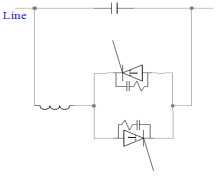
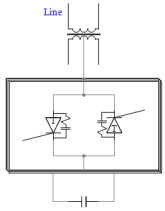
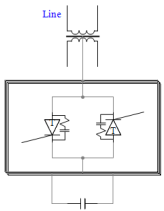
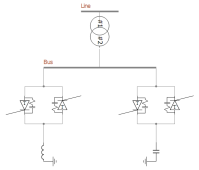
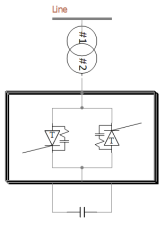
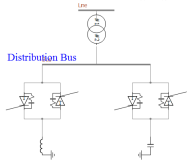
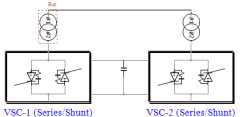
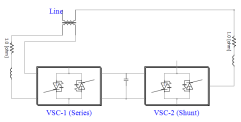
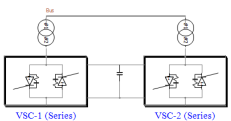
Disclaimer/Publisher’s Note: The statements, opinions and data contained in all publications are solely those of the individual author(s) and contributor(s) and not of MDPI and/or the editor(s). MDPI and/or the editor(s) disclaim responsibility for any injury to people or property resulting from any ideas, methods, instructions or products referred to in the content. |
© 2025 by the authors. Licensee MDPI, Basel, Switzerland. This article is an open access article distributed under the terms and conditions of the Creative Commons Attribution (CC BY) license (https://creativecommons.org/licenses/by/4.0/).