The Effect of Keratinized Mucosa on Peri-Implant Health and Patient-Reported Outcome Measures: A Systematic Review and Meta-Analysis †

 ,
,  ,
,  , ,
, ,
Abstract
1. Introduction
2. Material and Methods
2.1. Protocol Registration and Reporting Format
2.2. Focused Question
2.3. Inclusion Criteria
- –
- Randomized controlled trials, cohort, cross-sectional and case–control human studies;
- –
- Studies comparing two groups of patients with a presence or absence of KM, or with KM < 2 mm or ≥2 mm;
- –
- At least 6 months of follow-up;
- –
- Reports of correlation with at least one of the outcome measures considered.
2.4. Reasons for Article Exclusion Included
- (i)
- Retrospective cohort and cross-sectional studies;
- (ii)
- No full text availability;
- (iii)
- Inability to use the KM data or analysis provided.
2.5. Primary Outcome Measures
- –
- Implant failures, defined as the removal of a previously osseointegrated implant due to biological or prosthetic complications;
- –
- Patient-related outcomes: pain, patient satisfaction regarding esthetics, and quality of life;
- –
- Bleeding on probing (BoP or mBI), recorded as bleeding at the bottom of the implant sulcus/pocket with the help of a periodontal probe.
- –
- Biological complications: peri-implantitis, and mucositis.
2.6. Secondary Outcome Measures
- –
- Probing pocket depth (PPD) measured with a periodontal probe, as the distance from the gingival margin to the bottom of the pocket;
- –
- Gingival index (GI), modified gingival index (mGI), bleeding index (BI) or modified sulcular bleeding index (msBI), recorded as marginal bleeding on buccal and lingual/palatal surfaces of the study implants with the help of a periodontal probe;
- –
- Plaque index (PI) or modified plaque index (mPI), recorded as the presence of plaque on buccal and lingual/palatal surfaces of the study implants with the help of a periodontal probe;
- –
- Marginal bone loss (MBL) assessed on periapical radiographs;
- –
- Soft tissue recession (REC) measured clinically with a probe or on hard plaster models with a digital caliper or a probe;
2.7. Search Strategy and Study Selection
2.8. Selection of Studies
2.9. Data Extraction and Management
2.10. Quality Assessment, Risk of Bias and Data Analysis
- High risk if at least two domains were considered at high risk (no);
- Moderate risk if one domain was considered at high risk or if two or more domains were considered unclear;
- Low risk if no domains were considered at high risk (yes).
2.11. Strategy for Data Synthesis
2.12. Sensitivity Analysis
3. Results
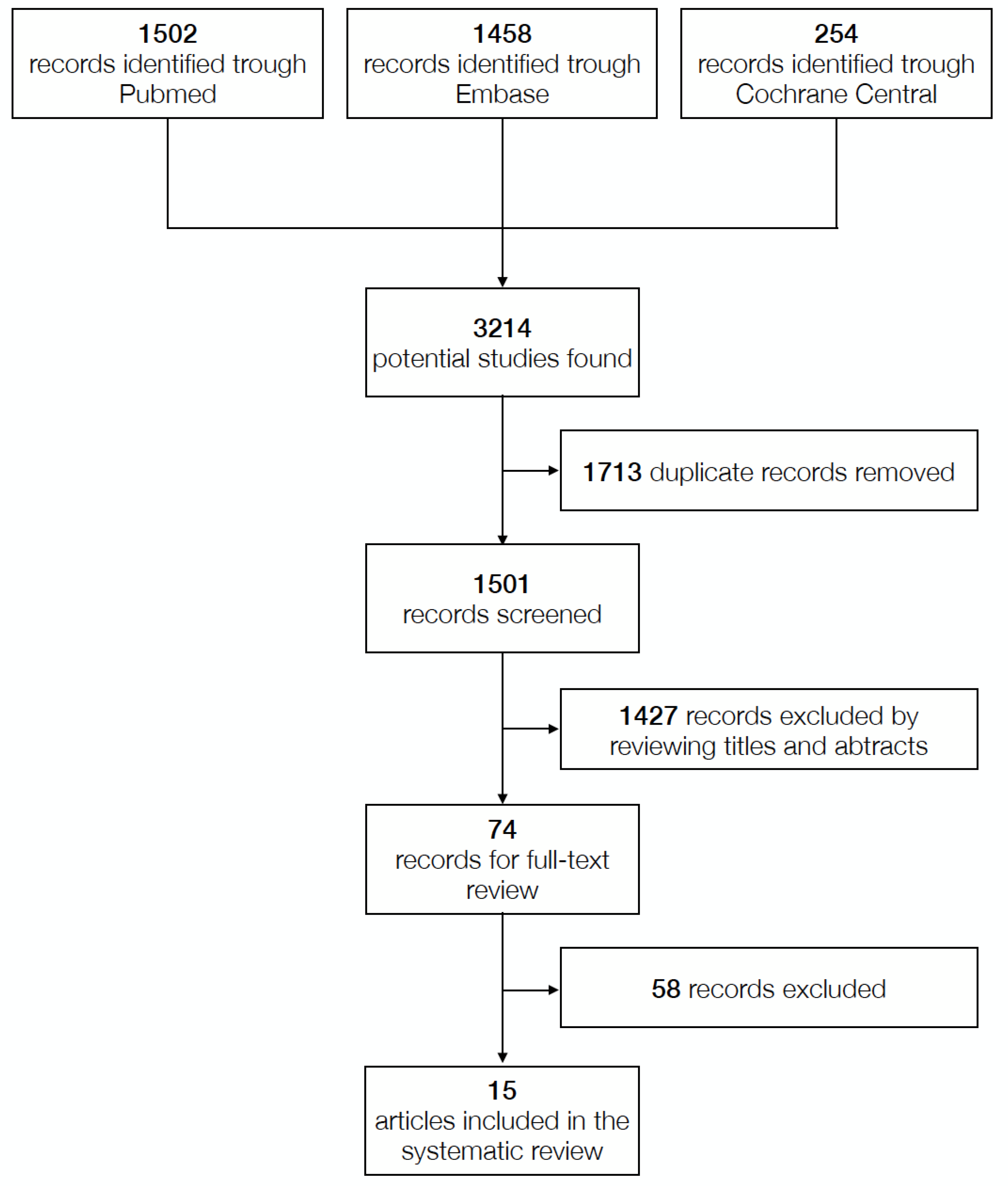
3.1. Search Results and Study Selection
3.2. Description of Studies
3.3. Risk of Bias Assessment
3.4. Description of Results and Meta-Analysis
3.4.1. Implant Failures
3.4.2. Patient-Related Outcomes
3.4.3. BoP (Figure 2 and Figure 3)


3.4.4. Biological Complications
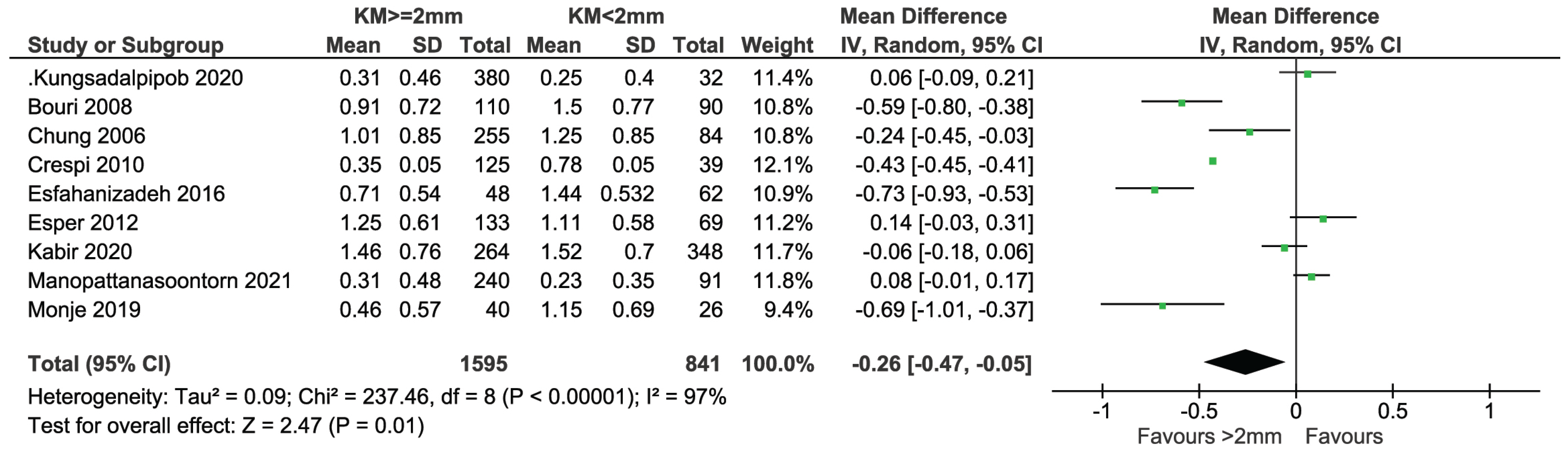
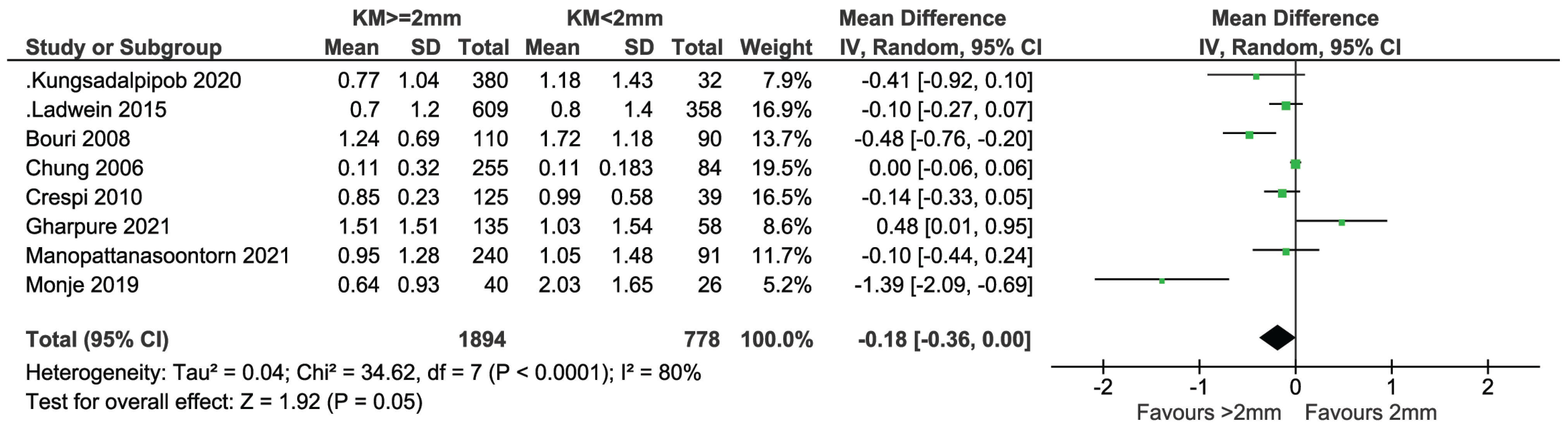
3.4.5. PPD (Figure 4, Figure 5, Figure 6 and Figure 7)
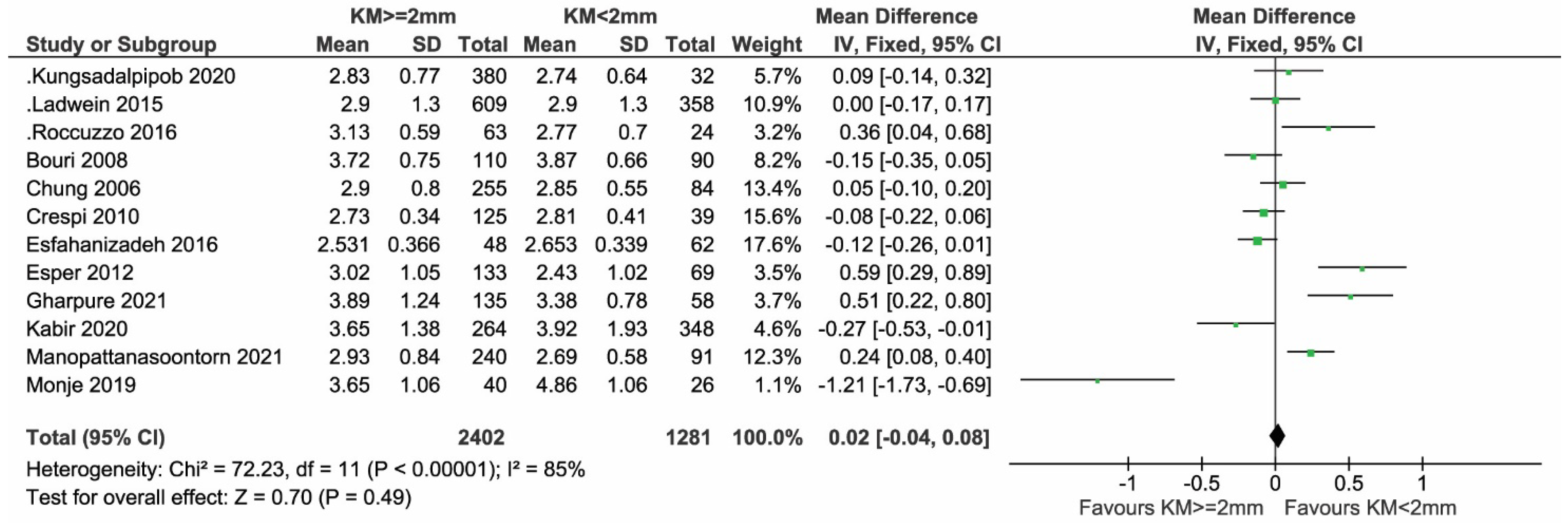
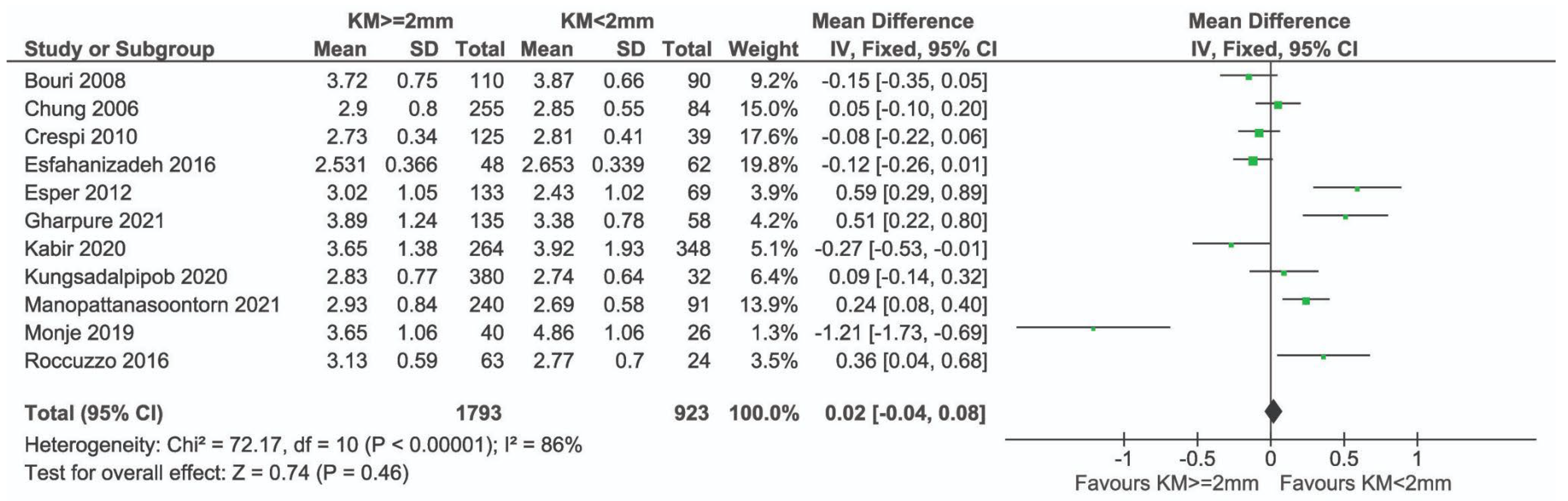
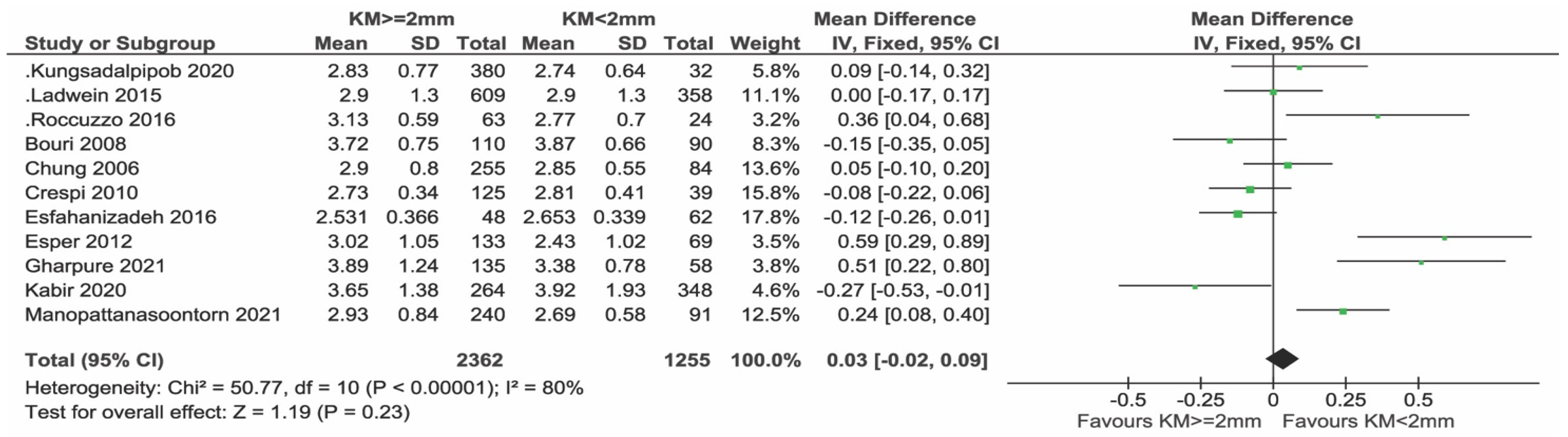

3.4.6. GI, mGI/BI, and msBi (Figure 8 and Figure 9)

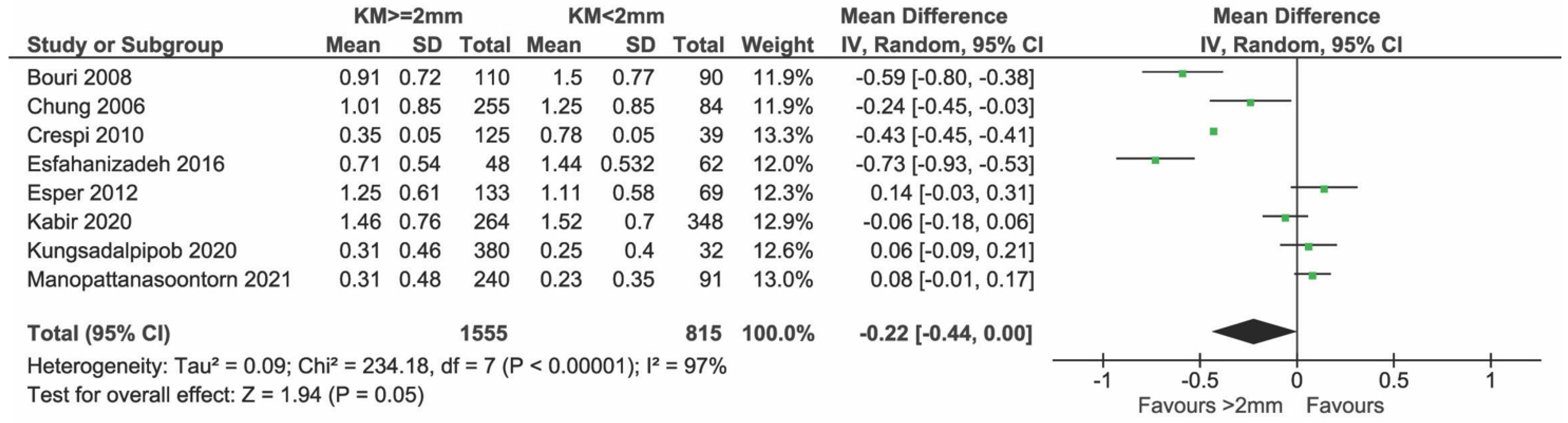
3.4.7. PI and mPI (Figure 10 and Figure 11)
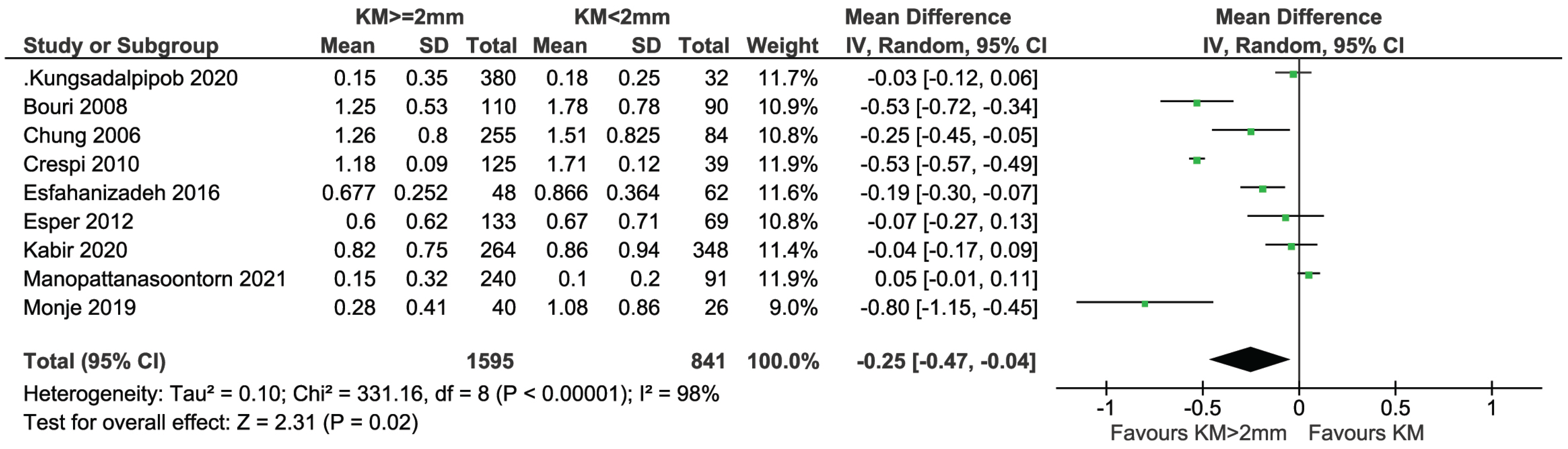
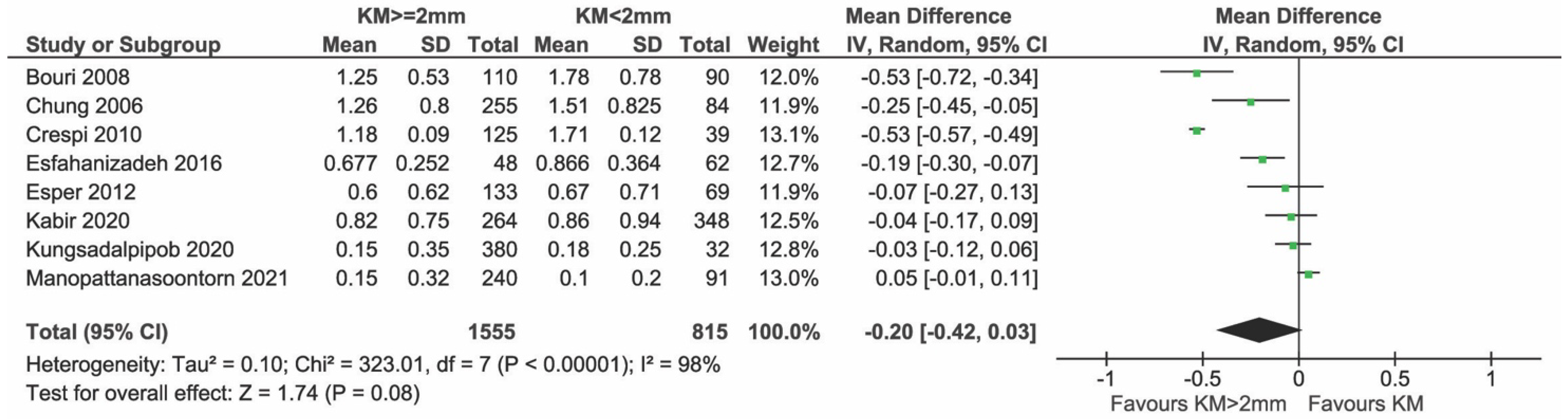
3.4.8. Bone Level (Figure 12, Figure 13 and Figure 14)

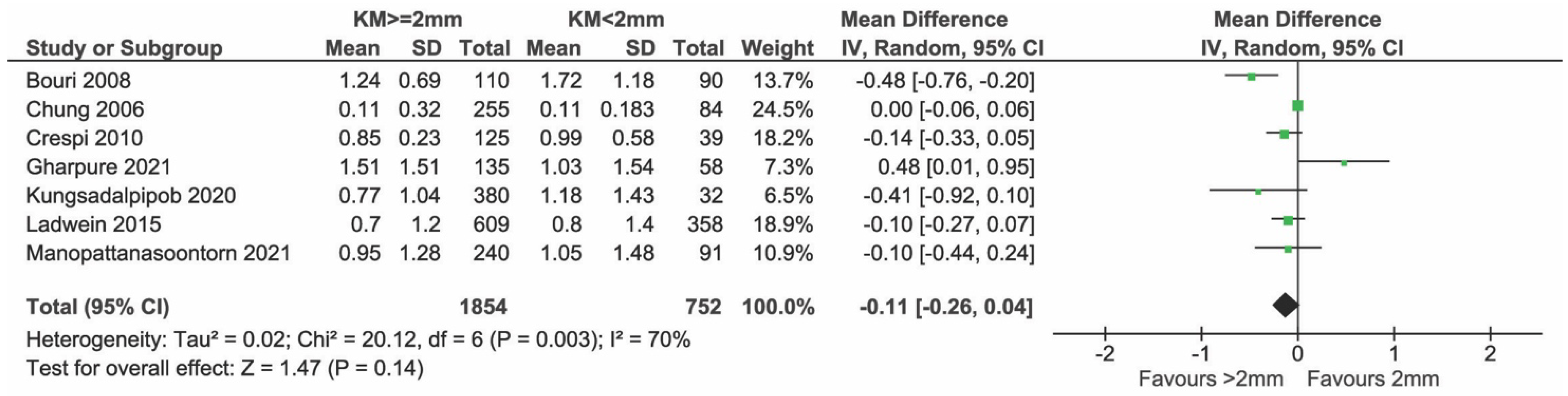
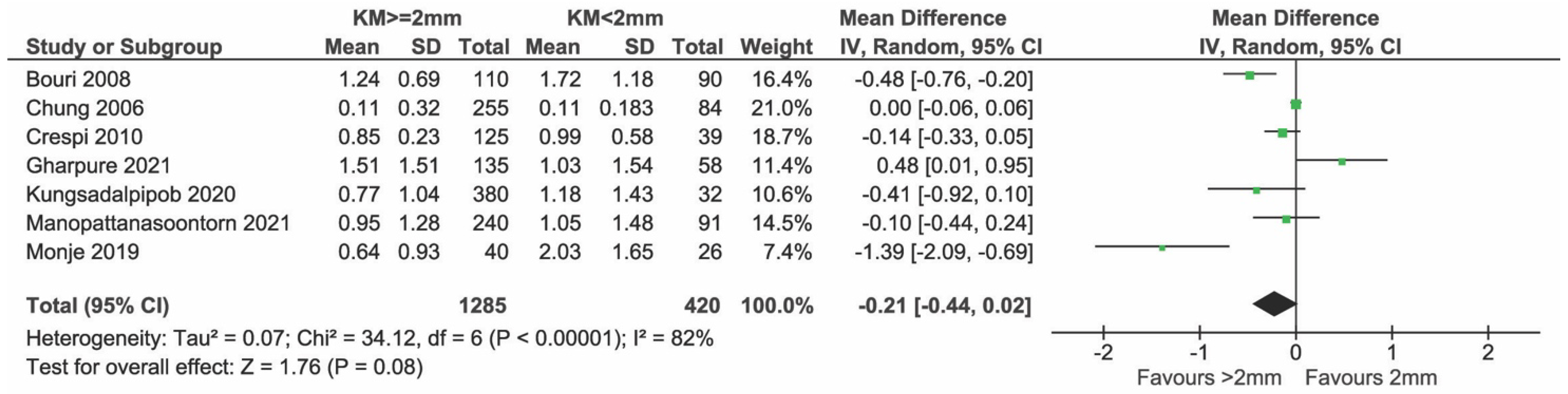
3.4.9. REC (Figure 15)
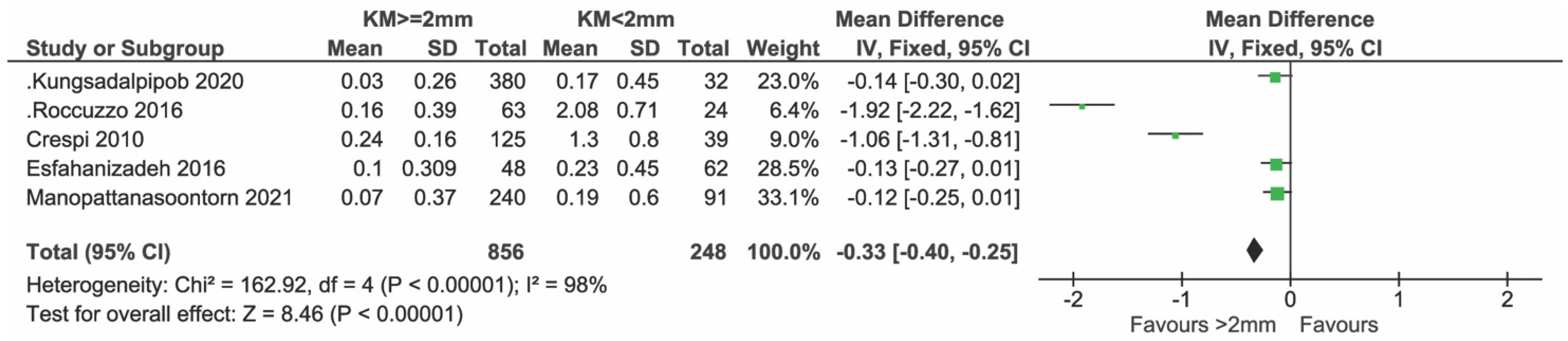
4. Discussion
4.1. Main Limitations
4.2. Recommendation for Future Research
5. Conclusions
Supplementary Materials
Author Contributions
Funding
Institutional Review Board Statement
Informed Consent Statement
Data Availability Statement
Conflicts of Interest
Appendix A
References
- Quirynen, M.; Herrera, D.; Teughels, W.; Sanz, M. Implant therapy, 40 years of experience. Periodontology 2000 2014, 66, 7–12. [Google Scholar] [CrossRef] [Scilit]
- Buser, D.; Sennerby, L.; De Bruyn, H. Modern implant dentistry based on osseointegration, 50 years of progress, current trends and open questions. Periodontology 2000 2017, 73, 7–21. [Google Scholar] [CrossRef] [Scilit]
- Block, M.S. Dental Implants, The Last 100 Years. J. Oral. Maxillofac. Surg. 2018, 76, 11–26. [Google Scholar] [CrossRef] [Scilit]
- Wang, Y.; Zhang, Y.; Miron, R.J. Health, Maintenance, and Recovery of Soft Tissues around Implants. Clin. Implant Dent. Relat. Res. 2016, 18, 618–634. [Google Scholar] [CrossRef] [Scilit]
- Rodriguez, A.M.; Rosenstiel, S.F. Esthetic considerations related to bone and soft tissue maintenance and development around dental implants, Report of the Committee on Research in Fixed Prosthodontics of the American Academy of Fixed Prosthodontics. J. Prosthet. Dent. 2012, 108, 259–267. [Google Scholar] [CrossRef] [Scilit] [PubMed]
- Wennström, J.L.; Derks, J. Is there a need for keratinized mucosa around implants to maintain health and tissue stability? Clin. Oral. Implants Res. 2012, 23 (Suppl. 6), 136–146. [Google Scholar] [CrossRef] [Scilit]
- Gobbato, L.; Avila-Ortiz, G.; Sohrabi, K.; Wang, C.W.; Karimbux, N. The effect of keratinized mucosa width on peri-implant health, A systematic review. Int. J. Oral Maxillofac. Implants 2013, 28, 1536–1545. [Google Scholar] [CrossRef] [Scilit] [PubMed]
- Lin, G.-H.; Chan, H.-L.; Wang, H.-L. The significance of keratinized mucosa on implant health: A systematic review. J. Periodontol. 2013, 84, 1755–1767. [Google Scholar] [CrossRef] [Scilit]
- Berglundh, T.; Armitage, G.; Araujo, M.G.; Avila-Ortiz, G.; Blanco, J.; Camargo, P.M.; Chen, S.; Cochran, D.; Derks, J.; Figuero, E.; et al. Peri-implant diseases and conditions: Consensus report of workgroup 4 of the 2017 World Workshop on the Classification of Periodontal and Peri-Implant Diseases and Conditions. J. Periodontol. 2018, 89, S313–S318. [Google Scholar] [CrossRef] [Scilit] [PubMed]
- Boynueğri, D.; Nemli, S.K.; Kasko, Y.A. Significance of keratinized mucosa around dental implants: A prospective comparative study. Clin. Oral Implants Res. 2013, 24, 928–933. [Google Scholar] [CrossRef] [Scilit]
- Chung, D.M.; Oh, T.-J.; Shotwell, J.L.; Misch, C.E.; Wang, H.L. Significance of keratinized mucosa in maintenance of dental implants with different surfaces. J. Periodontol. 2006, 77, 1410–1420. [Google Scholar] [CrossRef] [Scilit] [PubMed]
- Esper, L.A.; Ferreira, S.B., Jr.; de Oliveira Fortes Kaizer, R.; de Almeida, A.L.P.F. The role of keratinized mucosa in peri-implant health. Cleft Palate Craniofac. J. 2012, 49, 167–170. [Google Scholar] [CrossRef] [Scilit] [PubMed]
- Kim, B.-S.; Kim, Y.-K.; Yun, P.-Y.; Yi, Y.J.; Lee, H.J.; Kim, S.G.; Son, J.S. Evaluation of peri-implant tissue response according to the presence of keratinized mucosa. Oral Pathol. Oral Radiol. Endodontol. 2009, 107, e24–e28. [Google Scholar] [CrossRef] [Scilit] [PubMed]
- Wennström, J.L.; Bengazi, F.; Lekholm, U. The influence of the masticatory mucosa on the peri-implant soft tissue condition. Clin. Oral Implant. Res. 1994, 5, 1–8. [Google Scholar] [CrossRef] [Scilit]
- Zigdon, H.; Machtei, E.E. The dimensions of keratinized mucosa around implants affect clinical and immunological parameters. Clin. Oral Implants Res. 2008, 19, 387–392. [Google Scholar] [CrossRef] [Scilit]
- Schrott, A.R.; Jimenez, M.; Hwang, J.-W.; Fiorellini, J.; Weber, H.P. Five-year evaluation of the influence of keratinized mucosa on peri-implant soft-tissue health and stability around implants supporting full-arch mandibular fixed prostheses. Clin. Oral Implants Res. 2009, 20, 1170–1177. [Google Scholar] [CrossRef] [Scilit]
- Adibrad, M.; Shahabuei, M.; Sahabi, M. Significance of the width of keratinized mucosa on the health status of the supporting tissue around implants supporting overdentures. J. Oral Implantol. 2009, 35, 232–237. [Google Scholar] [CrossRef] [Scilit]
- Longoni, S.; Tinto, M.; Pacifico, C.; Sartori, M.; Andreano, A. Effect of Peri-implant Keratinized Tissue Width on Tissue Health and Stability: Systematic Review and Meta-analysis. Int. J. Oral Maxillofac. Implants 2019, 34, 1307–1317. [Google Scholar] [CrossRef] [Scilit]
- Moher, D.; Shamseer, L.; Clarke, M.; Ghersi, D.; Liberati, A.; Petticrew, M.; Shekelle, P.; Stewart, A.L.; PRISMA-PGroup. Preferred reporting items for systematic review and meta-analysis protocols (PRISMA-P) 2015 statement. Syst. Rev. 2015, 4, 1. [Google Scholar] [CrossRef]
- Higgins, J.P.T.; Altman, D.G.; Gøtzsche, P.C.; Jüni, P.; Moher, D.; Oxman, A.D.; Savović, J.; Schulz, F.K.; Weeks, L.; Sterne, A.C.J.; et al. The Cochrane Collaboration’s tool for assessing risk of bias in randomised trials. BMJ 2011, 343, d5928. [Google Scholar] [CrossRef] [Scilit]
- Miller, S.A.; Forrest, J.L. Enhancing your practice through evidence-based decision making: PICO, learning how to ask good questions. J. Evid. Based Dent. Pract. 2001, 1, 136–141. [Google Scholar] [CrossRef] [Scilit]
- Moola, S.; Munn, Z.; Tufanaru, C.; Aromataris, E.; Sears, K.; Sfetcu, R.; Currie, M.; Lisy, K.; Qureshi, R.; Mattis, P.; et al. Chapter 7: Systematic Reviews of Etiology and Risk; JBI Reviewer’s Manual: Adelaide, SA, Australia, 2019. [Google Scholar]
- Monje, A.; Blasi, G. Significance of keratinized mucosa/gingiva on peri-implant and adjacent periodontal conditions in erratic maintenance compliers. J. Periodontol. 2019, 90, 445–453. [Google Scholar] [CrossRef] [Scilit] [PubMed]
- Ladwein, C.; Schmelzeisen, R.; Nelson, K.; Fluegge, T.V.; Fretwurst, T. Is the presence of keratinized mucosa associated with periimplant tissue health? A clinical cross-sectional analysis. Int. J. Implant Dent. 2015, 1, 11. [Google Scholar] [CrossRef] [Scilit]
- Roccuzzo, M.; Grasso, G.; Dalmasso, P. Keratinized mucosa around implants in partially edentulous posterior mandible: 10-year results of a prospective comparative study. Clin. Oral Implants Res. 2016, 27, 491–496. [Google Scholar] [CrossRef] [Scilit] [PubMed]
- Esfahanizadeh, N.; Daneshparvar, N.; Motallebi, S.; Akhondi, N.; Askarpour, F.; Davaie, S. Do we need keratinized mucosa for a healthy peri-implant soft tissue? Gen. Dent. 2016, 64, 51–55. [Google Scholar]
- Kabir, L.; Stiesch, M.; Grischke, J. The effect of keratinized mucosa on the severity of peri-implant mucositis differs between periodontally healthy subjects and the general population: A cross-sectional study. Clin. Oral Investig. 2020, 25, 1183–1193. [Google Scholar] [CrossRef] [Scilit]
- Kungsadalpipob, K.; Supanimitkul, K.; Manopattanasoontorn, S.; Sophon, N.; Tangsathian, T.; Arunyanak, S.P. The lack of keratinized mucosa is associated with poor peri-implant tissue health: A cross-sectional study. Int. J. Implant Dent. 2020, 6, 28. [Google Scholar] [CrossRef] [Scilit]
- Bouri, A., Jr.; Bissada, N.; Al-Zahrani, M.S.; Faddoul, F.; Nouneh, I. Width of keratinized gingiva and the health status of the supporting tissues around dental implants. Int. J. Oral Maxillofac. Implants 2008, 23, 323–326. [Google Scholar]
- Oh, S.-L.; Masri, R.M.; Williams, D.A.; Ji, C.; Romberg, E. Free gingival grafts for implants exhibiting lack of keratinized mucosa: A prospective controlled randomized clinical study. J. Clin. Periodontol. 2017, 44, 195–203. [Google Scholar] [CrossRef] [Scilit]
- Buyukozdemir Askin, S.; Berker, E.; Akincibay, H.; Uysal, S.; Erman, B.; Tezcan, İ.; Karabulut, E. Necessity of keratinized tissues for dental implants: A clinical, immunological, and radiographic study. Clin. Implant Dent. Relat. Res. 2015, 17, 1–12. [Google Scholar] [CrossRef] [Scilit]
- Perussolo, J.; Souza, A.B.; Matarazzo, F.; Oliveira, R.P.; Araújo, M.G. Influence of the keratinized mucosa on the stability of peri-implant tissues and brushing discomfort: A 4-year follow-up study. Clin. Oral Implants Res. 2018, 29, 1177–1185. [Google Scholar] [CrossRef] [Scilit] [PubMed]
- Crespi, R.; Capparè, P.; Gherlone, E. A 4-year evaluation of the peri-implant parameters of immediately loaded implants placed in fresh extraction sockets. J. Periodontol. 2010, 81, 1629–1634. [Google Scholar] [CrossRef] [Scilit]
- Gharpure, A.S.; Latimer, J.M.; Aljofi, F.E.; Kahng, J.H.; Daubert, D.M. Role of thin gingival phenotype and inadequate keratinized mucosa width (<2 mm) as risk indicators for peri-implantitis and peri-implant mucositis. J. Periodontol. 2021, 92, 1687–1696. [Google Scholar] [PubMed]
- Manopattanasoontorn, S.; Supanimitkul, K.; Tangsathian, T.; Sophon, N.; Arunyanak, S.P.; Kungsadalpipob, K. Association between keratinized mucosa width and peri-implant diagnostic parameters in Asian maintenance compliers: A Cross-sectional study. J. Int. Acad. Periodontol. 2021, 23, 167–178. [Google Scholar]
- Brito, C.; Tenenbaum, H.C.; Wong, B.K.C.; Schmitt, C.; Nogueira-Filho, G. Is keratinized mucosa indispensable to maintain peri-implant health? A systematic review of the literature. J. Biomed. Mater. Res. Part B Appl. Biomater. 2014, 102, 643–650. [Google Scholar] [CrossRef] [Scilit]
- Moraschini, V.; Luz, D.; Velloso, G.; Barboza, E.d.S.P. Quality assessment of systematic reviews of the significance of keratinized mucosa on implant health. Int. J. Oral Maxillofac. Surg. 2017, 46, 774–781. [Google Scholar] [CrossRef] [Scilit] [PubMed]
- Wennström, J.L. Lack of association between width of attached gingiva and development of soft tissue recession. A 5-year longitudinal study. J. Clin. Periodontol. 1987, 14, 181–184. [Google Scholar] [CrossRef] [Scilit]
- Frisch, E.; Ziebolz, D.; Vach, K.; Ratka-Krüger, P. The Effect of Keratinized Mucosa Width on Peri-Implant Outcome under Supportive Postimplant Therapy. Clin. Implant. Dent. Relat. Res. 2015, 17, e236–e244. [Google Scholar] [CrossRef] [Scilit]
- Lim, H.-C.; Wiedemeier, D.B.; Hämmerle, C.H.F.; Thoma, D.S. The amount of keratinized mucosa may not influence peri-implant health in compliant patients: A retrospective 5-year analysis. J. Clin. Periodontol. 2019, 46, 354–362. [Google Scholar] [CrossRef] [Scilit]
- Feine, J.; Abou-Ayash, S.; Al Mardini, M.; de Santana, R.B.; Bjelke-Holtermann, T.; Bornstein, M.M.; Braegger, U.; Cao, O.; Cordaro, L.; Eycken, D.; et al. Group 3 ITI Consensus Report: Patient-reported outcome measures associated with implant dentistry. Clin. Oral Implants Res. 2018, 29 (Suppl. 16), 270–275. [Google Scholar] [CrossRef] [Scilit]

| Publication | Design/Follow-Up/Analysis/Country | Population | Case Definition | Objectives | Mean Age | Smoke | Outcomes | Implant Type | Type Reconstruction | Mandibular/Maxillary Implants | History of Periodontitis |
|---|---|---|---|---|---|---|---|---|---|---|---|
| Ladwein et al., 2015 [24] | cross-sectional/4–15 years/implant level/Germany | 211 patients, 967 implants | no KM = 0 mm, yes KM >0 mm | existence of KM and peri-implant health | at implant insertion: 54.63 ± 13.58 | not excluded, but not reported | mAPI, mSBI, PD (mm, 4 sites), BoP, width of KM, implant mobility, X-ray at bone level | Tissue-level Standard Plus/Standard Straumann | all | 418 (275 posterior)/549 (374 posterior) | |
| Roccuzzo et al., 2016 [25] | prospective comparative study with no baseline data (cross-sectional)/10 years/patient level/Italy | 98 patients, 98 implants | no KM = 0 mm, yes KM >0 mm | to investigate long-term clinical conditions around dental implants in relation to presence or absence of KM | 51.2 ± 10.6 (KM group), 42 ± 9.2 (AM group) | smokers included (13 smokers in KM group and 8 smokers in AM group) | Rec, PPD (4 sites), X-ray bone level, implant loss, plaque score, BoP, FMPS smoking habits, n. of sites requiring during SPT additional treatment, presence of soreness/discomfort during oral hygiene practices | Straumann SLA | single or fixed dental prosthesis | posterior mandible | patients with history of moderate periodontitis (54 patients in KM group and 20 in AM group) |
| Esfahanizadeh et al., 2016 [26] | cross-sectional/more than 6 months/implant-level/Germany | 36 patients, 110 implants | KM ≥ 2 mm adequate n = 48, KM < 2 mm inadequate n = 62 | to assess the correlation of KM width with peri-implant soft tissue health and related factors | nr | 28 patients smokers and 82 non smokers | KM width, PPD, mBI, mPI, mGI, GR, method of brushing | Bone-level implant submerged and 2-stage procedure | single crown or fixed cemented porcelain fused to metal partial denture | molar or premolar site in jaw | nr |
| Kabir et al., 2020 [27] | cross-sectional/mean loading time, 10.15 ± 6.31 years/analysis on patient and implant level/Germany | 130 patients, 612 implants | KM ≥ 2 mm, KM < 2 mm | influence of KM on the severity of peri-implant mucositis | 69.85 ± 10.32 | 11 smokers | PPD (6 sites), BoP, and mPI,mGI | Straumann and Astra | nr | all | 71 patient with history of periodontitis |
| Monje et al., 2019 [23] | cross-sectional/more than 3 years (mean 5.7 ± 2.79 years)/implant level/Spain | 37 patients, 66 implants | KM ≥ 2 mm, KM < 2 mm | assess the significance of KM in erratic compliers | 49.9 ± 12.9 | past or present heavy smokers excluded | PPD, mBI, PI, KM, vestibule depth (VD), suppuration, brushing comfort, X-ray at bone level | nr | nr | all | 8 out of 37 patients with active periodontal disease, 16 with history of chronic disease and 13 not diagnosed with history of periodontal disease |
| Kungsadalpipob et al., 2020 [28] | cross-sectional/at least 12 months (mean 4.4 years) /implant level/Thailand | 200 patients, 412 implants | KM ≥ 1 mm, no KM = 0 mm | to determine association between absence of KM and peri-implant tissue health | 57.3 (18–79) | 4 current smokers | PPD, REC, mPI, mSBI, X-ray at bone level | nr | nr | all | 36% history of periodontal disease |
| Bouri et al., 2008 [29] | cross-sectional/(4.91 ± 2.76 years vs. 4.10 ± 2.48 years)/implant level/USA | 76 patients, 200 implants | KM ≥ 2 mm, KM < 2 mm | to determine whether or not the width of the keratinized gingiva around dental implants has an effect on the health of the surrounding soft and hard tissues | nr | smokers included | PPD,PI,GI,X-ray of bone loss | nr | nr | nr | nr |
| Chung et al., 2006 [11] | cross-sectional/mean loading period 8.1 ± 0.23 years/implant level/USA | 69 patients, 339 implants | KM ≥ 2 mm, KM < 2 mm | to determine long-term maintenance of implants with different surfaces in relation to KM | 61.3 ± 13.6 | 2 smokers out of 69 | PPD, X-ray of bone loss, mPI, GI, mBI | Branemark, ITI, BioHorizons, 3i Osteotite, Steri-Oss Nobel Biocare machined 235; rough 104 | nr | all | nr |
| Oh et al., 2017 [30] | RCT/18 months/implant level/USA | 30 patients, 45 implants | KM ≥ 2 mm, KM < 2 mm | clinical and radiographic outcome following FGG compared to KM <2 mm | 65 ± 5y (FGG), 63 ± 9 (control) | smokers excluded | PPD, bone level, BoP, GI, PI, complications | rough surface implant | single unit | all | all included patients with chronic moderate generalized periodontitis |
| Buyukozdemir Askin et al., 2015 [31] | longitudinal/6 months/implant level/Turkey | 18 patients, 60 implants | KM ≤ 2 mm, KM > 2 mm | effect of KM width on peri-implant tissue health | 47.5 ± 11.26 | smokers excluded | PPD, bone loss, BOP, GI, PI, rec | nr | nr | nr | nr |
| Perussolo et al., 2018 [32] | longitudinal prospective/4 years/implant level/Brazil | 54 patients 206 implants | KM ≥ 2 mm, KM < 2 mm | influence of KM on marginal bone loss, peri-implant tissue health and brushing discomfort | 55.7 ± 10.7 | heavy smokers (>10) excluded | Bone level, mPI, PPD, CAL, BoP, KM, brushing discomfort (VAS) | nr | all | all | patient with periodontal disease excluded |
| Crespi et al., 2010 [33] | longitudinal cross-sectional/4 years/implant level/Italy | 29 patients, 164 implants | KM ≥ 2 mm, KM < 2 mm | influence of KM on peri-implant health in the long-term maintenance of immediately placed and loaded implants | 49.52 (25–67) | heavy smokers excluded | Bone level, mBI, PI, REC, PPD, KM | Sweden & Martina external exagon | partially or total bridge fixed reconstruction | all | nr |
| Esper et al., 2012 [12] | cross-sectional/1 year/implant level/Brazil | 109 patients, 202 implants | KM ≥ 2 mm, KM < 2 mm | to evaluate the role of keratinized mucosa around dental implants in the maintenance of peri-implant health | 16 to 50 years | smokers excluded | PPD, GI, PI | nr | fixed implant supported crown | maxilla | nr |
| Gharpure et al., 2021 [34] | longitudinal-cross-sectional/mean follow-up, 6.9 ± 3.7 years/implant level/USA | 63 patients, 193 implants | KM ≥ 2 mm, KM < 2 mm | to determine KMW is a risk indicators for the development of peri-implant mucositis and peri-implantitis | 66.87 ± 12.42 years | current or former smokers with <3 months of cessation before implant placement excluded | Tissue phenotype, KM,PPD, Gi, PI, BoP, bone level; questionnaire for PROMs | platform switching (94); tissue level (38) | either single crowns adjacent to a natural tooth, implant crown, or splinted implants adjacent to a natural tooth or implant crown; cemented or screw-retained restorations | all | 13 with intact periodontium, 10 with healthy or healthy but reduced periodontium, 5 with gingivitis on intact periodontium, 10 with gingivitis on reduced periodontium. Periodontitis: 4 IIA, 2 IIB, 3 IIIA, 12 IIIB, 1 IIIC, 2 IV B, 1 IV C |
| Manopattanasoontorn et al., 2021 [35] | longitudinal-cross-sectional/implant level/mean loading period, 53.91 ± 39.55 months (range 12–191)/implant and patient level/ Thailand | 165 patients; 331 implants | KM ≥ 2 mm, KM < 2 mm | to investigate the association between the keratinized mucosa (KM) width and peri-implant diagnostic parameters in implant maintenance | 58.95 ± 11.58 (range 18–79) | 144 (87.3) non-smokers and 21 (12.7) current or former smokers | KM width, mPI, mBI, REC, PPD, bone level | Straumann (123), Astratech (105); Zimmer (40); Nobel replace (17): Intralock (16); other (30) Implant type: bone level 205, tissue level 226 | Screw-retained crown (88); cemented retained crown (243) | posterior maxilla and mandible | 101 (61.2) patients without history of chronic periodontitis, 64 (38.8) with history of chronic periodontitis |
| Reason for Exclusion | Reference |
|---|---|
| KM data or analysis not suitable for the study | Garaicoa-Pazmino C. 2020, Gurgel B.C.V. 2020, Shimomoto T. 2020, Wuang D. 2020, Sanz-Marrtin 2020, Se-lim Oh 2020, Lombardi T. 2019, Spinato S. 2019, Grischke J. 2019, Todisco M. 2019, Isler S.C. 2019, Mailoa J. 2018, Bonino F. 2018, Crespi R. 2018, Arora H. 2017, Schwarz F. 2017, Fuchigami K. 2017, Ueno D. 2016,Ferreira C.F. 2015, Baht P.R. 2015, Parpaiola A. 2015, Reddy V.K. 2013, Boynuegri D. 2013, Suphanantachat S. 2012, Finne K. 2012, Jeong S m 2011, Buser D. 2011, Van Brakel R. 2011, Chang M. 2010, Van de Velde T. 2010, Gallucci G. 2009, Schrot A.R. 2009, Siciliano VI 2009, Zembic A. 2009, Botticelli D. 2008, Garcia R.V. 2006, Roos Jansaker A.M. 2006, Weber H.P. 2006, Bianchi A.E. 2004, Bragger U. 1997, Bengazi F. 1996, Wenstrom J. 1994, Merickse-stern R. 1994 |
| The design of the study does not match the inclusion criteria | Monje A. 2020, Wuang Q. 2020, Ravidà A. 2020, Schwarz F. 2016, Schwarz F. 2016, Atsuta I. 2016, Romanos G. 2015, Sawalha N. 2015, Figuero E. 2014, Lee K.H. 2010, Kim B.S. 2009, Adibrad M. 2009, Zigdon and Machtei 2008, Souza A.B. 2015 |
| No full text retrieved | Agrawal H. 2020, Potocsky K. 2013 |
| Publication | Criteria for Inclusion Defined | Detailed Description of Subjects and Setting | Measurement of Exposure Valid and Reliable | Measurement of a Condition Done Using Objective and Standard Criteria | Confounding Factors Identified | Statement of Strategies to Deal with Confounding Factors | Measurements of Outcomes Valid and Reliable | Appropriate Statistical Analysis | Overall Risk of Bias |
|---|---|---|---|---|---|---|---|---|---|
| Chung 2006 [11] | YES | YES | YES | YES | YES | YES | YES | NO | MODERATE |
| Bouri 2008 [29] | YES | YES | YES | YES | YES | YES | YES | NO | MODERATE |
| Crespi 2010 [33] | YES | YES | YES | YES | YES | NO | YES | YES | MODERATE |
| Esper 2012 [12] | YES | YES | YES | YES | YES | YES | YES | NO | MODERATE |
| Ladwein 2015 [24] | YES | YES | YES | YES | NO | NO | YES | NO | HIGH |
| Esfahanizadeh 2016 [26] | YES | YES | YES | YES | YES | YES | YES | NO | MODERATE |
| Roccuzzo 2016 [25] | YES | YES | YES | YES | YES | YES | YES | YES | LOW |
| Monje 2019 [23] | YES | YES | YES | YES | YES | YES | YES | NO | MODERATE |
| Kabir 2020 [27] | YES | YES | YES | YES | YES | YES | YES | YES | LOW |
| Kungsadalpipob 2020 [28] | YES | YES | YES | YES | YES | YES | YES | NO | MODERATE |
| Gharpure 2021 [34] | YES | YES | YES | YES | YES | YES | YES | NO | MODERATE |
| Manopattanasoontorn 2021 [35] | YES | YES | YES | YES | YES | YES | YES | NO | MODERATE |
| Publication | Similar and from the Same Population Groups | Measure of Exposures Similar to Assign People | Measurement of Exposure Valid and Reliable | Confounding Factors Identified | Statement of Strategies to Deal with Confounding Factors | Participants Free of the Outcome at the Start of the Study | Measurements of Outcomes Valid and Reliable | Sufficient and Long Enough Follow-up Time | Drop out Clearly Explained and Detailed | Strategies to Address Complete Follow-up | Appropriate Statistical Analysis | Overall Risk of Bias |
|---|---|---|---|---|---|---|---|---|---|---|---|---|
| Perussolo (2018) [32] | YES | YES | YES | YES | YES | UNCLEAR | YES | YES | NO | UNCLEAR | NO | HIGH |
| Buyukozdemir (2013) [31] | YES | YES | YES | YES | YES | YES | YES | YES | YES | UNCLEAR | NO | MODERATE |
| Publication | Random Sequence Generation | Allocation Concealment | Blinding of Participants and Personnel | Blinding of Outcome Assessment | Incomplete Outcome Data Addresses | Selective Reporting | Other bias (Appropriate Statistical Analysis | Overall Risk of Bias |
|---|---|---|---|---|---|---|---|---|
| (Oh S-L 2016) [30] | low | high | n.a | low | low | low | high | high |
Disclaimer/Publisher’s Note: The statements, opinions and data contained in all publications are solely those of the individual author(s) and contributor(s) and not of MDPI and/or the editor(s). MDPI and/or the editor(s) disclaim responsibility for any injury to people or property resulting from any ideas, methods, instructions or products referred to in the content. |
© 2023 by the authors. Licensee MDPI, Basel, Switzerland. This article is an open access article distributed under the terms and conditions of the Creative Commons Attribution (CC BY) license (https://creativecommons.org/licenses/by/4.0/).
Share and Cite
Stefanini, M.; Pispero, A.; Del Fabbro, M.; Gobbato, L.; Ghensi, P.; Lodi, G.; Sculean, A.; Zucchelli, G.; Grusovin, M.G. The Effect of Keratinized Mucosa on Peri-Implant Health and Patient-Reported Outcome Measures: A Systematic Review and Meta-Analysis. Appl. Sci. 2023, 13, 8631. https://doi.org/10.3390/app13158631
Stefanini M, Pispero A, Del Fabbro M, Gobbato L, Ghensi P, Lodi G, Sculean A, Zucchelli G, Grusovin MG. The Effect of Keratinized Mucosa on Peri-Implant Health and Patient-Reported Outcome Measures: A Systematic Review and Meta-Analysis. Applied Sciences. 2023; 13(15):8631. https://doi.org/10.3390/app13158631
Chicago/Turabian StyleStefanini, Martina, Alberto Pispero, Massimo Del Fabbro, Luca Gobbato, Paolo Ghensi, Giovanni Lodi, Anton Sculean, Giovanni Zucchelli, and Maria Gabriella Grusovin. 2023. "The Effect of Keratinized Mucosa on Peri-Implant Health and Patient-Reported Outcome Measures: A Systematic Review and Meta-Analysis" Applied Sciences 13, no. 15: 8631. https://doi.org/10.3390/app13158631
APA StyleStefanini, M., Pispero, A., Del Fabbro, M., Gobbato, L., Ghensi, P., Lodi, G., Sculean, A., Zucchelli, G., & Grusovin, M. G. (2023). The Effect of Keratinized Mucosa on Peri-Implant Health and Patient-Reported Outcome Measures: A Systematic Review and Meta-Analysis. Applied Sciences, 13(15), 8631. https://doi.org/10.3390/app13158631