You are currently viewing a new version of our website. To view the old version click .
Applied Sciences
  • Feature Paper
  • Article
  • Open Access

15 May 2021

Building an Operational Solution Assistant System for Foreign SMEs in ROK
and
1
Department of Data Informatics, (National) Korea Maritime and Ocean University, Busan 49112, Korea
2
Department of Data Science, (National) Korea Maritime and Ocean University, Busan 49112, Korea
*
Author to whom correspondence should be addressed.
This article belongs to the Collection The Development and Application of Fuzzy Logic

Abstract

Foreign Direct Investment (FDI) is an important resource that helps accelerate the development of the country’s economy, add substantial funding to growth and facilitate technology transfer. Republic of Korea (ROK) is one of the world’s developed countries with dynamic economy, advanced science and technology. In recent years, the Korean government has continuously formulated tax policies, policies to support the business economy and import policies to support foreign businesses in Korea. The Pangyo Valley Creative Economy Valley is being groomed as a global startup hub in Asia. Small and medium enterprises (SMEs) in foreign countries are increasingly interested and eager to seek investment opportunities in the Korean market. Nonetheless, for these companies, language barriers and cultural and institutional differences make it more difficult and time-consuming to learn about the Korean market (such as investment trends, laws, visa policies, taxes and business establishment issues in Korea, etc.). In this study, we explored the process of searching information and seeking investment opportunities and built a business consulting and support application in the first stages of starting a business in ROK to increase effectiveness and save time, which is also an innovative business practice in Use-case ROK. We designed our Virtual Assistant system that can crawl and analyze data on foreign investments in ROK from open data resource websites (data.co.kr) and used analytic and aggregation techniques to explore trends in investments of foreign enterprises. We also researched the process of searching information and seeking investment opportunities for SMEs when investing in ROK, government support policies, laws and taxes as well as a number of other related issues. We built datasets and used Natural Language Processing (NLP) together with Natural Language Understanding (NLU) algorithms to build chatbot applications. Friendly framework for new developers to add and build up the dataset of AI Assistant is built by providing input intent data function, input Entity data function, input utterance data function as well as training and test function. In addition, we built a web-app connected to the server to visualize all the results of research so that SMEs owners can easily use and look for information on investments. Based on the research results, we can make recommendations to SMEs in keeping with the changing investment trends in ROK.

1. Introduction

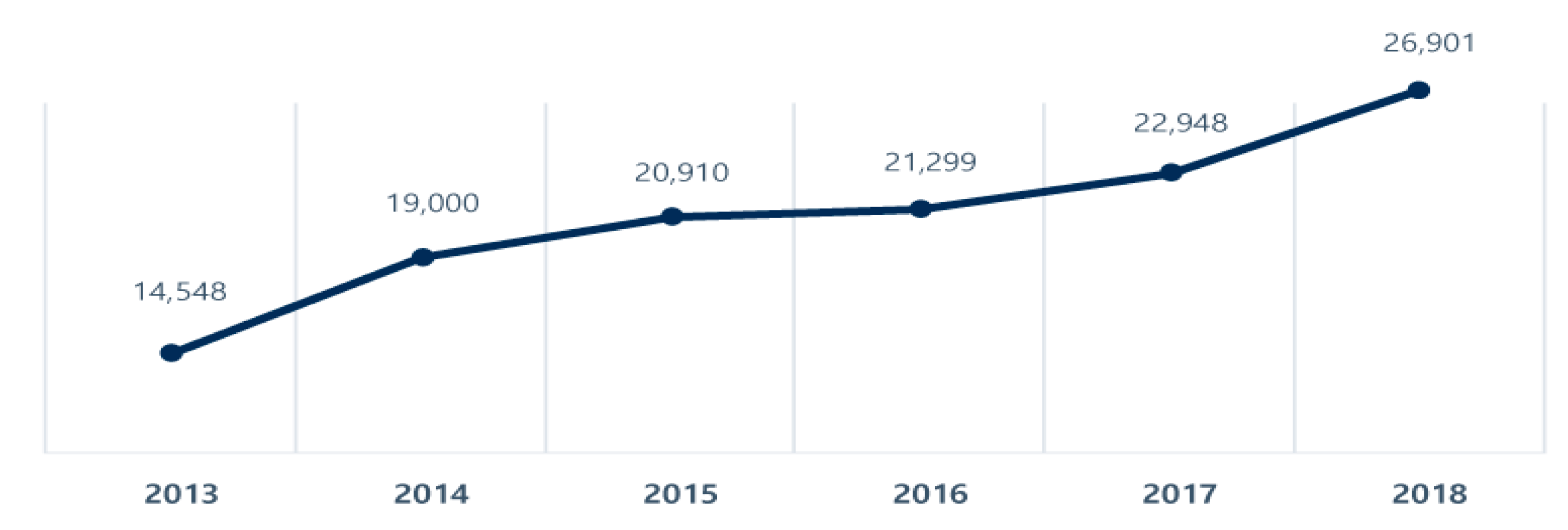
Foreign Direct Investment (FDI) is an important resource that helps accelerate the development of the country’s economy, add substantial funding to growth and facilitate technology transfer, aside from strengthening export capabilities and creating more jobs [1]. Even though a growth economy with no competitive advantage of cheap labor, ROK has a great geographic advantage (between China and Japan, the world’s second and third largest economies, respectively); it has also entered the 5 G era with new industries emerging in recent years. The FDI in the Republic of Korea (ROK) has been increasing continuously especially in the service sectors where IT/ICT solutions are extensively utilized but it is notable that a number of global companies are also constantly seeking some investment opportunities in the areas where high returns can be expected by establishing their headquarters or R&D centers in the country to participate in the businesses involving cutting-edge technologies or advanced materials. According to a 6 January 2020 report by the Ministry of Industry, Trade and Resources of Korea, the total FDI registration in the year 2019 reached 23.3 billion, the second highest in history [2]. The amount of FDI is actually disbursed to US $12.8 billion, the 4th highest of all time. Compared to the record high 26.9 billion in 2018, last year’s registered FDI fell 13.3%, and the capital was disbursed by 26% [2]. ROK has attracted many investments and foreign enterprises in various development industries thanks to policies seeking to support enterprises in a timely manner. Figure 1 shows foreign-invested companies in Korea.
Figure 1. Foreign-invested companies in Korea.
In the past, there have been many companies and organizations seeking investment, cooperation and development opportunities in ROK, a country of potential. According to representatives of Vietnam’s foreign Ministry in the Workshop titled “Starting and registering a business in Korea” in 2019, Vietnam-ROK relations are developing well in all fields, in the context of the two countries celebrating the 10th anniversary of establishment of “Vietnam-Korea strategic cooperation partnership” (2009–2019). In terms of investment, ROK is the largest investor in Vietnam with total accumulated investment capital of US$ 62.5 billion as of the end of 2018 (accounting for 18.3%), with 7460 projects creating jobs for 70,000 employees and contributing about 30% of the total export value of Vietnam [3]. With regard to trade, ROK is Vietnam’s second largest trading partner (after China) with total two-way trade turnover of US$ 65.7 billion in 2018, aiming to record VND 100 billion by 2020 [3].
As for tourism, there were nearly 3.5 million ROK tourists visiting Vietnam in 2018, whereas the number of Vietnamese tourists to ROK reached nearly 500,000, up 42.1%. People-to-people relations take place widely in all levels and fields. Currently, each country has more than 150,000 citizens studying, living and working in the other country (Vietnam’s foreign ministry).
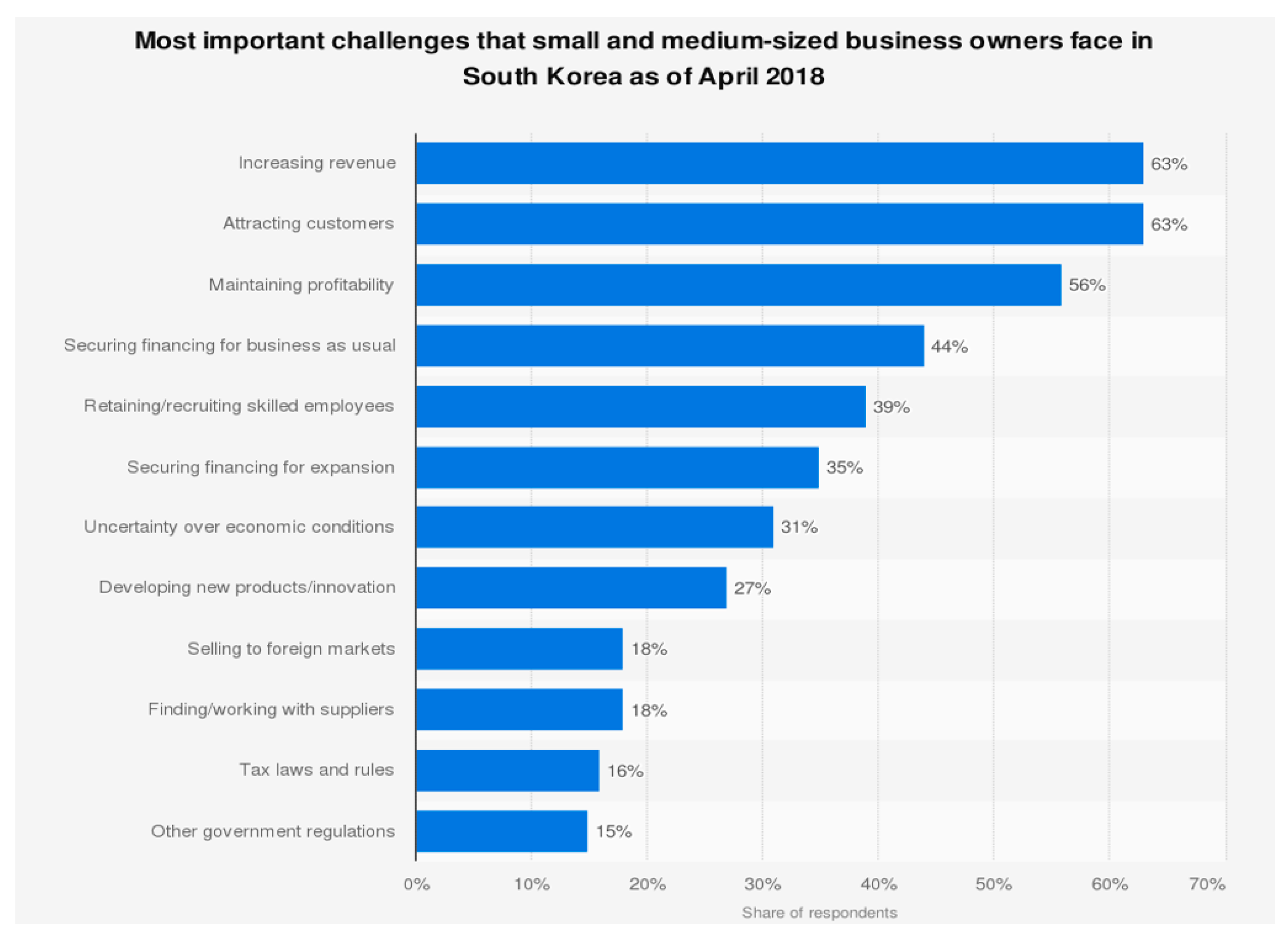
Like many countries, the ROK is striving to keep their economic growth rate to ensure their economic success in the era of the of the 4th industrial revolution that can guarantee higher employment rates and GDP levels. In this effort, the ROK government is encouraging and offering a series of startup programs by providing a substantial support to the promising young entrepreneurs, establishing a global startup hub such as Pangyo Creative Economy Valley, for example. In the context of investment opportunities in Korea, there are many small and medium enterprises (SMEs) from many different countries participating in investment; due to cultural differences, they have encountered certain challenges in the process of seeking opportunities and investments. According to the Future of Business Survey [4], some of the major challenges that may be encountered by SMEs include increasing revenue, maintaining profitability, attracting customers, securing financing for expansion, developing new products/innovation, finding/working with suppliers, tax laws and rules, other government regulations, etc. as shown in the Figure 2.
Figure 2. Most important challenges that small and medium business owners face in ROK (South Korea) as of April 2018 (Source: Future of Business Survey; OECD; World Bank; Facebook; FactWorks) [4].
Especially in the case of foreign business owners, they are expected to have difficulties in language particularly in seeking information related to investment issues and establishment of the company at the initial stage when entering the Korean market. Neither do they have much money to invest in building a dedicated team of legal institutions in ROK.
In this study, we focused on building an operational solution for small and medium businesses in the form of a Virtual Assistant system that can provide information on finding/working with suppliers, tax laws and rules, other government regulations, investment trends and new investment sectors in Korea, investment regions, etc. We presented methods of collecting and exploiting big data on foreign investment in Korea and methods of building data sets on investment and using Natural Language Processing (NLP) and Natural Language Understanding (NLU) technologies to build chatbot applications for the direct response of assistant systems.
The rest of this paper is organized as follows: Section 1 gives an introduction to investment trends of foreign companies in ROK and some difficulties of foreign SMEs particularly Vietnamese SMEs in the foundation-stage information search and in looking for investment opportunities due to language differences; Section 2 provides an overview of previous research or papers related to aspects of understanding the original information of foreign enterprises, process of foreign investment in Korea and techniques used to build the assistant and Chatbot; Section 3 introduces the methodologies for building Assistant Systems, research design, process of building a chatbot and building Operational Solutions; Section 4 presents the results and discussions of the research. Section 5, the last chapter, presents the conclusions of this research and future work to improve the results and contribute to Innovative Business not only in Korea but also in other potential countries.

2. Methods

As for the methodology of this study, data were explored and built according to the process of searching for information and seeking investment opportunities; a business consulting and support application dealing with the first stages of starting a business in ROK was then built to increase effectiveness and reduce time, which is also an innovative business practice in Use-case ROK. We designed our operational solution as a Virtual Assistant system that can crawl and analyze data on foreign investments in ROK from open data resource websites (data.co.kr, accessed on 24 July 2020) and used analytic techniques to explore investments trends of foreign enterprises.
We also researched the process of searching for information and seeking investment opportunities for SMEs when investing in ROK, government support policies, laws and taxes as well as a number of other related issues. Then, we built data sets and Natural Language Processing (NLP) and Natural Language Understanding (NLU) algorithms to build chatbot applications. We built a web-app connected to the server to visualize all the results of research so that SMEs owners can easily use and look for information on investments. Based on the research results, we can make recommendations to SMEs according to the changing investment trends in ROK.

4. Design and Implementation of Building an Assistant Using NLP and NLU

4.1. Data Collection

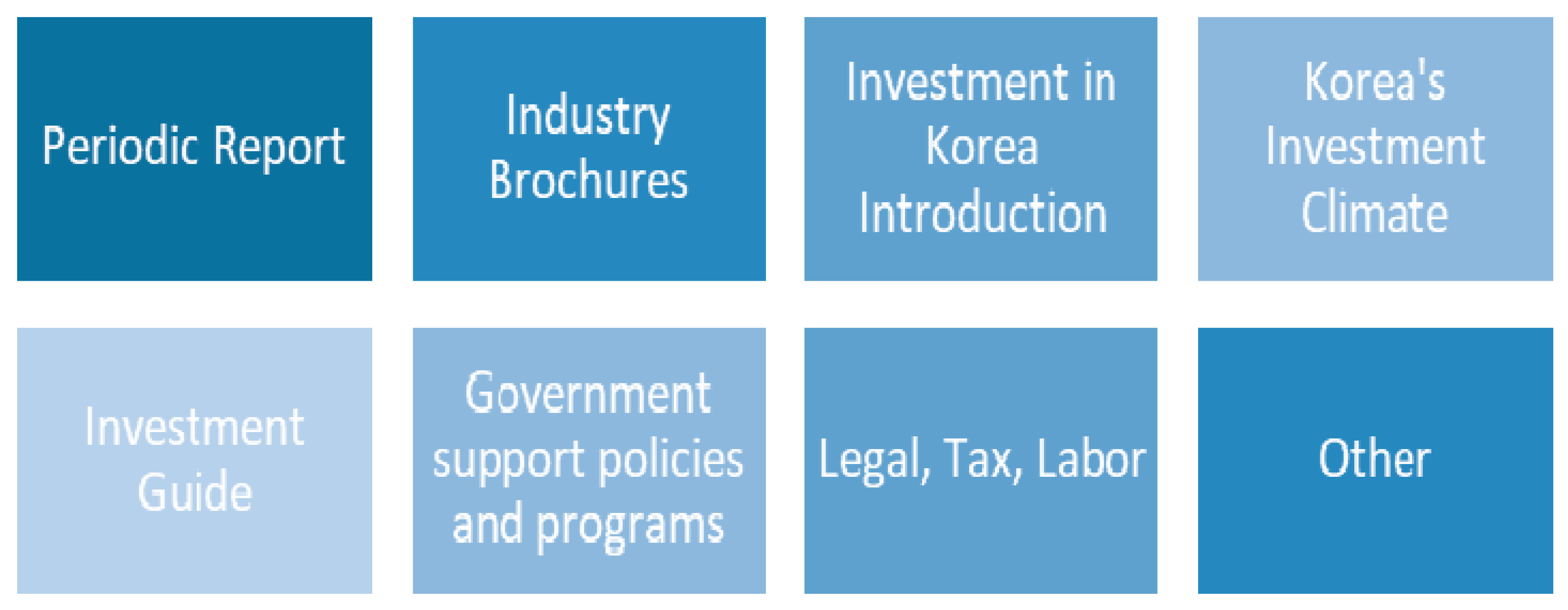
At this stage, we focused on understanding the factors that investors may be interested in or the business development opportunities for investors when starting a business in Korea. We also compiled documents and information of investors interested in searching the information shown in Figure 3. We collected all this data, saved it in MongoDB and prepared for the construction of the chatbot application in the next stage.
Figure 3. Information that new foreign investors in Korea.
We also collected data on foreign investment in Korea by country by year, data on new business registration by locality, and invested industries from the website “data.co.kr” (accessed on 24 July 2020). These data were analyzed to find out investment trends in Korea and used for advice and suggestions to users of the system.

4.2. Proposed Architecture of the Operational Solution Assistant System

The following are the major features of the Operational Solution Assistant System we built:
-
Application Chatbots’ direct dialogues.
-
Data set about Korean business establishment procedures, laws, tax and labor policies, immigration policies and investment policies.
-
Data set with updated information on competitions, government support programs in recent years.
-
Data set with updated information on investment trends of newly established enterprises in Korea.
-
Gather information on user questions for use in predicting user behavior and trends
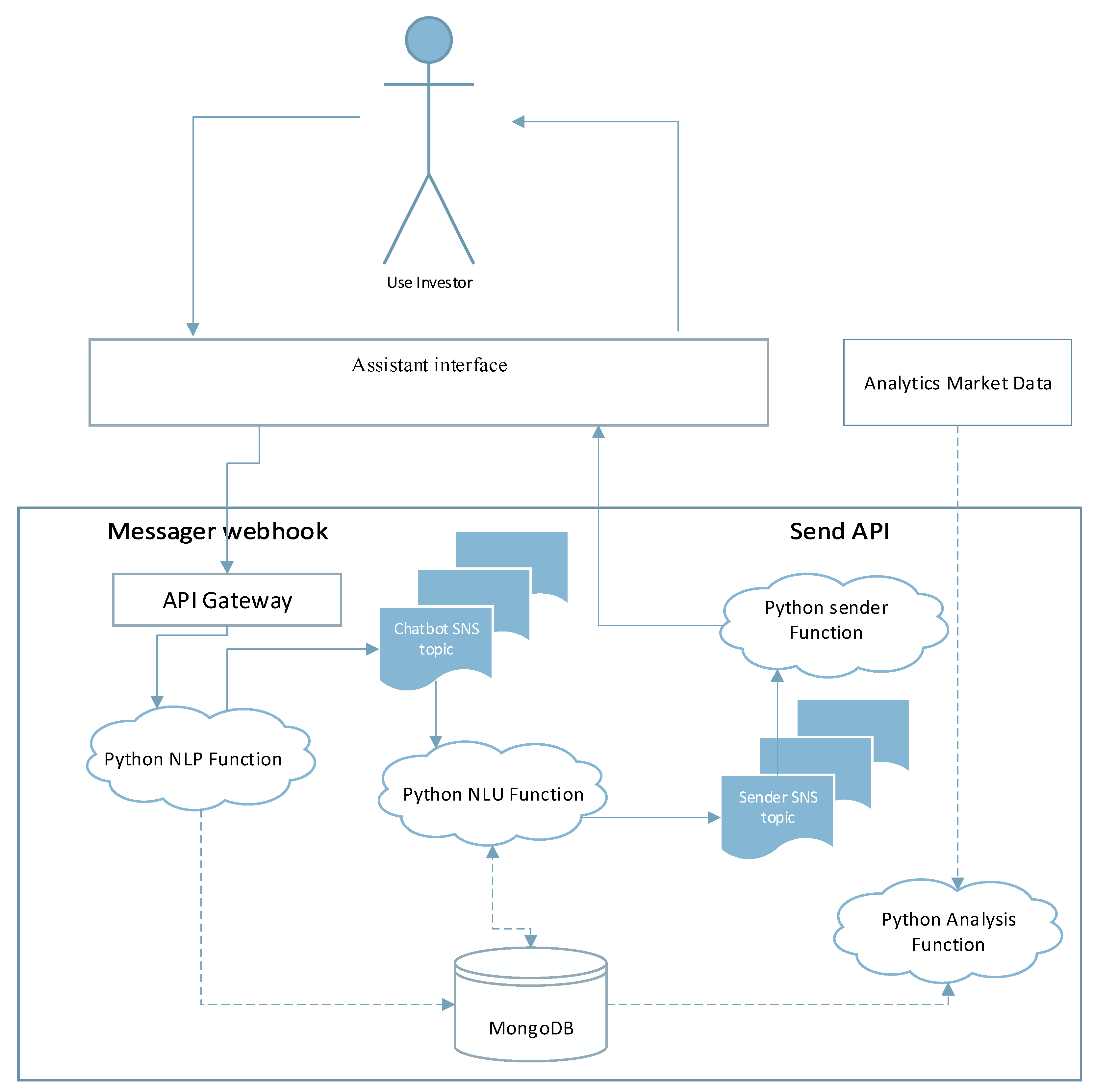
This subsection presents the overall architecture of the proposed Operational Solution Assistant System based on Natural Language Understanding (NLU) techniques. The system mainly consists of three parts as shown in Figure 4: (i) Assistant interface; (ii) Python NLP function; and (iii) Python NLU function.
Figure 4. Proposed architecture of the Operational Solution Assistant system.
The user sends a message through the Assistant interface. The message goes to the Message box in the Assistant interface, triggers a callback to a Messenger webhook and gets sent to the API gateway. The API Gateway passes the message to the Python NLP functions. In this NLP function, the message is processed with the NLP code written in Python to remove stop words in the message and extract and organize entities of user’s messages and is saved in MongoDB. After that, all the entities of the user’s messages pass the Chatbot SNS topic and get sent to the Python NLU function.
The Python NLU function contains all the logic algorithm of the assistant, which will be presented in detail in the next subsection. All of the user’s ideas kept in the Python NLU function are saved in MongoDB. After this function is finished, the results go to the sender SNS topic and get sent to the Python Sender function. This function sends the API of the most suitable answer to the Assistant Interface, which then shows the answer to the end user. The system also has another component called Analytics Market Data. This component is used to collect data about the realistic investment market in Korea from reports by quarter, by year or changing policy of FDI in Korea.
All data from this component are sent to the Python Analysis function and saved in MongoDB. When an assistant user asks about the trends of the market, the Python NLU function sends a request to MongoDB and collects this data to answer the assistant user.
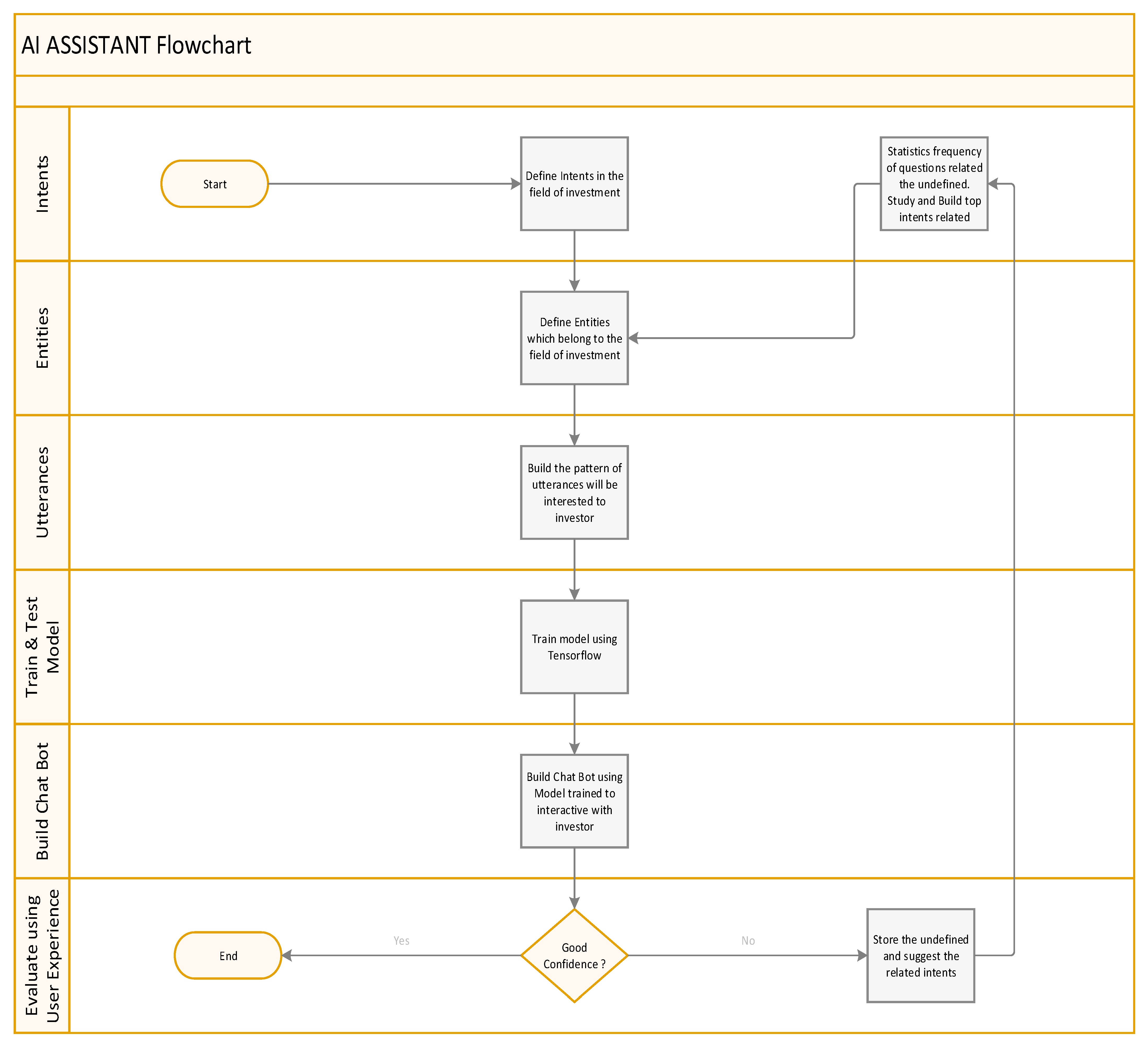
The AI Assistant’s main workflow is shown in the flowchart in Figure 5. When users send a message to the system, the AI Assistant’s main workflow starts with the Define intent in the field of investment by the Python NLP functions. The system defines the Entities belonging to the field of investment. After that, it builds the pattern of utterance and sends it to the TensorFlow training model. This model builds the chatbot using a model trained to interact with users. If these results have good confidence, this ends the session. If not, the system stores and suggests relative intents.
Figure 5. AI Assistant’s main workflow.
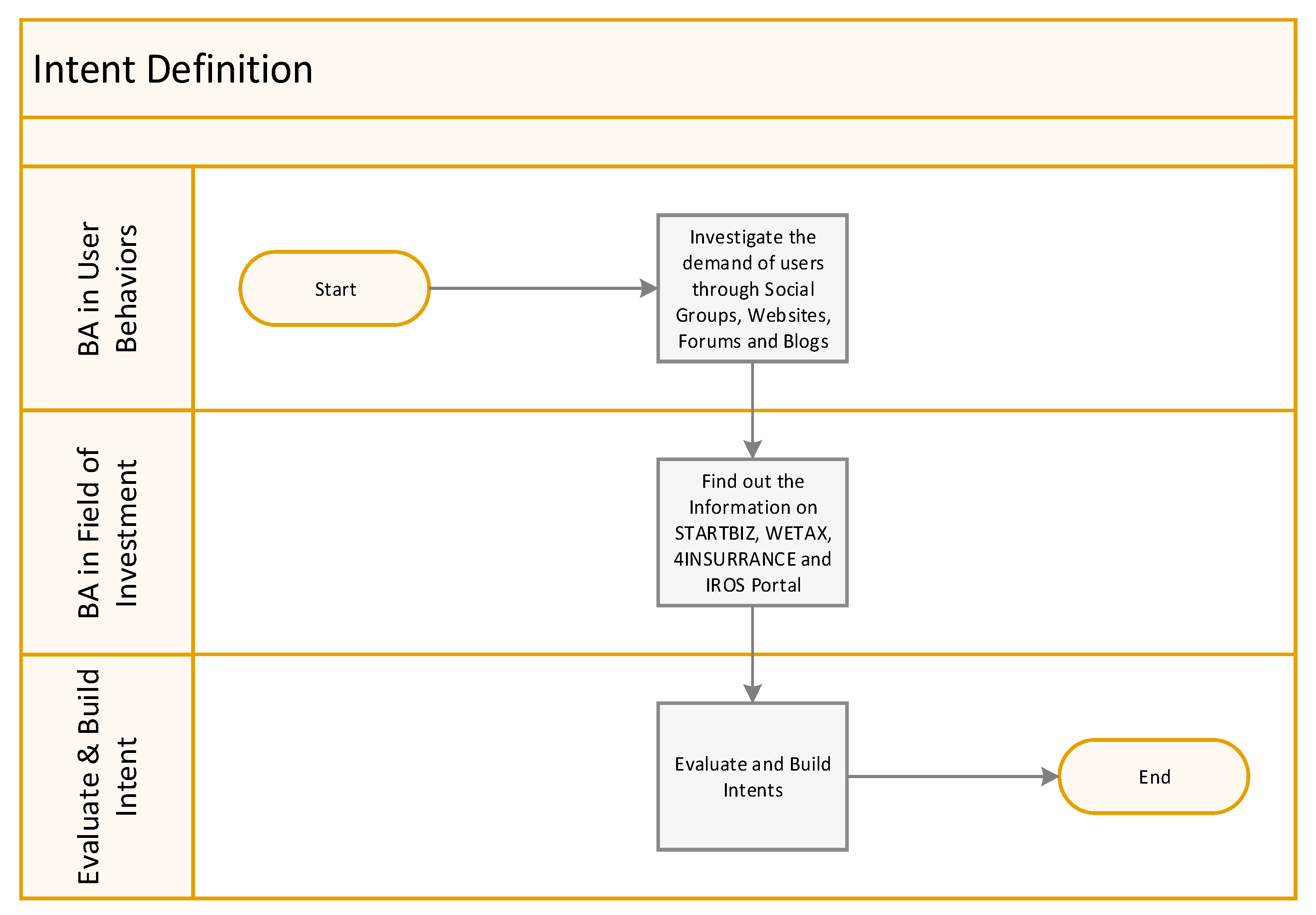
The flowchart in Figure 6 presents the process of defining Intent, which is a critical factor in chatbot functionality because the chatbot’s ability to parse intent is what ultimately determines the success of the interaction.
Figure 6. Process of defining Intent.
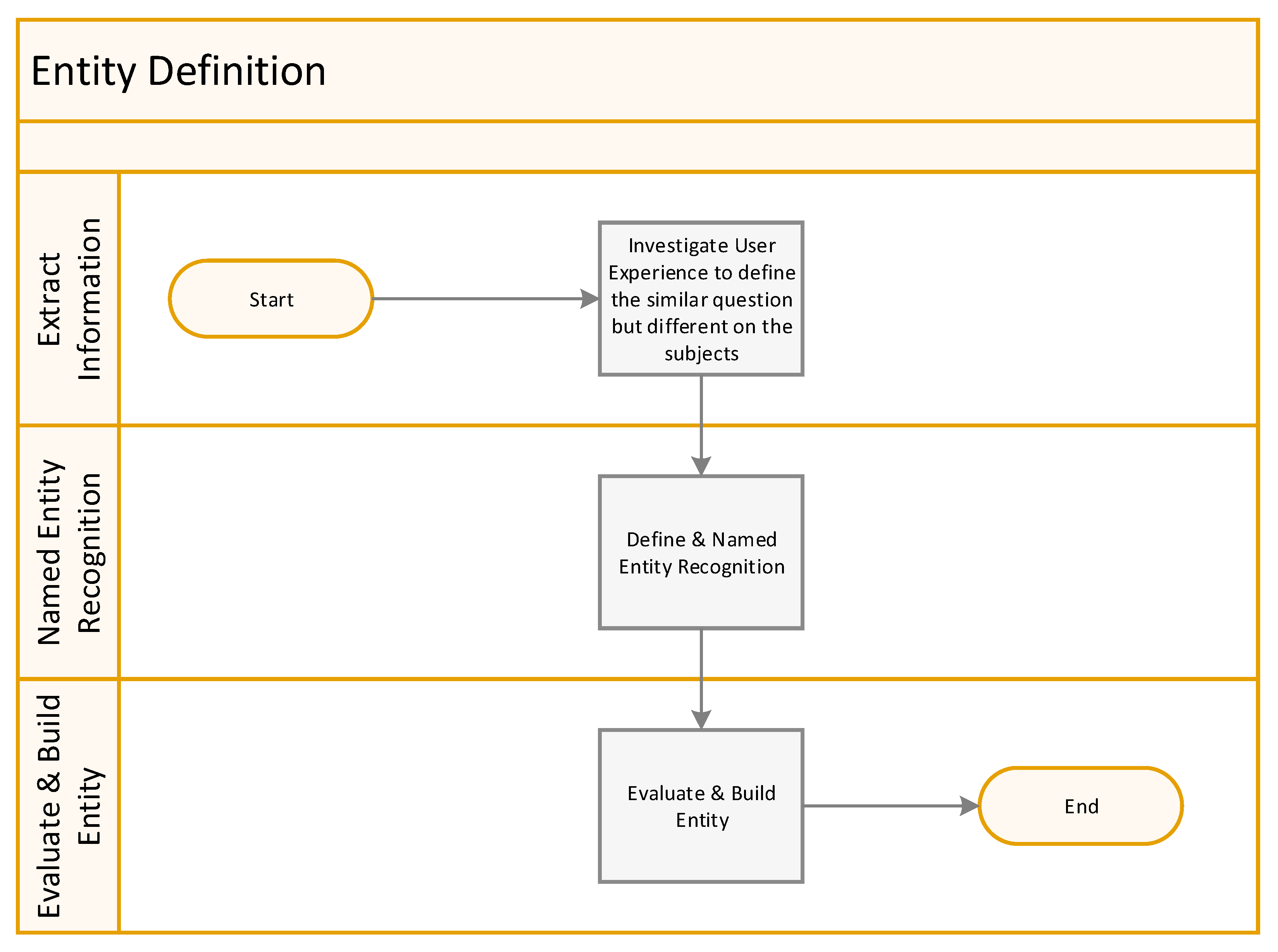
The flowchart in Figure 7 presents the process of defining Entity. Entities are knowledge repositories used by the bot to provide personalized and accurate responses. Entities can help the system extract important information from the ongoing conversation and catch important data.
Figure 7. Process of defining Entity.
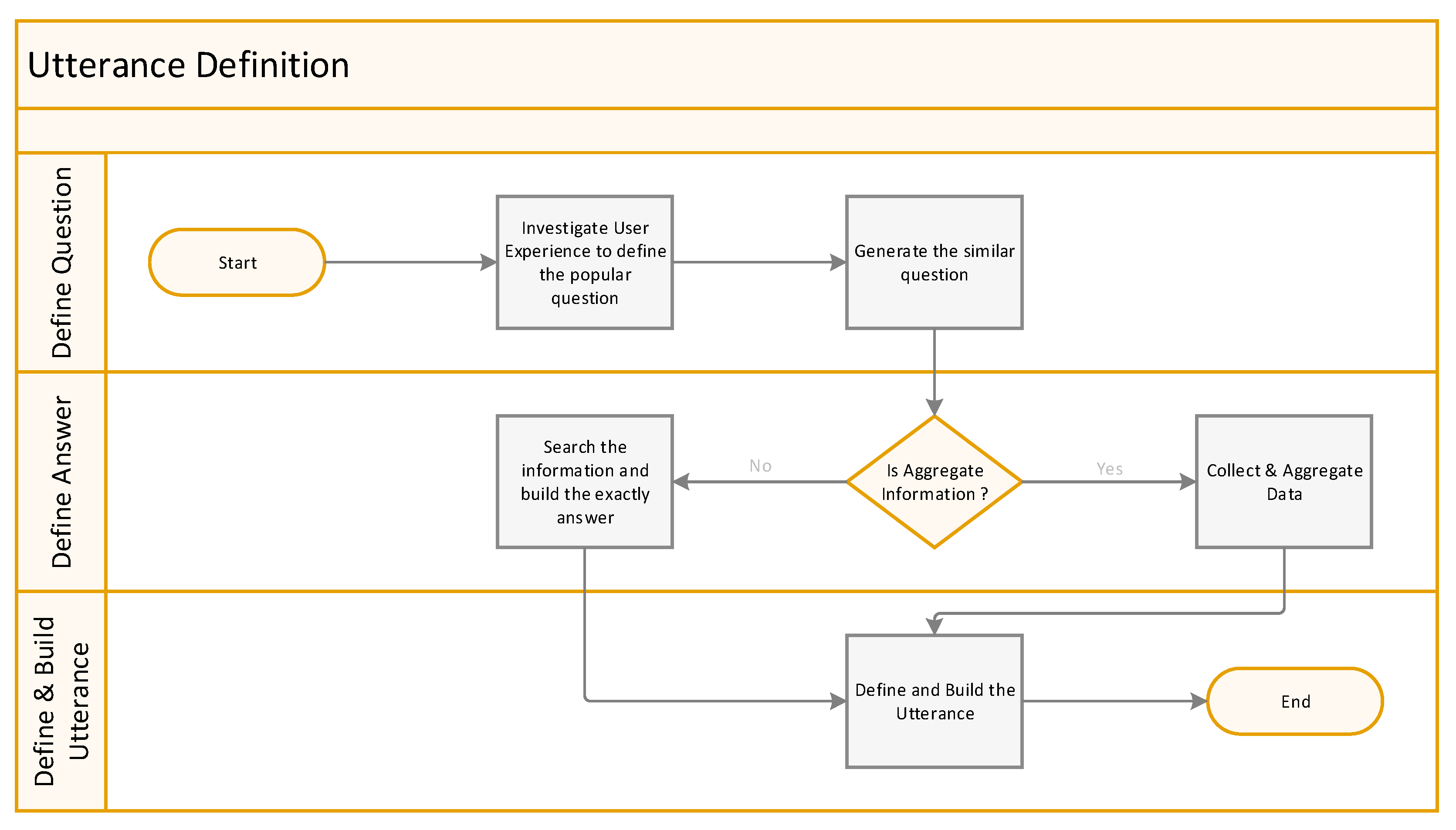
The flowchart in Figure 8 presents the process of defining Utterance. Utterances are the user input that the chatbot needs to derive intents and entities. To train any chatbot to extract intents and entities accurately from the user’s dialog input, it is imperative to capture a variety of different example utterances for each and every intent.
Figure 8. Process of defining Utterance.
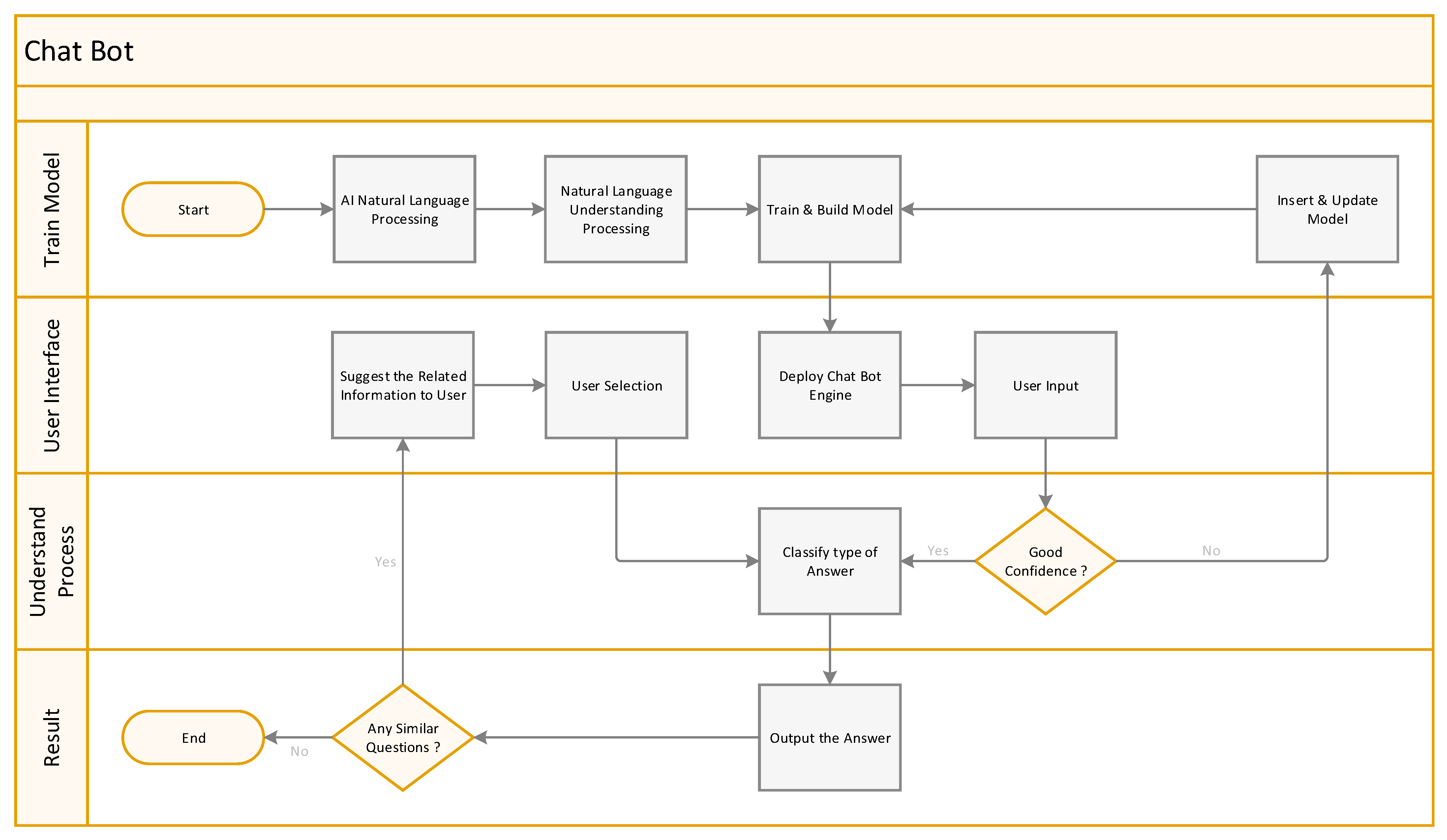
The flowchart in Figure 9 shows the workflow of the chatbot. There are four main stages in this process: (i) Train model; (ii) User Interface; (iii) Understanding Process; and (iv) Result. The process starts in stage (i), and then AI natural language Processing and Natural Language Understanding Processing are sent to the Train and Build model. After Training, we deployed the chatbot engine in the User Interface. When the user inputs a sentence to start the conversation, this sentence is split into entities; if it has good confidence in any intent, the system will classify and print out the answer. If the confidence is not good enough, this situation will be inserted and updated in the training model. In stage (iv), after sending the output answer, if there is a similar Question, the System will send Suggest the related Information to the user for user selection. If there is none, the process ends.
Figure 9. Flowchart of chatbot.

4.3. UML Diagram and Application

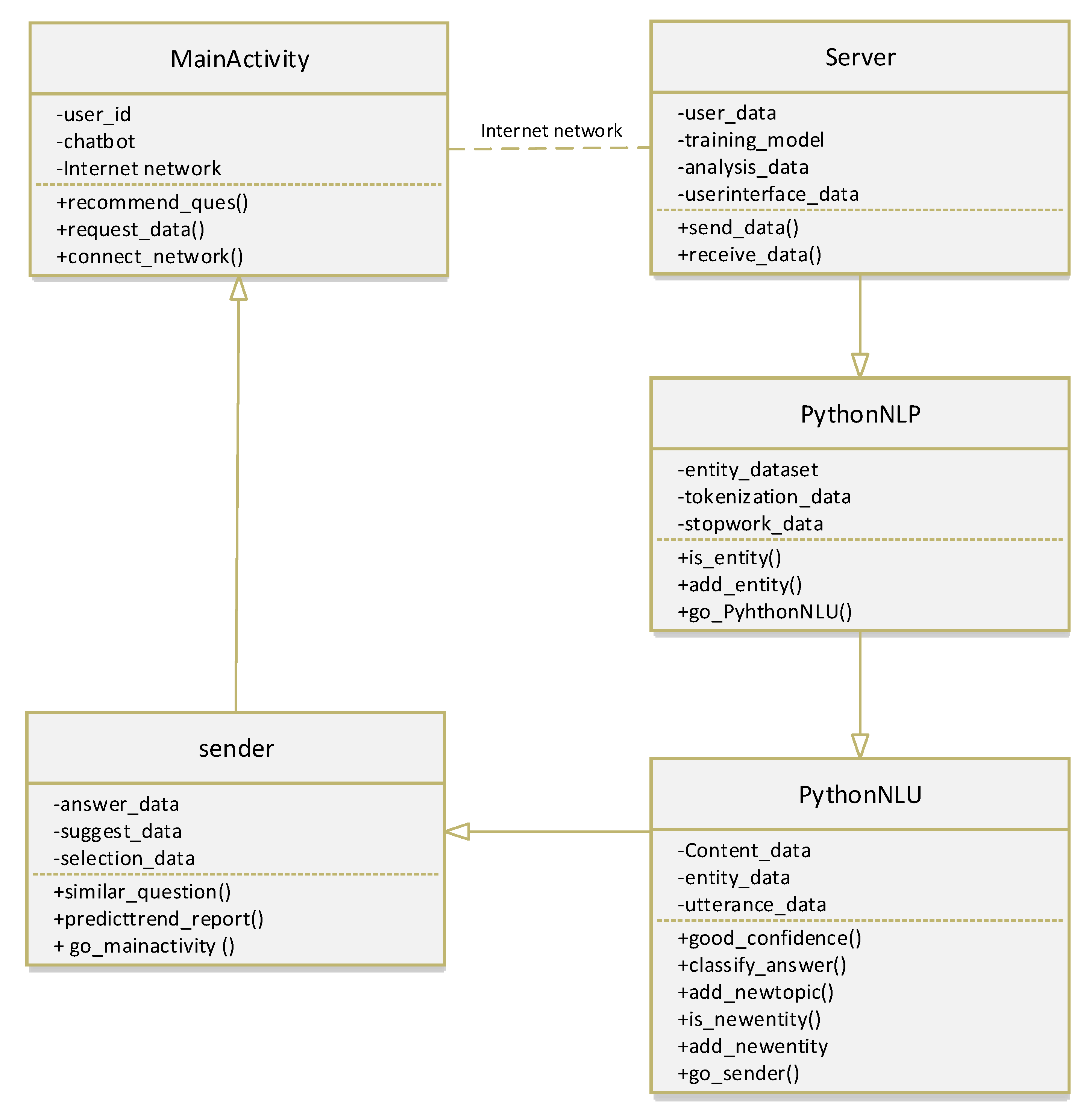
Figure 10 shows the entire UML framework of the Operational Solution Assistant system. The user can use the chatbot in MainActivity, which has the chatbot application interface. MainActivity connects with the server through the Internet network. The process starts once the user is selected, and the agreement terms for collecting and using the user’s information are shown during the time of using the Application. After the user provides user_ID, the application will query and access the user database in the Server through Internet connection. This user_data contains personal data and historical data (if available) of old conversations with applications. When a user starts a conversation with our application, the application sends to the NLP and NLU functions. When the user asks the chatbot any question, the chatbot sends to the server through API. The server also connects with the NLP and NLU functions to give the output answer to the sender, which sends this message to the user.
Figure 10. UML framework of the Operational Solution Assistant system.

5. Building of the Actual Application Model: Assistant Application for Foreign Companies in Korea

5.1. Building the Data Set for the System

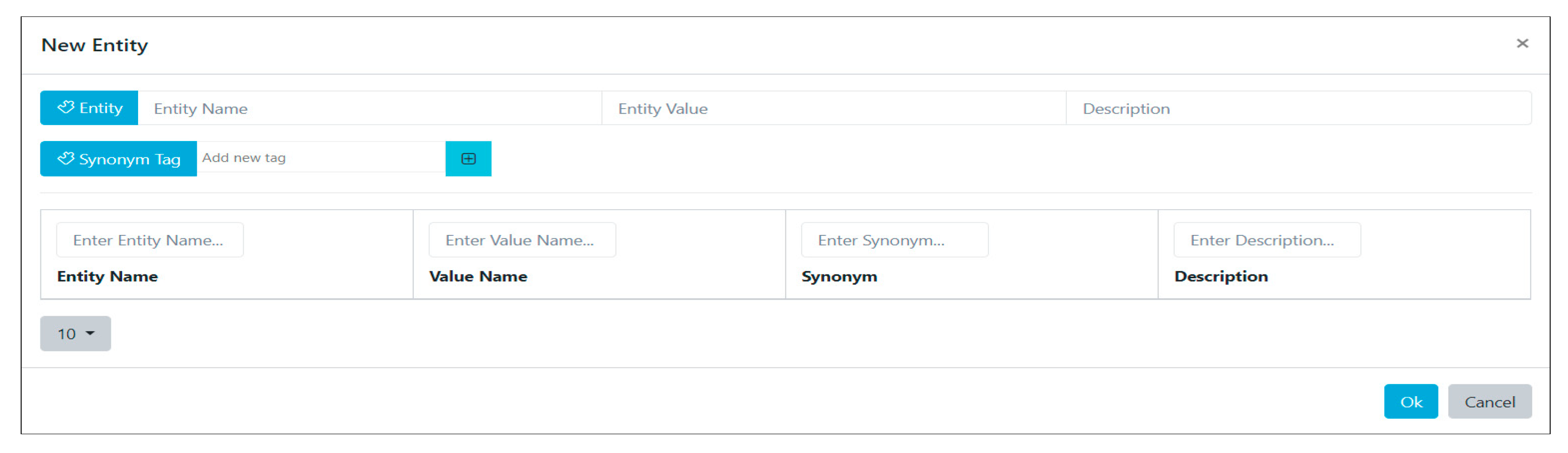
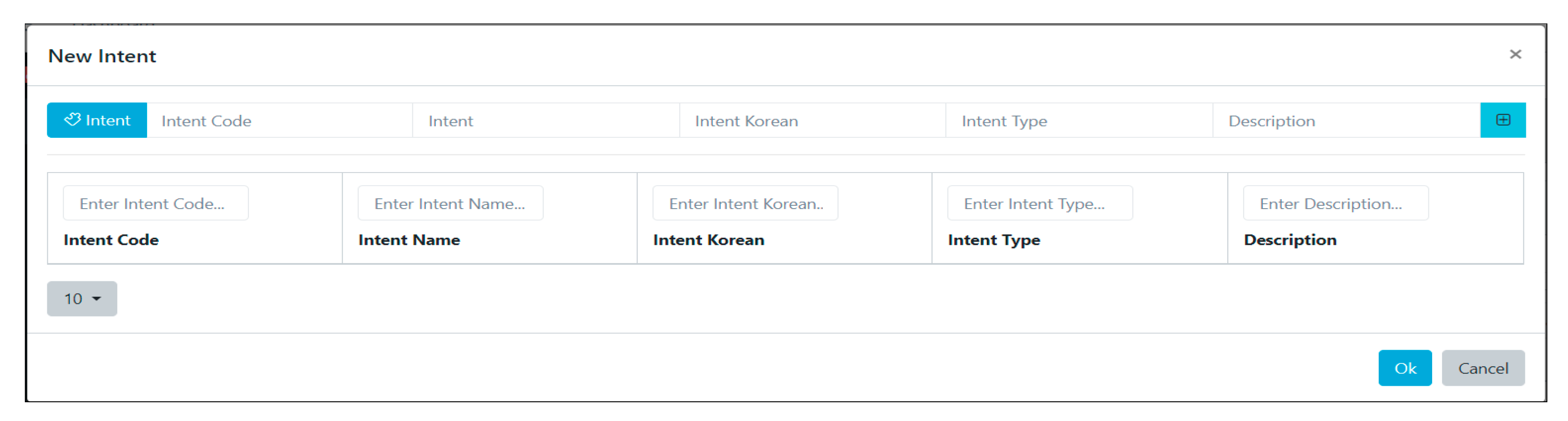
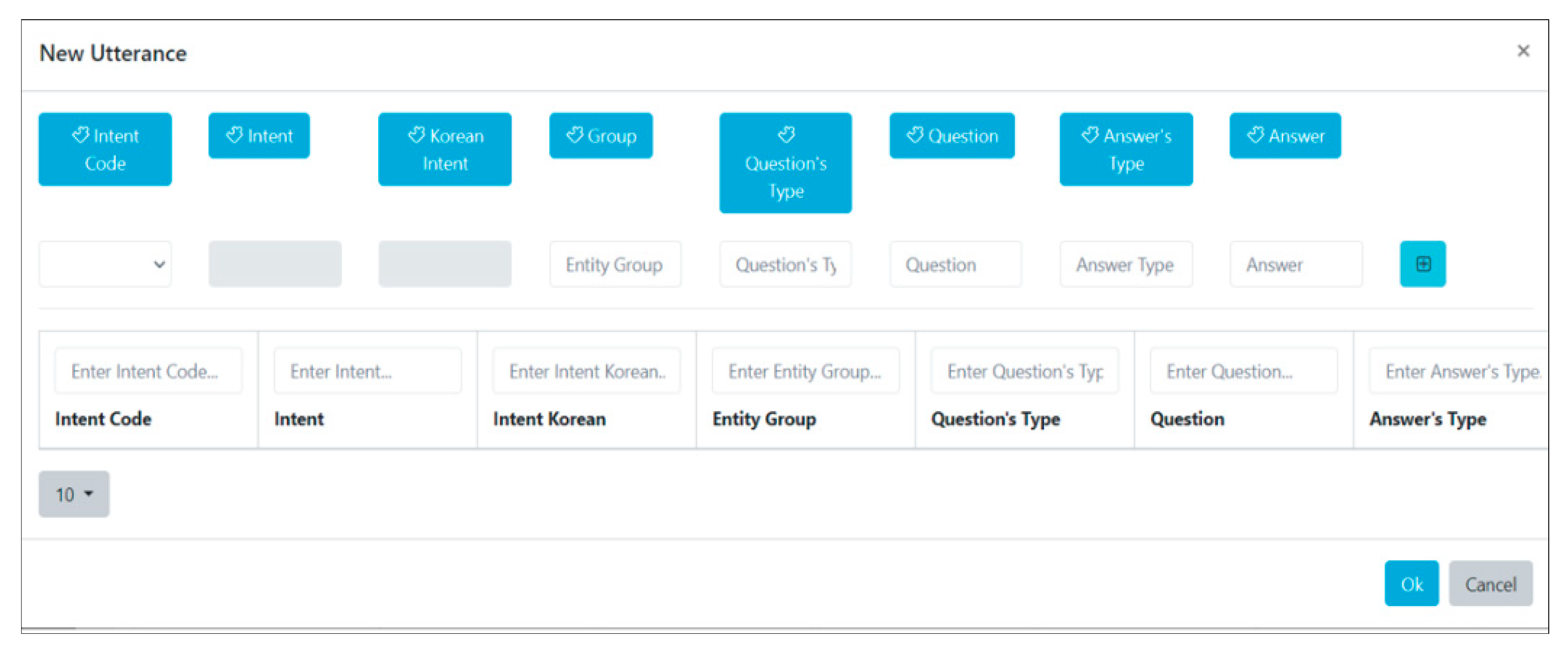
As a result, we built a data training set that answers questions in the following main aspects: Investment in Korea: Introduction; Korea’s Investment Climate; Investment Guide; Government support policies and programs, and Legal, Tax and Labor. We also built an interactive system that can enter data directly into the database and test model as shown in Figure 11, Figure 12 and Figure 13 as below.
Figure 11. Input interface of chatbot intent data.
Figure 12. Input interface of chatbot Entity data.
Figure 13. Input interface of chatbot utterance data.
Figure 11 presents the Input interface of chatbot intent data. Developers can input the Intent code, name of intent, Synonym of intent in Korean, Intent type and Description of this intent.
Figure 12 shows the Input interface of the chatbot entity data. Developers can input Entity names, Entity value, Description of this entity and Synonym tag (the user can use many types to express a similar Entity).
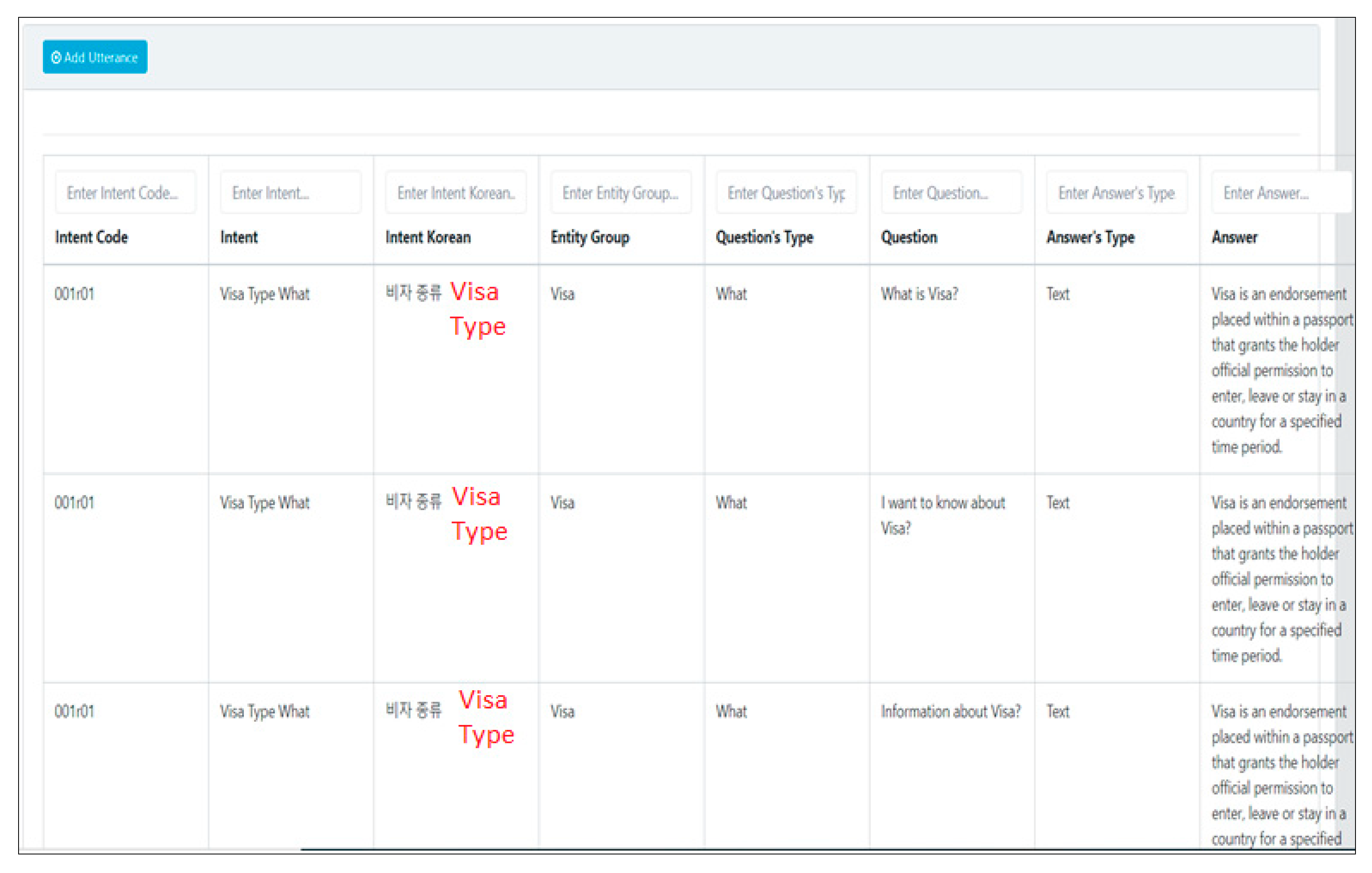
Figure 13 presents the Input interface of chatbot utterance data. First, when the Developer chooses Intent code, intent name and Korean intent will appear. After that, the Developer chooses the Question’s type and inputs the question with a suitable answer and the type of answer.
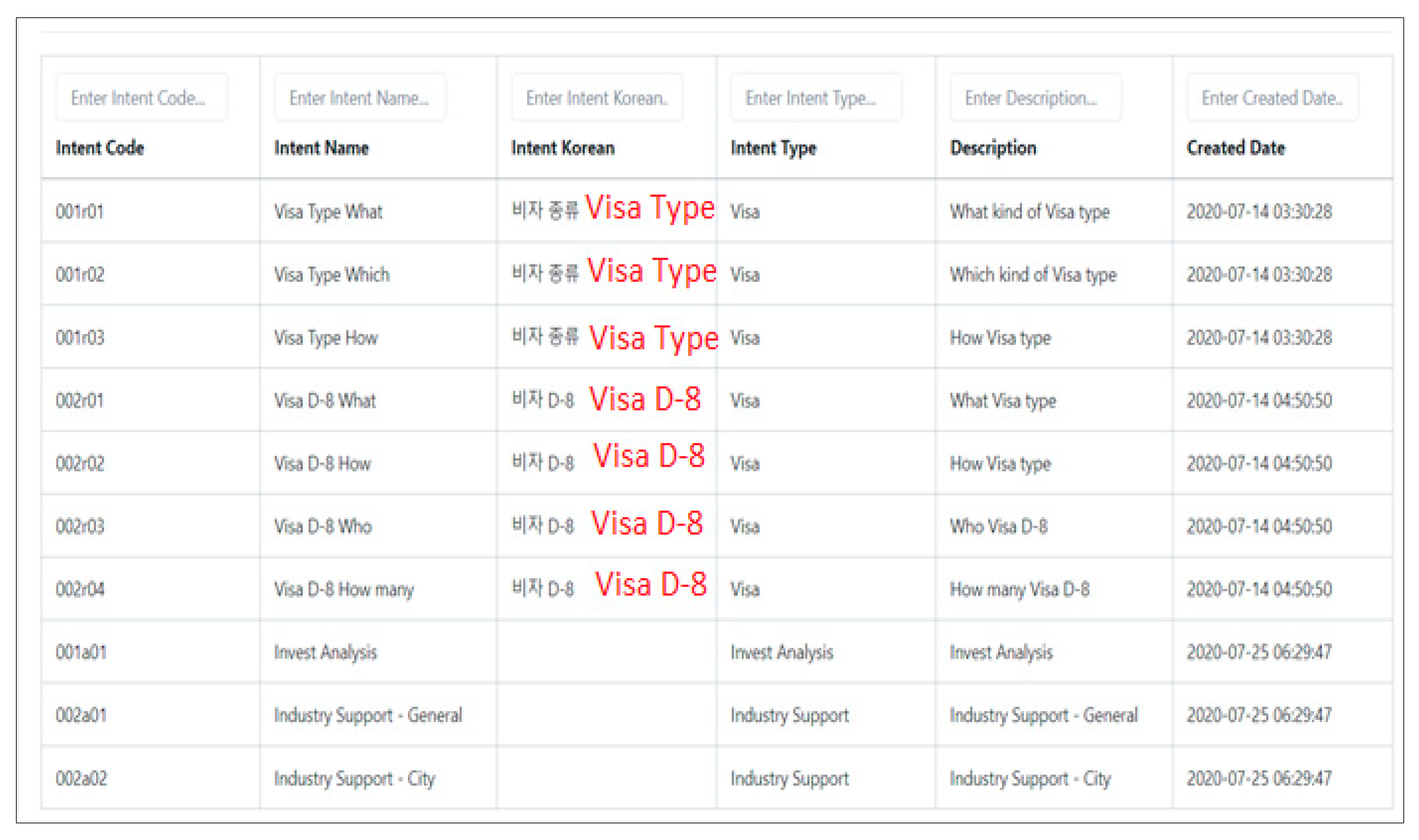
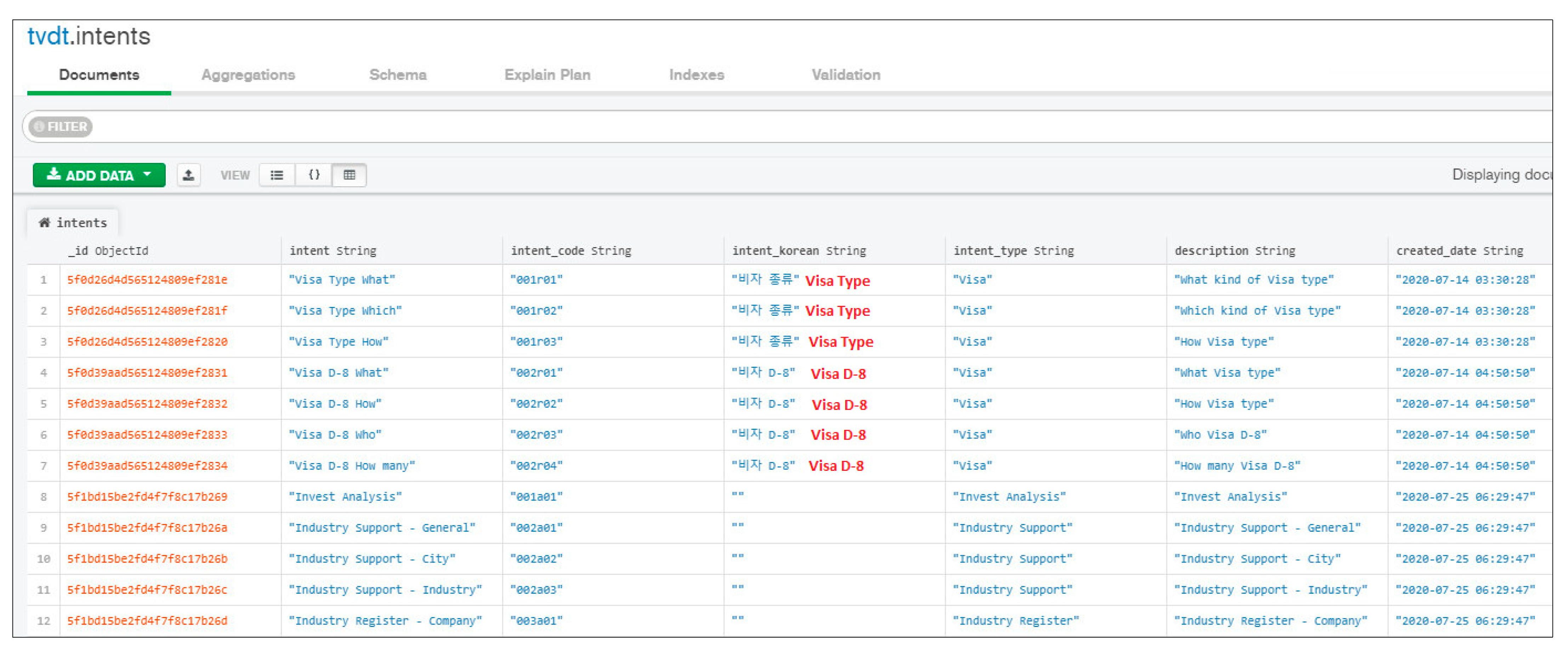
The Data set sample of Intent after input is presented in Figure 14, concluding the Intent code, name of intent, Synonym of intent in Korean, Intent type and Description of this intent.
Figure 14. Data set sample of Intent.
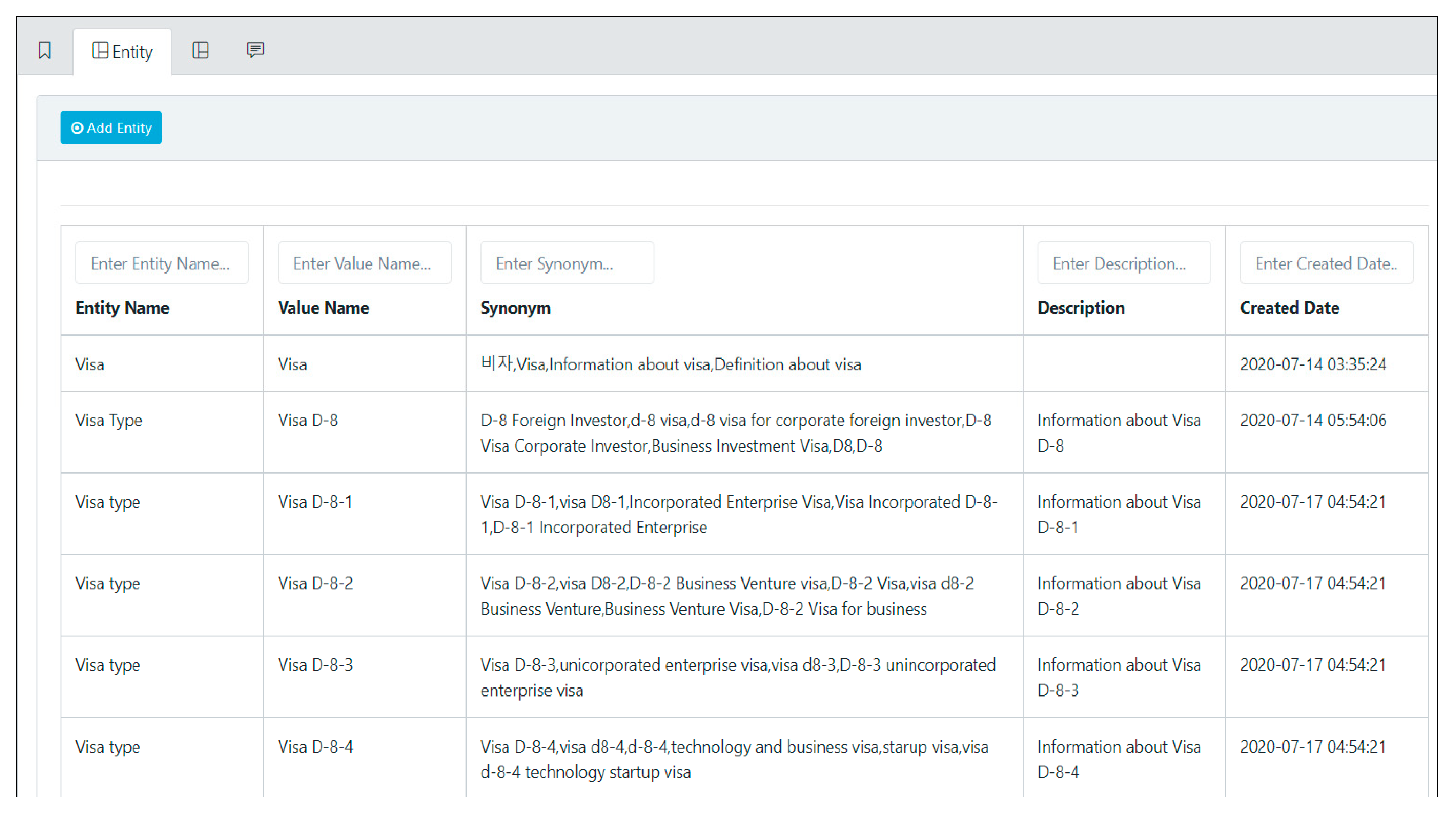
The Data set sample of Entity after inputting is presented in Figure 15, concluding Entity names, Entity value, Description of this entity and Synonym tag (the user can use many types to express a similar Entity).
Figure 15. Data set sample of Entity.
The Data set sample of Utterance after inputting is presented in Figure 16, concluding the Intent code, Intent, Intent Korean, Entity group, Question’s Type, Question, Answer’s Type and Answer.
Figure 16. Data set sample of Utterance.
Data is stored in MongoDB as document type which composed data as field and value pair. Value of the field can be any of data types [27], presented in Figure 17. In our research, we chose this database because of the properties of natural language. They are unstructured or semi-structured (non-structured or semi-structured) and they cannot be stored in fixed formats such as tables. In these use-case, we stored a data record field-value-pairs.
Figure 17. Intents’ dataset stored in MongoDB.
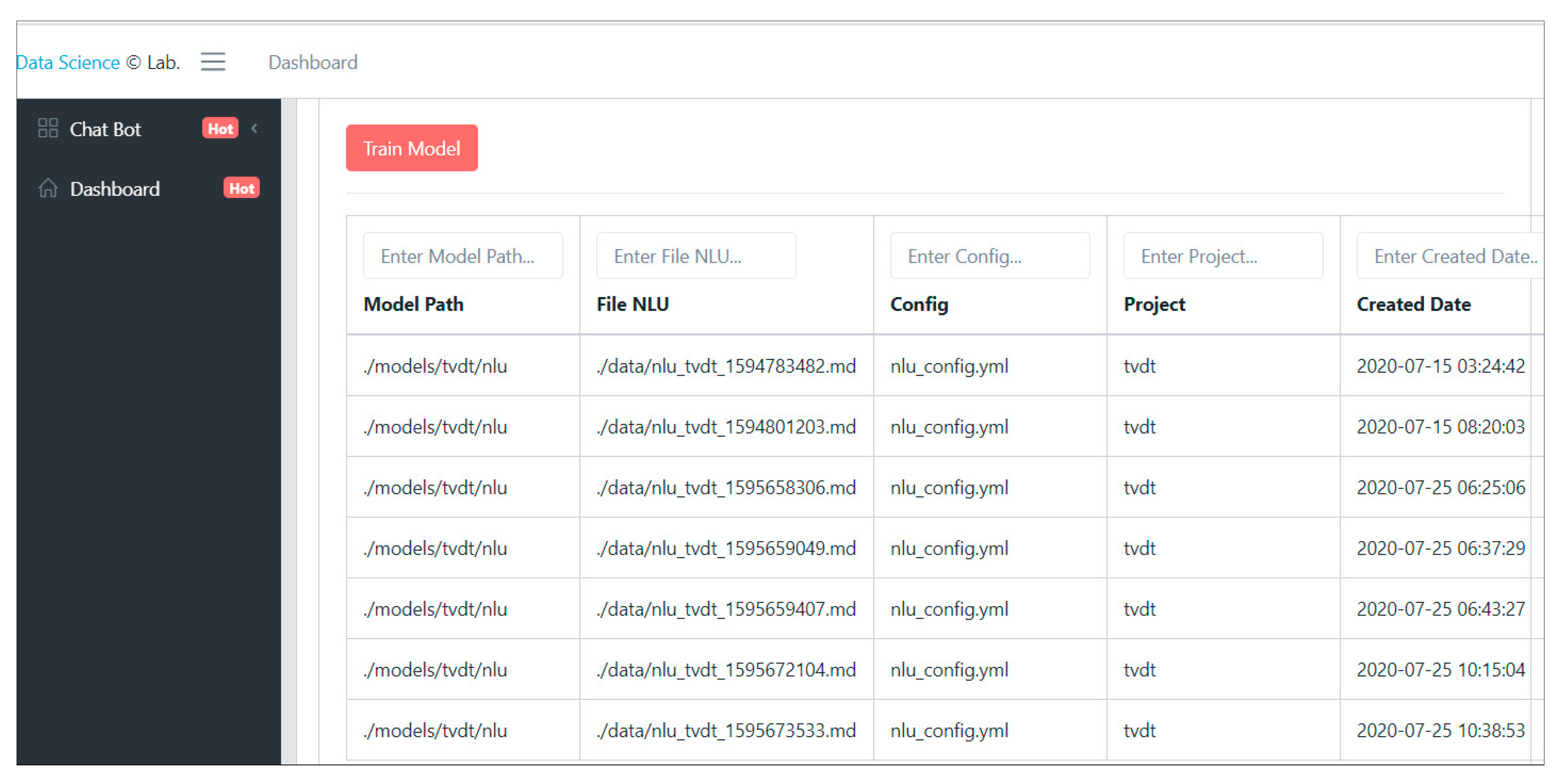
In our system, after inputting Entity, Intent and Utterance, we also built functions for developer testing; the evaluation results of the chatbot are shown below Figure 18.
Figure 18. Training model and test function.
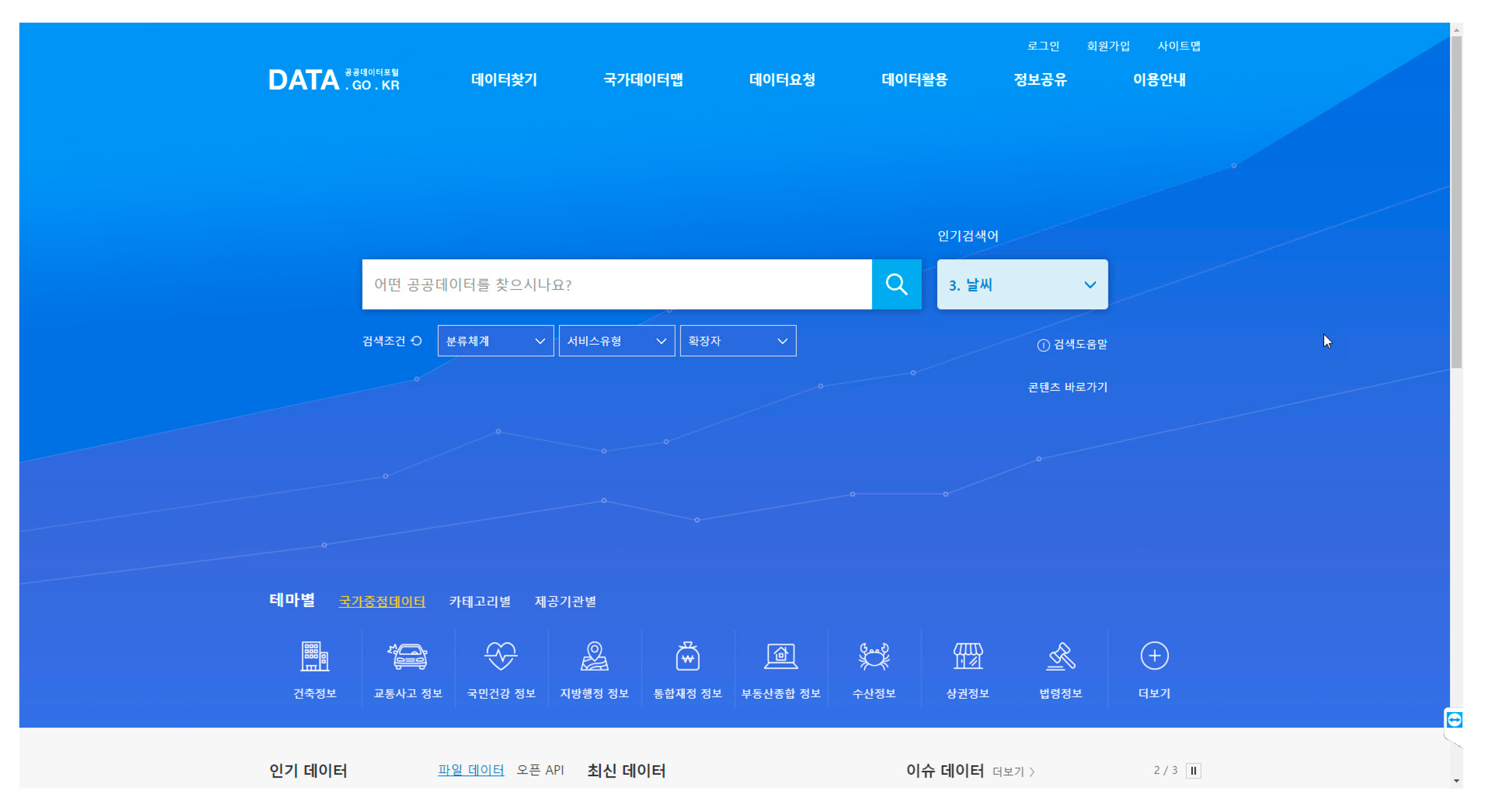
We continued with collecting investment data in ROK from public portals from the Korean government such as Korea Public Data Portal (data.go.kr (accessed on 24 July 2020)) and Busan Provincial Portal (bigdata.busan.go.kr (accessed on 24 July 2020)), as shown in the Figure 19 below. In this research, we mainly used data collected from these websites because they are accurate and are updated year by year; this is true for the investment data. The data that needs to be collected correctly will ensure the efficiency and accuracy of the system later.
Figure 19. Korea Public Data Portal (Source: data.go.kr (accessed on 24 July 2020)).
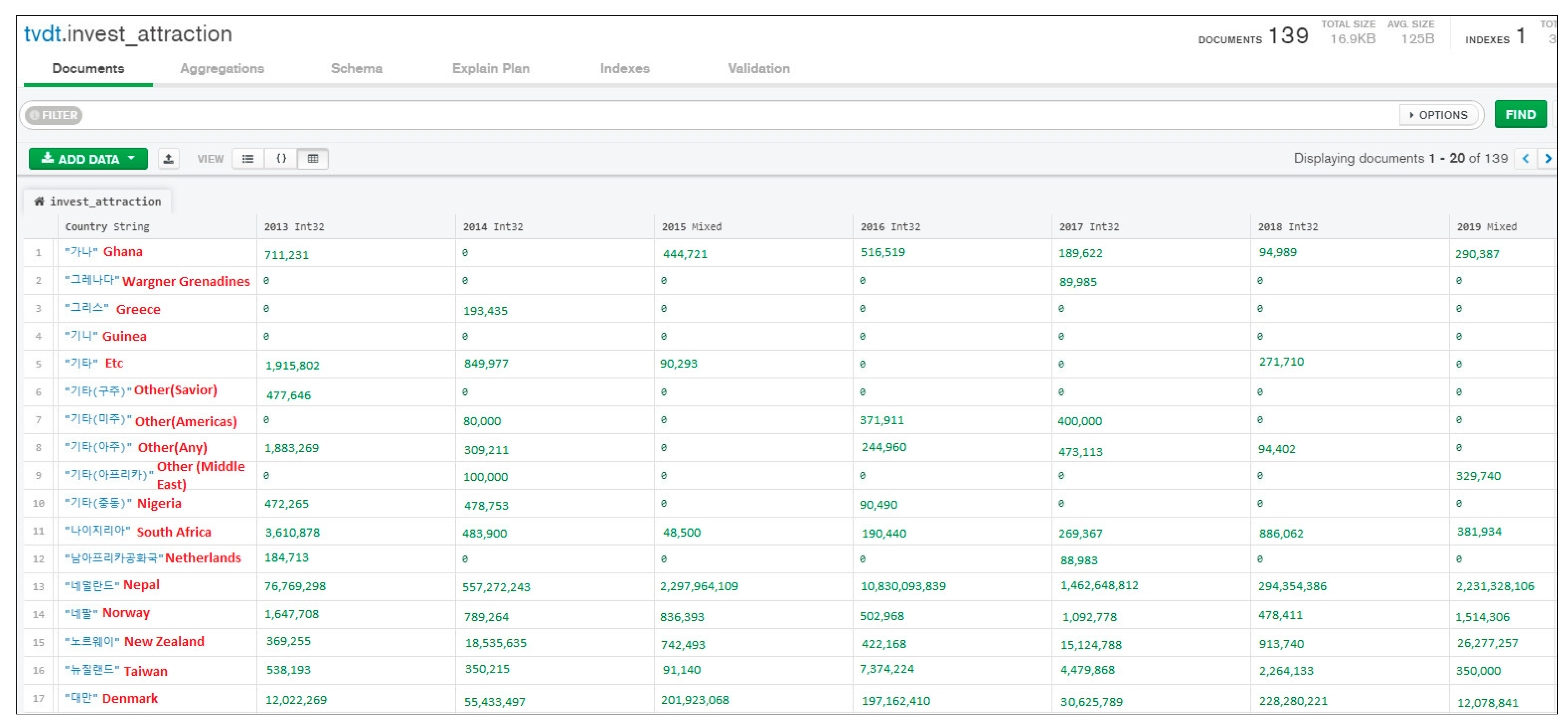
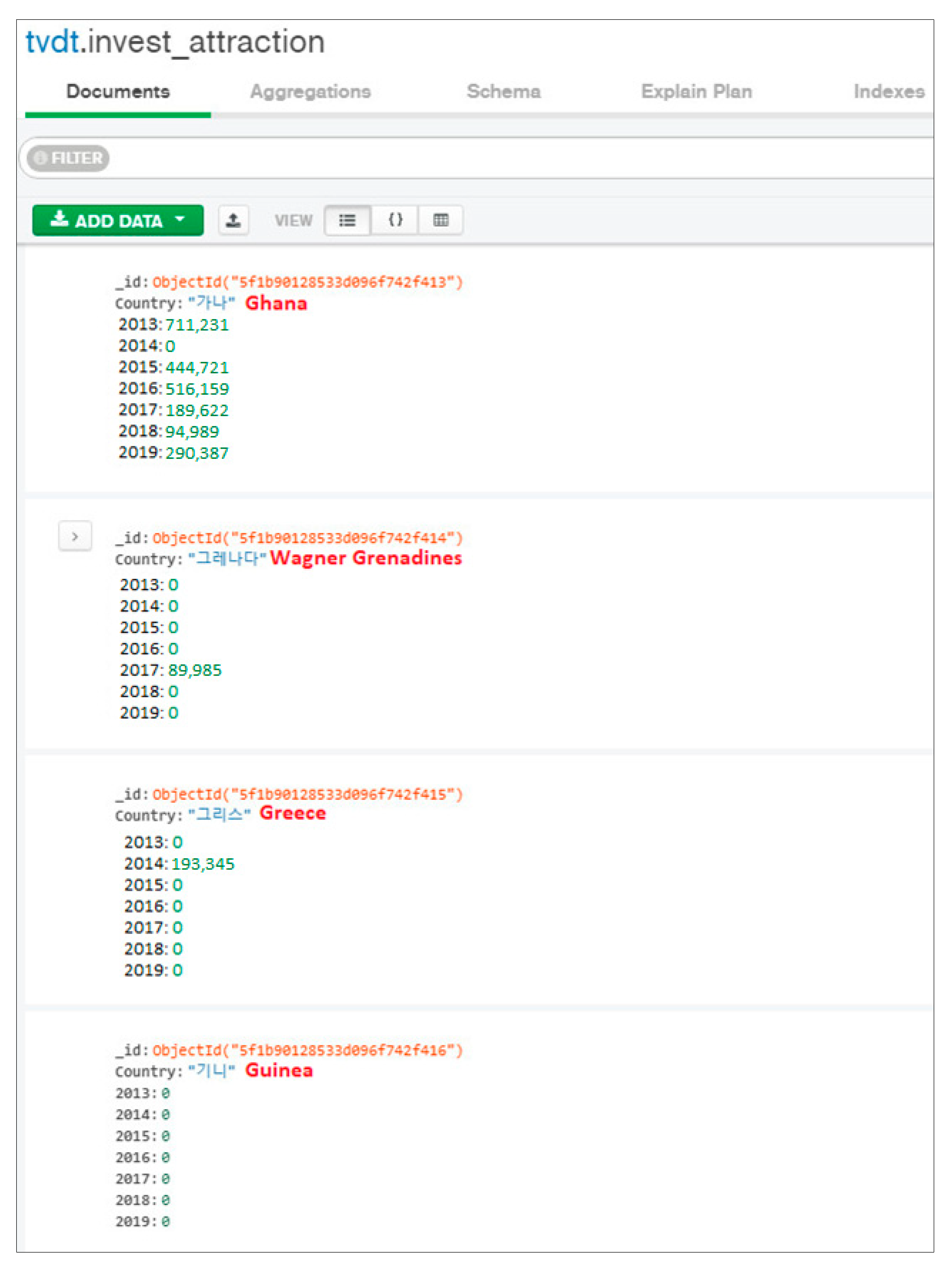
We mainly collected Invest attraction data and industry register data. Figure 20 presents the structure of specialized data of Invest attraction saved in database in our system. After processing, Invest attraction data are stored in MongoDB in the following fields: Id, Name of country, year and the amount money invest into ROK. Each data saves the information separately by ID for easier extraction and analysis.
Figure 20. Databases of Invest attraction data.
Figure 21 presents the structure of specialized data of Invest attraction saved in Metadata in our system.
Figure 21. Metadata of Invest attraction data.

5.2. Data Analysis

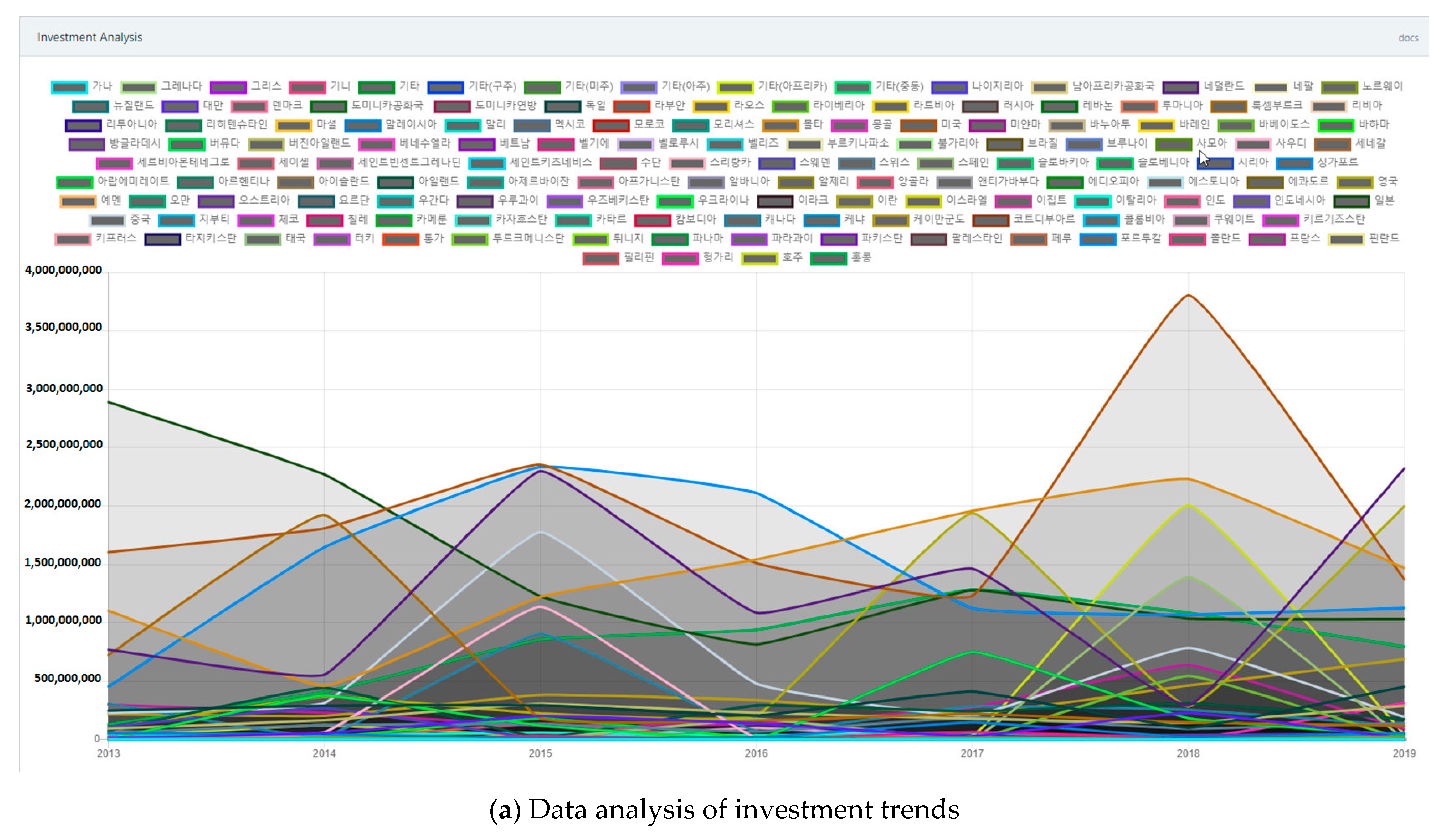
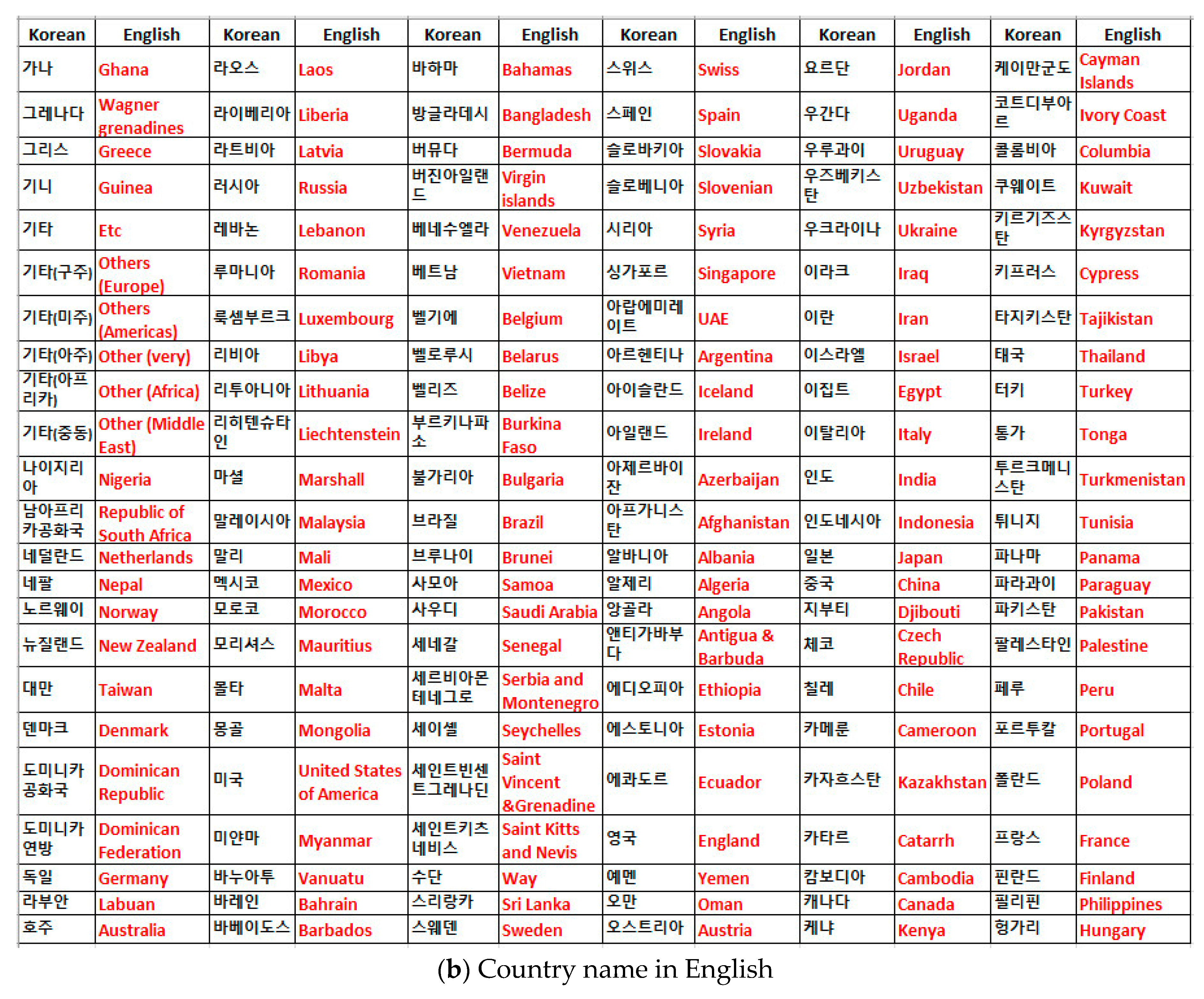
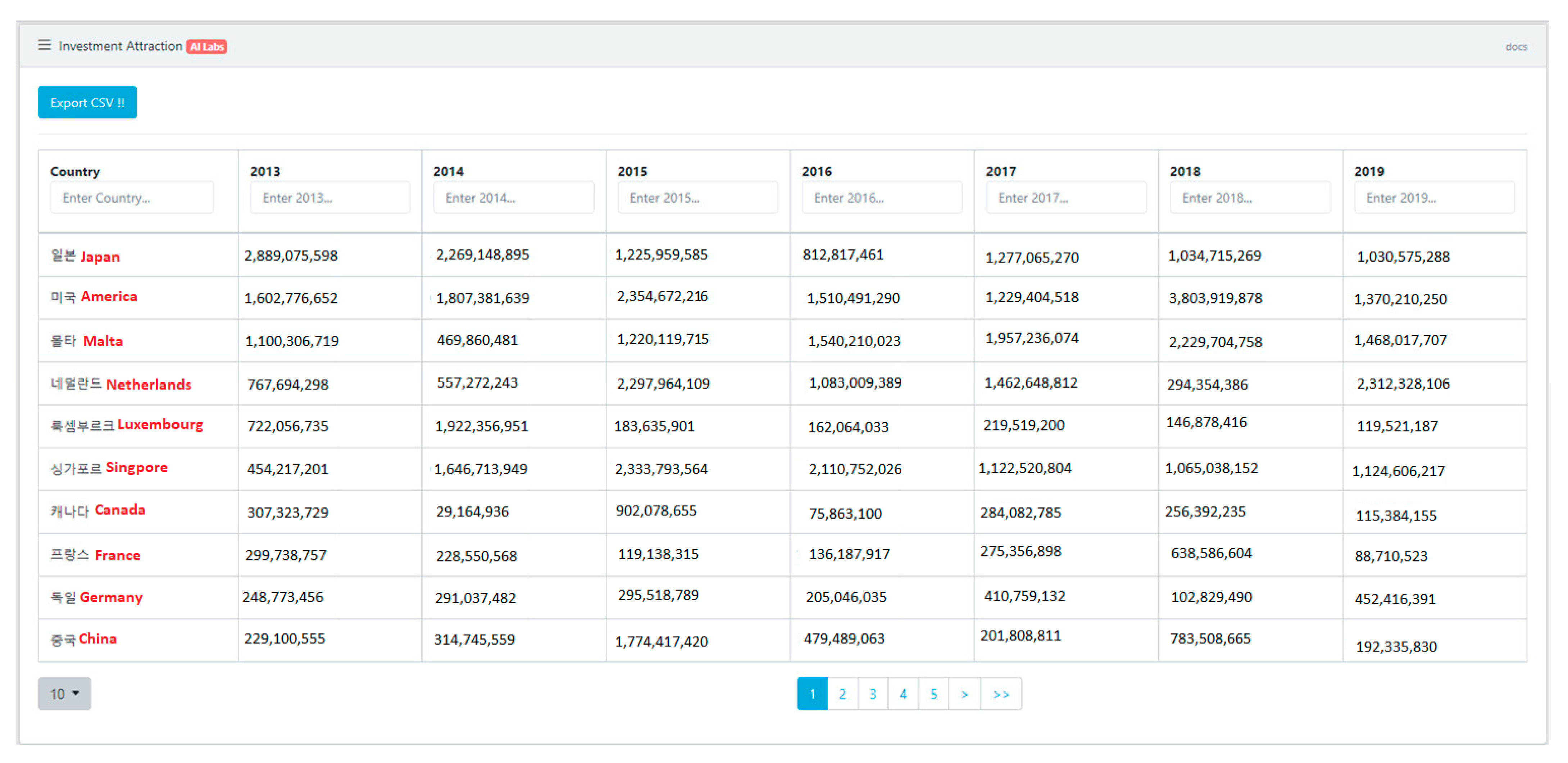
In addition to static information such as laws and government regulations related to investing, statistical data and analysis of investment trends and business support policies were also collected and aggregated. Typically, information on the countries that invested in Korea over the years from 2013 to 2019 are shown in Figure 22a,b and Figure 23.
Figure 22. Data analysis of investment trends.
Figure 23. Data statistics of investment trends.
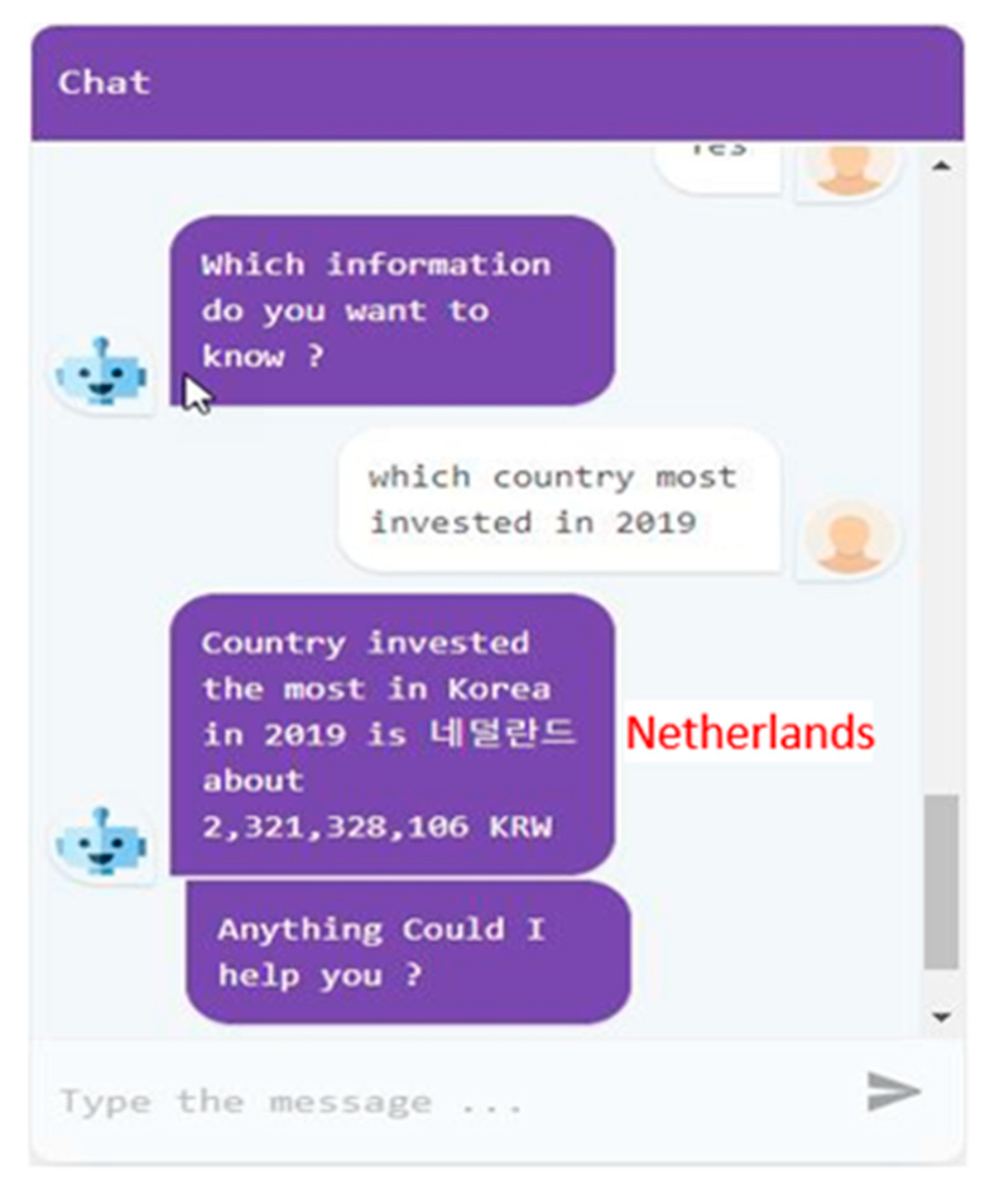
Japan was the largest investor in 2013 and 2014 (2,889,075,598 KRW and 2,269,148,895 KRW, respectively), the United States in 2015 (2,354,672,216 KRW), Singapore in 2016 (2,110,752,026 KRW), Malta in 2017 (1,957,236,074 KRW), the US again in 2018 (3,803,919,878 KRW) and the Netherlands in 2019 (2,321,328,106 KRW) (Data source: www.data.go.kr) (accessed on 24 July 2020).
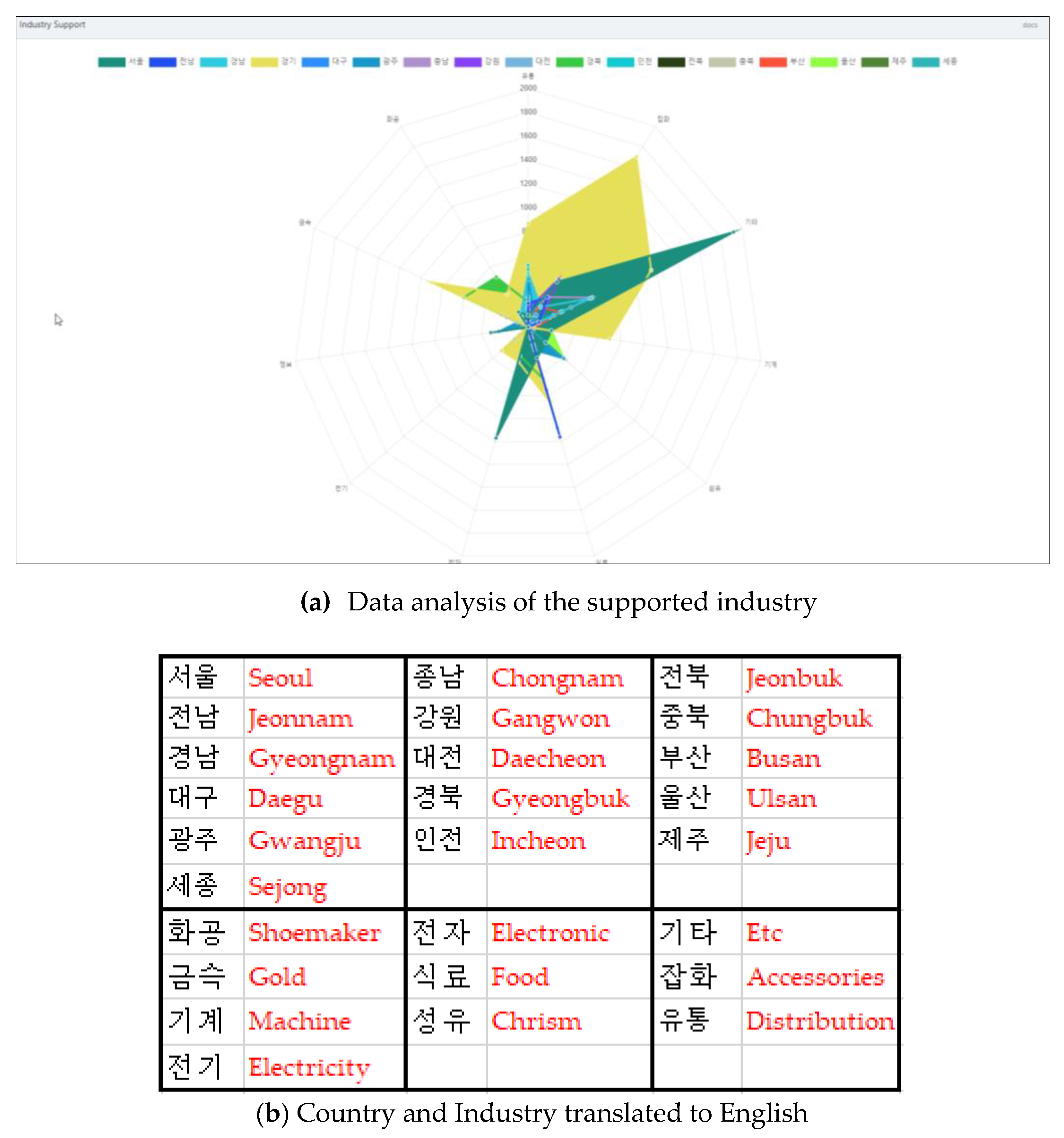
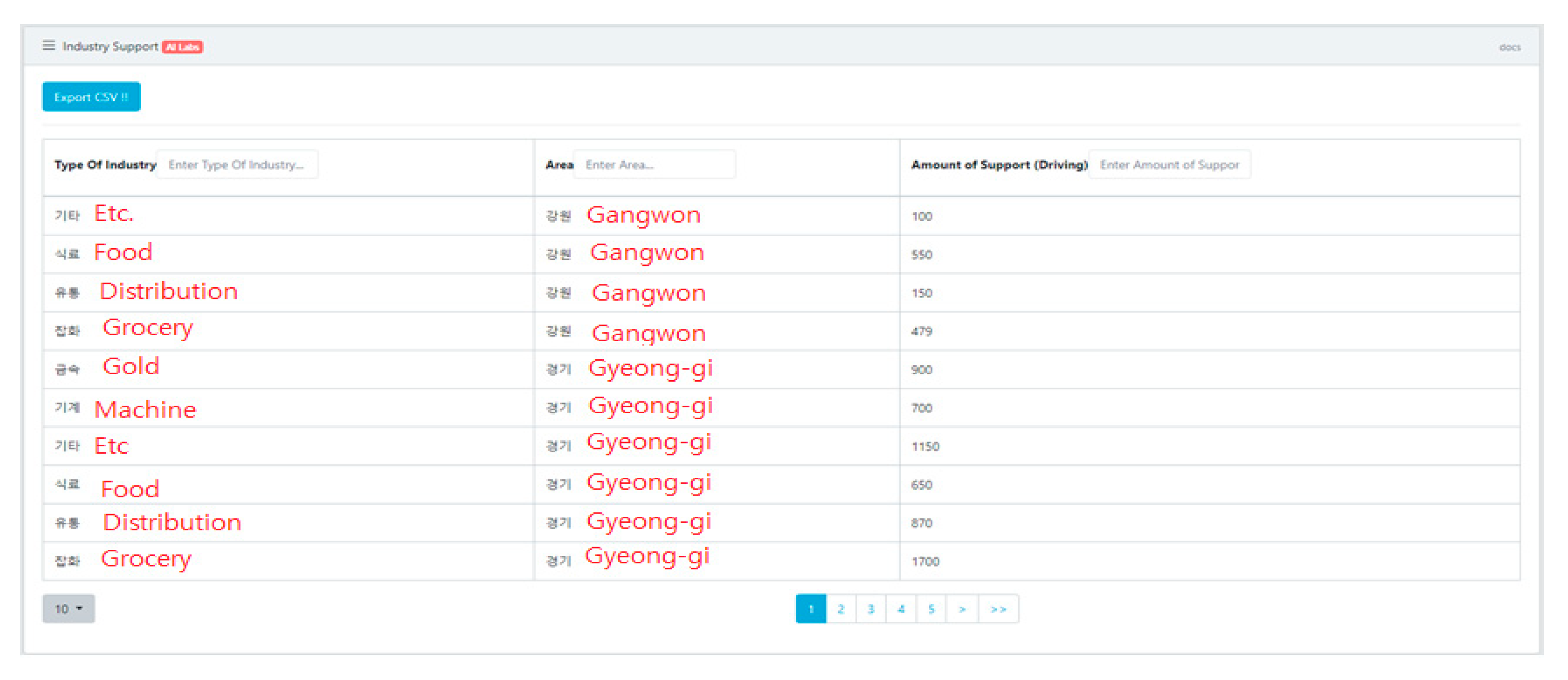
In addition, data on the most supported industry from the Korean government from 2014 to 2018 for each region were collected, with the basic analysis shown in Figure 24 and Figure 25. A comprehensive picture of supported industries in each region from which investors can make appropriate decisions is presented.
Figure 24. Data analysis of the supported industry.
Figure 25. Data statistics of the supported industry.
Finally, in order to assist foreign businesses in seeking information on cooperation with Korean businesses, enterprise information was collected as shown in Figure 21. With the information above, the aggregation and analysis data set were built to help the Virtual Assistant learn data.

6. Result: Operational Solution Assistant System

6.1. Operational Solution Assistant: Chatbot

We built an Assistant system, a smart assistant for foreign investors looking for information such as Investment in Korea: Introduction, Korea’s Investment Climate, Investment Guide, Government support policies and programs and Legal, Tax and Labor. Users receive different types of information.
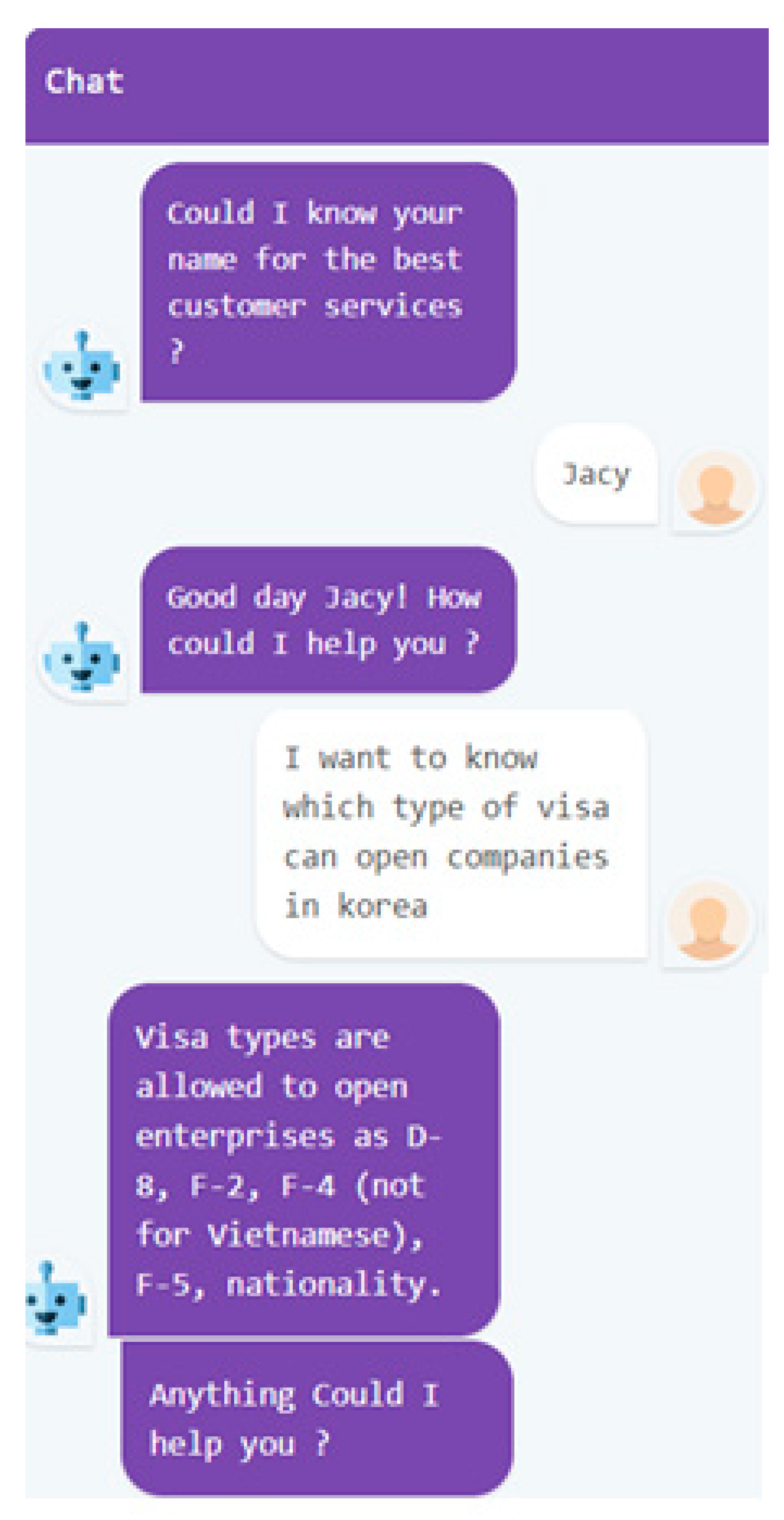
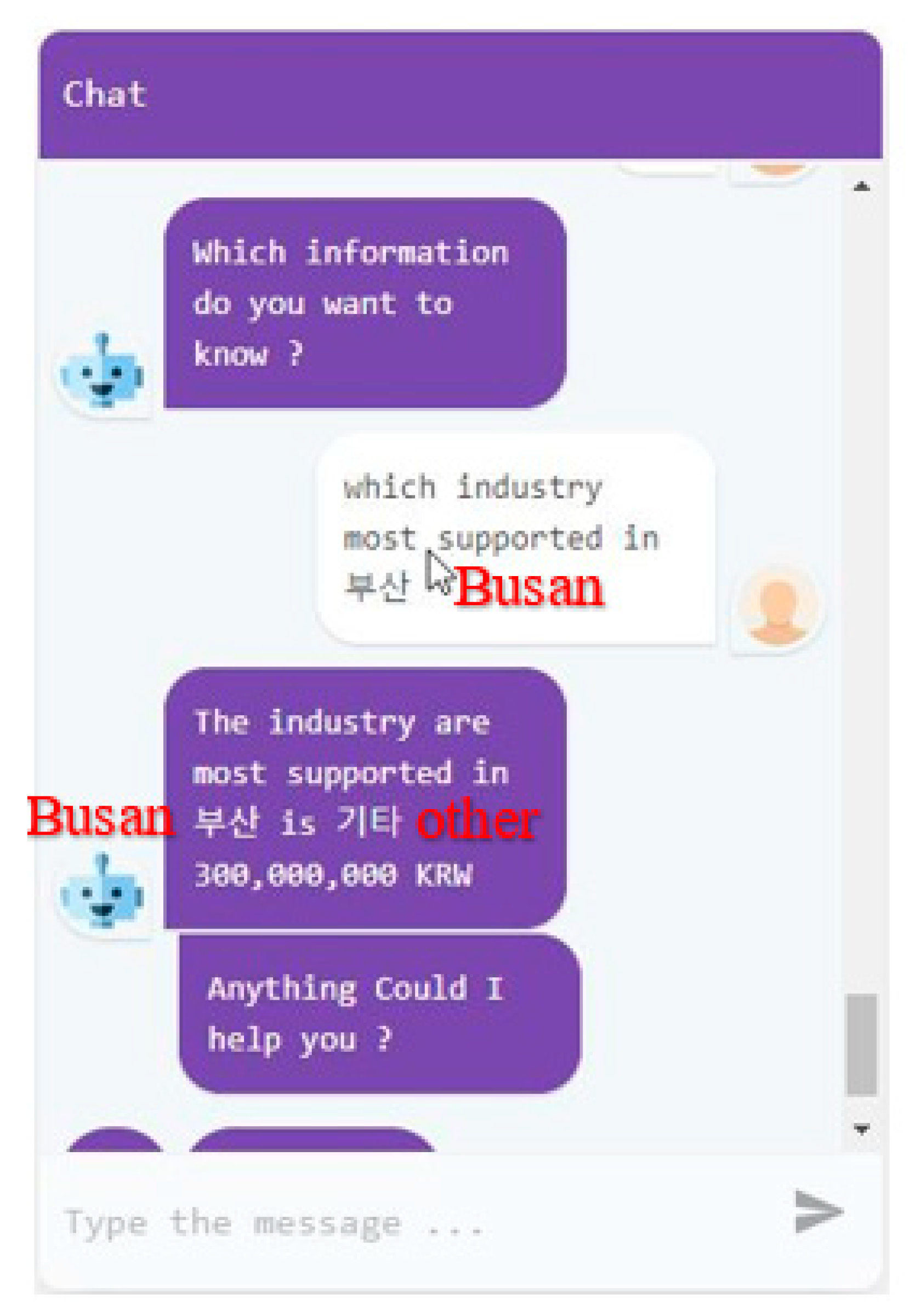
As shown in Figure 26 and Figure 27, when the user asks the Assistant in a narrative sentence, not in question form, about which type of visa allows opening companies in Korea, the Assistant can give a correct answer. The Assistant system can also interact with users naturally like a human.
Figure 26. Assistant Application providing legal information.
Figure 27. Assistant Application answering the question on the industry most supported in Busan.
In addition, the Assistant Application can provide analysis information as shown in Figure 28. We collected data about the supported industries in regions of Korea and made some analysis, so our assistant can also provide the following analysis results.
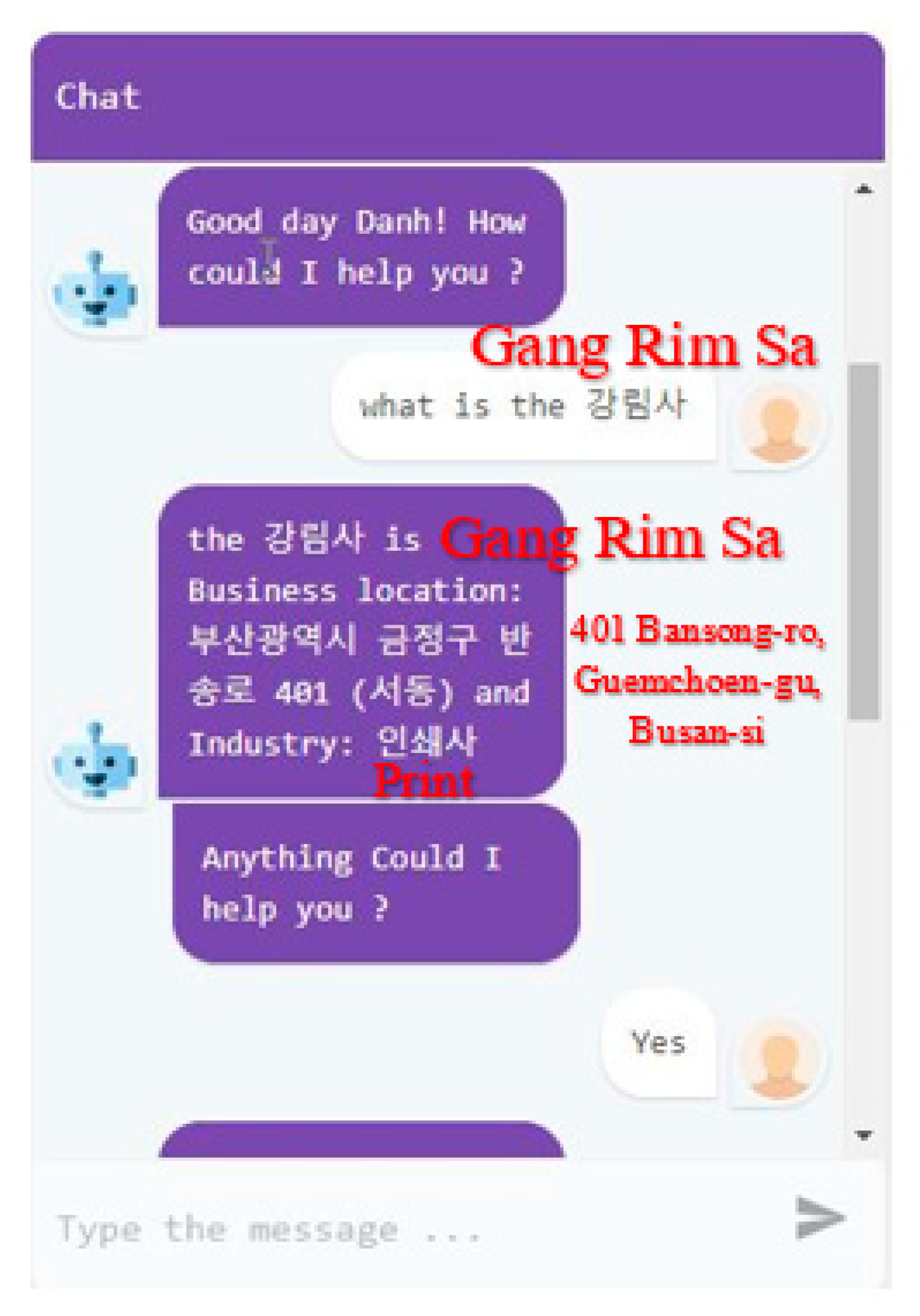
Figure 28. Assistant Systems providing information about other companies in Korea.
As shown in Figure 29, the Assistant Application can provide information on other companies in Korea such as address and contact details.
Figure 29. Assistant Systems providing information about the country investing the most in Korea.
Our Assistant Application also available on websites, user can get access and help to improve performance and get more conversational data recorded by responding to customers. To evaluate the performance of the application, we set up a realistic experiment with 20 colleagues and friends to test the performance of all functions in our system as well as estimate the accuracy of chatbot. First, all the functions (chatbot, visualization and developer) worked well and make a friendly environment for user to use and looking for information and seeking investment opportunities in ROK. Second, we calculate the accuracy of chatbot by the percent of correct answers or suggestion of the questions or interactive communication with users. Main status can be appeared: (a) chatbot gives correct answer, (b) chatbot gives wrong answer, (c) chatbot gives a correct answer but not understanding or missing the referred context. When testing, most of the questions chatbot can answer, the number of wrong answers is very small (accounting for 5 wrong answers out of 92 answers). Since the number of testers and database is still very small, at this stage, the accuracy of the chatbot will be high. Future. We will expand the database as well as the number of testers to come to more accurate conclusions.

6.2. Web-App Visualized Analysis Investment Data

As the result, we also build a web-app to visualize analysis investment data collected from public website in ROK. Typically, we collected data about countries that invested in ROK, business registration information for new companies, industry investment as well as the amount of investment companies over the years from 2013 to 2019 from public provider website in ROK (data.go.kr, accessed on 24 July 2020). After pre-processing and aggregating with Python language, we built tables, simple charts to visualize for user easily access and use information.

7. Conclusions and Future Work

This study used an algorithm that focuses on building an Assistant system to help foreign investors pass language barriers and cultural and institutional differences by providing tools to search for more information and seek investment opportunities in ROK. We designed our Virtual Assistant system that can crawl and analyze data on foreign investments in ROK from open data resource websites and used analytic and aggregation techniques to explore trends in investments of foreign enterprises. We built data sets about information and investment data for SMEs in ROK, concludes government support policies, laws, taxes, investment data, new established enterprises data. In this research, we built a friendly framework for new developers to add and build up the dataset of AI Assistant by providing input intent data function, input Entity data function, input utterance data function as well as training and test function. In addition, we used cloud computing combined with programming techniques such as Python natural language processing, natural language understanding and web application to support this project in successfully building the processing core engine of a virtual assistant. In addition, we built a web-app connected to the server to visualize all the results of analyzed collected data so that SMEs owners can easily use and look for information on investments. Based on the research results, we can make recommendations to SMEs in keeping with the changing investment trends in ROK.
In our research, we have only focused on collecting and constructing investment data sets (concludes government support policies, laws, taxes, investment data, new established enterprises data) at ROK, so the data set is not yet diverse. These data just public data so they may not be complete and accurate. In order for the application to be able to develop more generator and generalize information, it is necessary to cooperate with governments and Korean and foreign enterprises to build big data collection, build dataset updated year by year as well as other useful information such as investment surveys, information on government assistance programs as well as surveys on SMEs difficulties. In this study, assess the level of approval and performance of the virtual assistant is not discussed, so it has not yet evaluated the practical applicability of the system. In the future, we will do more empirical studies in SMEs in ROK. As a next step, the big data set will have more information related to investment issues in Korea. Especially, real-time market analysis data and forecasts that foreign investors desire will be provided through cooperation with the government and domestic and foreign organizations in Korea such as KOTRA, FORCA, Invest Korea, etc. to complete the project and bring more value. Building virtual assistants friendly and make it easier for other developers who do not need strong technical knowledge to apply in other fields such as health care, social welfare, education and insurance is also the future works of our research.

Author Contributions

Conceptualization, H.-D.T.; Data curation, H.-D.T.; Formal analysis, H.-D.T. and J.-H.H.; Funding acquisition, J.-H.H.; Investigation, H.-D.T. and J.-H.H.; Methodology, H.-D.T.; Project administration, J.-H.H.; Resources, H.-D.T.; Software, H.-D.T. and J.-H.H.; Supervision, H.-D.T. and J.-H.H.; Validation, H.-D.T. and J.-H.H.; Visualization, H.-D.T.; Writing—original draft, H.-D.T. and J.-H.H.; Writing—review and editing, J.-H.H. All authors have read and agreed to the published version of the manuscript.

Funding

This research received no external funding.

Institutional Review Board Statement

Not applicable.

Data Availability Statement

Not applicable.

Conflicts of Interest

The authors declare no conflict of interest.

References

  1. Damijan, J.P.; Knell, M.; Majcen, B.; Rojec, M. The role of FDI, R&D accumulation and trade in transferring technology to transition countries: Evidence from firm panel data for eight transition countries. Econ. Syst. 2003, 27, 189–204. [Google Scholar] [CrossRef]
  2. Overseas Economic Research Institute Knowledge-Economy. Foreign Direct Investment Trend Analysis 2019; Korea Import & Export Bank; Overseas Economic Research Institute: Seoul, Korea, 2019. [Google Scholar]
  3. Department Foreign Investment. Report of Foreign Direct Investment in 2019; Ministry of Planning and Investment of Vietnam: Hanoi, Vietnam, 2019.
  4. So, W. Important Business Challenges for SMEs in South Korea 2018. Future of Business Survey, 2018. Available online: https://www.statista.com/statistics/881350/south-korea-major-challenges-facing-small-and-medium-sized-businesses/ (accessed on 10 August 2020).
  5. Bishop, B. Foreign Direct Investment in South Korea: Role of State; Ashgate Publishing: New York, NY, USA, 1997. [Google Scholar]
  6. Grossman, S.J.; Hart, O.D. One share-one vote and the market for corporate control. J. Financ. Econ. 1988, 20, 175–202. [Google Scholar] [CrossRef]
  7. Lee, J.Y.; Kwak, J.; Kim, K.A. Subsidiary goals, learning orientations, and ownership strategies of multinational enterprises: Evidence from foreign direct investments in Korea. Asia Pac. Bus. Rev. 2014, 20, 558–577. [Google Scholar] [CrossRef]
  8. Bae, K.-H.; Kang, J.-K.; Kim, J.-M. Tunneling or value added? Evidence from mergers by Korean business groups. J. Financ. 2002, 27, 2695–2740. [Google Scholar] [CrossRef]
  9. Business Doing. Comparing Business Regulation in 190 Economies; World Bank Group: Northwest, WA, USA, 2019. [Google Scholar]
  10. Jäger, G.; Rogers, J. Formal language theory: Refining the Chomsky hierarchy. Philos. Trans. R. Soc. B Biol. Sci. 2012, 367, 1956–1970. [Google Scholar] [CrossRef]
  11. Yao, M. Does Conversation Hurt Help the Chatbot Ux? Smashing Magazine: Freiburg, Germany, 2016. [Google Scholar]
  12. Chowdhary, K.R. Natural Language Processing. In Fundamentals of Artificial Intelligence; Springer Science and Business Media LLC: Berlin/Heidelberg, Germany, 2020; pp. 603–649. [Google Scholar]
  13. Dan Jurafsky, J.; Martin, H.; Kehler, A.; Linden, K.V. Nigel Ward, Speech and Language Processing: An Introduction to Natural Language Processing, Computational Linguistics and Speech Recognition; Prentice Hall: Hoboken, NJ, USA, 2000. [Google Scholar]
  14. Liddy, E.D. Natural Language Processing; Encyclopedia of Library and Information Science: New York, NY, USA, 2001. [Google Scholar]
  15. Basili, R.; Pazienza, M.T.; Velardi, P. An empirical symbolic approach to natural language processing. Artif. Intell. 1996, 85, 59–99. [Google Scholar] [CrossRef]
  16. Webster, J.J.; Kit, C. Tokenization as the initial phase in NLP. as the initial phase in NLP. In Proceedings of the 14th Conference on Computational Linguistics, Stroudsburg, PA, USA, 23–28 August 1992; Volume 4, pp. 1106–1110. [Google Scholar]
  17. James, A. Natural Language Understanding; Pearson Education: London, UK, 1995. [Google Scholar]
  18. Sebastian, H. Amazon Extends Alexa’s Reach into Wearables. WSJ, 26 September 2019. [Google Scholar]
  19. López, G.; Quesada, L.; Guerrero, L.A. Alexa vs. siri vs. cortana vs. Google assistant: A comparison of speech-based natural user interfaces. In Proceedings of the AHFE 2017 International Conference on Human Factors and Systems Interaction, Los Angeles, CA, USA, 17−21 July 2017; pp. 241–250. [Google Scholar]
  20. Adamopoulou, E.; Moussiades, L. An Overview of Chatbot Technology. In Collaboration in a Hyperconnected World; Springer Science and Business Media LLC: Berlin/Heidelberg, Germany, 2020; Volume 584, pp. 373–383. [Google Scholar]
  21. Dumais, S.T. Latent semantic analysis. Annu. Rev. Inf. Sci. Technol. 2005, 38, 188–230. [Google Scholar] [CrossRef]
  22. Marietto, M.D.G.B.; Aguiar, R.V.; Barbosa, G.D.O.; Botelho, W.T.; Pimentel, E.; Franca, R.D.S.; Da Silva, V.L. Artificial Intelligence Markup Language: A Brief Tutorial. Int. J. Comput. Sci. Eng. Surv. 2013, 4, 1–20. [Google Scholar] [CrossRef]
  23. Baby, C.J.; Khan, F.A.; Swathi, J.N. Home automation using IoT and a chatbot using natural language processing. In Proceedings of the 2017 Innovations in Power and Advanced Computing Technologies (I-PACT), Vellore, India, 21–22 April 2017; pp. 1–6. [Google Scholar]
  24. Shah, R.; Lahoti, S.; Lavanya, K. An intelligent chat-bot using natural language processing. Int. J. Eng. Res. 2017, 6, 281–286. [Google Scholar] [CrossRef]
  25. Ait-Mlouk, A.; Jiang, L. KBot: A Knowledge Graph Based ChatBot for Natural Language Understanding Over Linked Data. IEEE Access 2020, 8, 149220–149230. [Google Scholar] [CrossRef]
  26. Abdellatif, A.; Badran, K.; Costa, D.; Shihab, E. A Comparison of Natural Language Understanding Platforms for Chatbots in Software Engineering. IEEE Trans. Softw. Eng. 2021. [Google Scholar] [CrossRef]
  27. Chodorow, K.; Dirolf, M.; Mongo, D.B. The Definitive Guide, 1st ed.; O’Reilly Media, Inc.: Newton, MA, USA, 2010. [Google Scholar]
Publisher’s Note: MDPI stays neutral with regard to jurisdictional claims in published maps and institutional affiliations.

Article Metrics

Citations

Article Access Statistics

Multiple requests from the same IP address are counted as one view.