


Abstract
The global economy is significantly influenced by family firms, which play a crucial role in shaping and sustaining the so-called real economy. Many flourish in the brewing sector, particularly in the area of craft and microbrewery. Such family firms often have strong community ties, multi-generational leadership and deeply rooted cultural values that influence how they conduct business, both within and outside the organisation. Furthermore, they operate in an industry characterised by a unique blend of cultural identity, emotional branding and a focus on niche markets. Few previous studies have comprehensively approached the topic of marketing agility in family-run brewing businesses. This study provides decision-makers in the brewing industry, particularly those in family-owned businesses, with a research framework for applying agile marketing strategies to improve responsiveness, drive innovation and maintain competitiveness.
1. Introduction
Family firms perform a fundamental role in the global economy by shaping and sustaining the so-called real economy and economically supporting the vast majority of households worldwide (Curado & Mota, 2021). Family-owned firms create jobs, invent new ideas and add value over time (Nave et al., 2021). Many family businesses are doing well in the brewing sector, especially in the area of craft and microbrewery. These firms often have strong ties to the community, multi-generational leadership and deep-rooted cultural values that shape the way they do business, both within and outside the organisation. However, they face increasing competition in an ever-changing world, in which tastes shift, technology breaks down, rules change and black swan events like the COVID-19 pandemic occur (Cabras et al., 2023). Therefore, marketing agility has become more important over the last few years. Marketing agility is the ability to quickly identify, understand and respond to market changes by adopting flexible and proactive marketing strategies. Flexibility may be the most important thing that sets family breweries apart (Byrom & Lehman, 2009). It allows these businesses to combine tradition with new ideas, heritage with responsiveness and long-term vision with short-term adaptability. There have been many studies on agility and strategic flexibility in recent years, but little is known about how family breweries use marketing agility as a strategic capability (Nieto-Villegas et al., 2024).
The brewing industry offers a unique blend of cultural identity, emotional branding and focus on niche markets. However, few previous studies have comprehensively addressed how family-run businesses in this field employ marketing agility. Studies of family businesses have considered topics such as entrepreneurship, business management and marketing (Morgan et al., 2020). Although we can learn something from each of these topics, their findings have not been considered as a whole. Similarly, previous studies have examined craft beer markets and family business dynamics in isolation, but none have taken a systematic, evidence-based approach to exploring the contribution of family ownership, brewing and marketing flexibility (Hagen et al., 2018).
The following questions guided this research: How do family businesses in the brewery sector enhance their marketing agility? How has the concept of marketing agility been applied in family businesses and the brewing sector? Which methodological and theoretical approaches have been used? What are the key factors that enable and enhance marketing agility in this sector? What are the main research gaps and possible future research directions? This study provides decision-makers in the brewing industry, particularly those who own family businesses, with a research framework for applying agile marketing strategies to improve responsiveness, drive innovation and remain competitive. It also suggests a research agenda that can help researchers approach the field more thoroughly and comprehensively.
Accordingly, this study perceives marketing flexibility as the dependent variable and examines how family ownership characteristics and the strategic use of tradition function as precursors that enable flexibility in the craft brewing sector based on craftsmanship. Based on a resource-based view, a dynamic capabilities perspective, and an entrepreneurial orientation, the study seeks to explain how family microbreweries achieve adaptability and long-term continuity in unstable and highly saturated markets.
2. Conceptual Framework
To understand the interconnections and interactions among family businesses, the brewing industry and marketing agility, a multi-dimensional theoretical approach is required. This section outlines the key concepts underpinning this study and the ways in which they interconnect. It also introduces the dominant theoretical frameworks used in the relevant literature, laying the groundwork for a thematic synthesis.
2.1. The Characteristics of Family Businesses
Family businesses are usually defined as companies in which a family owns and makes decisions to achieve financial and non-financial goals (Daspit et al., 2017). These companies possess multiple distinctive features, including a long-term outlook, the desire to transition the enterprise to the subsequent generation, robust socio-emotional wealth (SEW) considerations, and the impact of the founder (Basly, 2015). These features affect how such companies deal with changes in the market, take risks and devise new ideas. Family businesses often adopt a reserved approach to strategy, prioritising stability, reputation and legacy over short-term profits (Pittino et al., 2017). However, they often possess advantages that make them particularly adaptable in specific scenarios, such as the ability to make swift decisions, cultivate robust relationships with stakeholders and exercise patience with resources. The trade-offs between tradition and innovation and between control and flexibility provide a convenient context for examining flexibility in family breweries.
2.2. Brewing Industry Trends
The brewing sector has transformed significantly over the past two decades. This is particularly true of the craft brewing sub-sector. Currently, consumers want drinks with features that are strongly associated with small-scale, family-owned breweries, including authenticity, locality and artisanal value (Alonso & Alexander, 2017; Levallet et al., 2023). The craft beer boom has been driven by technological advances, new business models and the proliferation of microbreweries. Between 2008 and 2012, sales in the craft beer market increased by 10% annually (Pokrivčák et al., 2019).
Family-run breweries often use heritage branding, community engagement and storytelling to differentiate themselves (Kladou et al., 2020). Nevertheless, they must overcome organisational difficulties, such as restricted promotional finances, opposition to outside knowledge and doubts about handover arrangements. This study focuses on how such firms overcome these constraints by adopting agile marketing strategies (Levallet et al., 2023).
2.3. Marketing Agility: Definitions, Dimensions and Practices
A firm with flexible marketing skills can quickly identify, understand and respond to market changes (Arslan et al., 2024; Levallet et al., 2023). Marketing agility is closely related to how quickly, flexibly and creatively you can make and execute decisions. Most often, the literature breaks down marketing agility into two parts:
- Perceptual flexibility: recognising and identifying new customer needs, trends and risks as they arise (AlQahtani et al., 2025; Akram et al., 2024);
- Agility: using knowledge to quickly launch new campaigns, change your mind or approach or switch channels. Examples of agile marketing strategies include A/B testing, real-time analytics, rapid content creation and cross-departmental collaboration (Kalaignanam et al., 2020).
Although agility is commonly associated with tech companies and start-ups, recent research revealed that small and medium-sized enterprises (SMEs) and even traditional industries can become more agile by decentralising decision-making processes and empowering employees (Osei et al., 2018). In family firms, marketing flexibility can be affected by family control, emotional ownership and cultural perspectives, leading to different outcomes (Shams et al., 2020), although how these factors affect flexibility or facilitate or hinder adaptive marketing strategies in a family brewery is unknown (Gligor et al., 2019; Andrews et al., 2024; Rondi et al., 2023). Marketing agility is a company’s ability to detect environmental changes promptly and adapt its strategies accordingly.
Marketing agility is based on five interrelated dimensions: customer responsiveness through the continuous collection and use of feedback to satisfy needs immediately; data-driven decision-making using analysis and predictive models; cross-functional collaboration to ensure rapid information flow and departmental coordination; rapid experimentation, coupled with frequent testing and rapid learning to reduce risk; and, where applicable, technology enablement through the use of digital tools that accelerate analysis, automation and personalisation. The combined operation of these dimensions allows a business to remain agile and maintain a competitive advantage. In the present study, thematic analysis is performed using Preferred Reporting Items for Systematic reviews and Meta-Analyses (PRISMA; Haddaway et al., 2022), which is based on the five dimensions above; however, the focus is on those dimensions related to the context of the study and allied with the basic characteristics of the microbrewery sector (Jasovska et al., 2023; Tran et al., 2020; Hlangwani et al., 2023).
Various theoretical frameworks have been used to examine the convergence of different issues in the microbrewery sector (Calvo-Porral, 2019; Paesbrugghe et al., 2016; Argent, 2017). Dynamic capabilities theory (Teece, 2012) clarifies how organisations develop, integrate and modify their internal and external capabilities to navigate rapidly evolving conditions. This concept is directly linked to the idea of flexibility and is increasingly being used to examine SMEs, in particular family businesses, and to measure their responsiveness to marketing.
Another approach, the resource-based view (Barney, 1991), argues that a firm can gain a long-term competitive advantage if it possesses unique, valuable and difficult-to-replicate internal resources, such as brand heritage, loyal consumers and family relationships. The entrepreneurial orientation (EO) framework (Lumpkin & Dess, 1996) focuses on how innovation, energy and risk-taking impact firm behaviour. The EO framework can clarify the situations in which family companions deploy flexible methodologies, especially in fast-changing sectors such as the brewing industry.
These frameworks (RBV/DC/EO) provide the basis for the thematic composition referred to in Section 4, where each theme is positioned as a precursor to marketing agility. Moreover, the findings are interpreted through three complementary theoretical prisms. From a resource-based perspective, tradition and family heritage are considered strategic resources. More specrifically Table 1, illustrutes a breif theoreeticl mapping of the themes exmide in Section 4. From a dynamic capabilities perspective, the detection of market changes and the redefinition of offers reflect the marketing adaptability. Finally, the business orientation reflects the company’s proactive, innovative and risky approach to using tradition to respond to the market.

Table 1.
Theoretical mappng of themes.
3. Methodology
We performed a systematic literature review (SLR) to identify, select, evaluate and bring together research at the intersection of family businesses, the brewing sector and marketing flexibility. The review process followed the PRISMA 2020 protocol (Haddaway et al., 2022), which established a standardised approach to conducting systematic reviews in management and the social sciences to make them more transparent, reproducible and scientifically robust. An SLR is particularly appropriate for interdisciplinary, fragmented topics on which research is in its early stages (Psillaki et al., 2023; Tranfield et al., 2003; Snyder, 2019). Previous studies have covered family businesses, the brewing industry and marketing adaptation in isolation, but no previous scholars have attempted to combine such information thoroughly.
SLRs enable the collection and combination of material in a structured way, which helps to reduce author bias, ensure that all key information is included and identify gaps in existing research. Following guidelines and eligibility criteria also helps to generate theories and formulate a sound strategy for future studies (N. Apostolopoulos et al., 2020) The review process followed the PRISMA 2020 recommendations (Haddaway et al., 2022), which present a structured methodology for SLRs, prioritising transparency in the identification, selection and inclusion of publications. This study employed PRISMA to guarantee that the review process is transparent, reproducible and methodologically sound.
3.1. Inclusion and Exclusion Criteria
We applied a rigorous set of criteria for inclusion and exclusion to facilitate the construction of a centralised synthesis of the literature at the intersection of family businesses, the brewing sector and marketing flexibility while excluding extraneous information from less relevant or inferior sources.
Items deemed appropriate for inclusion were articles and book chapters relating to brewing, family business administration and agility that were published between January 2010 and June 2025 and had been reviewed by other academics, which gave them some academic credibility. These publications had to employ an empirical methodology (qualitative, quantitative or mixed methods) or, for literature reviews, incorporate a conceptual or theoretical framework. They needed to be clearly relevant to the subjects of the review, have a distinct methodological framework or establish a strong link to at least two of the following focus areas: (1) family businesses, (2) the brewing industry or craft beer sector, and (3) marketing flexibility or agile approaches. They had to be written in English to ensure that all of the authors could read and understand the materials in the same way and, to ensure quality, had to be indexed in at least one well-known academic database, such as Scopus or Web of Science.
Studies were excluded if they exhibited one or more of the following characteristics: they had no organised way of reviewing grey literature, including working papers, student theses, book chapters, white papers and conference abstracts; they were written in languages other than English, as this would introduce translation errors and limit comparability; the full text was unavailable, making it difficult to fully understand the study’s methodology, results and contributions; they were identified as duplicate records during the initial de-duplication step; and/or they did not have a distinct methodological framework or establish a strong link to the core concepts of family business, brewing or marketing flexibility. The strict selection criteria insured that only publications that were academically sound, relevant and close to the study objectives were retained for full analysis.
Keywords were selected by completing a preliminary scope assessment and ensuring that the keywords chosen matched the language used in books on family business, marketing and brewing. We used Boolean operators (AND, OR) and truncation symbols to obtain more specific results from databases.
The main search string was as follows: (‘family business’ OR ‘family business’ OR ‘family business’ OR ‘family business’ OR ‘family business’) AND (‘brewery’ OR ‘brewing industry’ OR ‘beer industry’ OR ‘beer sector’) AND (‘strategic flexibility’, ‘market responsiveness’ or ‘fast marketing’). This basic structure was modified by the researchers to conform to the syntax rules for each database. Science Direct (Elsevier) was used, which indexes high-quality peer-reviewed journals. Google Scholar was only used for two things: citation chaining and verification.
The research was conducted between 10 August and 10 September 2025. The initial results were exported in the RIS file format and imported into Rayyan for de-duplication. The process of selecting the articles involved three stages. First, duplicate entries in the search results were automatically and manually eliminated. Second, 154 unique records remained and were subjected to a first screening. Third, the researchers sorted the titles and abstracts of each publication separately to evaluate the inclusion criteria.
3.2. PRISMA and Analysis Method
The PRISMA 2020 flowchart (Haddaway et al., 2022) in Figure 1 documents the review process, recording the number of records identified, screened, excluded and included. The diagram helped to ensure transparency in the selection process. Additionally, the researchers completed a PRISMA 2020 checklist to outline how each stage of the review conformed to PRISMA reporting standards. All included studies are cited in the reference list and align with the final article count shown in the PRISMA diagram.
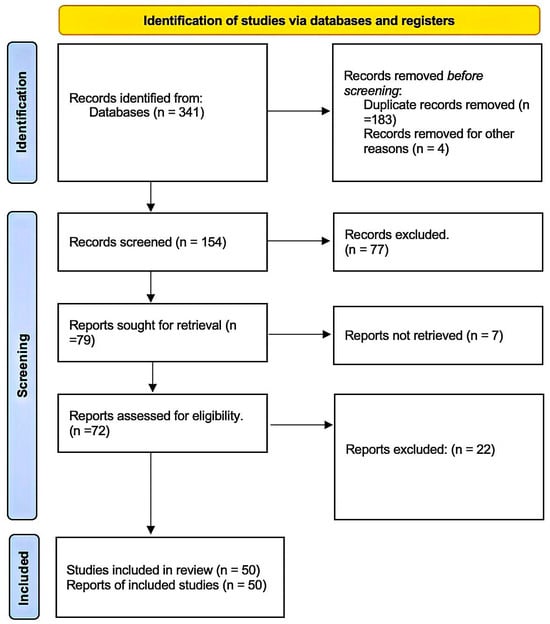
Figure 1.
The PRISMA diagram of the study.
The research process involved the design of a standard data extraction form, which was used to collect bibliographic and subject-specific information from each article in the final evaluation sample. The categories used for data extraction were as follows:
- Author(s), year of publication, journal;
- Type of article (conceptual, empirical);
- Methodological approach (qualitative, quantitative, mixed);
- Theoretical frameworks used;
- Context (country, type of business, focus on brewing);
- Significant results and their link to marketing flexibility;
- Things to consider when running a family business;
- Identified limitations and future research proposals.
Two researchers worked separately to extract data, and the results were checked to ensure accuracy and consistency. As the research was diverse in context and method, a qualitative synthetic approach was used. The data that were gathered were coded thematically, which involves grouping similar ideas, structures and conclusions into new themes. This technique enabled the discovery of overarching concepts and the classification of the research into core themes.
Thematic development was executed using a multi-step process: first, open coding of the most essential results; second, axial coding to find connections between ideas; third, selective coding that was consistent with the theoretical frameworks of the study (dynamic capabilities, the resource-based view and EO). This iterative method strengthened the conceptual framework developed in the study.
3.3. Overview
This section provides an overview of the studies analysed in the marketing agility PRISMA SLR dataset. The analysis included their chronological distribution, publisher representation and research type (empirical or conceptual).
Figure 2 depicts the range of the research. Each point is a study, with the horizontal line showing the year of publication and the vertical line showing the publisher. The colour coding distinguishes between empirical (blue) and conceptual (orange) research. The publications appeared between 2016 and 2025, signifying that marketing flexibility is a relatively recent and rapidly evolving research area. The number of publications increased between 2023 and 2025, suggesting that academics were becoming more interested in this subject. This was probably because of changes in marketing practices and the digital transformation after the pandemic. Elsevier appears as the major publisher, highlighting its vital role in presenting research in this field, especially empirical studies. Emerald and Sage publish important theoretical and conceptual works. This indicates that there is a continuous dialogue between the theoretical underpinnings of the subject and its practical application. Overall, the figure demonstrates that the research field is mature and is moving from early conceptual approaches to more empirical, data-driven research.
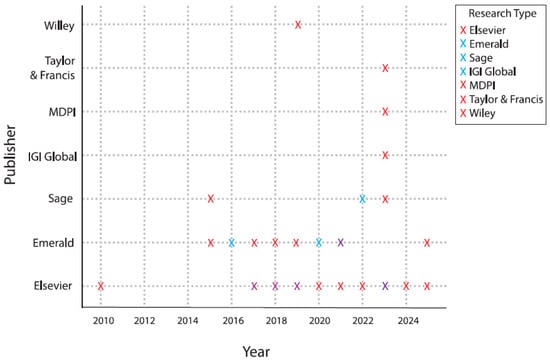
Figure 2.
Chronological distribution by publisher and research type.
The timeline bar chart (Figure 3) shows how many papers were published each year. There was an increasing amount of publications, with few publications being issued before 2020 and considerable growth beginning in 2022. This shows that being able to change marketing approaches quickly is now very important to address challenges in the business environment, introduce new technologies and to solve problems within organisations. The significant increase in publications in 2023 and 2025 demonstrated the growing importance of marketing flexibility in the study of current marketing strategies. They also demonstrate that it has evolved from a niche subtopic to a prominent area of study within marketing and management literature.
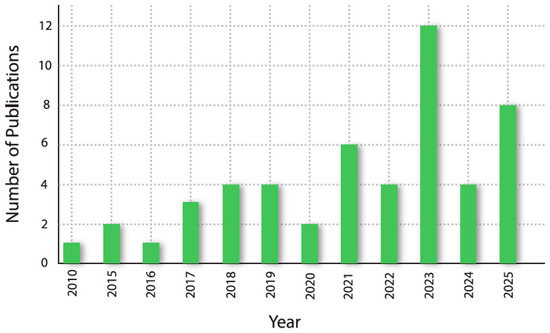
Figure 3.
Chronological distribution.
The output of major publishers is compared in the publisher distribution chart (Figure 4). Elsevier was the most successful publisher, followed by Emerald and SAGE. Elsevier’s dominance may indicate a strong alignment between marketing research and applied business and management journals, among which Elsevier is well represented. The presence of publications by Emerald and SAGE suggests variation in theoretical and methodological perspectives, as both publishers are known for their conceptual contributions and qualitative studies. This allocation also reflects the integration of marketing flexibility into respected academic outlets, thereby ensuring greater visibility and academic legitimacy for the topic.
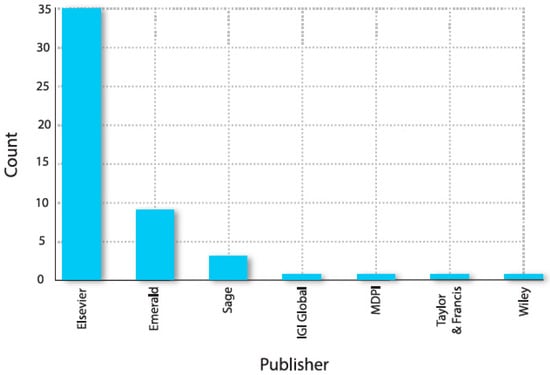
Figure 4.
Distribution of publications by publisher.
The pie chart (Figure 5) distinguishes between empirical and conceptual studies. Conceptual research accounted for a slightly larger share, revealing that the academic discourse remains theoretically oriented. This balance suggests an ongoing process of theory development, during which conceptual models and frameworks are being refined to guide future empirical studies. However, the presence of a growing number of empirical studies using diverse methods (case studies, mixed methods, qualitative and quantitative methods), particularly in recent years, suggests a methodological shift toward evidence-based research and practical application. The switch from conceptualisation to empirical validation is characteristic of mature research areas, in which foundational frameworks are being put into use and tested in real-world contexts.
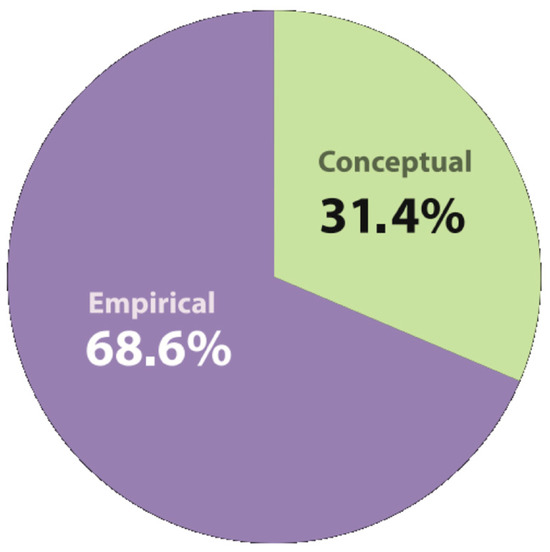
Figure 5.
Distribution of study types.
4. Results
This section breaks down the core themes that emerged in the review to facilitate thematic analysis in the context of the present study and microbrewery sector and to reflect the dimensions of marketing agility presented in Section 2.3.
4.1. Branding, Identity and Tradition in Family-Owned Breweries as a Toosl for Facilitating Marketing Agility
Adopting a resource-based view, it emerges that brand heritage, family identity and authenticity are strategic resources that enable marketing agility by strengthening customer responsiveness and differentiation. Accordingly, branding, identity and traditions in family-owned breweries reflect, to a great extent, the dimension of customer responsiveness (Beard & Petrotta, 2020). While family firms and, more specifically, family-owned breweries may be included in very small number of previous studies that examined the impact of brand orientation, no single, up-to-date study has explicitly investigated brand orientation in family businesses. The absence of empirical research in this context is surprising because family businesses possess brands that are imbued with family values, history, culture and reputation, which all influence the management of the brands (Kladou et al., 2020; Beck, 2016). These special characteristics of brand management in family firms make it particularly interesting to closely consider the implications and role of brand orientation (Temprano-García et al., 2023).
4.1.1. Brand Identity as a Tool for Marketing Agility
Family owners should recognise the importance of properly managing the family business brand system and ensuring that the family business brand is at the heart of the organisational decision-making strategy. A brand-oriented mindset focuses on the mission, vision and core values of a firm, forming the foundation of a balanced and stable brand system(Asseraf & Shoham, 2016). This system has three closely aligned pillars: identity, image and reputation. Family businesses can use a brand focus to make certain that the core brand and the range of brands within their portfolios adapt to ever-changing market conditions. They can also encourage positive associations with their brands, which can help them operate more efficiently (Temprano-García et al., 2023). Beck (2016) underlined the significance of investigating brand management in the context of family businesses and determining future research paths by examining and categorising the existing literature.
The research on brand identity has produced three main findings. First, documenting the impact of family firm status on the entity and its stakeholders highlights the importance of conducting research on brand management in family businesses. Second, structuring the literature on the impact of family business status around organisational identity, desired and perceived brand image and reputation can generate research questions of theoretical and practical significance that could guide future research in this field (Beck, 2016). Lastly, extending the organisational perspective framework derived from brand management research to include family business status could help to bridge the two research fields. However, these findings could be linked to the scope of the specific study if the focus is on the microbrewery sector (Beck, 2016).
In a rather different manner than earlier studies, Oltra et al. (2024) analyse the influences on a brand’s adoption of a fashionable social network, combining two traditional innovation adoption paradigms—the TOE (Technology–Organisation–Environment) and the UTAUT (Unified Theory of Acceptance and Use of Technology)—with the concept of marketing agility to incorporate the strategic perspective of marketing departments. A mixed-methods approach is adopted, comprising a focus group with managers and a quantitative analysis based on a questionnaire completed by 161 managers (Oltra et al., 2024; Tornatzky & Fleischer, 1990; Venkatesh et al., 2003; Ragin, 2000; Seo et al., 2025). A fuzzy-set qualitative comparative analysis (fsQCA) is used to identify specific configurations of factors that determine entry. Oltra et al. concluded that marketing agility is relevant, with market monitoring being more important than speed. Three firm characteristics were suggested, taking into account differences in expectations, perceptions of effort and the influence of competitors. This study by Oltra et al. provides an illustrative model of the conditions under which marketing departments adopt technological innovations, which can be applied to upcoming innovations in communication channels.
4.1.2. Tradition in Family-Owned Breweries as a Facilitator of Marketing Agility
Researchers have examined the impact of tradition on family-owned breweries(Danson et al., 2015; De Groote et al., 2022). Constantin and Popescu (2025) focused on the phenomenon of craft breweries in Romanian cuisine, combining geographical and local analyses to highlight the traditions and local culture that contribute to the entrepreneurial spirit and geographical distribution of those breweries, as well as how these factors influence local development. Their main finding was that craft breweries in Romania exploited symbolic elements such as geographic identity, historic features and cultural characteristics. They used them in the design of the premises, employed traditional procedures and techniques, and branded products with local brands and trademarks.
Additionally, Constantin and Popescu (2025) found that the location of these businesses was not random; breweries preferred areas with tourist attractions, cultural heritage or good transport infrastructure. Furthermore, the development of craft breweries was connected with local procedures, local entrepreneurship, and political and administrative support, and there was a preference for logos on homemade products. Overall, the research indicated that this new entrepreneurial wave was shaping networks of rural and tourist enterprises and local restaurants, integrating businesses into a wider development environment. In conclusion, Constantin & Popescu argue that the development of microbreweries in Romania was the result of integrating traditional cultural and geographical elements with an entrepreneurial spirit and logo development. Geography, identity, local networking and product differentiation played a key role in this transformation, which demanded infrastructure, political support and entrepreneurial capabilities, rather than simply a demand for craft breweries (Constantin & Popescu, 2025).
Burghausen and Balmer (2014) focused on the administration of corporate heritage as a strategic asset for corporate identity and marketing. Through quality research and a case study of one of Britain’s oldest breweries, they examined how managers perceive and implement elements of corporate heritage. Their key finding was that we cannot divide the two classes of responsibility for the management of corporate heritage: corporate heritage management (meaning the acknowledgement, composition and adoption of a particular heritage) and the implementation of heritage strategies. The authors define corporate heritage as not simply a matter of the past but also of the present and the future, and propose a framework to help managers organise heritage strategies (Burghausen & Balmer, 2014).
The element of place is a key focus of effect research, particularly in the context of family businesses, where it is critical to the development of a strong corporate identity. Burghausen and Balmer (2014) analysed how successful companies incorporated the location and tradition of their local area into their corporate identity. The element of place in marketing acted as a link between an enterprise’s past and present, and location remained an element of continuity. However, firms had balanced maintaining their traditions and adapting to change with appropriate marketing strategies.
Spielmann et al. (2021) examined the role of place as a nexus for corporate heritage identity in family-owned wineries in six countries. They analysed how the wineries used location (geographical focus, terroir, environment and the history of the local area) to integrate their heritage into their identity and commercial strategies. Place acted as a link between the past and present of the businesses, with location providing continuity, but the businesses also had to manage change (a new generation, new markets). Corporate heritage identity was achieved through a combination of preserving tradition, personal family identity, connection to place and an active marketing strategy. Spielmann et al.’s findings could be applied to family-owned businesses based on regional products that can leverage location as part of their brand and heritage. However, their international multi-case study was limited to a single industry (wineries), and the variables of place might have different meanings in other industries or cultural settings.
In summary, traditional and heritage branding are highly valued and unique marketing resources that boost agility by improving customer responsiveness while maintaining authenticity. (Cleary et al., 2018).
4.2. Marketing Agility as a Tool of Strategic Adaptability
From a dynamic capabilities perspective, family breweries can develop agility by sensing evolving consumer preferences, seizing opportunities through rapid decision-making and reconfiguring marketing practices, all the while maintaining continuity. (Faganel & Rižnar, 2023; Kurniawan et al., 2020; Prim et al., 2022).
Accordingly, the results of this SLR show how previous research examined marketing agility as a tool of strategic adaptability by focusing on dimensions such as sustainability, agility, growth and development. Curado and Mota (2021) conducted an SLR of research on the sustainability of family businesses published during the period 2015–2020. They included 28 studies that examined how businesses adopted sustainability practices. The major theoretical frameworks that were used were the theory of socio-emotional wealth, the theory of stakeholders, the resource-based view and hardship theory (Durán-Sánchez et al., 2022). The religion of the family and the fame and image of the enterprise, as well as the choices of the management and the designated successor, appeared to influence the adoption of sustainability practices. The results suggested several directions for further research: examining the impact of cultural differences between family and non-family enterprises, conducting comparative analyses of countries and sectors, and including factors that influence sustainability (e.g., environmental innovation and local knowledge).
Nave et al. (2021) focused on the craft beer sector in an SLR concentrating on regions of business studies (Gatrell et al., 2017). This SLR identified four clusters of research on craft beer: the industry of and market for craft beer, marketing and branding, consumer behaviour, and the sustainability of the craft beer sector. Nave et al. identified a relationship between craft beer and sustainable practices, including the use of local materials and environmental impact. Their review focused mainly on holiday research to better understand motives for and the experience of consumption. Additionally, the study investigated geographic differences in innovative business models in the craft brewery sector. (Danson et al., 2015).
Hagen et al. (2018) focused on the notion of strategic agility in enterprises that internationalised their businesses early and quickly. Such businesses were frequently small and new, with limited assets; they were fragile due to their liabilities, small-scale and of foreign status. Hagen et al. argued that marketing is not simply a function but a principal driver for the transition from a fragile situation to an agile condition through procedures related to the market, customers, stakeholders and available resources. Their major finding was that strategic agility has two main dimensions: flexibility (the capacity to react quickly to any changes) and selective responsiveness (the capacity to understand and react to new market requirements). Thus, businesses could improve through their agility and selective reactions (Alonso & Alexander, 2017). They could benefit from their risk profile to accelerate internationalisation in situations of uncertainty. The limitations of this study were the small number of cases (four), which limits generalisability; the focus on firms that were already rapidly internationalising, meaning that the results may not apply to more traditional or large firms; and the fact that selective responsiveness requires capabilities that may not be present in all SMEs, especially in less developed business environments. (Christofi et al., 2021; Elliott et al., 2023; Milwood & Maxwell, 2020; Moi & Cabiddu, 2021; Siregar et al., 2023; Singh et al., 2021).
Akram et al. (2024) examined how dynamic capabilities and relationships between partners enhance resilience and agility in sustainable supply chains. By combining the study of dynamic capabilities and relational view theories, they showed that organisations that build trust, transparency and shared learning with suppliers are better able to recover and adapt. They also found that sustainability was achieved when the supply chain was both resilient to disruptions and reacted agilely to new opportunities.
Kalaignanam et al. (2020) established a theoretical framework of marketing agility, namely, the ability of organisations to detect, understand and respond quickly to market changes. Marketing agility includes three dimensions: sensing, decision-making and acting. In addition, Kalaignanam et al. stressed issues such as technological infrastructure, learning culture, adaptive leadership and horizontal collaboration, and dealt with their implications, including improved performance, customer satisfaction, innovation and sustainability. Their study established a comprehensive research agenda for empirical studies across industries and countries.
Shams et al. (2020) proposed a conceptual framework for strategic agility for multinational enterprises, suggesting that ‘agile multinationals’ are characterised by proactiveness, rapid decision-making, knowledge networking and open innovation. In their framework, agility has three pillars: operational agility (the ability to adjust production/supplies), portfolio agility (the ability to shift investments and markets) and strategic agility (the ability to redesign business models). Shams et al. also linked agility to resilience to global crises (e.g., COVID-19) and the ability to manage complexity.
Taking a perspective that was more specific to the craft brewery sector, Argent (2017) focused on the geographical evolution of the craft beer sector in Australia, linking it to rural development. According to Argent, microbreweries act as engines of local economic and cultural regeneration in rural areas. They strengthen tourism, the creative economy and local identity. Additionally, they demonstrate a new form of agro–urban interactions, with production in the countryside and consumption in urban centres. They conclude that craft beer contributes to the ‘new rural development’ that combines locality, culture and entrepreneurship.
Seo et al. (2025) conducted a pioneering environmental and socio-economic life-cycle sustainability assessment of a traditional Japanese sake brewery. The study combined life-cycle assessment, life-cycle costing and social life-cycle assessment, and showed that traditional production methods, although energy-intensive, contribute to the preservation of cultural heritage, local employment and sustainable social cohesion. Furthermore, Seo et al. proposed interventions to reduce energy consumption without compromising the authenticity of production, demonstrating how the cultural industry can be assessed with holistic sustainability indicators. Accordingly, dynamic capabilities, such as governance structures and sensing–seizing processes, strengthen agile marketing responses in volatile environments. (Heroux & Clark, 2017; Holbeche, 2019; Hutton et al., 2024; Roy & Chattopadhyay, 2009; Schnell & Reese, 2014).
4.3. Technology, Data and Digital Marketing Enabling Marketing Agility
The adoption of technology acts as both an enabling resource and a driver of entrepreneurial orientation, facilitating experimentation, innovation and market engagement. Accordingly, this review included research relating to the effects of technology, data and digital marketing on marketing agility. Using dynamic capabilities theory and constraints-based innovation theory, Levallet et al. (2023) examined how Ontario craft breweries in Canada developed agility and the ability to innovate under constraints that included regulatory barriers, high costs and limited access to capital. The key findings were that constraints enhance creativity, as they push firms to develop collaborative practices, experiment and respond to local opportunities. Levallet et al. concluded that agility is achieved through rapid product adaptation, the use of local resources and the development of learning communities among producers. The study demonstrated that SMEs can transform constraints into catalysts for innovation, particularly within cultural sectors like craft beer or wine.
Setiawan et al. (2025) conducted an empirical study of the effects of digital transformation on the performance of SMEs in Indonesia, focusing on the development of dynamic and agile capabilities. They showed that digital technologies like cloud computing, ERP and social media make enterprises more flexible and better able to respond to their customers and to changes in the market. They also found that dynamic capabilities acted as a mediator between technology and performance. Businesses that invested in digital culture and business learning had superior innovation and profitability, implying that marketing agility and digitalisation are critical for the resilience and sustainability of SMEs.
Jafarzadeh et al. (2025) analysed burnout in agile software development teams and mindfulness as a protective factor. Their research, conducted using the job demands–resources model and mindfulness theory, suggested that teams that implemented mindfulness practices (conscious communication, rest and collaborative awareness) had lower levels of burnout. They also found that an organisational culture of trust and role flexibility reduced job burnout. Accordingly, agile team leaders should incorporate mindful leadership practices to maintain psychological resilience and high performance.
Senapathi and Strode (2025) investigated how companies can maintain their organisational agility over the long term by conducting case studies of technology companies in Australia and New Zealand. Their results suggested that agility is not a static capability but a continuous learning process, so organisations need meta-capabilities, such as continuous feedback systems, shared leadership and adaptive governance structures. A culture of psychological safety allows for experimentation without fear of failure. Senapathi & Strode conclude that sustainable agility requires a combination of technical, social and leadership capabilities, not just methodologies like Scrum or Kanban. Accordingly, digital skills and experimentation demonstrate an entrepreneurial mindset and facilitate agile execution through rapid adaptation.
4.4. An Emerging Research Agenda Based on the Findings
The specific findings of this review lead to the following research questions, which could form the basis for further future research:
Research Question 1: How does heritage capital enable family breweries to be responsive to customers?
Research Question 2: What dynamic capabilities mediate the relationship between tradition and flexibility?
Research Question 3: How does business orientation differ between generations within brewing families?
Research Question 4: To what extent does marketing flexibility contribute to long-term continuity?
5. Discussion
This synthesis of the literature reveals that promotional agility in family-run breweries arises from the convergence of several interrelated dimensions: culture and identity, governance and decision-making, readiness for technology, and responsiveness to environmental fluctuations. These findings emphasise that agility is not merely a collection of marketing practices but an organisational skill integrated into the societal and structural attributes of family enterprises. The following discussion elaborates on these topics and situates them within established theoretical frameworks, referencing the literature evaluated in this paper.
Culture and tradition, which distinguish numerous family breweries, have a vital influence on agility. Research on legacy branding and authenticity (Beverland, 2005; Napoli et al., 2014) indicates that profoundly ingrained identity components bolster customer trust and confer enduring symbolic value (Levallet et al., 2023; Kladou et al., 2020; Beck, 2016). This corresponds with the resource-based view, which posits that rare, unique and path-dependent resources, such as familial heritage and artisanal expertise, can provide enduring competitive advantages (Barney, 1991). However, the literature focused on family business studies cautions that the maintenance of socio-emotional wealth may lead to strategic inflexibility and impede innovation (Shams et al., 2020; Andrews et al., 2024; Gómez-Mejía et al., 2007; Miller & Le Breton-Miller, 2006). In microbreweries, tradition functions as both a facilitator and a possible impediment to marketing agility, contingent upon its interpretation and use by leadership.
Many family breweries are also distinguished by family governance and decision-making frameworks, which affect responsiveness and flexibility. Studies demonstrate that family enterprises frequently display expedited, instinctive decision-making owing to internal trust and centralised governance (Daspit et al., 2017; Basly, 2015; Teece, 2012; Carney, 2005; Nordqvist & Melin, 2010). These attributes facilitate the ‘sensing’ and ‘seizing’ elements of dynamic capabilities theory (Teece, 2007), allowing breweries to swiftly comprehend market signals and respond without bureaucratic hindrance. In contrast, governance characterised by conservatism or intergenerational conflicts may impede strategic flexibility, as suggested by the findings of De Massis et al. (2013) regarding innovation limitations in family enterprises.
Disparities in family governance result in variance in agility levels among brewers. For instance, companies with robust conservative leadership may oppose digitalisation or innovation (S. Apostolopoulos et al., 2025). In contrast, breweries managed by younger generations frequently demonstrate heightened entrepreneurial drive and increased receptiveness to innovation (Lumpkin & Dess, 1996). These intergenerational inequalities illustrate longstanding discussions in family business research concerning the impact of succession on strategic conduct and agility (Pittino et al., 2017; Andrews et al., 2024). The agility of family breweries is influenced by the interplay of governance style, risk orientation and leadership succession. Brewery governance that integrates tradition with expert judgement seems to enhance adaptation within the marketing environments of such enterprises.
Technological and digital competence also influences agility among family breweries. Such competence has become indispensable in contemporary brewing markets, which are marked by robust consumer involvement, social media impact and swift product life-cycles. Research on marketing agility (Côrte-Real et al., 2017; Jayawardena et al., 2023) indicates that digital tools augment organisations’ capacity to experiment, analyse customer data, and modify campaigns instantaneously. The present review highlights the growing significance of technological adoption in facilitating marketing agility. Digital tools such as social media data analysis, customer relationship management platforms, systems for automation and immediate feedback loops augment a brewery’s perceptual agility by facilitating improved forecasting of consumer preferences and market patterns (Kalaignanam et al., 2020; Osei et al., 2018). In small breweries, technology frequently substitutes for large marketing budgets, enabling brewers to efficiently target narrow segments. Craft breweries utilising digital communication, data analytics and interactive platforms attain greater brand visibility and response (Schnell & Reese, 2014; Murray & Kline, 2015). Family breweries that implement these technologies enhance their innovative capabilities while bolstering authenticity via digital storytelling. Moreover, younger generations show more receptiveness to innovation. More specifically, generational differences may both hinder and facilitate the adoption of digital technologies, including real-time analytics, AI-driven marketing tools, and digital customer engagement platforms. This addition strengthens the explanatory depth of the technological context.
A final aspect of agility is reactivity to external shocks, including regulatory interruptions or crises such as COVID-19. Research on SME resilience (Herbane, 2010; Pal et al., 2014) indicates that disruptions frequently expedite the establishment of adaptive routines and compel enterprises to reorganise resources. Research undertaken during the COVID-19 pandemic demonstrated that breweries that swiftly adapted e-commerce, home delivery and diverse packaging exhibited superior performance and established new agile competencies (Cabras et al., 2023; Levallet et al., 2023; Donthu & Gustafsson, 2020). This demonstrates how dynamic capabilities are enhanced in unpredictable settings, converting immediate responses into enduring strategic competences. Collectively, heritage, governance, technology and environmental responsiveness constitute a multi-dimensional framework of marketing agility distinctively influenced by the traits of family-owned breweries. The model indicates that agility is not solely operational but is integrated into a wider socio-cultural and technological ecosystem. This synthesis enhances current research by amalgamating family business theory, marketing agility frameworks and industry-specific insights from the brewing sector. It highlights that effective agility stems from a balance between continuity and transformation and underscores the necessity for additional empirical study to confirm the interactions and evolution of these aspects within the contexts of heritage-rich crafts and microbreweries.
6. Recommendations
These tactics can augment the marketing agility of family-owned brewers systematically and sustainably. They entail the creation of formal consumer feedback mechanisms to systematically gather preferences and enhance product responsiveness. Digital marketing analytics are integrated into standard processes to facilitate evidence-based decision-making. Cross-functional teams that incorporate manufacturing, marketing and customer-facing roles are established to enhance coordination and operational efficiency. Organisations are urged to engage in controlled experimentation, encompassing limited-release products, co-branding ventures and experimental digital campaigns. These initiatives are enhanced by a purposeful integration of legacy and innovation via strategic storytelling that maintains brand identity while adopting modern marketing techniques. Moreover, focused investment in digital skills training is emphasised to improve labour capability and technical proficiency.
6.1. Theoretical Implications
This review’s conclusions have significant theoretical implications for the study of family enterprises, marketing agility and the brewing industry. The results substantiate the relevance of dynamic skills theory in traditional, craft-oriented sectors. It illustrates that perceiving, seizing and reconfiguring skills are crucial for comprehending how family breweries manoeuvre amid unpredictable market conditions. Based on the analysis, agility among these organisations transcends a simple marketing function, instead representing an organisational competence influenced by cultural identity, governance frameworks and technology preparedness. This presents an opportunity to enhance dynamic capacities scholarship by incorporating socio-emotional wealth and heritage-driven decision-making as significant precursors of adaptive behaviour. The present study also expands the resource-based view by emphasising the role of intangible resources, such as custom, reliability, reputation within the family and community embeddedness, as heritage capital that foster sustainable distinctiveness.
The findings indicate that agility may arise not only from adaptable routines but also from the efficient utilisation of historically established assets. Resource-based view discussions about recombining resources and creating value may increase agility in family enterprises. The study enhances the discourse on EO by demonstrating how creativity, proactiveness and risk-taking are influenced by family dynamics, generational participation and identity-driven motives. The variations in agility among family brewers highlight the need for entrepreneurial orientation research to more thoroughly examine the impact of familial influence as either a facilitator of or an impediment to entrepreneurial activity. The review enhances the theoretical understanding of marketing agility in family-owned businesses by framing it as a multifaceted construct influenced by the convergence of history, governance and technology adaptation.
6.2. Managerial Implications
This research provides insights that can inform strategic decision-making in family-owned brewers and comparable heritage-driven SMEs from a managerial perspective. A crucial corollary is that executives must understand that tradition and agility are not opposing forces but rather complementary qualities that can strengthen each other when controlled intentionally. Utilising heritage as a branding advantage and embracing narrative techniques enables breweries to preserve originality while fostering innovation and reacting to evolving customer expectations. This necessitates deliberate synchronisation among familial values, brand identity and market-oriented strategies.
Furthermore, managers must prioritise the cultivation of digital and data-centric competencies, as these instruments markedly improve a firm’s capacity to identify market signals, interact with consumers, experiment with marketing strategies and swiftly adapt to external disturbances. Even minimal expenditures in digital marketing, analytics and e-commerce can produce significant enhancements in responsiveness and market penetration, especially for small breweries contending with larger corporations.
Another insight from this research is the significance of intergenerational collaboration. Family breweries thrive when younger family members, typically more adept in digital technology and innovation than their elders, collaborate with older executives who have extensive industry expertise and robust community connections. Establishing organised avenues for intergenerational knowledge transfer can improve a firm’s adaptability while maintaining essential identity components (Xu et al., 2023, 2024).
The review posits that agility ought to be developed as a systematic organisational competence rather than a spontaneous response to crises. This entails institutionalising methods such as expedited decision-making processes, ongoing feedback mechanisms, interdisciplinary collaboration and regulated experimentation. Integrating these techniques into everyday activities enables family breweries to enhance resilience, maintain their competitive edge and ensure long-term sustainability in an increasingly unstable industrial environment.
7. Limitations and Future Research
This study, although extensive, has significant limitations that must be recognised to contextualise its findings and inform future research. It is limited by the availability of pertinent material that directly connects family businesses, the brewing industry and marketing agility. Despite the methodological rigour of the SLR, the scarcity of empirical studies directly addressing this trio of topics necessitates a cautious interpretation of the outcomes. Much of the current research concentrates on family enterprises broadly or investigates agility in non-family situations, necessitating conceptual extrapolation to derive lessons relevant to family-owned breweries.
The review was limited to peer-reviewed articles in English that were indexed in prominent academic databases. This approach bolstered academic credibility and comparability, yet it may have resulted in the omission of significant insights from regional case studies, grey literature, dissertations, trade publications and research in other languages. The latter omission may be especially pertinent, considering the geographic diversity of brewing cultures globally. Such exclusions could have induced selection bias and restricted the diversity of perspectives incorporated in the final synthesis.
Another drawback pertains to the variability of the breweries analysed in the literature. Variations in size, market positioning, ownership structure and cultural context could have diminished the generalisability of findings, particularly when contrasting microbreweries with bigger, more established family brewers. Additionally, a significant portion of the research depends on cross-sectional data, constraining the comprehension of how marketing agility develops over time or in reaction to shifting generational dynamics within family enterprises.
8. Conclusions
This SLR aimed to investigate the comprehension, application and influence of marketing agility within family-owned breweries, a sector where tradition, identity and community focus converge with rapidly evolving market dynamics, technological upheaval and intensified competitive challenges. This study integrates ideas from family-owned company research, the brewing industry and advertising agility literature to establish a complete framework for understanding the strategic actions of these enterprises in a dynamic environment.
The review establishes that marketing agility is not only a collection of operational strategies, but a complex competence rooted in perceptual intelligence, swift decision-making, experimentation, cross-functional collaboration and technological facilitation. For family-owned breweries, these attributes are intricately linked to legacy, identity and emotional and social capital, which both enhance and complicate such firms’ adaptability to market fluctuations. Tradition functions as a double-edged sword: it offers authenticity and brand differentiation—valuable assets within the resource-based view—while simultaneously limiting risk-taking and hindering the adoption of innovative marketing strategies. When viewed as a storytelling asset instead of a strict operational limitation, tradition transforms into a strategic facilitator of adaptability, augmenting differentiation in oversaturated industries.
This review emphasises the critical influence of governance, leadership approach and generational engagement in cultivating agile behaviours. Brewery operations spearheaded by young or entrepreneurial family members tend to exhibit greater receptiveness to the adoption of digital tools, experimentation with product lines and the incorporation of data-driven decision-making into their marketing strategy. These findings correspond with dynamic capabilities theory, indicating that the agility of family breweries relies on their capacity to detect emerging trends, capitalise on opportunities through swift and informed decisions and reorganise resources in a manner that respects tradition while facilitating innovation.
Technological readiness, especially in digital marketing, customer analytics and online sales platforms, emerged as a pivotal factor influencing agility in the brewing business. The research analysed in this SLR indicates that even minimal digital investments can substantially enhance responsiveness and market penetration. Disparities in digital competence continue to exist within the industry, frequently shaped by familial culture, resource accessibility and leadership perspectives on innovation.
The data indicate that exogenous shocks, such as the COVID-19 epidemic, serve as accelerators for agility. The upheaval of the pandemic exposed the risk of having minimal digital integration while simultaneously highlighting the resilience of breweries and their adeptness in reacting rapidly. Crisis-induced behaviours, such as transitioning to direct-to-consumer sales or utilising digital storytelling, often transformed into enduring strategic competencies, substantiating claims in the EO literature about the significance of proactive, innovative and risk-taking behaviours. This SLR enhances the scattered literature by providing a cohesive, evidence-based understanding of how family breweries manage the tension between continuity and change. It elucidates the ways by which agility is developed, improved or restricted within these organisations and highlights areas for additional empirical research.
In conclusion, marketing agility is an essential strategic competence for family-owned brewers functioning in complicated and uncertain situations. By integrating heritage with innovation and instilling agility within their organisational structure, these enterprises can bolster their competitive edge, preserve their legacy and adapt to the changing demands of customers and markets. This analysis establishes a foundation for future research that can enhance our comprehension of agile transformation in family firms and inform the creation of more flexible, resilient business structures in the brewing sector and beyond.
Author Contributions
Conceptualization, H.P.S., C.P. and S.A.; methodology, H.P.S., N.T. and A.M.; software, H.P.S., C.P. and S.A.; validation, H.P.S., C.P. and S.A. formal analysis, H.P.S.; investigation, H.P.S., C.P., N.T. and S.A.; resources, H.P.S.; data curation, H.P.S.; writing—original draft preparation, H.P.S., C.P. and S.A.; writing—review and editing, H.P.S., C.P., A.M., N.T. and S.A.; visualization, H.P.S., C.P. and S.A.; supervision, H.P.S.; project administration, H.P.S., C.P. and S.A.; funding acquisition, H.P.S. All authors have read and agreed to the published version of the manuscript.
Funding
This research received no external funding.
Institutional Review Board Statement
Not Applicable.
Informed Consent Statement
Not Applicable.
Data Availability Statement
The original contributions presented in this study are included in the article. Further inquiries can be directed to the corresponding author(s).
Conflicts of Interest
The authors declare no conflict of interest.
References
- Akram, M. U., Islam, N., Chauhan, C., & Yaqub, M. Z. (2024). Resilience and agility in sustainable supply chains: A relational and dynamic capabilities view. Journal of Business Research, 183, 114855. [Google Scholar] [CrossRef]
- Alonso, A. D., & Alexander, N. (2017). Importance of acquiring knowledge through feedback in an emerging industry. Asia Pacific Journal of Marketing and Logistics, 29(2), 265–282. [Google Scholar] [CrossRef]
- AlQahtani, H., Badi, S., & Nasaj, M. (2025). Role of adaptive marketing capability and organisational agility in the resilience of B2B manufacturing companies during crises. Journal of Business and Industrial Marketing, 40, 1106–1130. [Google Scholar] [CrossRef]
- Andrews, D. S., Mathias, B., Kumaraswamy, A., & Schotter, A. P. J. (2024). Trouble brewing: Craft ventures during market disruption. Journal of Business Venturing, 39(6), 106433. [Google Scholar] [CrossRef]
- Apostolopoulos, N., Ratten, V., Stavroyiannis, S., Makris, I., Apostolopoulos, S., & Liargovas, P. (2020). Rural health enterprises in the EU context: A systematic literature review and research agenda. Journal of Enterprising Communities: People and Places in the Global Economy, 14(4), 563–582. [Google Scholar] [CrossRef]
- Apostolopoulos, S., Papanikolaou, C., Dimitrakopoulos, P., & Walmsley, A. (2025, September 25–26). Forming B2B sales strategies: Digital challenges, mutual benefits and supportive partnerships establishment. European Conference on Innovation and Entrepreneurship (pp. 22–30), Krakow, Poland. [Google Scholar]
- Argent, N. (2017). Heading down to the local? Australian rural development and the evolving spatiality of the craft beer sector. Journal of Rural Studies, 61, 84–99. [Google Scholar] [CrossRef]
- Arslan, A., Kamara, S., Tian, A. Y., Rodgers, P., & Kontkanen, M. (2024). Marketing agility in underdog entrepreneurship: A qualitative assessment in post-conflict Sub-Saharan African context. Journal of Business Research, 173, 114488. [Google Scholar] [CrossRef]
- Asseraf, Y., & Shoham, A. (2016). Destination branding: The role of consumer affinity. Journal of Destination Marketing & Management, 6(4), 375–384. [Google Scholar]
- Barney, J. (1991). Firm resources and sustained competitive advantage. Journal of Management, 17(1), 99–120. [Google Scholar] [CrossRef]
- Basly, S. (2015). Family involvement in the firm and exports in the family SME: Is the manager’s international orientation influential? Journal of Intercultural Management, 7(3), 69–99. [Google Scholar] [CrossRef]
- Beard, F., & Petrotta, B. (2020). Advertising and marketing archives and ephemera at the Harvard libraries: Discovery and opportunity. Journal of Historical Research in Marketing, 13(1), 1–17. [Google Scholar] [CrossRef]
- Beck, S. (2016). Brand management research in family firms. Journal of Family Business Management, 6(3), 225–250. [Google Scholar] [CrossRef]
- Beverland, M. (2005). Crafting brand authenticity: The case of luxury wines. Journal of Management Studies, 42(5), 1003–1029. [Google Scholar] [CrossRef]
- Burghausen, M., & Balmer, J. M. T. (2014). Repertoires of the corporate past: Explanation and frameworks in corporate heritage identity research. Corporate Communications: An International Journal, 19(4), 384–402. [Google Scholar] [CrossRef]
- Byrom, J., & Lehman, K. (2009). Coopers Brewery: Heritage and innovation within a family firm. Marketing Intelligence & Planning, 27(4), 516–523. [Google Scholar] [CrossRef]
- Cabras, I., Shakina, E., Waehning, N., Sohns, F., & Bosworth, G. (2023). Brewing at the time of COVID: The impact of the pandemic crisis on UK craft breweries and its implications for the sector and local economies. Regional Studies, 57(10), 1937–1953. [Google Scholar] [CrossRef]
- Calvo-Porral, C. (2019). Profiling beer consumers for brewery management. In Production and management of beverages: Volume 1. The science of beverages (pp. 303–333). Woodhead Publishing. [Google Scholar]
- Carney, M. (2005). Corporate governance and competitive advantage in family-controlled firms. Entrepreneurship Theory and Practice, 29(3), 249–265. [Google Scholar] [CrossRef]
- Christofi, M., Pereira, V., Vrontis, D., Tarba, S., & Thrassou, A. (2021). Agility and flexibility in international business research: A comprehensive review and future research directions. Journal of World Business, 56(3), 101194. [Google Scholar] [CrossRef]
- Cleary, P., Quinn, M., & Moreno, A. (2018). Socioemotional wealth in family firms: A longitudinal content analysis of corporate disclosures. Journal of Family Business Strategy, 10(2), 119–132. [Google Scholar] [CrossRef]
- Constantin, D. L., & Popescu, I. A. (2025). Traditions and entrepreneurial spirit: The evolving geography of craft brewing in Romania and dynamic interactions with the local development environment. Applied Geography, 176, 103543. [Google Scholar] [CrossRef]
- Côrte-Real, N., Oliveira, T., & Ruivo, P. (2017). Assessing business value of big data analytics in European firms. Journal of Business Research, 70, 379–390. [Google Scholar] [CrossRef]
- Curado, C., & Mota, A. (2021). A systematic literature review on sustainability in family firms. Sustainability, 13(7), 3824. [Google Scholar] [CrossRef]
- Danson, M., Galloway, L., Cabras, I., & Beatty, T. (2015). Microbrewing and entrepreneurship. The International Journal of Entrepreneurship and Innovation, 16(2), 135–144. [Google Scholar] [CrossRef]
- Daspit, J. J., Chrisman, J. J., Sharma, P., Pearson, A. W., & Long, R. G. (2017). A strategic management perspective of the family firm: Past trends, new insights, and future directions. Journal of Managerial Issues, 29(1), 6–29. [Google Scholar]
- De Groote, J., Soluk, J., Laue, S. L., Heck, M., & Kammerlander, N. (2022). How can family-owned Mittelstand firms use their unique resources to master the digitalization age? The role of family historical, venture, and collaborative capital. Business Horizons, 66(1), 133–152. [Google Scholar] [CrossRef]
- De Massis, A., Frattini, F., & Lichtenthaler, U. (2013). Research on technological innovation in family firms: Present debates and future directions. Family Business Review, 26(1), 10–31. [Google Scholar] [CrossRef]
- Donthu, N., & Gustafsson, A. (2020). Effects of COVID-19 on business and research. Journal of Business Research, 117, 284–289. [Google Scholar] [CrossRef]
- Durán-Sánchez, A., De La Cruz Del Río-Rama, M., Álvarez-García, J., & Oliveira, C. (2022). Analysis of worldwide research on craft beer. SAGE Open, 12(2). [Google Scholar] [CrossRef]
- Elliott, C. S., Dudley, K., Seaman, A. N., & Schroeder, L. (2023). In the aftermath: Craft beer, neolocalism, and community resilience. International Journal of Disaster Risk Reduction, 97, 104024. [Google Scholar] [CrossRef]
- Faganel, A., & Rižnar, I. (2023). The growth in demand for craft beer and the proliferation of microbreweries in Slovenia. Beverages, 9(4), 86. [Google Scholar] [CrossRef]
- Gatrell, J., Reid, N., & Steiger, T. L. (2017). Branding spaces: Place, region, sustainability and the American craft beer industry. Applied Geography, 90, 360–370. [Google Scholar] [CrossRef]
- Gligor, D., Gligor, N., Holcomb, M., & Bozkurt, S. (2019). Distinguishing between the concepts of supply chain agility and resilience. The International Journal of Logistics Management, 30(2), 467–487. [Google Scholar] [CrossRef]
- Gómez-Mejía, L. R., Haynes, K. T., Núñez-Nickel, M., Jacobson, K. J. L., & Moyano-Fuentes, J. (2007). Socioemotional wealth and business risks in family-controlled firms. Administrative Science Quarterly, 52(1), 106–137. [Google Scholar] [CrossRef]
- Haddaway, N. R., Page, M. J., Pritchard, C. C., & McGuinness, L. A. (2022). PRISMA2020: An R package and Shiny app for producing PRISMA 2020-compliant flow diagrams, with interactivity for optimised digital transparency and open synthesis. Campbell Systematic Reviews, 18(2), e1230. [Google Scholar] [CrossRef]
- Hagen, B., Zucchella, A., & Ghauri, P. N. (2018). From fragile to agile: Marketing as a key driver of entrepreneurial internationalization. International Marketing Review, 36(2), 260–288. [Google Scholar] [CrossRef]
- Herbane, B. (2010). Small business research: Time for a crisis-based view. International Small Business Journal, 28(1), 43–64. [Google Scholar] [CrossRef]
- Heroux, L., & Clark, D. (2017). A comparison of marketing strategies of microbreweries in the U.S. and Canada. Journal of Tourism and Hospitality Management, 5(2), 1–11. [Google Scholar]
- Hlangwani, E., Doorsamy, W., & Adebo, O. A. (2023). Marketing practices to promote indigenous fermented alcoholic beverages in the tropics. In Indigenous fermented foods for the tropics (pp. 577–593). Academic Press. [Google Scholar]
- Holbeche, L. (2019). Designing sustainably agile and resilient organizations. Systems Research and Behavioral Science, 36(5), 668–677. [Google Scholar] [CrossRef]
- Hutton, S., Demir, R., & Eldridge, S. (2024). A microfoundational view of the interplay between open innovation and a firm’s strategic agility. Long Range Planning, 57(3), 102429. [Google Scholar] [CrossRef]
- Jafarzadeh, H., Mossafer, H., & Sarabadani, J. (2025). Burnout in agile teams: The role of mindful software development. Information and Software Technology, 187, 107852. [Google Scholar] [CrossRef]
- Jasovska, P., Rammal, H. G., Rhodes, C., & Logue, D. (2023). Tapping foreign markets: Construction of legitimacy through market categorization in the internationalizing craft beer industry. Journal of World Business, 58(4), 101425. [Google Scholar] [CrossRef]
- Jayawardena, N. S., Chavali, K., Dewasiri, N. J., Perera, C. H., Koswatte, I., Pereira, V., Gupta, M., & Mardani, A. (2023). Exploring the challenges in developing and managing digital agility among Sri Lankan family business owners during the economic crisis situation. Journal of Global Information Management, 31(8), 1–22. [Google Scholar] [CrossRef]
- Kalaignanam, K., Tuli, K. R., Kushwaha, T., Lee, L., & Gal, D. (2020). Marketing agility: The concept, antecedents, and a research agenda. Journal of Marketing, 85(1), 35–58. [Google Scholar] [CrossRef]
- Kladou, S., Psimouli, M., & Kapareliotis, I. (2020). The role of brand architecture and brand heritage for family-owned wineries: The case of Crete, Greece. International Journal of Entrepreneurship and Small Business, 41(3), 309–330. [Google Scholar] [CrossRef]
- Kurniawan, R., Budiastuti, D., Hamsal, M., & Kosasih, W. (2020). Networking capability and firm performance: The mediating role of market orientation and business process agility. Journal of Business and Industrial Marketing, 36(9), 1646–1664. [Google Scholar] [CrossRef]
- Levallet, N., Ahuja, S., & Wood, C. (2023). Agility and improvisation in Ontario’s craft breweries: Capabilities for constraints-based innovation. Journal of Small Business Management, 62(4), 1865–1906. [Google Scholar] [CrossRef]
- Lumpkin, G. T., & Dess, G. G. (1996). Clarifying the entrepreneurial orientation construct and linking it to performance. Academy of Management Review, 21(1), 135–172. [Google Scholar] [CrossRef]
- Miller, D., & Le Breton-Miller, I. (2006). Family governance and firm performance: Agency, stewardship, and capabilities. Family Business Review, 19(1), 73–87. [Google Scholar] [CrossRef]
- Milwood, P. A., & Maxwell, A. (2020). A boundary objects view of entrepreneurial ecosystems in tourism. Journal of Hospitality and Tourism Management, 44, 243–252. [Google Scholar] [CrossRef]
- Moi, L., & Cabiddu, F. (2021). An agile marketing capability maturity framework. Tourism Management, 86, 104347. [Google Scholar] [CrossRef]
- Morgan, D. R., Lane, E. T., & Styles, D. (2020). Crafty marketing: An evaluation of distinctive criteria for “Craft” beer. Food Reviews International, 38(5), 913–929. [Google Scholar] [CrossRef]
- Murray, A., & Kline, C. (2015). Rural tourism and the craft beer experience: Factors influencing brand loyalty in rural North Carolina, USA. Journal of Sustainable Tourism, 23(8–9), 1198–1216. [Google Scholar] [CrossRef]
- Napoli, J., Dickinson, S. J., Beverland, M. B., & Farrelly, F. (2014). Measuring consumer-based brand authenticity. Journal of Business Research, 67(6), 1090–1098. [Google Scholar] [CrossRef]
- Nave, E., Duarte, P., Rodrigues, R. G., Paço, A., Alves, H., & Oliveira, T. (2021). Craft beer—A systematic literature review and research agenda. International Journal of Wine Business Research, 34(2), 278–307. [Google Scholar] [CrossRef]
- Nieto-Villegas, R., Bernabéu, R., & Rabadán, A. (2024). Effects on beer attribute preferences of consumers’ attitudes towards sustainability: The case of craft beer and beer packaging. Journal of Agriculture and Food Research, 15, 101050. [Google Scholar] [CrossRef]
- Nordqvist, M., & Melin, L. (2010). The promise of the strategy process in family business. Journal of Family Business Strategy, 1(1), 15–25. [Google Scholar] [CrossRef]
- Oltra, I., Camarero, C., & José, R. S. (2024). Agility in marketing teams: An analysis of factors influencing the entry decision into a trendy social network. Journal of Business Research, 187, 115054. [Google Scholar] [CrossRef]
- Osei, C., Amankwah-Amoah, J., Khan, Z., Omar, M., & Gutu, M. (2018). Developing and deploying marketing agility in an emerging economy: The case of Blue Skies. International Marketing Review, 36(2), 190–212. [Google Scholar] [CrossRef]
- Paesbrugghe, B., Rangarajan, D., Sharma, A., Syam, N., & Jha, S. (2016). Purchasing-driven sales: Matching sales strategies to the evolution of the purchasing function. Industrial Marketing Management, 62, 171–184. [Google Scholar] [CrossRef]
- Pal, R., Torstensson, H., & Mattila, H. (2014). Antecedents of organizational resilience. International Journal of Production Economics, 147, 410–428. [Google Scholar] [CrossRef]
- Pittino, D., Martínez, A. B., Chirico, F., & Galván, R. S. (2017). Psychological ownership, knowledge sharing and entrepreneurial orientation in family firms: The moderating role of governance heterogeneity. Journal of Business Research, 84, 312–326. [Google Scholar] [CrossRef]
- Pokrivčák, J., Supeková, S. C., Lančarič, D., Savov, R., Tóth, M., & Vašina, R. (2019). Development of beer industry and craft beer expansion. Journal of Food and Nutrition Research, 58(1), 63–74. [Google Scholar]
- Prim, A. L., De Freitas, K. A., Paiva, E. L., & Kumar, M. (2022). The development of quality capabilities in Brazilian breweries: A co-evolutionary approach. International Journal of Production Economics, 256, 108717. [Google Scholar] [CrossRef]
- Psillaki, M., Apostolopoulos, N., Makris, I., Liargovas, P., Apostolopoulos, S., Dimitrakopoulos, P., & Sklias, G. (2023). Hospitals’ energy efficiency in the perspective of saving resources and providing quality services through technological options: A systematic literature review. Energies, 16(2), 755. [Google Scholar] [CrossRef]
- Ragin, C. C. (2000). Fuzzy-set social science. University of Chicago Press. [Google Scholar]
- Rondi, E., Benedetti, C., Bettinelli, C., & De Massis, A. (2023). Falling from grace: Family-based brands amidst scandals. Journal of Business Research, 157, 113637. [Google Scholar] [CrossRef]
- Roy, A., & Chattopadhyay, S. P. (2009). Stealth marketing as a strategy. Business Horizons, 53(1), 69–79. [Google Scholar] [CrossRef]
- Schnell, S. M., & Reese, J. F. (2014). Microbreweries, place, and identity in the United States. In M. Patterson, & N. Hoalst-Pullen (Eds.), The geography of beer (pp. 167–187). Springer. [Google Scholar]
- Senapathi, M., & Strode, D. E. (2025). An exploratory study of sustaining organisational agility. Information and Software Technology, 187, 107842. [Google Scholar] [CrossRef]
- Seo, Y., Mori, R., & Ooyama, S. (2025). An integrated life cycle sustainability assessment of a traditional sake brewery in Japan: Environmental, economic, and social perspectives—A case study. Journal of Cleaner Production, 523, 146352. [Google Scholar] [CrossRef]
- Setiawan, B., Triana, D., Al Azizah, U. S., Wahyuni, A. S., Victor, V., Nathan, R. J., & Fekete-Farkas, M. (2025). Financial technology (Fintech) innovation and financial inclusion: Comparative study of urban and rural consumers post-Covid-19 pandemic. Journal of Open Innovation: Technology, Market, and Complexity, 11(1), 100453. [Google Scholar] [CrossRef]
- Shams, R., Vrontis, D., Belyaeva, Z., Ferraris, A., & Czinkota, M. R. (2020). Strategic agility in international business: A conceptual framework for “agile” multinationals. Journal of International Management, 27(1), 100737. [Google Scholar] [CrossRef]
- Singh, P., Brown, D. M., Chelekis, J., Apostolidis, C., & Dey, B. L. (2021). Sustainability in the beer and pub industry during the COVID-19 period: An emerging new normal. Journal of Business Research, 141, 656–672. [Google Scholar] [CrossRef]
- Siregar, A. A., Afiff, A. Z., & Halim, R. E. (2023). Linking agile leadership and business sustainability through the mediation of political and social capabilities. Journal of Open Innovation: Technology, Market, and Complexity, 9(4), 100153. [Google Scholar] [CrossRef]
- Snyder, H. (2019). Literature review as a research methodology: An overview and guidelines. Journal of Business Research, 104, 333–339. [Google Scholar] [CrossRef]
- Spielmann, N., Cruz, A. D., Tyler, B. B., & Beukel, K. (2021). Place as a nexus for corporate heritage identity: An international study of family-owned wineries. Journal of Business Research, 129, 826–837. [Google Scholar] [CrossRef]
- Teece, D. J. (2007). Explicating dynamic capabilities: The nature and microfoundations of (sustainable) enterprise performance. Strategic Management Journal, 28(13), 1319–1350. [Google Scholar] [CrossRef]
- Teece, D. J. (2012). Dynamic capabilities: Routines versus entrepreneurial action. Journal of Management Studies, 49(8), 1395–1401. [Google Scholar] [CrossRef]
- Temprano-García, V., Pérez-Fernández, H., Rodríguez-Pinto, J., Rodríguez-Escudero, A. I., & Barros-Contreras, I. (2023). How to build a brand-oriented family firm: The impact of socioemotional wealth (SEW) dimensions. Journal of Business Research, 163, 113929. [Google Scholar] [CrossRef]
- Tornatzky, L. G., & Fleischer, M. (1990). The processes of technological innovation. Lexington Books. [Google Scholar]
- Tran, T. P., Mai, E. S., & Taylor, E. C. (2020). Enhancing brand equity of branded mobile apps via motivations: A service-dominant logic perspective. Journal of Business Research, 125, 239–251. [Google Scholar] [CrossRef]
- Tranfield, D., Denyer, D., & Smart, P. (2003). Towards a methodology for developing evidence-informed management knowledge by means of systematic review. British Journal of Management, 14(3), 207–222. [Google Scholar] [CrossRef]
- Venkatesh, V., Morris, M. G., Davis, G. B., & Davis, F. D. (2003). User acceptance of information technology: Toward a unified view. MIS Quarterly, 27(3), 425–478. [Google Scholar] [CrossRef]
- Xu, S., Bauman, M. J., Ponting, S. S. A., Slevitch, L., Webster, C., & Kirillova, K. (2023). Authenticity of craft brewery visitor experience: A scale development study. Journal of Hospitality & Tourism Research, 49, 386–400. [Google Scholar] [CrossRef]
- Xu, S., Bauman, M. J., Ponting, S. S. A., Slevitch, L., Webster, C., & Kirillova, K. (2024). Neolocalism of craft brewery experience: Scale development and validation study. International Journal of Hospitality Management, 120, 103787. [Google Scholar] [CrossRef]
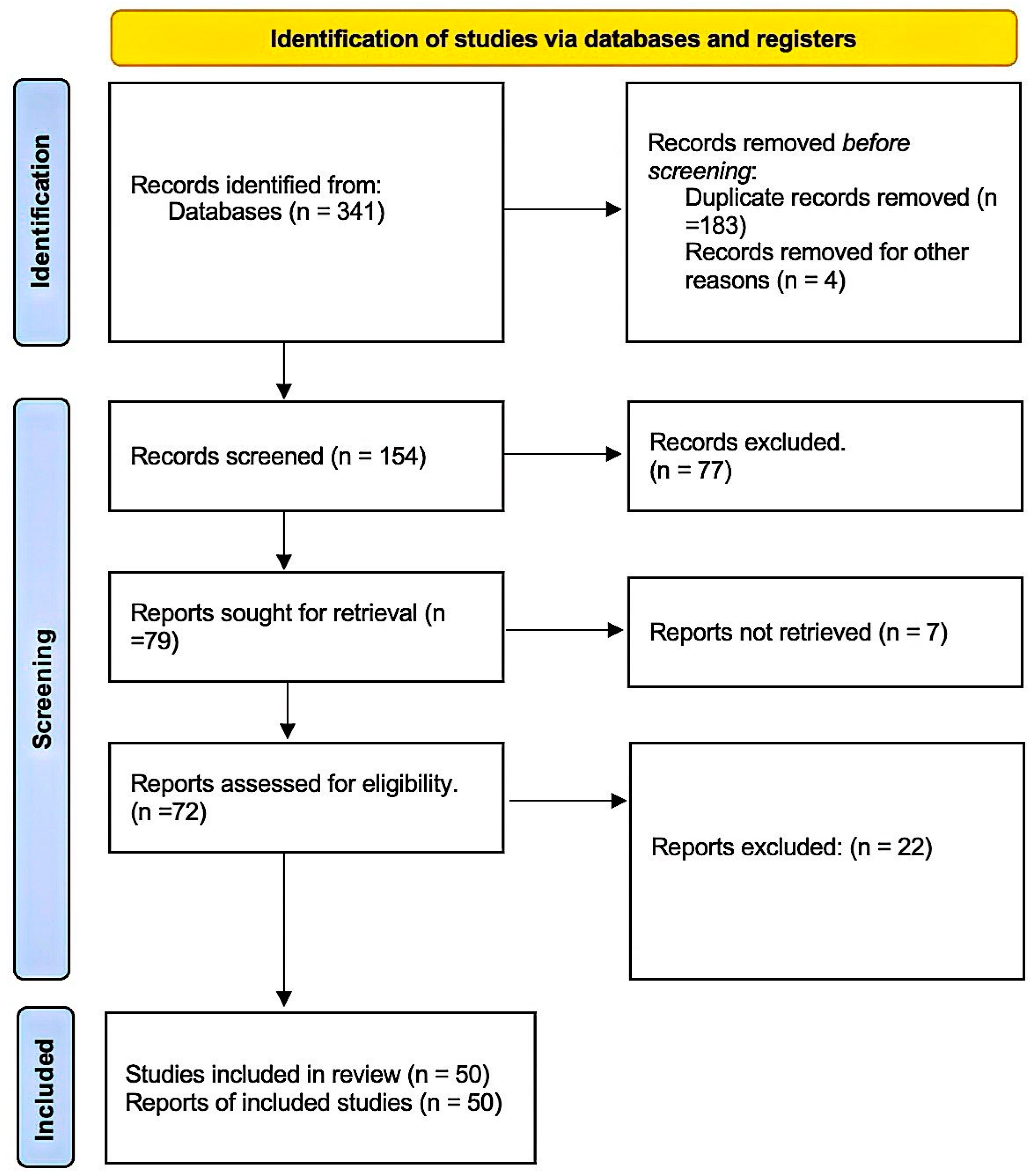
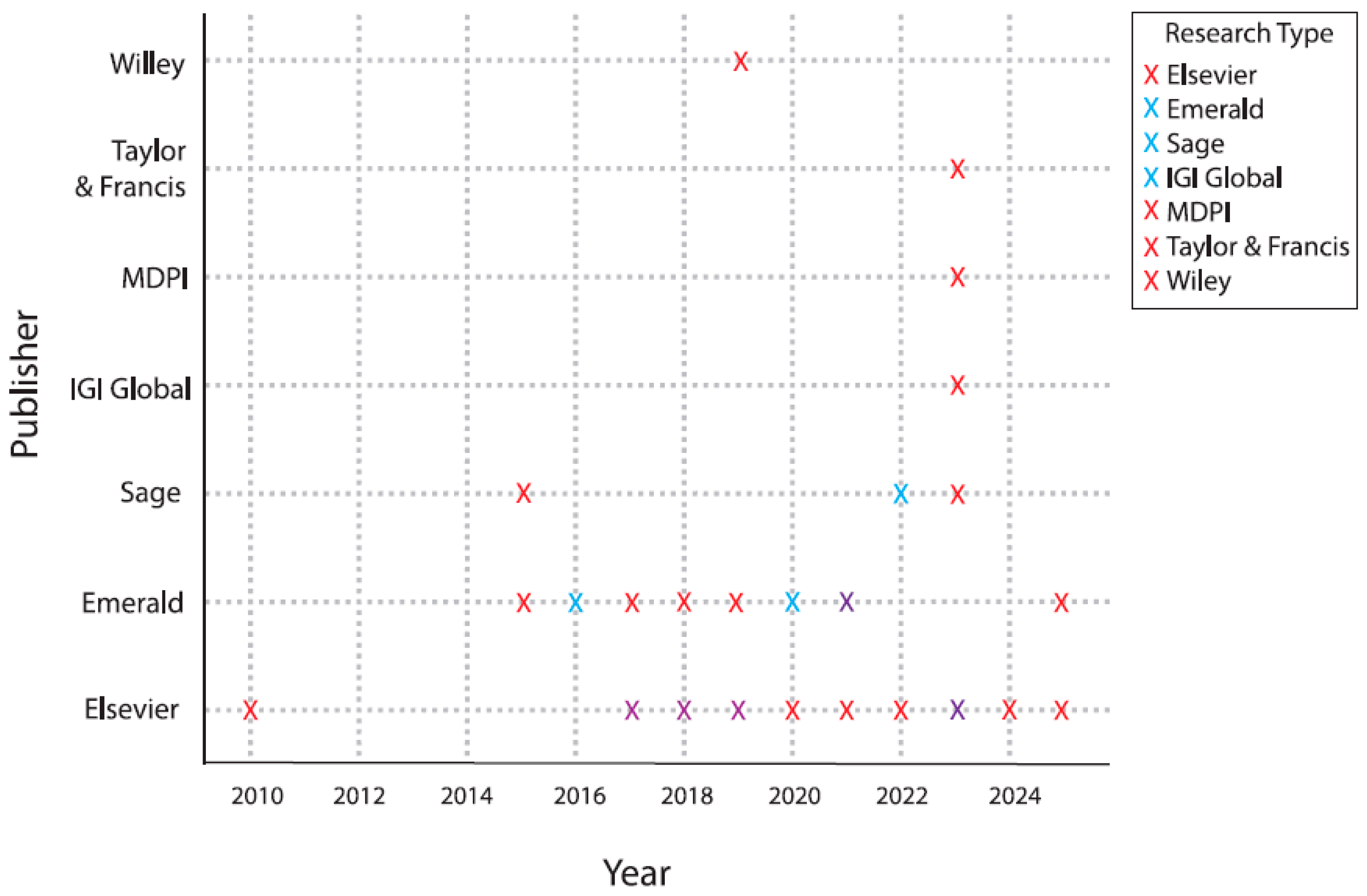
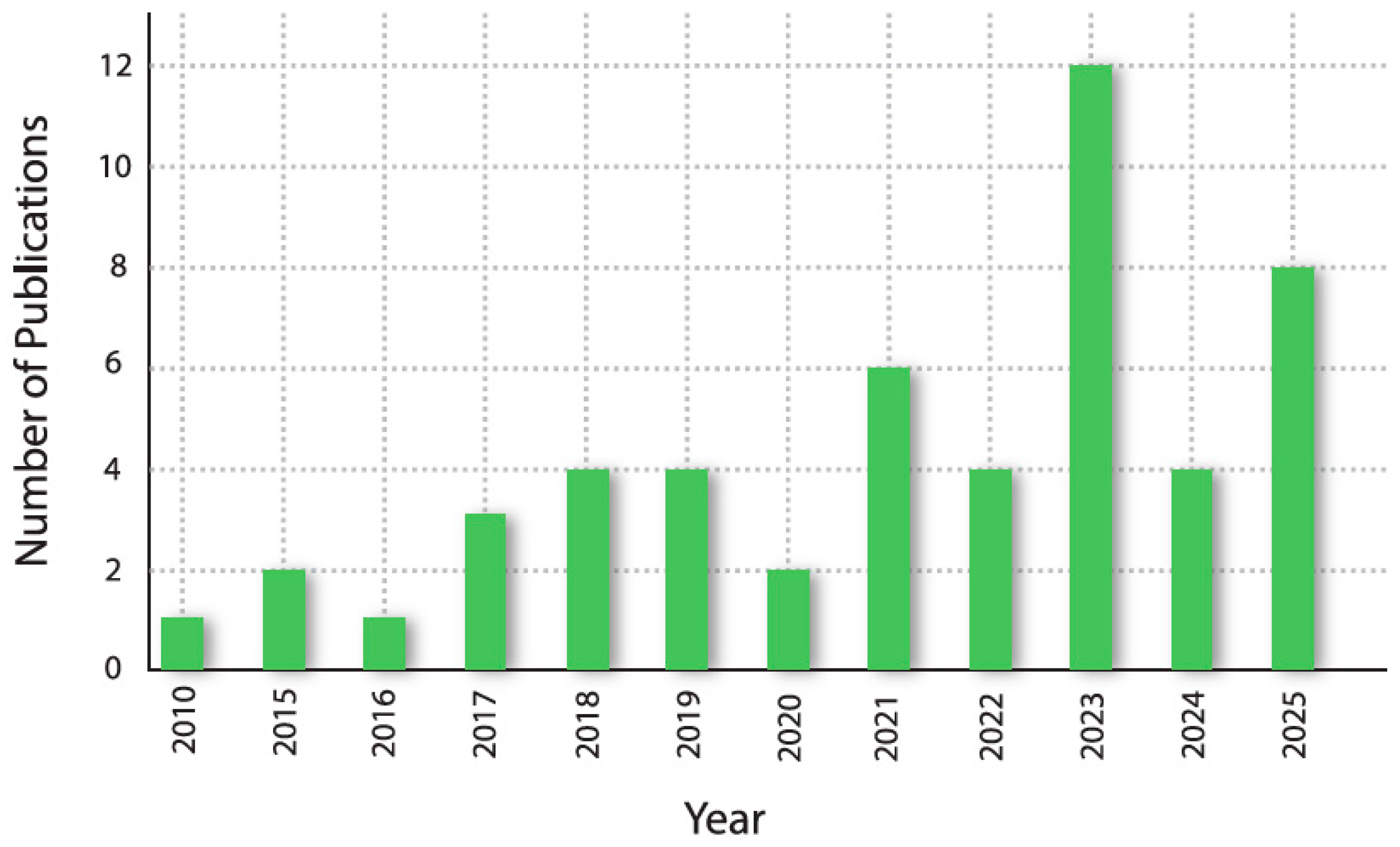
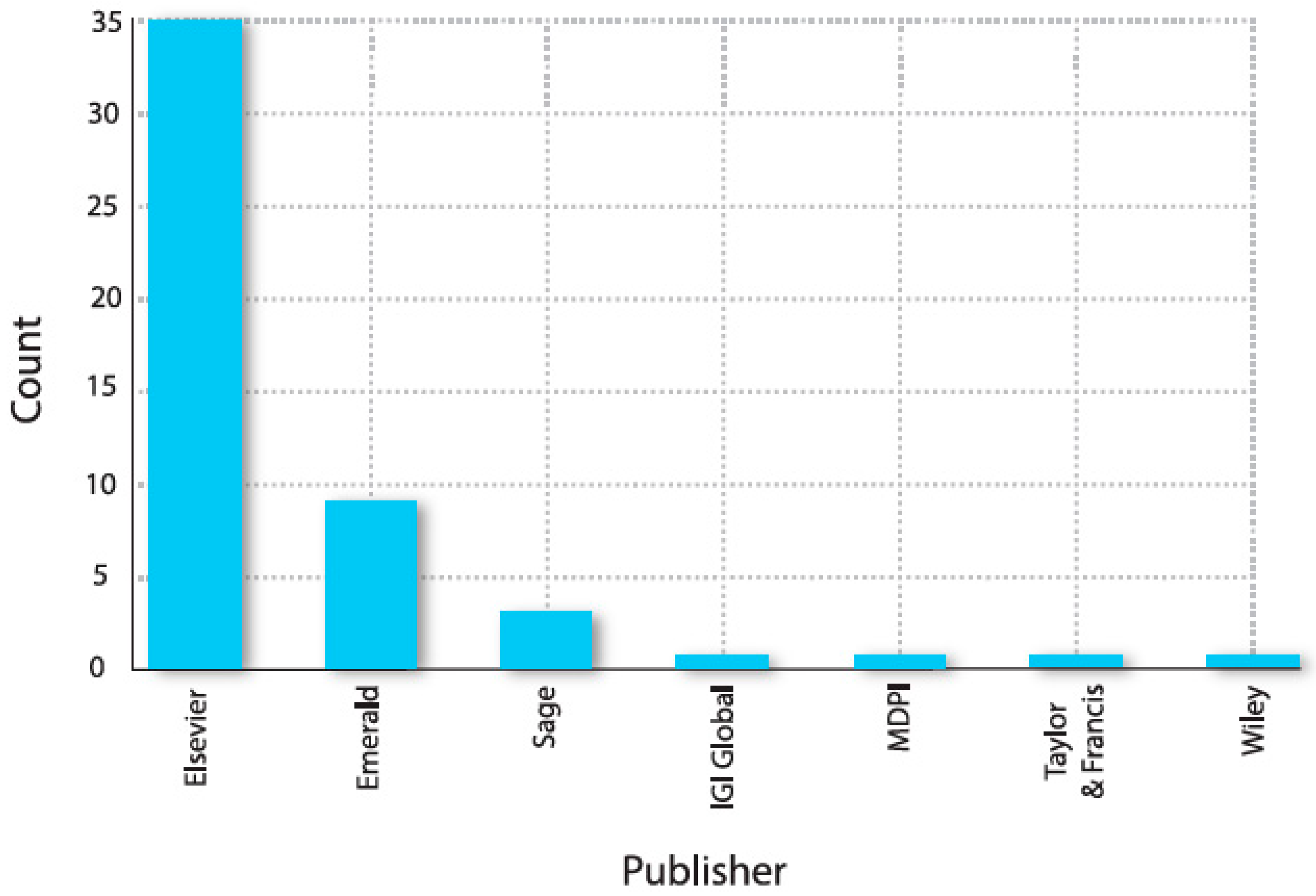
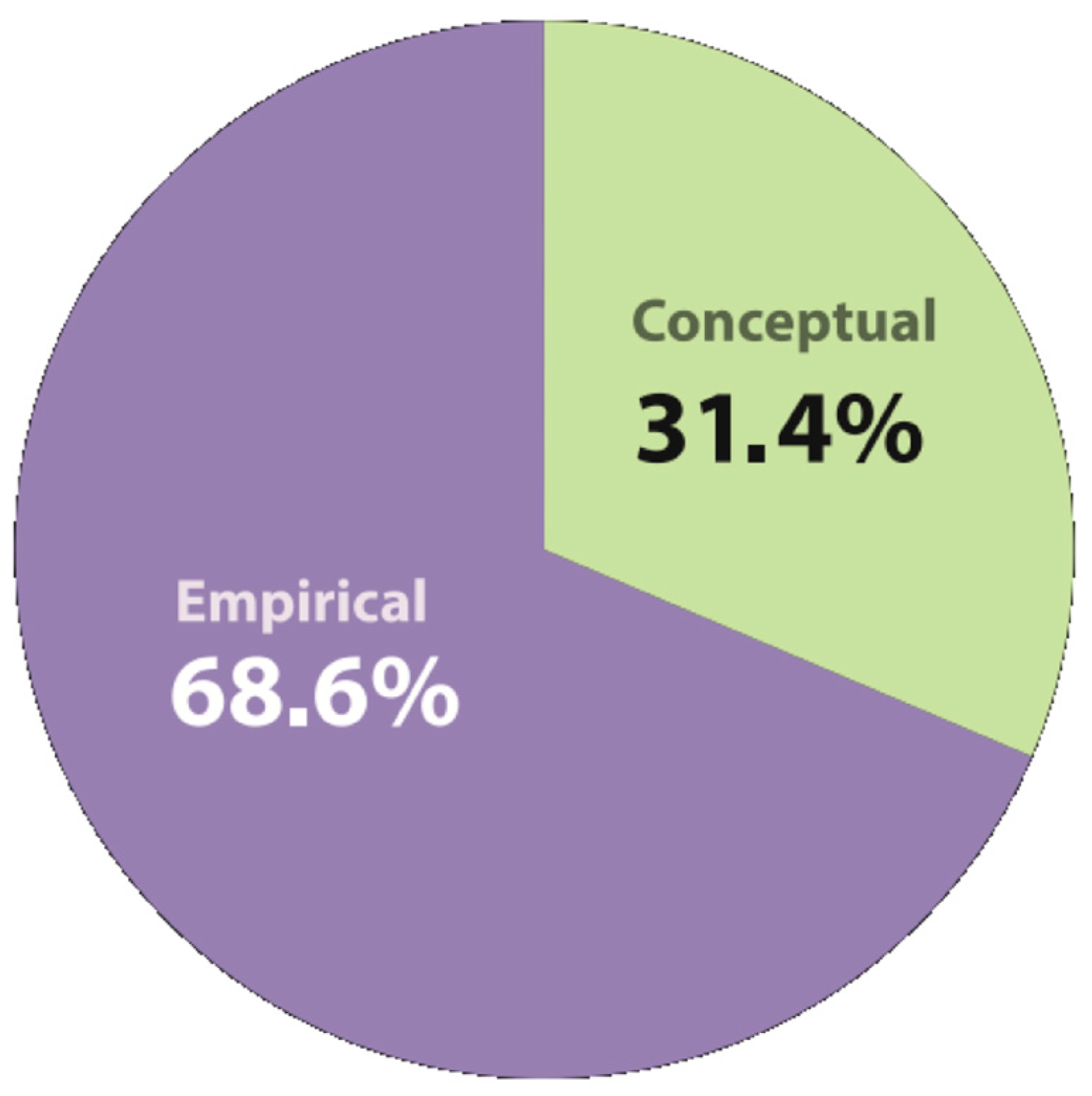
Disclaimer/Publisher’s Note: The statements, opinions and data contained in all publications are solely those of the individual author(s) and contributor(s) and not of MDPI and/or the editor(s). MDPI and/or the editor(s) disclaim responsibility for any injury to people or property resulting from any ideas, methods, instructions or products referred to in the content. |
© 2026 by the authors. Licensee MDPI, Basel, Switzerland. This article is an open access article distributed under the terms and conditions of the Creative Commons Attribution (CC BY) license.