


Abstract
The aim of the article is to present the results of research on colors carried out in two residential buildings in Brussels, designed by Victor Horta: The Tassel House (1893–1894) and The Horta House (1898–1901), representing the Art Nouveau style for which the main source of inspiration was nature. The purpose of the research was to check whether the selection of colors in the buildings was also inspired by nature. The investigation applied methods of archive studies, literature review, field survey and comparative analysis of 251 color samples taken in the interiors and façades of the two houses, compared to the 307 color samples collected in the natural environment within the radius of 700 m from the two locations. The samples were described using the Natural Colour System® chart. The research results revealed that the value of the color-matching indicator for the comparison of the color samples collected in the two examined buildings and the samples of predominant colors observed in the natural environment was determined at the average level of 92.5%. The conclusions from the study confirmed the significance of drawing inspiration from nature in the field of colors selection in the two analyzed buildings designed by Victor Horta.
1. Introduction
The first two decades of the 21st century brought significant progress of knowledge in the field of natural sciences as well as a growing interest of all aspects of the natural environment. Several scholars analyzed the relations between nature and architecture (Agrest 2018; Widera 2018) and the changing perception of nature (Goodfellow 2019; Lovelock 2016; Sigurðardóttir 2020).
The research described in this article addressed the topic of color in architecture with a special focus on the inspirations driven from nature. The article presents the results of the study on colors carried out in two townhouses and designed by Victor Horta: The Tassel House (1893–1894) and The Horta House (1898–1901). Victor Horta is regarded as the protagonist of Art Nouveau in architecture, while the edifices selected for the research represent excellent examples of Art Nouveau, the architectural style for which the main source of inspiration was Nature.
Both heritage buildings selected for color analysis are located in Brussels, in two neighborhood districts: Saint Gilles and Elsene. The distance between the two buildings is approximately 700 m. Therefore, these two districts determined the area of the study. The specific purpose of the research was to check whether the selection of colors in architecture and interior design in the two analyzed edifices was genuinely inspired by nature. The investigation applied methods of archive studies, literature review, field survey and comparative analysis of color samples taken in the two houses, being the subject of research. The samples, taken both inside and outside the residences, were compared with the color samples collected in the natural environment within the defined research area in Brussels. The methodology is described in detail in the Methods section.
The archive studies and literature review were conducted and showed that while many researchers carried out analyses in the field of color in architecture (Urbanik and Gryglewska 2005; Trocka-Leszczyńska 2000; Wróblewski 2000; Słuchocka 2020), and of colors within the Art Nouveau style (Martin 2009), most of them refer to a greater extent to painting, jewelry, interior design and furniture, while they only marginally address architecture as a field of creativity. The perception of color and the difference between measured and observed color was analyzed by Fridell Anter (2000). The topics of plant motifs in architecture and greenery in Art Nouveau gardens were presented by Pudelska and Mirosław (2015).
Numerous books and papers have been written about Victor Horta’s work (Henrion-Giele 1973; Dierkens-Aubry 1990; Dierkens-Aubry 1997; Loyer and Delahaye 1998; Aubry 2005; Collette et al. 2010; Dernie and Carew-Cox 2018), including the architect’s own writings (Horta 1936, 1985), but research related directly to the colors of Victor Horta’s architecture has not been conducted so far. This allows us to conclude that the proposed approach and method of studying the relationship between the colors of architecture and the colors characteristic of nature in a given area should be considered innovative.
Nowadays, with the growing interest in nature related to environmental protection, counteracting the negative effects of climate change and deep renovation of buildings aimed at increasing energy efficiency, the theme of color in architecture is often underestimated or even ignored. However, on the basis of the analysis of color in architecture, significant conclusions can be drawn about the sources of inspiration, including their aesthetic context, and therefore, in many cases, very subjective and intuitive. The research presented in this article aims to demonstrate that nature was also the source of inspiration for the colors of the examined architectural objects designed by Victor Horta. The two townhouses were selected for color analysis due to their high artistic and historical value, excellent quality as well as consistent character and carefully conducted conservation. The distinguishing features of the two buildings are presented in the next section. However, it is important to note that both in The Tassel House and in The Horta house, the architect was able to express his creativity without the investor imposing aesthetic and financial restrictions. Such a unique opportunity resulted in exceptional projects, in which the spirit of Art Nouveau was revealed in a distinct and captivating way (especially in the Tassel House, which was the first example of Art Nouveau style in architecture). This observation also applies to the colors used in the buildings. While the general tendency of Art Nouveau was to draw inspiration from nature, it is striking how different the colors of buildings were in different climatic conditions. For example, the buildings designed by Antoni Gaudi and other Spanish architects were much more colorful than the edifices in Belgium or Germany created at the same time. Therefore, this study aims to reveal the correlation between the colors of nature and architecture in a given region, which will be demonstrated by the example of the analysis of Horta’s buildings.
2. The Object of Research
Professor Tassel’s House (Hôtel Tassel) was selected for research as the first building in which Horta externalized the features of Art Nouveau as a new trend in architecture. Horta was one of the first architects turning to nature in pursuit of a source of inspiration to emphasize the spirit of the new times. Simultaneously, he strove to combine in architecture the vivid, primal character of nature with an expressive vision of modernity, related to the dynamic development of natural sciences. In the Tassel House, Horta designed a synthetic, modern façade in which he placed stone pillars instead of classical columns (Figure 1). Their bases and heads had organic forms of plants growing out of the ground (Figure 2).

Figure 1.
The façade of the Tassel House designed by Victor Horta.
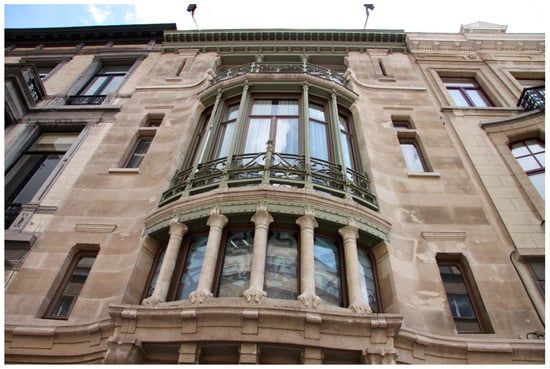
Figure 2.
The biomorphic columns in the Tassel House façade.
The Tassel House is located at 6, rue Paul-Emile Janson/Paul-Emile Jansonstraat in Brussels (Elsenne). The residence was completed in 1894 and due to its unique character, the building was recognized as one of the key objects determining the direction of the development of 20th-century architecture (Borsi and Portoghesi 1991). After World War II, the elegant residence was divided into smaller apartments. In 1976, the building was purchased by an architect, Jean Delhaye. Then façade was carefully restored, and the building was adapted to become a prestigious office. Nowadays, the Tassel House is the seat of the European Food Information Council (EUFIC).
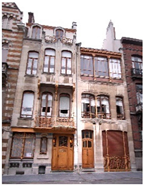
The Horta House (Maison et Atelier Horta) consists of two connected edifices: The private house on the left and the architect’s studio on the right (Figure 3). The Horta House is located at Rue Américaine 22 i 23 in Brussels (Saint Gilles) and was created between 1898 and 1901. In the period between 1906 and 1911, both parts of the Horta residence were rented and afterwards the architect made some changes, such as the transformation of the ground floor of the studio to fit a garage and the introduction of a winter garden, and a terrace on the top floor (UNESCO 2000). The front façade was slightly modified in 1911, and in 1919 the house was sold to Major Henri Pinte (Musée Horta 2005). After fifty-two years, in 1961, the house was purchased by the municipality of Saint-Gilles in the purpose to organize the Horta Museum in it. The Horta Museum opened its door to the public in 1969 to be further expanded in 1973 to include the architect’s studio. All restoration and conservation works were carried out to the highest standards under the supervision of Jean Delhaye, and since 1989 were continued by Barbara Van Der Wee.
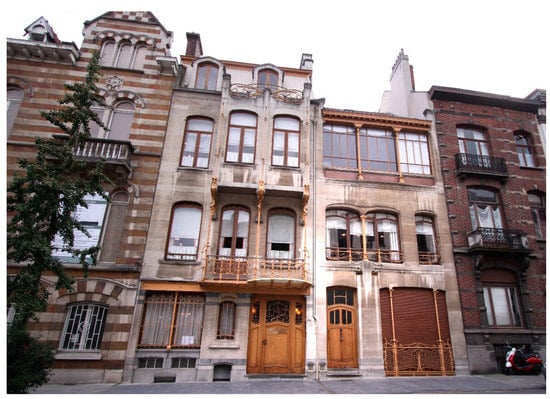
Figure 3.
The façade of the Horta House and Studio (Maison et Atelier Horta).
Researchers indicate that the character of Tassel and Horta houses was emphasized by the consistent selection of colors, commonly found in the natural environment in this part of Europe, which allowed the architect to accentuate the spectacular dynamism of nature (Widera 2015). Horta counterbalanced the inherently static and rigid nature of the edifice with natural curving shapes to render the home more appealing to its residents (Swofford 2010).
The use of warm shades of yellow, orange, soft red and light brown made the interiors of both buildings seem to be constantly illuminated by sunlight (Figure 4), which was additionally increased by large windows in the façade and skylights placed on the roof surface (Apostolou 2016; Widera 2020). Introducing a large amount of daylight into the rooms (Figure 5a) and giving structures, interior furnishings and decorations the biomorphic forms clearly indicates drawing inspiration from nature (Figure 5b). The same applies to creating the effect of the “vertical expansion” characteristic of the plant world (Figure 6). (Sembach 2007).
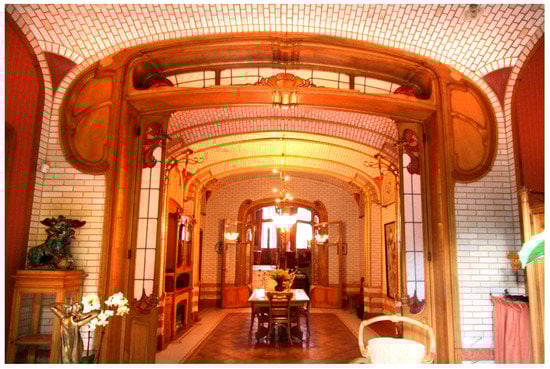
Figure 4.
The bright interiors of the Horta House.
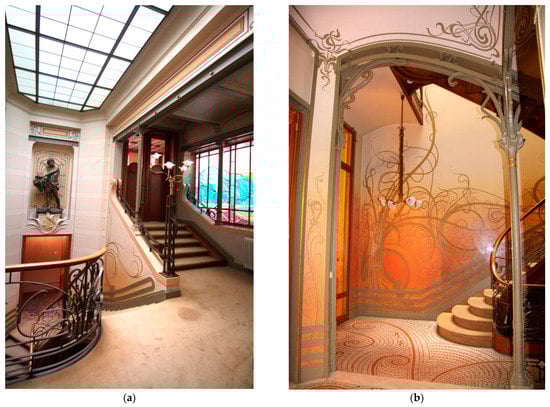
Figure 5.
In the Tassel House, a large amount of daylight and biomorphic forms of structures and decorations clearly indicate the inspirations drawn from nature: (a) The skylight above the staircase; (b) the biological decoration and structure of the staircase.
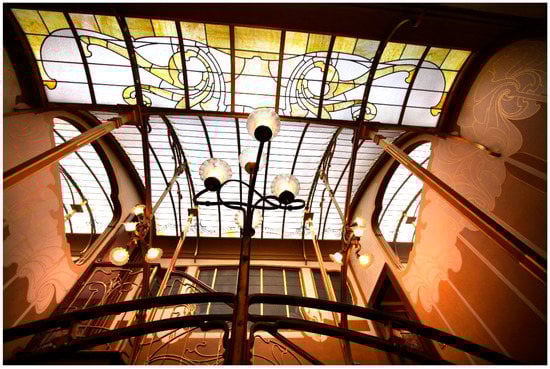
Figure 6.
The effect of verticalism and biomorphic interior design observed in the Horta House.
Further in the article, detailed studies of the colors of the Horta’s House and the Tassel House are presented.
3. Methods
The research aimed at confirming if the choice of colors used in exterior and interior of the two residential buildings, designed by Victor Horta and selected for the analysis, was inspired by nature. The investigation applied the method of archive studies and literature review, followed by the field survey and comparative analysis of color samples taken in The Tassel House and The Horta House (both interiors and the façades). These samples were compared to the color samples collected in the natural environment in Brussels. The trees growing in the area of the study, especially older than 100 years, were selected for the analysis and the samples were taken in February, April, June and September to cover the colors of nature specific for each season of the year. The samples were described using the NCS (Natural Colour System®) chart. For the architectural objects, the changes of color characteristics were taken into account, including such factors as color fading, renovations and interior design modifications in time. Alterations of species planted in the two analyzed gardens and in the natural environment part of the city landscape within the radius of 700 m from the two locations were also examined. This radius is indicative, not definitive, and was applied for practical purposes, i.e., to establish the boundaries of the area in which the color samples were collected during research, while the inspirations of the architect were most likely related to the wider geographical zone. However, from today’s perspective, it is impossible to determine the exact region in which the architect could observe nature.
A total number of 307 color samples was collected from the natural environment within the defined area of research. Eighty-eight of these samples were from the trees (Table A1), 96 from shrubs and creepers (Table A2) and 123 from the blooming flowers (Table A3). In the analyzed buildings, a total of 251 color samples were taken for testing. Fifty of these samples were identified in façades, precisely 26 in the Tassel House and 24 in the Horta House (Table A4). Further, 201 color samples were found in the interiors of the two edifices, with 105 in the Tassel House and 96 in the Horta House (Table A5).
Various methods of color measure were taken into account. These include spectrophotometers, colorimeters and comparative color charts (RAL, NCS, Pantone and the Munsell chart). In the first approach, a spectrophotometer was indicated as the research method. This was motivated by the fact that the spectrophotometer measures the relative amount of electromagnetic power reflected by the sample at individual wavelengths of the entire visible spectrum (400–700 nm) by recording the reflectance per 10 or 20 nm and thus providing precise information about the color of the sample (Johnston-Feller 2001). Some authors also proposed more specific methods, such as a spectrocolorimeter and a luxmeter-colorimeter (Isebaert 2016). According to Karin Frindell Anter “Within recent colorimetric research there have been attempts to find methods for ‘colour appearance’, that is perceived colour. The aim is to be able to include factors like adaptation and surrounding colours in the mathematical computing systems. However, the precondition is still that all observation situations can be controlled and adjusted to redesigned standard situations. Thus, even if such methods for determining colour appearance are developed, they are of no use for determining the colours that we see on houses under varying and uncontrollable outdoor conditions” (Fridell Anter 2000). The same author explains the difference between the nominal and perceived color, defining the inherent color as “The colour that the colour object would have, if it was observed under the standardised viewing conditions that are a prerequisite for the NCS colour samples to coincide with their specifications” (Fridell Anter 2000). Moreover, Mahadev and Henry (Mahadev and Henry 1999) developed a Hunt94 model, a method of the spectral composition of proximal stimulus measurements with the purpose to make mathematical corrections for surrounding colors. However, the authors admit that the spectrophotometric methods such as the Hunt94 model do not account for the perceptual transparency effect of haze on outdoor color appearance and therefore do not allow us to determine the colors that an observer can see in outdoor conditions.
It is important to underline that nowadays there is no precise scientific nondestructive method that would allow us to precisely assess the color changes in time. Usually, the stratigraphic analysis is applied in building conservation. The aim of stratigraphic studies on a historical object is to establish and define the chronology of the existing technological layers and historical layers (such as the basic building material, mortars, primers and paint layers). Such data provide us with knowledge about the original character of a work of art, which in the case of architectural research expands our knowledge about the original technology of execution and the original color of the façade and its architectural detail. The system of historical layers also tells us a lot about the history of the examined object, such as the quantity and quality of renovations, the presence of primary (original, from the time when the monument was created) and secondary elements (resulting from later interventions in its form or function). The obtained data, in addition to information about the monument, such as the history of the building, iconographic material and relations between residents and owners, enable a detailed conservation analysis of the historic building. However, the first stage of stratigraphic research is to make an outcrop with a scalpel and to collect a sample (a fragment of the examined historical substance) (Jaszczak 2014). Such a test is one that destroys the original substance, and it was absolutely impossible to use this method in the heritage buildings being the subject of this research. The nondestructive method applied by the author consisted of three phases:
- The archive studies, including the original drawings and descriptions by Victor Horta (AVB/TP; ACSG/Urb.; CRMS; Musée Horta);
- The analysis of conservation reports, especially the ones developed by renowned architects: François Loyer, Jean Delhaye (Loyer and Delahaye 1998) and Barbara Van Der Wee (Van Der Wee 1993);
- The collection of color samples in places less exposed to solar radiation and therefore also less prone to fading.
Having carefully considered the advantages and limitations of each of the proposed methods, for practical reasons, the comparative charts were selected as the simplest, most easily available and the most adequate for the type of analysis that involved different surfaces and materials, including heritage buildings with light-sensitive materials used for interior furnishing as well as living organisms.
The NCS (Natural Colour System®) chart was used as a basic tool for comparative analysis of samples since it is a standardized color communication system with its color notations and accurate color samples. The Natural Colour System® is a scientifically based colour system that allows for accurate colour communication and a global standard for colour definition and comparison. The NCS system uses six elementary colors, which are perceived by human beings as “pure”. Since the NCS is based on how we perceive colour visually, the system allows us to describe colour on all imaginable surfaces (NCS 2021). Regarding the color estimation systems, the Kubelka–Munk method (Kubelka and Munk 1931), based on the subtractive color theory (visible) spectrum, was proposed as adequate for diffuse surfaces (Isebaert 2016). The samples in the heritage buildings were collected in situ by the author of the paper, using 80–100% daylighting and the nondestructive method of comparing predominant colors to the DCS chart.
Considerning the fact that Horta was famous for being one of the first architects who carefully designed all elements of electric lighting for the buildings (Widera 2015), 20% of the samples were also taken in artificial lighting, which is described further in the text and indicated in the adequate tables (Table A4 and Table A5).
For the comparison of samples collected in nature and in architecture, qualitative and quantitative analyses were carried out, including text mining. Finally, the standard methods for colour identification were selected for the comparative analysis as the most adequate to express the intuitive nature of the inspirations of the renowned architect and artist, who did not use any digital tools himself.
4. Results
4.1. The Analysis of Colors in Architectural Environment
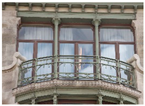
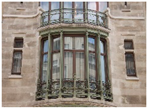
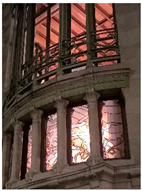
The architecture of Professor Tassel’s House reveals strong inspirations driven from nature, manifested by a combination of the distinctive, primal character of nature with an expressive vision of modernity. The colors of the façade result from combining two types of stone (Figure 7a): Light beige limestone from Savonnières with a slight touch of light pink hue (Figure 7b), and white limestone from Euville with a warmer, slightly yellowish shade of white (Figure 7c). Only on the ground floor and in the frames around the door, Horta introduced a discreetly contrasting stone band of a grey-blue color (Figure 7d). In turn, the first floor was accentuated with a stained-glass window with biomorphic decorations in milky white, golden beige, sunny yellow and blue-lilac color (Figure 8). The central part of the façade is dominated by a green color with painted iron elements: Lintels, narrow vertical posts and a filigree balustrade of the balcony on the second floor (Figure 9).
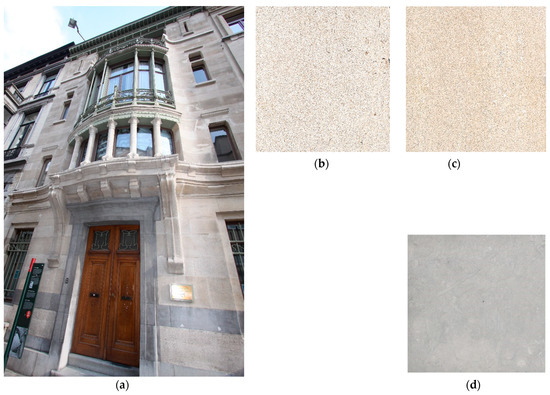
Figure 7.
The colors of the Tassel House façade: (a) The Tassel House façade; (b) the Savonnières Stone ©ROCAMAT; (c) the Euville Stone ©ROCAMAT; (d) the Ritz Bleu Stone ©ROCAMAT.
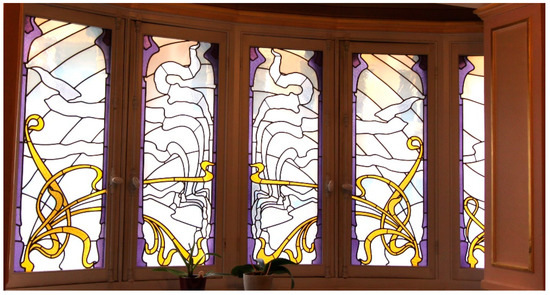
Figure 8.
The natural colors and biomorphic motives of the stained-glass window on the first floor in the Tassel House.
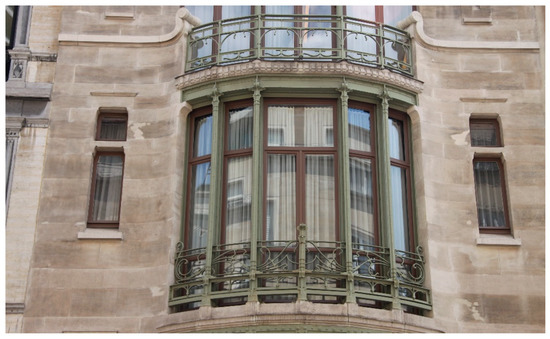
Figure 9.
The green color used in the façade of the Tassel House is observed in the painted iron elements: Lintels, narrow vertical posts and a balustrade of the balcony on the second floor.
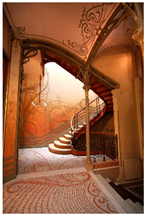
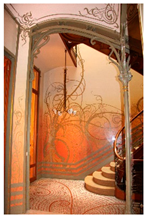
The innovative functional and spatial layout of the Tassel House made it possible to separate the public zone, located in the immediate vicinity of the street, from the private part, placed deeper inside the plot. To achieve this, Horta created two buildings covered with saddle roofs, served by independent staircases, but connected by passages on each floor. The space between the buildings was covered with two skylights. Such a solution contributed to the creation of an open, bright space inside the building, as well as the establishment of a coherent, comprehensive, decorative and compositional vision, for which nature was the main source of inspiration. The decorative stairs, with steps made of golden beech wood, resembled a peacock’s tail. In the iron construction of the stairs, Horta used dynamic soft lines to entwine the pillars and rose from the structure of the stairs, smoothly turning into chandeliers resembling exotic flowers. A painting decoration by Henri Baes with undulating ornaments covered the surfaces of the walls and ceiling like tangled plant stems. Similar motifs were used in the balustrades, floor mosaics and other interior fittings. Another skylight was placed above the decorative stairs, letting in white, diffused light, thanks to which the colors seemed very natural. The passage to the highest part of the building featured an impressive stained-glass window depicting a seaside landscape and revealing the inspiration of Japanese art.
In the Tassel House, the stairs supported the proper distribution of daylight in the building. Horta successfully combined it with a perfectly designed electric light, embedded in decorative fixtures such as brass lamps rising from the balustrade of the stairs, with cups in the shape of white flowers. The use of daylight and electric light contributed to the changing color perception in interiors depending on the type of lighting. This was taken into account in the study by collecting the samples in daylight as well as in electric light.
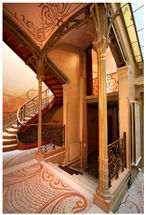
For color analysis of the interiors, the author selected rooms, made available by the courtesy of current users for the purposes of the research, located in both the official and private zones of the house. The official part included the reception area on the ground floor, rooms situated above the entrance to the building, to which a decorative staircase led, a smoking lounge with a six-part stained-glass window on the mezzanine, Professor Tassel’s office on the first floor and an office on the second floor. The study involved the entrance zone: The main hall on the ground floor, a small vestibule on a square plan and a larger one on an octagonal plan, the wardrobe and the vestibule on the left side, lined with a white and red mosaic with floral motifs, emphasizing the inspiration driven from nature. In the lower private zone, the research was carried out in a spacious and well-lit dining room on the ground floor. Greenery from the private garden belonging to the Tassel residence, accessible through the porte-fenêtre in the dining room bay window, was also included in the analysis. This dining room served as a private lounge for the Tassels. Excluded from the research were private rooms on the first floor that are currently unavailable, i.e., the master bedroom and a small dining room on the first floor, and two smaller bedrooms on the second floor. From the Tassel House interior, 105 color samples were collected for analysis (Table A5).
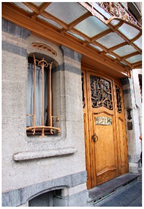
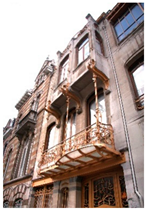
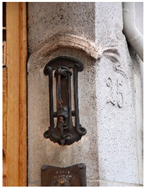
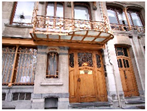
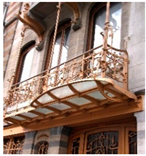
In the façade of his own house and studio, Horta created a composition of light beige and white limestones, Euville and Savonnières, combined with iron, wood and glass. The most striking feature of this front was the perfect integration of construction and decoration. Both the oak door and window joinery and the decorative iron elements were warm, golden brown in color, which perfectly matched the discrete white and beige shades of limestone. Similar to in the Tassel House, Horta gave the columns a slender form with bases and heads in the shape of claws or roots. To bring the maximum amount of daylight into the studio, a large window was placed in the sloping roof covering this part. However, the most expressive component of the façade of the Horta House was the extraordinary balcony located on the first floor in the middle axis of the façade. The rounded element added to the base of the balcony created an optically light roof, accentuating the entrance area. The balcony floor, based on an iron structure with meandering biomorphic decorations, was made of frosted glass in a blurry milky white color (Figure 10a). The posts in the upper part were connected to the iron brackets supporting the bay window, topped with a terrace and its decorative balustrade in the shape of butterfly wings. The upper part of the mansard roof above the white-tiled terrace was covered with red tiles. Two dormers and a large window were placed in the roof, through which daylight entered the staircase. At the same time, the window protected the stained-glass lantern below.
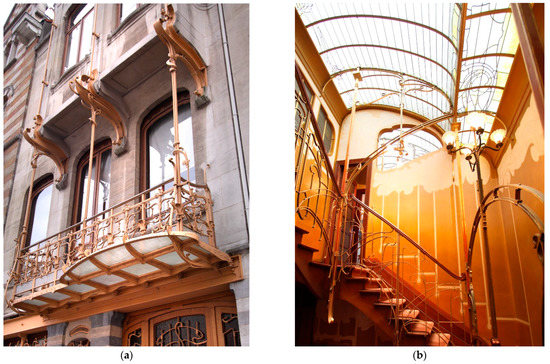
Figure 10.
The natural colors and biomorphic structural forms in the Horta House: (a) The balcony; (b) the skylight.
The interiors of Horta house and the studio were designed to create a maximally open space. The connection of adjacent rooms was possible thanks to the construction using a system of valley arches. In this way, sunlight could reach all parts of the building, including the basement where the sculpture studio was placed. Good lighting was provided by large windows and balcony doors positioned in both façades, as well as a skylight above the centrally located staircase.
Color samples in the atelier were taken from the rooms on the ground floor, the staircase, the waiting room and Horta’s office on the first floor, as well as from the architect’s studio on the second floor. In the architect’s house, samples for color analysis were collected from the lounge on the ground level, rooms on the elevated ground floor, i.e., a large living room on the street side connected with a dining room at the back of the house and a smaller living room added in 1906, from which a passage through the glass porte-fenêtre led to the garden. Likewise, the colors of the living room, boudoir and bedroom on the first floor were examined. On the second floor, samples were taken from the rooms of Victor Horta’s daughter, Simone, as well as from the winter garden and terrace added in 1906. The study also included a staircase lined with pink Carrara marble, and a landing on the top floor connecting the residential part with the studio. In this place, filigree iron posts rose from the structure of the stairs, forming a support for the skylight with a stained-glass window above (Figure 10b). They created coherent unity with the structure of the lamps, combining structure, function and ornament. The effect of additional illumination and optical enlargement of this zone was provided by the mirrors in the shape of butterfly wings positioned in front of each other.
Color samples were also taken from the back garden and from the original pieces of furniture preserved in the building (e.g., a set of sycamore wood in the living room from the garden side, Horta’s office equipment, an armchair and chair made of lemon wood in a private lounge on the first floor, a Japanese screen in a boudoir and Cuban mahogany furniture with silk upholstery made in factories Prelle in Lyon, designed by Eugene Grasset (Verkruyssen 2020).
In the interiors of Horta’s House and the architect’s studio, the iron structural frames, stone and brick wall cladding, wooden doors with stained-glass windows and textile upholstery of the furniture were characterized by warm pastel colors, which seemed specific for a temperate climate. In combination with the sunlight penetrating the rooms, this created an astonishing, sophisticated effect. The colors in the interiors changed their shades in a precisely planned manner thanks to electric lighting designed by Horta (de la Bédoyère 2005).
From the Horta house and studio, 96 colors samples were taken. The samples collected from Horta and Tassel Houses were compared to the samples of colors identified as predominant in the natural environment within the area covered by the study.
4.2. The Analysis of Colors in the Natural Environment
For the purpose of finding out which plants were popular in the Art Nouveau gardens, including the ones in the investigated area, the author carried out in situ research, consulted botanists and searched the literature on the subject. At the first stage of the study, the analysis of natural species preserved in the area of research was carried out. The trees growing in the area of investigation older than 100 years were selected for analysis and the samples were taken in February, April, June and September to cover the colors of nature specific for each season of the year. These samples were completed by the color analysis of the most popular plants other than trees observed in the research area, namely shrubs, creepers, and flowers.
The field research was supported by the analysis of accessible databases and literature on the subject. Changes in the city landscape and biodiversity were analyzed by some authors (Fernandes et al. 2015). Pudelska and Mirosław (Pudelska and Mirosław 2015) in their study presented a comprehensive analysis of plants commonly cultivated in Art Nouveau gardens. Based on this knowledge, the author was able to confirm that most of the species mentioned by Pudelska and Mirosław were in fact present in the neighborhood gardens, including the gardens in the Tassel House and the Horta House. Moreover, some of these plants (e.g., irises, lilies, or roses) were observed in Horta’s sketches for both examined buildings. Another important source of information about plants cultivated in Brussels (including the area of research) was the Inventaire du Patrimoine Naturel (Patrimoine Brussels 2020), where particular species can be found with the detailed description regarding age and origin. As a result of the conducted study, it was found that that among the plants present in the research area, the following species listed below were the most popular and most likely to be cultivated in the period when the two examined buildings were created, i.e., 1892–1901.
- Trees: Platanus × acerifolia, Acer negundo, Populus nigra, Populus canadensis, Betula pendula, Robinia pseudoacacia L., Acer platanoides f. rubrum, Acer pseudoplatanus L., Aesculus hippocastanum L., Aesculus × carnea, Picea pungens Engelm.
- Creepers: Aristolochia macrophylla Lam., Vitis riparia Michx., Hedera helix L., Parthenocissus tricuspidata.
- Shrubs: Clematis L., Syringa vulgaris L., Hydrangea arborescens L., Cornus alba L. Magnolia kobus DC., Jasminum L., Hydrangea hydrangeoides L.
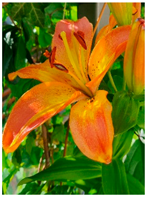
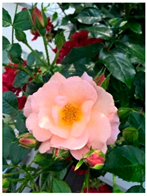
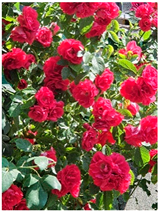
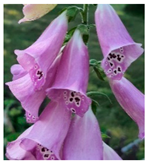
- Blooming flowers: Rosa L., Chrysanthemum coreanum H. Lev. et Vaniot, Helianthus L., Iris germanica L., Lobelia L., Lilium martagon L., Digitalis purpurea L., Centaurea cyanus L., Paeonia lactiflora, Viola tricolor L., Lavandula L., Myosotis L.
The samples were described using the NCS (Natural Colour System®) chart. Color samples were matched with the application of the Tikkurila NCS Index identification system.
5. Discussion
The results of the field research in the built and natural environment within the Saint Gilles and Elsene districts in Brussels are presented in the six tables in the Appendix A. Table A1 shows the color samples collected from the trees growing in the study area, especially the ones older than 100 years. Table A2 is composed of the color samples from the shrubs and creepers, including the blooming ones. The colors of the first two groups of plants were analyzed in all four seasons of the year. The third group represents the blooming plants and the color samples, presented in Table A3, that were gathered during the vegetation period.
The following 307 samples of colors (divided by the group of colors) were found in the natural environment in the area of the study:
- Green—135 samples, 43.97% of all color samples collected in the natural environment: NCS S 2030-G50Y (25), NCS S 1050-G20Y (22), NCS S 3040-G40Y (16), NCS S 2010-G50Y (15), NCS S 2060-G50Y (14), NCS S 3050-G40Y (11), NCS S 3030-G40Y (9), NCS S 1005-G90Y (5), NCS S 3010-G30Y (4), NCS S 4030-B70G (5), NCS S 0510-G50Y (3), NCS S 2020-B90G (2), NCS S 3040-Y40R (2), NCS S 0565-G10Y (2), NCS S 4030-B30G (1), NCS S 2030-G80Y (1).
- Yellow—44 samples, 1.43% of all color samples from nature: NCS S 0550Y (10), NCS S 0540Y (9), NCS S 2020-Y10R (7), NCS S 0540-Y20R (6), NCS S 1015Y (3), NCS S 0530Y (3), NCS S 2030-Y20R (2), NCS S 1015-Y30R (2), NCS S 0502-G90Y (1), NCS S 1020-Y20R (1).
- Orange—15 samples, 4.89% of all color samples from nature: NCS S 0550-Y60R (4), NCS S 0570-Y60R (3), NSC S 1030-Y40R (1), NCS S 0540-Y60R (1), NCS S 1060-Y70R (1), NCS S 1030-Y30R (3), NCS S 0650-Y60R (1), NCS S 0515-Y30R (1).
- Red—23 samples, 7.5% of all color samples collected in the natural environment: NCS S 1580-Y90R (7), NCS S 2570-Y90R (7), NCS S 2570R (5), NCS S 2570-Y80R (3), NCS S 2570-Y70R (1).
- Pink—21 samples, 6.84% of all color samples from nature: NCS S 1005-Y40R (1), NSC S 1510-Y60R (1), NCS S 0502R (3), NCS S 1060-R30B (1), NCS S 1030-R30B (4), NCS S 0530-Y80R (6), NCS S 1015-Y50R (1), NCS S 0550-Y80R (2), NCS S 0560-Y80R (2)
- Beige/white—11 samples, 3.58% of all color samples from nature: NSC S 1002-Y50R (1), NCS S 0300N (4), NCS S 0505-Y10R (1), NCS S 1000N (1), NCS S 0500N (1), NCS S 0502-Y50R (1), NCS S 0505Y (1), NCS S 0502Y (1)
- Violet—18 samples, 5.86% of all color samples from nature: NCS S 2040-R60B (7), NCS S 1510-R40B (1), NCS S 3040-R50B (4), NCS S 6020-R30B (1), NCS S 1510-R60B (1), NCS S 3030-R60B (2), NCS S 3005-R60B (1), NCS S 7020-R20B (1)
- Brown—21 samples, 6.84% of all color samples from nature: NCS S 8005-Y80R (1), NCS S 3005-Y50R (2), NCS S 4030-Y50R (2), NCS S 6010-Y50R (4), NCS S 3010-G90Y (5), NCS S 7010-Y40R (1), NCS S 3010-Y50R (1), NCS S 5030-Y80R (3), NCS S 3030-Y70R (1), NCS S 7005-Y80R (1)
- Blue—12 samples, 3.9% of all color samples from nature: NCS S 2010-B30G (1), NCS S 1040B (2), NCS S 1040-R90B (2), NCS S 1030-R80B (2), NCS S 0155-R80B (2), NCS S 1030-B10G (1), NCS S 1040B (2)
- Black/grey—2 samples, 0.65% of all color samples from nature: NCS S 7500N (1), NCS S 2005-R80B (1).
The color samples collected in the architecture are presented separately for the exteriors (Table A4) and interiors (Table A5). The following 251 color samples (divided by the group of colors) were identified in the architecture, namely in the two buildings designed by Victor Horta:
- Exteriors (50 samples), 19.92% of all 251 color samples collected in the architectural objects.
- Green—seven samples, 14% of samples from exteriors, 2.79% of all color samples from architecture: NCS S 2010-G50Y (3), NCS S 1005-G90Y (2), NCS S 3010-G30Y (2).
- Yellow—seven samples, 14% of all color samples collected in the exteriors, 2.79% of all the color samples from architecture: NCS S 2030-Y20R (4), NCS S 1020-Y20R (3).
- Orange: zero samples.
- Red: zero samples.
- Pink—seven samples, 14% of samples from exteriors, 2.79% of all color samples from architecture: NCS S 1005-Y40R (5), NSC S 1510-Y60R (2).
- Beige/white —13 samples, 26% of samples from exteriors, 5.19% of all color samples from architecture: NSC S 1002-Y50R (4), NCS S 1000N (5), NCS S 0500N (4).
- Violet—two samples, 4% of samples from exteriors, 0.8% of all color samples from architecture: NCS S 3005-R60B (2).
- Brown—nine samples, 18% of samples from exteriors, 3.59% of all color samples from architecture: NCS S 8005-Y80R (1), NCS S 3005-Y50R (1), NCS S 4030-Y50R (3), NCS S 3010-Y50R (1), NCS S 5030-Y80R (3).
- Blue—one sample, 2% of samples from exteriors, 0.4% of all color samples from architecture: NCS S 2010-B30G (1).
- Black/ grey—three samples, 6% of samples from exteriors, 1.19% of all color samples from architecture: NCS S 2005-R80B (3).
- Interiors—201 color samples, which makes 80.08% of all 251 color samples collected in the architectural objects.
- Green—32 samples, 15.92% of all 201 color samples collected in the interiors and 12.75% of all 251 color samples collected in the architecture: NCS S 2030-G50Y (7/7), NCS S 1050-G20Y (1/1), NCS S 3040-G40Y (2/2), NCS S 2010-G50Y (9/12), NCS S 2060-G50Y (1/1), NCS S 3050-G40Y (1/1), NCS S 3030-G40Y (1/1), NCS S 1005-G90Y (3/5), NCS S 4030-B70G (1/1), NCS S 2020-B90G (1/1), NCS S 3040-Y40R (1/1), NCS S 4030-B30G (2), NCS S 0510-G50Y (1), NCS S 2030-G80Y (1).
- Yellow—40 samples, 19.9% of all color samples collected in the interiors and 15.94% of all color samples collected in the architecture 251: NCS S 1015-Y30R (7), NCS S 1015Y (6), NCS S 0530Y (5), NCS S 2030-Y20R (4), NCS S 0540Y (3), NCS S 2020-Y10R (3), NCS S 0550Y (2), NCS S 0502-G90Y (4), NCS S 1020-Y20R (4), NCS S 0540-Y20R (2).
- Orange—22 samples, 10.94% of all color samples collected in the interiors and 7.97% of all color samples collected in the architecture 251: NCS S 0550-Y60R (8), NSC S 1030-Y40R (3), NCS S 0650-Y60R (3), NCS S 1060-Y70R (2), NCS S 1030-Y30R (2), NCS S 0515-Y30R (2), NCS S 0570-Y60R (1), NCS S 0540-Y60R (1).
- Red—12 samples, 5.97% of samples from interiors, 4.78% of all color samples from the architecture: NCS S 2570-Y90R (5), NCS S 1580-Y90R (2), NCS S 2570R (2), NCS S 2570-Y80R (2), NCS S 2570-Y70R (1).
- Pink—18 samples, 8.95% of samples from interiors, 7.17% of all color samples from the architecture: NCS S 1005-Y40R (2), NCS S 0502R (2), NCS S 1030-R30B (1), NCS S 0530-Y80R (4), NCS S 1015-Y50R (6), NCS S 0550-Y80R (2), NCS S 0560-Y80R (1).
- Beige/white—31 samples, 15.42% of samples from interiors, 12.35% of all color samples from the architecture: NCS S 0300N (4), NCS S 0505-Y10R (3), NCS S 1000N (2), NCS S 0502-Y50R (10), NCS S 0505Y (1), NCS S 0502Y (11).
- Violet—eight samples, 3.98% of samples from interiors, 3.19% of all color samples from the architecture: NCS S 2040-R60B (1), NCS S 1510-R40B (2), NCS S 3040-R50B (1), NCS S 6020-R30B (1), NCS S 1510-R60B (1), NCS S 3030-R60B (1), NCS S 7020-R20B (1).
- Brown—19 samples, 9.45% of samples from interiors, 7.57% of all color samples from the architecture: NCS S 4030-Y50R (6), NCS S 6010-Y50R (2), NCS S 3010-G90Y (2), NCS S 7010-Y40R (2), NCS S 3030-Y70R (6), NCS S 7005-Y80R (1).
- Blue—11 samples, 5.47% of samples from interiors, 4.38% of all color samples from the architecture: NCS S 1040B (3), NCS S 1040-R90B (1), NCS S 1030-R80B (1), NCS S 0155-R80B (1), NCS S 1030-B10G (2), NCS S 1040B (3).
- Black/grey—two samples, 0.99% of samples from interiors, 0.8% of all color samples from the architecture: NCS S 7500N (2).
The total number of color samples collected in the natural environment was 307 and the analysis of samples allowed the author to identify 82 colors. A total of 251 color samples were taken in the two analyzed buildings designed by Victor Horta and 81 colors were identified by the study. As a result of the research, it was discovered that all colors present in architectural objects were observed in the natural environment. The comparison of the occurrence of colors in nature and the architecture of the examined buildings designed by Victor Horta is presented in Table 1.

Table 1.
The comparison of the occurrence of colors in the nature and the architecture of the examined buildings.
The only color sample detected in nature in the area of the study and not present in the analyzed buildings was an intensive shade of pink (NCS S 1060-R30B). In the natural environment, the sample was found in the Aesculus × carnea (red horse-chestnut), solely in the middle part of the flowers, during the short blooming period in May/June, which allows one to say that this particular color has been only exceptionally represented in natural conditions within the research area. The general observation was that the colors represented in a small number in the natural conditions were only marginally observed in the architecture. This refers to such groups of colors as black and grey (0.65% of samples from nature, 1.99% of the samples from architecture), and blue (3.9% of samples from nature, 4.78% of the samples from architecture). Only for the samples belonging to the white and beige group of colors was the occurrence in the natural environment (3.58%) slightly smaller than in the architecture (17.53%). This can be explained by the fact that the color samples in the natural environment were collected solely from plants and did not include any snow nor stone. The inclusion of color samples from snow and natural stone observed in the area of study would balance the 13.95% difference of the colors’ presence.
For most of the identified groups of colors, the percentage of samples collected in the natural and built environments has been very similar. The number of samples belonging to the group of yellow colors collected in the natural environment was 44 (14.3%) and in the analyzed buildings it was 47 (18.72%). The observed difference was therefore only 4%. The percentage of samples belonging to the group of orange colors collected in the natural environment was 4.89% and in the examined edifices it was 7.97% (3% difference). For the group of red colors, the samples collected in nature made 7.5% and in architecture 4.78% (2.72% difference). Similarly, the group of pink colors represented 6.84% of the samples from nature and 9.96% of the samples from the architecture (3.12% difference). For violet colors, 5.86% of the samples from nature 3.98% of the samples from the architecture resulted in a difference of only 1.88%. Finally, for brown colors, 6.84% of samples from the natural environment compared to 11.15% of the samples from the built environment resulted in a difference of 4.31%. In all of the above cases, the noted difference was less than 5%.
In relation to the group of colors based on shades of green, it was found that green samples represented 43% of all color samples collected in the natural environment and 15.54% of the color samples identified in the examined buildings. While it may be surprising that the only disproportion in the balance of colors is observed in regard to green, for which the association with nature seems perfectly obvious, in fact this confirms that the perception of colors for a brilliant observer of nature like Horta was truly in-depth and far from schematic. The fresh and intensive shade of green (NCS S 1050-G20Y), the second most frequent color observed in nature, in architecture appeared only once, in the stained-glass window in the Tassel House. In general, the most intense shades of colors, often present in nature and less frequently in architectural objects, in the analyzed buildings were observed mainly in the stained-glass windows. It concerned such colors as the shades of blue (NCS S 1030-B10G, NCS S 0155-R80B, NCS S 1040B), violet (NCS S 2040-R60B, NCS S 3040-R50B), pink (NCS S 1030-R30B) and green (NCS S 4030-B30G, NCS S 3050-G40Y). This can be interpreted as the need to supplement the range of colors in architecture with vivid hues, however, without sacrificing the elegant ambiance of the interiors and façades designed by the architect. Moreover, this interpretation can be supported by the observation that the diversity of colors used in the exteriors was 4 times smaller than for the colors used in the interiors of the analyzed buildings and the most intensive colors were used in the private parts of the residences.
Regarding the main colors observed in nature and in the architecture, the level of compliance achieved was 73% for the group of green colors (in architecture, this group was less frequently found than in nature), 86% for the group of white and beige colors (in architecture, this group was more frequently found than in nature) and a range of 95–98% for all other color samples. The value of the color-matching index for the comparison of the color samples collected in the two tested buildings with the samples of the dominant colors observed in the natural environment was determined at the average level of 92.5%. Such a high level of matching demonstrates the compatibility of Horta’s works with the overarching philosophy of the Art Nouveau style, according to which following Nature was always beneficial because Nature was considered the champion in all areas of life. In the analyzed archive materials, there is no clear declaration from Victor Horta that the architect used the palette of colors he observed in the natural environment. The inspiration driven from nature regarding color selection was rather intuitive and resulted from the Art Nouveau aesthetics. The scientific rigor applied to a subjective matter such as color perception was meant to confirm the hypothesis that the selection of colors in the two examined buildings designed by Victor Horta was indeed inspired by the colors observed in nature. Nevertheless, this observation does not solely address the closest neighborhood of the Tassel House and the Horta House. The perception of nature as such cannot be limited to an area of several hundred square meters but is much more general. While it was necessary to establish the boundaries of the research area for the purpose to collect color samples, it would be impossible to define the limits of the architect’s inspiration and imagination. However, it was concluded that the architect turned out to be a conscious and careful observer of the natural environment, who appreciated both the brilliant design solutions found in nature and the original color combinations. Therefore, it is possible to say that the conducted research confirmed the importance of drawing inspiration from nature for the creation of Art Nouveau architecture in relation to the color range used.
6. Conclusions
The research presented in this article addressed the comparison of colors of the interiors and façades of The Tassel House and The Horta House, and the color samples collected in the natural environment within the indicative radius of 700 m from the two examined edifices. This radius was used solely to establish the boundaries of the area in which the color samples were collected, and not to define the limits of the architect’s inspirations, which where most likely related to the broader geographical zone (impossible to determine from today’s perspective). The purpose of the study was to check whether the selection of colors in the buildings was inspired by nature. The investigation applied methods of archive studies, literature review, field survey and comparative analysis of the color samples using the NCS (Natural Colour System®) chart.
The trees growing in the area of research older than 100 years were selected for the analysis and the samples were taken in February, April, June and September to fully cover the colors of nature specific for each season of the year. This collection was completed by color samples from the most popular plants, other than trees, observed in the research area (shrubs, creepers and blooming plants). For the architectural objects, the changes of color characteristics were taken into account, including such factors as color fading, renovations, and interior design changes in time. Alterations of species planted in the two analyzed gardens and in the natural environment making up part of the city landscape were also evaluated.
A total number of 307 color samples, representing 82 colors, was collected from the natural environment within the defined area of research. Eighty-eight of these samples were from trees, 96 from shrubs and creepers and 123 from the blooming flowers. In the analyzed buildings, a total of 251 color samples, representing 81 colors, were taken for testing. Fifty of these samples were identified in façades, precisely 26 in the Tassel House and 24 in the Horta House. Further, 201 color samples were found in the interiors of the two edifices, with 105 in the Tassel House and 96 in the Horta House.
As a result of the research, it was discovered that all colors present in architectural objects were also observed in the natural environment. For most of the identified groups of colors, the percentage of samples collected in the natural and built environments were very similar. The colors that seldom appeared in the natural environment were rarely observed in architecture. The intense shades of colors, more often present in nature and less frequently in architectural objects, in the analyzed buildings were observed mainly in the stained-glass windows. The only color sample detected in the natural ecosystem in the area of the study, and not present in the analyzed buildings, was an intensive shade of pink (NCS S 1060-R30B) spotted in the Aesculus × carnea flowers during the short blooming period. However, it was concluded that this particular color has only been exceptionally represented in natural conditions within the research area.
Exclusively for the group of green colors, the most popular in the natural environment, it was noted that the various shades of green represented 43% of all color samples collected in the natural environment and only 15.54% of the color samples identified in the examined buildings. This has been a very interesting observation because intuitively one could define the green color as dominant in nature and the off-white and beige shades as predominant in the façades designed by Horta. Only a thorough analysis allowed for the assertion that, in fact, Horta avoided the one-dimensional and standard perception of color in nature. On the basis of the conducted research, it was concluded that the architect turned out to be a conscious and careful observer of the natural environment. He appreciated both the brilliant design solutions found in nature and original color combinations. In addition to the evocative green leaves, Horta noticed the poetic mood of golden leaves in autumn, yellow-grey stems of withering plants and a purple-pink range of summer flowers viewed in the sunlight. In the architecture of the examined objects designed by Horta, green is present in numerous shades and variants, from bright, greenish-gold painted structural elements in façades, through olive tones of wallpaper and a screen in the boudoir in the Horta House, to intensely emerald counterpoints, created by armchairs in the waiting room of the Tassel House. Interesting and unusual for Art Nouveau architecture is also the use of expressive shades of red, in relation to which the comparative analysis showed a close relationship with the colors found in nature in the immediate vicinity of the examined buildings.
With regard to the main colors observed in nature and architecture, the value of the color-matching indicator of colors samples collected in the two examined buildings and the samples of predominant colors observed in the natural environment was identified at the level of 92.5% while the minimum value was 73% and the maximum 98%. This high level of matching demonstrates the compliance of Horta’s works with the overarching philosophy of the Art Nouveau trend, according to which following Nature was always beneficial and valuable because Nature was considered the champion in all areas of life. The conducted research confirmed the importance of drawing inspiration from nature for the creation of architecture in relation to the color range used.
Funding
This research received funding from Wrocław University of Science and Technology, grant number S40203/K0107.
Acknowledgments
The author acknowledges the incredible kindness and help of Horta Museum in Brussels and European Food Information Council (EUFIC) in Brussels, as well as the professional assistance and support received from ROCAMAT (France) and in particular from Thibault Huger and Florence Dangelser.
Conflicts of Interest
The author declares no conflict of interest. The funders had no role in the design of the study; in the collection, analyses, or interpretation of data; in the writing of the manuscript, or in the decision to publish the results.
Appendix A
Table A1.
Eighty-eight color samples taken from trees identified in the research area. The numbers below the color sample provide the information how many times a given color appears in the table (how many times it appears in all natural samples/how many times it appears in the analyzed architectural objects).
Table A1.
Eighty-eight color samples taken from trees identified in the research area. The numbers below the color sample provide the information how many times a given color appears in the table (how many times it appears in all natural samples/how many times it appears in the analyzed architectural objects).
| Image | Name | Spring | Summer | Autumn | Winter |
|---|---|---|---|---|---|
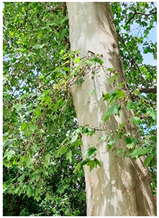 | Platanus × acerifolia | NCS S 2030-G50Y | NCS S 2060-G50Y | NCS S 0550Y | NSC S 1002-Y50R |
 6 (25/7) |  8 (14/1) |  6 (10/2) |  1 (1/4) | ||
| NCS S 2010-G50Y | NCS S 3040-G40Y | NCS S 0550-Y60R | NCS S 2010-G50Y | ||
 5 (15/12) |  4 (16/2) |  1 (4/8) |  5 (15/12) | ||
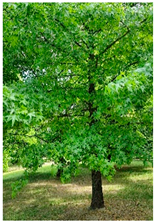 | Acer negundo | NCS S 1050-G20Y | NCS S 2060-G50Y | NCS S 0550Y | NCS S 2030-G50Y |
 8 (22/1) |  8 (14/1) |  6 (10/2) |  6 (25/7) | ||
| NCS S 2030-G50Y | NCS S 1050-G20Y | NCS S 1580-Y90R | NCS S 8005-Y80R | ||
 6 (25/7) |  8 (22/1) |  1 (7/2) |  1 (1/1) | ||
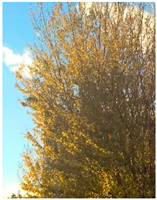 | Populus nigra | NCS S 1050-G20Y | NCS S 2030-G50Y | NCS S 0540Y | NCS S 2010-G50Y |
 8 (22/1) |  6 (25/7) |  2 (9/3) |  5 (15/12) | ||
| NCS S 2060-G50Y | NCS S 3050-G40Y | NCS S 2020-Y10R | NCS S 7005-Y80R | ||
 8 (14/1) |  3 (11/1) |  1 (7/3) |  1 (1/1) | ||
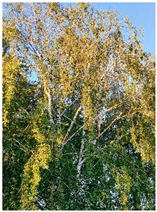 | Betula pendula | NCS S 1015Y | NCS S 1050-G20Y | NCS S 0530Y | NCS S 0300N |
 3 (3/6) |  8 (22/1) |  1 (3/5) |  1 (4/4) | ||
| NCS S 2060-G50Y | NCS S 3050-G40Y | NCS S 0550Y | NCS S 7500N | ||
 8 (14/1) |  3 (11/1) |  6 (10/2) |  1 (1/2) | ||
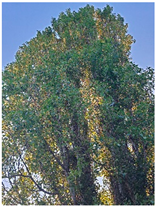 | Populus canadensis | NCS S 2060-G50Y | NCS S 3050-G40Y | NCS S 0550Y | NCS S 1005-G90Y |
 8 (14/1) |  3 (11/1) |  6 (10/2) |  3 (5/5) | ||
| NCS S 1050-G20Y | NCS S 4030-B70G | NCS S 2030-Y20R | NCS S 3005-Y50R | ||
 8 (22/1) |  2 (5/1) |  1 (2/8) |  1 (2/1) | ||
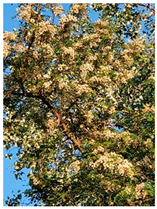 | Robinia pseudoacacia L. | NCS S 1050-G20Y | NCS S 0505-Y10R | NCS S 1015Y | NCS S 1005-Y40R |
 8 (22/1) |  1 (1/3) |  3 (3/6) |  1 (1/7) | ||
| NCS S 2030-G50Y | NCS S 2060-G50Y | NCS S 0540Y | NCS S 1000N | ||
 6 (25/7) |  8 (14/1) |  2 (9/3) |  1 (1/7) | ||
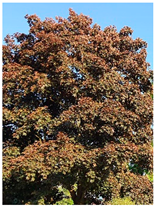 | Acer platanoides f. rubrum | NCS S 2570-Y90R | NCS S 3040-G40Y | NCS S 2570-Y90R | NSC S 1510-Y60R |
 3 (7/5) |  4 (16/2) |  3 (7/5) |  1 (1/2) | ||
| NCS S 2570R | NCS S 4030-Y50R | NCS S 2570R | NCS S 2010-G50Y | ||
 3 (5/2) |  1 (2/9) |  3 (5/2) |  5 (15/12) | ||
 | Acer pseudoplatanus L. | NCS S 2570-Y90R | NCS S 1015-Y30R | NCS S 0570-Y60R | NCS S 1015Y |
 3 (7/5) |  1 (2/7) |  1 (3/1) |  3 (3/6) | ||
| NSC S 1030-Y40R | NCS S 3040-G40Y | NCS S 2570R | NCS S 2010-G50Y | ||
 1 (1/3) |  4 (16/2) |  3 (5/2) |  5 (15/12) | ||
 | Aesculus hippocastanum L. | NCS S 1005-G90Y | NCS S 0502R | NCS S 0550Y | NCS S 6010-Y50R |
 3 (5/5) |  1 (3/2) |  6 (10/2) |  1 (4/2) | ||
| NCS S 2030-G50Y | NCS S 2060-G50Y | NCS S 0515-Y30R | NCS S 3010-G90Y | ||
 6 (25/7) |  8 (14/1) |  1 (1/2) |  2 (5/2) | ||
 | Aesculus × carnea | NCS S 1050-G20Y | NCS S 2060-G50Y | NCS S 0540-Y60R | NCS S 3010-G90Y |
 8 (22/1) |  8 (14/1) |  1 (1/1) |  2 (5/2) | ||
| NCS S 1030-R30B | NCS S 1060-R30B | NCS S 0550Y | NCS S 7010-Y40R | ||
 1 (4/1) |  1 (1/0) |  6 (10/2) |  1 (1/2) | ||
 | Picea pungens Engelm. | NCS S 0510-G50Y | NCS S 2020-B90G | NCS S 2020-B90G | NCS S 2010-B30G |
 1 (1/1) |  2 (2/1) |  2 (2/1) |  1 (1/1) | ||
| NCS S 1050-G20Y | NCS S 4030-B30G | NCS S 4030-B70G | NCS S 2005-R80B | ||
 8 (22/1) |  1 (1/2) |  2 (5/1) |  1 (1/3) |
Table A2.
Ninety-six color samples taken from shrubs and creepers identified in the research area. The numbers below the color sample provide the information how many times a given color appears in the table (how many times it appears in all natural samples/how many times it appears in the analyzed architectural objects).
Table A2.
Ninety-six color samples taken from shrubs and creepers identified in the research area. The numbers below the color sample provide the information how many times a given color appears in the table (how many times it appears in all natural samples/how many times it appears in the analyzed architectural objects).
| Image | Name | Spring | Summer | Autumn | Winter |
|---|---|---|---|---|---|
 | Hedera helix L. | NCS S 2030-G50Y | NCS S 1050-G20Y | NCS S 3030-G40Y | NCS S 3030-G40Y |
 10 (25/7) |  11 (22/1) |  8 (9/1) |  8 (9/1) | ||
| 1050-G20Y | NCS S 3050-G40Y | NCS S 3050-G40Y | NCS S 3010-G30Y | ||
 11 (22/1) |  4 (11/1) |  4 (11/1) |  3 (4/2) | ||
 | Aristolochia macrophylla Lam. | NCS S 2030-G50Y | NCS S 1050-G20Y | NCS S 1050-G20Y | NCS S 3030-G40Y |
 10 (25/7) |  11 (22/1) |  11 (22/1) |  8 (9/1) | ||
| NCS S 1005-G90Y | NCS S 0510-G50Y | NCS S 3030-G40Y | NCS S 2020-Y10R | ||
 3 (5/5) |  2 (3/1) |  8 (9/1) |  3 (7/3) | ||
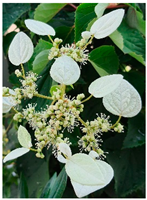 | Schizophragma hydrangeoides | NCS S 2010-G50Y | NCS S 0300N | NCS S 0530-Y80R | NCS S 3010-G30Y |
 3 (15/12) |  1 (4/4) |  3 (6/4) |  3 (4/2) | ||
| NCS S 1005-G90Y | NCS S 1050-G20Y | NCS S 2030-G80Y | NCS S 2020-Y10R | ||
 3 (5/5) |  11 (22/1) |  1 (1/1) |  3 (7/3) | ||
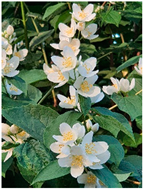 | Jasminum L. | NCS S 1050-G20Y | NCS S 0502Y | NCS S 0502-G90Y | NCS S 2010-G50Y |
 11 (22/1) |  1 (1/11) |  1 (1/4) |  3 (15/12) | ||
| NCS S 2030-G50Y | NCS S 3040-Y40R | NCS S 3030-G40Y | NCS S 3005-Y50R | ||
 10 (25/7) |  2 (2/1) |  8 (9/1) |  1 (1/1) | ||
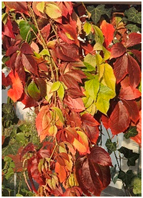 | Parthenocissus tricuspidata | NCS S 3040-Y40R | NCS S 3050-G40Y | NCS S 0550Y | NCS S 4030-Y50R |
 2 (2/1) |  4 (11/1) |  1 (10/2) |  1 (2/9) | ||
| NCS S 2030-G50Y | NCS S 3030-G40Y | NCS S 1060-Y70R | NCS S 3010-G90Y | ||
 10 (25/7) |  8 (9/1) |  1 (1/2) |  3 (5/2) | ||
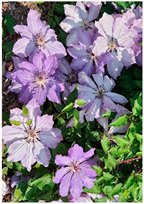 | Clematis L. | NCS S 2040-R60B | NCS S 1510-R40B | NCS S 2030-G50Y | NCS S 3010-G90Y |
 3 (7/1) |  1 (1/2) |  10 (25/7) |  3 (5/2) | ||
| NCS S 2030-G50Y | NCS S 3040-R50B | NCS S 6020-R30B | NCS S 6010-Y50R | ||
 10 (25/7) |  1 (4/1) |  1 (1/1) |  2 (4/2) | ||
 | Syringa vulgaris L. | NCS S 1510-R60B | NCS S 1050-G20Y | NCS S 3030-G40Y | NCS S 2010-G50Y |
 1 (1/1) |  11 (22/1) |  8 (9/1) |  3 (15/12) | ||
| NCS S 2040-R60B | NCS S 2030-G50Y | NCS S 2020-Y10R | NCS S 3010-Y50R | ||
 3 (7/1) |  10 (25/7) |  3 (7/3) |  1 (1/1) | ||
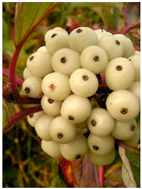 | Cornus alba L. | NCS S 0500N | NCS S 3030-G40Y | NCS S 1005-G90Y | NCS S 2570R |
 1 (1/4) |  8 (9/1) |  3 (5/5) |  2 (5/2) | ||
| NCS S 2570-Y80R | NCS S 3050-G40Y | NCS S 5030-Y80R | NCS S 2570-Y90R | ||
 1 (3/2) |  4 (11/1) |  3 (3/3) |  1 (7/5) | ||
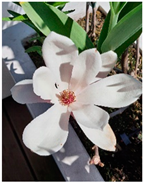 | Magnolia kobus DC. | NCS S 0502R | NCS S 1050-G20Y | NCS S 1020-Y20R | NCS S 3010-G30Y |
 2 (3/2) |  11 (22/1) |  1 (1/7) |  3 (4/2) | ||
| NCS S 0530-Y80R | NCS S 0510-G50Y | NCS S 2030-Y20R | NCS S 3010-G90Y | ||
 3 (6/4) |  2 (3/1) |  1 (2/8) |  3 (5/2) | ||
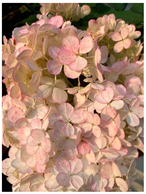 | Hydrangea arborescens L. | NCS S 2030-G50Y | NCS S 0502-Y50R | NCS S 1015-Y50R | NCS S 6010-Y50R |
 10 (25/7) |  1 (1/10) |  1 (1/6) |  2 (4/2) | ||
| NCS S 1050-G20Y | NCS S 0530-Y80R | NCS S 0550-Y80R | NCS S 5030-Y80R | ||
 11 (22/1) |  3 (6/4) |  2 (2/2) |  3 (3/3) | ||
 | Hydrangea macrophylla L. | NCS S 2030-G50Y | NCS S 1040B | NCS S 1040-R90B | NCS S 5030-Y80R |
 10 (25/7) |  1 (2/3) |  1 (2/1) |  3 (3/3) | ||
| NCS S 1050-G20Y | NCS S 1030-R80B | NCS S 2040-R60B | NCS S 7020-R20B | ||
 11 (22/1) |  1 (2/1) |  3 (7/1) |  1 (1/1) | ||
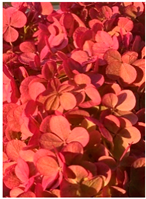 | Hydrangea arborescens L. | NCS S 2030-G50Y | NCS S 0502R | NCS S 0550-Y80R | NCS S 3030-Y70R |
 10 (25/7) |  2 (3/2) |  2 (2/2) |  1 (1/6) | ||
| NCS S 1050-G20Y | NCS S 1030-R30B | NCS S 1580-Y90R | NCS S 2570R | ||
 11 (22/1) |  1 (4/1) |  1 (7/2) |  2 (5/2) |
Table A3.
One hundred and twenty-three color samples taken from the blooming plants identified in the research area. The numbers below the color sample provide the information how many times a given color appears in the table (how many times it appears in all natural samples/how many times it appears in the analyzed architectural objects).
Table A3.
One hundred and twenty-three color samples taken from the blooming plants identified in the research area. The numbers below the color sample provide the information how many times a given color appears in the table (how many times it appears in all natural samples/how many times it appears in the analyzed architectural objects).
| Image | Name | Spring | Summer | Autumn |
|---|---|---|---|---|
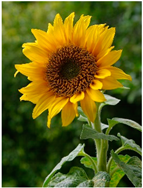 | Helianthus L. | NCS S 2030-G50Y | NCS S 0550Y | NCS S 0540-Y20R |
 9 (25/7) |  4 (10/2) |  6 (6/2) | ||
| NCS S 2060-G50Y | NCS S 3040-G40Y | NCS S 6010-Y50R | ||
 6 (14/1) |  12 (16/2) |  1 (4/2) | ||
 | Kniphofia uvaria (L.) Oken | NCS S 2010-G50Y | NCS S 0550Y | NCS S 2020-Y10R |
 7 (15/12) |  4 (10/2) |  3 (7/3) | ||
| NCS S 2030-G50Y | NCS S 0550-Y60R | NCS S 0570-Y60R | ||
 9 (25/7) |  3 (4/8) |  2 (3/1) | ||
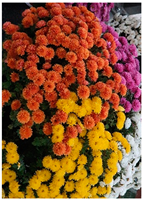 | Chrysanthemum coreanum H. Lev. et Vaniot | NCS S 2030-G50Y | NCS S 0540Y | NCS S 0550Y |
 9 (25/7) |  7 (9/3) |  4 (10/2) | ||
| NCS S 3010-G30Y | NCS S 3050-G40Y | NCS S 0570-Y60R | ||
 1 (4/2) |  4 (11/1) |  2 (3/1) | ||
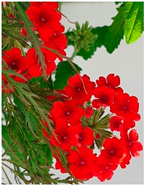 | Verbena hybryda L. | NCS S 2060-G50Y | NCS S 1050-G20Y | NCS S 2010-G50Y |
 6 (14/1) |  11 (22/1) |  7 (15/12) | ||
| NCS S 1580-Y90R | NCS S 1580-Y90R | NCS S 2570-Y90R | ||
 5 (7/2) |  5 (7/2) |  3 (7/5) | ||
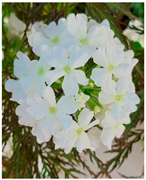 | Verbena hybryda L. | NCS S 0300N | NCS S 0300N | NCS S 0505Y |
 2 (4/4) |  2 (4/4) |  1 (1/1) | ||
| NCS S 2030-G50Y | NCS S 1050-G20Y | NCS S 2010-G50Y | ||
 9 (25/7) |  11 (22/1) |  7 (15/12) | ||
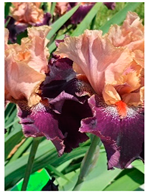 | Iris germanica L. | NCS S 2030-G50Y | NCS S 1015-Y30R | NCS S 0540Y |
 9 (25/7) |  1 (2/7) |  7 (9/3) | ||
| NCS S 1050-G20Y | NCS S 3040-R50B | NCS S 3040-G40Y | ||
 11 (22/1) |  3 (4/1) |  12 (16/2) | ||
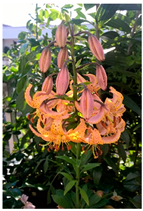 | Lilium martagon L. | NCS S 2030-G50Y | NCS S 1030-Y30R | NCS S 0540Y |
 9 (25/7) |  3 (3/2) |  7 (9/3) | ||
| NCS S 2060-G50Y | NCS S 0530-Y80R | NCS S 3040-G40Y | ||
 6 (14/1) |  3 (6/4) |  12 (16/2) | ||
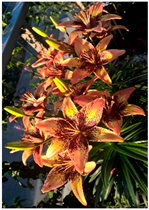 | Lilium bulbiferum L. | NCS S 2030-G50Y | NCS S 0540-Y20R | NCS S 0540Y |
 9 (25/7) |  6 (6/2) |  7 (9/3) | ||
| NCS S 2060-G50Y | NCS S 0550-Y60R | NCS S 3040-G40Y | ||
 6 (14/1) |  3 (4/8) |  12 (16/2) | ||
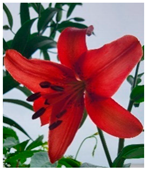 | Lilium L. | NCS S 1050-G20Y | NCS S 2570-Y70R | NCS S 0540Y |
 11 (22/1) |  1 (1/1) |  7 (9/3) | ||
| NCS S 4030-B70G | NCS S 2570-Y90R | NCS S 2020-Y10R | ||
 3 (5/1) |  3 (7/5) |  3 (7/3) | ||
 | Lilium L. | NCS S 1050-G20Y | NCS S 1580-Y90R | NCS S 0540-Y20R |
 11 (22/1) |  5 (7/2) |  6 (6/2) | ||
| NCS S 4030-B70G | NCS S 2570-Y90R | NCS S 0540Y | ||
 3 (5/1) |  3 (7/5) |  7 (9/3) | ||
 | Lilium L. | NCS S 1050-G20Y | NCS S 0550Y | NCS S 1030-Y30R |
 11 (22/1) |  4 (10/2) |  3 (3/2) | ||
| NCS S 3030-G40Y | NCS S 0650-Y60R | NCS S 3040-G40Y | ||
 1 (9/1) |  1 (1/3) |  12 (16/2) | ||
 | Rosa L. | NCS S 2060-G50Y | NCS S 0530-Y80R | NCS S 0530Y |
 6 (14/1) |  3 (6/4) |  2 (3/5) | ||
| NCS S 3040-G40Y | NCS S 0550-Y60R | NCS S 0540-Y20R | ||
 12 (16/2) |  3 (4/8) |  6 (6/2) | ||
 | Rosa L. | NCS S 1050-G20Y | NCS S 1030-R30B | NCS S 0530-Y80R |
 11 (22/1) |  2 (4/1) |  3 (6/4) | ||
| NCS S 3040-G40Y | NCS S 0560-Y80R | NCS S 0540-Y20R | ||
 12 (16/2) |  2 (2/1) |  6 (6/2) | ||
 | Rosa L. | NCS S 1050-G20Y | NCS S 1580-Y90R | NCS S 0540-Y20R |
 11 (22/1) |  5 (7/2) |  6 (6/2) | ||
| NCS S 2060-G50Y | NCS S 2570-Y80R | NCS S 2570-Y80R | ||
 6 (14/1) |  2 (3/2) |  2 (3/2) | ||
 | Paeonia lactiflora L. | NCS S 1050-G20Y | NCS S 0530Y | NCS S 3040-G40Y |
 11 (22/1) |  2 (3/5) |  12 (16/2) | ||
| NCS S 3050-G40Y | NCS S 1580-Y90R | NCS S 1030-Y30R | ||
 4 (11/1) |  5 (7/2) |  3 (3/2) | ||
 | Digitalis purpurea L. | NCS S 2030-G50Y | NCS S 1030-R30B | NCS S 3040-G40Y |
 9 (25/7) |  2 (4/1) |  12 (16/2) | ||
| NCS S 3050-G40Y | NCS S 3040-R50B | NCS S 2010-G50Y | ||
 4 (11/1) |  3 (4/1) |  7 (15/12) | ||
 | Lobelia L. | NCS S 3040-G40Y | NCS S 0155-R80B | NCS S 1040B |
 12 (16/2) |  2 (2/1) |  1 (2/3) | ||
| NCS S 3050-G40Y | NCS S 2040-R60B | NCS S 2010-G50Y | ||
 4 (11/1) |  4 (7/1) |  7 (15/12) | ||
 | Viola tricolor L. | NCS S 1050-G20Y | NCS S 0540Y | NCS S 2020-Y10R |
 11 (22/1) |  7 (9/3) |  3 (7/3) | ||
| NCS S 3040-R50B | NCS S 2040-R60B | NCS S 3030-R60B | ||
 3 (4/1) |  4 (7/1) |  2 (2/1) | ||
 | Centaurea cyanus L. | NCS S 3040-G40Y | NCS S 1040-R90B | NCS S 3040-G40Y |
 12 (16/2) |  1 (2/1) |  12 (16/2) | ||
| NCS S 4030-B70G | NCS S 0155-R80B | NCS S 2010-G50Y | ||
 3 (5/1) |  2 (2/1) |  7 (15/12) | ||
 | Myosotis L. | NCS S 1030-B10G | NCS S 1030-R80B | NCS S 2030-G50Y |
 1 (1/2) |  1 (2/1) |  9 (25/7) | ||
 | Lavandula L. | NCS S 1050-G20Y | NCS S 3030-R60B | NCS S 3005-R60B |
 11 (22/1) |  2 (2/1) |  1 (1/2) | ||
| NCS S 2040-R60B | NCS S 2040-R60B | NCS S 2010-G50Y | ||
 4 (7/1) |  4 (7/1) |  7 (15/12) |
Table A4.
The colors of the exterior façades of the examined buildings designed by Victor Horta.
Table A4.
The colors of the exterior façades of the examined buildings designed by Victor Horta.
| Image | Name | Natural Light | Electric Light | ||
|---|---|---|---|---|---|
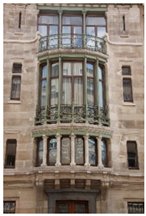 | Tassel House façade during the day, the general view | NSC S 1002-Y50R | NCS S 1005-Y40R | ||
 4 |  5 | ||||
| NCS S 1005-G90Y | NCS S 2010-G50Y | ||||
 2 |  3 | ||||
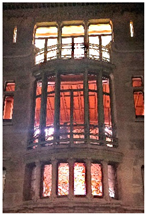 | Tassel House façade in the evening, illuminated from the inside | NCS S 2020-Y10R | NCS S 3010-Y50R | ||
 1 |  1 | ||||
| NCS S 3010-G30Y | NCS S 5030-Y80R | ||||
 2 |  3 | ||||
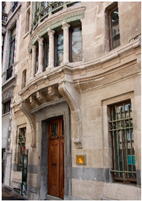 | Tassel House, the entrance area during the day | NCS S 0500N | NCS S 1005-G90Y | ||
 4 |  2 | ||||
| NCS S 2005-R80B | NCS S 4030-Y50R | ||||
 3 |  3 | ||||
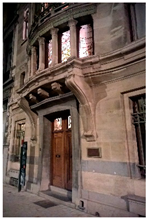 | Tassel House, the entrance area during in the evening | NCS S 1005-Y40R | NSC S 1510-Y60R | ||
 5 |  2 | ||||
| NCS S 3005-R60B | NCS S 5030-Y80R | ||||
 2 |  3 | ||||
 | Tassel House, the window on the third floor | NCS S 1002-Y50R | NCS S 2010-G50Y | ||
 4 |  3 | ||||
 | Tassel House, the window on the second floor | NSC S 1002-Y50R | NCS S 2010-G50Y | ||
 4 |  3 | ||||
 | Tassel House, windows illuminated from inside | NCS S 3005-R60B | NCS S 3010-G30Y | ||
 2 |  2 | ||||
| NCS S 3005-Y50R | NSC S 1510-Y60R | ||||
 1 |  2 | ||||
 | Horta House and Studio, the view of both facades | NCS S 0500N | NCS S 1000N | ||
 4 |  5 | ||||
| NCS S 1005-Y40R | NCS S 4030-Y50R | ||||
 5 |  3 | ||||
 | Horta Studio, the window on the first floor | NCS S 2030-Y20R | NCS S 5030-Y80R | ||
 4 |  3 | ||||
 | Horta House, the entrance area | NCS S 0500N | NCS S 2005-R80B | NCS S 2010-B30G | |
 4 |  3 |  1 | |||
| NCS S 2030-Y20R | NCS S 4030-Y50R | NCS S 1020-Y20R | |||
 4 |  3 |  3 | |||
 | Horta House, A balcony above the entrance | NCS S 1005-Y40R | NCS S 1000N | ||
 5 |  5 | ||||
| NCS S 1020-Y20R | NCS S 2030-Y20R | ||||
 3 |  4 | ||||
 | Horta House, The entrance area | NSC S 1002-Y50R | NCS S 1000N | ||
 4 |  5 | ||||
| NCS S 2030-Y20R | NCS S 8005-Y80R | ||||
 4 |  1 | ||||
 | NCS S 1005-Y40R | NCS S 1000N | |||
 5 |  5 | ||||
 | Horta House, A glass floor of a balcony | NCS S 0500N | NCS S 1000N | ||
 4 |  5 | ||||
| NCS S 2005-R80B | NCS S 1020-Y20R | ||||
 3 |  3 | ||||
Table A5.
The colors of the interiors of the examined buildings designed by Victor Horta.
Table A5.
The colors of the interiors of the examined buildings designed by Victor Horta.
| Image | Name | Natural Light | Electric Light | ||
|---|---|---|---|---|---|
 | Tassel House the decorative staircase | NCS S 1015Y | NCS S 1015-Y30R | NSC S 1030-Y40R | NCS S 0550-Y60R |
 6 |  7 |  3 |  8 | ||
| NCS S 0502Y | NCS S 2570R | NCS S 4030-Y50R | NCS S 2570-Y90R | ||
 11 |  2 |  6 |  5 | ||
 | Tassel House the entrance area | NCS S 0300N | NCS S 1015Y | NCS S 0505-Y10R | NSC S 1030-Y40R |
 4 |  6 |  3 |  3 | ||
| NCS S 0502Y | NCS S 2570R | NCS S 0502-Y50R | NCS S 2570-Y90R | ||
 11 |  2 |  10 |  5 | ||
 | Tassel house, the decorative staircase | NCS S 0502Y | NCS S 1015-Y30R | NCS S 0505Y | NCS S 0550-Y60R |
 11 |  7 |  1 |  8 | ||
| NCS S 0502-Y50R | NCS S 1005-G90Y | NCS S 0502R | NCS S 2010-G50Y | ||
 10 |  3 |  2 |  9 | ||
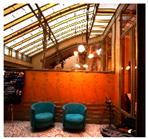 | Tassel house, the waiting area on the ground floor | NCS S 0300N | NCS S 0540Y | NCS S 0505-Y10R | NCS S 0550Y |
 4 |  3 |  3 |  2 | ||
| NCS S 0550-Y80R | NCS S 4030-B30G | NCS S 0570-Y60R | NCS S 4030-B70G | ||
 2 |  2 |  1 |  1 | ||
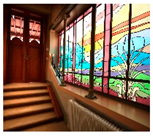 | Tassel House, the stained-glass window on the second floor | NCS S 0530Y | NCS S 1030-R30B | NCS S 2030-G50Y | NCS S 0530-Y80R |
 5 |  1 |  7 |  4 | ||
| NCS S 1030-B10G | NCS S 0155-R80B | NCS S 1040B | NCS S 4030-B30G | ||
 2 |  1 |  3 |  2 | ||
| NCS S 2040-R60B | NCS S 1050-G20Y | NCS S 3040-R50B | NCS S 3050-G40Y | ||
 1 |  1 |  1 |  1 | ||
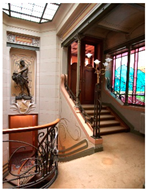 | Tassel House, the second floor in the daylight | NCS S 0502Y | NCS S 1015Y | NCS S 2030-G50Y | NCS S 2060-G50Y |
 11 |  6 |  7 |  1 | ||
| NCS S 1015-Y30R | NCS S 7500N | NCS S 3040-G40Y | NCS S 1040B | ||
 7 |  2 |  2 |  3 | ||
 | Tassel House, the second floor in the artificial light | NCS S 1015-Y30R | NSC S 1030-Y40R | ||
 7 |  3 | ||||
| NCS S 3010-G90Y | NCS S 2570-Y90R | ||||
 2 |  5 | ||||
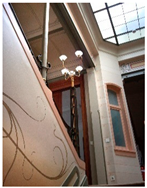 | Tassel House, the second floor in the daylight | NCS S 0502Y | NCS S 1015-Y50R | NCS S 1020-Y20R | |
 11 |  6 |  4 | |||
| NCS S 2010-G50Y | NCS S 4030-Y50R | NCS S 2020-B90G | |||
 9 |  6 |  1 | |||
 | Tassel House, the stained-glass window | NCS S 0540Y | NCS S 3030-R60B | NCS S 3040-Y40R | |
 3 |  1 |  1 | |||
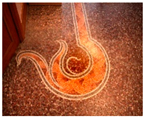 | Tassel House, the mosaic on the ground floor | NCS S 0502Y | NCS S 0550-Y60R | NCS S 0502-Y50R | NCS S 0650-Y60R |
 11 |  8 |  10 |  3 | ||
| NCS S 1580-Y90R | NCS S 6010-Y50R | NCS S 2570-Y80R | NCS S 7010-Y40R | ||
 2 |  2 |  2 |  2 | ||
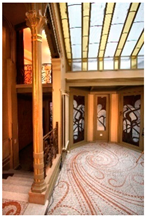 | Tassel House, the octagonal vestibule with the skylight | NCS S 0502Y | NCS S 0540Y | NCS S 0502-Y50R | NCS S 0550Y |
 11 |  3 |  10 |  2 | ||
| NCS S 2010-G50Y | NCS S 0550-Y60R | NCS S 3010-G90Y | NCS S 0650-Y60R | ||
 9 |  8 |  2 |  3 | ||
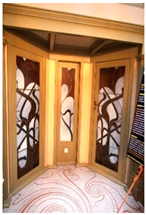 | Tassel House, the stained-glass windows in the octagonal vestibule | NCS S 0530Y | NCS S 2010-G50Y | NCS S 0540-Y20R | NCS S 2020-Y10R |
 5 |  9 |  2 |  3 | ||
| NCS S 1510-R60B | NCS S 6020-R30B | NCS S 1510-R40B | NCS S 7020-R20B | ||
 1 |  1 |  2 |  1 | ||
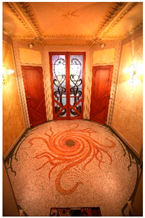 | Tassel House, the octagonal vestibule on the ground floor | NCS S 0530Y | NCS S 0550-Y60R | NCS S 0540-Y20R | NCS S 0650-Y60R |
 5 |  8 |  2 |  3 | ||
| NCS S 2010-G50Y | NCS S 1580-Y90R | NCS S 2020-Y10R | NCS S 2570-Y80R | ||
 9 |  2 |  3 |  2 | ||
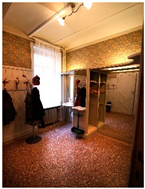 | Tassel House, the wardrobe in the entrance zone | NCS S 0502Y | NCS S 2010-G50Y | NCS S 0502-Y50R | NCS S 2020-Y10R |
 11 |  9 |  10 |  3 | ||
| NCS S 7005-Y80R | NCS S 6010-Y50R | NCS S 7500N | NCS S 7010-Y40R | ||
 1 |  2 |  2 |  2 | ||
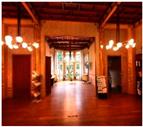 | Tassel House, the dining room on the ground floor | NCS S 1015-Y30R | NCS S 3030-Y70R | NCS S 0550-Y60R | NCS S 2570-Y90R |
 7 |  6 |  8 |  5 | ||
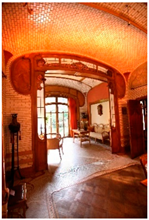 | Horta House, the dining room and the family room on the ground floor | NCS S 0502-Y50R | NCS S 0530Y | ||
 10 |  5 | ||||
| NCS S 0550-Y60R | NCS S 2570-Y90R | ||||
 8 |  5 | ||||
 | Horta House, the dining room and the family room on the ground floor in the daylight | NCS S 0502Y | NCS S 0515-Y30R | ||
 11 |  2 | ||||
| NCS S 1005-G90Y | NCS S 3030-Y70R | ||||
 3 |  6 | ||||
 | Horta House, the dining room and the family room on the ground floor in the electric light | NCS S 0502-Y50R | NCS S 1015-Y30R | ||
 10 |  7 | ||||
| NCS S 1060-Y70R | NCS S 4030-Y50R | ||||
 2 |  6 | ||||
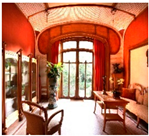 | Horta House, the family room on the ground floor | NCS S 0502Y | NCS S 0515-Y30R | NCS S 0502-Y50R | NCS S 1015-Y30R |
 11 |  2 |  10 |  7 | ||
| NCS S 0540-Y60R | NCS S 2030-G50Y | NCS S 1060-Y70R | NCS S 4030-Y50R | ||
 1 |  6 |  2 |  6 | ||
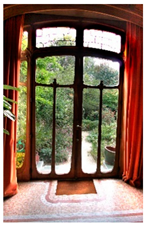 | Horta House, the porte fenêtre to the garden | NCS S 0502Y | NCS S 0530-Y80R | NCS S 2030-G80Y | |
 11 |  4 |  1 | |||
| NCS S 0550-Y60R | NCS S 4030-Y50R | NCS S 3030-G40Y | |||
 8 |  6 |  1 | |||
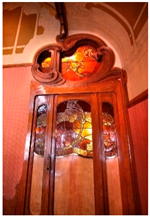 | Horta House, the stained-glass door | NCS S 1015Y | NCS S 0530-Y80R | NCS S 0530Y | NCS S 0560-Y80R |
 6 |  4 |  5 |  1 | ||
| NCS S 0502-Y50R | NCS S 3030-Y70R | NCS S 1005-Y40R | NCS S 2570-Y70R | ||
 10 |  6 |  2 |  1 | ||
 | Horta House, the dressing room on the first floor | NCS S 1005-G90Y | NCS S 0510-G50Y | NCS S 1015Y | NCS S 2030-G50Y |
 3 |  1 |  6 |  6 | ||
| NCS S 0502-Y50R | NCS S 1020-Y20R | NCS S 1005-Y40R | NCS S 4030-Y50R | ||
 10 |  4 |  2 |  6 | ||
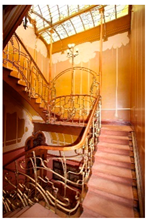 | Horta House, the decorative staircase | NCS S 0505-Y10R | NCS S 1015Y | NCS S 0502-G90Y | NCS S 1030-Y30R |
 3 |  6 |  4 |  2 | ||
| NCS S 0505-Y40R | NCS S 2030-Y20R | NCS S 1015-Y50R | NCS S 3030-Y70R | ||
 2 |  4 |  6 |  6 | ||
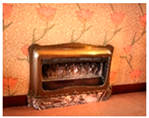 | Horta House, the fireplace | NCS S 2030-G50Y | NCS S 0550-Y80R | NCS S 1015-Y50R | NCS S 1030-Y30R |
 6 |  2 |  6 |  2 | ||
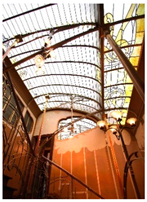 | Horta House, the stained-glass skylight above the main stairs | NCS S 0300N | NCS S 0502-G90Y | NCS S 2010-G50Y | NCS S 2030-G50Y |
 4 |  4 |  9 |  6 | ||
| NCS S 0505-Y40R | NCS S 1020-Y20R | NCS S 1015-Y50R | NCS S 3030-Y70R | ||
 2 |  4 |  6 |  6 | ||
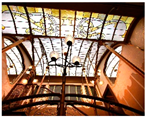 | Horta House, the stained-glass skylight above the main stairs | NCS S 0300N | NCS S 1000N | NCS S 0502-G90Y | NCS S 3040-G40Y |
 4 |  2 |  4 |  2 | ||
 | Horta House, the stained-glass skylight above the main stairs | NCS S 1000N | NCS S 0502-G90Y | NCS S 2010-G50Y | NCS S 2030-Y20R |
 2 |  4 |  9 |  4 | ||
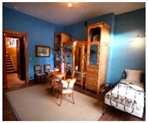 | Horta House, the daughter’s room | NCS S 1040-R90B | NCS S 1020-Y20R | NCS S 1040B | NCS S 2030-Y20R |
 1 |  4 |  3 |  4 | ||
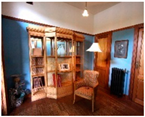 | Horta House, the daughter’s room | NCS S 1015-Y50R | NCS S 1030-R80B | NCS S 3030-Y70R | NCS S 1030-B10G |
 6 |  1 |  6 |  2 | ||
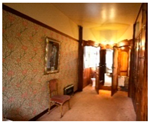 | Horta House, the way from master bedroom to bathrooms | NCS S 0530-Y80R | NCS S 2030-G50Y | NCS S 1015-Y50R | NCS S 2030-Y20R |
 4 |  6 |  6 |  4 | ||
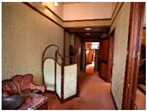 | Horta House, the boudoir | NCS S 0502R | NCS S 2010-G50Y | NCS S 1510-R40B | NCS S 5030-Y80R |
 2 |  9 |  2 |  1 | ||
References
Primary Sources
Archives(AVB/TP) Archives de la Ville de Bruxelles 23312 (1893), 93596 (1982).(ACSG/Urb.) Archives 1499 (1898), 168 (1906), 395 (1908), 295 (1911), 270 (1925), 259 (1926), 39 (1991) (available in the Horta Museum).(CRMS) Archives de la Commission royale des Monuments et des Sites de la Région de Bruxelles-Capitale (CRMS). Dossier Bruxelles 2.56, dossier Saint-Gilles 2.2.(Musée Horta) Archives du Musée Horta, Fondation Jean et Renée Delhaye.Secondary Sources
- Agrest, Diana. 2018. Architecture of Nature. London: RIBA Books. [Google Scholar]
- Apostolou, Malvina. 2016. Phenomenal Transparency in Architecture: The case of Victor Horta. Paper presented at the ICTA 2016–International Conference on Transparency and Architecture-Emerging Complexities, Thessaloniki, Greece, November 2–4; pp. 310–19. Available online: https://halshs.archives-ouvertes.fr/halshs-01798534/document (accessed on 5 June 2021).
- Aubry, Françoise. 2005. Horta ou La Passion de L’architecture. Ghent: Ludion, pp. 40–59. [Google Scholar]
- Borsi, Franco, and Paolo Portoghesi. 1991. Victor Horta. New York: Rizzoli International Publications. [Google Scholar]
- Collette, Quentin, Michael de Bouw, Leen Lauriks, and Ine Wouters. 2010. Victor Horta’s Iron Architecture: A Structural Analysis. In Advanced Materials Research. Baech: Trans Tech Publication, vol. 133–134, pp. 373–78. [Google Scholar] [CrossRef]
- de la Bédoyère, Camilla. 2005. Art Nouveau (The World’s Greatest Art). London: Flame Tree. [Google Scholar]
- Dernie, David, and Alastair Carew-Cox. 2018. Victor Horta: The Architect of Art Nouveau. New York: Thames & Hudson. [Google Scholar]
- Dierkens-Aubry, Françoise. 1990. Musée Horta, Bruxelles Saint-Gilles. Bruxelles: Crédit Communal de Belgique. [Google Scholar]
- Dierkens-Aubry, Françoise. 1997. Horta: Art Nouveau to Modernism. New York: Harry N. Abrams. ISBN 978-08-1096-333-7. [Google Scholar]
- Fernandes, Cláudia, Mónica Mota, Isabel Lufinha, Martinho da Silva Isabel, and Farinha-Marques Paulo. 2015. Ok, Cities Grow, But the Trees Too! Now What? Paper presented at Conference: ECLAS Conference 2015 Landscapes in Flux, Tartu, Estónia, September 21–23. [Google Scholar]
- Fridell Anter, Karin. 2000. What Colour Is the Red House? Perceived Colour of Painted Facades. Uppsala: Kopieringhuset. ISBN 91-7170-595-3. [Google Scholar]
- Goodfellow, Paul. 2019. Eerie Systems and Saudade for a Lost Nature. Arts 8: 124. [Google Scholar] [CrossRef]
- Henrion-Giele, Suzanne. 1973. Musée Horta. Brussels, Belgium: Horta Museum Bruxelles. [Google Scholar]
- Horta, Victor. 1936. Sur L’habitation Bourgeoise. Un Demi-Siècle D’évolution 3: 44–47. [Google Scholar]
- Horta, Victor. 1985. Mémoires. Brussels: Texte Établi, Annoté et Introduit par Cécile Dulière, Ministère de la Communauté Française de Belgique. [Google Scholar]
- Isebaert, Aurélie. 2016. Repair Mortars for Stone: Increased Compatibility through Optimised Development. Ph.D. Thesis, University of Mons, Ghent University, Ghent, Belgium. Available online: https://biblio.ugent.be/publication/8099271/file/8099272.pdf (accessed on 6 June 2021).
- Jaszczak, Monika. 2014. Stratigraphic Studies. Badania stratygraficzne–Konserwator Zabytków. Available online: http://konserwatorzabytkow.pl (accessed on 12 August 2021).
- Johnston-Feller, Ruth. 2001. Color Science in the Examination of Museum Objects. Non-Destructive Procedures. Los Angeles: J. Paul Getty Trust. [Google Scholar]
- Kubelka, Paul, and Franz Munk. 1931. An article on optics of paint layers. Zeitschrift für Technische Physik 12: 593–601. Available online: http://www.graphics.cornell.edu/~westin/pubs/kubelka.pdf (accessed on 12 July 2021).
- Lovelock, James. 2016. Gaia: A New Look at Life on Earth. Oxford: OUP Oxford. [Google Scholar]
- Loyer, François, and Jean Delahaye. 1998. Victor Horta, Hotel Tassel 1893–1895. Brussels: AAM Editions. [Google Scholar]
- Mahadev, Shudeish, and Ronald C. Henry. 1999. Application of a Color-Appearance Model to Vision through Atmospheric Haze. Color Research and Application 24: 112–20. [Google Scholar] [CrossRef]
- Martin, Colin. 2009. Evolution’s influence on art nouveau. Nature 460: 37. [Google Scholar] [CrossRef]
- Musée Horta. 2005. Musée Horta. Brussels: Saint-Gilles. Available online: http://www.hortamuseum.be (accessed on 12 June 2021).
- NCS. 2021. Available online: https://ncscolour.com/ncs/ (accessed on 6 June 2021).
- Patrimoine Brussels. 2020. Inventaire du Patrimoine Naturel. Available online: https://sites.heritage.brussels/enbe (accessed on 20 June 2021).
- Pudelska, Krystyna, and Anna Mirosław. 2015. The richness of plants in Art Nouveau gardens. Acta Agrobotanica 68: 99–108. [Google Scholar] [CrossRef]
- Sembach, Klaus Jurgen. 2007. Art Nouveau. Köln: Taschen. [Google Scholar]
- Sigurðardóttir, Sigrún Alba. 2020. Poetic Storytelling in Contemporary Photography. Relation to Nature and the Poesis of Everyday Life in Works of Selected Artist in Iceland and Other Nordic Countries. Arts 9: 129. [Google Scholar] [CrossRef]
- Słuchocka, Katarzyna. 2020. Architectural notations. Architectus 4: 23–36. [Google Scholar] [CrossRef]
- Swofford, Kate. 2010. Victor Horta’s Vision. Art Nouveau, Fusion of Function and Form. Elements 6: 1–10. [Google Scholar] [CrossRef][Green Version]
- Trocka-Leszczyńska, Elżbieta. 2000. Colour in countryside architecture in the region of the Sudeten Mountains. Architectus 1: 143–61. [Google Scholar]
- UNESCO World Heritage Center. 2000. Major Town Houses of the Architect Victor Horta, Brussels. Available online: http://whc.unesco.org/en/list/1005 (accessed on 12 June 2021).
- Urbanik, Jadwiga, and Agnieszka Gryglewska. 2005. Colour: An unknown feature of Wroclaw "Neues Bauen" architecture. In La Reception de L’architecture du Movement Moderne: Image, Usage, Heritage. Edited by Jean-Yves Andrieux and Fabienne Chevallier. Saint-Etienne: Publications de l’Universite Saint-Etienne, pp. 307–11. [Google Scholar]
- Van Der Wee, Barbara. 1993. De recente restauratie in het Horta Museum (1990–1993). M&L 5: 33–49. [Google Scholar]
- Verkruyssen, Arlette. 2008. Direction des Monuments et des Sites (DMS) du Ministère de la Région de Bruxelles-Capitale (MRBC), Bruxelles. Available online: http://www.irismonument.be (accessed on 24 October 2020).
- Widera, Barbara. 2015. Innovative nature of architectural creation of Victor Horta. Architectus 2: 79–90. [Google Scholar] [CrossRef]
- Widera, Barbara. 2018. Proces Kształtowania Relacji z Naturą w Architekturze Współczesnej. The Process of Developing Relations with Nature in Contemporary Architecture. Wrocław: Oficyna Wydawnicza Politechniki Wrocławskiej. ISBN 978-83-7493-999-7. [Google Scholar]
- Widera, Barbara. 2020. The role of daylighting and its distribution in buildings designed by Victor Horta. Architectus 3: 37–52. [Google Scholar] [CrossRef]
- Wróblewski, Sebastian. 2000. Kolor i faktura w budownictwie wsi regionu Jury Krakowsko-Częstochowskiej. Architectus 1: 137–42. [Google Scholar]

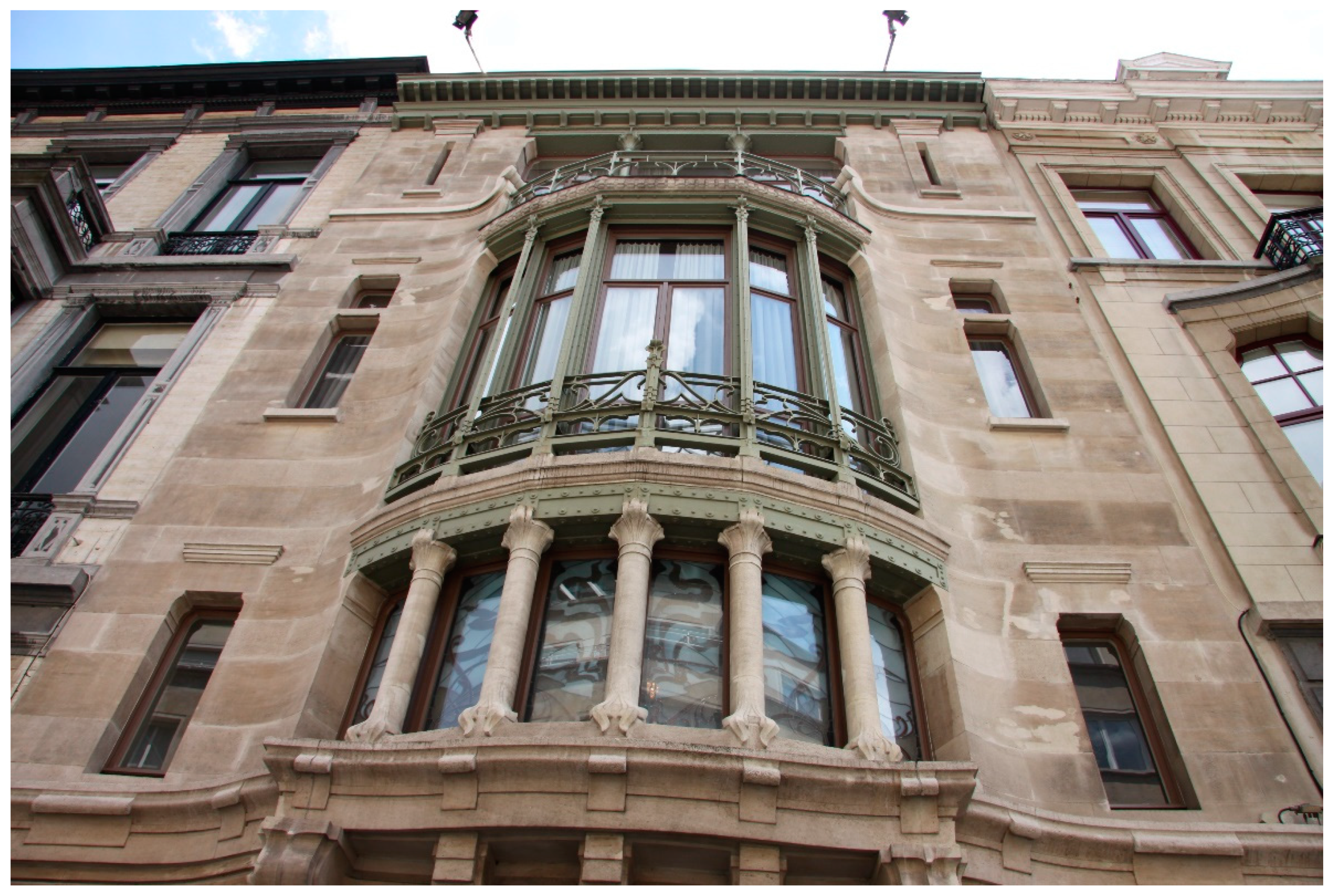
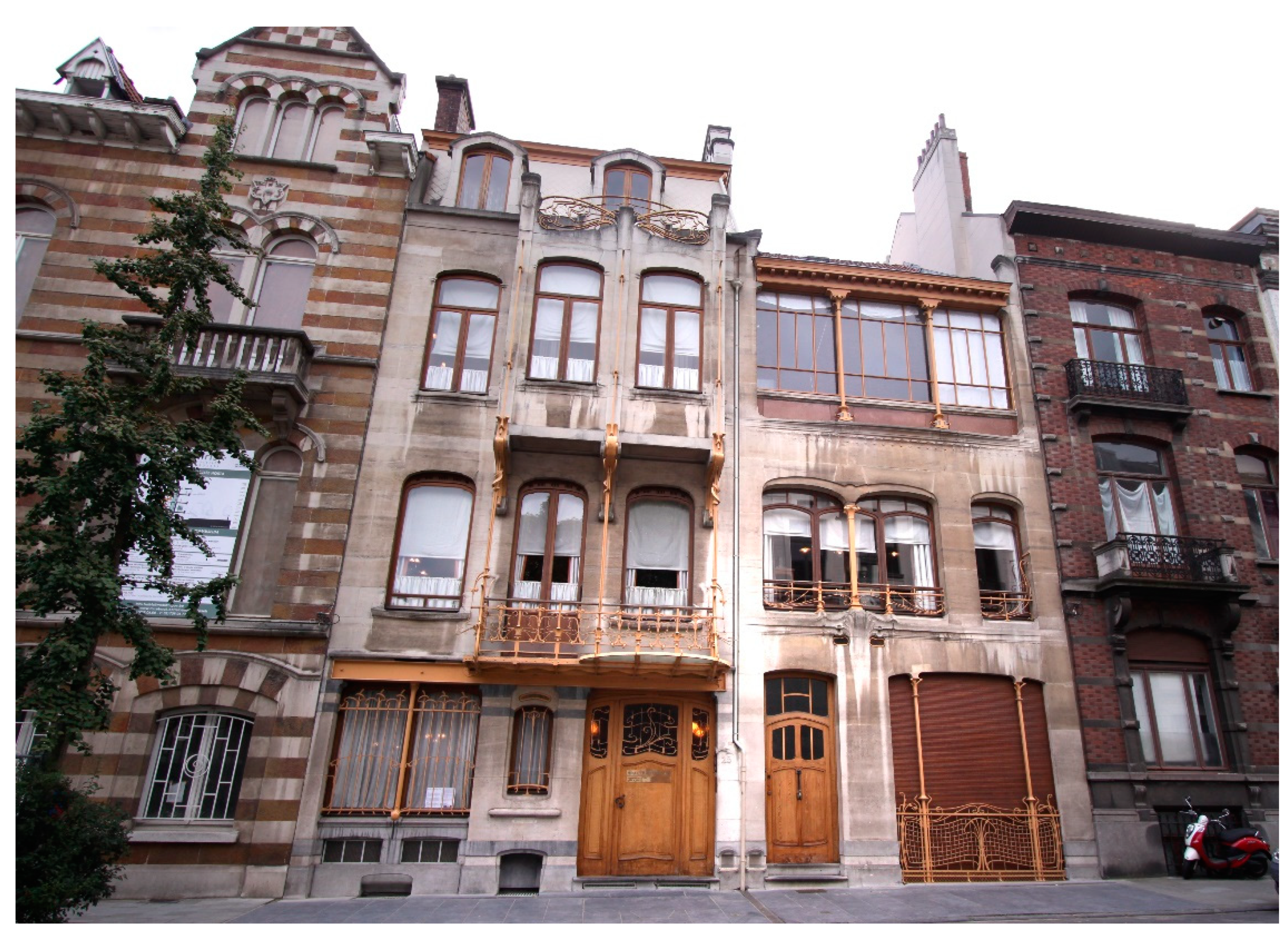
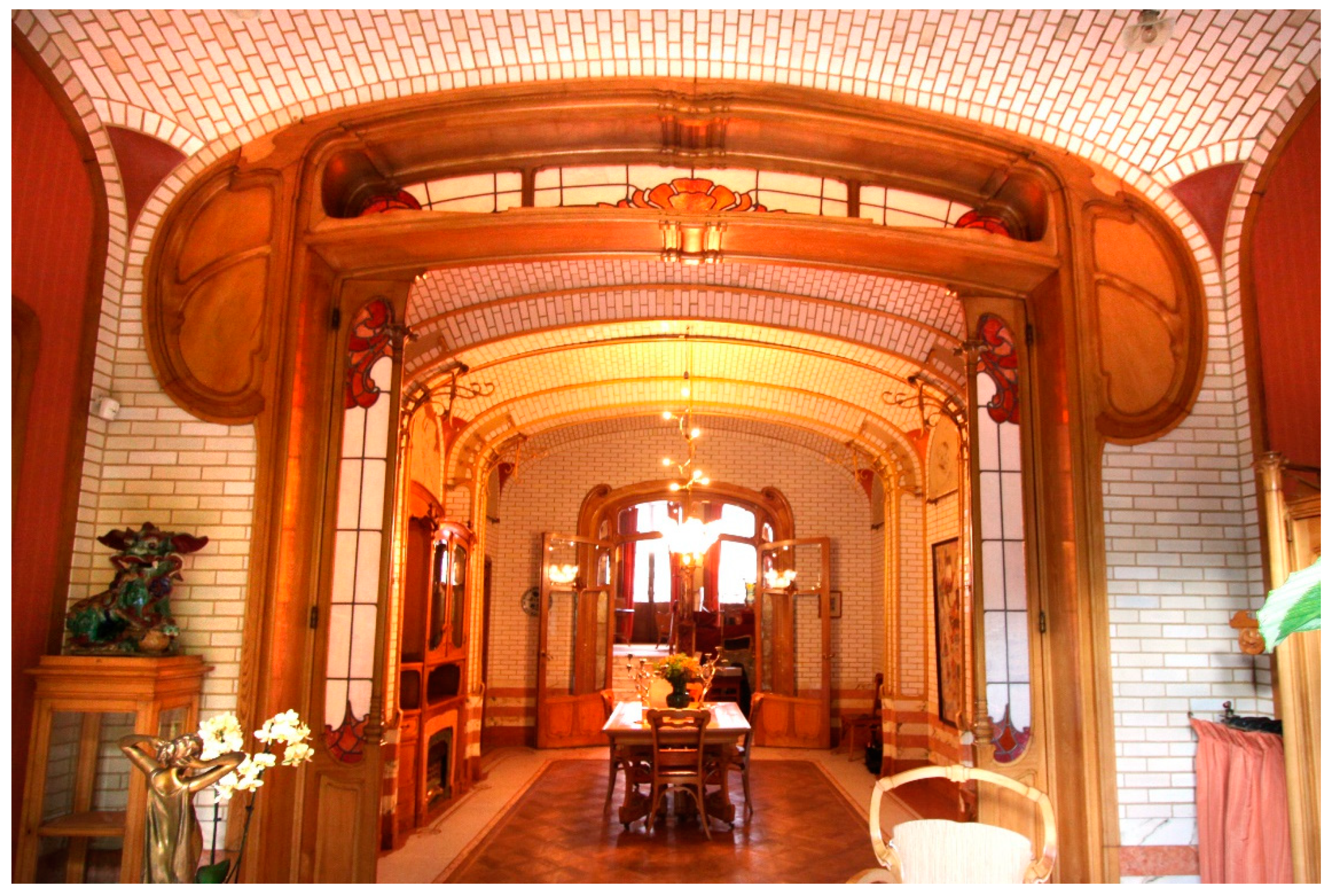
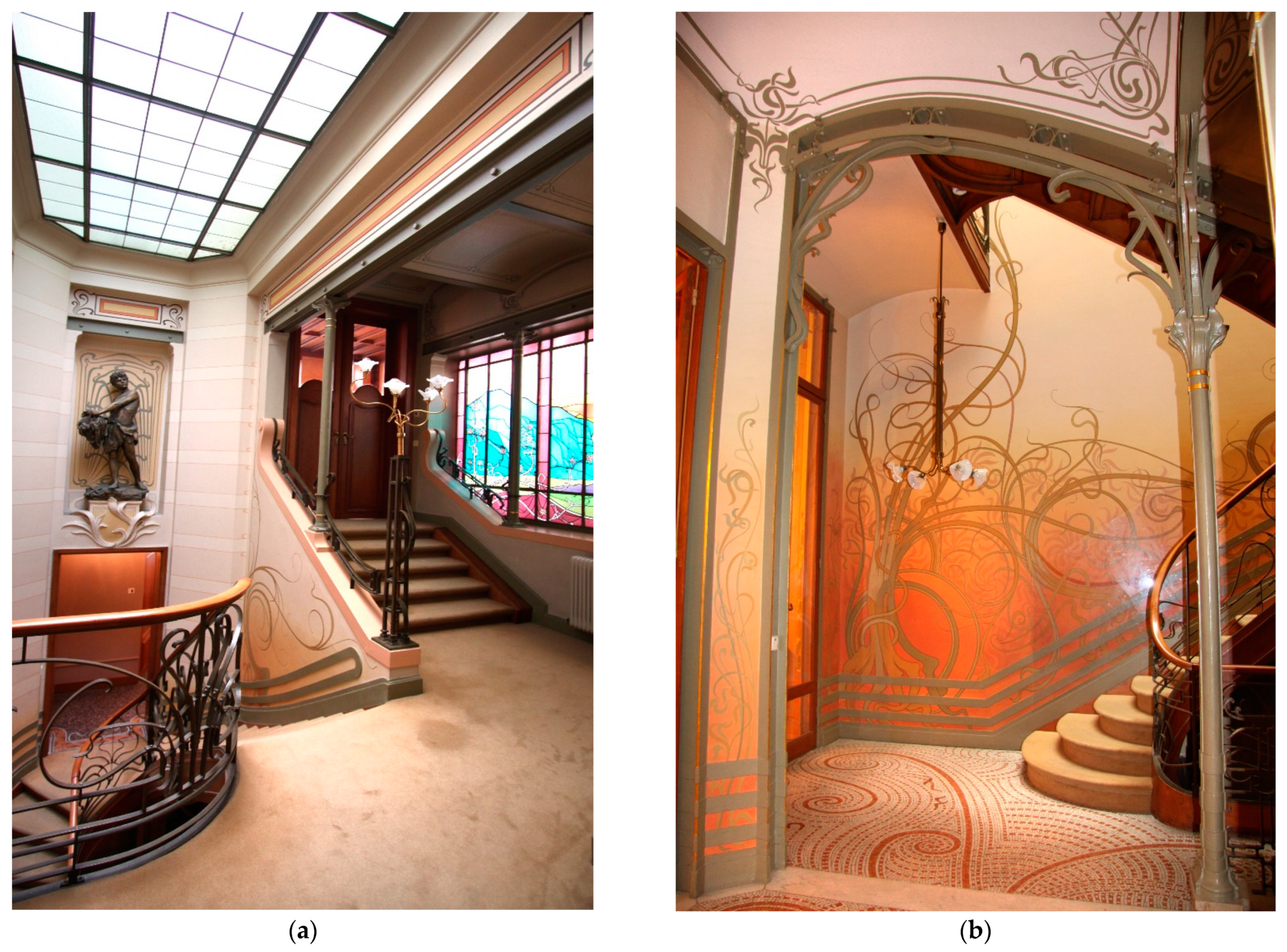
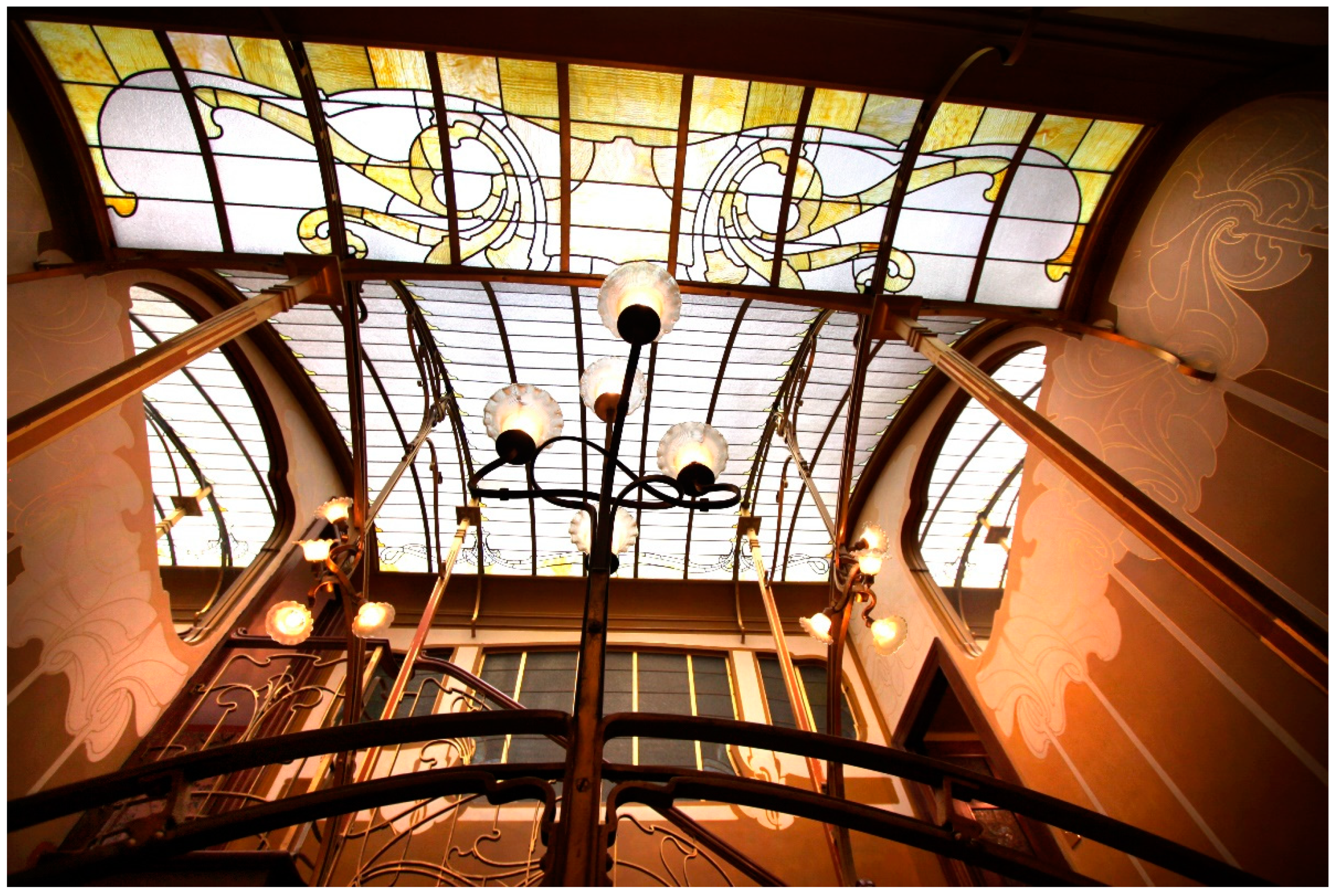
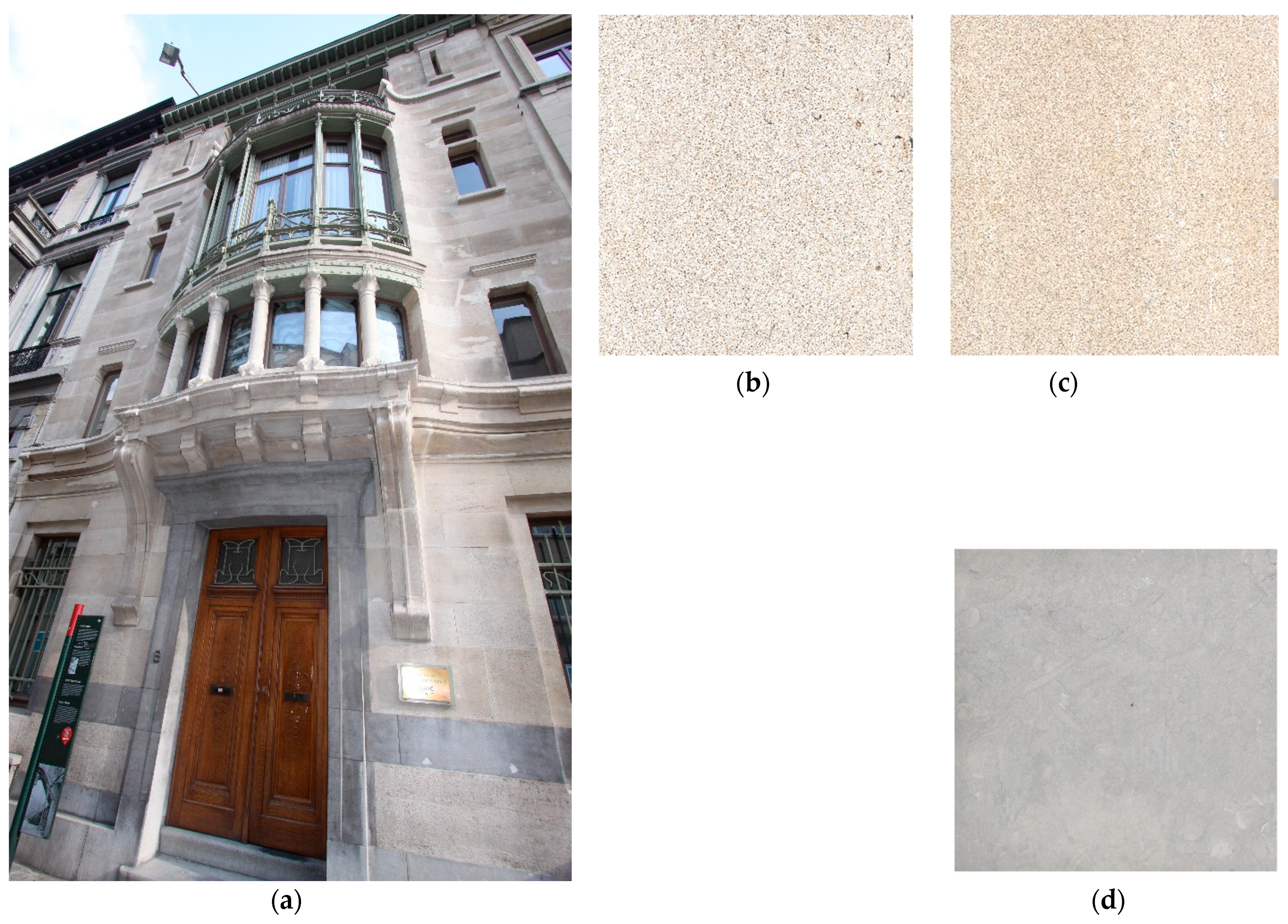
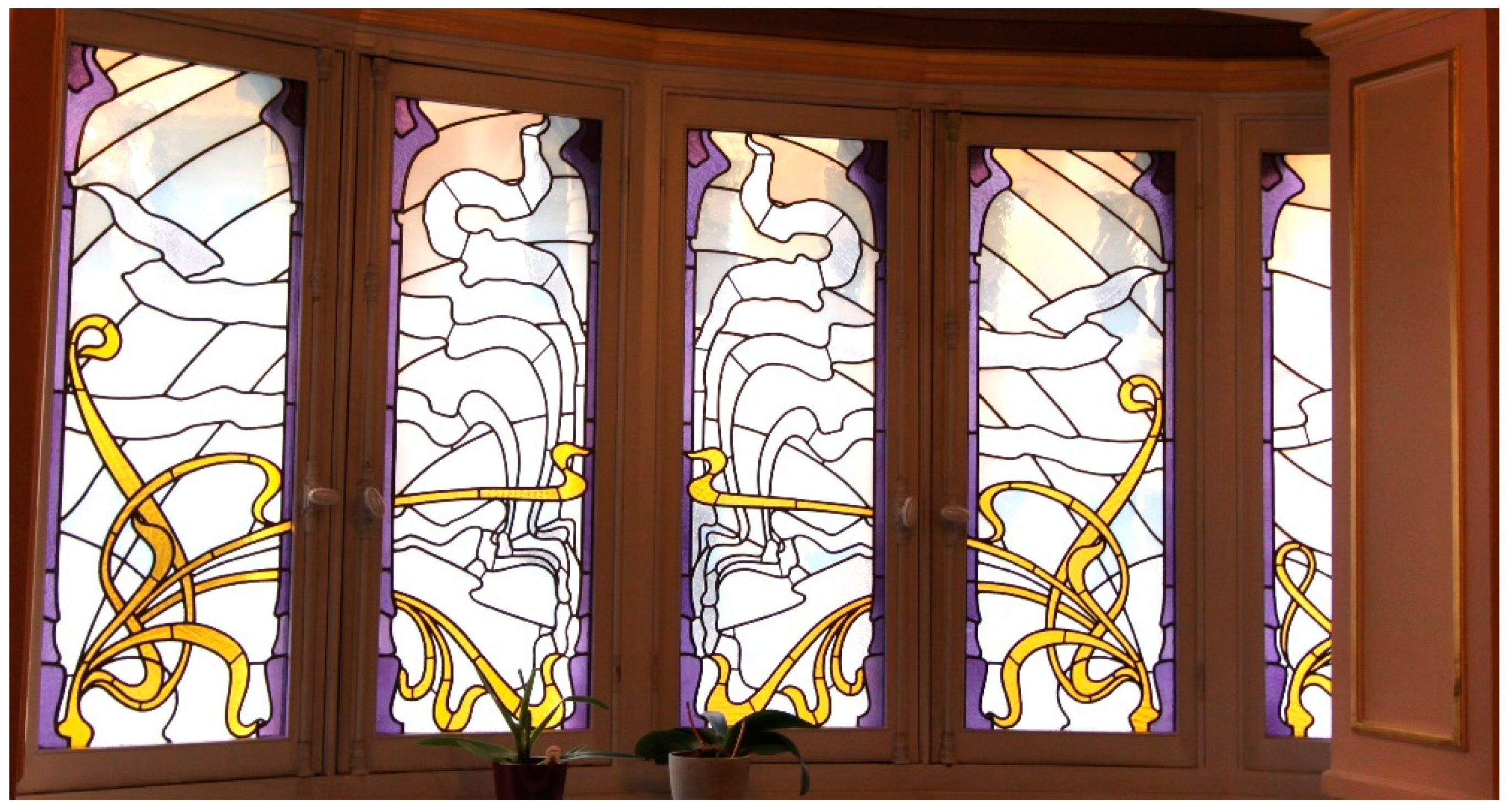
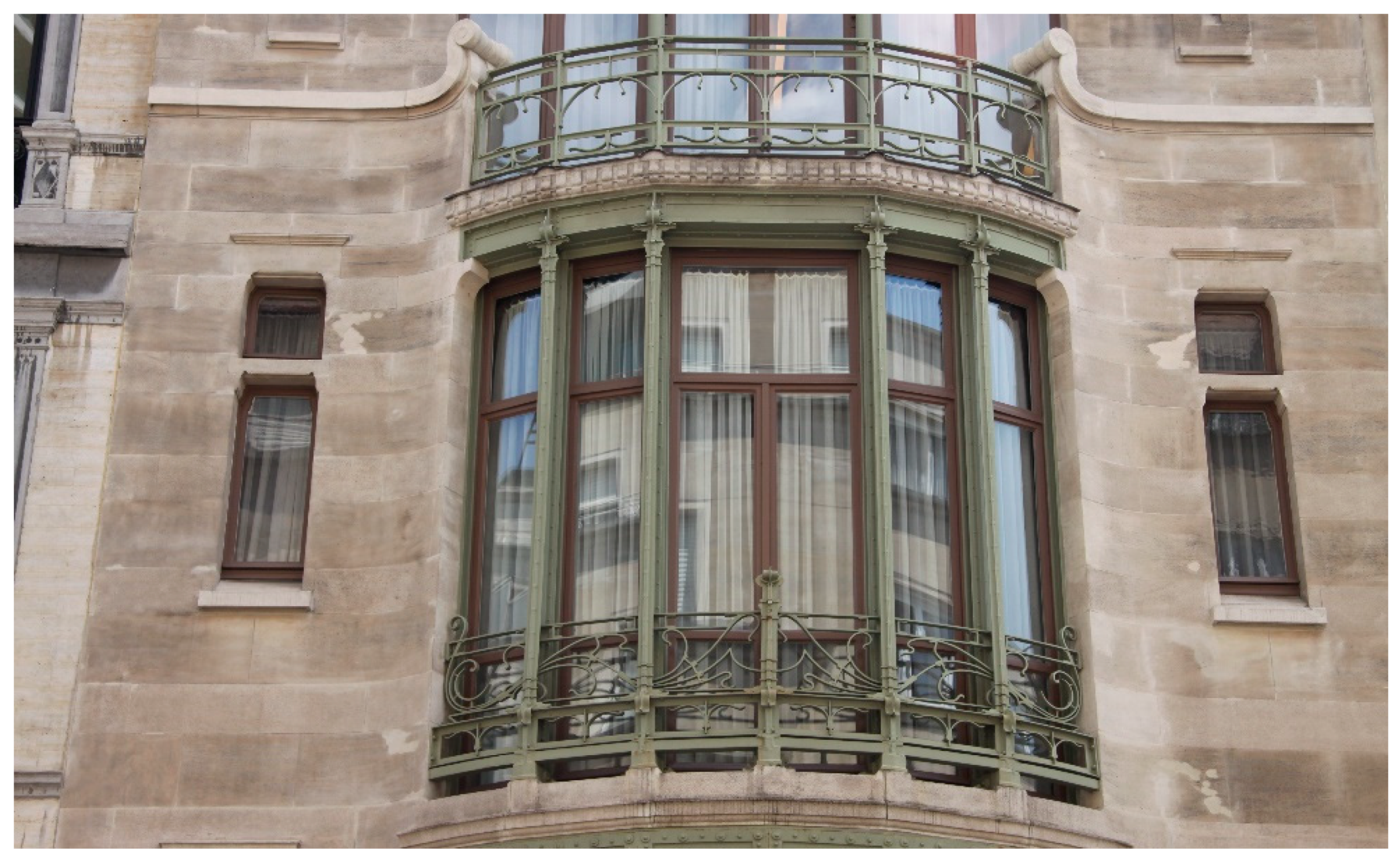
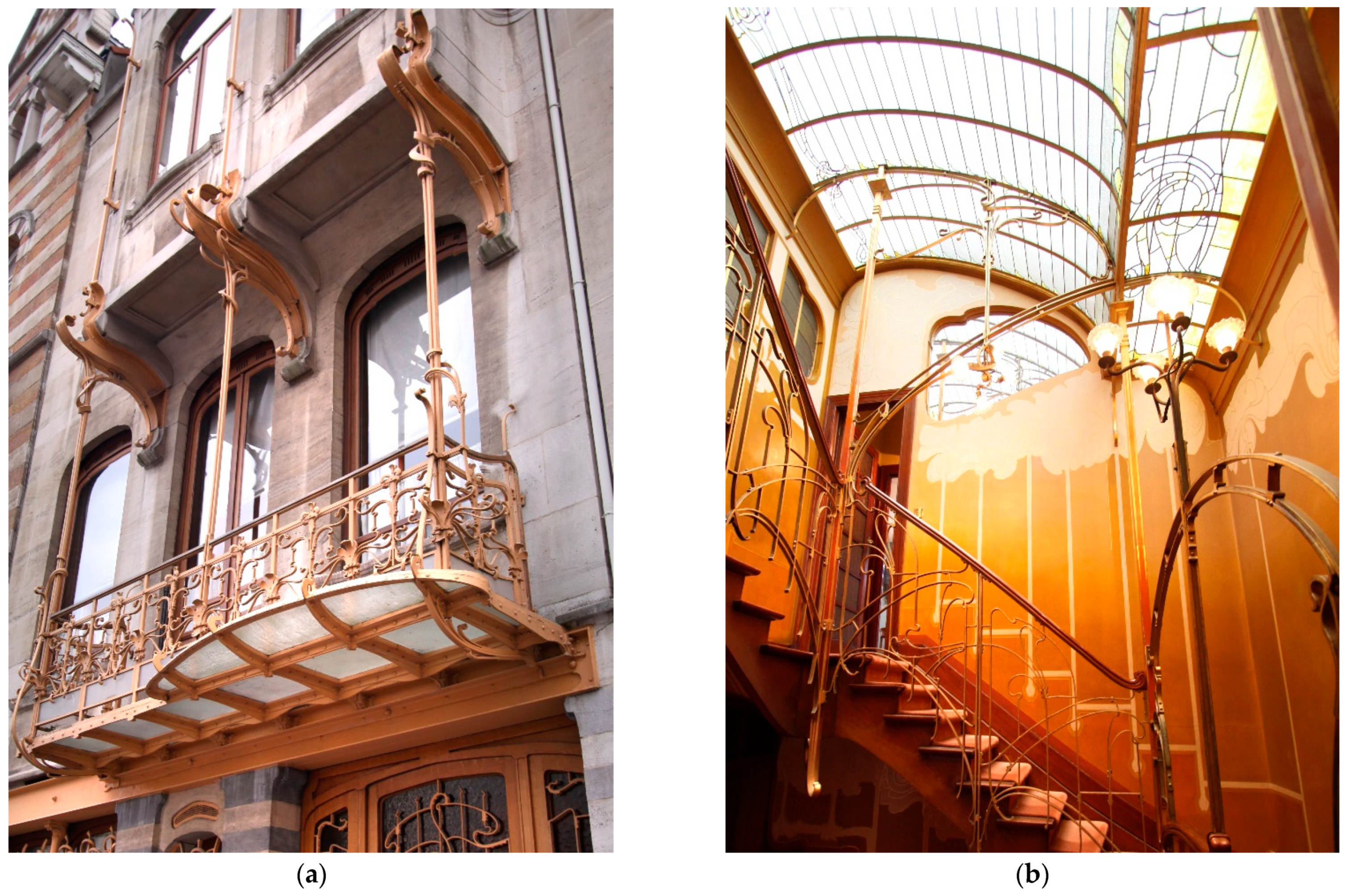












































Publisher’s Note: MDPI stays neutral with regard to jurisdictional claims in published maps and institutional affiliations. |
© 2021 by the author. Licensee MDPI, Basel, Switzerland. This article is an open access article distributed under the terms and conditions of the Creative Commons Attribution (CC BY) license (https://creativecommons.org/licenses/by/4.0/).