1. Introduction
Concrete-filled steel tubular (CFST) columns effectively combine the advantages of both materials—the high strength-to-weight ratio and ductility of steel and the excellent compressive performance of concrete. This composite system exhibits superior load-bearing capacity, seismic resistance, and fire performance. Consequently, CFST column-steel beam composite frame systems have been widely applied in high-rise buildings and long-span structures, becoming a mature and efficient structural form [
1,
2]. Among various types of beam-to-column joints, those with internal diaphragms (IDs) are particularly prevalent in China and other Asian countries. Such joints not only ensure efficient force transfer but also provide a smooth exterior surface, facilitating architectural integration and improving overall constructability [
3,
4,
5,
6]. ID can effectively distribute the concentrated forces transmitted from beam flanges to both the steel tube wall and the core concrete, thereby achieving composite action between the two materials. However, the stress state within ID joints is inherently complex, often accompanied by significant three-dimensional stress concentrations in the panel zone. In particular, when the column wall is relatively thin, the beam flange is thick, or the structural configuration exhibits geometric irregularity, localized cracks, tearing, or weld failures are more likely to occur, which may contribute to more rapid deterioration of joint performance under seismic loading [
7,
8].
Previous studies have demonstrated that the beam-to-column flange thickness ratio (
ηbc =
tbf/
tcf), where
tcf denotes the wall thickness of the square tube column, is a critical parameter influencing the seismic performance of ID joints. Due to the confining effect of the infilled concrete, CFST columns can maintain sufficient stiffness even with thin steel walls; meanwhile, thick-flanged steel beams are often used in high-rise and long-span buildings, leading to
ηbc values commonly exceeding 1.0. Zhang et al. [
7] and Shi et al. [
8] conducted cyclic loading tests on thick-flanged steel-beam–CFST column joints with IDs and reported that increasing
ηbc from 1.0 to 1.33 did not compromise the global strength but significantly intensified local stress concentration, which became a key factor controlling joint performance. Similarly, studies by Kawano et al. [
9], Sasaki et al. [
10], and Fukumoto et al. [
11,
12] confirmed that insufficient local connection strength could lead to pronounced out-of-plane deformation of column flanges, contributing notably to story drift. Yu et al. [
13] and Li et al. [
14] conducted tensile and cyclic tests on CFST column-composite beam joints, demonstrating that the diaphragm thickness and casting hole diameter markedly affected local connection capacity. When
ηbc was excessively large, cracks and punching failures were observed on the column face. Collectively, these findings indicate that when
ηbc > 1.0 or when the diaphragm opening is oversized, the local load-bearing capacity of the connection decreases significantly, and fracture of the diaphragm or tearing of the column face becomes more likely under cyclic loading. In addition, recent studies have examined cyclic deformation and failure mechanisms in steel frame systems, offering broader insight into stress transfer and joint behavior under seismic actions [
15,
16].
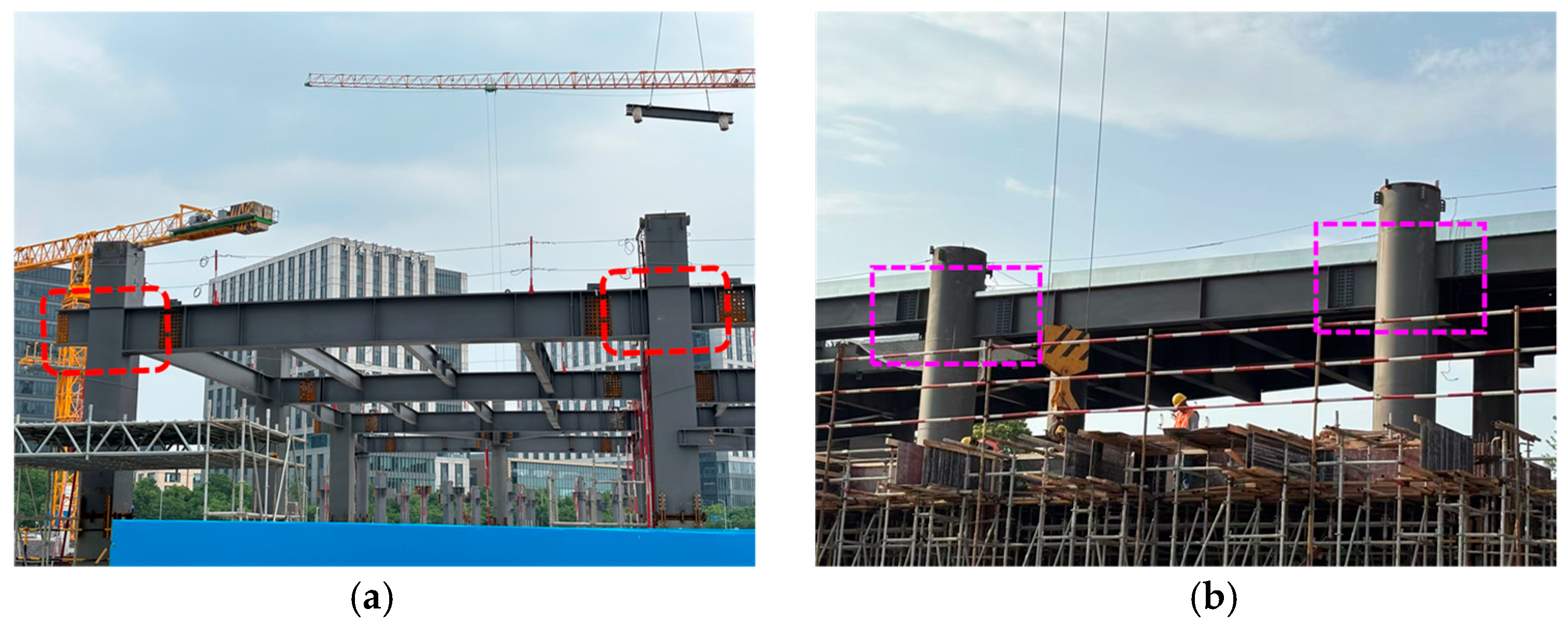
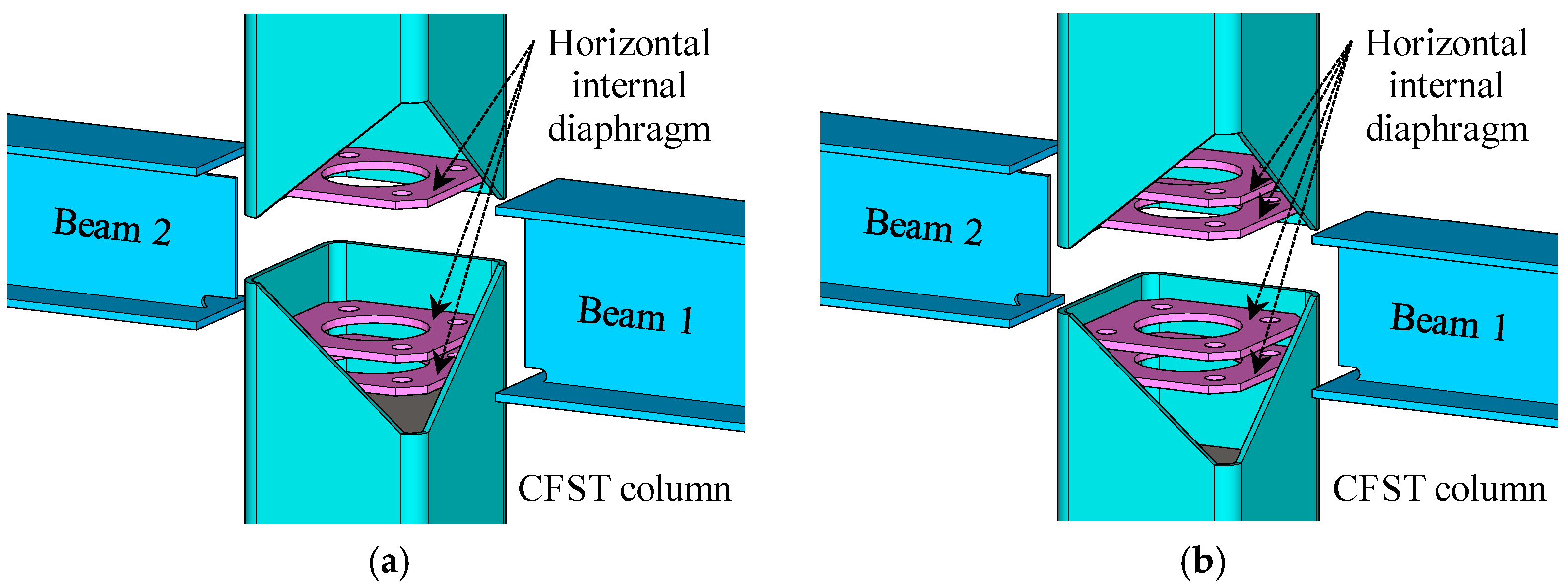
With the increasing architectural diversity in building functions, story heights, and spatial layouts, irregular steel-beam-to-column joints have emerged in practical engineering applications (as illustrated in
Figure 1). These irregular configurations often arise from variations in beam elevation, story height differences, or staggered floor arrangements. Representative forms include unequal-depth beam (UDB) joints [
17,
18] and staggered beam (SB) joints [
19,
20]. Compared with conventional symmetric joints, irregular joints exhibit distinct geometric and mechanical asymmetry. The stress distribution in their panel zones is highly non-uniform, accompanied by pronounced stress concentrations, out-of-plane deformation, and local buckling, which ultimately reduce both strength and ductility [
21,
22].
Research on unequal-depth steel beam (UDSB) and staggered steel beam (SSB) joints originated several decades ago, primarily through experimental and numerical investigations in Japan and China. Nakao and Osa [
23,
24] first conducted tests on H-beam–H-column connections and demonstrated that the beam depth ratio strongly influences the restoring force characteristics of the panel zone, while horizontal stiffeners can effectively enhance joint strength. Tateyama et al. [
25] and Kuwahara et al. [
26] further examined the effects of beam depth ratio, axial load ratio, and diaphragm configuration (through or internal) on the stiffness and failure mechanisms of UDB joints, proposing strength estimation methods for the panel zone. Later studies by Xue et al. [
27], Hashemi et al. [
28], and Sui et al. [
29] combined full-scale testing with finite element (FE) analyses and revealed that beam depth disparity affects the shear capacity and ductility of the joint, while also altering the plastic hinge location and local stress concentration at beam ends. Mou et al. [
30,
31] performed cyclic loading tests on outer annular stiffener-reinforced UDB joints with hollow structural section (HSS) and CFST columns, proposing a shear strength model incorporating the influence of beam depth ratio. Regarding SSB joints, existing research remains comparatively limited. Imai et al. [
19] conducted monotonic loading tests on H-beam–H-column SB joints, clarifying the correlation between eccentricity and nonlinear restoring force. Kuwahara et al. [
20] further characterized the stiffness and strength of such joints through static loading tests. Sui et al. [
32] examined circular steel tube column–H-beam SB joints using quasi-static tests and FE analysis, reporting that staggered height had a significant effect on initial stiffness but a negligible effect on shear strength. More recently, Liu et al. [
33,
34] performed one-third-scale cyclic loading tests on CFST frame systems equipped with SSB joints using external annular diaphragms, reporting weaker hysteretic behavior and lower energy dissipation compared with conventional joints. Their work mainly focused on the global seismic performance of complete frame systems and demonstrated the effectiveness of external diaphragms. However, this configuration requires multiple large external plates, which raises practical concerns regarding fabrication cost, spatial usage, and architectural appearance.
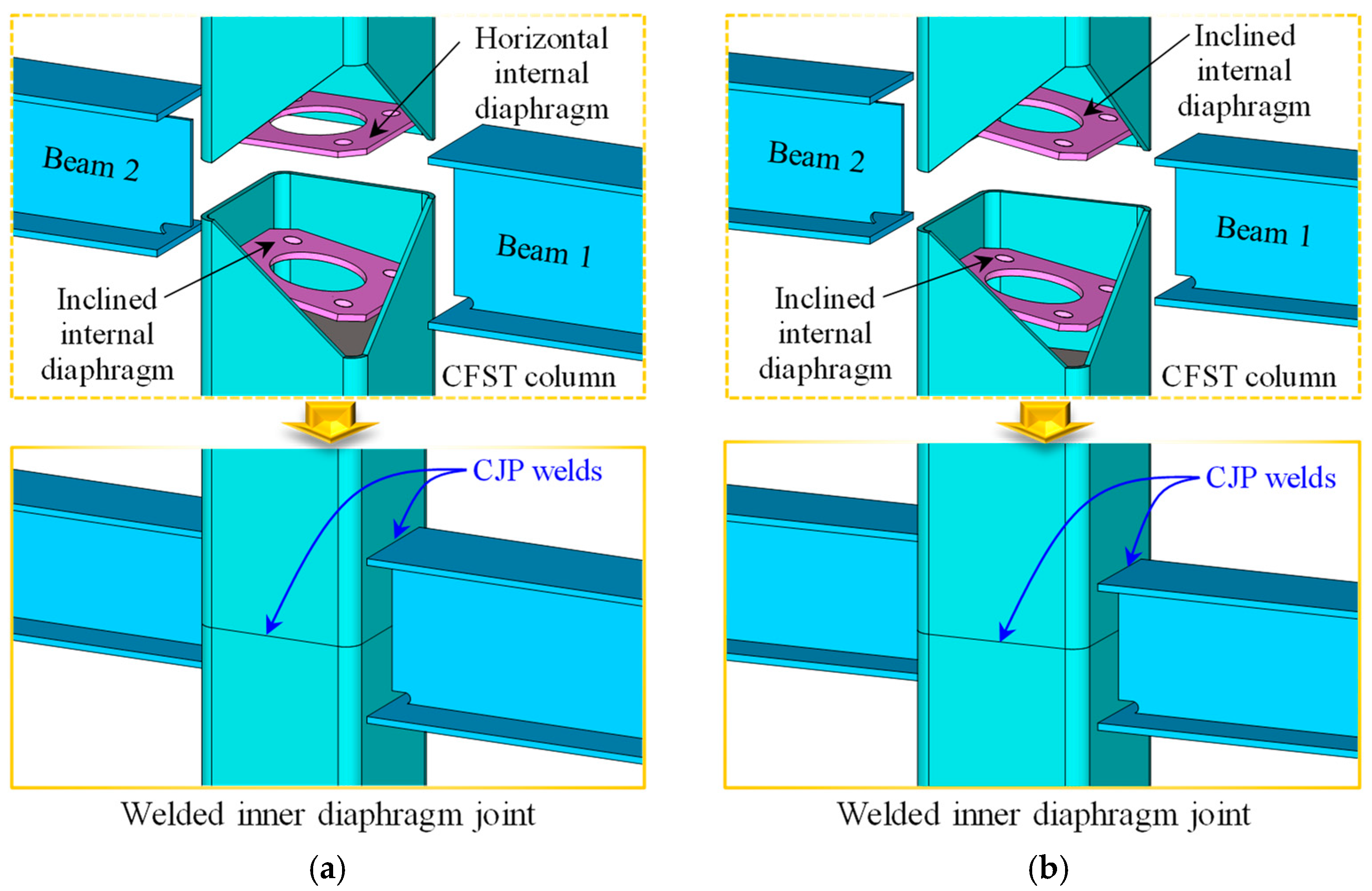
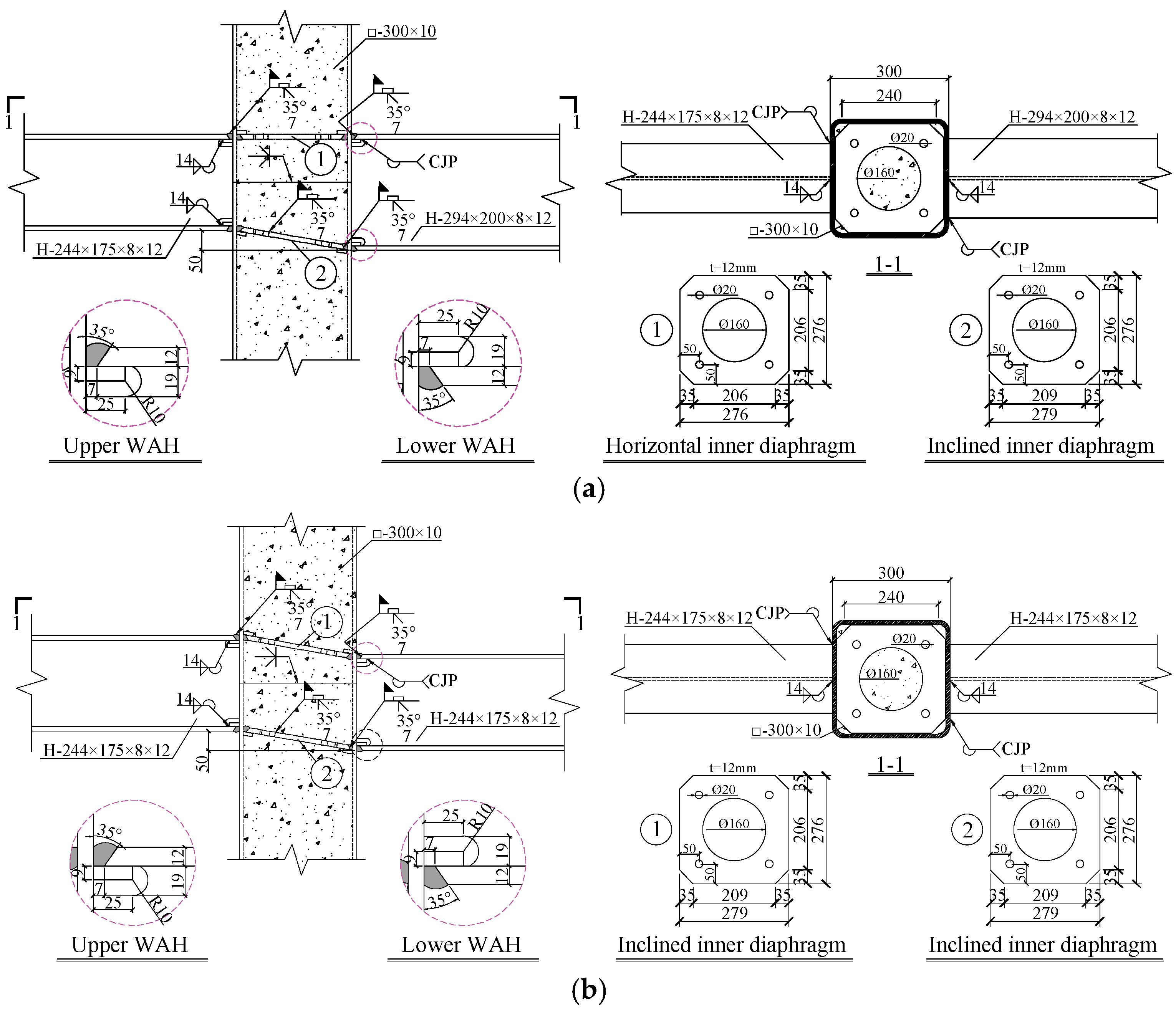
Overall, although previous studies have clarified some mechanical characteristics of UDSB and SSB joints, systematic research on irregular steel-beam-to-CFST column joints—particularly regarding local failure mechanisms, load-transfer paths, and diaphragm behavior—remains scarce. Furthermore, studies on joints with internal diaphragms are even more limited and generally rely on multiple horizontal plates, which are difficult to weld inside HSS or CFST columns. To address this issue, this study proposes a novel inclined internal diaphragm (IID) connection, where a single oblique diaphragm is installed between the flanges of opposing beams to streamline construction and improve load transfer efficiency.
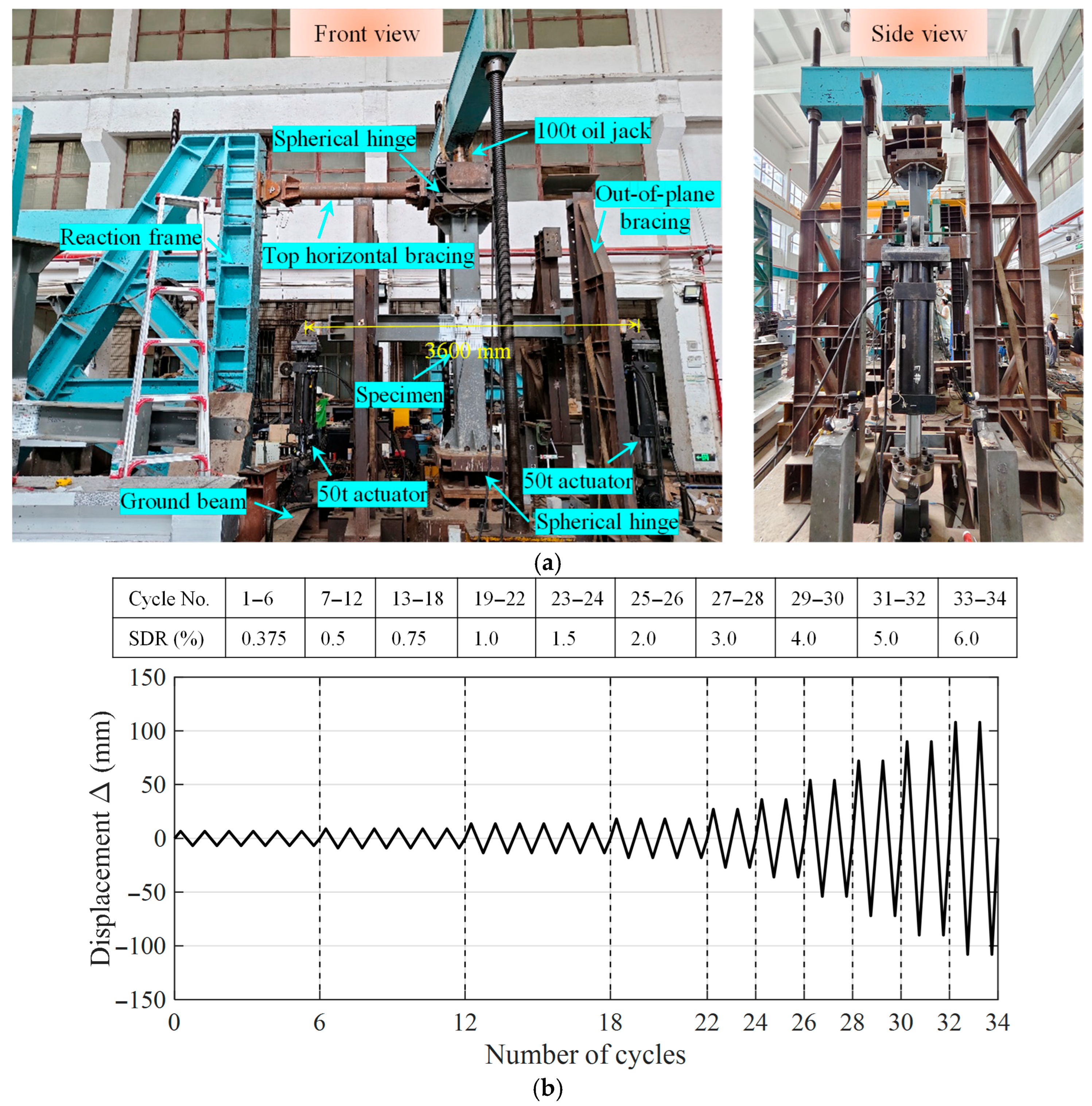
Based on the above considerations, this study systematically investigates the seismic behavior of irregular steel-beam–CFST column joints with IIDs and ηbc > 1.0. Two full-scale joint specimens, representing an UDB joint and an SB joint, were designed and tested under cycle loading. The failure modes, hysteresis curves, load-bearing capacities, stiffness degradation, strength degradation, energy dissipation performance, strain distributions, and panel zone shear behaviors of the specimens were discussed. Based on the experimental results, refined FE models for the irregular joints were developed and validated by the test data with good accuracy.
3. Results
3.1. General Observations and Failure Modes
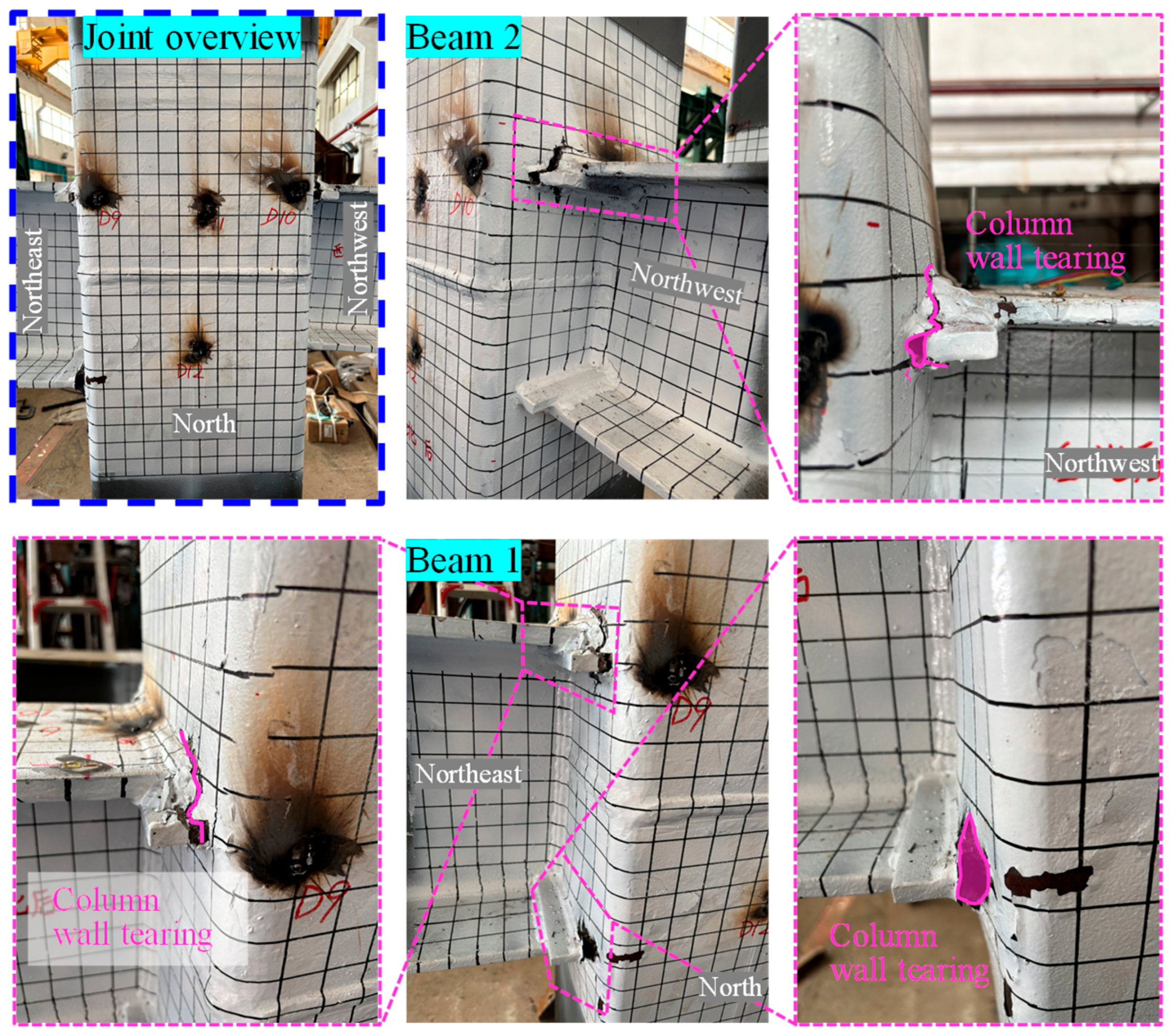
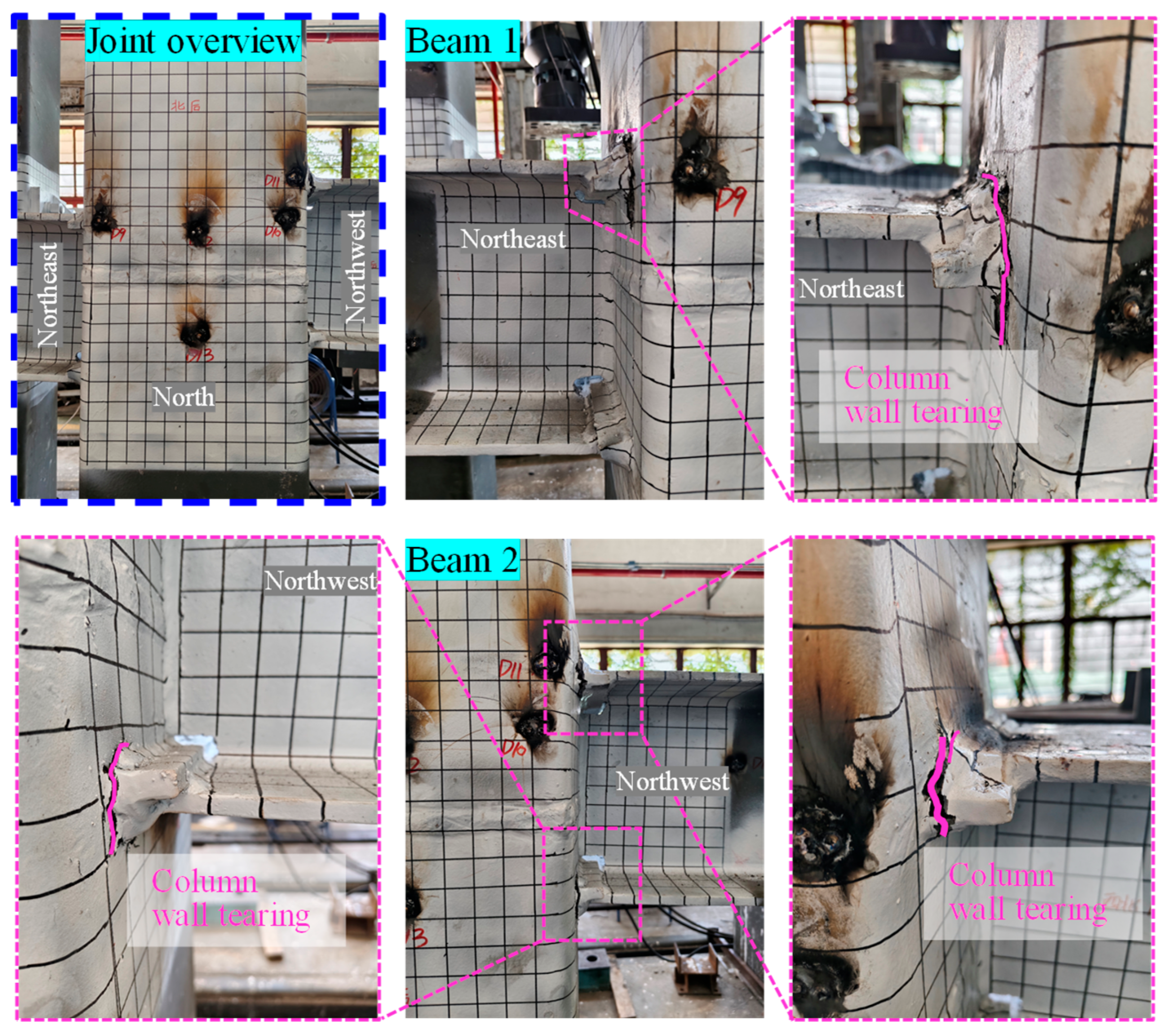
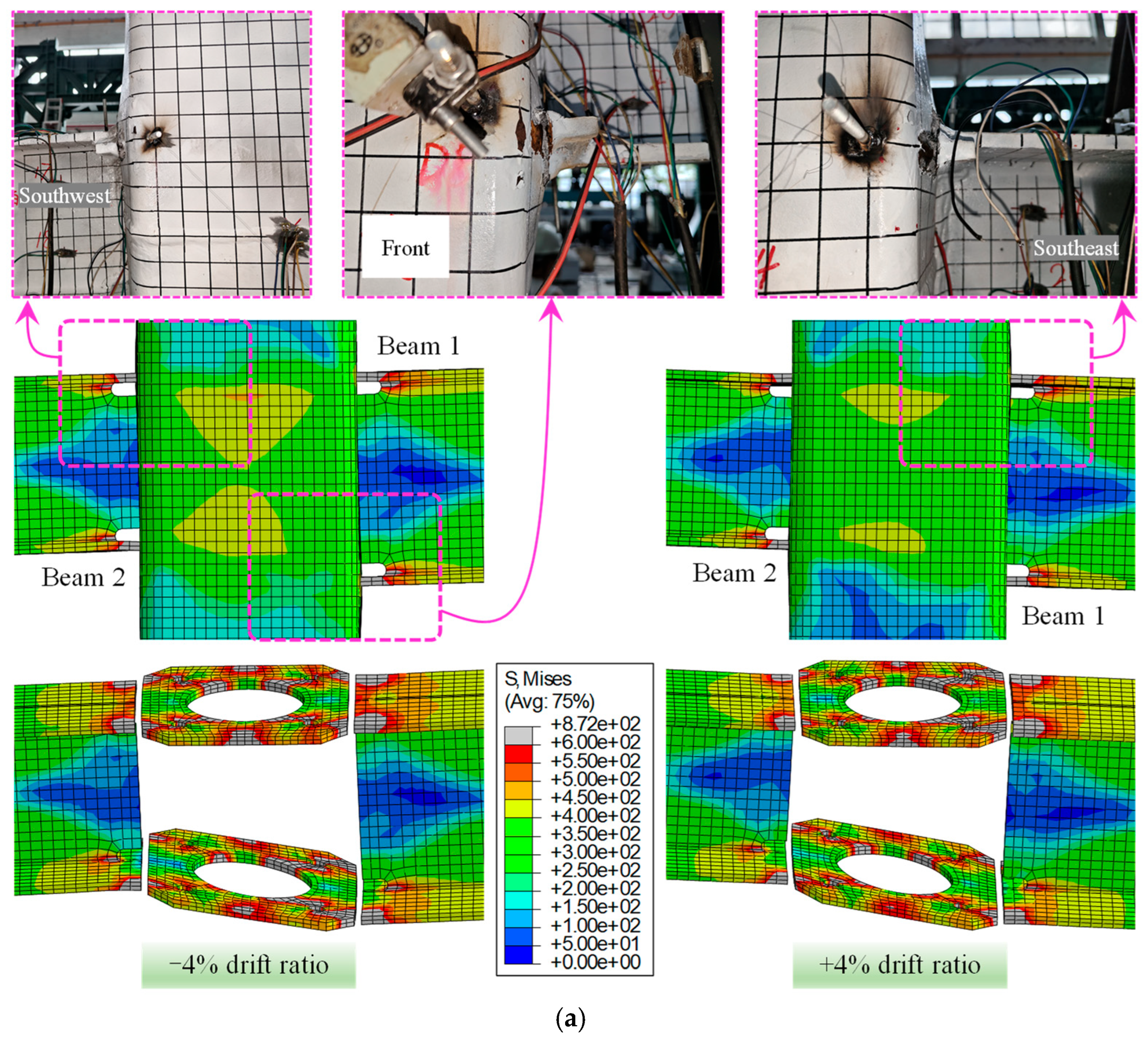
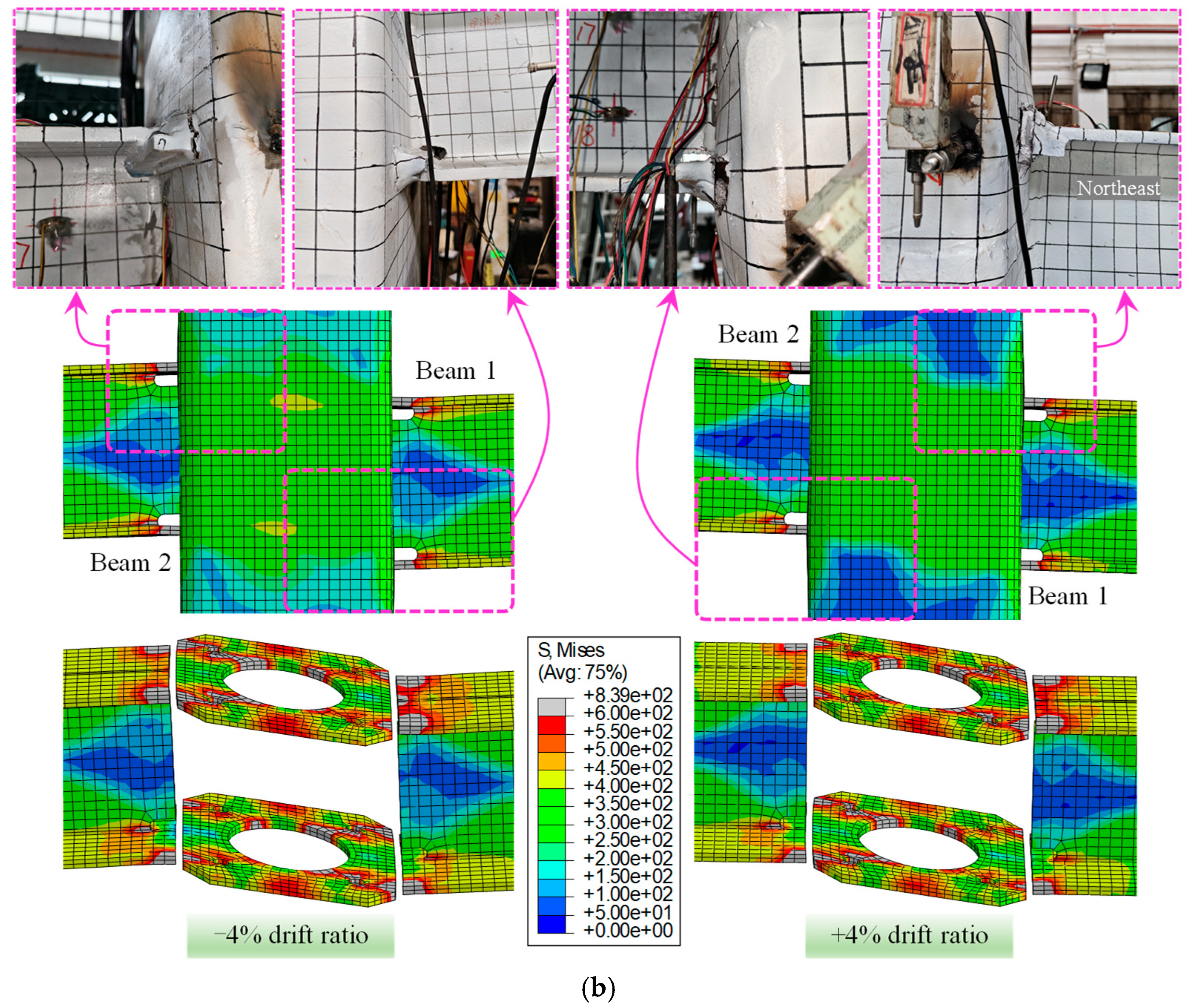
The final damage patterns of the two specimens after cyclic loading are shown in
Figure 8 and
Figure 9. Overall, both specimens exhibited similar failure modes, characterized by fracture of the IDs and tearing of the column wall, representing a typical combined diaphragm–column wall failure pattern.
For specimen UDSBJ-IID-1, the first visible crack was detected during the first half of the second loading cycle at 1.5% drift, where a fine crack initiated and slightly propagated along the weld between the deeper beam (Beam 1) flange and the column wall. At a drift ratio of 2%, the weld cracks further widened, particularly at the bottom flange of Beam 1. When the drift ratio increased to 3%, during the first loading cycle, the bottom flange of Beam 1 was subjected to tension, causing the weld cracks to extend noticeably. A distinct brittle sound was heard, indicating fracture of the lower ID. During the second loading cycle at the same drift ratio (3%), the top flange of Beam 1 was in tension, accompanied by another loud noise, which was attributed to the fracture of the upper ID. Simultaneously, local bulging was observed on the adjacent column face. At the end of the 3% drift ratio loading, fracture of the ID also occurred at the top flange of the shallower beam (Beam 2), accompanied by a cracking sound.
As the drift ratio increased to 4%, cracks at the tension flanges of both beams further widened, and the column surface bulging became more pronounced. By the end of this stage, the tension flange of Beam 2 had been almost completely pulled away, accompanied by column wall tearing, whereas Beam 1 exhibited weld fracture at the beam end. When the drift ratio reached 5%, the area of column wall tearing expanded, and cracks along the tension flanges of both beams nearly coalesced into continuous lines, with more severe bulging of the column surface. At a drift ratio of 6%, the bulging and tearing of the column wall became more extensive. The test was terminated at this stage due to the severe tearing observed in the column wall and because the actuator had approached its stroke limit. Ultimately, severe tearing occurred at the column wall adjacent to the top and bottom flanges of Beam 1 and the top flange of Beam 2, forming a typical combined failure involving ID fracture and column wall tearing.
For specimen SSBJ-IID-1, the overall failure progression was similar to that of UDSBJ-IID-1, although damage initiation occurred slightly later. At a drift ratio of 1.5%, fine cracks appeared at the beam flange welds on both sides of the joint. When the drift ratio reached 2%, these cracks began to propagate and extend along the weld toes. During the first loading cycle at a 3% drift ratio, a loud fracture sound was heard, and the weld between the top flange of Beam 1 and the column wall suddenly opened, indicating fracture of the upper ID weld. Subsequently, the tearing at the column wall adjacent to the upper flange of Beam 1 expanded, forming a ring-shaped discontinuous crack along the beam-column interface. At a 4% drift ratio, the tearing at the top flange of Beam 1 continued to develop, accompanied by pronounced column wall bulging, while new cracks appeared at both the top and bottom flanges of Beam 2 and continued to propagate.
When the drift ratio increased to 5%, another sharp cracking sound was heard during loading. The weld between the bottom flange of Beam 2 and the column wall suddenly ruptured, and the column face was pulled open, indicating fracture of the lower ID weld. Shortly afterward, another loud sound was recorded as the weld between the top flange of Beam 2 and the column wall was torn and separated, again corresponding to ID weld fracture. Meanwhile, cracks at the interface between Beam 1 and the column wall further expanded. At a 6% drift ratio, both sides of the column wall exhibited severe tearing and significant bulging deformation. Ultimately, tearing of the column wall occurred at the top and bottom flange regions of Beam 1 and at the top flange region of Beam 2, forming a through-type tearing failure pattern.
In summary, both irregular joint specimens exhibited similar failure mechanisms. The damage initiated with the formation and propagation of minor weld cracks at the beam ends, followed by successive fractures of the ID welds, which ultimately led to extensive column wall tearing and outward bulging. The overall behavior was governed by a ductile failure mode characterized by sequential diaphragm fracture and column wall tearing.
3.2. Hysteresis and Skeleton Curves
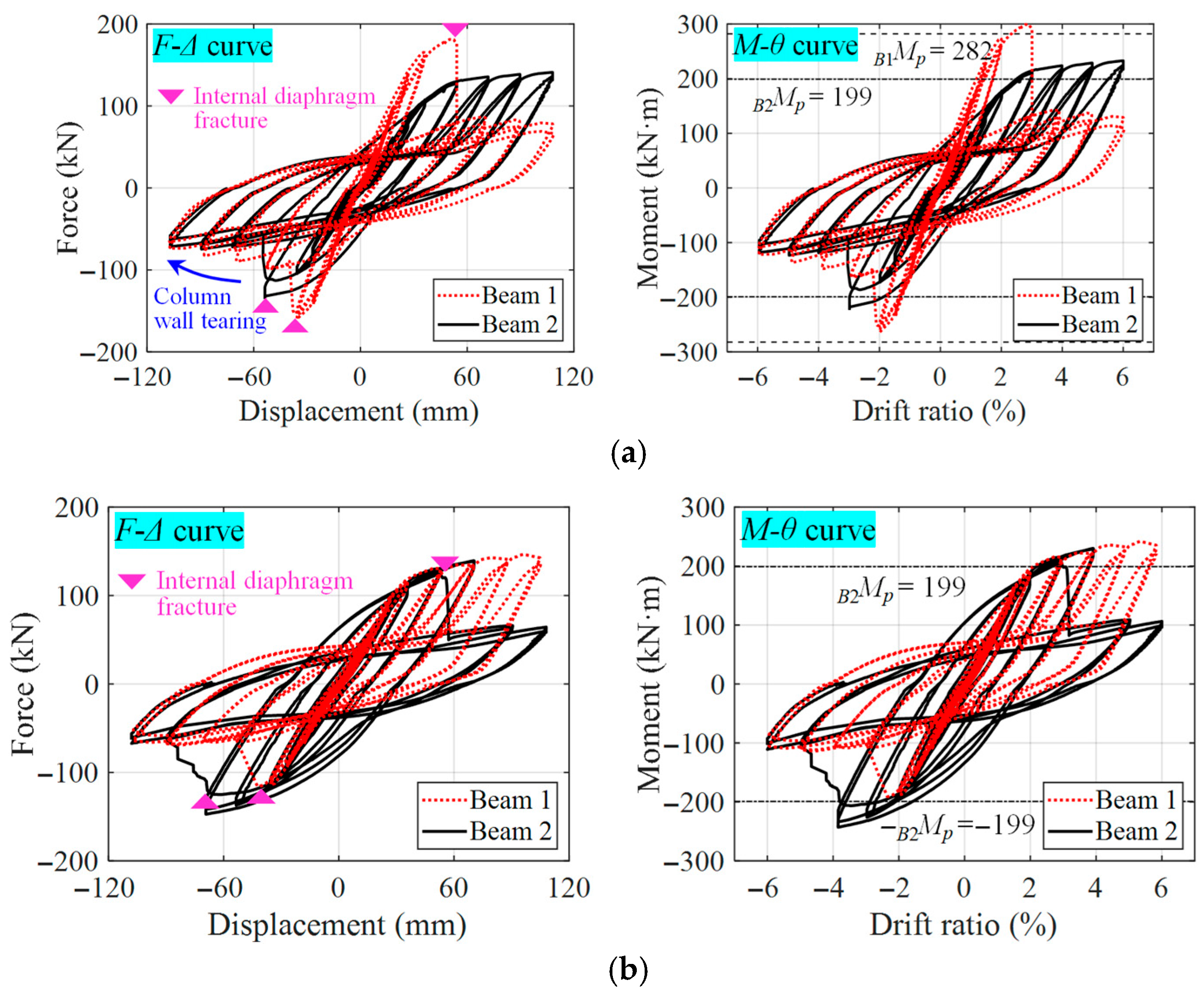
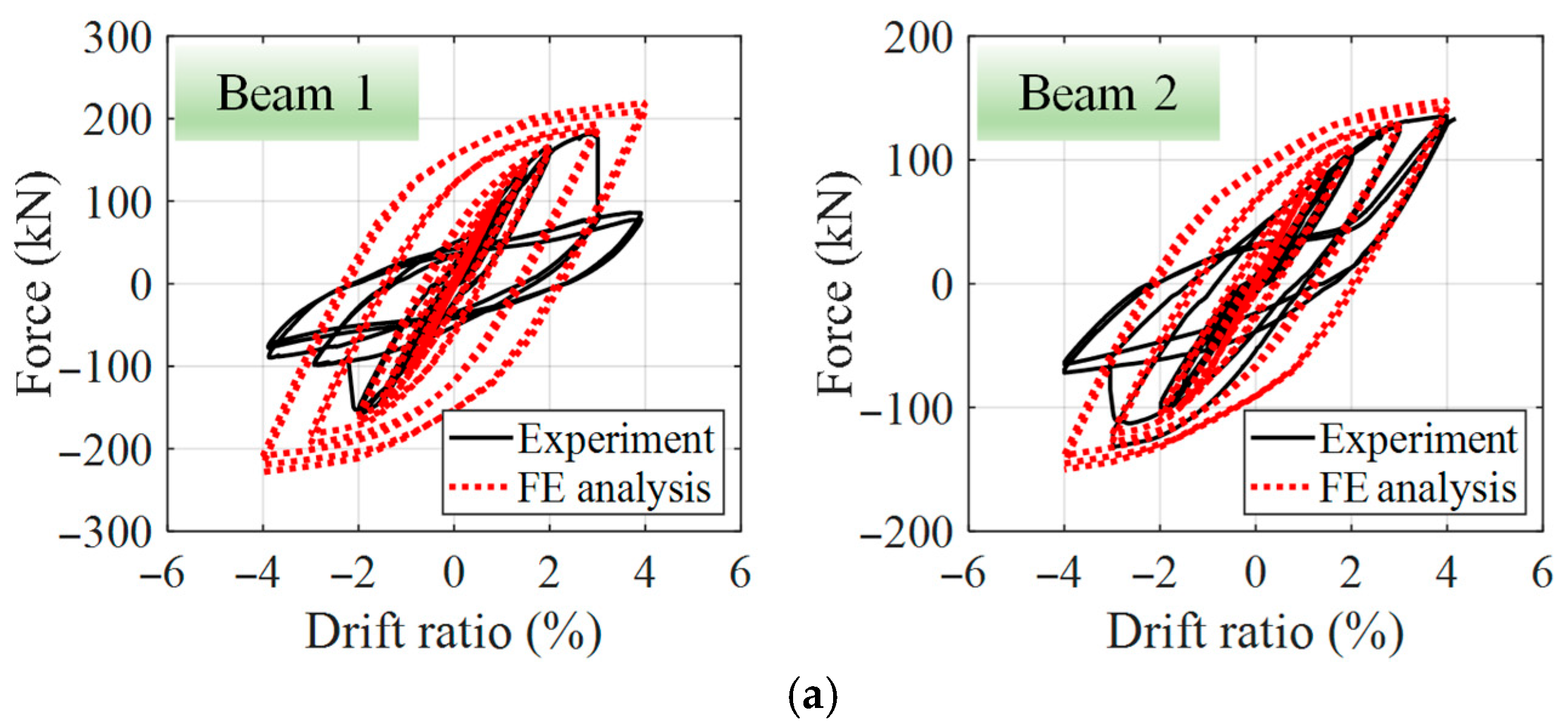
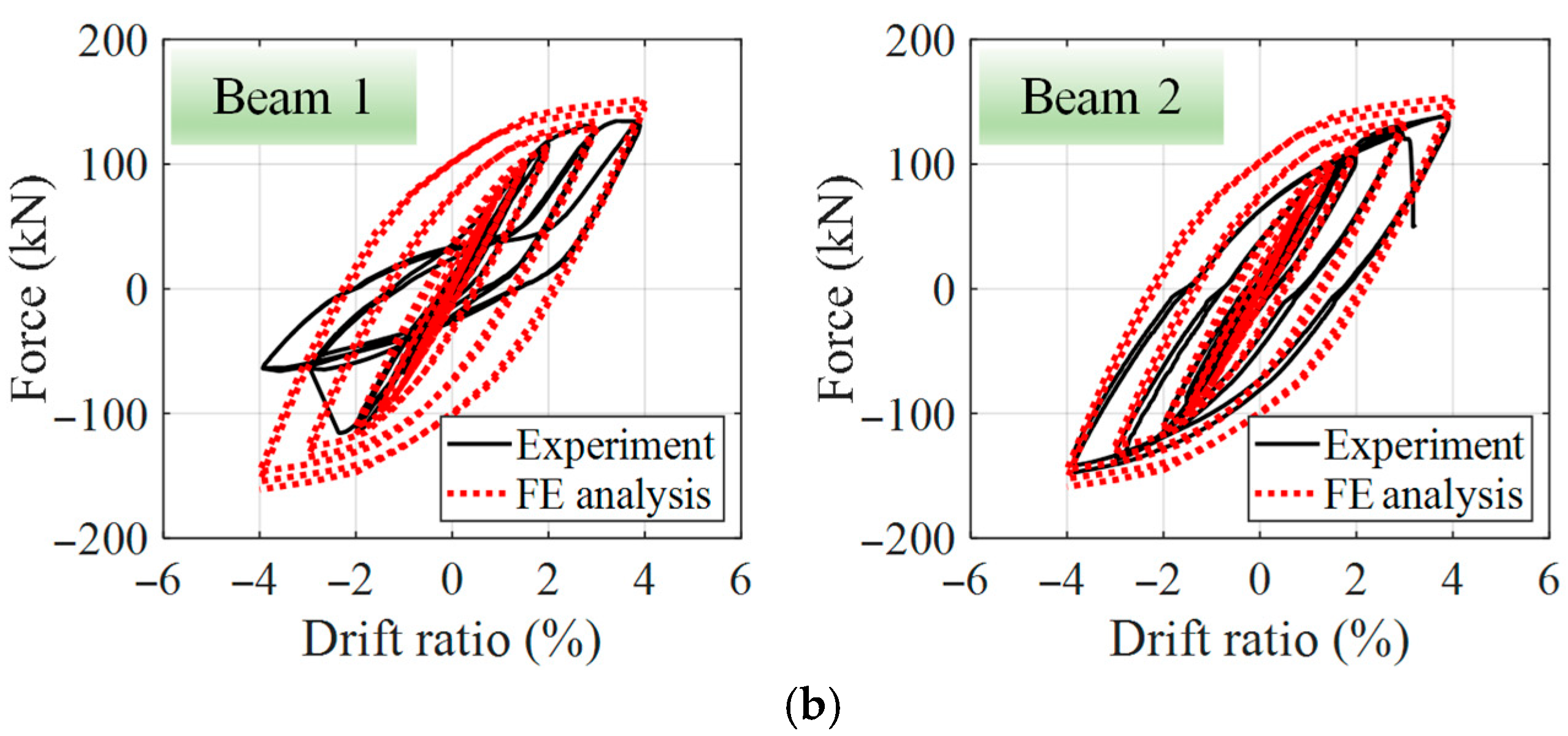
Figure 10 presents the hysteretic responses of Beam 1 and Beam 2 for both specimens. The loading direction was defined as positive when the beam top flange was in compression and the bottom flange was in tension. The
F-
Δ curves illustrate the load–displacement relationships, while the
M-
θ curves describe the moment-drift ratio relationships, where the beam-end moment was calculated as
M =
F ×
Lb, with
Lb denoting the distance between the actuator loading point and the column face. The plastic moment capacities (
Mp) of Beams 1 and 2, determined from the measured material properties and section geometries, are also indicated in the figures. Throughout the loading process, all specimens underwent three distinct deformation stages: elastic, plastic development, and ultimate damage. At drift ratios below 1.5%, the specimens behaved elastically, exhibiting a nearly linear load–displacement response. From a drift ratio of 2% onward, flexural stiffness began to vary slightly, and the beam-end moments approached or reached
Mp, signifying the onset of yielding.
For specimen UDSBJ-IID-1, the deeper beam (Beam 1) exhibited noticeably higher flexural strength than the shallower beam (Beam 2). Under positive loading, the moment in Beam 1 exceeded
Mp, while under negative loading it was slightly lower. The positive and negative peak moments of Beam 1 were +300 kN·m and –264 kN·m, respectively, giving a positive-to-negative peak moment ratio of about 1.14, which quantifies the observed flexural asymmetry. When the drift ratio reached 3%, fractures occurred successively at the lower and upper IDs near the beam flanges during the first and second loading cycles, respectively, leading to a sudden strength drop. This drift level is slightly below the 4% story-drift requirement for SMF connections specified in AISC 341-22 [
41]. After ID fracture, the residual strengths were +83 kN and –99 kN in the positive and negative directions, corresponding to about 46% and 62% of their respective peak strengths. As the column wall weld cracks propagated, the residual strength gradually decreased, and the hysteretic loops exhibited a distinct pinching shape. During the second cycle at −3% drift, the upper diaphragm on the shallower beam (Beam 2) fractured, causing a sharp reduction in negative strength; the overall resistance then approached that of Beam 1, while the positive direction maintained stable tensile capacity. This asymmetric hysteretic response indicates that the deeper beam in UDSB joints sustained higher flexural demands and was the first component to yield and fail.
In contrast, specimen SSBJ-IID-1 exhibited fuller and more stable hysteretic loops, demonstrating superior ductility and energy dissipation capacity. At a 3% drift ratio, fracture of the ID at the top flange of Beam 1 occurred first, causing a sudden strength reduction to about 56% of the peak strength in the negative direction. Subsequently, the positive loading response of Beam 1 gradually increased, entering a stable yielding phase, while the negative strength failed to recover due to tearing of the column wall. Although Beam 1 failed earlier than Beam 2 and therefore did not reach the 4% story-drift level, this behavior is consistent with the fact that the AISC 341-22 [
41] requirement applies to the connection as a whole rather than to each beam individually. Beam 2, however, continued to sustain loading until a drift ratio of 5%, at which point both its upper and lower diaphragms fractured, resulting in significant strength degradation of the joint. Because Beam 2 maintained its flexural capacity beyond the 4% drift ratio, the overall connection deformation capacity of specimen SSBJ-IID-1 satisfies the SMF requirement prescribed in AISC 341-22 [
41]. These results highlight the critical role of the ID in transferring flexural moments between the beams and the column; its fracture led to an approximate 50% reduction in the joint capacity. Nevertheless, after diaphragm fracture, the joints retained considerable residual strength and exhibited pronounced hysteretic loops, indicating satisfactory ductility and deformation capacity.
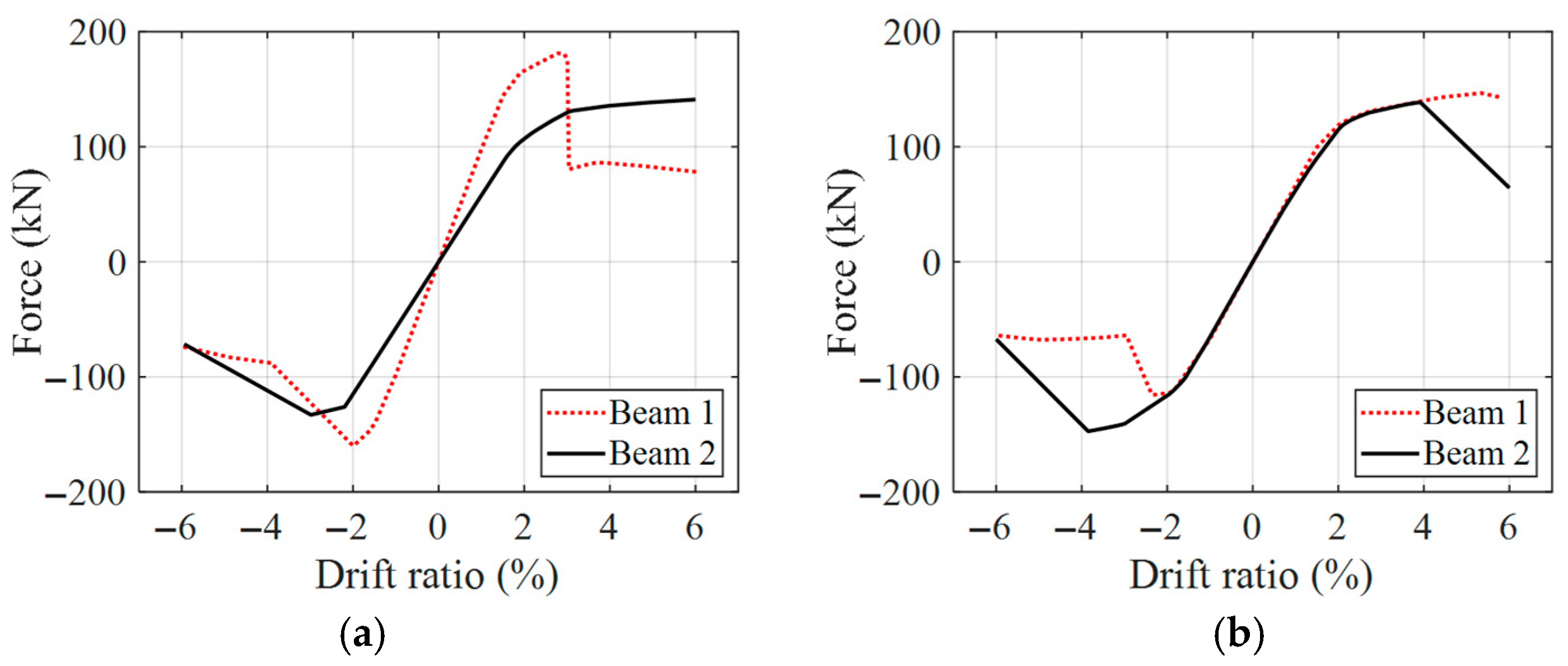
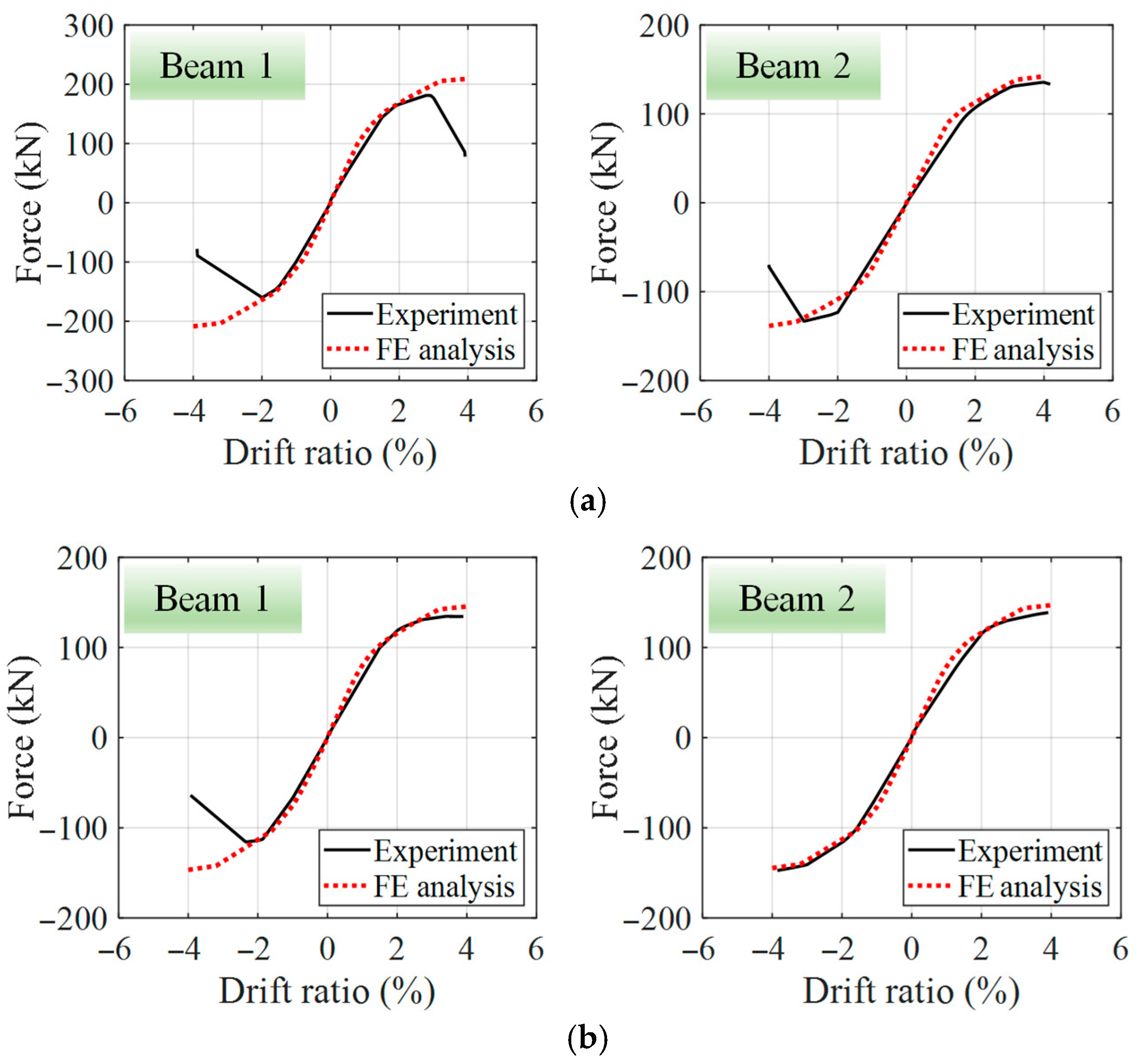
Figure 11 shows the skeleton curves of Beams 1 and 2 for both specimens. For specimen UDSBJ-IID-1, the deeper beam exhibited higher initial stiffness and peak strength than the shallower beam, revealing a “deep-beam-dominated” behavior typical of UDSB joints. For specimen SSBJ-IID-1, both beams displayed comparable stiffness and strength, indicating a more balanced force distribution due to identical beam depths. In general, both irregular joint types showed good initial stiffness and strength in the early loading stages, followed by pronounced degradation after diaphragm fracture.
In summary, the hysteretic and skeleton responses of both specimens confirm that the inclined ID plays a vital role in flexural moment transfer and overall joint resistance. Its fracture was the primary cause of strength deterioration. Although the diaphragm thickness in this study (12 mm, equal to the beam flange thickness) provided satisfactory strength at early stages, premature diaphragm fracture indicated that the current thickness was still insufficient. For practical applications, it is recommended to increase the diaphragm thickness and ensure adequate weld quality to enhance joint ductility and seismic reliability.
3.3. Degradation of Stiffness
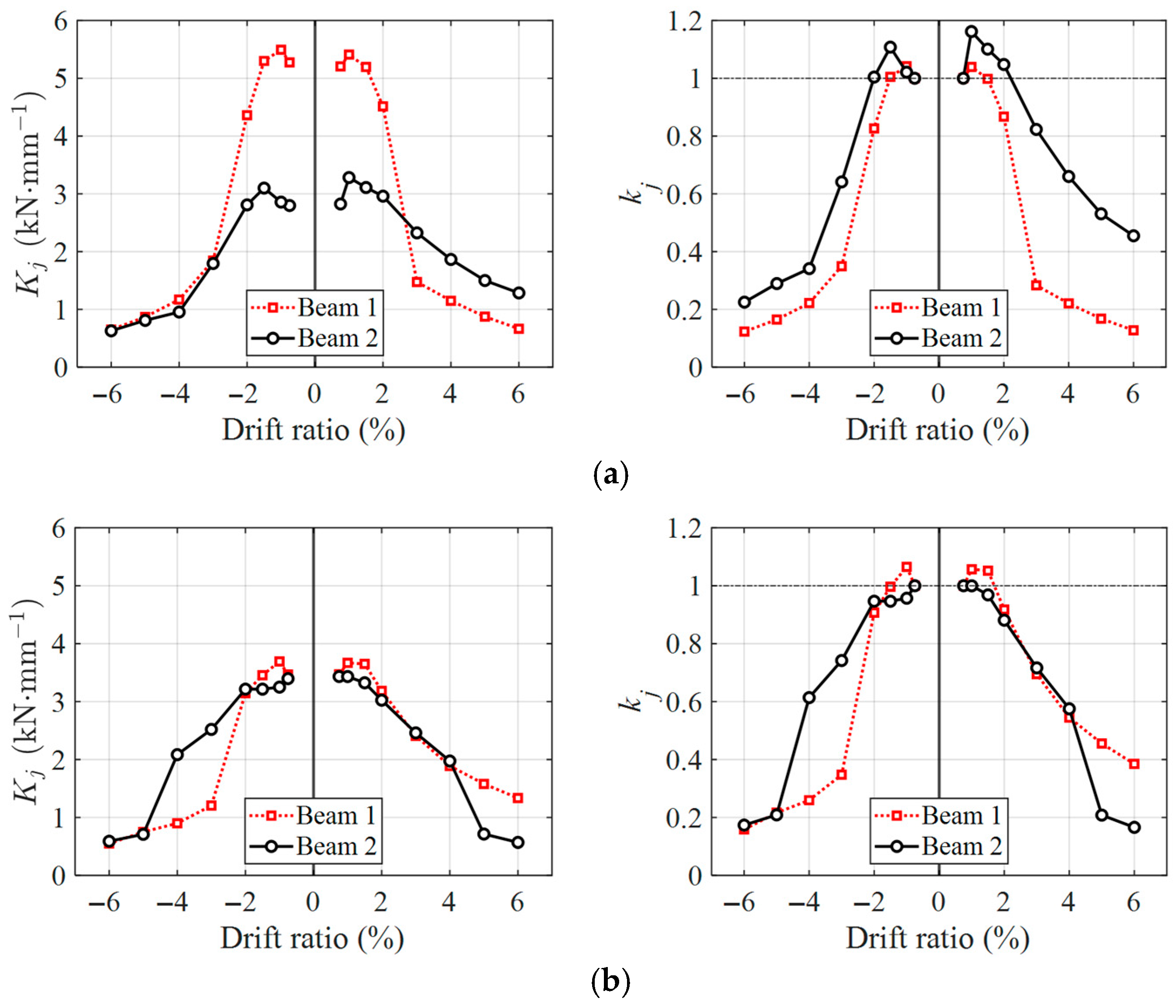
Figure 12 illustrates the stiffness degradation of both specimens throughout the cyclic loading process. The stiffness
Kj was defined as the ratio of the peak load to the corresponding displacement for each loading cycle, while the normalized stiffness
kj was expressed as the ratio of the current stiffness to the initial peak stiffness, serving to quantitatively evaluate the rate of degradation. Overall, both types of irregular joints exhibited a gradual reduction in stiffness with increasing drift ratio, showing a typical cyclic degradation pattern.
For specimen UDSBJ-IID-1, the initial stiffness of the deeper beam (Beam 1) was approximately 1.8 times that of the shallower beam (Beam 2), indicating that the overall joint deformation was primarily governed by the deeper beam during the early loading stage. As the drift ratio increased, Beam 1 experienced a noticeably faster rate of stiffness reduction and exhibited a sharp drop near a 3% drift ratio. After the sudden drop, the stiffness of Beam 1 decreased to about 20% of its initial value, whereas Beam 2 maintained approximately 40% of its residual stiffness in the positive loading direction. This behavior suggests that the overall joint stiffness degradation was controlled by the deeper beam, as the uneven flexural demand between beams led to stress concentration and accelerated local stiffness deterioration. Consequently, the stiffness degradation in unequal-depth joints was governed by the combined effect of nonuniform moment distribution and intercomponent interaction.
For specimen SSBJ-IID-1, the initial stiffnesses of the two beams were nearly identical. The stiffness degradation curve of Beam 2 remained almost symmetric under positive and negative loading, while Beam 1 exhibited slight asymmetry due to the early fracture of the upper ID. The joint maintained linear stiffness before a 1.5% drift ratio, transitioned into the plastic stage beyond 2%, and gradually degraded to a stable residual stiffness state after approximately 5% drift. In general, the stiffness degradation of the staggered joint was smoother and more balanced than that of the unequal-depth joint, indicating that the staggered configuration helped distribute stress more evenly within the joint region and delayed overall stiffness deterioration.
In summary, both irregular joint types underwent a three-stage stiffness degradation process, transitioning from elastic stiffness to yielding stiffness to residual stiffness. The point of stiffness drop corresponded closely to the failure of the ID. After diaphragm fracture, the joints retained about 20–30% of their initial stiffness, demonstrating a certain level of ductility reserve. However, compared with conventional equal-depth beam-to-column joints [
7,
8], the stiffness degradation of the irregular joints was more pronounced, particularly when the beam-to-column flange thickness ratio
ηbc > 1.0, under which the contribution of the ID to joint stiffness was significantly reduced.
3.4. Degradation of Strength
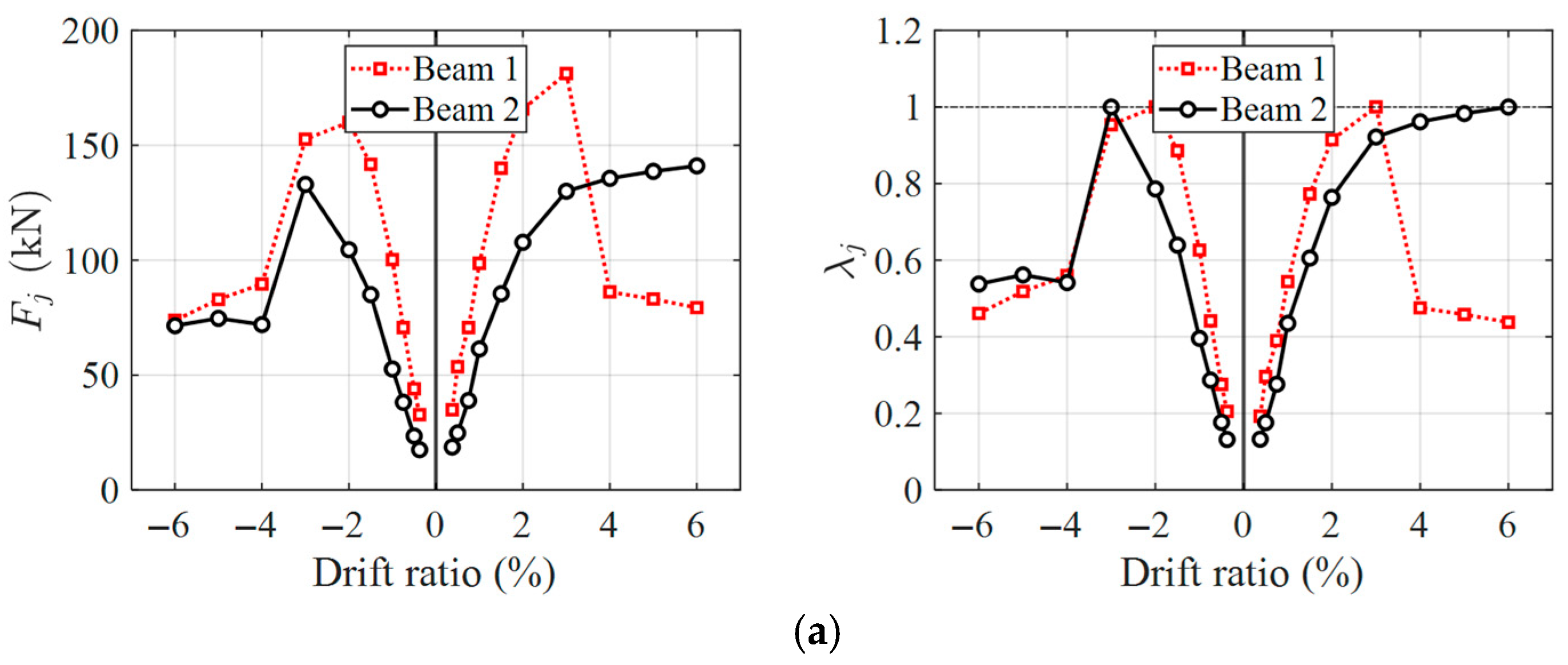
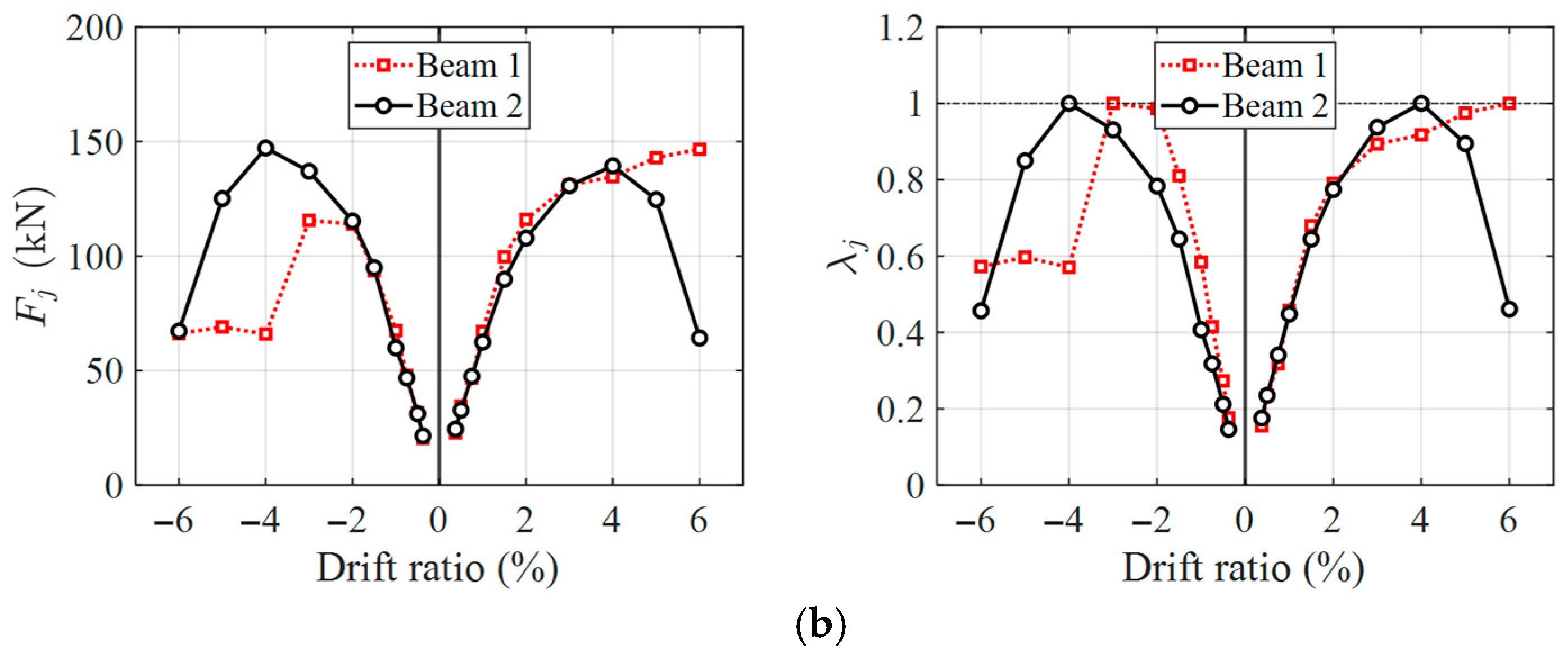
Figure 13 presents the strength degradation behavior of both specimens under cyclic loading. The strength
Fj is defined as the peak load attained by the specimen during the
j-th loading cycle, while the strength degradation coefficient
λj represents the ratio of the current peak load to the maximum peak load
Fp recorded throughout the entire loading process. For each drift level, the reported value of
λj corresponds to the average of all repeated cycles at that drift level, in order to reflect the overall degradation trend. Overall, both types of irregular joints exhibited a characteristic three-stage trend of “growth-drop-stabilization”, and the differences between the two beams were primarily governed by the joint geometry and the stress state of the ID.
For specimen UDSBJ-IID-1, Beam 1 exhibited a higher initial rate of strength increase, with its peak load approximately 25% greater than that of Beam 2. However, around a 3% drift ratio, successive fractures of the IDs in Beam 1 caused a pronounced strength reduction, with the positive- and negative-direction λj values decreasing to approximately 0.48 and 0.56, respectively. In contrast, Beam 2 retained about 0.6 of its negative-direction strength at the same stage, while its positive-direction λj remained nearly unchanged. Afterward, the strength of Beam 1 stabilized at a lower level, maintaining about 40–50% of its initial capacity. These observations indicate that the strength degradation of UDSB joints is distinctly asymmetric, with stress concentration on the deeper beam side and diaphragm failure being the dominant causes of the abrupt strength drop.
For specimen SSBJ-IID-1, both beams exhibited comparable peak strengths and degradation rates prior to a 3% drift ratio, after which the damage mechanism began to diverge. The joint remained in a linear growth stage before a 1.5% drift ratio, followed by a plateau in strength beyond 2%. At a 3% drift ratio, fracture of the upper diaphragm in Beam 1 led to a reduction in negative-direction strength, while the positive-direction strength remained stable. When the drift ratio reached 5%, the upper and lower diaphragms of Beam 2 fractured sequentially, causing simultaneous strength reduction in both beams. By the end of the 5% and 6% drift cycles, λj had decreased to approximately 0.88 and 0.43, respectively. Compared with the UDSB joint, the SSB joint exhibited smoother and more symmetric degradation curves, suggesting that the staggered configuration effectively alleviates local stress concentration and enhances the joint’s capacity to sustain ductility.
In summary, the strength degradation process of both irregular joints can be divided into three distinct stages: (1) initial strengthening stage (before 1.5%), where load-bearing capacity increases with plastic development; (2) sharp reduction stage (around 3%), corresponding to ID fracture and rapid strength loss; and (3) residual stage (≥5%), where the joints retained more than 40% of their peak load capacity. The test results confirm that fracture of the ID is the key trigger for abrupt strength deterioration, and when the beam-to-column flange thickness ratio
ηbc > 1.0 [
7,
8], the joints become more sensitive to diaphragm failure, resulting in a significantly accelerated degradation rate.
3.5. Energy Dissipation Capacity
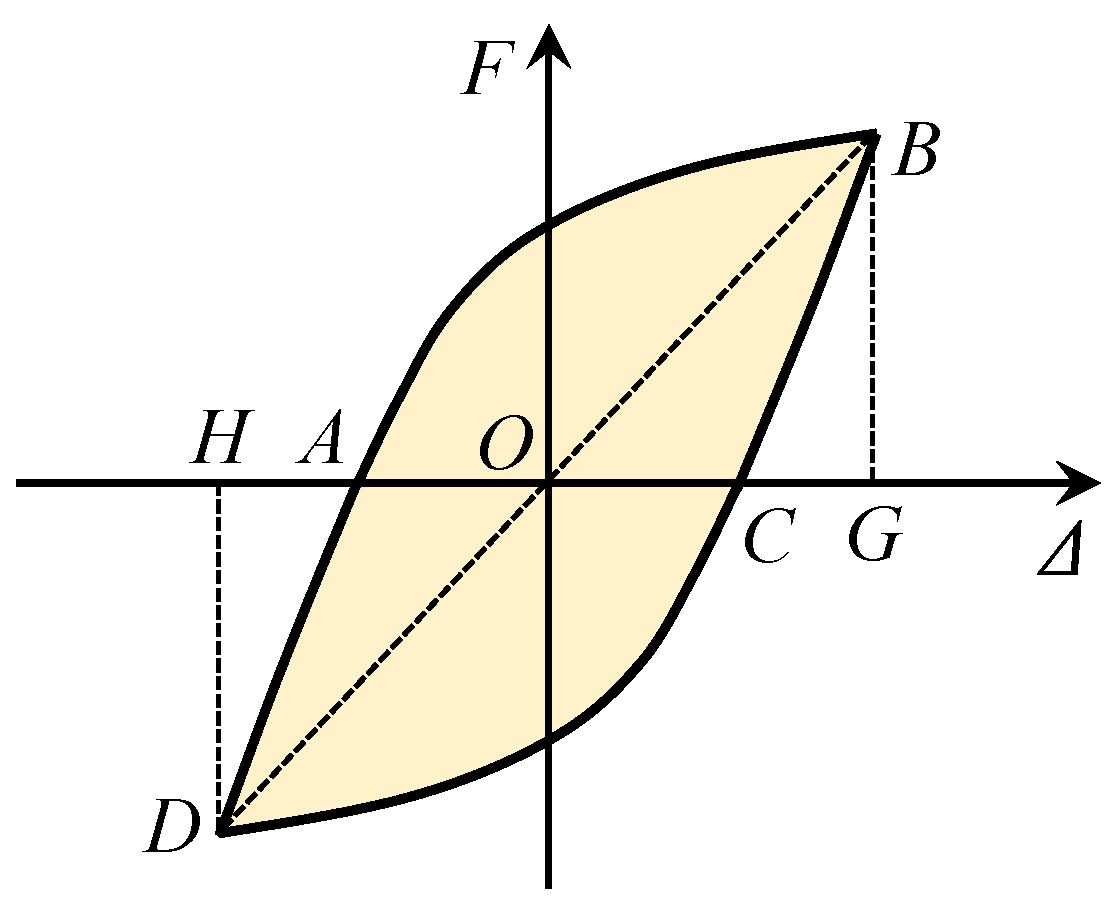
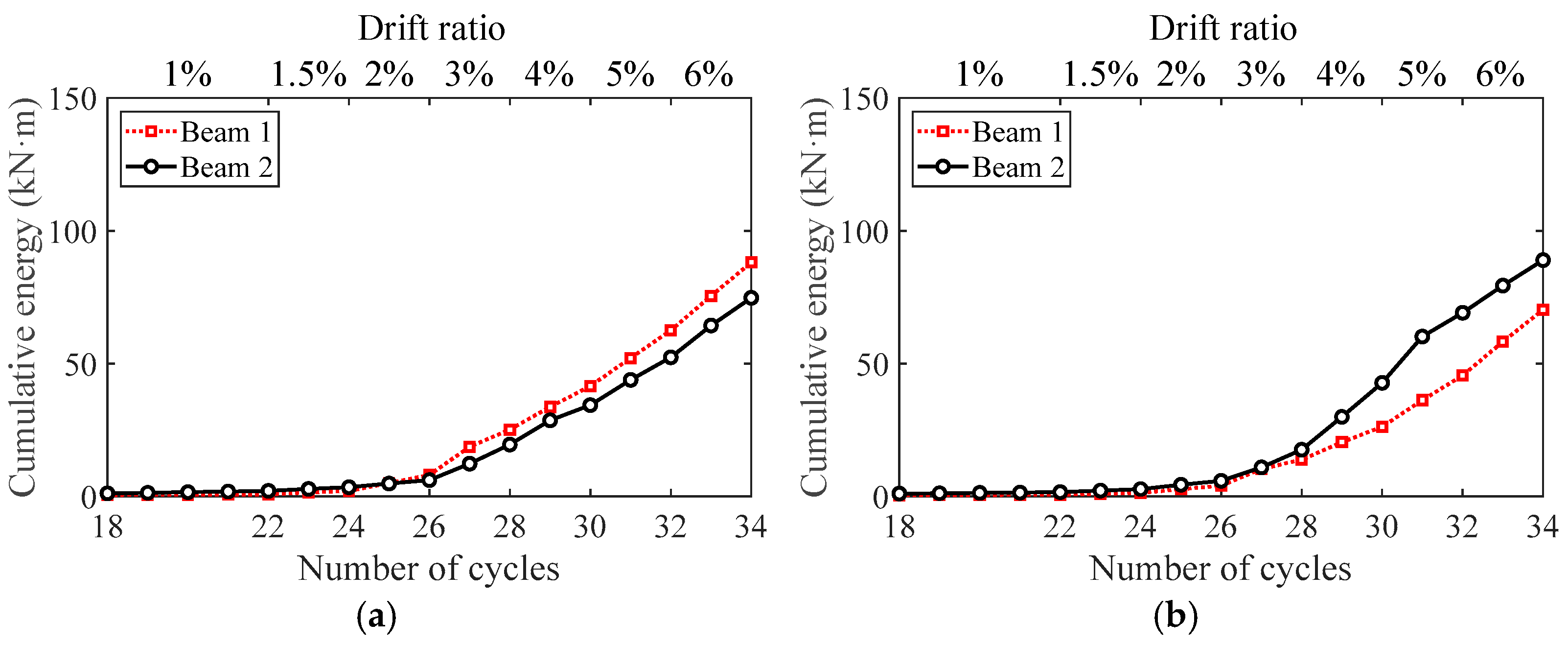
The energy dissipation capacity of the joints was evaluated in terms of the cumulative energy dissipation (Σ
E) and the equivalent damping ratio (
). The equivalent damping ratio reflects the energy loss capacity of the joint during cyclic loading, and it is calculated as follows:
where
SABCD denotes the area enclosed by the hysteresis loop, while
SOBG and
SODH correspond to the areas of the elastic restoring force triangles, as illustrated in
Figure 14. Vertices A–H represent the characteristic intersection points of the loading and unloading paths used to construct these areas.
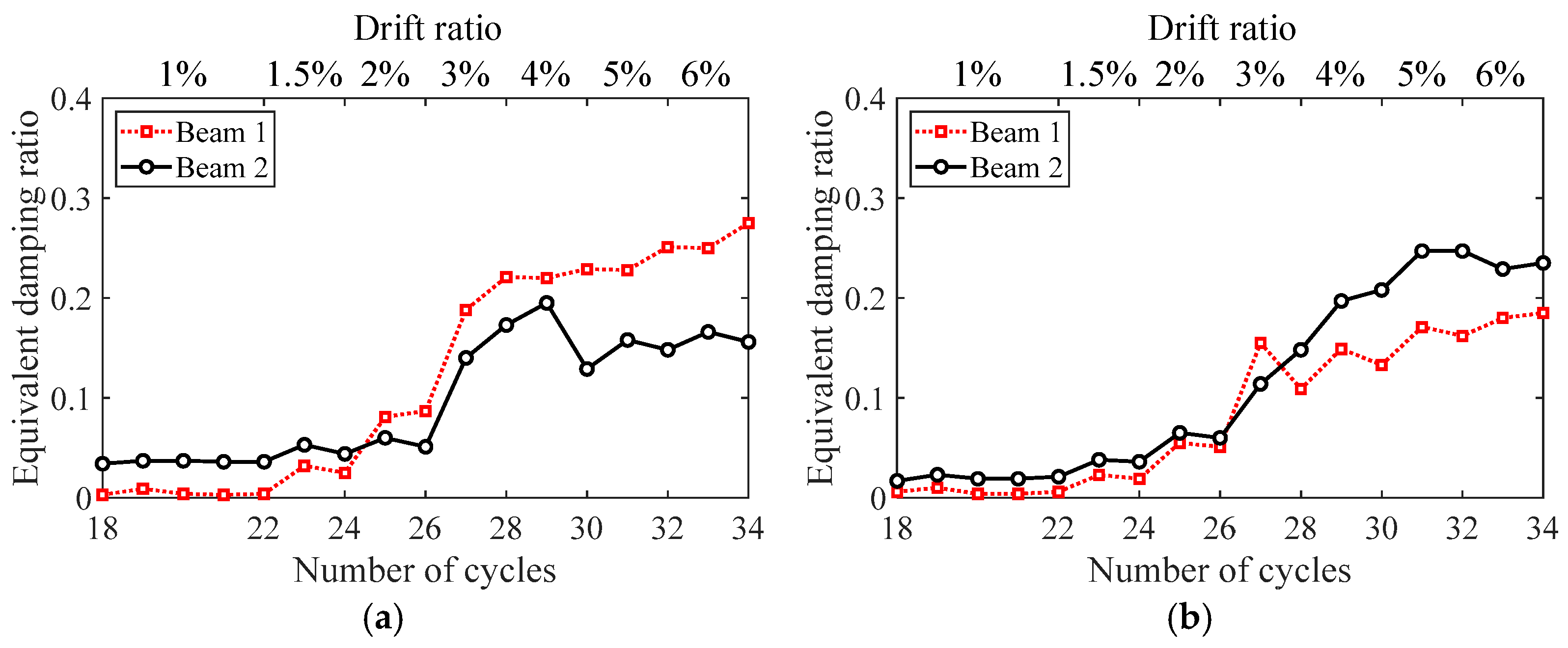
Figure 15 and
Figure 16 show the cumulative energy dissipation and equivalent damping ratio of each specimen, respectively. Overall, the energy dissipation capacity of both irregular joints increased significantly with increasing drift ratio before reaching 4%, demonstrating pronounced plastic energy dissipation characteristics. With further cyclic loading, the equivalent damping ratio
gradually stabilized around a 4% drift, indicating that the joints had reached a steady-state energy dissipation condition.
For specimen UDSBJ-IID-1, the cumulative energy of Beam 1 increased slowly during the initial loading stage, but it rose sharply once the drift ratio exceeded 2%, as the hysteresis loops became more stable and fuller. At a 3% drift ratio, Beam 1 exhibited approximately 30% greater cumulative energy dissipation than Beam 2, suggesting that the deeper beam governed the early-stage plastic energy absorption of the joint. After the fracture of the IDs, the energy accumulation rate of Beam 1 decreased slightly but remained consistently higher than that of Beam 2 throughout the test. At a 6% drift ratio, the total cumulative energy dissipation of Beams 1 and 2 reached approximately 88 kN·m and 75 kN·m, respectively, confirming that the joint maintained a high energy absorption capacity even after diaphragm fracture. Correspondingly, the equivalent damping ratio of Beam 1 increased rapidly after a 3% drift ratio and stabilized within the range of 0.22–0.28, while the maximum
of Beam 2 reached about 0.20. These values exceed the
ξeq ≥ 0.125 acceptance limit commonly used in ASCE 41-based seismic performance assessments, demonstrating adequate energy-dissipation capacity [
41]. Moreover, compared with conventional RC beam-to-column joints (typically
ξeq ≈ 0.10), the proposed joint exhibits more than twice the damping capacity. Its
ξeq levels are also comparable to those reported for CFST column-beam joints (
ξeq ≈ 0.25–0.30 [
42]) and similar to the 0.246–0.288 range measured in external-diaphragm UDSB-to-CFST joints tested by Liu et al. [
34].
For specimen SSBJ-IID-1, both beams exhibited a more balanced energy dissipation trend. Before a 2% drift ratio, the cumulative energy was limited, but it increased rapidly thereafter. When the upper inclined diaphragm of Beam 1 fractured at a 3% drift, its energy dissipation capacity declined, while Beam 2 continued to accumulate energy and surpassed Beam 1. With further loading up to a 5% drift, both upper and lower diaphragms of Beam 2 fractured, resulting in a gradual reduction in the energy growth rate. The equivalent damping ratios of Beams 1 and 2 stabilized at approximately 0.23–0.25 and 0.16–0.19, respectively, at drift ratios of 3% and 5%. These values exceed the ASCE 41 acceptance limit of
ξeq ≥ 0.125 and fall within the typical range reported for CFST and external-diaphragm UDSB joints [
34,
42].
In summary, the joints with inclined IDs exhibited good energy dissipation capacity under cyclic loading. Even after a partial diaphragm fracture, the joints maintained a high level of energy absorption, reflecting stable hysteretic behavior and reliable seismic energy dissipation performance.
3.6. Shear Behavior of Panel Zone
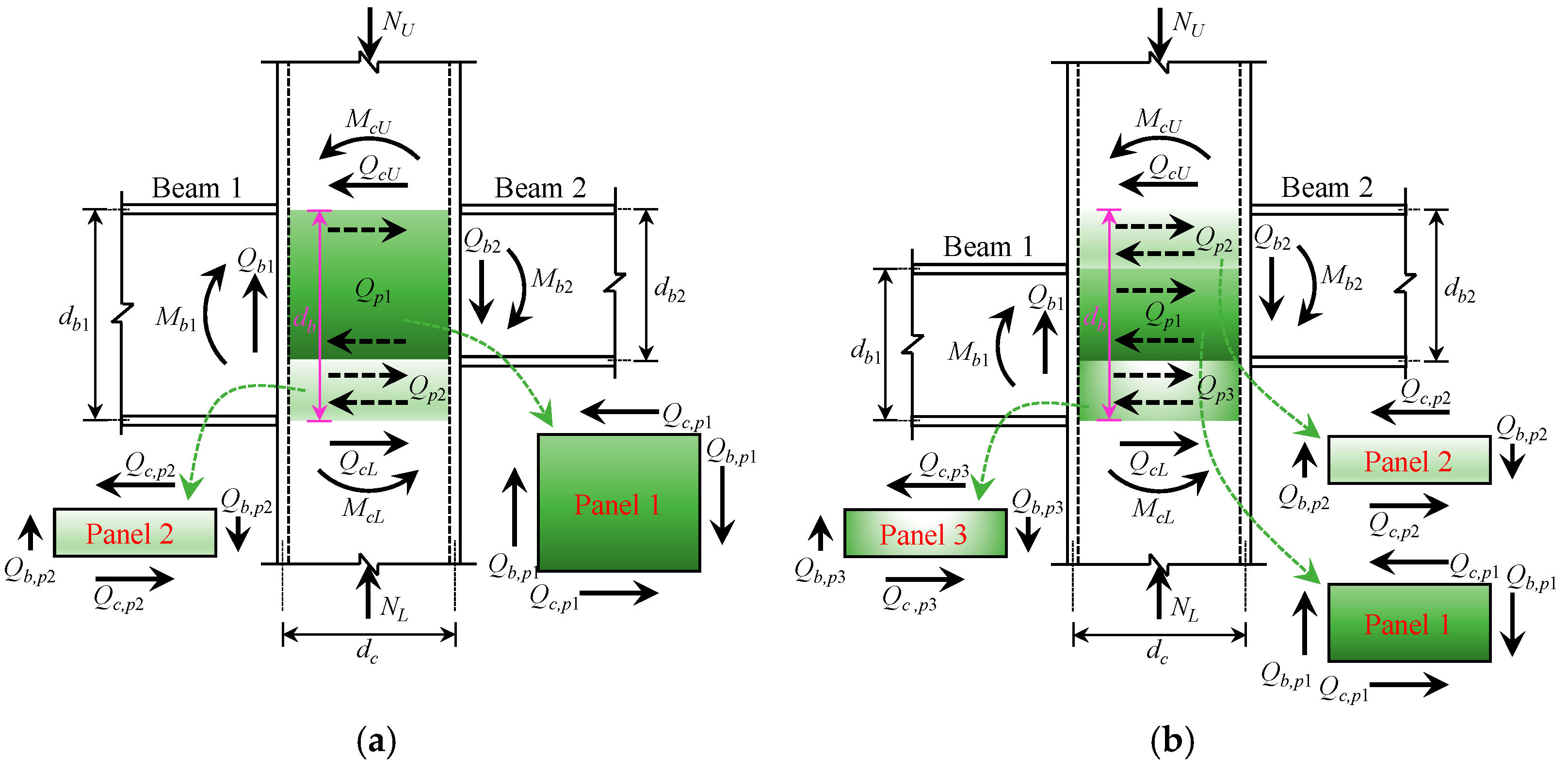
The shear transfer mechanism of the panel zone in the unequal-depth (UDSB) and staggered (SSB) joints is schematically illustrated in
Figure 17. The panel zone is subdivided into multiple sub-regions according to the beam-column intersection geometry. When lateral loading is applied, the flexural moments transmitted from the beam ends induce unbalanced shear forces across these sub-regions. The whole panel zone can therefore be idealized as a system composed of several shear segments (three for the SSB joint and two for the UDSB joint), each subjected to distinct internal force distributions. The arrows in
Figure 17 indicate the directions of internal shear forces at the beam-column interfaces. Assuming that the beam and column end moments act as concentrated couples at the flange locations, the resultant shear force of the entire panel zone,
Qp, can be determined from equilibrium as [
20,
42,
43]
where
db is the total height of the panel zone,
dc is the distance between the column flange centerlines (i.e., the panel zone width),
Lb and
Lc denote the beam span and effective column height, respectively, and
Qb1 and
Qb2 represent the beam-end shear forces.
The whole panel shear deformation angle (
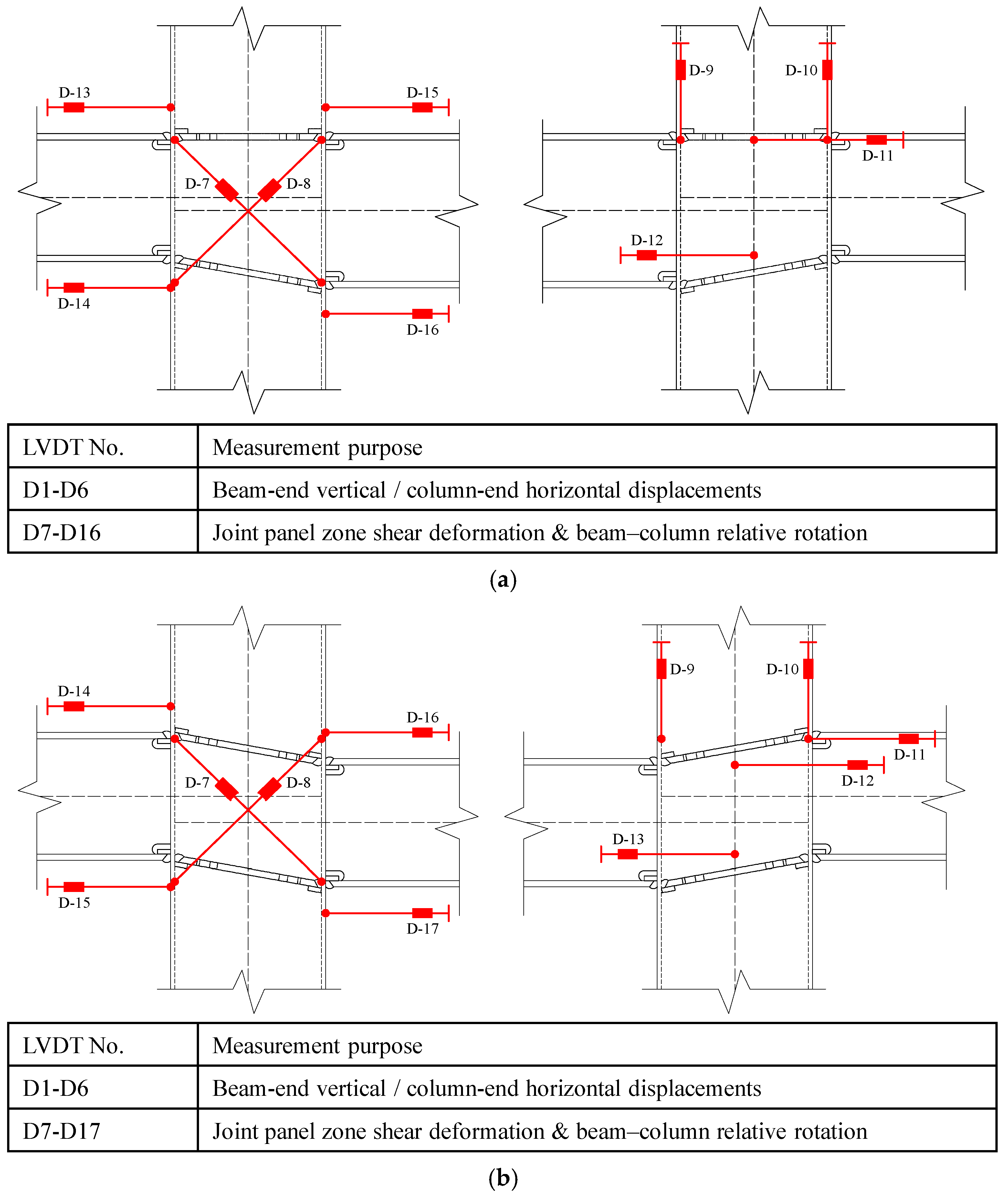
γp) was derived from the diagonal displacements measured within the panel zone as [
20]:
where
is the height of the whole panel zone,
and
are the measured compressive and tensile diagonal displacements, and
denotes the initial angle between the diagonal and the horizontal axis.
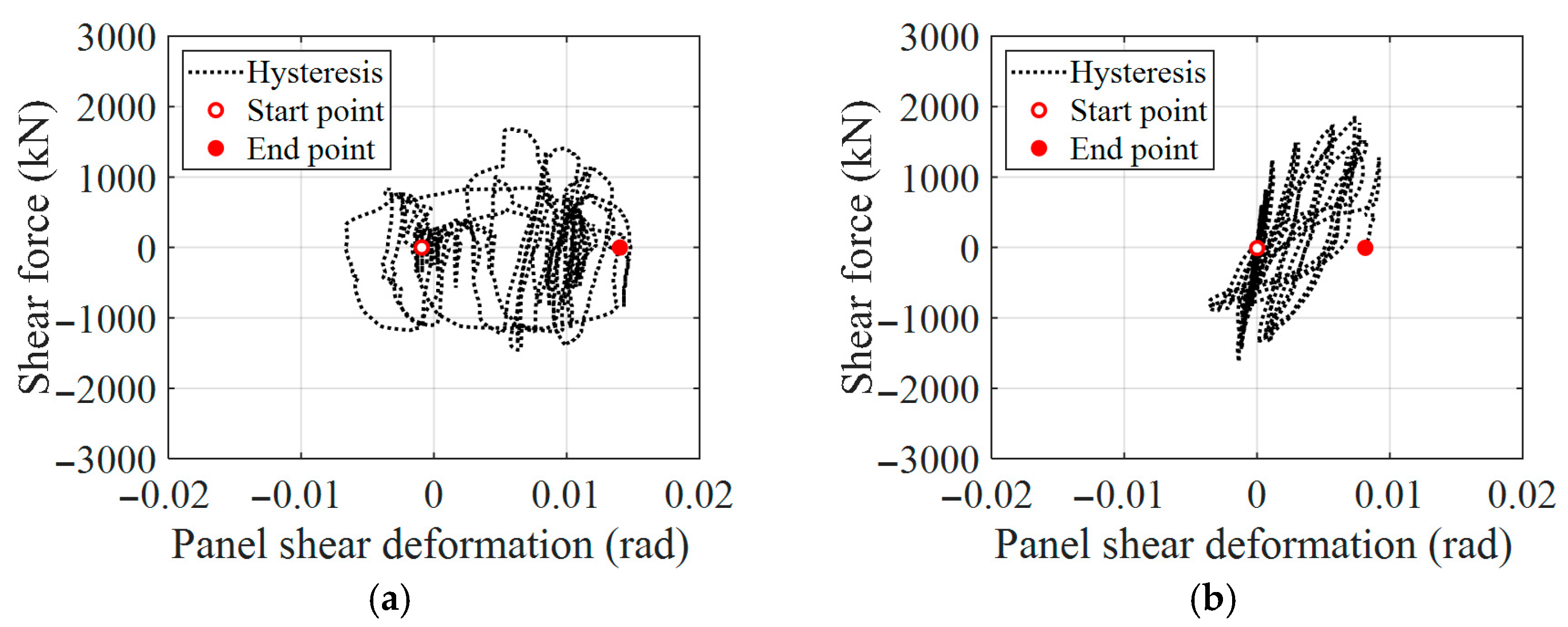
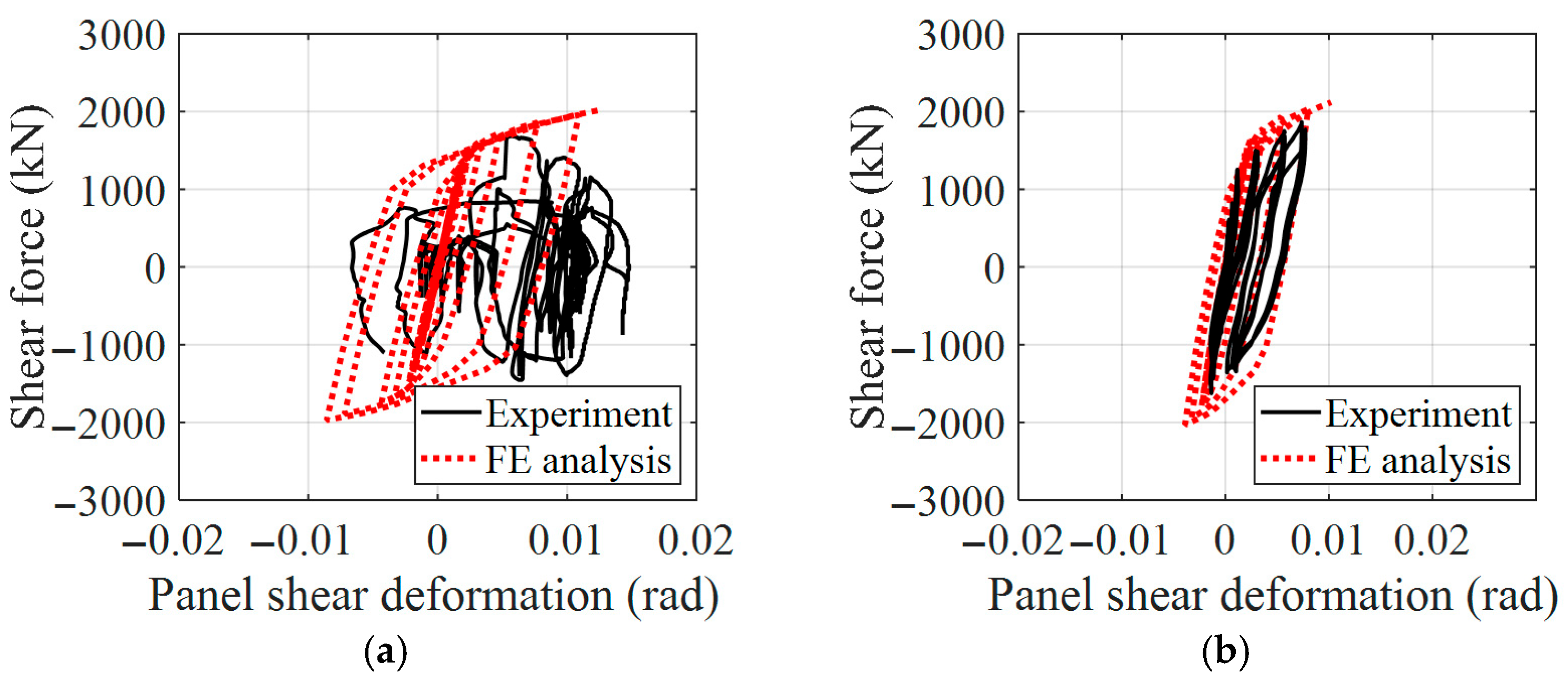
Figure 18 presents the shear force-shear deformation relationships of the panel zones for both specimens. The panel zones of the two joints exhibited evident plastic deformation, accompanied by asymmetric hysteretic loops that shifted toward one side. This asymmetric response primarily resulted from the inherent geometric irregularity of the joints, as well as the eccentric force transfer path caused by moment-shear coupling at the beam ends and local cracking of the inclined diaphragms.
For UDSBJ-IID-1, the hysteretic loops appeared fuller, demonstrating pronounced energy dissipation and accumulation of residual deformation during cyclic loading. The maximum panel shear force reached approximately 1684 kN, corresponding to a maximum shear deformation angle of about 0.015 rad. Upon unloading, a residual shear deformation angle of about 0.014 rad remained, indicating a significant degree of irreversible deformation. The larger panel deformation in this specimen was primarily attributed to the earlier and more severe fracture of the upper and lower diaphragms of Beam 1, which altered the internal force transfer path, promoted unilateral shear plasticity, and resulted in the observed offset and fuller hysteretic loops.
In contrast, the SSBJ-IID-1 specimen exhibited a higher shear strength but smaller deformation, with a maximum panel shear force of approximately 1865 kN, a maximum shear deformation angle of about 0.009 rad, and a residual shear deformation angle of about 0.008 rad. Although its hysteretic loops were also asymmetric and biased toward one side, the staggered beam configuration effectively dispersed the stress distribution within the panel zone. Consequently, the initiation of diaphragm fracture was delayed, and the extent of plastic development was smaller than that observed in UDSBJ-IID-1, leading to a narrower and more elongated hysteretic shape.
It is noteworthy that the panel zone contributed only a limited portion of the total story drift. For instance, at a 4% drift ratio, the panel-zone shear deformation accounted for approximately 20% of the total story drift in specimen UDSBJ-IID-1 and 12.5% in specimen SSBJ-IID-1. Although yielding and residual deformation occurred within the panel zones of both specimens, the magnitude of panel shear deformation was considerably smaller than the overall story drift observed at the same loading level. Accordingly, the global joint deformation was therefore dominated by beam-end rotation, rather than by shear distortion within the panel zone.
3.7. Moment-Rotation Response of Beam End
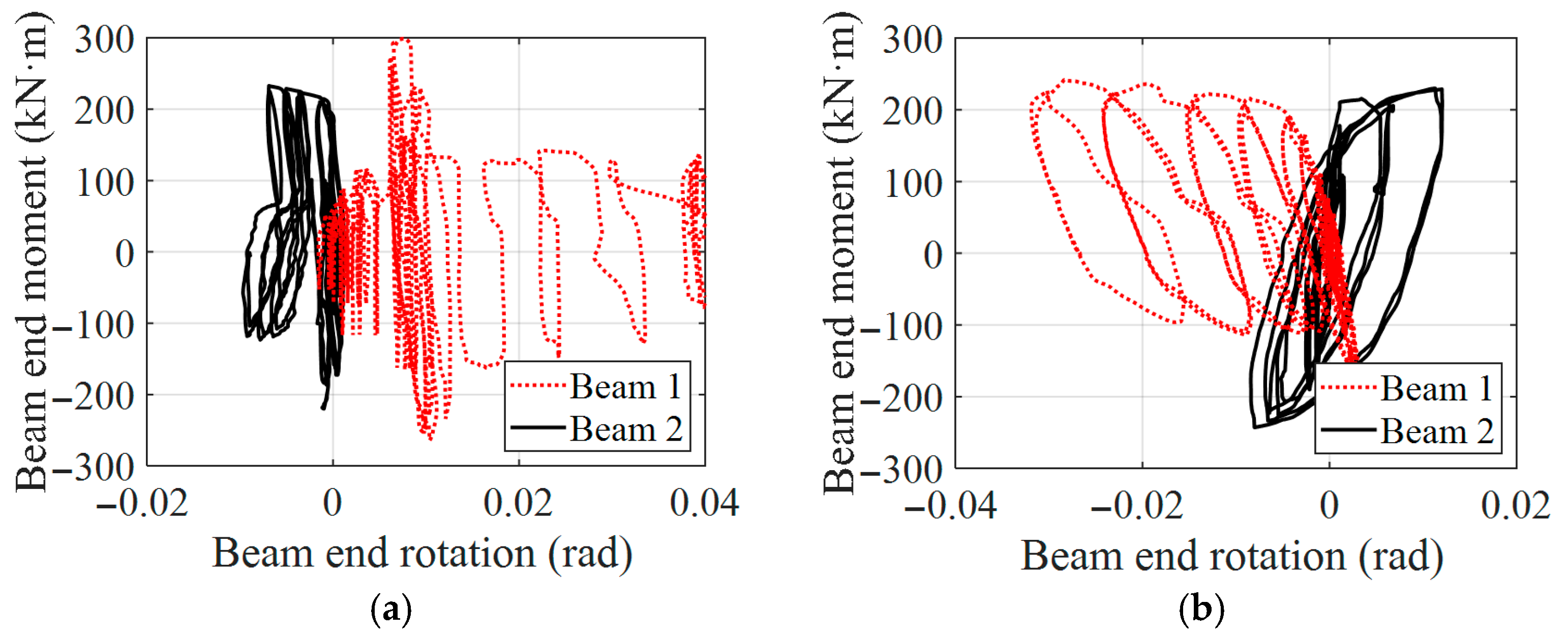
Figure 19 shows the beam-end moment-rotation hysteretic relationships for both specimens. The beam-end rotation was calculated from the relative displacement measured by the upper and lower LVDTs at each beam end (as shown in
Figure 7), divided by the vertical distance between them [
44].
For Specimen UDSBJ-IID-1, the hysteretic curves display a pronounced directional bias after the fracture of the inclined diaphragms at approximately 3% drift. Following this event, the rotation of Beam 1 shifted toward the positive direction (tension side of the bottom flange), and the maximum rotation exceeded 0.04 rad, indicating extensive flexural deformation concentrated at the beam end. In contrast, Beam 2 exhibited smaller and more stable rotations because its diaphragm fracture occurred later. The rotation gradually developed toward the negative direction (tension side of the top flange), consistent with the observed crack propagation and final failure mode. This asymmetric rotational response highlights the effect of differential diaphragm damage on the deformation coordination of the two beams within the joint.
For Specimen SSBJ-IID-1, the hysteretic curves are relatively stable and fuller, indicating more uniform moment transfer between both beams. The initial stiffness of Beam 1 and Beam 2 was nearly identical. When the upper diaphragm of Beam 1 side fractured at 3% drift, the moment-rotation curve began to shift toward the negative direction (tension side of the top flange), and the maximum rotation reached approximately 0.03 rad. Subsequently, after 5% drift, the upper and lower diaphragms of Beam 2 side fractured successively, causing its rotation response to deviate toward the positive direction (tension side of the bottom flange), with a maximum rotation of approximately 0.012 rad.
Overall, both joints exhibited evident rotational asymmetry and strength degradation following diaphragm fracture, but the staggered-beam configuration demonstrated superior stability and deformation coordination, with reduced concentration of local plastic rotation at the beam ends. These results confirm that the integrity and sequence of diaphragm fracture critically influence the rotational behavior and global deformation mechanism of irregular beam-to-CFST column joints.
3.8. Strain Distributions
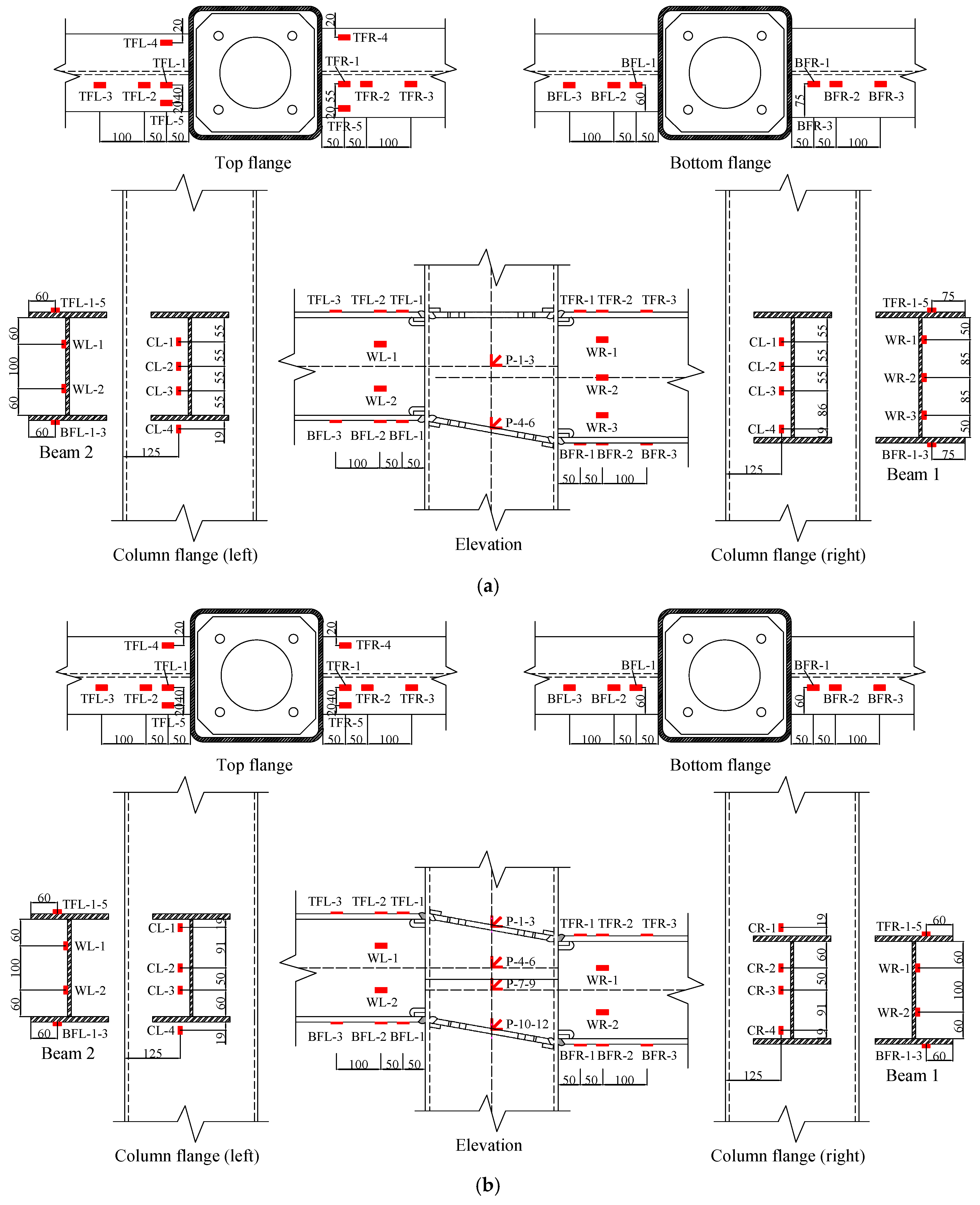
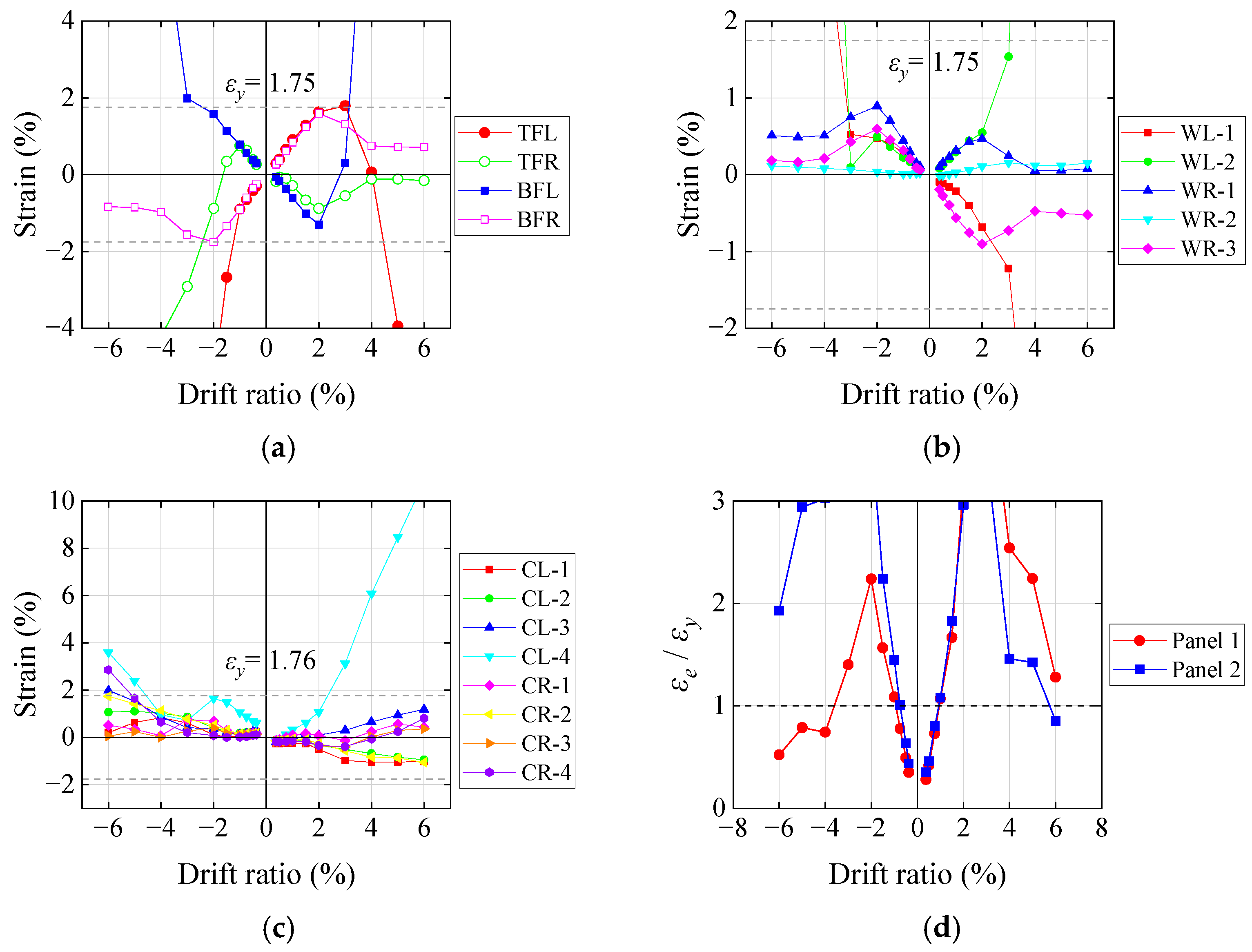
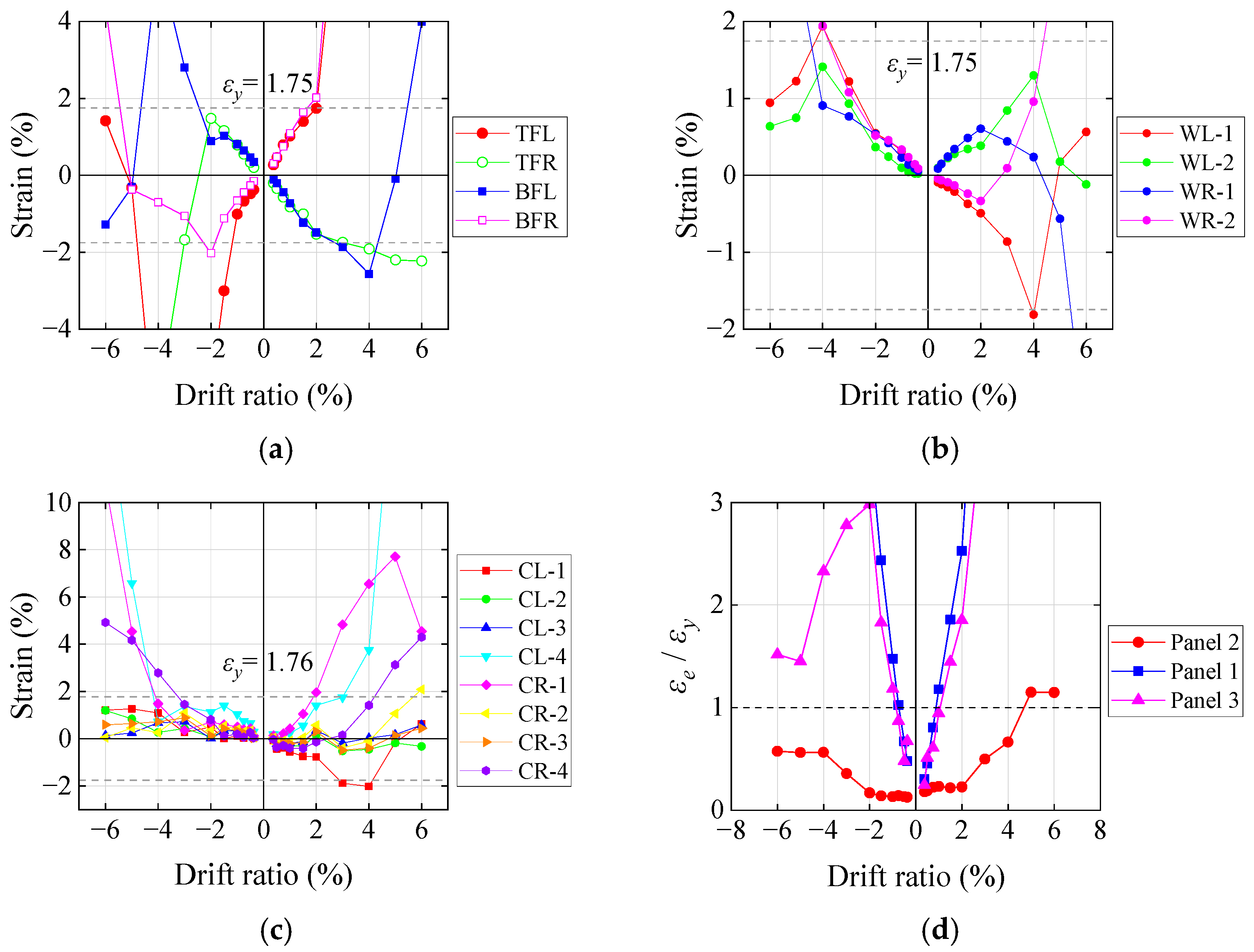
Figure 20 and
Figure 21 illustrate the strain evolution of the beam flanges, beam webs, column walls, and panel zones in the unequal-depth (UDSBJ-IID-1) and staggered beam (SSBJ-IID-1) joints under cyclic loading, respectively. The gray dashed lines indicate the yield strain (
εy) of the steel components, determined from the material coupon tests. At each loading level, the reported strain corresponds to the mean of the maximum measured values across the repeated loading cycles.
For the UDB joint (
Figure 20), the strain development of the beam flanges exhibited distinct staged behavior. The top flange of Beam 2 (TFL) yielded first at approximately 1.5% drift ratio, with strain gauge TFL-4 being the first sensor to reach the yield strain
εy. This was followed by the bottom flange of Beam 1 (BFR), which entered the plastic stage beyond 2% drift. As the loading progressed, the strain directions of Beams 1 and 2 diverged, indicating asymmetric yielding caused by the accumulation of residual plastic deformation. The web strain remained relatively low, with only Beam 2 showing partial yielding after 3% drift, suggesting that flexural resistance was mainly provided by the flange zones. The column-wall strain was generally uniform along the height but began to increase noticeably after 3% drift, particularly at measurement point CL-4 near the Beam 2 bottom flange, where diaphragm weld fracture occurred. As shown in
Figure 20d, both Panel 1 and Panel 2 yielded at approximately 1% drift ratio (corresponding to a panel shear force of about 1235 kN) and rapidly entered the plastic regime, confirming that the panel zone was the first component to yield. Overall, the failure process of UDSBJ-IID-1 can be summarized as follows: the panel zone yielded first, followed by the development of plasticity in the beam flanges. Subsequently, fracture of the internal diaphragm caused localized deformation concentration along the column face, leading to a composite yielding mechanism governed by both the beam flange and the column wall.
For the SB joint (
Figure 21), the strain distribution exhibited pronounced asymmetry. The top flange of Beam 2 (TFL) yielded first at about 1.5% drift, while both the top (TFR) and bottom (BFR) flanges of Beam 1 yielded after 2% drift. A sudden reversal of strain in the Beam 1 top flange occurred at 3% drift, corresponding to the fracture of the upper diaphragm. Similarly, the Beam 2 bottom flange (BFL) experienced a sharp strain reversal at 5% drift, indicating sequential fracture of the upper and lower diaphragms. The beam-web strains developed gradually and only partially yielded after 4% drift. Most column-wall measurement points exhibited limited strain amplitudes, except for CR-1 (near the Beam 1 top flange) and CL-4 (near the Beam 2 bottom flange), which showed significant localized strain concentration after diaphragm fracture and entered the plastic stage, consistent with observed column-wall tearing. The normalized equivalent strains in the panel zones indicate that Panel 1 yielded first at about 1% drift, Panel 3 yielded around 1.5%, and Panel 2 remained elastic until after 5% drift, highlighting the nonuniform stress distribution across the joint core. In summary, the failure sequence of SSBJ-IID-1 involved initial yielding of the panel zone, followed by plastic deformation of the beam flanges. The subsequent fracture of the inclined diaphragm triggered local yielding of the column wall, while the beam web exhibited delayed yielding at the later loading stages.
Overall, both joint configurations demonstrate that IID plays a pivotal role in controlling the stress transfer path and deformation capacity of the connection. The panel zone yields first, followed by the beam flanges that accommodate most of the plastic deformation. Once the welded diaphragms fail, additional tensile strain develops in the column wall, accelerating damage propagation and ultimately governing the overall failure of the joint.