You are currently viewing a new version of our website. To view the old version click .
Buildings
  • Article
  • Open Access

8 January 2024

Developing a Framework Leveraging Building Information Modelling to Validate Fire Emergency Evacuation

,
,
,
and
1
School of Engineering, Cardiff University, Cardiff CF24 3AB, UK
2
College of Architecture and Urban Planning, Tongji University, Shanghai 200092, China
3
School of Civil Engineering, Dalian Jiaotong University, Dalian 116028, China
4
School of Aerospace, Transport and Manufacturing, Cranfield University, Cranfield MK43 0AL, UK
This article belongs to the Section Construction Management, and Computers & Digitization

Abstract

In fire emergency management, a delayed execution will cause a significant number of casualties. Conventional fire drills typically only identify a certain percentage of evacuation bottlenecks after the building has been constructed, which is hard to improve. This paper proposes an innovative framework to validate fire emergency evacuation at the early design stage. According to the experience and knowledge of fire emergency evacuation design, the proposed framework also introduces a seamless two-way information channel to embed fire emergency evacuation simulations into a BIM-based design environment. Several critical factors for fire evacuation have been reviewed in relevant domain knowledge, which is used to build virtual characters to test in experimental scenarios. The results are analyzed to validate fire emergency evacuation factors, and the feedback knowledge is stored as a knowledge model for further applications.

1. Introduction

Building emergency management is generally regarded as an integrated scientific methodology in the architecture, engineering, and construction (AEC) industry, providing reasonable solutions for human safety in extreme conditions [1]. It is particularly significant in all occurrences of structure fires, which impact the safety of people and the building concerned [1,2]. Recent research has reported that a high incidence of emergency casualties is associated with the delayed evacuation of facilities [3,4]. Theoretically, fire emergency management carries out fire drills or experiments to enhance the fire emergency scheme. However, there has been little discussion about safety awareness in a fire drill and the resource costs for emergency experiments that influence the validity of their results [5]. The conventional measures deliver solutions after completing the building design, which may lead to costly and time-consuming modifications [6].
Since the first publication of the BIM, it has promoted multiple-field integration and collaboration in the AEC industry [7,8]. BIM allows different applications and disciplines to be connected and communicate in an information-sharing and interactive network at various stages of the building life cycle. This network has created a flexible design environment for BIM-based research, where many building issues are solved during the building design. Like fire emergency management, some challenges can be solved at the early stage of the building design, which has become a critical research topic [9].
This paper has proposed a building information modeling virtual environment (BIM-VE)-based framework to analyze the fire evacuation relevant factors and validate and improve the fire evacuation performance. The summarized factors contribute to the fire evacuation simulation experiment to generate related scenarios and questionnaires to capture the knowledge representation. In the proposed framework, a design dimension, named fire evacuation simulation, is integrated into the collaborative BIM-based conceptual process, aiming to validate the fire evaluation factors’ efficiency. Based on historical research and previous work, certain important elements of fire education can be considered in advance at the early design stage. Additionally, to maximize the validation range, automation of the data transmission was built to connect BIM (in Revit) and the serious game (in Unity3D server and clients) by means of APIs, which facilitate user involvement during the collaborative design stage in this framework. This framework also proposes combining an artificial intelligence-based “agent” with a real human test while the integrated design is ongoing.
The paper’s content is structured as follows: the literature review of related work is presented in Section 2. The proposed BIM-VE-based framework is introduced in Section 3: the key fire evacuation factors are identified in this section, and a real-time two-way information channel and the underlying hardware equipment with multiple interfaces are presented. In Section 4, the proposed approach is validated by specific human experiments, in which the performance of the developed software and interface are presented; ontological-based logic reasoning is also applied to generate a smart software agent. The conclusion and future work are presented in Section 5.

3. The Framework of BIM-VE Emergency Evacuation

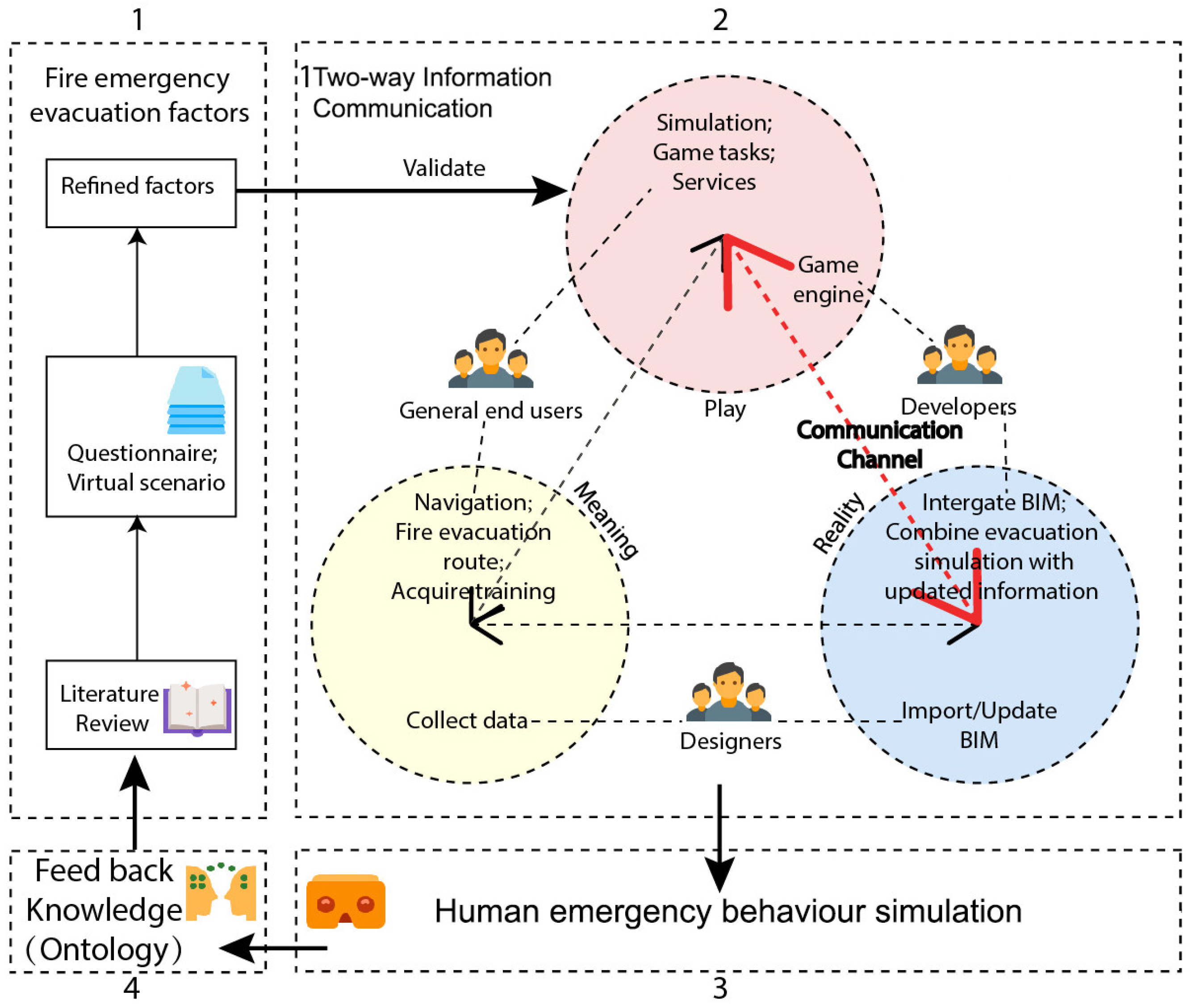
This paper has provided end-users with BIM-VE-based emergency evacuation solutions to improve the emergency plan; the research framework is shown in Figure 1. In the proposed framework, the factors concerning fire emergency evacuations were first extracted from the relevant literature (Table 1) and refined for system testing. This refers to the research question to consider the existing studies in this domain. Next, a BIM-based two-way information channel is set up to test the scenarios based on the factors. This connects the BIM environment to other stakeholders (general end-users) via generic interfaces, such as game environments, mobile devices, and web pages. This step aims to establish an experimental environment that considers the existing collaborative design environment (BIM) and virtual reality simulation environment for emergency evacuation. Furthermore, the scenario-based human emergency experiment has progressed to identify design and management stages for system functionality. The experimental results have been analyzed quantitatively and qualitatively to measure end-user satisfaction and be extracted manually into the ontological environment for knowledge representation. This facilitates user comprehension and operation. The process involves validating critical factors in emergency evacuations from existing literature and constructing and storing the results in a knowledge model. It proves that the proposed immersive VE can improve the end-user’s experience. Finally, the results are integrated into an ontology to enhance building emergency design in the future.
Figure 1. The research framework of BIM-VE.
The proposed approach involves general end-users in a building emergency design process, which allows the building design professionals to match and affect its intended energy use. The conventional computer simulations of emergency design generally focus on predicting specific human behavior [52]. However, reliable interaction between humans, buildings, and emergency factors in response to an actual evacuation is still required. The proposed BIM-VE provides a dynamic virtual experiment to investigate critical factors of an emergency evacuation involving emergency evacuees, fire response activities, and emergency-related locations. With ontological behavior modeling, emergency events can coordinate the evacuees’ spatial activities according to the key factors, representing their interaction and cooperation.

3.1. Two-Way Information Communication in the Game Engine

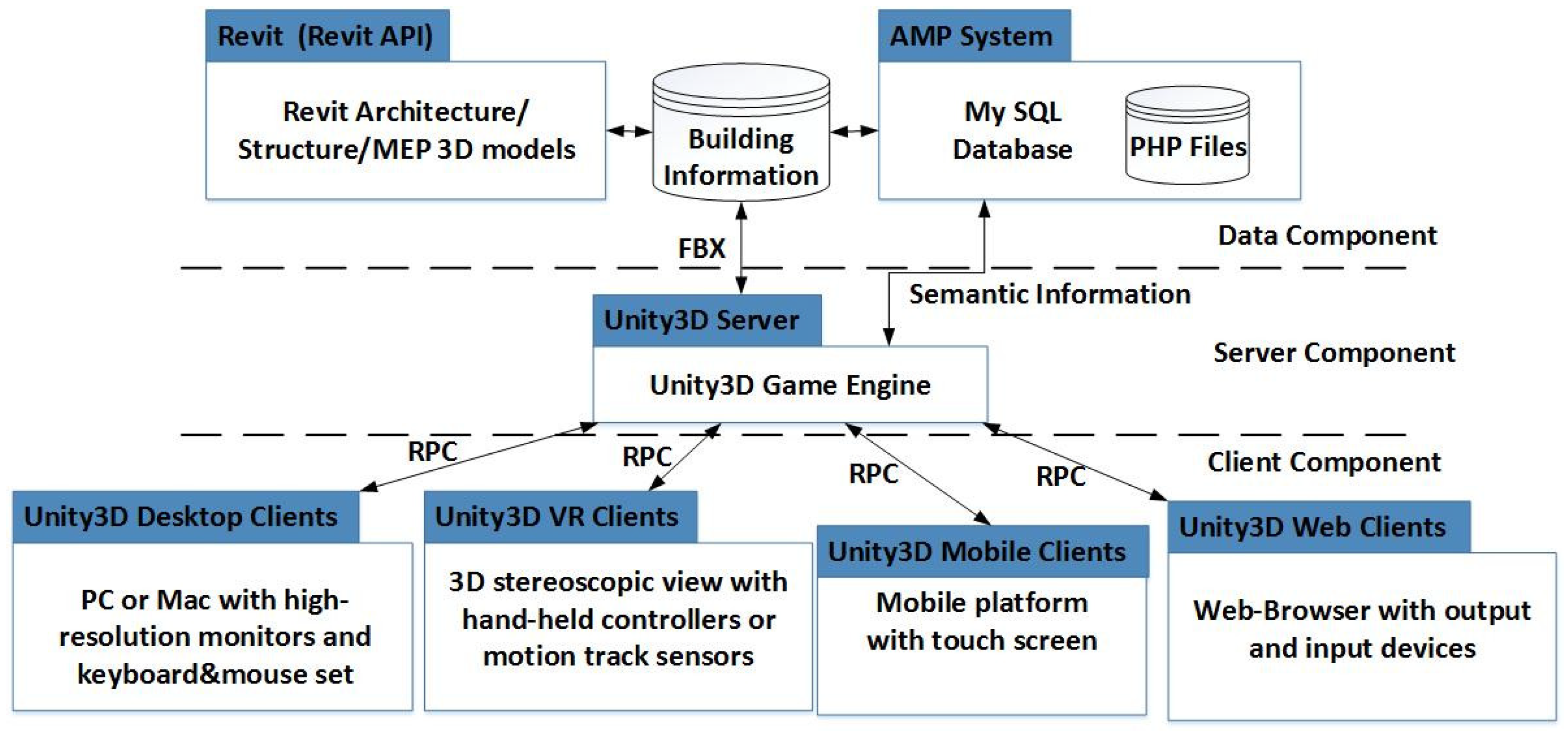
In this paper, the proposed BIM-VE can utilize two-way information channels to build the VE based on the geometric information and then reference semantic information (e.g., doors, safety areas, and obstacles) to change virtual scenarios dynamically. It can also provide effective fire emergency solutions, including emergency evacuation guidance and training, which can be implemented on multiple VR technology platforms. The data of the BIM-VE comprised two main components via the AMP system: an FBX plug-in ‘.dll’ (application extension) that interfaces with Autodesk Revit (i.e., Revit API) and an executable object from the Unity3D server. The AMP system is the central hub that collects and transfers all required building information, internally developing an information channel between the building information model and the serious game. The AMP system feeds and maps all building information (i.e., geometric and semantic building information) in the Unity3D server based on the object IDs of the FBX model. The server component then synchronizes building information with the available clients in line with remote procedure calls (RPC). For transferring information from Unity3D to the Revit model, AMP first receives the altered semantic information from the virtual game environment and feeds it back to Revit. Revit then reads the changes from the AMP system and compares the two semantic information sets to update the appropriate BIM components. In this way, the potential bottlenecks during a fire evacuation can be identified and rectified in the design stage, saving time and capital. Moreover, the BIM-VE can provide end-users with interior design tools to change the building layout and furniture distribution according to the identified problem. These changes to building information influence evacuation effectiveness and can be authorized by professionals and synchronized back to the BIM software.
Game engines are used due to their intuitive controls and immersive 3D technology, thus creating realistic VEs for general end-users involved in building design and management [53]. Specifically, game engines can be chosen as the platforms for interaction between professional designers and end-users. Scenarios created in the engine can be exported as standalone applications for OSX and MS Windows, consoles such as Xbox and Wii, and smartphones running iOS and Android [54]. More importantly, it supports web applets for online use, decreasing the size of a game and promoting its spread. Hence, the engine can develop serious games for a wide range of end-users to gather measurable and quantifiable information to enhance quantitative research results [55].

3.2. Human Emergency Behavior Simulation

In the proposed evacuation modeling approach, scenarios are the assembly of events representing how evacuees interact with the virtual emergency environment to reach their objectives defined by their specific characteristics and tasks. Events in emergency evacuation describe the impacts and interactions between entities (i.e., buildings, humans, and emergency factors) [56]. Entities are structured and connected to represent what happens to evacuees in a fire. It is not a direct prediction of how the individual will behave during the building’s emergency, but rather an experiment-based knowledge model for such prediction. Although ergonomics, cognitive science, environmental psychology, and social sciences originate from several study disciplines, they can influence fire emergency evacuation. The lack of formalization of such knowledge in reliable, computationally accessible structures makes it relatively unavailable to designers [47]. The scenario development will consider integrating these aspects that block the development of fire emergency evacuation. The preliminary evacuation scenarios can be created through the reviewed factors. It can then be validated and extended through experiment to the ontological level by this kind of knowledge for the appropriate simulation within the BIM-VE. Thus, a scenario-based evacuation model does not have to be considered an alternative to the existing evacuation model but a possible augmentation. The conventional agent-centered simulations can utilize this scenario-based evacuation model to develop the ontology-driven system to provide reliable and complete data about buildings used for the virtual environments.

3.3. Using Ontology to Store Fire Evaluation Feedback Knowledge

Based on the proposed BIM-VE development and dynamic fire experiments, human behaviors during fire evacuations can be obtained and analyzed for specific buildings; any evacuation behavior modeling should be modified according to these results. However, it should be noted that these results cannot be integrated with existing modeling because they include heterogeneous and independent data domains. The results from the virtual experiments and post-questionnaires have developed a scenario-based ontology to store the experiment feedback and improve building emergency design. In the developed system [57], a static component represents the state of the system. It includes all the entities (e.g., objects, actors, spaces, and their variables). Their relationships, meanwhile, a dynamic component, represents change (how the system moves from one state to another), which is where the system is activated (i.e., where the simulation algorithms are run, generating changes in the states of the objects).
The feedback evacuation ontology can direct the consequences of single users’ behavior, guided by their characteristics and objectives composed of a complex system of decision/action processes in a continuous process of affecting or being affected by the emergency environment and other users’ behavior. In this way, agents can perform their spatial emergency behavior due to single evacuees’ actions and cooperation and influences between people, the building, and other emergency factors [47]. Agents associated with the optimized evacuation ontology interact with updated building information to carry out the precise evacuation simulation for the corresponding building emergency design.

4. System Development

To validate the proposed BIM-VE’s performance, the factors are refined and merged with different fire evaluation scenarios. A two-way information communication using BIM and Unity3D is constructed. The simulation proceeded to validate those factors mentioned in the review. It is essential to ensure virtual experiments are measured quantitatively and qualitatively. Virtual experiments are designed based on the questionnaire analysis, which allows for unexpected developments that may arise as part of such research. The human behavior in fire evacuation ontology was also constructed.

4.1. Build Up Fire Emergency Evacuation Questionnaires and Scenarios

The key factors impacting fire evacuation, as concluded by the literature review, are imprecise and uncertain at the practical level. Individuals behave differently from each other. The non-deterministic nature increases the complexity of human fire evacuation, which is heavily context-dependent (on such aspects as gender, education, belief, etc.). The dynamic virtual environment generated by the BIM-VE does not explore every factor influencing human fire responses. In this section, the system is utilized to validate and extend the literature review’s available factors and attempts to reflect their main aspects. Virtual scenarios are set up based on elements like “Smoke, toxic gas, and fire” from “perceptual features,” while the scenario experiment design incorporates content such as “observation” from “Individual factors,” “collaboration and group preferences” from “social factors,” and “familiarity” from “situation features.”
The approaches used in the fire evacuation experiment are demonstrated in Table 2:
Table 2. Fire evacuation questionnaires and scenarios used in BIM-VE.
To investigate the individual information, a pre-questionnaire was devised and provided to the participants before the virtual experiments based on Table 1. To formalize virtual experiments based on the related factors, observation techniques used in the virtual experiments can be generalized into two categories [58]. Specifically, direct observation takes the external independent measure of response, such as timing, number of times, event recording, or grading via a pre-determined marking scheme, whereas self-reporting, such as post-questionnaires, identifies the factors that are rarely observed in the direct observation.

4.2. Build Up Two-Way Information Communication

To build a bridge between professionals and end-users, Autodesk Revit, as a representative of BIM software, was chosen in this paper. It can transfer the building information in a specific format through a programmed API to a virtual environment generated by a game engine. Figure 2 illustrates the system architecture used in this paper.
Figure 2. System Architecture of BIM-VE [59].
The developed system (BIM-VE) utilizes a BIM authoring tool (Autodesk Revit) as a building information provider to work with the Unity3D Game Engine and an AMP (Apache + MySQL + PHP) framework to create a dynamic virtual reality environment that can be utilized throughout the building life cycle. This system allows non-professional end-users to assist with building design and emergency evacuation planning during the project life cycle.
Data communication between the VE and BIM is realized via a central database and custom Revit plug-ins. The developed plug-in is based on previous systems [59] and supports the transfer of numerous building information formats. The building information is then divided into geometric building information (including in FBX or OBJ model) and semantic building information transferred into the central database individually. At the same time, all the building information is mapped into the Unity3D server and synchronized with end-user interfaces using remote procedure calls (RPC). To transfer data from Unity3D back to the Revit model, AMP first receives the VE’s revised semantic information and feeds it back to the server database. Revit can read the AMP system changes and compare the two semantic information sets to update the appropriate BIM components. The Unity3D server can automatically update corresponding visualizations and simulations if the building information in Revit is changed. The automatic bi-directional information flow between the BIM model and the serious game can save substantial time/money. It must adjust building environments depicted within the BIM-VE and provide real-time building performance visualization and emergency management with ever-changing building information.
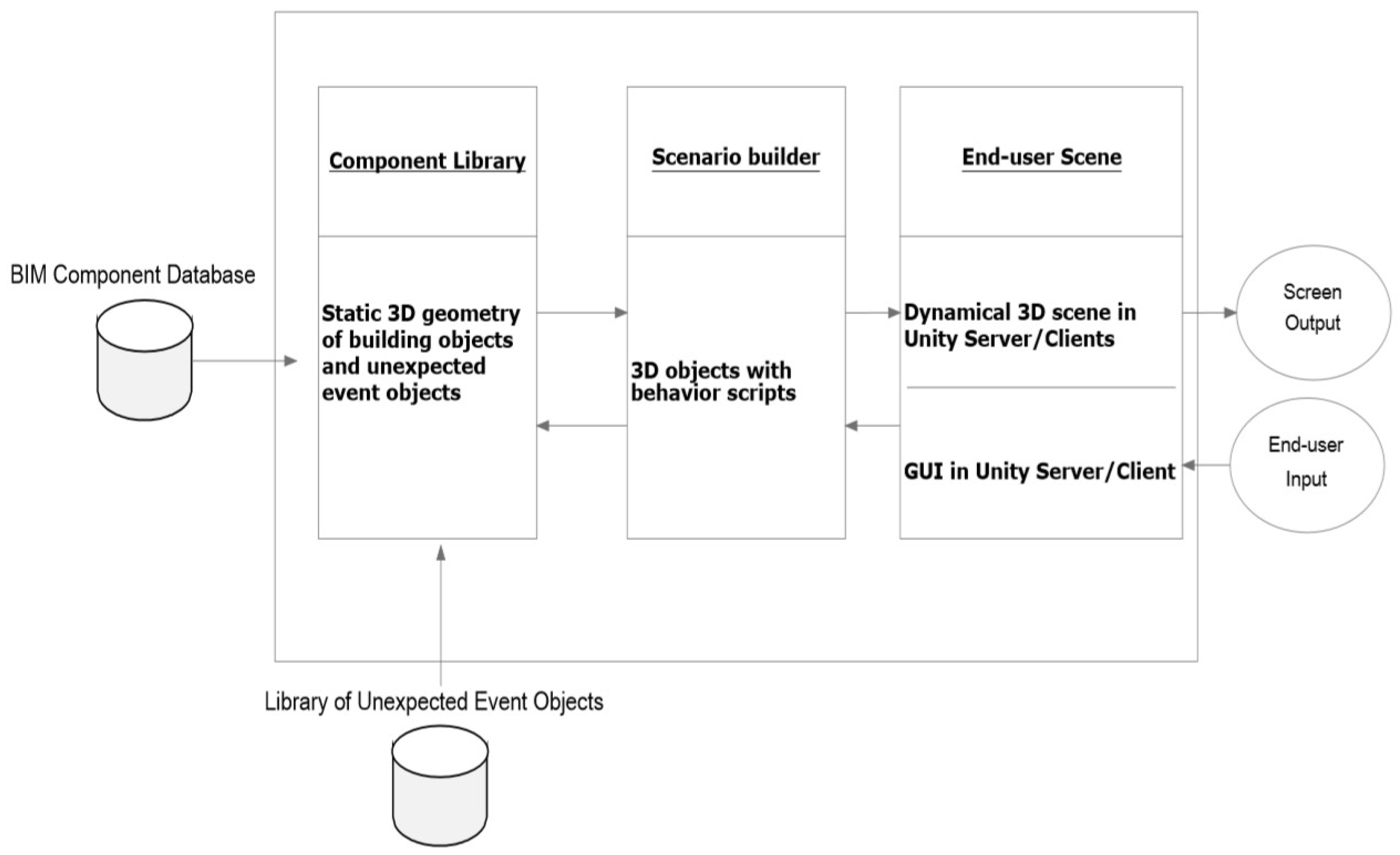
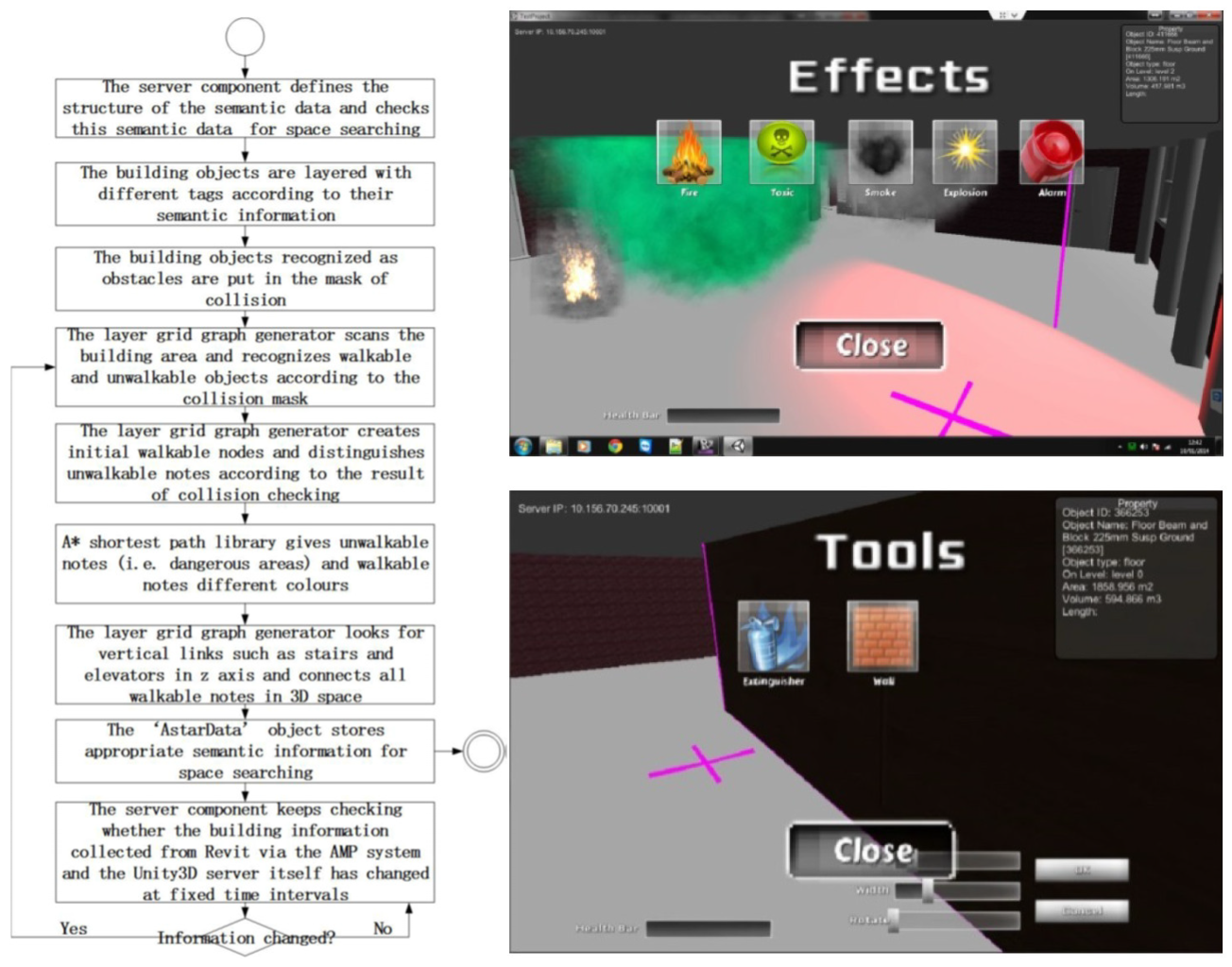
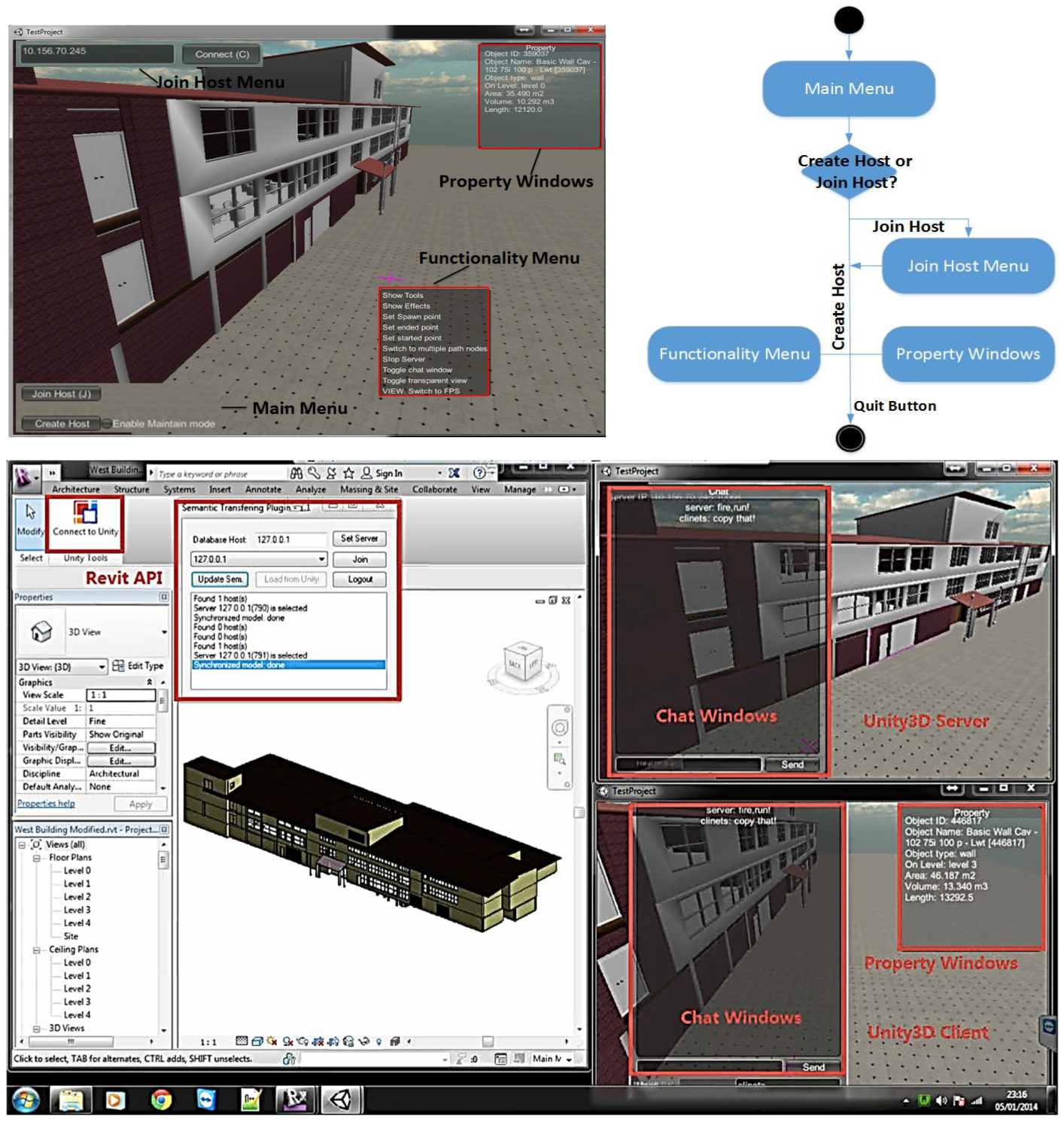
With two-way information communication development in the following section, building information can be automatically translated into the VE. However, this translation does not define factors influencing building design and management. Therefore, in this paper, the library approach shown in Figure 3 introduces the work of building semantic information based on the related factors. It has created dynamic scenarios in the Unity3D server end so that participants within the VE cannot anticipate scenarios in advance. Moreover, it increases the credibility of unexpected emergent events. The library approach, where standard building components can be archived for reuse to create unexpected events, can eliminate the time wasted in repetitive data translation and adds semantic information and animations to enhance the serious game’s performance. The Unity3D server also plays a pivotal role in processing the two-way information flow. It bilaterally receives building information from the data component and Unity users. It concurrently generates a serious game environment for users to update the info in Revit through the data component. The menus used to create a server for user-centered building emergency design and planning are depicted in Figure 4.
Figure 3. The Architecture of the library approach is used in BIM-VE.
Figure 4. BIM-VE system execution flow.
The built-up BIM-VE allows end-users to choose their roles, such as creating dynamic virtual emergency scenarios or as an end-user to take part in virtual experiments or training. Various users can connect to the server to create a unified network-based platform for fire emergency management. The server administrator controls the functionality of BIM-VE to provide user-centered services to life-cycle stakeholders. When the server starts up, the first step is to create an instance within the database to store it. The geometric model (FBX or OBJ format) is then loaded into the Unity server and mapped with semantic information based on the building component’s IDs. The processed data is then sent to designers and rendered. As the process is asynchronous at this stage, an administrator on the server side can begin to calculate evacuation routes (or other tasks, e.g., simulate building performance) according to the updated building information. The server administrator can also set up fire, smoke, explosions, and dangerous areas at unexpected locations to depict an emergency. The users first need to connect to the server after loading semantic and geometric data. Next, the users automatically update the VE and services based on the administrator’s received building information.
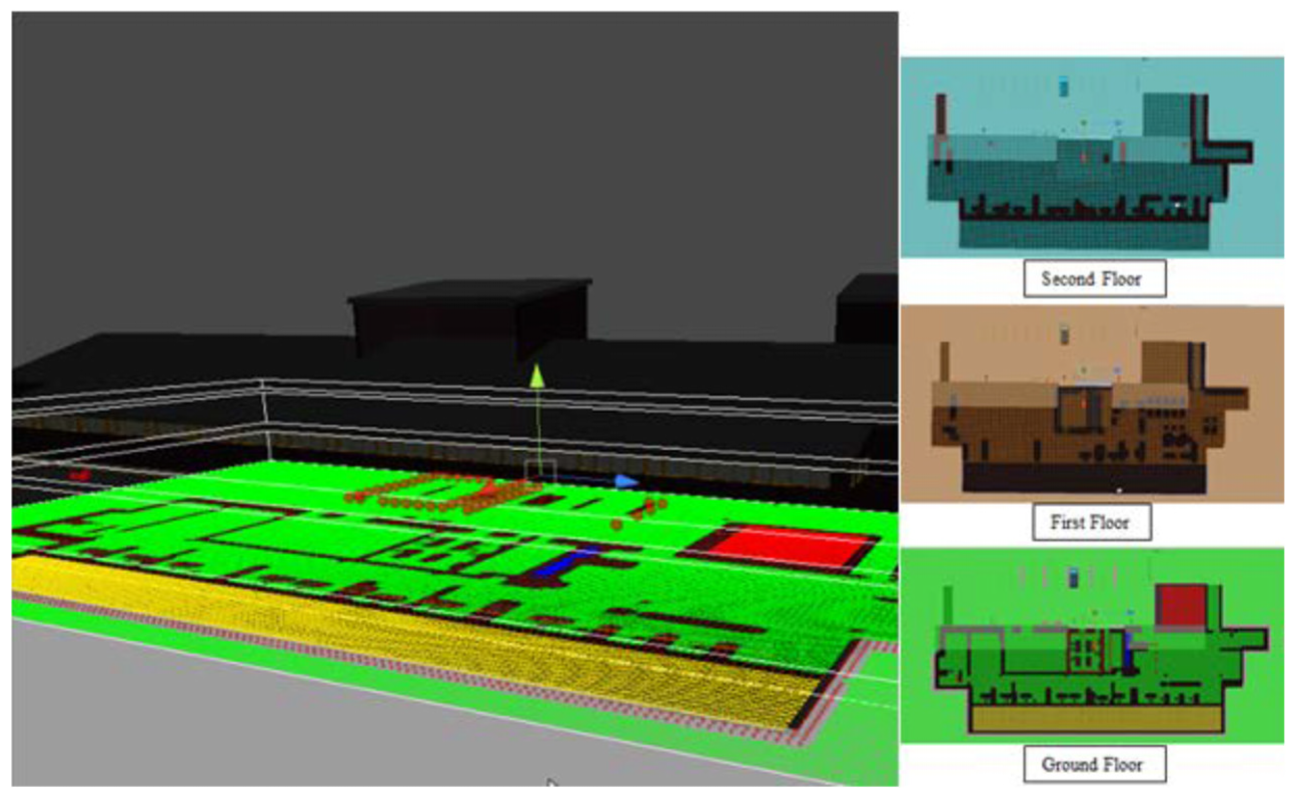
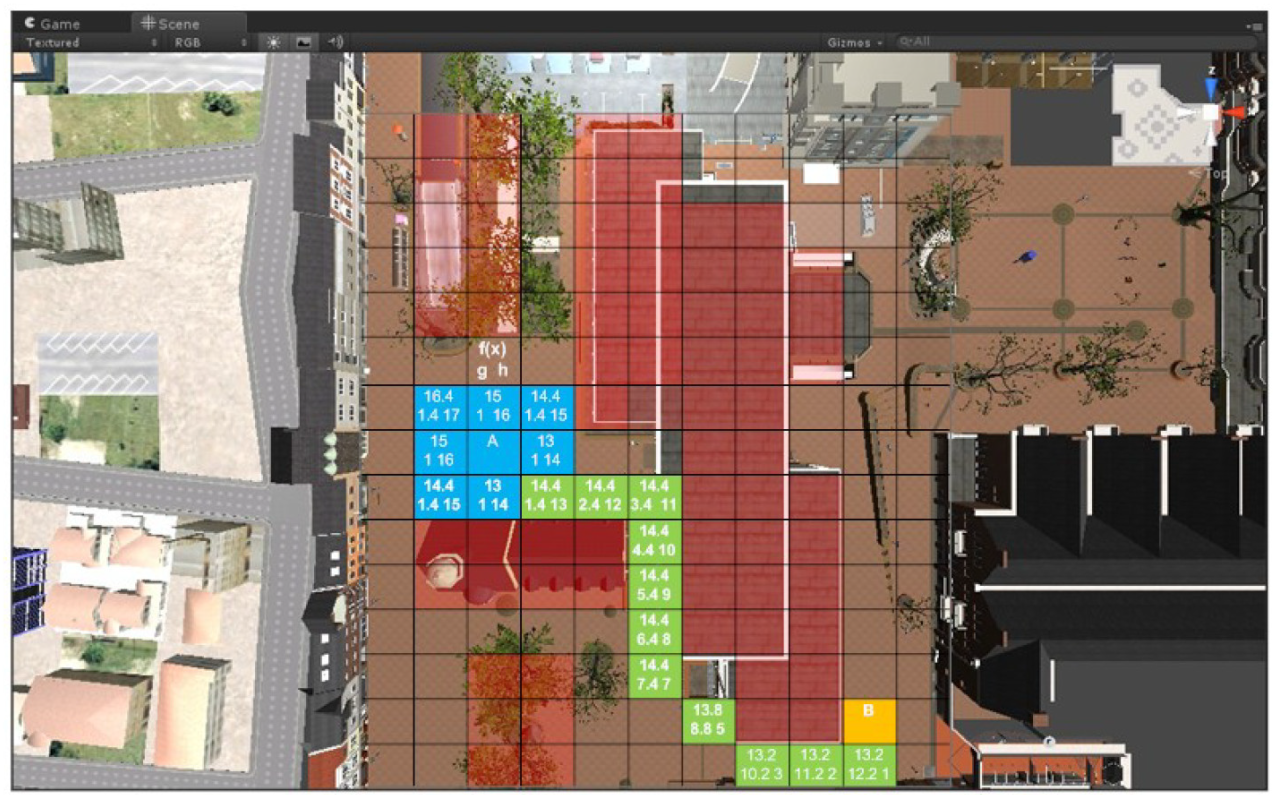
For the evacuation experiment based on built-up BIM-VE, a building in the university was modeled in Revit as the representative BIM model, with a size of 26 MB and detailed geometric and semantic building information human emergency evacuation behavior analysis (Figure 5). The server component leverages Revit API to structure semantic data, including object IDs, types, and properties. Using the A* algorithm (Figure 6) with a unique adjustable heuristic, the system dynamically calculates evacuation routes in 3D space, emphasizing walkable areas. The layer grid graph generator collaborates with the A* library in Unity3D to semantically map and layer-building objects based on their Revit tags. This mapping identifies walkable and impenetrable areas using collision masks, optimizing connections by considering only visible nodes and important criteria like vertical links. Ultimately, the system establishes a 3D discretized space for optimal evacuation paths. The layer grid graph generator adjusts building areas in Unity3D, considering special needs like disabled accessibility, and efficiently manages memory by recreating graphs as needed. Using the A* shortest path library, especially through the ‘AstarPath’ and ‘Seeker’ classes, the system calculates and refines evacuation routes, which the ‘CustomSeeker’ class visually presents with virtual characters (Figure 7). The application offers either a single, fastest evacuation route or multiple safe options, catering to varied user needs. This functionality supports users in visualizing and training for emergency evacuations.
Figure 5. The University BIM model with walkable areas, obstacles, and closed spaces.
Figure 6. A* shortest path finding based on tile movement.
Figure 7. Workflow and tool library to create colored 3D scenarios in Unity server.
Therefore, the Revit API, which connects to the AMP system, was installed to automatically transfer building information between the BIM model in Revit and the virtual environment in the Unity3D server. The BIM-VE supports multiple threads to accelerate information processing, allowing information transfer from Revit to the server and synchronization between the server and users to be processed simultaneously.
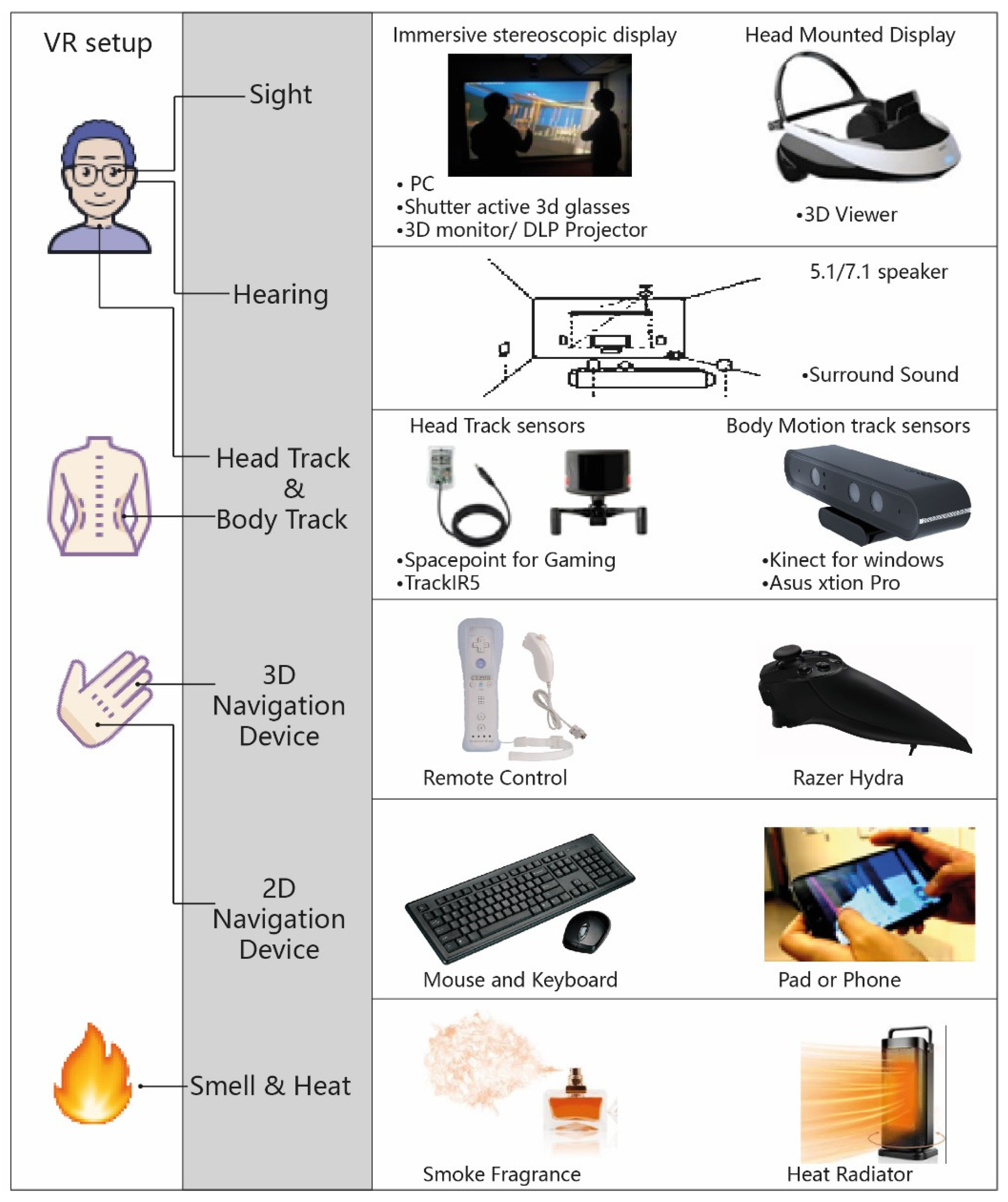
In BIM-VE, VE is used to assess the impact of hazardous factors, such as reduced visibility, temperature variations, and heat, on individuals. This involves creating a VE through the Unity3D game engine, providing high-quality rendering and interfaces. Users have control over their avatars within the virtual building, enabling interactions with the environment to simulate real-world scenarios. Immersive experiences are enhanced through virtual reality hardware. Additionally, sensor devices collect real-time data and employ ontology to comprehend building environment parameters. Visual and auditory outputs are combined with user navigation to enhance their perception of hazardous factors. Through surface coloring and geometric shapes, we visualize temperature changes and population density, aiding in evacuation planning and fire spread prediction. This approach assists users in better understanding building conditions and emergencies, enabling informed decision-making. The boundary conditions consider the impact of physical factors on the educational building’s virtual experiment environment. Movements are confined by floor levels, stairs, walls, and obstacles like other evacuees. Users control their movement by manipulating the camera view, offering a 360° horizontal and vertical rotation perspective. From a standards and requirements perspective, the experiment scenarios are designed based on a literature review, focusing on the core influencing factors extracted. The applied standards include IFC for standardized data schema, the library approach for archiving standard components to enhance virtual experiment performance, and Topic Maps for knowledge representation with an emphasis on information findability. These ensure effective modeling and experimentation within the VE.

4.3. Human Emergency Evacuation Behavior Analysis Based on Experiment Results

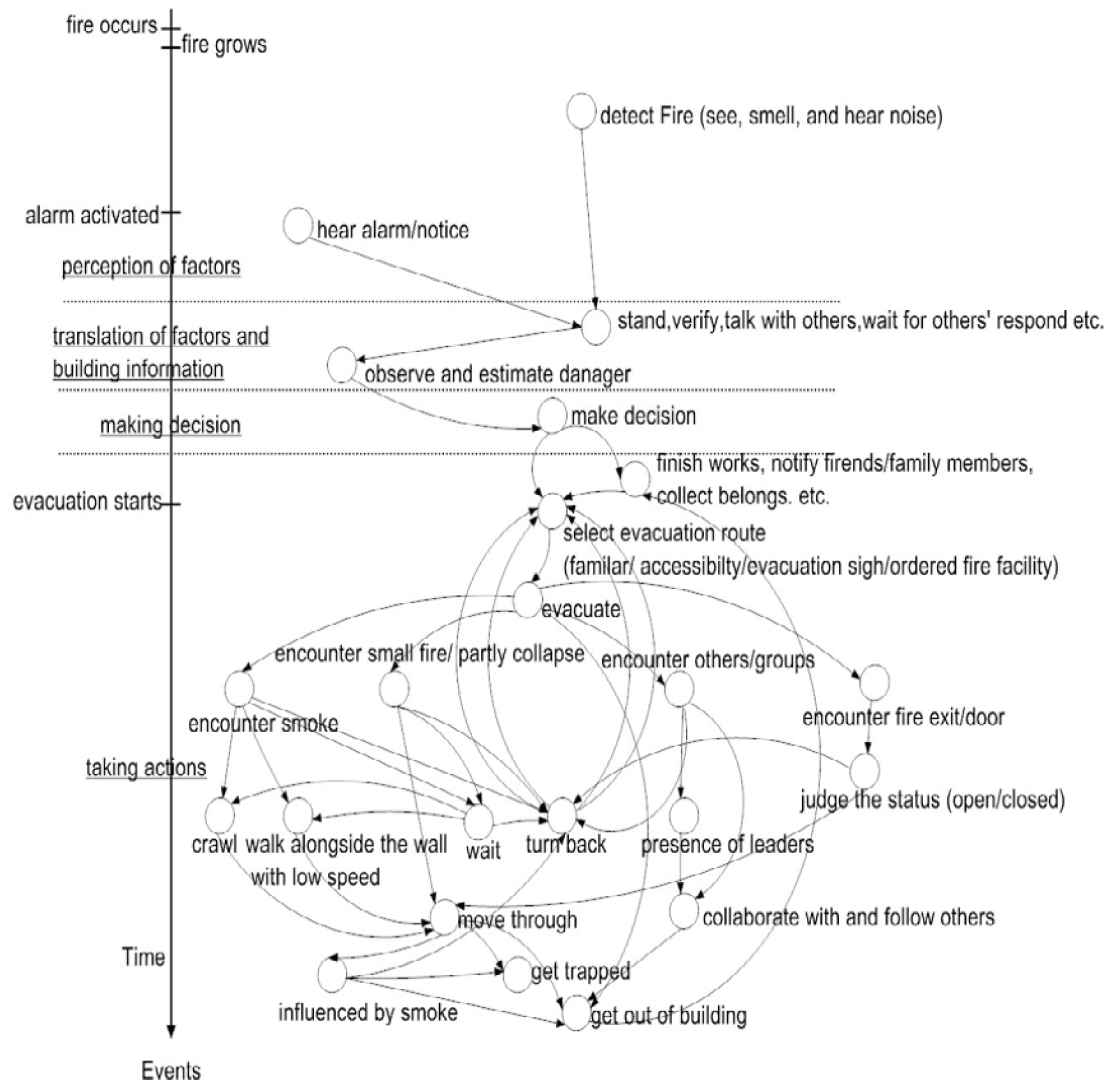
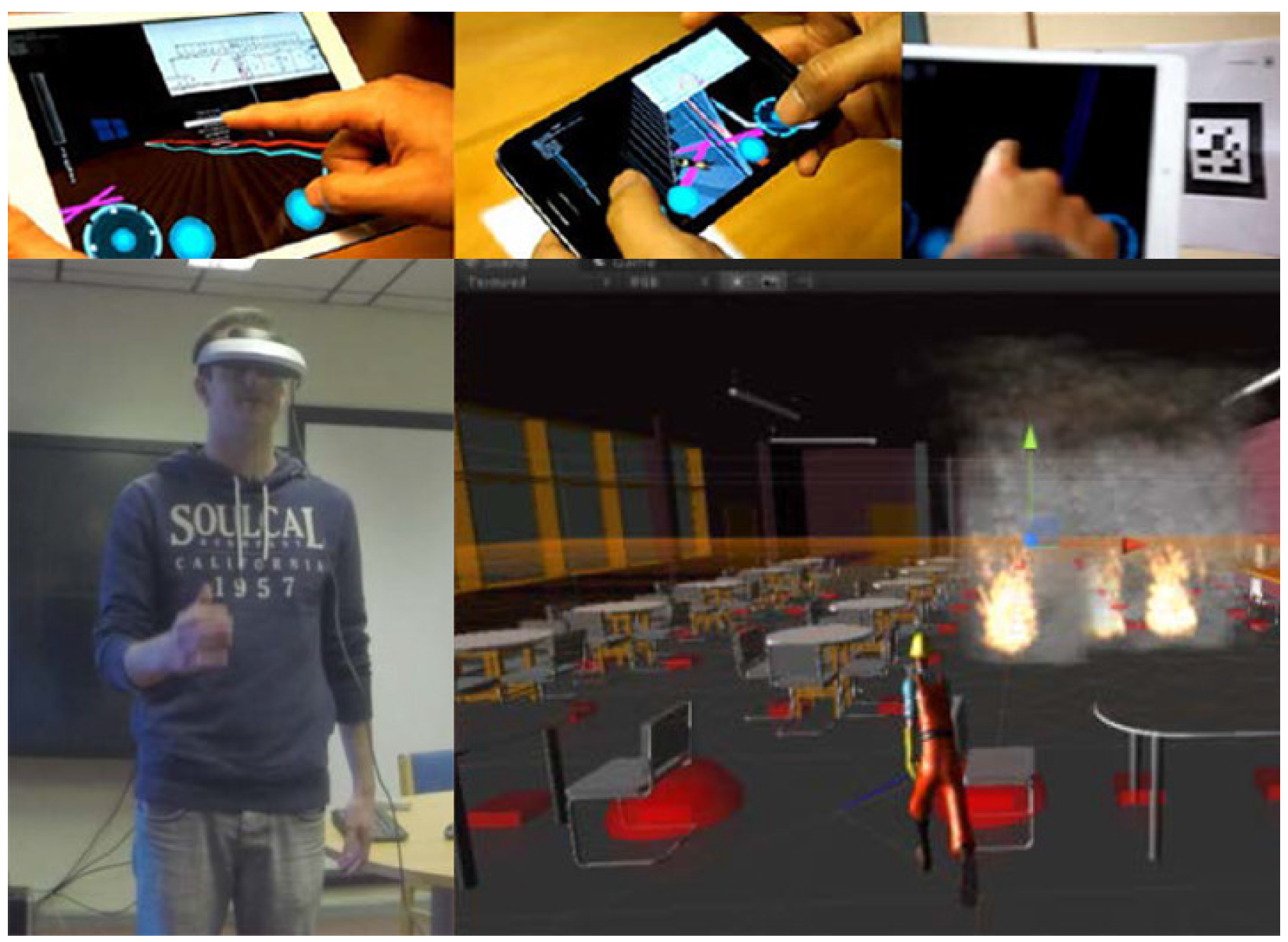
The objective of this virtual experiment is to validate and extend factors in Table 1 and consider the research results to enhance fire evacuation modeling from existing literature (Figure 8) to the ontological level. In the experiment, participants took part in human emergency behavior investigations, including questionnaires and virtual fire drills. An easy-to-use graphical user interface (GUI) was connected to the design library under the control of the experiment administrator. In the BIM-VE, participants used different end-user interfaces and equipment (Figure 9) to connect to the server to begin the virtual drills, while the administrator distributed key factors influencing the fire emergency evacuation. Thirty-three participants used the first-person view in the desktop version of the BIM-VE with the 3D screen to complete the virtual fire drills (Figure 10). Three participants did not take part in the virtual fire drills for various reasons. For instance, one participant almost finished the virtual fire drill and chose to quit the experiment due to screen vertigo. A 5-point Likert scale method questionnaire was used for those associated with interpretative approaches from the participants’ emic point of view rather than measuring discrete, observable behavior. The BIM-VE did not test the factors influencing people with different levels of disability, i.e., high, low, temporarily reduced, or permanently reduced.
Figure 8. Evacuation modeling from the literature [60].
Figure 9. Virtual reality equipment used in this study.
Figure 10. Fire evacuation behavior simulation in the building design with different interfaces.
This section presents the experiment results from recordings and post-questionnaires to identify trends and conclusions. The pre-questionnaire information is then examined to establish clear correlations between results and participant characteristics. Finally, participant feedback and general observations are examined to draw on further details before providing a detailed discussion. Based on the previous factors regarding fire evacuation, the results are divided into four catalogues: observation, collaboration and group preference, degree of familiarity with building layout, and emergency factors; fire, smoke, and toxic gas.
  • Observation:
Among the participants, approximately 32.8% could perceive the danger, and ~35.9% could estimate the danger. Most participants in the virtual drills hesitated to begin the evacuation because they tried to identify the dangers/hazards and their level of significance beforehand. The post-questionnaire asked the participants whether they estimated the experiments’ dangers and whether this influenced their evacuation behavior. Most participants stated that they estimated the threat of danger before evacuating, influencing their evacuation behavior. According to the pre-questionnaire, those who did not perceive and estimate the dangers were mostly engineering school students or people familiar with the engineering school’s west building layout. The post-questionnaire also explored whether facing uncertainty about the danger of the situation and confronting a complicated fire environment (processing too much information) increased participants’ stress and delayed their evacuation. The majority of participants chose “Yes.” It was also observed that the participants who controlled the avatar in the virtual drills became overwhelmed when the experiment assistant introduced too many emergency objects around them or did not know the engineering school building.
The factors that made the participants begin to evacuate were also investigated in the post-questionnaire, shown in Table 3. The spoken message alarm was more easily noticed and made people evacuate, in comparison to the slow whooping alarm; both only occupy a small portion of the pie chart presenting evacuation perception factors. However, participants in the virtual drills seldom began to evacuate after hearing alarms, preferring to wait until dangerous virtual factors compelled them. This was due in part to them being told to begin evacuating when they felt they were in danger. It should be noted that alarm lighting was more noticeable than alarm sounds. Additionally, the alarm light had the same impact on the decision to evacuate as fire and smoke/toxic gas. There was a slight difference between these three factors, generally due to its visual component.
Table 3. Factors that influence the decision to begin evacuating.
  • Collaboration and group preference:
The BIM-VE generated the dynamic virtual emergency environment to test whether the previous findings were correct. Participants who will wait for others to respond first or not shown in Table 4. More people were not going to wait for others, which is different from previous research results.
Table 4. Collaboration and group preference results.
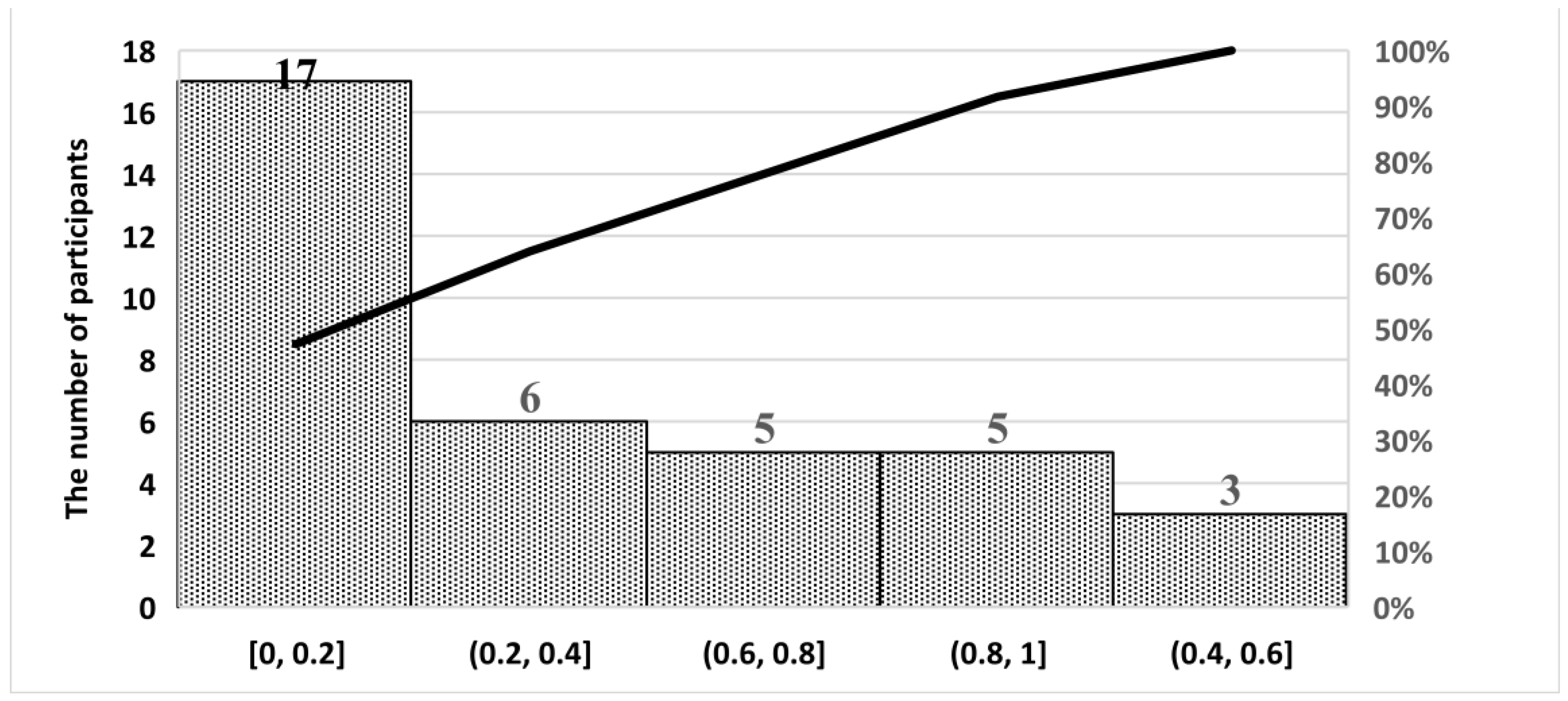
Similarly, whether people adopt a follower’s role during the evacuation can be investigated by the virtual experiments and post-questionnaires. The number of times participants followed other virtual evacuees when meeting them was recorded during the virtual drills. Those participants whose following times were higher were categorized as a follower, and vice versa. The post-questionnaire results show that most participants preferred to play the role of follower during an evacuation, but the virtual experiment contradicted this. This might be because the participants behaved differently by instinct when facing dangers becoming disoriented in the virtual fire drills.
Figure 11 shows the results of the percentage potential for each participant to become a follower when they met other evacuees, calculated by their performance in the virtual fire drill. According to the results, more people were inclined to become followers who carry out group evacuations than continuing with an individual evacuation when they met other evacuees. However, this result does not correspond with previous findings [11,12]. The post-questionnaire asked what the participants’ preferred role was when they began to evacuate, substantiating observations that most people were willing to follow others rather than lead. Open-ended questions revealed that this is because most people were not familiar with the complicated layout of the engineering school building or that they did not have enough confidence to call for help to escape.
Figure 11. Results of participants adopting the role of follower.
Because the participants’ avatar was spawned in different places, and the virtual environment changed, all participants faced unfamiliar situations. Table 5 shows whether the participants tried to communicate and collaborate with other virtual characters. Before the evacuation, 16 of the participants met another virtual character, 10 of whom approached the virtual characters to communicate. During the evacuation, 11 of 17 participants tried to communicate and collaborate with the other virtual evacuees. The virtual experiment results demonstrated that most people tend to communicate with others before and during the evacuation.
Table 5. The results of collaboration and communication.
Participants had a preference to collaborate and evacuate with others, especially if they knew each other. However, the density of evacuees often influenced the efficiency of evacuation. The study employed various geometric shapes to visualize the positions of individuals within the building and airflow directions. Recordings were made to assess the impact of evacuee density on evacuation effectiveness, and the performance of participants controlling high-density evacuations demonstrated that higher density may lead to a higher probability of fatalities, especially in narrow areas such as small evacuation exits and stairs. The study found that participants are more inclined to collaborate and evacuate with familiar individuals, but high-density evacuations often impact evacuation efficiency, particularly in narrow areas. Therefore, in the event of a fire, high-density evacuations may imply a higher probability of fatalities in narrow areas. It was observed that the participants often became stuck because of other virtual characters and were killed by extreme dangers.
  • Degree of familiarity with building layout
Through the drills and questionnaires, it is recognized that evacuees usually use familiar routes (typically the main exit or the building’s entrance) to exit a building, depending upon the affinity of the path toward them. However, these conclusions have not been validated by repeating virtual fire drills, even though they are not expensive to simulate. Virtual experiments generated by BIM-VE show that the number of people who chose an evacuation path based on familiarity and affinity was significantly higher than those unfamiliar. Participants often used the main entrance to exit the building, especially engineering students. Some chose the stairs, which never occurred to participants from the different schools unless they were led there. Additionally, some engineering students searched for water in the toilet and washing room to fight the fire. Irrespective of their background, students often repeatedly took the same path, sometimes ignoring previously encountered dangers. This action was marked as “Partly Yes” in that these participants used a temporarily familiar route of the last virtual evacuations.
The post-questionnaire asked whether the participants used the main exit/entrance; 84% chose the main exit/entrance to evacuate. The building layout was pivotal in the evacuation path choice, regardless of the evacuee’s familiarity with the building. The post-questionnaire also revealed that 100% of participants thought a well-educated and well-trained evacuation leader or team could improve the speed of escape and the use of emergency exits. The maximum flow rate capacity of exits depends on the exit’s efficacy rather than the actual exit width. Therefore, the BIM-VE generated dynamic scenarios that included wide doors with random evacuees passing through and narrow doors with or without evacuees to investigate this; 62% of participants slowed down when they passed through wide doors where evacuees were passing randomly. In contrast, there was no decrease in speed when participants followed evacuees to go through narrow doorways.
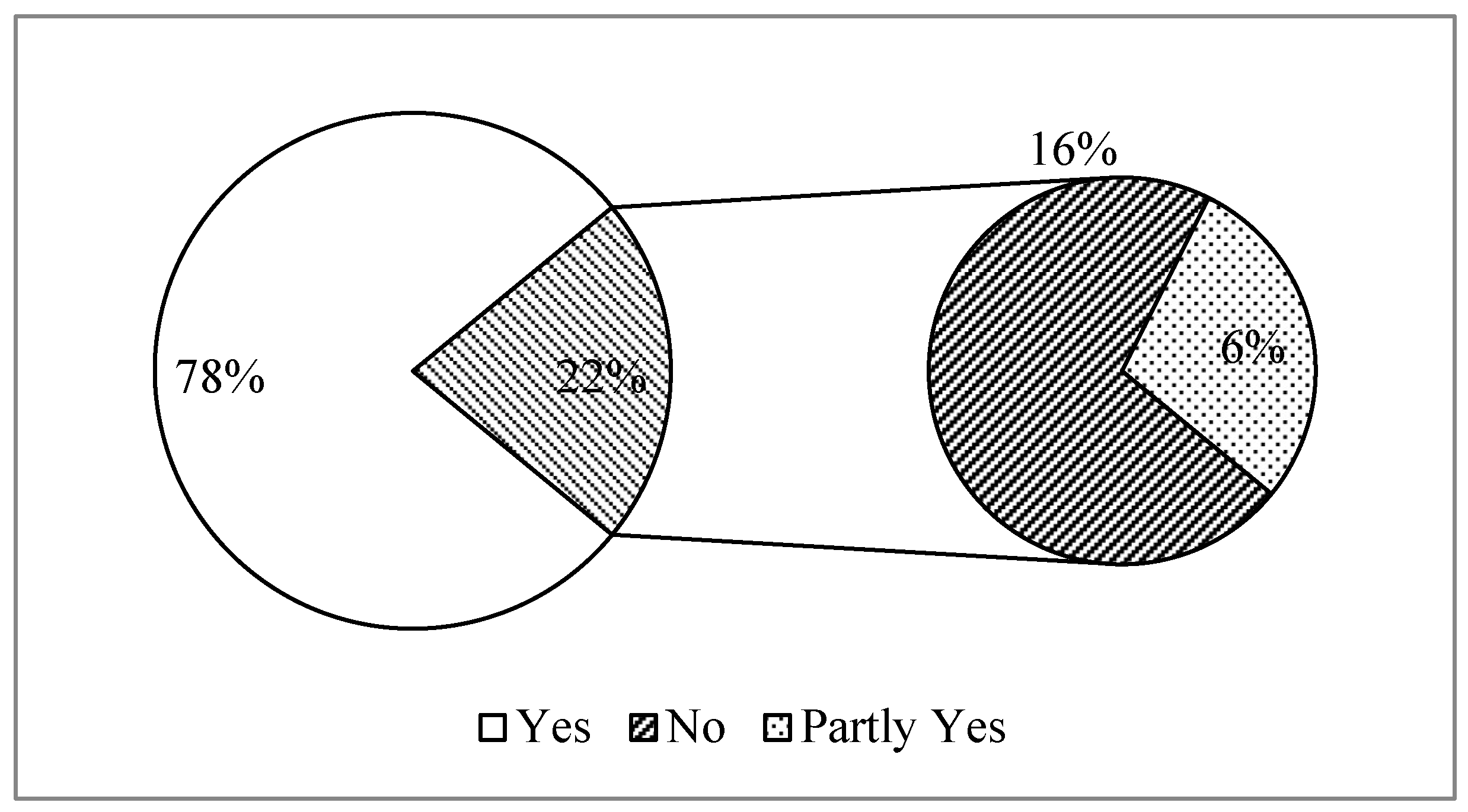
According to previous research, open doors are more likely to be used as fire exits. This was also the case observed in the scenarios generated by the BIM-VE. When the BIM-VE randomly moved exit doors and created open spaces to test human behavior (Figure 12), 78% of participants used the opened fire exits/space. Although several people randomly chose the evacuation exit (22%), some were observed to consider the extreme environment to select the open exit/space (6%).
Figure 12. Use of fire exits during the experiment.
Evacuees usually used the most accessible fire exit and tended to choose fire-safe evacuation routes. The results show no obvious trend for evacuees to judge the accessibility of a fire exit. The number of evacuees who chose an evacuation route without considering the accessibility of the exit (53%) was slightly higher than those who considered accessibility (47%). The group who thought about accessibility often chose long corridors to reach the less dangerous exits instead of shortcuts that contained dangers and objects. If there were dangers near an exit, they usually selected other exits without dangers to exit the building. An emergency exit surrounded by dangers was only chosen when there was no alternative. According to the pre-questionnaire, the participants who did not think about the accessibility of fire exits were mostly engineering school students or individuals who knew the building layout; they used their knowledge to identify where to go, paying less attention to nearby hazards.
Emergency installations, such as fire alarms and escape route signs, also influenced evacuation. It is reported that a “false alarm interpretation” leads to delayed evacuation; the “slow whooping” signal is rarely recognized compared with the “spoken message sound” signal. However, there were no significant differences between the effects of the “slow whooping” signal and the “spoken message sound” signal in the current study. In the virtual world, the participants were told they could begin to evacuate if they were in danger. The post-questionnaire indicated that the sound source did not encourage the participants to begin the evacuation if they felt they were in a safe place. Indeed, visual danger factors such as fire and smoke made more of an impact.
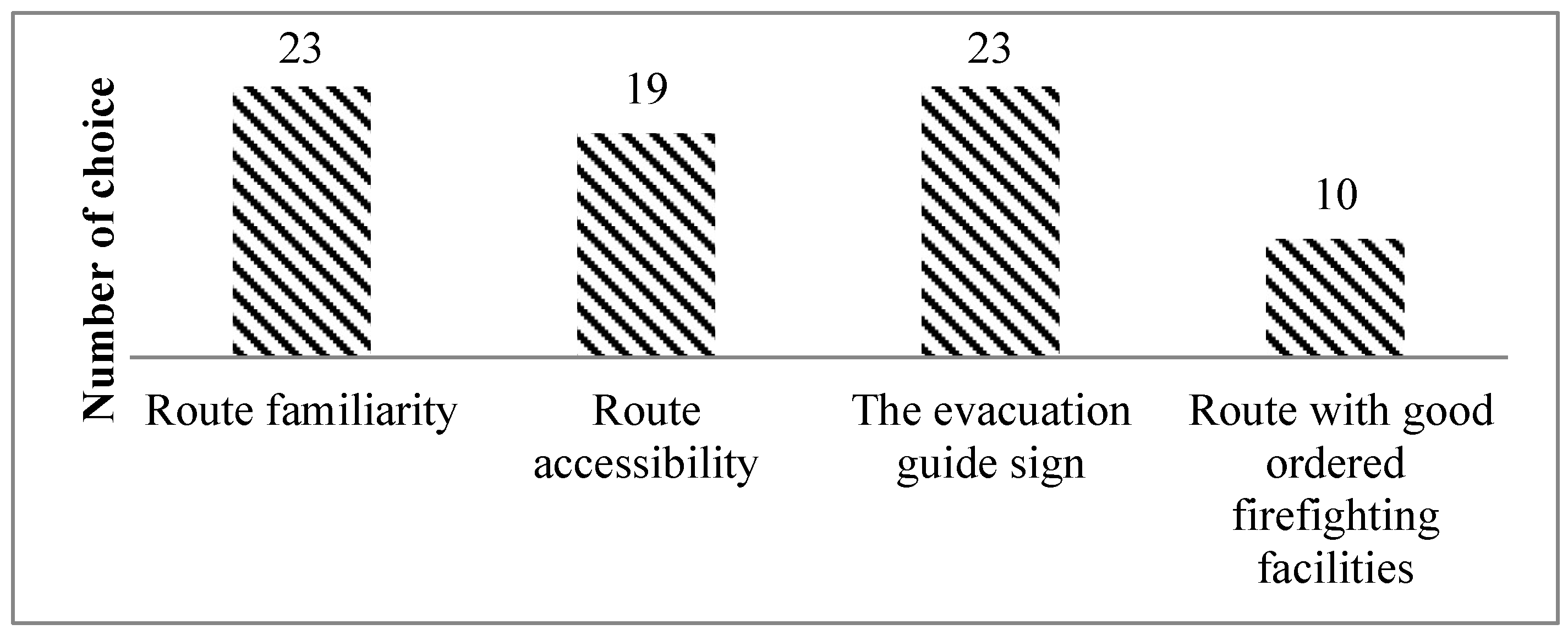
The post-questionnaire further explored which factors influenced the choice of the evacuation route. Figure 13 shows that route familiarity, evacuation guide signs, and route accessibility played essential roles in evacuation path choice. People seldom consider whether there are firefighting facilities during an evacuation.
Figure 13. Factors that influence the evacuation route.
  • Emergency factors: fire, smoke, and toxic gas
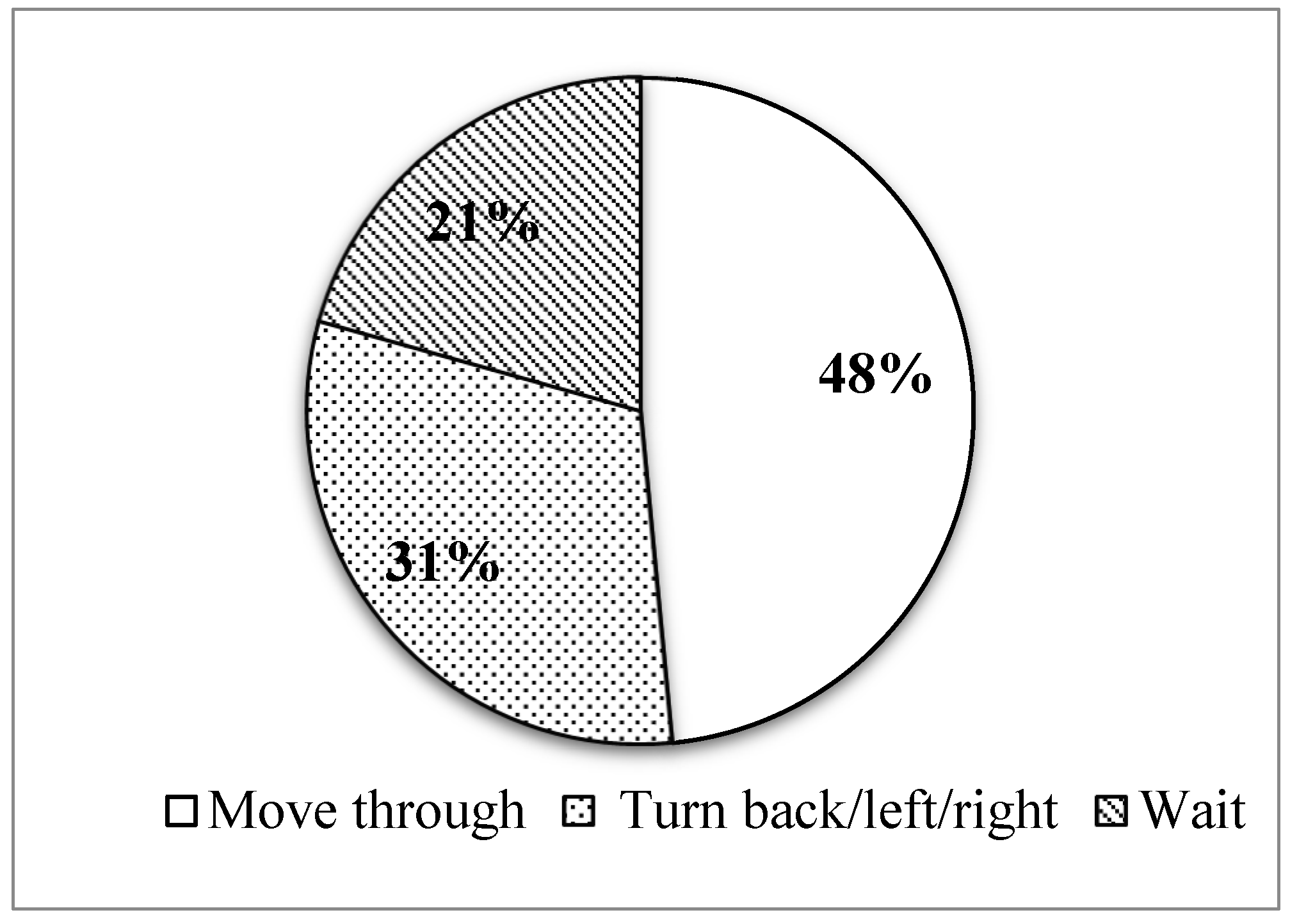
When people face emergency dangers, such as fire, smoke, and toxic gas, they generally have three kinds of response: move through, turn back/left/right, or wait. These can be used to build evacuation AI (artificial intelligence). In the virtual experiments, each participant’s responses were recorded and then utilized to calculate the probability of different emergency response actions. The average probabilities of participants’ responses are shown in Figure 14, providing the basis of an evacuation AI in a specific building andADDINg extra fire evacuation dimensions for future building design. It can be seen that participants had a higher average probability (48%) of moving through the danger. One of the reasons for this was the existence of avatar health bars simulating human health without real hurt feelings, giving players the habit of risking getting damaged on non-fatal occasions, or players thought the danger was acceptable when they began to evacuate. Most participants turned back/left/right (31%) when facing hazards at the beginning of the virtual fire drills. The participants only waited (21%) to judge the emergency when they faced extreme dangers, such as a large fire accompanied by an explosion. This implies that the current results regarding average probability can only be used for building evacuation AI for less dangerous situations (i.e., the beginning of the fire emergency).
Figure 14. The average probability of different actions when facing fire hazards in the virtual fire drills.

4.4. Ontology Modelling for Fire Evacuation

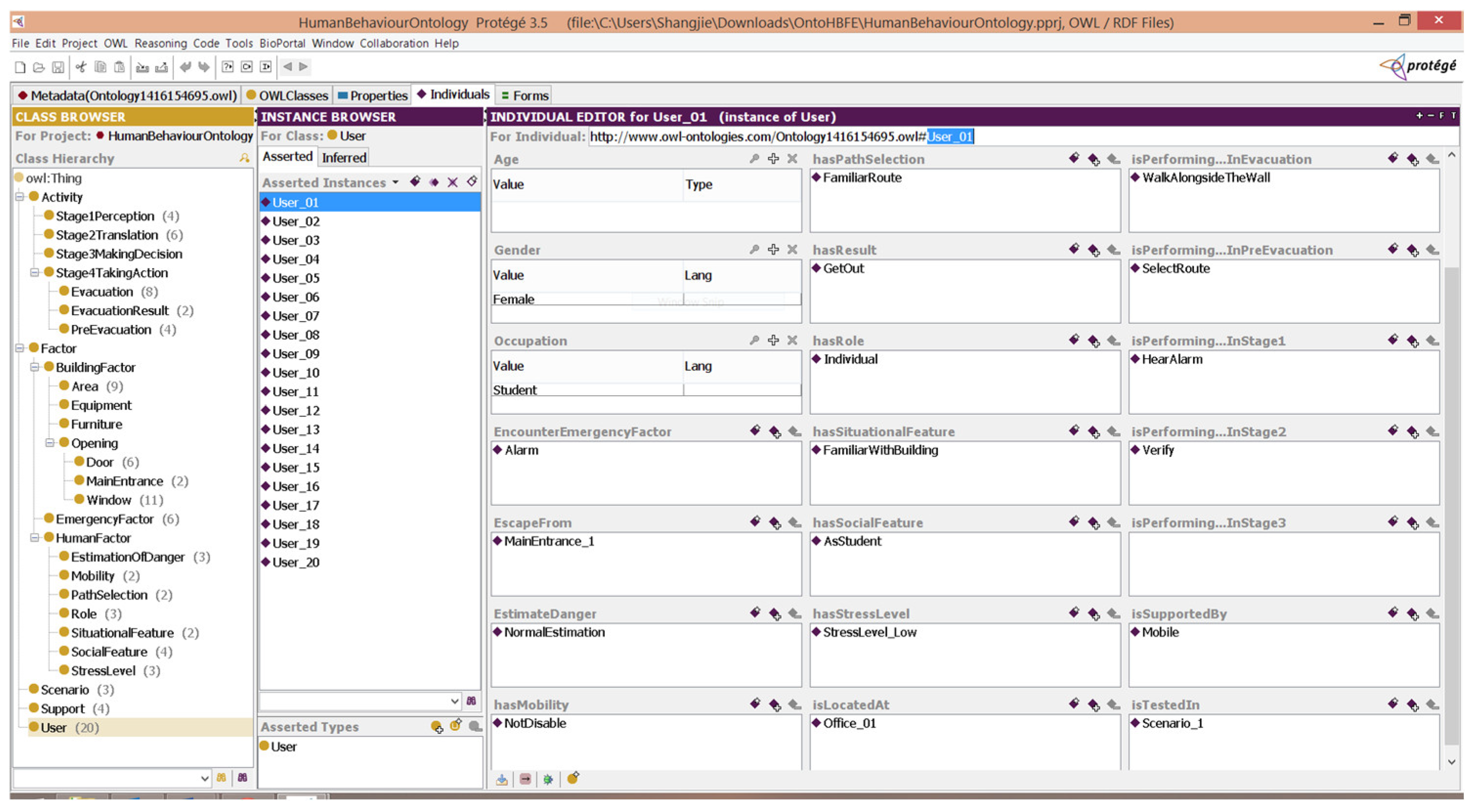
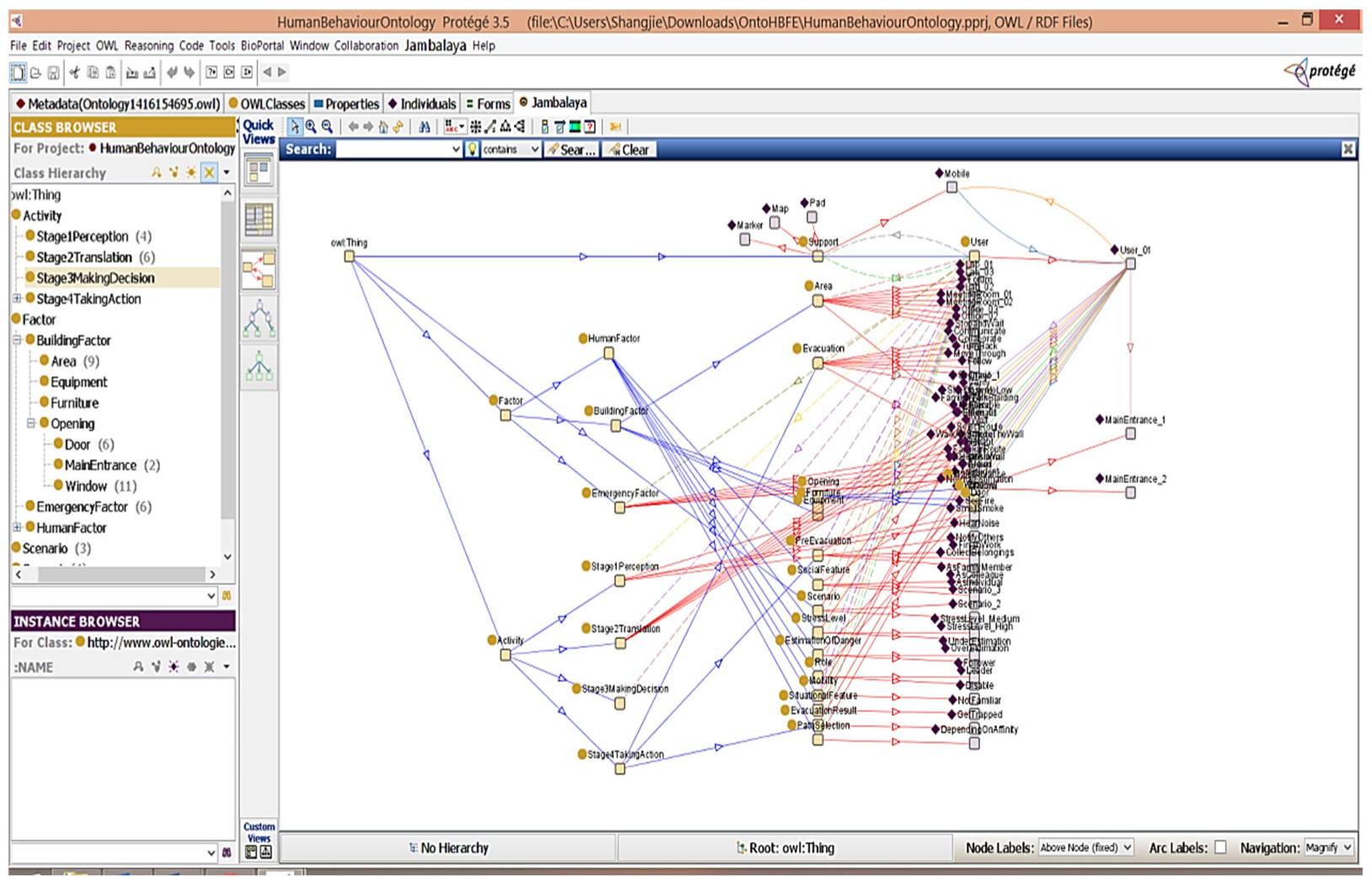
In this paper, the web ontology language description logic (OWL-DL) was chosen as the ontology language due to its expressiveness and reasoning capability. The virtual experiment results can be combined to develop the hierarchy and properties of concepts following the combination development process shown in Figure 15. The proposed ontology structure was named human behavior in fire evacuation ontology (OntoHBFE). Specifically, all the domain knowledge concepts are divided into three categories: classes, instances, and properties, depending on attributes and scopes. Basic concepts are represented as classes, including factors, users, activities, and scenarios. All of the main factors affecting user performance in the experiment are organized as a “factor” class with three sub-classes: human factors, building factors, and emergency factors. The “Activity” class consists of four sub-classes, representing user actions in four stages in fire evacuation, from perception to translation and finally making and following decisions. Various activities are described in each sub-class in the form of instances. In the “User” class, a group of instances represents all experiment participants. There are three types of properties in OWL: object property, data-type property, and annotation property, which are used to describe relationships, define attributes, and add explanations, respectively. Taking the “Area” class (a sub-class of building factors) as an example, the object property “isLocatedAt” is defined in ontology to establish the relationship between “User” and “Area” byADDINg “User” as a domain of the property and “Area” as a range of the property. Similarly, other classes could be connected with the “User” class by defining different object properties. Other user attributes, such as age and gender, can be represented using data-type properties.
Figure 15. Example of User_01 of OntoHBFE ontology.
By creating instances of the “User” class, all of the participants’ profiles and behaviors while interacting with fire evacuation factors are recorded in the OWL model. As shown in Figure 16, this instance describes the user “User_01” who was initially located in an office “office_01,” evacuated from the building as an individual assisted by a mobile device escaping from the main entrance. Corresponding reactions and activities conducted by this user in every stage of the evacuation are specified in the instance editor of Protégé and demonstrated. All participants’ background information and emergency behaviors are recorded in the ontology. This ontology modeling is complete and available to serve as a knowledge base for simulation.
Figure 16. Corresponding reactions and activities conducted by User_01 based on OntoHBFE.
By creating this ontological knowledge base based on experiment and review criteria, the feedback knowledge of fire evaluation is readable by humans and identifiable by computers, offering greater flexibility and allowing researchers to understand how humans behave in a fire situation and, more importantly, to support computer applications to simulate human behavior. The API connected to the AMP system automatically keeps both geometric and semantic information from the BIM model updated. Representation of the factors that influence evacuees’ various fire evacuation behaviors in different areas of the building includes the related factors made in the ontology, as well as the interaction between humans and buildings and how they are affected by each other. All the activities performed by the user throughout the fire evacuation process in the experiment are presented in this model.
Although several projects are working on building ontologies for fire emergency management [61,62], the methodology used here integrated BIM, VR and human evacuation behaviors to produce a comprehensive but unique evacuation ontology for building designs. This evacuation ontology can be explored for the corresponding building design. It can enhance the evacuation simulation’s accuracy and add the “fire evacuation” dimension to test the emergency plan for the building. Virtual characters can be regarded as the agents that can receive relevant input from the ontology service to intelligently control the interaction between BIM, game engine, and environmental information, thus providing a smarter fire evacuation simulation in the tested building design in the future. With this evacuation ontology, the BIM-VE can store the user’s evacuation behavior based on a clear representation of evacuation processes from experiments rather than on the autonomous, sometimes arbitrary behavior of traditional agents generated by their fixed specific rules.

5. Conclusions

This paper conducts an in-depth investigation of key factors in fire evacuation through virtual experiments and questionnaire surveys, including people’s observations, collaboration, group tendencies, and familiarity with building layouts. The experimental results indicate that participants in virtual fire drills often hesitate before evacuating, tending to assess potential hazards. Fire alarms and visual cues play critical roles in prompting people to initiate evacuation. Furthermore, the results demonstrate a tendency for individuals to take cooperative actions during emergencies and typically opt for evacuation routes associated with familiarity. The framework proposed in the paper can validate and launch experiments with the essential factors identified in related research areas. This study holds practical significance for improving fire evacuation strategies, building design, and emergency response plans, contributing to enhanced safety and survival rates for building occupants. Additionally, by constructing intelligent models for fire evacuation, these findings have the potential to support future applications in building automation and artificial intelligence, thereby enhancing a building’s emergency response capabilities.
To respond to the main research questions, this paper introduces an innovative framework unifying the BIM-based design environment with the Serious Game-based virtual environment, supported by state-of-the-art virtual reality equipment. This system aims to leverage BIM to simulate and validate fire emergency evacuations during the early conceptual design stage. More individuals can get involved in the validation process during the early BIM-based conceptual design stage to validate the fire evacuation factors in the previous studies. Through the experiments based on BIM-VE, several emergency behavior patterns have been identified for future fire evacuation design, helping find and address bottlenecks in buildings early in the design process. The key fire evacuation factors have also been identified through the literature review and further tested and analyzed in the case studies. The ontology reasoning developed has been proposed as the as-built knowledge base to achieve a certain level of artificial intelligence evacuation.
Future work relies on further improving this system while considering the impact of the fire hazards; larger human-based system testing is currently underway to achieve better intelligence for the simulated virtual characters. Intelligence is provided by humans alone in the real world, but the simulation assigned to computing intelligence also includes non-human entities, such as emergency events. Because of this, BIM-VE can equip emergency events with artificial intelligence (i.e., AI) and assign them direct control over all the objects (humans, activities spaces, etc.) by which each emergency event is compromised during the evacuation process. In this study, ontology works as a component in representing diverse entity classes uniformly and representing the feedback knowledge. It provides a formal structure for describing knowledge domains, including classes, instances, properties, and relationships. This approach is human-readable and computable, making it versatile for understanding human behavior in fire situations and supporting simulations. Based on user feedback and the capture of information from post-questionnaires, the user entities in the ontology are updated gradually, aiming to build a knowledge repository for artificial intelligence applications to diversify user behaviors further. The ontology’s construction and information input rely on manual operations within the software and have not achieved full automation, which is one of the next steps in our research. In general, the BIM-VE consists of a knowledge model (built by ontology) to offer hypotheses about reactions to emergency scenarios in built environments and a dynamic virtual environment (via a two-way information channel) to simulate fire evacuations; the virtual environment represents data and concepts about the system of entities comprising the building (building components, spaces, furniture and equipment) and the emergency environment (fire, smoke and toxic gas); the people who will interact with them (occupants, visitors and workers.) and the process of evacuation (events and scenarios) will be characterized in the knowledge base. The advantage here is the possibility of building a higher level of computer assistance to control the coherence of a simulated evacuation due to fire and enhance the traditional agent-based system.

Author Contributions

Conceptualization, B.W.; methodology, B.W., G.R. and J.Q.; software, B.W.; validation, B.W.; formal analysis, B.W.; writing—original draft preparation, B.W. and G.R.; writing—review and editing, G.R. and J.Z.; visualization, B.W. and G.R.; supervision, H.L.; project administration, H.L. All authors have read and agreed to the published version of the manuscript.

Funding

This research received no external funding.

Data Availability Statement

Some or all data, models, or codes that support the findings of this study are available from the corresponding author upon reasonable request. The data are not publicly available due to privacy.

Acknowledgments

The authors would kindly like to thank all collaborators working on the research.

Conflicts of Interest

The authors declare no conflicts of interest.

References

  1. Gao, Y.; Li, C.; Zhao, Y. The review of emergency management research. In Proceedings of the Emergency Management and Management Sciences (ICEMMS): 2011 2nd IEEE International Conference, Beijing, China, 8–10 August 2011; pp. 732–736. [Google Scholar] [CrossRef]
  2. Kwan, M.P.; Lee, J. Emergency response after 9/11: The potential of real-time 3D GIS for quick emergency response in micro-spatial environments. Comput. Environ. Urban Syst. 2005, 29, 93–113. [Google Scholar] [CrossRef]
  3. Fahy, R.F.; Proulx, G. Toward creating a database on delay times to start evacuation and walking speeds for use in evacuation modeling. In Proceedings of the 2nd International Symposium on Human Behaviour in Fire, Boston, MA, USA, 26–28 March 2001; pp. 175–183. [Google Scholar]
  4. Gershon, R.R.M.; Magda, L.A.; Riley, H.E.M.; Sherman, M.F. The World Trade Center evacuation study: Factors associated with initiation and length of time for evacuation. Fire Mater. 2011, 36, 481–500. [Google Scholar] [CrossRef]
  5. Lawson, G. Predicting Human Behaviour in Emergencies. Ph.D. Thesis, University of Nottingham, Nottingham, UK, 2011. [Google Scholar]
  6. Phillips, J.J.; Phillips, P.P. Handbook of Training Evaluation and Measurement Methods; Taylor & Francis: Abingdon, UK, 2016. [Google Scholar]
  7. Ruiz, J.M. Bim Software Evaluation Model for General Contractors. Ph.D. Thesis, University of Florida, Gainesville, FL, USA, 2009. Volume THE DEGREE. [Google Scholar]
  8. Eastman, C.; Teicholz, P.; Sacks, R.; Liston, K. BIM Handbook: A Guide to Building Information Modeling for Owners, Managers, Designers, Engineers, and Contractors; Wiley: Hoboken, NJ, USA, 2008; ISBN 978-0-470-18528-5. [Google Scholar]
  9. Kobes, M.; Helsloot, I.; de Vries, B.; Post, J.G. Building safety and human behaviour in fire: A literature review. Fire Saf. J. 2010, 45, 1–11. [Google Scholar] [CrossRef]
  10. Menzemer, L.W.; Ronchi, E.; Karsten, M.M.V.; Gwynne, S.; Frederiksen, J. A scoping review and bibliometric analysis of methods for fire evacuation training in buildings. Fire Saf. J. 2023, 136, 103742. [Google Scholar] [CrossRef]
  11. Xudong, C.; Heping, Z.; Qiyuan, X.; Yong, Z.; Hongjiang, Z.; Chenjie, Z. Study of announced evacuation drill from a retail store. Build. Environ. 2009, 44, 864–870. [Google Scholar] [CrossRef]
  12. Shields, T.J.; Boyce, K.E. A study of evacuation from large retail stores. Fire Saf. J. 2000, 35, 25–49. [Google Scholar] [CrossRef]
  13. Hui, W.; Guona, G.; Xiaoliang, D.; Ruzhi, X. An OWL-Based Knowledge Representation Framework for Searching Semantically Emergency Preplan. In Proceedings of the 2009 ISECS International Colloquium on Computing, Communication, Control, and Management, Sanya, China, 8–9 August 2009. [Google Scholar] [CrossRef]
  14. Lovreglio, R.; Kuligowski, E.; Gwynne, S.; Boyce, K. A pre-evacuation database for use in egress simulations. Fire Saf. J. 2019, 105, 107–128. [Google Scholar] [CrossRef]
  15. Yan, G. Research and Design on Integrated Management System of Digitalized Emergency Preplan. Procedia Eng. 2011, 24, 713–720. [Google Scholar] [CrossRef][Green Version]
  16. Rueppel, U.; Stuebbe, K.M. BIM-based indoor-emergency-navigation-system for complex buildings. Tsinghua Sci. Technol. 2008, 13, 362–367. [Google Scholar] [CrossRef]
  17. Schreiber, G.; Akkermans, H.; Anjewierden, A.; Hoog, R.D.; Shadbolt, N.; Van De Velde, W.; Wielinga, B. The CommonKADS Methodology; MIT Press: Cambridge, MA, USA, 2000; ISBN 0262193000. [Google Scholar]
  18. Quintana-Amate, S.; Bermell-Garcia, P.; Tiwari, A.; Turner, C.J. A new knowledge sourcing framework for knowledge-based engineering: An aerospace industry case study. Comput. Ind. Eng. 2017, 104, 35–50. [Google Scholar] [CrossRef]
  19. Wang, B.; Rezgui, Y. Intelligent Building Emergency Management using Building Information Modelling and Game Engine. ICIC Express Lett. 2013, 7, 1017–1023. [Google Scholar]
  20. Yuan, J.P.; Fang, Z.; Wang, Y.C.; Lo, S.M.; Wang, P. Integrated network approach of evacuation simulation for large complex buildings. Fire Saf. J. 2009, 44, 266–275. [Google Scholar] [CrossRef]
  21. Meacham, B.J. Integrating human factors issues into engineered fire safety design. Fire Mater. 1999, 23, 273–279. [Google Scholar] [CrossRef]
  22. Sime, J.D. Crowd psychology and engineering. Saf. Sci. 1995, 21, 1–14. [Google Scholar] [CrossRef]
  23. Johnson, P.F.; Johnson, C.E.; Sutherland, C. Stay or Go? Human Behavior and Decision Making in Bushfires and Other Emergencies. Fire Technol. 2012, 48, 137–153. [Google Scholar] [CrossRef]
  24. Tong, D.; Canter, D. The decision to evacuate: A study of the motivations which contribute to evacuation in the event of fire. Fire Saf. J. 1985, 9, 257–265. [Google Scholar] [CrossRef]
  25. Gershon, R.R.M.; Qureshi, K.A.; Rubin, M.S.; Raveis, V.H. Factors associated with high-rise evacuation: Qualitative results from the world trade center evacuation study. Prehosp. Disaster Med. 2007, 22, 165–173. [Google Scholar] [CrossRef][Green Version]
  26. Canter, D.V. Fires and Human Behaviour; John Wiley and Sons: New York, NY, USA, 1980; ISBN 0471277096. [Google Scholar]
  27. Cornwell, B. Bonded Fatalities: Relational and Ecological Dimensions of a Fire Evacuation. Sociol. Q. 2003, 44, 617–638. [Google Scholar] [CrossRef]
  28. Shaw, R. Don’t panic: Behaviour in major incidents. Disaster Prev. Manag. 2001, 10, 5–10. [Google Scholar] [CrossRef]
  29. Pan, X. Computational Modeling of Human and Social Behaviors for Emergency Egress Analysis; Stanford University: Stanford, CA, USA, 2006. [Google Scholar]
  30. Averill, J.D.; Mileti, D.; Peacock, R.; Kuligowski, E.; Groner, N.; Proulx, G.; Reneke, P.; Nelson, H. Federal Investigation of the Evacuation of the World Trade Center on September 11, 2001 BT—Pedestrian and Evacuation Dynamics 2005; Waldau, N., Gattermann, P., Knoflacher, H., Schreckenberg, M., Eds.; Springer: Berlin/Heidelberg, Germany, 2007; pp. 1–12. [Google Scholar]
  31. Aguirre, B.E.; Wenger, D.; Vigo, G. A Test of the Emergent Norm Theory of Collective Behavior. Sociol. Forum 1998, 13, 301–320. [Google Scholar] [CrossRef]
  32. Sandberg, A. Unannounced Evacuation of Large Retail-Stores—An Evaluation of Human Behaviour and the Computer Model Simulex; Lund University: Lund, Sweden, 1997. [Google Scholar]
  33. Kinsey, M.; Galea, E.R.; Lawrence, P. Extended Model of Pedestrian Escalator Behaviour Based on Data Collected within a Chinese Underground Station. In Proceedings of the Human Behaviour in Fire Conference, Cambridge, UK, 13–15 July 2009. [Google Scholar]
  34. Dibley, M.; LI, H.; Rezgui, Y.; Wang, B. Multi-Agent System for Real Time Building Monitoring. In Proceedings of the 19th EG-ICE International Workshop. Intelligent Computing in Engineering (ICE12), Munich, Germany, 4–6 July 2012. [Google Scholar]
  35. Burigat, S.; Chittaro, L. Passive and active navigation of virtual environments vs. traditional printed evacuation maps: A comparative evaluation in the aviation domain. Int. J. Hum. Comput. Stud. 2016, 87, 92–105. [Google Scholar] [CrossRef]
  36. Amditis, A. On balancing costs and benefits in applying VR/VE tools in the intelligent transportation systems sector. Res. Transp. Econ. 2004, 8, 483–504. [Google Scholar] [CrossRef]
  37. Bourhim, E.M.; Cherkaoui, A. Efficacy of Virtual Reality for Studying People’s Pre-evacuation Behavior under Fire. Int. J. Hum. Comput. Stud. 2020, 142, 102484. [Google Scholar] [CrossRef]
  38. de Schot, L.; Nilsson, D.; Lovreglio, R.; Cunningham, T.; Till, S. Exploring single-line walking in immersive virtual reality. Fire Saf. J. 2023, 140, 103882. [Google Scholar] [CrossRef]
  39. Guo, H.; Li, H.; Chan, G.; Skitmore, M. Using game technologies to improve the safety of construction plant operations. Accid. Anal. Prev. 2012, 48, 204–213. [Google Scholar] [CrossRef] [PubMed]
  40. Schröder, D.; Vorlaender, M. A real-time framework for the Auralization of interactive virtual environments. In Forum Acusticum; European Acoustics Associatio: Aalborg, Denmark, 2011; pp. 1541–1546. [Google Scholar]
  41. Ku, K.; Mahabaleshwarkar, P.S. Building interactive modeling for construction education in virtual worlds. J. Inf. Technol. Constr. 2011, 16, 189–208. [Google Scholar]
  42. Ren, A.; Chen, C.; Luo, Y. Simulation of Emergency Evacuation in Virtual Reality. Tsinghua Sci. Technol. 2008, 13, 674–680. [Google Scholar] [CrossRef]
  43. Rüppel, U.; Schatz, K. Designing a BIM-based serious game for fire safety evacuation simulations. Adv. Eng. Inform. 2011, 25, 600–611. [Google Scholar] [CrossRef]
  44. Vandecasteele, F.; Merci, B.; Verstockt, S. Fireground location understanding by semantic linking of visual objects and building information models. Fire Saf. J. 2017, 91, 1026–1034. [Google Scholar] [CrossRef]
  45. Yan, W.; Culp, C.; Graf, R. Integrating BIM and gaming for real-time interactive architectural visualization. Autom. Constr. 2011, 20, 446–458. [Google Scholar] [CrossRef]
  46. Staab, S.; Studer, R. Handbook on Ontologies, 2nd ed.; Springer: Heidelberg, Germany, 2009. [Google Scholar] [CrossRef]
  47. Boje, C.; Li, H. Crowd simulation-based knowledge mining supporting building evacuation design. Adv. Eng. Inform. 2018, 37, 103–118. [Google Scholar] [CrossRef]
  48. Rüppel, U.; Lange, M.; Wagenknecht, A. Semantic Integration of Product Model Data in Fire Protection Engineering. In Proceedings of the eWork and eBusiness in Architecture, Engineering and Construction: ECPPM 2006, Valencia, Spain, 13–15 September 2006; Martinez, M., Ed.; Taylor & Francis: Abingdon, UK, 2006; Volume 6, pp. 115–118. Available online: http://tubiblio.ulb.tu-darmstadt.de/28278/ (accessed on 1 December 2014).
  49. Onorati, T.; Malizia, A.; Diaz, P.; Aedo, I. Modeling an ontology on accessible evacuation routes for emergencies. Expert Syst. Appl. 2014, 41, 7124–7134. [Google Scholar] [CrossRef]
  50. Lopez-Lorca, A.A.; Beydoun, G.; Valencia-Garcia, R.; Martinez-Bejar, R. Supporting agent oriented requirement analysis with ontologies. Int. J. Hum. Comput. Stud. 2016, 87, 20–37. [Google Scholar] [CrossRef]
  51. Trento, A.; Fioravanti, A.; Simeone, D. Building-Use Knowledge Representation for Architectural Design: An ontology-based implementation. In Proceedings of the eCAADe 2012, Prague, Czech Republic, 12–14 September 2012; pp. 683–690. Available online: https://core.ac.uk/display/15359541 (accessed on 1 December 2014).
  52. Cacciabue, P. Modelling and simulation of human behaviour for safety analysis and control of complex systems. Saf. Sci. 1998, 28, 97–110. [Google Scholar] [CrossRef]
  53. Edwards, G.; Li, H.; Wang, B. BIM based collaborative and interactive design process using computer game engine for general end-users. Vis. Eng. 2015, 3, 4. [Google Scholar] [CrossRef]
  54. Christopoulou, E.; Xinogalos, S. Overview and Comparative Analysis of Game Engines for Desktop and Mobile Devices. Int. J. Serious Games 2017, 4, 21–36. [Google Scholar] [CrossRef]
  55. Horton, B.K.; Kalia, R.K.; Moen, E.; Nakano, A.; Nomura, K.; Qian, M.; Vashishta, P.; Hafreager, A. Game-Engine-Assisted Research platform for Scientific computing (GEARS) in Virtual Reality. SoftwareX 2019, 9, 112–116. [Google Scholar] [CrossRef]
  56. Kim, J.; Kim, B.-J.; Kim, N. Perception-based analytical technique of evacuation behavior under radiological emergency: An illustration of the Kori area. Nucl. Eng. Technol. 2021, 53, 825–832. [Google Scholar] [CrossRef]
  57. Burdick, D.S.; Naylor, T.H. Design of computer simulation experiments for industrial systems. Commun. ACM 1966, 9, 329–339. [Google Scholar] [CrossRef]
  58. Glassman, W.E.; Hadad, M. Approaches to Psychology; Open University Press: Maidenhead, UK, 2009; ISBN 9780335228850. [Google Scholar]
  59. Wang, B.; Li, H.; Rezgui, Y.; Bradley, A.; Ong, H.N. BIM based virtual environment for fire emergency evacuation. Sci. World J. 2014, 2014, 589016. [Google Scholar] [CrossRef]
  60. Tang, F.; Ren, A. GIS-based 3D evacuation simulation for indoor fire. Build. Environ. 2012, 49, 193–202. [Google Scholar] [CrossRef]
  61. Upadhyay, R.; Pringle, G.; Beckett, G.; Potter, S.; Han, L.; Welch, S.; Torero, J. An Architecture for an Integrated Fire Emergency Response System for the Built Environment. Saf. Sci. 2009, 9, 427–438. Available online: http://hdl.handle.net/1842/2703 (accessed on 1 December 2014). [CrossRef][Green Version]
  62. Mion, L.; Pilati, I.; Macii, D.; Andreatta, F. Matching Ontologies for Emergency Evacuation Plans; University of Trento: Trento, Italy, 2008; Available online: https://ceur-ws.org/Vol-431/om2008_poster7.pdf (accessed on 1 December 2014).
Disclaimer/Publisher’s Note: The statements, opinions and data contained in all publications are solely those of the individual author(s) and contributor(s) and not of MDPI and/or the editor(s). MDPI and/or the editor(s) disclaim responsibility for any injury to people or property resulting from any ideas, methods, instructions or products referred to in the content.

Article Metrics

Citations

Article Access Statistics

Multiple requests from the same IP address are counted as one view.