


Abstract
Academic literature often frames African girls through a lens of sexual and reproductive vulnerability, with limited attention to their self-defined experiences. This study used photovoice methodology to explore how Ghanaian girls living in Nima, a neighborhood in Accra, represent their lives. Drawing on Afro-feminism and Black Girlhood Studies, the study engaged six girls in a participatory process of documenting perceptions of their lives through photographs, artists’ statements, and interviews. Thematic analysis of their visual and narrative data produced a counternarrative of girls’ lives in Nima, offering a multifaceted vision emphasizing intergenerational bonds between women and girls, and national, cultural, and spiritual pride. By centering Ghanaian girls’ voices, this study calls for a reimagining of how African girlhood is represented in social research. It affirms youth-voice knowledge production as vital to more just and accurate scholarship.
1. Introduction
The existing literature on the lives of Ghanaian girls predominantly focuses on sexual and reproductive health, addressing issues such as HIV/AIDS awareness [1], access to healthcare [2], early pregnancy [3], and the structural barriers influencing their reproductive health needs [4,5]. While some research considers the broader experiences of Ghanaian girls, much of the literature focuses on their physical health vulnerabilities. This framing positions them as subjects of intervention rather than active agents who shape and tell their own stories. This perspective has material consequences, affecting how they are studied, viewed, and engaged by society [6,7,8]. The emphasis on risk and limitation obscures the complexity of their lives, confining research to problem-driven inquiries that prioritize external perceptions over self-defined realities.
This study aimed to shift this narrative by re-evaluating problem-centered research paradigms and centering the perspectives of Ghanaian girls themselves. Using an Afro-feminist lens and photovoice, a participatory methodology that enables youth to document and interpret their experiences, this project created space for girls in Nima, Accra, to respond to and reframe their representation in academic discourse. Rather than reinforcing depictions of them as at-risk subjects, this approach foregrounded their agency, insight, and self-definition. This study aimed to broaden the conceptualization of their lives by examining Ghanaian girls’ self-identified realities in contrast to dominant portrayals.
1.1. Ghanaian Girls’ Representation in the Extant Literature
Reproductive health is often framed as the most urgent challenge facing Ghanaian girls in the existing literature. Scholars have documented the cultural stigma surrounding contraception, which associates birth control with promiscuity and causes many girls to avoid seeking reproductive care [9,10,11]. This stigma is frequently linked to early pregnancy and school incompletion [12,13]. Similarly, menstruation is presented as a primary barrier to girls’ education, with studies highlighting the impact of inadequate menstrual education, lack of sanitary supplies, and social shame on school attendance [4,14,15,16]. Teachers’ reluctance to discuss menstruation, shaped by cultural taboos, is said to contribute to girls’ unpreparedness in managing their menstrual health [5].
These studies offer valuable insight, yet collectively perpetuate a narrative that positions Ghanaian girls as at-risk and vulnerable rather than agentic. The sustained emphasis on sexual and reproductive health, while undeniably important, narrows the analytic lens and flattens the complexity of girls’ lives. Relational, cultural, spiritual, and imaginative dimensions of their identities are often overshadowed. This narrowing is particularly troubling given the historical subjugation of African women and girls to dehumanizing discourses that reduced them to reproductive bodies—a legacy rooted in colonial racial hierarchies [17,18,19]. Although contemporary scholarship may seek to address disparities, the predominance of literature focused on reproductive vulnerability reifies deficit logics by portraying African girls as passive recipients of hardship and subjects in need of intervention. By centering what girls lack, social research too rarely engages what they know, value, or envision for themselves, thereby reinforcing what Adichie calls “the danger of a single story” [20]. Such reductive narratives flatten their humanity, obscure complexity, and sustain global hierarchies of knowledge and power.
To counter these workings, Afro-feminist and Black Girlhood Studies scholars call for research that foregrounds the imaginative and resourceful ways African girls navigate and contest marginalization [21]. This move requires displacing vulnerability-centered framings and involving girls directly in shaping how their lives are represented [22]. Aligned with these values, we invited Ghanaian girls to articulate their relationships to place, faith, family, and futurity, and in so doing, developed narratives that move beyond deficit logics. By documenting their daily lives and naming what matters to them, the girls presented a more expansive vision of African girlhood grounded in dignity, pride, care, and critical awareness. We argue that these insights reveal funds of knowledge that should be foundational to social science research if we are to move beyond the limiting characterization African girls are subjected to.
1.2. Who We Are & Why We Write
We write as diasporic Black scholars committed to affirming the histories, perspectives, and well-being of African-descended people globally. Though we worked and studied at the same research institution during the study’s implementation, our scholarly backgrounds differ: the first author is a Black American woman whose research specializes in Black Girlhood Studies (BGS), while the second is a Ghanaian male scholar of mathematics education. As a faculty member and graduate student at a US-based research-intensive university, we recognized the privileges afforded to us, including access to institutional funding, academic networks, and the structural legitimacy often granted to research produced within Western academia.
In recognition of these historical and structural forces that have intentionally and unintentionally marginalized and pathologized global Black communities, we formed a study group to explore Pan-African politics and research collaboration. Our goal was to build a collaboration grounded in the values of unity, solidarity, self-determination, and the collective well-being of African-descended people worldwide. Our initial discussions in this regard centered on the similarities and differences in Black experiences in Detroit, Michigan, USA, and Accra, Ghana, with a particular emphasis on how Black girls are treated in our respective ethnic communities. Motivated by a shared desire to challenge deficit narratives constraining their opportunities, these conversations sparked our commitment to developing new approaches that more robustly document and affirm Black lives, and to expand our learning and collaboration with others focused on pan-African experiences.
The process of learning together identified two unique disparities in the literature that this work attempted to address: (1) the over-representation of Black American girls’ social realities, likely due to greater research resources available to U.S. institutions, and (2) an overwhelming focus on Ghanaian girls’ sexual and reproductive health, likely reflecting the prioritization of health-related research funding in African nations. These imbalances shape how Ghanaian girls’ identities and experiences are understood, often reducing their complex intersectional identities and experiences to narrow frameworks. We therefore designed a study to intervene in these discursive inequities and counter the limited perceptions Ghanaian girls are subjected to by asking: How do Ghanaian girls’ self-defined realities compare with their representation in the literature?
1.3. Study Context
This study was conducted in Nima, a vibrant and historically significant neighborhood in Ghana’s capital city, Accra. As one of the city’s oldest and most densely populated communities, Nima has developed a rich cultural and economic identity shaped by decades of migration and resilience. Since Accra became the colonial capital in 1877, the city has experienced significant modernization and infrastructural development [23]. However, urban expansion has not been uniform across all neighborhoods. Disparities in government infrastructure have negatively affected access to resources and opportunities in Nima [23,24,25]. Still, it is a diverse and dynamic economic hub, attracting people from northern Ghana and transnational communities [26]. This ethnic and cultural diversity has shaped Nima into a vibrant community despite the significant infrastructure and urban-planning challenges it faces. Its residents are resourceful, contributing to the broader economic and cultural landscape of Accra.
Despite Nima’s significant community cultural wealth, persistent under-resourcing fuels a powerful place-based stigma that shapes how residents are perceived. The community is frequently reduced to narratives of deficiency, obscuring the complex relational, cultural, and economic practices that sustain daily life. As a result, residents bear not only material constraints but also the symbolic burden of misrecognition. This dynamic is especially consequential for girls, who contend with layered stereotypes tied to both gender and geography. Girls from the Global South are routinely labeled “at-risk,” a designation that individualizes vulnerability while masking the colonial and structural conditions that produce inequality [7]. Such framing narrows policy responses to interventionist solutions focused on correcting individuals rather than transforming systems. These deficit logics are mirrored in much of the literature on Ghanaian girls, where remediation dominates over paradigms that interrogate structural power and imagine systemic change.
With these realities in mind, we worked to ground the research in community relationships rather than external assumptions. We, therefore, partnered with a Ghanaian non-governmental organization (NGO) that provides community-based education and support for Nima youth and their families. This relationship developed through the first author’s long-standing connection with a Pan-African group of teaching artists who lived in Nima and taught photography classes at the NGO. The university researchers wrote the curriculum utilized throughout the photography project. The teaching artists, who had long-term ties to the Nima community through the NGO, recruited the girls who participated and facilitated the curriculum. The university researchers facilitated permission and assent processes and collected and analyzed the data produced through the project.
Our informed consent process included obtaining permission to conduct the study from Nima community elders who played a central leadership role in the NGO, holding an information session for adult caregivers about the study, obtaining signed permission from adult caregivers for their youth to participate, obtaining further permission from adult caregivers to meet with each prospective youth to explain participation in the study, and obtaining youth assent from each participant before proceeding with the study’s methods.
Six girls, ages 11 to 17, were recruited for participation through these efforts. Three were in Junior High School, one in primary school, and two in Senior High School. Ethnically, four were migrants from northern Ghana or neighboring countries, and two were from southern Ghana. Two girls identified as Christian. The rest were Muslim. Three lived with both parents, two with relatives, and one did not disclose their guardian status. Their adult caregivers worked in the informal sector as traders, artisans, or small-scale entrepreneurs. We make note of the girls’ diverse identities and backgrounds because they shaped the focus of their lenses (see Table 1). They drew on their identities as primary sources for both the content they created and the subsequent narration of the images they captured.

Table 1.
Participant Demographics.
2. Materials and Methods: Operationalizing a Strengths-Based Research Design to Elicit Nima Girls’ Voices
Afro-feminism and Black Girlhood Studies (BGS) offered relevant frameworks to operationalize a strengths-based approach to narrating the girls’ lives in Nima. Rooted in African epistemologies, Afro-feminism offers both intersectional and decolonial conceptual tools to challenge knowledge systems that have obscured our understanding of African girls’ experiences in research, policy, and practice [27]. It resists the uncritical application of Western feminist theories in African contexts and encourages scholars to develop knowledge grounded in local cultural logics and social practices. This makes it especially appropriate for research that seeks to understand African girls’ experiences on their own terms, rather than through externally imposed categories or deficit frameworks.
We took particular interest in the Afro-feminist concepts of epistemic disobedience, epistemic pluralism, and decolonial dreaming. These ideas encourage African scholars and communities to challenge dominant forms of knowledge production and assert the legitimacy of Indigenous and culturally specific ways of knowing. They also acknowledge that there are multiple ways of knowing beyond empirical data sources, including spiritual, embodied, and relational knowledge. In so doing, Afro-feminism takes up the process of imagining liberated futures emanating from African women’s experiences, values, relationships, and histories. These concepts shaped the development of the study’s curriculum, as we used them to create opportunities for the girls to explore their local context, invoke their personal experiences as sites for theorization, and imagine their lives beyond the social challenges they face.
Given that this project was designed to support a specific community of girls in Nima, we also drew carefully from BGS to design the study and analyze its data. Although BGS is a frame largely conceptualized by Black women and girls in the West [28], it makes an important claim: Black girlhood is a distinct experience from Black womanhood, given that women hold more power and status in society than their younger counterparts, even if those privileges are fraught. For this reason, BGS scholars work to center girls’ experiences by extending and sharing power in the methodological process, namely by foregrounding girls’ voices in data collection methods [21]. We applied these insights reflexively, adapting these commitments into the ethical principles we drew from alongside the cultural, spiritual, and communal logics of Afro-feminism. Together, these conceptual frames provided complementary tools for designing a study that foregrounded the girls’ self-defined experiences and cultural knowledge while remaining attentive to the context-specific meanings of girlhood in Nima.
2.1. Methodology: Photovoice
In keeping with our conceptual framing, we used photovoice to advance the culturally affirming and liberatory ideals of the diasporic African feminisms that underpinned the study’s design. Photovoice engages individuals, particularly members of underrepresented groups, in documenting their lives and in collective knowledge production [29,30]. As a participatory research methodology, the approach encourages critical reflection, enhances participant agency, and acts as a tool for advocacy [31]. Research indicates that “visual methods are a compelling way for Black girls to display and locate their voices and epistemologies through creative mediums” [32], p. 15. This approach challenges dominant narratives and facilitates a more representative and engaging youth-led research process [33].
Only a few scholars have employed photovoice methodology in the Ghanaian context [34,35]. Asamoah and colleagues used it to examine the challenges faced by children with disabilities in inclusive education settings, demonstrating the method’s capacity to inform policy and practice. This study extends the use of photovoice in Ghana to center girls as knowledge-holders and meaning-makers, offering a participatory space to talk back to the extant literature by sharing their experiences and reflecting on their everyday realities. Photovoice also supports critical consciousness-raising by enabling participants to interpret their own situations while contributing to broader societal conversations [36]. Rather than positioning the method as a tool for empowerment, this project uses photovoice as a collaborative practice to support reflection, expression, and social critique. The girls’ images and insights reveal not only the challenges they face but also the care, pride, and aspirations that structure their daily worlds.
2.2. Data Collection & Analysis Methods
The study’s data corpus was developed bi-weekly over seven weeks. Each week corresponded to a theme centered on Afro- and Black-Feminist concepts to draw out the girls’ funds of knowledge and identity. We also taught them various photography skills and genres, introduced them to works by African women, and provided supervised practice time to brainstorm and capture images (see Table 2). The researchers designed the curriculum to achieve these aims, and the NGO teaching artists implemented it during the first meeting of the week. The researchers observed and supported their efforts virtually, attending each session via Zoom and conducting group interviews to learn about the girls’ perceptions of their photographs. During the second meeting of the week, the teaching artists supervised the girls as they took photographs locally. The girls also took the cameras home to continue taking photographs throughout the week. In the final week, the researchers conducted a one-hour semi-structured interview with each participant virtually via Zoom, and the teaching artists arranged a gallery exhibition and celebration at a local restaurant in Nima. The teaching artists received a stipend for their coordination and facilitation work, while the girls were given a stipend and the digital camera they used throughout the program.
Table 2.
Overview of Weekly Curriculum.
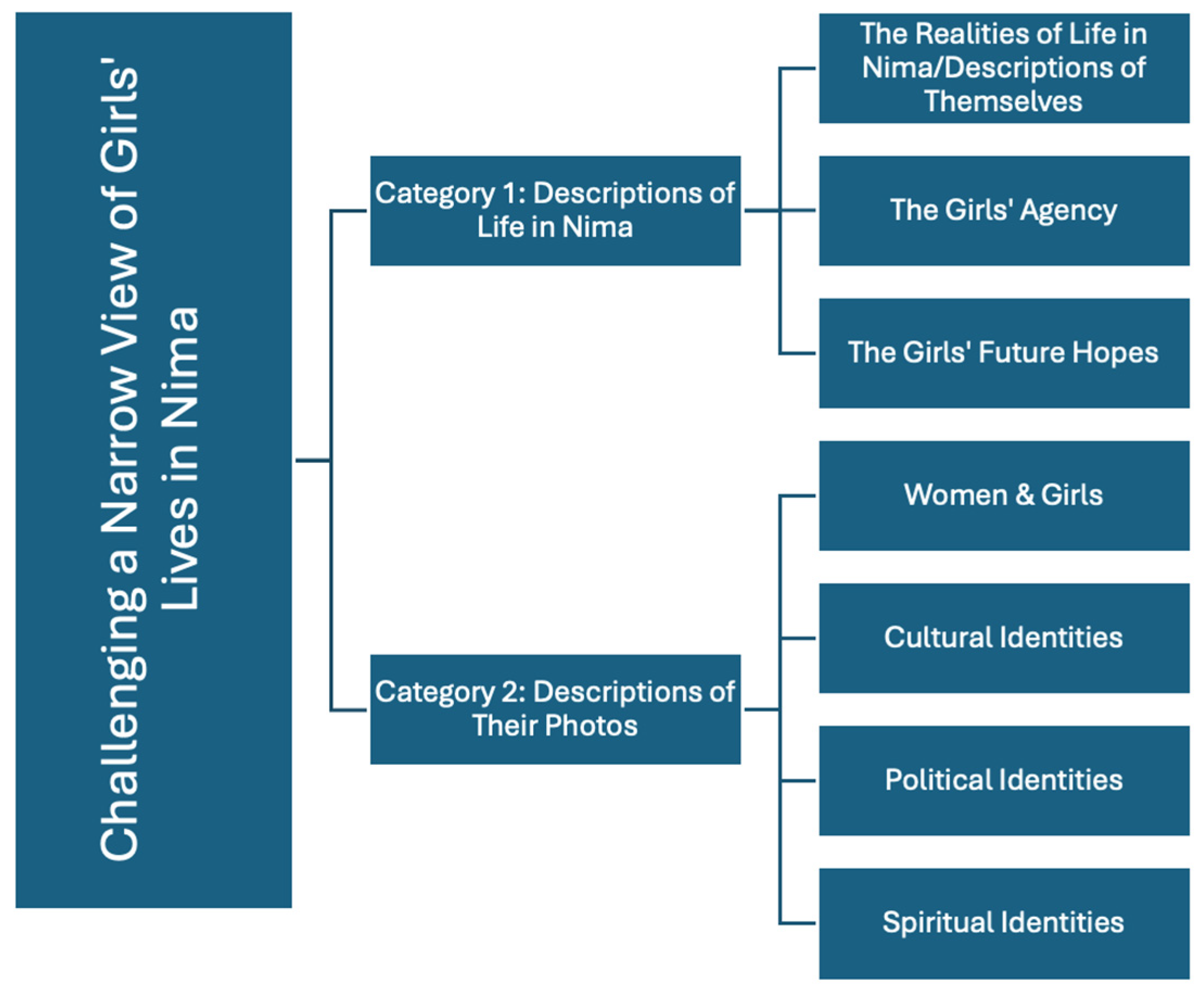
The process generated 30 photographs, six demographic questionnaires, six observation notes, six artist statements, and six interview transcripts that were voluntarily shared with the researchers. The researchers then employed a three-round inductive approach to thematic analysis to derive meaning from the data [37]. In the first round, we used in vivo coding to produce 248 distinct descriptors of the girls’ lifeworlds. In the second round, we applied descriptive coding to organize the initial codes into categories. These initial codes were categorized into four groups: Descriptions of Life in Nima, Descriptions of their Photos, Descriptions of Themselves, and Descriptions of Project Participation. Under these categories, the initial codes were sub-categorized to identify specific concepts conveyed in each. In the third round of analysis, we compared the sub-categories to identify consistent ideas evident across each category. During this process, the category called Descriptions of Themselves was collapsed under Descriptions of Life in Nima, as most quotations there also reflected their perceptions of and experiences in Nima. Also, the category Descriptions of Participation in the Project stood out as a separate theme beyond the scope of this inquiry, as the data within focused on the girls’ evaluation of their learning experiences in creating and curating photos. Among the two remaining categories, Descriptions of Life in Nima and Descriptions of Their Photos, we observed that the girls depicted their lives more expansively than how they are commonly represented in the literature. We wrote an analytical memo to this effect:
So, Elicity, Richlove, Lubi-Darling, Empress Limash, Queen of Buse, Miss Niaja, all 6, took pictures that challenged the idea that they live downtrodden and sexually focused lives, as the literature suggests. And also in their descriptions of their lives in Nima and themselves, they also challenge that idea in specific ways. So, this is an important theme that cuts across all of the data. It is represented in the initial codes in each of the categories (Analytical Memo 7).
Therefore, we developed the theme “Challenging a Narrow View of Life in Nima” to describe how the girls’ perceptions of their lives and the photos they captured to express them demonstrate a critical imperative to research Ghanaian girls’ lives beyond their framing as a subjugated group (see Figure 1).
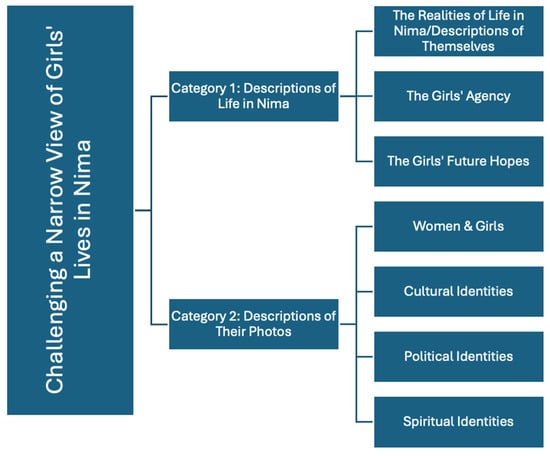
Figure 1.
Code Tree.
3. Results: Challenging a Narrow View of Girls’ Lives in Nima
That, as for me, I’m not bad. Yeah, because if I stay in Nima, that doesn’t mean I’m a bad girl. And Nima is not a bad place. It’s good.~Richlove
The girls took photographs of their favorite neighborhood places, including local businesses, places of worship, and youth hangouts. They made portraits of their friends and family, especially of women and girls, and bore witness to the care and encouragement that they found in their hometown. Counter to their depiction in the literature as medicalized subjects, the girls expressed a more expansive view of their life-worlds. They documented influential women and relationships, showed their cultural pride, and expressed the significance of spirituality in their lives. In so doing, the girls challenged the narrow discourse surrounding African girls’ realities.
3.1. The Girls’ Descriptions of Life in Nima: Navigating Reality, Demonstrating Agency, and Sharing Future Hopes
The girls were not naïve about the realities of growing up in Nima. Significant challenges related to housing, sanitation, public health, and safety, along with inadequate employment and education, render gendered violence in all its forms a very real issue for women and girls there. Still, the girls focused their lenses both within and beyond these materialities. Empress Limash shared:
Nima is not a quiet place. It’s a very harsh community and many people sleep there. And there are many people that try to abuse some of us. So we just pray to God that we will not fall into their trap so that we become like them. And also, Nima is nice, but you must be careful. [Outsiders] think Nima is not a good place, but Nima is a very good place. What you need is to be careful. They think we don’t know anything. We are just there doing things that are not important. But there are some girls in Nima that are very good and also very nice.
Empress Limash’s description of Nima’s reputation was shared by the other girls. Like the literature documenting the adversities Ghanaian girls face, the girls were clear that trouble is accessible in Nima. However, they were also clear that the risks they face do not describe the totality of their experiences. Lubi-Darling shared:
Outsiders take Nima to be a bad place but you are the person that is supposed to choose. If you choose to go to the wrong parts, it’s your own cup of tea. If you choose to go to the right part, you will be ok. I’m very proud because I see Nima to be normal. I’m growing in it, but I don’t see anything bad about it. I don’t see myself doing anything bad. [I’m] comfortable.
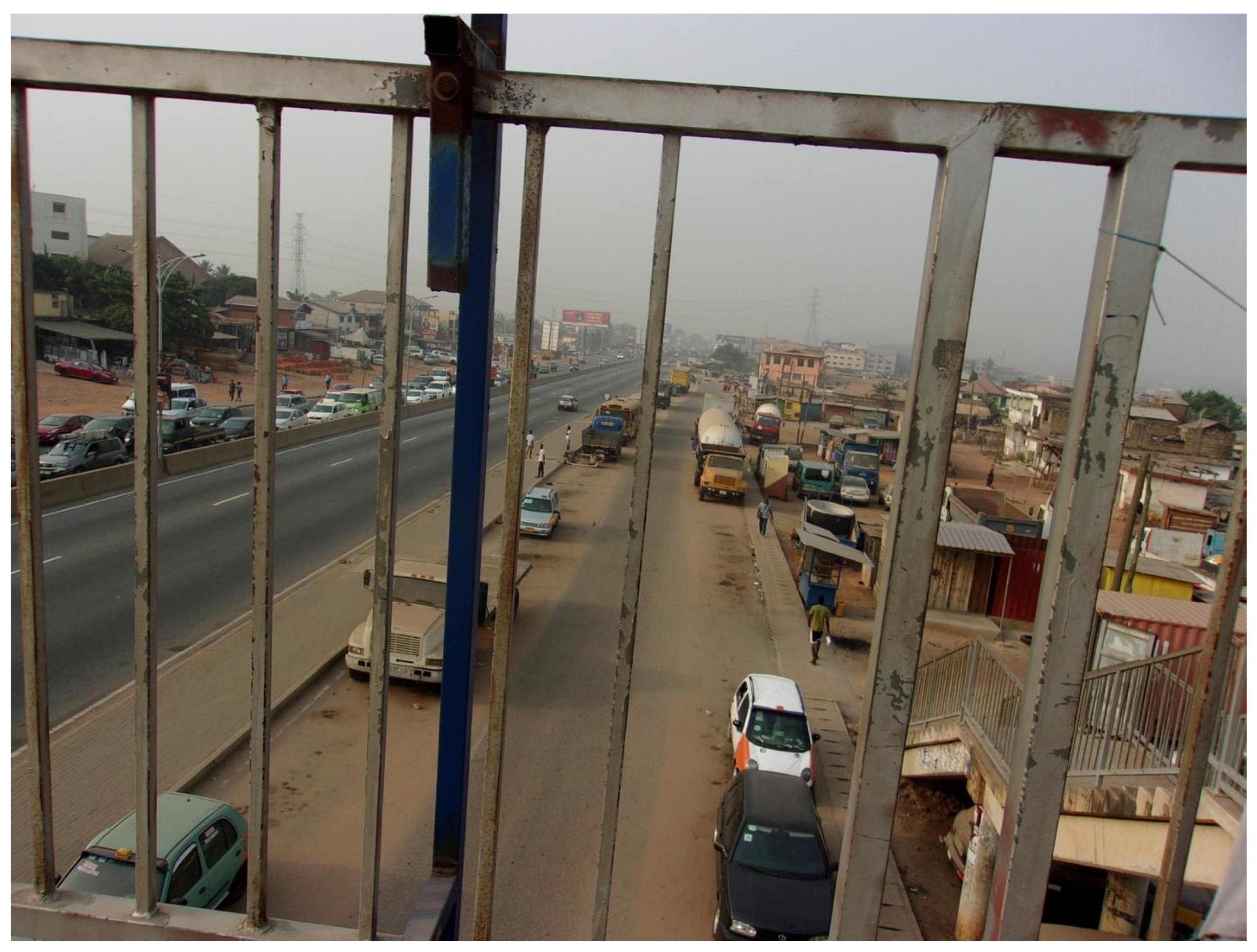
Of the girls’ photographs, Empress Limash’s “Where I live” adds color to this complexity. From behind the rusted rail of a highway overpass, she captured a Nima road during rush hour, where drivers and pedestrians were enveloped in smog, cars and trucks coated in dust, and modest structures, some made of tin, closely lined along the road. The Western gaze may stereotype this scene as proof of Nima’s abjection through its evidence of environmental and infrastructural challenges (see Figure 2). However, Empress Limash wrote in her artists’ statement that the picture “shows where I live. It makes me feel happy, proud, and excited.”
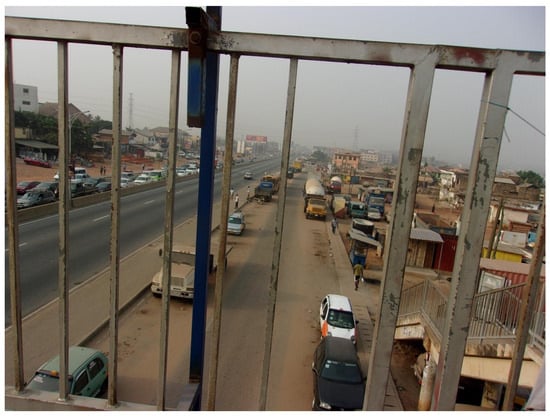
Figure 2.
Where I live by Empress Limash.
Like Empress Limash, the girls held positive and agentic perspectives of their lives in Nima, describing a sense of personal power within, connection to, and pride for their community. They shared how their community inspired them to do and be their best. Elicity said, “Sometimes when I hear that kind of comments from people about Nima, I feel sad, and I always say this. When my dream come true, I shall make girls of Nima proud of themself.” The photographs of their visions for the future demonstrated a shared perspective on Elicity’s hope. They envisioned themselves as doctors, entrepreneurs, teachers, wives, and mothers—cherished, respected, and revered roles for women in Ghana. Their hope for personal and professional status was rooted in aspirations to give back to Nima. Miss Naija said:
Some years ago I visited hospital. That time, we not even having health insurance but they collected money from us and the way the doctor used to treat the women make me angry. But at that time, I’m still young. So, since that day, I used to tell my dad that Inshallah [By the grace of God], I want to become a doctor. I don’t want to become a doctor so that I can get money, but I want to become a doctor so that I can help people.
The girls’ understanding of the realities of living in Nima was complicated by their simultaneous perceptions of its goodness, the pride it instills, and the aspirations it inspires. This finding reinforces the need to rupture the metanarrative of African, and more specifically, Ghanaian girls’ perpetual dispossession. Queen of Buse’s reflections on her hometown further relay this point:
When you are from Nima and you go to other place…when they ask “where are you from?” Then you said “Nima.” They will be surprised because they know Nima. [People outside Nima] see them that they are bad because some people think that girls in Nima wear short dress. But some people do see them like they are good. Those who think good things about them, that is fine. But those who think negative, then they have to stop that because we are human beings.
Queen of Buse emphasized the humanizing importance of challenging stereotypes about life in Nima. She noted that the risk factors associated with a place do not define the people living there. Further, her comments on Nima girls’ reputation as those who “wear short dress” hold implications for research in the social sciences, as the literature’s overemphasis on African girls’ sexual and reproductive health contributes to and reinforces longstanding stereotypes that girls in Nima are subjected to.
3.2. The Girls’ Descriptions of Their Photos: The Significance of Women & Girls’ Cultural, Political, & Spiritual Identity
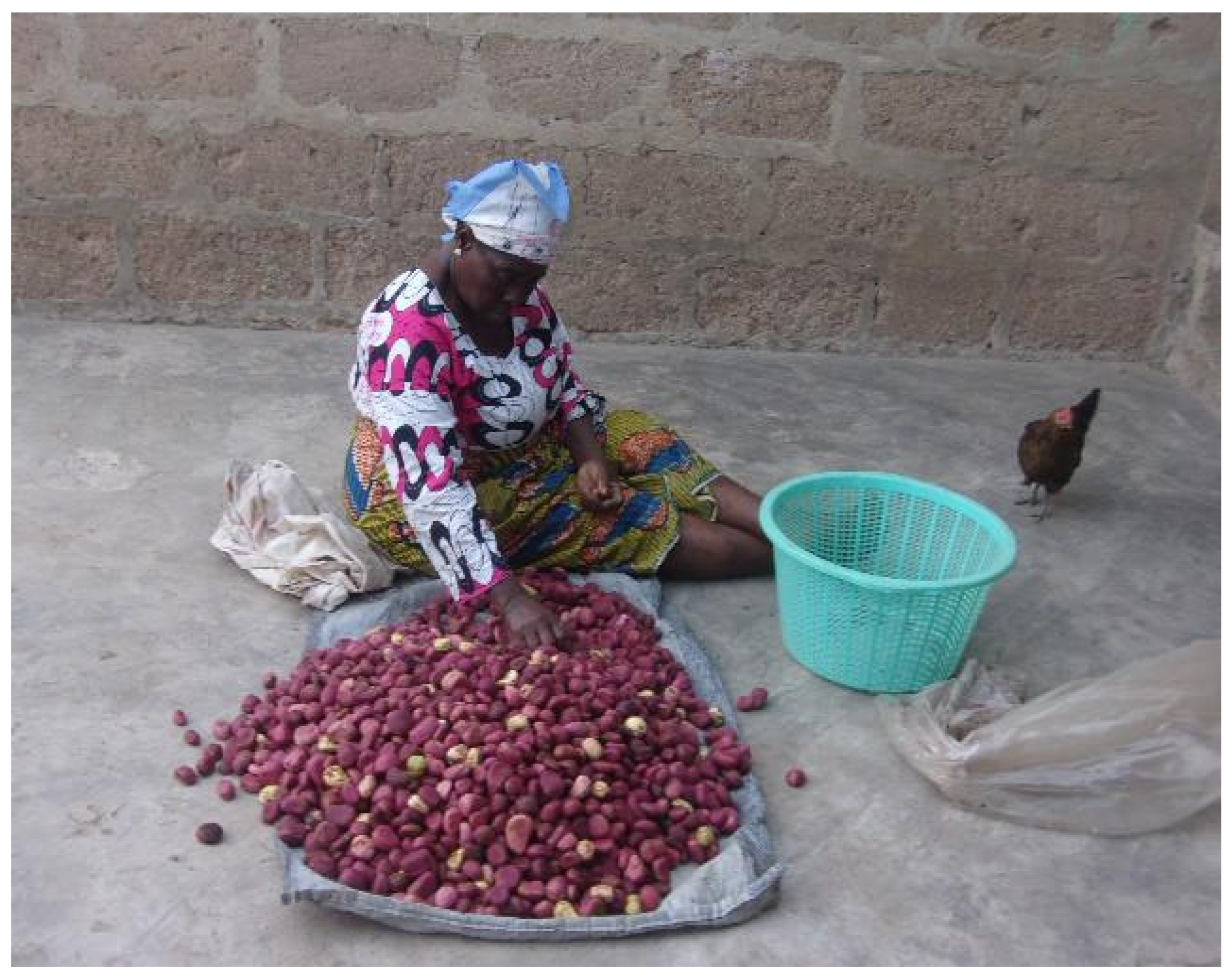
The majority of the girls’ photos documented the women and girls, as well as national, cultural, and spiritual practices that sustain and give meaning to their lives. They created photos demonstrating how women in their families and communities take care of each other, celebrating their grandmothers, sisters, nieces, and girlfriends as the source of their livelihood, care, and joy. Miss Naija took a photo of her grandmother, a market woman who sells kola nuts (see Figure 3). Calling the portrait “Home Sweet Home,” she shared intimate memories of family time with her:
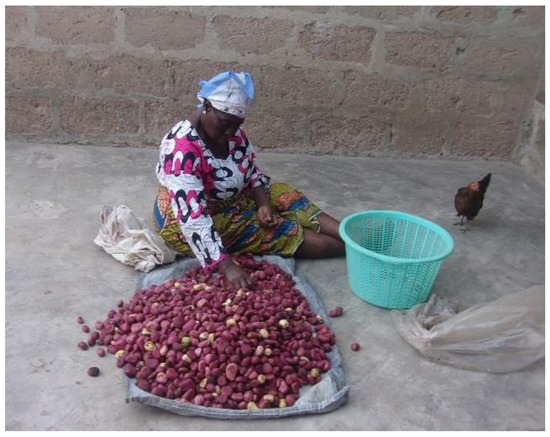
Figure 3.
Home Sweet Home by Miss Naija.
That picture is about my grandmother, especially when she’s selling kola. So, in the evening, when she brought the kola home, we used to play with them, and she would tease us, and we would run or play. So I just love it. That’s why I take a picture of her. She gives good advice, company, and income. Like if I need something, she is the only one who can help me if I’m sick. She is very close to me. She is the only person to help me.
Richlove also made a portrait, this time of her sister and niece, and entitled it “My Sister.” She explained:
I took this photo because I love my sister, and she is so caring and lovely. My sister is a calm and good person, and she’s hard-working. That’s what I want to learn from her…how she does everything. The way she talks to people and all that. Sometimes, when she cooks, even for the family, we won’t eat. She’ll just give it out to people who need it more.
These portraits reflect the essential care work women in Nima perform. Their work is often unnoticed, yet deeply sustaining. Elicity’s photo about the past, which captured a pair of purple, grey, blue, and teal nike shoes, captured the joy of a birthday surprise from her sister and the confidence she found in the gift of style. Entitled, “The Amazing Sneakers,” Elicity shared:
The Amazing Sneakers was about a birthday gift. My sister bought it for me. It was a surprise gift. I didn’t expect anyone to buy me a shoe. So when I saw the shoe, I danced that day. Hah. I love the shoe… I like fashion. When I wear something that is functional, it make me look good and always people praise me that I look good and I love that. It make me feel proud and big. I wish I have more so that I can give people, so that people will see that them too, they are special just like me. How I feel, I want them to feel this way I also feel, and it is because of my sister.
The photos that Empress Limash, Elicity, Miss Naija, Rich Love, Queen of Buse, and Richlove took of the women and girls in their lives reflect the profundity of the quotidian in navigating Nima. They shared the simple acts of kindness and love that are so important to African girls’ ability to transgress the boundaries they face. A grandmother’s playful gestures, modest income, and care, and a sister’s model of sacrifice and the gift of beautiful adornment create closeness, connection, confidence, and joy in a place that may otherwise constrain these fundamental social-emotional needs. These narratives counter the over-depiction of the harsh physical realities of life in communities like Nima by shifting our gaze to find the inherently human and tender relationships that are also there. The social-emotional realities of Nima girls’ lives have been unexplored, though they are no less critical in understanding their well-being than the dominating depiction of their physical realities.
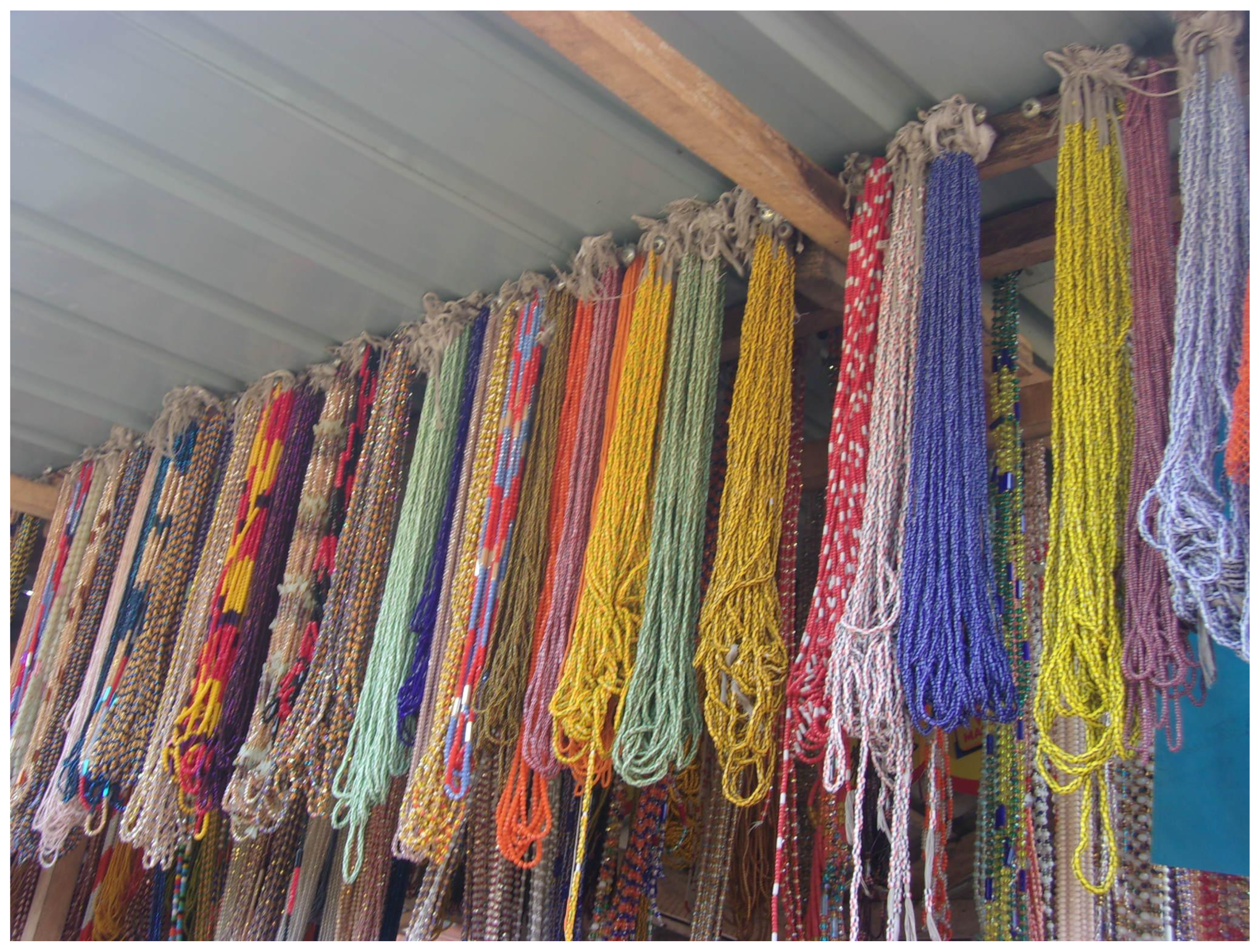
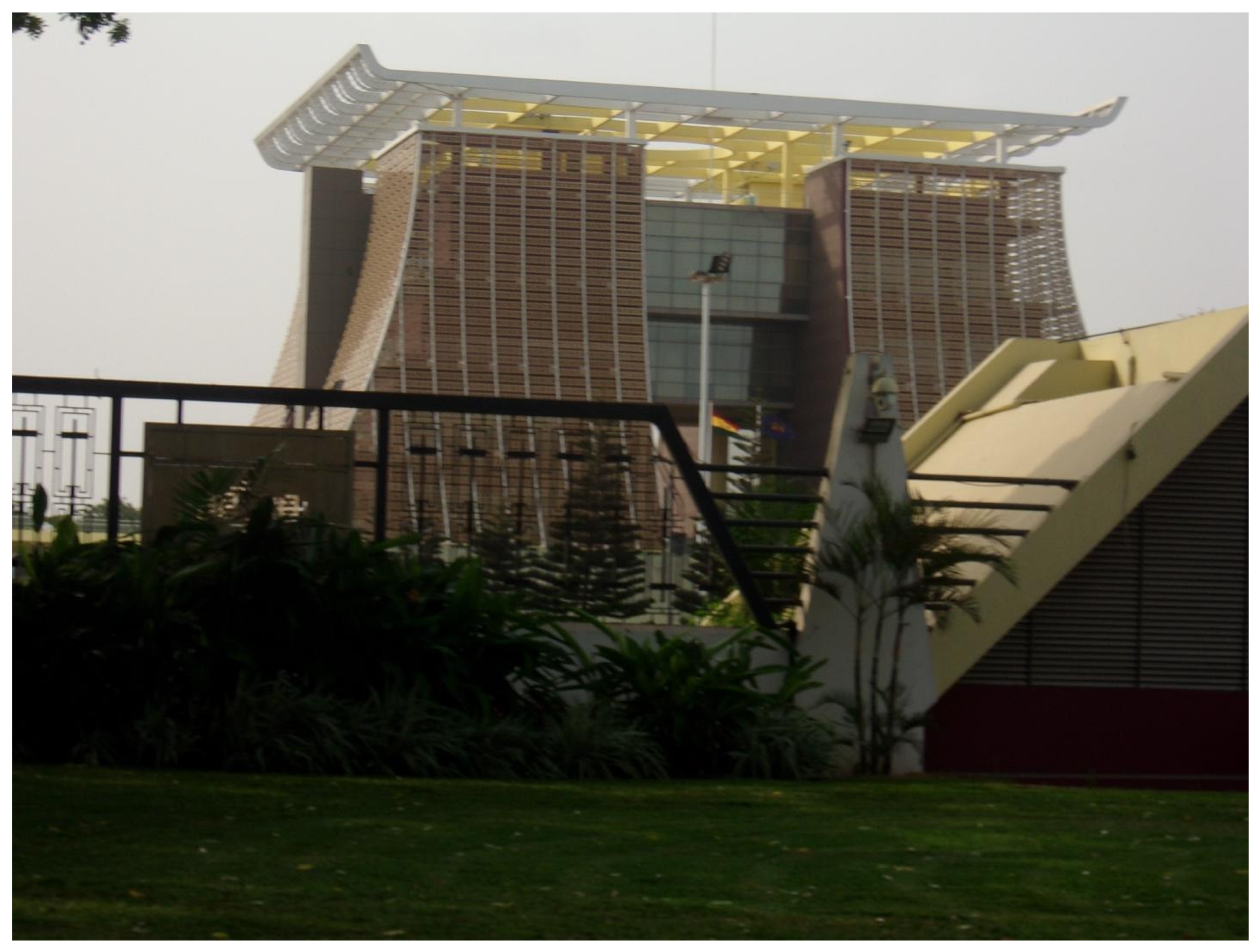
In addition to capturing significant filial bonds, the girls also documented national landmarks, monuments, and buildings, describing them as places and symbols of personal pride. Elicity’s photo, “Ghana, The Land of Resources,” captured a colorful array of stringed beads hung from the ceiling of a market booth (see Figure 4), and wrote in her artist’s statement, “I love everything made in my country, Ghana. Ghana is a wonderful country.” Richlove captured a photo of the Jubilee House, the official presidential palace (see Figure 5). Calling it “My Motherland,” she explained, “I like the way it looked like. It makes me so proud of myself.”
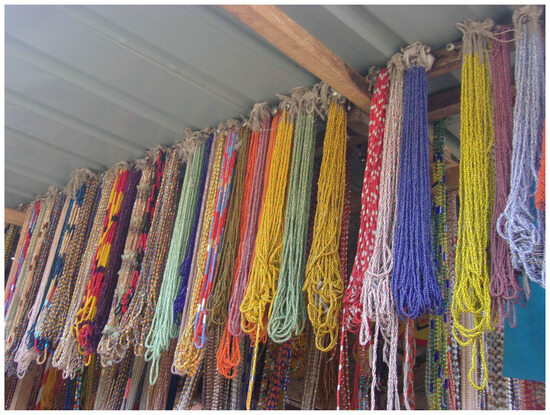
Figure 4.
Ghana, The Land of Resources by Elicity.
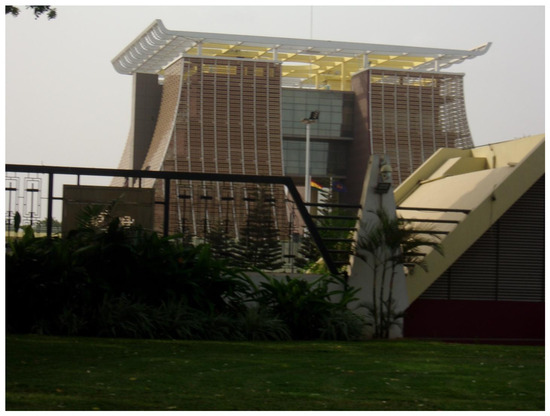
Figure 5.
My Motherland by Richlove.
These expressions of national pride can be read as acts of self-location within national identity. The girls’ choice to capture sites of national significance as important to their identities push back against their framing as marginal to politics or objects of humanitarian concern. They located their values and sense of place in Ghana, asserting themselves as belonging to and, by virtue of their aspiration to contribute meaningfully to society, shaping the nation. Their photographs of national landmarks and affirmations of Ghana and Nima as wonderful places render visible their connection to political life. They rooted their identity not in need or crisis, but in pride, citizenship, and belonging.
The girls also documented cultural festivals, attire, and inscriptions, describing the personal significance they held. Their images reflected not only aesthetic appreciation but a deep sense of cultural rootedness. Their choices to photograph traditional celebrations and adornment speak to how cultural expression serves as a source of joy, identity, and self-definition. In a portrait of women attending a marriage festival, Elicity explained the cultural significance and joy that wearing beads brings her:
You see, Ghanaians, they love beads, especially the Krobos. When [the Krobos] wear it, I feel like wearing some. The way they paint their self and they put on their beads and they dance to their tunes. I really like it. I like how they celebrate their festival, that’s why I chose this picture. The festival is about young girls who are ready to going into adulthood and marriage. So you have to go to the festival to show that you are a mature person…. Bead is the one that I see most people use during the festival… Beads make a girl look beautiful, especially the yellow colors… So when you wear it, it draws people’s attention. They want to see where I got that from. They wish to wear the same. When I don’t wear them, I don’t feel okay. Like now, I don’t feel okay because [the beads] are not on me.
Similar to Elicity’s cultural interest and joy in Ghanaian beads, Lubi-Darling took pride in Nima girls’ participation in traditional ethnic dress. She shared a portrait of girls in her family, called “African Queens,” and explained:
They are my cousins and they are dressed according to their tribe. The one on the left is a Fulani and the one in the middle, she’s Hausa and the one on the right is Yoruba. So they dress differently. We don’t attend the same school, but on that day, they said they should dress in their African wear. So when they are dressed, when they were about to leave for school, I took pictures of that. I am very, very proud. Africa is a very, very loving continent. If you are in Africa, with the exception of those who are more interested in maybe Europe or America. But if you are more interested in Africa, then you see the benefits of it.
Lubi-Darling curated two photographs of girls dressed in cultural wear. The second photo depicted twin girls who were her classmates and friends. Dressed in blue with cultural markings on their faces, she called the photo “African Twins” and explained that expressing cultural pride is something that she discusses regularly with her friends. “We always talk about Africa—Ghana,” she said, “so I can see their passion. They are very, very, very proud. I took the picture because they looked like queens from Africa because they are dressed as Africans. They are very young but interested in their tribe and proud of it.” Both of Lubi-Darling’s photos demonstrate the cultural pride she and her peers feel, especially when dressed traditionally.
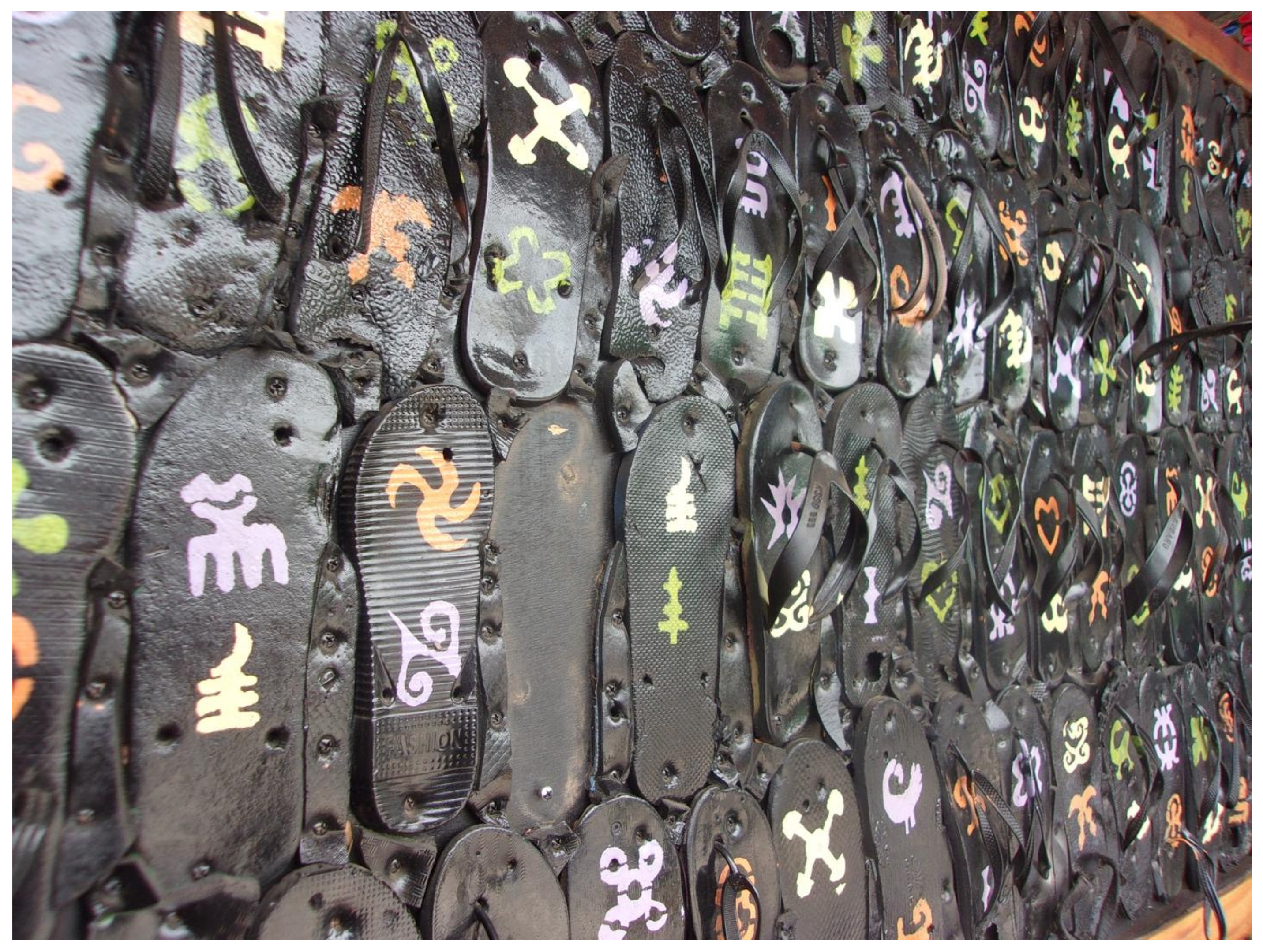
Queen of Buse also explored cultural pride through her exploration of form, pattern, and the past. She took a photo of flip-flop soles decorated with painted adinkra, and nailed to a wall as installation art (see Figure 6). Entitling the photo “African Designs,” she said she took the picture “because they show symbols of Africa and my motherland, Ghana. I feel good because it represents the past and our forefathers also, they were the ones who named them.” In so doing, she honors and helps preserve the legacy of knowledge embedded in Adinkra. Through her lens, she captured wisdom that has endured across generations despite erasure and systemic efforts to interrupt historical memory.
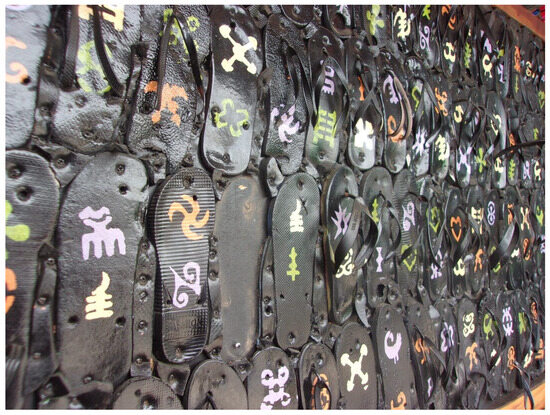
Figure 6.
African Designs by Queen of Buse.
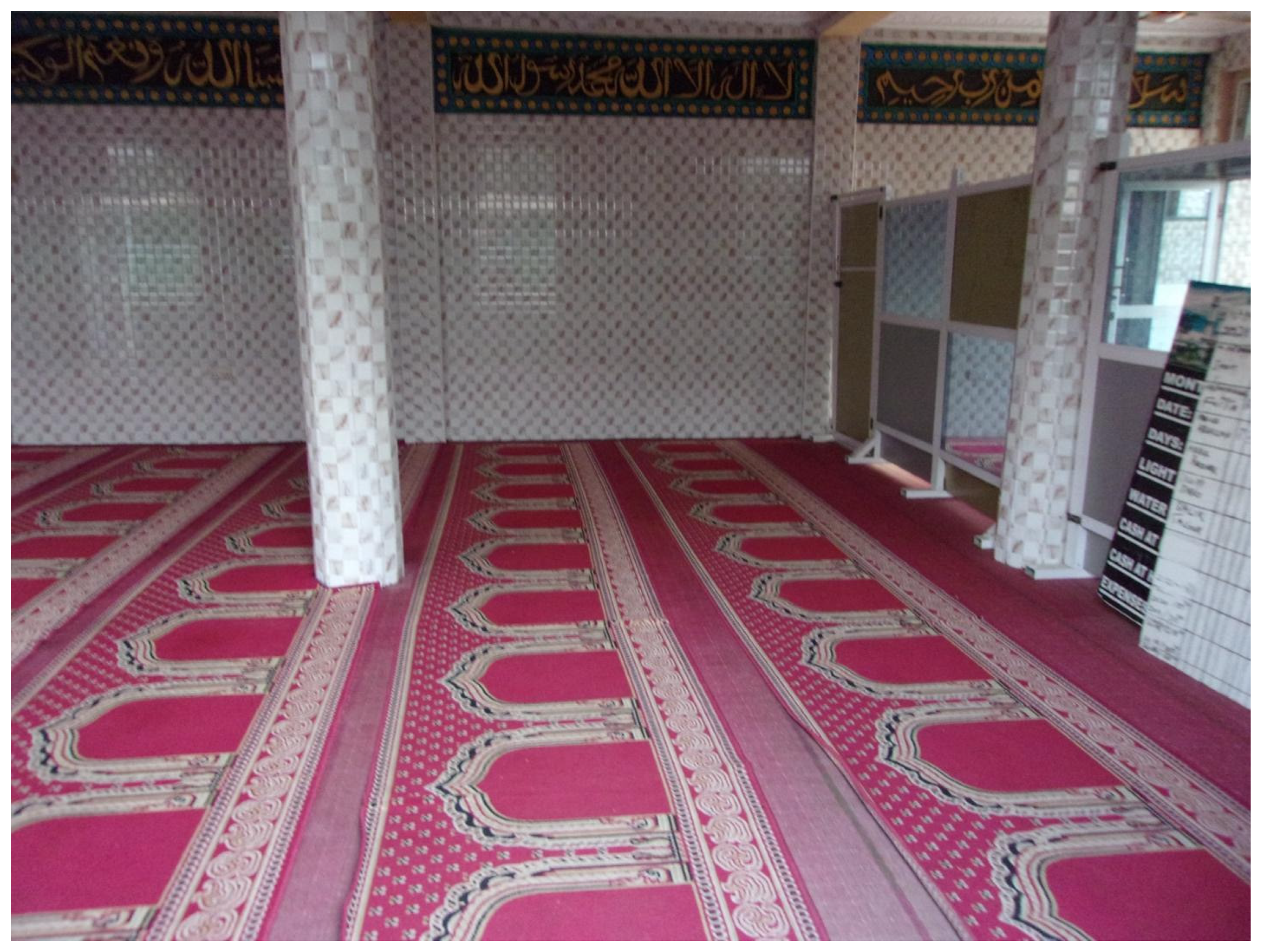
In addition to sharing their cultural heritage, the girls also expressed the significance of their spiritual identities, taking photographs of their mosques, churches, holy books, and religious leaders. They expressed the psycho-social significance of these places, materials, and people, sharing how they provide respite from the pressures of everyday life in Nima while also receiving tangible support in the form of financial assistance, religious education, community celebration, personal peace, and encouragement. Lubi-Darling took a photo of an empty musalla (prayer room) at her mosque and titled it “Wisdom.” (see Figure 7). She shared:
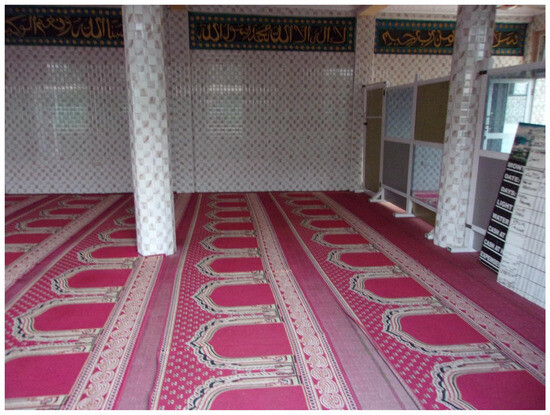
Figure 7.
Wisdom by Lubi-Darling.
When you go to this place, as you can see, nobody is in there. But when you go there, when you are alone, you’ll sit down, and you think. You meditate. You think about what is good, also what to do in the future. You think about wise things. But when you are out there [on the street], people are making noise, you won’t be able to think. You can’t get a time to think.
This quotation exemplifies the importance of the girls’ interiority. That is, the right to oneself, to think, reflect, and imagine beyond the constraints of public life. The girls expressed how their spiritual and religious institutions served as sites of self-creation, providing both literal and figurative spaces to contemplate and shape their lives.
In addition to demonstrating the spaces where girls are able to find rest, their photos about spiritual identity further expressed their cultural pride. They shared how hearing from successful religious leaders, worshipping in beautiful spaces, and meeting foreigners who travel to share in that experience helped them feel good about themselves and their community. Elicity took a photo of the central mosque in Nima, its grand domes and arches set behind two smiling schoolboys and filling up most of the frame. The photo captures her impression of its grandeur and importance. She explained:
This is the beautiful Mosque in Nima. Big people, big Imams, come from far places and preach the word of God so you’ll understand it. That is a nice place. How the structure of the Mosque and how they built it. I like it. It is a tourist site. I’m happy that my area is a tourist site to meet. And I can see foreigners that I’ve never seen before [there]. Sometimes I communicate with them.
Elicity’s description of the mosque as a site visited by “big Imams” and “foreigners” conveys her awareness of its symbolic importance, not only as a spiritual and architectural wonder but as a site of global recognition and cross-cultural exchange. Her quotation reflects how the girls saw themselves as belonging to important places of rest, reflection, and community engagement.
These representations of relationships with women and girls, citizenship, cultural adornment and communication, and spiritual expression and belonging are representative of the girls’ pride in their heritage, providing insight into the significance of the rich histories, celebrations, art forms, places, and practices contributing to Ghanaian girls’ sense of self-worth and joy. Their voices challenge narratives flattening African girls’ experiences by demonstrating how they care for and are cared for by others, the meaningful connections they hold to their nationality and ethnicities, and the sense of peace, community, and belonging they enjoy in Nima. Their voices assert the complexity of human experience, demonstrating how pride, joy, and belonging also exist in places replete with socio-economic and health disparities.
4. Discussion
The girls’ perceptions challenge and broaden the existing literature by presenting a more comprehensive view of Ghanaian girls’ lives. While we do not deny the significant sexual and reproductive challenges faced by girls in Nima, we contend that overemphasizing these hardships reinforces stereotypes that serve as controlling images of African girls’ experiences across the globe [38]. Empress Limash, Queen of Buse, Lubi-Darling, Richlove, Miss Naija, and Elicity used their photographs to depict life in Nima, highlighting the social challenges while also showcasing the intergenerational connections between women and girls; pride in national, local, and cultural identity; and the significance of spirituality to their experiences. BGS emphasizes the importance of fostering and elevating this multidimensionality as a crucial protective factor and counter-hegemonic practice to enhance the well-being of African girls [21]. This study illustrates the substantial power of photovoice in realizing this critical need.
The girls’ view of Nima as a positive place, despite the existing disparities, reflects a sense of youth agency that researchers should work to amplify. The girls held a nuanced view of their community, recognizing the challenges that coexist with a rich mosaic of cultural and social connections. This ability to perceive life’s multiplicities reflects their agency, as they not only acknowledge systemic flaws but celebrate the significance of their lives and community. This counters the prevalent portrayal of African girls as a subjugated group, instead illustrating how they actively assert their belonging and take pride in their identity. In doing so, the girls exemplified the everyday acts of self-definition that form the basis of Black girls’ resistance to marginalization. Naming the people, places, and artifacts that are significant to their experience is a quiet act of asserting one’s humanity and place in the world [39]. This is a significant move against representations that define their realities for them.
We also learned about the girls’ sense of belonging through their photographs of the women and girls in their lives. They expressed how place is made through provision, critical conversation, and joyful moments. These everyday acts of care are structural to Black girls’ capacity to thrive and challenge the idea that care originates primarily from institutions. The girls’ photos showed how care work is grounded in intergenerational bonds, sisterhood, and friendship, intimate connections that hold the power to defy social domination [40]. Set against the backdrop of a body of literature that erases these powerful bonds, we see Ghanaian girls as potentially more connected and supported than their communities receive credit for. The significance of filial and intergenerational bonds among Ghanaian women and girls deserves sociological exploration, as there are likely many distinct, but overlooked ways girls navigate social constraint through these bonds.
The girls’ photographs of national landmarks provide insight into their political identities, asserting a sense of connection to and stake within Ghanaian national life. Their expressions of citizenship challenge dominant portrayals of African girls as in need of rescue, as is often perpetuated in development discourse, media, and academic literature. Linking their personal sense of pride to national landmarks expresses a claim to and visibility within national life, shifting the lens from viewing girls as merely vulnerable subjects to recognizing them as historically and politically situated people who see themselves as part of the social, cultural, and civic fabric of their nation. African girls are often discredited or denied recognition as political actors [27], and the ways in which they shape and participate in nations are underexplored or reduced to a paternalistic framework [41]. The girls’ interest in national life underscores the need for deeper engagement in social science research regarding Ghanaian girls’ political beliefs, experiences, and actions.
Further, the girls’ cultural pride, expressed through dress and language, carried aesthetic meaning, with implications for how we should conduct social science research. They showed us how colors, patterns, beads, clothing, signs, and symbols hold meaning full of cultural knowledge and histories that they are proud to adorn. These expressive and aesthetic acts documented how self-styling claims community, joy, and dignity [42]. This aspect of Ghanaian girls’ lives is detrimentally underexplored in the literature. Removing the right to self-expression is among the first acts of domination used to subjugate and colonize the African continent, but many traditions remain despite efforts to erase them [43]. Drawing from and encouraging cultural expression through social science research not only sustains subjugated ethnicities but disrupts the colonial logic and subsequent outcomes that their erasure maintains.
Finally, the girls’ spiritual expressions foregrounded the significance of their interior lives in a context where the outside world could be overwhelming. The girls’ lifting as significant of the right to retreat is critical, given the myriad ways rest, self-reflection, and dreaming are denied to Black girls globally. The space to be still and experience spiritual connection provides what hooks calls “self-recovery” [44]. That is, the space for Black women and girls’ emotional lives to be centered, protected, valued, and utilized for healing and well-being. However, spirituality conflicts with traditional frameworks in social science research and is often dismissed as having little or no epistemological value, despite its central role in the experiences of African people worldwide. However, drawing from and encouraging what Dillard calls a “spiritually engaged pedagogy,” we understand spirituality not as an add-on, but as a legitimate and necessary way of knowing [45]. Spirituality is an epistemologically significant method that connects African-descended people to ancestry, purpose, and community. Acknowledging and amplifying the spiritual is essential to research that honors the full humanity and intellectual traditions of girls in Ghana, and across the African diaspora.
5. Conclusions
Queen of Buse, Lubi-Darling, Empress Limash, Miss Naija, Elicity, and Richlove developed counter-narratives of Ghanaian girls’ realities while illuminating new possibilities for sociological research on African girlhood. By centering the girls as interpretive authorities, this project moved beyond documenting reproductive harm or social risk toward a fuller account of African girls’ social circumstances. The culturally situated visual and participatory approach we used makes visible dimensions of Ghanaian girls’ care, culture, politics, and spirituality that traditional social science often overlooks. The girls’ photos and words remind us that these dimensions of humanity are not luxuries [46]; they are constitutive elements of everyday life that deserve deeper and strength-based explorations to counter the dominating discourse shaping their experiences. We therefore suggest that future research on African girlhood build culturally situated and participatory structures into its designs. African girls’ relational, cultural, political, and spiritual knowledge should be treated as foundational rather than supplemental to research aimed at transforming the social conditions of their lives.
Author Contributions
Conceptualization, E.B.E.; methodology, E.B.E.; formal analysis, E.B.E. and M.C.; writing—original draft preparation, E.B.E. and M.C.; writing—review and editing, E.B.E. and M.C.; visualization, M.C.; project administration, E.B.E. All authors have read and agreed to the published version of the manuscript.
Funding
This research received no external funding.
Institutional Review Board Statement
The study was conducted in accordance with the Declaration of Helsinki and approved by the Institutional Review Board of Wayne State University (protocol code #IRB-21-10-4099; approved on 2 November 2021 for studies involving humans).
Informed Consent Statement
Informed consent was obtained from all subjects involved in the study.
Data Availability Statement
The visual and narrative data generated by this study are not publicly available to protect the privacy, dignity, and anonymity of the youth participants. Given the highly identifiable nature of photovoice imagery and the ethical commitment to co-construct a safe and confidential research space, the data were collected under conditions that do not permit open dissemination.
Acknowledgments
We would first like to thank the 6 youth whose voices and photographs helped us learn so much about the importance of representation in social science research about Ghanaian girls. We would also like to acknowledge Tafari Stevenson-Howard (Chief Jakada) for facilitating our relationship with the community elders who made this project possible. We would also like to thank the local teaching artists who facilitated the curriculum under the challenging circumstances presented by the pandemic. During the preparation of this manuscript, the authors used AI to edit sections of the initial draft to improve grammar. The authors have reviewed and edited the output and take full responsibility for the content of this publication.
Conflicts of Interest
The authors declare no conflicts of interest.
Abbreviations
The following abbreviations are used in this manuscript:
| BGS | Black Girlhood Studies |
References
- Appiah-Agyekum, N.N.; Suapim, R.H. Knowledge and Awareness of HIV/AIDS among High School Girls in Ghana. HIV/AIDS-Res. Palliat. Care 2013, 5, 137–144. [Google Scholar] [CrossRef]
- Rokicki, S.; Fink, G. Assessing the Reach and Effectiveness of mHealth: Evidence from a Reproductive Health Program for Adolescent Girls in Ghana. BMC Public Health 2017, 17, 969. [Google Scholar] [CrossRef]
- Gyimah, L.A.; Annan, R.A.; Apprey, C.; Edusei, A.; Aduku, L.N.E.; Asamoah-Boakye, O.; Azanu, W.; Lutterodt, H. Dietary Diversity and Its Correlates among Pregnant Adolescent Girls in Ghana. PLoS ONE 2021, 16, e0247979. [Google Scholar] [CrossRef]
- Dolan, C.S.; Ryus, C.R.; Dopson, S.; Montgomery, P.; Scott, L. A Blind Spot in Girls’ Education: Menarche and Its Webs of Exclusion in Ghana. J. Int. Dev. 2014, 26, 643–657. [Google Scholar] [CrossRef]
- Gumanga, S.K.; Kwame-Aryee, R.A. Menstrual Characteristics in Some Adolescent Girls in Accra, Ghana. Ghana Med. J. 2012, 46, 3. [Google Scholar]
- Escobar, A. Encountering Development: The Making and Unmaking of the Third World; Princeton University Press: Princeton, NJ, USA, 1995. [Google Scholar] [CrossRef]
- Switzer, H. (Post)feminist Development Fables: The Girl Effect and the Production of Sexual Subjects. Fem. Theory 2018, 19, 5–24. [Google Scholar] [CrossRef]
- Moletsane, R. Repositioning Educational Research on Rurality and Rural Education in South Africa: Beyond Deficit Paradigms. Perspect. Educ. 2014, 32, 1–8. [Google Scholar]
- Anaman, K.A.; Okailey, J.A. Extent of Awareness of Birth Control Methods and Their Use by Women in a Peri-Urban Area of Accra, Ghana. Mod. Econ. 2016, 7, 39–54. [Google Scholar] [CrossRef]
- Gyamfi, E. Knowledge, Attitude and Risk Perception on Sexual-Reproductive behaviours among Adolescents in Ejisu-Juaben Municipality, Ghana. Texila Int. J. Public Health 2019, 7, 1–8. [Google Scholar] [CrossRef]
- Boamah-Kaali, E.A.; Mevissen, F.E.F.; Owusu-Agyei, S.; Enuameh, Y.; Asante, K.P.; Ruiter, R.A.C. A Qualitative Exploration of Factors Explaining Non-Uptake of Hormonal Contraceptives Among Adolescent Girls in Rural Ghana: The Adolescent Girls’ Perspective. Open Access J. Contracept. 2021, 12, 173–185. [Google Scholar] [CrossRef]
- Hall, K.S.; Manu, A.; Morhe, E.; Dalton, V.K.; Challa, S.; Loll, D.; Dozier, J.L.; Zochowski, M.K.; Boakye, A.; Harris, L.H. Bad Girl and Unmet Family Planning Need among Sub-Saharan African Adolescents: The Role of Sexual and Reproductive Health Stigma. Qual. Res. Med. Healthc. 2018, 2, 7062. [Google Scholar] [CrossRef]
- Nauges, C.; Strand, J. Water Hauling and Girls’ School Attendance: Some New Evidence from Ghana. Environ. Resour. Econ. 2017, 66, 65–88. [Google Scholar] [CrossRef]
- Dubik, S.D.; Amegah, K.E.; Alhassan, A.; Mornah, L.N.; Fiagbe, L. Compliance with Weekly Iron and Folic Acid Supplementation and Its Associated Factors among Adolescent Girls in Tamale Metropolis of Ghana. J. Nutr. Metab. 2019, 2019, 8242896. [Google Scholar] [CrossRef] [PubMed]
- Rheinländer, T.; Gyapong, M.; Akpakli, D.E.; Konradsen, F. Secrets, shame and discipline: School girls’ experiences of sanitation and menstrual hygiene management in a peri-urban community in Ghana. Health Care Women Int. 2019, 40, 13–32. [Google Scholar] [CrossRef]
- Kumbeni, M.T.; Ziba, F.A.; Apenkwa, J.; Otupiri, E. Prevalence and Factors Associated with Menstruation-Related School Absenteeism among Adolescent Girls in Rural Northern Ghana. BMC Women’s Health 2021, 21, 279. [Google Scholar] [CrossRef] [PubMed]
- Hartman, G.H. The Fateful Question of Culture; Columbia University Press: New York, NY, USA, 1997. [Google Scholar]
- Spillers, H.J. Mama’s Baby, Papa’s Maybe: An American Grammar Book. In The Transgender Studies Reader Remix; Routledge: Oxfordshire, UK, 1987. [Google Scholar]
- Wynter, S. “No humans involved”: An open letter to my colleagues. Forum N.H.I. Knowl. 21st Century 1994, 1, 1–17. [Google Scholar]
- Adichie, C.N. The Danger of a Single Story|TED Talk. Available online: https://www.ted.com/talks/chimamanda_ngozi_adichie_the_danger_of_a_single_story (accessed on 15 February 2026).
- Jaksch, M.L.; Fourshey, C.C.; Moletsane, R. A Turn to the African Girl. Girlhood Stud. 2023, 16, vii–xv. [Google Scholar] [CrossRef]
- McPherson, K.N. Black Girls Clap Back: Intersectionality, Black Girlhood, and Inequity in the Greater Toronto Area (GTA). Ph.D. Thesis, York University, Toronto, ON, Canada, 2019. [Google Scholar]
- Owusu, G. Indigenes’ and Migrants’ Access to Land in Peri-Urban Areas of Accra, Ghana. Int. Dev. Plan. Rev. 2008, 30, 177–198. [Google Scholar] [CrossRef]
- Briggs, J.; Yeboah, I.E.A. Structural Adjustment and the Contemporary Sub-Saharan African City. Area 2001, 33, 18–26. [Google Scholar] [CrossRef]
- Larbi, W.O. Spatial Planning and Urban Fragmentation in Accra. Third World Plan. Rev. 1996, 18, 193. [Google Scholar] [CrossRef]
- Essamuah, M.; Tonah, S. Coping with Urban Poverty in Ghana: An Analysis of Household and Individual Livelihood Strategies in Nima/Accra. Legon J. Sociol. 2004, 1, 79–96. [Google Scholar] [CrossRef]
- Tamale, S. Decolonization and Afro-Feminism; Journal of Contemporary African Studies; Daraja Press: Quebec, QC, Canada, 2020. [Google Scholar]
- Katshunga, J. Contesting Black girlhood (s) beyond northern borders: Exploring a Black African girl approach. Black Girlhood Stud. Collect. 2019, 45–79. [Google Scholar]
- Wang, C.; Burris, M.A. Empowerment through Photo Novella: Portraits of Participation. Health Educ. Q. 1994, 21, 171–186. [Google Scholar] [CrossRef]
- Wang, C.; Burris, M.A. Photovoice: Concept, Methodology, and Use for Participatory Needs Assessment. Health Educ. Behav. 1997, 24, 369–387. [Google Scholar] [CrossRef]
- Wang, C.C.; Redwood-Jones, Y.A. Photovoice Ethics: Perspectives from Flint Photovoice. Health Educ. Behav. 2001, 28, 560–572. [Google Scholar] [CrossRef]
- Meyers, L. “You Know, Let Me Put My Two Cents In”: Using Photovoice to Locate the Educational Experiences of Black Girls. In Black Schoolgirls in Space: Stories of Black Girlhoods Gathered on Educational Terrain; Ohito, E.O., Muñoz de Luna, L.M., Eds.; Berghahn Books: New York, NY, USA, 2024. [Google Scholar] [CrossRef]
- Higgins, M. Placing Photovoice under Erasure: A Critical and Complicit Engagement with What It Theoretically Is (Not). Int. J. Qual. Stud. Educ. 2016, 29, 670–685. [Google Scholar] [CrossRef]
- Asamoah, E.; Amaniampong, E.-M.; Manful, E.; Gyasi-Boadu, N.; Koomson-Yalley, E.N.M. Using Photovoice to Illuminate Challenges Facing Children with Disabilities in Inclusive Education in Ghana. Soc. Work Soc. Sci. Rev. 2023, 24, 7. [Google Scholar] [CrossRef]
- Kabore, A.; Afriyie-Gyawu, E.; Awuah, J.; Hansen, A.; Walker, A.; Hester, M.; Sié, M.A.W.; Johnson, J.; Meda, N. Social Ecological Factors Affecting Substance Abuse in Ghana (West Africa) Using Photovoice. Pan Afr. Med. J. 2019, 34, 214. [Google Scholar] [CrossRef] [PubMed]
- Mitchell, C.; DeLange, N.; Moletsane, R.; Stuart, J.; Buthelezi, T. Giving a Face to HIV and AIDS: On the Uses of Photo-Voice by Teachers and Community Health Care Workers Working with Youth in Rural South Africa. Qual. Res. Psychol. 2005, 2, 257–270. [Google Scholar] [CrossRef]
- Saldaña, J. The Coding Manual for Qualitative Researchers, 5th ed.; Sage Publications: Washington, DC, USA, 2025. [Google Scholar]
- Collins, P.H. Black Feminist Thought: Knowledge, Consciousness, and the Politics of Empowerment; Routledge: Oxfordshire, UK, 2022. [Google Scholar]
- Quashie, K. The Sovereignty of Quiet: Beyond Resistance in Black Culture; Rutgers University Press: New Brunswick, NJ, USA, 2012. [Google Scholar]
- Ampofo, A.A.; Arnfred, S. African Feminist Politics of Knowledge: Tensions, Challenges, Possibilities. Afr. Stud. Rev. 2004, 47, 35–53. [Google Scholar] [CrossRef][Green Version]
- Ensor, M. African Childhoods: Education, Development, Peacebuilding, and the Youngest Continent; Springer: Berlin/Heidelberg, Germany, 2012. [Google Scholar]
- Ford, T.C. Liberated Threads: Black Women, Style, and the Global Politics of Soul; UNC Press Books: Chapel Hill, NC, USA, 2015. [Google Scholar]
- Thiong’o, N.W. Decolonising the Mind: The Politics of Language in African Literature; Heinemann: London, UK, 1986. [Google Scholar]
- Hooks, B. Sisters of the Yam: Black Women and Self-Recovery; South End Press: Brooklyn, NY, USA, 1993. [Google Scholar]
- Dillard, C.B. Turning the Ships Around: A Case Study of (Re)Membering as Transnational Endarkened Feminist Inquiry and Praxis for Black Teachers. Educ. Stud. 2016, 52, 406–423. [Google Scholar] [CrossRef]
- Lorde, A. Sister Outsider: Essays and Speeches; Clarkson Potter/Ten Speed: Berkeley, CA, USA, 1984. [Google Scholar]
Disclaimer/Publisher’s Note: The statements, opinions and data contained in all publications are solely those of the individual author(s) and contributor(s) and not of MDPI and/or the editor(s). MDPI and/or the editor(s) disclaim responsibility for any injury to people or property resulting from any ideas, methods, instructions or products referred to in the content. |
© 2026 by the authors. Licensee MDPI, Basel, Switzerland. This article is an open access article distributed under the terms and conditions of the Creative Commons Attribution (CC BY) license.