


Abstract
Background/Objectives: Demodex mites are a common yet underdiagnosed cause of ocular surface diseases, including blepharitis and meibomian gland dysfunction (MGD). Traditional diagnosis via microscopic examination is labor-intensive and time-consuming. This study aimed to develop a deep learning-based system for the automated detection and quantification of Demodex mites from microscopic eyelash images. Methods: We collected 1610 microscopic images of eyelashes from patients clinically suspected to have ocular demodicosis. After quality screening, 665 images with visible Demodex features were annotated and processed. Two deep learning models, YOLOv11 and RT-DETR, were trained and evaluated using standard metrics. Grad-CAM visualization was applied to confirm model attention and feature localization. Results: Both YOLO and RT-DETR models were able to detect Demodex mites in our microscopic images. The YOLOv11 boxing model revealed an average precision of 0.9441, sensitivity of 0.9478, and F1-score of 0.9459 in our detection system, while the RT-DETR model showed an average precision of 0.7513, sensitivity of 0.9389, and F1-score of 0.8322. Moreover, Grad-CAM visualization confirmed the models’ focus on relevant mite features. Quantitative analysis enabled consistent mite counting across overlapping regions, with a confidence level of 0.4–0.8, confirming stable enumeration performance. Conclusions: The proposed artificial intelligence (AI)-based detection system demonstrates strong potential for assisting ophthalmologists in diagnosing ocular demodicosis efficiently and accurately, reducing reliance on manual microscopy and enabling faster clinical decision making.
1. Introduction
Demodex mites are intradermal parasites that multiply in the hair follicles and sebaceous glands of humans and animals. They mostly spread through direct skin to skin contact. A previous study showed that more than 80% of people over the age of 60 and nearly all people over the age of 70 are affected by Demodex in the United States, bringing the total number of infected people to 25 million [1,2]. A systematic review paper reported the prevalence of ocular Demodex to be between 29% and 90% [3].
Demodicosis, or Demodex-associated dermatosis, is a chronic inflammatory condition caused by an overpopulation of Demodex mites. Although Demodex folliculorum and Demodex brevis are part of the normal human skin microbiota, under certain conditions such as immune dysregulation, aging, or skin barrier dysfunction, they may proliferate excessively, triggering cutaneous and ocular disease manifestations [1,3]. As people get older, the number of Demodex mites around their eyes tends to rise. This increase has been linked to various ocular surface problems, including MGD, blepharitis, chalazion and dry eye symptoms [4]. In addition, systemic conditions such as type 2 diabetes mellitus (DM) have been shown to increase the risk and severity of MGD. A recent meta-analysis of 13,629 participants reported a significant association between DM and MGD [5], and a cross-sectional study further demonstrated that patients with both dry eye and type 2 diabetes exhibit more severe lid margin irregularity, gland orifice plugging, meibomian gland dropout, and tear film instability compared with patients with non-diabetic dry eye [6].
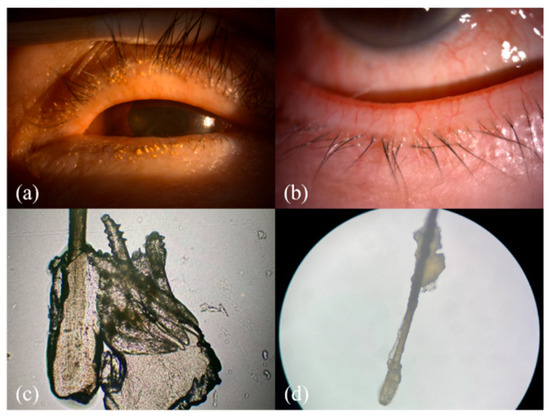
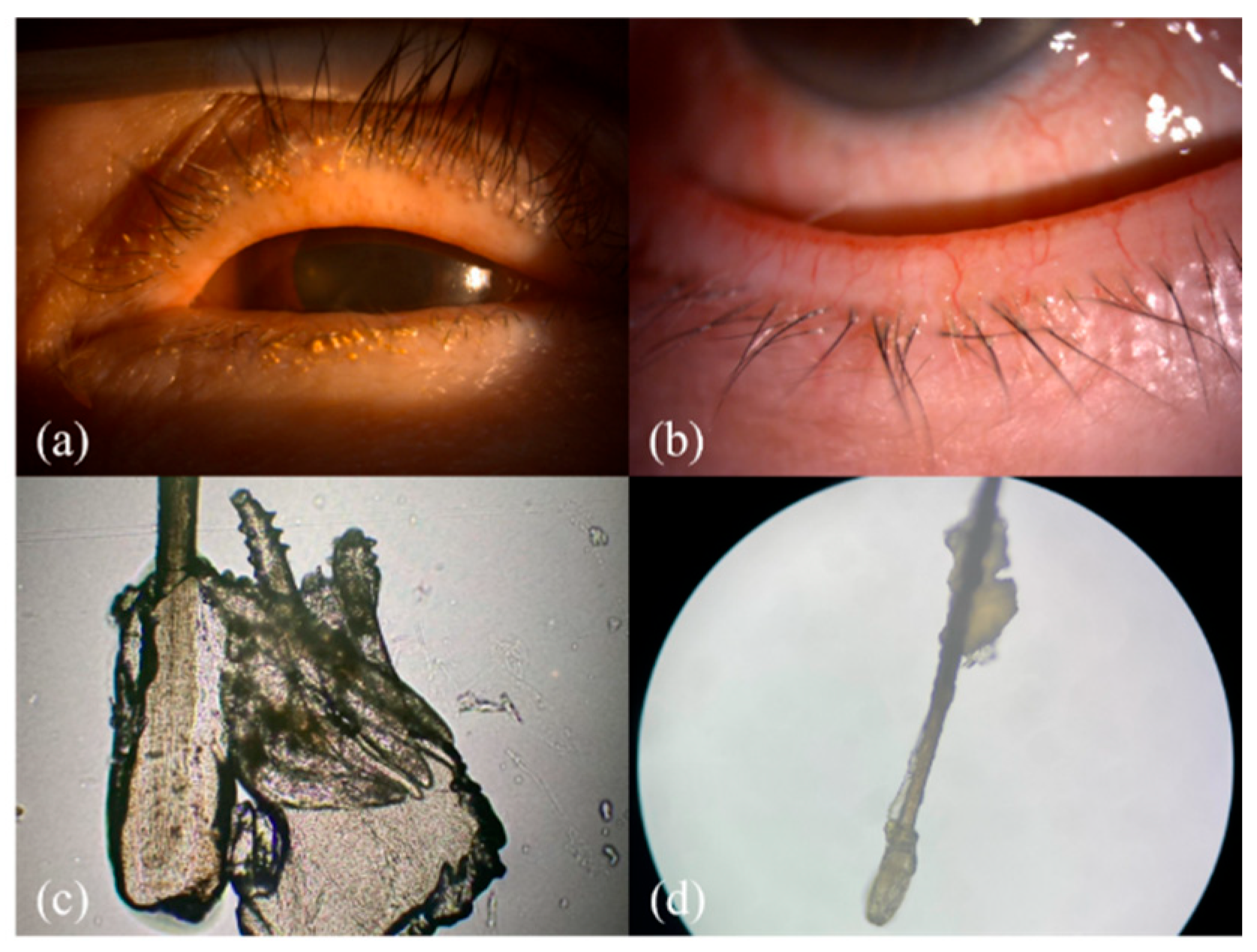
Ocular demodicosis is a condition in which Demodex mites inhabit the anterior structures of the eye, including the eyelids, eyelashes (Figure 1 and Video S1 provided in Supplementary Materials), and ocular surfaces. Comorbid diseases include MGD, chronic blepharitis, ocular surface inflammation, and dry eye [3,7,8,9]. Untreated demodicosis can lead to permanent changes in the eyelid margin, madarosis (loss of lashes) or superficial corneal pathologies, dry eye disease, neovascularization of the cornea, and marginal ulcers leading to vision loss [10]. One article reports the association between blepharitis and the development of ocular inflammation after cataract surgery, but the authors did not specify if they are directly related to Demodex [11].
Figure 1.
The clinical and microscopic findings of demodicosis: (a) multiple Demodex mite infestations on the follicle of the eye lash view by slit lamp; (b) collarettes of Demodex mite infestation observed with a slit-lamp examination on the lower lid margin; (c,d) collarettes on the lash composed of epithelial hyperplasia and lipid materials along with the infestation of Demodex mites (100× & 40× microscopic view of the epilated lash).
Research has shown that ocular demodicosis is one of the potential causes of MGD with further disturbance of the tear film and eventual dry eye [12]. As seen in our demodicosis patients, Demodex infection leads to a collar of tissue around the base of the eyelashes, observed in a slit-lamp examination, and this finding is known as collarettes (Figure 1a,b). The microscopic view of this clinical finding is composed of epithelial hyperplasia, lipid materials, and mite waste products expressed on the opening of the lash follicle (Figure 1c,d).
In recent years, the rapid development of deep learning technology has led to revolutionary changes in various fields, especially in medicine. A significant number of resources have been invested in medical image analysis based on deep learning to assist physicians in rapid examination and diagnosis [13,14,15]. It is widely applied in fields such as cellular biology, medical imaging, and materials science to improve the automation and accuracy of image analysis. For example, Razzak et al. explored the optimization of deep learning for image segmentation and classification [16]. Chan et al. applied deep learning-enhanced image analysis for assisted diagnosis [17]. Gulshan and his team developed new algorithms using deep learning to automatically detect diabetic retinopathy and diabetic macular edema in retinal photographs [18]. Mai et al. utilized the cataract shadow projection theory and validated it by developing a deep learning algorithm that enables automatic and stable posterior polar cataract (PPC) screening using fundus images. This can increase safety in cataract surgery [13]. Swiderska et al. devised a deep learning approach for the evaluation of MGD [19]. With improvement in the AI deep learning approach by utilizing Meibography images, Li et al. reviewed AI usage in MG evaluation from slit-lamp photos, infrared imaging, confocal microscopy, and optical coherence tomography images [20]. Yu YW et al. introduced an automated detector chip for age-related macular degeneration (AMD) using a support vector machine (SVM) and three-dimensional (3D) optical coherence tomography (OCT), enhancing the automated eye disease detection system beyond DM retinopathy detection [21].
As the ability of computers to process images has improved from low-resolution to super-resolution imaging, this transition has also been achieved in deep neural networks. Microscopy images have also been utilized in combination with deep learning models: Ge and colleagues summarized the applications of deep learning analysis in microscopic imaging [22]; Von Chamier and his team proposed a platform, ZeroCostDl4Mic, to enhance the processing and analysis of microscope images [23]; Koohbanani et al. used microscopy images of nuclei and cells for analysis [24]; Weiß et al. documented hydrate samples with microscope images to ensure their structural integrity [25]; and Meijering et al. utilized microscope images to analyze various neural networks and employed deep learning for image analysis [26].
2. Materials and Methods
2.1. Study Design and Data Acquisition and Preprocessing
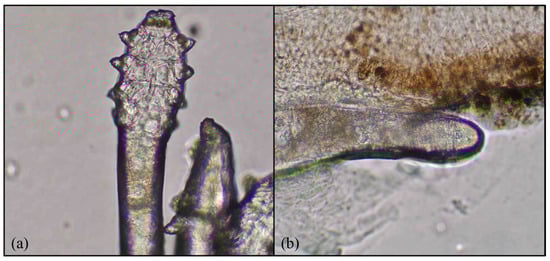
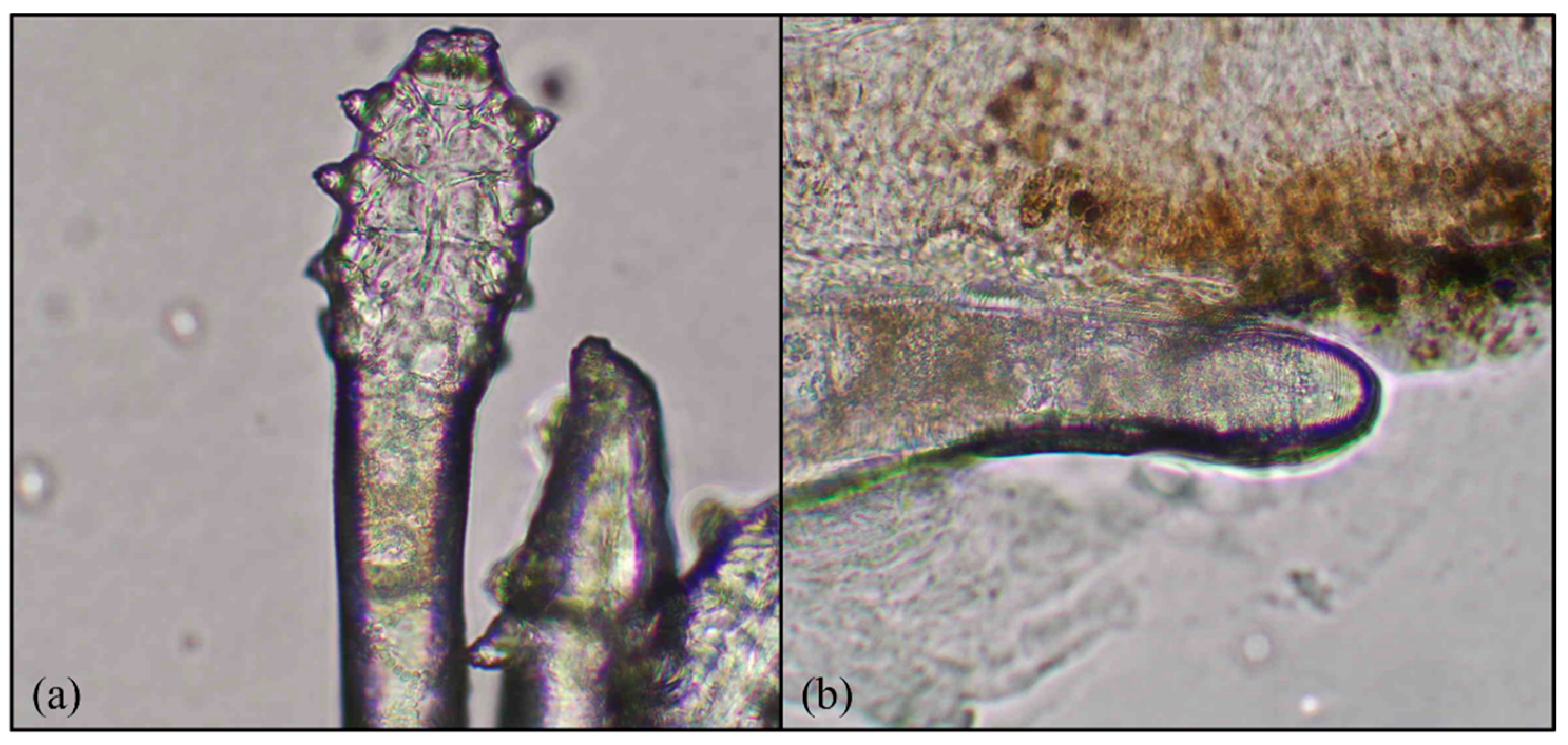
This study was conducted in Far Eastern Memorial Hospital in collaboration with Yuan Ze University and included data processing, image annotation, feature extraction, training, and validation. Data collection was carried out at the ophthalmology clinic through a structured effort involving ophthalmology residents extracting patient’s eyelashes after lash manipulation and photographing them under a microscope; the microscopic pictures were then uploaded to a database-labeled file. The image data used in this study consisted of microscopic images of the base of patients’ eyelashes, inhabited by the eyelash mite (Demodex) with four pairs of legs and an elongated tail, as shown in Figure 2. These images, captured using a high-magnification microscope (MICROTECH LX130.WF microscope, M&T OPTICS, Taipei, Taiwan), clearly revealed the fine structure of the base of the eyelash and the morphological characteristics of the Demodex mite, such as its elongated body and the distribution of its legs. These images were then cleaned and normalized by eliminating images that were out of focus, and good-quality images were processed for the recognition of Demodex mites via deep learning methodology.
Figure 2.
Demodex features: (a) four pairs of legs and (b) an elongated body. Magnification 64×.
2.2. Data Processing, Annotation, and Cropping
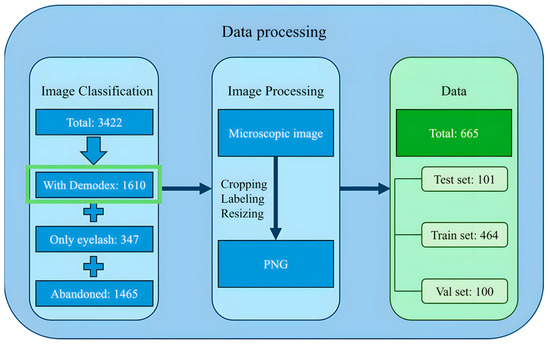
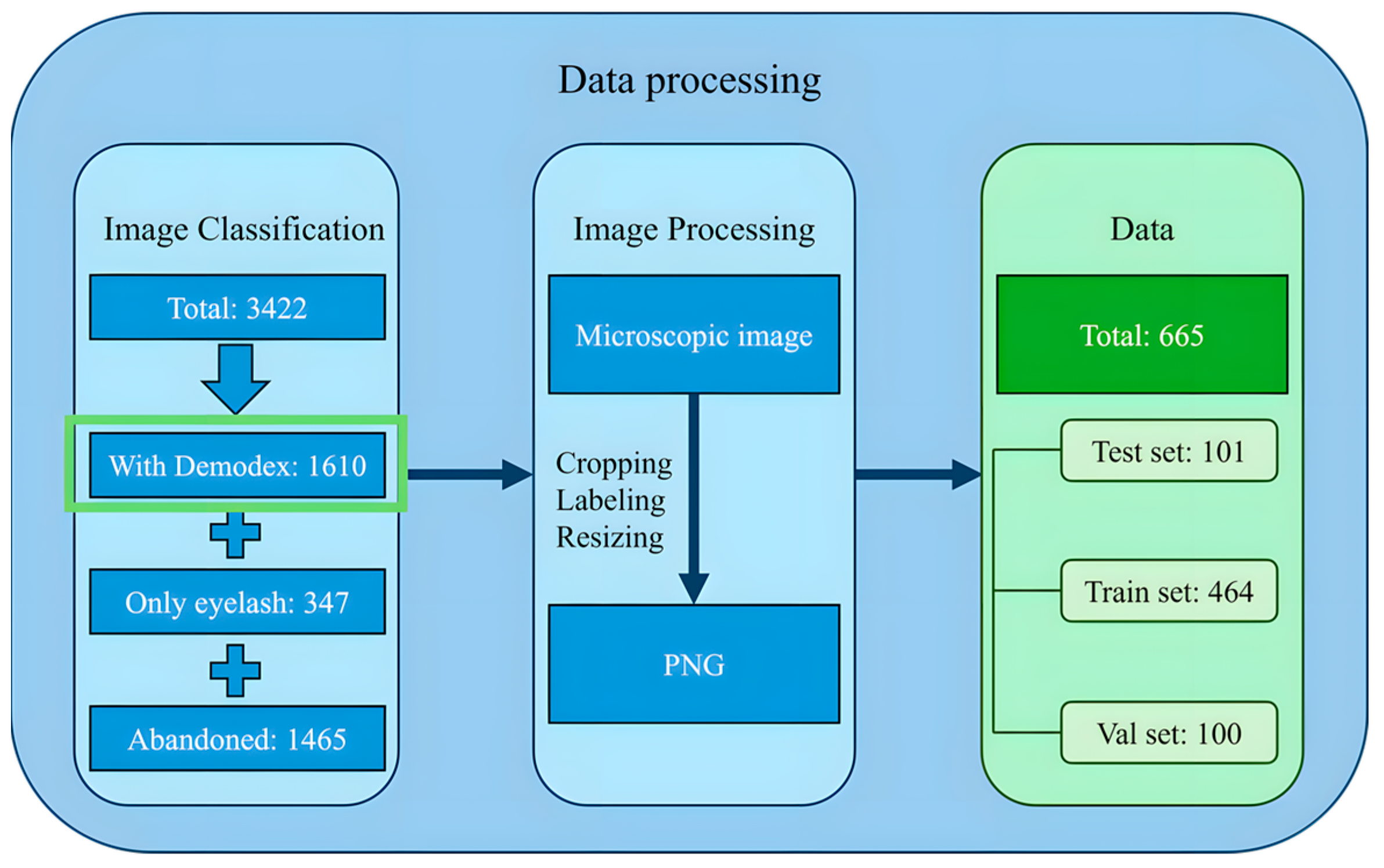
We gathered a raw dataset of 3422 images from the hospital clinic microscopic photography data for retrospective chart review, and these images were initially categorized into three groups: images in which Demodex mites could be identified, images showing only the eyelashes as a background, and images in which the mite features were unclear or blurred due to inaccurate focus and were deleted. A total of 1610 images of eye lashes with or without mites were obtained. These images were microscopic images of the eyelash base from various angles. Out of the acquired 1610 images, a total of 665 eyelash images containing clearly identifiable Demodex mites were retained for model development. Among these, 596 images contained a single mite, 51 images contained two mites, and 18 images contained three mites, indicating that most samples presented only one mite per image, while multi-mite occurrences were comparatively rare. LabelMe was used to mark the mites’ features in the images with polygonal labels to ensure that the marking range can completely cover the key parts of the mites. The four outermost points in the polygonal labels were selected and converted into square labels to ensure that the marking range is regular and convenient for subsequent processing. After determining the position of the Demodex, the four sides of the label were extended outward to 640 × 640 as the size of the cropped image. This size was the best image size for model training. If the Demodex label in the original image was larger than 640 × 640, the images were cropped in a square proportion and then scaled to 640 × 640 to ensure that the images contained the complete Demodex while ensuring a uniform image size. The data processing flowchart is given in Figure 3.
Figure 3.
The data processing workflow.
2.3. Dataset Augmentation, Division, and Confirmation
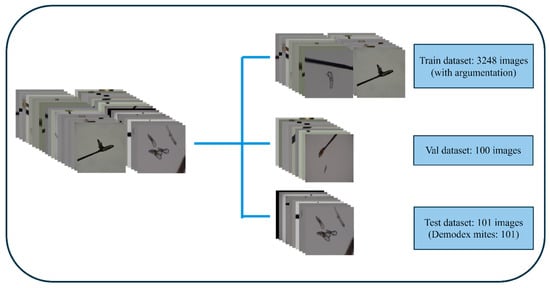
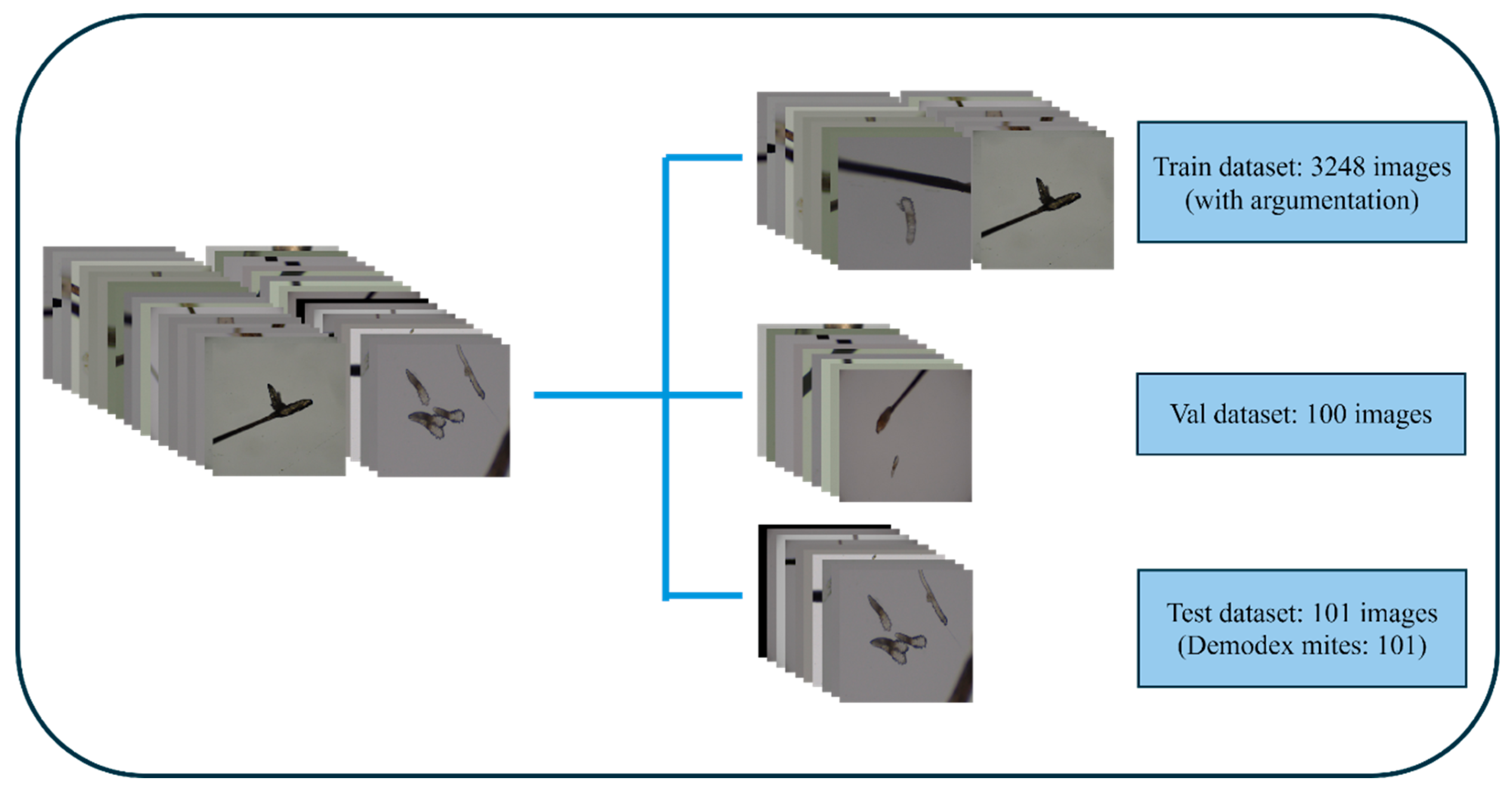
After preprocessing the image data, a total of 665 images were retained and subsequently divided into training, validation, and test datasets. However, due to the lack of metadata containing patient identifiers associated with each microscopy image, strict patient-level separation could not be implemented. Consequently, the datasets were assigned using randomized splitting. To ensure optimal results, the datasets were divided as follows: 15% of the total dataset (101 images) were in the test dataset; 70% of the total dataset (464 images) were in the training dataset; and 15% of the total dataset (100 images) were in the validation dataset, as shown in Figure 4.
Figure 4.
A schematic diagram of dataset allocation into 3 groups. Val: validation.
To reduce the possibility of model distortion due to image size variations, all images and labels were resized to a uniform square size of 640 × 640. Due to the limited number of original microscopy images, we applied data augmentation to improve model robustness and reduce overfitting. Augmentation has been widely recognized as an essential strategy in medical imaging deep learning, particularly in scenarios where data collection is constrained by clinical workflow or privacy limitations. As emphasized in several recent reviews, augmentation enhances the diversity of training samples and improves generalization performance across imaging modalities and clinical tasks [27,28,29]. In this study, we augmented the training dataset with rotation, mirroring, and mirror flipping, increasing the number of training images to 3248, as shown in Figure 5.
Figure 5.
Data augmentation: (a) a microscopy image (40×); (b) a mirror microscopy image; (c) a 90-degree right-rotated microscope image; and (d) a dimmed microscopy image.
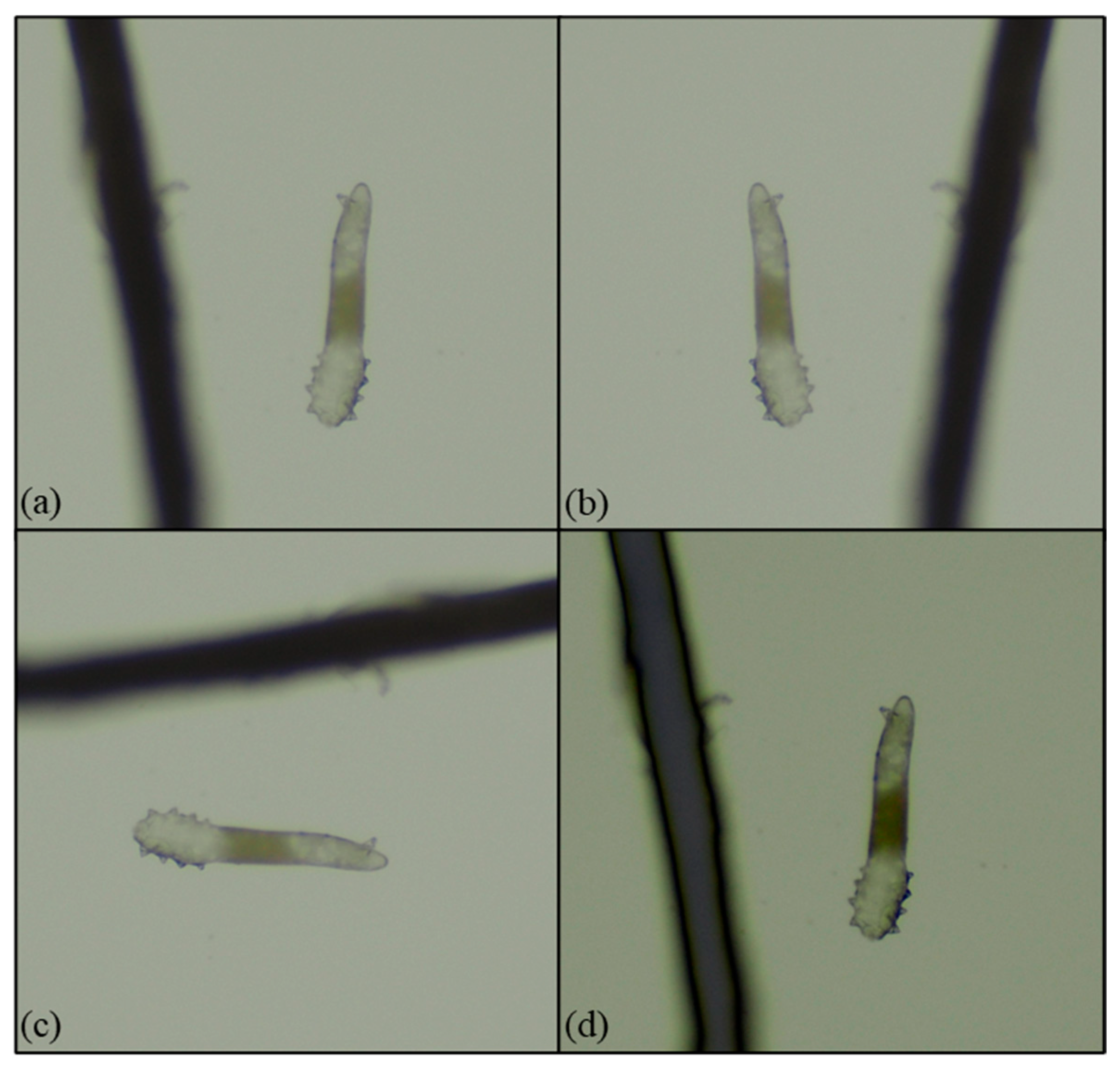
In the training and validation stages, our primary objective was to teach the model to recognize the visual appearance and morphological patterns of Demodex mites. Therefore, both the training and validation sets consisted exclusively of images containing visible Demodex. However, in real-world clinical settings, eyelash microscopy images may frequently contain only eyelashes without any mites. To ensure that the model could correctly identify such negative cases and avoid misclassifying other eyelash structures as mites, we additionally included 103 ‘eyelash-only’ background images in the test set. This allowed us to evaluate whether the YOLOv11 and RT-DETR models could reliably distinguish true Demodex-positive images from Demodex-negative images. In these rounds of testing, the models did not detect mites in photos with only eyelashes but did in those with mites, and the models annotated a mite with a box and reported the odds of the image, such as an odd of 0.75, and no incorrect boxing was observed as the models correctly judged the absence of mites in an image.
2.4. Training Results
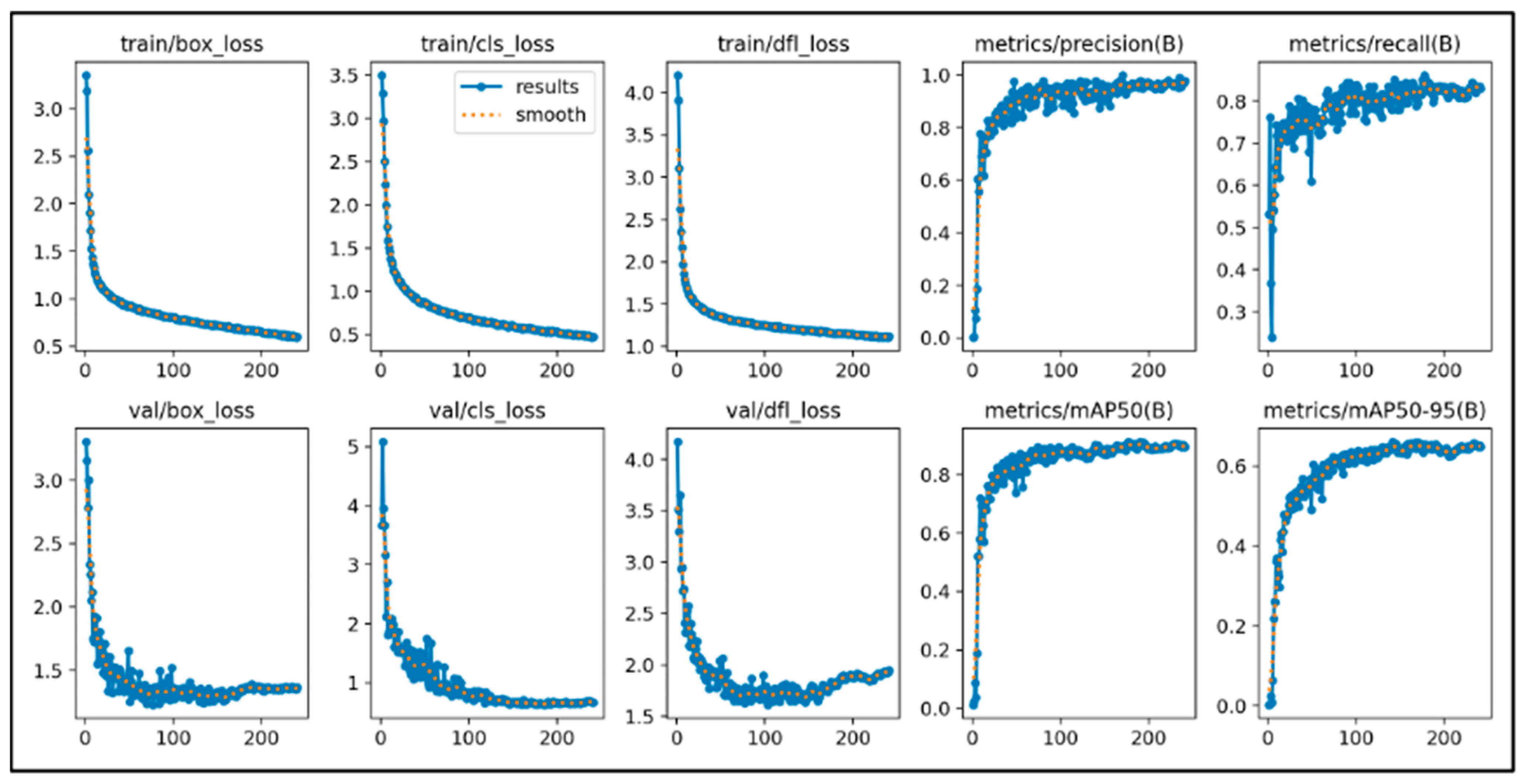
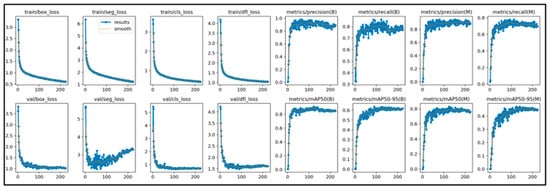
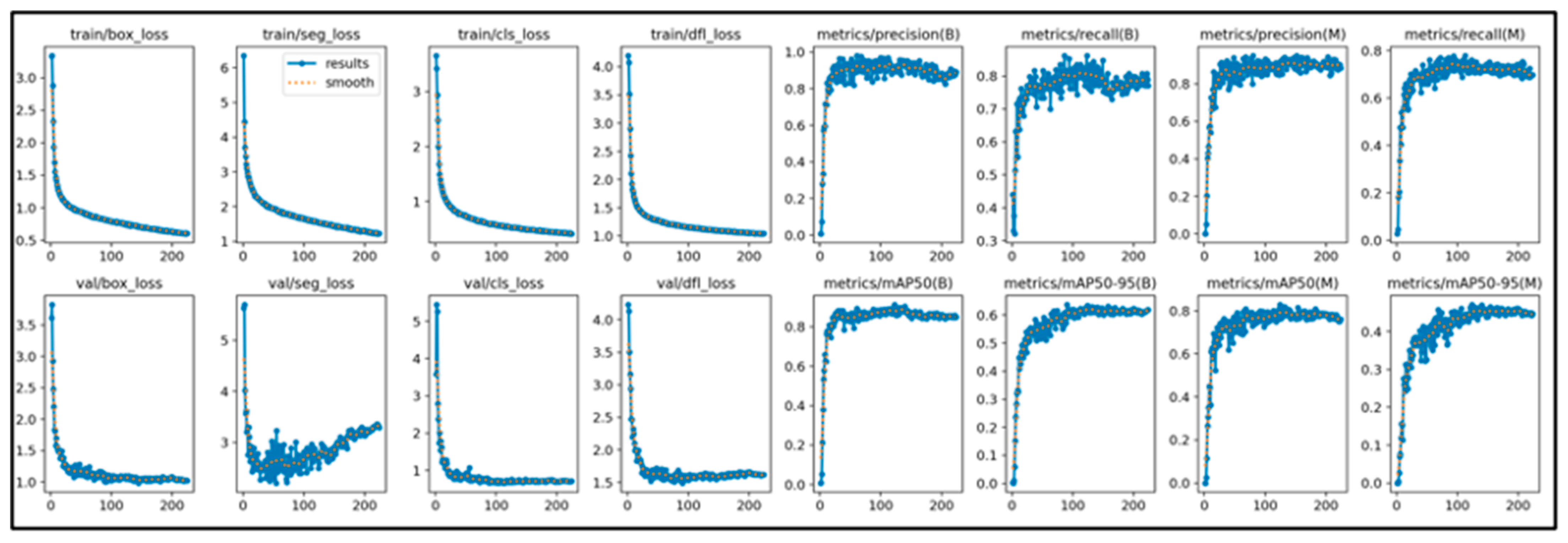
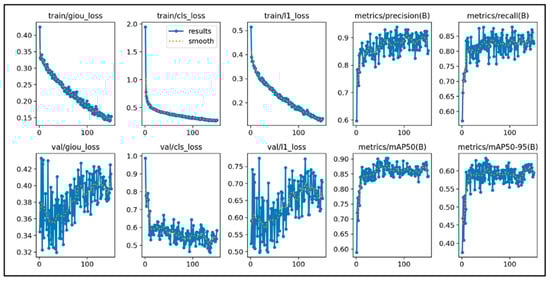
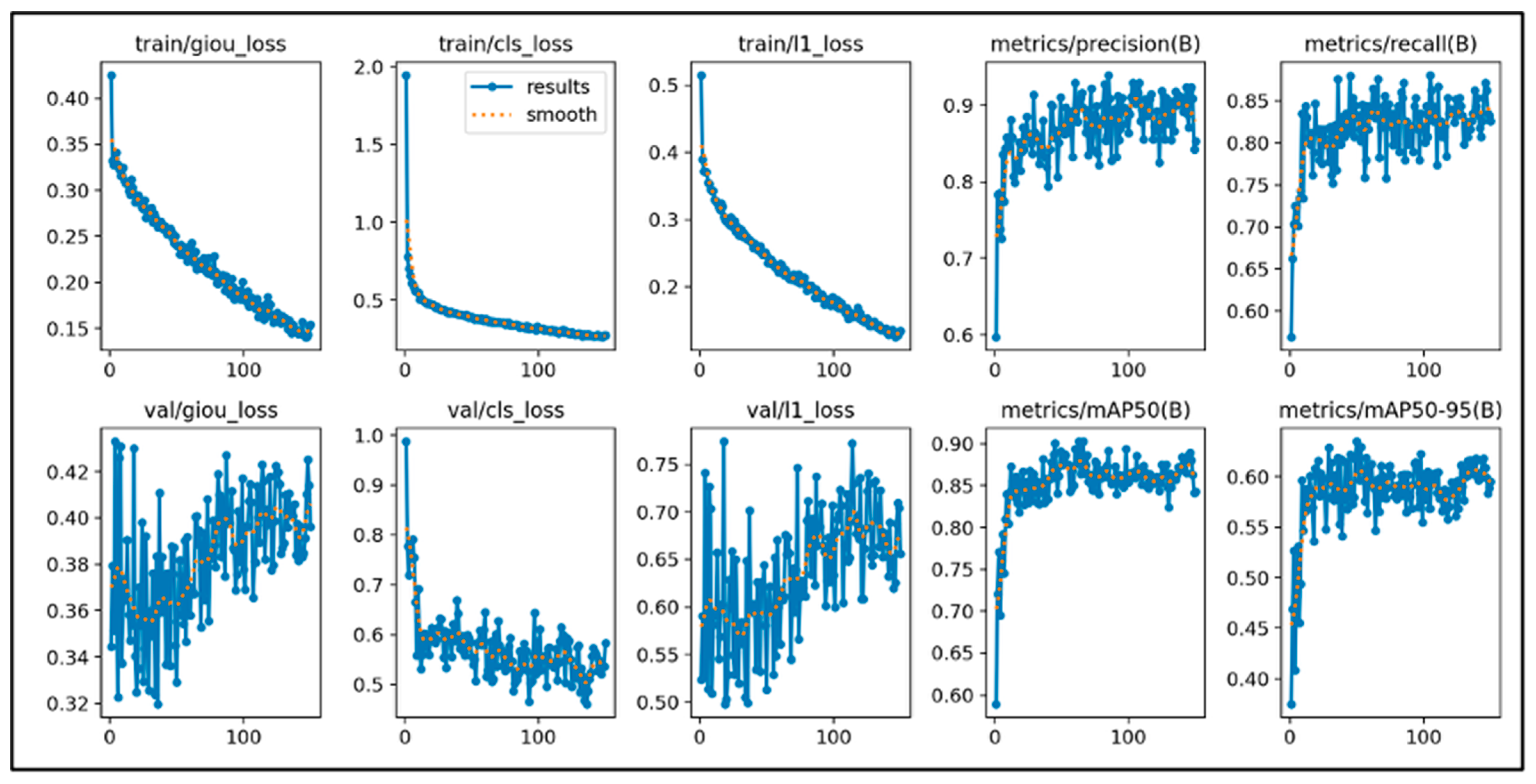
This study initially trained the models for 300 epochs. With the same number of training epochs, YOLOv11’s boxing detection method achieved good convergence results (Figure 6). YOLOv11’s segmentation detection method still had room for improvement in convergence at 300 epochs, but after adding an additional 100 epochs, it achieved even better convergence results (Figure 7). The RT-DETR model, initially trained for 300 epochs, achieved early stopping at 150 epochs (Figure 8).
Figure 6.
The learning curve of Yolov11’s boxing.
Figure 7.
The learning curve of Yolov11’s segmentation.
Figure 8.
The learning curve of RT-DETR.
2.5. Evaluation
This study used standard classification metrics (accuracy, sensitivity, and F1-score) to evaluate model performance. We defined images with Demodex features as positive data and further determined metrics such as accuracy, sensitivity, and F1-score (Formulas (1)–(3)).
Grad-CAM (version 1.5.4) was used to visualize the regions contributing to the model’s predictions. In this study, Grad-CAM was applied to the C3K2 layer of YOLOv11 and the basic block layer of RT-DETR. This approach was chosen to highlight the spatial attention of feature extraction layers rather than the detector head outputs. All our images are original and not generated by any generative artificial intelligence (GenAI) app. GenAI/ChatGPT (4.0) was used for text editing and writing augmentation only.
3. Results
In this study, the training, validation, and test sets were randomly assigned due to the characteristics of the available dataset. To ensure that the reported performance was stable and not dependent on a single random split, each model was trained and evaluated five independent times using different random seeds. This approach allowed us to assess the consistency of model behavior and verify the robustness of its predictions across multiple training–testing cycles. The following sections present the analysis results of each model in detail.
3.1. YOLOv11 Boxing
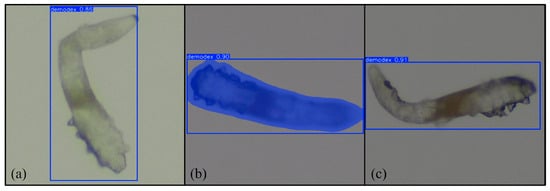
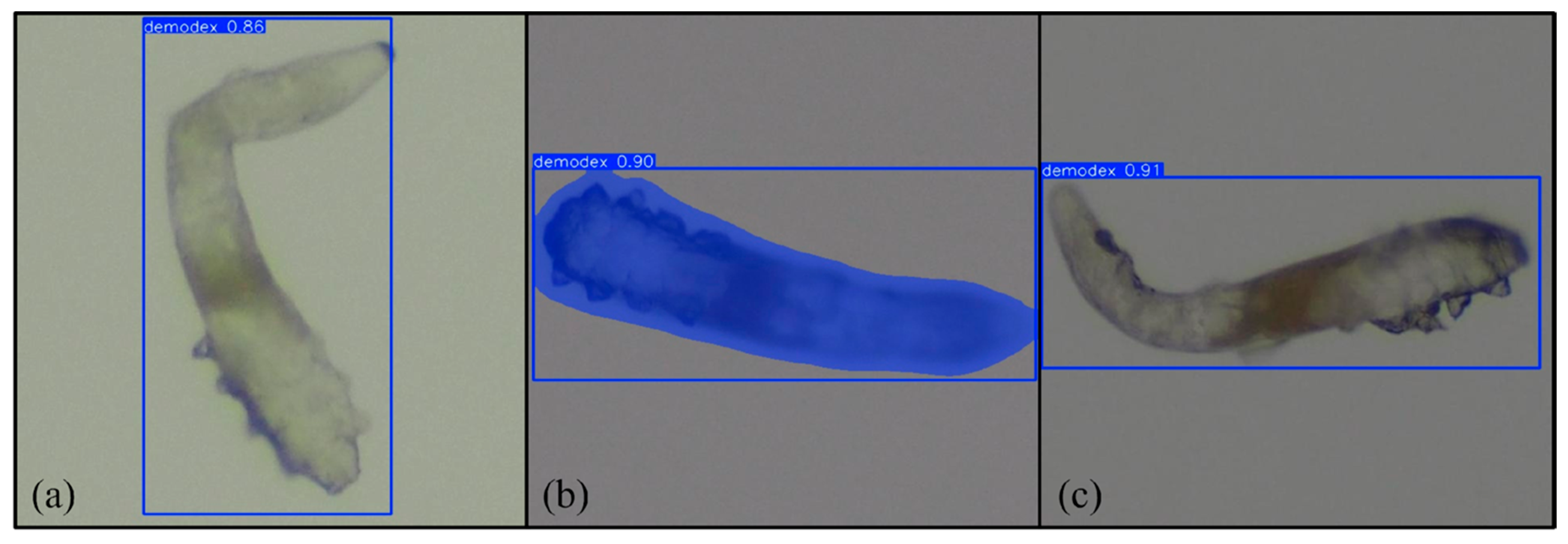
After multiple rounds of training, we obtained and analyzed the results of the two models. We present the results of the two models separately using tabular data. Figure 9a–c illustrate the results of each model’s testing.
Figure 9.
Results of (a) YOLOv11 boxing, (b) YOLOv11 segmentation, and (c) RT-DETR. Magnification 64×.
We present three tables to evaluate our model’s ability to predict the presence of Demodex across five independent training–testing runs. As the datasets were randomly assigned in each run, the overall performance was calculated by averaging the results across the five trials. Table 1 shows the average and standard deviation of the accuracy, sensitivity, and F1-score of YOLOv11’s boxing detection method. Due to the presence of local occlusion or blurred boundaries in the image data, which can cause detection errors, the FP and FN values are slightly higher, but the overall data still demonstrate the stability of the segmentation detection method. The remaining data directly demonstrates the performance of the boxing detection method on various metrics.
Table 1.
Averaged prediction performance across five independent runs for the YOLOv11 boxing model.
3.2. YOLOv11 Segmentation
Table 2 shows the average and standard deviation of the accuracy, sensitivity, and F1-score of YOLOv11’s segmentation detection method. The model’s prediction evaluation results are as follows: a precision of 0.9331, a sensitivity of 0.9400, and a F1-score of 0.9363. Due to the presence of local occlusion or blurred boundaries in the image data, which can cause detection errors, the FP and FN values are slightly higher, but the overall data still demonstrate the stability of the segmentation detection method. These data demonstrate that YOLOv11 segmentation detection performs well in both precision and sensitivity, with overall stable performance, effectively improving the integrity of Demodex detection.
Table 2.
Averaged prediction performance across five independent runs for the YOLOv11 segmentation model.
3.3. RT-DETR
Due to noise and unclear boundaries in the data, the model has some errors in determining FPs and FNs, but the overall performance demonstrates good detection capabilities. Table 3 shows the model prediction evaluation results. The average precision, sensitivity, and F1-score were 0.7513, 0.9389, and 0.8322, respectively. Overall, RT-DETR performed well in terms of sensitivity, and the F1-score value shows its stable detection performance.
Table 3.
Average prediction performance across five independent runs for the RT-DETR model.
3.4. Grad-CAM Feature Evaluation
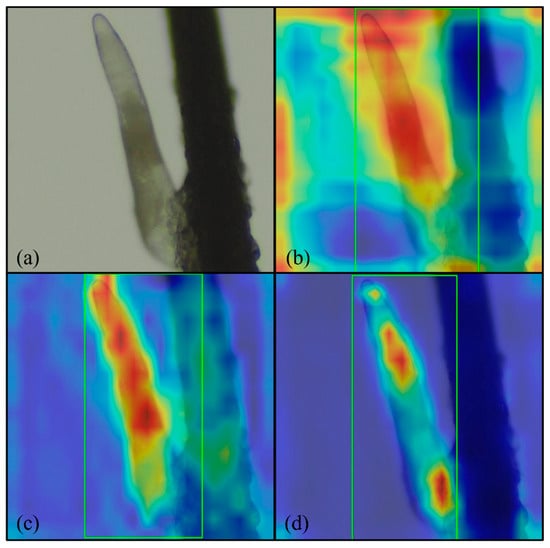
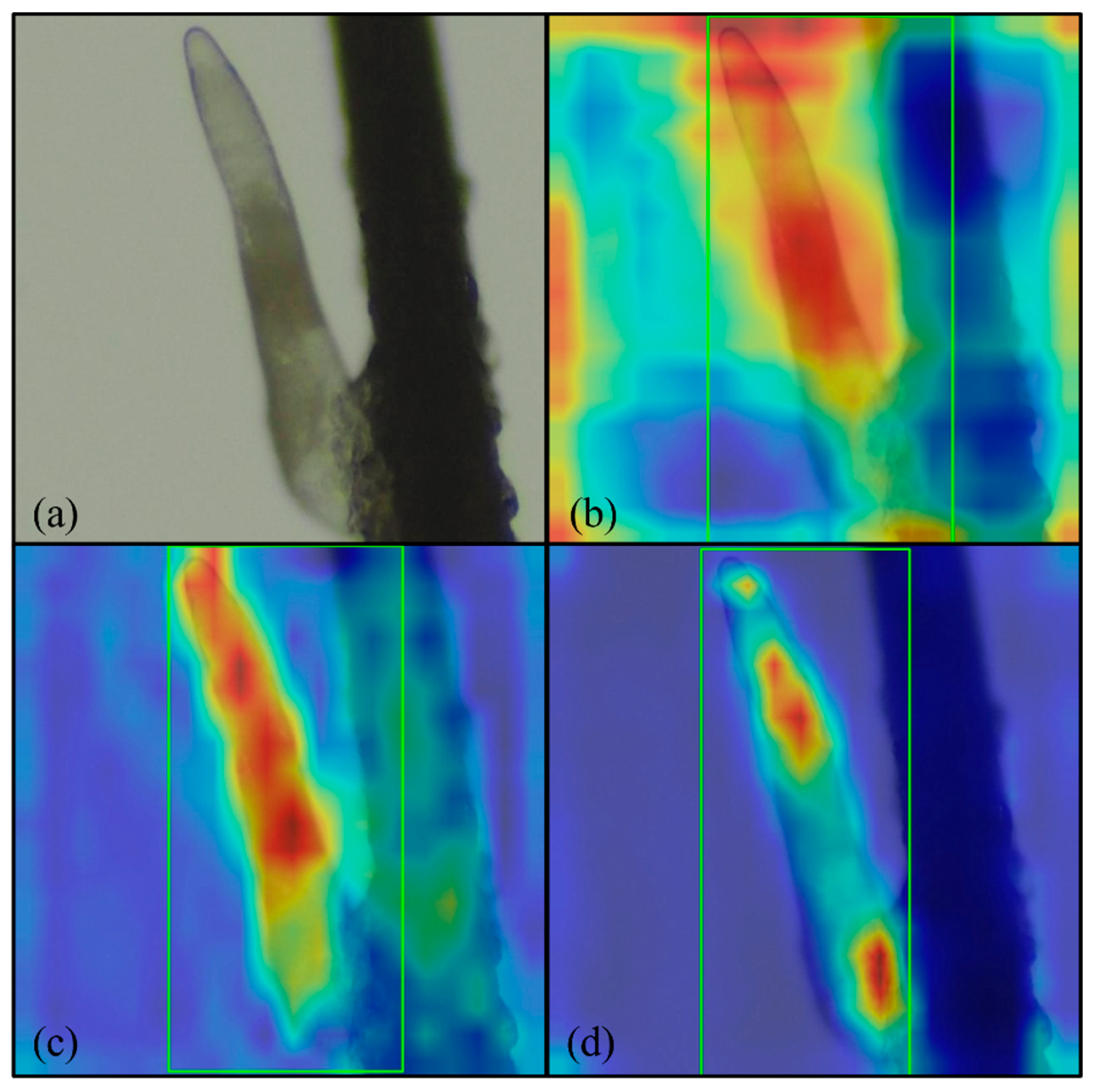
We used Gradient-weighted Class Activation Mapping (Grad-CAM) to evaluate how the model detected Demodex and to determine characteristics that were the weighted distributes. Analysis of the heatmaps revealed that both the boxing and segmentation methods in the YOLOv11 model correctly detected Demodex characteristics. The RT-DETR model also accurately detected Demodex and its characteristics. Although some background noise affected the model’s judgment, overall, the model performed at a reasonable level. Figure 10a–c illustrate the Grad-CAM results for the boxing and segmentation methods of the YOLOv11 model and the RT-DETR model.
Figure 10.
Grad-CAM results: (a) original image; (b) YOLOv11 boxing; (c) YOLOv11 segmentation; and (d) RT-DETR. Magnification 64×, green rectangle: Demodex detected by proposed model.
3.5. Demodex Quantitative Analysis
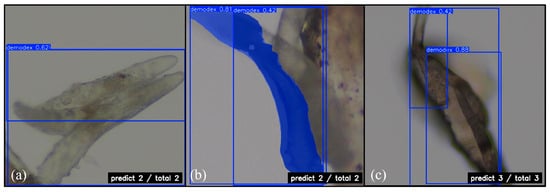
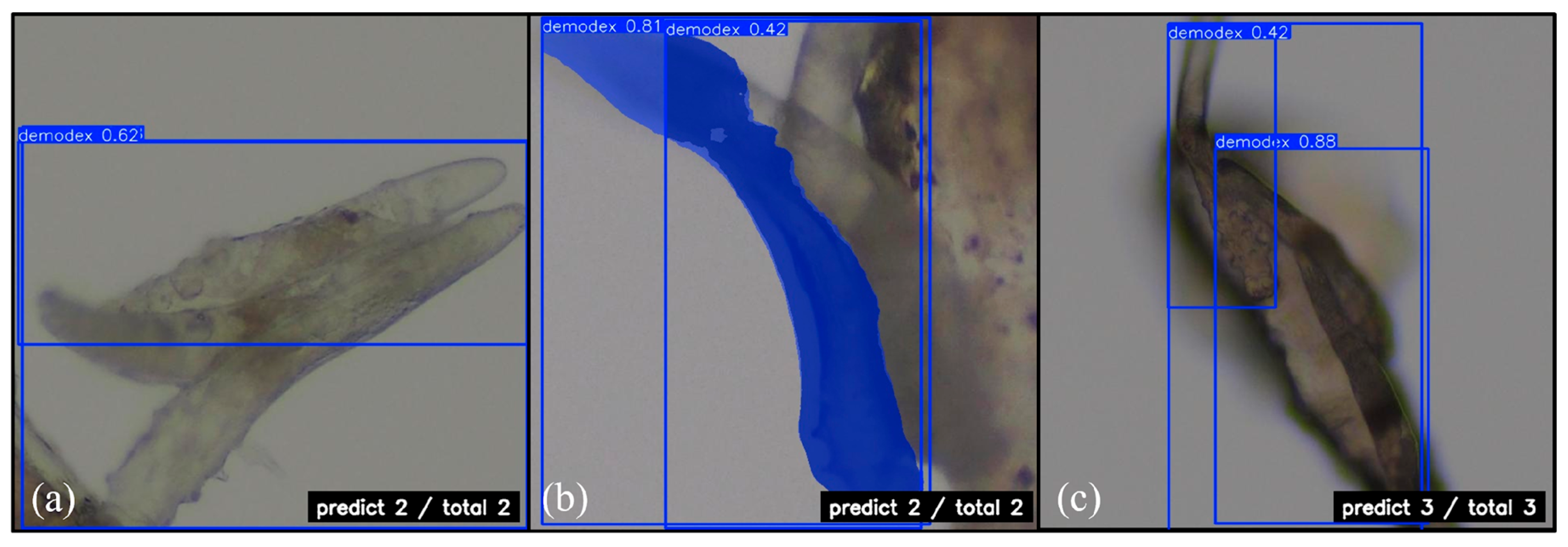
Our model demonstrated stable detection capabilities in areas with overlapping Demodex. Figure 11 shows the number of Demodex predicted by the YOLOv11 boxing and segmentation detection methods, as well as the RT-DETR model, with a confidence level of 0.42~0.88. YOLOv11’s boxing detection method successfully detected two Demodex points in Figure 11a, while the segmentation detection method also accurately detected Demodex points in Figure 11b. The RT-DETR model detected three Demodex points in Figure 11c. Overall, YOLOv11 excels in boundary detection, while RT-DETR maintains good consistency in complex backgrounds and overlapping conditions, demonstrating the practical value of both methods in quantitative analysis.
Figure 11.
Quantitative prediction of Demodex mite: (a) YOLOv11 boxing; (b) YOLOv11 segmentation; and (c) RT-DETR. Magnification 64×.
4. Discussion
In this study, we leveraged the YOLOv11 and RT-DETR models to discern the presence of Demodex at the base of eyelashes. Our model achieved an average precision of 0.9442, sensitivity of 0.9478, and F1-score of 0.9459 in our detection system. These results, though variable, indicate a substantial capacity to correctly identify Demodex and highlight potential for further refinement. Additionally, by pinpointing the exact location of mite infestation, the AI model not only aids in diagnosis but also enhances the clinical management of related eye diseases. During this study, we also experimented with YOLOv8 [30] and YOLOv9 [31]. YOLOv8 introduced anchor-free detection to improve small-object sensitivity; YOLOv9 introduced programmable gradient information (PGI) and the generalized efficient layer aggregation network (GELAN) [31]. However, due to the limited number of images, the model suffered from overfitting, and we were unable to achieve conclusive results. Future studies with larger datasets may enable better comparison between the models.
Several methods are available for the clinical diagnosis of ocular Demodex. The most popular method is the microscopic examination of epilated eyelashes and their subjective counting for quantification. Other methods include a direct slit-lamp examination after the removal of collarettes, in vivo confocal microscopy (IVCM) lash follicle scanning, and procedures such as applying lateral tension to eyelashes without epilation, and rotating lashes clockwise and counterclockwise with forceps under slit-lamp observation [3]. Currently, in our hospital, demodicosis is diagnosed based on a high index of clinical suspicion. Ophthalmologists usually examine the eye under a slit lamp, looking for signs of meibomian gland dysfunction (MGD) and blepharitis such as lid margin redness, foamy tears, lid margin notching and irregularity. More specific signs of demodicosis include thickened or capped meibomian orifices, collarettes or cylindrical dandruff at the lash base, and eyelashes that easily fall out. For definite proof of mites, lashes are manipulated before removal and examined under a microscope (16×–40×). Clinicians can also check for moving mites near the follicle of the lash. Although these processes are time-consuming and tedious, it remains necessary for the definite diagnosis of demodicosis.
Detection of Demodex mites has been a key focus in clinical practice for blepharitis, given their established role as a primary contributor to chronic and refractory cases [3]. However, diagnosis varies significantly across countries, partly due to reliance on examiner expertise and the time-intensive nature of current diagnostic techniques. For example, in Nikhil Sharma’s study, the estimated perceived prevalence of Demodex infestation was reported as 60% in Australasia compared to 27% in India (p < 0.01). While nearly 70% of practitioners recognized Demodex-associated blepharitis, only 45% reported actively attempting to identify Demodex in their patients [32]. Despite this, the microscopic examination of epilated lashes remains the most widely used, cost-effective method [33]. Other advanced techniques, such as IVCM, enable the real-time visualization of mites in sebaceous and meibomian glands, but their utility is limited by a high level of required expertise and being highly time-consuming [34]. Molecular techniques like PCR and digital PCR offer higher sensitivity (93.75% for face and 86.7% for scalp) [35,36], but their high cost and lack of quantification hinder routine clinical use. Novel methods, including smartphone-aided intraocular lens tools, have also been explored for rapid clinic-based detection [37].
To address these diagnostic hurdles, we devised this study to augment our clinical workflow. Patients with suspected anterior blepharitis due to mite infection underwent eyelash manipulation and the selective epilation of lashes with collarettes. These lashes were examined under a microscope, and the resulting images were stored in a database for annotation, convolutional training, and validation. Our AI-assisted detection method demonstrated encouraging results, showing that convolutional neural networks (CNNs) can provide both qualitative and quantitative detection outputs.
Basic lid hygiene with warm compresses and tea tree oil scrubs remains the first-line therapy for demodicosis. In more severe cases, in-clinic procedures such as BlephEx® manipulation or intense pulsed light (IPL) are performed. Patients are instructed on self-care and maintenance therapy, follow-up visits with repeat lash epilation and mite quantification are required to assess improvement or eradication. Accurate mite quantification facilitated by AI could provide a standardized and objective measure to evaluate treatment efficacy, thereby supporting clinicians in tailoring therapy.
Despite these advances, limitations exist. Due to a lack of manpower and resources, not all patients with blepharitis can undergo epilation and microscopic examination. Our dataset was limited to 3422 images, with approximately half of the images discarded due to poor contrast, which likely impacted sensitivity and accuracy. This reflects a common challenge in AI model development, where data quality and quantity are critical factors.
Future research should focus on developing better and faster CNN models for qualitative and quantitative Demodex detection, integrating segmentation approaches to label entire mites rather than only distinctive features. With more robust datasets, AI systems could provide more accurate quantification, enabling clinicians to evaluate treatment efficacy—such as tea tree oil scrubs, lid hygiene, or IPL—more precisely. Additionally, exploring non-invasive techniques and multimodal AI-assisted tools may further streamline workflows and improve early detection of demodicosis.
Overall, our AI-assisted detection method shows promise in addressing the time-intensive nature of conventional diagnosis, providing standardized and objective outputs, this AI application can be utilized by automate reading of microscopic slides with eye lash specimens taken by technicians and instantaneously providing a quantitative and qualitative answer to the clinical staffs, therefore ultimately reducing the workload on ophthalmology staff while improving patient management and educations.
5. Conclusions
In busy ophthalmology clinics, definite demodicosis diagnosis relies on a direct lash examination under a microscope in a laboratory setup. This labor-intensive procedure takes up precious time and resources from residents and young ophthalmologists. Our automated AI model provides both qualitative and quantitative analyses, reducing diagnostic workload and enabling the objective assessment of Demodex infestations. AI can also help in determining the quantitative amounts of infestations for patient education and treatment improvements.
Supplementary Materials
The following supporting information can be downloaded at: https://www.mdpi.com/article/10.3390/diagnostics15243204/s1, Video S1: Video of moving Demodex mite on lashes.
Author Contributions
Conceptualization, E.L.-C.M. and T.-Y.C.; methodology, T.-Y.C.; software, validation, and formal analysis: Y.-L.T. and H.-T.L.; data curation, W.-H.S. and H.-H.T.; writing—original draft preparation, E.L.-C.M.; writing—review and editing, T.-Y.C.; project administration, W.-H.S.; funding acquisition, E.L.-C.M. and T.-Y.C. All authors have read and agreed to the published version of the manuscript.
Funding
This research was supported by the National Science and Technology Council (NSTC), Taiwan (Grant No. 113-2221-E-155-029- and Grant No. 114-2637-8-155-003-), and Far Eastern Memorial Hospital (Grant No. FEMH-2025-c-074).
Institutional Review Board Statement
This study was conducted in accordance with the Declaration of Helsinki and approved by the Institutional Review Board and Ethics Committee of Far Eastern Memorial Hospital (protocol code: 113132-E; date of approval: 20 June 2024).
Informed Consent Statement
Patient informed consent was waived from all subjects involved in this study due to the retrospective nature of this study and as only Demodex mite photos were taken so patient information cannot be traced. Written informed consent was obtained from one patient to anonymously publish her external eye photo in this paper.
Data Availability Statement
The raw data presented in this study are available on request from the corresponding author due to the sensitive medical chart issues and restriction of FEMH IRB.
Acknowledgments
The authors gratefully acknowledge Far Eastern Memorial Hospital’s ophthalmology department and IT department for their help in extracting the chart data.
Conflicts of Interest
The authors declare no conflicts of interest.
Abbreviations
The following abbreviations are used in this manuscript:
| MGD | meibomian gland dysfunction |
| IVCM | in vivo confocal microscopy |
| IPL | intense pulse light treatment |
| CNN | convolutional neural network |
| YOLO | You Only Look Once |
| Grad-CAM | Gradient-weighted Class Activation Mapping |
| RTDETR | Real-Time DEtection TRansformer |
References
- Rhee, M.K.; Yeu, E.; Barnett, M.; Rapuano, C.J.; Dhaliwal, D.K.; Nichols, K.K.; Karpecki, P.; Mah, F.S.; Chan, A.; Mun, J. Demodex blepharitis: A comprehensive review of the disease, current management, and emerging therapies. Eye Contact Lens 2023, 49, 311–318. [Google Scholar] [CrossRef] [Scilit]
- Liu, J.; Sheha, H.; Tseng, S.C. Pathogenic role of Demodex mites in blepharitis. Curr. Opin. Allergy Clin. Immunol. 2010, 10, 505–510. [Google Scholar] [CrossRef] [Scilit]
- Zhang, A.C.; Muntz, A.; Wang, M.T.; Craig, J.P.; Downie, L.E. Ocular Demodex: A systematic review of the clinical literature. Ophthalmic Physiol. Opt. 2020, 40, 389–432. [Google Scholar] [CrossRef] [Scilit]
- García, V.M.; Vargas, G.V.; Cornuy, M.M.; Torres, P.A. Ocular demodicosis: A review. Arch. Soc. Española Oftalmol. (Engl. Ed.) 2019, 94, 316–322. [Google Scholar] [CrossRef] [Scilit] [PubMed]
- Kim, B.R.; Kim, H.K.; Yoo, T.K. The association between diabetes mellitus and meibomian gland dysfunction: A meta-analysis. Int. J. Diabetes Dev. Ctries. 2025, 1–10. [Google Scholar] [CrossRef] [Scilit]
- Hao, Y.; Wu, B.; Feng, J.; He, J.; Zang, Y.; Tian, L.; Jie, Y. Relationship between type 2 diabetes mellitus and changes of the lid margin, meibomian gland and tear film in dry eye patients: A cross-sectional study. Int. Ophthalmol. 2025, 45, 261. [Google Scholar] [CrossRef] [Scilit] [PubMed]
- Bitton, E.; Aumond, S. Demodex and eye disease: A review. Clin. Exp. Optom. 2021, 104, 285–294. [Google Scholar] [CrossRef] [Scilit]
- Fromstein, S.R.; Harthan, J.S.; Patel, J.; Opitz, D.L. Demodex blepharitis: Clinical perspectives. Clin. Optom. 2018, 10, 57–63. [Google Scholar] [CrossRef] [Scilit]
- Awan, B.; Elsaigh, M.; Tariq, A.; Badee, M.; Loomba, A.; Khedr, Y.; Abdelmaksoud, A.; Loomba, A. A systematic review and meta-analysis of the safety and efficacy of 0.25% lotilaner ophthalmic solution in the treatment of Demodex blepharitis. Cureus 2024, 16, e52664. [Google Scholar] [CrossRef] [Scilit]
- Lindsley, K.; Matsumura, S.; Hatef, E.; Akpek, E.K. Interventions for chronic blepharitis. Cochrane Database Syst. Rev. 2012, 5, CD005556. [Google Scholar] [CrossRef] [Scilit]
- Bonnar, E.; Dowling, S.; Eustace, P. A survey of blepharitis in pre-operative cataract patients. Eur. J. Implant. Refract. Surg. 1994, 6, 87–92. [Google Scholar] [CrossRef] [Scilit]
- Luo, X.; Li, J.; Chen, C.; Tseng, S.; Liang, L. Ocular demodicosis as a potential cause of ocular surface inflammation. Cornea 2017, 36, S9–S14. [Google Scholar] [CrossRef] [Scilit]
- Mai, E.L.C.; Chen, B.-H.; Su, T.-Y. Innovative utilization of ultra-wide field fundus images and deep learning algorithms for screening high-risk posterior polar cataract. J. Cataract Refract. Surg. 2024, 50, 618–623. [Google Scholar] [CrossRef] [Scilit]
- Wan, Q.; Yue, S.; Tang, J.; Wei, R.; Tang, J.; Ma, K.; Yin, H.; Deng, Y.-p. Prediction of early visual outcome of small-incision lenticule extraction (SMILE) based on deep learning. Ophthalmol. Ther. 2023, 12, 1263–1279. [Google Scholar] [CrossRef] [Scilit]
- Kim, Y.J.; Hwang, S.H.; Kim, K.G.; Nam, D.H. Automated imaging of cataract surgery using artificial intelligence. Diagnostics 2025, 15, 445. [Google Scholar] [CrossRef] [Scilit]
- Razzak, M.I.; Naz, S.; Zaib, A. Deep learning for medical image processing: Overview, challenges and the future. Classif. BioApps Autom. Decis. Mak. 2017, 26, 323–350. [Google Scholar]
- Chan, H.-P.; Samala, R.K.; Hadjiiski, L.M.; Zhou, C. Deep learning in medical image analysis. Deep. Learn. Med. Image Anal. Chall. Appl. 2020, 1213, 3–21. [Google Scholar]
- Gulshan, V.; Peng, L.; Coram, M.; Stumpe, M.C.; Wu, D.; Narayanaswamy, A.; Venugopalan, S.; Widner, K.; Madams, T.; Cuadros, J. Development and validation of a deep learning algorithm for detection of diabetic retinopathy in retinal fundus photographs. JAMA 2016, 316, 2402–2410. [Google Scholar] [CrossRef] [Scilit] [PubMed]
- Swiderska, K.; Blackie, C.A.; Maldonado-Codina, C.; Morgan, P.B.; Read, M.L.; Fergie, M. A Deep Learning Approach for Meibomian Gland Appearance Evaluation. Ophthalmol. Sci. 2023, 3, 100334. [Google Scholar] [CrossRef] [Scilit] [PubMed]
- Li, L.; Xiao, K.; Shang, X.; Hu, W.; Yusufu, M.; Chen, R.; Wang, Y.; Liu, J.; Lai, T.; Guo, L.; et al. Advances in artificial intelligence for meibomian gland evaluation: A comprehensive review. Surv. Ophthalmol. 2024, 69, 945–956. [Google Scholar] [CrossRef] [Scilit] [PubMed]
- Yu, Y.-W.; Lin, C.-H.; Lu, C.-K.; Wang, J.-K.; Huang, T.-L. Automated Age-Related Macular Degeneration Detector on Optical Coherence Tomography Images Using Slice-Sum Local Binary Patterns and Support Vector Machine. Sensors 2023, 23, 7315. [Google Scholar] [CrossRef] [Scilit]
- Ge, M.; Su, F.; Zhao, Z.; Su, D. Deep learning analysis on microscopic imaging in materials science. Mater. Today Nano 2020, 11, 100087. [Google Scholar] [CrossRef] [Scilit]
- Von Chamier, L.; Laine, R.F.; Jukkala, J.; Spahn, C.; Krentzel, D.; Nehme, E.; Lerche, M.; Hernández-Pérez, S.; Mattila, P.K.; Karinou, E. Democratising deep learning for microscopy with ZeroCostDL4Mic. Nat. Commun. 2021, 12, 2276. [Google Scholar] [CrossRef] [Scilit] [PubMed]
- Koohbanani, N.A.; Jahanifar, M.; Tajadin, N.Z.; Rajpoot, N. NuClick: A deep learning framework for interactive segmentation of microscopic images. Med. Image Anal. 2020, 65, 101771. [Google Scholar] [CrossRef] [Scilit]
- Weiss, D.; Schneider, G.; Niemann, B.; Guttmann, P.; Rudolph, D.; Schmahl, G. Computed tomography of cryogenic biological specimens based on X-ray microscopic images. Ultramicroscopy 2000, 84, 185–197. [Google Scholar] [CrossRef] [Scilit]
- Meijering, E.; Jacob, M.; Sarria, J.C.; Steiner, P.; Hirling, H.; Unser, M. Design and validation of a tool for neurite tracing and analysis in fluorescence microscopy images. Cytom. Part A J. Int. Soc. Anal. Cytol. 2004, 58, 167–176. [Google Scholar] [CrossRef] [Scilit]
- Wang, Z.; Wang, P.; Liu, K.; Wang, P.; Fu, Y.; Lu, C.T.; Aggarwal, C.C.; Pei, J.; Zhou, Y. A Comprehensive Survey on Data Augmentation. IEEE Trans. Knowl. Data Eng. 2025, 1, 1–20. [Google Scholar] [CrossRef] [Scilit]
- Kebaili, A.; Lapuyade-Lahorgue, J.; Ruan, S. Deep Learning Approaches for Data Augmentation in Medical Imaging: A Review. J. Imaging 2023, 9, 81. [Google Scholar] [CrossRef] [Scilit]
- Hussain, Z.; Gimenez, F.; Yi, D.; Rubin, D. Differential Data Augmentation Techniques for Medical Imaging Classification Tasks. AMIA Annu. Symp. Proc. 2017, 2017, 979–984. [Google Scholar] [PubMed]
- Sohan, M.; Sai Ram, T.; Rami Reddy, C.V. A Review on YOLOv8 and Its Advancements. In Data Intelligence and Cognitive Informatics; Jacob, I.J., Piramuthu, S., Falkowski-Gilski, P., Eds.; Springer Nature: Singapore, 2024; pp. 529–545. [Google Scholar]
- Wang, C.-Y.; Yeh, I.-H.; Mark Liao, H.-Y. YOLOv9: Learning What You Want to Learn Using Programmable Gradient Information. In Proceedings of the Computer Vision—ECCV 2024, Milan, Italy, 29 September–4 October 2024; Springer Nature: Cham, Switzerland, 2025; pp. 1–21. [Google Scholar]
- Sharma, N.; Martin, E.; Pearce, E.I.; Hagan, S.; Purslow, C.; Craig, J.P. Comparison of the Diagnosis and Management of Demodex Blepharitis Between Eye Care Practitioners in India and Australasia–A Survey-Based Comparison. Clin. Optom. 2024, 16, 255–265. [Google Scholar] [CrossRef] [Scilit] [PubMed]
- Misra, S.; Murthy, S.I.; Joseph, J. Clinical spectrum in microbiologically proven Demodex blepharokeratoconjunctivitis: An observational study. Indian J. Ophthalmol. 2024, 72, 1049–1055. [Google Scholar] [CrossRef] [Scilit] [PubMed]
- Tas, A.Y.; Mergen, B.; Yıldız, E.; Bayraktutar, B.N.; Celik, E.; Sahin, A.; Arıcı, C. Interobserver and intraobserver agreements of the detection of Demodex infestation by in vivo confocal microscopy. Beyoglu Eye J. 2022, 7, 173. [Google Scholar] [CrossRef] [Scilit] [PubMed]
- Trave, I.; Salvi, I.; Canepa, P.; Parodi, A.; Cozzani, E. Detection of demodex mites in papulopustular rosacea using microscopic examination and polymerase chain reaction: A comparative case-control study. Arch. Dermatol. Res. 2024, 316, 485. [Google Scholar] [CrossRef] [Scilit] [PubMed]
- An, N.; Dou, X.; Yin, N.; Lu, H.; Zheng, J.; Liu, X.; Yang, H.; Zhu, X.; Xiao, X. The use of digital PCR for the diagnosis of Demodex blepharitis. Curr. Eye Res. 2024, 49, 33–38. [Google Scholar] [CrossRef] [Scilit]
- Gosalia, H.; Chandrakanth, P.; Verghese, S.; Rammohan, R.; Narendran, K.; Narendran, V. Rapid Office-Based Diagnosis of Demodex Using an Innovative Smartphone-Aided Intraocular Lens Tool. Eye Contact Lens 2022, 48, 306–307. [Google Scholar] [CrossRef] [Scilit]

Disclaimer/Publisher’s Note: The statements, opinions and data contained in all publications are solely those of the individual author(s) and contributor(s) and not of MDPI and/or the editor(s). MDPI and/or the editor(s) disclaim responsibility for any injury to people or property resulting from any ideas, methods, instructions or products referred to in the content. |
© 2025 by the authors. Licensee MDPI, Basel, Switzerland. This article is an open access article distributed under the terms and conditions of the Creative Commons Attribution (CC BY) license (https://creativecommons.org/licenses/by/4.0/).