Article

Differential Evolutionary Mechanisms of Tight Sandstone Reservoirs and Their Influence on Reservoir Quality: A Case Study of Carboniferous–Permian Sandstones in the Shenfu Area, Ordos Basin, China


1
School of Earth Science, East China University of Technology, Nanchang 330013, China
2
Development and Research Center, China Geological Survey, Beijing 100037, China
3
Basic Geological Survey Institute, Geological Survey and Exploration of Jiangxi Province, Nanchang 330030, China
4
China United Coalbed Methane Corporation Limited, Beijing 100015, China
*
Authors to whom correspondence should be addressed.
Minerals 2025, 15(7), 744; https://doi.org/10.3390/min15070744
Submission received: 15 June 2025 / Revised: 12 July 2025 / Accepted: 13 July 2025 / Published: 16 July 2025
(This article belongs to the Section Mineral Exploration Methods and Applications)

Abstract

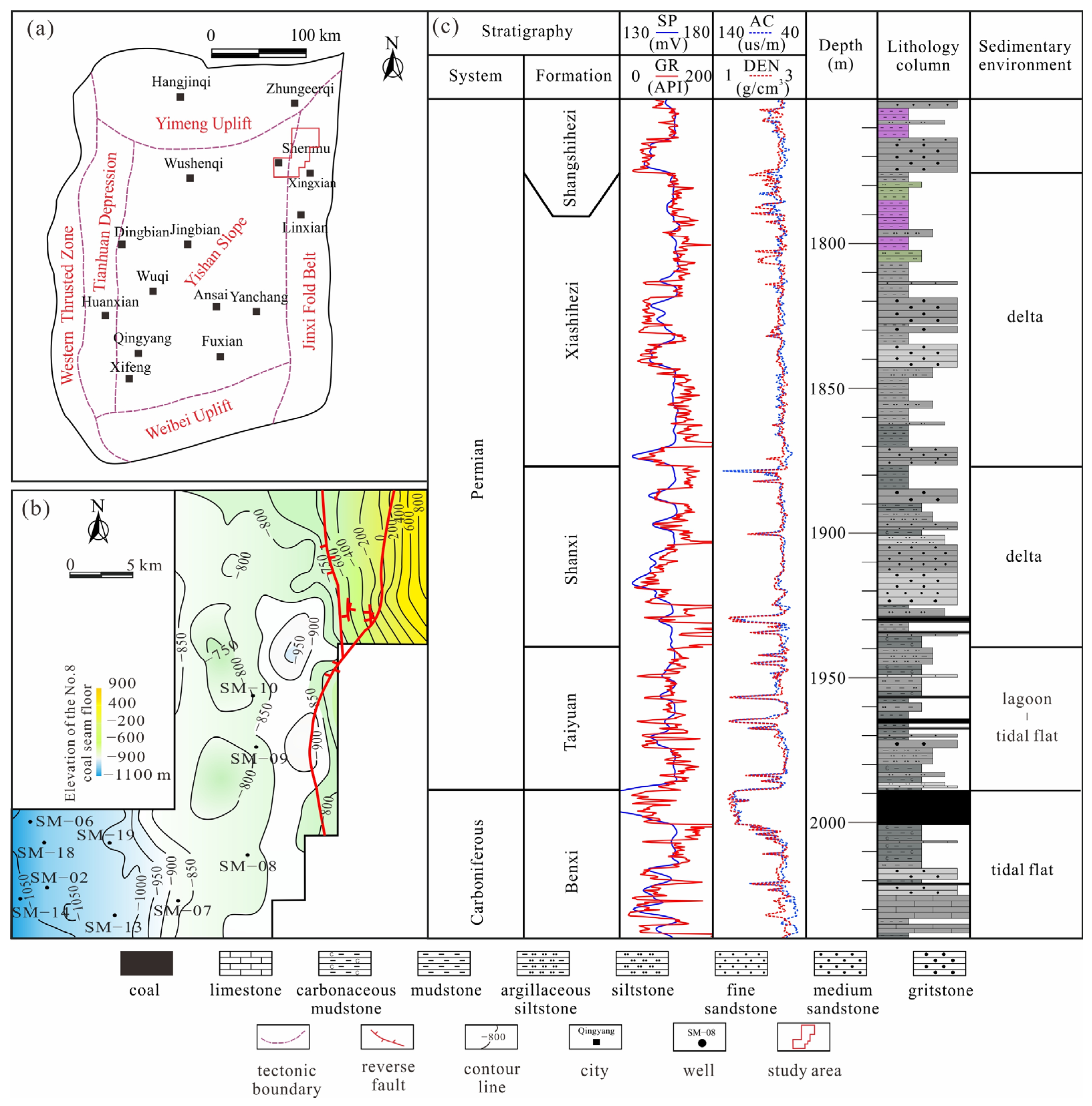
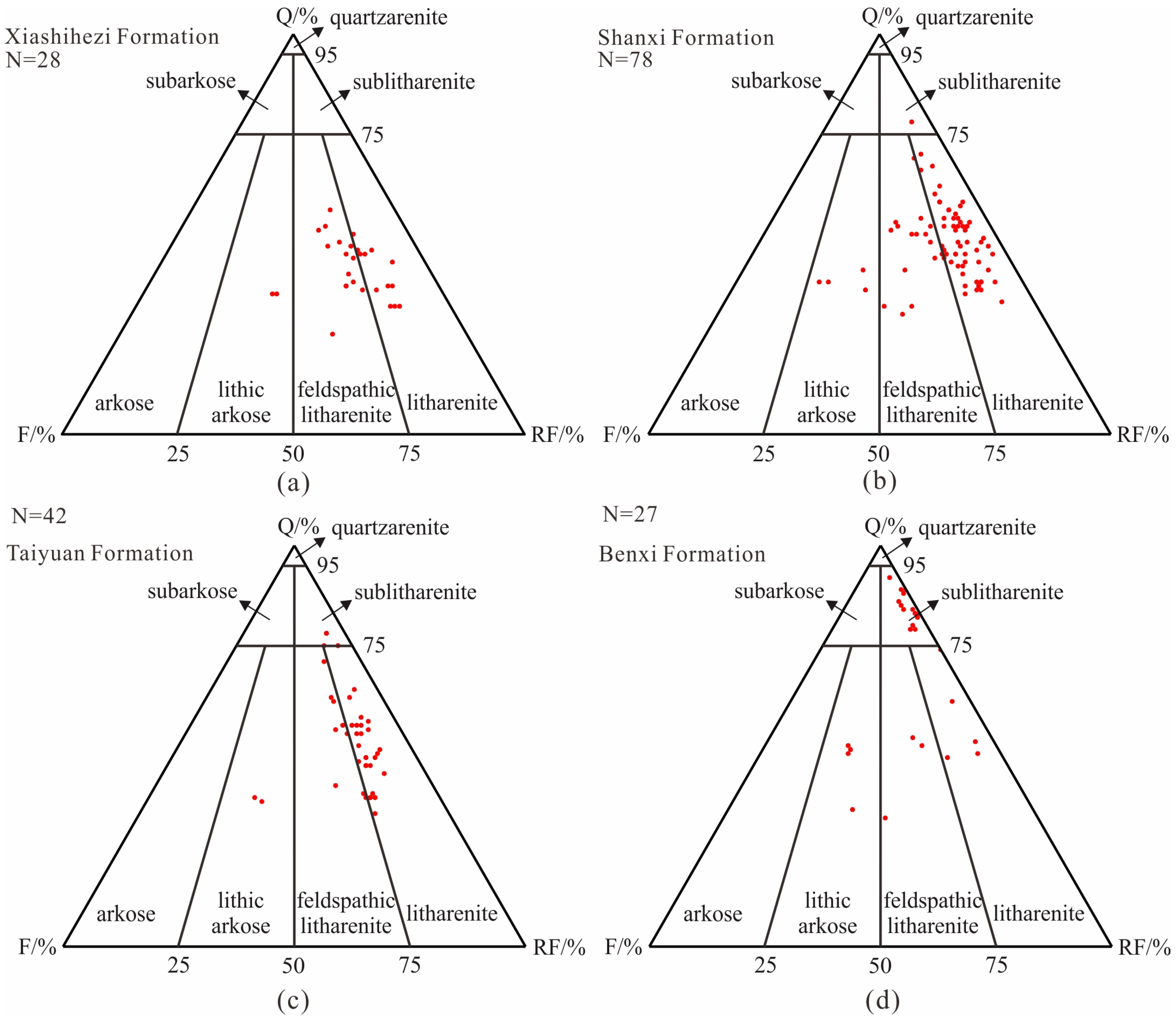
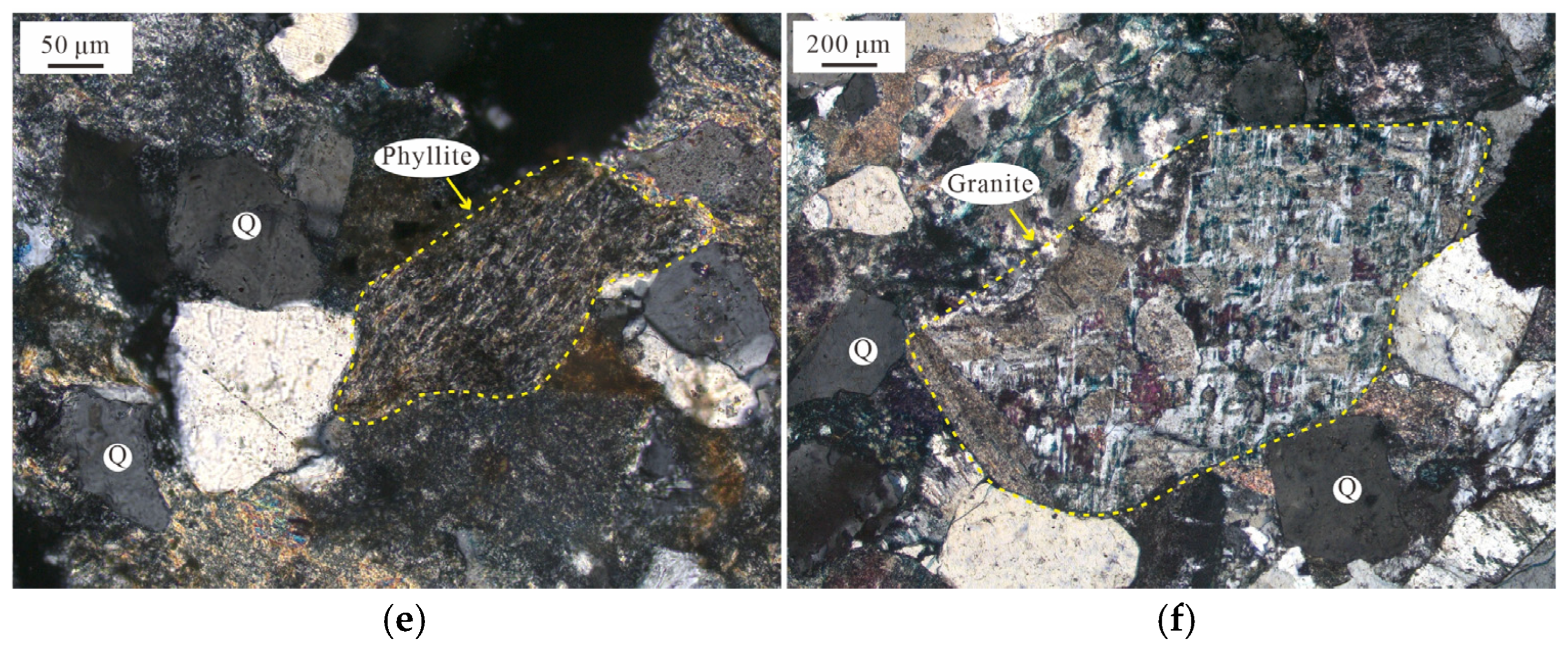
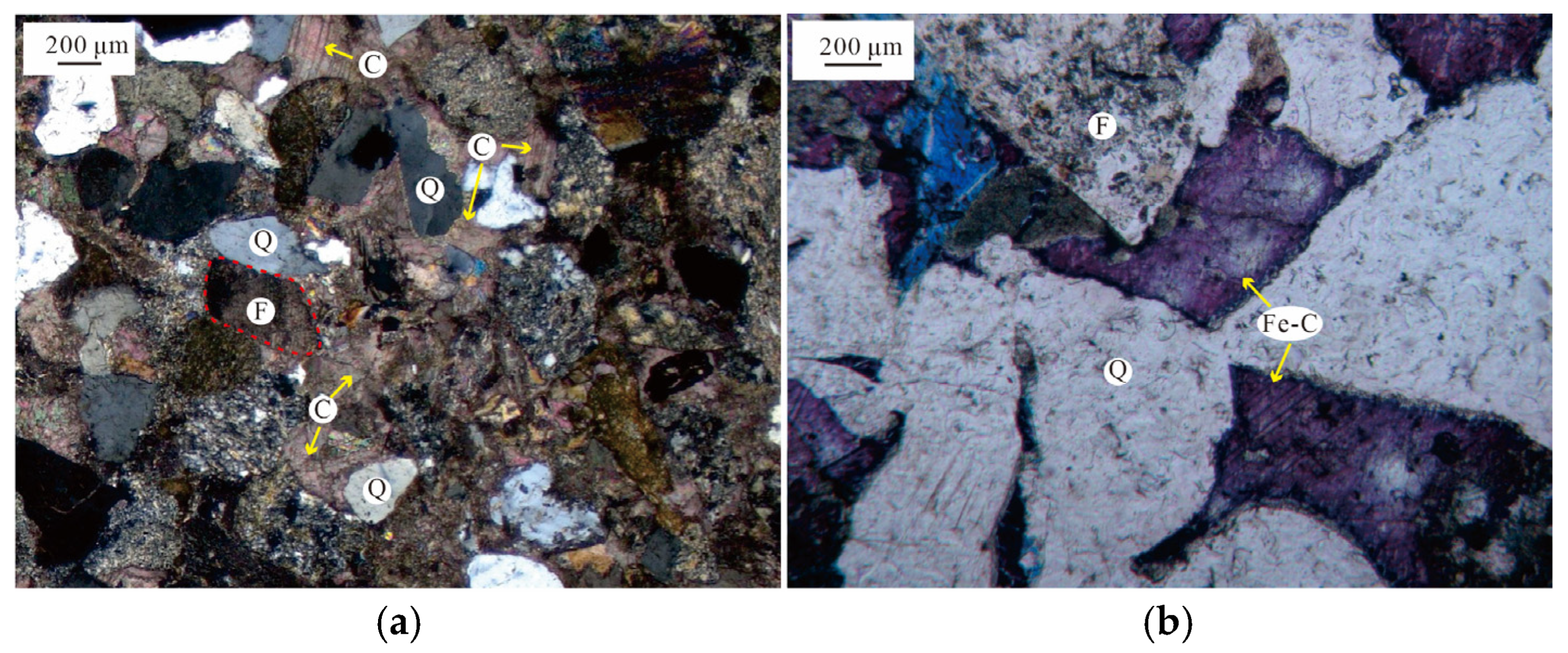
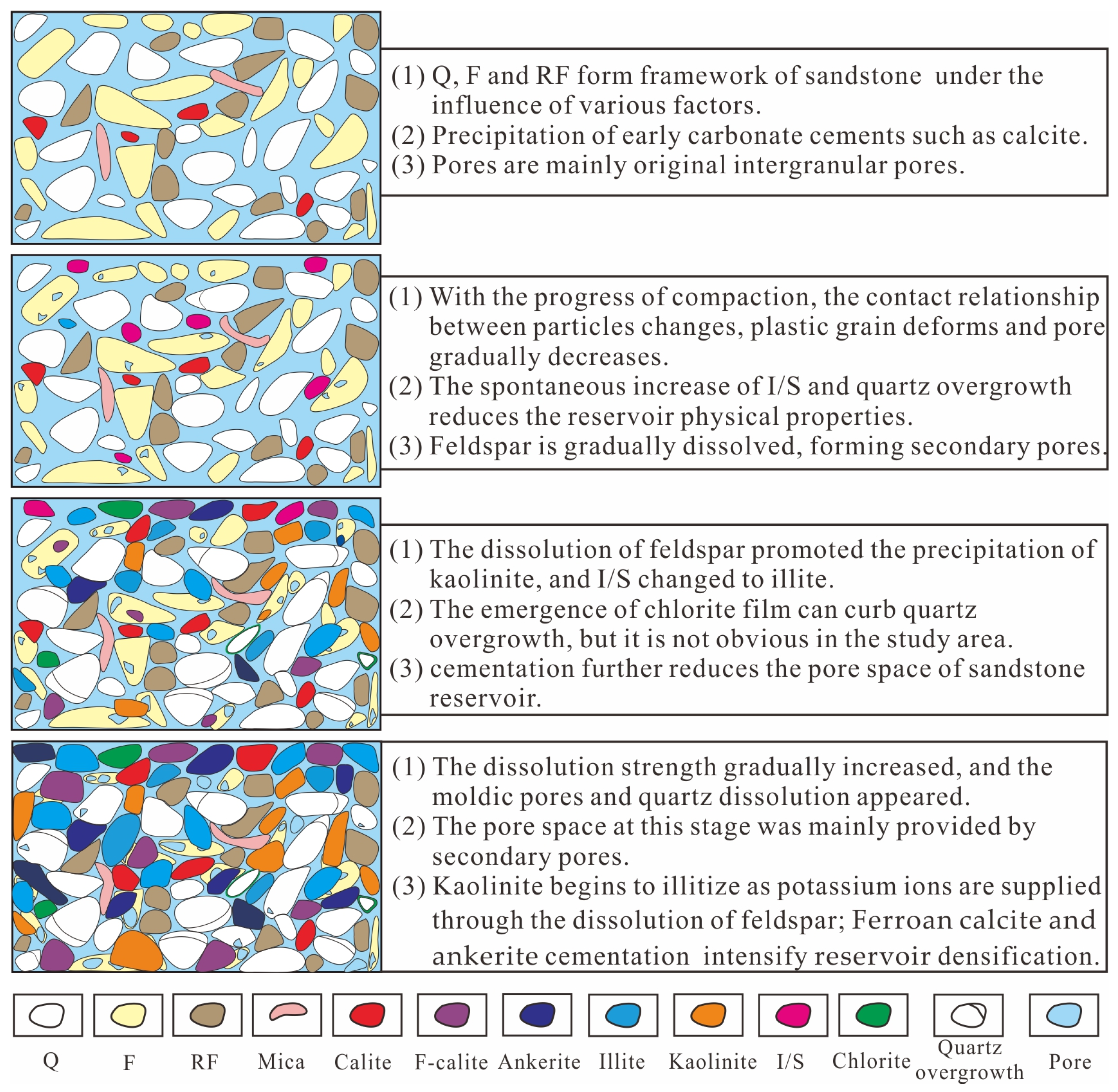
The Carboniferous–Permian tight sandstone gas reservoirs in the Shenfu area of the Ordos Basin in China are characterized by the widespread development of multiple formations. However, significant differences exist among the tight sandstones of different formations, and their formation mechanisms and key controlling factors remain unclear, hindering the effective selection and development of favorable tight gas intervals in the study area. Through comprehensive analysis of casting thin section (CTS), scanning electron microscopy (SEM), cathodoluminescence (CL), X-ray diffraction (XRD), particle size and sorting, porosity and permeability data from Upper Paleozoic tight sandstone samples, combined with insights into depositional environments, burial history, and chemical reaction processes, this study clarifies the characteristics of tight sandstone reservoirs, reveals the key controlling factors of reservoir quality, confirms the differential evolutionary mechanisms of tight sandstone of different formations, reconstructs the diagenetic sequence, and constructs an evolution model of reservoir minerals and porosity. The research results indicate depositional processes laid the foundation for the original reservoir properties. Sandstones deposited in tidal flat and deltaic environments exhibit superior initial reservoir qualities. Compaction is a critical factor leading to the decline in reservoir quality across all formations. However, rigid particles such as quartz can partially mitigate the pore reduction caused by compaction. Early diagenetic carbonate cementation reduces reservoir quality by occupying primary pores and hindering the generation of secondary porosity induced by acidic fluids, while later-formed carbonate further densifies the sandstone by filling secondary intragranular pores. Clay mineral cements diminish reservoir porosity and permeability by filling intergranular and intragranular pores. The Shanxi and Taiyuan Formations display relatively poorer reservoir quality due to intense illitization. Overall, the reservoir quality of Benxi Formation is the best, followed by Xiashihezi Formation, with the Taiyuan and Shanxi Formations exhibiting comparatively lower qualities.
Keywords: tight sandstone gas; diagenesis; reservoir quality; Shenfu area; eastern Ordos Basin tight sandstone gas; diagenesis; reservoir quality; Shenfu area; eastern Ordos Basin