


Abstract
This study analyses the main challenges, trends, technological approaches, and artificial intelligence methods developed by new researchers and professionals in the field of machine learning, with an emphasis on the most outstanding and relevant works to date. This literature review evaluates the main methodological contributions of artificial intelligence through machine learning. The methodology used to study the documents was content analysis; the basic terminology of the study corresponds to machine learning, artificial intelligence, and big data between the years 2017 and 2021. For this study, we selected 181 references, of which 120 are part of the literature review. The conceptual framework includes 12 categories, four groups, and eight subgroups. The study of data management using AI methodologies presents symmetry in the four machine learning groups: supervised learning, unsupervised learning, semi-supervised learning, and reinforced learning. Furthermore, the artificial intelligence methods with more symmetry in all groups are artificial neural networks, Support Vector Machines, K-means, and Bayesian Methods. Finally, five research avenues are presented to improve the prediction of machine learning.
1. Introduction
Information asymmetry in business based on data management can be reduced by using machine learning (ML) techniques, allowing free competition between market agents. Information asymmetry in data management comes from two sources: (i) patterns of public information not observed by some actors in the negotiation and (ii) actions carried out by an economic actor that are difficult to read by the rest of the market. The concept of ML has contributed to the new industrial revolution (industry 4.0) in particular, with the massive use of big data (BD) and cloud techniques. Obtaining information through real-time data processing is a strategy that offers competitive advantages for decision-making, regardless of the size and commercial sector of the organization.
The machine learns by improving its calculation results without human intervention. The machine needs three fundamental elements for this learning: process data, communication with the cloud and BD, and calculation models. These three elements require technological advances in data science, ML, and artificial intelligence (AI).
At the beginning of the 19th century, mainly in the mail order industry, the practice of collecting, preserving, analyzing, and using data was initiated [1]. The increasing use of email and the web, together with the recording of interactions (speech-text analyzer software and the flow of clickstreams from websites, among others), led to an explosion in data volumes.
For the purpose of this article, a definition adjusted of AI to our general line of thought is the one proposed by Haenlein and Kaplan [2]. These authors defined AI as a system’s ability to interpret external data correctly, learn from said data, and use the knowledge to achieve specific goals and tasks through flexible adaptation [3]. In recent years, the use of AI in the service industry has been rapidly gaining ground. According to Xu et al. [4], AI in the context of customer service is defined as a technology-enabled system that evaluates service scenarios in real-time, using data collected from digital and/or physical sources to provide recommendations, alternatives, and personalized solutions to customer queries or problems. For example, AI technology can personalize services and product processing, processing past customer purchases and records. According to Dwivedi et al. [5], AI includes different branches used to obtain data some examples are: expert systems, ML, pattern recognition (PR), fuzzy logic, evolutionary computing, deep learning (DL), probability theory, discriminant analysis, support systems, learning systems, decision trees, and DL with convolutional neural networks (CNN). These approaches have become very popular in recent years for being powerful visual models that automatically produce hierarchies of characteristics [6], commonly trained by supervised learning. These types of networks are feedforward-type models [7]. The difference between CNN and artificial neural networks (ANN) lies in the hidden layer. The hidden layer of a CNN model is generally made up of three layers, namely the convolutional layer, the subsampling layer (clustering layer), and the fully connected layer [8]. CNN has made impressive achievements in many areas, including but not limited to computer vision and natural language processing (NLP) [9].
Interest in AI has grown in different areas of engineering, achieving significant and hopeful methodological advances. Engineering has witnessed the growth of different AI methods in its various areas. One of these methods, and the focus of this review, is ML-supported AI methods for obtaining and managing data developed during the last five years. The scope of the review is to summarize the theoretical background of the methods, provide a critical analysis on their use, and summarize and discuss the latest research on the methodological approaches in the area.
The use of digitization to obtain and manage information was the subject of some previous studies. Stone et al. [10] explained the evolution of ecosystems and the platforms used to obtain customer information and identify the management, research, and teaching implications of this evolution. The model considers the calculation of the customer’s functional life value. Zheng et al. [11] surveyed AI-based intelligent visualization tools to extract information from BD. Lin et al. [12] studied the satisfaction of the virtual customer-seller link in the context of conflicting recommendations. Likewise, Refs. [13,14] proposed the use of textual characteristics to analyze the information on the news for sensitive stock market prediction [15].
Zhong et al. [16] presented an AI-based BD analysis for RFID logistics data by defining different behaviors of smart manufacturing objects. Hollebeek et al. [17] explored the use of robotic process automation (RPA), ML, and DL applications. Olshannikova et al. [18] discussed how the capabilities of augmented reality and virtual reality could be applied to the field of BD visualization. Brill et al. [19] conducted a qualitative empirical study to determine the level of satisfaction with digital assistants (Apple’s Siri, Amazon’s Alexa, Google’s Google Assistant). Based on RPA, ML, and DL, Sampson [20] proposed a strategic framework to face the increasing effects of automation in highly skilled professional services jobs. Pantano and Pizzi [21] investigated the technological advance of chatbots, indicating the real areas of development; providing a complete understanding of the actual progress. Xiao and Kumar [22] carried out a conceptual framework that includes antecedents and consequences of the adoption and integration of robotics by companies in their customer service, technology marketing, and information technology operations.
Recently, Hoyer et al. [23] proposed a new framework to understand the role of new technologies powered by AI (internet of things (IoT), augmented reality, virtual reality, mixed reality (MR), virtual assistants, chatbots, robots, blockchain, and 3D printing) in the customer/buyer process. In addition, Duan et al. [24] and Liebowitz [25] analyzed the advancement of AI technology and its capacity to process BD for decision-making. Duan et al. propose twelve research proposals in AI information systems. Kokina and Davenport [26] discussed cognitive AI capabilities in auditing processes, with four large accounting firms launching numerous projects. While Singh et al. [27] developed a conceptual framework of companies’ capabilities to operate with “one voice” to offer fluid, harmonious, and reliable interactions through various interfaces. Authors such as Kreutzer and Sirrenberg [28] evaluated the capacity of AI systems for: prediction and profiling of potential customers, conversational commerce, sentiment analysis, and the creation and distribution of content. Furthermore, Heller et al. [29] proposed an integrated framework to automate services based on augmented reality.
The articles of the debate highlight methodological advances aimed at developing AI applications mainly in the service industry (obtaining and managing data to aid decision-making). Methods, such as RPA, PR, and ML, have seen remarkable developments and increased use in database development and optimization in recent years. Recently, to address the limitations of RPA, authors, such as Berruti et al. [30], have proposed intelligent process automation, which refers to the combination of AI, ML, and cognitive automation.
The popularity of ML is by and large due to the availability of powerful new computing tools and hardware and the increasing ease of generating and having access to large datasets, but adoption has been slow. Taking all web search categories into account, a google trends analysis [31] (Figure 1) on the popularity of ML, BD, and AI interestingly reveals an increase arithmetic mean in ML since 2016, reaching a peak between the years 2018 to 2020. Meanwhile, in AI, the behavior is stable without presenting high peaks from 2011 to 2016. However, the popularity of AI increased from 2016 to 2018, which corresponds to the positive result of the ML. Finally, the behavior of BD has remained stable from 2014 to 2021, presenting some popularity peaks every year. Together, this information highlights a positive correlation between ML, BD, and AI. All the above is evidenced in the growing behavior of the number of articles per year. In this study, the comparison of AI/ML/BD trends was only illustrative to show recent growth of AI and ML compared to BD.
Figure 1.
ML vs. AI/BD domain popularity trend.
The review article is structured as follows. Section 1 presents a general introduction to the subject of AI and its importance for obtaining and managing data. Within the subject, we present the opinions of different authors, where some advances in AI applications are discussed. Next, we correlate the popularity of the ML domain, and the main limitations and contributions of the study are revealed. Section 2 describes the methodology used. Section 3 presents a conceptual framework for classifying studies and provides a literature review of the latest AI methodologies used in the ML domain, where the differences between these techniques are detailed. Additionally, a descriptive analysis of the studies is carried out. Section 4 presents the discussions on the study thematic. Finally, the conclusions are provided in Section 5.
Limitations and Contributions
This review article presents a broad perspective of research efforts on using emerging ML-supported AI methods for data collection and management. Research question: What are the main methodological proposals for data management that contribute to the development of the ML domain? This study is limited to the literature regarding AI/ML applications in relation to engineering disciplines. For each ML group, the review of each article focuses on the domain addressed by the study, the subgroup and type of research to which the study belongs, the research results, and the AI method used.
The contributions of this review article are: (1) studying and summarizing the AI categories used to obtain customer information; (2) defining and analyzing the main groups and subgroups that make up the ML theme; (3) identifying study types, future directions, and emerging approaches that use AI supported by ML methodologies for data management; (4) identifying the main AI methodological approaches used in the last five years to obtain and manage data; and (5) highlighting the main AI categories, areas of knowledge, research results, and current limitations/challenges of AI methods with ML.
The ML domain is constantly growing, and it is not possible to cover all of the algorithms in a single article. The multidisciplinary nature of ML was the most challenging difficulty to overcome in this review. However, the contributions of co-authors allowed the search to be limited to widely-used AI methodologies.
2. Methodology
This work corresponds to an extensive review of the literature published of the recent advances in methodological proposals that contribute to developing the AI concept supported by ML technology. The methodology used for this literature review was content analysis; a valid technique for the study of scientific documents [32], used to: identify, classify, and analyze services in smart cities [33], study advances in nanotechnology applied to innovative packaging [34], propose a conceptual framework for strategic management [35], and analyze reverse-logistics models aimed at solid waste management [36,37,38].
This review identifies and analyzes research that proposes new AI methods emerging as reliable and efficient tools in data management. The development of the proposed methodology provides technical background on the indicated methods and knowledge on using these algorithms for data management problems. AI methodological developments for BD processing as a solution for data management were used by Allam and Dhunny [39] to propose a framework that regulates and formulates BD processing policies through AI and ML aimed at the smart city concept.
Using the same methodology, Henrique et al. [40] analyzed different ML methods and techniques to predict financial market values, resulting in a bibliographic review of the most critical studies on this topic. Likewise, van Klompenburg et al. [41] used it to extract and synthesize ML algorithms used in predictive studies of agricultural crop yield.
This study is divided into categories, groups, and subgroups. The categories are represented by the 12 proposed emerging AI technologies. The groups constitute the four AI techniques represented in the ML domain. Each group contains the methodological contributions (subgroups) that illustrate some of the most outstanding algorithms used in the ML, identifying their degree of development through the investigations.
In this work, a systematic review of the scientific literature published between the years 2017 and 2021 has been carried out. For its preparation, the guidelines of the PRISMA statement [42,43] have been followed. Figure 2 summarizes the proposed PRISMA methodology. The systematic search was carried out with the Google Scholar search engine using the WOS and Scopus digital platforms, mainly databases, such as Springer Link, EmeraldInsight, Science Direct, Wiley Online Library, Taylor & Francis Group, and IEEE Xplore Digital Library. The keywords used were machine learning, data management, BD, and artificial intelligence.
Figure 2.
PRISMA flow diagram on three levels.
In addition, to choose an article, two types of quality measures were mainly considered: journal impact factor (JIF) and journal citation indicator (JCI), while not being excluding factors (Table S1). Initially, we reviewed about 4000 publications in scientific journals, identifying 883 articles for the first step. For the second step, the studies were selected by reviewing the most relevant titles. Subsequently, in the third step, the summaries were read. After the final choice (reading the abstracts), in the fourth and last step, we read the complete publication. Then, the articles were reviewed in terms of the inclusion criteria: (1) scientific studies that are part of the WOS and SCOPUS digital platforms; (2) which propose methodological solutions for data collection and management; (3) that in the context of methodological advance, the conceptual bias is studied; (4) that develop comparisons between the solution methods and results obtained; and (5) that have been published between the years 2017 and 2021. The exclusion criteria were: (1) data collection and management capacity, (2) research domain, (3) results obtained, and (4) AI methodology used.
Categorical Classification of the Emerging AI Technologies, ML Groups and Subgroups
The 120 investigations classified in the literature review contribute to the development of the main AI technologies. To facilitate the analysis of the ML domain, based on the 12 technologies proposed by Purcell and Curram [44], we sought to establish a conceptual framework, which is summarized in Figure 3.
Figure 3.
Overview of ML techniques/emerging AI technologies.
This study proposes to adapt and classify the AI technologies proposed by [44] into 12 AI categories used to obtain and manage data (Table 1); with four being the mature categories offering commercial value and impact on customer perception (AI-enhanced analytics solutions, DL platform, natural language generation (NLG), and speech analytics) [45]. These technologies can be used at different levels to provide optimal solutions to specific problems.
Table 1.
AI categories used for data collection and management.
Table 2 defines the ML groups and subgroups used for classifying the studies.
Table 2.
General description of the ML domain for the literature review.
3. Literature Review
The literature review corresponds to the period 2017–2021. Different authors have provided models to the SL, UL, SSL, and RL groups during this period. These authors propose AI methodologies to solve ML problems in data collection and management. For each group, the maximum limit was 30 articles. A total of 120 studies were selected and are classified in Table 3.
Table 3.
Literature review—AI methodological proposals supported by ML for data collection and management.
3.1. Supervised Learning Models for Data Collection and Management
Table 4 classified and listed the group 1 SL model (Table 3) literature investigations into 12 AI categories (mentioned in Table 1). SL can be used in regression problems and classification problems. In regression problems, the outputs are continuous, while in a classification problem, the outputs are categorical.
Table 4.
Classification of SL models for data collection and management.
In SL, the correct input/output pairs are available, and the goal is to correctly map them from the input space to the output space. Table 4 shows that 70% of studies correspond to the classification subgroup, 17% to the regression subgroup, and the remaining 13% to studies where both subgroups are addressed. This indicates a greater interest in the development of categorical methodologies for solving classification problems. In the literature review in Table 4, 22 research articles, 4 literature review articles, 3 surveys and, one case study were found. Thus, the literature on SL presents a significant progress regarding the collection and organization of knowledge, reflected in the solid understanding of the approaches and algorithms developed.
Table 4 shows that the most popular AI methodology for SL is ANN (50% of publications). Subsequently, multidimensional AI methodologies were found, classified as SVM (10% of publications), followed by non-parametric-highly flexible methodologies, such as decision trees (7%). Another recursive partition method that involves predictions based on a collection of individual decision trees is random forests (7%).
The literature reviewed for each SL subgroup has expanded in volume and scope and now encompasses a broad algorithmic spectrum. The main AI methodologies used included comparisons with models of (1) regression: assembly methods, regression analysis, learning metrics, regression tree, non-linear regression, Bayesian model, among others; and (2) classification: K-nearest neighbor, Bayesian belief networks, principal component analysis, linear discriminant analysis, assembly methods, learning metrics, collaborative filtering, etc.
Three AI categories feature the most significant breakthroughs—image and video analytics, ML platforms, and pre-trained vertical solutions, all with five publications. However, we did not find studies for the categories AI-conversational service solutions and facial recognition.
3.2. Unsupervised Learning Models for Data Collection and Management
Table 5 detailed the methodological contributions found in the literature review of the group 2 UL model (Table 3) into 12 AI categories (mentioned in Table 1). UL is used to build clustering or dimension reduction models based on the input data without the corresponding output labels [75].
Table 5.
UL model classification for data collection and management.
The output data is not available in UL, and the goal is to find patterns in the input data. Table 5 shows that 80% of the studies correspond to the clustering subgroup, 13% to the reduction dimension subgroup, and the remaining 7% of studies addressed both subgroups. This indicates a greater interest in developing exploratory methodologies (structural description of data) for solving clustering problems. According to the analysis of the studies, 28 research articles were found, one literature review article, and one survey; no findings were presented for case studies. Thus, UL takes advantage of large amounts of unlabeled data. Currently, there are significant developments in mathematical modeling, reflected in the number of research articles.
According to Table 5, the most widely used AI solution methodology is the ANN (43% of publications). AI methodologies, such as k-means (20% of publications), aimed to determine the number, quality, and cohesion of the groupings in a data set. Statistical methodologies, such as Markov’s (7% of publications), relate observable events and hidden events.
Different AI methodologies in each subgroup include comparisons with models of (1) clustering: partitional clustering, spectral clustering, single-link, bi-clustering, multinominal regression, leader clustering algorithm, gaussian mixture model, non-linear regression, clustering feature tree, literal fuzzy c-means, among others; and (2) dimension reduction: singular value decomposition, independent component analysis, locally linear embedded, spectral embedding, isomap embedding, factor analysis, multidimensional scaling, t-distributed stochastic neighbor embedding, non-negative matrix factorization etc.
The AI category that has made the greatest advancements is DL platforms, with five publications. We did not find studies for the category AI-facial recognition.
3.3. Semi-supervised Learning Models for Data Collection and Management
The SSL approach builds inductive or Transductive models based on the original tagged data and the untagged data with new tags [105]. Table 6 presented an updated methodological description of the group 3 SSL model (Table 3) into 12 AI categories (mentioned in Table 1).
Table 6.
Classification of SSL models for obtaining and managing data.
SSL takes advantage of large amounts of labeled and untagged data. Conceptually it is situated between SL and UL. Table 6 shows that 67% of studies correspond to the inductive subgroup, 23% to the Transductive subgroup, and the remaining 10% to studies that address both subgroups. The preceding indicates more interest in developing methodologies that optimize predictive models for solving classification problems. In the literature review, we found 26 research articles, 2 literature review articles, one survey, and one case study. In recent years, research in this area has followed the general trends observed in machine learning, with much attention directed to models based on ANNs and generative learning.
According to Table 6, the most widely used AI solution methodology was ANN (36% of publications). Next, was AI methodologies that analyze networks, known as graph theory (7% of publications). Probabilistic graphical methodologies provide simple ways to visualize the structure and properties of a probability model, such as Bayesian methods (7% of publications). Another method found commonly used for clustering data was the Gaussian mixture model (7%) and the k-nearest neighbor classification algorithm (7%).
The AI category with the greatest advancements was image and video analysis, with six publications. We found no publications of AI categories—AI-enhanced analytics solutions, conversational service solutions, speech analytics, and text analytics. We found only one recent survey that collects and organizes this knowledge, which may hamper the ability of researchers and engineers to use SSL. The literature on this subject has expanded in volume and scope and now encompasses a broad spectrum of theories, algorithms, and applications.
3.4. Reinforced Learning Models for Data Collection and Management
An RL algorithm aims to maximize cumulative rewards by learning strategies through interaction with the environment. Table 7 classified and listed the group 4 RL model (Table 3) literature investigations into 12 AI categories (mentioned in Table 1).
Table 7.
Classification of RL models for data collection and management.
RL is a framework for decision-making problems where the agent interacts through trial and error with its environment to discover optimal behavior. Table 7 shows that 57% of studies correspond to the control subgroup, 24% to the classification subgroup, and 18% to studies that address both subgroups. The above indicates a greater interest in methodological developments where computers make decisions on complex and stochastic systems to solve control problems. In the content analysis, we found 23 research articles, 4 literature review articles, and 3 surveys; no findings were presented for case studies. According to the literature, RL is the most popular technique for artificial agents to learn optimal strategy closely through experience. Such techniques are validated with the algorithmic developments found in the reviewed studies. Different studies analyzed models and solved RL problems using Markov’s decision process theory, Monte Carlo, and dynamic programming. RL is a potent engineering tool for modeling dynamic behaviors and achieving goals based on rewards and penalties.
Table 7 shows that the most popular AI methodology for SL is ANN (50% of publications). Next was control methodologies that assign probabilities, such as the direct search for policies (10%). Followed by methodologies to obtain optimal policies, such as Markov’s decision processes (7%).
The two AI categories with the biggest breakthroughs are smart research solutions (8 publications) and DL platforms (7 publications). We found no studies for the categories AI-conversational service solutions, NLG, speech analytics, and text analysis.
3.5. Descriptive Analysis of the Studies
Figure 4, using the VOS viewer software, summarizes the main keywords found in the literature review.
Figure 4.
Main keywords found.
According to Figure 4, the number of papers for each main keyword per year is the following: 2017—machine learning (23 publications); 2018—supervised learning (10 publications); unsupervised learning (20 publications); 2019—semi-supervised learning (21 publications), deep learning (14 publications); 2020—reinforcement learning (13 publications); and 2021—deep reinforcement learning (9 publications).
The distribution of publications by study type: the type of study most evoked were research articles (with 99 investigations), followed by literature reviews (with 11), surveys (with 8), and case studies (with 2) (Figure 5).
Figure 5.
Distribution of publications by study type.
The number of publications per subgroup: eight subgroups with 120 articles were used in the literature review. The classification subgroup made the most significant contribution, adding the groups SL and RL would be 28 publications, followed by the clustering (24 publications), the inductive subgroup (20 publications), the control subgroup (17 publications), transductive (7 publications), regression (5 publications), and dimension reduction (4 publications) (Figure 6).
Figure 6.
Distribution of studies by subgroups.
The number of articles per year: according to the analysis in Figure 1, the growing popularity of ML, AI, and BD is evident. This confirms the increasing interest that researchers have been giving to ML in the last five years. In this research, 35 articles belonging to the literature review were published in 2020 (Figure 7).
Figure 7.
Number of studies per year.
Distribution of AI categories: according to the literature review, five AI categories make the most significant methodological contributions. As shown in Figure 8, the most important is the DL platform (with 21 studies), followed by intelligent research solutions (with 20), image and video analytics—ML platforms (with 17), and pre-trained vertical solutions (with 16).
Figure 8.
Distribution of AI categories.
Distribution of the areas of knowledge: the analysis of the 120 studies that make up this literature review shows that the area of computer engineering and systems presents the most widely used methodological developments (with 62 investigations). This is followed by telecommunications (with 14), infrastructure (with 12), transportation (with 10), health (with 10), the financial area (with 6), marketing and news (with 4), and agriculture (with 2).
The journals with the most publications are Neurocomputing, IEEE Access, IEEE Transactions on Pattern Analysis and Machine Intelligence, and IEEE Transactions on Neural Networks and Learning Systems (Table S1). Regarding the origin of the research by country, China proposes the greatest ML methodological developments (39), followed by the USA (32) (Figure S1). We reviewed 883 publications under the ML, SL, UL, SSL, and RL criteria and/or obtaining and managing information. Finally, 120 publications were selected in the fourth step; the largest number of contributions were made by Science Direct databases, IEEE, and Springer (Figure S2). In total, 113 articles and 7 conference articles made the most important contributions.
4. Discussion
The most widely used ML technique corresponds to SL; even so, today’s BD requires UL and RL learning paradigms. However, the accuracy of UL and RL techniques is accompanied by high computational costs.
The literature review suggests using different metrics to evaluate the performance and efficiency of ML models. We found different metrics to evaluate the performance and efficiency of AI methodologies; area under the curve (AUC), Nash–Sutcliffe coefficient radius (NS), relative percentage difference (RPD), precision, accuracy, median absolute error (MedAE), recall, normalized mean squared error (NMSE), root mean square prediction error (RMSEP), mean squared prediction error (MSPE), correlation coefficient (R), and specificity. The accuracy metric was the most used by the classification subgroup, followed by mean absolute percentage error (MAPE), mean squared error (MSE), mean absolute error (MAE), root mean squared error (RMSE), F-score, and normalized root mean square deviation or error (NRMSE) for the regression subgroup. Future works are necessary to obtain precision levels close to 100%.
The analysis of the data partition formats suggests that the most typical partition ratio is (80:20) training/testing. Additionally, other studies adopted the training/validation/test data partition (80:10:10). We found no studies that stated a general rule for adopting data partitioning. The literature suggests that partition formats (80/20) following the Pareto rule provide optimal divisions for AI and ML data analysis.
Based on this study, we observed possible research avenues to improve ML predictions (1) integration of two or more AI methodologies; (2) integration of new AI methodologies with soft computing or other conventional methods; (3) use of data decomposition techniques to improve data set quality; (4) use of a set of methods to generalize models and reduce uncertainty; and (5) use of complementary algorithms to improve the quality of new AI methodological proposals.
The deep RL-DL/RL combination promises to revolutionize the future of AI in areas such as automatic driving, NLP, robots, among others. The findings of the review mainly suggest the use of two types of RL models: when the environment and state are known, they use model-based RL solutions (e.g., AlphaZero); when the environment and the state are partially known, they use the model-free RL, whose algorithms are mainly Q-learning (value-based) and gradient policy algorithms (probability-based).
The ML architecture through the IoT concept analyses and interprets complex and large volumes of data, particularly CNN. The ANN analysis of learning rates found that most studies use fixed rates. However, some studies suggest the use of adjustable rates using special algorithms. Regarding the activation function, it was observed that the linear function was the most used. Additionally, within the findings in ANN, some information processing architectures were found for signals supported on graphs, known as graph neural networks (GNN). Most of these methodological proposals are supported in deep learning and mainly propose GNN architectures based on CNN, recurrent ANN, and deep autoencoders.
The next great challenge lies in the superposition of the four ML groups: the ability to select the most appropriate AI method. This involves anticipating various scenarios (selection of parameters) and dealing with different levels of uncertainty (missing or incomplete data, computational capacity, classification precision, among others).
Despite multiple advancements of the 12 AI categories used for data collection and management, there are still multiple problems, challenges, methodologies, and future trends that AI/ML must overcome. While some UL techniques remove unnecessary data, there is still a need for massive processing power capable of analyzing all scenarios. NLG processing is a long way from being a natural and accurate translation. Jargon, accents, and understanding the language remain big challenges for ML because although image classification is a settled issue, the machine does not really understand the meaning of the image. For now, we continue to classify everything without defining intermediate states, despite the constant developments in fuzzy or soft systems.
The lack of video training is a sensitive topic for ML. Video data sets are much richer in content than still images; therefore, ML needs deeper systems capable of learning and responding efficiently with little input data. This challenge requires solving storage capacity (memory capacity to store past events) through technologies such as a collective memory network between all artificial thinking entities and differentiable neural computers, added to a modular system that integrates different algorithms. The ML reasoning ability is associated with the future development of a model of ideas; this model should serve as an interface, helping to interpret ML’s own language.
Currently, changes in the importance and frequency of participating in online activities before and during COVID-19 created new challenges for ML. According to Mouratidis and Papagiannakis [165], during the pandemic, there were substantial increases in the importance of teleworking (31% increase), teleconferencing (34% increase), e-learning (34% increase), and telehealth (21% increase), among others. To reduce the effect of the pandemic on the education sector, most educational institutions were forced to teach online classes. As an academic tool (Zoom Microsoft Teams, Moodle, Google Classroom, virtual reality applications, etc.), the web provides a global open platform for storing data and presenting it in text, graphic, audio, and video formats, and in communication tools for synchronous and asynchronous communication [166]. AI-supported e-learning (AIeL) refers to the use of AI techniques in e-learning (the use of computer and network technologies for learning or training) [167]. Through web platforms, AIeL proposes ML approaches to: identify the learning style and personalize learning experiences [168,169], personalized hybrid recommender for the adjustment or association of content to students [170,171], DL algorithms for monitoring student emotions in real-time [172,173], a multi-agent system to improve the Moodle platform in intelligent tutoring systems [174], a cyber threat detection model in e-learning systems [175], and fuzzy ANN for learning English [176]. Finally, different authors have evaluated the impact of AIeL during the COVID 19 pandemic [177,178,179,180,181].
5. Conclusions
This review article presents the importance of continuous AI methodological developments for ML applications during 2017–2021. A total of 181 studies were used, of which 120 are part of the literary analysis. The literature indicated that, among the numerous methods, ML has been increasingly adopted and used to develop emerging AI technologies. In general, ML areas are closely related, as they fundamentally overlap in scope.
The most used tools to evaluate the performance of AI methods were accuracy, RMSE, R, specificity, MAPE, MPAE, followed by MSE, in addition to generalizability, robustness, calculation cost, and speed. The most commonly used ML algorithm was ANN, followed by SVM, k-means, and Bayesian methods. Some studies adopted hybrid methodologies to harness the power of different techniques to compensate for the weakness of specific techniques. The knowledge areas evaluated make software and systems engineering the next generation approaches to perform data collection and management, with fault diagnosis being the application area with the greatest solution proposals, followed by robotics, autonomous computing, and driving. This review showed that classification tasks are the most frequently used methods by so-called intelligent systems, either by statistical algorithms or AI. The literature also suggests that the AI-based DL platforms require less information, which improves complicated decision problems, making it the alternative solution with the greatest AI methodological proposals.
Based on the methodology proposed in this study, mature AI technologies, such as speech analytics, facial recognition, NLG, and conversational service solutions, had slower methodological developments, showing researchers are interested in less developed AI categories.
Future work should amplify the discussions in the proposed study areas. For example, one of the concepts that needs to be expanded is the emerging PR AI method; the objective of this study would be to know the impact that PR advances generate in different areas of engineering, from a perspective framed in generative models versus discriminative models.
It is essential to broaden the literature review, also focusing on the emerging DL AI method, for example, to analyze the advances that CNN applications have had in different areas of engineering. Likewise, analyzing the methodological advances of DL architectures, recurrent neural networks, automatic encoders, deep belief networks, among others, is important. Finally, the design of an adequate methodology that integrates multiple emerging AI technologies to facilitate data collection and management is envisaged.
Supplementary Materials
The following are available online at https://www.mdpi.com/article/10.3390/sym13112040/s1, Table S1: Number of publications by journal, Figure S1: Number of publications by country where the study is carried out (2017–2011), Figure S2: Number of articles identified.
Author Contributions
Conceptualization, J.S. (Joel Serey) and L.Q.; methodology, G.F. and J.S. (Joel Serey); software, S.G. and C.D.; validation, M.V., J.S. (Jorge Sabattin) and M.A.; formal analysis, R.T.; investigation, G.F. and J.S. (Joel Serey); resources, L.Q.; data curation, M.A. and M.V.; writing—original draft preparation, C.D.; writing—review and editing, S.G.; visualization, R.T.; supervision, J.S. (Joel Serey); project administration, G.F. and L.Q.; funding acquisition, J.S. (Jorge Sabattin) and M.A. All authors have read and agreed to the published version of the manuscript.
Funding
This research has been supported by DICYT (Scientific and Technological Research Bureau) of the University of Santiago of Chile (USACH) and the Department of Industrial Engineering. This work was supported in part by Fondecyt (Chile) Grant No. 11200993 (M.V.).
Institutional Review Board Statement
Not applicable.
Informed Consent Statement
Not applicable.
Data Availability Statement
Not applicable.
Acknowledgments
This research has been supported by DICYT (Scientific and Technological Research Bureau) of the University of Santiago of Chile (USACH) and the Department of Industrial Engineering.
Conflicts of Interest
The authors declare that there is no conflict of interest regarding the publication of this paper.
Abbreviations
The main abbreviations of this work are:
| R | Correlation coefficient |
| AI | Artificial intelligence |
| BD | Big data |
| ML | Machine learning |
| SL | Supervised learning |
| UL | Unsupervised learning |
| DL | Deep learning |
| RL | Reinforced learning |
| NS | Nash–Sutcliffe coefficient radius |
| PR | Pattern recognition |
| ANN | Artificial neural network |
| GNN | Graph neural networks |
| CNN | Convolutional neural networks |
| RPA | Robotic process automation |
| IoT | Internet of things |
| NLP | Natural language processing |
| NLG | Natural language generation |
| SSL | Semi-supervised learning |
| AUC | Area under the curve |
| RPD | Relative percentage difference |
| MSE | Mean squared error |
| MAE | Mean absolute error |
| AIeL | AI-supported e-learning |
| NMSE | Normalized mean squared error |
| MSPE | Mean squared prediction error |
| MAPE | Mean absolute percentage error |
| RMSE | Root mean squared error |
| RMSEP | Root mean square prediction error |
| NRMSE | Normalized root mean square deviation or error |
| MedAE | Median absolute error |
References
- Stone, M.; Woodcock, N.; Wilson, M. Managing the change from marketing planning to customer relationship Managment. Long Range Plan. 1996, 29, 675–683. [Google Scholar] [CrossRef] [Scilit]
- Haenlein, M.; Kaplan, A. A brief history of artificial intelligence: On the past, present, and future of artificial intelligence. Calif. Manag. Rev. 2019, 61, 5–14. [Google Scholar] [CrossRef] [Scilit]
- Kaplan, A.; Haenlein, M. Siri, Siri, in my hand: Who’s the fairest in the land? On the interpretations, illustrations, and implications of artificial intelligence. Bus. Horiz. 2019, 62, 15–25. [Google Scholar] [CrossRef] [Scilit]
- Xu, Y.; Shieh, C.H.; van Esch, P.; Ling, I.L. AI customer service: Task complexity, problem-solving ability, and usage intention. Australas. Mark. J. 2020, 28, 189–199. [Google Scholar] [CrossRef] [Scilit]
- Dwivedi, Y.K.; Hughes, L.; Ismagilova, E.; Aarts, G.; Coombs, C.; Crick, T.; Duan, Y.; Dwivedi, R.; Edwards, J.; Eirug, A.; et al. Artificial Intelligence (AI): Multidisciplinary perspectives on emerging challenges, opportunities, and agenda for research, practice and policy. Int. J. Inf. Manag. 2019, 57, 101994. [Google Scholar] [CrossRef] [Scilit]
- Shelhamer, E.; Long, J.; Darrell, T. Fully convolutional networks for semantic segmentation. IEEE Trans. Pattern Anal. Mach. Intell. 2017, 39, 640–651. [Google Scholar] [CrossRef] [Scilit]
- Yu, Y.; Wang, C.; Gu, X.; Li, J. A novel deep learning-based method for damage identification of smart building structures. Struct. Health Monit. 2018, 18, 143–163. [Google Scholar] [CrossRef] [Scilit]
- Yu, H.; Yang, L.T.; Zhang, Q.; Armstrong, D.; Deen, M.J. Convolutional neural networks for medical image analysis: State-of-the-art, comparisons, improvement and perspectives. Neurocomputing 2021, 444, 92–110. [Google Scholar] [CrossRef] [Scilit]
- Li, Z.; Liu, F.; Yang, W.; Peng, S.; Zhou, J. A survey of convolutional neural networks: Analysis, applications, and prospects. IEEE Trans. Neural Netw. Learn. Syst. 2021, 1–21. [Google Scholar] [CrossRef] [Scilit]
- Stone, M.; Aravopoulou, E.; Gerardi, G.; Todeva, E.; Weinzierl, L.; Laughlin, P.; Stott, R. How platforms are transforming customer information Managment. Bottom Line 2017, 30, 216–235. [Google Scholar] [CrossRef] [Scilit]
- Zheng, Y.; Wu, W.; Chen, Y.; Qu, H.; Ni, L.M. Visual analytics in urban computing: An overview. IEEE Trans. Big Data 2016, 2, 276–296. [Google Scholar] [CrossRef] [Scilit]
- Lin, Y.-T.; Doong, H.-S.; Eisingerich, A.B. Avatar design of virtual salespeople: Mitigation of recommendation conflicts. J. Serv. Res. 2021, 24, 141–159. [Google Scholar] [CrossRef] [Scilit]
- Fuertes, G.; Alfaro, M.; Vargas, M.; Espinoza, A.; Galvez, D.; Sepalveda-Rojas, J.P. Measure of Semantic Likeness among Business Process Activities in a Telecommunication Company. IEEE Access 2020, 8, 32332–32340. [Google Scholar] [CrossRef] [Scilit]
- Reis, J.C.S.; Correia, A.; Murai, F.; Veloso, A.; Benevenuto, F.; Cambria, E. Supervised learning for fake news detection. IEEE Intell. Syst. 2019, 34, 76–81. [Google Scholar] [CrossRef] [Scilit]
- Usmani, S.; Shamsi, J.A. News sensitive stock market prediction: Literature review and suggestions. PeerJ Comput. Sci. 2021, 7, e490. [Google Scholar] [CrossRef] [Scilit] [PubMed]
- Zhong, R.Y.; Xu, C.; Chen, C.; Huang, G.Q. Big data analytics for physical internet-based intelligent manufacturing shop floors. Int. J. Prod. Res. 2017, 55, 2610–2621. [Google Scholar] [CrossRef] [Scilit]
- Hollebeek, L.D.; Sprott, D.E.; Brady, M.K. Rise of the machines? Customer engagement in automated service interactions. J. Serv. Res. 2021, 24, 3–8. [Google Scholar] [CrossRef] [Scilit]
- Olshannikova, E.; Ometov, A.; Koucheryavy, Y.; Olsson, T. Visualizing big data with augmented and virtual reality: Challenges and research agenda. J. Big Data 2015, 2, 1–27. [Google Scholar] [CrossRef] [Scilit]
- Brill, T.M.; Munoz, L.; Miller, R.J. Siri, Alexa, and other digital assistants: A study of customer satisfaction with artificial intelligence applications. J. Mark. Manag. 2019, 35, 1401–1436. [Google Scholar] [CrossRef] [Scilit]
- Sampson, S.E. A strategic framework for task automation in professional services. J. Serv. Res. 2021, 24, 122–140. [Google Scholar] [CrossRef] [Scilit]
- Pantano, E.; Pizzi, G. Forecasting artificial intelligence on online customer assistance: Evidence from chatbot patents analysis. J. Retail. Consum. Serv. 2020, 55, 102096. [Google Scholar] [CrossRef] [Scilit]
- Xiao, L.; Kumar, V. Robotics for customer service: A useful complement or an ultimate substitute? J. Serv. Res. 2021, 24, 9–29. [Google Scholar] [CrossRef] [Scilit]
- Hoyer, W.D.; Kroschke, M.; Schmitt, B.; Kraume, K.; Shankar, V. Transforming the customer experience through new technologies. J. Interact. Mark. 2020, 51, 57–71. [Google Scholar] [CrossRef] [Scilit]
- Duan, Y.; Edwards, J.S.; Dwivedi, Y.K. Artificial intelligence for decision making in the era of big data—Evolution, challenges and research agenda. Int. J. Inf. Manag. 2019, 48, 63–71. [Google Scholar] [CrossRef] [Scilit]
- Liebowitz, J. Data Analytics and AI; Taylor & Francis: New York, NY, USA, 2020. [Google Scholar]
- Kokina, J.; Davenport, T.H. The emergence of artificial intelligence: How automation is changing auditing. J. Emerg. Technol. Account. 2017, 14, 115–122. [Google Scholar] [CrossRef] [Scilit]
- Singh, J.; Nambisan, S.; Bridge, R.G.; Brock, J.K.-U. One-voice strategy for customer engagement. J. Serv. Res. 2021, 24, 42–65. [Google Scholar] [CrossRef] [Scilit]
- Kreutzer, R.T.; Sirrenberg, M. Fields of application of artificial intelligence—Customer service, marketing and sales. In Understanding Artificial Intelligence; Springer: Cham, Switzerland, 2020; pp. 105–154. [Google Scholar]
- Heller, J.; Chylinski, M.; de Ruyter, K.; Keeling, D.I.; Hilken, T.; Mahr, D. Tangible service automation: Decomposing the technology-enabled engagement process (TEEP) for augmented reality. J. Serv. Res. 2021, 24, 84–103. [Google Scholar] [CrossRef] [Scilit]
- Berruti, F.; Nixon, G.; Taglioni, G.; Whiteman, R. Intelligent Process Automation: The Engine at the Core of the Next-Generation Operating Model. Available online: https://www.mckinsey.com/business-functions/mckinsey-digital/our-insights/intelligent-process-automation-the-engine-at-the-core-of-the-next-generation-operating-model# (accessed on 12 March 2021).
- Google Trends Analysis Artificial Intelligence-Big Data-Machine Learning. Available online: https://trends.google.es/trends/explore?date=2011-03-13 2021-03-13&q=Machine learning,Artificial intelligence,big data (accessed on 13 March 2021).
- Lopez, F. El análisis de contenido como método de investigación. Rev. Educ. 2002, 4, 167–180. [Google Scholar]
- Serey, J.; Quezada, L.; Alfaro, M.; Fuertes, G.; Ternero, R.; Gatica, G.; Gutierrez, S.; Vargas, M. Methodological proposals for the development of services in a smart city: A literature review. Sustainability 2020, 12, 10249. [Google Scholar] [CrossRef] [Scilit]
- Fuertes, G.; Soto, I.; Carrasco, R.; Vargas, M.; Sabattin, J.; Lagos, C. Intelligent packaging Systems: Sensors and Nanosensors to Monitor Food Quality and Safety. J. Sens. 2016, 2016, 1–8. [Google Scholar] [CrossRef] [Scilit]
- Fuertes, G.; Alfaro, M.; Vargas, M.; Gutierrez, S.; Ternero, R.; Sabattin, J. Conceptual framework for the strategic Managment: A literature review—Descriptive. J. Eng. 2020, 2020, 1–21. [Google Scholar] [CrossRef] [Scilit]
- Banguera, L.; Sepulveda, J.M.; Fuertes, G.; Carrasco, R.; Vargas, M. Reverse and inverse logistic models for solid waste Managment. S. Afr. J. Ind. Eng. 2017, 28, 120–132. [Google Scholar] [CrossRef] [Scilit]
- Vargas, M.; Alfaro, M.; Karstegl, N.; Fuertes, G.; Gracia, M.D.; Mar-Ortiz, J.; Sabattin, J.; Duran, C.; Leal, N. Reverse Logistics for Solid Waste from the Construction Industry. Adv. Civ. Eng. 2021, 2021, 1–11. [Google Scholar] [CrossRef] [Scilit]
- Valenzuela, J.; Alfaro, M.; Fuertes, G.; Vargas, M.; Sáez-Navarrete, C. Reverse logistics models for the collection of plastic waste: A literature review. Waste Manag. Res. 2021, 39, 1–19. [Google Scholar] [CrossRef] [Scilit]
- Allam, Z.; Dhunny, Z.A. On big data, artificial intelligence and smart cities. Cities 2019, 89, 80–91. [Google Scholar] [CrossRef] [Scilit]
- Henrique, B.M.; Sobreiro, V.A.; Kimura, H. Literature review: Machine learning techniques applied to financial market prediction. Expert Syst. Appl. 2019, 124, 226–251. [Google Scholar] [CrossRef] [Scilit]
- van Klompenburg, T.; Kassahun, A.; Catal, C. Crop yield prediction using machine learning: A systematic literature review. Comput. Electron. Agric. 2020, 177, 105709. [Google Scholar] [CrossRef] [Scilit]
- Page, M.J.; McKenzie, J.E.; Bossuyt, P.M.; Boutron, I.; Hoffmann, T.C.; Mulrow, C.D.; Shamseer, L.; Tetzlaff, J.M.; Akl, E.A.; Brennan, S.E.; et al. The PRISMA 2020 statement: An updated guideline for reporting systematic reviews. BMJ 2021, 372, n71. [Google Scholar] [CrossRef] [Scilit]
- Page, M.J.; Moher, D.; Bossuyt, P.M.; Boutron, I.; Hoffmann, T.C.; Mulrow, C.D.; Shamseer, L.; Tetzlaff, J.M.; Akl, E.A.; Brennan, S.E.; et al. PRISMA 2020 explanation and elaboration: Updated guidance and exemplars for reporting systematic reviews. BMJ 2021, 372, n160. [Google Scholar] [CrossRef]
- Purcell, B.; Curram, R. TechRadarTM: Artificial Intelligence Technologies and Solutions; Q1 2017; Forrester: Cambridge, MA, USA, 2017; Available online: https://www.forrester.com/report/the-top-emerging-technologies-in-artificial-intelligence/RES137806 (accessed on 13 October 2021).
- Purcell, B. The Top. Emerging Technologies in Artificial Intelligence; Forrester: Cambridge, MA, USA, 2017; Available online: https://www.forrester.com/report/TechRadar-Artificial-Intelligence-Technologies-Q1-2017/RES129161 (accessed on 13 October 2021).
- Ying, B.; Yuan, K.; Sayed, A.H. Supervised learning under distributed featuresss. IEEE Trans. Signal. Process. 2018, 67, 977–992. [Google Scholar] [CrossRef] [Scilit]
- Kyebambe, M.N.; Cheng, G.; Huang, Y.; He, C.; Zhang, Z. Forecasting emerging technologies: A supervised learning approach through patent analysis. Technol. Forecast. Soc. Chang. 2017, 125, 236–244. [Google Scholar] [CrossRef] [Scilit]
- Kanavati, F.; Toyokawa, G.; Momosaki, S.; Rambeau, M.; Kozuma, Y.; Shoji, F.; Yamazaki, K.; Takeo, S.; Iizuka, O.; Tsuneki, M. Weakly-supervised learning for lung carcinoma classification using deep learning. Sci. Rep. 2020, 10, 1–11. [Google Scholar] [CrossRef] [Scilit] [PubMed]
- Jing, L.; Tian, Y. Self-supervised visual feature learning with deep neural networks: A survey. IEEE Trans. Pattern Anal. Mach. Intell. 2020, 43, 1–22. [Google Scholar] [CrossRef] [Scilit] [PubMed]
- Chen, L.; Bentley, P.; Mori, K.; Misawa, K.; Fujiwara, M.; Rueckert, D. Self-supervised learning for medical image analysis using image context restoration. Med. Image Anal. 2019, 58, 101539. [Google Scholar] [CrossRef] [Scilit]
- Mostafa, H.; Ramesh, V.; Cauwenberghs, G. Deep supervised learning using local errors. Front. Neurosci. 2018, 12, 1–16. [Google Scholar] [CrossRef] [Scilit]
- Sarmadi, H.; Entezami, A. Application of supervised learning to validation of damage detection. Arch. Appl. Mech. 2021, 91, 393–410. [Google Scholar] [CrossRef] [Scilit]
- Luo, A.; Li, X.; Yang, F.; Jiao, Z.; Cheng, H. Webly-supervised learning for salient object detection. Pattern Recognit. 2020, 103, 107308. [Google Scholar] [CrossRef] [Scilit]
- Klapwijk, E.T.; van de Kamp, F.; van der Meulen, M.; Peters, S.; Wierenga, L.M. Qoala-T: A supervised-learning tool for quality control of FreeSurfer segmented MRI data. Neuroimage 2019, 189, 116–129. [Google Scholar] [CrossRef] [Scilit]
- Yang, H.F.; Lin, K.; Chen, C.S. Supervised learning of semantics-preserving hash via deep convolutional neural networks. IEEE Trans. Pattern Anal. Mach. Intell. 2017, 40, 437–451. [Google Scholar] [CrossRef] [Scilit]
- Adams, J.; Qiu, Y.; Xu, Y.; Schnable, J.C. Plant segmentation by supervised machine learning methods. Plant. Phenome J. 2020, 3, e20001. [Google Scholar] [CrossRef] [Scilit]
- Zhu, Z.; Sun, L.; Chen, X.; Yang, H. Integrating probabilistic tensor factorization with bayesian supervised learning for dynamic ridesharing pattern analysis. Transp. Res. Part. C Emerg. Technol. 2021, 124, 102916. [Google Scholar] [CrossRef] [Scilit]
- Havlíček, V.; Córcoles, A.D.; Temme, K.; Harrow, A.W.; Kandala, A.; Chow, J.M.; Gambetta, J.M. Supervised learning with quantum-enhanced feature spaces. Nature 2019, 567, 209–212. [Google Scholar] [CrossRef] [Scilit]
- Kumar, N.; Venugopal, D.; Qiu, L.; Kumar, S. Detecting review manipulation on online platforms with hierarchical supervised learning. J. Manag. Inf. Syst. 2018, 35, 350–380. [Google Scholar] [CrossRef] [Scilit]
- Sen, P.C.; Hajra, M.; Ghosh, M. Supervised classification algorithms in machine learning: A survey and review. In Advances in Intelligent Systems and Computing; Springer: Berlin/Heidelberg, Germany, 2020; Volume 937, pp. 99–111. [Google Scholar]
- Song, M.; Kang, K.Y.; Timakum, T.; Zhang, X. Examining influential factors for acknowledgements classification using supervised learning. PLoS ONE 2020, 15, e0228928. [Google Scholar] [CrossRef] [Scilit]
- Suaboot, J.; Fahad, A.; Tari, Z.; Grundy, J.; Mahmood, A.N.; Almalawi, A.; Zomaya, A.Y.; Drira, K. A taxonomy of supervised learning for IDSs in SCADA environments. ACM Comput. Surv. 2020, 53, 1–37. [Google Scholar] [CrossRef] [Scilit]
- Kahn, G.; Abbeel, P.; Levine, S. BADGR: An autonomous self-supervised learning-based navigation system. IEEE Robot. Autom. Lett. 2021, 6, 1312–1319. [Google Scholar] [CrossRef] [Scilit]
- Apley, D.W.; Zhu, J. Visualizing the effects of predictor variables in black box supervised learning models. J. R. Stat. Soc. Ser. B 2020, 82, 1059–1086. [Google Scholar] [CrossRef] [Scilit]
- Sen, D.; Aghazadeh, A.; Mousavi, A.; Nagarajaiah, S.; Baraniuk, R.; Dabak, A. Data-driven semi-supervised and supervised learning algorithms for health monitoring of pipes. Mech. Syst. Signal. Process. 2019, 131, 524–537. [Google Scholar] [CrossRef] [Scilit]
- Goh, Y.M.; Ubeynarayana, C.U.; Wong, K.L.X.; Guo, B.H.W. Factors influencing unsafe behaviors: A supervised learning approach. Accid. Anal. Prev. 2018, 118, 77–85. [Google Scholar] [CrossRef] [Scilit]
- Conneau, A.; Kiela, D.; Schwenk, H.; Barrault, L.; Bordes, A. Supervised Learning of Universal Sentence Representations from Natural Language Inference Data. In Proceedings of the Conference on Empirical Methods in Natural Language Processing, Copenhagen, Denmark; 2017; pp. 670–680. [Google Scholar]
- Wang, X.; Lin, X.; Dang, X. Supervised learning in spiking neural networks: A review of algorithms and evaluations. Neural Netw. 2020, 125, 258–280. [Google Scholar] [CrossRef] [Scilit]
- Mostafa, H. Supervised learning based on temporal coding in spiking neural networks. IEEE Trans. Neural Netw. Learn. Syst. 2017, 29, 3227–3235. [Google Scholar] [CrossRef] [Scilit]
- Bzdok, D.; Krzywinski, M.; Altman, N. Machine learning: Supervised methods. Nat. Methods 2018, 15, 5. [Google Scholar] [CrossRef] [Scilit] [PubMed]
- Jiang, T.; Gradus, J.L.; Rosellini, A.J. Supervised machine learning: A brief primer. Behav. Ther. 2020, 51, 675–687. [Google Scholar] [CrossRef] [Scilit]
- Zenke, F.; Ganguli, S. SuperSpike: Supervised learning in multilayer spiking neural networks. Neural Comput. 2018, 30, 1514–1541. [Google Scholar] [CrossRef] [Scilit] [PubMed]
- Wang, D.; Chen, J. Supervised speech separation based on deep learning: An overview. IEEE/ACM Trans. Audio Speech Lang. Process. 2018, 26, 1702–1726. [Google Scholar] [CrossRef] [Scilit]
- Jaiswal, A.; Babu, A.R.; Zadeh, M.Z.; Banerjee, D.; Makedon, F. A survey on contrastive Self-supervised learning. Technologies 2021, 9, 2. [Google Scholar] [CrossRef] [Scilit]
- Swana, E.; Doorsamy, W. An unsupervised learning approach to condition assessment on a wound-rotor induction generator. Energies 2021, 14, 602. [Google Scholar] [CrossRef] [Scilit]
- Ghahramani, A.; Castro, G.; Karvigh, S.A.; Becerik-Gerber, B. Towards unsupervised learning of thermal comfort using infrared thermography. Appl. Energy 2018, 211, 41–49. [Google Scholar] [CrossRef] [Scilit]
- Wu, C.; Zhang, J.; Sener, O.; Selman, B.; Savarese, S.; Saxena, A. Watch-n-patch: Unsupervised learning of actions and relations. IEEE Trans. Pattern Anal. Mach. Intell. 2017, 40, 467–481. [Google Scholar] [CrossRef] [Scilit]
- Riviere, M.; Dupoux, E. Towards unsupervised learning of speech features in the wild. In Proceedings of the IEEE Spoken Language Technology Workshop, Shenzhen, China, 19–22 January 2021; pp. 156–163. [Google Scholar]
- Rovetta, S.; Suchacka, G.; Masulli, F. Bot recognition in a web store: An approach based on unsupervised learning. J. Netw. Comput. Appl. 2020, 157, 102577. [Google Scholar] [CrossRef] [Scilit]
- Jansen, A.; Plakal, M.; Pandya, R.; Ellis, D.P.W.; Hershey, S.; Liu, J.; Moore, R.C.; Saurous, R.A. Unsupervised learning of semantic audio representations. In Proceedings of the IEEE International Conference on Acoustics, Speech and Signal Processing, Calgary, AB, Canada, 15–20 April 2018; pp. 126–130. [Google Scholar]
- Jirak, D.; Biertimpel, D.; Kerzel, M.; Wermter, S. Solving visual object ambiguities when pointing: An unsupervised learning approach. Neural Comput. Appl. 2021, 33, 2297–2319. [Google Scholar] [CrossRef] [Scilit]
- Kang, B.; Kim, B.; Schär, M.; Park, H.; Heo, H. Unsupervised learning for magnetization transfer contrast MR fingerprinting: Application to CEST and nuclear overhauser enhancement imaging. Magn. Reson. Med. 2021, 85, 2040–2054. [Google Scholar] [CrossRef] [Scilit]
- Huang, J.; Segura, L.J.; Wang, T.; Zhao, G.; Sun, H.; Zhou, C. Unsupervised learning for the droplet evolution prediction and process dynamics understanding in inkjet printing. Addit. Manuf. 2020, 35, 101197. [Google Scholar] [CrossRef] [Scilit]
- Usama, M.; Qadir, J.; Raza, A.; Arif, H.; Yau, K.L.A.; Elkhatib, Y.; Hussain, A.; Al-Fuqaha, A. Unsupervised machine learning for networking: Techniques, applications and research challenges. IEEE Access 2019, 7, 65579–65615. [Google Scholar] [CrossRef] [Scilit]
- Liu, D.; Sun, C.; Yang, C.; Hanzo, L. Optimizing wireless systems using unsupervised and reinforced-unsupervised deep learning. IEEE Netw. 2020, 34, 270–277. [Google Scholar] [CrossRef] [Scilit]
- Gao, J.; Zhong, C.; Chen, X.; Lin, H.; Zhang, Z. Unsupervised learning for passive beamforming. IEEE Commun. Lett. 2020, 24, 1052–1056. [Google Scholar] [CrossRef] [Scilit]
- Wang, N.; Zhou, W.; Song, Y.; Ma, C.; Liu, W.; Li, H. Unsupervised deep representation learning for real-time tracking. Int. J. Comput. Vis. 2021, 129, 400–418. [Google Scholar] [CrossRef] [Scilit]
- Zhao, D.; Ding, B.; Wu, Y.; Chen, L.; Zhou, H. Unsupervised learning from videos for object discovery in single images. Symmetry 2021, 13, 38. [Google Scholar] [CrossRef] [Scilit]
- Qi, Y.; Zhou, S.; Zhang, Z.; Luo, S.; Lin, X.; Wang, L.; Qiang, B. Deep unsupervised learning based on color un-referenced loss functions for multi-exposure image fusion. Inf. Fusion 2021, 66, 18–39. [Google Scholar] [CrossRef] [Scilit]
- De Simone, A.; Jacques, T. Guiding new physics searches with unsupervised learning. Eur. Phys. J. C 2019, 79, 289. [Google Scholar] [CrossRef] [Scilit]
- López de Prado, M.; Lewis, M.J. Detection of false investment strategies using unsupervised learning methods. Quant. Financ. 2019, 19, 1555–1565. [Google Scholar] [CrossRef] [Scilit]
- Li, N.; Shepperd, M.; Guo, Y. A systematic review of unsupervised learning techniques for software defect prediction. Inf. Softw. Technol. 2020, 122, 106287. [Google Scholar] [CrossRef] [Scilit]
- Gao, X.; Zhang, T. Unsupervised learning to detect loops using deep neural networks for visual SLAM system. Auton. Robot. 2017, 41, 1–18. [Google Scholar] [CrossRef] [Scilit]
- López-Rubio, E.; Palomo, E.J.; Ortega-Zamorano, F. Unsupervised learning by cluster quality optimization. Inf. Sci. 2018, 436–437, 31–55. [Google Scholar] [CrossRef] [Scilit]
- Brivio, S.; Ly, D.R.B.; Vianello, E.; Spiga, S. Non-linear memristive synaptic dynamics for efficient unsupervised earning in spiking neural networks. Front. Neurosci. 2021, 15, 580909. [Google Scholar] [CrossRef] [Scilit] [PubMed]
- Ma, S.; Guo, W.; Song, R.; Liu, Y. Unsupervised learning based coordinated multi-task allocation for unmanned surface vehicles. Neurocomputing 2021, 420, 227–245. [Google Scholar] [CrossRef] [Scilit]
- Casolla, G.; Cuomo, S.; Di Cola, V.S.; Piccialli, F. Exploring Unsupervised Learning Techniques for the Internet of Things. IEEE Trans. Ind. Inform. 2019, 16, 2621–2628. [Google Scholar] [CrossRef] [Scilit]
- Wei, Y.; Thompson, M.P.; Belval, E.J.; Calkin, D.E.; Bayham, J. Understand daily fire suppression resource ordering and assignment patterns by unsupervised learning. Mach. Learn. Knowl. Extr. 2021, 3, 2. [Google Scholar] [CrossRef] [Scilit]
- Eskimez, S.E.; Duan, Z.; Heinzelman, W. Unsupervised learning approach to feature analysis for automatic speech emotion recognition. In Proceedings of the IEEE International Conference on Acoustics, Speech and Signal Processing, Calgary, AB, Canada, 15–20 April 2018; pp. 5099–5103. [Google Scholar]
- Yan, K.; Huang, J.; Shen, W.; Ji, Z. Unsupervised learning for fault detection and diagnosis of air handling units. Energy Build. 2020, 210, 109689. [Google Scholar] [CrossRef] [Scilit]
- Sinaga, K.P.; Yang, M.S. Unsupervised K-means clustering algorithm. IEEE Access 2020, 8, 80716–80727. [Google Scholar] [CrossRef] [Scilit]
- Bhowmik, A.; De, D. mTrust: Call behavioral trust predictive analytics using unsupervised learning in mobile cloud computing. Wirel. Pers. Commun. 2021, 117, 483–501. [Google Scholar] [CrossRef] [Scilit]
- Pawar, A.; Mago, V. Challenging the boundaries of unsupervised learning for semantic similarity. IEEE Access 2019, 7, 16291–16308. [Google Scholar] [CrossRef] [Scilit]
- Suominen, A.; Toivanen, H.; Seppänen, M. Firms’ knowledge profiles: Mapping patent data with unsupervised learning. Technol. Forecast. Soc. Chang. 2017, 115, 131–142. [Google Scholar] [CrossRef] [Scilit]
- Van Engelen, J.E.; Hoos, H.H. A survey on semi-supervised learning. Mach. Learn. 2020, 109, 373–440. [Google Scholar] [CrossRef] [Scilit]
- Laine, S.; Aila, T. Temporal ensembling for semi-supervised learning. In Proceedings of the International Conference on Learning Representations, Toulon, France, 14–26 April 2017; pp. 1–13. [Google Scholar]
- Wu, H.; Prasad, S. Semi-supervised deep learning using pseudo labels for hyperspectral image classification. IEEE Trans. Image Process. 2017, 27, 1259–1270. [Google Scholar] [CrossRef] [Scilit]
- Chen, C.; Liu, Y.; Kumar, M.; Qin, J.; Ren, Y. Energy consumption modelling using deep learning embedded semi-supervised learning. Comput. Ind. Eng. 2019, 135, 757–765. [Google Scholar] [CrossRef] [Scilit]
- Wu, B.; Meng, D.; Zhao, H. Semi-supervised learning for seismic impedance inversion using generative adversarial networks. Remote Sens. 2021, 13, 909. [Google Scholar] [CrossRef] [Scilit]
- Liu, Z.; Huang, S.; Jin, W.; Mu, Y. Broad learning system for semi-supervised learning. Neurocomputing 2021, 444, 38–47. [Google Scholar] [CrossRef] [Scilit]
- Liu, Z.; Lai, Z.; Ou, W.; Zhang, K.; Zheng, R. Structured optimal graph based sparse feature extraction for semi-supervised learning. Signal. Process. 2020, 170, 107456. [Google Scholar] [CrossRef] [Scilit]
- Yang, D.; Xu, Z.; Li, W.; Myronenko, A.; Roth, H.R.; Harmon, S.; Xu, S.; Turkbey, B.; Turkbey, E.; Wang, X.; et al. Federated semi-supervised learning for COVID region segmentation in chest CT using multi-national data from China, Italy, Japan. Med. Image Anal. 2021, 70, 101992. [Google Scholar] [CrossRef] [Scilit] [PubMed]
- Bahrami, S.; Dornaika, F.; Bosaghzadeh, A. Joint auto-weighted graph fusion and scalable semi-supervised learning. Inf. Fusion 2021, 66, 213–228. [Google Scholar] [CrossRef] [Scilit]
- Zaman, S.M.K.; Liang, X. An effective induction motor fault diagnosis approach using graph-based semi-supervised learning. IEEE Access 2021, 9, 7471–7482. [Google Scholar] [CrossRef] [Scilit]
- Berthelot, D.; Carlini, N.; Goodfellow, I.; Papernot, N.; Oliver, A.; Raffel, C. MixMatch: A holistic approach to semi-supervised learning. In Proceedings of the Conference on Neural Information Processing Systems, Vancouver, BC, Canada, 8–14 December 2019; pp. 1–14. [Google Scholar]
- Han, C.H.; Kim, M.; Kwak, J.T. Semi-supervised learning for an improved diagnosis of COVID-19 in CT images. PLoS ONE 2021, 16, e0249450. [Google Scholar] [CrossRef] [Scilit]
- Yu, K.; Lin, T.R.; Ma, H.; Li, X.; Li, X. A multi-stage semi-supervised learning approach for intelligent fault diagnosis of rolling bearing using data augmentation and metric learning. Mech. Syst. Signal. Process. 2021, 146, 107043. [Google Scholar] [CrossRef] [Scilit]
- Guo, J.; Wang, Q.; Li, Y. Semi-supervised learning based on convolutional neural network and uncertainty filter for façade defects classification. Comput. Civ. Infrastruct. Eng. 2021, 36, 302–317. [Google Scholar] [CrossRef] [Scilit]
- Livieris, I.E.; Drakopoulou, K.; Tampakas, V.T.; Mikropoulos, T.A.; Pintelas, P. Predicting secondary school students’ performance utilizing a semi-supervised learning approach. J. Educ. Comput. Res. 2019, 57, 448–470. [Google Scholar] [CrossRef] [Scilit]
- Kejani, M.T.; Dornaika, F.; Talebi, H. Graph convolution networks with manifold regularization for semi-supervised learning. Neural Netw. 2020, 127, 160–167. [Google Scholar] [CrossRef] [Scilit] [PubMed]
- Gan, H.; Li, Z.; Wu, W.; Luo, Z.; Huang, R. Safety-aware graph-based semi-supervised learning. Expert Syst. Appl. 2018, 107, 243–254. [Google Scholar] [CrossRef] [Scilit]
- Yuan, Y.; Li, X.; Wang, Q.; Nie, F. A semi-supervised learning algorithm via adaptive laplacian graph. Neurocomputing 2021, 426, 162–173. [Google Scholar] [CrossRef] [Scilit]
- Li, Y.F.; Liang, D.M. Safe semi-supervised learning: A brief introduction. Front. Comput. Sci. 2019, 13, 669–676. [Google Scholar] [CrossRef] [Scilit]
- Chong, Y.; Ding, Y.; Yan, Q.; Pan, S. Graph-based semi-supervised learning: A review. Neurocomputing 2020, 408, 216–230. [Google Scholar] [CrossRef] [Scilit]
- Gordon, J.; Hernández-Lobato, J.M. Combining deep generative and discriminative models for bayesian semi-supervised learning. Pattern Recognit. 2020, 100, 107156. [Google Scholar] [CrossRef] [Scilit]
- Miyato, T.; Maeda, S.I.; Koyama, M.; Ishii, S. Virtual adversarial training: A regularization method for supervised and semi-supervised learning. IEEE Trans. Pattern Anal. Mach. Intell. 2018, 41, 1979–1993. [Google Scholar] [CrossRef] [Scilit]
- Rathore, S.; Park, J.H. Semi-supervised learning based distributed attack detection framework for IoT. Appl. Soft Comput. J. 2018, 72, 79–89. [Google Scholar] [CrossRef] [Scilit]
- Dunlop, M.M.; Slepčev, D.; Stuart, A.M.; Thorpe, M. Large data and zero noise limits of graph-based semi-supervised learning algorithms. Appl. Comput. Harmon. Anal. 2020, 49, 655–697. [Google Scholar] [CrossRef] [Scilit]
- Ashfaq, R.A.R.; Wang, X.Z.; Huang, J.Z.; Abbas, H.; He, Y.L. Fuzziness based semi-supervised learning approach for intrusion detection system. Inf. Sci. 2017, 378, 484–497. [Google Scholar] [CrossRef] [Scilit]
- Hussain, A.; Cambria, E. Semi-supervised learning for big social data analysis. Neurocomputing 2018, 275, 1662–1673. [Google Scholar] [CrossRef] [Scilit]
- Zhang, S.; Huang, K.; Zhu, J.; Liu, Y. Manifold adversarial training for supervised and semi-supervised learning. Neural Netw. 2021, 140, 282–293. [Google Scholar] [CrossRef] [Scilit]
- Gan, H.; Guo, L.; Xia, S.; Wang, T. A hybrid safe semi-supervised learning method. Expert Syst. Appl. 2020, 149, 113295. [Google Scholar] [CrossRef] [Scilit]
- Zhao, H.; Zheng, J.; Deng, W.; Song, Y. Semi-supervised broad learning system based on manifold regularization and broad network. IEEE Trans. Circuits Syst. I Regul. Pap. 2020, 67, 983–994. [Google Scholar] [CrossRef] [Scilit]
- Yan, K.; Zhong, C.; Ji, Z.; Huang, J. Semi-supervised learning for early detection and diagnosis of various air handling unit faults. Energy Build. 2018, 181, 75–83. [Google Scholar] [CrossRef] [Scilit]
- Vinyals, O.; Babuschkin, I.; Czarnecki, W.M.; Mathieu, M.; Dudzik, A.; Chung, J.; Choi, D.H.; Powell, R.; Ewalds, T.; Georgiev, P.; et al. Grandmaster level in StarCraft II using multi-agent reinforcement learning. Nature 2019, 575, 350–354. [Google Scholar] [CrossRef] [Scilit] [PubMed]
- Zeng, N.; Li, H.; Wang, Z.; Liu, W.; Liu, S.; Alsaadi, F.E.; Liu, X. Deep-reinforcement-learning-based images segmentation for quantitative analysis of gold immunochromatographic strip. Neurocomputing 2021, 425, 173–180. [Google Scholar] [CrossRef] [Scilit]
- Ning, Z.; Dong, P.; Wang, X.; Rodrigues, J.J.P.C.; Xia, F. Deep reinforcement learning for vehicular edge computing: An intelligent offloading system. ACM Trans. Intell. Syst. Technol. 2019, 10, 1–24. [Google Scholar] [CrossRef] [Scilit]
- Everett, M.; Chen, Y.F.; How, J.P. Collision avoidance in pedestrian-rich environments with deep reinforcement learning. IEEE Access 2021, 9, 10357–10377. [Google Scholar] [CrossRef] [Scilit]
- Kiran, B.R.; Sobh, I.; Talpaert, V.; Mannion, P.; Sallab, A.A.A.; Yogamani, S.; Perez, P. Deep reinforcement learning for autonomous driving: A survey. IEEE Trans. Intell. Transp. Syst. 2021, 1–18. [Google Scholar] [CrossRef] [Scilit]
- Hodge, V.J.; Hawkins, R.; Alexander, R. Deep reinforcement learning for drone navigation using sensor data. Neural Comput. Appl. 2021, 33, 2015–2033. [Google Scholar] [CrossRef] [Scilit]
- Viquerat, J.; Rabault, J.; Kuhnle, A.; Ghraieb, H.; Larcher, A.; Hachem, E. Direct shape optimization through deep reinforcement learning. J. Comput. Phys. 2021, 428, 110080. [Google Scholar] [CrossRef] [Scilit]
- Tan, T.; Bao, F.; Deng, Y.; Jin, A.; Dai, Q.; Wang, J. Cooperative deep reinforcement learning for large-scale traffic grid signal control. IEEE Trans. Cybern. 2019, 50, 2687–2700. [Google Scholar] [CrossRef] [Scilit]
- Zhang, W.; He, X.; Lu, W.; Qiao, H.; Li, Y. Feature aggregation with reinforcement learning for video-based person re-identification. IEEE Trans. Neural Netw. Learn. Syst. 2019, 30, 3847–3852. [Google Scholar] [CrossRef] [Scilit]
- Zhong, B.; Bai, B.; Li, J.; Zhang, Y.; Fu, Y. Hierarchical tracking by reinforcement learning-based searching and coarse-to-fine verifying. IEEE Trans. Image Process. 2018, 28, 2331–2341. [Google Scholar] [CrossRef] [Scilit]
- Xu, M.; Song, Y.; Wang, J.; Qiao, M.; Huo, L.; Wang, Z. Predicting head movement in panoramic video: A deep reinforcement learning approach. IEEE Trans. Pattern Anal. Mach. Intell. 2018, 41, 2693–2708. [Google Scholar] [CrossRef] [Scilit]
- Carta, S.; Corriga, A.; Ferreira, A.; Podda, A.S.; Recupero, D.R. A multi-layer and multi-ensemble stock trader using deep learning and deep reinforcement learning. Appl. Intell. 2021, 51, 889–905. [Google Scholar] [CrossRef] [Scilit]
- Silver, D.; Hubert, T.; Schrittwieser, J.; Antonoglou, I.; Lai, M.; Guez, A.; Lanctot, M.; Sifre, L.; Kumaran, D.; Graepel, T.; et al. A general reinforcement learning algorithm that masters chess, shogi, and go through self-play. Science 2018, 362, 1140–1144. [Google Scholar] [CrossRef] [Scilit]
- Huang, L.; Fu, M.; Li, F.; Qu, H.; Liu, Y.; Chen, W. A deep reinforcement learning based long-term recommender system. Knowl. Based Syst. 2021, 213, 106706. [Google Scholar] [CrossRef] [Scilit]
- Charpentier, A.; Élie, R.; Remlinger, C. Reinforcement learning in economics and finance. Comput. Econ. 2021, 1–38. [Google Scholar] [CrossRef] [Scilit]
- Hwangbo, J.; Sa, I.; Siegwart, R.; Hutter, M. Control of a quadrotor with reinforcement learning. IEEE Robot. Autom. Lett. 2017, 2, 2096–2103. [Google Scholar] [CrossRef] [Scilit]
- Wang, Z.; Hong, T. Reinforcement learning for building controls: The opportunities and challenges. Appl. Energy 2020, 269, 115036. [Google Scholar] [CrossRef] [Scilit]
- Bai, W.; Zhou, Q.; Li, T.; Li, H. Adaptive reinforcement learning neural network control for uncertain nonlinear system with input saturation. IEEE Trans. Cybern. 2020, 50, 3433–3443. [Google Scholar] [CrossRef] [Scilit]
- Popova, M.; Isayev, O.; Tropsha, A. Deep reinforcement learning for de novo drug design. Sci. Adv. 2018, 4, eaap7885. [Google Scholar] [CrossRef] [Scilit]
- Perera, A.T.D.; Kamalaruban, P. Applications of reinforcement learning in energy systems. Renew. Sustain. Energy Rev. 2021, 137, 110618. [Google Scholar] [CrossRef] [Scilit]
- Bai, W.; Li, T.; Tong, S. NN reinforcement learning adaptive control for a class of nonstrict-feedback discrete-time systems. IEEE Trans. Cybern. 2020, 50, 4573–4584. [Google Scholar] [CrossRef] [Scilit] [PubMed]
- Akalin, N.; Loutfi, A. Reinforcement learning approaches in social robotics. Sensors 2021, 21, 1292. [Google Scholar] [CrossRef] [Scilit] [PubMed]
- Li, R.; Zhao, Z.; Sun, Q.; Chih-Lin, I.; Yang, C.; Chen, X.; Zhao, M.; Zhang, H. Deep reinforcement learning for resource Managment in network slicing. IEEE Access 2018, 6, 74429–74441. [Google Scholar] [CrossRef] [Scilit]
- Arora, S.; Doshi, P. A survey of inverse reinforcement learning: Challenges, methods and progress. Artif. Intell. 2021, 297, 103500. [Google Scholar] [CrossRef] [Scilit]
- Kuhnle, A.; Kaiser, J.P.; Theiß, F.; Stricker, N.; Lanza, G. Designing an adaptive production control system using reinforcement learning. J. Intell. Manuf. 2021, 32, 855–876. [Google Scholar] [CrossRef] [Scilit]
- Zou, F.; Yen, G.G.; Tang, L.; Wang, C. A reinforcement learning approach for dynamic multi-objective optimization. Inf. Sci. 2021, 546, 815–834. [Google Scholar] [CrossRef] [Scilit]
- Liu, Y.J.; Li, S.; Tong, S.; Chen, C.L.P. Adaptive reinforcement learning control based on neural approximation for nonlinear discrete-time systems with unknown nonaffine dead-zone input. IEEE Trans. Neural Netw. Learn. Syst. 2018, 30, 295–305. [Google Scholar] [CrossRef] [Scilit]
- Mahmud, M.; Kaiser, M.S.; Hussain, A.; Vassanelli, S. Applications of deep learning and reinforcement learning to biological data. IEEE Trans. Neural Netw. Learn. Syst. 2018, 29, 2063–2079. [Google Scholar] [CrossRef] [Scilit] [PubMed]
- Wang, X.; Gu, Y.; Cheng, Y.; Liu, A.; Chen, C.L.P. Approximate policy-based accelerated deep reinforcement learning. IEEE Trans. Neural Netw. Learn. Syst. 2019, 31, 1820–1830. [Google Scholar] [CrossRef] [Scilit]
- Zhang, H.; Jiang, H.; Luo, Y.; Xiao, G. Data-driven optimal consensus control for discrete-time multi-agent systems with unknown dynamics using reinforcement learning method. IEEE Trans. Ind. Electron. 2016, 64, 4091–4100. [Google Scholar] [CrossRef] [Scilit]
- Mouratidis, K.; Papagiannakis, A. COVID-19, internet, and mobility: The rise of telework, telehealth, e-learning, and e-shopping. Sustain. Cities Soc. 2021, 74, 103182. [Google Scholar] [CrossRef] [Scilit] [PubMed]
- Aslam, S.M.; Jilani, A.K.; Sultana, J.; Almutairi, L. Feature evaluation of emerging e-learning systems using machine learning: An extensive survey. IEEE Access 2021, 9, 69573–69587. [Google Scholar] [CrossRef] [Scilit]
- Tang, K.-Y.; Chang, C.-Y.; Hwang, G.-J. Trends in artificial intelligence-supported e-learning: A systematic review and co-citation network analysis (1998–2019). Interact. Learn. Environ. 2021, 1–19. [Google Scholar] [CrossRef] [Scilit]
- Rasheed, F.; Wahid, A. Learning style detection in e-learning systems using machine learning techniques. Expert Syst. Appl. 2021, 174, 114774. [Google Scholar] [CrossRef] [Scilit]
- Semerci, Y.C.; Goularas, D. Evaluation of students’ flow state in an e-learning environment through activity and performance using deep learning techniques. J. Educ. Comput. Res. 2020, 59, 960–987. [Google Scholar] [CrossRef] [Scilit]
- Bhaskaran, S.; Marappan, R. Design and analysis of an efficient machine learning based hybrid recommendation system with enhanced density-based spatial clustering for digital e-learning applications. Complex. Intell. Syst. 2021, 1–17. [Google Scholar] [CrossRef] [Scilit]
- Bhaskaran, S.; Marappan, R.; Santhi, B. Design and analysis of a cluster-based intelligent hybrid recommendation system for e-learning applications. Mathematics 2021, 9, 197. [Google Scholar] [CrossRef] [Scilit]
- Bhardwaj, P.; Gupta, P.K.; Panwar, H.; Siddiqui, M.K.; Morales-Menendez, R.; Bhaik, A. Application of deep learning on student engagement in e-learning environments. Comput. Electr. Eng. 2021, 93, 107277. [Google Scholar] [CrossRef] [Scilit]
- Nandi, A.; Xhafa, F.; Subirats, L.; Fort, S. Real-time emotion classification using EEG data stream in e-learning contexts. Sensors 2021, 21, 1589. [Google Scholar] [CrossRef] [Scilit]
- Vuković, I.; Kuk, K.; Čisar, P.; Banđur, M.; Banđur, Đ.; Milić, N.; Popović, B. Multi-agent system observer: Intelligent support for engaged e-learning. Electronics 2021, 10, 1370. [Google Scholar] [CrossRef] [Scilit]
- Cvitić, I.; Peraković, D.; Periša, M.; Jurcut, A.D. Methodology for detecting cyber intrusions in e-learning systems during COVID-19 pandemic. Mob. Netw. Appl. 2021, 2021, 1–12. [Google Scholar] [CrossRef] [Scilit]
- Dong, H.; Tsai, S.B. An empirical study on application of machine learning and neural network in english learning. Math. Probl. Eng. 2021, 2021, 8444858. [Google Scholar] [CrossRef] [Scilit]
- Ho, I.M.K.; Cheong, K.Y.; Weldon, A. Predicting student satisfaction of emergency remote learning in higher education during COVID-19 using machine learning techniques. PLoS ONE 2021, 16, e0249423. [Google Scholar] [CrossRef] [Scilit] [PubMed]
- Shim, T.E.; Lee, S.Y. College students’ experience of emergency remote teaching due to COVID-19. Child. Youth Serv. Rev. 2020, 119, 1–7. [Google Scholar] [CrossRef] [Scilit]
- Alqurshi, A. Investigating the impact of COVID-19 lockdown on pharmaceutical education in Saudi Arabia—A call for a remote teaching contingency strategy. Saudi Pharm. J. 2020, 28, 1075–1083. [Google Scholar] [CrossRef] [Scilit]
- EDUCAUSE. EDUCAUSE DIY Survey Kit: Remote Work and Learning Experiences. Available online: https://er.educause.edu/blogs/2020/4/educause-diy-survey-kit-remote-work-and-learning-experiences/ (accessed on 20 September 2021).
- Al-Maroof, R.S.; Alhumaid, K.; Akour, I.; Salloum, S. Factors that affect e-learning platforms after the spread of COVID-19: Post acceptance study. Data 2021, 6, 49. [Google Scholar] [CrossRef] [Scilit]
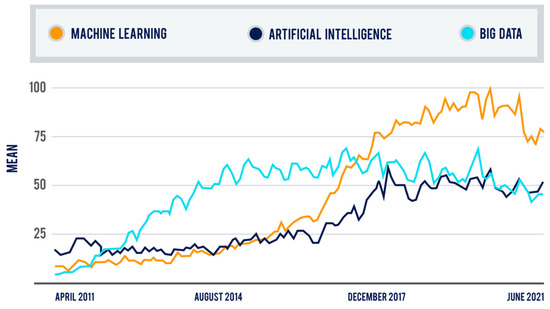
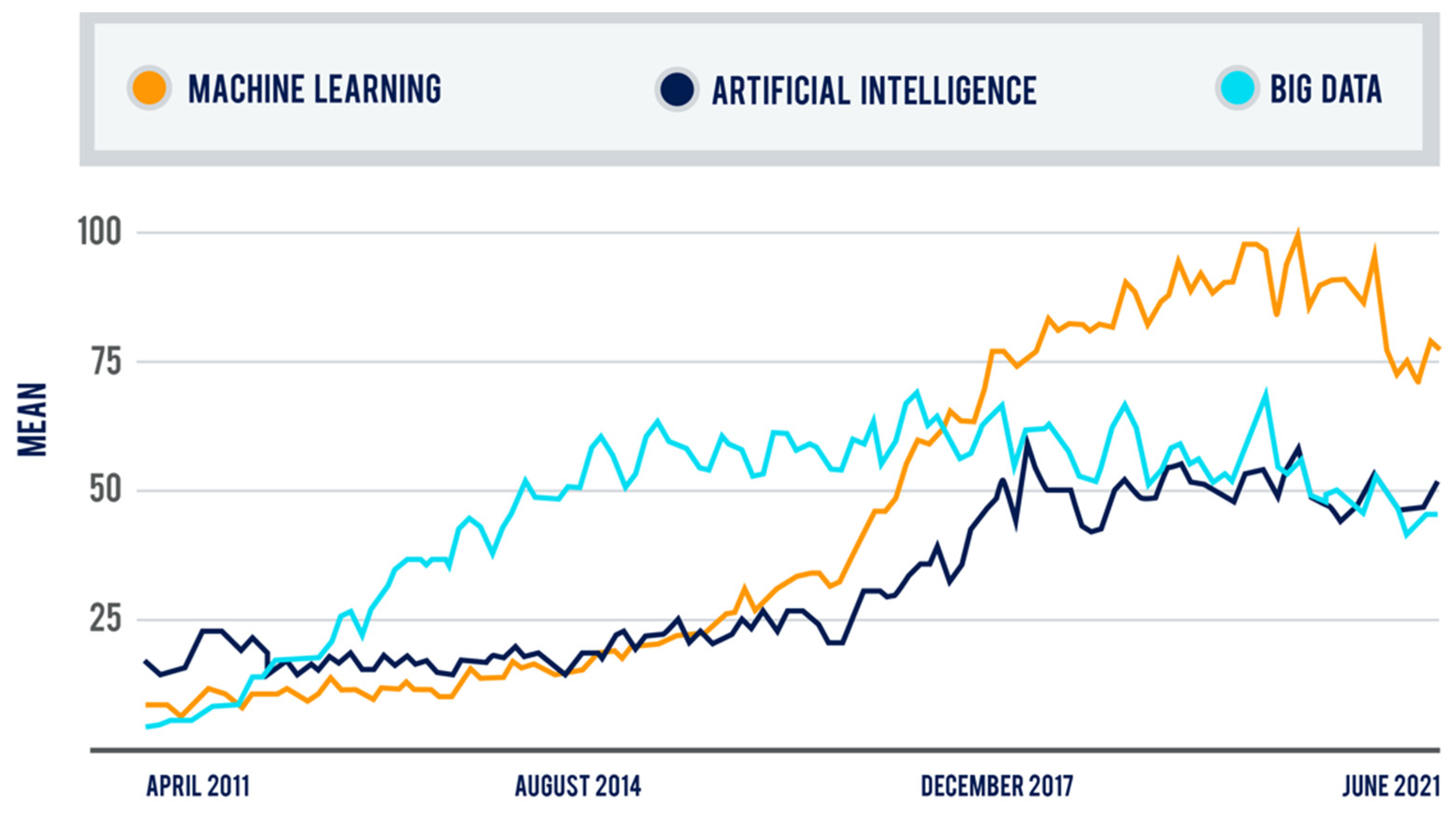
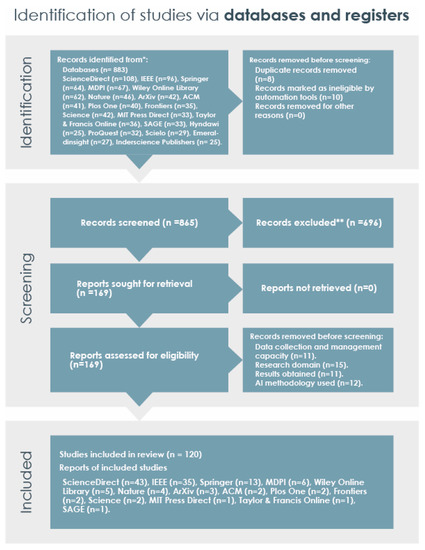
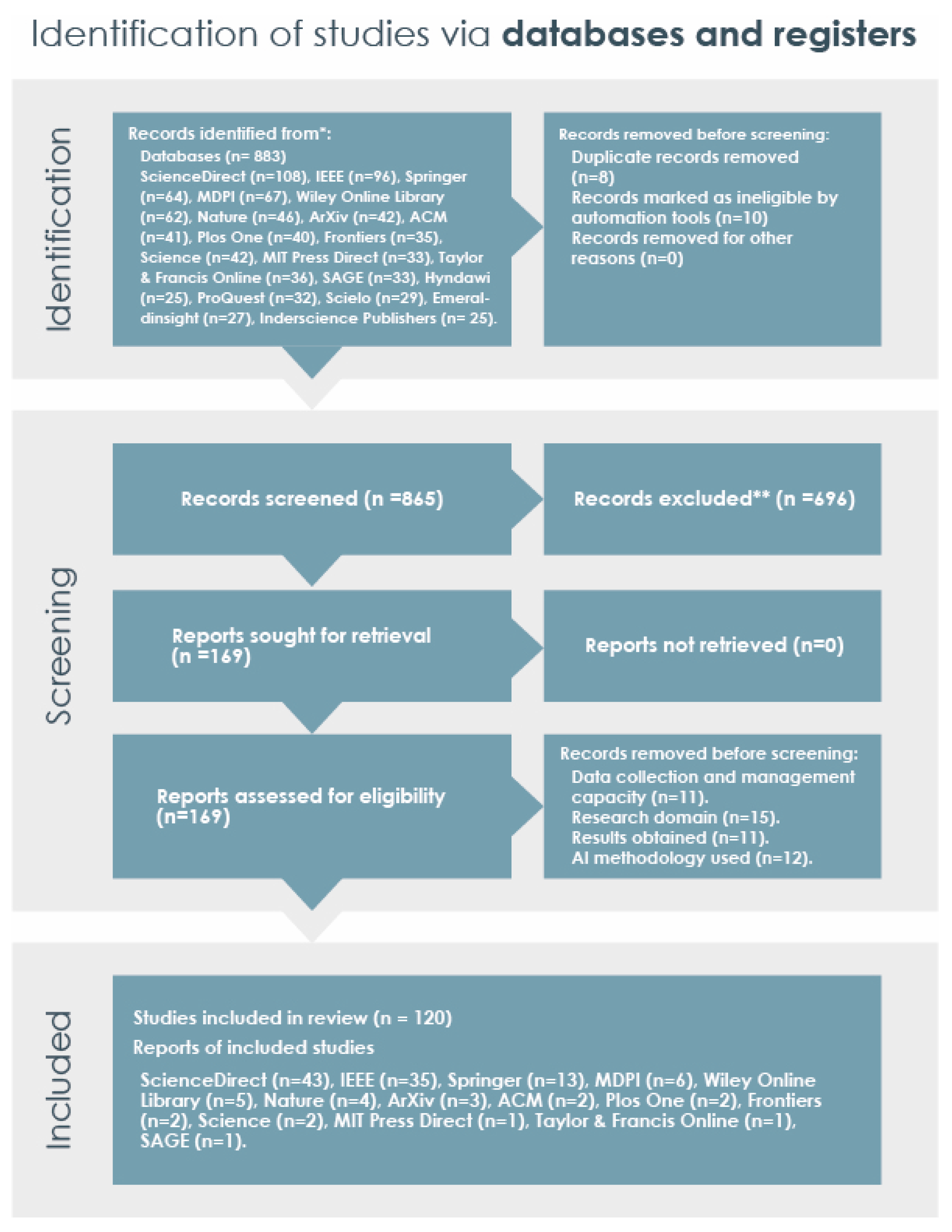
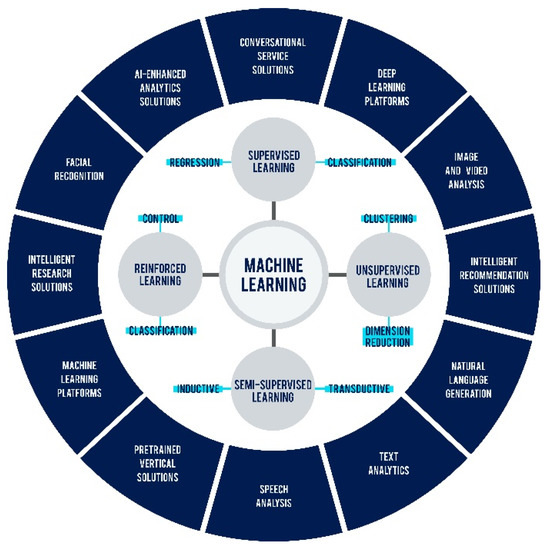
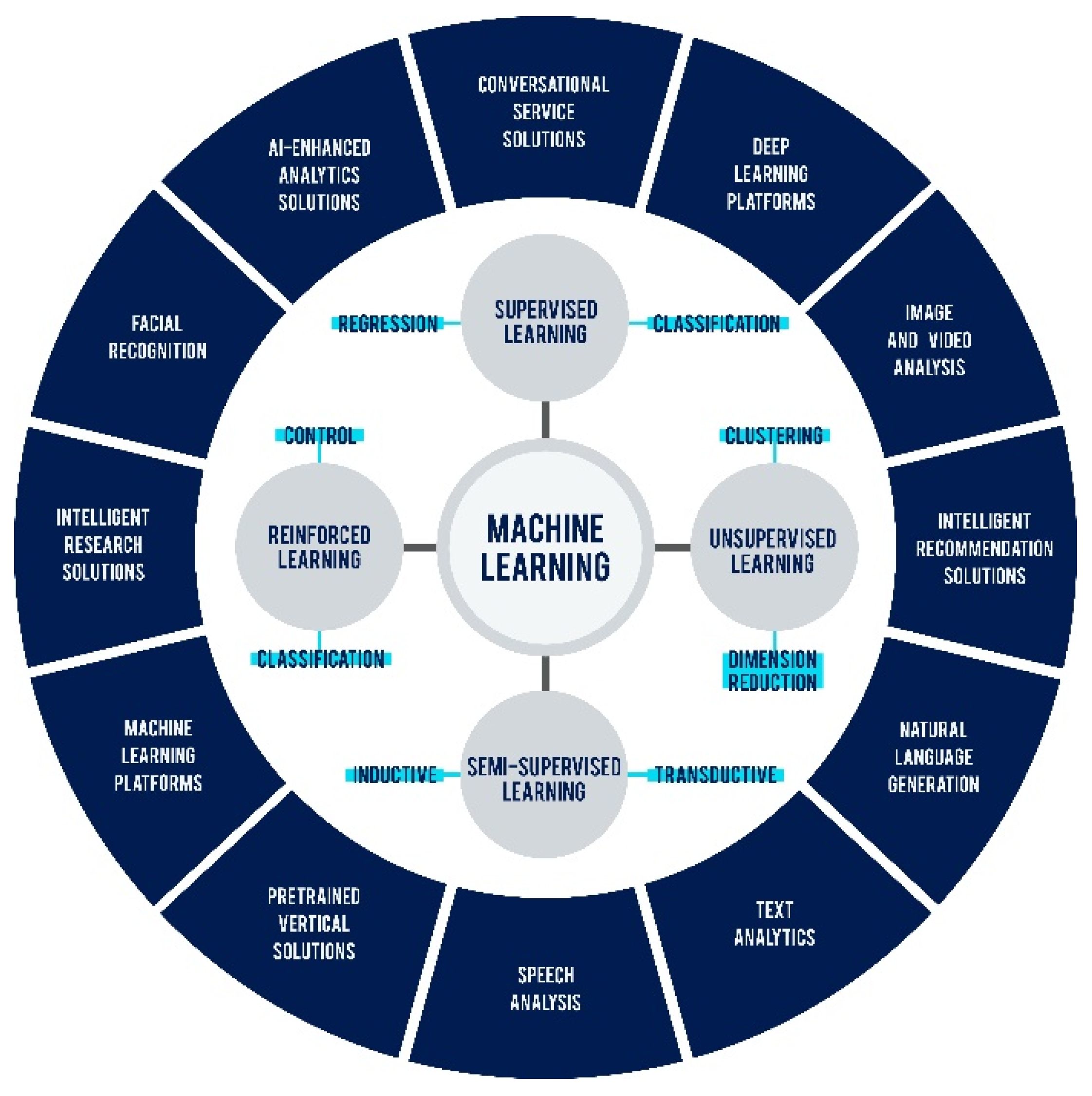
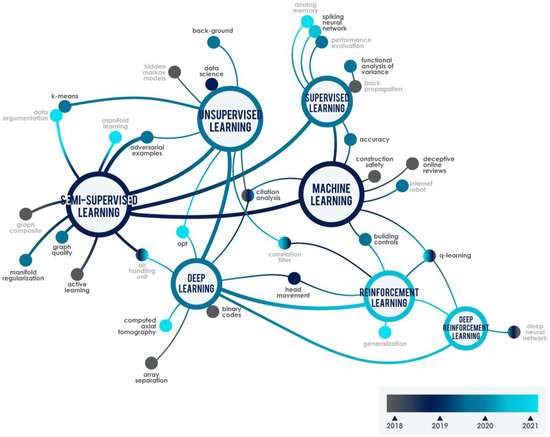
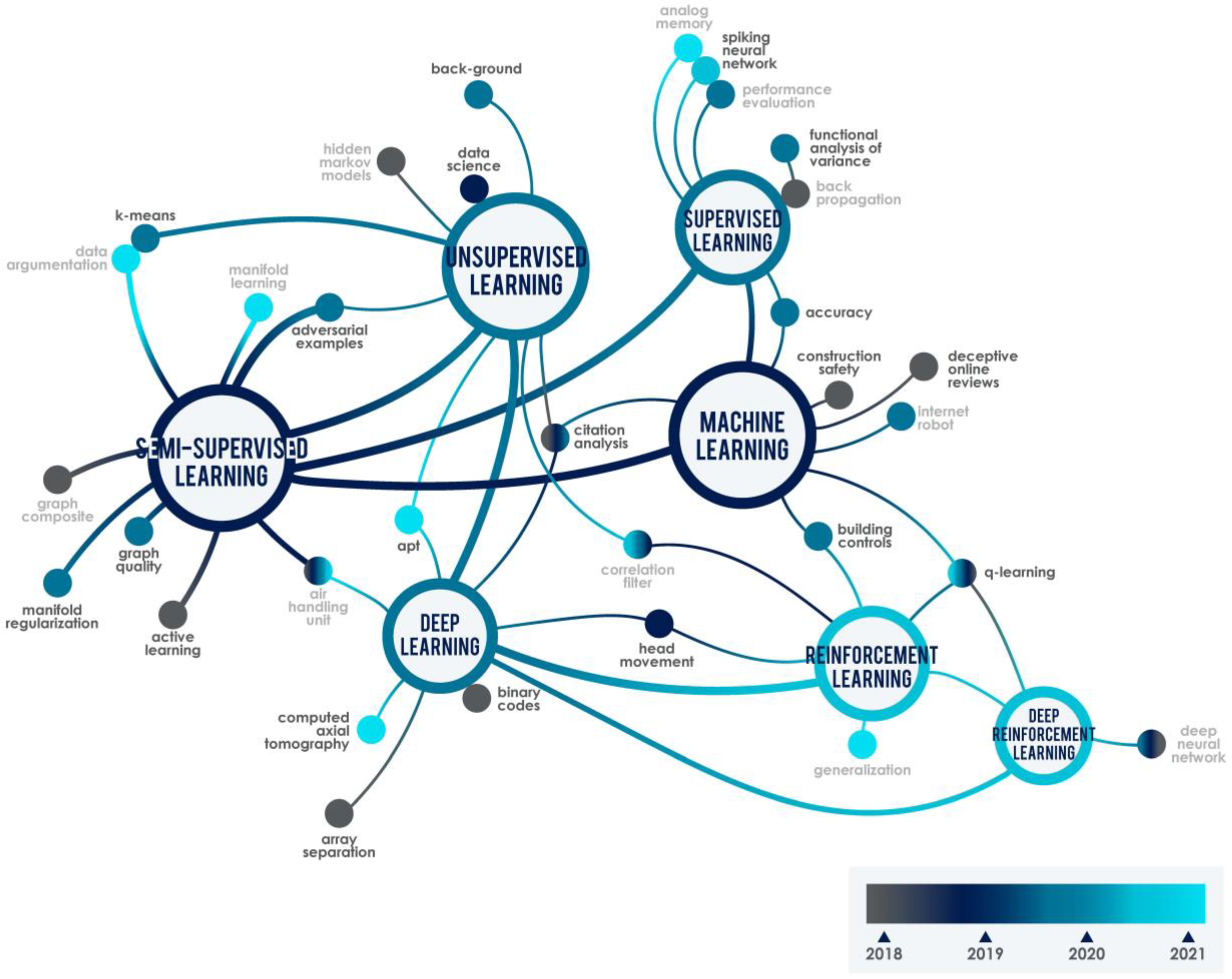
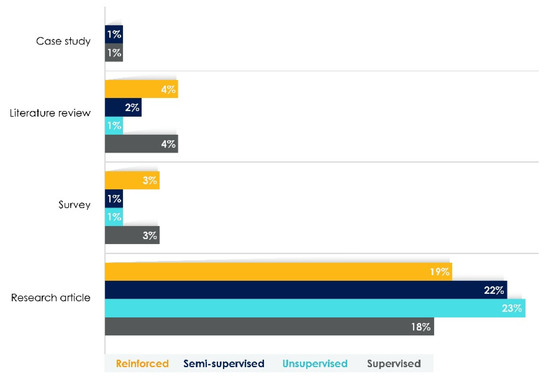
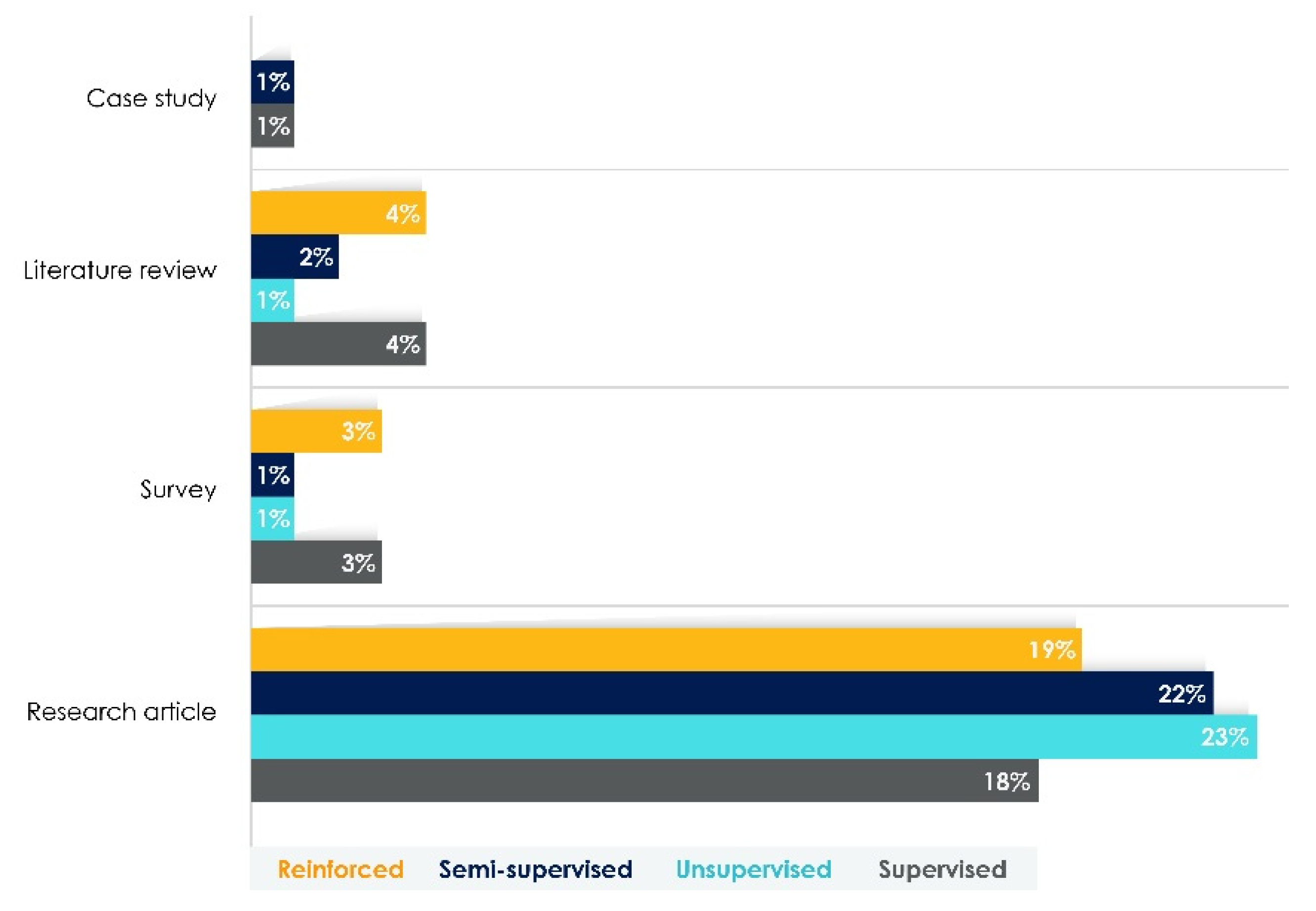
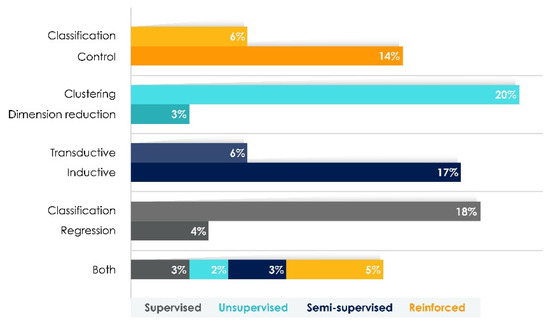
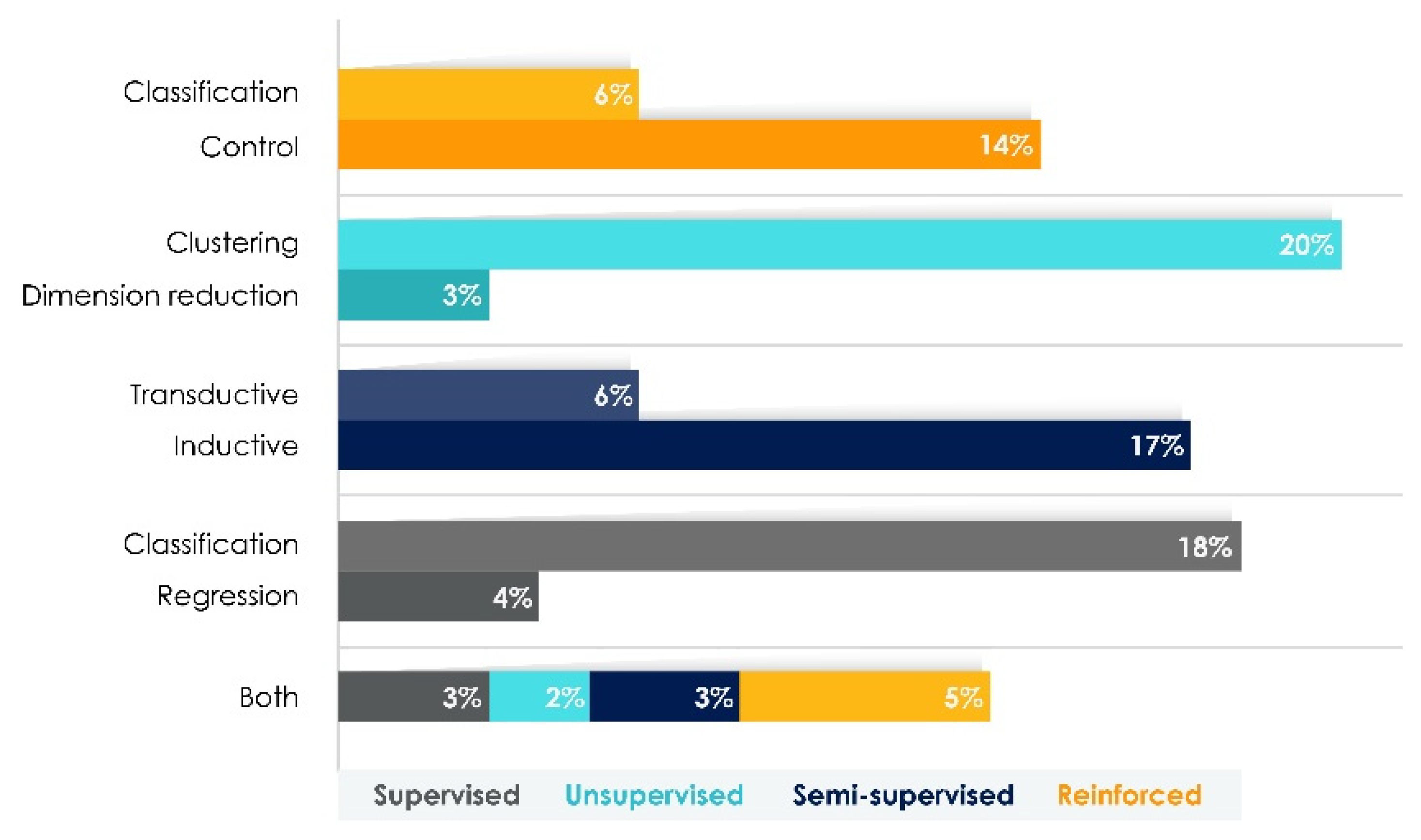
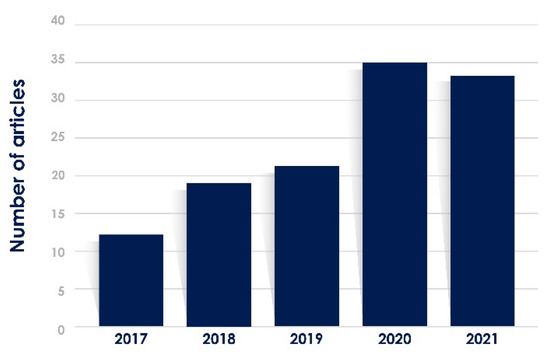
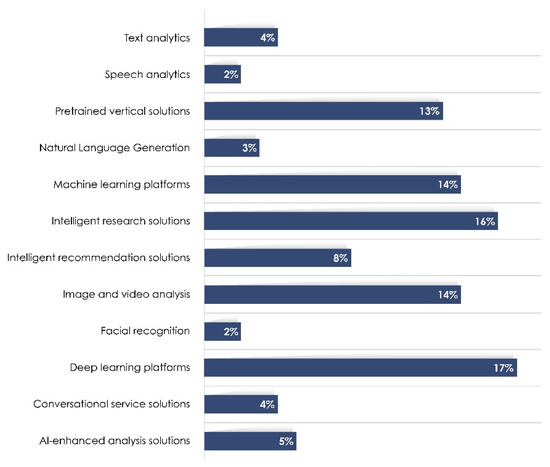

Publisher’s Note: MDPI stays neutral with regard to jurisdictional claims in published maps and institutional affiliations. |
© 2021 by the authors. Licensee MDPI, Basel, Switzerland. This article is an open access article distributed under the terms and conditions of the Creative Commons Attribution (CC BY) license (https://creativecommons.org/licenses/by/4.0/).