You are currently viewing a new version of our website. To view the old version click .
Land
  • Article
  • Open Access

8 May 2024

Sensory Responsive Environments: A Qualitative Study on Perceived Relationships between Outdoor Built Environments and Sensory Sensitivities


College of Architecture and Planning, University of Colorado, Denver, CO 80217, USA
This article belongs to the Special Issue Exploring Multisensory Landscapes: 2023 Visual Resource Stewardship Conference

Abstract

This qualitative study explored the perceived relationships between outdoor built environments and sensory sensitivities, focusing on autism, ADHD, and dyslexia. Thirty-one semi-structured interviews were conducted with participants who had lived experience with these focal groups. Through thematic analysis of their narratives, the study uncovered patterns highlighting the perceived relationships between designed landscapes and sensory sensitivities in neurodivergent individuals, encompassing both heightened sensitivity (hypersensitivity) and reduced sensitivity (hyposensitivity). Emergent themes included individual and personal factors, sensory affordances, the benefits of outdoor environments, ambient environmental factors, materiality, spatial design, navigating environments, pedestrian-centric transportation, sensorimotor movement, safety, refuge, human settlement types, social environments, and accessibility plus inclusion. Subthematic patterns within these larger thematic categories were also identified. Study participants revealed significant sensory barriers and sensorially supportive elements of designed outdoor environments, along with promising design interventions. The findings unveil the advantages of designing multi-sensory landscapes tailored to atypical sensory needs, emphasizing the importance of fostering inclusion by designing landscapes that reflect the communities they serve. This concept is encapsulated in the development of the Sensory Responsive Environments Framework (SREF), the emergent theoretical framework of this study.

1. Introduction

We live in an era of growing awareness of neurodiversity, which encompasses a range of profiles and identities such as autism, ADHD, and dyslexia, among others. As this list of recognized profiles and diagnoses expands, the fields of landscape architecture and urban design, as well as the built environment, are still attempting to understand how to accommodate these diverse needs [1]. Meanwhile, spatial and health inequities continue to affect these marginalized groups and present their families with persistent challenges. It is estimated that 15–20% of the global population falls under the umbrella of neurodivergence, with sensory processing sensitivities frequently affecting their experience of designed outdoor and public spaces, among other environments [2,3]. According to the World Health Organization [4]:
Interventions for people with autism and other developmental disabilities need to be designed and delivered with the participation of people living with these conditions. Care needs to be accompanied by actions at community and societal levels for greater accessibility, inclusivity, and support… All people, including people with autism, have the right to the enjoyment of the highest attainable standard of physical and mental health”.
The overall aims of this qualitative study were to better understand the perceived experience of environmental impacts on neurodivergent individuals with sensory sensitivities and to empower those who struggle with sensory processing challenges, alienation, inequity, and invisibility to fully participate in and benefit from designed and built environments. A participatory action approach was used to both develop the research methodology and identify design interventions in outdoor environments that can create sensorially supportive and neuro-inclusive spaces through collaboration with the neurodiverse community.
The central research question was: “How do individuals with lived experience of neurodivergence, particularly those belonging to neurominority groups such as autism, ADHD, and dyslexia, perceive the relationship between designed outdoor environments and sensory sensitivities (hypo and hyper) experienced by neurodivergent individuals?” Subsequently, two sub-questions explored perceived sensorial barriers and elements that are considered sensorially supportive by these same participants: “What are the qualitative insights of individuals who have lived experience with neurominority groups, such as autism, ADHD, and dyslexia, into the perceived barriers they encounter in relation to accessing and utilizing designed outdoor environments?” and “What are the qualitative insights of individuals who have lived experience with neurominority groups, such as autism, ADHD, and dyslexia, regarding the aspects of outdoor environments that they perceive to be sensorially supportive?”
According to the United Nations [5], approximately one in every six humans suffers from some form of neurological disorder. Additionally, a study conducted by the Center for Disease Control and Prevention [6] found that during the period from 2009 to 2017, nearly 17% of children aged 3–17 years were diagnosed with developmental disabilities, including autism spectrum disorder and attention-deficit hyperactivity disorder, or learning disabilities, such as dyslexia. Further, it is estimated that approximately 10 to 15% of children are affected by sensory processing disorders [7] (also understood or referred to as sensory sensitivities rather than disorders by some). While these startling statistics call for attention, it is important to acknowledge that awareness of neurological differences has been present for some time. This recognition has paved the way for conversations around neurodiversity and sensory sensitivities, promoting understanding of the diverse ways in which individuals experience and navigate the world.
Simply put, the term “neurodivergence” signifies a divergence in one’s brain and/or nervous system. In 1988, sociologist Judy Singer coined “neurodiversity”, suggesting that diverse neurological conditions stem from natural human genome variations [8]. It refers to groups of individuals who, while falling under the umbrella of neurodiversity, may not necessarily have a disability or medical condition to be cured [9,10]. While neurodiversity was intended to act as a non-label, unveiling the vast potential of human experiences, this language still tends to create an “us versus them” dynamic—a binary nature—which calls for, and is likely to drive, transformative changes in our language choices. Although binary approaches are becoming increasingly challenged, strategically leveraging this existing language is key to moving beyond a uniform, or to put it another way, a monotone, thought paradigm.
Neurodivergent individuals exhibit a range of cognitive processes, learning styles, and ways of processing information, all stemming from variations in brain functioning. This diversity in neurocognition exists not merely along a spectrum, but, as Finnigan [11] suggests, more aptly resembles a prism. The multifaceted nature of neurodivergence results in a diverse array of characteristics among individuals [12], including sensorial ones. Neurominorities, as described by Walker [13], are neurodivergent individuals who share intrinsic profiles such as autism and dyslexia that shape their identities. Yet, they often encounter prejudice, misunderstanding, discrimination, and/or oppression. Further, within the framework of neurodiversity, the concept of “neurotype” and the term “neuro-atypical” have emerged, providing more language options to describe those who are wired differently. In contrast to the term “neurodivergent”, the term “neurotypical” is used in the neurodiverse community for those whose neurological development aligns with societal norms [14]. While this study did not center around medical diagnoses or the quest for cures, it acknowledged and incorporated valuable insights, perspectives, and terminology from the medical community, in balance with respecting the cultural choice language of the user groups represented in this research effort.
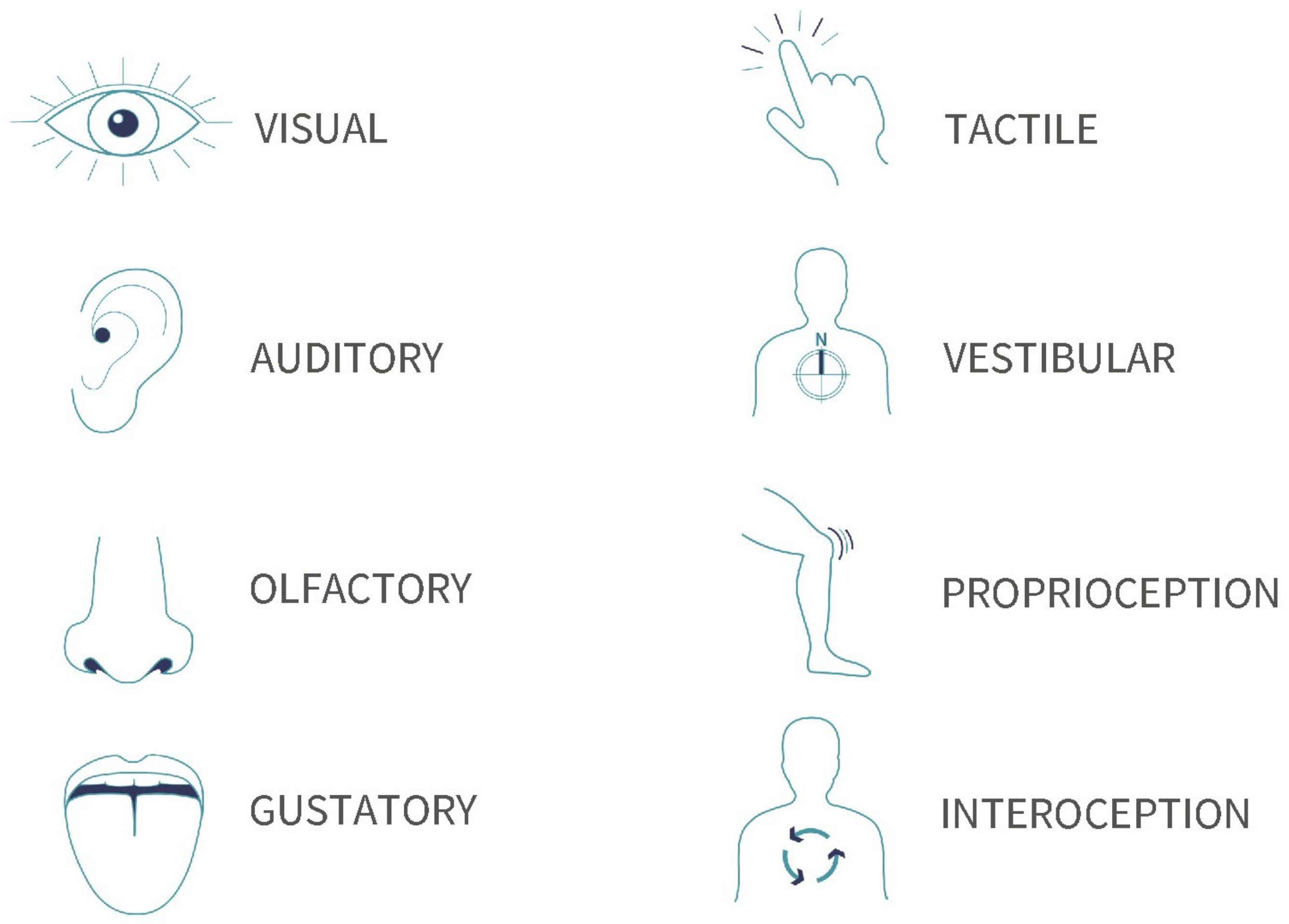
Our senses work together to create a multi-sensory experience, providing valuable information about the external world and influencing our perceptions, emotions, and behaviors [15,16]. Research has shown that difficulty in integrating and processing environmental and sensory information is commonly observed in various neurodivergent profiles including, but not limited to, autism, ADHD, and dyslexia [7]. According to Dr. Amy Wagenfeld [17], sensory processing disorders (SPD), also known as sensory modulation disorders, can significantly affect how individuals perceive and interact with their surroundings. This includes difficulties in sensory integration, which impacts various sensory systems, such as the visual, auditory, olfactory, gustatory, tactile, proprioceptive, vestibular, and interoceptive systems [16]. Our understanding of the senses has expanded beyond the traditional five senses (refer to Figure 1) to include vestibular (movement and balance), proprioception (body position awareness), and interoception (internal bodily sensations) [7,18]. However, the notion of eight senses may not capture the entire picture. As indicated by Blakemore [19], cognitive neuroscience research suggests the existence of up to, or more than, 33 distinct senses, highlighting the ongoing potential for discovery.
Figure 1. The eight senses. Figure created by the author.
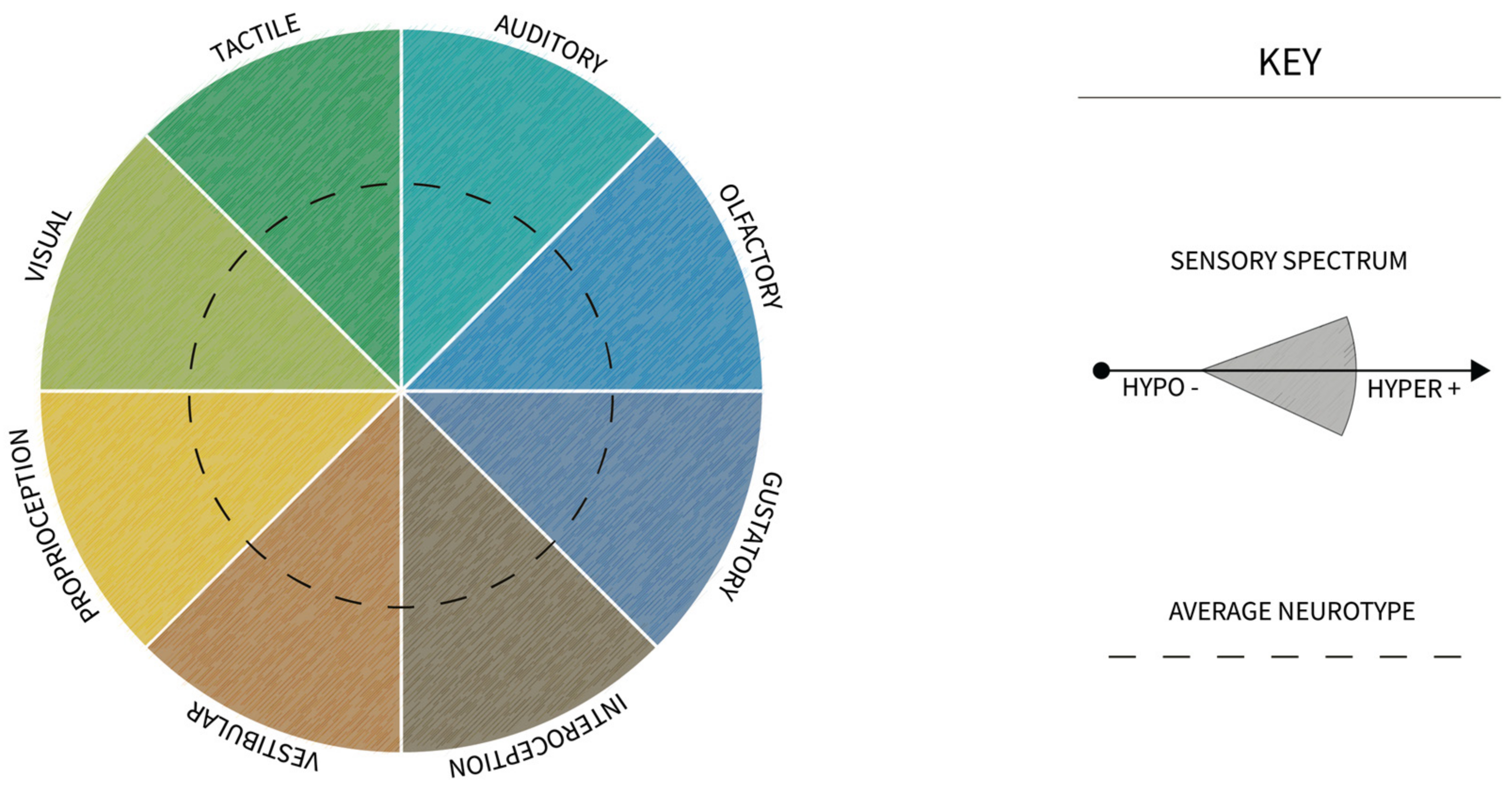
Those with sensory sensitivities may encounter two primary sensitivity patterns: hyposensitivity (under-responsiveness) and hypersensitivity (over-responsiveness) [7,20,21]. Sensory sensitivities are known to manifest in various ways, including sensory avoidant behaviors such as an aversion to touch or smells, and sensory-seeking behaviors like self-stimming (repetitive actions that help with sensory regulation). To visualize this concept, a sensory prism graphic is presented. It illustrates the spectrum of hypo- and hyper-sensitivities across the eight sensory systems as a whole, in a non-dichotomous manner [11]. While the “average” neurotype, or typical sensory system, is symbolically represented by the dashed lines in the center of The Sensorial Prism™ (refer to Figure 2), the concept of an average neurotype is an assumption that may prove to be over-simplistic.
Figure 2. The Sensorial Prism™. Created by the author.
According to the current body of literature, impaired senses can lead to motor, spatial, and social challenges. Some individuals may also encounter synesthesia, where one sensory pathway triggers another [20,22]. Difficulties in processing sensory stimuli, such as colors, patterns, artificial lighting, smells, and temperatures, have been linked to increased susceptibility in environments for neurodivergent individuals. However, the acoustic environment is considered the most significant sensory element impacting user experience for those experiencing SPD and/or sensory sensitivities [23,24,25,26,27].
Individuals with sensory sensitivities have often expressed experiencing built environments, particularly public spaces, as uncomfortable and hostile [3,9,26,28,29]. Currently, public spaces often lack considerations for neurodivergent needs, which can contribute to social, physical, and mental health issues [30]. Further adding to this lack of consideration, the Americans with Disabilities Act addresses physical impairments, yet neglects sensory needs [26,29]. This oversight highlights a significant gap in accessibility and inclusion. According to Toronyi [27], landscape architects and urban designers have a responsibility to design inclusive spaces suited for all users, beyond the current mandates of ADA compliance: “Landscape architects and urban designers are tasked with the critical responsibility to design inclusive and accessible environments for all users, including those with physical, sensory, developmental, or cognitive disabilities. The autistic and neurodivergent community is one of many underserved disabled communities whose needs are not addressed in ADA standards or in Universal Design”.
Although there are remaining gaps, efforts to create spaces and design guidelines addressing sensory experiences in autism have occurred, for instance, with Mostafa’s The Autism ASPECTSS™ Design Index and other guidelines [26,31], as well as recommendations from Sachs [32] and Gaines [33]. These available guidelines mainly target autistic children, indoor environments, and/or specific therapeutic settings. While significant progress has been made, voids exist in understanding sensory needs and design strategies for other neurotypes and autistic adults as they navigate the public world, particularly in designed and built outdoor environments. Additionally, the scarcity of data on neurodivergent adults holds the potential to mislead us into thinking that neurodivergent individuals fade away in adulthood, or simply disappear; they do not.
More comprehensive research spanning generations is necessary to formulate inclusive strategies that address the multi-generational needs of neurodivergent individuals in built environments. This is essential as individuals navigate the demands and expectations of daily life which depend on, and are supported by, the environments we design and build. In the design of these spaces, it is imperative to consider who we are including and who we might be inadvertently excluding due to overlooked sensory sensitivities and invisible disabilities. Recognizing the ongoing debate about the multitude of human senses emphasizes the need for a continuous, adaptive effort to both seek out understanding of, and design spaces that accommodate, these diverse and inherently human experiences. By engaging with lived experiences, we can begin to chart a course toward creating environments that are more inclusive and accessible for those with invisible disabilities and sensory sensitivities.

2. Materials and Methods

Tracy [34] elucidates that qualitative research, as demonstrated through the phronetic iterative approach utilized in this study, diverges from conventional lab experiments by emphasizing deep engagement, interpretation, and the blending of theory with empirical data, all the while highlighting the importance of self-reflexivity and socio-historical contexts. Building on this theoretical backdrop, this research study explored the complex interplay between sensory sensitivities, neurodivergence, and the design of public-facing outdoor built environments.

2.1. Methodological Approach

Incorporating a diverse array of theories and methodologies, this study aimed to tackle critical issues, understand lived experiences, and provide detailed insights primarily in line with the phenomenological approach. The research methodology was also inspired by participatory action research (PAR), as it aimed to invert the traditional top-down approach to knowledge generation. Foucault’s quote, as cited in [34], resonates with this focus: “When knowledge, education, and credentialing are only available to dominant, powerful, and wealthy people, the knowledge of subordinate members—which may be crucial for understating a research problem—is often hidden, ignored, or undermined”.
To gain a comprehensive and nuanced understanding of cultural phenomena from the perspective of those within the culture being explored, this study also adopted an inductive emic approach, meaning it focused on understanding from the insiders’ viewpoint. This involved immersing into the culture to provide thorough insights into cultural circumstances, delving into polyvocality, exploring the political complexities of public land and shared spaces, examining broader societal issues of equity, diversity, and inclusion, and critiquing the originating power structures. Building on this, the research approach intentionally moved beyond the confines of diagnoses, peeling away the reductive lens. Instead, it focused on the user experience of individuals with sensory sensitivities, emphasizing engagement with the lived experiences and perspectives of study participants rather than predetermined criteria and constraints.
Through a review of the literature, insights into the current and adjacent design recommendations in the field, the neurodiversity movement, contemporary disability models, medical understanding, relevant historical background, and associated theories were recognized as sensitizing concepts. Identified early in the research process, these concepts served as a foundational starting point and were instrumental in guiding a cross-analysis with the study’s findings. Alongside the literature review, input from members of the neurodiverse community further enriched the understanding of key issues and the shaping of the research framework, which was instrumental in developing interview protocols that effectively engaged study participants.
With its phenomenological focus, the IRB-certified portion of this qualitative research employed a semi-structured interview protocol. Open-ended questions allowed participants to freely express their thoughts, capturing the rich and varied aspects of their lived experiences (the interview protocol is available in the Supplementary Material). It delved into the complexities of their identities and sensory experiences in relation to designed and built outdoor environments, specifically probing sensory discomfort, sensory support, and environmental impacts. Additionally, including questions about participants’ suggestions for improving outdoor spaces and their advice for designers reflects the participatory and action-oriented aspect of this study, generating insights and recommendations for practical applications and providing a preliminary roadmap for transformative change.

2.2. Participant Data and Sampling

Purposive sampling techniques, including maximum variation and snowball sampling, were utilized to select participants with lived experience with autism, ADHD, and dyslexia. To ensure a comprehensive understanding of the neurodivergent experience, the study included participants with secondary and professional lived experiences, in addition to those with firsthand lived experiences, to account for individuals unable to provide informed consent to participate themselves as required by IRB requirements. This study adhered to ethical research standards and received IRB certification (COMIRB number: 22-2175).
Given the complexity of the subject matter, which encompassed overlapping identities, diagnoses, experiences, and perspectives, data saturation was achieved with a robust participant cohort of thirty-one, ensuring the study’s rigor. For instance, many with professional (“P”) experience supporting members of the neurodiverse community also had firsthand (“F”) and/or secondhand (“S”) familial experience with neurodivergence and sensory sensitivities. To address this complexity, personal identifiers, such as “SF”, were used to align the interviewee’s perspective with the discussion. For clarity, the first introduction of a participant’s pseudonym in a section will include a quotation with their identifier, providing context for readers to understand the perspectives they represent. For example, a professional experience with reference number may present as “P1”.
Direct quotes were extracted from interviews to comprehensively portray the perceived relationships of lived sensory experiences in outdoor environments. While many participants commented on specific themes, only a few quotes were selected to illustrate emergent themes and highlight participant narratives in the thematic narrative analysis. Minor spelling and grammar edits were made to enhance readability while preserving participants’ voices and content. Respect and acknowledgment for individual identity preferences is reflected in the participant data table and thematic narrative analysis, which includes preferred pronouns (e.g., She/They), preferred pseudonym if expressed (otherwise, one was assigned), and preferences for either person-first or identity-first language.
Participant recruitment (see Table 1) involved community organizations supporting neurodiverse communities, academic networks, professional networks, and personal networks. Half of the participants were from Colorado, while others were associated with six additional states in the USA (New Mexico, Ohio, Texas, Iowa, California, New York, and Washington). Diligent efforts were made to ensure equitable representation across various recruitment sources.
Table 1. Participant data.

2.3. Analysis Process

Informed by phenomenology, this study utilized a qualitative approach for analysis. Thematic narrative analysis was employed to delve into the stories and experiences shared by participants, allowing themes to emerge during interview transcription. This approach aligned with the phenomenological principle of letting the data speak for itself, aiming to capture the underlying structures and meanings of participants’ subjective experiences.
Primary and secondary coding were conducted, followed by a negative case analysis to explore instances or perspectives contradicting emerging themes. The analysis process was iterative, involving cycles of reflection, revisiting the data, literature, and refining interpretations. While also integrating elements of triangulation to ensure methodological rigor, a crystallizing approach was adopted to embrace the complexity and multiplicity of insights.
Elements of Triangulation in the Study:
  • Semi-structured Interviews: Interviews with participants from different perspectives captured a range of lived experiences related to neurodivergence and sensory sensitivities.
  • Member Checks: Engaging with participants at numerous stages helped to ensure findings were representative.
  • Peer Reviews from an Interdisciplinary Thesis Committee: Scrutiny by experts from different disciplines added validation and reduced disciplinary biases. The research greatly benefited from the contributions of the thesis committee:
    • Dr. Temple Grandin (Colorado State University) provided insights into sensory processing challenges and autism, informing the study’s conceptual framework.
    • Dr. Soumia Barhan (University of Colorado) contributed her expertise in qualitative research methodologies and intercultural rhetoric, enhancing research protocols and analysis.
    • Dr. Jody Beck (University of Colorado) offered perspectives relevant to the fields of landscape architecture and urban design, along with his expertise on the interplay between politics and landscapes.
    • Associate Professor Joern Langhorst (University of Colorado) was pivotal in the initial development of the study, including a preliminary independent ethnographic study, and securing IRB Certification to ensure ethical standards.
    • Dr. Amy Wagenfeld (University of Washington), as an occupational therapist and design consultant, served as thesis reader, bolstering the study’s interdisciplinary applicability.
Elements of Crystallization in the Study:
  • Literature Review with Theoretical Frameworks: In the context of crystallization, using the literature to establish a theoretical framework helped to integrate and compare the study’s findings with broader theoretical contexts, enriching the interpretation.
  • Self-Reflexivity and Auto-Ethnographic Insights: The incorporation of the researcher’s self-reflexivity, detailing potential biases and assumptions, along with an auto-ethnographical report of their personal history with neurodiversity, sensory sensitivities, and independent ethnographic work within an autistic and neurodiverse community, enriched the research process. This is available in the introduction section of the full study [11].

3. Findings

The findings of this qualitative research captured lived sensory experiences in outdoor settings for members of the neurodiverse community, revealing emergent themes across various perspectives, diagnoses, and identities, and offering insights into the nature of atypical sensory experiences in outdoor settings. While the insights are not based on quantifiable measures, the contributions made by participants to specific emergent themes are acknowledged. To assist readers in understanding the qualitative data, emergent themes are presented in Table 2. Each theme is accompanied by a symbol (≥) denoting the number of study participants associated with each in intervals of five, representing the theme’s strength, which often exceeds the minimum prescribed requisite of three participants to discern a thematic pattern.
Table 2. Emergent themes: experience of outdoor environments.

3.1. Thematic Narrative Analysis

Many landscapes are purposefully designed, modified, and constructed for human use across various settlement types, such as urban, suburban, and rural areas. They serve a range of purposes, including recreation, social gathering, play, health and wellness, transportation, and commercial activities, among other functions. The designed and built outdoor environments relevant to this study include, but are not limited to, parks, plazas, event spaces, streetscapes, transportation systems, educational settings, workplaces, and commercial environments. Meaningful access to these landscapes significantly impacts individuals’ overall quality of life, well-being, and societal participation, while also influencing social interactions, health equity, and economic opportunities. The research findings revealed a thick description of neuro-atypical sensory experiences in outdoor built environments, emphasizing the relevance of understanding and accommodating unique sensory needs in the planning and design of these human environments.

3.1.1. Individual and Personal Factors

The sensory themes and perspectives in the narratives of individuals with lived experience in neurodivergence (specifically autism, ADHD, and dyslexia) encompassed hyposensitivities (reduced sensitivity and/or sensory-seeking behaviors) and hypersensitivities (heightened sensitivity and/or sensory-avoiding behaviors). These sensitivities spanned various sensory modalities as they related to designed environments. Among the participants, roughly half reported lived experiences with hyposensitivities, while the larger majority expressed experiences with hypersensitivities, with many reporting both hypo- and hyper-sensitivities. These experiences, which included sensory stacking, collectively encompassed all eight sensory systems represented in this study. They were expressed by individuals with various diagnoses, neurodivergent identities, and perspectives, including firsthand, secondhand, and professional experiences.
While many participants mentioned difficulties with spatial awareness, balance, and the need for sensorimotor movement, specific terminology to describe experiences with proprioception, vestibular, and interoception were not readily accessible for most study participants. For ease of understanding, these sensory systems were collectively referred to as “body senses” rather than “foundational senses” during interviews. This is a term that, while not officially recognized in neuroscience or occupational therapy, helped facilitate more accessible discussion about these foundational sensory experiences for study participants.
Participants approached discussions of their sensory experiences in varied ways. For instance, some explicitly described their sensory experiences with fluidity at the interview’s outset, while others framed their sensory challenges within environmental contexts, such as being challenged by traffic noise. Some noted that they viewed their sensory experiences as “normal” at one point in their lives, only later realizing they had unique sensitivities. The diverse range of sensory experiences within ADHD, dyslexic, and autistic profiles emphasized the importance of recognizing individual differences and adopting flexible, varied approaches to understanding and designing responses. Moreover, many—particularly women—expressed missed or misdiagnoses. Some study participants also linked past traumas to their sensory perceptions.
For many participants, their semi-structured interview became an opportunity for self-discovery and reflection. By taking the individual and personal factors into consideration, the groundwork was set for interpreting the following findings with an open and empathetic approach.

3.1.2. Sensory Affordances

The majority of participants emphasized the role of sensory affordances—features that can either support or hinder sensory experiences—in designing supportive spaces for neurodivergent individuals. Designing for sensory affordances in outdoor built environments involves going beyond the classic five senses to include proprioception, vestibular, and interoception, focusing on addressing sensory overwhelm and underwhelm, minimizing accessibility barriers, and acknowledging the impact of inherently multi-sensory environments.
Both sensorially distressing and sensorially supportive environments were noted to impact the well-being of the neurodiverse community in various outdoor settings like active transportation systems, streetscapes, parks, commercial settings, and academic environments. Most study participants pointed out the absence of designed landscapes tailored to meet neurodivergent needs across various geographic regions in the United States, highlighting that existing outdoor built environments fail to address their sensory requirements and are inadequate in sensory affordances. This oversight was often expressed as being tied to a sense of isolation and limited opportunities for neurodivergent individuals due to sensory barriers including certain smells, bright lights, visual overwhelm, excessive noise, and poor sensorimotor engagement opportunities.
Moving on to specific examples, Raya (PS26), an occupational therapist, among other expertise, discussed her experience in finding outdoor environments designed with sensory impairments in mind in her coastal city. She expressed, “They’re very, very hard to find. I will visit, you know, play spaces that are ‘universally designed’ shall we say? And I can’t figure it out. I can’t, I think no, you’ve missed the mark. You’ve missed the mark. You’ve missed the mark”. She shared her perspective on the design of sensory gardens, stating, “Like, no, you’re only very cursorily hitting the five basic senses. You’re not considering proprioception, not considering the vestibular sense. You’re not considering interoception”. She went on to explain that her city attempts to consider designing sensorially supportive spaces, but that there are shortcomings: “It’s a lack of understanding… Many of the spaces just don’t provide sensory affordances. And just because it’s a new and novel thing…” She proceeded to clarify that “it’s not new and it’s not novel, it’s just not understood”.
DeeJay (FS20) added to this sentiment, expressing, “There’s just so many [spaces] that are not accommodating. It’s endless… The exception is the spaces that are”. DeeJay shared their search for a trail catering to neurodiverse sensory needs. They explained, “I have a friend, he’s a landscape architect. He’s telling me about it… it’s a neurological trail, and it’s not up here… I’ve been looking for it”. Their quest for a neuro-inclusive trail that offers sensory affordances in the Pacific Northwest resembled the metaphorical search for the Holy Grail. Importantly, this search signified an achievable aim and the potential to create inclusive public spaces that cater to these unique, yet innately human, sensory needs.
The preceding quotes represent a small sample of narratives collected from more than 20 study participants, directly focusing on the challenges neurodivergent individuals and neurodiverse families face regarding limited sensory affordances in designed environments, emphasizing the absence of landscapes catering to their needs.

3.1.3. Human Settlement Types

The study involved participants from rural, suburban, and urban areas, focusing on the distinct perceived challenges and preferences of each, especially regarding sensory attributes and population density. It emphasized that different settlement types present particular challenges for neurodivergent individuals in domains such as designed outdoor environments, support services, transportation, safety, housing, and medical care, which were often communicated as not fully addressing their needs and limiting their options and opportunities. The next section will explore how environmental factors influence the experience of neurodivergent individuals with sensory sensitivities and sensory processing challenges.

3.1.4. Benefits of Outdoor Environments

Investigating the intricate connection between neurodivergent individuals and their sensory experiences, this qualitative study provided insights into the potential therapeutic effects and sensory comfort that outdoor spaces, especially natural environments with lighter anthropogenic intervention, can offer. Building on this understanding, many participants reported experiencing sensory distress in public-facing indoor environments, and found outdoor settings to generally be more supportive of their sensory needs.
For instance, Susan (PS25) described indoor spaces as sensory nightmares: “So many indoor spaces are sensory nightmares, with bright lights and loud sounds… For instance, when I go to Safeway, the temperature feels like 40 degrees, and the music is way too loud and awful… The whole experience is a sensory nightmare”. In addition to shopping facilities, numerous participants expressed sensory-related challenges in many other public indoor settings, including K-12 schools, workplaces, studios, and academic venues, and discussed the detrimental effects of enduring prolonged sensory distress. This suggests an opportunity to leverage landscapes and natural settings to help alleviate sensory distress for individuals with atypical sensory systems experiencing sensory overload from overstimulating indoor environments, such as shopping centers.
As participants discussed sensorially supportive aspects of outdoor environments, a pattern emerged for preference of natural settings such as forests, gardens, nature parks, and trails. For instance, Gabriel (PF17) shared, “Nature is incredibly therapeutic and usually advantageous. On the positive side of things, I’ve taken clients to gardens and witnessed a palpable effect on both them and ourselves… Tranquility and peace”. Gabriel also emphasized the importance of natural lighting and incorporating plants as much as possible.
Further, several participants alluded to a spiritual connection from their time spent in nature, like DeeJay (FS20), who shared their sense of elation: “I have intense sensory encounters with nature, particularly through visuals. I feel a synesthetic connection with my vestibular system, where I almost feel suspended in a moment that can last for what seems like a long time. It’s not all bad [in reference to sensory sensitivities]… I love going outside in nature and moving around, whether it’s dancing or engaging in free-form movement”.
Interview participants lauded nature’s therapeutic and calming effects on sensory well-being, highlighting the supportive roles of biological and geological elements such as greenery, biodiversity, and natural water bodies over anthropogenic elements. Reflecting this, Elijah (F9) described his ideal sensory-supportive space: “I would love to see biodiversity, orchids, and trees. I also enjoy the presence of interesting caterpillars because animals keep me calm. Additionally, bird sounds, especially in the morning, help me find peace”.
There was also an indication that incorporating natural patterns could be beneficial. Big Casey (S22) shared: “One of my autistic kids cannot step on cracks and sidewalks. They confided in me, and I explained that I had the same problem when I was younger. In the city, there may be too many regular and repetitive patterns, which can be overwhelming. In trails and open spaces like this, there are no linear regulated steps that you have to step over; you’re just in nature. So, urban areas may feel too repetitive, concrete, and artificial”.
Gigi (F23) also explicitly favored landscape design that follows natural patterns and contours: “It’s more pleasant when it follows contours of the land… In gradual curves and shapes and to sort of follow contours… not necessarily hide it in the environment but take its cues from the environment”.
While outdoor natural spaces, particularly those with abundant wildlife, lush vegetation, water, and unaltered geological features, were described as sensorially supportive by the majority of study participants, many also pointed out various difficulties related to the certain unappealing sensory aspects of such environments, like encounters with flying and stinging insects and the tactile sensation of dirt or plants.

3.1.5. Ambient Environmental Factors

The qualitative insights of this study presented connections between ambient environmental factors, including noise pollution, artificial lighting, atmospheric conditions, and environmental scents, and their influence on the sensory well-being of neurodivergent individuals. Notably, noise pollution emerged as a leading contributor to sensory distress in outdoor environments, with traffic-related noise, crowds, and echoes being particularly disruptive.
For instance, Kira (F8) shared the impact of noise on her well-being: “… traffic is a huge thing for me… Really loud, sudden noises which tend to happen when you’re near busy traffic centers”. She expressed her challenges in urban environments: “I struggle with those types of environments… Even at city parks, it’s not relaxing, it’s not enjoyable. There’s still too much movement. I can still hear all the city sounds, all that kind of thing”. The findings demonstrated that noise from human-made sources, such as loud music on trails, noisy playgrounds, industrial sounds, shouting people, crowds, repetitive sounds like lawn mowers, and sudden loud noises (like school bells), can impede neurodivergent individuals from fully accessing or enjoying places and activities. Participants expressed favor towards anthropogenically quiet settings, like trails and parks where biophonic and geophonic sounds, like moving water and bird song, provide a serene escape from urban noise.
Many participants found artificial lighting overwhelming and preferred natural lighting, highlighting the need for lighting improvements in outdoor environments that consider factors such as temperature, brightness, flickering, placement, and access to natural light to reduce visual sensory barriers. For instance, Ruby (S10) shared her experiences and observations regarding her neurodivergent child’s sensitivity to light: “Places where there’s a lot of really artificial light, temperature-wise, are not preferred. He prefers both a warmer temperature and lower voltage”. Ruby noted that bright blue light (4000 K+) can be overwhelming and described how natural light is more beneficial for her child’s well-being, stating, “Natural sunlight makes a big difference for him… I notice a substantial difference in mood”. Adding to this, numerous participants raised concerns regarding their sensitivity to flickering lights and flashing stimuli like Brooke (F14) who shared, “100% flickering of lights, that is just like, oh, nothing gets me worse”.
Several study participants expressed heightened sensitivity to various scents, such as synthetic fragrances, body odors, and food, with the majority expressing favor for natural scents related to plants and flowers. For instance, Damien (F21) found solace in the scent of a tree on a college campus, which provided a comforting presence in an otherwise unwelcoming environment: “They had a park in my community college… Well, it was actually just a bench under a really big tree. And I would sit down at the park bench, even in times when I felt like I wasn’t really welcome at school. I’d just close my eyes and take a nap. The tree was in the sun but provided a little bit of shade. It looked like one of those Japanese trees, like sometimes [that] would have cherry blossoms—a flowering tree. It had a scent of cinnamon and peppermint, and it created a really peaceful atmosphere… gave off a nice scent that was comforting”. Earlier in the interview, he highlighted the significance of the cinnamon scent as part of his envisioned ideal sensorially supportive place. This observation suggested a connection between place, scent, memory, and a feeling of welcoming and inclusion.
While scents from nature were often expressed as comforting and inviting, there were those who expressed sensitivity and aversion to anthro-odors like cigarette smoke, trash, perfumes, and body odors. For example, Tulip (SF27) shared her neurodivergent son’s struggles with olfactory hypersensitivity: “Anytime we went to the grocery store, I would end up having to leave the grocery store and lose the groceries there and take them [referring to her children] home. We could not get through the grocery store… It was the smells, the smells of the people…”
Atmospheric conditions, like temperature and air circulation, and allergens, like pollen, dust, mildew, and wildfire smoke, were also observed to impact sensory comfort for those with sensory sensitivities. Some participants shared that they were sensitive to extreme temperatures, with both heat and cold prone to trigger sensory overwhelm; a couple of participants attributed this to delayed temperature sensitivity.
In summary, the qualitative insights gained from this study emphasized the potential effects—both detrimental and beneficial—of ambient environmental factors within designed environments on the overall sensory experiences of the neurodiverse community members represented in this study. The findings also highlighted that discerning anthro-stimuli (originating from human activities) from bio-stimuli (originating from biological sources other than humans) and geo-stimuli (stimuli that are geophysical) for ambient environmental factors may be key in distinguishing sensory-friendly and sensory-hostile environments from one another for the neurodiverse community. Design strategies recommended by participants to enhance sensory comfort included utilizing ambient buffers, thoughtfully selecting and placing materials (including living materials), consciousness in site selection, and strategic spatial layout.

3.1.6. Materiality

This study revealed that the selection of materials in design can play an impactful role in accommodating the unique sensory requirements of neurodivergent individuals. A noteworthy inclination for natural materials emerged, with discomfort noted in artificial environments lacking material authenticity, a concept introduced in this study. Participants also expressed strong preferences for stable walking surface materiality and muted colors in landscape design.
“Material authenticity” refers to the use of natural materials—such as wood, stone, and natural fibers—alongside other elemental features in the design and construction of environments, over synthetic or artificial alternatives. This concept aims to create sensory-friendly environments that not only enhance user experience but also foster a connection with the natural world. Such environments were perceived as soothing and stabilizing for individuals with atypical sensory systems. Conversely, environments that lack material authenticity, opting for synthetic or highly processed materials, were perceived as less inviting and even discomforting to these same individuals, as suggested by the research findings. Specifically, chrome emerged as a visually disconcerting material in several interviews, described as cold, uncomfortable, and devoid of emotional appeal. For instance, Gigi (F23) shared that “chrome is the worst offender”.
Damien (F21) highlighted how artificial environments exacerbate his feelings of isolation, emphasizing the need for genuinely inclusive designs that resonate on a natural level. He stated, “you want to make something really inclusive, yet they feel natural. Because autistic people, people who aren’t normal, people who are deaf, people [who] are blind, they can tell. There’s something in the gut that there’s just [something] off about it, whether it’s like, some postmodern art or structure…” He further emphasized the importance of making things feel real and holistic, while acknowledging the chaotic nature of human experience, saying, “The human experience is just kind of chaotic… You have to run towards that kind of chaos and just embrace it, and smile at it”.
Building on this understanding, the findings indicated the potential for materiality to provide a sense of grounding and comfort for neurodivergent individuals. Doe (F6) offered an illustration of this concept, stating, “If I’m walking outside, I experience material in different ways. For example, a building made of stone, but with a certain color, shade, and materiality, like a wood floor… I could feel it. If I don’t feel anything, I feel like I’m floating. I have to feel something to know where I am”. Doe added, “And a lot of texture… I want something textured, feeling, and something that tells me I can interact”. Doe’s perspective shed unique light on how sensory feedback from materials can establish a sense of grounding, orientation, and place.

3.1.7. Spatial Design

The research findings suggest the importance of accommodating diverse sensory needs through careful site layout of public-facing environments. Emergent themes included the perceived value of providing a variety of sensory opportunities in distinct areas and achieving a strategic balance between open and enclosed spaces.
In a similar vein to openness and enclosure, the concept of proxemics—especially concerning personal space and sensory overload in social contexts—was frequently discussed. Interestingly, it was often brought up in the context of excessive activity, prompting the combined discussion of both proxemics and dynamic elements. Some participants expressed their exhaustion with focusing on specific objects or environments with excessive movement like busy roadways, while others shared that visual discomfort arises from lots of movement when combined with abundant colors, noise, or crowds of people, creating a layered sensory challenge.
The need to establish distinct zones tailored for unique spatio-sensorial needs that accommodate individual autonomy and preferences in both group and individual scenarios was particularly emphasized. For example, Kevin (S11) shared that it is essential to “encourage variety in spaces” and ensure there is “enough mirroring variety in those types of spaces”. Angelina (S12) echoed this sentiment, saying, “Maybe having just different areas where there’s a group type setting versus more individual… Just different areas”.

3.1.8. Navigating Environments

The qualitative data revealed significant challenges that neurodivergent individuals experience in navigating built outdoor environments, particularly disorienting ones such as transportation systems, zoos, and busy markets. Additionally, the data highlighted difficulties in transitioning between different environments or activities. These narratives also underscored the need for further research into solar-based navigation and improved wayfinding design strategies.
Study participants proposed design interventions, such as creating visually accessible and clear wayfinding systems. This includes using directional cues, explicit maps, marked pathways, and consistent colors and icons to minimize confusion and support neuro-atypical navigation. These interventions aim to ease movement through space and reduce wayfinding anxiety.
Additionally, participants emphasized the importance of predictability in environments and safety considerations, such as ensuring uniform step depths in stairs and ramps. This was noted as being essential for individuals with visual sensory challenges like depth perception. Further, several participants emphasized the importance of supportive furnishings such as ergonomic, smooth-edged benches, along with ample space and proxemics in restful zones to accommodate unique sensory needs.
A surprising insight emerged from this study, as several participants reported challenges in environments where sunlight was blocked by enclosed spaces, tall buildings, and dense forests. For instance, DeeJay (FS20) described the difficulty of relying on faulty technology for navigation, especially in dense forests where the sun’s position is obscured: “I’ve got a cell phone with a dying battery… I can’t rely on technology to lead me back… I get very disoriented in spaces, especially when you can’t see where the sun is”. Similarly, Tulip (SF27) shared her reliance on this type of natural cue for orientation, which becomes problematic in urban settings: “I have a very good gyroscope”, she said, “but tall cities with tall buildings block out the sun and disrupt my directional compass”.

3.1.9. Pedestrian-Centric Transportation Systems

The importance of landscape and urban designers recognizing and addressing the unique needs of neurodiverse user groups within transportation systems, with a specific emphasis on considerations related to pedestrians, was highlighted. While this focus closely aligns with discussions about navigating environments, the conversations extended beyond navigation, encompassing a broader perspective that included both pedestrian-centric and vehicle-centric considerations, as well as multi-modal transit.
Participants discussed challenges that urban environments with heavy traffic present, noting the negative impacts of constant vehicle noise and movement on relaxation and enjoyment of public-facing spaces. Many expressed a desire for more greenery and fewer disturbances from busy roads. Issues with multi-modal transit, like confusing layouts and the lack of green spaces at transit stations, were also noted as impacting sensory comfort. Insights were shared on designing sensory-responsive active transportation environments, emphasizing wide and well-designed pathways, with safety and visibility in mind, to mitigate sensory overload. Participants suggested restful areas with seating away from busy areas to meet diverse sensory needs, tying back to discussions on personal space.
While numerous participants voiced transportation concerns and issues, Lily’s interview (FPS15) particularly encapsulated this collective sentiment: “There are a lot more neurodivergent people walking around in your cities then you realize [in reference to city planners and designers]… and be mindful that neurodivergent people also need your spaces… they need those resources, they need the parks, the nature, the secluded areas, and may need to be able to get around in cities in ways that don’t involve getting in the car. Not everyone who is neurodivergent can drive, for whatever reason they have. Just realize, they need those environments to be supportive… so have that in the forefront of your mind when developing these places, that it can really impact the experience of neurodivergent people in your city. And that can also impact their ability to work, function, and contribute… to give back. And when it’s more accessible and supportive, they’re going to be enabled to give back to the community”.

3.1.10. Sensorimotor Movement

Many participants found that those with atypical sensory systems derive significant value from sensorimotor movement, encompassing both enjoyment of, and a need for, this type of movement and engagement. Activities like climbing, running, swinging, and engaging in vestibular and proprioceptive input were described as calming and vital for the sensory well-being of individuals across neurodivergent diagnoses and identities. It is worth noting that multiple participants explicitly endorsed “movement as a coping mechanism”, underscoring its importance as a regulatory mechanism.
Participants emphasized the necessity for multi-generational play opportunities, for neurodivergent teenagers and adults to engage in sensorimotor recreational activities without facing stigma or legal concerns. Hannah (S28) shed unique light on the safety challenges with playgrounds that impose restrictions on her adult autistic son who, while occupying an adult body, still likes to play: “There’s a lot of parents that are still afraid of neurodivergent people and they’ve actually talked about calling cops… It makes it dangerous for my son”. Despite her son’s gentle nature, Hannah acknowledged the apprehension due to his physical stature, mentioning, “He’s big. He’s 5′11″ and parents are always afraid… but he’s never hurt a child”. She further shared that many play areas are tight, restrictive, and unwelcoming: “Some of the things are too small for him to use, but he’d like to”.
The study insights suggested the advantages of incorporating play and sensory engagement features, such as multi-generational swings and recreational equipment, into parks and playgrounds for neurodivergent adults while also providing a sense of safety for the parents of small children, for instance, by having separate age-specific areas. Overall, the qualitative accounts shed light on the potential benefits of providing opportunities for movement and multi-generational parks that cater to all ages, sizes, and neuro-abilities for the inclusion of the neurodiverse community in these spaces.

3.1.11. Safety

While exploring the needs of the neurodiverse community, emphasis was placed on crafting safe landscapes and urban environments. Various issues regarding pathways, including clutter, holes, inconsistent steps, and poor drainage, were highlighted, indicating the need for safety measures to address visual hyposensitivity and prevent falls. Similarly, safe active transportation was found to require thoughtful design, through initiatives such as wider pathways and optimal visibility. Streets with heavy vehicle traffic were identified as sources of anxiety for neurodivergent individuals, especially where there is a lack of physical separation between sidewalks and roads, prompting considerations for careful site planning, sensory buffers, and visual barriers.
Clearly defined perimeters were found to be essential to prevent individuals from wandering into potentially dangerous areas, such as busy streets, large bodies of water, and wilderness, without clear paths. The concept of boundaries emerged as a significant issue, with the need to ensure a sense of safety and foster autonomy without constant supervision, as highlighted by caregivers for autistic children and adults. Additionally, physical buffers like thick vegetation were noted to enhance freedom, autonomy, and security within environments with potential hazards.
Importance was not only found in an objectively safe environment, but also in a subjective “sense of safety”. For instance, Damien (F21) shared a distinctive personal experience, recounting a childhood visit to an amusement park where sensory triggers created a sense of unsafety: “It was also like a sensory thing, but when I saw this creature, it was like something in my head would activate, well, we make this weird ‘EEEEEEEE’… due to not knowing what’s going to happen… It was really scary to me… Reptiles that want to eat you”.
Building on the notion of ensuring both objective safety and a subjective “sense of safety” as integral components of creating neuro-inclusive and sensorially supportive environments, Bob (SP31) highlighted a shared sentiment among study participants: “People need safe spaces… Why aren’t we doing that for the crew… It’s been scientifically proven that they really do need a place that’s really built for them”.

3.1.12. Refuge

As the interviews collectively unfolded, it became clear that there was a call for refuges in public environments. These should minimize overwhelming stimuli and offer opportunities for individuals to self-regulate before they re-engage with their surroundings, addressing the issue of sensory overload.
Susan’s (SP25) narrative pressed the recognition of this significant void for addressing dysregulated moments: “I’ve had this experience with my eldest all the time, and when they were very young, I didn’t know what was going on. They would have complete meltdowns in stores. But in those kinds of spaces, whether you’re a child or an adult, where do you go to regroup if you feel dysregulated? Where can you go? Because this is a common theme among neurodivergent people, as they become dysregulated more easily… You could go sit by the fountain, but it’s in a public space with many people around you… You could go to Starbucks, but then what?… Sit in the restroom? There aren’t really any intentional spaces”.
Tulip (SF27) recounted a firsthand experience illustrating the challenge of stimuli stacking, “It was a couple hours ago… I became so overstimulated in a restaurant that I started to shut down, started to feel really sleepy, and just wanted to go home and go to bed. For me, it was the combination of both auditory and visual, it was just too much for me”. She added how directing her focus on something else in the room to manage the stacked sensory overload, consistent with what the Kaplans refer to as “soft fascinators”, helped her self-regulate: “Having plant life… Even though this was actually fake plant life, it still worked because there was enough greenery. I think plant life really helps”.
In summary, participants frequently articulated that neurodivergent individuals face significant challenges in overstimulating environments, especially those devoid of refuges from sensory stressors induced by human activity. They recommended the creation of nature-inspired spaces for solace. These should include features such as soft focal points, secluded areas, greenery, natural materials, and water. Such elements enhance self-regulation and provide the necessary sensory support that enables sensorially sensitive individuals to reset and then re-engage more effectively. The integration of sensory and social refuges into existing, overstimulating environments, without requiring major infrastructure changes, emerged as a viable strategy to enable neuro-inclusive access to public-facing and sensory-intense built environments.

3.1.13. Social Environments

Expanding on the need for social refuge, the findings from this study unearthed numerous challenges that neurodivergent individuals encounter in social environments like commercial settings, event spaces, academic settings, and workplaces. These observations warrant a dedicated section within the broader context of societal factors. The emergent patterns and ensuing subthemes are intricately linked to social dynamics and broader societal influences, including stigma and timing constraints, which extend beyond the more immediate considerations of site and environment. Difficulties arising from high expectations, judgmental attitudes, and lack of understanding, which are at times compounded by sensory overload, were also expressed by participants.
Moving into specific scenarios as exemplars, Hannah (S28) shared the discomfort of going out in public places due to social stigma: “A lot of public places are difficult for him because he doesn’t self-regulate very much and he gets stared at, frankly”. DeeJay (FS20) added their firsthand perspective: “There is, of course, the attitudinal component, that sort of the gaze, do what it’s like almost the sort of clinical gaze that, you know, Foucault talks about. It is pervasive in these spaces as well. So there’s, you know, there is still pressure, I think, to mask”.
The insights from participants emphasized the importance of fostering a sense of belonging for diverse neurotypes in society, without the fear of oppression or stigma. Design interventions, such as artistic enhancements and developing sensory-responsive environments, may contribute to creating inclusive and welcoming spaces for neurodivergent individuals. However, larger social issues and cultural norms were also suggested to play an impactful role, influencing the neurodiverse community’s utilization of built environments.
Overall, these findings indicate that societal factors are intertwined with space and place, impacting the access to and use of space by the neurodiverse community. The qualitative insights from this study build an imperative for a greater societal shift, which extends beyond the realm of landscape and urban design interventions to enhance inclusion in society and to address its antithesis: exclusion.

3.1.14. Accessibility and Inclusion

Study participants emphasized the need for public-facing environments to be sensorially accessible. Essential accommodations highlighted included provisions for pets and support animals, facilitating multi-generational use, and providing gender-neutral facilities, including bathrooms for caregivers and family support. The importance of involving neurodiverse user groups in planning and design processes was emphasized to ensure their equitable representation. A prominent finding was the universal benefit of inclusive design and accessibility in outdoor built environments, which, according to the majority of participants, would better serve both neurodivergent and neurotypical individuals, lending to a holistic interpretation.
As a brief illustration of this perspective, Manni (P1) shared: “If you design a neuro-inclusive space, it’s also nice for everyone else, you know? There’s nothing that’s good for specifically someone with autism that someone without autism wouldn’t also enjoy. But there is vice versa of that… So you might as well design things with a neuro-inclusive mindset. And then everyone will also either consciously or unconsciously appreciate the soft lighting, color scheme, or flow of the place… it’s just more natural”. Gabriel (PF17) echoed Manni’s sentiment, expressing, “I think it’s important. I think it has impacts beyond just the neurodivergent community… If we design spaces with sensitivities and sensitive people in mind, it will also benefit the less sensitive people in the population”.
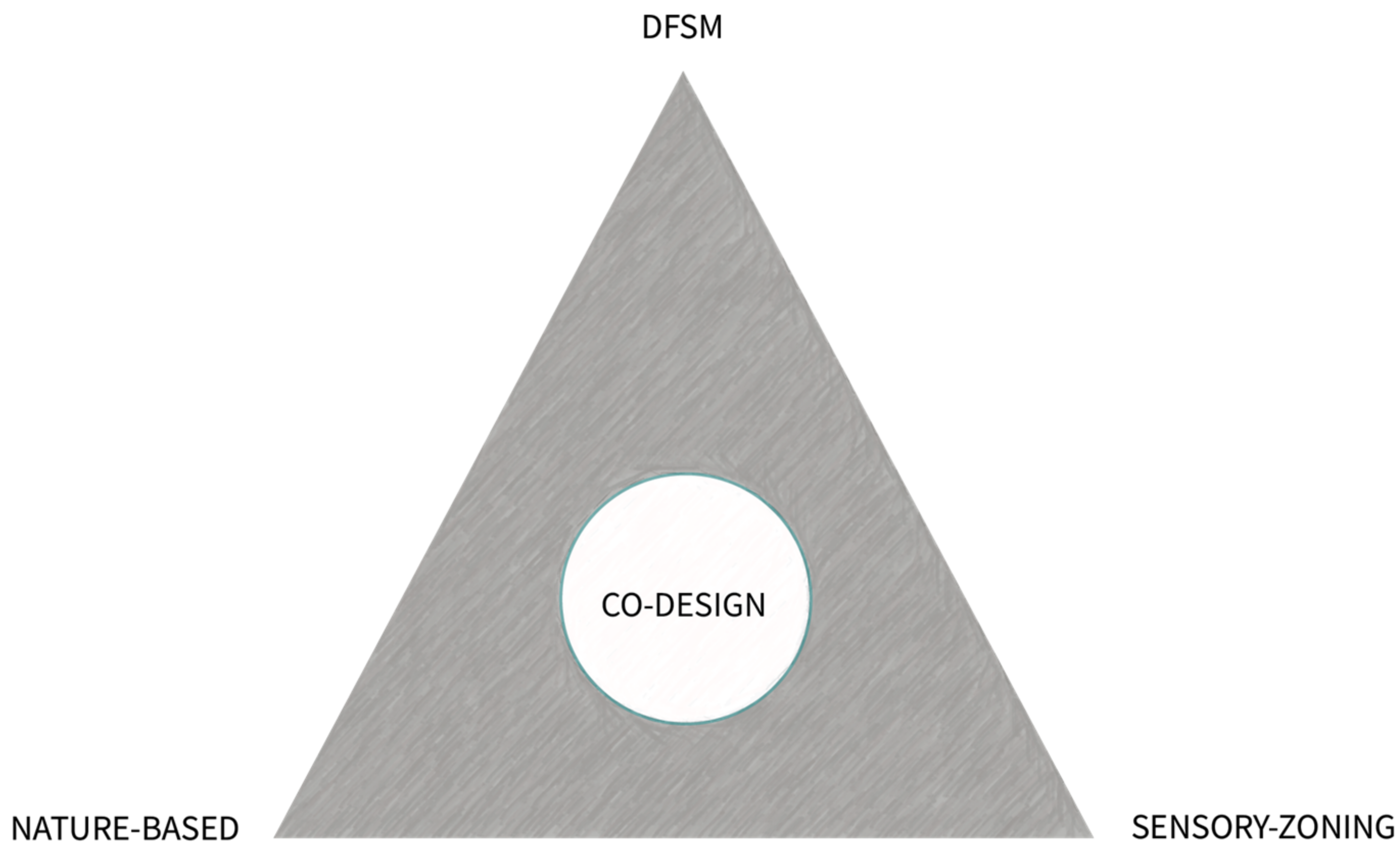
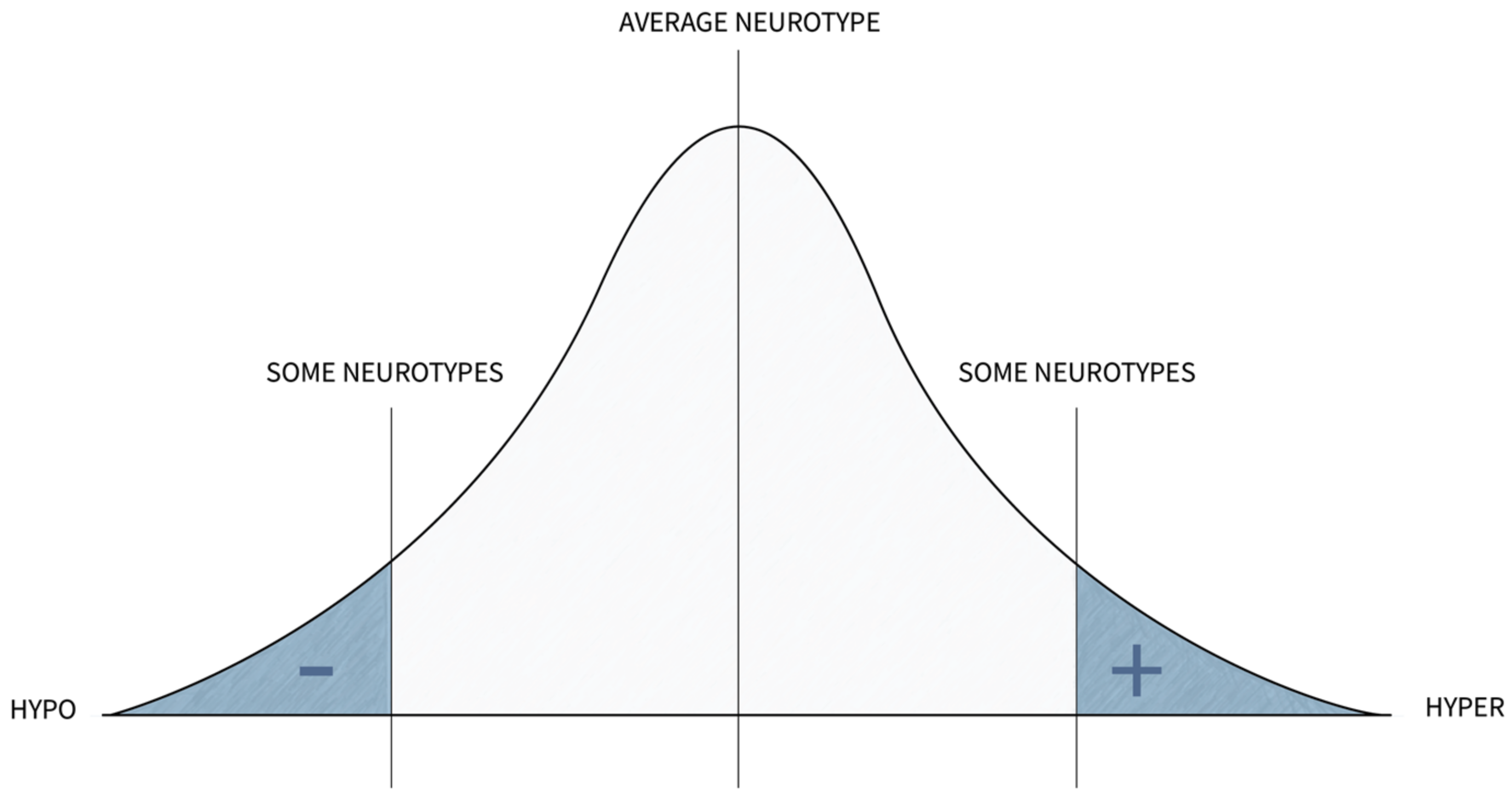
Centering the needs of marginalized communities and designing from those margins emerged as a pivotal theme among study participants. While aligning with the Design From the Margins (DFM) model initially conceptualized within the UX industry, DeeJay (FS20) voiced the collective advocacy for “designing outside the statistical dispersion” and prioritizing marginalized groups who are frequently overlooked. In the context of neurodivergence, this necessitates a shift in perspective to accommodate the needs of divergent bodies. Highlighting the absence of such considerations, DeeJay shared: “There’s none of those spaces, public spaces that seem to consider these divergent bodies”. They suggested, “Instead of designing for the median… Think about who’s way out here [referencing the edges with her hands]. What would that look like? If we were designing to get people like that, that are never considered because they’re nowhere even close to the center”.

4. Discussion

The primary research question of this qualitative study asked, “How do individuals with lived experience of neurodivergence, particularly those belonging to neurominority groups such as autism, ADHD, and dyslexia, perceive the relationship between designed outdoor environments and sensory sensitivities (hypo and hyper) experienced by neurodivergent individuals?” This study delved into the sensory needs and preferences of neurodivergent individuals in outdoor built environments by examining participants’ lived experiences and perceptions regarding sensory sensitivities (both hypo and hyper) from firsthand, secondhand, and professional perspectives. Through this exploration, enhanced comprehension of how environmental factors affect the interactions and participation of diverse neurotypes in public-facing outdoor spaces emerged.
Following the establishment of the findings’ significance through thematic narrative analysis, the table “Emergent Themes: Thematic Narrative Analysis” (refer to Table 3) presents a concise summary of the major emergent themes identified in this study pertaining to participants’ lived experiences with neurodiversity and atypical sensory systems.
Table 3. Emergent themes: thematic narrative analysis summaries.

4.1. Key Sensorial Barriers

In reviewing the thematic narrative analysis, a distinction emerged between the access needs and sensory preferences of neurodivergent individuals. Certain sensory preferences expressed by some study participants were presented as essential access needs by others, indicating that the line between sensory needs and preferences blends and fluctuates depending on the site’s context, intended uses, and the unique requirements of each individual. With this disclaimer in mind, the more critical needs identified related to environmental factors are represented as barriers in this discussion.
Key sensorial barriers identified included, but were not limited to:
  • Ambient environmental factors, primarily attributed to anthro-stimuli such as artificial lighting, scents, and extreme temperatures, were found to be barriers. Noise pollution, especially from traffic and crowds, was commonly reported as challenging in both active and passive environments.
  • The compounding sensory challenges faced in highly stimulating busy areas, where refuges that promote self-regulation are lacking, were a key observation in this study.
  • The study identified that navigating environments with inadequate wayfinding support, informal layouts, unpredictable elements, and a lack of intuitive circulation exacerbates moments of sensory distress and limits access.
  • Safety challenges, such as unsafe walkways, landscapes with potential hazards like large bodies of water and busy streets, and areas with increased navigational challenges, were highlighted as barriers to use. Emphasis was also placed on the importance of both objective safety and a subjective sense of safety.
  • Participants highlighted a notable limited availability of accessible public and community spaces that provide sensory affordances.
  • The absence of opportunities for sensorimotor movement, such as vestibular and proprioceptive input, was highlighted as a barrier.
  • A lack of sensory-friendly environments that offer suitable options for the neurodiverse community and family gatherings represented additional access barriers.
  • While many of the prominent sensorial access barriers can be addressed through design interventions, it is important to acknowledge that social and societal barriers rooted in stigma and a lack of understanding regarding social environments for those with sensory sensitivities were also attributed to be barriers. Addressing these issues may require a societal shift beyond the scope of landscape and urban design interventions to foster greater access and neuro-inclusion.
The barriers outlined in the preceding paragraphs transcend matters of preference; they are deeply connected to the concept of spatial access for neurodivergent individuals in built environments, emphasizing that mere physical entry does not necessarily equate to genuine or functional access. Seeking a deeper understanding of these barriers across various landscapes is important to better understand how we can enable the participation of neurodiverse user groups in the places we design and build.

4.2. Key Sensorially Supportive Elements

In this study, sensorially supportive elements in the landscape and urban design for the neurodiverse community were unearthed. While the subsequent discussion does not cover all sensorially supportive elements identified in the study, it highlights the more prominent ones.
Key sensorially supportive features identified included, but were not limited to:
  • Outdoor settings, especially with access to bio-stimuli and geo-stimuli, were expressed to be sensorially supportive, i.e., pleasing and comforting to the senses, compared to public-facing indoor spaces and outdoor locations with heavier anthro-stimuli present. Participants stressed the importance of integrating nature into urbanized environments to meet their sensory needs.
  • Green spaces like forests, gardens, nature parks, and trails, as well as areas with aquatic features such as waterfalls and lakes, were highlighted. Soothing water sounds were especially acknowledged for their therapeutic sensory benefits.
  • Opportunities to interact with wildlife were highlighted as beneficial, including sounds like birdsong or rustling leaves stirred by the movement of small critters.
  • The positive impact of incorporating nature-based and authentic materiality on sensory experiences was noted.
  • The use of muted and natural color choices was emphasized.
  • The strategic balance between hardscapes and softscapes to foster a harmonious sensory setting was discussed.
  • The incorporation of design features that favor natural lighting while steering clear of harsh, overhead, and flickering lights was widely recommended.
  • Sensorimotor movement and engagement opportunities that accommodate neurodivergent individuals of all ages, body types, and abilities were suggested.
  • Effective navigation in environments, facilitated by clear wayfinding, pedestrian-focused access, and intuitive circulation, was highlighted.
  • Spatial designs that offer varied options and special consideration for meeting different sensory needs and activities, entailing a thoughtful balance between open and enclosed spaces, attention to proxemics and dynamic elements, and the adoption of minimalistic design principles to move beyond monotonous design approaches, were expressed as supportive.
  • Incorporating elements like sensory and social refuges that provide opportunities for self-regulation and draw from nature-based design strategies was suggested to support sensory well-being. These sensory refuges could draw from therapeutic and restorative design techniques to mitigate anthropogenic sensory stressors and may prove to be timely and tangible interventions to counterbalance overstimulating built environments.
  • For ambient materiality, supportive strategies like employing ambient buffers, thoughtful site selection to avoid sensory intrusion, and authentic and soft material choices and strategic placement were recommended.
  • Sensory support for safety issues/hazards included clear perimeters, physical buffers from hazards like thick vegetation, and strategic design interventions such as setbacks in street planning, all aimed at improving safety, autonomy, and freedom for the neurodiverse community, especially in active transportation and park settings.
Within the scope of this qualitative study, the discussion, while not exhaustive, recognizes the significance of embracing multi-sensory landscapes. This involves integrating sensorially supportive design interventions and elements that cater to a broader spectrum of sensory modalities, potentially benefiting both neurodiverse and neurotypical users.

4.3. Site Considerations

So, which sites should be addressed? The proposition here is that public-facing sites, especially those essential for meeting daily needs and full participation in society, should be prioritized currently for evaluation and intervention. While transportation systems require thorough investigation into access issues, many other outdoor built environments also necessitate careful examination, like commercial environments, work facilities, academic and school settings, and recreation areas, among others that are essential for meeting the demands of daily life and requirements for personal health and well-being.
Assessing the existing multi-sensory aspects of a proposed or existing site for development (or redevelopment) involves considering both sensorially supportive features and existing sensorial barriers. Additionally, it entails determining how the site can provide sensory affordances tailored to the distinct sensory needs of neurodiverse user groups that align with the site’s intended uses. While some landscapes may already accommodate atypical sensory needs for their intended uses, requiring minimal intervention, others may be in sensorial disarray, such as with heavily urbanized environments.
When evaluating a new development or redevelopment project, several questions come to mind. Here are just a few:
  • Are there multi-generational recreation opportunities for neurodiverse user groups in the community/area—a sensory-responsive place to exercise, gather, and play?
  • Is the site associated with a medical center, shopping mall, work setting, event space, or academic environment? If yes, are there sensory refuges from overstimulating stimuli available, and are accessible wayfinding and active transportation systems in place to reach them?
  • Is it a site with a sensory-rich biophilic environment featuring easily navigable wide trails, clear wayfinding, smooth transitions, and buffers from anthropogenic sensorial intrusions and safety hazards? For this hypothetical site, the intervention may be as simple as communicating its pre-existing availability for those with atypical sensory needs to the intended user groups.
To determine appropriateness, it is recommended to consult with the local neurodiverse community, their allies, and experts.

4.4. Broader Applications

Broader applications of the findings of this study and the proposed potential design interventions have been considered as they relate to other populations and circumstances. The heightened focus on sensory experiences among neurodivergent user groups, covering both hypo- and hyper-sensitivities, has the potential to illuminate how sensory challenges faced by other populations can be addressed. In addition to the focus groups of this study (ADHD, autistic, dyslexic), there are other populations who may have sensory-related challenges, such as those experiencing oppositional defiant disorder, depression, anxiety, OCD, bipolar disorder, Tourette syndrome, fragile X syndrome, fetal alcohol syndrome, cerebral palsy, down syndrome, dyspraxia, apraxia, and other disabilities [7]. It is important to note that trauma is also understood to have a relationship with sensory processing challenges, which may extend to individuals in recovery centers, refugee camps, and other contexts.
Neurodivergent individuals with sensory sensitivities are not confined to a certain socioeconomic status, gender, race, age, political affiliation, religious affiliation, geographic location, or other demographic variable(s) that can act as dividers; the atypical sensory experience bridges all demographics. These individuals may also face overlapping equity issues, sharing common ground with other minority, marginalized, and oppressed groups. The intersection of identities, such as being autistic and belonging to a racial minority, can compound sensory barriers, further limiting individuals’ ability to fully engage with and participate in their environments. For instance, they may encounter additional hurdles in accessing resources, sensorially supportive outdoor environments, or accommodations tailored to their sensory needs.

4.5. Theoretical Connections and Existing Guidelines

The qualitative research findings align with and support various established theoretical frameworks, drawing upon Ulrich’s exploration of the therapeutic benefits of nature and finding resonance with Kaplan’s Attention Restoration Theory, Wilson’s concept of Biophilia (including biomimicry), and the Prospect-Refuge Theory. These theoretical frameworks are enriched by the qualitative insights from this study, which also advance the discourse on neuro-inclusive design and sensory support.
Throughout this study, it became evident that the established design guidelines presented in the comprehensive literature review [11] were not contradicted by this study’s findings. Instead, there were numerous overlapping considerations, such as sensory zoning, despite those specific guidelines being primarily intended for autistic children and children with SPD, with some solely focused on indoor environments. These intersections between research findings and existing guidelines validate and reinforce the potential of informed design solutions to effectively transfer across both environment types and disciplines while adequately serving the neurodiverse community. However, the findings of this study do indicate that prescriptive guidelines may not be suitable for the design and planning of many outdoor built environments.

4.6. Discussion Summary

Landscapes are multi-faceted, serving as the physical backdrop and catalyst where daily activities unfold. They influence not only factors impacting health and livelihood, but they also function as dynamic platforms for connection, understanding, and shared experiences. In doing so, they carry notable meaning for many communities and individuals, providing a sense of belonging and autonomy and shaping their identities within the fabric of society.
Built environments can also be designed to either include or exclude access; exclusive design approaches carry implications for equity. This research uncovered numerous consequences resulting from the oversight of not considering atypical sensory systems in design, leading to barriers and limitations that impact full participation in society and access to public assets, amenities, resources, and opportunities for the populations represented in this study. Along the same lines of inclusion and exclusion, enabling contrasts disabling.
Sensory responsive design approaches hold the potential to complement health equity and enable a wider range of neurotypes to fully engage and thrive in their surrounding environments. In light of this study’s findings, the “Sensory-Responsive Environments Framework” has surfaced as a versatile design lens to address atypical sensorial needs, particularly focusing on overlooked “invisible” disabilities in landscape and urban design. This will be introduced in the next section.
While this study has provided informative insights, it has also raised many unresolved questions, unveiling unexplored terrain awaiting further discovery. Although it marks a significant step in advancing the conversation, much more remains to be explored in this emerging field.

4.7. Theoretical Framework: Sensory Responsive Environments Framework (SREF™)

The study findings are evident: a one-size-fits-all approach is neither accommodating nor optimal when addressing heightened and/or diminished sensory sensitivities in designed environments. To create spaces that reflect and cater to the multiplicity of human experience and respond to atypical sensory needs and preferences, it is suggested to adopt context-sensitive, flexible, and iterative design processes, rather than prescribing a homogeneous method. Emphasizing a human-centered approach, acknowledging the complexities of various sensory modalities, and encouraging the participation of diverse user groups can help ensure the efficacy of the design solutions. Additionally, understanding the layered, site-specific contexts and intended uses of the site being designed, along with the existing multi-sensory qualities of surrounding environments, is recommended. Adaptability to accommodate evolving research, language, and design trends is another consideration to remain mindful of when designing to accommodate and support the neurodiverse community in built environments.
To integrate this interpretation of the study findings into an adaptable tool, the Sensory-Responsive Environments Framework (See Figure 3) was crafted as a design lens through which to “see” the “invisible” in order to support atypical sensory needs, encapsulating four key principles identified from the study: Design From the Sensorial Margins (DFSM), sensory zoning, nature-based approaches, and community involvement (co-design). Integrating these principles leads to a sensory responsive design approach that enhances sensory affordances and enables greater participation of the neurodiverse community in built environments.
Figure 3. Sensory Responsive Environments Framework™. Created by the author.

4.7.1. Design from the Sensorial Margins (DSFM)

Designing From the Margins (DFM) [51] involves centering marginalized communities and moving away from designing exclusively for the majority. In the context of neurodivergence, it entails comprehensive understanding and consideration of neurodiverse needs and accommodating sensory extremes, encompassing both hypo- and hyper- sensitivities (see Figure 4). This approach is poised to benefit not only those on the margins, but also individuals at different points along the sensory spectrum between hypo and hyper, in an aim to foster inclusivity throughout the entire range of user experiences with regard to the senses.
Figure 4. Design From the Sensorial Margins. Adapted from Afsaneh Rigot’s Curve Graph [51]. Created by the author.
Adapting Rigot’s DFM approach [51] shows potential for addressing the range of atypical experiences scattered between the sensory extremes. For instance, in scenarios where sensorial intrusion may be discomforting but somewhat manageable for some, it may represent firm access barriers for others. Designing from that sensory edge can improve the experience for both hypothetical users and provide a focal point for designers to start working from. By focusing on the edges of sensory spectrums and tailoring solutions to those specific needs, we enhance our ability to accommodate a wider range of user experiences and better serve individuals who fall at various points within the sensorial prism.

4.7.2. Sensory Zoning

Sensory zoning is an important addition to DFSM, addressing both sensory avoidant and sensory seeking needs and responses. Given the complexity of designing for diverse sensorial needs and the less flexible nature of public-facing outdoor environments as compared to more personalizable interior spaces, a one-size-fits-all solution and explicitly adaptable environments are not feasible, warranting a multifaceted approach from the onset of site development. This strategy can offer varied sensory affordances and implicit adaptability and respond to the multi-sensory environment of the site being developed. In simple terms, it provides different options for users to choose from.
Incorporating sensory zoning into the framework was informed by a synthesis of study findings and a comprehensive review of the existing literature [32,33,45], along with insights from Dr. Amy Wagenfeld [17]. Study participants emphasized the importance of diversified landscapes with various sensory opportunities, aiming to provide a balanced range of experiences for differently wired users. Although the term “sensory zoning” may not have been explicitly used by all, various sources [1,7,32,33,43,45,52] have closely aligned with the concept by advocating for the creation of social spaces that encourage choice, comfort, and positive social interactions in relation to autism and sensory processing challenges.
Sensory zoning in the design of outdoor built environments is a potential avenue to accommodate various landscape types, uses, and sensory needs. For example, a sensory responsive park might designate an area specifically tailored for sensory-seeking activities, such as multi-generational playgrounds and swings, alongside a range of sensory affordances. Simultaneously, it could provide a nearby sensory refuge, informed by therapeutic design, away from noise pollution and other anthropogenic sensory stressors, allowing for moments of sensory calm and opportunities for self-regulation in instances of sensory overload. This approach could enable individuals with both hypersensitive and hyposensitive needs, as well as those who need to mitigate a range of sensory experiences, to have more suitable access to the park. By designing from the sensory margins and incorporating sensory zoning, a site can cater to a wide array of sensory needs and preferences, balancing priorities while maintaining alignment with the intended uses of the site.

4.7.3. Nature Based Interventions

This study illuminated the positive effects of providing access to nature for the neurodiverse community, encompassing multi-sensory nature experiences, biophilic design, and materiality. The concept of incorporating nature-based approaches emerged from a synthesis of study findings and relevant theories, including Wilson’s concept of Biophilia, Ulrich’s Stress Reduction Theory, the Kaplans’ Attention Restoration Theory, the use of “Soft Fascinators”, along with the evolutionary aspects of the Prospect-Refuge Theory. Additionally, existing field-specific guidelines from the literature review [37,38,44] helped to inform the adoption of this approach.
Observations were made in this study regarding the perceived therapeutic and calming impacts of nature-based elements, including natural lighting, greenery, wildlife, and the presence of water, on the sensory systems of neuro-atypical individuals. Participants revealed a strong affinity for water as sensory support, particularly in terms of soundscapes as an ambient noise buffer. The study also suggested the potential detrimental effects of excessive human intervention, like hardscapes, artificial materials, and anthropophonic noise, as expressed by a substantial portion of the participants. These findings support the utilization of nature-based interventions and the application of established theories, such as the Attention Restoration Theory and Biophilia, to effectively contribute to outdoor environments that accommodate atypical sensory requirements.
The findings do not indicate any conflicts between designing spaces that cater to the sensory needs of neurodivergent individuals and simultaneously the goals of addressing critical environmental issues through nature-based solutions. This includes climate mitigation, water conservation, ecological principles, and regenerative design. Rather, the potential for mutually beneficial relationships and the integration of these concepts is an exciting prospect, fostering a harmonious approach between sensory support and larger systemic objectives.

4.7.4. Co-Design

Participants strongly emphasized the significance of including neurodiverse user groups, associated community members, and experts in the site planning and design of public and community spaces. This may include, but is not limited to, incorporating perspectives from those with lived experiences in neurodiversity, hiring neuro-atypical designers, collaborating with community groups, and involving other experts like occupational therapists who specialize in sensory integration.
These suggestions align with the pre-existing concept of co-design, attributed to esteemed scholars C. K. Prahalad and Venkat Ramaswamy, which originated from design methodologies cultivated in Scandinavia during the 1970s. According to Steen et al. [53] this collaborative approach encompasses participatory, co-creation, and open design processes, underscoring the importance of valuing users as experts in their own lived experiences. Successful execution of co-design initiatives relies on effective facilitation techniques [53] like community design charrettes and storyboards.

4.7.5. SREF Concluding Remarks

The primary objective of the Sensory Responsive Environments Framework is to provide a flexible, non-prescriptive design approach that can aid designers in envisioning potential multi-sensorial barriers that could restrict intended site uses for neurodiverse user groups and determining which design interventions can better serve and support atypical sensory requirements to access the site, while maintaining enough adaptability to respond to site specific contexts, evolving research, and design trends.
The essence of this framework lies in placing marginalized and often overlooked divergent user groups at the center of the design process. Further, the framework pinpoints three key areas that interact in an iterative process to guide sensory-responsive environments, as informed by this study: DSFM, sensory zoning, and nature-based approaches.

4.8. Study Limitations

Acknowledging limitations is essential for maintaining integrity and transparency in research. This study acknowledges limitations, including the challenges posed by undiagnosed or misdiagnosed conditions. Sample bias was a concern, particularly due to misdiagnoses and missed diagnoses among adult women—potentially excluding a large percentage of the target focal groups. Participants’ lack of specific terminology may have hindered the full expression of their experiences. Further, the study’s primary conduct in Colorado and the lack of systematic tracking of racial and ethnic identities, socioeconomic status, and political affiliations limited its generalizability and analysis of demographic impacts. The restricted participation due to IRB exemptions excluding children and those unable to consent further narrowed the study’s scope. It focused on sensory experiences in outdoor spaces, possibly overlooking other aspects of built environments. Further, the findings, while supplementary, are not replacements for specialized medical interventions and may not fully address the needs of groups requiring specific types of support. Despite these limitations, the study provided insights highlighting the need for broader research and innovative design interventions to support and serve atypical sensory needs in built environments.

5. Conclusions: Working Hypothesis

In conclusion, this qualitative study utilized semi-structured interviews with thirty-one participants who have lived experience with neurodivergence and sensory sensitivities, specifically focusing on ADHD, autism, and dyslexia from firsthand, secondhand, and professional perspectives. Through a thematic narrative analysis approach, the research revealed perceived relationships between designed outdoor environments and sensory sensitivities in these user groups, encompassing a ground-up approach to knowledge generation.
The findings identified multiple emergent themes and sub-thematic patterns, highlighting connections between designed elements of outdoor environments and the sensory experiences of neurodivergent individuals. Emergent themes included individual and personal factors, sensory affordances, benefits of outdoor environments, ambient environmental factors, materiality, spatial design, navigating environments, pedestrian-centric transportation, sensorimotor movement, safety, refuge, human settlement types, social environments, and accessibility plus inclusion.
The study highlighted many perceived barriers encountered by dyslexic, autistic, and ADHD individuals with sensory sensitivities in designed landscapes, emphasizing issues with anthropogenic sensory sources like noise pollution and artificial lighting. Other challenges that surfaced included, but were not limited to, navigating environments, vehicle-centric transportation systems, limited sensory refuges in overstimulating environments, and a lack of both options and accessible places for a range of ages and divergent body types.
Many recommended strategies also emerged from this study, through the voices of the neurodiverse community and their allies. These included nature-based design approaches like biophilic design, opportunities for multi-generational sensorimotor engagement, improved wayfinding, prioritizing pedestrian access, and incorporating sensory refuges adjacent to or within overstimulating environments for self-regulation, among others.
In the context of this study, participants expressed a desire for representation within the design process and advocated for outdoor built environments that specifically cater to atypical sensory needs. Whether it’s a sensory responsive park within a city or a designated neuro-inclusive trail that considers sensory sensitivities within a broader active transportation system, the call for sensory responsive design approaches aimed at fostering a sense of belonging, welcoming, and recognition strongly resonated. The emphasis was on enabling inclusivity through the diversification of the landscapes themselves, i.e., for designed environments to mirror the diversity of the communities they serve. Questions also arise about the insights that may be uncovered regarding human experiences in designed and built environments through the heightened lenses of those experiencing sensory sensitivities, which may otherwise go unnoticed. These sensitivities could serve as a canary in the coal mine, signaling subtler aspects of our interactions with our surroundings.
Recognizing that outdoor environments are layered, interconnected, dynamic, and living, and understanding their intended uses and existing conditions—including multi-sensory qualities—while applying the Sensory Responsive Environments Framework in the design process presents a versatile strategy for supporting individuals with sensory sensitivities in the planning and design of these environments.
Inspired by Starblade, who reminds us to look on the brighter side of life, and to whom this study is dedicated, designers and readers like you are encouraged to embrace a forward-thinking outlook and remain patient in the pursuit of understanding, acceptance, and inclusion, recognizing that impactful change often unfolds through a series of small steps. Supporting and learning from the neurodiverse community holds potential for various environmental benefits for not only those in the margins, but also those falling in between. Much like a compass pointing the way, neurodiversity directs us toward a responsive landscape that is empathetic, balanced, and attuned to inherently human multi-sensory experiences, offering universal benefits.

Supplementary Materials

The following supporting information can be downloaded at: https://www.mdpi.com/article/10.3390/land13050636/s1, File S1: IRB Certification; File S2: Interview Protocol.

Funding

This research received no external funding.

Data Availability Statement

Finnigan, K. A. (2023). Neuro-Inclusive Spaces: Sensory Responsive Environments (Publication No. 30820355). ProQuest Dissertations & Theses A&I. https://search-proquest-com.aurarialibrary.idm.oclc.org/dissertations-theses/neuro-inclusive-spaces-sensory-responsive/docview/2938153326/se-2 (accessed on 1 April 2024).

Acknowledgments

Acknowledgments for contributions to this research include the thesis committee and extend to the Landscape Architecture Foundation, JSR Foundation, and the Eugene Sternberg Committee for their recognition and support of this study. Additional thanks are given to the study participants, who were not merely subjects but vital partners essential to the success of this research effort.

Conflicts of Interest

The author declares no conflicts of interest.

Dedication

This study is dedicated to honoring the life of Matthew Paul Finnigan, AKA Starblade, a queer E2 autistic individual who aimed to uncover patterns linking biological and environmental factors, as well as personal growth, to help alleviate challenges faced by autistic individuals.

References

  1. Kinnaer, M.; Baumers, S.; Heylighen, A. Autism-friendly architecture from the outside in and the inside out: An explorative study based on autobiographies of autistic people. J. Hous. Built Environ. 2016, 31, 179–195. [Google Scholar] [CrossRef]
  2. Doyle, N. Neurodiversity at work: A biopsychosocial model and the impact on working adults. Br. Med. Bull. 2020, 135, 108–125. [Google Scholar] [CrossRef] [PubMed]
  3. Clouse, J.R.; Wood-Nartker, J.; Rice, F.A. Designing beyond the Americans with Disabilities Act (ADA): Creating an Autism-Friendly Vocational Center; SAGE Publications: Los Angeles, CA, USA, 2020. [Google Scholar] [CrossRef]
  4. World Health Organization. Autism. 15 November 2023. Available online: https://www.who.int/news-room/fact-sheets/detail/autism-spectrum-disorders (accessed on 1 April 2024).
  5. UN News. Nearly 1 in 6 of the World’s Population Suffer from Neurological Disorders—UN Report. 27 February 2007. Available online: https://news.un.org/en/story/2007/02/210312 (accessed on 4 May 2024).
  6. Zablotsky, B.; Black, L.I.; Maenner, M.J.; Schieve, L.A.; Danielson, M.L.; Bitsko, R.H.; Blumberg, S.J.; Kogan, M.D.; Boyle, C.A. Prevalence and trends of developmental disabilities among children in the US: 2009–2017. Pediatrics 2019, 144, e20190811. [Google Scholar] [CrossRef] [PubMed]
  7. Biel, L.; Peske, N. Raising a Sensory Smart Child: The Definitive Handbook for Helping Your Child with Sensory Processing Issues, rev. and updated ed.; Foreword by Temple Grandin, Ph.D.; Penguin Books: London, UK, 2018. [Google Scholar]
  8. Armstrong, T. The Power of Neurodiversity: Unleashing the Advantages of Your Differently Wired Brain, 1st Da Capo Press paperback ed.; Da Capo Lifelong: Cambridge, MA, USA, 2011. [Google Scholar]
  9. Sargent, K. Designing a Neurodiverse Workplace; HoK Group, Inc.: Washington, DC, USA, 2019; Available online: https://www.hok.com/ideas/publications/hok-designing-a-neurodiverse-workplace (accessed on 11 May 2022).
  10. Disabled World. What Is: Neurodiversity, Neurodivergent, Neurotypical; Disabled World: Montreal, QC, Canada, 12 April 2022; Available online: https://www.disabled-world.com/disability/awareness/neurodiversity/ (accessed on 11 May 2022).
  11. Finnigan, K.A. Neuro-Inclusive Spaces: Sensory-Responsive Environments; Publication No. 30820355; ProQuest Dissertations & Theses A&I: Denver, CO, USA, 2023; Available online: https://search-proquest-com.aurarialibrary.idm.oclc.org/dissertations-theses/neuro-inclusive-spaces-sensory-responsive/docview/2938153326/se-2 (accessed on 1 April 2024).
  12. Narenthiran, O.P.; Torero, J.; Woodrow, M. Inclusive design of workspaces: Mixed methods approach to understanding users. Sustainability 2022, 14, 3337. [Google Scholar] [CrossRef]
  13. Walker, N. Neuroqueer Heresies: Notes on the Neurodiversity Paradigm, Autistic Empowerment, and Postnormal Possibilities; [Audiobook]; Tantor Audio: Old Saybrook, CT, USA, 2022. [Google Scholar]
  14. Rudy, L.J. What Does “Neurotypical” Mean? Verywell Health; Dotdash Meredith: New York, NY, USA, 2023; Available online: https://www.verywellhealth.com/what-does-it-mean-to-be-neurotypical-260047 (accessed on 12 December 2023).
  15. Hass, L. Merleau-Ponty’s Philosophy; Indiana University Press: Bloomington, IN, USA, 2008. [Google Scholar]
  16. Blesser, B.; Salter, L. Spaces Speak, ARE You Listening? Experiencing Aural Architecture; The MIT Press: Cambridge, MA, USA, 2007. [Google Scholar]
  17. Wagenfeld, A. (University of Washington, Seattle, WA, USA). Personal Communication, 12 July 2023.
  18. Erwine, B. Creating Sensory Spaces: The Architecture of the Invisible; Routledge, Taylor & Francis Group: Oxfordshire, UK, 2017. [Google Scholar] [CrossRef]
  19. Blakemore, C. Rethinking the Senses: Uniting the Philosophy and Neuroscience of Perception; Arts & Humanities Research Council: Swindon, UK, 2014; Available online: https://www.sciculture.ac.uk/files/2014/07/AHRC-Rethinking-the-Senses-Case-Study.pdf (accessed on 28 March 2024).
  20. Lupton, E.; Lipps, A. The Senses: Design beyond Vision; Princeton Architectural Press: Hudson, NY, USA, 2018. [Google Scholar]
  21. Pierce, M. Designing Spaces That Support Health for the Whole Person: A Sensory Processing Perspective of Healthcare Design in Community-Based Settings. Unpublished Master’s Thesis, University of Oregon, Eugene, OR, USA, 2019. [Google Scholar]
  22. Banissy, M.J.; Ward, J. Mirror-Touch Synesthesia Is Linked with Empathy. Nature Neuroscience. 2007. Available online: www.daysyn.com/Banissy_Wardpublished.pdf (accessed on 4 May 2024).
  23. Grandin, T. Thinking in Pictures: And Other Reports from My Life with Autism, 1st ed.; Vintage Books: New York, NY, USA, 1996. [Google Scholar]
  24. Bogdashina, O.; Casanova, M.F. Sensory Perceptual Issues in Autism and Asperger Syndrome: Different Sensory Experiences—Different Perceptual Worlds, 2nd ed.; Jessica Kingsley Publishers: London, UK, 2016. [Google Scholar]
  25. Chan, E. Neurodivergent themed neighbourhoods as A strategy to enhance the liveability of cities: The blueprint of an autism village, its benefits to neurotypical environments. Urban Sci. 2018, 2, 42. [Google Scholar] [CrossRef]
  26. Mostafa, M. Architecture for Autism: Concepts of Design Intervention for the Autistic User. Int. J. Archit. Res. 2008, 1, 189–211. [Google Scholar]
  27. Toronyi, D. Hidden geographies: Design for neurodivergent ways of hearing and sensing. Cities Health 2021, 5, 133–137. [Google Scholar] [CrossRef]
  28. Rawes, P. Sonic envelopes. Senses Soc. 2008, 3, 61–76. [Google Scholar] [CrossRef]
  29. Jaarsma, P.; Welin, S. Autism as a natural human variation: Reflections on the claims of the neurodiversity movement. Health Care Anal. 2012, 20, 20–30. [Google Scholar] [CrossRef] [PubMed]
  30. Zheng, Z.; Zhang, L.; Li, S.; Zhao, F.; Wang, Y.; Huang, L.; Huang, J.; Zou, R.; Qu, Y.; Mu, D. Association among obesity, overweight and autism spectrum disorder: A systematic review and meta-analysis. Sci. Rep. 2017, 7, 11697–11709. [Google Scholar] [CrossRef] [PubMed]
  31. Mostafa, M. Autism ASPECTSS in School Design. Int. J. Archit. Res. 2014, 8, 143–148. [Google Scholar]
  32. Sachs, L.J. Therapies and Treatments. In Designing for Autism Spectrum Disorders; John Wiley & Sons: Hoboken, NJ, USA, 2011; pp. 53–63. [Google Scholar]
  33. Gaines, K.; Bourne, A.; Pearson, M.; Kleibrink, M. Designing for Autism Spectrum Disorders; Routledge: New York, NY, USA, 2016. [Google Scholar] [CrossRef]
  34. Tracy, S.J. Qualitative Research Methods: Collecting Evidence, Crafting Analysis, Communicating Impact; Wiley-Blackwell: Hoboken, NJ, USA, 2020. [Google Scholar]
  35. Kaplan, R.; Kaplan, S. The Experience of Nature: A Psychological Perspective; Cambridge University Press: Cambridge, UK, 1989. [Google Scholar]
  36. Gibson, J.J. The Ecological Approach to Visual Perception, 1st ed.; Psychology Press: Oxfordshire, UK, 2015. [Google Scholar]
  37. Humphreys, S. Architecture and Autism. Paper Presented at the UDDC Conference, Brussels, Belgium. 2008. Available online: https://www.scribd.com/document/384492303/Autism-and-Architecture-08-Humphreys (accessed on 1 June 2023).
  38. Feehily, E.E. Emerging Space: Inclusive Landscape Design with Attention to SENSORY Processing Challenged Children. Master’s Thesis, California State Polytechnic University, Pomona, CA, USA, 2015. [Google Scholar]
  39. Ulrich, R.S. View through a window may influence recovery from surgery. Science 1984, 224, 420–421. [Google Scholar] [CrossRef] [PubMed]
  40. Ulrich, R. Effects of gardens on health outcomes: Theory and research. In Healing Gardens: Therapeutic Benefits and Design Recommendations; Cooper Marcus, C., Barnes, M., Eds.; John Wiley & Sons: New York, NY, USA, 1999; pp. 27–86. [Google Scholar]
  41. Cooper Marcus, C. Healing Gardens in Hospitals. IDRP Interdiscip. Des. Res. E-J. 2007, 1. Available online: https://www.brikbase.org/sites/default/files/Healing%20Gardens%20in%20Hospitals.pdf/ (accessed on 4 May 2024).
  42. Kellert, S.R.; Wilson, E.O. The Biophilia Hypothesis; Island Press: Washington, DC, USA, 1993. [Google Scholar]
  43. Souter-Brown, G. Landscape and Urban Design for Health and Well-Being: Using Healing, Sensory and Therapeutic Gardens; Routledge: London, UK, 2015. [Google Scholar] [CrossRef]
  44. Hebert, B.B. Design Guidelines of a Therapeutic Garden for Autistic Children. Master’s Thesis, Louisiana State University, Baton Rouge, LA, USA, 2003. Available online: https://digitalcommons.lsu.edu/gradschool_theses/3288 (accessed on 4 May 2024). [CrossRef]
  45. Mostafa, M. An Architecture for Autism: Built Environment Performance in Accordance to the Autism ASPECTSS™ Design Index. Des. Princ. Pract. 2015, 8, 55–71. [Google Scholar] [CrossRef]
  46. Appleton, J. The Experience of Landscape; Wiley: Hoboken, NJ, USA, 1975. [Google Scholar]
  47. Ayres, A.J. Sensory Integration and the Child; Western Psychological Services: Torrance, CA, USA, 1985. [Google Scholar]
  48. Steele, K.; Ahrentzen, S. At Home with Autism: Designing Housing for the Spectrum; Policy Press: Bristol, UK, 2016. [Google Scholar]
  49. Cooper Marcus, C.; Sachs, N.A. Therapeutic Landscapes: An Evidence-Based approach to Designing Healing Gardens and Restorative Outdoor Spaces; Wiley: Hoboken, NJ, USA, 2014. [Google Scholar]
  50. Winterbottom, D.; Wagenfeld, A. Therapeutic Gardens: Design for Healing Spaces; Timber Press: Portland, OR, USA, 2015. [Google Scholar]
  51. Rigot, A. Design from the Margins: Centering the Most Marginalized and Impacted in Design Processes—From Ideation to Production; Belfer Center for Science and International Affairs: Cambridge, MA, USA, 2022; Available online: https://www.belfercenter.org/publication/design-margins (accessed on 1 April 2024).
  52. Vogel, C.L. Classroom design for living and learning with autism. Autism Asperger’s Dig. 2008, 7, 30–39. [Google Scholar]
  53. Steen, M.; Manschot, M.; De Koning, N. Benefits of co-design in service design projects. Int. J. Des. 2011, 5, 53–60. [Google Scholar]
Disclaimer/Publisher’s Note: The statements, opinions and data contained in all publications are solely those of the individual author(s) and contributor(s) and not of MDPI and/or the editor(s). MDPI and/or the editor(s) disclaim responsibility for any injury to people or property resulting from any ideas, methods, instructions or products referred to in the content.

Article Metrics

Citations

Article Access Statistics

Multiple requests from the same IP address are counted as one view.