Nutritional, Functional, and Morphological Insights into a Heritage Durum Wheat of Campania
 , , , , , , ,
  and
and
Abstract
1. Introduction
2. Materials and Methods
2.1. Plant Materials
2.2. Sample Preparation
2.3. Mycotoxin Analysis
2.4. Nutritional Analysis
2.5. Functional Analysis
2.5.1. MAE Extraction of Phenolic Compound
2.5.2. Total Polyphenols Content
2.5.3. Total Flavonoid Content
2.5.4. HPLC Analysis
2.5.5. Antioxidant Activity
2.6. Observation of Wheat Pericarp Structure
2.6.1. Scanning Electron Microscopy Coupled with Energy-Dispersive X-Ray Spectroscopy (SEM-EDS)
2.6.2. Morphometric Analysis of Wheat Caryopses
2.7. Genetic Analysis
2.7.1. DNA Extraction
2.7.2. Amplification of Wheat DNA with PCR
2.8. Statistical Analysis
3. Results and Discussion
3.1. Nutritional Analysis
3.2. Functional Quality of the Caryopsis
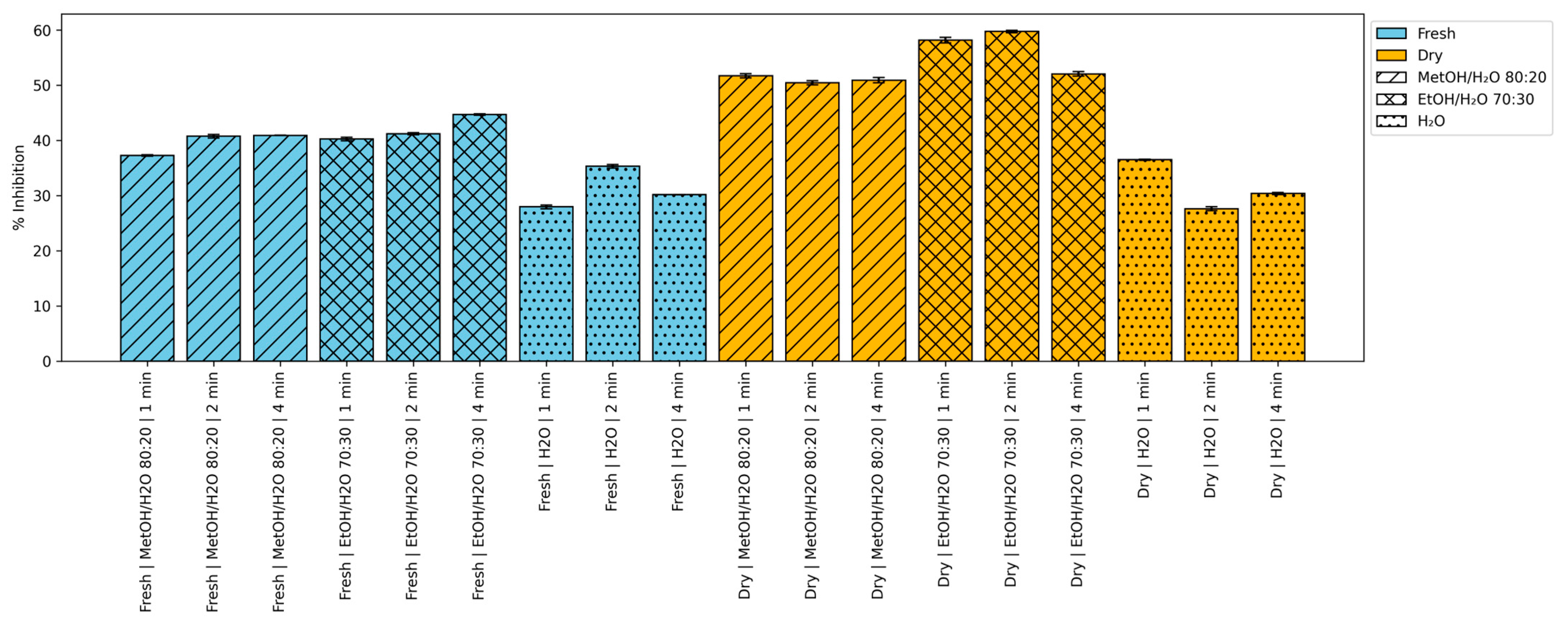
3.2.1. Antioxidant Activity
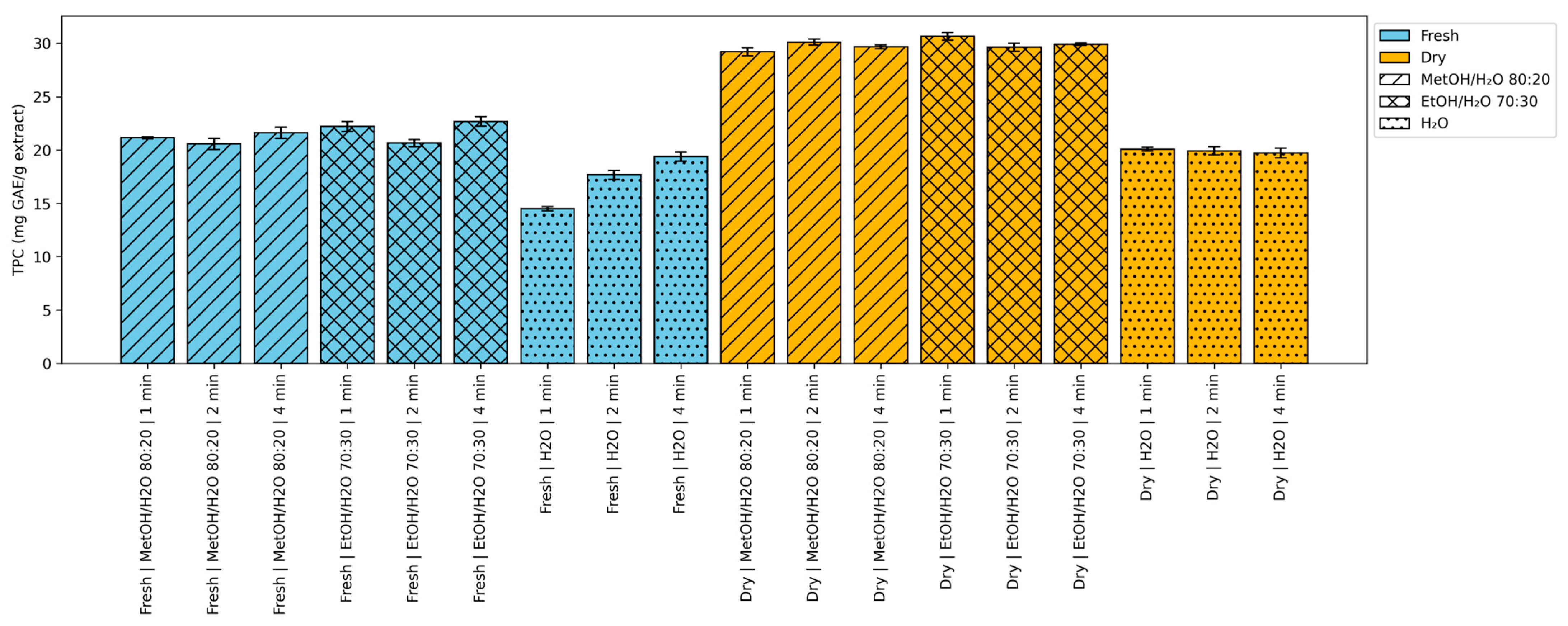
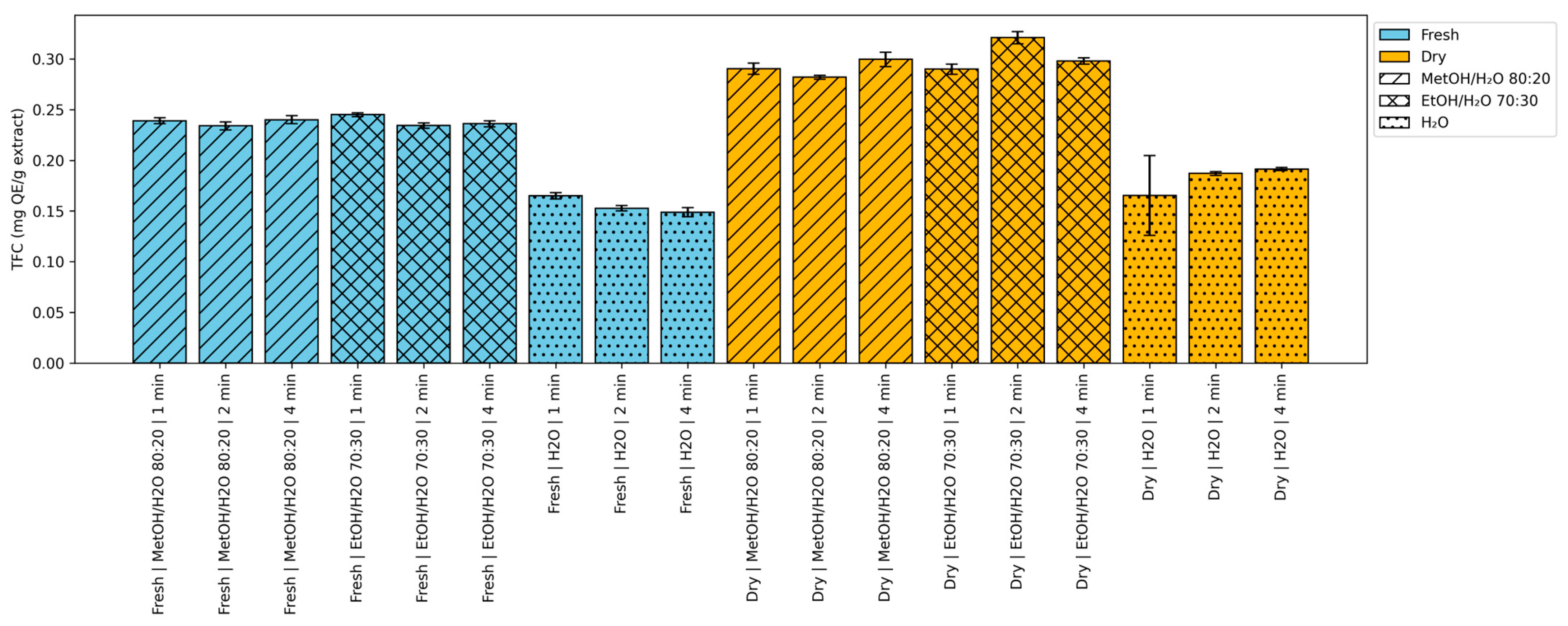
3.2.2. Total Phenolic Content (TPC) and Total Flavonoid Content (TFC)
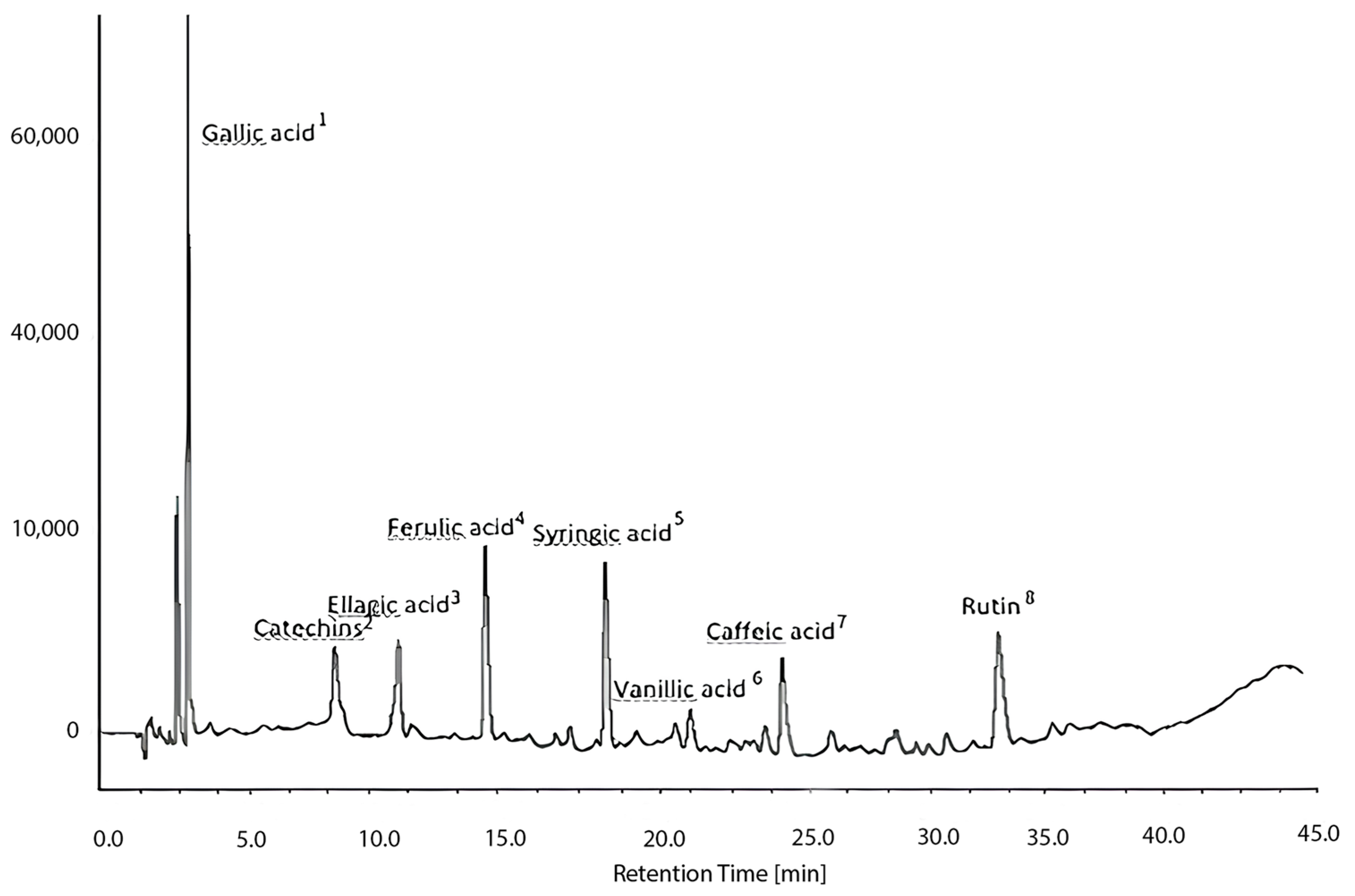
3.2.3. HPLC Results
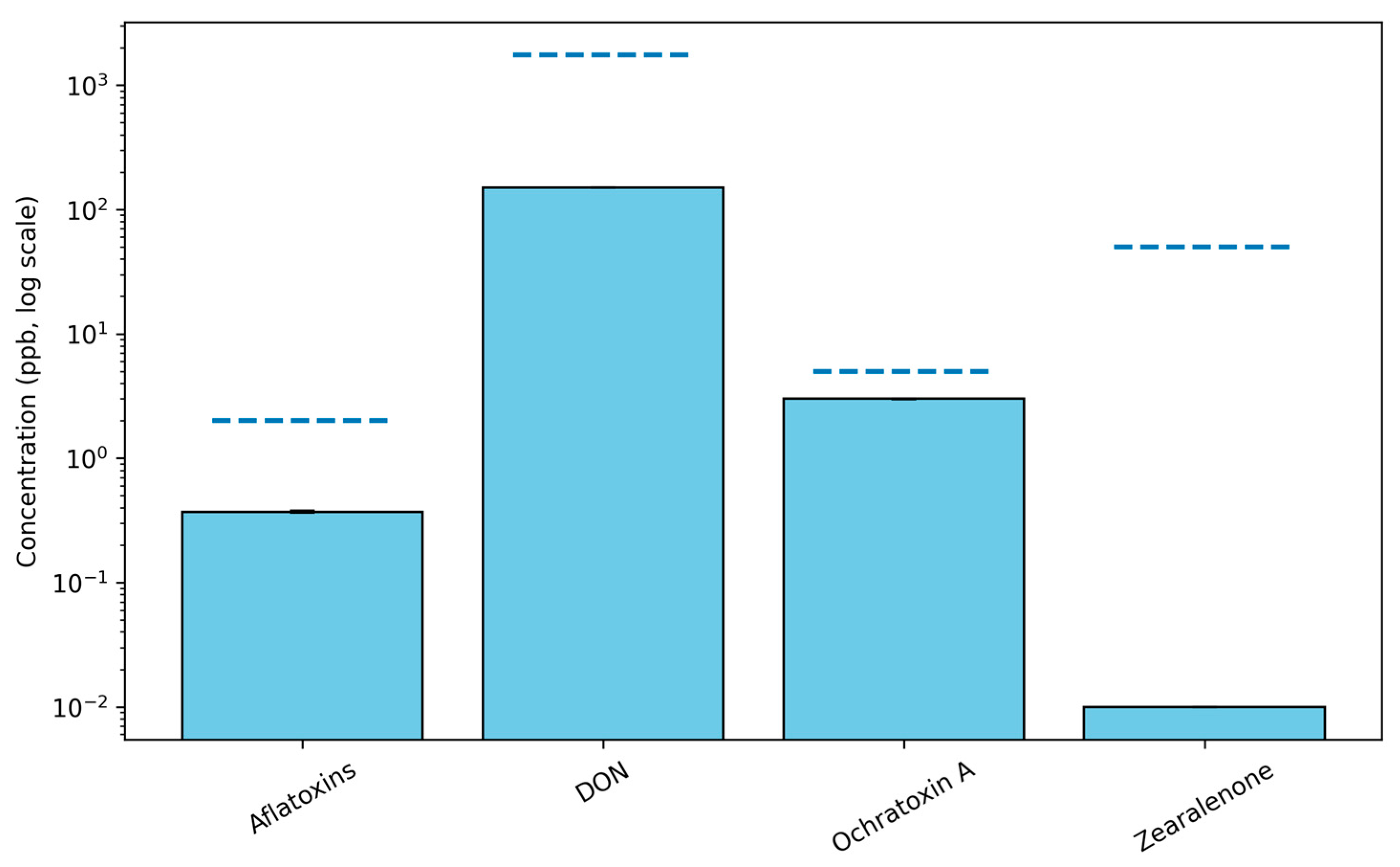
3.3. Mycotoxin Analysis
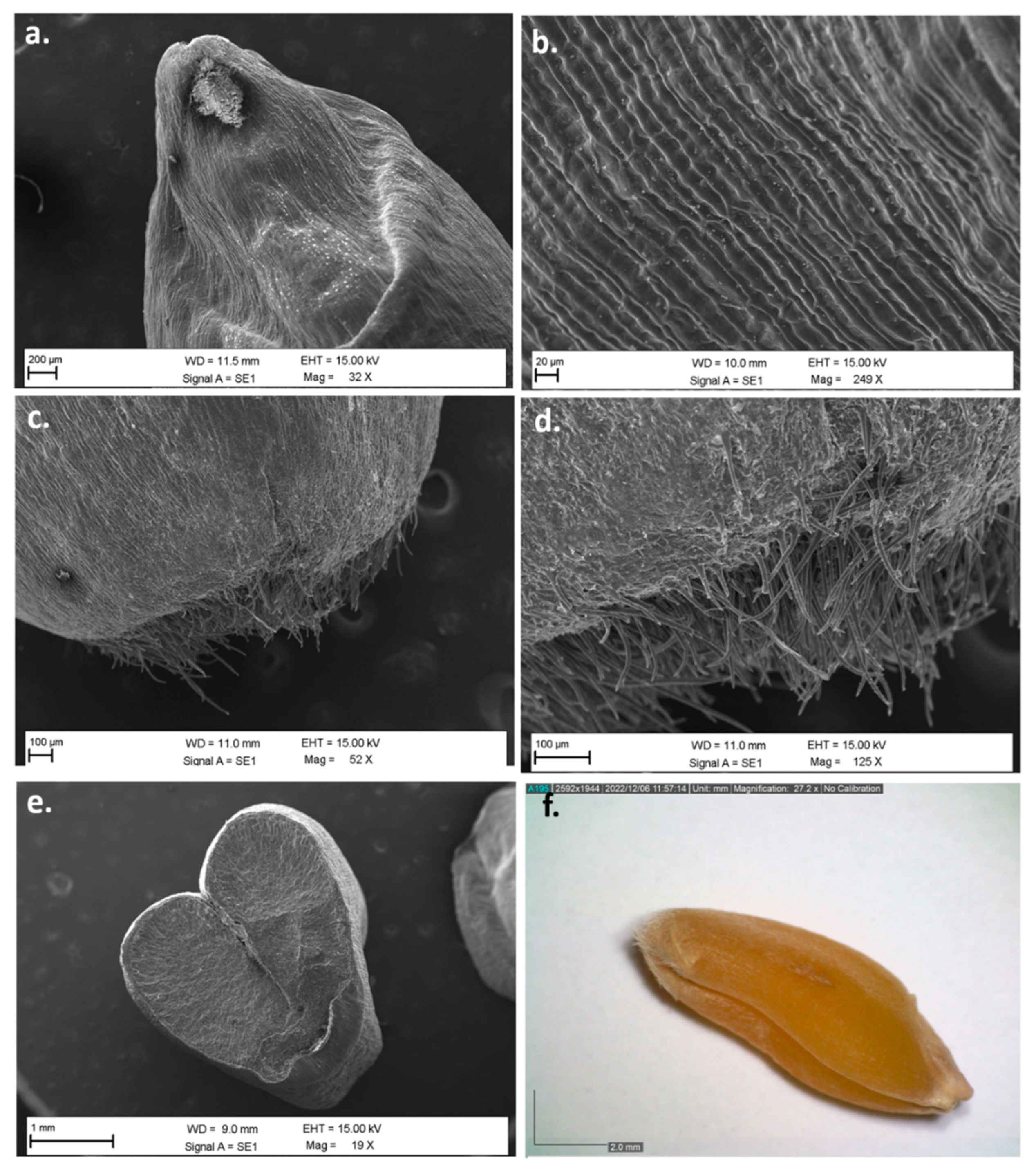
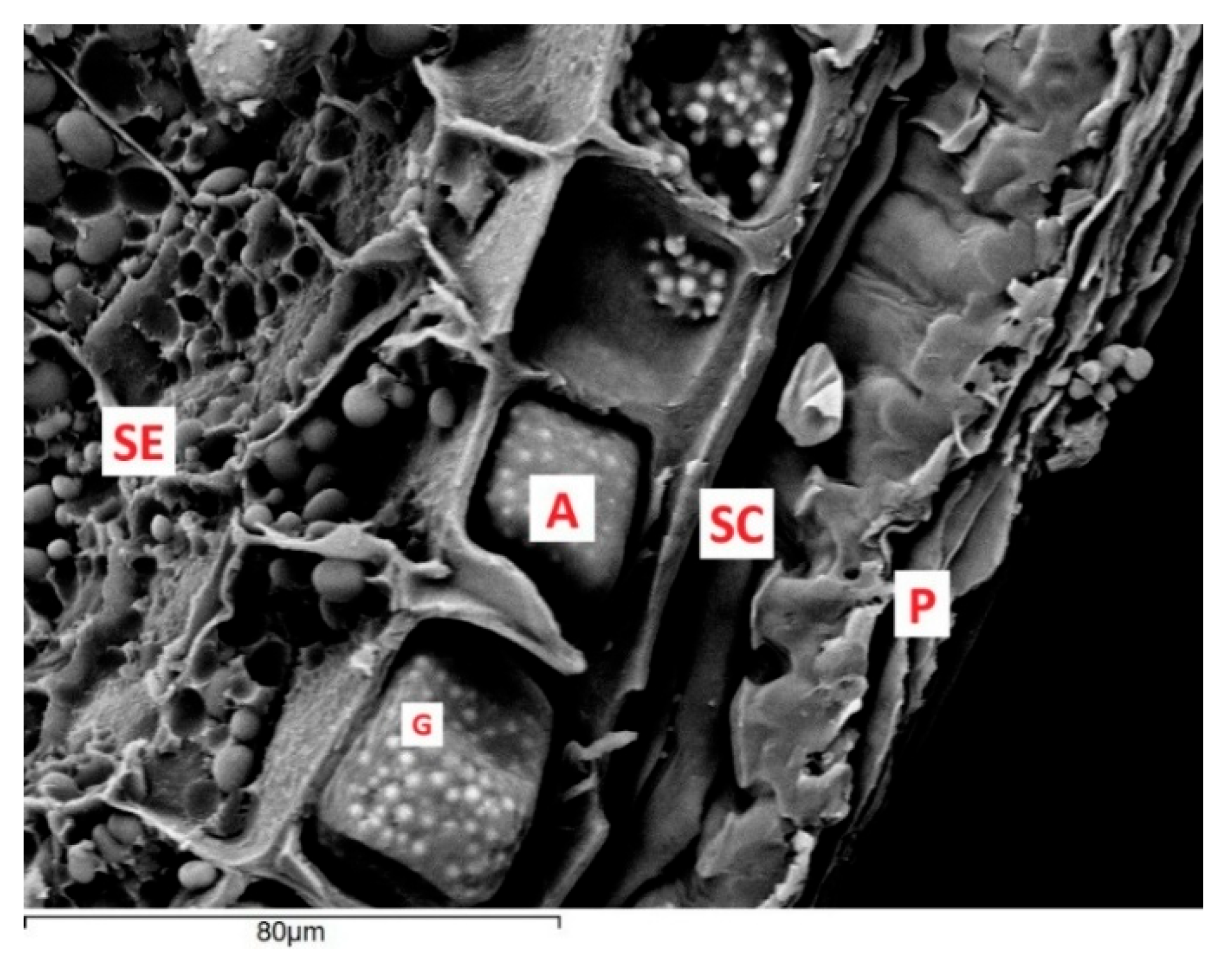
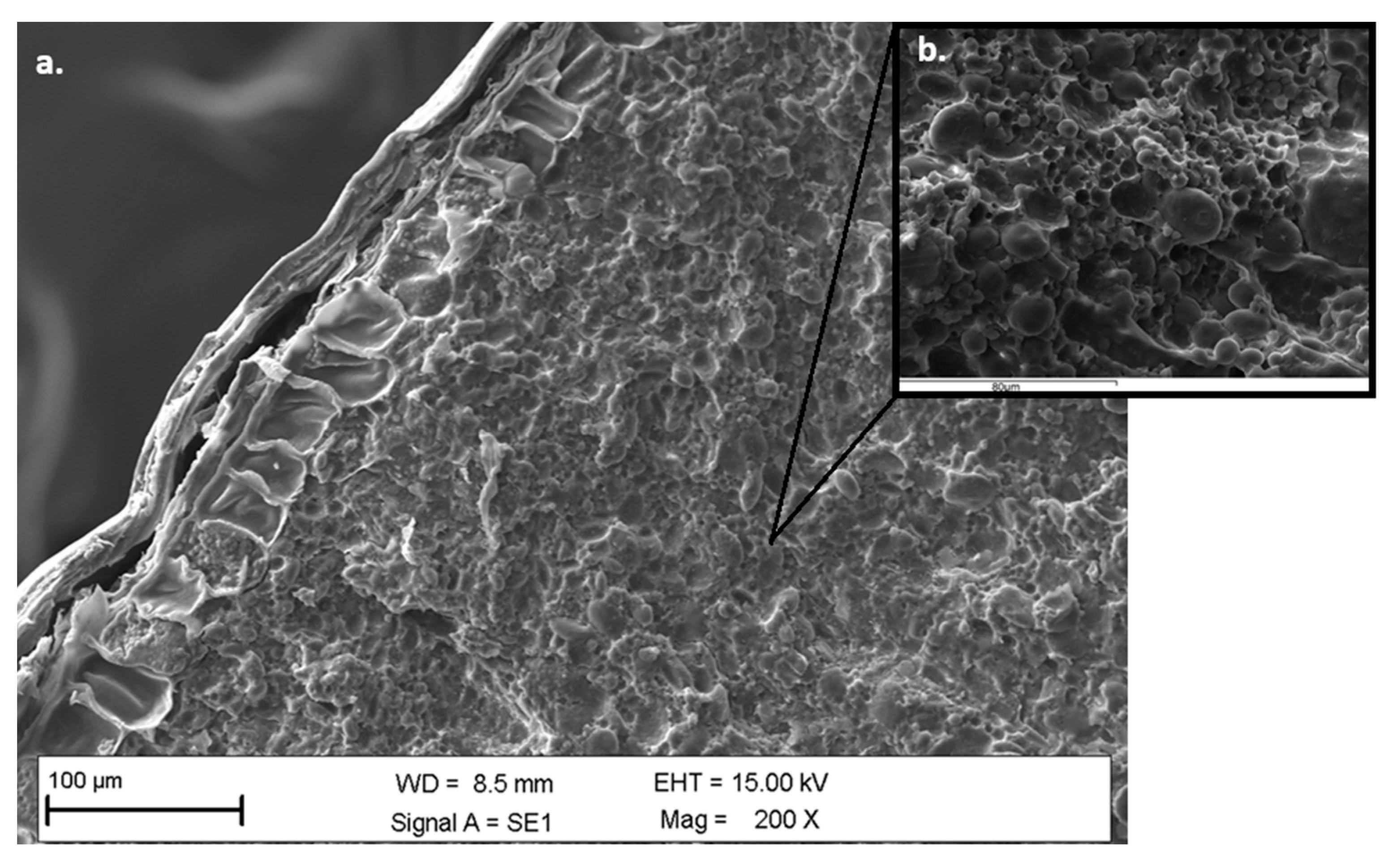
3.4. Morphometric, Morphological and Ultrastructural Analysis Through Scanning Electron Microscopy (SEM)
3.5. Genetic Polymorphisms
4. Conclusions
Supplementary Materials
Author Contributions
Funding
Data Availability Statement
Acknowledgments
Conflicts of Interest
Abbreviations
| AOAC | Association of Official Analytical Chemists |
| DON | Deoxynivalenol |
| DPPH | 2,2-Diphenyl-1-Picrylhydrazyl |
| ELISA | Enzyme-Linked Immunosorbent Assay |
| EtOH | Ethanol |
| EU | European Union |
| GAE | Gallic Acid Equivalents |
| HPLC | High-Performance Liquid Chromatography |
| HSI | Heat Susceptibility Index |
| KN | Kernel Number per Square Meter |
| LC-MS/MS | Liquid Chromatography–Mass Spectrometry |
| MAE | Microwave-Assisted Extraction |
| MASAF | Ministero dell’Agricoltura, della Sovranità Alimentare e delle Foreste |
| NIRS | Near-Infrared Spectroscopy |
| QE | Quercetin Equivalents |
| QTL | Quantitative Trait Loci |
| SEM | Scanning Electron Microscopy |
| SEM-EDX | Scanning Electron Microscopy-Energy Dispersive X-Ray Spectroscopy |
| TFC | Total Flavonoids Content |
| TKW | Thousand-Kernel Weight |
| TPC | Total Phenolic Content |
References
- Shewry, P.R.; Hey, S.J. The contribution of wheat to human diet and health. Food Energy Secur. 2015, 4, 178–202. [Google Scholar] [CrossRef]
- Das, S.; Ahmed, R.; Samanta, S.; Banerjee, J.; Rahaman, S.N.; Kaur, A.; Purewal, S.S.; Dash, S.K. Health Benefits of Cereal Grains. In Cereal Grains: Processing Methods for Preserving Nutritional Value; CRC Press: Boca Raton, FL, USA, 2025; p. 398. [Google Scholar]
- Murtaugh, M.A.; Jacobs, D.R., Jr.; Jacob, B.; Steffen, L.M.; Marquart, L. Epidemiological support for the protection of whole grains against diabetes. Proc. Nutr. Soc. 2003, 62, 143–149. [Google Scholar] [CrossRef]
- Shewry, P.R.; Ward, J.L. Exploiting genetic variation to improve wheat composition for the prevention of chronic diseases. Food Energy Secur. 2012, 1, 47–60. [Google Scholar] [CrossRef]
- Larsson, S.C.; Giovannucci, E.; Bergkvist, L.; Wolk, A. Whole grain consumption and risk of colorectal cancer: A population-based cohort of 60 000 women. Br. J. Cancer 2005, 92, 1803–1807. [Google Scholar] [CrossRef] [PubMed]
- Leoncini, E.; Prata, C.; Malaguti, M.; Marotti, I.; Segura-Carretero, A.; Catizone, P.; Dinelli, G.; Hrelia, S. Phytochemical Profile and Nutraceutical Value of Old and Modern Common Wheat Cultivars. PLoS ONE 2012, 7, e45997. [Google Scholar] [CrossRef]
- Masisi, K.; Beta, T.; Moghadasian, M.H. Antioxidant properties of diverse cereal grains: A review on in vitro and in vivo studies. Food Chem. 2016, 196, 90–97. [Google Scholar] [CrossRef] [PubMed]
- Huertas-García, A.B.; Tabbita, F.; Alvarez, J.B.; Sillero, J.C.; Ibba, M.I.; Rakszegi, M.; Guzmán, C. Genetic variability for grain components related to nutritional quality in spelt and common wheat. J. Agric. Food Chem. 2023, 71, 10598–10606. [Google Scholar] [CrossRef]
- Hidalgo, A.; Brandolini, A. Nutritional and technological quality of einkorn (Triticum monococcum L. ssp. monococcum), an ancient wheat with a future. In Proceedings of the 16th Conference of the International Work Group for Palaeoethnobotany. Abstracts Book; School of History and Archaeology, Aristotle University of Thessaloniki: Thessaloniki, Greece, 2013; pp. 215–216. [Google Scholar]
- Heimler, D.; Vignolini, P.; Dini, M.G.; Vincieri, F.F.; Romani, A. Antiradical activity and polyphenol composition of local Brassicaceae edible varieties. Food Chem. 2006, 99, 464–469. [Google Scholar] [CrossRef]
- Rascio, A.; Fiorillo, F.; Paone, S.; De Santis, G.; Sorrentino, G. Quantitative botanical characterization of Saragolla wheat landraces from Abruzzo and Puglia Regions of Italy. Plant Genet. Resour. 2022, 20, 434–441. [Google Scholar] [CrossRef]
- Scala, V.; Aureli, G.; Cesarano, G.; Incerti, G.; Fanelli, C.; Scala, F.; Bonanomi, G. Climate, soil management, and cultivar affect Fusarium head blight incidence and deoxynivalenol accumulation in durum wheat of Southern Italy. Front. Microbiol. 2016, 7, 1014. [Google Scholar] [CrossRef]
- Covarelli, L.; Beccari, G.; Prodi, A.; Generotti, S.; Etruschi, F.; Juan, C.; Mañes, J. Fusarium species, chemotype characterisation and trichothecene contamination of durum and soft wheat in an area of central Italy. J. Sci. Food Agric. 2015, 95, 540–551. [Google Scholar] [CrossRef]
- Licaj, I.; Di Meo, M.C.; Fiorillo, A.; Samperna, S.; Marra, M.; Rocco, M. Comparative Analysis of the Response to Polyethylene Glycol-Simulated Drought Stress in Roots from Seedlings of “Modern” and “Ancient” Wheat Varieties. Plants 2023, 12, 428. [Google Scholar] [CrossRef] [PubMed]
- Licaj, I.; Felice, D.; Germinario, C.; Zanotti, C.; Fiorillo, A.; Marra, M.; Rocco, M. An artificial intelligence integrated analysis of the effect of drought stress on root traits of “modern” and “ancient” wheat varieties. Front. Plant Sci. 2023, 14, 1241281. [Google Scholar] [CrossRef] [PubMed]
- Licaj, I.; Germinario, C.; Di Meo, M.C.; Varricchio, E.; Rocco, M. The physiology and anatomy study in leaves of Saragolla and Svevo wheat cultivars under polyethylene glycol-simulated drought stress. Funct. Plant Biol. 2024, 51, FP23151. [Google Scholar] [CrossRef]
- Shapter, F.M.; Henry, R.J.; Lee, L.S. Endosperm and starch granule morphology in wild cereal relatives. Plant Genet. Resour. 2008, 6, 85–97. [Google Scholar] [CrossRef]
- Arriagada, O.; Marcotuli, I.; Gadaleta, A.; Schwember, A.R. Molecular mapping and genomics of grain yield in durum wheat: A review. Int. J. Mol. Sci. 2020, 21, 7021. [Google Scholar] [CrossRef]
- Di Loreto, A.; Bosi, S.; Montero, L.; Bregola, V.; Marotti, I.; Sferrazza, R.E.; Cifuentes, A. Determination of phenolic compounds in ancient and modern durum wheat genotypes. Electrophoresis 2018, 39, 2001–2010. [Google Scholar] [CrossRef]
- Di Meo, M.C.; De Cristofaro, G.A.; Imperatore, R.; Rocco, M.; Giaquinto, D.; Palladino, A.; Zotti, T.; Vito, P.; Paolucci, M.; Varricchio, E. Microwave-assisted extraction of olive leaf from five Italian cultivars: Effects of harvest-time and extraction conditions on phenolic compounds and in vitro antioxidant properties. ACS Food Sci. Technol. 2021, 2, 31–40. [Google Scholar] [CrossRef]
- Singleton, V.L.; Rossi, J.A. Colorimetry of total phenolics with phosphomolybdic-phosphotungstic acid reagents. Am. J. Enol. Vitic. 1965, 16, 144–158. [Google Scholar] [CrossRef]
- Arvouet-Grand, A.; Vennat, B.; Pourrat, A.; Legret, P. Standardisation dun extrait de propolis et identification desprincipaux constituants. J. Pharm. Belg. 1994, 49, 462–468. [Google Scholar]
- Ladhari, A.; Gaaliche, B.; Zarrelli, A.; Ghannem, M.; Mimoun, M.B. Allelopathic potential and phenolic allelochemicals discrepancies in Ficus carica L. cultivars. S. Afr. J. Bot. 2020, 130, 30–44. [Google Scholar] [CrossRef]
- Di Meo, M.C.; Licaj, I.; Varricchio, R.; De Nisco, M.; Stilo, R.; Rocco, M.; Bianchi, A.R.; D’Angelo, L.; De Girolamo, P.; Vito, P.; et al. Functional Feed with Bioactive Plant-Derived Compounds: Effects on Pig Performance, Muscle Fatty Acid Profile, and Meat Quality in Finishing Pigs. Animals 2025, 15, 535. [Google Scholar] [CrossRef]
- Biel, W.; Jaroszewska, A.; Stankowski, S.; Sobolewska, M.; Kępińska-Pacelik, J. Comparison of yield, chemical composition and farinograph properties of common and ancient wheat grains. Eur. Food Res. Technol. 2021, 247, 1525–1538. [Google Scholar] [CrossRef]
- Golea, C.M.; Stroe, S.G.; Gâtlan, A.M.; Codină, G.G. Physicochemical characteristics and microstructure of ancient and common wheat grains cultivated in Romania. Plants 2023, 12, 2138. [Google Scholar] [CrossRef] [PubMed]
- Athinaiou, A.; Aja, S.; Haros, C.M. Nutritional Characterization of Ancestral Organic Wheats: Emmer, Khorasan and Spelt. Biol. Life Sci. Forum 2022, 17, 6. [Google Scholar] [CrossRef]
- Šramková, Z.; Gregová, E.; Šturdík, E. Chemical composition and nutritional quality of wheat grain. Acta Chim. Slovaca 2009, 2, 115–138. [Google Scholar]
- Anai, T.; Koga, M.; Tanaka, H.; Kinoshita, T.; Rahman, S.M.; Takagi, Y. Improvement of rice (Oryza sativa L.) seed oil quality through introduction of a soybean microsomal omega-3 fatty acid desaturase gene. Plant Cell Rep. 2003, 21, 988–992. [Google Scholar] [CrossRef] [PubMed]
- Murphy, D.J. Molecular breeding strategies for the modification of lipid composition. In Vitro Cell. Dev. Biol.-Plant 2006, 42, 89–99. [Google Scholar] [CrossRef]
- INRAE-CIRAD-AFZ Feed Tables. Available online: https://feedtables.com/ (accessed on 1 April 2025).
- De Wit, N.; Esser, D.; Siebelink, E.; Fischer, A.; Sieg, J.; Mes, J. Extrinsic wheat fibre consumption enhances faecal bulk and stool frequency; a randomized controlled trial. Food Funct. 2019, 10, 646–651. [Google Scholar] [CrossRef]
- Weickert, M.O.; Pfeiffer, A.F. Metabolic Effects of Dietary Fiber Consumption and Prevention of Diabetes1. J. Nutr. 2008, 138, 439–442. [Google Scholar] [CrossRef]
- Boukid, F.; Folloni, S.; Sforza, S.; Vittadini, E.; Prandi, B. Current trends in ancient grains-based foodstuffs: Insights into nutritional aspects and technological applications. Compr. Rev. Food Sci. Food Saf. 2018, 17, 123–136. [Google Scholar] [CrossRef]
- Rasul, M.G. Conventional extraction methods use in medicinal plants, their advantages and disadvantages. Int. J. Basic Sci. Appl. Comput. 2018, 2, 10–14. [Google Scholar]
- Zarrelli, A.; Sgambato, A.; Petito, V.; De Napoli, L.; Previtera, L.; Di Fabio, G. New C-23 modified of silybin and 2,3-dehydrosilybin: Synthesis and preliminary evaluation of antioxidant properties. Bioorg. Med. Chem. Lett. 2011, 21, 4389–4392. [Google Scholar] [CrossRef]
- Rocha, G.J.; Aguiar, A.C.; Abud, C.O.; Pertuzatti, P.B.; Sampaio, K.A.; Paula, J.T. Pressurized liquid extraction as a green technique for bioactive compounds recovery from Momordica charantia leaves. Appl. Food Res. 2025, 5, 100795. [Google Scholar] [CrossRef]
- De Aguiar, A.C.; Viganó, J.; da Silva Anthero, A.G.; Dias, A.L.B.; Hubinger, M.D.; Martínez, J. Supercritical fluids and fluid mixtures to obtain high-value compounds from Capsicum peppers. Food Chem. X 2022, 13, 100228. [Google Scholar] [CrossRef] [PubMed]
- Rangel-Huerta, O.D.; Pastor-Villaescusa, B.; Aguilera, C.M.; Gil, A. A Systematic Review of the Efficacy of Bioactive Compounds in Cardiovascular Disease: Phenolic Compounds. Nutrients 2015, 7, 5177–5216. [Google Scholar] [CrossRef] [PubMed]
- Di Fabio, G.; Romanucci, V.; Di Marino, C.; Pisanti, A.; Zarrelli, A. Gymnema sylvestre R. Br., an Indian medicinal herb: Traditional uses, chemical composition, and biological activity. Curr. Pharm. Biotechnol. 2015, 16, 506–516. [Google Scholar] [CrossRef]
- Lohvina, H.; Sándor, M.; Wink, M. Effect of Ethanol Solvents on Total Phenolic Content and Antioxidant Properties of Seed Extracts of Fenugreek (Trigonella foenum-graecum L.) Varieties and Determination of Phenolic Composition by HPLC-ESI-MS. Diversity 2022, 14, 7. [Google Scholar] [CrossRef]
- Nouioura, G.; El Fadili, M.; El Barnossi, A.; Loukili, E.H.; Laaroussi, H.; Bouhrim, M.; Derwich, E.H. Comprehensive analysis of different solvent extracts of Ferula communis L. fruit reveals phenolic compounds and their biological properties via in vitro and in silico assays. Sci. Rep. 2024, 14, 8325. [Google Scholar] [CrossRef]
- Mustafa, A.; Turner, C. Pressurized liquid extraction as a green approach in food and herbal plants extraction: A review. Anal. Chim. Acta 2011, 703, 8–18. [Google Scholar] [CrossRef] [PubMed]
- Zhang, G.; Xu, Z.; Gao, Y.; Huang, X.; Zou, Y.; Yang, T. Effects of germination on the nutritional properties, phenolic profiles, and antioxidant activities of buckwheat. J. Food Sci. 2015, 80, H1111–H1119. [Google Scholar] [CrossRef]
- Racioppi, M.; Tartaglia, M.; De la Rosa, J.M.; Marra, M.; Lopez-Capel, E.; Rocco, M. Response of ancient and modern wheat varieties to biochar application: Effect on hormone and gene expression involved in germination and growth. Agronomy 2019, 10, 5. [Google Scholar] [CrossRef]
- Rodríguez, M.V.; Barrero, J.M.; Corbineau, F.; Gubler, F.; Benech-Arnold, R.L. Dormancy in cereals (not too much, not so little): About the mechanisms behind this trait. Seed Sci. Res. 2015, 25, 99–119. [Google Scholar] [CrossRef]
- Klepacka, J.; Fornal, Ł. Ferulic acid and its position among the phenolic compounds of wheat. Crit. Rev. Food Sci. Nutr. 2006, 46, 639–647. [Google Scholar] [CrossRef]
- Di Domenico, M.; Feola, A.; Ambrosio, P.; Pinto, F.; Galasso, G.; Zarrelli, A.; Crescenzi, E.; Roscetto, E.; Boccellino, M. Antioxidant Effect of Beer Polyphenols and Their Bioavailability in Dental-Derived Stem Cells (D-dSCs) and Human Intestinal Epithelial Lines (Caco-2) Cells. Stem Cells Int. 2020, 2020, 8835813. [Google Scholar] [CrossRef]
- Pollio, A.; Zarrelli, A.; Romanucci, V.; Di Mauro, A.; Barra, F.; Pinto, G.; Crescenzi, E.; Roscetto, E.; Palumbo, G. Polyphenolic profile and targeted bioactivity of methanolic extracts from Mediterranean ethnomedicinal plants on human cancer cell lines. Molecules 2016, 21, 395. [Google Scholar] [CrossRef]
- Singh, A.; Gupta, R.; Pandey, R. Exogenous application of rutin and gallic acid regulate antioxidants and alleviate reactive oxygen generation in Oryza sativa L. Physiol. Mol. Biol. Plants 2017, 23, 301–309. [Google Scholar] [CrossRef] [PubMed]
- Regulation (EC) No. 1881/2006; No. 1126/2007. Available online: https://www.iss.it/en/-/european-legislation-2 (accessed on 15 December 2025).
- Costantini, E.A.; Fantappié, M.; L’Abate, G. Climate and pedoclimate of Italy. In The Soils of Italy; Springer: Dordrecht, The Netherlands, 2013; pp. 19–37. [Google Scholar] [CrossRef]
- Xie, H.; Ying, R.; Tang, Z.; Wu, C.; Huang, M. Effects of cereal grain cell wall composition and structure on starch digestion. J. Sci. Food Agric. 2023, 103, 5831–5838. [Google Scholar] [CrossRef]
- Panato, A.; Antonini, E.; Bortolotti, F.; Ninfali, P. The histology of grain caryopses for nutrient location: A comparative study of six cereals. Int. J. Food Sci. Technol. 2017, 52, 1238–1245. [Google Scholar] [CrossRef]
- Wang, J.; Liu, C.; Zheng, X.; Hong, J.; Sun, B.; Liu, M. Development of wheat endosperm and the pathway of nutrient entering the endosperm. Acta Agron. Sin. 1998, 24, 536–543. [Google Scholar]
- Dai, Z.; Yin, Y.; Wang, Z. Starch granule size distribution from seven wheat cultivars under different water regimes. Cereal Chem. 2009, 86, 82–87. [Google Scholar] [CrossRef]
- Guo, L.; Chen, H.; Zhang, Y.; Yan, S.; Chen, X.; Gao, X. Starch granules and their size distribution in wheat: Biosynthesis, physicochemical properties and their effect on flour-based food systems. Comput. Struct. Biotechnol. J. 2023, 21, 4172–4186. [Google Scholar] [CrossRef]
- Cornejo-Ramírez, Y.I.; Martínez-Cruz, O.; Del Toro-Sánchez, C.L.; Wong-Corral, F.J.; Borboa-Flores, J.; Cinco-Moroyoqui, F.J. The structural characteristics of starches and their functional properties. CyTA-J. Food 2018, 16, 1003–1017. [Google Scholar] [CrossRef]
- Wang, J.; Liu, C.; Zheng, X.; Hong, J.; Sun, B.; Liu, M. The structural integrity of endosperm/cotyledon cells and cell modification affect starch digestion properties. Food Funct. 2023, 14, 6784–6801. [Google Scholar] [CrossRef] [PubMed]
- Bulut, S.; Öztürk, A.; Yıldız, N.; Karaoğlu, M.M. Mineral composition of wheat species as influenced by different fertilizer sources and different weed control practices. Res. Sq. 2022. [Google Scholar] [CrossRef]
- Canay, F.U.; Sanal, T.; Koksel, H. Quality and nutritional characteristics of durum wheats grown in Anatolia. Qual. Assur. Saf. Crops Foods 2022, 14, 169–177. [Google Scholar] [CrossRef]
- Ertop, M.H.; Atasoy, R. Comparison of physicochemical attributes of einkorn wheat (Triticum monococcum) and durum wheat (Triticum durum) and evaluation of morphological properties using scanning electron microscopy and image analysis. J. Agric. Sci. 2019, 25, 93–99. [Google Scholar] [CrossRef]
- Meziani, S.; Nadaud, I.; Tasleem-Tahir, A.; Nurit, E.; Benguella, R.; Branlard, G. Wheat aleurone layer: A site enriched with nutrients and bioactive molecules with potential nutritional opportunities for breeding. J. Cereal Sci. 2021, 100, 103225. [Google Scholar] [CrossRef]
- Li, C.; Feng, C.; Wang, Y.; Zhang, R.; Guo, W. Differences of mineral element compositions and their contents among different positions of wheat grains. Plant Physiol. Commun. 2007, 43, 1077–1081. [Google Scholar]
- Li, X.; Hu, H.; Xu, F.; Liu, Z.; Zhang, L.; Zhang, H. Effects of aleurone-rich fraction on the hydration and rheological properties attributes of wheat dough. Int. J. Food Sci. Technol. 2019, 54, 1777–1786. [Google Scholar] [CrossRef]
- Xiong, F.; Yu, X.; Zhou, L.; Wang, Z.; Wang, F.; Xiong, A. Structural development of aleurone and its function in common wheat. Mol. Biol. Rep. 2013, 40, 6785–6792. [Google Scholar] [CrossRef] [PubMed]
- Yu, R.C.W. Studies on Multi-Layer Aleurone Mutants in Cereals and Their Nutritional Significance. Ph.D. Thesis, The Australian National University, Acton, Australia, 2018. [Google Scholar]
- Wu, M.; Huang, J.; Xu, S.; Ling, T.; Xie, Y.; Shen, W. Haem oxygenase delays programmed cell death in wheat aleurone layers by modulation of hydrogen peroxide metabolism. J. Exp. Bot. 2011, 62, 235–248. [Google Scholar] [CrossRef] [PubMed]
- Young, T.E.; Gallie, D.R. Programmed cell death during endosperm development. Plant Mol. Biol. 2000, 44, 283–301. [Google Scholar] [CrossRef]
- Antonini, E.; Zara, C.; Valentini, L.; Gobbi, P.; Ninfali, P.; Menotta, M. Novel insights into pericarp, protein body globoids of aleurone layer, starchy granules of three cereals gained using atomic force microscopy and environmental scanning electronic microscopy. Eur. J. Histochem. EJH 2018, 62, 2869. [Google Scholar] [CrossRef]
- Zheng, B.S.; Le Gouis, J.; Leflon, M.; Rong, W.Y.; Laperche, A.; Brancourt-Hulmel, M. Using probe genotypes to dissect QTL × environment interactions for grain yield components in winter wheat. Theor. Appl. Genet. 2010, 121, 1501–1517. [Google Scholar] [CrossRef]
- Röder, M.S.; Korzun, V.; Wendehake, K.; Plaschke, J.; Tixier, M.H.; Leroy, P.; Ganal, M.W. A microsatellite map of wheat. Genetics 1998, 149, 2007–2023. [Google Scholar] [CrossRef]
- Ramya, P.; Chaubal, A.; Kulkarni, K.; Gupta, L.; Kadoo, N.; Dhaliwal, H.S.; Gupt, V. QTL mapping of 1000-kernel weight, kernel length, and kernel width in bread wheat (Triticum aestivum L.). J. Appl. Genet. 2010, 51, 421–429. [Google Scholar] [CrossRef]
- Devos, K.M.; Bryan, G.J.; Collins, A.J.; Stephenson, P.; Gale, M.D. Application of two microsatellite sequences in wheat storage proteins as molecular markers. Theor. Appl. Genet. 1995, 90, 247–252. [Google Scholar] [CrossRef] [PubMed]



| Primers | Forward | Reverse |
|---|---|---|
| Taglut_1A | GCAGACCTGTGTCATTGGTC | GATATAGTGGCAGCAGGATACG |
| Gwm268_1B | AGGGGATATGTTGTCACTCCA | TTATGTGATTGCGTASCGTACCC |
| Gwm369_3A | CTGCAGGCCATGATGATG | ACCGTGGGTGTTGTGAGC |
| Barc178_6B | GCGTATTAGCAAAACAGAAGTGAG | GCGACTAGTACGAACACCACAAAA |
| Gwm297_7B | ATCGTCACGTATTTTGCAATG | TGCGTAAGTCTAGCATTTTCTG |
| Parameters | DM% |
|---|---|
| Moisture | 11.59 |
| Dry matter | 88.41 |
| Proteins | 16.33 |
| Lipids | 2.04 |
| Fibers | 2.77 |
| Ash | 2.22 |
| Starch | 62.7 |
| Carbohydrate | 76.64 |
| No. | Compounds | Λ (NM) | RT (Min) | Standard Curve | R2 | Phenolic Compounds Concentration (mg/g) |
|---|---|---|---|---|---|---|
| 1 | Gallic acid | 280 | 3 | Y = 4E + 06x | 0.97 | 0.933 ± 0.35 |
| 2 | Catechins | 280 | 9 | Y = 7E + 07x | 0.99 | 0.126 ± 0.04 |
| 3 | Ellagic acid | 280 | 12 | Y = 7E + 07x | 0.99 | 0.153 ± 0.08 |
| 4 | Ferulic acid | 280 | 15 | Y = 4E + 06x | 0.97 | 0.415 ± 0.12 |
| 5 | Syringic acid | 280 | 19 | Y = 7E + 07x | 0.99 | 0.307 ± 0.10 |
| 6 | Vanillic acid | 280 | 23 | Y = 7E + 07x | 0.99 | 0.011 ± 0.02 |
| 7 | Caffeic acid | 280 | 26 | Y = 7E + 07x | 0.99 | 0.130 ± 0.09 |
| 8 | Rutin | 280 | 34 | Y = 7E + 07x | 0.99 | 0.228 ± 0.06 |
| Locus | Saragolla Autochthonous | Saragolla Syngenta |
|---|---|---|
| Gwm268_1B | (CT) 2 AT (CT) > 26–25 | (CT) 2 AT (CT) > 19–35–40 |
| Gwm369_3° | (CT) > 39–73 | |
| Taglut_1° | (CAG) 2 (CAA) 18–19 | (CAG) 2 (CAA) 18–19 |
| Gwm297_7B | (GA) 16 | (GA) 18 |
| Barc178_6B | (TAA) 14–18 | (TAA) 18 |
Disclaimer/Publisher’s Note: The statements, opinions and data contained in all publications are solely those of the individual author(s) and contributor(s) and not of MDPI and/or the editor(s). MDPI and/or the editor(s) disclaim responsibility for any injury to people or property resulting from any ideas, methods, instructions or products referred to in the content. |
© 2025 by the authors. Licensee MDPI, Basel, Switzerland. This article is an open access article distributed under the terms and conditions of the Creative Commons Attribution (CC BY) license.
Share and Cite
Di Meo, M.C.; Licaj, I.; Mandrone, V.M.; Madera, J.R.; Varricchio, R.; Germinario, C.; Rocco, M.; Stilo, R.; Vito, P.; Varricchio, E. Nutritional, Functional, and Morphological Insights into a Heritage Durum Wheat of Campania. Agronomy 2026, 16, 24. https://doi.org/10.3390/agronomy16010024
Di Meo MC, Licaj I, Mandrone VM, Madera JR, Varricchio R, Germinario C, Rocco M, Stilo R, Vito P, Varricchio E. Nutritional, Functional, and Morphological Insights into a Heritage Durum Wheat of Campania. Agronomy. 2026; 16(1):24. https://doi.org/10.3390/agronomy16010024
Chicago/Turabian StyleDi Meo, Maria Chiara, Ilva Licaj, Vittorio Maria Mandrone, Jessica Raffaella Madera, Romualdo Varricchio, Chiara Germinario, Mariapina Rocco, Romania Stilo, Pasquale Vito, and Ettore Varricchio. 2026. "Nutritional, Functional, and Morphological Insights into a Heritage Durum Wheat of Campania" Agronomy 16, no. 1: 24. https://doi.org/10.3390/agronomy16010024
APA StyleDi Meo, M. C., Licaj, I., Mandrone, V. M., Madera, J. R., Varricchio, R., Germinario, C., Rocco, M., Stilo, R., Vito, P., & Varricchio, E. (2026). Nutritional, Functional, and Morphological Insights into a Heritage Durum Wheat of Campania. Agronomy, 16(1), 24. https://doi.org/10.3390/agronomy16010024