Tumor-Associated Neutrophils and Desmoplastic Reaction in Breast Cancer Microenvironment: Association with Tumor Grade and Clinicopathological Features

 , and
, and
Simple Summary
Abstract
1. Introduction
2. Materials and Methods
2.1. Study Design
2.2. Participants’ Recruitment
2.3. Sample Size Calculation
2.4. Reduction in Potential Bias
2.5. Data Collection and Measurements
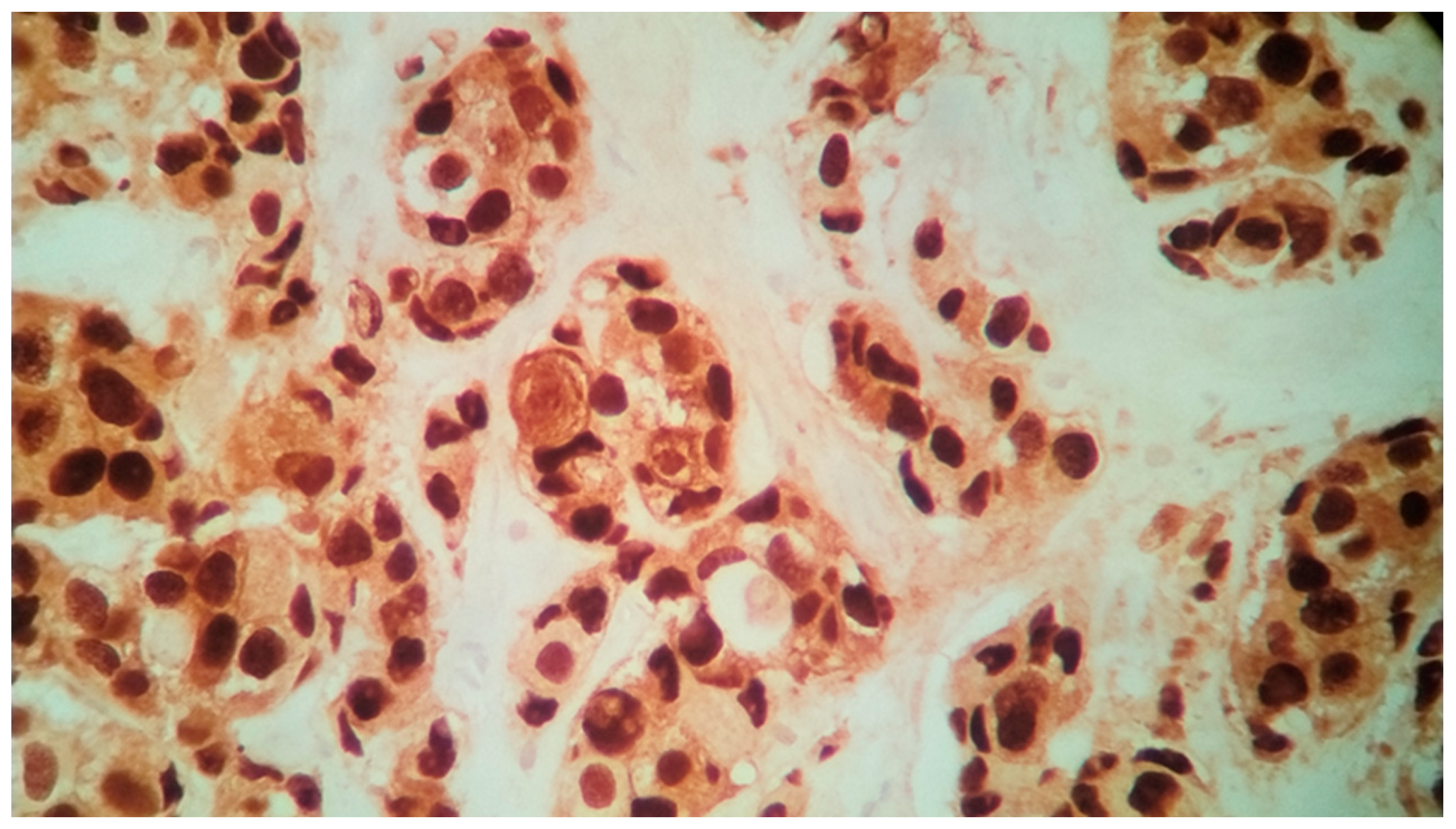
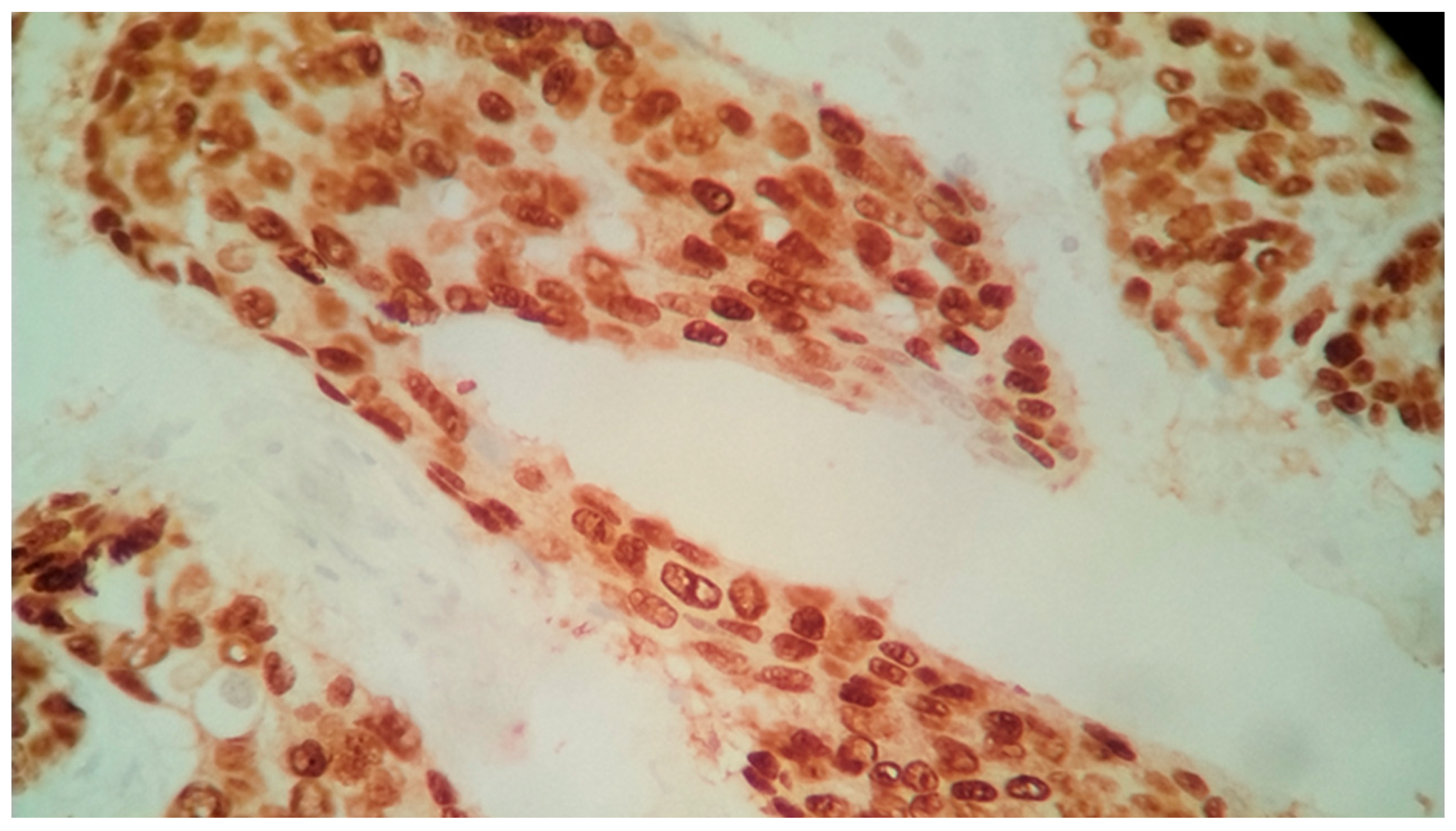
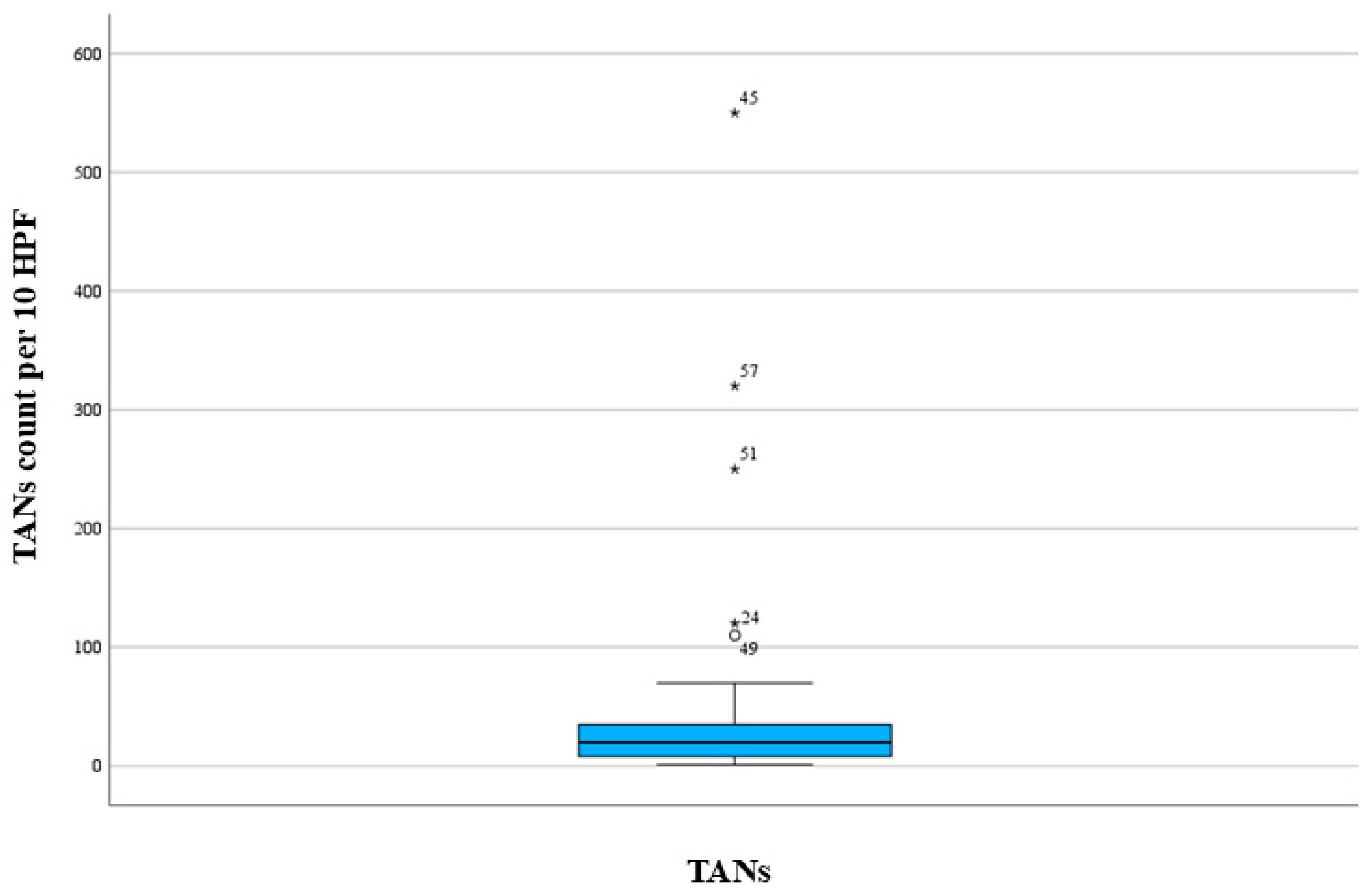
2.5.1. Quantification of TANs
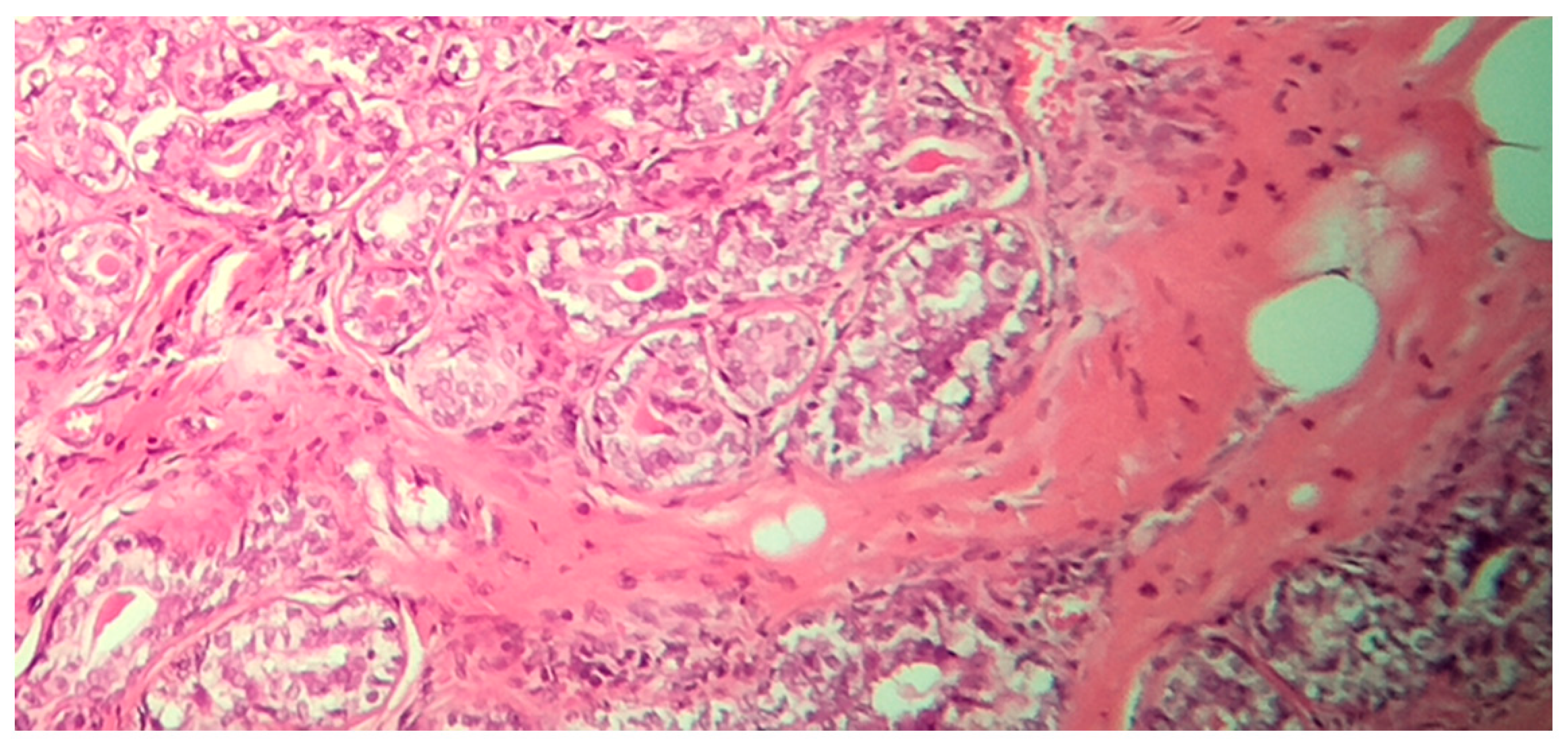
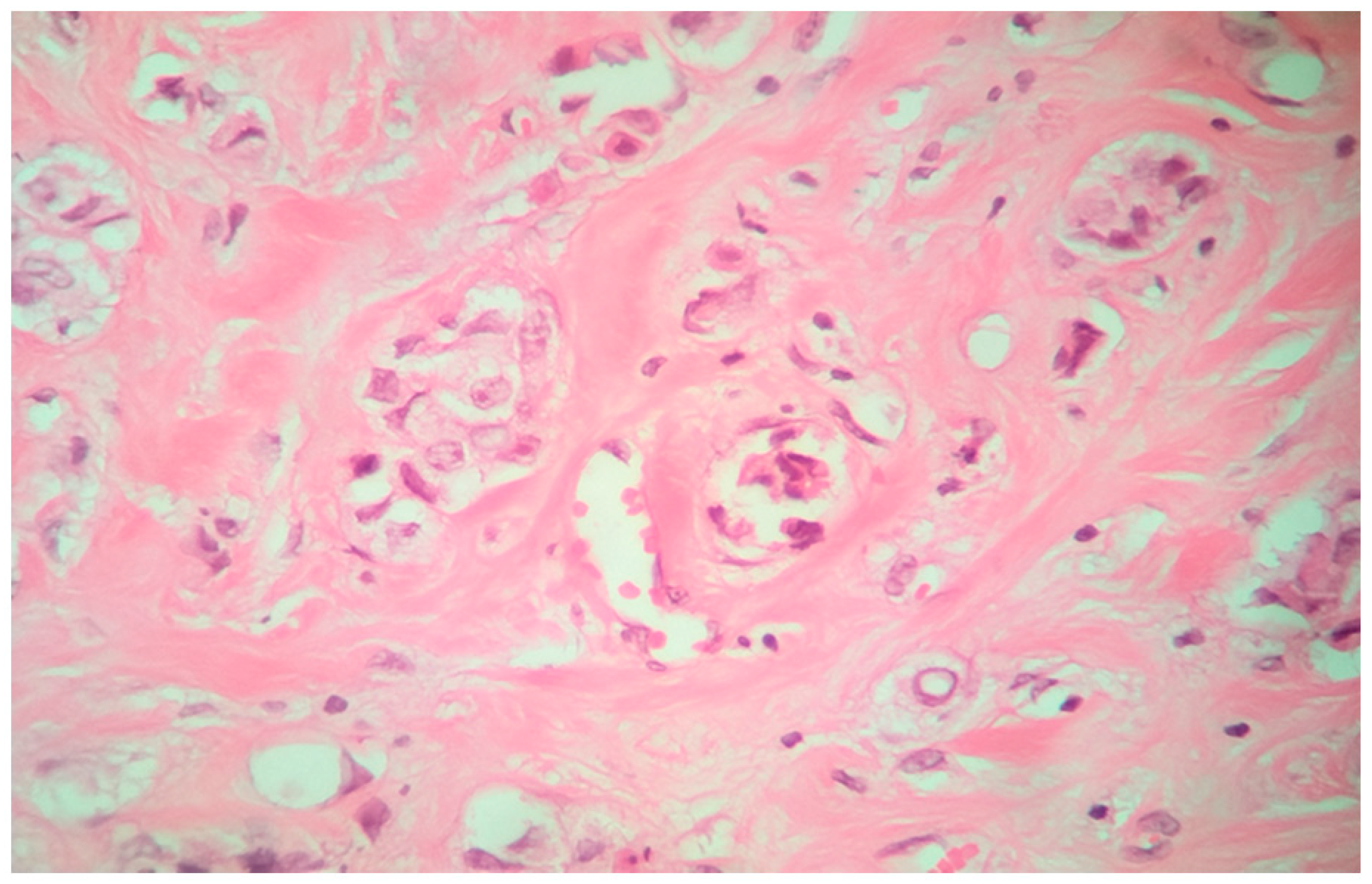
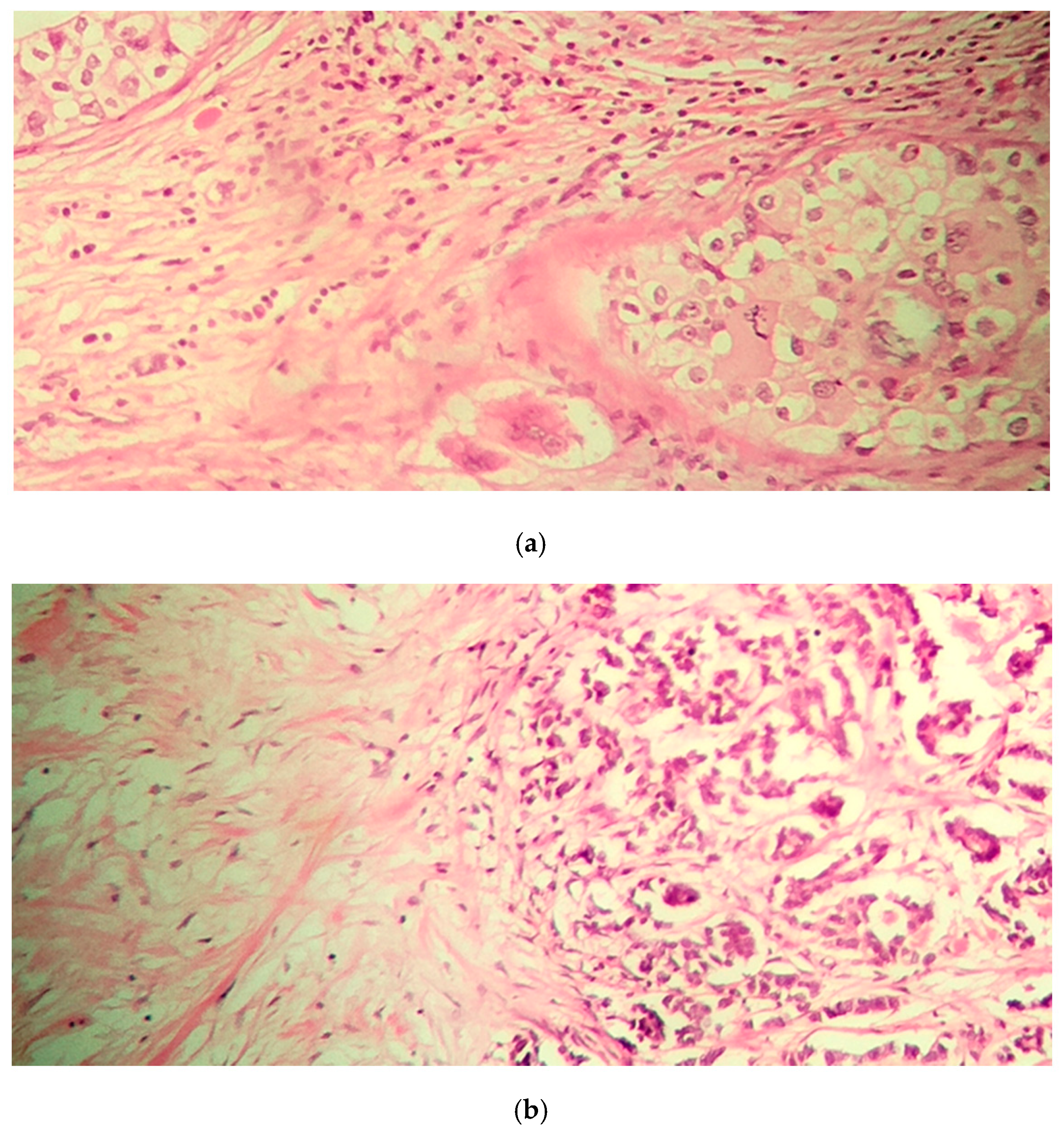
2.5.2. Classification of DR
2.6. Statistical Analysis
3. Results
3.1. Clinicopathological Results
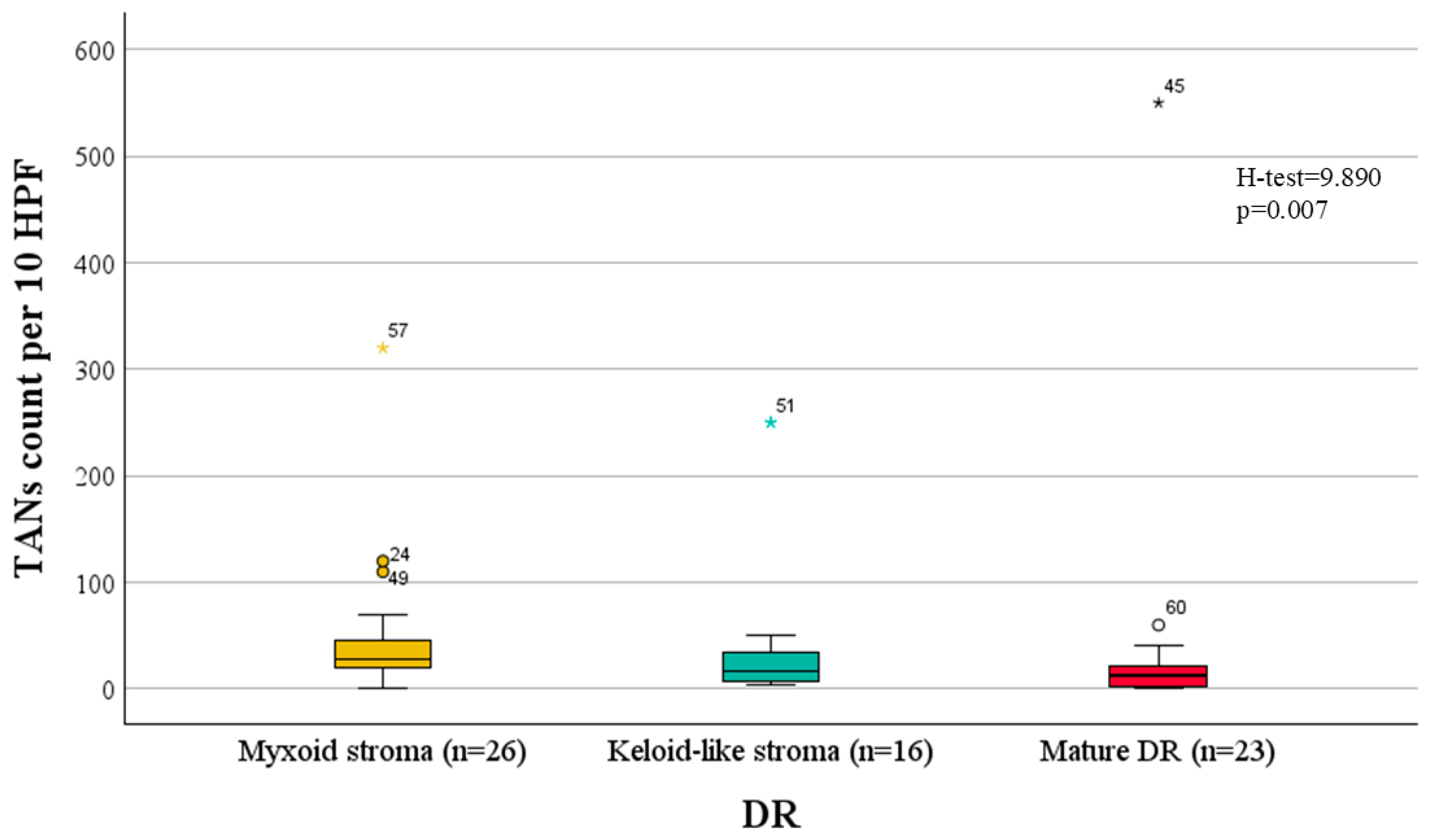
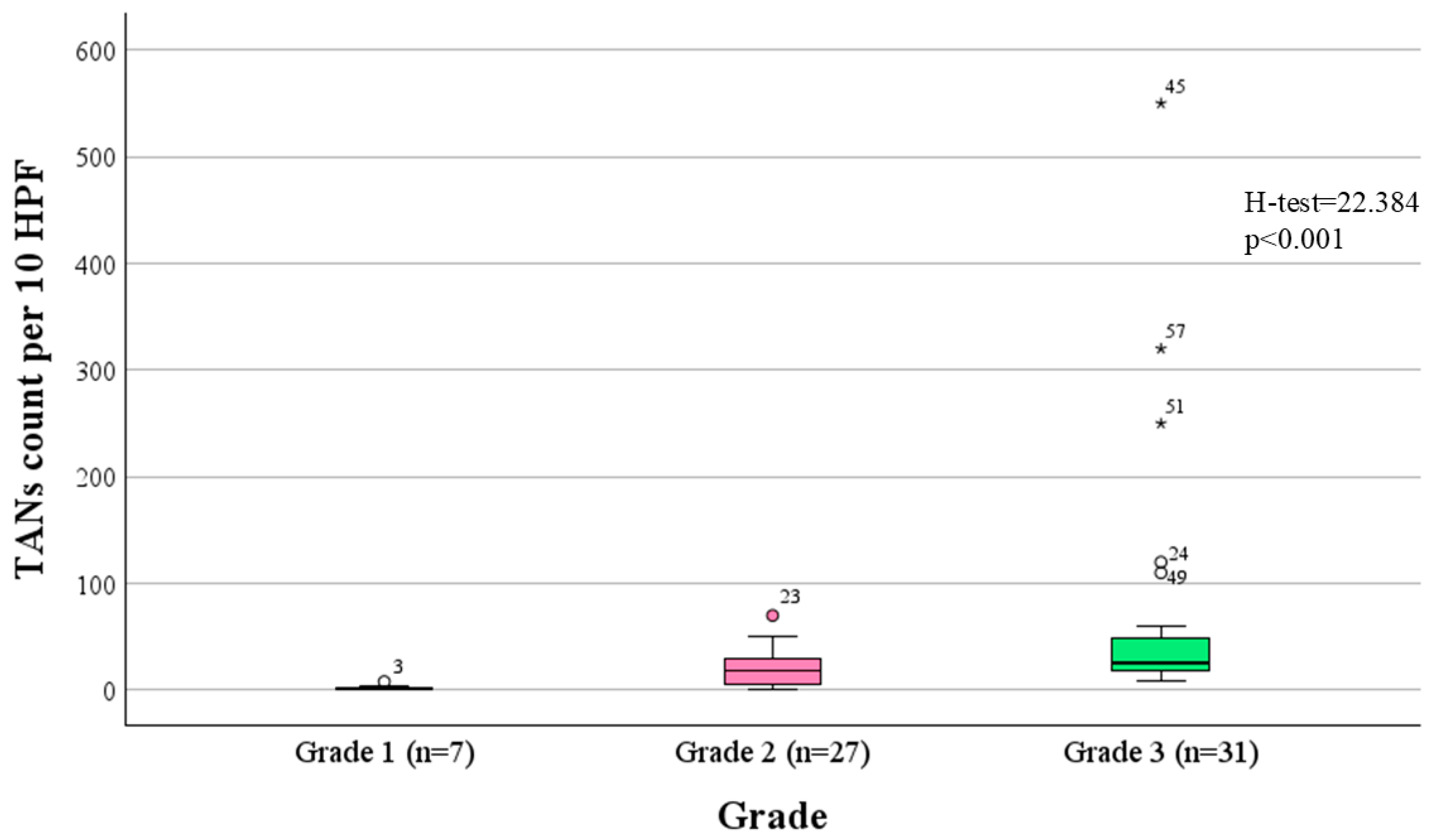
3.2. Association Between TANs, DR, and Tumor Grade
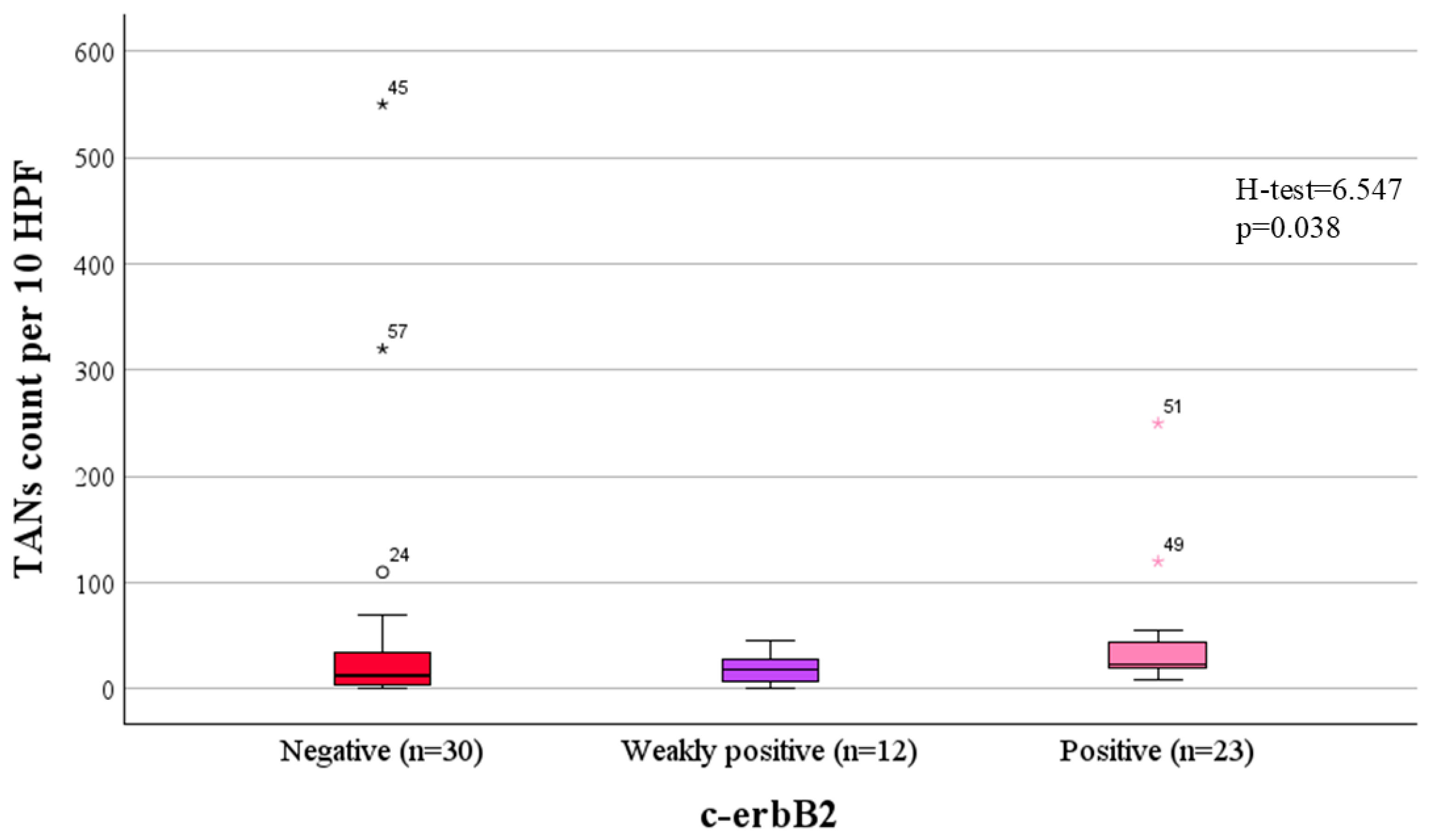
3.3. Association Between TANs and c-erbB2 Status
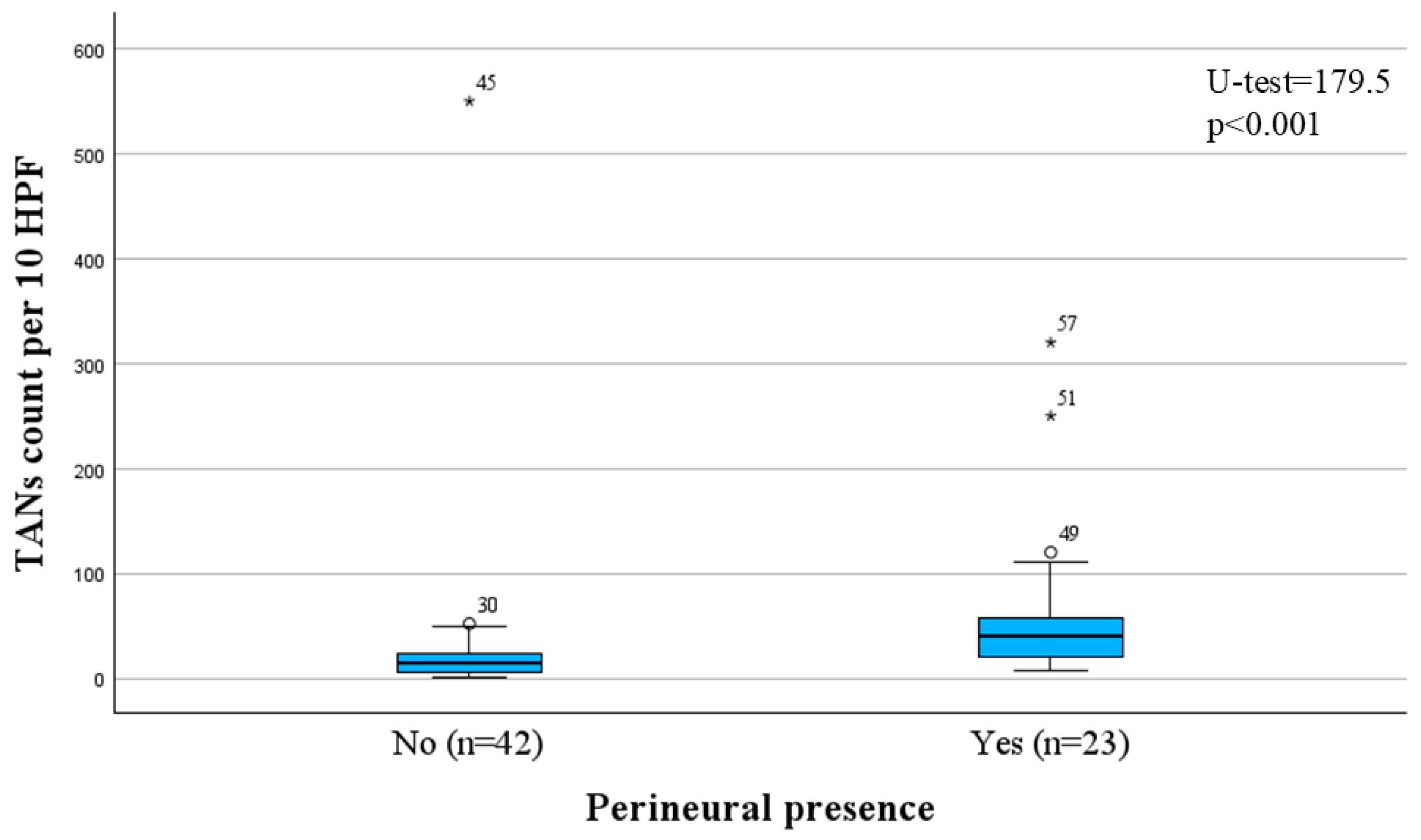
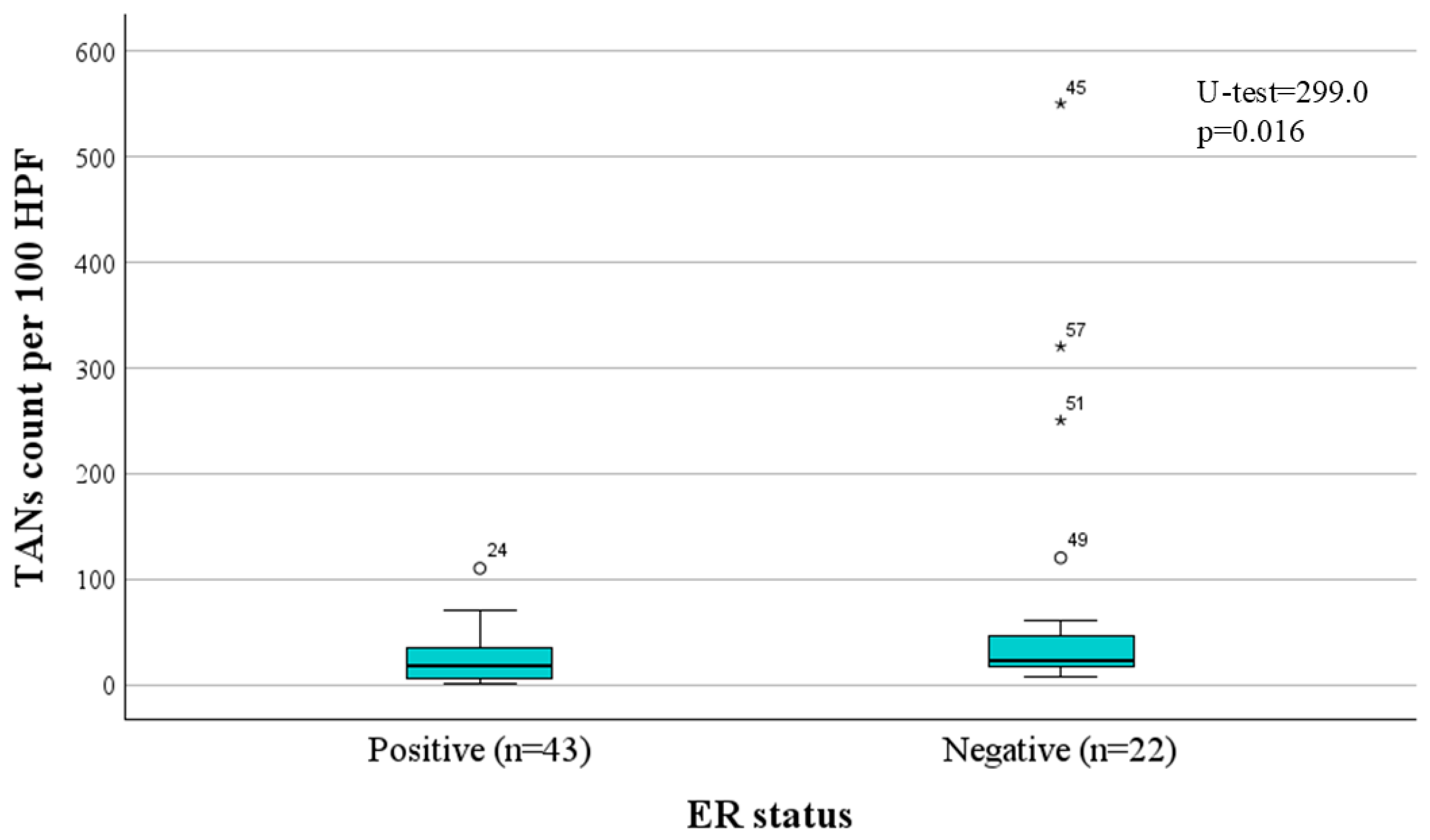
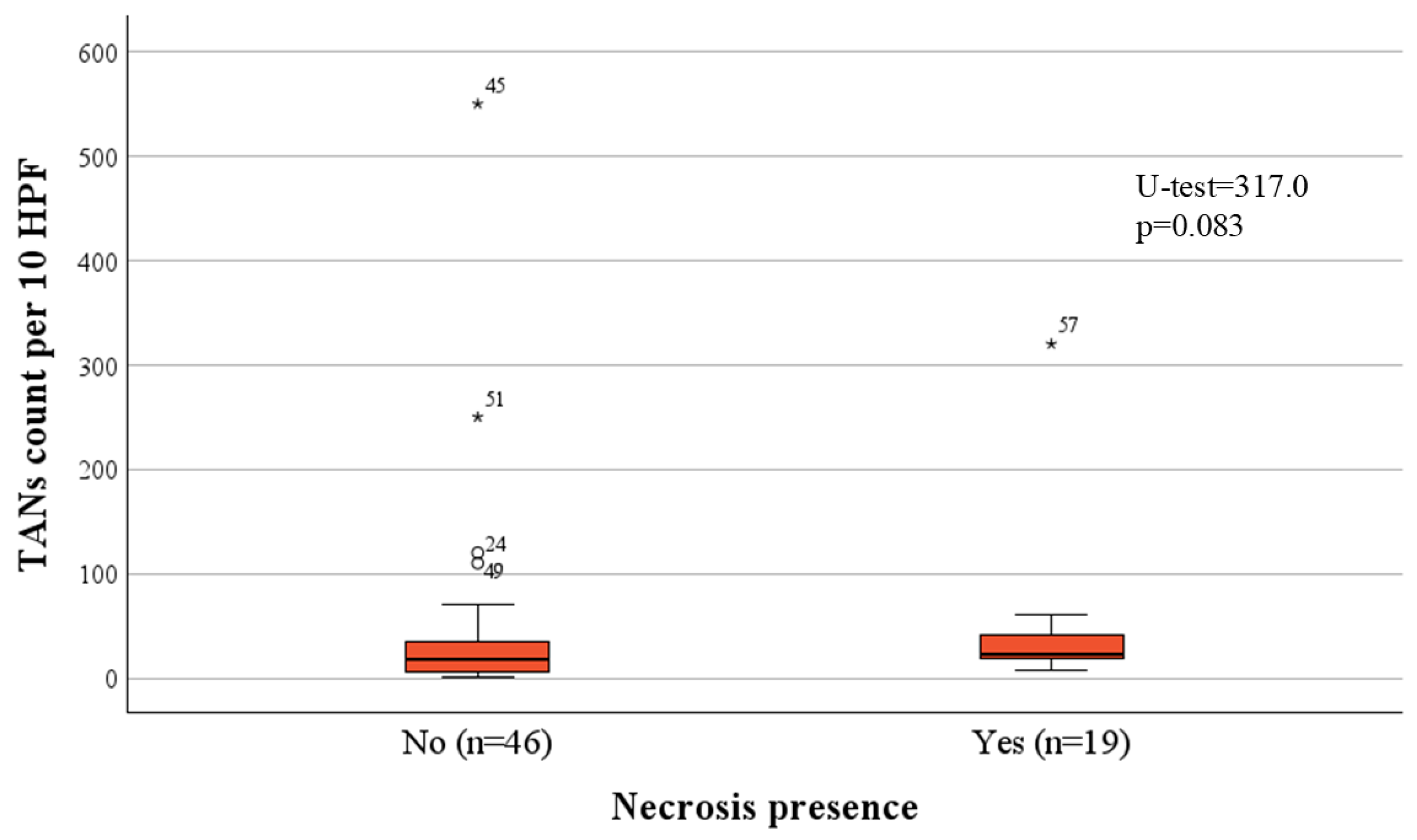
3.4. Association Between TANs and Other Clinicopathological Features
3.5. Association Between DR and Tumor Differentiation Grade
4. Discussion
- ✓
- Phase 1: The next immediate step is to validate our findings in a larger, multicenter cohort of breast cancer patients. The observed associations need to be confirmed to allow for refinement of a scoring system.
- ✓
- Phase 2: For clinical applicability, subjective assessment must be minimal. In this phase, we would include the development and validation of a standardized protocol for IHC for neutrophil markers (e.g., CD66b, MPO) and digital pathology algorithms to automate the quantification of TANs and the classification of stromal types [68].
- ✓
- Phase 3: The most definitive validation would come from a prospective clinical trial. This trial would not only validate the TAN–DR profile but also assess its potential prognostic and predictive power [70]. Specifically, it would evaluate whether the TAN–DR profile can predict patient outcomes independently of other prognostic markers.
5. Conclusions
Author Contributions
Funding
Institutional Review Board Statement
Informed Consent Statement
Data Availability Statement
Conflicts of Interest
References
- Wilkinson, L.; Gathani, T. Understanding Breast Cancer as a Global Health Concern. Br. J. Radiol. 2022, 95, 20211033. [Google Scholar] [CrossRef] [PubMed]
- World Health Organization. Breast Cancer. Available online: https://www.who.int/news-room/fact-sheets/detail/breast-cancer (accessed on 9 October 2025).[Green Version]
- Quail, D.F.; Joyce, J.A. Microenvironmental Regulation of Tumor Progression and Metastasis. Nat. Med. 2013, 19, 1423–1437. [Google Scholar] [CrossRef] [PubMed]
- de Visser, K.E.; Joyce, J.A. The Evolving Tumor Microenvironment: From Cancer Initiation to Metastatic Outgrowth. Cancer Cell 2023, 41, 374–403. [Google Scholar] [CrossRef] [PubMed]
- Babar, Q.; Saeed, A.; Tabish, T.A.; Sarwar, M.; Thorat, N.D. Targeting the Tumor Microenvironment: Potential Strategy for Cancer Therapeutics. Biochim. Biophys. Acta (BBA) Mol. Basis Dis. 2023, 1869, 166746. [Google Scholar] [CrossRef]
- Zhang, M.; Zhang, B. Extracellular Matrix Stiffness: Mechanisms in Tumor Progression and Therapeutic Potential in Cancer. Exp. Hematol. Oncol. 2025, 14, 54. [Google Scholar] [CrossRef]
- Kai, F.; Drain, A.P.; Weaver, V.M. The Extracellular Matrix Modulates the Metastatic Journey. Dev. Cell 2019, 49, 332–346. [Google Scholar] [CrossRef]
- Heydari, S.; Tajik, F.; Safaei, S.; Kamani, F.; Karami, B.; Dorafshan, S.; Madjd, Z.; Ghods, R. The Association between Tumor-Stromal Collagen Features and the Clinical Outcomes of Patients with Breast Cancer: A Systematic Review. Breast Cancer Res. 2025, 27, 69. [Google Scholar] [CrossRef]
- Wu, J.; Liang, C.; Chen, M.; Su, W. Association between Tumor-Stroma Ratio and Prognosis in Solid Tumor Patients: A Systematic Review and Meta-Analysis. Oncotarget 2016, 7, 68954–68965. [Google Scholar] [CrossRef]
- Tsioumpekou, M.; Krijgsman, D.; Leusen, J.H.W.; Olofsen, P.A. The Role of Cytokines in Neutrophil Development, Tissue Homing, Function and Plasticity in Health and Disease. Cells 2023, 12, 1981. [Google Scholar] [CrossRef]
- Que, H.; Fu, Q.; Lan, T.; Tian, X.; Wei, X. Tumor-Associated Neutrophils and Neutrophil-Targeted Cancer Therapies. Biochim. Biophys. Acta (BBA) Rev. Cancer 2022, 1877, 188762. [Google Scholar] [CrossRef]
- Prakash, J.; Shaked, Y. The Interplay between Extracellular Matrix Remodeling and Cancer Therapeutics. Cancer Discov. 2024, 14, 1375–1388. [Google Scholar] [CrossRef] [PubMed]
- Yuan, Z.; Li, Y.; Zhang, S.; Wang, X.; Dou, H.; Yu, X.; Zhang, Z.; Yang, S.; Xiao, M. Extracellular Matrix Remodeling in Tumor Progression and Immune Escape: From Mechanisms to Treatments. Mol. Cancer 2023, 22, 48. [Google Scholar] [CrossRef]
- Annaratone, L.; Cascardi, E.; Vissio, E.; Sarotto, I.; Chmielik, E.; Sapino, A.; Berrino, E.; Marchiò, C. The Multifaceted Nature of Tumor Microenvironment in Breast Carcinomas. Pathobiology 2020, 87, 125–142. [Google Scholar] [CrossRef] [PubMed]
- Obeagu, E.I.; Obeagu, G.U. Exploring Neutrophil Functionality in Breast Cancer Progression: A Review. Medicine 2024, 103, e37654. [Google Scholar] [CrossRef] [PubMed]
- Neves Rebello Alves, L.; Dummer Meira, D.; Poppe Merigueti, L.; Correia Casotti, M.; do Prado Ventorim, D.; Ferreira Figueiredo Almeida, J.; Pereira de Sousa, V.; Cindra Sant’Ana, M.; Gonçalves Coutinho da Cruz, R.; Santos Louro, L.; et al. Biomarkers in Breast Cancer: An Old Story with a New End. Genes 2023, 14, 1364. [Google Scholar] [CrossRef]
- Lee, J.J.; Ng, K.Y.; Bakhtiar, A. Extracellular Matrix: Unlocking New Avenues in Cancer Treatment. Biomark. Res. 2025, 13, 78. [Google Scholar] [CrossRef]
- Gonzalez, H.; Hagerling, C.; Werb, Z. Roles of the Immune System in Cancer: From Tumor Initiation to Metastatic Progression. Genes Dev. 2018, 32, 1267–1284. [Google Scholar] [CrossRef]
- Denkert, C. Diagnostic and Therapeutic Implications of Tumor-Infiltrating Lymphocytes in Breast Cancer. J. Clin. Oncol. 2013, 31, 836–837. [Google Scholar] [CrossRef]
- Kakumoto, A.; Jamiyan, T.; Kuroda, H.; Harada, O.; Yamaguchi-Isochi, T.; Baba, S.; Kato, Y.; Nishihara, H.; Kawami, H. Prognostic Impact of Tumor-Associated Neutrophils in Breast Cancer. Int. J. Clin. Exp. Pathol. 2024, 17, 51–62. [Google Scholar] [CrossRef]
- Liu, S.; Wu, W.; Du, Y.; Yin, H.; Chen, Q.; Yu, W.; Wang, W.; Yu, J.; Liu, L.; Lou, W.; et al. The Evolution and Heterogeneity of Neutrophils in Cancers: Origins, Subsets, Functions, Orchestrations and Clinical Applications. Mol. Cancer 2023, 22, 148. [Google Scholar] [CrossRef]
- Masucci, M.T.; Minopoli, M.; Carriero, M.V. Tumor Associated Neutrophils. Their Role in Tumorigenesis, Metastasis, Prognosis and Therapy. Front. Oncol. 2019, 9, 1146. [Google Scholar] [CrossRef] [PubMed]
- Zakurdaev, E.; Bagateliya, Z.; Titov, K.; Elkhouli, E.; Chizhikov, N.; Kharina, D. The Role of Tumor-Associated Neutrophils in Early Luminal HER2-Negative Breast Cancer Progression. Asian Pac. J. Cancer Prev. 2025, 26, 207–213. [Google Scholar] [CrossRef] [PubMed]
- Sounbuli, K.; Mironova, N.; Alekseeva, L. Diverse Neutrophil Functions in Cancer and Promising Neutrophil-Based Cancer Therapies. Int. J. Mol. Sci. 2022, 23, 15827. [Google Scholar] [CrossRef] [PubMed]
- Wang, Y.; Ma, J.; Liu, Y.; Cui, W.; Chu, X.; Lin, Y.; Wang, L. Unraveling the Complex Role of Tumor-Associated Neutrophils within Solid Tumors. Cancer Immunol. Immunother. 2025, 74, 210. [Google Scholar] [CrossRef]
- Zhou, Y.; Shen, G.; Zhou, X.; Li, J. Therapeutic Potential of Tumor-Associated Neutrophils: Dual Role and Phenotypic Plasticity. Signal Transduct. Target. Ther. 2025, 10, 178. [Google Scholar] [CrossRef]
- Rahman, A.; Ferianto, D.; Nelwan, B.J.; Ardiansyah, B.D.; Alvina, Y.; Faruk, M. Relationship of Tumor-Associated Neutrophil Expression and Neutrophil-to-Lymphocyte Ratio with Clinical Response to Neoadjuvant Chemotherapy in Locally Advanced Breast Cancer. Asian Pac. J. Cancer Biol. 2025, 10, 13–19. [Google Scholar] [CrossRef]
- Luyang, H.; Zeng, F.; Lei, Y.; He, Q.; Zhou, Y.; Xu, J. Bidirectional Role of Neutrophils in Tumor Development. Mol. Cancer 2025, 24, 22. [Google Scholar] [CrossRef]
- DeClerck, Y.A. Desmoplasia: A Response or a Niche? Cancer Discov. 2012, 2, 772–774. [Google Scholar] [CrossRef]
- Shadan, M.; Khan, N.; Amanullah Khan, M.; Ansari, H.; Zaheer, S. Histological Categorization of Stromal Desmoplasia in Breast Cancer and Its Diagnostic and Prognostic Utility. Int. J. Med. Sci. 2017, 4, 8–11. [Google Scholar] [CrossRef]
- Jia, H.; Chen, X.; Zhang, L.; Chen, M. Cancer Associated Fibroblasts in Cancer Development and Therapy. J. Hematol. Oncol. 2025, 18, 36. [Google Scholar] [CrossRef]
- Ueno, H.; Kanemitsu, Y.; Sekine, S.; Ishiguro, M.; Ito, E.; Hashiguchi, Y.; Kondo, F.; Shimazaki, H.; Kajiwara, Y.; Okamoto, K.; et al. A Multicenter Study of the Prognostic Value of Desmoplastic Reaction Categorization in Stage II Colorectal Cancer. Am. J. Surg. Pathol. 2019, 43, 1015–1022. [Google Scholar] [CrossRef]
- Yanai, H.; Yoshikawa, K.; Ishida, M.; Tsuta, K.; Sekimoto, M.; Sugie, T. Presence of Myxoid Stromal Change and Fibrotic Focus in Pathological Examination Are Prognostic Factors of Triple-Negative Breast Cancer: Results from a Retrospective Single-Center Study. PLoS ONE 2021, 16, e0245725. [Google Scholar] [CrossRef] [PubMed]
- Fan, S.; Cui, X.; Zheng, L.; Ma, W.; Zheng, S.; Wang, J.; Qi, L.; Ye, Z. Prognostic Value of Desmoplastic Stromal Reaction, Tumor Budding and Tumor-Stroma Ratio in Stage II Colorectal Cancer. J. Gastrointest. Oncol. 2022, 13, 2903–2921. [Google Scholar] [CrossRef] [PubMed]
- Unal Kocabey, D.; Cakir, I.E. The Prognostic Significance of Growth Pattern, Tumor Budding, Poorly Differentiated Clusters, Desmoplastic Reaction Pattern and Tumor-Stroma Ratio in Colorectal Cancer and an Evaluation of Their Relationship with KRAS, NRAS, BRAF Mutations. Ann. Diagn. Pathol. 2024, 73, 152375. [Google Scholar] [CrossRef] [PubMed]
- Ozsen, M.; Tolunay, S.; Senol, K.; Deligonul, A.; Gokgoz, S.; Evrensel, T. Investigation of the Relationship between Tumor Microenvironment and Prognostic Parameters in Invasive Breast Carcinomas of No Special Type: A Retrospective Analysis. Turk. J. Pathol. 2024, 40, 170–180. [Google Scholar] [CrossRef]
- Zakhartseva, L.M.; Yanovytska, M.A. Prognostic Value of Tumor Stroma Ratio in Triple Negative Breast Cancer. Wiad. Lek. 2021, 74, 565–571. [Google Scholar] [CrossRef]
- Roeke, T.; Sobral-Leite, M.; Dekker, T.J.A.; Wesseling, J.; Smit, V.T.H.B.M.; Tollenaar, R.A.E.M.; Schmidt, M.K.; Mesker, W.E. The Prognostic Value of the Tumour-Stroma Ratio in Primary Operable Invasive Cancer of the Breast: A Validation Study. Breast Cancer Res. Treat. 2017, 166, 435–445. [Google Scholar] [CrossRef]
- Tan, P.H.; Ellis, I.; Allison, K.; Brogi, E.; Fox, S.B.; Lakhani, S.; Lazar, A.J.; Morris, E.A.; Sahin, A.; Salgado, R.; et al. The 2019 World Health Organization Classification of Tumours of the Breast. Histopathology 2020, 77, 181–185. [Google Scholar] [CrossRef]
- Locy, H.; Verhulst, S.; Cools, W.; Waelput, W.; Brock, S.; Cras, L.; Schiettecatte, A.; Jonckheere, J.; van Grunsven, L.A.; Vanhoeij, M.; et al. Assessing Tumor-Infiltrating Lymphocytes in Breast Cancer: A Proposal for Combining Immunohistochemistry and Gene Expression Analysis to Refine Scoring. Front. Immunol. 2022, 13, 794175. [Google Scholar] [CrossRef]
- Allison, K.H.; Hammond, M.E.H.; Dowsett, M.; McKernin, S.E.; Carey, L.A.; Fitzgibbons, P.L.; Hayes, D.F.; Lakhani, S.R.; Chavez-MacGregor, M.; Perlmutter, J.; et al. Estrogen and Progesterone Receptor Testing in Breast Cancer: American Society of Clinical Oncology/College of American Pathologists Guideline Update. Arch. Pathol. Lab. Med. 2020, 144, 545–563. [Google Scholar] [CrossRef]
- Li, Z.; Mirjahanmardi, S.H.; Sali, R.; Eweje, F.; Gopaulchan, M.; Kloker, L.; Zhang, X.; Li, G.; Jiang, Y.; Li, R. Automated Cell Annotation and Classification on Histopathology for Spatial Biomarker Discovery. Nat. Commun. 2025, 16, 6240. [Google Scholar] [CrossRef] [PubMed]
- Kather, J.N.; Heij, L.R.; Grabsch, H.I.; Loeffler, C.; Echle, A.; Muti, H.S.; Krause, J.; Niehues, J.M.; Sommer, K.A.J.; Bankhead, P.; et al. Pan-Cancer Image-Based Detection of Clinically Actionable Genetic Alterations. Nat. Cancer 2020, 1, 789–799. [Google Scholar] [CrossRef] [PubMed]
- Kakumoto, A.; Jamiyan, T.; Koyanagi, A.; Kuroda, H.; Yamaguchi, R.; Tsuda, H.; Hirano, A.; Shiozawa, S. Prognostic Impact of Tumor-associated Stroma in Triple-Negative Breast Cancer. Breast Cancer 2025, 32, 347–356. [Google Scholar] [CrossRef] [PubMed]
- Li, Z.; Li, J.; Bai, X.; Huang, X.; Wang, Q. Tumor Microenvironment as a Complex Milieu Driving Cancer Progression: A Mini Review. Clin. Transl. Oncol. 2024, 27, 1943–1952. [Google Scholar] [CrossRef]
- Soto-Perez-de-Celis, E.; Chavarri-Guerra, Y.; Leon-Rodriguez, E.; Gamboa-Dominguez, A. Tumor-Associated Neutrophils in Breast Cancer Subtypes. Asian Pac. J. Cancer Prev. 2017, 18, 2689–2693. [Google Scholar] [CrossRef]
- Andzinski, L.; Kasnitz, N.; Stahnke, S.; Wu, C.; Gereke, M.; von Köckritz-Blickwede, M.; Schilling, B.; Brandau, S.; Weiss, S.; Jablonska, J. Type I IFNs Induce Anti-Tumor Polarization of Tumor Associated Neutrophils in Mice and Human. Int. J. Cancer 2016, 138, 1982–1993. [Google Scholar] [CrossRef]
- Fridlender, Z.G.; Sun, J.; Kim, S.; Kapoor, V.; Cheng, G.; Ling, L.; Worthen, G.S.; Albelda, S.M. Polarization of Tumor-Associated Neutrophil Phenotype by TGF-β: “N1” versus “N2” TAN. Cancer Cell 2009, 16, 183–194. [Google Scholar] [CrossRef]
- Coulson-Thomas, V.J.; Coulson-Thomas, Y.M.; Gesteira, T.F.; de Paula, C.A.A.; Mader, A.M.; Waisberg, J.; Pinhal, M.A.; Friedl, A.; Toma, L.; Nader, H.B. Colorectal Cancer Desmoplastic Reaction Up-Regulates Collagen Synthesis and Restricts Cancer Cell Invasion. Cell Tissue Res. 2011, 346, 223–236. [Google Scholar] [CrossRef]
- Focke, C.M.; Bürger, H.; van Diest, P.J.; Finsterbusch, K.; Gläser, D.; Korsching, E.; Decker, T.; Anders, M.; Bollmann, R.; Eiting, F.; et al. Interlaboratory Variability of Ki67 Staining in Breast Cancer. Eur. J. Cancer 2017, 84, 219–227. [Google Scholar] [CrossRef]
- Davey, M.G.; Hynes, S.O.; Kerin, M.J.; Miller, N.; Lowery, A.J. Ki-67 as a Prognostic Biomarker in Invasive Breast Cancer. Cancers 2021, 13, 4455. [Google Scholar] [CrossRef]
- Masrour, M.; Moeinafshar, A.; Poopak, A.; Razi, S.; Rezaei, N. The Role of CXC Chemokines and Receptors in Breast Cancer. Clin. Exp. Med. 2025, 25, 128. [Google Scholar] [CrossRef] [PubMed]
- Korbecki, J.; Bosiacki, M.; Barczak, K.; Łagocka, R.; Brodowska, A.; Chlubek, D.; Baranowska-Bosiacka, I. Involvement in Tumorigenesis and Clinical Significance of CXCL1 in Reproductive Cancers: Breast Cancer, Cervical Cancer, Endometrial Cancer, Ovarian Cancer and Prostate Cancer. Int. J. Mol. Sci. 2023, 24, 7262. [Google Scholar] [CrossRef] [PubMed]
- Wei, S. Hormone Receptors in Breast Cancer: An Update on the Uncommon Subtypes. Pathol. Res. Pract. 2023, 250, 154791. [Google Scholar] [CrossRef] [PubMed]
- Poon, I.K.; Tsang, J.Y.; Li, J.; Chan, S.-K.; Shea, K.-H.; Tse, G.M. The Significance of Highlighting the Oestrogen Receptor Low Category in Breast Cancer. Br. J. Cancer 2020, 123, 1223–1227. [Google Scholar] [CrossRef]
- Fei, F.; Siegal, G.P.; Wei, S. Characterization of Estrogen Receptor-Low-Positive Breast Cancer. Breast Cancer Res. Treat. 2021, 188, 225–235. [Google Scholar] [CrossRef]
- Obidiro, O.; Battogtokh, G.; Akala, E.O. Triple Negative Breast Cancer Treatment Options and Limitations: Future Outlook. Pharmaceutics 2023, 15, 1796. [Google Scholar] [CrossRef]
- Godoy-Ortiz, A.; Sanchez-Muñoz, A.; Chica Parrado, M.R.; Álvarez, M.; Ribelles, N.; Rueda Dominguez, A.; Alba, E. Deciphering HER2 Breast Cancer Disease: Biological and Clinical Implications. Front. Oncol. 2019, 9, 1124. [Google Scholar] [CrossRef]
- Guo, S.; Liu, M.; Gonzalez-Perez, R.R. Role of Notch and Its Oncogenic Signaling Crosstalk in Breast Cancer. Biochim. Biophys. Acta (BBA) Rev. Cancer 2011, 1815, 197–213. [Google Scholar] [CrossRef]
- Li, Z.; Wei, H.; Li, S.; Wu, P.; Mao, X. The Role of Progesterone Receptors in Breast Cancer. Drug Des. Devel. Ther. 2022, 16, 305–314. [Google Scholar] [CrossRef]
- Wen, S.; Feng, T.; Fan, Y. Tumor-Associated Neutrophils in Breast Cancer: An Angel or a Devil? Front. Immunol. 2025, 16, 1593156. [Google Scholar] [CrossRef]
- Ng, M.S.F.; Kwok, I.; Tan, L.; Shi, C.; Cerezo-Wallis, D.; Tan, Y.; Leong, K.; Calvo, G.F.; Yang, K.; Zhang, Y.; et al. Deterministic Reprogramming of Neutrophils within Tumors. Science 2024, 383, eadf6493. [Google Scholar] [CrossRef]
- Beck, A.H.; Sangoi, A.R.; Leung, S.; Marinelli, R.J.; Nielsen, T.O.; van de Vijver, M.J.; West, R.B.; van de Rijn, M.; Koller, D. Systematic Analysis of Breast Cancer Morphology Uncovers Stromal Features Associated with Survival. Sci. Transl. Med. 2011, 3, 108ra113. [Google Scholar] [CrossRef]
- Tu, K.J.; Guerrero-Romero, D.; Eason, K.; Manzano Garcia, R.; Wern, J.; Teo, S.-H.; Nguyen, L.; Sammut, S.-J.; Markowetz, F.; Rueda, O.M.; et al. The Tumor Microenvironment of 14,837 Breast Cancers Is Associated with Clinical Outcome Independently of Genomic Subtypes. Cell Rep. Med. 2025, 6, 102450. [Google Scholar] [CrossRef] [PubMed]
- Chen, Z.; Fang, Y.; Jiang, W. Important Cells and Factors from Tumor Microenvironment Participated in Perineural Invasion. Cancers 2023, 15, 1360. [Google Scholar] [CrossRef] [PubMed]
- Chen, S.-H.; Zhang, B.-Y.; Zhou, B.; Zhu, C.-Z.; Sun, L.-Q.; Feng, Y.-J. Perineural Invasion of Cancer: A Complex Crosstalk between Cells and Molecules in the Perineural Niche. Am. J. Cancer Res. 2019, 9, 1–21. [Google Scholar] [PubMed]
- Mujtaba, S.S.; Ni, Y.-B.; Tsang, J.Y.S.; Chan, S.-K.; Yamaguchi, R.; Tanaka, M.; Tan, P.-H.; Tse, G.M. Fibrotic Focus in Breast Carcinomas: Relationship with Prognostic Parameters and Biomarkers. Ann. Surg. Oncol. 2013, 20, 2842–2849. [Google Scholar] [CrossRef]
- Chan, A.-W.; Tetzlaff, J.M.; Altman, D.G.; Laupacis, A.; Gøtzsche, P.C.; Krleža-Jerić, K.; Hróbjartsson, A.; Mann, H.; Dickersin, K.; Berlin, J.A.; et al. SPIRIT 2013 Statement: Defining Standard Protocol Items for Clinical Trials. Ann. Intern. Med. 2013, 158, 200–207. [Google Scholar] [CrossRef]
- Nahm, F.S. Receiver Operating Characteristic Curve: Overview and Practical Use for Clinicians. Korean J. Anesthesiol. 2022, 75, 25–36. [Google Scholar] [CrossRef]
- Bera, K.; Schalper, K.A.; Rimm, D.L.; Velcheti, V.; Madabhushi, A. Artificial Intelligence in Digital Pathology—New Tools for Diagnosis and Precision Oncology. Nat. Rev. Clin. Oncol. 2019, 16, 703–715. [Google Scholar] [CrossRef]
- Quintero-Fabián, S.; Arreola, R.; Becerril-Villanueva, E.; Torres-Romero, J.C.; Arana-Argáez, V.; Lara-Riegos, J.; Ramírez-Camacho, M.A.; Alvarez-Sánchez, M.E. Role of Matrix Metalloproteinases in Angiogenesis and Cancer. Front. Oncol. 2019, 9, 1370. [Google Scholar] [CrossRef]
- Dwivedi, S.; Krishnan, A. Neural Invasion: A Scenic Trail for the Nervous Tumor and Hidden Therapeutic Opportunity. Am. J. Cancer Res. 2020, 10, 2258–2270. [Google Scholar]





| N | % | ||
|---|---|---|---|
| Histological type | NST | 56 | 86.2 |
| Lobular | 9 | 13.8 | |
| Necrosis | No | 46 | 70.8 |
| Yes | 19 | 29.2 | |
| Perineural invasion | No | 42 | 64.6 |
| Yes | 23 | 35.4 | |
| DR | Immature DR (presence of myxoid stroma) | 26 | 40.0 |
| Intermediate DR (presence of keloidal stroma) | 16 | 24.6 | |
| Mature DR | 23 | 35.4 | |
| ER | Positive | 43 | 66.2 |
| Negative | 22 | 33.8 | |
| PR | Positive | 33 | 50.8 |
| Negative | 32 | 49.2 | |
| c-erbB2 | Negative | 30 | 46.2 |
| Weakly positive | 12 | 18.5 | |
| Positive | 23 | 35.4 | |
| Degree of differentiation (Grade) | Grade 1 | 7 | 10.8 |
| Grade 2 | 27 | 41.5 | |
| Grade 3 | 31 | 47.7 | |
| Post Hoc Comparisons | |||||||||
|---|---|---|---|---|---|---|---|---|---|
| DR | N | Median | Mean Rank | Kruskal–Wallis H | p-Value | Myxoid Stroma vs. Mature DR | Keloid-like Stroma vs. Mature DR | Myxoid Stroma vs. Keloid-like Stroma | |
| TANs | Myxoid stroma | 26 | 28.5 | 41.58 | 9.890 | 0.007 * | |||
| Keloid-like stroma | 16 | 16.5 | 30.84 | 0.221 | |||||
| Mature DR | 23 | 12 | 24.80 | 0.006 * | 0.978 | ||||
| Post Hoc Comparisons | |||||||||
|---|---|---|---|---|---|---|---|---|---|
| Degree of Differentiation (Grade) | N | Median | Mean Rank | Kruskal–Wallis H | p-Value | 1 | 2 | 3 | |
| TANs | Grade 1 | 7 | 1 | 6.43 | 22.384 | <0.001 * | |||
| Grade 2 | 27 | 19 | 29.24 | 0.013 * | |||||
| Grade 3 | 31 | 25 | 42.27 | <0.001 * | 0.026 * | ||||
| Post Hoc Comparisons | |||||||||
|---|---|---|---|---|---|---|---|---|---|
| c-erbB2 | N | Median | Mean Rank | Kruskal–Wallis H | p-Value | Negative | Weakly Positive | Positive | |
| TANs | Negative | 30 | 12 | 28.87 | 6.547 | 0.038 * | |||
| Weakly positive | 12 | 19 | 27.83 | 1.000 | |||||
| Positive | 23 | 23 | 41.09 | 0.059 * | 0.147 | ||||
| N | Median | Mean Rank | Mann–Whitney U | p-Value | ||
|---|---|---|---|---|---|---|
| TANs | Perineural invasion | |||||
| No | 42 | 15 | 25.77 | 179.5 | <0.001 * | |
| Yes | 23 | 40 | 46.20 | |||
| Necrosis | ||||||
| No | 46 | 18.50 | 30.39 | 317 | 0.083 | |
| Yes | 19 | 22 | 39.32 | |||
| ER | ||||||
| Positive | 43 | 18 | 28.95 | 299 | 0.016 * | |
| Negative | 22 | 23 | 40.91 | |||
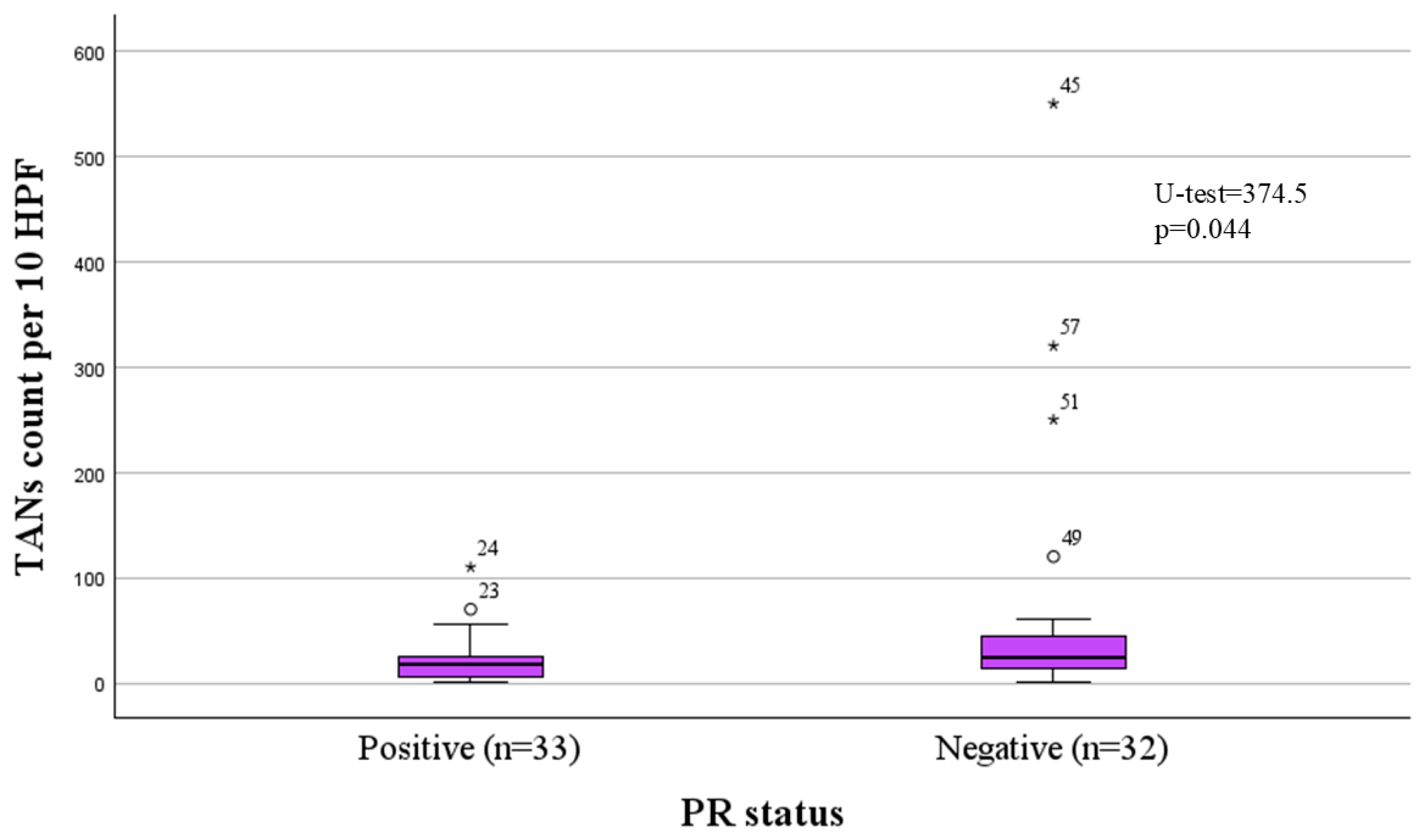
| PR | ||||||
| Positive | 33 | 18 | 28.35 | 374.5 | 0.044 * | |
| Negative | 32 | 24 | 37.80 |
| Degree of Differentiation (Grade) | ||||||
|---|---|---|---|---|---|---|
| Grade 1 | Grade 2 | Grade 3 | χ2 | p-Value | ||
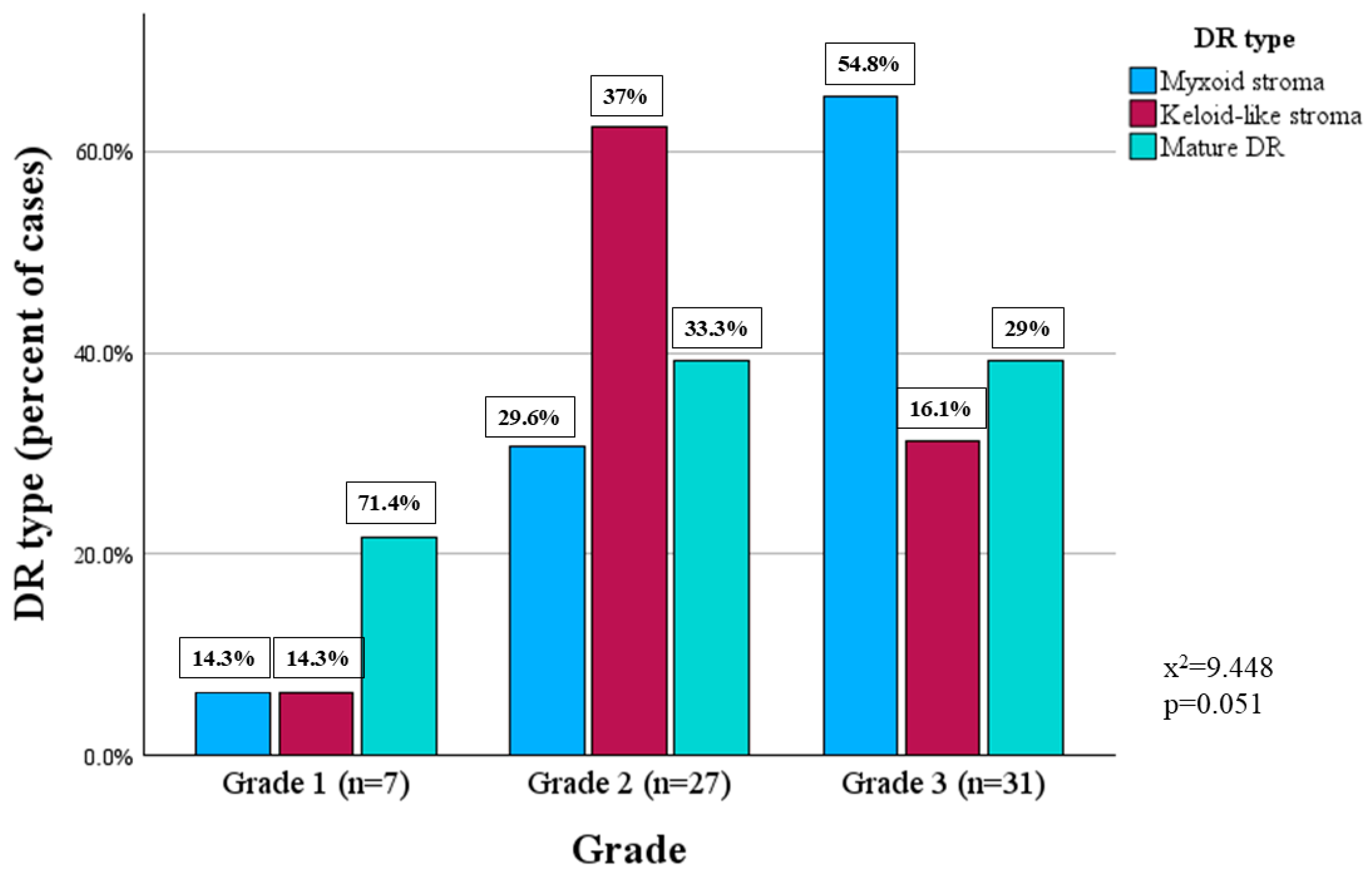
| DR | Myxoid stroma | 1 (14.3%) | 8 (29.6%) | 17 (54.8%) | 9.448 | 0.051 |
| Keloid-like stroma | 1 (14.3%) | 10 (37%) | 5 (16.1%) | |||
| Mature desmoplastic reaction | 5 (71.4%) | 9 (33.3%) | 9 (29%) | |||
Disclaimer/Publisher’s Note: The statements, opinions and data contained in all publications are solely those of the individual author(s) and contributor(s) and not of MDPI and/or the editor(s). MDPI and/or the editor(s) disclaim responsibility for any injury to people or property resulting from any ideas, methods, instructions or products referred to in the content. |
© 2026 by the authors. Licensee MDPI, Basel, Switzerland. This article is an open access article distributed under the terms and conditions of the Creative Commons Attribution (CC BY) license.
Share and Cite
Papadopoulou, S.; Michou, V.; Tsiotsias, A.; Tzitiridou-Chatzopoulou, M.; Eskitzis, P. Tumor-Associated Neutrophils and Desmoplastic Reaction in Breast Cancer Microenvironment: Association with Tumor Grade and Clinicopathological Features. Cancers 2026, 18, 406. https://doi.org/10.3390/cancers18030406
Papadopoulou S, Michou V, Tsiotsias A, Tzitiridou-Chatzopoulou M, Eskitzis P. Tumor-Associated Neutrophils and Desmoplastic Reaction in Breast Cancer Microenvironment: Association with Tumor Grade and Clinicopathological Features. Cancers. 2026; 18(3):406. https://doi.org/10.3390/cancers18030406
Chicago/Turabian StylePapadopoulou, Stavroula, Vasiliki Michou, Arsenios Tsiotsias, Maria Tzitiridou-Chatzopoulou, and Panagiotis Eskitzis. 2026. "Tumor-Associated Neutrophils and Desmoplastic Reaction in Breast Cancer Microenvironment: Association with Tumor Grade and Clinicopathological Features" Cancers 18, no. 3: 406. https://doi.org/10.3390/cancers18030406
APA StylePapadopoulou, S., Michou, V., Tsiotsias, A., Tzitiridou-Chatzopoulou, M., & Eskitzis, P. (2026). Tumor-Associated Neutrophils and Desmoplastic Reaction in Breast Cancer Microenvironment: Association with Tumor Grade and Clinicopathological Features. Cancers, 18(3), 406. https://doi.org/10.3390/cancers18030406