Skip Content
You are currently on the new version of our website. Access the old version .
SustainabilitySustainability
  • Systematic Review
  • Open Access

2 February 2026

Harnessing Artificial Intelligence and Digital Technologies for Sustainable Healthcare Delivery in Saudi Arabia: A Comprehensive Review, Issues, and Future Perspectives

Department of Information Systems, College of Computing and Information Technology, Shaqra University, Shaqra 11911, Saudi Arabia
Sustainability2026, 18(3), 1461;https://doi.org/10.3390/su18031461 
(registering DOI)
This article belongs to the Special Issue Sustainable Assessing Technologies for Environmental and Health Monitoring

Abstract

The incorporation of artificial intelligence (AI) and digital technology in healthcare has revolutionized service delivery, improving diagnostic precision, patient outcomes, and operational efficacy. Nonetheless, despite considerable progress, numerous problems persist that impede the realization of full potential. Current reviews predominantly emphasize the advantages of AI in disease detection and health guidance, neglecting significant concerns such as social opposition, regulatory frameworks, and geographical discrepancies. This SLR, executed in accordance with PRISMA principles, examined 21 publications from 2020 to 2025 to assess the present condition of AI and digital technologies inside Saudi Arabia’s healthcare industry. Initially, 863 publications were obtained, from which 21 were chosen for comprehensive examination. Significant discoveries encompass the extensive utilization of telemedicine, data analytics, mobile health applications, Internet of Things, electronic health records, blockchain technology, online platforms, cloud computing, and encryption methods. These technologies augment diagnostic precision, boost patient outcomes, optimize administrative procedures, and foster preventative medicine, contributing to cost-effectiveness, environmental sustainability, and enduring service provision. Nonetheless, issues include data privacy concerns, elevated implementation expenses, opposition to change, interoperability challenge, and regulatory issues persist as substantial barriers. Subsequent investigations must concentrate on the development of culturally relevant AI algorithms, the enhancement of Arabic natural language processing, and the establishment of AI-driven mental health systems. By confronting these challenges and utilizing emerging technologies, Saudi Arabia has the potential to establish its status as a leading nation in medical services innovation, guaranteeing patient-centered, efficient, and accessible healthcare delivery. Recommendations must include augmenting data privacy and security, minimizing implementation expenses, surmounting resistance to change, enhancing interoperability, fortifying regulatory frameworks, addressing regional inequities, and investing in nascent technologies.

1. Introduction

There has been a huge global shift in the way that healthcare professionals operate and provide health services due to the implementation of AI and digital technologies into the healthcare sector [1]. Artificial intelligence, an umbrella of machine learning models, natural language processing (NLP), deep learning, and predictive analytics, is reshaping the healthcare sector by enhancing patient satisfaction, improving drug administration, accuracy in diagnosis, and transforming administrative tasks [2]. AI algorithms can efficiently carry out analysis on medical images, including X-rays and MRIs, at a similar speed and accuracy, or even much better than experts in the field [3]. In addition, AI-powered data mining is employed to predict patient results, facilitating early treatment that improves the outcome of the medical conditions comprising severe medical crises to long-term diseases [4].
In conjunction with AI, digital technologies have also proven to be essential in a healthcare paradigm shift. For instance, telemedicine has become an important service, especially at the period of the COVID-19 epidemics, since it facilitates virtual consultations and lessens the stress on medical services [5]. Smart devices such as smartwatches and fitness trackers can facilitate constant checking, supporting preventive medicine, and constant disease management [6]. Moreover, the integration of EHRs into healthcare institutions has also simplified the patient data flow, enabling healthcare practitioners to make well-informed decisions. These aforementioned digital technologies are becoming increasingly important in the global medical sector because of their capacity to reduce costs, enhance accessibility, and promote the implementation of personalized patient care.
Saudi Arabia is undergoing rapid urbanization, population growth, and commitment to the goal of Vision 2030, which places more emphasis on healthcare development to ensure equal access, enhanced patient outcomes, and cost-effectiveness. In 2030, the resident population will rise to over 39 million, increasing the need for medical services, especially among patients infected with mental health disorders and chronic diseases [7]. The swift urbanization of Saudi Arabia, where more than 84% of the population lives in urban locales, highlights the increasing necessity for efficient and accessible healthcare services to address the needs of highly populated regions [8,9]. The Kingdom has initiated strategic measures to optimize resource utilization and improve service delivery by employing AI and innovative technologies, including telemedicine and digital health platforms [10]. These innovations are closely tied to national and socioeconomic goals, particularly those specified in Vision 2030, highlighting the pressing need to resolve issues related to demographic growth and rapid urbanization. Concurrently, at the global level, nations are progressively integrating AI and digital technology to enhance healthcare systems, enhancing diagnostic procedures, clinical decision-making, and patient management to foster more data-driven, efficient, and patient-centric care.
The domain of this subject has not seen many reviews or surveys. A review conducted by habbash, Saleh Almansour [11], for example, looked at how artificial intelligence is influencing Saudi Arabia’s healthcare industry. According to the study, disease detection and health-related advice can be improved by utilizing AI’s capabilities. In addition, machine learning models can be employed to develop models that facilitate predictions when a pandemic will break out, enhancing the way illnesses are treated, increasing prediction accuracy, and opening the door for customized drug development. However, in order to promote policies that encourage the application of artificial intelligence within the medical field, the study underlined the necessity of collaboration between the healthcare, technology, and legislative sectors. On the other hand, the study by Al-Jehani, Hawsawi [12] revealed even more about how artificial intelligence might increase Saudi Arabia’s GDP by 2030. The researchers discussed the nation’s medical technology, which has resulted in the creation of special AI methods for the kingdom. The implementation of robot-based smart city frameworks to increase efficiency and production was described by the researchers. The study also looked at AI’s global role in mitigating the COVID-19 pandemic’s adverse effects. To determine the degree to which digital healthcare applications can improve healthcare in the Kingdom of Saudi Arabia, Benchikh Tasnime [13] carried out a review in a different study. To obtain a reasonable understanding from the collected data, a hybrid strategy combining analytical and descriptive methodologies was used to compile a number of articles, statistics, and information from official websites. According to the investigators, digital health applications can help patients to better understand their medical condition and give them a way to obtain information about it, which is essential to their well-being. However, the successful integration of various digital health technologies is necessary to meet Saudi Arabia’s objective of fully discarding the existing healthcare system and replacing it with a more digitalized one that offers sustainability and efficiency.
Various challenges surrounding the integration of AI in Saudi Arabia, encompassing sociocultural resistance, legal challenges, privacy issues, ethical considerations, and regional disparities in technological resources, are frequently not fully examined in these evaluations. Furthermore, there is not enough discussion about how AI projects align with the policy framework in the Saudi nation and how healthcare institutions are ready to integrate AI into medical settings. By providing a thorough analysis of the function of AI and digital technologies in enhancing healthcare delivery in the KSA, this evaluation seeks to address the shortcomings noted in the previous reviews. It sets itself apart by examining new technologies, implementation challenges, the national framework for digital health policy, and clinical and administrative uses of AI. The urgent need to understand how AI affects Saudi Arabia’s health administration procedures and to help stakeholders improve the application of AI to improve healthcare quality, efficiency, and equity is what prompted this investigation.
The rationale behind this research is to carry out a comprehensive review of the literature to close the aforementioned important knowledge gaps by examining how AI and digital technologies affect healthcare efficiency in Saudi Arabia. To achieve the aim, Kitchenham and Charters (2007) [14] guideline on conducting a systematic literature review was followed to analyze published articles from 2020 to 2025 that implement and evaluate AI and digital technologies applications in Saudi Arabia’s medical industry. The SLR seeks to answer five specific research questions in its analysis. First, four major scholarly databases and other sources were searched, which yielded 863 studies. Nevertheless, 21 primary studies were ultimately chosen following the implementation of a screening procedure based on eligibility and exclusion criteria. Regarding the scope of healthcare, this review defines “healthcare” as activities and systems directly associated with clinical care delivery and patient-centered outcomes. The focus is confined to AI applications that assist in medical diagnosis, clinical decision-making, patient management, and drug discovery inside formal healthcare environments, including hospitals, clinics, and regulated medical facilities. Population-level public health surveillance, independent consumer wearable devices, and non-clinical hospital management tasks (such as billing, scheduling, and logistics) are omitted, as they are not within the clinical scope of this study.
The key contributions offered by this study are provided below:
  • The SLR demonstrates the wide range of artificial intelligence (AI) and digital innovations deployed in Saudi Arabia’s medical industry, such as blockchain, cloud computing, telemedicine, mobile health apps, electronic health records (EHRs), machine learning, and the Internet of Things. It has been demonstrated that these innovations improve patient care, diagnosis, and medical treatment.
  • The review emphasizes how digital technology and artificial intelligence (AI) increase patient interaction, facilitate personalized treatment, and facilitate administrative procedures while enhancing diagnostic accuracy.
  • The report lists several significant challenges for employing AI and digital technologies, such as concerns about data security and privacy, high implementation costs, reluctance to change, a lack of expertise among medical personnel, interoperability problems, and difficulties with regulations and compliance.
  • The review reveals that enhanced workforce digital literacy and strategic public–private partnerships are pivotal to achieving equitable and sustainable AI-driven healthcare transformation in Saudi Arabia.
  • The SLR offers practical suggestions for further study, including improving natural language processing (NLP) tailored to Arabic, combining edge computing and 5G, and creating AI-powered mental health systems to meet regional healthcare needs.
This segment presents the remainder of the systematic review. Section 3 describes the method of the systematic literature review, encompassing the research objectives, search approach, and criteria for paper selection. Section 4 outlines the processes of data extraction and synthesis. Section 5 encompasses the research findings. Section 6 discusses research challenges and prospective avenues for future inquiry. Section 7 concludes the research process.

2. Evolution of Artificial Intelligence (AI) Paradigms in Healthcare

The utilization of AI in healthcare has progressed through various technology paradigms, each defined by unique data specifications, interpretability levels, and clinical maturity stages. Initial implementations predominantly utilized conventional machine learning algorithms that include logistic regression, support vector machines, and decision trees, which depended on manually crafted features extracted from structured clinical data [15]. These models provided considerable interpretability and stability, rendering them appropriate for risk prediction, prognosis, and clinical scoring systems, hence promoting regulatory adoption in standard clinical environments.
The subsequent rise in deep learning denoted a significant transformation in healthcare AI, propelled by enhancements in processing capacity and the increasing accessibility of extensive medical imaging and signal datasets. Deep learning models like convolutional neural networks and, more recently, Transformer-based models facilitate automatic feature extraction from high-dimensional data, markedly enhancing performance in radiology, pathology, and physiological signal analysis [16]. Although successful, deep learning systems are data-intensive and frequently lack transparency, which raises questions regarding interpretability, robustness, and clinical trust.
Recently, generative AI and foundational models have established a novel paradigm in healthcare applications. Large language models and multimodal generative systems enhance AI functionalities beyond mere prediction and classification, facilitating clinical documentation, decision support, patient contact, and knowledge synthesis [17]. Although these models exhibit robust generalization and adaptability, they also present new issues, such as perception bias, dependability, and governance, and their application in practical clinical environments is predominantly experimental or limited to initial pilot programs.
Overall, the growth of AI paradigms in healthcare demonstrates a transition from interpretable, task-specific models to data-driven deep learning systems, and more recently, to general-purpose generative models. Understanding the historical evolution, advantages, and constraints of each paradigm is crucial for aligning AI technology with suitable healthcare applications, regulatory requirements, and ethical issues.

3. Materials and Methods

The systematic literature review (SLR), originally developed in the healthcare sector, is considered a reliable study methodology [18]. The SLR is a method for identifying, evaluating, and analyzing relevant research literature related to a particular research area or necessary for addressing a particular research issue [14]. The medical recommendations for SLRs were adapted for use in software engineering and sociological research by Kitchenham and Charters [14]. The purpose of this systematic literature review is to recognize shortcomings in the existing literature, facilitating further research. This Systematic Literature Review followed the PRISMA standard procedures in order to guarantee rigor, transparency, and reproducibility in the review procedure. The primary steps of the technique include: establishing research questions, devising a search strategy, implementing inclusion and exclusion criteria, and systematically obtaining and synthesizing data. The procedures derived from the selected review methodology are detailed as follows:

3.1. Research Questions

According to Kitchenham and Brereton [19], research questions are intended to highlight the issues under investigation and the objectives of the study, which aims to examine and harness AI and digital technology for sustainable healthcare delivery in Saudi Arabia. To conduct this SLR and achieve the study’s goal, the study particularly addressed the research questions outlined below:
RQ1. What AI and digital technologies have been implemented in Saudi Arabia’s healthcare system?
RQ2. How do AI and digital technologies contribute to improving the efficiency and effectiveness of human health outcomes in Saudi Arabia?
RQ3. How do AI and digital technologies contribute to the sustainability of healthcare systems in Saudi Arabia in terms of cost-efficiency, environmental responsibility, and long-term service delivery?
RQ4. What strategies and policies are being implemented in Saudi Arabia to promote the sustainable integration of AI and digital technologies in healthcare?
RQ5. What are the major challenges and barriers faced in adopting and integrating AI and digital technologies into the Saudi Arabian healthcare sector?

3.2. Search Strategy

We employed three consecutive procedures to locate important papers, including finding keywords, formulating a search string, and selecting data sources. The research question’s content was used to determine the keywords and develop the appropriate search string. After the first search, the keywords were improved, though. Searches were carried out in multiple iterations, and certain terms were combined. The literature search was carried out from 1 July 2025 to 30 October 2025. Articles published between 2020 and 2025 were incorporated into this investigation. To determine only important pieces of literature on the utilization of artificial intelligence and modern technologies vital to human health in the KSA, this SLR employed a strict search approach to obtain appropriate studies across academic databases and other supplementary sources. In this regard, six sources, such as MDPI, PubMed, Springer, Science Direct, EBSCO, and Google Scholar, were thoroughly explored for relevant articles.
The search strategy was established via an initial scoping search to ascertain frequently utilized keywords, index terms, and subject headings related to AI applications in healthcare. This initial search facilitated the narrowing of search phrases by identifying terminological variances among disciplines such as medicine, computer science, and health informatics. Final search queries were developed utilizing combinations of terms applicable to artificial intelligence, healthcare applications, and geographical context, and were modified as required to comply with the syntactic specifications of each database.
The strategy for searching commenced with a broad coverage by utilizing the keywords to search for papers on “Harnessing Artificial Intelligence and Digital Technologies for Sustainable healthcare delivery in Saudi Arabia”. Synonyms and search phrases are developed using the suitable studies as a guide, utilizing digital technology, human health, and artificial intelligence. The Search Query (SQ) contained all of these phrases and synonyms, as can be seen below:
Query-1 = “Digital technology” OR “Mobile App” OR “wearable devices” OR “sensor devices” OR “personal device” OR “Telehealth” OR “telemedicine” OR “mobile health” OR “m-health” OR “Virtual health assistant” OR “Electronic health records” OR “EHRs” OR “Online platform” OR Blockchain, OR “Cloud computing” OR “IoT” OR “Internet of thing”.
Query-2 = “Human Management” OR “Well-being” OR “Physical Well-being” OR “Human Wellness” OR “Physical Fitness” OR “Health Status” OR “Personal Health” OR General Well-being.
Query-3 = “Artificial Intelligence” OR “machine learning” OR “Natural language processing” OR “NLP” OR “AI” OR “DL” OR “Predictive analytics” OR “Machine Intelligence” OR “Computational Intelligence” OR “Intelligent Systems” OR “Intelligent Automation”.
Query-4 = “Saudi Arabia” OR “SA” OR “The Kingdom of Saudi Arabia” OR “KSA” OR “Saudi” OR “Saudi Peninsula” OR “Riyadh-based Nation”.
SQ = Query-1 AND Query-2 AND Query-3 AND Query-4.
The search string searches were utilized on the chosen database and additional sources to obtain papers. Literature was carefully selected from works published, which produced 863 papers from the search strategy.

3.3. Article Selection Criteria

To choose relevant papers, selection criteria are developed in the following stage. These criteria establish a benchmark for evaluating extracted papers in order to determine whether or not to add them to the investigation. In order to streamline the paper selection procedure, the research protocol established the inclusion criteria, which explicitly define the specifications of the research questions. The search criteria encompass the collection of appropriate data from peer-reviewed conferences and journal articles authored in English. and created in four reputable scholarly databases, which include PubMed, Springer, Science Direct, and EBSCO, with the MDPI platform and Google Scholar, which were used only as a supplementary search tool to ensure coverage, published over the last 6 years (2020 to 2025). Additionally, each paper must meet the minimal quality benchmark requirements in the quality assessment, which are outlined in Section 3.4. This study followed a well-organized screening process that carefully guided the literature selection process. These inclusion and exclusion conditions were structured to ensure that only studies relevant to the predefined research questions were chosen. In Table 1, the utilized inclusion and exclusion criteria are presented.
Table 1. Inclusion Criteria.

3.4. The Screening Process and Results

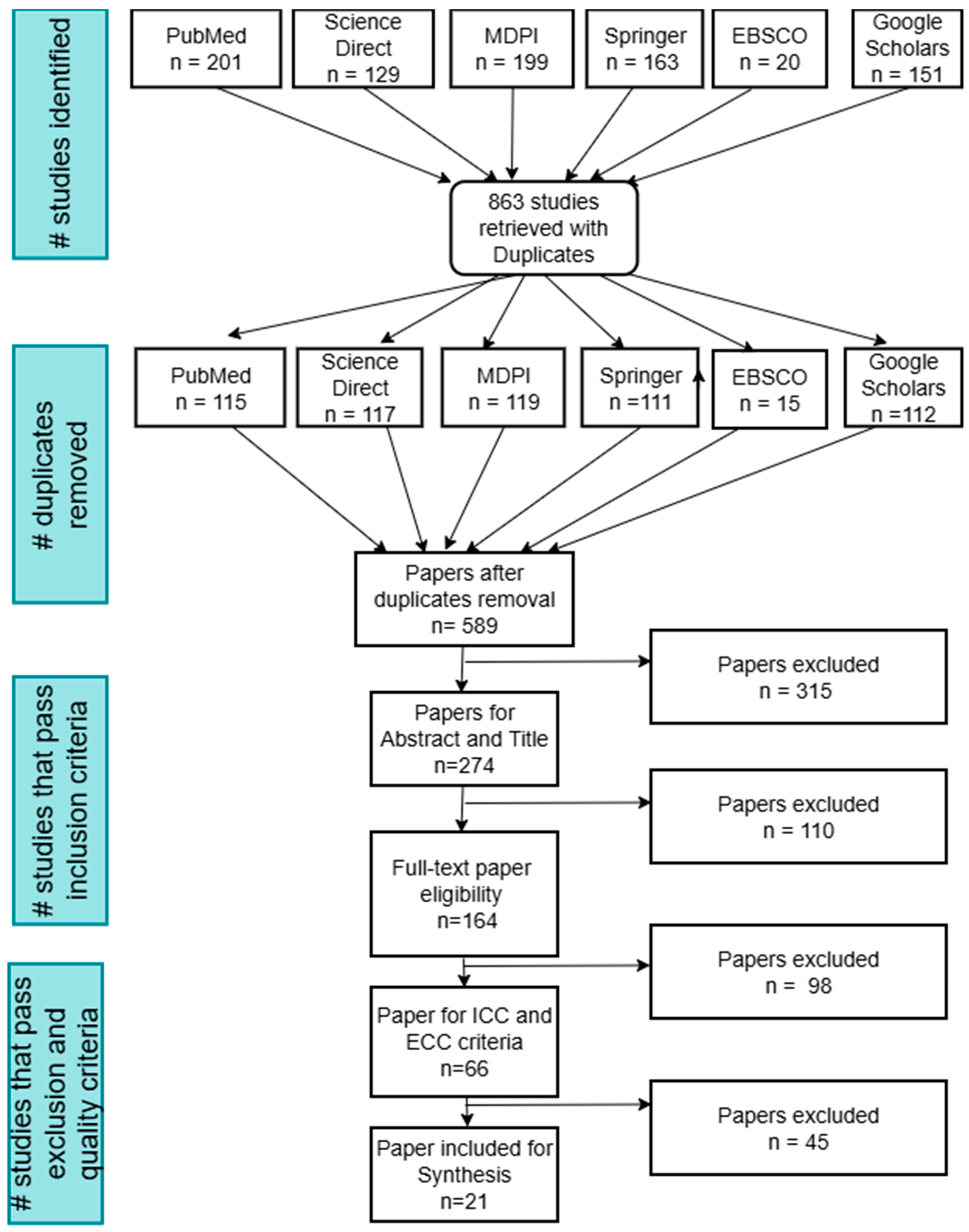
The adopted search strategy led to the retrieval of 863 articles in the initial search spread across the employed research databases and other sources. Following the PRISMA approach for conducting SLRs, these articles were screened step-wise with a keen consideration of the predefined inclusion and exclusion criteria. Consequently, duplicated articles were removed, which brought down the retrieved articles to only 678. The reading of both the title and abstract further excluded several articles, leaving a total of 296 studies. Full-text reading of the articles returned 172 relevant articles. The predefined inclusion and exclusion criteria, when applied, returned 72 relevant studies. Finally, 21 articles were selected following the quality assessment criteria defined in Section 3.5. It should be noted that in the study selection criteria, 2 reviewers ensured that the inclusion criteria were met. Figure 1 shows the screening process using the PRISMA diagram. PRISMA checklist is available in the Supplementary Materials.
Figure 1. PRISMA Flow Diagram (# represents number).
The results of the screening process, as illustrated in Figure 1, are comprehensively summarized in Table 2, specifying also the number of studies selected across the various databases.
Table 2. Article Selection Results.

3.5. Quality Assessment (QA)

To assess each selected paper’s quality and relevance for the systematic literature review, a set of criteria has been used [14]. Using quality evaluation criteria, the papers that were part of the previous stage are examined for quality. A quality assessment checklist was taken from [20]. A checklist for carrying out quality evaluation for each study chosen for review is provided in Table 3. As a result, the table gives an indication of how appropriate the study is and can yield results that can broaden the scope of the research. The selected studies were subjected to a rigorous quality assessment process to ensure they align with the study objectives, methodological robustness, and relevance to enhance the quality and reliability or trust of the findings. As a result, a set of predefined quality assessment criteria was utilized to evaluate the selected papers. Table 3 presents the QA criteria utilized.
Table 3. Quality Assessment Criteria.
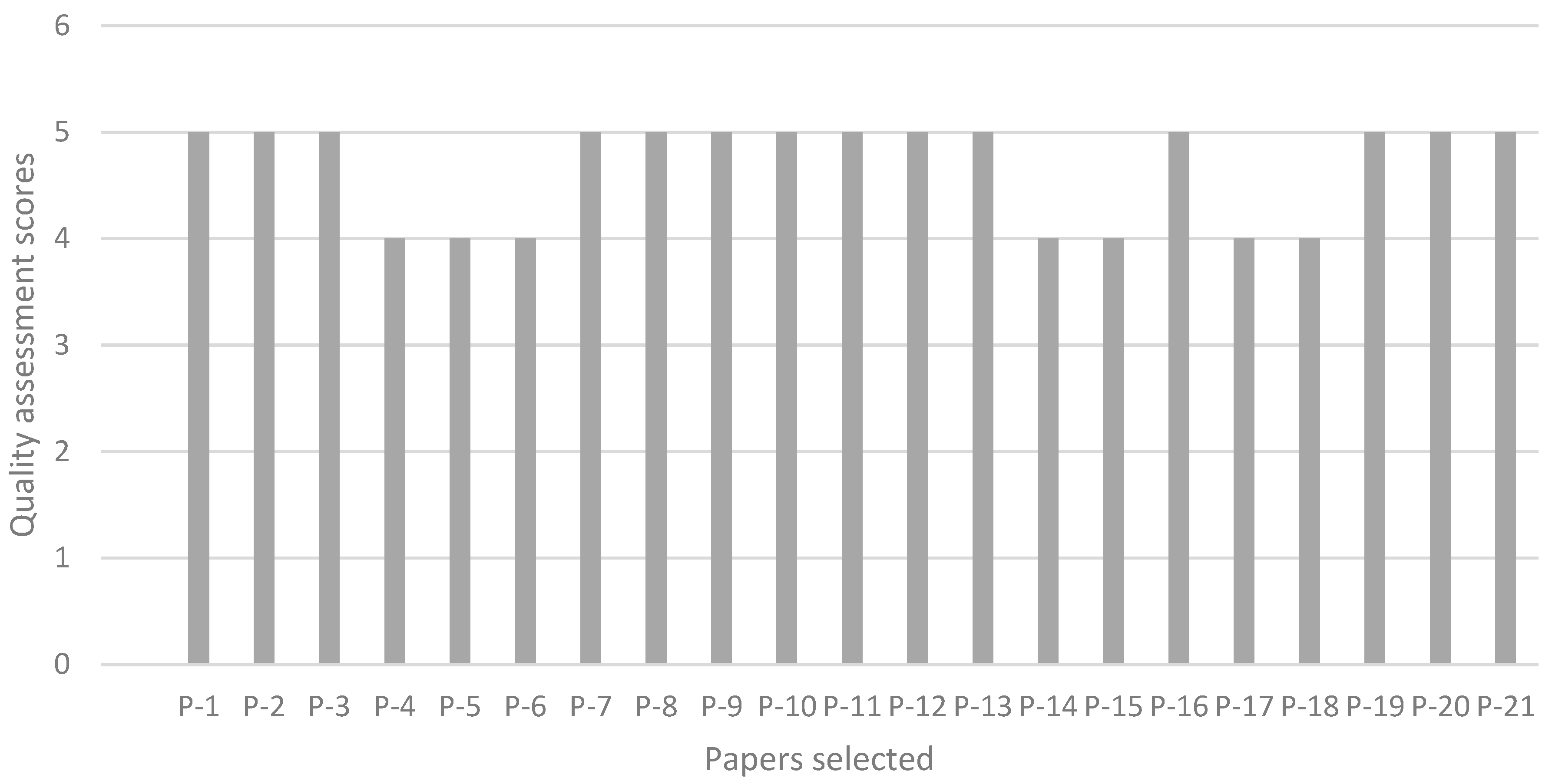
Based on Table 3, each study was issued a score using a 5-point scale for these criteria. On average, this condition requires that a paper that scored below 3 on average would be rejected. However, none of the articles fall below this criterion, as can be observed in Figure 2. Two reviewers independently completed a quality assessment, scoring all eligible papers using a uniform evaluation framework. The evaluators were unaware of each other’s scores during the preliminary assessment to reduce subjective bias. The ultimate quality scores were employed for descriptive analysis and visualization. Figure 2 illustrates the comprehensive distribution of quality scores throughout the included research, whereas Table 4 displays the final quality score to improve transparency and reproducibility. The box marked with the symbol ✓ shows that it passes the quality assessment test, whereas the box marked with the symbol × shows that it failed the quality assessment test.
Figure 2. Visualizing the Quality Assessment Results.
Table 4. Final Quality Assessment Scores.

4. Data Extraction and Synthesis

Data extraction was carried out to conclude the synthesis procedure following the selection of 21 publications. A fundamental research topic served as a foundation for developing the data extraction technique. Each of the 21 chosen publications was carefully examined to create a template for gathering data during the data extraction stage. This form was created to gather crucial data required to meet the goals of the study, which are listed in Table 5. Data from a subset of chosen publications was recorded using the Kitchenham and Brereton [19] guide form to guarantee uniformity. Using the EndNote 21 citation manager, basic information such as the “paper title”, “authors”, “publication date”, “Digital Object Identifier (DOI)”, and “publication specifics” was organized in a structured way.
Table 5. Data synthesis classification with the explanation.
In accordance with the primary study categorization, relevant information was then extracted from the publications. The authors stored the compiled data in an Excel program. Eight columns in Excel (MS Excel) were used to gather the data for the analysis: Paper-ID (P-ID), author names and year, Objectives, AI and Digital technologies, Findings, Challenges and barriers, Source, and Citation counts. By distilling the information gathered during the data-gathering phase, the data synthesis aims to present a comprehensive overview of earlier studies, providing new scholars with insights.

4.1. Source Distribution of Selected Articles

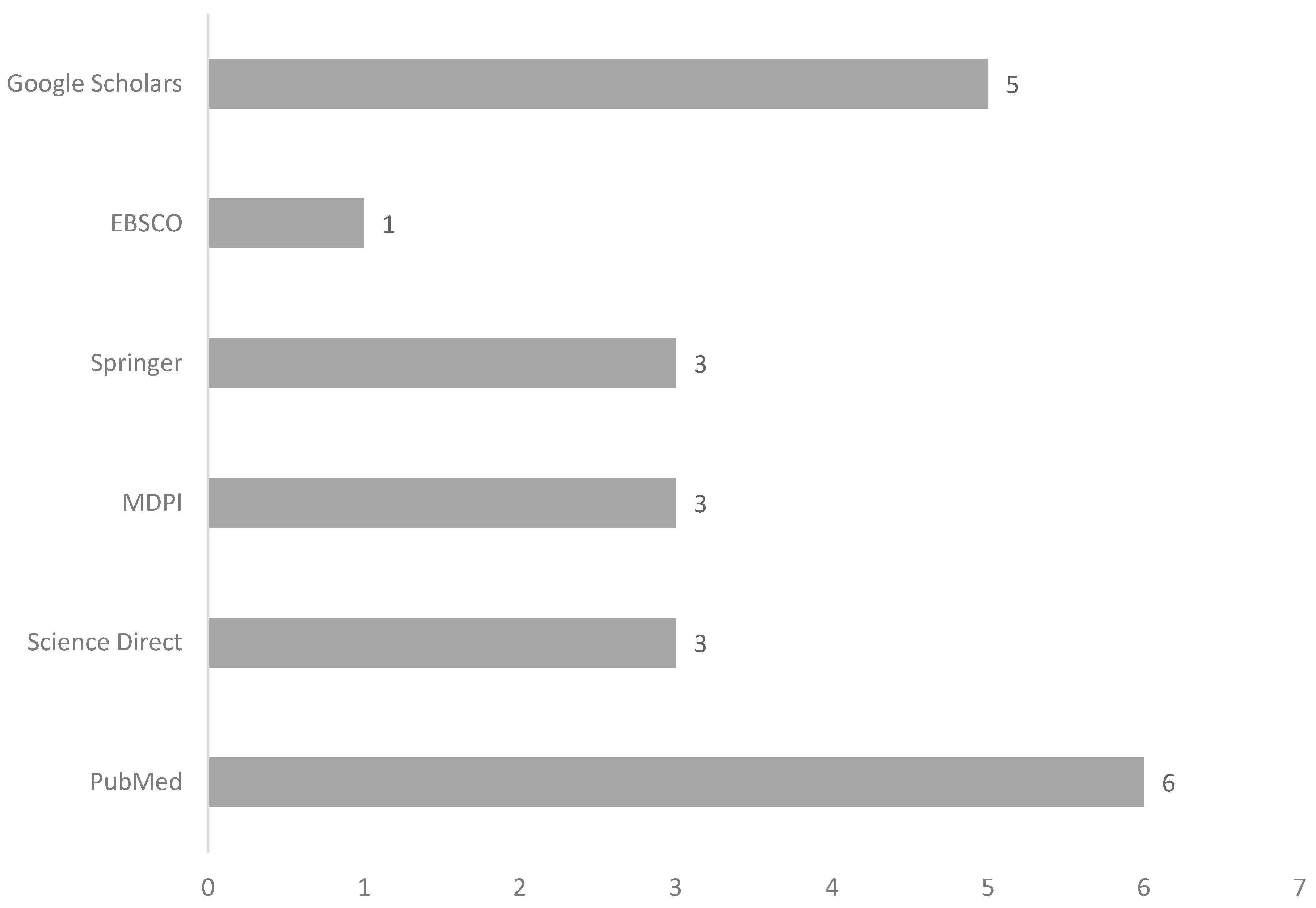
The synthesis of the academic database and other source distribution was conducted. The analysis shows that 21 papers were finally selected for the SLR. These 21 papers were obtained from four well-known online academic databases with the MDPI platform, and Google Scholar was a supplementary source. Figure 3 illustrates the wise distribution of the databases on the 21 papers selected. Out of the 21 articles, 6 papers were selected from PubMed, 3 papers were selected from Science Direct, 3 papers were selected from MDPI, 3 papers were selected from Springer, 1 paper was selected from EBSCO, and 5 papers were selected from Google Scholar.
Figure 3. Source distributions of the selected articles.

4.2. Yearly Wisely Distributions of the Selected Articles

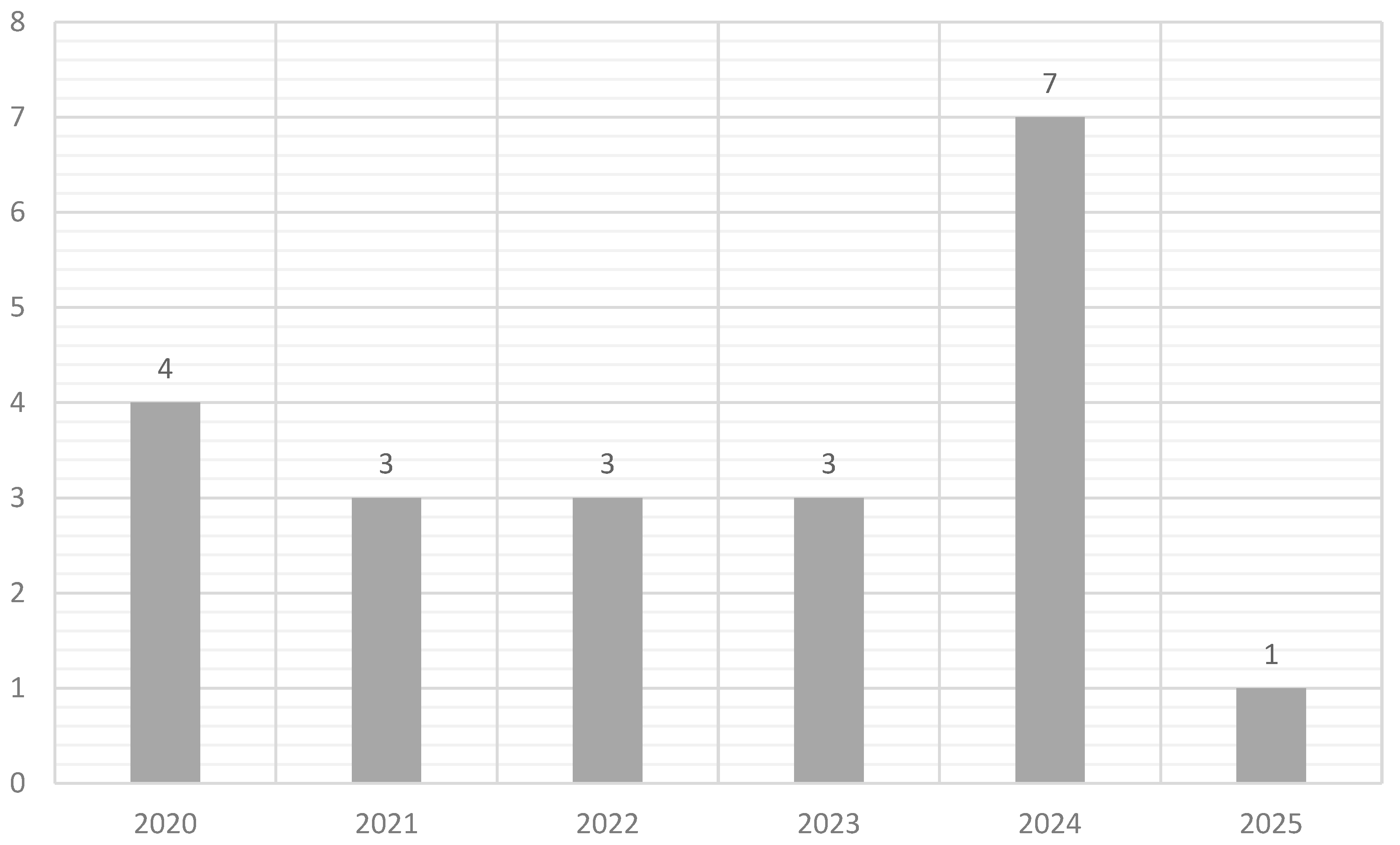
The yearly count of the published papers is displayed in Figure 4; the vertical line of the figure shows the total quantity of papers published in each year and the citation count generated on the papers in that year, while the horizontal line demonstrates the year of publication. Based on Figure 4, the year 2020 had 4 publications, the year 2021 had 3 publications, the year 2022 had 3 publications, the year 2023 had 3 publications, the year 2024 had 7 publications, which is the most published paper on the selected publications, whereas the year 2025 had only 1 publication, which the least.
Figure 4. Publications yearly and citation counts.

5. Review Findings and Discussions

The results of the review of the selected papers are shown in this section. As shown in Table 6, the results corresponding to each SLR research question are shown following an overview of the papers chosen. Of the 863 papers that were first taken from the online databases with MDPI and Google scholars as supplementary source, 21 were selected for additional analysis after the studies’ selection criteria and quality assessment were applied. These 21 papers are listed in Table 6, together with information about the databases and classifications of the studies. The next section presents and discusses our study’s review outcomes by responding to the research questions (RQ1 to RQ5). To make the results extremely thorough and to improve the reader’s understanding of the outcomes. For each study question, a demonstration is given. However, the scope of this study, as defined by the pre-established research questions and review protocol, was focused on descriptive and thematic synthesis rather than comparative or relational statistical analysis across dimensions. As such, cross-tabulation analysis falls outside the scope of the present study and was not incorporated to avoid post hoc expansion of the analytical framework. Nevertheless, we recognize the value of this approach and note that future research could build upon the findings of this review by employing vote-counting matrices or cross-tabulation analyses to further explore relationships between technologies, barriers, and outcomes. Below is a summary of the answers to the research questions.
Table 6. Summary of Extracted AI and Digital Tech Papers in Saudi Arabia.

5.1. What Are AI and Digital Technologies That Have Been Implemented in Saudi Arabia’s Healthcare System? (RQ1)

The analysis of the selected papers indicated that a good number of AI and digital technologies have been implemented in Saudi Arabia’s healthcare system, which is associated with RQ1. The analysis shows that there are significant AI-driven technologies that have been implemented in Saudi Arabia’s healthcare system. The identified AI and digital technologies from the 21 selected papers have been grouped into nine (9) categories. These include Telemedicine, Electronic health records (EHRs), Mobile health applications and wearable devices, Data analytics and Machine learning, the Internet of Things (IoT), Blockchain technology, Online platforms, Cloud computing, and Encryption algorithms. A review of each of the aforementioned AI and digital technologies is provided below. However, Table 7 depicts the summary of AI and digital platform analysis from the selected studies.
Table 7. The Summary of AI and digital technologies that have been implemented in Saudi Arabia’s healthcare system.

5.1.1. Telemedicine

Telemedicine, a revolutionary, innovative technology, has greatly improved the effectiveness of medical services. By overcoming geographic limitations and making the best use of available resources, Telemedicine enables healthcare professionals to provide prompt and efficient care, particularly in poor and rural locations, via digital examinations, remote patient monitoring, and real-time video consultations [39]. By handling non-urgent issues remotely, this method lessens the burden on healthcare institutions and cuts down on patient delays caused by travel. Furthermore, by facilitating ongoing monitoring and tailored interventions that boost patient adherence and health outcomes, telemedicine has shown promise in improving the management of chronic diseases [40]. Telemedicine was invaluable, especially during the COVID-19 pandemic, as it minimized exposure risks for both patients and physicians while guaranteeing continuity of care [41].
These developments highlight how telemedicine can simplify the administration of healthcare and enhance system effectiveness as a whole. Abbasi [42], in their study, examined how AI and Telemedicine innovations for remote monitoring are redesigning the face of the healthcare sector, increasing levels of patient clinical enhancements with reduced charges and increased effectiveness in the delivery of services. It highlighted how AI incorporated with telemedicine via the application of virtual services helps to filter patients’ complaints with timely responses. It presents the further prospects of AI in telemedicine, which underlines the importance of AI development and enhancement of patient treatment.

5.1.2. EHRs

Electronic health records, or EHRs, are a key component of technological innovations that have greatly increased the effectiveness of managing human health and providing medical services. Eight (8) out of 21 selected papers demonstrated the implementation of EHRs in Saudia Arabia’s healthcare. The administration of healthcare is more efficient when it is automated rather than performed manually [43]. This is known as e-health. Additionally, it promotes and improves collaboration between different medical fields and healthcare experts, and it gives patients and healthcare workers access to and management of data in ways that were formerly unattainable [44]. EHRs make it easier for healthcare professionals to save, retrieve, and share data, which lowers administrative workloads and makes it possible to provide better coordinated and effective care [45]. Advanced analytics and real-time patient data are integrated by EHR systems to provide precision medicine strategies, which allow for individualized treatment plans [46].
Moreover, clinical decision support systems (CDSS) and electronic medical health records (EMR) are two examples of health informatics techniques that have enhanced healthcare delivery, enhanced patient-healthcare professional interaction, and decreased costs in Saudi Arabia’s digitization of healthcare [44]. According to Buntin, Burke [47], electronic health records (EHRs) improve decision-making by integrating clinical decision support systems (CDSS), which notify healthcare professionals of possible drug interactions, allergies, or other important considerations. This reduces errors and improves patient outcomes. Making patient data more accurate and easily accessible, in turn, helps with the early detection and improved management of chronic illnesses [29]. Through easily available health portals, these digital solutions not only maximize resource use but also enable patients to take a more active role in their own health management, demonstrating the revolutionary effect of EHRs on health efficiency.

5.1.3. Mobile Health Applications and Wearable Devices

Through the use of technological innovations, mobile health (mHealth) apps have transformed healthcare by improving the effectiveness and accessibility of medical treatments. By giving patients the means to monitor themselves, take their medications as prescribed, and communicate with medical professionals in real-time, these applications greatly enhance illness management and health results [48,49]. Through ongoing data collection and analysis, mobile health applications, for example, are frequently employed to track chronic illnesses like diabetes and hypertension and offer useful insights [50]. Furthermore, they lessen the stress on healthcare systems by facilitating remote consultations and early disease identification, which minimizes needless hospital stays [51]. The transforming effect of digital technology on healthcare efficiency and patient-centered care is demonstrated by mHealth applications, which promote patient participation and streamline treatment operations. Patients are becoming more empowered to actively participate in their own health management as a result of the push toward digital health [52].
According to Patel, Asch [53], wearable technology, including fitness trackers and smartwatches, along with mHealth apps, helps manage chronic diseases like diabetes and cardiovascular disorders by encouraging compliance with treatment plans and offering actionable insights. Wearable technology and mobile health apps are giving people the means to better manage chronic illnesses, measure their advancement toward fitness objectives, and keep an eye on their health [54].

5.1.4. Data Analytics and Machine Learning

Data analytics is essential in maximizing the transformational potential of artificial intelligence (AI) and improving the effectiveness of human health systems. AI-driven analytics technologies facilitate faster and more accurate diagnosis, enhance treatment results, and streamline healthcare delivery procedures by evaluating vast amounts of health data [55]. For instance, it has been demonstrated that machine learning algorithms increase the precision of diagnosis for conditions like diabetes mellitus and cancer [56]. In a related study, Muafa, Al-Obadi [21] in their study show that leading hospitals and clinics in Riyadh are currently utilizing machine learning for data analytics, diagnostics, monitoring, surgery supported by robots, and management duties. Deep learning, a subset of machine learning, has been employed for disease identification in a Secure Internet of Medical Things.
Moreover, the translation of unstructured medical information has been transformed by natural language processing (NLP) algorithms, which facilitate quicker and more accurate clinical decision-making [57]. In a related study, Binkheder, Aldekhyyel [32], employed the NLP technique to conduct a sentiment analysis on Twitter data on the usage of six mHealth applications developed and used in Saudi Arabia during the COVID-19 pandemic. The authors revealed that the five-class sentiment analysis method demonstrated that the majority of discussions, which included general inquiries and facts or informational items, were neutral. However, the support Vector Machine with AraVec embeddings scored better than the other evaluated machine learning algorithms; thus, the author selected it for the automatic opinion classifier. The sentiment classifier demonstrated an 85% F1-score, recall, accuracy, and precision. These developments highlight the substantial influence of data analytics and artificial intelligence on the effectiveness of contemporary healthcare by streamlining medical workflows, lowering expenses, and enhancing patient care.

5.1.5. IoT

The Internet of Things (IoT) has changed healthcare by making it possible to gather, analyze, and manage data in real-time, greatly increasing the effectiveness of human health services [58]. Vital signs and health measurements are tracked by IoT devices, like wearable sensors, which send the data to cloud servers for real-time analysis [33]. In the course of treatment of cardiovascular disease (CVD), for instance, IoT-based devices gather information on vital signs like heart rate and blood pressure and transmit it to medical professionals for prompt action [33]. Healthcare systems are able to do enhanced diagnostics, categorization, and early identification of diseases by combining IoT with machine learning approaches, like the AIDSS-CDDC model. This lowers death rates and improves the health of patients.
In addition, IoT technology encourages resource optimization and usability in healthcare systems. IoT facilitates smooth communication among patients, healthcare institutions, and medical personnel by leveraging smart city facilities [33]. In order to meet the demands of underprivileged populations and lower healthcare expenditures, this link enables effective telemedicine apps, remote monitoring, and automatic decision support systems. The power of these systems is further improved by the incorporation of IoT with cloud computing and artificial intelligence, which guarantees safe data processing, accurate predictions, and effective resource allocation. These developments highlight how important IoT is to raising the standard, effectiveness, and accessibility of contemporary healthcare.

5.1.6. Blockchain Technology

Blockchain technology is a distributed ledger system that safely records, validates, and preserves information in a decentralized fashion across a network of computers [59]. Blockchain technology’s improved privacy, security, and accessibility have completely changed how Electronic Health Records (EHR) are managed. By ensuring that patient data is maintained in a decentralized, unaltered manner, Distributed Ledger Technology (DLT) removes the risk of centralized breach of data [36]. Authorized parties, such as physicians, hospitals, and insurance companies, can securely share medical records by employing blockchain’s immutability, cryptographic protection, and transparency abilities. By saving time in accessing and confirming patient data, this safe and efficient procedure increases the effectiveness of medical services.
Furthermore, the efficiency of handling EHRs is improved by integrating blockchain with artificial intelligence and multi-agent systems. Blockchain is used by intelligent agents to automate the safe transfer of private health information, authenticate users, and issue electronic certificates [36]. This method enhances patient care decision-making processes, reduces errors, and guarantees adherence to data-sharing laws. Blockchain greatly improves the effectiveness of managing human health in the digital age by resolving privacy issues and promoting interconnection among healthcare systems.

5.1.7. Online Platform

To increase efficiency and accessibility, Saudi Arabia has been strongly incorporating online platforms into its healthcare system. An illustration is the Seba online platform. These platforms make it simpler for patients, particularly those living in rural areas, to obtain medical treatment without regard to geographic restrictions by providing remote consultations, diagnostic services, and virtual healthcare [37]. According to Alkhalifah, Seddiq [37], the creation of AI-powered chatbots and virtual assistants on these platforms also helps to improve patient interactions, provide automatic scheduling, offer medical counsel, and cut down on waiting times.
Additionally, digital platforms have helped wearable technology and mobile health apps (mHealth) expand across the Kingdom. These systems enable patients to take preventive health actions by keeping records of their health data promptly, while also improving the ongoing monitoring and management of chronic illnesses such as diabetes and hypertension. The integration of predictive models, such as machine learning, in the aforementioned platforms provides an opportunity for the model to handle enormous volumes of patient data to enable individualized health management, improving diagnosis and treatment strategies. This incorporation, in addition, aids in realizing its vision 2030 targets by prioritizing caring for the patients, productivity in operation, and minimizing medical bills [26].

5.1.8. Encryption Technique

As Saudi Arabia switches to digital healthcare services, encryption algorithms are now crucial for protecting private information and sensitive patient data. Incorporating advanced encryption techniques into cloud computing and electronic health record systems contributes to preserving medical records from possible hacking and unwanted access. One prominent example is the implementation of secret key encryption in cloud-based medical systems, which greatly enhances the security and effectiveness of data transfers within the healthcare network. According to Almalawi, Khan [34], these encryption methods guarantee adherence to local as well as global data protection laws while protecting patient data. Since cloud-based technologies are increasingly being used to store and share medical data, these encryption techniques are essential to guarantee patient confidence throughout their course of treatment.
Moreover, the application of blockchain technology in combination with encryption methods has been investigated to improve data security in Saudi Arabia’s healthcare sector. Because blockchain technology offers a decentralized, unaltered record, patient data may be shared and maintained safely without worrying about illegal modifications or manipulation. It has been discovered that leveraging blockchain and encryption techniques with AI-powered intelligent agents enhances the broader security of EHR systems by implementing automated record verification and ensuring that only authorized users, like healthcare providers, gain access to confidential information [36]. Nevertheless, there are still issues with scaling and deploying these technologies in various healthcare facilities because they call for substantial financial and technical resources that may not always be available.

5.1.9. Cloud Computing

Cloud computing technology has greatly increased the effectiveness of healthcare systems as it makes it easy to store, process, and share data [60]. Cloud systems enable the real-time collection and analysis of large medical datasets through integration with the Internet of Medical Things (IoMT), enabling prompt diagnosis and improved patient outcomes [33]. For instance, early disease identification and individualized treatment plans are made possible by healthcare practitioners’ use of cloud-based platforms to evaluate patient data using machine learning algorithms. Furthermore, cloud computing guarantees accessibility by lowering geographical limitations and enhancing the continuity of treatment by enabling remote access to patient records by healthcare workers [33].
Furthermore, cloud computing uses distributed storage systems and sophisticated encryption methods to improve the confidentiality and privacy of medical data [35]. These precautions lessen the possibility of illegal access and data breaches. Artificial intelligence and cloud computing work together to further enhance the distribution of resources and facilitate decision-making in sophisticated healthcare settings. Cloud technology is essential to enhancing healthcare delivery by minimizing operating costs and promoting interoperability within healthcare systems, which in turn increases the effectiveness and quality of individual health monitoring [35].

5.2. How Do AI and Digital Technologies Contribute to Improving the Efficiency of Human Health Outcomes in Saudi Arabia? (RQ2)

The analysis of the selected studies has shown that the implementation of AI and digital technologies has significantly improved human health outcomes in Saudi Arabia. For instance, AI improves diagnostic accuracy, enhances patient management, and reduces workload through automation [61]. Telemedicine systems have been essential in minimizing the pressure on hospitals and delivering remote medical treatment, particularly during the COVID-19 pandemic [37]. Personalized medicine improves patient outcomes by providing customized medicines through machine learning algorithms [26]. Additionally, digital technology like wearables makes it possible to continuously monitor health conditions, which encourages preventative healthcare [21,62]. Allocating hospital resources and disease surveillance systems are two examples of how AI has successfully improved effectiveness in operations [22]. The descriptions of each of the contributions of AI and digital technologies to healthcare efficiency are provided below, and the summary is presented in Table 6.

5.2.1. Enhanced Diagnosis and Treatment

Saudi Arabia’s healthcare system is far more effective and efficient due to improved diagnosis and treatment, which is made possible by AI and technological innovations. Advanced images and predictive analytics are two examples of AI-powered solutions that make disease identification easier and more accurate. In order to improve the chances of an optimal result, AI algorithms, for instance, examine radiological images to detect diseases like cancer and cardiovascular disorders early on [35]. Additionally, these innovations help precision medicine by customizing therapy to each patient’s unique genomic profile, increasing effectiveness and minimizing adverse consequences. In line with Saudi Arabia’s Vision 2030 health sector aims, these developments lessen the workload for healthcare professionals and free them up to concentrate on providing high-quality care.
Furthermore, telemedicine services and virtual medical assistants are examples of digital technologies that increase access to medical treatment, especially in rural areas. AI-powered virtual assistants cut down on consultation waiting periods by making appointments and offering medical advice [33]. Patients can now consult with doctors virtually via telemedicine platforms like “Seha,” which guarantees prompt diagnosis and treatment recommendations. In addition to improving patient outcomes, such developments have also streamlined the use of resources within the healthcare system, highlighting the vital role that better diagnosis and treatment play in changing the healthcare environment in Saudi Arabia.

5.2.2. Telemedicine Expansion

In Saudi Arabia, the growth of telemedicine has transformed the provision of medical services, greatly increasing its efficacy and effectiveness. With the use of online resources such as “Seha,” telemedicine allows patients, particularly those who live in rural and underdeveloped areas, to consult with medical specialists without leaving their homes. Geographical issues are lessened, guaranteeing prompt accessibility to medical assessment, therapy, and counseling [22]. By using digital technologies for continuous evaluation and monitoring, telemedicine helps patients with chronic illnesses manage their conditions better and have fewer consequences. These skills optimize healthcare delivery by reducing needless visits and admissions, which lessens the burden on hospital facilities.
Telemedicine has also improved crisis intervention and preventative treatment in the nation. It reduced the chance of illness transmission while guaranteeing continuous medical services during emergencies such as the COVID-19 pandemic [37]. By facilitating easier access to professional advice, remote consultations have also promoted preventive health practices. This strategy supports the objectives of Saudi Arabia’s Vision 2030, which include increasing patient satisfaction, promoting better public health outcomes, and creating a strong and easily accessible healthcare system. Telemedicine makes a substantial contribution to the country’s endeavors to improve its medical facilities by streamlining access and optimizing resources.

5.2.3. Predictive Analytics for Public Health

By using data to foresee health issues and improve interventions, predictive analytics dramatically improves public health outcomes in Saudi Arabia. Predictive algorithms find trends and anticipate disease outbreaks by examining large datasets from sensors that sense the environment, digital health records, and population health studies. Healthcare professionals can use this skill to carry out focused measures, manage resources in advance, and reduce the spread of infectious diseases [27]. For instance, by predicting infection clusters and setting vaccination campaign priorities, predictive modeling assisted Saudi Arabia in implementing successful control measures during the COVID-19 pandemic, lowering rates of sickness and death.
Additionally, as one of the main causes of medical services costs in the Kingdom, long-term health conditions are managed with the help of predictive analytics. Through real-time patient data tracking, these machines identify early indicators of disorders such as diabetes, heart disease, and high blood pressure, enabling prompt action and individualized treatment plans [30]. In addition to improving patients’ quality of life, this preventive strategy reduces hospital admissions and healthcare expenses. Predictive analytics’ incorporation into public medical systems is in line with Saudi Arabia’s Vision 2030 plans, which emphasize the use of technological advances to create a more effective, preventative, and patient-centered medical system.

5.2.4. Streamlined Administrative Processes

The effectiveness and productivity of healthcare in Saudi Arabia are greatly increased by streamlined administrative procedures powered by technological innovations and artificial intelligence. By offering a consolidated and immediately available library of medical histories, test findings, and medication plans, the use of Electronic Health Records (EHRs) has revolutionized patient data storage. This improves cooperation between healthcare professionals, avoids test repetition, and cuts down on paperwork [36]. For example, incorporated EHR systems give physicians rapid access to complete patient data, enabling more precise diagnosis and prompt treatment. These enhancements optimize medical services and the use of resources by saving time for both patients as well as physicians.
Furthermore, administrative processes like employee scheduling, allocating resources, and booking appointments are being transformed by solutions based on AI. In order to ensure proper staffing and cut down on waiting times, algorithms examine past data to predict patient inflow. Automatic scheduling solutions streamline the booking procedure, reducing errors and improving patient experiences [36]. Additionally, by allowing healthcare managers to concentrate on strategic planning instead of daily duties, these innovations improve the effectiveness and adaptability of the system as a whole. Simplified administrative procedures that increase operational efficiency support Saudi Arabia’s Vision 2030 goals of modernizing its healthcare system and offering outstanding, patient-centered care.

5.2.5. Enhanced Patient Engagement

In Saudi Arabia, improved patient interaction through digital technologies is changing medical services and enhancing healthcare delivery. By recording vital signs, keeping an eye on activity levels, and following prescription schedules, wearable technology and mobile health (mHealth) apps enable patients to actively manage their health [32]. By offering immediate feedback and practical insights, these technologies promote healthier lifestyles and lower the chance of developing chronic illnesses. Applications created as part of Saudi Arabia’s Vision 2030 plan, for example, assist people in monitoring their blood pressure and diabetes, guaranteeing immediate attention and reducing hospitalization rates. This preventive method of healthcare improves productivity and minimizes the stress on hospitals.
Additionally, AI-powered technology and digital platforms improve communication between patients and medical professionals, promoting satisfaction and trust [24]. By enabling patients to access medical assistance swiftly, virtual health assistants and telemedicine services help to minimize care delays [63]. Additionally, these technologies enable customized care plans that are based on a patient’s preferences and health history, which improves compliance with treatments. In addition to improving health outcomes, more patient participation helps Saudi Arabia achieve its aim of a more patient-centric healthcare system by reducing the distance between patients and doctors.

5.2.6. Medical Research and Training

With the aid of innovative technologies, medical research, and training are essential to improving the efficiency and effectiveness of medical services in Saudi Arabia. By examining enormous databases to find trends, find new medications, and predict treatment results, artificial intelligence (AI) and big data analytics speed up medical research. For example, research projects at organizations like the King Abdullah International Medical Research Center (KAIMRC) have used AI to investigate potential treatments for chronic illnesses like diabetes and heart disease that are common in the area [11]. These developments increase the accuracy and speed of therapy advancement, allowing healthcare systems to successfully handle urgent medical conditions.
Along with research, advanced training programs that use AI, VR, and simulation techniques improve healthcare personnel’s abilities and competence. Practitioners can improve their skills in complicated processes in realistic training settings without endangering patients. VR-based surgical simulations, for instance, have been implemented in Saudi medical colleges and have increased surgeon competence, which has enhanced patient outcomes [11]. In line with Saudi Arabia’s Vision 2030 goal of building a world-class medical system powered by high standards and creativity, ongoing professional development through such initiatives guarantees that medical professionals are prepared to handle contemporary issues.

5.2.7. Smart Hospitals

In order to transform healthcare service and enhance patient outcomes, smart hospitals in Saudi Arabia make use of state-of-the-art technology, including robotics, AI, as well as the IoT. IoT-enabled systems and gadgets make it easier to monitor patient vitals in real-time, guaranteeing prompt actions and lowering the possibility of health issues [27]. For instance, intelligent hospital rooms with networked gadgets automatically monitor and provide patient information to medical professionals, facilitating prompt and well-informed decision-making. By streamlining processes, lowering manual error rates, and optimizing resource use, these innovations greatly raise operational effectiveness and the standard of patient care.
Furthermore, solutions based on AI in smart hospitals streamline clinical and administrative procedures. Robotic solutions help with surgeries and repetitive duties, improving accuracy and productivity, while predictive analytics techniques predict patient entry, guaranteeing improved resource allocation and reducing waiting times [10]. In line with Saudi Arabia’s Vision 2030 objectives, hospitals such as King Faisal Specialist Hospital & Research Center have adopted this technology to provide outstanding medical services. Through accurate and customized treatments, these developments not only enhance patient satisfaction but also increase cost-effectiveness, thereby expanding access to and sustainability of medical services in the Kingdom.

5.2.8. Support for Vision 2030 Goals

Saudi Arabian medical system has experienced substantial changes driven by adherence to the Vision 2030 objectives, which emphasize patient-centered care and promote advances in technology. To promote the adoption of revolutionary technologies such as AI, telemedicine, and data analytics, Vision 2030 places a strong emphasis on modernizing healthcare facilities. These technologies improve the effectiveness of therapy programs, the accuracy of evaluations, and the efficiency of administrative procedures [10]. For instance, the Kingdom has adopted Electronic Health Records (EHRs) through initiatives such as the National Health Transformation Scheme, which have enhanced care management, reduced healthcare errors, and streamlined managing patients. These advances have ensured superior quality outcomes while markedly enhancing the effectiveness of healthcare delivery.
Availability and equity in healthcare are also accorded highest priority in Vision 2030. The government has facilitated access to medical care for rural and remote communities through the expansion of telemedicine services such as “Seha” and increased investment in rural healthcare infrastructure [37]. This pledge advances the goals of Vision 2030 to enhance public health and longevity through early diagnosis and preventive care. Furthermore, the incidence of chronic diseases has declined, and the overall health and well-being of citizens has been enhanced through public-engagement initiatives and digital technologies that empower individuals to manage their own medical conditions. Last but not least, Saudi Arabia’s healthcare industry has seen a rise in research and innovation due to Vision 2030. Due to Investments in medical research facilities and collaborations with world-renowned healthcare technology institutes, new cures are being discovered more quickly, and healthcare workers are receiving better training. For instance, research projects funded by Vision 2030 have addressed health issues unique to a given region, like diabetes and cardiovascular disorders, which greatly increase the cost of healthcare [35]. In addition to improving health outcomes in the Kingdom, these developments establish Saudi Arabia as a regional center for healthcare innovation, promoting efficient and sustainable delivery of medical services.

5.3. How Do AI and Digital Technologies Contribute to the Sustainability of Healthcare Systems in Saudi Arabia in Terms of Cost-Efficiency, Environmental Responsibility, and Long-Term Service Delivery? (RQ3)

The integration of AI and digital technology in Saudi Arabia’s healthcare industry has emerged as an essential ingredient for attaining sustainable healthcare services. Sustainability, in this context, extends beyond ecological factors to include social and economic aspects such as equality, efficiency, and the long-term survival of healthcare systems. Artificial intelligence and digital technology enhance resource optimization, minimize redundancies, and refine decision-making, so facilitating more sustainable service delivery. Digital platforms, including telemedicine and mobile health applications, facilitate healthcare access for remote and underprivileged people, reducing the necessity for physical travel and alleviating infrastructure pressure while maintaining continuity of services [24,37]. These technologies enhance sustainable healthcare by reducing energy consumption and administrative costs linked to in-person consultations, thereby boosting accessibility and environmental efficiency.
From an operational standpoint, Electronic Health Records (EHRs) and cloud computing technologies substantially enhance sustainability via digitization and data centralization. These solutions reduce paper consumption, eliminate redundancy in diagnostic testing, and facilitate information exchange among medical institutions, thus minimizing waste and enhancing resource efficiency [29,33,35]. The adoption of EHRs in Saudi hospitals has facilitated seamless access to patient information for healthcare workers, hence improving coordinated treatment and reducing avoidable medical errors. Furthermore, cloud-based data storage significantly reduces reliance on physical storage infrastructure, facilitating scalability and cost-effectiveness, crucial elements of enduring healthcare sustainability.
Moreover, AI-driven data analytics and predictive modeling improve preventive healthcare, a critical component of sustainability. AI systems analyze huge amounts of data for predicting disease outbreaks, recognizing population health patterns, and facilitating preventive measures that mitigate the necessity for high-cost therapies [21,26]. These predictive technologies enhance patient outcomes and minimize the stress on healthcare resources, enabling facilities to manage requests effectively without going beyond their capacity. This proactive healthcare strategy corresponds with Vision 2030’s objective of establishing a sustainable, prevention-oriented health system that can maintain excellent service delivery amidst rising population demands [10].
Moreover, blockchain technology and sophisticated encryption algorithms enhance the sustainability of healthcare operations by guaranteeing secure and transparent data exchange [34,36]. The decentralized architecture of blockchain restricts unauthorized modification of data and fosters enduring data integrity, which is essential for sustaining public trust and adhering to ethical healthcare norms. The integration of AI with blockchain and encryption technologies guarantees that data management in Saudi Arabia’s healthcare industry is secure, transparent, and reliable, hence enhancing sustainable digital transition. As healthcare increasingly depends on digital platforms, ensuring reliable cybersecurity is crucial for the sustainability and stability of these systems.
Ultimately, AI and digital technologies indirectly enhance environmental and institutional sustainability by facilitating smart hospitals and energy-efficient systems. Intelligent healthcare facilities that incorporate IoT, robots, and AI diminish waste, automate repetitive processes, and enhance energy efficiency [64,65]. These technologies enable healthcare administrators to oversee operations in real-time, improving energy efficiency and decreasing expenses. The shift to AI-powered healthcare further advances Saudi Arabia’s sustainability mission by incorporating innovation, efficiency, and public health goals within a cohesive digital ecosystem. These technological developments collectively empower Saudi Arabia to establish a healthcare system that is effective, resilient, and sustainable for future generations.

5.4. What Strategies and Policies Are Being Implemented in Saudi Arabia to Promote the Sustainable Integration of AI and Digital Technologies in Healthcare? (RQ4)

Saudi Arabia has implemented many regulations and strategic plans to facilitate the sustainable incorporation of AI and digital technology into its healthcare system. These projects are mainly driven by Vision 2030, which prioritizes digital innovation, resilience, and sustainability as essential components of healthcare reform. The creation of entities like the Saudi Data and Artificial Intelligence Authority (SDAIA) and the National Health Command Centre (NHCC) highlights the government’s dedication to advancing data-driven, AI-enhanced healthcare systems [22,66]. These entities support sustainable digital governance, guaranteeing that AI implementation adheres to ethical standards, public health objectives, and long-term national development plans. Moreover, significant investments within the Health Sector Transformation Program seek to incorporate AI into healthcare administration, preventive medicine, and telemedicine, hence enhancing the sustainability of clinical and administrative processes [10].
A crucial element of Saudi Arabia’s sustainable integration strategy is the formulation of policy regulations for the ethical and secure implementation of AI. Numerous studies emphasize that data privacy, algorithmic transparency, and accountability are fundamental to effective digital health governance [23,25]. These regulations guarantee the responsible implementation of AI technologies while mitigating the dangers of data misuse and algorithmic bias. The regulatory bodies have commenced the alignment of local compliance standards with international guidelines to improve interoperability and reliability in digital health systems. This alignment enhances institutional capacity and fosters private sector participation, crucial for ensuring financial and operational sustainability.
Moreover, staff development and capacity training have been recognized as major strategies for maintaining AI integration. Research has continuously identified the digital gap and insufficient technology competencies among healthcare personnel as substantial barriers [23,67]. To tackle this issue, continuing professional development programs, digital literacy initiatives, and the incorporation of AI-centric modules into medical education have been emphasized. These programs guarantee that the healthcare personnel is equipped to adjust to changing technology environments, hence preserving long-term operational sustainability [9]. Integrating AI training into healthcare curricula promotes generational continuity in digital knowledge, facilitating ongoing innovation within healthcare organizations.
Public–private partnerships (PPPs) are acknowledged as pivotal in promoting sustainable digital change. Public-private partnerships (PPPs) promote collaboration among technology companies, healthcare institutions, and policymakers, facilitating cost-sharing, knowledge transfer, and infrastructural advancement [10]. These partnerships guarantee that innovation reaches not only financially secure metropolitan hospitals but also rural and underdeveloped areas, therefore diminishing inequities in healthcare access. Sustainable adoption necessitates collective accountability among stakeholders, guaranteeing that digital transformation uniformly benefits every sector while reducing redundancy and enhancing effectiveness over time.
Ultimately, attaining sustainability in digital healthcare necessitates ongoing policy assessment and flexible governance. Saudi Arabia’s strategy for digital health prioritizes the continuous evaluation of AI projects to highlight limitations, enhance methods, and guarantee conformity with evolving global standards. As emphasized by Almeman [31] and Alassaf, Bah [25], the advancement of regulations is essential for reconciling innovation with responsibilities. The government’s focus on data-driven policymaking guarantees that future initiatives are guided by real-time information from AI systems, thereby enhancing the feedback loop between policy and practice. The sustainable incorporation of AI and digital technologies in Saudi healthcare depends on effective governance, the enhancement of human skills, and flexible regulatory systems that guarantee efficiency, equity, and resilience, fundamental elements of Vision 2030’s reliable medical care framework.

5.5. What Are the Major Challenges and Barriers Faced in Adopting and Integrating AI and Digital Technologies into the Saudi Arabian Healthcare Sector? (RQ5)

There are numerous opportunities to enhance healthcare services in the kingdom as a result of the use and integration of AI and digital technologies in the Saudi healthcare sector. However, a lot of challenges and barriers are obvious, which can hinder further development and urbanization in the kingdom. In regard to RQ5, this section provides the results of the main challenges and barriers encountered when implementing and integrating AI and digital technologies into the Saudi healthcare industry. According to the study’s findings, eight (8) main challenges and barriers could prevent the adoption process. These include Data privacy and security, cost of implementation, resistance to change, interoperability issues, regulatory and compliance challenges, equity in access, digital divide among healthcare professionals, and lack of digital skills among healthcare professionals. Below is a thorough explanation of the aforementioned challenges.

5.5.1. Data Privacy and Security

Issues regarding data security and privacy are still crucial when incorporating AI and digital technology into Saudi Arabia’s healthcare system. As telehealth systems, electronic health records (EHRs), and IoT-enabled devices become more widely used, there is a higher probability that private information about patients will be accessed by unwanted parties. It is essential to follow global data protection laws, deploy reliable encryption, and put comprehensive cybersecurity practices in place in order to minimize these risks. Nevertheless, many medical facilities are vulnerable to security breaches and cyberattacks due to the absence of standardized data protection rules. For instance, research highlights the necessity of effectively incorporating encryption algorithms into EHRs in order to protect patient data, especially in cloud-based systems [34]. Additional evidence suggests that vulnerabilities are made worse by limitations in real-time vulnerability monitoring, especially in contexts where data is shared across multiple institutions. In the absence of effective security protocols, patient confidence in digital platforms may decline, which would limit their usefulness and acceptance.
Furthermore, integrating innovative technologies like blockchain is a viable way to secure patient data. Blockchain is ideal for handling sensitive medical records because of its decentralized structure, which guarantees data confidentiality and prevents unauthorized alterations [36]. However, an important barrier is the complexity of deploying and expanding blockchain technology across Saudi Arabia’s many healthcare systems. Additionally, a lot of institutions lack the technical skills needed to properly administer and sustain these innovations. Problems in integrating blockchain systems with current healthcare operations are highlighted in a study by Mengash, Alharbi [35], which may cause the deployment to be prolonged. Such challenges highlight the urgency of strong regulations and investments in cybersecurity facilities required to enable the secure digital evolution of medical services.

5.5.2. Cost of Implementation

One of the main challenges facing Saudi Arabian healthcare facilities is the cost of implementing AI and digital technology. Smaller institutions are frequently discouraged from investing in digital transformation due to the large upfront expenses involved in acquiring modern technology, upgrading infrastructure, and educating staff. For example, the installation and continuous maintenance of cloud computing systems, AI-powered diagnostic tools, and IoT devices demand significant financial resources [33]. Alomari, Alomari [66], have shown that financing for modern facilities is more likely to penetrate metropolitan regions; thus, providing equal access is even more challenging due to cost variations between villages and urban medical institutions.
Furthermore, many private healthcare providers may not have access to the same funding options as the Saudi government, which has made significant investments in healthcare technology under Vision 2030. The difference separates under-resourced rural areas from well-funded urban places. In order to close this gap, Mani and Goniewicz [9] recent analysis highlights the necessity of organized public-private collaborations. The wider use of AI-driven healthcare solutions is further constrained by insufficient financial incentives for private-sector adoption. Innovative finance strategies, such as public-private partnerships, are needed to address these issues in order to share costs and risks. Further, providing grants and subsidies to smaller organizations may promote broader adoption and provide fair access to modern medical technology.

5.5.3. Resistance to Change

The unwillingness of healthcare organizations and professionals to adapt to change is a significant barrier to the effective application of AI and digital technologies. Because they are unsure of the accuracy of AI-driven examinations, fear losing their employment, or are not comfortable with advancements in technology, many healthcare personnel are reluctant to adopt new methods [23]. Further research by Alenazi, Jariri [28] demonstrates that resistance is influenced by age disparities in digital literacy, with older professionals exhibiting greater reluctance to embrace new technology. Due to the deeply rooted conventional methods of healthcare delivery in many organizations, cultural considerations also come into play. This resistance may impede the successful adoption of digital technologies in the absence of sufficient involvement and education.
Building healthcare professionals’ trust through focused training programs and awareness campaigns is crucial in overcoming this barrier. Future medical professionals may feel more at ease using AI and digital technologies if they are incorporated into medical programs. Fears about loss of employment can also be reduced by highlighting AI’s collaborative role, which enhances rather than replaces human skills. According to data from Hazazi and Wilson [29], skepticism may be addressed by early pilot projects that show the actual benefits of adopting AI. Building a supportive and flexible culture in healthcare organizations requires strong leadership, dedication, and open communication about the advantages of digital change.

5.5.4. Interoperability Issues

Since many medical professionals use disjointed or inconsistent systems, interoperability problems continue to be a significant problem in Saudi Arabia’s healthcare industry. EHRs, telemedicine systems, and AI-driven analytics are examples of digital technologies whose effectiveness and efficiency are limited by this lack of consistency, which hinders smooth data transmission between institutions. For instance, when numerous systems are unable to connect properly, doctors frequently face challenges in accessing entire patient records, which results in inconsistencies and errors in the provision of care [29]. In multispecialty clinics where integrated therapy is crucial, decentralized systems have a substantial impact on patient satisfaction, as recent findings from Alhur [68] further demonstrated.
Addressing the interoperability problem requires the adoption of standardized frameworks and protocols for data sharing. Investing in middleware solutions that fill in the gaps between different systems might help in assisting with the smooth integration. To further create interoperable solutions that are suited to Saudi Arabia’s particular healthcare environment, collaboration among technology vendors, legislators, and healthcare organizations must be established. A case study by Ibrahim, Alenezi [67] highlights how the usage of cloud-based platforms can improve data integration between institutions. Putting interoperability as a priority will help the healthcare industry fully utilize AI and digital technologies, which will result in better coordinated and effective care delivery.

5.5.5. Regulatory and Compliance Challenges

The implementation of AI and digital technologies in Saudi Arabia’s healthcare industry is severely hindered by the lack of thorough regulatory frameworks. Current laws frequently ignore specific challenges that come with AI, such as algorithm transparency, data ownership, and error-related liability. This regulatory divide slows innovation and deployment by confusing technology developers and healthcare providers [23]. In order to meet local healthcare demands and adhere to global norms, continuous regulatory control is necessary, according to recent research by [25].
Furthermore, the adoption process becomes complicated when local policies coincide with international standards. The promotion of innovation and the protection of patient safety and data privacy must be balanced by policymakers. Creating extensive regulatory frameworks requires cooperation between government organizations, medical facilities, and technological specialists. To foster confidence in digital healthcare solutions, these frameworks need to incorporate rules for data governance, AI ethics, and algorithm performance evaluation. The significance of stakeholder participation in co-creating regulatory frameworks that are suited to the Saudi environment is emphasized in a roadmap put forth by Almeman [31].

5.5.6. Equity in Access

One of the most significant issues in Saudi Arabia’s healthcare reform is ensuring fair access to AI and digital technology. While rural and underprivileged areas lag behind, urban centers with well-funded hospitals frequently have better access to modern technologies. This discrepancy threatens Vision 2030’s objective of offering all residents access to high-quality healthcare [66]. Studies by Alhur [68] reveal that inadequate facilities and poor computer literacy rates in isolated regions worsen these imbalances.
Implementing scalable, affordable technological solutions and making selective investments in rural healthcare facilities are necessary to close this gap. Mobile health apps and telemedicine platforms, for example, can bring medical care to remote areas. According to research by Binkheder, Aldekhyyel [32], mHealth apps were successful in making healthcare more accessible to disadvantaged populations during the COVID-19 epidemic. Collaborations with businesses in the private sector to lower expenses and increase digital infrastructure can also support equal use. By putting inclusion first, Saudi Arabia can guarantee that everyone can take advantage of the revolutionary potential of artificial intelligence and digital healthcare technology.

5.5.7. Digital Divide Among Healthcare Professionals

The deployment of AI and digital technologies in Saudi Arabia is also significantly hindered by a digital divide among healthcare providers. Advanced digital tools and systems are unfamiliar to many healthcare providers, especially senior ones. The successful implementation of artificial intelligence-driven solutions is affected by this skills gap since appropriate use and deployment necessitate a certain degree of technical proficiency [23]. According to research conducted by Aljerian, Arafat [22] also noted that inconsistent training opportunities further contribute to this gap, especially in local healthcare settings.
To solve this problem, it is necessary to develop a thorough training program for improving healthcare workers at all levels. The gap can be closed with the aid of regular training courses that emphasize digital literacy and the beneficial deployment of AI tools. Technical assistance and the development of user-friendly interfaces can also promote wider adoption among medical personnel. The effectiveness of customizable training programs in enhancing digital expertise across a range of career fields is demonstrated by case studies by [9]. The healthcare workers in Saudi Arabia can be equipped to properly utilize AI and digital technology by investing in digital development.

5.5.8. Lack of Digital Skills Among Healthcare Professionals

The integration of AI and digital technology is made more difficult by the notable deficiency of digital skills among healthcare workers. Inefficiencies and inadequate utilization of current technologies emerge from many practitioners’ lack of expertise in employing AI-driven systems for administrative duties, treatment schedules, or diagnostic tasks [22]. This knowledge gap is made worse by inadequate exposure to digital tools throughout medical training, especially in institutions with limited resources, as noted by recent research conducted [67].
In order to overcome this barrier, digital skills training must be incorporated into continuous professional development initiatives as well as medical college coursework. Healthcare professionals can be given the skills and confidence needed to use innovative technologies through programs including workshops, online courses, and simulation-based training. The workforce’s acceptance of digital tools can also be accelerated by creating a collaborative learning environment where experienced employees guide younger employees. Alhur [68] cited a pilot study that showed better trust and efficiency among healthcare workers after focused digital training, which highlights the significance of such programs. Thus, these initiatives are crucial in order to realize the promise of AI and digital advances in transforming Saudi Arabia’s healthcare system.

5.5.9. Technological and Infrastructural Constraints

Notwithstanding the increasing integration of AI-driven solutions in Saudi Arabia’s healthcare sector, certain technological and infrastructural constraints persist, hindering widespread and equal implementation. Disparities in digital connectivity, especially between urban areas and rural or remote locales, influence the viability of data-intensive AI applications that depend on high-bandwidth and low-latency networks. Moreover, a deficiency of healthcare personnel with advanced digital and AI-related skills presents challenges for system integration, model validation, and clinical deployment. Disparities in infrastructure and resource availability among healthcare facilities generate inconsistent implementation outcomes. These constraints underscore the necessity for synchronized investments in digital infrastructure, workforce development, and regional capacity enhancement, as related to Saudi’s Vision 2030, to guarantee that AI-driven healthcare innovations provide inclusive and sustainable advantages throughout the national healthcare system.

5.5.10. Ethical, Fairness, and Explainability Considerations in AI Deployment

The successful integration of AI into medicine depends on addressing substantial ethical and governance concerns. Bias in training data, algorithmic equity, and model transparency continue to be significant barriers to achieving fair outcomes, especially in diverse populations. Numerous studies in Saudi Arabia have underscored the concern that AI models trained on restricted or unrepresentative datasets may exhibit suboptimal performance for specific demographic groups, thereby intensifying health inequities. The explainability of AI systems is crucial for clinical adoption, allowing healthcare personnel to comprehend and trust model outputs in diagnostic and decision-support applications. Regulatory and ethical supervision, encompassing adherence to privacy, data protection, and AI governance frameworks, is essential to mitigate these threats. Integrating these factors into AI implementation coincides with Saudi Arabia’s Vision 2030 goals for responsible digital health innovation, ensuring that technology progress is accompanied by equity, accountability, and public trust.

8. Conclusions

The introduction of digital technologies and artificial intelligence (AI) into healthcare sectors around the world has significantly increased accurate diagnosis, individualized care, and productivity in operations. With respect to Saudi Arabia, these developments are in line with the Kingdom’s Vision 2030 objectives, which include updating healthcare facilities, increasing accessibility, and raising the standard of healthcare services. Nonetheless, the healthcare sector is under tremendous pressure due to the growing population, urbanization, and incidence of chronic illnesses, necessitating the establishment of ground-breaking solutions. The broad deployment of AI and digital technologies is, however, hindered by issues such as data privacy concerns, high implementation costs, skill gaps among medical personnel, and resistance to change, notwithstanding its promise. This study seeks to determine how artificial intelligence (AI) and digital technologies improved the success and effectiveness of medical services in Saudi Arabia, identifying the barriers to their integration and suggesting possible future areas of investigation. Eight hundred and sixty-three (863) papers were initially retrieved using a systematic literature review (SLR) technique that followed PRISMA best practices. Out of these, 21 primary studies were chosen for a thorough review and analysis. The results demonstrated the revolutionary potential of technologies including wearable technology, blockchain, telemedicine, electronic health records (EHRs), and encryption algorithms in enhancing patient care, facilitating administrative procedures, and closing healthcare gaps. Interoperability problems, regulatory issues, and unequal access to medical technology were among the persistent issues that were noted. To address these issues and optimize the use of AI and digital technologies in Saudi Arabia’s medical sector, the report suggests a number of actions. To meet Saudi Arabia’s specific healthcare demands, future research should concentrate on creating culturally suitable AI models, Arabic natural language processing, and AI-powered mental health systems. By resolving these issues and capitalizing on new developments, the Kingdom may establish itself as a world leader in healthcare innovation, guaranteeing patient-centered, effective, and accessible healthcare delivery.

Supplementary Materials

The following supporting information can be downloaded at: https://www.mdpi.com/article/10.3390/su18031461/s1, File S1: PRISMA 2020 Checklist [69].

Funding

This research received no external funding.

Institutional Review Board Statement

Not applicable.

Data Availability Statement

The original contributions presented in this study are included in the article. Further inquiries can be directed to the corresponding author.

Acknowledgments

The author would like to thank the Deanship of Scientific Research at Shaqra University.

Conflicts of Interest

The author declares no conflicts of interest.

References

  1. Shiwlani, A.; Khan, M.; Sherani, A.M.K.; Qayyum, M.U.; Hussain, H.K. Revolutionizing Healthcare: The Impact of Artificial Intelligence on Patient Care, Diagnosis, and Treatment. JURIHUM J. Inov. Dan Hum. 2024, 1, 779–790. [Google Scholar]
  2. Panesar, A. Machine Learning and AI for Healthcare; Springer: Berlin/Heidelberg, Germany, 2019. [Google Scholar]
  3. Esteva, A.; Robicquet, A.; Ramsundar, B.; Kuleshov, V.; DePristo, M.; Chou, K.; Cui, C.; Corrado, G.; Thrun, S.; Dean, J. A guide to deep learning in healthcare. Nat. Med. 2019, 25, 24–29. [Google Scholar] [CrossRef]
  4. Rajpurkar, P.; Irvin, J.; Ball, R.L.; Zhu, K.; Yang, B.; Mehta, H.; Duan, T.; Ding, D.; Bagul, A.; Langlotz, C.P.; et al. Deep learning for chest radiograph diagnosis: A retrospective comparison of the CheXNeXt algorithm to practicing radiologists. PLoS Med. 2018, 15, e1002686. [Google Scholar] [CrossRef]
  5. Garfan, S.; Alamoodi, A.H.; Zaidan, B.; Al-Zobbi, M.; Hamid, R.A.; Alwan, J.K.; Ahmaro, I.Y.; Khalid, E.T.; Jumaah, F.; Albahri, O.S.; et al. Telehealth utilization during the COVID-19 pandemic: A systematic review. Comput. Biol. Med. 2021, 138, 104878. [Google Scholar] [CrossRef] [PubMed]
  6. Patel, B.V.; Arachchillage, D.J.; Ridge, C.A.; Bianchi, P.; Doyle, J.F.; Garfield, B.; Ledot, S.; Morgan, C.; Passariello, M.; Price, S.; et al. Pulmonary angiopathy in severe COVID-19: Physiologic, imaging, and hematologic observations. Am. J. Respir. Crit. Care Med. 2020, 202, 690–699. [Google Scholar] [CrossRef] [PubMed]
  7. Qahtani, S.A.; Alghamdi, R.S.; Fallatah, T.I.; Alluqmani, R.M.; Alluqmani, R.M.; Althobaiti, A.S.; Althobaiti, J.F.; Alharthi, E.S.; Alharthi, S.A. Challenges Facing The Saudi Healthcare System In The Future. J. Namib. Stud. Hist. Politics Cult. 2023, 39, 130–142. [Google Scholar]
  8. Alfaqeeh, G.; Cook, E.J.; Randhawa, G.; Ali, N. Access and utilisation of primary health care services comparing urban and rural areas of Riyadh Providence, Kingdom of Saudi Arabia. BMC Health Serv. Res. 2017, 17, 106. [Google Scholar] [CrossRef]
  9. Mani, Z.A.; Goniewicz, K. Transforming Healthcare in Saudi Arabia: A Comprehensive Evaluation of Vision 2030’s Impact. Sustainability 2024, 16, 3277. [Google Scholar] [CrossRef]
  10. Alsari, S.M.; Alzamanan, M.M.M.; Salem, H.A.; Almutyif, Q.H.; Al-Masad, A.M.S.; Alabbas, M.S.; Alfuhayd, G.N.M.; Aldwees, H.S.H.; Al Regheeb, Y.A.M.; Al Musri, D.A.J. The Impact of Vision 2030 on the Healthcare System in Saudi Arabia. J. Int. Crisis Risk Commun. Res. 2024, 6, 58–75. [Google Scholar]
  11. Almansour, M.M.; Shaman Al-mansour, H.M.; Almansour, F.H.H.; Saleh Al-Yami, H.H.; Henann Almansour, S.H.; Hassin Almansour, M.H.; Saleh AL Hannan, H.H.; Ali Alshaman, F.N.; Almaqbul, M.S. The Role of Health Technology in Improving Healthcare Services in Saudi Arabia. J. Int. Crisis Risk Commun. Res. 2024, 7, 812. [Google Scholar]
  12. Al-Jehani, N.B.; Hawsawi, Z.A.; Radwan, N.; Farouk, M. Development of artificial intelligence techniques in Saudi Arabia: The impact on COVID-19 pandemic. Literature review. J. Eng. Sci. Technol. 2021, 16, 4530–4547. [Google Scholar]
  13. Tasnime, B.; Maryam, B. Digital Health Applications and Their Role in Improving the Quality of Health Care Services Study the Experience of Saudi Arabia. 2024. Available online: https://dspace.univ-bba.dz/items/341d2244-dede-4813-8fe5-42114ca5dcbc (accessed on 27 January 2026).
  14. Kitchenham, B.; Charters, S. Guidelines for Performing Systematic Literature Reviews in Software Engineering; Technical Report, Ver. 2.3 EBSE Technical Report; Durham University: Durham, UK, 2007. [Google Scholar]
  15. Asif, S.; Wenhui, Y.; ur-Rehman, S.; ul-ain, Q.; Amjad, K.; Yueyang, Y.; Jinhai, S.; Awais, M. Advancements and prospects of machine learning in medical diagnostics: Unveiling the future of diagnostic precision. Arch. Comput. Methods Eng. 2025, 32, 853–883. [Google Scholar] [CrossRef]
  16. Ansari, M.Y.; Yaqoob, M.; Ishaq, M.; Flushing, E.F.; Mangalote, I.A.C.; Dakua, S.P.; Aboumarzouk, O.; Righetti, R.; Qaraqe, M. A survey of transformers and large language models for ECG diagnosis: Advances, challenges, and future directions. Artif. Intell. Rev. 2025, 58, 261. [Google Scholar] [CrossRef]
  17. Buess, L.; Keicher, M.; Navab, N.; Maier, A.; Tayebi Arasteh, S. From large language models to multimodal AI: A scoping review on the potential of generative AI in medicine. Biomed. Eng. Lett. 2025, 15, 845–863. [Google Scholar] [CrossRef] [PubMed]
  18. Mallett, R.; Hagen-Zanker, J.; Slater, R.; Duvendack, M. The benefits and challenges of using systematic reviews in international development research. J. Dev. Eff. 2012, 4, 445–455. [Google Scholar] [CrossRef]
  19. Kitchenham, B.; Brereton, P. A systematic review of systematic review process research in software engineering. Inf. Softw. Technol. 2013, 55, 2049–2075. [Google Scholar] [CrossRef]
  20. Papamitsiou, Z.; Economides, A.A. Learning analytics and educational data mining in practice: A systematic literature review of empirical evidence. J. Educ. Technol. Soc. 2014, 17, 49–64. [Google Scholar]
  21. Muafa, A.M.; Al-Obadi, S.H.; Al-Saleem, N.; Taweili, A.; Al-Amri, A. The impact of artificial intelligence applications on the digital transformation of healthcare delivery in Riyadh, Saudi Arabia (opportunities and challenges in alignment with vision 2030). Acad. J. Res. Sci. Publ. 2024, 5, 61–102. [Google Scholar] [CrossRef]
  22. Aljerian, N.; Arafat, M.; Aldhubib, A.; Almohaimeed, I.; Alsultan, A.; Alhosaini, A.; Aloqayli, A.; AlRabiah, B.; AlBanyan, S.; Ashry, L.; et al. Artificial Intelligence in Health care and its application in Saudi Arabia. Int. J. Innov. Res. Med. Sci. 2022, 7, 666–670. [Google Scholar] [CrossRef]
  23. Elnaggar, M.; Alharbi, Z.A.; Alanazi, A.M.; Alsaiari, S.O.; Alhemaidani, A.M.; Alanazi, S.F.; Alanazi, M.M. Assessment of the perception and worries of Saudi healthcare providers about the application of artificial intelligence in Saudi health facilities. Cureus 2023, 15, e42858. [Google Scholar] [CrossRef]
  24. Hassounah, M.; Raheel, H.; Alhefzi, M. Digital response during the COVID-19 pandemic in Saudi Arabia. J. Med. Internet Res. 2020, 22, e19338. [Google Scholar] [CrossRef]
  25. Alassaf, N.; Bah, S.; Almulhim, F.; AlDossary, N.; Alqahtani, M. Evaluation of official healthcare informatics applications in Saudi Arabia and their role in addressing COVID-19 pandemic. Healthc. Inform. Res. 2021, 27, 255–263. [Google Scholar] [CrossRef] [PubMed]
  26. Amin, H.A.; Alanzi, T.M. Utilization of Artificial Intelligence (AI) in Healthcare Decision-Making Processes: Perceptions of Caregivers in Saudi Arabia. Cureus 2024, 16, e67584. [Google Scholar] [CrossRef]
  27. Qaffas, A.A.; Hoque, R.; Almazmomi, N. The internet of things and big data analytics for chronic disease monitoring in Saudi Arabia. Telemed. E Health 2021, 27, 74–81. [Google Scholar] [CrossRef] [PubMed]
  28. Alenazi, N.N.T.; Jariri, S.A.; Al-Mutairi, A.-H.K.M.; Al-Maliki, G.S.; Aldosari, N.M.; Abbas, W.M.M.; Hakami, D.Y.A.; Ahmad, F.I.; Alameri, M.M.; Almutairi, A.M. Knowledge, Attitudes and practices Towards Use of Technology in Patient Management among Health Care Staff in Saudi Arabia. J. Int. Crisis Risk Commun. Res. 2024, 7, 745–760. [Google Scholar]
  29. Hazazi, A.; Wilson, A. Leveraging electronic health records to improve management of noncommunicable diseases at primary healthcare centres in Saudi Arabia: A qualitative study. BMC Fam. Pract. 2021, 22, 106. [Google Scholar] [CrossRef]
  30. Daghistani, T.; Alshammari, R. Comparison of statistical logistic regression and random forest machine learning techniques in predicting diabetes. J. Adv. Inf. Technol. 2020, 11, 78–83. [Google Scholar] [CrossRef]
  31. Almeman, A. The digital transformation in pharmacy: Embracing online platforms and the cosmeceutical paradigm shift. J. Health Popul. Nutr. 2024, 43, 60. [Google Scholar] [CrossRef]
  32. Binkheder, S.; Aldekhyyel, R.N.; AlMogbel, A.; Al-Twairesh, N.; Alhumaid, N.; Aldekhyyel, S.N.; Jamal, A.A. Public perceptions around Mhealth applications during COVID-19 pandemic: A network and sentiment analysis of tweets in Saudi Arabia. Int. J. Environ. Res. Public Health 2021, 18, 13388. [Google Scholar] [CrossRef]
  33. Ahmad, S.; Khan, S.; AlAjmi, M.F.; Dutta, A.K.; Dang, L.M.; Joshi, G.P.; Moon, H. Deep Learning Enabled Disease Diagnosis for Secure Internet of Medical Things. Comput. Mater. Contin. 2022, 73, 965–979. [Google Scholar] [CrossRef]
  34. Almalawi, A.; Khan, A.I.; Alsolami, F.; Abushark, Y.B.; Alfakeeh, A.S. Managing security of healthcare data for a modern healthcare system. Sensors 2023, 23, 3612. [Google Scholar] [CrossRef]
  35. Mengash, H.A.; Alharbi, L.A.; Alotaibi, S.S.; AlMuhaideb, S.; Nemri, N.; Alnfiai, M.M.; Marzouk, R.; Salama, A.S.; Duhayyim, M. Deep learning enabled intelligent healthcare management system in smart cities environment. Comput. Mater. Contin. 2023, 74, 4483–4500. [Google Scholar] [CrossRef]
  36. Alruwaili, F.F. Artificial intelligence and multi agent based distributed ledger system for better privacy and security of electronic healthcare records. PeerJ Comput. Sci. 2020, 6, e323. [Google Scholar] [CrossRef]
  37. Alkhalifah, J.M.; Seddiq, W.; Alshehri, B.F.; Alhaluli, A.H.; Alessa, M.M.; Alsulais, N.M. The role of the COVID-19 pandemic in expediting digital health-care transformation: Saudi Arabia’s experience. Inform. Med. Unlocked 2022, 33, 101097. [Google Scholar] [CrossRef]
  38. Rathee, G.; Garg, S.; Kaddoum, G.; Alzanin, S.M.; Hassan, M.M. Enhanced healthcare using generative AI for disabled people in Saudi Arabia. Alex. Eng. J. 2025, 124, 265–272. [Google Scholar] [CrossRef]
  39. Keesara, S.; Jonas, A.; Schulman, K. COVID-19 and health care’s digital revolution. N. Engl. J. Med. 2020, 382, e82. [Google Scholar] [CrossRef] [PubMed]
  40. Dorsey, E.R.; Topol, E.J. Telemedicine 2020 and the next decade. Lancet 2020, 395, 859. [Google Scholar] [CrossRef] [PubMed]
  41. Smith, A.C.; Thomas, E.; Snoswell, C.L.; Haydon, H.; Mehrotra, A.; Clemensen, J.; Caffery, L.J. Telehealth for global emergencies: Implications for coronavirus disease 2019 (COVID-19). J. Telemed. Telecare 2020, 26, 309–313. [Google Scholar] [CrossRef] [PubMed]
  42. Abbasi, N. Artificial Intelligence in Remote Monitoring and Telemedicine. J. Artif. Intell. Gen. Sci. (JAIGS) 2024, 1, 258–272. [Google Scholar] [CrossRef]
  43. Noor, A. The utilization of e-health in the Kingdom of Saudi Arabia. Int. Res. J. Eng. Technol. 2019, 6, 11. [Google Scholar]
  44. Alshammari, M.H. Adoption of unified electronic health record in Saudi Arabia: The residents perspective. Int. J. Adv. Appl. Sci. 2021, 8, 14–19. [Google Scholar] [CrossRef]
  45. Kruse, C.S.; Kothman, K.; Anerobi, K.; Abanaka, L. Adoption factors of the electronic health record: A systematic review. JMIR Med. Inform. 2016, 4, e5525. [Google Scholar] [CrossRef]
  46. Evans, R.S. Electronic health records: Then, now, and in the future. Yearb. Med. Inform. 2016, 25, S48–S61. [Google Scholar] [CrossRef] [PubMed]
  47. Buntin, M.B.; Burke, M.F.; Hoaglin, M.C.; Blumenthal, D. The benefits of health information technology: A review of the recent literature shows predominantly positive results. Health Aff. 2011, 30, 464–471. [Google Scholar] [CrossRef] [PubMed]
  48. Mosa, A.S.M.; Yoo, I.; Sheets, L. A systematic review of healthcare applications for smartphones. BMC Med. Inform. Decis. Mak. 2012, 12, 67. [Google Scholar] [CrossRef]
  49. Kakarla, N.V.R.; Bandaru, V.N.R.; Muddurthi, C.M.; Nulu, L.K.; Bonam, J.V.S. Medizin: Revolutionizing Healthcare Management with Integrated Appointment Scheduling, Medication Tracking, and Real-Time Patient Engagement. Int. J. Sci. Eng. Sci. 2024, 8, 11–14. [Google Scholar]
  50. Kay, M.; Santos, J.; Takane, M. mHealth: New horizons for health through mobile technologies. World Health Organ. 2011, 64, 66–71. [Google Scholar]
  51. Free, C.; Phillips, G.; Watson, L.; Galli, L.; Felix, L.; Edwards, P.; Patel, V.; Haines, A. The effectiveness of mobile-health technologies to improve health care service delivery processes: A systematic review and meta-analysis. PLoS Med. 2013, 10, e1001363. [Google Scholar] [CrossRef]
  52. Alhalafi, N.; Veeraraghavan, P. Cybersecurity policy framework in Saudi Arabia: Literature review. Front. Comput. Sci. 2021, 3, 736874. [Google Scholar] [CrossRef]
  53. Patel, M.S.; Asch, D.A.; Volpp, K.G. Wearable devices as facilitators, not drivers, of health behavior change. JAMA 2015, 313, 459–460. [Google Scholar] [CrossRef]
  54. Khan, A.; Alahmari, A.; Almuzaini, Y.; Alturki, N.; Aburas, A.; Alamri, F.A.; Albagami, M.; Alzaid, M.; Alharbi, T.; Alomar, R.; et al. The role of digital technology in responding to COVID-19 pandemic: Saudi Arabia’s experience. Risk Manag. Healthc. Policy 2021, 14, 3923–3934. [Google Scholar] [CrossRef]
  55. Shameer, K.; Badgeley, M.A.; Miotto, R.; Glicksberg, B.S.; Morgan, J.W.; Dudley, J.T. Translational bioinformatics in the era of real-time biomedical, health care and wellness data streams. Brief. Bioinform. 2017, 18, 105–124. [Google Scholar]
  56. Topol, E.J. High-performance medicine: The convergence of human and artificial intelligence. Nat. Med. 2019, 25, 44–56. [Google Scholar] [CrossRef]
  57. Rajkomar, A.; Dean, J.; Kohane, I. Machine learning in medicine. N. Engl. J. Med. 2019, 380, 1347–1358. [Google Scholar] [CrossRef]
  58. Yuehong, Y.; Zeng, Y.; Chen, X.; Fan, Y. The internet of things in healthcare: An overview. J. Ind. Inf. Integr. 2016, 1, 3–13. [Google Scholar] [CrossRef]
  59. Habib, G.; Sharma, S.; Ibrahim, S.; Ahmad, I.; Qureshi, S.; Ishfaq, M. Blockchain technology: Benefits, challenges, applications, and integration of blockchain technology with cloud computing. Future Internet 2022, 14, 341. [Google Scholar] [CrossRef]
  60. Rajabion, L.; Shaltooki, A.A.; Taghikhah, M.; Ghasemi, A.; Badfar, A. Healthcare big data processing mechanisms: The role of cloud computing. Int. J. Inf. Manag. 2019, 49, 271–289. [Google Scholar] [CrossRef]
  61. Saeed, A.; Saeed, A.B.; AlAhmri, F.A. Saudi Arabia health systems: Challenging and future transformations with artificial intelligence. Cureus 2023, 15, e37826. [Google Scholar] [CrossRef]
  62. Mustafa, A.M.A.; Elmdni, A.A.E.; Eltaher, N.S.Y.; Yousef, H.H.A.; Mohammed, I.H.A.; Farg, S.J.A.; Abdalla, A.A.A.; Elhussain, M.Y.O.; Mousa, S.A.; Ali, M.A.A. Optimizing Neonatal Outcomes Implementing Best Practices and Technological Innovations at Sabia General Hospital–A Quasi-Experimental Study 2024. Afr. J. Biomed. Res. 2024, 28, 131–137. [Google Scholar] [CrossRef]
  63. Vallée, A.; Arutkin, M. The transformative power of virtual hospitals for revolutionising healthcare delivery. Public Health Rev. 2024, 45, 1606371. [Google Scholar] [CrossRef] [PubMed]
  64. Bhambri, P.; Khang, A. Managing and Monitoring Patient’s Healthcare Using AI and IoT Technologies. In Driving Smart Medical Diagnosis Through AI-Powered Technologies and Applications; IGI Global: Hershey, PA, USA, 2024; pp. 1–23. [Google Scholar]
  65. Siva, S.R.; Sudha, K.; Pooja, E.; Maheswari, B.; Girija, P. Revolutionizing Healthcare Delivery: Applications and Impact of Cutting-Edge Technologies. In AI and IoT Technology and Applications for Smart Healthcare Systems; Auerbach Publications: New York, NY, USA, 2024; pp. 75–91. [Google Scholar]
  66. Alomari, A.S.; Alomari, A.S.S.; Alsuhaymi, A.M.; Alghamdi, A.M.A.; Alomari, A.S.A.; Al Zahrani, M.M.A.; Alzhrani, K.S.M.; Alomari, A.S.M. Advancement of Telehealth Services in Saudi Arabia: A Comprehensive Review. J. Int. Crisis Risk Commun. Res. 2024, 7, 855–863. [Google Scholar]
  67. Ibrahim, A.M.; Alenezi, I.N.; Mahfouz, A.K.H.; Mohamed, I.A.; Shahin, M.A.; Abdelhalim, E.H.N.; Mohammed, L.Z.G.; Abd-Elhady, T.R.M.; Salama, R.S.; Kamel, A.M.; et al. Examining patient safety protocols amidst the rise of digital health and telemedicine: Nurses’ perspectives. BMC Nurs. 2024, 23, 931. [Google Scholar] [CrossRef] [PubMed]
  68. Alhur, A. Overcoming electronic medical records adoption challenges in Saudi Arabia. Cureus 2024, 16, e53827. [Google Scholar] [CrossRef] [PubMed]
  69. Page, M.J.; McKenzie, J.E.; Bossuyt, P.M.; Boutron, I.; Hoffmann, T.C.; Mulrow, C.D.; Shamseer, L.; Tetzlaff, J.M.; Akl, E.A.; Brennan, S.E.; et al. The PRISMA 2020 statement: An updated guideline for reporting systematic reviews. BMJ 2021, 372, n71. [Google Scholar] [CrossRef] [PubMed]
Disclaimer/Publisher’s Note: The statements, opinions and data contained in all publications are solely those of the individual author(s) and contributor(s) and not of MDPI and/or the editor(s). MDPI and/or the editor(s) disclaim responsibility for any injury to people or property resulting from any ideas, methods, instructions or products referred to in the content.

Article Metrics

Citations

Article Access Statistics

Article metric data becomes available approximately 24 hours after publication online.