


Abstract
Rapid removal of chemically diverse organic pollutants remains a major challenge in aqueous decontamination. In this study, atmosphere-controlled defect engineering was used to activate anatase TiO2 as a rapid adsorbent operating on the minute scale, exhibiting low charge selectivity under the investigated conditions. A reduced black TiO2 (B–TiO2), produced by inert annealing, achieved ≈100% removal of cationic methylene blue within ~6 min and ≈91% uptake of anionic methyl orange within ~3 min, whereas pristine and air-annealed TiO2 showed only marginal adsorption under identical conditions. Correlative structural and surface-sensitive analyses indicated that this behaviour was associated with a chemically activated near-surface region enriched in reduced titanium contributions, defect-associated or non-lattice oxygen environments and a locally perturbed anatase framework, together with finely dispersed carbon-related motifs integrated within the oxide matrix. Adsorption kinetics were described, within experimental resolution, by pseudo-second-order fitting, while intraparticle diffusion analysis supported sequential regimes initiated by rapid interfacial attachment. Equilibrium analysis yielded apparent maximum capacities of 6.116 mg g−1 for methylene blue and 2.950 mg g−1 for methyl orange, reflecting adsorption governed by surface heterogeneity for cationic species and an apparent saturation-type response for anionic uptake. Overall, controlled surface non-stoichiometry emerges as a viable strategy to enhance adsorption kinetics in TiO2, providing a transferable design framework for developing oxide-based adsorbents for sustainable water-treatment applications.
1. Introduction
The pervasive release of anthropogenic organic contaminants into aquatic environments represents a persistent challenge for both natural ecosystems and engineered water-treatment infrastructures. Synthetic dyes, pharmaceuticals, and industrial organic residues are now routinely detected in surface waters and effluents, where their chemical stability, resistance to biodegradation, and functional diversity hinder efficient removal [1]. Adsorption remains one of the most widely deployed remediation strategies due to its operational simplicity and compatibility with decentralized treatment schemes; however, many conventional adsorbents are limited by slow uptake kinetics, narrow selectivity windows, and progressive performance degradation under repeated use [2,3]. The development of materials capable of rapidly and robustly capturing chemically diverse contaminants under mild aqueous conditions therefore remains a central objective in sustainable water remediation.
Titanium dioxide (TiO2) occupies a unique position among oxide materials owing to its chemical stability, abundance, and benign environmental profile [4]. Despite these advantages, stoichiometric TiO2 is generally regarded as a poor adsorbent, exhibiting modest uptake capacities and limited affinity towards pollutants of opposing charge [5]. This behaviour has been widely attributed to the dominance of fully coordinated Ti–O surface terminations and the scarcity of high-energy adsorption sites [6]. Consequently, TiO2 has been positioned primarily as a photocatalyst, while adsorption has been treated largely as a secondary or preparatory phenomenon [7,8]. Where enhanced adsorption has been sought, TiO2 has typically been integrated into composite architectures incorporating carbonaceous phases, polymers, clays, or porous frameworks [9,10]. Although such strategies can improve uptake, they inevitably introduce compositional complexity, interfacial instability, and challenges in scalable manufacturing, complicating both mechanistic interpretation and practical deployment.
Defect engineering has emerged as a powerful strategy for reprogramming the interfacial chemistry of metal oxides [11]. In TiO2, the controlled generation of oxygen-deficient coordination environments and reduced titanium species has been shown to induce coordinatively unsaturated sites, local electronic asymmetry, and polarized surface motifs capable of strengthening short-range interfacial interactions [12,13]. To date, however, the implications of such defect states for adsorption have been explored only indirectly. In the vast majority of studies on defect-rich or “black” TiO2, adsorption is considered implicitly within photocatalytic degradation schemes, where it is typically reported as a preliminary equilibration step or dismissed as negligible relative to photoinduced processes [8]. As a result, adsorption is rarely examined as an independent functional process, and systematic analyses linking defect chemistry to uptake kinetics, charge tolerance, and site heterogeneity remain largely absent. Moreover, prior studies seldom decouple the effects of microstructural refinement from those of chemical surface reduction, obscuring the mechanistic origins of any observed adsorption enhancement.
Black TiO2, commonly described as a sub-stoichiometric, vacancy-rich derivative of anatase, has therefore been studied extensively for its altered electronic structure and enhanced visible-light activity, yet its potential as a standalone adsorbent remains poorly resolved [14,15]. This gap is non-trivial. Adsorption-driven decontamination requires not only favorable binding thermodynamics but also rapid interfacial attachment and a sufficiently heterogeneous surface-site landscape to accommodate chemically distinct solutes under practical conditions. Whether defect-rich TiO2 surfaces can satisfy these requirements without recourse to composite formation or external stimuli has not been systematically addressed.
In this work, it is demonstrated that atmosphere-controlled defect engineering can transform anatase TiO2 into a rapid, low-selectivity adsorbent without the incorporation of secondary functional materials. A strictly comparative TiO2 series is established by annealing sol–gel-derived anatase under oxidizing and inert atmospheres and benchmarking against a commercial reference. By correlating microstructural evolution, surface chemical states, and adsorption kinetics for representative cationic and anionic dyes, a direct structure–chemistry–function relationship is established that isolates the role of defect-induced surface non-stoichiometry in governing minute-scale adsorption. These findings reposition TiO2 from a material traditionally viewed through a photocatalytic lens to a versatile platform with intrinsic adsorption–photocatalysis dual potential, enabled by defect-engineered surface non-stoichiometry. This perspective provides a transferable framework for designing oxide-based materials that combine rapid adsorption with photocatalytic functionality under mild aqueous conditions.
2. Materials and Methods
2.1. Synthesis of TiO2 Materials
A commercial anatase TiO2 powder (P–TiO2; ≥99.5% purity, Sigma-Aldrich, St. Louis, MO, USA) was used as received. The sol–gel precursor was prepared via controlled hydrolysis and condensation of titanium(IV) isopropoxide (TTIP, Ti[OCH(CH3)2]4, 97%, Sigma-Aldrich, St. Louis, MO, USA). Briefly, 3.4 mL of TTIP was dissolved in 18.7 mL of absolute ethanol (≥99.8%, analytical grade, Merck, Darmstadt, Germany) under continuous stirring to form a homogeneous solution. Subsequently, 1.0 mL of deionized water was added dropwise to initiate hydrolysis. The reaction was carried out under ambient conditions, leading to progressive gelation. The resulting gel was dried at 80 °C to remove residual solvents, yielding a xerogel that was ground into a fine powder. Thermogravimetric analysis (TGA) was employed to determine an appropriate annealing temperature for phase stabilization and defect engineering. The TGA profile (Figure S1) showed substantial mass loss below 400 °C, associated with solvent removal and organic decomposition, followed by a quasi-stable region above 500 °C with negligible additional weight change, indicating completion of thermal decomposition. Based on this thermal behaviour, an annealing temperature of 500 °C was selected. The dried powder was subsequently annealed under two distinct atmospheres: (i) in ambient air at 500 °C for 2 h to obtain W–TiO2 and (ii) in flowing argon (99.999%, high-purity grade, Praxair, Danbury, CT, USA) at 500 °C for 2 h to obtain B–TiO2. In both cases, the temperature was increased at a constant heating rate of 10 °C min−1, and the samples were allowed to cool naturally to room temperature inside the furnace. The powders were stored in the dark and used without further modification. To assess synthesis reproducibility, the B–TiO2 material was prepared in three independent batches, each derived from a separately prepared sol–gel precursor and subjected to identical argon annealing conditions (500 °C, 2 h). Batch-to-batch consistency was verified by comparative evaluation of key structural and surface descriptors, which showed variations within typical experimental uncertainty. Unless otherwise stated, the characterization results presented in this work correspond to representative samples.
2.2. Characterization Techniques
X-ray diffraction (XRD) measurements were carried out using a Rigaku ULTIMA-IV diffractometer (Rigaku Corporation, Tokyo, Japan) equipped with Cu Kα radiation (λ = 1.54056 Å), operated at 40 kV and 30 mA. Diffraction patterns were recorded over a 2θ range of 20–70° using a step size of 0.02°. Raman spectra were acquired with an Almega XR Raman spectrometer (Thermo Fisher Scientific, Madison, WI, USA) using a 532 nm green laser as an excitation source. Measurements were performed under a confocal configuration using an Olympus BX51 optical microscope (Olympus Corporation, Tokyo, Japan) equipped with a 100× objective. Fourier transform infrared (FTIR) spectra were collected on a PerkinElmer Frontier FTIR spectrometer (PerkinElmer Inc., Waltham, MA, USA) operating in attenuated total reflectance (ATR) mode with a diamond crystal. Spectra were recorded in the 2000–400 cm−1 range at a resolution of 4 cm−1. X-ray photoelectron spectroscopy (XPS) analyses were conducted using a PHI 5000 VersaProbe II system (Physical Electronics Inc., Chanhassen, MN, USA) under ultra-high vacuum conditions (≈2 × 10⁻⁸ mTorr). A monochromatic Al Kα X-ray source (hν = 1486.6 eV) was employed for all measurements. Transmission electron microscopy (TEM) observations were performed using a JEOL JEM-ARM200F microscope (JEOL Ltd., Tokyo, Japan) operated at an accelerating voltage of 200 kV. The specific surface area of the samples was determined by nitrogen adsorption measurements using the Brunauer–Emmett–Teller (BET) method on a Micromeritics Gemini 3240 instrument (Micromeritics Instrument Corporation, Norcross, GA, USA). Prior to analysis, the powders were degassed at 150 °C for 12 h under a nitrogen atmosphere, and adsorption data were collected using a 15-point measurement protocol. Thermogravimetric analysis (TGA) was carried out using a TA Instruments Q5000IR thermogravimetric analyzer (TA Instruments, New Castle, DE, USA) to evaluate the thermal stability and mass-loss behaviour of the materials.
2.3. Adsorption Experiments
Batch adsorption experiments were carried out using methylene blue (MB, cationic dye) and methyl orange (MO, anionic dye) as model organic contaminants. All adsorption experiments were performed in triplicate to ensure reproducibility, and the reported values correspond to the average of three independent measurements. For kinetic experiments, 0.5 g of adsorbent was added to 100 mL of dye solution with an initial concentration of 10 mg L−1 and stirred at room temperature (≈25 °C) at a constant magnetic stirring speed (400 rpm) without external pH buffering. The solution pH was measured prior to adsorbent addition (initial pH) and again after 30 min, corresponding to the final residual solution. Under the investigated conditions, the pH remained within the near-neutral range throughout the adsorption process. No background electrolyte was intentionally added, and adsorption was therefore conducted under low ionic strength conditions defined by the dye solutions themselves. Aliquots were withdrawn at predetermined time intervals over a total contact time of 40 min. Samples were centrifuged at 5000 rpm for 5 min, and analysed by UV–Vis spectroscopy (UV-VIS-NIR, CARY 5000 spectrometer; Agilent Technologies, Santa Clara, CA, USA) at λ = 664 nm for MB and λ = 464 nm for MO. The adsorption capacity (qt) and removal efficiency were calculated using standard mass-balance Equations (1) and (2), respectively.
where C0 and Ct (mg L−1) represent the initial dye concentrations and the dye concentration at time t, respectively, while Ce denotes the equilibrium concentration. W(g) denotes the mass of the adsorbent used, while V(L) corresponds to the volume of the solution. The kinetic data were fitted using pseudo-second-order models (3) [16], and intraparticle diffusion was analysed using the Weber–Morris model (4) [17]. The linearized forms of the kinetic models were employed to enable direct comparison of rate parameters across samples treated under different atmospheres and to maintain consistency with widely adopted adsorption literature, given the comparative scope of the present study.
where qt (mg/g) represents the adsorption capacity at time t, k2 (g·mg−1·min−1) is the adsorption rate constant for pseudo-second-order kinetics, kid (mg/[g·min1/2]) denotes the intraparticle diffusion rate constant, and C is a constant related to the thickness of the boundary layer.
Equilibrium adsorption behaviour was evaluated using Langmuir (5) (6) and Freundlich (7) isotherms by varying the initial dye concentration (C0 = 5, 10, 20, 30 and 40 mg L−1), while maintaining the same adsorbent dose (0.5 g), solution volume (100 mL), temperature, and near-neutral pH conditions. Isotherm experiments were conducted with a fixed contact time of 40 min, selected on the basis of kinetic results to ensure quasi-equilibrium uptake. Linear forms of the Langmuir and Freundlich models were adopted to facilitate consistent comparison of equilibrium parameters across the TiO2 series, rather than for predictive modelling beyond the investigated concentration range. The fitting equations are as follows [18]:
where Qmax (mg/g) represents the maximum adsorption capacity when adsorption equilibrium is reached; KL (L/mg) is the adsorption constant of the Langmuir equation; Langmuir isotherm can be discussed in terms of the dimensionless constant, RL, which is calculated by using Equation (6). KF and 1/n are the Freundlich constants of the adsorption capacity and intensity, respectively.
Adsorption cycling experiments were conducted to evaluate adsorption performance retention over consecutive adsorption–rinsing cycles using a mild aqueous protocol. After each adsorption run, the adsorbent was recovered by centrifugation, rinsed with deionized water, and briefly ultrasonicated (5 min) to promote the removal of weakly bound dye species. The solid was then re-separated from the rinse solution by centrifugation and dried at 60 °C prior to reuse in the subsequent cycle. A mild aqueous rinsing protocol was deliberately selected to preserve the defect-activated surface chemistry of B–TiO2 and to assess adsorption performance retention under non-invasive and application-relevant conditions, rather than to maximize desorption efficiency. As the concentration of desorbed dye in the rinse solutions was not quantified, these cycling tests are explicitly interpreted as assessing performance retention rather than true regeneration efficiency or complete desorption mass balance.
3. Results
3.1. Crystal Structure and Microstructural Evolution
X-ray diffraction (XRD) was used to establish the long-range crystal structure of the TiO2 series and to compare how sol–gel processing and atmosphere-controlled annealing modified peak positions and diffraction broadening (Figure 1). Diffraction patterns were dominated by anatase reflections across all samples, permitting direct comparison without complications from extensive phase transformation.
Figure 1.
X-ray diffraction patterns of P–TiO2, W–TiO2 and B–TiO2 with indexed anatase reflections.
P–TiO2 exhibited sharp anatase reflections, with the principal (101) peak located at 2θ = 25.524°, in close agreement with the anatase reference (JCPDS 21–1272) [19]. Narrow linewidths were maintained across indexed planes, consistent with limited broadening at the XRD length scale, and this material was therefore used as the low-perturbation reference within the series. Systematic broadening of the major anatase reflections was observed for W–TiO2, consistent with reduced diffraction coherence relative to P–TiO2. Reflection-to-reflection variations in linewidth were also retained, indicating heterogeneous broadening contributions within the nanocrystalline anatase assemblage produced by sol–gel processing and subsequent oxidative annealing [20].
B–TiO2 retained an anatase framework but exhibited a reproducible shift of anatase reflections to lower diffraction angles relative to P–TiO2. For the (101) reflection, the peak position was shifted from 25.524° to 25.296°, corresponding to an increase in d(101) from 3.487 to 3.518 Å. This comparative shift was consistent with a modest increase in average interplanar spacing and/or residual strain accommodated within anatase following reducing annealing, while the peak broadening remained intermediate between P–TiO2 and W–TiO2.
A weak feature at 2θ ≈ 27.402° was detected only in B–TiO2 and was consistent with a trace contribution from rutile (110) (JCPDS 21–1276) [21]. Given its low intensity and the absence of additional resolved rutile reflections, only incipient rutile-like ordering was inferred under the present conditions, and extensive anatase-to-rutile conversion was not indicated.
To compare size- and strain-associated broadening trends across the series, Williamson–Hall (W–H) plots were constructed from deconvoluted FWHM values of anatase reflections (Figure 2), with the full set of peak positions, linewidths and derived broadening terms reported in Table S1. Because instrumental broadening was not independently determined, W–H outputs were treated as apparent parameters and were used exclusively for comparative purposes within this dataset. All patterns were collected under identical instrumental conditions and were processed with the same background treatment and peak-fitting protocol; accordingly, slopes and intercepts were interpreted as relative descriptors of microstructural evolution rather than absolute measures of coherence length or microstrain. The weak rutile (110) reflection in B–TiO2 was excluded from the W–H construction.
Figure 2.
Williamson–Hall plots from deconvoluted anatase reflections for (a) P–TiO2, (b) W–TiO2 and (c) B–TiO2. Slopes and intercepts were used as within-dataset comparative descriptors.
Within this comparative framework, the weakest overall broadening trend was observed for P–TiO2, with an apparent microstrain of ≈ 0.62 × 10⁻³ and an apparent coherence length of ≈ 67 nm (Table 1). W–TiO2 exhibited the steepest W–H slope and the smallest intercept, yielding ≈ 16 nm together with ≈ 2.81 × 10⁻³. Intermediate behaviour was obtained for B–TiO2 ( ≈ 31 nm; ≈ 1.68 × 10⁻³), consistent with partial recovery of diffraction coherence relative to W–TiO2 while retaining measurable lattice-related broadening compared with P–TiO2.
Table 1.
Apparent coherence length () and microstrain () values derived from Williamson–Hall analysis of anatase reflections *.
Overall, the XRD results indicated a shared anatase backbone across the TiO2 series, while distinct trends in peak position and diffraction broadening were resolved as a function of sol–gel processing and annealing atmosphere; these long-range descriptors were subsequently used to contextualize the local disorder and surface heterogeneity assessed by complementary techniques.
3.2. Raman Fingerprints of Lattice Disorder and Carbon-Associated Features
Raman spectroscopy was used to probe short-range lattice perturbations across the TiO2 series and to complement the long-range coherence descriptors obtained by XRD (Figure 3; Table S2). Because first-order Raman scattering in anatase is strongly modulated by phonon confinement, heterogeneous strain and local variations in Ti–O force constants [22], systematic shifts and linewidth changes were treated as sensitive indicators of bond-scale disorder.
Figure 3.
Raman spectra of P–TiO2, W–TiO2, and B–TiO2.
P–TiO2 exhibited the characteristic anatase fingerprint, with bands centred at 145.4, 198.8, 396.8, 518.1 and 639.5 cm−1, assigned to Eg(1), Eg(2), B1g(1), B1g(2)+A1g and Eg(3), respectively [19]. Narrow and intense modes were retained, indicating that local symmetry was largely preserved and that phonon damping by defects or strain fields remained limited [23], thereby supporting the use of P–TiO2 as a low-disorder reference.
In W–TiO2, anatase modes remained identifiable but were systematically perturbed. The Eg(1) mode was shifted from 145.4 to 149.0 cm−1 and was markedly broadened, while overall Raman intensity was attenuated. Such hardening and damping were consistent with reduced phonon coherence in nanocrystalline anatase, in which crystallite refinement and strain heterogeneity relaxed q ≈ 0 selection rules and increased phonon scattering [24,25]. This vibrational response remained aligned with the pronounced broadening trends inferred from XRD, indicating that short-range lattice dynamics in W–TiO2 were dominated by confinement- and strain-associated disorder within an anatase topology.
A stronger perturbation was resolved for B–TiO2. Anatase signatures were retained, yet the principal modes exhibited additional linewidth broadening and larger frequency shifts relative to both P– and W–TiO2, consistent with a further relaxation of Raman selection rules and a deeper modification of local Ti–O environments. Under reducing annealing, oxygen-deficient coordination motifs and local bond reorganization were expected to contribute additional short-range perturbations beyond confinement and strain effects, thereby enhancing phonon damping without requiring extensive phase conversion. The observed Raman response of B–TiO2 was therefore compatible with a defect-perturbed anatase lattice in which confinement-/strain-related disorder was complemented by defect-associated local bonding heterogeneity. To support this interpretation, Figure 4 is used as a conceptual schematic contrasting confinement-driven broadening in nanocrystalline anatase with additional linewidth enhancement expected when short-range bonding is perturbed by oxygen-deficient environments [26].
Figure 4.
Conceptual representation of phonon confinement in nanocrystalline anatase and additional relaxation of Raman selection rules associated with oxygen-deficient local environments in TiO2.
Beyond the modified TiO2 lattice modes, B–TiO2 exhibited pronounced Raman features in the 1000–2000 cm−1 region that were absent in P– and W–TiO2. As shown in Figure 5, this spectral window revealed a composite envelope characteristic of carbonaceous species, which was deconvoluted into D*, D, D″, G and D′ components associated with disordered and partially graphitized sp2 carbon [27]. Given the annealing temperature employed (500 °C) and the absence of intense oxygenated carbon signatures, these features are unlikely to originate from unreacted sol–gel organics. Instead, they are interpreted as arising from minor disordered carbonaceous motifs formed or stabilized under reductive annealing conditions, potentially in combination with unavoidable adventitious carbon contributions. The D* band (≈1223 cm−1) is commonly attributed to C–C/C–O vibrations in highly disordered or oxygenated sp2 environments [28], while the dominant D band (≈1347 cm−1) arises from defect-activated breathing modes of aromatic rings [29]. The G band (≈1587 cm−1) corresponds to in-plane stretching of sp2 carbon networks [7], whereas the D″ (≈1492 cm−1) and D′ (≈1611 cm−1) contributions are associated with amorphous or mixed sp2/sp3 configurations and intravalley scattering in partially ordered graphitic domains, respectively [30,31]. Lorentzian fitting enabled a semi-quantitative assessment of carbon disorder and organization, with relative band areas summarized in Table S3.
Figure 5.
Raman spectra of B–TiO2 in the 1000–2000 cm−1 region with Lorentzian deconvolution of the D*, D, D″, G, and D′ bands.
Semi-quantitative metrics extracted from the deconvolution indicated a carbon environment dominated by structural disorder. The high AD/AG ratio (≈2.90) was consistent with defective sp2 domains enriched in edge-like configurations [32], while the substantial AD″/AG ratio (≈1.00) supported the predominance of amorphous or poorly ordered carbon species. In contrast, the low AD′/AG ratio (≈0.04) indicated that only a minor fraction of carbon adopted quasi-ordered graphitic configurations. Application of the Cançado–Tuinstra–Koenig relation, [33], yielded La ≈ 6.6 nm under the applied excitation conditions, indicating nanoscale and highly defective sp2 clusters rather than extended graphitic layers. Taken together, Raman analysis established that B–TiO2 combined a defect-perturbed anatase lattice with a detectable, nanoscale disordered carbonaceous phase, thereby defining a short-range structural landscape distinct from the confinement-dominated regime of W–TiO2.
3.3. Morphology and Boundary-Rich Microstructure of Defect-Engineered TiO2
Transmission electron microscopy (TEM) was used to examine how the microstructural perturbations inferred from XRD and Raman spectroscopy were manifested in real space across the TiO2 series (Figure 6).
Figure 6.
TEM–HRTEM images of (a) P–TiO2, (b) W–TiO2 and (c) B–TiO2, together with (d) elemental mapping of Ti, O and C for B–TiO2.
P–TiO2 consisted of well-defined, quasi-spherical particles with typical diameters of approximately 100–170 nm (Figure 6a). At low magnification, a relatively uniform contrast was observed, consistent with compact grains at the TEM length scale. High-resolution TEM revealed extended and continuous anatase lattice fringes persisting over tens of nanometres, with interplanar spacings of approximately 0.34–0.35 nm, consistent with the (101) planes. The persistence of long, uninterrupted fringes indicated high local lattice continuity within individual grains [34]. The larger particle dimensions observed by TEM relative to XRD-derived coherence lengths were consistent with polycrystalline particles or aggregates composed of multiple coherent domains.
In W–TiO2, aggregates displayed a distinctly granular contrast with frequent internal boundaries (Figure 6b). High-resolution images revealed a mosaic-like assembly of misoriented nanodomains separated by numerous grain boundaries. Anatase-consistent lattice fringes were retained but were commonly truncated or locally distorted, indicative of heterogeneous lattice strain and reduced coherence at the nanodomain scale. This boundary-rich morphology provided a direct real-space counterpart to the pronounced diffraction broadening and confinement-/strain-type vibrational response identified by XRD and Raman analyses.
B–TiO2 exhibited the highest degree of microstructural heterogeneity within the series (Figure 6c). Aggregates appeared irregular, with less sharply defined internal interfaces at intermediate magnification, while high-resolution imaging revealed strongly perturbed lattice fringes characterized by curvature, interruptions and variable coherence lengths. Interplanar spacings consistent with anatase reflections, including (101) (≈0.34–0.35 nm) and (200) (≈0.19 nm), were still identifiable, but were superimposed with locally distorted regions. These observations were consistent with an anatase-based framework in which short-range lattice continuity was disrupted by a high density of internal interfaces and locally perturbed bonding environments [35], in agreement with the enhanced disorder signatures resolved by Raman spectroscopy.
Elemental mapping of B–TiO2 (Figure 6d) showed spatially overlapping Ti and O signals throughout the analysed aggregates, with no evidence for micron-scale segregation into compositionally distinct oxide domains. A carbon signal was also detected; however, given the limited sensitivity and quantitative reliability of EDX for light elements, as well as potential contributions from the support or adventitious contamination, this observation was treated qualitatively and considered in conjunction with the carbon-associated Raman features. The mapping was therefore consistent with carbonaceous species being finely dispersed below the spatial resolution of EDX and/or associated with interfacial regions within the defective oxide matrix rather than forming discrete secondary phases.
These TEM-derived trends were consistent with the modest but systematic increase in N2 physisorption surface area across the series (P–TiO2: 52.1 m2 g−1; W–TiO2: 58.6 m2 g−1; B–TiO2: 63.7 m2 g−1), indicating progressively greater exposure of interfacial and boundary-rich regions. Although the absolute surface-area changes were limited, the pronounced increase in internal interfaces and lattice perturbations observed for B–TiO2 provided a physically plausible structural context for the emergence of heterogeneous surface environments.
3.4. Surface Functional Groups and Local Bonding Environments (FTIR)
Fourier-transform infrared spectroscopy in attenuated total reflectance mode (FTIR–ATR) was used to probe how the microstructural perturbations identified by XRD, Raman spectroscopy and TEM were reflected in the chemically accessible near-surface region of the TiO2 series (Figure 7). Although FTIR does not provide a direct measure of defect populations, systematic changes in band shape and the emergence of weak mid-infrared features were used to qualitatively assess the evolution of surface bonding heterogeneity induced by atmosphere-controlled annealing.
Figure 7.
FTIR–ATR spectra of P–TiO2, W–TiO2 and B–TiO2 recorded in the 2000–400 cm−1 range.
All samples exhibited a broad absorption envelope between approximately 800 and 400 cm−1, assigned to Ti–O–Ti stretching and bending modes characteristic of anatase-type frameworks [36]. This lattice-related region was retained across the series; however, a progressive broadening and loss of spectral definition were observed from P–TiO2 to W–TiO2 and most prominently to B–TiO2. Such behaviour indicated an increasingly wide distribution of near-surface Ti–O coordination environments and was consistent with the hierarchy of lattice disorder inferred from Raman spectroscopy and the increasing density of internal interfaces resolved by TEM.
P–TiO2 displayed the most defined low-wavenumber Ti–O response and only weak mid-infrared structure, suggesting a comparatively simple surface chemistry within the sensitivity of the technique. In W–TiO2, the Ti–O envelope became broader and weak but reproducible features emerged in the 1600–1400 cm−1 region. In TiO2-based materials, this spectral window is commonly associated with deformation modes of adsorbed water and hydroxyl-related species and may include minor carbonate-like contributions depending on surface exposure [37,38]. The low intensity of these features indicated modest chemical heterogeneity rather than the presence of a dominant organic overlayer.
B–TiO2 exhibited the most perturbed FTIR response. The Ti–O absorption envelope was substantially broadened, indicating a highly heterogeneous near-surface coordination landscape. The 1600–1400 cm−1 region became more structured, consistent with a broader distribution of hydrogen-bonding configurations at chemically perturbed sites. In addition, a discrete band centred near 1060 cm−1 was detected exclusively for B–TiO2. When considered together with the carbon-associated Raman signatures, this feature was consistent with a minor contribution from C–O-containing surface functionalities and/or interfacial Ti–O–C bonding associated with finely dispersed carbonaceous motifs [39,40]. Contributions from asymmetric Ti–O vibrations in a strongly distorted lattice could not be excluded. The absence of intense organic-related absorptions indicated that carbon-related species were present only at low surface coverage and were coupled to the defective oxide matrix rather than forming segregated organic phases.
FTIR–ATR revealed a monotonic increase in near-surface bonding diversity from P–TiO2 to W–TiO2 and most strongly to B–TiO2. When integrated with Raman and TEM observations, these trends supported the development of a chemically heterogeneous surface landscape in B–TiO2, in which multiple local coordination motifs coexist and are simultaneously accessible for interaction with aqueous species.
3.5. Surface Chemical States and Defect Chemistry (XPS)
X-ray photoelectron spectroscopy (XPS) was used to characterize the near-surface elemental composition and chemical states of titanium, oxygen and carbon across the TiO2 series, providing a surface-sensitive complement to the bonding trends inferred from FTIR–ATR. Because adsorption processes are governed by the chemistry within the XPS sampling depth, particular attention was given to comparative indicators of surface reduction and non-lattice oxygen environments generated by atmosphere-controlled annealing.
Survey spectra (Figure S2) detected only Ti, O and C within the sensitivity limits of the technique. The Ti atomic fraction remained similar across the series (≈35 at.%), indicating comparable Ti signal intensities within the probed depth. In contrast, systematic variations were observed for oxygen and carbon. P–TiO2 and W–TiO2 exhibited similar oxygen contents (59.7 and 58.8 at.%, respectively), whereas B–TiO2 showed a reduced oxygen signal (54.9 at.%) accompanied by an increased carbon contribution (10.3 at.%). As a result, the O/Ti ratio decreased from approximately 1.7 for P–TiO2 and W–TiO2 to approximately 1.6 for B–TiO2. Given the surface sensitivity of XPS and attenuation effects associated with adventitious carbon and surface roughness, these ratios were treated as comparative indicators of an increasingly non-stoichiometric near-surface region, rather than as absolute stoichiometries (Table 2).
Table 2.
Surface elemental composition and Ti3+ fraction derived from XPS analysis of P–TiO2, W–TiO2 and B–TiO2.
High-resolution Ti 2p spectra (Figure 8; Table S4) displayed the characteristic Ti 2p3/2–Ti 2p1/2 spin–orbit doublet for all samples and revealed a clear evolution in surface reduction state [41]. Spectra were fitted using constrained spin–orbit doublets following a consistent fitting strategy across all samples, with physically reasonable 2p3/2–2p1/2 separation and an area ratio of ~2:1, in order to ensure reliable comparative analysis. Binding energies were referenced using the instrument charge neutralization procedure and internal spectral consistency and are therefore reported as measured. As a result, small rigid shifts in absolute binding energies may persist between samples, particularly for highly defective or carbon-containing surfaces. Accordingly, the interpretation focuses on relative peak separations and component area fractions, which remain robust descriptors of surface reduction trends across the TiO2 series.
Figure 8.
High-resolution Ti 2p XPS spectra of (a) P–TiO2, (b) W–TiO2 and (c) B–TiO2.
The Ti 2p3/2 envelopes were deconvoluted into two chemically distinct contributions separated by approximately ~2.0 eV (depending on sample), which were assigned to Ti4+- and Ti3+-related surface states, respectively. Although the absolute binding energies were slightly shifted to lower values compared with ideal stoichiometric TiO2, such behaviour has been widely reported for reduced or defect-rich TiO2 surfaces [42,43]. In this context, the relative separation and systematic evolution of the reduced component across the series provide a reliable comparative descriptor of surface reduction.
Deconvolution indicated a progressive increase in the reduced titanium contribution across the series: P–TiO2 exhibited only a minor Ti3+ fraction (Ti3+/(Ti3+ + Ti4+) = 4.24%), W–TiO2 showed a substantially higher fraction (32.5%), and B–TiO2 displayed the strongest reduced contribution (47.73%). No components attributable to metallic titanium were detected, indicating that reduced states were accommodated within a TiO2-based lattice. No evidence of beam-induced reduction or differential charging was observed, as repeated acquisitions did not result in systematic binding-energy shifts, peak asymmetry, or progressive spectral distortion, and identical acquisition conditions were applied to all samples. Within the constraints of XPS, the Ti3+ fraction was therefore treated as a robust comparative descriptor of surface reduction rather than as an absolute measure of stoichiometry.
Before discussing the O 1s region in detail, the terminology used to describe oxygen-related defects is clarified. In this work, the expression “oxygen-deficient environments” is employed as a general structural descriptor referring to near-surface regions in which the ideal Ti–O–Ti lattice connectivity is locally perturbed as a result of reduction, non-stoichiometry or bond distortion [44]. The term “defect-associated oxygen” is used more specifically to denote oxygen species detected by XPS whose binding energies deviate from those of stoichiometric lattice oxygen and are therefore associated with perturbed coordination environments [45]. The expression “non-lattice oxygen” is used operationally in the context of O 1s deconvolution to describe these spectroscopic components without implying a unique chemical identity, acknowledging that such signals may arise from a convolution of oxygen vacancies, under-coordinated oxygen atoms and locally distorted Ti–O bonding [46].
Analysis of the O 1s region (Figure 9; Table S5) showed that P–TiO2 was dominated by lattice oxygen (OL, 529.35 eV; 82.81%) [47], with a secondary contribution from adsorbed or hydroxylated oxygen species (Oads, 531.31 eV; 17.19%) [48]. In W–TiO2 and B–TiO2, an additional intermediate component emerged at 529.60–529.72 eV. Owing to its proximity to the lattice oxygen peak, this contribution was conservatively assigned to defect-associated or non-lattice oxygen environments, rather than uniquely to oxygen vacancies [49,50]. Its emergence, together with the increased Ti3+ fraction and reduced O/Ti ratio, indicates the development of perturbed oxygen coordination within the near-surface region rather than artefactual signal contributions. The relative Oads contribution decreased to approximately 7–8% for W–TiO2 and B–TiO2, consistent with modified surface hydration equilibria on more defective interfaces.
Figure 9.
High-resolution O 1s XPS spectra of (a) P–TiO2, (b) W–TiO2 and (c) B–TiO2.
The chemical nature of surface carbon was examined using the C 1s region (Figure 10; Table S6). Absolute C 1s binding energies were slightly shifted to lower values, consistent with the defective and partially reduced surface environment; therefore, the analysis focuses on relative component distributions rather than absolute binding-energy positions. P–TiO2 was dominated by C–C/C–H environments (71.19%), with secondary contributions from oxygenated carbon species typical of adventitious contamination [51]. W–TiO2 exhibited the highest fraction of oxygenated carbon, including substantial C–O and O–C=O components [52], consistent with a more oxidized surface overlayer stabilized under air annealing. In contrast, B–TiO2 was overwhelmingly dominated by C–C/C=C environments (88.04%) with only minor oxygenated contributions [10], in agreement with Raman signatures of highly defective sp2 carbon. These trends indicate that carbon in B–TiO2 is present primarily as dispersed, disordered carbonaceous motifs introduced during reductive processing, rather than as a highly oxygenated surface residue or post-acquisition contamination, providing a chemically consistent context for the weak FTIR feature near 1060 cm−1.
Figure 10.
High-resolution C 1s XPS spectra of (a) P–TiO2, (b) W–TiO2 and (c) B–TiO2.
Taken together, XPS defined a clear gradient in near-surface chemistry across the TiO2 series, evolving from a near-stoichiometric, Ti4+-dominated surface in P–TiO2 to a strongly reduced and chemically heterogeneous near-surface region in B–TiO2. When integrated with the reduced O/Ti ratios, defect-associated oxygen signatures, Raman-derived lattice perturbations, and FTIR-detected bonding diversity, these results demonstrated that B–TiO2 exposed a heterogeneous interfacial landscape comprising reduced titanium centres, defect-associated oxygen environments and dispersed carbonaceous motifs within the same accessible surface region, thereby establishing a physicochemical context for the adsorption behaviour analysed in subsequent sections.
3.6. Adsorption Performance
3.6.1. Time-Dependent Uptake and Affinity Towards Oppositely Charged Dyes
Time-resolved adsorption experiments using MB (cationic) and MO (anionic) revealed pronounced material-dependent differences in uptake rate and removal efficiency (Figure 11a,b). For both dyes, performance increased systematically along the P–TiO2 → W–TiO2 → B–TiO2 sequence, demonstrating that atmosphere-controlled defect engineering altered the adsorption landscape beyond what could be accounted for by the modest increase in specific surface area alone. This hierarchy was consistent with the progressive enrichment of reduced titanium centres and defect-associated oxygen environments resolved by XPS.
Figure 11.
Time-dependent adsorption behaviour of (a) MB and (b) MO on P–TiO2, W–TiO2 and B–TiO2 under identical experimental conditions.
Under the investigated conditions, P–TiO2 exhibited weak affinity towards MB, reaching only 13.40% removal after 40 min, while W–TiO2 showed a limited improvement to 18.29%. Although XPS indicates that W–TiO2 already possesses a substantial fraction of reduced Ti3+ species relative to the pristine material, this increase did not translate into a proportional enhancement in MB uptake under the present conditions, suggesting that only a subset of these reduced environments are adsorption-accessible or functionally effective. These responses were consistent with surfaces in which adsorption-accessible environments were scarce or weakly interactive.
In contrast, B–TiO2 achieved near-complete MB removal within minutes, with apparent equilibrium reached within approximately 6 min. This abrupt transition in uptake behaviour relative to W–TiO2 suggests the existence of a threshold-like activation of the surface, in which a sufficiently high density and diversity of defect-associated sites enables rapid and cooperative interfacial attachment. This short time scale indicated that, once solute molecules reached the interface, attachment proceeded efficiently without a prolonged activation step. Such behaviour is consistent with the presence of a high density of adsorption-active sites capable of promoting rapid interfacial anchoring through multiple concurrent interaction modes rather than a single rate-limiting adsorption pathway.
A similar hierarchy was observed for MO (Figure 11b). P–TiO2 and W–TiO2 showed negligible uptake (2.30% and 7.01%, respectively), whereas B–TiO2 removed 90.98% of MO and reached equilibrium within approximately 3 min. Although the overall adsorption capacity of MO remained lower than that of MB, the markedly enhanced uptake on B–TiO2 indicated that the strongly reduced and chemically heterogeneous surface of B–TiO2 was sufficient to overcome the intrinsically unfavourable electrostatic conditions associated with an anionic dye. The ability of B–TiO2 to rapidly capture dyes of opposite charge under identical conditions indicated that adsorption could not be rationalized by a single electrostatic selectivity mechanism. Instead, the data were consistent with uptake governed by a heterogeneous ensemble of surface environments in which local, site-specific interactions dominated over a uniform surface-charge motif. Within the scope of the present study, this behaviour was therefore described as low charge selectivity under near-neutral conditions rather than universal charge independence.
This interpretation was aligned with the surface chemistry resolved above. XPS indicated progressive enrichment of Ti3+ centres from P–TiO2 to W–TiO2 and B–TiO2, with B–TiO2 exhibiting the highest apparent fraction of reduced titanium and a concomitant decrease in the O/Ti ratio together with defect-associated oxygen environments for B–TiO2, while FTIR and Raman spectroscopy revealed perturbed Ti–O coordination and dispersed carbonaceous motifs. Such chemically heterogeneous interfaces are expected to expose locally polarized oxygen species, under-coordinated Ti3+ centres acting as Lewis acidic sites, and hydrogen-bond-capable surface functionalities [53]. For MB, the cationic aromatic framework can therefore be stabilized through a cooperative combination of electrostatic attraction [54], Lewis acid–base coordination [55] and π-mediated interactions at defect-rich domains [56]. For MO, adsorption is instead dominated by weaker but collectively effective pathways, including hydrogen bonding involving sulfonate groups [57], dipole–dipole interactions [58], Lewis acid–base interactions at Ti3+ sites and π–defect-mediated interactions enabled by oxygen vacancies and carbon-associated domains [59].
Figure 12 proposes literature-consistent interaction motifs constrained by the present characterization and is provided as an interpretative framework rather than direct evidence of specific binding geometries. Importantly, pristine-like Ti4+–O–Ti4+ environments and defect-mediated sites coexist on B–TiO2; however, defect engineering drives a non-linear increase in their density and chemical diversity, thereby amplifying interaction pathways that remain weak or sparse on stoichiometric TiO2.
Figure 12.
Representation of the potential interactions between TiO2 and (a) MB, (b) MO dyes.
To place the observed performance in context, representative adsorption reports for TiO2 and TiO2-based materials are compiled in Table S7. This comparison highlights that pristine TiO2 typically exhibits limited adsorption efficiency under comparable conditions, while substantial enhancements are often achieved through the incorporation of additional functional phases. In the present case, a comparable enhancement is achieved through defect engineering alone, with the results indicating that a critical degree of surface reduction and heterogeneity is required before rapid and near-quantitative adsorption becomes operative, without the introduction of large fractions of secondary materials.
3.6.2. Kinetic Modelling
Adsorption kinetics were analysed using pseudo-first-order (PFO) and pseudo-second-order (PSO) models. For low-uptake systems, particularly P–TiO2 and W–TiO2, PFO fitting was of limited descriptive value because the overall uptake amplitude was small and the dynamic range was restricted (Table S8). For B–TiO2, MB uptake occurred on timescales approaching the experimental sampling resolution, such that the earliest transient regime could not be fully resolved; under these conditions, PFO-based interpretations were not informative.
Where meaningful fitting could be achieved, PSO provided the best agreement with the experimental data (Figure 13; Table 3), and calculated equilibrium capacities closely matched measured values. For MB, qe increased from 0.265 mg g−1 (P–TiO2) to 0.451 mg g−1 (W–TiO2) and 2.000 mg g−1 (B–TiO2), consistent with a progressive increase in the population and/or effectiveness of adsorption-accessible sites. For MO, PSO fitting for B–TiO2 yielded excellent agreement (R2 = 0.999) and a substantial increase in qe relative to P–TiO2 and W–TiO2. In cases where overall removal was extremely low, fitted rate constants were intrinsically sensitive to experimental noise and were therefore treated only as indicative trends.
Figure 13.
Pseudo-second-order kinetic fitting for the adsorption of (a) MB and (b) MO on B–TiO2.
Table 3.
Pseudo-second-order kinetic parameters for MB and MO adsorption on P–TiO2, W–TiO2 and B–TiO2.
Although PSO behaviour is often associated with strong surface interactions, it did not, by itself, establish chemisorption [60]. In the present system, PSO was most appropriately interpreted as a rate expression compatible with site-controlled uptake on a chemically activated and heterogeneous interface, consistent with the defect-enriched near-surface environment identified by spectroscopy.
3.6.3. Mass-Transfer Regimes Assessed by Intraparticle Diffusion Analysis
To evaluate whether mass transfer imposed a kinetic limitation on B–TiO2, adsorption data were analysed using the Weber–Morris intraparticle diffusion model (Figure 14; Table 4). For both dyes, multi-linearity was observed, indicating that adsorption proceeded through sequential regimes rather than a single diffusion-controlled step. Figure 14c provides a schematic representation of the mass-transfer pathways operative during adsorption, illustrating the successive contributions of external film diffusion, internal diffusion within surface-accessible pores or aggregates, and final adsorption onto heterogeneous surface-active sites.
Figure 14.
Intraparticle diffusion plots for the adsorption of (a) MB and (b) MO on B–TiO2, analysed using the Weber–Morris model and (c) Schematic illustration of the sequential mass-transfer steps involved in the adsorption process, including external film diffusion, internal diffusion within surface-accessible pores or aggregates, and final adsorption onto heterogeneous surface-active sites (Adapted from Ref. [61]).
Table 4.
Intraparticle diffusion parameters for MB and MO adsorption on B–TiO2.
For MB, a steep initial region (Stage I) was observed and was consistent with rapid external mass transfer and prompt occupation of readily accessible surface environments. The subsequent region (Stage II) exhibited a markedly reduced slope, suggesting a slower contribution associated with intra-aggregate redistribution and/or access to less readily available interfacial sites [62]. A distinct third regime was not resolved within the experimental time window, consistent with rapid attainment of equilibrium. MO exhibited a similar Stage I behaviour, supporting fast interfacial capture irrespective of dye charge, while the weaker Stage II contribution indicated that deeper redistribution played a less prominent role under the present conditions. The absence of origin-passing behaviour further indicated that boundary-layer effects contributed alongside intra-aggregate transport [63], in agreement with the interface-rich morphology resolved by TEM.
3.6.4. Equilibrium Behaviour and Site Heterogeneity from Isotherm Analysis
Equilibrium adsorption on B–TiO2 was evaluated using Langmuir and Freundlich isotherm models (Figure 15; Table 5). Within the investigated concentration range, MO exhibited excellent agreement with the Langmuir model (R2 = 0.996), indicating adsorption behaviour consistent with apparent saturation over a finite population of adsorption-accessible sites [64]. The corresponding Langmuir capacity was qmax = 2.950 mg g−1, accompanied by a comparatively high affinity constant (KL = 4.992 L mg−1). Separation factors (RL) calculated across the experimental concentration window (C0 = 5–40 mg L−1) remained between 0 and 1, confirming that MO adsorption was favorable throughout the studied range.
Figure 15.
Langmuir (a,b) and Freundlich (c,d) isotherm fittings for the adsorption of MB and MO on B–TiO2.
Table 5.
Langmuir and Freundlich isotherm parameters for the adsorption of MB and MO on B–TiO2.
For MB, Langmuir fitting remained acceptable (R2 = 0.951), yielding an apparent capacity of qmax = 6.116 mg g−1 and an affinity constant of KL = 1.684 L mg−1, again corresponding to favorable RL values across the investigated concentrations. However, Freundlich fitting provided the superior statistical description for MB (R2 = 0.988), indicating adsorption governed by an energetically heterogeneous surface [65]. The Freundlich exponent (n = 2.289; 1/n = 0.437) further supported favorable adsorption arising from a distribution of adsorption energies rather than from a single uniform site population. It is noted that Freundlich parameters were obtained using only data points with measurable residual concentrations (Ce > 0), as the logarithmic form of the model cannot accommodate conditions of near-complete removal.
Taken together, the isotherm analysis reveals a divergent equilibrium response for cationic and anionic solutes on B–TiO2. MB adsorption is more strongly influenced by surface heterogeneity and a spectrum of adsorption energies, whereas MO adsorption is more effectively described by an apparent saturation-type response within the investigated window. This contrast is consistent with adsorption occurring on a chemically heterogeneous, defect-activated near-surface region, in which distinct subsets of surface environments contribute differently to the uptake of cationic and anionic species.
3.6.5. Adsorption Performance Retention and Decay Under Mild Rinsing
Cyclic adsorption experiments were conducted to evaluate the retention of adsorption performance of B–TiO2 under repeated adsorption–rinsing cycles using a mild aqueous protocol (Figure 16). Upon successive cycles, the material exhibited a progressive but dye-dependent decline in apparent removal performance. This behaviour reflects the cumulative effects of repeated surface utilization under non-exhaustive rinsing conditions, rather than abrupt structural degradation or chemical deactivation of the adsorbent.
Figure 16.
Adsorption performance retention and decay of B–TiO2 during consecutive adsorption–rinsing cycles for MB and MO.
For MB, near-quantitative removal was maintained during the initial cycles, followed by a pronounced decrease at higher cycle numbers. This trend indicates that a substantial fraction of the surface environments responsible for rapid cationic uptake remained accessible during early reuse, with performance loss becoming evident only after repeated occupation of high-affinity sites. In contrast, MO exhibited a more gradual yet continuous decrease in removal efficiency from the first cycles onward, suggesting a higher sensitivity of anionic uptake to progressive site blocking or depletion.
The divergent cycling observed for MB and MO are consistent with a heterogeneous adsorption landscape, in which distinct subsets of defect-associated near-surface environments contribute disproportionately to cationic and anionic binding. Under repeated use, partial irreversible occupation of high-affinity sites, cumulative blocking of chemically activated surface regions, and subtle evolution of surface states are expected to collectively govern the observed performance decay. Because desorbed dye concentrations were not quantified during the rinsing steps, these results are interpreted as adsorption performance retention under practical regeneration conditions, rather than as true regeneration efficiency or complete surface renewal.
4. Future Scope
A structure–chemistry–function relationship has been established in which atmosphere-controlled annealing generated a reduced, chemically heterogeneous TiO2 interface and was accompanied by a pronounced acceleration of adsorption for oppositely charged model dyes under near-neutral conditions. Scientific generality and technological relevance are expected to depend on validating transferability, resolving adsorption pathways under aqueous conditions and establishing regeneration strategies that preserve the active near-surface state.
A first priority is the assessment of transferability beyond MB and MO towards chemically diverse and environmentally relevant contaminants. Pharmaceuticals, endocrine disruptors, pesticides and per- and polyfluoroalkyl substances present distinct functional groups, hydration structures and competitive binding behaviour that are not necessarily represented by dye adsorption. Systematic screening across pH, ionic strength and multicomponent matrices, coupled to performance metrics normalized by dose and contact time, should determine whether the reduced near-surface state provides broadly applicable affinity or whether adsorption remains contingent on specific site–adsorbate complementarity.
Direct verification of adsorption pathways under aqueous conditions should then be prioritized. In situ measurements capable of tracking reduced titanium centres, defect-associated oxygen environments and hydroxyl configurations during adsorption and regeneration are expected to be particularly informative. Techniques including liquid-phase vibrational spectroscopy, ambient-pressure XPS and synchrotron-based X-ray spectroscopies, when combined with computational modelling that explicitly represents reduced Ti environments, oxygen-deficient coordination motifs and carbon-associated surface fragments, should enable quantitative mapping of adsorption energetics and site preferences beyond phenomenological kinetic fits.
Operational stability is expected to be the critical translational bottleneck. The performance decay observed under water-only rinsing indicated that incomplete desorption, progressive site blocking and/or evolution of near-surface states contributed under mild regeneration. Future work should therefore close the mass balance by quantifying desorption in regeneration streams and should benchmark regeneration strategies that remain compatible with sustainability constraints, including controlled pH shifts, electrolyte-assisted elution, thermal reconditioning and electrochemical regeneration. The persistence of Ti3+-related and defect-associated oxygen signatures before and after cycling should be tracked to discriminate between site blocking and surface-state relaxation as the dominant failure mode.
Finally, translation towards process-relevant operation requires reproducible control of the reduced surface state and integration into scalable architectures. The stability of the activated interface during storage and under continuous aqueous exposure should be established, and performance should be evaluated under continuous-flow conditions in which external mass transfer and bed hydrodynamics become limiting. Immobilized configurations, including coatings, membranes and fixed-bed assemblies, should be assessed explicitly for mass-transfer penalties and pressure-drop constraints to bridge laboratory batch kinetics with practical deployment.
5. Conclusions
Atmosphere-controlled defect engineering was demonstrated to transform anatase TiO2 from a weakly adsorbing oxide into a rapid adsorbent for chemically distinct organic dyes. Reduced black TiO2 achieved near-complete removal of MB (≈100% within ~6 min) and rapid uptake of MO (≈91% within ~3 min), with apparent maximum adsorption capacities of 6.116 mg g−1 for MB and 2.950 mg g−1 for MO, respectively, under near-neutral pH conditions. These enhancements were achieved without introducing secondary functional phases and are instead attributed to the formation of a chemically activated, non-stoichiometric near-surface region enriched in defect-associated sites. Comparative analysis across the TiO2 series indicates that adsorption performance is governed primarily by surface chemical activation rather than by microstructural refinement or modest changes in surface area. The resulting defect-rich interface enables minute-scale adsorption of dyes of opposite charge, with cationic uptake being more strongly influenced by surface heterogeneity, while anionic uptake is better described by an apparent saturation-type response, consistent with a heterogeneous, multi-site adsorption landscape exhibiting low charge selectivity under the investigated conditions. The present findings are limited to low ionic strength, near-neutral pH environments and mild aqueous rinsing protocols, such that cycling experiments reflect adsorption performance retention rather than complete regeneration efficiency. Nevertheless, the results establish a clear structure–chemistry–function relationship by which controlled surface non-stoichiometry repositions TiO2 beyond its conventional photocatalytic role and highlights defect engineering as a simple and scalable strategy for oxide-based adsorbents with rapid uptake under mild aqueous conditions.
Supplementary Materials
The following supporting information can be downloaded at: https://www.mdpi.com/article/10.3390/su18031399/s1. References [10,19,66,67,68,69,70,71,72,73] are cited in the Supplementary Materials.
Author Contributions
Conceptualization, F.J.C. and E.L.; methodology, F.J.C.; formal analysis, F.J.C.; investigation, F.J.C.; resources, E.L.; writing—original draft preparation, F.J.C.; writing—review and editing, E.L.; visualization, A.A. and O.R.-V.; supervision, E.L.; project administration, E.L.; funding acquisition, E.L. All authors have read and agreed to the published version of the manuscript.
Funding
This research received no external funding.
Institutional Review Board Statement
Not applicable.
Informed Consent Statement
Not applicable.
Data Availability Statement
All data included in this study are available upon request by contact with the corresponding authors.
Acknowledgments
This work was supported by Universidad Nacional Autónoma de México Postdoctoral Program (POSDOC). The authors gratefully acknowledge the financial support from the Secretaría de Ciencia, Humanidades, Tecnología e Innovación (SECIHTI), Mexico, through project number CBF–2023–2024–227. The authors thank Jorge Barreto Rentería, Academic Technician (Level “C”), Institute of Physics, UNAM, for assistance with controlled thermal treatments of TiO2 samples; Karla Eriseth Reyes Morales, Engineer and Head of the Thermal Analysis Laboratory, Instituto de Investigaciones en Materiales (IIM), UNAM, for assistance with thermogravimetric analysis (TGA); Selene Rubí Islas Sánchez, Academic Technician (Level “A”), Laboratorio Universitario de Caracterización Espectroscópica (LUCE), ICAT, UNAM, for support with Raman and UV–Vis spectroscopy; Adriana Tejeda Cruz, Academic Technician (Level “B”, full-time, PRIDE “D”), Instituto de Investigaciones en Materiales (IIM), UNAM, for X-ray diffraction (XRD) support; Lázaro Huerta Arcos, Academic Technician (Level “A”, full-time), Instituto de Investigaciones en Materiales (IIM), UNAM, for X-ray photoelectron spectroscopy (XPS) measurements; Josué Esau Romero Ibarra, Academic Technician (Level “C”, full-time), Laboratorio Universitario de Microscopía Electrónica (LUME), Instituto de Investigaciones en Materiales (IIM), UNAM, for assistance with transmission electron microscopy; and Frédéric Amiard, Institut des Molécules et Matériaux du Mans (IMMM), Le Mans Université, for providing access to FTIR facilities and technical support.
Conflicts of Interest
The authors declare no conflicts of interest.
References
- Nishmitha, P.S.; Akhilghosh, K.A.; Aiswriya, V.P.; Ramesh, A.; Muthuchamy, M.; Muthukumar, A. Understanding emerging contaminants in water and wastewater: A comprehensive review on detection, impacts, and solutions. J. Hazard. Mater. Adv. 2025, 18, 100755. [Google Scholar] [CrossRef] [Scilit]
- Albqmi, M.; Frontistis, Z.; Raji, Z.; Karim, A.; Karam, A.; Khalloufi, S. Adsorption of Heavy Metals: Mechanisms, Kinetics, and Applications of Various Adsorbents in Wastewater Remediation—A Review. Waste 2023, 1, 775–805. [Google Scholar] [CrossRef] [Scilit]
- Gkika, D.A.; Tolkou, A.K.; Katsoyiannis, I.A.; Kyzas, G.Z. The adsorption-desorption-regeneration pathway to a circular economy: The role of waste-derived adsorbents on chromium removal. Sep. Purif. Technol. 2025, 368, 132996. [Google Scholar] [CrossRef] [Scilit]
- El Mchaouri, M.; Mallah, S.; Abouhajjoub, D.; Boumya, W.; Elmoubarki, R.; Essadki, A.; Barka, N.; Elhalil, A. Engineering TiO2 photocatalysts for enhanced visible-light activity in wastewater treatment applications. Tetrahedron Green Chem 2025, 6, 100084. [Google Scholar] [CrossRef] [Scilit]
- MiarAlipour, S.; Friedmann, D.; Scott, J.; Amal, R. TiO2/porous adsorbents: Recent advances and novel applications. J. Hazard. Mater. 2018, 341, 404–423. [Google Scholar] [CrossRef] [Scilit] [PubMed]
- Qin, W.; Xu, J.; Wei, X.; Han, J. Surface modification and spatial optimization of pre-lithiation TiO2 ion sieves for efficient extraction of lithium. Chem. Eng. J. 2024, 495, 153401. [Google Scholar] [CrossRef] [Scilit]
- Allam, O.; Maghsoodi, M.; Jang, S.S.; Snow, S.D. Unveiling Competitive Adsorption in TiO2 Photocatalysis through Ma-chine-Learning-Accelerated Molecular Dynamics, DFT, and Experimental Methods. ACS Appl. Mater. Interfaces 2024, 16, 36215–36223. [Google Scholar] [CrossRef] [Scilit]
- Cano, F.J.; Ashok, A.; Reyes−Vallejo, O.; Cigarroa-Mayorga, O.E.; Lima, E.; Kassiba, A. Reframing the GO–TiO2 paradigm: A critical review of core parameters for next-generation photocatalysts. Mater. Des. 2026, 262, 115379. [Google Scholar] [CrossRef] [Scilit]
- Suhaimi, N.H.S.; Azhar, R.; Adzis, N.S.; Mohd Ishak, M.A.; Ramli, M.Z.; Hamzah, M.Y.; Ismail, K.; Nawawi, W.I. Recent updates on TiO2-based materials for various photocatalytic applications in environmental remediation and energy pro-duction. Desalination Water Treat. 2025, 321, 100976. [Google Scholar] [CrossRef] [Scilit]
- Cano, F.J.; Reyes-Vallejo, O.; Ashok, A.; Olvera, M.d.l.L.; Velumani, S.; Kassiba, A. Mechanisms of dyes adsorption on titanium oxide–graphene oxide nanocomposites. Ceram. Int. 2023, 49, 21185–21205. [Google Scholar] [CrossRef] [Scilit]
- Zhang, J.; Toe, C.Y.; Kumar, P.; Scott, J.; Amal, R. Engineering defects in TiO2 for the simultaneous production of hydrogen and organic products. Appl. Catal. B Environ. Energy 2023, 333, 122765. [Google Scholar] [CrossRef] [Scilit]
- Parkavi, V.K.J.; Veluswamy, P. Harnessing solar energy: Black TiO2 nanoparticles for superior photothermal and power generation. Colloids Surf. A Physicochem. Eng. Asp. 2025, 710, 136297. [Google Scholar] [CrossRef] [Scilit]
- Destefani Paquini, L.; Marconsini, L.T.; de Lima, B.S.; Roberto Profeti, L.P.; Ribeiro, J.; Profeti, D. Synthesis, Characterization, and Application of an Ecofriendly C/TiO2 Composite to Efficiently Remove Reactive Black 5 (RB-5) Textile Dye from Aqueous Solutions. ACS Omega 2025, 10, 12241–12259. [Google Scholar] [CrossRef] [Scilit]
- Rajaraman, T.S.; Parikh, S.P.; Gandhi, V.G. Black TiO2: A review of its properties and conflicting trends. Chem. Eng. J. 2020, 389, 123918. [Google Scholar] [CrossRef] [Scilit]
- Reddy, P.A.K.; Reddy, P.V.L.; Vattikuti, S.V.P. Black TiO2: An Emerging Photocatalyst and Its Applications. In Nanostructured Materials for Environmental Applications; Springer: Cham, Switzerland, 2021; pp. 267–297. [Google Scholar] [CrossRef] [Scilit]
- Revellame, E.D.; Fortela, D.L.; Sharp, W.; Hernandez, R.; Zappi, M.E. Adsorption kinetic modeling using pseudo-first order and pseudo-second order rate laws: A review. Clean. Eng. Technol. 2020, 1, 100032. [Google Scholar] [CrossRef] [Scilit]
- Chu, K.H.; Hashim, M.A.; Zawawi, M.H.; Bollinger, J.C. The Weber–Morris model in water contaminant adsorption: Shattering long-standing misconceptions. J. Environ. Chem. Eng. 2025, 13, 117266. [Google Scholar] [CrossRef] [Scilit]
- Pourhakkak, P.; Taghizadeh, A.; Taghizadeh, M.; Ghaedi, M.; Haghdoust, S. Fundamentals of adsorption technology. Interface Sci. Technol. 2021, 33, 1–70. [Google Scholar] [CrossRef] [Scilit]
- Cano, F.J.; Coste, S.; Reyes-Vallejo, O.; Makowska-Janusik, M.; Velumani, S.; Olvera, M.d.l.L.; Kassiba, A. Influence of GO oxidation degrees on the organization and physical features of TiO2–GO-based nanocomposites for water dye removal. Surf. Interfaces 2024, 46, 104004. [Google Scholar] [CrossRef] [Scilit]
- Muthee, D.K.; Dejene, B.F. Effect of annealing temperature on structural, optical, and photocatalytic properties of titanium dioxide nanoparticles. Heliyon 2021, 7, e07269. [Google Scholar] [CrossRef] [Scilit]
- García-Contreras, L.A.; Flores-Flores, J.O.; Zanella, R.; Arenas-Alatorre, J.Á.; Chávez-Carvayar, J.Á. Photocatalytic performance of 1D-TiO2 with flower-like morphology and tunable anatase, brookite, and rutile phases for ibuprofen degradation. Ceram. Int. 2025, 51, 56029–56049. [Google Scholar] [CrossRef] [Scilit]
- Acosta-Silva, Y.J.; Gallardo-Hernández, S.; Aguirre-Becerra, H.; García-Trejo, J.F.; Matsumoto, Y.; Méndez-López, A. Nitric Acid-Assisted Sol–Gel Synthesis of Defect-Rich TiO2 Nanoparticles: Structural Evolution and Visible-Light Photocatalytic Performance. Inorganics 2025, 13, 382. [Google Scholar] [CrossRef] [Scilit]
- Gontijo, R.N.; Bunker, N.; Graiser, S.L.; Ding, X.; Smeu, M.; Elías, A.L. Resonant Raman Scattering Study of Strain and Defects in Chemical Vapor Deposition Grown MoS2 Monolayers. Small 2024, 21, 2310685. [Google Scholar] [CrossRef] [Scilit]
- Hooshmand Zaferani, S.; Ghomashchi, R.; Vashaee, D. Strategies for engineering phonon transport in Heusler thermoelectric compounds. Renew. Sustain. Energy Rev. 2019, 112, 158–169. [Google Scholar] [CrossRef] [Scilit]
- Tashiro, K. Mechanical Properties of Polymer Crystals. In Structural Science of Crystalline Polymers; Springer: Singapore, 2024; pp. 1–273. [Google Scholar] [CrossRef] [Scilit]
- Dimitrievska, M. Crystalline and Vibrational Properties of Kesterites. Ph.D. Thesis, University of Barcelona, Barcelona, Spain, 2015. Available online: https://hdl.handle.net/2445/102415 (accessed on 30 November 2025).
- Cano, F.J.G. Influence of Graphene Oxide (GO) on TiO2-GO Nanostructures Applied to Water Pollution Control. Ph.D. Thesis, Le Mans Université, Le Mans, France, 2024. [Google Scholar] [CrossRef]
- Lee, A.Y.; Yang, K.; Anh, N.D.; Park, C.; Lee, S.M.; Lee, T.G.; Jeong, M.S. Raman study of D* band in graphene oxide and its correlation with reduction. Appl. Surf. Sci. 2021, 536, 147990. [Google Scholar] [CrossRef] [Scilit]
- Yuan, R.; Guo, Y.; Gurgan, I.; Siddique, N.; Li, Y.S.; Jang, S.; Noh, G.A.; Kim, S.H. Raman spectroscopy analysis of disordered and amorphous carbon materials: A review of empirical correlations. Carbon N. Y. 2025, 238, 120214. [Google Scholar] [CrossRef] [Scilit]
- López-Díaz, D.; López Holgado, M.; García-Fierro, J.L.; Velázquez, M.M. Evolution of the Raman Spectrum with the Chemical Composition of Graphene Oxide. J. Phys. Chem. C 2017, 121, 20489–20497. [Google Scholar] [CrossRef] [Scilit]
- Choi, Y.C.; Min, K.I.; Jeong, M.S. Novel Method of Evaluating the Purity of Multiwall Carbon Nanotubes Using Raman Spectroscopy. J. Nanomater. 2013, 2013, 615915. [Google Scholar] [CrossRef] [Scilit]
- Aggarwal, N.; Mishra, D.K.; Srivastava, S.; Mathews, R.P. Unraveling the Charred Past: Microscopic Insights and Advanced Techniques in Understanding Permian Palaeofires. ACS Omega 2025, 10, 6707–6720. [Google Scholar] [CrossRef] [Scilit]
- Mallet-Ladeira, P.; Puech, P.; Toulouse, C.; Cazayous, M.; Ratel-Ramond, N.; Weisbecker, P.; Vignoles, G.L.; Monthioux, M. A Raman study to obtain crystallite size of carbon materials: A better alternative to the Tuinstra–Koenig law. Carbon N. Y. 2014, 80, 629–639. [Google Scholar] [CrossRef] [Scilit]
- Dong, W.; Warshawsky, H. Lattice Fringe Continuity in the Absence of Crystal Continuity in Enamel. Adv. Dent. Res. 1996, 10, 232–237. [Google Scholar] [CrossRef] [Scilit]
- Alam, M.A.; Bishwas, R.K.; Mostofa, S.; Jahan, S.A. Impact on preferred orientation and crystal strain behavior of nano-crystal anatase-TiO2 by X-ray diffraction technique. S. Afr. J. Chem. Eng. 2024, 49, 348–352. [Google Scholar] [CrossRef] [Scilit]
- Krakowiak, R.; Frankowski, R.; Mylkie, K.; Kotkowiak, M.; Mlynarczyk, D.T.; Dudkowiak, A.; Stanisz, B.J.; Zgo1a-Grzeskowiak, A.; Ziegler-Borowska, M.; Goslinski, T. Titanium(IV) oxide nanoparticles functionalized with various meso-porphyrins for efficient photocatalytic degradation of ibuprofen in UV and visible light. J. Environ. Chem. Eng. 2022, 10, 108432. [Google Scholar] [CrossRef] [Scilit]
- Azarniya, A.; Zekavat, M.; Soltaninejad, M.; Bakhshandeh, F.; Reza Madaah Hosseini, H.; Kashani, S.; Amutha, C.; Khati-boleslam Sadrnezhaad, S.; Ramakrishna, S. Preparation of nitrogen-doped aluminium titanate (Al2TiO5) nanostructures: Application to removal of organic pollutants from aqueous media. Adv. Powder Technol. 2020, 31, 3328–3341. [Google Scholar] [CrossRef] [Scilit]
- Ivanova, T.; Harizanova, A.; Koutzarova, T.; Closset, R. Crystallization and Optical Behaviour of Nanocomposite Sol-Gel TiO2: Ag Films. Molecules 2024, 29, 5156. [Google Scholar] [CrossRef] [Scilit]
- Estrella-Pajulas, L.L.; Gamala, B.J.I. A review on the synthesis, characterization, and recent advancements of visible light-activated C-TiO2 nanomaterials for environmental remediation. Next Nanotechnol. 2024, 6, 100082. [Google Scholar] [CrossRef] [Scilit]
- Kusiak-Nejman, E.; Moszyński, D.; Kapica-Kozar, J.; Wanag, A.; Morawski, A.W. Assessment of the Suitability of the One-Step Hydrothermal Method for Preparation of Non-Covalently/Covalently-Bonded TiO2/Graphene-Based Hybrids. Nanomaterials 2018, 8, 647. [Google Scholar] [CrossRef] [Scilit]
- Chi, M.; Sun, X.; Lozano-Blanco, G.; Tatarchuk, B.J. XPS and FTIR investigations of the transient photocatalytic decomposition of surface carbon contaminants from anatase TiO2 in UHV starved water/oxygen environments. Appl. Surf. Sci. 2021, 570, 151147. [Google Scholar] [CrossRef] [Scilit]
- Yan, X.; Tian, L.; Chen, X. Synthesis and Properties of Hydrogenated Black TiO2 Nanomaterials. In Black TiO2 Nanomaterials for Energy Applications; Imperial College Press: London, UK, 2016; pp. 5–32. [Google Scholar] [CrossRef] [Scilit]
- Junior, A.G.; Pereira, A.; Gomes, M.; Fraga, M.; Pessoa, R.; Leite, D.; Petraconi, G.; Nogueira, A.; Wender, H.; Miyakawa, W.; et al. Black TiO2 Thin Films Production Using Hollow Cathode Hydrogen Plasma Treatment: Synthesis, Material Characteristics and Photocatalytic Activity. Catalysts 2020, 10, 282. [Google Scholar] [CrossRef] [Scilit]
- Opra, D.P.; Sokolov, A.A.; Sinebryukhov, S.L.; Tkachenko, I.A.; Ziatdinov, A.M.; Gnedenkov, S.V. Electronic Structure, Optical and Magnetic Properties of Oxygen-Deficient Gray TiO2–δ(B). Inorganics 2022, 10, 184. [Google Scholar] [CrossRef] [Scilit]
- Muggli, D.S.; Falconer, J.L. Role of Lattice Oxygen in Photocatalytic Oxidation on TiO2. J. Catal. 2000, 191, 318–325. [Google Scholar] [CrossRef] [Scilit]
- Ziashahabi, A.; Poursalehi, R.; Naseri, N.; Peymani, R. Shed light on defect induced enhanced visible-light photocatalysis activity of rutile TiO2 nanoparticles: Effects of annealing on blue-gray to light–gray transition. J. Mater. Res. Technol. 2022, 17, 2400–2409. [Google Scholar] [CrossRef] [Scilit]
- Mahdi, N.; Kumar, P.; Goswami, A.; Perdicakis, B.; Shankar, K.; Sadrzadeh, M. Robust Polymer Nanocomposite Membranes Incorporating Discrete TiO2 Nanotubes for Water Treatment. Nanomaterials 2019, 9, 1186. [Google Scholar] [CrossRef] [Scilit]
- Roshtkhari, M.B.M.; Entezari, M.H. Graphite/carbon-doped TiO2 nanocomposite synthesized by ultrasound for the deg-radation of diclofenac. Environ. Sci. Pollut. Res. 2024, 31, 15105–15125. [Google Scholar] [CrossRef] [Scilit]
- Qahtan, T.F.; Owolabi, T.O.; Saleh, T.A. X-ray photoelectron spectroscopy of surface-treated TiO2 mesoporous film by 500 eV argon ion beam. J. Mol. Liq. 2024, 393, 123556. [Google Scholar] [CrossRef] [Scilit]
- Yao, D.; Hu, Z.; Zheng, R.; Li, J.; Wang, L.; Yang, X.; Lü, W.; Xu, H. Black TiO2-Based Dual Photoanodes Boost the Efficiency of Quantum Dot-Sensitized Solar Cells to 11.7%. Nanomaterials 2022, 12, 4294. [Google Scholar] [CrossRef] [Scilit]
- Collado, L.; Reynal, A.; Fresno, F.; Barawi, M.; Escudero, C.; Perez-Dieste, V.; Coronado, J.M.; Serrano, D.P.; Durrant, J.R.; de la Peña O’Shea, V.A. Unravelling the effect of charge dynamics at the plasmonic metal/semiconductor interface for CO2 photoreduction. Nat. Commun. 2018, 9, 4986. [Google Scholar] [CrossRef] [Scilit]
- Ivan, R.; Popescu, C.; del Pino, A.P.; Yousef, I.; Logofatu, C.; György, E. Laser-induced synthesis and photocatalytic properties of hybrid organic–inorganic composite layers. J. Mater. Sci. 2018, 54, 3927–3941. [Google Scholar] [CrossRef] [Scilit]
- Bhattacharyya, K.; Danon, A.; Vijayan, B.K.; Gray, K.A.; Stair, P.C.; Weitz, E. Role of the Surface Lewis Acid and Base Sites in the Adsorption of CO2 on Titania Nanotubes and Platinized Titania Nanotubes: An In Situ FT-IR Study. J. Phys. Chem. C 2013, 117, 12661–12678. [Google Scholar] [CrossRef] [Scilit]
- Lim, S.; Kim, J.H.; Park, H.; Kwak, C.; Yang, J.; Kim, J.; Ryu, S.Y.; Lee, J. Role of electrostatic interactions in the adsorption of dye molecules by Ti3C2-MXenes. RSC Adv. 2021, 11, 6201–6211. [Google Scholar] [CrossRef] [Scilit]
- Ma, J.; Zhang, Q.; Chen, Z.; Kang, K.; Pan, L.; Wu, S.; Chen, C.; Wu, Z.; Zhang, J.; Wang, L. Design of frustrated Lewis pair in defective TiO2 for photocatalytic non-oxidative methane coupling. Chem Catal. 2022, 2, 1775–1792. [Google Scholar] [CrossRef] [Scilit]
- Al-Asadi, S.T.; Mussa, Z.H.; Al-Qaim, F.F.; Kamyab, H.; Al-Saedi, H.F.S.; Deyab, I.F.; Kadhim, N.J. A comprehensive review of methylene blue dye adsorption on activated carbon from edible fruit seeds: A case study on kinetics and adsorption models. Carbon Trends 2025, 20, 100507. [Google Scholar] [CrossRef] [Scilit]
- Van Thang, V.; Nguyen, N.T.D.; Nguyen, P.L.; Phung, T.V.B. Effective Adsorption of Methyl Orange from Aqueous Solution Using MOFs Nanocomposites UiO-66-NH2/GO@PVA. ACS Omega 2025, 10, 40162–40173. [Google Scholar] [CrossRef] [Scilit]
- Mallakpour, S.; Motirasoul, F. Adsorption of Methyl Orange from Aqueous Solution Using PVOH Composite Films Cross-Linked by Glutaraldehyde and Reinforced with Modified α-MnO2. Langmuir 2021, 37, 5151–5160. [Google Scholar] [CrossRef] [Scilit]
- Cano, F.J.; Reyes-Vallejo, O.; Sánchez-Albores, R.M.; Sebastian, P.J.; Cruz-Salomón, A.; Hernández-Cruz, M.d.C.; Mon-tejo-López, W.; González Reyes, M.; Serrano Ramirez, R.d.P.; Torres-Ventura, H.H. Activated Biochar from Pineapple Crown Biomass: A High-Efficiency Adsorbent for Organic Dye Removal. Sustainability 2025, 17, 99. [Google Scholar] [CrossRef] [Scilit]
- Ohale, P.E.; Igwegbe, C.A.; Iwuozor, K.O.; Emenike, E.C.; Obi, C.C.; Białowiec, A. A review of the adsorption method for norfloxacin reduction from aqueous media. MethodsX 2023, 10, 102180. [Google Scholar] [CrossRef] [Scilit]
- Reyes-Vallejo, O.; Cano, F.J.; Sánchez-Albores, R.; Luévano-Hipólito, E.; Escorcia-García, J.; Torres-Martínez, L.M. Orange peel–derived CoFe2O4 spinel: A sustainable nanocatalyst for dye removal, water splitting, and CO2 reduction. Sustain. Mater. Technol. 2026, 47, e01869. [Google Scholar] [CrossRef] [Scilit]
- Cano, F.J.; Sánchez−Albores, R.; Ashok, A.; Escorcia−García, J.; Cruz−Salomón, A.; Reyes−Vallejo, O.; Sebastian, P.J.; Ve-lumani, S. Carica papaya seed− derived functionalized biochar: An environmentally friendly and efficient alternative for dye adsorption. J. Mater. Sci. Mater. Electron. 2025, 36, 663. [Google Scholar] [CrossRef] [Scilit]
- Din, S.U.; Arogundade, I.; Al-Ahmary, K.M.; Al-Mhyawi, S.R.; AlMohamadi, H.; Elamin, N.Y.; Alshdoukhi, I.F.; Alrashood, J.S. Utilization of valorised wood bark waste as an adsorbent for the uptake of Pb(II) ions. Sci. Rep. 2025, 15, 31099. [Google Scholar] [CrossRef] [Scilit]
- Saleh, T.A. Isotherm models of adsorption processes on adsorbents and nanoadsorbents. Interface Sci. Technol. 2022, 34, 99–126. [Google Scholar] [CrossRef] [Scilit]
- Yang, Z.; Gluesenkamp, K.R.; Frazzica, A. Equilibrium vapor pressure properties for absorbent and adsorbent materials. Int. J. Refrig. 2021, 124, 134–166. [Google Scholar] [CrossRef] [Scilit]
- Sanchez-Albores, R.; Cano, F.J.; Sebastian, P.J.; Reyes-Vallejo, O. Microwave-assisted biosynthesis of ZnO-GO particles using orange peel extract for photocatalytic degradation of methylene blue. J. Environ. Chem. Eng. 2022, 10, 108924. [Google Scholar] [CrossRef] [Scilit]
- Shaheen, R.; Hanif, M.A. Titanium dioxide photocatalyst enabled composite for dye removal from water. Sci. Rep. 2025, 15, 41293. [Google Scholar] [CrossRef] [Scilit]
- Yankovych, H.B.; Abreu-Jaureguí, C.; Farrando-Perez, J.; Melnyk, I.; Václavíková, M.; Silvestre-Albero, J. Advanced Removal of Dyes with Tuning Carbon/TiO2 Composite Properties. Nanomaterials 2024, 14, 309. [Google Scholar] [CrossRef] [Scilit]
- Yue, Y.; Yue, X.; Tang, X.; Han, L.; Wang, J.; Wang, S.; Du, C. Synergistic adsorption and photocatalysis study of TiO2 and activated carbon composite. Heliyon 2024, 10, e30817. [Google Scholar] [CrossRef] [Scilit]
- Shaheed, M.A.; Hussein, F.H. Adsorption of reactive black 5 on synthesized titanium dioxide nanoparticles: Equilibrium isotherm and kinetic studies. J. Nanomater. 2014, 1, 198561. [Google Scholar] [CrossRef] [Scilit]
- Abou-Gamra, Z.M.; Ahmed, M.A. TiO2 nanoparticles for removal of malachite green dye from waste water. Adv. Chem. Eng. Sci. 2015, 5, 373. [Google Scholar] [CrossRef]
- Xu, S.; Ng, J.; Zhang, X.; Bai, H.; Sun, D.D. Adsorption and photocatalytic degradation of Acid Orange 7 over hydrothermally synthesized mesoporous TiO2 nanotube. Colloids Surf. A Physicochem. Eng. Asp. 2011, 379, 169–175. [Google Scholar] [CrossRef] [Scilit]
- Nassar, M.Y.; Taha, M.M.; Tolba, S.; Masoud, E.M.; Adam, M.S.S.; Khalil, A. Efficient One-Pot Hydrothermal Synthesis of TiO2 Nanostructures for Reactive Black 5 Dye Removal: Experimental and Theoretical Insights. Processes 2024, 12, 2786. [Google Scholar] [CrossRef] [Scilit]
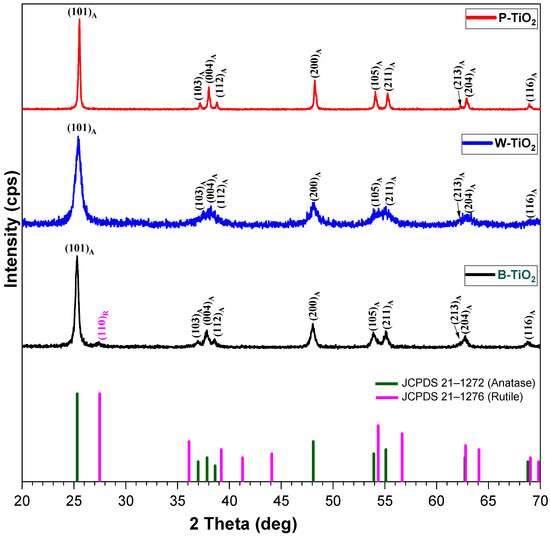
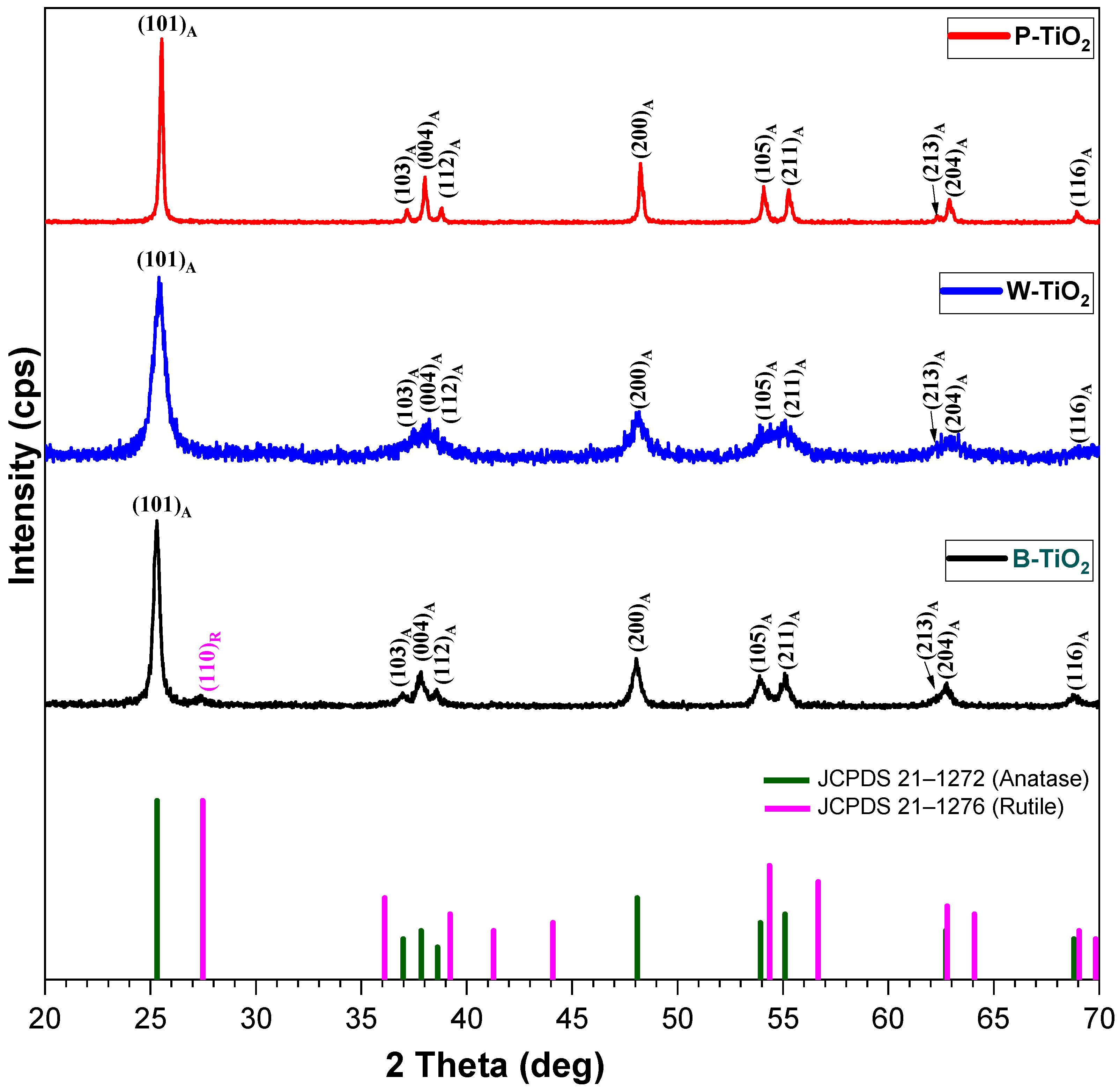
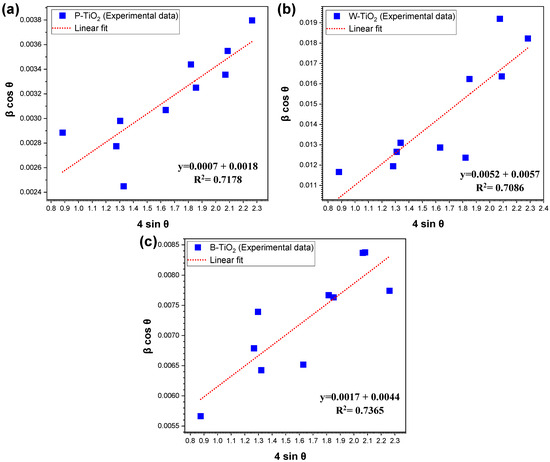
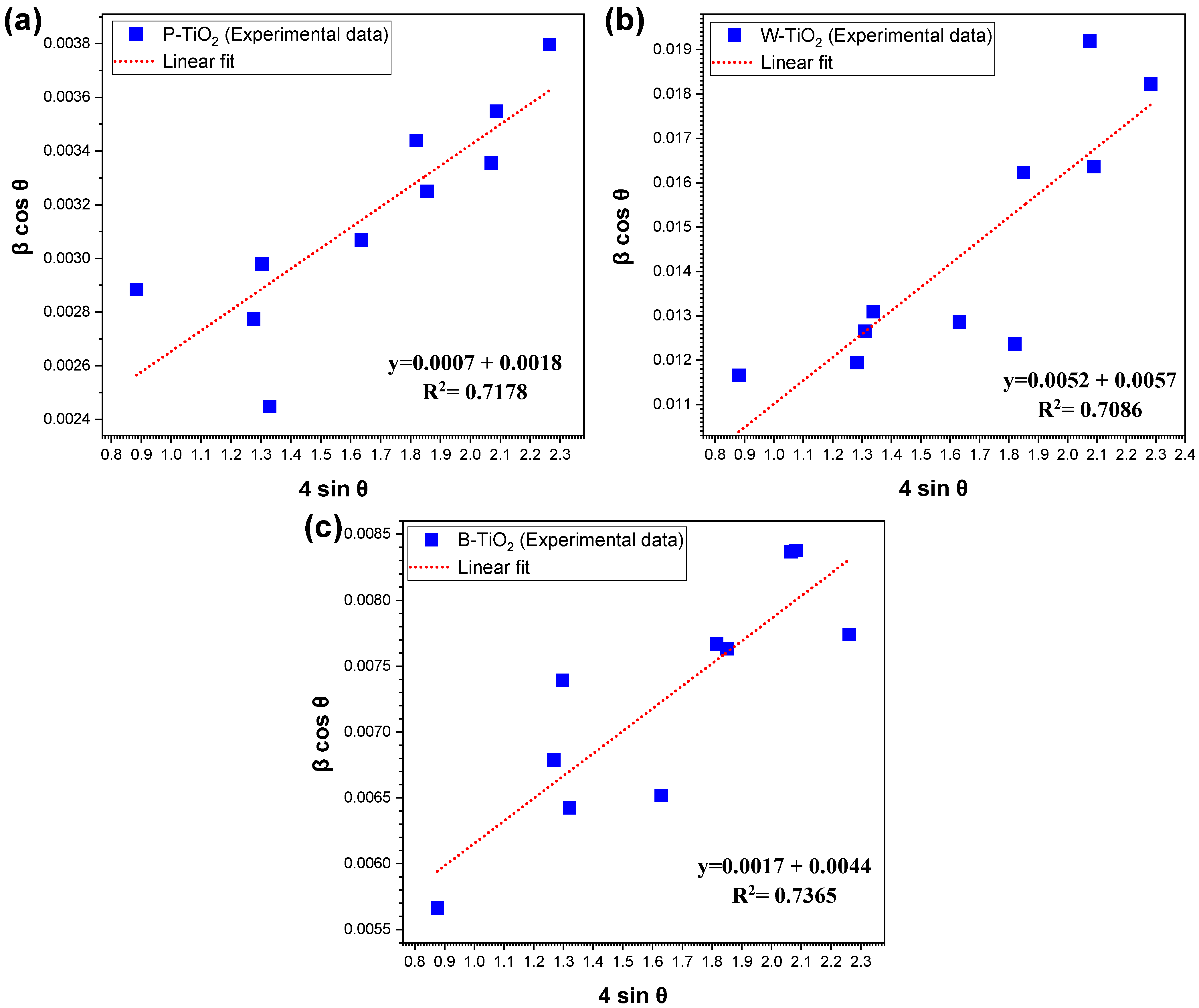
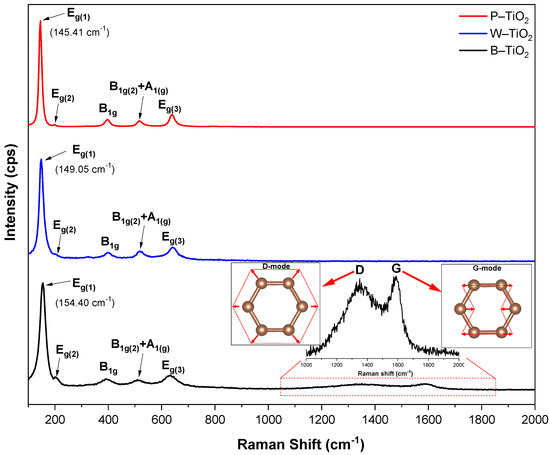
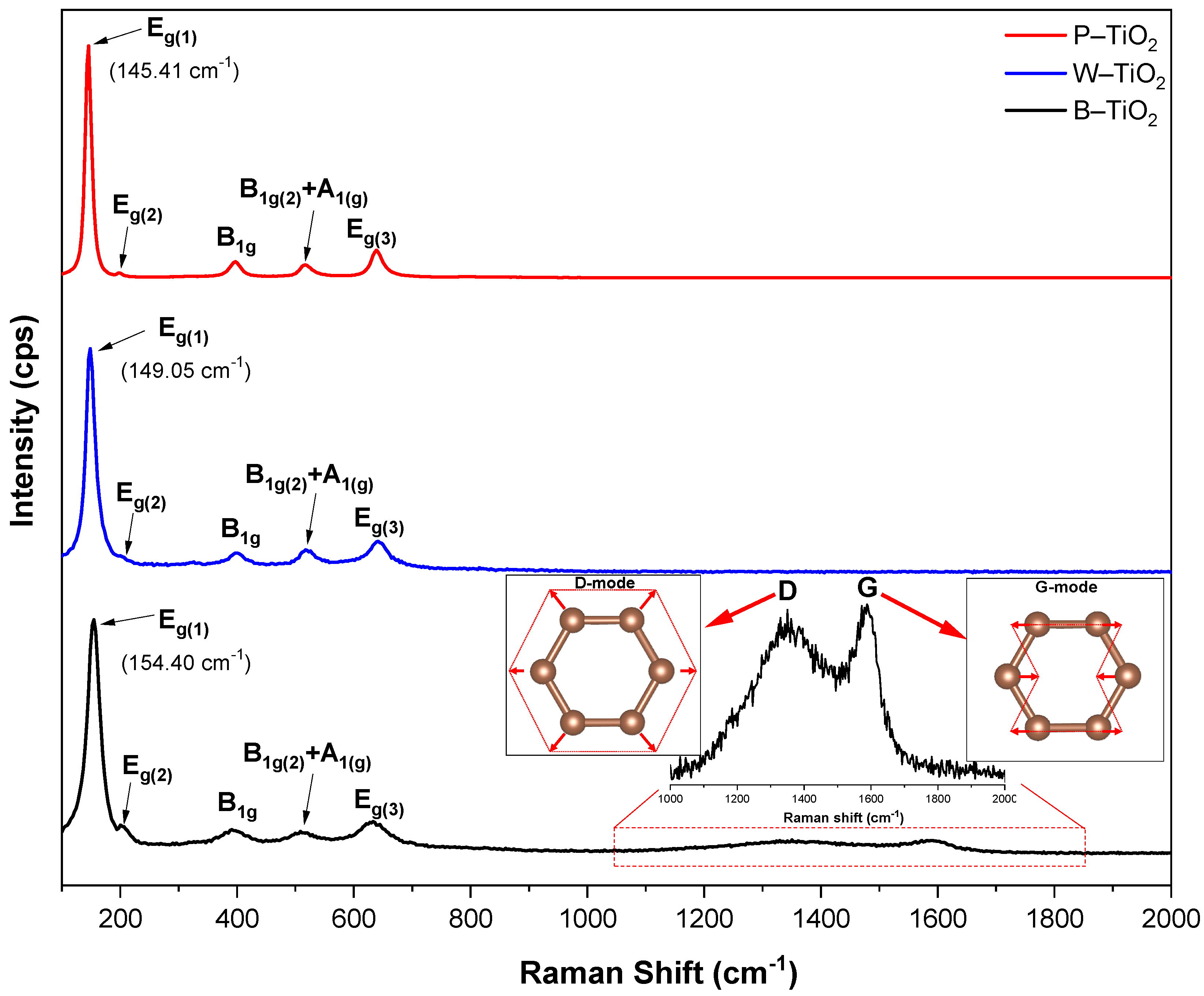
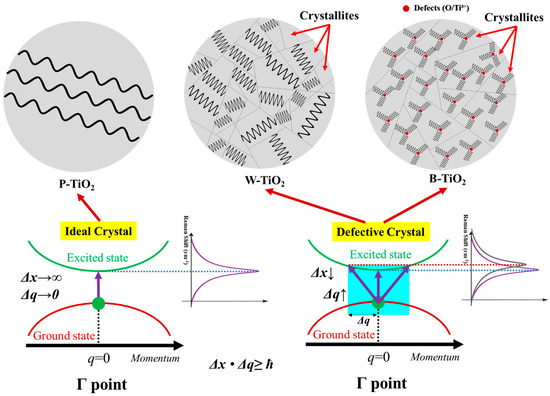
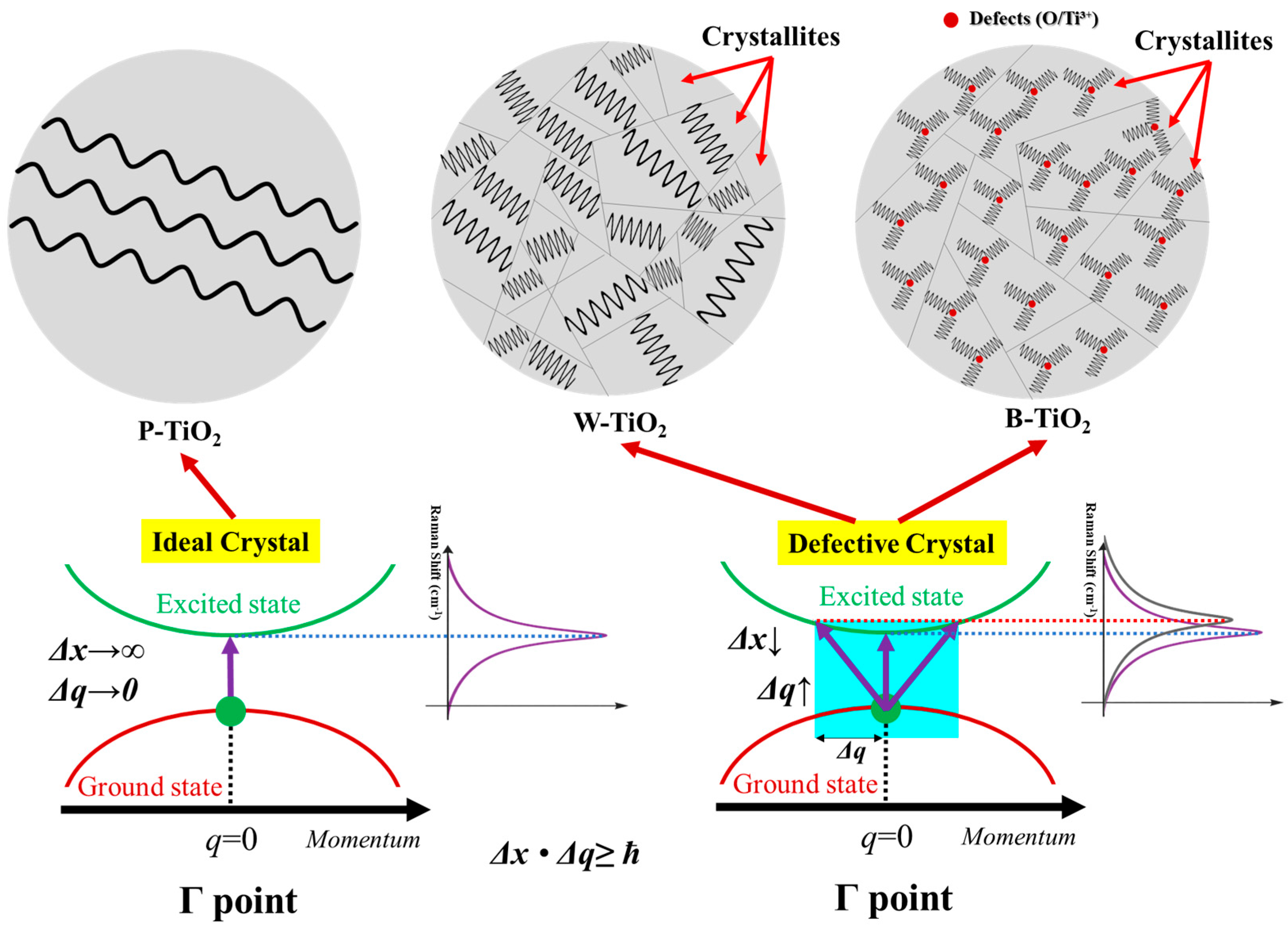
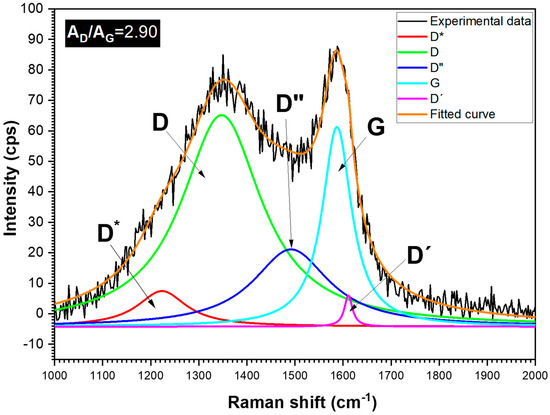
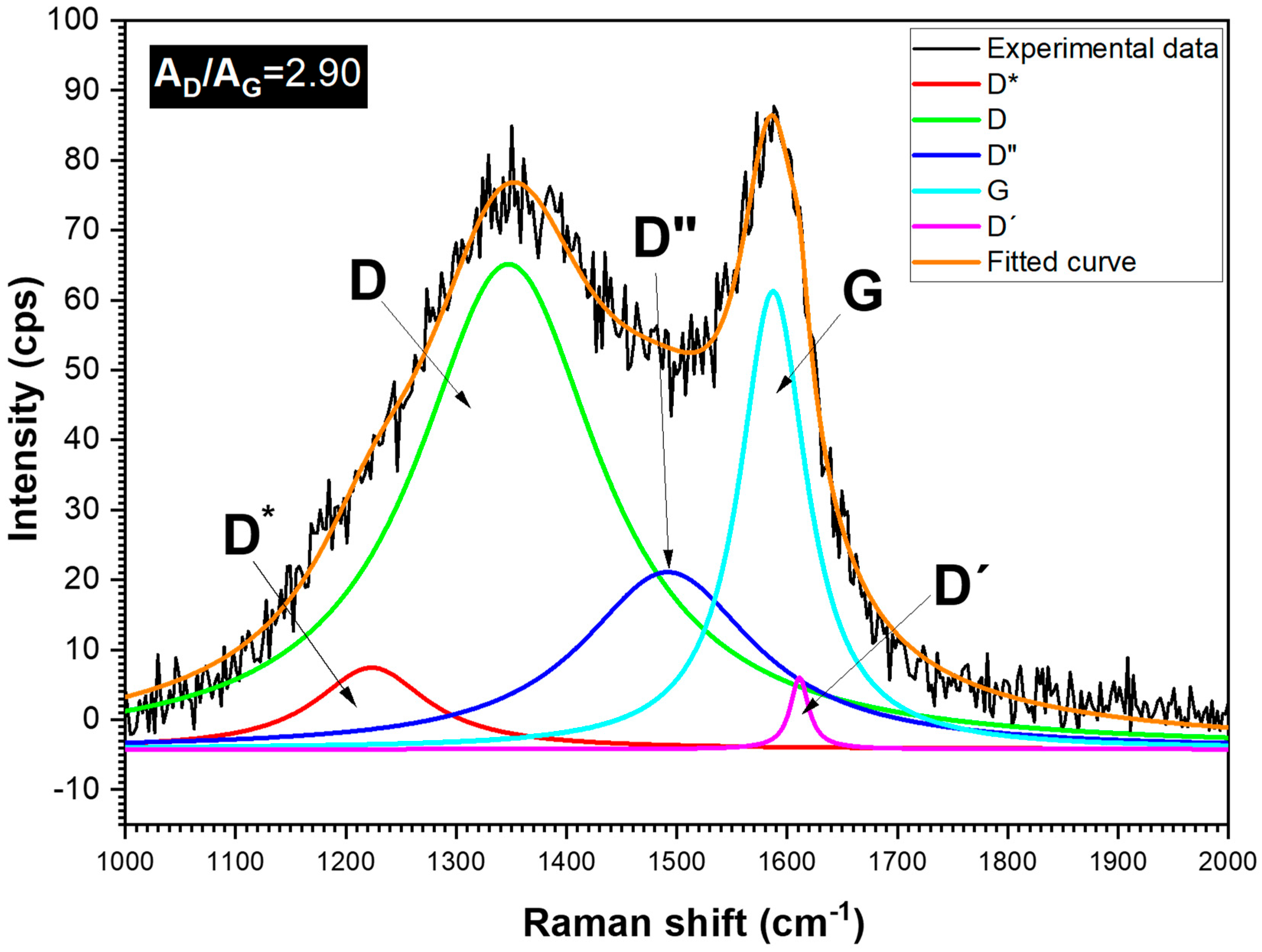
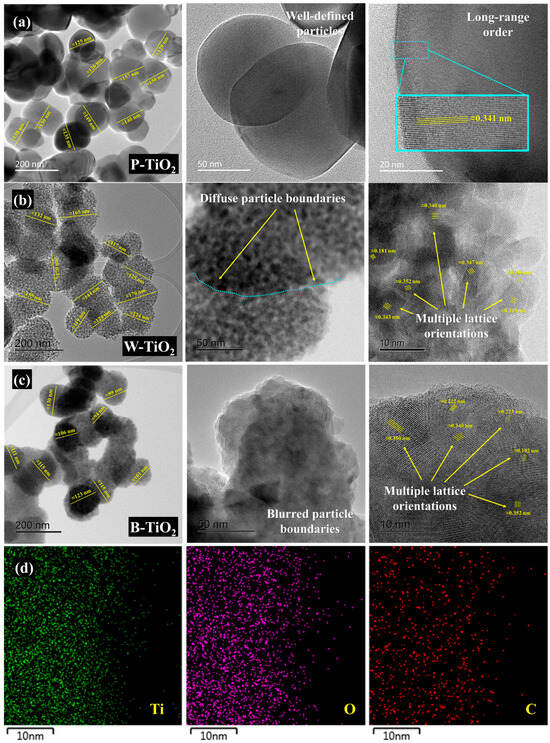
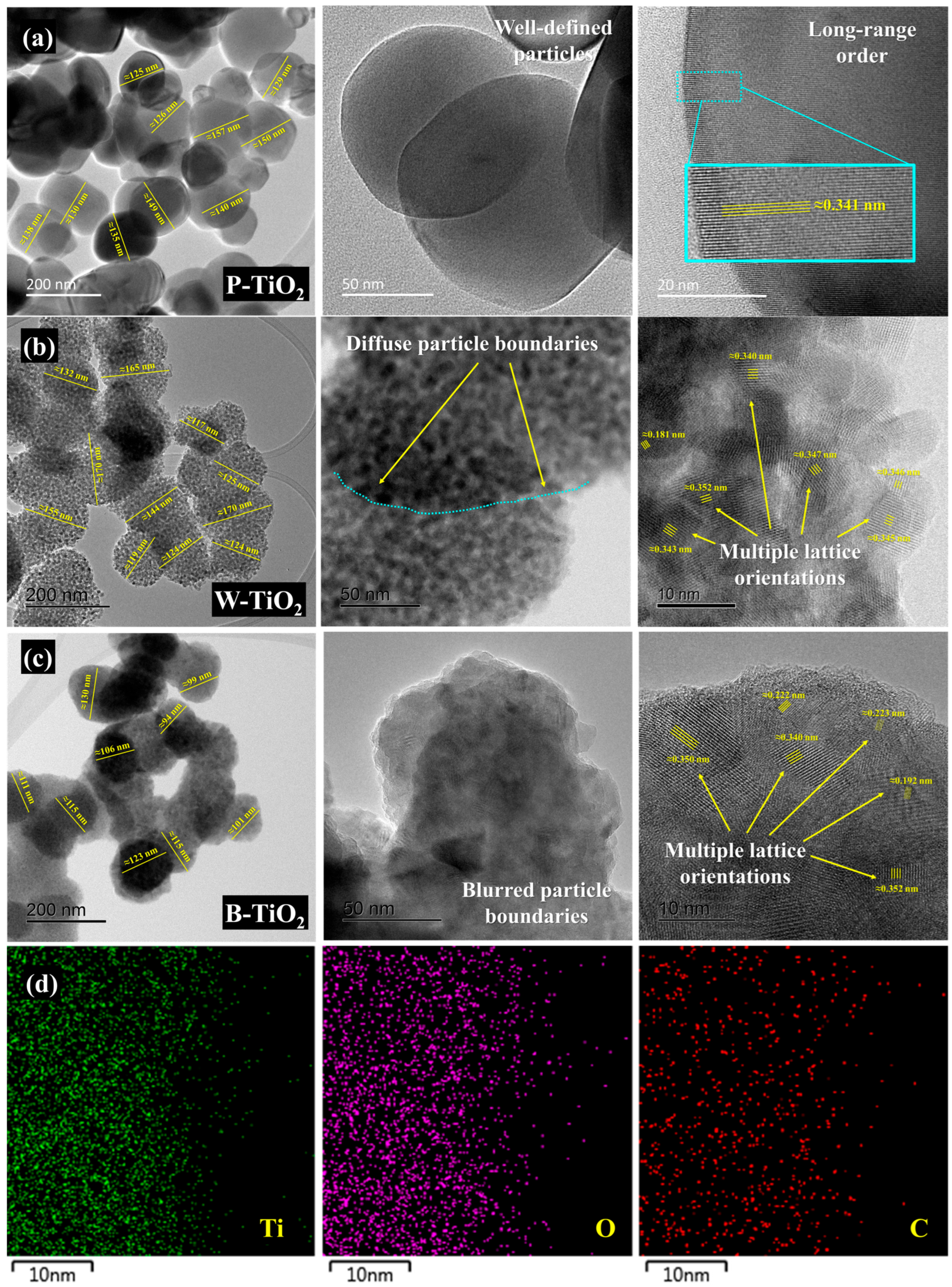
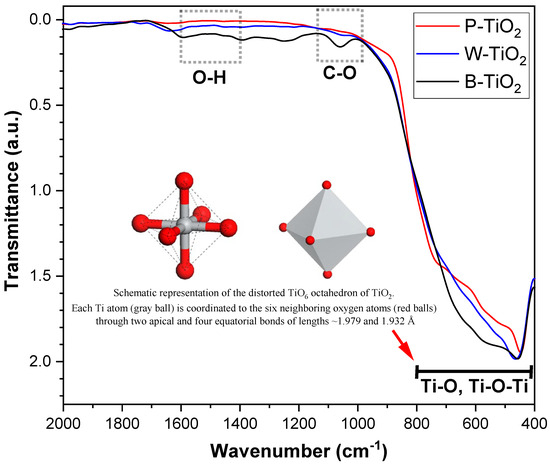
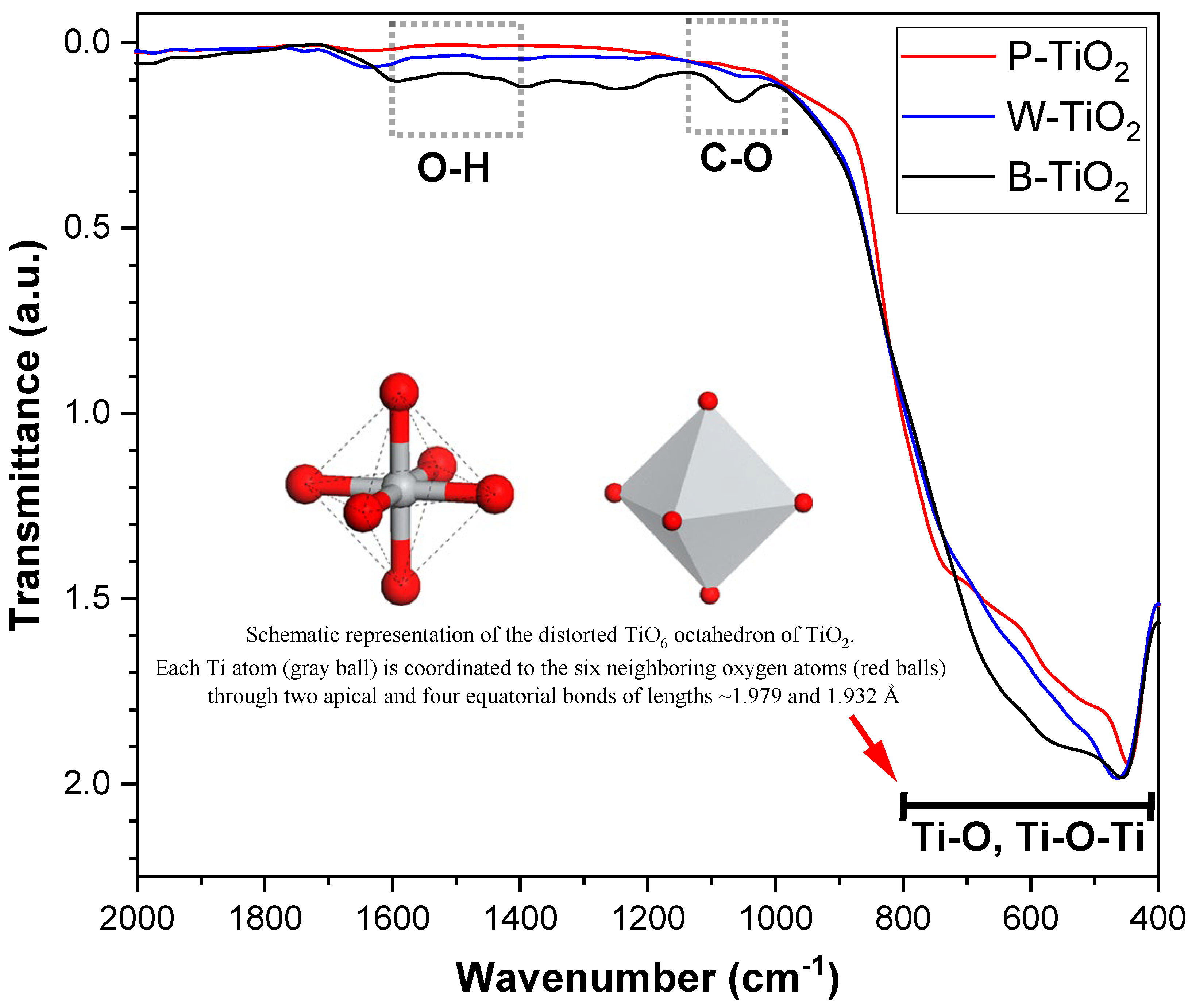
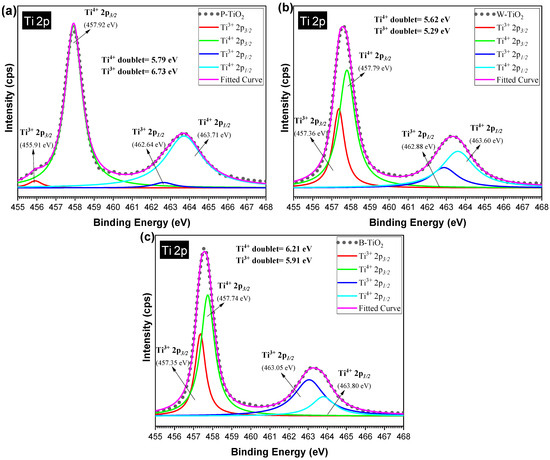
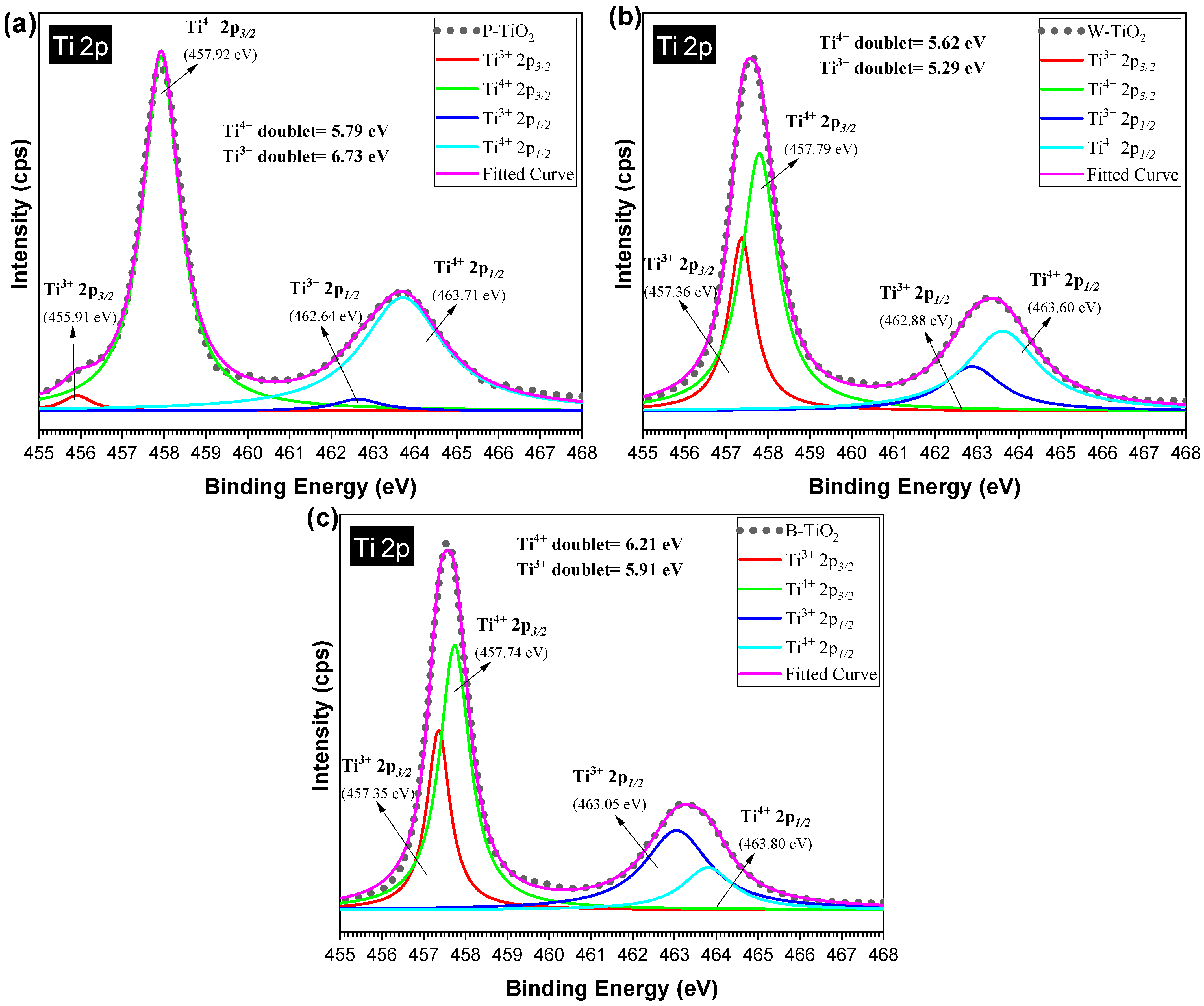
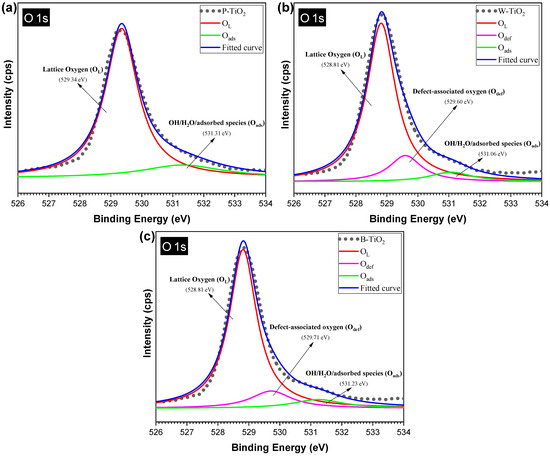
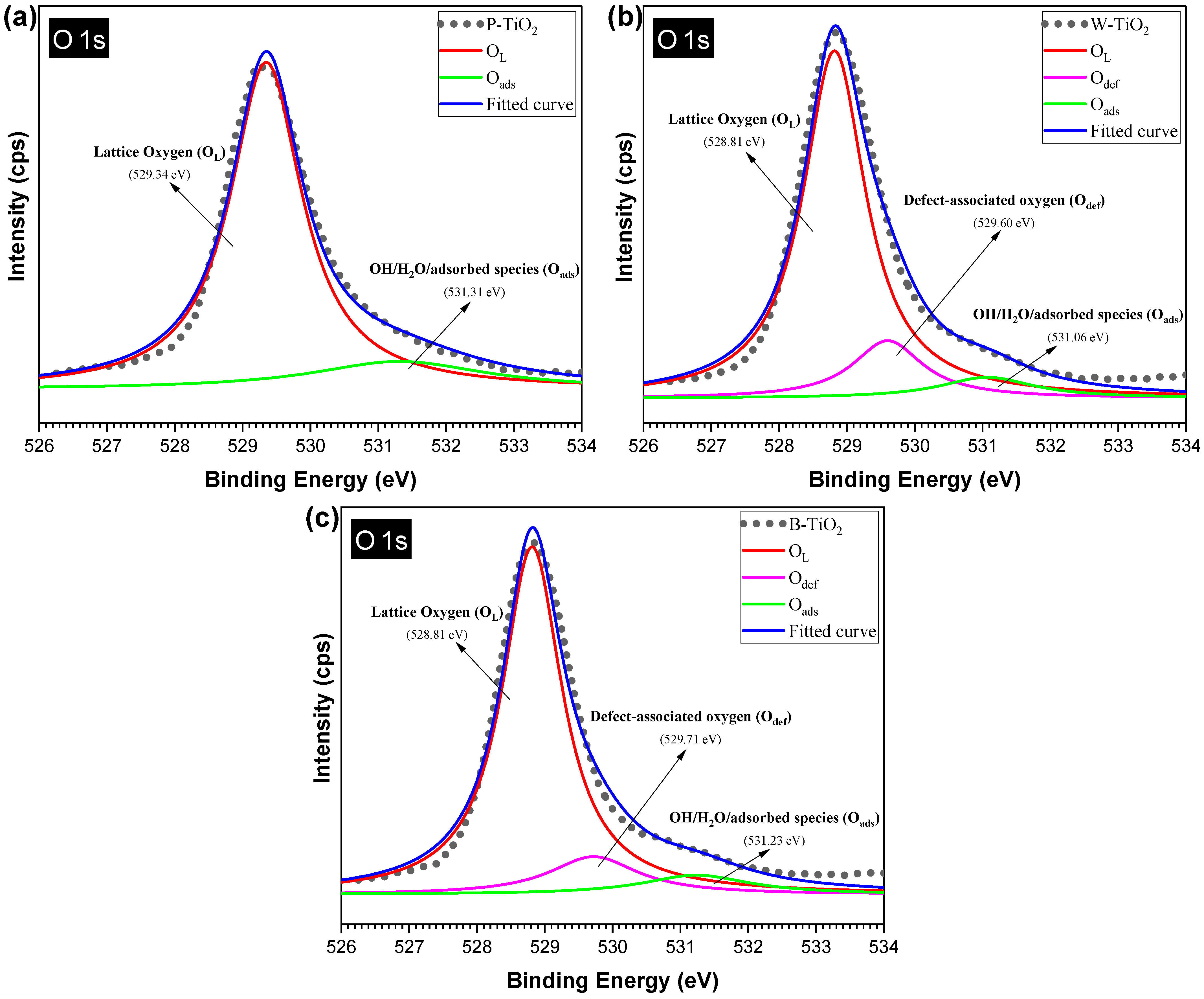
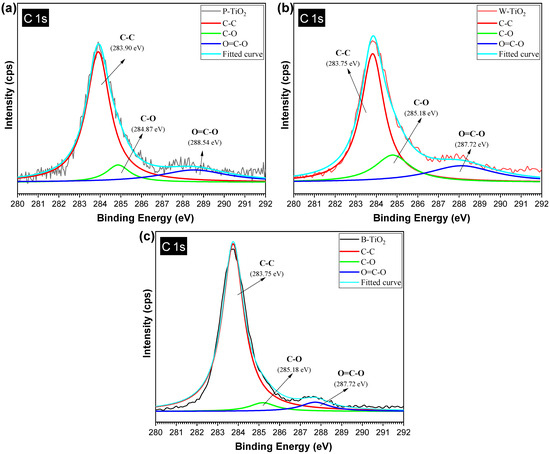
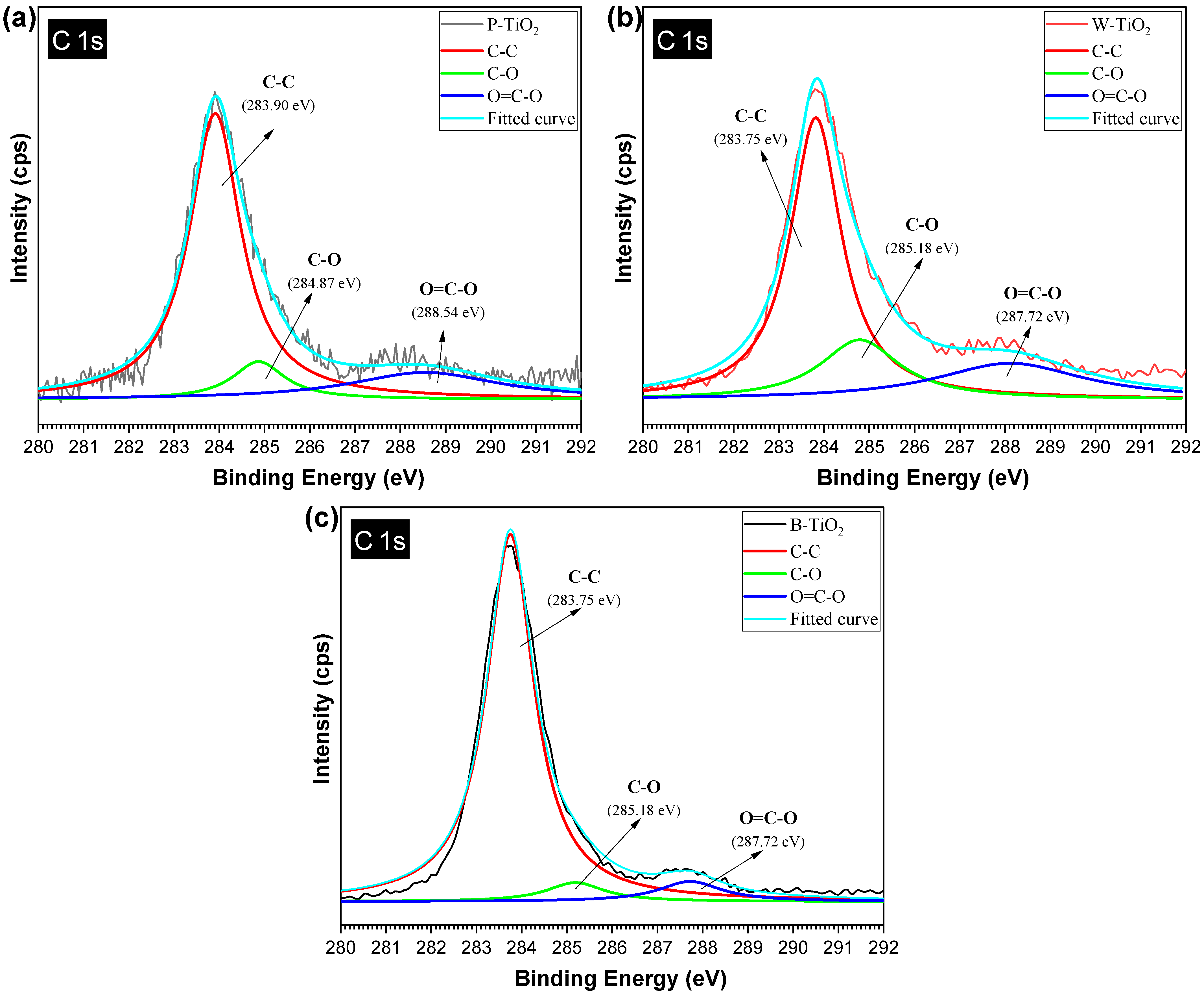
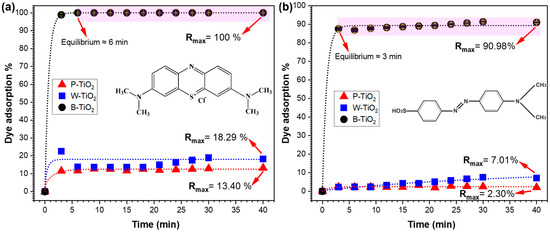
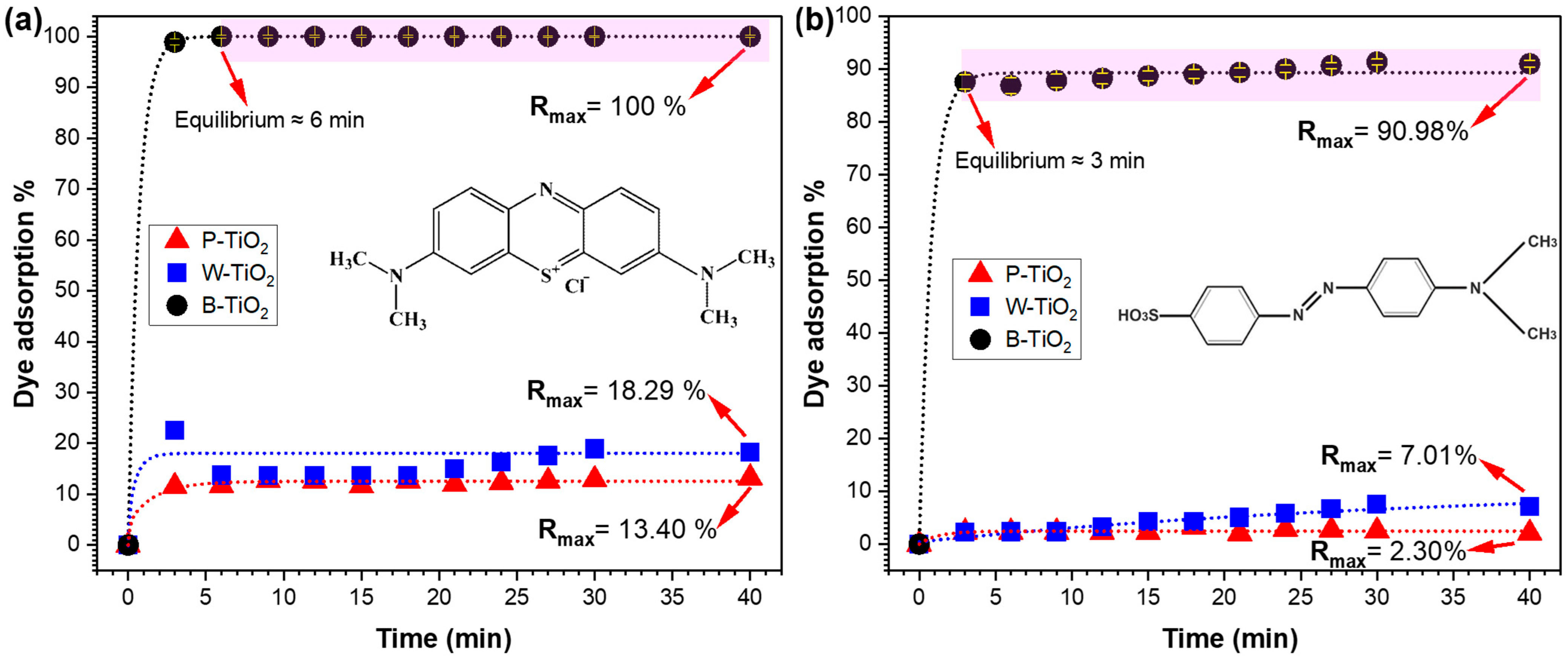
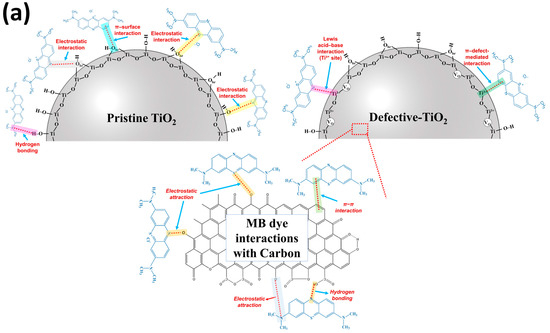
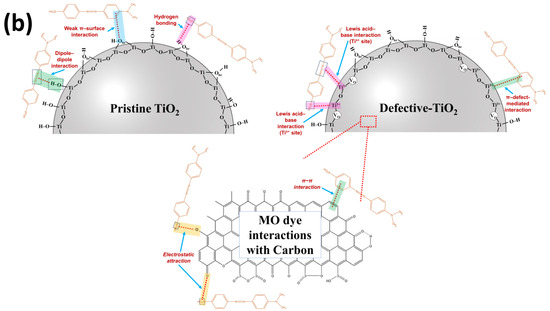
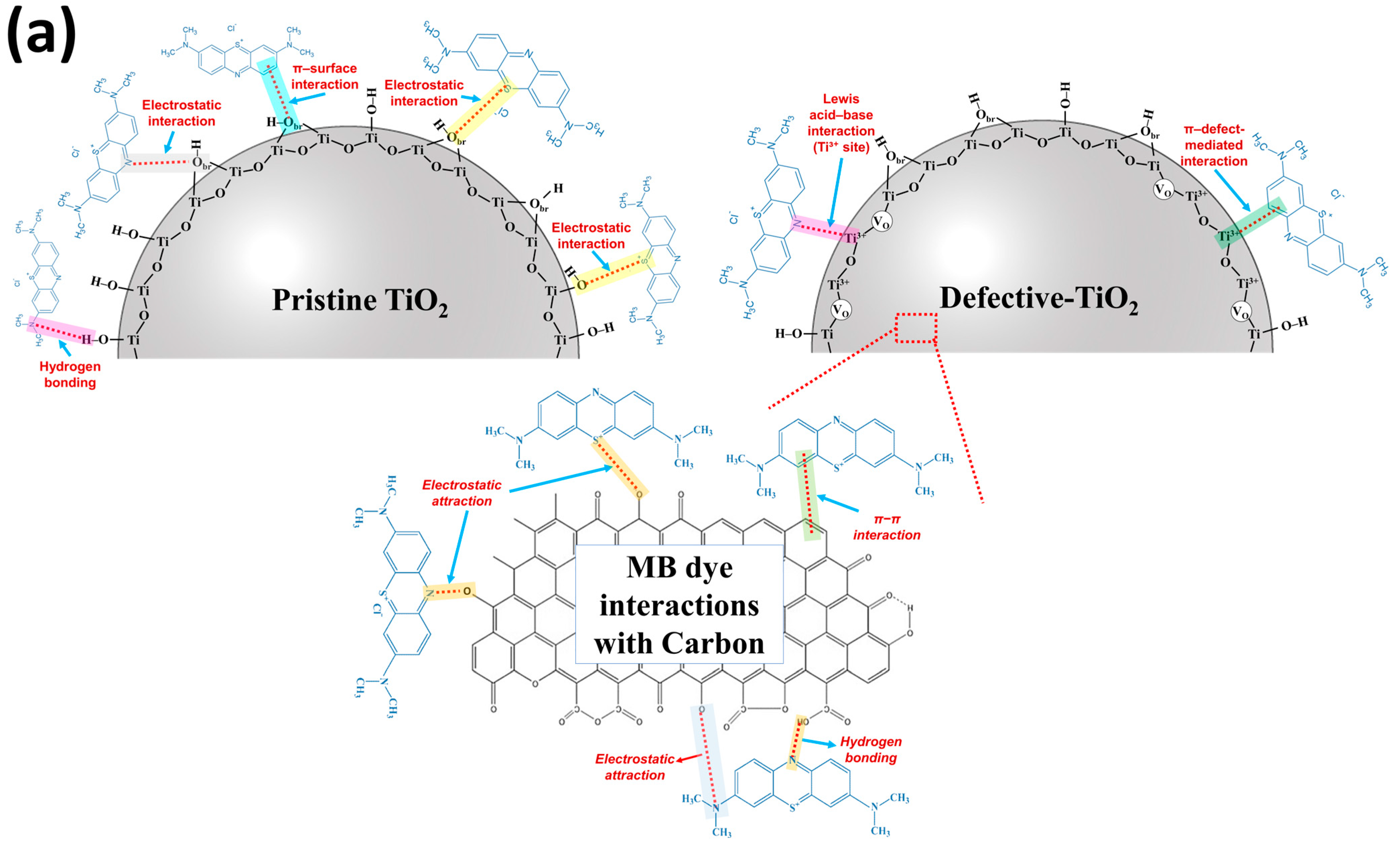
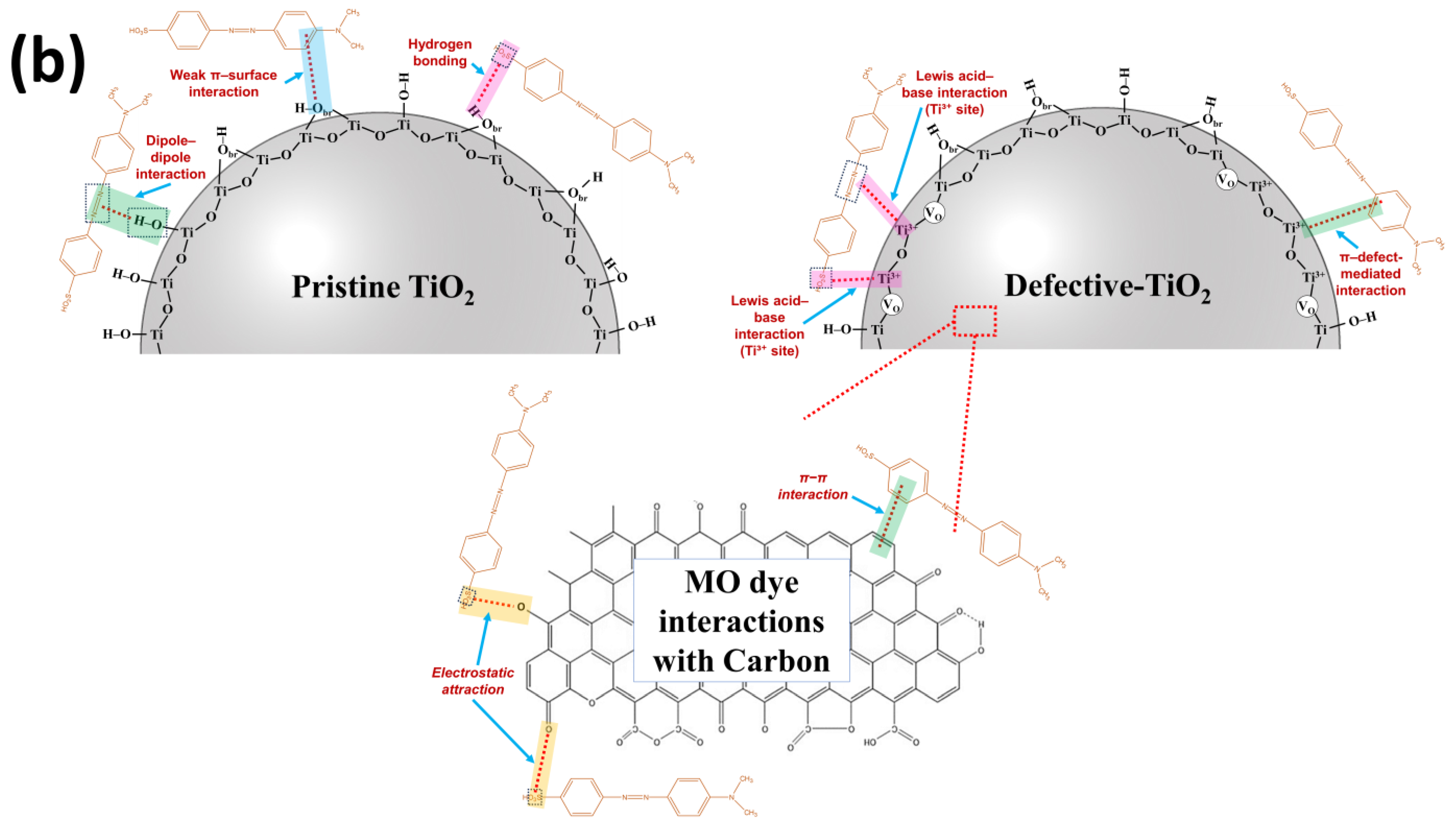
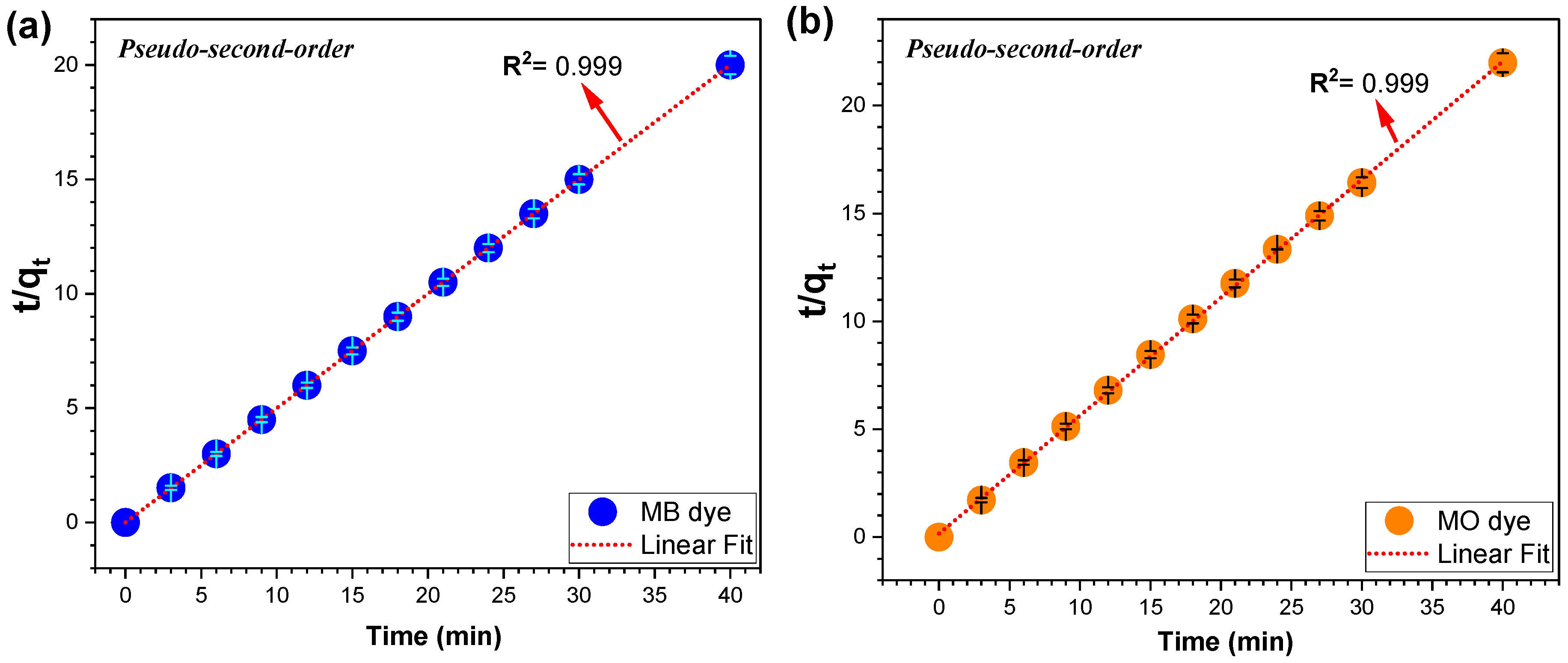
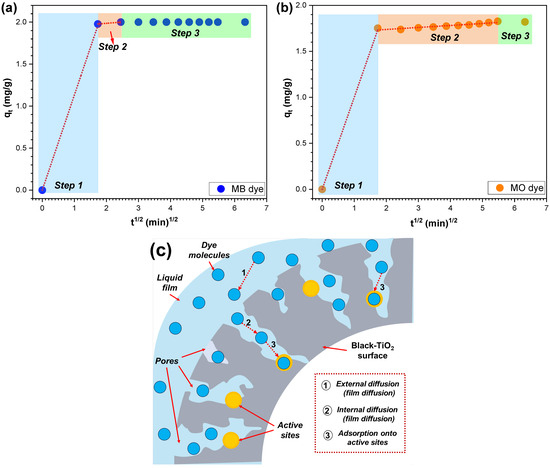
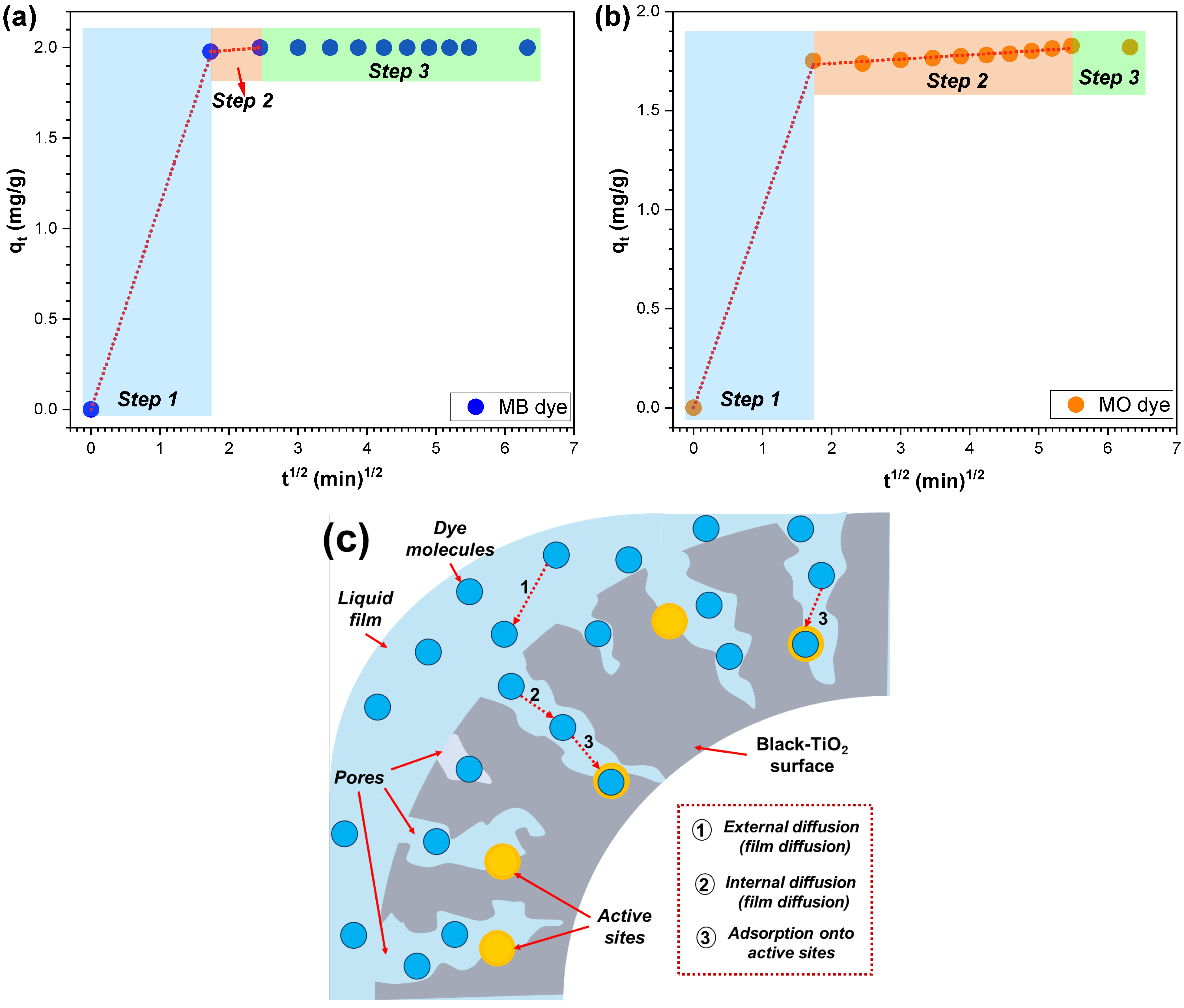
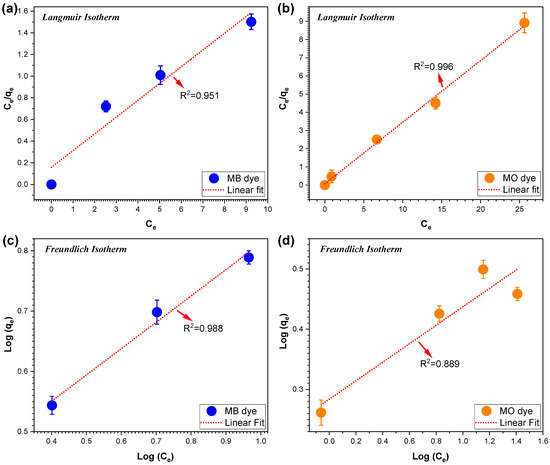
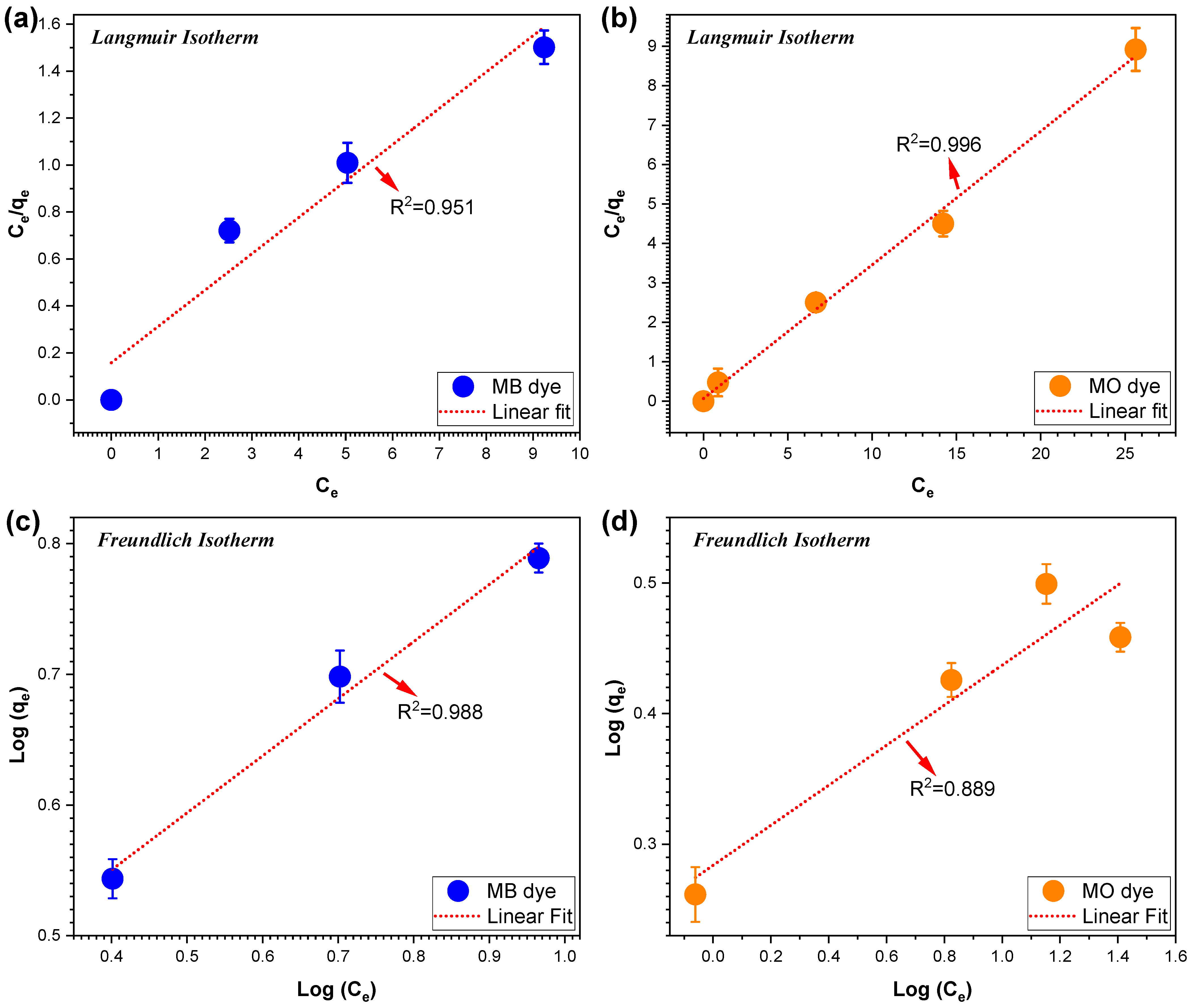
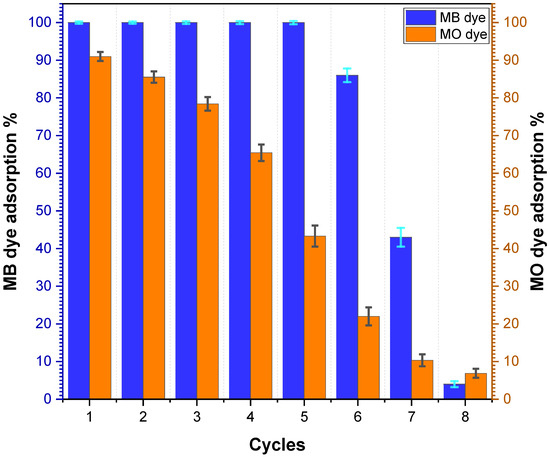
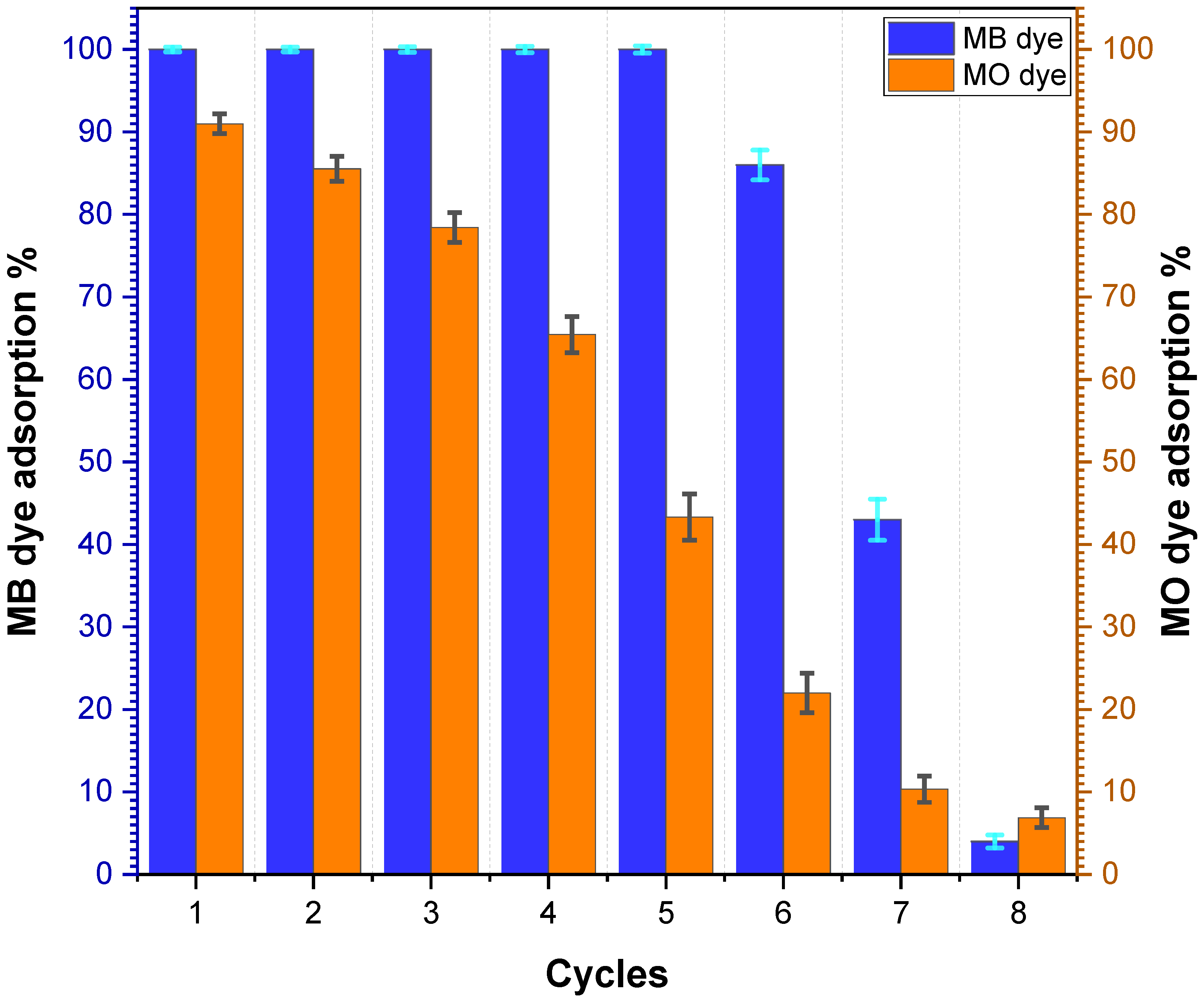

Disclaimer/Publisher’s Note: The statements, opinions and data contained in all publications are solely those of the individual author(s) and contributor(s) and not of MDPI and/or the editor(s). MDPI and/or the editor(s) disclaim responsibility for any injury to people or property resulting from any ideas, methods, instructions or products referred to in the content. |
© 2026 by the authors. Licensee MDPI, Basel, Switzerland. This article is an open access article distributed under the terms and conditions of the Creative Commons Attribution (CC BY) license.