


Abstract
Geothermal fluids are the main carrier of hydrothermal geothermal resources. Identifying the differences in geothermal fluids in different types of reservoirs is a prerequisite and fundamental for the efficient development of geothermal resources and is of great significance for scientific research on geothermal resources. The North China Plain contains a typical carbonate thermal reservoir, and in this paper, the hydrochemical, isotopic, and redox characteristics of the geothermal fluids in sandstone and carbonate reservoirs are studied to obtain the differences in the geothermal fluids in the Rongcheng geothermal field in Xiong’an New Area. The results indicate that the geothermal fluids in the sandstone and carbonate reservoirs are mainly supplied by atmospheric rainfall, and the hydrochemical type is mainly Cl-Na type. By comparing and analyzing the stable isotope (O, H, C, S, and Sr) characteristics of the two types of geothermal fluids, it is found that the variation range of δ13C values for two types of sandstone thermal storage geothermal fluids was found to be −10.6‰~−12.8‰, while the variation range of δ13C values for carbonate thermal storage geothermal fluids was −3.3‰~−7.5‰. The 87Sr/86Sr ratio of sandstone thermal storage geothermal fluids was distributed between 0.708–0.718, and the 87Sr/86Sr ratio of carbonate thermal storage geothermal fluids was distributed between 0.708–0.713. The range of δ34S values for sandstone thermal storage geothermal fluids was +9.46‰~+10.5‰, and the range of δ34S values for carbonate thermal storage geothermal fluids was +24.84‰~+34.49‰. The two types of geothermal fluids have been subjected to varying degrees of oxidation-reduction, and their cycling and mixing characteristics are different. This has resulted in the formation of relatively oxidized geothermal fluids in the sandstone geothermal reservoir and relatively reduced geothermal fluids in the carbonate geothermal reservoir. In future development and utilization of geothermal resources, paying attention to the basic characteristics of the geothermal fluids in different reservoirs and identifying the differences in different geothermal fluids can further improve the efficiency of geothermal resource development and utilization.
1. Introduction
With the rapid socio-economic development, the scarcity of non-renewable energy resources and increasingly severe environmental issues have driven a surging demand for renewable green energy. As a clean, renewable, safe and highly efficient energy source, geothermal energy has garnered growing attention from the academic and industrial communities [1,2,3,4]. In recent years, the expanding application of geothermal energy has significantly boosted the development and utilization of geothermal water resources [5,6,7,8]. Geothermal reservoirs can be categorized into different types (e.g., sandstone and carbonate reservoirs) based on the properties of geothermal fluids in the surrounding rocks, and investigating the differences in geothermal fluid characteristics among these reservoir types is crucial for the development and utilization of geothermal resources while providing strong support for environmental protection.
Numerous scholars have conducted extensive research on the characteristics of sandstone and carbonate geothermal reservoirs in China [9,10,11,12]. For instance, through investigations into the regional structure and distribution patterns of geothermal fields, coupled with in-depth analysis of reservoir properties, it has been confirmed that the sandstone geothermal reservoir in the Dongpu Depression possesses favorable physical properties and considerable development potential [13].
In contrast, carbonate reservoirs exhibit higher complexity, often showing strong heterogeneity due to the combined effects of sedimentary environments and diagenetic processes. Relevant studies have made notable progress in addressing this complexity: starting from the mechanism of rock conductivity, Tian [14] established a continuous, convenient and reliable method for evaluating the pore structure of carbonate geothermal reservoirs through rock physics experiments involving the analysis and simulation of complex pore conductivity laws. Additionally, based on core observations and field outcrop surveys, combined with thin-section observation and scanning electron microscopy analysis, Dai [15] systematically studied the rock characteristics, reservoir space properties and diagenetic types of the Ordovician geothermal reservoir in a specific area, revealing the development patterns and main controlling factors of carbonate pores.
Isotope technology has emerged as a powerful tool in groundwater and geothermal fluid research, with isotope characteristics serving as effective indicators for tracing geothermal fluid properties. Specifically, by leveraging the stability of hydrogen and oxygen isotopes and combining with atmospheric precipitation lines, Yang et al. [16] successfully identified the main recharge sources and recharge elevations of geothermal water in Zhangzhou, Fujian Province.
Beyond hydrogen and oxygen isotopes, carbon isotopes have also proven valuable in geothermal research: Yuan et al. [17] employed carbon isotopes to examine the migration characteristics and hydraulic properties of geothermal fluids in carbonate reservoirs in Tongzhou District, Beijing, clarifying the distribution patterns of geothermal fluids in these reservoirs.
Other isotopic types have further expanded the scope of geothermal research. Gao [18] analyzed the hydrogeochemical characteristics of zoned granite geothermal reservoirs based on strontium isotope compositions, exploring differences between various water types through strontium isotope ratios and concentration characteristics to elucidate water–rock interaction processes in the research area. Meanwhile, Shi [19] conducted a comprehensive analysis of sulfur isotope compositions in geothermal fluids and found that the geothermal water in the Quman Geothermal Field of Tashkurgan County, Xinjiang, exhibits deep sulfur source characteristics and undergoes deep circulation, with a small amount of primary magmatic water mixed into the system during this process. Additionally, through multi-isotope analysis of geothermal fluid characteristics, Yu [20] concluded that the recharge area of geothermal water in the Heyuan Fault Zone, Heyuan City, Guangdong Province, is mainly distributed in the hilly and mountainous areas on the southeast side of the fault zone, where the recharge rate is relatively low.
Against this research backdrop, the North China Plain—hosting typical carbonate geothermal reservoirs—has gained increased focus due to the rapid development of the core area of Xiong’an New Area. Specifically, identifying the differences in geothermal fluid characteristics among various reservoir types in the Rongcheng Geothermal Field of Xiong’an has become a key research direction. Therefore, this study focuses on the multi-isotope characteristics of geothermal fluids in the Rongcheng Geothermal Field and systematically analyzes the differences in geothermal fluid properties between different reservoir types.
The findings of this study are expected to provide a solid and reliable theoretical basis for the efficient development and utilization of geothermal resources in Xiong’an New Area, laying a foundation for the regional sustainable development of geothermal energy and offering a reference for similar geothermal reservoir research globally.
2. Geological and Hydrogeological Setting
Xiong’an New Area is located in the central part of the Hebei Plain, 120 km north of the central urban area of Beijing, 110 km east of Tianjin, 70 km west of Baoding, and approximately 100 km southeast of Cangzhou. The planning scope covers Xiongxian County, Rongcheng County, Anxin County, and some surrounding areas in Hebei Province, with an area of approximately 2000 km2. The terrain is slightly higher in the west and north and slightly lower in the east and south. The ground elevation is 5–20 m above sea level, with a slope of 0.2‰–0.7‰, and the terrain is relatively flat. The main structural units in Xiong’an New Area include three geothermal fields, namely, the Niutuozhen geothermal field, the Rongcheng geothermal field, and the Gaoyang geothermal field. Among them, the Rongcheng geothermal field is currently the core area of the construction of Xiong’an New Area.
The Rongcheng geothermal field is located in the central part of the Jizhong platform depression, and it is bordered by the Langgu fault depression in the north, the Niutuozhen geothermal field in the east, the Baoding fault depression in the south, and the Xushui depression in the west. It is distributed in a northeast direction, consistent with the direction of the main structural line faults in the area. The regional geothermal background of this area is the hot basin area in the eastern part of northern China, with a high regional background heat flow [21,22].
The sandstone geothermal reservoir in the Rongcheng geothermal field is mainly composed of sandstone and gravel. The upper part of the formation is mainly composed of brownish red, grayish green, and grayish yellow mudstone and light gray fine sandstone. The interbedded medium sandstone has varying thicknesses. The lower part is composed of light gray medium sandstone, mainly composed of variegated gravel with sandstone and interbedded with gray and brownish red mudstone of varying thicknesses. It is in unconformable contact with the underlying Dongying Formation and exhibits micro-consolidation semi-consolidation. The Guantao Formation is one of the thermal reservoirs in this area, and the carbonate geothermal reservoir is currently the main force of the development and utilization of geothermal resources in Xiong’an New Area. Its cover layer is mainly Cenozoic strata, which have a loose stratigraphic structure and poor thermal conductivity, resulting in good insulation [23]. To the east of the Rongcheng geothermal field is the Rongcheng Fault, and to the south is the Xushui Fault. The Rongcheng Fault is located in the area from Anxin to Baigou Town, which is the boundary between the Niutuo Town Fault and the Rongcheng Fault. It is approximately 30 km long, strikes NNE, dips toward E, has a dip angle of approximately 45°, vertical throw of this fault is 3000 m, and has a horizontal fault distance of 1000–3000 m. The Minghuazhen Formation on the upthrust plate directly covers the Meso-Neoproterozoic strata, while the sedimentary thickness of the Neogene strata on the down-thrust plate reaches 2000–3000 m, and it is a growth fault that controls the development of the Neogene strata. The Xushui Fault is located along the line from Xushui to Anxin to Zhaobeikou, and it is a boundary fault structure that controls the Rongcheng uplift and Baoding depression. It is approximately 35 km long and is a normal fault that strikes nearly east–west and dips southward. The dip angle is approximately 45°, the vertical fault distance is 1200–3200 m, and the horizontal fault distance is 1000–2500 m. This fault cuts the crystalline basement and is a long-term active deep fault (Figure 1).

Figure 1.
Location map (a) and geological map (b) of Rongcheng geothermal field in Xiongan New Area (Zhang, et al., 2022 [24]).
3. Materials and Methods
3.1. Sampling and In Situ Measurements
In this study, nine sets of sandstone thermal storage geothermal fluid samples (SR1–SR9) and 14 sets of carbonate thermal storage geothermal fluid samples (TR1–TR14) were obtained from the Rongcheng geothermal field (a total of 23 samples). Due to strict environmental protection policies and restricted access permissions in Xiong’an New Area, the number of samples that can be collected is limited by the number of geothermal wells. The samples collected by this research institute cover the main thermal reservoirs in the study area, which can represent the geochemical characteristics of the thermal reservoirs in the study area. The temperature and pH of the geothermal fluids were measured on-site using portable instruments, with an accuracy of ±0.1 °C for temperature and ±0.05 for pH.
The geothermal fluids were collected and sealed in 2.5 L plastic bottles, and the water samples were filtered through a 0.45 μm filter with a microporous membrane and stored in a polytetrafluoroethylene bottle that had been rinsed three times with the water to be collected. The main elements in the geothermal fluid were K+, Na+, Ca2+, Mg2+, Fe2++ Fe3+, HCO3−, CO32−, Cl−, SO42−, F−, and NO3−, and the δ2H and δ18O values concentrations were determined at the Key Laboratory of Groundwater Science and Engineering of the Ministry of Land and Resources. According to the testing method for natural mineral drinking water (GB 8538-2016 [25]) and the testing method for underground water quality (DZ/T 0064-93 [26]), the testing instrument used was a plasma emission spectrometer (model ICAP6300, Thermo Fisher Scientific, Cambridge, UK), with an ion balance error of less than 3%. The conditions of the testing environment were a temperature of 23 °C and a relative humidity of 48%. The hydrogen and oxygen isotopes were analyzed using a water isotope analyzer (Picaro2140-i, Picarro, Inc., Santa Clara, CA, USA), with a testing accuracy of 0.1‰. The 14C isotope was analyzed by the Beta Analytic Laboratory using an accelerated mass spectrometer (Xiamen, China), with a testing accuracy of ±0.3‰. The Sr and S isotopes were analyzed by the Zhongnan Geological Science and Technology Innovation Center of the Wuhan Geological Survey Center of the China Geological Survey. The sulfur isotopes were analyzed using an element analyzer and a gas isotope mass spectrometer online (EA IsoLink Delta V Advantage, Thermo Fisher Scientific, Bremen, Germany), with an analysis error range of ±0.2‰. The strontium isotope composition was analyzed using a thermal ionization mass spectrometer (TRITON, Bremen, Germany), with an error range of <±10 × 10−6 (2σ). Cationic resin (Dowex50×8, Dow Chemical Company, Midland, TX, USA) separation and purification of the strontium was conducted using the exchange method. During the entire isotope analysis process, repeated analyses were conducted on standard SRM 987 [27], and the average value obtained was 0.71035 ± 0.00003 (2σ).
3.2. Silicon Enthalpy Model
During deep circulation, the temperature of geothermal water decreases due to mixing with cold water. The silicon enthalpy mixing model [28] can eliminate the effects of cold water mixing and allow for the analysis of the mixing proportion of cold water and the storage temperature prior to mixing. Mathematically, the model can be expressed as follows:
where Sc is the enthalpy of the cold water near the surface (J/g), Sh is the initial enthalpy of the hot water (J/g), Ss is the final enthalpy (J/g), SiO2c is the SiO2 content of the near-surface cold water (mg/L), SiO2h is the initial SiO2 content of the geothermal water (mg/L), and SiO2s is the final SiO2 content (mg/L). The variable x is the mixing ratio of the underground cold water.
3.3. Mineral Saturation Index
Usually, groundwater undergoes mineral dissolution and precipitation with the surrounding rocks during transportation, as a result of water–rock reactions. Therefore, the saturation state of the groundwater minerals can indicate the trend of mineral dissolution and precipitation in the groundwater. The saturation index (SI) of various minerals in water can indicate the degree of mineral saturation. Mineral equilibrium calculations were performed using the PHREEQC 3.7 software to obtain the saturation index of the minerals when measuring the actual temperature. The calculation formula is
where IAP is the activity product of the mineral anions and cations in the geothermal water, and K is the thermodynamic equilibrium constant of the water–rock mineral dissolution.
When the saturation index SI of the minerals in the groundwater is greater than 0, the mineral is in a supersaturated state in an aqueous solution and precipitates. When SI = 0, the mineral reaches equilibrium with the aqueous solution. When SI < 0, the mineral is in an unsaturated state in an aqueous solution and is dissolved.
3.4. Reverse Hydrogeochemical Pathway Simulation
Hydrogeochemical modeling is used to simulate groundwater–rock reactions. By setting fixed parameters to quantitatively simulate the migration process of groundwater, it can be used to study the evolution process of deep groundwater on a time scale [29]. By analyzing the anions and cations in the groundwater, the characteristic evolution and control effect of the groundwater can be obtained, and studying the simulation of hydrogeochemical pathways can reveal the dynamic and specific evolution processes. Hydrogeochemical path simulation is based on the changes in the chemical components in the groundwater at the starting and ending points, and it infers the possible water–rock interactions that may occur during groundwater migration according to the mass balance rules [30].
The laws of mass conservation, electron conservation, and mineral dissolution and precipitation equilibrium are used in the simulation of the hydrogeochemical reverse paths. The main equations are as follows:
where p is the total number of mineral phases participating in the reaction; ap is the total number of moles of mineral p dissolved or precipitated from the solution; is the stoichiometric number of element k in mineral P; and are the total molar concentrations of element k in the water at the endpoint and starting point, respectively. Additionally, is the change in the total molar concentration of element k, with a positive value representing the dissolution amount and a negative value representing the precipitation amount; J is the total number of elements participating in the reaction; I is the total number of existing forms of the component; μp is the functional valence of mineral p; μi is the functional valence of element i; and are the numbers of moles of element i in the water at the endpoint and starting point, respectively.
3.5. Statistical Analysis
Statistical analyses were performed using IBM SPSS Statistics 26.0. Since the sample size is limited (n < 30) and the data distributions of some hydrochemical parameters were non-normal (Shapiro–Wilk test, p < 0.05), the non-parametric Mann–Whitney U test was employed to determine the statistical significance of differences in hydrochemical and isotopic parameters between the sandstone (SR) and carbonate (TR) reservoirs. The relationships between ions and Cl− were evaluated using Pearson’s correlation coefficient (r) and linear regression analysis, with a significance level set at p < 0.05.
4. Results
4.1. Chemical Composition of the Geothermal Fluids
The temperature range of the sandstone geothermal fluid in the geothermal reservoir (SR1–SR9) in the study area is 40–45.2 °C, the pH range is 8–8.78, and the total dissolved solids (TDS) range is 1014–1424 mg/L. The temperature range of the geothermal fluid in the carbonate reservoir (TR1–TR14) is 38.2–80 °C, the pH range is 6.94–7.99, and the TDS range is 1402–2960 mg/L.
To compare the hydrochemical characteristics of the thermal storage of the geothermal fluid in the sandstone reservoir (SR1–SR9) and the geothermal fluid in the carbonate geothermal reservoir (TR1–TR14), the hydrochemical data for SR1–9 and TR1–14 are presented in Table 1. The sandstone geothermal reservoirs in the study area lie predominantly above the carbonate geothermal reservoirs. As a result, geothermal fluids are susceptible to mixing with shallow groundwater during their circulation. Moreover, the contrasting lithological compositions of these two reservoir types give rise to distinct hydrochemical characteristics between them. The main hydrochemical types of geothermal fluids in the study area are shown in the Piper trilinear diagram (Figure 2). The main hydrochemical type of the majority of the geothermal fluids in the study area is Cl-Na type, and the geothermal fluid hydrochemical type of SR8 and SR9 is HCO3-Na type. The main cation in the thermal storage geothermal fluids in the sandstone reservoir (SR1–9) is Na+, with a concentration range of 317.4–687.4 mg/L. The main anions are Cl− and HCO3−, with a concentration distribution range of 205–873.2 mg/L. Some of the geothermal fluids in the sandstone reservoir (SR2, SR4, SR7, SR8, and SR9) exhibit high levels of HCO3−, with a concentration range of 349–447.3 mg/L. The variation ranges of the Sr+, Li+, HBO2, and H4SiO4 concentrations are 0.259–1.449 mg/L, 0.018–0.151 mg/L, 1.02–5.96 mg/L, and 25.2–31.39 mg/L, respectively. By comparing the ion content characteristics of the geothermal fluids from the two types of thermal reservoirs using Schoeller plots (Figure 3), it was found that although the trend of the ion concentration changes is consistent, indicating that the sources of the two geothermal fluids are relatively similar, the ion content of geothermal fluids in the carbonate reservoir (TR1–TR14) is higher than that of the thermal storage geothermal fluids in the sandstone reservoir (SR1–SR9). The main cation in the geothermal reservoir geothermal fluid in the carbonate reservoir (TR1–TR14) is Na+, with a concentration range of 395.4–892.7 mg/L. The main anions are Cl− and HCO3−, with concentration ranges of 340.4–1182 mg/L and 399.4–706.6 mg/L, respectively. The Sr+, Li+, HBO2, and H2SiO3 concentrations of the TR geothermal fluid samples are significantly higher than those of the SR geothermal fluid samples, with ranges of 0.685–2.922 mg/L, 0.161–1.595 mg/L, 4.44–30.68 mg/L, and 26.03–67.88 mg/L, respectively.

Table 1.
Major and trace element contents of the geothermal fluids in the sandstone and carbonate reservoirs in the study area (mg/L).

Figure 2.
SR and TR geothermal fluid piper three-line map of the study area.

Figure 3.
Schoeller diagram of SR and TR geothermal fluids in the study area.
4.2. Isotopic Compositions of Geothermal Fluids
The δ18O and δ2H values are good tracers for determining the source and elevation of the geothermal fluid supply. For the geothermal fluid in the sandstone geothermal reservoir, the δ18O and δ2H values range from −9.91 to −10.18‰ and from −73.85 to −76.81‰, respectively. For the geothermal fluids in the carbonate geothermal reservoir, the δ18O and δ2H values range from −8.61 to −9.72‰ and from −74 to −75.12‰, respectively. The variation range of the δ13C values of the geothermal fluid in the sandstone geothermal reservoir in the research area is −10.6 to −12.8‰, with an average value of −11.47‰. The variation range of the δ13C value of the geothermal fluid in the carbonate geothermal reservoir is −3.3 to −7.5‰, with an average value of −4.24‰. The 87Sr/86Sr ratios of the geothermal fluids in sandstone reservoirs are 0.708–0.718, the 87Sr/86Sr ratios of the geothermal fluids in the carbonate reservoirs are 0.708–0.713. The δ34S values of the geothermal fluids in the sandstone geothermal reservoir in the research area are +9.46 to +10.5‰, while the δ34S values for the geothermal fluids in the carbonate geothermal reservoir are +24.84 to +34.49‰. The results are listed in Table 2.
Table 2.
Isotope compositions of the geothermal fluids in the sandstone and carbonate reservoirs in the study area.
5. Discussion
5.1. Isotopic Components and Characteristics of Geothermal Fluids
The stable isotope compositions of the geothermal fluids are used to identify the various physical and chemical processes in the geothermal systems, such as the origin of the geothermal fluids, water–rock interactions, circulation depth, recharge elevation, and mixing of shallow groundwater and hot water [31,32,33]. In this paper, five stable isotopes (O, H, C, S, and Sr) are used to comprehensively analyze and discuss the sources, water–rock interactions, cycling characteristics, and mixing processes of the geothermal fluids in the sandstone and carbonate reservoirs in the study area.
5.1.1. O and H Isotopes
The δ18O and δ2H values of the geothermal fluids in the study area are correlated with the Global Meteoric Water Line (GMWL) [34] and the Xiong’an New Area Meteoric Water Line (XMWL) (Figure 4). The formulas for the global meteoric water line and the Xiong’an line are δ2H = 8δ18O + 10 and δ2H = 8δ18O + 9. As shown in Figure 5, the geothermal fluids in both the sandstone and carbonate geothermal reservoirs plot near the GMWL and XMWL, horizontal offset of these isotope points indicates that in sandstone geothermal reservoirs, minerals such as feldspar and quartz release 18O-enriched oxygen under moderate-to-high temperature conditions, leading to a positive δ18O shift. The phenomenon of δ18O drift in the geothermal fluids in the carbonate reservoir may be due to the high temperature of the geothermal fluids in the deep carbonate reservoirs, which results in isotope exchange between the geothermal water and oxygen-containing rocks (limestone or silicate), increasing the δ18O value of the groundwater and causing the δ18O value to deviate from the line [35].

Figure 4.
δ18O-δ2H diagram for geothermal fluid (GMWL: Global Meteoric Water Line; XMWL: Xiong’an Water Line).

Figure 5.
Correlation between δ13C and (HCO3 + CO3) in geothermal fluids in the study area.
According to the principle of the elevation effect on stable hydrogen and oxygen isotopes, the δ2H and δ18O values decrease with increasing groundwater recharge elevation [36]. Based on this, the recharge area and recharge height of the geothermal water can be determined. Due to the oxygen drift of the geothermal fluids in the study area, δ2H was chosen to calculate the elevation of the geothermal fluid supply.
where H is the elevation of the geothermal water supply area (m); Hr is the ground elevation of the geothermal fluid water sample point (m); 2H is the δ2H value of atmospheric precipitation (−55.02‰); Dr is the δ2H value of the geothermal fluid (‰); and grad D is the decreasing gradient with elevation (3‰/100 m) [37].
H = Hr + (2H − Dr)/grad D
The average recharge elevation of the geothermal fluid in the sandstone geothermal reservoir is 694 m, while the average recharge elevation of the geothermal fluid in the carbonate geothermal reservoir is 661.4 m (Table 3). The elevation of the Taihang Mountains in the northwestern part of the study area is 450–1813 m [38], which is consistent with the height of the geothermal fluid supply in the study area, indicating that the estimation results are reasonable. The geothermal fluid supply area is mainly near the Taihang Mountains in the northwestern part of the study area.
Table 3.
δ2H and δ18O values of the geothermal fluids and the estimated elevation of the recharge areas.
5.1.2. C Isotopes
Due to its ability to effectively reflect carbon from different sources, δ13C is used as a tracer of inorganic carbon in groundwater [39]. Normally, the main sources of inorganic carbon in geothermal water are carbonate rock dissolution and biogenesis, and there are three main forms of inorganic carbon in groundwater, i.e., CO2, CO32−, and HCO3−, which come from three sources. (1) The δ13C value of CO2 dissolved in the atmosphere is usually −8‰ to −8.7‰ [40]. (2) The δ13C value of CO2 generated via the decomposition of organic matter in soil or sediment is usually low due to biogenic factors, ranging from −22‰ to −25‰. (3) Carbonate mineral dissolution includes two types: marine carbonate and terrestrial carbonate. The δ13C value of marine carbonate is 0‰, and the δ13C value of terrestrial carbonate is −2‰ to −10‰ [41]. In addition, CO2 in crustal fluid may come from CO2 generated by carbonate metamorphism and mantle-derived CO2, with high δ13C values of +3.5‰ to −3.5‰ and −4.7‰ to −8.0‰, respectively [42]. The variation range of the δ13C values of the geothermal fluids in the carbonate rock reservoirs in the study area is relatively consistent with the values of CO2 generated via carbonate metamorphism and mantle-derived CO2 [43,44]. As shown in Figure 5, the δ13C value of the geothermal fluid in the study area exhibits good positive correlations with the HCO3− and CO32− concentrations, and δ13C increases as the HCO3− and CO32− concentrations increase. The water samples from the sandstone geothermal reservoir mainly plot below the atmospheric CO2 mixing line, while the water samples from the carbonate geothermal reservoir mainly plot above the atmospheric CO2 mixing line. This indicates that during the process of interaction with the surrounding rock, HCO3− and CO32− in the geothermal fluids mainly came from the dissolution of terrestrial carbonate rocks, and the influence of the dissolution of the terrestrial carbonate rock on the geothermal fluids in the carbonate reservoir is more evident. The geothermal fluid in the sandstone geothermal reservoirs is more affected by the mixing of shallow cold water and indirectly generated through geochemical reactions between feldspars, clay minerals, sulfides in sandstone and geothermal reservoir fluids [45].
To quantify the contributions of different carbon sources, the carbon isotope mass balance model equation was applied:
δ13Csoil represents soil/biogenic CO2 (end-member set at −25‰ based on regional vegetation).
δ13Ccarb represents marine carbonate rock dissolution (end-member set at 0‰, representing the Proterozoic Wumishan Formation background).
δ13Cmantle represents deep mantle-derived fluids (end-member set at −6‰).
The calculation results show that for carbonate thermal storage (TR) fluids (average δ13C = −4.24‰), the contribution of carbonate dissolution (fcarb) accounts for about 65–75%, while the contribution from mantle sources (fmantle) is estimated to be 20–30%, and the biogenic input can be ignored. In contrast, sandstone thermal storage (SR) fluids (average δ13C = −11.47‰) exhibit significantly higher proportions of biological/soil carbon mixing, consistent with their shallower cycling depth and oxidative environment. The quantitative analysis results obtained through the model support the previous conclusions and provide a stronger evidence basis.
5.1.3. Sr Isotopes
Strontium is a widely distributed trace element in the Earth’s crust, and it does not undergo any significant fractionation during natural processes such as evaporation. It can be used as a tracer for studying geothermal fluid circulation. The Sr in the geothermal fluids mainly comes from minerals containing Ca and K, and the 87Sr/86Sr of different rock minerals vary. The 87Sr/86Sr of geothermal fluids similar to the mineral rock medium in contact. The interaction between geothermal fluids and minerals can be investigated by studying the distribution of the 87Sr/86Sr ratio [46,47]. The background values of the 87Sr/86Sr ratio for different water bodies are as follows: Strontium (Sr) in deep geothermal fluids mainly originates from three geological endmembers: mantle endmembers (with an 87Sr/86Sr ratio of 0.702–0.706), pure marine carbonates (0.707–0.709), sialic crustal rocks (>0.708), and terrigenous clastic sedimentary rocks (0.708–0.720) [48]. The 87Sr/86Sr ratios in the study area are greater than 0.708. The 87Sr/86Sr ratios of the geothermal fluids in sandstone reservoirs are 0.708–0.718, the 87Sr/86Sr ratios of the geothermal fluids in the carbonate reservoirs are 0.708–0.713. As shown in Figure 6a, the 87Sr/86Sr ratio of geothermal fluid in the sandstone thermal reservoirs are more variable, indicating that it may be caused by different water rock reactions. The clastic particles (e.g., quartz, feldspar) of sandstones in the study area are mostly derived from the upstream sialic crust (such as granite mountain ranges). If the parent rock is ancient granite (87Sr/86Sr > 0.715), the Sr ratio of the clastic particles themselves is extremely high; if the parent rock is young granite (87Sr/86Sr ≈ 0.708–0.710), the Sr ratio of the clastic particles is relatively low. This diversity in parent rocks results in the fluid Sr ratio ranging from 0.708 (leached from young granite clastics) to 0.718 (leached from ancient granite clastics) [49].


Figure 6.
(a) 87Sr/86Sr ratio and Na relationship in geothermal fluids in the study area. (b) 87Sr/86Sr ratio and Sr relationship in geothermal fluids in the study area.
Cements commonly present in sandstones are Rb-rich minerals, whose 87Sr/86Sr ratio is typically >0.712. This is also the key reason why the upper limit of the Sr ratio in sandstone geothermal reservoirs (0.718) is higher than that in carbonate reservoirs. Some Sr ratio values in carbonate geothermal reservoirs fall within the range of marine carbonates, while the upper limit reaches 0.713 higher than that of marine carbonates. This suggests that a small amount of terrigenous sialic clastic material was incorporated during rock deposition. These incorporated materials have a relatively high Sr ratio [50], and the strontium isotope ratio increases after leaching by fluids.
The 87Sr/86Sr ratio of the geothermal fluid in the study area also exhibits a good correlation with the Sr concentration (Figure 6b). For the geothermal fluids in both the sandstone geothermal reservoir and the carbonate geothermal reservoir, the 87Sr/86Sr ratio increases with increasing Sr concentration, indicating that the sources of the geothermal water in the study area are relatively similar, and the geothermal fluids undergo similar water–rock reaction processes in the deep circulation process.
5.1.4. S Isotopes
Sulfur isotopes are good tracers for characterizing the source of sulfate in geothermal fluids. Sulfur exists in the crust as dissolved SO42− and SO2 and in sulfide and sulfate minerals [33,51]. Due to the different sources of S, δ34S exhibits different characteristics. The δ34S values of freshwater sulfate, atmospheric sulfate, volcanic sulfate, evaporative sulfate, and metamorphic sulfate are −20‰ to +30‰, −2‰ to +15‰, +5‰ to +15‰, +10‰ to +20‰, and −20‰ to +20‰, respectively [41,52,53]. As shown in Figure 7, the δ34S values of the geothermal fluid in the sandstone geothermal reservoir all plot within the ranges of atmospheric sulfate, evaporative sulfate, and freshwater sulfate, and thus, it may be influenced by multiple sources such as atmospheric precipitation, evaporative sulfate, and freshwater sulfate. Additionally, the lower δ34S values may be due to mixing with shallow cold water or surface water [54]. The δ34S values of the geothermal fluids in the carbonate reservoir are higher than those of the geothermal fluids in the sandstone reservoir, and they mainly plot seawater sulfates. Besides, due to the relatively closed environment of geothermal fluids in the carbonate reservoir, it favors the occurrence of sulfate reduction, where SO42− is reduced to H2S. Isotopic fractionation occurs during this process, and as sulfate decreases, the residual SO42− gradually becomes enriched in δ34S [55]. That is to say, the δ34S of geothermal fluids in carbonate reservoirs is mainly derived from the dissolution of marine sulfate minerals and late-stage isotopic fractionation.

Figure 7.
Relationship between δ34S and SO42− of underground hot water in the research area.
5.2. Geothermal Fluid Mixing
The temperature of the geothermal reservoir is an important parameter in a geothermal system, which is of great significance for the development and utilization of geothermal resources and evaluation of the resource quantity. Because geothermal reservoirs are usually deeply buried, it is difficult to directly determine their temperature, and individual geothermal drill holes can only obtain a small range of geothermal reservoir temperatures. The geothermal temperature scale method can be used to predict the approximate temperature range of reservoirs. Commonly used geothermal geothermometers include the cationic and SiO2 [28,56,57]. The premise for using the cationic geothermal is that the geothermal fluid reaches an equilibrium state can be determined using the Na-K-Mg equilibrium diagram [58]. As shown in the Na-K-Mg equilibrium diagram (Figure 8), the geothermal fluids in the Rongcheng geothermal field all plot in the lower right corner, i.e., closer to Mg1/2. The geothermal fluid samples from the sandstone geothermal reservoir all plot in partial equilibrium areas, the geothermal fluid samples from the carbonate geothermal reservoir mainly plot in immature water areas. Therefore, the cation geothermal temperature scale is not suitable for calculating the temperature of the geothermal fluid in the Rongcheng geothermal field. In this study, we selected the SiO2 geothermal geothermometer.

Figure 8.
Giggenbach diagram showing relative Na/1000, K/100, and Mg1/2 contents (mg/L) based on water samples from the Rongcheng. TK-Na is a set of isotherms according to the K-Na geothermometer; TK-Mg is a set of isotherms according to the K-Mg geothermometer.
We calculated the geothermal reservoir temperature in the Rongcheng geothermal field using the quartz non-steam loss geothermal geothermometer (Equation (8)) and the SiO2 non-steam loss geothermal geothermometer (Equation (9)). According to Equation (8), the temperature range of the sandstone geothermal reservoir is 36.05–43.18 °C, and that the carbonate geothermal reservoir is 37.08–72.37 °C. According to Equation (9), the temperature range of the sandstone geothermal reservoir is 56.23–64.68 °C, and that of the carbonate geothermal reservoir is 57.53–91.45 °C. Because the measured geothermal fluid temperature range of the sandstone geothermal reservoir in the study area is 40–45.2 °C (Actual measured formation temperature), and the measured geothermal fluid temperature range of the carbonate geothermal reservoir is 38.2–80 °C (Actual measured formation temperature), it is obvious that the calculation result of the quartz non-steam loss geothermal temperature scale is lower than that of the measured geothermal fluid temperature, which is not consistent with the actual situation. Therefore, in this study, the calculation result of the SiO2 non-steam loss geothermal temperature scale was selected, and the temperature range of the sandstone geothermal reservoir in the Rongcheng geothermal field was determined to be 56.23–64.68 °C, while the temperature range of the carbonate geothermal reservoir was determined to be 57.53–91.45 °C.
The depth of geothermal fluid circulation is one of the important factors in studying geothermal fluids. The geothermal reservoir temperature calculated using the SiO2 non-steam loss geothermal temperature scale is used to estimate the depth of the geothermal fluid circulation. The calculation formula is as follows:
where T is the thermal storage temperature (°C), T0 is the temperature in the normal temperature zone (°C), R is the geothermal gradient (°C/100 m), h is the depth of the normal temperature zone (m), and H is the maximum circulation depth of the geothermal water (m). According to the geothermal resource exploration results for the Rongcheng Bulge Area, T0 is 11.9 °C, h is 26 m, and R is 3.5 °C/100 m. According to the calculations, the geothermal fluid circulation depth in the sandstone geothermal reservoir in the study area is 1292.69–1534.08 m, and the geothermal fluid circulation depth in the carbonate geothermal reservoir is 1329.63–2298.98 m.
T = T0 + (H − h) × R
The silicon-enthalpy model was used to calculate the cold water mixing ratios of the sandstone geothermal reservoir and carbonate geothermal reservoir in the study area. The SiO2 concentration of the cold spring is 17.15 mg/L, and the temperature of the water is 17.5 °C. The cold water mixing ratio of the geothermal fluid in the sandstone geothermal reservoir is 58–66%, the calculated geothermal reservoir temperature is 80–87 °C ± 5 °C, the cold water mixing ratio of the carbonate geothermal fluid is 48–54%, and the calculated geothermal reservoir temperature is 120–133 °C ± 5 °C (Figure 9). It can be seen that the mixing ratio of hot and cold water in the sandstone reservoirs is significantly higher than that in the carbonate reservoirs, which is consistent with the previously presented results obtained from the isotopic characteristics of the two thermal reservoirs.


Figure 9.
Relationship between the heat storage temperature and the mixing ratio.
To evaluate the sensitivity of calculation results to different cold-water compositions, another cold-water sampling site in the Rongcheng Geothermal Field of the Xiong’an New Area was selected for silica-enthalpy modeling. The cold water sample collected here has a SiO2 concentration of 12.55 mg/L and a temperature of 13 °C. Three sampling points (SR2, SR6, SR8) in sandstone geothermal reservoirs and three points (TR3, TR5, TR14) in carbonate geothermal reservoirs were included in the modeling. The results indicate that for the sandstone geothermal reservoirs, the cold-water mixing ratios are 68%, 60%, and 60%, with corresponding temperatures of 90 °C, 88 °C, and 80 °C, respectively. For the carbonate geothermal reservoirs, the cold-water mixing ratios are 50%, 48%, and 40%, and the corresponding temperatures are 130 °C, 125 °C, and 128 °C, respectively. In general, SiO2 concentration increases with rising temperature. Therefore, the selection of shallow cold-water samples from different sites within the same region exerts minimal influence on the silica-enthalpy model, resulting in low sensitivity of the model to such variations.
5.3. Oxidation-Reduction Characteristics of Geothermal Fluids in Sandstone and Carbonate Geothermal Reservoirs
As a conservative tracer, Cl− is relatively stable during deep circulation of geothermal water, making it less likely to react with other minerals or be adsorbed [59,60,61,62]. In addition, during the process of water–rock interactions between geothermal fluid and surrounding rock, the influence of the surrounding rock on the Cl in the geothermal fluid is relatively small, so the concentration of Cl is not affected during the formation of a precipitate [28,63]. Therefore, the relationships between Cl and major and trace elements can be used to describe the mixing process. Using the stability of Cl in the deep circulation process of geothermal fluids, the correlations between the ions and Cl in the geothermal fluids in the sandstone geothermal reservoir (SR1–SR9) and the geothermal fluids in the carbonate geothermal reservoir (TR1–TR14) were compared (Figure 10). The K, Na, Ca, Mg, Sr, and Cl in the geothermal fluids in the sandstone geothermal reservoir exhibit good linear relationships (Figure 10a–d,h), and the K, Na, Ca, Mg, HCO3, SO4, Li, Sr, and Cl in the geothermal fluids in the carbonate geothermal reservoir exhibit good linear relationships (Figure 10a–e,g,h). Pearson correlation analysis shows that for the TR reservoir, correlation coefficients (r) for Na-Cl and Ca-Cl are >0.95 with high statistical significance (p < 0.001), indicating strict mixing control. However, for the SR, the correlation for SO4-Cl is weak (r = 0.15, p > 0.05), suggesting complex water–rock interactions beyond simple mixing. These results indicate that the geothermal fluids in the sandstone geothermal reservoir and the geothermal fluids in the carbonate geothermal reservoir in the study area have relatively independent circulation paths and sources, respectively. The higher ion content of the geothermal fluid in the carbonate reservoir than the geothermal fluid in the sandstone reservoir indicates that the runoff time of the carbonate geothermal fluid is longer and the thermal cycle depth is deeper [64,65]. Carbonate reservoirs are dominated by calcite and dolomite, which have relatively high solubility in high-temperature groundwater. In contrast, sandstone reservoirs are primarily composed of feldspar and quartz, minerals with considerably lower solubility. Additionally, carbonate reservoirs are more confined and exhibit slower groundwater flow rates than sandstone reservoirs, facilitating more intensive water–rock interactions and consequently leading to higher ion concentrations. Moreover, based on the relationship between the K, Na, and Cl in the geothermal fluids in the sandstone and carbonate reservoirs (Figure 10a,b), it is inferred that the geothermal fluids independent circulation in the sandstone reservoirs are also affected by the mixing of shallow water [66].


Figure 10.
Relationships between (a) K vs. Cl; (b) Na vs. Cl; (c) Ca vs. Cl; (d) Mg vs. Cl; (e) HCO3 vs. Cl; (f) SO4 vs. Cl; (g) Li vs. Cl; (h) Sr vs. Cl.
By comparing the distribution of the δ13C values of two types of geothermal fluids with reference to the atmospheric CO2 line, sandstone geothermal reservoir plots below the atmospheric CO2 line, indicating that the geothermal fluid is affected by oxidation. Sr isotopes often reflect the connectivity of the fluid in the formation (Figure 6b), comparing the relationship between strontium and strontium isotopes, Sr and Sr isotopes in Sandstone Thermal Storage Geothermal Water show better correlation, indicating that the geothermal fluid connectivity of sandstone reservoirs is superior to that of carbonate reservoirs, which is more conducive to water circulation. The distribution of S isotopes (Section 5.1.4) and the calculated cold water mixing ratio (Section 5.2) indicate that geothermal water in sandstone geothermal reservoirs is greatly influenced by shallow cold water mixing and oxidation. Due to the long circulation path, deep circulation depth, the environmental oxidation of geothermal fluids in sandstone geothermal reservoirs is significantly better than that in carbonate geothermal reservoirs. Furthermore, they are mixed in with shallow cold water, resulting in the formation of oxidized geothermal fluids. Therefore, compared with the geothermal fluids in the carbonate reservoir, the geothermal fluids in the sandstone reservoir are oxidized, while the geothermal fluids in the carbonate reservoir are more reducing.
Since direct Eh measurements were unavailable, we estimated the redox state using the Nernst equation for the SO42−/H2S couple, assuming equilibrium at the calculated reservoir temperature:
Based on the measured SO42− concentrations and assuming saturation with pyrite (common in the reservoir rock) to constrain H2S activity.
Carbonate Reservoir (TR): The calculated Eh values range from −150 mV to −250 mV, indicating a strong reducing environment. This is consistent with the high 34S values (>+24‰) observed, which are characteristic of bacterial sulfate reduction (BSR) or thermochemical sulfate reduction (TSR) in closed, reducing systems. Sandstone Reservoir (SR): The presence of nitrates (Table 1) and lighter 34S values (+9 to +10‰) precludes the dominance of the sulfide couple, indicating an oxidizing to transition environment (calculated Eh likely >+100 mV).This quantitative estimation confirms our hypothesis derived from C and S isotopes. The calculated result is consistent with the previous mixed proportion result.
5.4. Reverse Hydrogeochemical Pathway Simulation
5.4.1. Reverse Hydrogeochemical Simulation Path
(1) Determination of reaction pathway
In this study, we used the PHREEQC software to conduct a hydrogeochemical simulation. Based on the analysis of the hydrogen and oxygen isotope compositions, it was determined that the western mountainous area of Baoding is the recharge area for the geothermal water in Xiong’an New Area. Based on the geological structure and groundwater recharge process in the study area, the shallow well water in the western mountainous area of Baoding was selected as the starting point, and the deep geothermal water in the study area was selected as the endpoint to simulate the chemical reactions that occur from the starting point to the endpoint. Samples SR6 from the sandstone geothermal reservoir and TR5 from the carbonate geothermal reservoir in Xiong’an New Area were selected as the endpoints of the path simulation, and the shallow water in the western mountainous area of Baoding was selected as the starting point of the path simulation (Table 4) [67] to conduct reverse hydrogeochemical path simulation from the recharge area to different thermal reservoirs.
Table 4.
Hydrochemical components of the simulated samples along the hydrogeochemical path (mg/L).
(2) Mineral phases that may react
Determining the mineral phase of the reaction is an important step in the hydrogeochemical simulation, and it can usually be determined using several methods: a. directly determine the composition of surrounding rock; b. select the minerals through the evolution of the hydrochemical components along the pathway; and c. calculate the saturation state of the minerals.
The stratigraphic lithology of the Guantao Formation in the study area is mainly sandstone and sandy conglomerate, which are mainly composed of quartz and various feldspars. The stratigraphic lithology of the Wumishan Formation thermal reservoir is mainly dolostone, dolomitic limestone, limestone, and clay minerals. Therefore, the main mineral components are feldspar, dolomite, calcite, illite, aragonite, and siderite. These rock minerals interact with the underground hot water and undergo chemical reactions such as dissolution and precipitation. The chemical reaction equations are as follows:
SiO2 + 2H2O → H4SiO4,
CaCO3 + H2O → Ca2+ + HCO3− + OH−,
CaMg(CO3)2 + 2H2O → Ca2+ + Mg2+ + 2HCO3− + 2OH−,
CaSO4 → Ca2+ + SO42−.
Based on the reaction terms in the reaction equations, combined with the geological conditions and stratigraphic lithology analysis of the study area, and considering the presence of cation exchange in groundwater migration, quartz, halite, calcite, dolomite, gypsum, muscovite, calcium feldspar, potassium feldspar, NaX, and CaX2 were selected as the possible reaction terms.
5.4.2. Reverse Hydrogeochemical Simulation Results
Based on the geothermal and geological conditions and rock mineral contents in the study area, the paths were simulated using the PHREEQC software, and the results included multiple solutions. By adjusting the reaction conditions, combined with the characteristics of the rock mineral composition and mineral hydrolysis law, the more suitable optimal solution was comprehensively selected. The simulation results are presented in Table 5.
Table 5.
Hydrogeochemical simulation of study area.
According to the simulation results of the paths, it was concluded that when the shallow water in the western mountainous area of Baoding evolved into the geothermal water in the sandstone geothermal reservoir and the geothermal water in the carbonate reservoir, dolomite, calcite, quartz, gypsum, and muscovite dissolved, potassium feldspar precipitated, accompanied by cation exchange. That is, Na+ in the water replaced Ca2+ in the rocks. There was a certain difference in the degree of the water–rock reactions between the two. For dissolution or precipitation, the degree of water–rock reaction in the sandstone geothermal reservoir was lower than that in the carbonate geothermal reservoir. This further indicates that the carbonate geothermal reservoir is relatively closed, with a long circulation path and slower runoff, resulting in a stronger water–rock reaction.
5.5. Differences in Geothermal Fluids
By comparing the stable isotope characteristics (O, H, C, S, and Sr) of the geothermal fluids in the sandstone geothermal reservoir and the geothermal fluids in the carbonate geothermal reservoir and analyzing and calculating the supply sources, supply elevations, cold water mixing ratios, and geothermal reservoir temperatures of the two types of geothermal fluids, as well as their redox characteristics, it was found that the exchange of oxygen ions between the geothermal fluids in the carbonate reservoir and the oxygen-containing minerals was more intense during deep circulation, with δ18O deviating from the GMWL and causing significant oxygen shift. The δ13C values of the fluids plot below the atmospheric CO2 line due to oxidation, and the reservoir has good connectivity and openness. Under the condition of shallow cold water mixing, the proportion of cold water mixing in the sandstone geothermal reservoir is relatively high, up to 58–66%. In addition, the geothermal reservoir temperature is relatively low. Based on the reverse hydrogeochemical simulation, it was found that dolomite, calcite, quartz, gypsum, and muscovite dissolved, rock salt, calcium feldspar, and potassium feldspar precipitated, accompanied by cation exchange, i.e., Na+ in the water replaced Ca2+ in the rock. However, the characteristics of the geothermal fluids in the carbonate geothermal reservoir are relatively different from those of the geothermal water in the sandstone geothermal reservoir. Although oxygen drift also occurs in the carbonate geothermal reservoir, the main reason is the exchange of δ18O between the geothermal fluids and surrounding rocks, which causes the δ18O values to deviate from the atmospheric drawdown line. The δ13C in the geothermal water of carbonate rock thermal reservoirs is derived from CO2 generated by carbonate metamorphism and mantle-derived CO2. The connectivity of the carbonate geothermal reservoir is poor compared with that of the sandstone geothermal reservoir. Moreover, due to the longer circulation path, deeper circulation depth, and better sealing performance of the geothermal fluid in the carbonate geothermal reservoir, the mixing ratio is lower than that of the geothermal fluid in the sandstone geothermal reservoir during the process of cold water mixing. The temperature of the geothermal reservoir is also higher, and the degree of water–rock reaction is higher than that in the sandstone geothermal reservoir. Therefore, although both the geothermal fluids in the sandstone geothermal reservoir and the geothermal fluids in the carbonate geothermal reservoir come from atmospheric precipitation, the differences in the cycling characteristics, redox characteristics, shallow water mixing, and water–rock reaction degree of the geothermal fluids in the two types of reservoirs result in the formation of more oxidized geothermal fluids in the sandstone geothermal reservoir and more reduced geothermal fluids in the carbonate geothermal reservoir, with significant differences.
5.6. Environmental Impact Assessment of Geothermal Resource Development and Utilization
The development and utilization of geothermal resources can greatly reduce the use of coal resources. According to the national standard GB/T 11615-2010 “Geological Exploration Specification for Geothermal Resources”, the coal saving and emission reduction in geothermal utilization are calculated [68].
The heat Qw obtained from geothermal well exploitation in one year can be calculated according to the following formula:
where Qw is the total heat emitted by geothermal wells in one year of exploitation, kJ; Q1 is the mining output of geothermal wells, m3/h; Cw is the average heat capacity of hot water, which is 4.1868 × 10³ kJ/(m3·°C); TW is the outlet water temperature of the geothermal well, °C; T0 is the temperature in the normal temperature zone of the formation, which is 11.5 °C.
Qw = 365 × 24 × Q1 × Cw × (tw − t0)
The formula for calculating the coal saving M equivalent to the annual heat obtained by geothermal wells is:
where M is the coal saving amount, t/a; Qw is the annual extraction heat of geothermal water.
M = Qw × 103/(4.1868 × 7 × 109)
According to the formula, the annual mining heat, coal savings, and emission reductions are calculated, as shown in Table 6. The emission factors are: CO2: 2.386%M, SO2: 1.7%M, NOx: 0.6%M, Suspended solids: 0.8%M, Cinder: 0.1%M [68].
Table 6.
Annual extraction heat and coal saving and emission reduction in geothermal water.
Geothermal resources are a green and clean energy source. The annual coal savings of sandstone thermal storage and carbonate thermal storage geothermal wells in Xiong’an New Area can reach 162,300 tons of coal. Their development and utilization have much less air pollution than traditional fossil fuels such as coal and oil and gas, and can greatly reduce the emission of harmful substances, which is more conducive to environmental protection.
5.7. Implications for Sustainable Geothermal Development
Based on the distinct hydrogeochemical characteristics and reservoir models of the Sandstone (SR) and Carbonate (TR) reservoirs identified in this study, we propose a comprehensive strategy for sustainable development. This strategy addresses three critical aspects: resource longevity, operational maintenance, and energy efficiency.
5.7.1. Resource Longevity and Reinjection Strategy
Sandstone Reservoir (SR): Characterized by porous media and high permeability, the SR faces the risk of rapid pressure drawdown. Strict reinjection is mandatory to maintain reservoir pressure. However, due to the good hydraulic connectivity, there is a risk of “thermal breakthrough” (premature return of cold reinjected water). Therefore, we recommend increasing the distance between production and reinjection wells and accurately modeling the hydraulic flow paths based on the recharge rates identified in Section 5.2.
Carbonate Reservoir (TR): With its larger storage volume and higher reservoir temperatures (up to 133 °C), the TR reservoir demonstrates robust heat capacity suitable for large-scale heating projects. The reinjection strategy here should focus on fracture connectivity to ensure pressure support while avoiding short-circuiting through major faults.
5.7.2. Operational Sustainability Based on Oxidation-Reduction
For Carbonate Fluids (TR): The study confirms a strongly reducing environment (Eh ≈ −200 mV) with high sulfur content (34S > 24‰) and H2S presence. The primary operational risk is sulfide stress corrosion of metal casings and pipelines. It is recommended to use anti-corrosion materials (e.g., fiberglass-reinforced plastics) or apply specific corrosion inhibitors that target sulfide attack.
For Sandstone Fluids (SR): The fluids exhibit an oxidizing to transitional environment (Eh > +100 mV) with the presence of nitrates. The main risks are oxygen corrosion and potential scaling (e.g., iron bacteria or carbonate precipitation). Deoxygenation treatments and regular monitoring of scaling tendencies are essential for these wells.
5.7.3. Geothermal Step Utilization
High-Temperature Tier: The Carbonate fluids (70–90 °C) should be prioritized for base-load winter heating and domestic hot water supply in urban areas.
Low-Temperature Tier: The tail water from heating systems or the lower-temperature Sandstone fluids (~45–50 °C) are ideal for secondary applications, such as greenhouse agriculture, physiotherapy spas, or as input for water-source heat pumps.
Environmental Impact: As calculated in Section 5.6, implementing this optimized utilization model can save approximately 162,300 tons of standard coal annually. This corresponds to a significant reduction in air pollutants (CO2, SO2, and dust), confirming the critical role of these geothermal reservoirs in the region’s clean energy transition.
6. Conclusions
The temperature range of the geothermal fluid in the sandstone geothermal reservoir (SR1–SR9) in the Rongcheng geothermal field in Xiong’an New Area is 40–45.2 °C, the pH range is 8–8.78, and the TDS range is 1014–1424 mg/L. The temperature range of the geothermal fluid in the carbonate geothermal reservoir (TR1–TR14) is 38.2–80 °C, the pH range is 6.94–7.99, and the TDS range is 1402–2960 mg/L. The main hydrochemical type of the geothermal fluid is Cl-Na type, and the hydrochemical types of the geothermal fluid samples SR8 and SR9 in the sandstone geothermal reservoir are HCO3-Na type. The main cation in the two types of geothermal fluids is Na+, while the main anions are Cl− and HCO3−.
By comparing and analyzing the stable isotope characteristics (O, H, C, S, and Sr) of the two types of geothermal fluids, it was found that both come from the atmosphere, but they are subjected to varying degrees of oxidation, resulting in oxygen drift. The average recharge elevation of the geothermal fluid in the sandstone thermal storage reservoir is 694 m, while the average recharge elevation of the geothermal fluid in the carbonate thermal storage reservoir is 661.4 m. The geothermal fluids in the carbonate geothermal reservoir are more significantly affected by the dissolution of terrestrial carbonate rocks, while the geothermal fluids in the sandstone geothermal reservoir are more affected by indirectly generated through geochemical reactions between feldspars, clay minerals, sulfides in sandstone and geothermal reservoir fluids. The two types of geothermal fluids undergo similar water–rock reactions during deep circulation, and the connectivity of the geothermal fluids is better in the sandstone reservoirs than in the carbonate reservoirs. The δ34S value of the geothermal fluids in the carbonate geothermal reservoir is higher than that of the geothermal fluids in the sandstone geothermal reservoir, which may be because the geothermal fluids in the carbonate reservoirs are in a relatively closed environment, which is conducive to the occurrence of sulfate reduction.
The silicon enthalpy model was used to calculate the cold water mixing ratios of the sandstone geothermal reservoir and the carbonate geothermal reservoir in the study area. The cold water mixing ratio of the geothermal fluid in the sandstone geothermal reservoir is 58–66%, and the calculated geothermal reservoir temperature is 80–87 °C. The cold water mixing ratio of the geothermal fluid in the carbonate geothermal reservoir is 48–54%, and the calculated geothermal reservoir temperature is 120–133 °C. Moreover, the runoff time of the geothermal fluids in the carbonate geothermal reservoir is longer, the thermal cycle depth is deeper, and it is relatively closed. The geothermal fluids in the sandstone geothermal reservoir exhibit oxidation, and the geothermal fluids in the carbonate geothermal reservoir are more reducing. Through reverse hydrogeochemical simulation, it was found that dolomite, calcite, quartz, gypsum, and muscovite dissolved during the runoff process, while rock salt, calcium feldspar, and potassium feldspar precipitated, accompanied by cation exchange; that is, Na+ in the water replaced Ca2+ in the rocks. However, the water–rock reaction in the carbonate geothermal reservoir was more intense. Due to the different cycling characteristics, redox characteristics, mixing of shallow cold water, and degree of water–rock reaction of the two types of geothermal fluids, the geothermal fluids in the sandstone geothermal reservoir are more oxidized, and the geothermal fluids in the carbonate geothermal reservoir are more reduced, with significant differences. Therefore, in the future development and utilization of geothermal resources, attention should be paid to the basic characteristics of the geothermal fluids in different reservoirs, and the differences in different geothermal fluids should be identified to further improve the efficiency of geothermal resource development and utilization. Geothermal resources are a green and clean energy source. The annual coal savings of sandstone thermal storage and carbonate thermal storage geothermal wells in Xiong’an New Area can reach 162,300 tons of coal. Their development and utilization have much less air pollution than traditional fossil fuels such as coal and oil and gas, and can greatly reduce the emission of harmful substances, which is more conducive to environmental protection.
Author Contributions
Conceptualization, H.Z., J.Z. and W.Z.; methodology, H.Z. and J.Z.; validation, H.Z., J.Z. and W.Z.; formal analysis, H.Z. and J.Z.; investigation, W.Z. and G.W.; resources, G.W.; data curation, H.Z.; writing—original draft preparation, H.Z.; writing—review and editing, J.Z.; project administration, W.Z. All authors have read and agreed to the published version of the manuscript.
Funding
This research was funded by Research on Deep Earth Probe and Mineral Resources Exploration-National Science and Technology Major Project, grant number 2024ZD1004008, Innovation and Development Strategy of Geothermal Exploration Theory Application, grant number SK202306, the Research and Engineering Application of Heat Storage Heat Transfer and Control Technology, grant number DJ-ZDXM-2022-11 and Hebei Natural Science Foundation, grant number D2023504015.
Institutional Review Board Statement
Not applicable.
Informed Consent Statement
Not applicable.
Data Availability Statement
The original contributions presented in this study are included in the article. Further inquiries can be directed to the corresponding author.
Conflicts of Interest
The authors declare no conflicts of interest.
References
- Najafi, G.; Ghobadian, B. Geothermal resources in Iran: The sustainable future. Renew. Sustain. Energy Rev. 2011, 15, 3946–3951. [Google Scholar] [CrossRef]
- Zhu, J.; Hu, K.; Lu, X. A review of geothermal energy resources, development, and applications in China: Current status and prospects. Energy 2015, 93, 466–483. [Google Scholar] [CrossRef]
- Shang, X.G.; Yu, X.H.; Li, C.Y.; Chai, H.P.; Jiang, N.J. Geochemical characteristics of geothermal water in Weiyuan geothermal field, Huzhu County, Qinghai Province. J. Groundw. Sci. Eng. 2015, 3, 59–69. [Google Scholar] [CrossRef]
- Feng, J.Y.; Zhang, Y.H.; He, Z.L.; Sun, Z.M.; Luo, J. Discussion on evaluation methodology of hydrothermal geothermal reservoir. J. Groundwater Sci. Eng. 2019, 7, 29–41. [Google Scholar]
- Wang, G.L.; Li, J.; Wu, A.M. A study of the thermal storage characteristics of Gaoyuzhuang formation, a new layer system of thermal reservoir in Rongcheng uplift area, Hebei province. Earth 2018, 39, 533–541, (In Chinese with English abstract). [Google Scholar]
- Wang, G.L.; Lin, W.J. Main hydro-geothermal systems and their genetic models in China. Acta Geol. Sin. 2020, 94, 1923–1937. [Google Scholar]
- Wang, G.L.; Lin, W.J. Theory and survey practice of deep heat accumulation in geothermal system and exploration practice. Acta Geol. Sin. 2023, 97, 639–660, (In Chinese with English abstract). [Google Scholar]
- Lin, W.J.; Wang, G.L.; Gan, H.N.; Wang, A.D.; Yue, G.F.; Long, X.T. Heat Generation and Accumulation for Hot Dry Rock Resources in the Igneous Rock Distribution Areas of Southeastern China. Lithosphere 2022, 2021, 2039112. [Google Scholar] [CrossRef]
- Yin, Z.; Liu, Y.G.; Zhang, X.R. An analysis of the endowment characteristics and geneses of geothermal resources in the Zhangye Basin. Hydrogeol. Eng. Geol. 2023, 50, 168–178, (In Chinese with English abstract). [Google Scholar]
- Yuan, L.J.; Kong, X.J.; Gao, J. Genetic model of the Yanqing geothermal field, Beijing. Geol. Rev. 2020, 66, 933–941, (In Chinese with English abstract). [Google Scholar]
- Yu, M.X.; Ma, F.; Wang, G.L. Characteristics and Evaluation of Geothermal Resources in the Rongdong Area of Xiongan New Area. Acta Geol. Sin. 2023, 44, 180–190, (In Chinese with English abstract). [Google Scholar]
- Cui, Y.; Kang, F.X.; Zhong, Z.N. Gas Isotope Constraints on the Geothermal Heat Source Mechanism in Northwest Shandong Plain. J. Geosci. 2023, 44, 93–106, (In Chinese with English abstract). [Google Scholar]
- He, T.T.; Tan, X.; Sui, S.Q. Thermal Reservoir Characteristics Of High-Quality Sandstone in The West Slope Belt Of Dongpu Sag. Geol. Resour. 2022, 31, 684–692, (In Chinese with English abstract). [Google Scholar]
- Tian, H.; Wang, G.W.; Feng, Q.F. Review and prospective of complex pore structure of carbonate reservoir. Sci. Technol. Eng. 2020, 20, 11825–11833, (In Chinese with English abstract). [Google Scholar]
- Dai, M.G.; Lei, H.F.; Ling, A.H. Thermal reservoir characteristics and favorable targets of Ordovician carbonate rocks in the Taiyuan area. Nat. Gas Ind. 2020, 40, 143–155, (In Chinese with English abstract). [Google Scholar]
- Yang, N.; Wang, A.D.; Sun, Z.X.; Chen, X.Y.; Dou, B.N.; Wu, C.F. Hydrochemistry and Hydrogen-oxygen Isotope Characteristics of Geothermal Water in Zhangzhou, Fujian. J. East China Univ. Technol. (Nat. Sci.) 2023, 46, 167–178, (In Chinese with English abstract). [Google Scholar]
- Yuan, L.J.; Zhang, J.P.; He, Y.C.; Kong, X.X.; Gao, J. Hydrochemical and isotopic characteristics of geothermal fluids in Tongzhou District, Beijing and their geothermal significance. Geol. Rev. 2021, 67, 1545–1556, (In Chinese with English abstract). [Google Scholar]
- Gao, S.Q.; Liu, K.; Sun, W.J. Water chemistry and strontium isotope geochemistry characteristic of granitic banded thermal reservoirs. Renmin Yangtze River 2022, 53, 36–42+49, (In Chinese with English abstract). [Google Scholar]
- Shi, J.; Wang, M.H.; Ma, X.J. Isotope and hydrogeochemical characteristics of the Quman high temperature geothermal field in Taxkorgan, Xinjiang. Earth 2022, 43, 645–653, (In Chinese with English abstract). [Google Scholar]
- Yu, S.L. Geochemical Characteristics of Geothermal Water Isotopes in Heyuan Fault Zone, Heyuan City, Guangdong Province. West. Resour. 2022, 3, 201–203. (In Chinese) [Google Scholar]
- Chen, M.X. Geothermics of North China; Science Press: Beijing, China, 1988; (In Chinese with English abstract). [Google Scholar]
- Wang, J.Y.; Xiong, L.P.; Pang, Z.H. Low-Medium Temperature Geothermal System of Convective Type; Science Press: Beijing, China, 1993. [Google Scholar]
- Wang, G.; Zhang, W.; Ma, F. Overview on hydrothermal and hot dry rock researches in China. China Geol. 2018, 1, 273–285. [Google Scholar] [CrossRef]
- Zhang, H.X.; Wang, G.L.; Zhang, W.; Ma, F.; Zhu, X.; Yue, G.F.; Yu, M.X. Characteristics of the Rongcheng Bulge Geothermal Field and the Evolution of Geothermal Fluids, Xiong’an New Area, China. Water 2022, 14, 2468. [Google Scholar] [CrossRef]
- GB 8538-2016; National Food Safety Standard—Inspection Method for Drinking Natural Mineral Water. China Standard Press: Beijing, China, 2016.
- DZ/T 0064-93; Groundwater Quality Testing Method. Ministry of Geology and Mineral Resources: Beijing, China, 1993.
- SRM 987; Strontium Carbonate (Isotopic Standard). National Institute of Standards and Technology (Formerly National Bureau of Standards); U.S. Department of Commerce: Gaithersburg, MD, USA, 2003.
- Truesdell, A.; Fournier, R. Procedure for estimating the temperature of a hotwater component in a mixed water by using a plot of dissolved silica versus enthalpy. J. Res. U.S. Geol. Surv. 1977, 5, 49–52. [Google Scholar]
- Wang, S.Q. Hydrogeochemical Process and Formation Mechanism of High-Temperature Geothermal System of Ancient Piles in Tibet. Ph.D. Thesis, China University of Geosciences, Beijing, China, 2017; pp. 1–117, (In Chinese with English abstract). [Google Scholar]
- Yao, J.M.; Zhou, X.; Li, J. Hydrogeochemical characteristics and evolution simulation of basalt groundwater in Leizhou Peninsula, Guangdong. Geol. Bull. China 2007, 26, 327–334, (In Chinese with English abstract). [Google Scholar]
- Négrel, P.; Dupre, B.; Seimbille, F.; Allegre, C.J. Quantitative modelisation of differential erosion between crystalline and sedimentary area of a French basin by isotopic analysis of strontium in river waters. Chem. Geol. 1988, 70, 13. [Google Scholar]
- Peiffer, L.; Taran, Y.A.; Lounejeva, E.; Solis-Pichardo, G.; Rouwet, D.; Bemard-Romero, R.A. Tracing thermal aquifers of El chichón volcano-hydrothermal system (México) with 87Sr/86Sr, Ca/Sr and REE. J. Volcanol. Geotherm. Res. 2011, 205, 55–66. [Google Scholar] [CrossRef]
- Temizel, E.H.; Gültekin, F.; Ersoy, A.F. Multi-isotopic (O, H, C, S, Sr, B, Li) characterization of waters in a low-enthalpy geothermal system in Havza (Samsun), Turkey. Geothermics 2021, 97, 102240. [Google Scholar] [CrossRef]
- Craig, H. Isotopic variations in meteoric waters. Science 1961, 133, 1702–1703. [Google Scholar] [CrossRef] [PubMed]
- Zhang, X.G. Application of isotopic geochemistry in geothermal exploration. Hydrogeol. Eng. Geol. 1988, 1, 28–31. (In Chinese) [Google Scholar]
- Dansgaard, W. Stable isotopes in precipitation. Tellus 1964, 16, 436–468. [Google Scholar] [CrossRef]
- Chen, Z.Y. Study the Evolution of Groundwater Resources from the Paleoenvironmental Information of the Groundwater System in the North China Plain. Ph.D. Thesis, Jilin University, Changchun, China, 2001; pp. 1–139, (In Chinese with English abstract). [Google Scholar]
- Zhu, X.; Wang, G.L.; Ma, F. Hydrogeochemical of Geothermal Waters from Taihang Mountain-Xiong’an New Area and Its Indicting Significance. Earth Sci. 2021, 46, 2594–2608, (In Chinese with English abstract). [Google Scholar] [CrossRef]
- Haarstad, K.; Mæhlum, T. Tracing solid waste leachate in groundwater using δ13C from dissolved inorganic carbon. Isot. Environ. Health Stud. 2013, 49, 48–61. [Google Scholar] [CrossRef]
- Global Monitoring Laboratory. Available online: http://www.cmdl.noaa.gov/ccgg/iadv/ (accessed on 13 October 2020).
- Gu, W.Z.; Pang, Z.H.; Wang, Q.J. Isotope Hydrology; Science Press: Beijing, China, 2011; (In Chinese with English abstract). [Google Scholar]
- Wang, Y.; Zhao, C.P.; Ran, H. The relationship between the release of crustal fluid CO2 and earthquake: Retrospect and prospect. J. Seismol. Res. 2015, 38, 119–127. (In Chinese) [Google Scholar]
- Hutcheon, I.; Abercrombie, H.J.; Krouse, H.R. Inorganic origin of carbon dioxide during low temperature thermal recovery of bitumen: Chemical and isotopic evidence. Geochim. Cosmochim. Acta 1990, 54, 165–171. [Google Scholar] [CrossRef]
- Liu, Q.Y.; Zhu, D.Y.; Meng, Q.Q.; Liu, J.Y.; Wu, X.Q.; Zhou, B. The scientific connotation of oil and gas formations under deep fluids and organic-inorganic interaction. Sci. China Earth Sci. 2019, 49, 499–520, (In Chinese with English abstract). [Google Scholar] [CrossRef]
- Cui, G.D.; Zhang, L.; Tan, C.Y.; Ren, S.R.; Zhuang, Y.; Enechukwu, C. Injection of supercritical CO2 for geothermal exploitation from sandstone and carbonate reservoirs: CO2-water-rock interactions and their effects. J. CO2 Util. 2017, 20, 113–128. [Google Scholar] [CrossRef]
- Bullen, T.D.; Krabbenhoft, D.P.; Kendall, C. Kinetic and mineralogic controls on the evolution of groundwater chemistry and 87Sr/86Sr in a sandy silicate aquifer, northern Wisconsin, USA. Geochim. Cosmochim. Acta 1996, 60, 1807–1821. [Google Scholar] [CrossRef]
- Yuan, J.F. Hydrogeochemical Study of the Coastal Geothermal System in Guangdong. Ph.D. Thesis, China University of Geosciences (Wuhan), Wuhan, China, 2013; pp. 1–163, (In Chinese with English abstract). [Google Scholar]
- Faure, G.; Mensing, T.M. Isotopes: Principles and Applications, 3rd ed.; Wiley: Hoboken, NJ, USA, 2005. [Google Scholar]
- Qiu, Z.Y.; Li, S.; Dai, M.; Cui, X.D.; Deng, M. Geochemical characteristics of Triassic granites in the Songpan-Ganzi orogenic belt and its implication for lithium mineralization. Acta Pet. Sin. 2024, 40, 3876–3890, (In Chinese with English abstract). [Google Scholar] [CrossRef]
- Jia, W.H.; Liu, K.; Yan, J.K.; Zhang, Y.Y.; Kong, Q.M.; Zhang, S.C.; Yang, P.; Wang, L.Y. Characteristics of geothermal waters in eastern Wugongshan based on hydrogen, oxygen, and strontium isotopes. Appl. Geochem. 2024, 161, 105874. [Google Scholar] [CrossRef]
- Clark, I.; Fritz, P. Environmental Isotopes in Hydrology; Lewis Publisher: New York, NY, USA, 1997; p. 342. [Google Scholar]
- Claypool, G.E.; Holser, W.T.; Kaplan, I.R.; Sakai, H.; Zak, I. The age curve of sulfur and oxygen isotopes in marine sulfate and their mutual interpretation. Chem. Geol. 1980, 28, 199–260. [Google Scholar] [CrossRef]
- Sack, A.L.; Sharma, S. A multi-isotope approach for understanding sources of water, carbon and sulfur in natural springs of the Central Appalachian region. Environ. Earth Sci. 2014, 71, 4715–4724. [Google Scholar] [CrossRef]
- Gültekin, F.; Hatipoglu, E.; Ersoy, A.F. Hydrogeochemistry, environmental isotopes and the origin of the Hamamayagi-Ladik thermal spring (Samsun, Turkey). Environ. Earth Sci. 2011, 62, 1351–1360. [Google Scholar] [CrossRef]
- Shanks, W.C.; Seyfried, W.E. Sulfate reduction in basaltic systems: Interactions of seawater with fayalite and magnetite at 200–350 °C. Geochim. Cosmochim. Acta 1981, 45, 2223–2237. [Google Scholar] [CrossRef]
- Nicholson, K. Geothermal Fluids; Springer: Berlin/Heidelberg, Germany, 1993; pp. 141–149. [Google Scholar]
- Fournier, R.O. Chemical geothermometers and mixing models for geothermal systems. Geothermics 1977, 5, 41–50. [Google Scholar] [CrossRef]
- Giggenbach, W.F. Geothermal solute equilibria. Derivation of Na-K-Mg-Ca geoindicators. Geochim. Cosmochim. Acta 1988, 52, 2749–2765. [Google Scholar] [CrossRef]
- Ellis, A.J. Quantitative interpretation of chemical characteristics of hydrothermal systems. Geothermics 1970, 2, 516–527. [Google Scholar] [CrossRef]
- Giggenbach, W.F.; Goguel, R.F. Collection and Analyses of Geothermal and Volcanic Water and Gas Discharges; International Report; Chemistry Division, Department of Scientific and Industrial Research: Petone, New Zealand, 1989. [Google Scholar]
- Lang, X.J.; Lin, W.J.; Liu, Z.M. Hydrogeochemical characteristics of geothermal water in Guide Basin. Earth Sci. 2016, 41, 1723–1734, (In Chinese with English abstract). [Google Scholar]
- Rahayudin, Y.; Kashiwaya, K.; Tada, Y.; Iskandar, I.; Koike, K.; Atmaja, R.W.; Herdianita, N.R. On the origin and evolution of geothermal fluids in the Patuha geothermal field, Indonesia based on geochemical and stable isotope data. Appl. Geochem. 2020, 114, 104530. [Google Scholar] [CrossRef]
- Janik, C.J.; Truesdell, A.H.; Goff, F.; Shevenell, L.; Stallard, M.L.; Trujillo, P.E.; Counce, D. A geochemical model of the Platanares geothermal system, Honduras. J. Volcanol. Geotherm. Res. 1991, 45, 125–146. [Google Scholar] [CrossRef]
- Zhang, W.; Cheng, D.H.; Qi, L.J. Analysis of evolution law of hydrology and geochemistry of shallow groundwater in Changling county of Jilin Province. J. Water Resour. Water Eng. 2016, 27, 5, (In Chinese with English abstract). [Google Scholar]
- Wang, M.M. Study on the Hydrochemical and Isotopic Characteristics of Underground Hot Water in the Hot Sea Area of Tengchong City, Yunnan. Ph.D. Thesis, China University of Geosciences (Beijing), Beijing, China, 2020. Volume 3. p. 110, (In Chinese with English abstract). [Google Scholar]
- Guo, Q.H.; He, T.; Wu, Q.F.; Liu, M.L. Constraints of major ions and arsenic on the geological genesis of geothermal water: Insight from a comparison between Xiong’an and Yangbajain, two hydrothermal systems in China. Appl. Geochem. 2020, 117, 104589. [Google Scholar] [CrossRef]
- Zhao, J.Y. Study on the Spatial Structure and Hydrothermal Differentiation Process of Deep Geothermal Reservoirs in Xiong’an New Area. Ph.D. Thesis, Chinese Academy of Geological Sciences, Beijing, China, 2020; pp. 1–162, (In Chinese with English abstract). [Google Scholar]
- GB/T 11615-2010; Geologic Exploration Standard of Geothermal Resources. Standardization Administration of the People’s Republic of China: Beijing, China, 2010. (In Chinese)
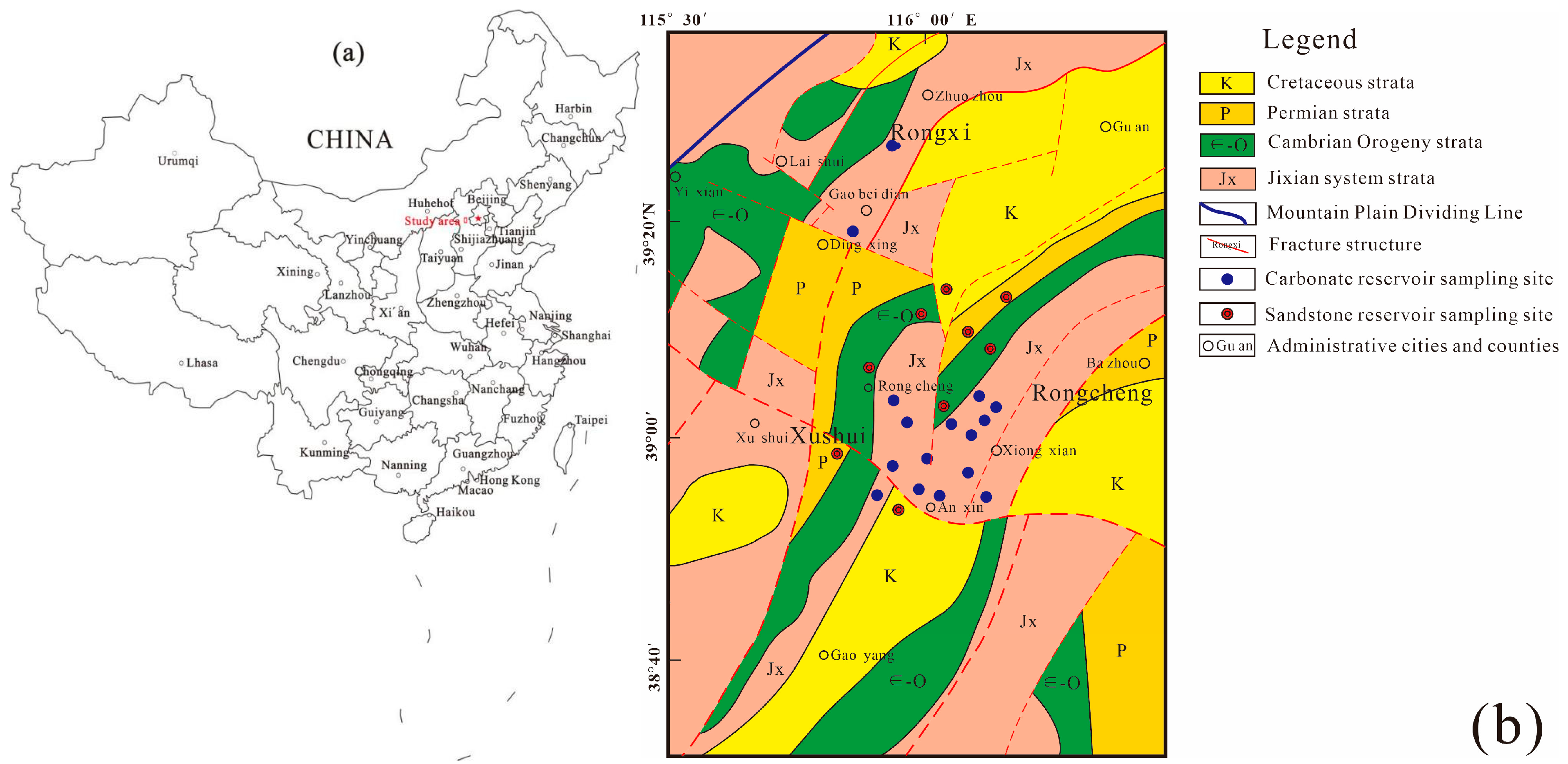
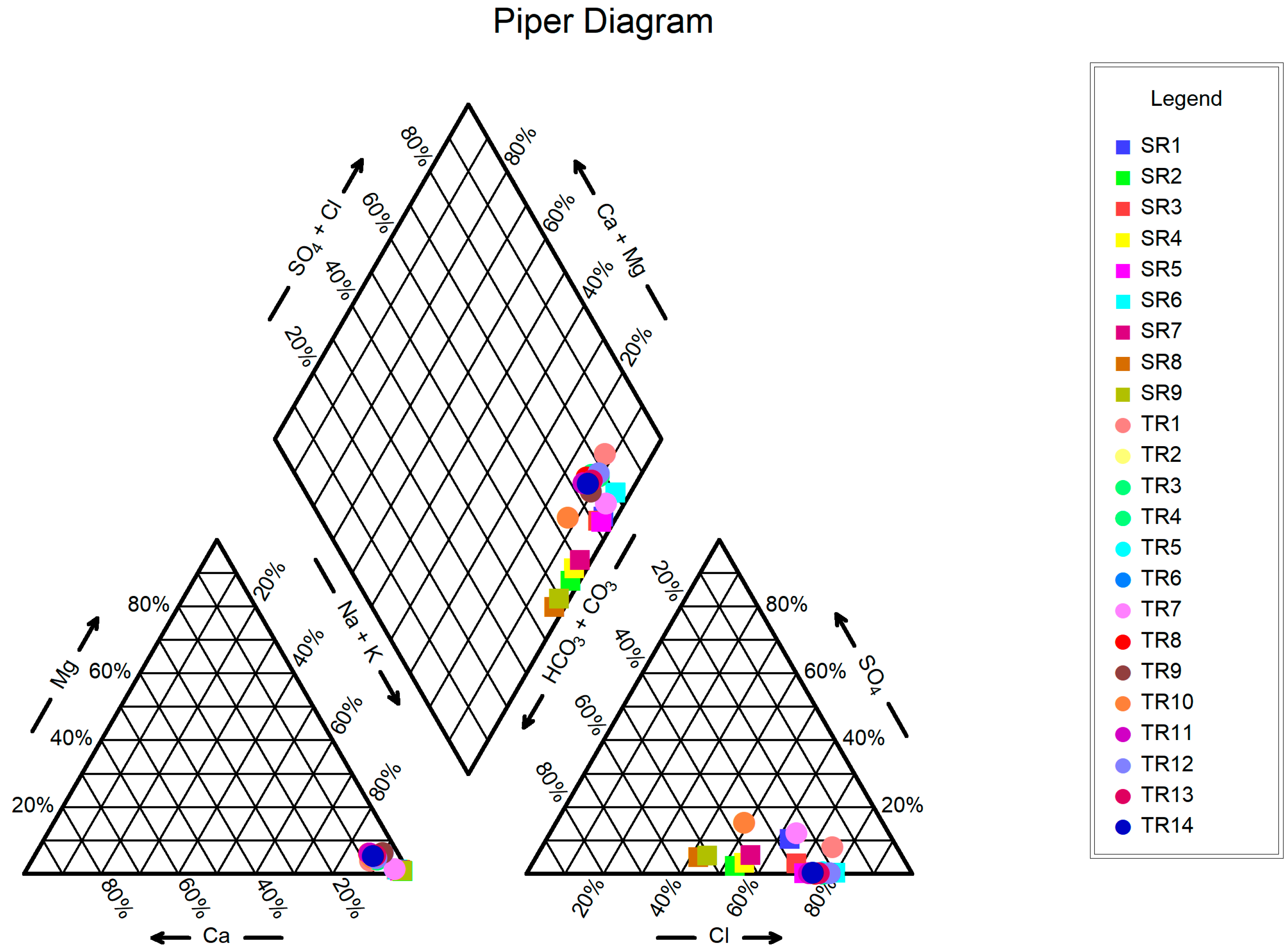
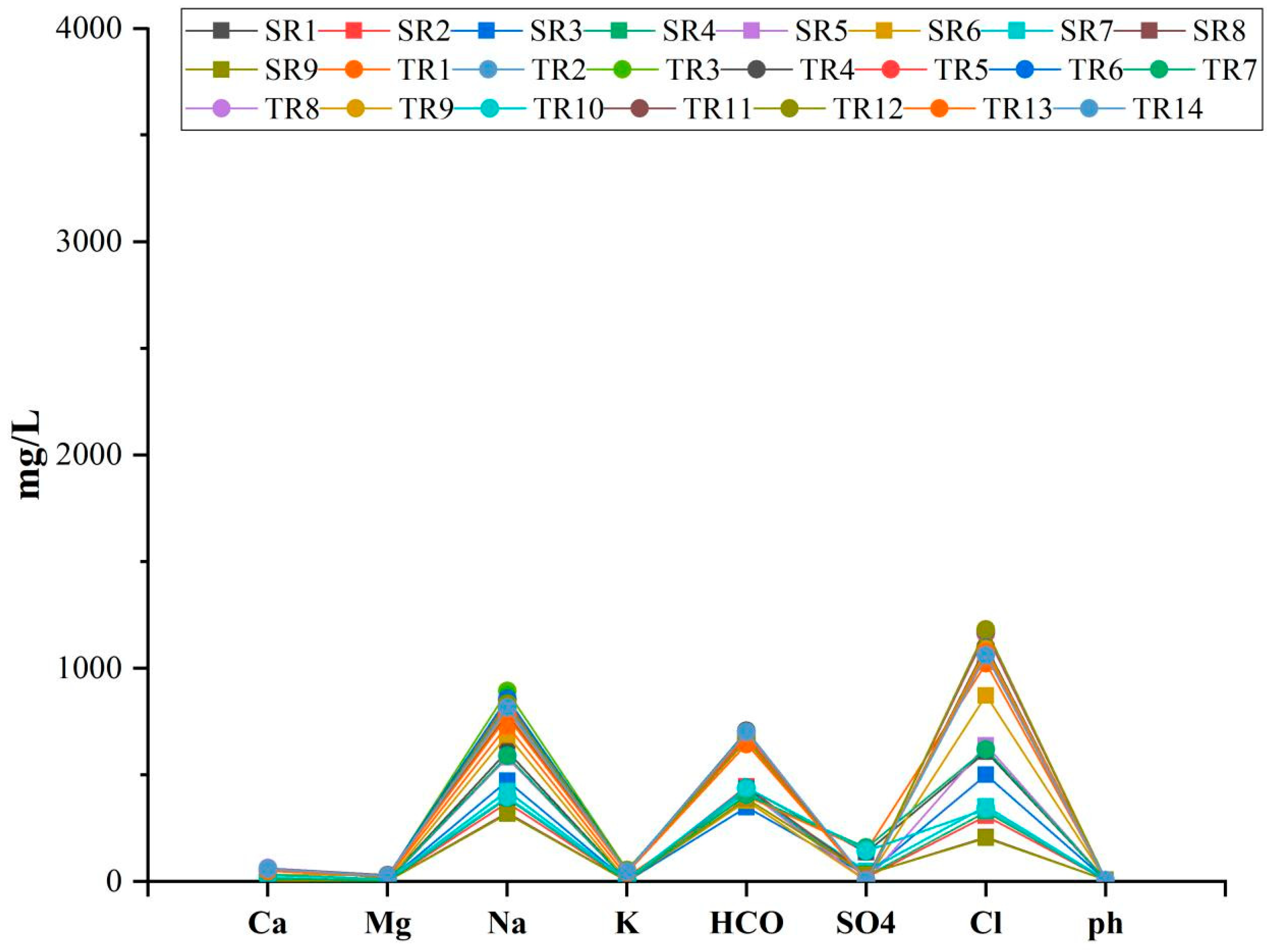
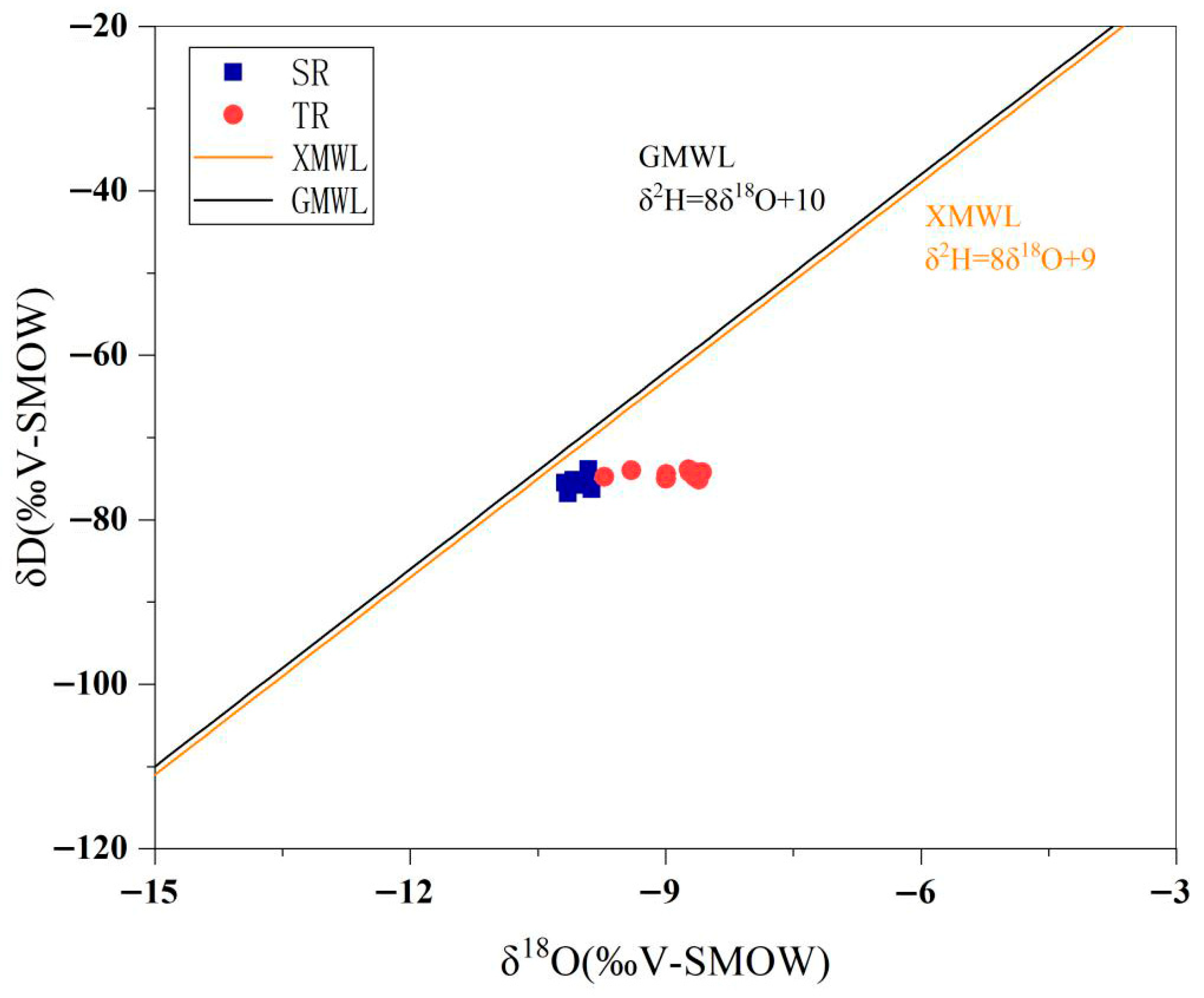
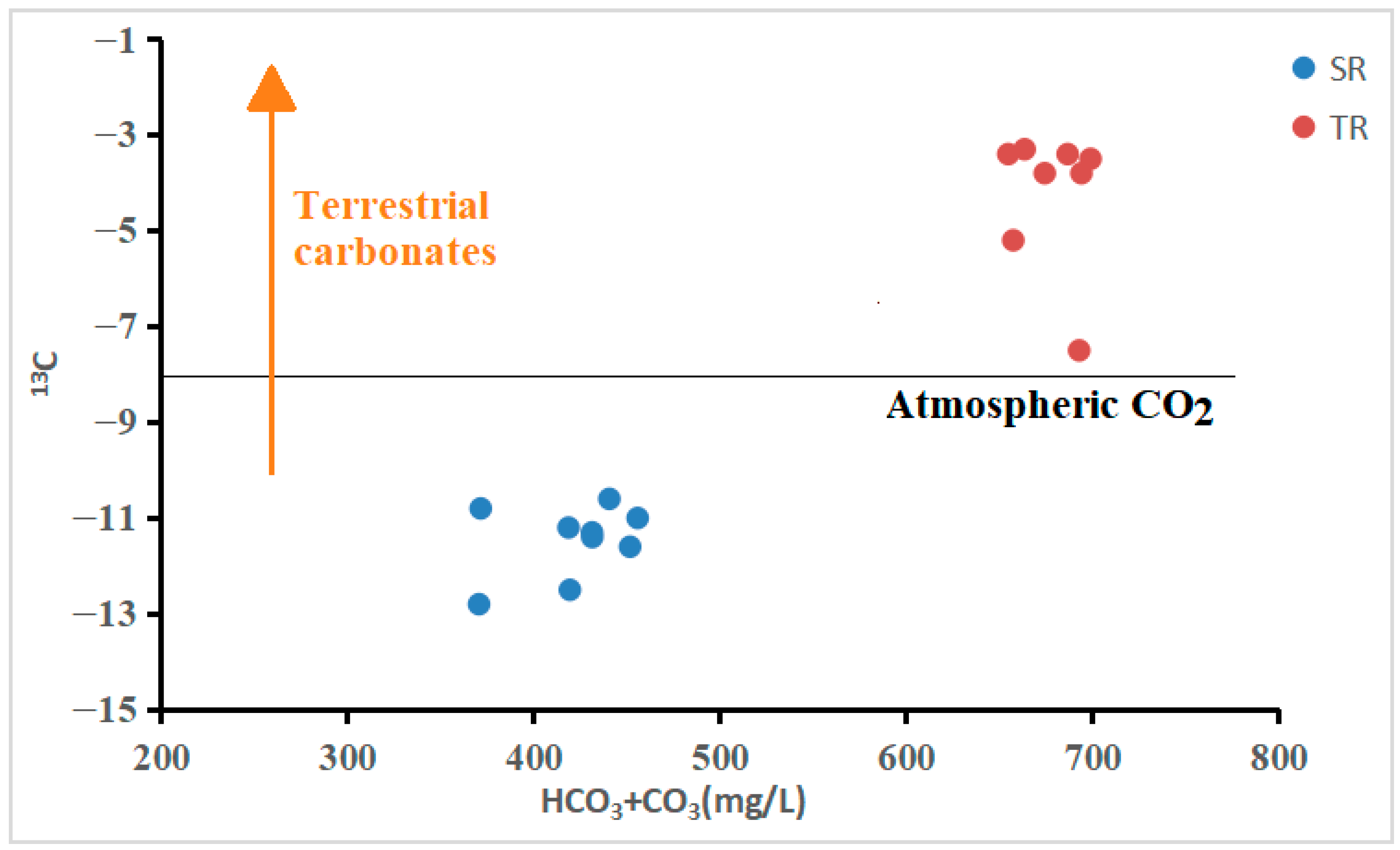
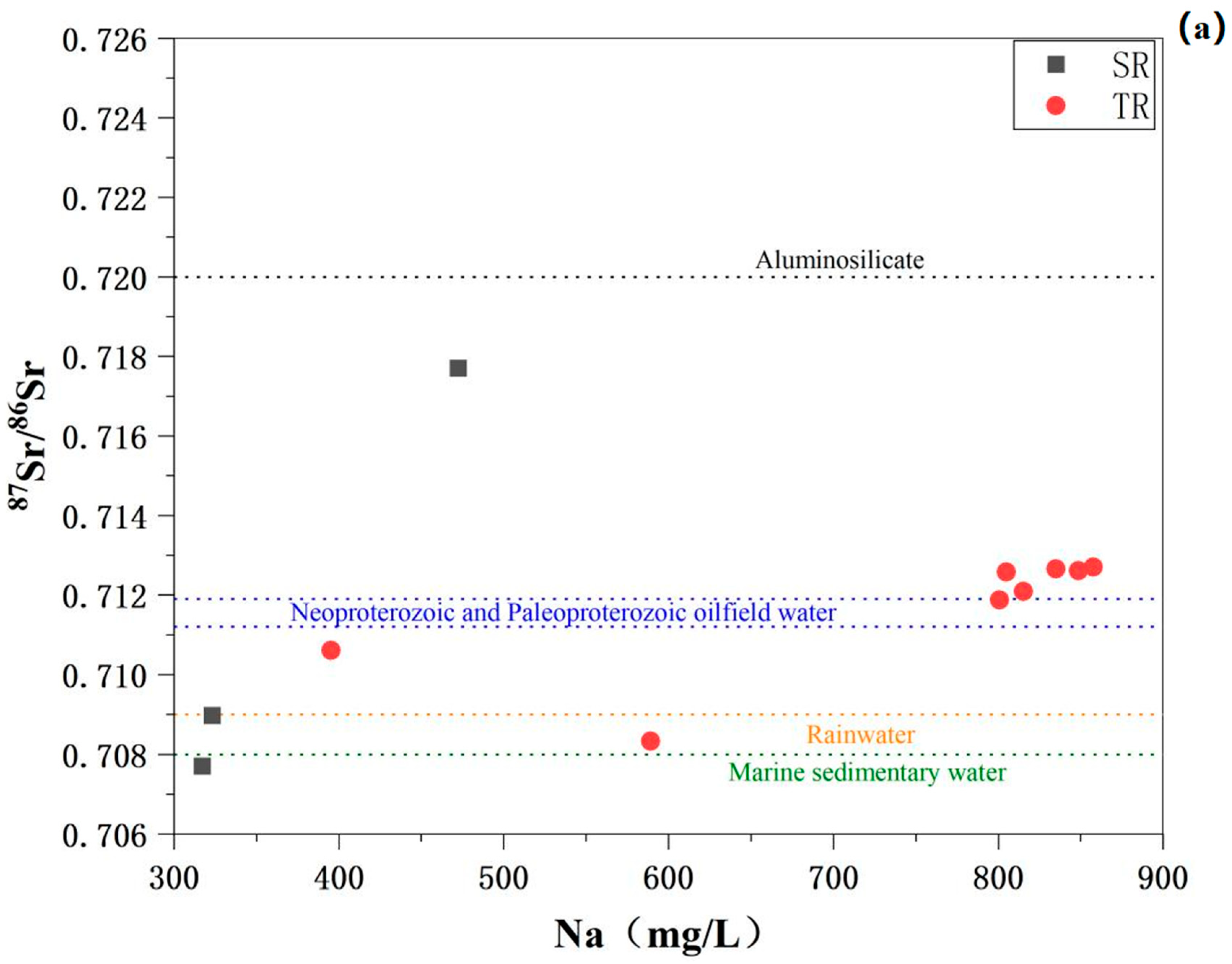
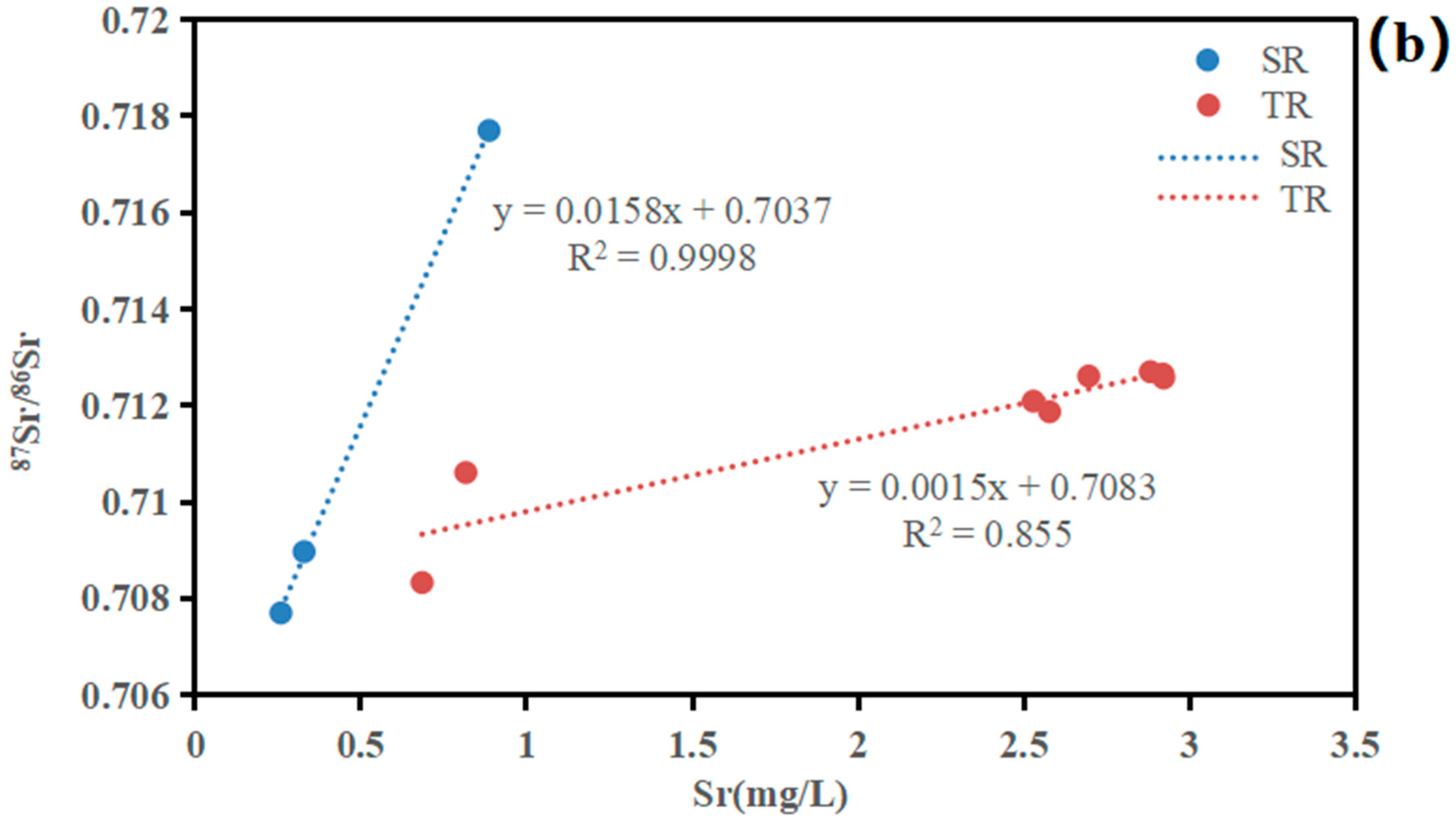
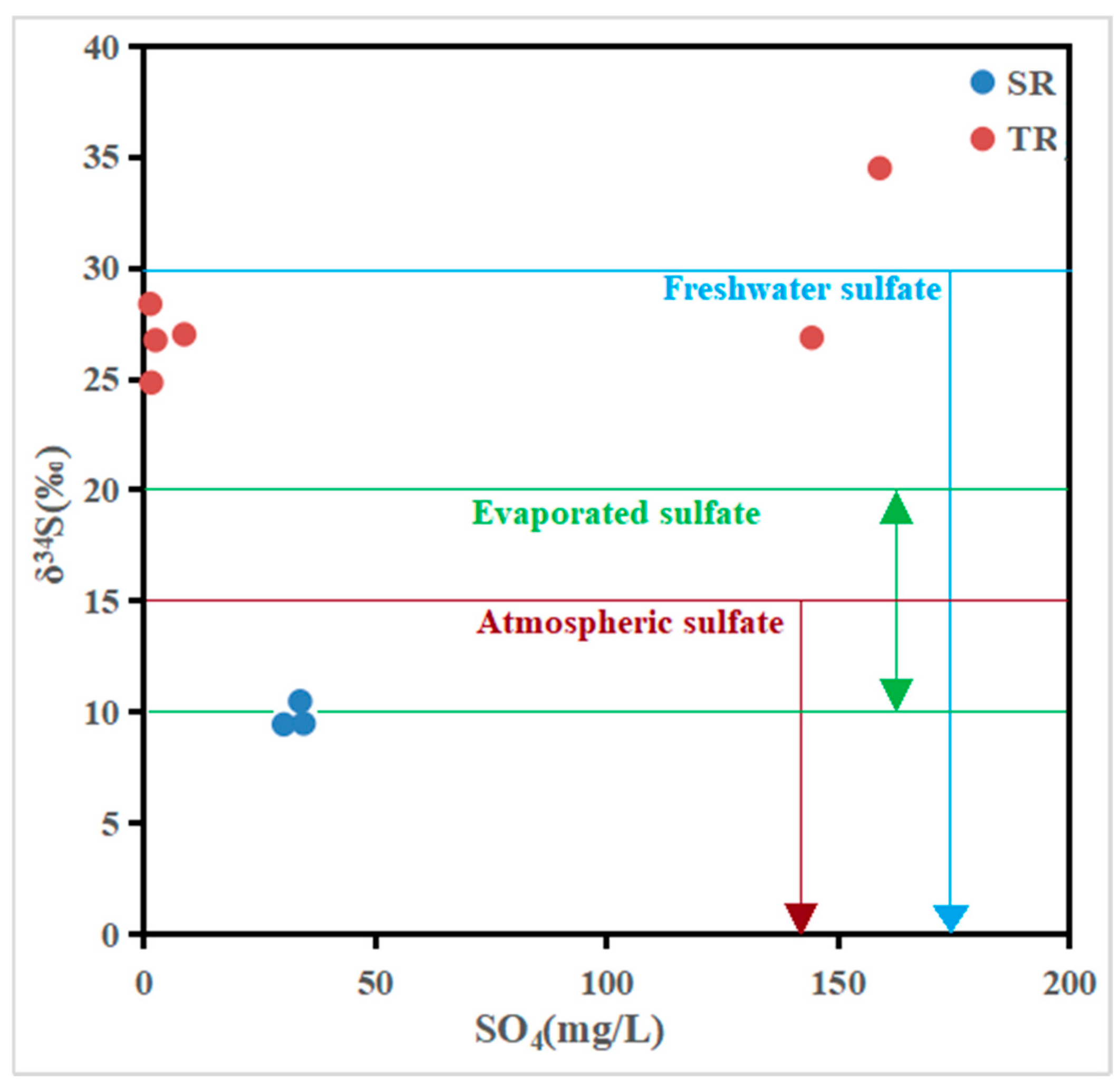
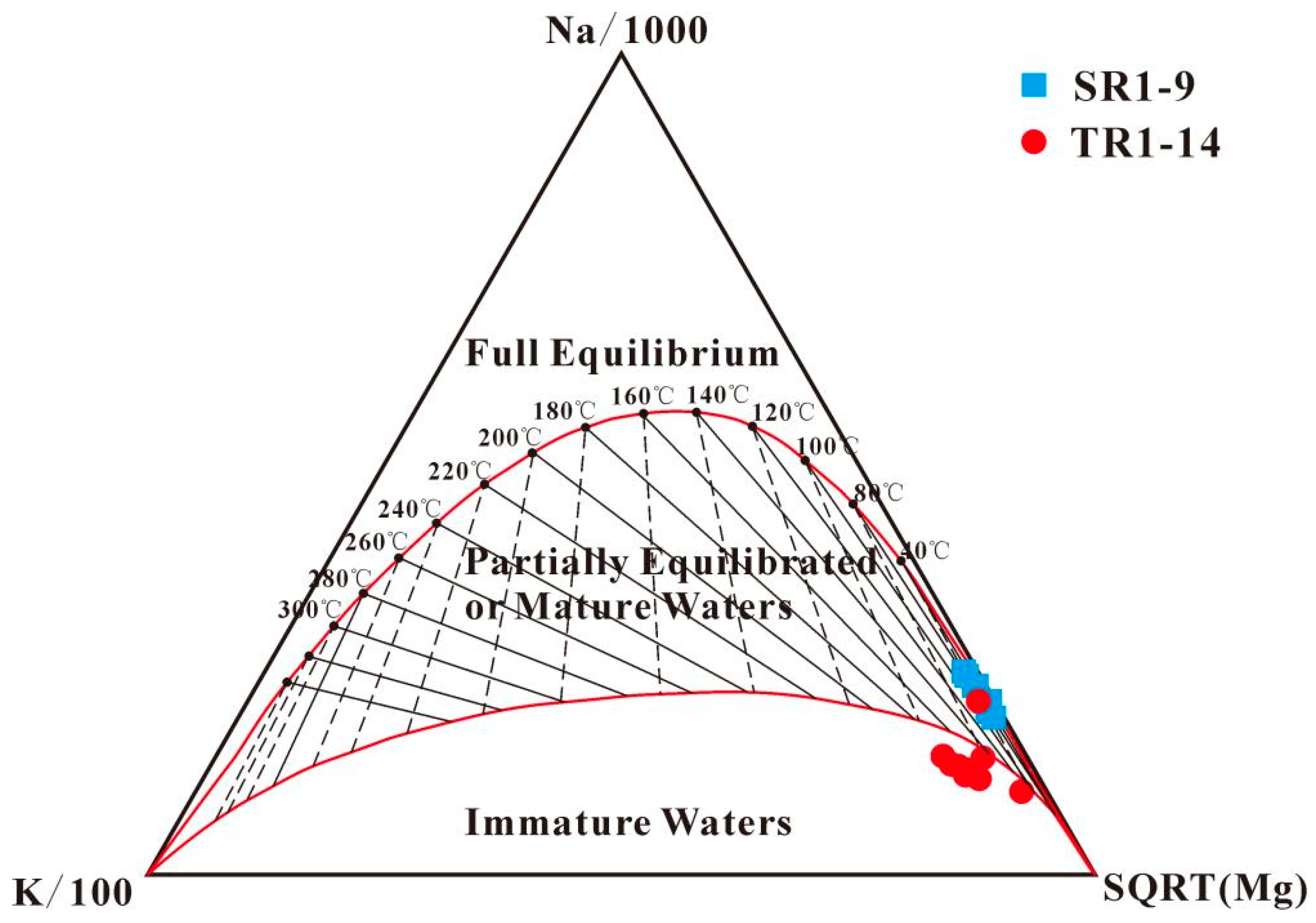
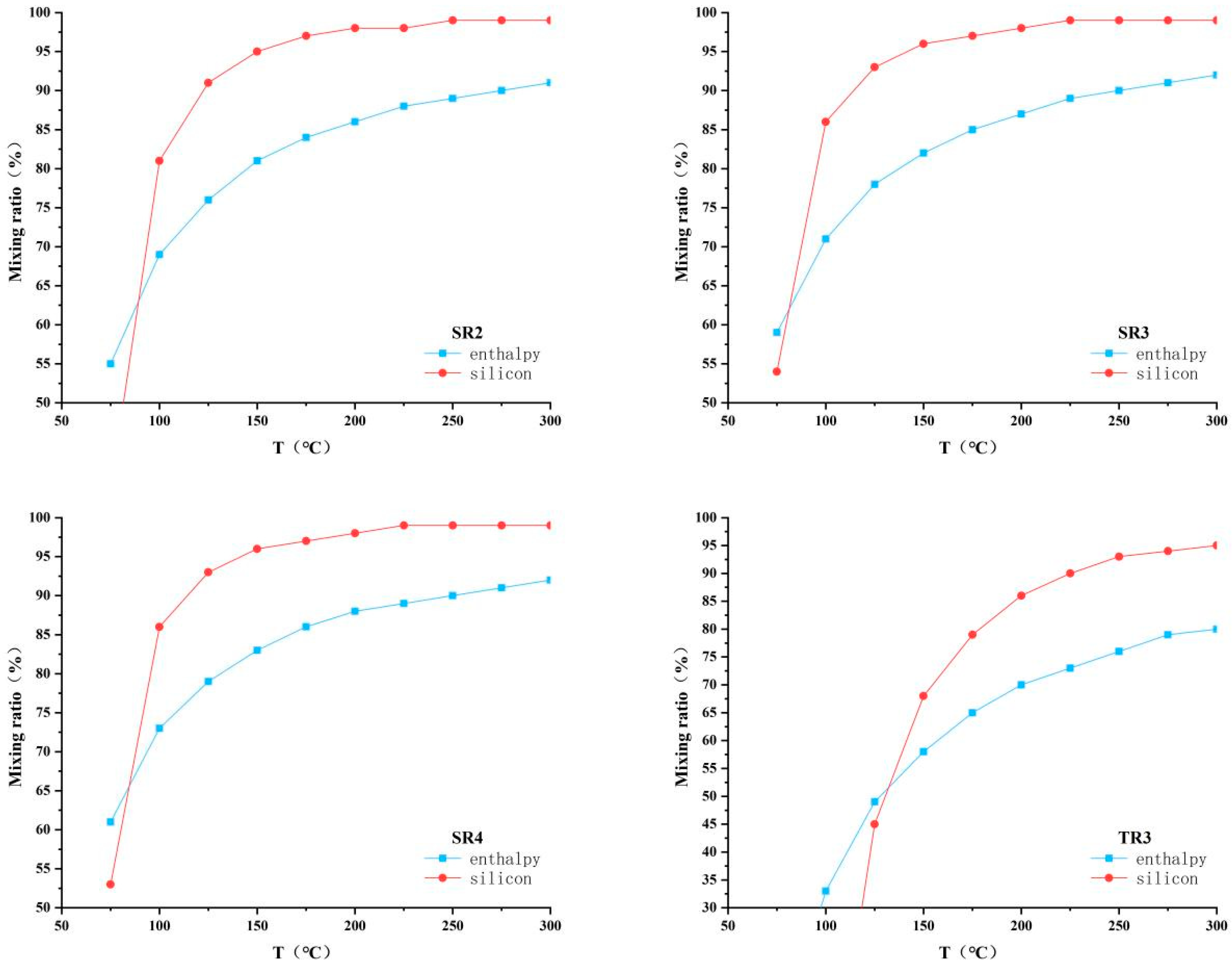
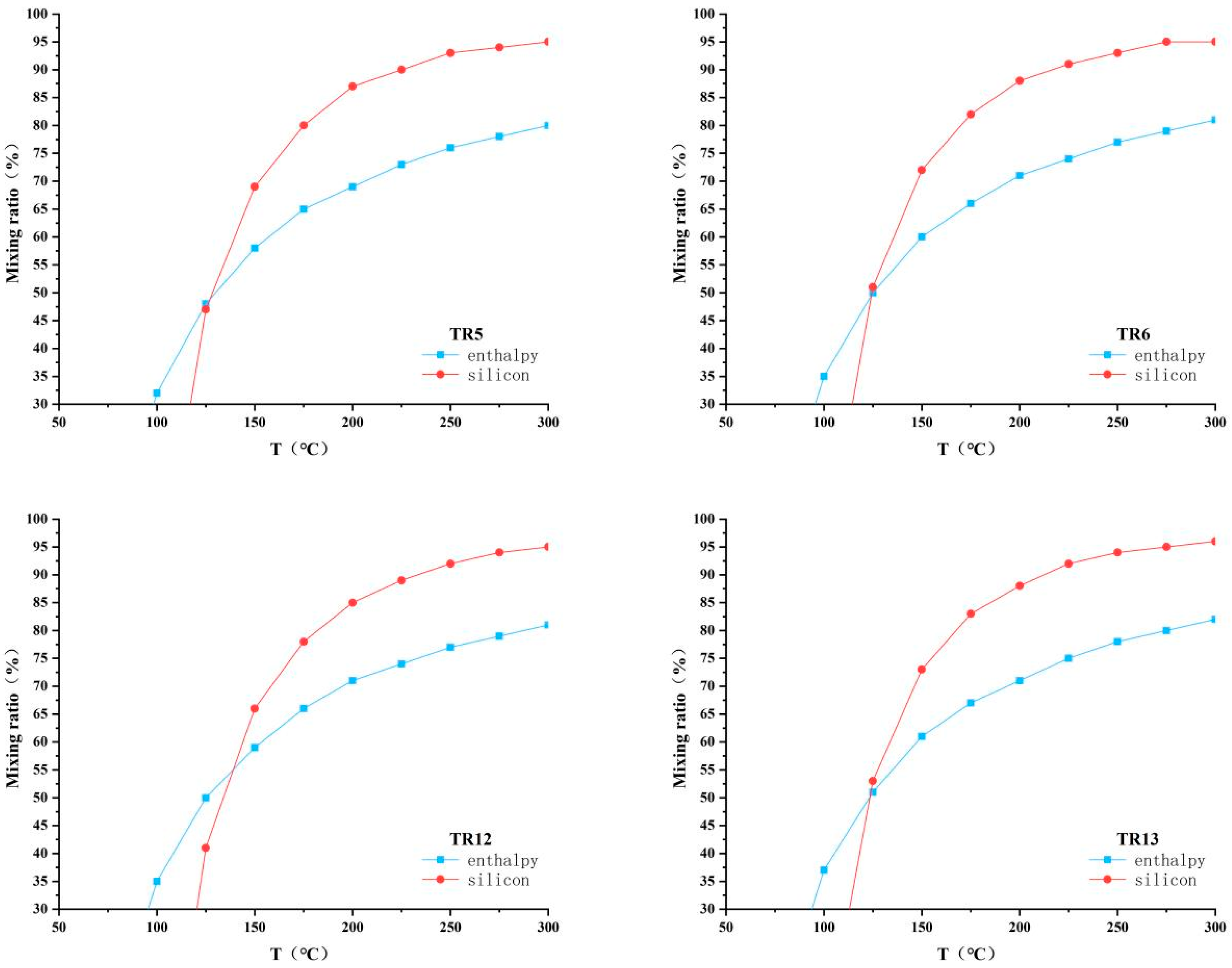
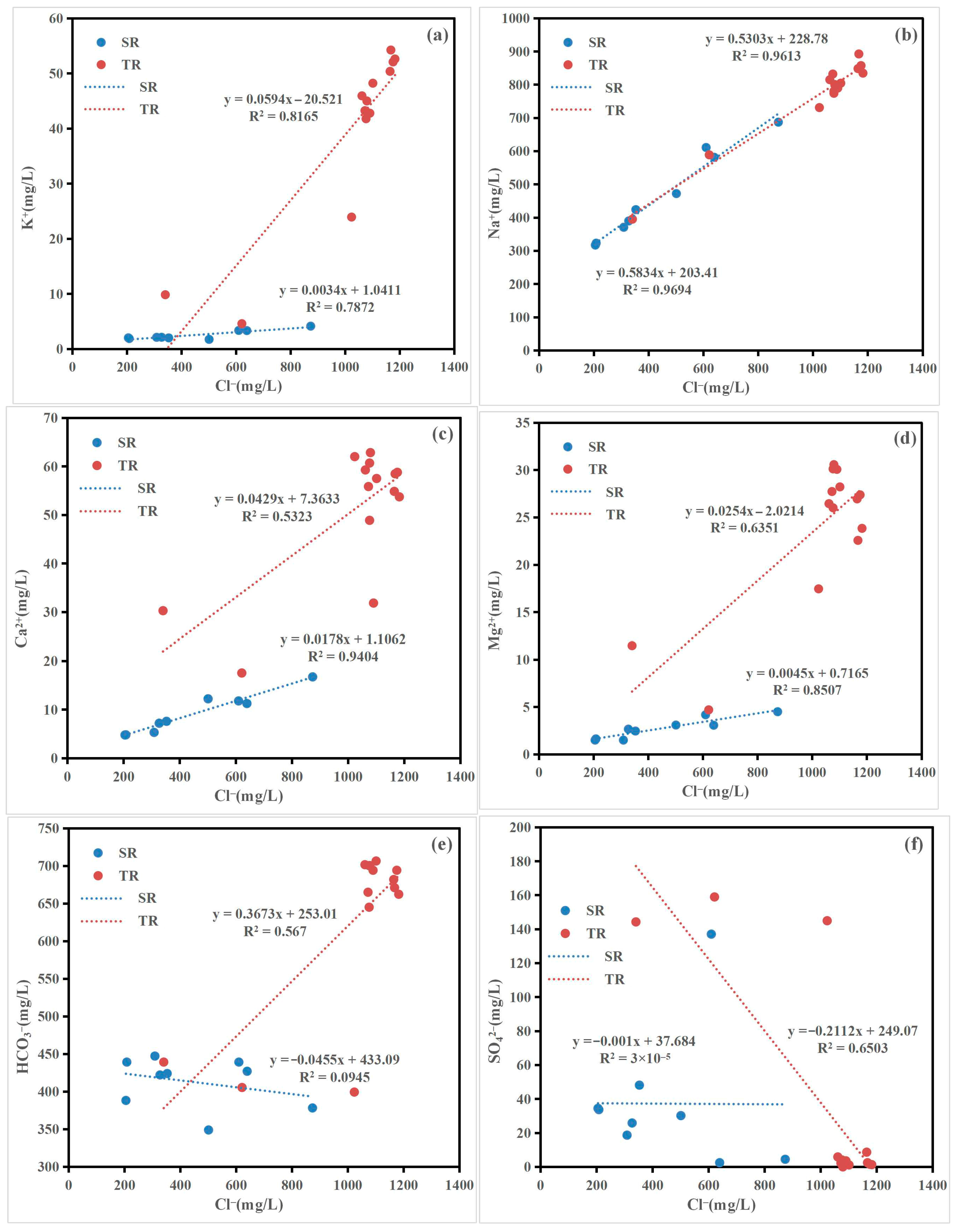
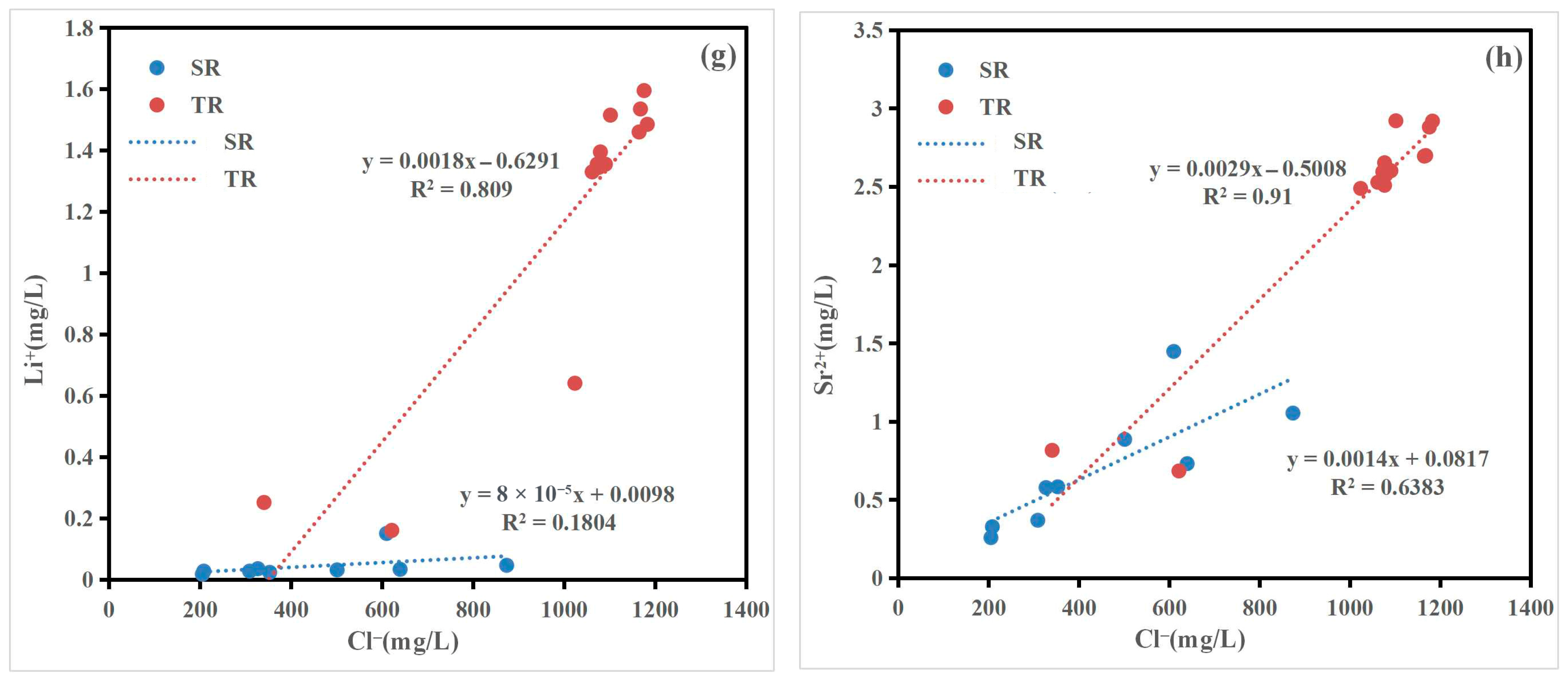
Disclaimer/Publisher’s Note: The statements, opinions and data contained in all publications are solely those of the individual author(s) and contributor(s) and not of MDPI and/or the editor(s). MDPI and/or the editor(s) disclaim responsibility for any injury to people or property resulting from any ideas, methods, instructions or products referred to in the content. |
© 2026 by the authors. Licensee MDPI, Basel, Switzerland. This article is an open access article distributed under the terms and conditions of the Creative Commons Attribution (CC BY) license.