Abstract
This study examines the determinants of the sustainable use of artificial intelligence (AI) among university professors in Peru. This research adopted a quantitative approach through a cross-sectional empirical–explanatory study, employing a structural equation model. Data were collected from 368 professors from eight Peruvian universities using a structured questionnaire that assessed six main constructs: attitude toward AI, prejudice against AI, facilitating conditions, use of AI, teaching concerns, and ethical perception. While the results reveal significant correlational relationships—with attitude toward AI, facilitating conditions, and prejudice against AI showing a significant association with its sustainable use, and the use of AI showing a significant relationship with professors’ ethical perceptions—the cross-sectional nature of this study precludes causal inferences. No significant relationship was found between the use of AI and teaching concerns. Additionally, demographic variables such as gender and age did not exhibit significant moderating effects. These findings contribute to understanding the factors related to the sustainable adoption of AI in higher education and provide valuable insights for the development of effective institutional strategies in the Latin American context.
1. Introduction
The sustainable integration of artificial intelligence (AI) in higher education faces complex challenges that influence its effective adoption by university professors. Recent research has identified that professors’ attitudes toward AI are significantly influenced by their performance expectations and the perceived value in their teaching practices [1,2,3]. Studies show that facilitating conditions, including institutional support and infrastructure, are crucial determinants for the sustainable implementation of AI technologies [4,5]. There is growing concern regarding ethical aspects such as transparency, algorithmic biases, and the ethical use of AI [6,7,8], while a lack of awareness and practical knowledge hinders its sustainable adoption [9,10].
The current scientific literature reveals significant knowledge gaps concerning the influence of different educational contexts and cultural backgrounds on attitudes toward AI [3,11]. There is a notable absence of longitudinal studies examining changes in attitudes over time [12,13]. Previous studies have employed various theoretical frameworks, including the UTAUT model, to analyze the factors influencing the sustainable use of AI [14,15,16], highlighting the importance of understanding professors’ perceptions [17,18].
From a theoretical perspective, this study examines the interplay of psychological, institutional, and practical dimensions that influence AI adoption in higher education through five key constructs. First, attitude toward AI (ATAI) evaluates faculty dispositions toward integrating AI in teaching practice, recognizing its role in shaping implementation outcomes [19,20]. Second, prejudice toward AI (PTAI) measures preconceived notions and resistance that may hinder adoption, which is particularly relevant given that approximately 41.8% of Peruvian university professors report low AI knowledge levels [21,22]. Third, facilitating conditions (FCs) assess the institutional support structures and resources necessary for successful implementation [23]. Fourth, the use of AI (USEAI) examines actual implementation patterns in teaching practice, considering how factors such as age and digital competence influence adoption [24,25]. Finally, teacher concerns (TCs) explore specific challenges and apprehensions about AI implementation, including issues of academic integrity and reliability [26].
In the Peruvian context, these constructs take on particular significance due to unique challenges in sustainable AI implementation. Studies across Latin American universities [24,25,26] highlight common barriers that must be addressed, including limited technological infrastructure, varying levels of digital literacy, and concerns about pedagogical integration. These regional insights provide crucial context for understanding AI adoption challenges in Peruvian higher education [27,28].
The primary objective of this research is to analyze how attitudes, prejudices, and facilitating conditions influence AI usage among Peruvian university professors. The specific objectives include examining the interactions between these factors and their effects on ethical perceptions and teaching concerns while considering gender and age as potential moderating variables. This study’s novelty lies in its integrated approach to understanding sustainable AI implementation through a comprehensive structural model [1,29].
This research offers both practical and theoretical contributions to the field. Practically, it provides insights for higher education institutions developing sustainable AI implementation strategies [11]. Theoretically, it addresses knowledge gaps regarding the interaction between attitudes, prejudices, and facilitating conditions in Latin American higher education contexts [1,29]. These findings will enhance our understanding of technology adoption factors in specific educational environments and contribute to the validation and expansion of the existing theoretical models.
2. Research Constructs and Hypotheses
2.1. Determinants of the Sustainable Use of AI in University Teaching
Research on the sustainable adoption of AI in higher education has identified various constructs that influence its effective and long-lasting implementation. Below are the conceptual definitions of the main constructs underpinning this research.
ATAI is defined as the general disposition of university professors toward the sustainable adoption of AI technologies in their educational practices. Ref. [17] notes that this attitude is primarily reflected in valuing AI as a sustainable tool for content creation, assessment, and feedback in the educational context. Ref. [15] complements this definition by identifying that ATAI is influenced by long-term performance expectations, effort expectations, and social influence. Ref. [30] delves deeper into the structure of ATAI, indicating that it comprises emotional, cognitive, and behavioral dimensions oriented toward the enduring adoption of technology.
PTAI represents a construct encompassing negative preconceptions and resistance toward the sustainable adoption of this technology. Ref. [8] identifies that this prejudice is primarily expressed through anxiety about AI’s long-term impact on employment and the social lives of educators. Ref. [23] broadens this conceptualization by noting that PTAI also includes concerns regarding AI’s sustainability in preserving human creativity and addressing persistent biases in AI-generated materials.
Facilitating conditions (FCs) are defined as external factors that support the sustainable implementation of AI in the educational context. Ref. [31] highlights the importance of continuous training and the sustainable development of capacities as fundamental elements of FCs. Ref. [9] adds that sustainable practical knowledge of AI is a critical component of these conditions, alongside long-term beliefs and attitudes toward technology.
USEAI (use of AI) in the university teaching context is conceptualized as the effective and sustainable implementation of AI tools in educational practices. Ref. [1] establishes that this construct is determined by multiple factors ensuring its sustainability, including long-term performance expectations, effort expectations, and enduring social influence. Ref. [32] adds that USEAI is closely linked to students’ sustainable attitudes and professors’ abilities to integrate these tools durably into their teaching methodologies.
These constructs interact in complex ways within the educational context, influencing the adoption and sustainable use of AI by university professors. Understanding these interrelationships is essential for developing strategies that promote the successful and long-term implementation of AI in higher education, ensuring its sustainability over time.
2.2. Conceptual Model and the Support of the Hypotheses
The scientific literature suggests that ATAI may exert a positive and significant influence on USEAI for sustainable implementation in the context of higher education. This relationship is supported by various studies exploring the factors contributing to the sustainable adoption of AI in teaching practices. Ref. [16] found that younger professors, who generally exhibit more positive attitudes toward AI, tend to incorporate it more sustainably into their pedagogical practices. This trend is complemented by the findings of [3], who suggest that positive attitudes among educators may significantly influence their intention to adopt AI-based applications sustainably. Ref. [33] adds that factors such as experience, training, and awareness of AI can help shape positive attitudes that facilitate its sustainable use. Furthermore, Ref. [34] indicates that institutional support and the perception of pedagogical benefits could be significant predictors of sustainable AI acceptance among professors. Ref. [15] suggests that this relationship may be moderated by demographic variables and pedagogical beliefs, which could influence the sustainable adoption of AI in the educational context. Therefore, the following hypothesis is proposed:
Hypothesis 1:
ATAI has a positive and significant influence on the use of artificial intelligence (USEAI) among university professors.
The scientific literature also suggests that FCs may exert a positive and significant influence on USEAI in higher education, particularly in relation to its sustainable implementation. This relationship is grounded in various studies that have explored the determinants of sustainable AI adoption in university teaching practices. Using the UTAUT2 model, Ref. [35] finds that FCs, along with habit and behavioral intention, may be key predictors of the sustainable use of AI tools among university educators. This perspective is supported by [1], who, through a meta-analysis, identifies FCs as one of the main factors that could influence the sustainable use of AI by professors and students, alongside performance expectations and social influence. Ref. [36] suggests that FCs could positively impact effort expectations, which, in turn, may affect behavioral intention and the sustainable adoption of AI. Ref. [15] adds that FCs may positively influence both intention and behavior related to the sustainable use of AI in educational settings. This view is complemented by [5], who suggest that FCs, along with behavioral intention and habit, could explain the sustainable use of AI applications in the academic context. Therefore, it is proposed that appropriate facilitating conditions could promote the sustainable implementation of AI in university teaching practices.
The scientific literature suggests that USEAI could positively and significantly influence TCs, particularly concerning its sustainable implementation in higher education. González Campos et al. [37] argue that AI may be transforming the teaching role, shifting the focus from traditional tasks to more individualized support for students. Ren et al. [38] and Lu et al. [39] add that AI could enhance teaching efficiency through personalized learning and the automation of repetitive tasks, potentially raising new concerns about its sustainable implementation. Lin [40] notes that effectively integrating AI might require professors to develop specific technical skills, which could increase concerns about the necessary training. Lee et al. [41] and Dincer and Bal [42] suggest that professors may express concerns about the ethical implications of AI, including issues such as academic integrity and data privacy. Zeer et al. (2023) [43] emphasize that these ethical concerns may be particularly relevant in the university education context. Kallunki et al. (2024) [44] note a significant demand for support and training to help professors adapt sustainably to AI technologies. Consequently, the following hypothesis is proposed:
Hypothesis 2:
FCs positively and significantly influence USEAI among university professors.
The scientific literature suggests that PTAI could negatively and significantly impact USEAI, particularly regarding its sustainable implementation in higher education. Ref. [45] highlights that negative attitudes toward AI, often driven by social influences and anxiety about AI behavior, can hinder professors’ willingness to use AI sustainably. Refs. [46,47] expand on this perspective by pointing out that concerns about the ethical implications of AI, such as biases and data privacy, can contribute to apprehension and resistance among educators. Refs. [48,49] argue that concerns about fairness, accountability, and transparency are critical factors shaping professors’ attitudes toward the sustainable implementation of AI. Ref. [33] adds that experience and training in AI may positively shape attitudes, while their absence may lead to negative perceptions and reluctance toward sustainable use. Ref. [13] notes that while some professors acknowledge the benefits of AI, perceived limitations—including improper use and a lack of critical oversight—may outweigh these benefits. Refs. [11,50] suggest that concerns about over-reliance on AI and its potential impact on students’ cognitive skills may contribute to prejudices hindering its sustainable adoption. Consequently, the following hypothesis is proposed:
Hypothesis 3:
PTAI negatively and significantly influences USEAI among university professors.
The scientific literature also suggests that USEAI may positively and significantly influence PE, particularly regarding its sustainable implementation in higher education. Ref. [8] notes that university professors recognize significant ethical challenges associated with AI, such as transparency issues and the need for clear institutional policies to ensure sustainable use. Ref. [7] complements this perspective, noting that the integration of AI into Latin American universities may foster greater awareness of ethical considerations. Ref. [47] suggests that using AI in higher education can promote reflections on fairness, accountability, and transparency. Ref. [51] adds that AI may enhance educational processes and administrative practices, positively influencing perceptions of its sustainable use. Ref. [52] emphasizes that AI may foster critical thinking and responsible use among students, which, in turn, could shape professors’ ethical perceptions. Ref. [53] highlights the need for comprehensive educational frameworks to ensure ethical and sustainable AI use. Ref. [54] identifies a growing awareness of AI’s ethical implications, which could shape its perception. Refs. [55,56] propose that training in ethical AI usage could improve understanding and perceptions of ethical challenges. Based on this evidence, the following hypothesis is proposed:
Hypothesis 4:
USEAI positively and significantly influences PE among university professors.
The scientific literature suggests that USEAI may positively and significantly influence TCs, particularly concerning its sustainable implementation in higher education. González Campos et al. [37] note that AI could transform the teaching role, shifting focus from traditional tasks to more individualized support for students. Ren et al. [38] and Lu et al. [39] complement this perspective by suggesting that AI could enhance teaching efficiency through personalized learning and the automation of repetitive tasks, which may raise new concerns about its sustainable implementation. Lin [40] adds that effectively integrating AI may require teachers to develop specific technical skills, potentially increasing their concerns about necessary training. Lee et al. [41] and Dincer and Bal [42] suggest that educators may express concerns about the ethical implications of AI, including issues such as academic integrity and data privacy. Zeer et al. [43] emphasize that these ethical concerns could be particularly relevant in the context of higher education. Kallunki et al. [44] highlight a significant demand for support and training to help teachers adapt sustainably to AI technologies. Consequently, the following hypothesis is proposed:
Hypothesis 5:
USEAI positively and significantly influences TCs among university professors.
The literature suggests that demographic variables such as gender and age may moderate the influence of USEAI on PE and TCs in higher education. Ref. [16] finds that younger professors tend to show greater willingness to incorporate AI sustainably into their teaching practices, which could influence their ethical perceptions and concerns. Ref. [15] expands on this by suggesting that factors such as gender and age may moderate the acceptance and sustainable use of AI in educational settings.
Regarding gender as a moderating variable, Ref. [33] suggests that significant variations may exist in how men and women perceive and experience the ethical implications of AI use. These differences could manifest in how gender moderates the relationship between USEAI and PE, as well as between USEAI and TCs. Ref. [22] adds that perceptions of responsibility and ethical concerns related to AI may vary depending on the teacher’s gender.
As for age as a moderating variable, Ref. [21] indicates that different age groups among educators may exhibit varying levels of knowledge and understanding of AI, which could moderate the relationship between its use and ethical perceptions. Ref. [9] suggests that age could influence awareness and concerns about AI, thereby moderating the relationship between USEAI and TCs. Ref. [11] complements this perspective by noting that teachers from different generations may hold distinct concerns about the sustainable implementation of AI. Based on this, the following hypotheses are proposed:
Hypothesis 6:
Gender moderates the influence of the use of artificial intelligence (USEAI) on perceived ethics (PE) among university professors.
Hypothesis 7:
Gender moderates the influence of the use of artificial intelligence (USEAI) on teaching concerns (TCs) in university teachers.
Hypothesis 8:
Age moderates the influence of artificial intelligence use (USEAI) on perceived ethics (PE) in university teachers.
Hypothesis 9:
Age moderates the influence of the use of artificial intelligence (USEAI) on teaching concerns (TCs) in university teachers.
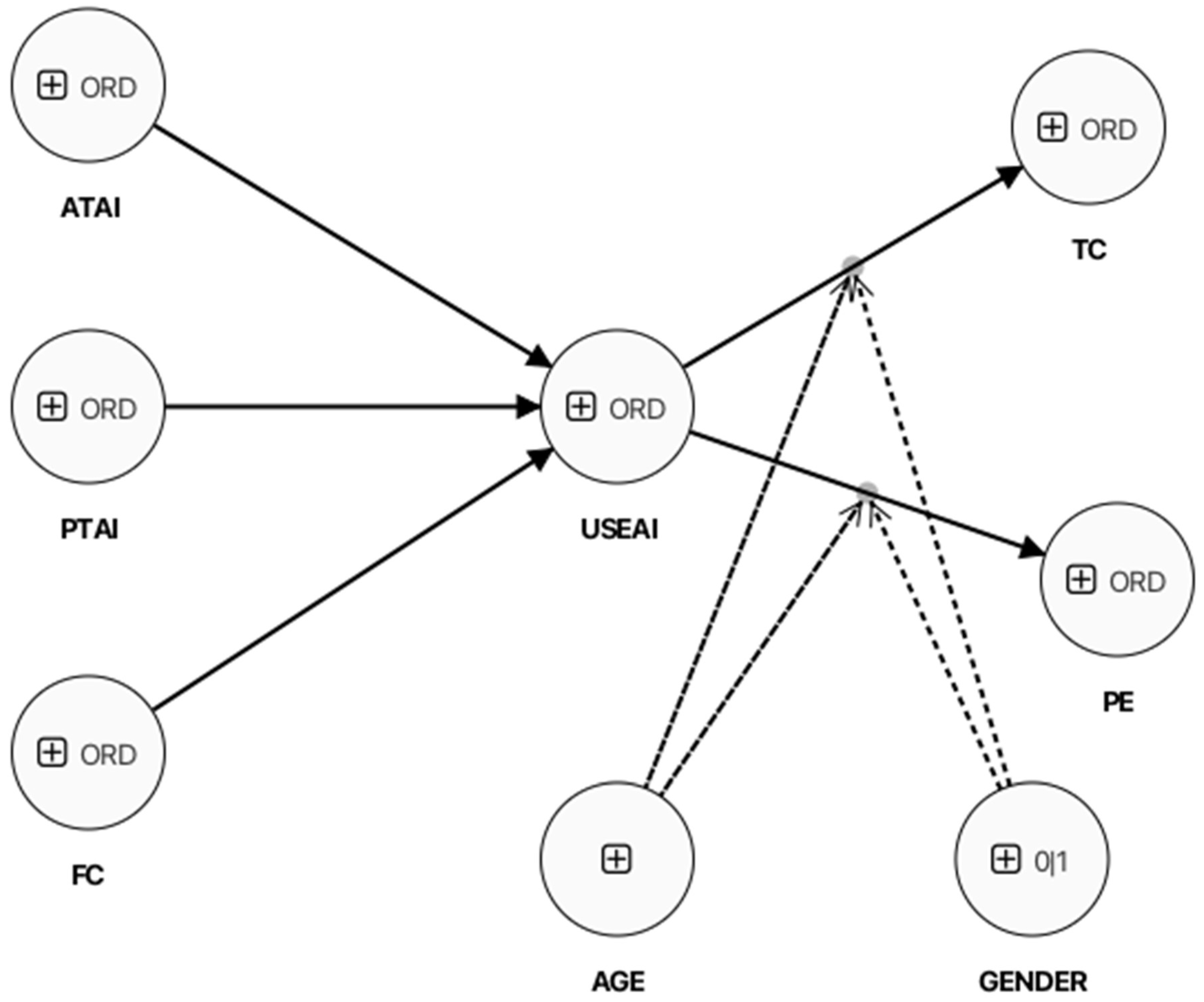
Figure 1 shows the conceptual model with the nine hypotheses supported in the literature.
Figure 1.
Proposed conceptual model, obtained from SmartPLS v. 4.0 software. Note: attitude toward AI = ATAI; prejudice toward AI = PTAI; facilitating conditions = FCs; use of AI = USEAI; teacher concerns = TCs; perceived ethics = PE.
3. Methods
Studies on the adoption of generative AI in higher education require a methodological approach that considers the diverse factors influencing its use by university professors [57,58]. As Ref. [57] points out, the assessment of attitudes and prejudice toward artificial intelligence should take into account both individual and contextual factors. Consequently, to analyze the influence of attitude, prejudice, and facilitating conditions on the use of AI among Peruvian university professors, a transactional empirical study with a quantitative approach was implemented.
3.1. Participants
This study involved the participation of 368 university professors from eight Peruvian universities, strategically selected to include four public and four private institutions to capture diverse institutional contexts. While [59] suggests that non-probabilistic convenience sampling is appropriate for understanding technology adoption patterns in specific educational contexts, this sampling approach presents certain limitations for result generalization. First, although the gender distribution (52.99% female, 47.01% male) approximates the national distribution of university professors, the concentration of participants from specific departments (La Libertad and Lambayeque) may not fully represent the diversity of institutional AI policies and implementation approaches across Peru’s 143 universities. Second, while effort was made to balance public and private representation, variations in institutional size, resources, and AI adoption policies could introduce sampling bias. The relatively balanced distribution across academic disciplines—from Education (17.93%) to Physical Sciences (5.16%)—helps mitigate some discipline-specific biases, but the predominance of master’s degree holders (64.95%) versus doctoral degree holders (35.05%) suggests potential overrepresentation of certain academic profiles. These sampling characteristics should be considered when interpreting the findings and their generalizability to the broader Peruvian higher education context (Table 1).
Table 1.
Sociodemographic characteristics of the sample (n = 368).
3.2. Instruments
The development of the measurement instrument followed a systematic process of adapting and validating prior scales, based on the methodological guidelines proposed by [60] for evaluating emerging educational technologies. The final questionnaire, administered via Google Forms, was structured into three main sections and incorporated six fundamental constructs:
- Attitude toward AI (ATAI, 4 items): Adapted from [57], it evaluates general dispositions toward integrating AI into teaching practices.
- Prejudice toward AI (PTAI, 4 items): Based on [61], it measures preconceptions and resistance to adopting AI in education.
- Facilitating conditions (FCs, 4 items): Developed from [62], this construct evaluates institutional and contextual factors supporting AI usage.
- Use of AI (USEAI, 6 items): Based on [63], it measures patterns of AI implementation in teaching practices.
- Teacher concerns (TCs, 5 items): Adapted from [64], it assesses specific concerns related to AI implementation.
- Perceived ethics (PE, 5 items): Based on [65], it examines ethical considerations associated with AI use in education.
All items were evaluated using a 5-point Likert scale, ranging from (1) “strongly disagree” to (5) “strongly agree”, in line with the recommendations of [66] for measuring attitudinal constructs in educational contexts.
3.3. Procedure and Data Analysis
The data analysis followed a five-stage sequential process based on the methodological–logical framework of the structural equation modeling approach. The first stage involved cleaning and verifying the data using Microsoft Excel. The second stage included descriptive analyses to characterize the sample. The third stage employed exploratory factor analysis (EFA) using maximum likelihood estimation with varimax rotation to examine the underlying factor structure of the six constructs. This estimation method was chosen due to its robustness and the multivariate normal distribution of the data (Mardia’s coefficient = 1.842). The EFA results confirmed the expected six-factor solution, which explained 74.3% of the total variance, with factor loadings ranging from 0.68 to 0.89 and Kaiser–Meyer–Olkin (KMO) = 0.912, suggesting a clear and interpretable factor structure, as recommended by Ju and Qu [63].
The fourth stage involved confirmatory factor analysis (CFA) to validate the measurement model identified through EFA. The indicators met the thresholds established by Ju and Qu [63]: factor loadings >0.70 and AVE > 0.50. Reliability was confirmed using Cronbach’s alpha and composite reliability (CR), with values exceeding 0.70, as recommended by Hair et al. [67], while discriminant validity was verified through the Fornell–Larcker criterion [68] and HTMT, with values below 0.85, as suggested by Ringle et al. [69]. The goodness-of-fit indices showed satisfactory values, i.e., SRMR = 0.087 (threshold < 0.08, according to Hair et al. [70]), χ2/df = 2.544 (acceptable range between 1 and 3, according to Escobedo Portillo et al. [71]), and NFI = 0.998 (threshold > 0.90, as established by Fang et al. [64]), all within acceptable ranges. Finally, structural equation modeling (SEM) was performed using PLS-SEM with SmartPLS v.4.0 [72] to test the hypotheses of the structural model. Multicollinearity was assessed using variance inflation factors (VIFs), with values below 5 considered acceptable, as outlined by Gaskin [73].
4. Results
4.1. Results of the Measurement Model
Partial least squares structural equation modeling (PLS-SEM) was used in this study. Consequently, a confirmatory factor analysis (CFA) was carried out to confirm the convergent validity of the measurement model. Table 2 presents the factor loadings of the items where they are higher than 0.70. In addition, all the constructs measured present values in the average variance extracted (AVE) that exceed the 0.50 threshold.
Table 2.
CFA results.
Table 3 presents the reliability results of the constructs, which were evaluated using Cronbach’s alpha coefficients (α) and composite reliability (CR), calculated through rho_a and rho_c. Values above 0.70 are considered acceptable. The data show that all constructs meet this criterion, demonstrating the internal consistency of the scales used.
Table 3.
Quality testing of the measurement model.
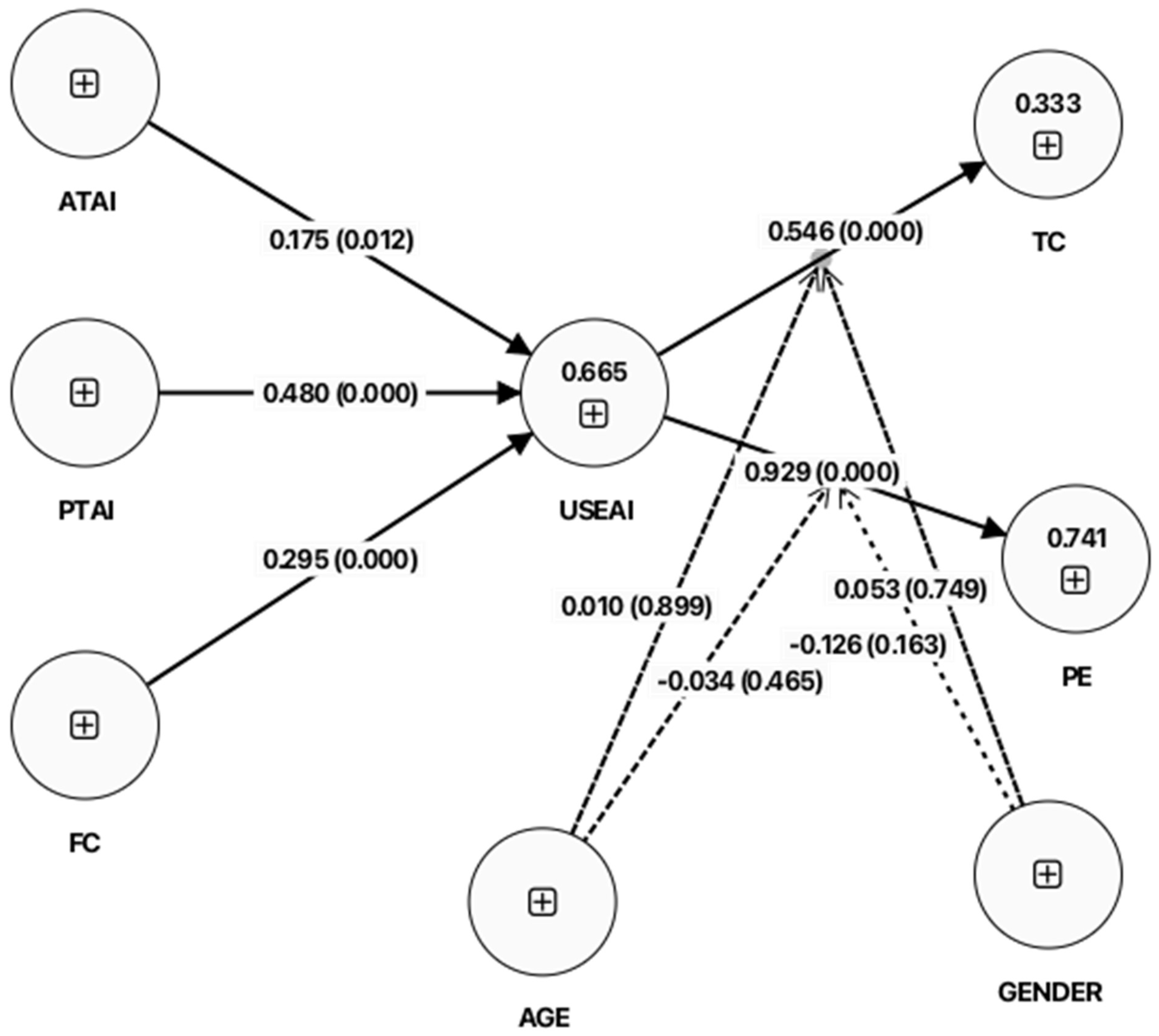
Regarding the coefficients of determination (R2), the results indicate that ATAI, PTAI, and FCs explain 66.5% of the variance in USEAI, while USEAI explains 33.3% and 74.1% of the variance in CT and PE, respectively. These findings reflect a moderate to high predictive capacity of the analyzed models. Additionally, the Q2 predictive values are high for USEAI and PE, while for TCs, they are moderately high, confirming that the constructs exhibit predictive relevance.
The multicollinearity analysis, assessed through variance inflation factors (VIFs), revealed values ranging from 1.672 to 2.124, which are within the acceptable range (<5), indicating no significant multicollinearity issues among the constructs.
Discriminant validity was assessed using the Fornell–Larcker criterion, which establishes that the square root of the average variance extracted (AVE) of a construct should be greater than its correlations with other constructs. The diagonal values in the table confirm compliance with this condition. Moreover, according to the HTMT criterion, all values are below the suggested threshold of 0.85, further confirming the discriminant validity of the instrument.
Table 4 presents these indicators, highlighting that the normalized root mean square residual (SRMR) yielded a value of 0.846, meeting the <0.85 threshold.
Table 4.
Model fit.
The chi-square to degrees of freedom ratio (χ2/df) was 2.544, falling within the acceptable range of 1 to 3, indicating an adequate model fit. Similarly, the d_ULS and d_G indices, with values of 3.504 and 1.390, respectively, exceeded the threshold of statistical significance (p > 0.05), further validating the quality of the model’s fit.
Finally, the normed fit index (NFI) achieved a value of 0.998, surpassing the recommended threshold of >0.90, reinforcing the suitability of the proposed model. These results confirm that the model demonstrates an adequate fit and is valid for structural analysis.
4.2. Testing the Research Hypotheses
Table 5 and Figure 2 present the proposed effects in the structural model, highlighting the significant impacts among constructs. H1 shows a positive and significant effect of ATAI on USEAI (β = 0.175 *, p = 0.012, f2 = 0.043), indicating that ATAI influences USEAI among university professors. This suggests that professors with favorable attitudes toward AI are more likely to incorporate this technology into their professional practices, although the effect size is small.
Table 5.
Results of hypothesis testing.
Figure 2.
Resolved model. Note: Obtained from SmartPLS v. 4.0 software.
H2 demonstrates that FCs have a positive and significant effect on USEAI (β = 0.295 **, p < 0.001, f2 = 0.154), confirming that facilitating conditions, such as access to resources and institutional support, promote AI use among professors. This implies that a supportive environment significantly enhances AI adoption, with a moderate effect size.
H3 reveals that PTAI has a significant impact on USEAI (β = 0.480 ***, p < 0.001, f2 = 0.389), suggesting that prejudice toward AI is a critical factor in its adoption. This indicates that lower prejudice toward AI corresponds to a greater willingness among university professors to use it in their teaching, with a considerable effect size.
H4 demonstrates a significant effect of USEAI on PE (β = 0.929 ***, p < 0.001, f2 = 1.533), indicating that AI use profoundly influences professors’ ethical perceptions. This suggests that practical AI usage fosters deeper ethical considerations regarding its implementation, with a very large effect size.
However, H5, which hypothesizes an effect of USEAI on TCs (β = 0.546, p = 0.163, f2 = 0.206), is not supported. This suggests that AI use does not significantly impact professors’ concerns about its implementation, although the suggested effect size would have been moderate if confirmed.
Regarding the moderated hypotheses (H6, H7, H8, H9), no significant effects are observed. For instance, H6 (GENDER × USEAI → PE) shows a very small effect size (f2 = 0.015), similar to the other moderated hypotheses. This indicates that neither gender nor age significantly alters the influence of USEAI on PE or TCs.
Overall, the results highlight that ATAI, FCs, and PTAI are critical factors for AI use in the context of university professors, while USEAI has a very significant direct impact on PE. However, the demographic variables do not exert a moderating effect on these relationships.
5. Discussion
The findings of this research provide empirical evidence on the determinants of sustainable AI use among Peruvian university professors. The discussion of the results is organized according to the proposed hypotheses.
Regarding H1, the results confirmed that ATAI has a positive and significant influence on USEAI (β = 0.175 *, p = 0.012), although with a small effect size (f2 = 0.043). This indicates that the more positive professors’ attitudes are toward AI, the greater their willingness to implement it sustainably in their educational practices. This finding aligns with previous studies [16], which showed that professors with more favorable attitudes are more likely to incorporate AI sustainably into their pedagogical practices. Similarly, Refs. [3,33] emphasize that factors such as experience and training help foster positive attitudes that facilitate sustainable AI use.
For H2, it was confirmed that FCs have a positive and significant effect on USEAI (β = 0.295 **, p < 0.001), with a moderate effect size (f2 = 0.154). This implies that the presence of adequate facilitating conditions, such as technological infrastructure and institutional support, significantly increases the likelihood of sustainable AI implementation. These findings are consistent with [35], who, using the UTAUT2 model, identify FCs as key predictors of sustainable AI use. Additionally, Refs. [1,36] support these results, underscoring the importance of institutional support for sustainable implementation.
H3 revealed that PTAI has a significant impact on USEAI (β = 0.480 ***, p < 0.001, f2 = 0.389). This finding indicates that prejudice toward AI serves as a significant barrier to its sustainable adoption, making it one of the most influential factors based on the observed effect size. This result aligns with [45,46], who reported that negative attitudes and anxiety about AI hinder its sustainable adoption. Similarly, Refs. [48,49] highlight how concerns about fairness and transparency affect sustainable implementation.
H4 demonstrated a significant effect of USEAI on PE (β = 0.929 ***, p < 0.001, f2 = 1.533). This strong relationship suggests that practical experience with AI substantially contributes to developing greater awareness and understanding of the ethical implications of its use. These results align with [7,8], who emphasize how AI use fosters greater awareness of ethical considerations in its sustainable implementation. Additionally, Refs. [51,52] underscore the importance of ethical reflection in sustainable AI use.
H5, which hypothesized an effect of USEAI on TCs, was rejected (β = 0.546, p = 0.163). This unexpected result may be attributed to the possibility that professors’ concerns in the Peruvian context are more influenced by specific contextual and cultural factors than by AI use itself. This finding contradicts prior studies [57,58]. The lack of statistical significance may also reflect the need to consider mediating variables not included in the current model.
The moderated hypotheses (H6-H9), related to gender and age, were also rejected, with very small effect sizes (f2 < 0.015). This rejection could be explained by the more universal nature of sustainable AI adoption in the Peruvian educational context, where demographic characteristics appear less relevant than institutional and professional factors. This finding contrasts with prior studies [9,21], which suggested an influence of these demographic variables, possibly due to the specific cultural and educational particularities of the Peruvian context.
In summary, these results suggest that achieving sustainable AI implementation in Peruvian higher education requires addressing both attitudinal aspects and facilitating conditions while working to reduce existing prejudices. The strong relationship between AI use and ethical perception underscores the importance of maintaining an ethical focus in sustainable AI implementation.
5.1. Theoretical and Practical Implications
This research has significant theoretical implications for the literature on the sustainable adoption of technologies in higher education. First, this study expands our existing knowledge about the determinants of sustainable AI use by integrating constructs such as ATAI, PTAI, and FCs into a comprehensive structural model. This integration provides a more robust theoretical framework for understanding the interrelationships between attitudes, prejudices, and facilitating conditions [1,29].
Second, this research contributes to the literature by empirically demonstrating that ethical perception is significantly influenced by AI use, adding an important dimension to the existing theoretical models of technology adoption [51,52].
Finally, the results challenge the universality of demographic moderating effects in specific cultural contexts, suggesting a need to reconsider certain established theoretical assumptions [9,21].
From a practical perspective, this research offers important insights for higher education institutions. The findings suggest that universities should consider the following:
- Develop training programs that specifically address attitudes and prejudices toward AI, given their significant impact on sustainable adoption [33,34].
- Invest in appropriate infrastructure and technical support, considering the demonstrated importance of facilitating conditions [35,36].
- Implement clear institutional policies addressing ethical considerations in AI use, leveraging the strong relationship identified between AI use and ethical perception [7,8].
- Design implementation strategies that account for specific cultural contexts rather than focusing solely on the demographic characteristics of faculty members [48,49].
5.2. Limitations and Future Research
This study presents several methodological limitations that warrant careful consideration. First, the cross-sectional nature of the research design presents two significant constraints: it precludes the establishment of causal relationships between variables, only allows for the identification of correlational patterns, and captures relationships within a limited time window. This temporal limitation is particularly problematic when studying the highly dynamic field of AI in education, where relationships between variables may evolve rapidly over time.
Second, this research was conducted in a specific geographic context (the departments of La Libertad and Lambayeque), which may limit the generalizability of the findings to other regions of Peru or international settings. Third, while the sample size was adequate for the statistical analyses performed, it may not fully represent all academic disciplines or institutional contexts.
A significant limitation is this study’s omission of financial factors as potential barriers to AI adoption. The model does not account for institutional financial constraints, such as licensing costs, infrastructure investments, or personal financial investments required from professors. In the Peruvian context, where educational budgets vary significantly across institutions, this omission may affect the practical applicability of the findings, particularly for universities with limited resources or professors who must invest personally in AI tools.
Another significant limitation relates to the analysis of disciplinary differences in AI adoption. While our sample included professors from various academic fields, ranging from STEM to humanities, we did not explicitly examine how disciplinary background might moderate AI adoption patterns and attitudes. This omission is particularly relevant given that different disciplines may have varying technological requirements, pedagogical approaches, and inherent dispositions toward AI integration. For instance, STEM faculty might approach AI differently than their counterparts in humanities or social sciences due to their technical background and subject-specific needs. The assumption of homogeneous AI adoption across disciplines may therefore oversimplify the complex reality of how different academic fields interact with and implement AI technologies.
Fourth, the rapid evolution of AI technologies and their educational applications means that the relationships observed in this study may change as new tools emerge and institutional practices evolve. This dynamic nature of the field suggests that findings should be interpreted within the temporal context of the study period.
Based on these limitations, several priority areas for future research emerge. First, longitudinal studies are essential to evaluate how attitudes and perceptions toward AI evolve over time, allowing for the examination of causal relationships and temporal dynamics [12,13]. Such studies would help capture the rapidly evolving nature of AI technologies and their impact on educational practices.
Second, disciplinary variations in AI adoption patterns warrant investigation, particularly examining how academic background influences attitudes, usage patterns, and implementation challenges. Studies comparing STEM fields with humanities and social sciences could reveal critical differences in adoption barriers and pedagogical applications [9,21], enabling the development of discipline-specific implementation strategies.
Third, future research should incorporate financial dimensions into adoption models, examining how institutional budgets, licensing costs, and personal financial capacity influence AI implementation. This economic perspective is crucial for understanding adoption barriers in resource-constrained environments [51,52].
Fourth, research should expand geographically to other regions of Peru and include international comparative studies to validate the generalizability of the findings [9,10]. Such expansion would provide insights into how cultural and contextual factors influence AI adoption across different educational settings.
Fifth, given the lack of support for the relationship between AI use and teaching concerns (H5), future studies should examine potential mediating variables in this relationship [57,58]. This could include investigating how institutional support, training programs, and professional development influence teaching concerns.
Finally, the implementation of mixed-method studies could provide deeper insights into both the quantitative relationships and qualitative dynamics of AI adoption in higher education. Such methodological diversity would help capture the complexity of AI integration in educational settings while providing a richer contextual understanding.
6. Conclusions
This research has examined the determinants of sustainable AI use among Peruvian university professors, revealing a complex pattern of relationships with varying effect sizes that provide nuanced insights into the adoption process. A key finding is the contrast between the modest effect size of attitudes toward AI adoption (f2 = 0.043) and the large effect size of AI use on ethical perceptions (f2 = 1.533). This asymmetry suggests that ethical considerations emerge more strongly as a consequence of AI use rather than as an initial driver of adoption, indicating that practical experience with AI technologies may be more influential in shaping ethical awareness than preexisting attitudes.
This study demonstrates that facilitating conditions exert a moderate influence on sustainable AI use (f2 = 0.154), highlighting the importance of institutional infrastructure and technical support for successful implementation. More notably, prejudice toward AI emerged as one of the most influential factors (f2 = 0.389), suggesting that addressing negative preconceptions may be more critical for promoting adoption than fostering positive attitudes alone.
The strong relationship between AI use and ethical perceptions (f2 = 1.533) represents this study’s most robust finding, indicating that hands-on experience with AI technologies substantially shapes professors’ ethical understanding. This large effect size suggests that ethical awareness develops primarily through practical engagement rather than through predetermined attitudes or institutional factors. However, the non-significant relationship between AI use and teacher concerns, despite theoretical predictions, indicates that such concerns may stem from broader contextual factors beyond direct technology interaction.
The absence of significant moderating effects from demographic characteristics challenges common assumptions about age and gender differences in technology adoption. This finding, combined with the varying effect sizes across different relationships, suggests that sustainable AI adoption follows a more nuanced pattern than previously theorized.
In summary, this research’s contribution lies not only in identifying significant relationships but in quantifying their relative importance through effect sizes. The stark contrast between the modest impact of attitudinal factors and the strong influence of actual use on ethical perceptions suggests that practical implementation strategies may be more effective than attitudinal interventions. These findings provide valuable guidance for educational institutions in Latin America, indicating that resources might be better allocated to facilitating actual AI use rather than focusing primarily on attitude change.
The evidence supports a recalibration of AI implementation strategies in higher education, emphasizing the importance of practical engagement over attitudinal preparation. This insight is particularly relevant for contexts where resources must be strategically allocated to maximize impact on sustainable AI adoption.
Author Contributions
Conceptualization, B.G.A.-E., M.D.R.-P., O.H.J. and A.E.F.F.-A.; methodology, L.C.S.; software, R.N.B.-H., J.E.A.P.-C. and J.M.A.B.; validation, J.E.A.P.-C., A.E.F.F.-A. and A.J.G.Y.; formal analysis, B.G.A.-E. and J.E.A.P.-C.; investigation, A.E.F.F.-A., A.J.G.Y., R.N.B.-H. and J.M.A.B.; resources, A.J.G.Y.; data curation, O.H.J.; writing—original draft preparation, M.D.R.-P. and O.H.J.; writing—review and editing, L.C.S., A.E.F.F.-A., J.M.A.B. and B.G.A.-E. All authors have read and agreed to the published version of the manuscript.
Funding
This research received no funding.
Institutional Review Board Statement
This study was conducted in accordance with the Declaration of Helsinki and approved by the Ethics Committee of Universidad Interamericana de Emprendimiento y Tecnología—0016-2024-GM-UIET-IIICyT for studies involving humans.
Informed Consent Statement
Informed consent was obtained from all subjects involved in this study.
Data Availability Statement
The datasets used and/or analyzed during the current study are available from the corresponding author upon reasonable request.
Conflicts of Interest
The authors declare no conflicts of interest.
References
- Lu, W.; Lin, C. Meta-Analysis of Influencing Factors on the Use of Artificial Intelligence in Education. Asia-Pac. Educ. Res. 2024, 34, 617–627. [Google Scholar] [CrossRef]
- Liu, S.; Liang, Z.; Zhang, L. Analyzing Key Influencing Factors of University Teachers45 Use of Generative Artificial Intelligence in a Small-Sample Data Environment. In Proceedings of the 2024 Guangdong-Hong Kong-Macao Greater Bay Area International Conference on Digital Economy and Artificial Intelligence, Dongguan, China, 19–21 January 2024; pp. 271–279. [Google Scholar] [CrossRef]
- Wang, Y.; Liu, C.; Tu, Y.-F. Factors Affecting the Adoption of AI Based Applications in Higher Education: An Analysis of Teachers Perspectives Using Structural Equation Modeling. Educ. Technol. Soc. 2021, 24, 116–129. [Google Scholar]
- Wu, W.; Burdina, G.; Gura, A. Use of Artificial Intelligence in Teacher Training. Int. J. Web-Based Learn. Teach. Technol. 2023, 18, 1–15. [Google Scholar] [CrossRef]
- Lavidas, K.; Voulgari, I.; Papadakis, S.; Athanassopoulos, S.; Anastasiou, A.; Filippidi, A.; Komis, V.; Karacapilidis, N. Determinants of Humanities and Social Sciences Students’ Intentions to Use Artificial Intelligence Applications for Academic Purposes. Information 2024, 15, 314. [Google Scholar] [CrossRef]
- Cildir, S. Artificial intelligence in higher education and its socioscientific evaluation. In Utilizing AI for Assessment, Grading, and Feedback in Higher Education; IGI Global: Hershey, PA, USA, 2024; pp. 234–252. [Google Scholar] [CrossRef]
- Fernández-Miranda, M.; Román-Acosta, D.; Jurado-Rosas, A.A.; Limón-Dominguez, D.; Torres-Fernández, C. Artificial Intelligence in Latin American Universities: Emerging Challenges. Comput. Sist. 2024, 28, 435–450. [Google Scholar] [CrossRef]
- Meza, C.; Guillermo, J.; Rosado, M.; Solange, I.; Zambrano, V.; Liliana, M. University research with artificial intelligence. Rev. Venez. Gerenc. 2024, 29, 817–830. [Google Scholar] [CrossRef]
- Güneyli, A.; Burgul, N.S.; Dericioğlu, S.; Cenkova, N.; Becan, S.; Şimşek, Ş.E.; Güneralp, H. Exploring Teacher Awareness of Artificial Intelligence in Education: A Case Study from Northern Cyprus. Eur. J. Investig. Health Psychol. Educ. 2024, 14, 2358–2376. [Google Scholar] [CrossRef]
- Rahiman, U.; Kodikal, R. Revolutionizing education: Artificial intelligence empowered learning in higher education. Cogent Educ. 2024, 11, 2293431. [Google Scholar] [CrossRef]
- Wang, X.; Xu, X.; Zhang, Y.; Hao, S.; Jie, W. Exploring the impact of artificial intelligence application in personalized learning environments: Thematic analysis of undergraduates’ perceptions in China. Humanit. Soc. Sci. Commun. 2024, 11, 1644. [Google Scholar] [CrossRef]
- Romaniuk, M.W.; Łukasiewicz-Wieleba, J. Generative Artificial Intelligence in the teaching activities of academic teachers and students. Int. J. Electron. Telecommun. 2024, 70, 1043–1048. [Google Scholar] [CrossRef]
- Frutos, N.D.D.; Carrasco, L.C.; Maza, M.S.D.L.; Etxabe-Urbieta, J.M. Application of Artificial Intelligence (AI) in Education: Benefits and Limitations of AI as Perceived by Primary, Secondary, and Higher Education Teachers. Rev. Electron. Interuniv. Form. Profr. 2024, 27, 207–224. [Google Scholar] [CrossRef]
- Acosta-Enriquez, B.G.; Farroñan, E.V.R.; Zapata, L.I.V.; Garcia, F.S.M.; Rabanal-León, H.C.; Angaspilco, J.E.M.; Bocanegra, J.C.S. Acceptance of artificial intelligence in university contexts: A conceptual analysis based on UTAUT2 theory. Heliyon 2024, 10, e38315. [Google Scholar] [CrossRef]
- Cabero-Almenara, J.; Palacios-Rodríguez, A.; Loaiza-Aguirre, M.I.; Rivas-Manzano, M.D.R.D. Acceptance of Educational Artificial Intelligence by Teachers and Its Relationship with Some Variables and Pedagogical Beliefs. Educ. Sci. 2024, 14, 740. [Google Scholar] [CrossRef]
- Villegas-José, V.; Delgado-García, M. Artificial Intelligence: Innovative educational revolution in Higher Education. Pixel-Bit Rev. Medios Educ. 2024, 71, 159–177. [Google Scholar] [CrossRef]
- Kotamjani, S.S.; Shirinova, S.; Fahimirad, M. Lecturers perceptions of using Artificial Intelligence in Tertiary Education in Uzbekistan. In Proceedings of the 7th International Conference on Future Networks and Distributed Systems; ICFNDS ’23; Association for Computing Machinery: New York, NY, USA, 2024; pp. 570–578. [Google Scholar] [CrossRef]
- Alrayes, A.; Henari, T.F.; Ahmed, D.A. ChatGPT in Education—Understanding the Bahraini Academics Perspective. Electron. J. E-Learn. 2024, 22, 112–134. [Google Scholar] [CrossRef]
- Estrada-Araoz, E.G.; Manrique-Jaramillo, Y.V.; Díaz-Pereira, V.H.; Rucoba-Frisancho, J.M.; Paredes-Valverde, Y.; Quispe-Herrera, R.; Quispe-Paredes, D.R. Assessment of the level of knowledge on artificial intelligence in a sample of university professors: A descriptive study. Data Metadata 2024, 3, 285. [Google Scholar] [CrossRef]
- Cisneros, J.D.; Limo, F.A.; Tinoco, L.M.; Aybar, H.N.; Alarcon, V.G.; Romero, M.Á.; Flores, R.A. Adjustment of Peruvian University Students to Artificial Intelligence. Arts Educa 2023, 36, 237–248. [Google Scholar]
- Estrada-Araoz, E.G.; Quispe-Aquise, J.; Malaga-Yllpa, Y.; Larico-Uchamaco, G.R.; Pizarro-Osorio, G.R.; Mendoza-Zuñiga, M.; Velasquez-Bernal, A.C.; Roque-Guizada, C.E.; Huamaní-Pérez, M.I. Role of artificial intelligence in education: Perspectives of Peruvian basic education teachers. Data Metadata 2024, 3, 325. [Google Scholar] [CrossRef]
- McGrath, C.; Pargman, T.C.; Juth, N.; Palmgren, P.J. University teachers’ perceptions of responsibility and artificial intelligence in higher education—An experimental philosophical study. Comput. Educ. Artif. Intell. 2023, 4, 100139. [Google Scholar] [CrossRef]
- Hopcan, S.; Türkmen, G.; Polat, E. Exploring the artificial intelligence anxiety and machine learning attitudes of teacher candidates. Educ. Inf. Technol. 2024, 29, 7281–7301. [Google Scholar] [CrossRef]
- Zambrano, A.B.; Pérez, D.A.Q. Benefits and Limitations for Salvadoran University Teachers and Students on the Use of AI in Teaching-Learning Processes. Eur. Public Soc. Innov. Rev. 2024, 9, 1–19. [Google Scholar] [CrossRef]
- Aparicio-Izurieta, V.V. Preferences towards artificial intelligence in Ecuadorian university professors. Sapienza 2024, 5, e24009. [Google Scholar] [CrossRef]
- Ballesteros, M.A.; Enríquez, B.G.; Farroñán, E.V.; Juárez, H.D.; Salinas, L.E.; Sánchez, J.E.; Castillo, J.C.; Licapa-Redolfo, G.S.; Chilicaus, G.C. The Sustainable Integration of AI in Higher Education: Analyzing ChatGPT Acceptance Factors Through an Extended UTAUT2 Framework in Peruvian Universities. Sustainability 2024, 16, 10707. [Google Scholar] [CrossRef]
- Galindo-Domínguez, H.; Delgado, N.; Losada, D.; Etxabe, J.-M. An analysis of the use of artificial intelligence in education in Spain: The in-service teacher’s perspective. J. Digit. Learn. Teach. Educ. 2024, 40, 41–56. [Google Scholar] [CrossRef]
- Abbasi, B.N.; Wu, Y.; Luo, Z. Exploring the impact of artificial intelligence on curriculum development in global higher education institutions. Educ. Inf. Technol. 2024, 30, 547–581. [Google Scholar] [CrossRef]
- Huang, Q.; Kumarasinghe, P.J.; Jayarathna, G.S. Navigating The Future: Exploring Ai Adoption in Chinese Higher Education Through the Lens of Diffusion Theory. Interdiscip. J. Inf. Knowl. Manag. 2024, 19, 9. [Google Scholar] [CrossRef]
- Katsantonis, A.K.I.G. University Students’ Attitudes toward Artificial Intelligence: An Exploratory Study of the Cognitive, Emotional, and Behavioural Dimensions of AI Attitudes. Educ. Sci. 2024, 14, 988. [Google Scholar] [CrossRef]
- Mambile, C.; Mwogosi, A. Transforming higher education in Tanzania: Unleashing the true potential of AI as a transformative learning tool. Technol. Sustain. 2025, 4, 51–76. [Google Scholar] [CrossRef]
- Derinalp, P.; Ozyurt, M. Adaptation of the Student Attitudes Toward Artificial Intelligence Scale to the Turkish Context: Validity and Reliability Study. Int. J. Hum.-Comput. Interact. 2024. [Google Scholar] [CrossRef]
- Hassan, R.A. The Impact of Experience, Training, Effectiveness, and Awareness of Artificial Intelligence on Professors’ Attitudes Towards Artificial Intelligence In Teaching: Moderating Role Of Teaching Load. Artseduca 2023, 37, 41–51. [Google Scholar]
- Ofosu-Ampong, K. Beyond the hype: Exploring faculty perceptions and acceptability of AI in teaching practices. Discov. Educ. 2024, 3, 38. [Google Scholar] [CrossRef]
- Xu, S.; Chen, P.; Zhang, G. Exploring Chinese University Educators’ Acceptance and Intention to Use AI Tools: An Application of the UTAUT2 Model. SAGE Open 2024, 14, 21582440241290013. [Google Scholar] [CrossRef]
- Helmiatin, H.A.; Kahar, M.R. Investigating the adoption of AI in higher education: A study of public universities in Indonesia. Cogent Educ. 2024, 11, 2380175. [Google Scholar] [CrossRef]
- González Campos, J.A.; López Núñez, J.C.; Araya Pérez, C.E. Higher education and artificial intelligence: Challenges for the 21st century. Aloma 2024, 42, 79–90. [Google Scholar] [CrossRef]
- Ren, Y.; Wenxin, J.; Lu, H. Analysis on the Application of Artificial Intelligence Technology in College Teaching. In Lecture Notes of the Institute for Computer Sciences, Social Informatics and Telecommunications Engineering; Springer Science and Business Media Deutschland GmbH: Berlin, Germany, 2024; pp. 434–444. [Google Scholar] [CrossRef]
- Lu, G.; Hussin, N.B.; Sarkar, A. Navigating the Future: Harnessing Artificial Intelligence Generated Content (AIGC)for Enhanced Learning Experiences in Higher Education. In Proceedings of the 2024 International Conference on Advances in Modern Age Technologies for Health and Engineering Science (AMATHE), Shivamogga, India, 16–17 May 2024. [Google Scholar] [CrossRef]
- Lin, H. Influences of Artificial Intelligence in Education on Teaching Effectiveness. Int. J. Emerg. Technol. Learn. 2022, 17, 144–156. [Google Scholar] [CrossRef]
- Lee, D.; Arnold, M.; Srivastava, A.; Plastow, K.; Strelan, P.; Ploeckl, F.; Lekkas, D.; Palmer, E. The impact of generative AI on higher education learning and teaching: A study of educators’ perspectives. Comput. Educ. 2024, 6, 100221. [Google Scholar] [CrossRef]
- Dincer, N.; Bal, S. A qualitative journey on instructors’ perceptions of artificial intelligence in EFL education. In AI in Language Teaching, Learning, and Assessment; IGI Global: Hershey, PA, USA, 2024; pp. 78–100. [Google Scholar] [CrossRef]
- Zeer, M.; Siaj, R.W.; Ghannam, J.A.; Kanan, M. Ethics of Artificial Intelligence in University Education. In Proceedings of the 2023 2nd International Engineering Conference on Electrical, Energy, and Artificial Intelligence (EICEEAI), Zarqa, Jordan, 27–28 December 2023. [Google Scholar] [CrossRef]
- Kallunki, V.; Kinnunen, P.; Pyörälä, E.; Haarala-Muhonen, A.; Katajavuori, N.; Myyry, L. Navigating the Evolving Landscape of Teaching and Learning: University Faculty and Staff Perceptions of the Artificial Intelligence-Altered Terrain. Educ. Sci. 2024, 14, 727. [Google Scholar] [CrossRef]
- Santos, Z.M.B.; Cadano, K.J.; Gyawali, Y.P.; Alieto, E.O.; Clorion, F.D. Navigating Between Conditions and Convictions: Investigating the Influence of Socio-Geographical Factors on Interest and Attitudes Toward Artificial Intelligence Among Secondary School Teachers; Motahhir, S., Bossoufi, B., Eds.; Springer Science and Business Media Deutschland GmbH: Berlin, Germany, 2024; pp. 168–177. [Google Scholar] [CrossRef]
- Martel, J.-L.; Arsenault, R.; Brissette, F. Artificial Intelligence in Engineering Education: The Future Is Now. In Proceedings of the Canadian Society for Civil Engineering Annual Conference 2023, Volume 1. CSCE 2023. Lecture Notes in Civil Engineering; Desjardins, S., Poitras, G.J., Eds.; Springer Science and Business Media Deutschland GmbH: Berlin, Germany, 2024; pp. 103–117. [Google Scholar] [CrossRef]
- Watanabe, A. Have Courage to Use your Own Mind, with or without AI: The Relevance of Kant’s Enlightenment to Higher Education in the Age of Artificial Intelligence. Electron. J. E-Learn. 2024, 22, 46–58. [Google Scholar] [CrossRef]
- Gallent-Torres, C.; Romero, B.A.; Adillón, M.V.; Foltýnek, T. Artificial Intelligence: Between risks and potentialities. Prax. Educ. 2024, 19, 1–29. [Google Scholar] [CrossRef]
- Salazar, L.R.; Peeples, S.F.; Brooks, M.E. Generative AI ethical considerations and discriminatory biases on diverse students within the classroom. In The Role of Generative AI in the Communication Classroom; IGI Global: Hershey, PA, USA, 2024; pp. 191–213. [Google Scholar] [CrossRef]
- Cui, P.; Alias, B.S. Opportunities and challenges in higher education arising from AI: A systematic literature review (2020–2024). J. Infrastruct. Policy Dev. 2024, 8, 8390. [Google Scholar] [CrossRef]
- Mouta, A.; Pinto-Llorente, A.M.; Torrecilla-Sánchez, E.M. Uncovering Blind Spots in Education Ethics: Insights from a Systematic Literature Review on Artificial Intelligence in Education. Int. J. Artif. Intell. Educ. 2024, 34, 1166–1205. [Google Scholar] [CrossRef]
- da Silva, M.; Ferro, M.; Mourão, E.; Seixas, E.F.R.; Viterbo, J.; Salgado, L.C.C. Ethics and AI in Higher Education: A Study on Students’ Perceptions. In Information Technology and Systems; Lecture Notes in Networks and, Systems, Rocha, A., Diez, J.H., Ferras, C., Rebolledo, M.D., Eds.; Springer Science and Business Media Deutschland GmbH: Berlin, Germany, 2024; pp. 149–158. [Google Scholar] [CrossRef]
- García-Peñalvo, J.-M.F.-V.F.-J. Reflections on the ethics, potential, and challenges of artificial intelligence in the framework of quality education (SDG4). Comunicar 2023, 30, 35–44. [Google Scholar] [CrossRef]
- Weichert, J.; Eldardiry, H. Computer Science Student Attitudes Towards AI Ethics and Policy: A Preliminary Investigation. In Proceedings of the 2024 IEEE International Symposium on Technology and Society (ISTAS), Puebla, Mexico, 18–20 September 2024. [Google Scholar] [CrossRef]
- Lameras, P.; Arnab, S. Power to the Teachers: An Exploratory Review on Artificial Intelligence in Education. Inf. Switz. 2022, 13, 14. [Google Scholar] [CrossRef]
- Reuben, J.S.; Meiri, H.; Arien-Zakay, H. AI’s pivotal impact on redefining stakeholder roles and their interactions in medical education and health care. Front. Digit. Health 2024, 6, 1458811. [Google Scholar] [CrossRef]
- Acosta-Enriquez, B.G.; Arbulú Ballesteros, M.A.; Huamaní Jordan, O.; López Roca, C.; Saavedra Tirado, K. Analysis of college students’ attitudes toward the use of ChatGPT in their academic activities: Effect of intent to use, verification of information and responsible use. BMC Psychol. 2024, 12, 255. [Google Scholar] [CrossRef]
- Zhang, C.; Schießl, J.; Plößl, L.; Hofmann, F.; Gläser-Zikuda, M. Acceptance of artificial intelligence among pre-service teachers: A multigroup analysis. Int. J. Educ. Technol. High. Educ. 2023, 20, 49. [Google Scholar] [CrossRef]
- Acosta-Enriquez, B.G.; Vargas, C.G.A.P.; Jordan, O.H.; Ballesteros, M.A.A.; Morales, A.E.P. Exploring attitudes toward ChatGPT among college students: An empirical analysis of cognitive, affective, and behavioral components using path analysis. Comput. Educ. Artif. Intell. 2024, 7, 100320. [Google Scholar] [CrossRef]
- Svenningsson, J.; Höst, G.; Hultén, M.; Hallström, J. Students’ attitudes toward technology: Exploring the relationship among affective, cognitive and behavioral components of the attitude construct. Int. J. Technol. Des. Educ. 2022, 32, 1531–1551. [Google Scholar] [CrossRef]
- Roshanaei, M. Towards best practices for mitigating artificial intelligence implicit bias in shaping diversity, inclusion and equity in higher education. Educ. Inf. Technol. 2024, 29, 18959–18984. [Google Scholar] [CrossRef]
- Ebadi, S.; Raygan, A. Investigating the facilitating conditions, perceived ease of use and usefulness of mobile-assisted language learning. Smart Learn. Environ. 2023, 10, 30. [Google Scholar] [CrossRef]
- Ju, Z.; Qu, R. A Research on Using Artificial Intelligence Information Technology to Enhance the Effectiveness of English Language Learning—An example of learning college English. In Proceedings of the 2021 International Conference on Computers, Information Processing and Advanced Education (CIPAE), Ottawa, ON, Canada, 25–27 May 2021; pp. 1–4. [Google Scholar]
- Fang, Y.; Zhao, J.; Gao, M.; Ibrahim, N.M. Dropout Factors of English Mobile Learning among Chinese College Students based on UTAUT2 Model. In Proceedings of the 7th International Conference on Education and Multimedia Technology; Association for Computing Machinery: New York, NY, USA, 2023; pp. 129–138. [Google Scholar]
- Acosta-Enriquez, B.G.; Arbulú Ballesteros, M.A.; Arbulu Perez Vargas, C.G.; Orellana Ulloa, M.N.; Gutiérrez Ulloa, C.R.; Pizarro Romero, J.M.; Gutiérrez Jaramillo, N.D.; Cuenca Orellana, H.U.; Ayala Anzoátegui, D.X.; López Roca, C. Knowledge, attitudes, and perceived Ethics regarding the use of ChatGPT among generation Z university students. Int. J. Educ. Integr. 2024, 20, 10. [Google Scholar] [CrossRef]
- Schenkel, M.T.; D’Souza, R.R.; Cornwall, J.R.; Matthews, C.H. Early influences and entrepreneurial intent: Examining the roles of education, experience, and advice networks. J. Small Bus. Strategy 2015, 25, 1–20. [Google Scholar]
- Hair, J.; Sarstedt, M.; Ringle, C.; Gudergan, S. Advanced Issues in Partial Least Squares Structural Equation Modeling; SaGe Publications: New York, NY, USA, 2017. [Google Scholar]
- Fornell, C.; Larcker, D.F. Evaluating structural equation models with unobservable variables and measurement error. J. Mark. Res. 1981, 18, 39–50. [Google Scholar] [CrossRef]
- Ringle, C.M. Discriminant Validity Assessment and Heterotrait-monotrait Ratio of Correlations (HTMT)—SmartPLS. Available online: https://www.smartpls.com/documentation/algorithms-and-techniques/discriminant-validity-assessment (accessed on 29 February 2024).
- Hair, J. Multivariate Data Analysis; Pearson: London, UK, 2009. [Google Scholar]
- Portillo, M.T.E.; Gómez, J.A.H.; Ortega, V.E.; Moreno, G.M. Modelos de ecuaciones estructurales: Características, fases, construcción, aplicación y resultados. Cienc. Amp Trab. 2016, 18, 16–22. [Google Scholar] [CrossRef]
- Ringle, C.; Wende, S.; Becker, J. Model Fit—SmartPLS. Available online: https://www.smartpls.com/documentation/algorithms-and-techniques/model-fit (accessed on 4 April 2024).
- Gaskin, J. Model Fit—CFA. 2022. Available online: https://statwiki.gaskination.com/index.php?title=CFA#Model_Fit (accessed on 31 January 2025).
- Cohen, J. A power primer. Psychol. Bull. 1992, 112, 155–159. [Google Scholar] [CrossRef]
Disclaimer/Publisher’s Note: The statements, opinions and data contained in all publications are solely those of the individual author(s) and contributor(s) and not of MDPI and/or the editor(s). MDPI and/or the editor(s) disclaim responsibility for any injury to people or property resulting from any ideas, methods, instructions or products referred to in the content. |
© 2025 by the authors. Licensee MDPI, Basel, Switzerland. This article is an open access article distributed under the terms and conditions of the Creative Commons Attribution (CC BY) license (https://creativecommons.org/licenses/by/4.0/).