

You are currently viewing a new version of our website. To view the old version click .
Sustainability
  • Article
  • Open Access

9 November 2025

The Role of Human Resource Factors in the Success of Research and Development Projects: A Causal Analysis


,
and
1
Department of Biomedical Mechatronics and Robotics, National Institute of Research and Development in Mechatronics and Measurement Technique, 021631 Bucharest, Romania
2
Doctoral School of Entrepreneurship, Engineering, and Business Management, Faculty of Entrepreneurship, Business Engineering and Management, National University of Science and Technology Politehnica Bucharest, 060042 Bucharest, Romania
3
Department of Entrepreneurship and Management, Faculty of Entrepreneurship Business Engineering and Management, National University of Science and Technology Politehnica Bucharest, 060042 Bucharest, Romania
*
Author to whom correspondence should be addressed.

Abstract

The success of a research project, as determined by its perceived impact, is important for its ability to attract, mobilise, and manage funding, which constitutes a key indicator of the sustainability and relevance of the activities undertaken. The success of project teams involved in research and development processes is also significantly influenced by factors associated with human resources and is consolidated over time through their implementation in effective collaboration and management practices. In this context, the proposed study investigates the causal interdependencies and models the cause-and-effect relationships among 28 factors, with a focus on human resource factors that impact the success of research and development projects. The study aims to identify a series of particularities that differentiate research and development projects from other types of projects. The findings contribute to the specialised literature by empirically validating the interdependencies between human resource factors and offering an interesting perspective for managers, helping them to focus their efforts on the variables with the greatest potential to influence performance. Furthermore, the findings also contribute to the identification of a series of particularities that differentiate research and development projects from projects in the industrial or financial-banking sectors, particularities that impact the way activities are planned and managed and the establishment of the criteria used to intelligently direct managers’ efforts.

1. Introduction

In the ever-changing landscape of the knowledge-based economy, research and development (R&D) projects are key drivers of global innovation and competitiveness [1]. They are not straightforward production activities, but rather complex processes characterised by uncertainty, uniqueness and critical dependence on creative and specialised human resources [2,3]. The success of these projects hinges on how organisations allocate and manage their most valuable asset: human resources. Building and coordinating high-performing teams that can navigate the complexity and ambiguity of research processes is a major challenge for project managers [4]. An in-depth analysis of the literature reveals a significant knowledge gap regarding how various human resource management (HRM) factors interact and influence each other within the specific context of R&D projects [5]. In this field, where the nature of work is complex and unpredictable, identifying success factors alone is insufficient. It is imperative to determine which factors play a causal role, acting as initiators of change, and which are effect factors, resulting from pre-existing managerial dynamics. Such a distinction is essential for guiding strategic decisions and allocating limited resources efficiently.
Despite the wealth of studies that have explored success factors in project management, a major gap remains in terms of modeling causal relationships between specific human resource factors in the unique context of R&D projects. The existing literature tends to focus either on listing success factors (a static approach) or on applying successful models borrowed from industrial or IT sectors (approaches that do not capture the complexity of uncertainty and creativity specific to R&D). To date, no systemic quantitative analysis has been conducted to clearly identify and differentiate human resources variables as either cause (driving factors) or effect (resulting factors) using a robust, specific method capable of handling multiple interdependencies. Addressing this gap is crucial, as a clear understanding of the causal hierarchy will enable managers to prioritize interventions on those few critical variables that have a multiplier effect on the entire system. Therefore, the key research question we ask ourselves is: What are the causal relationships and critical interdependencies among human resource factors that directly and indirectly influence the success of research and development projects?
This study builds upon and expands upon previous research [6], in which a theoretical framework was developed identifying 28 key human resource factors contributing to the success of R&D projects. While that work provided a solid conceptual basis and established a comprehensive list of relevant variables, this paper aims to complement those theoretical findings by applying a rigorous quantitative methodology [7]. This research explores the interconnectivity of these 28 human resource factors and models the causal relationships between them, providing an objective perspective on the role of each variable in project dynamics [8]. To this end, the robust multi-criteria decision-making (MCDM) technique of the Decision-Making Trial and Evaluation Laboratory (DEMATEL) was employed, which allows the modelling of complex causality structures and the transformation of direct and indirect relationships into visual maps and quantifiable matrices [9,10]. This methodological approach will enable the identification of critical factors that, if managed effectively, can have a positive knock-on effect on the entire R&D project system, providing a solid basis for strategic human resource planning [5]. The results will contribute to the literature by empirically validating the interdependencies between human resource factors, providing valuable insight for project management practitioners and helping them to focus their efforts on the variables with the greatest potential to influence performance.

2. Theoretical Framework

Based on a systematic review of the literature, a robust theoretical framework has been developed that identifies 28 essential factors for HRM in R&D projects [6]. These factors form a complex network of interdependencies, a profound understanding of which is crucial for correctly interpreting the results of causal analysis, as they represent the pillars upon which an R&D team’s performance is built. Below, each factor (Table 1) is described in detail to provide a comprehensive perspective on its nature and relevance.
Table 1. Factors included in the DEMATEL analysis.
In R&D, one of the fundamental pillars is the implementation of control methods and techniques (F1). This factor is not merely about micromanagement [11] but about establishing a comprehensive framework of both formal and informal processes to ensure that a project’s trajectory remains aligned with its predefined goals [12]. Formally, this includes a structured approach using tools such as regular progress reports, detailed performance reviews, and rigorous qualitative audits [13]. It also involves the use of customised Key Performance Indicators (KPIs) specifically designed to measure success against unique project objectives. Informally, control can manifest through consistent, open dialogue and spontaneous check-ins that maintain project momentum and clarity [14]. This dynamic feedback loop is essential for proactively identifying any deviations from the plan, allowing management to make timely corrections and prevent resource wastage and potential project failure. A well-executed control system should be viewed as an enabling mechanism for agile decision-making, providing the necessary information to navigate the complex and often unpredictable R&D landscape where adjustments are frequent and necessary. It acts as a continuous feedback loop rather than a rigid, oppressive structure.
Another essential factor for success is timeliness (F2), which is often one of the most visible indicators of a project’s effectiveness. Timeliness refers to the team’s capacity to meet all deadlines set during the initial project planning phase. A key factor is the planning and respecting of deadlines, as delays can affect funding and the continuity of research [15]. In the high-stakes environment of R&D, project timelines are intrinsically linked to critical external dependencies, such as securing subsequent funding rounds, capitalising on fleeting market opportunities, and protecting intellectual property rights. For this reason, meeting deadlines is vital for capitalising on market opportunities [16], as innovation has a “short window of relevance” [17]. A delay in meeting these deadlines can have severe financial and reputational consequences [18], leading to substantial additional costs, compromising the market launch of the final product, and irreparably damaging the organisation’s credibility with key partners and funders. Therefore, rigorous time management transcends a simple operational requirement; it is a critical, strategic component of success that depends heavily on the efficient and intelligent allocation of tasks to ensure a smooth and productive workflow. Meeting deadlines is one of the central dimensions of success for any project, including research projects.
The continuous development of an R&D team is underpinned by education and professional training (F3). This factor encompasses the ongoing process of enhancing employees’ knowledge, skills, and competencies [19]. This can be achieved through a variety of avenues, including formal training programmes, hands-on workshops, participation in specialised conferences, and dedicated individual study [20]. In a field characterised by rapid innovation and frequent paradigm shifts, a team that fails to invest in its continuous development risks becoming irrelevant. Therefore, a consistent investment in training is essential to ensure that the team remains up-to-date with the latest scientific discoveries and technological advancements [21]. This commitment to learning not only boosts the team’s capacity to innovate but also equips them with the tools and insights needed to find novel solutions to complex, unresolved problems.
Communication management (F4) is an essential aspect of collaborative success, focusing on the fluidity, clarity, and overall quality of information exchange [22]. This includes communication within the team, between different departments, and with all external stakeholders [23], such as research partners or project beneficiaries. Ineffective communication can lead to a cascade of negative outcomes, including misinterpretations, a lack of synchronisation among activities, and interpersonal conflicts, all of which ultimately undermine collaboration and team performance [24]. A well-designed communication system ensures that every team member is well-informed, feels empowered to contribute to decision-making, and can effectively coordinate their efforts toward a shared goal. This collaborative synergy is what consolidates team cohesion and drives collective success.
A fundamental concept in management, productivity (F5), measures the efficiency with which a team transforms its effort and resources, including time, energy, and finances, into concrete results [13]. These results can be diverse, ranging from a functional prototype or a published scientific study to a new patent or a comprehensive research report. High productivity is not simply a result of intense work; instead, it is a reflection of an optimal combination of individual skills, an efficient work environment, and intelligent task management [25]. This strategic alignment allows each team member to maximise their contribution and achieve superior results, ultimately enhancing the overall output and impact of the project [6].
Of major importance in any R&D project is the factor of innovation and creativity (F6). This refers to a team’s capacity to generate original ideas, approach problems from unique perspectives, and devise unconventional solutions to complex challenges [19,26]. Innovation represents the central element of R&D projects. A work environment that actively stimulates these qualities encourages calculated risk-taking, lateral thinking, and experimentation. Psychological safety and a supportive organisational climate stimulate the creativity of technicians and researchers [27]. Furthermore, transformational leadership is associated with higher levels of creativity [28]. These are essential for moving beyond conventional solutions and securing a significant competitive advantage in fields where novelty and groundbreaking discoveries are the primary sources of value.
The long-term orientation (F7) of a team refers to its strategic vision for integrating immediate project goals and deliverables into the broader, more sustainable objectives of the organisation [30]. R&D projects are characterised by a long-term strategic orientation (5–10 years), where the objectives do not only aim for immediate results but also the accumulation of knowledge and the development of technologies with a future impact [31]. This orientation ensures that research efforts are not isolated or short-sighted but are instead contributing to the organisation’s overall vision [29], thereby maximising the value and impact they bring. It involves a deep understanding of how the results of a specific project fit into the larger strategy for growth and development, which is critical for ensuring the project’s long-term sustainability and relevance.
The level of practical knowledge and expertise accumulated by team members in similar fields is captured by human resource experience (F8). Experience is a valuable resource and often serves as a strong predictor of project success [32]. A team with extensive experience can anticipate and avoid common pitfalls, rapidly identify effective solutions to emerging problems, and manage complexity more efficiently [20], thereby reducing project risks and costs. Teams with diverse expertise have a greater capacity to generate innovative solutions [33]. The accumulation of experience naturally reduces the learning curve and facilitates more confident and well-informed decision-making processes.
Decision-making process transparency (F9) is another essential factor, referring to the degree of openness and clarity in how decisions, from operational to strategic, are made [22]. High transparency fosters a climate of trust and a strong sense of belonging among team members [23]. When team members understand the reasoning behind decisions and feel more involved in the process, it significantly reduces resistance to change and actively stimulates collaboration. This openness builds a foundation of psychological safety that is vital for innovation and performance.
Acquired know-how (F10), a concept closely related to experience, refers to the technical and methodological knowledge accumulated throughout a project. This knowledge can be formalised and leveraged to improve future performance [34]. It represents a form of intellectual “capital” generated by the project, which can be transferred to other activities and contribute to the organisation’s long-term growth in competencies and capabilities [26].
Coordination methods and techniques (F11) are the processes and tools used to ensure that individual efforts are complementary and do not overlap [13]. Effective coordination prevents the duplication of work, optimises resource allocation, and ensures the perfect synchronisation of activities [35]. This is particularly critical in interdisciplinary projects where interdependencies are numerous and complex, as a lack of coordinated effort can easily lead to project failure.
Employee motivation methods (F12) are a set of stimuli used to maintain a high level of engagement and involvement. These methods can be either financial, such as competitive salaries and bonuses, or non-financial, which include public recognition, professional development opportunities, or a greater degree of autonomy [36]. In R&D, employee motivation is predominantly intrinsic, based on curiosity and professional recognition. However, studies show that psychological safety and a supportive environment enhance this motivation [37]. A motivated team is less susceptible to absenteeism and demonstrates superior productivity, directly contributing to the project’s success and sustainability.
Analysis methods and techniques (F13) represent the tools and approaches used to interpret data and extract relevant information. In R&D, the ability to effectively analyse data is essential for validating hypotheses, identifying emerging trends, making informed decisions, and evaluating the scientific progress of the research. The analytical methods used include PDCA (Plan-Do-Check-Act) and advanced modeling and simulation techniques, which are applicable for verifying hypotheses and experiments [38]. These methods are what transform raw information into valuable, actionable knowledge [13].
The quality of interactions and collaboration among team members is defined by interpersonal relations (F14). A positive work climate, built on a foundation of mutual respect and good communication [20], is fundamental for preventing conflicts, optimising synergy, and creating an environment that is conducive to innovation [39]. Strong interpersonal relations act as a catalyst for collaborative success, ensuring that the team works together smoothly and effectively.
Task allocation (F15) is a critical process for distributing responsibilities and activities in a fair and efficient manner, taking into account the unique skills and expertise of each team member. A flawed allocation process can lead to frustration, decreased performance, and the overloading of some team members, while others remain underutilised [18,40]. Optimal task allocation maximises productivity and fosters a sense of fairness and equity within the team [41].
The organisational culture (F16) represents the shared values, norms, and attitudes that shape employee behaviour and interactions. A culture that prioritises innovation, collaboration, and calculated risk-taking can significantly facilitate the success of R&D projects [42,43]. Conversely, a rigid and bureaucratic culture can stifle creativity and limit the team’s full potential, hindering its ability to adapt and innovate [26].
The leadership style (F17) adopted by the project leader is a key factor, as it determines how the team is guided. Styles can vary from authoritarian to participatory and democratic. Effective leadership inspires, guides, and supports the team, adapting to the specific needs of the project and each individual member [20]. Visionary and transformative leadership is associated with superior performance in R&D teams, as it inspires and supports the creativity of the members [44,45]. The leader plays an essential role in creating a conducive work environment and is important for resolving conflicts and maintaining team harmony.
The team size (F18), or the total number of people involved in a project, is a factor that can directly influence efficiency and communication [44]. Small teams are more efficient for disruptive innovation, whereas large teams are suited for complex development projects. The optimal structure depends on the project phase [37]. While an optimal size can maximise efficiency and reduce complexity, a team that is too large can lead to coordination inefficiencies, the emergence of dysfunctional subgroups, and a reduced potential for effective collaboration [46].
Another factor for fostering innovation is a trusting environment (F19). This refers to an atmosphere where team members feel psychologically safe to express their ideas, take necessary risks, and admit mistakes without fear of negative consequences [26,47]. Such an environment is essential for encouraging the experimentation that is inherent to the research process and necessary for achieving truly revolutionary objectives [48].
Human resource behaviours (F20) refer to the individual and collective actions and attitudes of employees within the project. These can be constructive, such as proactivity and commitment [49], or destructive, such as absenteeism, a lack of involvement, or cynicism [19]. Analysing these behaviours provides a clear and honest picture of the team’s overall health and engagement [50].
Risk tolerance (F21) represents a team’s openness to accepting and effectively managing the inherent risks in R&D activities. A low tolerance for risk can restrict innovation and experimentation [29,52], while an excessive tolerance can lead to costly failures and significant deviations from initial objectives [30,51]. Achieving an optimal balance is essential for sustained success.
The age of team members (F22), a key demographic factor, can significantly influence group dynamics and the flow of knowledge [53]. A team with a healthy mix of experience (typically associated with older members) and youthful energy can be a source of great synergy [54]. In contrast, a homogeneous team may face risks associated with groupthink and a lack of diverse perspectives [55].
Gender distribution (F23) within a team can bring diverse perspectives to problem-solving, facilitate a more balanced approach to challenges, and stimulate creativity [34]. Studies have consistently shown that diverse teams tend to be more innovative and higher-performing [57,58], leveraging a wider range of viewpoints to overcome obstacles [56,59].
The absenteeism rate (F24), or the frequency with which employees are absent, serves as a direct indicator of job satisfaction and commitment [60]. A high rate can signal deeper issues, such as management problems, a toxic work environment, or low motivation [61], all of which require a thorough and immediate analysis of their root causes [62].
Another vital indicator of stability is the personnel turnover rate (F25), which measures how frequently employees leave the organisation. R&D projects tend to have a low turnover rate, as academic and research careers are long-term [63,64]. A high turnover rate can result in the loss of crucial know-how and incur substantial costs related to recruiting and training new personnel, thereby affecting the long-term sustainability of projects [65].
Employee resilience (F26) is the ability of team members to adapt and recover quickly from unexpected setbacks or challenges [66]. This is a critical factor in R&D, where failure is an inherent part of the learning and discovery process [67]. A resilient team can transform obstacles into valuable opportunities for growth and innovation, moving forward with renewed purpose [68].
The remuneration method (F27), which includes the system by which employees are compensated through salary, bonuses, benefits, and other incentives, influences both motivation and retention [36,69]. A fair and competitive remuneration method is key to attracting and retaining top talent, ensuring the long-term stability and expertise of the team [70].
Finally, the number of results (F28) is a final indicator of a project’s overall performance [71]. This includes the quantity of products, publications, patents, or other tangible deliverables generated by the project [6]. It serves as a concrete measure of the project’s success and is a direct result of the complex interaction and influence of all the other factors [22].
In the international context, the factors influencing R&D success extend beyond localized frameworks to encompass global dynamics, where cross-border collaborations, cultural variances, and institutional environments play pivotal roles in shaping project outcomes. Particularly in Asia, a region that accounted for approximately 46% of global R&D expenditure in 2023, rising from 25% in 2000, these elements are amplified by rapid technological catch-up strategies and state-driven innovation ecosystems [72]. Control methods (F1) and coordination techniques (F11) gain complexity in multinational settings, as evidenced by studies on Asian firms where centralized structures in South Korea enhance exploitative capabilities but hinder explorative innovation unless moderated by R&D slack resources, allowing for adaptive knowledge integration across dispersed teams [73]. Timeliness (F2) is further challenged by economic policy uncertainties in emerging Asian markets, which negatively correlate with R&D investments, yet Confucian-influenced long-term orientations in China mitigate delays by fostering resilience in project timelines amid volatile funding cycles [74]. Education and training (F3), alongside human resource experience (F8) and acquired know-how (F10), underscore Asia’s emphasis on talent development, with Japanese and South Korean R&D teams demonstrating higher motivation through future-oriented mindsets that prioritize continuous skill enhancement, leading to superior productivity (F5) in global value chains [75]. Communication management (F4) and interpersonal relations (F14) are critical in bridging cultural gaps, as international R&D teams in Asia benefit from knowledge orchestration—structured sharing of diverse expertise—which transforms heterogeneity into innovation gains (F6), though excessive geographic diversity can invert this U-shaped relationship without strong relational ties [76]. Decision-making transparency (F9) and participative leadership (F17) align with long-term orientations (F7) prevalent in East Asian contexts, where Confucian values promote ethical, collective decision processes that enhance resilience (F26) and risk tolerance (F21), enabling firms to navigate institutional voids and achieve higher patent outputs [77]. Employee motivation (F12) and remuneration methods (F27) are bolstered by intrinsic drivers like psychological safety in trusting environments (F19), particularly in Singapore and Japan’s knowledge-intensive sectors, where low turnover (F25) and balanced gender distribution (F23) foster diverse perspectives for breakthrough innovations [78]. Analysis methods (F13) and task allocation (F15) in global Asian R&D projects emphasize staged management and feedback loops, as seen in Korean ICT firms, where R&D-marketing integration accelerates time-to-market while organizational cultures (F16) prioritizing harmony reduce absenteeism (F24) and enhance team size optimization (F18) for complex endeavors [79]. Human resource behaviors (F20) and age demographics (F22) further contribute to sustained outputs (F28), with Asian multinationals leveraging moderate disciplinary diversity to overcome coordination barriers, ultimately driving global competitiveness through spillovers and policy-aligned investments [80]. These factors, when synthesized, reveal that while Asia’s R&D landscape offers scalable models for innovation, success hinges on mitigating cultural-institutional frictions through relational governance, with implications for Western firms seeking collaborative synergies.
In conclusion, these 28 factors form a complex and interconnected system whose dynamics are fundamental to the success of any R&D project [6]. In the following section, we will explore how these factors influence each other, using a rigorous methodology to identify the causal and effect factors.

3. Methodology

This study adopts a quantitative approach to analyse the interdependencies and model the cause-and-effect relationships among the 28 human resource factors identified previously [6]. Given the complex and systemic nature of the variable interactions, the MCDM method of the DEMATEL was applied. This is a robust technique, recognised for its ability to evaluate reciprocal influences and visualise a system’s causal structure [9]. The choice of the DEMATEL method was based on its superior capacity to manage complex systems and reveal causal structures, aspects that are essential for the objectives of this research [81]. Although numerous other MCDM techniques exist, such as the Analytic Hierarchy Process (AHP), Technique for Order of Preference by Similarity to Ideal Solution (TOPSIS), or Analytical Network Process (ANP), they are not as well suited for the specific analysis required by this research [9]. Unlike other methods that focus on the prioritisation or hierarchical ordering of criteria based on their importance (such as AHP), DEMATEL offers a fundamentally different perspective, enabling the modelling of interdependency and causality relationships among factors [82]. Our aim was not merely to identify the most important factors for the success of R&D projects, but to understand how they influence each other. This is where the superiority of DEMATEL comes in, by allowing the identification of cause-and-effect roles through the classification of factors into two distinct categories: causal factors (those that exert a strong influence on other factors) and effect factors (those that are strongly influenced by other factors) [83]. This distinction is vital for guiding strategic decisions, as a manager can focus on managing the causal factors to produce a positive effect throughout the entire system [82]. The method also transforms the initial data into a total-relation matrix, from which a causal map can be constructed, clarifying the system’s dynamics and showing which factors are critical, with direct or indirect impacts on the others. Therefore, DEMATEL proved to be the most appropriate technique for fulfilling the objective of this research: to empirically validate the interdependencies among human resource factors and provide a solid basis for strategic planning in R&D project management [84].
Data were collected in January 2025 via a structured questionnaire administered to a panel of five experts with relevant experience in project and research management. The adoption of a small panel is consistent with established practice in expert-based MCDM methodologies like DEMATEL, which do not aim for statistical generalization but rather rely on the quality and consensus of a select group of specialists, prioritizing the depth of knowledge over quantity to capture accurate causal relationships [9,85]. The selection of these experts was therefore designed to ensure methodological validity by requiring dual competency. The selection was based on strict criteria: all experts must hold management positions in research organisations, which ensures a strategic perspective on project coordination, and they must possess extensive experience in project coordination, demonstrated by having been a member or principal investigator on a minimum of three projects. The panel was selected for its high level of experience, with a deliberate focus on experimental research, which is a core component of R&D projects. This dual requirement—management role and substantial project execution experience—is necessary because the success of R&D projects is intrinsically different from general project management, being uniquely linked to both managerial competence and an intimate understanding of the scientific and experimental execution process, thereby connecting the experts’ profile (Table 2) directly to the study’s scope. This approach ensured a high degree of validity for the judgments expressed. This approach ensured a high degree of validity for the judgments expressed. This case study was carried out at a mechatronics research institute in Romania and encourages the replication of the methodology in specific R&D fields to validate and expand the findings. Furthermore, the detailed presentation of the experts’ research experience and ‘Area of Expertise’ in Table 2 serves to establish methodological transparency and confirm that the panel’s specialized knowledge is highly relevant to the specific R&D field under investigation in this case study.
Table 2. Expert panel.
The questionnaire’s structure included a matrix of relationships between the 28 selected factors, in which participants were asked to score the influence between each pair of factors (784 arrangements) on a scale from 0 to 4, where:
  • 0—no influence;
  • 1—low influence;
  • 2—moderate influence;
  • 3—strong influence;
  • 4—very strong influence.
To minimize ambiguities in the interpretation of variables and to foster consensus in the experts’ evaluations, we implemented a thorough training and calibration stage prior to the questionnaire application. To this end, each expert participated in a dedicated individual orientation session, lasting approximately 2 h.
During these individual sessions, the clear operational definitions of all investigated factors were explained in detail, along with concrete examples tailored to the context of R&D projects. The individual nature of the sessions facilitated in-depth discussions and addressed any potential ambiguities, ensuring a uniform understanding of the concepts. The primary goal was to confirm that the experts’ judgments did not represent a subjective perception or an ‘interpretation artifact’ resulting from vague variable definitions, but were based on a shared and objective understanding of the evaluation instrument.
The application of the DEMATEL method involved a systematic process comprising several calculation stages, according to the standard methodology. The first step was the construction of the direct-relation matrix A , which represents the initial judgements from the experts. This matrix was obtained by taking the arithmetic mean of the scores collected from the five experts. The term a i j refers to the direct influence that factor i exerts on factor j . This matrix is the foundational input for the entire analysis, capturing the raw perceived relationships:
A = 0 a 12 a 1 j a 1 n a 21 0 a 2 j a 2 n a i 1 a i 2 a i j a i n a n 1 a n 2 a n j 0
The next step involved normalising the direct-relation matrix to produce the normalised direct-relation matrix Y . This was calculated to scale the values into the interval [0, 1], which is essential for subsequent calculations of indirect relationships. The formula used was:
Y = A · k
where
k = 1 m a x 1 i n j = 1 n a i j   ( i , j = 1 ,   2 ,   ,   n )
k is the normalisation factor and n is the number of factors analysed. This factor, defined below, ensures that all entries in the normalised matrix Y are between 0 and 1, a necessary condition for the convergence of the matrix inverse M I N V in the next step.
The total-relation matrix T was then estimated using the identity matrix I and the normalised matrix Y to integrate both the direct and indirect influences among factors. This is a critical step, as it captures the ripple effect of each factor throughout the entire system. The formula for this is:
T = Y · I Y 1
where
M I N V = I Y 1
To identify the truly significant causal relationships and to eliminate marginal influences, a threshold α was established. Any relationship with a total influence value t i j greater than this threshold is considered to be the most important in the system. The threshold was determined using the formula below:
α = i = 1 n i = 1 n t i j N
where N represents the total number of elements or relationships in matrix T . This threshold acts as a filter, allowing the researchers to focus on the core dynamics of the system.
After calculating the total-relation matrix, the impact D i and cause R j scores for each criterion were determined. The impact score D i , which is the sum of each row in the total-relation matrix, indicates the total influence a factor exerts on all other factors, thus representing its causal role. For example, a high D i -value for a factor indicates that it is a driving force within the system, with a strong ability to influence the other factors.
D i = i = 1 n t i j n x 1 = t i n x 1
where i { 1 , 2 , , n } .
The cause score R j , which is the sum of each column, indicates the total influence a factor receives from all other factors, representing its effect role. A high R j -value means that a factor is highly influenced by other factors in the system and is therefore more of a resulting outcome rather than a root cause.
R j = j = 1 n t i j 1 x n = t j n x 1
where j { 1 , 2 , , n } .
By analysing the difference between D i and R j for each factor ( D R ) , we can identify whether a factor is part of the cause group or the effect group.
The calculations were performed using formulas and functions within Excel.

4. Results

This chapter presents a detailed analysis of the results obtained from applying the DEMATEL methodology. The process commenced with the initial expert evaluation of relationships, which led to a series of intermediate matrices, culminating in the identification of causal and effect factors.
Based on the responses collected from the experts, the direct influence matrix A was constructed, representing the average score of the direct influence each factor exerts on others (Table 3).
Table 3. Direct influence matrix.
The normalised direct relationship matrix Y (Table 4) was meticulously calculated by dividing each element of the direct influence matrix by its maximum row sum, a critical step that scales all values into a standardised range between 0 and 1. This normalisation process is not merely a mathematical adjustment but a fundamental prerequisite for the accurate computation of total influences, as it prevents disproportionate weighting of individual expert scores and ensures the subsequent matrix inversion is stable and meaningful. By transforming the raw perceptions into a normalised scale, the groundwork is laid for a holistic view of the system’s dynamics, allowing for a clearer understanding of how initial direct influences are distributed and how they might propagate throughout the system.
Table 4. Normalized direct relationship matrix.
Building upon the normalised matrix, the total influence matrix T (Table 5) was then derived, representing a pivotal outcome of the DEMATEL method. This matrix is instrumental in revealing the full extent of interrelationships, capturing not only the direct influences but also all indirect, cascading effects that ripple through the network of factors. Its computation involves complex matrix algebra, specifically the inversion of ( I Y ), where I is the identity matrix, effectively aggregating the entire web of interactions, both visible and latent. The significance of this total influence matrix cannot be overstated, as it moves beyond superficial connections to expose the deep-seated structural dependencies within the system of human resource factors. To filter out trivial connections and concentrate solely on the most impactful relationships, a threshold value α was established at 0.108. This specific threshold, calculated as the average of all values within the total influence matrix, serves as a critical benchmark.
Table 5. Total influence matrix highlighting (*) factors with significant influence ( α 0.108 ).
Only those relationships t i j within the total influence matrix T that meet or exceed this alpha value are considered sufficiently strong to be deemed significant. This selective filtering process allows for a focused interpretation, highlighting only the most robust causal pathways and eliminating noise from weaker, less relevant interactions, which are subtly indicated in Table 5 by factors marked with an asterisk (*).
Figure 1 illustrates the interactions among the factors, highlighting both the influences each factor exerts on the others and the influences it receives. To emphasise a single factor for clearer understanding, the arrows linking the factors are resized, with greater thickness where the influence score is greater than or equal to the calculated threshold of 0.108, thereby highlighting the significant connections within the network.
Figure 1. Influence relationships of factor F1: (a) the influence network from factor F1 to the other factors; (b) the influence network on factor F1 from the other factors; where F1 = control methods and techniques, F2 = timeliness, F3 = education and professional training, F4 = communication management, F5 = productivity, F6 = innovation and creativity, F7 = long-term orientation, F8 = human resource experience, F9 = decision-making process transparency, F10 = acquired know-how, F11 = coordination methods and techniques, F12 = employee motivation methods, F13 = analysis methods and techniques, F14 = interpersonal relations, F15 = task allocation, F16 = organisational culture, F17 = leadership style, F18 = team size, F19 = a trusting environment, F20 = human resource behaviours, F21 = risk tolerance, F22 = age of team members, F23 = gender distribution, F24 = absenteeism rate, F25 = personnel turnover rate, F26 = employee resilience, F27 = remuneration method, F28 = number of results.
The final stage of this analytical process involved the comprehensive assessment of each factor’s influence and causality, synthesised into the assessment of the influence and causality of factors (Table 6). This table details the individual impact D i and causal R j scores, as well as their crucial difference ( D R ) , providing the foundation for a profound interpretation of each factor’s role as either a driving force or a resulting outcome within the R&D project context.
Table 6. Assessment of the influence and causality of factors.
An in-depth analysis of the net influence coefficients D R (Table 6) reveals a clear hierarchy among the factors that determine R&D project performance, categorising them into two fundamental groups: causal factors and effect factors. This interpretation focuses on understanding the mechanisms through which these factors interact and influence project success or failure, highlighting critical elements that demand heightened attention in R&D team management.
In the category of causal factors, ‘team members’ age’ (F22), with a net influence score of 2.357, holds the most pronounced role, indicating a dominant and fundamental causal influence on the system. This initiator position stems from the fact that age directly shapes the formation of cumulative experience and the team’s cognitive dynamics; for instance, older members tend to bring strategic maturity and risk anticipation capabilities, initiating decision-making cycles that model the entire project, while age variations stimulate generative interactions that trigger unexpected innovations through diversity of perspectives. This finding underscores that, within performance dynamics, age-related demographic characteristics are far from passive; instead, they constitute an active element capable of profoundly shaping project interactions and ultimate outcomes. This suggests that the collective experience and perhaps diverse perspectives often associated with age variations within a team are powerful drivers. The causal mechanism of initiation here lies in age’s ability to generate a cascading effect: it initiates role allocation based on historical competencies, which subsequently propels knowledge flows and resilience to uncertainties, making F22 a true catalyst for the project’s trajectory. Supporting this trend are ‘team size’ (F18, 1.083) and ‘human resource experience’ (F8, 1.042), both of which demonstrate significant positive net influence. These scores highlight that both the sheer scale of the group and the aggregate level of accumulated expertise are essential variables, directly influencing the project’s trajectory and potential for success. A larger, more experienced team, when effectively managed, appears to possess inherent advantages in driving project dynamics. The initiator role of team size (F18) is explained by its multiplier effect on resource diversity: a larger team automatically initiates an expanded network of interconnections, enabling the distribution of complex tasks and generating a higher volume of innovative ideas from the project’s outset, which reduces dependency on key individuals and triggers systemic resilience. Similarly, human resource experience (F8) acts as an initiator through the historical accumulation of practical knowledge; it triggers mentorship and expertise transfer processes, which in turn initiate rapid adaptations to technical challenges, transforming the team’s latent potential into concrete actions and propelling overall performance.
The position of the ‘gender distribution’ (F23) factor is particularly noteworthy. While it exhibits a significant positive causal influence (1.022), the quantitative analysis alone does not fully elucidate the qualitative nature of its effect. It remains undetermined whether this impact is generated by the benefits of gender diversity within the team, fostering varied perspectives and problem-solving approaches, or, conversely, by the dynamics of gender homogeneity in certain contexts. Thus, F23 clearly marks an active component within the network of influences, yet its precise qualitative impact necessitates further, more granular investigations for an accurate interpretation. However, its initiator role can be attributed to the mechanism of cognitive diversification: gender distribution initiates complementary interactions that break traditional thinking patterns, triggering creative solutions and reducing decision-making biases from the early project phase, thereby amplifying the team’s capacity to navigate inherent R&D ambiguities.
Factors pertaining to the motivational and dynamic dimensions of the team also exhibit a moderate causal influence. These include ‘employee resilience’ (F26, 0.646), ‘personnel turnover rate’ (F25, 0.596), and ‘remuneration method’ (F27, 0.473). Their positive net influence scores signal the crucial role these variables play in sustaining the team’s capacity to adapt, recover from setbacks, and maintain performance under fluctuating conditions inherent in R&D environments. Resilience (F26) initiates recovery cycles by cultivating an antifragile mindset, where early failures are transformed into learning opportunities, triggering an upward performance trajectory; personnel turnover rate (F25) causally influences by maintaining a dynamic flow of new talents, preventing stagnation and initiating periodic infusions of innovative energy; and remuneration method (F27) triggers intrinsic motivation by aligning rewards with project objectives, initiating proactive engagement that propels daily execution.
In the same vein, ‘education and professional training’ (F3, 0.409) confirms that continuous skills development is an active, influential factor. Furthermore, ‘risk tolerance’ (F21, 0.291) and ‘innovation and creativity’ (F6, 0.254) contribute a somewhat smaller, yet still relevant, causal impetus by fostering attitudes and environments conducive to experimental progress and breakthrough discoveries. Education (F3) acts as an initiator by constantly updating competencies, triggering adaptability to emerging technologies and initiating cycles of continuous improvement; risk tolerance (F21) initiates bold explorations, enabling the testing of risky hypotheses that can lead to breakthroughs, while innovation (F6) triggers the generation of original ideas, transforming routines into catalysts for unconventional progress.
Conversely, factors such as ‘organisational culture’ (F16, 0.169), ‘absenteeism rate’ (F24, 0.116), and ‘long-term orientation’ (F7, 0.011) occupy marginal or nearly neutral positions. Their very weak or practically non-existent causal character within this model raises pertinent questions regarding their direct and independent impact on the system’s overall dynamics. This suggests that their influence might be more indirect or conditional on other, stronger causal factors. The receptive mechanism here is evident: F10 does not initiate changes but amplifies those triggered by factors like experience (F8), serving as a passive repository that fills through prior causal interactions.
In contrast, a clearly defined category emerges for effect factors, characterised by negative net influence coefficients. These factors function primarily as receivers or outcomes of the system’s dynamics, rather than generating significant causal influences themselves. ‘acquired know-how’ (F10), with a net influence score of −1.485, unequivocally leads this category. This powerfully reflects that accumulated expertise, while invaluable, emerges as a result of other underlying causal variables and effective project processes, rather than acting as a primary driver of change within the system.
Other factors with a clear effect role include ‘employee motivation methods’ (F12, −1.121), ‘coordination methods and techniques’ (F11, −1.011), and ‘control methods and techniques’ (F1, −0.829). These scores indicate that while these elements are undoubtedly crucial for efficient project functioning, they do not causally influence other components. Instead, they reflect the stage of implementation and are heavily conditioned by the preceding causal factors. For example, coordination methods (F11) respond to the initiative of team size (F18), consolidating existing flows without generating them.
Similarly, factors such as ‘productivity’ (F5, −0.605), ‘trust environment’ (F19, −0.602), ‘analysis methods and techniques’ (F13, −0.703), ‘interpersonal relationships’ (F14, −0.549), ‘meeting deadlines’ (F2, −0.548), and ‘communication management’ (F4, −0.324) are also categorised as effect factors. Their consistently negative net influence scores suggest they predominantly play a receptive role in the causal dynamics, without actively generating influence on other variables. They are more indicative of the state or success resulting from other factors. These elements, such as interpersonal relationships (F14), form as effects of diversity initiated by F23, consolidating cohesion without triggering independent new interactions.
In the lower range of this effect spectrum, factors like ‘number of results’ (F28, −0.119), ‘human resource behaviours’ (F20, −0.104), ‘leadership style’ (F17, −0.039), and ‘task allocation’ (F15, −0.006) exhibit negative but almost neutral coefficients. This suggests a relatively insignificant influence within the modelled system, thereby reducing their overall relevance in the context of project performance dynamics for this particular study. Thus, the causal flow analysis distinctly highlights the difference between triggering factors and those that represent consequences or effects, enabling an objective understanding of each variable’s role in R&D project functionality.
Factors such as experience, age, and team size emerge as significant drivers, strongly suggesting that an effective managerial approach must primarily concentrate on the strategic configuration and development of human resources. Concurrently, operational aspects related to control, planning, and communication appear to be more a direct consequence of this underlying human resource configuration rather than autonomous factors that generate major changes independently. This strongly indicates that strategic investments in selection, ongoing training, retention, and fostering an adaptable environment are major priorities for successful R&D project management. By recognizing the initiator role of these factors, managers can trigger proactive causal chains, such as targeted recruitment programs focused on age and gender diversity, which initiate not only immediate performance but also long-term sustainability. Consequently, significant managerial changes should ideally initiate at the team level, subsequently extending towards process optimisation, thereby fully recognising the inherent interdependence between these critical dimensions.

5. Discussion

This chapter aims to establish a critical and evidence-based dialogue between the results generated by applying the DEMATEL method and findings from relevant specialist literature, thereby externally validating the present research. Grounded in the premise that scientific validation requires conceptual alignment with similar outcomes in analogous contexts, this comparison is structured around convergent criteria, including methodology (the use of DEMATEL or hybrid versions), research objectives (optimal human resource allocation or identification of critical factors in organisational performance), and analytical structure (identification of causal relationships among human factors).
The comparative analysis along two directions—R&D versus industrial projects and R&D versus financial & banking projects—is essential in order to capture the sector-specific dynamics that shape HRM and organisational performance. While all three domains pursue value creation, their underlying paradigms, risk profiles, and performance objectives differ substantially. Industrial projects are driven by efficiency, compliance, and operational optimisation, whereas R&D projects are characterised by uncertainty, exploration, and innovation. In contrast, financial and banking projects operate within a highly regulated environment, where risk aversion, short-term profitability, and procedural compliance dominate.
Analysing these contrasts side by side allows for the identification of both universal causal factors—such as education, experience, and creativity—and context-dependent determinants, including leadership style, control mechanisms, or motivational structures. By distinguishing between similarities and divergences across these sectors, the study provides a clearer understanding of how human resource factors operate under varying organisational logics. This dual perspective not only strengthens the external validity of the DEMATEL-based findings but also equips managers and policymakers with tailored insights for developing sector-specific strategies.

5.1. R&D vs. Industrial Projects

A clear convergence is observed when comparing our findings with the study by Grecu et al. [86], which focused on the intelligent allocation of human resources in industrial projects using the same DEMATEL method. Despite the differing application contexts (industrial projects versus R&D projects), several common factors demonstrate consistent net influence values and causal classifications. For instance, ‘control methods and techniques’ (F1) exhibit negative net influence values in both the present study (−0.829, effect) and Grecu et al.’s work [86] (−0.653, effect). This strongly suggests that, across both industrial and R&D settings, control mechanisms function not as initiators of performance but rather as consequences of an already efficient organisational structure. A similar pattern is evident for ‘timeliness’ (F2), which is consistently classified as an effect factor, with negative net influence scores of −0.548 in our study and −0.422 in the comparative analysis. This indicates that adherence to deadlines is more a result of effective resource organisation than a direct cause of project success. Conversely, ‘education and professional training’ (F3) consistently emerges with a causal role in both studies (net influence of +0.409 in our model and +0.317 in Grecu et al. [86]). This confirms that continuous competence development actively and positively influences other organisational factors, reinforcing its strategic importance. The same consistency is noted for ‘innovation and creativity’ (F6), recognised as a causal factor in both models (+0.254 in our study and +0.231 in the compared one), underscoring the transformative role of these traits in projects where added value is contingent upon generating novel solutions. A significant point of interest lies in ‘human resource experience’ (F8), which, despite being measured in different contexts, is acknowledged as a substantial causal factor in both R&D projects (net influence of +1.042) and industrial projects (+0.874). This finding reinforces the notion that accumulated experience operates transversally as an essential element for performance, irrespective of the application sector. Furthermore, ‘acquired know-how’ (F10) and ‘coordination methods and techniques’ (F11) are consistently identified as effect factors, with negative net influence coefficients in both studies. This suggests they reflect the maturity level achieved by the team or organisation, rather than acting as primary determinants. A similar observation applies to ‘employee motivation methods’ (F12), which consistently exhibits an effect characteristic, although the intensity of the negative influence is greater in our model (−1.121 compared to −0.296).
However, significant divergences also become apparent. For example, ‘communication management’ (F4), considered an effect factor in R&D projects (−0.324), is perceived as having a weak causal role in the study by Grecu et al. [86] (+0.092). The same discontinuity is observed for ‘productivity’ (F5) and ‘decision-making process transparency’ (F9), which are treated as recipients of influence in our model but appear with slightly positive net influence scores in the comparative study. These differences can be attributed to organisational specifics: in R&D projects, cognitive complexity and specialist cooperation dominate, whereas, in industrial projects, operational efficiency and decision-making transparency might possess greater functional autonomy. This correlation strengthens the conclusion that project performance, whether in industrial or research settings, primarily depends on the initial configuration of human resources, while managerial efficiency is often a consequence rather than a cause.
Further divergence arises when comparing our findings with the study by Isac and Waqar [87], which focused on industrial organisations. Their results strongly support the hypothesis that personal motivation acts as a causal determinant of various organisational dimensions, including ‘the leadership style’ (F17), working conditions, and professional development opportunities. This stands in contrast to the conclusions of the present study, where ‘employee motivation methods’ (F12) were classified as an effect factor (−1.121), emerging from the influence of other causal variables. This discrepancy can be attributed to contextual and sectoral differences, as well as distinct approaches in structuring influence relationships within DEMATEL-type multi-criteria models.
The conceptual framework offered by Sang-Bing Tsai [88] Sang, which concentrated on the fundamental determinants of job satisfaction among R&D personnel in China’s photovoltaic cell industry, identified remuneration, promotion, leadership style, and nature of work as central elements. These components were positioned in the “strong relation—high importance” quadrant, attributing them primary causal factor status. From this perspective, employee satisfaction cannot be optimised solely through peripheral contextual adjustments but requires strategic interventions on a coherent structural core. In comparison, our multi-criteria model provides a much more granular systemic network, evaluating 28 organisational factors based on their net influence using the DEMATEL methodology. Within our model, ‘the remuneration method’ (F27) is classified as a causal factor (+0.473), which validates Tsai’s [88] observations regarding the determinant role of this element in shaping job satisfaction and organisational performance. This conceptual convergence supports the idea that compensation policies have a structuring role in employees’ motivational architecture. However, a significant difference is observed in the positioning of ‘the leadership style’ (F17). While Tsai’s study [88] treats it as a major causal influence, our model considers it an effect factor (−0.039). This suggests that, in the R&D context, managerial style is more a result of superior structural determinants, such as ‘the organisational culture’ (F16), ‘the team size’ (F18), or the personnel’s ‘education and professional training’ (F3) and ‘human resource experience’ (F8) levels. Thus, leadership may not be a primary causal source but an element derived from the contextual configuration of the organisational system. Regarding the nature of work, although not present as a distinct variable in our model, associated dimensions—such as ‘the organisational culture’ (F16, +0.169), ‘a trusting environment’ (F19, −0.602), and ‘employee resilience’ (F26, +0.646)—are integrated into the model structure and some are found in the causal zone, implicitly recognising their relevance in shaping the perception of professional activity. Furthermore, Tsai’s model [88] treats motivation as a direct consequence of structural factors, without explicitly analysing it as a variable. Conversely, in our study, ‘employee motivation methods’ (F12) are classified as an effect factor (−1.121), reinforcing the idea that motivation is the outcome of a process determined by other structural factors, not a primary source of influence. This supports a more complex systemic approach where motivational processes are emergent rather than fundamental.
R&D and industrial projects, although both aimed at generating value, operate under fundamentally different paradigms. While industrial projects are defined by efficiency and compliance, R&D projects are governed by exploration and uncertainty [42]. This highlights critical differences in management, human resources and performance objectives, which are essential for understanding how each field works. The most obvious differences are in control structure and risk tolerance. R&D projects adopt flexible and adaptable control methods (F1), such as Stage-Gate approaches or peer review, reflecting the need to stabilise quickly in the face of unexpected results [11,89]. In contrast, industrial projects use strict, standardised and efficiency-oriented controls, often based on ISO procedures and the PDCA cycle [38]. This division is dictated by risk tolerance (F21). In R&D, risk tolerance is high because failure is considered an integral part and even a source of learning in the scientific process [90]. In the industrial environment, risk tolerance is low, as any deviation from the norm can lead to financial losses or quality issues. In terms of time (F2), R&D projects have flexible deadlines and are prone to delays due to scientific uncertainty [91], with a long-term orientation (F7) of 5–10 years, aiming for scientific results [31]. Industrial projects, however, are time-critical, being directly linked to market cycles and strict delivery deadlines.
The dynamics of human resources are fundamentally different. R&D teams require advanced (PhD) education and training (F3) and often interdisciplinarity to manage complexity [21]. Motivation (F12) is predominantly intrinsic, fuelled by curiosity, the desire for academic recognition and the contribution to knowledge [27,92]. Leadership style (F17) is consequently visionary and collaborative, facilitating innovation [20,44]. Industrial projects are based on technical and operational training, with predominantly extrinsic motivation (salaries, productivity bonuses) [42]. Leadership is more directive and oriented towards operational objectives, and task allocation (F15) is strictly defined by operational roles [31].
The organisational culture (F16) in R&D is innovative and risk-tolerant [93], promoting an environment of trust (F19) and psychological safety, which are essential for informal communication and learning behaviour [94]. Human resources behaviours (F20) in R&D are flexible and exploratory, unlike the conservative and repetitive behaviours in industry, which prioritise efficiency [95].
Major differences persist in how success is defined and measured. Innovation and creativity (F6) are central and drive progress in R&D [27,28]. In contrast, in industrial projects, innovation is often limited, focused on optimising and streamlining existing processes. Team productivity (F5, F28) is measured in R&D through outcomes such as scientific publications, patents and prototypes [25,37]. In the industrial environment, productivity is measured through quantitative and qualitative output, costs and finished products. Furthermore, the know-how acquired (F10) in R&D is disseminated publicly through articles and conferences, while in industry it is transmitted internally through procedures and training [11]. In terms of team size (F18), Wu et al. [37] suggest that small teams tend to generate disruption, while large teams tend to develop science and technology, a dynamic observable in the difference between research teams (possibly smaller) and production structures (large teams).
Complementary to these aspects, the contrast in human resources is detailed, highlighting that the R&D team profile is centred on researchers, doctoral students and postdoctoral students, in interdisciplinary and often international teams, as opposed to industrial projects, which are dominated by engineers, operators and line managers with hierarchical and standardised structures [15,96]. The skills required in R&D revolve around creativity, critical thinking and solving complex problems under conditions of uncertainty, while the industrial field requires operational rigour, discipline and a focus on process optimisation [17,97,98].
With regard to leadership (F17), studies indicate that a participatory or transformational style is vital in R&D to stimulate innovation and collaboration, while industrial projects require a transactional or directive style focused on planning, control and compliance with production targets and standards [17,98]. This distinction is also reflected in team structure (F18), which in R&D is often flexible and adaptive, with fluid roles, and in the industrial environment is clearly hierarchical and stable [15,96]. Archibald & Prado [17] point out that R&D teams tend to be small, with high autonomy and increased organisational flexibility, while industrial teams are large and standardised, with reduced organisational flexibility.
Staff motivation (F12) reconfirms the initial model: intrinsic motivation in R&D (scientific curiosity, academic recognition) versus extrinsic motivation in industry (salaries, bonuses, job security) [17,92]. Human resources success criteria (F28) complete the picture: in R&D, intangible and innovative results are sought (publications, patents, know-how, prototypes), while in industry, tangible and economic results are valued (cost reduction, operational efficiency and compliance with quality standards) [15,17]. Mobility and collaboration are also high and interdisciplinary in R&D, being reduced and concentrated on the production chain in industry [15]. Last but not least, tolerance for risk and uncertainty (F21) is, as noted by Gassmann & Schweitzer [96] and Shenhar & Dvir [98], high in R&D, where failures are accepted as part of learning, and low in industrial projects, where deviations generate direct financial losses.
Thus, R&D and industrial projects represent the extremes of a spectrum: R&D focuses on discovery, uncertainty, intrinsic motivation and intangible output (knowledge), while industrial projects emphasise exploitation, efficiency, extrinsic motivation and tangible output (products). Success in each field depends on recognising and managing these structural differences, from control and risk to team dynamics and culture.

5.2. R&D vs. Financial and Banking Projects

Comparing with Sayyadi Tooranloo et al. [99], whose study proposed an advanced hybrid methodological framework combining fuzzy AHP with interval Type-2 fuzzy DEMATEL, we find both conceptual convergences and differences in the positioning of relevant factors. Their model assigned a major role to psychological factors—satisfaction of psychological needs and well-being—in directly influencing organisational efficiency. Dimensions such as social justice and collective responsibility were also treated as active factors supporting the social sustainability of the system. In contrast, our study, based on classical DEMATEL, identifies a set of dominant causal factors including ‘innovation and creativity’ (F6, +0.254), ‘long-term orientation’ (F7, +0.011), ‘the organisational culture’ (F16, +0.169), and ‘employee resilience’ (F26, +0.646). Of these, only ‘employee resilience’ can be faithfully classified as a psychological factor, given its direct link to mental health and adaptability. The other mentioned factors, although indirectly contributing to a favourable psychological climate, are more organisational structures or mechanisms with an indirect psychological impact. Regarding the social dimensions highlighted by Tooranloo et al. [99]—particularly equity, justice, and collective responsibility—these do not explicitly appear in our model. However, they can be inferred through factors such as ‘decision-making process transparency’ (F9, −0.424), ‘the leadership style’ (F17, −0.039), and ‘a trusting environment’ (F19, −0.602), which are classified as effect factors in our DEMATEL analysis. This positioning indicates that, in the R&D context, ethical-social dimensions are not primary determinants but rather emergent results of other structural or psychological influences, despite the idiosyncratic characteristics of the R&D sector.
Therefore, the essential differences between the two studies do not lie in fundamental contradictions but rather in differences in context, methodological depth, and the causal positioning of factors. Sayyadi Tooranloo et al.’s study [99] highlights a systemic vision oriented towards long-term sustainability, correlated with psychological well-being and social equity as direct sources of efficiency. The current study, in turn, offers a contextual perspective on R&D, where project success results from a system of interconnected factors.
The study by Estiri et al. [9], conducted in the banking sector, also employed the DEMATEL method to explore causal relationships among human resource factors. While four elements in their model conceptually correspond with factors analysed in the present study, some similarities were observed, such as the role of team dynamics or acquired technical competencies. Nevertheless, notable differences emerged, particularly in the causal classification of personal motivation and project interest. This divergence can be attributed to sectoral differences, as banking institutions and research organisations operate under distinct operational conditions and personnel structures. Moreover, their model included only 7 factors, resulting in 49 influence relationships, whereas our study encompassed 28 factors, analysing a more comprehensive network of 784 influence relationships. Crucially, their study did not calculate or apply a significance threshold α , unlike our model, which incorporated a calculated threshold of 0.108 for filtering relevant influences. This variation highlights the importance of contextualising decision-making models according to sector-specific characteristics.
HRM plays a distinct strategic role depending on the organisational nature of projects. A comparison between R&D projects and those in the financial and banking sector reveals fundamentally different approaches, determined by objectives, risk tolerance and the regulatory framework [95,100]. The most pronounced difference appears in innovation and creativity (F6) and risk tolerance (F21). In R&D, innovation is fundamental, with success depending on the originality of ideas and results. The organisational culture (F16) is one of innovation, accepting failure as an integral part of the discovery process [90]. As a result, risk tolerance (F21) is high. These projects are long-term (F7), aiming for scientific or technological impact over 5–10 years [101].
In contrast, in the financial and banking sector, innovation is restricted, being heavily limited by regulations and often focusing on digitisation and internal optimisation [102]. Risk tolerance (F21) is low, with priority given to stability and procedural compliance [103]. Financial and banking projects are dominated by a short-term orientation (F7), with a focus on quarterly results and immediate profitability.
Work dynamics and hierarchical structure differ significantly. R&D projects favour interdisciplinary collaboration (F4), often in flat teams [104]. Control methods (F1) are flexible, based on peer review and methodological evaluation, and trust (F19) and autonomy are essential for stimulating creativity [20]. Leadership (F17) is visionary and collaborative [105].
The financial and banking sector is characterised by formalised collaboration (F4), a rigid hierarchical structure and regulated communication [106]. Control methods (F1) are strict and regulated, imposed by audit and banking rules [100]. Decisions (F9) are made through a hierarchical process, traceable through audit, and leadership (F17) tends to be authoritarian and control-oriented [107]. The source of staff motivation is an area of major divergence. In R&D, intrinsic motivation (F12) dominates, linked to curiosity, academic recognition and contribution to knowledge [92]. There is an emphasis on advanced education (F3) (master’s, doctorate) and interdisciplinary experience (F8) [37]. Remuneration (F27) is often symbolic, based on grants. In financial and banking sector, motivation (F12) is predominantly extrinsic, based on high salaries and competitive bonuses (F27) [107]. Training (F3) focuses on regulations, compliance and digital upskilling, being a direct driver of financial performance. Critical experience (F8) is strictly financial and procedural, focused on risk management and compliance [108].
In terms of measuring results (F28), R&D focuses on publications, patents and technology transfer, while financial and banking projects measures success through financial indicators such as ROI (Return On Investment) and profitability [101]. Staff turnover (F25) is often higher in the financial and banking sector, imposing high retention costs [106].
In conclusion, the comparative analysis highlights significant methodological and conceptual convergence between our results and the specialist literature, notwithstanding differences arising from the sectoral and contextual specificities of the analysed studies. Factors such as ‘education and professional training’ (F3), ‘human resource experience’ (F8), and ‘innovation and creativity’ (F6) are consistently identified as causal determinants with a major impact on organisational performance, regardless of the field of application. Conversely, variables such as ‘control methods and techniques’ (F1), ‘timeliness’ (F2), and ‘acquired know-how’ (F10) predominantly constitute effect factors, suggesting a consequential role stemming from the level of organisational maturity rather than acting as initiators of performance. The discrepancies observed, particularly concerning the function of ‘communication management’ (F4), ‘employee motivation methods’ (F12), and ‘the leadership style’ (F17), underscore the necessity of adjusting causal interpretations based on organisational and sectoral particularities. This highlights that psychological and ethical-social factors can hold a variable status within the causal network of performance. This perspective reveals the imperative for a contextualised and systemic approach in analysing the determining factors of organisational success, emphasising the importance of integrating the dynamic complexity of interdependencies within multi-criteria modelling.
The findings from this DEMATEL analysis carry profound political implications, particularly when aligned with United Nations Sustainable Development Goal 9 (SDG 9), which emphasizes building resilient infrastructure, promoting sustainable industrialization, and fostering innovation to drive economic growth and development [109]. Causal factors such as ‘human resource experience’ (F8, +1.042), ‘education and professional training’ (F3, +0.409), and ‘innovation and creativity’ (F6, +0.254) directly support SDG 9’s targets for enhancing research and development (R&D) capabilities and technological upgrading, as these elements initiate knowledge transfer and breakthrough innovations essential for sustainable technological progress [110]. Policymakers can leverage these insights to prioritize public funding allocation for R&D initiatives, ensuring that investments in team composition, continuous training programs, and diversity (e.g., ‘team members’ age’ F22 and ‘gender distribution’ F23) amplify initiator effects, leading to higher returns on public expenditures in innovation ecosystems [111]. For instance, public funds for R&D, such as those from national science foundations or EU Horizon programs, should target causal drivers like ‘remuneration method’ (F27, +0.473) to attract and retain experienced talent, thereby initiating cycles of resilience (‘employee resilience’ F26) and risk-tolerant environments (F21) that align with SDG 9’s goal of inclusive industrialization by reducing barriers to innovation in underrepresented demographics [41]. This approach not only validates the causal hierarchy identified but also urges governments to integrate DEMATEL-derived models into funding criteria, ensuring that effect factors like ‘acquired know-how’ (F10, −1.485) emerge as measurable outcomes of well-funded, human-centric R&D strategies, ultimately advancing global sustainability objectives.
This study makes a significant contribution to the specialist literature through its originality, which lies in the in-depth and contextualised approach to HRM in R&D projects. Our research addresses an extensive set of 28 human resource factors, specific to the R&D context, exploring a complex network of 784 influence relationships. The application of the DEMATEL method to such a detailed network of interdependencies within R&D human resources represents a methodological novelty, allowing not only for the identification of relevant factors but also their unique classification into cause and effect categories through the analysis of net influence scores. This clear distinction, which highlights fundamental driving forces and emergent outcomes, offers a profound and actionable perspective, moving beyond simple prioritisation or ranking. Thus, by thoroughly exploring the causal dynamics specific to R&D projects, this work fills an important gap in understanding how human resource factors interact and contribute to the success of innovation.

6. Conclusions

This study embarked on a quantitative exploration of the intricate interdependencies among 28 human resource factors, aiming to model their causal relationships within the specific context of R&D projects. Utilising the robust DEMATEL methodology, our research has successfully distinguished between causal drivers and effect factors, providing a nuanced understanding that extends beyond simple prioritisation.
The findings reveal that factors such as ‘team members’ age’ (F22), ‘team size’ (F18), and ‘human resource experience’ (F8) emerge as dominant causal forces, significantly influencing the broader system of R&D project performance. These factors, deeply rooted in the demographic and experiential composition of a team, act as fundamental triggers that shape other aspects of project dynamics. Conversely, variables like ‘acquired know-how’ (F10) and ‘employee motivation methods’ (F12) are primarily classified as effect factors, indicating they are more a consequence of the system’s state rather than its initiators. This distinction is crucial for strategic HRM in R&D, suggesting that interventions aimed at the core causal factors will yield more systemic and sustainable positive outcomes.
This research contributes significantly to the specialist literature by empirically validating a complex network of 784 influence relationships within HRM for R&D projects. The application of DEMATEL has offered an original methodological perspective, providing a granular, actionable framework for understanding the underlying dynamics of innovation success.
From a practical applicability standpoint, the total influence matrix and the resulting net influence scores form an invaluable instrument for directing managerial efforts and attention. Managers can utilise this framework to identify the key leverage points within their R&D teams. For instance, if directly boosting a specific effect factor (e.g., ‘acquired know-how’) is challenging, managers now understand which upstream causal factors (e.g., ‘human resource experience’ or ‘education and professional training’) can be influenced to indirectly improve the desired outcome. This provides a clear roadmap for prioritising actions, ensuring resources are allocated to variables with the highest potential for systemic impact, thereby optimising R&D project performance and fostering a more adaptive and resilient team environment.
The foremost and strongest limitation stems directly from the use of the DEMATEL technique. While DEMATEL is highly effective for structuring complex systems and visualizing causal relationships, it is fundamentally a system analysis tool, not a statistical inference method. Consequently, the established causal relationships and influence levels are entirely dependent on the subjective assessment and judgmental ratings provided by the expert panel. This reliance on a small, selected group of individuals, despite rigorous application and internal consistency checks, means the findings represent an interpretation of a structured reality rather than statistically verified facts, and they inherently lack statistical power, significance testing, or confidence intervals.
Furthermore, the study’s generalizability is constrained by its scope. The findings are based on a restricted sample size and are specifically adapted to the R&D branch of research institutions in Romania, particularly within the mechatronics discipline. This specific, narrow focus severely limits the direct transferability of the results to other countries, industrial sectors (e.g., finance, IT, manufacturing), or broader organizational contexts outside of fundamental or applied technical research.
For future research, it is recommended to expand the expert panel across diverse geographical regions or R&D sub-sectors to enhance the external validity and generalisability of the findings. Moreover, exploring hybrid DEMATEL models, potentially incorporating fuzzy logic, could address the inherent linguistic imprecision in expert evaluations, offering a more robust quantification of subjective judgments. Future studies could also quantitatively and qualitatively investigate the impact of ‘gender distribution’ (F23) to fully unpack its significant causal influence, providing deeper insights into its contribution to team dynamics and project success. Ultimately, by offering a clear roadmap of causal and effect factors, this research serves as a robust foundation for developing more targeted and effective human resource strategies for innovation-driven projects.

Author Contributions

Conceptualization, R.-M.N., C.-M.A. and C.-G.A.; methodology, R.-M.N., C.-M.A. and C.-G.A.; validation, C.-M.A. and C.-G.A.; formal analysis, R.-M.N., C.-M.A. and C.-G.A.; investigation, R.-M.N.; resources, R.-M.N., C.-M.A. and C.-G.A.; data curation, C.-M.A. and C.-G.A.; writing—original draft preparation, R.-M.N.; writing—review and editing, R.-M.N., C.-M.A. and C.-G.A.; visualization, R.-M.N. and C.-M.A.; supervision, C.-M.A.; project administration, C.-M.A.; funding acquisition, C.-M.A. and C.-G.A. All authors have read and agreed to the published version of the manuscript.

Funding

This research was funded by a Grant from the National Program for Research of the National Association of Technical Universities—GNAC ARUT 2023: 147/04.12.2023.

Institutional Review Board Statement

Ethical review and approval were waived for this study by Institution Committee due to Legal Regulations (https://upb.ro/wp-content/uploads/2025/03/Regulament-Subcomisie-de-Bioetica_FINAL.pdf, accessed on 7 October 2025 (Art. 3 Studiile/Cercetările care implică subiecți umani sau animale).

Data Availability Statement

The data that support the findings of this study are available from the corresponding author upon reasonable request.

Acknowledgments

This work has been supported by: (1) CERMISO Center—Project Contract no. 159/2017, Program POC-A.1-A.1.1.1.1-F; (2) Research Program Nucleu within the National Research Development and Innovation Plan 2022–2027, carried out with the support of MCID, project no. PN 23 43 04 01; (3) Support Center for International RDI Projects in Mechatronics and Cyber-Mix-Mechatronics, Contract no. 323/22.09.2020, project co-financed by the European Regional Development Fund through the Competitiveness Operational Program (POC) and the national budget; and (4) Grant from the National Program for Research of the National Association of Technical Universities—GNAC ARUT 2023: 147/04.12.2023.

Conflicts of Interest

The authors declare no conflicts of interest.

References

  1. Zhao, H.; Ma, Q.; Yuan, Y.; Ding, T. Platform-Based Human Resource Management Practices of the Digital Age: Scale Development and Validation. Sustainability 2025, 17, 5762. [Google Scholar] [CrossRef]
  2. Jo, D.; Park, J. Understanding the Success Factors of R&D Organization. In Software Engineering Research, Management and Applications; Lee, R., Ed.; Springer International Publishing: Cham, Switzerland, 2019; pp. 75–90. ISBN 978-3-319-98881-8. [Google Scholar]
  3. Ferrigno, G.; Dagnino, G.B.; Di Paola, N. R&D Alliance Partner Attributes and Innovation Performance: A Fuzzy Set Qualitative Comparative Analysis. J. Bus. Ind. Mark. 2021, 36, 54–65. [Google Scholar] [CrossRef]
  4. Al-Faouri, E.H.; Abu Huson, Y.; Aljawarneh, N.M.; Alqmool, T. jamil The Role of Smart Human Resource Management in the Relationship between Technology Application and Innovation Performance. Sustainability 2024, 16, 4747. [Google Scholar] [CrossRef]
  5. Priyanka, R.; Ravindran, K.; Sankaranarayanan, B.; Ali, S.M. A Fuzzy DEMATEL Decision Modeling Framework for Identifying Key Human Resources Challenges in Start-up Companies: Implications for Sustainable Development. Decis. Anal. J. 2023, 6, 100192. [Google Scholar] [CrossRef]
  6. Alexe, C.-M.; Nechita, R.-M. A Theoretical Framework for Multi-Attribute Decision-Making Methods in the Intelligent Leading and Allocation of Human Resources in Research and Development Projects. Sustainability 2025, 17, 7535. [Google Scholar] [CrossRef]
  7. Chou, Y.-C.; Sun, C.-C.; Yen, H.-Y. Evaluating the Criteria for Human Resource for Science and Technology (HRST) Based on an Integrated Fuzzy AHP and Fuzzy DEMATEL Approach. Appl. Soft Comput. 2012, 12, 64–71. [Google Scholar] [CrossRef]
  8. Foster, S. Creating HR Value through Technology. Strateg. Dir. 2010, 26, 3–5. [Google Scholar] [CrossRef]
  9. Estiri, M.; Dahooie, J.H.; Vanaki, A.S.; Banaitis, A.; Binkytė-Vėlienė, A. A Multi-Attribute Framework for the Selection of High-Performance Work Systems: The Hybrid DEMATEL-MABAC Model. Econ. Res. Ekon. Istraživanja 2021, 34, 970–997. [Google Scholar] [CrossRef]
  10. Tadesse Bogale, A.; Ayenew Birbirsa, Z. HR System and Work Ethics: A Systematic Review. Cogent Bus. Manag. 2023, 10, 2278848. [Google Scholar] [CrossRef]
  11. Micheli, G.J.L.; Soffientini, L.; Picutti, B.; Franzoni, G.; Bellini, A. Controlling R&D Projects: Framing a Process; Politecnico di Milano: Milan, Italy, 2021. [Google Scholar]
  12. Hendriks, M.; Voeten, B.; Kroep, L. Human Resource Allocation in a Multi-Project R&D Environment: Resource Capacity Allocation and Project Portfolio Planning in Practice. Int. J. Proj. Manag. 1999, 17, 181–188. [Google Scholar] [CrossRef]
  13. Lee, K.; Lee, S. Enhancing R&D Performance Management: A Case of R&D Projects in South Korea. Sustainability 2023, 15, 11752. [Google Scholar] [CrossRef]
  14. Belout, A.; Gauvreau, C. Factors Influencing Project Success: The Impact of Human Resource Management. Int. J. Proj. Manag. 2004, 22, 1–11. [Google Scholar] [CrossRef]
  15. OECD. Frascati Manual 2015: Guidelines for Collecting and Reporting Data on Research and Experimental Development. In The Measurement of Scientific, Technological and Innovation Activities; OECD: Paris, France, 2015; ISBN 978-92-64-23880-0. [Google Scholar]
  16. Frame, J.D. Book Review: Reinventing Project Management: The Diamond Approach to Successful Growth and Innovation. Proj. Manag. J. 2008, 39, 96. [Google Scholar] [CrossRef]
  17. Archibald, R.D. Managing High-Technology Programs and Projects; Wiley: New York, NY, USA, 2003; ISBN 978-0-471-26557-3. [Google Scholar]
  18. Anes, V.; Abreu, A.; Dias, A.; Calado, J. A New Approach for Agile Teams’ Allocation in Open Innovation Projects. Adm. Sci. 2023, 13, 62. [Google Scholar] [CrossRef]
  19. Easa, N.F.; Orra, H.E. HRM Practices and Innovation: An Empirical Systematic Review. Int. J. Disruptive Innov. Gov. 2020, 1, 15–35. [Google Scholar] [CrossRef]
  20. Oh, M.; Choi, S. The Competence of Project Team Members and Success Factors with Open Innovation. J. Open Innov. Technol. Mark. Complex. 2020, 6, 51. [Google Scholar] [CrossRef]
  21. Romao, L.; Kalinowski, M.; Barbosa, C.; Araújo, A.A.; Barbosa, S.D.J.; Lopes, H. Agile Minds, Innovative Solutions, and Industry-Academia Collaboration: Lean R&D Meets Problem-Based Learning in Software Engineering Education. arXiv 2024. Available online: https://arxiv.org/pdf/2407.15982 (accessed on 7 October 2025).
  22. Sastoque-Pinilla, L.; Artelt, S.; Burimova, A.; Lopez de Lacalle, N.; Toledo-Gandarias, N. Project Success Criteria Evaluation for a Project-Based Organization and Its Stakeholders—A Q-Methodology Approach. Appl. Sci. 2022, 12, 11090. [Google Scholar] [CrossRef]
  23. Lisak, A.; Harush, R.; Icekson, T.; Harel, S. Team Interdependence as a Substitute for Empowering Leadership Contribution to Team Meaningfulness and Performance. Front. Psychol. 2022, 13, 637822. [Google Scholar] [CrossRef]
  24. Alexe, C.G.; Alexe, C.M. The Role of Communication in the Process of Innovation at the Firm’s Level—As Reflected in BS 7000-1:2008. In Proceedings of the International Conference on Management and Industrial Engineering, Bucharest, Romania, 31 October–2 November 2013; Volume 6, pp. 82–89. [Google Scholar]
  25. Jeong, I.; Chattopadhyay, P.; Shin, S.J.; Park, O. When Less Is More: The Proportion of Creative Members and R&D Team Innovative Performance. Hum. Perform. 2024, 37, 163–183. [Google Scholar] [CrossRef]
  26. AlSaied, M.; McLaughlin, P. Ambidextrous Innovation in Project Management: A Systematic Literature Review. Adm. Sci. 2024, 14, 151. [Google Scholar] [CrossRef]
  27. Li, T. How High-Performance Human Resource Practices Foster Employee Creativity: Evidence from R&D Technicians. Humanit. Soc. Sci. Commun. 2025, 12, 786. [Google Scholar] [CrossRef]
  28. Anderson, N.; Potočnik, K.; Zhou, J. Innovation and Creativity in Organizations: A State-of-the-Science Review, Prospective Commentary, and Guiding Framework. J. Manag. 2014, 40, 1297–1333. [Google Scholar] [CrossRef]
  29. Reiche, B.S. Between Interdependence and Autonomy: Toward a Typology of Work Design Modes in the New World of Work. Hum. Resour. Manag. J. 2023, 33, 1001–1017. [Google Scholar] [CrossRef]
  30. Zubizarreta, M.; Ganzarain, J.; Cuadrado, J.; Lizarralde, R. Evaluating Disruptive Innovation Project Management Capabilities. Sustainability 2021, 13, 1. [Google Scholar] [CrossRef]
  31. Soliday, T. Project Management in Research and Development; Energy Facility Contractors Group (EFCOG): Washington, DC, USA, 2010. [Google Scholar]
  32. Blomquist, T.; Farashah, A. Editorial: Exploring Human Resources in the Context of Projects. Front. Psychol. 2023, 14, 1166597. [Google Scholar] [CrossRef]
  33. Reiter-Palmon, R.; Wigert, B.; de Vreede, T. Team Creativity and Innovation; Academic Press: London, UK, 2012; pp. 295–326. ISBN 978-0-12-374714-3. [Google Scholar]
  34. Arbeláez, L.S. The Effect of Human Resource Management Practices and Innovation: Colombian Small and Medium-Sized Enterprises. Cuad. De Adm. (Univ. Del Val.) 2020, 36, 44–57. [Google Scholar]
  35. Santiago, F.; Alcorta, L. Human Resource Management for Learning through Knowledge Exploitation and Knowledge Exploration: Pharmaceuticals in Mexico. Struct. Change Econ. Dyn. 2012, 23, 530–546. [Google Scholar] [CrossRef]
  36. Jakobsen, S.M.; Momme, M.B.; Kadenic, M.D. Exploring Strategies for Successful Implementation of IT Projects: Integrating Project Management Practices and Human Factors. Procedia Comput. Sci. 2025, 256, 1493–1504. [Google Scholar] [CrossRef]
  37. Wu, L.; Wang, D.; Evans, J.A. Large Teams Develop and Small Teams Disrupt Science and Technology. Nature 2019, 566, 378–382. [Google Scholar] [CrossRef]
  38. The W. Edwards Deming Institute. PDSA Cycle. Available online: https://deming.org/explore/pdsa/ (accessed on 27 September 2024).
  39. Shi, B.; Tafkov, I.; Zhou, H.F. Task Interdependence in Teams: How to Structure Relative Performance Information to Improve Team Performance. Eur. Account. Rev. 2025, 1–26. [Google Scholar] [CrossRef]
  40. Gaspars-Wieloch, H. The Assignment Problem in Human Resource Project Management under Uncertainty. Risks 2021, 9, 25. [Google Scholar] [CrossRef]
  41. Sahi, I. Designing a Decision Support System for Human Resource Allocation in a Project-Based Organisation. Päätöksenteon Tukijärjestelmän Suunnittelu Ihmisresurssien Allokointiin Projektipohjaisessa Organisaatiossa. Master’s Thesis, LUT University, Lappeenranta, Finland, 2020. [Google Scholar]
  42. Berber, N.; Leković, B. The Role of Human Resource Management in Research and Development Projects. Int. J. Innov. Bus. 2020, 2, 1–28. [Google Scholar]
  43. Pandey, R.; Chitranshi, J. The Impact of Organisational Culture on Employees’ Behaviour in Research and Development Organisation. AIP Conf. Proc. 2023, 2523, 030003. [Google Scholar] [CrossRef]
  44. Chang, M.H. Cascading Innovation: R&D Team Design and Performance Implications of Mobility. Strateg. Manag. J. 2023, 44, 1218–1253. [Google Scholar] [CrossRef]
  45. Quttainah, M. Shaping the Future of Organizational Behaviour Research: Bridging Theoretical Foundations with Emerging Challenges. FIIB Bus. Rev. 2025, 14, 123–127. [Google Scholar] [CrossRef]
  46. Govind, K.; Sidharth, S. Factors Influencing Team Flow: What Can R&D Project Teams in High Technology Organizations Learn from Other Fields? A Systematic Scoping Review. J. Knowl. Econ. 2024, 16, 11484–11519. [Google Scholar] [CrossRef]
  47. Silva, P.; Moreira, A.C.; Mota, J. Employees’ Perception of Corporate Social Responsibility and Performance: The Mediating Roles of Job Satisfaction, Organizational Commitment and Organizational Trust. J. Strategy Manag. 2022, 16, 92–111. [Google Scholar] [CrossRef]
  48. Pianese, T.; Errichiello, L.; da Cunha, J.V. Organizational Control in the Context of Remote Working: A Synthesis of Empirical Findings and a Research Agenda. Eur. Manag. Rev. 2023, 20, 326–345. [Google Scholar] [CrossRef]
  49. Al-Swidi, A.K.; Gelaidan, H.M.; Saleh, R.M. The Joint Impact of Green Human Resource Management, Leadership and Organizational Culture on Employees’ Green Behaviour and Organisational Environmental Performance. J. Clean. Prod. 2021, 316, 128112. [Google Scholar] [CrossRef]
  50. Knies, E.; Boselie, P.; Gould-Williams, J.; Vandenabeele, W. Strategic Human Resource Management and Public Sector Performance: Context Matters. Int. J. Hum. Resour. Manag. 2024, 35, 2432–2444. [Google Scholar] [CrossRef]
  51. Nguyen, L.; Gallery, G.; Newton, C. The Joint Influence of Financial Risk Perception and Risk Tolerance on Individual Investment Decision-Making. Account. Financ. 2019, 59, 747–771. [Google Scholar] [CrossRef]
  52. Kwak, Y.H.; LaPlace, K.S. Examining Risk Tolerance in Project-Driven Organization. Technovation 2005, 25, 691–695. [Google Scholar] [CrossRef]
  53. Schneid, M.; Isidor, R.; Steinmetz, H.; Kabst, R. Age Diversity and Team Outcomes: A Quantitative Review. J. Manag. Psychol. 2016, 31, 2–17. [Google Scholar] [CrossRef]
  54. Luksyte, A.; Avery, D.R.; Parker, S.K.; Wang, Y.; Johnson, L.U.; Crepeau, L. Age Diversity in Teams: Examining the Impact of the Least Agreeable Member. J. Organ. Behav. 2022, 43, 546–565. [Google Scholar] [CrossRef]
  55. Zhang, C.; Bu, Y.; Ding, Y. Does Diversity of Team Members Affect Scientific Success of a Team? A Preliminary Study. In Proceedings of the iConference 2019, Washington, DC, USA, 31 March–3 April 2019. [Google Scholar] [CrossRef]
  56. Lou, Y.; Liu, X.; Chen, P.; Zhang, K.; Sun, L. Gender Bias in Team-Building Activities in China. Gend. Manag. Int. J. 2021, 36, 858–877. [Google Scholar] [CrossRef]
  57. Hardt, D.; Mayer, L.; Rincke, J. Who Does the Talking Here? The Impact of Gender Composition on Team Interactions. Manag. Sci. 2025, 71, 4131–4152. [Google Scholar] [CrossRef]
  58. Hoogendoorn, S.; Oosterbeek, H.; Van Praag, M. Ethnic Diversity and Team Performance: A Randomized Field Experiment. Proceedings 2012, 2012, 13736. [Google Scholar] [CrossRef]
  59. Yang, Y.; Tian, T.Y.; Woodruff, T.K.; Jones, B.F.; Uzzi, B. Gender-Diverse Teams Produce More Novel and Higher-Impact Scientific Ideas. Proc. Natl. Acad. Sci. USA 2022, 119, 2200841119. [Google Scholar] [CrossRef]
  60. Sagie, A. Employee Absenteeism, Organizational Commitment, and Job Satisfaction: Another Look. J. Vocat. Behav. 1998, 52, 156–171. [Google Scholar] [CrossRef]
  61. Miraglia, M.; Johns, G. The Social and Relational Dynamics of Absenteeism From Work: A Multilevel Review and Integration. Acad. Manag. Ann. 2021, 15, 37–67. [Google Scholar] [CrossRef]
  62. Lee, C.; Vu, T.-H.T.; Fuller, J.A.; Freedman, M.; Bannon, J.; Wilkins, J.T.; Moskowitz, J.T.; Hirschhorn, L.R.; Wallia, A.; Evans, C.T. The Association of Burnout with Work Absenteeism and the Frequency of Thoughts in Leaving Their Job in a Cohort of Healthcare Workers during the COVID-19 Pandemic. Front. Health Serv. 2023, 3, 1272285. [Google Scholar] [CrossRef] [PubMed]
  63. Martínez, C.; Parlane, S. Academic Scientists in Corporate R&D: A Theoretical Model. Res. Policy 2023, 52, 104744. [Google Scholar] [CrossRef]
  64. Nechita, R.-M.; Ulerich, O.; Radoi, E.-A. Risk Management in Research Projects. FAIMA Bus. Manag. J. 2024, 12, 15–23. [Google Scholar]
  65. Somers, M.J. Organizational Commitment, Turnover and Absenteeism: An Examination of Direct and Interaction Effects. J. Organ. Behav. 1995, 16, 49–58. [Google Scholar] [CrossRef]
  66. Bowers, C.; Kreutzer, C.; Cannon-Bowers, J.; Lamb, J. Team Resilience as a Second-Order Emergent State: A Theoretical Model and Research Directions. Front. Psychol. 2017, 8, 1360. [Google Scholar] [CrossRef]
  67. Liu, H.; Su, B.; Guo, M.; Wang, J. Exploring R&D Network Resilience under Risk Propagation: An Organizational Learning Perspective. Int. J. Prod. Econ. 2024, 273, 109266. [Google Scholar] [CrossRef]
  68. Garrido-Moreno, A.; Martín-Rojas, R.; García-Morales, V.J. The Key Role of Innovation and Organizational Resilience in Improving Business Performance: A Mixed-Methods Approach. Int. J. Inf. Manag. 2024, 77, 102777. [Google Scholar] [CrossRef]
  69. Aggarwal, M.; Hutchison, B.; Kokorelias, K.M.; Bilgic, S.; Glazier, R.H. The Impact of Remuneration, Extrinsic and Intrinsic Incentives on Interprofessional Primary Care Teams: Results from a Rapid Scoping Review. BMC Prim. Care 2025, 26, 25. [Google Scholar] [CrossRef]
  70. Brutu, M.; Mihai, D. The Annual Employee Assessment Versus Their Remuneration—A Relationship Meant To Increase Business Competitiveness. Sci. Bull. Econ. Sci. 2017, 16, 80–89. [Google Scholar]
  71. Rapp, T.L.; Mathieu, J.E. Team and Individual Influences on Members’ Identification and Performance per Membership in Multiple Team Membership Arrangements. J. Appl. Psychol. 2019, 104, 303–320. [Google Scholar] [CrossRef]
  72. World Intellectual Property. World Intellectual Property Report 2024: Making Innovation Work for Development; World Intellectual Property Organization: Geneva, Switzerland, 2024. [Google Scholar]
  73. Tsai-Lin, T.-F.; Chen, M.-H.; Chi, H.-R.; Chiang, P.-S. The Impact of R&D Organizational Structure on Developing Technological Capabilities and the Moderation of R&D Slack. J. Organ. Change Manag. 2024, 38, 158–181. [Google Scholar] [CrossRef]
  74. Wang, B.; Khalid, S.; Mahmood, H. R&D Spending and Economic Policy Uncertainty in Asian Countries: An Advanced Panel Data Estimation Study. J. Knowl. Econ. 2023, 15, 4710–4729. [Google Scholar] [CrossRef] [PubMed]
  75. Shirahada, K.; Niwa, K. Future-Oriented Mindset’S Contribution To Management Of Corporate R&D Personnel Motivation In Japan. Int. J. Innov. Technol. Manag. 2007, 4, 375–392. [Google Scholar]
  76. Seo, E.; Kang, H.; Song, J. Blending Talents for Innovation: Team Composition for Cross-Border R&D Collaboration Within Multinational Corporations. J. Int. Bus. Stud. 2020, 51, 851–885. [Google Scholar]
  77. Fang, Q.; Wen, C.; Xu, H. Long-Term Oriented Culture, Performance Pressure and Corporate Innovation: Evidence from China. PLoS ONE 2024, 19, e0302148. [Google Scholar] [CrossRef]
  78. Lu, B.-Y.; Ren, H.; Der Han, T. Review on the History and Emotional Behavior Changes of R&D Human Resources in Japan, South Korea and Singapore. Int. J. Neuropsychopharmacol. 2022, 25, A107–A108. [Google Scholar] [CrossRef]
  79. Haneda, S.; Ono, A. R&D Management Practices and Innovation: Evidence from a Firm Survey. In R&D Management Practices and Innovation: Evidence from a Firm Survey; Haneda, S., Ono, A., Eds.; Springer: Singapore, 2022; pp. 1–83. ISBN 978-981-16-9797-5. [Google Scholar]
  80. Belderbos, R.; Leten, B.; Suzuki, S. International R&D and MNCs’ Innovation Performance: An Integrated Approach. J. Int. Manag. 2023, 29, 101083. [Google Scholar] [CrossRef]
  81. Si, S.-L.; You, X.-Y.; Liu, H.-C.; Zhang, P. DEMATEL Technique: A Systematic Review of the State-of-the-Art Literature on Methodologies and Applications. Math. Probl. Eng. 2018, 2018, 3696457. [Google Scholar] [CrossRef]
  82. Li, J.; Xiao, Y. Analysis of Influencing Factors on Review Efficiency of Multidisciplinary Scientific Research Projects Using DEMATEL with a 5-Point Scale. PLoS ONE 2024, 19, e0315349. [Google Scholar] [CrossRef]
  83. Quezada, L.E.; López-Ospina, H.A.; Ortiz, C.; Oddershede, A.M.; Palominos, P.I.; Jofré, P.A. A DEMATEL-Based Method for Prioritizing Strategic Projects Using the Perspectives of the Balanced Scorecard. Int. J. Prod. Econ. 2022, 249, 108518. [Google Scholar] [CrossRef]
  84. Tran, P.P. High-Quality Human Resources in the Labor Market: A First Assessment of Potential and Obstacles. SAGE Open 2024, 14, 21582440241267259. [Google Scholar] [CrossRef]
  85. Shieh, J.-I.; Wu, H.-H. Measures of Consistency for DEMATEL Method. Commun. Stat. Simul. Comput. 2016, 45, 781–790. [Google Scholar] [CrossRef]
  86. Grecu, I.; Nechita, R.-M.; Ulerich, O.; Dumitrescu, C.-I. Multi-Attribute Decision-Making for Intelligent Allocation of Human Resources in Industrial Projects. Adm. Sci. 2025, 15, 181. [Google Scholar] [CrossRef]
  87. Isac, N.; Waqar, B. Motivation and Job Satisfaction of Human Resources within an Organization. Sci. Bull. Econ. Sci. 2016, 15, 33–40. [Google Scholar]
  88. Tsai, S.-B. Using the DEMATEL Model to Explore the Job Satisfaction of Research and Development Professionals in China’s Photovoltaic Cell Industry. Renew. Sustain. Energy Rev. 2018, 81, 62–68. [Google Scholar] [CrossRef]
  89. Ingram, A. Understanding Project Controls: Importance, Benefits, and Key Features. Available online: https://www.hellobonsai.com/blog/project-controls (accessed on 8 October 2025).
  90. Martínez-Sánchez, A.; Vicente-Oliva, S.; Pérez-Pérez, M. The Relationship between R&D, the Absorptive Capacity of Knowledge, Human Resource Flexibility and Innovation: Mediator Effects on Industrial Firms. J. Bus. Res. 2020, 118, 431–440. [Google Scholar] [CrossRef]
  91. Ghorbani, S.; Khanachah, S.N. Investigating the Reasons for Failures and Delays in R&D Projects with the Project Management Approach. AMOR 2020, 1, 319–334. [Google Scholar] [CrossRef]
  92. Ryan, R.M.; Deci, E.L. Self-Determination Theory and the Facilitation of Intrinsic Motivation, Social Development, and Well-Being. Am. Psychol. 2000, 55, 68–78. [Google Scholar] [CrossRef]
  93. Bamel, N.; Kumar, S.; Bamel, U.; Lim, W.M.; Sureka, R. The State of the Art of Innovation Management: Insights from a Retrospective Review of the European Journal of Innovation Management. Eur. J. Innov. Manag. 2022, 27, 825–850. [Google Scholar] [CrossRef]
  94. Edmondson, A. Psychological Safety and Learning Behavior in Work Teams. Adm. Sci. Q. 1999, 44, 350–383. [Google Scholar] [CrossRef]
  95. Laursen, K.; Foss, N.J. Human Resource Management Practices and Innovation. In The Oxford Handbook of Innovation Management; Dodgson, M., Gann, D.M., Phillips, N., Eds.; Oxford University Press: Oxford, UK, 2014; ISBN 978-0-19-969494-5. [Google Scholar]
  96. Gassmann, O.; Schweitzer, F. Managing the Unmanageable: The Fuzzy Front End of Innovation. In Management of the Fuzzy Front End of Innovation; Gassmann, O., Schweitzer, F., Eds.; Springer International Publishing: Cham, Switzerland, 2014; pp. 3–14. ISBN 978-3-319-01056-4. [Google Scholar]
  97. Turner, J.R.; Müller, R. On the Nature of the Project as a Temporary Organization. Int. J. Proj. Manag. 2003, 21, 1–8. [Google Scholar] [CrossRef]
  98. Shenhar, A.J.; Dvir, D. Reinventing Project Management: The Diamond Approach to Successful Growth and Innovation; Harvard Business Review Press: Boston, MA, USA, 2007; ISBN 978-1-4221-6347-4. [Google Scholar]
  99. Sayyadi Tooranloo, H.; Azadi, M.H.; Sayyahpoor, A. Analyzing Factors Affecting Implementation Success of Sustainable Human Resource Management (SHRM) Using a Hybrid Approach of FAHP and Type-2 Fuzzy DEMATEL. J. Clean. Prod. 2017, 162, 1252–1265. [Google Scholar] [CrossRef]
  100. Kuchciak, I.; Warwas, I. Designing a Roadmap for Human Resource Management in the Banking 4.0. J. Risk Financ. Manag. 2021, 14, 615. [Google Scholar] [CrossRef]
  101. Nguyen, D.-T.; Dao, T.K. The Mediating Role of Innovation in the Relationship between High-Performance Human Resource Management Practices and Firm Performance. Heliyon 2023, 9, e22720. [Google Scholar] [CrossRef]
  102. Tushman, M.L.; O’Reilly, C.A. Ambidextrous Organizations: Managing Evolutionary and Revolutionary Change. Calif. Manag. Rev. 1996, 38, 8–29. [Google Scholar] [CrossRef]
  103. How Human Capital Data Enhances Risk Management for Financial Institutions. Available online: https://www.aon.com/en/insights/articles/how-human-capital-data-enhances-risk-management-for-financial-institutions?collection=580d300a-8c9e-4ada-b87d-642111eb22c0&parentUrl=/en/about/engagement-and-wellbeing (accessed on 8 October 2025).
  104. Guimerà, R.; Uzzi, B.; Spiro, J.; Amaral, L.A.N. Team Assembly Mechanisms Determine Collaboration Network Structure and Team Performance. Science 2005, 308, 697–702. [Google Scholar] [CrossRef]
  105. Aguinis, H. Performance Management for Dummies; John Wiley & Sons: Hoboken, NJ, USA, 2019; ISBN 978-1-119-55771-5. [Google Scholar]
  106. Goretsky, C. How to Solve The Unique HR Challenges in Financial Services. Available online: https://wowledge.com/blog/hr-challenges-in-financial-services (accessed on 8 October 2025).
  107. Radha, P.; S, A.P. The Role and Impact of Human Resource Management in the Banking Sector: Challenges and Opportunities. Poornaprajna Int. J. Manag. Educ. Soc. Sci. 2024, 1, 197–210. [Google Scholar] [CrossRef]
  108. Deselnicu, D.C.; Barbu, A.; Haddad, S.H. Risk Management in a Logistics Company. In Proceedings of the RISK 2023 Conference, Bucharest, Romania, 12–14 March 2023; Volume 12, p. 14. [Google Scholar]
  109. Department of Economic and Social Affairs. Build Resilient Infrastructure, Promote Inclusive and Sustainable Industrialization and Foster Innovation. Available online: https://sdgs.un.org/goals/goal9 (accessed on 3 November 2025).
  110. UNESCO. Launch of the 2025 Survey of Research and Development (R&D) Statistics. Available online: https://www.unesco.org/en/articles/launch-2025-survey-research-and-development-rd-statistics-sdg-95 (accessed on 3 November 2025).
  111. European Commission. Horizon Europe (HORIZON). Available online: https://ec.europa.eu/info/funding-tenders/opportunities/portal/screen/programmes/horizon (accessed on 3 November 2025).
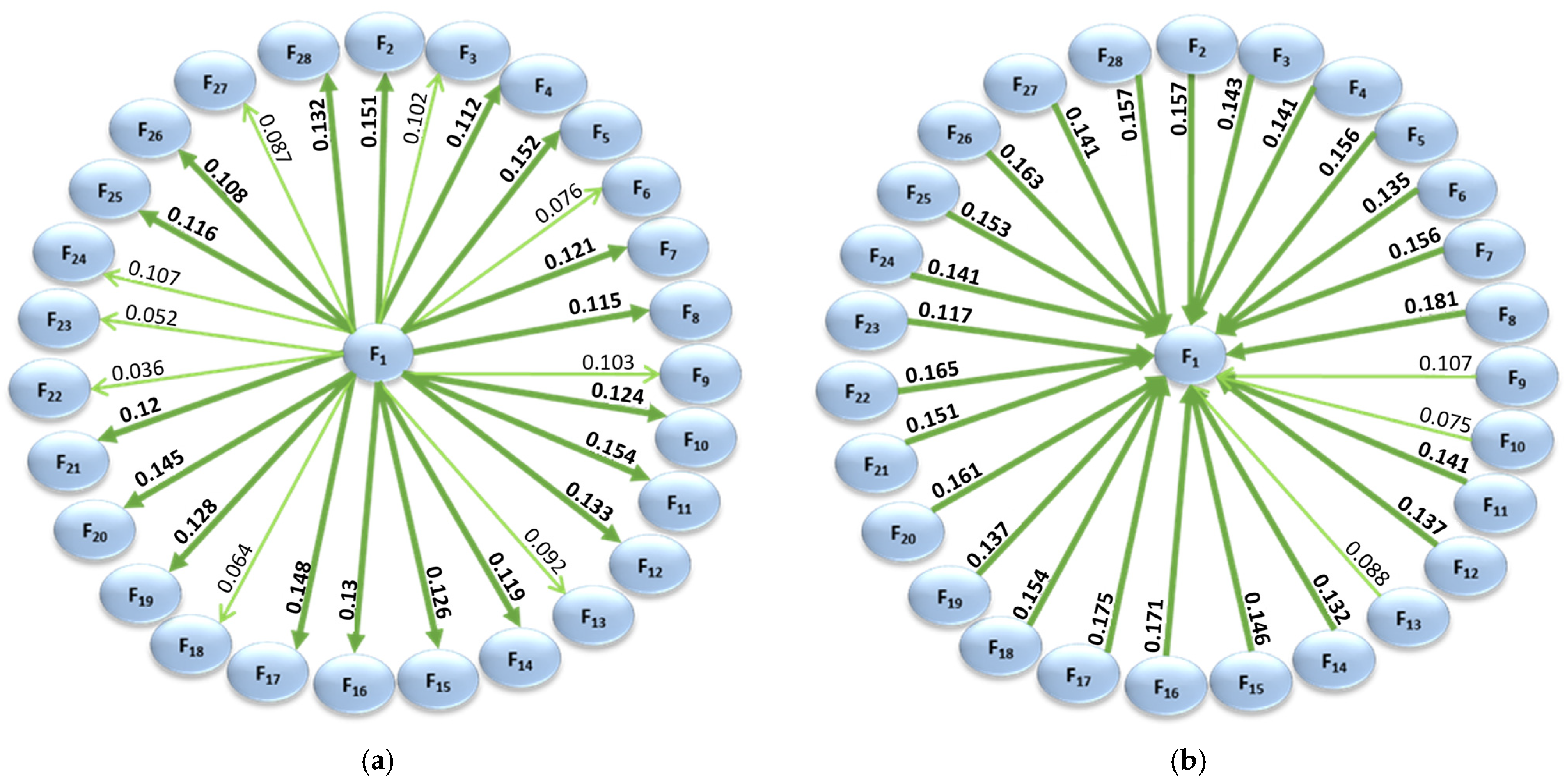
Disclaimer/Publisher’s Note: The statements, opinions and data contained in all publications are solely those of the individual author(s) and contributor(s) and not of MDPI and/or the editor(s). MDPI and/or the editor(s) disclaim responsibility for any injury to people or property resulting from any ideas, methods, instructions or products referred to in the content.

Article Metrics

Citations

Article Access Statistics

Multiple requests from the same IP address are counted as one view.


