You are currently viewing a new version of our website. To view the old version click .
Sustainability
  • Article
  • Open Access

23 April 2023

The Use of Normative Energy Calculation beyond the Optimum Retrofit Solutions in Primary Design: A Case Study of Existing Buildings on a Campus

,
,
,
,
,
and
1
College of Architecture and Urban Planning, Tongji University, Shanghai 200092, China
2
School of Urban Construction and Safety Engineering, Shanghai Institute of Technology, Shanghai 201418, China
*
Author to whom correspondence should be addressed.
This article belongs to the Special Issue Architecture, Urban Space and Heritage in the Digital Age

Abstract

There are significant differences between expectations and fulfillment in the building delivery process. Many researchers have emphasized the need for design strategies that establish a direct correlation between design proposals and building performance. One of the main objectives is to support performance-driven primary design, which occurs before the design performance modeling (DPM) phase. To achieve this, a case study of retrofitting existing buildings on campus is presented. A normative calculation approach is used to identify the optimal combinations of a dozen retrofit strategies based on the Energy Performance Calculator (EPC) model. This approach reduces or eliminates the impact of parametric uncertainties on modeling assumptions and simplifies calculations, particularly in restrictive studies. These retrofit solutions involve structural and functional zoning renovation, meaning that disparity between expectations and fulfilments is considered, and a timely related information feedback route to architects is achieved. In the first step of the narrative development of the EPC model, EPC-Calib was used to find the optimal combination of input variables in the model that satisfies the desired target and complies with the problem constraints. Secondly, the retrofit study was implemented with EPC-TechOpt, and 16 retrofit solutions for three design performance models were examined based on the local climatic conditions, building features, and retrofit costs. Finally, design schemes were determined, and the cost-optimal mix of the measures was desired with a 40% energy saving.

1. Introduction

Due to the growing population on campuses and the expanding range of activities available in the new century, modern university buildings are becoming more open and their functions are becoming increasingly complex, leading to a richer campus life [1]. Building renovation should pay attention to the development of function and space as well as the improvement in energy computation efficiency. Buildings on campus have three outstanding characteristics. Firstly, the renewable and diversified educational and sociable needs of the building space require confirmation. Secondly, the energy distribution of a single building unit is affected by others in the network. Thirdly, obvious energy consumption periodicity could be observed due to winter and summer vacations, and it is profitable to have energy-efficient strategies in special periods. This paper attempts to develop a deterministic decision-making method for finding the optimum set of retrofit solutions for existing buildings on campus. These retrofit solutions include structural and functional zoning renovation, meaning that disparity between expectations and fulfilments is considered, and a timely related information feedback route to the architects is achieved [2,3,4].

1.1. Performance-Driven Architectural Design

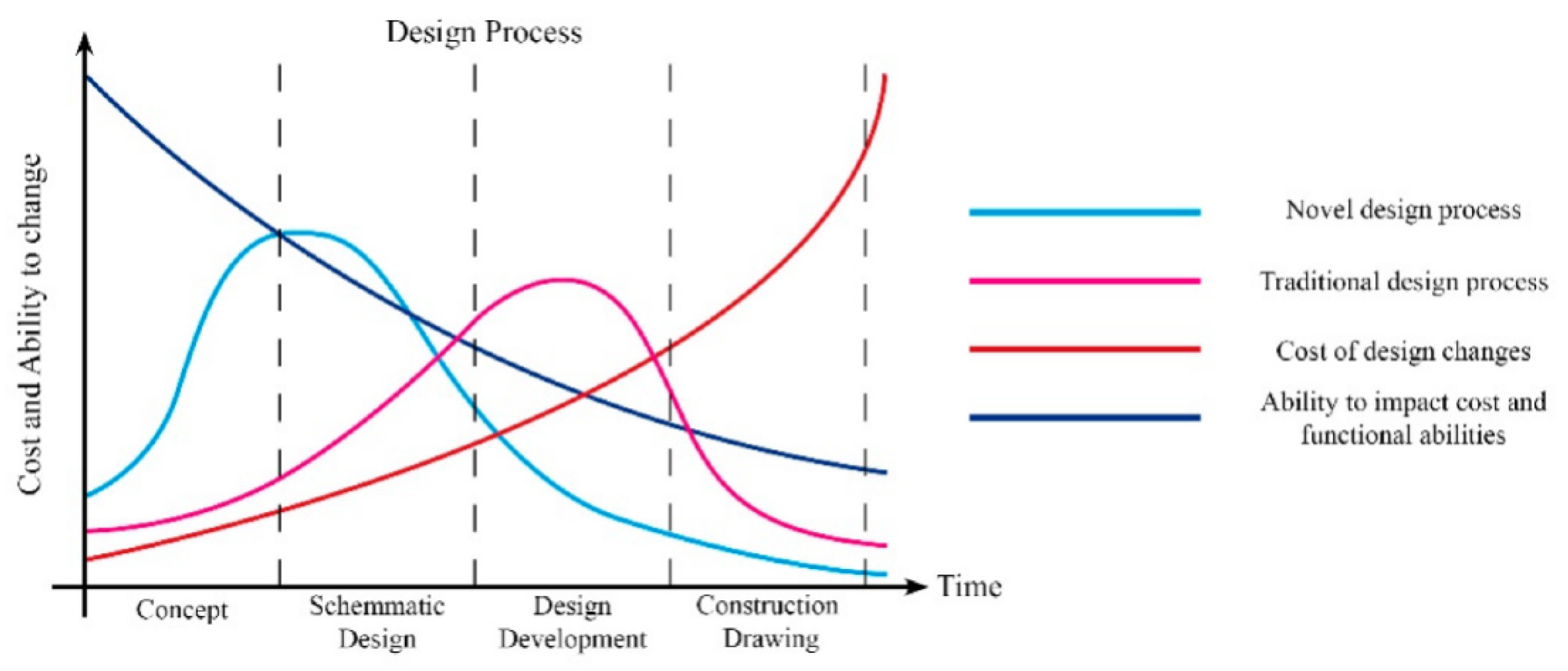
Many scholars emphasize the importance of establishing a direct correlation between design proposals and environmental performance [5]. Typically, performance evaluation is conducted as a review after design completion in traditional design processes. During the process, a professional division of labor occurs, with architects concentrating on morphological design while HVAC and green building engineers assess environmental performance [6]. This approach separates the design process from performance optimization, which is commonly referred to as the “post-evaluation” paradigm [7]. However, this separation may result in the incomplete optimization of building performance. It has been demonstrated that improving designs in later stages results in minimal benefits with significant costs [8]. Therefore, extensive research has been conducted on the early stages of design [9] (Figure 1). In this situation, certain architectural design studios and firms, such as Architectural Intelligence Group (AIG), Digital Future Studio (DF), and AECOM iLAB (Innovation Laboratory), are dedicated to finding appropriate pre-evaluation tools or procedures in response to the expectations expressed by owners and occupants, and their fulfillment by designers and building operators. One critical aspect is to facilitate dialogue between designers, engineers, and building managers, as differences in expectations and fulfillment are common throughout the building delivery process [7].
Figure 1. Time-utility distribution between sustainable and conventional processes [10].
In recent years, architectural generative design has tended to develop in two directions. (1) Using data-driven models for building design. This mainly involves using artificial intelligence technologies (such as convolutional neural networks and generative adversarial networks) to learn from computationally intensive numerical simulation cases (i.e., data sets pre-set for machine learning), generating a large number of multidimensional parameters that fit the target within a certain period of time, and then iterating optimization to mimic the human thought process of architects repeatedly deducing based on limited building environmental information during the design phase (calculations are generally based on the black-box model). For example, Chenyu Huang etc. [5] propose an automated design process that utilizes a generative adversarial network (GAN) as a surrogate model to expedite environmental performance-driven urban design. Soowon Chang et al. [11] propose a data-driven urban design approach to generate possible design alternatives using reinforcement learning, and a design-driven analysis was conducted to evaluate multiple performance criteria of urban buildings using parametric modeling. The multivariate analysis presented relationships between urban geometric forms and performance criteria using 30 samples. (2) Architect-centered human-computer interaction is used to improve the interactivity of performance evaluation during the design process (calculations are generally based on the white-box or grey-box model). Some researchers have built data and visual interfaces between numerical simulation software and 3D modeling platforms [12,13]. Multiple versions of Ladybug tools have been developed and embedded in mainstream 3D modeling platforms, providing user interfaces to environmental performance simulation engines, such as Radiance, EnergyPlus, and OpenFOAM. These softwares and plug-ins make it much easier to evaluate the environmental performance of buildings in the early design stages.
These numerical simulations primarily rely on detailed physical models, such as Energyplus. However, the core algorithm of this model is not specifically tailored for data-driven generative design with limited quantitative information and a significant computational load. This limitation affects both the accuracy and computational efficiency of the model. As the design phase progresses, the amount of graphical information increases while the level of abstraction decreases due to the continuous input of conditional information. The spatial quantity, shape, and quality of the building are interdependent and constantly changing, making it challenging to quantify building information. Therefore, a large number of core parameters must be assumed to carry out Design Performance Modeling (DPM), which may lead to calculation errors due to insufficient assumptions. The physical detailed model itself also requires assumptions and simplifications, which have been proven to increase calculation errors. Currently, surrogate models are generally used to balance the computational load, but this further exacerbates calculation errors. The calculation process has a certain time and resource cost, and the use of surrogate models makes it almost impossible to retrace the calculation process. We propose the normative energy calculation method for this research area that releases a large amount of computational power while ensuring the same accuracy as the physical detailed model. Its standardized calculation process is transparent and conducive to retrospective checks. It is easy to program, operates quickly, and can be better integrated with data-driven models, and embedded in building intelligent generative design workflows [14,15].

1.2. Application Feasibility of the Normative Energy Calculation in Building Performance Prediction

It is evident that the current methods for “post-evaluation” are insufficient to maintain and support dialogues between engineering technology and architecture design in the conceptual or preliminary design stage (as well as for building renovation) [16,17]. Many aspects of performance in this stage can only be interpreted based on qualitative judgments since sophisticated dynamic energy simulation programs (e.g., the European ESP-r, the US standard program DOE-2 and its successor EnergyPlus, and the IDA program) require whole building modelling [18,19]. However, the specifications of every single material parameter and the dynamic environmental conditions are unavailable in the initial stage. It is also time-consuming for comprehensive data preparation and computing processing, and unpredictable manifestations of the architectural design in its future and changing context of use make it more difficult to be conducted by quantitative analyses [1,20]. In this situation, the EPC is appropriate for estimating where and when the availability of the specialized strategies or the optimal combinations among a dozen strategies can be considered in the initial stages of design for architects and then can be followed up by the appropriate provision in the actual design.
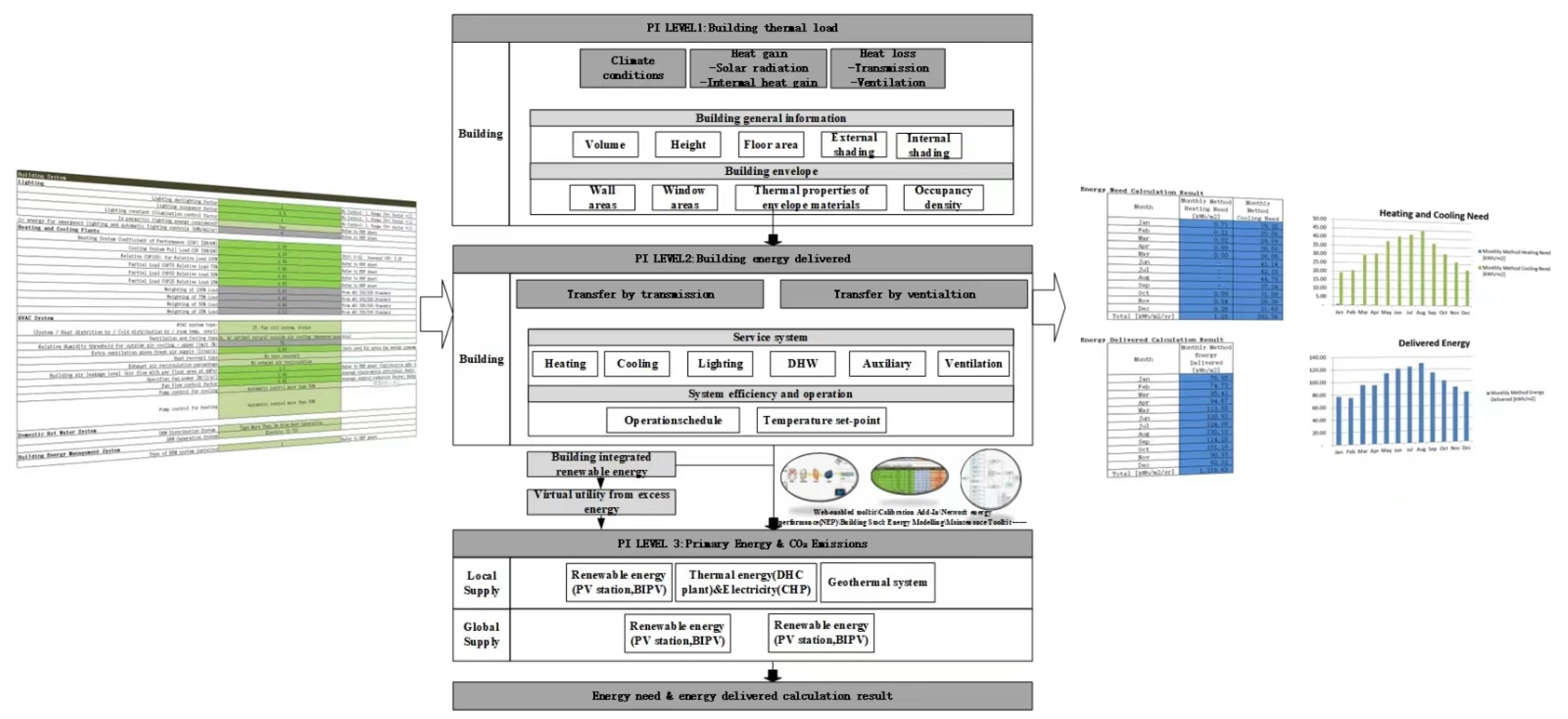
The normative EPC rating method could be regarded as an alternative to the LEED-EAcl score, a non-simulation-based simpler method, which is widely accepted in Europe based on the EN ISO 52016-1:2021 [21]. Each building energy performance rating method has a distinct approach to the calculation of building energy efficiency. Many papers [15,19,22,23,24,25,26,27] discussed the basis of the calculations and compared them on the merits of their methods. The absolute differences between the outcomes of the two methods were found to be 20% or less in the Energy Use Intensities (EUIs), and EPC was observed to be equally adequate for the building rankings [28]. Figure 2 depicts a schematic diagram of this normatively defined calculation procedure for building performance analysis. In level one, the total thermal energy demand is calculated without any system information. It could be interpreted as the building energy performance evaluation in the primary stage. It takes into account energy gain (i.e., solar, internal, and system heat sources) and loss (i.e., transmission and ventilation), as well as thermal inertia driven by the building mass. This thermal energy demand, in turn, determines the energy consumption in level two, where the delivered energy is separately designed and calculated for each energy carrier (water or air delivery and transmission losses). On-site renewable energy generation is considered, and according to the delivered energy calculation of this level, the primary energy and carbon emissions are calculated in level three. The specific details of the energy supply utilities and network could be added. This study uses Tech-Opt [29], an added feature to the EPC calculator, in level one, which is based on a metaheuristic method. Due to the complexity of the optimization problem, the evolutionary algorithm is the means that best suits this optimization task [30,31].
Figure 2. Energy calculation flowchart of the EPC.

2. Methodology

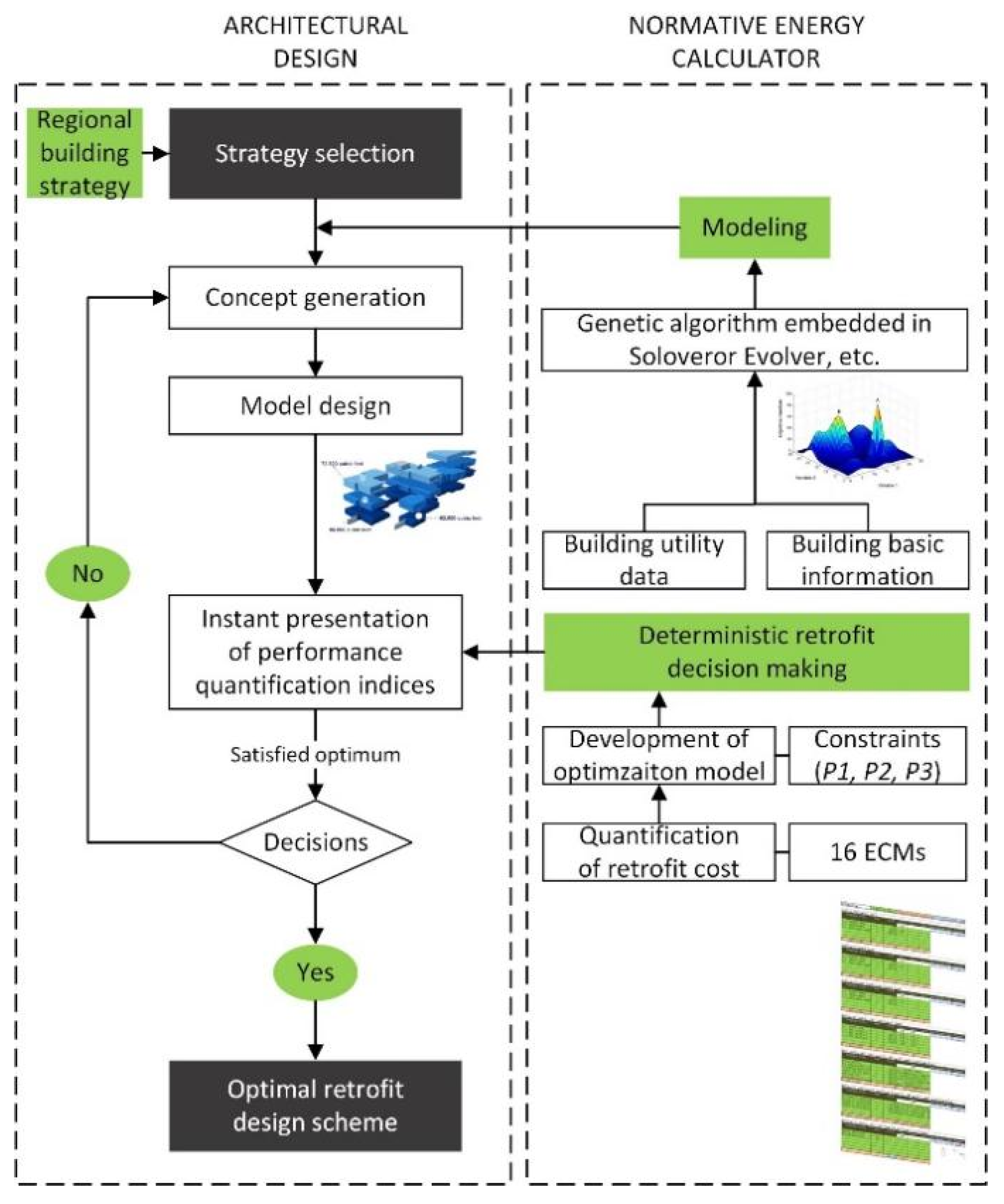
To establish an effective dialogue between architectural design and engineering-related building thermal performance assessment, a deterministic optimization mechanism was developed for sustainable building retrofit measures. Three outstanding characteristics of buildings on campus were considered during the retrofitting decision-making. (1) The renewable and diversified educational and sociable needs of the building space require confirmation. (2) The energy distribution of a single building unit is affected by others in the network. (3) Obvious energy consumption periodicity could be observed due to winter and summer vacations, making it profitable to implement energy-efficient strategies during these periods.
In this study, for question (1), EPC-TechOpt was utilized to redesign the building according to the functional needs, while considering optimal solutions for diverse needs such as space function, cultural environment, heritage of historical buildings, energy conservation, and performance maintenance and update. For questions (2) and (3), EPC Calibration was employed for information acquisition and input data optimization. The calibration process was based on the minimization of the overall difference between the values from the real building utility data and the results from the simulation. The weighted method was used to adjust the energy supply based on the needs of teaching activities (Figure 3).
Figure 3. Research framework of the methodology.

2.1. Building Prototype

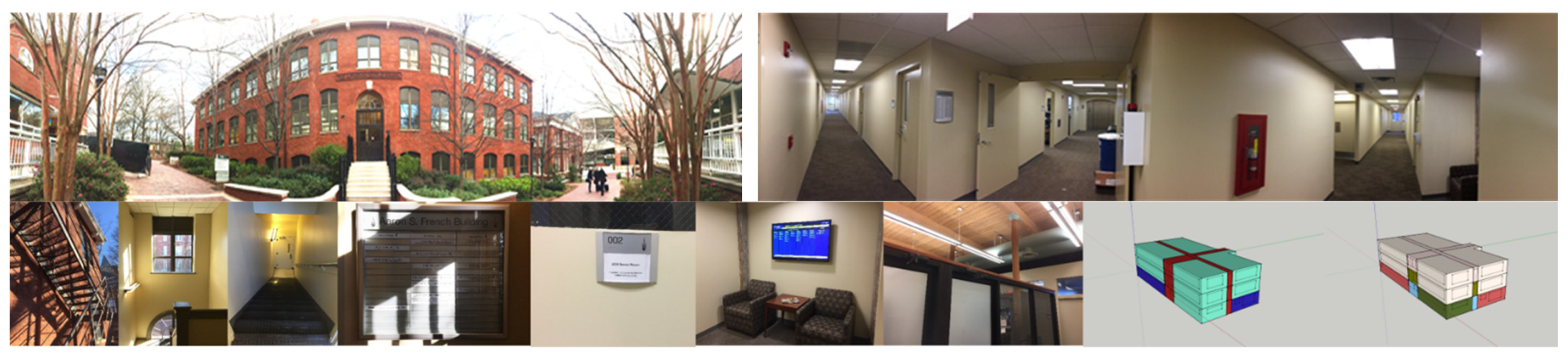
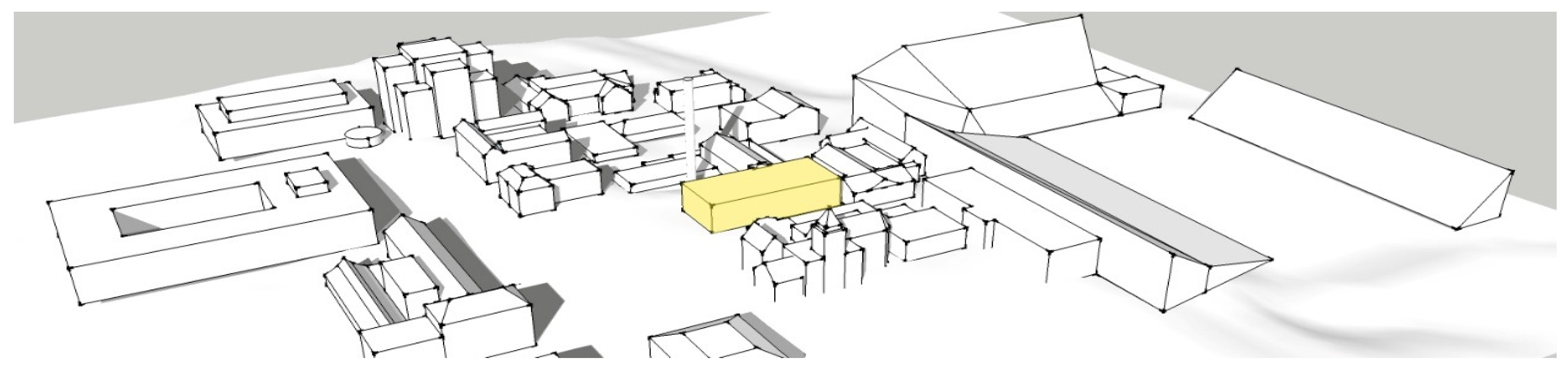
A French Building (AFB) located on the campus of the Georgia Institute of Technology (Atlanta, GA) is employed as an office building prototype (Figure 4). It serves as one of the main office buildings on campus and was completed in 1898. There are 20 adjacent buildings within a 200 m radius. The north–south height difference of the construction environment is 11.2 m, and the east–west height difference is 14.0 m (Figure 5).
Figure 4. Exterior and interior panorama of the A. French Building (Openstudio model L: Space type, R: Thermal zone).
Figure 5. Aerial view and general layout of the A. French Building.
AFB is a single building (2.5 floors above ground and 0.5 floors underground) with a basement, which is used as the electro-mechanical room and the ECS room. According to the EPN, thermal zoning is divided into two thermal zones (office area as well as corridor, elevator hall, and leisure area) on each floor of the above-ground building and two thermal zones on the basement floor (mechanical zone as well as corridor and elevator hall). Moreover, the heat and cold sources come from the network of campus utilities.
AFB design information is summarized in Table 1. The MECH-HVAC data were the original value in 1983, and AFB was retrofitted. There are common differences between the historic building utility data (provided by the Georgia Institute of Technology Libraries). Annual real-life electricity data were collected for a baseline scenario of the current usage profile of the modeling production for 15 min as an interval and 01/01-12/31 as a period. In addition, it had 35,136 measured points with 11 data points missing in this case.
Table 1. General properties of the aimed building.
In some cases, the utility data may be shared among neighboring buildings, and the ammeter may be outdated or subject to external factors that are not accounted for in the EPC. The solution was testing and finding the optimal combination of input variables in the EPC energy-building model that satisfied the desired target and complied with the problem constraints using Tech-Opt, an added feature to the EPC calculator, which brings a template into the EPC input spreadsheet to be populated with data related to the optimization problem (Table 2).
Table 2. Envelope properties of the prototypical building.

2.2. Shading Analysis

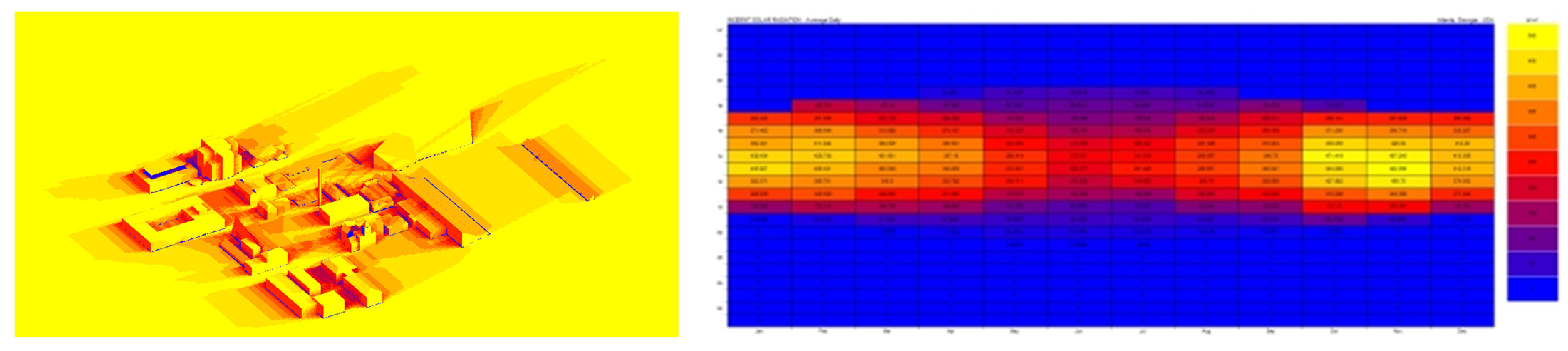
As an effective parameter for solar heat gain, the shading reduction factor (SRF) of the facade and roof is calculated as input data for EPC. The construction environment is displayed in Figure 6 to provide better visualization of truthful reflection emitted as heat or energy.
Figure 6. Overall effect and average daily solar exposure of the south facade.

2.3. Data Optimization

In this section, we concentrate on the common problems in information acquisition and input data optimization of historical campus buildings using EPC calibration. For delivery of energy-related parameters, firstly, most middle-size campus buildings (e.g., AFB) do not have independent cooling and heating sources. Hence, direct COP data input will make the calculation result inaccurate; hence, the weighted method was used in this study. Secondly, the dispersion of some public functions on campus is generally undertaken by non-teaching buildings. In this case, there are electrical and mechanical rooms on the underground floor where appliances are quite different from the official zones. Hence, the Mechanical Room (MR) performance was calculated separately, and two independent cases were tested. In addition, the related values reduce significantly for cooling and heating energy-related input data during the winter and summer vacation, and the weighted percentage in EPC calibration could be adjusted to suit the specified scenario.
The process of determining the range of input parameters in the calibration operation was as follows: (1) obtaining the actual energy consumption data by interpreting the meter and inserting it into EPC-Calib as a parameter, and (2) determining the range of calibration parameters (continuous variables). This simulation set a range of values for 9 unknown input values (Table 3).
Table 3. Main calibration parameter ranges.
The calibration process was based on the minimization of the overall difference between the values from the real building utility data and the results from the simulation. The solver was set to minimize the value contained in the cell that calculates the overall difference during the entire year. There were two modes for this calculation:
  • The non-weighted method: It calculated the average of all four sets of comparisons throughout the whole year.
  • The weighted method: It calculated the average value of the differences multiplied by the established weights. This formulation is convenient because it enables the user to consider impact weights for the building data. This is performed on a monthly basis for each set of building data. Whenever weight is specified as zero, it means that the respective set or the respective month is not considered in the calibration process. The range of variation of the weights is defined in the maximum and minimum weight cells.
The main governing equations for these two methods are as follows:
For District Heating
Φst = Hdi * QHnd * | S |
If there is district heating (user decision), then Hdi = 1 ELSE Hdi = 0.
where QHnd is the heating need energy (kWh/m2), S is the gross floor area (m2), and Φst is the district heating (e.g., steam) (kWh).
For District Cooling
Φcw = Cdi * QCnd * | S |
If there is a district cooling source, then Cdi = 1 ELSE Cdi = 0.
where QCnd is the cooling need energy (kWh/m2), and Φcw is the district cooling source (e.g., chilled water) (kWh).
For Electricity Delivered
Φel = (Etotal − ECool − Eheat) * | S |
where Φel is the electrical energy (kWh/m2), Etotal is the total delivered energy (kWh/m2), Ecool is the delivered cooling (kWh/m2), and Eheat is the delivered heating (kWh/m2).
For the Overall Difference During the Entire Year (Weighted)
The building utility data (kWh) are divided into four categories: delivered electricity, district heating, district cooling, and delivered gas, which are weighted twice: once for the monthly weight decision and another for the category weight decision. For example, the overall difference during the entire year (weighted) is defined as:
Went= (AVel * W′el + AVht * W′ht +AVcl * W′cl +AVgas * W′gas)/SUM(W′el + W′ht + W′cl + W′gas)
where AVel is the annual average of the electricity delivered energy (kWh/m2), AVcl is the annual average of the cooling district energy (kWh/m2), AVht is the annual average of the heating district energy (kWh/m2), and AVgas is the annual average of the gas energy (kWh/m2). Furthermore, Wel, Wht, Wcl, and Wgas are the average of the four differences, which are manually entered, and the minimum weight and maximum weight are 0 and 3, respectively. However, if the weight of an item is 0, the difference of that item should not be taken into account. That is:
W′el, W′ht, W′cl, W′gas = IF (Wel, Wht, Wcl, Wgas <> 0, 1, 0)

2.4. Scenarios and Criteria

According to a reference resource of energy efficiency measures (EEMs), when performing an energy audit, efficiency measures available were considered without extensive changes (e.g., converting an internal courtyard into an atrium to reduce external wall surfaces). Sixteen optimization scenarios were set to derive the optimistic and cost-effective measures (Figure 3). The optimization algorithm was run for each measure with starting conditions and was controlled by the users with the main index input at various technology levels. The baseline index or value in this study is displayed in Table 4.
Table 4. Potential retrofit measures for A. French Building.
The criteria to evaluate the retrofitting performance are defined below.
Objective Function: The net present cost (NPC) of 20 years, in dollars, is defined as:
NPC = P1 + P3
Overall Parameter 1 (P1): The premium cost of the mix of technologies, in dollars, is composed of the cost of a group of retrofit solutions used in the prototype as follows:
P1 = Cdl + Coc + Cil + Ccop + Chr + Car + Cal + Cdhw + Cbew + Cpv + Csol + Cap + Clt + Crf + Copa + Cwin
where Cdl is the daylighting factor of lighting energy effectiveness, Coc is the occupancy factor of lighting affection, Cil is the lighting constant illumination control factor, Ccop is the heating and cooling plants efficiencies (COPs), Chr is the heat recovery type, and Car is the exhaust air recirculation percentage. Moreover, Cal refers to the building air leakage level (air flow m3/h per floor area), Cdhw denotes the DHW generation system, Cbew is a type of BEM installed system, Cpv is the PV module surface area (m2), Csol is the solar collector surface area (m2), Cap is the appliance (W/m2), Clt is the lighting (W/m2), Crf is one type roof being studied, referred to “the roof 1”, Copa is the opaque 1, and Cwin is the window 1.
Each part of the calculation relies on the EPC internal logic according to the ISO91 standard (Figure 2). The impact of each strategy on the building performance is converted into energy consumption results, and the criteria are as follows. Take light Cdl as an example:
Cdl = OFFSET (inside, variable,0,1)
where the variable (a sequential index, 1, 2, 3, 4...) is linked with the solver.
Overall Parameter 2 (P2): Total delivered energy savings per cost of 20 years (kWh/USD) is defined as [1]:
P2 = ((Eheat + ECool + Elight + Efan + Epump + Eos + EDHW − Egen_pv − Egen_wind) * S * 20)/ P1
where P2 is the delivered energy (kWh/m2/yr), Eheat is the delivered heating energy (kWh/m2/yr), ECool is the delivered cooling energy (kWh/m2/yr), Elight is the lighting energy (kWh/m2/yr), and Efan is the fan energy (kWh/m2/yr). In addition, Epump is the pump energy (kWh/m2/yr), Eos is the appliance energy (kWh/m2/yr), EDHW is the domestic hot water energy (kWh/m2/yr), Egen_pv is the photovoltaic generation energy(kWh/m2/yr), Egen_wind is the wind turbine system generation energy(kWh/m2/yr), and S is the gross floor area (m2).
Overall Parameter 3 (P3): Total electricity cost (i.e., present cost, dollars) is defined as:
P3 = −PV (Dic, Pan, Cel)
where Dic is the discount rate, Pan is the period of analysis (years), and Cel is the annual electricity cost (USD/yr).
Since the evolutionary algorithm is a metaheuristic method, one cannot assure that a solution will be achieved, and if found, it is already the global optimal solution. Therefore, different values are kept in a range. For example, based on scenarios tested in Tech-Opt, the simulation times and results showed that the Mutation Rate may be kept in the range between 0.3 to 0.95, and 0.75 is inserted. The Population Size should be in the range of 10 to 50, and population numbers of 10 or 20 have been key elements to help the solver escape from pitfalls in the solution space. However, depending on the configuration of this problem, a smaller population number may require repeated runs in order to achieve better solutions. Moreover, the value of the Random Seed is left empty to try a different search at every run. In addition, the Maximum Time without improvement is set to make quick checks to see where the optimization is going or to let it run through more time to try to find better solutions, which is 80 in this case.

3. Results

3.1. Shading Analysis

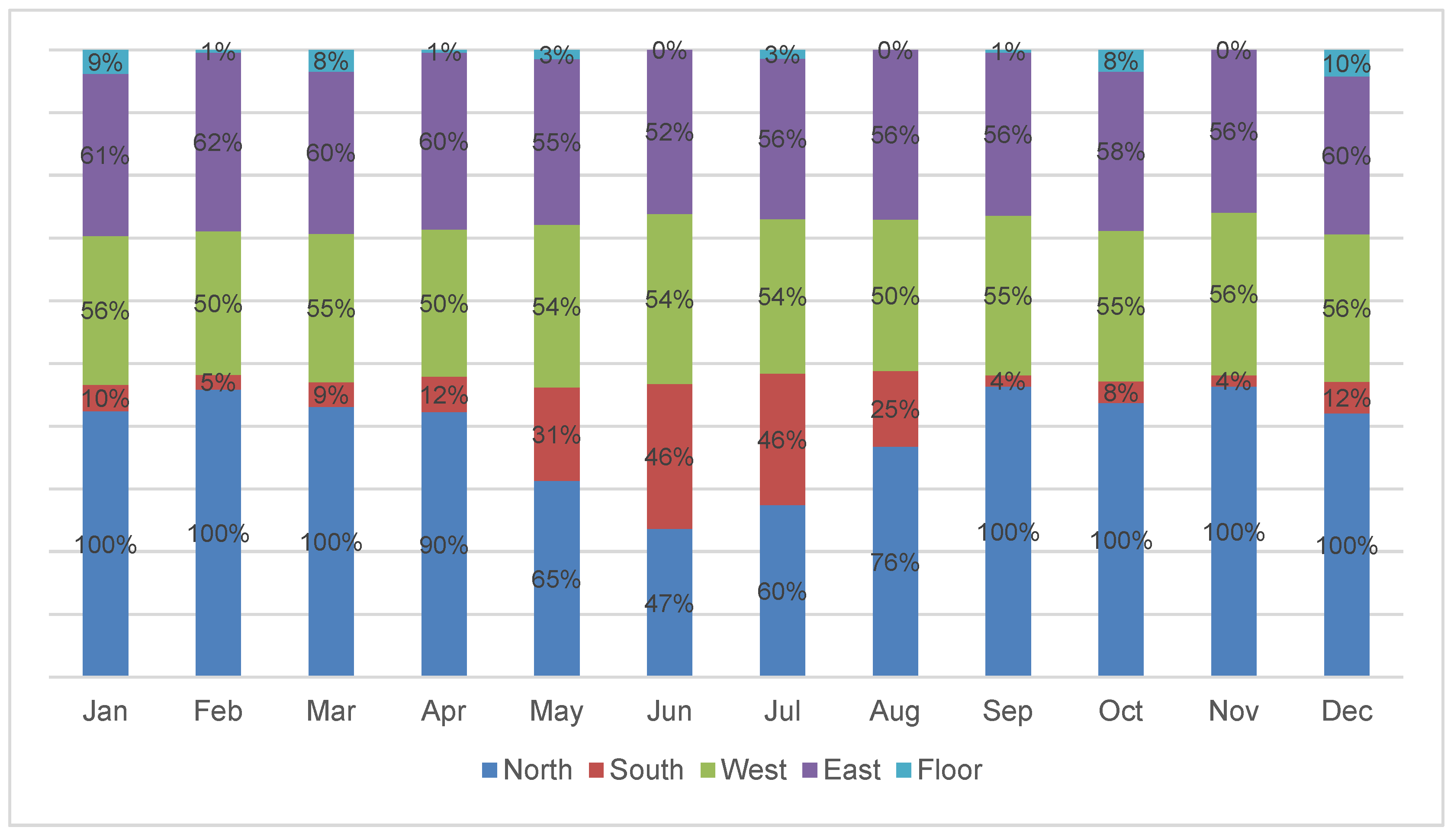
In this study, the shading reduction factor (SRF) of the facade and roof was calculated as input data for the EPC. The annual average shadow percentage value for each facade was compared in Figure 7. It can be observed that the sunshine hours of the south facade were susceptible to the surrounding environment with an annual average shading rate of 17.7%, while the roofs were less affected with an annual average rate of 3.7%.
Figure 7. The annual average shadow percentage value for each facade.

3.2. Data Optimization

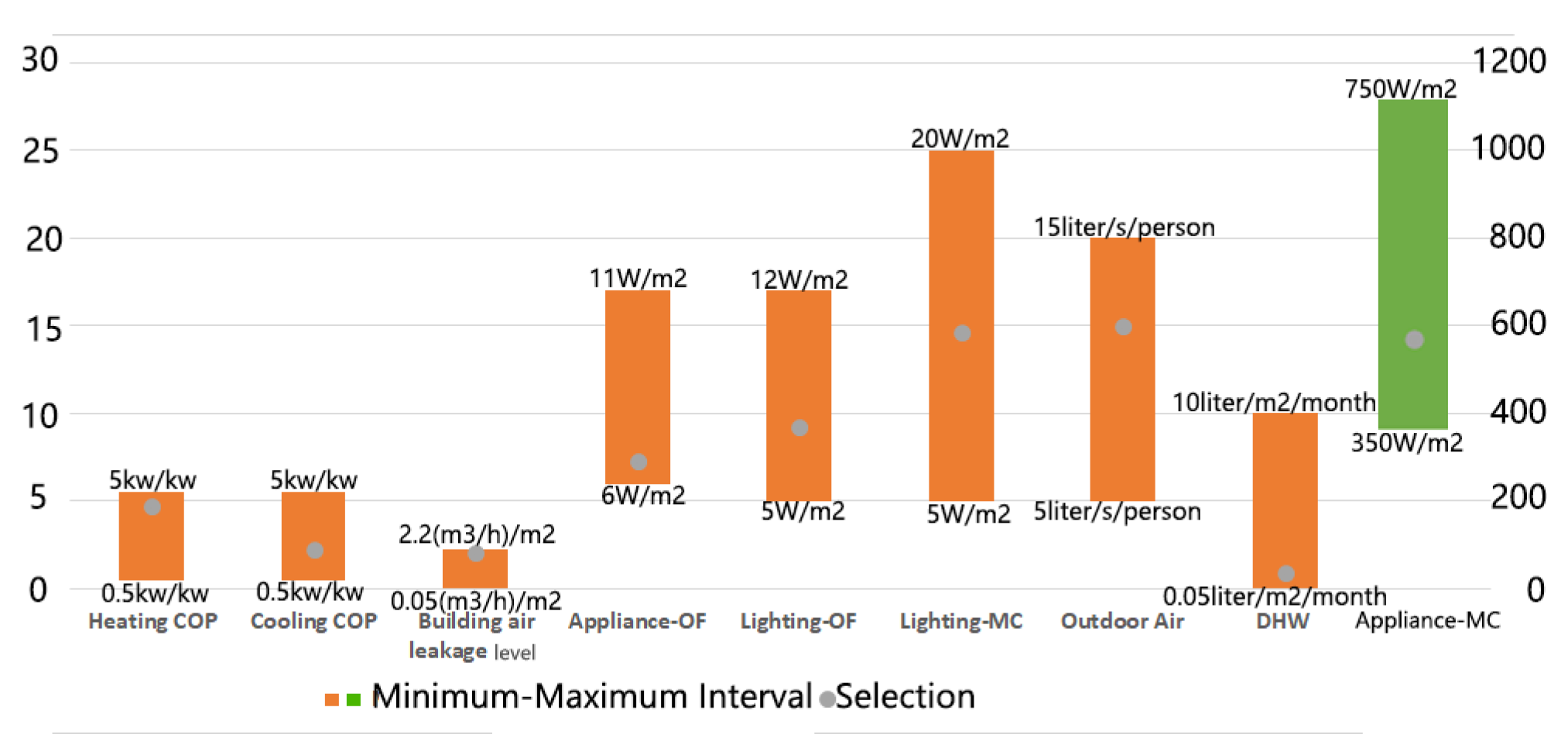
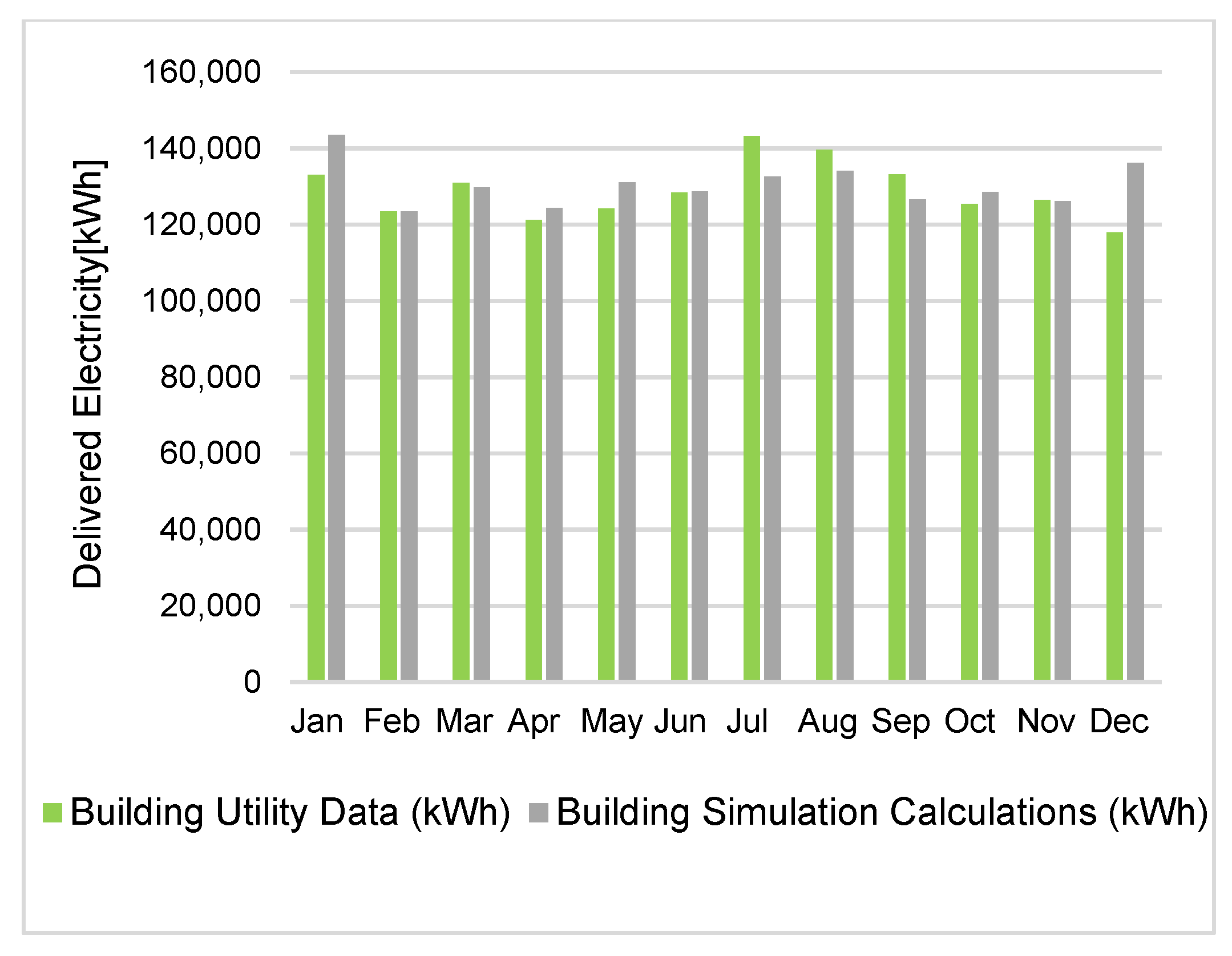
The overall difference (weighted) in the various indicators obtained using the calibrated parameter values was analyzed (Figure 8). The bar chart represents the value range of each parameter, and the gray dots indicate the calculated selection. The measured energy consumption data during the entire year was maintained below 10% (Figure 9). It should be noted that the weighted value was employed because AFB has no district heating source (e.g., steam), which made the actual measured value deviate from the simulated one.
Figure 8. Calibration parameter (continuous variable) minimum–maximum intervals (stacked histogram) and selections.
Figure 9. Monthly differences between measured energy consumption data and verification results of A. French Building (delivered electricity).
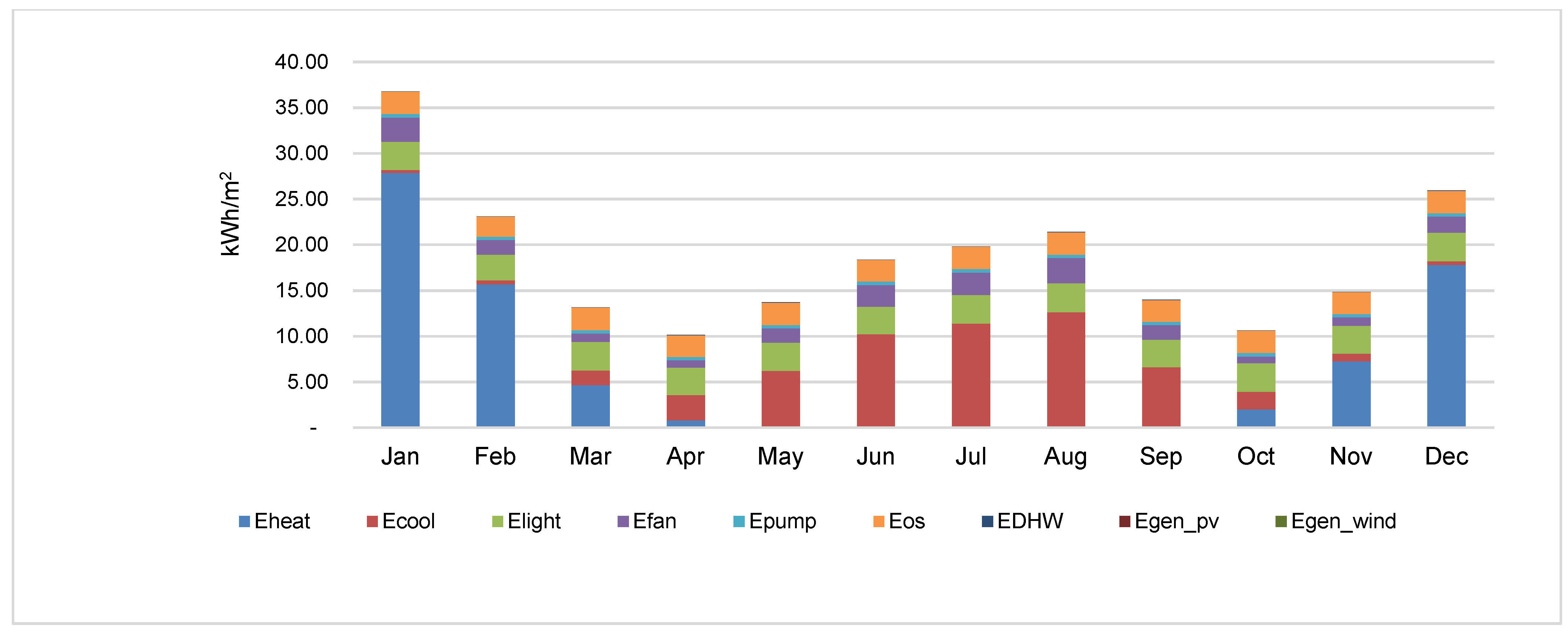
Figure 10 illustrates that cooling and heating needs for above-ground structures accounted for the largest portion of energy consumption (59.8% of total delivered energy consumption), followed by appliance energy (12.9% of total consumption). Lighting and ventilation-related factors also contributed significantly (16.3% and 9.1%, respectively), which should draw the attention of architects. This is because improving daylighting conditions or increasing natural ventilation by reducing building depth are common strategies for designing semi-enclosed spaces.
Figure 10. Annual delivered electricity of the aimed building.

3.3. Renovation Strategy Ranking and Primary Design Scheme

Design strategies that take into account local microclimatic conditions can lower the overall energy consumption of buildings. In this study, the renovation strategies that guide the primary architectural design were focused on, which aimed to redistribute the unit function space to meet diverse needs while also saving energy. The construction phase involved the use of EPC-TechOpt to calculate the efficiency variation in energy consumption caused by specific design values (such as the area of the south facade of the newly added structure), which helped architects balance the benefits of spatial adaptability and energy conservation. The Renovation Strategy Ranking and Primary Design Scheme were assessed using a retrospective analysis approach, wherein the energy consumption data of the pre-renovation and post-renovation periods were compared. The results showed that the proposed renovation strategies and primary design scheme successfully reduced the energy consumption of the building.
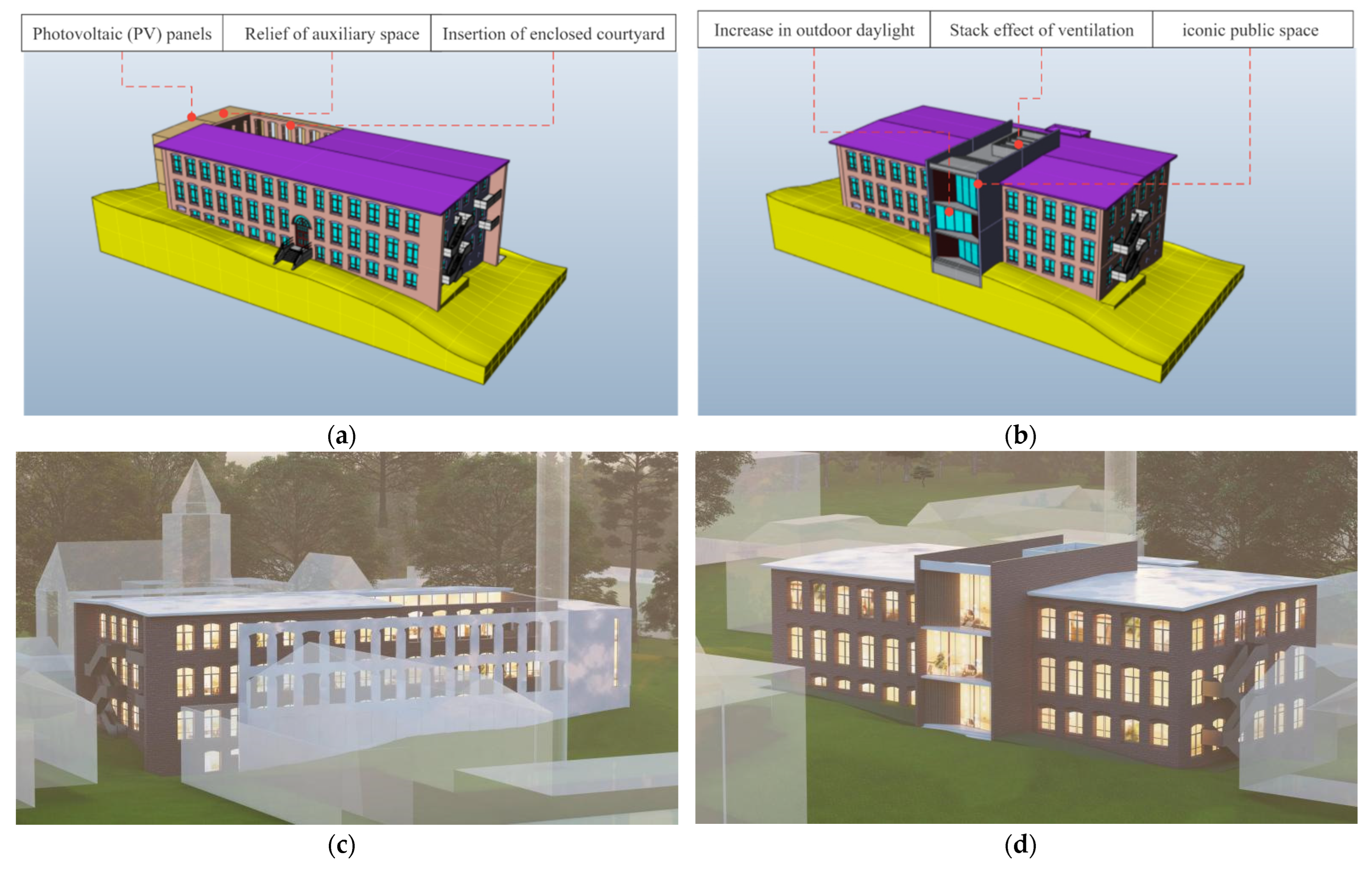
In Figure 11, two design schemes were presented that were created by architects who concentrated on meeting diverse educational and social needs, as well as renovating the building. These schemes were compared to the original model, which only included improvements related to thermal performance. The architectural design details were shown in Figure 11a,b. It is important to note that comparing the energy consumption performance of each scheme for deterministic retrofitting was not meaningful, as the renovation of space functions had to be taken into account. However, it could provide useful indicators for designers to assess the impact of design decisions on energy consumption performance, in conjunction with optimization options.
Figure 11. Design schemes considering the instant presentation of performance quantification indices. (a) Design Scheme I: The lobby and traffic area are centralized to provide sufficient and efficient public space. (b) Design Scheme II: The traffic evacuation units are rearranged for more applicable public space creation. (c) Rendering of design Scheme I. (d) Rendering of design Scheme II.
Figure 11a depicts a design scheme that concentrated on creating a more open and collaborative space for students and staff. The scheme included the removal of walls and the addition of glass partitions to create a more open and flexible space. The scheme also included the installation of solar panels on the roof, which helped to generate renewable energy and reduce the building’s reliance on fossil fuels. The scheme also included the installation of energy-efficient lighting and HVAC systems.
Figure 11b depicts a design scheme that concentrated on creating a more sustainable and energy-efficient building. The design also included the installation of energy-efficient glazing and insulation, which helped to reduce heat loss and improve thermal performance. The scheme included the use of natural ventilation and daylighting to reduce energy consumption.
Overall, both design schemes demonstrated the potential for architects to create buildings that meet diverse needs while also improving energy performance. By using computational design tools and optimization options, architects could assess the impact of design decisions on energy consumption and make informed decisions that led to better-performing buildings.
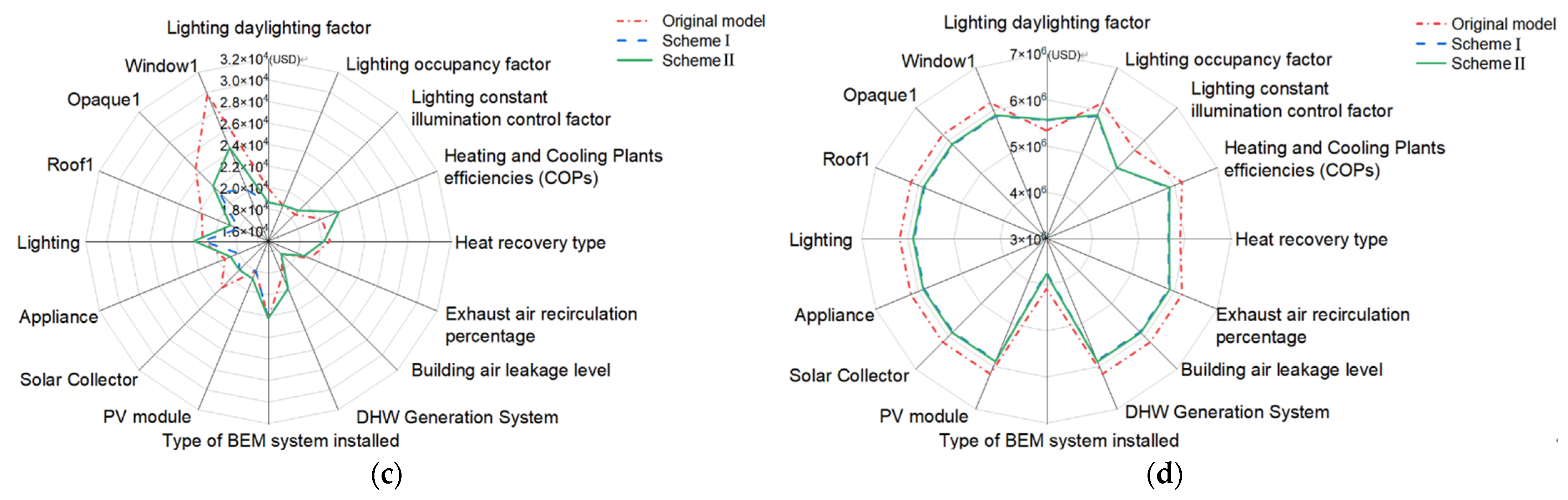
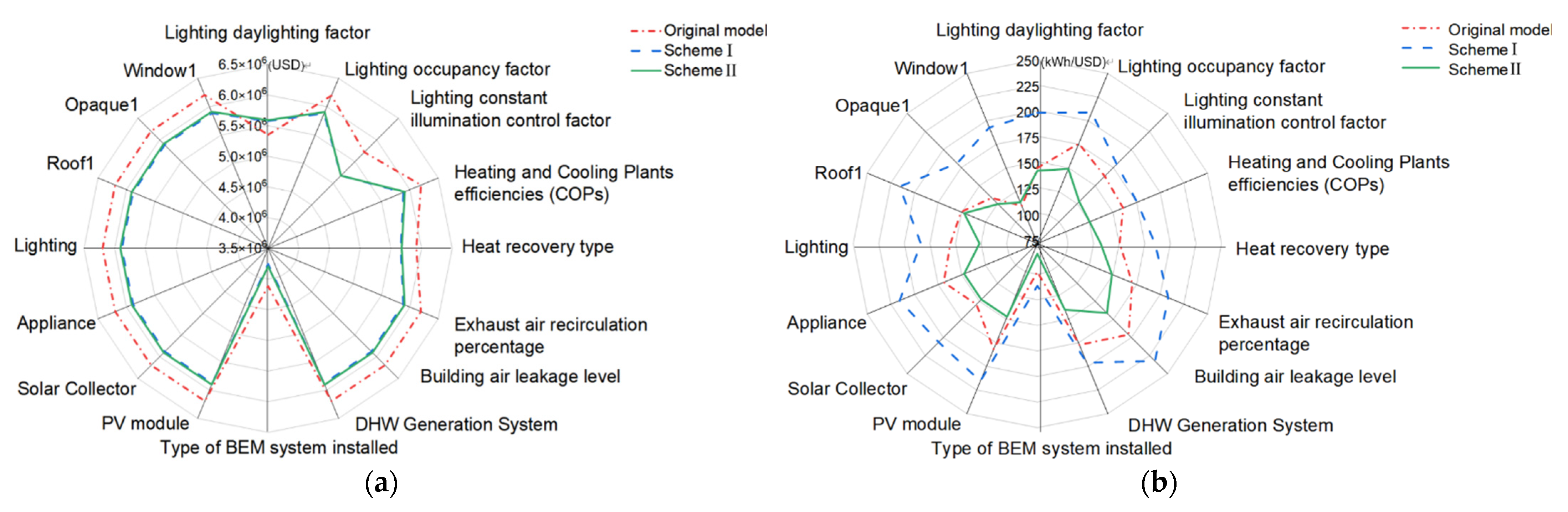
The optimistic efficiency performance of 16 retrofit measures for three design models (Original model, Scheme I, and Scheme II) is displayed in Figure 12. As is mentioned above, indexes (variables) of each retrofit measure are automatically calculated and sorted by the EPC calculator to help architects find the optimal solution of each retrofit solution. The following is an analysis of the energy-effective performance of each strategy in each scheme. The NPC and P2 (total delivered energy savings per cost) were treated as the main index, while a detailed evaluation could be depicted by P1 (premium cost of a mix of technologies) and P3 (total electricity cost). Slight drop trends were observed for the net present cost of the schemes (4.90% for Scheme I and 4.60% for Scheme II) from the original model, which improved thermal properties without space change, primarily driven by the distinct total electricity cost. In comparison, the energy-saving effect of Scheme I for total delivered energy savings per cost was significantly better than others (24.80% compared to the original model).
Figure 12. The optimistic efficiency performance of 16 retrofit measures for three design models. (a) The net present cost. (b) Total delivered energy savings per cost. (c) Premium cost of mix of technologies. (d) Total electricity cost.
Furthermore, the type of installed BEM system accounted for a relatively higher premium cost ($22,200.00, the average value of the three models), second only to the window improvement ($24,780.00), indicating an obvious potential for the total electricity cost of 20 years ($3,866,552.34). It also demonstrated a remarkable positive performance regarding the net present cost. The second recommended option is a lighting constant illumination control factor improvement, with a 37.77% cost increase compared to the installed BEM system type.
Figure 12b indicates a view different from the NPV and P3 implications since the premium cost of the mix of technologies and total electricity cost were not a level amount. According to this index, the building air leakage level was regarded as the most favorable option (198.23 kWh/USD), followed by the alternative envelope improvement (roof, 171.29 kWh/USD). The PV module in Scheme I shows significantly effective delivered energy savings per cost (215.68 kWh/USD) because there were newly added surface areas in the south and west façade of this scheme.
Overall, if sufficient and efficient public space is valued, Scheme I could be obtained by achieving 39% energy saving (with the top four retrofit measures: type of BEM system installed, lighting constant illumination control factor, lighting daylighting factor, heat recovery type) with the premium cost of the mix of technologies at $134.12 kWh/m2/yr. While the traffic evacuation unit rearrangement was esteemed, Scheme II could be obtained by achieving a 44% energy saving (with the top four retrofit measures: type of BEM system installed, lighting constant illumination control factor, lighting daylighting factor, heat recovery type) with the premium cost of the mix of technologies at $124.49 kWh/m2/yr.

4. Discussion

4.1. Limitations and Effects on the EPC Calculation

The EPC calculation is more effective for cooling calculations than for heating. One reason for this is that heating calculations involve many complex factors and interrelationships. Energy performance is calculated on a monthly basis, and generally, buildings in Atlanta require more cooling than heating. Additionally, some heating demands may be unknown, such as when cooling is needed during the daytime when the outdoor temperature is 20 °C, while heating is required during the night when the outdoor temperature is 0 °C. This can result in an average heating requirement being overlooked. Only when a building’s heating needs are significantly greater than its cooling needs will the heating calculation be more accurate than the cooling calculation.

4.2. Discussion on Performance-Driven Architectural Design and Its Theory and Ethics

It is convenient for architects to use this normative model with renovation strategies that include energy conservation measures for identifying and determining costs when designing architecture, particularly when the space is partially reformed and performance calculations need to be synchronized. However, it is important to acknowledge that this approach requires architects to have a basic knowledge of HVAC and the ability to reprogram software. It is not as effective to simply bind each design choice with a performance indicator. Some researchers argue that directly comparing the indicator of each component and then making a design decision will render the overall significance irrelevant. This requires a higher level of perceptual judgment (this study employs a globally optimal solution, but in comparison to the human brain’s ability to integrate information from multiple perspectives, it apparently remains rudimentary). Apart from assisting human architects in design, there are also models that enable performance-driven generative design for spatial form, as mentioned in the introduction. This type of model is generated based on artificial intelligence in the preliminary design stage and is then submitted to architects for final manual selection. However, architects cannot fully understand the entire process, which is a black-box without traceability (compared with gray-box and white-box).

5. Conclusions

Timely-related information feedback to the architects and engineers in primary design is essential to help overcome the fixation of empiricism and achieve a performance-informed and performance-aware design process. DPM supports these rational dialogues, and this case study employed a normative energy calculation method, the EPC, beyond the performance rating of sustainable building renovation strategies on campus since the context and purpose of the dialogue vary constantly. The common problems in information acquisition and input data optimization of historical campus buildings concentrate on EPC calibration. The weighted method is for the rhythmic change in energy supply to satisfy the needs of teaching activities. The divided modeling is used to suit the flexible functional space of non-main buildings, and the calibration process is based on the minimization of the overall difference between the values from the real building utility data and the results from the simulation. Furthermore, the retrofit study including the spatial form redesign is implemented by EPC-TechOpt. Energy conservation measures are identified to improve energy performance, while the cost of each measure is determined. Based on this model, while redesigning according to functional needs, designers can always be aware of the changes in these performance calculations to find the optimal solution for various needs, whether it is the space function, cultural environment, heritage of historical buildings, energy conservation, or performance maintenance and update.
Architecture-related studios or firms have concentrated their attention on the primary design stage in response to the expectations expressed by owners and occupants and their fulfillment by designers and building operators. Some firms even attempt to replace the work of designers by utilizing machine learning for intelligent management of design elements, architectural drawing recognition, and generative design for spatial form. It is important to note that building design concentrated on performance should enhance human capacity. This means that it should not only serve as a tool to measure design intuitively, but also broaden designers’ perspectives to deliver greater value. In other words, architects should possess some programming knowledge to achieve the most accurate performance calculations and expand their design thinking to include software creation. Providing this support is crucial to prevent software limitations from restricting human creativity.

Author Contributions

W.L. conceptualized, designed, and executed this study. W.L. and Z.S. were mainly responsible for the investigating and verifying the experiment, and Z.S. was responsible for the verifying model spatial data. J.F. and L.G. accomplished the architectural design schemes. P.F.Y. supervised the study and coordinated its implementation; W.L. wrote and revised the manuscript. P.F.Y., M.M. and Q.C. supported the writing and revision of the manuscript. All authors have read and agreed to the published version of the manuscript.

Funding

The work was supported by the National Key Research and Development Program of China (Grant No. 2018YFB1306903) and the Shanghai Science and Technology Committee (Grant No. 21DZ1204500, 16DZ2250500).

Data Availability Statement

The datasets generated during and/or analyzed during the current study are available from the corresponding author upon reasonable request.

Acknowledgments

Wenjing Li is grateful for the support from the High-Performance Building Lab at the Georgia Institute of Technology, directed by Godfried Augenbroe. We genuinely appreciate the help of Qiong He from Nanjing Tech University with the energy performance calculator-related methodology and the help of Xinjie Zhou from Tongji University in the shading analysis.

Conflicts of Interest

The authors declare that they have no known competing financial interest or personal relationships that could have appeared to influence the work reported in this paper.

References

  1. He, Q.; Ng, S.T.; Hossain, M.U.; Augenbroe, G.L. A Data-driven Approach for Sustainable Building Retrofit—A Case Study of Different Climate Zones in China. Sustainability 2020, 12, 4726. [Google Scholar] [CrossRef]
  2. Liu, Q.; Wang, Z. Green BIM-based study on the green performance of university buildings in northern China. Energy Sustain. Soc. 2022, 12, 12. [Google Scholar] [CrossRef]
  3. Valks, B.; Arkesteijn, M.H.; Koutamanis, A.; den Heijer, A.C. Towards a smart campus: Supporting campus decisions with Internet of Things applications. Build. Res. Inf. 2021, 49, 1–20. [Google Scholar] [CrossRef]
  4. Cao, X.-Y.; Shen, D.; Feng, D.-C.; Wang, C.-L.; Qu, Z.; Wu, G. Seismic retrofitting of existing frame buildings through externally attached sub-structures: State of the art review and future perspectives. J. Build. Eng. 2022, 57, 104904. [Google Scholar] [CrossRef]
  5. Huang, C.; Zhang, G.; Yao, J.; Wang, X.; Calautit, J.K.; Zhao, C.; An, N.; Peng, X. Accelerated environmental performance-driven urban design with generative adversarial network. Build. Environ. 2022, 224, 109575. [Google Scholar] [CrossRef]
  6. Shi, X. Design optimization of insulation usage and space conditioning load using energy simulation and genetic algorithm. Energy 2011, 36, 1659–1667. [Google Scholar] [CrossRef]
  7. Yuan, P.F.; Song, Y.; Lin, Y.; Beh, H.S.; Chao, Y.; Xiao, T.; Huang, S.; Zheng, J.; Wu, Z. An architectural building cluster morphology generation method to perceive, derive, and form based on cyborg-physical wind tunnel (CPWT). Build. Environ. 2021, 203, 108045. [Google Scholar] [CrossRef]
  8. Li, Z.; Chen, H.; Lin, B.; Zhu, Y. Fast bidirectional building performance optimization at the early design stage. Build. Simul. 2018, 11, 647–661. [Google Scholar] [CrossRef]
  9. Purup, P.B.; Petersen, S. Research framework for development of building performance simulation tools for early design stages. Autom. Constr. 2020, 109, 102966. [Google Scholar] [CrossRef]
  10. Lu, W.S.; Fung, A.; Peng, Y.; Liang, C.; Rowlinson, S. Cost-benefit analysis of Building Information Modeling implementation in building projects through demystification of time-effort distribution curves. Build. Environ. 2014, 82, 317–327. [Google Scholar] [CrossRef]
  11. Chang, S.; Saha, N.; Castro-Lacouture, D.; Yang, P.P.-J. Multivariate relationships between campus design parameters and energy performance using reinforcement learning and parametric modeling. Appl. Energy 2019, 249, 253–264. [Google Scholar] [CrossRef]
  12. Kastner, P.; Dogan, T. Eddy3D: A toolkit for decoupled outdoor thermal comfort simulations in urban areas. Build. Environ. 2022, 212, 108639. [Google Scholar] [CrossRef]
  13. Pak, M.; Smith, A.; Gill, G. Ladybug: A Parametric Environmental Plugin for Grasshopper to Help Designers Create an Environmentally-Conscious Design. In Proceedings of the 13th Conference of International Building Performance Simulation Association, Chambery, France, 25–28 August 2013. [Google Scholar]
  14. Augenbroe, G.; Park, C.-S. Quantification methods of technical building performance. Build. Res. Inf. Int. J. Res. Dev. Demonstr. 2005, 33, 159–172. [Google Scholar] [CrossRef]
  15. Lee, B.D.; Sun, Y.; Augenbroe, G.; Paredis, C.J.J. Towards Better Prediction Of Building Performance: A Workbench To Analyze Uncertainty In Building Simulation. In Proceedings of the 13th Conference of International Building Performance Simulation Association, Chambery, France, 25–28 August 2013. [Google Scholar]
  16. Byrne, J.; Fenton, M.; Hemberg, E.; McDermott, J.; O’Neill, M.; Shotton, E.; McNally, C. Combining Structural Analysis and Multi-Objective Criteria for Evolutionary Architectural Design; Springer: Berlin/Heidelberg, Germany, 2011; Volume 6625, pp. 204–213. [Google Scholar]
  17. de Souza, C.B. Contrasting paradigms of design thinking: The building thermal simulation tool user vs. the building designer. Autom. Constr. 2012, 22, 112–122. [Google Scholar] [CrossRef]
  18. de Wit, S.; Augenbroe, G. Analysis of uncertainty in building design evaluations and its implications. Energy Build. 2002, 34, 951–958. [Google Scholar] [CrossRef]
  19. Heo, Y. Bayesian Calibration of Building Energy Models for Energy Retrofit Decision-Making under Uncertainty; Georgia Institute of Technology: Atlanta, GA, USA, 2011. [Google Scholar]
  20. Clarke, J.A.; Johnstone, C.M.; Kondratenko, I.; Lever, M.; McElroy, L.B.; Prazeres, L.; Strachan, P.A.; McKenzie, F.; Peart, G. Using simulation to formulate domestic sector upgrading strategies for Scotland. Energy Build. 2004, 36, 759–770. [Google Scholar] [CrossRef]
  21. EN ISO 52016-1:2021; Energy performance of buildings—Energy needs for heating and cooling, internal temperatures and sensible and latent heat loads-Part 1: Calculation procedures. European Committee for Standardization (CEN): Brussels, Belgium, 2021.
  22. Gangolells, M.; Casals, M.; Forcada, N.; Macarulla, M.; Cuerva, E. Energy mapping of existing building stock in Spain. J. Clean. Prod. 2016, 112, 3895–3904. [Google Scholar] [CrossRef]
  23. Hopfe, C.J.; Augenbroe, G.; Hensen, J.L.M. Multi-criteria decision making under uncertainty in building performance assessment. Build. Environ. 2013, 69, 81–90. [Google Scholar] [CrossRef]
  24. Sirén, K.; Hasan, A. Comparison of two calculation methods used to estimate cooling energy demand and indoor summer temperatures. In Proceedings of the Clima 2007 WellBeing Indoors, Helsinki, Finland, 10–14 June 2007; pp. 10–14. [Google Scholar]
  25. Burhenne, S.; Jacob, D. Simulation models to optimize the energy consumption of buildings. In Proceedings of the Eighth International Conference for Enhanced Building Operations, Berlin, Germany, 20–22 October 2008. [Google Scholar]
  26. Hopfe, C.J. Uncertainty and Sensitivity Analysis in Building Performance Simulation for Decision Support and Design Optimization. Ph.D. Dissertation, Eindhoven University, Eindhoven, The Netherlands, 2009. [Google Scholar]
  27. Kokogiannakis, G.; Strachan, P. Modelling of double ventilated facades according to CEN Standard 13,790 method and detailed simulation. In Proceedings of the Building Low Energy Cooling and Advanced Ventilation Technologies in the 21st Century, 2nd Palenc Conference and 28th AIVC Conference, Heliotopos Conferences, Crete, Greece, 27–29 September 2007. [Google Scholar]
  28. Lee, S.H.; Zhao, F.; Augenbroe, G. The use of normative energy calculation beyond building performance rating. J. Build. Perform. Simul. 2013, 6, 282–292. [Google Scholar] [CrossRef]
  29. Kim, J.H.; Augenbroe, G.; Suh, H.-S. Comparative Study of The Leed And Iso-cen Building Energy Performance Rating Methods. In Proceedings of the 13th Conference of International Building Performance Simulation Association, Chambery, France, 25–28 August 2013. [Google Scholar]
  30. Gonzalez-Caceres, A.; Karlshøj, J.; Arvid Vik, T.; Hempel, E.; Rammer Nielsen, T. Evaluation of cost-effective measures for the renovation of existing dwellings in the framework of the energy certification system: A case study in Norway. Energy Build. 2022, 264, 112071. [Google Scholar] [CrossRef]
  31. Li, T.; Shao, G.; Zuo, W.; Huang, S. Genetic algorithm for building optimization: State-of-the-art survey. In Proceedings of the 9th International Conference on Machine Learning and Computing, Singapore, 24–26 February 2017; pp. 205–210. [Google Scholar]
  32. ASHRAE 90.1-2019; Energy Standard for Buildings Except Low-Rise Residential Buildings. American Society of Heating, Refrigerating and Air-Conditioning Engineers (ASHRAE): Atlanta, GA, USA, 2019.
  33. ASHRAE 90.1-2016; Energy Standard for Buildings Except Low-Rise Residential Buildings. American Society of Heating, Refrigerating and Air-Conditioning Engineers (ASHRAE): Atlanta, GA, USA, 2016.
  34. IES Lighting Handbook: The Standard Lighting Guide; Illuminating Engineering Society (IES): New York, NY, USA, 2011.
  35. R.S. Means. Facilities Maintenance & Repair Cost Data; R.S. Means: Norwell, MA, USA, 2021. [Google Scholar]
  36. R.S. Means. Facilities Maintenance & Repair Cost Data; R.S. Means Company: Kingston, MA, USA, 2009. [Google Scholar]
  37. R.S. Means. Facilities Maintenance & Repair Cost Data; R.S. Means Company: Kingston, MA, USA, 2010. [Google Scholar]
Disclaimer/Publisher’s Note: The statements, opinions and data contained in all publications are solely those of the individual author(s) and contributor(s) and not of MDPI and/or the editor(s). MDPI and/or the editor(s) disclaim responsibility for any injury to people or property resulting from any ideas, methods, instructions or products referred to in the content.

Article Metrics

Citations

Article Access Statistics

Multiple requests from the same IP address are counted as one view.