


Abstract
Since the Korean War, Seoul has applied a growth-oriented approach to urban development, resulting in insufficient amount of public spaces. Such lack of public spaces has been addressed partially through private development, which has exacerbated the lack of public domain for the socially disadvantaged groups. Accordingly, local governments have increasingly sought to solve this problem by developing underutilized underpasses. This study analyzes the development of Social Care Type (SCT) underpasses in Seoul and how they meet the characteristics of sustainable development. The study findings reveal that the Seoul Metropolitan Government’s approach to the development of underpasses forms a virtuous cycle where the Triple Bottom Line (TBL) constituting sustainability—social, economic, and environmental factors—forms a feedback-loop relationship. Based on this systemic review of nine case studies of underpass development in Seoul, this article suggests a new paradigm for underpass space development that could be applied in the future by Seoul and other modern cities.
1. Introduction
1.1. Pedestrian Underpasses in Seoul
In the 1960s, urban development was centered around automobiles as a driver of economic growth. Seoul also began to develop underpasses with the purpose of providing citizens’ passageways and air raid shelters [1,2]. During this process, the underpass became more than a pedestrian passageway, as it incorporated commercial use; underground spaces gradually expanded with the construction of underground shopping malls. Furthermore, the construction of the subway led to the expansion of underpasses connecting subway stations. Thus, underground spaces in Seoul experienced a renaissance.
However, in the 1990s, the Urban Action Network, a civil group, began to fight for a right to walk above the ground again. By 1998, the Seoul Metropolitan Government changed its development paradigm to prioritize pedestrians and vulnerable road users by establishing a “Basic Plan for Walking Environment for Creating a Walkable Seoul” [1].
In this way, the area for and rights of pedestrians were expanded, and the underpass was recognized as a facility that did not consider the convenience of users [3].
By the 2000s, plans for a “people-centered city” were rolled out nationwide, resulting in countless crosswalks being installed or improved throughout downtown Seoul. As a result, urban design in Seoul adopted a more human-centric approach, guarding the citizens’ right to walk above the ground, enabling smooth passages via crosswalks without using underpasses. Over time, underpasses were neglected, as the value of underground spaces declined. These underpasses eventually became campgrounds for people experiencing homelessness and places for teenagers to smoke, drink, and delinquency, which contributed to the negative image of underpasses [1]. Despite this phenomenon, underpasses have various potentials given that they are well-accessible, as they were built to facilitate smooth traffic flow at major traffic intersections in cities [4]. Moreover, they are relatively easy to develop, because they are state-owned public space, and they are less affected by weather problems such as fine dust than land surface facilities [5]. Thus, in recent years, the Seoul Metropolitan Government has increasingly sought to develop underpasses as spaces that contribute to the sustainability of cities and societies.
1.2. Background and Purpose
South Korea has experienced a very rapid, unprecedented economic growth. After the Korean War in the 1950s, the country implemented an industrial growth policy in the 1960s and continued this effort through to the 1990s [6]. Currently, Seoul is a major metropolitan city with a population of roughly ten million (nearly a seven-fold increase from 1.44 million in 1949) [7]. Seoul’s urban policies have heavily focused on economic growth and quantitative expansion, resulting in a significant lack of public spaces compared to that in other developed countries [8]. The city has tended to resolve this lack with private development, such as apartment complexes; however, the exclusive nature of such private spaces has exacerbated polarization in the city [9,10].
Recent policy initiatives have been implemented to alleviate such polarization and create public spaces to promote regional harmony [11]. As a major indicator of sustainable development, the Seoul Metropolitan Government addresses the balanced development of society across three categories: environment, culture, and economy. This has created a trend to expand “the living culture space” so that citizens can directly lead and participate in the development of a sustainable society. Thus, the state’s policy stance has been moving away from the centralized local autonomy centered on bureaucrats, which lasted until 1990, to valuing resident autonomy that considers residents as the main subjects [12].
In response, the Seoul Metropolitan Government is attempting to transform the city’s idle space into a local community space for citizens. As discussed in the previous section, the neglected underpass has value as a highly attractive resource. However, attempts to improve the underpass have not been very successful because, in terms of the method of remodeling the underpass, a plan centered on environmental improvement repeatedly leads to idle spaces [1].
Regarding the public underpass in front of the post office at Seoul Station, the space was divided, and an emergency shelter for the homeless was installed in 2007. An attempt was made to infuse life into the public underpass in front of the post office at Seoul Station, which was old and dark, by installing public artwork on both walls of the public underpass. However, the emergency shelter installed in the public underpass operated only in winter; thus, the public underpass in front of the post office at Seoul Station was full of homeless people in the summer [1]. This caused constant friction between the homeless and other citizens who use the underpass.
As such, the sustainable development of the unused underpass cannot be improved through simple environmental improvement or the introduction of public programs. Accordingly, it is important to consider several factors that create a complex synergistic effect with each other. The recent underpass developed by the Seoul Metropolitan Government is noteworthy in this respect.
This study examines the case of Seoul City where local governments have transformed unused underpasses into community facilities for residents. In doing so, we analyzed the sustainable strategy of Seoul’s Social Care Type (SCT) underground space development and examined the impact of such developed spaces on society.
1.3. Research on Previous Studies and Differentiation
From the perspective of urban regeneration, various studies and thesis data on the development of underground space as three-dimensional city and future space are being published at home and abroad. However, most of these focus on subway station buildings or large-scale underground space development [13,14,15], and the studies on small-scale underpasses for crossing, as covered in this study, primarily focus on revealing the problems related to the underpass based on environmental analysis.
A characteristic common to previous studies addressing urban underpasses is that the use of underpasses is avoided due to safety and sanitation issues, which leads to low utilization. In the UK, Paulo Rui Anciaes (2018) analyzed underpasses as the most inconvenient and least preferred road crossing facility [16]. In India, Udit Gupta (2009) and Shalini Rankavat (2016) showed that the underpass is not heavily used, and pedestrians prefer over-ground crosswalks [17]. These studies showed that for older adults and women, public safety plays an important role in route selection [18].
Similar to overseas studies, pedestrians’ avoidance of underpasses is evident in Korea, which leads to an increase in traffic accidents due to jaywalking. In their study, Bae and Park (2018) stated that underpasses installed for safe pedestrian crossing are a factor that increases the occurrence of jaywalking accidents [19]. In Lee’s (2018) study, statistically, the trespassing accident rate was on average 0.41 cases where there was a crosswalk and 0.65 cases where there was an underground sidewalk without an elevator [3]. Because if there is no escalator or elevator to the underpass, pedestrians who have difficulty using the stairs may jaywalk [19].
The previous studies described above concluded that the underpass is a crossing facility with low utilization and low preference. On the other hand, there are also research claims that, due to the advantage of an underground space, efforts should be made to activate the underpass while maintaining its original function as a major node connecting the city network.
Jianqiang Cui (2016) of China showed that the utilization of urban underground space has the potential to contribute substantially to urban sustainability and suggested improving the pedestrian environment in underpasses by enhancing their visual identity or theme [20]. Chiara Delmastro (2016) of Italy explained that although underpasses are uncommon, they have advantages such as security, good fire protection, limited environmental impact, and protection from damage caused by weather (sun, rain, wind) as well as from terroristic attacks [21]. Hoa Nguyen (2019) examined the case of the Esplanade Underpass in Singapore and stated that despite the country’s weather conditions, which are hot and humid, a pleasant indoor environment is being created by the air-conditioned breeze flowing from the shopping mall; Nguyen also explained that by utilizing the slippery floor and walls, various users such as dancers and skateboarders can utilize an underpass as a public space [22].
Park (2008) presented a platform network to develop underpasses according to the surrounding context [23]. Cho (2015) suggested a potential use for an idle underpass: temporarily operating a program in consideration of the characteristics of the underpass that can be used as an evacuation facility in the event of war [1]. Kim (2017) suggested developing a checklist for underground space improvement by analyzing cases of underpasses that have previously been remodeled [24]. As such, various previous studies have been carried out improvements to underpass space; however, studies focusing on the sustainable aspect of such development are rare.
Underpasses have irreversibility that is difficult to change once developed [25]; thus, they are worth using at the time of their development, but they will likely fail to keep up with the rapidly changing times and will ultimately be eliminated. Therefore, in the development of underpasses, it is important to achieve sustainability by ensuring the ability to self-regulate. Accordingly, this study focused on the sustainable development of idle underground space.
2. Methods
2.1. Sustainability Framework
The term sustainability was first defined as “meeting the needs of the present without compromising the ability of future generations to meet their own needs” [26] in the Brundtland Report published by the United Nations Environment Program (UNEP) and the World Commission on Environment and Development (WCED) in 1987. Since then, it has been widely used as a concept that encompasses conditions that must be sought to avoid short-sightedness and to achieve long-term harmony.
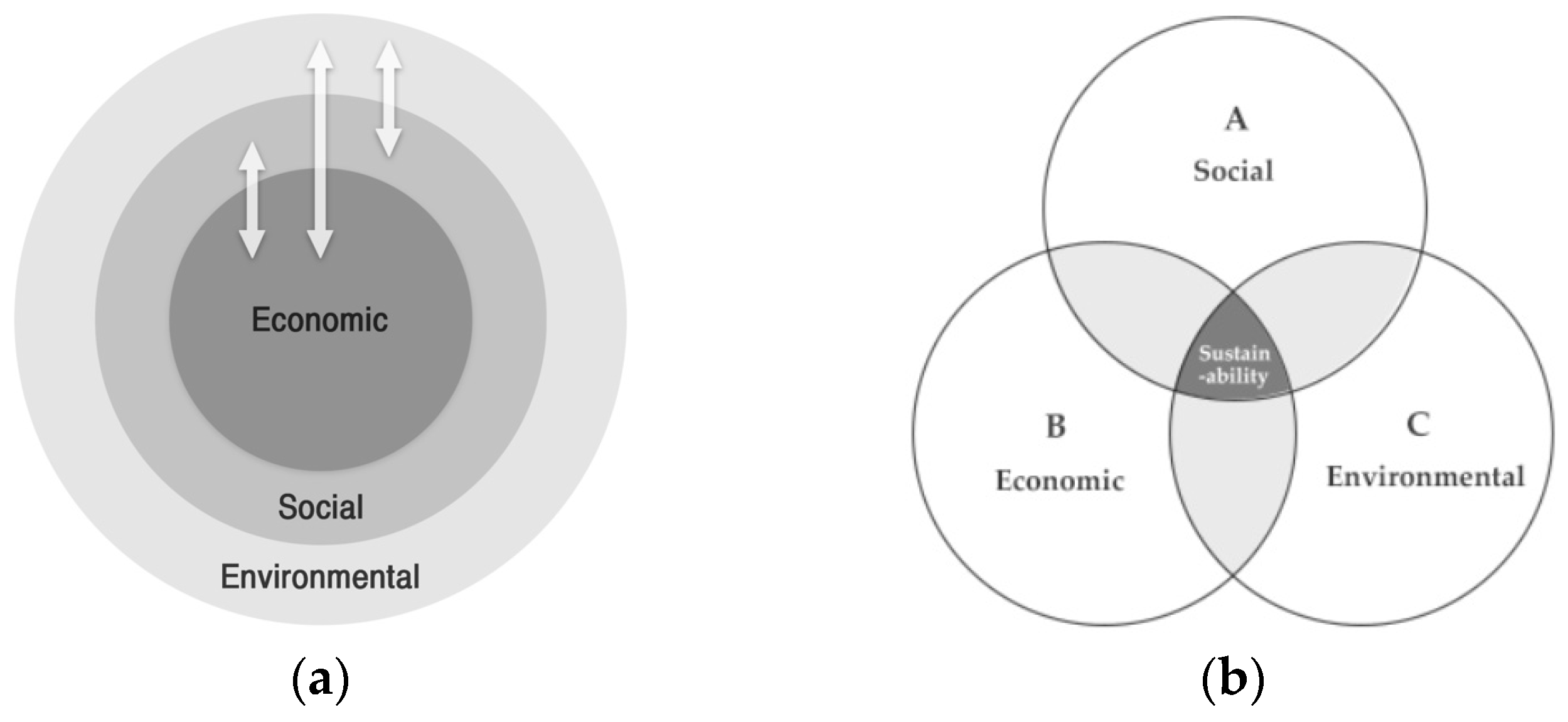
However, the concept of sustainability has existed long before the above definition emerged and drew attention. In 1979, ecologist René Passet argued in his book L’économique et le Vivant that since the economic system is included in the human social system and the human social system is included in the environmental system, the environment should not be harmed for the safety of human activities [27]. He revealed that the economy, environment, and society are closely related, and simultaneously expanded the scope of human activity to a global scale and suggested a balanced path for the development of humanity as a whole [27].
Later, in 1994, British economist John Elkington saw a need for a new language to extend sustainability, which was still largely focused on environmental agendas, to the socio-economic level (as the Brundtland Report had already noted) [28]. Therefore, he coined the term Triple Bottom Line (TBL). The term received much attention and significantly contributed to devising a practical path towards sustainable practices by integrating social, economic, and environmental aspects. As its main analysis framework, this study uses the Brundtland Report; TBL; and the social, economic, and environmental factors identified by Passet and Elkington to define sustainability (Figure 1).
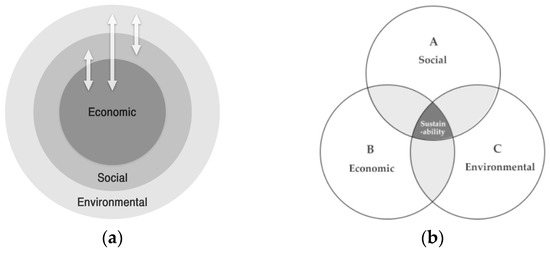
Figure 1.
(a) Sustainability by Rene Passet; (b) Sustainability by John Elkington.
2.2. Case Selection
As discussed above, sustainability should essentially satisfy social, economic, and environmental considerations. Thus, we established the following TBL criteria to select the relevant underpass development projects in Seoul (Table 1).

Table 1.
Case selection criteria based on TBL.
First, the project must offer programs that address specific social issues in the region. As stated in the Seoul NPO (Non-profit Organization) Support Center’s Sustainability Reporting Guidelines (2016), while profit is the fundamental objective of for-profit businesses, what is most important for non-profit organizations is their inherent purpose to perform, through which society justifies the organization’s existence [29] (Table 1).
Second, the project must have a secure place for the organization with economic independence. In space development projects, sustainability is not simply guaranteed by good planning but requires constant monitoring and professional management. Thus, active organizations must exist to respond to constantly changing regional issues, and they should have a place to conduct their activities (Table 1).
Third, the project must utilize the environmental characteristics of the relevant underpasses. Each underpass is different in terms of region, location, and size. Particularly, underpasses that have long been unused are unlikely to be frequented by residents. Therefore, an area’s sustainability can be improved when the direction for development and the characteristics of the relevant underpass work in synergy and encourage resident participation (Table 1).
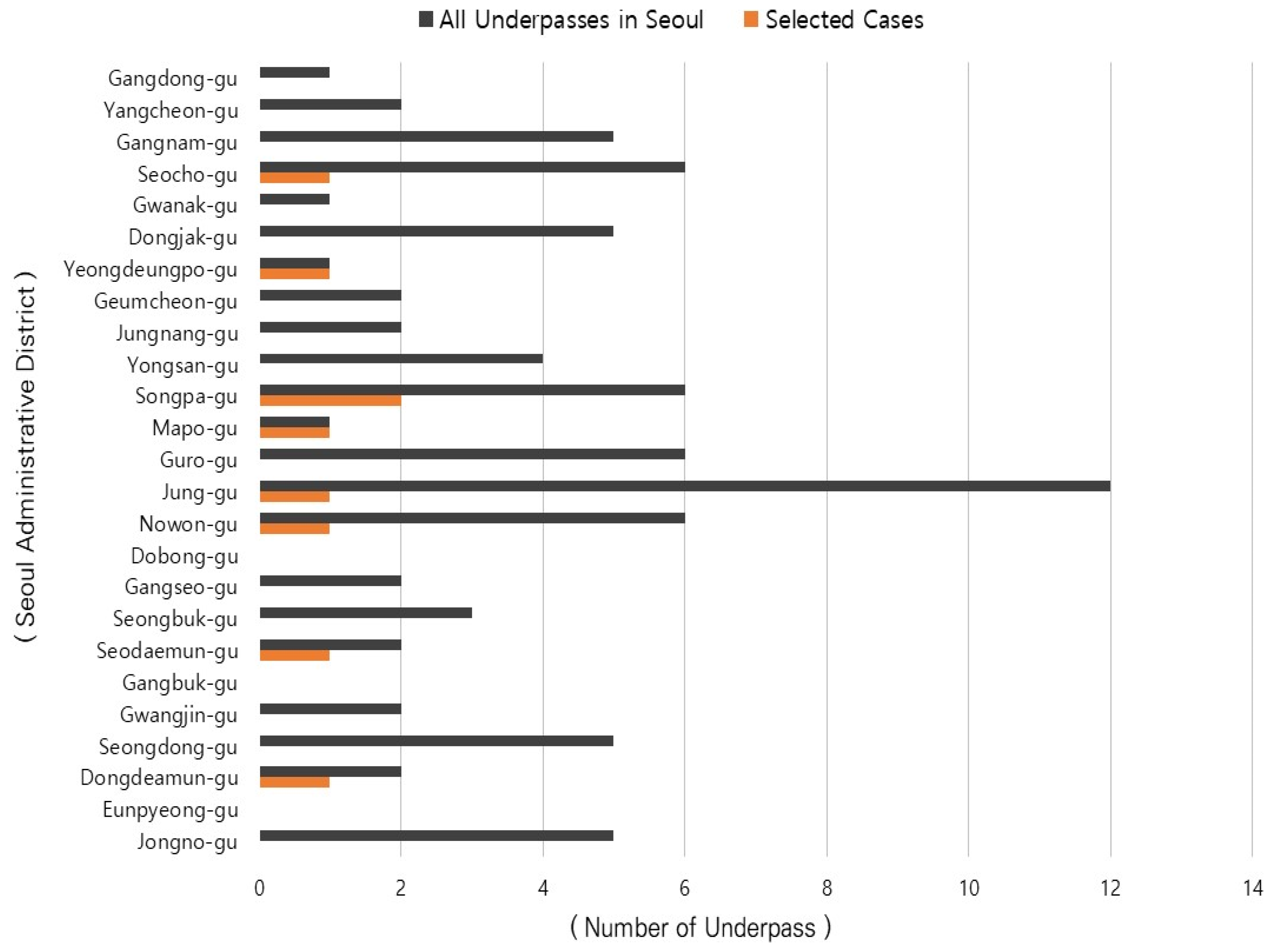
According to statistical data on Seoul’s road facilities as of 2021 [30], there were 81 underpasses in Seoul. This study investigated all cases of the development of idle space via programs run by a dual-resident-operating organization (Figure 2). There was a total of 10 development cases, beginning with the Songpa Village Art Factory in 2013, and nine cases were analyzed as in one case, operations were suspended due to COVID-19 (Table 2).
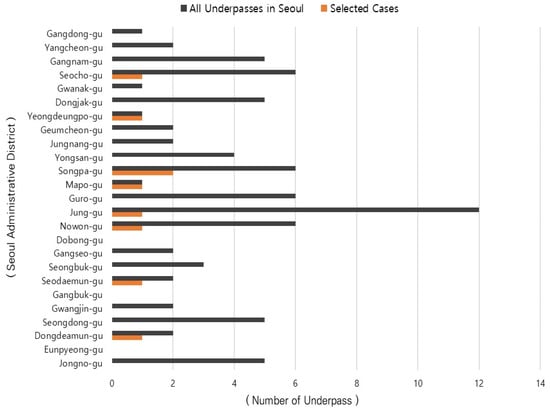
Figure 2.
The total number of underpasses and selected cases.
Table 2.
Case study list.
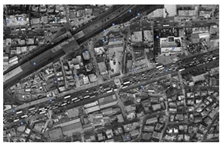
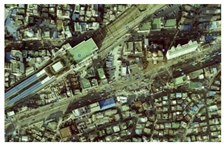
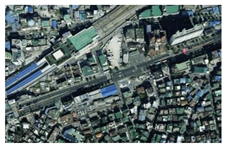
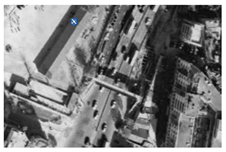
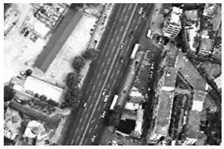
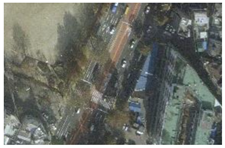
For the above cases we first conducted a literature review using domestic articles and various publicly available government documents. Through this process, we focused on the reason the underpass had become an idle space, the background for developing the space, and the relationship with the local community at the time. Furthermore, through the National Geographic Information Institute, we investigated aerial photos of the target area by year and identified the time of development of the respective underpass as well as the time when it became an idle space. Then, based on the basic data, all nine cases were visited and investigated. Due to the COVID-19 situation, there were restrictions on this field visit; however, we observed the basic form of the underpass and the program in the space. By synthesizing this information, the three factors (TBL) for sustainability of each case is analyzed in Section 3.
3. Case Studies
3.1. Comma
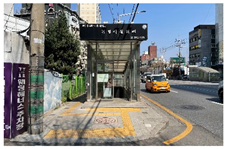
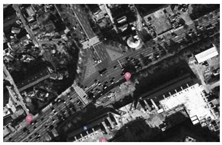
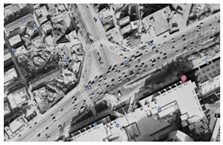
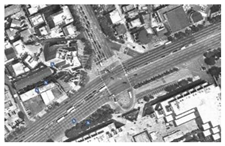
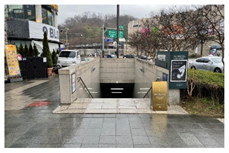
Comma was originally developed in 1978 by removing crosswalks to facilitate smooth vehicle movement. However, it was left unattended after crosswalks were reinstalled in 2014. In 2016, it was transformed into a space for young entrepreneurs. Later, in 2021, it was repurposed for teenagers (Table 3).
Table 3.
Comma overview.
3.2. Underland
Underland was developed in 1978, after the crosswalk at the intersection by the Yeouido Hanyang Apartment was removed to improve traffic flow. In 2007, crosswalks were reinstalled at the intersection, which resulted in fewer underpass users, and access to the underpass has been restricted for safety reasons, due to the aging facilities, since 2009. Yeongdeungpo-gu has remodeled this unused space into a recreational space for young people (Table 4).
Table 4.
Underland overview.
3.3. The Meet Up Center
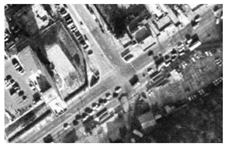
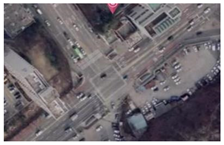
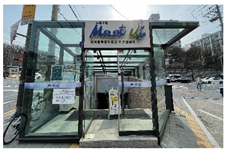
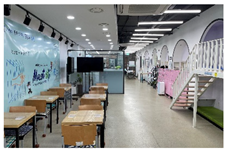
The Meet Up Center is another transformed underpass that was originally constructed in 1996 but left unused after the installation of crosswalks above ground. It was turned into a space for young people in 2020. Since 2021, it has been used as a space for local communities (Table 5).
Table 5.
The Meet Up Center overview.
3.4. The Village Art Factory
The underpass where the Village Art Factory is located was constructed in 1996 when the Songpa Station was opened and the crosswalks above the ground were removed. After these crosswalks were installed in 2013, the demand for the underpass decreased; however, it was later converted into a village art space for local residents (Table 6).
Table 6.
The Village Art Factory overview.
3.5. The Hwigyeong Atelier
The Hwigyeong Atelier was built in 1995 along with the removal of crosswalks but was left unattended after the crosswalks above ground were re-installed in 2008 and 2009. In 2018, the space was reorganized as a center for community revitalization; however, it was not in use because of operational issues. Following its reopening in May 2019, the space has been used by the local communities (Table 7).
Table 7.
The Hwigyeong Atelier overview.
3.6. The Musical Instrument Library
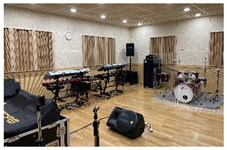
The underpass where the Musical Instrument Library is located was developed in 1996. Spaces other than the passageways have been used as a district office warehouse, school uniform bank, and silver band practice room. However, there were not many users due to the available ground crosswalks. This underground space has been transformed by the Songpa-gu Office into a place where residents can learn and handle musical instruments (Table 8).
Table 8.
The Musical Instrument Library overview.
3.7. The Seoul Indie Platform
The Seoul Indie Platform was created in 1997 after the demolition of an overpass nearby. It was used as the Ahyeon branch of the Mapo Health Center (June 1997–August 2002) and the Mapo Cultural Center (September 2002–July 2013). In 2014, as the Mapo Cultural Center was relocated, it was reorganized as a space for independent musicians (Table 9).
Table 9.
The Seoul Indie Platform overview.
3.8. The Seoripul Gallery
The Seoripul Gallery was originally an underpass that was developed in 1989 and that had been unattended after 2000 when the crosswalks were installed above ground. It was remodeled as an exhibition space for local residents and young artists in 2018. This remodeling case won a silver award at the 2019 Awards for Innovation in Government Events (Table 10).
Table 10.
The Seoripul Gallery overview.
3.9. The Chungmu Startup Cube
The Chungmu Startup Cube was constructed when the overpass in front of Chungmu Elementary School was demolished in 1985. In 2018, Jung-gu District created this space for fostering young entrepreneurs by converting an underpass that had become underused due to the existence of children from nearby elementary schools (Table 11).
Table 11.
The Chungmu Startup Cube overview.
4. Results
TBL is considered as the most common analytical framework for evaluating sustainability [31]. However, Elkington was concerned that “the TBL language may sometimes be unhelpful, encouraging parallel activities rather than true integration” [28]. That is, our understanding of sustainability may still be limited to satisfying individual TBL. This is very basic but has a substantial impact, and it thus must be addressed. This is because the public officials or NGOs who have decided to transform the idle urban space into a sustainable space to contribute to the local community may simply wish to satisfy TBL.
At the beginning, this study attempted to analyze how the Seoul Metropolitan Government’s SCT underpass development cases meet each TBL element.
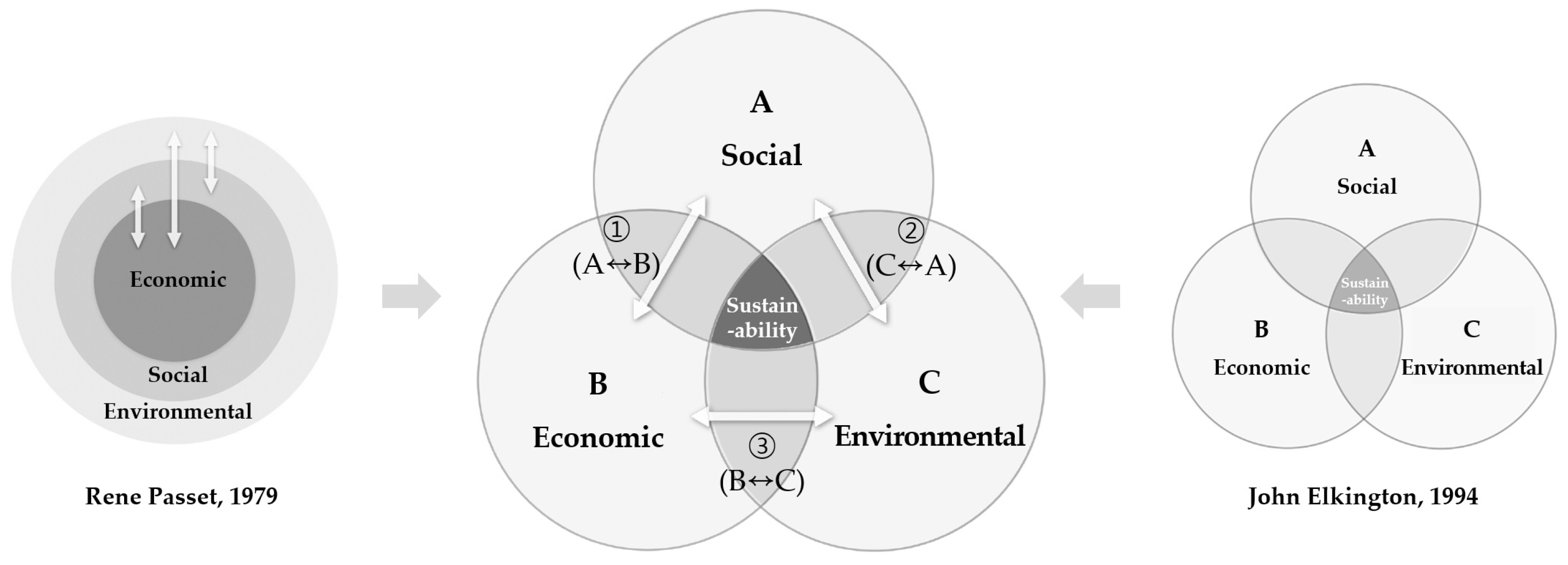
The analysis, however, revealed that TBL is only a minimum standard (bottom line) as its name implies, and the above nine cases are already utilizing a more advanced strategy to transform abandoned underground spaces into sustainable local communities. Here, Passet’s view of understanding each factor within a close interrelationship system is adopted while accepting Elkington’s TBL as a separate practice area in consideration of sustainability (Figure 3).
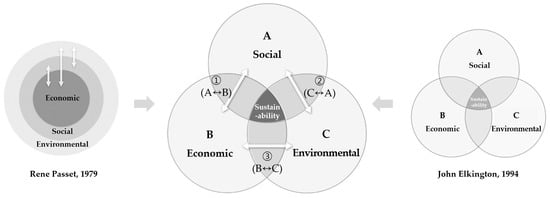
Figure 3.
The Sustainability Cycle.
As shown in Figure 3, the three elements of sustainability (A: Social, B: Economic, and C: Environmental) do not exist in isolation but, rather, in a highly organic relationship with each other. That is, as can be seen from the nine cases of Seoul, ① the social adequacy of the development space was a major factor in ensuring the economic support of the space, ② the satisfaction of economic independence became the basis for achieving environmental soundness, and ③ the strength of the environment in which development took place had a profound influence on the setting of social goals.
The Seoul Metropolitan Government’s underpass development considers TBL elements as organically independent parts of a virtuous cycle instead of considering each as a separate practice area. Hence, it focuses on the connection among the elements. A virtuous cycle occurs when factors are strengthened by a feedback loop relationship [32].
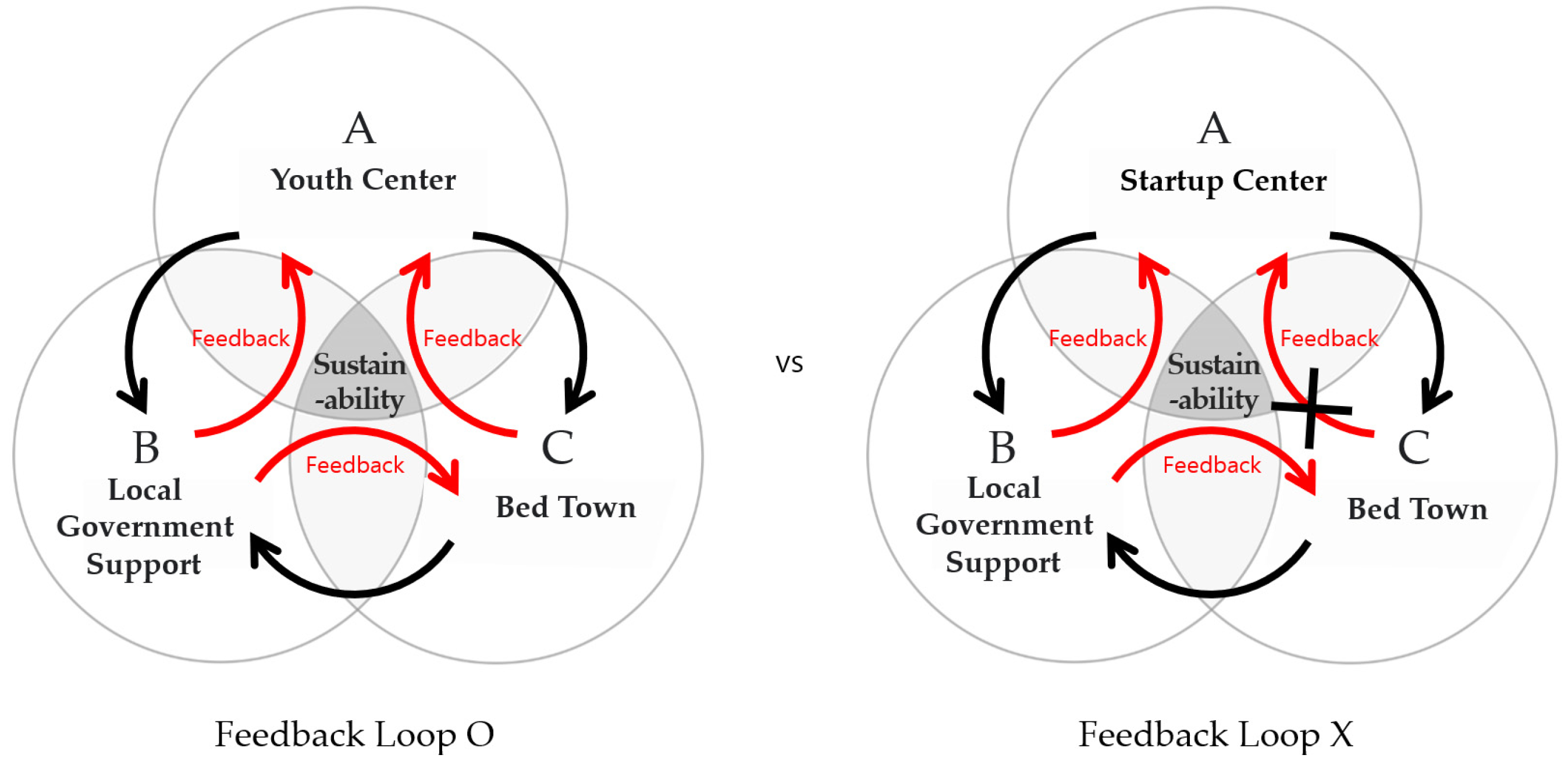
In contrast, development that only satisfies each element individually is also possible. For example, Wolgye Underpass, where the youth space known as the Meet-up Center is located, could have been developed as a youth startup center. It may have been able to receive economic support from local governments temporarily due to its utilization of abandoned environmental elements and its social purpose for local youth.
However, it is unknown whether the youth entrepreneurship support center in this commuter-town area, which is far from the business district, is truly sustainable. This is a limitation of the existing TBL method. The temporary satisfaction of conditions does not necessarily guarantee a lasting virtuous cycle (Figure 4).
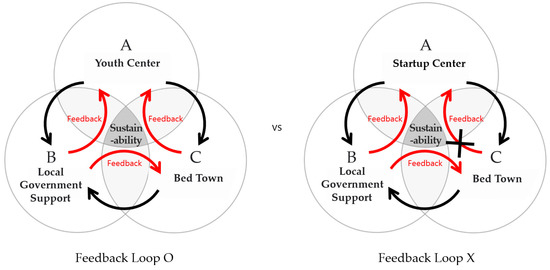
Figure 4.
Self Regulating Sustainability System.
As such, sustainability is achieved through a virtuous cycle among all elements rather than individual achievement of TBL. However, the objectivity in this circle may not be secured. Therefore, the feedback loop can be considered an index by which to evaluate it through a shift in perspective from elements to relationships. When the focus is shifted to the relationship between the social element of the youth startup center and the environmental element of the city’s representative commuter town rather than focusing on the element itself, it is possible to predict what type of feedback action occurs in the relationship between the two factors. This process is expected to improve the precision of the prediction of uncertain development results.
5. Discussion
Seoul’s industrial and goal-oriented approach to urban development has shifted to one that values its citizens’ quality of life. Due to this change, citizens’ values have become more diverse [33], and the value expected of urban spaces has progressed from satisfying functions to satisfying emotions. Accordingly, it is time to take a fresh look at underground spaces, which have been actively used as built environments in cities since the modern times. The perception of underground space development in Seoul, however, seems to remain stuck in past tendencies despite all the changes and developments (Table 12).
Table 12.
Changes in the perception of underground space development.
In the past, Seoul’s development of underground spaces usually aimed to complement the functions of the urban spaces above ground. In fact, most underground spaces that currently exist were planned to facilitate smooth activities above ground, leading to their recognition by citizens as isolated spaces of innovation. Unfortunately, given changing circumstances, underground spaces built for specific purposes may become abandoned when their purpose is no longer relevant [34]. This is well illustrated by the current situation of Seoul’s many unused underground spaces that no longer serve their initial functions.
The SCT underpass development case in Seoul directly responds to the limitations of this existing development method (Table 13). In terms of transforming the underpass into a destination that attracts people rather than a simple means of transportation, it actively reflected the characteristics of Seoul and improved the organic relationship with the city.
Table 13.
The correlation between Seoul’s characteristics and the development of SCT underpasses.
What this study focused on through the nine case studies presented here was that the more organic the relationship between the developed space and the city, the more its influence can be extended beyond the sustainability of the development space itself to the sustainability of society.
In response to local youth problems, Comma, Underland, and The Meet Up Center seek to contribute to society’s sustainability by supporting the sound development of adolescents and by facilitating their interaction with the community. Also in the region, the Village Art Factory, the Hwigyeong Atelier, and the Musical Instrument Library create communities, each with its own unique strategies, to help reduce polarization and foster openness in society. Lastly, the Seoul Indie Platform, the Seoripul Gallery, and the Chungmu Startup Cube provide support for vulnerable people in the region and promote the appropriate balance and harmony between the mainstream and the non-mainstream in society. They are expected to have a positive impact on the sustainability of society (Table 14).
Table 14.
Each project’s individual and further social value.
6. Conclusions
Seoul’s ground space is currently challenged by poor weather conditions and fine dust as well as a lack of space due to increasing population density. Furthermore, the spatial structure above ground, defined by land prices, has led to extreme polarization in society. In light of this, new development methods must utilize underground spaces to address these problems. Since technology can help overcome such shortcomings, we should no longer focus on merely overcoming them when it comes to the development of underground spaces. Instead, we should focus on maximizing the advantages of underground spaces.
An underground space could be revitalized as a diverse and user-friendly environment suitable for the new era. Regenerating existing unused underground spaces instead of engaging in large-scale development could increase the success of the SCT project. Therefore, underground spaces, currently fragmented and isolated, should be recognized as new livable spaces connected to daily life [35]. To that end, the city’s underground spaces must aim to form an organic relationship with their daily surroundings, thus ensuring their own sustainability.
This study addressed strategies for achieving sustainability in SCT underpass development in Seoul; however, the scope of the study is limited to Seoul underpasses. Seoul has the unique characteristics of being a divided city as well as achieving compressed economic growth in the second half of the 20th century. However, in the sense that each city has its own characteristics, the above case provides a good example of considering the specificity of the city in question.
Nevertheless, it is a limitation of this study that it did not expand the scope and compare and address cases of development in other major cities to those in Seoul. We expected to supplement the deficiencies of this study in a follow-up study by analyzing various cases of underpass development in other countries. Despite these limitations, this study is significant in that it presented a direction that can complement the existing framework by analyzing cases of idle underpass development in an international metropolis, namely, Seoul.
It is hoped that the development strategy of Seoul’s SCT underpasses, designed to eliminate the limitations of being abandoned spaces and to become sustainable underground community facilities, will be used as a model for other cities with similar concerns.
Author Contributions
Conceptualization, D.Y.J. and H.J.K.; methodology, D.Y.J. and H.J.K.; validation, D.Y.J.; formal analysis, D.Y.J.; investigation, D.Y.J. and H.J.K.; resources, D.Y.J.; data curation, D.Y.J.; writing—original draft preparation, D.Y.J.; writing—review and editing, H.J.K.; visualization, D.Y.J. and H.J.K.; supervision, H.J.K.; project administration, H.J.K.; funding acquisition, H.J.K. All authors have read and agreed to the published version of the manuscript.
Funding
This work was supported by the National Research Foundation of Korea (NRF) grant funded by the Korea government (MSIT) (No. 2020R1G1A1013702).
Institutional Review Board Statement
Not applicable.
Informed Consent Statement
Not applicable.
Data Availability Statement
Not applicable.
Conflicts of Interest
The authors declare no conflict of interest.
References
- Jo, D.H. Temporary Application Plan of Public Underground Walkway Study of the Resolution Method: Focusing on Seoul’s Idle Public Underground Walkways. Master’s Thesis, University of Seoul, Seoul, Korea, 2015. [Google Scholar]
- Yun, J.H.R. Bunkers as difficult heritage: Imagining future for underground spaces in Seoul. J. Asian Archit. Build. Eng. 2022, 21, 1211–1222. [Google Scholar] [CrossRef]
- Lee, T.Y. A Study on Factors of Pedestrian Crossing Accident on Characteristics of Crossing Facilities. Master’s Thesis, University of Seoul, Seoul, Korea, 2018. [Google Scholar]
- Lee, G.J.; Jung, S.H. Empirical Investigation and Comparative Analysis of Urban Public Underground Space—Focused on the Underground Public Pedestrian Facilities in Busan Metropolitan City. J. Archit. Inst. Korea 2011, 27, 43–52. [Google Scholar]
- Cui, J.; Allan, A.; Taylor, M.; Lin, D. Developing shanghai underground pedestrian system under urbanization: Mobility, functionality and equity. J. Archit. Urban. 2012, 36, 283–297. [Google Scholar] [CrossRef]
- Kim, J.H.; Nam, J.; Han, J.H. Paradigms of Korean urban policies at each urban growth stage. Korean Hous. Assoc. J. Autumn Acad. Press Conf. 2015, 26, 111–116. [Google Scholar]
- The Seoul Research Data Service. Population Change and Population Growth Rate. Available online: https://data.si.re.kr/data/%ED%86%B5%EA%B3%84%EB%A1%9C-%EB%B3%B8-%EC%84%9C%EC%9A%B8-%EC%9D%B8%EA%B5%AC%ED%8E%B8/267 (accessed on 6 May 2022).
- Jeong, B.S. Seoul Metropolitan Theory (New Policy Discourses About the Seoul Metropolis); The Seoul Institute: Seoul, Korea, 2016. [Google Scholar]
- Gelezeau, V. Séoul, Ville Géante, Cités Radieuses, 10th ed.; Humanitasbook: Seoul, Korea, 2007. [Google Scholar]
- Moon, G.J. The negative perceptions of apartment culture as represented in Korean films during the 1970s–1990s. Sustainability 2020, 12, 3013. [Google Scholar] [CrossRef] [Green Version]
- Kim, Y.S.; Oh, J.S.; Kim, S.Y. The transition from traditional infrastructure to living SOC and its effectiveness for community sustainability: The case of South Korea. Sustainability 2020, 12, 10227. [Google Scholar] [CrossRef]
- You, C.B. The background and challenges of the Seoul community support project: On the occasion of the establishment of the Seoul Community Support Center. Environ. Philos. 2013, 15, 173–226. [Google Scholar] [CrossRef]
- Cui, J.; Allan, A.; Taylor, M.; Lin, D. The perception of accessibility and ease of orientation of underground pedestrian systems: A survey in Shanghai. Int. J. Urban Sci. 2012, 16, 301–320. [Google Scholar] [CrossRef]
- Labbé, M. Architecture of underground spaces: From isolated innovations to connected urbanism. Tunn. Undergr. Space Technol. 2016, 55, 153–175. [Google Scholar] [CrossRef]
- Kishii, T. Utilization of underground space in Japan. Tunn. Undergr. Space Technol. 2016, 55, 320–323. [Google Scholar] [CrossRef]
- Anciaes, P.; Jones, P. Estimating preferences for different types of pedestrian crossing facilities. Transp. Res. Part F Traffic Psychol. Behav. 2018, 52, 222–237. [Google Scholar] [CrossRef]
- Gupta, U.; Tiwari, G.; Chatterjee, N.; Fazio, J. Study of Pedestrian Risk Behavior and Survival Analysis. Proc. East. Asia Soc. Transp. Stud. 2009, 7, 389–405. [Google Scholar] [CrossRef]
- Rankavat, S.; Tiwari, G. Pedestrians perceptions for utilization of pedestrian facilities—Delhi, India. Transp. Res. Part F Traffic Psychol. Behav. 2016, 42, 495–499. [Google Scholar] [CrossRef]
- Bae, M.K.; Park, S.H. A Study on the Street Environmental Characteristics Influencing Jaywalking Traffic Accidents. J. Korean Reg. Dev. Assoc. 2018, 30, 177–191. [Google Scholar]
- Cui, J.; Lin, D. Utilisation of underground pedestrian systems for urban sustainability. Tunn. Undergr. Space Technol. 2016, 55, 194–204. [Google Scholar] [CrossRef]
- Delmastro, C.; Lavagno, E.; Schranz, L. Underground urbanism: Master Plans and Sectorial Plans. Tunn. Undergr. Space Technol. 2016, 55, 103–111. [Google Scholar] [CrossRef]
- Nguyen, H. From Pedestrian Thoroughfare to Public Space: The Social Life of the Esplanade Underpass. J. Undergrad. Ethnogr. 2019, 9, 1–17. [Google Scholar] [CrossRef]
- Park, H.S. A Study on The Culture Network Platform Design of The Cumulative City: Focus on The Space of Sidewalk in The Basement. Master’s Thesis, Hongik University, Seoul, Korea, 2008. [Google Scholar]
- Kim, K.N. The Study on The Development of Design Checklist for The Underground Space Remodeling. Master’s Thesis, Yonsei University, Seoul, Korea, 2017. [Google Scholar]
- Sterling, R.; Admiraal, H.; Bobylev, N.; Parker, H.; Godard, J.; Vähäaho, I.; Rogers, C.; Shi, X.; Hanamura, T. Sustainability issues for underground space in urban areas. Proc. Inst. Civ. Eng. Urban Des. Plan. 2012, 165, 241–254. [Google Scholar] [CrossRef]
- Brundtland Report. Report of the World Commission on Environment and Development—Our Common Future; United Nations: New York, NY, USA, 1987. [Google Scholar]
- Passet, R. L’Économique et le Vivant; Payot: Paris, France, 1979. [Google Scholar]
- Elkington, J. Enter the triple bottom line. In The Triple Bottom Line: Does It All Add Up; Henriques, A., Richardson, J., Eds.; Routledge: London, UK, 2013; pp. 23–38. Available online: https://www.johnelkington.com/archive/TBL-elkington-chapter.pdf (accessed on 1 May 2022).
- Seoul NPO Center. NPO Sustainability Reporting Guidelines: 2016. Available online: http://www.snpo.kr/data//file/npo_aca/3546821009_k34HTwIi_16ECA780EC868DEAB080EB8AA5EC84B1EBB3B4EAB3A0_EAB080EC9DB4EB939CEB9DBCEC9DB828ED95A9EBB3B829.pdf?msclkid=d2a8fde7cf5811ecb775608b0dcae7bb (accessed on 1 May 2022).
- Road Facilities Division, Seoul Metropolitan City. Seoul Road Facility Statistics. Available online: https://data.seoul.go.kr/dataList/261/S/2/datasetView.do# (accessed on 10 June 2022).
- Zaharia, R.; Zaharia, R. Triple Bottom Line. In The Palgrave Handbook of Corporate Social Responsibility; Palgrave Macmillan: London, UK, 2021; pp. 75–101. [Google Scholar] [CrossRef]
- Webel, C.; Galtung, J. Handbook of Peace and Conflict Studies; Routledge: London, UK, 2012. [Google Scholar]
- Han, G.S.; Shin, S.J. A cultural profile of Korean society: From vertical collectivism to horizontal individualism. Korean J. Psychol. 1999, 13, 293–310. [Google Scholar]
- Cho, B.S. Utilization of Unused Space in Subway Stations. Available online: https://www.si.re.kr/sites/default/files/2018-CR-01-08_0.pdf (accessed on 1 May 2022).
- Han, S.H.; Seo, C.W. A study on the possibilities and institutional burdens of the use of underground space as a substitute of land surface. Korean Real Estate Acad. Rev. 2003, 21, 179–190. [Google Scholar]
Publisher’s Note: MDPI stays neutral with regard to jurisdictional claims in published maps and institutional affiliations. |
© 2022 by the authors. Licensee MDPI, Basel, Switzerland. This article is an open access article distributed under the terms and conditions of the Creative Commons Attribution (CC BY) license (https://creativecommons.org/licenses/by/4.0/).