1. Introduction
Mangroves constitute vital coastal wetland ecosystems that regulate climate [
1], protect shorelines [
2,
3], and maintain biodiversity [
4,
5]. The coastal regions of Guangxi are crucial mangrove distribution areas in China. White mangrove (
Avicennia marina), a dominant pioneer species, shows excellent environmental adaptability [
6]. The species is extremely resilient to high salinity, flooding, and nutrient-poor tidal flats, and it is a critical driver of sedimentation processes and structural and functional stability in coastal ecosystems [
7]. However, in recent years, mangrove communities have experienced widespread degradation and dieback [
8,
9,
10]. Previous studies have shown that biological invasions [
11] and pest outbreaks [
12] are among the leading causes of mangrove ecosystem degradation.
Notably, the synergistic damage caused by the burrowing isopod
Sphaeroma terebrans and defoliating moth
Hyblaea puera is a major threat to mangrove ecosystems. Whereas anthropogenic environmental changes (e.g., eutrophication, altered hydrology) can exacerbate such biological outbreaks, the present study focuses first on elucidating the direct interaction between the two key pest species as a primary biotic driver of decline. Tropical and subtropical intertidal zones are home to numerous benthic, xylophagous crustaceans, including
S. terebrans [
13]. It bores into the roots and lower stems of woody mangrove plants, excavating burrows that exceed its body length. The activity severely impairs the structural integrity of pneumatophores and prop roots, weakens the resistance of trees to wind and waves, and increases their susceptibility to secondary pathogenic infections [
14,
15,
16]. Furthermore, the reproductive season of
S. terebrans coincides with the hot and humid periods in Guangxi. In addition, environmental disruptions such as changes in salinity and eutrophication caused by human activity can accelerate population outbreaks of the species [
17].
H. puera is a typical leaf-consuming pest with short reproductive cycles and great mobility and is capable of causing widespread outbreaks across ecosystems [
18]. Larval feeding can lower the photosynthetic capacity of mangrove trees by up to 60%, severely impairing plant growth and regeneration [
19]. In addition, environmental conditions have a substantial influence on
H. puera population outbreaks; elevated temperatures and lower precipitation have been shown to exacerbate the extent and frequency of these events [
19,
20]. Furthermore, accumulation of larval feces can result in significant soil acidification (pH drops of approximately 0.8–1.2 units), disrupting soil microecological balance and inhibiting the normal development of mangrove seedlings [
19].
Many studies have investigated the ecological effects of individual biological stressors [
15,
19]. However,
S. terebrans and
H. puera frequently coexist in natural ecosystems, resulting in a compounded stress pattern of “chronic stem boring coupled with acute defoliation.” In contrast to single-stressor scenarios, this synergistic interaction is more likely to cause nonlinear ecosystem reactions, quickly pushing mangrove systems over key ecological thresholds and into systemic collapse. Preliminary field assessments have revealed that compounded stress can cause simultaneous root and canopy damage, resulting in a 40% reduction in pneumatophore abundance and a more than 50% decline in net ecosystem carbon exchange, with significantly prolonged recovery periods. Furthermore, anthropogenic disturbances such as aquaculture pollution and physical disruption of intertidal flats due to activities such as clam harvesting exacerbate the adverse ecological impacts and extend the duration of degradation [
21,
22].
However, current research on how mangrove ecosystems respond to compounded biotic stressors remains limited, particularly in terms of identifying structural and functional tipping points and developing systematic quantitative assessment frameworks. Consequently, studying the ecological response mechanisms of mangrove communities under the dual pressures of “chronic stem boring coupled with acute defoliation” and developing early-warning indicators of ecosystem health has become a critical and challenging frontier in mangrove science and management.
To address this knowledge gap, we focused on two representative mangrove habitats in Beihai, Guangxi: Guchengling, which experiences compounded stress from chronic stem boring and acute defoliation, and Tieshangang (without compounded stress). Systematic measurements of community structure, physiological metabolism, and soil parameters were used to investigate the response mechanisms and establish the ecological thresholds of A. marina under compounded stress. Furthermore, a comprehensive health index (CHI) model was developed to evaluate the health of mangroves under various stress scenarios. The goal of this study was to provide a scientifically grounded framework for improving risk prediction and early-warning capabilities, as well as to facilitate formulation of effective restoration strategies for coastal mangrove ecosystems.
2. Materials and Methods
2.1. Methods Overview and Rationale
The methodological design of this study was guided by the need to (1) capture the interactive effects of chronic stem-boring (S. terebrans) and acute defoliation (H. puera) on A. marina, and (2) develop a field-applicable early-warning index. A paired-site comparison (degraded vs. healthy) was employed to isolate stress-related responses, combined with multi-scale monitoring (satellite, UAV, ground) to link landscape-level change with mechanistic tree-level processes. Sampling intensities (e.g., 20 trees/site) were determined through pilot surveys and power analysis to ensure statistical robustness, whereas indicator selection for the CHI model prioritized variables that are both ecologically meaningful and practical for routine monitoring.
2.2. Study Area
This study was conducted in two representative
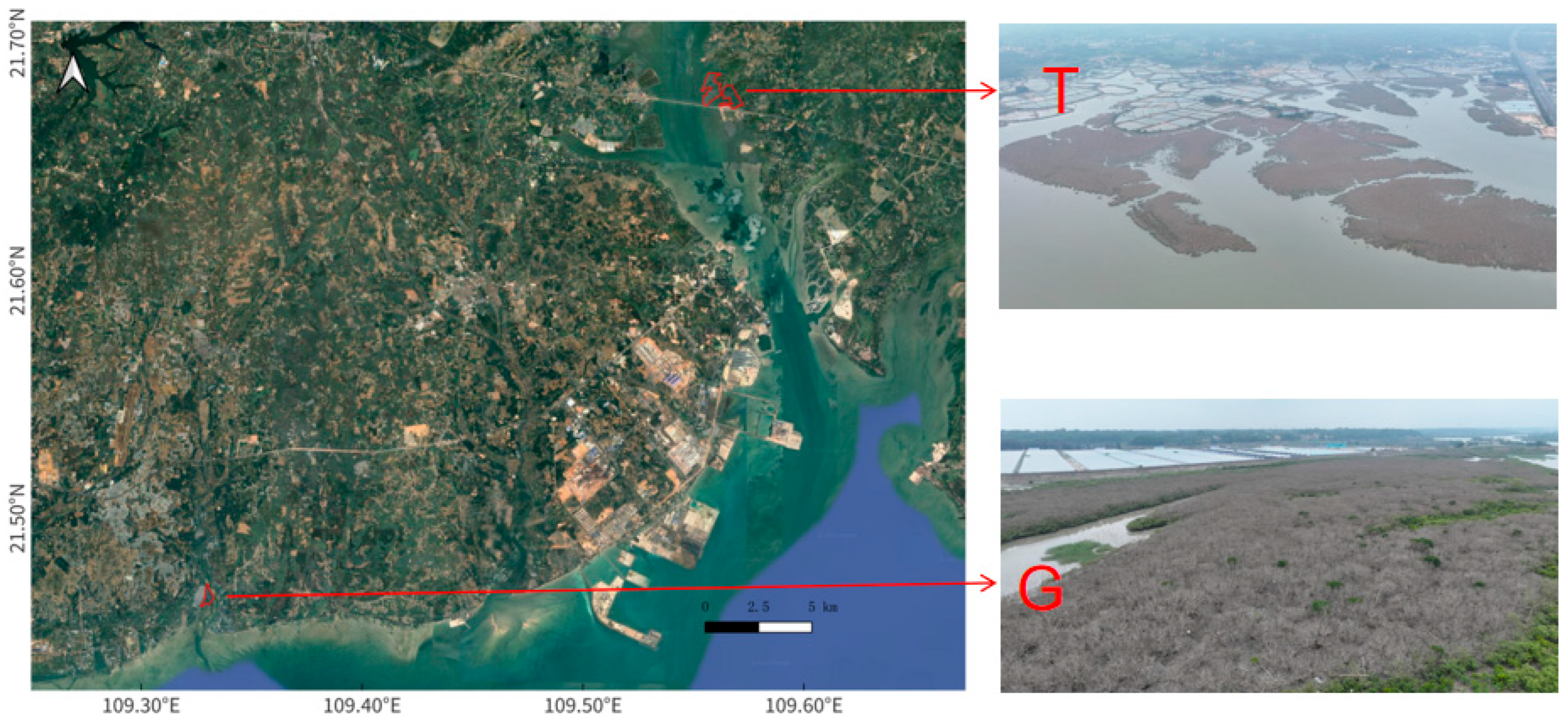
A. marina mangrove areas located in the Yinhai District of Beihai City, Guangxi, China: Guchengling (21°28′ N, 109°07′ E) and Tieshangang Bridge (21°33′ N, 109°26′ E) (
Figure 1). The
A. marina community in Guchengling covers approximately 40 ha and has an average stand age of approximately 40 years. The soil in the area is predominantly sandy loam. The
A. marina stand at the study site had a density of approximately 7000 individuals per hectare. Notably, based on clear field evidence (visible organic effluent pathways, algal proliferation, and sparse intertidal vegetation), the site had been subjected to substantial long-term nutrient pollution from aquaculture activities. Such an anthropogenic background distinguishes it from the relatively undisturbed Tieshangang site. An outbreak of the defoliating pest
H. puera occurred in September 2023, followed by widespread tree mortality in February 2024, affecting approximately 15.3 ha. Simultaneously, many burrows of the wood-boring isopod
S. terebrans were found at the base of tree trunks, indicating concurrent infestation. In contrast, the Tieshangang site, located in the eastern part of Beihai and covering approximately 8 ha, has been virtually unaffected by human activity. The
A. marina population in the area had a density of 3620 individuals per hectare, with an average tree height of 249.0 cm and stand age of approximately 40 years. No signs of stem or root boring were observed. Although an
H. puera outbreak occurred in Tieshangang in September 2023, it caused only minimal leaf damage, with no significant tree mortality.
Notably, the two study sites differ not only in pest pressure but also in other ecological and anthropogenic attributes. Guchengling has experienced long-term aquaculture pollution and frequent harvesting of benthic organisms, leading to sparse vegetation and altered soil properties. In contrast, Tieshangang remains relatively undisturbed. Such differences imply that the observed contrasts in mangrove health and resilience may reflect a combination of pest impacts and other site-specific factors, such as competition, density-dependent effects, and historical disturbance regimes. While this natural contrast provides valuable insight into real-world degradation scenarios, we acknowledge that it complicates the isolation of pure “compound pest stress” effects. Our analyses, therefore, focus on identifying synergistic patterns and thresholds rather than attributing outcomes solely to pest interactions.
2.3. Survey of Infestations
During the infestation outbreak period from September 2023 to February 2024, DJI Mavic 2 (DJI, Shenzhen, China) drones were used to conduct monthly aerial surveys at a height of 100 m, yielding images with a spatial resolution of 0.1 m. The images were mosaicked and processed using Agisoft Metashape Professional, version 2.0.1 (Drone Emotions Ltd., Albiate, Italy) to map the spatial distribution and extent of pest damage. To validate the remote sensing data, five 10 × 10-m quadrats were randomly located in each study plot. Within these quadrats, the proportion of defoliated leaves, the pace of new leaf emergence, and the length of dead shoots were measured. The defoliation proportion estimated from ground quadrats was then statistically compared (using linear regression) with the normalized difference vegetation index (NDVI) values extracted from co-located pixels in the drone orthomosaics to validate the accuracy of remote sensing in detecting canopy damage. Additionally, multispectral imagery (10-m spatial resolution, 5-day return cycle) was utilized. The NDVI was calculated for each cloud-free image using the standard formula (NDVI = (NIR − Red)/(NIR + Red)), where the Red and Near-Infrared (NIR) bands correspond to Band 4 (665 nm) and Band 8 (842 nm) of Sentinel-2, respectively. Atmospheric correction was applied using the SEN2COR processor. This generated a high-temporal resolution NDVI time series from July 2023 to July 2024. This enabled quantification of canopy changes, recovery dynamics, and functional differences in A. marina communities before and after the pest outbreak.
At both the Guchengling and Tieshangang study sites, 20 A. marina trees were randomly selected for extensive analysis. The health status of each tree was assessed, and the number of burrows on the basal stem and pneumatophores was systematically quantified. The burrow diameters were measured using a Vernier caliper (Deli, Ningbo, China), and the burrow density (number per tree) was calculated.
To quantify the severity of S. terebrans infestation, boring attack intensity was classified into three levels based on the number of boreholes per tree:
Low: ≤10 boreholes per tree; Moderate: 11–30 boreholes per tree; High: ≥31 boreholes per tree.
To characterize the defoliation impact and recovery dynamics of
H. puera, data were collected from multiple sources: Insect life-history parameters: Key biological parameters of
H. puera, including its annual reproductive cycles (generations per year) and average fecundity (eggs per female), were obtained from established regional literature and our long-term monitoring records, as cited in [
19,
20].
Field visual assessments of defoliation: During the outbreak period (September 2023), defoliation severity was quantified within the five 10 × 10-m ground validation quadrats per site (described in
Section 2.2) by estimating the percentage of leaf area consumed or missing.
2.4. Survey of Pneumatophore Structure
Ten A. marina trees were selected randomly from each study area for sampling. Three 25 × 25-cm quadrats were set up for each tree along a transect that stretched from the canopy edge to the trunk base. The bearing of each transect was determined randomly. Quadrats were then placed at fixed positions along the transect: one at the canopy edge, one midway between the edge and the trunk, and one near the trunk base. Field photographs were taken to document sampling conditions, and all pneumatophores in the quadrats were clipped to the soil surface, labeled, and returned to the laboratory. The length of each pneumatophore was measured using a Vernier caliper, and the number of live and dead pneumatophores was recorded. The samples were oven-dried at 60 °C until they reached a constant weight, after which the dry weight was recorded. All samples were then cleaned using soaking, brushing, and ultrasonic washing to remove adhering sediments and debris. The net weight was measured again after cleaning to calculate the adherent mass. Finally, the dry mass densities (g/cm2) of the pneumatophores were determined.
2.5. Indicator Measurement and Model Development
In March 2023, 30 A. marina trees were randomly selected from each of the two study sites, Guchengling and Tieshangang. For each site, 60 biological replicates of mature leaves and pneumatophore tissues were collected. All samples were frozen in liquid nitrogen in the field and stored at −80 °C until further analysis. Chlorophyll content was determined using a chlorophyll assay kit (G0601F, Suzhou Grace Biotechnology Co., Ltd., Suzhou, China), and the absorbance was measured at 663 and 645 nm. Cytochrome c oxidase activity was determined using a mitochondrial complex IV assay kit (G0848F, Elabscience, Houston, TX, USA), based on changes in absorbance after tissue homogenization. Alcohol dehydrogenase activity was determined using an assay kit (G0806F, Suzhou Gress Biotechnology Co., Ltd., Suzhou, China), and enzymatic activity was calculated based on the absorbance changes at 450 nm.
A Composite Health Index (CHI) model was developed to quantitatively assess the health status of A. marina communities. The selection of core indicators for the CHI followed a two-step process aimed at identifying early-warning signals that were practical to measure, sensitive to chronic stress, and integrative of plant response. First, all measured variables (including eco-physiological and structural parameters) were analyzed to explore their correlation with observed stand degradation (mortality) and variance between healthy (Tieshangang) and degraded (Guchengling) sites. Second, based on expert judgment and field practicality, indicators that met the following criteria were prioritized: (1) High diagnostic value for incipient decline (e.g., root: canopy imbalance precedes canopy loss); (2) Direct link to the primary chronic stressor (S. terebrans boring), which establishes the baseline vulnerability; (3) Ease and speed of field measurement to facilitate large-scale monitoring. Although eco-physiological variables (e.g., chlorophyll, enzyme activity) are valuable for mechanistic understanding, they often exhibit high temporal variability and require destructive or lab-based assays, making them less suitable for a rapid, field-deployable early-warning index. The selected core indicators thus represent a compromise between scientific rigor and operational utility, focusing on structural integrity and chronic damage as the foundational components of resilience, which when compromised, predispose the ecosystem to collapse under acute stress (e.g., defoliation).
Although the CHI model does not include a direct metric for historical aquaculture pollution, the selected indicators (pneumatophore spread-to-canopy ratio, total pneumatophore length per unit area, and boring hole density) are sensitive to chronic environmental degradation. Long-term pollution leads to soil acidification, reduced aeration, and impaired root development, which are reflected in diminished pneumatophore length and density (X2), as well as increased susceptibility to boring organisms (X3). Thus, the CHI implicitly accounts for cumulative anthropogenic stress through its structural and functional indicators, providing an integrated assessment of mangrove health under compounded biotic and anthropogenic pressures.
The steps for creating the CHI were as follows.
- (1)
Indicators and scoring criteria
The core indicators include the ratio of pneumatophore spread width to canopy diameter (X
1), total pneumatophore length per unit area (X
2), and number of stem boring holes (X
3). Each indicator was scored on a four-point scale corresponding to different health levels (
Table 1).
- (2)
Indicator weights and CHI calculation
The weighting coefficients for the CHI were determined through a combination of expert elicitation and sensitivity analysis to reflect the relative diagnostic importance of each indicator under compounded stress. First, a panel of five mangrove ecologists and pest management specialists (each with >10 years of experience in Guangxi mangroves) independently ranked the three indicators based on their perceived contribution to early decline and resilience loss. The rankings were discussed in a structured workshop, converging on a consensus regarding the order of importance: boring hole density (X3) > total pneumatophore length (X2) > pneumatophore-canopy ratio (X1). Initial weight ranges were proposed from this consensus. Subsequently, a sensitivity analysis was conducted by systematically varying the weights within plausible ranges and testing the resulting CHI scores against the observed health outcomes (mortality vs. survival) across our study sites. The final weights (X1 = 20%, X2 = 30%, X3 = 50%) were selected as they maximized the discrimination between healthy and degraded stands while maintaining model stability. This weight set also aligned with the empirical observation that direct biotic damage (X3) and its primary structural consequence (X2) were stronger proximate predictors of collapse than the integrative ratio (X1).
The CHI was calculated using the formula:
- (3)
Classification of health levels
The CHI score was used to categorize community health status into three levels: healthy (3.0–4.0), sub-healthy (2.0–3.0), and unhealthy (1.0–2.0).
- (4)
Model validation and analysis
The model was validated at 19 sites along the Guangxi coastline. Three senior mangrove ecologists, each with over 10 years of field research experience in coastal wetland ecosystems and specialized knowledge of pest impacts on mangroves, independently evaluated the health status. Cohen’s kappa coefficient was then used to quantify the agreement between the model classification and the expert consensus. An error analysis was performed on plots with CHI values near the classification thresholds to determine the robustness and applicability of the model under various environmental conditions.
2.6. Indicator Selection Rationale for the CHI Model
The CHI was designed as a practical, early-warning tool for identifying mangrove stands at high risk of collapse under compounded stress, before irreversible canopy loss is detectable by standard remote sensing (e.g., NDVI).
Core indicators were selected according to three criteria:
Theoretical and Empirical Relevance—direct linkage to the chronic stress pathway (primarily S. terebrans infestation), which establishes foundational vulnerability.
Early-Warning Sensitivity—ability to signal degradation in early to mid-stages, preceding physiological collapse. Field Operationality—quick, robust, and non-destructive measurement feasible for routine monitoring.
Through correlation analysis across the health gradient (Tieshangang to Guchengling) and expert elicitation, the three indicators (X1, X2, X3) formed the most parsimonious set meeting the criteria. Eco-physiological and soil variables, while valuable for diagnosing decline mechanisms, were less suited for a scalable, pre-collapse warning index. This focused selection ensures the CHI is optimized for rapid, field-based assessment of chronic stress accumulation and structural vulnerability.
2.7. Sampling Rationale and Sample Size Determination
The sample sizes for tree and plot measurements in the present study were determined based on a combination of statistical power requirements, logistical feasibility, and the need to capture inherent variability within each site. For key tree-level variables (e.g., burrow counts, pneumatophore structure), a target sample size of 20 trees per site was selected. This was informed by preliminary data and power analysis (α = 0.05, power = 0.8) which indicated that 15–20 replicates were sufficient to detect a large effect size (Cohen’s d > 0.8) in mean comparisons between the two contrasting sites. Despite the difference in areal extent between Guchengling (~40 ha) and Tieshangang (~8 ha), the sampling focused on capturing the condition of the A. marina stands rather than mapping absolute spatial extent. Therefore, a fixed statistically justified number of trees was sampled from the homogeneous representative core area of each stand to ensure comparable ecological units were being assessed. All trees (for the 20-tree samples) and quadrats were selected using a stratified random approach to avoid bias. This same principle—prioritizing statistical power and representative sampling over proportional-to-area sampling—was applied to other sample types (e.g., 10 trees for detailed pneumatophore sampling, 5 quadrats for ground validation). The consistency in sample number across sites allows for direct statistical comparison of their state, which is the primary objective of this comparative study.
2.8. Model Validation and Analysis
The model was validated at 28 independent sites along the coastlines of Guangxi, Guangdong, and Hainan. Three experts, each with over 8 years of specialized experience in mangrove ecology and pest impact assessment, independently evaluated the health status of each validation site. Their assessments were based on a standardized field protocol considering canopy cover, root condition, and signs of pest activity. The agreement between the CHI model classification and the majority expert opinion was quantified using Cohen’s kappa coefficient (κ), calculated as κ = (P_o − P_e)/(1 − P_e), where P_o is the observed agreement proportion and P_e is the expected agreement by chance.
Error analysis was performed specifically on sites where the CHI score fell within ±0.2 of the classification thresholds (i.e., 1.8–2.2 and 2.8–3.2). The mean absolute error (MAE) and root mean square error (RMSE) between the CHI scores and the expert-assigned scores (converted to a 1–4 scale matching CHI) were computed to assess the magnitude and variability of discrepancies.
This process determined the robustness and applicability of the model under various environmental conditions.
2.9. Statistical Analysis
The Shapiro–Wilk test was used to assess the normality of all raw data, and Levene’s test was used to assess homogeneity of variance. For comparisons between the two main study sites (Guchengling vs. Tieshangang), independent samples
t-tests (for normally distributed data) or Mann–Whitney U tests (for non-normally distributed data) were applied, as indicated in
Table 2.
For analyses involving multiple groups (e.g., comparisons among different health categories or infestation levels), the appropriate omnibus test was selected based on data distribution and variance assumptions: one-way ANOVA was used for parametric data, followed by Tukey’s honestly significant difference (HSD) test for post hoc pairwise comparisons when a significant overall effect was detected. When data violated parametric assumptions, the non-parametric Kruskal–Wallis H test was used instead, and any significant result was followed by Dunn’s post hoc test with Bonferroni adjustment for multiple comparisons to identify specific group differences.
Correlations were analyzed using Pearson’s correlation coefficient (for normally distributed data) or Spearman’s rank correlation coefficient (for non-normal data). Multiple regression analysis was used to explore relationships between the CHI and key ecological parameters. All statistical analyses were performed using R version 4.2.2 [
23] and IBM SPSS Statistics 26 (IBM, Armonk, NY, USA). A significance threshold of α = 0.05 was used throughout, with
p < 0.01 considered highly significant.
3. Results
3.1. Ecological Thresholds in Different Regions
A comparative study of
A. marina communities in two representative regions, Guchengling and Tieshangang, revealed that although the same pioneer species dominated both sites, variations in the timing and combinations of insect infestation pressures resulted in significant differences in community structure, physiological status, and ecological performance (
Table 2). In Guchengling, the
A. marina community suffered from long-term chronic boring damage by
S. terebrans, resulting in a 100% infestation rate and prolonged structural degradation of the roots and stems. The chronic damage was then exacerbated by an unexpected outbreak of the defoliating moth
H. puera, which stripped almost all of the leaves and young shoots. The vegetation density at Tieshan Port was approximately 3620 plants per hectare, which is approximately a half of what was found at Guchengling. Despite the decreased density, the site experienced significantly fewer pest infestations, with an infection incidence of only 4.8%. In contrast, the combined stresses of “chronic stem boring coupled with acute defoliation” at Guchengling appear to be a primary driver of mangrove ecosystem degradation and loss of resilience.
Comparative analysis revealed that despite Guchengling supporting a significantly higher plant density (7000 stems/ha vs. 3620 stems/ha in Tieshangang, p < 0.01), it exhibited a markedly lower total pneumatophore length per unit area (39.0 m/m2 vs. 67.5 m/m2, p < 0.01), indicating structural degradation of the root system. In addition, the average pneumatophore height in Guchengling was only 3.2 cm, or 45% of that observed in Tieshangang (7.2 cm, p < 0.001). However, cytochrome c oxidase activity increased significantly to 19.3 nmol/min/g (compared to 7.2 in Tieshangang, p < 0.01), suggesting a metabolic state under compensatory stress. Leaf chlorophyll concentration was substantially reduced (0.15 mg/g vs. 0.21 mg/g, p < 0.01), indicating decreased photosynthetic capacity and poor resilience to acute insect outbreaks. The environmental conditions in Guchengling have likewise deteriorated significantly. The surface soil pH decreased to 5.80, significantly lower than that of Tieshangang (7.24, p < 0.001).
Ultimately, Guchengling experienced a contiguous die-off of approximately 15 ha of mangrove forest. Despite limited boring insect activity, the forest maintained its ecological stability with no recorded mortality. This contrast highlights the strong correlation between ecosystem resilience and the synergistic effects of “background stress and acute disturbance.” The findings suggest that chronic structural damage in mangrove communities may not result in immediate die-off. However, when combined with abrupt stressors, such as large-scale defoliator outbreaks, they can exceed the ecosystem’s ability to respond and recover, resulting in irreversible degradation and loss of ecological equilibrium. Consequently, identifying the causal mechanisms of “cumulative damage and stress-induced tipping points” could provide valuable insights into early-warning systems and focused management actions to improve mangrove ecosystem conservation.
3.2. Boring Behavior of S. terebrans and Its Ecological Impact
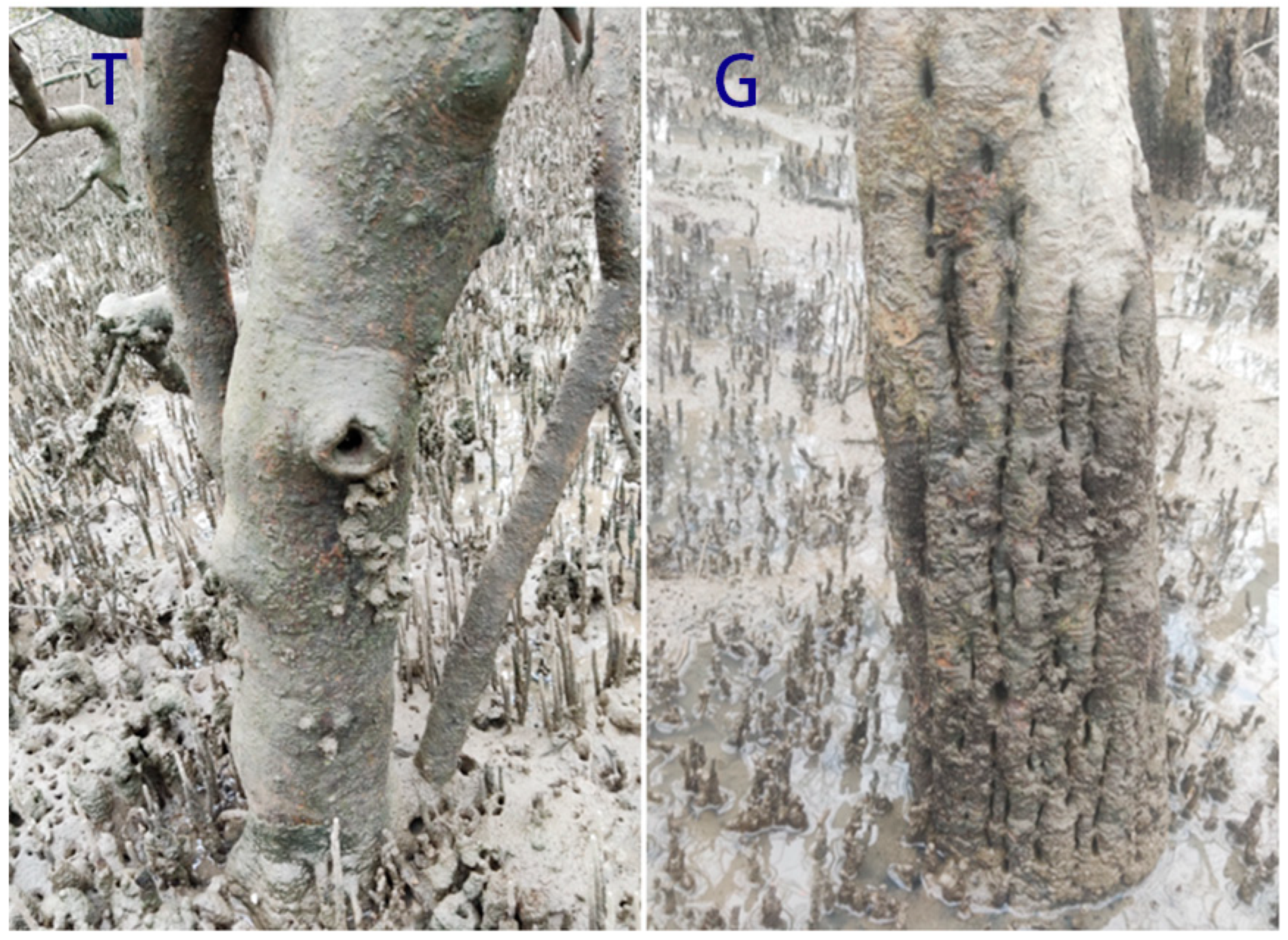
S. terebrans exhibits strong ecological specialization, preferentially boring into the pneumatophores and basal trunks of
A. marina. Boreholes were mostly found in the upper 50 cm below the waterline, suggesting that environmental limits or behavioral adaptations influenced the vertical distribution (
Figure 2).
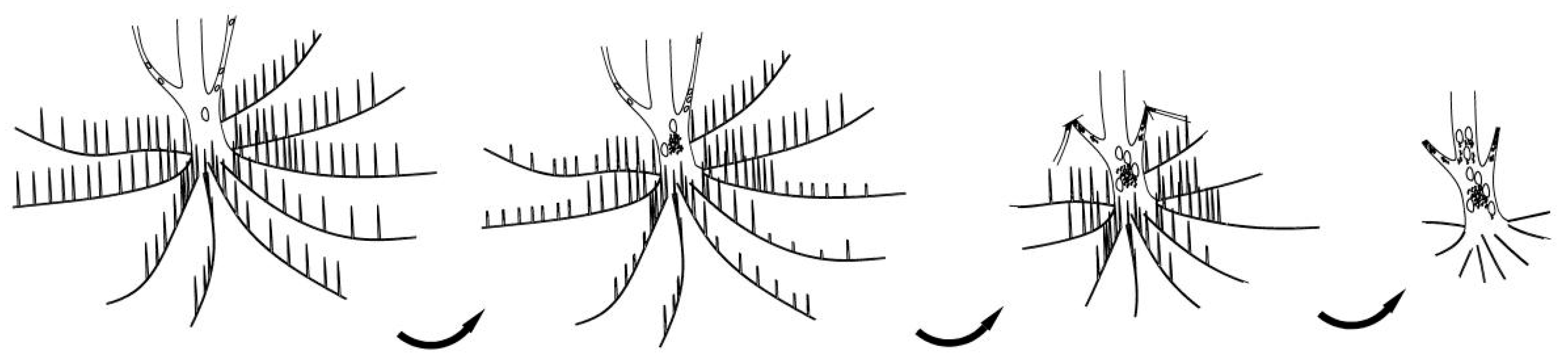
Figure 3 illustrates the progressive impact of
S. terebrans infestation on
A. marina pneumatophores. The sequence begins with isolated boreholes and advances to high-density boring, ultimately leading to substantial root loss and structural collapse, as documented in chronically affected areas such as Guchengling.
Substrate hardness is a crucial factor determining susceptibility to infestation, with boring preferences following a consistent hierarchy: foam board >
A. marina >
Bruguiera gymnorhiza >
Sonneratia apetala [
14]. This selectivity suggests a trade-off between energy expenditure and resource acquisition, indicating a refined foraging strategy that maximizes penetration efficiency.
Boring reduces the aeration capacity of pneumatophores, exacerbates redox imbalance, and causes sediment hypoxia. These effects manifest structurally: at Guchengling, the mean pneumatophore height was reduced to only 44% of that at Tieshangang, indicating significant delayed development under infestation pressure. Furthermore, S. terebrans focused its excavation on the lower 60 cm of A. marina, which is critical for mechanical support and physiological connectivity. Infestation causes physical weakening and impairs core metabolic functions, such as gas exchange, hydraulic conductance, and assimilate translocation. Sustained attacks cause increasing metabolic depletion, ultimately culminating in tree death through the loss of osmotic control and carbon starvation. This cascade of consequences underscores the role of S. terebrans as an ecosystem engineer, influencing habitat structure, accelerating mangrove decline, and modulating biogeochemical cycling in intertidal zones.
3.3. Overlapping Harm of the Defoliating Moth H. puera
H. puera, a common emergent pest in mangrove ecosystems, has a short reproductive cycle, rapid population growth, and intense predation, making it a key disturbance factor affecting the stability of the
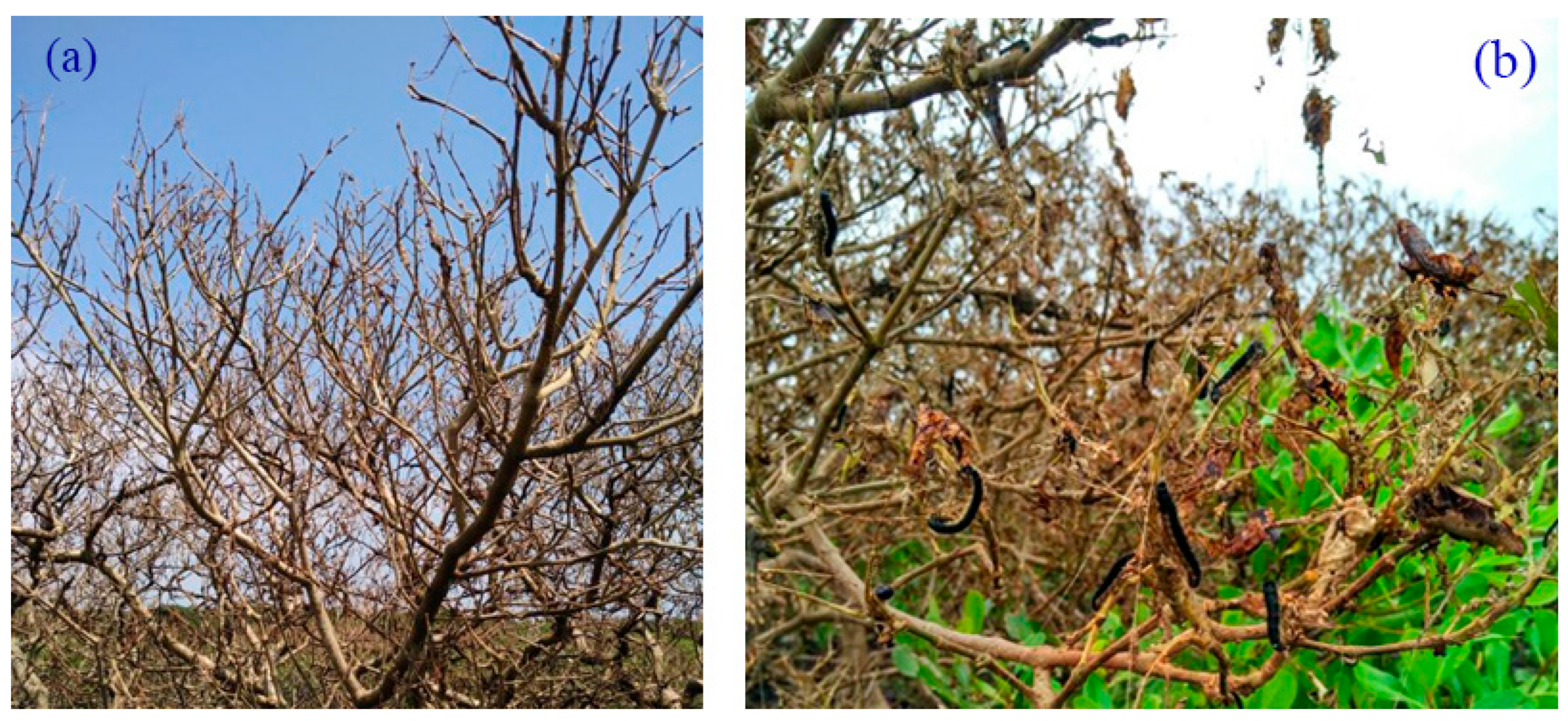
A. marina community. The moth reproduces in 11 generations every year, with an average female egg output of 477. Within 1–2 days of hatching, the larvae can swarm violently, feeding on the white bone soil, leaves, and the epidermis of shoots. In a short time, this can result in the entire canopy having “branches and leaves stripped empty” and a severe loss in photosynthetic capacity (
Figure 4) [
19]. Furthermore, insect excreta and residues rapidly acidify the topsoil, lowering the soil pH by 0.8–1.2 units and disrupting the inter-root micro-ecological environment, triggering a negative feedback loop: “loss of leaves–nutrient cycling is blocked–root damage.”
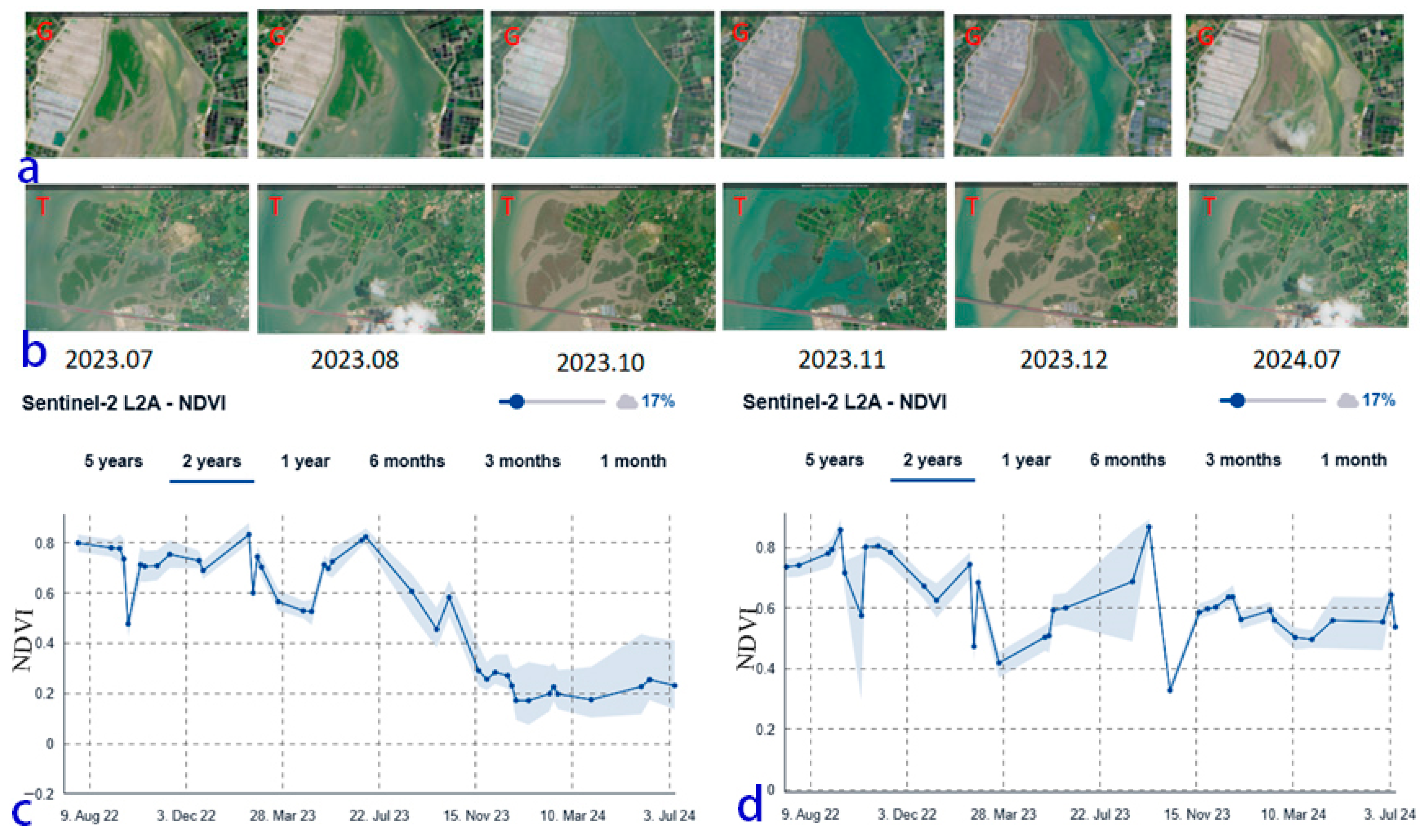
Based on the results of the Sentinel-2 multi-temporal remote sensing image inversion from 2023 to 2024, the NDVI of the Tieshangang area decreased for a while after the outbreak of
H. puera, but new leaves sprouted one after another in one month, and the green canopy basically recovered two months after insect infestation (
Figure 5). The NDVI value clearly rebounded, and the green canopy was restored, demonstrating the remarkable regeneration ability and ecological resilience of the community. In contrast, although the Guchengling
A. marina community experienced a similar degree of leaf nibbling, remote sensing images showed no significant recovery of NDVI values in two consecutive months after infestation, the canopy remained a grayish-brown color for an extended period, and no noticeable leaf regeneration was observed in the field survey, indicating that the plants died in large areas and had lost the ability to functionally recover.
This marked difference highlights fundamentally divergent responses of the two A. marina communities to the same pest outbreak: Tieshan Harbor showed strong resilience, whereas the Guchengling community crossed an ecological threshold into irreversible degradation. Temporal patterns from remote sensing images and field survey data further confirm that Guchengling followed an ecological degradation path characterized by “structural collapse-loss of function-community extinction,” driven by the combined pressures of chronic drying and acute defoliation. This represents a typical case of destabilization at the ecological tipping point.
3.4. Catalytic Effect of Environmental Disturbance
We found that the community degradation of the Guchengling mangrove forest was not caused by a single biotic stress, but rather by a combination of chronic drying and sudden insect infestation against the background of human disturbances, which rapidly developed into a continuous ecological collapse under the catalytic effect of a local environmental imbalance. In contrast, the Tieshan Harbor area is less disturbed by humans, and the mangrove forests have a relatively stable ecological function. The Guchengling mangrove area is situated near old pig farms and is separated from them only by a low seawall. In some areas, untreated sewage is released directly onto the beach, contributing to water eutrophication and formation of a depositional environment with high organic matter concentrations and poor water quality. This setting has been identified as a suitable breeding ground for
S. terebrans. Previous studies have linked mangrove die-off events at Dongzhai Harbour in Hainan, Caotou Village in Guangxi, and Yintan in Beihai to pollution sources from aquaculture, including pig farms, duck farms, and intensive shrimp ponds. Such operations often discharge nitrogen- and phosphorus-rich effluents directly into mangrove habitats through tidal creeks or small estuaries. Consequently, pollutants accumulate near the forest edge, generating localized conditions that promote
S. terebrans proliferation [
17]. For example, a mixed sewage outfall adjacent to the Fengjiajiang mangrove forest in Beijing discharges domestic sewage, slaughterhouse wastewater, and aquaculture effluent continuously. During high tide, these contaminants spread across the adjacent tidal flats. Furthermore, during the winter and spring, seagrass accumulates in specific regions, covering the pneumatophores of
A. marina and preventing oxygen exchange and root respiration. This can lead to asphyxiation and death.
In addition, the Guchengling area has a large human population, and
Phascolosoma esculenta on mudflats is dredged frequently, cutting off the shallow, finger-like respiratory roots of
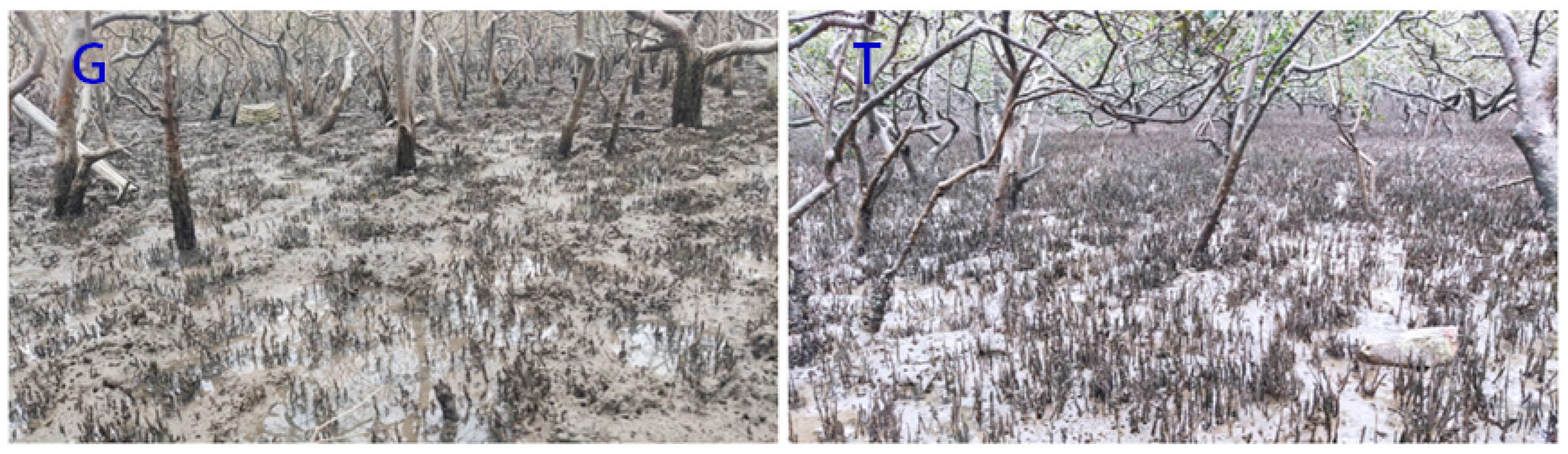
A. marina. Both greenhouse models and field observations have demonstrated that dredging activities severely restrict seedling growth, resulting in a 76% reduction in seedling height, 53.9% decrease in leaf area, and 62.2% loss in total biomass [
24]. Root damage not only impeded water and nutrient transport but also significantly reduced the ability to recover from sudden pest infestation, accelerating community degradation (
Figure 6).
Overall, the “double interference” caused by pollution and dredging reduced the ecological buffering capacity of the A. marina community significantly. Nutrient pollution from eutrophication increases the outbreak of borers, such as S. terebrans, and exacerbates root damage. However, physical disturbance destroys the root structure and undermines the physiological resistance mechanism. These combined forces result in a community environment characterized by low resistance and high susceptibility to sudden pest infestations, such as H. puera. Ultimately, this synergy creates a positive feedback loop of degradation, which operates through the primary mechanism of “biotic stress amplified by anthropogenic disturbance.”
Therefore, mangrove conservation and management should prioritize the identification and rehabilitation of potentially destabilized mangrove areas. Key measures include improving beach resource governance, reducing pollutant discharge from aquaculture operations, limiting excavation activities in critical ecological buffer zones, and integrating indicators of human disturbance intensity into mangrove health monitoring and assessment systems. Collectively, these actions aimed to enhance the comprehensive resilience of mangrove ecosystems to diverse stressors, thereby ensuring their long-term functional integrity under cumulative pressures from both anthropogenic and natural sources.
3.5. Dynamic Monitoring and Integrated Assessment of A. marina Community Health
Field assessments were conducted at 28 representative
A. marina sites along the coasts of Guangxi, Guangdong, and Hainan (
Table 3). The CHI model achieved 100% agreement in health classification compared to evaluations by three ecological experts with more than 5 years of field experience, proving its strong adaptability and diagnostic capability under diverse disturbance regimes.
To validate model accuracy, CHI, model assessments, and independent expert evaluations were performed at these sites. The results demonstrated complete consistency between model outputs and expert evaluations (100% agreement rate, Cohen’s kappa = 1.0), confirming the high reliability of the CHI model. Error analysis revealed minor fluctuations in CHI scores within the critical threshold range (2.9–3.0), primarily caused by seasonal variation and anthropogenic disturbances. For future applications, refining classification limits through dynamic monitoring is proposed. Overall, the CHI model performed well across different habitat types (sandy and muddy tidal flats) and under various disturbance scenarios, indicating that it can be used to monitor mangrove community health, provide early warnings of degradation risks, and evaluate the outcomes of ecological restoration.
To further validate the CHI model from a functional perspective, we examined the correlation between CHI scores and key eco-physiological variables measured at the validation sites. CHI scores showed significant positive correlations with leaf chlorophyll content (r = 0.72, p < 0.01) and negative correlations with soil acidification (ΔpH, r = −0.65, p < 0.01), supporting the model’s capacity to reflect not only structural degradation but also associated physiological and environmental dysfunction. While these variables were not included in the final index for practicality reasons, their strong linkage with the CHI underscores its ecological relevance.
4. Discussion
Mangrove ecosystems along the coast of Guangxi, particularly those dominated by the keystone species
A. marina, are increasingly under stress from various sources. These include long-term chronic stem damage caused by the burrowing isopod
S. terebrans and acute ecological disruptions resulting from sporadic outbreaks of the defoliating moth
H. puera [
2,
19]. This compounded stress scenario not only exacerbates negative impacts at many spatial and temporal dimensions but also challenges the conventional “single-factor-single-response” paradigm in ecological damage assessment. This habitat demonstrates a synergistic connection mechanism between ecosystem structure, function, and the environment, exposing systemic vulnerabilities [
24].
This study employed an integrated approach that combined field investigations, remote sensing monitoring, and health index modeling to investigate the mechanisms of degradation in mangrove ecosystems under compounded pest stress and to identify potential intervention strategies. The present study successfully addressed its four core objectives. First, we identified organ-level response thresholds, showing that chronic stem boring critically weakens root structure (X2), and that subsequent acute defoliation pushes mangroves past a recoverable limit. Second, we elucidated the “biological attack–environmental degradation” feedback loop: S. terebrans infestation leads to root damage, soil acidification, and ultimately benthic community collapse. Third, we confirmed NDVI’s utility for tracking canopy change and revealed its inability to detect early subsurface damage from wood borers. Fourth, by developing and validating the CHI model—which integrates ground-based structural indicators with satellite NDVI—we established an operational framework that bridges early stress signals and late-stage decline, thereby achieving the overarching aim of enabling early warning.
4.1. Response Thresholds Under Organ-Level Coupled Injury
The pillar roots and basal trunks of
A. marina were subjected to long-term, slow structural degradation by
S. terebrans, and the 0–50-cm region below the water surface had a noticeably increased density of boreholes [
14]. This persistent external damage severely compromises the normal growth and physiological functions of the mangrove root system [
22]. Continuous degradation reduces the oxygen transport capacity of aerial roots and also facilitates the invasion of pathogenic fungi and bacteria [
15]. The
S. terebrans population in Guangxi exhibits a marked preference for basal root degradation [
16], suggesting localized adaptation to regional tidal patterns and vegetation structures. Our findings suggest that when the number of cavities in a single respiratory root exceeds 20, the root system undergoes functional collapse and structural failure, leading to a rapid decline in ecosystem resilience.
In contrast,
H. puera exhibits stress-induced behavior characterized by extensive defoliation, which can rapidly consume the entire canopy of
A. marina [
25]. Although healthy stands could regenerate leaves quickly, those infested with wood-boring organisms showed no signs of recovery, indicating a critical violation of ecological thresholds. Consistent with the “growth–defense trade-off” theory [
26], resource-limited regenerating plants allocate less energy to chemical defenses, as evidenced by a decrease in the synthesis of tannins and other secondary metabolites [
27]. Similarly, Haldhar et al. [
28] reported that endogenous variation among plant genotypes significantly affects susceptibility to herbivores, indicating that intrinsic chemical and genetic traits can modulate the impact of pests. Furthermore, hypoxic conditions reduce metabolite synthesis efficiency by 15%–30%, exacerbating the severity of pest damage. This study suggests that the synergistic “root–stem–leaf” damage pattern poses a more systematic and ecologically significant threat than single-factor stressors, acting as a fundamental mechanism that drives mangrove communities beyond critical ecological thresholds.
4.2. Positive Feedback Mechanism of “Biological Attack-Environmental Degradation”
In addition to structural damage and physiological imbalance, the physicochemical parameters of the soil in the root zone of
A. marina were significantly degraded following exposure to double biological stress. The affected area of Guchengling had a pH of 5.80 and an Eh value as low as −42 mV. This suppressed nitrification and led to NH
4+-N accumulation in the sediment, exacerbating hypoxic stress. Benthic animals, such as the Chinese green roach (
Glauconome chinensis), are extremely susceptible to hypoxia, and their mass mortality reduced the rate of sediment organic matter decomposition by almost 60% [
29], and the Shannon–Wiener diversity index decreased by 1.5–2.0 units. The ecosystem’s capacity for energy flow and material cycling was significantly reduced. This sequence of “root rot–soil acidity–benthic collapse” is a common “bio-environmental” positive feedback mechanism that accelerates localized degradation and spreads into patches. Remote sensing image analysis also provided macro evidence: Sentinel-2 NDVI time series from 2023 to 2024 revealed that the green canopy recovered 1–2 months after the damage in Tieshan Harbor, and the NDVI rebounded rapidly, whereas the
A. marina in Guchengling did not produce new leaves for a long time although it had been consumed, and the NDVI was always less than 0.3, as shown by the remote sensing image. The remote sensing map also showed a continuous gray-brown color, indicating that its ecological function had been lost.
Damage to pneumatophores most likely resulted in reduced soil aeration and impeded organic matter cycling, generating a negative feedback cycle defined as “insect erosion–root impairment–soil degradation.” Furthermore, the site has been subject to previous aquaculture pollution and regular anthropogenic disturbances (mud clam harvesting), reducing its recovery potential and resistance to disturbance.
4.3. Complementary Value of Remote Sensing Capacity Boundary and Ground Index
Although NDVI is widely used in remote sensing for its intuitive and spatial identification ability to reflect mangrove canopy biomass and degradation [
30,
31], this study highlights its limitations in the “early identification” of degradation. In the initial stages of degradation, particularly from subterranean stem-boring organisms, such as
S. terebrans, the damage is concentrated in the root system and lower trunk. These changes are not immediately reflected in NDVI values, making early degradation difficult to detect and increasing the risk of oversight. We recommend integrating NDVI with ground-based health indices, such as the CHI model developed in this study. By incorporating factors such as root–canopy coordination, respiratory root structure, and borehole density, this approach can identify potentially degraded communities at an early stage and provide ground remediation or control interventions before they are visible via remote sensing. Similar spatial modeling approaches have been successfully applied to optimize mangrove distribution and restoration planning in Guangxi, demonstrating the potential of integrating ground-based indices with habitat suitability modeling to enhance monitoring and restoration efficiency [
7,
32].
4.4. Mechanisms of Sequential Mortality of A. marina Due to Superimposed Infestation by the S. terebrans and H. puera
The mangrove ecosystem in Guchengling is under constant stress, including anthropogenic overharvesting of benthic organisms and infestation by boring isopods (
S. terebrans) that attack the pneumatophores and lower trunks of
A. marina. These pressures severely weaken the respiratory roots of
A. marina, leading to root mortality, reduced root density, and shortened root systems. A reduction in functional pneumatophores causes severe hypoxic stress in the trees, leading to localized mortality. Concurrently, hypoxia decreases tannin content in leaves [
27], weakening their natural defense against herbivores such as
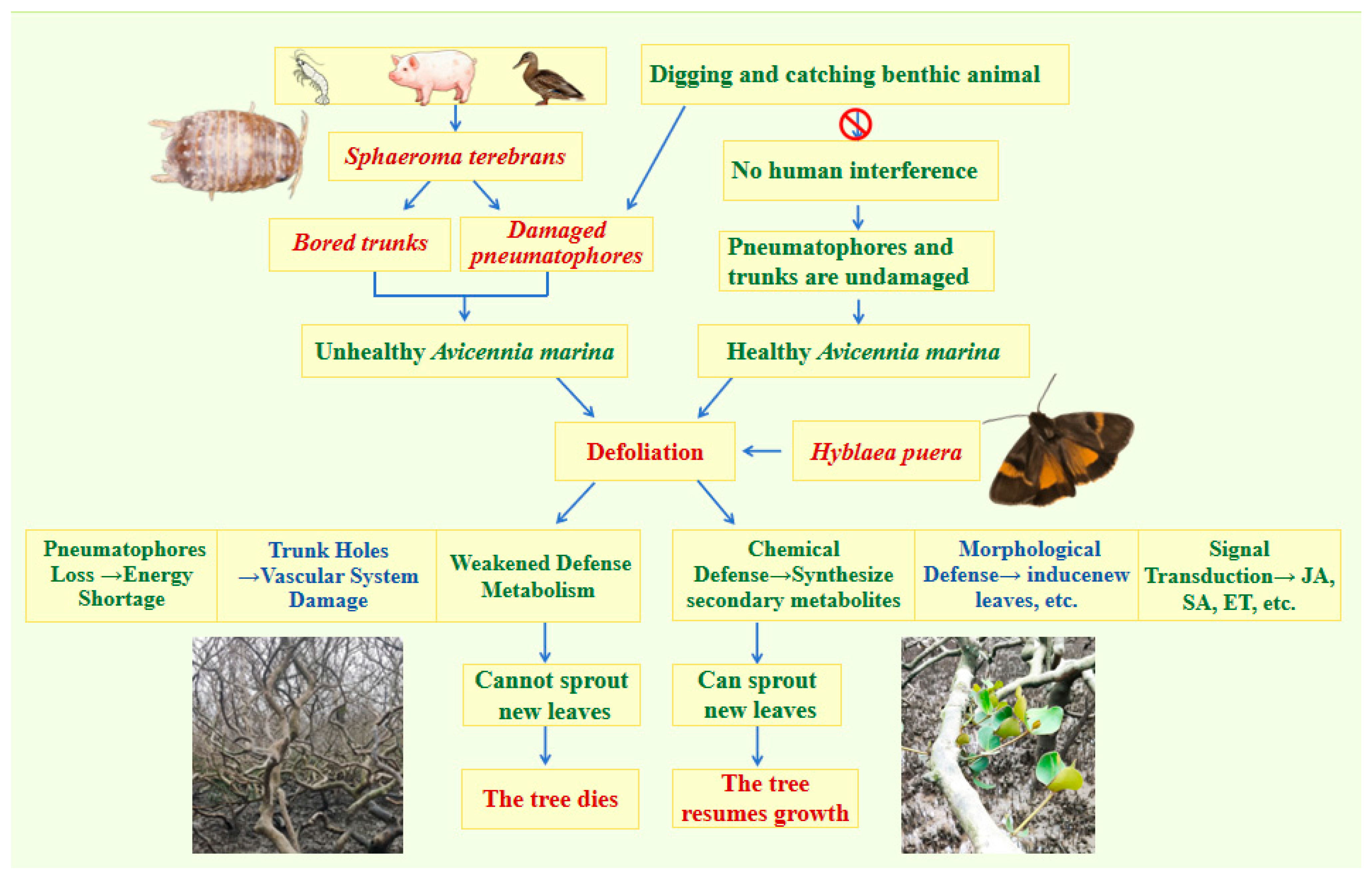
H. puera, resulting in extensive defoliation. Foliage loss reduces photosynthesis and transpiration, exacerbates hypoxia, and causes dehydration in affected trees, further contributing to localized die-off. Additionally, root decay changes the soil environment by increasing hypoxia and acidity. These harsh edaphic conditions are unsuitable for benthic organisms, whose decrease further destabilizes sediment health, resulting in a positive feedback loop that accelerates root deterioration (
Figure 7). Arrows indicate causal relationships: chronic boring by
S. terebrans weakens roots, leading to hypoxia and reduced defense capacity; subsequent defoliation by
H. puera further impairs photosynthesis and transpiration, exacerbating root dysfunction and soil acidification. This feedback loop ultimately leads to widespread tree die-off.
This succession of interrelated ecological imbalances eventually resulted in a cascade die-off of A. marina throughout the region, caused by a combination of several interacting variables rather than a single event.
4.5. Impacts of Compound Stressors on Juvenile Mangroves and Natural Regeneration
While the present study focused primarily on mature A. marina stands, the implications of compound stressors for juvenile mangroves and natural regeneration are likely to be even more severe. Seedlings and saplings possess limited carbon reserves and structural defenses, making them particularly vulnerable to combined root boring and defoliation. Chronic boring by S. terebrans can impede early root development and anchor failure, while defoliation by H. puera directly reduces photosynthetic capacity and growth rates. In degraded sites such as Guchengling, soil acidification and hypoxia further compromise seedling survival and establishment. This synergy may suppress natural recruitment, leading to regenerative failure and long-term loss of resilience. Future studies should explicitly evaluate ontogenetic differences in stress tolerance to inform restoration planting strategies and early-intervention protocols.
4.6. Recommendations for Health Identification and Intervention Pathways
The CHI health index model developed in this study showed good accuracy (Kappa = 1.0) during field validation of the 19 sample sites and can be used as an important supplementary tool for mangrove ecological monitoring. We recommend combining this model with remote sensing parameters, such as Sentinel-2 NDVI and the Red Edge Index, to create a “sky-ground” integrated monitoring system that enhances the overall ability to recognize, respond to, and restore mangrove degradation. A regular monitoring mechanism, particularly in high-risk areas such as Guchengling, should be established to prioritize the restoration of identified “potentially unhealthy communities” and provide early warning of insect pests to avoid destabilizing and collapsing of the communities due to unexpected events.
4.7. Performance and Limitations of the CHI Model
The perfect agreement (100%, κ = 1.0) between the CHI model and expert evaluations underscores its strong diagnostic performance for A. marina under the studied compounded stress. This success stems from the direct linkage between the selected indicators and the key degradation pathway: chronic boring by S. terebrans impairs root structure (X2, X3) and root–canopy balance (X1), providing an early warning of vulnerability prior to visible canopy loss.
The focus of the model on structural and damage-based indicators offers a practical and stable alternative to more variable physiological metrics for large-scale monitoring. However, its validation is specific to the biotic pressure regime (wood-boring and defoliation) and environmental context of the present study. Its effectiveness against fundamentally different stressors—such as oil pollution, sea-level rise, or prolonged salinity intrusion—remains untested, as these may drive decline through distinct mechanisms not captured by the current indicators. Future work should test and, if necessary, adapt the CHI framework to encompass a wider range of stressors while retaining its core principle of measurable, early-warning structural proxies.
4.8. Suggestions for Strengthening the Generality and Predictability of the CHI Model
To expand the application of the CHI model to larger scales and additional types of mangrove ecosystems, we must strengthen it in the following dimensions: (1) Overall, the CHI model can be applied to a variety of ecological types, including sandy mudflats, muddy estuaries, and mangrove forests in the outer sea, by conducting a sample survey in different environments with different salinities, tidal levels, and anthropogenic disturbances, and adjusting the index assignments and weightings. Simultaneously, we may attempt to extend the model to additional mangrove species, such as Kandelia obovata and Bruguiera gymnorrhiza, to optimize the overall parameter system using an interspecies comparison. (2) To enhance the early-warning capabilities of the model before remote sensing identification, we recommend combining remote sensing parameters such as NDVI, Enhanced Vegetation Index, and the Red Edge Index with CHI indicators when performing coupled modeling. Furthermore, we recommend conducting a tracking survey of time-series samples to determine the time lag between changes in the critical value of CHI and the collapse of the ecological function, thereby providing a scientific basis for the intervention window. (3) Analytical tools such as Principal Component Analysis, Structural Equation Modeling, and geostatistical interpolation should be used to reveal the driving mechanism of CHI changes and their spatial heterogeneity, thereby improving the model’s decision-making support capability.
The CHI model offers the advantages of a simple structure, efficient sampling, and high sensitivity when used to quickly estimate mangrove health. Nonetheless, some limitations exist. First, the research was confined to two representative sites in Guangxi (Guchengling and Tieshangang), which limits generalizability across broader climatic and environmental gradients. Second, physiological and soil indicators were measured at single time points, potentially underestimating seasonal dynamics in community resilience. Third, remote sensing assessment relies primarily on NDVI, which has limited early detection capacity. Future work should expand site coverage, enhance time-series monitoring, and incorporate additional remote sensing metrics and molecular physiological approaches to improve the universality and predictive power of the model. In future, we should promote integrated application of the model within a multisource ecological data platform, and its transformation from static evaluation to dynamic early warning, which would provide scientific support for ecological disaster prevention, control, and effective restoration of tropical and subtropical coastal wetlands.
4.9. Advantages of the CHI Model Compared to Existing Assessment Methods
The CHI model addresses a key gap in current mangrove health assessment. While remote sensing indices like NDVI are effective for mapping large-scale canopy loss, they lack sensitivity to early, subsurface degradation from chronic stressors such as wood-boring. The CHI directly targets this incipient stage through ground-measured structural indicators (X1, X2, X3), providing a vital early-warning signal before decline is visible from space.
Compared to complex physiological assays, the CHI is designed for field utility: its indicators are quick to measure, non-destructive, and require only basic tools, making it a cost-effective and practical option for routine local monitoring. Thus, the CHI does not replace broad-scale remote sensing but complements it by adding a critical, ground-truthed layer for early intervention within an integrated monitoring framework.
4.10. Limitations Due to Site Heterogeneity
The contrasting conditions between Guchengling and Tieshangang introduce confounding factors that limit causal inference regarding compounded pest stress. Differences in tree density, soil chemistry, and anthropogenic disturbance may independently influence mangrove resilience and recovery. For instance, higher tree density at Guchengling could intensify intraspecific competition, potentially exacerbating stress responses. Future studies should include replicated sites with graded levels of pest pressure while controlling for other environmental variables, or employ manipulative experiments to isolate the effects of S. terebrans and H. puera under comparable background conditions.
4.11. A Practical Framework for a ‘Sky-Ground’ Integrated Monitoring and Early-Warning System
Building on the CHI model and NDVI monitoring, we propose a tiered operational framework for mangrove health surveillance:
Tier 1: Broad-scale satellite surveillance. Use medium-resolution satellite data (e.g., Sentinel-2) to routinely track NDVI and related vegetation indices across mangrove coasts. Automated algorithms would flag areas with sustained greenness loss or abnormal seasonal patterns as “Priority Watch Zones”.
Tier 2: Targeted verification. In Priority Watch Zones, deploy UAVs for high-resolution canopy imaging alongside rapid ground-based CHI assessments. This step confirms remote sensing signals and quantifies subsurface structural vulnerability.
Tier 3: Risk integration and alerting. Integrate data streams in a decision matrix: Low risk (stable NDVI and high CHI) triggers routine monitoring; elevated risk (declining NDVI and moderate CHI, or stable NDVI and low CHI) warrants increased surveillance and stressor investigation; high risk (sharply declining NDVI and low CHI) initiates an early-warning alert and targeted intervention planning.
Implementation requires a centralized platform for data fusion and alert management. This scalable system leverages existing remote sensing and field protocols to enable proactive resource allocation in areas at high risk of collapse.
5. Conclusions
This study systematically revealed the degradation process of A. marina in Guangxi coastal mangrove forests when stressed by S. terebrans and H. puera. Long-term drying weakened the root and stem structure and reduced A. marina carbon reserves, and when a sudden leaf-feeding event occurred, the ecological threshold was easily exceeded, resulting in widespread community mortality.
A comprehensive analysis of community structure, physiological metabolism, and soil environment revealed that the length of respiratory roots, enzyme activity, and chlorophyll content of the degraded white bone soil decreased significantly. However, the acidification and reducibility of the soil increased, forming a positive feedback chain of “biohazard-environmental degradation” and leading to long-term dysfunction of the ecological function.
To facilitate early detection and intervention, the present study developed a Composite Health Index (CHI) based on root–crown coordination, respiratory root structure, and pore density. Field validation across 28 sites in three provinces showed perfect agreement with expert judgment (kappa = 1.0), confirming its accuracy. The CHI provides coastal managers with a simple yet robust tool for quantitative assessment of mangrove health, enabling the identification of at-risk stands and the prioritization of restoration efforts before irreversible ecosystem collapse.
The management recommendations are as follows:
Based on the mangrove health diagnosis and early-warning system proposed in this study, we recommend improving the effectiveness of measures for preventing, controlling, and restoring mangrove degradation, focusing on the following five aspects:
(1) The goal of deploying CHI ground indicator monitoring in high-risk areas, such as historical pest-prone regions and areas of strong anthropogenic disturbance, is to facilitate regular community health tracking and prioritize identification of potentially degraded patches, thereby serving as an important early-warning mechanism.
(2) Before significant changes in remote sensing NDVI occur, manual inspection and targeted prevention and control measures should be implemented in areas with low CHI values. This approach aims to improve the response time and prevent degradation beyond the ecological threshold.
(3) Develop an integrated monitoring system that combines “CHI ground diagnosis” with “NDVI remote sensing early warning.” This system aims to establish a connection between field monitoring at the field level and the spatial scale, thereby improving the ability to detect chronic degradation and sudden stress.
(4) Incorporating the CHI assessment mechanism into the overall management of an ecological restoration project is an important technical tool for assessing intervention effects, regulating processes, and assessing effectiveness, as well as promoting a shift from empirical to data-driven management.
(5) Improving the management of abiotic disturbances in the A. marina root zone is essential. To address the frequent dredging and fishing of benthic animals, such as mud dinghies, during spring and summer, we recommend establishing ecologically sensitive buffer zones in key areas. These zones should be supported by targeted restrictions on operating hours and activity intensity, along with public outreach and guidance on sustainable fishing practices. Such measures aim to minimize disruption to the structure of the respiratory roots and the redox state of the soil, thereby maintaining the stability of the mangrove community.
In conclusion, the A. marina community health assessment framework developed in the present study not only has good field applicability and accuracy but also provides a scientific and systematic support tool for monitoring, management, and intervention in the degradation of coastal wetland ecosystems, which has broad practical and popular value.




 ,
,