1. Introduction
The share of renewable energy sources in the energy mixes of EU member states is growing as a result of guidelines forcing the decarbonization of their economies. One of the pillars of decarbonization is replacing fossil fuels with energy from wind and sun [
1]. Consequently, its development is increasingly dynamic, and over the past 10 years, wind energy capacity has more than tripled in the Netherlands, doubled in Germany, France, and Ireland, and increased eightfold in Finland [
2]. In turn, in the case of installed solar energy capacity, the growth was most dynamic in Luxembourg, Croatia, and the Netherlands (more than four times), reaching 150% in Germany. In the UK, installed wind and solar capacity doubled. The share of installed renewable energy sources (RES) in the total energy generation structure is also significant. It is highest in Germany, where RES contributes 53% of electricity generation, 51% in the Netherlands, and similarly in the UK. These statistics exclude hydropower, which is a stable and controllable energy source. On the one hand, wind and solar energy meet all the requirements of the decarbonization process, as their acquisition does not involve greenhouse gas emissions. However, the specific nature of this energy generation poses a threat to the stable operation of the power system. The amount of energy generated depends on atmospheric conditions, including solar radiation, air temperature, cloud cover, precipitation, wind speed, topography, time of year, and day. The difficult-to-predict level of energy generation poses a challenge in the process of integrating renewable energy sources into the power systems of individual countries. Due to the unstable operation of renewable energy sources, maintaining a balance between energy production and consumption becomes very complicated. Conventional energy sources offer the ability to adjust their output to current energy demand, a capability for which existing power systems were designed. Renewable energy requires advanced grid management. Maintaining system frequency at a constant level is essential. Furthermore, conventional power plants introduce inertia into the system, which helps dampen sudden frequency changes. However, the technology used in wind turbines and photovoltaics does not provide this type of solution. The energy system stability indicators clearly indicate that the decrease in the share of coal in electricity production had a negative impact on the stability of the grid [
3]. This phenomenon is particularly significant in member states that have been, and continue to be, heavily dependent on fossil fuels for decades, such as Poland and Germany. Various solutions can be used to eliminate this negative impact on renewable energy sources. These include, above all, intelligent grid control systems, backup energy sources such as pumped storage or gas-fired power plants, and the development of energy storage facilities.
The high variability of energy generation using renewable energy sources leads to increasing supply fluctuations. Fluctuating demand creates a gap that cannot be filled using conventional energy sources. The key solution here will be ESS technology, particularly BESS, which is seen as a key tool for compensating short-term production fluctuations, stabilizing frequency, reducing overloads, and balancing the energy system using renewable energy sources.
Energy Storage Systems (ESS)
Energy storage systems (ESS) are devices that enable the storage of energy in one physical form and its recovery in another form when needed [
4]. Their task is to accumulate excess energy from renewable energy sources, convert electrical energy, store it, for example, in the form of chemical or mechanical energy, and convert it back to the form in which the energy will be used, i.e., electrical energy [
5]. The literature distinguishes five main categories into which energy storage systems can be divided according to the method of energy storage [
6]. These are electrical energy storage systems (EESSs) [
7,
8,
9], chemical energy storage systems (CESSs) [
10,
11,
12,
13,
14], electrochemical energy storage systems (ECESSs) [
15,
16,
17,
18,
19], mechanical energy storage systems (MESSs) [
20,
21,
22,
23], thermal energy storage systems (TESSs) [
24,
25,
26]. Additionally, it is beneficial to create hybrid systems that combine the capabilities and advantages of these five categories. This creates a synergy effect that allows operation in both high-power and high-energy modes, which, first, enables voltage stabilization and improved system response dynamics through the use of, for example, SMES. Secondly, due to its high energy density, this solution can be used in long-term power systems, for example, using CAES [
27].
The presented research focused on the ECESS subcategory, namely battery energy storage systems (BESS). This category includes lithium-ion batteries, sodium-sulfur batteries, redox-flow batteries, lead-acid batteries, and NiCd batteries [
28]. The role of BESS in energy systems has been growing in recent years, along with the increasing share of wind and solar energy. Their main advantages include their rapid response to changes in generation and demand. This allows them to compensate for fluctuations in energy generation using renewable energy sources within milliseconds. BESS are also highly versatile; in addition to short-term balancing, they can mitigate transmission line overloads, stabilize voltage, and improve power quality [
29]. The use of BESS does not require special geographical or geological conditions, such as high gradients or salt caverns; they can be used regardless of the spatial location of energy suppliers or consumers. Economically, they also represent one of the most attractive solutions. The cost of BESS technology is steadily decreasing, and they also allow for the generation of stable revenues.
Integrating energy storage with the power system is a complex undertaking, primarily due to battery degradation, which is a consequence of the specific nature of storage devices operating in charge and discharge cycles, which causes a gradual loss of the lifetime of the BESS system. To minimize this effect, battery state of charge (SOC) monitoring can be used, which extends the useful lifetime of storage devices by up to 60% [
30]. Selecting the appropriate storage location to ensure stable supply and minimize power loss is also a challenge. Financial considerations, such as investment, operation, maintenance, and battery degradation costs [
31], will also be a significant factor in the development of energy storage units [
32].
Energy storage systems can stabilize voltage and frequency in the power grid, compensate for reactive power, and balance the load on a grid that requires the use of renewable energy sources. These systems will enable the transmission grid to reduce load and increase flexibility despite the use of renewable energy sources. They will allow for an active response to fluctuations in energy production and reduce energy losses during periods of low demand. They can also serve as a backup power source in the event of crises. This will ensure the security of the country’s energy. It is important to remember that the success of the energy transition depends not only on the increasing share of renewable energy in the energy mix but also on the ability to maintain stable operation of the power system. To determine whether an energy storage system can ensure this stability, appropriate metrics must be used. The authors aimed to determine a set of such metrics. The analysis was carried out at the level of the entire energy sector for two EU countries leading the development of BESS storage systems. Germany and Ireland, as well as the UK, which is a leader in the use of energy storage systems on a European scale. Currently, Germany accounts for 25% of installed BESS capacity in Europe, Ireland for approximately 6%, and the UK for more than 50%. Therefore, Germany is the largest, most mature, and best-documented BESS market in the EU, which could serve as a model for other countries. Ireland is also an interesting case, with its electricity grid isolated from the continent, and energy storage will be a critical element in ensuring the stability of its energy system. This is crucial because Ireland is home to the majority of the world’s extremely energy-intensive data centers. BESS storage is developing rapidly in the UK for several reasons. Primarily, they are intended to replace fossil fuels that are removed from the energy mix. They have been recognized by the government as a tool to stabilize the UK’s electricity system, which is heavily reliant on renewable energy sources. Energy storage is viewed as a crucial element of the grid in the UK.
Most studies presented in the literature focus on the technological parameters of storage devices [
33,
34,
35], while issues related to storage integration at the energy system level are significantly limited. This constitutes a research gap in assessing the readiness of a power system for the integration of energy storage devices. Energy storage devices have also been considered fragmentarily in terms of their economic [
36] and environmental characteristics [
37,
38]. These are crucial aspects of assessing energy storage devices, but without the use of metrics enabling a comprehensive comparison of the system’s readiness for energy storage across systems and countries. Additionally, available studies assess storage devices in terms of the aforementioned factors, but not in the context of energy security. To achieve this, the authors used the 4A model to construct a synthetic ESRI-BESS metric. This enabled them to assess the energy system from a broad perspective, encompassing the challenges it faces in the context of the growing share of renewable energy sources, production variability, the growing demand for flexible system operation, and the development of distributed energy resources. A synthetic metric was developed that not only reflects what is currently present but also what the system is prepared for in terms of energy storage. The 4A model provides a framework for selecting and dividing indicators into energy security pillars, which is the de facto goal of energy storage. This allows for methodological consistency when comparing ESRI indicators across countries.
2. Literature Review
Growing global energy demand required the consumption of increasing amounts of fossil fuels. This, in turn, generated gas emissions that negatively impacted the natural environment. These phenomena required the application of new solutions in the form of renewable energy technologies, changes in energy generation methods, such as the implementation of distributed energy generation, and the use of energy storage technologies. According to the IRENA definition, energy transition refers to structural changes in the energy sector, encompassing both technological changes and changes in the energy mix. Successful implementation of the energy transition also requires the use of appropriate organizational solutions, procedures, and regulations [
39]. One of the most important outcomes of the energy transition, however, is to ensure energy security. This means the ability to provide energy to consumers when needed, in the desired quantity and at an acceptable price, without negatively impacting energy production on the natural environment. Since the concept of energy security was first used in the 1970s, its definition has undergone constant change [
40,
41]. Initially, it covered only energy availability and was later expanded to include additional elements in line with changing conditions in energy markets [
42]. Currently, these factors are organized into four categories (4A): availability, accessibility, acceptability, and affordability [
43].
In energy systems where the share of intermittent renewable energy sources is growing, a necessary condition for ensuring energy security is the use of solutions that enable the accumulation of generated energy and its storage until needed. In the presented research, the authors addressed the energy transition from a technological perspective (the share of renewable energy sources), a structural perspective (changes in the energy mix, reduction in the share of conventional sources), and an operational perspective (the requirement for flexible operation of the energy system). These were applied to the four categories of the energy security model, assessing whether energy systems are operationally prepared for the growing role of renewable energy sources and energy storage, ensuring security of supply through renewable energy balancing.
The literature contains numerous examples of indicators that describe energy storage. A framework was developed to assess the potential for energy storage development in North Asia. It was determined that the evaluation should consist of technical, political, and regulatory criteria [
44]. Research was conducted on the impact of energy storage on system adequacy [
45]. Indicators that describe the advantages of energy storage were also determined, such as energy storage configuration ratio, environmental benefit indicators, and social benefit indicators [
46]. Indicators that analyze storage capacity, power, and operating time [
47], capacity ratio [
48], and those related to power, energy, and storage efficiency [
49] also emerged. However, there is no universally accepted indicator describing a power system’s readiness for energy storage. Although storage technology readiness can be assessed using individual indicators, such as components from technical or environmental categories, there are no measures of a power system’s readiness for energy storage. The authors proposed a set of indicators based on the relationships between power, energy, and storage capacity found in the literature. Furthermore, the set was constructed to comprehensively describe the readiness of a system for energy storage in the context of energy security. To facilitate the simultaneous analysis of all indicators, synthetic assessments of power systems were used in the literature. For this purpose, technical, economic and environmental indicators were analyzed using, for example, the TOPSIS method to determine the value of the system for China [
50]. A model was built to assess energy storage services in microgrids using the Analytic Hierarchy Process (AHP), the Interactive Multi-Criteria Decision Making model (TODIM) [
51], Preference Ranking Organization Methods for Enrichment Evaluations (PROMETHEE) [
52], and fuzzy sets [
53]. Similarly, in the presented studies, a synthetic measure was constructed based on a set of adopted measures.
3. Description of the Research Conducted
As discussed above, the literature provides an assessment of the readiness of storage technology using individual indicators, such as components within technical or environmental categories. However, there are no measures of the readiness of a power system for energy storage in the context of energy security. Furthermore, the analyzes conducted to date have focused on the existing BESS technology and the economics of its application. There are also no studies in which the authors consider whether the energy system is “capable” of using stored energy.
In the research presented, the authors focused their analysis on how the system interacts with storage facilities, rather than on what is installed. A quantitative set of indicators was constructed, embedded in the 4A energy security model. The indicator measured not only the existence of storage facilities but also whether the system is prepared to ensure the country’s energy security. Furthermore, 4A is a recognized energy security model, providing a solid conceptual basis for selecting and classifying indicators. This set of indicators takes into account that storage facilities will impact energy independence and climate neutrality and that they influence the overall stability and security of the system. Furthermore, applying the 4A concept allows the relevance of the obtained results to energy policies. The constructed set of indicators is presented in
Table 1 and is described in more detail in
Section 4.
This synthetic measure allows the progress of energy transformation through the development of energy storage. The authors chose the TOPSIS method to build a synthetic indicator of the energy system’s readiness for energy storage, i.e., the Energy Storage Readiness Indicator ESRI-BESS. This method is characterized by the ability to integrate a set of explanatory variables with different types of influence on the phenomenon analyzed and with different units and scales. Additionally, by using the Shannon entropy method, the authors obtained objective weights for the explanatory variables. TOPSIS also enabled a dynamic analysis of the studied phenomenon and the construction of scenarios for its development under variable environmental conditions. TOPSIS was used to build and compare power systems in selected countries in terms of their readiness for energy storage. Scenarios built using the Monte Carlo method were used to analyze the uncertainty of the results obtained. To speed up and facilitate the performance of this and similar analyses that will be conducted in the future, the ESRI-SimLab (Energy Storage Resource Simulation Laboratory) program was written in Java 17, where all the tools used were collected.
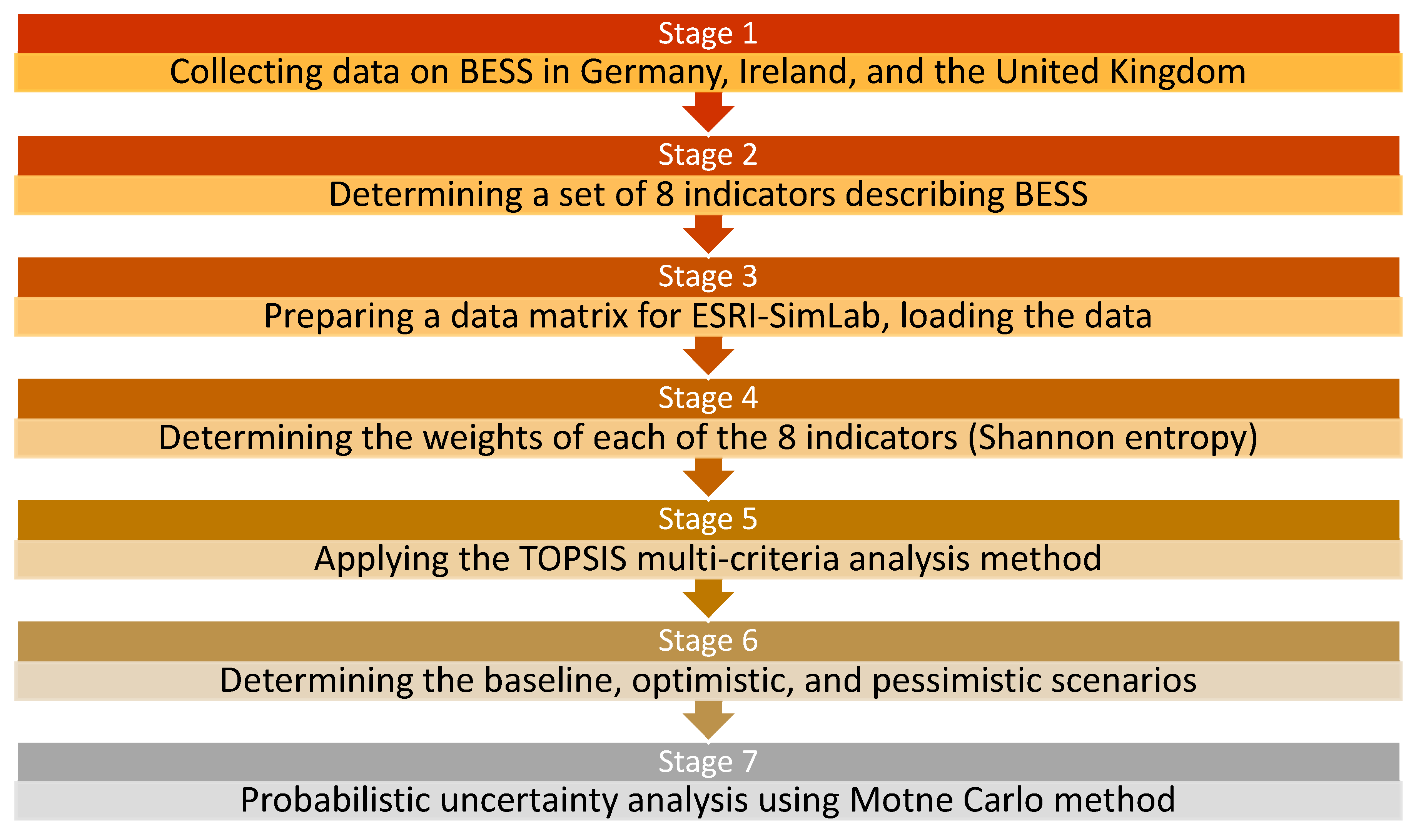
Figure 1 illustrates the workflow of the tasks completed as part of the research.
In summary, the ESRI-BESS index developed and presented by the authors provides a quantitative method for assessing the readiness of energy systems for energy storage, based on the 4A energy security model. The TOPSIS, Monte Carlo, and entropy methods used to build it enable the creation of country rankings and their analysis in terms of stability and sensitivity to changing environmental conditions resulting from energy transition. Indicators describing a country’s energy system’s readiness for energy storage, along with the methods used, are described below.
5. Results and Discussion
The research began by obtaining the data necessary for the analyses. Data used to determine explanatory variables were obtained from ENTSOE services [
57] (peak load, BESS installed capacity, energy not delivered due to supply interruptions), Eurostat [
58] (daily energy production, greenhouse gas emissions, energy production from fossil fuels), and EI Statistical Review of World Energy databases (annual greenhouse gas emissions from the energy sector and energy imports). This selection of sources guarantees high quality of the obtained data and enables comparisons between individual countries. Each institution uses standardized methodologies and data formats. The data were converted to identical measurement units and also originated from the same time period. They covered Germany, Ireland, and the UK in 2024. To perform a dynamic analysis and verify progress in the development of energy storage, 2021 was used as a reference year. This was the first year data was collected for all three countries included in the analysis. Data were used to determine the values of eight indicators described in
Section 4. The values of the indicators determined for 2021 and 2024 are presented in
Table 2.
The indicators characterize not only storage facilities but also the entire power system’s ability to efficiently utilize stored energy. Some of the indicators directly measure storage facilities’ capabilities, while others measure the system’s ability to integrate and utilize them in the 4A framework. The GGERI indicator was introduced because storage facilities are not only intended to be a tool for stabilizing the system but also to support the energy transition. It reflects the acceptability pillar, determining whether the system uses storage facilities in a climate-friendly manner. It allows for the assessment of whether BESS development is consistent with EU climate goals. Without this component, the ESRI would not assess the environmental aspect, which is crucial for energy security and energy transition. The higher the EAR indicator, the greater the system’s ability to strategically utilize storage facilities. It illustrates the storage facility’s ability to operate on stored energy. These indicators were added to demonstrate not only what storage facilities can do, but also what the system can achieve with storage facilities in terms of energy security.
The PLCR index increased in each of the three countries between 2021 and 2024. The highest, a three-fold increase, was recorded in the UK, which was the result of significant state support, mainly through the inclusion of energy storage facilities in the system services market [
59]. This allows storage facilities to be treated as power plants. The UK is currently able to meet one-tenth of its peak demand with stored energy. In Germany, the increase in PLCR is primarily due to the increase in the number of BESS storage facilities, mainly in Bavaria and Saxony, as a result of the abandonment of nuclear power and the gradual phase-out of coal from the energy mix. In Ireland, the PLCR index doubled during the period under review, driven by the need to stabilize the system, which is primarily powered by renewable energy and, second, isolated from neighboring countries that could provide support in the event of a potential crisis. The growing index in each case indicates an increased readiness of the system for energy storage and also means that the system can respond more effectively to sudden spikes in energy demand. This improves system stability and network flexibility. Countries are increasingly better protected against potential blackouts. Systems are beginning to gain buffer capacity, which will be crucial in the context of coal-fired and nuclear power plant shutdowns. This means that energy storage facilities in the countries analyzed have already moved beyond the pilot phase and are becoming a viable tool for ensuring energy security.
The increase in the RESI in each country indicates a closer cooperation between renewable energy sources and the power system. The largest increase, three times, was recorded in the UK and two times in Ireland. In Germany, however, the increase was symbolic, amounting to only 0.5%. In the UK and Ireland, the increase indicates the dynamic development of BESS infrastructure cooperating with wind and photovoltaic farms. In Germany, there are significant disparities between the pace of RES development and BESS development, and the surplus energy cannot be used effectively. For the German power grid, energy storage facilities are still too small to support renewable energy sources as effectively as in the UK.
The ESER index indicates the intensive development of investments in BESS, perceived as an element of a system that is intended to ensure energy security in countries whose energy mixes are changing at such a rapid pace for the first time, and this evolution is changing them to an unprecedented extent. The greatest emphasis on BESS development has been placed in the UK, while in Germany and Ireland, development is stable but slower. The increase in this index indicates an acceleration of investment during the analyzed period and efforts to adapt the energy system to the requirements of the energy transition. The increase in this index was most significant in Germany, where it was seven times, and in the UK and Ireland it more than doubled, while in the UK, the index reached its highest value in 2024. In Germany, the increase is mainly due to the implementation of federal programs supporting the energy transition [
60]. Nuclear and coal power plants are being gradually phased out [
61], which has led to BESS storage being perceived as a key element in ensuring the stable operation of the energy system. Integration with the capacity market through the participation of storage facilities in Primary Frequency Control (FCR) services is also important [
62]. This approach has led to an increase in investor interest in BESS. In the UK, the development of BESS potential has been accelerated by liberal regulations and favorable conditions for investors, simplified procedures and formalities, and, as already mentioned, the recognition of storage facilities as generating units. Large battery farms have been constructed in Hampshire [
63] and Kent [
64]. This demonstrates the maturity of the ancillary services market in the UK. In Ireland, BESS has been supported by EU and local programs such as DS3. It is the main market mechanism that stimulates the development of these storage facilities in Ireland [
65]. In the past three years, Germany has significantly improved its ability to compensate for lost generation capacity through the construction of energy storage facilities. The PPDCI index has increased 40-fold in Germany, primarily due to the need to maintain reserve capacity in an energy mix deprived of nuclear and coal-fired power. After 2020, Germany’s energy mix was changed, eliminating many coal-fired units to meet decarbonization requirements. In the UK, the index has remained essentially constant but high. The system already had a significant capacity to offset deficits in 2021. In Ireland, the increase was sixfold. This is of enormous strategic importance, given the isolated nature of the Irish power system. Due to reserves stored in BESS, the Irish system has improved its self-sufficiency and resilience to disruptions without the need to import energy, which is crucial to the island’s energy security. PDCTI is a measure of the self-sufficiency of an energy system expressed per unit of time. In Germany, between 2021 and 2024, the time during which storage facilities can support the system at full load tripled, which translates to improved short-term resilience of the power system to overloads in conditions of growing demand for buffer energy. Hybrid storage facilities and a smart grid management system were implemented, reducing energy losses and improving the effective operation time of storage facilities [
66]. In the UK, the increase was also threefold, achieved thanks to the implementation of a number of projects that expanded the installed capacity of energy storage facilities but also incorporated them into the market of system services such as Firm Frequency Response or Reserve Services [
67]. In Ireland, the increase was two times. Participation in DS3 system services gave storage facilities the ability to act as a frequency reserve, allowing them to maintain voltage and frequency in the event of a drop in wind farm output [
68]. The ECR indicator, in addition to the share of storage facilities in peak demand, also describes their role in the daily cycle of energy production and consumption. The value of the index in Germany increased fourfold between 2021 and 2024, but it is still extremely low, not reaching half a percent, meaning that storage facilities do not play a significant role in the daily balance of the system. Storage facilities in Germany are primarily responsible for short-term frequency stabilization. The development of long-term energy storage facilities, such as long-term energy storage LDESs, remains limited, particularly in the BESS category. In the UK, the increase was eight times, but the rate is also small at 1%. The UK is taking a number of steps to build long-term storage facilities that could support the power system for several hours, including commencing construction of the Vanadium Flow Battery VFB [
69]. In Ireland, the ECR remains low, and the DS3 policy is primarily focused on short-term responses to system failures.
The GGERI index in Germany increased fivefold, but in 2024, it reached just 1%. However, this increase indicates the beginning of a significant phenomenon in which energy storage may be a key element of the decarbonization process. The use of renewable energy sources itself will impact clean energy production, but also the energy not produced, stored, and used when needed will reduce emissions of harmful substances produced during the combustion of fossil fuels. In the UK, the index quadrupled to 4%, making energy storage a viable tool for system decarbonization. Storage can be recharged with clean energy, which it releases when the system uses conventional fuels, such as natural gas. In Ireland, the index increased to 2%, and storage facilities helped avoid the need to run conventional sources in emergency mode. Therefore, storage can provide real environmental benefits. In Germany, the EAR index showed a small but meaningful increase from 1% in 2021 to 2% in 2024, signifying the energy system’s gradual independence from energy imports from neighboring countries such as the Netherlands and Poland. Mechanisms to secure internal energy supplies are crucial, especially in light of recent military events in Ukraine. In the UK, the index reached 10% in 2024, representing a significant step toward the country’s energy self-sufficiency. This was particularly important in light of Brexit. In Ireland, the index reached 6% in 2024, and completed projects, such as those in Tippary [
70], have strengthened the country’s power system’s self-balancing capabilities. This is particularly significant given the limited capacity of the isolated Irish system to import energy.
Determination of the Synthetic ESRI-BESS Measure
Based on the determined indicators, a decision matrix was constructed for the analyzed countries and their assigned attributes characterizing BEES systems. The matrix was entered into the ESRI-SimLab and all further calculations were performed using the program. All indicators constitute stimulants, so there was no need to standardize them. Before being used in further analysis, the data were normalized to eliminate differences in the scale of the variables. Because not all indicators have the same impact on the phenomenon analyzed, it is necessary to determine weights for each. To ensure the objectivity of the adopted weights, Shannon entropy was used. Indicators that differ significantly between countries received a high weight. The weights sum to 1. The results of the analysis are presented in
Table 3.
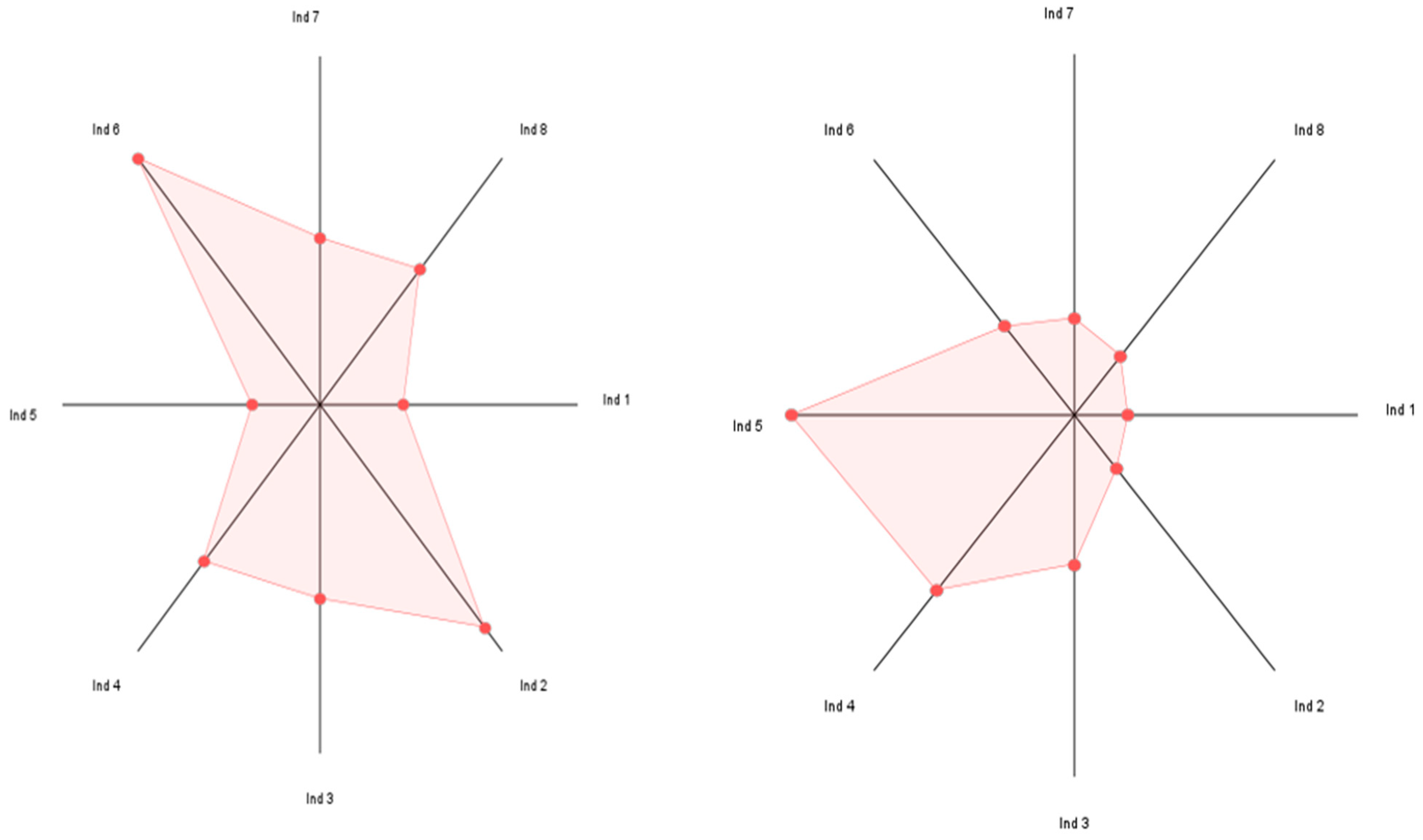
In 2021 the highest weight of 0.3 was given to the PDCTI indicator, which describes the time during which storage facilities can support the power system at the time of the highest energy demand. The second most important indicator was the PPDCI index, which has a weight of 0.2, representing the compensation of power lost with stored energy. The PLCR and RESI indices had the lowest weights. In 2024, the ECR index, with a value of 0.21, achieved the highest weight. It indicates the percentage of daily energy demand that storage facilities can cover. Another indicator with a high weight is RESI, which describes the part of installed renewable energy capacity balanced by BESS. The PLCR index again had the lowest weight in 2024, but so did the PDCTI, which had the highest weight in 2021. The values of these indicators are presented in the radar graph in
Figure 2. The larger the area on the graph the indicator covers, the higher the weight of the indicator.
Changes in weights over time indicate that the importance of individual determinants of a power system’s readiness for energy storage evolves with the maturation of the energy storage market and the progress of the energy transformation that forces the development of storage facilities. In 2024, the ability of storage facilities to balance electricity daily and cooperate with developing renewable energy sources gained importance. Energy storage systems are becoming a crucial component of the power system and may eventually be used for operational purposes in addition to their fundamental stabilization purposes. The decreasing importance of the PDCTI and PPDCI may be a sign that system operators have made progress in developing the infrastructure and experience necessary to cope with short-term system stability issues, such as sudden increases in energy demand or frequency and voltage disruptions in the grid. The PDCTI indicator doubled in each country over the period under review, but it still requires further improvement.
In the next step, the normalized index values and the determined weights were used in the TOPSIS method. The ideal and antipattern objects were identified, and the Euclidean distance from the ideal and anti-pattern was calculated, resulting in the Energy Storage Readiness Index.
Two scenarios were constructed to analyze various possibilities for the further development of energy storage. The optimistic scenario assumed that the conditions for storage development would improve, for example, thanks to investments, favorable legal and political conditions, and technological development. Multipliers ranging from 1.1 to 2.5 were used to perform the simulation. The pessimistic scenario assumed the opposite: deteriorating political conditions, economic decline, an energy crisis, and limited investment in innovation. Multipliers ranging from 0.05 to 0.45 were used in this case. Multipliers were used for each of the explanatory variables. The scenarios allowed for the analysis of the ESRI index in terms of its sensitivity to changes in individual explanatory variables. They also facilitated the comparison of TOPSIS analysis results in various development conditions. Scenarios provided an answer to the question of which country’s energy storage system development conditions are stable enough to maintain their position even under unfavorable environmental conditions. The scenarios were constructed using the Monte Carlo method. The number of iterations in which the scenarios were calculated was limited to 2000. In each iteration, disturbance was added to each element of the decision matrix, simulating random data uncertainty (±2.5%) and deterministic changes consistent with the analyzed scenario. After considering 2000 different versions of input data, the mean, standard deviation, median, 2.5%, and 98% percentiles were determined for each scenario.
Table 4 and
Table 5 present the values of the ESRI-BESS index for 2024 and 2021 in the three scenarios. The index provides a comprehensive measure of the power system’s readiness for energy storage in the selected countries.
In each of the cases analyzed, the index had the highest value for the UK, reaching 0.91 in the baseline scenario in 2024. The index value increased by two percentage points compared to 2021, indicating a stable level of preparedness in the UK. Ireland achieved the lowest values of the ESRI index. However, although it lags Germany by about seven years in terms of BESS development, in 2024 the ESRI index in the baseline scenario is only one percentage point lower than Germany’s, while in 2021 Ireland’s index was 11 percentage points higher in the baseline scenario.
Table 6 presents information on the scenarios of the changes in the ESRI-BESS index in 2024. The change is described by the relative percentage difference. This indicates the percentage change in the average result for a given country between the baseline, optimistic, and pessimistic scenarios. Scenario analysis was designed to assess the sensitivity of the storage system to changing environmental conditions. In 2024, the index value for the UK changed very little between individual scenarios, indicating its high resilience to changing conditions, such as sudden increases in demand, capacity shortages resulting from power outages, increased renewable energy production, or the inability to obtain energy from imports. In Germany and Ireland, the ESRI-BESS index decreased slightly between the optimistic and baseline scenarios. Theoretically, a higher value of the synthetic index was expected in the optimistic scenario, but the TOPSIS method favors balance and stability. In systems at the development stage, such as those in Germany and Ireland, this could lead to a disruption in the system’s readiness for energy storage. Moreover, increased investment does not necessarily translate into increased system readiness, and the dynamic development of storage must be coupled with the expansion of transmission networks and energy management. However, in the UK, the results indicate a significantly higher level of system technological integration. A larger decrease in the ESRI-BESS index was observed in the pessimistic scenario, that is, 5% in Germany and 15% in Ireland. This means that the Irish system is more sensitive to the impact of negative environmental factors due to its isolation and limited ability to compensate for deficits through imports. The German BESS system is characterized by moderate resilience and requires further expansion, as well as consideration of the use of long-term storage facilities.
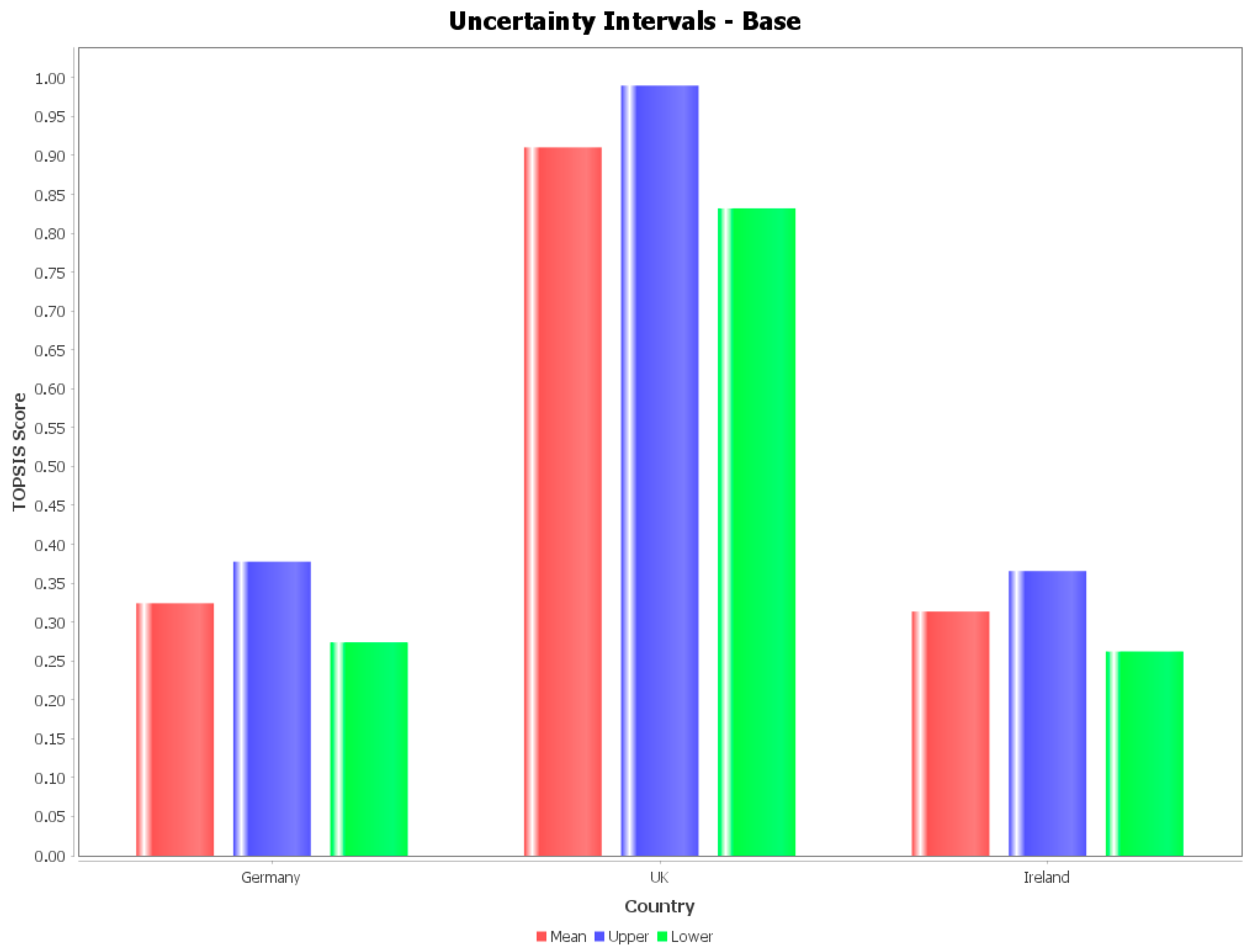
Table 7 presents a statistical analysis of the results obtained for each scenario, including standard deviation and percentiles. This confirmed the stability of the calculation and modeling results. During 2000 iterations in each scenario, ESRI-BESS results were obtained, based on which a measure of model uncertainty was determined. In each scenario, Germany and Ireland achieved lower deviation values than the UK, indicating their robustness to input data errors. However, slightly higher standard deviation values in the baseline and optimistic scenarios in the UK indicate the dynamic nature of the energy storage market, characteristic of developed, diversified, and change-responsive systems, and these are precisely the characteristics of the liberal services market in Great Britain. The percentiles, in turn, indicate the confidence interval. 95% of the ESRI-BESS index results fall within the designated range. For Germany and Ireland, the range across all scenarios is similar and narrow (from 0.09 to 0.11), which also shows the model stability. In the case of the UK, the confidence interval is also similar in each scenario and averages 0.14, which confirms the high dynamics of the complex power system while maintaining the highest level of readiness for energy storage.
Figure 3 shows uncertainty intervals in base scenario.
The conducted research, the identified partial indices, and the synthetic measure allowed for a comprehensive assessment of the readiness of the power systems of Germany, Ireland, and the UK for energy storage in the context of energy security and energy transition. It is noticeable that storage facilities are becoming a key element ensuring flexibility and operational stability in countries struggling with the negative effects of the growing share of renewable energy from wind and sun in their energy mixes. The ability to store energy is strategically important for energy security in the face of potential power outages and capacity shortages. The level of readiness for energy storage varies between the countries analyzed, but each is characterized by a clear upward trend. The index, based on entropy and the TOPSIS method, developed by the authors, provides an effective tool for comparing individual countries and, above all, monitoring their progress over time. This combination allowed an objective assessment reflecting technological, operational, and strategic capabilities. The 4A model, developed with energy security in mind, was used to construct the index. This allowed for a comprehensive characterization of energy storage issues and the linking of energy storage development with energy security. Countries must build storage facilities in a sustainable manner, focusing on infrastructure, its integration with the system, and climate policies. The availability characterized the ability to respond to outages and peak loads. Accessibility determines the level of integration of renewable energy sources and energy storage facilities. Affordability describes the investment growth rate and its profitability, while acceptability describes the impact of storage facilities on achieving climate goals and the energy transition. The balance between the indicators included in the four areas of the 4A model is crucial to increasing the ESRI-BESS index.
6. Conclusions
The value of the ESRI-BESS energy storage readiness level indicator constructed by the authors reached the highest value for Great Britain. Compared to the other countries studied, it is characterized by a developed market for system services, technological maturity of the system, and the ability to maintain voltage-frequency balance. This indicates high energy resilience, meaning that the system ensures security of supply and is used as a tool for managing the energy transition. The British system has reached a point where storage has become an operational element of the system. This transition is structural, resulting from changes in the energy mix, and functional, resulting from changes in the system’s operating logic. Germany has four times the BESS capacity potential of Ireland, yet despite this, the ESRI-BESS index for these two countries in 2024 in the baseline scenario was almost the same, at 0.32 and 0.31, respectively, indicating a medium level of system readiness for the full integration of energy storage. The level of readiness for energy storage in Germany is limited primarily by regulatory factors and the infrastructure of the transmission grid and energy management systems. The system is characterized by insufficient availability of balancing capacity, and despite the high share of renewable energy sources and the installed capacity of BESS, these do not directly translate into increased energy security. The system remains sensitive to generation variability and a lack of flexibility, as indicated by the lower ESRI-BESS values in pessimistic scenarios. There is a disparity between availability and accessibility, as the system is technologically advanced, but its integration and energy management still require modernization. Therefore, the actual impact of BESS on energy security is limited and depends on integration with the capacity market. The energy transformation driven by decarbonization policies has not been accompanied by an adequate increase in flexibility. The system has improved its compensation capacity and short-term stability, but the next step in its development should be the construction of long-term storage facilities.
Despite having the lowest BESS capacity, Ireland has significantly improved its readiness for energy storage. These storage systems are an important stabilizing factor for the isolated power system. However, compared to the UK, the system remains sensitive to changes in its environment, making energy security less stable than in the UK.
In Germany, a key challenge is insufficient system flexibility and regulatory and infrastructure delays. To increase the ESRI index, long-term storage facilities should be developed. Support mechanisms and the connection process should be modified to strengthen storage facilities’ ability to balance wind and solar energy. In the UK, continued development of medium- and long-term storage facilities is also necessary. Transmission grid modernization is also necessary to ensure the continuity of BESS installations’ connection capacity. In Ireland, further BESS development should focus on strengthening the system’s self-sufficiency and increasing the share of short-term and long-term storage facilities located near wind farms, which dominate in Ireland. Ireland should also ensure increased system resilience to disruptions by increasing flexibility, where BESS facilities will play a key role.
The use of the Monte Carlo method has proven that the UK’s high level of readiness for energy storage is independent of environmental conditions. Systems with less advanced infrastructure and regulations, such as Germany and Ireland, are more sensitive to changing environments. However, it should be noted that storage plays a growing and, in the future, crucial role in ensuring national energy security. Their use makes systems more resilient to disruptions, enables the effective use of renewable energy sources, and increases countries’ energy self-sufficiency.
The Shannon entropy method revealed a shift in power system development priorities in the countries analyzed. In 2021, factors related to short-term stability, such as PPDCTI, were the most important. In turn, in 2024, factors describing the level of integration of storage and renewable energy sources and supporting daily balance gained importance. This may indicate a transition to the next stage of storage development, namely transformational integration, understood as access to energy infrastructure equipped with energy storage units perceived as a full-fledged element of the power system, rather than a reserve factor. This means a shift in the approach to storage units, from one focused on crisis response to the proactive design of flexible and resilient systems. In addition to being a tool for stabilizing a system based on renewable energy sources, energy storage units will also serve as a solution to ensure resilience in a geopolitical sense. Energy storage facilities will act as a safety buffer used in situations of energy crises, but also political ones.
The results obtained indicate the need to build a flexible regulatory framework adapted to the growing role of storage facilities, that is, to accelerate the process of connecting storage units to the grid. In the context of the 4A framework, it is important to note that energy storage facilities can strengthen all four pillars of energy security when infrastructure development is paralleled by reforms and grid integration.
Countries with the most balanced development across all four 4A pillars achieve the highest energy storage readiness. The UK has the highest values for most indicators, which translates into the highest ESRI-BESS index level. In Germany and Ireland, development across the pillars is uneven, resulting in a lower overall level of energy storage readiness. Effective integration of storage into power systems will require simultaneous strengthening of all elements of the 4A model. Achieving a balance between infrastructure availability, accessibility, environmental acceptability, and affordability will allow for the development of resilient and flexible systems that support the energy transition. The ability to store and flexibly manage energy is becoming a new dimension of the energy transition. In addition to focusing on access to green energy, efforts should focus on building the integration of technologies that enable balancing energy production and consumption. Therefore, a shift from structural to operational transformation is necessary. In the long term, the ESRI-BESS indicator can serve not only as a tool for measuring a power system’s readiness for energy storage but also be viewed as a measure of the progress of the energy transition in this new dimension. Energy storage facilities will, in the future, constitute the foundation of a decarbonized but, above all, stable energy system in the European Union. The indicator could also be expanded to include social aspects in the future, transforming it into a tool for assessing the general resilience of systems to the energy transition. The indicator, to be determined in the future for all EU countries, will identify those requiring support in the development of energy storage technologies, as well as determine the aspects in which such support is essential. Storage facilities are intended to reverse the paradox of the energy transition, where green systems are synonymous with unstable systems. ESRI-BESS indicates that energy security in the 21st century will depend equally on access to energy generation sources and the ability to shift energy over time. ESRI-BESS also revealed that the physical presence of storage facilities does not guarantee their effective integration with the power system. Therefore, the readiness for the energy transition is determined not by the number of installations but by the quality of cooperation between storage facilities, the grid, and the energy market.