


Abstract
Under the backdrop of the “dual carbon” strategy, the rapid increase in renewable energy penetration has exacerbated challenges such as widening peak–valley load gaps and insufficient grid regulation capacity, highlighting the urgent need to establish a market-oriented collaborative dispatching mechanism. This paper proposes a peak-shaving and valley-filling dispatching approach based on a multi-agent system (MAS) to enhance both the regulatory capability and economic efficiency of power grids. A multi-agent collaborative architecture is established on the generation side, where behavioral modeling and interaction simulations of generation, load, and energy storage agents are conducted using the NetLogo platform to emulate dynamic responses under market conditions. On the grid side, dynamic electricity pricing and energy storage control strategies are implemented. An integrated time-of-use electricity pricing mechanism is designed that incorporates environmental pollution factors, supply–demand state factors, and price-smoothing factors to dynamically adjust tariffs. A price-responsive load demand model and a dynamic threshold-based energy storage control strategy are developed to facilitate flexible regulation. On the load side, an optimized dispatch model is formulated with dual objectives of minimizing system operating costs and reducing the standard deviation of the net load profile. The Beetle Antennae Search (BAS) algorithm is employed to solve the model, striking a balance between economic efficiency and stability. Case study results demonstrate that, compared with traditional dispatch methods, the coordinated optimization of the BAS algorithm and the dynamic pricing mechanism proposed in this paper achieves a dual improvement in solution efficiency and economy. This ultimately reduces the system’s peak-to-valley difference by 10.92% and operating costs by 66.2%, proving its effectiveness and superiority in power grids with high renewable energy penetration.
1. Introduction
The global energy landscape is undergoing a profound transformation driven by the imperatives of climate change mitigation, enhanced energy efficiency, and the achievement of carbon neutrality goals [1]. Against this backdrop, establishing a new power system dominated by renewable energy has become a central task of the energy transition, positioning renewables as a critical pillar of the future energy architecture [2]. By the end of 2024, global additions to installed capacity comprised 117 GW of wind power, 600 GW of photovoltaic power, and 91.3 GW of stand-alone energy storage; renewable energy accounted for 46.4% of the total installed capacity [3]. However, the large-scale integration of renewables into the grid introduces dual challenges to system regulation and integration capacity due to the intermittent and volatile nature of their power output [4].
As a key enabling technology for the new power system, the source–grid–load–storage system improves energy utilization efficiency by 19.8%. It lowers dispatch response times to the minute level through four-dimensional coordinated optimization of power generation, the grid, load, and energy storage. Current research on optimized dispatch for source–grid–load–storage systems has developed a multi-dimensional technical framework. The wind power and PV integrated collaborative planning model proposed in reference [5] enhances system power supply reliability by establishing a typical day-based dispatch strategy and a multi-source deployment planning approach. Reference [6] proposes a risk-averse stochastic capacity planning and peer-to-peer trading collaborative optimization method for multi-energy microgrids considering carbon emission limitations, which effectively reduces operational costs and is applicable to most complex microgrid optimization problems. Reference [7] addresses network-constrained peer-to-peer energy trading problems for multiple microgrids under uncertainty and proposes a bi-level distributed optimization framework. As shown in reference [8], a power balance methodology and implementation process for source–grid–load–storage coordination is proposed, which establishes prediction models for emerging electricity substitution loads and grid-side energy storage configuration models, effectively reducing the grid’s peak-to-valley load difference. Reference [9] proposes an optimized dispatch method for source–grid–load–storage systems that incorporates load adaptability. Adding a load-adaptability factor to adjust initial generation dispatch control data dynamically improves renewable energy integration levels. Reference [10] presents a two-layer optimization model designed to minimize energy supply costs and maximize electricity satisfaction, thereby effectively balancing the optimization objectives of different stakeholders. Reference [11] develops upper- and lower-layer dispatch models targeting maximum benefit and minimum cost, respectively, using an adaptive immune particle swarm optimization algorithm to solve the models and achieve optimized dispatch. Reference [12] has presented a multi-objective short-term operation model of a wind-solar–hydro–thermal hybrid system, which considers the power peak shaving, economic and environmental objectives, and proposed a cost value region search evolutionary algorithm to solve the multi-objective model.
Existing research has identified three main technical frameworks in the fields of collaborative planning, power balance, and multi-objective optimization. However, these approaches often face inherent limitations, such as rigid pricing mechanisms, delayed responses, and inadequate regulatory precision. In contrast, dynamic electricity pricing models based on real-time markets allow immediate adjustment of price signals based on current electricity consumption data, effectively guiding user behavior toward energy conservation [13]. These mechanisms significantly improve peak-shaving and valley-filling effects, ensuring the secure and stable operation of the power grid. Essentially, this market mechanism promotes supply-demand interaction through price signals, achieving spatial-temporal dynamic equilibrium and optimal energy distribution via autonomous competition and self-regulation [14].
Following the introduction of market mechanisms, the optimization and regulation of the source–grid–load–storage system have shown new features. On the one hand, information-driven mechanisms and price signals have become key tools for system optimization, leading to notable nonlinear responses. On the other hand, the system exhibits high heterogeneity due to the large number and variety of participating entities. Traditional centralized dispatch models struggle to adapt to new characteristics, such as diverse entities and complex strategies within market-based scenarios. Multi-agent technology, using discrete modeling and rule-based interaction, offers an innovative solution to this challenge.
Therefore, this paper proposes a market-based multi-agent optimization method for peak-shaving and valley-filling in source–grid–load–storage systems. The core research contributions include: constructing a multi-agent model to simulate the autonomous decision-making behaviors of source-load-storage entities in market environments; designing an integrated time-of-use electricity pricing mechanism to effectively guide supply-demand interactions; and establishing a system optimization dispatch model solved using the BAS algorithm to achieve synergistic improvement in both economic efficiency and stability. Case studies demonstrate that the proposed method achieves dual optimization in peak-shaving and valley-filling effectiveness and operating cost control, while exhibiting excellent system adaptability and environmental sustainability. This research provides both a theoretical foundation and practical solutions for the coordinated operation of source–grid–load–storage systems in market environments.
2. Source–Grid–Load–Storage MAS Model
2.1. Collaborative Architecture of Source–Grid–Load–Storage System
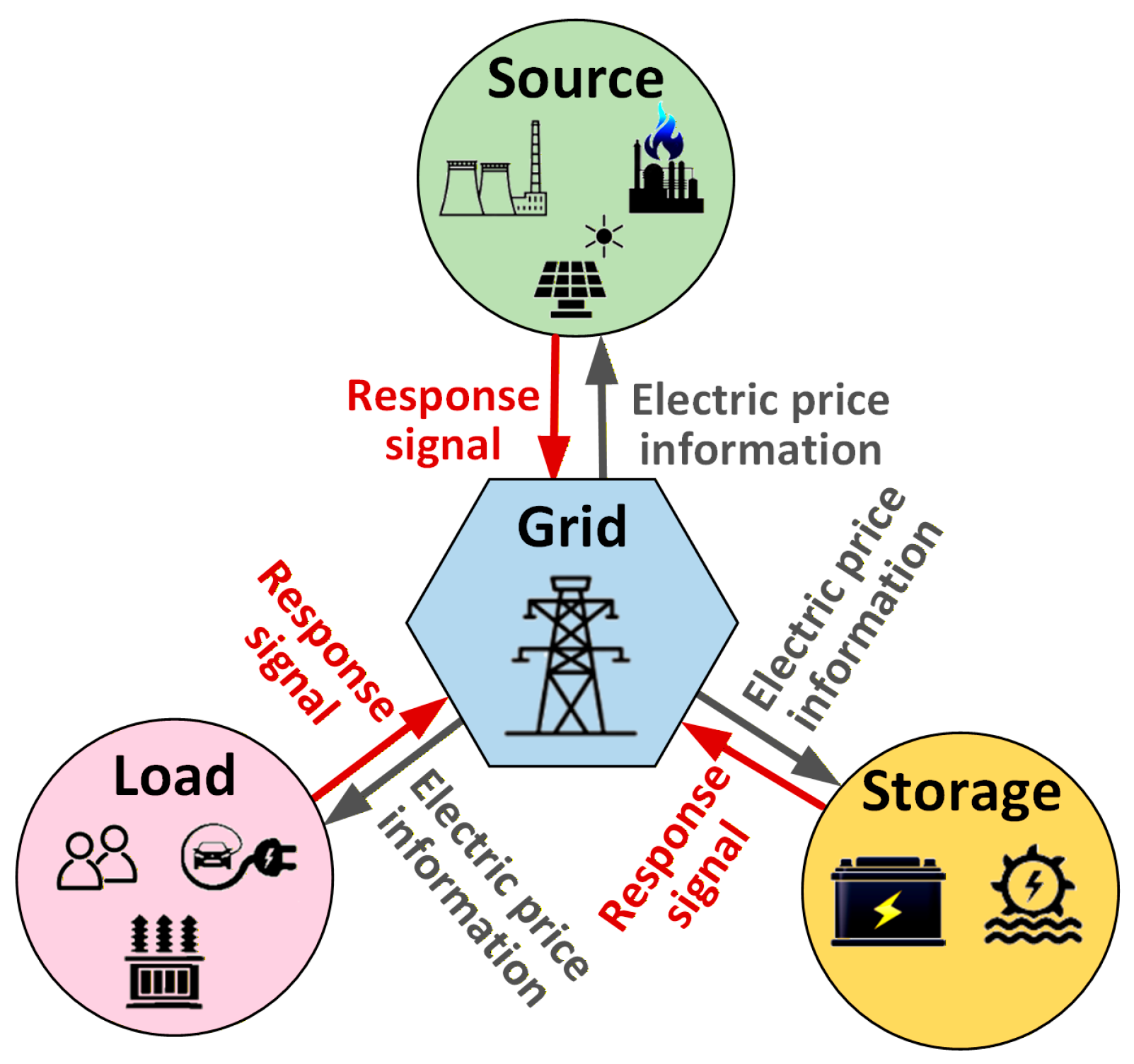
The source–grid–load–storage collaborative system developed in this study employs a multi-agent architectural framework. On the power supply side, the system integrates multiple generation units, including coal-fired power plants, gas turbines, and photovoltaic (PV). The load side comprises residential and industrial consumers exhibiting distinct electricity consumption patterns. The storage side is equipped with electrochemical energy storage systems, primarily lithium-ion batteries. Notably, this study employs functional abstraction to represent grid-side entities, concentrating their core functions into two pivotal mechanisms: first, dynamic access management for generation–load–storage entities through intelligent coordinators; second, the establishment of a price control center based on real-time electricity markets. This design preserves the integrity of grid-side functionality while avoiding excessive computational complexity from overly detailed modeling.
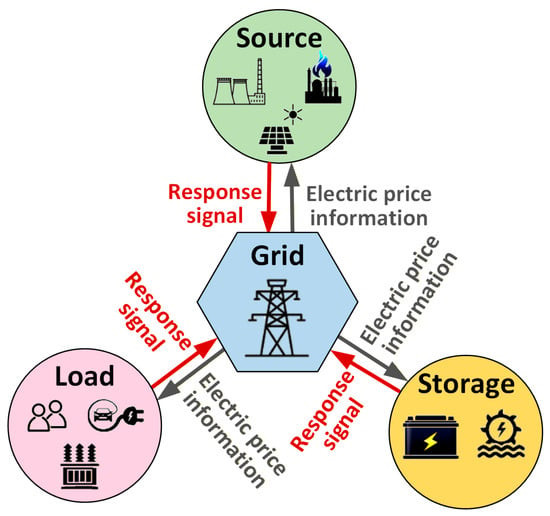
This study utilizes MAS technology to perform detailed modeling of all entities within the source–grid–load–storage framework, establishing a collaborative optimization architecture with multi-level interaction characteristics, as shown in Figure 1. Within this framework, entities on the generation, load, and storage sides transmit real-time generation/consumption status information to the grid side via data channels. The grid operator serves as the central coordinator, generating dynamic pricing signals through an integrated supply–demand balance algorithm and a time-of-use electricity pricing model, which are then fed back to all participating entities. This bidirectional interaction mechanism guides participants in optimizing their operational strategies. On the power supply side, it facilitates the replacement of high-pollution power sources with clean energy. On the load side, it incentivizes users to engage in price-responsive demand management. On the storage side, it directs energy storage systems to mitigate peak grid loads. Ultimately, this approach synergistically enhances the system’s peak-shaving and valley-filling, improves economic efficiency, and promotes environmental sustainability.
Figure 1.
Collaborative architecture of source–grid–load–storage system. The source side comprises coal-fired power plants, gas turbines, and PV systems. The load side includes residential users, industrial consumers, and electric vehicle charging stations. The storage side is equipped with battery energy storage systems.
2.2. Multi-Agent System
An MAS is a distributed computing framework comprising multiple autonomous agents capable of independent decision-making [15]. Each agent independently executes decision-making processes within a shared environment, achieving interactive coordination through communication protocols [16]. This theoretical framework is particularly well-suited for representing complex systems characterized by high concurrency, distributed architecture, and dynamic evolution capabilities. As a widely recognized platform for multi-agent modeling and simulation, NetLogo provides a graphical modeling interface and a flexible behavioral modeling language. Coupled with its high-precision temporal update mechanism and dynamic visualization capabilities, it offers an ideal technical foundation for simulating multi-agent interactions in power systems.
This study develops a multi-agent collaborative simulation model comprising power generation units (sources), load consumers (loads), and energy storage systems (storage) using the NetLogo platform. The model’s core agents comprise three categories: source agents represent distributed generation units, whose behavior is constrained by maximum output limits and pollution emission factors, dynamically adjusting power generation in response to system demand. Load agents simulate end-user electricity consumption patterns, incorporating both basic electricity consumption characteristics and price elasticity, enabling demand-side responses through an integrated pricing mechanism. Storage agents manage the state of energy storage devices and determine charging and discharging strategies based on supply–demand balance conditions.
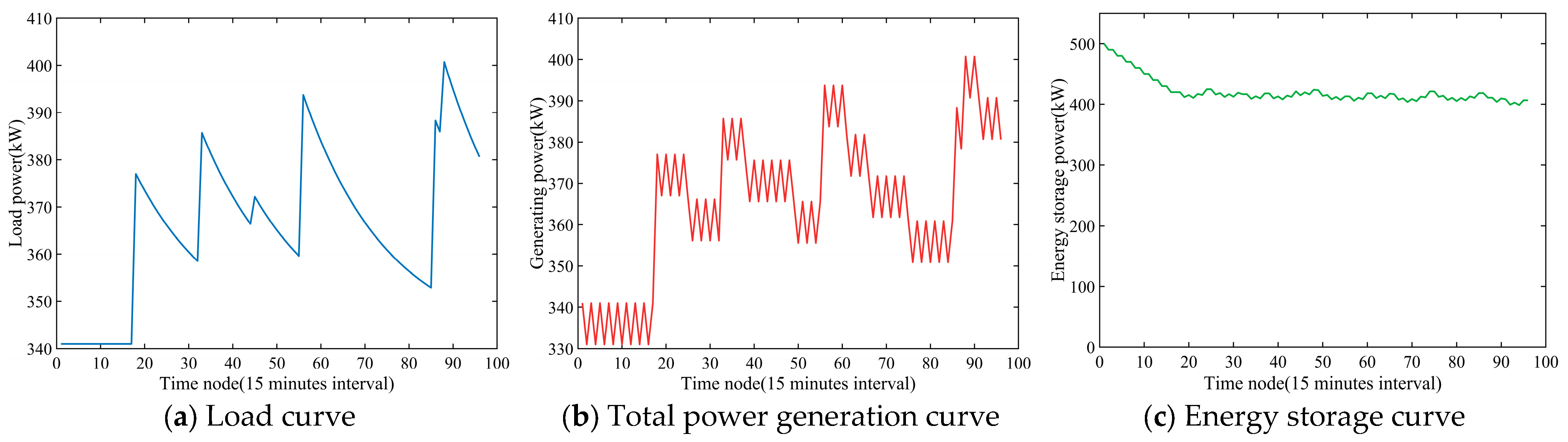
The simulation results of the dynamic adjustment in the source–grid–load–storage multi-agent model are shown in Figure 2. At this stage, user load and power generation exhibit synchronous fluctuations, with closely aligned oscillation frequencies. However, a particular supply–demand imbalance persists, indicating that both generation sources and loads possess autonomous operational characteristics at the micro level. The energy storage unit’s discharge behavior shows a gradual decline, suggesting that, in the absence of external regulatory mechanisms, it primarily operates in a self-discharging mode. Overall, the entities exhibit relatively independent operational characteristics, and the internal correlations within the system are weak.
Figure 2.
Dynamic adjustment simulation results of the source–grid–load–storage multi-agent model without external mechanism intervention.
3. Peak-Shaving and Valley-Filling Control Methods Incorporating Market Mechanisms
3.1. Integrated Time-of-Use Electricity Pricing Mechanism
The market mechanism is one of the primary means by which modern power systems achieve optimal resource allocation and enhance operational efficiency. The formation of the market mechanism relies on the role of price as a carrier of information. In the electricity market, the market mechanism is centered on the response of electricity prices. Through the influence of the information mechanism, electricity prices are adjusted in real-time based on current electricity consumption information. This guides users toward time-of-use consumption patterns and facilitates the charging and discharging of energy storage systems, thereby achieving peak load reduction and supplementing off-peak loads [17].
The integrated time-of-use electricity pricing mechanism proposed in this study constitutes a real-time electricity market-based pricing control system. Based on the traditional three-stage (peak/flat/valley) electricity price, multi-dimensional correction factors are introduced to construct a dynamic regulation system. This mechanism takes into account the following three types of system factors comprehensively:
- (1)
- Environmental pollution factor
When the proportion of high-pollution power sources in the system’s generation is relatively high, particularly when coal-fired power constitutes a significant share, electricity prices should be moderately increased to reflect environmental costs.
- (2)
- Supply–demand condition factor
If the real-time supply–demand imbalance becomes excessively large, electricity prices should be raised to encourage load reduction or incentivize energy storage discharge.
- (3)
- Price smoothing factor
Avoid excessive fluctuations in electricity prices and limit the range of their fluctuations.
Based on these considerations, the real-time electricity price update cycle is set to 15 min, and the dynamic control model can be expressed as
where and are the real-time electricity prices for periods t + 1 and t, respectively, with the unit of yuan/(kW·h); represents the environmental pollution coefficient weighting factor, reflecting the dynamic impact of high-pollution power sources on electricity price, and its value is linked to the system’s emission reduction targets; is the output of the generating unit during period t, with the unit of kW; is the pollution coefficient of the generating unit; is the supply–demand imbalance coefficient weighting factor, which reflects the system’s tolerance for power deficit; represents the load demand during period t, with the unit of kW; and represents the maximum electricity price volatility.
3.2. Demand Response Mechanism and Load Management
Demand response, as a core means of modern demand-side management, operates through market-driven mechanisms that leverage price signals to influence electricity consumption patterns. This approach not only reduces consumer electricity costs but also promotes efficient energy utilization, thereby enhancing the balanced allocation of resources across both the supply and demand sides of power systems [18]. With the intelligent and diversified development trends in electricity consumption, the role of demand response in load management has become increasingly prominent. It serves not only as an effective solution to mitigate supply–demand imbalances but also as a critical strategy to ensure grid stability and improve power supply reliability [19].
The load management method in this article employs a dynamic response model. The response logic is that when the electricity price rises, the load agent actively reduces non-critical electricity consumption demands, and when the price drops, it gradually restores the original load. The adjusted load formula is
where represents the forecasted load in period t, with the unit of kW, is the demand price elasticity coefficient, with , indicating that users will accept load adjustments of up to , is the average electricity price, and is the maximum electricity price, with the unit of yuan/(kW·h). This model precisely regulates electricity consumption behavior by quantifying the relationship between load and price.
3.3. Intelligent Energy Storage Control Strategy
Energy storage systems serve as core regulating units for peak-shaving and valley-filling, with their control strategies directly impacting system operational efficiency [20]. This paper adopts a dynamic threshold control method, which builds a hierarchical response system based on the multi-percentile statistical characteristics of the load level (including 99%, 95%, and 75% percentiles). When the load exceeds the corresponding threshold, the battery energy storage system will automatically trigger differentiated regulation strategies, including full-power (100%) emergency discharge, reduced-power (70%) decisive intervention, and low-power (40%) mild regulation. This control method achieves dynamic optimization through closed-loop feedback of the load-energy storage status, where discharge is constrained by real-time state of charge (SOC) and is only activated during non-off-peak electricity periods. By quantifying the mapping between load characteristics and energy storage responses, this strategy enables precise, intelligent system regulation.
4. System Optimization Scheduling Model and Solution Algorithm
4.1. Objective Function
The optimization scheduling model of the source–load–storage system constructed in this paper employs a multi-objective collaborative optimization mechanism, with the minimization of system operation cost and the minimization of the standard deviation of the net load curve of the power grid after peak shaving and valley filling as the optimization objectives. To achieve both effective peak shaving and valley filling and maintain system economic efficiency, a weighting coefficient is introduced to transform the multi-objective into a single-objective formulation.
The optimization objective function is defined as follows:
where represents the system operating costs objective function, encompassing the operational and maintenance costs of each distributed power source alongside the interaction costs with the grid, and is the peak-shaving and valley-filling objective function, defined as the standard deviation of the grid’s net load curve between peak and valley points. This model achieves a dynamic equilibrium between economic efficiency and load smoothing by adjusting the weighting.
The expressions for and are as follows:
where t is the sampling time point, n represents the number of distributed power sources, is the operation maintenance cost coefficient for distributed power source i, is the output power of distributed power source i at time t, is the net grid load at time t with the unit of kW, and is the grid electricity price at time t with the unit of yuan/(kW·h).
4.2. Constraint Condition
- (1)
- Power balance constraint
The system must satisfy the balance relationship among power supply output, energy storage charging and discharging, and load demand at any time t:
where represents the output of the i-th unit at time t with the unit of kW, N represents the total number of units, and are the discharging and charging power of the energy storage at time t with the unit of kW, and is the load demand at time t with the unit of kW.
- (2)
- Equipment operation limit constraint
The output of each generator unit is limited by its rated capacity and grid dispatch requirements:
where is the rated capacity of the i-th unit with the unit of kW, represents the output of the i-th unit at time t − 1 with the unit of kW, and is the maximum speed regulation limit of the unit, employed to suppress power fluctuations, with the unit of kW/h.
- (3)
- Energy storage dynamic constraints
The energy storage system follows the SOC dynamics, and the SOC limits the charging and discharging power and needs to satisfy the mutually exclusive constraints:
To avoid simultaneous charging and discharging, it can be linearized using binary decision variables.
4.3. Solution Algorithm
The BAS algorithm is a bio-inspired optimization algorithm proposed by Jiang et al. in 2017 [21]. It simulates the foraging behavior of beetles by sensing concentration gradients through their antennae. Compared to conventional optimization algorithms, BAS exhibits significant flexibility by overcoming the limitations of linear characteristics and the continuity requirements of the objective function. Furthermore, the algorithm requires only a single evaluation of the objective function’s fitness per iteration, thereby substantially improving computational efficiency. These characteristics make it particularly suitable for optimizing nonlinear, multi-agent source–grid–load–storage systems.
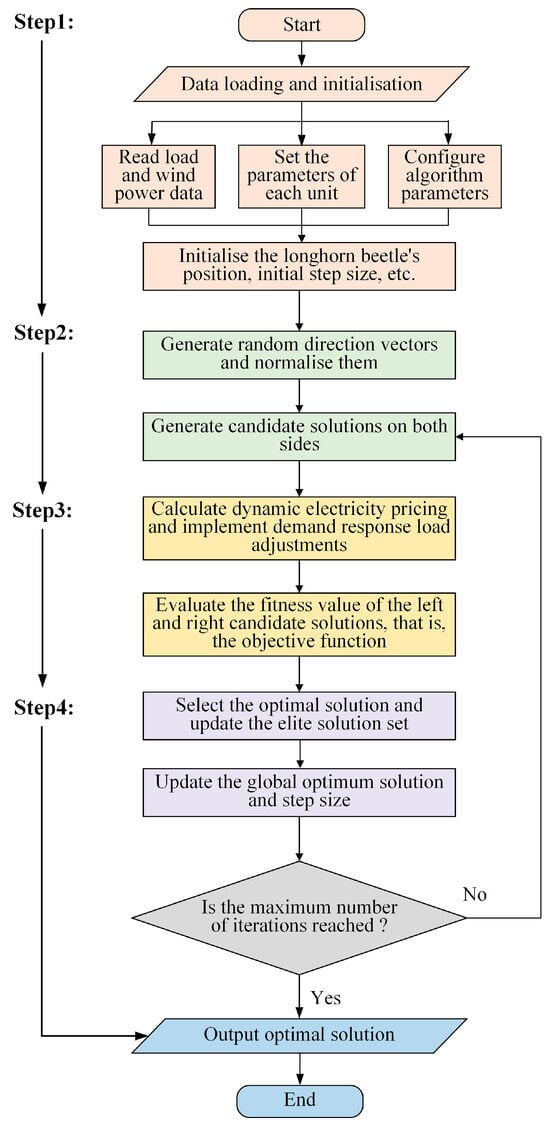
In a D-dimensional solution space, the beetle is abstracted as a particle with its position represented as . The antennae on both sides of the beetle’s head are defined by random direction vectors d, which determine the probing range of the antennae. The algorithm drives the beetle toward higher fitness by comparing the objective function values (i.e., information concentration) at the two antennae.
The specific steps are as follows:
- Tentacle direction generation:
Generate a unit direction vector d randomly and normalize it according to Equation (9).
where rands (D, 1) represent the process of generating a D-dimensional random vector.
- Antennae position calculation:
Based on the current beetle position , calculate the positions of the left and right antennae, denoted as and as follows:
where is the length of the tentacle at the iteration, typically associated with the search step size .
- Position update:
Compare the fitness values and at the two antennae positions and update the beetle’s position according to Equation (11).
where sign (⋅) represents the sign function, which determines the direction of movement.
- Step size decay:
To balance global exploration and local exploitation capabilities, the step size is exponentially decayed as follows:
where represents the attenuation factor, which progressively enhances the search precision.
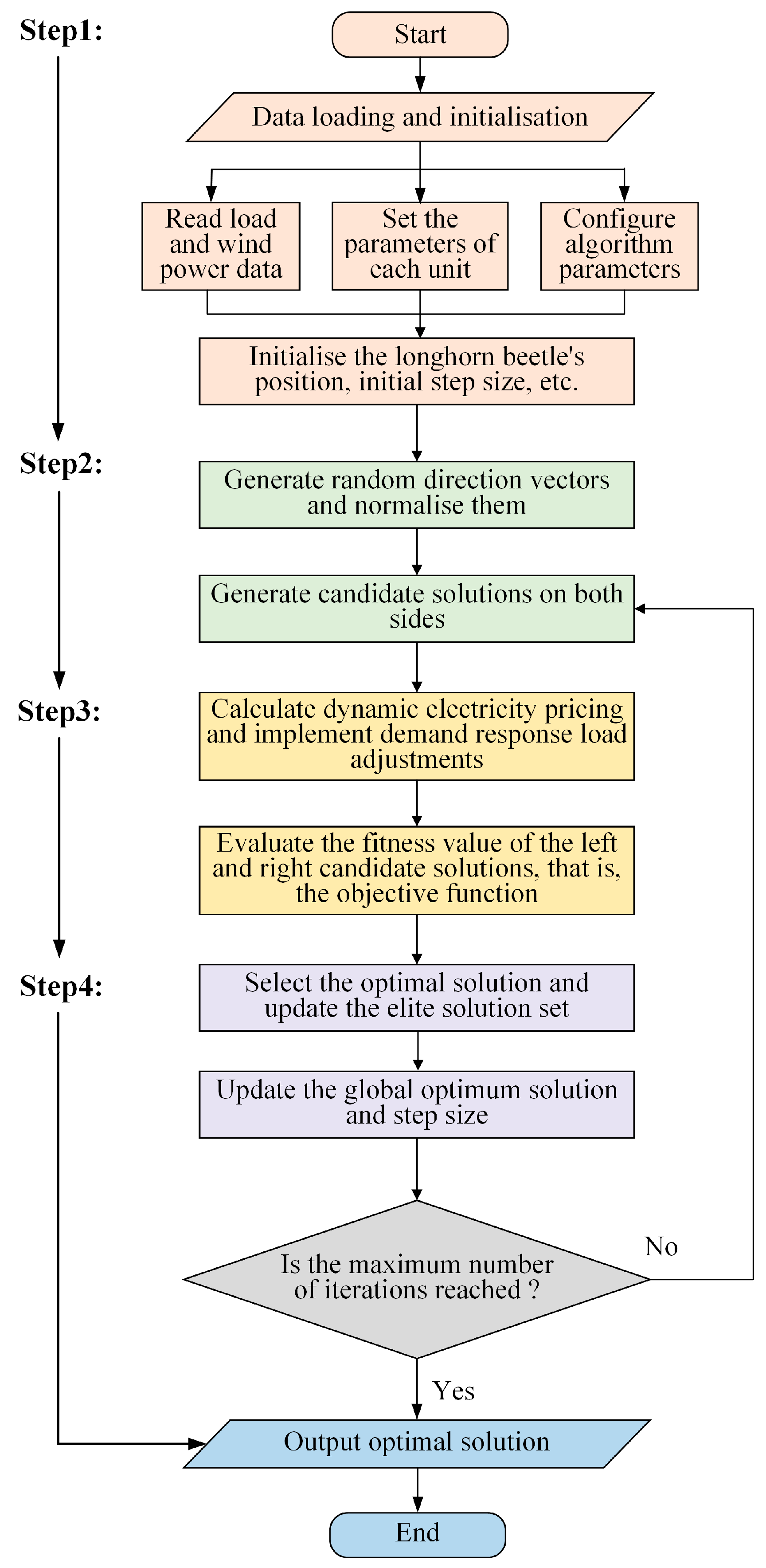
The flowchart of the BAS algorithm is shown in Figure 3:
Figure 3.
Flowchart of the BAS algorithm.
5. Case Analysis
5.1. Case Description
This paper first verified the superiority of the proposed integrated time-of-use electricity pricing mechanism over traditional methods using NetLogo 6.4.0. Subsequently, an optimized dispatch model for the source–grid–load–storage system is constructed using MATLAB R2023b, with the solution derived via the BAS algorithm. The system simulation parameters are detailed in Table 1.
Table 1.
System simulation parameters.
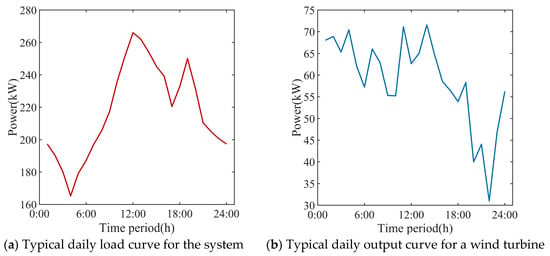
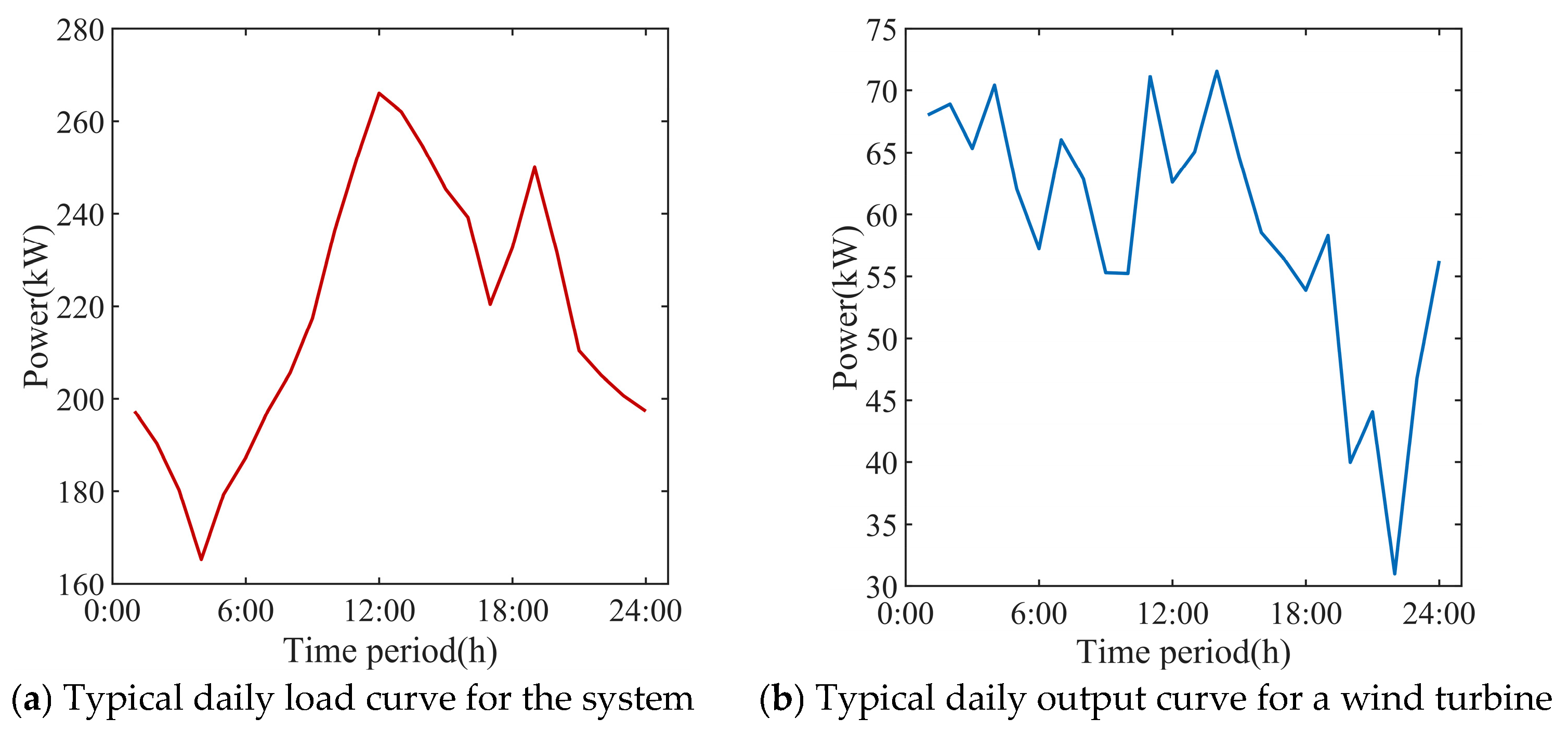
This study utilizes meteorological data from a typical day in January at a selected location in northern China for simulation. The dataset includes key meteorological parameters, including temperature, relative humidity, and wind speed. The load curve for a typical system day and the wind turbine’s output curve are shown in Figure 4.
Figure 4.
System’s typical daily data.
5.2. Multi-Agent Modeling Results
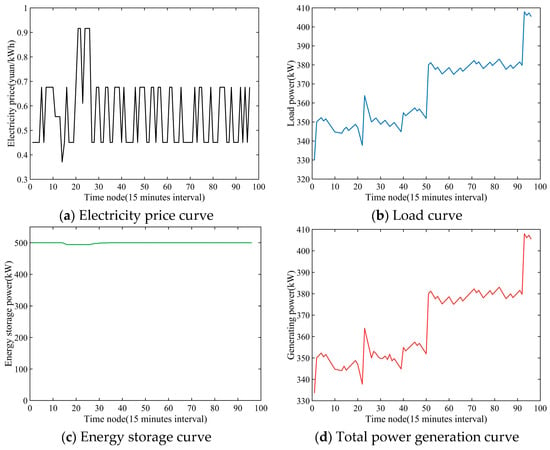
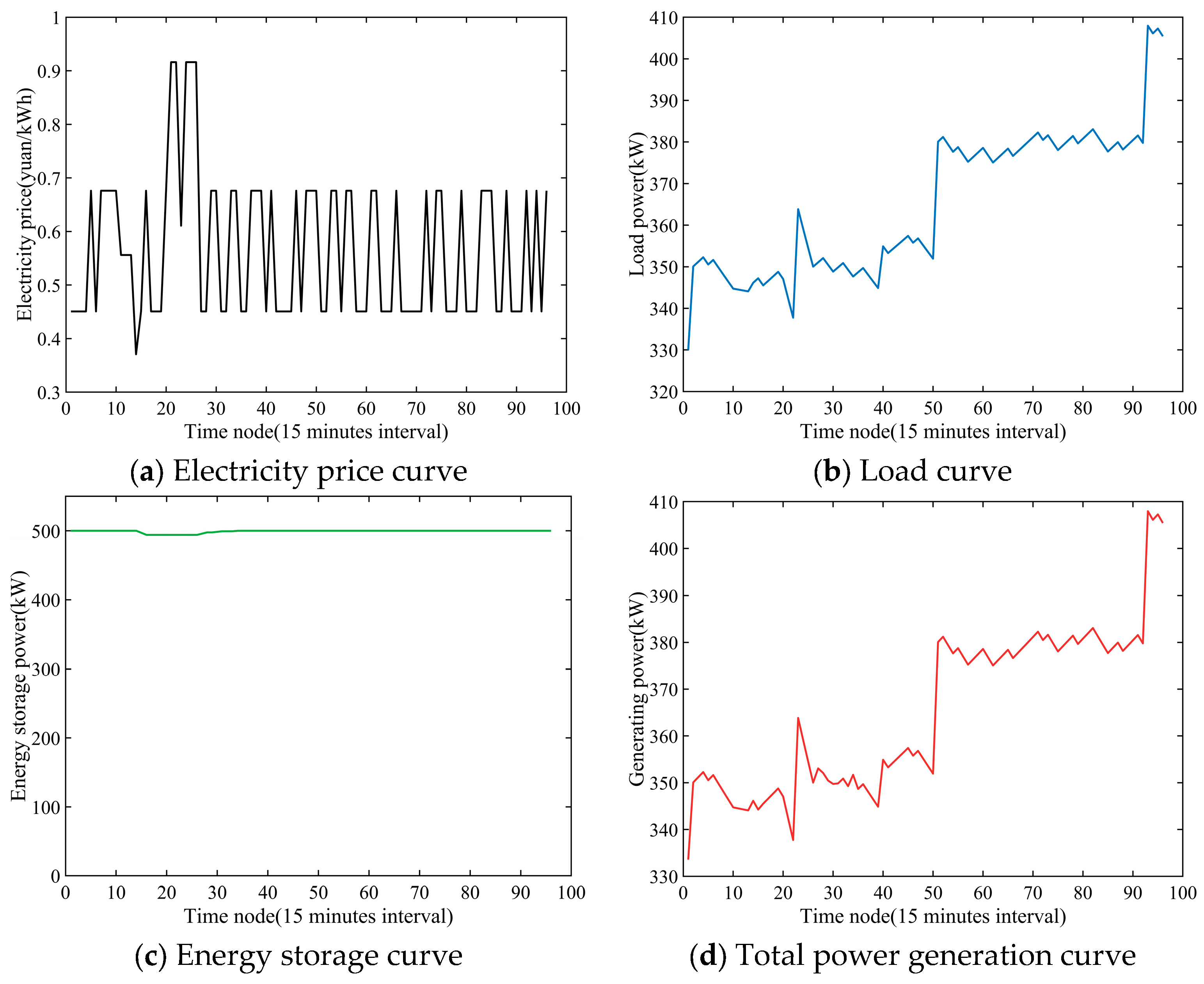
This paper employs the NetLogo multi-agent simulation platform to construct, via the Logo programming language, a multi-agent source–grid–load–storage model under an integrated time-of-use electricity pricing mechanism, along with a comparative model operating under a conventional time-of-use pricing scheme. The model uses the “tick” as the fundamental time step, with each tick representing a 15 min interval. Through multi-agent behavioral modeling and interactive simulation, the study evaluates the differential impacts of these two pricing strategies on system operational performance. The simulation results are presented visually in Figure 5 and Figure 6.
Figure 5.
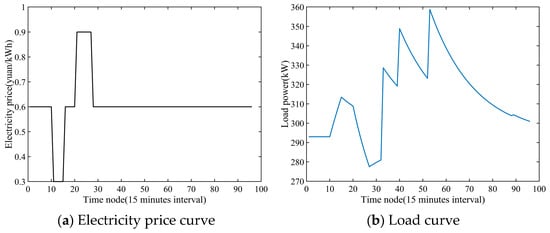
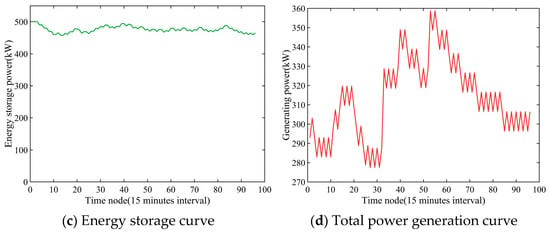
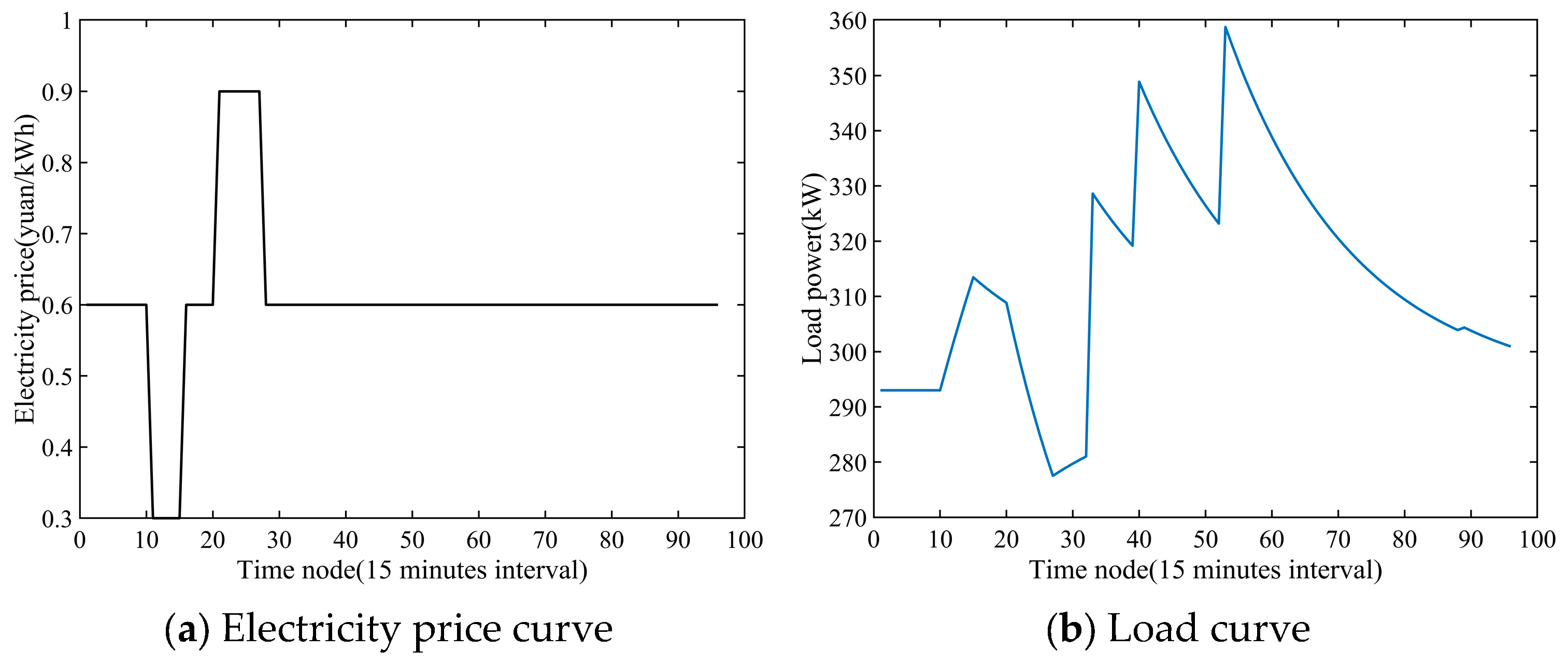
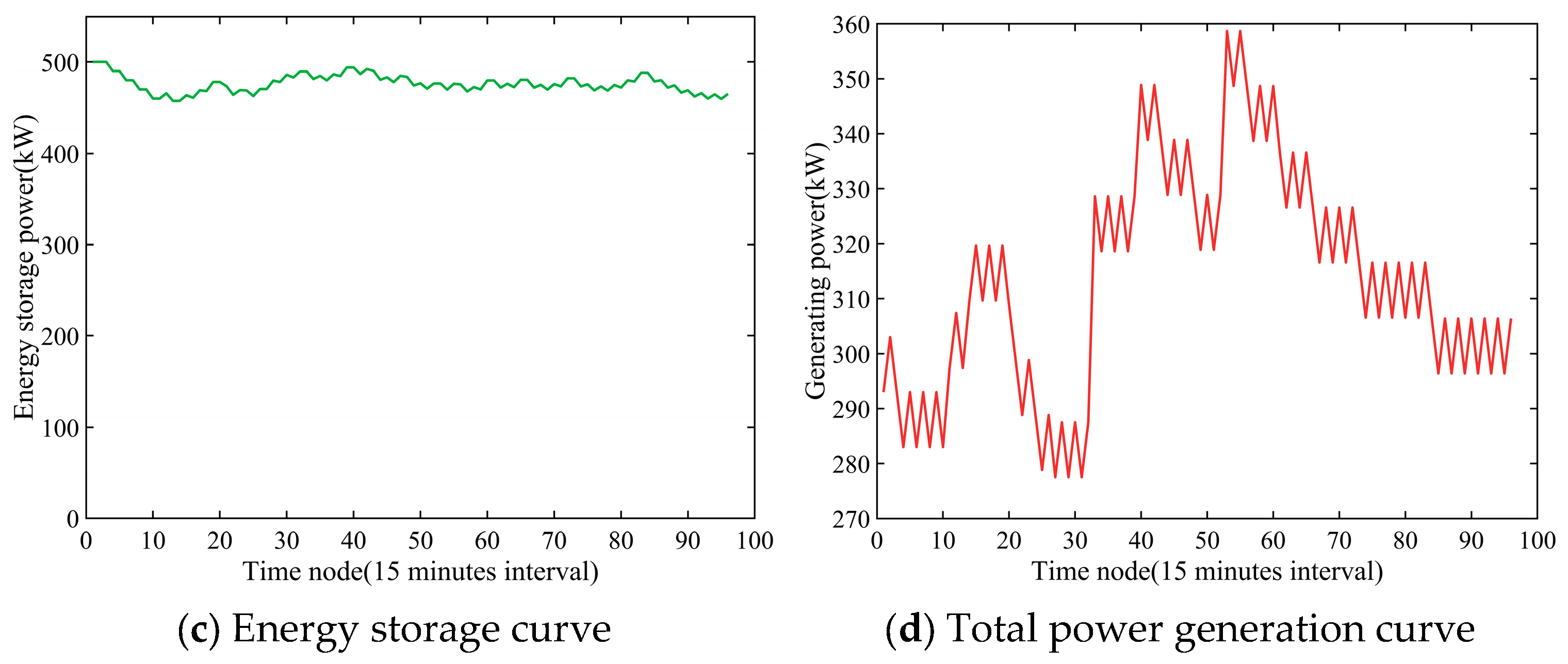
Comparison of electricity price curves and dynamic load response under the traditional time-of-use electricity pricing mechanism.
Figure 6.
Comparison of electricity price curves and dynamic load response under an integrated time-of-use electricity pricing mechanism.
As shown in Figure 5, under the conventional time-of-use pricing mechanism, electricity tariffs are tiered according to predefined periods, and the load response exhibits typical peak-valley characteristics. During off-peak hours, lower tariffs stimulate increased demand for electricity, thereby triggering higher power generation. Conversely, during peak hours, elevated tariffs suppress electricity consumption, leading to a synchronous decline in both load and generation, the average supply–demand difference is 0.2595. Furthermore, compared to the model without price regulation, the operational state of the energy storage system exhibits a significantly reduced fluctuation range. This indicates that under the conventional time-of-use pricing mechanism, only a modest scale of energy storage regulation is required to achieve source-load coordination, validating the effective guiding role of fixed pricing periods in influencing micro-level behavior.
As shown in Figure 6, the dynamic pricing mechanism achieves significant optimization. Under the integrated time-of-use electricity pricing scheme, the system’s electricity price update cycle is shortened to 15 min. By incorporating a fusion factor to compute price fluctuations in real time, the mechanism dynamically optimizes load reduction ratios and energy storage dispatch. Figure 6 illustrates that electricity price signals are deeply coupled with environmental costs and system balance conditions, maintaining a high degree of synchronization between load and generation curves, the average supply–demand difference is 0.0789. Concurrently, storage capacity remains stable, confirming significant improvement in system coordination. This results in better alignment between generation-side benefits and consumption-side demand, validating the effectiveness of the proposed integrated time-of-use electricity pricing mechanism.
5.3. Analysis of Simulation Results
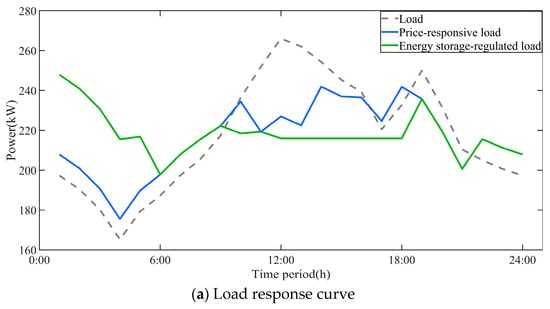
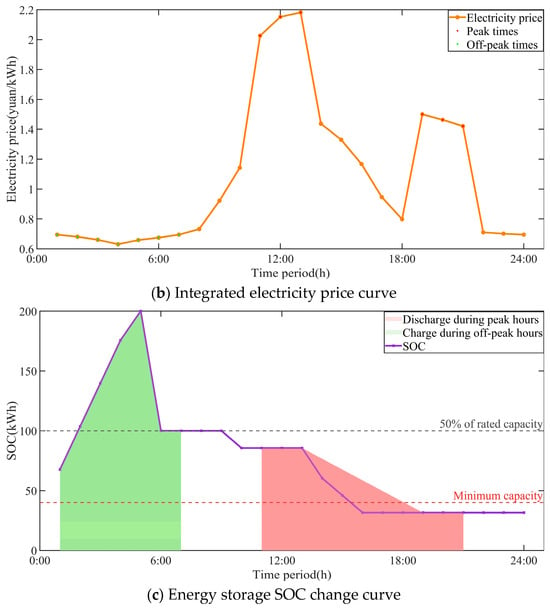
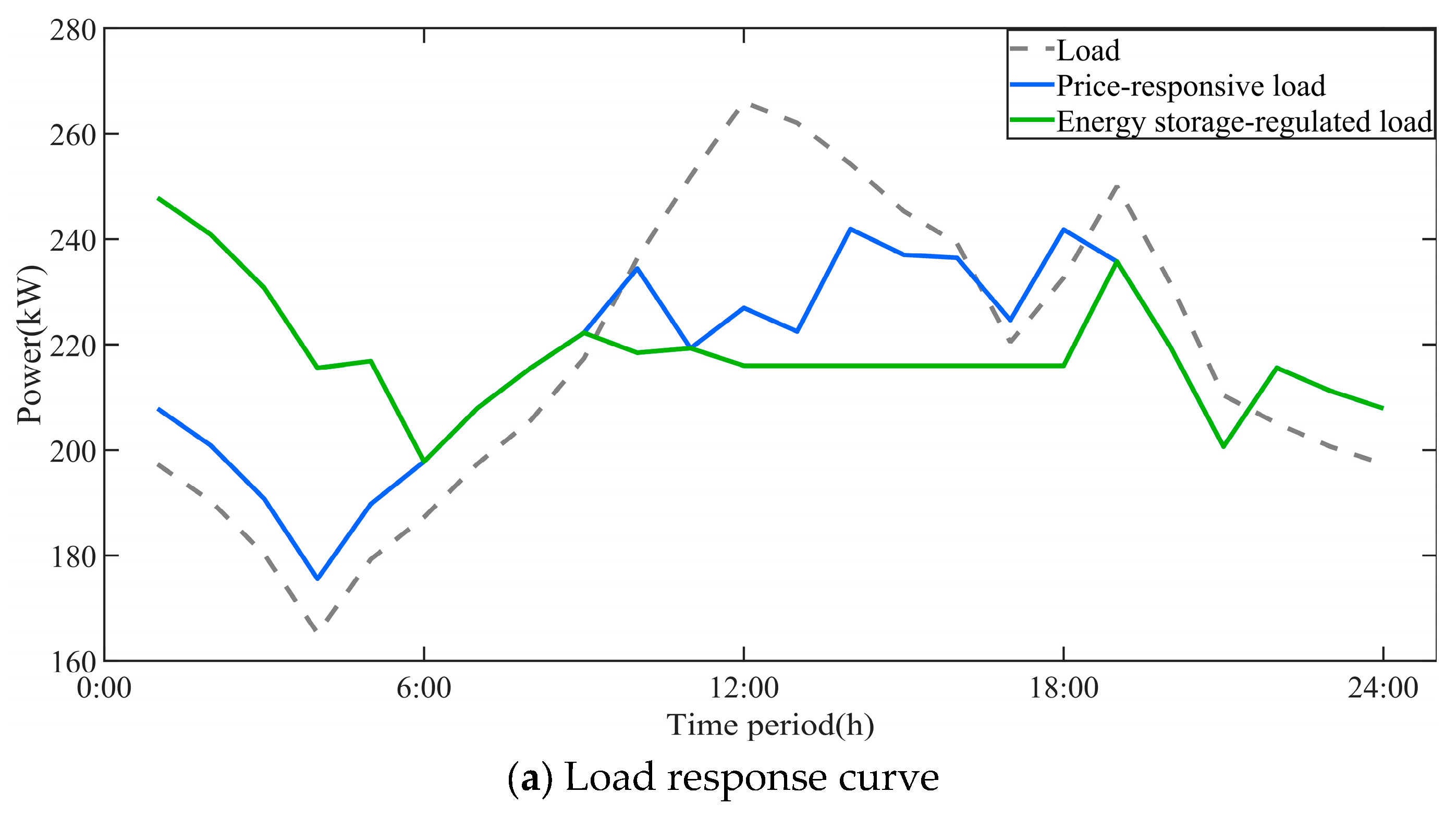
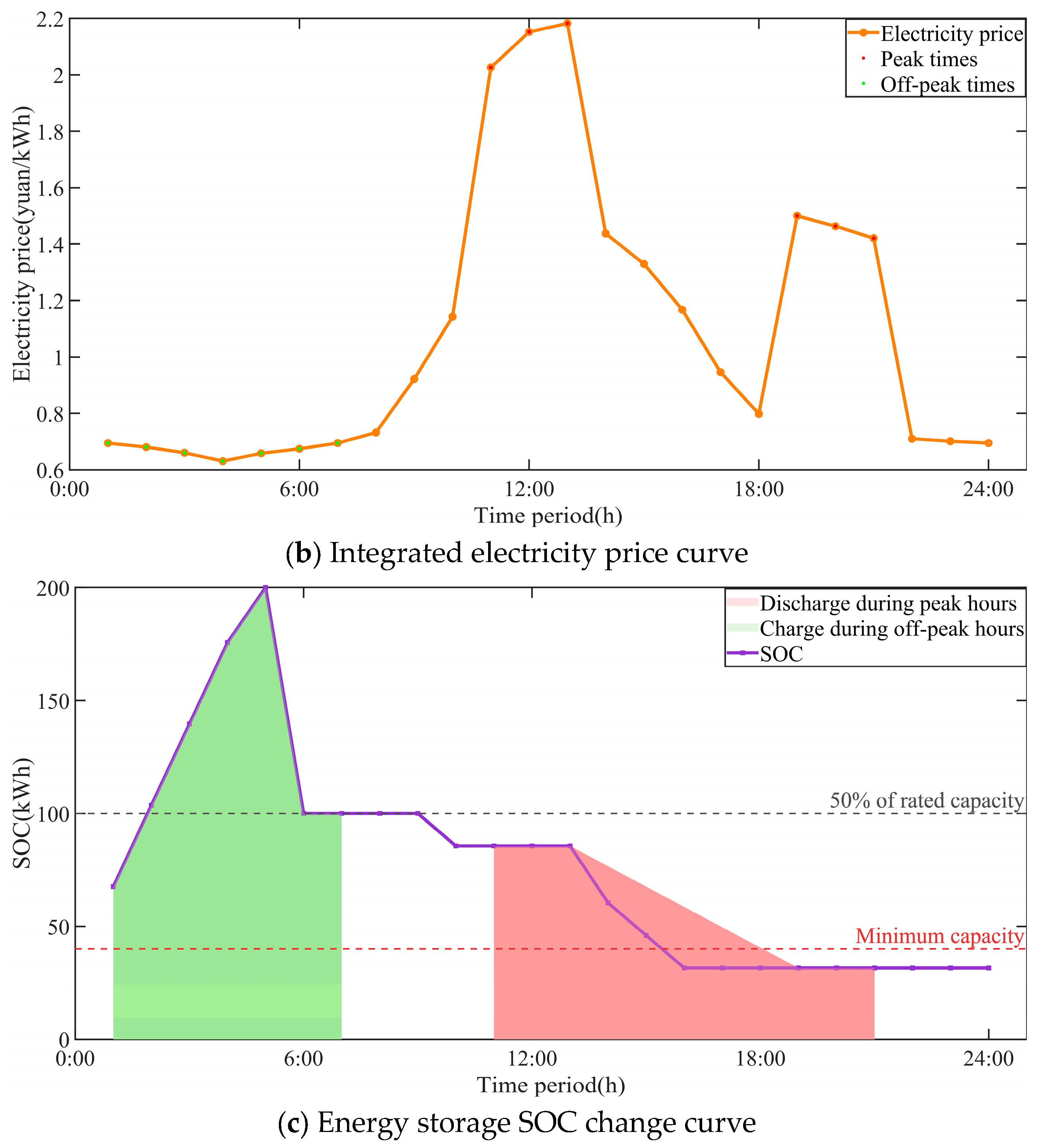
To validate the effectiveness of the proposed market-based peak-shaving and valley-filling control method, this paper illustrates load response variations under different strategies using a typical day in January as an example, as shown in Figure 7.
Figure 7.
The change in load response under different strategies.
As observed in Figure 7a, the original load curve exhibits pronounced peak-valley characteristics. After implementing time-of-use pricing, peak-period loads are significantly reduced. With the introduction of an innovative energy storage regulation strategy, the load curve becomes noticeably smoother. Loads during high-priced periods are effectively curtailed, while off-peak loads increase, achieving the objective of peak-shaving and valley-filling. Figure 7b shows that the electricity price update cycle is synchronized with load variations. The dynamic pricing strategy, integrated with real-time load information, achieves tight coupling between price signals and system state. Furthermore, the energy storage SOC variation curve in Figure 7c indicates that the storage system charges during off-peak periods and discharges during peak periods. This facilitates the spatiotemporal transfer and optimized allocation of energy. Throughout charging and discharging, the system operates within a reasonable SOC range, avoiding overcharging or overdischarging, thereby ensuring the safe operation of the energy storage system.
To evaluate the performance advantages of the BAS algorithm in dispatching source–grid–load–storage systems and to validate its effectiveness and superiority in peak-shaving and valley-filling while reducing operating costs, comparisons were made with an unoptimized dispatch scheme as well as results obtained using genetic algorithms and particle swarm optimization. Table 2 presents the control parameters used for the different algorithms. Table 3 presents a comparison of optimal solutions obtained by the different methodologies.
Table 2.
Parameter settings of different algorithms.
Table 3.
System optimization scheduling results under different algorithms.
A comparative analysis of optimization algorithms shows that the BAS algorithm achieves optimal performance in terms of operational costs and computational efficiency while maintaining low net load variability. Its overall performance significantly surpasses that of other methods. Although the genetic algorithm effectively reduces load fluctuations, it incurs the highest operational costs and requires substantial computational time, resulting in notable economic disadvantages. The particle swarm optimization algorithm offers better economic efficiency than the genetic algorithm yet leads to significantly increased load fluctuations and still requires longer computation times than the BAS algorithm. Experimental results demonstrate that the BAS algorithm achieves optimal economic efficiency and effective peak-shaving and valley-filling while ensuring computational efficiency, indicating its strong potential for practical applications.
To validate the adaptability of the proposed method under different operating scenarios, this study establishes multiple typical daily simulation scenarios, including a typical day in January (winter peak load), a typical day in July (summer peak load), and typical days in April and October (moderate loads in spring and autumn). The comparison of operational results under each scenario is presented in Table 4. As shown in Table 4, under different seasonal scenarios, the proposed method effectively reduces both the system operating cost and the standard deviation of the net load curve. Although the absolute values differ due to varying load levels, the relative performance improvement remains stable, demonstrating that the proposed method exhibits strong scenario adaptability.
Table 4.
Comparison of operational results under different scenarios.
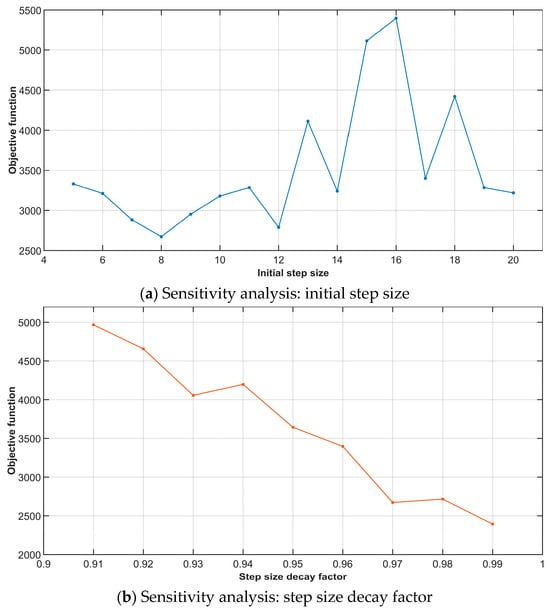
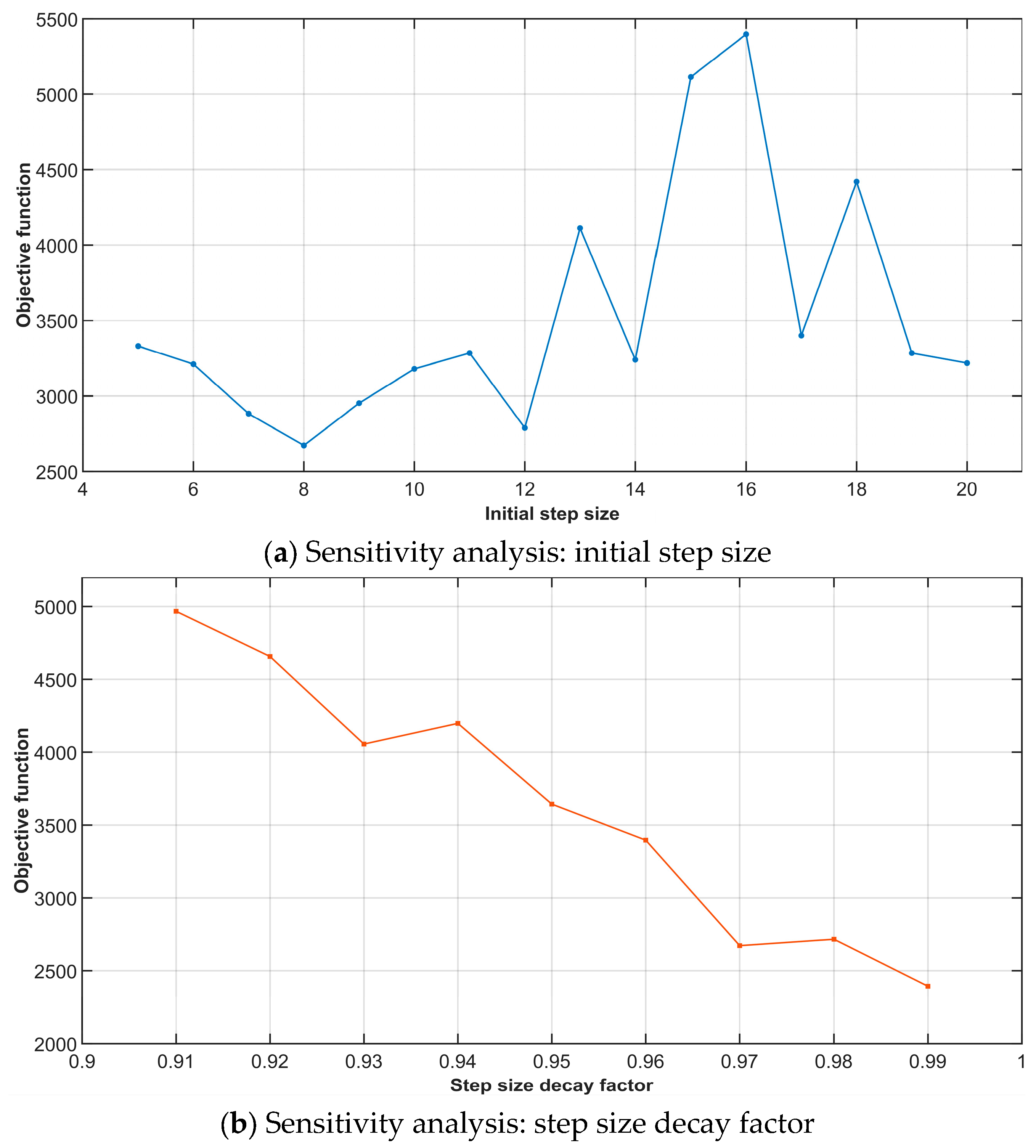
To validate and optimize the parameter configuration of the BAS algorithm, a sensitivity analysis was conducted on its key parameters, as illustrated in Figure 8. The results demonstrate that the algorithm performance remains stable when the initial step size ranges from 5 to 12, while superior solutions are achieved with a step size decay factor in the higher interval of 0.97 to 0.99. Based on this analysis, the parameter combination of an initial step size of 8 and a decay factor of 0.97 was adopted in this study. This configuration ensures algorithmic stability while enabling the overall performance to approach the optimum.
Figure 8.
Parameter sensitivity analysis of the BAS algorithm.
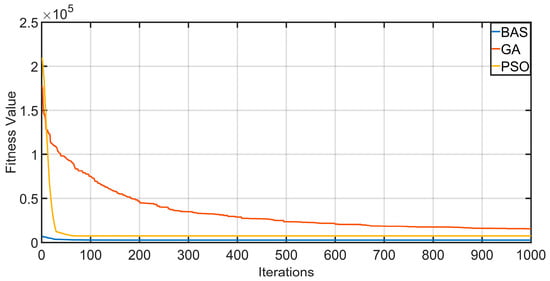
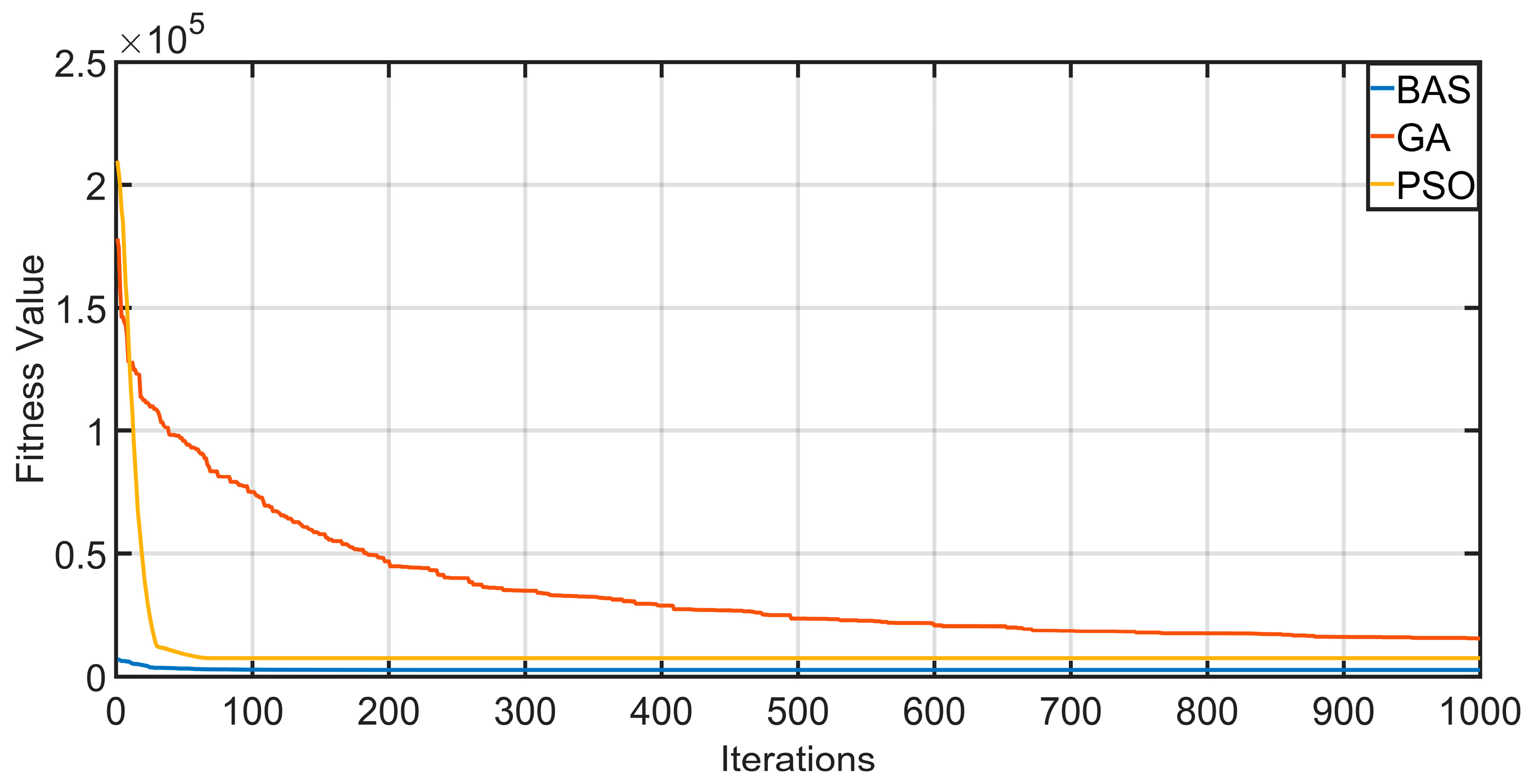
The convergence performance comparison of the three optimization algorithms is shown in Figure 9. The BAS algorithm demonstrates significant advantages over both traditional GA and PSO algorithms in terms of both convergence speed and solution accuracy. Specifically, the BAS algorithm achieves rapid convergence within the first 100 iterations, reaching a final fitness value of approximately 5 × 10⁴, which represents an improvement of one order of magnitude compared to the other algorithms. Furthermore, its smooth convergence trajectory indicates excellent stability, effectively avoiding premature convergence to local optima.
Figure 9.
Comparative convergence curves of the three algorithms.
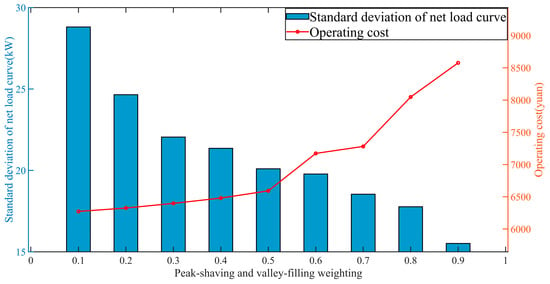
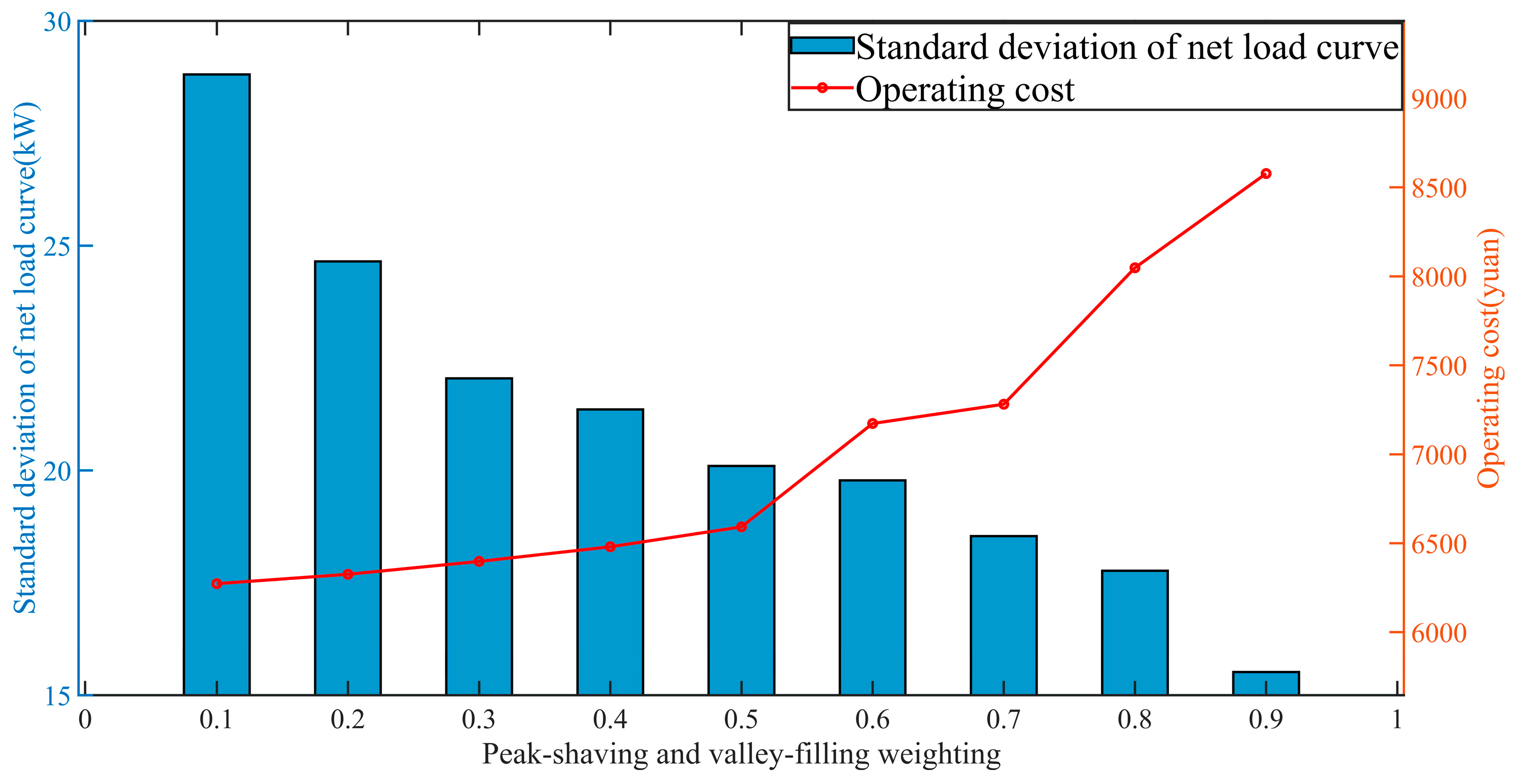
Since both the economic benefits and the peak-shaving effectiveness of system operation are significantly influenced by the weighting factor assigned to peak-shaving, it is essential to balance financial performance with peak-shaving capability and to select an appropriate weighting factor based on actual requirements. The variation trends of the system optimization objectives under different peak-shaving and valley-filling weightings are shown in Figure 10.
Figure 10.
The variation curves of the system optimization objectives under different peak-shaving and valley-filling weightings.
As shown in Figure 10, the standard deviation of the net load curve exhibits a negative correlation with the peak-shaving and valley-filling weighting factor μ, indicating that a higher μ results in a more substantial smoothing effect on the net load peak-to-valley difference. Conversely, a higher μ shifts the optimization focus of system operation toward grid-supportive peak shaving and valley filling, thereby increasing operational costs. Notably, when μ exceeds 0.5, operational costs rise sharply. Therefore, in practical engineering applications, it is essential to balance system operational economics with peak-shaving and valley-filling performance, and to select the weighting factor within the range of μ ≤ 0.5.
6. Conclusions
This paper effectively addresses the challenge of peak-shaving and valley-filling in power systems with high renewable energy penetration by establishing a multi-agent collaborative framework that integrates source–grid–load–storage components, combined with an integrated time-of-use electricity pricing mechanism and intelligent optimization algorithms. First, power generation, loads, and energy storage are modeled as autonomous decision-making agents. A multi-agent interaction environment developed using NetLogo enables real-time dynamic simulation of the generation–load–storage system. Second, the proposed market-based peak-shaving and valley-filling control method overcomes the limitations of traditional fixed-period pricing. Dynamic electricity price signals facilitate deep interaction among generation, loads, and storage, with the optimized dispatch model solved using the BAS algorithm. Case analysis demonstrates that this method reduces the standard deviation of the net load curve to 20.3 kW while maintaining computational efficiency—an 10.92% decrease compared to non-optimized scheduling. Operational costs are lowered to 5316.98 yuan (approximately 648.67 Euro), representing a 66.2% reduction. Concurrently, the approach intelligently optimizes energy storage charging and discharging strategies within safe SOC boundaries. This methodology provides an economically efficient and flexible solution for source–grid–load–storage coordinated optimization in new power systems.
While this study has achieved the expected outcomes in the coordinated optimization of source–grid–load–storage, several limitations remain to be addressed in future work:
- (1)
- Insufficient integration of model data with real-time markets
The simulations in this study are primarily based on typical daily data and preset market mechanisms, whereas actual market conditions exhibit significantly higher uncertainty in electricity prices, renewable energy output, and load profiles. This may affect the adaptability and robustness of the proposed strategy in practical applications.
- (2)
- Simplified modeling of multi-agent behaviors
To reduce model complexity, idealized behavioral assumptions—such as a uniform electricity price elasticity coefficient—were applied to agents, particularly on the load side. In reality, user response behaviors are highly heterogeneous, necessitating the development of more refined behavioral models to improve the accuracy of decision-making simulations.
Based on the above limitations, future research will focus on the following directions:
- (1)
- Deepening integration with real-time market and engineering data
We will explore integrating the proposed dynamic electricity pricing mechanism and optimization model into a high-fidelity electricity market simulation platform. By incorporating historical and real-time data for system validation and optimization, we aim to enhance the model’s applicability and reliability in real-world engineering contexts.
- (2)
- Developing a refined multi-agent modeling framework
Further investigations will be conducted into the uncertainty and diversity of user response behaviors. The introduction of advanced artificial intelligence techniques, such as multi-agent reinforcement learning, will be explored to enable the autonomous evolution of complex strategies and achieve system-level optimization.
Author Contributions
Methodology, D.L.; software, X.P.; validation, C.L.; data curation, H.Z.; writing—original draft preparation, X.M.; writing—review and editing, H.L.; visualization, X.P.; supervision, H.L.; project administration, X.M.; funding acquisition, H.L. All authors have read and agreed to the published version of the manuscript.
Funding
This research was funded by Jilin Electric Power Research Institute Co., Ltd., grant number SGJLDY00DWJS2400192.
Data Availability Statement
The raw data supporting the conclusions of this article will be made available by the authors upon request.
Conflicts of Interest
Authors Xiangdong Meng, Dexin Li, Chenggang Li, and Haifeng Zhang were employed by the Jilin Electric Power Research Institute Co., Ltd. The remaining authors declare that the research was conducted in the absence of any commercial or financial relationships that could be construed as a potential conflict of interest. The authors declare that this study received funding from Jilin Electric Power Research Institute Co., Ltd.
References
- Liu, L.; He, G.; Wu, M.; Liu, G.; Zhang, H.; Chen, Y.; Shen, J.; Li, S. Climate Change Impacts on Planned Supply-Demand Match in Global Wind and Solar Energy Systems. Nat. Energy 2023, 8, 870–880. [Google Scholar] [CrossRef] [Scilit]
- Xu, B.; Lin, B. Exploring the Role of Green Finance in Wind Power Development: Using the Nonparametric Model. Front. Sustain. Energy Policy 2024, 3, 1344166. [Google Scholar] [CrossRef] [Scilit]
- Gong, W.; Yu, S.; Wu, X.; Liu, L.; Ma, M.; Han, D. Frequency Regulation of Renewable Energy Plants in Regional Power Grids: A Study Considering the Frequency Regulation Deadband Width. Energies 2025, 18, 4618. [Google Scholar] [CrossRef] [Scilit]
- Sun, F.; Wang, Z.; Huang, J.; Diao, R.; Zhao, Y.; Lan, T. Application of Reinforcement Learning in Planning and Operation of New Power System Towards Carbon Peaking and Neutrality. Prog. Energy 2023, 5, 012005. [Google Scholar] [CrossRef] [Scilit]
- Wang, B.; Tian, Z.; Yang, H.; Li, C.; Xu, X.; Zhu, S.; Du, E.; Zhang, N. Collaborative Planning of Source–Grid–Load–Storage Considering Wind and Photovoltaic Support Capabilities. Energies 2025, 18, 2045. [Google Scholar] [CrossRef] [Scilit]
- Wang, Z.; Hou, H.; Zhao, B.; Zhang, L.; Shi, Y.; Xie, C. Risk-Averse Stochastic Capacity Planning and P2P Trading Collaborative Optimization for Multi-Energy Microgrids Considering Carbon Emission Limitations: An Asymmetric Nash Bargaining Approach. Appl. Energy 2024, 357, 122505. [Google Scholar] [CrossRef] [Scilit]
- Wang, L.; Wang, Z.; Li, Z.; Yang, M.; Cheng, X. Distributed Optimization for Network-Constrained Peer-to-Peer Energy Trading Among Multiple Microgrids Under Uncertainty. Int. J. Electr. Power Energy Syst. 2023, 149, 109065. [Google Scholar] [CrossRef] [Scilit]
- Liao, J.; Wu, K.; Liu, P. Power balance method oriented to synergy of source-network-load-storage of new power system. Electr. Eng. 2022, 10, 132–138. [Google Scholar] [CrossRef]
- Luo, S.; Ding, X.; Han, T.; Jiang, G.; Zhang, W. Day-ahead operation optimization of regional scale source network load storage system based on analytical target cascading theory. Adv. Technol. Electr. Eng. Energy 2021, 40, 11–19. [Google Scholar] [CrossRef]
- Zhang, Z.; Zhang, J.; Liu, J. Method of “source network load storage” optimal scheduling considering load adaptability. Mod. Electron. Tech. 2025, 48, 103–108. [Google Scholar] [CrossRef]
- Liang, C.; Liu, R.; Zuo, X.; Li, J.; Huang, C. Two-level optimal scheduling of source–storage-load interactive distribution network based on particle swarm optimization algorithm. AIP Adv. 2024, 14, 045117. [Google Scholar] [CrossRef] [Scilit]
- Liu, Y.; Li, Y.; Hou, G.; Qin, H. Multi-Objective Short-Term Operation of Hydro-Wind-Photovoltaic-Thermal Hybrid System Considering Power Peak Shaving, the Economy and the Environment. Energies 2024, 17, 4698. [Google Scholar] [CrossRef] [Scilit]
- Caminiti, C.M.; Brigatti, L.G.; Spiller, M.; Rancilio, G.; Merlo, M. Unlocking Grid Flexibility: Leveraging Mobility Patterns for Electric Vehicle Integration in Ancillary Services. World Electr. Veh. J. 2024, 15, 413. [Google Scholar] [CrossRef] [Scilit]
- Liu, C.; Liu, W.; Gao, X.; Liu, Z.; Deng, S.; Liu, G. Coordinative planning of distribution network and multiple integrated energy systems based on Stackelberg game. Electr. Power Autom. Equip. 2022, 42, 45–52. [Google Scholar] [CrossRef]
- Wooldridge, M. An Introduction to Multiagent Systems 2E Wlyetx; John Wiley & Sons Ltd.: Hoboken, NJ, USA, 2009; ISBN 978-0-470-51946-2. [Google Scholar]
- Azimi, Z.; Afshar, A. Hybrid Game-Theoretic Security Assessment of Cyber-Physical Power Systems Using Partial-Information Multi-Agent Reinforcement Learning. Sustain. Energy Grids Netw. 2025, 43, 101727. [Google Scholar] [CrossRef] [Scilit]
- Wu, J.; Zhou, M.; Wang, J.; Tang, W.; Yuan, B.; Li, G. Review on market mechanism to enhance the flexibility of power system under the dual-carbon target. Proc. CSEE 2022, 42, 7746–7763. [Google Scholar] [CrossRef]
- Cheng, L.; Liu, Y.; Zou, T. Review of demand response in smart grids from the perspective of game theory. Integr. Intell. Energy 2025, 47, 1–22. [Google Scholar] [CrossRef]
- Jiao, A. Exploration and research into power load management systems under new circumstances. China Plant Eng. 2025, 09, 63–65. [Google Scholar]
- Ledro, M.; Zepter, J.M.; Paludan, M.; Marinelli, M. Electrical Modelling of a Grid-Connected Battery Energy Storage System via EMS and BMS Data. Meas. Energy 2025, 6, 100048. [Google Scholar] [CrossRef] [Scilit]
- Jiang, X.Y.; Li, S. BAS: Beetle antennae search algorithm for optimization problems. arXiv 2017, arXiv:1710.10724v1. [Google Scholar] [CrossRef] [Scilit]

Disclaimer/Publisher’s Note: The statements, opinions and data contained in all publications are solely those of the individual author(s) and contributor(s) and not of MDPI and/or the editor(s). MDPI and/or the editor(s) disclaim responsibility for any injury to people or property resulting from any ideas, methods, instructions or products referred to in the content. |
© 2025 by the authors. Licensee MDPI, Basel, Switzerland. This article is an open access article distributed under the terms and conditions of the Creative Commons Attribution (CC BY) license (https://creativecommons.org/licenses/by/4.0/).