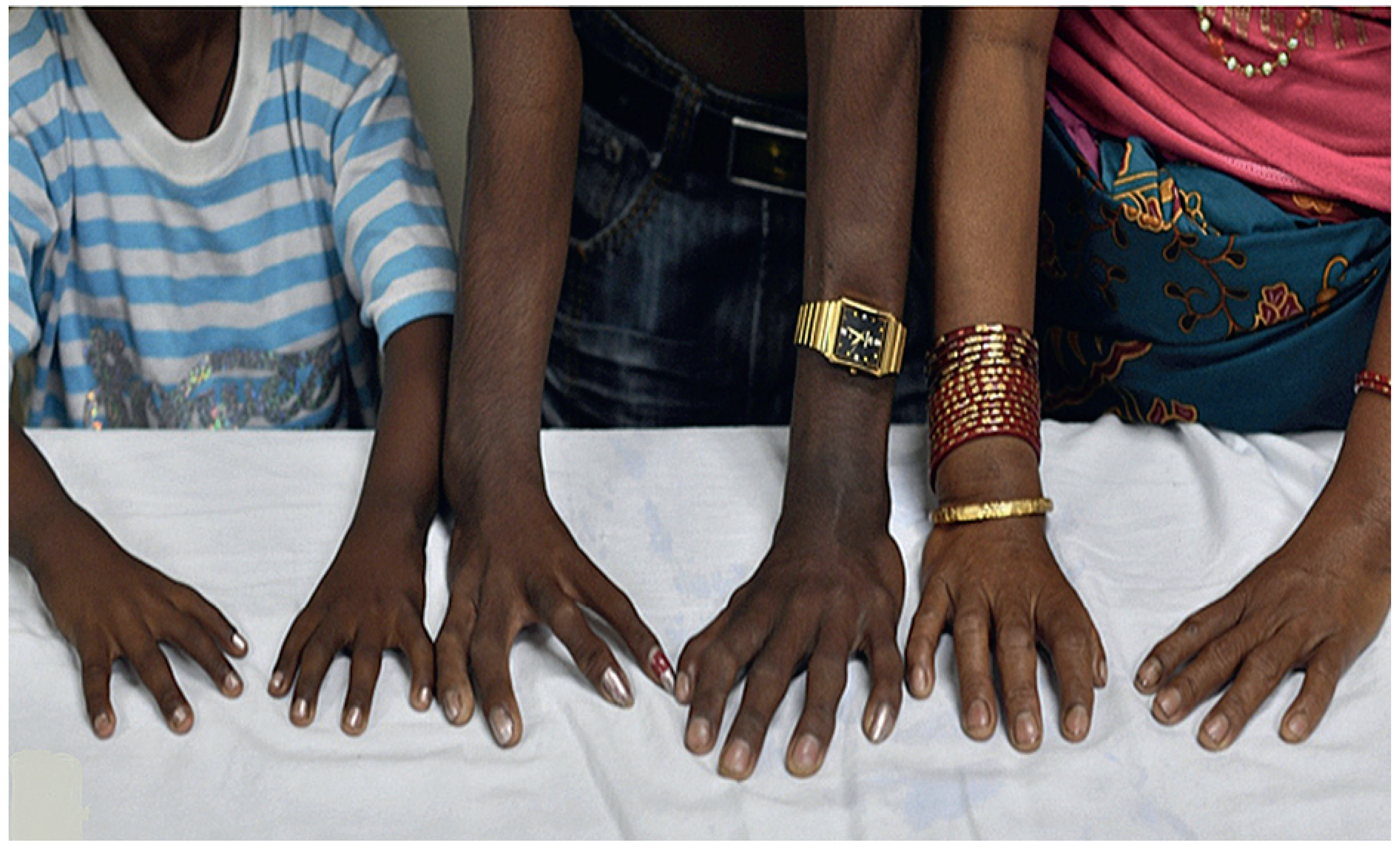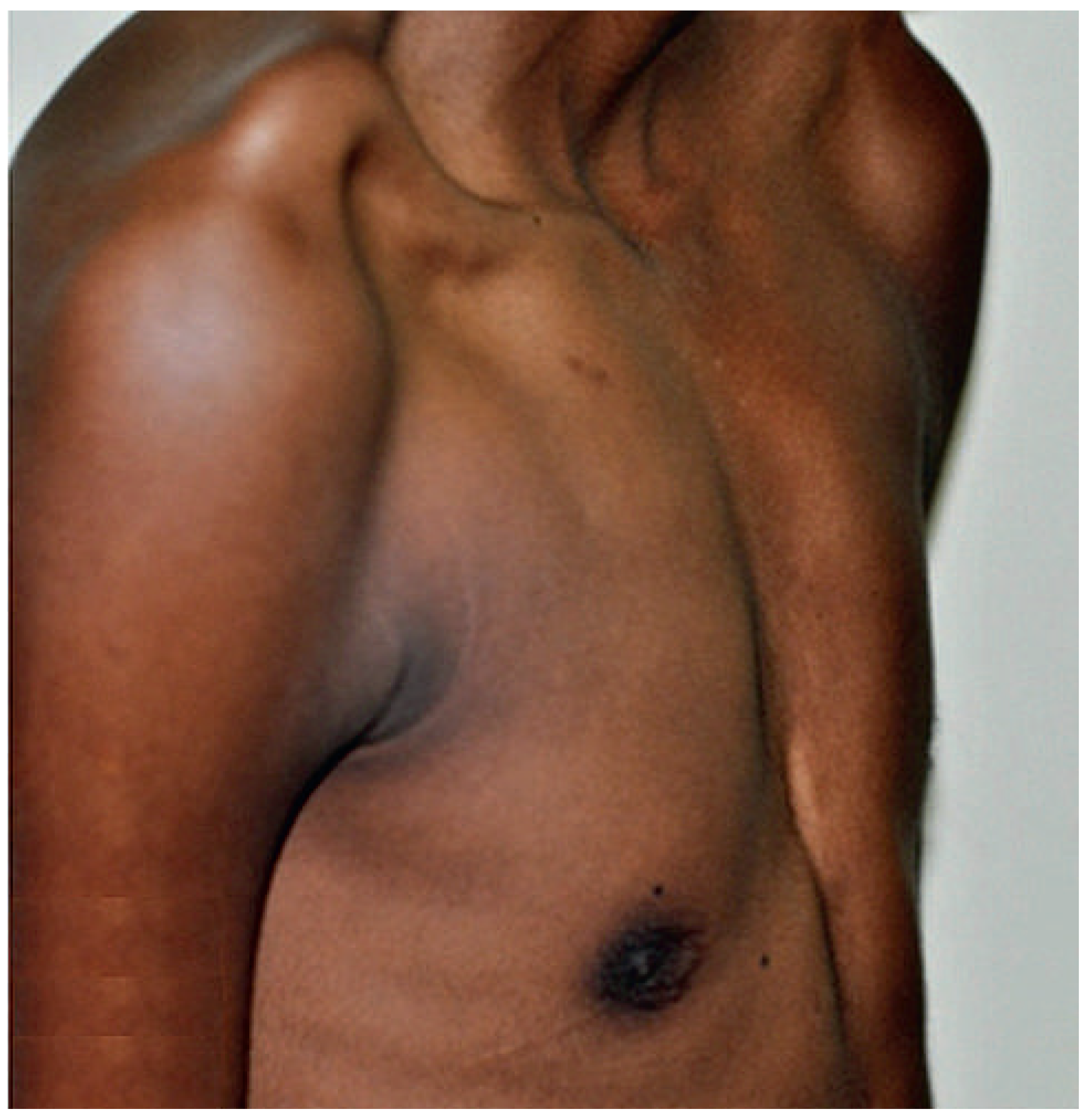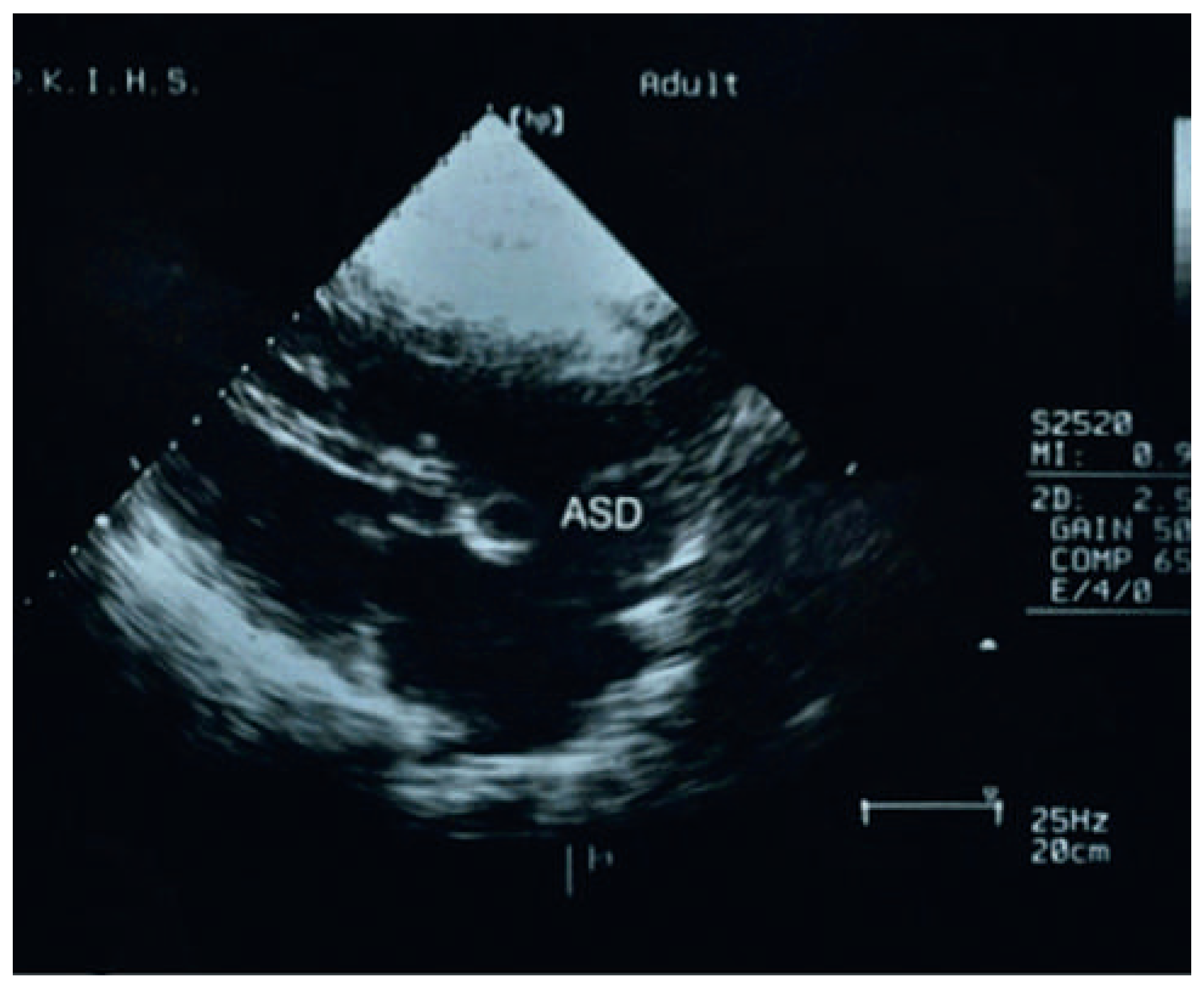
A Family with Upper Limb Malformations and Dyspnoea–The Holt-Oram Syndrome

Case report
Funding/Potential Competing Interests


© 2012 by the author. Attribution - Non-Commercial - NoDerivatives 4.0.
Share and Cite
Shrestha, N.R.; Cook, S. A Family with Upper Limb Malformations and Dyspnoea–The Holt-Oram Syndrome. Cardiovasc. Med. 2012, 15, 62. https://doi.org/10.4414/cvm.2012.01649
Shrestha NR, Cook S. A Family with Upper Limb Malformations and Dyspnoea–The Holt-Oram Syndrome. Cardiovascular Medicine. 2012; 15(2):62. https://doi.org/10.4414/cvm.2012.01649
Chicago/Turabian StyleShrestha, Nikesh Raj, and Stéphane Cook. 2012. "A Family with Upper Limb Malformations and Dyspnoea–The Holt-Oram Syndrome" Cardiovascular Medicine 15, no. 2: 62. https://doi.org/10.4414/cvm.2012.01649
APA StyleShrestha, N. R., & Cook, S. (2012). A Family with Upper Limb Malformations and Dyspnoea–The Holt-Oram Syndrome. Cardiovascular Medicine, 15(2), 62. https://doi.org/10.4414/cvm.2012.01649