

Congenital Zika Syndrome—Assessing the Need for a Family Support Programme in Brazil


 , , , ,
Abstract
1. Introduction
- a)
- What are the needs of families of children with CZS (or related conditions) in Brazil, and are they being met by the existing support services?;
- b)
- Would a family support programme be potentially useful in the post-Zika context in Brazil?;
- c)
- Are the similarities between CP and CZS sufficient to suggest that GTCKP/EIP could be used as a basis for a Brazil family support intervention?
2. Materials and Methods
2.1. Data Extraction
2.2. Ethical Approval
2.3. Methods
2.3.1. Systematic review on unmet needs of families of children with CZS and CP
2.3.2. Findings from the Social and Economic Impact of Zika Study
2.3.3. Scoping visit in Brazil
3. Results
3.1. Findings from the Literature Review of Families and Caregivers of Children with CZS and CP
3.2. Findings from Social and Economic Study
3.3. Findings from Scoping Visit
4. Discussion
- a)
- What are the needs of families of children with CZS (or related conditions) in Brazil, and are they being met by the existing support services?
- b)
- Would a family support programme be potentially useful in the post Zika context in Brazil?
- c)
- Are the similarities between CP and CZS sufficient to suggest that GTCKP/EIP could be used as a basis for a Brazil family support intervention?
5. Conclusions
Author Contributions
Funding
Acknowledgments
Conflicts of Interest
Appendix A. Search Terms Used for Literature Review
Appendix A.1 Search on CZS
Appendix A.2 Search on CP
Appendix B. PRISMA Flow Charts of the CZS and CP Literature Review.
Appendix B.1 Search on CZS
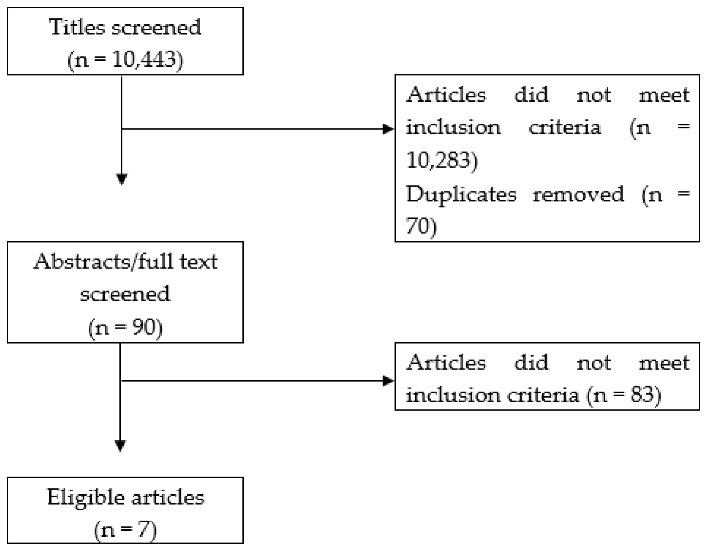
Appendix B.2. Search on CP

References
- Pan American Health Organization. Zika-Epidemiological Update. In Epidemiological Alerts and Updates; Pan American Health Organization: Washington, DC, USA, 2017. [Google Scholar]
- Figueiredo, L.T.M. Has the threat of Zika virus outbreaks come to an end? Rev. Soc. Bras. Med. Trop. 2018, 51, 259–260. [Google Scholar] [CrossRef]
- Pan American Health Organization. Cases of Zika Virus Disease by Country or Territory. 2020. Available online: http://www.paho.org/data/index.php/en/?option=com_content&view=article&id=524:zika-weekly-en&Itemid=352 (accessed on 12 February 2020).
- De França, G.V.A.; Pedi, V.D.; Garcia, M.H.D.O.; Carmo, G.M.I.D.; Leal, M.B.; Garcia, L.P. Síndrome congênita associada à infecção pelo vírus Zika em nascidos vivos no Brasil: Descrição da distribuição dos casos notificados e confirmados em 2015–2016. Epidemiol. Serv. Saude 2018, 27, e2017473. [Google Scholar] [CrossRef]
- Moore, C.A.; Staples, J.E.; Dobyns, W.B.; Pessoa, A.; Ventura, C.; Da Fonseca, E.B.; Ribeiro, E.M.; Ventura, L.V.; Neto, N.N.; Arena, J.F.; et al. Characterizing the Pattern of Anomalies in Congenital Zika Syndrome for Pediatric Clinicians. JAMA Pediatr. 2017, 171, 288–295. [Google Scholar] [CrossRef]
- Marques, V.D.M.; Santos, C.S.; Santiago, I.G.; Marques, S.M.; Brasil, M.D.G.N.; Lima, T.T.; Costa, P.S. Neurological Complications of Congenital Zika Virus Infection. Pediatr. Neurol. 2018, 91, 3–10. [Google Scholar] [CrossRef] [PubMed]
- Rosenbaum, P.; Paneth, N.; Leviton, A.; Goldstein, M.; Bax, M.; Damiano, D.; Dan, B.; Jacobss, B. A report: The definition and classification of cerebral palsy April 2006. Dev. Med. Child Neurol. 2007, 49, 8–14. [Google Scholar] [CrossRef]
- Ashwal, S.; David Michelson, D.; Lauren Plawner, L.; Dobyns, W.D. Practice parameter: Evaluation of the child with microcephaly (an evidence-based review): Report of the Quality Standards Subcommittee of the American Academy of Neurology and the Practice Committee of the Child. Neurology Society. Neurology 2009, 73, 887–897. [Google Scholar] [CrossRef] [PubMed]
- Pessoa, A.; Van Der Linden, V.; Yeargin-Allsopp, M.; Carvalho, M.D.C.G.; Ribeiro, E.M.; Braun, K.V.N.; Durkin, M.S.; Pastula, D.M.; Moore, J.T.; A Moore, C. Motor Abnormalities and Epilepsy in Infants and Children With Evidence of Congenital Zika Virus Infection. Pediatrics 2018, 141, S167–S179. [Google Scholar] [CrossRef]
- MacLennan, A.H.; Lewis, S.; Moreno-De-Luca, A.; Fahey, M.; Leventer, R.J.; McIntyre, S.; Benpazi, H.; Corbett, M.; Wang, X.; Baynam, G.; et al. Genetic or Other Causation Should Not Change the Clinical Diagnosis of Cerebral Palsy. J. Child Neurol. 2019, 34, 472–476. [Google Scholar] [CrossRef]
- Barreto, M.L.; Barral-Netto, M.; Stabeli, R.G.; Almeida-Filho, N.; Vasconcelos, P.F.C.; Teixeira, M.; Buss, P.; E Gadelha, P. Zika virus and microcephaly in Brazil: A scientific agenda. Lancet 2016, 387, 919–921. [Google Scholar] [CrossRef]
- Cerebral Palsy Association (Eastern Cape). Hambisela. 2020. Available online: https://www.cerebralpalsy.org.za/hambisela (accessed on 3 May 2020).
- Salomone, E.; Pacione, L.; Shire, S.; Brown, F.L.; Reichow, B.; Servili, C. Development of the WHO Caregiver Skills Training Program for Developmental Disorders or Delays. Front. Psychol. 2019, 10. [Google Scholar] [CrossRef]
- International Centre for Evidence in Disability. Getting to Know Cerebral Palsy. 2011. Working with Parent Groups—A Training Resource for Facilitators, Parents, Caregivers, and Persons with Cerebral Palsy. Modified from Hambisela. Available online: http://disabilitycentre.lshtm.ac.uk/key-publications/getting-to-know-cerebral-palsy/ (accessed on 20 January 2020).
- Zuurmond, M.; O’Banion, D.; Gladstone, M.; Carsamar, S.; Kerac, M.; Baltussen, M.; Tann, C.J.; Nyante, G.G.; Polack, S. Evaluating the impact of a community-based parent training programme for children with cerebral palsy in Ghana. PLoS ONE 2018, 13, e0202096. [Google Scholar] [CrossRef] [PubMed]
- Zuurmond, M.; Nyante, G.; Baltussen, M.; Seeley, J.; Abanga, J.; Shakespeare, T.; Collumbien, M.; Bernays, S. A support programme for caregivers of children with disabilities in Ghana: Understanding the impact on the wellbeing of caregivers. Child. Care. Health Dev. 2019, 45, 45–53. [Google Scholar] [CrossRef] [PubMed]
- Martin, K.; Nalugya, R.; Lassman, R.; Sewagaba, M.; De Silva, H.; Musoke, M.; Nyangoma, B.; Mbabazi, L.; Webb, E.; Nampijja, M.; et al. Developing an early intervention programme for children at high-risk of neurodevelopmental impairment in Uganda. In Proceedings of the PAS 2017 Annual Meeting, San Francisco, CA, USA, 6–9 May 2017. [Google Scholar]
- Collins, A. Congenital Zika Syndrome: Implications and Support. for Affected Families (a Systematic Review of the Literature); London School of Hygiene and Tropical Medicine, Bloomsbury: London, UK, 2017. [Google Scholar]
- Vrabel, M. Preferred Reporting Items for Systematic Reviews and Meta-Analyses. Oncol. Nurs. Forum 2015, 42, 552–554. [Google Scholar] [CrossRef] [PubMed]
- Kuper, H.; Lyra, T.M.; Moreira, M.E.L.; De Albuquerque, M.D.S.V.; De Araújo, T.V.B.; Fernandes, S.; Jofre-Bonet, M.; Larson, H.; Lopes de Melo, A.P.; Mendes, C.H.F.; et al. Social and economic impacts of congenital Zika syndrome in Brazil: Study protocol and rationale for a mixed-methods study [version 1; referees: 1 approved]. Wellcome Open Res. 2018, 3, 127. [Google Scholar] [CrossRef] [PubMed]
- Oliveira, S.J.G.D.S.; De Melo, E.S.; Reinheimer, D.M.; Gurgel, R.Q.; Santos, V.S.; Martins-Filho, P.R. Anxiety, depression, and quality of life in mothers of newborns with microcephaly and presumed congenital Zika virus infection. Arch. Womens Ment. Health 2016, 19, 1149–1151. [Google Scholar] [CrossRef]
- Collucci, C. Babies with microcephaly in Brazil are struggling to access care. BMJ 2016, 355. [Google Scholar] [CrossRef]
- Reilly, M.; Rappaport, L. Congenital Zika Virus Infection. J. Dev. Behav. Pediatr. 2017, 38, 65–66. [Google Scholar] [CrossRef]
- Rasanathan, J.; MacCarthy, S.; Diniz, D.; Torreele, E.; Gruskin, S. Engaging Human Rights in the Response to the Evolving Zika Virus Epidemic. Am. J. Public Health 2017, 107, 525–531. [Google Scholar] [CrossRef]
- Alderdice, F.; Souza, M.D.L.D. Integrated reproductive health: The Zika virus. J. Reprod. Infant Psychol. 2016, 34, 429–430. [Google Scholar] [CrossRef][Green Version]
- Hennigan, T. Brazil struggles to cope with Zika epidemic. Stroke Vasc. Neurol. 2016, 352, i1226. [Google Scholar] [CrossRef][Green Version]
- Porter, S.; Mimm, N. Infants With Congenital Zika Virus Infection. Infants Young Child. 2017, 30, 17–27. [Google Scholar] [CrossRef]
- Saygi, E.K.; Giray, E.; Cersit, H.P.; Ulutatar, F.; Aydin, R. Assessment of Family Environment and Needs of Families Who Have Children with Cerebral Palsy. Turk. J. Phys. Med. Rehabil. 2015, 61, 320–325. [Google Scholar] [CrossRef]
- Kuper, H.; Moreira, M.E.L.; De Araújo, T.V.B.; Valongueiro, S.; Fernandes, S.; Pinto, M.; Lyra, T.M. The association of depression, anxiety, and stress with caring for a child with Congenital Zika Syndrome in Brazil; Results of a cross-sectional study. PLoS Negl. Trop. Dis. 2019, 13, e0007768. [Google Scholar] [CrossRef] [PubMed]
- Albuquerque, M.S.V.; Lyra, T.M.; Melo, A.P.L.; A Valongueiro, S.; Araújo, T.V.B.; Pimentel, C.; Moreira, M.C.N.; Mendes, C.H.F.; Nascimento, M.; Kuper, H.; et al. Access to healthcare for children with Congenital Zika Syndrome in Brazil: Perspectives of mothers and health professionals. Health Policy Plan. 2019, 34, 499–507. [Google Scholar] [CrossRef] [PubMed]
- Bailey, D.B.; Ventura, L.V. The Likely Impact of Congenital Zika Syndrome on Families: Considerations for Family Supports and Services. Pediatrics 2018, 141, S180–S187. [Google Scholar] [CrossRef] [PubMed]
- Kuper, H.; Smythe, T.; Duttine, A. Reflections on Health Promotion and Disability in Low and Middle-Income Countries: Case Study of Parent-Support Programmes for Children with Congenital Zika Syndrome. Int. J. Environ. Res. Public Health 2018, 15, 514. [Google Scholar] [CrossRef]
- Hohlfeld, A.S.; Harty, M.; Engel, M.E. Parents of children with disabilities: A systematic review of parenting interventions and self-efficacy. Afr. J. Disabil. 2018, 7, 12. [Google Scholar] [CrossRef]
- Donkor, C.M.; Lee, J.; Lelijveld, N.; Adams, M.; Baltussen, M.M.; Nyante, G.G.; Kerac, M.; Polack, S.; Zuurmond, M. Improving nutritional status of children with Cerebral palsy: A qualitative study of caregiver experiences and community-based training in Ghana. Food Sci. Nutr. 2018, 7, 35–43. [Google Scholar] [CrossRef]
- De Carvalho, A.L.; Ventura, P.; Taguchi, T.; Brandi, I.; Brites, C.; Lucena, R. Cerebral Palsy in Children With Congenital Zika Syndrome: A 2-Year Neurodevelopmental Follow-up. J. Child Neurol. 2019, 35, 202–207. [Google Scholar] [CrossRef]
- De Carvalho, A.L.; Brites, C.; Mochida, G.; Ventura, P.; Fernandes, A.; Lage, M.L.; Taguchi, T.; Brandi, I.; Silva, A.; Franceschi, G.; et al. Clinical and neurodevelopmental features in children with cerebral palsy and probable congenital Zika. Brain Dev. 2019, 41, 587–594. [Google Scholar] [CrossRef]
- Marques, F.J.P.; Teixeira, M.C.S.; Barra, R.R.; De Lima, F.M.; Dias, B.L.S.; Pupe, C.; Nascimento, O.J.M.; Leyser, M. Children Born With Congenital Zika Syndrome Display Atypical Gross Motor Development and a Higher Risk for Cerebral Palsy. J. Child Neurol. 2018, 34, 81–85. [Google Scholar] [CrossRef] [PubMed]

| Article | Country | Measures Used | Overall Findings/Topics |
|---|---|---|---|
| Anxiety, depression, and quality of life in mothers of newborns with microcephaly and presumed congenital Zika virus infection [21] | Brazil | World Health Organisation Quality of Life-BREF (WHOQoL-BREF) | Lower scores in psychosocial domain of WHOQoL-BREF of women with babies with microcephaly in first 24 h after birth. |
| Babies with microcephaly in Brazil are struggling to access care [22] | Brazil | Anecdotal evidence | Struggle of families to access care, transportation, investigation, and medication. Financial cost of bringing up an infant with congenital Zika syndrome. |
| Congenital Zika virus infection: A developmental- behavioural perspective [23] | Brazil | Anecdotal evidence and recommendations | Stigma surrounding congenital zika syndrome in Brazil. Broad range of outcomes and potential interventions needed. |
| Engaging human rights in the response to the evolving Zika virus epidemic [24] | Brazil | Relationship between human rights principles and Zika response with relation to discrimination, participation, accountability of Brazilian health system, equity | Health system may need to divert resources to areas of greatest need, given that Zika was concentrated in areas that may have less health providers. Need to address structural and social determinants of health. |
| Integrated reproductive health: The Zika virus [25] | Brazil | Anecdotal evidence | Psychological impact on women and need for support and communication. Social inequities within Brazil. |
| Infants with congenital zika virus infection: A new challenge for early intervention professionals [27] | Brazil | Recent literature and recommendations | Social stigma and media attention may affect parents’ psychological wellbeing. Poor sleep patterns of infants may contribute to poor emotional health of parents. Parents may need education and explanation of child’s condition. Adequate psychosocial services will be necessary, as well as possibly respite opportunities. Consultation with lactation specialists may be useful. |
| Brazil struggles to cope with zika epidemic [26] | Brazil | Anecdotal evidence | Highlights lack of available finances and services in the Brazilian health system. |
| Article | Country | Scale or Questionnaire Used | Main Findings |
|---|---|---|---|
| Understanding the lives of caregivers of children with cerebral palsy in rural Bangladesh: Use of mixed methods | Bangladesh | PedsQL Family Impact Questionnaire | Lower quality of life in all domains of PedsQL in families of children with CP (p < 0.001). Parents experienced fatigue, stigma, lack of social support. |
| Assessment of family environment and needs of families who have children with cerebral palsy | Turkey | Family Needs Score (FNS) and Family Environment Score (FES) | Vast majority (91.8%) of primary caregivers were mothers. More families cited information needs (84.3%) than support or financial needs. Many families had assistance from elders. |
| An investigation of parents’ problems according to motor functional level of children with cerebral palsy | Turkey | Author written questionnaire | Families with children with more severe CP had more problems than those with mild CP (no p-value given). Major difficulties were economic, lack of health services, and communication. Many families had assistance from elders. |
| Comparative quality of life of Nigerian caregivers of children with cerebral palsy | Nigeria | World Health Organisation Quality of Life score (WHOQoL-BREF), Gross Motor Functional Classification System (GMFCS) | Caregivers of children with CP have a lower quality of life than those without children with CP (p = 0.003). Quality of life scores improved over time as children’s motor function improved, suggesting that early intervention and therapy may help with caregiver’s quality of life long term. No significant correlation between child’s GMFCS and severity of depression (p = 0.339). |
| Depression in mothers of children with cerebral palsy and its relation to severity and type of cerebral palsy | Iran | Beck Depression Inventory-II (BDI-II), GMFCS | Greater risk of mothers caring for children with CP having depression (p = 0.003). No significant correlation between the GMFCS and severity of depression. |
| Depression and anxiety levels in mothers of children with cerebral palsy: A controlled study | Turkey | Beck Depression Inventory (BDI), Beck Anxiety Inventory (BAI) | Higher levels of depression and anxiety in mothers of children with CP (p = <0.001). Statistically significant difference in effect of speech defects and higher GMFCS score on mothers’ depression (p < 0.05 with 95% CI) based on logistic regression. |
| Depression in parents of children with cerebral palsy in Bosnia and Herzegovina | Bosnia and Herzegovina | Zung self-evaluated method for depression | No significant difference in levels of depression between mothers and fathers of children with CP, and mothers of healthy controls (p = 0.09). |
| Factors associated with caregiver burden among caregivers of children with cerebral palsy in Sri Lanka | Sri Lanka | WHOQoL-BREF ‘Caregiver Difficulties Scale’ (CDS) | Majority of caregivers (97%) were mothers. Majority of caregivers were from a rural area and low socioeconomic background (72% and 70% respectively). Living in a rural area (p = 0.001), having a lower income (p < 0.023), male sex of the child (p = 0.017), and more significant functional impairment of child (p < 0.001) were associated with a higher caregiver burden in multivariate analysis. Social support was associated with a lower caregiver burden (p < 0.001). |
| Functional priorities reported by parents of children with cerebral palsy | Brazil | Questionnaire | In all age groups, ‘personal care’ was the highest rated functional goal by parents (42.99%–52.38%). In 3–6 year olds, play was second highest rated (20.56%), in 7–10 year olds and in 11–16 year olds, school was the second highest rated (23.16% and 22.22% respectively). |
| Higher Levels of Caregiver Strain Perceived by Indian Mothers of Children and Young Adults with Cerebral Palsy Who have Limited Self-Mobility | India | Caregiver Strain Index (CS) | Caregivers of children with higher scores on GMFCS had higher levels of caregiver strain (p < 0.01). |
| Life quality among mothers of children with cerebral palsy living in Armenia | Armenia | BDI-II and Norakidze’s modification of Taylor manifest anxiety scale | High levels of depression (74%) and anxiety (95%) in mothers of children with CP. Mothers with lower level of education had higher rates of anxiety. |
| Mental health and quality of life of caregivers of individuals with cerebral palsy in a community-based rehabilitation programme in rural Karnataka | India | General Health Questionnaire (GHQ) WHOQoL-BREF | Majority (87%) of caregivers were mothers. No statistically significant difference in GHQ-28 score in relation to functional status of child. No statistically significant difference in children’s needs in relation to mothers’ mental health score. |
| Coping with stress and adaptation in mothers of children with cerebral palsy | Serbia | Family Crisis Oriented Personal Evaluation Scale (F-COPES) | No difference in methods of coping between urban and rural mothers, reframing was the strategy most commonly used. Only statistically significant difference in methods of coping in relation to severity of child’s functional impairment was use of institutions in more severe impairment. |
| Fatigue in the mothers of children with cerebral palsy | Turkey | Fatigue Symptom Inventory (FSI), Beck Depression Scale (BDS), and Nottingham Health Profile (NHP) | Mothers of children with CP scored higher in all groups of FSI (p < 0.00001). Mothers of children with CP had higher scores on BDS (p < 0.00001). Mothers of children with CP had higher scores on BDS (p < 0.026 or less in all domains). No impact of GMFCS on outcomes in mother when regression analysis applied. Fatigue correlated with higher NHP and BDS scores. |
| Predictors of stress in mothers of children with cerebral palsy in Bangladesh | Bangladesh | Judson Scale, Family Support Index (FSI) | Higher levels of stress in mothers living in rural areas (p = 0.02). Higher levels of household income associated with lower levels of stress (p = 0.02). Level of child’s functional impairment not associate with higher levels of stress. Child’s behavioural issues (including sleep, bet wetting, hyperactivity) associated with a higher level of stress (goodness of fit 75.46%). |
| Psychological distress and perceived support among Jordanian parents living with a child with cerebral palsy: A cross sectional study | Jordan | GMFCS, Perceived Stress Scale (PSS), BDI, Strengths and Difficulties Questionnaire (SDQ), and Multidimensional Scale of Perceived Social Support (MSPSS) | Many parents of children with CP have perceived levels of stress. Parents of children with higher GMFCS had higher levels of stress (p = 0.03). Parents of children with more behavioural issues had higher levels of perceived stress. Parents with lower social supports had higher levels of stress (p < 0.0005). |
| Psychological adversities and depression in mothers of children with cerebral palsy in Nigeria | Nigeria | Psychosocial Adversity Scale (PAS) and Patient Health Questionnaire (PHQ) | Additional psychosocial stressors associated with depression (all except unemployment and mother’s education). Majority of mothers (89%) had some degree of depression. |
| Quality of life in mothers of children with cerebral palsy: The role of children’s gross motor function | Iran | Short Form Health Survey (SF-36), GMFCS | Mothers of children with better GMFCS had better QoL scores. When compared with general population mean, mothers of children with CP has statistically significant lower scores in all QoL domains. |
| Quality of life in parents/caretakers of children with cerebral palsy in Kampong Cham, Cambodia | Cambodia | Comprehensive Quality of Life Scale (ComQOL-A5) scores | Lowest scoring QoL domains were health, emotional wellbeing, and material well-being. |
| Social support provided to caregivers of children with cerebral palsy | Brazil | Sarason’s Social Support Questionnaire (SSQ) | Majority of caregivers (88%) are mothers. Husband, mother, and brother are those cited most frequently as sources of social support. |
| The effect of having a children with cerebral palsy on quality of life, burn-out, depression and anxiety scores: A comparative study | Turkey | WHOQoL-BREF, GMFCS | Higher levels of depression in CP group compared to control group (58.0% vs. 46.7%). Higher levels of anxiety in CP group compared to control group (71.4% vs. 51.7%). Highest scores in WHOQoL were in domains of physical, psychosocial, and environment. Correlation between higher GMFCS and higher total WHOQoL and BDI scores (p = 0.04 and 0.01 respectively). |
| Quality of life and anticipatory grieving among parents living with a child with cerebral palsy | Jordan | Marwitand Meuser Caregiver Inventory Quality of Life Index | 62.7% reported stress, 78.3% reported drastic life changes, 71.0% reported anxiety, 73.4% reported excellent family support. Personal sacrifice burden score highest. Negative correlation between anticipatory grief and QoL scores (p < 0.0005). |
| Psychosocial impact of caring for children with cerebral palsy on the family in a developing country | Nigeria | Impact on Family Scale (IFS) and GMFCS | Majority of caregivers (80.3%) were mothers. Although 46.2% of CP children had speech impairments, only 2.6% received speech therapy. Correlation between higher GMFCS and higher IOF scores, but not statistically significant (p = 0.16). Higher IOF scores in families of children with CP (p = 0.000). |
| Psychosocial challenges for parents of children with cerebral palsy: A qualitative study | Iran | Semi-structured interview | Lack of financial support, transportation, medical services. Sense of guilt, stigma. Lack of social support. |
| Investigation of quality of life in mothers of children with cerebral palsy in Iran: Association with socio-economic status, marital satisfaction and fatigue | Iran | WHOQoL-BREF, Socioeconomic Status Questionnaire (SES), Index of Marital Satisfaction (IMS) and Fatigue Severity Scale-Persian (FSS-P) | Mothers in CP group has lower SES categories. Mothers in CP group had higher fatigue levels (p < 0.001) and higher marital dissatisfaction (p < 0.001). Mothers in CP group had lower QoL scores in all domains (p < 0.001). |
| Frequency and severity of depression in mothers of cerebral palsy children | Pakistan | Siddiqui -Shah Depression Scale (SSDS) | 50.62% of mothers had depression. |
| Experiences shared through the interviews from fifteen mothers of children with cerebral palsy, sexuality and disability | Turkey | Semi-structured questionnaire | Majority of caregivers were mothers, often blamed for child’s condition. Out of 12 who had other children, 3 reported difficulties in sibling relationships. All mothers reported financial difficulties. Lack of suitable support for child’s education. Concerns for child’s future. |
| An evaluation of quality of life of mothers of children with cerebral palsy | Turkey | Turkish version of SF-36 | Negative correlation between SF-36 QoL scores and GMFCS; significant in domains of role physical (p = 0.001), bodily pain (p = 0.023), general health (p = 0.031), social functioning (p = 0.0320, role emotional (p = 0.003), and mental health (p = 0.004). Statistically significant difference between mothers of children with CP and controls in domains of mental health (p = 0.002), social functioning (p = 0.002), general health (p = 0.001), bodily pain (p = 0.005), and role physical (p = 0.008). |
| Assessment of the quality of life of mothers of children with cerebral palsy (primary caregivers) | Turkey | Nottingham Health Profile-1, BDI, BAI, GMFCS | Higher NHP score in mothers of children with CP in sleep, energy, social isolation (p = 0.000), pain (p = 0.007), physical activity (p = 0.004), and emotional reactions (p = 0.001). BDI scores higher in mothers of children with CP (p = 0.000). 78.2% of mothers of children with CP had depression compared with 21.7% in control group. |
| Coping strategies and resolution in mothers of children with cerebral palsy | Serbia | Reaction to Diagnosis Interview (RDI) and classification system used and modified version of F-COPES and Functional Status II (FS-II) | 59% mothers remained unresolved. Reframing was the coping strategy used most, followed by passive appraisal. No difference between resolution and non-resolution depending on coping strategy. Mothers with children with better functional status who utilised institutional support had better resolution. |
| Depression in mothers of children with cerebral palsy and other related factors in Turkey: A controlled study | Turkey | BDI, GMFCS | More mothers in the CP group (61.2%) were depressed compared with control group (36%). Depression did not vary depending on CP type. Depression correlated with speech deficits (p = 0.036). No correlation between GMFCS level I, II, III and groups IV, V, and depression (p = 0.260). Higher BDI score correlated with lower household income (r = −0.384, p = 0.007). |
| Dimensions of PedsQL | Mothers of children with CZS (n = 155) | Mothers of Children with Unaffected Children (n = 47) | p-Value (t-Test) |
|---|---|---|---|
| Physical Functioning | 53.6 (1.8) | 54.6 (3.5) | 0.39 |
| Emotional Functioning | 57.6 (1.9) | 62.1 (3.3) | 0.13 |
| Social Functioning | 56.7 (2.3) | 61.6 (3.9) | 0.15 |
| Cognitive Functioning | 60.5 (2.0) | 66.1 (3.7) | 0.09 |
| Communication | 58.9 (2.4) | 71.6 (4.5) | 0.006 |
| Worry | 33.6 (1.4) | 38.9 (3.3) | 0.04 |
| Daily Activities | 35.2 (2.1) | 38.3 (4.2) | 0.24 |
| Family Relationships | 60.5 (2.2) | 58.0 (4.6) | 0.70 |
| Total | 52.5 (1.3) | 56.4 (2.7) | 0.08 |
© 2020 by the authors. Licensee MDPI, Basel, Switzerland. This article is an open access article distributed under the terms and conditions of the Creative Commons Attribution (CC BY) license (http://creativecommons.org/licenses/by/4.0/).
Share and Cite
Duttine, A.; Smythe, T.; Ribiero Calheiro de Sá, M.; Ferrite, S.; Zuurmond, M.; Moreira, M.E.; Collins, A.; Milner, K.; Kuper, H. Congenital Zika Syndrome—Assessing the Need for a Family Support Programme in Brazil. Int. J. Environ. Res. Public Health 2020, 17, 3559. https://doi.org/10.3390/ijerph17103559
Duttine A, Smythe T, Ribiero Calheiro de Sá M, Ferrite S, Zuurmond M, Moreira ME, Collins A, Milner K, Kuper H. Congenital Zika Syndrome—Assessing the Need for a Family Support Programme in Brazil. International Journal of Environmental Research and Public Health. 2020; 17(10):3559. https://doi.org/10.3390/ijerph17103559
Chicago/Turabian StyleDuttine, Antony, Tracey Smythe, Míriam Ribiero Calheiro de Sá, Silvia Ferrite, Maria Zuurmond, Maria Elisabeth Moreira, Anna Collins, Kate Milner, and Hannah Kuper. 2020. "Congenital Zika Syndrome—Assessing the Need for a Family Support Programme in Brazil" International Journal of Environmental Research and Public Health 17, no. 10: 3559. https://doi.org/10.3390/ijerph17103559
APA StyleDuttine, A., Smythe, T., Ribiero Calheiro de Sá, M., Ferrite, S., Zuurmond, M., Moreira, M. E., Collins, A., Milner, K., & Kuper, H. (2020). Congenital Zika Syndrome—Assessing the Need for a Family Support Programme in Brazil. International Journal of Environmental Research and Public Health, 17(10), 3559. https://doi.org/10.3390/ijerph17103559
