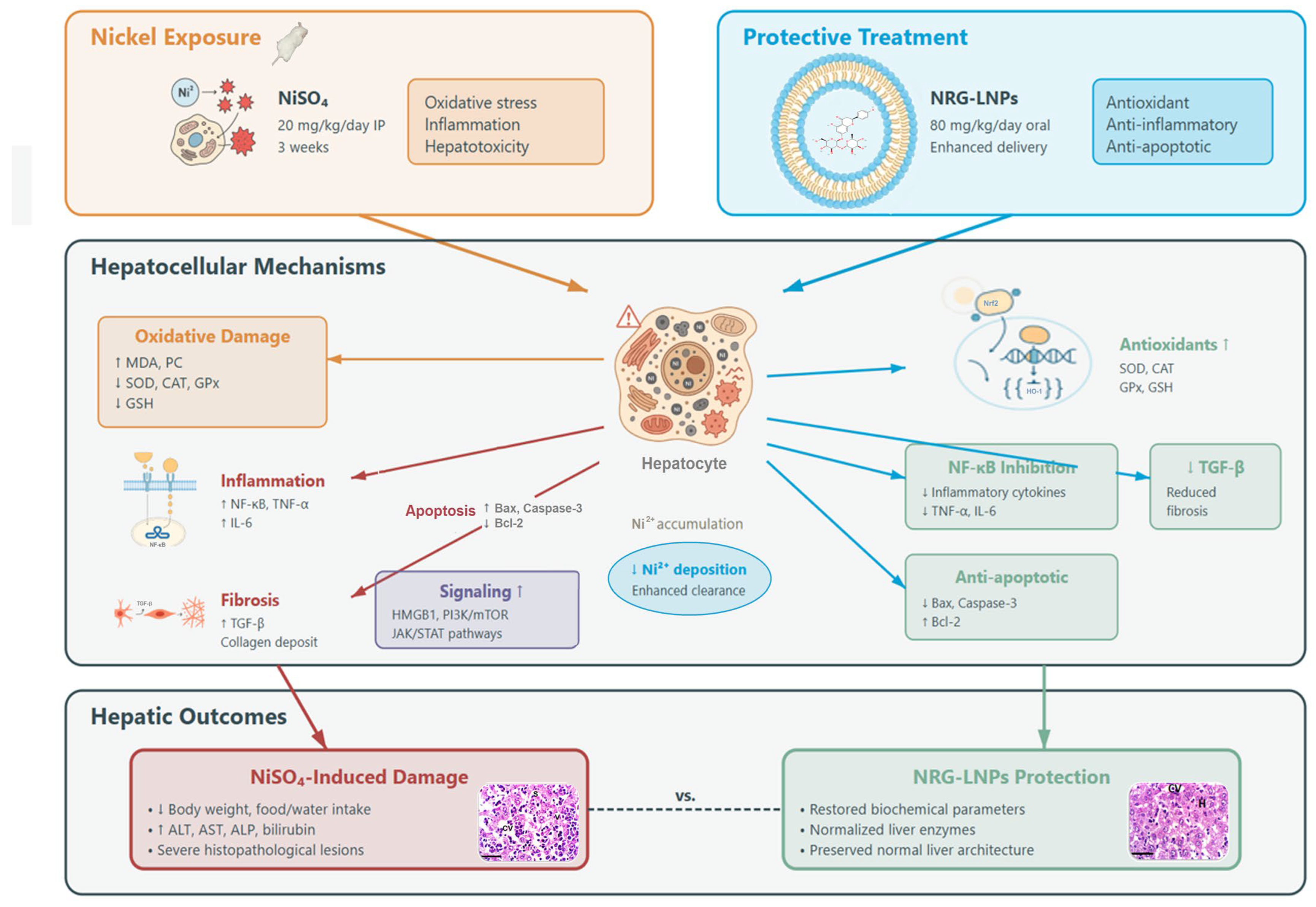
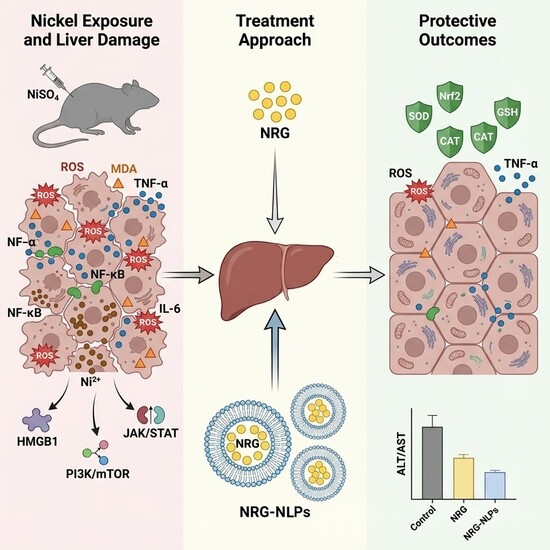
Hepatoprotection by Naringin Nanoliposomes Against Nickel Toxicity Involves Antioxidant Reinforcement and Modulation of Nrf2, NF-κB, PI3K/mTOR, JAK/STAT, and Apoptotic Pathways
 , , , , , ,
  and
and
Abstract
1. Introduction
2. Result
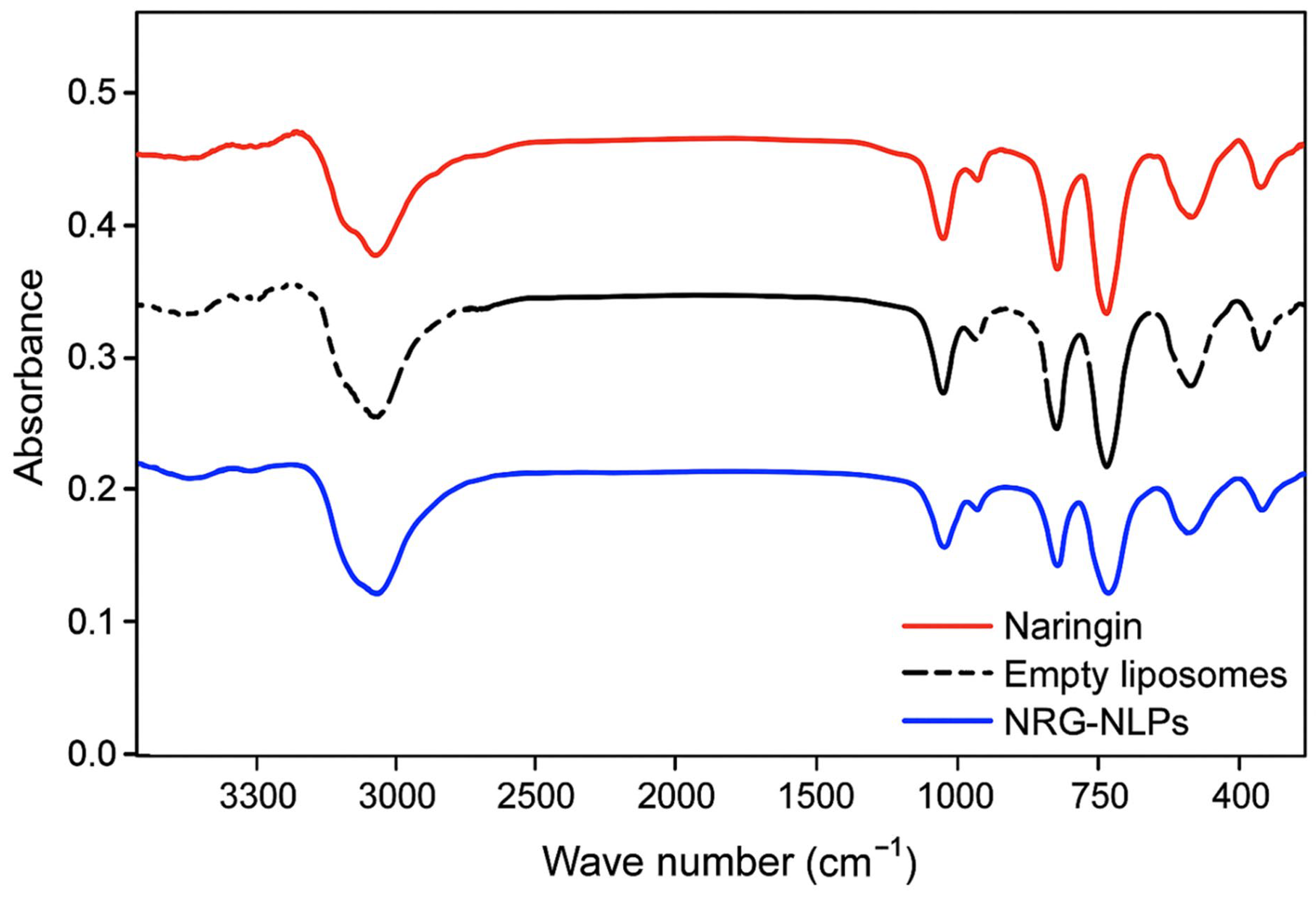
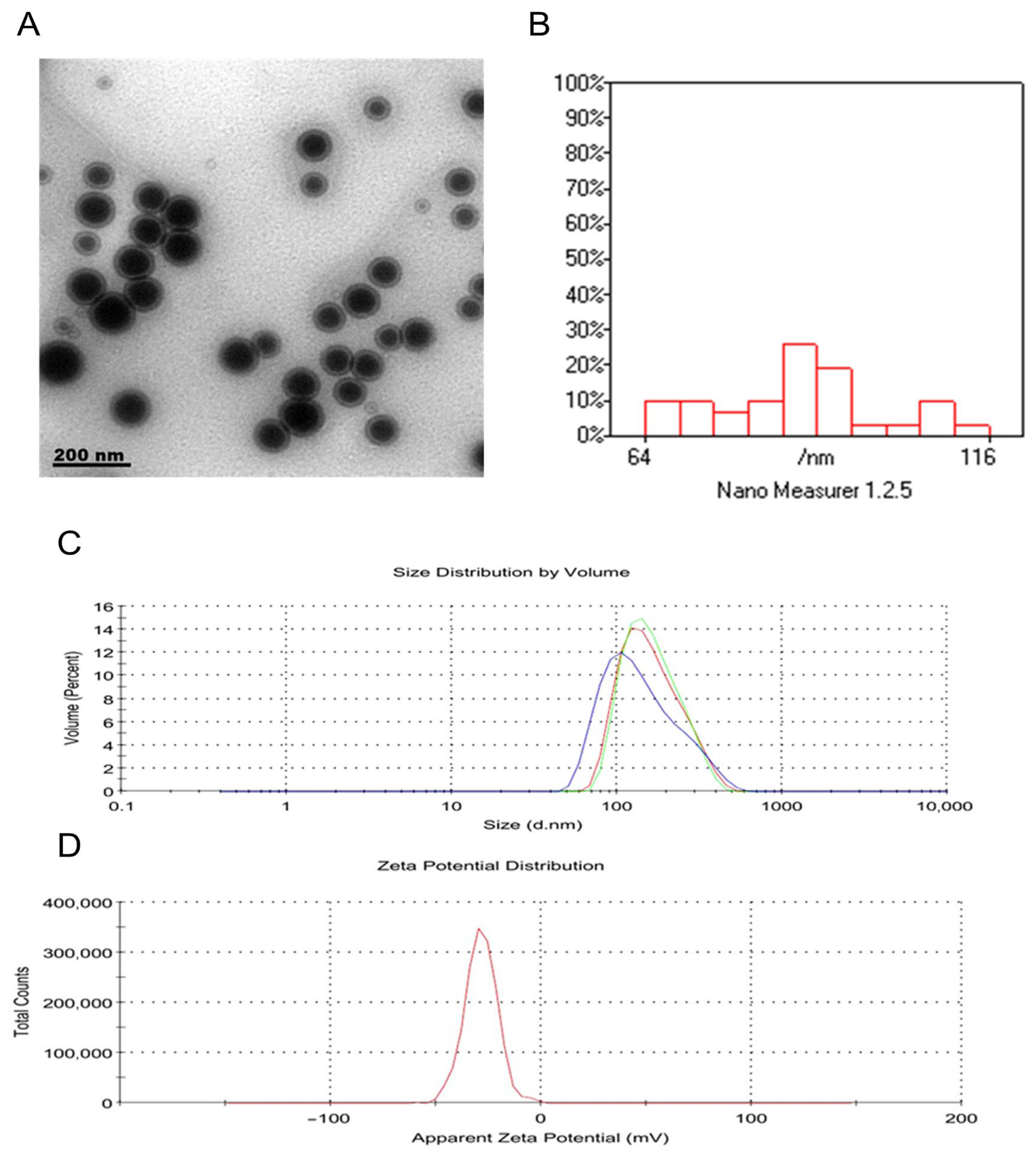
2.1. Characterization of Naringin-Loaded Nanoliposomes (NRG-NLPs)
2.2. Growth, Food and Water Intake, and Liver Weight
2.3. Liver Function and Metabolic Parameters
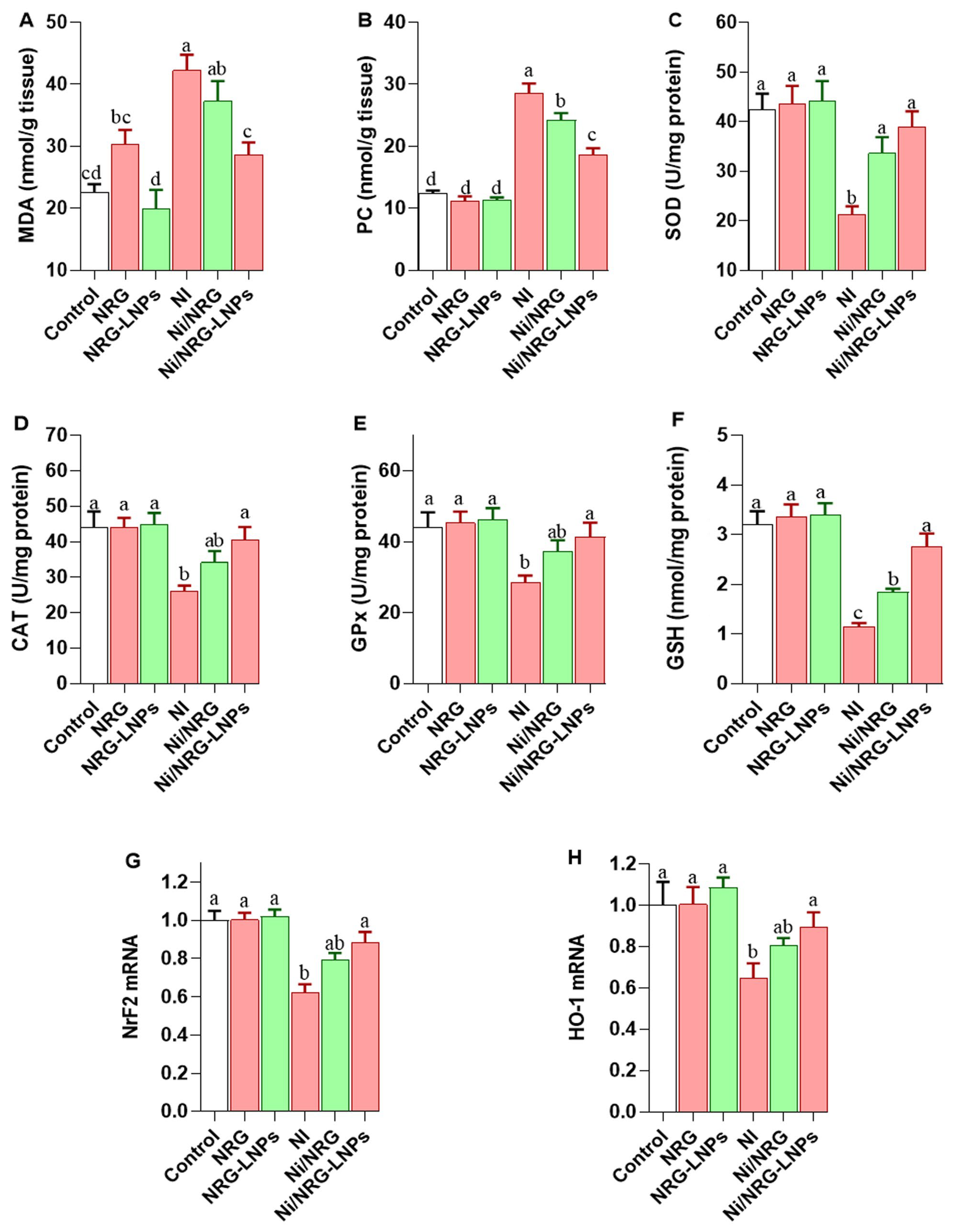
2.4. Hepatic Oxidative Damage
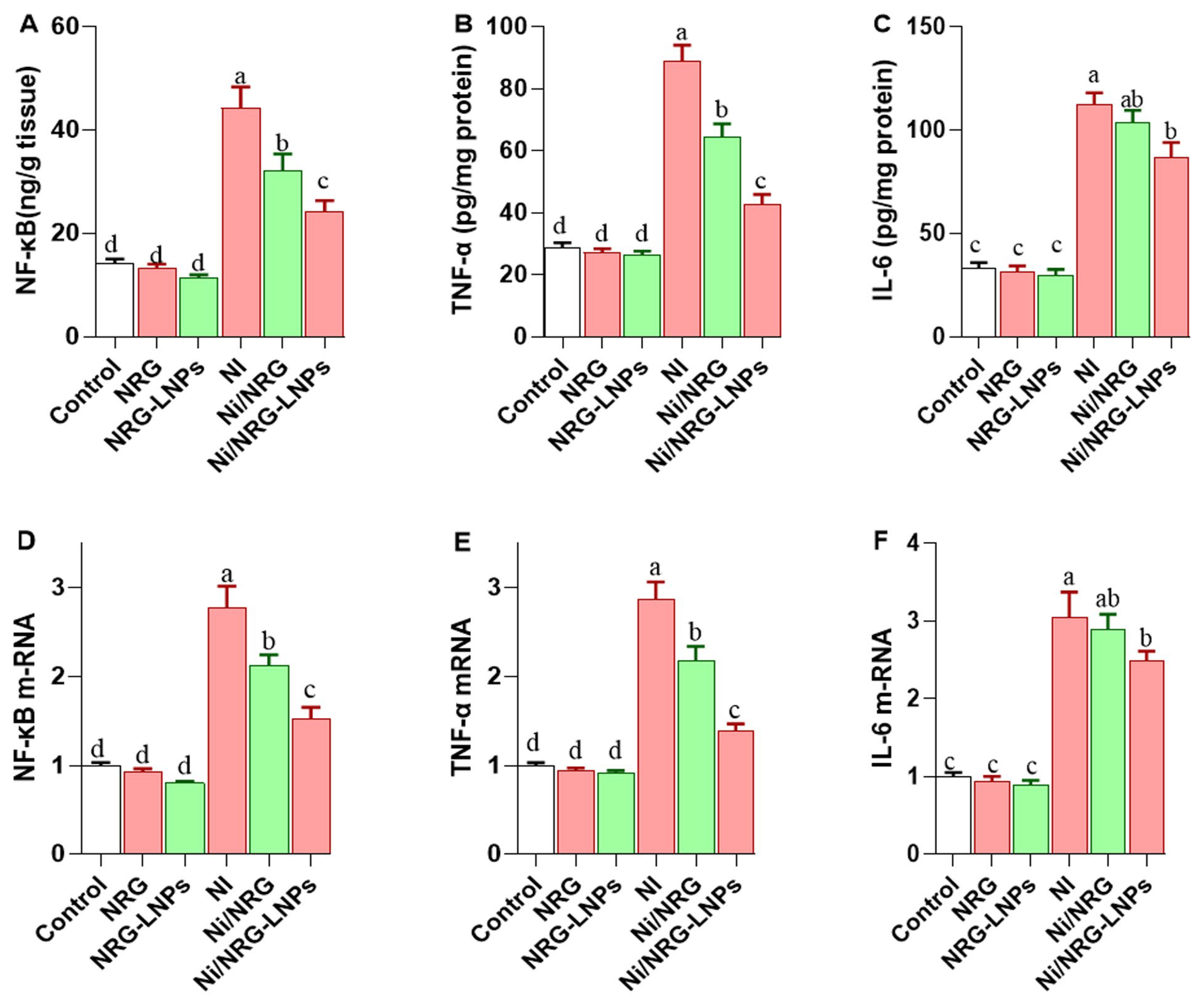
2.5. Hepatic Inflammatory Response
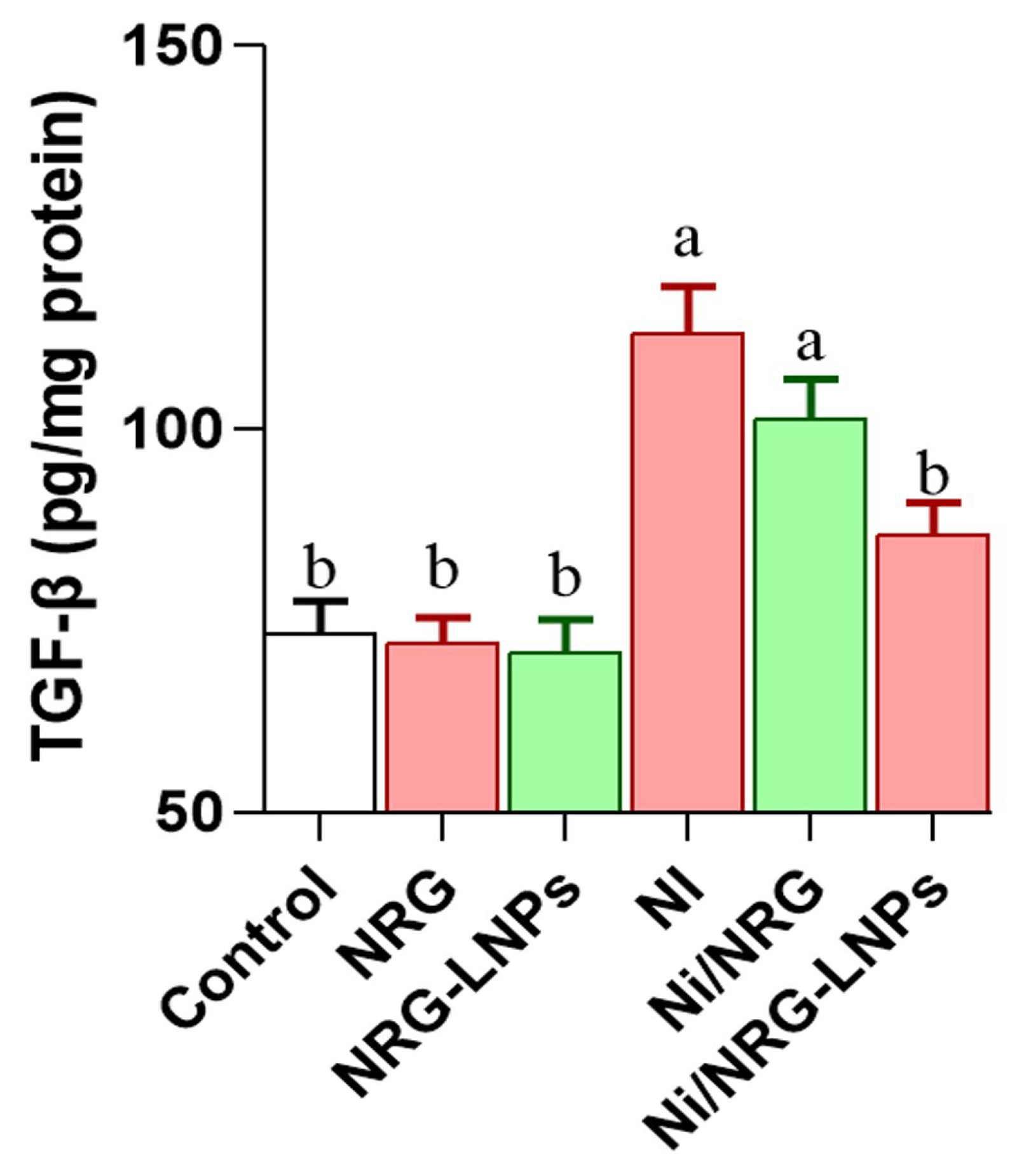
2.6. Hepatic TGF-β Levels
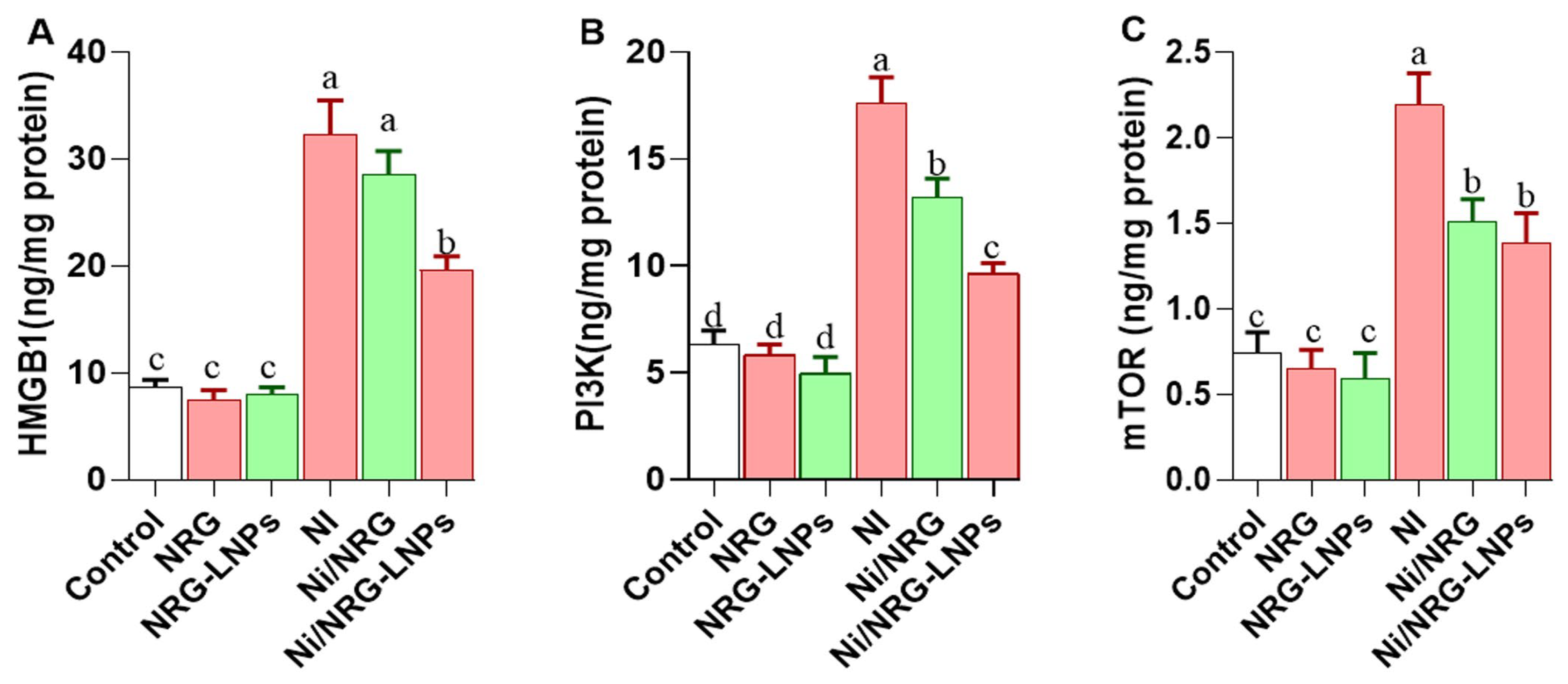
2.7. Hepatic HMGB1, PI3K, and mTOR Protein Levels
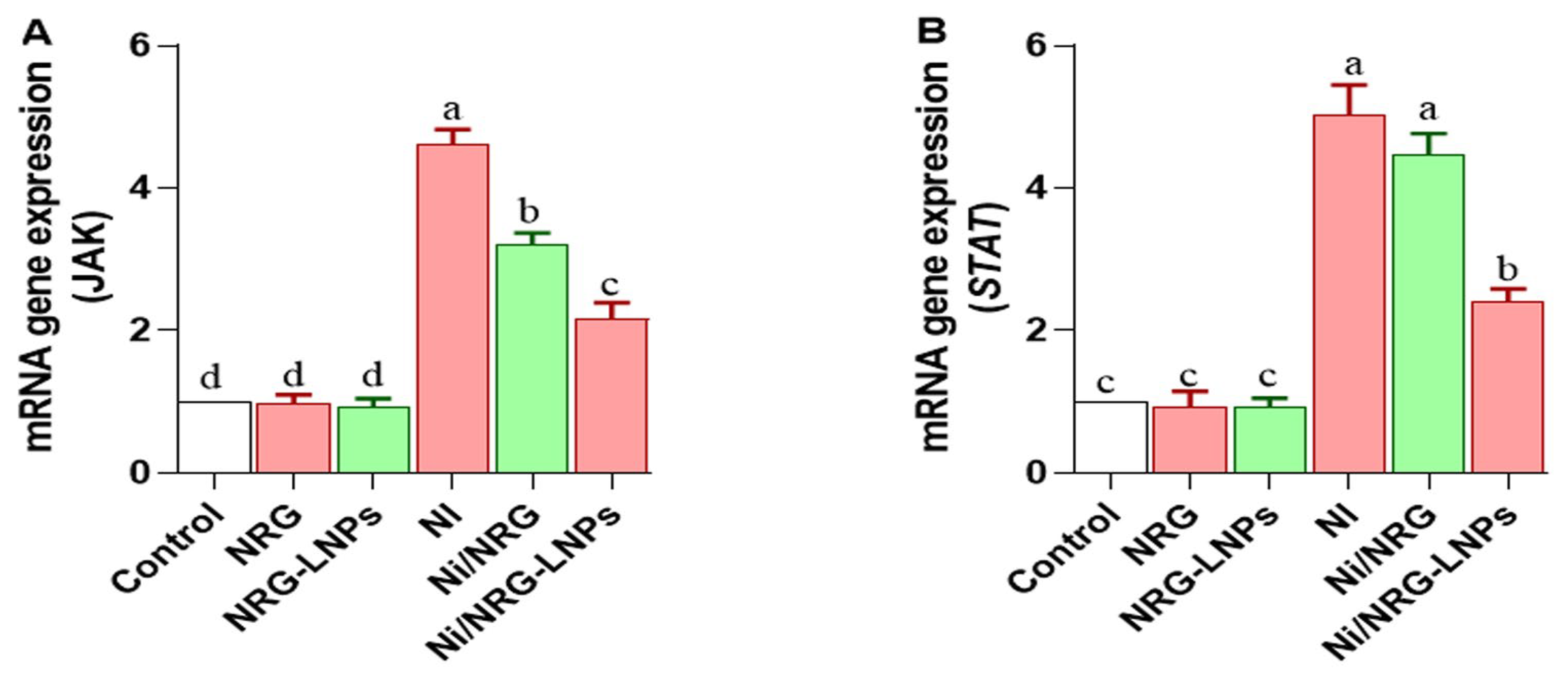
2.8. Hepatic JAK/STAT Signaling Pathway
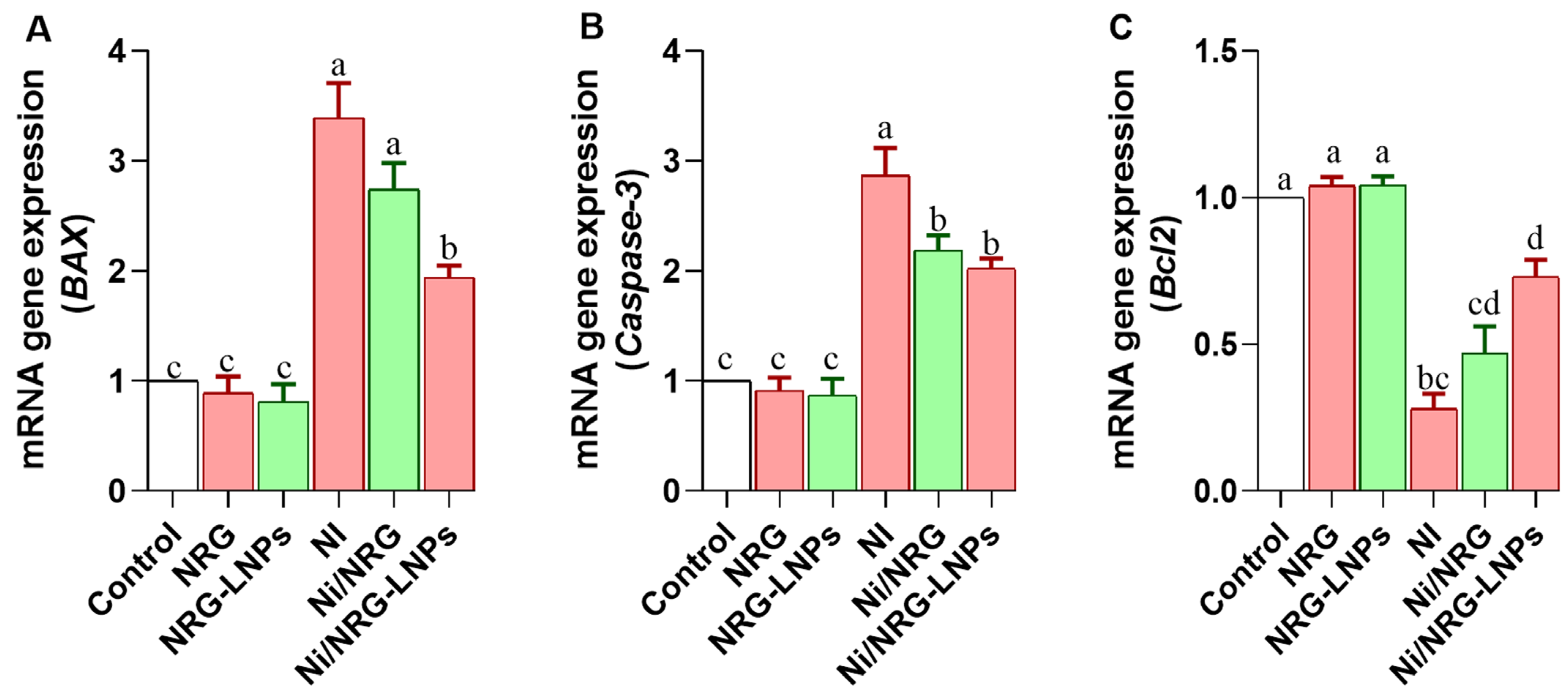
2.9. Apoptotic Gene Expression Profile
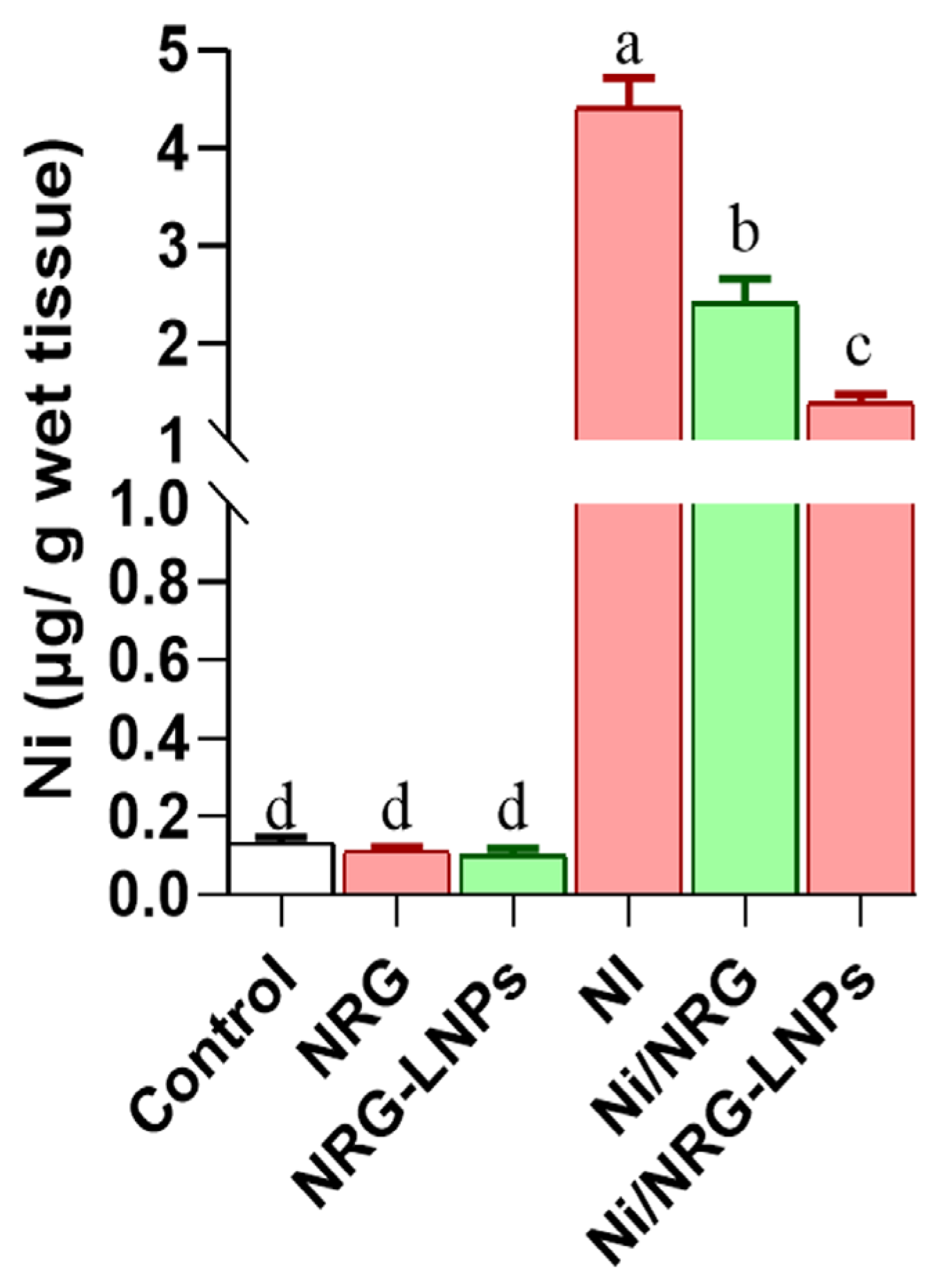
2.10. Hepatic Nickel Accumulation
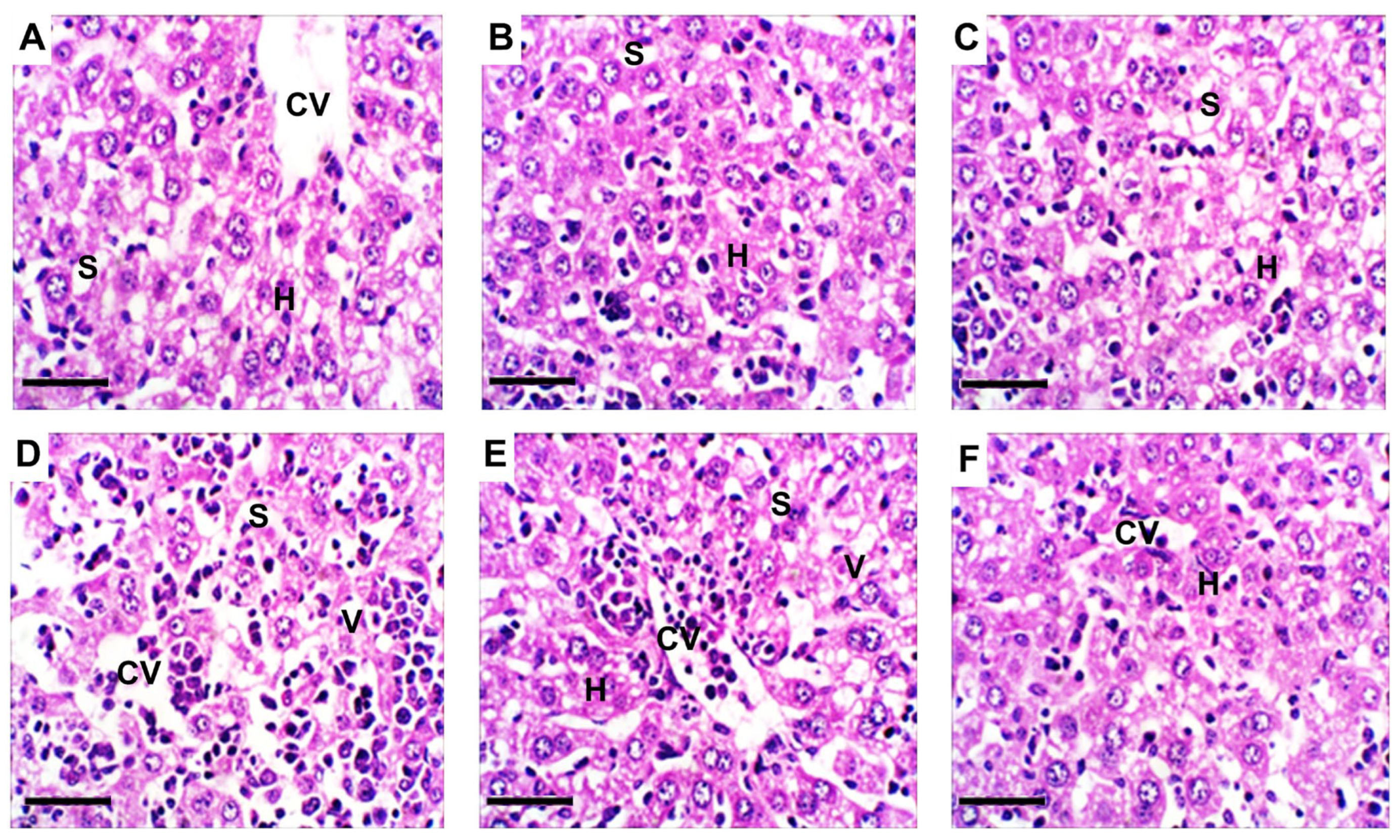
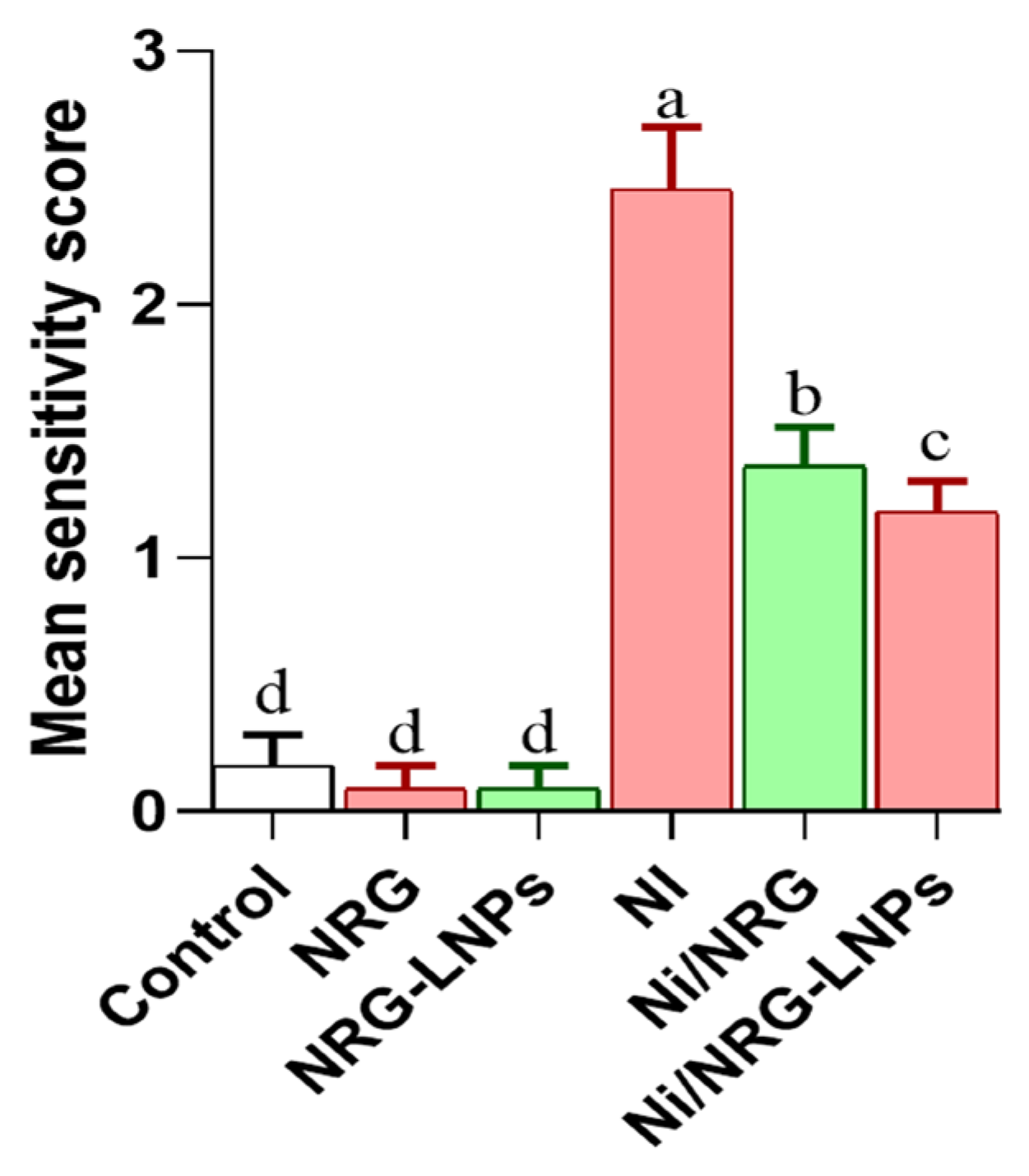
2.11. Hepatic Histopathological Alterations
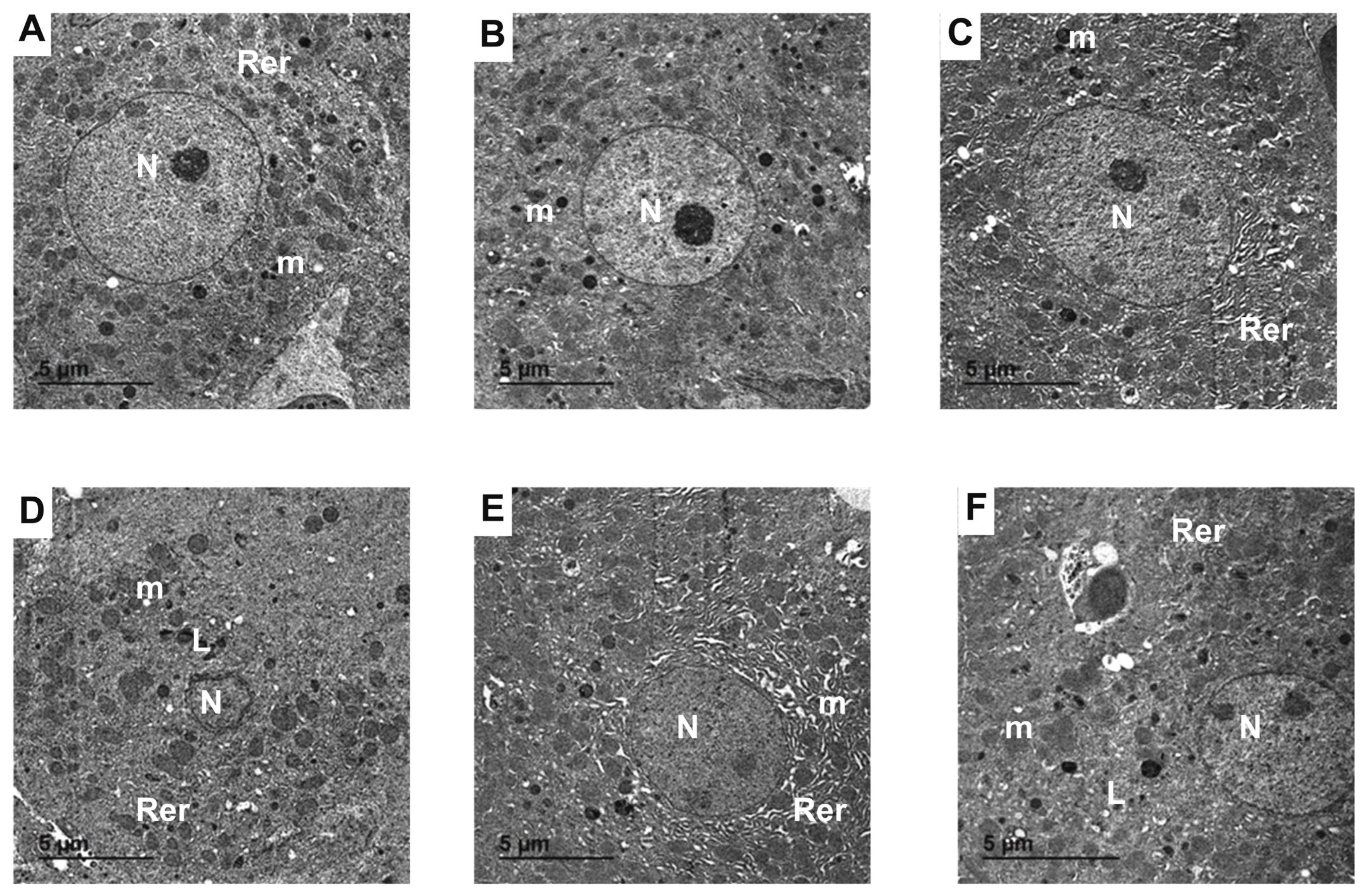
2.12. Hepatic Ultrastructural Alterations
3. Discussion
Study Limitations and Future Perspectives
4. Materials and Methods
4.1. Preparation of Naringin-Loaded Nanoliposomes (NRG-NLPs)
4.2. Characterization of Nanoliposomes
4.2.1. Particle Size, PDI, and Zeta Potential
4.2.2. Morphology
4.2.3. Chemical Integrity and Encapsulation
4.2.4. Encapsulation Efficiency (LE)
4.2.5. Stability
4.2.6. In Vitro Release and Analysis
4.3. Animals and Experimental Protocol
4.3.1. Randomization and Blinding
4.3.2. Sample Size Rationale
4.3.3. Experimental Groups and Treatment Protocols
- Group I (Negative control): 0.9% saline (5 mL/kg, orally) once daily for 3 weeks.
- Group II (NRG): Crude naringin (80 mg/kg, suspended in 5 mL of 0.9% saline, orally) once daily for 3 weeks.
- Group III (NRG-NLPs): Naringin-loaded nanoliposomes (80 mg/kg, suspended in 0.9% saline, orally) once daily for 3 weeks.
- Group IV (NiSO4): 0.9% saline (5 mL/kg, orally) and nickel sulfate (20 mg/kg body weight, intraperitoneally) once daily for 3 weeks.
- Group V (NiSO4 + NRG): Nickel sulfate (20 mg/kg, i.p.) and crude naringin (80 mg/kg, orally) once daily for 3 weeks, with naringin administered 2 h before NiSO4 injection.
- Group VI (NiSO4 + NRG-NLPs): Nickel sulfate (20 mg/kg, i.p.) and naringin-loaded nanoliposomes (80 mg/kg, orally) once daily for 3 weeks, with NRG-NLPs administered 2 h before NiSO4 injection. The selected doses of naringin and nickel sulfate were based on a previous study [33].
4.3.4. Endpoints and Monitoring
4.4. Blood and Tissue Sampling and Processing
4.5. Serum Biochemical Analysis
4.6. Oxidative Stress and Antioxidant Markers
4.7. Assessment of Liver Signaling Proteins and Cytokines
4.8. Quantitative Analysis of Apoptosis- and Inflammation-Related Gene Expression
4.9. Nickel Analysis in Liver Samples
4.10. Liver Histopathology
4.11. Transmission Electron Microscopy (TEM)
4.12. Statistical Analysis
5. Conclusions
Supplementary Materials
Author Contributions
Funding
Institutional Review Board Statement
Informed Consent Statement
Data Availability Statement
Conflicts of Interest
Abbreviations
| AS | Atomic absorption spectrophotometry |
| Alb | Albumin |
| ALP | Alkaline phosphatase |
| ALT | Alanine aminotransferase |
| ANOVA | Analysis of variance |
| AST | Aspartate aminotransferase |
| Bax | Bcl-2-associated X protein |
| Bcl-2 | B-cell lymphoma 2 |
| CAT | Catalase |
| DLS | Dynamic light scattering |
| ELISA | Enzyme-linked immunosorbent assay |
| FTIR | Fourier-transform infrared spectroscopy |
| Glu | Glucose |
| Glo | Globulin |
| GPx | Glutathione peroxidase |
| GSH | Reduced glutathione |
| H&E | Hematoxylin and eosin |
| HMGB1 | High-mobility group box 1 |
| HO-1 | Heme oxygenase-1 |
| IL-6 | Interleukin-6 |
| JAK | Janus kinase |
| LE | Loading efficiency |
| mTOR | Mechanistic target of rapamycin |
| MDA | Malondialdehyde |
| NF-κB | Nuclear factor kappa-light-chain-enhancer of activated B cells |
| Ni | Nickel |
| NRG | Naringin |
| NRG-NLPs | Naringin-loaded nanoliposomes |
| NiSO4 | Nickel sulfate |
| Nrf2 | Nuclear Factor Erythroid 2–Related Factor 2 |
| PDI | Polydispersity index |
| PBS | Phosphate-buffered saline |
| PC | Protein carbonyl |
| PI3K | Phosphoinositide 3-kinase |
| rER | Rough endoplasmic reticulum |
| ROS | Reactive oxygen species |
| SD | Standard deviation |
| SOD | Superoxide dismutase |
| STAT | Signal transducer and activator of transcription |
| TB | Total bilirubin |
| TC | Total cholesterol |
| TGF-β | Transforming growth factor-beta |
| TEM | Transmission electron microscopy |
| TG | Triglycerides |
| TNF-α | Tumor necrosis factor-alpha |
| TP | Total protein |
| ZP | Zeta potential |
References
- Buxton, S.; Garman, E.; Heim, K.E.; Lyons-Darden, T.; Schlekat, C.E.; Taylor, M.D.; Oller, A.R. Concise Review of Nickel Human Health Toxicology and Ecotoxicology. Inorganics 2019, 7, 89. [Google Scholar] [CrossRef] [Scilit]
- Iqbal, S.; Jabeen, F.; Peng, C.; Shah, M.A.; Ijaz, M.U.; Rasul, A.; Ali, S.; Rauf, A.; Batiha, G.E.; Kłodzińska, E. Nickel nanoparticles induce hepatotoxicity via oxidative and nitrative stress-mediated apoptosis and inflammation. Toxicol. Ind. Health 2021, 37, 619–634. [Google Scholar] [CrossRef] [Scilit]
- Genchi, G.; Carocci, A.; Lauria, G.; Sinicropi, M.S.; Catalano, A. Nickel: Human Health and Environmental Toxicology. Int. J. Environ. Res. Public Health 2020, 17, 679. [Google Scholar] [CrossRef] [Scilit]
- Lala, V.; Zubair, M.; Minter, D. Liver function tests. In StatPearls [Internet]; StatPearls Publishing: Treasure Island, FL, USA, 2023. Available online: https://www.ncbi.nlm.nih.gov/books/NBK482489/ (accessed on 6 September 2025).
- Vardar Acar, N.; Özgül, R.K. The bridge between cell survival and cell death: Reactive oxygen species-mediated cellular stress. EXCLI J. 2023, 22, 520–555. [Google Scholar] [CrossRef] [Scilit] [PubMed]
- Boroun, R.; Dehagi, B.; Ahmadizadeh, M. Protective effect of vitamin E on nickel sulfate-induced renal dysfunction in rats. J. Ren. Inj. Prev. 2020, 13, e28835. [Google Scholar] [CrossRef] [Scilit]
- Abdulqadir, S.; Aziz, F. Hepatotoxicity of nickel nanoparticles in rats. Indian J. Anim. Res. 2019, 52, 1422–1427. [Google Scholar] [CrossRef] [Scilit]
- Juan, C.A.; Pérez de la Lastra, J.M.; Plou, F.J.; Pérez-Lebeña, E. The Chemistry of Reactive Oxygen Species (ROS) Revisited: Outlining Their Role in Biological Macromolecules (DNA, Lipids and Proteins) and Induced Pathologies. Int. J. Mol. Sci. 2021, 22, 4642. [Google Scholar] [CrossRef] [Scilit]
- Zhong, C.; Hou, S.; Guo, J.; Zhao, J.; Wang, J.; Fang, Y.; Liu, H.; Ding, H.; Ma, X.; Lyu, W. Nickel exposure induced endoplasmic reticulum stress by disturbing calcium homeostasis and triggered mitochondrial autophagy in domestic animal oocytes. Ecotoxicol. Environ. Saf. 2025, 302, 118668. [Google Scholar] [CrossRef] [Scilit] [PubMed]
- Zahra, M.; Abrahamse, H.; George, B.P. Flavonoids: Antioxidant Powerhouses and Their Role in Nanomedicine. Antioxidants 2024, 13, 922. [Google Scholar] [CrossRef] [Scilit]
- Al-Ghamdi, N.; Virk, P.; Hendi, A.; Awad, M.; Elobeid, M. Antioxidant potential of bulk and nanoparticles of naringenin against cadmium-induced oxidative stress in Nile tilapia, Oreochromis niloticus. Green Process. Synth. 2021, 10, 392–402. [Google Scholar] [CrossRef] [Scilit]
- Bodakowska-Boczniewicz, J.; Garncarek, Z. Use of Naringinase to Modify the Sensory Quality of Foods and Increase the Bioavailability of Flavonoids: A Systematic Review. Molecules 2025, 30, 2376. [Google Scholar] [CrossRef] [Scilit]
- Flores-Peña, R.; Monroy-Ramirez, H.C.; Caloca-Camarena, F.; Arceo-Orozco, S.; Salto-Sevilla, J.A.; Galicia-Moreno, M.; Armendariz-Borunda, J. Naringin and Naringenin in Liver Health: A Review of Molecular and Epigenetic Mechanisms and Emerging Therapeutic Strategies. Antioxidants 2025, 14, 979. [Google Scholar] [CrossRef] [Scilit] [PubMed]
- Stabrauskiene, J.; Kopustinskiene, D.M.; Lazauskas, R.; Bernatoniene, J. Naringin and Naringenin: Their Mechanisms of Action and the Potential Anticancer Activities. Biomedicines 2022, 10, 1686. [Google Scholar] [CrossRef] [Scilit] [PubMed]
- Ravetti, S.; Garro, A.G.; Gaitán, A.; Murature, M.; Galiano, M.; Brignone, S.G.; Palma, S.D. Naringin: Nanotechnological Strategies for Potential Pharmaceutical Applications. Pharmaceutics 2023, 15, 863. [Google Scholar] [CrossRef] [Scilit]
- Ghanty, S.; Ganguly, A.; Nanda, S.; Mandi, M.; Das, K.; Biswas, G.; Maitra, P.; Khatun, N.; Rajak, P. Antioxidant and Pro-oxidant properties of naringenin: Unveiling the biphasic impacts on model, Drosophila melanogaster. Food Chem. Adv. 2025, 9, 101137. [Google Scholar] [CrossRef] [Scilit]
- García-Morales, J.; Fimbres-Olivarría, D.; González-Vega, R.I.; Bernal-Mercado, A.T.; Aubourg-Martínez, S.P.; López-Gastélum, K.A.; Robles-García, M.Á.; de Jesús Ornelas-Paz, J.; Ruiz-Cruz, S.; Del-Toro-Sánchez, C.L. Nanoliposomes as Effective Vehicles of Antioxidant Compounds in Food and Health. Int. J. Mol. Sci. 2025, 26, 5523. [Google Scholar] [CrossRef] [Scilit] [PubMed]
- Yu, S.; Liu, F.; Wang, C.; Zhang, J.; Zhu, A.; Zou, L.; Han, A.; Li, J.; Chang, X.; Sun, Y. Role of oxidative stress in liver toxicity induced by nickel oxide nanoparticles in rats. Mol. Med. Rep. 2018, 17, 3133–3139. [Google Scholar] [CrossRef] [Scilit]
- Sun, T.; Kang, Y.; Liu, J.; Zhang, Y.; Ou, L.; Liu, X.; Lai, R.; Shao, L. Nanomaterials and hepatic disease: Toxicokinetics, disease types, intrinsic mechanisms, liver susceptibility, and influencing factors. J. Nanobiotechnol. 2021, 19, 108. [Google Scholar] [CrossRef] [Scilit]
- Lee, J.; Kim, J.; Lee, R.; Lee, E.; Choi, T.G.; Lee, A.S.; Yoon, Y.I.; Park, G.C.; Namgoong, J.M.; Lee, S.G.; et al. Therapeutic strategies for liver diseases based on redox control systems. Biomed. Pharmacother. 2022, 156, 113764. [Google Scholar] [CrossRef] [Scilit]
- Owonikoko, M.W.; Emikpe, B.O.; Olaleye, S.B. Standardized experimental model for cement dust exposure; tissue heavy metal bioaccumulation and pulmonary pathological changes in rats. Toxicol. Rep. 2021, 8, 1169–1178. [Google Scholar] [CrossRef] [Scilit]
- Lazic, S.E.; Semenova, E.; Williams, D.P. Determining organ weight toxicity with Bayesian causal models: Improving on the analysis of relative organ weights. Sci. Rep. 2020, 10, 6625. [Google Scholar] [CrossRef] [Scilit]
- Abouzeinab, N.S.; Kahil, N.; Fakhruddin, N.; Awad, R.; Khalil, M.I. Intraperitoneal hepato-renal toxicity of zinc oxide and nickel oxide nanoparticles in male rats: Biochemical, hematological and histopathological studies. EXCLI J. 2023, 22, 619–644. [Google Scholar] [CrossRef] [Scilit] [PubMed]
- Sun, H.; Qiang, Z.; Tang, W.; Shu, Y.; Zou, Z.; Zhang, G. Metallothionein expression induced by nickel accumulation in the midgut of Spodoptera litura Fabricius larvae exposed to nickel. Chin. Sci. Bull. 2007, 52, 3227–3232. [Google Scholar] [CrossRef] [Scilit]
- Thakur, S.; Kumar, V.; Das, R.; Sharma, V.; Mehta, D.K. Biomarkers of Hepatic Toxicity: An Overview. Curr. Ther. Res. Clin. Exp. 2024, 100, 100737. [Google Scholar] [CrossRef] [Scilit]
- Meseguer, E.S.; Elizalde, M.U.; Borobia, A.M.; Ramírez, E. Valproic Acid-Induced Liver Injury: A Case-Control Study from a Prospective Pharmacovigilance Program in a Tertiary Hospital. J. Clin. Med. 2021, 10, 1153. [Google Scholar] [CrossRef] [Scilit] [PubMed]
- Conde de la Rosa, L.; Goicoechea, L.; Torres, S.; Garcia-Ruiz, C.; Fernandez-Checa, J.C. Role of Oxidative Stress in Liver Disorders. Livers 2022, 2, 283–314. [Google Scholar] [CrossRef] [Scilit]
- Zhang, Q.; Chang, X.; Wang, X.; Zhan, H.; Gao, Q.; Yang, M.; Liu, H.; Li, S.; Sun, Y. A metabolomic-based study on disturbance of bile acids metabolism induced by intratracheal instillation of nickel oxide nanoparticles in rats. Toxicol. Res. 2021, 10, 579–591. [Google Scholar] [CrossRef] [Scilit] [PubMed]
- Raja Kumar, S.; Mohd Ramli, E.S.; Abdul Nasir, N.A.; Ismail, N.H.M.; Mohd Fahami, N.A. Preventive Effect of Naringin on Metabolic Syndrome and Its Mechanism of Action: A Systematic Review. Evid.-Based Complement. Altern. Med. eCAM 2019, 2019, 9752826. [Google Scholar] [CrossRef] [Scilit]
- Shilpa, V.S.; Shams, R.; Dash, K.K.; Pandey, V.K.; Dar, A.H.; Ayaz Mukarram, S.; Harsányi, E.; Kovács, B. Phytochemical Properties, Extraction, and Pharmacological Benefits of Naringin: A Review. Molecules 2023, 28, 5623. [Google Scholar] [CrossRef] [Scilit]
- Rashmi, R.; Bojan Magesh, S.; Mohanram Ramkumar, K.; Suryanarayanan, S.; Venkata SubbaRao, M. Antioxidant Potential of Naringenin Helps to Protect Liver Tissue from Streptozotocin-Induced Damage. Rep. Biochem. Mol. Biol. 2018, 7, 76–84. [Google Scholar]
- Jiang, H.; Zhang, M.; Lin, X.; Zheng, X.; Qi, H.; Chen, J.; Zeng, X.; Bai, W.; Xiao, G. Biological Activities and Solubilization Methodologies of Naringin. Foods 2023, 12, 2327. [Google Scholar] [CrossRef] [Scilit]
- Pari, L.; Amudha, K. Hepatoprotective role of naringin on nickel-induced toxicity in male Wistar rats. Eur. J. Pharmacol. 2011, 650, 364–370. [Google Scholar] [CrossRef] [Scilit]
- Abdelhamid, F.M.; Mahgoub, H.A.; Ateya, A.I. Ameliorative effect of curcumin against lead acetate-induced hemato-biochemical alterations, hepatotoxicity, and testicular oxidative damage in rats. Environ. Sci. Pollut. Res. Int. 2020, 27, 10950–10965. [Google Scholar] [CrossRef] [Scilit]
- Lu, R.; Yu, R.J.; Yang, C.; Wang, Q.; Xuan, Y.; Wang, Z.; He, Z.; Xu, Y.; Kou, L.; Zhao, Y.Z.; et al. Evaluation of the hepatoprotective effect of naringenin loaded nanoparticles against acetaminophen overdose toxicity. Drug Deliv. 2022, 29, 3256–3269. [Google Scholar] [CrossRef] [Scilit]
- Atta, R.; Arafat, H.E.K.; Khalil, I.A.; Ali, D.A.; Abd El-Fadeal, N.M.; Kattan, S.W.; Alelwani, W.; Fawzy, M.S.; Mansour, M.F. Enhanced hepatoprotective efficacy of quercetin nanoparticles versus free quercetin against acrylamide-induced hepatotoxicity through modulation of MAPK/NF-κB/NLRP3 signaling pathways and molecular docking validation. Tissue Cell 2025, 95, 102936. [Google Scholar] [CrossRef] [Scilit]
- Shaalan, A.A.M.; Elmorsy, E.M.; Embaby, E.M.; Alfawaz, M.; Aly, N.M.; Shams, A.S.; Fawzy, M.S.; Hosny, N. Antitumor, Antioxidant, and Hepatoprotective Effects of Grape Seed Oil Nanoemulsion as a Dietary Phytochemical Intervention in Ehrlich Solid Tumors. Nutrients 2025, 17, 3450. [Google Scholar] [CrossRef] [Scilit]
- Chang, X.; Liu, F.; Tian, M.; Zhao, H.; Han, A.; Sun, Y. Nickel oxide nanoparticles induce hepatocyte apoptosis via activating endoplasmic reticulum stress pathways in rats. Environ. Toxicol. 2017, 32, 2492–2499. [Google Scholar] [CrossRef] [Scilit]
- Liu, T.; Zhang, L.; Joo, D.; Sun, S.C. NF-κB signaling in inflammation. Signal Transduct. Target. Ther. 2017, 2, 17023. [Google Scholar] [CrossRef] [Scilit]
- Li, M.; Zhang, X.; Wang, B.; Xu, X.; Wu, X.; Guo, M.; Wang, F. Effect of JAK2/STAT3 signaling pathway on liver injury associated with severe acute pancreatitis in rats. Exp. Ther. Med. 2018, 16, 2013–2021. [Google Scholar] [CrossRef] [Scilit]
- Tian, L.Y.; Smit, D.J.; Jücker, M. The Role of PI3K/AKT/mTOR Signaling in Hepatocellular Carcinoma Metabolism. Int. J. Mol. Sci. 2023, 24, 2652. [Google Scholar] [CrossRef] [Scilit]
- Chen, R.; Kang, R.; Tang, D. The mechanism of HMGB1 secretion and release. Exp. Mol. Med. 2022, 54, 91–102. [Google Scholar] [CrossRef] [Scilit]
- Kim, K.K.; Sheppard, D.; Chapman, H.A. TGF-β1 Signaling and Tissue Fibrosis. Cold Spring Harb. Perspect. Biol. 2018, 10, a022293. [Google Scholar] [CrossRef] [Scilit]
- Dewidar, B.; Meyer, C.; Dooley, S.; Meindl-Beinker, A.N. TGF-β in Hepatic Stellate Cell Activation and Liver Fibrogenesis-Updated 2019. Cells 2019, 8, 1419. [Google Scholar] [CrossRef] [Scilit]
- Ortiz, C.; Schierwagen, R.; Schaefer, L.; Klein, S.; Trepat, X.; Trebicka, J. Extracellular Matrix Remodeling in Chronic Liver Disease. Curr. Tissue Microenviron. Rep. 2021, 2, 41–52. [Google Scholar] [CrossRef] [Scilit]
- Wang, W.; Gao, Y.; Chen, Y.; Cheng, M.; Sang, Y.; Wei, L.; Dai, R.; Wang, Y.; Zhang, L. TGF-β inhibitors: The future for prevention and treatment of liver fibrosis? Front. Immunol. 2025, 16, 1583616. [Google Scholar] [CrossRef] [Scilit]
- Mansour, L.A.H.; Elshopakey, G.E.; Abdelhamid, F.M.; Albukhari, T.A.; Almehmadi, S.J.; Refaat, B.; El-Boshy, M.; Risha, E.F. Hepatoprotective and Neuroprotective Effects of Naringenin against Lead-Induced Oxidative Stress, Inflammation, and Apoptosis in Rats. Biomedicines 2023, 11, 1080. [Google Scholar] [CrossRef] [Scilit]
- Naraki, K.; Rezaee, R.; Karimi, G. A review on the protective effects of naringenin against natural and chemical toxic agents. Phytother. Res. PTR 2021, 35, 4075–4091. [Google Scholar] [CrossRef] [Scilit]
- Yan, S.; Zhang, G.; Luo, W.; Xu, M.; Peng, R.; Du, Z.; Liu, Y.; Bai, Z.; Xiao, X.; Qin, S. PROTAC technology: From drug development to probe technology for target deconvolution. Eur. J. Med. Chem. 2024, 276, 116725. [Google Scholar] [CrossRef] [Scilit]
- Tu, Y.; Dai, G.; Chen, Y.; Tan, L.; Liu, H.; Chen, M. Emerging Target Discovery Strategies Drive the Decoding of Therapeutic Power of Natural Products and Further Drug Development: A Case Study of Celastrol. Exploration 2025, 5, e20240247. [Google Scholar] [CrossRef] [Scilit]
- Zhang, X.; Hartmann, P. How to calculate sample size in animal and human studies. Front. Med. 2023, 10, 1215927. [Google Scholar] [CrossRef] [Scilit]
- Emaus, M.N.; Varona, M.; Eitzmann, D.R.; Hsieh, S.-A.; Zeger, V.R.; Anderson, J.L. Nucleic acid extraction: Fundamentals of sample preparation methodologies, current advancements, and future endeavors. TrAC Trends Anal. Chem. 2020, 130, 115985. [Google Scholar] [CrossRef] [Scilit]
- Livak, K.J.; Schmittgen, T.D. Analysis of relative gene expression data using real-time quantitative PCR and the 2(-Delta Delta C(T)) Method. Methods 2001, 25, 402–408. [Google Scholar] [CrossRef] [Scilit] [PubMed]



| Groups | Initial Body Weight (g) | Final Body Weight (g) | Food Intake (g/100 g Body Weight/Day) | Water Intake (mL/Rat/Day) | Liver (%) |
|---|---|---|---|---|---|
| Control | 174.62 ± 10.62 | 203.61 ± 8.12 a | 13.21 ± 0.64 a | 20.61 ± 1.14 a | 2.87 ± 0.39 b |
| NRG | 176.21 ± 11.26 | 206.94 ± 7.16 a | 13.16 ± 0.71 a | 21.16 ± 1.06 a | 2.97 ± 0.31 b |
| NRG-NLPs | 181.94 ± 14.82 | 207.49 ± 11.03 a | 12.94 ± 0.69 a | 18.61 ± 1.97 a | 3.01 ± 0.29 b |
| Ni | 170.46 ± 15.03 | 151.49 ± 7.21 c | 7.86 ± 0.57 c | 10.62 ± 1.10 c | 3.94 ± 0.28 a |
| Ni + NRG | 175.62 ± 13.20 | 171.25 ± 11.26 bc | 9.16 ± 0.67 bc | 13.21 ± 1.09 bc | 3.56 ± 0.31 ab |
| Ni + NRG-NLPs | 177.55 ± 12.84 | 184.16 ± 12.94 ab | 10.26 ± 0.59 ab | 17.25 ± 1.82 ab | 3.21 ± 0.22 b |
| Parameters | Control | NRG | NRG-NLPs | Ni | Ni + NRG | Ni + NRG-NLPs |
|---|---|---|---|---|---|---|
| TP (g/dL) | 6.62 ± 0.46 a | 6.78 ± 0.58 a | 6.93 ± 0.62 a | 4.11 ± 0.36 b | 5.12 ± 0.34 b | 5.67 ± 0.28 a |
| Alb (g/dL) | 3.71 ± 0.23 a | 3.86 ± 0.15 a | 3.92 ± 0.22 a | 2.33 ± 0.10 c | 2.97 ± 0.13 b | 3.01 ± 0.17 b |
| Glo (g/dL) | 2.91 ± 0.23 a | 2.92 ± 0.43 a | 3.01 ± 0.40 a | 1.78 ± 0.26 b | 2.15 ± 0.21 ab | 2.66 ± 0.11 a |
| ALT (U/L) | 41.26 ± 3.58 c | 40.21 ± 3.01 c | 40.18 ± 4.12 c | 78.41 ± 5.03 a | 62.23 ± 4.74 b | 51.22 ± 3.11 bc |
| AST (U/L) | 57.66 ± 3.96 c | 57.49 ± 4.12 c | 56.78 ± 5.13 c | 112.23 ± 6.47 a | 94.05 ± 4.19 b | 71.10 ± 4.32 c |
| ALP (U/L) | 97.51 ± 3.88 d | 96.24 ± 4.13 d | 95.45 ± 3.74 d | 187.44 ± 7.16 a | 165.23 ± 6.95 b | 134.59 ± 5.59 c |
| TB (mg/dL) | 0.62 ± 0.02 c | 0.61 ± 0.03 c | 0.58 ± 0.01 c | 1.43 ± 0.19 a | 1.13 ± 0.11 ab | 0.84 ± 0.09 bc |
| TC (mg/dL) | 81.21 ± 5.62 d | 80.2 ± 4.26 d | 79.62 ± 3.95 d | 161.21 ± 7.11 a | 132.26 ± 6.28 b | 102.36 ± 4.37 c |
| TG (mg/dL) | 89.61 ± 4.56 c | 88.74 ± 4.92 c | 87.69 ± 5.47 c | 178.62 ± 6.81 a | 165.23 ± 5.55 a | 114.25 ± 6.14 b |
| Glu (mg/dL) | 114.22 ± 5.79 c | 112.23 ± 4.12 c | 109.84 ± 3.22 c | 158.64 ± 4.17 a | 135.26 ± 4.69 b | 119.74 ± 3.21 c |
| Gene | Sequences (5′-3′) | Accession No. | Length (bp) |
|---|---|---|---|
| Bax | F: TTTCATCCAGGATCGAGCAG R: AATCATCCTCTGCAGCTCCA | NM_017059.2 | 154 |
| BCL-2 | F: TCGCGACTTTGCAGAGATGT R: CAATCCTCCCCCAGTTCACC | NM_016993.2 | 116 |
| Caspase-3 | F: ACTGGAATGTCAGCTCGCAA R: GCAGTAGTCGCCTCTGAAGA | NM_012922.2 | 270 |
| JAK | F: AGCTCCTCTCCTTGACGACT R: CACGCACTTCGGTAAGAAC | NM_012859.3 | 150 |
| STAT | F: AGCAATACCATTGAC CTGCC R: TTTGGCTGCTTAAGGGGTGG | NM_012448.2 | 130 |
| Nrf2 | F: TTTGTAGATGACCATGAGTCGC R: TCCTGCCAAACTTGCTCCAT | 161 | |
| HO-1 | F: ATGTCCCAGGATTTGTCCGA R: ATGGTACAAGGAGGCCATCA | 144 | |
| NFκB | F: AGTCCCGCCCCTTCTAAAAC R: CAATGGCCTCTGTGTAGCCC | NM_001276711.1 | 106 |
| TNF-α | F: CTCGAGTGACAAGCCCGTAG R: ATCTGCTGGTACCACCAGTT | NM_012675.3 | 139 |
| IL-6 | F: AGCGATGATGCACTGTCAGA R: GGAACTCCAGAAGACCAGAGC | NM_012589.2 | 127 |
| β-Actin | F: CAGCCTTCCTTCTTGGGTATG R: AGCTCAGTAACAGTCCGCCT | NM_031144.3 | 360 |
Disclaimer/Publisher’s Note: The statements, opinions and data contained in all publications are solely those of the individual author(s) and contributor(s) and not of MDPI and/or the editor(s). MDPI and/or the editor(s) disclaim responsibility for any injury to people or property resulting from any ideas, methods, instructions or products referred to in the content. |
© 2025 by the authors. Licensee MDPI, Basel, Switzerland. This article is an open access article distributed under the terms and conditions of the Creative Commons Attribution (CC BY) license.
Share and Cite
Abdalla, H.A.; Elmorsy, E.M.; Jawad, N.M.M.; Hosny, N.; Shams, A.S.; Salem, H.S.; Fawzy, M.S.; Salem, M.A. Hepatoprotection by Naringin Nanoliposomes Against Nickel Toxicity Involves Antioxidant Reinforcement and Modulation of Nrf2, NF-κB, PI3K/mTOR, JAK/STAT, and Apoptotic Pathways. Pharmaceuticals 2026, 19, 51. https://doi.org/10.3390/ph19010051
Abdalla HA, Elmorsy EM, Jawad NMM, Hosny N, Shams AS, Salem HS, Fawzy MS, Salem MA. Hepatoprotection by Naringin Nanoliposomes Against Nickel Toxicity Involves Antioxidant Reinforcement and Modulation of Nrf2, NF-κB, PI3K/mTOR, JAK/STAT, and Apoptotic Pathways. Pharmaceuticals. 2026; 19(1):51. https://doi.org/10.3390/ph19010051
Chicago/Turabian StyleAbdalla, Hussein Abdelaziz, Ekramy M. Elmorsy, Najlaa M. M. Jawad, Nora Hosny, Ahmed S. Shams, Hamada S. Salem, Manal S. Fawzy, and Mai A. Salem. 2026. "Hepatoprotection by Naringin Nanoliposomes Against Nickel Toxicity Involves Antioxidant Reinforcement and Modulation of Nrf2, NF-κB, PI3K/mTOR, JAK/STAT, and Apoptotic Pathways" Pharmaceuticals 19, no. 1: 51. https://doi.org/10.3390/ph19010051
APA StyleAbdalla, H. A., Elmorsy, E. M., Jawad, N. M. M., Hosny, N., Shams, A. S., Salem, H. S., Fawzy, M. S., & Salem, M. A. (2026). Hepatoprotection by Naringin Nanoliposomes Against Nickel Toxicity Involves Antioxidant Reinforcement and Modulation of Nrf2, NF-κB, PI3K/mTOR, JAK/STAT, and Apoptotic Pathways. Pharmaceuticals, 19(1), 51. https://doi.org/10.3390/ph19010051