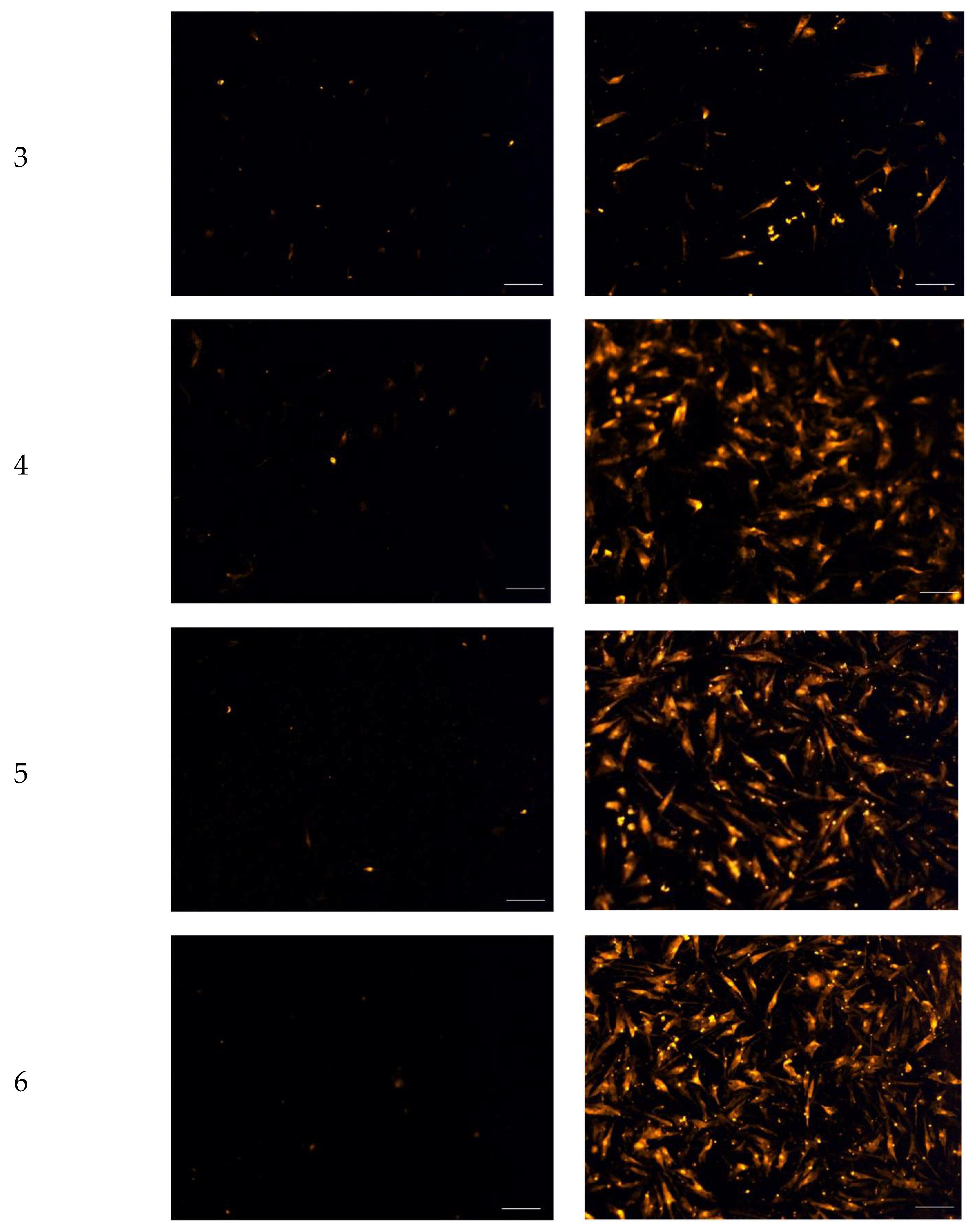
Correction: Benington et al. In Vitro Assessment of Wound-Healing Efficacy of Stabilized Basic Fibroblast Growth Factor (FGF-2) Solutions. Pharmaceuticals 2024, 17, 247

 , , and
Excerpt
In the original publication [...]
Share and Cite
Benington, L.; Mo, J.; Li, M.; Rajan, G.; Locher, C.; Lim, L.Y. Correction: Benington et al. In Vitro Assessment of Wound-Healing Efficacy of Stabilized Basic Fibroblast Growth Factor (FGF-2) Solutions. Pharmaceuticals 2024, 17, 247. Pharmaceuticals 2024, 17, 892. https://doi.org/10.3390/ph17070892
Benington L, Mo J, Li M, Rajan G, Locher C, Lim LY. Correction: Benington et al. In Vitro Assessment of Wound-Healing Efficacy of Stabilized Basic Fibroblast Growth Factor (FGF-2) Solutions. Pharmaceuticals 2024, 17, 247. Pharmaceuticals. 2024; 17(7):892. https://doi.org/10.3390/ph17070892
Chicago/Turabian StyleBenington, Leah, Jingxin Mo, Mingxin Li, Gunesh Rajan, Cornelia Locher, and Lee Yong Lim. 2024. "Correction: Benington et al. In Vitro Assessment of Wound-Healing Efficacy of Stabilized Basic Fibroblast Growth Factor (FGF-2) Solutions. Pharmaceuticals 2024, 17, 247" Pharmaceuticals 17, no. 7: 892. https://doi.org/10.3390/ph17070892
APA StyleBenington, L., Mo, J., Li, M., Rajan, G., Locher, C., & Lim, L. Y. (2024). Correction: Benington et al. In Vitro Assessment of Wound-Healing Efficacy of Stabilized Basic Fibroblast Growth Factor (FGF-2) Solutions. Pharmaceuticals 2024, 17, 247. Pharmaceuticals, 17(7), 892. https://doi.org/10.3390/ph17070892