1. Introduction
The foundation of education in engineering and science lies in going beyond theoretical knowledge to attain practical expertise through hands-on, practical learning [
1,
2,
3]. Laboratory experiments are key conditions that allow students to interact with physical systems, confirm the principles of theory, and acquire critical troubleshooting techniques [
4]. In fields such as electrical engineering, building, testing, and debugging circuits are a core skill these days. Nevertheless, the conventional pedagogy of labs experiences challenges due to the growing proportion of students to instructors, the spread of remote and hybrid modes of learning, and the lack of meeting the demand of real-time feedback to every individual student, which is the cause for significant disparity between learning goals and the results that are possible [
5,
6].
To address these problems, technology-enhanced learning tools are increasing as an encouraging channel of scaling educational quality, including virtual and remote laboratories, which are more accessible and repeatable, which means that students can perform experiments without physical space and time constraints [
7,
8]. Although useful, such methods tend to dematerialize the physical system interactions and even sometimes the unsightly reality of breadboard wiring and component variability and the realities of mere measurement, which are central to a complete engineering education [
9]. On the other hand, the traditional physical laboratories provide the student with a lot of experiential value, but once the student faces a challenge, they are left behind with no immediate help until the instructors arrive to diagnose the problem [
10], which is also sometimes not scalable due to the class student ratio.
Internet of Things (IoT), developed sensor technologies, and Artificial Intelligence (AI) have become a transformative opportunity to fill this gap [
11,
12,
13]. Physical laboratory equipment can be instrumented using IoT sensors to provide real-time and high-fidelity data on student activities and system status. This multimodal data stream can be analyzed by AI algorithms, especially machine learning, to determine the student’s progress, diagnose errors, and provide adaptive scaffolding [
14]. This synergy allows the development of a smart learning environment, which offers the advantages of individual tutoring in the framework of an authentic and real-world experimentation [
15]. Earlier studies have investigated the use of applications like Intelligent Tutoring Systems in programming [
16] and the assessment of student strategies in virtual labs based on data [
17]. While components exist, a gap remains for an integrated, real-time framework that successfully couples low-latency physical fault diagnosis (via Edge AI) with personalized, conceptual guidance (via an LLM) for safety-critical hands-on labs [
18,
19].
One of the main problems with the creation of such intelligent systems is that they require strong, labeled datasets to train AI systems. Supervised learning techniques that have been extremely effective in the classification exercise demand large volumes of data of both correct and incorrect procedures [
20]. In learning institutions, human subjects present logistical, ethical, and scale challenges in the collection of this data. This research attempts to overcome this difficulty using the notion of high-fidelity simulation as an institutionalized approach to synthetic data generation. With industry-standard simulation software, large datasets of sensor reads can be produced, which can be used to represent a large range of circuit states, including correctly built circuits up to those with typical student errors.
The given paper suggests Adaptive Lab Mentor (ALM), a new AI-based platform that combines IoT sensors and edge computing to establish a smart and customized laboratory experience to conduct practical engineering experiments. The main value of the work is an extensive methodology that includes
The efficacy of this approach is validated through a case study on Ohm’s Law, where the ALM framework achieved a 93.3% classification accuracy across various circuit states—including correct, short-circuit, open-circuit, and wrong-component scenarios—while achieving flawless recall on safety-critical conditions. The results demonstrate that a combination of simulated data with a multi-sensor AI model is a potential and effective direction for the creation of intelligent educational assistants. Moreover, the given methodology is not specific to electronics but can be presented as a predictable template for developing adaptive learning contexts in an incredibly broad scope of STEM subjects, with physical laws shaping them.
Thus, the given paper will attempt to address the following research question: Does a lightweight, edge-deployed AI model, which has been trained on simulated multimodal sensor data, effectively and safely diagnose the state of a circuit in real-time to be used during hands-on engineering education? We will hypothesize that the high accuracy of a hybrid 1D-CNN architecture that uses time-series electrical data alongside symbolic component data can be used in order to reach this objective and handle safety-critical faults with perfect recall and high accuracy. The main tasks of the given work are to (i) prepare the architecture of the ALM system, (ii) create a data generation pipeline based on simulation, (iii) train and optimize the 1D-CNN model, and (iv) evaluate the classification capabilities and latency of this model quantitatively.
The rest of the article is outlined as follows:
Section 2 presents a detailed theoretical framework of ALM and tools and methods deployed to assess the framework in the literature.
Section 3 provides an overview of each step executed in this methodology, including the experimental setting, participant details, instrument design, and data analysis. Up next,
Section 4 provides a detailed analysis of the results of the ALM framework and qualitative data, and
Section 5 contains the discussion of this work along with the Limitations and future work. Lastly, the conclusion is given in
Section 6.
2. Related Work
The
Adaptive Lab Mentor (ALM) framework is at the intersection of three essential research domains: integrating Generative AI (LLM) [
28] into Intelligent Tutoring Systems (ITS) [
29], modernizing experiential learning environments, and using multimodal sensor fusion [
30] for real-time fault diagnosis. This section provides a detailed review of the current state-of-the-art across these three areas to establish the research gaps addressed by the ALM framework.
2.1. The Evolution of Experiential Learning Environments
Engineering education is based on systematic laboratory work, where students have the chance to apply theoretical concepts and learn to think critically and solve problems. Yet in high-enrollment classes, the challenge of delivering high-quality and prompt individualized feedback has been a major obstacle to achieving a balance between learning objectives and the actual results [
1].
The combination of the Internet of Things (IoT), developed sensor technologies, and Artificial Intelligence (AI) offers a revolutionary chance to fill in this gap. With IoT sensors on physical laboratory equipment, researchers can record the high-fidelity, real-time status of students and the state of the system [
13].
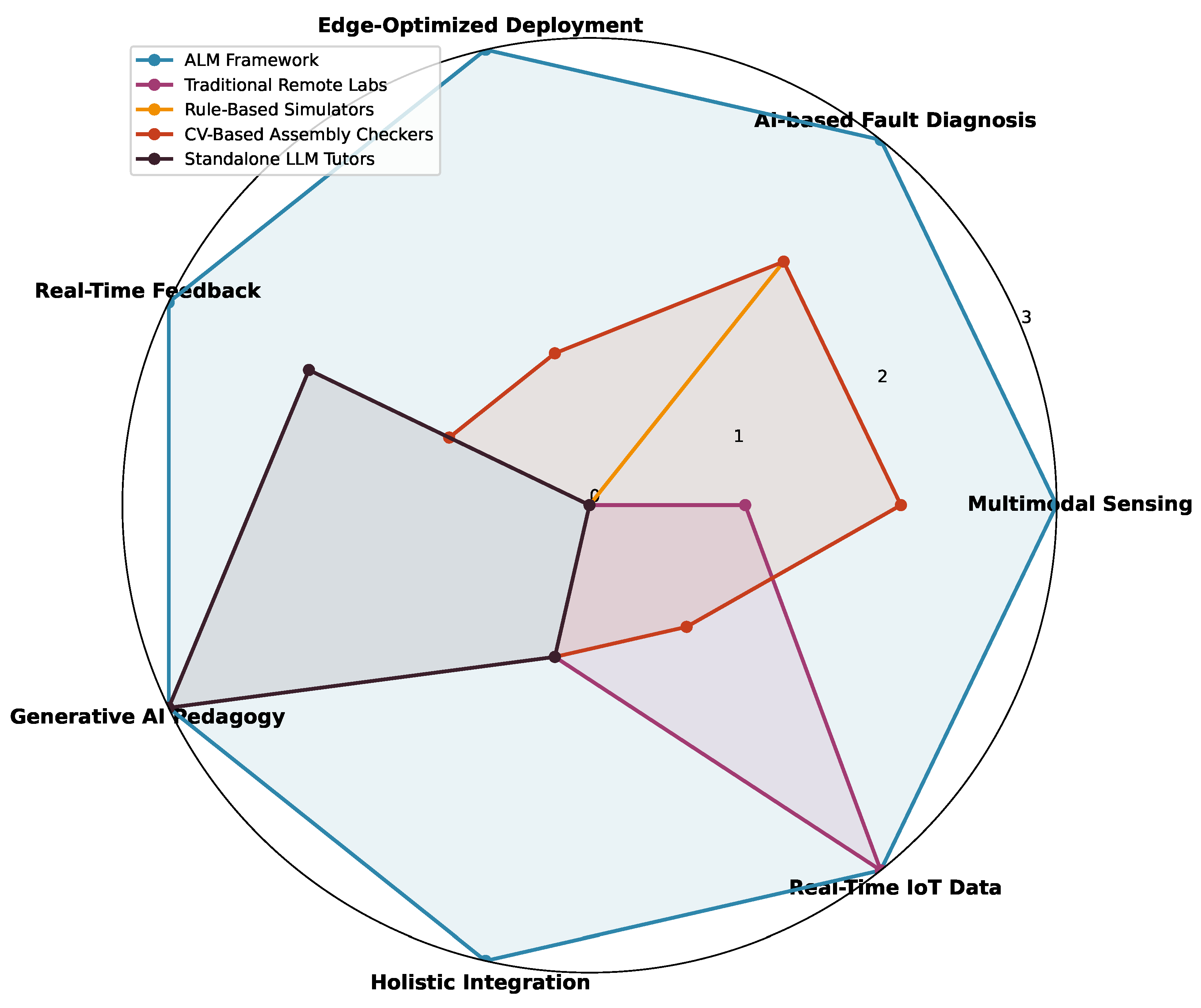
Figure 1 details the gap in the existing research addressed by the proposed framework through its comparison to four different categories of previous art. The number proves that the ALM is holistically novel in that it exhibits no known system in the full implementation (Score 3) of all seven critical dimensions. Previous solutions are incomprehensive: CV-Based Assembly Checkers [
31] do well on multimodal sensing but fail to support pedagogic AI [
32]; Standalone LLM Tutors can do well on generative feedback but fail to integrate directly with real-time hardware; and Traditional Remote Labs [
33] are only doing simple data acquisition, not advanced AI diagnosis. The first to cover all the axes with maximum features is the ALM framework (solid blue line).
2.2. Multimodal AI for Real-Time Circuit Analysis
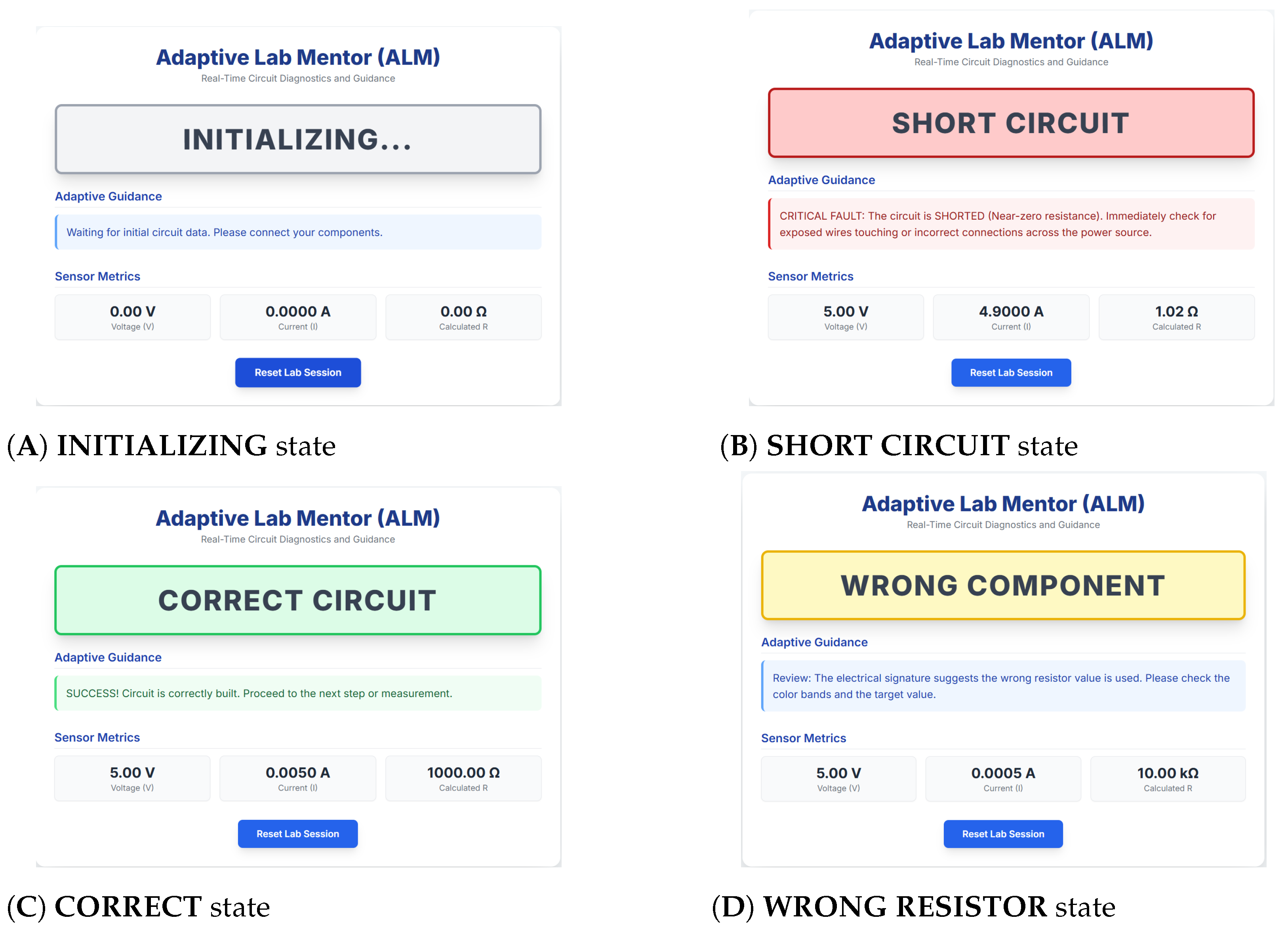
The deterministic categorization of circuit states
CORRECT,
SHORT,
OPEN, and
WRONG_RESISTOR constitutes the core function of the Adaptive Lab Mentor (ALM), enabled by its effective AI diagnostic framework. Contemporary signal processing and fault detection techniques [
34], including transformers, conventional Convolutional Neural Networks (CNNs), and hybrid models, have demonstrated competitive or superior performance in various operational contexts. However, many high-performing models rely predominantly on single-sensor inputs. While effective in controlled settings, this approach often encounters limitations in dynamic real-world environments as shown in
Table 1.
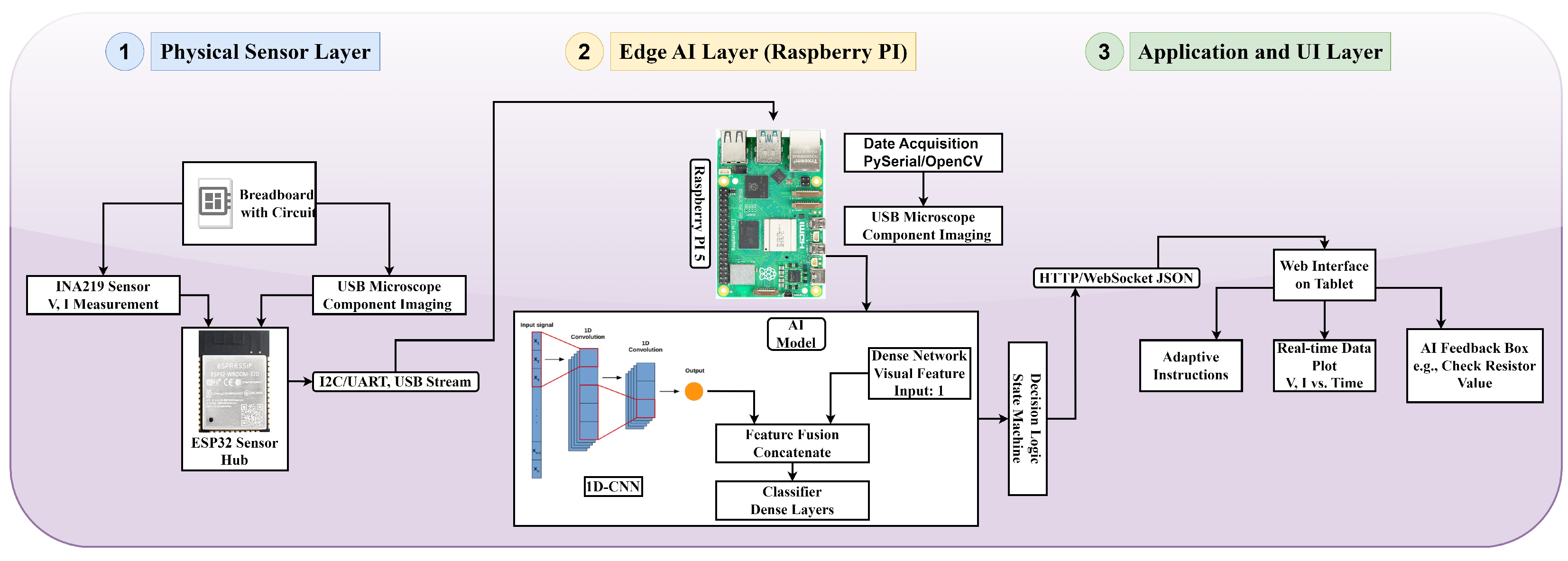
Multi-sensor data fusion has emerged as a strategy to enhance the robustness and generalization of fault diagnosis systems. By integrating information from multiple sources, such as combining horizontal and vertical diagnostic signals in mechanical systems, these methods leverage complementary feature information to improve algorithmic stability. The ALM framework embodies this principle through a bifurcated network architecture that merges two distinct data streams: time-series electrical measurements (Voltage V, Current I, and calculated resistance ) and a static visual input feature (simulated visual resistance ). This fusion strategy is critical for resolving ambiguities in electrical measurements and achieving perfect recall of safety-critical states.
Furthermore, the ALM employs a compact, one-dimensional Convolutional Neural Network (1D-CNN) specifically optimized for edge deployment. The 1D-CNN architecture was selected for its proficiency in capturing local temporal patterns within time-series data and its suitability for resource-constrained platforms like the Raspberry Pi, owing to low inference latency. This design contrasts with more computationally intensive alternatives, such as Hybrid CNN-LSTM models. Although capable of modeling both short- and long-term dependencies, the high computational cost and complexity of LSTM components often hinder their practical deployment in edge computing scenarios.
2.3. Adaptive Feedback and Large Language Model Integration
The final pedagogical objective of ALM is the provision of individualized guidance. This area is conventionally dominated by Intelligent Tutoring Systems (ITS), which are expected to customize educational material based on the needs and the progress of any particular student.
In recent years, Generative AI has transformed ITS [
29] architectures due to its extremely rapid development. Now, Large Language Models (LLMs) are being used to construct powerful agent systems that can identify student engagement, produce adaptive learning plans, and deliver extremely personalized feedback. Such analytics, powered by LLM, are employed to tailor individualized curricula and dynamically modify learning trajectories in real-time performance data, encompassing recommending specific resources and changing sequencing plans.
Table 2 shows the Technical Specification Comparison of the ALM Framework against Contemporary AIED Systems.
The ALM architecture assumes a strategic integration of LLMs, which means the decoupling of the diagnostic and generative functions. The system applies the 1D-CNN, which is robust and has low latency, to the deterministic, safety-critical task of fault diagnosis and uses the Gemini API (LLM) only to produce the high-level output of dynamic conceptual tips and quizzes. This isolation guarantees that the core safety and the real-time responsiveness of the system are ensured by the edge-deployed CNN, and the complexity and richness of the personalized teaching material are addressed by the large language model backend. Such a hybrid solution enables ALM to offer real-time and adaptive feedback, which is safe and pedagogically rich.
5. Discussion
The results present that the proposed ALM framework bridges the gap, which is shown in
Figure 1, providing an integrated solution that, unlike CV-Based Assembly Checkers [
24] or Standalone LLM Tutors [
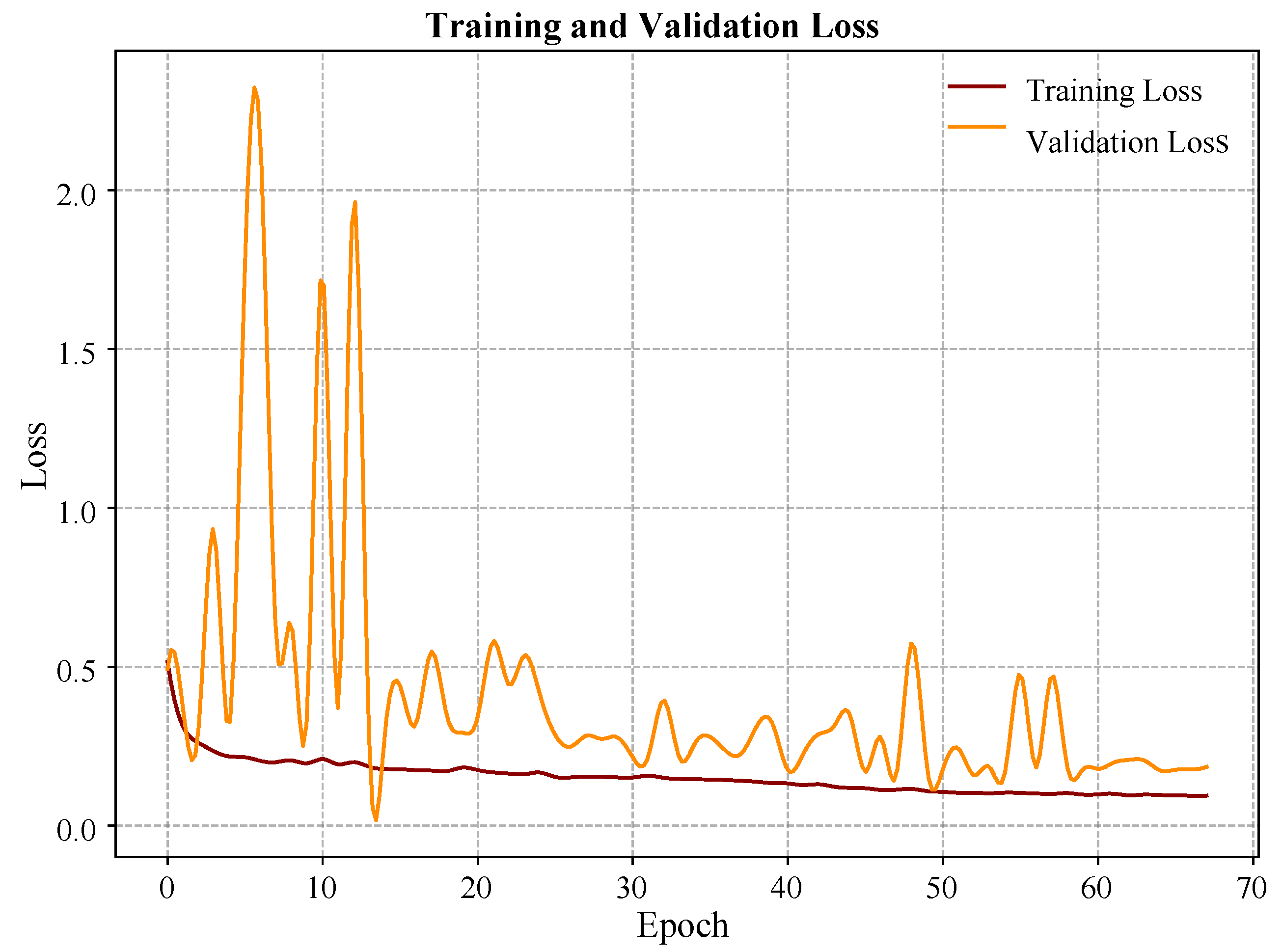
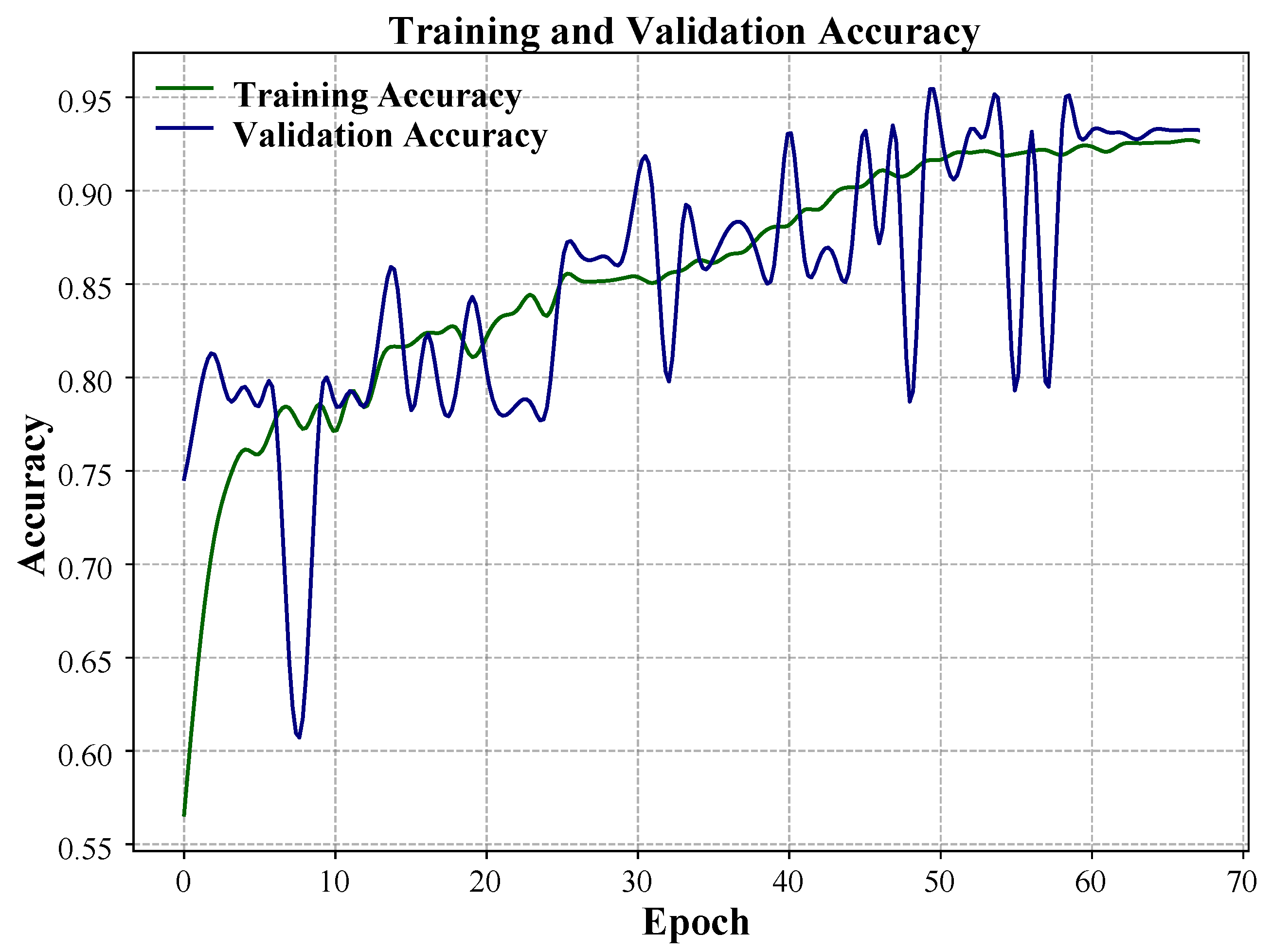
31], fully combines real-time multimodal sensing with pedagogical AI and low-resource-required edge-optimized deployment. The ALM framework was able to validate the main hypothesis: a simple, hybrid architecture of Artificial Intelligence capable of processing multimodal sensor data could be used to provide real-time and very precise diagnosis of circuit states in a hands-on learning context. The achieved 93.3% overall accuracy and the quick and steady convergence of the 1D-CNN in the course of training as shown in
Figure 4 confirm the appropriateness of the given 1D-CNN to apply in resource-constrained, edge-computer applications. This accomplishment presents a crucial shortcoming of the current traditional labs [
10] and rule-based remote labs [
26], where immediate, accurate, and reliable detection of hazardous conditions is not guaranteed.
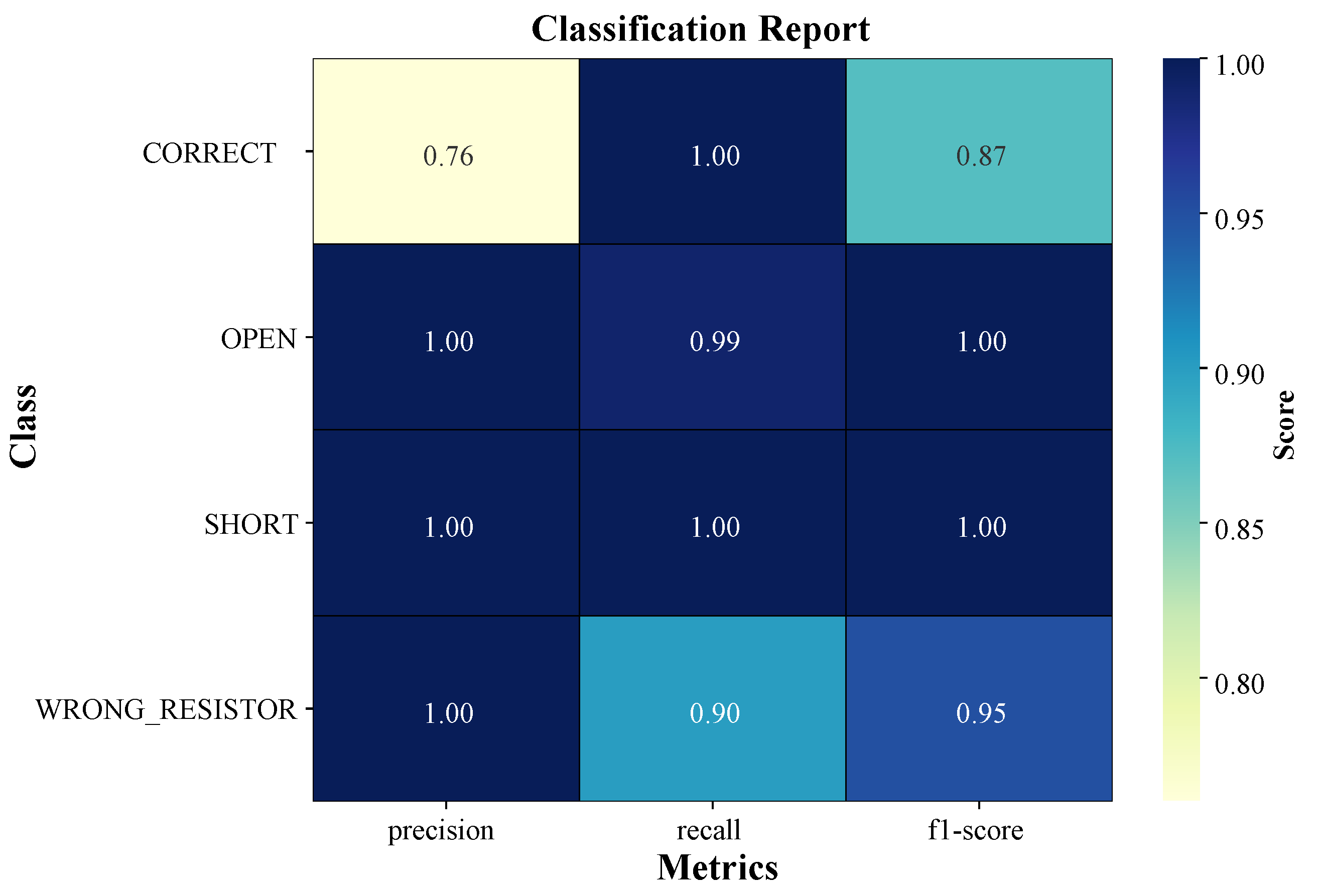
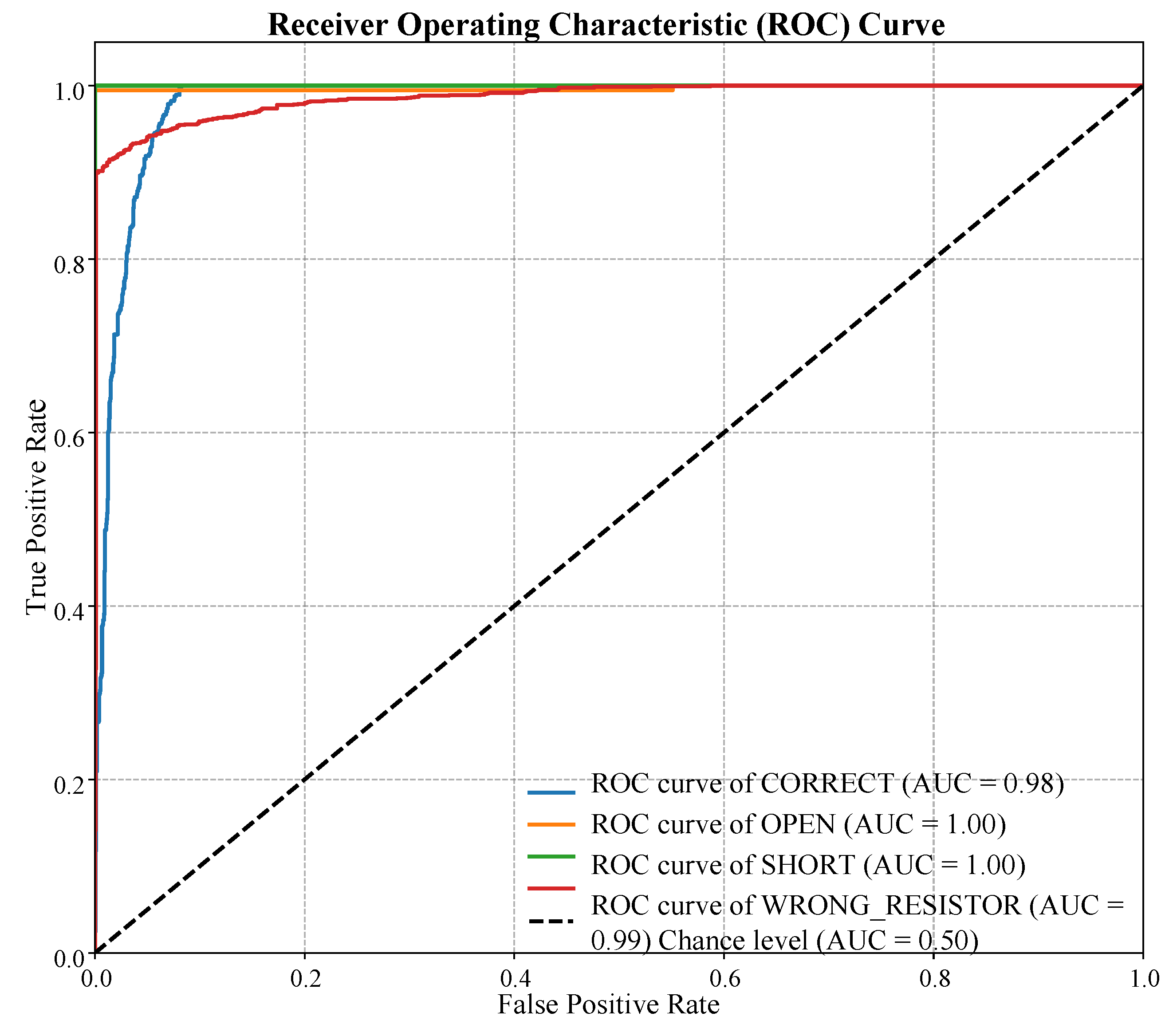
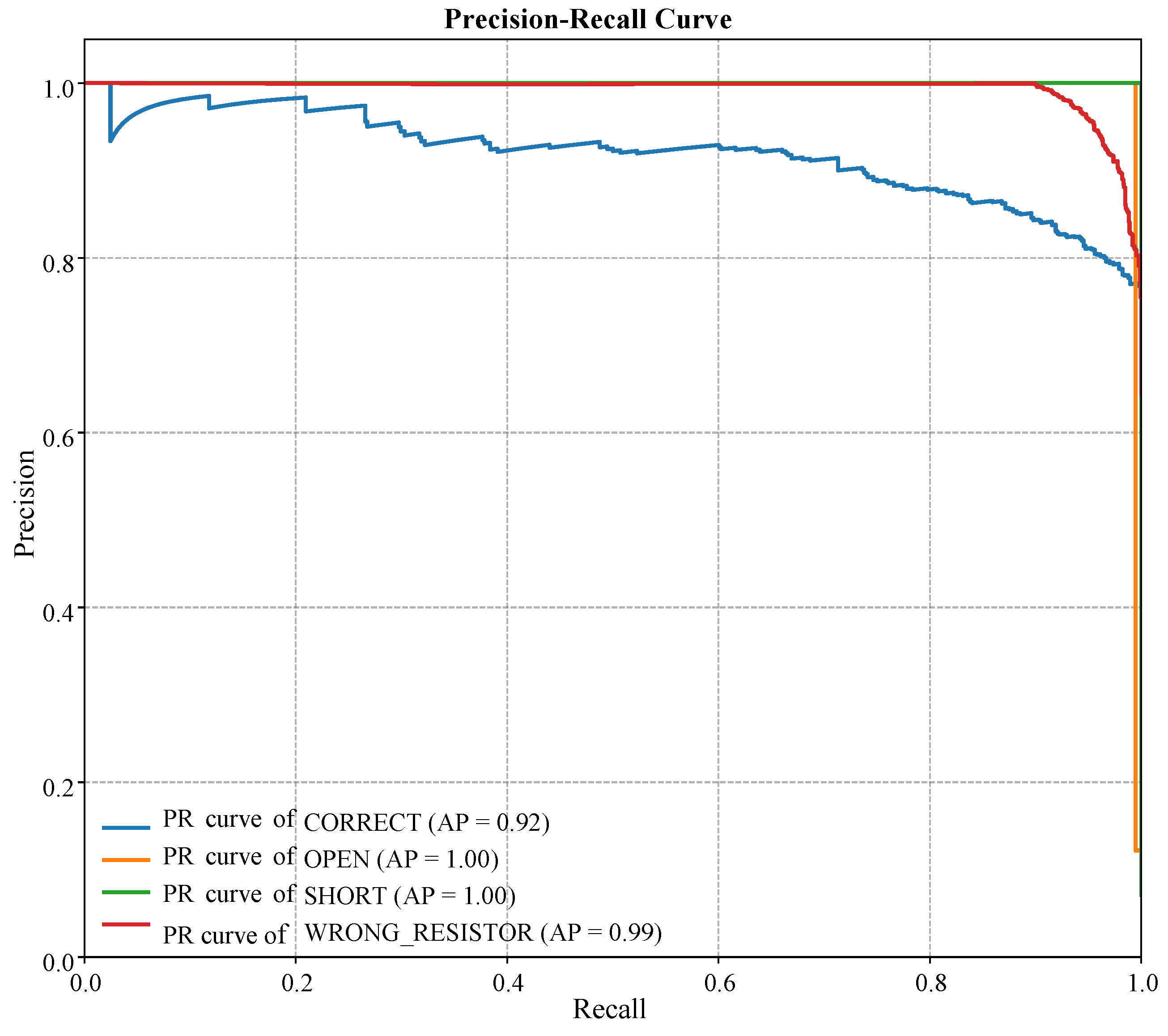
The most crucial result of this study is the model performance with regard to safety-critical classifications. Any real-time student guidance system is required to achieve 100 percent recall of both the “OPEN” and the “SHORT” circuit states. This achievement is a perfect score, indicating that the multi-sensor fusion strategy would offer a robust enough signal to reject false negative signals of dangerous electrical faults (
Figure 7). This is a critical safety requirement for a diagnostic teaching tool, and it increases student security and ensures the integrity of valuable hardware, which is frequently a challenge to effectively deal with in the traditional, large-enrollment lab environments.
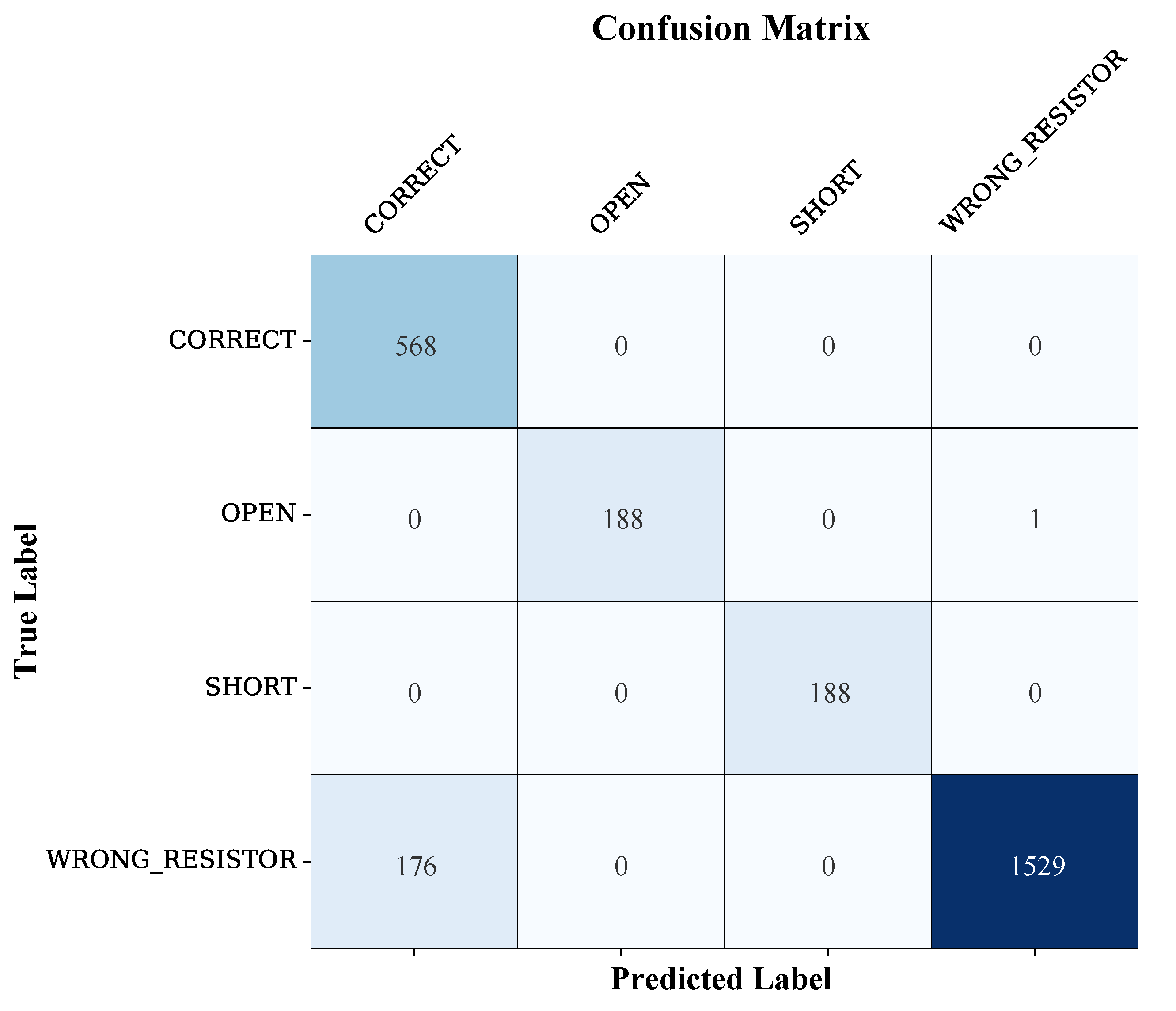
A breakdown of the misclassifications, as specified by the Confusion Matrix (
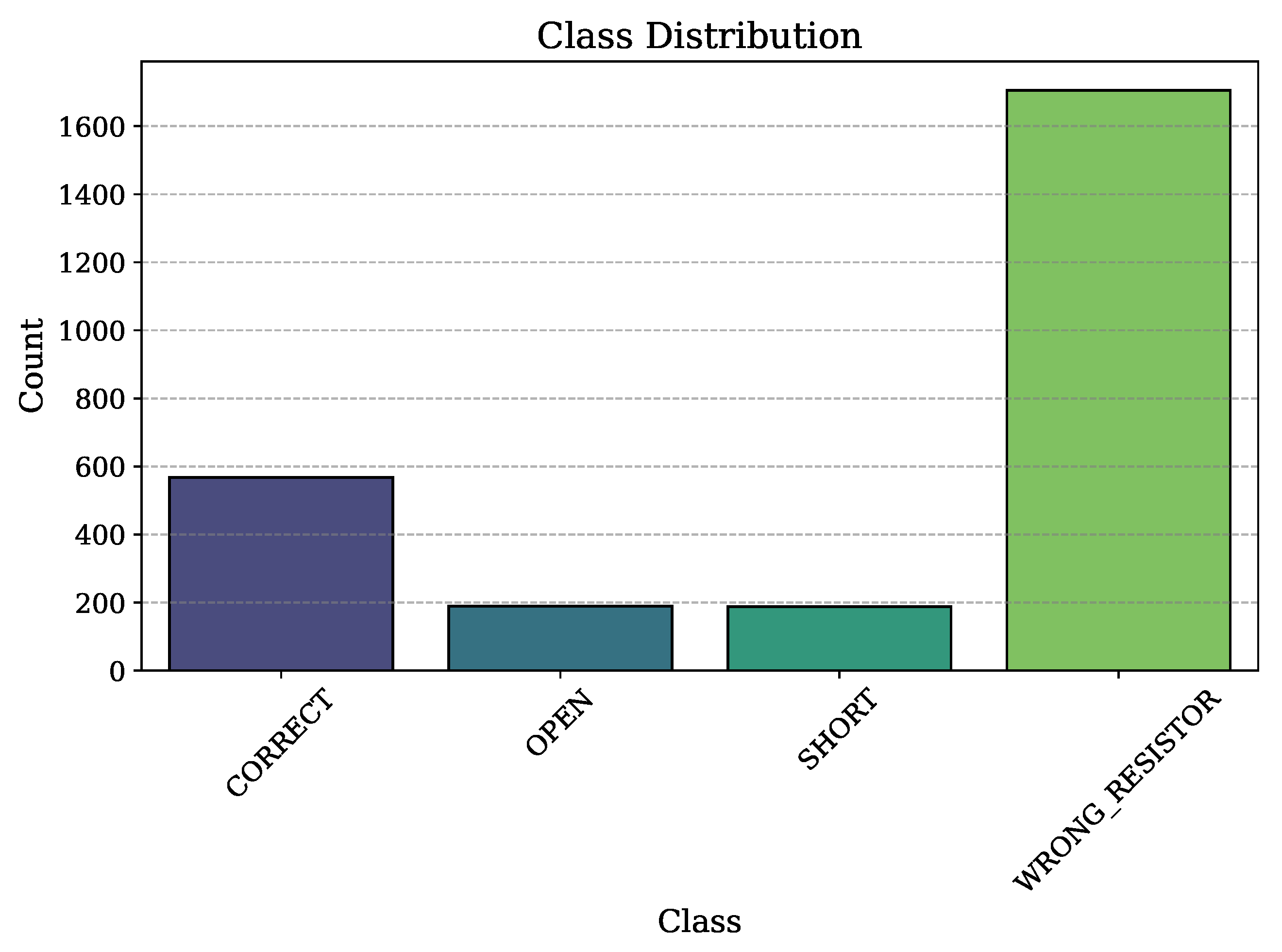
Figure 8), disclosed the cause of the main ambiguity in the diagnostic: the conflation of the class of the CORRECT and WRONG RESISTOR. The misassessment of 176 instances of “WRONG RESISTOR” as instances of “CORRECT” would indicate that the combined electrical and visual image of a false component in a boundary case was very similar to the image of the target resistor. Notably, neither of the two classes corresponds to hazardous pedagogical errors, which means that this form of failure does not affect the mission of the core safety of the ALM system. However, one of the main goals of future development is to resolve this ambiguity to make the system more precise in terms of its overall pedagogical focus.
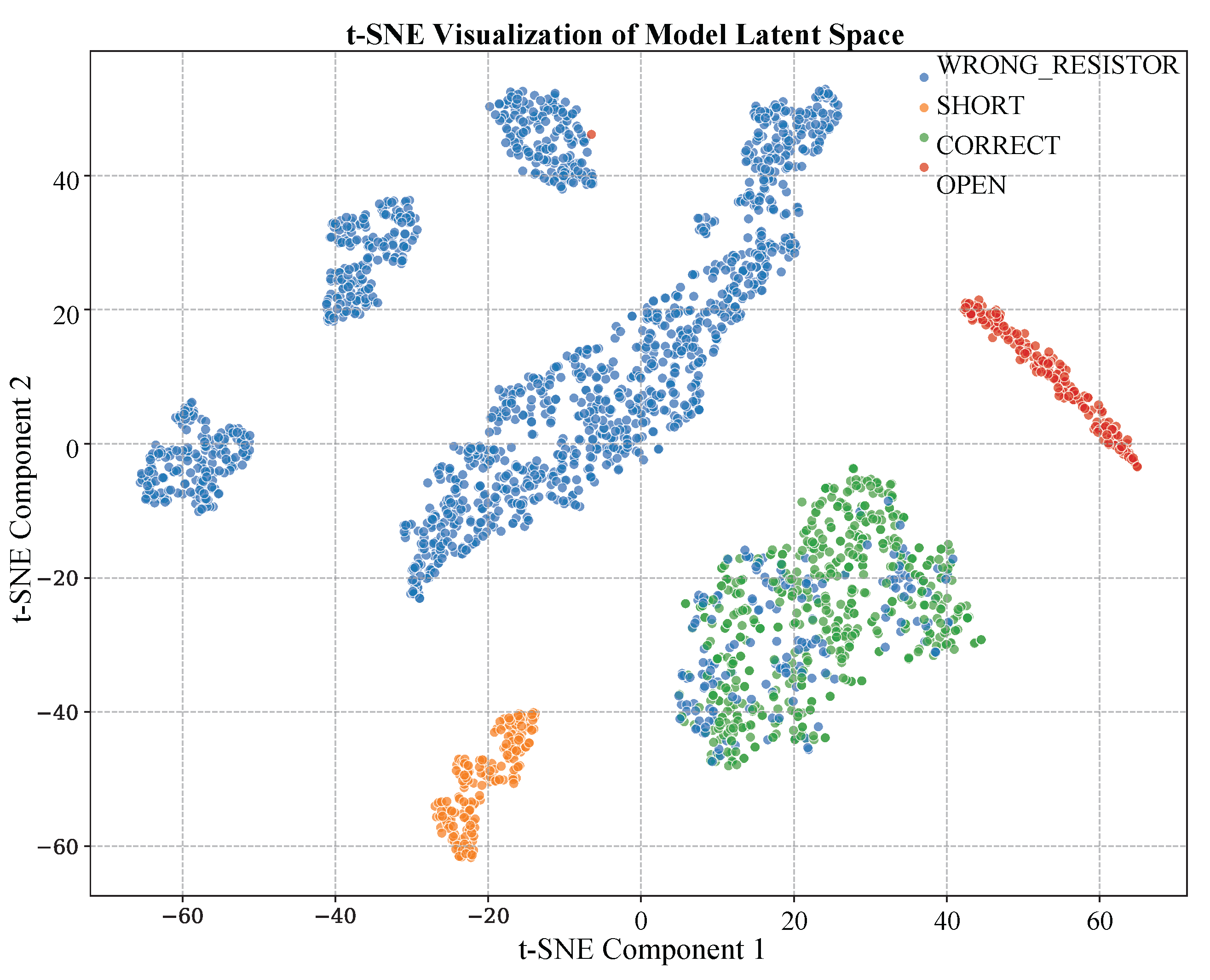
The t-SNE visualization (
Figure 11) also supports the use of the hybrid 1D-CNN architecture. This visualization produced definitive results concerning the strong discriminative power of the model, which demonstrates that the four circuit states are well defined and separated into four clusters in the latent space, which are well separated. This substantiates the notion that the joint use of time-series features with component features that are static successfully reduces complex raw data into a low-dimensional representation that can be linearly separated, which is required to provide quick and dependable classification. This result demonstrates the high synergistic advantages of multimodal input compared to the use of streams of single sensors.
5.1. Extensibility to Other Sensor Modalities
The ALM model itself is sensor-agnostic, modular, and is designed to enable a large variety of sensing modalities besides electrical measurements, as represented in this work. It has a three-layer architecture that enables easy addition of other IoT sensors, such as environmental, motion, chemical, or sophisticated vision-based sensors, to the Physical Sensor Layer. In the Edge AI Layer, the multimodal fusion method can be generalized by adding new input streams to the neural network framework to allow the model to learn with heterogeneous real-time data streams. The data generation methodology of our work, which is based on simulation, can be expanded to high-fidelity simulations of other physical systems and can generate labeled synthetic data to teach the AI diagnostic engine in new educational scenarios. As an illustration, in a chemistry lab, the pH and conductivity sensors would be integrated to enable the ALM to identify errors in the procedures when conducting titration experiments. Within a robotics or mechatronics context, an inertial measurement unit (IMU) data might be used to detect the presence of misalignment or unstable configurations. This scalability highlights the potential of ALM as a flexible and scalable framework of intelligent, sensor-enriched tutoring in a wide range of STEM-related disciplines, where situational and real-time feedback is essential in the successful practice of hands-on learning.
5.2. Future Work
Below, we briefly discuss the current work’s limitations, and further, we suggest possible future work.
Physical IoT Deployment and Field Testing: The most critical next step for this research is the physical deployment. This will involve
- (a)
Further optimization and reduction latency on the trained 1D-CNN model on the Raspberry Pi 4 with the help of TensorFlow Lite.
- (b)
Combining the sensor INA219 and ESP32 microcontroller into a physical laboratory station.
- (c)
Carrying out a user study amongst engineering students to test the real-time performance of the system, its ability to resist sensor noise, and usability. The important metrics will be the inference latency during load, the false positive/negative rates of the real component, and the user satisfaction scores.
Enhanced Visual Feature Integration: Future research must include sophisticated computer vision (CV) processes to conclusively address the main cause of diagnostic ambiguity, which is the misclassification between the “CORRECT” and “WRONG RESISTOR” states. For granular component identification, this means going beyond static visual data and incorporating object detection and explicit, non-electrical reading of component identifiers (such as resistor color codes). To obtain maximum precision against non-hazardous pedagogical errors while maintaining the fundamental safety goal, this integration offers a deterministic, external feature that may be used to enhance the electrical signatures.
Expansion to Complex Circuit Topologies: Ohm’s Law-based concepts and fault diagnostics for basic series circuits are both well illustrated by the current model. We recommend future research concentrate on expanding the framework’s diagnostic capacity in order to greatly improve its usefulness and domain applicability.
Longitudinal Pedagogical Validation: The main focus of this study is to analyze the student learning outcomes and self-efficacy, which are the ultimate indicators of the ALM framework’s effectiveness. In the future, the quantitative comparisons are recommended to analyze learning gains, student persistence rates, and self-efficacy indicators. This strict quantitative validation is necessary in proving the pedagogical worth of the suggested framework.
Model Interpretability and Explainable AI (XAI): As the methods to achieve interpretability, we will use such techniques as SHAP (SHapley Additive exPlanations). This analysis will determine which input properties (e.g., voltage, current, and R_calculated) have the greatest influence in the decisions made by the model of a particular state in a circuit. The outcomes will be combined into the user interface where the students will be able not just to view the diagnosis but to be informed of the logic behind the AI, e.g., ’The system found a short circuit mostly because the current was measured abnormally high.’
A detailed pedagogic assessment of success will also be prepared to gauge student learning gains and engagement after technical implementation.




 ,
,