


Abstract
The integration of omics technologies, including genomics, proteomics, metabolomics, and microbiomics, has transformed sports science, particularly soccer, by providing new opportunities to optimize player performance, reduce injury risk, and enhance recovery. This systematic literature review was conducted in accordance with PRISMA 2020 guidelines and structured using the PICOS/PECOS framework. Comprehensive searches were performed in PubMed, Scopus, and Web of Science up to August 2025. Eligible studies were peer-reviewed original research involving professional or elite soccer players that applied at least one omics approach to outcomes related to performance, health, recovery, or injury prevention. Reviews, conference abstracts, editorials, and studies not involving soccer or omics technologies were excluded. A total of 139 studies met the inclusion criteria. Across the included studies, a total of 19,449 participants were analyzed. Genomic investigations identified numerous single-nucleotide polymorphisms (SNPs) spanning key biological pathways. Cardiovascular and vascular genes (e.g., ACE, AGT, NOS3, VEGF, ADRA2A, ADRB1–3) were associated with endurance, cardiovascular regulation, and recovery. Genes related to muscle structure, metabolism, and hypertrophy (e.g., ACTN3, CKM, MLCK, TRIM63, TTN-AS1, HIF1A, MSTN, MCT1, AMPD1) were linked to sprint performance, metabolic efficiency, and muscle injury susceptibility. Neurotransmission-related genes (BDNF, COMT, DRD1–3, DBH, SLC6A4, HTR2A, APOE) influenced motivation, fatigue, cognitive performance, and brain injury recovery. Connective tissue and extracellular matrix genes (COL1A1, COL1A2, COL2A1, COL5A1, COL12A1, COL22A1, ELN, EMILIN1, TNC, MMP3, GEFT, LIF, HGF) were implicated in ligament, tendon, and muscle injury risk. Energy metabolism and mitochondrial function genes (PPARA, PPARG, PPARD, PPARGC1A, UCP1–3, FTO, TFAM) shaped endurance capacity, substrate utilization, and body composition. Oxidative stress and detoxification pathways (GSTM1, GSTP1, GSTT1, NRF2) influenced recovery and resilience, while bone-related variants (VDR, P2RX7, RANK/RANKL/OPG) were associated with bone density and remodeling. Beyond genomics, proteomics identified markers of muscle damage and repair, metabolomics characterized fatigue- and energy-related signatures, and microbiomics revealed links between gut microbial diversity, recovery, and physiological resilience. Evidence from omics research in soccer supports the potential for individualized approaches to training, nutrition, recovery, and injury prevention. By integrating genomics, proteomics, metabolomics, and microbiomics data, clubs and sports practitioners may design precision strategies tailored to each player’s biological profile. Future research should expand on multi-omics integration, explore gene–environment interactions, and improve representation across sexes, age groups, and competitive levels to advance precision sports medicine in soccer.
1. Introduction
Soccer is one of the most physically demanding sports, requiring peak physical fitness alongside advanced mental and tactical skills [1,2]. During a typical 90-min match, elite players cover approximately 10 km [1]. This level of cardiovascular exertion demonstrates the balance players must maintain between endurance and high-intensity bursts of energy throughout the game. Soccer incorporates a variety of physical activities, including sprinting, tackling, and jumping, each of which demands energy in distinct ways. Sprinting calls for explosive power and speed, while tackling and jumping rely on muscular strength, coordination, and agility [3,4]. These high-intensity efforts are typically interspersed with lower-intensity movements like jogging or walking, allowing players brief recovery periods before resuming peak activity.
In addition to physical endurance and strength, players must maintain sharp mental focus and tactical awareness. Decision-making, anticipation, and positioning are critical as teams constantly transition between offensive and defensive phases. This mental agility enables players to execute strategies effectively and react to opponents’ actions under physical fatigue. The dual demands on aerobic and anaerobic energy systems in soccer underscore the complexity of training regimens, which must develop endurance, strength, speed, and mental resilience. Players also undergo tactical training that enhances their ability to make quick, effective decisions while maintaining physical performance, creating a game that tests an athlete’s holistic physical and cognitive capacities [5].
With advancements in sports science, omics technologies—including genomics, metabolomics, proteomics, and microbiomics—have attracted considerable interest in soccer due to their potential to provide a comprehensive understanding of an athlete’s physiological state. These technologies offer insights into how genetic, molecular, and biochemical/physiological profiles impact performance, injury risk, recovery, and adaptation to training [6,7,8,9,10].
However, soccer science still faces challenges in addressing individual variations in player performance, recovery needs, and injury susceptibility. Omics technologies hold promise in addressing these limitations. For instance, genomics could improve injury prevention by identifying players genetically predisposed to specific injuries, enabling customized training and recovery plans. Proteomics could offer real-time insights into muscle recovery by monitoring biomarkers associated with tissue repair and inflammation, while metabolomics may optimize endurance and energy strategies by analyzing a player’s metabolic profile. Additionally, microbiomics could inform gut health and nutrition strategies, essential for maintaining peak physical condition and enhancing recovery.
The concept of “socceromics” refers to the integration of these omics technologies in soccer to enhance both performance and health. This shift toward personalized, data-driven interventions provides clubs and sports practitioners with an unprecedented opportunity to tailor strategies to individual players’ physiological profiles, potentially improving outcomes both on and off the pitch. By harnessing each omics field’s unique contributions, this approach can help build individualized, data-driven strategies to optimize performance and health for each athlete.
2. Materials and Methods
2.1. Study Design
This systematic review was conducted in accordance with the Preferred Reporting Items for Systematic Reviews and Meta-Analyses (PRISMA) 2020 guidelines [11], and structured using the Population, Intervention/Exposure, Comparator, Outcomes, and Study design (PICOS/PECOS) framework. Given the heterogeneity of omics methodologies and study designs, a quantitative meta-analysis was not feasible; therefore, a narrative critical synthesis was performed. All steps of the review (search strategy, study selection, data extraction, and reporting) were pre-defined in a protocol registered on Open Science Framework (OSF identifier: DOI 10.17605/OSF.IO/E6TQ3). The completed PRISMA checklist is provided in Table S1 of the Supplementary Materials.
2.2. Research Questions
Our research question explores how a multidisciplinary approach—integrating genomics, proteomics, metabolomics, and microbiomics data—can advance personalized strategies to optimize performance, prevent injuries, and accelerate recovery in elite soccer players. To address this question, we assembled a uniquely skilled team, bringing together experts from sports science, clinical disciplines, such as orthopedics, rehabilitation, and physiatry, as well as genetics, molecular biology, nutrition, neuroscience, and psychology, spanning diverse institutions worldwide. This international and interdisciplinary collaboration allows for a thorough comprehension of omics data, with each team member contributing specialized knowledge. Our shared objective is to understand how to design and implement targeted interventions tailored to each athlete’s genetic, post-genetic, and biochemical/physiological profile, transforming scientific insights into actionable strategies that support player health and maximize performance in the demanding physical and mental environment of elite soccer.
2.3. Search Strategy
A comprehensive search was conducted in MEDLINE/PubMed, Scopus, and Web of Science (WoS) for articles published up to 25 August 2025. No filters regarding language, publication date, document type, competition level, or other player characteristics, were applied during the primary search to maximize sensitivity and ensure broad capture of potentially relevant literature. Searches were performed using “UNO per tutto,” the Artificial Intelligence (AI)-enhanced discovery platform of the University of Genoa. Search terms combined Medical Subject Headings (MeSH) and free-text keywords related to soccer and omics technologies, including: soccer, football, genomics, polymorphisms, Single Nucleotide Polymorphisms (SNPs), genetic variants, Copy Number Variants (CNVs), Single Nucleotide Variants (SNVs), allele, metabolome, metabolomics, microbiome, microbiomics, microbiota, proteome, proteomics, methylome, methylomics, epigenome, epigenetics, epigenomics, sportomics, and athlomics. The detailed search strings for each database are provided in Supplementary Materials S2. The search strategy was developed by a research methodologist with expertise in systematic reviews and meta-analyses (N.L.B.), following an initial review of the relevant literature and with the assistance of a librarian.
2.4. Eligibility Criteria
Study eligibility was defined according to the PICOS/PECOS framework. During the initial database search, no filters (language, date, document type, competition level, or other player characteristics) were applied to ensure maximal sensitivity. All eligibility criteria were subsequently applied during the screening phase.
Inclusion criteria
Studies were included if they met the following conditions:
- Population: Human participants who were professional, elite, or academy-level soccer players.
- Intervention/Exposure: Application of at least one omics technology, including genomics, epigenomics, proteomics, metabolomics, lipidomics, or microbiomics.
- Comparator: Any comparator or none; no restrictions were imposed.
- Outcomes: Findings related to performance, biochemical/physiological adaptation, injury risk, recovery, or health-related biomarkers.
- Study design: Original peer-reviewed research articles (observational, interventional, cross-sectional, longitudinal, or multi-omics).
Exclusion criteria
Studies were excluded if they met any of the following conditions:
- Non-human or in vitro studies.
- Studies not involving soccer players.
- Articles lacking an omics component (traditional biochemistry/physiology only).
- Non-original/non-peer-reviewed works (reviews, systematic reviews, editorials, commentaries, conference abstracts, theses/dissertations).
- Non-English full texts or articles without an accessible full text.
- Case reports or anecdotal evidence.
These criteria ensured that the review focused exclusively on human soccer research involving omics-based approaches, in alignment with the research objectives.
2.5. Study Selection
All records retrieved from the databases were first imported into EndNote X9 for initial duplicate identification and removal. The cleaned library was then exported into the Covidence systematic review software (Veritas Health Innovation, Melbourne, Australia; web-based application; available at https://www.covidence.org; accessed on 26 August 2025), where Covidence’s automated duplicate detection tool performed an additional check to ensure complete deduplication.
The remaining unique records underwent an independent screening process conducted by two reviewers (A.O. and L.P.) according to the predefined eligibility criteria. Screening occurred in two stages: (i) title and abstract screening and (ii) full-text assessment. Any disagreements between the reviewers were resolved through discussion, and when necessary, a third reviewer (N.L.B.) served as the adjudicator to reach consensus.
2.6. Data Extraction
Data extraction focused on capturing key information related to study design, participant characteristics, sample collection methods, and omics technologies used. Extracted data included: (i) sample sizes and populations (e.g., professional soccer players, elite athletes), (ii) type of omics analysis (e.g., genomics, proteomics, metabolomics, microbiomics), (iii) specific markers or genes studied (e.g., ACTN3, COL1A1, metabolic biomarkers), (iv) results, including associations between omics data and performance, injury risk, or recovery times, and (v) methodological limitations noted in the studies.
Data extraction was independently conducted by two researchers (A.O. and L.P.), with any potential disagreements resolved by a third researcher (N.L.B.), who acted as the final referee.
2.7. Data Synthesis
Due to heterogeneity across study designs, populations, and outcomes, a qualitative narrative synthesis was conducted. Studies were grouped by omics technology (genomics, proteomics, metabolomics, microbiomics). Evidence was critically appraised in terms of methodological strengths, limitations, and translational potential for soccer-specific applications.
2.8. Risk of Bias and Study Quality Assessment
Given the substantial methodological heterogeneity across omics domains, we assessed study quality using a custom modified version of the Quality Assessment of Diagnostic Accuracy Studies using OMICS-based technologies (QUADOMICS) tool, an approach previously adopted in omics-based systematic reviews [12,13]. The modified checklist (Supplementary Table S3) included key items relevant to omics research, such as clarity of selection criteria, description of sample type, timing and procedures of sample collection, pre-analytical handling, replicability of the analytical workflow, use of reference standards, reporting of uninterpretable results, and avoidance of overfitting. Each study was independently rated by two reviewers (A.O. and L.P.) and classified as having low, moderate, or high methodological quality.
3. Results
3.1. Search Results
The systematic search across MEDLINE/PubMed (n = 277), WoS (n = 329), and Scopus (n = 362) initially identified 968 records. After removing 420 duplicates, 548 unique records remained for screening. Following title and abstract screening, 391 records were excluded for not meeting the eligibility criteria, leaving 157 full-text articles for detailed assessment. Of these, 18 reports were excluded with reason—six due to the wrong study design (e.g., meeting or conference abstracts), four due to the wrong intervention/exposure, four because no full English text was available, and four due to the wrong population. Ultimately, 139 studies were included in the systematic review.
The study selection process is illustrated in the PRISMA 2020 flow diagram (Figure 1).
Figure 1.
PRISMA 2020 flow diagram of the study selection process.
3.2. Study Characteristics
A total of 139 studies met the inclusion criteria and were included in this review [14,15,16,17,18,19,20,21,22,23,24,25,26,27,28,29,30,31,32,33,34,35,36,37,38,39,40,41,42,43,44,45,46,47,48,49,50,51,52,53,54,55,56,57,58,59,60,61,62,63,64,65,66,67,68,69,70,71,72,73,74,75,76,77,78,79,80,81,82,83,84,85,86,87,88,89,90,91,92,93,94,95,96,97,98,99,100,101,102,103,104,105,106,107,108,109,110,111,112,113,114,115,116,117,118,119,120,121,122,123,124,125,126,127,128,129,130,131,132,133,134,135,136,137,138,139,140,141,142,143,144,145,146,147,148,149,150,151,152]. The publication years ranged from 2008 to 2025, reflecting the progressive expansion of omics technologies in soccer research over the past two decades, with a clear increase in output in the most recent years. Across the 139 included studies, a total of 19,449 participants were analyzed, with sample sizes ranging from 10 to 710 athletes, encompassing both youth and adult male and female players. Although study designs were heterogeneous, comprising cross-sectional analyses, randomized controlled trials, longitudinal cohort investigations, and pilot interventional studies, the field was dominated by cross-sectional genetic association studies, which represented the primary methodological approach used to explore genotype–phenotype relationships in soccer. There was a clear overrepresentation of studies conducted in male players, with men comprising the vast majority of cohorts, whereas only a small fraction of studies included female footballers. The geographical distribution of the included studies was highly uneven, with a strong concentration of omics research originating from European and South American countries, particularly Spain, Brazil, Italy, and Turkey, while contributions from other regions were comparatively scarce (Figure 2).
Figure 2.
Geographic distribution of the included omics studies in soccer. MC: Multi-Country.
In terms of omics domains, genomics accounted for the largest proportion of studies, primarily investigating SNPs in candidate genes such as ACE, ACTN3, COL5A1, AMPD1, and VDR. Among these, ACTN3 has emerged as the most extensively studied gene, consistently linked to strength, power, endurance, and injury susceptibility in soccer players [22,54,56,63,76,81,83,88,91,93,95,97,106,108,116,119,129,133,134,141,145,152].
Metabolomics studies frequently employed nuclear magnetic resonance spectroscopy (NMR) or mass spectrometry (MS) to profile energy metabolism, amino acid turnover, and oxidative stress markers, often in relation to match play or training load. Proteomics analyses were less frequent but provided insights into inflammation, muscle repair, and recovery biomarkers. Microbiomics studies investigated gut microbial composition through 16S rRNA sequencing, mainly in response to dietary interventions (e.g., probiotics, kefir) or exercise training. A smaller number of studies applied epigenomics, particularly DNA methylation clocks, to monitor biological aging and recovery dynamics.
Gene names, aliases, and associated polymorphisms were standardized according to the HUGO Gene Nomenclature Committee (HGNC) database [153], and both official symbols and commonly used aliases are reported in Table 1.
Table 1.
Overview of Single-Nucleotide Polymorphisms (SNPs) Related to Performance, Injury, Cognition, and Metabolism in Soccer Athletes.
Comprehensive details on study characteristics, participant demographics, omics technologies used, tissue or sample types, and analytical platforms or pipelines are provided in Table S4 of the Supplementary Materials.
3.3. Genomics in Soccer
Genomic profiling is rapidly becoming an essential tool in sports science, helping to predict and enhance performance while minimizing injury risk [102,132,154,155,156,157,158]. The study of genetic polymorphisms has demonstrated that certain genetic variants can influence key athletic traits as well as predispose individuals to injuries (Table 1).
3.4. Cardiovascular System-Related Polymorphisms in Soccer
Cardiovascular and vascular-response genes have been among the most extensively investigated polymorphisms in soccer, given their direct role in regulating blood pressure, vascular tone, and oxygen delivery during high-intensity intermittent exercise. The ACE gene, which encodes the angiotensin-converting enzyme (ACE), plays a crucial role in regulating blood pressure and maintaining fluid balance through the renin-angiotensin system (RAS) [81,159]. Its polymorphisms have been widely studied in soccer players, with consistent associations to athletic performance in both men [22,26,33,44,93,138] and women [63,70,160] as well as to supplementation responses such as creatine intake [109]. Specifically, the polymorphic allele I correlates with improved resistance and endurance, the allele D with enhanced strength and speed, and the heterozygous genotype with athletic power [79,134,161,162]. A systematic review and meta-analysis indicated a higher prevalence of the ACE D allele among youth footballers with an odds-ratio, OR, of 1.18 (95% confidence interval, CI, 1.01–1.38) and the ACE DD genotype showing the strongest association (OR 1.29, 95% CI 1.02–1.63) [163]. Additionally, the ACE I/I genotype was more prevalent among older players in the U17 category, particularly defenders [105]. ACE polymorphisms were linked with improved squat, vertical jump, and countermovement jump performance [22,27]. In some studies [117,164,165,166,167], the ACE genotype was associated with cardiac morphology. Moreover, soccer players with the ACE II genotype were reported to be more prone to muscle injuries, likely due to genetic influences on muscle recovery and performance [88]. While associations were reproduced in Turkish and Japanese players [60,129], they were absent in Korean [168], Brazilian [39] male footballers, nor with muscle power in Chinese youth male players [91,95], highlighting possible ethnic variability.
Closely related to ACE in the RAS, the angiotensinogen (AGT) gene contributes to blood pressure regulation, electrolyte balance, and vascular tone [169,170]—all of which are essential for physical performance, particularly in sports like soccer that demand both endurance and explosive power. The AGT gene, particularly the rs699 polymorphism, has been studied for its potential influence on athletic performance. However, contrasting findings are reported in the literature. While a few studies could find associations with performance, cardiac, and hemodynamic parameters [64], these results have not been replicated among some specific soccer player populations, such as Brazilian ones [52].
The NOS3 gene encodes the nitric oxide synthase 3 (NOS3), which produces nitric oxide (NO), influencing vascular tone and endurance performance [76,115,145,171,172]. The NOS3 -786 T/C polymorphism (rs2070744) has been identified as a potential genetic marker influencing individual variations in sports-related phenotypes. In a study [29], significant differences in genotype frequencies were observed between the soccer players and all other groups (controls, endurance athletes, and power athletes), with all comparisons yielding statistically significant results. Additionally, allele frequency analysis further confirmed these differences. These findings could be replicated in an Italian cohort [173]. Of note, the NOS3 Glu298Asp (rs1799983) polymorphism was associated with noncontact hamstring muscle injury risk in a sample of elite male outfield players [57], while, in another study [90], the NOS3 Glu/Glu allele was found to predispose players to the attacker and defender positions in elite soccer, as these roles are associated with greater strength and power metrics compared to midfielders.
Finally, the VEGF gene encodes the vascular endothelial growth factor (VEGF), which stimulates blood vessel formation, linked to oxygen transport and endurance. As such, it plays a crucial role in athletic performance by promoting improved vascularization, which supports endurance by increasing capillary density and aiding adaptation to aerobic training. VEGF also accelerates muscle repair and recovery from injuries by promoting tissue regeneration. Additionally, the gene responds to low oxygen conditions, such as altitude training, enhancing performance by boosting oxygen-carrying capacity. The rs2010963 polymorphism has been found to enrich the genetic fingerprinting of professional athletes [171] and, along with other SNPs, it has been associated with performance outcomes after training interventions [32]. In addition to these canonical cardiovascular genes, several adrenergic receptor variants—central to cardiorespiratory regulation—have been examined in soccer. ADRA2A, ADRB1 (rs1801253), ADRB2 (rs1042713, rs1042714), and ADRB3 (rs4994) influence sympathetic drive, bronchodilation, cardiac output, and lipid metabolism, thereby shaping aerobic efficiency and match-running capacity. These polymorphisms have been included in multi-SNP performance models in elite cohorts, with evidence suggesting their contribution to interindividual variability in endurance profiles and stress-response regulation (Table 1).
3.5. Muscle Structure and Function-Related Polymorphisms in Soccer
ACTN3, also known as the “speed gene”, has been linked to sprinting and explosive power, as well as to performance metrics, even if to a varying extent [63,88,97,119,133,172]. Players with the RR genotype tend to have greater strength and speed, whereas those with the XX genotype (α-actinin-3 deficiency) may excel in endurance activities but are more susceptible to injuries. In a study [65], players with the ACTN3 XX genotype had 2.66 times higher odds of injury than those with the RR genotype, while RX and RR players had similar injury incidences. Additionally, XX players had 2.13 times higher odds of severe injuries than RR players, and RX individuals had 1.63 times higher odds of severe injuries than RR players. Further research [108] provides further compelling evidence that players with the ACTN3 XX genotype are more prone to muscle injuries and have reduced running performance. On the other hand, in some studies [56,69], which reviewed non-contact musculoskeletal soft-tissue injuries in professional football players, while a significant association was found between injury rate and the ACTN3 genotype, no statistically significant differences were observed in injury severity or recovery time linked to the ACTN3 SNP. Furthermore, the ACTN3 polymorphism can influence processes such as muscle recovery in professional soccer players [106], with a significant positive correlation found between the number of sprints and creatine kinase levels. This correlation could be noted in players with the ACTN3 RR genotype, likely due to the presence of more type II muscle fibers, while no such relationship was observed in X allele carriers.
Finally, interactions between ACE and ACTN3 genotypes have been reported, although their combined effect explains only a modest proportion of performance variance [28].
The CKM gene, or muscle-specific creatine kinase (CK) gene, plays a vital role in energy metabolism within muscle tissue, particularly in skeletal muscles and the heart. The enzyme it encodes, muscle-specific CK, is essential for the phosphocreatine system, which facilitates the rapid regeneration of adenosine triphosphate (ATP) during muscle contraction. This system becomes especially important during short bursts of high-intensity activities, such as sprinting or weightlifting, where immediate energy is crucial. Muscle-specific CK converts creatine and ATP into phosphocreatine and adenosine diphosphate (ADP), providing an energy reserve that can be quickly accessed during muscle contractions. This process supports not only explosive muscle movements but also recovery, helping maintain ATP levels and reducing fatigue during intense exercise. In a study [80], the rs8111989 polymorphism in the CKM gene was found to have an influence on injury incidence among high-performance football players. Despite genotyping players into GG, GA, and AA groups, overall injury incidence did not differ significantly across these genotypes during training or match exposure. However, certain injury patterns were associated with specific genotypes. GG players experienced a higher frequency of slight-severity injuries and muscle contractures, while GA players were more prone to severe injuries and muscle tears. Additionally, G allele carriers had fewer gradual-onset and recurrent injuries compared to AA players, while A allele carriers had a higher frequency of severe injuries than GG players.
Finally, the MLCK gene encodes the myosin light chain kinase, which regulates muscle contraction. It has been found to be associated with an athlete’s professional status [76], while the MYLK (rs28497577) gene encoding the myosin light chain kinase and linked to muscle contraction and force generation has been found to be associated with muscle injuries in soccer players.
The TRIM63 (MuRF-1) gene, encoding a muscle-specific E3 ubiquitin ligase, regulates muscle protein turnover and mass. In Brazilian professionals, the rs2275950 (A/G) polymorphism was tested for associations with muscle injuries, but no significant links were observed, suggesting limited biomarker value [111].
Similarly, the TTN-AS1 gene, which influences sarcomere integrity, was investigated in U20 Brazilian soccer players. The rs1001238 CC genotype was associated with elevated inflammatory markers (neutrophils, C-reactive protein (CRP), and tumor necrosis factor alpha (TNFα)) and greater muscle damage (CK levels) compared to TT and TC genotypes, indicating a higher susceptibility to eccentric-exercise-induced injury [107]. Several additional genes involved in muscle metabolism, hypertrophy, and damage were also identified across soccer studies, but had been underrepresented in earlier summaries and genetic panels. These include HIF1A, which regulates hypoxia adaptation and has been associated with advantageous power-related phenotypes; MSTN (myostatin), where variants such as K153R, E164K, P198A, and I225T influence muscle hypertrophy potential and appear in polygenic performance models; MCT1 (rs1049434), a key lactate transporter whose AA genotype has been linked to the highest incidence of muscle injuries in elite players; and AMPD1 (rs17602729), which modulates energy turnover during high-intensity exercise and influences creatine responsiveness and lactate accumulation, with CT carriers demonstrating more favorable metabolic adaptations (Table 1).
3.6. Neurotransmission-Related Polymorphisms in Soccer
The ADRA2A and ADRB2 genes, which are both associated with cardiorespiratory fitness, have been found to play a pivotal role in determining professional athlete status in a cohort of professional football players compared to non-athlete individuals [89]. These genes regulate, indeed, critical physiological functions such as heart rate, blood flow, and oxygen delivery during exercise. Variants in ADRA2A, encoding the alpha-2A adrenergic receptor, help modulate vascular tone and blood pressure, optimizing oxygen distribution during physical activity. Similarly, the ADRB2 gene, encoding the beta-2 adrenergic receptor, influences bronchodilation and cardiovascular response, allowing athletes to achieve superior oxygen transport and utilization. These genetic variants contribute to enhanced endurance and stamina as observed in elite athletes. Additional adrenergic variants such as ADRB1 (rs1801253) and ADRB3 (rs4994), which affect cardiac output and lipolysis, respectively, have also been reported in soccer cohorts but were absent from earlier summaries and genetic panels.
The BDNF gene encodes the brain-derived neurotrophic factor (BDNF), which is linked to neurogenesis, besides being associated with muscle repair, regeneration, and growth [174]. In a study [40], BDNF Val66Met polymorphism was found to mediate the relationship between soccer heading and white matter microstructure in the brain.
Other genes related to neurotransmission that have been implicated in soccer science are the DRD1 gene, the DRD2 gene, and the DBH gene. The former encodes the dopamine receptor D1, which is involved in motivation, reward, and physical activity levels, while the latter encodes the dopamine beta-hydroxylase (DBH), which influences the conversion of dopamine to norepinephrine, linked to exercise performance and motivation [94].
The serotonin transporter gene (5HTT, L/S polymorphism) further modulates nervous system activity. Among young soccer players, the L/S genotype (~60%) was associated with balanced nervous activity and superior performance, whereas the SS genotype (~20%) correlated with aggression and nervous system mobility, and the LL genotype showed intermediate nervous activity with average simple visual-motor reaction (SVMR). Notably, the TT mutant variant predisposed players to faster fatigue and reduced adaptation to training loads. Similarly, the serotonin receptor 5HT2A (rs6311) was studied in elite soccer players, where CC and CT genotypes (together ~60%) were linked with higher SVMR values, greater attentional stability, and the mobile nervous activity type considered favorable for performance in dynamic sports [135].
Based on the observation that, as previously mentioned, elite professional soccer players have been found to display a preponderance of an allele associated with the NOS enzyme, resulting in lower levels of nitric oxide compared to endurance athletes, power athletes, and sedentary men. Landers and Esch [175] suggested that this may reflect soccer’s nature as an “externally-paced” sport, highly dependent on teamwork and executive function skills. One aspect of executive function is the skill of time interval estimation, which relies heavily on dopamine, a neurotransmitter involved in cognitive functions. Polymorphisms that affect dopamine pathways, such as the DRD2/ANKK1 Taq1a variant (which lowers D2 receptor density in the striatum, leading to increased dopamine synthesis), have been linked to both time interval estimation and executive skills. Genotypes among soccer players may influence cognitive abilities through neurotransmitter regulation, potentially predicting success in externally paced sports like soccer. Interestingly, dopamine levels show an inverted-U relationship with both time interval estimation accuracy and executive skills, suggesting that optimal dopamine levels are crucial for these abilities. Research has also revealed a pathway from dopamine to the production of small quantities of NO through endogenous morphine and mu3 receptors on endothelial cells, with exercise up-regulating dopamine and this pathway. Excessive exercise can lead to negative feedback, where NO downregulates dopamine to maintain optimal levels. In the context of professional soccer players, intense training, frequent public scrutiny, and stress can lead to elevated dopamine levels. However, without regulatory mechanisms, high dopamine could overwhelm the system. This is where the NOS3 -786T/C polymorphism, carried by many elite players, may play a protective role. The C allele of this variant leads to reduced NO production, preventing excessive negative feedback on dopamine and maintaining the balance necessary for peak cognitive and physical performance.
Additional genes linked to neurocognitive performance include APOE (ε2/ε3/ε4), associated with brain resilience, where specific variants may increase vulnerability to neurodegeneration following repetitive heading exposure (Table 1).
These genetic adaptations may have evolutionary roots, with professional soccer players demonstrating a specialized mechanism for maintaining dopamine levels under intense physical and cognitive demands.
3.7. Connective Tissue and Tendon-Related Polymorphisms in Soccer
COL1A1 is a gene that encodes the alpha-1 chain of type I collagen, which is the most abundant collagen in the human body. Type I collagen is a major structural protein found in skin, bone, tendons, ligaments, and other connective tissues, providing strength and support [143]. Ficek and colleagues [31] examined the association between COL1A1 −1997G/T and +1245G/T polymorphisms and anterior cruciate ligament (ACL) ruptures in professional soccer players. The study compared 91 Polish or Eastern European descent (for at least three generations) male players with ACL ruptures to 143 controls without ligament/tendon injuries, matched for ancestry, team, age, and injury risk exposure. Results showed that the COL1A1 G-T haplotype was significantly associated with a reduced risk of ACL rupture, while the TT genotype was less frequent in injured players but not significant. Overall, the G-T haplotype appears protective against ACL injury in professional soccer players.
Beyond COL1A1, MMP3 (rs3025058, 5A/6A), which encodes matrix metalloproteinase-3 (MMP3) involved in connective tissue remodeling, has also been investigated in relation to ACL injury. In a study of professional male football players with ≥2 ACL surgeries compared to controls, no significant association was found between MMP3 genotypes and ACL injury occurrence, suggesting that MMP3 alone may not serve as a reliable biomarker, and that risk is likely polygenic and influenced by environmental factors [76,103].
The COL2A1 gene encodes the alpha-1 chain of type II collagen, which is a crucial component of cartilage, the intervertebral discs, and the vitreous humor of the eye. Type II collagen is a fibrillar collagen primarily found in cartilage and is essential for maintaining the structural integrity and proper function of connective tissues, particularly those that are subjected to mechanical stress. Sun et al. [42] tested the hypothesis that two specific SNPs, rs11784270 (A/C) and rs6577958 (C/T), within the COL22A1 gene are associated with ACL ruptures in 228 Polish soccer players with ACL ruptures (157 men, 71 women) and 202 controls (117 men, 85 women). No significant associations were found between these variants and non-contact ACL rupture risk.
The COL5A1 gene, which encodes the collagen alpha-1(V) chain, plays a key role in supporting tissues rich in type I collagen, including muscles, tendons, and ligaments. It is involved in regulating the structure of fibers composed of both type I and type V collagen. Given this role, the study by Lulińska-Kuklik [18] investigated the association between the COL5A1 rs12722 and rs13946 polymorphisms in 134 male soccer players with ACL ruptures and 211 healthy controls matched for team, age, and injury exposure. Significant genotype differences were found for rs13946 in a dominant model, and the CC haplotype (rs12722/rs13946) was underrepresented in injured players, suggesting a protective effect against ACL rupture. From a gender perspective, Rodas et al. [23] explored the sex-specific ACL rupture risk in relation to collagen gene-related SNPs among 46 FC Barcelona players (24 females) from the 2020–2021 season, examining the association between 108 selected SNPs and a history of non-contact ACL injuries, stratified by sex. Results showed that 29% of females and 4% of males had non-contact ACL injuries. A significant association was found between the rs13946 CC genotype and ACL rupture in females but not in males, with a clear SNP–sex interaction. Notably, the C-allele was exclusive to a specific COL5A1 haplotype, suggesting that collagen gene-related variants, particularly in COL5A1, may increase ACL injury susceptibility in female players. These findings highlight the potential of sex-specific genetic profiling to guide injury prevention strategies [176].
Artells et al. [126] examined the association between the elastin (ELN) gene-related SNPs and medial collateral ligament (MCL) injuries in a sample of 60 elite football players monitored over seven seasons. Genotype-specific patterns emerged: players with the ELN AA genotype sustained 16 MCL injuries, those with ELN AG had 3, while the ELN GG genotype was linked to no injuries. The study concluded that identifying ELN gene-related polymorphisms could help predict injury risk, guide training and rehabilitation plans, and optimize recovery and workload management to prevent MCL injuries.
Additional extracellular matrix (ECM)-regulating genes also appear relevant but were underrepresented in earlier summaries and genetic panels. Variants in EMILIN1, which supports elastin-fiber assembly and tissue remodeling, have been identified in elite injury-mapping cohorts, while TNC (Tenascin-C), an ECM glycoprotein responsive to mechanical loading, has been linked to chronic tendinopathy and tendon stiffness profiles in athletes. Genes involved in cytoskeletal dynamics and repair, such as GEFT, have emerged in multi-gene injury panels from top-level soccer teams. Similarly, LIF, a cytokine essential for muscle regeneration and connective-tissue repair, appears in polygenic injury-prediction frameworks. Finally, HGF, a key growth factor governing tissue regeneration and satellite-cell activation, shows polymorphisms associated with injury severity and recovery timelines in both referees and professional players.
Collectively, these findings highlight that connective tissue injury risk in soccer is highly polygenic, involving structural collagen genes, ECM remodelers, and growth/regeneration pathways. This reinforces the importance of integrating multiple genetic markers when assessing injury susceptibility in elite football environments.
3.8. Energy Metabolism-Related Polymorphisms in Soccer
The AMPD1 gene encodes the adenosine monophosphate deaminase 1 (AMPD1), which plays a role in energy metabolism during exercise [177]. Lifanov et al. [124] assessed the impact of short-term creatine supplementation on exercise performance in male athletes, considering their genetic makeup. Athletes demonstrated a significantly higher frequency of the T allele in AMPD1 34T compared to controls. During the experimental phase, 21 football players were randomly assigned to either the creatine group (n = 11) or the placebo (dextrose) group (n = 10). The AMPD1 CC genotype displayed the strongest response to creatine, while AMPD1 CT carriers showed greater gains in relative VO2 max and reduced blood lactate accumulation compared to AMPD1 CC carriers.
The MCT1 gene encodes the monocarboxylate transporter-1 (MCT1), a key protein in lactate transport and metabolism. By facilitating the movement of lactate and other monocarboxylates (e.g., pyruvate) across muscle cell membranes, MCT1 helps maintain pH balance and prevents acidosis, thereby supporting muscle function, recovery, and reducing fatigue-related injury risk. Massidda et al. [136] examined the MCT1 rs1049434 polymorphism in 173 elite Italian footballers, monitoring muscle injuries over five seasons (2009–2014). Indirect muscle injuries included structural-mechanical injuries and functional muscle disorders. The results indicated that players with the MCT1 AA genotype experienced significantly more injuries compared to those with the TT genotype. The study concluded that the MCT1 rs1049434 polymorphism is linked to a higher incidence of muscle injuries, even though the statistical significance was nominal [66].
The UCP1, UCP2, and UCP3 genes, which encode the uncoupling proteins 1, 2, and 3, are involved in energy regulation and metabolism. Bondareva et al. [178] investigated uncoupling protein (UCP1–3) gene polymorphisms in football players compared with non-athletes. A higher frequency of the “energy-sparing” UCP3 allele was observed, along with similar trends in other UCP variants, reflecting the need for energy conservation in athletes. Significant associations were reported between the UCP1 gene and explosive leg strength, UCP2 and respiratory function, and UCP3 with energy production during ramp testing and ergometric efficiency. Moreover, UCP3 variants were linked to greater uncoupling of oxidation and phosphorylation, increasing total energy consumption while enhancing efficiency and performance near the anaerobic threshold.
Similar trends could be reported for the FTO (Fat Mass and Obesity-associated) gene, primarily known for its role in regulating body weight and energy homeostasis. This gene encodes a protein that functions as a DNA/RNA demethylase, influencing the metabolism of fat and, consequently, body composition [179].
Additional genes involved in mitochondrial biogenesis and lipid oxidation were also prominent in soccer cohorts. PPARA (rs4253778) regulates fatty-acid metabolism and shows G-allele enrichment in endurance-oriented soccer profiles; PPARG (rs1801282) and PPARD (rs2016520) contribute to glucose and lipid homeostasis and endurance adaptations. PPARGC1A (PGC-1α) encoding the transcriptional coactivator PGC-1α, is a master regulator of mitochondrial biogenesis and oxidative metabolism, and its polymorphism Gly482Ser (rs8192678) has been repeatedly associated with aerobic capacity and discrimination between elite and sub-elite players. Finally, TFAM (rs1937), essential for mitochondrial DNA replication and transcription, emerged as an important contributor to endurance traits in youth academy cohorts (Table 1).
3.9. Oxidative Stress and Detoxification-Related Polymorphisms in Soccer
The GSTM1 gene encoding the glutathione S-transferase Mu 1 (GSTM1), an enzyme involved in oxidative stress response and detoxification, the GSTP gene encoding the glutathione S-transferase pi (GSTP), part of the antioxidant defense system, and the GSTT gene encoding the glutathione S-transferase theta (GSTT), another key enzyme in oxidative stress and detoxification pathways, have been linked to professional athlete status in football players [32,125]. These SNPs indeed may influence the athletes’ capacity to cope with oxidative stress and recover from the high-intensity physical demands of the sport. Athletes with favorable variants of these genes may have enhanced resistance to oxidative damage and improved detoxification efficiency, potentially giving them an advantage in terms of recovery, endurance, and performance.
Additional oxidative stress–related genes have also been identified in soccer cohorts. The NRF2 (NFE2L2) gene, a master transcription factor regulating antioxidant pathways, has been linked to positional demands and inter-individual variability in oxidative stress tolerance [127]. Similarly, CYP2D6, a gene involved in xenobiotic metabolism and steroid hormone clearance, appears in elite genetic panels, reflecting its potential role in modulating recovery, metabolic stress, and overall physiological adaptation to training [89].
3.10. Hormonal Regulation-Related Polymorphisms in Soccer
The CYP2D6 gene encodes the cytochrome P450 2D6, part of the larger cytochrome P450 family, which is involved in drug metabolism, and steroid hormone and neurotransmitter regulation. CYP2D6 is responsible for the metabolism of about 20–25% of commonly prescribed drugs, influencing how individuals process medications, making it important for personalized medicine. Variations in the CYP2D6 gene can lead to different metabolizer types: namely, poor, intermediate, extensive, or ultra-rapid metabolizers, which can significantly affect an individual’s response to medication or other exogenous compounds [180]. It has also been linked to professional athlete status in football players [89]. It can be speculated that the enzyme’s role in hormone regulation may influence physical endurance, recovery, and the body’s ability to adapt to strenuous physical activity. Hormonal balance, including the regulation of cortisol and other stress-related hormones, could play a part in maintaining optimal performance under intense physical and psychological stress. Moreover, genetic variations in CYP2D6 might influence an athlete’s susceptibility to injury or their ability to metabolize substances such as painkillers or anti-inflammatory drugs, which are commonly used in professional sports settings.
The HSD17B14 gene encodes the hydroxysteroid 17-beta dehydrogenase 14 (HSD17B14), which is involved in steroid hormone metabolism. It has been associated with sprint test performance in elite youth football players [64]. Sprinting, which demands explosive muscle power and rapid energy mobilization, is, indeed, influenced by the balance of anabolic and catabolic hormones. The ability to rapidly metabolize steroid hormones may give certain athletes a genetic advantage in terms of muscle recovery, energy efficiency, and adaptation to high-intensity training, all of which are critical factors in sprinting performance.
Overall, these genetic factors may help explain why some football players excel in short, intense bursts of activity such as sprints, which are crucial in football for chasing the ball, overtaking opponents, or breaking into open spaces.
3.11. Growth Factors and Muscle Hypertrophy-Related Polymorphisms in Soccer
Myostatin (MSTN), a member of the TGF-β (transforming growth factor-beta) family, is a key regulator of muscle growth, and its role in sports performance has attracted attention, particularly in soccer. Polymorphisms or genetic variations in the MSTN gene, which encodes myostatin, can affect muscle development, strength, and endurance, traits crucial for athletic performance. Specific SNPs such as K153R, E164K, P198A, and I225T have been identified in the MSTN gene [26,181,182].
The gene IGF2 encodes the insulin-like growth factor 2 (IGF2), involved in muscle hypertrophy and growth. SNPs in these genes have been linked to professional athlete status and increased injury risk [30,53].
The gene HGF encodes the hepatocyte growth factor (HGF), which is important in muscle regeneration and repair. Liver metabolism plays, indeed, a crucial role in muscle health by regulating energy production, detoxification, protein synthesis, and fat metabolism. Disruptions in liver function can lead to energy deficits, slower muscle recovery, inflammation, and hormonal imbalances, all of which increase the risk of muscle injuries in footballers. Pruna et al. [53] investigated the role of SNPs in the HGF gene to understand interindividual differences in injury severity, recovery time, and injury rate in elite soccer players. The aim was to identify genetic biomarkers that could help prevent or minimize non-contact muscle injuries. Genomic DNA from 74 elite soccer players was analyzed using allelic discrimination techniques. The results showed that SNPs in the HGF gene were significantly associated with injury incidence, severity, and recovery time.
3.12. Cell Signaling and Gene Expression-Related Polymorphisms in Soccer
The NRF2 gene encoding the nuclear factor erythroid 2-related factor 2 (NRF2), which regulates oxidative stress response and energy metabolism, has been associated with playing position and performance-related outcomes [127].
The PPARα gene, which encodes the peroxisome proliferator-activated receptor alpha (PPARα) and regulates genes involved in fatty acid metabolism and energy homeostasis [144], was studied by Proia et al. [131] to determine the prevalence of the G allele of the PPARα intron 7 G/C polymorphism (rs4253778) in professional Italian soccer players. The study involved 60 professional soccer players and 30 sedentary volunteers. The results showed that the G allele and GG genotype were significantly more common in soccer players than in sedentary controls. However, no significant correlations were found between lipid profiles and the genotype. The findings suggest that the G allele and GG genotype, previously linked to endurance athletes, are also prevalent in professional soccer players.
Beyond these signaling pathways, mitochondrial regulators such as PPARGC1A (PGC-1α) also contribute to performance-related phenotypes in soccer and are discussed in detail in the energy metabolism section (Section 3.8). PTPRK (protein tyrosine phosphatase receptor type K), SOX15 (SRY-box transcription factor 15) [146], and GEFT (guanine nucleotide exchange factor T) have likewise been reported in football cohorts, although their functional roles remain less well characterized [183,184].
3.13. Inflammation and Immune Response-Related Polymorphisms in Soccer
Several genetic variants related to inflammation and immune responses have been linked to performance outcomes and injury risk in footballers [118,185,186]. These include the CCL2 gene, which encodes the C-C motif chemokine ligand 2 (CCL2) involved in immune response and muscle inflammation, the IL1RN gene encoding the interleukin-1 receptor antagonist (IL1RN) that regulates inflammation in response to muscle damage, the IL6 gene encoding interleukin 6 (IL-6), a cytokine central to inflammation and muscle repair following exercise, and the LIF gene encoding the leukemia inhibitory factor (LIF), which contributes to muscle repair and regeneration after injury. In this context, Bulgay et al. [77] demonstrated that although IL-6 (rs1800795) genotypes were not associated with jumping or longer sprint performance (30 m), they were significantly related to training-induced improvements in endurance (Yo-Yo IRT 2), short sprint ability (10 m), and upper-body strength (1RM bench press) after six weeks of training, highlighting the role of IL-6 genetic variation in shaping adaptive responses to intensive football preparation.
Finally, the 2-month consumption of hydrogen-rich water in female juvenile soccer players was found to significantly enhance antioxidant capacity, reduce oxidative stress (lower malondialdehyde (MDA)) and inflammation (reduced interleukin 1 (IL-1), IL-6, and TNF-α), and improve hemoglobin levels. It also increased gut flora diversity and abundance, suggesting a modulatory effect on the microbiota alongside its antioxidant and anti-inflammatory benefits [125].
3.14. Bone Health-Related Polymorphisms in Soccer
The vitamin D receptor (VDR) gene influences several musculoskeletal traits, with polymorphisms in this gene previously linked to various pathologies and muscle strength in athletes [150]. Diogenes et al. [118] investigated the role of common VDR variants (FokI and TaqI) on longitudinal changes in bone mass and calcium-related hormones among 46 adolescent soccer players, aged 11.8 to 14.2 years. Total body bone mineral content (TBMC) and density (TBMD) were assessed at baseline and after 6 months, while levels of insulin-like growth factor-I (IGF-1), testosterone, intact parathyroid hormone, and plasma bone alkaline phosphatase activity were measured at baseline and after 3 months. At baseline, boys with the Ff genotype exhibited significantly higher TBMC, TBMD, and TBMD Z-scores compared to those with the FF genotype. Additionally, after 3 months, the Ff genotype group showed a significantly greater increase in plasma IGF-1 levels. Although the FokI polymorphism did not influence changes in bone mass after 6 months, the differences observed at baseline persisted. No significant differences were found in bone mass, hormone levels, or other outcome variables based on TaqI genotypes. Flore et al. [112] investigated the relationship between the most commonly studied VDR gene variants (rs2228570, rs7975232, and rs1544410) and muscle mass gains in elite young soccer players. A cohort of 55 soccer players aged 15–18 from a professional team was selected for this research. All three polymorphisms were found to be in Hardy–Weinberg equilibrium, with allele frequencies consistent with global population variability. A significant association was identified between rs1544410 polymorphism and increased calf muscle mass. Specifically, individuals carrying the A allele had greater calf muscle mass compared to those with the G allele. Furthermore, haplotype analysis of the two SNPs in linkage disequilibrium (rs7975232 and rs1544410) revealed that the AG haplotype was negatively correlated with calf muscle area [112].
Other VDR variants have also been implicated in soccer performance. The ApaI polymorphism was more frequent in elite youth players, with the CC genotype associated with superior speed and explosive power. Conversely, elite youth players were less likely than sub-elite players to carry the BsmI A allele, suggesting a potential disadvantage for high-level performance [128].
Beyond VDR, bone metabolism in soccer players has been linked to other genetic pathways. The P2X7R polymorphisms rs1718119 and rs3751143 were associated with baseline cortical traits, such as cross-sectional area (CSA), strength-strain index (SSI), and periosteal circumference, in elite academy players. Although no genotype × training interaction was observed, these SNPs influenced initial bone phenotype differences. Similarly, variants in the RANK/RANKL/OPG pathway (rs9594738, rs1021188, rs9594759) were associated with periosteal circumference, cortical CSA, and cortical density, again showing significant baseline differences but no training-induced associations [114].
3.15. Overlap of Genetic Pathways Across Performance, Injury, and Metabolic Domains
The functional classification of genes revealed clear patterns of overlap across performance, injury-related, and metabolic/oxidative–inflammatory domains (Figure 3). A large proportion of variants (n= 22) were uniquely associated with performance-related traits, including cardiovascular, neuromuscular, and neurotransmission pathways. Injury-related genes also formed a substantial domain (n = 13), primarily involving collagen structure, ECM remodeling, and tissue-repair mechanisms. Metabolic and oxidative–inflammatory genes (n = 6) were comparatively fewer and clustered around mitochondrial function, detoxification, and inflammatory regulation. Notably, several genes exhibited cross-domain influence. Eight genes (PPARA, PPARG, PPARD, PPARGC1A (PGC-1α), UCP2, UCP3, TFAM, BDNF) overlapped between performance and metabolic functions, indicating the tight coupling between bioenergetics and athletic output. Three genes (CCL2, HFE, SMAD6) intersected metabolic and injury-related pathways, reflecting the shared role of inflammation and remodeling in both energy homeostasis and tissue vulnerability. Two genes (ACTN3, VDR) overlapped performance and injury domains, highlighting their dual involvement in muscle function and structural integrity. Importantly, only three genes—MCT1, IGF2, and IL6—were present across all three domains, underscoring their central, multi-system contribution to performance, recovery, and metabolic adaptation in soccer players.
Figure 3.
Overlap of performance-related, injury-related, and metabolic/oxidative–inflammatory genes identified in soccer omics research.
3.16. Shifting from Single Nucleotide Polymorphisms to Polygenic Approaches
Shifting from SNPs to polygenic approaches, as a recent trend in soccer, reflects a move toward a more holistic understanding of genetic contributions to athletic performance. While SNPs focus on individual genetic variations, polygenic approaches aggregate multiple variants to provide a broader, more accurate prediction of traits like endurance, speed, and injury risk, enabling personalized training and talent identification.
Petr et al. [90] analyzed the impact of several genetic variants on performance in 99 elite male soccer players compared with 107 controls, including positional differences. Players underwent isokinetic quadriceps and hamstring strength testing (60°/s, 180°/s, 300°/s) and jump assessments. The study focused on ACTN3 (R577X, rs1815739), ACE (I/D, rs1799752), NOS3 (Glu298Asp, rs1799983), AMPD1 (34C/T, rs17602729), UCP2 (Ala55Val, rs660339), BDKRB2 (+9/−9, rs5810761), and IL1RN (VNTR 86 bp). Defenders with the ACTN3 XX genotype had lower quadriceps and hamstring strength at all speeds, while RR carriers showed the highest strength compared to RX heterozygotes. Additional associations linked AMPD1 CC, NOS3 Glu/Glu, and IL1RN*2 alleles with greater lower limb strength, particularly in attackers and defenders. A total genetic score explained 26% of the variance in jump and strength performance. Overall, the ACTN3 R allele, NOS3 Glu/Glu genotype, and IL1RN*2 allele predisposed attackers and defenders to superior strength and power, whereas midfielders showed lower values independent of these variants.
Egorova et al. [36] investigated the association of common gene polymorphisms with football player status, individually and in combination. A total of 246 Russian football players and 872 controls were genotyped for eight gene polymorphisms known to be associated with athletic status. Four specific alleles (ACE D, ACTN3 Arg577, PPARA rs4253778 C, and UCP2 55Val) were identified as having discrete associations with football player status. Football players had a significantly higher mean total genotype score compared to controls, indicating that individuals with a higher number of “favorable” gene variants have an increased likelihood of becoming football players.
Contrò et al. [127] proposed an innovative genetic framework to assess performance-enhancing polymorphisms (PEPs) in five genes—PPARα, PPARGC1A (PGC-1α) Gly482Ser (rs8192678), NRF2, ACE, and CKMM—to distinguish elite soccer players from non-athletes. The study included 60 professional players and 60 controls. Significant associations were found for the NRF2 AG/GG genotype and, more strongly, for the ACE polymorphism, particularly the ID and II genotypes, which were closely linked to the soccer player phenotype. While other PEPs showed no direct significance, PPARα appeared to amplify the effect of NRF2 (GG), suggesting potential gene–gene interactions contributing to performance.
To account for these interplays of effects [81], Maestro et al. [120] calculated a total genotype score to quantify the combined influence of six polymorphisms (AMPD1, ACE, ACTN3, CKM, and two MLCK variants) on injury risk. A total of 122 male professional football players were recruited and analyzed for these polymorphisms using SNP Extension (SNPE). A score of 2 was assigned to “protective” genotypes, 1 to heterozygous genotypes, and 0 to the “worst” genotypes for injuries. Key findings included significant differences in the distribution of allelic frequencies of AMPD1 and MLCK polymorphisms between non-injured and injured players. The average total genotype score for non-injured players was higher than for injured players.
This approach has also been leveraged by Massidda et al. [122], who recruited sixty-four male top-level football players. These were genotyped for four specific gene polymorphisms: ACE I/D (rs4341), ACTN3 c.1729C > T (rs1815739), COL5A1 C > T (rs2722), and MCT1 c.1470A > T (rs1049434). Muscle injuries over a ten-year period were analyzed, with the results indicating that the distribution of certain polymorphisms (ACE I/D, ACTN3, MCT1) differed significantly between injured and non-injured players. A higher presence of “protective” gene variants correlated with a lower incidence of muscle injuries. Non-injured players had a higher total genotype score compared to injured players.
Similarly, McAuley et al. [121] explored the relationship between 22 SNPs and key athletic traits such as acceleration, change in direction, jump height, and speed in 149 male academy football players, aged under-12 to under-23, from four English academies. Players completed sprint, countermovement jump, and agility tests. GALNT13 (rs10196189) G allele was linked to ~4% faster sprints, while the IL6 (rs1800795) G/G genotype was associated with ~16% higher jump performance. Combined genotype scores correlated strongly with all performance traits, explaining 6–33% of the variance.
While a few studies using the total genotype score have been published [187], there is currently only a single genome-wide association study (GWAS) [115], which was conducted to identify genetic variants linked to sprint performance in elite youth football players. Using microarray data, the researchers analyzed 1206 subjects, identifying 12 SNPs with suggestive significance after replication. The study also validated some of the discovered SNPs in additional cohorts.
3.17. Current Limitations of Genomics in Soccer Research and Future Directions
Genomic testing offers a powerful means to tailor training programs to an athlete’s genetic predispositions, optimizing performance while reducing injury risks, as PEPs are subject to selective pressures [115,154]. However, current research in soccer often lacks sufficient ethnic diversity and fails to provide a detailed analysis of players’ field positions. Additionally, the role of psychological traits in football performance remains underexplored. To address these gaps, future studies should adopt more robust research designs, increase sample sizes, and integrate advanced genetic methodologies such as GWAS and polygenic profiling.
In response to these limitations, the Football Gene Project was recently introduced. This initiative seeks to foster individualized athlete development by incorporating genetic, psychological, and positional factors into training protocols [154,155]. A deeper understanding of how polymorphisms influence athletic performance requires examining the complex interactions between genetic variations, which may be crucial to unlocking an individual’s full genetic potential for elite performance.
Traditional genetic association studies in soccer are often limited by inconsistent findings across populations, reflecting differences in genetic background, environment, and physiological traits. These discrepancies underscore the need for replication and validation—particularly because the vast majority of existing associations in soccer derive from candidate-gene studies rather than genome-wide approaches—before any genetic markers can be applied reliably in sports science. For instance, Kanope et al. [96] conducted a groundbreaking study by fully sequencing the genomes of 44 male Brazilian first-division under-20 soccer players (U20_BFDSC) and comparing them to global population databases (1000 Genomes). Using genetic distance and molecular variance analyses, they found these players were more genetically differentiated from African populations than expected, despite prior evidence of 12–24% similarity between Brazilians and Africans. Instead, the U20_BFDSC players clustered closer to professional athletes, suggesting that genetic selection linked to performance may occur before full maturation. This study and a similar one [187] show that performance-related genes are likely influenced by a combination of physical, environmental, cognitive, and sociocultural factors. Cutting-edge molecular variance analysis and Wright’s statistics can offer valuable insights into performance-related genetic differences in soccer science.
4. Proteomics in Soccer
Proteomics, the study of the entire set of proteins expressed in a cell or organism, is particularly useful for understanding muscle physiology and recovery. Proteins are central to muscle repair and inflammation, and analyzing their expression can provide insights into how well an athlete is recovering from strenuous exercise or injury [188].
Currently, there exist only a few studies applying proteomics in soccer science. Martín-Sánchez et al. [25] aimed to investigate whether an intensive pre-season training program affects the inflammatory status of professional soccer players and how this may be linked to their physical condition. The researchers compared plasma protein biomarkers, cardiac function, and physiological state between 12 professional and 9 recreational soccer players. Following the training, professional players exhibited reduced cardiac low frequency compared to recreational players, though no significant differences were observed in other cardiac measures (e.g., high frequency, oxygen consumption). Proteomic analysis revealed that certain inflammatory and oxidative stress-related proteins, such as alpha-1-antitrypsin isotype-3 and fibrinogen-gamma, were reduced in professional players, while others, like alpha-1-antitrypsin isotype-6 and alpha-1-antichymotrypsin increased. Spearman’s correlation linked cardiac low frequency positively with fibrinogen-gamma isotype-3 and negatively with alpha-1-antichymotrypsin isotype-4. Findings suggest pre-season training modulates plasma proteins involved in inflammation, oxidative stress, and thrombosis in professionals.
Current Limitations of Proteomics in Soccer Research and Future Directions
Despite its potential, proteomics in soccer science faces several limitations. One major challenge is the complexity of protein expression, which can vary greatly depending on factors like training load, injury status, diet, and individual physiology. The high cost and technical expertise required for proteomic analysis limit its widespread use in soccer research. Moreover, standardizing sample collection, processing, and analysis is difficult due to the variability in protein expression across different biological matrices (e.g., blood, muscle tissue, or urine). This variability makes it challenging to draw definitive conclusions and apply findings universally. Future directions should focus on expanding the sample sizes in studies, integrating proteomics with other “omics” approaches (like metabolomics and genomics) to gain a more holistic view of an athlete’s health and recovery, and developing cost-effective, accessible technologies for routine monitoring in sports settings. Collaborations between sports scientists, bioinformaticians, and clinicians will be key to translating proteomics research into practical applications for enhancing performance and recovery in soccer.
5. Metabolomics in Soccer
Metabolomics, which involves the study of small molecules (metabolites) within cells, tissues, or organisms, offers valuable insights into energy metabolism and recovery processes in athletes. The ability to track metabolite fluctuations provides real-time feedback on an athlete’s physiological state, which can be used to adjust training intensity or nutritional interventions [59,72,85,100,101,189].
Książek et al. [20] investigated novel markers of vitamin D status, including free 25-(OH)D, bioavailable 25-(OH)D, and the vitamin D metabolite ratio (VMR), alongside psychophysical stress markers during different training periods over half a season in professional football players. Twenty athletes were tested at six time points over six months to assess seasonal variations in vitamin D binding protein (VDBP), total and free 25-(OH)D, and other vitamin D metabolites. Significant seasonal rhythms were observed for VDBP, total and bioavailable 25-(OH)D, and several metabolites, but not for free 25-(OH)D or stress markers (ferritin, liver enzymes, CK, testosterone (T), cortisol (C), T/C ratio). No associations emerged between vitamin D status and stress markers. A strong correlation persisted between 25-(OH)D3 and 24,25-(OH)2D3, and training load did not alter resting vitamin D metabolite concentrations. Overall, free 25-(OH)D was not superior to total 25-(OH)D in reflecting vitamin D status relative to stress. Ra and colleagues [38] used metabolomics to identify salivary fatigue markers in soccer players after three consecutive days of games. The study involved 122 male soccer players, and traditional fatigue symptoms such as heart rate, body mass, and mood were measured before and after the program. Out of the participants, 37 players showed signs of fatigue. Saliva samples from these fatigued players were analyzed using capillary electrophoresis and time-of-flight MS, with data processed using principal component analysis. Metabolomics identified 144 metabolites in the saliva of fatigued players, showing significant metabolic changes before and after the three-day game program. All metabolites were increased post-program, with notable metabolites like 3-methylhistidine, glucose 1- and 6-phosphate, taurine, and several amino acids involved in muscle breakdown, glucose metabolism, lipid metabolism, amino acid metabolism, and energy metabolism.
Another example of metabolomics in soccer is the study by Gouveia et al. [113], which used metabolomic profiling to monitor changes in the urinary metabolites of elite female soccer players throughout a championship season. The study identified several metabolites linked to energy and protein metabolism, including glycine, citrate, and urea, that showed significant variation pre- and post-match.
Kim et al. [87] analyzed urinary metabolites in young Korean soccer players after 1, 5, and 10 days of winter training season using NMR spectroscopy and multivariate analysis to recommend optimal recovery times for improving performance. A total of 79 metabolites were identified from urine samples, with 15 metabolites—such as 1-methylnicotinamide, 3-indoxylsulfate, galactarate, glutamate, and lactate—showing significant changes after winter training season. These metabolites are involved in key metabolic processes, including the urea, purine nucleotide, and glucose-alanine cycles. Most metabolites spiked after 1 day of the winter training season and returned to normal levels. However, four metabolites—adenine, 2-hydroxybutyrate, alanine, and lactate—remained elevated for 5 days post-training, suggesting that at least 5 days of recovery are needed based on excess ammonia, adenine, and lactate levels.
Similarly, Pintus et al. [139] conducted a 1H-NMR analysis of urine samples from 21 professional soccer players collected at three time points during the preseason preparation for the Italian Serie A Championship. The study revealed that the urinary metabolite profile changed over the observational period. Notably, significant variations were observed in the levels of trimethylamine-N-oxide, dimethylamine, hippuric acid, hypoxanthine, guanidoacetic acid, 3-hydroxybutyric acid, citric acid, and creatine. These changes were likely influenced by factors such as diet, training regimen, and gut microbiota. For example, trimethylamine-N-oxide and hippuric acid, both of dietary origin, are also linked to microbiota activity, while 3-hydroxybutyric acid is associated with the type of physical exercise.
França et al. [17] investigated the impact of soccer exercise on tyrosine metabolism using an untargeted, sportomics-based analysis of urine samples from 30 male junior professional soccer players. Samples were collected before and after a match and analyzed via liquid chromatography and MS. The results showed significant changes in tyrosine metabolism, including a downregulation of homogentisate metabolites (4-maleylacetoacetate and succinylacetone) by 80% and 84%, respectively, and an upregulation of 4-hydroxyphenylpyruvate by 26%. Hawkinsin and its metabolite 4-hydroxycyclohexyl acetate increased six-fold, while DOPA and dopaquinone levels rose four- to six-fold. Conversely, 3-methoxytyrosine, indole-5,6-quinone, melanin, dopamine, and tyramine decreased by up to 99%. Blood total carbon dioxide (TCO2) and urinary glutathione and glutamate decreased, with a two-fold increase in pyroglutamate. The metabolic changes observed bore unexpected similarities to Hawkinsinuria, suggesting a transient condition termed exercise-induced hawkinsinuria, indicating that soccer exercise could serve as a model to explore potential treatments for Hawkinsinuria and other disorders affecting tyrosine metabolism.
Finally, Peña et al. [15] applied lipidomics to assess erythrocyte membrane lipid profiles in 40 professional female footballers from Athletic Club Bilbao over three seasons (2019–2022), generating 160 samples. Compared with the general population, players exhibited lower di-homo-γ-linolenic acid (DGLA) but elevated arachidonic acid (AA), eicosapentaenoic acid (EPA), and saturated fatty acid (SFA)/monounsaturated fatty acid (MUFA) ratios. Seasonal patterns showed an early rise in docosahexaenoic acid (DHA) and total polyunsaturated fatty acid (PUFA), followed by further AA and PUFA accumulation during periods of intense training. Weak negative correlations were noted between selected fatty acids and vitamin D, urea, cortisol, and age. The study concludes that competitive seasons drive marked shifts in erythrocyte fatty acid composition, particularly PUFA increases and DGLA reductions, with potential consequences for immune regulation and anti-inflammatory responses.
Current Limitations of Metabolomics and Lipidomics in Soccer Research and Future Directions
Overall, these findings suggest that metabolomic data can be instrumental in understanding fatigue, energy expenditure, and recovery needs, while lipidomics could be a valuable tool for developing personalized nutritional strategies for elite football players to address metabolic imbalances during the season. On the other hand, metabolomics studies present some challenges, particularly in the analysis of saliva samples from athletes. One major issue is the variability in data normalization methods, such as whether to use total protein or total metabolite concentrations, which can significantly affect the interpretation of results. Additionally, saliva as a biofluid poses its own limitations—systemic responses to exercise are short-lived in saliva compared to blood, making it difficult to capture lasting metabolic changes. The heterogeneous nature of soccer players’ activities during a match and the timing of sample collection further complicate the ability to draw consistent conclusions about metabolic shifts. These challenges are compounded by the fluctuating water content in saliva, which demands precise normalization to accurately reflect metabolic changes. The variation in physical exertion among players also affects the consistency of measurable metabolic markers. Despite these obstacles, overall findings suggest that metabolomics data can be instrumental in understanding fatigue, energy expenditure, and recovery needs in athletes, provided that the methodological complexities are carefully managed [61].
6. Microbiomics in Soccer
The gut microbiome, composed of trillions of microorganisms residing in the digestive tract, plays a critical role in maintaining overall health, immune function, and even athletic performance. Research has increasingly shown that athletes with a healthier, more diverse gut microbiota recover faster and perform better over time [19,190].
However, there exist a few studies that report gut microbiota parameters in elite soccer players and provide insights into how varying physical activity levels affect gut microbiota composition. Petri et al. [19] investigated the relationship between physical activity levels and gut microbiota composition by comparing four groups of healthy young males: 17 elite soccer players, 14 individuals with high physical training, 23 with moderate physical activity, and 37 sedentary men. Key findings included a significantly higher prevalence of nine microbiota populations in elite soccer players and highly active individuals compared to those with moderate or no physical activity. However, there were no differences in the Firmicutes to Bacteroidetes ratio among the groups.
Urban et al. [14] analyzed 20 professional football players and 12 amateurs. The results showed that oral microbiota diversity was similar between both groups, though increased training intensity led to a reduction in bacterial species. However, the gut microbiota revealed a significant difference between professionals and amateurs, especially during intensive training. Firmicutes dominated the microbial population across all groups. Intensive physical activity was associated with an increase in butyrate- and succinate-producing bacteria, which are beneficial for maintaining metabolic homeostasis and supporting immune system function, underscoring the positive impact of exercise on gut microbiota and overall health.
Kenger et al. [140] investigated the relationship between microbiota profiles and the nutritional status of professional football players who perform endurance exercises. Twenty male professional footballers from a Turkish Football Federation Second League club participated in the study. Fecal samples were collected and analyzed through 16s rRNA gene sequencing, and the players’ body composition was measured using a bioelectrical impedance analyzer. The participants’ 3-day food intake was recorded with the assistance of a dietitian. The analysis identified four phyla, 10 genera, and four species in the microbiota with densities exceeding 1%. A negative correlation was observed between body fat percentage and the species Faecalibacterium prausnitzii, Bacteroides vulgatus, and the genus Faecalibacterium. In terms of nutrition, fat intake was positively correlated with Actinobacteria and Blautia coccoides; energy and fiber intake were correlated with Prevotella and Prevotella copri. Additionally, carbohydrate intake was negatively correlated with Faecalibacterium.
Given the link between microbiota composition and nutritional intake, uncovered in the previous study, microbiomics research can be leveraged to devise personalized nutritional strategies aimed at enhancing and optimizing footballers’ performance. For instance, Mancin et al. [16] investigated the effects of consuming 30 g of dark chocolate daily for 4 weeks on blood lipid profiles and gut microbiota composition in elite male soccer players. The participants were randomly assigned to either a dark chocolate group or a white chocolate control group. Blood, fecal samples, and anthropometric data were collected at baseline and after the intervention. The dark chocolate group showed significant improvements in blood lipid profiles, including reductions in total cholesterol, triglycerides, and low-density lipoprotein, along with an increase in high-density lipoprotein. The ratio of AA to EPA in the blood decreased significantly in the dark chocolate group compared to the white chocolate group, indicating a potential reduction in inflammation. Plasma polyphenol levels increased in the dark chocolate group. Further, gut microbiota in the same group showed slightly higher stability over time, with lower community dissimilarity.
In another study, the same group [21] aimed to assess the influence of a ketogenic Mediterranean diet with phytoextracts (KEMEPHY) on gut microbiome composition in semi-professional soccer players. Sixteen male players were randomly assigned to either a KEMEPHY diet group (n = 8) or a Western diet group (n = 8). The researchers measured body composition, performance, and gut microbiome composition before and after 30 days using 16S rRNA amplicon sequencing. Alpha diversity measures and PERMANOVA were employed to investigate changes in microbial abundance at various taxonomic levels, and correlations between microbial composition and macronutrient intake were assessed. The results showed no significant pre- and post-intervention differences in microbial diversity. However, a significant time-group effect was found for the Actinobacteriota phylum, which increased in the Western diet group and decreased in the KEMEPHY diet group. Linear discriminant analysis identified specific genera that distinguished the two diets: Bifidobacterium, Butyricicoccus, and Acidaminococcus were more abundant in the Western diet group, while Clostridia UCG-014, Butyricimonas, Odoribacter, and Ruminococcus were more abundant in the KEMEPHY group.
Current Limitations of Microbiomics in Soccer Research and Future Directions
Microbiomics research in soccer highlights the potential role of gut and oral microbiota in shaping performance, recovery, and health, but significant limitations remain. Current studies are constrained by small cohorts, short durations, and methodological inconsistencies in sequencing and analysis, reducing reproducibility and generalizability. The complex interactions between diet, training load, genetics, and environmental factors are rarely disentangled, and most research has been limited to male athletes, leaving female players underrepresented. To advance the field, future studies should adopt larger, longitudinal, and more diverse designs to track microbiota dynamics across training cycles, competitive seasons, and injury recovery. Integrating multi-omics approaches (including metabolomics and proteomics) could help uncover mechanistic pathways linking microbiota to biochemical/physiological performance. Moreover, personalized nutrition strategies tailored to microbiota profiles show promise for optimizing player health and recovery, though robust clinical validation is required before widespread application in elite soccer.
7. Integration of Multi-Omics Data in Soccer
The true strength of Socceromics lies in the integration of multiple omics datasets, which together provide a comprehensive view of an athlete’s biochemical/physiological state. By combining genomics, metabolomics, proteomics, and microbiomics, clubs and sports practitioners can gain insights into how players are likely to perform under different conditions, how they recover from injuries, and what specific interventions are most effective for their health (Table 2). Metabolic and physiological/biochemical responses in footballers are, indeed, multifactorial, driven by a combination of dietary intake, physical training, and microbiome interactions [123].
Table 2.
Overview of the proteomics, metabolomics, microbiomics, and integrative omics studies related to soccer.
For instance, González et al. [123] explored how genetic data, when integrated with metabolomic and workload data, could predict injuries in elite female footballers. The study identified specific genetic polymorphisms associated with increased risk of muscle and ligament injuries. This kind of research is laying the groundwork for precision medicine in sports, where interventions can be customized based on an athlete’s genetic and metabolic profile.
Orrù et al. [130] conducted a study comparing nine lifelong football players (average age 67.3 ± 2.8 years) with nine age-matched untrained individuals. Using proteomics and metabolomics analysis of Vastus lateralis muscle biopsies, the data were processed through various bioinformatic tools. The study showed that lifelong football training enhances muscle oxidative capacity, favoring fatty acid utilization as an energy source and supporting healthier body composition and metabolic profiles. Lifelong players also exhibited elevated muscle polyamine levels, linked to growth and hypertrophy. These findings suggest that continuous football training benefits proteins and metabolites involved in oxidative metabolism and muscle development, thereby promoting healthier aging.
Current Limitations of Multi-Omics in Soccer Research and Future Directions: Toward Socceromics
The integration of multi-omics data in soccer offers great potential but faces several barriers. Generating and analyzing large datasets remains costly and complex, with variations in sampling, handling, and analytical platforms limiting reproducibility and comparability. A further challenge is the lack of standardized frameworks for interpreting and translating omics findings into actionable strategies for performance, recovery, and injury prevention. Most studies are conducted in controlled settings, which may not reflect the dynamic realities of soccer, and the focus on male athletes leaves female players underrepresented. Future progress will require standardized protocols, more diverse cohorts, and practical tools for coaches and medical teams to apply omics insights in real-world settings. Longitudinal and real-time monitoring approaches could enhance predictive accuracy and support more personalized interventions, advancing the promise of Socceromics [191].
8. Quality Assessment Results
Across the included studies, the overall methodological quality ranged from low to high, with the majority of studies classified as moderate quality. Several recurrent limitations contributed to the moderate or low ratings. First, small sample sizes were a frequent issue, with many studies including fewer than 30 athletes and, in some cases, relying on highly specific subgroups (e.g., professional squads, elite youth players), thereby limiting generalizability. Second, a substantial proportion of studies used cross-sectional designs, which restrict causal inference and increase vulnerability to confounding. Third, lack of control groups or use of convenience controls often reduced the internal validity of genetic and molecular associations. Additionally, heterogeneity in analytical protocols, particularly in proteomics workflows, biochemical assays, and genotyping methods, contributed to variability in quality ratings. Finally, several studies provided limited reporting on blinding, randomization, or adjustment for key covariates such as training load, ethnicity, or injury history, which further weakened methodological robustness. Despite these limitations, a subset of studies demonstrated high methodological rigor, particularly those using well-controlled laboratory procedures, standardized performance tests, and clearly described genotyping pipelines. More detailed information on the quality assessment of each study is provided in Table S2 of the Supplementary Materials.
9. Discussion
This study highlights the critical role that omics technologies—genomics, metabolomics, proteomics, and microbiomics—play in enhancing performance, injury prevention, and recovery in elite soccer players. By integrating these approaches, Socceromics aims to provide a comprehensive understanding of how various biochemical/physiological and molecular profiles influence player outcomes. This integrative perspective is particularly relevant in a sport characterized by repeated high-intensity efforts, complex neuromuscular demands, and substantial inter-individual variability in training responsiveness.
The findings of these studies reviewed here support the growing body of evidence that personalized, data-driven interventions can significantly improve player performance, health, and recovery, offering clubs a strategic advantage in tailoring training programs and recovery protocols. The genomic analysis revealed several candidate-gene–based associations—such as ACE, ACTN3, and COL1A1—with key traits including endurance, speed, muscle injury risk, and recovery efficiency [45,60,152]. The association of ACE polymorphisms with performance and hypertrophy confirms previous findings in the literature, where the I/D polymorphism has been linked to both endurance and strength traits [79]. Moreover, our results corroborate prior studies that found ACTN3 genotypes to play a pivotal role in speed and injury susceptibility, emphasizing the utility of genomic testing for injury prevention and athlete management [88]. Additional loci identified—such as MCT1, AMPD1, IL6, and HGF—reinforce the notion that athletic phenotypes in soccer arise from polygenic interactions rather than single genetic determinants. These findings collectively demonstrate that genomic variability maps onto biologically meaningful pathways that influence muscle architecture, metabolic efficiency, neuromuscular transmission, and tissue remodeling.
Metabolomics analysis provides insights into the real-time biochemical/physiological responses of soccer players during and after intense physical activity [113,125,130,139,148]. The findings of significant changes in metabolites linked to energy metabolism, protein breakdown, and recovery processes align with prior research, which shows that monitoring metabolic fluctuations can optimize training loads and recovery strategies. The identification of fatigue-related metabolites, such as 3-methylhistidine and amino acids, suggests that metabolomics could be a powerful tool for managing player fatigue and preventing overtraining. However, as with many metabolomics studies, variability in sample normalization and the transient nature of certain metabolites may pose challenges for broader application, particularly in a sport as physically variable as soccer [113,125,130,139,148]. Despite these limitations, metabolomics remains uniquely positioned to capture the acute biochemical/physiological consequences of high-intensity intermittent exercise, providing a dynamic complement to static genomic markers.
Proteomics analysis provided further validation of muscle physiology and recovery processes, identifying key proteins involved in inflammation and muscle repair [25,130,147]. These findings emphasize the importance of monitoring protein biomarkers to assess recovery times and identify potential injury risks. Proteomics can thus be a valuable tool in predicting player readiness, enabling clubs to adjust training loads accordingly and avoid muscle strain injuries, a common issue in professional soccer. Importantly, alterations in fibrinogen isoforms, α-1-antitrypsin variants, and markers of oxidative stress reflect not only tissue damage but also the activation of adaptive remodeling processes that contribute to long-term performance optimization. This highlights proteomics as a sensitive tool for detecting subclinical fatigue or maladaptive training responses.
The role of microbiomics in soccer, though a relatively new area of research, offers promising avenues for performance enhancement and injury prevention [86,125,140]. Our review included studies that found significant associations between gut microbiota composition and both physical performance and recovery, underscoring the impact of diet and microbiome health on overall player fitness. These findings are consistent with emerging research that shows a diverse gut microbiota is linked to improved metabolic health and reduced inflammation in athletes. The observed shifts in butyrate-producing and succinate-producing taxa during high training loads further suggest that microbial metabolites may modulate immune readiness, metabolic flexibility, and even cognitive resilience—factors increasingly recognized as crucial in elite team sports. Personalized nutrition strategies based on microbiomics profiles could therefore become an essential component of athlete care, optimizing both performance and recovery.
Beyond findings at the level of individual omics layers, the collective evidence reviewed here underscores several converging biological themes that align with systems-biology and precision-training frameworks. Many of the identified genetic variants, proteins, metabolites, and microbiome-derived signals converge on a limited set of core pathways, including mitochondrial biogenesis (e.g., PPARGC1A; lactate- and amino-acid–related metabolites), chronic and acute inflammation (e.g., IL6; CRP; microbial diversity), collagen turnover and connective tissue remodeling (e.g., COL1A1, COL5A1; MMP-related proteins), and neuromuscular signaling (e.g., ACTN3; dopaminergic and serotonergic markers). The integration of these pathways provides a mechanistic explanation for inter-individual variability in training responsiveness, recovery kinetics, and injury susceptibility. In this sense, omics datasets do not operate at the level of isolated biomarkers; instead, they represent multilayer molecular networks in which individual biomarkers are embedded as interconnected nodes, within larger regulatory networks that can inform precision training load management, injury-risk stratification, and individualized recovery strategies. To further situate these findings within an integrative conceptual model, our synthesis also aligns with a systems-biology perspective and a precision-training approach. From this standpoint, genomic variants represent stable predispositions, while metabolomics, proteomics, and microbiomics profiles capture dynamic biochemical/physiological states shaped by training load, nutrition, recovery, and environmental stressors. Mapping these multilayer interactions onto fundamental pathways—such as mitochondrial function, inflammatory modulation, tissue remodeling, and neuromuscular coordination—provides a mechanistic rationale for individualized training prescriptions. This systems-level interpretation supports precision-training strategies in which omics-derived fingerprints guide personalized load management, recovery optimization, and injury-prevention protocols adapted to each athlete’s unique biological profile.
Moreover, because many of these pathways interact in nonlinear and multi-layered ways, future research would benefit from adopting network-based modeling approaches—including pathway-enrichment analysis, gene–gene interaction networks, and multilayer omics integration frameworks—to more accurately capture convergence and divergence across datasets. Such approaches would allow researchers to move beyond correlation-based interpretations toward causal and mechanistic modeling, strengthening the translational value of omics in applied sport sciences. Likewise, integrating advanced computational approaches such as machine learning and AI-driven prediction models could dramatically strengthen precision-training applications by identifying complex, emergent patterns across omics layers that cannot be detected through single-modality or linear analytical strategies. The integration of multi-omics data in the studies here reviewed illustrates the complexity of athletic performance and the importance of a holistic approach to training and recovery. By combining genomics, metabolomics, proteomics, and microbiomics data, we can create a more detailed picture of a player’s physiological state, which can be used to tailor interventions for maximal performance and injury prevention. Such integration also opens the possibility of generating individualized “omics fingerprints” capable of predicting training responsiveness, susceptibility to soft-tissue injury, and optimal recovery timelines. The predictive power of these integrated datasets suggests that future advancements in Socceromics will focus on even more precise interventions, customized to the genetic and metabolic profiles of individual players. Ultimately, the convergence of omics technologies with advanced analytics holds the potential to transform football from experience-driven practice into a scientifically optimized discipline grounded in objective, personalized biological insights.
9.1. Limitations and Future Prospects
Despite these promising results, this review has several limitations. First, although the integration of genomics, proteomics, metabolomics, and microbiomics provides a broad overview of athlete physiology and biochemistry, the included studies displayed substantial methodological heterogeneity, particularly regarding sample preparation, sequencing technologies, analytical pipelines, and statistical thresholds. Such variability limits the direct comparability of findings across omics domains and may contribute to inconsistent or non-replicable associations. Second, sample sizes were frequently small, especially in genomics and microbiomics studies, reducing statistical power and increasing the risk of false-positive or underpowered results. Larger, multi-center cohorts are necessary to confirm the biological relevance of candidate variants and metabolic signatures. Third, the existing literature is characterized by an overrepresentation of European male professional players, with very limited inclusion of women, youth categories, or non-European populations. This demographic imbalance restricts the generalizability of findings and prevents meaningful exploration of sex- and ethnicity-specific omics profiles. Fourth, although we conducted a structured quality assessment, the overall heterogeneity of study design, including observational vs. interventional approaches, acute vs. chronic assessments, and variability in sample timing, limits the strength of cross-study synthesis. In particular, differences in analytical platforms (e.g., SNP arrays, whole-genome sequencing, MS-based proteomics, NMR vs. MS metabolomics) hinder the ability to draw unified mechanistic conclusions. Fifth, most studies relied on cross-sectional designs, which do not capture the dynamic nature of molecular adaptation to training, fatigue, injury, or recovery. Longitudinal and repeated-measure omics studies across full competitive seasons are needed to understand temporal trajectories and intra-individual variability.
Moreover, as previously stated, there was a marked sex imbalance, with a substantial overrepresentation of studies conducted in male football players. The large majority of genetic, metabolomics, and multi-omics investigations focused exclusively on men, while only a limited number of studies examined female athletes or provided sex-stratified analyses. This disparity reflects a persistent gap in sports genomics research and limits the generalizability of current findings to women. Given the known sex differences in physiology, injury epidemiology, hormone regulation, and training adaptations, the underrepresentation of female cohorts highlights the need for more sex-inclusive omics research in soccer.
Finally, the reviewed studies rarely incorporated psychological or neurocognitive factors, despite growing evidence that neurobiological pathways (e.g., dopamine, serotonin, BDNF) influence tactical performance, motivation, and fatigue perception. Integrating behavioral and cognitive markers with multi-omics data would allow a more complete systems-biology perspective.
Overall, while this review supports the potential of Socceromics to optimize training, recovery, and injury prevention, future research should address these limitations by employing larger, more diverse cohorts, standardized analytical workflows, and longitudinal designs. The integration of machine learning and AI will further enhance the predictive value of multi-omics approaches and accelerate their translation into precision performance strategies.
9.2. Future Directions: CRISPR/Cas9 and Gene Editing in Sports Genomics
Looking ahead, emerging gene-editing technologies such as CRISPR/Cas9 present both intriguing opportunities and substantial ethical challenges in the context of sports genomics [192]. From a theoretical standpoint, CRISPR-based approaches could one day enable the targeted correction of genetic variants associated with injury susceptibility (e.g., connective tissue or muscle-repair genes), modulation of recovery-related pathways, or the enhancement of mitochondrial function through regulators such as PPARGC1A (PGC-1α) or NRF2. Such interventions could potentially transform long-term player health management, particularly for athletes with clearly detrimental risk alleles [192].
However, the application of gene editing in sport raises profound ethical, regulatory, and fairness considerations. The World Anti-Doping Agency (WADA) currently prohibits all forms of gene editing for performance enhancement, classifying "gene doping" as a banned category [193]. Beyond regulatory constraints, concerns related to safety, off-target effects, heritability, and the reinforcement of genetic inequalities pose significant barriers to any practical use of CRISPR in athletic contexts [192]. Therefore, while CRISPR/Cas9 offers a compelling lens for envisioning the future of precision sports medicine, its application in elite sport must remain confined to therapeutic, non-enhancement purposes and governed by strict ethical oversight.
As sports genomics continues to evolve, responsible integration of advanced technologies—including AI-driven prediction models, machine learning, and potentially gene-editing frameworks—will be essential to ensure that future applications prioritize athlete safety, fairness, and long-term health.
10. Conclusions
Socceromics, the integration of genomics, proteomics, metabolomics, and microbiomics in soccer, stands at the forefront of precision sports science. These approaches enable personalized training, nutrition, and recovery protocols, offering tangible benefits in performance optimization, injury prevention, and rehabilitation. Genomic insights, such as SNPs linked to endurance, speed, or injury risk, can guide individualized programs, while metabolomics and proteomics provide real-time monitoring of energy metabolism and muscle repair. Microbiomics adds a complementary dimension, linking gut health to resilience, recovery, and immune function. Nonetheless, challenges remain, including the high cost of advanced technologies, the complexity of multi-omics data integration, and ethical concerns related to genetic/post-genetic privacy and player selection. Overcoming these barriers will be essential for translating Socceromics from research into daily practice. Ultimately, the integration of multi-omics offers a transformative framework for data-driven player management, laying the groundwork for a new era of precision performance and health in soccer players.
Supplementary Materials
The following supporting information can be downloaded at https://www.mdpi.com/article/10.3390/ijms27020749/s1.
Author Contributions
Conceptualization, C.B. and N.L.B.; methodology, C.B. and N.L.B.; software, N.L.B.; validation, C.B. and N.L.B.; formal analysis, N.L.B.; investigation, N.L.B.; resources, C.B. and N.L.B.; data curation, N.L.B.; writing—original draft preparation, A.O., H.İ.C., P.Z., C.B., G.S., A.R., P.R., A.D.G., C.T., N.L.B. and L.P.; writing—review and editing, A.O., H.İ.C., P.Z., C.B., G.S., A.R., P.R., A.D.G., C.T., N.L.B. and L.P.; visualization, C.B. and N.L.B.; supervision, C.B. and N.L.B.; project administration, C.B. and N.L.B.; funding acquisition, C.B. and N.L.B. All authors have read and agreed to the published version of the manuscript.
Funding
This research received no external funding.
Data Availability Statement
No new data were created or analyzed in this study. Data sharing is not applicable to this article.
Conflicts of Interest
Author Adam Owen was employed by the company Blackburn Rovers. The remaining authors declare that the research was conducted in the absence of any commercial or financial relationships that could be construed as a potential conflict of interest.
References
- Hostrup, M.; Bangsbo, J. Performance Adaptations to Intensified Training in Top-Level Football. Sports Med. 2023, 53, 577–594. [Google Scholar] [CrossRef] [Scilit]
- Stølen, T.; Chamari, K.; Castagna, C.; Wisløff, U. Physiology of Soccer: An Update. Sports Med. 2005, 35, 501–536. [Google Scholar] [CrossRef] [Scilit] [PubMed]
- Dolci, F.; Hart, N.H.; Kilding, A.E.; Chivers, P.; Piggott, B.; Spiteri, T. Physical and Energetic Demand of Soccer: A Brief Review. Strength Cond. J. 2020, 42, 70–77. [Google Scholar] [CrossRef] [Scilit]
- Gualtieri, A.; Rampinini, E.; Dello Iacono, A.; Beato, M. High-Speed Running and Sprinting in Professional Adult Soccer: Current Thresholds Definition, Match Demands and Training Strategies. A Systematic Review. Front. Sports Act. Living 2023, 5, 1116293, Erratum in Front. Sports Act. Living 2023, 5, 1323440. [Google Scholar] [CrossRef] [Scilit]
- Dambroz, F.; Teoldo, I. Better Decision-Making Skills Support Tactical Behaviour and Reduce Physical Wear under Physical Fatigue in Soccer. Front. Physiol. 2023, 14, 1116924. [Google Scholar] [CrossRef] [Scilit] [PubMed]
- Elrayess, M.A.; Botrè, F.; Palermo, A. Editorial: OMICS-Based Approaches in Sports Research Volume II. Front. Mol. Biosci. 2022, 9, 1104142. [Google Scholar] [CrossRef] [Scilit]
- Muniz-Santos, R.; Magno-França, A.; Jurisica, I.; Cameron, L.C. From Microcosm to Macrocosm: The -Omics, Multiomics, and Sportomics Approaches in Exercise and Sports. OMICS 2023, 27, 499–518. [Google Scholar] [CrossRef] [Scilit]
- Furrer, R.; Hawley, J.A.; Handschin, C. The Molecular Athlete: Exercise Physiology from Mechanisms to Medals. Physiol. Rev. 2023, 103, 1693–1787. [Google Scholar] [CrossRef] [Scilit]
- Malsagova, K.A.; Butkova, T.V.; Kopylov, A.T.; Izotov, A.A.; Rudnev, V.R.; Klyuchnikov, M.S.; Stepanov, A.A.; Kaysheva, A.L. Molecular Portrait of an Athlete. Diagnostics 2021, 11, 1095. [Google Scholar] [CrossRef] [Scilit]
- Sellami, M.; Elrayess, M.A.; Puce, L.; Bragazzi, N.L. Molecular Big Data in Sports Sciences: State-of-Art and Future Prospects of OMICS-Based Sports Sciences. Front. Mol. Biosci. 2021, 8, 815410. [Google Scholar] [CrossRef] [Scilit]
- Page, M.J.; McKenzie, J.E.; Bossuyt, P.M.; Boutron, I.; Hoffmann, T.C.; Mulrow, C.D.; Shamseer, L.; Tetzlaff, J.M.; Akl, E.A.; Brennan, S.E.; et al. The PRISMA 2020 Statement: An Updated Guideline for Reporting Systematic Reviews. J. Clin. Epidemiol. 2021, 134, 178–189. [Google Scholar] [CrossRef] [Scilit]
- Lumbreras, B.; Porta, M.; Márquez, S.; Pollán, M.; Parker, L.A.; Hernández-Aguado, I. QUADOMICS: An Adaptation of the Quality Assessment of Diagnostic Accuracy Assessment (QUADAS) for the Evaluation of the Methodological Quality of Studies on the Diagnostic Accuracy of ‘-Omics’-Based Technologies. Clin. Biochem. 2008, 41, 1316–1325. [Google Scholar] [CrossRef] [Scilit]
- Carrard, J.; Guerini, C.; Appenzeller-Herzog, C.; Infanger, D.; Königstein, K.; Streese, L.; Hinrichs, T.; Hanssen, H.; Gallart-Ayala, H.; Ivanisevic, J.; et al. The Metabolic Signature of Cardiorespiratory Fitness: A Protocol for a Systematic Review and Meta-Analysis. BMJ Open Sport. Exerc. Med. 2021, 7, e001008. [Google Scholar] [CrossRef] [Scilit] [PubMed]
- Urban, S.; Chmura, O.; Wątor, J.; Panek, P.; Zapała, B. The Intensive Physical Activity Causes Changes in the Composition of Gut and Oral Microbiota. Sci. Rep. 2024, 14, 20858. [Google Scholar] [CrossRef] [Scilit] [PubMed]
- Peña, N.; Amézaga, J.; Marrugat, G.; Landaluce, A.; Viar, T.; Arce, J.; Larruskain, J.; Lekue, J.; Ferreri, C.; Ordovás, J.M.; et al. Competitive Season Effects on Polyunsaturated Fatty Acid Content in Erythrocyte Membranes of Female Football Players. J. Int. Soc. Sports Nutr. 2023, 20, 2245386. [Google Scholar] [CrossRef] [Scilit] [PubMed]
- Mancin, L.; Rollo, I.; Golzato, D.; Segata, N.; Petri, C.; Pengue, L.; Vergani, L.; Cassone, N.; Corsini, A.; Mota, J.F.; et al. Short-Term Cocoa Supplementation Influences Microbiota Composition and Serum Markers of Lipid Metabolism in Elite Male Soccer Players. Int. J. Sport Nutr. Exerc. Metab. 2024, 34, 349–361. [Google Scholar] [CrossRef] [Scilit]
- França, T.C.L.; Muniz-Santos, R.; Caetano, L.C.; Souza, G.H.M.F.; Goulart, H.F.; Assis, M.; Bottino, A.; Bassini, A.; Santana, A.E.G.; Prado, E.S.; et al. A Sportomics Soccer Investigation Unveils an Exercise-Induced Shift in Tyrosine Metabolism Leading to Hawkinsinuria. Front. Nutr. 2023, 10, 1169188. [Google Scholar] [CrossRef] [Scilit]
- Lulińska-Kuklik, E.; Rahim, M.; Domańska-Senderowska, D.; Ficek, K.; Michałowska-Sawczyn, M.; Moska, W.; Kaczmarczyk, M.; Brzeziański, M.; Brzeziańska-Lasota, E.; Cięszczyk, P.; et al. Interactions between COL5A1 Gene and Risk of the Anterior Cruciate Ligament Rupture. J. Hum. Kinet. 2018, 62, 65–71. [Google Scholar] [CrossRef] [Scilit]
- Petri, C.; Mascherini, G.; Izzicupo, P.; Rosati, D.; Cerboneschi, M.; Smeazzetto, S.; Arrones, L.S. Gut Microbiota and Physical Activity Level: Characterization from Sedentary to Soccer Players. Biol. Sport 2024, 41, 169–176. [Google Scholar] [CrossRef] [Scilit]
- Książek, A.; Zagrodna, A.; Lombardi, G.; Słowińska-Lisowska, M. Seasonal Changes in Free 25-(OH)D and Vitamin D Metabolite Ratios and Their Relationship with Psychophysical Stress Markers in Male Professional Football Players. Front. Physiol. 2023, 14, 1258678. [Google Scholar] [CrossRef] [Scilit]
- Mancin, L.; Amatori, S.; Caprio, M.; Sattin, E.; Bertoldi, L.; Cenci, L.; Sisti, D.; Bianco, A.; Paoli, A. Effect of 30 Days of Ketogenic Mediterranean Diet with Phytoextracts on Athletes’ Gut Microbiome Composition. Front. Nutr. 2022, 9, 979651. [Google Scholar] [CrossRef] [Scilit]
- Ang, G.; Raja Azidin, R.; Aiman, S.; Adi, S.; Yu, C.Y. Combined Influence of ACE and ACTN3 Polymorphisms on Vertical Jump Performance Following Resistance Training in Professional Footballers. Sport. Sci. Health 2023, 20, 593–600. [Google Scholar] [CrossRef] [Scilit]
- Rodas, G.; Cáceres, A.; Ferrer, E.; Balagué-Dobón, L.; Osaba, L.; Lucia, A.; González, J.R. Sex Differences in the Association between Risk of Anterior Cruciate Ligament Rupture and COL5A1 Polymorphisms in Elite Footballers. Genes 2022, 14, 33. [Google Scholar] [CrossRef] [Scilit] [PubMed]
- Atli, M. Serum Paraoxonase Activity and Lipid Hydroperoxide Levels in Adult Football Players after Three Days Football Tournament. Afr. Health Sci. 2013, 13, 565–570. [Google Scholar] [CrossRef] [Scilit] [PubMed]
- Martín-Sánchez, F.J.; Villalón, J.M.; Zamorano-León, J.J.; Rosas, L.F.; Proietti, R.; Mateos-Caceres, P.J.; González-Armengol, J.J.; Villarroel, P.; Macaya, C.; López-Farré, A.J. Functional Status and Inflammation after Preseason Training Program in Professional and Recreational Soccer Players: A Proteomic Approach. J. Sports Sci. Med. 2011, 10, 45–51. [Google Scholar]
- Juffer, P.; Furrer, R.; González-Freire, M.; Santiago, C.; Verde, Z.; Serratosa, L.; Morate, F.J.; Rubio, J.C.; Martin, M.A.; Ruiz, J.R.; et al. Genotype Distributions in Top-Level Soccer Players: A Role for ACE? Int. J. Sports Med. 2009, 30, 387–392. [Google Scholar] [CrossRef] [Scilit]
- Micheli, M.L.; Gulisano, M.; Morucci, G.; Punzi, T.; Ruggiero, M.; Ceroti, M.; Marella, M.; Castellini, E.; Pacini, S. Angiotensin-Converting Enzyme/Vitamin D Receptor Gene Polymorphisms and Bioelectrical Impedance Analysis in Predicting Athletic Performances of Italian Young Soccer Players. J. Strength. Cond. Res. 2011, 25, 2084–2091. [Google Scholar] [CrossRef] [Scilit]
- Massidda, M.; Corrias, L.; Ibba, G.; Scorcu, M.; Vona, G.; Calò, C.M. Genetic Markers and Explosive Leg-Muscle Strength in Elite Italian Soccer Players. J. Sports Med. Phys. Fitness 2012, 52, 328–334. [Google Scholar]
- Eynon, N.; Ruiz, J.R.; Yvert, T.; Santiago, C.; Gómez-Gallego, F.; Lucia, A.; Birk, R. The C Allele in NOS3 -786 T/C Polymorphism Is Associated with Elite Soccer Player’s Status. Int. J. Sports Med. 2012, 33, 521–524. [Google Scholar] [CrossRef] [Scilit]
- Pruna, R.; Artells, R.; Ribas, J.; Montoro, B.; Cos, F.; Muñoz, C.; Rodas, G.; Maffulli, N. Single Nucleotide Polymorphisms Associated with Non-Contact Soft Tissue Injuries in Elite Professional Soccer Players: Influence on Degree of Injury and Recovery Time. BMC Musculoskelet. Disord. 2013, 14, 221. [Google Scholar] [CrossRef] [Scilit]
- Ficek, K.; Cieszczyk, P.; Kaczmarczyk, M.; Maciejewska-Karłowska, A.; Sawczuk, M.; Cholewinski, J.; Leonska-Duniec, A.; Stepien-Slodkowska, M.; Zarebska, A.; Stepto, N.K.; et al. Gene Variants within the COL1A1 Gene Are Associated with Reduced Anterior Cruciate Ligament Injury in Professional Soccer Players. J. Sci. Med. Sport 2013, 16, 396–400. [Google Scholar] [CrossRef] [Scilit]
- La Montagna, R.; Canonico, R.; Alfano, L.; Bucci, E.; Boffo, S.; Staiano, L.; Fulco, B.; D’Andrea, E.; De Nicola, A.; Maiorano, P.; et al. Genomic Analysis Reveals Association of Specific SNPs with Athletic Performance and Susceptibility to Injuries in Professional Soccer Players. J. Cell Physiol. 2020, 235, 2139–2148. [Google Scholar] [CrossRef] [Scilit] [PubMed]
- Gineviciene, V.; Jakaitiene, A.; Tubelis, L.; Kucinskas, V. Variation in the ACE, PPARGC1A and PPARA Genes in Lithuanian Football Players. Eur. J. Sport. Sci. 2014, 14, S289–S295. [Google Scholar] [CrossRef] [Scilit] [PubMed]
- Pimenta, E.M.; Coelho, D.B.; Veneroso, C.E.; Barros Coelho, E.J.; Cruz, I.R.; Morandi, R.F.; De A Pussieldi, G.; Carvalho, M.R.S.; Garcia, E.S.; De Paz Fernández, J.A. Effect of ACTN3 Gene on Strength and Endurance in Soccer Players. J. Strength. Cond. Res. 2013, 27, 3286–3292. [Google Scholar] [CrossRef] [Scilit]
- Pruna, R.; Ribas, J.; Montoro, J.B.; Artells, R. The Impact of Single Nucleotide Polymorphisms on Patterns of Non-Contact Musculoskeletal Soft Tissue Injuries in a Football Player Population According to Ethnicity. Med. Clin. 2015, 144, 105–110. [Google Scholar] [CrossRef] [Scilit] [PubMed]
- Egorova, E.S.; Borisova, A.V.; Mustafina, L.J.; Arkhipova, A.A.; Gabbasov, R.T.; Druzhevskaya, A.M.; Astratenkova, I.V.; Ahmetov, I.I. The Polygenic Profile of Russian Football Players. J. Sports Sci. 2014, 32, 1286–1293. [Google Scholar] [CrossRef] [Scilit]
- Dinç, N.; Yücel, S.B.; Taneli, F.; Sayın, M.V. The Effect of the MTHFR C677T Mutation on Athletic Performance and the Homocysteine Level of Soccer Players and Sedentary Individuals. J. Hum. Kinet. 2016, 51, 61–69. [Google Scholar] [CrossRef] [Scilit]
- Ra, S.-G.; Maeda, S.; Higashino, R.; Imai, T.; Miyakawa, S. Metabolomics of Salivary Fatigue Markers in Soccer Players after Consecutive Games. Appl. Physiol. Nutr. Metab. 2014, 39, 1120–1126. [Google Scholar] [CrossRef] [Scilit]
- Coelho, D.B.; Pimenta, E.; Rosse, I.C.; Veneroso, C.; Pussieldi, G.; Becker, L.K.; Carvalho, M.-R.; Silami-Garcia, E. Angiotensin-Converting Enzyme (ACE-I/D) Polymorphism Frequency in Brazilian Soccer Players. Appl. Physiol. Nutr. Metab. 2016, 41, 692–694. [Google Scholar] [CrossRef] [Scilit]
- Hunter, L.E.; Freudenberg-Hua, Y.; Davies, P.; Kim, M.; Fleysher, R.; Stewart, W.F.; Lipton, R.B.; Lipton, M.L. BDNF Val66Met Positive Players Demonstrate Diffusion Tensor Imaging Consistent with Impaired Myelination Associated with High Levels of Soccer Heading: Indication of a Potential Gene-Environment Interaction Mechanism. Front. Neurol. 2019, 10, 1297. [Google Scholar] [CrossRef] [Scilit]
- Massidda, M.; Eynon, N.; Bachis, V.; Corrias, L.; Culigioni, C.; Cugia, P.; Scorcu, M.; Calò, C.M. Association Between MCT1 A1470T Polymorphism and Fat-Free Mass in Well-Trained Young Soccer Players. J. Strength Cond. Res. 2016, 30, 1171–1176. [Google Scholar] [CrossRef] [Scilit]
- Sun, Z.; Cięszczyk, P.; Lulińska, E.; Dzitkowska-Zabielska, M.; Johne, M.; Humińska-Lisowska, K.; Michałowska-Sawczyn, M.; Ficek, K.; Leońska-Duniec, A.; Mastalerz, A.; et al. Are COL22A1 Gene Polymorphisms Rs11784270 and Rs6577958 Associated with Susceptibility to a Non-Contact Anterior Cruciate Ligament Injury in Polish Athletes? Int. J. Environ. Res. Public Health 2022, 20, 515. [Google Scholar] [CrossRef] [Scilit]
- Massidda, M.; Bachis, V.; Corrias, L.; Piras, F.; Scorcu, M.; Calò, C.M. Influence of the COL5A1 Rs12722 on Musculoskeletal Injuries in Professional Soccer Players. J. Sports Med. Phys. Fitness 2015, 55, 1348–1353. [Google Scholar]
- Galeandro, V.; Notarnicola, A.; Bianco, A.; Tafuri, S.; Russo, L.; Pesce, V.; Moretti, B.; Petruzzella, V. ACTN3/ACE Genotypes and Mitochondrial Genome in Professional Soccer Players’ Performance. J. Biol. Regul. Homeost. Agents 2017, 31, 207–213. [Google Scholar] [PubMed]
- Jeremic, D.; Macuzic, I.Z.; Vulovic, M.; Stevanovic, J.; Radovanovic, D.; Varjacic, V.; Djordjevic, D. ACE/ACTN3 GENETIC POLYMORPHISMS AND ATHLETIC PERFORMANCE OF FEMALE SOCCER PLAYERS. Rev. Bras. Med. Esporte 2019, 25, 35–39. [Google Scholar] [CrossRef] [Scilit]
- Coelho, D.B.; Pimenta, E.; Rosse, I.C.; Veneroso, C.; Becker, L.K.; Carvalho, M.R.; Pussieldi, G.; Silami-Garcia, E. The Alpha-Actinin-3 R577x Polymorphism and Physical Performance in Soccer Players. J. Sports Med. Phys. Fitness 2016, 56, 241–248. [Google Scholar]
- Massidda, M.; Mendez-Villanueva, A.; Ginevičienė, V.; Proia, P.; Drozdovska, S.B.; Dosenko, V.; Scorcu, M.; Stula, A.; Sawczuk, M.; Cięszczyk, P.; et al. Association of Monocarboxylate Transporter-1 (MCT1) A1470T Polymorphism (Rs1049434) with Forward Football Player Status. Int. J. Sports Med. 2018, 39, 1028–1034. [Google Scholar] [CrossRef] [Scilit] [PubMed]
- Domańska-Senderowska, D.; Szmigielska, P.; Snochowska, A.; Jastrzębski, Z.; Jegier, A.; Kiszałkiewicz, J.; Jastrzębska, J.; Pastuszak-Lewandoska, D.; Cięszczyk, P.; Suchanecka, A.; et al. Relationships between the Expression of the ACTN3 Gene and Explosive Power of Soccer Players. J. Hum. Kinet. 2019, 69, 79–87. [Google Scholar] [CrossRef] [Scilit]
- Prado, E.; Souza, G.H.M.F.; Pegurier, M.; Vieira, C.; Lima-Neto, A.B.M.; Assis, M.; Guedes, M.I.F.; Koblitz, M.G.B.; Ferreira, M.S.L.; Macedo, A.F.; et al. Non-Targeted Sportomics Analyses by Mass Spectrometry to Understand Exercise-Induced Metabolic Stress in Soccer Players. Int. J. Mass. Spectrom. 2017, 418, 1–5. [Google Scholar] [CrossRef] [Scilit]
- Atabas, E.G.; Öksüzoğlu, A.Y.; Turel, S.; Akca, H. The Relationship of Polymorphism with Explosive Forces in ACTN3, ACE, and UCP3 Genes in Soccer Players. Progress. Nutr. 2020, 22, e2020048. [Google Scholar] [CrossRef] [Scilit]
- Coelho, D.B.; Pimenta, E.M.; Rosse, I.C.; de Castro, B.M.; Becker, L.K.; de Oliveira, E.C.; Carvalho, M.R.S.; Garcia, E.S. Evidence for a Role of ACTN3 R577X Polymorphism in Football Player’s Career Progression. Int. J. Sports Med. 2018, 39, 1088–1093. [Google Scholar] [CrossRef] [Scilit] [PubMed]
- Dionísio, T.J.; Thiengo, C.R.; Brozoski, D.T.; Dionísio, E.J.; Talamoni, G.A.; Silva, R.B.; Garlet, G.P.; Santos, C.F.; Amaral, S.L. The Influence of Genetic Polymorphisms on Performance and Cardiac and Hemodynamic Parameters among Brazilian Soccer Players. Appl. Physiol. Nutr. Metab. 2017, 42, 596–604. [Google Scholar] [CrossRef] [Scilit]
- Pruna, R.; Artells, R.; Lundblad, M.; Maffulli, N. Genetic Biomarkers in Non-Contact Muscle Injuries in Elite Soccer Players. Knee Surg. Sports Traumatol. Arthrosc. 2017, 25, 3311–3318. [Google Scholar] [CrossRef] [Scilit]
- Koku, F.E.; Karamızrak, S.O.; Çiftçi, A.S.; Taşlıdere, H.; Durmaz, B.; Çoğulu, Ö. The Relationship between ACTN3 R577X Gene Polymorphism and Physical Performance in Amateur Soccer Players and Sedentary Individuals. Biol. Sport. 2019, 36, 9–16. [Google Scholar] [CrossRef] [Scilit] [PubMed]
- Coelho, D.B.; Pimenta, E.M.; Rosse, I.C.; Veneroso, C.; Pussieldi, G.D.A.; Becker, L.K.; Oliveira, E.C.; Carvalho, M.R.S.; Silami-Garcia, E. Alpha-Actinin-3 R577X Polymorphism Influences Muscle Damage and Hormonal Responses After a Soccer Game. J. Strength. Cond. Res. 2019, 33, 2655–2664. [Google Scholar] [CrossRef] [Scilit] [PubMed]
- Clos, E.; Pruna, R.; Lundblad, M.; Artells, R.; Esquirol Caussa, J. ACTN3 Single Nucleotide Polymorphism Is Associated with Non-Contact Musculoskeletal Soft-Tissue Injury Incidence in Elite Professional Football Players. Knee Surg. Sports Traumatol. Arthrosc. 2019, 27, 4055–4061. [Google Scholar] [CrossRef] [Scilit]
- Larruskain, J.; Celorrio, D.; Barrio, I.; Odriozola, A.; Gil, S.M.; Fernandez-Lopez, J.R.; Nozal, R.; Ortuzar, I.; Lekue, J.A.; Aznar, J.M. Genetic Variants and Hamstring Injury in Soccer: An Association and Validation Study. Med. Sci. Sports Exerc. 2018, 50, 361–368. [Google Scholar] [CrossRef] [Scilit]
- Cao, B.; Liu, S.; Yang, L.; Chi, A. Changes of Differential Urinary Metabolites after High-Intensive Training in Teenage Football Players. Biomed. Res. Int. 2020, 2020, 2073803. [Google Scholar] [CrossRef] [Scilit]
- Alzharani, M.A.; Alshuwaier, G.O.; Aljaloud, K.S.; Al-Tannak, N.F.; Watson, D.G. Metabolomics Profiling of Plasma, Urine and Saliva after Short Term Training in Young Professional Football Players in Saudi Arabia. Sci. Rep. 2020, 10, 19759. [Google Scholar] [CrossRef] [Scilit]
- Massidda, M.; Miyamoto-Mikami, E.; Kumagai, H.; Ikeda, H.; Shimasaki, Y.; Yoshimura, M.; Cugia, P.; Piras, F.; Scorcu, M.; Kikuchi, N.; et al. Association between the ACE I/D Polymorphism and Muscle Injuries in Italian and Japanese Elite Football Players. J. Sports Sci. 2020, 38, 2423–2429. [Google Scholar] [CrossRef] [Scilit]
- Pitti, E.; Petrella, G.; Di Marino, S.; Summa, V.; Perrone, M.; D’Ottavio, S.; Bernardini, A.; Cicero, D.O. Salivary Metabolome and Soccer Match: Challenges for Understanding Exercise Induced Changes. Metabolites 2019, 9, 141. [Google Scholar] [CrossRef] [Scilit]
- Hunter, L.E.; Freudenberg-Hua, Y.; Davies, P.; Kim, M.; Lipton, R.B.; Stewart, W.F.; Srinivasan, P.; Hu, S.; Lipton, M.L. Associations of Apolipoprotein E Ε4 Genotype and Ball Heading with Verbal Memory in Amateur Soccer Players. JAMA Neurol. 2020, 77, 419–426. [Google Scholar] [CrossRef] [Scilit]
- Petrovic, T.; Zdravkovic, M.; Djelic, M.; Gavrilovic, T.; Mihailovic, Z.; Atanasijevic, N.; Stojkovic, O. Influence of ACE and ACTN3 Genes Polymorphisms on Cardiovascular Adaptation in Female Football Players. Genetika 2022, 54, 1035–1047. [Google Scholar] [CrossRef] [Scilit]
- Pickering, C.; Suraci, B.; Semenova, E.A.; Boulygina, E.A.; Kostryukova, E.S.; Kulemin, N.A.; Borisov, O.V.; Khabibova, S.A.; Larin, A.K.; Pavlenko, A.V.; et al. A Genome-Wide Association Study of Sprint Performance in Elite Youth Football Players. J. Strength. Cond. Res. 2019, 33, 2344–2351. [Google Scholar] [CrossRef] [Scilit]
- Massidda, M.; Voisin, S.; Culigioni, C.; Piras, F.; Cugia, P.; Yan, X.; Eynon, N.; Calò, C.M. ACTN3 R577X Polymorphism Is Associated with the Incidence and Severity of Injuries in Professional Football Players. Clin. J. Sport. Med. 2019, 29, 57–61. [Google Scholar] [CrossRef] [Scilit] [PubMed]
- Massidda, M.; Flore, L.; Kikuchi, N.; Scorcu, M.; Piras, F.; Cugia, P.; Cięszczyk, P.; Tocco, F.; Calò, C.M. Influence of the MCT1-T1470A Polymorphism (Rs1049434) on Repeated Sprint Ability and Blood Lactate Accumulation in Elite Football Players: A Pilot Study. Eur. J. Appl. Physiol. 2021, 121, 3399–3408. [Google Scholar] [CrossRef] [Scilit] [PubMed]
- Suraci, B.R.; Quigley, C.; Thelwell, R.C.; Milligan, G.S. A Comparison of Training Modality and Total Genotype Scores to Enhance Sport-Specific Biomotor Abilities in Under 19 Male Soccer Players. J. Strength. Cond. Res. 2021, 35, 154–161. [Google Scholar] [CrossRef] [Scilit]
- Muhan, A.; Polat, T.; Yılmaz, Ö.Ö.; Aslan, B.T.; Ulucan, K. Futbolcularda ACTN3 rs1815739 Polimorfizmi, Fiziksel Özellikler ve Mevki İlişkisinin Araştırılması: Bir Takım Örneklemi. Res. Sport. Educ. Sci. 2023, 25, 14–18. [Google Scholar] [CrossRef] [Scilit]
- Clos, E.; Pruna, R.; Lundblad, M.; Artells, R.; Maffulli, N. ACTN3’s R577X Single Nucleotide Polymorphism Allele Distribution Differs Significantly in Professional Football Players According to Their Field Position. Med. Princ. Pract. 2021, 30, 92–97. [Google Scholar] [CrossRef] [Scilit]
- Wei, Q. The ACE and ACTN3 Polymorphisms in Female Soccer Athletes. Genes Environ. 2021, 43, 5. [Google Scholar] [CrossRef] [Scilit]
- Murtagh, C.F.; Brownlee, T.E.; Rienzi, E.; Roquero, S.; Moreno, S.; Huertas, G.; Lugioratto, G.; Baumert, P.; Turner, D.C.; Lee, D.; et al. The Genetic Profile of Elite Youth Soccer Players and Its Association with Power and Speed Depends on Maturity Status. PLoS ONE 2020, 15, e0234458. [Google Scholar] [CrossRef] [Scilit] [PubMed]
- Marinho, A.H.; de Sousa Barros, F.A.; Vilela, R.d.A.M.P.; Balikian, P.; de Souza Bento, E.; de Mendonça Aquino, T.; Crispim, A.; Ataide-Silva, T.; de Araujo, G.G. The Rating of Perceived Exertion Is Able to Differentiate the Post-Matches Metabolomic Profile of Elite U-20 Soccer Players. Eur. J. Appl. Physiol. 2022, 122, 371–382. [Google Scholar] [CrossRef] [Scilit] [PubMed]
- Rodas, G.; Moreno-Pérez, V.; Del Coso, J.; Florit, D.; Osaba, L.; Lucia, A. Alpha-Actinin-3 Deficiency Might Affect Recovery from Non-Contact Muscle Injuries: Preliminary Findings in a Top-Level Soccer Team. Genes 2021, 12, 769. [Google Scholar] [CrossRef] [Scilit]
- Mohd Fazli, N.E.; Raja Azidin, R.M.F.; Teh, L.K.; Salleh, M.Z. Correlations between Sports-Related Polygenic Profiles, Postural Stability, Power and Strength Performances of Elite Football Players. Sport. Sci. Health 2022, 18, 147–154. [Google Scholar] [CrossRef] [Scilit]
- McAuley, A.B.T.; Hughes, D.C.; Tsaprouni, L.G.; Varley, I.; Suraci, B.; Baker, J.; Herbert, A.J.; Kelly, A.L. Genetic Variations between Youth and Professional Development Phase English Academy Football Players. Genes 2022, 13, 2001. [Google Scholar] [CrossRef] [Scilit]
- Hall, E.C.R.; Baumert, P.; Larruskain, J.; Gil, S.M.; Lekue, J.A.; Rienzi, E.; Moreno, S.; Tannure, M.; Murtagh, C.F.; Ade, J.D.; et al. The Genetic Association with Injury Risk in Male Academy Soccer Players Depends on Maturity Status. Scand. J. Med. Sci. Sports 2022, 32, 338–350. [Google Scholar] [CrossRef] [Scilit]
- Bulgay, C.; Bragazzi, N.L.; Gök, O.; Çakır, V.O.; Tuncer, S.Y.; Polat, T.; Ulucan, K.; Ceylan, H.İ.; Dalip, M.; Kocak, M.S.; et al. Assessment of Male Football Players’ Physical Fitness Levels Based on Certain Gene (AGT Rs699 & IL-6 Rs1800795) Polymorphisms. Available online: https://www.jomh.org/articles/10.22514/jomh.2025.050 (accessed on 29 August 2025).
- Kanope, T.; Pimenta, E.M.; Veneroso, C.; Coelho, D.; Oliveira, L.F.; Silami-Garcia, E.; Morandi, R.F.; Carvalho, M.R.S.; Rosse, I.C. Is Lin28a Polymorphism Associated with Endurance Performance in Soccer Players? Sport. Sci. Health 2022, 18, 349–355. [Google Scholar] [CrossRef] [Scilit]
- Coelho, D.B.; Pimenta, E.M.; Rosse, I.C.; de Oliveira, E.C.; Becker, L.K.; Ferreira-Júnior, J.B.; Lopes, L.M.; Carvalho, M.R.; Silami-Garcia, E. Polymorphism of the Angiotensin Converting Enzyme Gene (ACE-I/D) Differentiates the Aerobic and Speed Performance of Football Players. J. Sports Med. Phys. Fitness 2022, 62, 192–198. [Google Scholar] [CrossRef] [Scilit]
- Varillas-Delgado, D.; Morencos, E.; Gutierrez-Hellín, J.; Aguilar-Navarro, M.; Maestro, A.; Perucho, T.; Coso, J.D. Association of the CKM Rs8111989 Polymorphism with Injury Epidemiology in Football Players. Int. J. Sports Med. 2023, 44, 145–152. [Google Scholar] [CrossRef] [Scilit]
- Végh, D.; Reichwalderová, K.; Slaninová, M.; Vavák, M. The Effect of Selected Polymorphisms of the ACTN3, ACE, HIF1A and PPARA Genes on the Immediate Supercompensation Training Effect of Elite Slovak Endurance Runners and Football Players. Genes 2022, 13, 1525. [Google Scholar] [CrossRef] [Scilit]
- Rodas, G.; Ferrer, E.; Reche, X.; Sanjuan-Herráez, J.D.; McCall, A.; Quintás, G. A Targeted Metabolic Analysis of Football Players and Its Association to Player Load: Comparison between Women and Men Profiles. Front. Physiol. 2022, 13, 923608. [Google Scholar] [CrossRef] [Scilit] [PubMed]
- Zileli, R.; Bayrakdaroğlu, S.; Özkamçı, H.; Sever, M.; Söyler, M.; Ulucan, K. The Distinguishing Factor in Football Players Is Aerobıc Performance, Not the ACTN3 Gene. Int. J. Insect Morphol. Embryol. 2023, 41, 1564–1569. [Google Scholar] [CrossRef] [Scilit]
- McAuley, A.B.T.; Hughes, D.C.; Tsaprouni, L.G.; Varley, I.; Suraci, B.; Baker, J.; Herbert, A.J.; Kelly, A.L. Genetic Associations with Personality and Mental Toughness Profiles of English Academy Football Players: An Exploratory Study. Psychol. Sport. Exerc. 2022, 61, 102209. [Google Scholar] [CrossRef] [Scilit]
- da Cruz, J.P.; Dos Santos, F.N.; Rasteiro, F.M.; Marostegan, A.B.; Manchado-Gobatto, F.B.; Gobatto, C.A. A Metabolomic Approach and Traditional Physical Assessments to Compare U22 Soccer Players According to Their Competitive Level. Biology 2022, 11, 1103. [Google Scholar] [CrossRef] [Scilit]
- Viciani, E.; Barone, M.; Bongiovanni, T.; Quercia, S.; Di Gesu, R.; Pasta, G.; Manetti, P.; Iaia, F.M.; Trecroci, A.; Rampelli, S.; et al. Fecal Microbiota Monitoring in Elite Soccer Players Along the 2019-2020 Competitive Season. Int. J. Sports Med. 2022, 43, 1137–1147. [Google Scholar] [CrossRef] [Scilit] [PubMed]
- Kim, H.-Y.; Lee, J.-D.; Lee, Y.-H.; Seo, S.-W.; Lee, H.-S.; Kim, S.; Kim, K.-B. Urinary Metabolomics in Young Soccer Players after Winter Training Season. Metabolites 2022, 12, 1283. [Google Scholar] [CrossRef] [Scilit]
- de Almeida, K.Y.; Cetolin, T.; Marrero, A.R.; Aguiar Junior, A.S.; Mohr, P.; Kikuchi, N. A Pilot Study on the Prediction of Non-Contact Muscle Injuries Based on ACTN3 R577X and ACE I/D Polymorphisms in Professional Soccer Athletes. Genes 2022, 13, 2009. [Google Scholar] [CrossRef] [Scilit] [PubMed]
- Varillas-Delgado, D.; Morencos, E.; Gutiérrez-Hellín, J.; Aguilar-Navarro, M.; Muñoz, A.; Mendoza Láiz, N.; Perucho, T.; Maestro, A.; Tellería-Orriols, J.J. Genetic Profiles to Identify Talents in Elite Endurance Athletes and Professional Football Players. PLoS ONE 2022, 17, e0274880. [Google Scholar] [CrossRef] [Scilit]
- Petr, M.; Thiel, D.; Kateřina, K.; Brož, P.; Malý, T.; Zahálka, F.; Vostatková, P.; Wilk, M.; Chycki, J.; Stastny, P. Speed and Power-Related Gene Polymorphisms Associated with Playing Position in Elite Soccer Players. Biol. Sport. 2022, 39, 355–366. [Google Scholar] [CrossRef] [Scilit]
- Yang, S.; Lin, W.; Jia, M.; Chen, H. Association between ACTN3 R577x and the Physical Performance of Chinese 13 to 15-Year-Old Elite and Sub-Elite Football Players at Different Positions. Front. Genet. 2023, 14, 1038075. [Google Scholar] [CrossRef] [Scilit]
- Kurtuluş, M.; Keskin, K.; Gunay, M.; Kesici, T.; Gökdemir, K. Genetic Differences in Peroxisome Proliferator-Activated Receptor Alpha Gene in Endurance Athletes (Long Distance Runners) and Power/Endurance Athletes (Wrestlers, Football Players). JBACHS 2023, 7, 723–730. [Google Scholar] [CrossRef] [Scilit]
- Ruzic, L.; Radman, I.; Matkovic, B.R. Differences in ACTN3, ACE, and ADBR3 Polymorphisms between Croatian National Team and Non-National Team Elite Soccer Players. Balt. J. Health Phys. Act. 2023, 15, 6. [Google Scholar] [CrossRef] [Scilit]
- McAuley, A.B.; Hughes, D.C.; Tsaprouni, L.G.; Varley, I.; Suraci, B.; Baker, J.; Herbert, A.J.; Kelly, A.L. Genetic Associations with Technical Capabilities in English Academy Football Players: A Preliminary Study. J. Sports Med. Phys. Fitness 2023, 63, 230–240. [Google Scholar] [CrossRef] [Scilit] [PubMed]
- Yang, S.; Lin, W.; Jia, M.; Chen, H. Association between ACE and ACTN3 Genes Polymorphisms and Athletic Performance in Elite and Sub-Elite Chinese Youth Male Football Players. PeerJ 2023, 11, e14893. [Google Scholar] [CrossRef] [Scilit] [PubMed]
- Kanope, T.; Santos, C.G.M.; Marinho, F.; Monnerat, G.; Campos-Junior, M.; da Fonseca, A.C.P.; Zembrzuski, V.M.; de Assis, M.; Pfaffl, M.W.; Pimenta, E. Replicative Study in Performance-Related Genes of Brazilian Elite Soccer Players Highlights Genetic Differences from African Ancestry and Similarities between Professional and U20 Youth Athletes. Genes 2023, 14, 1446. [Google Scholar] [CrossRef] [Scilit] [PubMed]
- Bulgay, C.; Cepicka, L.; Dalip, M.; Yıldırım, S.; Ceylan, H.I.; Yılmaz, Ö.Ö.; Ulucan, K.; Badicu, G.; Cerit, M. The Relationships between ACTN3 Rs1815739 and PPARA-α Rs4253778 Gene Polymorphisms and Athletic Performance Characteristics in Professional Soccer Players. BMC Sports Sci. Med. Rehabil. 2023, 15, 121. [Google Scholar] [CrossRef] [Scilit]
- Manchón-Davó, M.; Del Coso, J.; Vera-Garcia, F.J.; González-Rodenas, J.; Miralles-Iborra, A.; Rodas, G.; López-Del Campo, R.; Moreno-Pérez, V. Association Between the COL5A1 Rs12722 Genotype and the Prevalence of Anterior Cruciate Ligament Rupture in Professional Football Players. Genes 2025, 16, 649. [Google Scholar] [CrossRef] [Scilit]
- Rodas, G.; Ferrer, E.; Sanjuan, J.D.; Quintás, G. UPLC-MS and Multivariate Analysis Reveal Metabolic Pathway Adaptations to Training in Professional Football Players. Talanta 2025, 291, 127893. [Google Scholar] [CrossRef] [Scilit]
- Malefo, N.; Naidoo, C.M.; Mphephu, M.M.; Motshudi, M.C.; Mkolo, N.M. Metabolomics Approach for Sweat Mapping the Performance of Soccer Players in Pretoria, South Africa. Appl. Sci. 2025, 15, 4588. [Google Scholar] [CrossRef] [Scilit]
- Gouveia, M.M.S.; Nascimento, M.B.A.; Crispim, A.C.; da Rocha, E.R.; Santos, M.P.P.; Bento, E.S.; Aquino, T.M.; Balikian, P.; Rodrigues, N.A.; Ataide-Silva, T.; et al. Metabolomic Profiles and Antioxidant Intake in Female Soccer Players: A Cross-Sectional Study. Eur. J. Appl. Physiol. 2025, 125, 3115–3127. [Google Scholar] [CrossRef] [Scilit]
- Varillas-Delgado, D. Influence of Genetic Polymorphisms and Biochemical Biomarkers on Response to Nutritional Iron Supplementation and Performance in a Professional Football Team: A Pilot Longitudinal Study. Nutrients 2025, 17, 1379. [Google Scholar] [CrossRef] [Scilit]
- Bülbül, A.; Dereceli, Ç.; Eraslan, M.; Bozkurt, N.; Şahin, K.; Eliöz, M.; Taşdemir, D.Ş.; Güler, Y.E. Genetic Susceptibility of MMP3 (Rs3025058) Variant Allele in Male Football Players with Multiple ACL Surgeries: A PCR-RFLP Analysis. Available online: https://www.jomh.org/articles/10.22514/jomh.2024.177 (accessed on 29 August 2025).
- Varillas-Delgado, D. Genes Associated with Muscle, Tendon and Ligament Injury Epidemiology in Women’s Amateur Football Players. Appl. Sci. 2024, 14, 1980. [Google Scholar] [CrossRef] [Scilit]
- Albuquerque, M.R.; da Silva Cunha, A.E.; Ferreira de Araújo, J.L.; Guimarães, R.D.S.; Rocha, M.R.C.C.; Mesquita, P.H.C.; Pimenta, E.M.; Pedra de Souza, R. Relative Age Effect and ACTN3 R577X and ACE I/D Polymorphisms in Brazilian Football Players: An Association Genetic Study. Res. Q. Exerc. Sport 2025, 96, 327–337. [Google Scholar] [CrossRef] [Scilit]
- de Almeida, K.Y.; Zempo, H.; Saito, M.; Cetolin, T.; Dos Santos Guimarães, R.; Marrero, A.R.; Aguiar, A.S.; Kikuchi, N. Influence of ACTN3 R577X Polymorphism on Blood Creatine Kinase Levels Relative to Number of Sprints in Brazilian Professional Soccer Players. Genes 2024, 15, 896. [Google Scholar] [CrossRef] [Scilit] [PubMed]
- Pimenta, E.M.; dos Santos, C.G.M.; de Assis, M.G.; Veneroso, C.E.; Soalheiro, I.; Serpa, T.K.F. TTN-AS1 Genotype (Rs1001238) and Its Influence on Inflammatory Responses in Muscle Tissues in Soccer Players. Braz. Arch. Biol. Technol. 2024, 67, e24231067. [Google Scholar] [CrossRef] [Scilit]
- Del Coso, J.; Rodas, G.; Soler-Aguinaga, A.; López-Del Campo, R.; Resta, R.; González-Rodenas, J.; Ferrandis, J.; Moreno-Pérez, V. ACTN3 XX Genotype Negatively Affects Running Performance and Increases Muscle Injury Incidence in LaLiga Football Players. Genes 2024, 15, 386. [Google Scholar] [CrossRef] [Scilit] [PubMed]
- Varillas-Delgado, D. Association of Genetic Profile with Muscle Mass Gain and Muscle Injury Prevention in Professional Football Players after Creatine Supplementation. Nutrients 2024, 16, 2511. [Google Scholar] [CrossRef] [Scilit]
- González-García, J.; Varillas-Delgado, D. The Relationship between Genetic Variability and Seasonal Changes in Vertical Jump Performance in Amateur Soccer Players. Appl. Sci. 2024, 14, 6145. [Google Scholar] [CrossRef] [Scilit]
- Fagundes, L.H.S.; de Sousa Pinheiro, G.; Pimenta, E.M.; Amorim, C.E.N.; de Souza, R.P.; Costa, V.T. da Association of the MuRF-1/TRIM63 Polymorphism with Muscle Injuries in Professional Soccer Players. Retos 2024, 57, 205–212. [Google Scholar] [CrossRef] [Scilit]
- Flore, L.; Robledo, R.; Dettori, L.; Scorcu, M.; Francalacci, P.; Tocco, F.; Massidda, M.; Calò, C.M. Association of VDR Polymorphisms with Muscle Mass Development in Elite Young Soccer Players: A Pilot Study. Sports 2024, 12, 253. [Google Scholar] [CrossRef] [Scilit]
- Gouveia, M.M.S.; do Nascimento, M.B.A.; Crispim, A.C.; da Rocha, E.R.; Dos Santos, M.P.P.; de Souza Bento, E.; De Aquino, T.M.; Balikian, P.; Rodrigues, N.A.; Ataide-Silva, T.; et al. Metabolomic Profiling of Elite Female Soccer Players: Urinary Biomarkers over a Championship Season. Metabolomics 2024, 20, 101. [Google Scholar] [CrossRef] [Scilit]
- Varley, I.; Hughes, D.C.; Greeves, J.P.; Fraser, W.D.; Sale, C. SNPs in the Vicinity of P2X7R, RANK/RANKL/OPG and Wnt Signalling Pathways and Their Association with Bone Phenotypes in Academy Footballers. Bone 2018, 108, 179–185. [Google Scholar] [CrossRef] [Scilit] [PubMed]
- Monnerat, G.; Maior, A.S.; Tannure, M.; Back, L.K.F.C.; Santos, C.G.M. Single-Nucleotide-Polymorphism-Panel Population-Genetics Approach Based on the 1000 Genomes Database and Elite Soccer Players. Int. J. Sports Physiol. Perform. 2019, 14, 711–717. [Google Scholar] [CrossRef] [Scilit] [PubMed]
- Meckel, Y.; Eliakim, A.; Nemet, D.; Levin, N.; Ben-Zaken, S. PPARD CC and ACTN3 RR Genotype Prevalence among Elite Soccer Players. Sci. Med. Footb. 2020, 4, 156–161. [Google Scholar] [CrossRef] [Scilit]
- Falahati, A.; Arazi, H. Cardiac Biomarker Responses Following High-Intensity Interval and Continuous Exercise: The Influence of ACE-I/D Gene Polymorphism and Training Status in Men. Physiol. Genom. 2024, 56, 436–444. [Google Scholar] [CrossRef] [Scilit]
- Diogenes, M.E.L.; Bezerra, F.F.; Cabello, G.M.K.; Cabello, P.H.; Mendonça, L.M.C.; Oliveira Júnior, A.V.; Donangelo, C.M. Vitamin D Receptor Gene FokI Polymorphisms Influence Bone Mass in Adolescent Football (Soccer) Players. Eur. J. Appl. Physiol. 2010, 108, 31–38. [Google Scholar] [CrossRef] [Scilit]
- Del Coso, J.; Rodas, G.; Buil, M.Á.; Sánchez-Sánchez, J.; López, P.; González-Ródenas, J.; Gasulla-Anglés, P.; López-Samanes, Á.; Hernández-Sánchez, S.; Iztueta, A.; et al. Association of the ACTN3 Rs1815739 Polymorphism with Physical Performance and Injury Incidence in Professional Women Football Players. Genes 2022, 13, 1635. [Google Scholar] [CrossRef] [Scilit] [PubMed]
- Maestro, A.; Del Coso, J.; Aguilar-Navarro, M.; Gutiérrez-Hellín, J.; Morencos, E.; Revuelta, G.; Ruiz Casares, E.; Perucho, T.; Varillas-Delgado, D. Genetic Profile in Genes Associated with Muscle Injuries and Injury Etiology in Professional Soccer Players. Front. Genet. 2022, 13, 1035899. [Google Scholar] [CrossRef] [Scilit]
- McAuley, A.B.T.; Hughes, D.C.; Tsaprouni, L.G.; Varley, I.; Suraci, B.; Bradley, B.; Baker, J.; Herbert, A.J.; Kelly, A.L. Genetic Associations with Acceleration, Change of Direction, Jump Height, and Speed in English Academy Football Players. J. Strength Cond. Res. 2024, 38, 350–359. [Google Scholar] [CrossRef] [Scilit]
- Massidda, M.; Flore, L.; Cugia, P.; Piras, F.; Scorcu, M.; Kikuchi, N.; Cięszczyk, P.; Maciejewska-Skrendo, A.; Tocco, F.; Calò, C.M. Association Between Total Genotype Score and Muscle Injuries in Top-Level Football Players: A Pilot Study. Sports Med. Open 2024, 10, 22. [Google Scholar] [CrossRef] [Scilit]
- González, J.R.; Cáceres, A.; Ferrer, E.; Balagué-Dobón, L.; Escribà-Montagut, X.; Sarrat-González, D.; Quintás, G.; Rodas, G. Predicting Injuries in Elite Female Football Players with Global-Positioning-System and Multiomics Data. Int. J. Sports Physiol. Perform. 2024, 19, 661–669. [Google Scholar] [CrossRef] [Scilit] [PubMed]
- Lifanov, D.; Khadyeva, M.N.; Rahmatullina, L.S.; Demenev, S.V.; Ibragimov, R.R. Effect of Creatine Supplementation on Physical Performance Are Related to the AMPD1 and PPARG Genes Polymorphisms in Football Players. Ross. Fiziol. Zh Im. I M. Sechenova 2014, 100, 767–776. [Google Scholar] [PubMed]
- Sha, J.-B.; Zhang, S.-S.; Lu, Y.-M.; Gong, W.-J.; Jiang, X.-P.; Wang, J.-J.; Qiao, T.-L.; Zhang, H.-H.; Zhao, M.-Q.; Wang, D.-P.; et al. Effects of the Long-Term Consumption of Hydrogen-Rich Water on the Antioxidant Activity and the Gut Flora in Female Juvenile Soccer Players from Suzhou, China. Med. Gas. Res. 2018, 8, 135–143. [Google Scholar] [CrossRef] [Scilit] [PubMed]
- Artells, R.; Pruna, R.; Dellal, A.; Maffulli, N. Elastin: A Possible Genetic Biomarker for More Severe Ligament Injuries in Elite Soccer. A Pilot Study. Muscles Ligaments Tendons J. 2016, 6, 188–192. [Google Scholar] [CrossRef]
- Contrò, V.; Schiera, G.; Abbruzzo, A.; Bianco, A.; Amato, A.; Sacco, A.; Macchiarella, A.; Palma, A.; Proia, P. An Innovative Way to Highlight the Power of Each Polymorphism on Elite Athletes Phenotype Expression. Eur. J. Transl. Myol. 2018, 28, 7186. [Google Scholar] [CrossRef] [Scilit]
- Yang, S.; Zhang, W.; Jia, M.; Chen, H. Association between Vitamin D Receptor Gene Polymorphisms and Athletic Performance in Chinese Male Youth Soccer Players. PeerJ 2025, 13, e19696. [Google Scholar] [CrossRef] [Scilit]
- Ulucan, K.; Sercan, C.; Biyikli, T. Distribution of Angiotensin-1 Converting Enzyme Insertion/Deletion and α-Actinin-3 Codon 577 Polymorphisms in Turkish Male Soccer Players. Genet. Epigenet. 2015, 7, 1–4. [Google Scholar] [CrossRef] [Scilit]
- Orrù, S.; Imperlini, E.; Vitucci, D.; Caterino, M.; Mandola, A.; Randers, M.B.; Schmidt, J.F.; Hagman, M.; Andersen, T.R.; Krustrup, P.; et al. Insight into the Molecular Signature of Skeletal Muscle Characterizing Lifelong Football Players. Int. J. Environ. Res. Public Health 2022, 19, 15835. [Google Scholar] [CrossRef] [Scilit]
- Proia, P.; Bianco, A.; Schiera, G.; Saladino, P.; Contrò, V.; Caramazza, G.; Traina, M.; Grimaldi, K.A.; Palma, A.; Paoli, A. PPARα Gene Variants as Predicted Performance-Enhancing Polymorphisms in Professional Italian Soccer Players. Open Access J. Sports Med. 2014, 5, 273–278. [Google Scholar] [CrossRef] [Scilit]
- Kambouris, M.; Del Buono, A.; Maffulli, N. Genomics DNA Profiling in Elite Professional Soccer Players: A Pilot Study. Transl. Med. UniSa 2014, 9, 18–22. [Google Scholar]
- Pimenta, E.M.; Coelho, D.B.; Cruz, I.R.; Morandi, R.F.; Veneroso, C.E.; De Azambuja Pussieldi, G.; Carvalho, M.R.S.; Silami-Garcia, E.; De Paz Fernández, J.A. The ACTN3 Genotype in Soccer Players in Response to Acute Eccentric Training. Eur. J. Appl. Physiol. 2012, 112, 1495–1503. [Google Scholar] [CrossRef] [Scilit] [PubMed]
- Massidda, M.; Corrias, L.; Scorcu, M.; Vona, G.; Caló, M. ACTN-3 and ACE Genotypes in Elite Male Italian Athletes. Anthropol. Rev. 2013, 75, 55–59. [Google Scholar] [CrossRef] [Scilit]
- Marinich, V.V.; Guba, V.P.; Mizernitskiy, Y.L. Evaluation of the psychophysiological state of young sportsmen depending on polymorphism of L/S alleles of the 5HTT gene and C/T alleles of the 5HT2A gene. Vopr. Prakt. Pediatr. 2013, 8, 8–13. [Google Scholar]
- Massidda, M.; Eynon, N.; Bachis, V.; Corrias, L.; Culigioni, C.; Piras, F.; Cugia, P.; Scorcu, M.; Calò, C.M. Influence of the MCT1 Rs1049434 on Indirect Muscle Disorders/Injuries in Elite Football Players. Sports Med. Open 2015, 1, 33. [Google Scholar] [CrossRef] [Scilit]
- Sport & Exercise Medicine Switzerland. Genetic Polymorphisms in Alpha-Actinin 3 and Adrenoceptor Beta Genes in Austrian Elite Athletes and Healthy Controls. Available online: https://sems-journal.ch/4565 (accessed on 26 November 2025).
- Ciȩszczyk, P.; Leońska-Duniec, A.; Maciejewska-Skrendo, A.; Sawczuk, M.; Leźnickanicka, K.; Contrò, V.; Trybek, G.; Lulińska-Kuklik, E. Variation in the Ace Gene in Elite Polish Football Players. Hum. Mov. 2016, 17, 237–241. [Google Scholar] [CrossRef] [Scilit]
- Pintus, R.; Bongiovanni, T.; Corbu, S.; Francavilla, V.C.; DessÌ, A.; Noto, A.; Corsello, G.; Finco, G.; Fanos, V.; Cesare Marincola, F. Sportomics in Professional Soccer Players: Metabolomics Results during Preseason. J. Sports Med. Phys. Fitness 2021, 61, 324–330. [Google Scholar] [CrossRef] [Scilit]
- Kenger, E.B.; Eren, F.; Ozlu, T.; Gunes, F.E. Analysis of Microbiota Profile and Nutritional Status in Male Professional Football Players. J. Sports Med. Phys. Fitness 2023, 63, 1235–1243. [Google Scholar] [CrossRef] [Scilit]
- Honarpour, A.; Mohseni, M.; Hajiagha, S.G.; Irani, S.; Najmabadi, H. Investigation of the Relationship between a Genetic Polymorphism in ACTN3 and Elite Sport Performance among Iranian Soccer Players. Iran. Rehabil. J. 2017, 15, 149–154. [Google Scholar] [CrossRef] [Scilit]
- Cocci, P.; Pistolesi, L.; Guercioni, M.; Belli, L.; Carli, D.; Palermo, F.A. Genetic Variants and Mixed Sport Disciplines: A Comparison among Soccer, Combat and Motorcycle Athletes. Ann. Appl. Sport Sci. 2019, 7, 1–9. [Google Scholar] [CrossRef] [Scilit]
- Ioffe, O.Y.; Omelchenko, A.V.; Goncharov, S.V.; Stroy, D.O.; Drozdovska, S.B.; Stetsenko, O.P.; Kryvopustov, M.S.; Dibrova, Y.A.; Galyga, T.M.; Vasilyev, A.V.; et al. Association Analysis of Gene Polymorphisms Col1a, Mct1, Col12a1 with Sports Hernia in Football Players. Fiziol. Zh. 2020, 66, 33–40. [Google Scholar] [CrossRef] [Scilit]
- Ük, Y.; Kapıcı, S.; Yüksel, İ.; Sercan, C.; Eken, B.F.; Ulucan, K. Peroxisome Proliferator-Activated Receptor Alpha (PPARα) Rs4253778 Polymorphism in a Turkish Soccer Player Cohort. Pamukkale. J. Sport. Sci. 2020, 11, 1–6. [Google Scholar]
- Hassan, E.A.; Shady, A.A. Significance of Actn3 Gene and Its Relation with Physiological and Physical Variables as a Genetic Marker for Soccer Players’ Selection at High Altitudes. J. Phys. Educ. Sport. 2020, 20, 1711–1720. [Google Scholar] [CrossRef]
- Subak, E.; Muniroglu, S. Sox15 t/g May Be a Candidate Gene Polymorphism for Athlete Performance. J. Phys. Educ. Sport. 2020, 20, 2614–2619. [Google Scholar] [CrossRef]
- Kawata, K.; Steinfeldt, J.A.; Huibregtse, M.E.; Nowak, M.K.; Macy, J.T.; Kercher, K.; Rettke, D.J.; Shin, A.; Chen, Z.; Ejima, K.; et al. Association Between Proteomic Blood Biomarkers and DTI/NODDI Metrics in Adolescent Football Players: A Pilot Study. Front. Neurol. 2020, 11, 581781. [Google Scholar] [CrossRef] [Scilit]
- Nunes, M.J.; Cordas, C.M.; Moura, J.J.G.; Noronha, J.P.; Branco, L.C. Screening of Potential Stress Biomarkers in Sweat Associated with Sports Training. Sports Med.-Open 2021, 7, 8. [Google Scholar] [CrossRef] [Scilit]
- Kayumov, A.M.; Khamrabayeva, F.I.; Yunusova, L.R. Analysis of Physical Performance of Football Players Considering Polymorphism of Endurance Genes. BCCM 2022, 15, 40–43. [Google Scholar] [CrossRef] [Scilit]
- Jówko, E.; Długołęcka, B.; Cieśliński, I.; Kotowska, J. Polymorphisms in Genes Encoding VDR, CALCR and Antioxidant Enzymes as Predictors of Bone Tissue Condition in Young, Healthy Men. Int. J. Mol. Sci. 2023, 24, 3373. [Google Scholar] [CrossRef] [Scilit]
- Aslan, B.T.; Polat, T.; Yılmaz, Ö.Ö.; Muhan, A.; Ziya, R.; Ulucan, K. Comparison of MCM6 Rs4988235 Polymorphism Allele and Genotype Frequencies in Professional Football Players and a Sedentary Control Group. SAUJS 2024, 28, 1040–1046. [Google Scholar]
- de Almeida, K.Y.; Dos Santos Guimarães, R.; Rocha, M.R.; Saito, M.; Kikuchi, N. ACTN3 R577X Polymorphism and Muscle Injury Severity among Professional Brazilian Soccer Players: A Heightened Impact on Female Athletes. Gazz. Med. Ital. Arch. Sci. Med. 2025, 184, 163–170. [Google Scholar] [CrossRef] [Scilit]
- Povey, S.; Lovering, R.; Bruford, E.; Wright, M.; Lush, M.; Wain, H. The HUGO Gene Nomenclature Committee (HGNC). Hum. Genet. 2001, 109, 678–680. [Google Scholar] [CrossRef] [Scilit]
- McAuley, A.B.T.; Hughes, D.C.; Tsaprouni, L.G.; Varley, I.; Suraci, B.; Roos, T.R.; Herbert, A.J.; Kelly, A.L. Genetic Association Research in Football: A Systematic Review. Eur. J. Sport. Sci. 2021, 21, 714–752. [Google Scholar] [CrossRef] [Scilit] [PubMed]
- Murtagh, C.F.; Hall, E.C.R.; Brownlee, T.E.; Drust, B.; Williams, A.G.; Erskine, R.M. The Genetic Association with Athlete Status, Physical Performance, and Injury Risk in Soccer. Int. J. Sports Med. 2023, 44, 941–960. [Google Scholar] [CrossRef] [Scilit] [PubMed]
- Ryan-Moore, E.; Mavrommatis, Y.; Waldron, M. Systematic Review and Meta-Analysis of Candidate Gene Association Studies with Fracture Risk in Physically Active Participants. Front. Genet. 2020, 11, 551. [Google Scholar] [CrossRef] [Scilit] [PubMed]
- Ginevičienė, V.; Utkus, A.; Pranckevičienė, E.; Semenova, E.A.; Hall, E.C.R.; Ahmetov, I.I. Perspectives in Sports Genomics. Biomedicines 2022, 10, 298. [Google Scholar] [CrossRef] [Scilit]
- Varillas-Delgado, D.; Del Coso, J.; Gutiérrez-Hellín, J.; Aguilar-Navarro, M.; Muñoz, A.; Maestro, A.; Morencos, E. Genetics and Sports Performance: The Present and Future in the Identification of Talent for Sports Based on DNA Testing. Eur. J. Appl. Physiol. 2022, 122, 1811–1830. [Google Scholar] [CrossRef] [Scilit]
- Fallo, F. Renin-Angiotensin-Aldosterone System and Physical Exercise. J. Sports Med. Phys. Fitness 1993, 33, 306–312. [Google Scholar]
- Sotlar, I.; Podkrajšek, T.; Levstek, T.; Goričar, K.; Dolžan, V.; Trebušak Podkrajšek, K. ACTN3 Rs1815739 Polymorphism Is Not Associated with Sports Injuries in Slovenian Female Football Players. Eur. J. Hum. Genet. 2022, 30, 306–307. [Google Scholar]
- Arroyo Moya, W. Genética y Fútbol: Asociación de Los Polimorfismos Genéticos ACTN3 y ACE-I/D En Jugadores de Fútbol: Revisión Literaria (Genetic and Soccer: Association of ACTN3 and ACE-I/D Genetic Polymorphisms in Soccer Players: Literary Review). Retos 2020, 39, 929–936. [Google Scholar] [CrossRef] [Scilit]
- Silva, R.C.; Ayres, F.M.; Gigonzac, T.C.V.; Cruz, A.S.; Rodrigues, F.M. Genetic Polymorphisms of the ACE Gene Associated with Elite Athletes: An Integrative Systematic Review. Genet. Mol. Res. 2024, 23, gmr19149. [Google Scholar] [CrossRef] [Scilit]
- McAuley, A.B.T.; Hughes, D.C.; Tsaprouni, L.G.; Varley, I.; Suraci, B.; Roos, T.R.; Herbert, A.J.; Kelly, A.L. The Association of the ACTN3 R577X and ACE I/D Polymorphisms with Athlete Status in Football: A Systematic Review and Meta-Analysis. J. Sports Sci. 2021, 39, 200–211. [Google Scholar] [CrossRef] [Scilit]
- Falahati, A.; Arazi, H.; Suzuki, K. Acute Responses of Cardiac Biomarkers to Intermittent and Continuous Exercise Are Related to Age Difference but Not I/D Polymorphism in the ACE Gene. Front. Physiol. 2020, 11, 665. [Google Scholar] [CrossRef] [Scilit]
- Falahati, A.; Arazi, H. Association of ACE Gene Polymorphism with Cardiovascular Determinants of Trained and Untrained Iranian Men. Genes. Environ. 2019, 41, 8. [Google Scholar] [CrossRef] [Scilit] [PubMed]
- Rizzo, M.; Gensini, F.; Fatini, C.; Manetti, P.; Pucci, N.; Capalbo, A.; Vono, M.C.R.; Galanti, G. ACE I/D Polymorphism and Cardiac Adaptations in Adolescent Athletes. Med. Sci. Sports Exerc. 2003, 35, 1986–1990. [Google Scholar] [CrossRef] [Scilit] [PubMed]
- Fatini, C.; Guazzelli, R.; Manetti, P.; Battaglini, B.; Gensini, F.; Vono, R.; Toncelli, L.; Zilli, P.; Capalbo, A.; Abbate, R.; et al. RAS Genes Influence Exercise-Induced Left Ventricular Hypertrophy: An Elite Athletes Study. Med. Sci. Sports Exerc. 2000, 32, 1868–1872. [Google Scholar] [CrossRef] [Scilit] [PubMed]
- Oh, S.D. The Distribution of I/D Polymorphism in the ACE Gene among Korean Male Elite Athletes. J. Sports Med. Phys. Fitness 2007, 47, 250–254. [Google Scholar]
- Pahlavani, M.; Kalupahana, N.S.; Ramalingam, L.; Moustaid-Moussa, N. Regulation and Functions of the Renin-Angiotensin System in White and Brown Adipose Tissue. Compr. Physiol. 2017, 7, 1137–1150. [Google Scholar] [CrossRef] [Scilit]
- El Ouali, E.M.; Barthelemy, B.; Del Coso, J.; Hackney, A.C.; Laher, I.; Govindasamy, K.; Mesfioui, A.; Granacher, U.; Zouhal, H. A Systematic Review and Meta-Analysis of the Association Between ACTN3 R577X Genotypes and Performance in Endurance Versus Power Athletes and Non-Athletes. Sports Med. Open 2024, 10, 37. [Google Scholar] [CrossRef] [Scilit]
- Aslan, B.T.; Yılmaz, Ö.Ö.; Polat, T.; Şılar, Ç.; Eken, B.F.; Doğan, C.S.; Ulucan, K. Distribution of Dopamine Receptor 2 DRD2 Rs1800497 Polymorphisms in Professional Football Players. Turk. J. Sport. Exe 2021, 23, 185–189. [Google Scholar]
- Pickering, C.; Kiely, J. ACTN3: More than Just a Gene for Speed. Front. Physiol. 2017, 8, 1080. [Google Scholar] [CrossRef] [Scilit]
- Sessa, F.; Chetta, M.; Petito, A.; Franzetti, M.; Bafunno, V.; Pisanelli, D.; Sarno, M.; Iuso, S.; Margaglione, M. Gene Polymorphisms and Sport Attitude in Italian Athletes. Genet. Test. Mol. Biomark. 2011, 15, 285–290. [Google Scholar] [CrossRef] [Scilit]
- Rentería, I.; García-Suárez, P.C.; Fry, A.C.; Moncada-Jiménez, J.; Machado-Parra, J.P.; Antunes, B.M.; Jiménez-Maldonado, A. The Molecular Effects of BDNF Synthesis on Skeletal Muscle: A Mini-Review. Front. Physiol. 2022, 13, 934714. [Google Scholar] [CrossRef] [Scilit]
- Landers, J.G.; Esch, T. Sport Physiology, Dopamine and Nitric Oxide—Some Speculations and Hypothesis Generation. Med. Hypotheses 2015, 85, 905–909. [Google Scholar] [CrossRef] [Scilit]
- Ginevičienė, V.; Urnikytė, A. Association of COL12A1 Rs970547 Polymorphism with Elite Athlete Status. Biomedicines 2022, 10, 2495. [Google Scholar] [CrossRef] [Scilit] [PubMed]
- Semenova, E.A.; Hall, E.C.R.; Ahmetov, I.I. Genes and Athletic Performance: The 2023 Update. Genes 2023, 14, 1235. [Google Scholar] [CrossRef] [Scilit] [PubMed]
- Bondareva, E.A.; Andreev, R.S.; Yakushkin, A.V.; Parfenteva, O.I.; Akimov, E.B.; Sonkin, V.D. Polymorphism of Uncoupling Protein Genes in Football Players: Investigation of the Functional Role. Fiziol. Cheloveka 2016, 42, 70–80. [Google Scholar] [CrossRef] [Scilit] [PubMed]
- Huang, C.; Chen, W.; Wang, X. Studies on the Fat Mass and Obesity-Associated (FTO) Gene and Its Impact on Obesity-Associated Diseases. Genes. Dis. 2022, 10, 2351–2365. [Google Scholar] [CrossRef] [Scilit]
- Taylor, C.; Crosby, I.; Yip, V.; Maguire, P.; Pirmohamed, M.; Turner, R.M. A Review of the Important Role of CYP2D6 in Pharmacogenomics. Genes 2020, 11, 1295. [Google Scholar] [CrossRef] [Scilit]
- Santiago, C.; Ruiz, J.R.; Rodríguez-Romo, G.; Fiuza-Luces, C.; Yvert, T.; Gonzalez-Freire, M.; Gómez-Gallego, F.; Morán, M.; Lucia, A. The K153R Polymorphism in the Myostatin Gene and Muscle Power Phenotypes in Young, Non-Athletic Men. PLoS ONE 2011, 6, e16323. [Google Scholar] [CrossRef] [Scilit]
- Leońska-Duniec, A.; Borczyk, M.; Korostyński, M.; Massidda, M.; Maculewicz, E.; Cięszczyk, P. Genetic Variants in Myostatin and Its Receptors Promote Elite Athlete Status. BMC Genom. 2023, 24, 761, Erratum in BMC Genom. 2024, 25, 27. [Google Scholar] [CrossRef] [Scilit]
- Eynon, N.; Meckel, Y.; Sagiv, M.; Yamin, C.; Amir, R.; Sagiv, M.; Goldhammer, E.; Duarte, J.A.; Oliveira, J. Do PPARGC1A and PPARα Polymorphisms Influence Sprint or Endurance Phenotypes? Scand. J. Med. Sci. Sports 2010, 20, e145–e150. [Google Scholar] [CrossRef] [Scilit]
- Tural, E.; Kara, N.; Agaoglu, S.A.; Elbistan, M.; Tasmektepligil, M.Y.; Imamoglu, O. PPAR-α and PPARGC1A Gene Variants Have Strong Effects on Aerobic Performance of Turkish Elite Endurance Athletes. Mol. Biol. Rep. 2014, 41, 5799–5804. [Google Scholar] [CrossRef] [Scilit] [PubMed]
- Baskerville, R.; Castell, L.; Bermon, S. Sports and Immunity, from the Recreational to the Elite Athlete. Infect. Dis. Now. 2024, 54, 104893. [Google Scholar] [CrossRef] [Scilit]
- Petr, M.; Maciejewska-Skrendo, A.; Zajac, A.; Chycki, J.; Stastny, P. Association of Elite Sports Status with Gene Variants of Peroxisome Proliferator Activated Receptors and Their Transcriptional Coactivator. Int. J. Mol. Sci. 2019, 21, 162. [Google Scholar] [CrossRef] [Scilit]
- McAuley, A.B.T.; Varley, I.; Herbert, A.J.; Suraci, B.; Baker, J.; Johnston, K.; Kelly, A.L. Maturity-Associated Polygenic Profiles of under 12-16-Compared to under 17-23-Year-Old Male English Academy Football Players. Genes 2023, 14, 1431. [Google Scholar] [CrossRef] [Scilit] [PubMed]
- Sellami, M.; Bragazzi, N.L. The Effect of Sport and Physical Activity on Transport Proteins: Implications for Cancer Prevention and Control. Adv. Protein Chem. Struct. Biol. 2021, 123, 17–26. [Google Scholar] [CrossRef] [Scilit] [PubMed]
- Khoramipour, K.; Sandbakk, Ø.; Keshteli, A.H.; Gaeini, A.A.; Wishart, D.S.; Chamari, K. Metabolomics in Exercise and Sports: A Systematic Review. Sports Med. 2022, 52, 547–583. [Google Scholar] [CrossRef] [Scilit]
- O’Brien, M.T.; O’Sullivan, O.; Claesson, M.J.; Cotter, P.D. The Athlete Gut Microbiome and Its Relevance to Health and Performance: A Review. Sports Med. 2022, 52, 119–128. [Google Scholar] [CrossRef] [Scilit]
- Jones, N.; Kiely, J.; Suraci, B.; Collins, D.J.; de Lorenzo, D.; Pickering, C.; Grimaldi, K.A. A Genetic-Based Algorithm for Personalized Resistance Training. Biol. Sport. 2016, 33, 117–126. [Google Scholar] [CrossRef] [Scilit]
- Pacesa, M.; Pelea, O.; Jinek, M. Past, Present, and Future of CRISPR Genome Editing Technologies. Cell 2024, 187, 1076–1100. [Google Scholar] [CrossRef] [Scilit]
- Li, R.; Su, P.; Shi, Y.; Shi, H.; Ding, S.; Su, X.; Chen, P.; Wu, D. Gene Doping Detection in the Era of Genomics. Drug Test. Anal. 2024, 16, 1468–1478. [Google Scholar] [CrossRef] [Scilit]
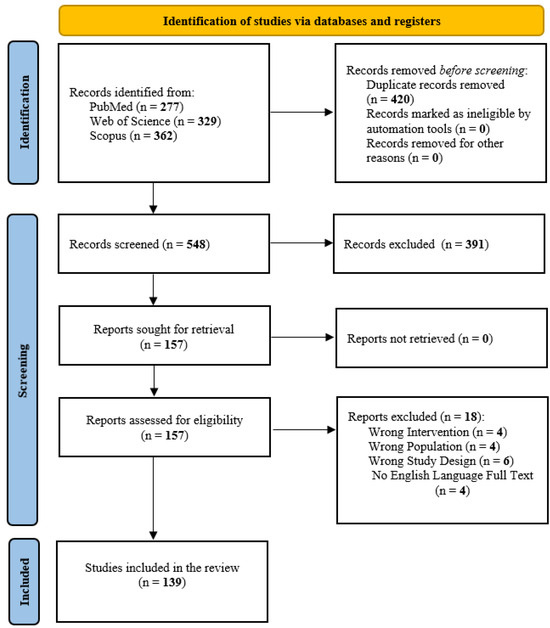
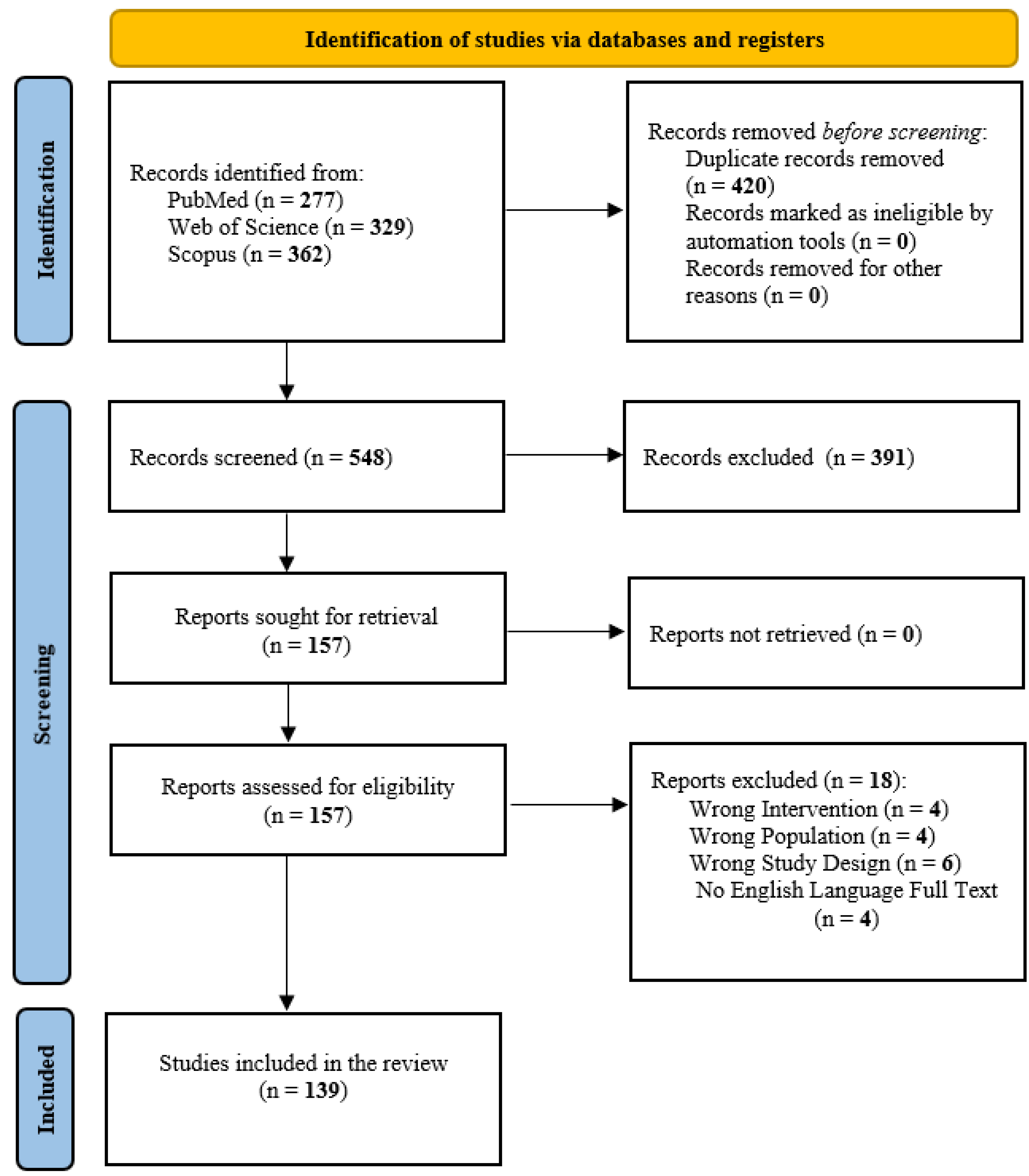
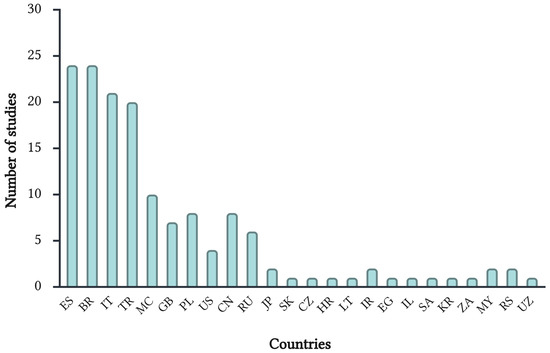
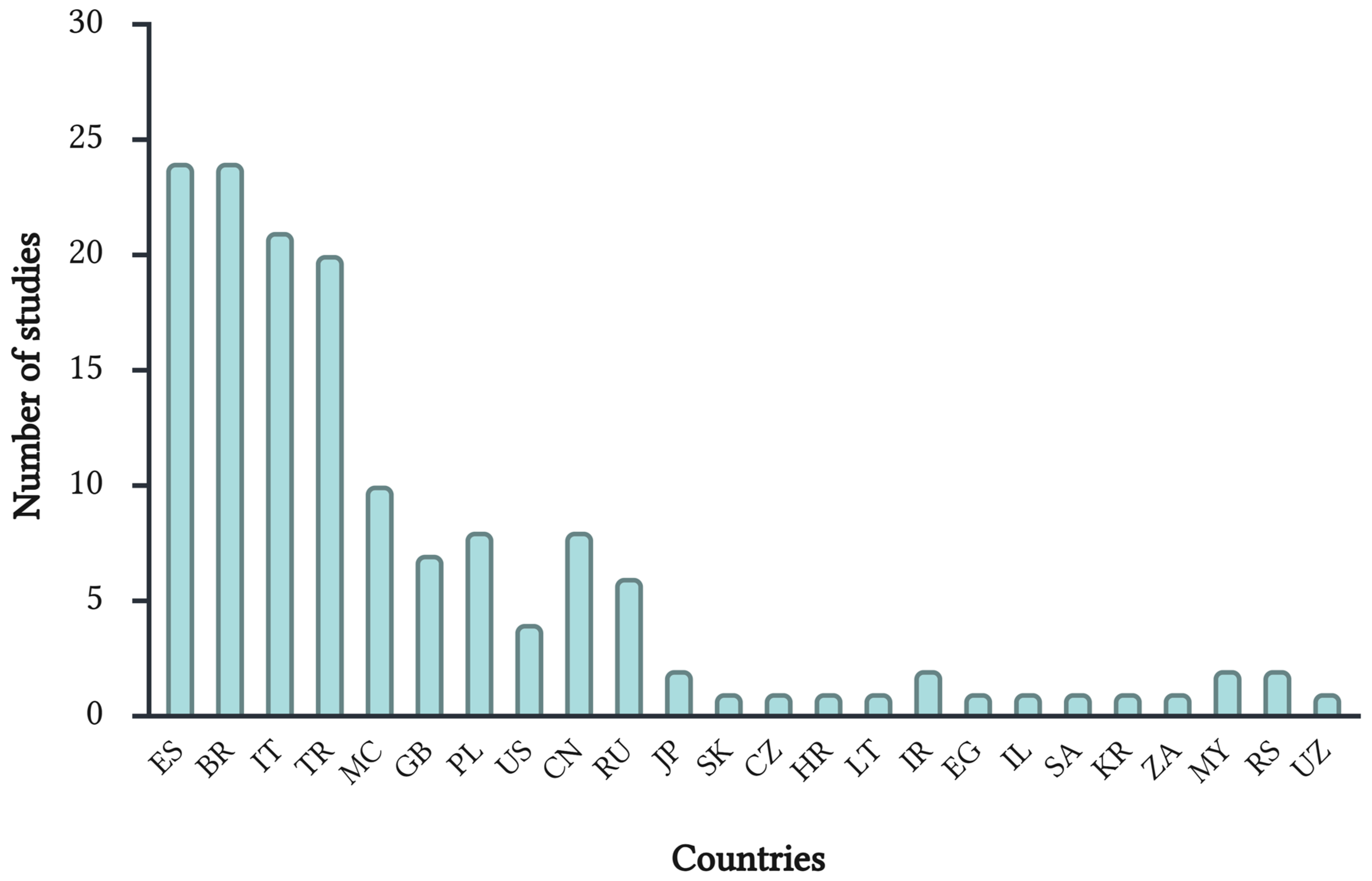
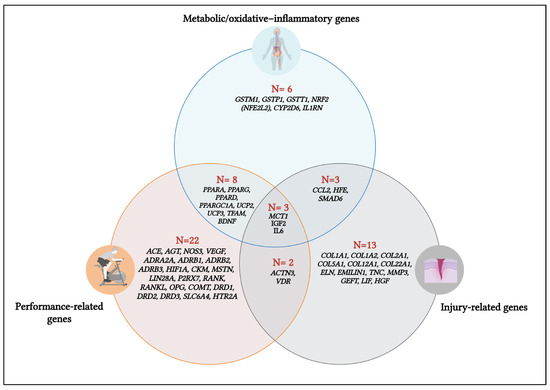
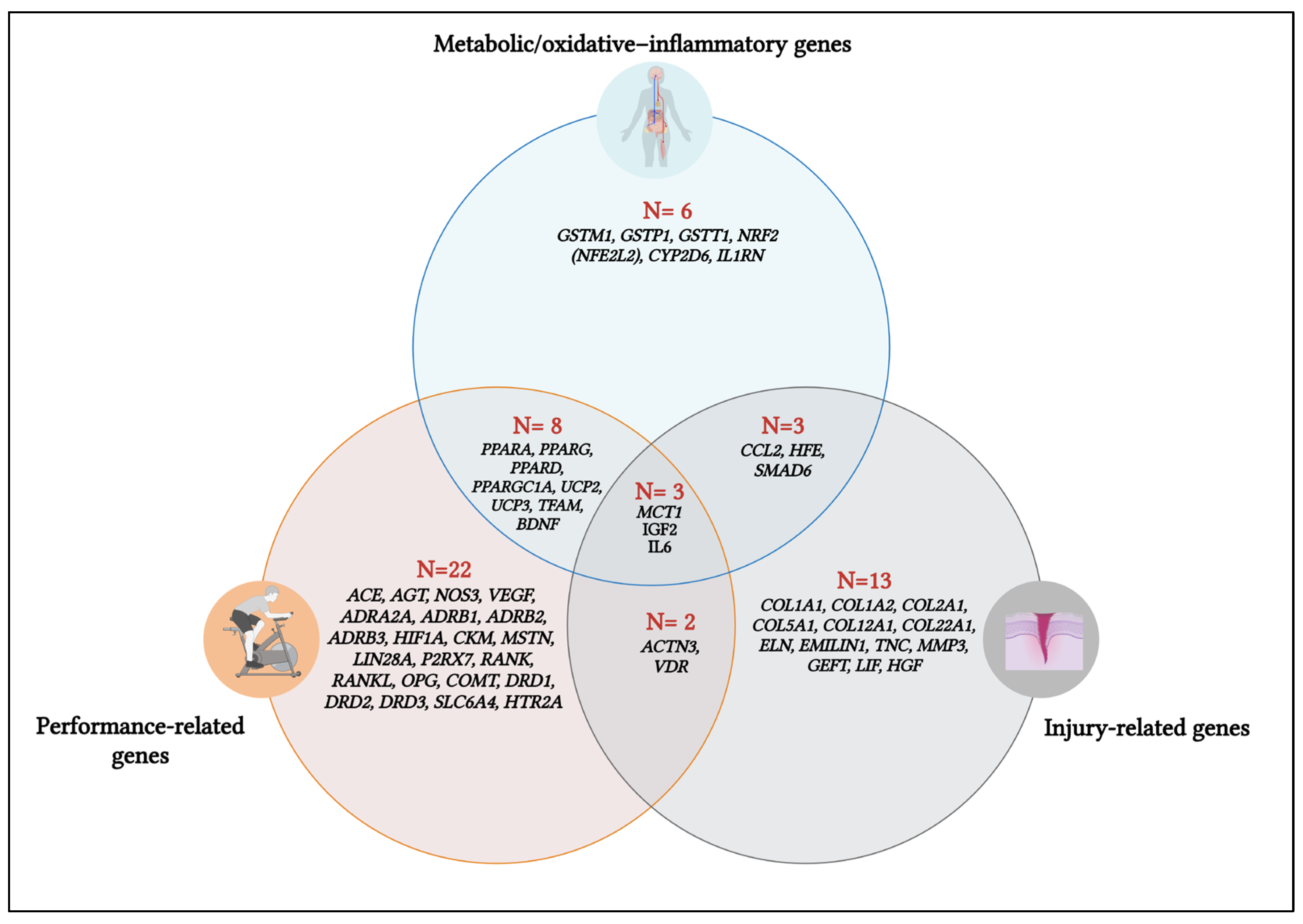

Disclaimer/Publisher’s Note: The statements, opinions and data contained in all publications are solely those of the individual author(s) and contributor(s) and not of MDPI and/or the editor(s). MDPI and/or the editor(s) disclaim responsibility for any injury to people or property resulting from any ideas, methods, instructions or products referred to in the content. |
© 2026 by the authors. Licensee MDPI, Basel, Switzerland. This article is an open access article distributed under the terms and conditions of the Creative Commons Attribution (CC BY) license.