Betulinic Acid and Betulin Suppress Melanoma Growth by Modulating Apoptosis and Autophagy via PI3K/AKT/mTOR and MAPK Pathways

Abstract
1. Introduction
2. Results
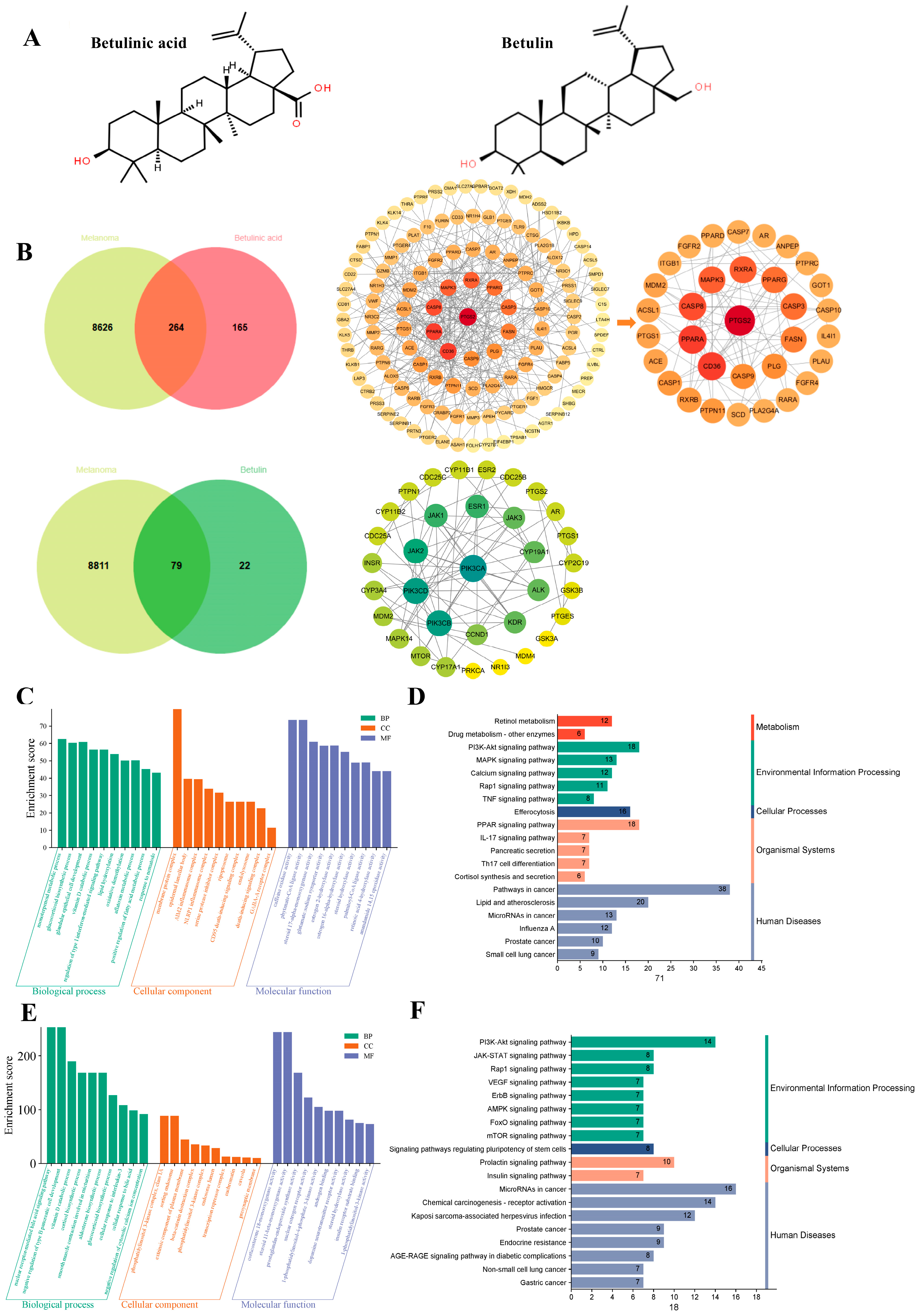
2.1. Network Pharmacological Analysis
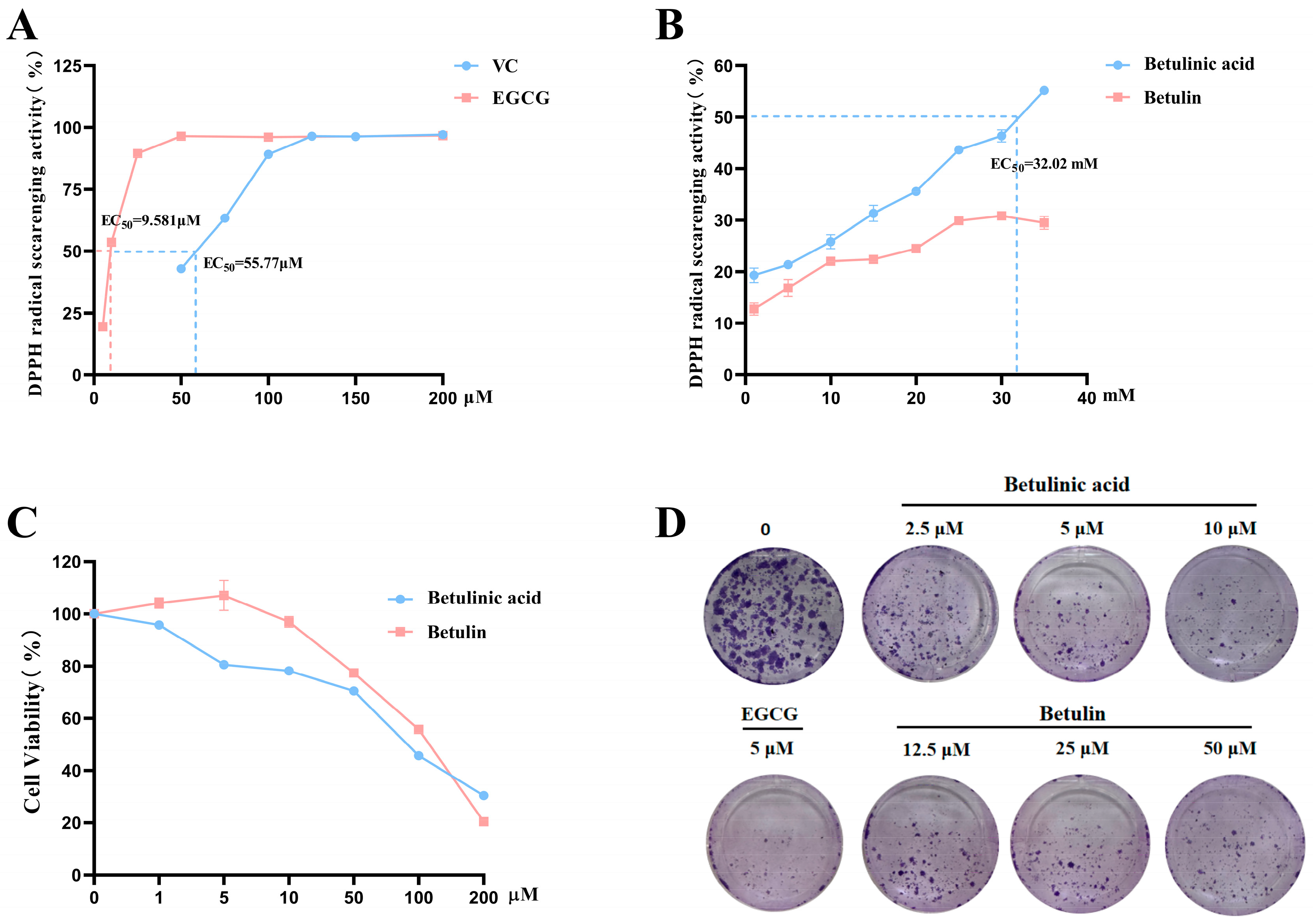
2.2. The Antioxidant Capacity of BA and BE and Effects on the Proliferation of B16-F10 Cell
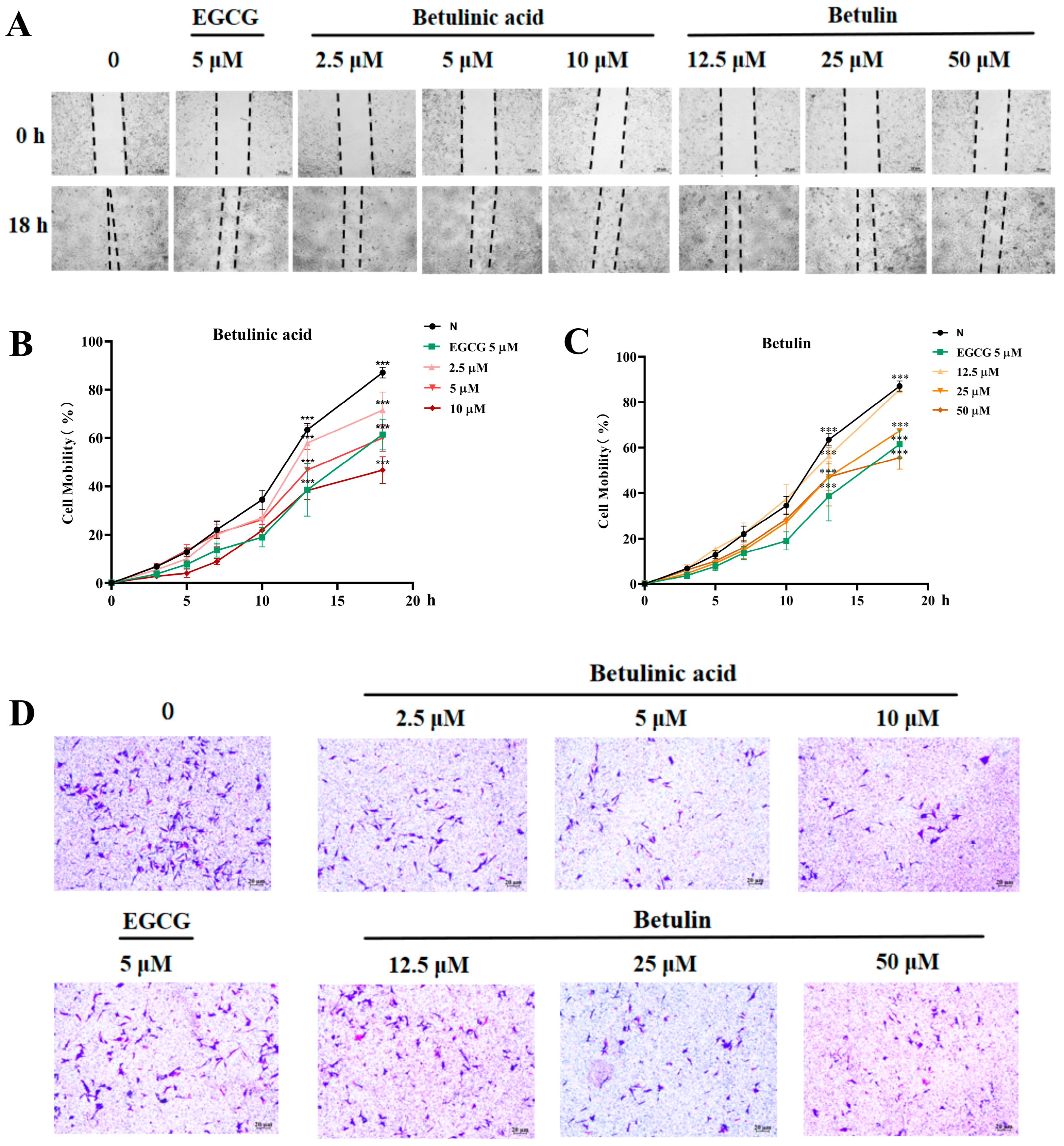
2.3. BA and BE Inhibit the Migration of B16-F10 Cells
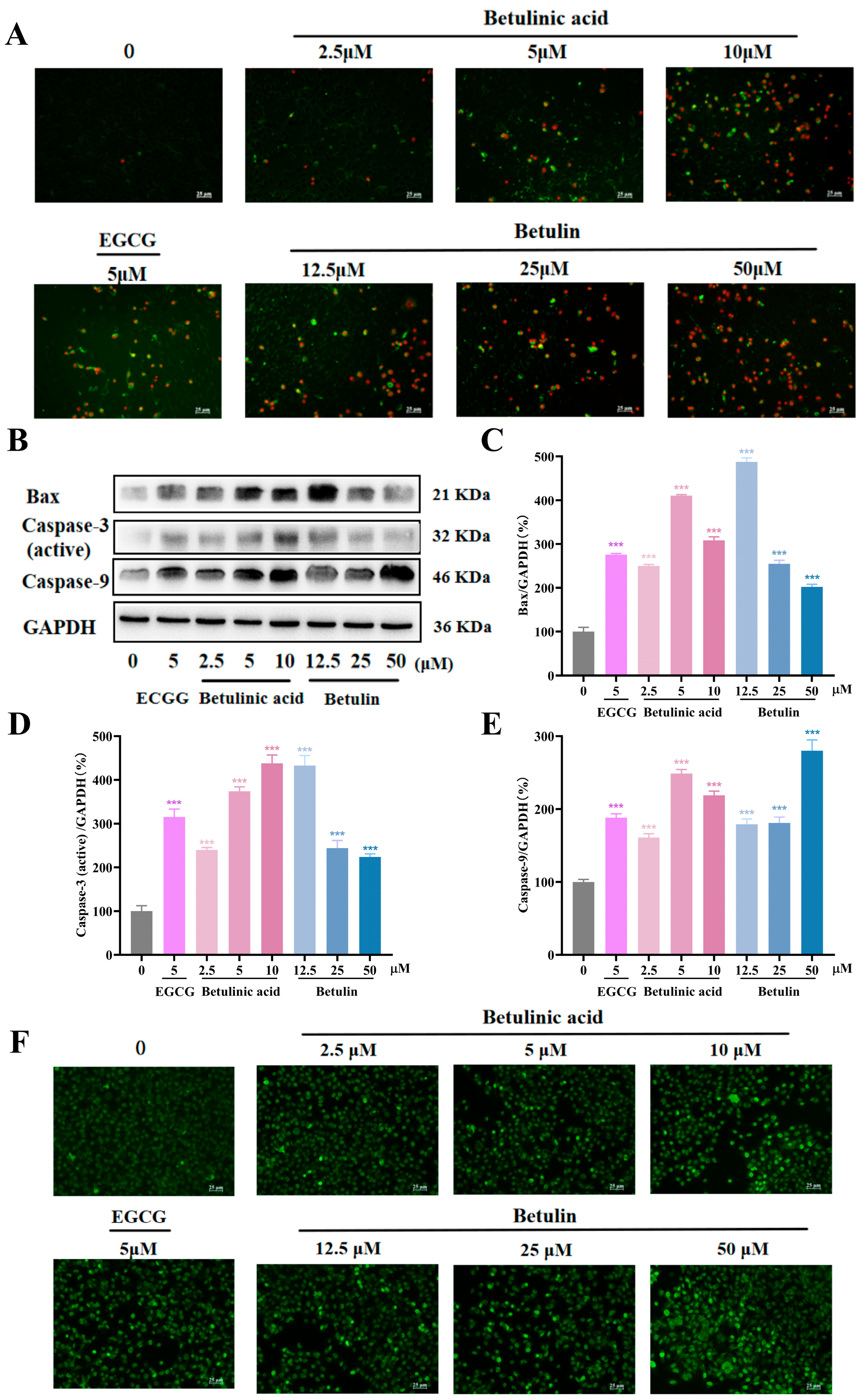
2.4. BA and BE Promote the Apoptosis of B16-F10 Cells
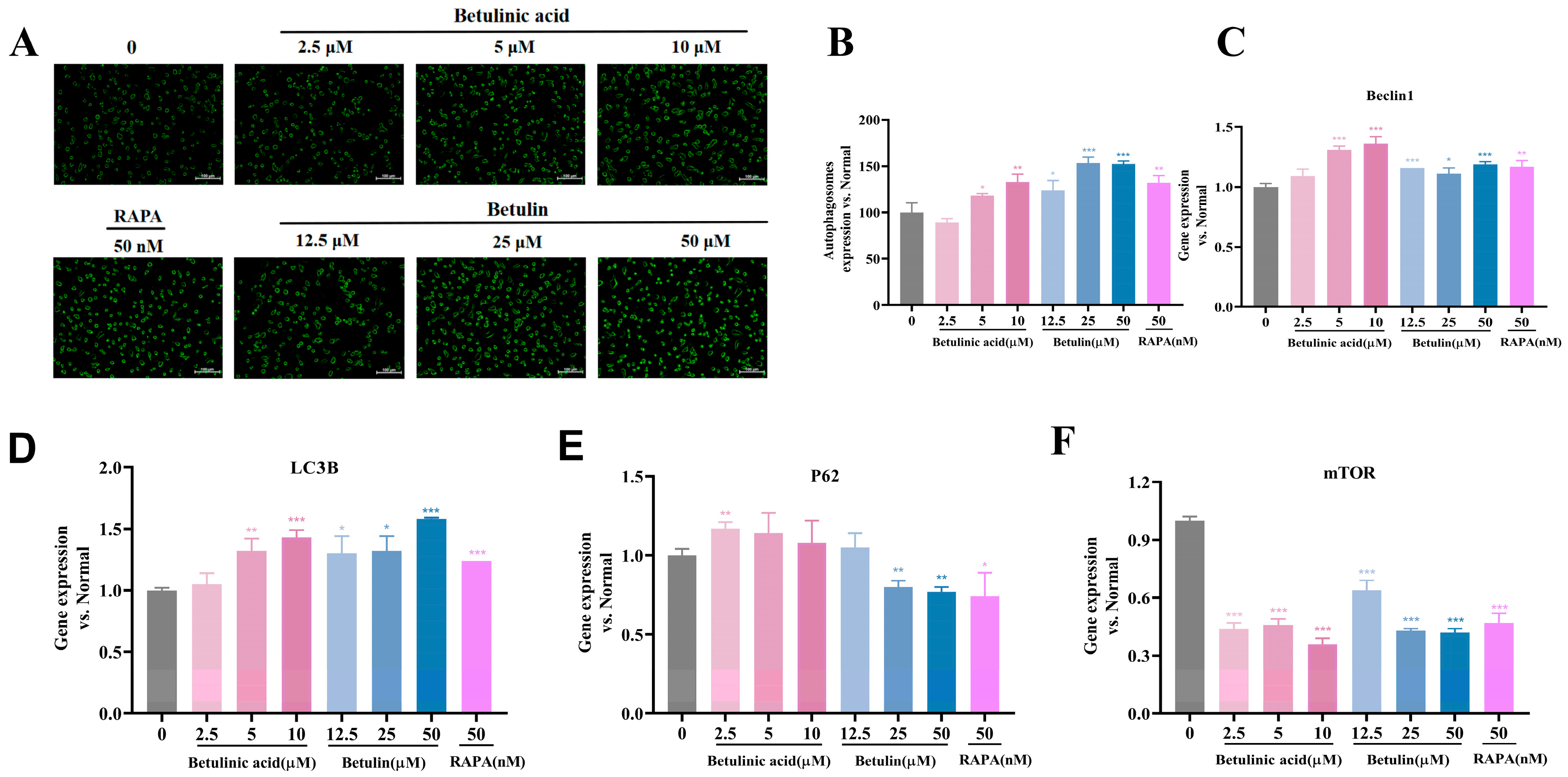
2.5. Effects of BA and BE on Autophagy in B16-F10 Cells
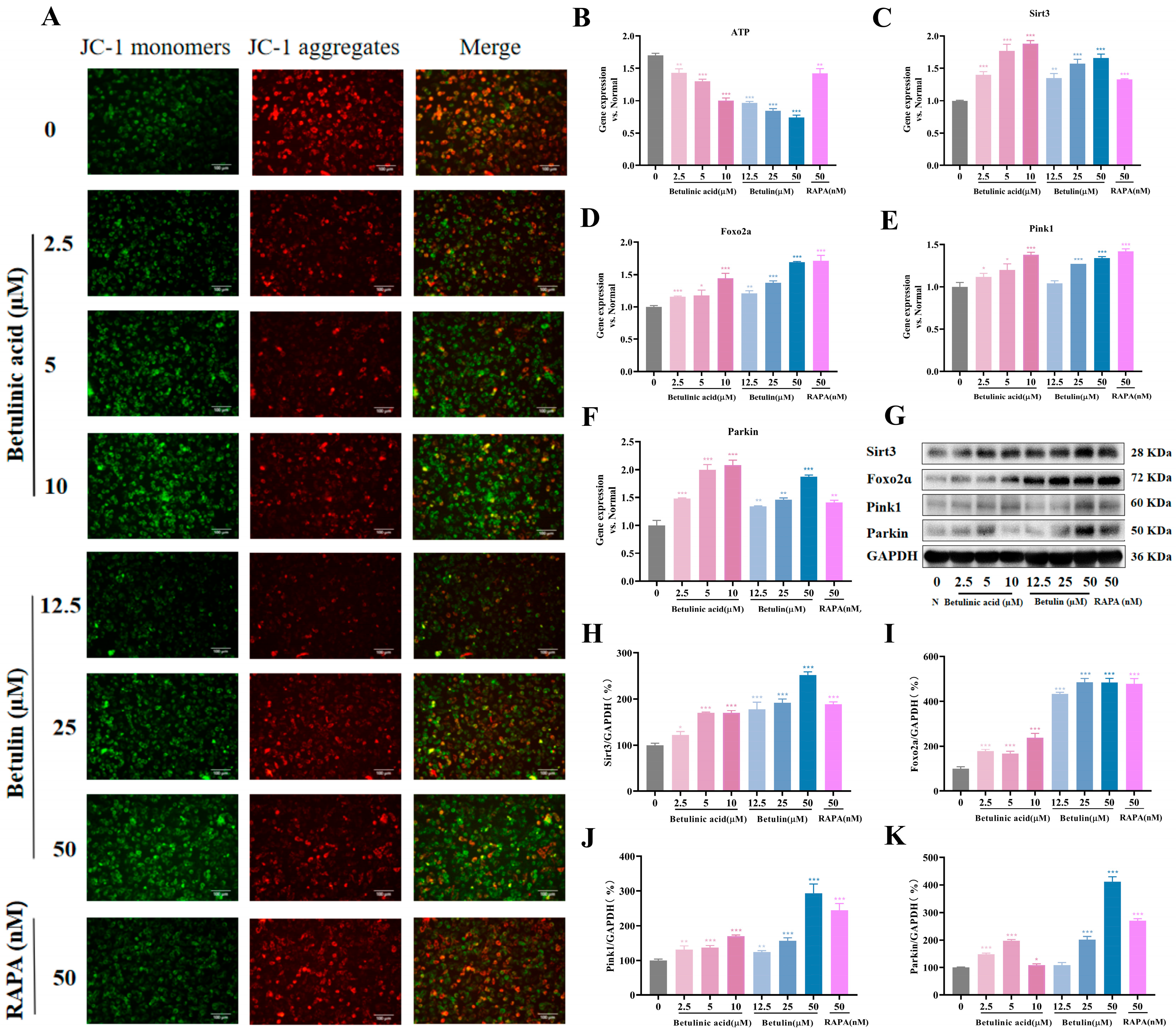
2.6. The Regulation of BA and BE on Mitochondrial Autophagy in B16-F10 Cells
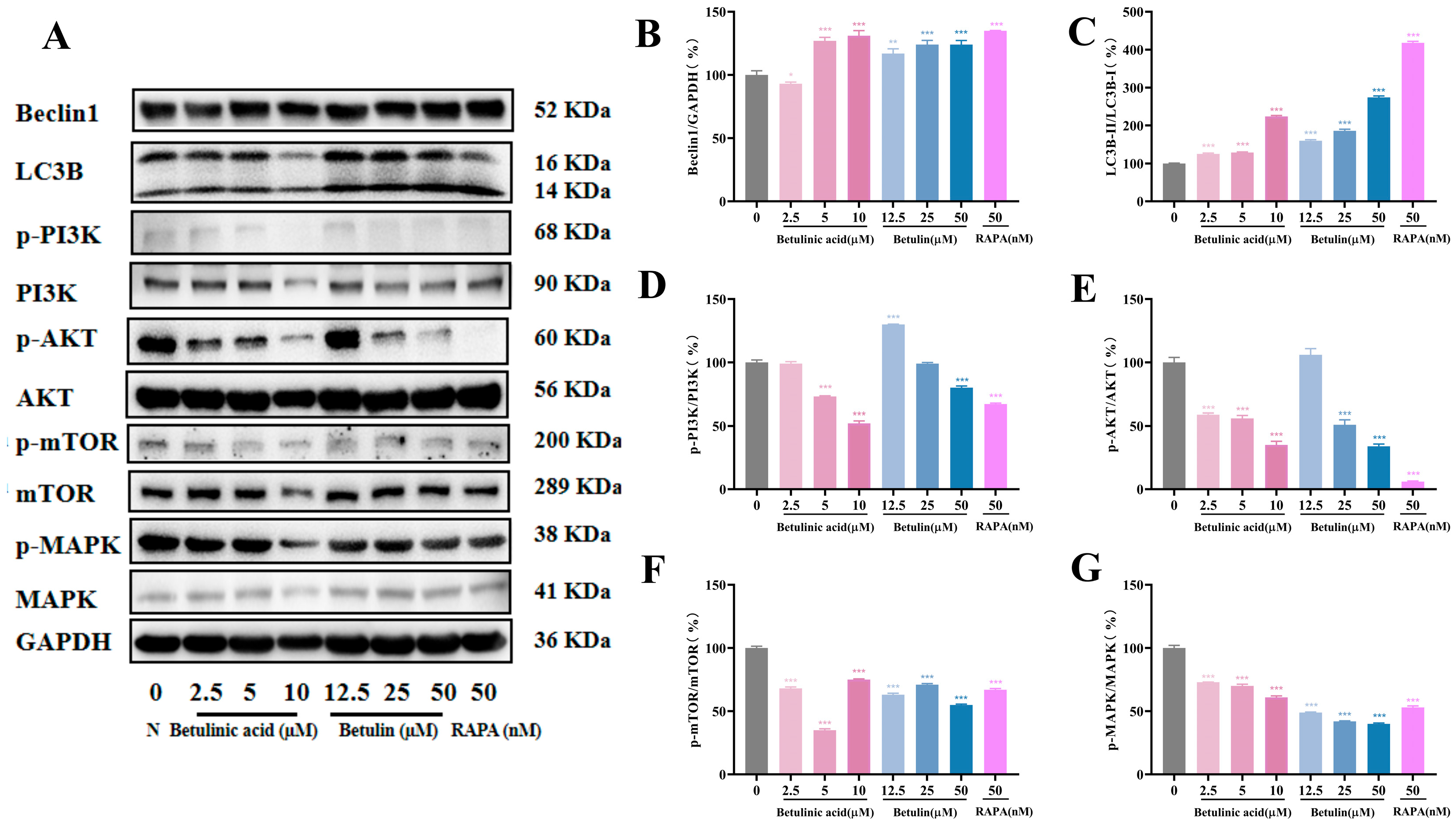
2.7. Effects on Autophagy-Related Pathways Expression in B16-F10 Cells
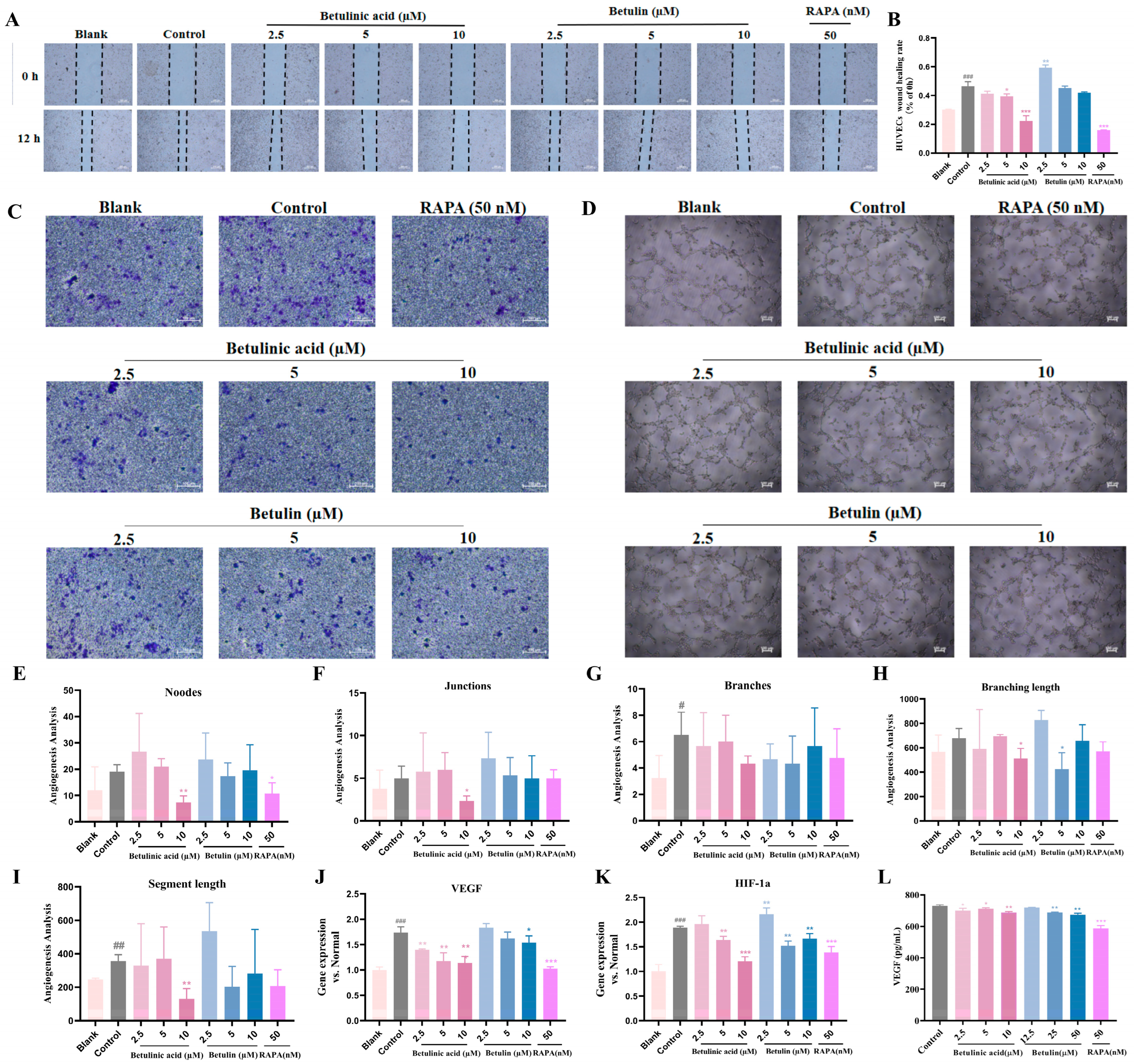
2.8. Effects of Conditioned Culture Supernatants on HUVEC Cell Angiogenic Ability
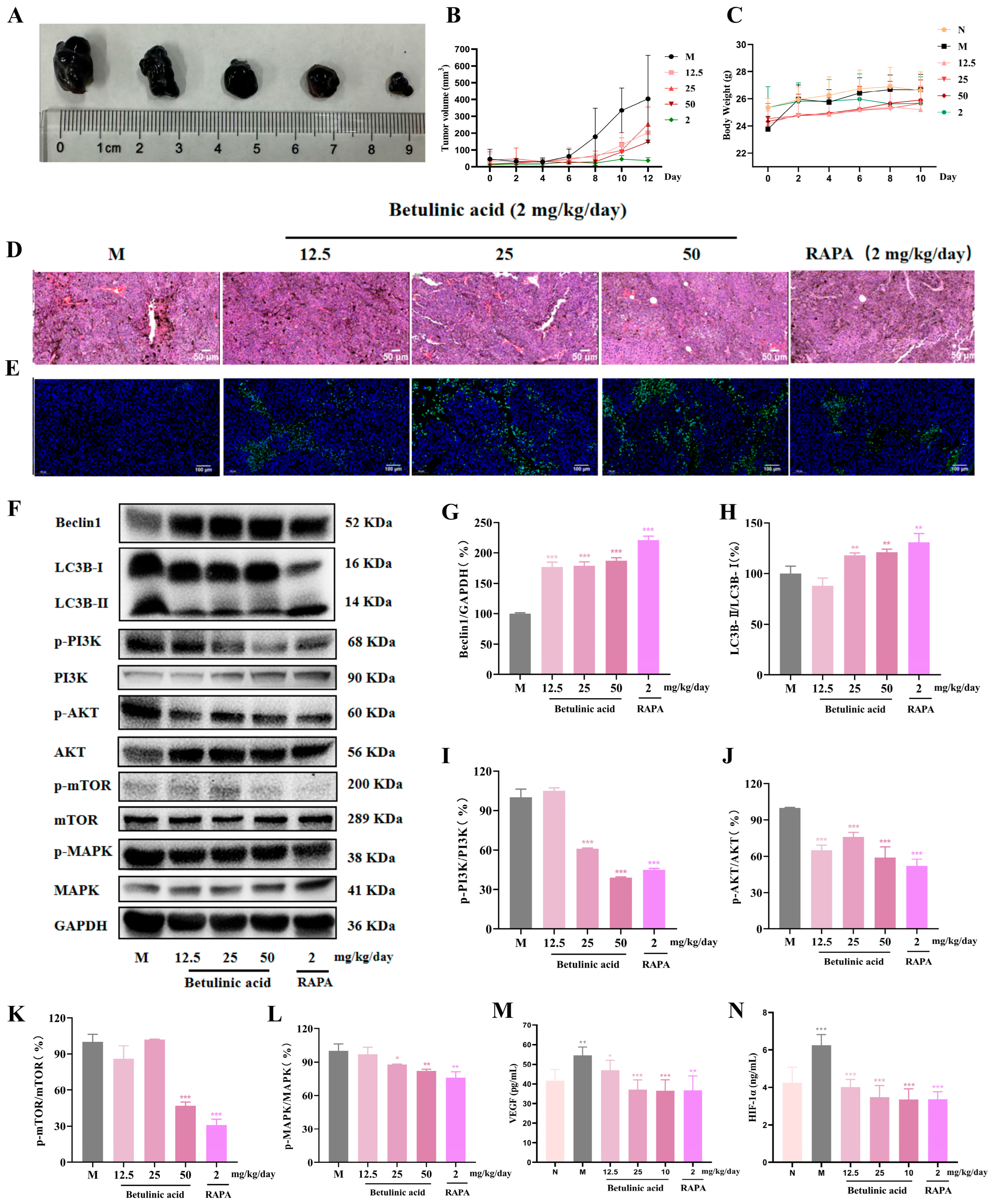
2.9. In Vivo Animal Study Evaluation of BA’s Anti-Melanoma Effects
3. Discussion
4. Materials and Methods
4.1. Materials
4.2. Network Pharmacology Analysis
4.2.1. Target Screening
4.2.2. Screening for Potential Therapeutic Targets
4.2.3. Construction of Protein–Protein Interaction Network
4.2.4. Gene Ontology (GO) and Kyoto Encyclopedia of Genes and Genomes (KEGG) Enrichment Analysis
4.3. Determination of Free Radical Scavenging Ability of DPPH
4.4. Cell Counting Kit-8 (CCK-8) Assay
4.5. Colony Formation Assay
4.6. Wound Healing Assay
4.7. Transwell Assays
4.8. Apoptosis Measured by Annexin V-FITC/PI Staining
4.9. γ-H2AX Immunofluorescence Method
4.10. Detection of Mitochondrial Membrane Potential
4.11. Detection of ATP Content
4.12. Detection of Autophagy Level
4.13. Evaluation of HUVEC Cell Lumen Formation Ability
4.14. Quantitative Real-Time PCR (qPCR) Assay
4.15. Western Blot Assay
4.16. Melanoma Mouse Modeling
4.17. H&E Staining and TUNEL Assay
4.18. ELISA Assay
4.19. Statistical Analysis
Supplementary Materials
Author Contributions
Funding
Institutional Review Board Statement
Informed Consent Statement
Data Availability Statement
Conflicts of Interest
Abbreviations
References
- Liu, J.; Zheng, R.; Zhang, Y.; Jia, S.; He, Y.; Liu, J. The Cross Talk between Cellular Senescence and Melanoma: From Molecular Pathogenesis to Target Therapies. Cancers 2023, 15, 2640. [Google Scholar] [CrossRef] [PubMed]
- Sample, A.; He, Y.Y. Mechanisms and prevention of UV-induced melanoma. Photodermatol. Photoimmunol. Photomed. 2018, 34, 13–24. [Google Scholar] [CrossRef] [PubMed]
- Khan, A.Q.; Travers, J.B.; Kemp, M.G. Roles of UVA radiation and DNA damage responses in melanoma pathogenesis. Environ. Mol. Mutagen. 2018, 59, 438–460. [Google Scholar] [CrossRef]
- Mikheil, D.; Prabhakar, K.; Ng, T.L.; Teertam, S.; Longley, B.J.; Newton, M.A.; Setaluri, V. Notch Signaling Suppresses Melanoma Tumor Development in BRAF/Pten Mice. Cancers 2023, 15, 519. [Google Scholar] [CrossRef]
- Xue, G.; Kohler, R.; Tang, F.; Hynx, D.; Wang, Y.; Orso, F.; Prêtre, V.; Ritschard, R.; Hirschmann, P.; Cron, P.; et al. mTORC1/autophagy-regulated MerTK in mutant BRAFV600 melanoma with acquired resistance to BRAF inhibition. Oncotarget 2017, 8, 69204–69218. [Google Scholar] [CrossRef]
- Pappalardo, F.; Russo, G.; Candido, S.; Pennisi, M.; Cavalieri, S.; Motta, S.; McCubrey, J.A.; Nicoletti, F.; Libra, M. Computational Modeling of PI3K/AKT and MAPK Signaling Pathways in Melanoma Cancer. PLoS ONE 2016, 11, e0152104. [Google Scholar] [CrossRef] [PubMed]
- Zhang, Z.; Richmond, A.; Yan, C. Immunomodulatory Properties of PI3K/AKT/mTOR and MAPK/MEK/ERK Inhibition Augment Response to Immune Checkpoint Blockade in Melanoma and Triple-Negative Breast Cancer. Int. J. Mol. Sci. 2022, 23, 7353. [Google Scholar] [CrossRef]
- Peng, X.; Wang, Z.; Liu, Y.; Peng, X.; Liu, Y.; Zhu, S.; Zhang, Z.; Qiu, Y.; Jin, M.; Wang, R.; et al. Oxyfadichalcone C inhibits melanoma A375 cell proliferation and metastasis via suppressing PI3K/Akt and MAPK/ERK pathways. Life Sci. 2018, 206, 35–44. [Google Scholar] [CrossRef]
- Lin, Y.; Jiang, M.; Chen, W.; Zhao, T.; Wei, Y. Cancer and ER stress: Mutual crosstalk between autophagy, oxidative stress and inflammatory response. Biomed. Pharmacother. 2019, 118, 109249. [Google Scholar] [CrossRef]
- Ge, R.; Liu, L.; Dai, W.; Zhang, W.; Yang, Y.; Wang, H.; Shi, Q.; Guo, S.; Yi, X.; Wang, G.; et al. Xeroderma Pigmentosum Group A Promotes Autophagy to Facilitate Cisplatin Resistance in Melanoma Cells through the Activation of PARP1. J. Investig. Dermatol. 2016, 136, 1219–1228. [Google Scholar] [CrossRef]
- Li, J.; Xu, M.; Wu, N.; Wu, F.; Chen, J.; Xu, X.; Tan, F.; Liu, Y. Effects of Citrus-derived Diosmetin on Melanoma: Induction of Apoptosis and Autophagy Mediated by PI3K/Akt/mTOR Pathway Inhibition. Anticancer Agents Med. Chem. 2025, 25, 921–933. [Google Scholar] [CrossRef]
- Yang, J.; Yao, S. JNK-Bcl-2/Bcl-xL-Bax/Bak Pathway Mediates the Crosstalk between Matrine-Induced Autophagy and Apoptosis via Interplay with Beclin 1. Int. J. Mol. Sci. 2015, 16, 25744–25758. [Google Scholar] [CrossRef]
- Kunnumakkara, A.B.; Banik, K.; Bordoloi, D.; Harsha, C.; Sailo, B.L.; Padmavathi, G.; Roy, N.K.; Gupta, S.C.; Aggarwal, B.B. Googling the Guggul (Commiphora and Boswellia) for Prevention of Chronic Diseases. Front. Pharmacol. 2018, 9, 686. [Google Scholar] [CrossRef] [PubMed]
- Girisa, S.; Shabnam, B.; Monisha, J.; Fan, L.; Halim, C.E.; Arfuso, F.; Ahn, K.S.; Sethi, G.; Kunnumakkara, A.B. Potential of Zerumbone as an Anti-Cancer Agent. Molecules 2019, 24, 734. [Google Scholar] [CrossRef]
- Aswathy, M.; Vijayan, A.; Daimary, U.D.; Girisa, S.; Radhakrishnan, K.V.; Kunnumakkara, A.B. Betulinic acid: A natural promising anticancer drug, current situation, and future perspectives. J. Biochem. Mol. Toxicol. 2022, 36, e23206. [Google Scholar] [CrossRef] [PubMed]
- Chopra, B.; Dhingra, A.K.; Dhar, K.L.; Nepali, K. Emerging Role of Terpenoids for the Treatment of Cancer: A Review. Mini Rev. Med. Chem. 2021, 21, 2300–2336. [Google Scholar] [CrossRef] [PubMed]
- Altunayar-Unsalan, C.; Unsalan, O. Effect of Triterpenoids Betulin and Betulinic Acid on Pulmonary Surfactant Membranes. J. Membr. Biol. 2025, 258, 47–61. [Google Scholar] [CrossRef]
- Coricovac, D.; Dehelean, C.A.; Pinzaru, I.; Mioc, A.; Aburel, O.M.; Macasoi, I.; Draghici, G.A.; Petean, C.; Soica, C.; Boruga, M.; et al. Assessment of Betulinic Acid Cytotoxicity and Mitochondrial Metabolism Impairment in a Human Melanoma Cell Line. Int. J. Mol. Sci. 2021, 22, 4870. [Google Scholar] [CrossRef]
- Nemli, E.; Saricaoglu, B.; Kirkin, C.; Ozkan, G.; Capanoglu, E.; Habtemariam, S.; Sharifi-Rad, J.; Calina, D. Chemopreventive and Chemotherapeutic Potential of Betulin and Betulinic Acid: Mechanistic Insights From In Vitro, In Vivo and Clinical Studies. Food Sci. Nutr. 2024, 12, 10059–10069. [Google Scholar] [CrossRef]
- Wang, W.; Wang, Y.; Liu, M.; Zhang, Y.; Yang, T.; Li, D.; Huang, Y.; Li, Q.; Bai, G.; Shi, L. Betulinic acid induces apoptosis and suppresses metastasis in hepatocellular carcinoma cell lines in vitro and in vivo. J. Cell Mol. Med. 2019, 23, 586–595. [Google Scholar] [CrossRef]
- Lee, D.; Lee, S.R.; Kang, K.S.; Ko, Y.; Pang, C.; Yamabe, N.; Kim, K.H. Betulinic Acid Suppresses Ovarian Cancer Cell Proliferation through Induction of Apoptosis. Biomolecules 2019, 9, 257. [Google Scholar] [CrossRef]
- Liao, L.; Liu, C.; Xie, X.; Zhou, J. Betulinic acid induces apoptosis and impairs migration and invasion in a mouse model of ovarian cancer. J. Food Biochem. 2020, 44, e13278. [Google Scholar] [CrossRef]
- Cunha, A.B.; Batista, R.; Castro, M.; David, J.M. Chemical Strategies towards the Synthesis of Betulinic Acid and Its More Potent Antiprotozoal Analogues. Molecules 2021, 26, 1081. [Google Scholar] [CrossRef]
- Anaya-Eugenio, G.D.; Eggers, N.A.; Ren, Y.; Rivera-ChÁvez, J.; Kinghorn, A.D.; Carcache, D.E.B.E.J. Apoptosis Induced by (+)-Betulin Through NF-κB Inhibition in MDA-MB-231 Breast Cancer Cells. Anticancer Res. 2020, 40, 6637–6647. [Google Scholar] [CrossRef]
- Li, Y.; Liu, X.; Jiang, D.; Lin, Y.; Wang, Y.; Li, Q.; Liu, L.; Jin, Y.H. Betulin induces reactive oxygen species-dependent apoptosis in human gastric cancer SGC7901 cells. Arch. Pharm. Res. 2016, 39, 1257–1265. [Google Scholar] [CrossRef] [PubMed]
- Du, B.X.; Lin, P.; Lin, J. EGCG and ECG induce apoptosis and decrease autophagy via the AMPK/mTOR and PI3K/AKT/mTOR pathway in human melanoma cells. Chin. J. Nat. Med. 2022, 20, 290–300. [Google Scholar] [CrossRef]
- Huang, S.; Hong, Z.; Zhang, L.; Guo, J.; Li, Y.; Li, K. CERKL alleviates ischemia reperfusion-induced nervous system injury through modulating the SIRT1/PINK1/Parkin pathway and mitophagy induction. Biol. Chem. 2022, 403, 691–701. [Google Scholar] [CrossRef] [PubMed]
- Yuan, W.; Su, C.; Yang, X.; Li, Y.; Cao, Y.; Liang, X.; Liu, J. Biological and anti-vascular activity evaluation of ethoxy-erianin phosphate as a vascular disrupting agent. J. Cell. Biochem. 2019, 120, 16978–16989. [Google Scholar] [CrossRef]
- Unterleuthner, D.; Neuhold, P.; Schwarz, K.; Janker, L.; Neuditschko, B.; Nivarthi, H.; Crncec, I.; Kramer, N.; Unger, C.; Hengstschläger, M.; et al. Cancer-associated fibroblast-derived WNT2 increases tumor angiogenesis in colon cancer. Angiogenesis 2020, 23, 159–177. [Google Scholar] [CrossRef]
- Lee, Y.H.; Bae, H.C.; Noh, K.H.; Song, K.H.; Ye, S.K.; Mao, C.P.; Lee, K.M.; Wu, T.C.; Kim, T.W. Gain of HIF-1α under normoxia in cancer mediates immune adaptation through the AKT/ERK and VEGFA axes. Clin. Cancer Res. 2015, 21, 1438–1446. [Google Scholar] [CrossRef]
- Zhang, Y.; Li, Y.; Li, S.; Li, J. Inhibition and apoptosis induction of betulinic acid on the proliferation of human gastric carcinoma MGC-803 cells. Chin. J. Immunol. 2020, 36, 2115–2119. [Google Scholar]
- Huang, S.; Wan, F.; Sun, J.; Wang, J. Inhibitory effects of betulinic alcohol on cervical cancer xenografts in nude mice. Chin. J. Clin. Pharmacol. 2020, 36, 3930–3933. [Google Scholar] [CrossRef]
- Pisha, E.; Chai, H.; Lee, I.S.; Chagwedera, T.E.; Farnsworth, N.R.; Cordell, G.A.; Beecher, C.W.; Fong, H.H.; Kinghorn, A.D.; Brown, D.M.; et al. Discovery of betulinic acid as a selective inhibitor of human melanoma that functions by induction of apoptosis. Nat. Med. 1995, 1, 1046–1051. [Google Scholar] [CrossRef]
- Zhang, Y.; He, N.; Zhou, X.; Wang, F.; Cai, H.; Huang, S.H.; Chen, X.; Hu, Z.; Jin, X. Betulinic acid induces autophagy-dependent apoptosis via Bmi-1/ROS/AMPK-mTOR-ULK1 axis in human bladder cancer cells. Aging 2021, 13, 21251–21267. [Google Scholar] [CrossRef] [PubMed]
- Ataş, M.N.; Ertuğrul, B.; İplik, E.S.; Çakmakoğlu, B.; Ergen, A. The inhibitory effect of betulinic acid on epithelial-mesenchymal transition pathway in renal cell carcinoma. Med. Oncol. 2022, 39, 170. [Google Scholar] [CrossRef] [PubMed]
- Xu, T.; Pang, Q.; Wang, Y.; Yan, X. Betulinic acid induces apoptosis by regulating PI3K/Akt signaling and mitochondrial pathways in human cervical cancer cells. Int. J. Mol. Med. 2017, 40, 1669–1678. [Google Scholar] [CrossRef]
- Shin, J.; Lee, H.J.; Jung, D.B.; Jung, J.H.; Lee, H.J.; Lee, E.O.; Lee, S.G.; Shim, B.S.; Choi, S.H.; Ko, S.G.; et al. Suppression of STAT3 and HIF-1 alpha mediates anti-angiogenic activity of betulinic acid in hypoxic PC-3 prostate cancer cells. PLoS ONE 2011, 6, e21492. [Google Scholar] [CrossRef]
- Zehra, B.; Ahmed, A.; Sarwar, R.; Khan, A.; Farooq, U.; Abid Ali, S.; Al-Harrasi, A. Apoptotic and antimetastatic activities of betulin isolated from Quercus incana against non-small cell lung cancer cells. Cancer Manag. Res. 2019, 11, 1667–1683. [Google Scholar] [CrossRef]
- Tang, Y.; Wang, L.; Yi, T.; Xu, J.; Wang, J.; Qin, J.J.; Chen, Q.; Yip, K.M.; Pan, Y.; Hong, P.; et al. Synergistic effects of autophagy/mitophagy inhibitors and magnolol promote apoptosis and antitumor efficacy. Acta Pharm. Sin. B 2021, 11, 3966–3982. [Google Scholar] [CrossRef] [PubMed]
- George, J.; Nihal, M.; Singh, C.K.; Zhong, W.; Liu, X.; Ahmad, N. Pro-Proliferative Function of Mitochondrial Sirtuin Deacetylase SIRT3 in Human Melanoma. J. Investig. Dermatol. 2016, 136, 809–818. [Google Scholar] [CrossRef]
- Yanli, M.; Yu, W.; Yuzhen, L. Elevated SIRT3 Parkin-dependently activates cell mitophagy to ameliorate TNF-α-induced psoriasis-related phenotypes in HaCaT cells through deacetylating FOXO3a for its activation. Arch. Dermatol. Res. 2023, 315, 847–857. [Google Scholar] [CrossRef] [PubMed]
- Zhao, L.; Zhang, H.; Li, N.; Chen, J.; Xu, H.; Wang, Y.; Liang, Q. Network pharmacology, a promising approach to reveal the pharmacology mechanism of Chinese medicine formula. J. Ethnopharmacol. 2023, 309, 116306. [Google Scholar] [CrossRef] [PubMed]


| Primers | Forward Primer | Reverse Primer |
|---|---|---|
| Beclin1 | ATGGAGGGGTCTAAGGCGTC | TGGGCTGTGGTAAGTAATGGA |
| LC3B | CGTCCTGGACAAGACCAAGTTCC | CAGGAGGAAGAAGGCTTGGTTAGC |
| P62 | GACCCATCTACAGAGGCTGAT | GCCTTCATCCGAGAAACCCA |
| mTOR | TGGCATAACAGATCCTGACCCTG | GCTTGTAAGTTTTCTGCCTGGG |
| Sirt3 | ATCATGGCGCTAAGCGGTC | TCTCCCACCTGTAACACTCC |
| Foxo2α | GAAGGAGCCGAGGTAGCTG | CTTGGGCTCTTGCTCTCTCC |
| Pink1 | GAGGAGCAGACTCCCAGTTC | CCAGGGACAGCCATCTGAGT |
| Parkin | CCGGTGACCATGATAGTGTT | TCCTTGAGCTGCAAGATGCT |
| β-actin | GCAGGAGTACGATGAGTCCG | ACGCAGCTCAGTAACAGTCC |
| VEGFA | TGCTGTCTTGGGTGCATTGG | AGGTCTCGATTGGATGGCAG |
| HIF-1α | GAACGTCGAAAAGAAAAGTCTCG | CCTTATCAAGATGCGAACTCACA |
| GAPDH | TGACTTCAACAGCGACACCCA | CACCCTGTTGCTGTAGCCAAA |
Disclaimer/Publisher’s Note: The statements, opinions and data contained in all publications are solely those of the individual author(s) and contributor(s) and not of MDPI and/or the editor(s). MDPI and/or the editor(s) disclaim responsibility for any injury to people or property resulting from any ideas, methods, instructions or products referred to in the content. |
© 2026 by the authors. Licensee MDPI, Basel, Switzerland. This article is an open access article distributed under the terms and conditions of the Creative Commons Attribution (CC BY) license.
Share and Cite
Zhang, Y.; Yuan, M.; Xu, Q.; Lin, J.; Lin, P. Betulinic Acid and Betulin Suppress Melanoma Growth by Modulating Apoptosis and Autophagy via PI3K/AKT/mTOR and MAPK Pathways. Int. J. Mol. Sci. 2026, 27, 576. https://doi.org/10.3390/ijms27020576
Zhang Y, Yuan M, Xu Q, Lin J, Lin P. Betulinic Acid and Betulin Suppress Melanoma Growth by Modulating Apoptosis and Autophagy via PI3K/AKT/mTOR and MAPK Pathways. International Journal of Molecular Sciences. 2026; 27(2):576. https://doi.org/10.3390/ijms27020576
Chicago/Turabian StyleZhang, Yingying, Meng Yuan, Quan Xu, Jun Lin, and Pei Lin. 2026. "Betulinic Acid and Betulin Suppress Melanoma Growth by Modulating Apoptosis and Autophagy via PI3K/AKT/mTOR and MAPK Pathways" International Journal of Molecular Sciences 27, no. 2: 576. https://doi.org/10.3390/ijms27020576
APA StyleZhang, Y., Yuan, M., Xu, Q., Lin, J., & Lin, P. (2026). Betulinic Acid and Betulin Suppress Melanoma Growth by Modulating Apoptosis and Autophagy via PI3K/AKT/mTOR and MAPK Pathways. International Journal of Molecular Sciences, 27(2), 576. https://doi.org/10.3390/ijms27020576