A Systematic Review of Alternative Artemisinin Production Strategies



Abstract
1. Introduction
2. Methods
2.1. Information Sources and Search Strategy
2.2. Eligibility Criteria
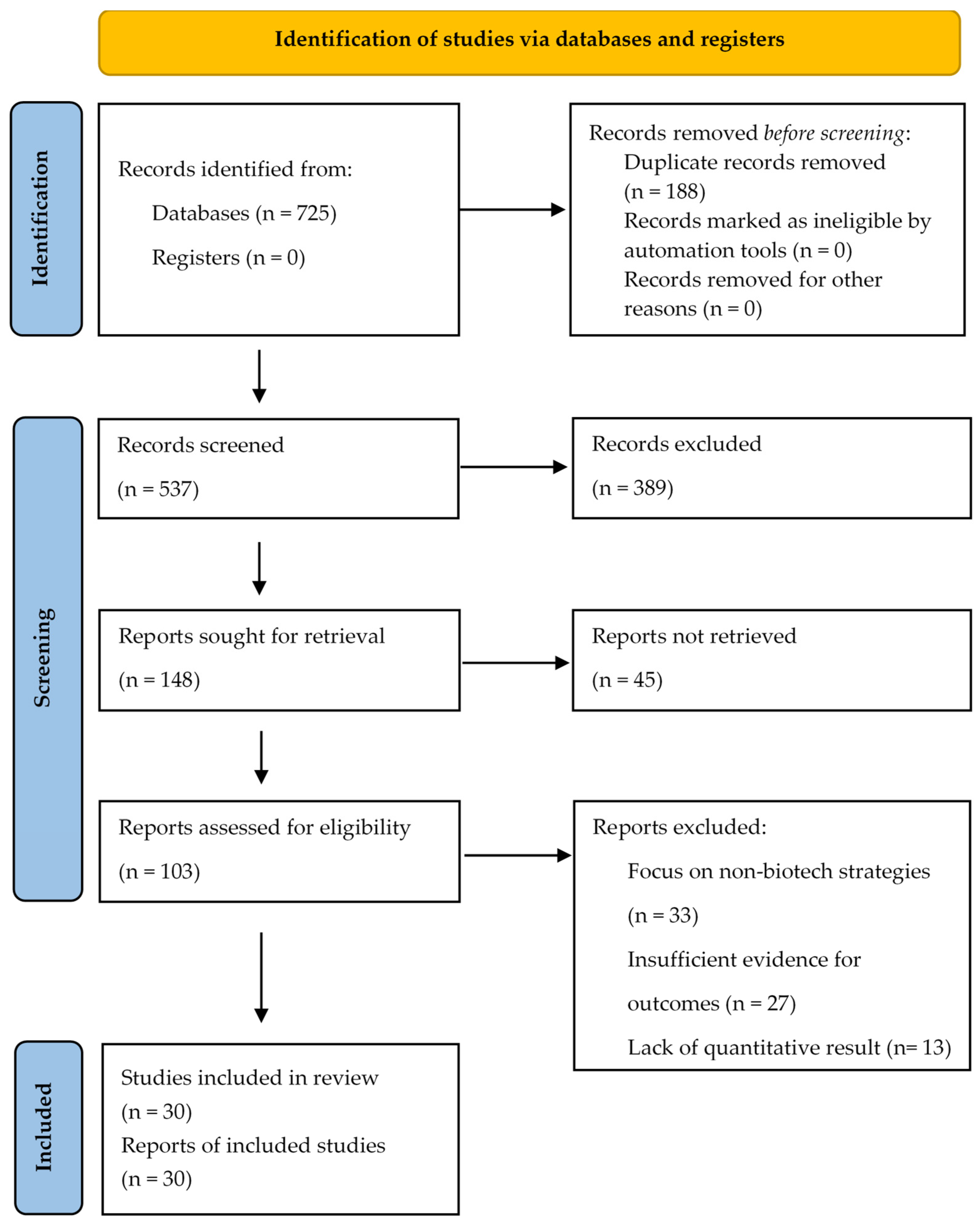
2.3. Study Selection
3. Results
3.1. Included Studies
3.2. Quality Assessment of Included Studies
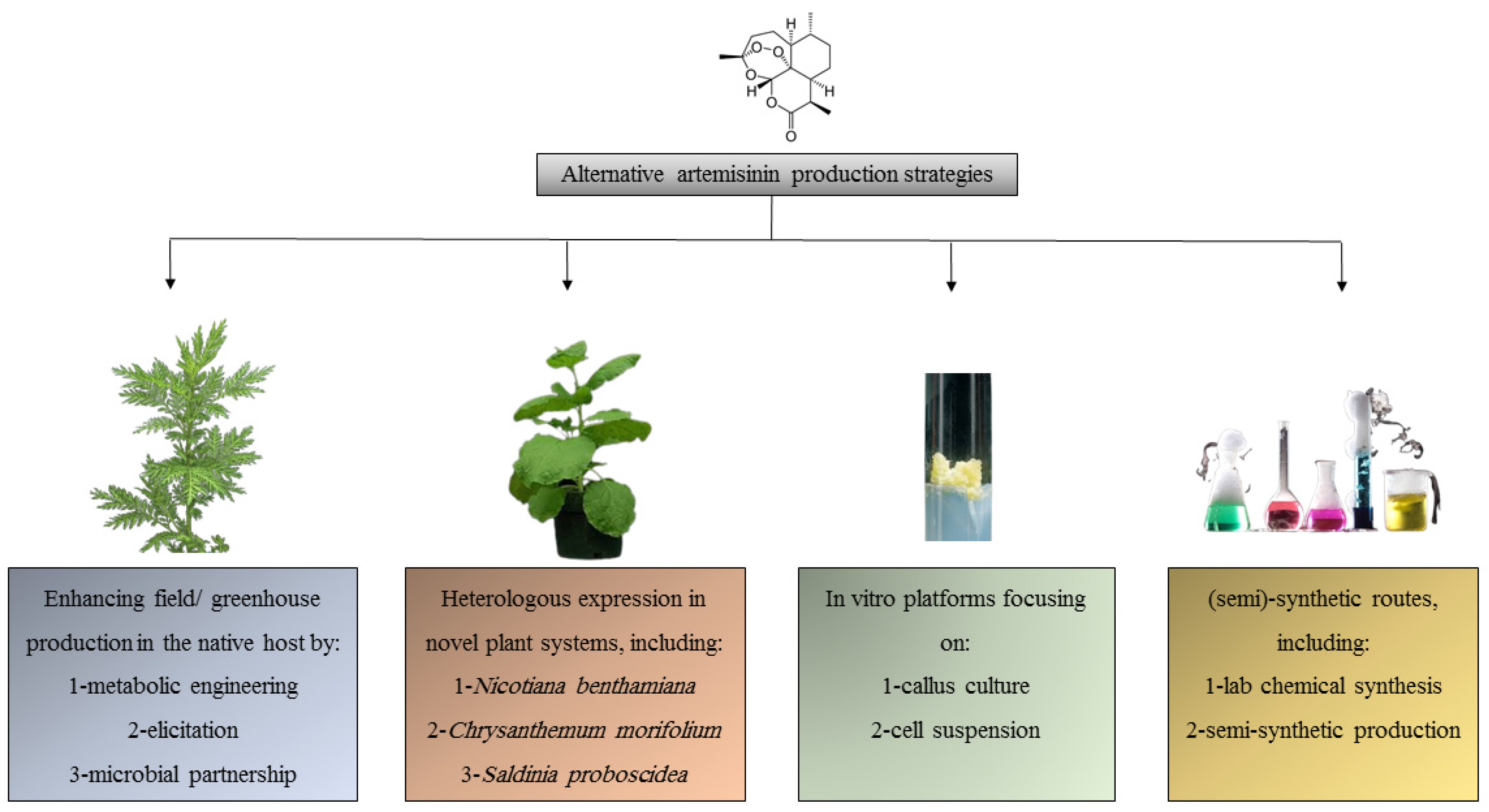
3.3. Synthesis of Findings
3.4. Theme 1: Enhancing Production in the Native Host, Artemisia sp.
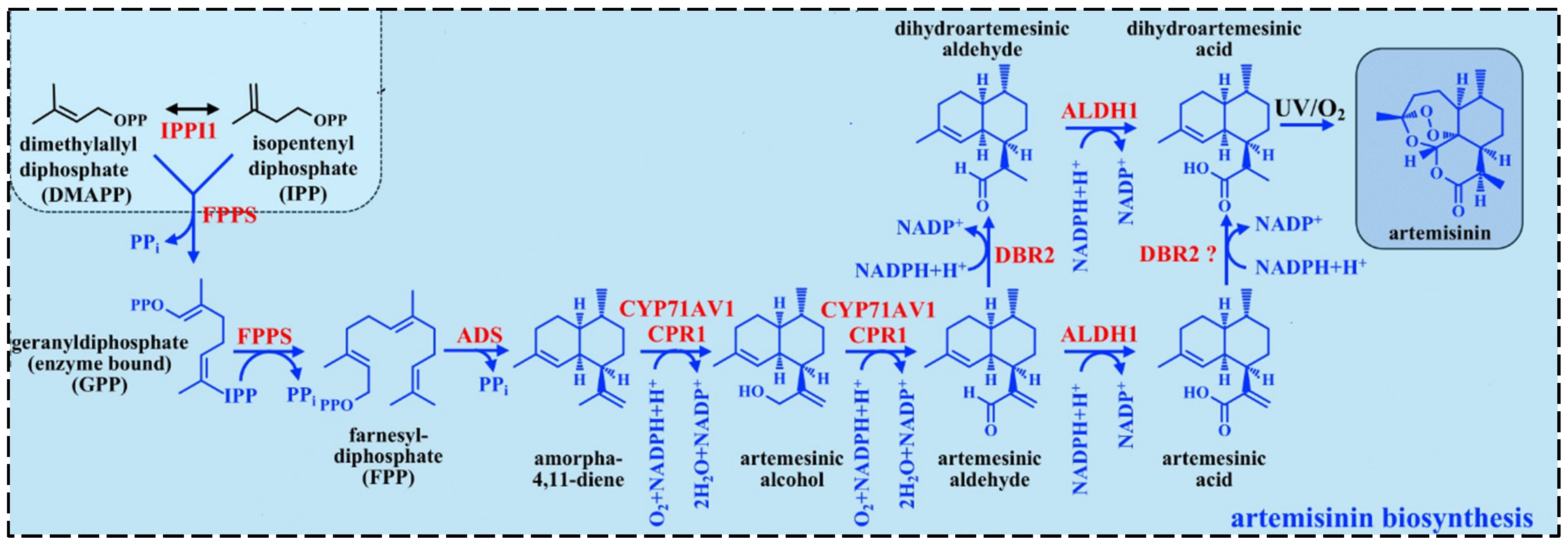
3.4.1. Decoding the ART Biosynthetic Pathway: A Prerequisite for ART Content Enhancement
3.4.2. Artemisia Species as Native Hosts
3.4.3. ART Content Enhancement by Metabolic Engineering
3.4.4. Elicitation Strategies in Field/Greenhouse Systems
Elicitation by Phytohormones
Elicitation by Stressful Factors
Elicitation by Microbial Partnerships
3.5. Theme 2: ART Production by In Vitro Systems
3.6. Theme 3: Heterologous Expression in Novel Plant Systems
3.7. Theme 4: Chemical and Semi-Synthetic Frontiers
3.8. A Trend: The Role of AI in Discovery and Optimization
4. Discussion
4.1. Strengths and Limitations of This Review
4.2. Implications for Future Research and Policy
4.3. Critical Barriers to Translation
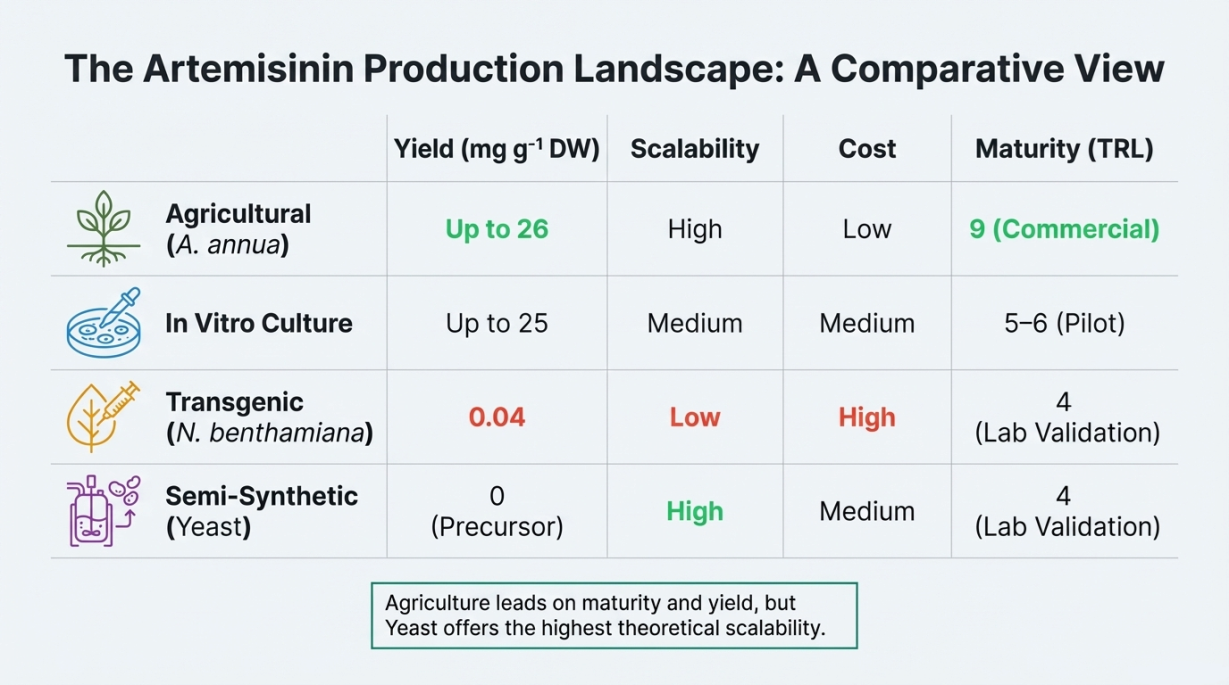
4.4. Comparative Analysis of Alternative Platforms of ART Production
5. Conclusions
Author Contributions
Funding
Institutional Review Board Statement
Informed Consent Statement
Data Availability Statement
Conflicts of Interest
Abbreviations
| ABA | Abscisic acid |
| ACT | Artemisinin-based Combination Therapies |
| ADS | Amorpha-4,11-diene synthase |
| ALDH1 | Aldehyde dehydrogenase 1 |
| ART | Artemisinin |
| BFS | β-farnesene synthase |
| CPS | β-caryophyllene synthase |
| CYP | Cytochrome P 450 CYP71AV1 |
| DBR2 | Double bond reductase 2 |
| DHAA | Dihydroartemisinic acid |
| DL | Deep learning |
| DW | Dry Weight |
| DXR | 1-deoxyxylulouse 5-phosphate reductoisomerase |
| DXS | 1-deoxyxylulose 5-phosphate synthase |
| FPP | Farnesyl pyrophosphate |
| FPS | Farnesyl pyrophosphate synthase |
| GA | Gibberellin |
| GST | Glandular secretory trichomes |
| HMGR | 3-hydroxy-3-methylglutaryl-CoA reductase |
| HMGS | 3-hydroxy-3-methylglutaryl-CoA synthase |
| IAA | Indole-3-acetic acid |
| JA | Jasmonic acid |
| MeJA | Methyl jasmonate |
| ML | Machine learning |
| SA | Salicylic acid |
| SL | Strigolactone |
| TF | Transcription factor |
References
- Yin, Q.; Xiang, L.; Han, X.; Zhang, Y.; Lyn, R.; Yuan, L.; Chen, S. The evolutionary advantage of artemisinin production by Artemisia annua. Trends Plant Sci. 2025, 30, 213–226. [Google Scholar] [CrossRef] [PubMed]
- Rosenthal, P.J.; Asua, V.; Conrad, M.D. Emergence, transmission dynamics and mechanisms of artemisinin partial resistance in malaria parasites in Africa. Nat. Rev. Microbiol. 2024, 22, 373–384, Correction in Nat. Rev. Microbiol. 2024, 22, 385. [Google Scholar] [CrossRef]
- Dereje, N.; Fallah, M.P.; Shaweno, T.; Duga, A.; Mazaba, M.L.; Raji, T.; Folayan, M.O.; Ngongo, N.; Ndembi, N.; Kaseya, J. Resurgence of malaria and artemisinin resistance in Africa requires a concerted response. Nat. Med. 2025, 31, 362–363. [Google Scholar] [CrossRef]
- Uwimana, A.; Legrand, E.; Stokes, B.H.; Ndikumana, J.-L.M.; Warsame, M.; Umulisa, N.; Ngamije, D.; Munyaneza, T.; Mazarati, J.-B.; Munguti, K. Emergence and clonal expansion of in vitro artemisinin-resistant Plasmodium falciparum kelch13 R561H mutant parasites in Rwanda. Nat. Med. 2020, 26, 1602–1608, Correction in Nat. Med. 2021, 27, 1113–1115. [Google Scholar] [CrossRef] [PubMed]
- Venkatesan, P. The 2023 WHO World malaria report. Lancet Microbe 2024, 5, e214. [Google Scholar] [CrossRef]
- Xu, J.; Liao, B.; Yuan, L.; Shen, X.; Liao, X.; Wang, J.; Hu, H.; Huang, Z.; Xiang, L.; Chen, S. 50th anniversary of artemisinin: From the discovery to allele-aware genome assembly of Artemisia annua. Mol. Plant 2022, 15, 1243–1246. [Google Scholar] [CrossRef]
- Huang, Y.; Yang, Y.; Liu, G.; Xu, M. New clinical application prospects of artemisinin and its derivatives: A scoping review. Infect. Dis. Poverty 2023, 12, 115, Correction in Infect. Dis. Poverty 2024, 13, 14. [Google Scholar] [CrossRef]
- Zhao, L.; Zhu, Y.; Jia, H.; Han, Y.; Zheng, X.; Wang, M.; Feng, W. From plant to yeast—Advances in biosynthesis of artemisinin. Molecules 2022, 27, 6888. [Google Scholar] [CrossRef]
- Vashisth, D.; Mishra, S. Unlocking the potential of Artemisia annua for artemisinin production: Current insights and emerging strategies. 3 Biotech 2025, 15, 164. [Google Scholar] [CrossRef] [PubMed]
- White, N.J. Qinghaosu (artemisinin): The price of success. Science 2008, 320, 330–334. [Google Scholar] [CrossRef]
- Shi, Q.; Xia, F.; Wang, Q.; Liao, F.; Guo, Q.; Xu, C.; Wang, J. Discovery and repurposing of artemisinin. Front. Med. 2022, 16, 1–9. [Google Scholar] [CrossRef]
- Wani, K.I.; Choudhary, S.; Zehra, A.; Naeem, M.; Weathers, P.; Aftab, T. Enhancing artemisinin content in and delivery from Artemisia annua: A review of alternative, classical, and transgenic approaches. Planta 2021, 254, 29. [Google Scholar] [CrossRef] [PubMed]
- Xie, D.-Y.; Ma, D.-M.; Judd, R.; Jones, A.L. Artemisinin biosynthesis in Artemisia annua and metabolic engineering: Questions, challenges, and perspectives. Phytochem. Rev. 2016, 15, 1093–1114. [Google Scholar] [CrossRef]
- Zakariya, A.M.; Saiman, M.Z.; Simonsen, H.T.; Ikram, N.K.K. Current state, strategies, and perspectives in enhancing artemisinin production. Phytochem. Rev. 2024, 23, 283–320. [Google Scholar] [CrossRef]
- Page, M.J.; McKenzie, J.E.; Bossuyt, P.M.; Boutron, I.; Hoffmann, T.C.; Mulrow, C.D.; Shamseer, L.; Tetzlaff, J.M.; Akl, E.A.; Brennan, S.E. The PRISMA 2020 statement: An updated guideline for reporting systematic reviews. BMJ 2021, 372, 71. [Google Scholar] [CrossRef]
- Li, Y.; Qin, W.; Liu, H.; Chen, T.; Yan, X.; He, W.; Peng, B.; Shao, J.; Fu, X.; Li, L. Increased artemisinin production by promoting glandular secretory trichome formation and reconstructing the artemisinin biosynthetic pathway in Artemisia annua. Hortic. Res. 2023, 10, uhad055. [Google Scholar] [CrossRef]
- Yuan, M.; Sheng, Y.; Bao, J.; Wu, W.; Nie, G.; Wang, L.; Cao, J. AaMYC3 bridges the regulation of glandular trichome density and artemisinin biosynthesis in Artemisia annua. Plant Biotechnol. J. 2025, 23, 315–332. [Google Scholar] [CrossRef]
- Hu, X.; Liu, H.; Chen, T.; Ye, Y.; Shao, J.; Yan, X.; Peng, B.; Li, L.; Tang, K. AaPDF2 promotes glandular trichome formation in Artemisia annua through jasmonic acid signaling. Ind. Crops Prod. 2025, 234, 121630. [Google Scholar] [CrossRef]
- Tripathi, D.; Goswami, N.K.; Pandey-Rai, S. Interactive effect of biogenic nanoparticles and UV-B exposure on physio-biochemical behavior and secondary metabolism of Artemisia annua L. Plant Nano Biology 2024, 10, 100097. [Google Scholar] [CrossRef]
- García-García, A.L.; Rodríguez-Ramos, R.; Borges, A.A.; Boto, A.; Jiménez-Arias, D. Foliar treatment with MSB (menadione sodium bisulphite) to increase artemisinin content in Artemisia annua plants. Sci. Hortic. 2024, 328, 112913. [Google Scholar] [CrossRef]
- Cao, J.; Chen, Z.; Wang, L.; Yan, N.; Lin, J.; Hou, L.; Zhao, Y.; Huang, C.; Wen, T.; Li, C. Graphene enhances artemisinin production in the traditional medicinal plant Artemisia annua via dynamic physiological processes and miRNA regulation. Plant Commun. 2024, 5, 100742. [Google Scholar] [CrossRef]
- Kayani, S.-I.; Yanan, M.; Fu, X.; Shen, Q.; Li, Y.; Rahman, S.-u.; Peng, B.; Huang, L.; Tang, K. JA-regulated AaGSW1–AaYABBY5/AaWRKY9 complex regulates artemisinin biosynthesis in Artemisia annua. Plant Cell Physiol. 2023, 64, 771–785. [Google Scholar]
- Liu, Z.; Du, Y.; Sun, Z.; Cheng, B.; Bi, Z.; Yao, Z.; Liang, Y.; Zhang, H.; Yao, R.; Kang, S. Manual correction of genome annotation improved alternative splicing identification of Artemisia annua. Planta 2023, 258, 83. [Google Scholar] [CrossRef]
- Li, Y.; Yang, Y.; Li, P.; Sheng, M.; Li, L.; Ma, X.; Du, Z.; Tang, K.; Hao, X.; Kai, G. AaABI5 transcription factor mediates light and abscisic acid signaling to promote anti-malarial drug artemisinin biosynthesis in Artemisia annua. Int. J. Biol. Macromol. 2023, 253, 127345. [Google Scholar] [CrossRef]
- Guo, Z.; Zhang, Q.; Zhang, Y.; Wu, C.; Zheng, Y.; Tong, F.; Zhang, L.; Lu, R.; Pan, X.; Tan, H. Effects of exogenous indole-3-acetic acid on the density of trichomes, expression of artemisinin biosynthetic genes, and artemisinin biosynthesis in Artemisia annua. Biotechnol. Appl. Biochem. 2023, 70, 1870–1880. [Google Scholar] [CrossRef] [PubMed]
- Wani, K.I.; Naeem, M.; Khan, M.M.A.; Aftab, T. Nitric oxide induces antioxidant machinery, PSII functioning and artemisinin biosynthesis in Artemisia annua under cadmium stress. Plant Sci. 2023, 334, 111754. [Google Scholar] [CrossRef]
- Wani, K.I.; Zehra, A.; Choudhary, S.; Naeem, M.; Khan, M.M.A.; Khan, R.; Aftab, T. Exogenous strigolactone (GR24) positively regulates growth, photosynthesis, and improves glandular trichome attributes for enhanced artemisinin production in Artemisia annua. J. Plant Growth Regul. 2023, 42, 4606–4615. [Google Scholar]
- Sayed, T.E.; Ahmed, E.-S.S. Improving artemisinin and essential oil production from Artemisia plant through in vivo elicitation with gamma irradiation nano-selenium and chitosan coupled with bio-organic fertilizers. Front. Energy Res. 2022, 10, 996253. [Google Scholar] [CrossRef]
- Chen, T.; Li, Y.; Xie, L.; Hao, X.; Liu, H.; Qin, W.; Wang, C.; Yan, X.; Wu-Zhang, K.; Yao, X. AaWRKY17, a positive regulator of artemisinin biosynthesis, is involved in resistance to Pseudomonas syringae in Artemisia annua. Hortic. Res. 2021, 8, 217. [Google Scholar] [CrossRef] [PubMed]
- Zehra, A.; Choudhary, S.; Wani, K.I.; Naeem, M.; Khan, M.M.A.; Aftab, T. Exogenous abscisic acid mediates ROS homeostasis and maintains glandular trichome to enhance artemisinin biosynthesis in Artemisia annua under copper toxicity. Plant Physiol. Biochem. 2020, 156, 125–134. [Google Scholar] [CrossRef] [PubMed]
- Fu, X.; Liu, H.; Hassani, D.; Peng, B.; Yan, X.; Wang, Y.; Wang, C.; Li, L.; Liu, P.; Pan, Q. AaABCG40 enhances artemisinin content and modulates drought tolerance in Artemisia annua. Front. Plant Sci. 2020, 11, 950. [Google Scholar] [CrossRef]
- Tripathi, A.; Pandey, P.; Tripathi, S.N.; Kalra, A. Plant growth-promoting endophytic consortium improved artemisinin biosynthesis via modulating antioxidants, gene expression, and transcriptional profile in Artemisia annua (L.) under stressed environments. Plant Stress 2025, 15, 100757. [Google Scholar] [CrossRef]
- Tripathi, A.; Awasthi, A.; Singh, S.; Sah, K.; Maji, D.; Patel, V.K.; Verma, R.K.; Kalra, A. Enhancing artemisinin yields through an ecologically functional community of endophytes in Artemisia annua. Ind. Crops Prod. 2020, 150, 112375. [Google Scholar] [CrossRef]
- Nabi, N.; Singh, S.; Saffeullah, P. Methyl jasmonate elicitation improved growth, antioxidant enzymes, and artemisinin content in in vitro callus cultures of Artemisia maritima L. S. Afr. J. Bot. 2025, 177, 729–741. [Google Scholar] [CrossRef]
- Mosoh, D.A.; Vendrame, W.A. Engineered elicitation in Artemisia annua L. callus cultures alters artemisinin biosynthesis, antioxidant responses, and bioactivity. npj Sci. Plants 2025, 1, 10. [Google Scholar] [CrossRef]
- Lim, W.H.; Khaw, M.L.; Yungeree, O.; Hew, W.H.; Parab, A.R.; Chew, B.L.; Wahyuni, D.K.; Subramaniam, S. Effects of LEDs, macronutrients and culture conditions on biomass and artemisinin production using Artemisia annua L. suspension cultures. Biotechnol. Prog. 2025, 41, e70041. [Google Scholar] [CrossRef] [PubMed]
- Ayoobi, A.; Saboora, A.; Asgarani, E.; Efferth, T. Iron oxide nanoparticles (Fe3O4-NPs) elicited Artemisia annua L. in vitro, toward enhancing artemisinin production through overexpression of key genes in the terpenoids biosynthetic pathway and induction of oxidative stress. Plant Cell Tissue Organ Cult. (PCTOC) 2024, 156, 85. [Google Scholar]
- Lopes, E.M.; Guimarães-Dias, F.; Gama Td, S.; Macedo, A.L.; Valverde, A.L.; de Moraes, M.C.; de Aguiar-Dias, A.C.A.; Bizzo, H.R.; Alves-Ferreira, M.; Tavares, E.S. Artemisia annua L. and photoresponse: From artemisinin accumulation, volatile profile and anatomical modifications to gene expression. Plant Cell Rep. 2020, 39, 101–117. [Google Scholar] [CrossRef]
- Xiao, M.; Liu, R.; Long, C.; Ruan, Y.; Liu, C. Using β-ocimene to increase the artemisinin content in juvenile plants of Artemisia annua L. Biotechnol. Lett. 2020, 42, 1161–1167. [Google Scholar] [CrossRef] [PubMed]
- Guo, Z.; Zhou, Y.; Li, J.; Liu, D.; Huang, Y.; Zhang, Y.; Yu, R.; Zhu, J. Dihydroartemisinic acid dehydrogenase-mediated alternative route for artemisinin biosynthesis. Nat. Commun. 2025, 16, 3888. [Google Scholar] [CrossRef]
- Firsov, A.; Pushin, A.; Motyleva, S.; Pigoleva, S.; Shaloiko, L.; Vainstein, A.; Dolgov, S. Heterologous biosynthesis of artemisinin in Chrysanthemum morifolium Ramat. Separations 2021, 8, 75. [Google Scholar] [CrossRef]
- Randrianarivo, S.; Rasolohery, C.; Rafanomezantsoa, S.; Randriamampionona, H.; Haramaty, L.; Rafanomezantsoa, R.M.; Andrianasolo, E.H. (−)-6-epi-Artemisinin, a Natural Stereoisomer of (+)-Artemisinin in the Opposite Enantiomeric Series, from the Endemic Madagascar Plant Saldinia proboscidea, an Atypical Source. Molecules 2021, 26, 5540. [Google Scholar] [CrossRef]
- Firsov, A.; Mitiouchkina, T.; Shaloiko, L.; Pushin, A.; Vainstein, A.; Dolgov, S. Agrobacterium-mediated transformation of chrysanthemum with artemisinin biosynthesis pathway genes. Plants 2020, 9, 537. [Google Scholar] [CrossRef]
- Chen, H.-J.; Han, W.-B.; Hao, H.-D.; Wu, Y. A facile and scalable synthesis of qinghaosu (artemisinin). Tetrahedron 2023, 69, 1112–1114. [Google Scholar] [CrossRef]
- Guo, Z.; Hao, K.; Lv, Z.; Yu, L.; Bu, Q.; Ren, J.; Zhang, H.; Chen, R.; Zhang, L. Profiling of phytohormone-specific microRNAs and characterization of the miR160-ARF1 module involved in glandular trichome development and artemisinin biosynthesis in Artemisia annua. Plant Biotechnol. J. 2023, 21, 591–605. [Google Scholar] [CrossRef] [PubMed]
- Li, Y.; Yang, Y.; Li, L.; Tang, K.; Hao, X.; Kai, G. Advanced metabolic engineering strategies for increasing artemisinin yield in Artemisia annua L. Hortic. Res. 2024, 11, uhad292. [Google Scholar] [CrossRef]
- Pellicer, J.; Saslis-Lagoudakis, C.H.; Carrió, E.; Ernst, M.; Garnatje, T.; Grace, O.M.; Gras, A.; Mumbrú, M.; Vallès, J.; Vitales, D. A phylogenetic road map to antimalarial Artemisia species. J. Ethnopharmacol. 2018, 225, 1–9. [Google Scholar] [CrossRef]
- Singh, P.; Bajpai, V.; Khandelwal, N.; Varshney, S.; Gaikwad, A.N.; Srivastava, M.; Singh, B.; Kumar, B. Determination of bioactive compounds of Artemisia Spp. plant extracts by LC–MS/MS technique and their in-vitro anti-adipogenic activity screening. J. Pharm. Biomed. Anal. 2021, 193, 113707. [Google Scholar]
- Negri, S.; Pietrolucci, F.; Andreatta, S.; Chinyere Njoku, R.; Antunes Silva Nogueira Ramos, C.; Crimi, M.; Commisso, M.; Guzzo, F.; Avesani, L. Bioprospecting of Artemisia genus: From artemisinin to other potentially bioactive compounds. Sci. Rep. 2024, 14, 4791, Correction in Sci. Rep. 2024, 14, 13027. [Google Scholar] [PubMed]
- Kayani, S.-I.; Shen, Q.; Ma, Y.; Fu, X.; Xie, L.; Zhong, Y.; Tiantian, C.; Pan, Q.; Li, L.; Rahman, S.-U. The YABBY family transcription factor AaYABBY5 directly targets cytochrome P450 monooxygenase (CYP71AV1) and double-bond reductase 2 (DBR2) involved in artemisinin biosynthesis in Artemisia Annua. Front. Plant Sci. 2019, 10, 1084. [Google Scholar] [CrossRef] [PubMed]
- Liu, H.; Li, L.; Fu, X.; Li, Y.; Chen, T.; Qin, W.; Yan, X.; Wu, Z.; Xie, L.; Kayani, S.L. AaMYB108 is the core factor integrating light and jasmonic acid signaling to regulate artemisinin biosynthesis in Artemisia annua. New Phytol. 2023, 237, 2224–2237. [Google Scholar] [CrossRef]
- Zhao, Q.; Li, M.; Zhang, M.; Tan, H. Glandular trichomes: The factory of artemisinin biosynthesis. Med. Plant Biol. 2024, 3, e019. [Google Scholar] [CrossRef]
- Chen, R.; Bu, Y.; Ren, J.; Pelot, K.A.; Hu, X.; Diao, Y.; Chen, W.; Zerbe, P.; Zhang, L. Discovery and modulation of diterpenoid metabolism improves glandular trichome formation, artemisinin production and stress resilience in Artemisia annua. New Phytol. 2021, 230, 2387–2403. [Google Scholar] [CrossRef]
- Li, Y.; Chen, T.; Liu, H.; Qin, W.; Yan, X.; Wu-Zhang, K.; Peng, B.; Zhang, Y.; Yao, X.; Fu, X. The truncated AaActin1 promoter is a candidate tool for metabolic engineering of artemisinin biosynthesis in Artemisia annua L. J. Plant Physiol. 2022, 274, 153712. [Google Scholar]
- Al-Khayri, J.M.; Sudheer, W.N.; Lakshmaiah, V.V.; Mukherjee, E.; Nizam, A.; Thiruvengadam, M.; Nagella, P.; Alessa, F.M.; Al-Mssallem, M.Q.; Rezk, A.A. Biotechnological approaches for production of artemisinin, an anti-malarial drug from Artemisia annua L. Molecules 2022, 27, 3040. [Google Scholar] [CrossRef]
- Huang, D.; Zhong, G.; Zhang, S.; Jiang, K.; Wang, C.; Wu, J.; Wang, B. Trichome-Specific Analysis and Weighted Gene Co-Expression Correlation Network Analysis (WGCNA) Reveal Potential Regulation Mechanism of Artemisinin Biosynthesis in Artemisia annua. Int. J. Mol. Sci. 2023, 24, 8473. [Google Scholar]
- Ma, Y.N.; Xu, D.B.; Yan, X.; Wu, Z.K.; Kayani, S.I.; Shen, Q.; Fu, X.Q.; Xie, L.H.; Hao, X.L.; Hassani, D. Jasmonate-and abscisic acid-activated AaGSW1-AaTCP15/AaORA transcriptional cascade promotes artemisinin biosynthesis in Artemisia annua. Plant Biotechnol. J. 2021, 19, 1412–1428. [Google Scholar]
- Zheng, L.P.; Li, X.P.; Zhou, L.L.; Wang, J.W. Endophytes in Artemisia annua L.: New potential regulators for plant growth and artemisinin biosynthesis. Plant Growth Regul. 2021, 95, 293–313. [Google Scholar] [CrossRef]
- Nath, A.; Sharma, A.; Singh, S.K.; Sundaram, S. Bio Prospecting of Endophytes and PGPRs in Artemisinin Production for the Socio-economic Advancement. Curr. Microbiol. 2024, 81, 4. [Google Scholar] [CrossRef]
- Karimi, M.R.; Jariani, P.; Yang, J.-L.; Naghavi, M.R. A comprehensive review of the molecular and genetic mechanisms underlying gum and resin synthesis in Ferula species. Int. J. Biol. Macromol. 2024, 269, 132168. [Google Scholar] [CrossRef]
- Sabzehzari, M.; Zeinali, M.; Naghavi, M.R. Alternative sources and metabolic engineering of Taxol: Advances and future perspectives. Biotechnol. Adv. 2020, 43, 107569. [Google Scholar] [CrossRef]
- Sabzehzari, M.; Zeinali, M.; Naghavi, M.R. CRISPR-based metabolic editing: Next-generation metabolic engineering in plants. Gene 2020, 759, 144993. [Google Scholar]
- He, W.; Liu, H.; Wu, Z.; Miao, Q.; Hu, X.; Yan, X.; Wen, H.; Zhang, Y.; Fu, X.; Ren, L. The AaBBX21–AaHY5 module mediates light-regulated artemisinin biosynthesis in Artemisia annua L. J. Integr. Plant Biol. 2024, 66, 1735–1751. [Google Scholar]
- Amara, Z.; Bellamy, J.F.; Horvath, R.; Miller, S.J.; Beeby, A.; Burgard, A.; Rossen, K.; Poliakoff, M.; George, M.W. Applying green chemistry to the photochemical route to artemisinin. Nat. Chem. 2015, 7, 489–495. [Google Scholar] [CrossRef]
- Triemer, S.; Schulze, M.; Wriedt, B.; Schenkendorf, R.; Ziegenbalg, D.; Krewer, U.; Seidel-Morgenstern, A. Kinetic analysis of the partial synthesis of artemisinin: Photooxygenation to the intermediate hydroperoxide. J. Flow Chem. 2021, 11, 641–659. [Google Scholar] [CrossRef]
- Mullowney, M.W.; Duncan, K.R.; Elsayed, S.S.; Garg, N.; van der Hooft, J.J.; Martin, N.I.; Meijer, D.; Terlouw, B.R.; Biermann, F.; Blin, K. Artificial intelligence for natural product drug discovery. Nat. Rev. Drug Discov. 2023, 22, 895–916. [Google Scholar] [CrossRef] [PubMed]
- Durand, M.; Besseau, S.; Papon, N.; Courdavault, V. Unlocking plant bioactive pathways: Omics data harnessing and machine learning assisting. Curr. Opin. Biotechnol. 2024, 87, 103135. [Google Scholar] [CrossRef] [PubMed]
- Bai, W.; Li, C.; Li, W.; Wang, H.; Han, X.; Wang, P.; Wang, L. Machine learning assists prediction of genes responsible for plant specialized metabolite biosynthesis by integrating multi-omics data. BMC Genom. 2024, 25, 418. [Google Scholar] [CrossRef] [PubMed]



| Platform | Authors | Year | Breif Method | Outcomes | Key Findings | Limitations | RQ * |
|---|---|---|---|---|---|---|---|
| A. annua | Yuan et al., [17] | 2025 | Genetic engineering of A. annua via overexpression of the TF MYC3. | - ART content increased by 1.4 to 1.8 fold compared to the control. - GST density increased by 1.4 to 1.5 fold vs. the control. - DHAA content increased 1.2–1.65 fold vs. the control | - MYC3 is a JA-induced bHLH TF that regulates GST development and ART biosynthesis. - It directly activates key ART genes. - It interacts with HLH1 and bHLH113 as a co-activator to enhance transcription of ADS and DBR2, completing the ART pathway regulation. | The yield increase from overexpressing MYC3 was less than from overexpressing ART-specific regulators, suggesting internal metabolic feedback limits extreme accumulation. | High |
| A. annua | Hu et al., [18] | 2025 | Genetic engineering: overexpression of PDF2 in A. annua | GST density increased by up to 82%; ART content increased by 55–73% compared to the control. | PDF2 promotes GST formation and ART biosynthesis. It is induced by JA and acts downstream of HD1, regulating GSW2 expression while interacting with the repressor MYB5. | Multi-gene coordination was required for effective GST enhancement. | High |
| A. annua | Tripathi et al., [19] | 2024 | Co-exposure of 0.5 mg L−1 AgNPs and 3 h of UV-B irradiation | ~4.27-fold increase in ART content compared to the control. | The combined treatment upregulated key biosynthetic genes (ADS and CYP71A1) and increased the density of GSTs. | Higher concentrations of AgNPs (5.0 mg L−1) decreased ART by ~1.87-fold compared to the control. | High |
| A. annua | García et al., [20] | 2024 | Foliar Elicitation with Menadione Sodium Bisulphite (MSB) (100 mL) | Amount: ART 3.71 mg g−1 DW; Increase: 62% increase over the control (with 1 mM MSB). | MSB up-regulated key early biosynthetic pathway genes: HMGR and DXS. | MSB higher than 1 mM caused necrosis, which reduced ART compared to the optimal dose. | High |
| A. annua | Cao et al., [21] | 2024 | Soil application of Graphene | - ART content increased by 5% per unit weight compared to the control. - Density of GSTs increased by 30–80%. | - Graphene exposure increased H2O2 levels (~60%), which inhibited Dicer gene expression. - This suppressed miR828 biogenesis, leading to the upregulation of its target gene MYB17, a positive regulator of GST initiation and ART biosynthesis. | While 10–20 mg L−1 promoted growth, 100 mg L−1 was toxic. | High |
| A. annua | Kayani et al., [22] | 2023 | Genetic Engineering & Elicitation: Overexpression of TF YABBY5, co-expression with anti-AaJAZ8, and MeJA. | - Transgenic YABBY5- plants treated with MeJA showed the highest ART (~26 mg g−1). - The combined strategy resulted in a 2-fold increase compared to control. Conversely, YABBY5 antisense reduced ART (~10 mg g−1 DW). | - YABBY5 interacts with WRKY9 to activate the promoters of GSW1 and DBR2. - GSW1 was found to be an upstream activator of YABBY5, creating a self-reinforcing loop. - JAZ8 interacts with YABBY5, inhibiting its activity. | - In the absence of stress signals, potent TFs (such as YABBY5) are bound and inactivated by repressor proteins (JAZ8), limiting the plant’s biosynthetic capacity. | High |
| A. annua | Liu et al., [23] | 2023 | Metabolic Engineering: Overexpression of the TF MYB108 in A. annua. | ART contents in MYB108-overexpressing lines increased by 70–90% compared to the control (20–22 mg g−1 DW). | MYB108 acts as a node integrating light and JA signaling to positively regulate ART biosynthesis. It functions by forming a complex with the TF GSW1 to enhance CYP71AV1 expression. Its stability is regulated by light and its activity is repressed by JAZ8 in the absence of JA. | The study was unable to utilize gene editing due to technical limitations in establishing an effective system for A. annua at the time; therefore, the researchers could not obtain specific knockout mutants. | High |
| A. annua | Li et al., [16] | 2023a | Synthetic biology strategy: Multigene construct to promote GST formation and reconstruct the ART pathway in A. annua. | ART content was reached to 24.7 mg g−1 DW in transgenic lines. In other words, 2.4 to 3.4-fold higher than control plants. | Combined strategy of increasing GST density and enhancing biosynthetic gene expression had a cumulative effect on ART yield. | Uneven MsGSW2 expression levels across transgenic lines, possibly due to genomic insertion position or epigenetic regulation. | Medium |
| A. annua | Li et al., [24] | 2023b | Genetic engineering via overexpression of the transcription factor AaABI5 in A. annua. | ART content increased by ~1.7-fold in ABI5-overexpressing lines compared to the control. | - ABI5 is a integrator that connects light and ABA signaling to promote ART biosynthesis. - ABA-induced upregulation of biosynthetic genes is dependent on light. - The light-signaling TF HY5 directly binds to the ABI5 promoter and activates its expression, placing ABI5 downstream in the light-regulation pathway. | The study identifies a key integrator but the complete signaling cascade and post-translational regulation within the light/ABA crosstalk network remain to be fully elucidated. | High |
| A. annua | Guo et al., [25] | 2023b | Exogenous application of Indole-3-acetic acid (IAA) | ART content increased 1.9-fold to 1.1 mg g−1 DW (from the control). DHAA increased 2.1-fold to 0.51 mg g−1 DW. | IAA promoted plant growth, increased trichome density, and upregulated the expression of key ART biosynthetic genes (AaADS, AaCYP71AV1, AaALDH1, AaDBR2). | Long-term stability of the effect in field conditions | High |
| A. annua | Wani et al., [26] | 2023a | Exogenous application of nitric oxide (NO) under cadmium stress | NO (200 μM) led to 557 µg g−1 DW ART (14% increase vs. the control) | NO enhanced photosynthetic efficiency, protected GST density, length, and width | The exact signaling mechanisms of NO in enhancing ART biosynthesis are not fully understood. | High |
| A. annua | Wani et al., [27] | 2023b | Strigolactone (8 µM) | Increased GST density by 21%; ART content improved by 30% (7.3 mg g−1 DW). | Improved attributes of GSTs as the site of ART synthesis. | The mechanism linking strigolactone signaling to ART biosynthesis requires further elucidation. | High |
| A. annua | Sayed and Ahmed [28] | 2022 | Field cultivation with elicitation using Gamma irradiation (2.5 KGy), Nano-selenium (30 ppb), or Chitosan (250 ppm) coupled with humic acid | The combination of Chitosan and Moringa resulted in a 112% increase in ART yield compared to the control. | - A synergistic relationship was observed between elicitors and fertilizers. - Chitosan was the most effective elicitor (Chitosan > Nano-selenium > Gamma irradiation), and Moringa extract was the superior fertilizer (Moringa > Humic acid > NPK). | - | High |
| A. annua | Chen et al., [29] | 2021b | Overexpression of WRKY17 in A. annua | ART increased by 49.5–87% in overexpression lines compared to the control | - WRKY17 directly binds to the promoter of ADS gene and activates its expression. - Expression of WRKY17 is induced by SA and MeJA. | -Field performance and stability of transgenic lines not assessed. | High |
| A. annua | Zehra et al., [30] | 2020 | Exogenous application of ABA (100 μM) under Copper (Cu) stress | Cu40 (40 mg kg−1) led to 417 µg/g DW ART (38% decrease vs. control) Cu40 + ABA led to 538 µg g−1 DW ART (29% increase vs. Cu40; still 20% lower than control) | ABA protected GST density, area, and ultrastructure. The increase in ART is linked to ABA-mediated upregulation of defense mechanisms and enhancement of biosynthetic gene expression. | The study was conducted in pot conditions with soil-applied Cu, which may not fully represent field-level complex environmental interactions. | High |
| A. annua | Fu et al., [31] | 2020 | Genetic Engineering: Overexpression of the pleiotropic drug resistance (PDR) transporter gene ABCG40. | - The ABCG40-overexpressing transgenic lines produced 1.54- to 2-fold higher ART compared to control. - Conversely, knockdown lines showed a decrease in ART (up to 17% compared to control). | - ABCG40 is a plasma membrane-localized ABA importer expressed in trichomes. - Overexpression led to higher ABA, which upregulated key ART biosynthesis genes. | While ABA was known to enhance ART, the basis of ABA transport in A. annua was unknown, limiting the ability to manipulate this pathway for higher yields. | High |
| A. annua | Tripathi et al., [32] | 2025 | Endophytic Consortium: Inoculation of A. annua with a consortium of endophytes: 1. Bacillus subtilis; 2. B. licheniformis; 3. Burkholderia sp.; 4. Acinetobacter pittii. | ART content increase: Under normal conditions: +51.61% Under drought stress: +32.87% Under salinity stress: +25.64% Under waterlogging: +31.57% | - The consortium up-regulated key structural genes and down-regulated SQS, diverting metabolic flux toward ART biosynthesis. - The consortium performed better than single inoculants by covering functional vulnerabilities of individual strains. | - Stresses further restrict plant growth. - As a single strain limitation, no single endophyte can up-regulate every step in the ART biosynthesis, necessitating a synergistic consortium. | High |
| A. annua | Tripathi et al., [33] | 2020 | Endophytic Consortia Inoculation: Application of endophytes (Bacillus spp., Burkholderia sp., and Acinetobacter sp.) to A. annua. | A consortium of four endophytes (B. subtilis, B. licheniformis, Burkholderia sp., and A. pittii) increased ART by 658% over the control, exceeding the yield of any single microbe used in isolation. | Transgressive Overyielding: While monocultures improved yields, ecological interactions in the four-strain consortium led to productivity higher than the single strain. | A number of microbial combinations resulted in “transgressive underyield,” meaning they performed worse than monocultures due to antagonistic interactions. | High |
| In vitro culture | Nabi et al., [34] | 2025 | Elicitation of callus cultures; Species: A. maritima Elicitor: MeJA (50–100 µM) | Maximum ART yield: 780 ng g−1 DW. In other words, a ~2.44-fold increase compared to the control. | The optimal condition was 100 µM MeJA. Antioxidant enzyme activities increased alongside ART, suggesting the stress drives metabolite accumulation. | A. maritima is an under-utilized species compared to A. annua, lacking protocols for scalable production. | High |
| In vitro culture | Mosoh and Vendram [35] | 2025 | In vitro callus culture elicitation with PGRs (BAP, NAA, 2,4-D) and AgNO3 | Highest callus ART: 487 µg mL−1 by using 5 mg L−1 BAP + 1 mg L−1 NAA. | AgNO3 has a dual, context-specific role: alleviates oxidative stress under 2,4-D but exacerbates it under NAA. | Lower ART in vitro: Callus ART content remained lower than in control, highlighting a bottleneck in callus cultures. | High |
| In vitro culture | Lim et al., [36] | 2025 | In vitro cell suspension culture | - Highest ART content in the absence of KNO3 & KH2PO4. - Red + blue LED increased biomass; Red LED alone gave highest ART. | - Macronutrient levels create a trade-off: optimal concentrations for biomass are suboptimal for ART accumulation. - Light quality differentially regulates biomass (red + blue) and ART (red) production. | The inverse relationship between optimized biomass conditions and conditions that maximize ART content presents a key optimization challenge for maximizing yield. | High |
| In vitro culture | Ayoobi et al., [37] | 2024 | Foliar application of Iron Oxide Nanoparticles (Fe3O4-NPs) to A. annua in vitro | ART content increased after 96 h by: • 98% (50 mg L−1) •76% (100 mg L−1) • 77% (200 mg L−1) compared to the control. | Fe3O4-NPs activated an enzymatic defense system. This response stimulated the expression of key biosynthetic genes (WRKY1, MYB2, HMGR, CYP71A1), increased ART production. | Scaling the nanoparticle application for commercial field production | High |
| In vitro culture | Lopes et al., [38] | 2020 | In vitro cultivation under monochromatic blue light (LED, λmax = 475 nm) | Enhanced ART production through GST density and ADS expression modulation. | Blue light upregulates the expression of ADS gene. It promotes the plastidic DOXP/MEP pathway, enhances GST frequency. | The study was conducted under in vitro conditions; translating these findings to large-scale or field cultivation requires further validation. | High |
| In vitro culture | Xiao et al., [39] | 2020 | Exogenous application of the airborne signaling molecule β-ocimene (10 μM). | ART content reached up to 25 mg g−1 DW in plants treated with β-ocimene. | - Upregulation of key genes in both precursor and ART biosynthetic pathways. - Increased GST size (+49%) and density (+38%). | - | High |
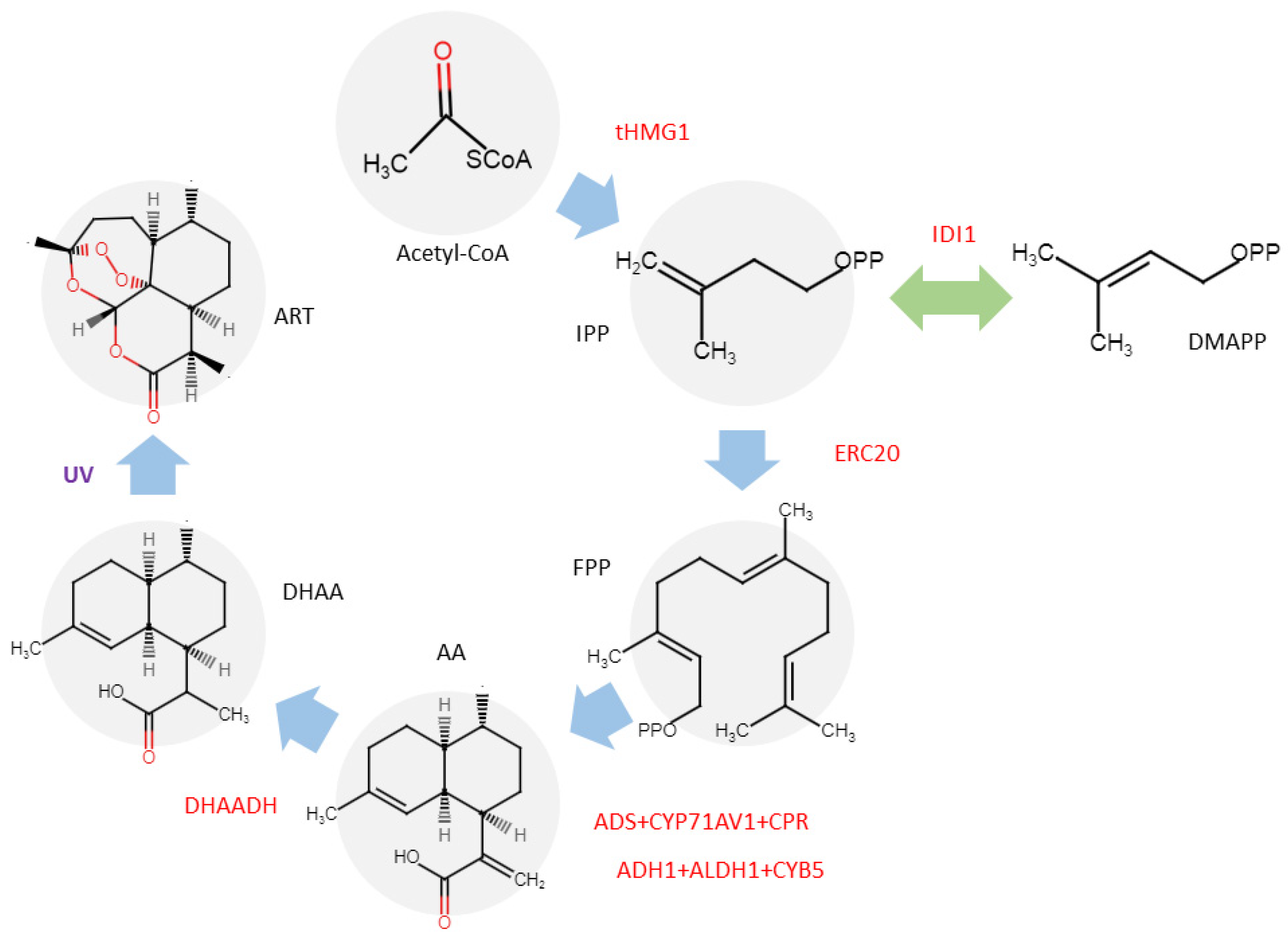
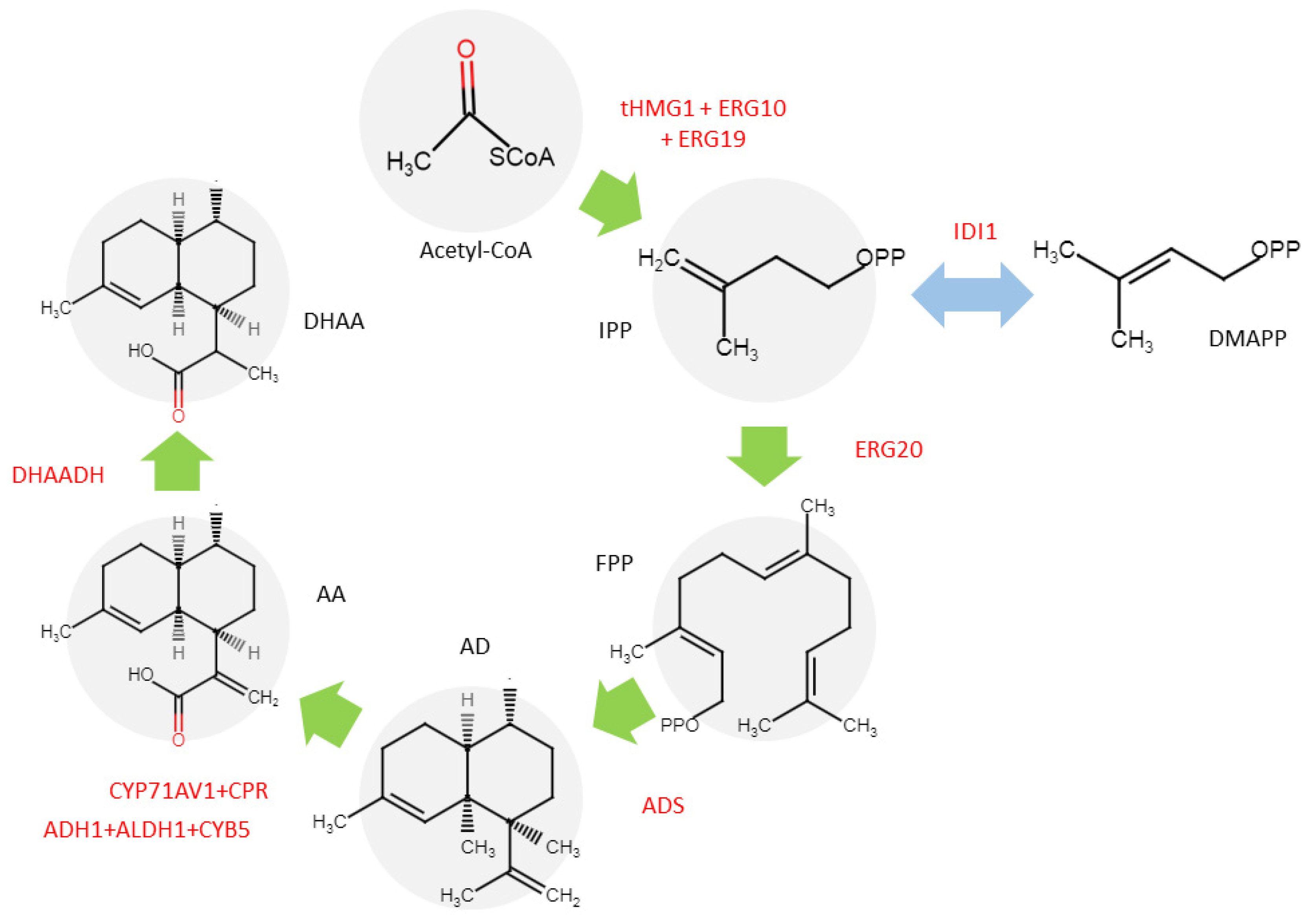
| Non-Artemisia plants | Guo et al., [40] | 2025 | Transient expression in Nicotiana benthamiana with ART pathway genes + DHAADH | ART detected at 0.041 mg g−1 DW after UV treatment; DHAA produced at 0.51 mg g−1 DW | - Reconstruction of ART pathway in tobacco possible. - UV light promotes DHAA auto-oxidation to ART | Low ART yield in plant system; requires external trigger for ART formation | High |
| Non-Artemisia plants | Firsov et al., [41] | 2021 | Heterologous Biosynthesis in Chrysanthemum morifolium (with A. annua genes mtADS, CYP71AV1, CPR, DBR2 and yeast tHMGR) | ART was not detected via GC-MS. | The study confirmed the feasibility of transplanting an active ART biosynthetic pathway into chrysanthemum. | The lack of ART accumulation suggests that host biochemical backgrounds limit production efficacy. | High |
| Non-Artemisia plants | Randrianarivo et al., [42] | 2021 | Extraction from an atypical plant source | Isolation of a new stereoisomer, (−)-6-epi-artemisinin, from Saldinia proboscidea. | The isomer displayed comparable bioactivities to (+)-artemisinin in antimalarial and antiproliferative assays, indicating that the change in configuration is not critical to biological properties. | Only 2.5 mg of the compound was obtained from 490 g of dried plant powder. | High |
| Non-Artemisia plants | Firsov et al., [43] | 2020 | Metabolic engineering of Chrysanthemum morifolium using binary vectors to introduce ART biosynthesis genes. | - Confirmation of transcription of all five genes in two specific lines. - Qualitative detection of ART presence via thin layer chromatography. | - It is feasible to transfer a genetic module encoding the entire biochemical pathway into the chrysanthemum genome. -Targeting the ADS gene to the mitochondria resulted in transcription of all genes. | - As low transformation efficiency, the frequency of obtaining lines with all target genes was very low (0.33%). - as a metabolic gap, while ART was detected, its precursor was not detected. | High |
| Semi-synthetic routes | Guo et al., [40] | 2025 | Metabolic engineering of S. cerevisiae with optimized DHAADH for DHAA production | 3.97 g L−1 of DHAA in a 5 L bioreactor; 22.67 g L−1 of artemisinic acid (AA) in same system | Discovery of DHAADH catalyzing bidirectional AA↔DHAA conversion; DHAA can auto-oxidize to ART | Terminal pathway of ART remains unclear; direct ART production in heterologous systems not yet achieved | High |
| Semi-synthetic routes | Chen et al., [44] | 2023 | Semi-synthesis via “Dark” Singlet Oxygen: Chemical conversion of DHAA using molybdate-catalyzed (Na2MoO4) of H2O2. | Achieved a 41% yield of ART on a 3 g scale (producing 1.48 g of pure product). | The method provides a scalable and cost-effective synthesis using open flask at ambient temperature, eliminating the need for photochemical equipment, or complex continuous-flow reactors. | The overall reaction time is relatively long (12–14 h for the first step and 2 days for the second step) compared to photo-irradiation based approaches. | High |
| Production Platform | Key Yield/Performance Metrics | Scalability and Cost Implications | TRL * | Key Advantages | Key Limitations |
|---|---|---|---|---|---|
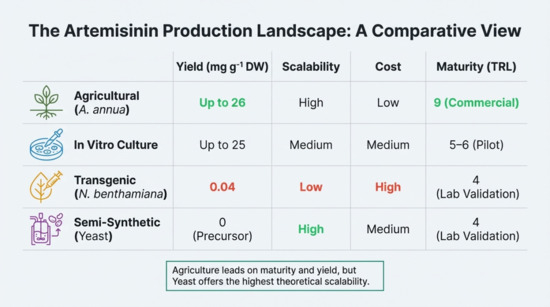
| ART enhancement in A. annua | A. annua baseline: 0.01–1.5% DW Yield increase up to 26 mg g−1 DW | High Scalability Low Cost | 9 (Commercial) | Natural source | Variable yields; Success de-pends on environmental interaction |
| In vitro culture (callus/suspension) | Yield up to 25 mg g−1 DW | Medium/High Cost: Requires bioreactors; trade-offs between biomass and ART | 5–6 (Pilot) | GMP compliance; controlled environment. | Lower ART than control plants; optimization challenges. |
| Heterologous expression (non-Artemisia plants) | Low ART yield (e.g., 0.041 mg g−1 DW in N. benthamiana). | Low Scalability: Currently limited to laboratory scale. | 4 (Lab Validation) | Potential for novel plant chassis. | Low yields; ART often not detected or requires external triggers (UV). |
| Semi-Synthetic (Yeast/Chemical) | DHAA yield: 3.97 g L−1 | High scalability; Decouples supply from agriculture. | 3–4 | Consistent supply; rapid production cycle. | High startup costs |
Disclaimer/Publisher’s Note: The statements, opinions and data contained in all publications are solely those of the individual author(s) and contributor(s) and not of MDPI and/or the editor(s). MDPI and/or the editor(s) disclaim responsibility for any injury to people or property resulting from any ideas, methods, instructions or products referred to in the content. |
© 2025 by the authors. Licensee MDPI, Basel, Switzerland. This article is an open access article distributed under the terms and conditions of the Creative Commons Attribution (CC BY) license (https://creativecommons.org/licenses/by/4.0/).
Share and Cite
Zeinali, M.; Sabzehzari, M.; Ménard, D. A Systematic Review of Alternative Artemisinin Production Strategies. Int. J. Mol. Sci. 2025, 26, 12095. https://doi.org/10.3390/ijms262412095
Zeinali M, Sabzehzari M, Ménard D. A Systematic Review of Alternative Artemisinin Production Strategies. International Journal of Molecular Sciences. 2025; 26(24):12095. https://doi.org/10.3390/ijms262412095
Chicago/Turabian StyleZeinali, Masoumeh, Mohammad Sabzehzari, and Didier Ménard. 2025. "A Systematic Review of Alternative Artemisinin Production Strategies" International Journal of Molecular Sciences 26, no. 24: 12095. https://doi.org/10.3390/ijms262412095
APA StyleZeinali, M., Sabzehzari, M., & Ménard, D. (2025). A Systematic Review of Alternative Artemisinin Production Strategies. International Journal of Molecular Sciences, 26(24), 12095. https://doi.org/10.3390/ijms262412095