Therapeutic Potential for Cannabidiol on Alzheimer’s Disease-Related Neuroinflammation: A Systematic Review and Meta-Analysis


Abstract
1. Introduction
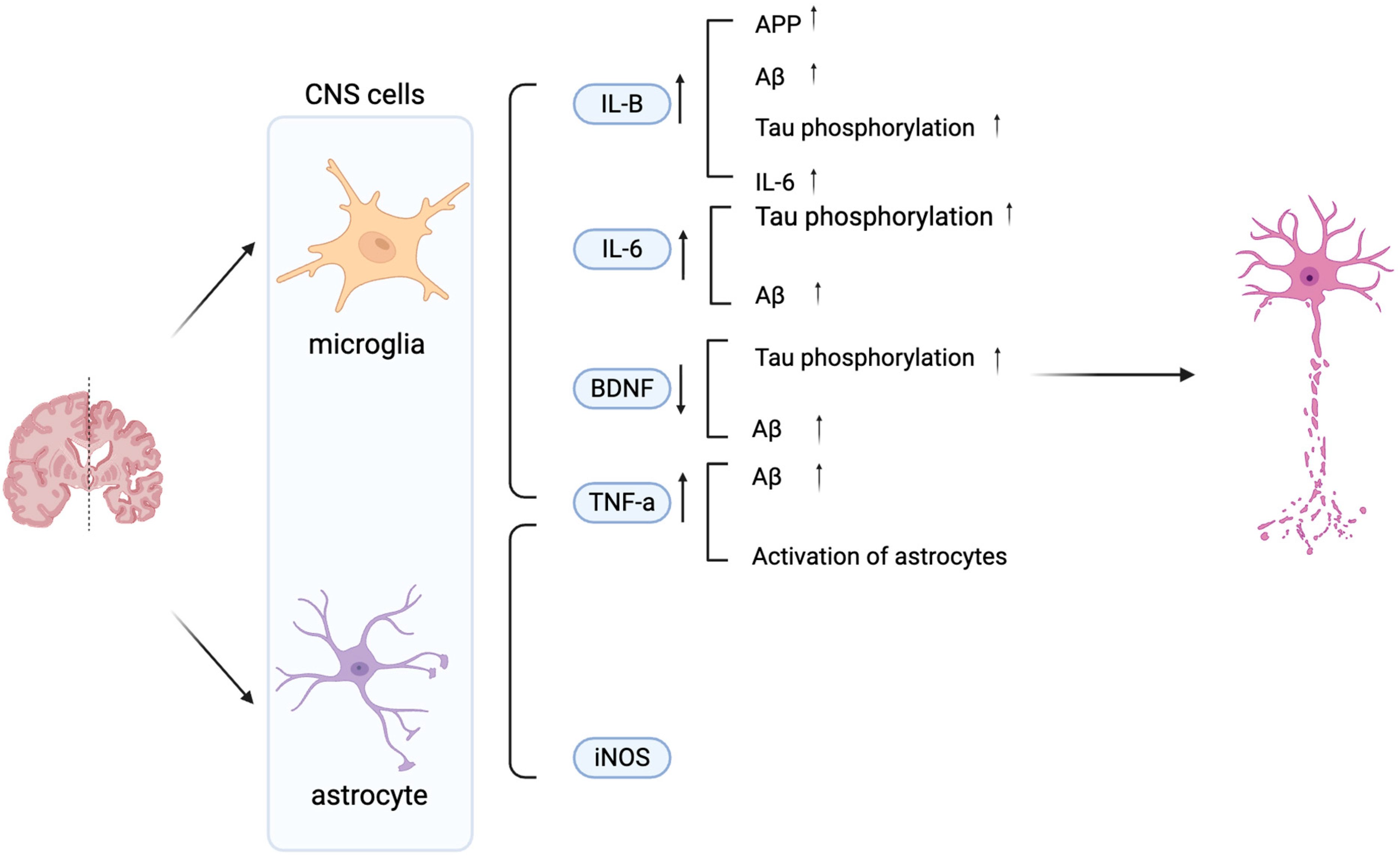
1.1. Background
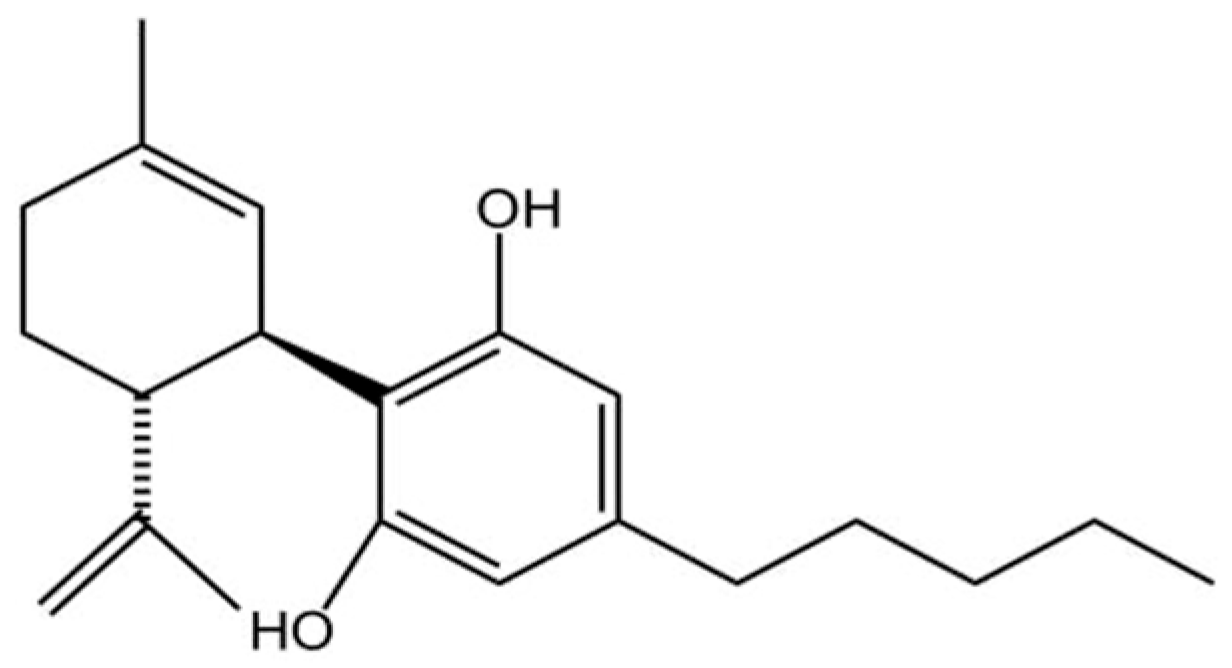
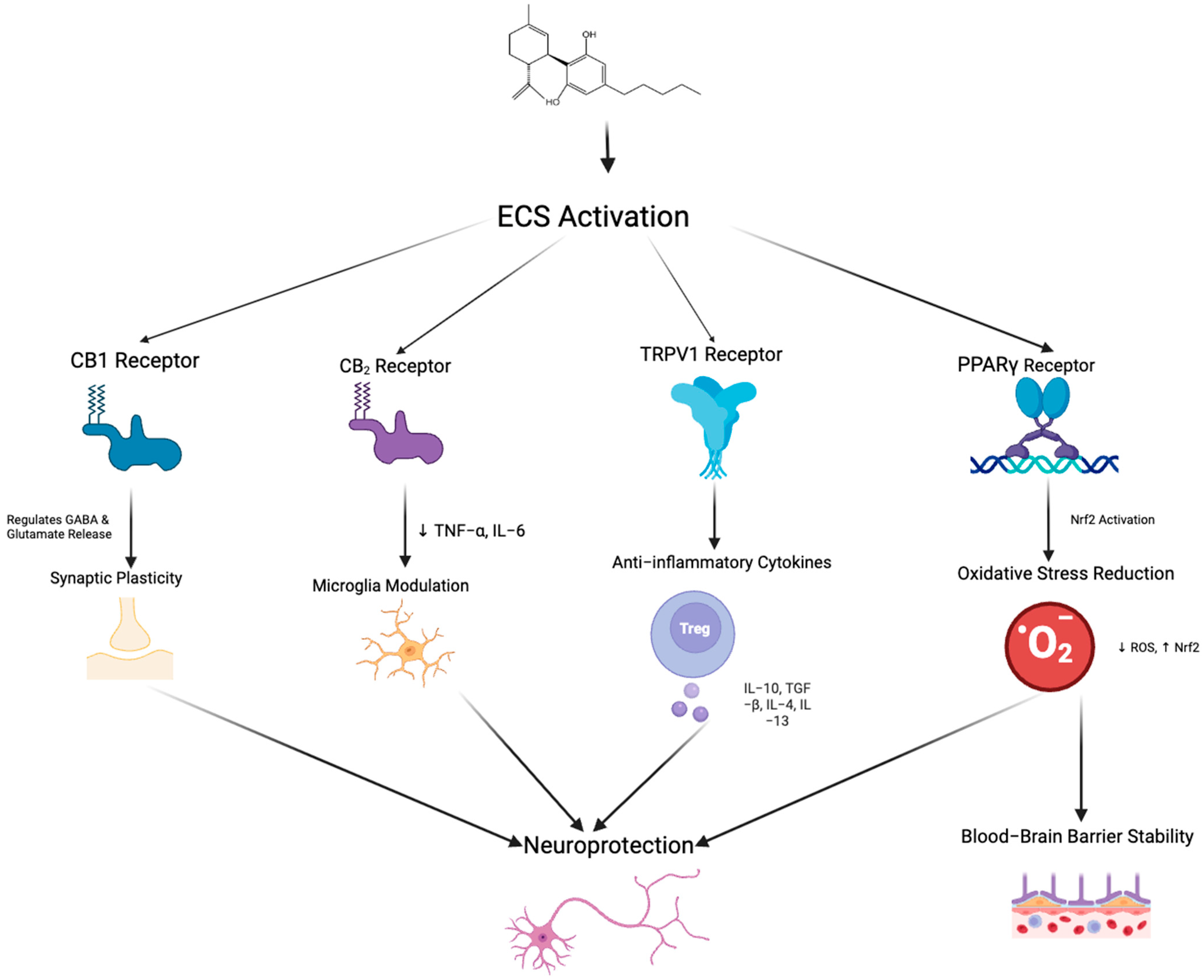
1.2. Anti-Inflammatory Mechanisms of CBD
1.3. Aims of the Meta-Analysis
2. Methodology
2.1. Search Strategy and Information Sources
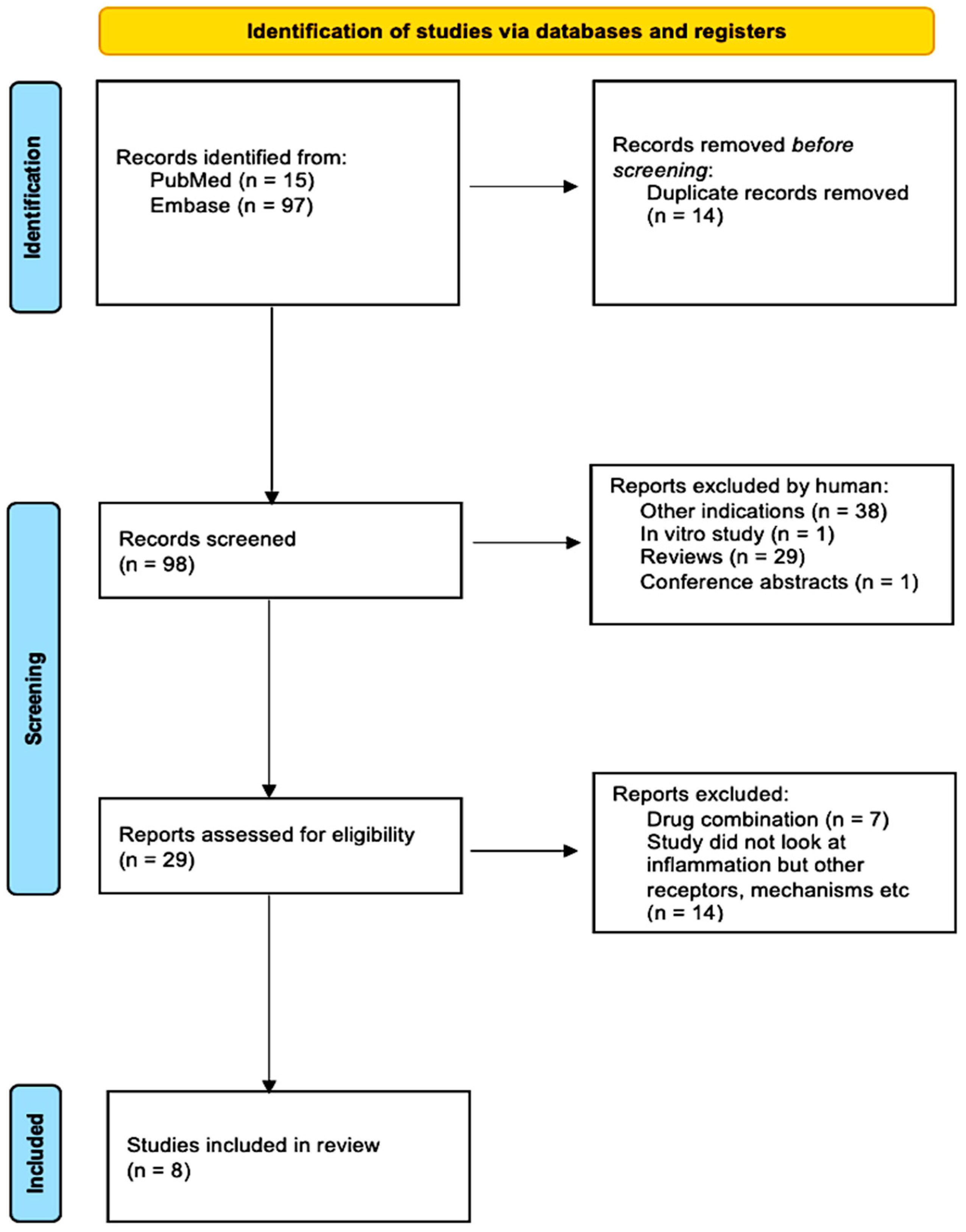
2.2. Study Selection
2.3. Data Extraction and Outcomes
2.4. Risk of Bias Assessment
2.5. Ethics
2.6. Statistical Analysis
3. Summary of Included Studies
3.1. Preclinical Models
3.2. Clinical Trials
4. Meta-Analysis
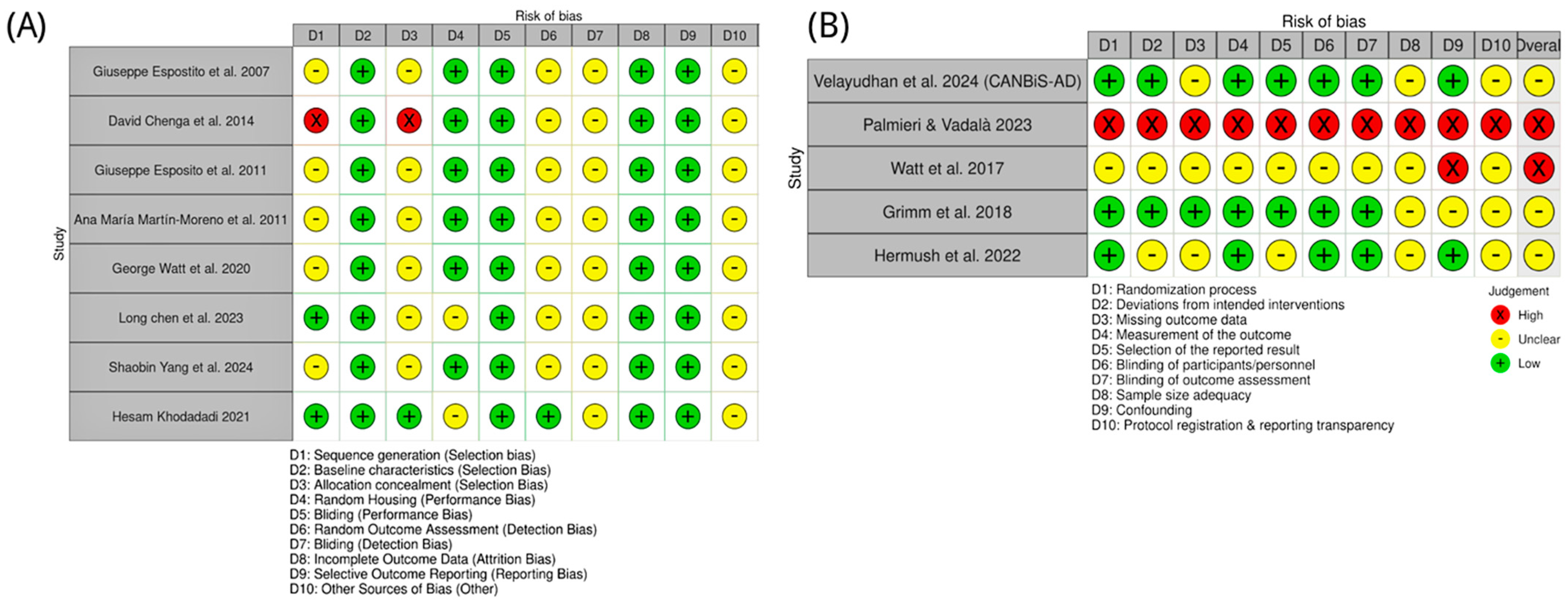
4.1. Risk of Bias: Preclinical Studies
4.2. Risk of Bias: Clinical Studies
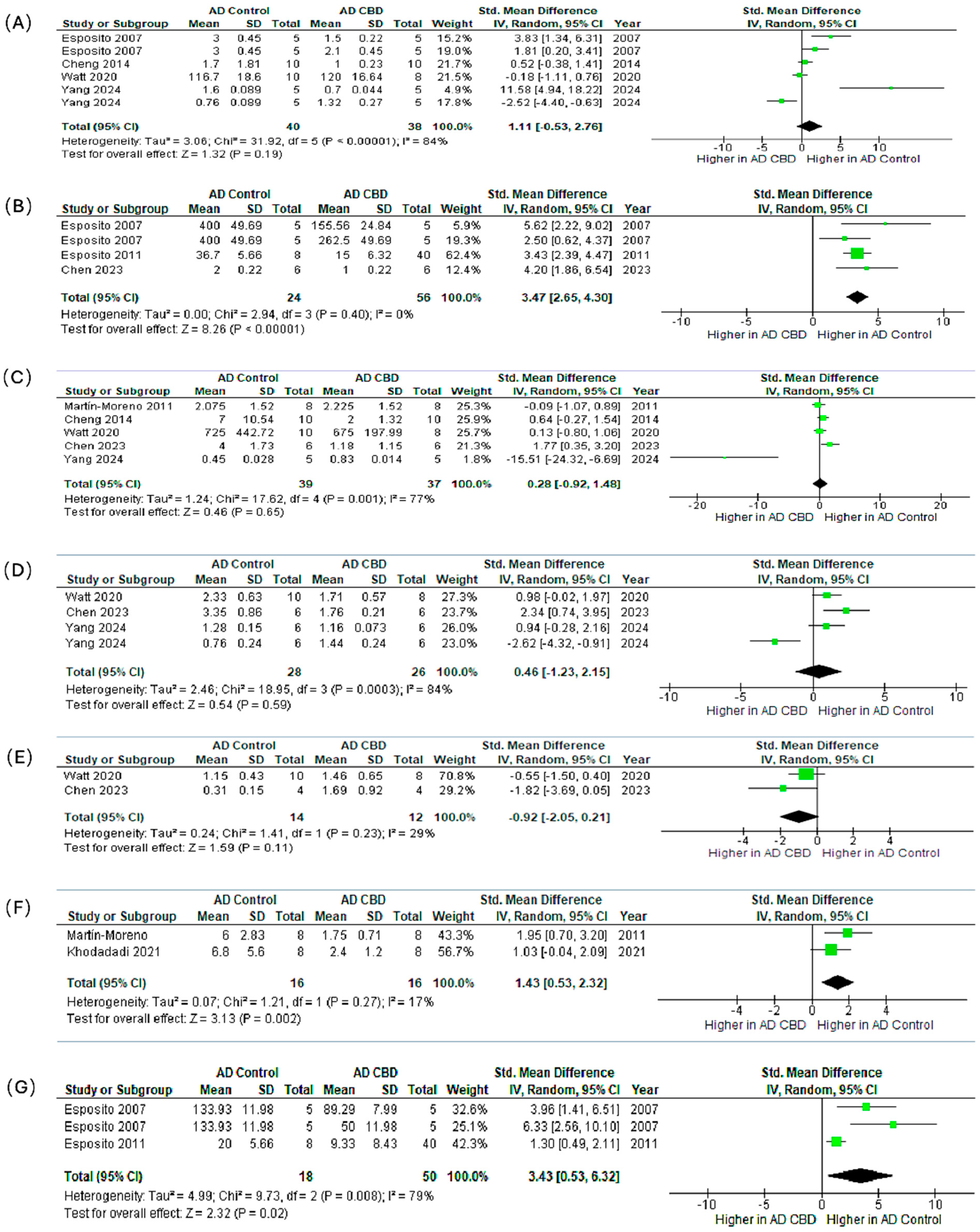
4.3. Meta-Analysis of Preclinical Trials: CBD and AD Neuroinflammatory Markers
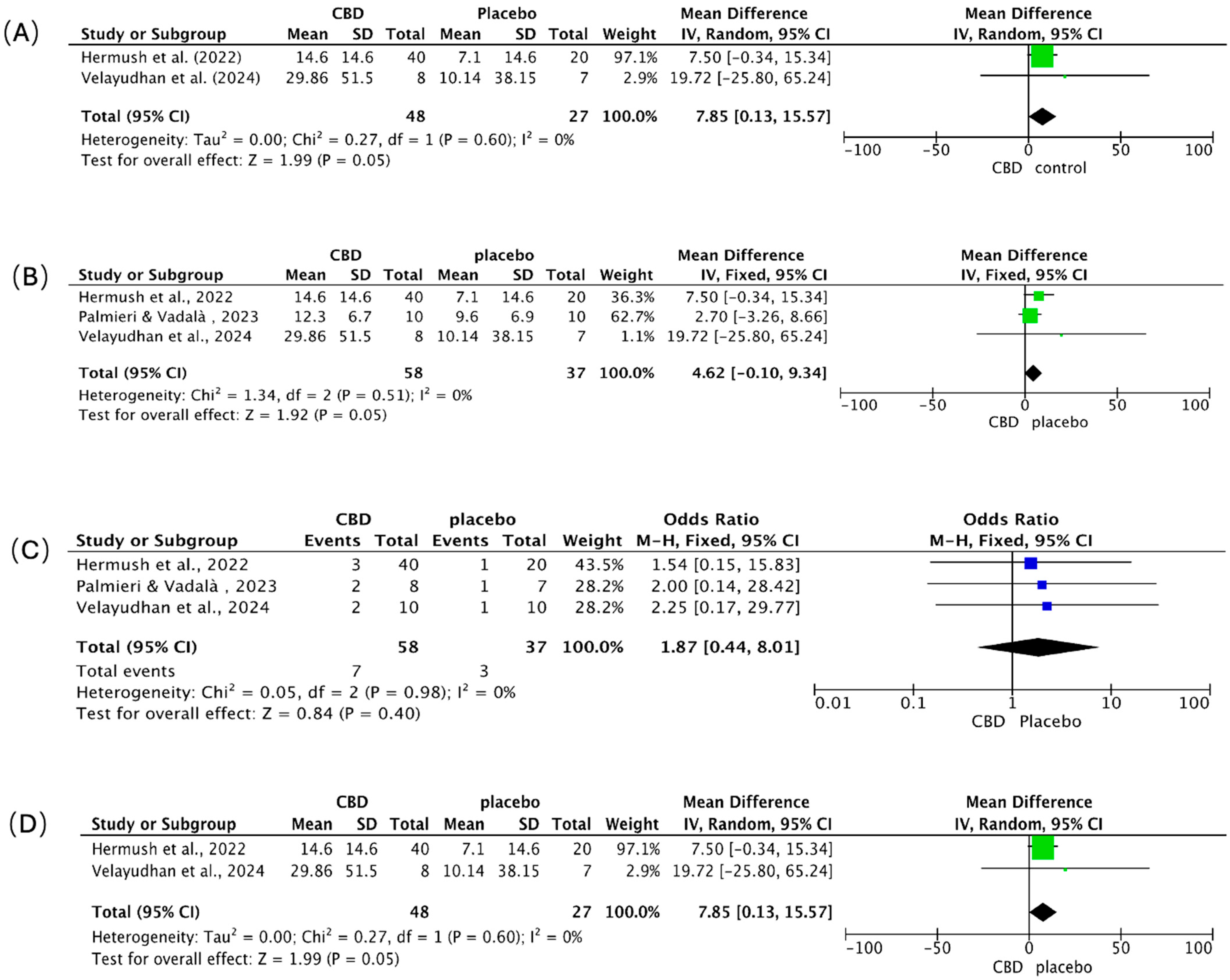
4.4. Meta-Analysis of Clinical Outcomes: Behavior, Agitation, Adverse Events, and Caregiver Distress
5. Discussion of the Results of the Integrated Meta-Analysis
5.1. Overview of the Results of the Integrated Meta-Analysis
5.1.1. Neuroinflammatory Modulation of CBD in Animal Models of AD: Results of Meta-Analysis
5.1.2. Clinical Efficacy Study of CBD in Patients with AD: Results of a Meta-Analysis
5.2. Systematic Comparison and Translational Implications of Preclinical and Clinical Findings
5.3. Limitation
6. Conclusions
Author Contributions
Funding
Data Availability Statement
Acknowledgments
Conflicts of Interest
References
- Breijyeh, Z.; Karaman, R. Comprehensive review on Alzheimer’s disease: Causes and treatment. Molecules 2020, 25, 5789. [Google Scholar] [CrossRef] [PubMed]
- Elahi, M. (Ed.) Alzheimer’s Disease; BoD–Books on Demand: London, UK, 2022. [Google Scholar]
- Alzheimer’s Society Research, UK. The Economic Impact of Dementia. Available online: https://dementiastatistics.org/statistics/the-economic-impact-of-dementia (accessed on 10 September 2024).
- Akama, K.T.; Van Eldik, L.J. β-Amyloid stimulation of inducible nitric-oxide synthase in astrocytes is interleukin-1β- and tumor necrosis factor-α-dependent, and involves a TNFα receptor-associated factor- and NFκB-inducing kinase-dependent signaling mechanism. J. Biol. Chem. 2000, 275, 7918–7924. [Google Scholar] [CrossRef] [PubMed]
- Akiyama, H.; Barger, S.; Barnum, S.; Bradt, B.; Bauer, J.; Cole, G.M.; Cooper, N.R.; Eikelenboom, P.; Emmerling, M.; Fiebich, B.L.; et al. Inflammation and Alzheimer’s disease. Neurobiol. Aging 2000, 21, 383–421. [Google Scholar] [CrossRef] [PubMed]
- Combs, C.K.; Johnson, D.E.; Karlo, J.C.; Cannady, S.B.; Landreth, G.E. Inflammatory mechanisms in Alzheimer’s disease: Inhibition of β-amyloid-stimulated proinflammatory responses and neurotoxicity by PPARγ agonists. J. Neurosci. 2000, 20, 558–567. [Google Scholar] [CrossRef]
- Griffin, W.S.; Stanley, L.C.; Ling, C.; White, L.; MacLeod, V.; Perrot, L.; White, C.L., III; Araoz, C. Brain interleukin 1 and S-100 immunoreactivity are elevated in Down syndrome and Alzheimer disease. Proc. Natl. Acad. Sci. USA 1989, 86, 7611–7615. [Google Scholar] [CrossRef]
- Griffin, W.S.T.; Sheng, J.G.; Roberts, G.W.; Mrak, R.E. Interleukin-1 expression in different plaque types in Alzheimer’s disease: Significance in plaque evolution. J. Neuropathol. Exp. Neurol. 1995, 54, 276–281. [Google Scholar] [CrossRef]
- Mrak, R.E.; Griffin, W.S.T. Common inflammatory mechanisms in Lewy body disease and Alzheimer disease. J. Neuropathol. Exp. Neurol. 2007, 66, 683–686. [Google Scholar] [CrossRef]
- Mrak, R.E.; Sheng, J.G.; Griffin, W.S.T. Glial cytokines in Alzheimer’s disease: Review and pathogenic implications. Hum. Pathol. 1995, 26, 816–823. [Google Scholar] [CrossRef]
- McGeer, P.; Akiyama, H.; Itagaki, S.; McGeer, E. Immune system response in Alzheimer’s disease. Can. J. Neurol. Sci. 1989, 16, 516–527. [Google Scholar] [CrossRef]
- McGeer, P.L.; McGeer, E.G. The inflammatory response system of brain: Implications for therapy of Alzheimer and other neurodegenerative diseases. Brain Res. Rev. 1995, 21, 195–218. [Google Scholar] [CrossRef]
- Tuppo, E.E.; Arias, H.R. The role of inflammation in Alzheimer’s disease. Int. J. Biochem. Cell Biol. 2005, 37, 289–305. [Google Scholar] [CrossRef]
- Walters, A.; Phillips, E.; Zheng, R.; Biju, M.; Kuruvilla, T. Evidence for neuroinflammation in Alzheimer’s disease. Prog. Neurol. Psychiatry 2016, 20, 25–31. [Google Scholar] [CrossRef]
- Kinney, J.W.; Bemiller, S.M.; Murtishaw, A.S.; Leisgang, A.M.; Salazar, A.M.; Lamb, B.T. Inflammation as a central mechanism in Alzheimer’s disease. Alzheimers Dement. Transl. Res. Clin. Interv. 2018, 4, 575–590. [Google Scholar] [CrossRef]
- Grammas, P. Neurovascular dysfunction, inflammation and endothelial activation: Implications for the pathogenesis of Alzheimer’s disease. J. Neuroinflamm. 2011, 8, 26. [Google Scholar] [CrossRef]
- Meraz-Ríos, M.A.; Toral-Rios, D.; Franco-Bocanegra, D.; Villeda-Hernández, J.; Campos-Peña, V. Inflammatory process in Alzheimer’s disease. Front. Integr. Neurosci. 2013, 7, 59. [Google Scholar] [CrossRef]
- Rubio-Perez, J.M.; Morillas-Ruiz, J.M. A review: Inflammatory process in Alzheimer′s disease, role of cytokines. Sci. World J. 2012, 2012, 756357. [Google Scholar] [CrossRef] [PubMed]
- Ali, A.B.; Islam, A.; Constanti, A. The fate of interneurons, GABAA receptor sub-types and perineuronal nets in Alzheimer’s disease. Brain Pathol. 2023, 33, e13129. [Google Scholar] [CrossRef]
- Rich, J.B.; Rasmusson, D.X.; Folstein, M.F.; Carson, K.A.; Kawas, C.; Brandt, J. Nonsteroidal anti-inflammatory drugs in Alzheimer’s disease. Neurology 1995, 45, 51–55. [Google Scholar] [CrossRef] [PubMed]
- Beard, C.M.; Waring, S.C.; O’Brien, P.C.; Kurland, L.T.; Kokmen, E. Nonsteroidal anti-inflammatory drug use and Alzheimer’s disease: A case-control study in Rochester, Minnesota, 1980 through 1984. Mayo Clin. Proc. 1998, 73, 951–955. [Google Scholar] [CrossRef]
- Breitner, J.C.S.; Gau, B.A.; Welsh, K.A.; Plassman, B.L.; McDonald, W.M.; Helms, M.J.; Anthony, J.C. Inverse association of anti-inflammatory treatments and Alzheimer’s disease: Initial results of a co-twin control study. Neurology 1994, 44, 227. [Google Scholar] [CrossRef] [PubMed]
- Cacabelos, R.; Alvarez, X.A.; Fernandez-Novoa, L.; Franco, A.; Mangues, R.; Pellicer, A.; Nishimura, T. Brain interleukin-1 beta in Alzheimer’s disease and vascular dementia. Methods Find. Exp. Clin. Pharmacol. 1994, 16, 141–151. [Google Scholar] [PubMed]
- Chang, R.; Yee, K.L.; Sumbria, R.K. Tumor necrosis factor α inhibition for Alzheimer’s disease. J. Cent. Nerv. Syst. Dis. 2017, 9, 1179573517709278. [Google Scholar] [CrossRef]
- Gao, L.; Zhang, Y.; Sterling, K.; Song, W. Brain-derived neurotrophic factor in Alzheimer’s disease and its pharmaceutical potential. Transl. Neurodegener. 2022, 11, 4. [Google Scholar] [CrossRef] [PubMed]
- Elahi, F.M.; Casaletto, K.B.; La Joie, R.; Walters, S.M.; Harvey, D.; Wolf, A.; Edwards, L.; Rivera-Contreras, W.; Karydas, A.; Cobigo, Y.; et al. Plasma biomarkers of astrocytic and neuronal dysfunction in early- and late-onset Alzheimer’s disease. Alzheimer’s Dement. 2020, 16, 681–695. [Google Scholar] [CrossRef]
- Oeckl, P.; Halbgebauer, S.; Anderl-Straub, S.; Steinacker, P.; Huss, A.M.; Neugebauer, H.; von Arnim, C.A.F.; Diehl-Schmid, J.; Grimmer, T.; Kornhuber, J. Glial fibrillary acidic protein in serum is increased in Alzheimer’s disease and correlates with cognitive impairment. J. Alzheimer’s Dis. 2019, 67, 481–488. [Google Scholar] [CrossRef] [PubMed]
- Rather, M.A.; Khan, A.; Alshahrani, S.; Rashid, H.; Qadri, M.; Rashid, S.; AlSaffar, R.M.; Kamal, M.A.; Rehman, M.U. Inflammation and Alzheimer’s disease: Mechanisms and therapeutic implications by natural products. Mediat. Inflamm. 2021, 2021, 9982954. [Google Scholar] [CrossRef]
- Heneka, M.T.; Carson, M.J.; El Khoury, J.; Landreth, G.E.; Brosseron, F.; Feinstein, D.L.; Jacobs, A.H.; Wyss-Coray, T.; Vitorica, J.; Ransohoff, R.M.; et al. Neuroinflammation in Alzheimer’s disease. Lancet Neurol. 2015, 14, 388–405. [Google Scholar] [CrossRef]
- Alberdi, E.; Sánchez-Gómez, M.V.; Cavaliere, F.; Pérez-Samartín, A.; Zugaza, J.L.; Trullas, R.; Domercq, M.; Matute, C. Amyloid β oligomers induce Ca2+ dysregulation and neuronal death through activation of ionotropic glutamate receptors. Cell Calcium 2010, 47, 264–272. [Google Scholar] [CrossRef]
- Coles, M.; Steiner-Lim, G.Z.; Karl, T. Therapeutic properties of multi-cannabinoid treatment strategies for Alzheimer’s disease. Front. Neurosci. 2022, 16, 962922. [Google Scholar] [CrossRef]
- Espinosa-Jovel, C. Cannabinoids in epilepsy: Clinical efficacy and pharmacological considerations. Neurologia 2020, 35, 357–365. [Google Scholar] [CrossRef]
- Watt, G.; Chesworth, R.; Przybyla, M.; Ittner, A.; Garner, B.; Ittner, L.M.; Karl, T. Chronic cannabidiol (CBD) treatment did not exhibit beneficial effects in 4-month-old male TAU58/2 transgenic mice. Pharmacol. Biochem. Behav. 2020, 196, 172970. [Google Scholar] [CrossRef]
- Vallée, A.; Lecarpentier, Y.; Guillevin, R.; Vallée, J.N. Effects of cannabidiol interactions with Wnt/β-catenin pathway and PPARγ on oxidative stress and neuroinflammation in Alzheimer’s disease. Acta Biochim. Biophys. Sin. 2017, 49, 853–866. [Google Scholar] [CrossRef]
- Kopustinskiene, D.M.; Masteikova, R.; Lazauskas, R.; Bernatoniene, J. Cannabis sativa L. bioactive compounds and their protective role in oxidative stress and inflammation. Antioxidants 2022, 11, 660. [Google Scholar] [CrossRef] [PubMed]
- Jîtcă, G.; Ősz, B.E.; Vari, C.E.; Rusz, C.M.; Tero-Vescan, A.; Pușcaș, A. Cannabidiol: Bridge between antioxidant effect, cellular protection, and cognitive and physical performance. Antioxidants 2023, 12, 485. [Google Scholar] [CrossRef]
- Meyer, E.; Rieder, P.; Gobbo, D.; Candido, G.; Scheller, A.; Oliveira, R.; Kirchhoff, F. Cannabidiol exerts a neuroprotective and glia-balancing effect in the subacute phase of stroke. Int. J. Mol. Sci. 2022, 23, 6427. [Google Scholar] [CrossRef]
- Tadijan, A.; Vlašić, I.; Vlainić, J.; Đikić, D.; Oršolić, N.; Jazvinšćak Jembrek, M. Intracellular molecular targets and signaling pathways involved in antioxidative and neuroprotective effects of cannabinoids in neurodegenerative conditions. Antioxidants 2022, 11, 2049. [Google Scholar] [CrossRef]
- Peng, J.; Fan, M.; An, C.; Ni, F.; Huang, W.; Luo, J. A narrative review of molecular mechanism and therapeutic effect of cannabidiol (CBD). Basic Clin. Pharmacol. Toxicol. 2022, 130, 439–456. [Google Scholar] [CrossRef] [PubMed]
- Booz, G.W. Cannabidiol as an emergent therapeutic strategy for lessening the impact of inflammation on oxidative stress. Free Radic. Biol. Med. 2011, 51, 1054–1061. [Google Scholar] [CrossRef]
- Aymerich, M.S.; Aso, E.; Abellanas, M.A.; Tolon, R.M.; Ramos, J.A.; Ferrer, I.; Romero, J.; Fernández-Ruiz, J. Cannabinoid pharmacology/therapeutics in chronic degenerative disorders affecting the central nervous system. Biochem. Pharmacol. 2018, 157, 67–84. [Google Scholar] [CrossRef] [PubMed]
- Cassano, T.; Calcagnini, S.; Pace, L.; De Marco, F.; Romano, A.; Gaetani, S. Cannabinoid receptor 2 signaling in neurodegenerative disorders: From pathogenesis to a promising therapeutic target. Front. Neurosci. 2017, 11, 30. [Google Scholar] [CrossRef]
- Chung, Y.C.; Shin, W.H.; Baek, J.Y.; Cho, E.J.; Baik, H.H.; Kim, S.R.; Won, S.Y.; Jin, B.K. CB2 receptor activation prevents glial-derived neurotoxic mediator production, BBB leakage and peripheral immune cell infiltration and rescues dopamine neurons in the MPTP model of Parkinson’s disease. Exp. Mol. Med. 2016, 48, e205. [Google Scholar] [CrossRef]
- Ramírez, B.G.; Blázquez, C.; Gómez del Pulgar, T.; Guzmán, M.; de Ceballos, M.L. Prevention of Alzheimer’s disease pathology by cannabinoids: Neuroprotection mediated by blockade of microglial activation. J. Neurosci. 2005, 25, 1904–1913. [Google Scholar] [CrossRef]
- Sheng, W.S.; Hu, S.; Min, X.; Cabral, G.A.; Lokensgard, J.R.; Peterson, P.K. Synthetic cannabinoid WIN55,212-2 inhibits generation of inflammatory mediators by IL-1β-stimulated human astrocytes. Glia 2005, 49, 211–219. [Google Scholar] [CrossRef]
- Cristino, L.; Bisogno, T.; Di Marzo, V. Cannabinoids and the expanded endocannabinoid system in neurological disorders. Nat. Rev. Neurol. 2020, 16, 9–29. [Google Scholar] [CrossRef]
- Micale, V.; Di Marzo, V.; Sulcova, A.; Wotjak, C.T.; Drago, F. Endocannabinoid system and mood disorders: Priming a target for new therapies. Pharmacol. Ther. 2013, 138, 18–37. [Google Scholar] [CrossRef] [PubMed]
- Cristino, L.; Busetto, G.; Imperatore, R.; Ferrandino, I.; Palomba, L.; Silvestri, C.; Petrosino, S.; Orlando, P.; Bentivoglio, M.; Mackie, K.; et al. Obesity-driven synaptic remodeling affects endocannabinoid control of orexinergic neurons. Proc. Natl. Acad. Sci. USA 2013, 110, E2229–E2238. [Google Scholar] [CrossRef] [PubMed]
- Kasatkina, L.A.; Rittchen, S.; Sturm, E.M. Neuroprotective and immunomodulatory action of the endocannabinoid system under neuroinflammation. Int. J. Mol. Sci. 2021, 22, 5431. [Google Scholar] [CrossRef] [PubMed]
- Estrada, J.A.; Contreras, I. Endocannabinoid receptors in the CNS: Potential drug targets for the prevention and treatment of neurologic and psychiatric disorders. Curr. Neuropharmacol. 2020, 18, 769–787. [Google Scholar] [CrossRef]
- Haugh, O.; Penman, J.; Irving, A.J.; Campbell, V.A. The emerging role of the cannabinoid receptor family in peripheral and neuro-immune interactions. Curr. Drug Targets 2016, 17, 1834–1840. [Google Scholar] [CrossRef]
- Turcotte, C.; Blanchet, M.R.; Laviolette, M.; Flamand, N. The CB2 receptor and its role as a regulator of inflammation. Cell. Mol. Life Sci. 2016, 73, 4449–4470. [Google Scholar] [CrossRef]
- Blankman, J.; Cravatt, B. Chemical probes of endocannabinoid metabolism. Pharmacol. Rev. 2013, 65, 849–871. [Google Scholar] [CrossRef]
- Rodríguez de Fonseca, F.; Del Arco, I.; Bermudez-Silva, F.J.; Bilbao, A.; Cippitelli, A.; Navarro, M. The endocannabinoid system: Physiology and pharmacology. Alcohol Alcohol. 2005, 40, 2–14. [Google Scholar] [CrossRef]
- Alger, B.E. Getting high on the endocannabinoid system. Cerebrum 2013, 2013, 14. [Google Scholar] [PubMed]
- Basavarajappa, B.S. Neuropharmacology of the endocannabinoid signaling system—Molecular mechanisms, biological actions and synaptic plasticity. Curr. Neuropharmacol. 2007, 5, 81–97. [Google Scholar] [CrossRef] [PubMed]
- Bisogno, T.; Di Marzo, V. Short- and long-term plasticity of the endocannabinoid system in neuropsychiatric and neurological disorders. Pharmacol. Res. 2007, 56, 428–442. [Google Scholar] [CrossRef] [PubMed]
- Blankman, J.L.; Simon, G.M.; Cravatt, B.F. A comprehensive profile of brain enzymes that hydrolyze the endocannabinoid 2-arachidonoylglycerol. Chem. Biol. 2007, 14, 1347–1356. [Google Scholar] [CrossRef]
- Long, J.; Nomura, D.; Vann, R.; Walentiny, D.; Booker, L.; Jin, X.; Burston, J.; Sim-Selley, L.; Lichtman, A.; Wiley, J.; et al. Dual blockade of FAAH and MAGL identifies behavioral processes regulated by endocannabinoid crosstalk in vivo. Proc. Natl. Acad. Sci. USA 2009, 106, 20270–20275. [Google Scholar] [CrossRef]
- Papa, A.; Pasquini, S.; Contri, C.; Gemma, S.; Campiani, G.; Butini, S.; Varani, K.; Vincenzi, F. Polypharmacological approaches for CNS diseases: Focus on endocannabinoid degradation inhibition. Cells 2022, 11, 471. [Google Scholar] [CrossRef]
- Elmes, M.; Kaczocha, M.; Berger, W.; Leung, K.; Ralph, B.; Wang, L.; Sweeney, J.; Miyauchi, J.; Tsirka, S.; Ojima, I.; et al. Fatty acid-binding proteins (FABPs) are intracellular carriers for Δ9-tetrahydrocannabinol (THC) and cannabidiol (CBD). J. Biol. Chem. 2015, 290, 8711–8721. [Google Scholar] [CrossRef]
- Bajaj, S.; Jain, S.; Vyas, P.; Bawa, S.; Vohora, D. The role of endocannabinoid pathway in the neuropathology of Alzheimer’s disease: Can the inhibitors of MAGL and FAAH prove to be potential therapeutic targets against the cognitive impairment associated with Alzheimer’s disease? Brain Res. Bull. 2021, 174, 305–322. [Google Scholar] [CrossRef]
- Laprairie, R.B.; Bagher, A.M.; Kelly, M.E.M.; Denovan-Wright, E.M. Cannabidiol is a negative allosteric modulator of the cannabinoid CB1 receptor. Br. J. Pharmacol. 2015, 172, 4790–4805. [Google Scholar] [CrossRef]
- Costa, B.; Giagnoni, G.; Franke, C.; Trovato, A.; Colleoni, M. Vanilloid TRPV1 receptor mediates the antihyperalgesic effect of the nonpsychoactive cannabinoid, cannabidiol, in a rat model of acute inflammation. Br. J. Pharmacol. 2004, 143, 247–250. [Google Scholar] [CrossRef]
- Gregorio, D.; McLaughlin, R.; Posa, L.; Ochoa-Sanchez, R.; Enns, J.; López-Canul, M.; Aboud, M.; Maione, S.; Comai, S.; Gobbi, G. Cannabidiol modulates serotonergic transmission and reverses both allodynia and anxiety-like behavior in a model of neuropathic pain. Pain 2019, 160, 136–150. [Google Scholar] [CrossRef]
- Vallée, A.; Vallée, J.N.; Lecarpentier, Y. Potential role of cannabidiol in Parkinson’s disease by targeting the WNT/β-catenin pathway, oxidative stress and inflammation. Aging 2021, 13, 10796. [Google Scholar] [CrossRef]
- Sharma, A.; Lee, H.J. Role of phytoconstituents as PPAR agonists: Implications for neurodegenerative disorders. Biomedicines 2021, 9, 1914. [Google Scholar] [CrossRef]
- Bielawiec, P.; Harasim-Symbor, E.; Chabowski, A. Phytocannabinoids: Useful drugs for the treatment of obesity? Special focus on cannabidiol. Front. Endocrinol. 2020, 11, 114. [Google Scholar] [CrossRef]
- Lu, H.C.; Mackie, K. Review of the endocannabinoid system. Biol. Psychiatry Cogn. Neurosci. Neuroimaging 2021, 6, 607–615. [Google Scholar] [CrossRef]
- Sido, J.M.; Nagarkatti, P.S.; Nagarkatti, M. Δ9-Tetrahydrocannabinol attenuates allogeneic host-versus-graft response and delays skin graft rejection through activation of cannabinoid receptor 1 and induction of myeloid-derived suppressor cells. J. Leukoc. Biol. 2015, 98, 435–447. [Google Scholar] [CrossRef]
- Esposito, G.; Scuderi, C.; Savani, C.; Steardo, L., Jr.; De Filippis, D.; Cottone, P.; Iuvone, T.; Cuomo, V.; Steardo, L. Cannabidiol in vivo blunts β-amyloid induced neuroinflammation by suppressing IL-1β and iNOS expression. Br. J. Pharmacol. 2007, 151, 1272–1279. [Google Scholar] [CrossRef]
- Cheng, D.; Spiro, A.S.; Jenner, A.M.; Garner, B.; Karl, T. Long-term cannabidiol treatment prevents the development of social recognition memory deficits in Alzheimer’s disease transgenic mice. J. Alzheimer’s Dis. 2014, 42, 1383–1396. [Google Scholar] [CrossRef]
- Lana, D.; Landucci, E.; Mazzantini, C.; Magni, G.; Pellegrini-Giampietro, D.E.; Giovannini, M.G. The protective effect of CBD in a model of in vitro ischemia may be mediated by agonism on TRPV2 channel and microglia activation. Int. J. Mol. Sci. 2022, 23, 12144. [Google Scholar] [CrossRef]
- Marinelli, S.; Marrone, M.C.; Di Domenico, M.; Marinelli, S. Endocannabinoid signaling in microglia. Glia 2023, 71, 71–90. [Google Scholar] [CrossRef]
- Watt, G.; Chesworth, R.; Przybyla, M.; Garner, B.; Ittner, A.; Ittner, L.M.; Karl, T. Effect of 50 mg/kg CBD on AD-relevant phenotypes of TAU58/2 transgenic mice. In The Therapeutic Potential of the Phytocannabinoid Cannabidiol (CBD) for Alzheimer’s Disease; Western Sydney University: Sydney, Australia, 2020; p. 174. [Google Scholar]
- Page, M.J.; McKenzie, J.E.; Bossuyt, P.A.; Boutron, I.; Hoffmann, T.C.; Mulrow, C.D.; Shamseer, L.; Tetzlaff, J.M.; Brennan, S.E.; Chou, R.; et al. The PRISMA 2020 statement: An updated guideline for reporting systematic reviews. BMJ 2021, 372, n71. [Google Scholar] [CrossRef] [PubMed]
- Aso, E.; Ferrer, I. Cannabinoids for treatment of Alzheimer’s disease: Moving toward the clinic. Front. Pharmacol. 2014, 5, 37. [Google Scholar] [CrossRef]
- Mechoulam, R.; Carlini, E.A. Toward drugs derived from cannabis. Naturwissenschaften 1978, 65, 174–179. [Google Scholar] [CrossRef] [PubMed]
- Hooijmans, C.R.; Rovers, M.M.; De Vries, R.B.; Leenaars, M.; Ritskes-Hoitinga, M.; Langendam, M.W. SYRCLE’s risk of bias tool for animal studies. BMC Med. Res. Methodol. 2014, 14, 43. [Google Scholar] [CrossRef] [PubMed]
- Xiong, Y.; Lim, C.S. Understanding the modulatory effects of cannabidiol on Alzheimer’s disease. Brain Sci. 2021, 11, 1211. [Google Scholar] [CrossRef]
- Yang, S.; Du, Y.; Zhao, X.; Tang, Q.; Su, W.; Hu, Y.; Yu, P. Cannabidiol enhances microglial beta-amyloid peptide phagocytosis and clearance via vanilloid family type 2 channel activation. Int. J. Mol. Sci. 2022, 23, 5367. [Google Scholar] [CrossRef]
- Esposito, G.; Scuderi, C.; Valenza, M.; Togna, G.I.; Latina, V.; De Filippis, D.; Cipriano, M.; Carratù, M.R.; Iuvone, T.; Steardo, L. Cannabidiol reduces Aβ-induced neuroinflammation and promotes hippocampal neurogenesis through PPARγ involvement. PLoS ONE 2011, 6, e28668. [Google Scholar] [CrossRef]
- Martín-Moreno, A.M.; Reigada, D.; Ramírez, B.G.; Mechoulam, R.; Innamorato, N.; Cuadrado, A.; de Ceballos, M.L. Cannabidiol and other cannabinoids reduce microglial activation in vitro and in vivo: Relevance to Alzheimer’s disease. Mol. Pharmacol. 2011, 79, 964–973. [Google Scholar] [CrossRef]
- Watt, G.; Shang, K.; Zieba, J.; Olaya, J.; Li, H.; Garner, B.; Karl, T. Chronic treatment with 50 mg/kg cannabidiol improves cognition and moderately reduces Aβ40 levels in 12-month-old male AβPPswe/PS1ΔE9 transgenic mice. J. Alzheimer’s Dis. 2020, 74, 937–950. [Google Scholar]
- Chen, L.; Sun, Y.; Li, J.; Liu, S.; Ding, H.; Wang, G.; Li, X. Assessing cannabidiol as a therapeutic agent for preventing and alleviating Alzheimer’s disease neurodegeneration. Cells 2023, 12, 2672. [Google Scholar] [CrossRef] [PubMed]
- Yang, S.; Du, Y.; Li, Y.; Tang, Q.; Zhang, Y.; Zhao, X. Tyrosine phosphorylation and palmitoylation of TRPV2 ion channel tune microglial beta-amyloid peptide phagocytosis. J. Neuroinflamm. 2024, 21, 218. [Google Scholar] [CrossRef]
- Khodadadi, H.; Salles, É.L.; Jarrah, A.; Costigliola, V.; Khan, M.B.; Yu, J.C.; Morgan, J.C.; Hess, D.C.; Vaibhav, K.; Dhandapani, K.M.; et al. Cannabidiol ameliorates cognitive function via regulation of IL-33 and TREM2 upregulation in a murine model of Alzheimer’s disease. J. Alzheimer’s Dis. 2021, 80, 973–977. [Google Scholar] [CrossRef]
- Velayudhan, L.; Dugonjic, M.; Pisani, S.; Harborow, L.; Aarsland, D.; Bassett, P.; Bhattacharyya, S. Cannabidiol for behavior symptoms in Alzheimer’s disease (CANBiS-AD): A randomized, double-blind, placebo-controlled trial. Int. Psychogeriatr. 2024, 36, 1270–1272. [Google Scholar] [CrossRef]
- Palmieri, B.; Vadalà, M. Oral THC: CBD cannabis extract in main symptoms of Alzheimer disease: Agitation and weight loss. Clin. Ter. 2023, 174, 1–6. [Google Scholar]
- Watt, G.; Karl, T. In vivo evidence for therapeutic properties of cannabidiol (CBD) for Alzheimer’s disease. Front. Pharmacol. 2017, 8, 20. [Google Scholar] [CrossRef]
- Grimm, O.; Löffler, M.; Kamping, S.; Hartmann, A.; Rohleder, C.; Leweke, M.; Flor, H. Probing the endocannabinoid system in healthy volunteers: Cannabidiol alters fronto-striatal resting-state connectivity. Eur. Neuropsychopharmacol. 2018, 28, 841–849. [Google Scholar] [CrossRef]
- Hermush, V.; Ore, L.; Stern, N.; Mizrahi, N.; Fried, M.; Krivoshey, M.; Staghon, E.; Lederman, V.E.; Bar-Lev Schleider, L. Effects of rich cannabidiol oil on behavioral disturbances in patients with dementia: A placebo controlled randomized clinical trial. Front. Med. 2022, 9, 951889. [Google Scholar] [CrossRef]
- Babcock, A.A.; Ilkjær, L.; Clausen, B.H.; Villadsen, B.; Dissing-Olesen, L.; Bendixen, A.T.; Lyck, L.; Lambertsen, K.L.; Finsen, B. Cytokine-producing microglia have an altered beta-amyloid load in aged APP/PS1 Tg mice. Brain Behav. Immun. 2015, 48, 86–101. [Google Scholar] [CrossRef]
- Kleinridders, A.; Ferris, H.A.; Reyzer, M.L.; Rath, M.; Soto, M.; Manier, M.L.; Spraggins, J.; Yang, Z.; Stanton, R.C.; Caprioli, R.M.; et al. Regional differences in brain glucose metabolism determined by imaging mass spectrometry. Mol. Metab. 2018, 12, 113–121. [Google Scholar] [CrossRef] [PubMed]
- Jin, S.; Lin, C.; Wang, Y.; Wang, H.; Wen, X.; Xiao, P.; Li, X.; Peng, Y.; Sun, J.; Lu, Y.; et al. Cannabidiol analogue CIAC001 for the treatment of morphine-induced addiction by targeting PKM2. J. Med. Chem. 2023, 66, 11498–11516. [Google Scholar] [CrossRef] [PubMed]



| Study Name and Reference | Study Objective | Methodology | Main Finding | Limitation | CBD & Neuroinflammation Relationship |
|---|---|---|---|---|---|
| Cannabidiol in vivo blunts β-amyloid-induced neuroinflammation. Esposito et al. [71] | Examine CBD’s effect on neuroinflammation in AD mouse models by measuring IL-1β, iNOS, and GFAP expression. | Cross-sectional study, 5 mice per group, intraperitoneal CBD (2.5–10 mg/kg) for 7 days, immunofluorescence analysis. | CBD reduced IL-1β and iNOS, indicating anti-inflammatory effects in AD models. | Short treatment duration; does not assess long-term effects. | CBD reduces astrocytic and microglial activation, lowering IL-1β and iNOS. |
| Long-Term Cannabidiol Treatment Prevents Social Recognition Deficits. Cheng et al. [72] | Assess long-term effects of CBD on social recognition of memory and inflammatory markers IL-1β and TNF-α. | Longitudinal study, 10 mice per group, oral CBD (20 mg/kg) for 8 months, quantitative PCR for IL-1β and TNF-α. | CBD improved social recognition and slightly reduced neuroinflammation (IL-1β, TNF-α). | Limited to one behavioral measure; lacks molecular mechanism validation. | CBD mitigates the inflammatory effects of IL-1β and TNF-α in social recognition. |
| Cannabidiol Reduces Ab-Induced Neuroinflammation via PPARγ. Esposito et al. [82] | Investigate CBD’s role in reducing GFAP and iNOS via PPARγ activation in AD models. | Cross-sectional study, 40 mice, intraperitoneal CBD (10 mg/kg) for 15 days, Nissl staining, and densitometry. | CBD reduced neuroinflammation via PPARγ activation, decreasing GFAP and iNOS. | PPARγ involvement was inferred but not directly validated. | PPARγ activation by CBD suppresses GFAP and iNOS, reducing neuroinflammation. |
| Cannabidiol and Other Cannabinoids Reduce Microglial Activation. Martín-Moreno et al. [83] | Analyze CBD’s impact on microglial activation and pro-inflammatory cytokines in vivo. | Cross-sectional study, 8 mice per group, intraperitoneal CBD (20 mg/kg) for 4 weeks, qPCR for TNF-α and IL-6. | CBD reduced microglial activation and decreased TNF-α and IL-6 expression. | Small sample size; lacks long-term follow-up. | CBD downregulates microglial pro-inflammatory response, reducing TNF-α and IL-6. |
| Chronic Treatment with Cannabidiol Improves Cognition in AD Models. Watt et al. [84] | Evaluate CBD’s ability to improve cognition and modulate TNF-α, IL-1β, IBA1, and BDNF in AD models. | Cross-sectional study, 8–10 mice per group, intraperitoneal CBD (50 mg/kg) for 3 weeks, ELISA, and Western blot. | CBD improved cognition and reduced TNF-α, IBA1, and BDNF levels but increased IL-1β. | CBD increased levels of IL-1β, complicates interpretation. | CBD modulates cytokine levels, improving cognitive outcomes in AD. |
| Assessing Cannabidiol as a Therapeutic Agent in Alzheimer’s Disease. Chen et al. [85] | Study CBD’s effects on GFAP, TNF-α, IBA1, and BDNF levels in AD models. | Cross-sectional study, 6–10 mice per group, intragastric CBD (25 mg/kg) for 13 days, immunofluorescence analysis. | CBD lowered GFAP, TNF-α, and IBA1 levels while increasing BDNF, enhancing cognitive function. | Small sample size; requires a dose-dependent study. | CBD alters neuroinflammatory marker expression, promoting cognitive benefits. |
| Tyrosine phosphorylation and palmitoylation of transient receptor potential cation channel subfamily V member 2 (TRPV2) tune microglial phagocytosis. Yang et al. [86] | Assess the duration-dependent effect of CBD on neuroinflammation and microglial phagocytosis. | Cross-sectional study, 6 mice per group, intraperitoneal CBD (10 mg/kg) for 1–3 weeks, Western blot and qPCR. | Short-term CBD reduced neuroinflammation, but long-term CBD increased neuroinflammatory markers. | Long-term effects of CBD on neuroinflammation require further study. | CBD’s effects on neuroinflammation are duration-dependent, requiring careful dosing. |
| Cannabidiol Ameliorates Cognitive Function via IL-33 and TREM2 Upregulation. Khodadadi et al. [87] | Investigate CBD’s impact on IL-6 levels and cognitive function in an AD murine model. | Cross-sectional study, 6–10 mice per group, intraperitoneal CBD (10 mg/kg) every other day for 2 weeks, flow cytometry. | CBD significantly reduced IL-6 and improved cognitive function. | Limited to IL-6; lacks other neuroinflammatory markers. | CBD significantly reduces IL-6 levels, improving neuroprotection in AD models. |
| Study Name and Reference | Study Objective | Methodology | Main Finding | Limitation | CBD & Neuroinflammation Relationship |
|---|---|---|---|---|---|
| Cannabidiol for Behavioral Symptoms in Alzheimer’s Disease (CANBiS-AD)—Randomized Controlled Trial on Agitation and Dementia Symptoms. Velayudhan et al. [88] | To test CBD efficacy for behavioral symptoms in Alzheimer’s disease patients. | Randomized, double-blind, placebo-controlled trial; 120 participants; 12-week oral CBD (up to 300 mg/day). | Preliminary data suggest that CBD improved agitation and caregiver distress. | Small sample size and short follow-up period. | Likely works by reducing microglial activation and neuroinflammatory cytokines such as IL-1β and TNF-α. |
| Oral THC: CBD Cannabis Extract for Alzheimer’s Symptoms—Investigating Agitation and Weight Loss in AD Patients. Palmieri et al. [89] | To investigate mixed THC: CBD extract in treating agitation and weight loss in AD. | Open-label clinical trial; oral THC: CBD extract for 12 weeks; behavioral assessments and weight tracking. | Reported reduced agitation and slight weight stabilization. | THC confounds CBD-specific effects; open-label design limits rigor. | Neuroinflammation modulation may be partially attributable to CBD, but THC’s role cannot be excluded. |
| In vivo Evidence for Therapeutic Properties of Cannabidiol for Alzheimer’s Disease. Watt et al. [90] | To explore CBD’s anti-inflammatory effects in multiple sclerosis (MS) models. | Preclinical study using EAE mice and human MS patient samples. Measured TNF-α, IL-1β, and microglial activation. | CBD reduced neuroinflammation by suppressing microglial activation and TNF-α/IL-1β levels in both mice and humans. | Limited human data. Focused on preclinical evidence. | CBD inhibits TLR4/NF-κB signaling, reducing pro-inflammatory cytokines in MS. |
| Probing the endocannabinoid system for healthy volunteers. Grimm et al. [91] | Probing the endocannabinoid system in healthy volunteers | Clinical study in healthy volunteers; CBD administration; resting-state fMRI connectivity analysis. | CBD altered fronto-striatal resting-state connectivity in healthy volunteers. | Study on healthy volunteers; not Alzheimer-specific. | Not directly related to Alzheimer neuroinflammation; general brain connectivity finding. |
| Effects of Rich Cannabidiol Oil on Behavioral Disturbances in Dementia—Placebo-Controlled RCT Evaluating Agitation Reduction. Hermush et al. [92] | To assess CBD oil’s impact on behavioral symptoms in dementia. | Placebo-controlled RCT; CBD oil (30% concentration) given for 6 weeks to dementia patients. | Reduced agitation and caregiver distress scores | Small sample size, short intervention duration. | CBD likely reduced microglial activity and pro-inflammatory cytokines (IL-6, TNF-α). |
Disclaimer/Publisher’s Note: The statements, opinions and data contained in all publications are solely those of the individual author(s) and contributor(s) and not of MDPI and/or the editor(s). MDPI and/or the editor(s) disclaim responsibility for any injury to people or property resulting from any ideas, methods, instructions or products referred to in the content. |
© 2025 by the authors. Licensee MDPI, Basel, Switzerland. This article is an open access article distributed under the terms and conditions of the Creative Commons Attribution (CC BY) license (https://creativecommons.org/licenses/by/4.0/).
Share and Cite
Wu, S.; Rajiah, T.; Ali, A.B. Therapeutic Potential for Cannabidiol on Alzheimer’s Disease-Related Neuroinflammation: A Systematic Review and Meta-Analysis. Int. J. Mol. Sci. 2025, 26, 11963. https://doi.org/10.3390/ijms262411963
Wu S, Rajiah T, Ali AB. Therapeutic Potential for Cannabidiol on Alzheimer’s Disease-Related Neuroinflammation: A Systematic Review and Meta-Analysis. International Journal of Molecular Sciences. 2025; 26(24):11963. https://doi.org/10.3390/ijms262411963
Chicago/Turabian StyleWu, Shuo, Tracia Rajiah, and Afia B. Ali. 2025. "Therapeutic Potential for Cannabidiol on Alzheimer’s Disease-Related Neuroinflammation: A Systematic Review and Meta-Analysis" International Journal of Molecular Sciences 26, no. 24: 11963. https://doi.org/10.3390/ijms262411963
APA StyleWu, S., Rajiah, T., & Ali, A. B. (2025). Therapeutic Potential for Cannabidiol on Alzheimer’s Disease-Related Neuroinflammation: A Systematic Review and Meta-Analysis. International Journal of Molecular Sciences, 26(24), 11963. https://doi.org/10.3390/ijms262411963