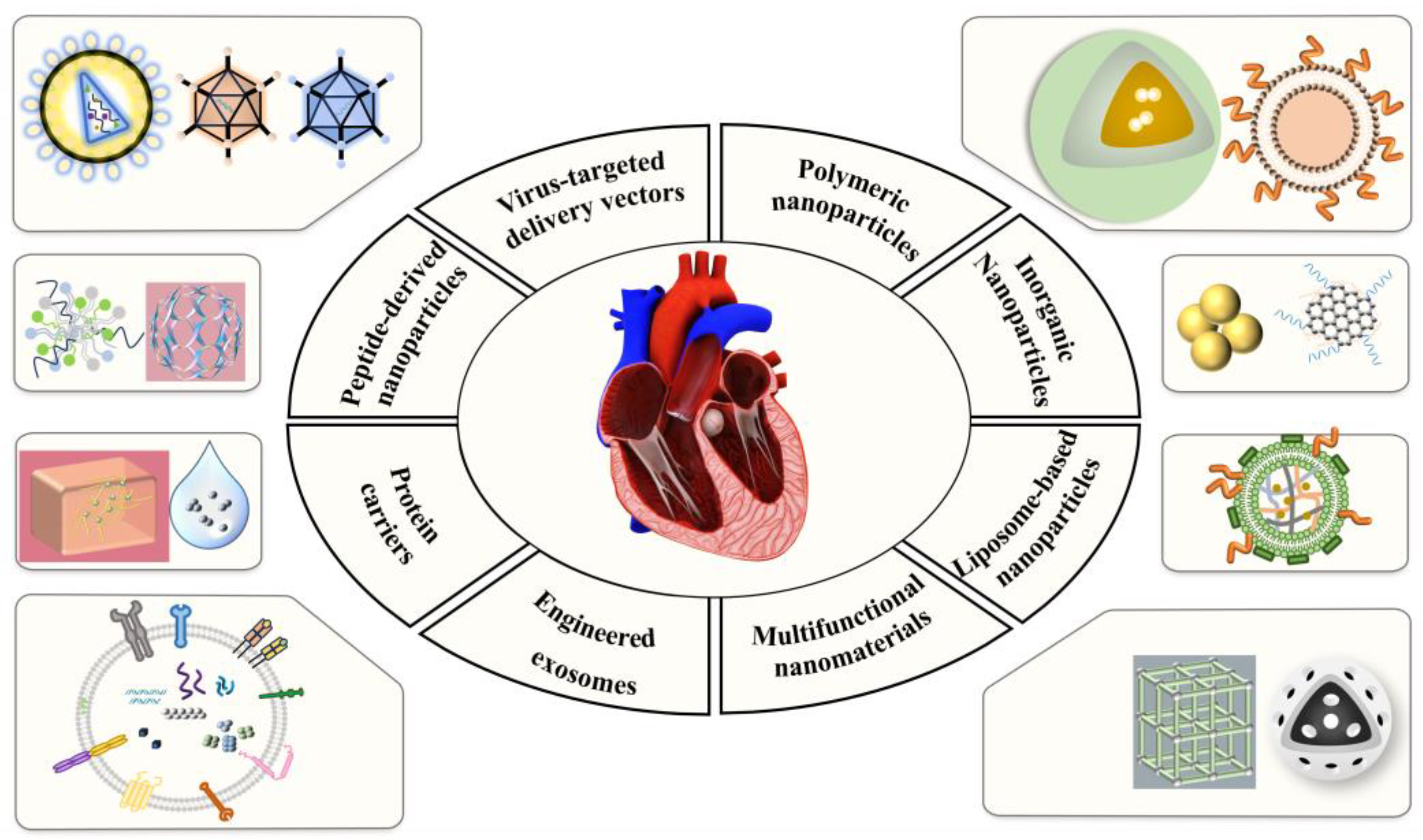
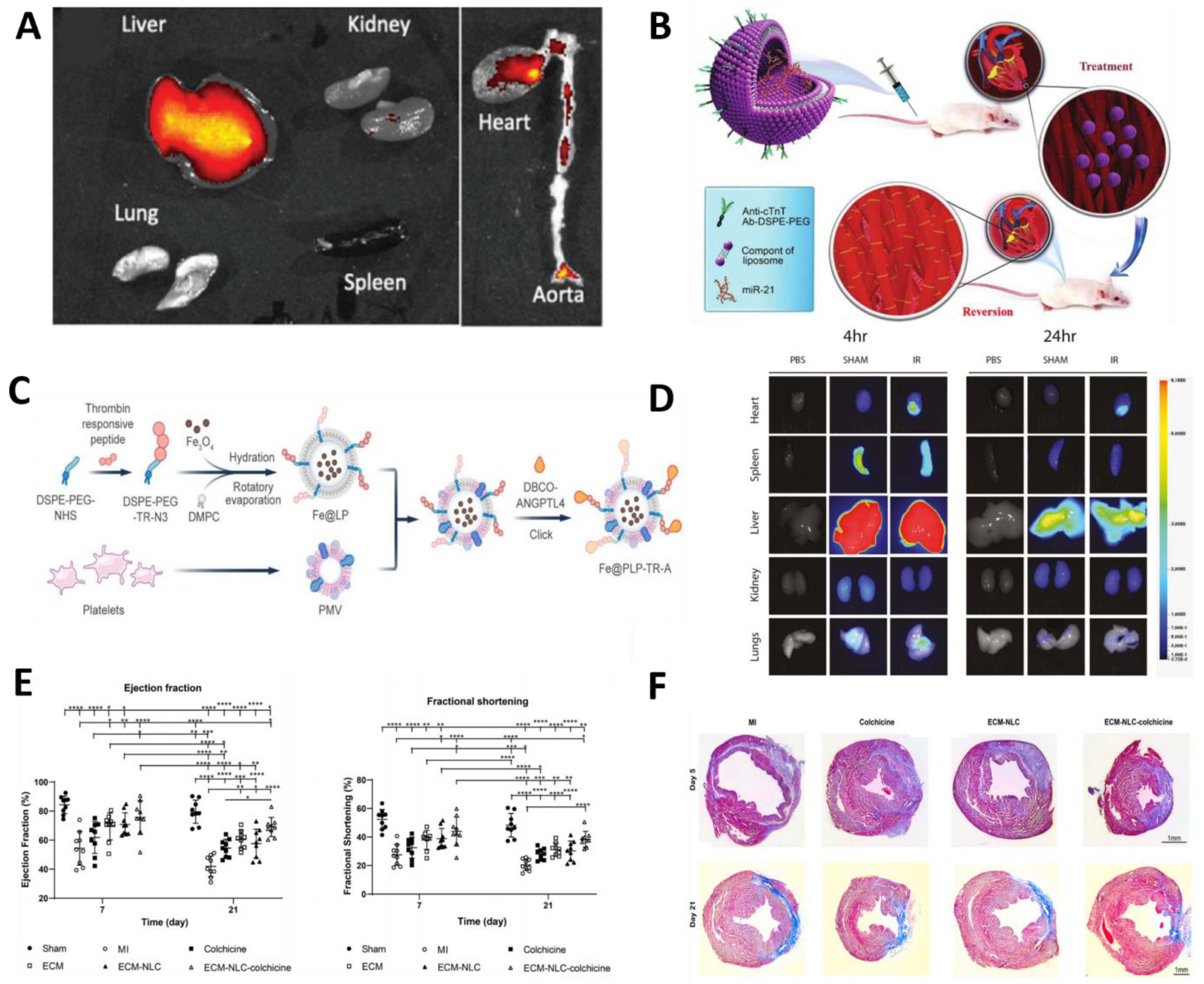
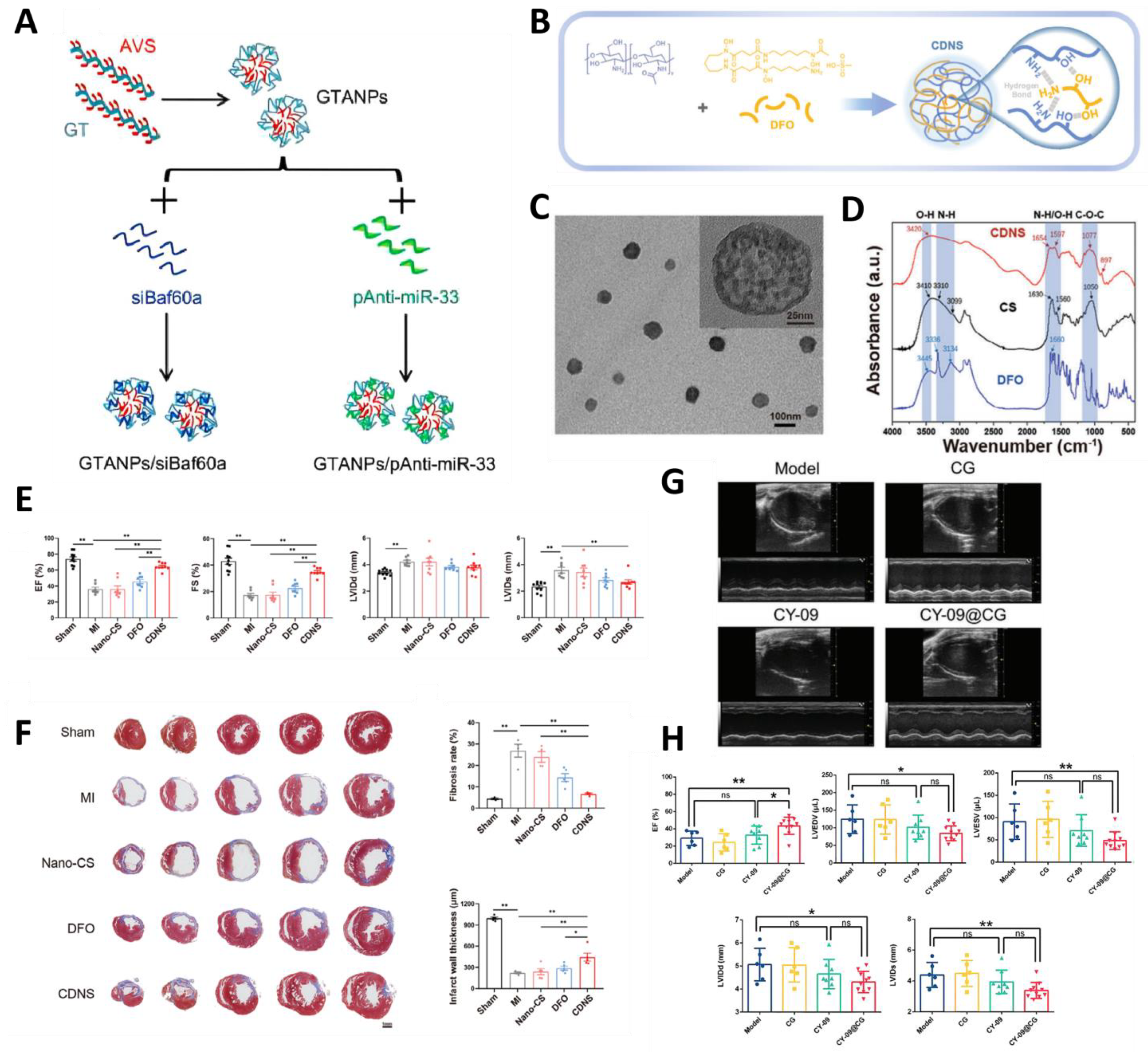
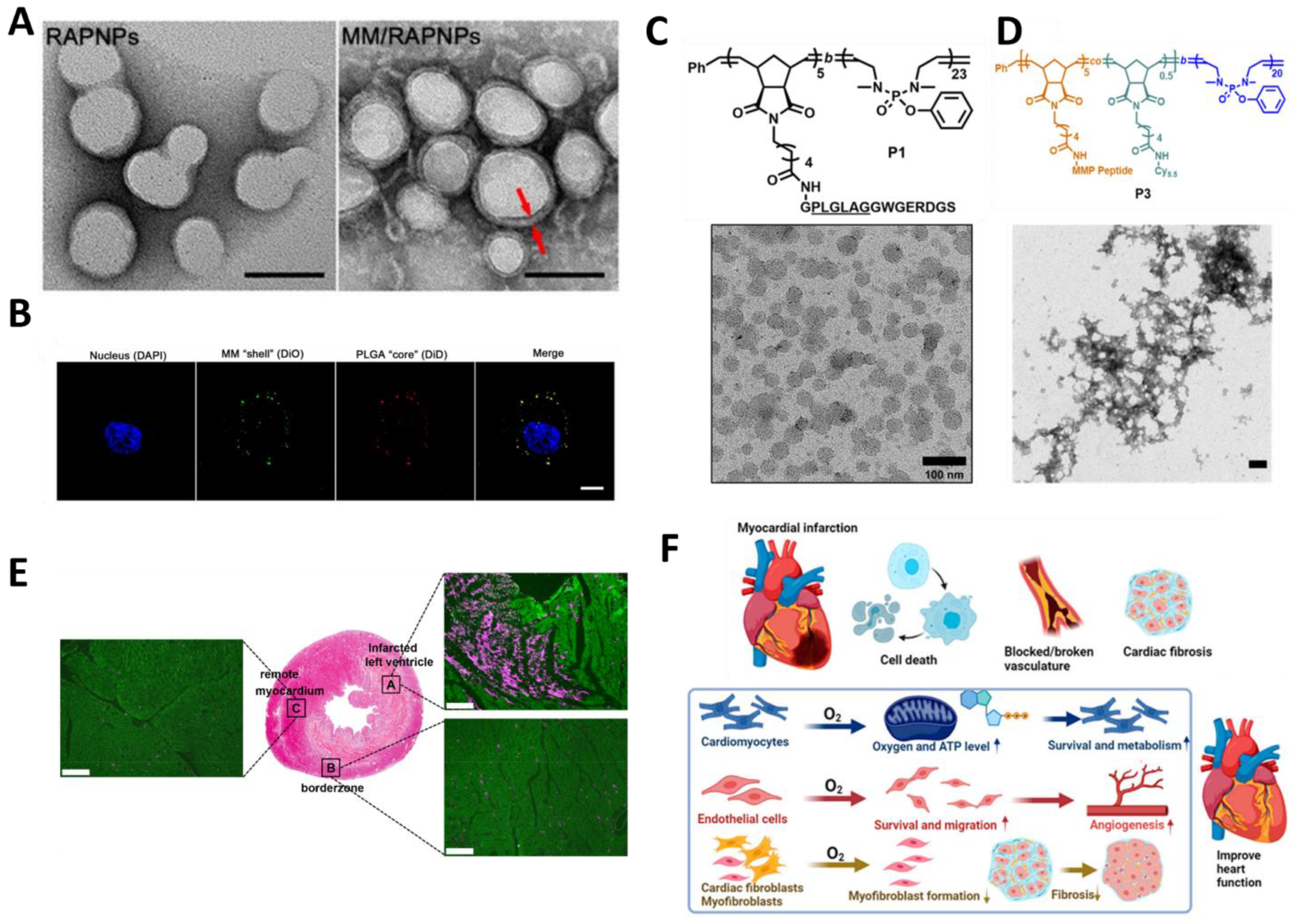
Advanced Nanomedicine Delivery Systems for Cardiovascular Diseases: Viral and Non-Viral Strategies in Targeted Therapy


Abstract
Share and Cite
Chen, Q.; Yu, T.; Gong, J.; Shan, H. Advanced Nanomedicine Delivery Systems for Cardiovascular Diseases: Viral and Non-Viral Strategies in Targeted Therapy. Molecules 2025, 30, 962. https://doi.org/10.3390/molecules30040962
Chen Q, Yu T, Gong J, Shan H. Advanced Nanomedicine Delivery Systems for Cardiovascular Diseases: Viral and Non-Viral Strategies in Targeted Therapy. Molecules. 2025; 30(4):962. https://doi.org/10.3390/molecules30040962
Chicago/Turabian StyleChen, Qian, Tong Yu, Jingyi Gong, and Hongli Shan. 2025. "Advanced Nanomedicine Delivery Systems for Cardiovascular Diseases: Viral and Non-Viral Strategies in Targeted Therapy" Molecules 30, no. 4: 962. https://doi.org/10.3390/molecules30040962
APA StyleChen, Q., Yu, T., Gong, J., & Shan, H. (2025). Advanced Nanomedicine Delivery Systems for Cardiovascular Diseases: Viral and Non-Viral Strategies in Targeted Therapy. Molecules, 30(4), 962. https://doi.org/10.3390/molecules30040962