
Editorial for “Organometallic Chemistry” Section, in Journal Molecules


- “Hot Articles” in the Organometallic Section of Molecules
- 1. Recent Developments in the Medicinal Applications of Silver-NHC Complexes and Imidazolium Saltsby Nicholas A. Johnson, Marie R. Southerland and Wiley J. YoungsMolecules 2017, 22(8), 1263; https://doi.org/10.3390/molecules22081263
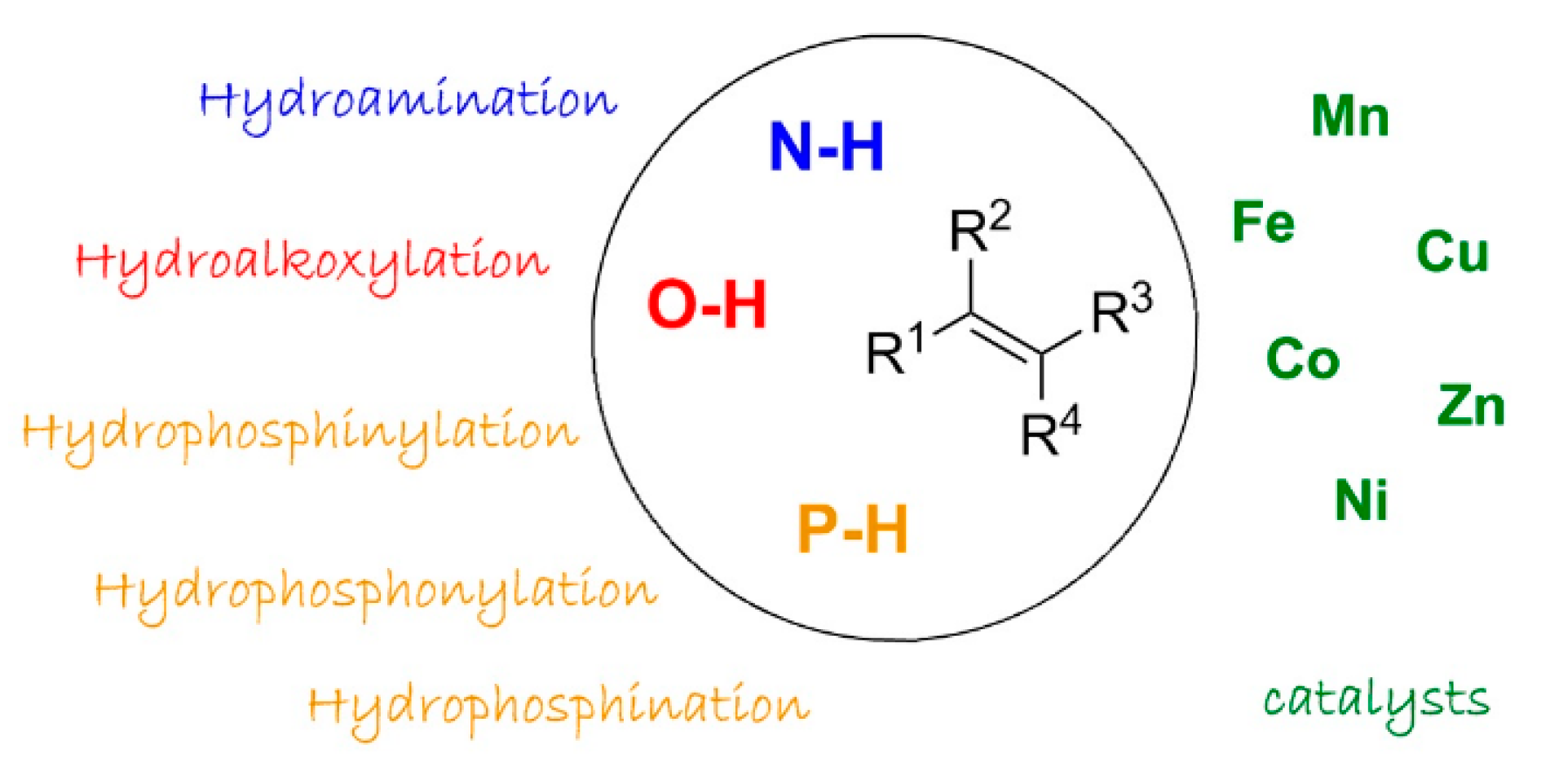
- 2. First-Row Late Transition Metals for Catalytic Alkene Hydrofunctionalisation: Recent Advances in C-N, C-O and C-P Bond Formationby Sophie Bezzenine-Lafollée, Richard Gil, Damien Prim and Jérôme HannedoucheMolecules 2017, 22(11), 1901; https://doi.org/10.3390/molecules22111901

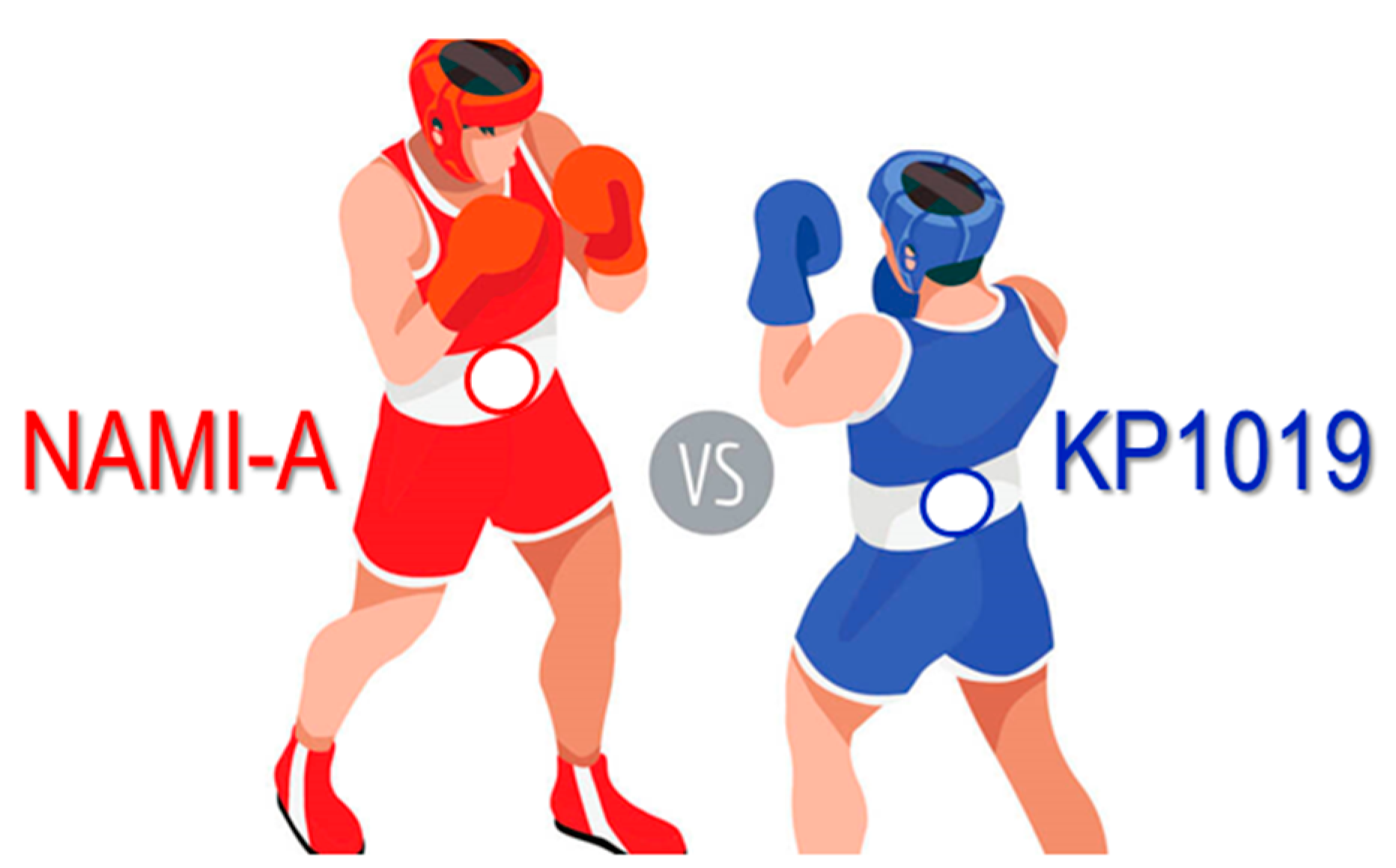
- 3. NAMI-A and KP1019/1339, Two Iconic Ruthenium Anticancer Drug Candidates Face-to-Face: A Case Story in Medicinal Inorganic Chemistryby Enzo Alessio and Luigi MessoriMolecules 2019, 24(10), 1995; https://doi.org/10.3390/molecules24101995

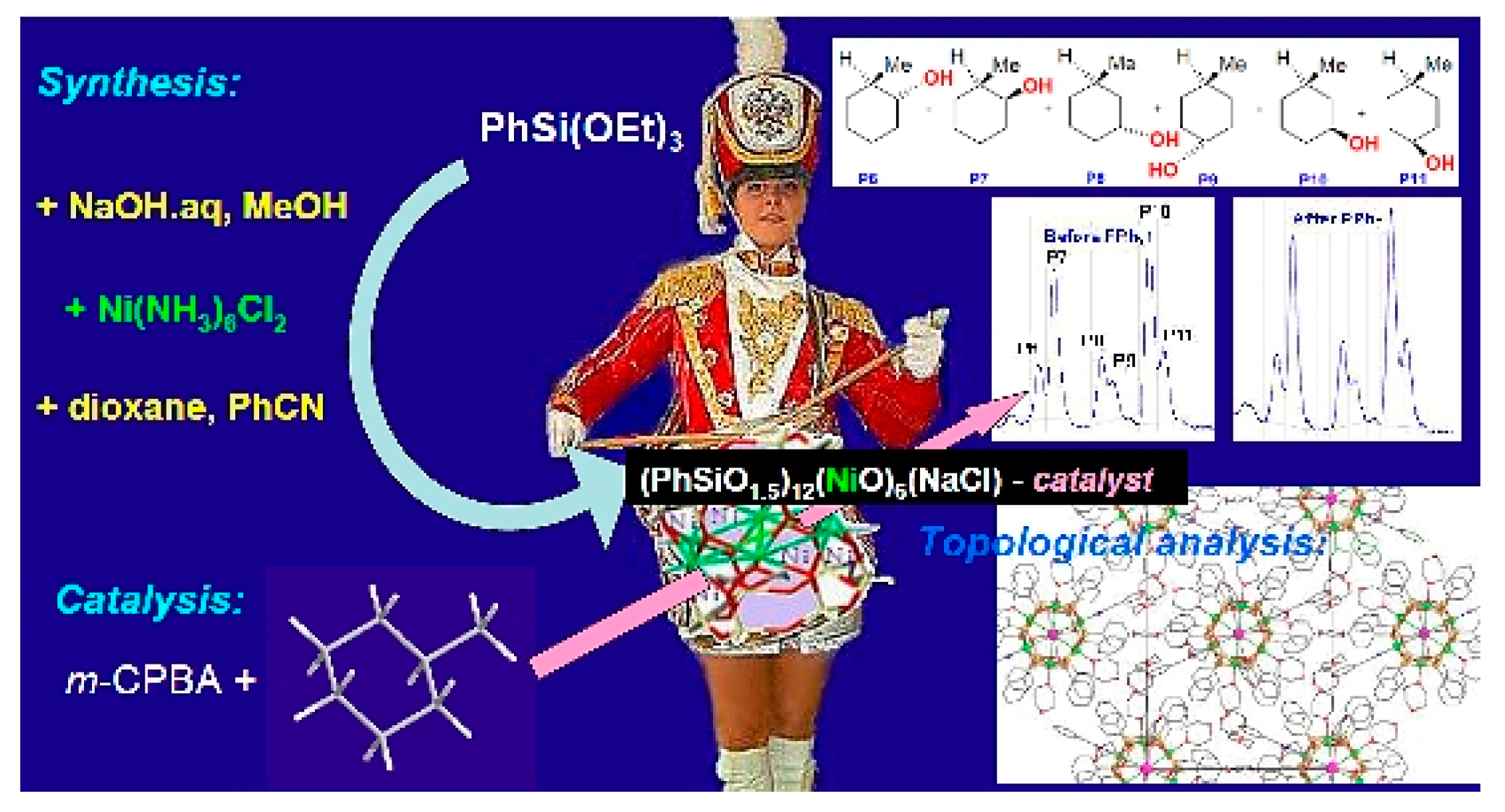
- 4. Novel Cage-Like Hexanuclear Nickel(II) Silsesquioxane. Synthesis, Structure, and Catalytic Activity in Oxidations with Peroxidesby Alexey N. Bilyachenko, Alexey I. Yalymov, Lidia S. Shul’pina, Dalmo Mandelli, Alexander A. Korlyukov, Anna V. Vologzhanina, Marina A. Es’kova, Elena S. Shubina, Mikhail M. Levitsky and Georgiy B. Shul’pinMolecules 2016, 21(5), 665; https://doi.org/10.3390/molecules21050665

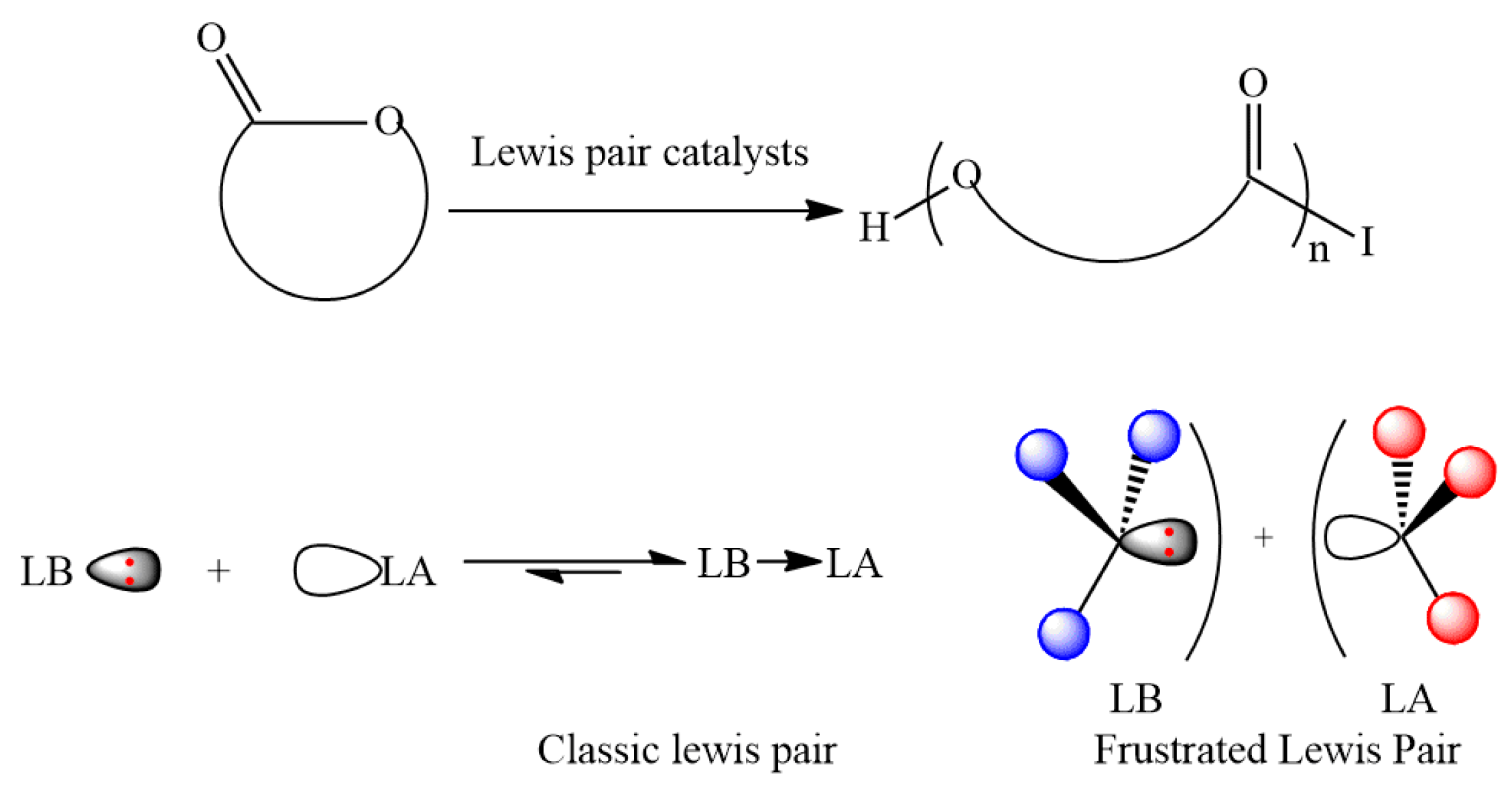
- 5. Lewis Pair Catalysts in the Polymerization of Lactide and Related Cyclic Estersby Xinlei Li, Changjuan Chen and Jincai WuMolecules 2018, 23(1), 189; https://doi.org/10.3390/molecules23010189

- 6. The Lewis Pair Polymerization of Lactones Using Metal Halides and N-Heterocyclic Olefins: Theoretical Insightsby Jan Meisner, Johannes Karwounopoulos, Patrick Walther, Johannes Kästner and Stefan NaumannMolecules 2018, 23(2), 432; https://doi.org/10.3390/molecules23020432

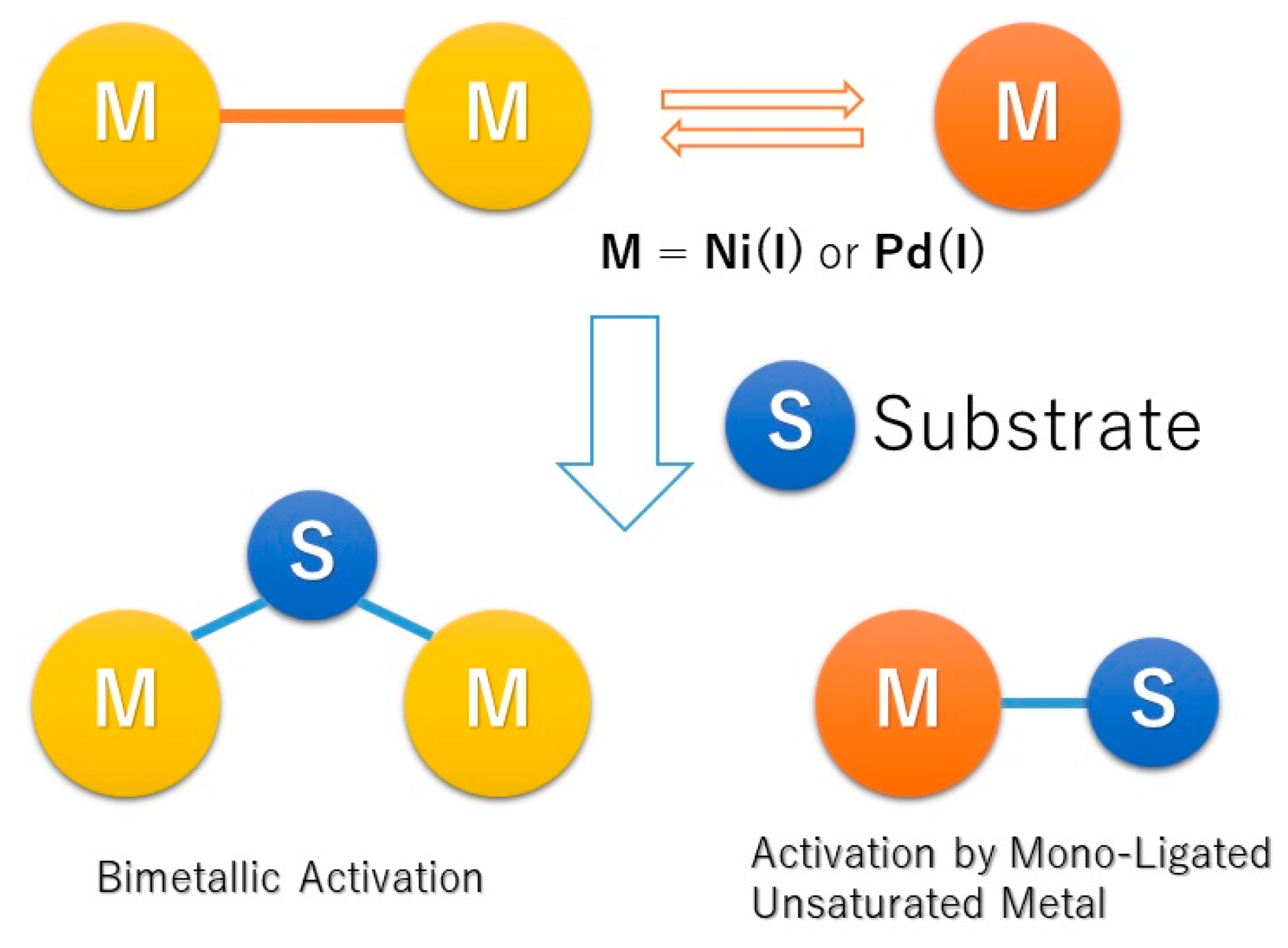
- 7. Dinuclear Nickel(I) and Palladium(I) Complexes for Highly Active Transformations of Organic Compoundsby Takahiro Inatomi, Yuji Koga and Kouki MatsubaraMolecules 2018, 23(1), 140; https://doi.org/10.3390/molecules23010140

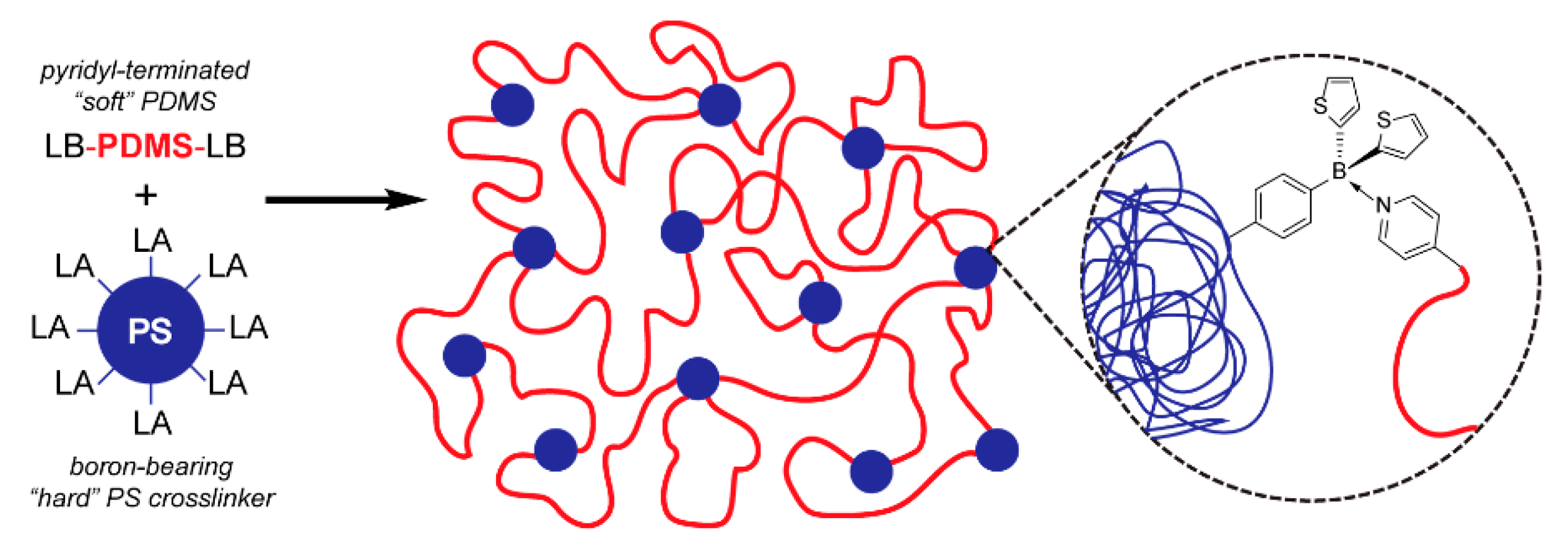
- 8. Polysiloxane/Polystyrene Thermo-Responsive and Self-Healing Polymer Network via Lewis Acid-Lewis Base Pair Formationby Fernando Vidal, Huina Lin, Cecilia Morales and Frieder JäkleMolecules 2018, 23(2), 405; https://doi.org/10.3390/molecules23020405

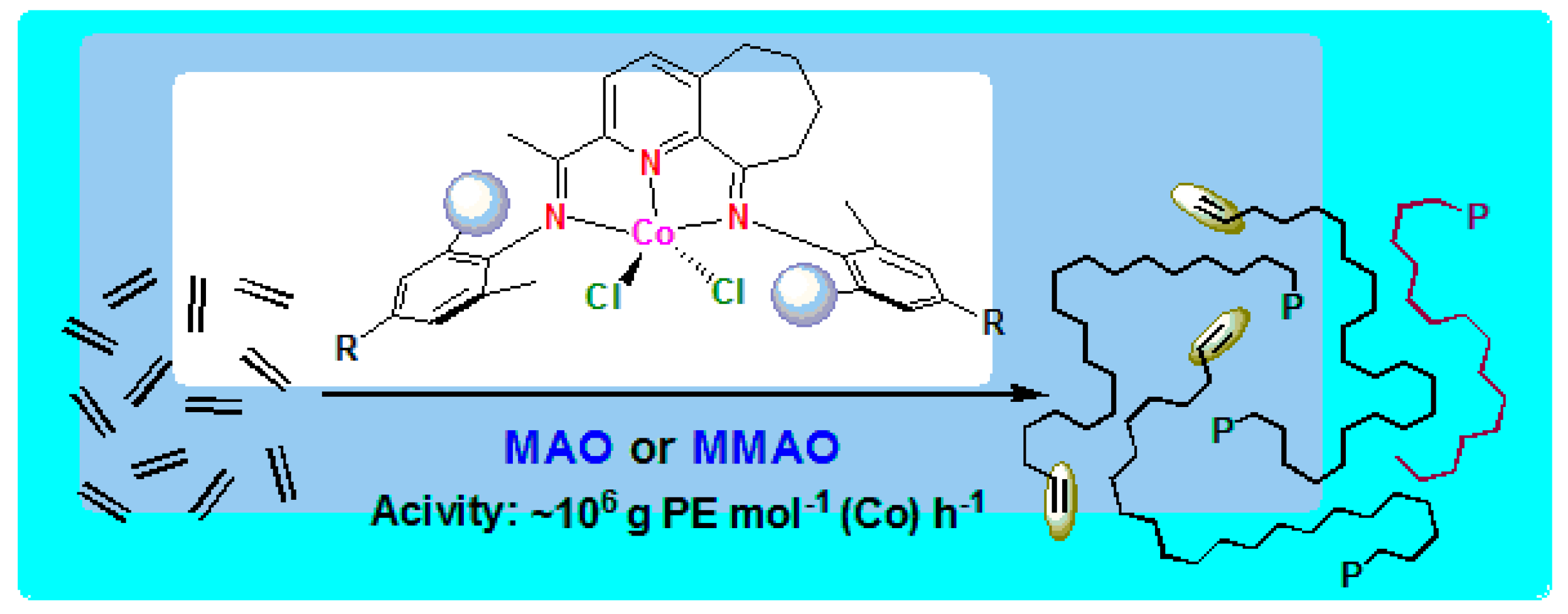
- 9. Highly Linear Polyethylenes Achieved Using Thermo-Stable and Efficient Cobalt Precatalysts Bearing Carbocyclic-Fused NNN-Pincer Ligandby Jingjing Guo, Zheng Wang, Wenjuan Zhang, Ivan I. Oleynik, Arumugam Vignesh, Irina V. Oleynik, Xinquan Hu, Yang Sun and Wen-Hua SunMolecules 2019, 24(6), 1176; https://doi.org/10.3390/molecules24061176

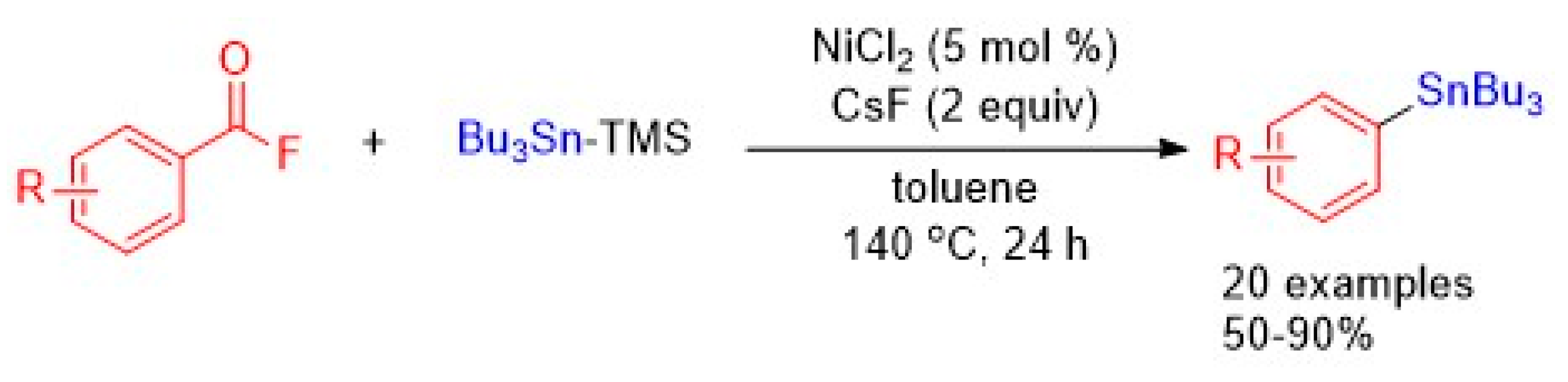
- 10. Nickel-Catalyzed Decarbonylative Stannylation of Acyl Fluorides under Ligand-Free Conditionsby Xiu Wang, Zhenhua Wang, Li Liu, Yuya Asanuma and Yasushi NishiharaMolecules 2019, 24(9), 1671; https://doi.org/10.3390/molecules24091671


Funding
Conflicts of Interest
References
- Johnson, N.A.; Southerland, M.R.; Youngs, W.J. Recent Developments in the Medicinal Applications of Silver-NHC Complexes and Imidazolium Salts. Molecules 2017, 22, 1263. [Google Scholar] [CrossRef] [PubMed]
- Bezzenine-Lafollée, S.; Gil, R.; Prim, D.; Hannedouche, J. First-Row Late Transition Metals for Catalytic Alkene Hydrofunctionalisation: Recent Advances in C-N, C-O and C-P Bond Formation. Molecules 2017, 22, 1901. [Google Scholar] [CrossRef] [PubMed]
- Alessio, E.; Messori, L. NAMI-A and KP1019/1339, Two Iconic Ruthenium Anticancer Drug Candidates Face-to-Face: A Case Story in Medicinal Inorganic Chemistry. Molecules 2019, 24, 1995. [Google Scholar] [CrossRef] [PubMed]
- Bilyachenko, A.N.; Yalymov, A.I.; Shul’pina, L.S.; Mandelli, D.; Korlyukov, A.A.; Vologzhanina, A.V.; Es’kova, M.A.; Shubina, E.S.; Levitsky, M.M.; Shul’pin, G.B. Novel Cage-Like Hexanuclear Nickel(II) Silsesquioxane. Synthesis, Structure, and Catalytic Activity in Oxidations with Peroxides. Molecules 2016, 21, 665. [Google Scholar] [CrossRef] [PubMed]
- Li, X.; Chen, C.; Wu, J. Lewis Pair Catalysts in the Polymerization of Lactide and Related Cyclic Esters. Molecules 2018, 23, 189. [Google Scholar] [CrossRef] [PubMed]
- Meisner, J.; Karwounopoulos, J.; Walther, P.; Kästner, J.; Naumann, S. The Lewis Pair Polymerization of Lactones Using Metal Halides and N-Heterocyclic Olefins: Theoretical Insights. Molecules 2018, 23, 432. [Google Scholar] [CrossRef] [PubMed]
- Inatomi, T.; Koga, Y.; Matsubara, K. Dinuclear Nickel(I) and Palladium(I) Complexes for Highly Active Transformations of Organic Compounds. Molecules 2018, 23, 140. [Google Scholar] [CrossRef] [PubMed]
- Vidal, F.; Lin, H.; Morales, C.; Jäkle, F. Polysiloxane/Polystyrene Thermo-Responsive and Self-Healing Polymer Network via Lewis Acid-Lewis Base Pair Formation. Molecules 2018, 23, 405. [Google Scholar] [CrossRef] [PubMed]
- Guo, J.; Wang, Z.; Zhang, W.; Oleynik, I.I.; Vignesh, A.; Oleynik, I.V.; Hu, X.; Sun, Y.; Sun, W.-H. Highly Linear Polyethylenes Achieved Using Thermo-Stable and Efficient Cobalt Precatalysts Bearing Carbocyclic-Fused NNN-Pincer Ligand. Molecules 2019, 24, 1176. [Google Scholar] [CrossRef] [PubMed]
- Wang, X.; Wang, Z.; Liu, L.; Asanuma, Y.; Nishihara, Y. Nickel-Catalyzed Decarbonylative Stannylation of Acyl Fluorides under Ligand-Free Conditions. Molecules 2019, 24, 1671. [Google Scholar] [CrossRef] [PubMed]
© 2020 by the author. Licensee MDPI, Basel, Switzerland. This article is an open access article distributed under the terms and conditions of the Creative Commons Attribution (CC BY) license (http://creativecommons.org/licenses/by/4.0/).
Share and Cite
Szostak, M. Editorial for “Organometallic Chemistry” Section, in Journal Molecules. Molecules 2020, 25, 3038. https://doi.org/10.3390/molecules25133038
Szostak M. Editorial for “Organometallic Chemistry” Section, in Journal Molecules. Molecules. 2020; 25(13):3038. https://doi.org/10.3390/molecules25133038
Chicago/Turabian StyleSzostak, Michal. 2020. "Editorial for “Organometallic Chemistry” Section, in Journal Molecules" Molecules 25, no. 13: 3038. https://doi.org/10.3390/molecules25133038
APA StyleSzostak, M. (2020). Editorial for “Organometallic Chemistry” Section, in Journal Molecules. Molecules, 25(13), 3038. https://doi.org/10.3390/molecules25133038